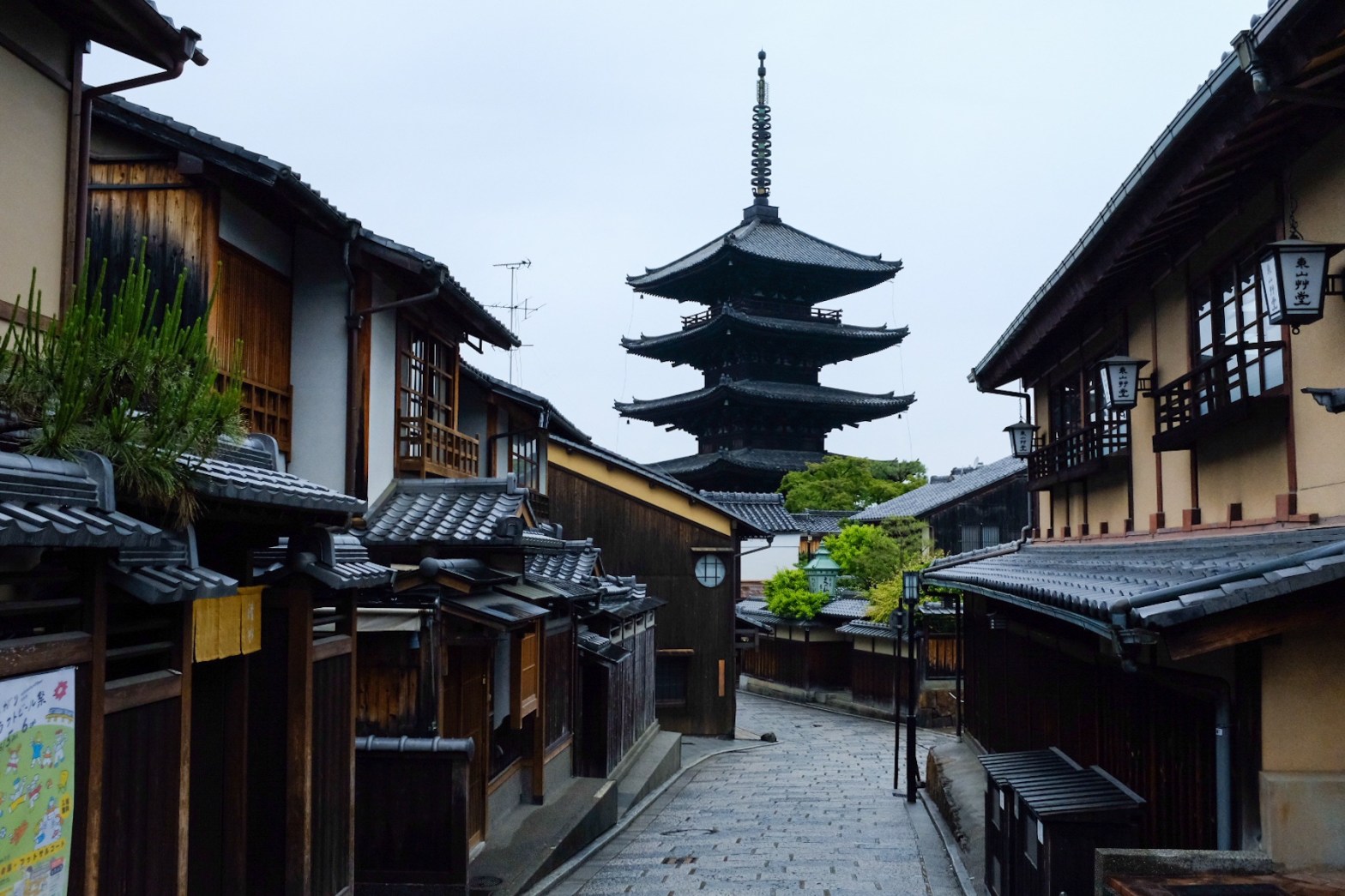
Japan – “The Land of the Rising Sun”, my last destination. An archipelago on the eastern edge of Asia with Siberian Russia to the North, Korea & China to its East. Thousands of years as an isolated island country, Japan underwent many of its cultural evolutions in solitude, creating a truly unique traditional culture. As connections with the world grew, Japanese tradition was influenced and altered to create the identity of modern Japan – influenced by its Asian neighbors and Western colonialists.
I have loved my time in Asia – from India & Nepal to Vietnam, Laos, & Thailand, the variety of cultures, religions, customs, politics, food, and people have culminated into the highlight of my trip. Japan, on the opposite end of my entry into Asia (3600 miles to be exact) was a perfect conclusion to my 3 months in the region (the Japanese archipelago separated from the Asian continent 15 million years ago but for the sake of simplicity, it is part of the continent).
Tokyo: The “Eastern Capital”

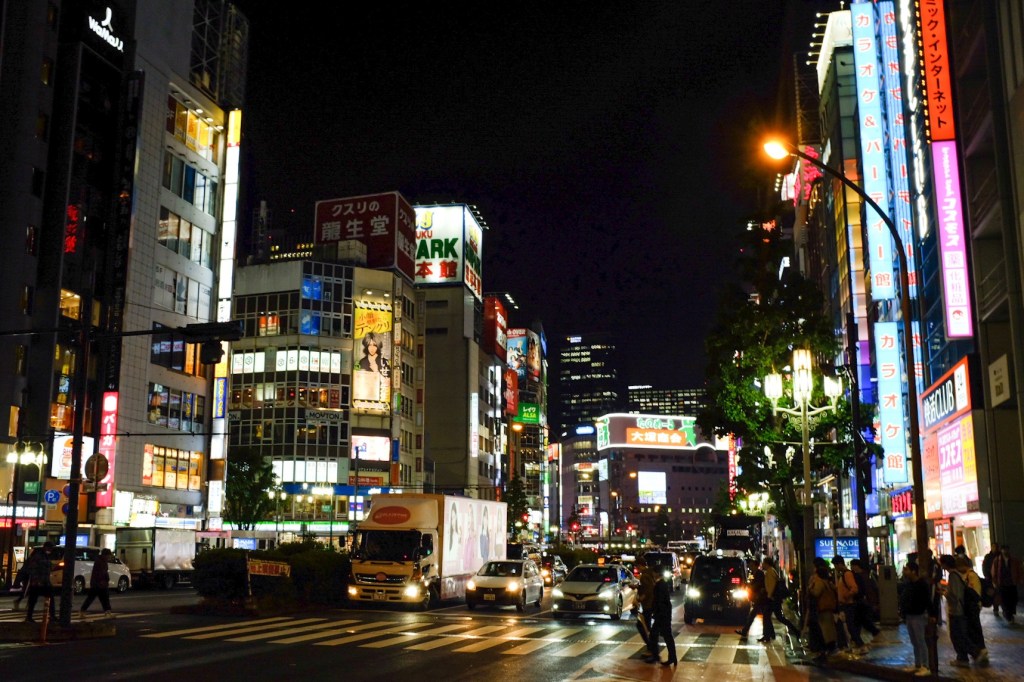
Tokyo is a massive metropolis with a never-ending list of things to do. Japan’s capital, it is the world’s largest city with an urban population of over 38.5 million people. It’s one of Japan’s 47 prefectures and is part of the Kanto region on the southeastern side of Honshu, Japan’s main island.
Tokyo started off as a small fishing village called Edo before becoming a prominent political center and castle town in the 17th century. In 1868, Empreror Meiji moved the imperial seat from Kyoto to Edo, renaming the city Tokyo (‘the Eastern Capital”).
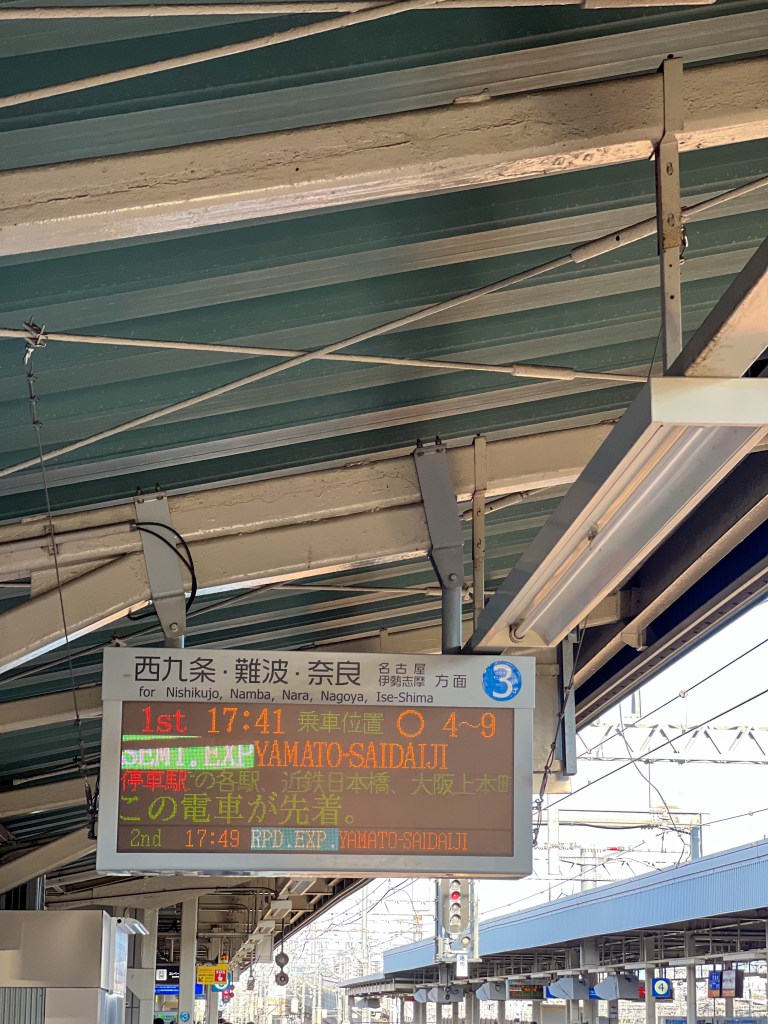
Today, Tokyo is a major financial, technological, and cultural hub – an amalgamation of museums, temples, gardens, and an extensive (and quite complicated) rail system.
But perhaps best of all, is its food.
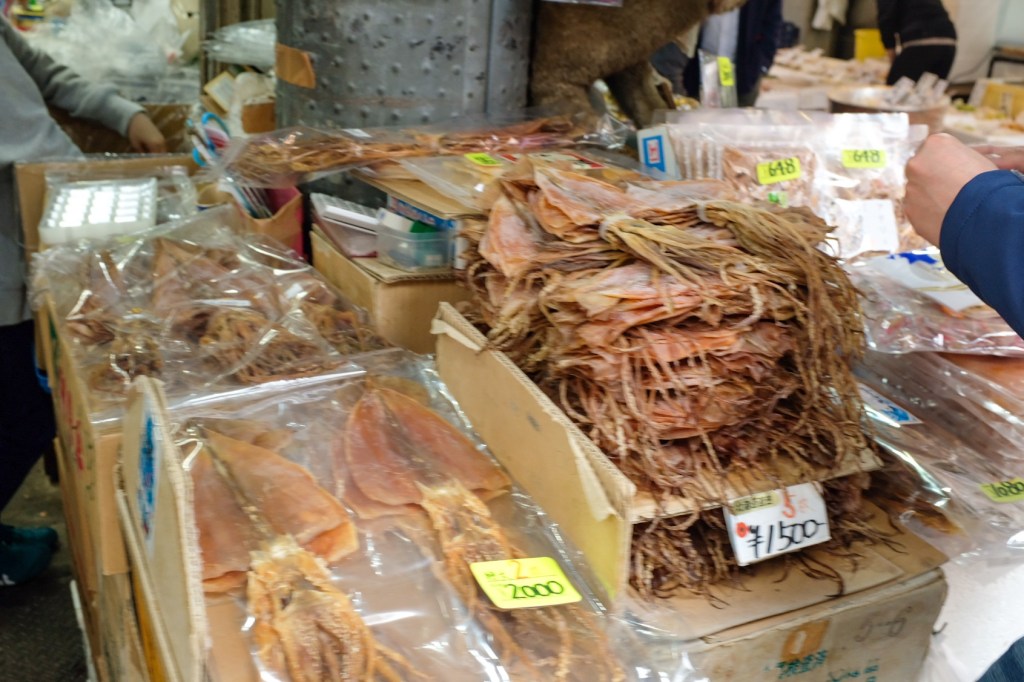
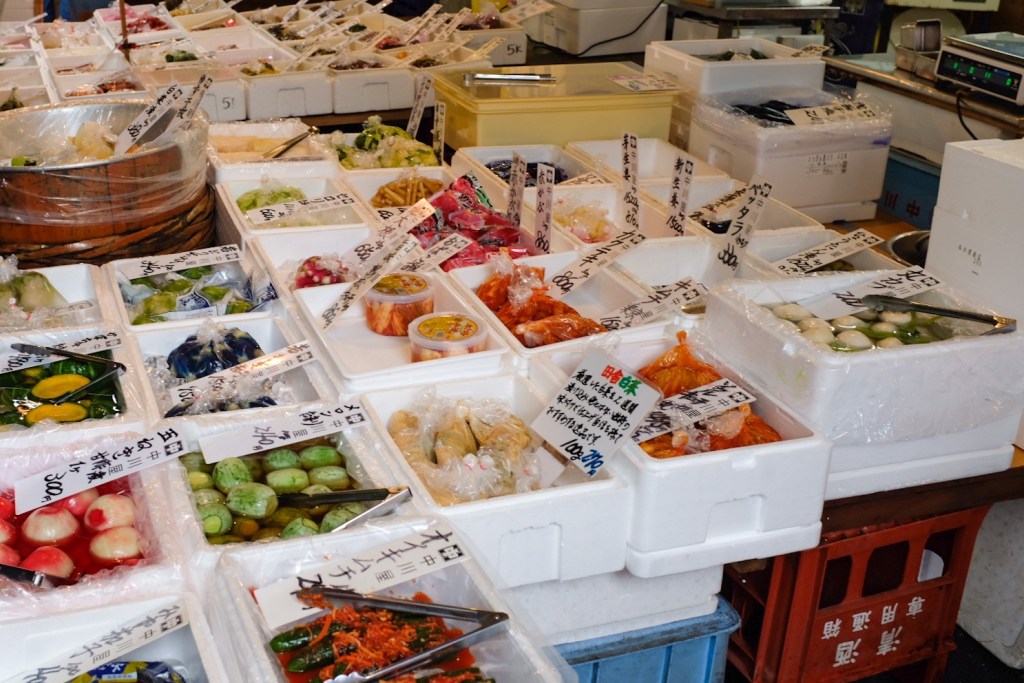
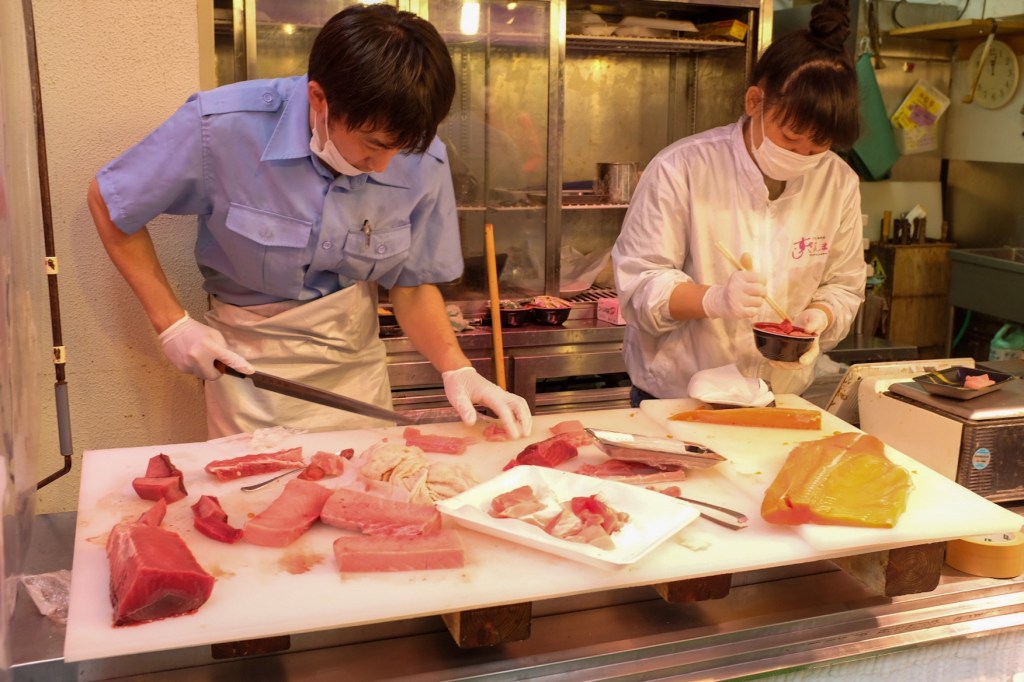
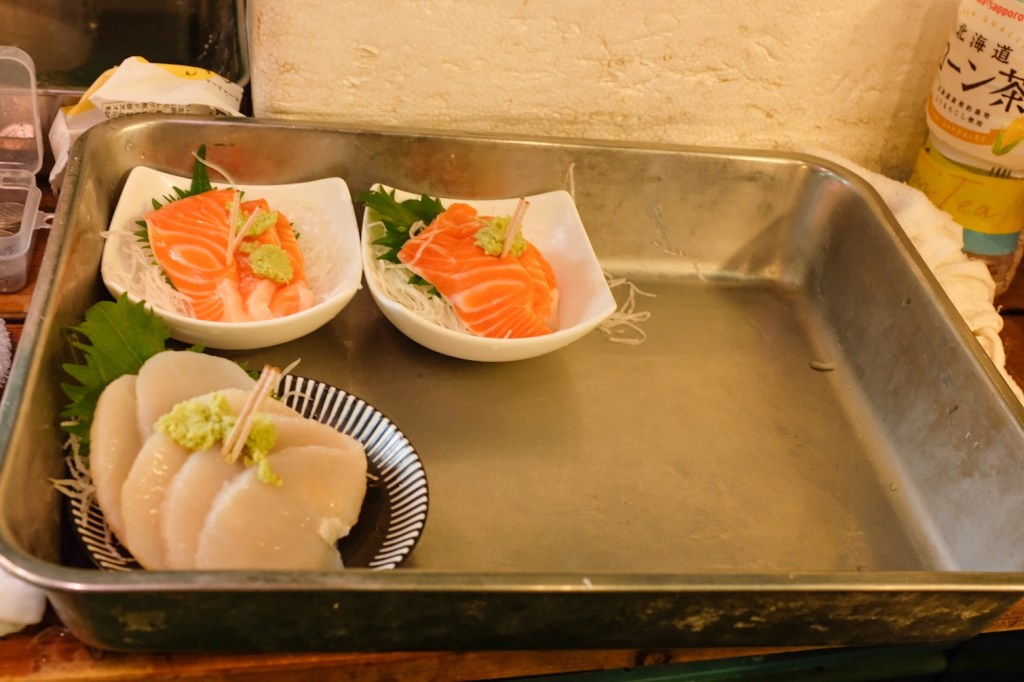
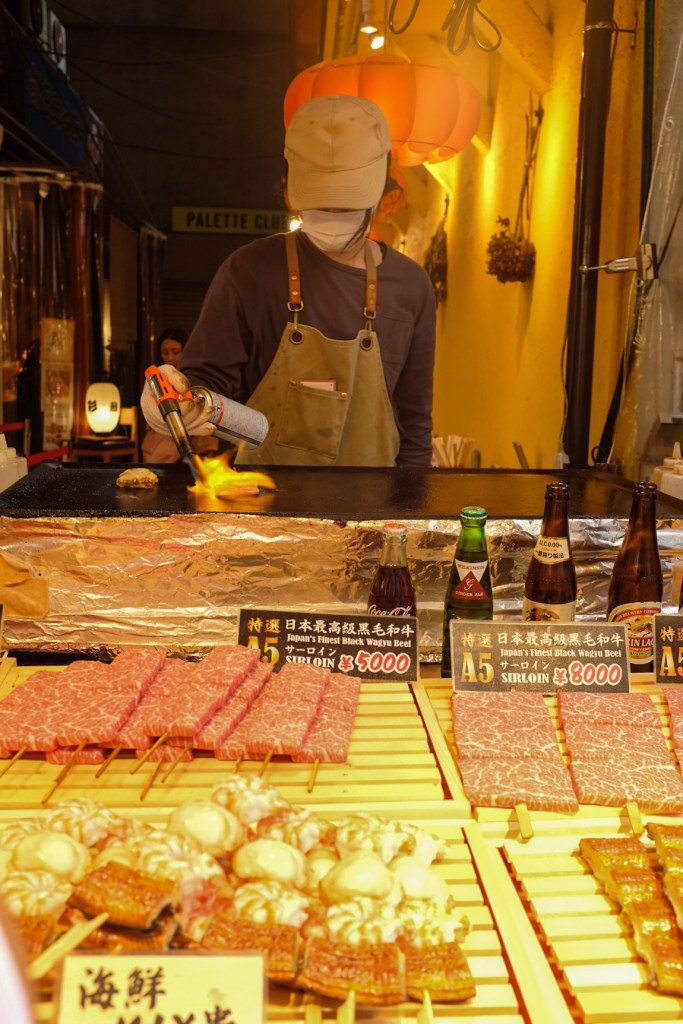
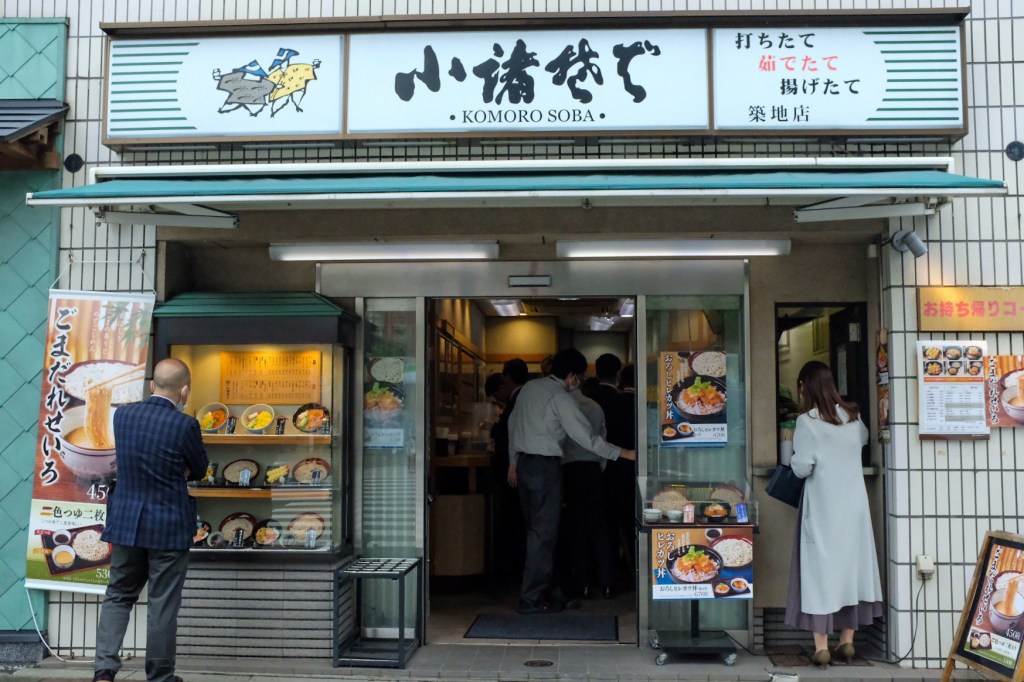
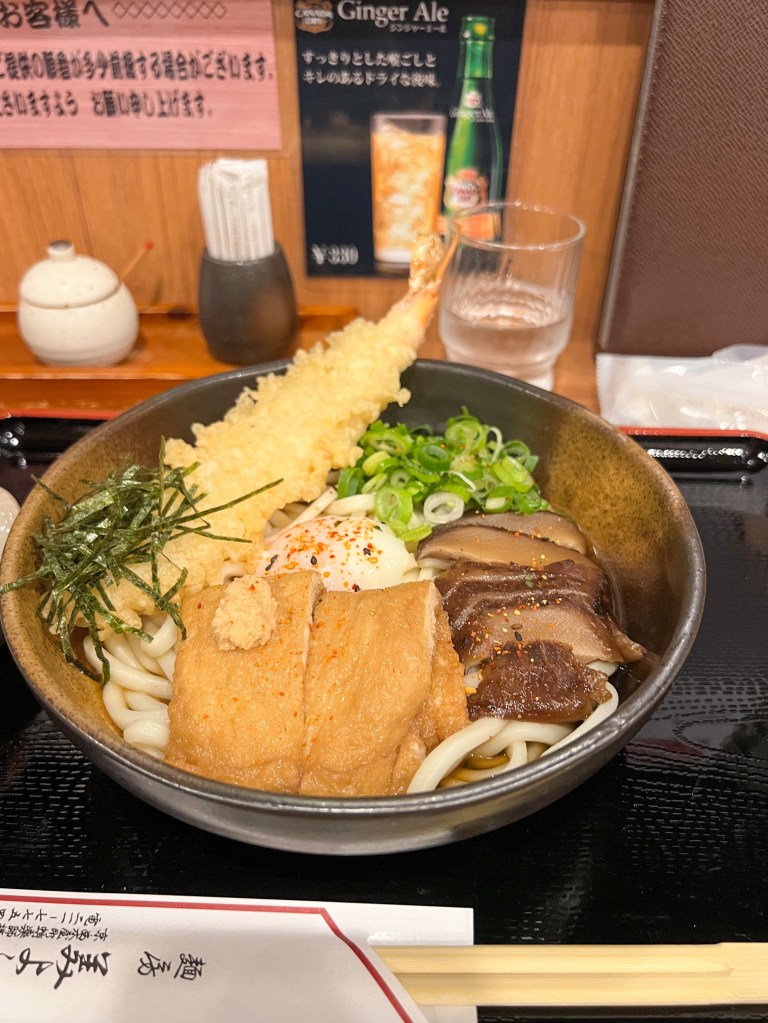
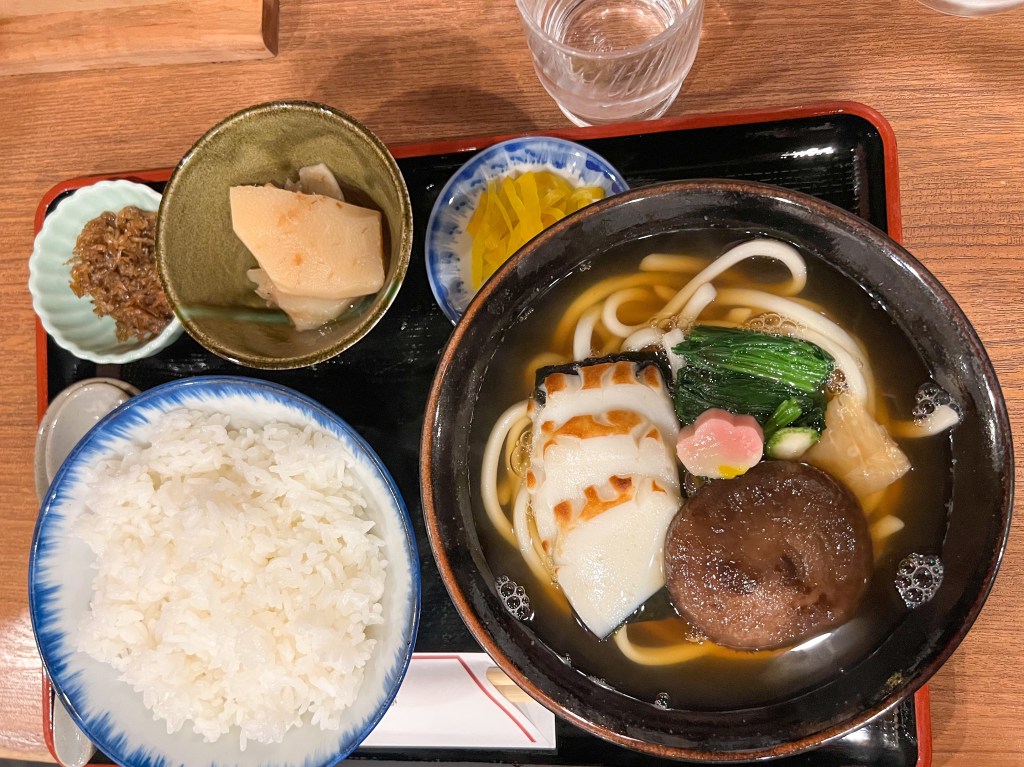
Known for its many delicious dishes: sushi, ramen, soba, udon, tempura, kobe beef, miso, grilled fish & squid, shellfish, umuri rice, nori, etc.. the food opportunities are endless. Here’s a sample:
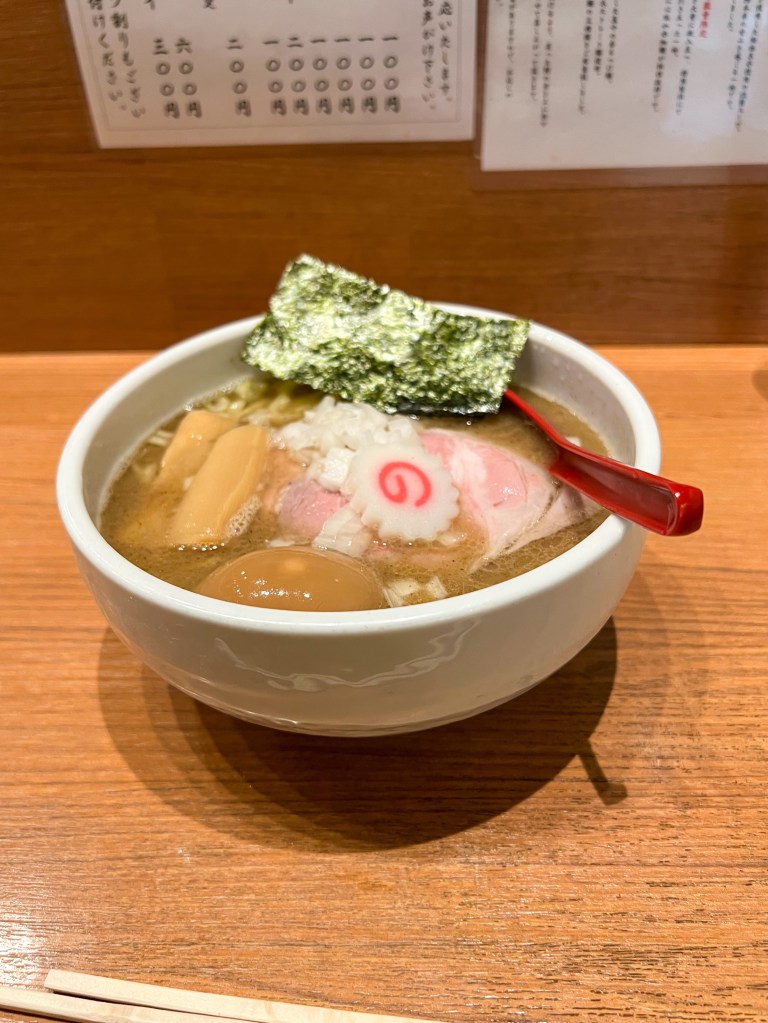
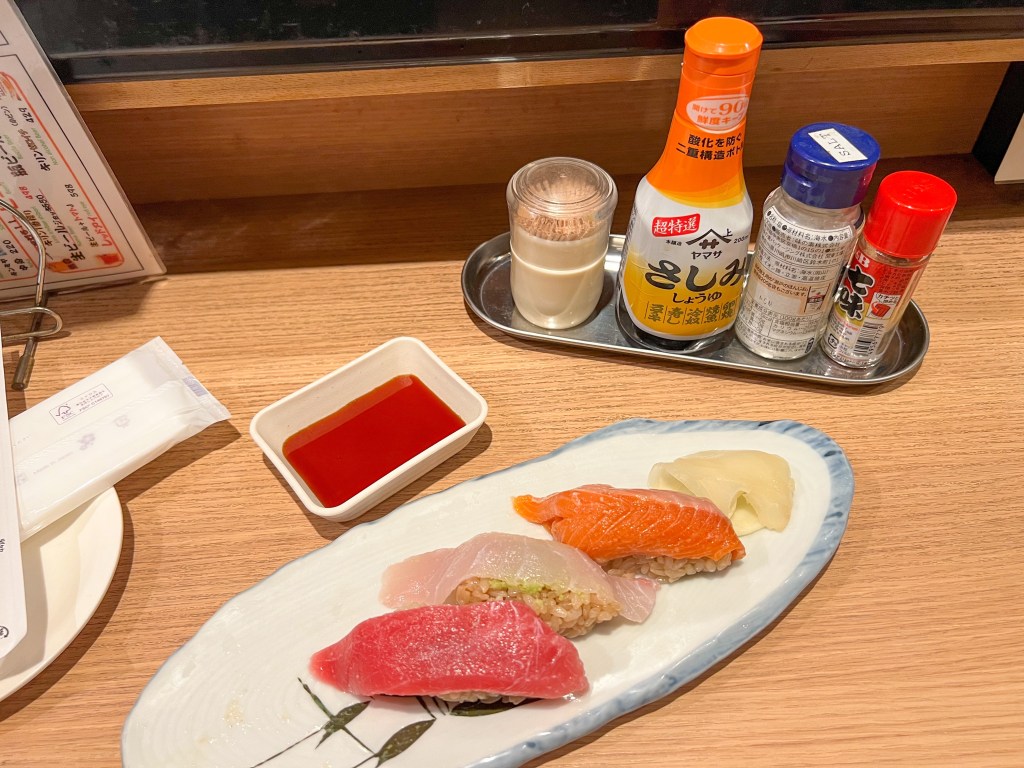
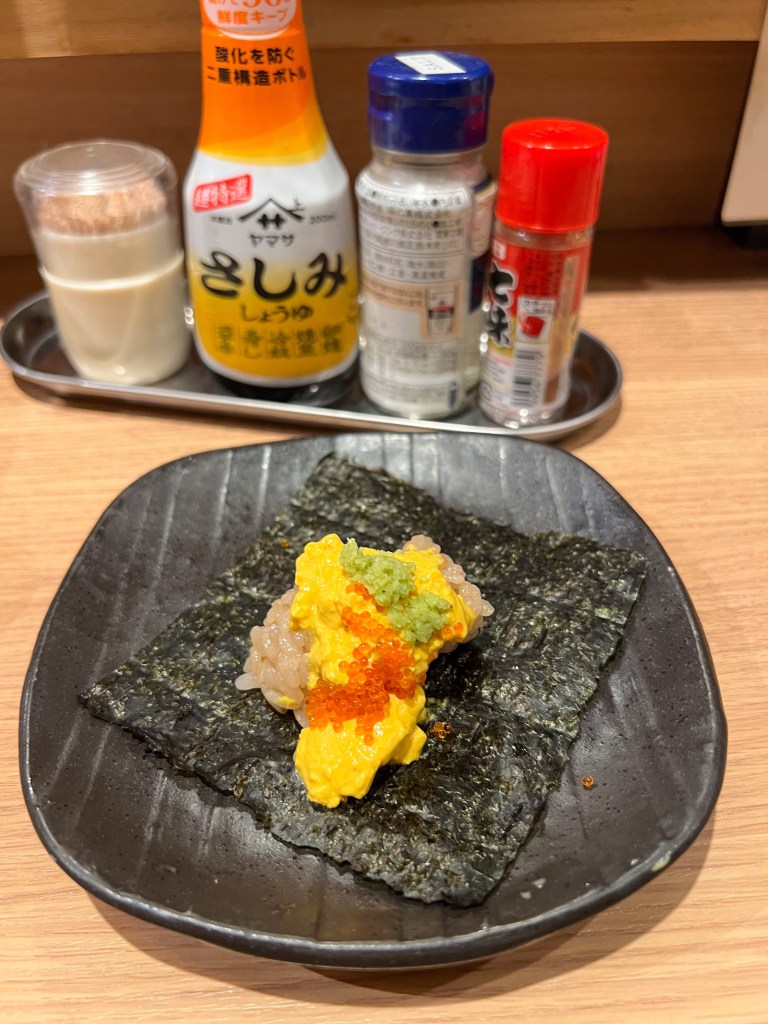
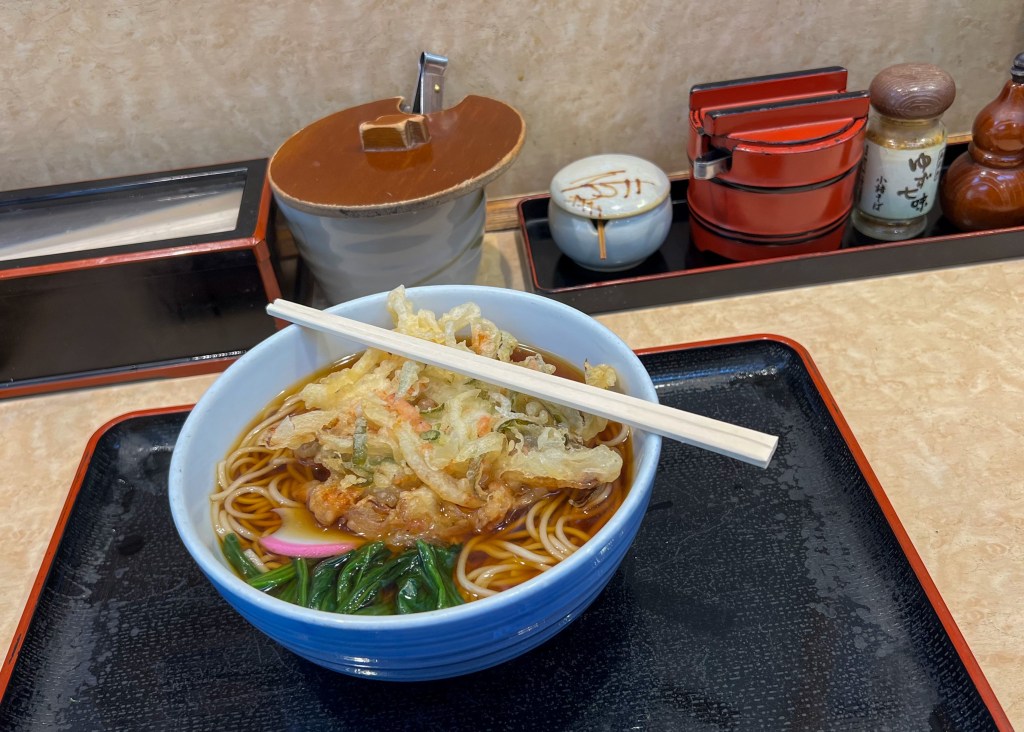
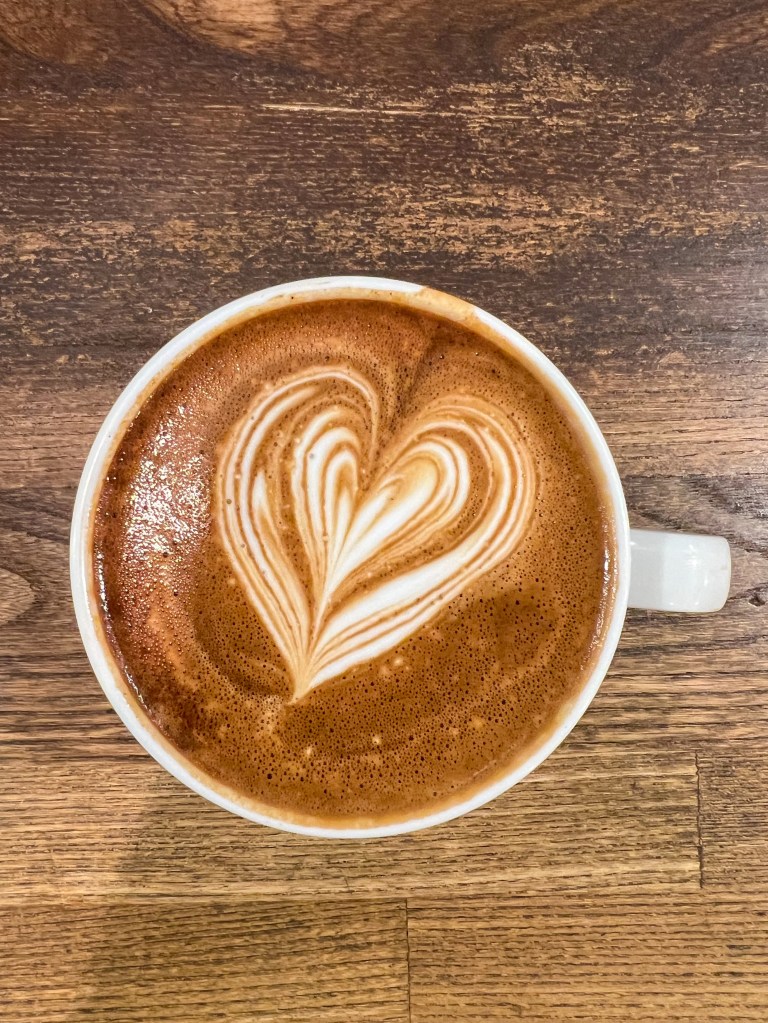
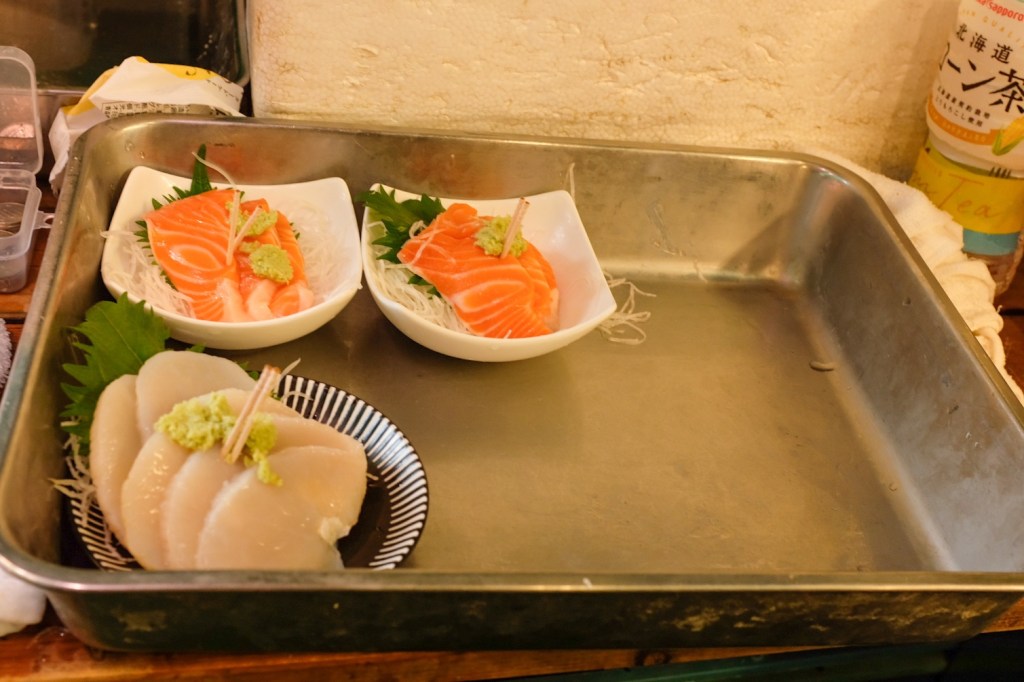
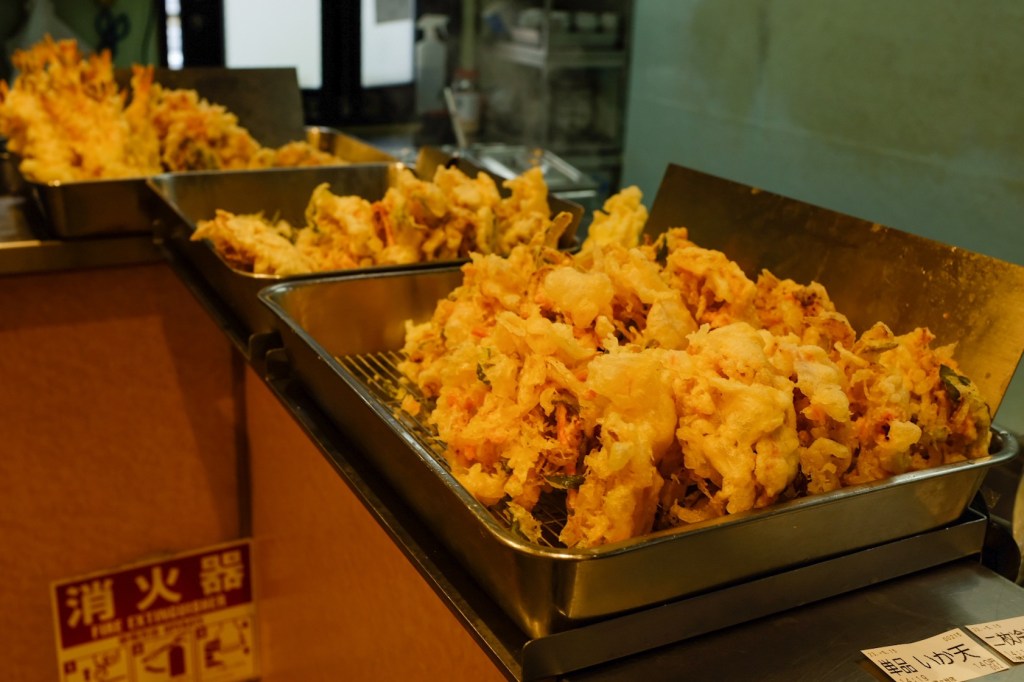
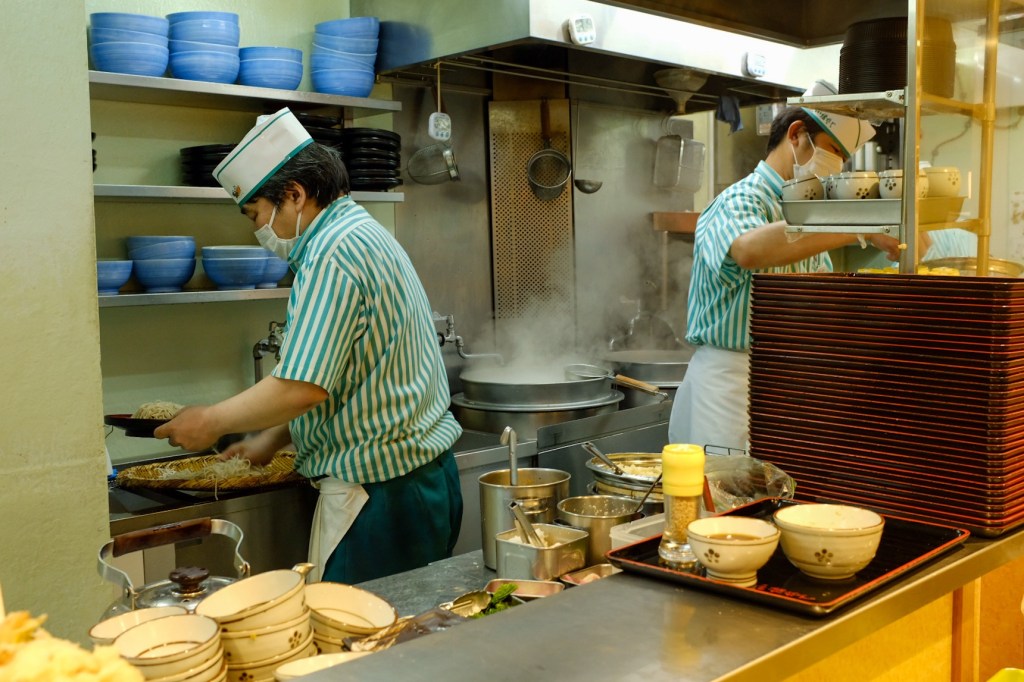
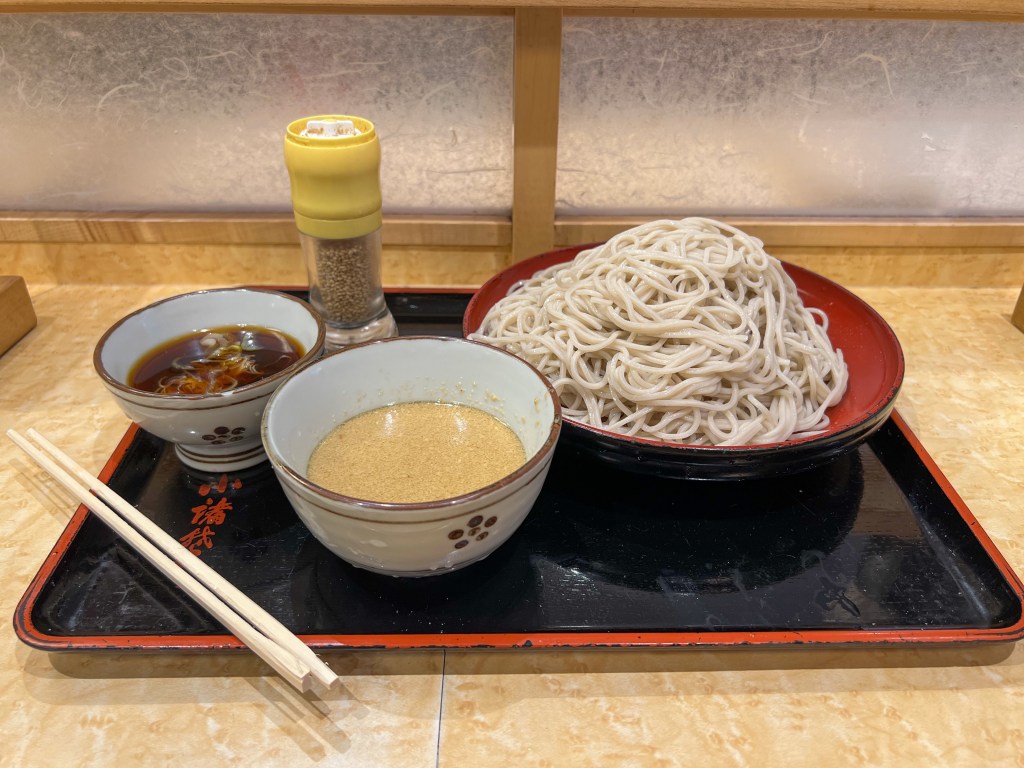
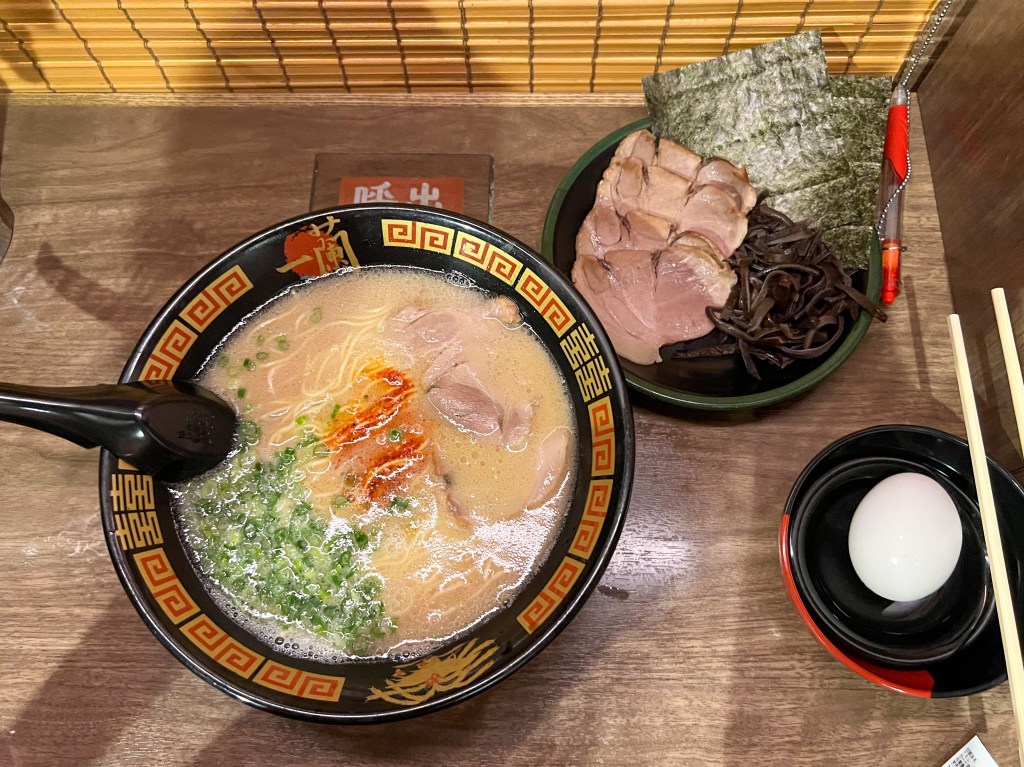
The first couple days I spent just walking around, taking in the city. I visited the Tsukiji Fish Market. Tsukiji is one of the biggest fish markets in Japan. It is located in central Tokyo, and there are about 400 shops lining the streets. A mix of wholesale and retail shops, along with numerous restaurants the market is packed with locals and tourists, looking for a bite to eat.
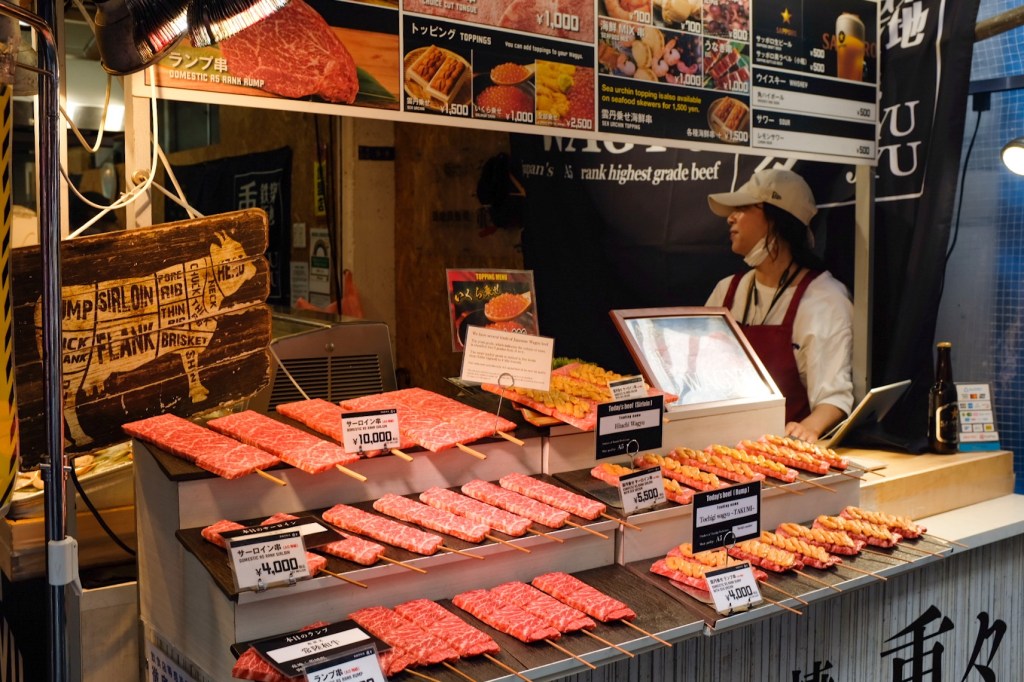





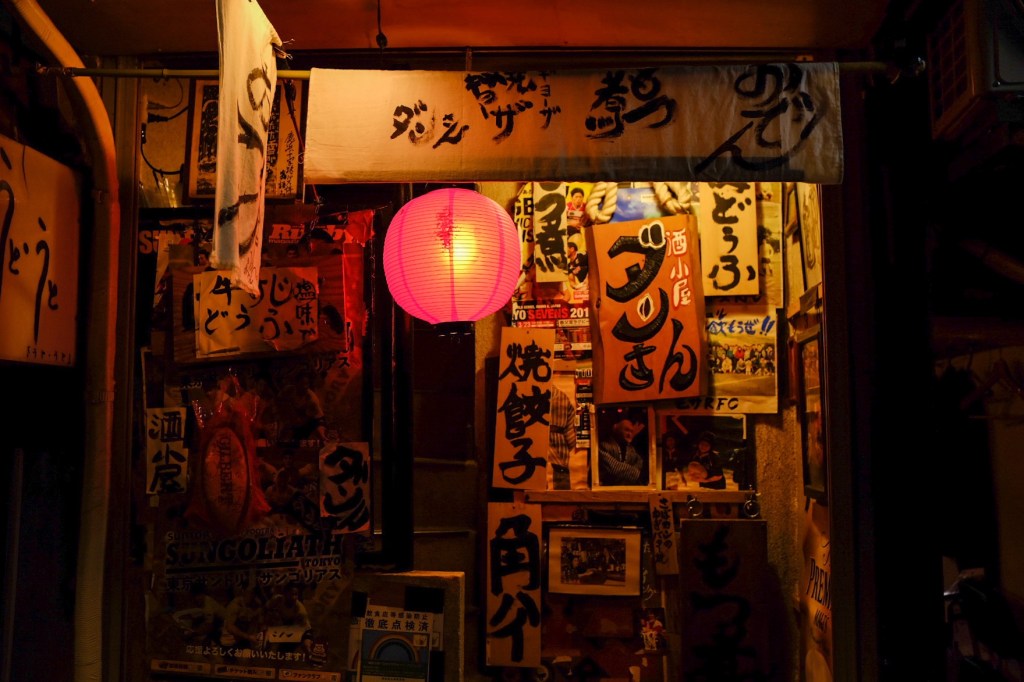
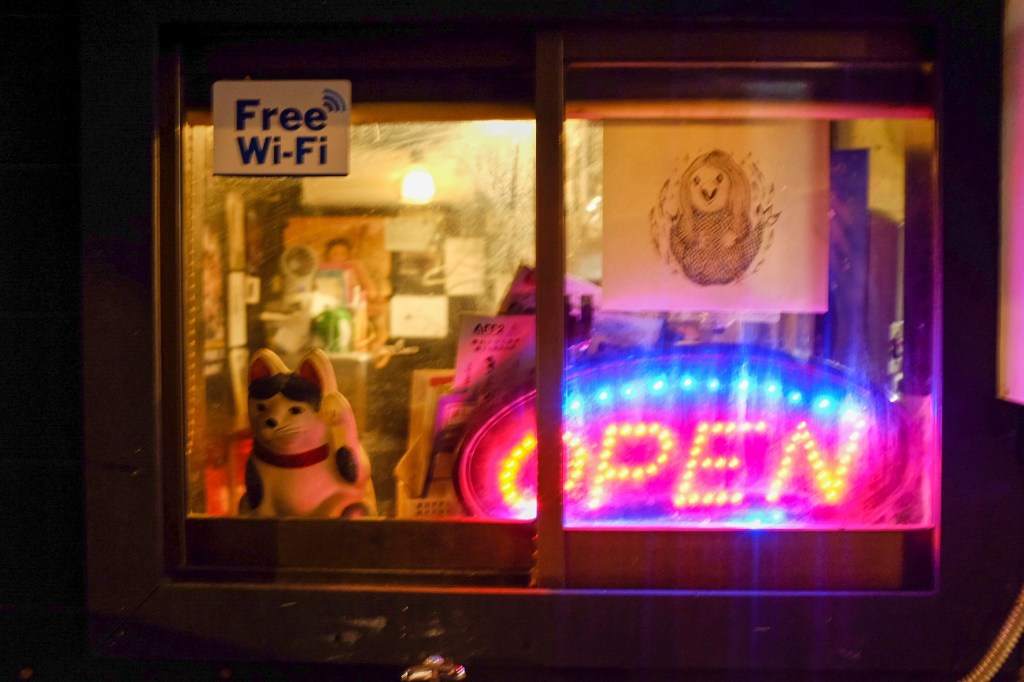
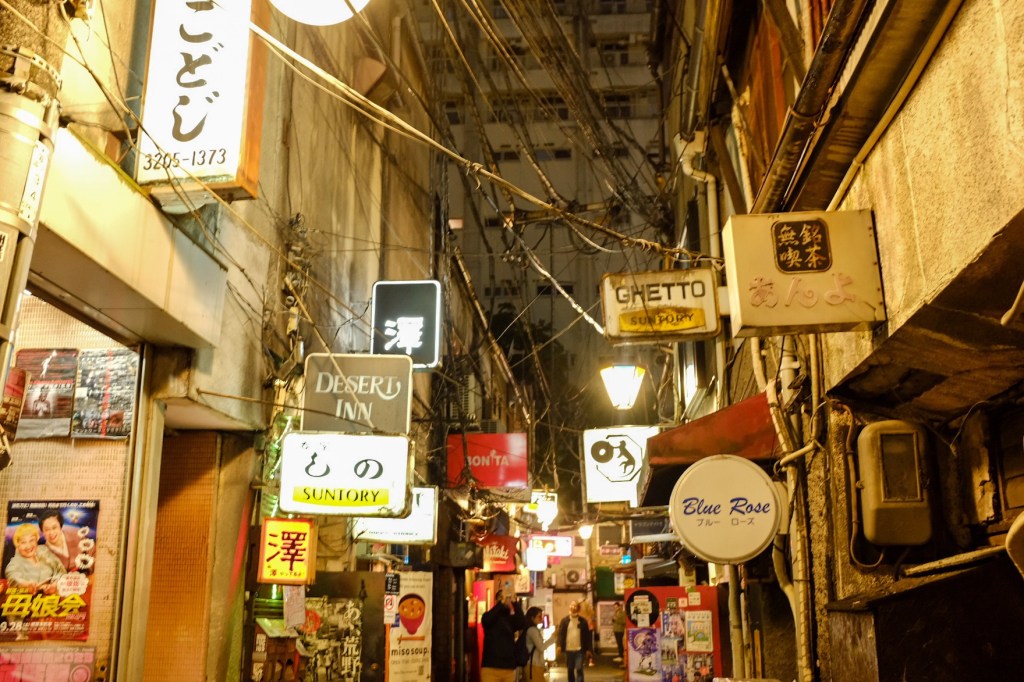
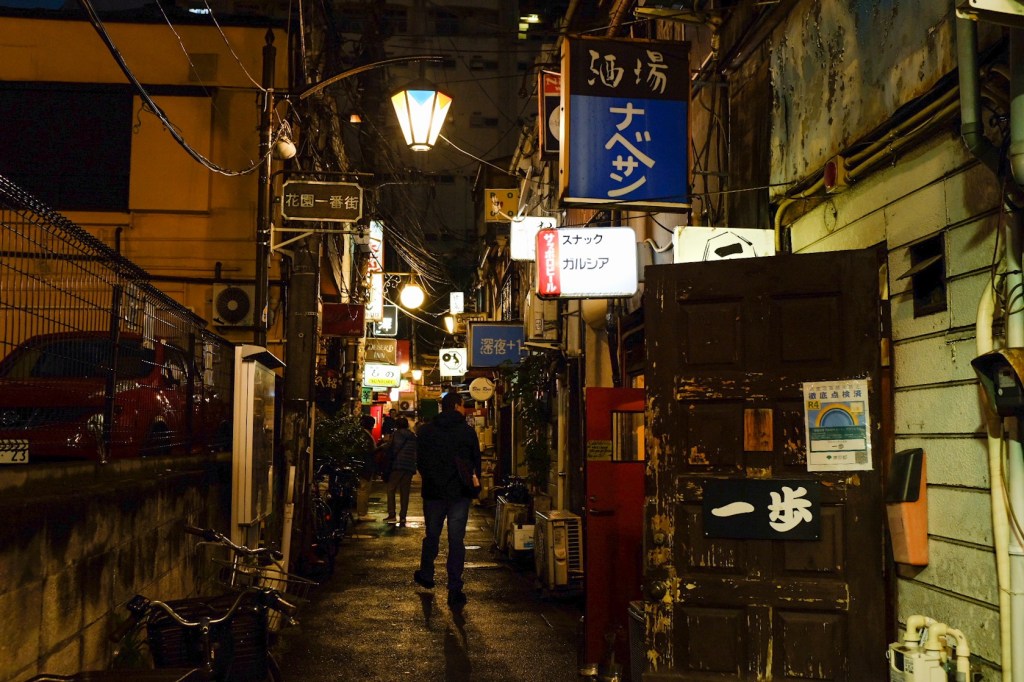
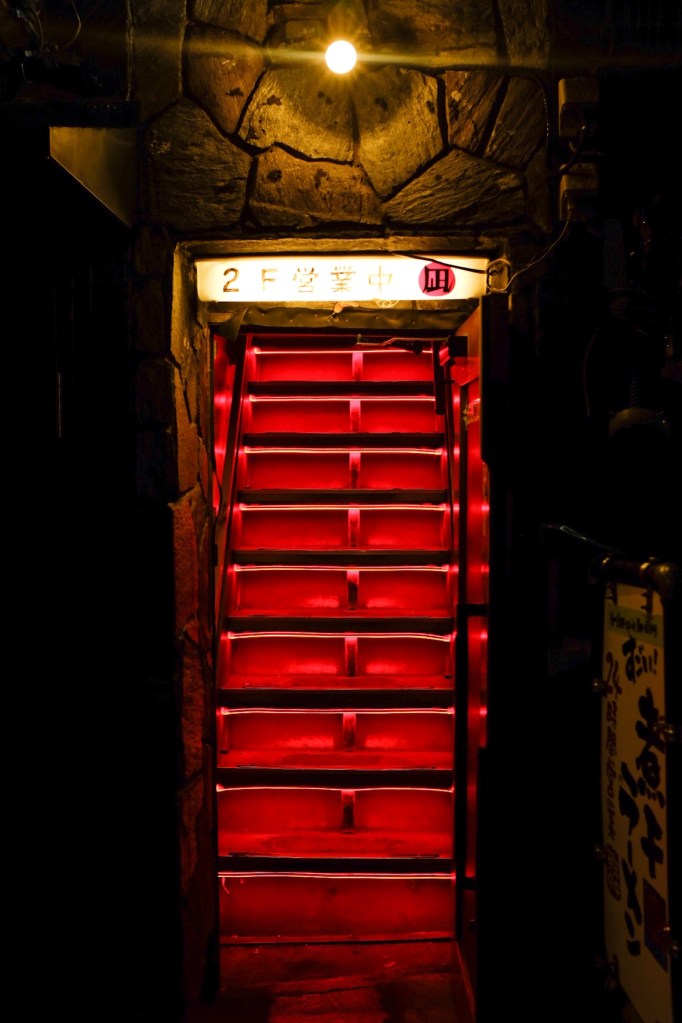
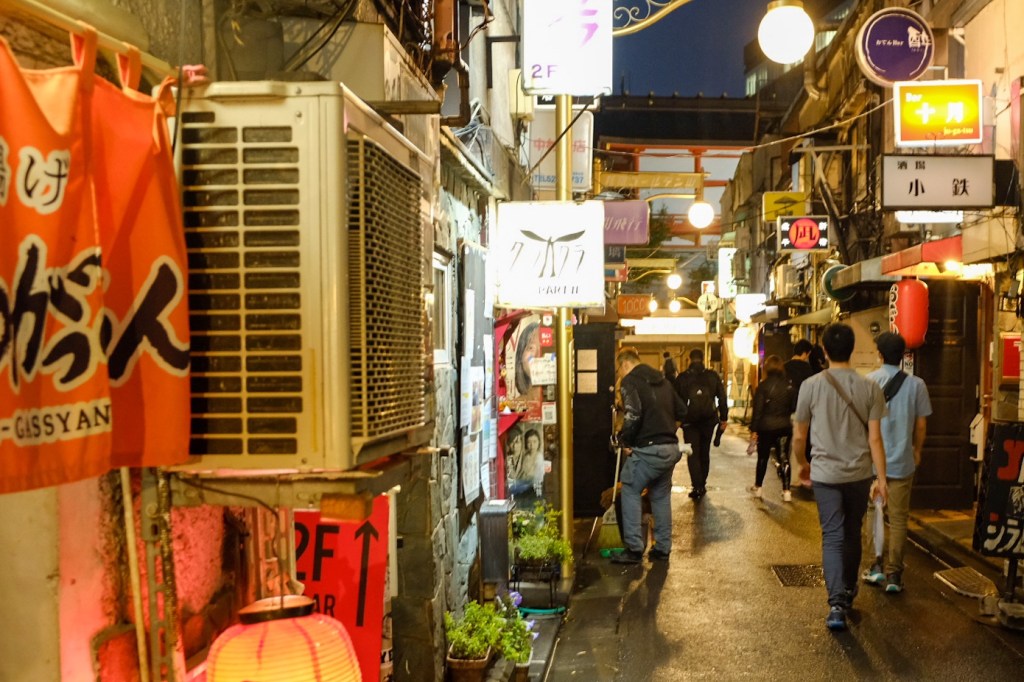
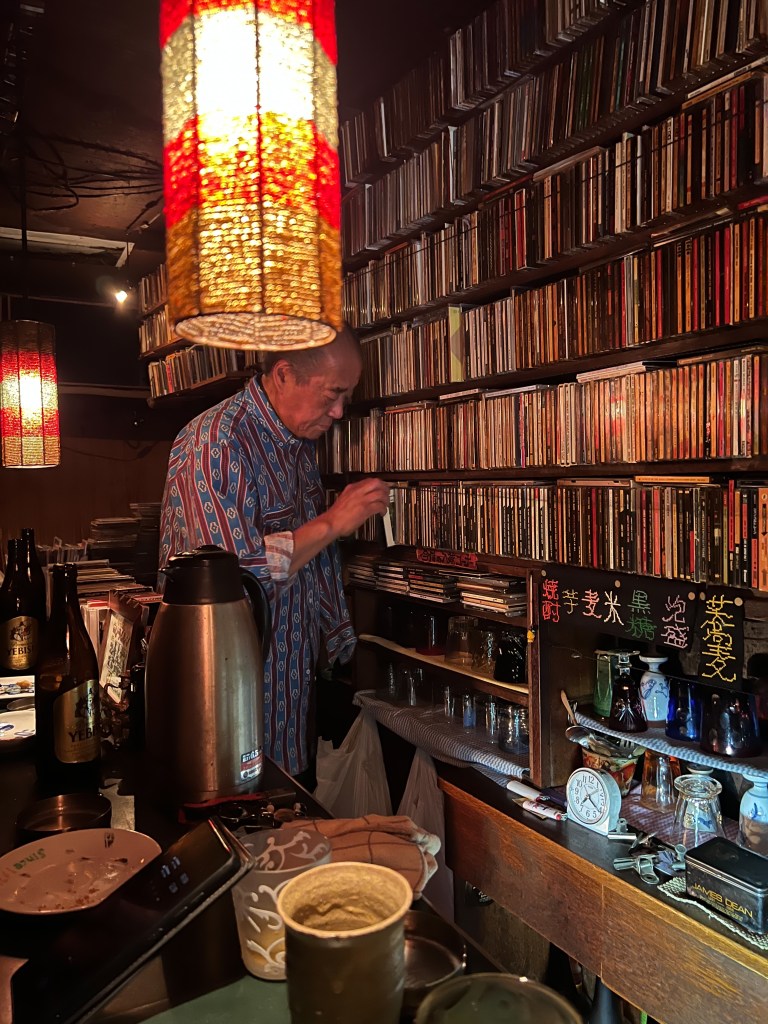
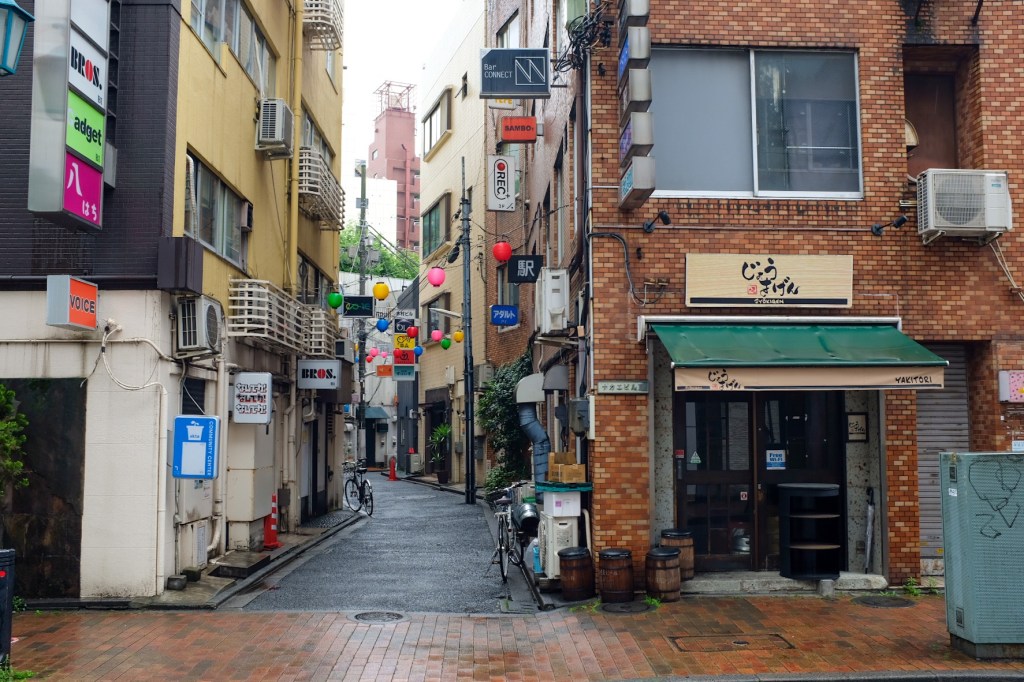
For dinner, I would often I head back towards my hostel in Shinjuku neighborhood and hit up Omoide Yokocho for a bite to eat and some Japanese whiskey. Right by Shinjuku Station in Tokyo. Omoide Yokocho is a bar district reminiscent of the good old days, still retaining a nostalgic 1970’s Japan atmosphere. It has its roots in the open-air market that formed in the burnt-out ruins of Tokyo in the immediate aftermath of the Second World War. Today, it is lined with ticket shops and some 60 bars and restaurants, mostly motsuyakiya (broiled offal restaurants) and yakitoriya (chicken skewer restaurants).
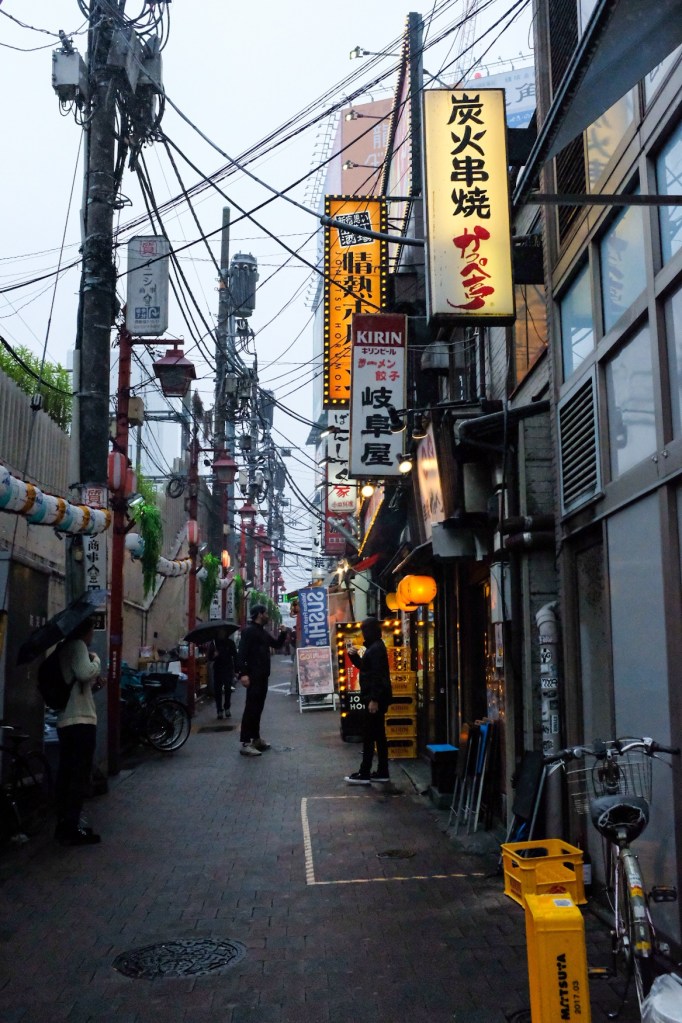
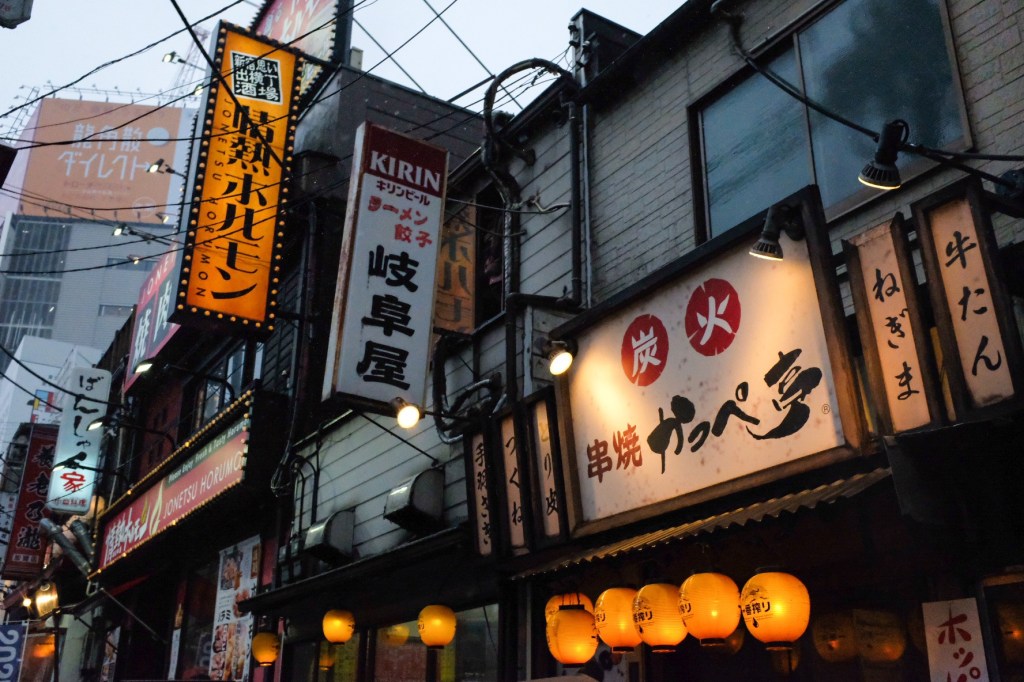

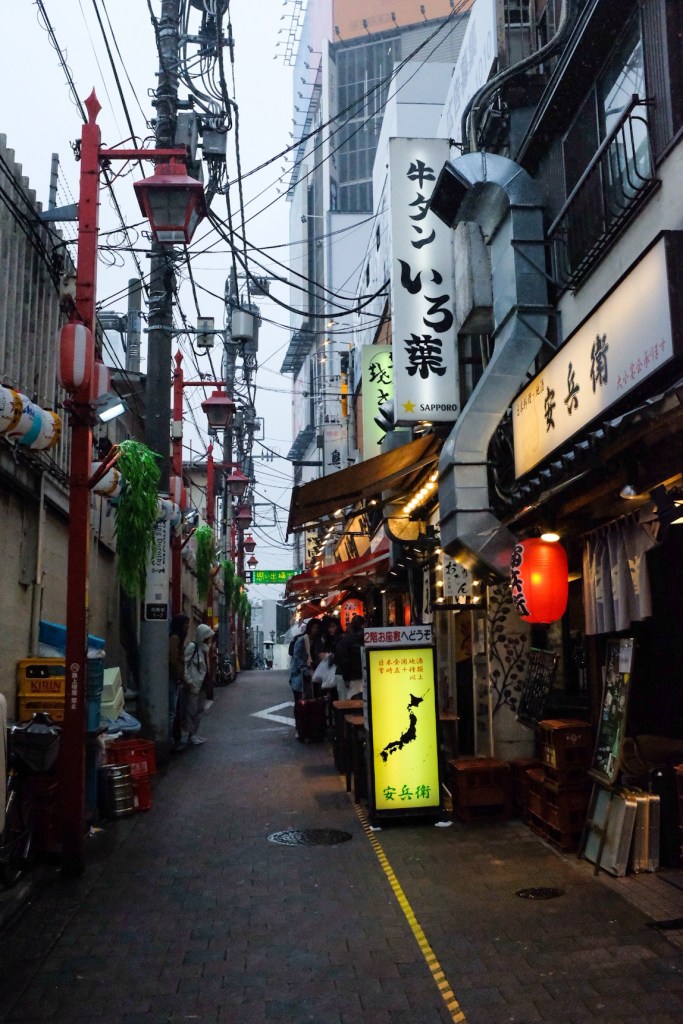
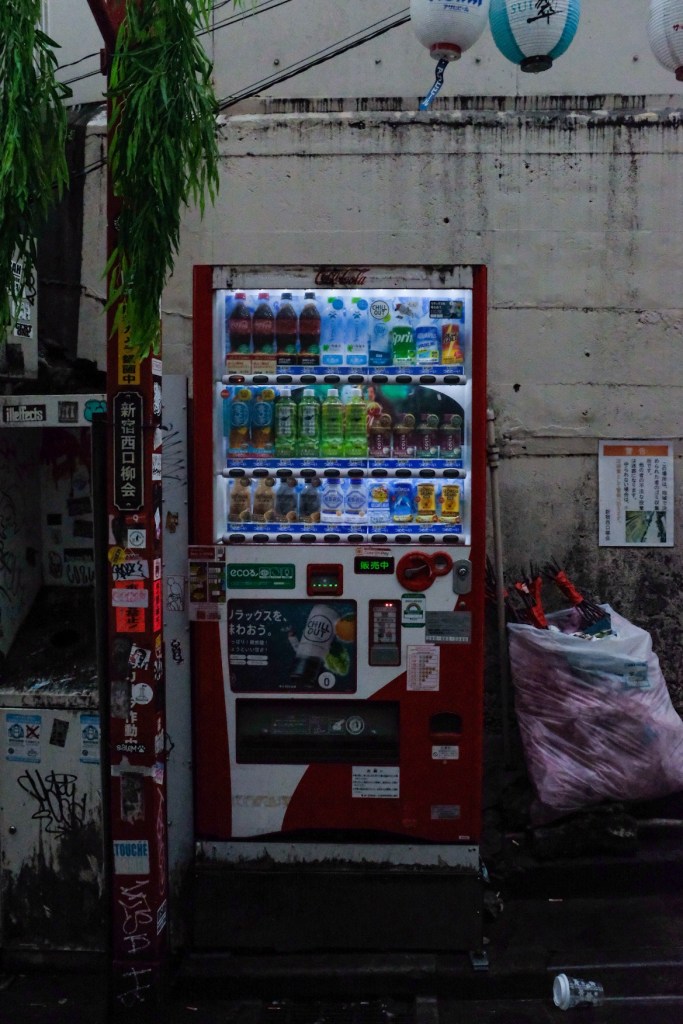
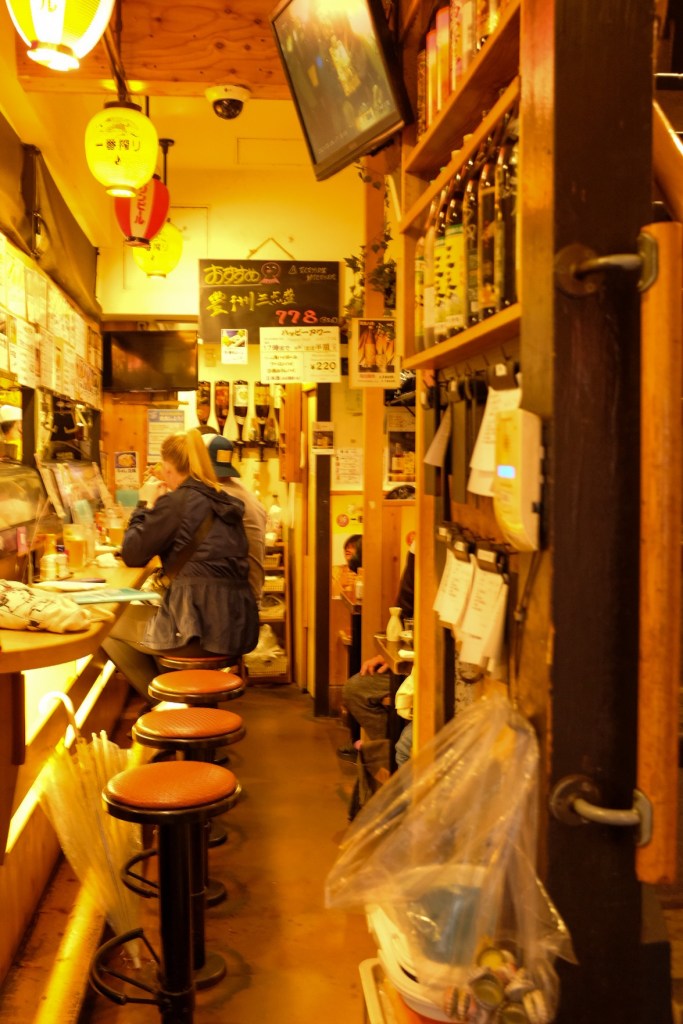


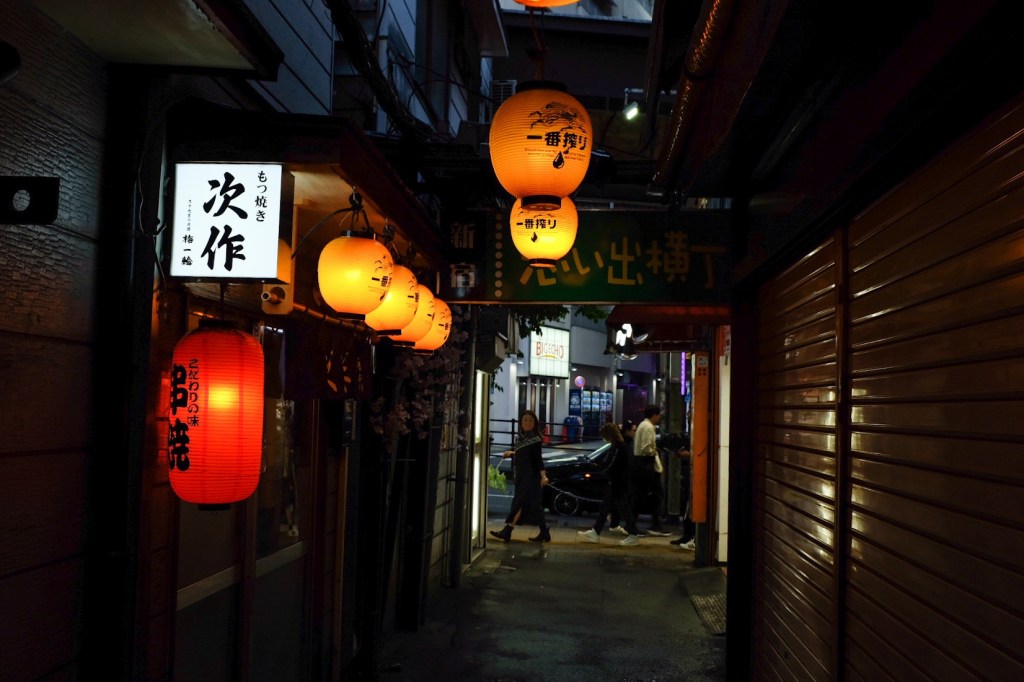
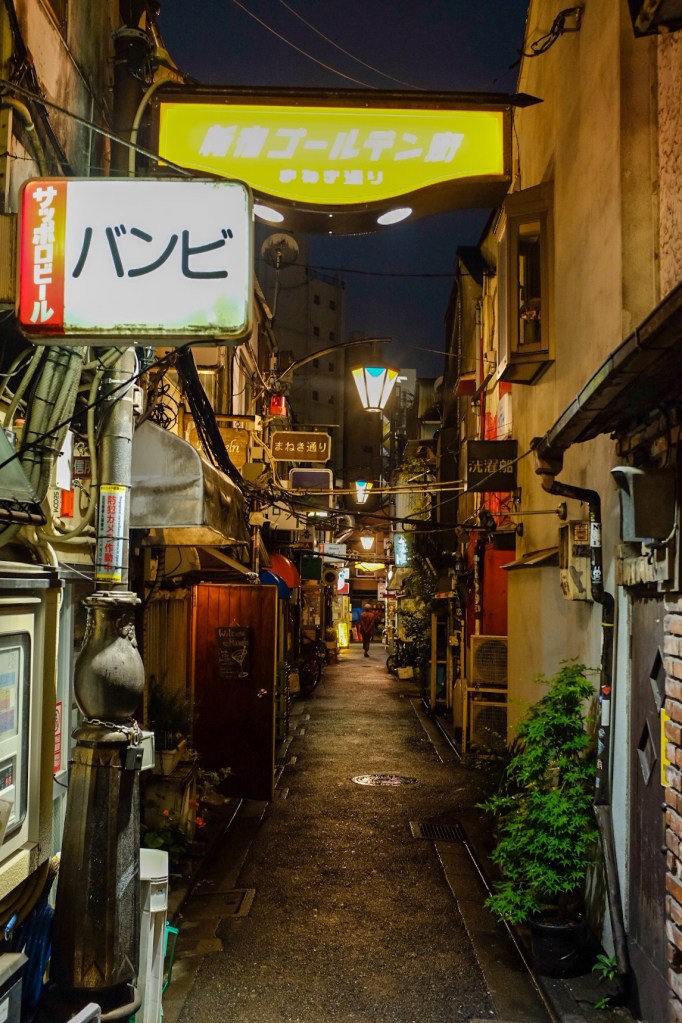
Another great spot for drinks is Golden Gai, a popular city district famed for its narrow, winding alleys, and numerous snug taverns.


On my 3rd day, I visited the Meiji Jingu Shinto Shrine in Shibuya neighborhood. It is dedicated to the deified spirits of Emperor Meiji and his wife, Empress Shōken, who ruled from 1867 until his death in 1912. Meiji was the first monarch of the Empire of Japan, and presided over the Meiji Restoration, a series of rapid changes that moved Japan from an isolationist, feudal state, to an industrialized world power.
Shinto shrines are structures whose main purpose is to house (“enshrine”) one or more kami, the deities of the Shinto religion.
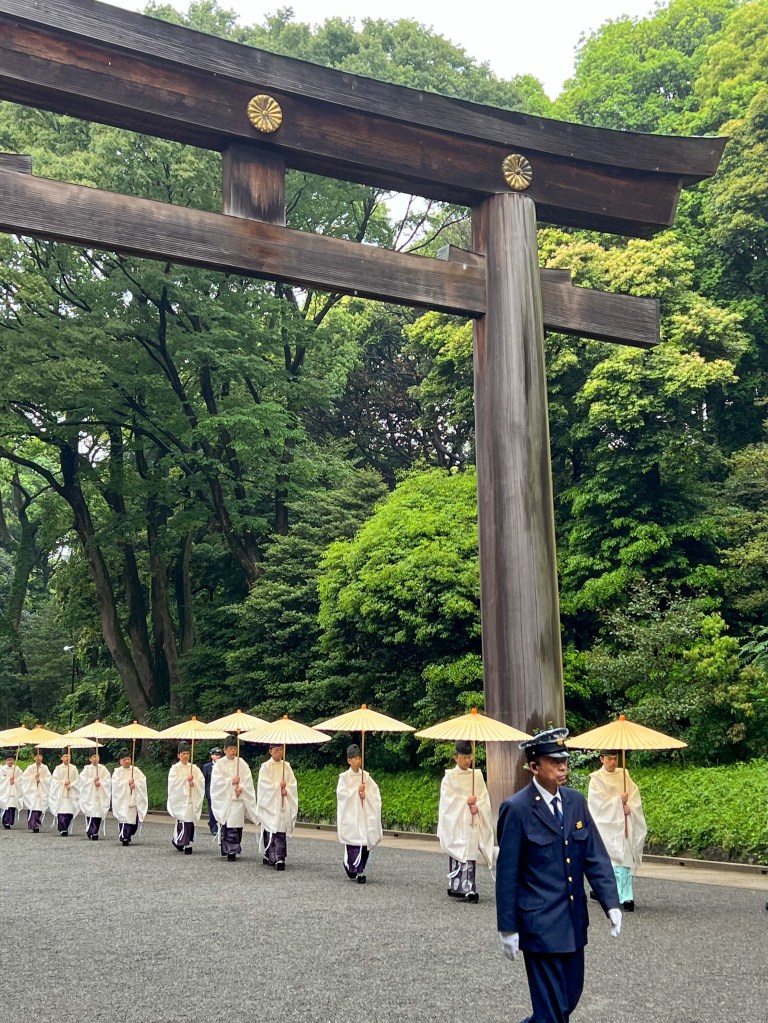
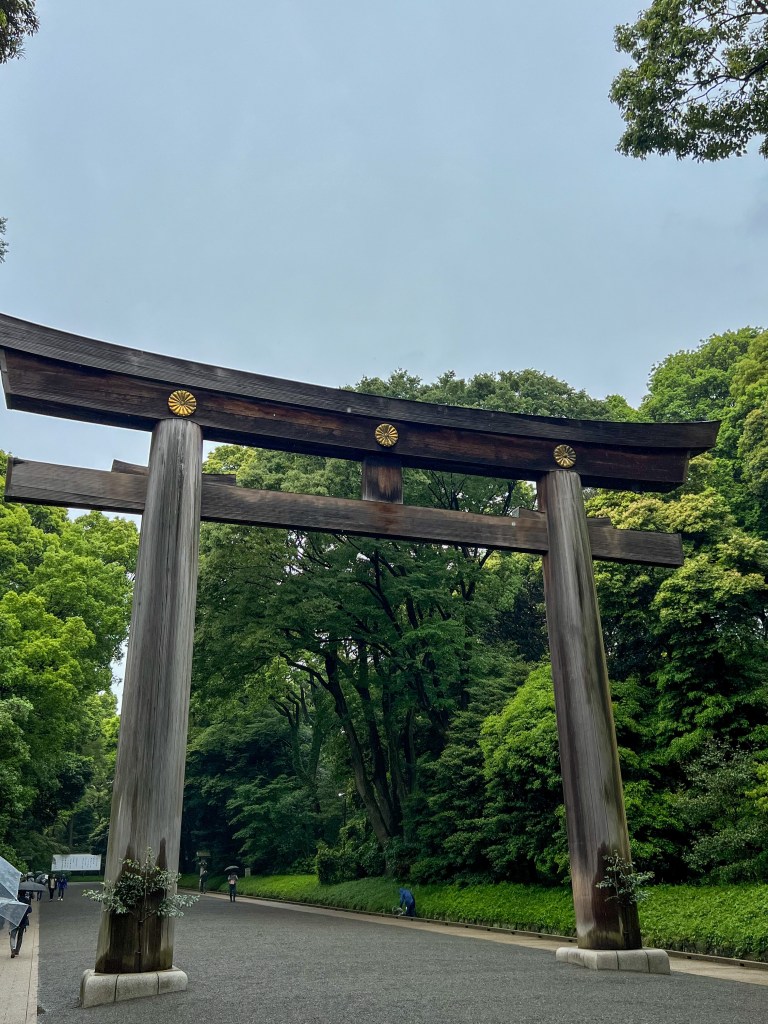
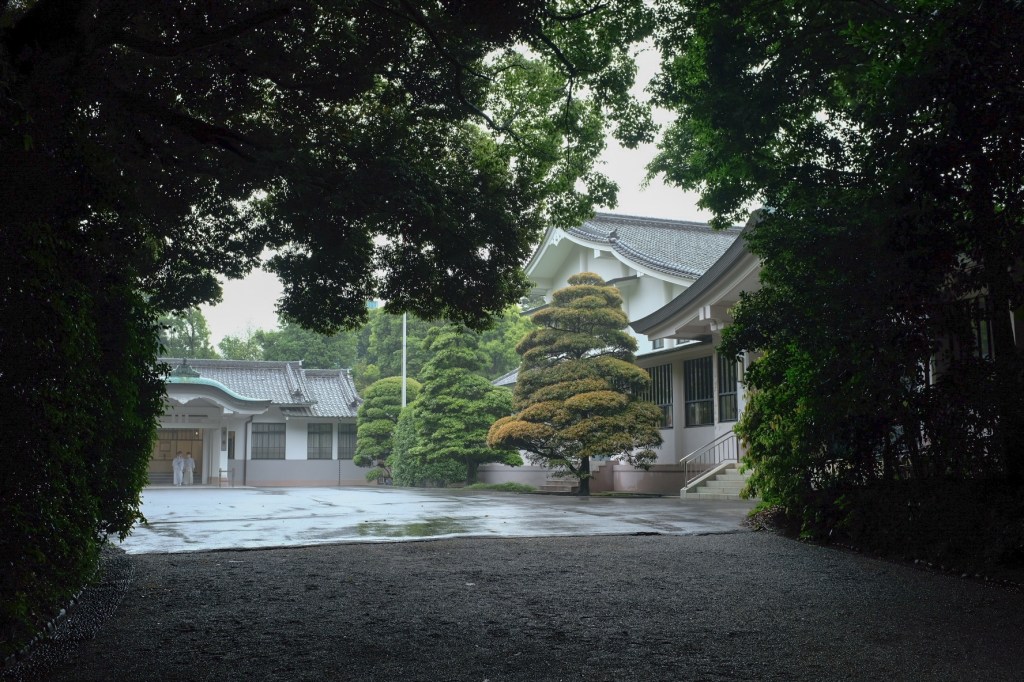
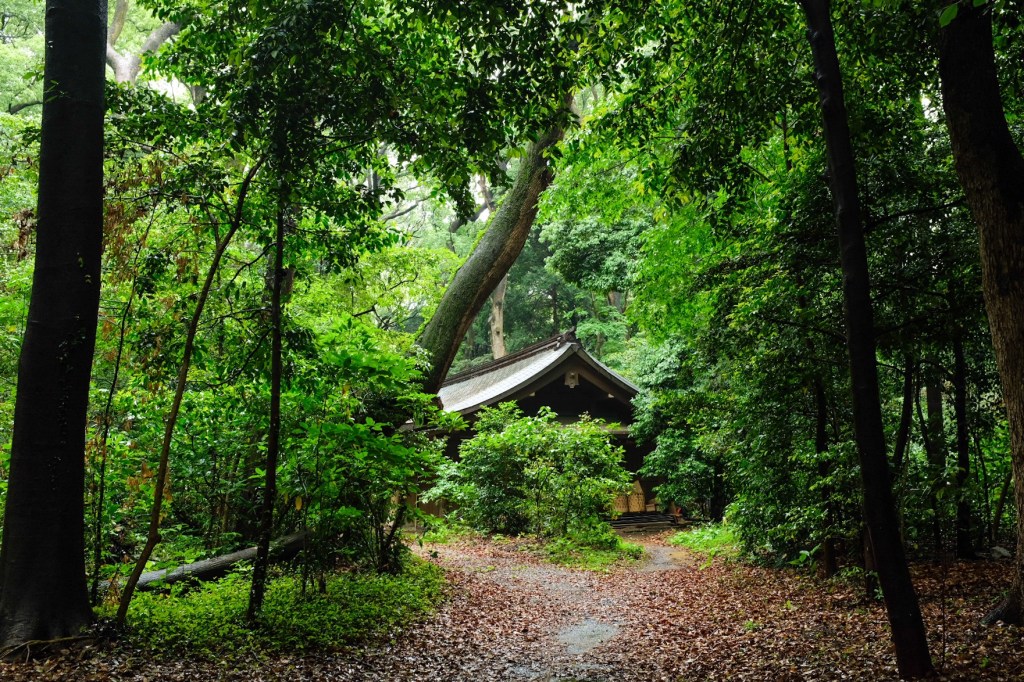
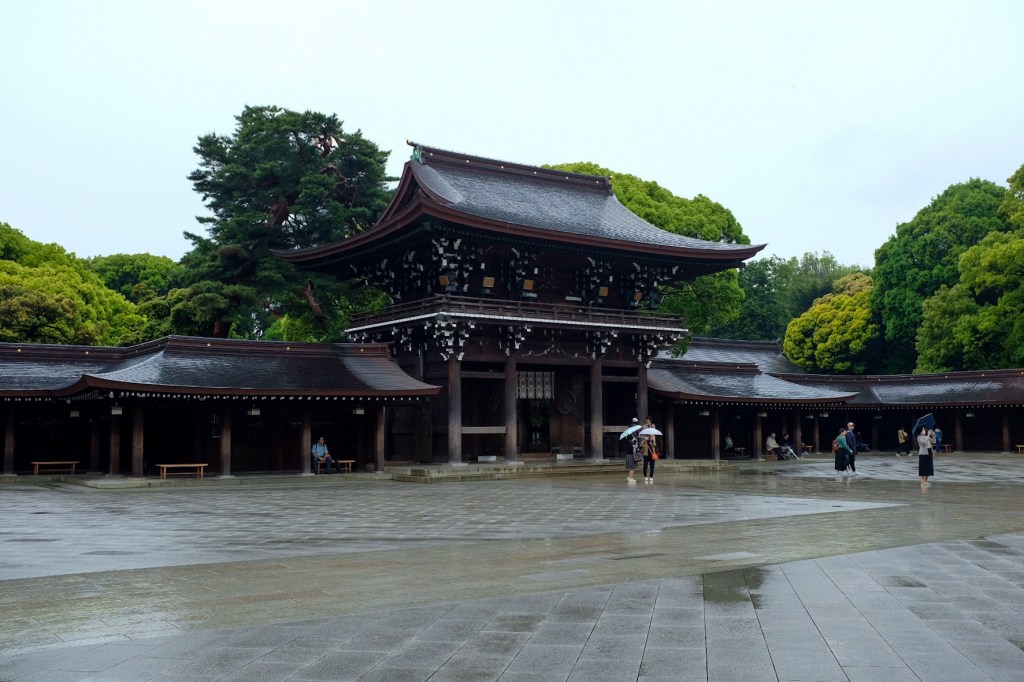
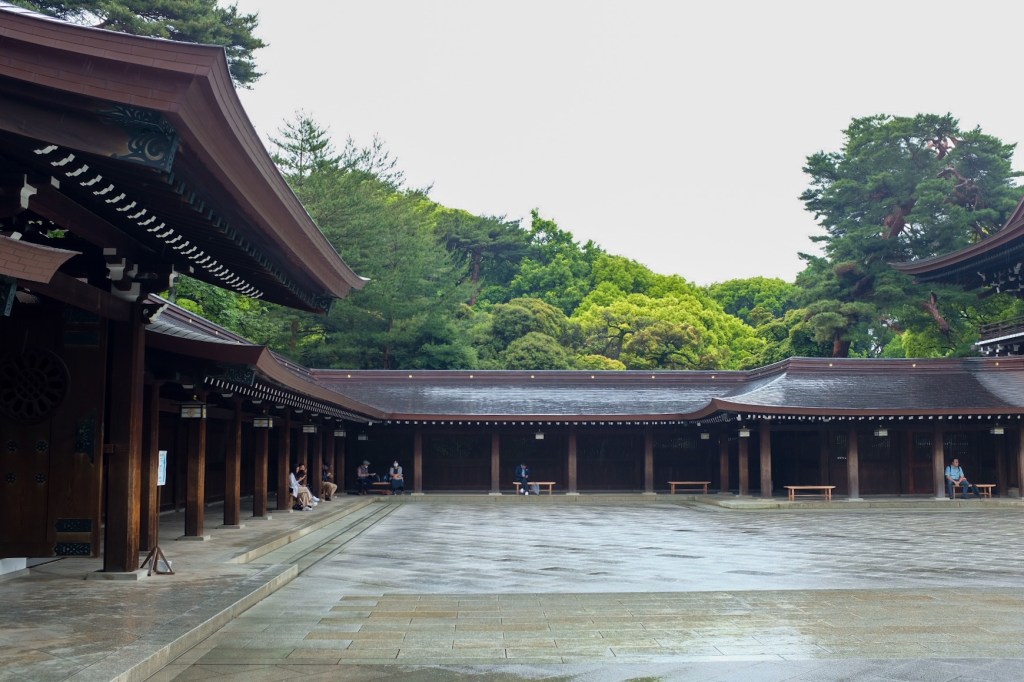
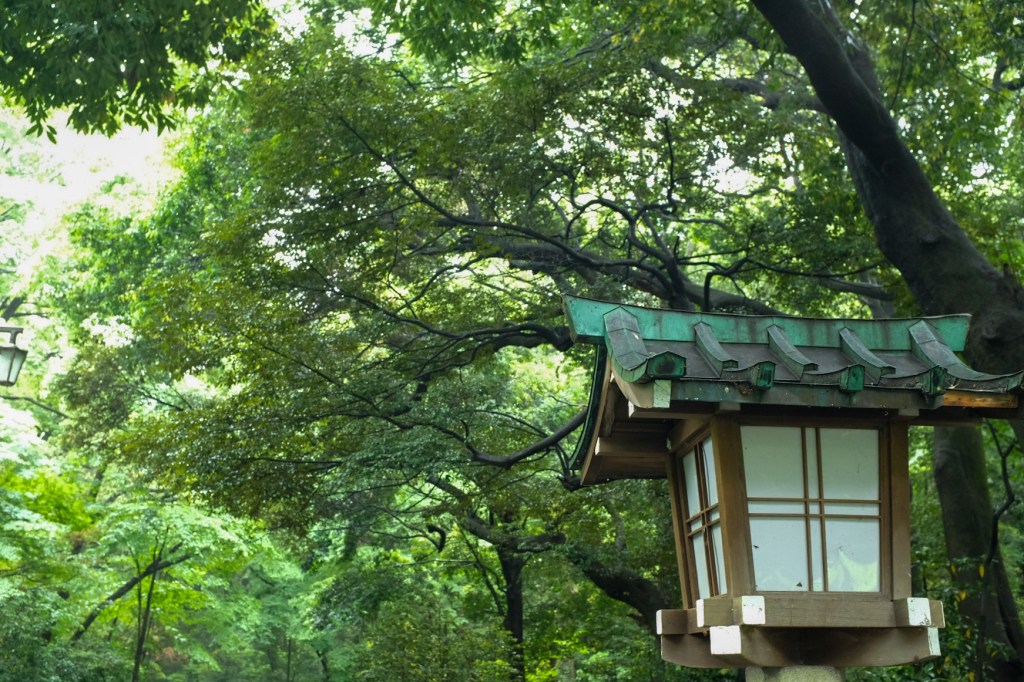
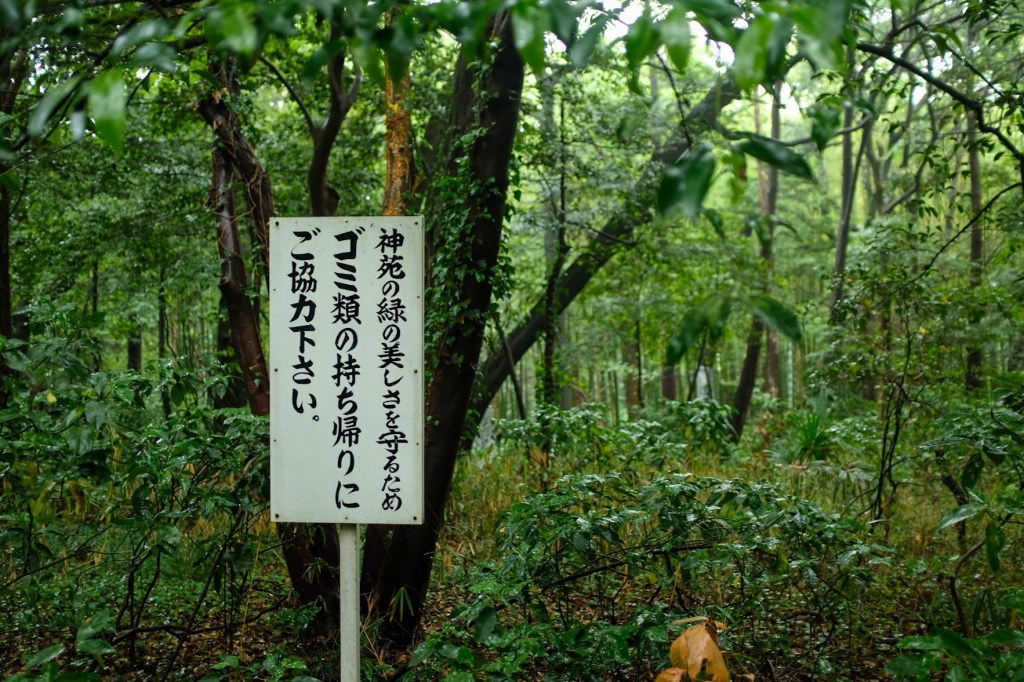

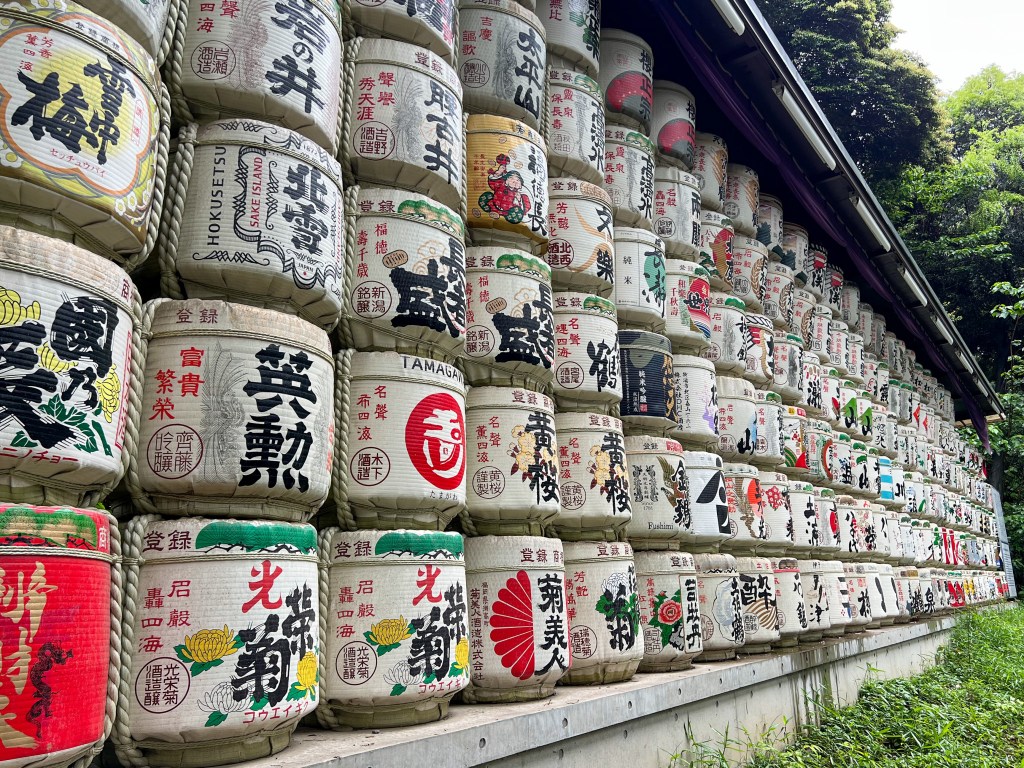
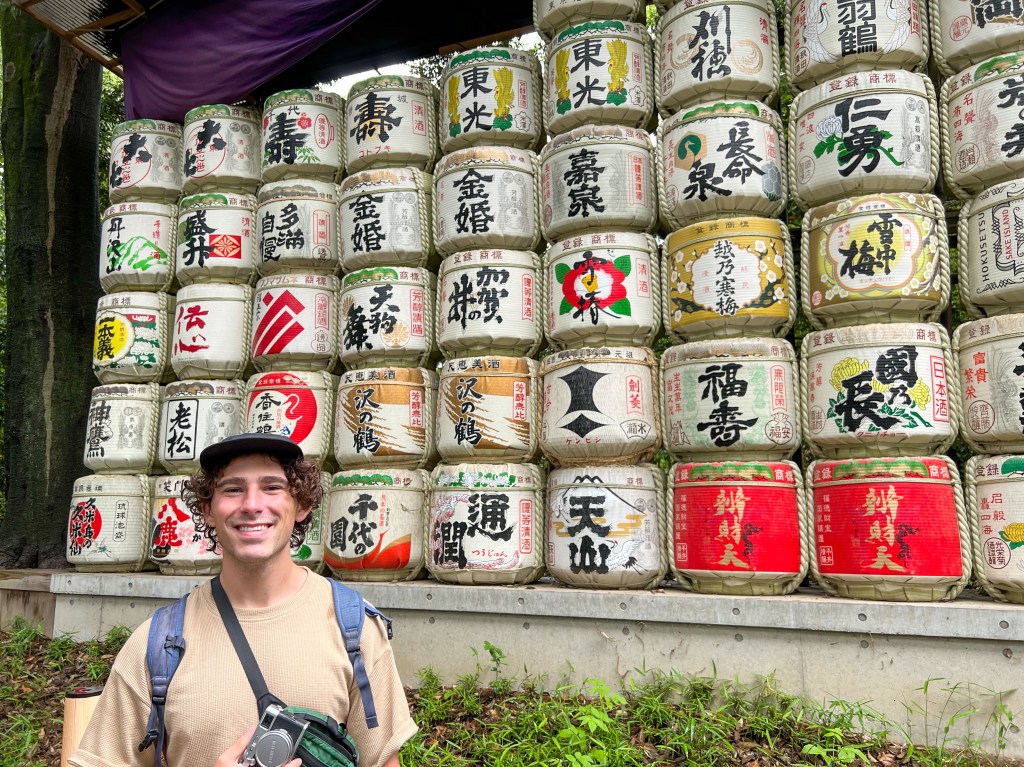
During my time in Tokyo, I also visited the Yasukuni Shrine, which commemorates Japanese war dead, and the Hanazono Shrine, most known for its serene atmosphere in the center of the city.
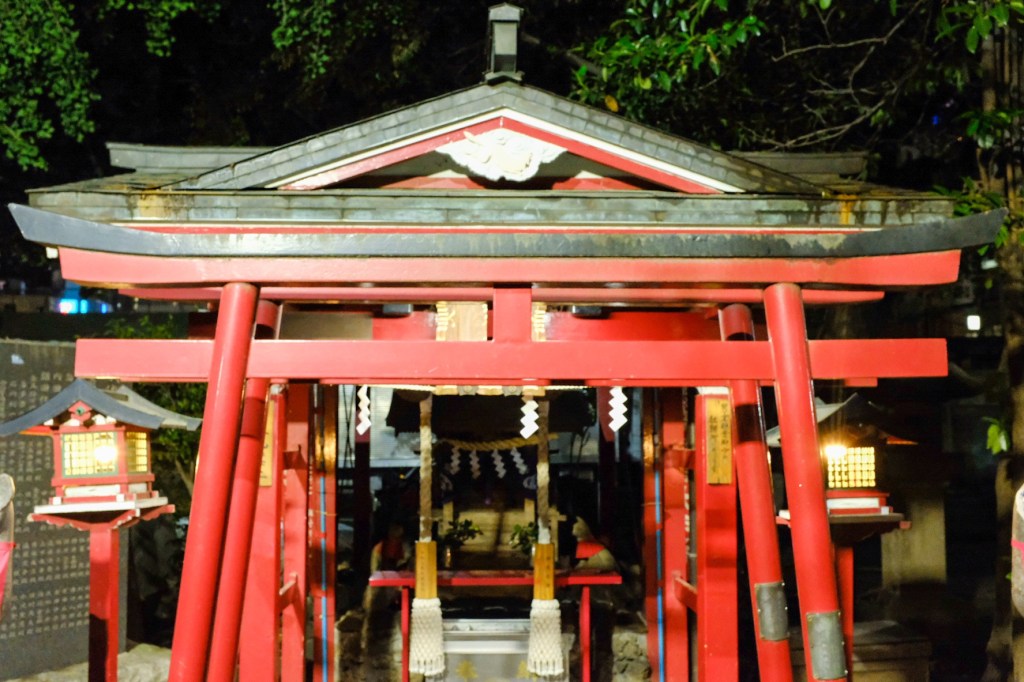
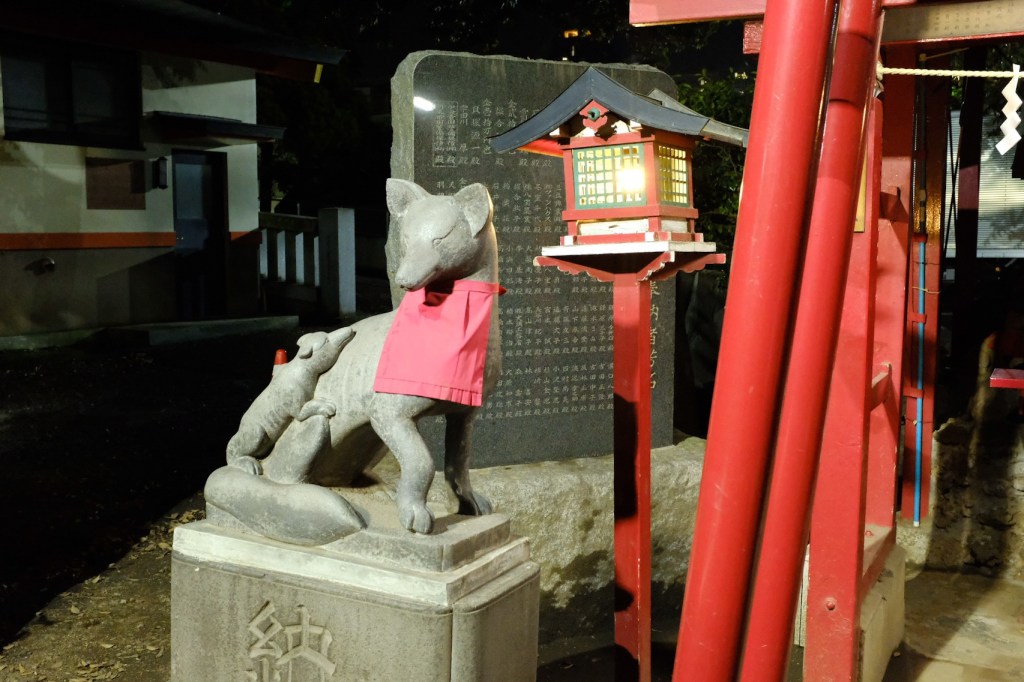
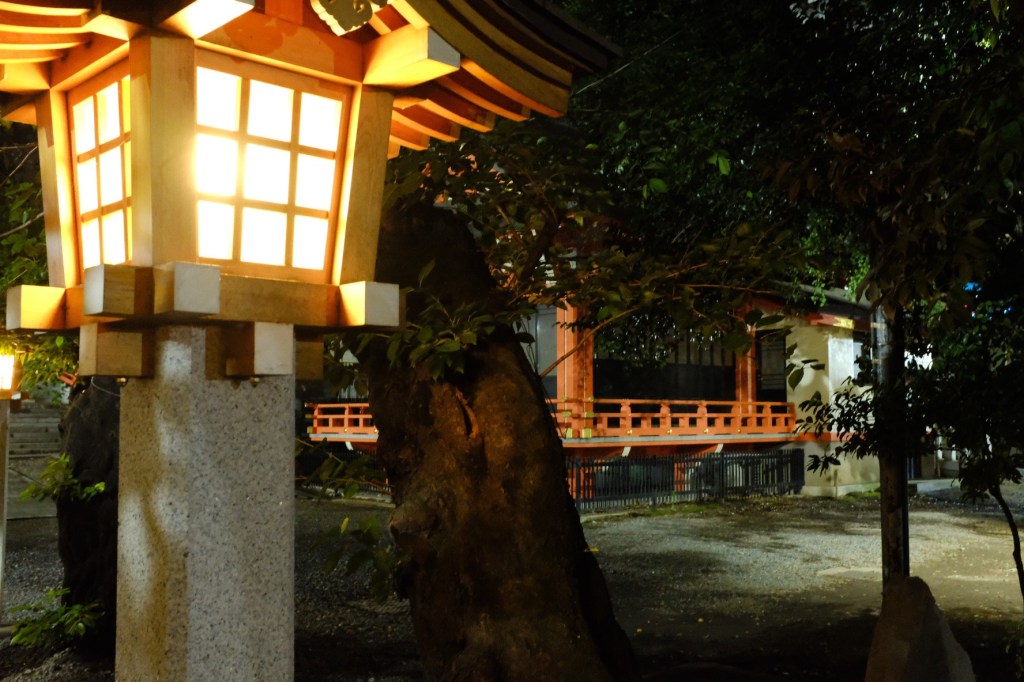
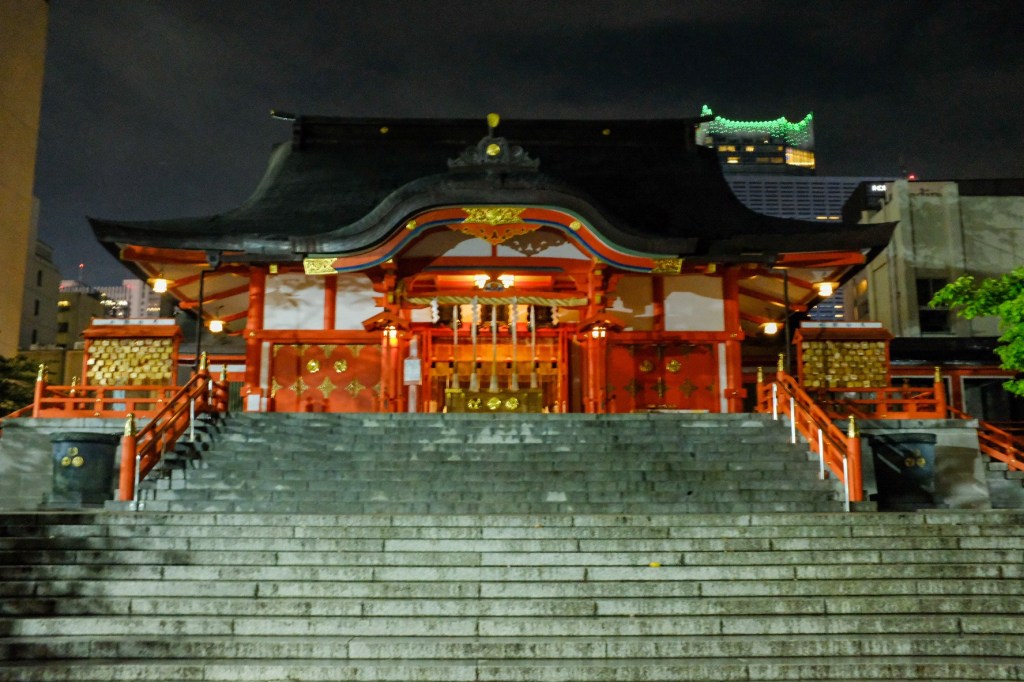

On my last day in Tokyo, I visited the Imperial Palace, which has served as the residential place of successive Emperors since 1868.
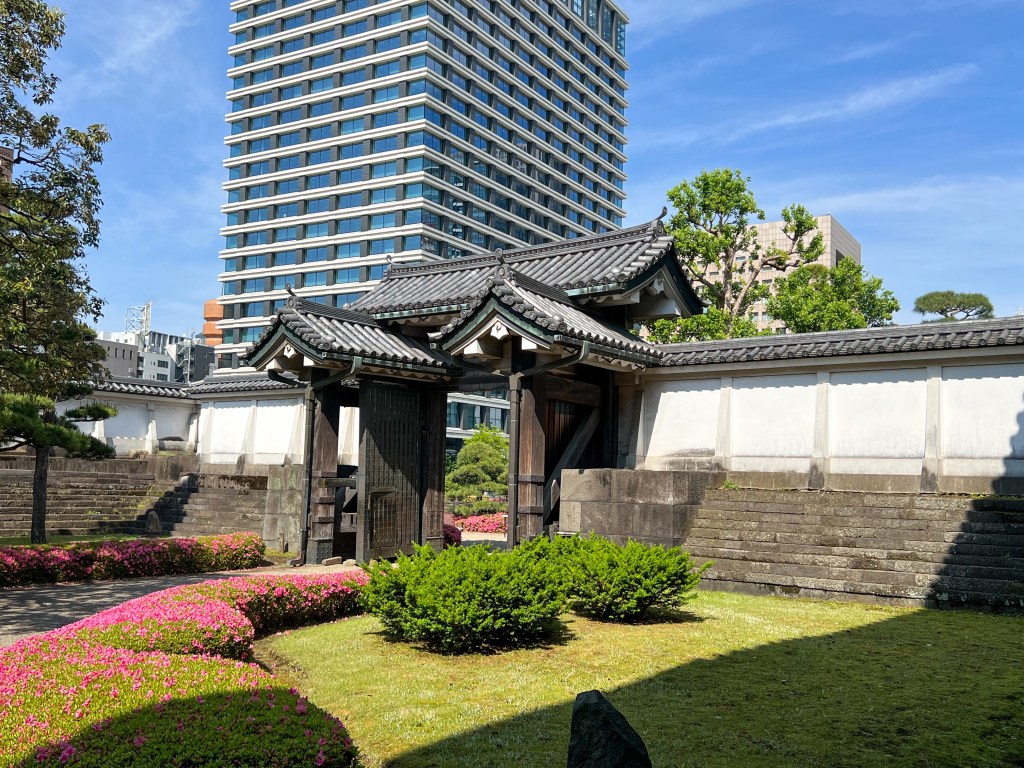
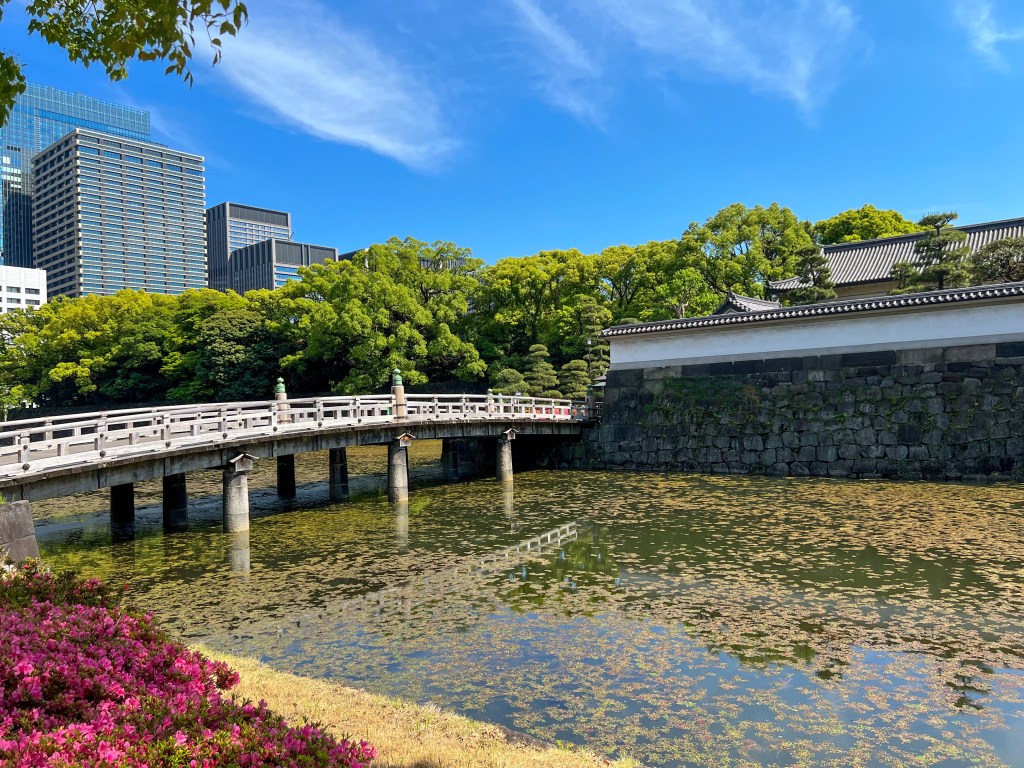
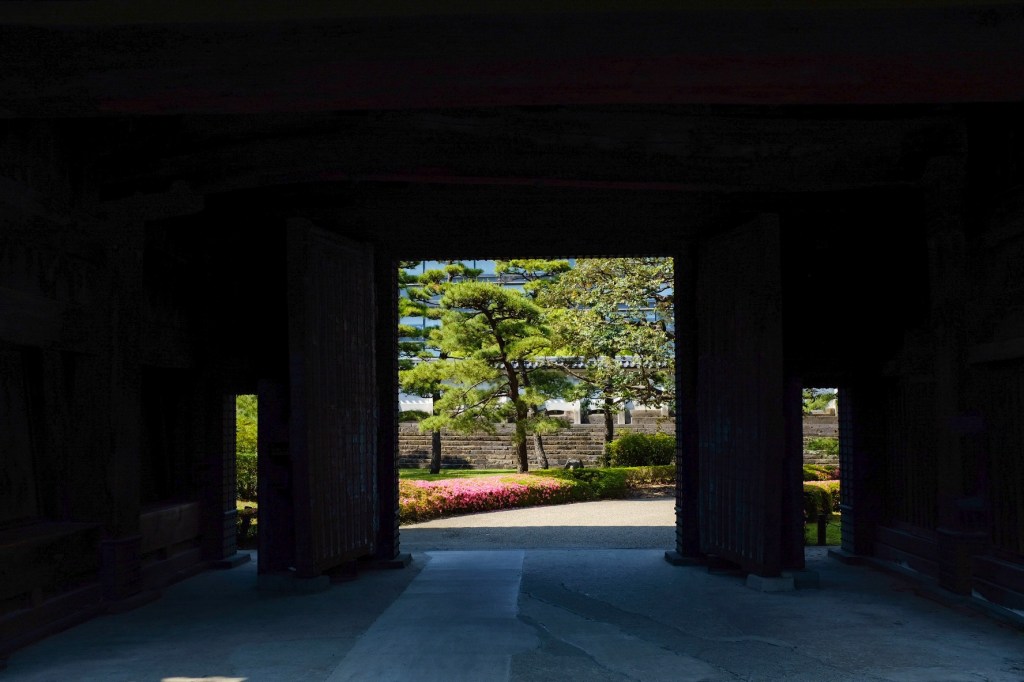


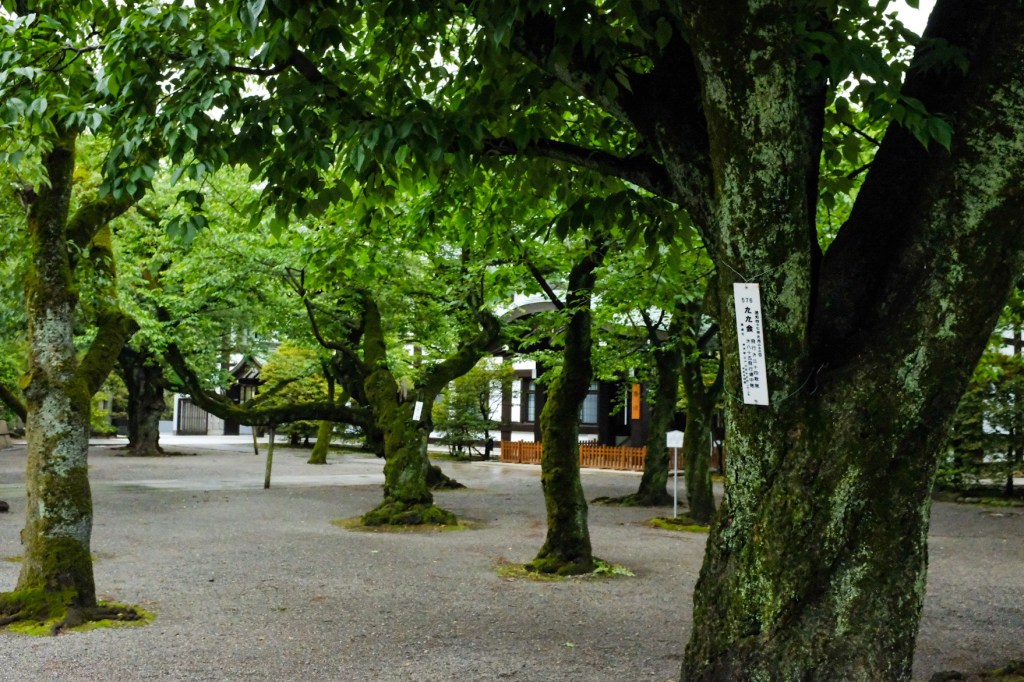
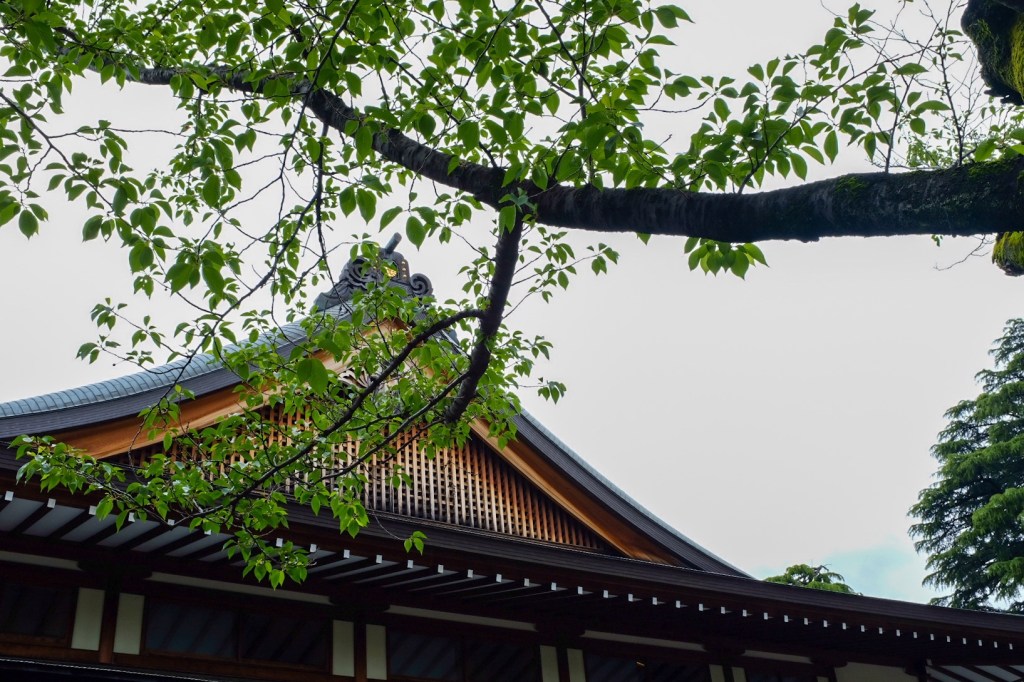

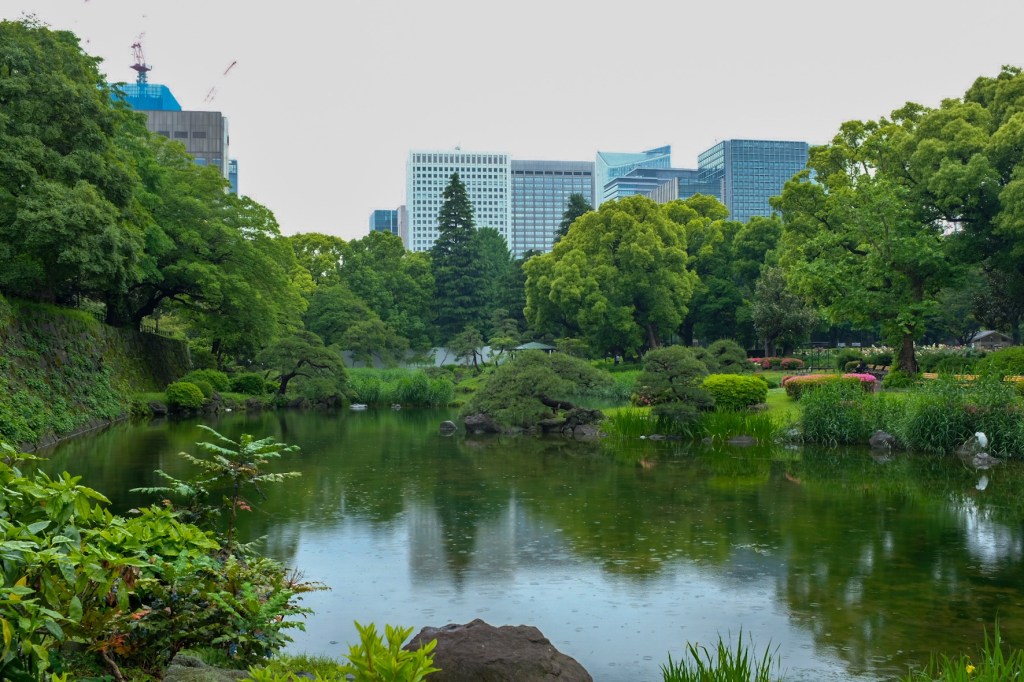
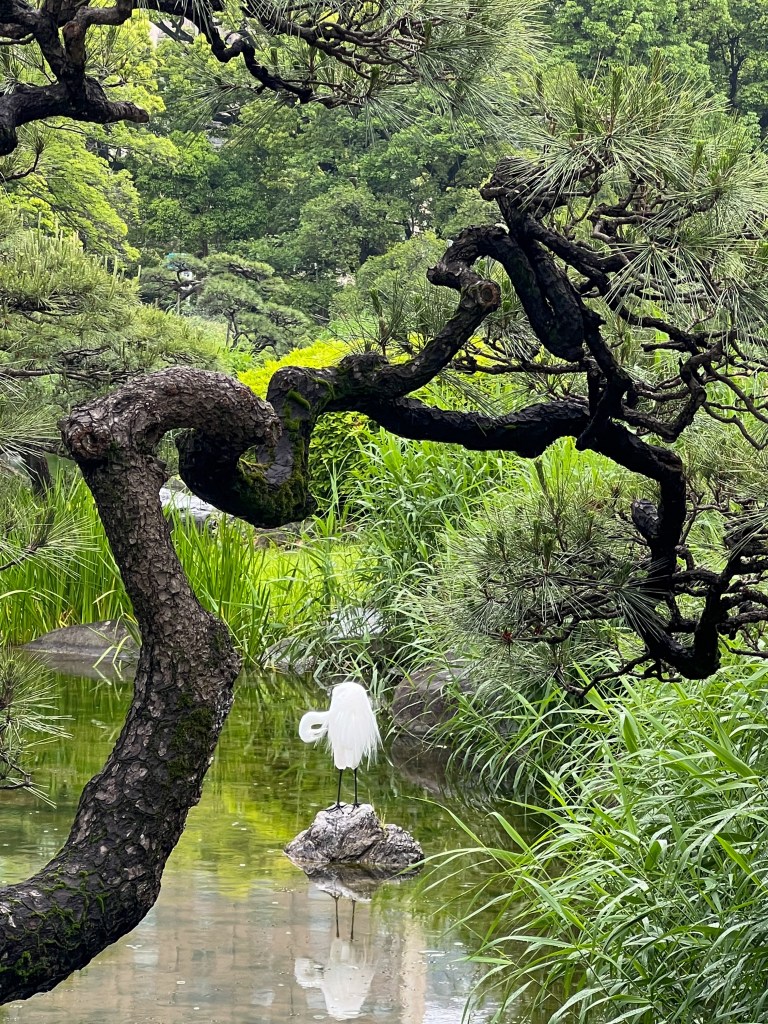
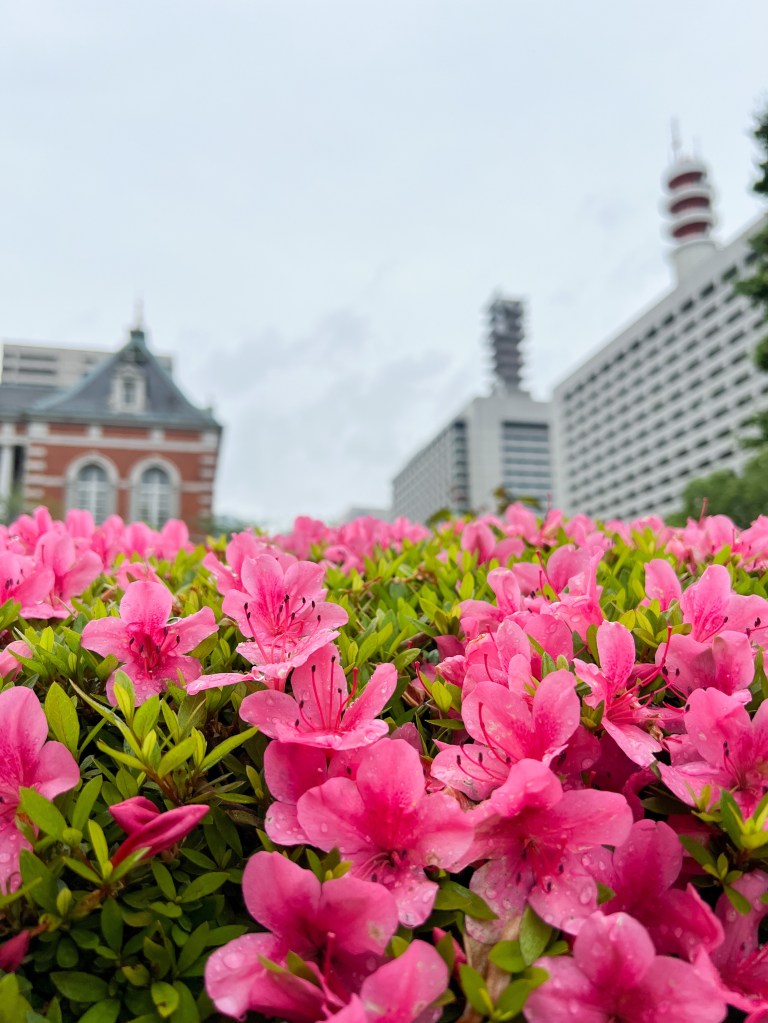
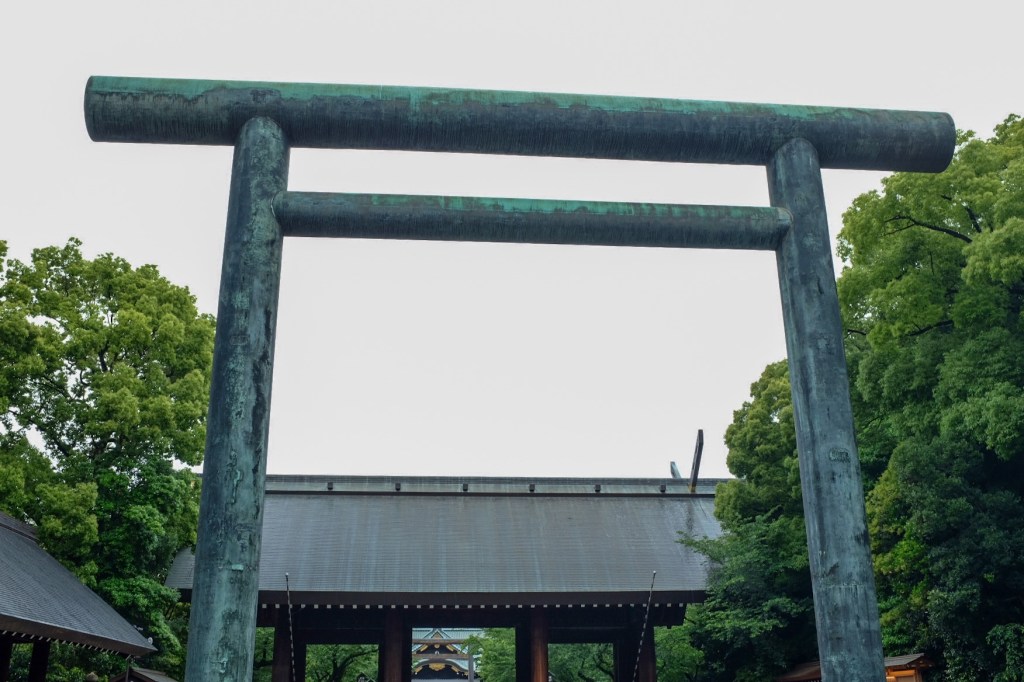
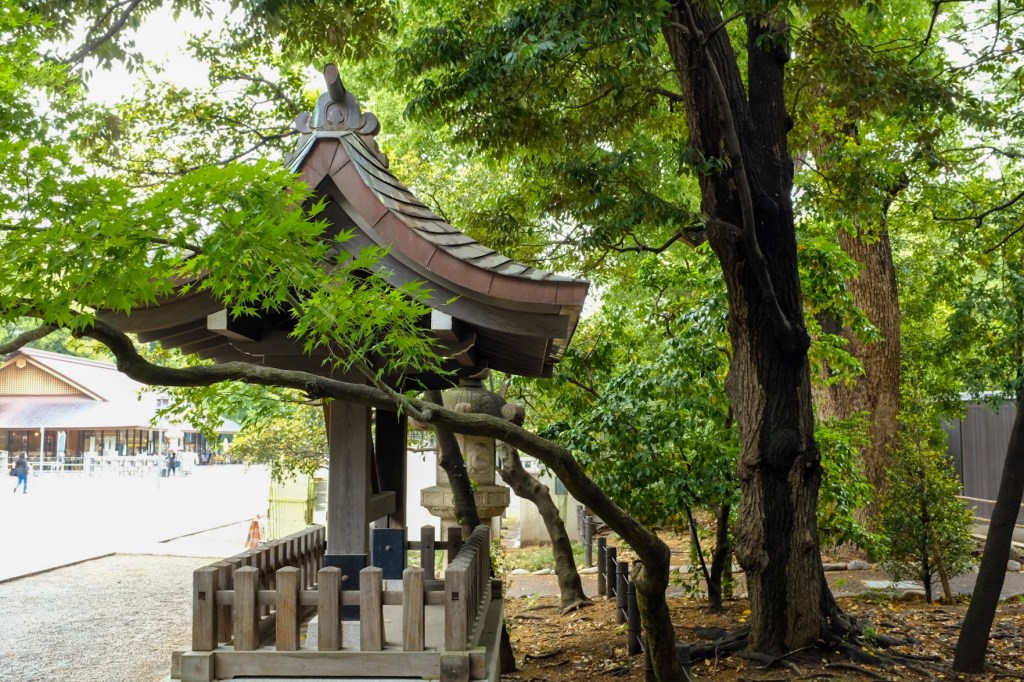
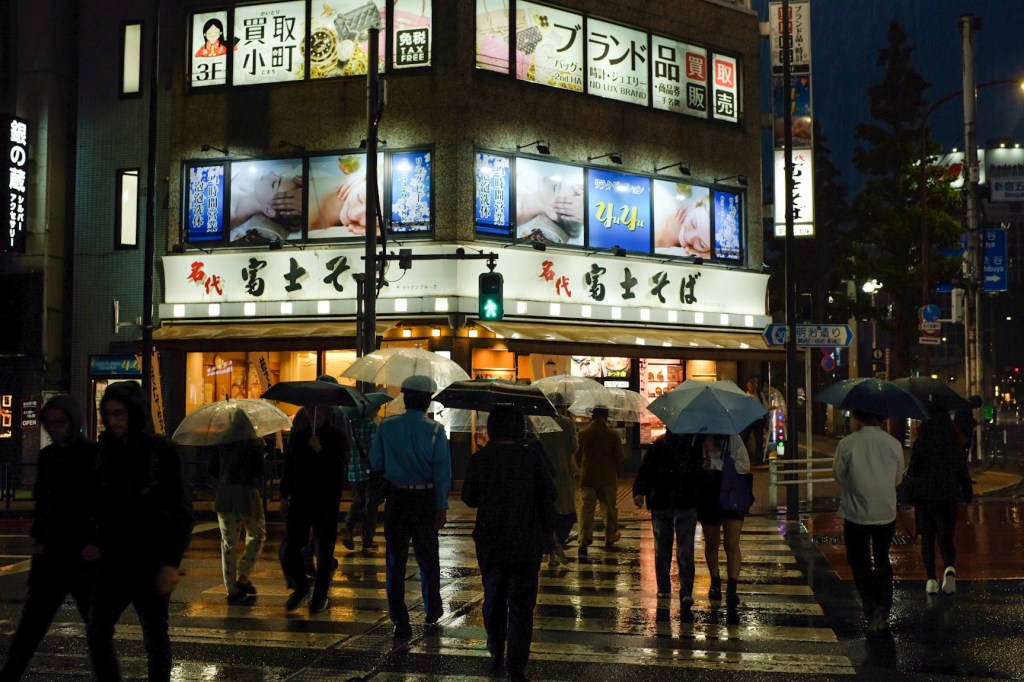
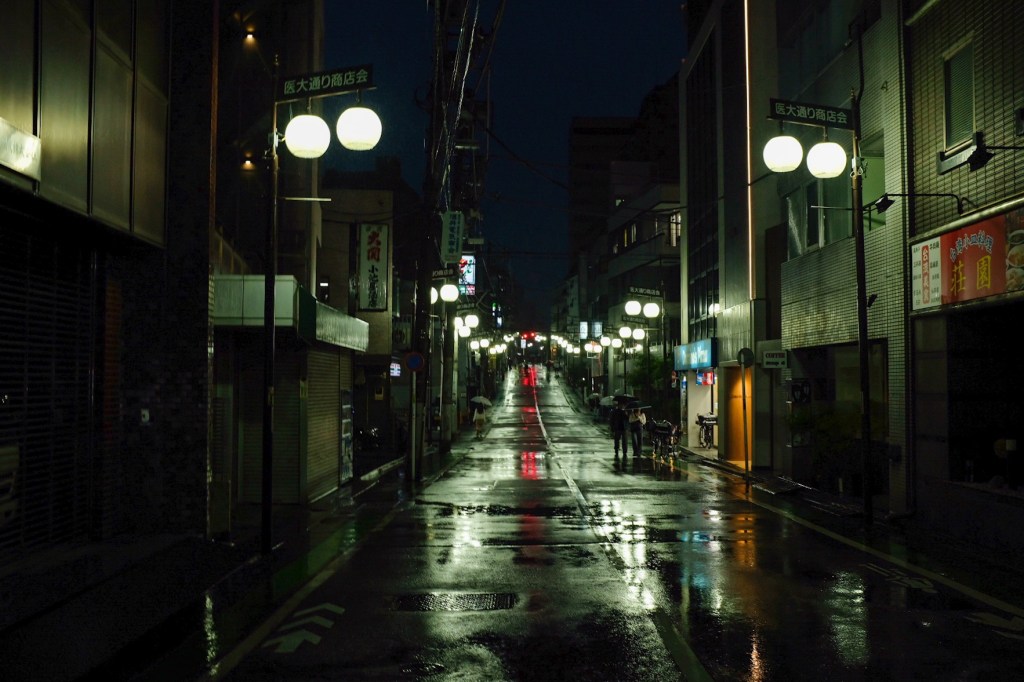
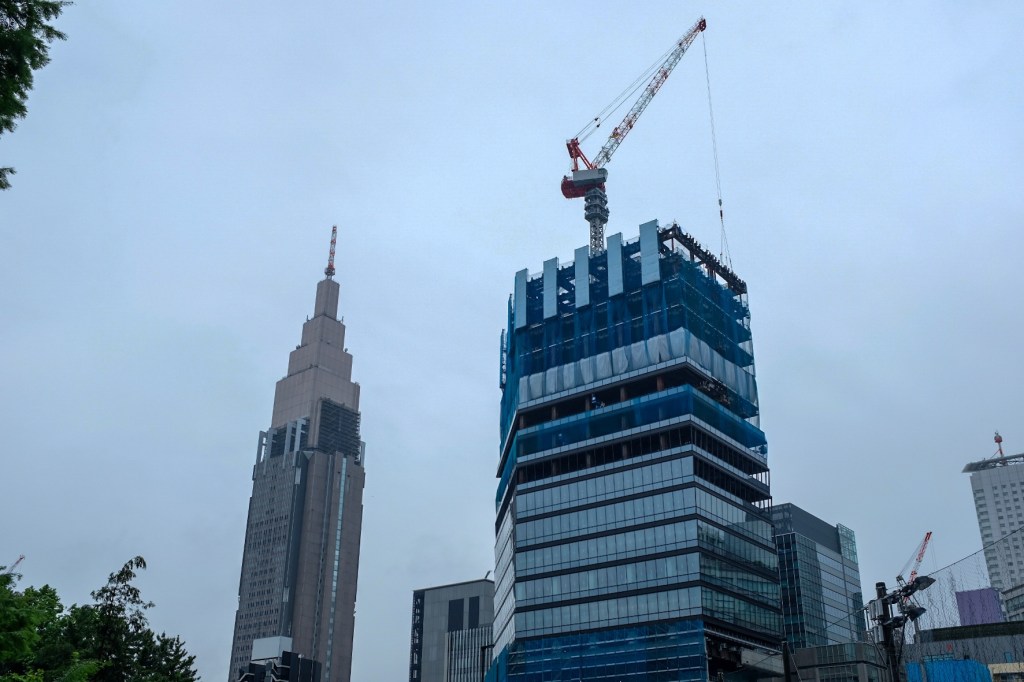
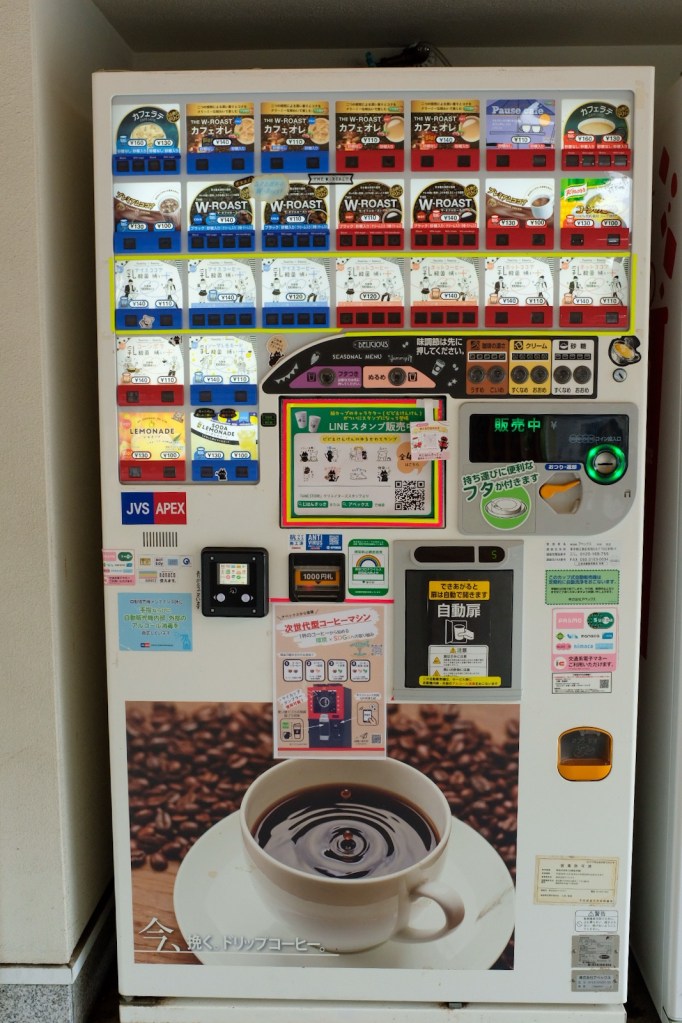
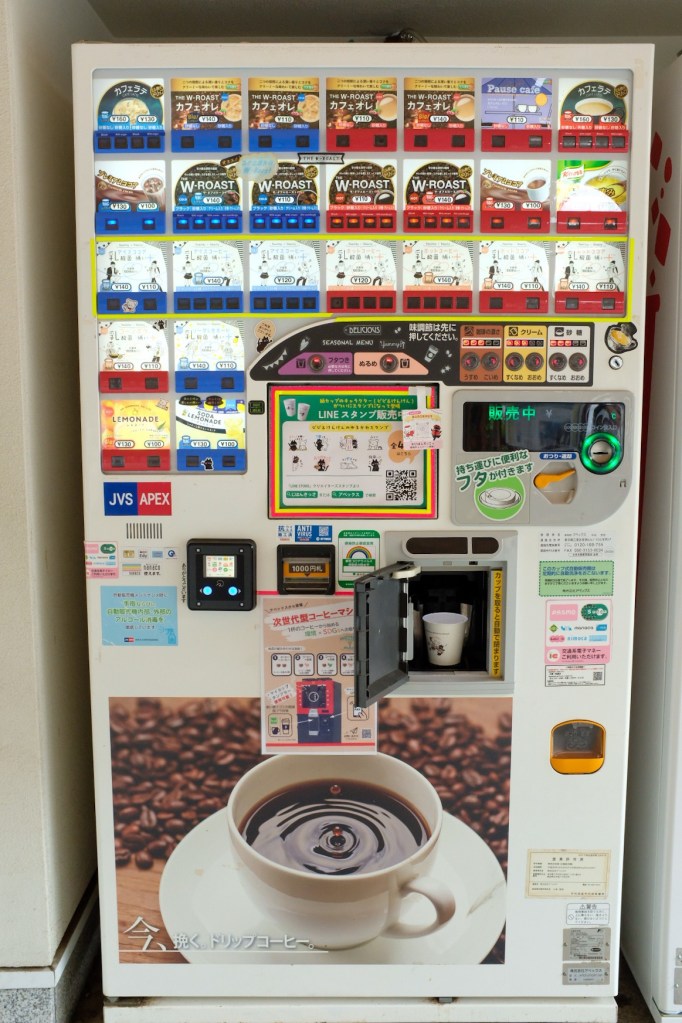
Some other photos of Tokyo-
Kyoto: The Cultural Capital
That evening, I caught a 7-hour southbound bus from Tokyo to Kyoto.
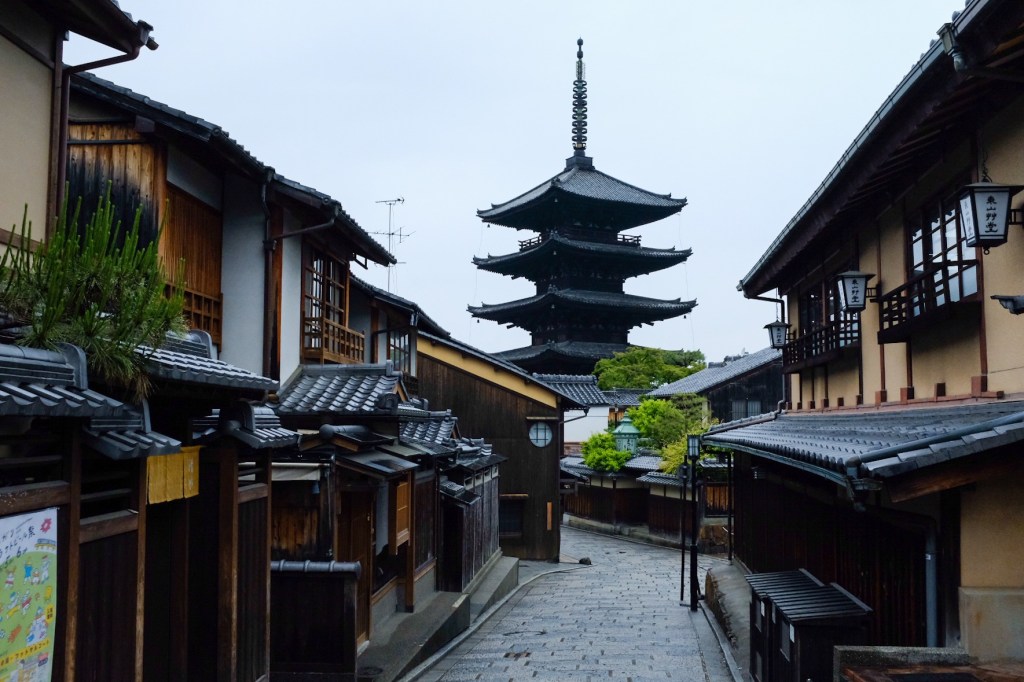
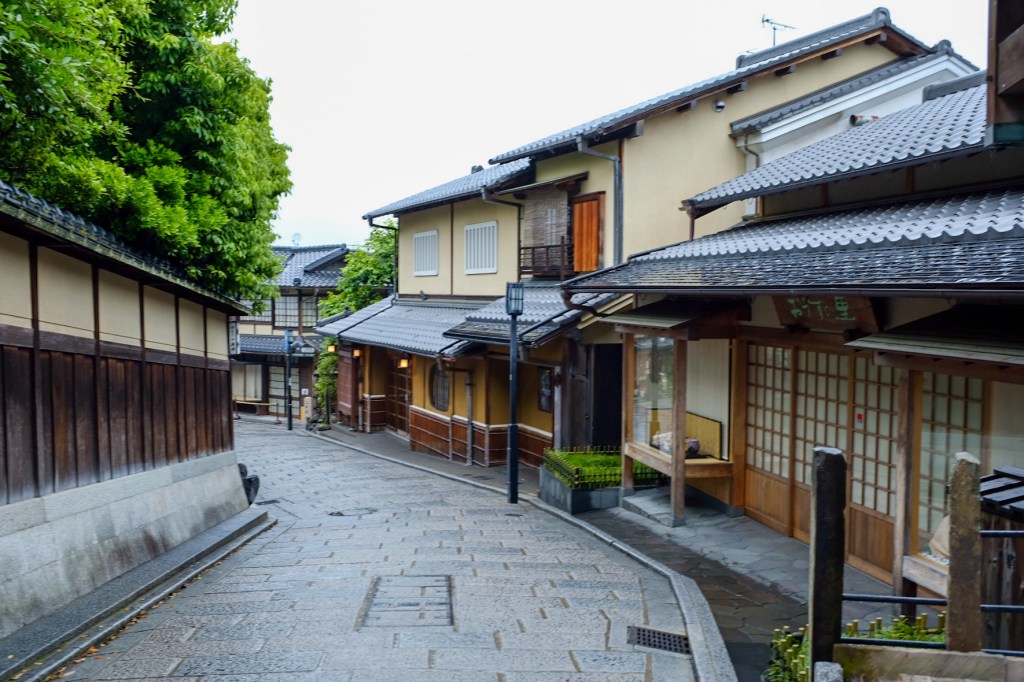
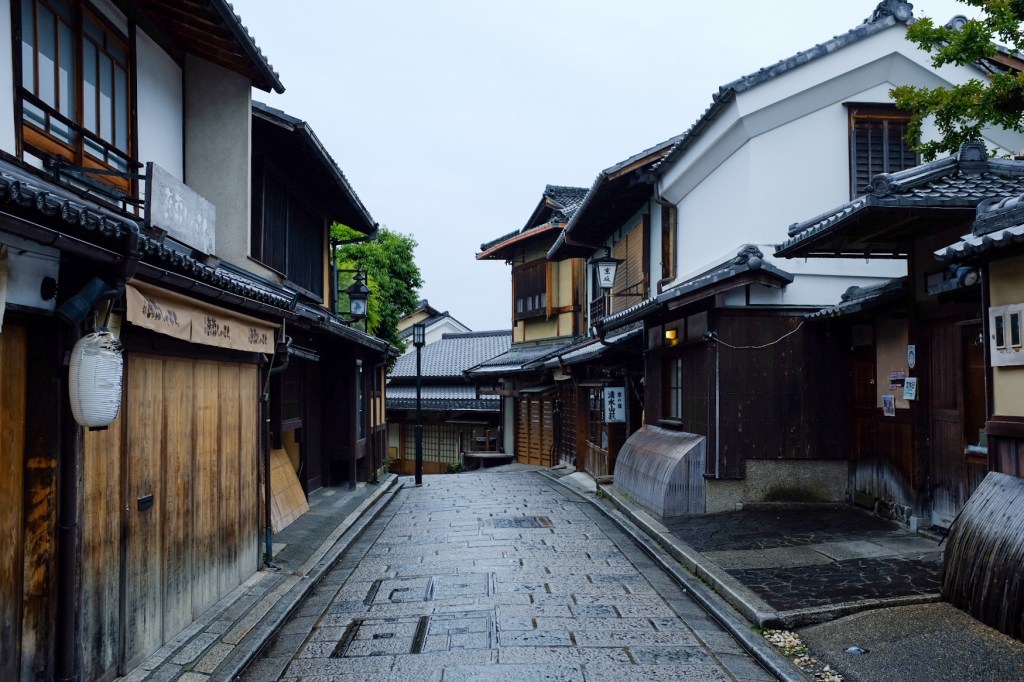
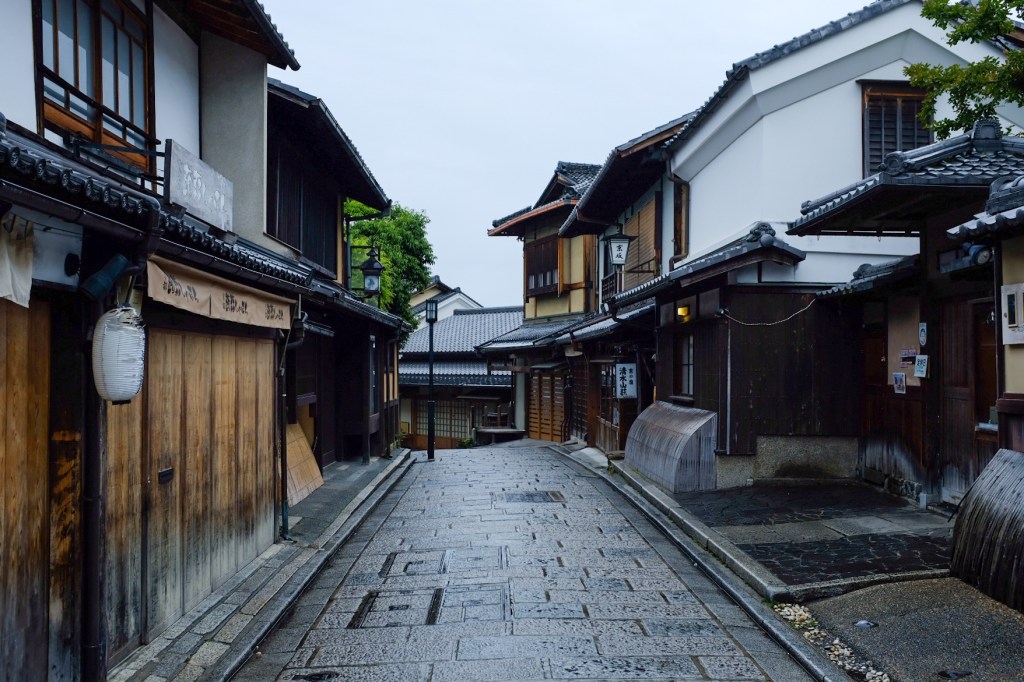
Kyoto is one of the oldest municipalities in Japan, having been chosen in 794 as the new seat of Japan’s imperial court by Emperor Kanmu. The emperors of Japan ruled from Kyoto in the following eleven centuries until 1869. The city was spared from large-scale destruction during World War II and as a result, its prewar cultural heritage has mostly been preserved. It is home to numerous Buddhist temples, Shinto shrines, palaces, and gardens. With over 2000 temples and shrines, I certainly had my work cut out for me as I rushed to visit as much as I could in my 3 day stay.
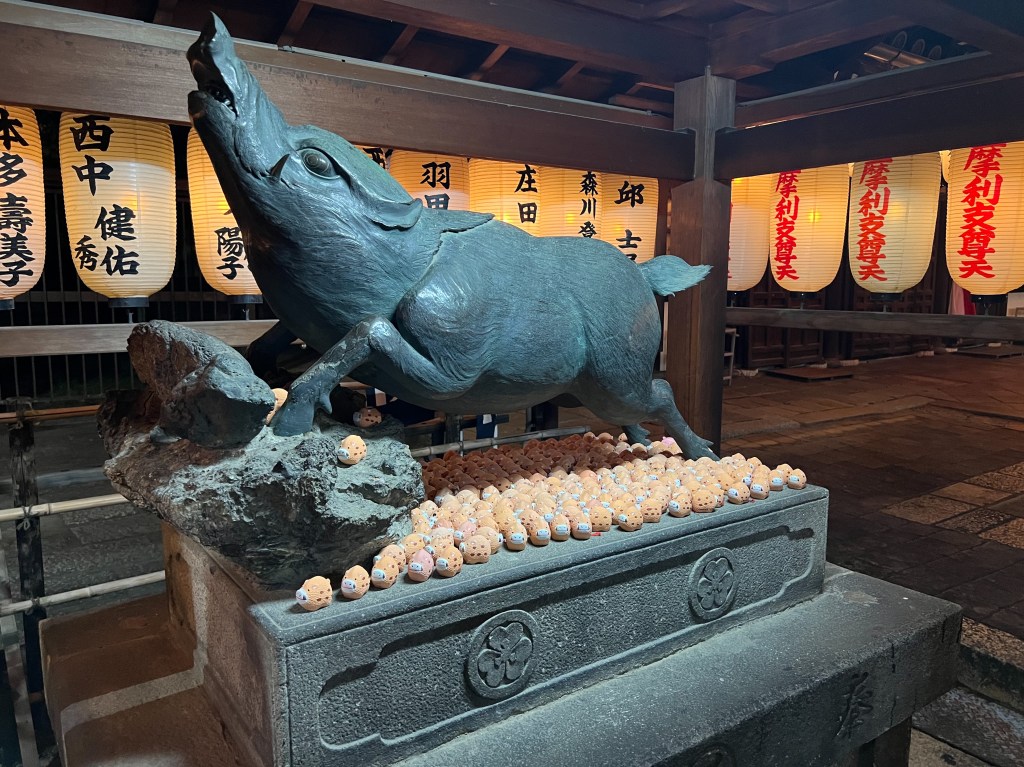
There’s a lot here to see! So, to make it easy, I am going to lay out each of the major sites I saw with a bit of a description.
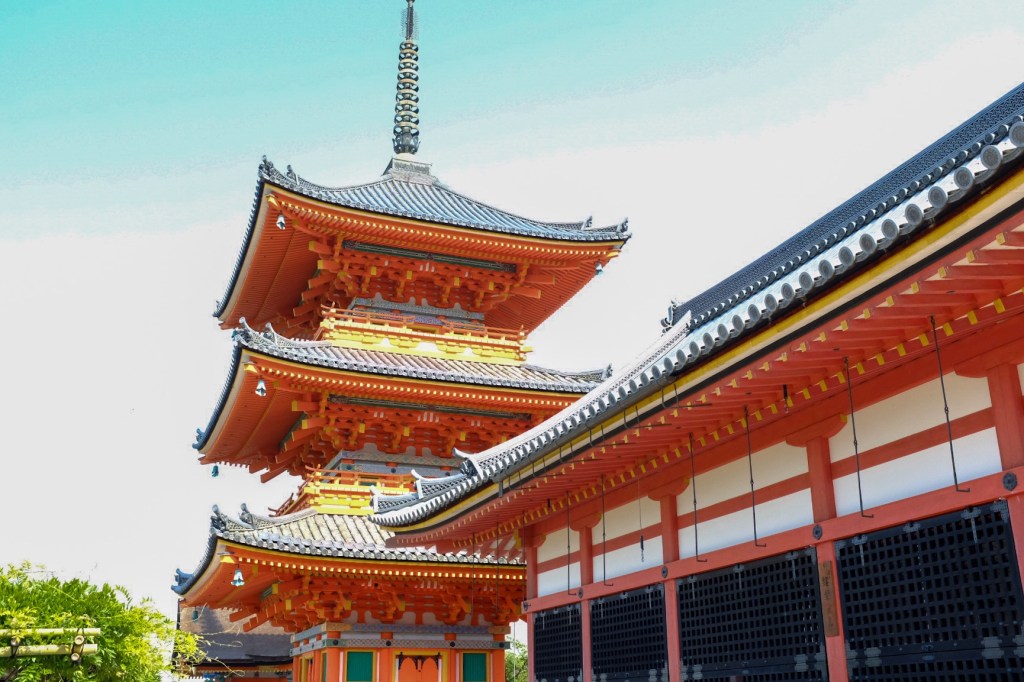
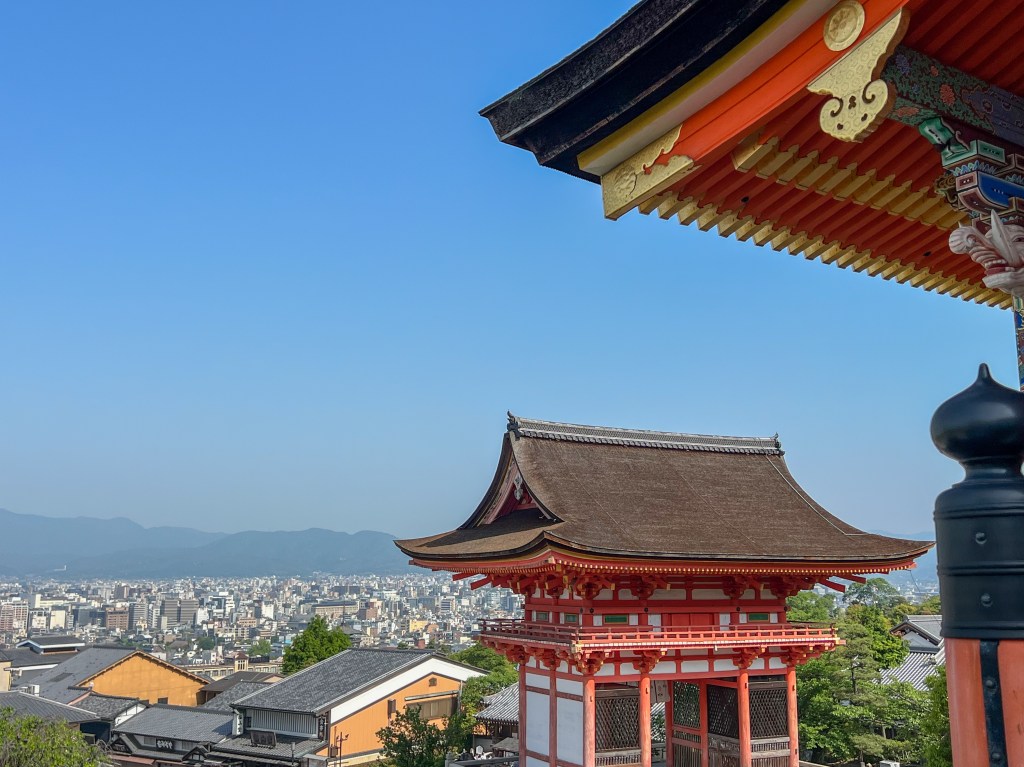
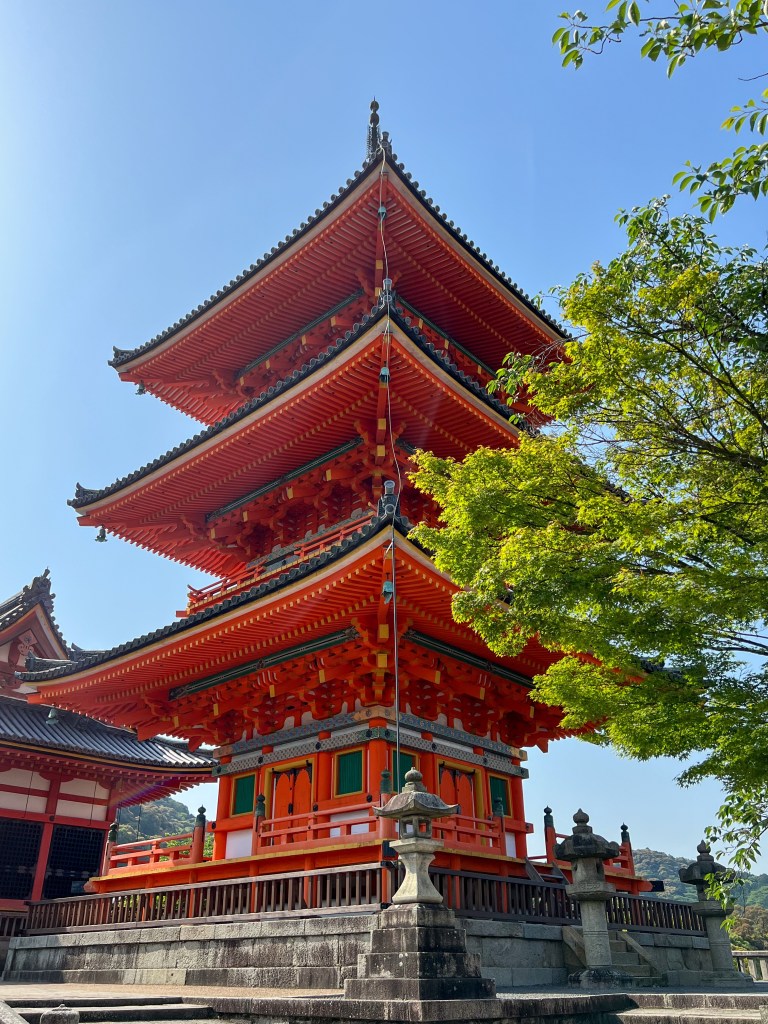
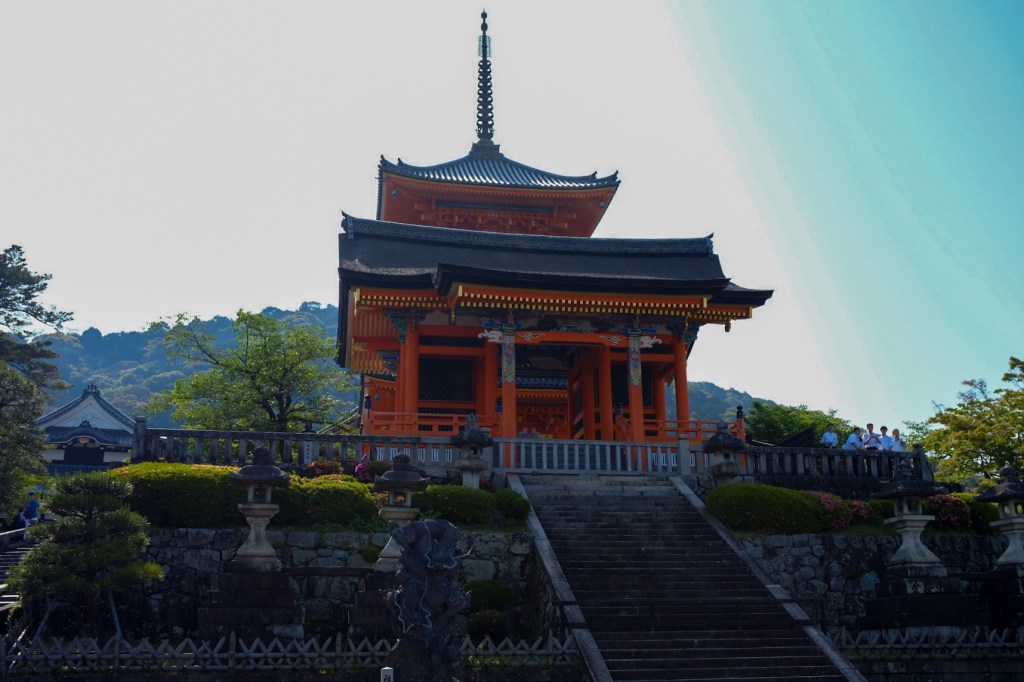
Kiyomizu-dera – a sacred Buddhist temple which was founded in 778.

Kyoto Sento Imperial Palace – The present Kyoto Imperial Palace had been used as the residence of Emperors for 500 years, from 1331 until the capital moved to Tokyo in 1869.
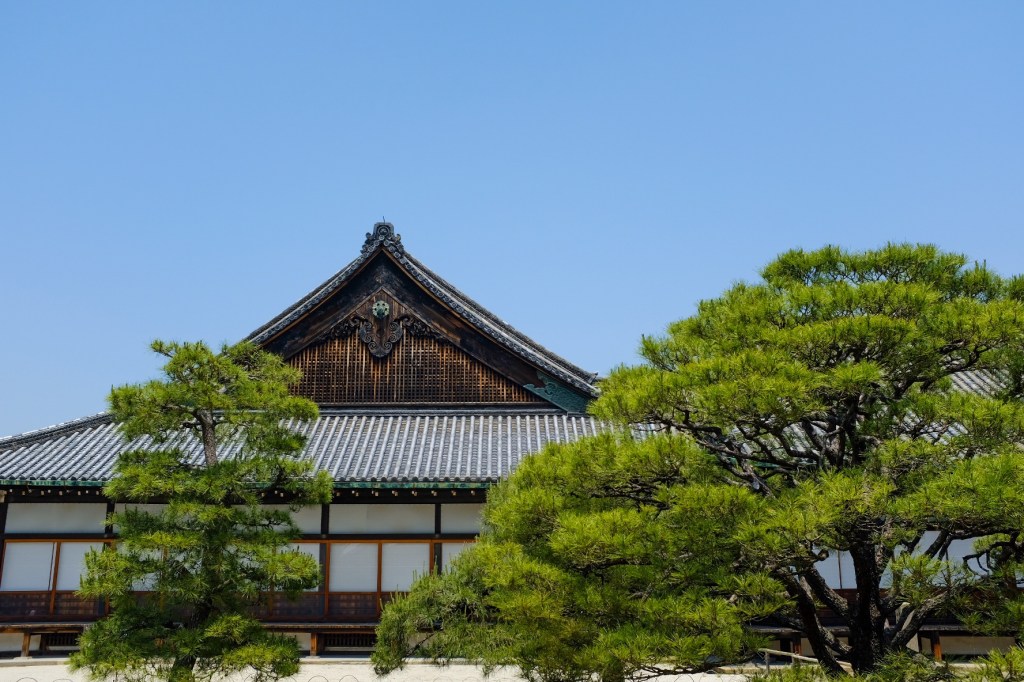
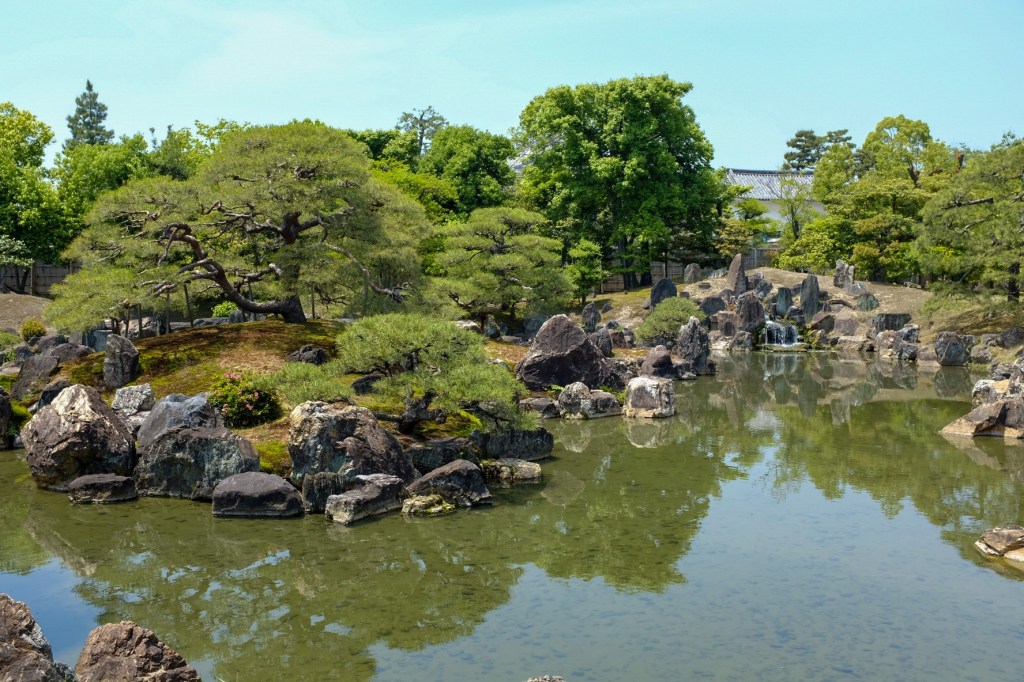
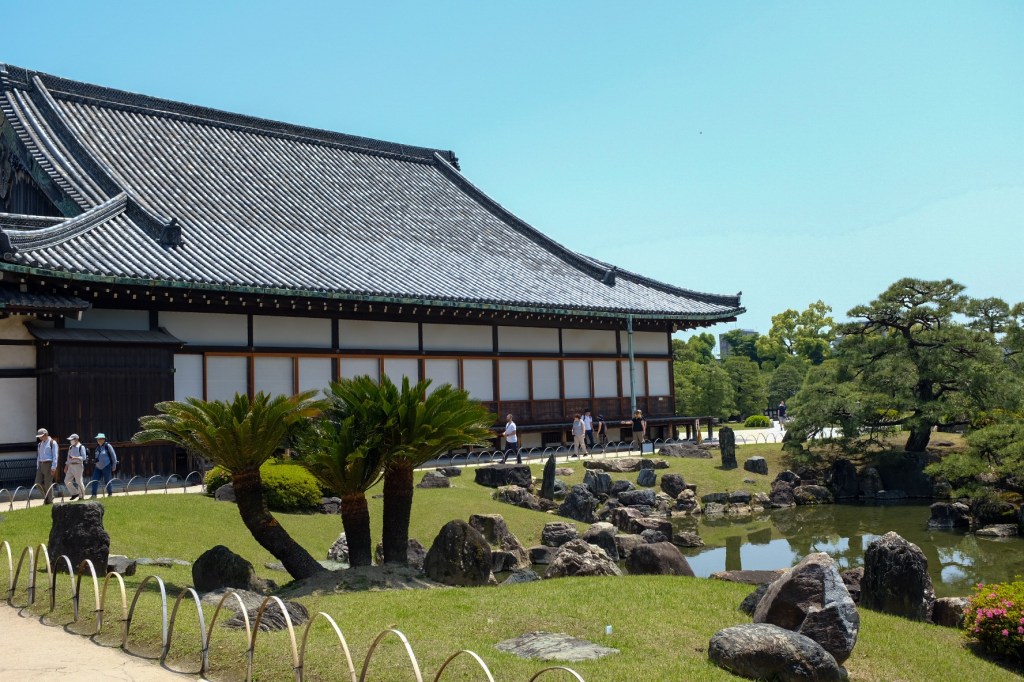
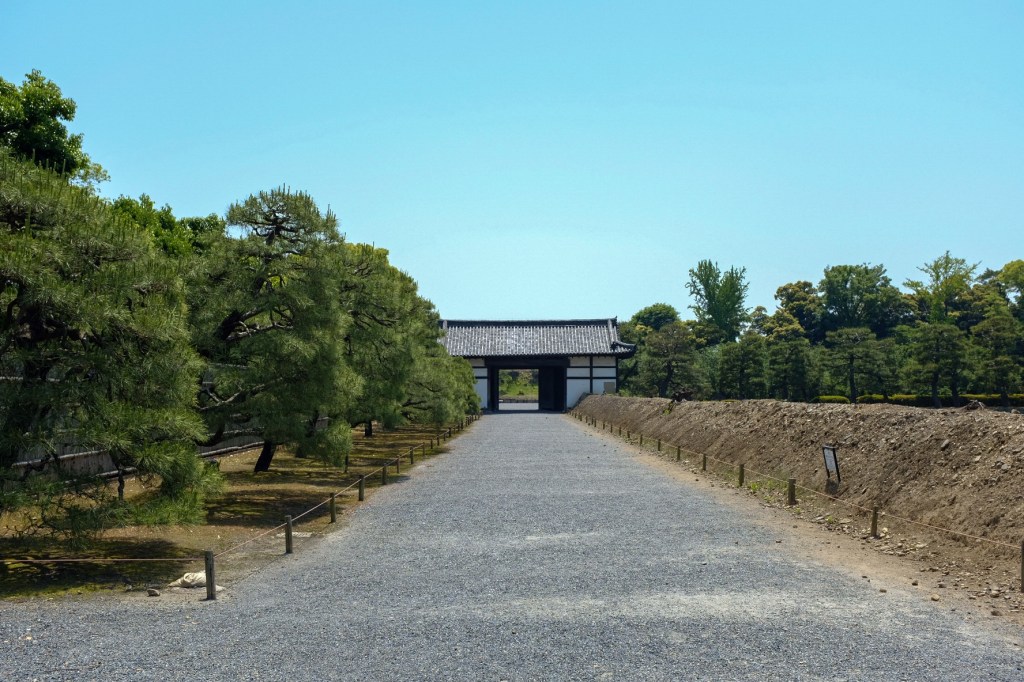
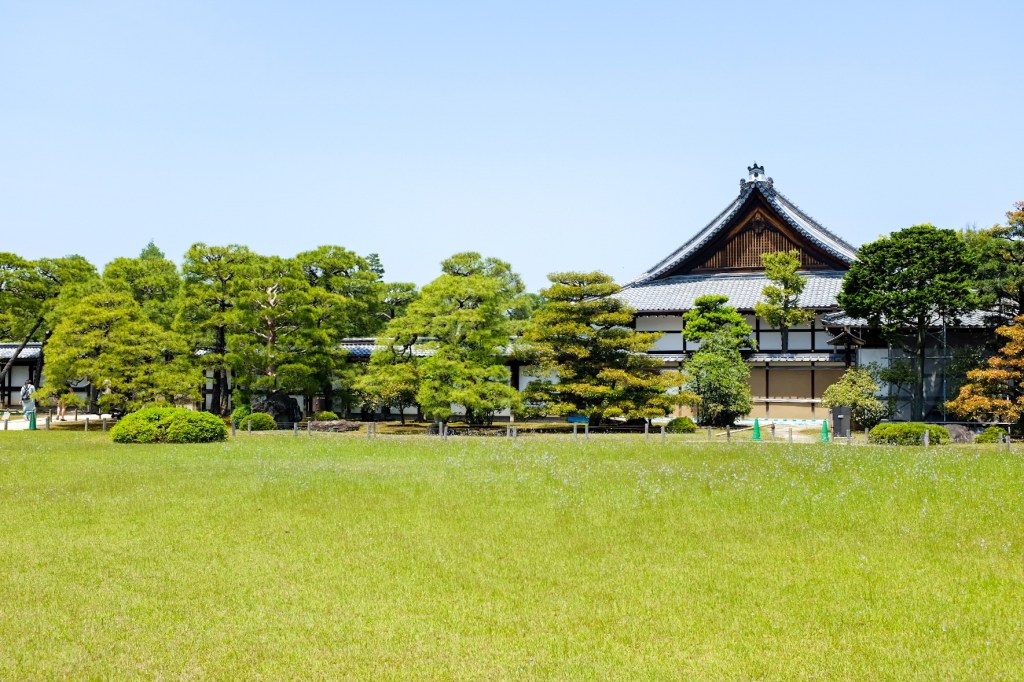
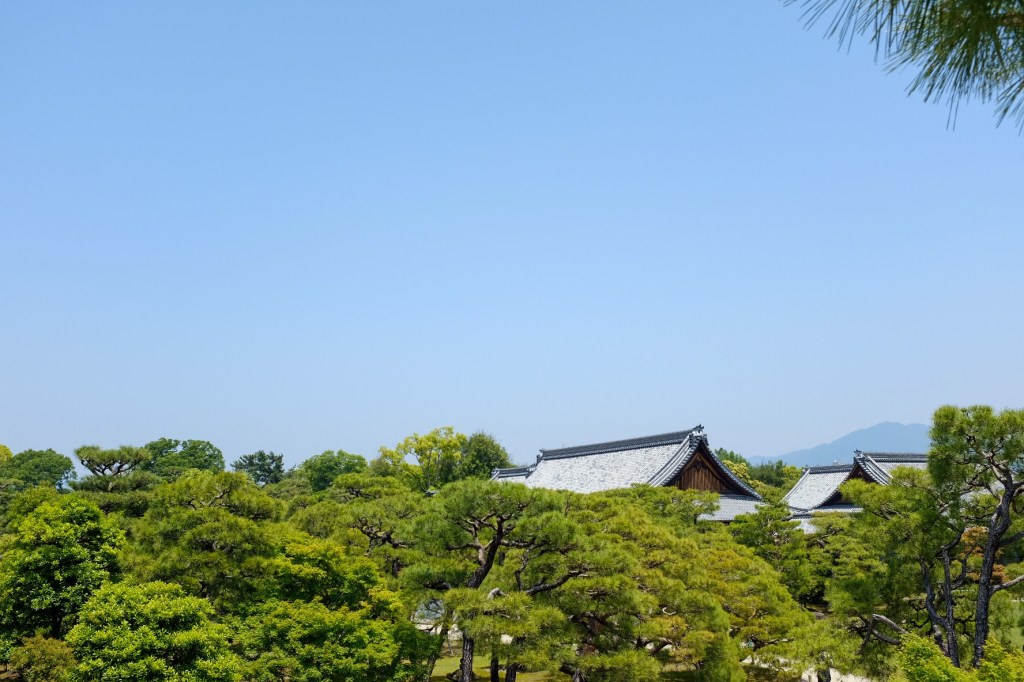
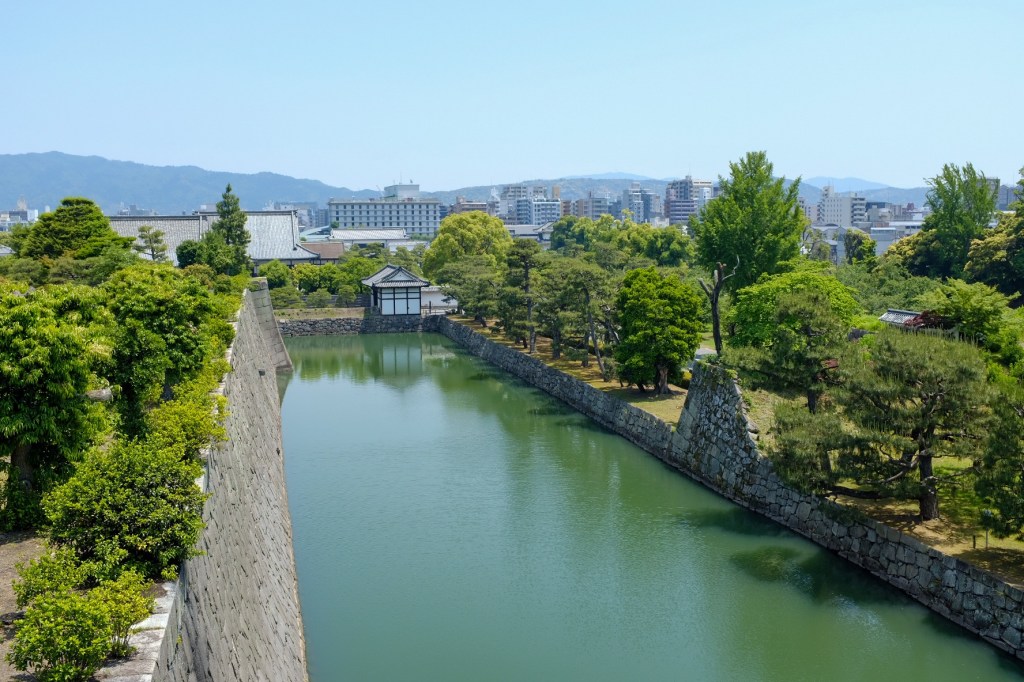
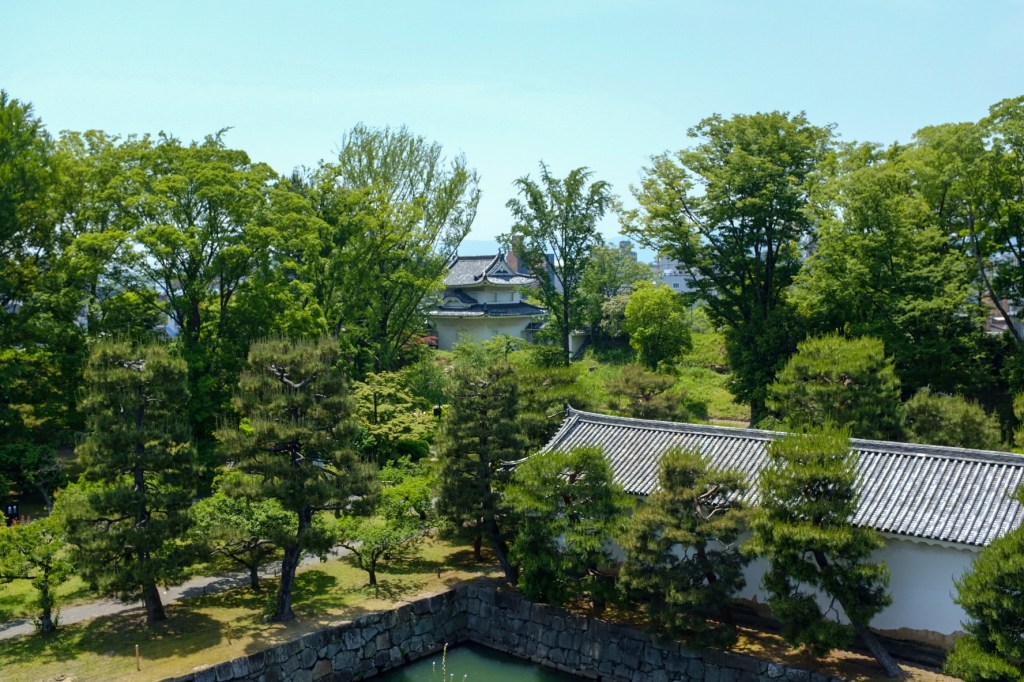
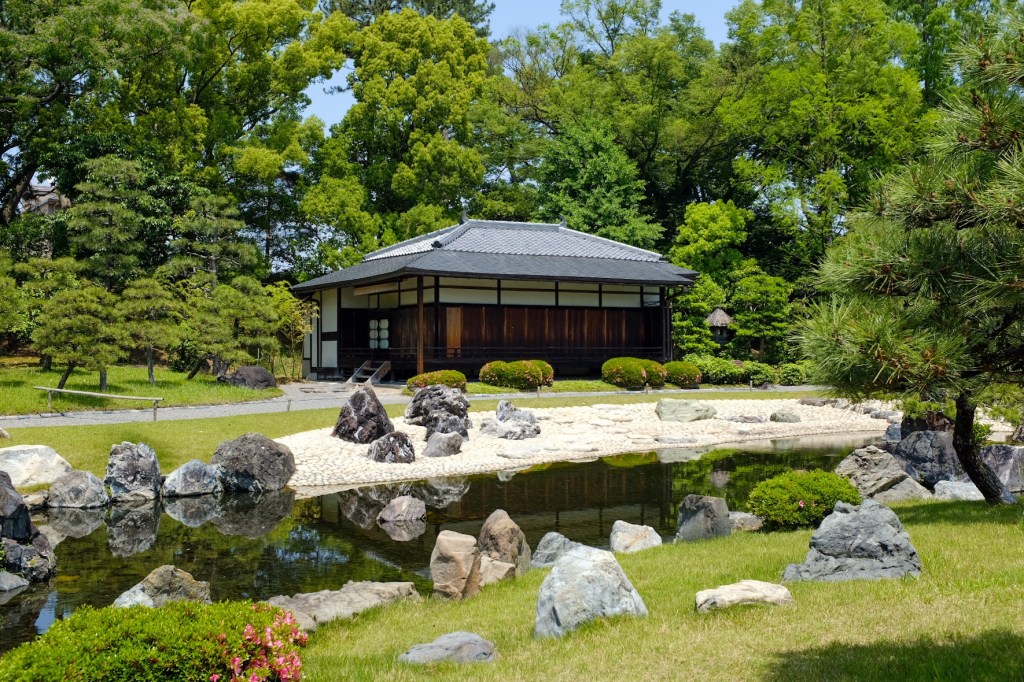
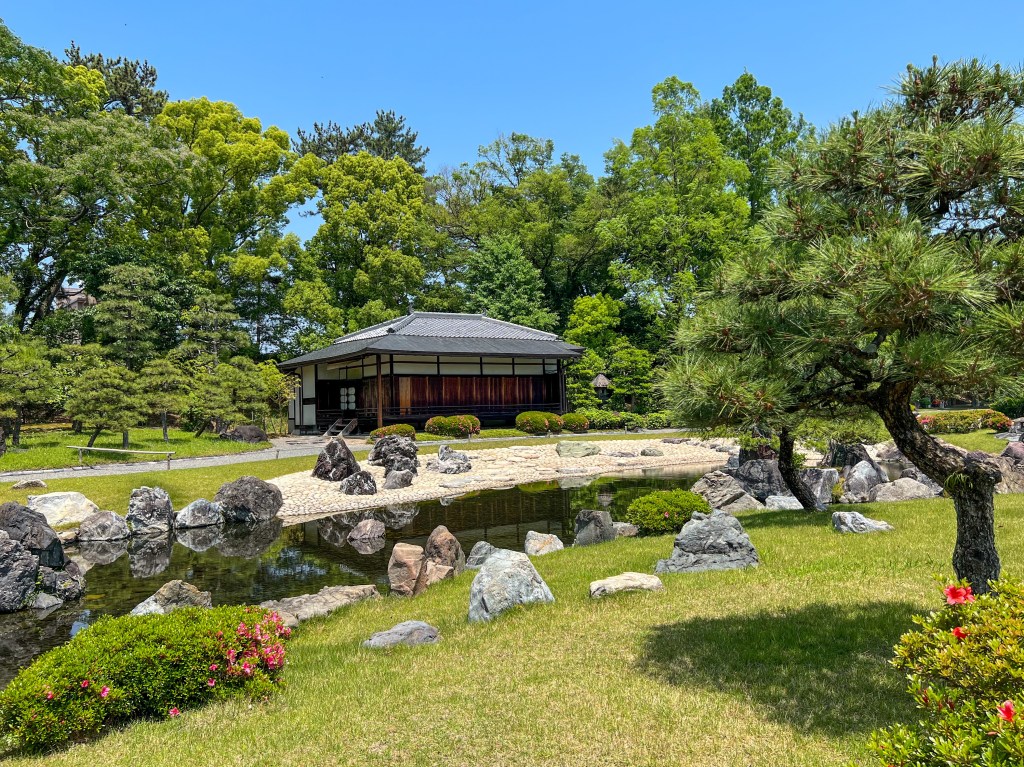
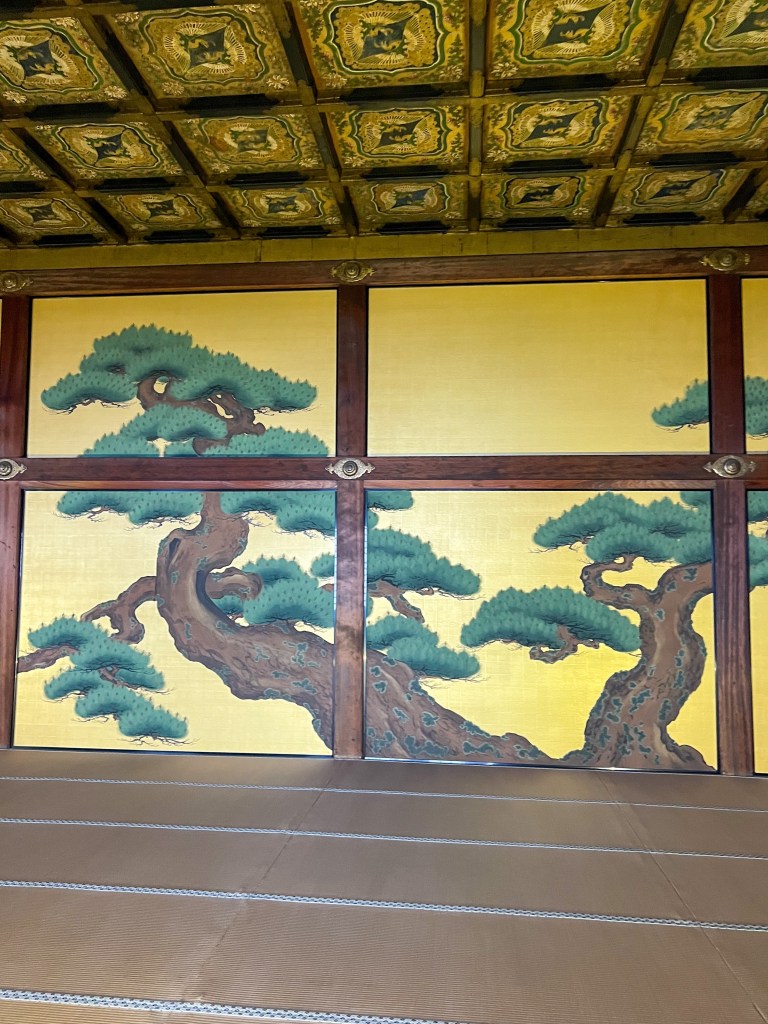
Nijo Castle – was built in 1603 as the Kyoto residence of Tokugawa Ieyasu, the first shogun of the Edo Period (1603-1867).
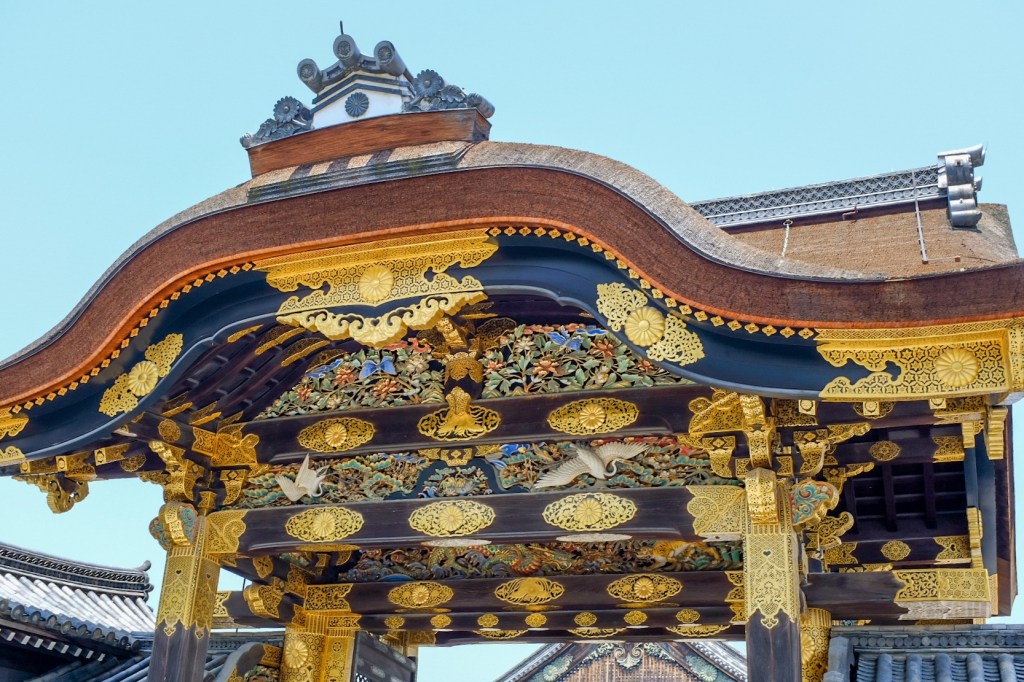

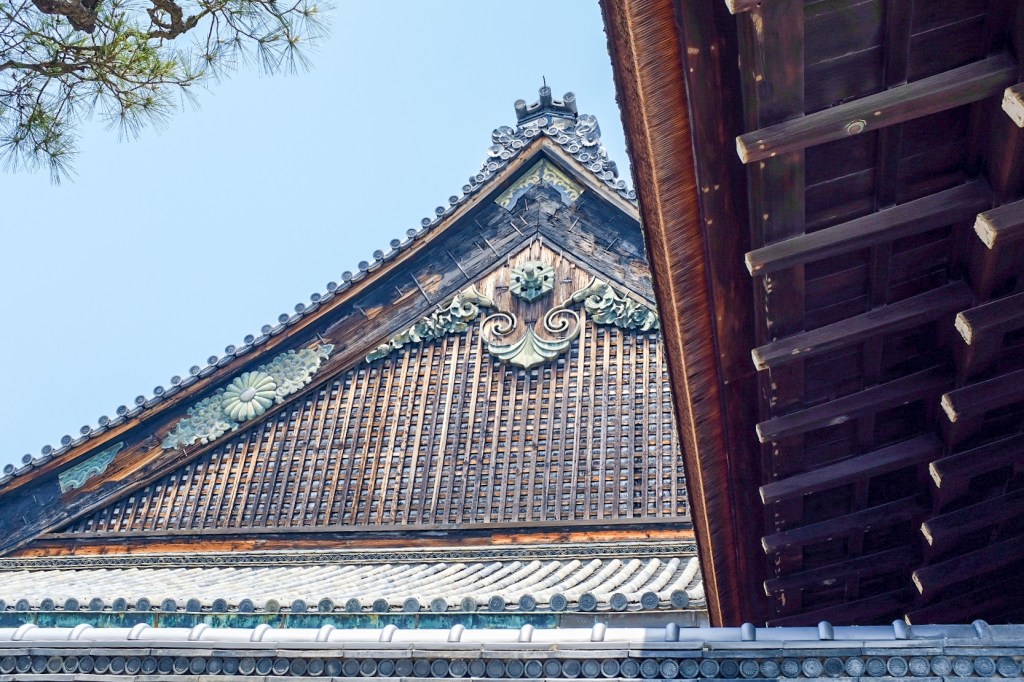
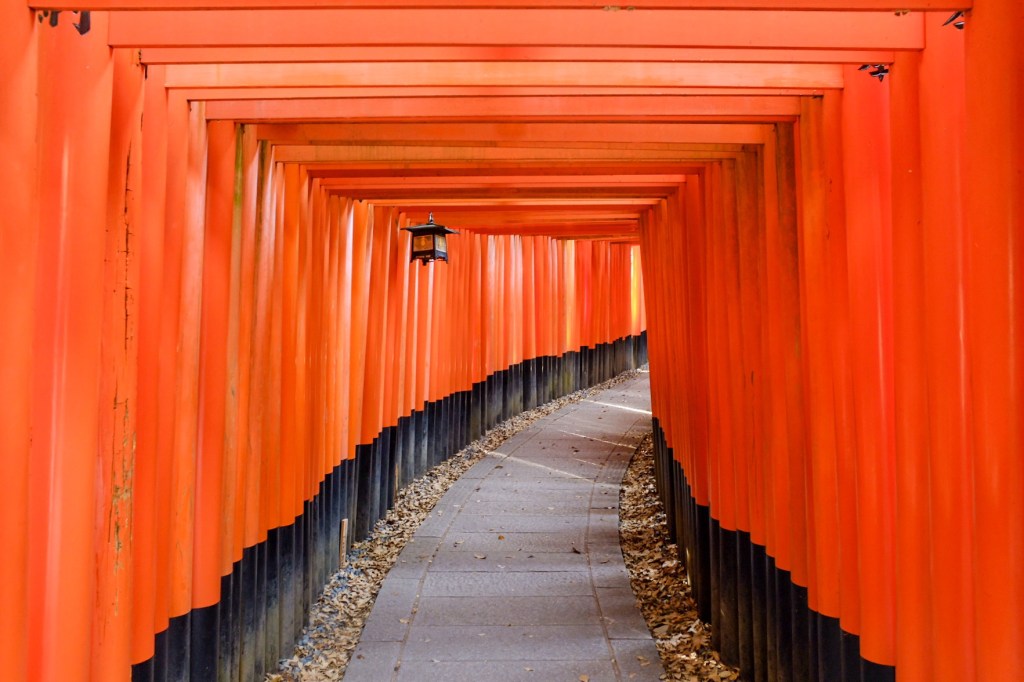
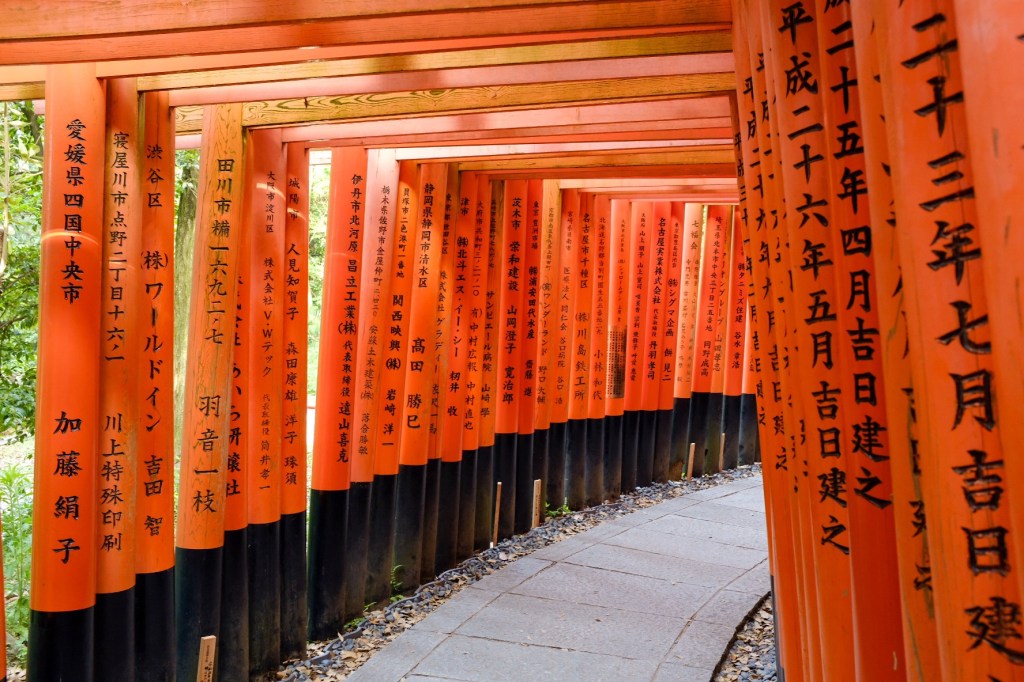
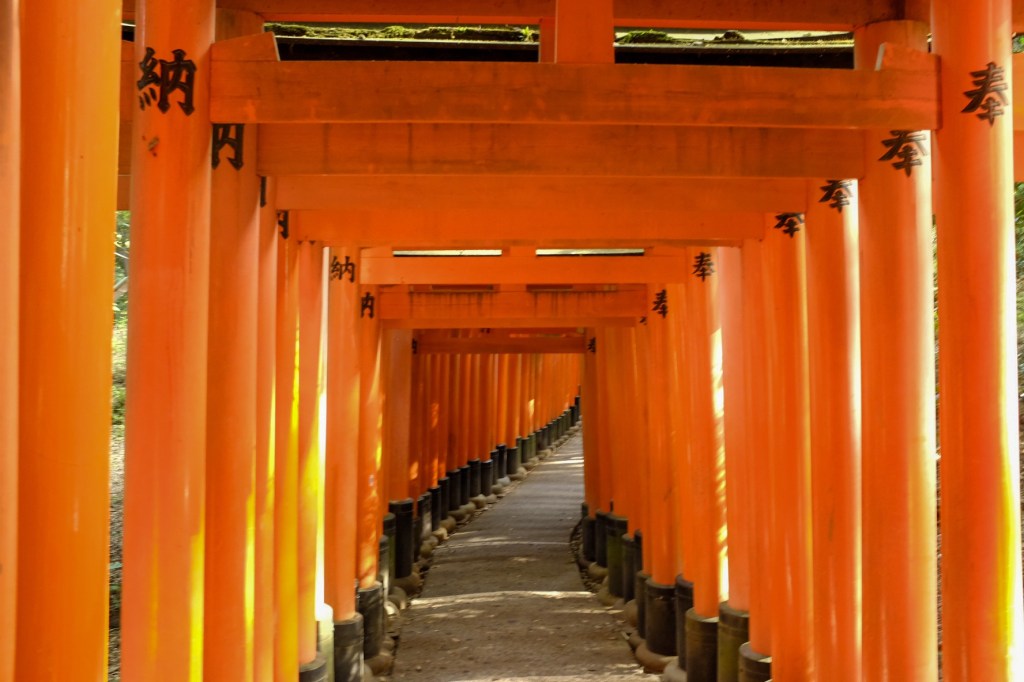
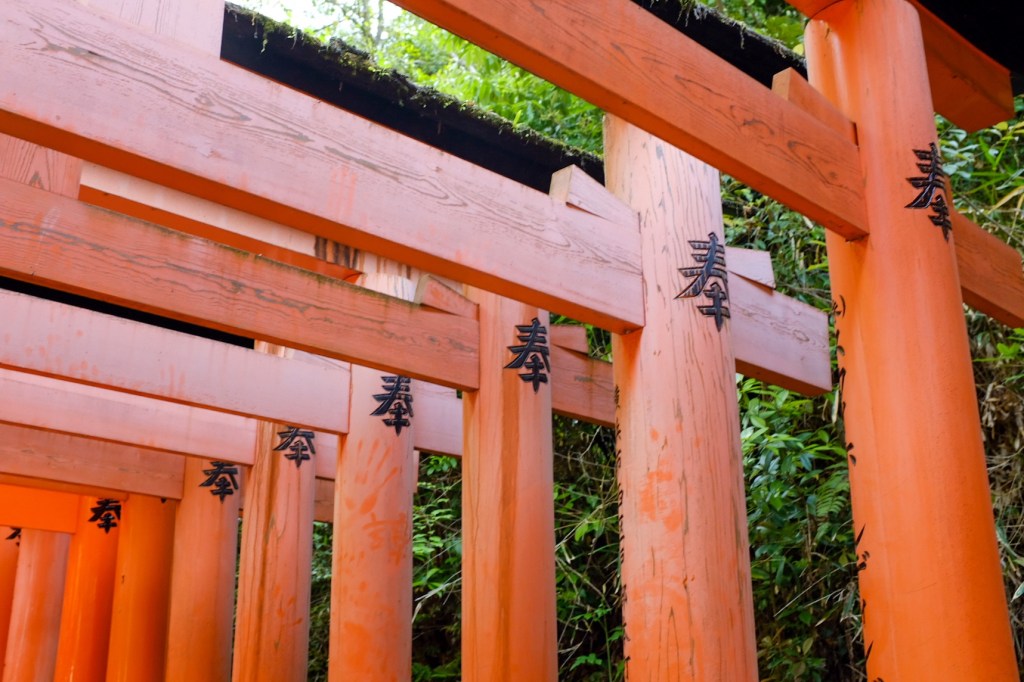
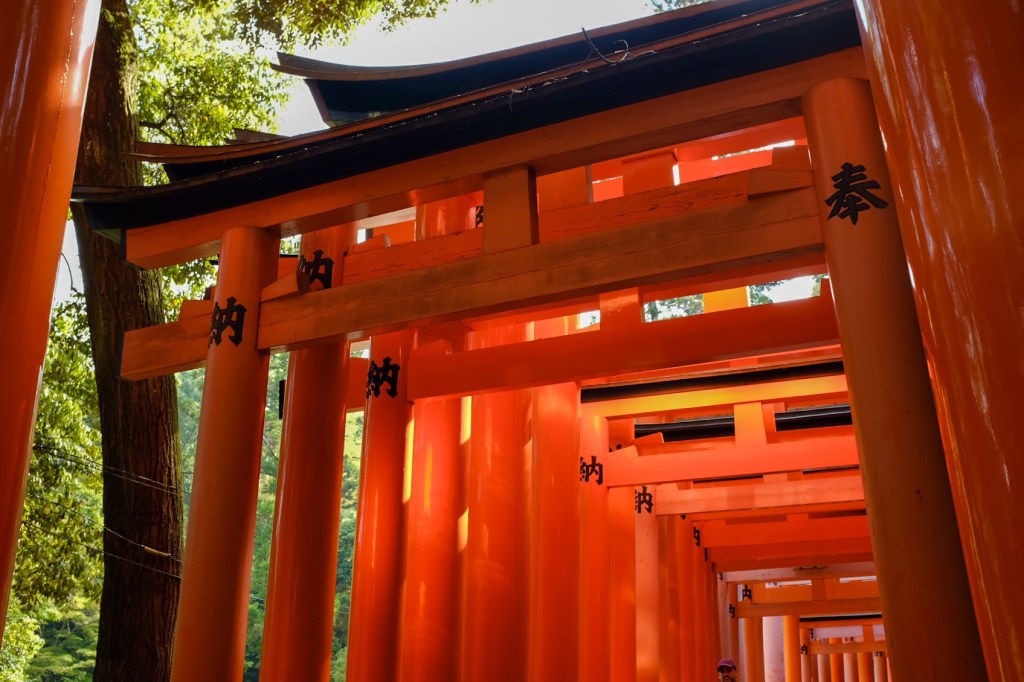
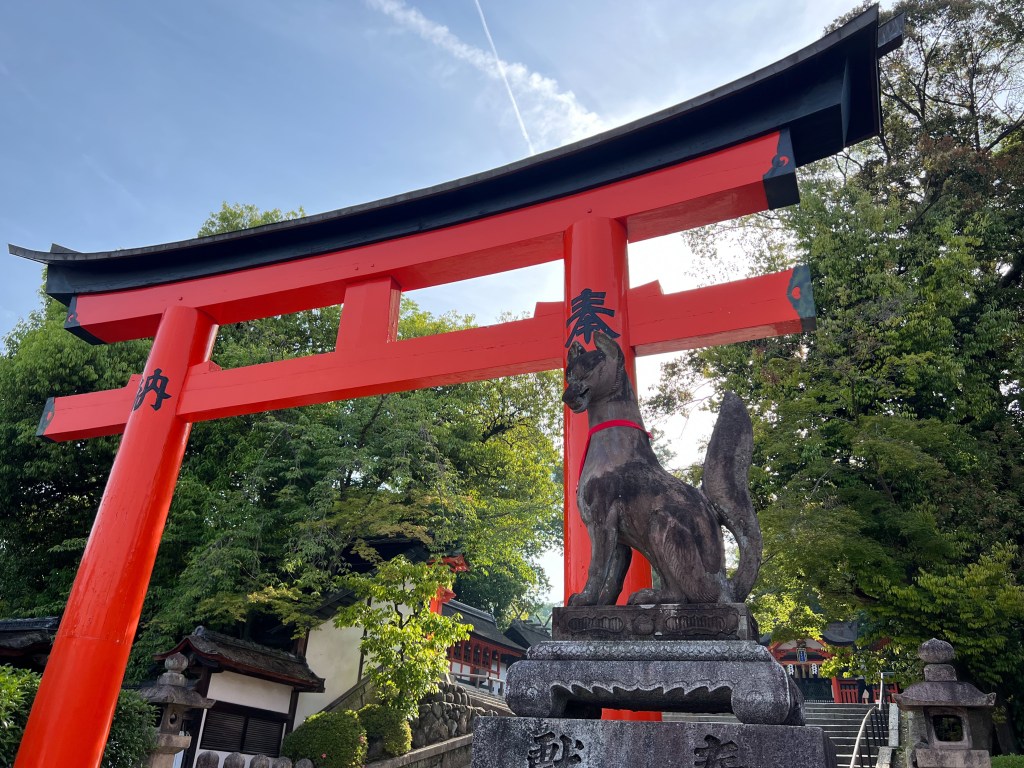
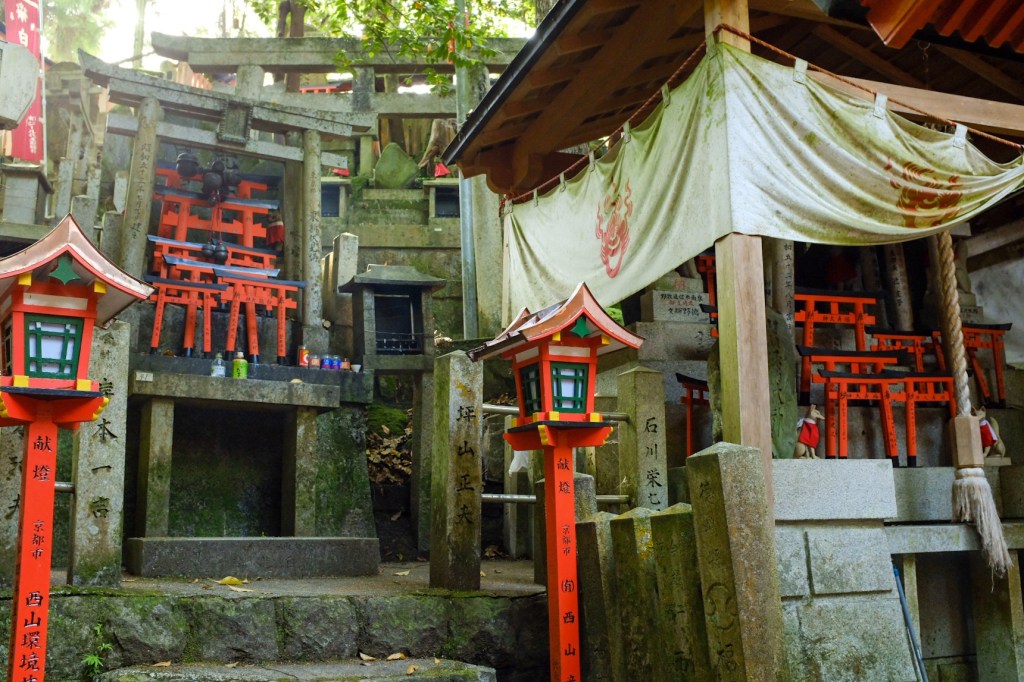
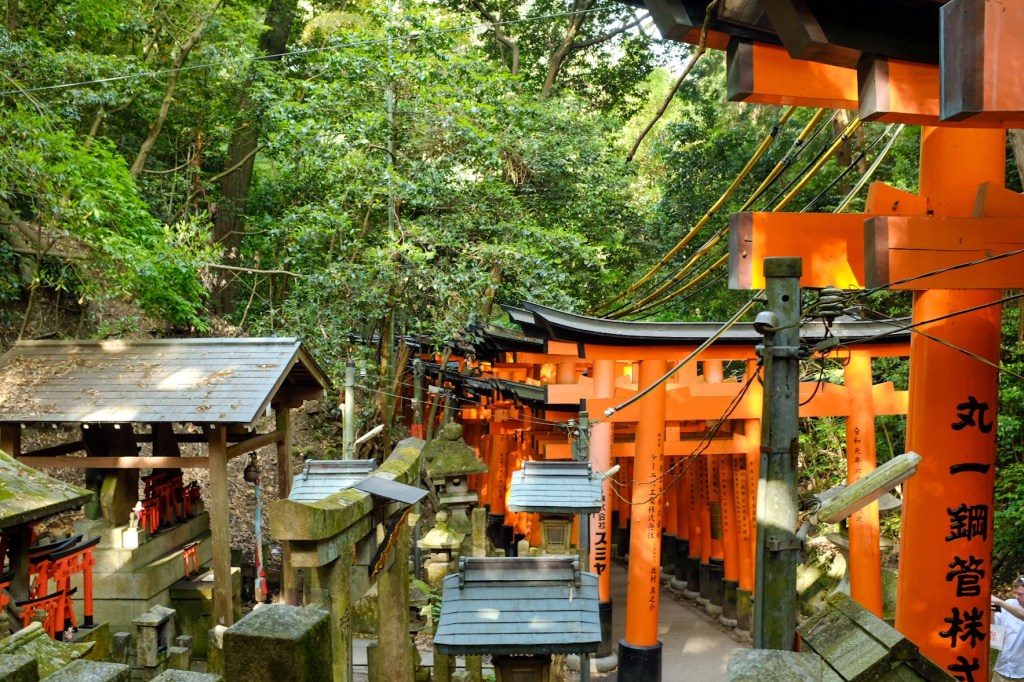
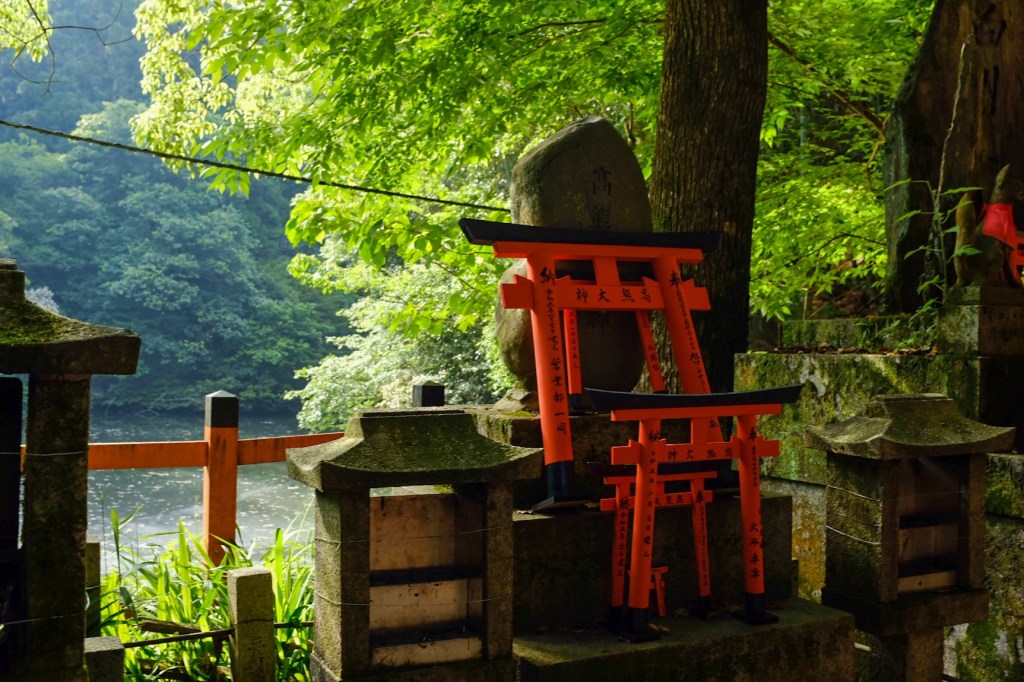
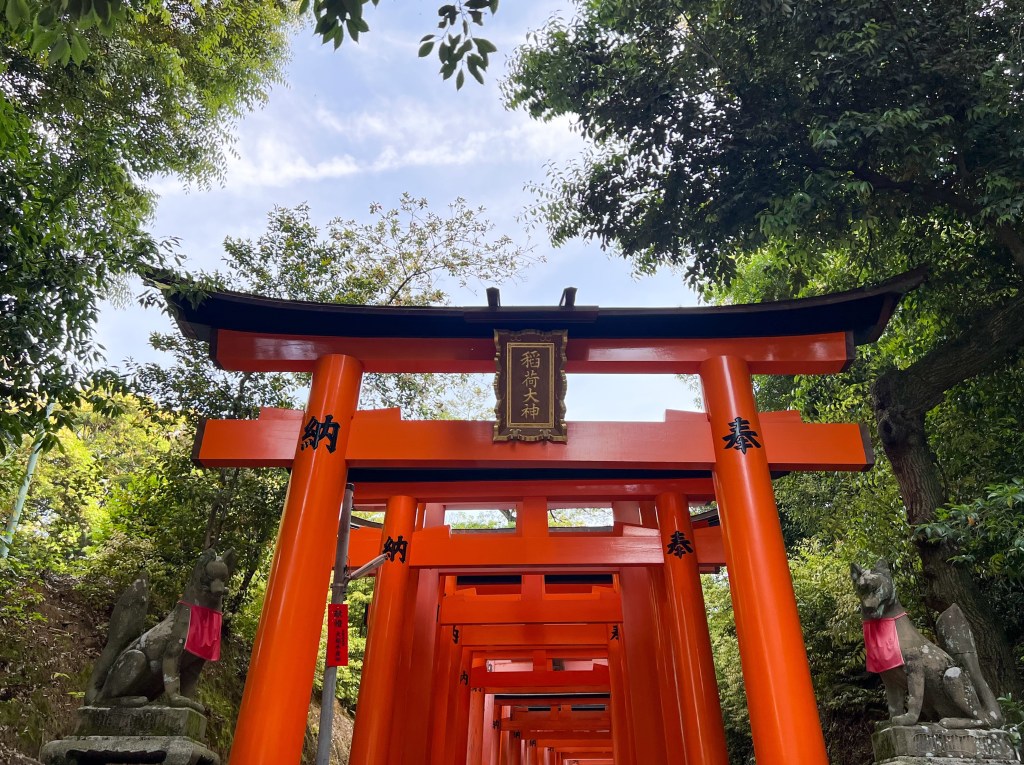
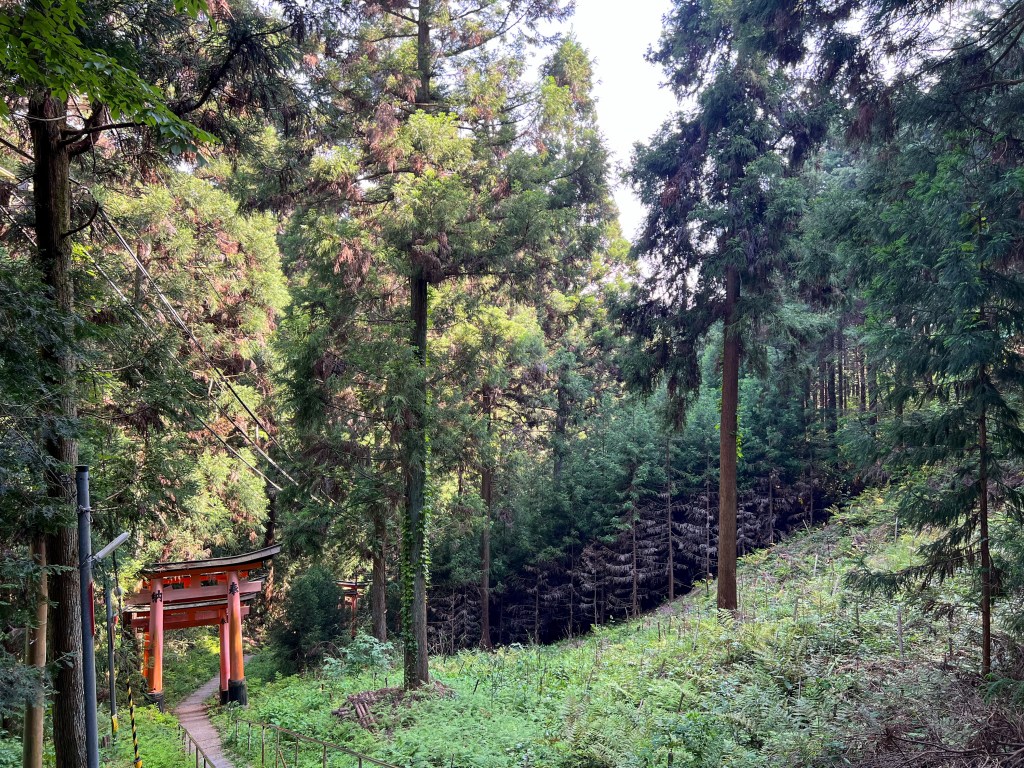
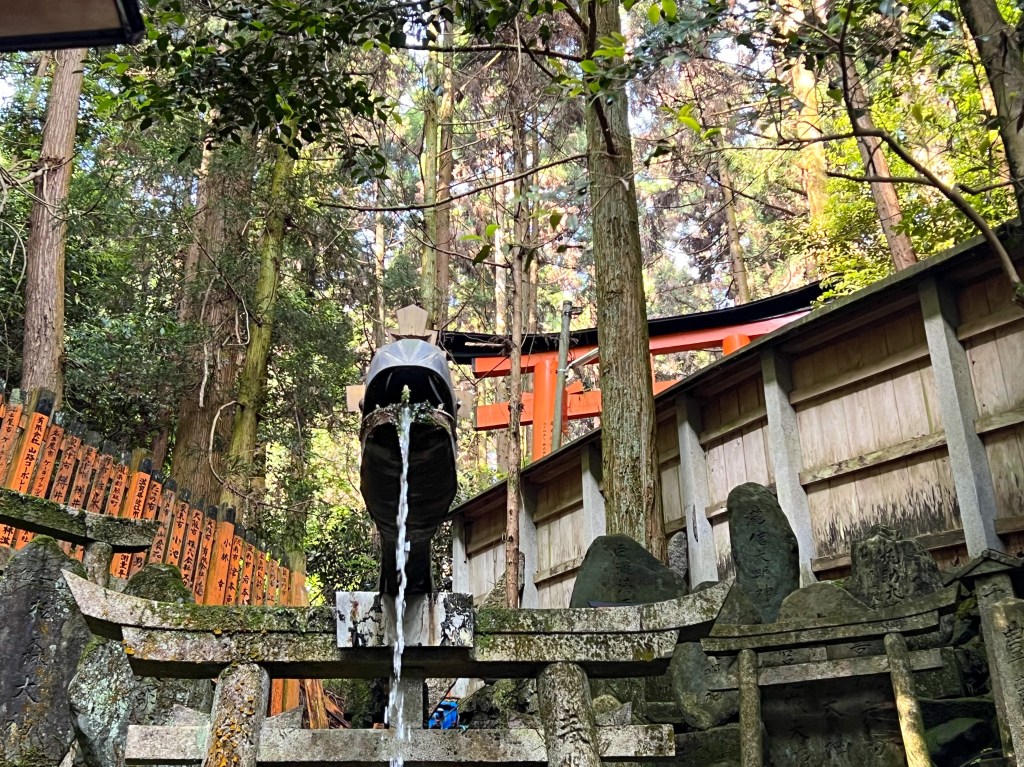
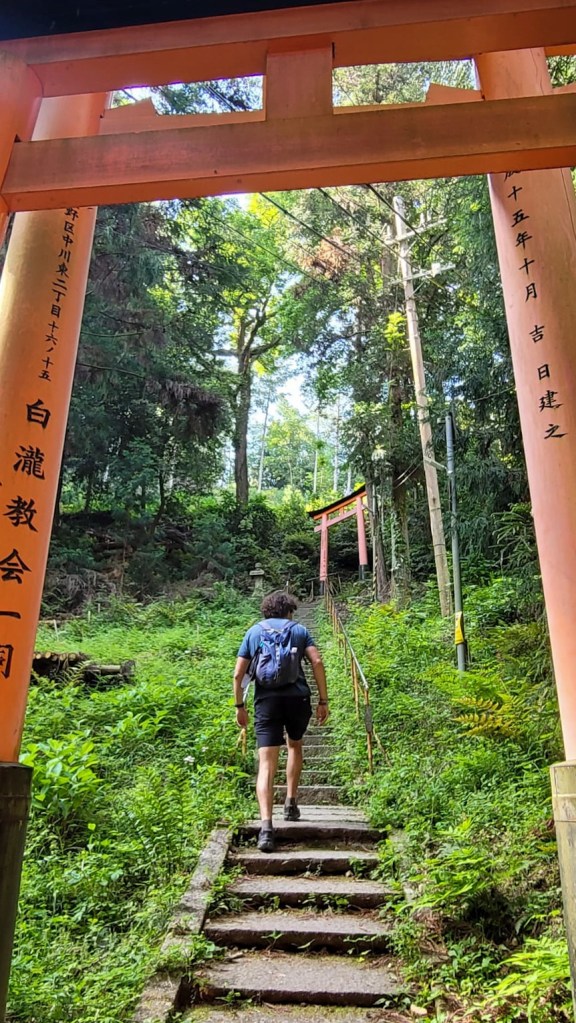
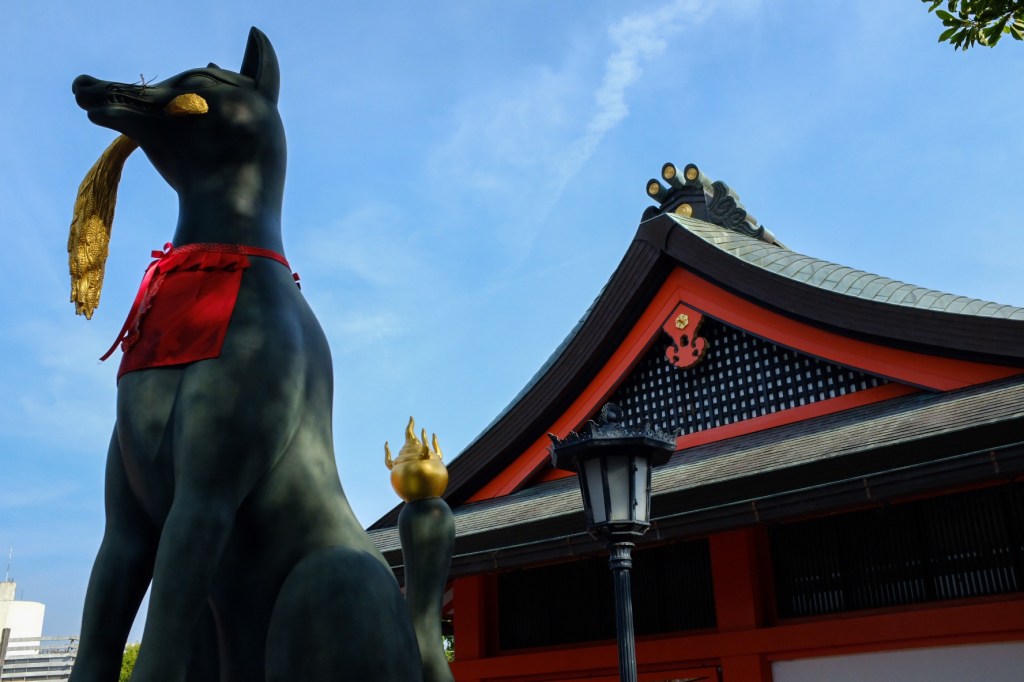
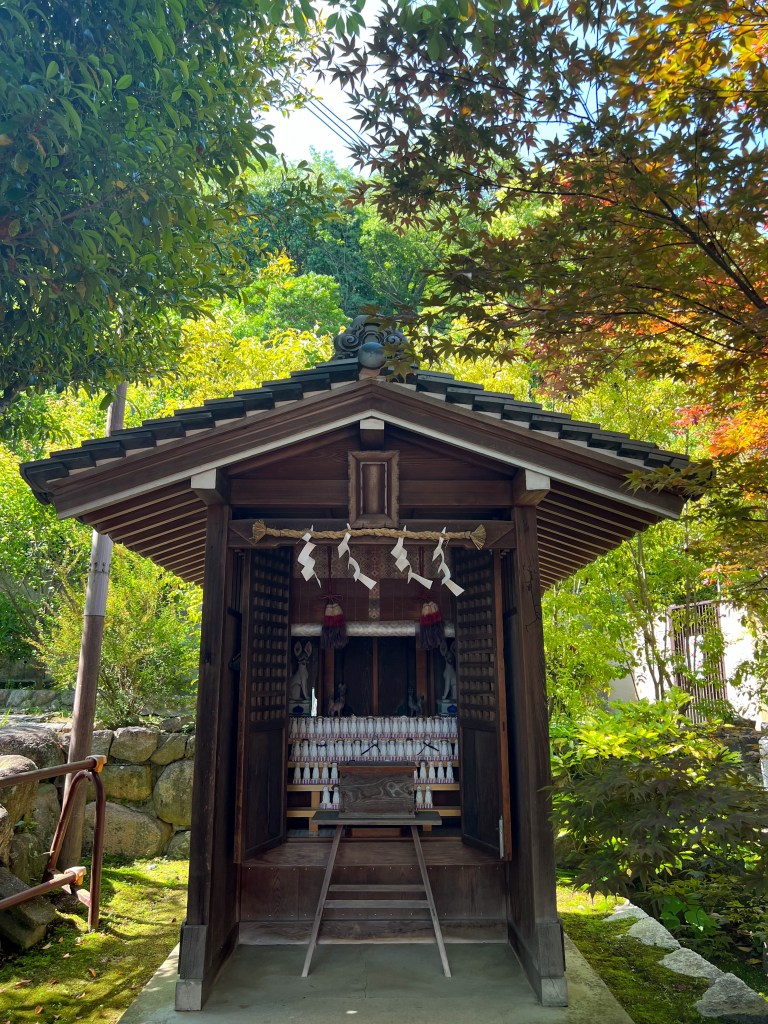
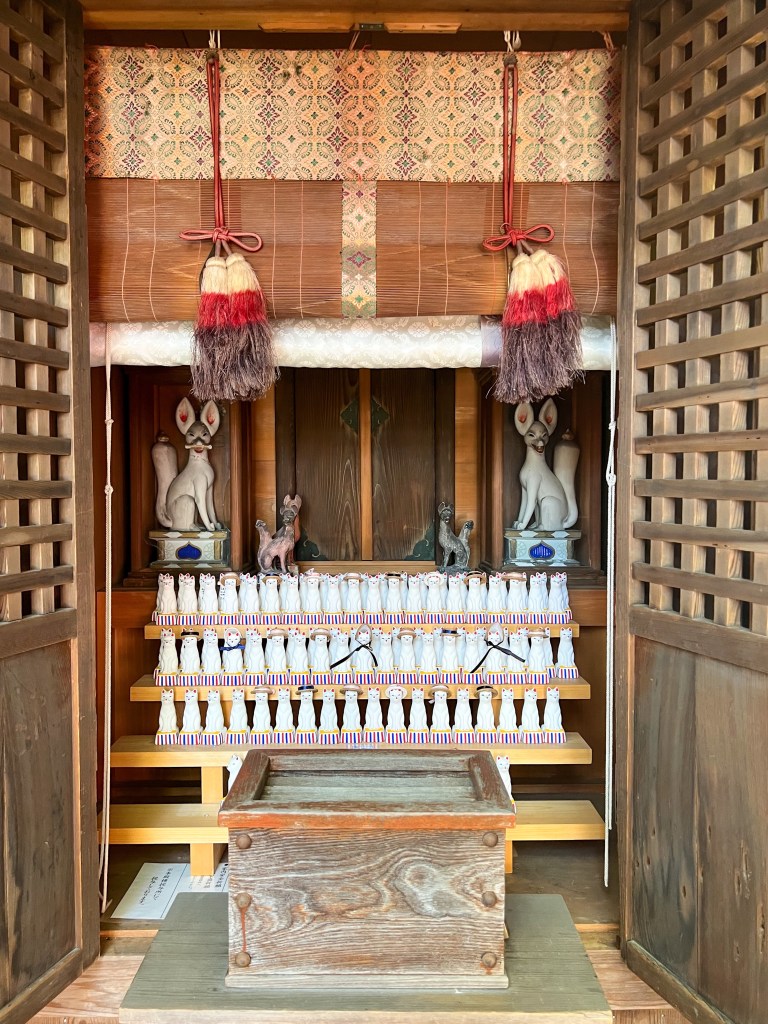
Fushimi Inari Taisha – is an important Shinto shrine, famous for its thousands of vermilion torii gates, which straddle a network of trails behind its main buildings. The trails lead into the wooded forest of the sacred Mount Inari.
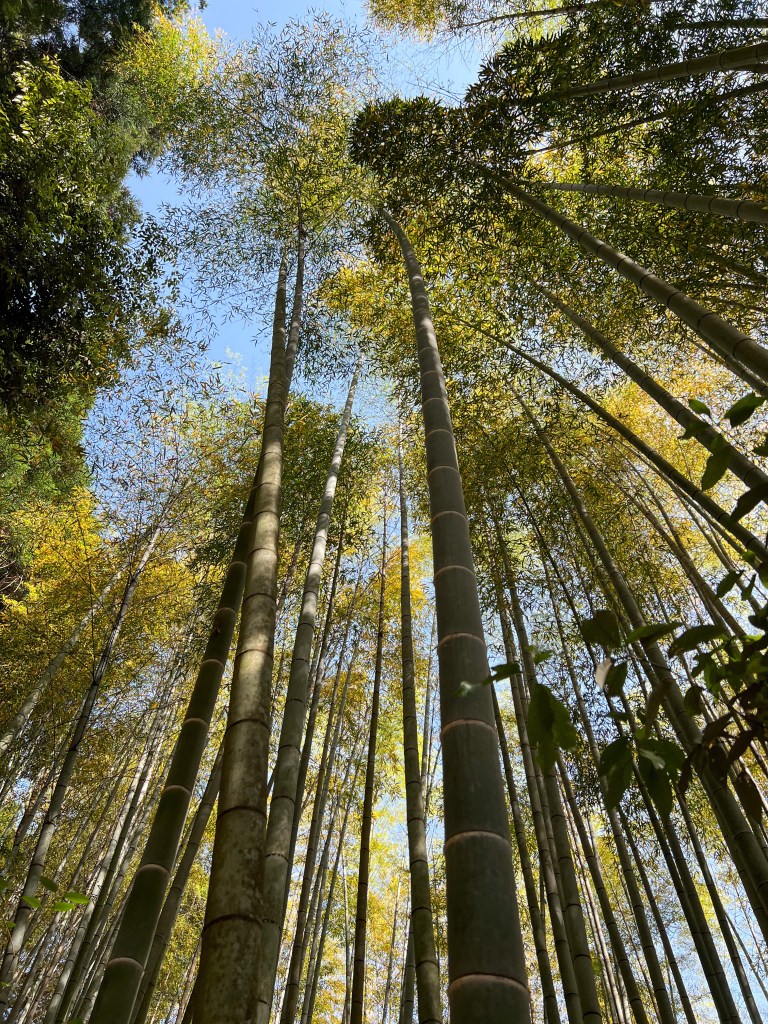
Hokan-ji Temple
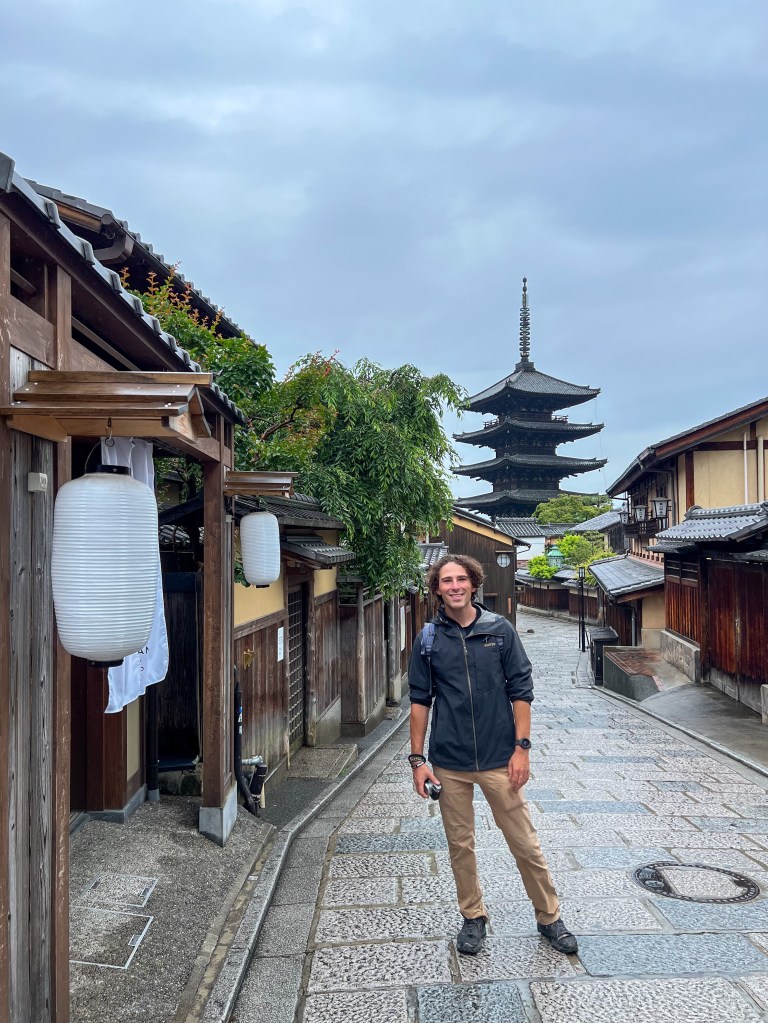
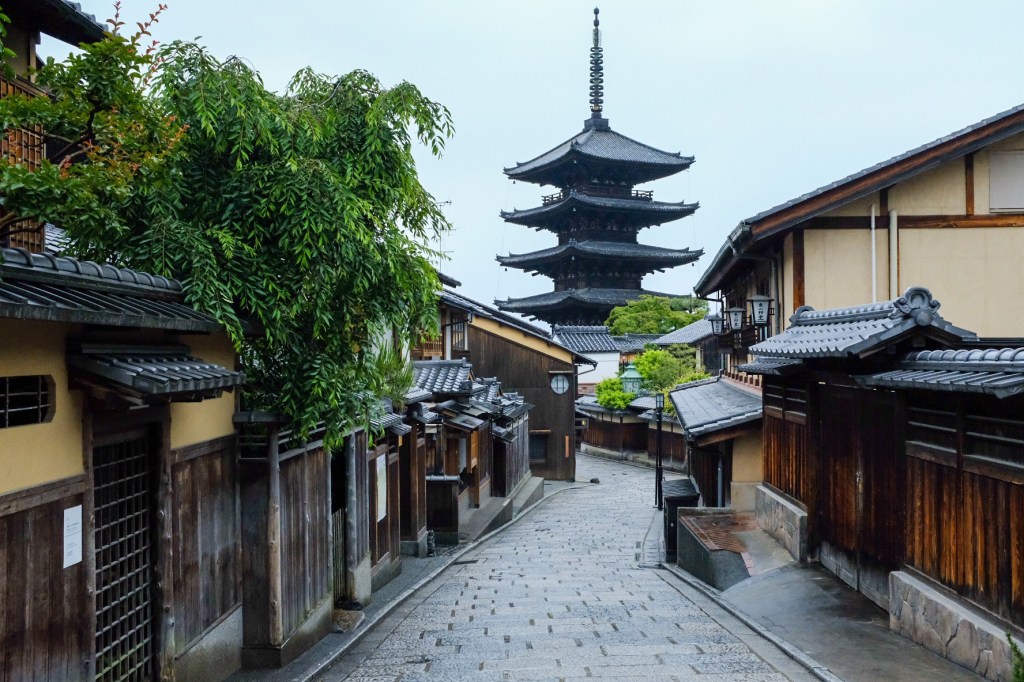
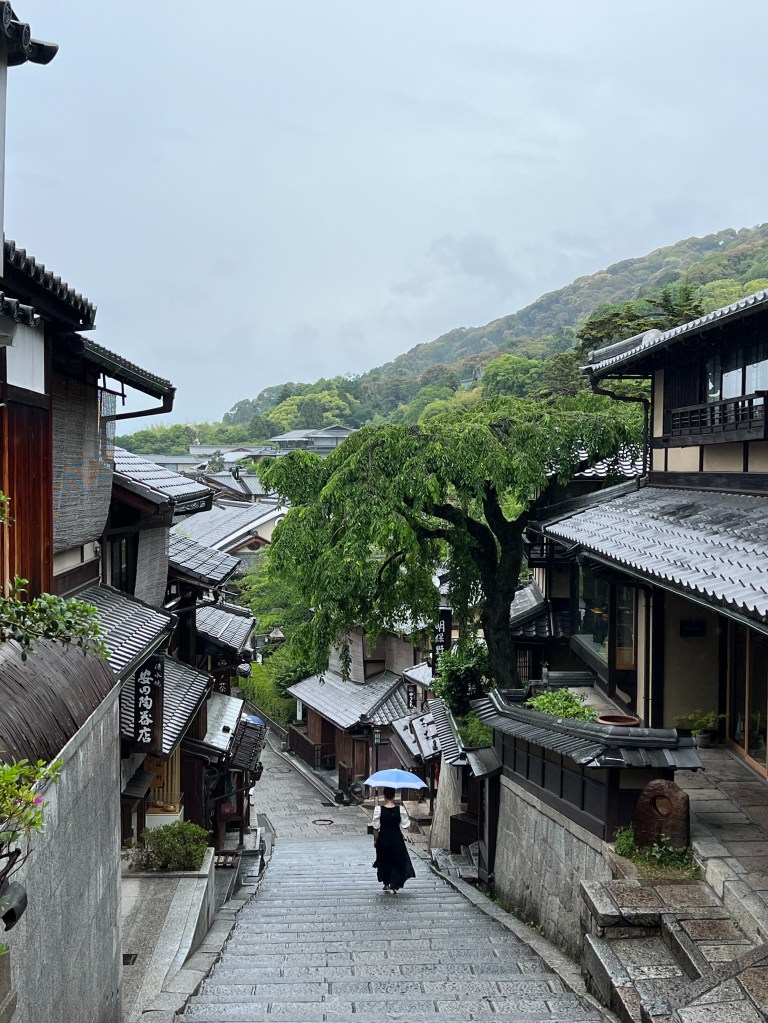
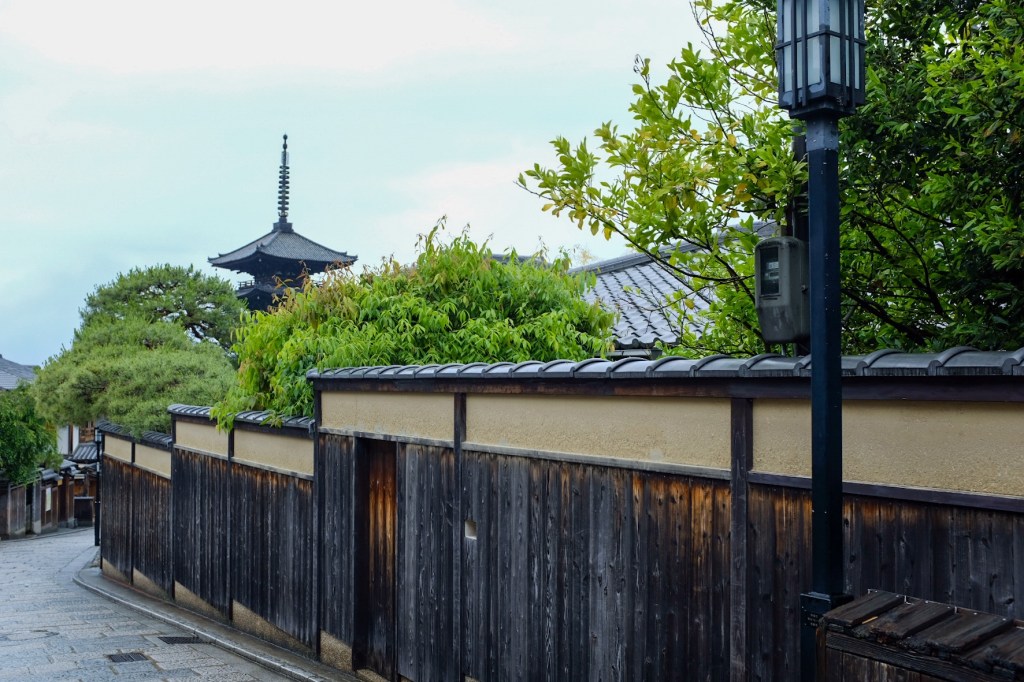
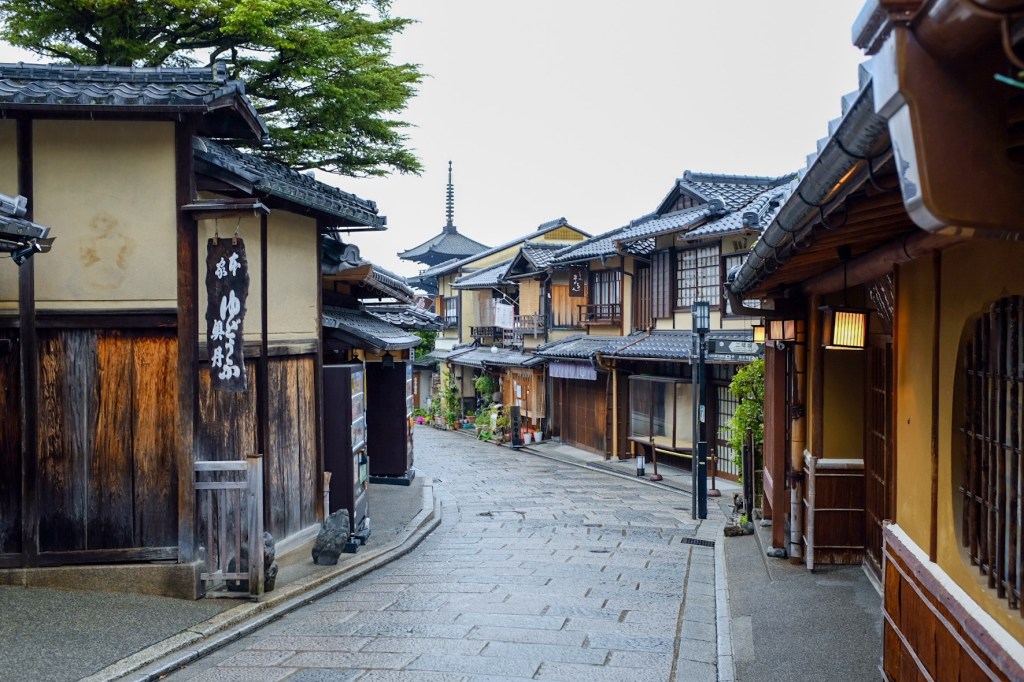
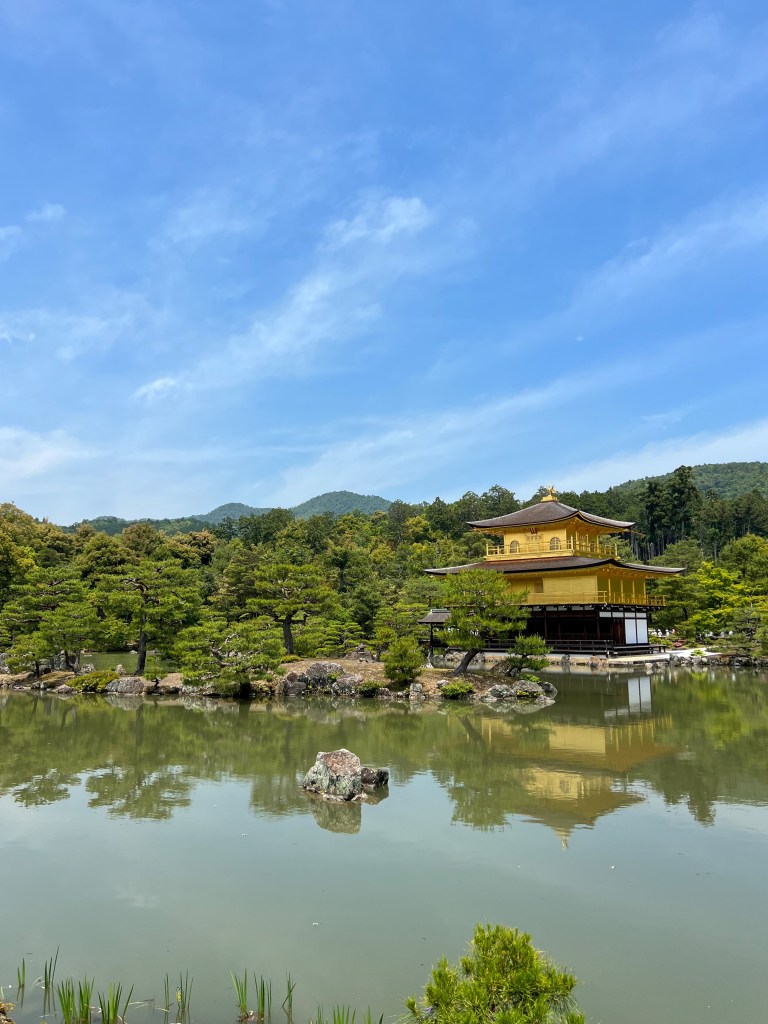
Kinkaku-ji (Golden Pavilion)
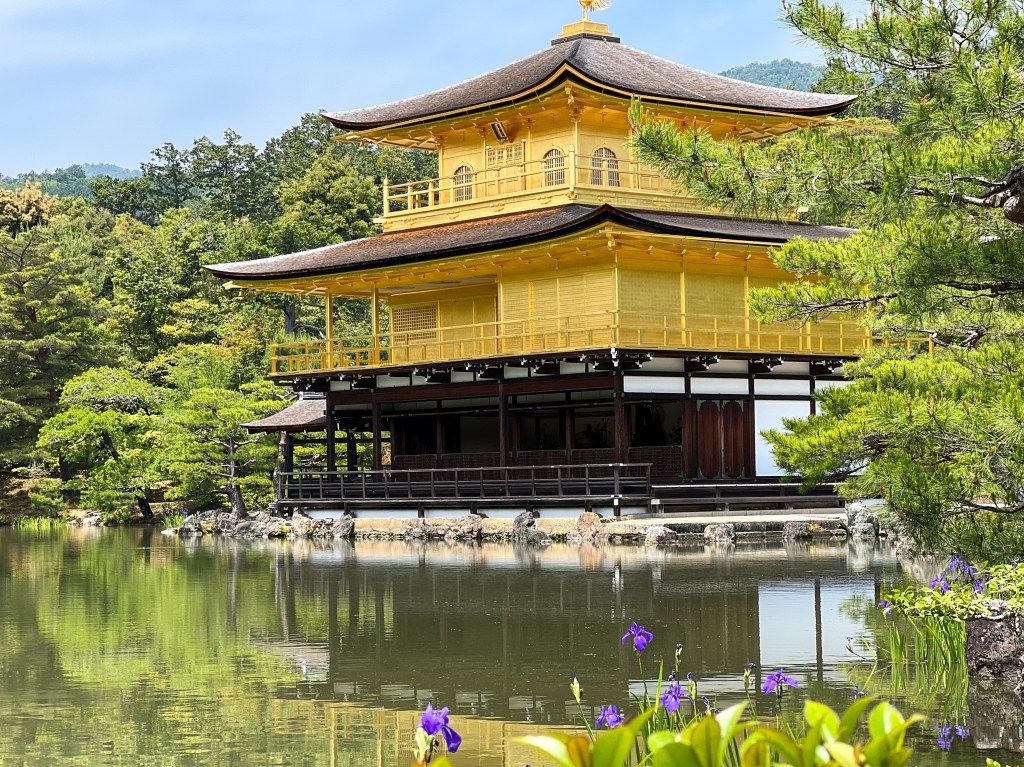
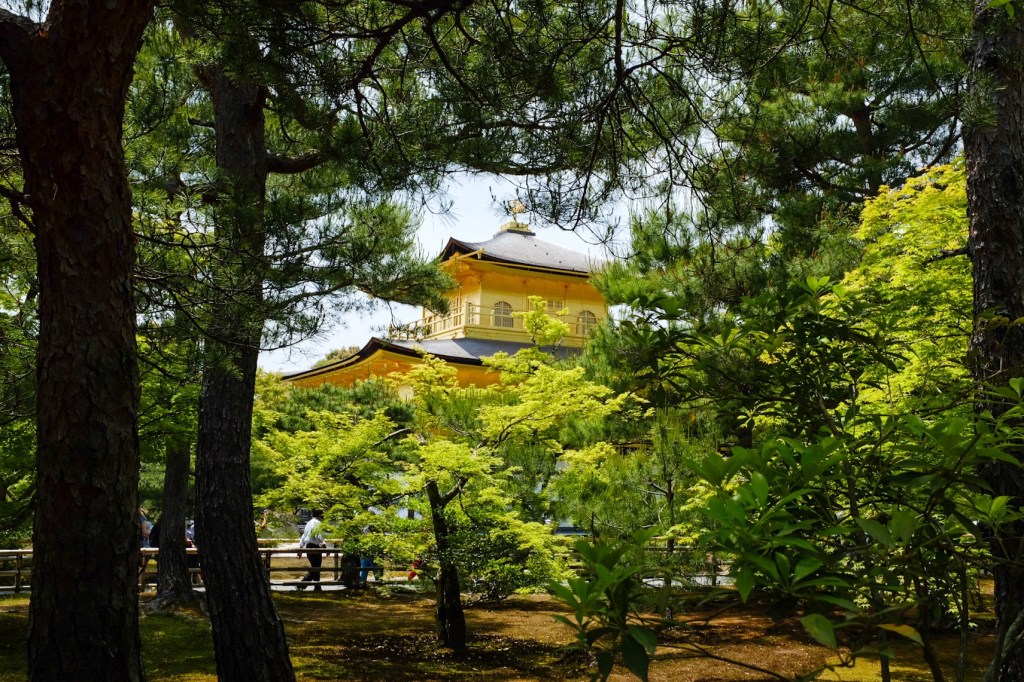
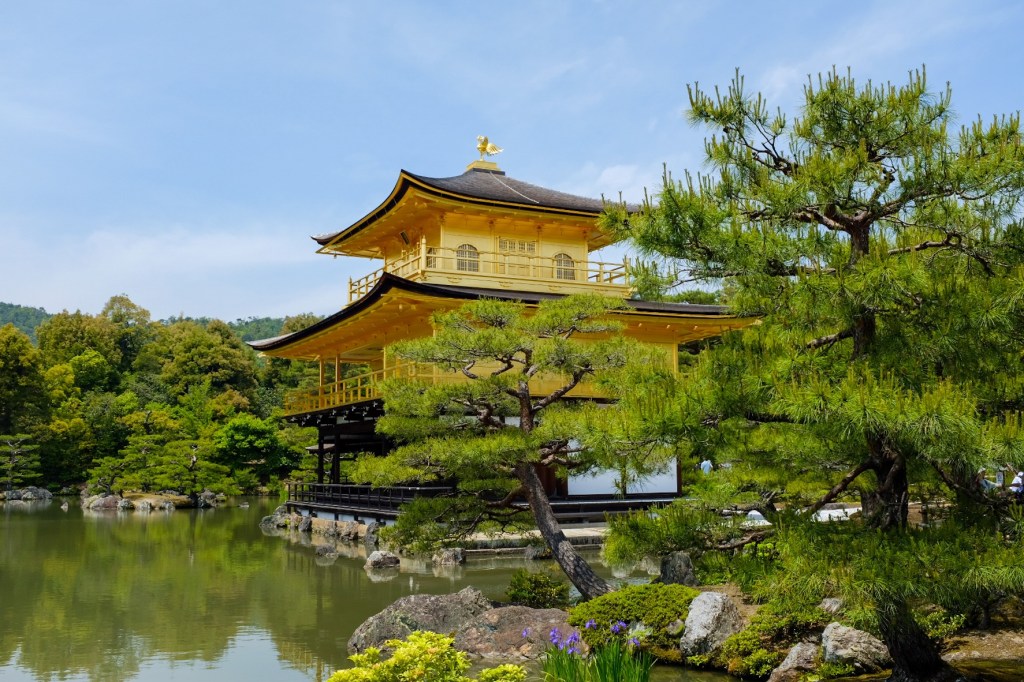
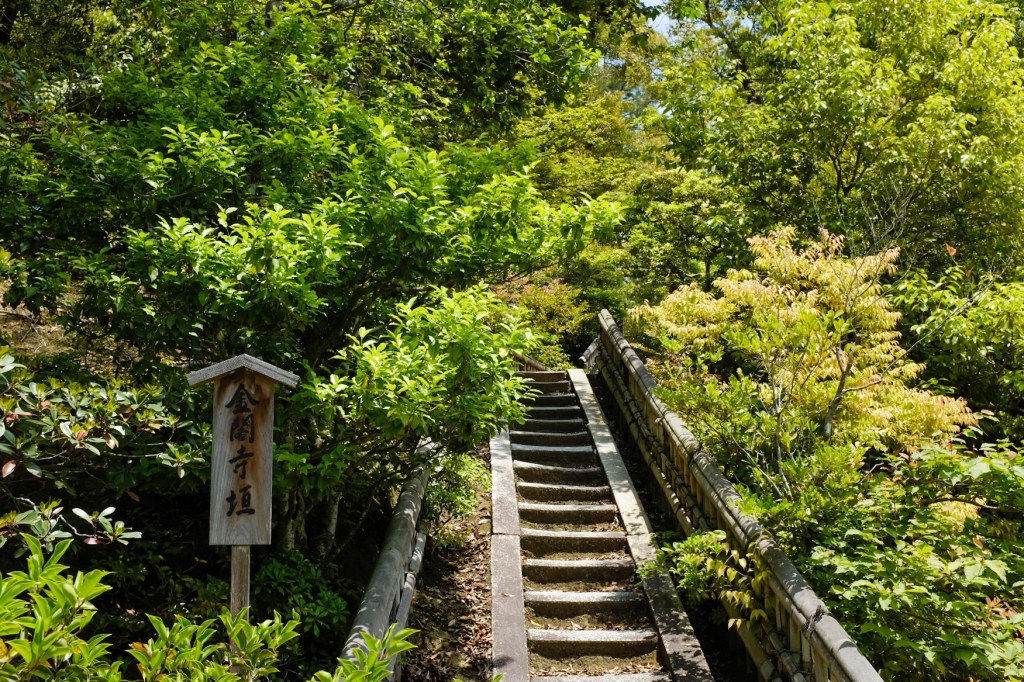

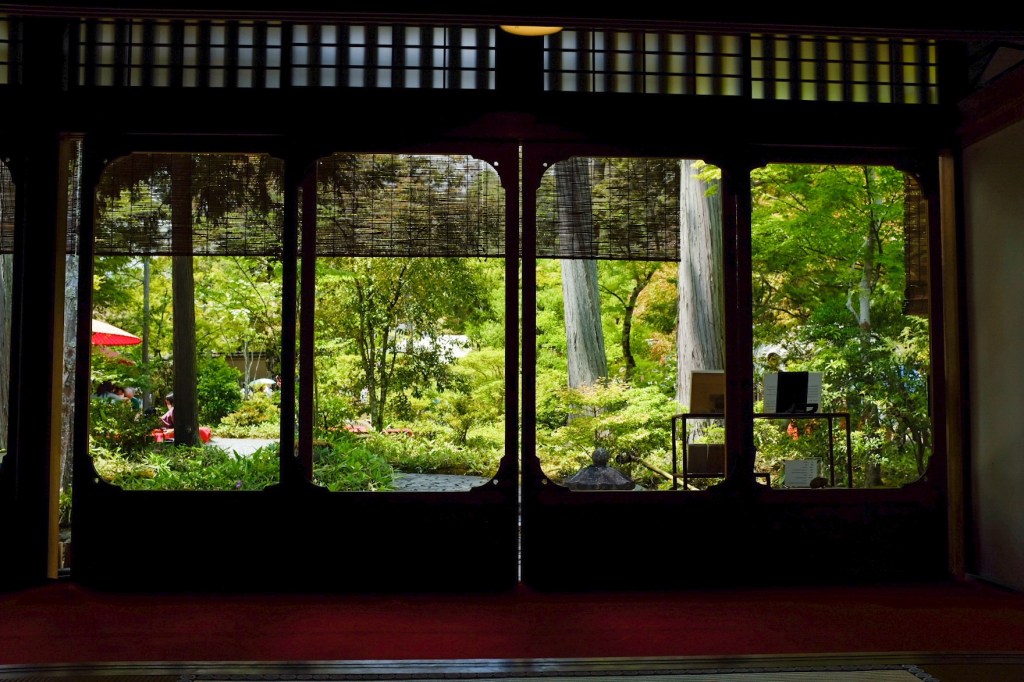
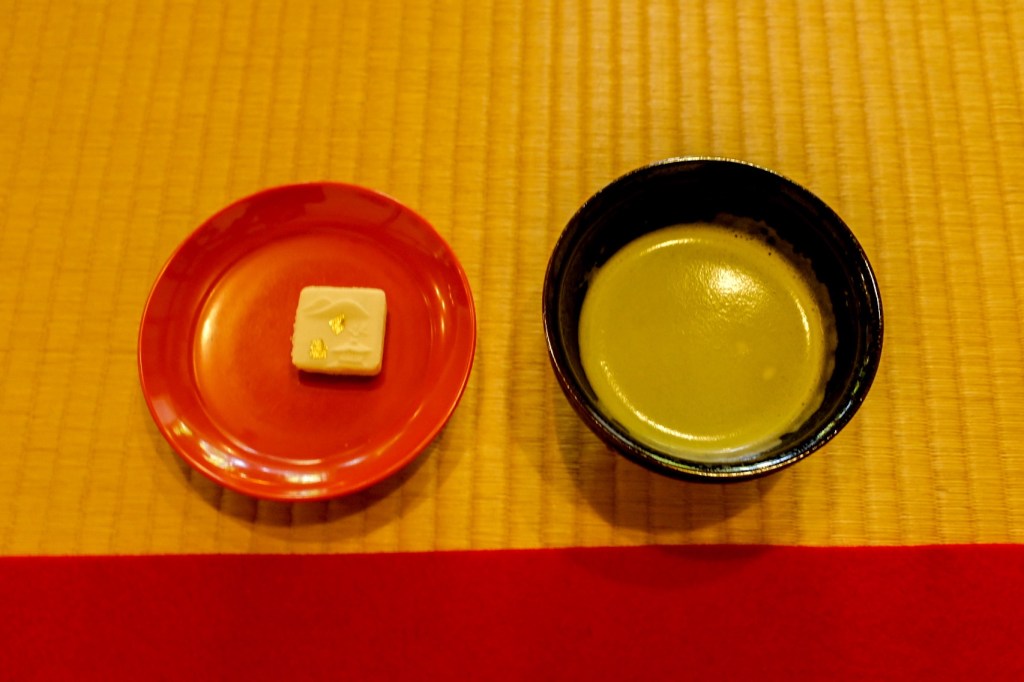
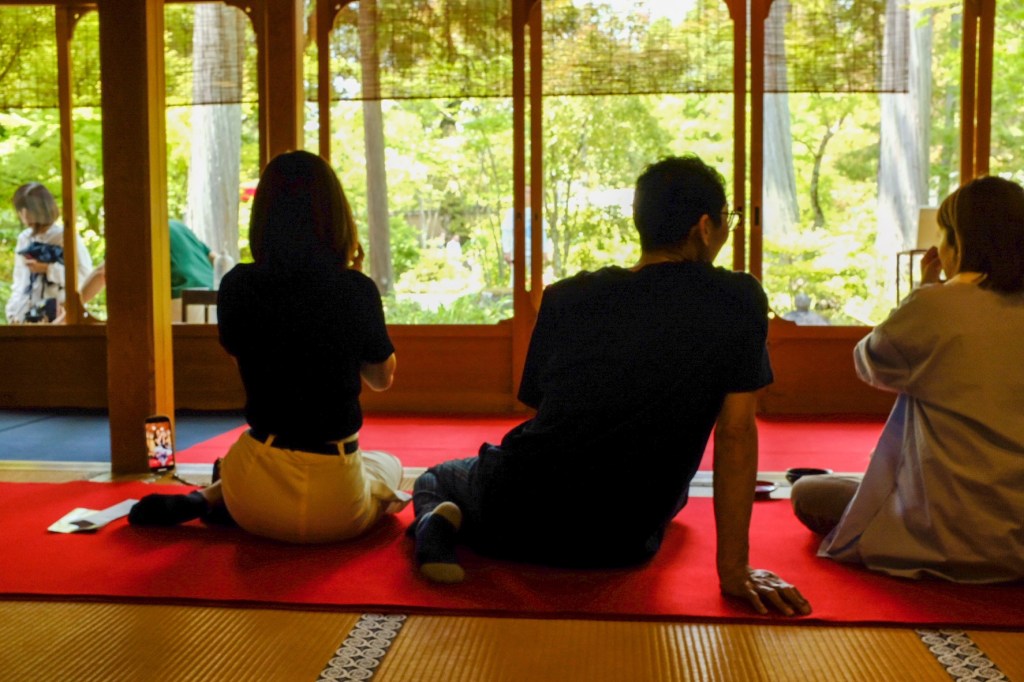

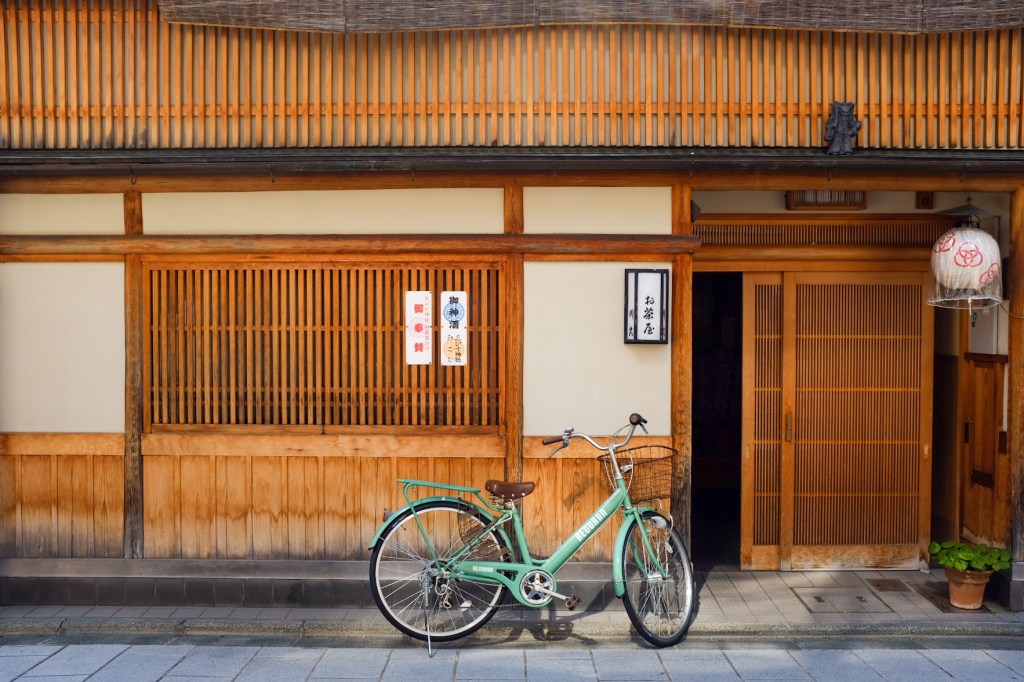
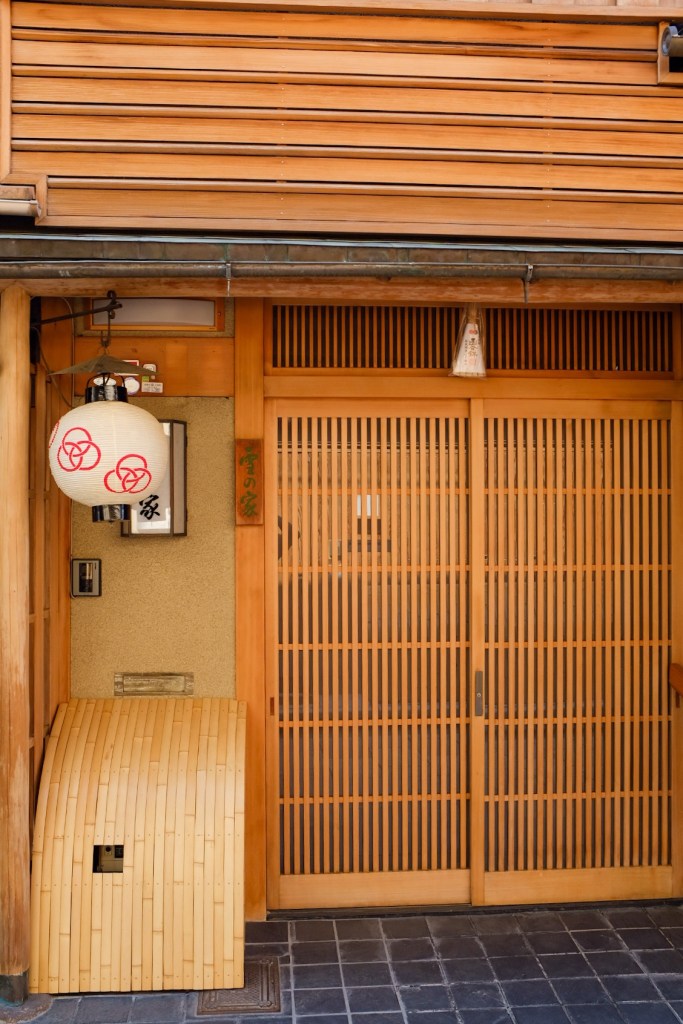
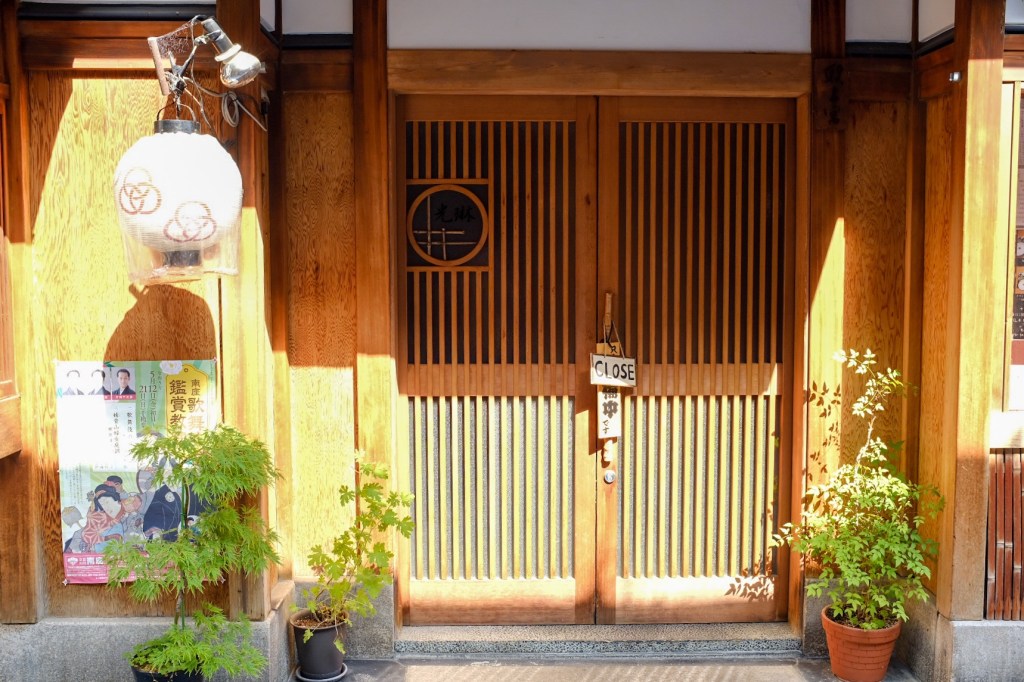
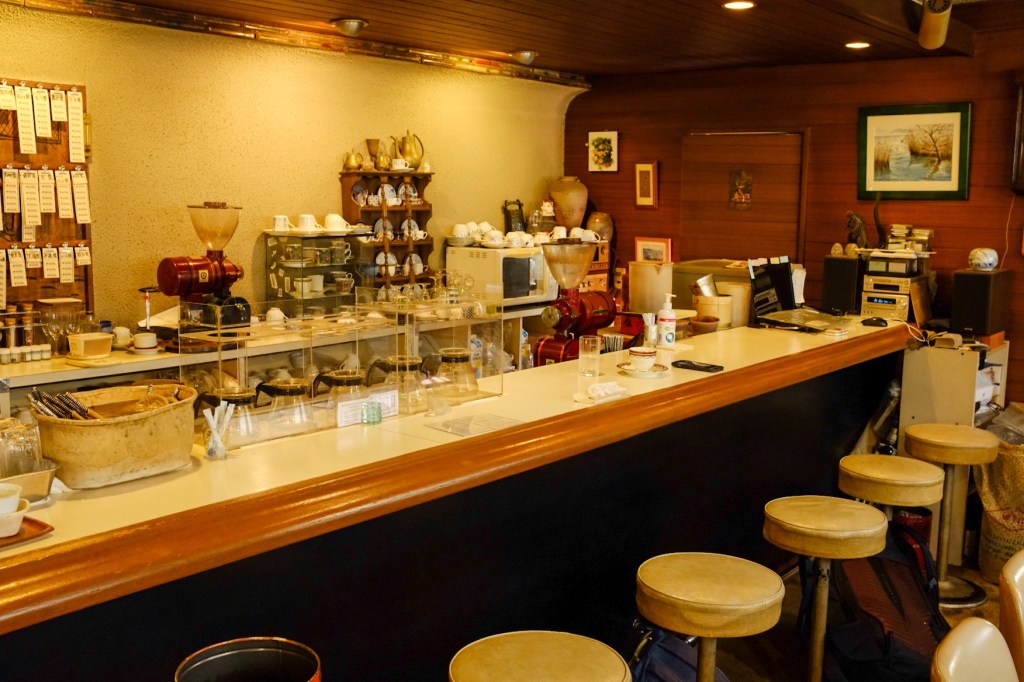
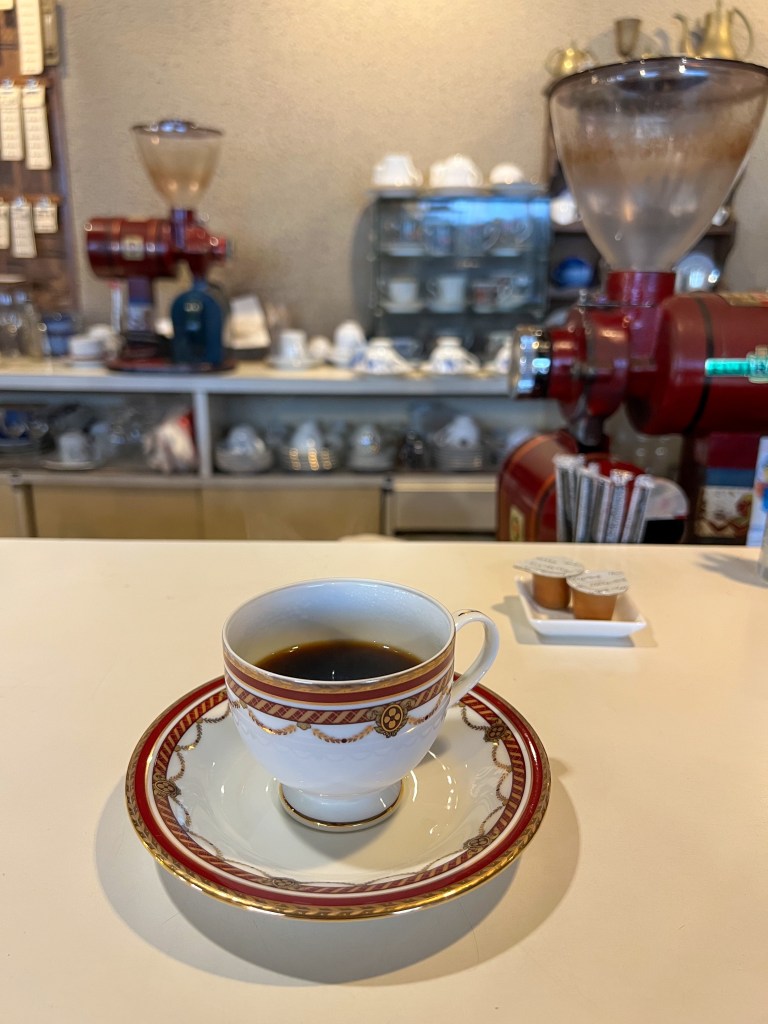
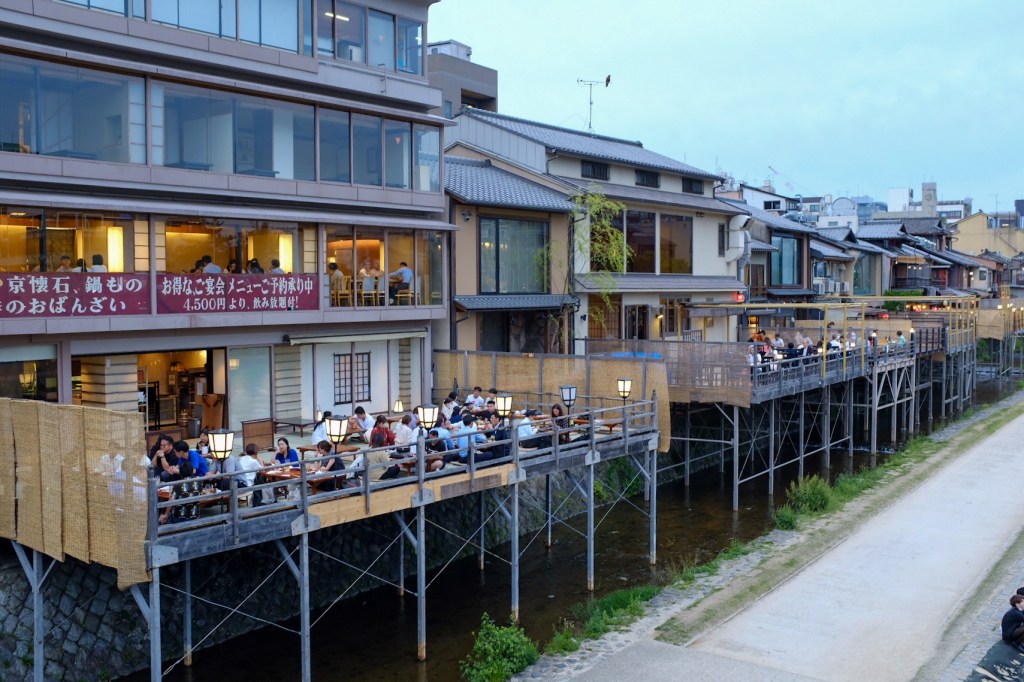
In addition to its incredible temples, shrines, and palaces, Kyoto has an abundance of bars, restaurants, and cafes dotted throughout and along the Kamo river that runs through the city.
Osaka: The Multicultural Hub for Streetfood
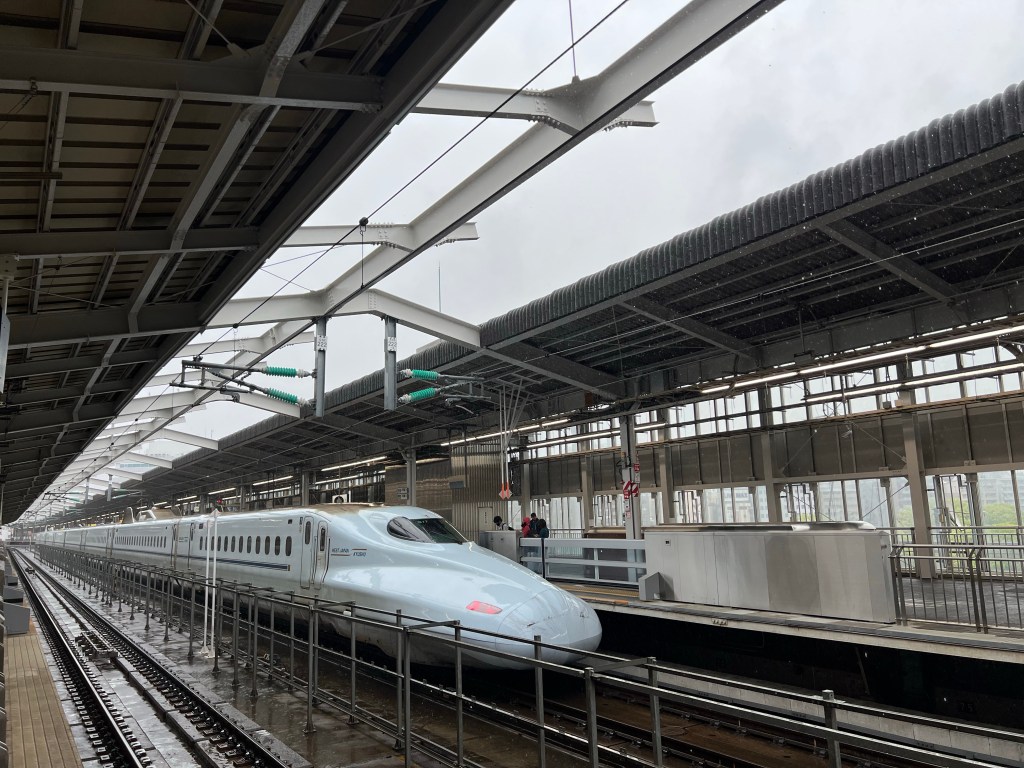
The next day I caught a 14-minute bullet train from Kyoto to Osaka.
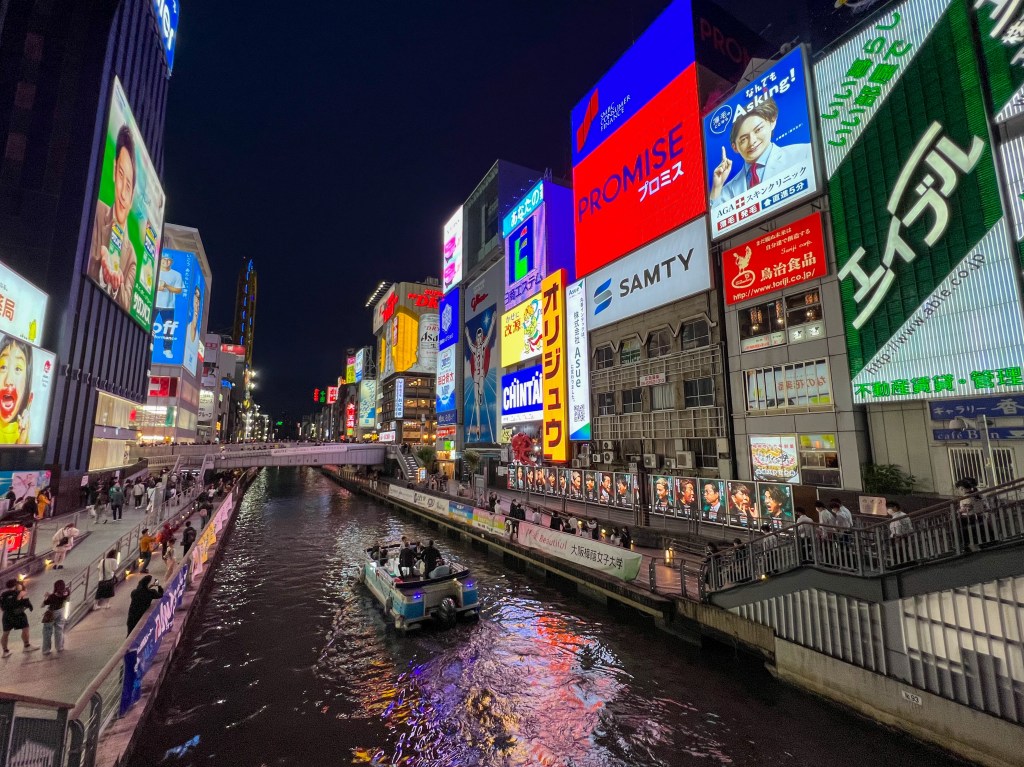
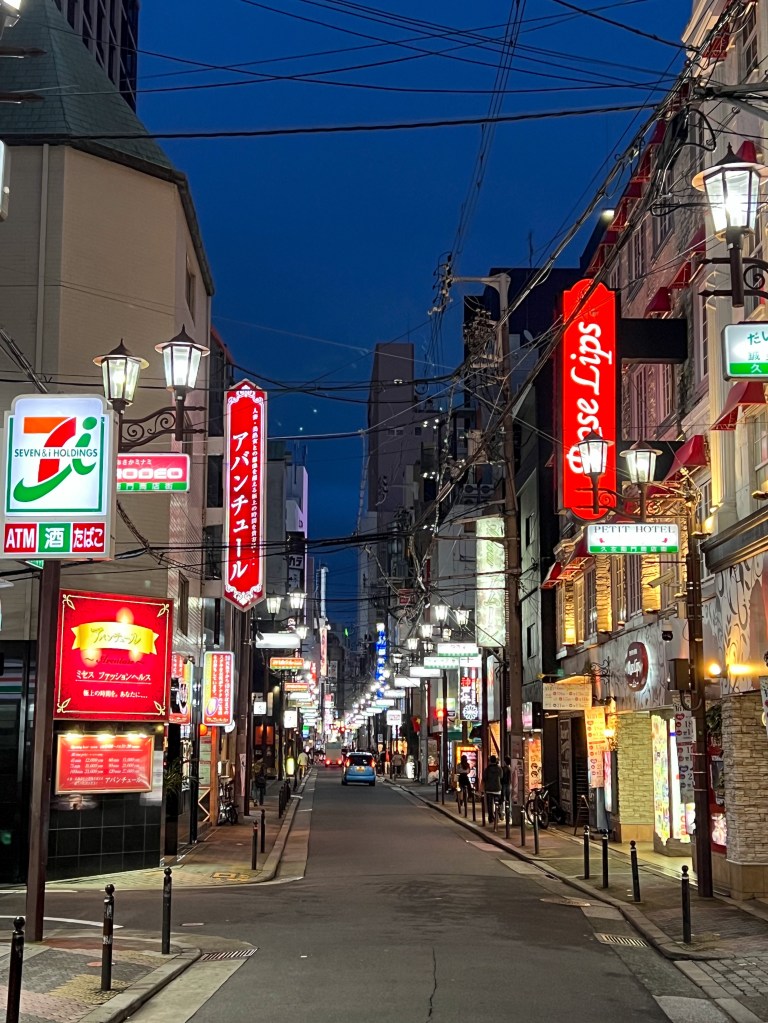
A large port city and commercial center Osaka is known for its modern architecture, nightlife and hearty street food.
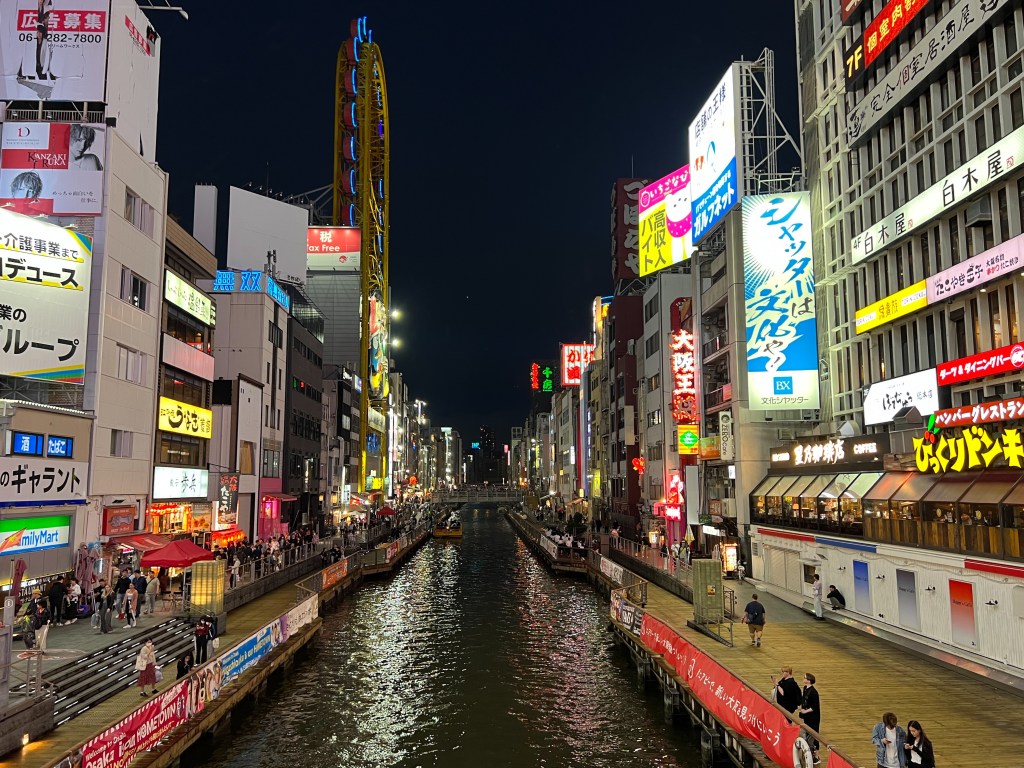
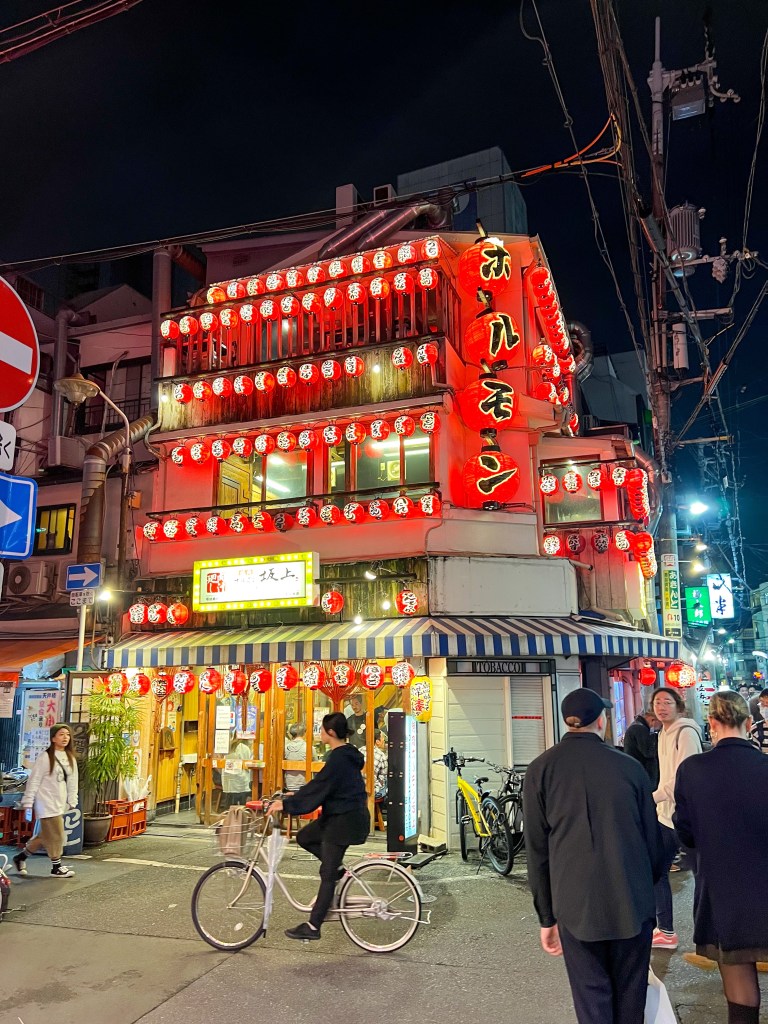
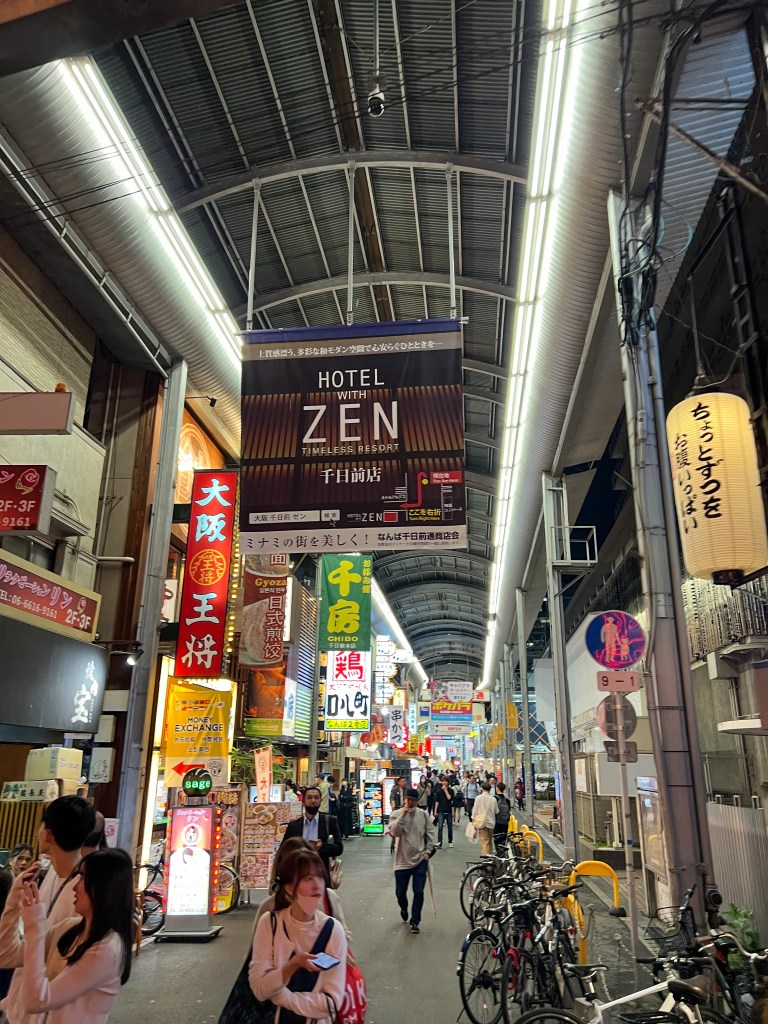
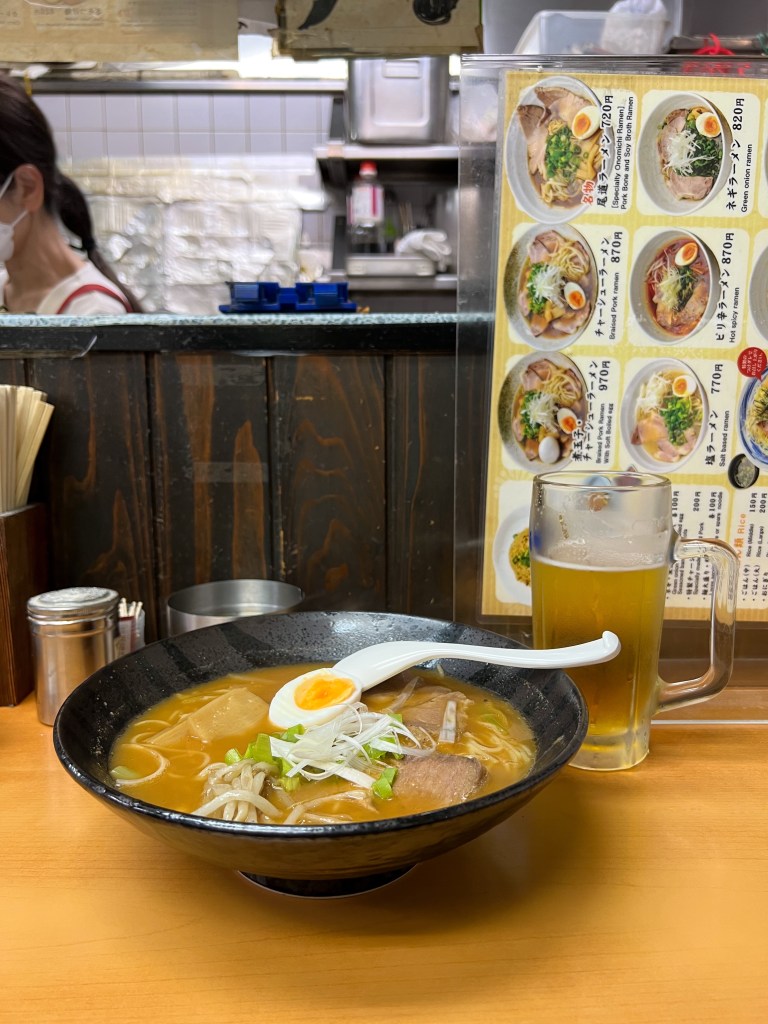
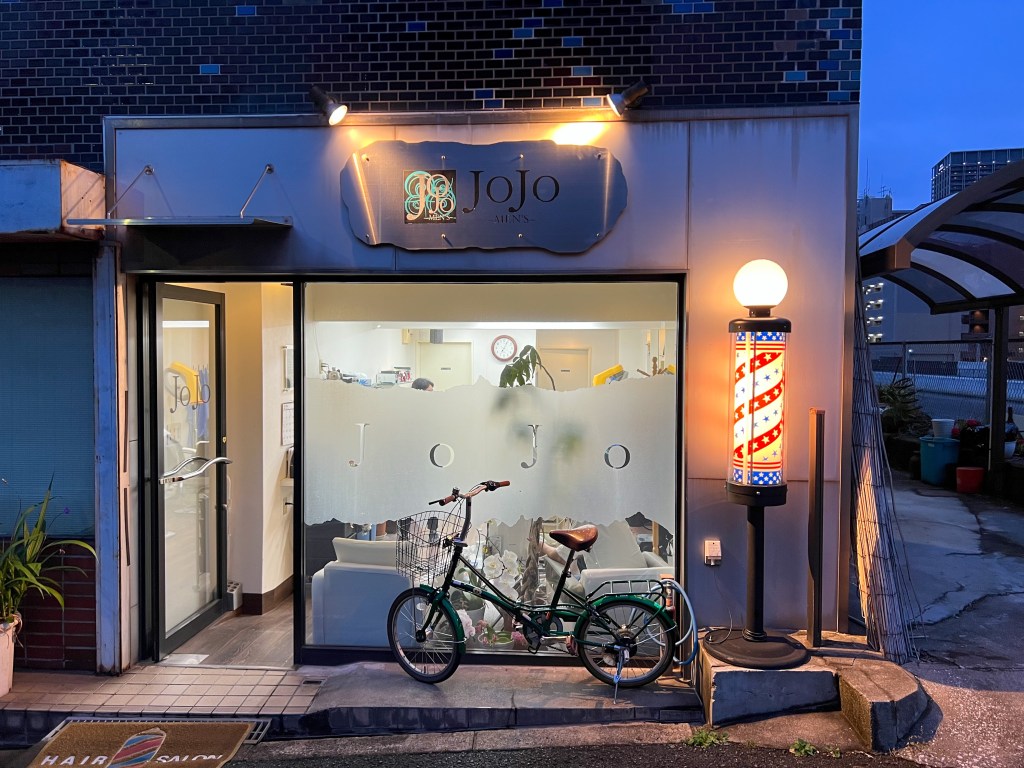
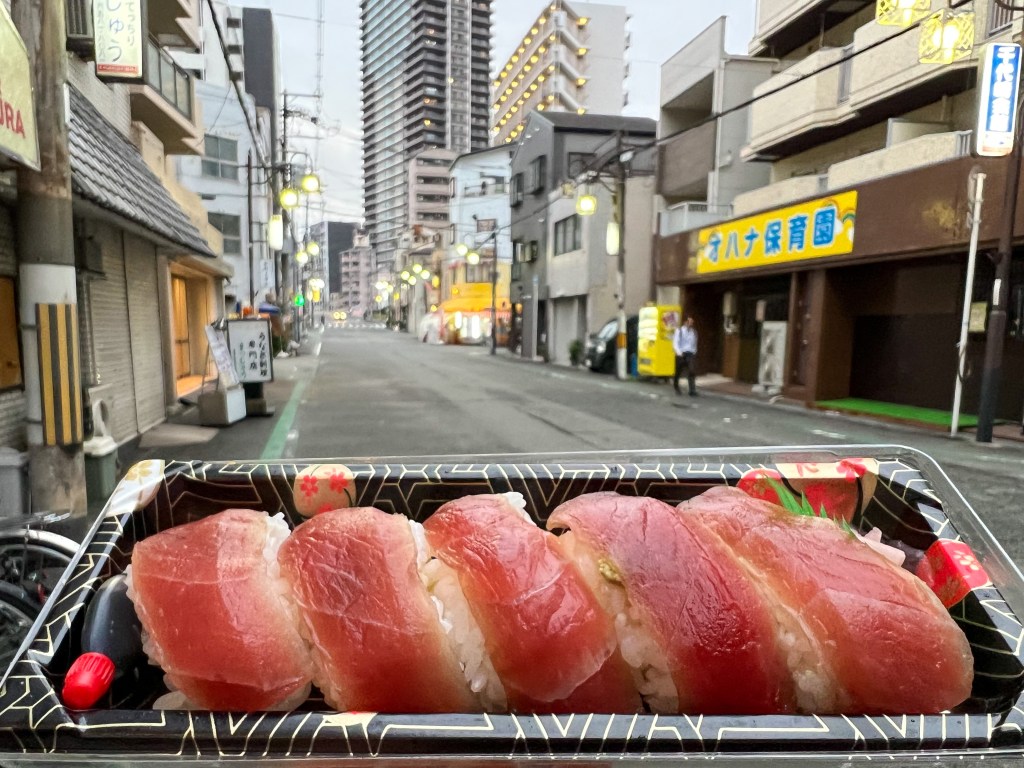
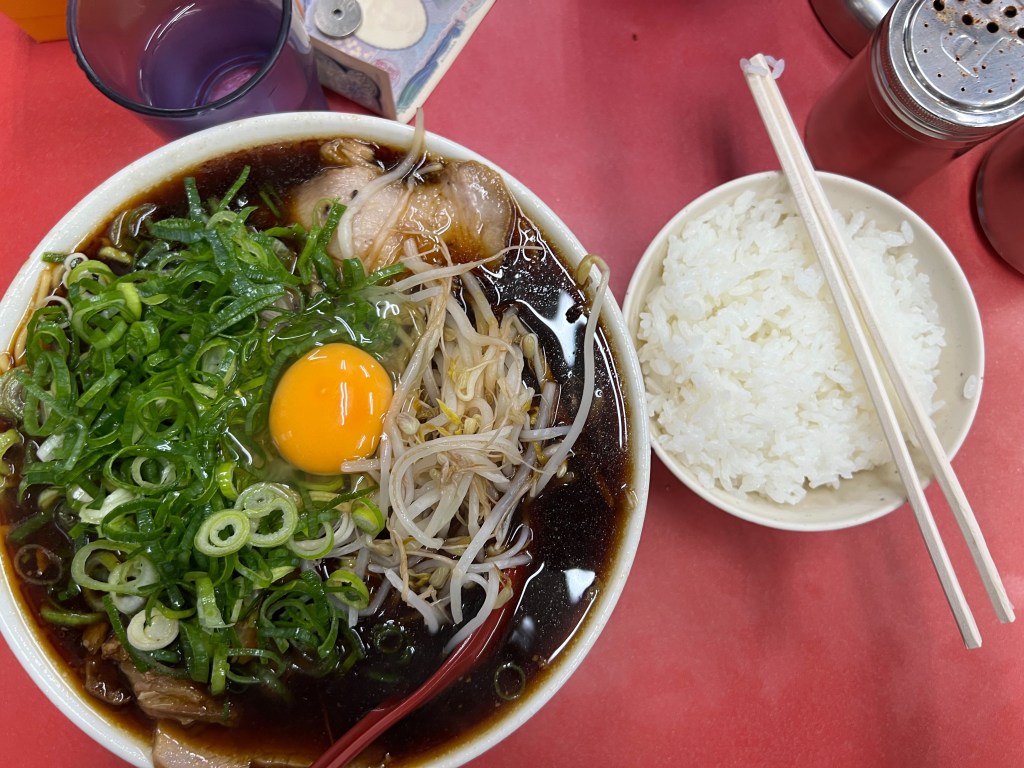
The 16th-century shogunate Osaka Castle, is its main historical landmark, surrounded by a moat and park with plum, peach and cherry-blossom trees.
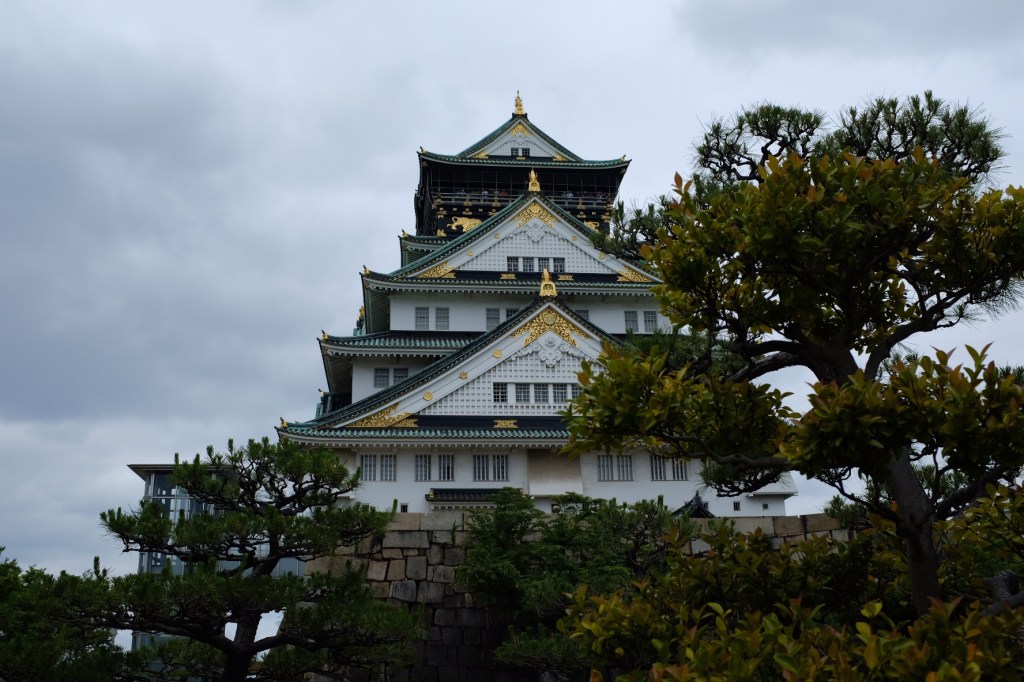
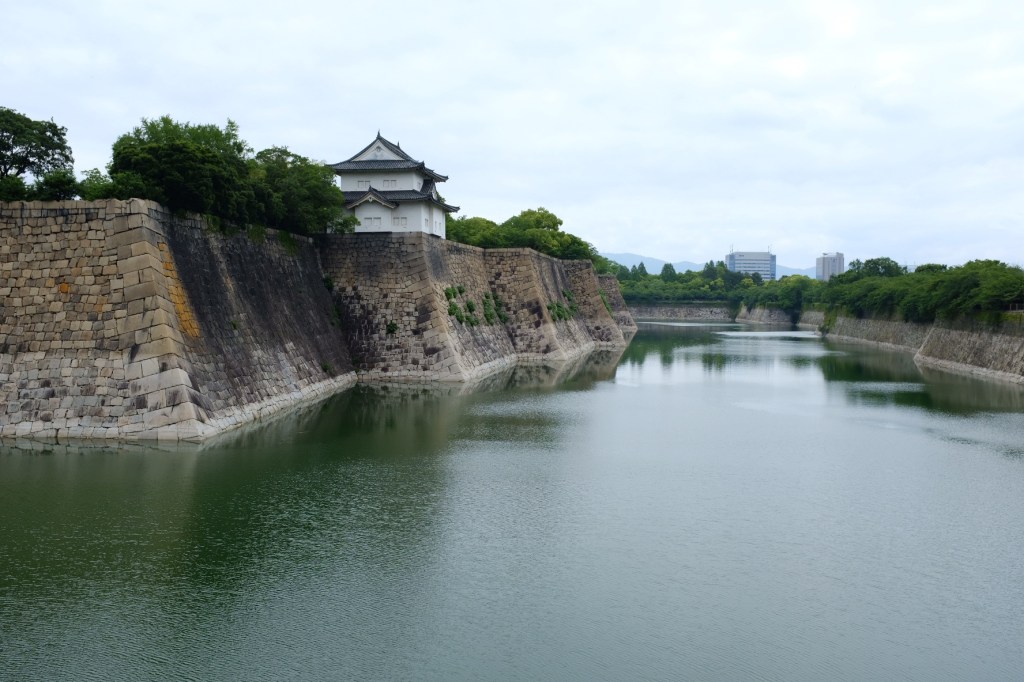

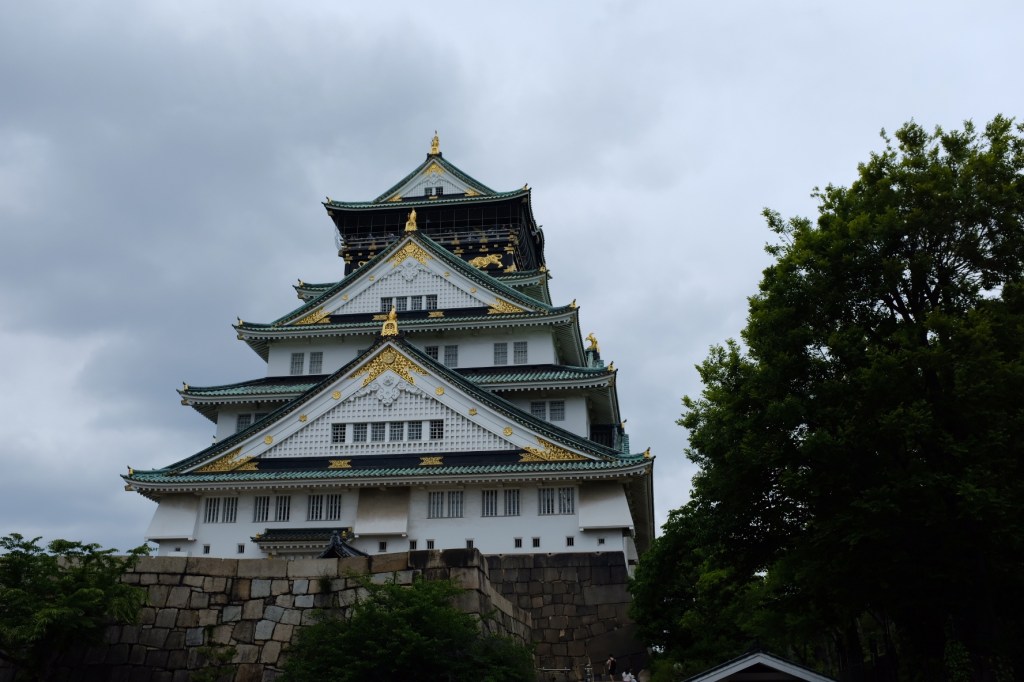
Osaka is in close proximity to a couple well-known towns – Nara (famous for its deer park) & Kobe (famous for… well… kobe beef). While in the area, I took a couple days to visit the two towns before catching an overnight bus back to Tokyo.
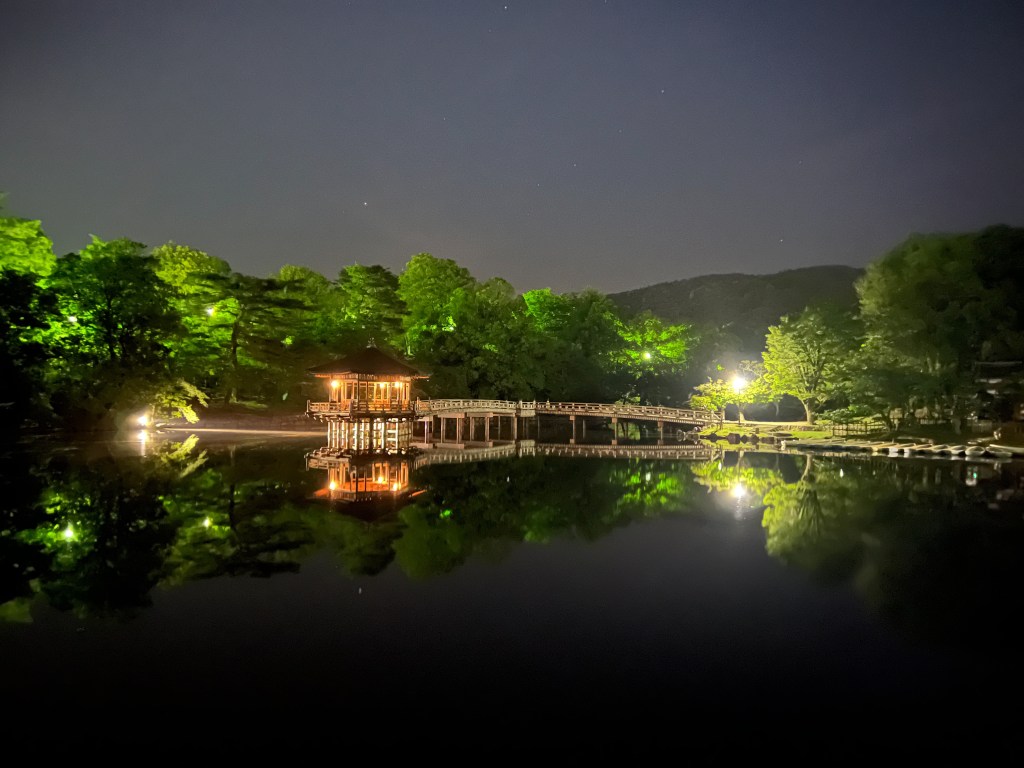
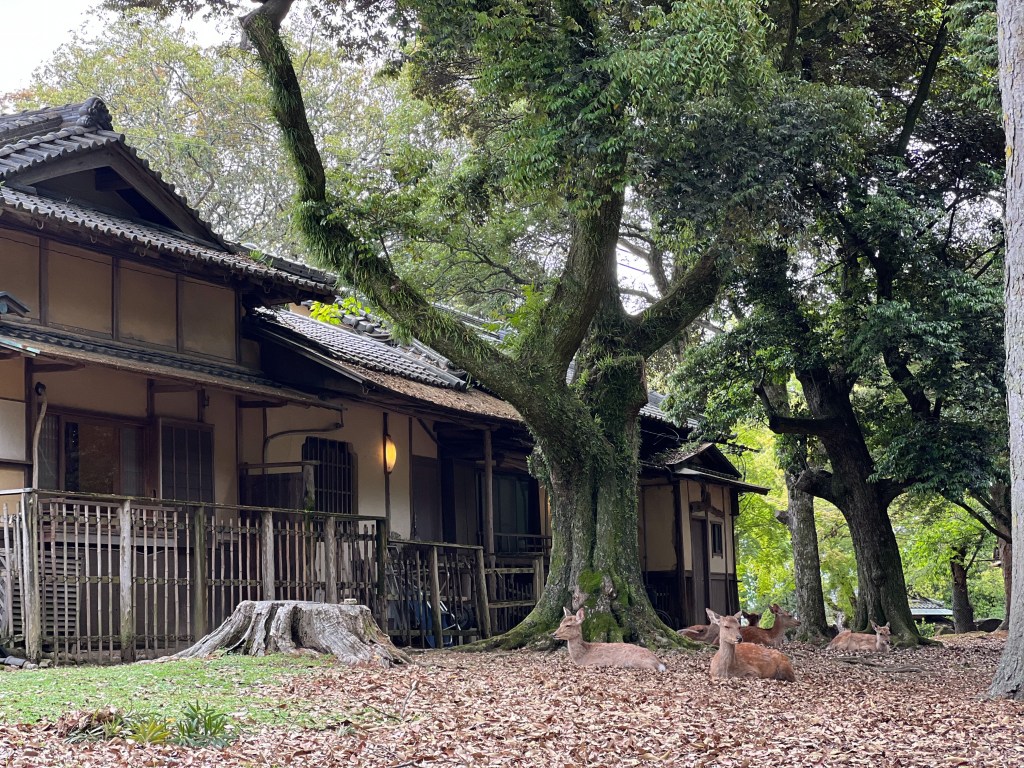
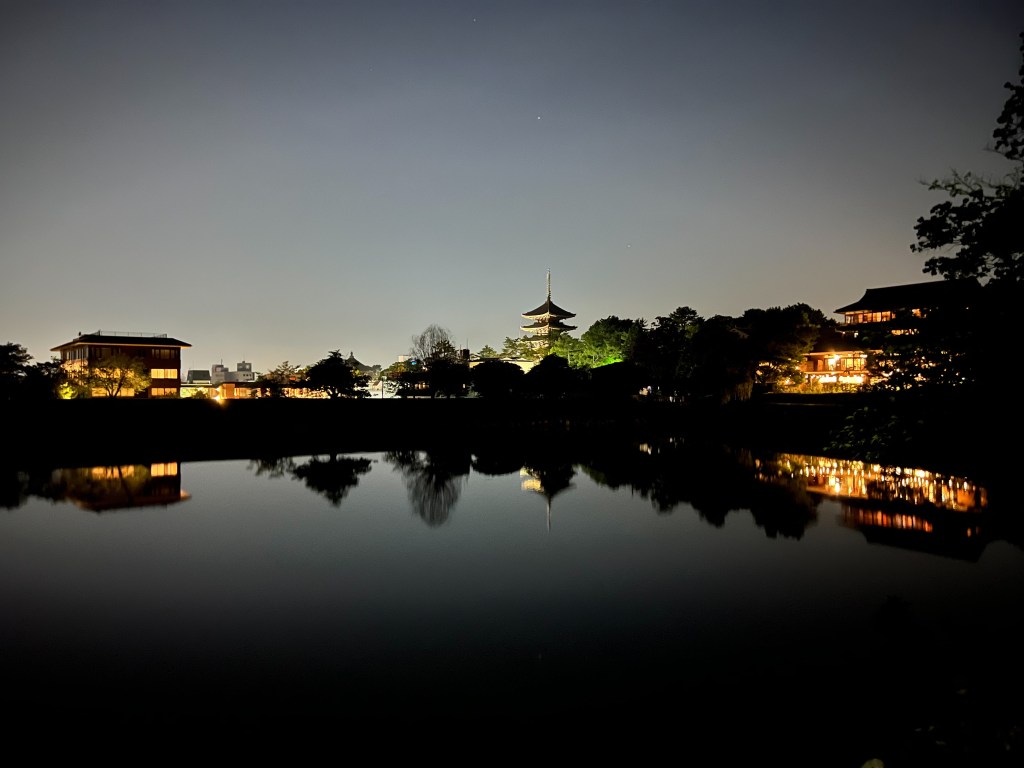
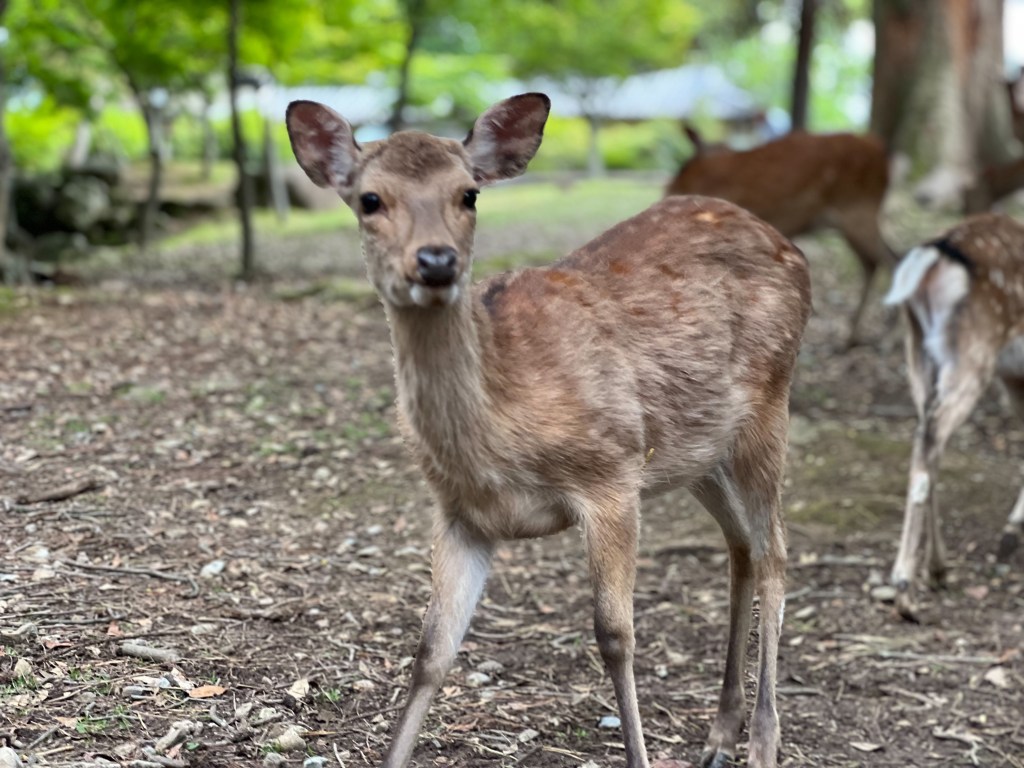
Nara: Emperor Palaces, Shinto Shrines, & an Abundance of Wild Deer
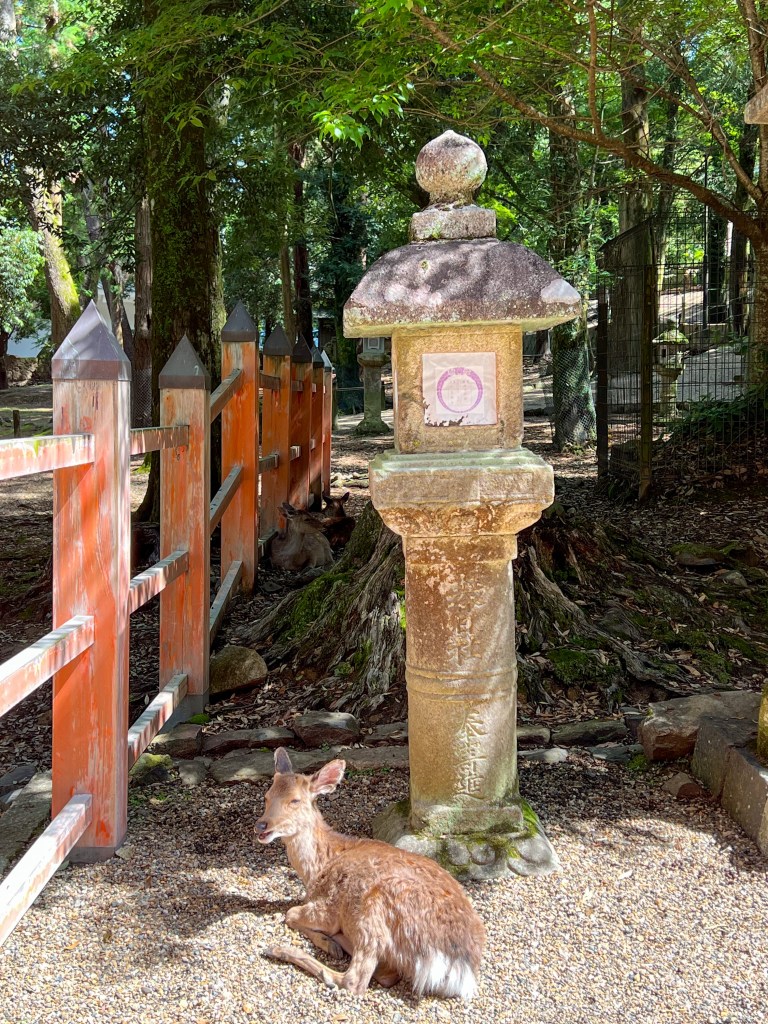
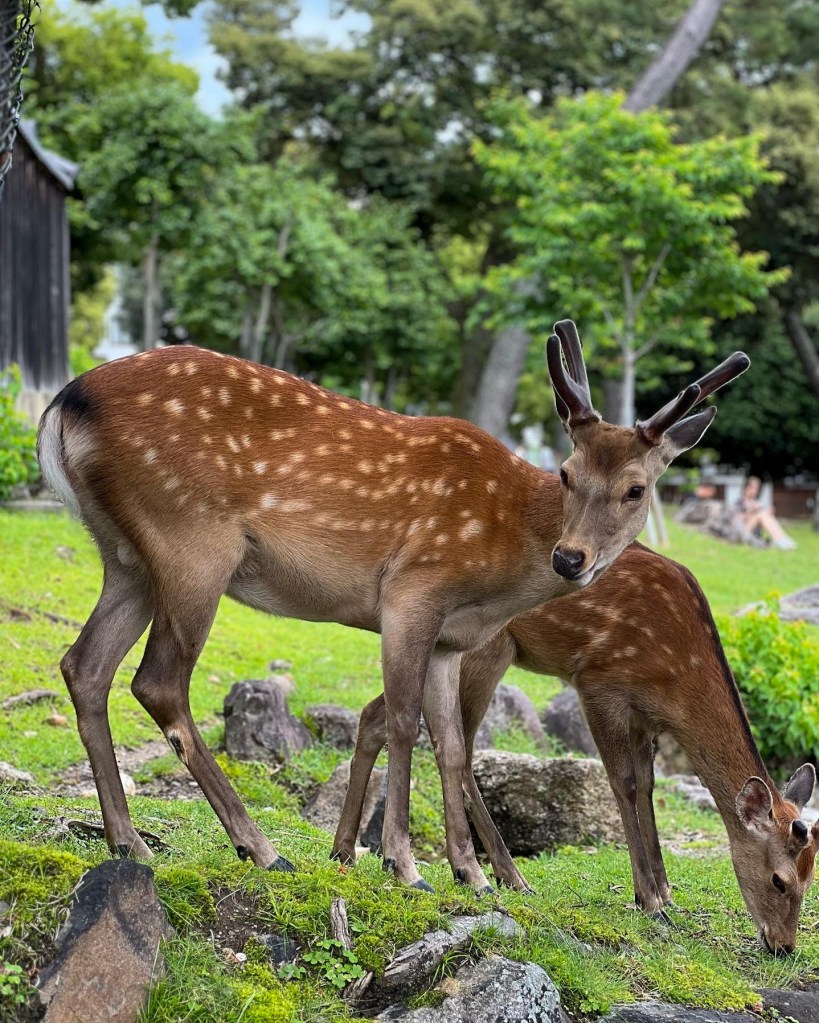
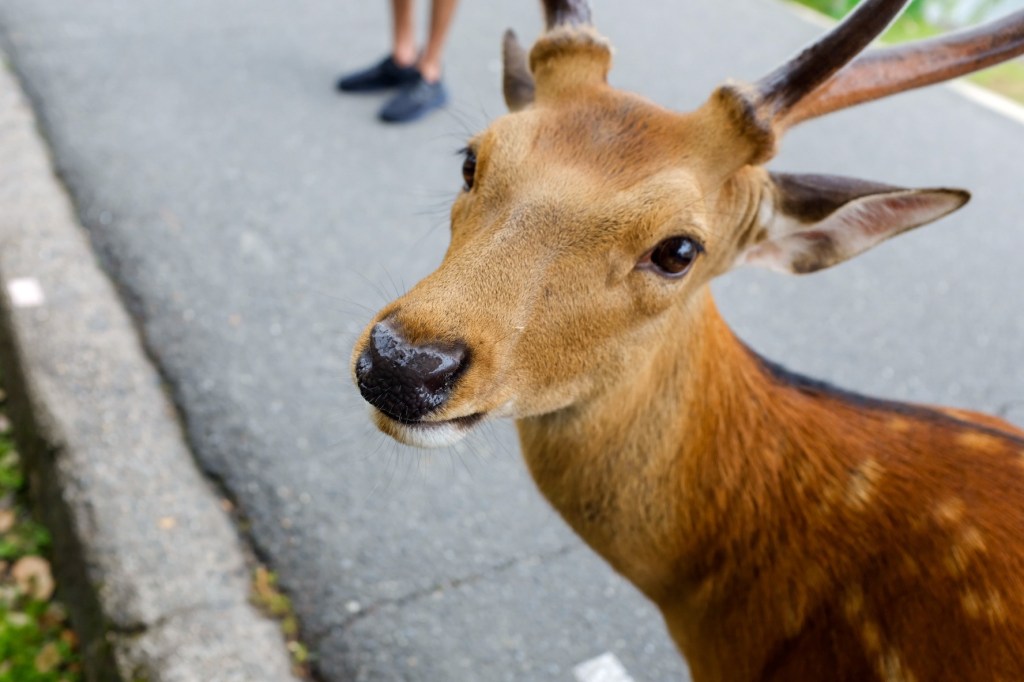
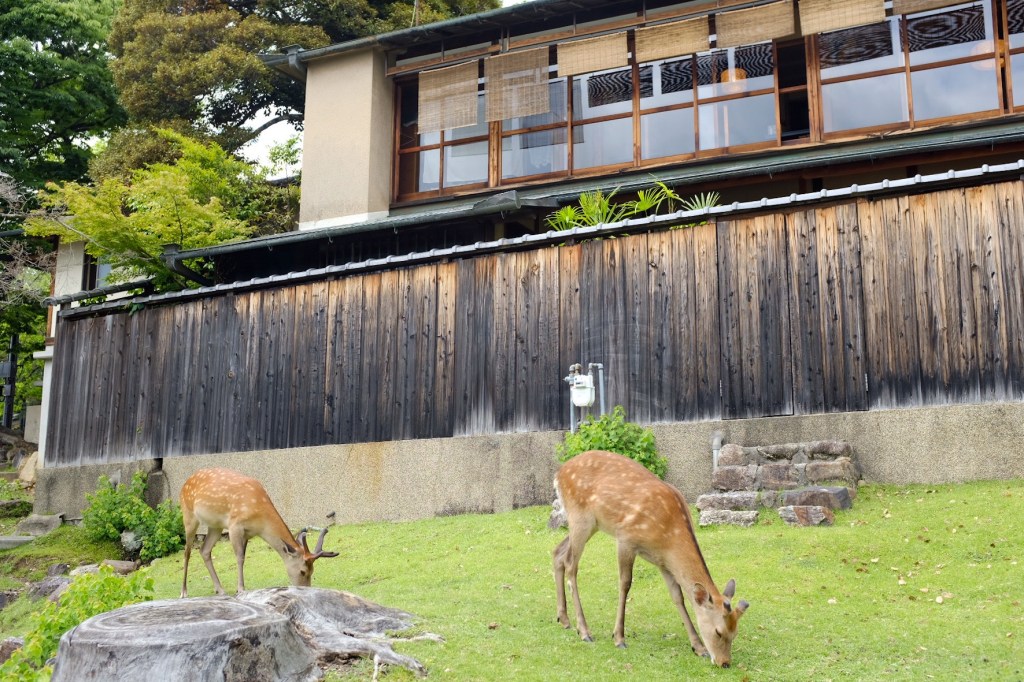
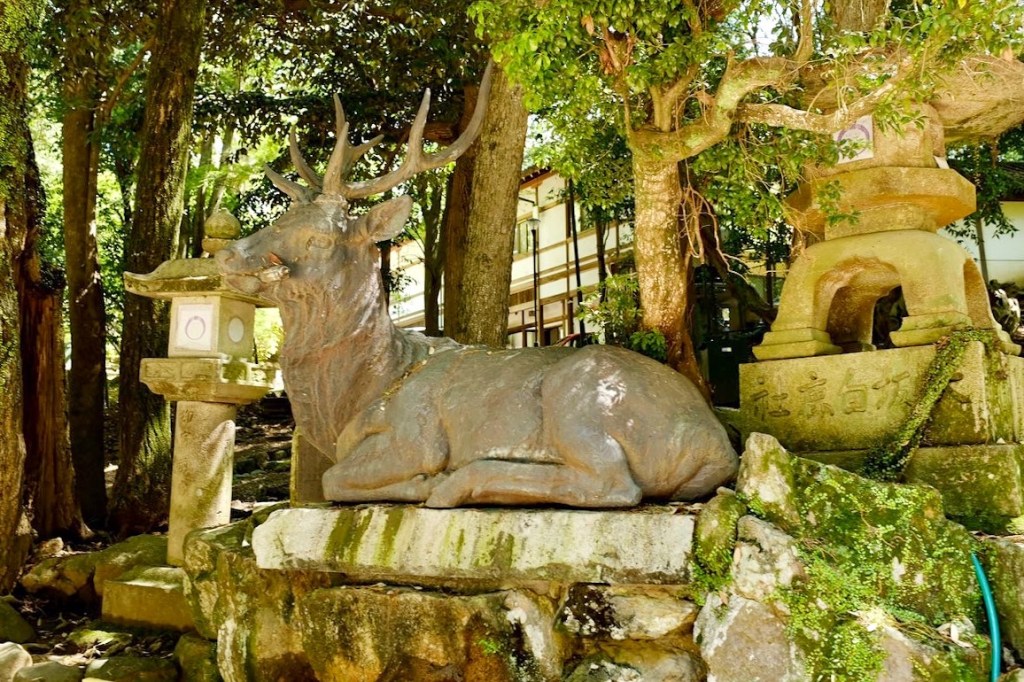
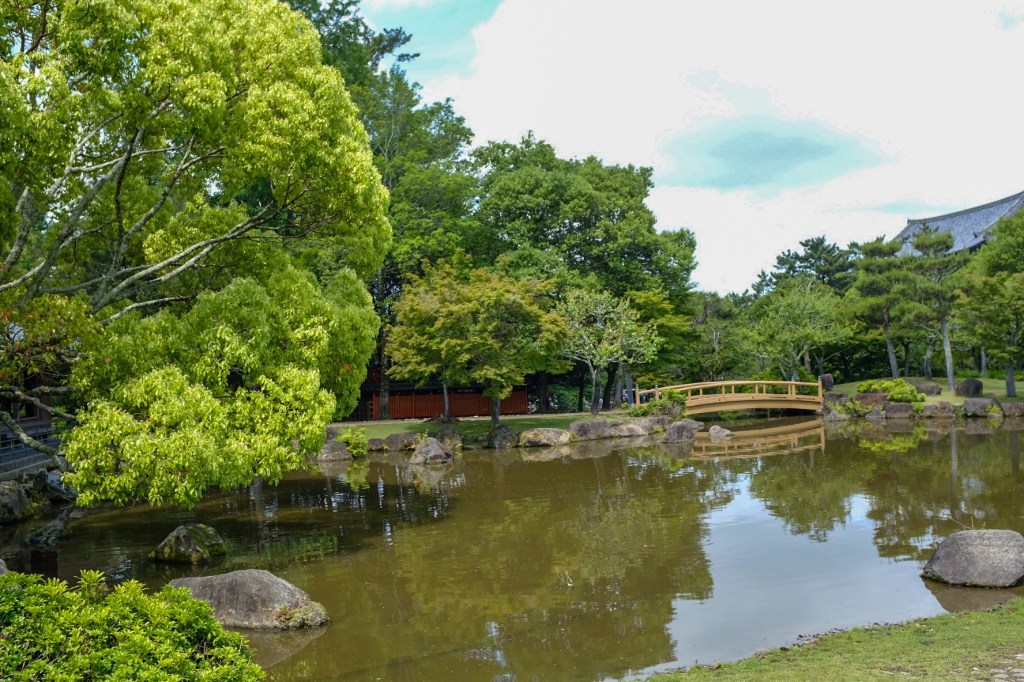
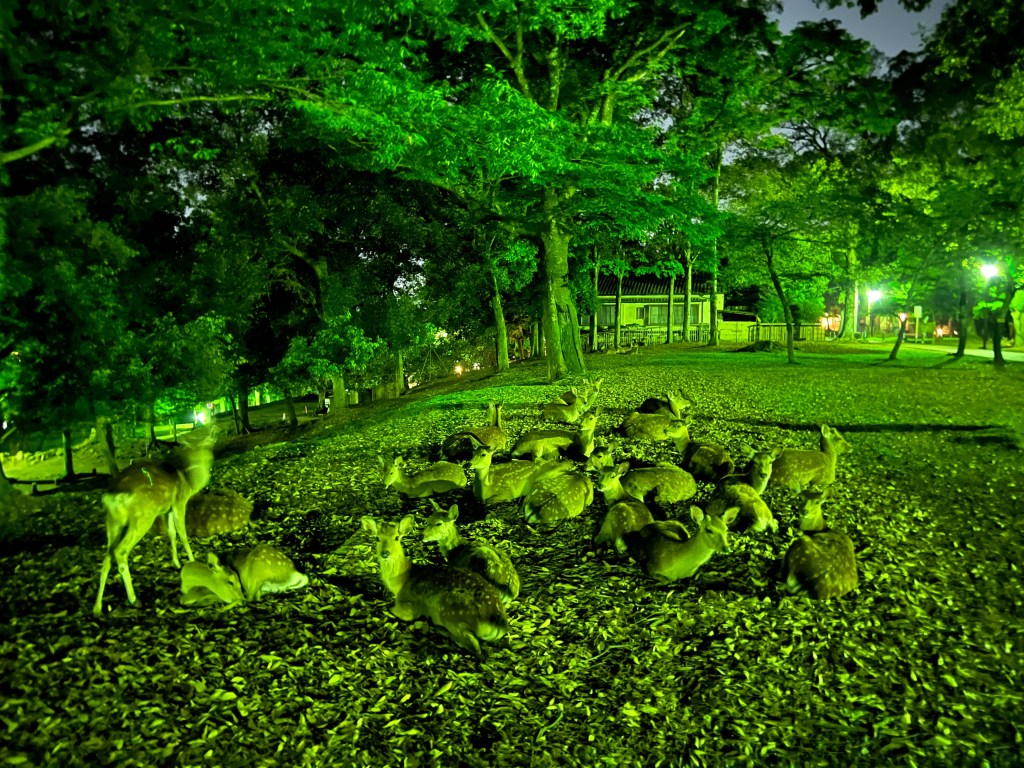
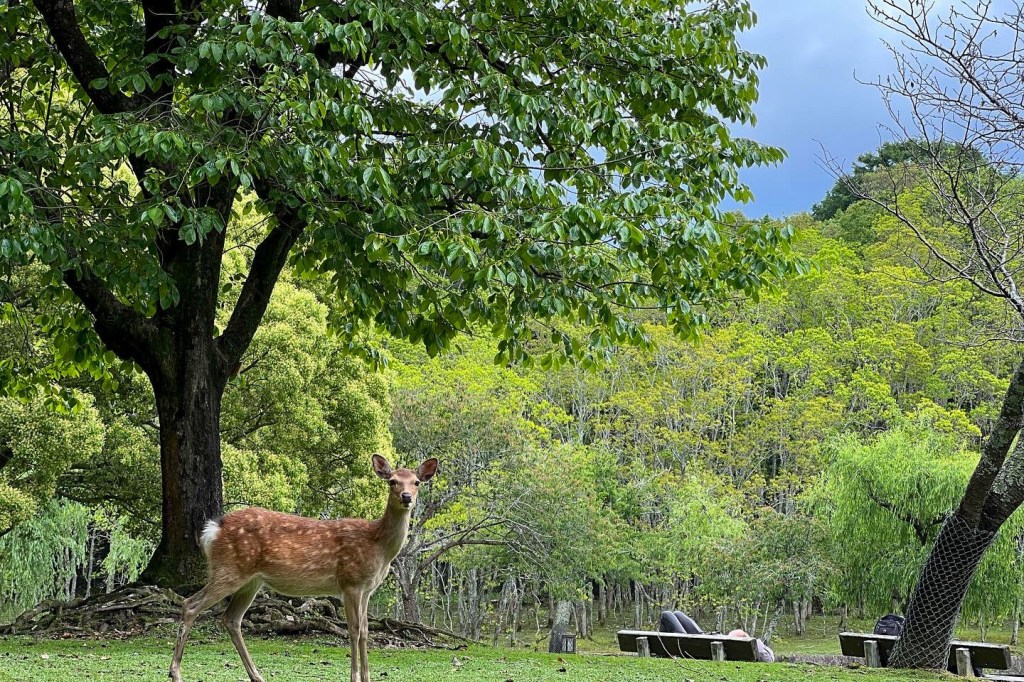
Nara is falls about an hour from Osaka, hosting some of the Japan’s oldest and largest temples, and the famous Nara Deer Park. Established in 1880, the park is the location of many of Nara’s main attractions including Todaiji, Kasuga Taisha, & Kofukuji, and is home to hundreds of freely roaming deer.
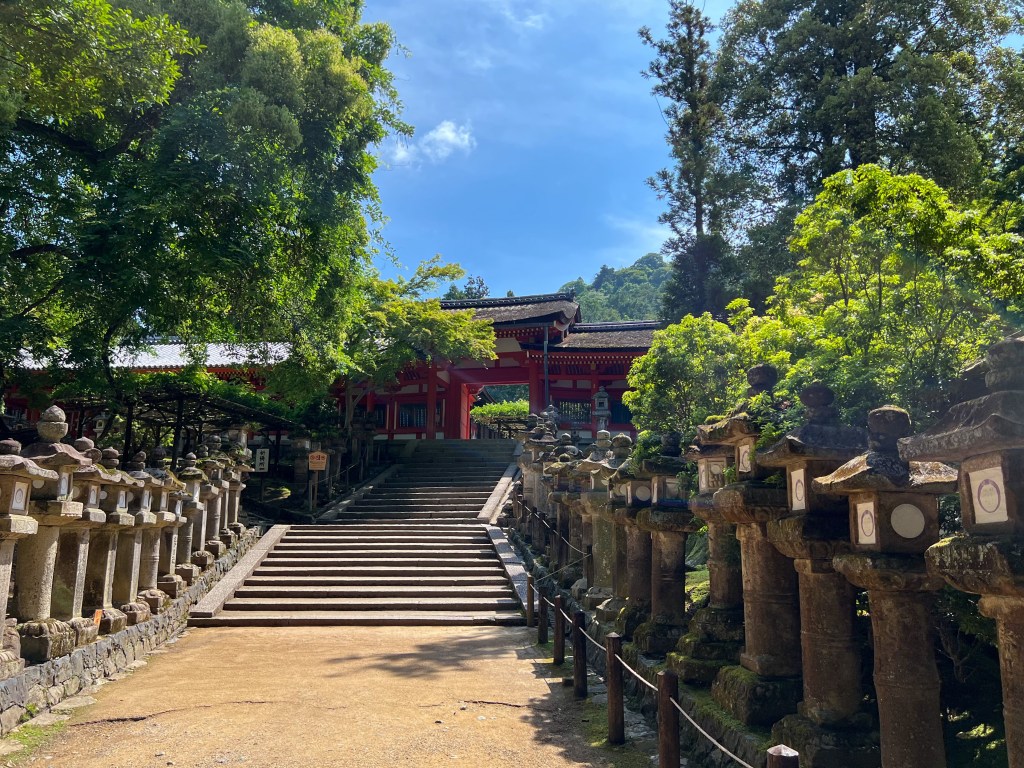
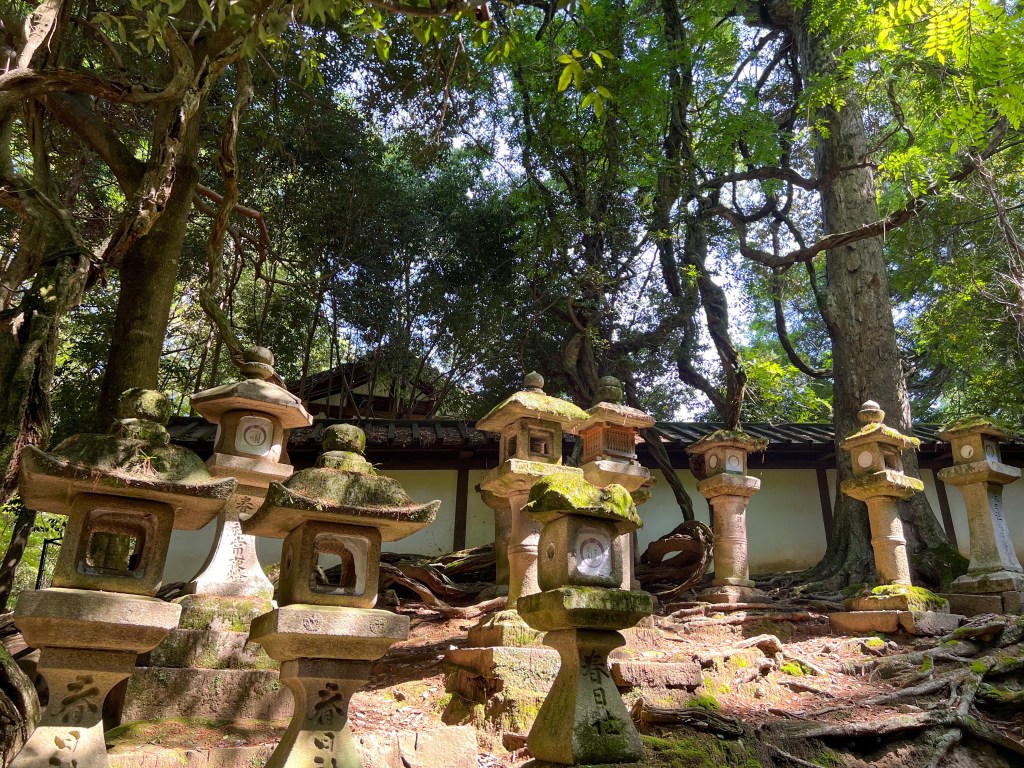
Kobe: My Last Stop
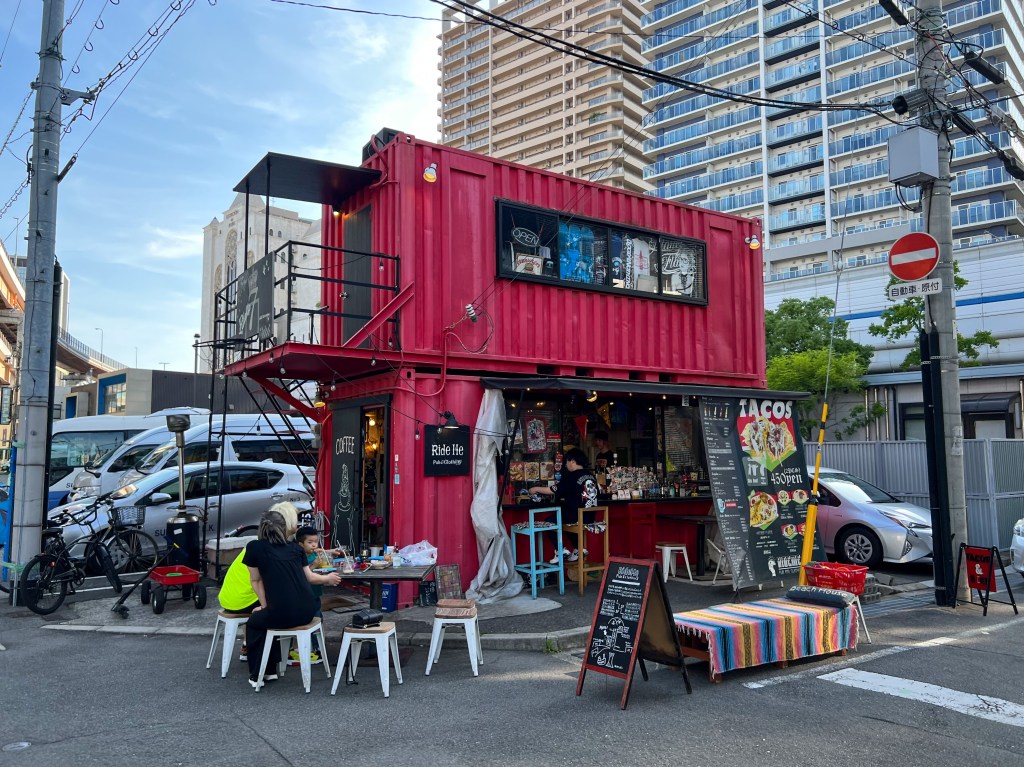
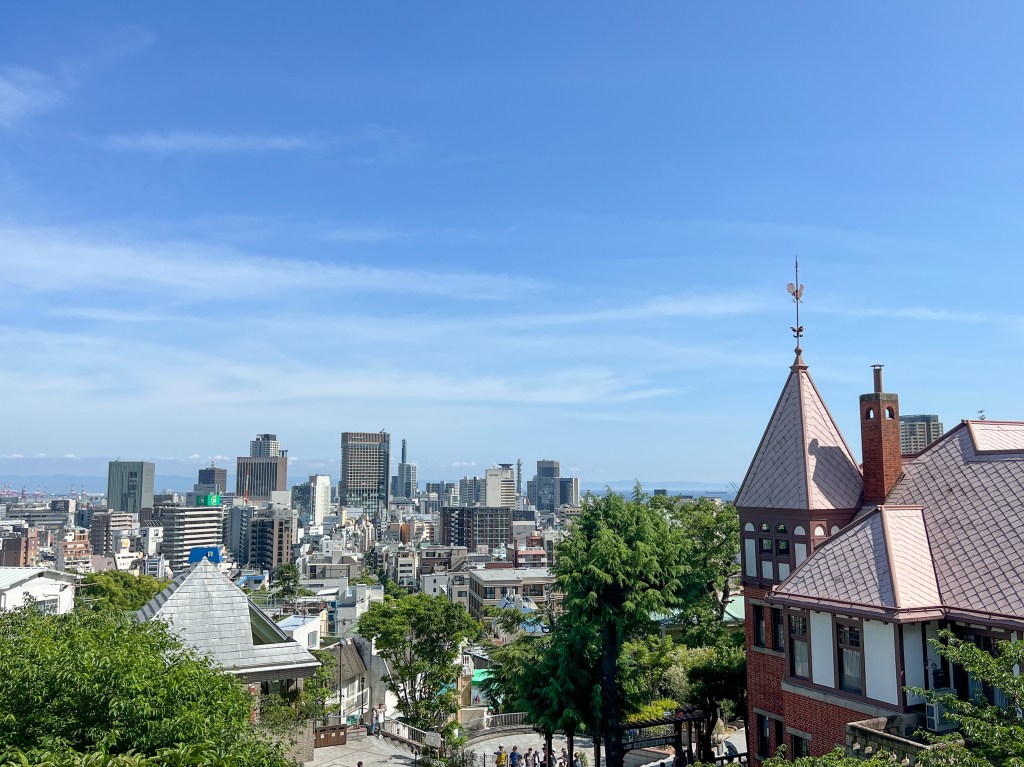
Kobe is a city on Osaka Bay, best known for its signature marbled beef and scenic setting of mountains framing the harbor. Most breeds of Japanese Wagyu beef are associated with the area in which the cattle are raised (Kobe beef is the breed of Wagyu from Kobe).
Conclusion
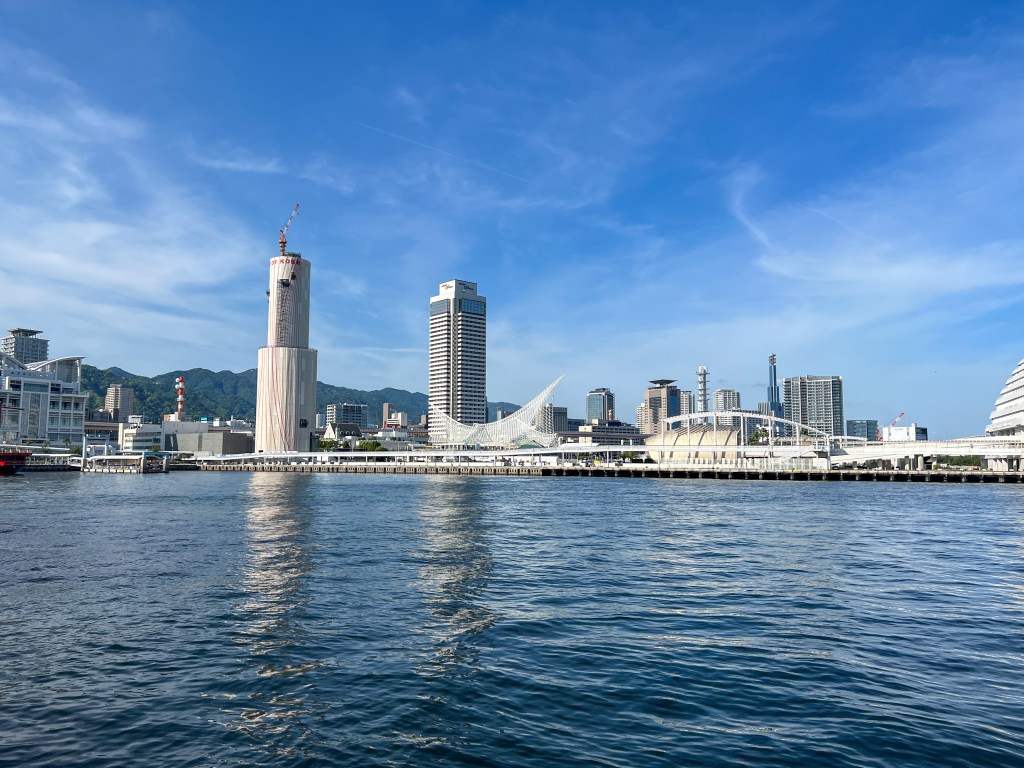
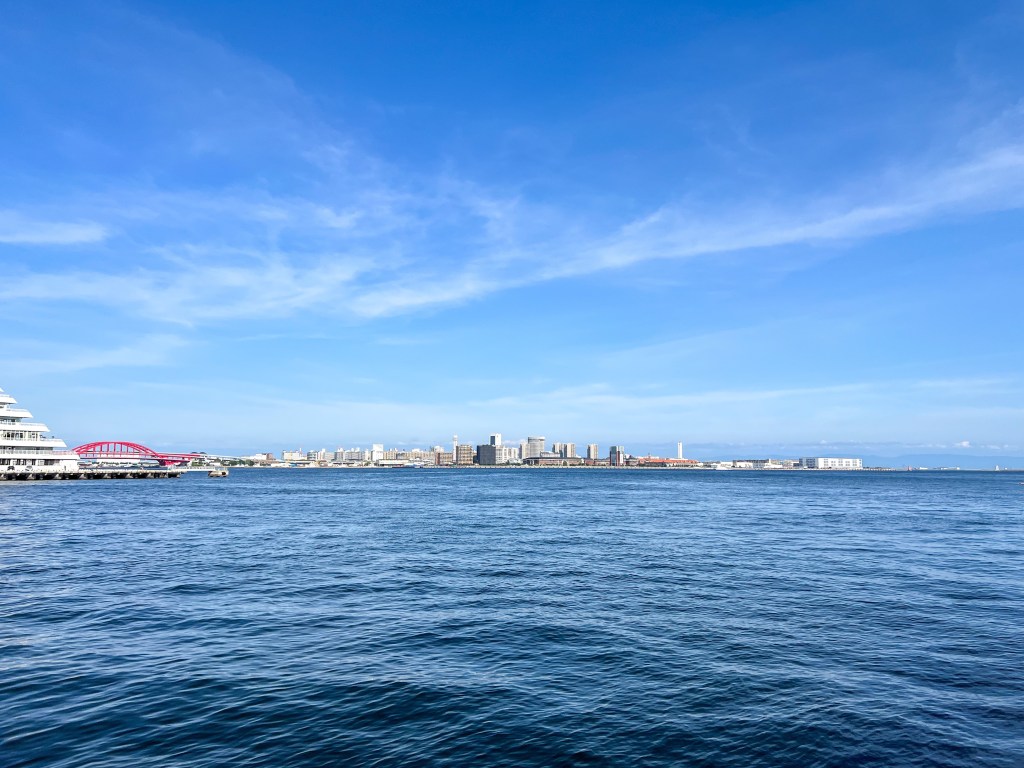
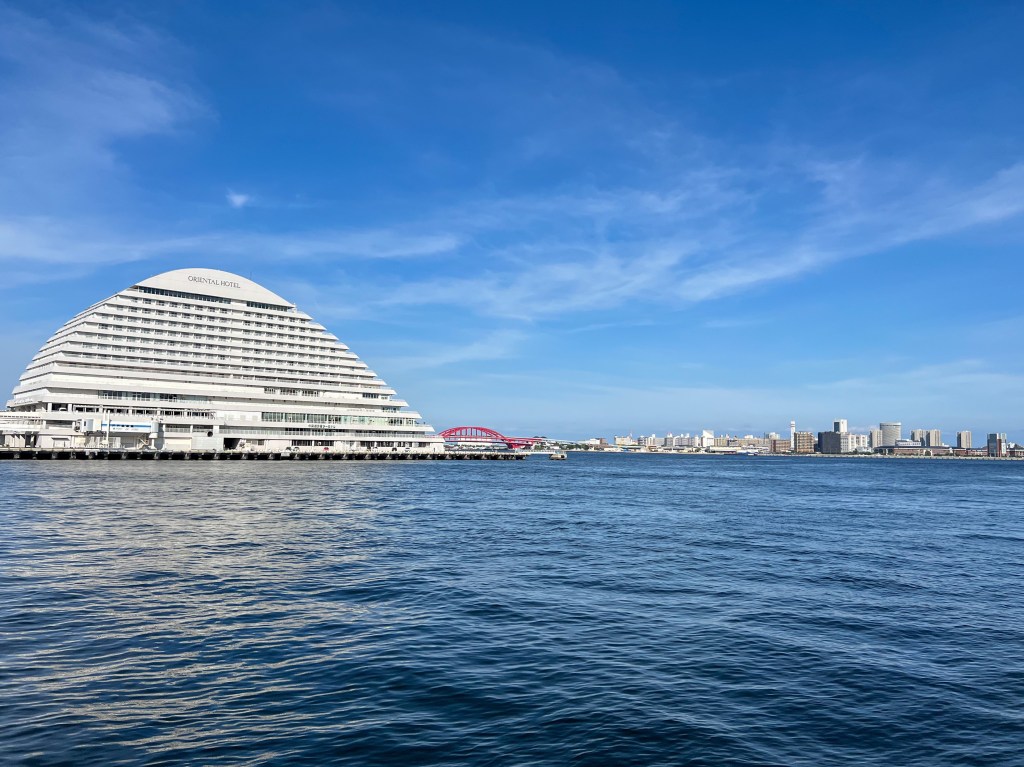
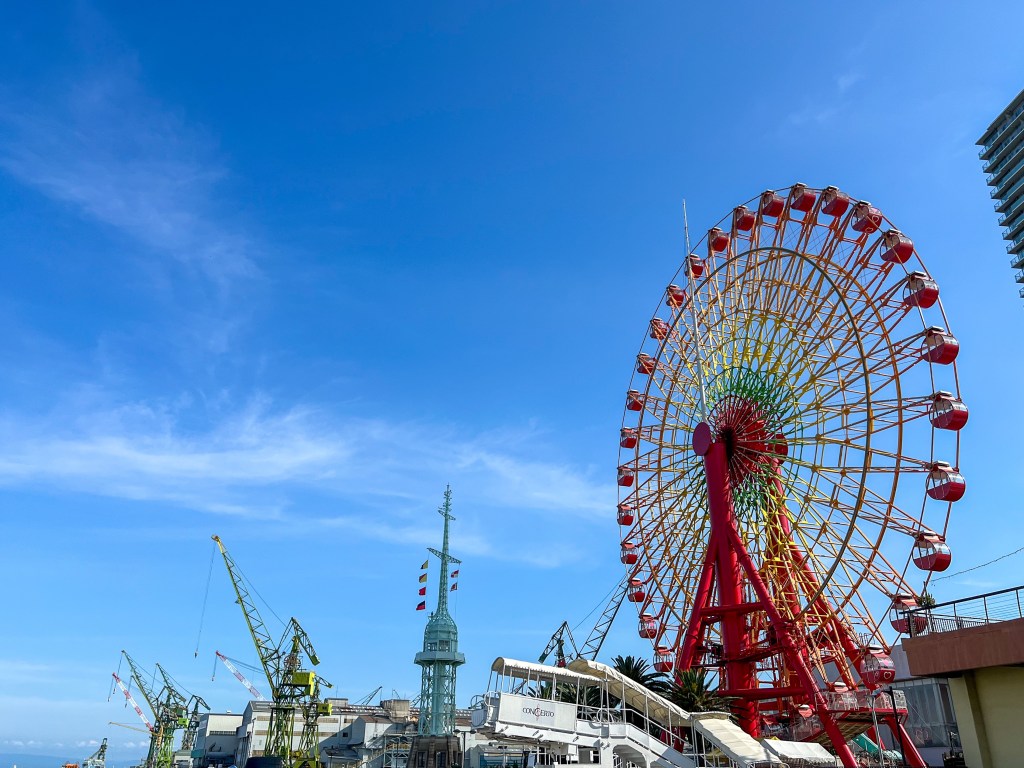
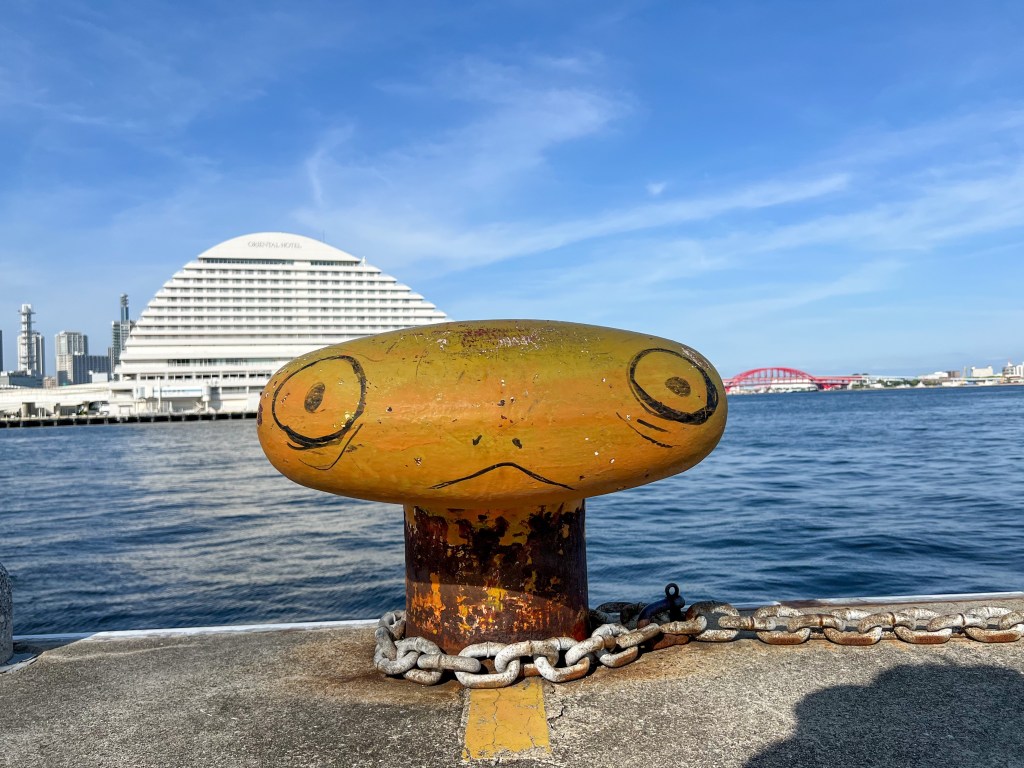
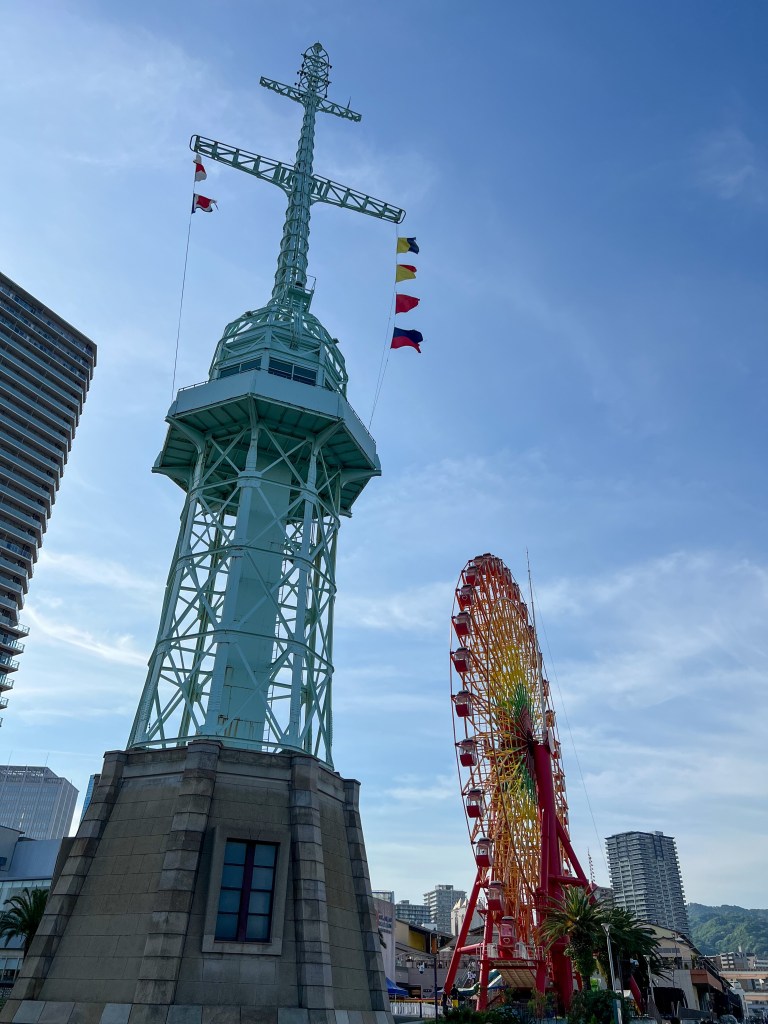
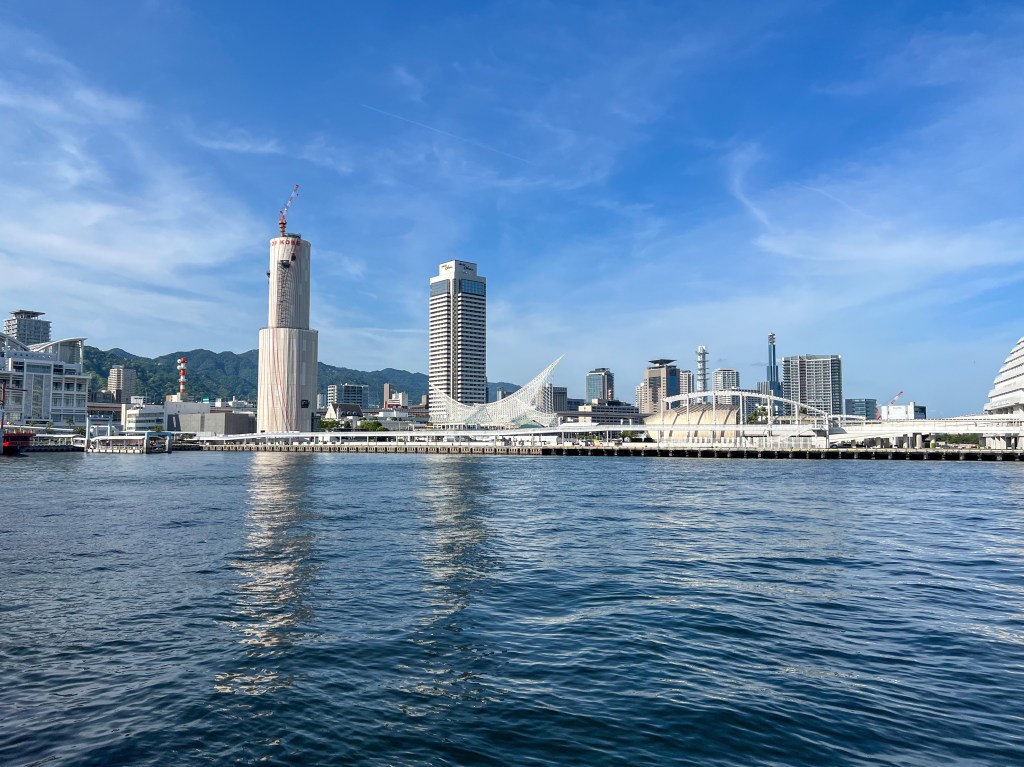
After exploring the rolling city hills of Kobe’s north, I began walking the 40 minutes south to Kobe’s port. This would be my last destination – to get a view of the picturesque Kobe Port Tower – my final site before heading back to Tokyo to fly home. A beautifully sunny day, I was prepared for the best – overlooking the shimmering water – reflections of the red tower piecing through the harbor. It didn’t occur to me that I should look out for the tower while I was walking to the harbor – I thought I would just wait until I arrived to enjoy its magnitude. When I did arrive. at the viewpoint, I discovered that the once brightly colored tower was now undergoing construction – a tarp hundreds of feet long covering its exterior. I burst out laughing – THIS was my final stop. THIS was how I would end my trip that took me to the southernmost tip of South America to the Himalayas in Nepal. And yet, as I sat down, and looked out to the harbor – kids playing and seagulls cawing – the water splashing against the dock, I was flooded with emotion.
These past 6 months have been some of the best of my life and they have fulfilled a lifelong dream of mine to explore the world. I feel so fortunate that I have been able to experience all of this – to travel the world, and grow as a person along the way.
As I return home to begin my journey towards medical school, I plan to keep my travel experiences with me – and hope to explore again soon.
I will have one more post next week regarding the conclusion my trip – with some reflections, numbers, and a few other things.
See you then,
Sam
 Sam on Sabbatical
Did you know that I spent a few weeks in Japan? I was the point person in my building for a school-to-school relationship with a school in Nanae, on Hokkaido, near Onuma. Tokyo blew my mind, with its density and bustle.
Just that relatively short period of time impacted me deeply. I can only begin to imagine what this entire trip has generated in you!
Can’t wait to see you, Sam!!!! x,o,x,o, Barbara
LikeLike