The North: Chiang Mai, Chiang Rai, Pai, & Doi Inthanon

Coming from Vientiane, the first part of my journey in Thailand began in the North, exploring the city of Chiang Mai and its surrounding towns/villages/national parks.
While Bangkok is Thailand’s bustling capital, the north is the heart of culture and creativity, and many visitors of the area use Chiang Mai as their home base as they home around the various highlights of the region. With 5 days, I decided to spend a couple days exploring Chiang Mai, one day in Chiang Rai, a couple days visiting Pai, and one day hiking in Doi Inthanon National Park.
Chiang Mai
The largest city in northern Thailand, Chiang Mai sits 400 miles north of Bangkok in a mountainous region called the Thai highlands. Founded in 1296, it was the capital of the Lana Kingdom until 1558. Its Old City area still retains the walls and moats from its history as a central and religious center. It is also home to dozens of elaborate temples, including 14th century Wat Phra Singh and 15th century Wat Chedi Luang.


It offers some of the best temples of Southeast Asia.


One of the best things to do in Chiang Mai is exploring the local street markets, particularly at night.
In the evening, the temples that start the day as environments of peace and quiet transform into carnival grounds, covered in food stalls and hungry patrons.
I will tell you, there are few things better than walking into a night market with an empty stomach and a wallet full of cash.


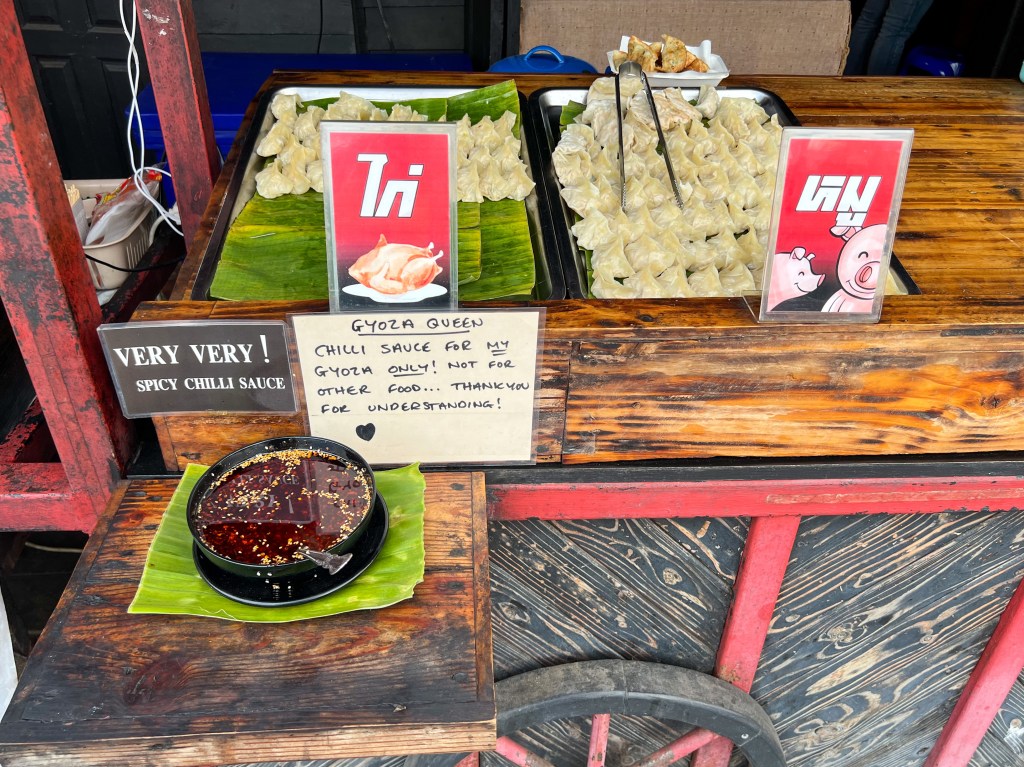
For many visitors to Thailand one of the main highlights is Southeast Asia, so this is a great place to hang out on a Sunday evening, the busiest time for this night market. With hundreds of stalls dotted along the main (and side) roads, the Sunday Walking Street night market offers some of the best crafts, arts and food that the Northern Thailand region has to offer.
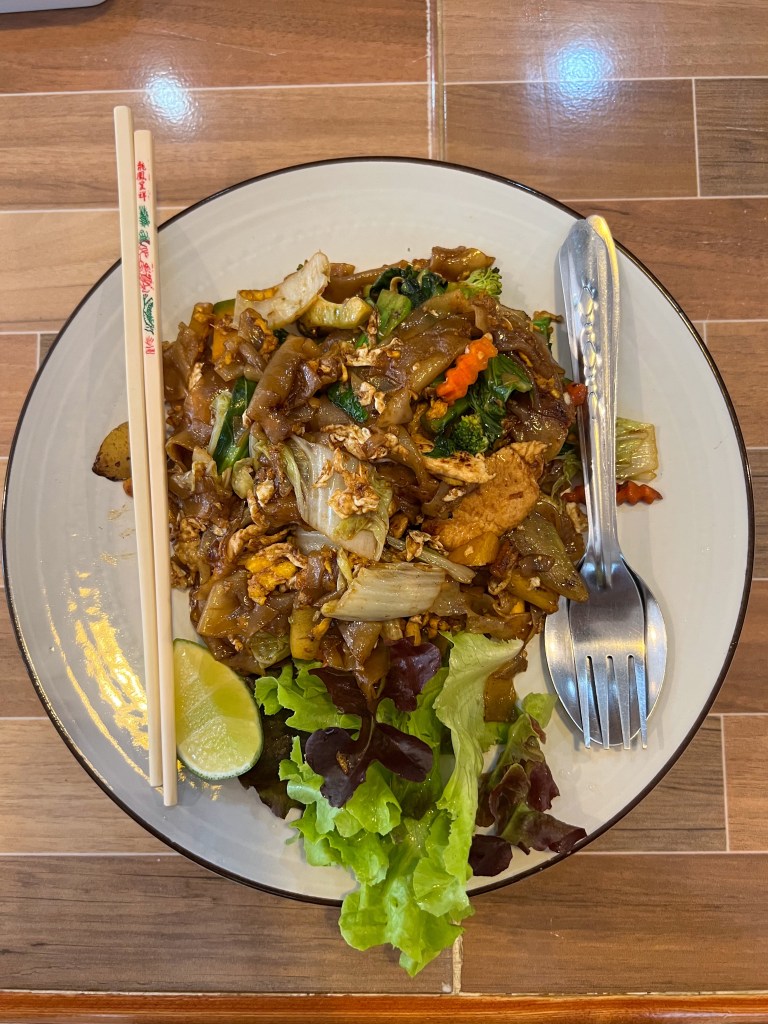
The Sunday night market offered a wonderful combination of local food and cultural flair.
Chiang Rai
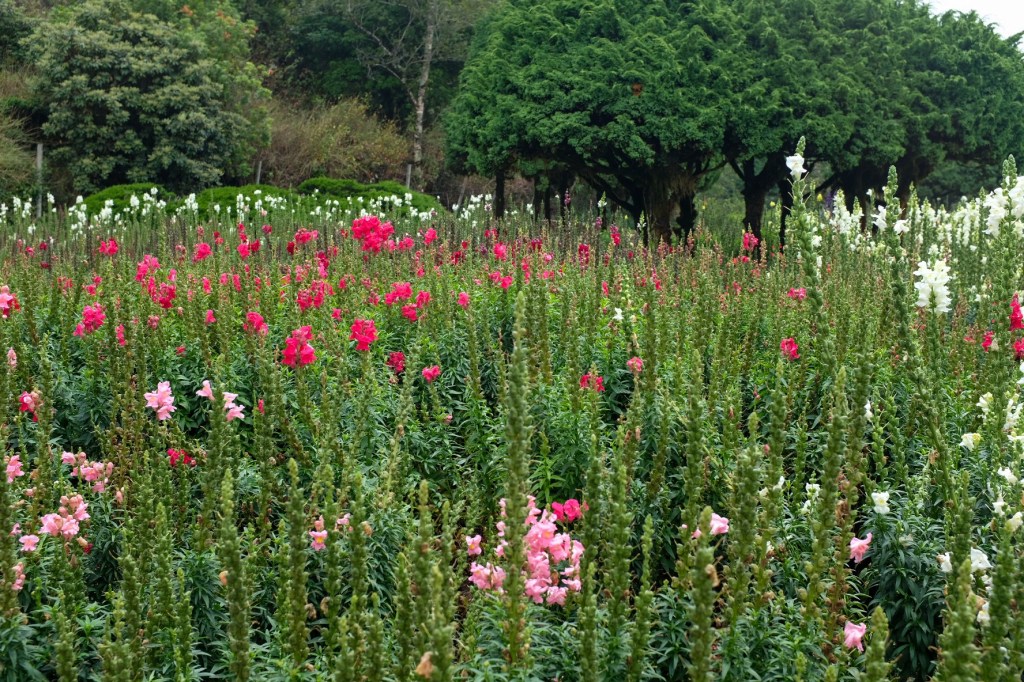
The next day, I headed 3 hours north to Chiang Rai. This lovely city is also home to flower gardens, tea plantations and mountains. It falls on the intersection of borders of Thailand, Laos, and Myanmar and is particularly famous for Wat Rong Khun (The White Temple), and the Rong Suea Ten (The Blue Temple). You’ll see why below-


Pai
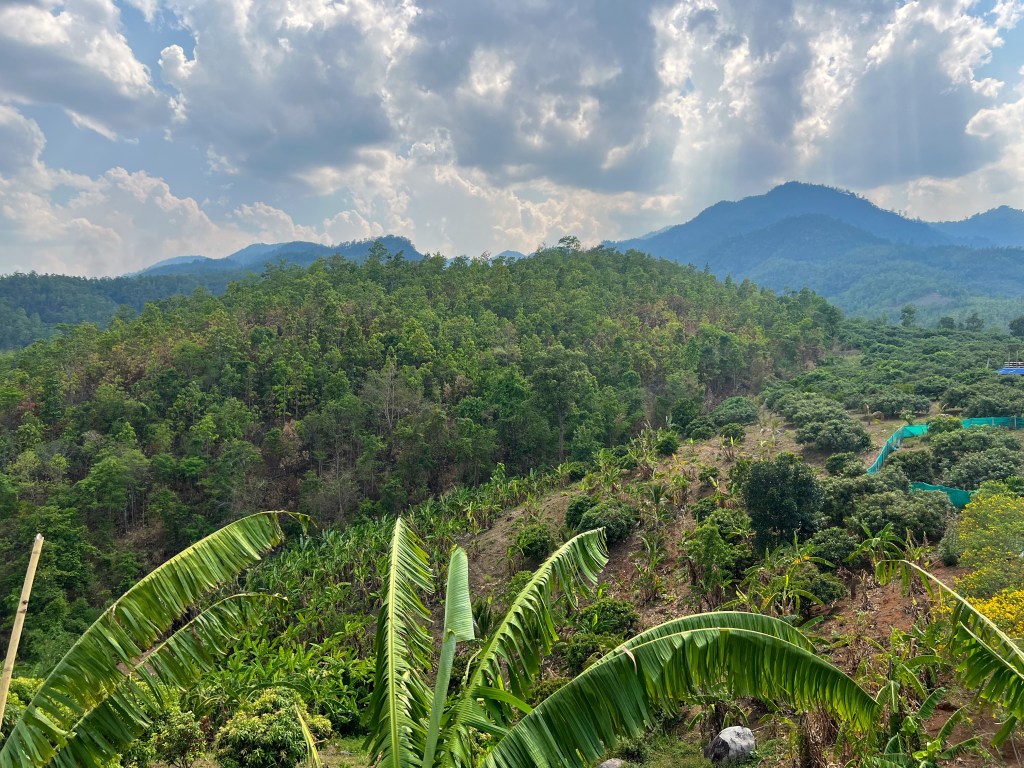
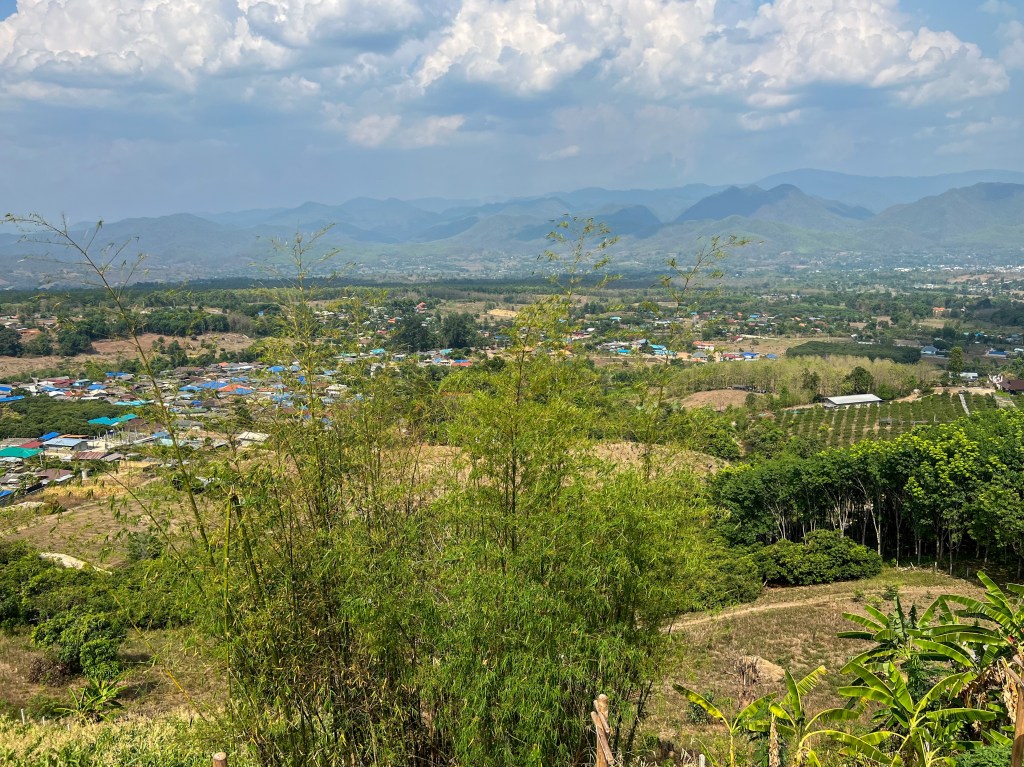
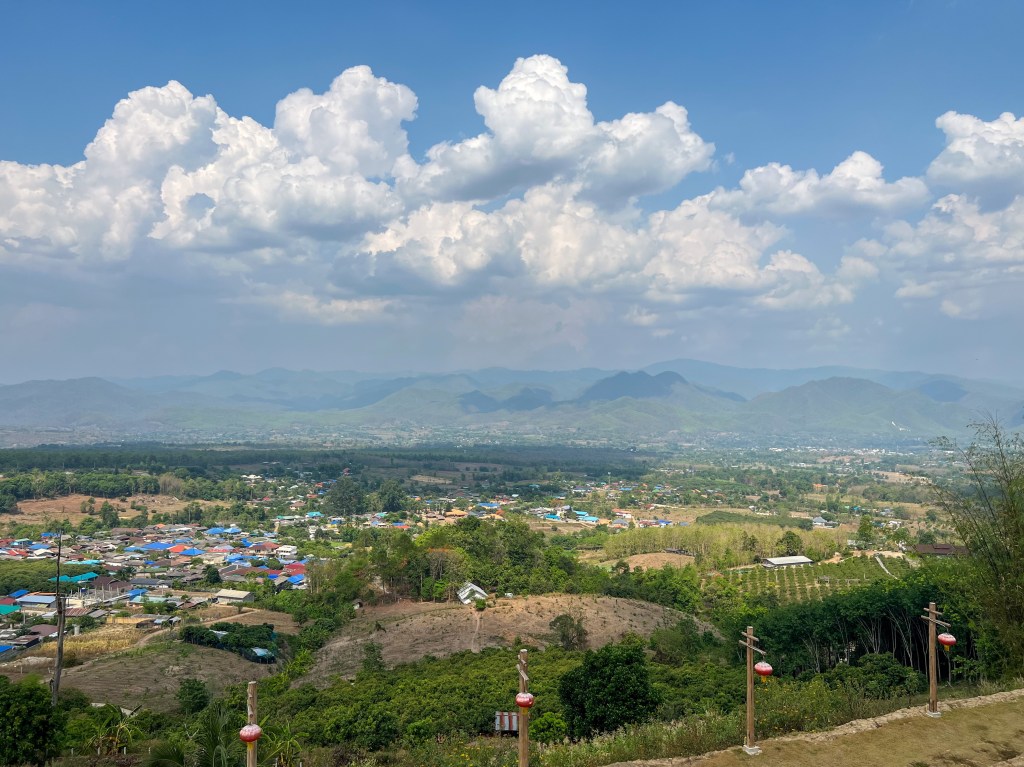
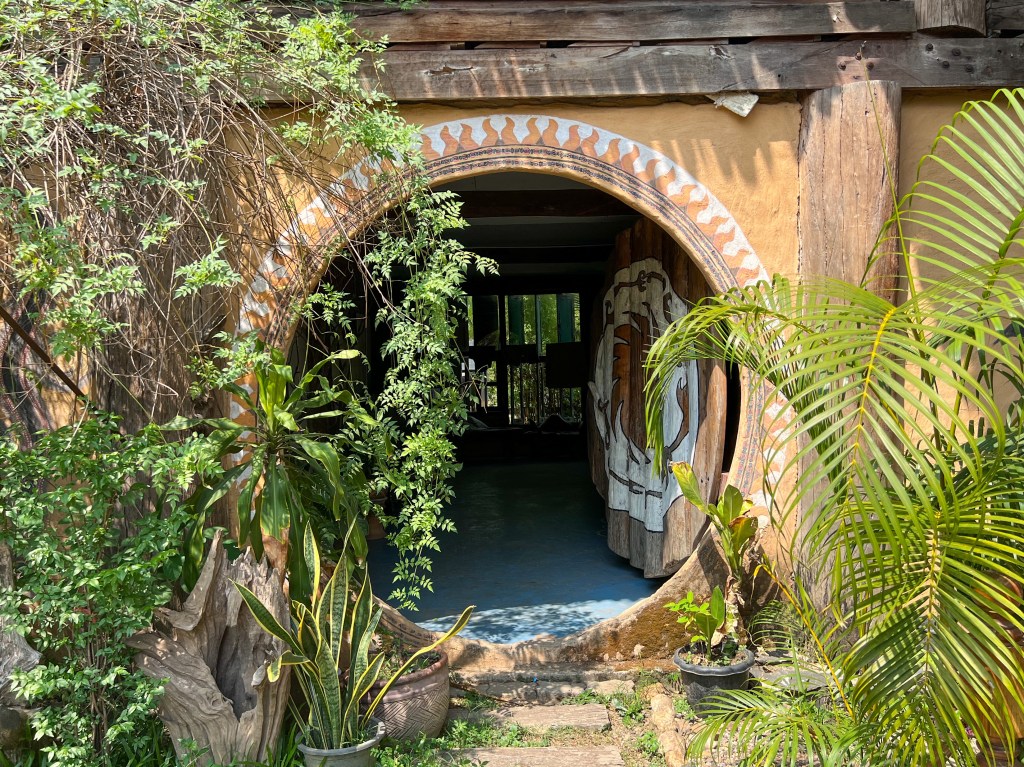
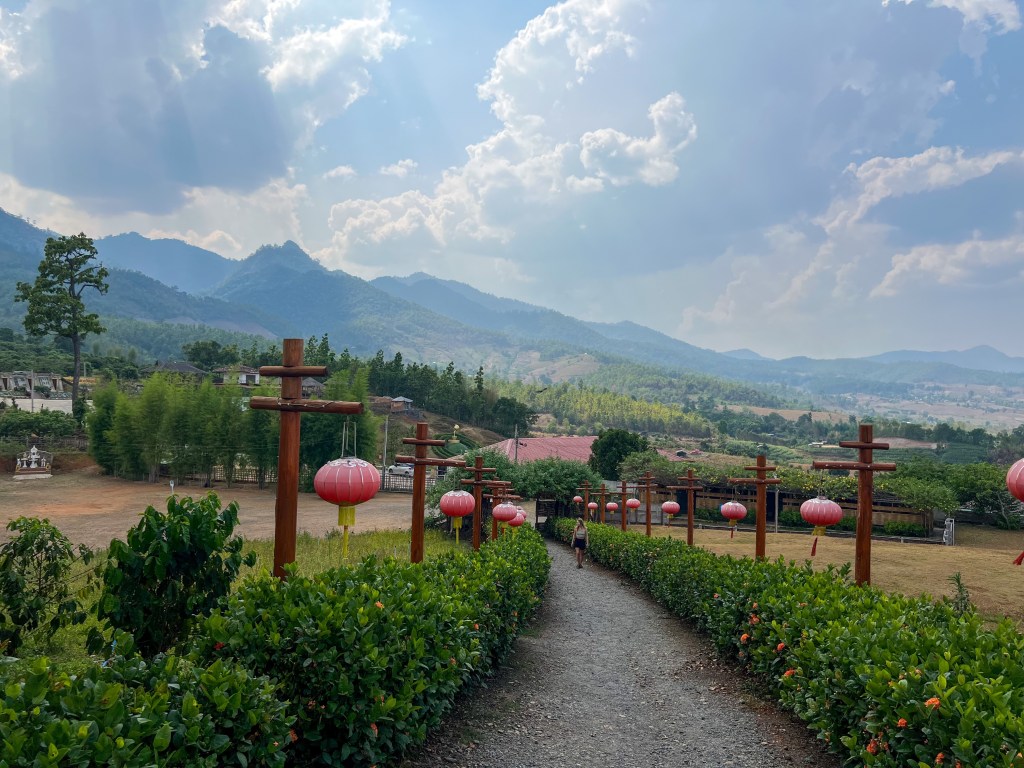
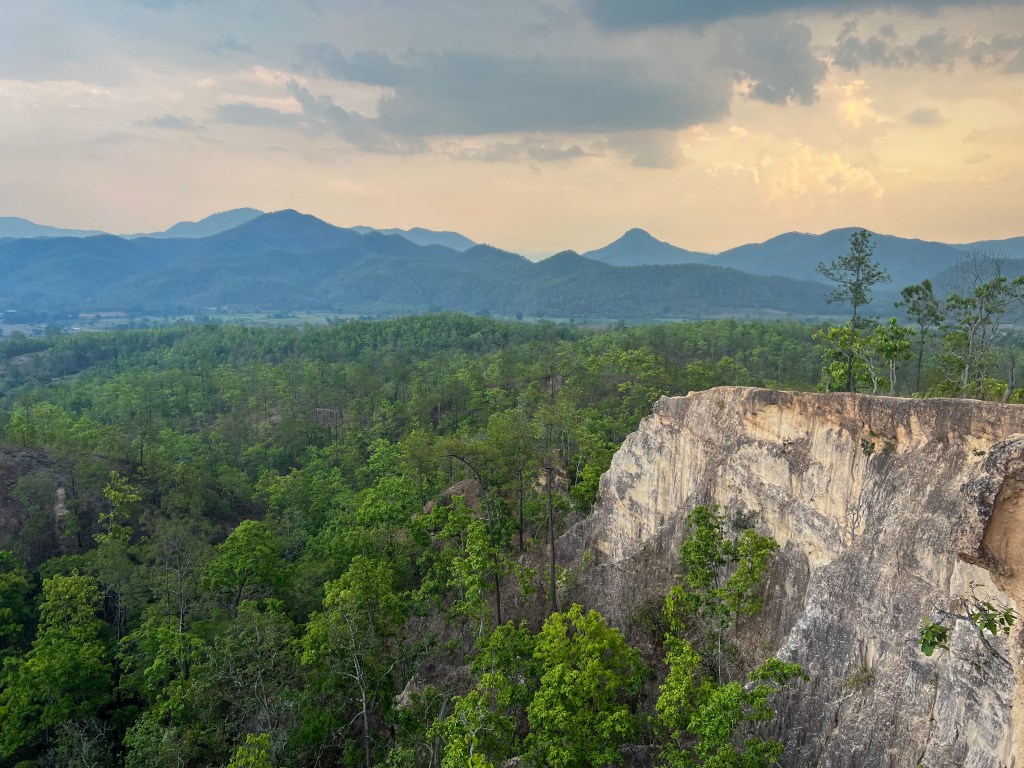
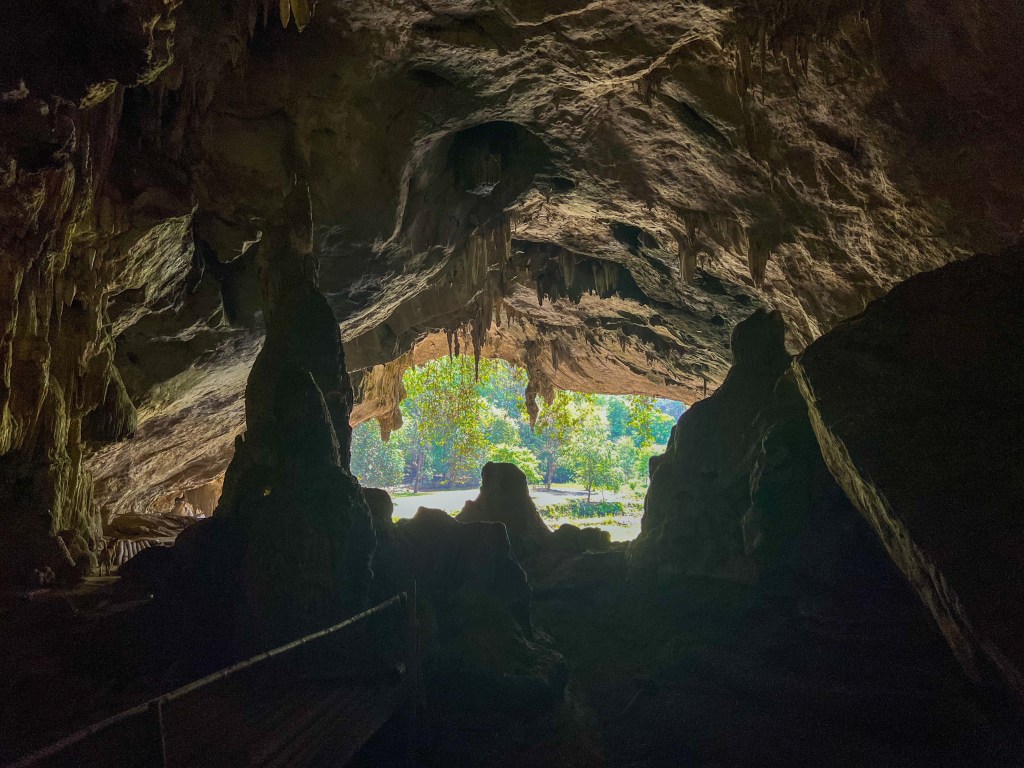
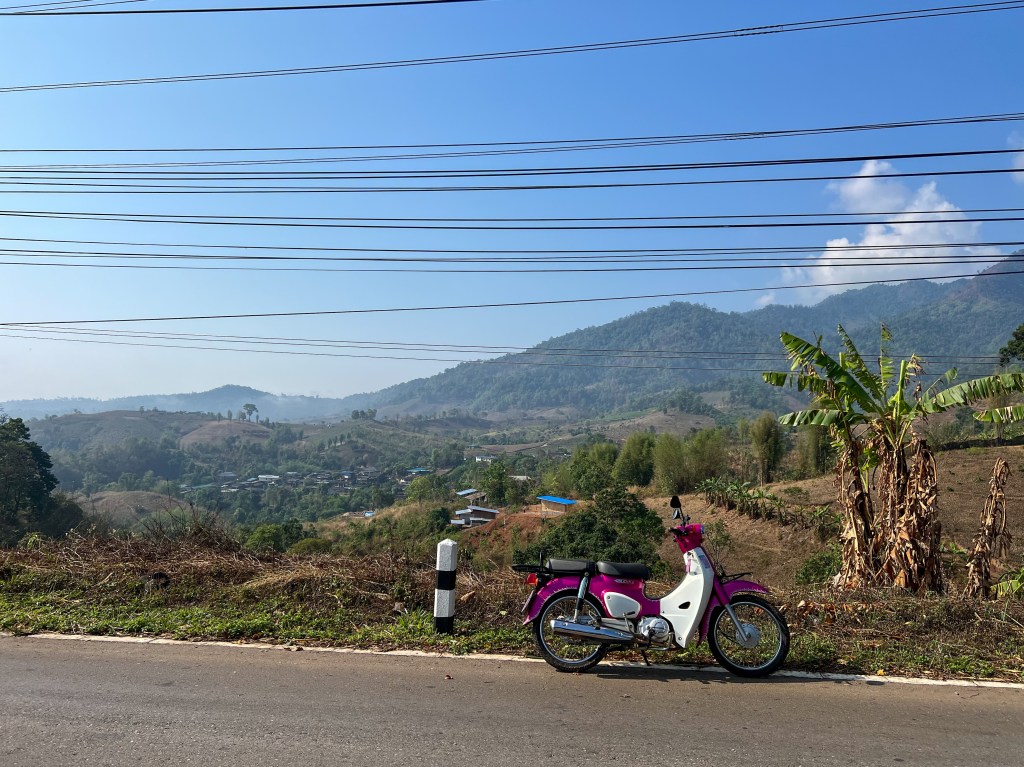
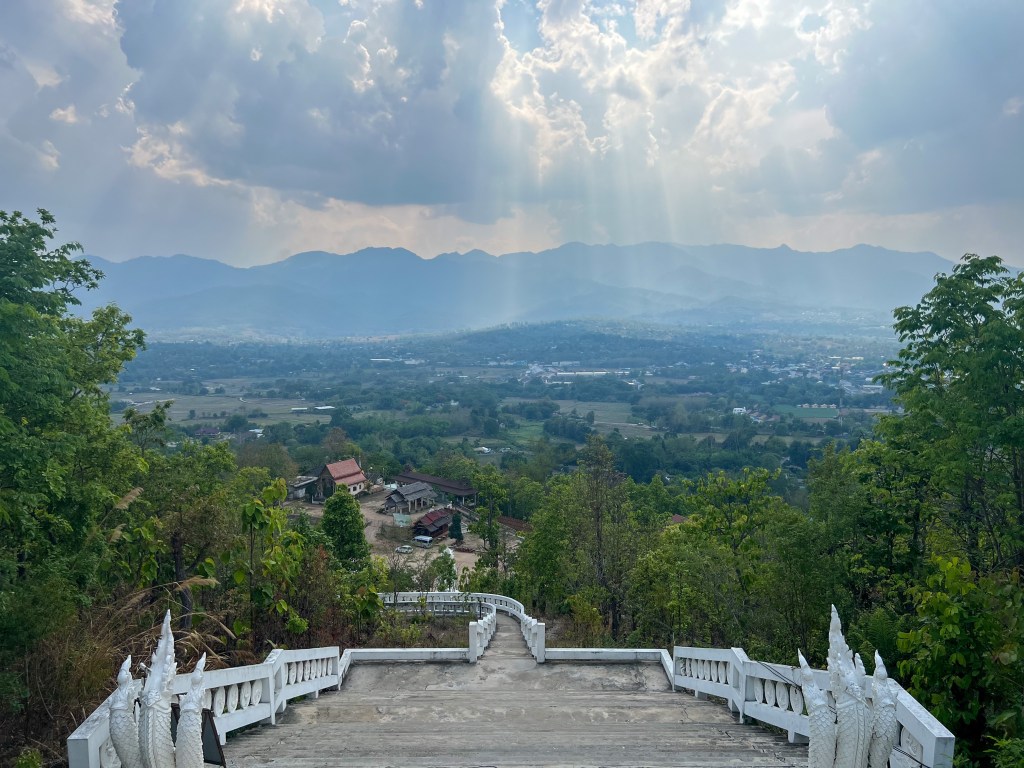
After a long day exploring Chiang Rai, I needed a place to relax a bit – this is where Pai comes in. Thailand’s “hippy” town , Pai lies about 100 miles Northwest of Chiang Mai along the Pai River. Pai was once a quiet market village inhabited by Shan people whose culture is heavily influenced by Myanmar. Known among backpackers for its relaxed atmosphere, the town is full of cheap guesthouses, cute cafes, and restaurants. It is also home to several waterfalls, hot springs, canyons, and some of Thailand’s largest cave systems.
I decided to spend 2 days here, exploring the town, climbing around Pai Canyon, biking to the various viewpoints, and exploring some of the area’s caves.











Doi Inthanon National Park
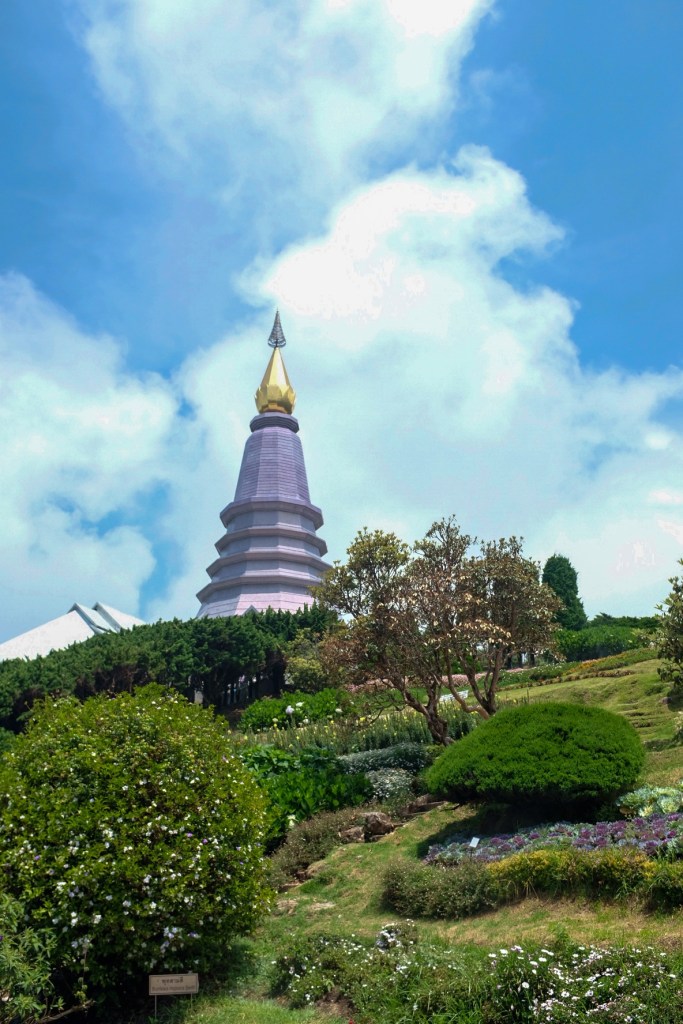
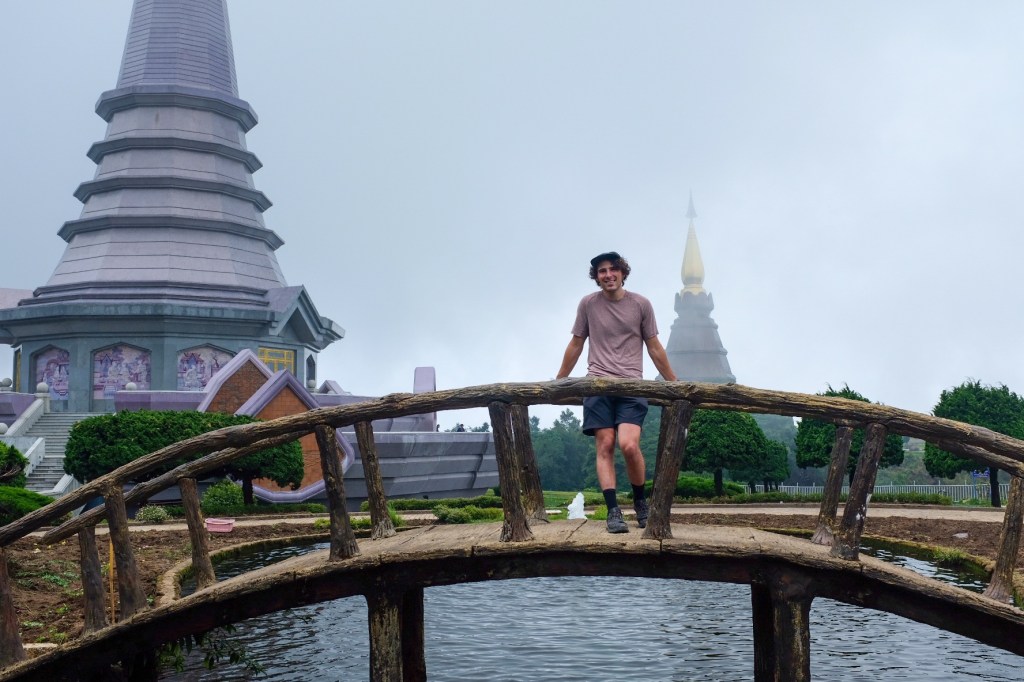
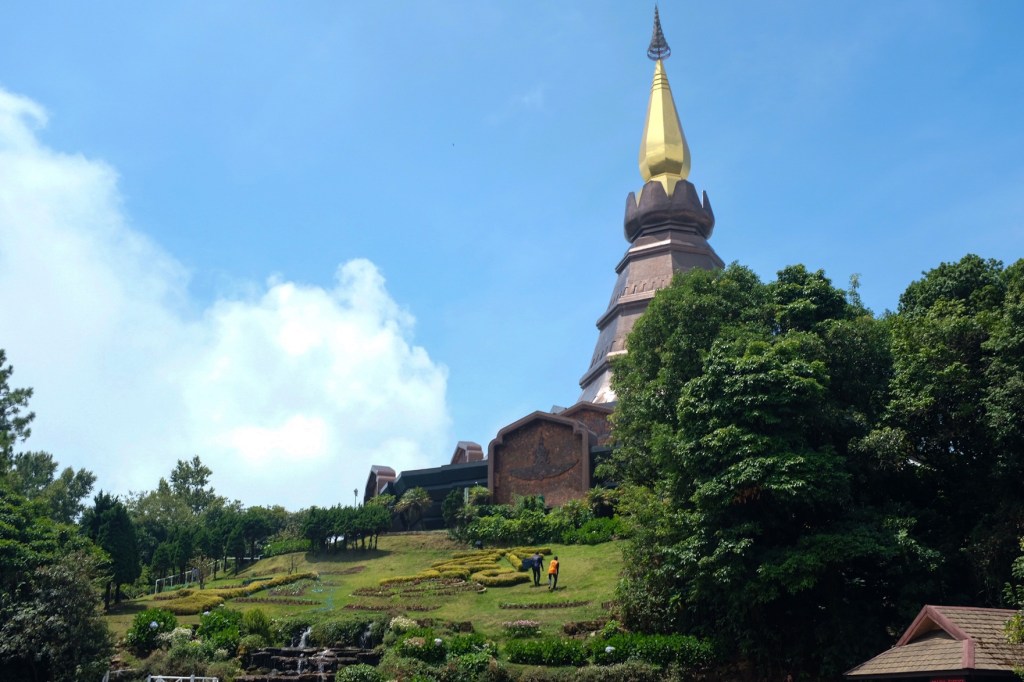
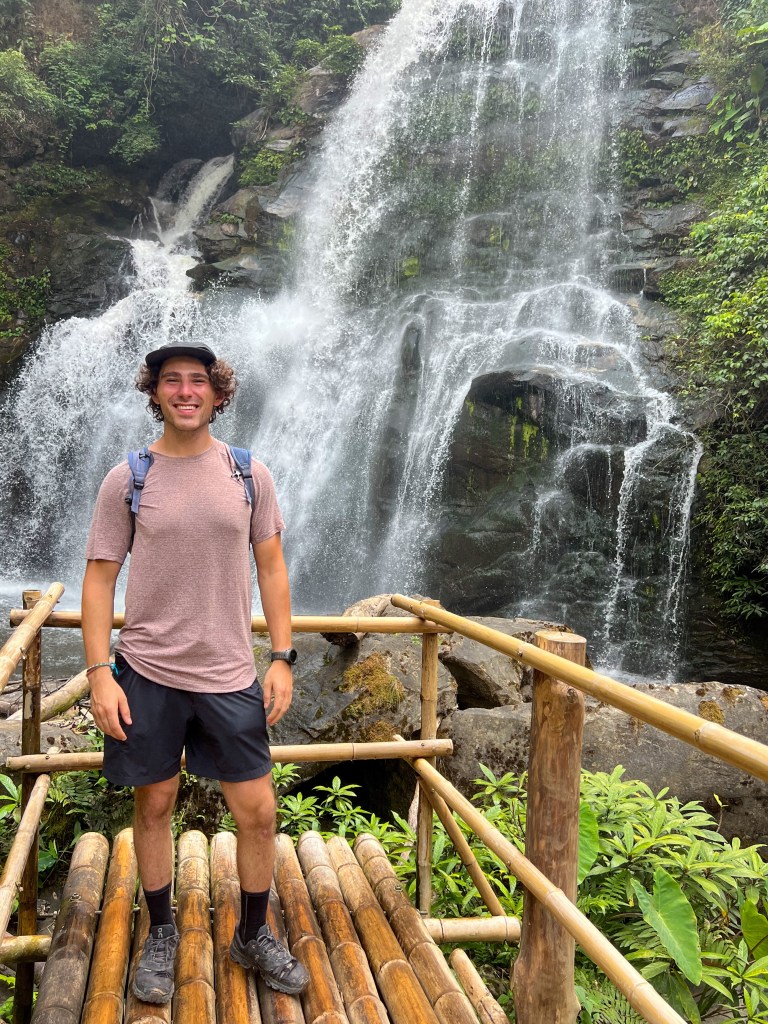
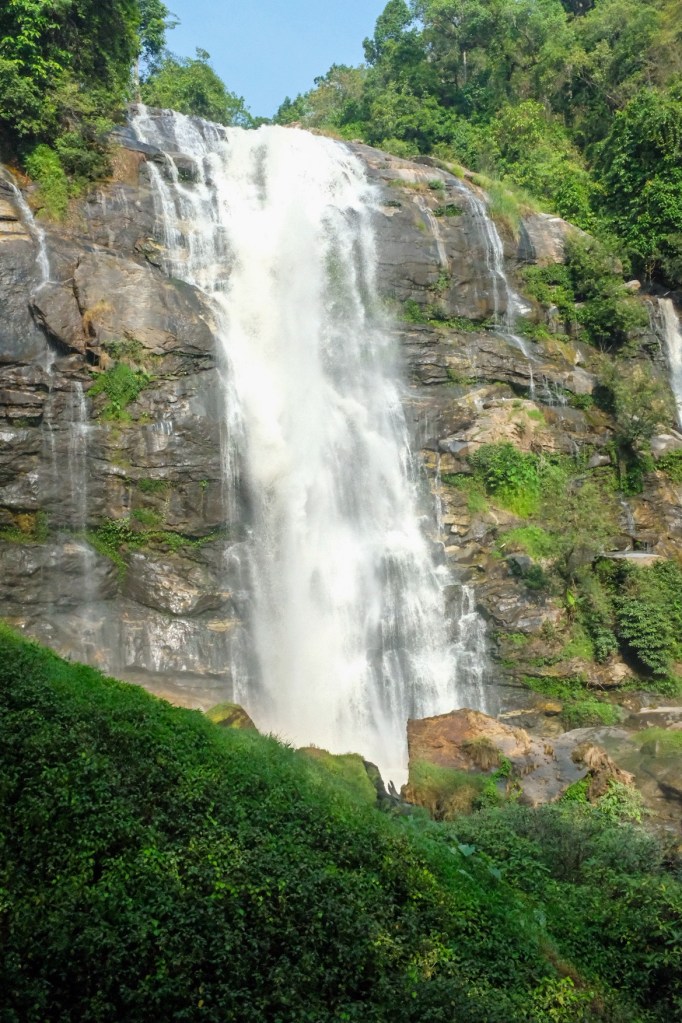
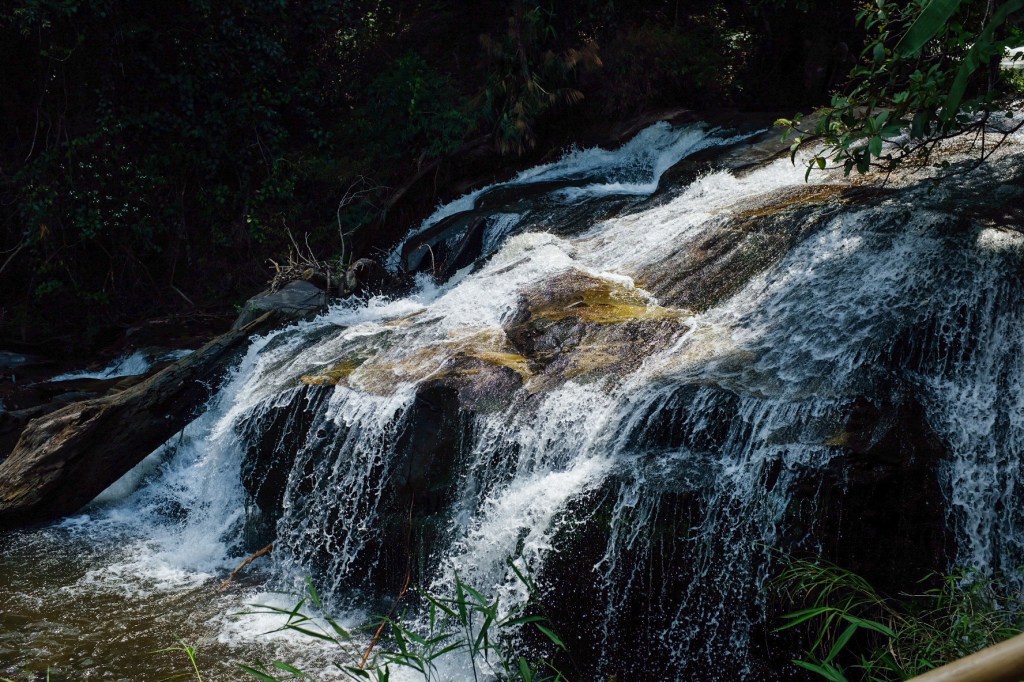
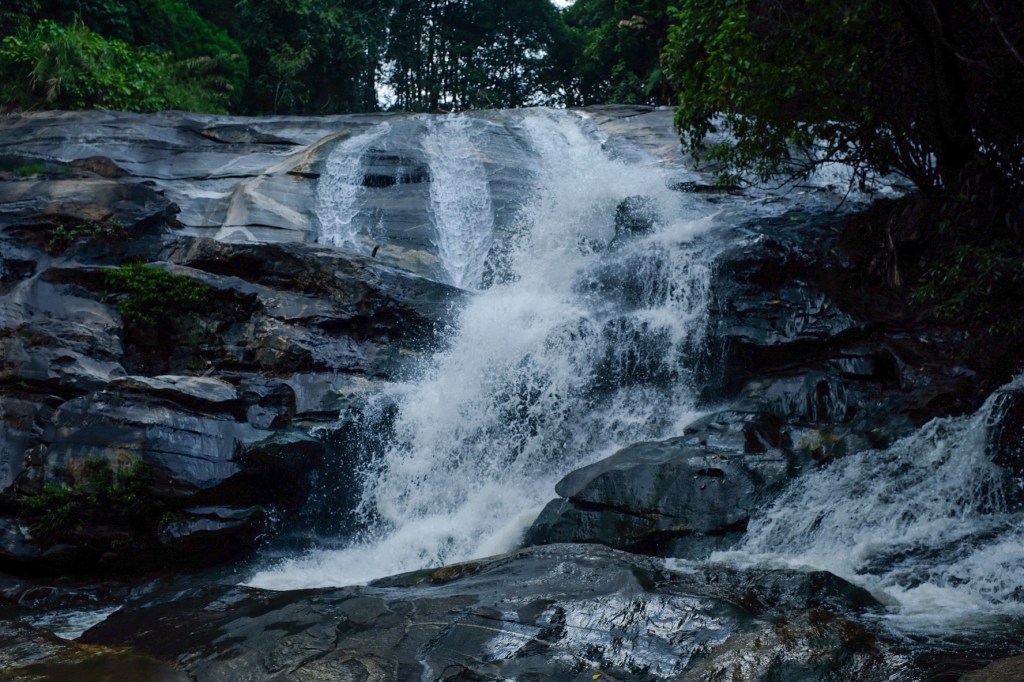
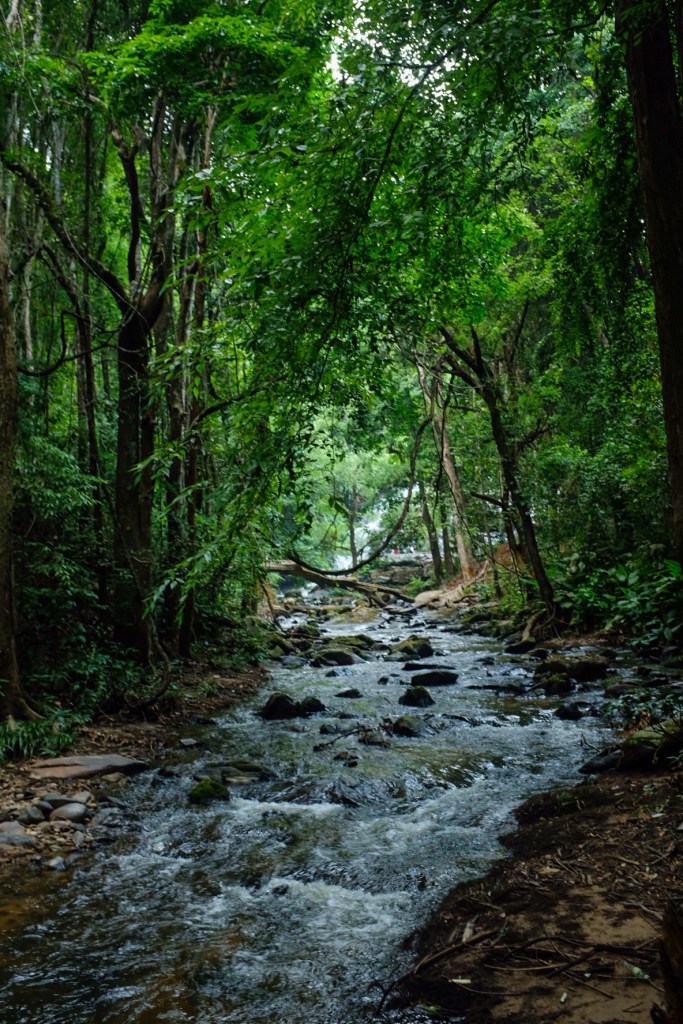
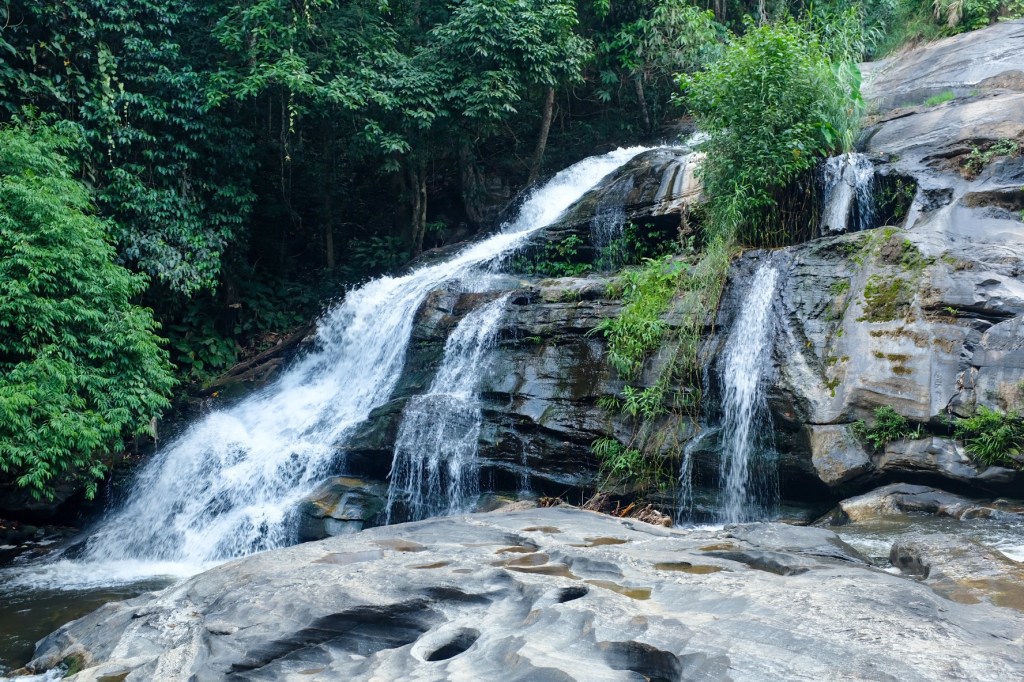
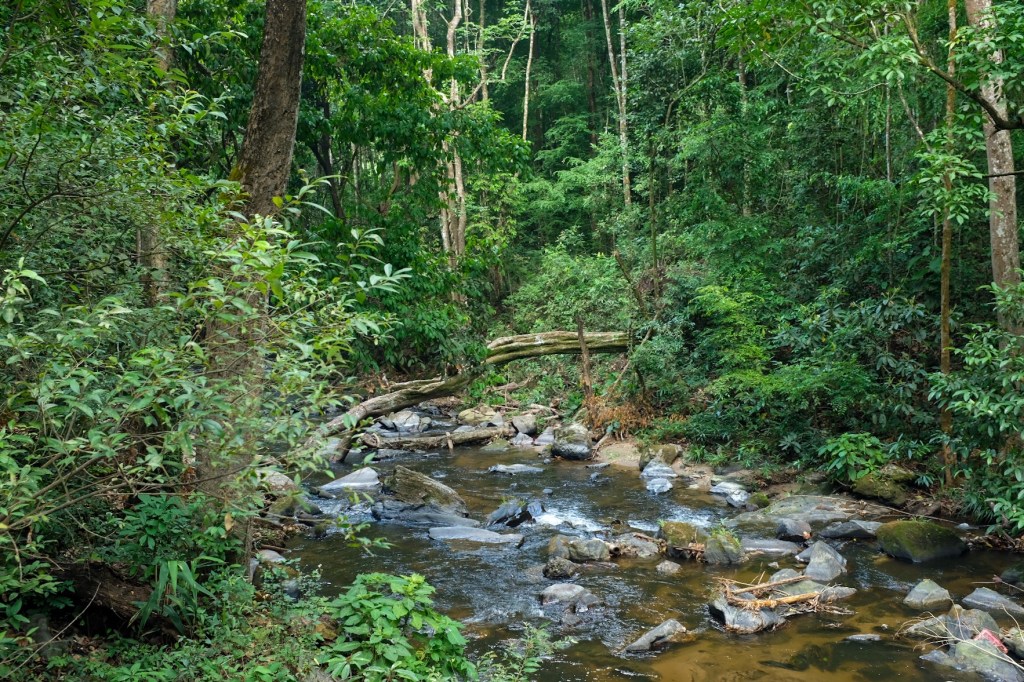
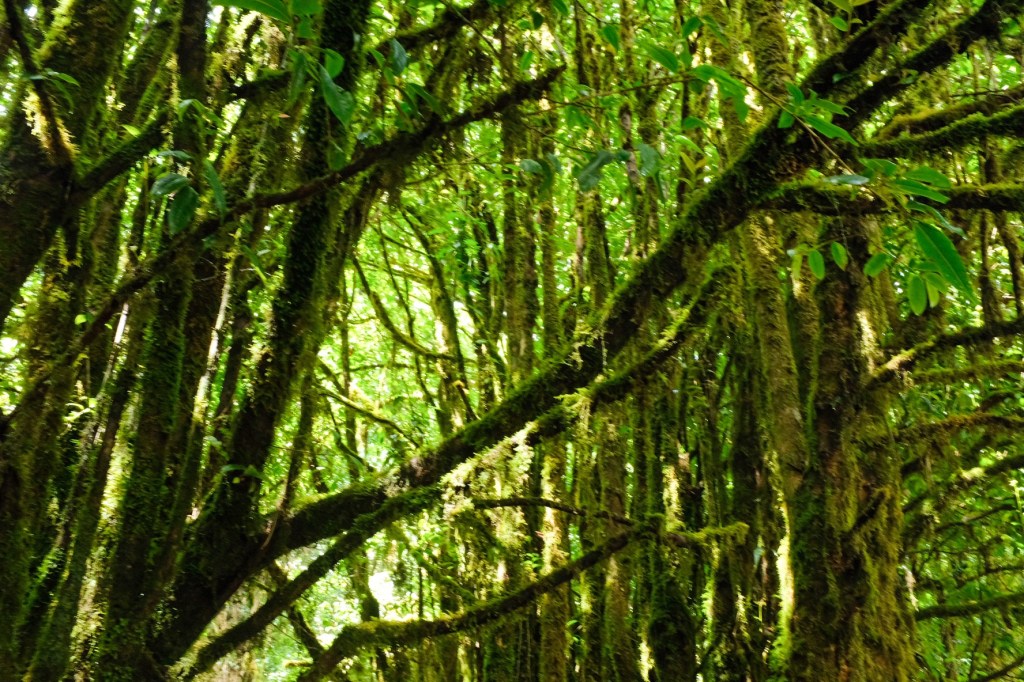
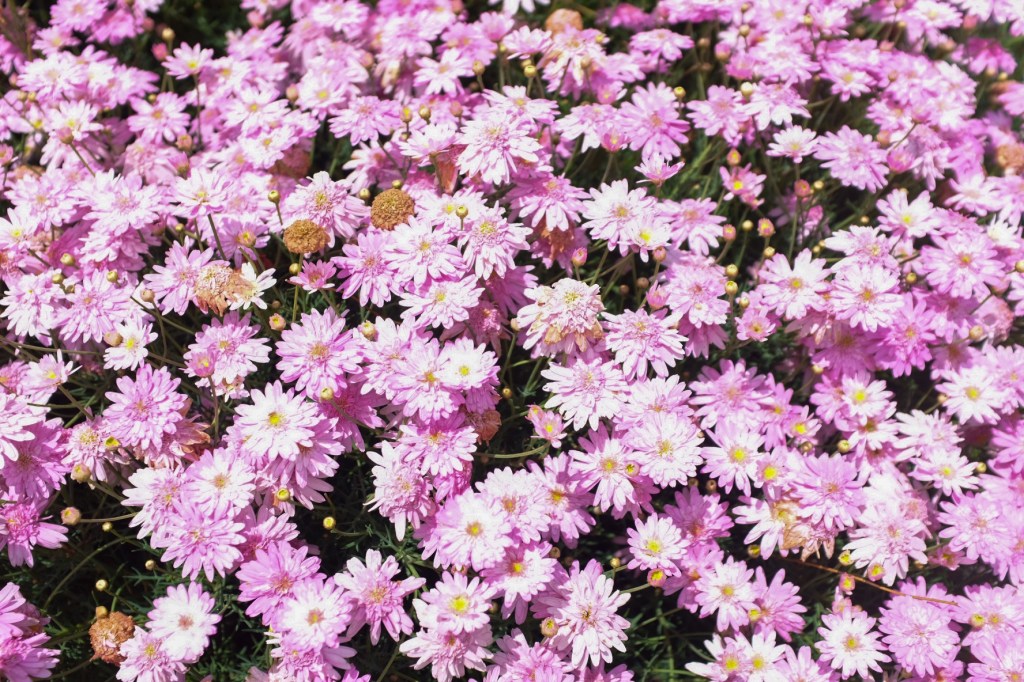
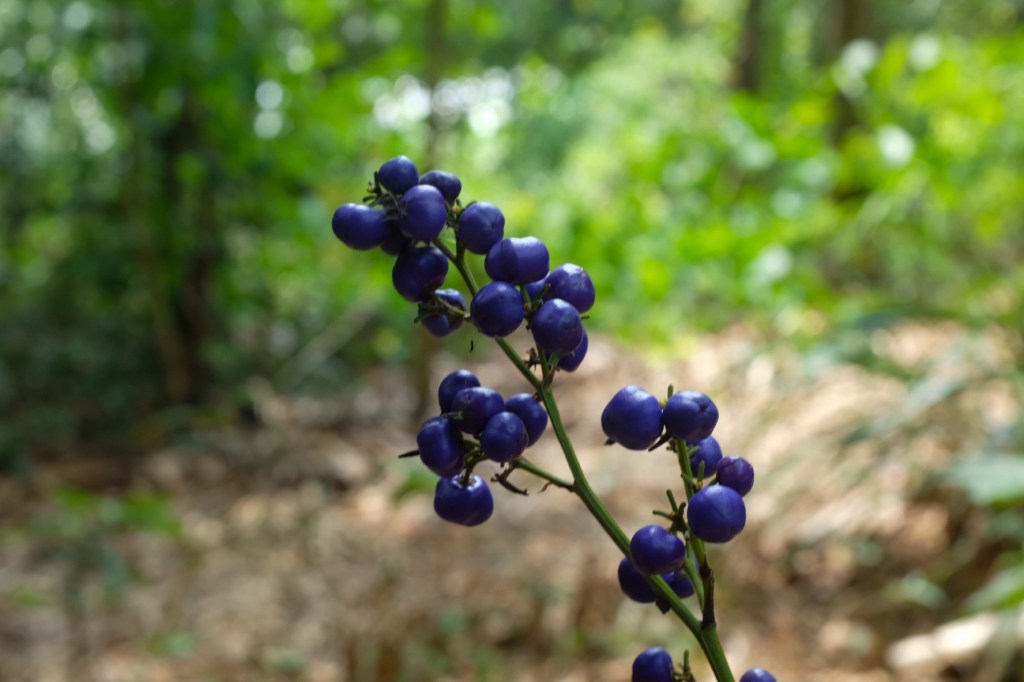
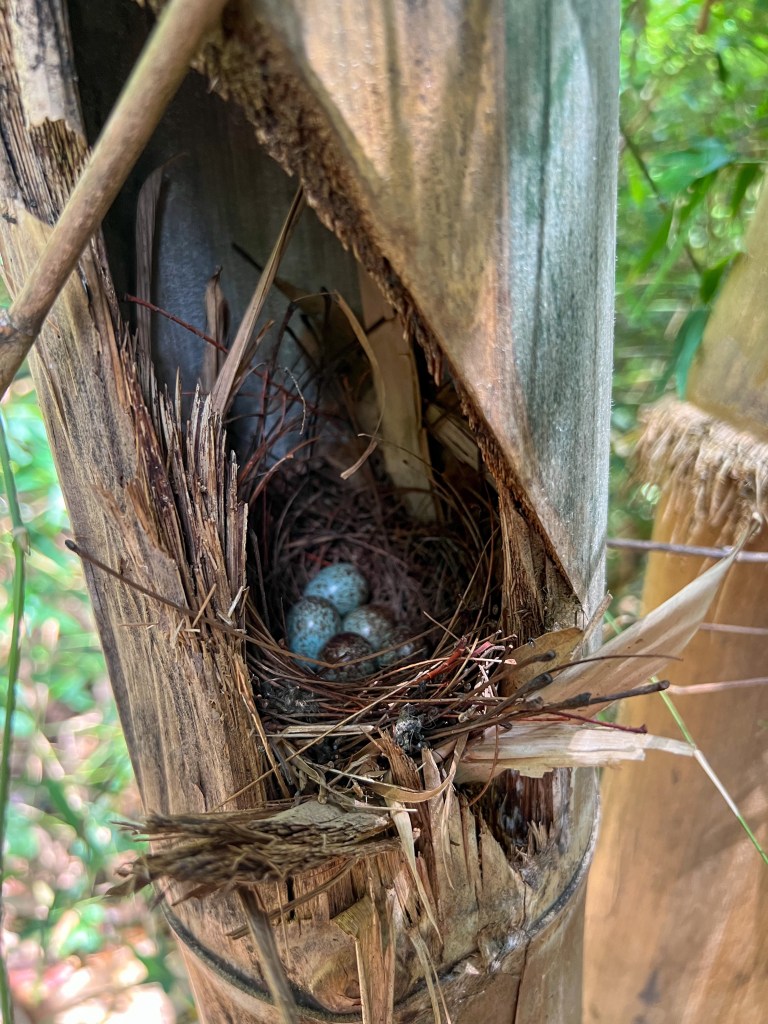
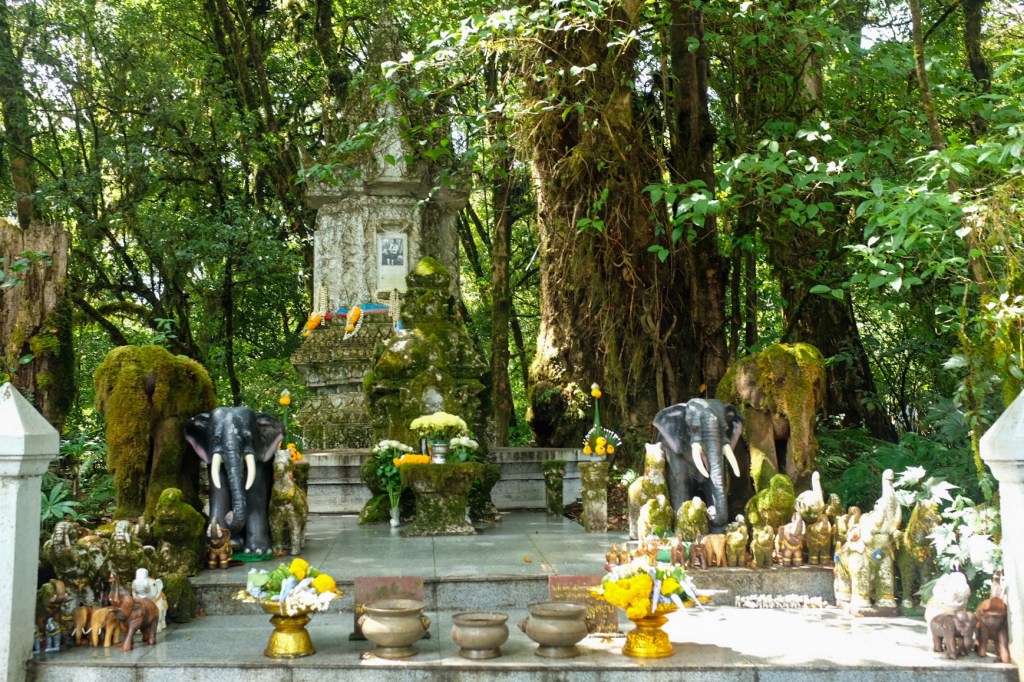
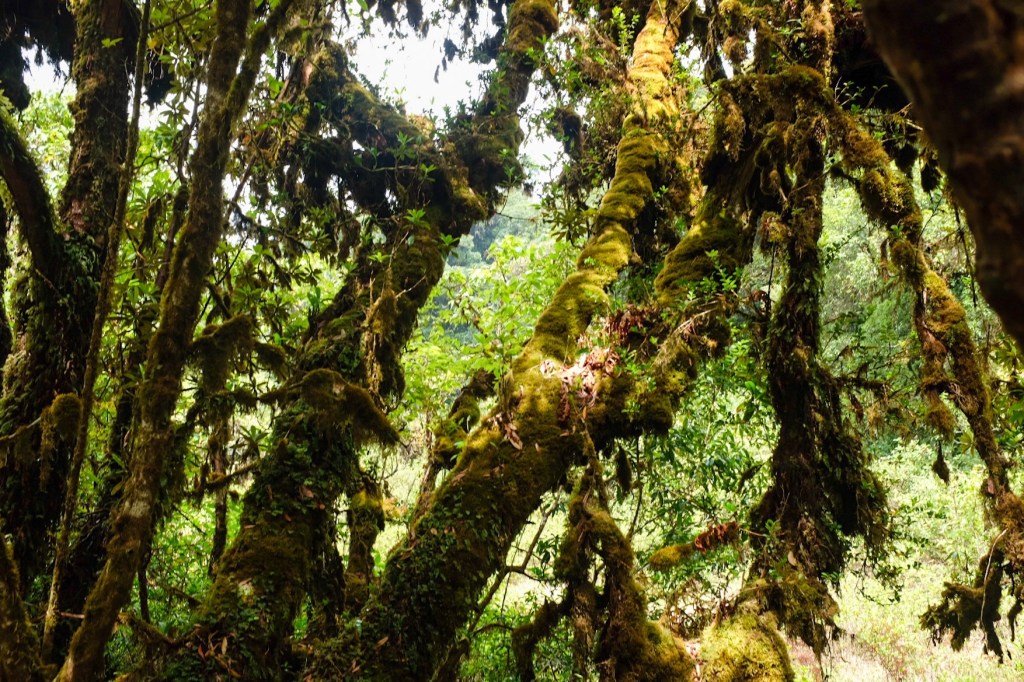
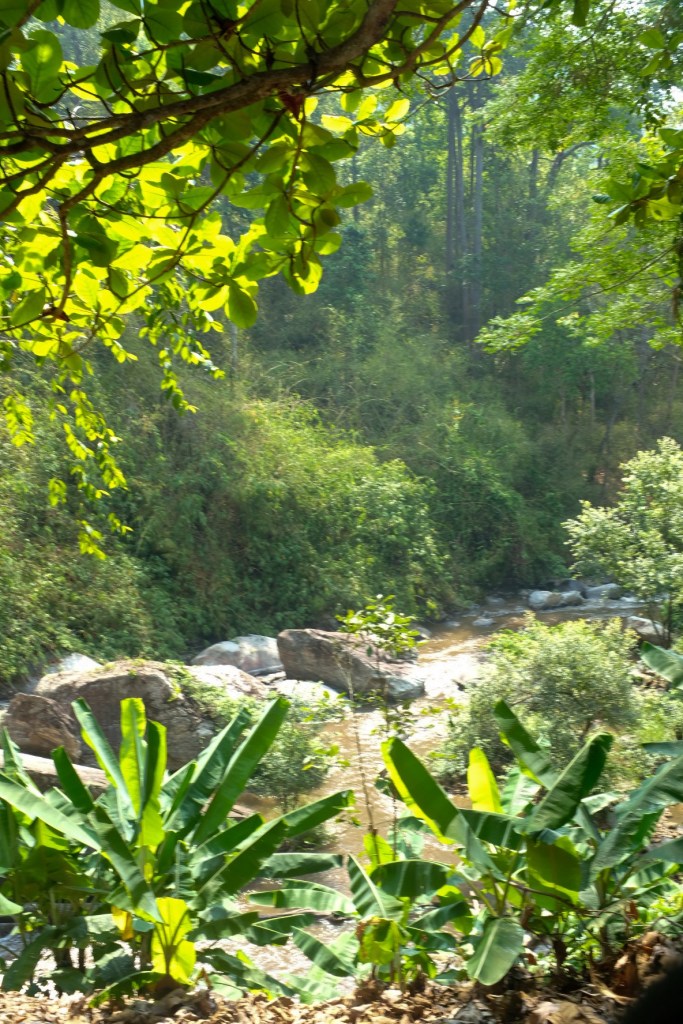
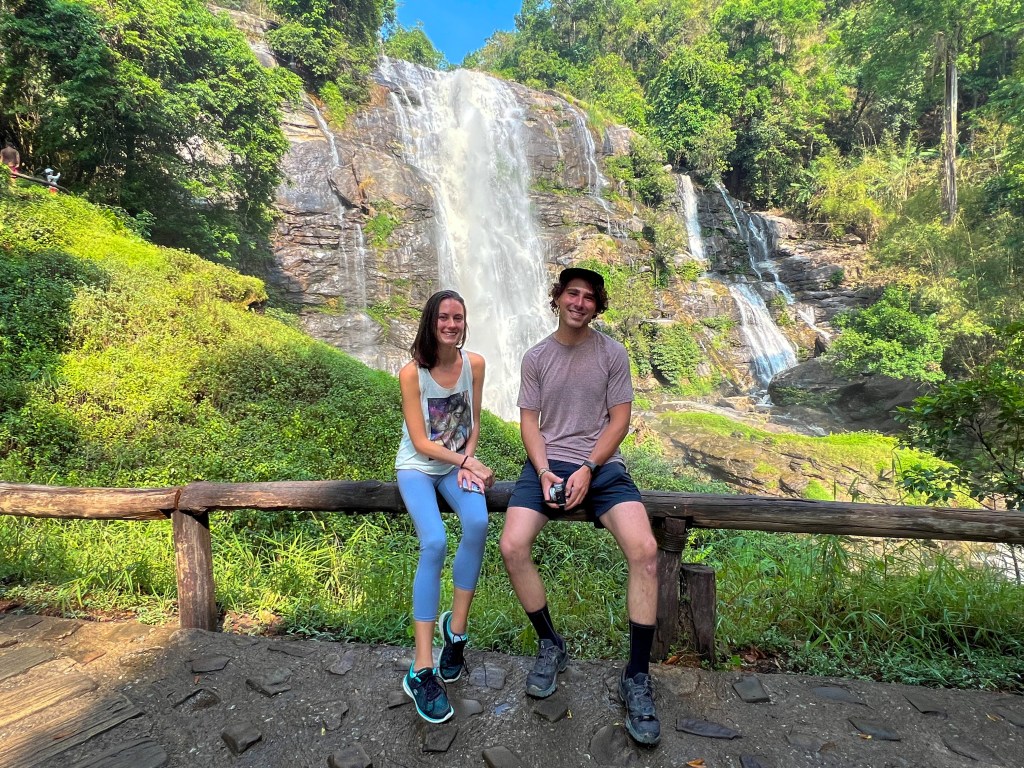
Recharged, I pushed through to my last destination in the North: Doi Inthanon National Park. The highest mountain in Thailand (2,565 meters), Doi Inthanon is home to waterfalls, hiking trails, remote villages, viewpoints, and the Twin Pagodas (Phra Mahathat Naphamethanidon and Naphaphone Phumi Siri) at the summit.

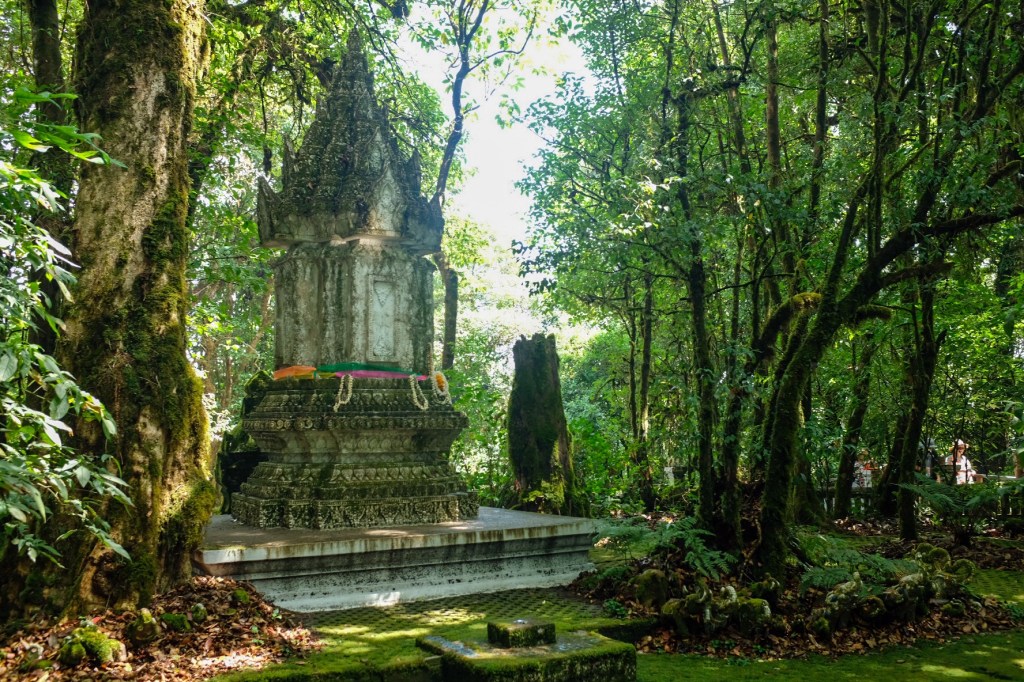
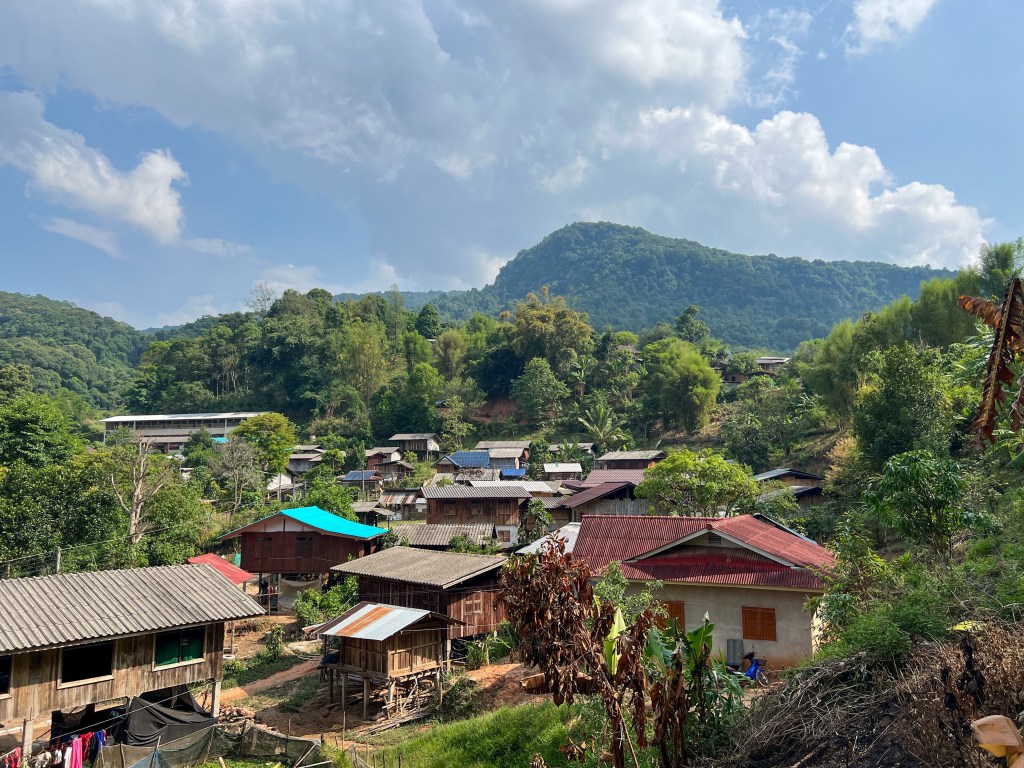
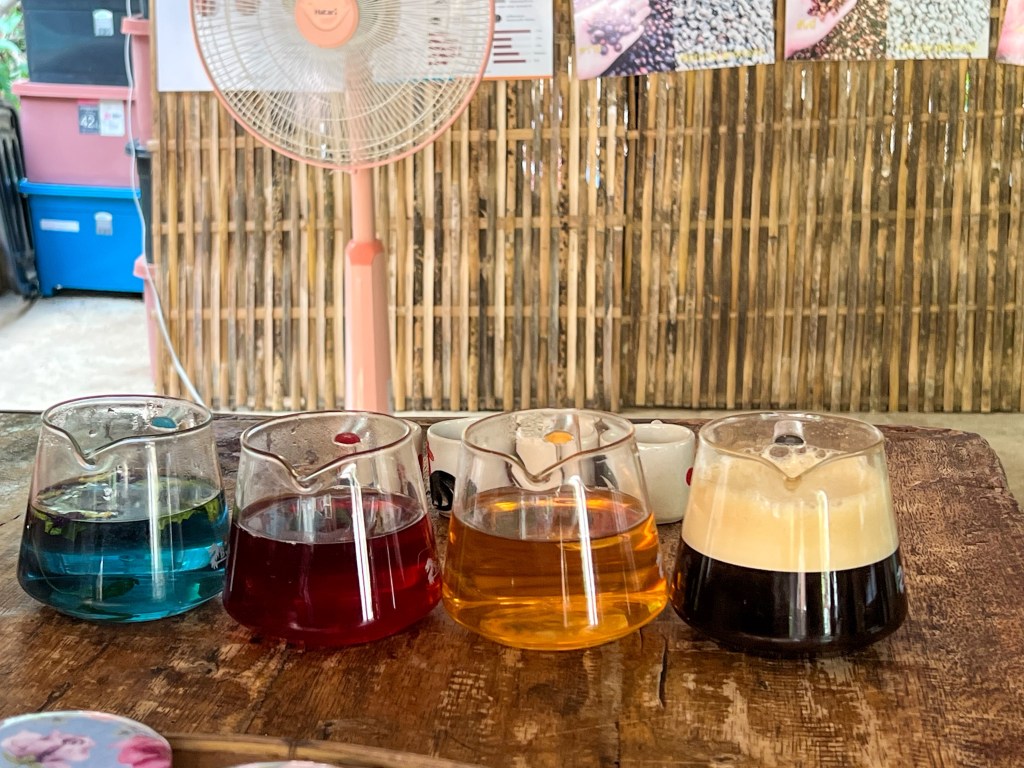
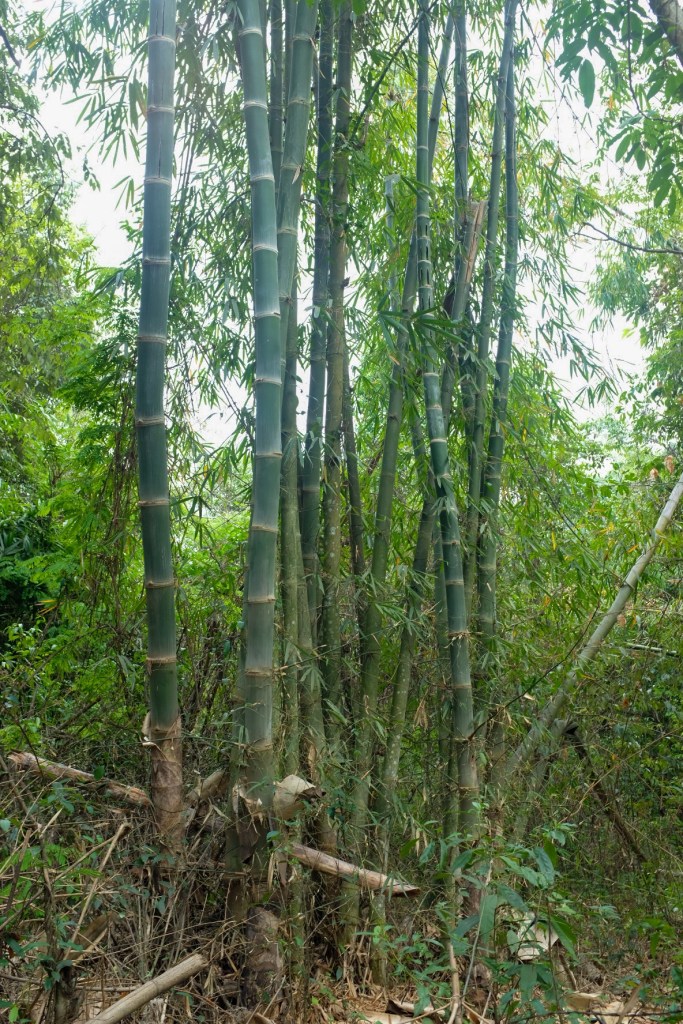
The next morning, I packed my bags and caught a flight to the city of Krabi in the south of Thailand. From there, I caught a 3 hour bus to the coast and a 3 hour ferry to the island of Koh Tao.
The South: Krabi & Koh Tao
Koh Tao (“Turtle Island”) is an island part of the Chumphon Archipelago on the western shore of the Gulf of thailand, covering just 8 square miles. It is famous for its granite rock structures and some of the lowest-priced scuba diving in the world, aired with quality standards of instruction, and incredible marine life to boot. Travelers tend to plan on staying on the island for just a few days and end up extending to weeks or even months – at the end of my stay, I understood why. A small community environment with incredible food and endless activities from snorkeling, freediving, SCUBA diving, rock climbing, hiking, or just spending time at the beach, its a place you could stay in for a long time.
My first 4 days on the island, I took a SCUBA certification course (open water 20 for those who are divers).


Photos from a couple of our dives!


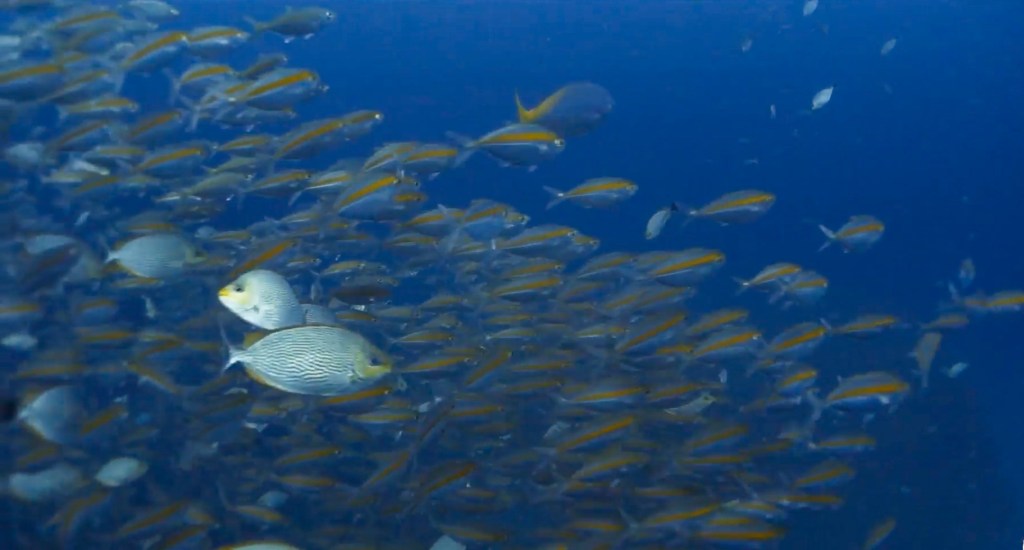


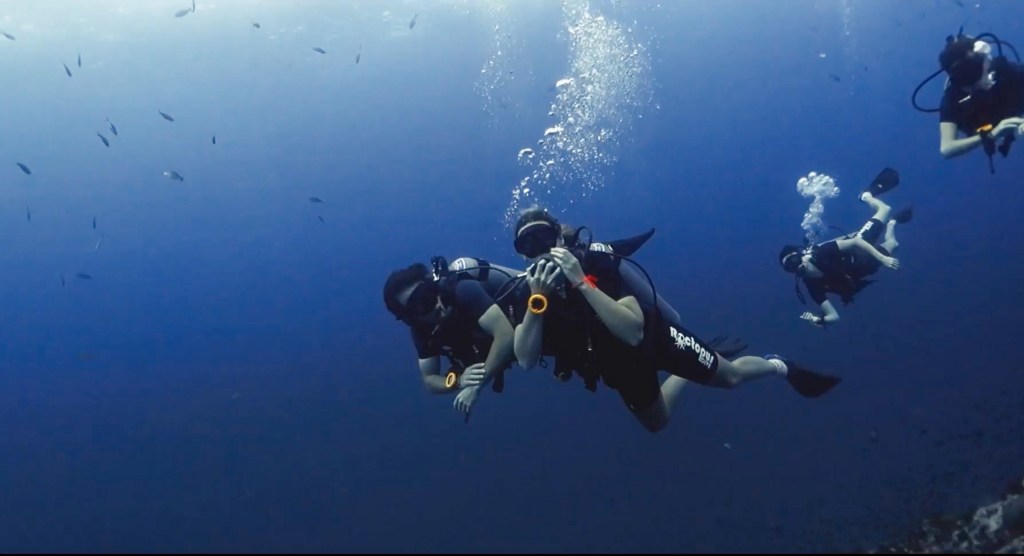


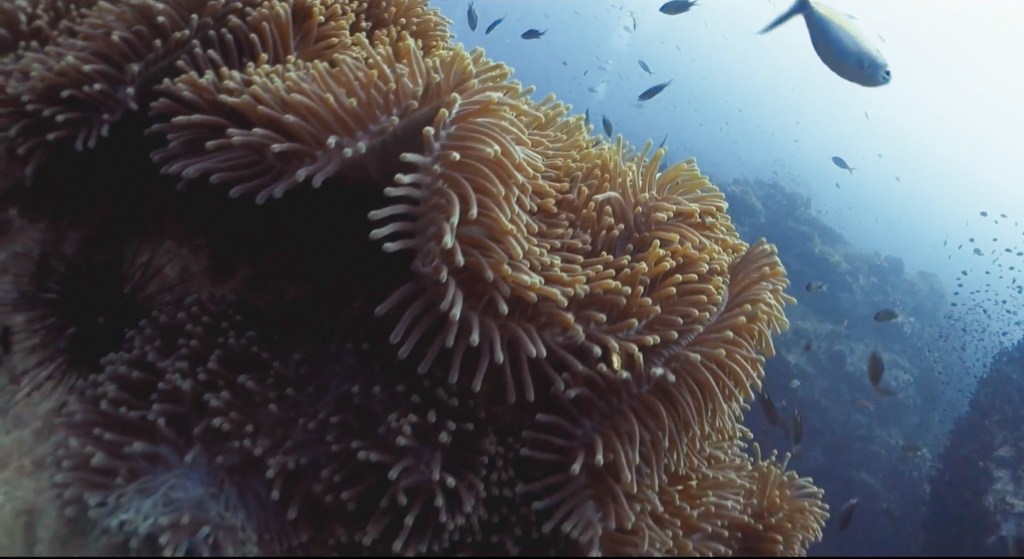

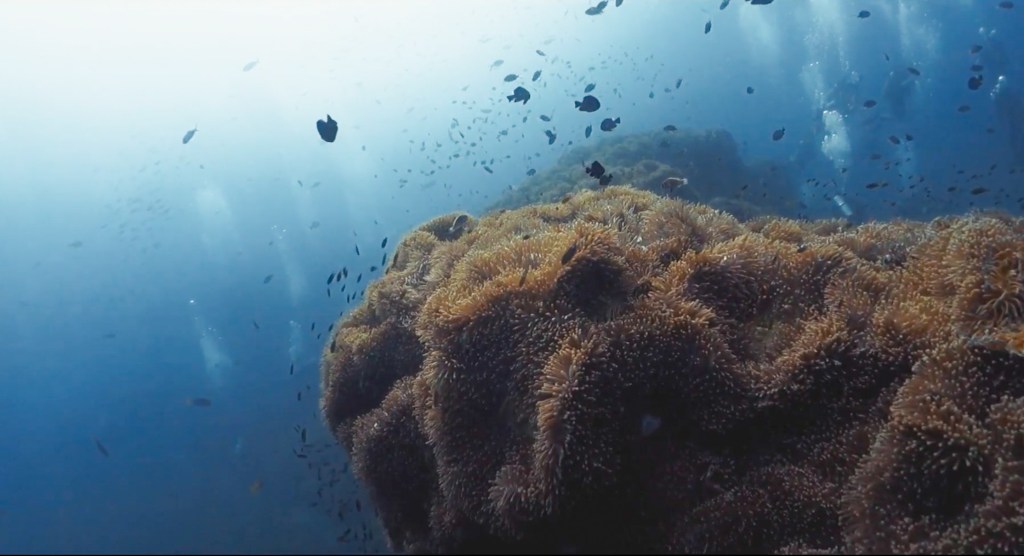


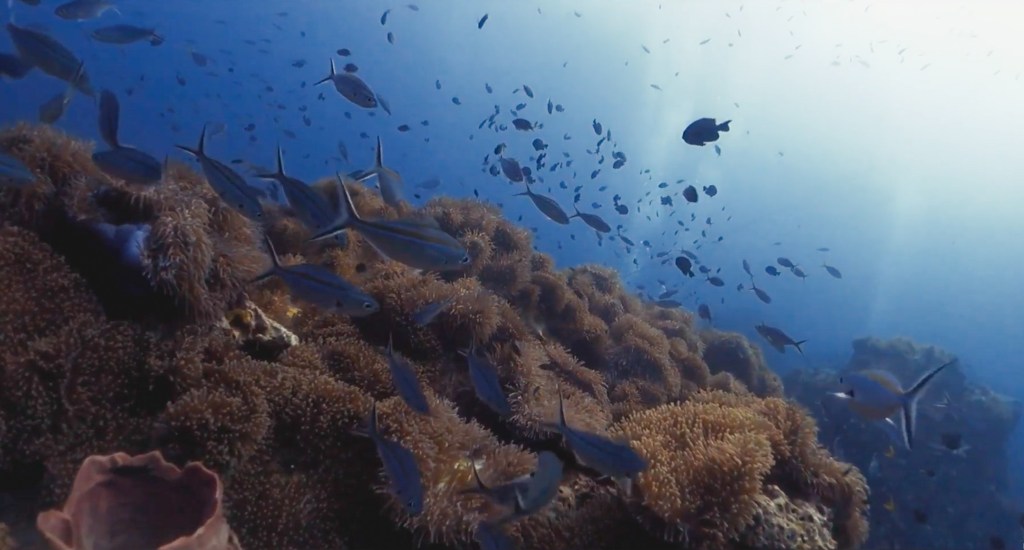


Blacktip shark!


The course focuses on prepping new divers to be able to prepare, use, and take care of the SCUBA equipment, and how to respectfully interact with the marine life underwater. The dive shop I did it with, called Roctopus, was particularly compelling for me as it doubles as a conservation group. Roctopus is very involved with conservation and recycling and they are one of the most active centers when it comes to beach clean ups and clean-up dives working hard to get rubbish out of the water around Koh Tao. They go beyond this by offering conservation training with one, two, and five-week marine conservation programs as well as 8 week Eco trust marine conservation internships and 3 month Eco dive master internships. It was a really wonderful group of people to get my training with, and it made me really want to pursue further training in the future.
As someone who has always felt at home in the ocean, this was a really special experience for me and I hope to continue progressing my diving qualifications so I can continue to explore the ocean more.
After getting my certification, I decided to do some rock climbing and signed up for a lead climbing course. I had a decent amount of experience with bouldering and top-rope climbing, but never lead climbing, and certainly not outdoors.
Some terminology clarification:
Bouldering: A form of free climbing that is performed on small rock formations or artificial rock walls without the use of ropes or harnesses.
Top Rope: A type of rock climbing where the climber is securely attached to a rope that runs through a fixed anchor at the top of the climbing route, and back down to the belayer at the base of the climb. This is what most people picture when they think of gym climbing.
Lead Climbing: A technique in rock climbing where the lead climber clips their rope to the climbing protection as they ascend the climbing route, while their belayer remains at the base of the route belaying the rope to protect the lead climber in the event that they fall.

The majority of rock was granite, which was an entirely new type of rock for me. With a lot of jagged edges, there was a lot of room for friction, which was essential as there were next to no good handholds! Learning to trust the friction of the granite on my feat was a challenge in and of itself, but it was incredibly rewarding once I got the hang of it, particularly when we were welcomed by incredible views from the top of our climbs.


It was a ton of fun to learn a new form of climbing and get some more experience outdoors that I can bring back to my climbing in the States.
I spent the rest of my time on the island snorkeling at the beach and enjoying the scenery and sunsets.


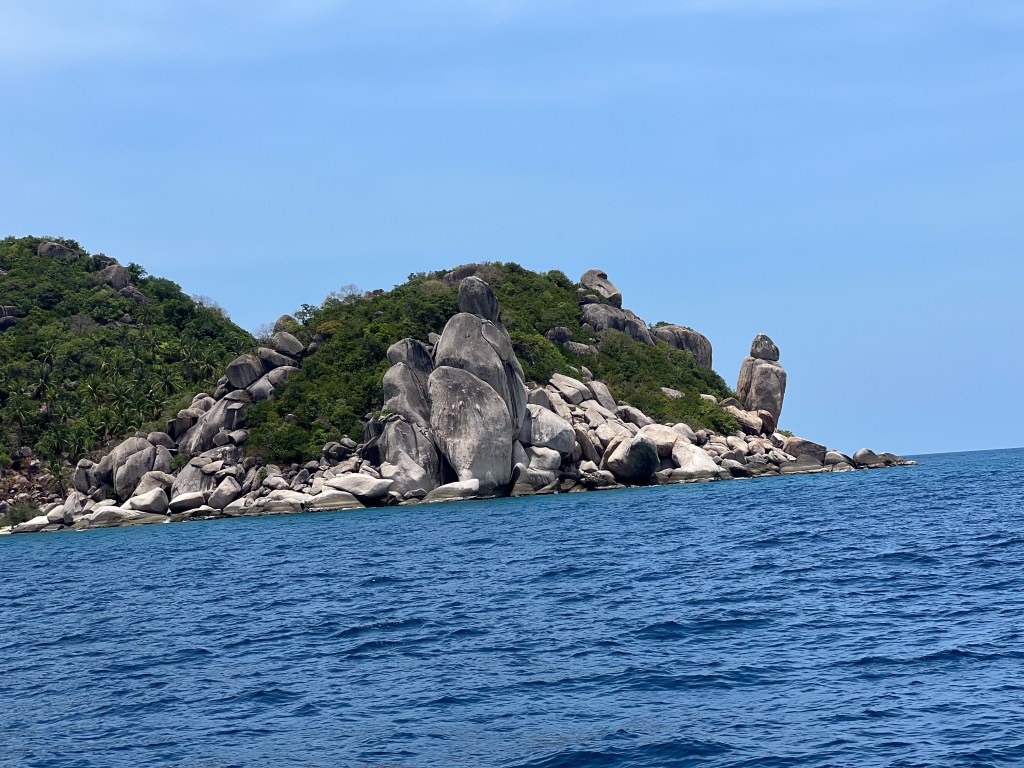
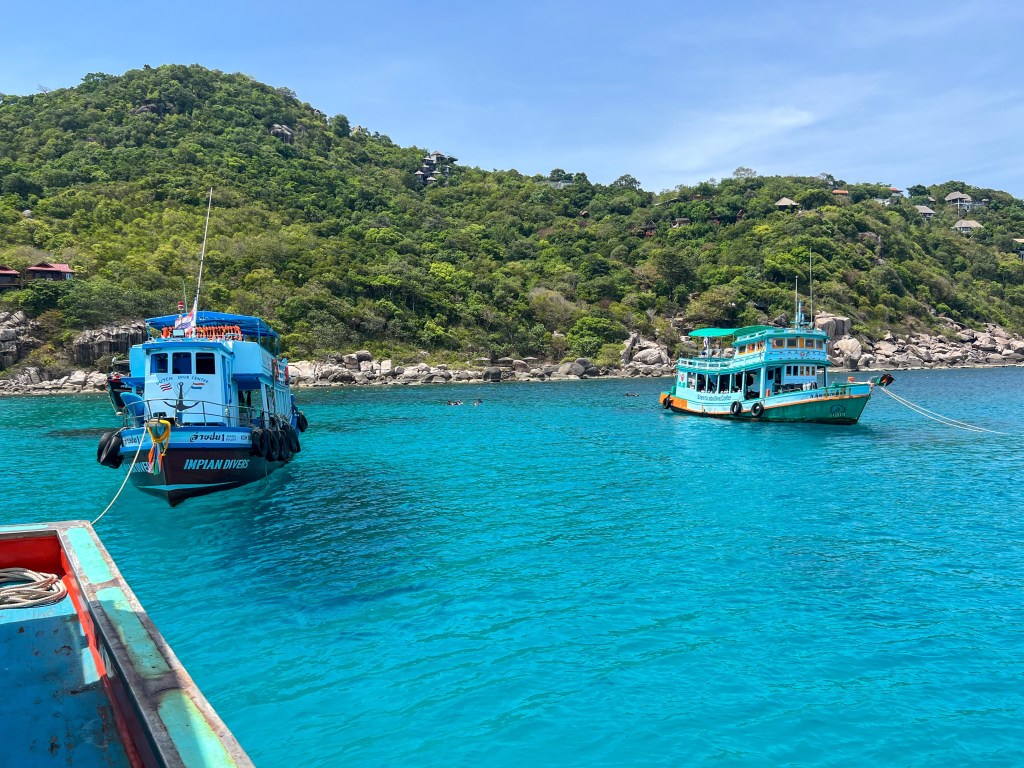


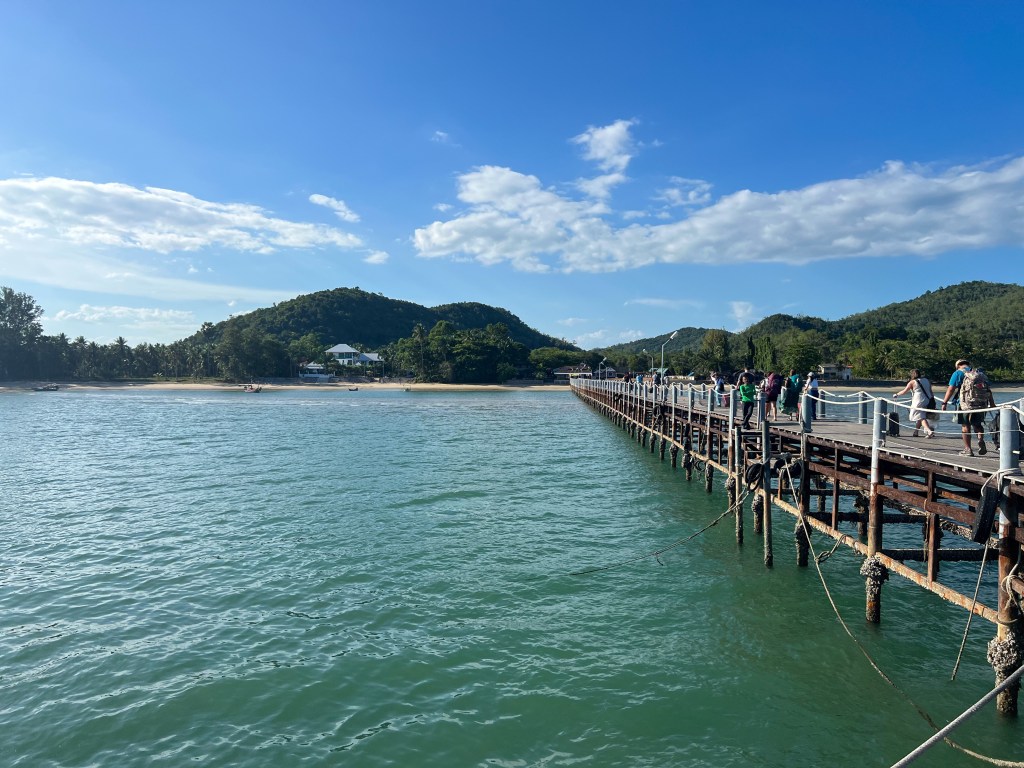


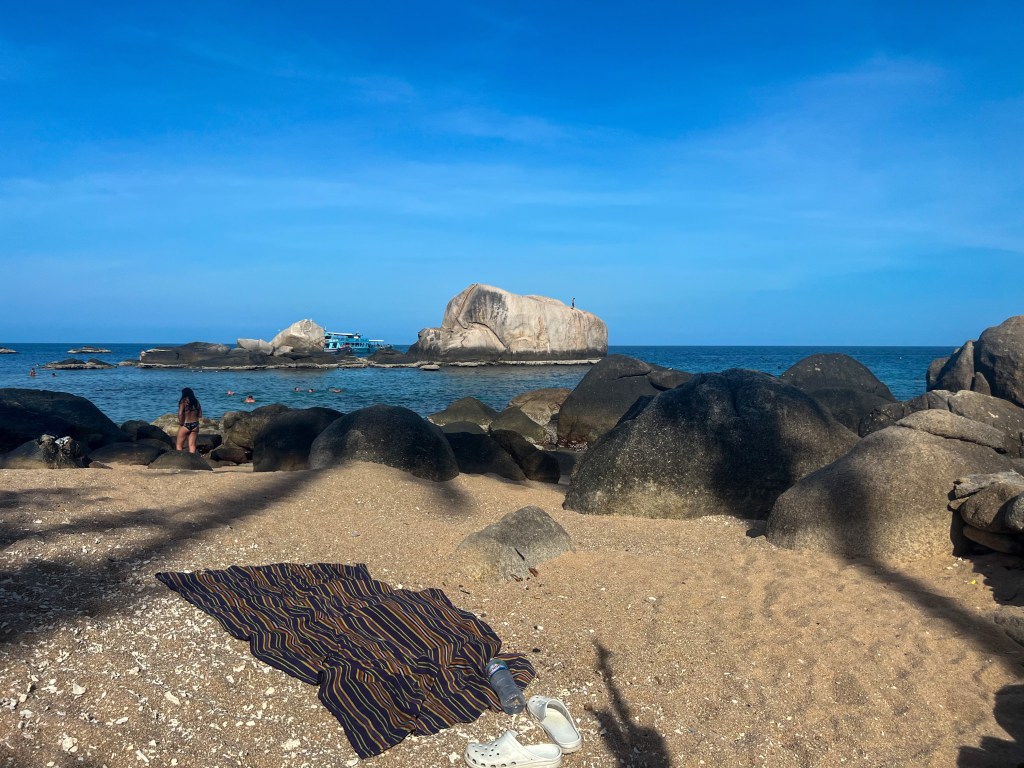
After a week on the island, I begrudgingly left Koh Tao for Bangkok, where I would wrap up my time in Thailand before flying to Japan.
Bangkok
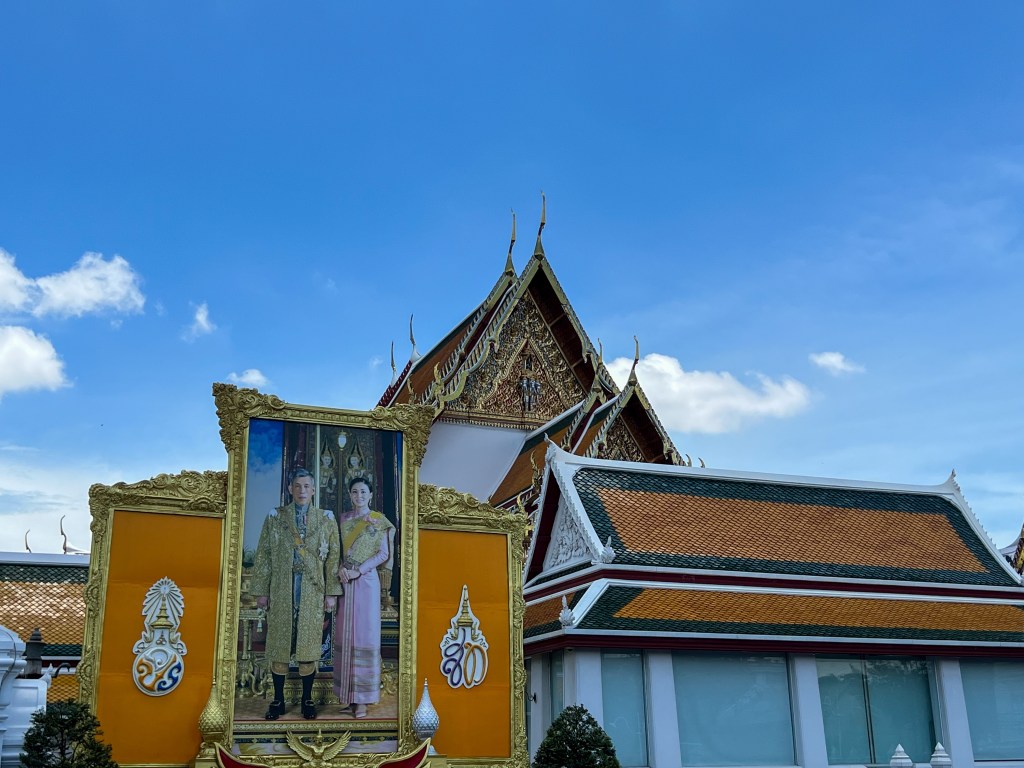
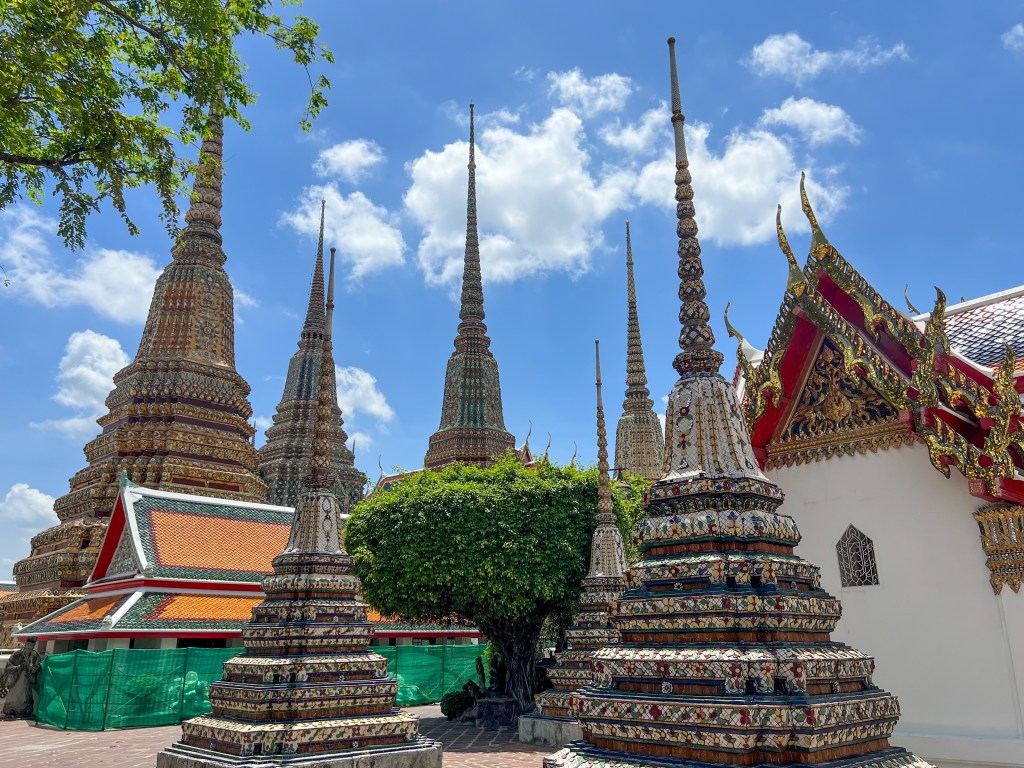
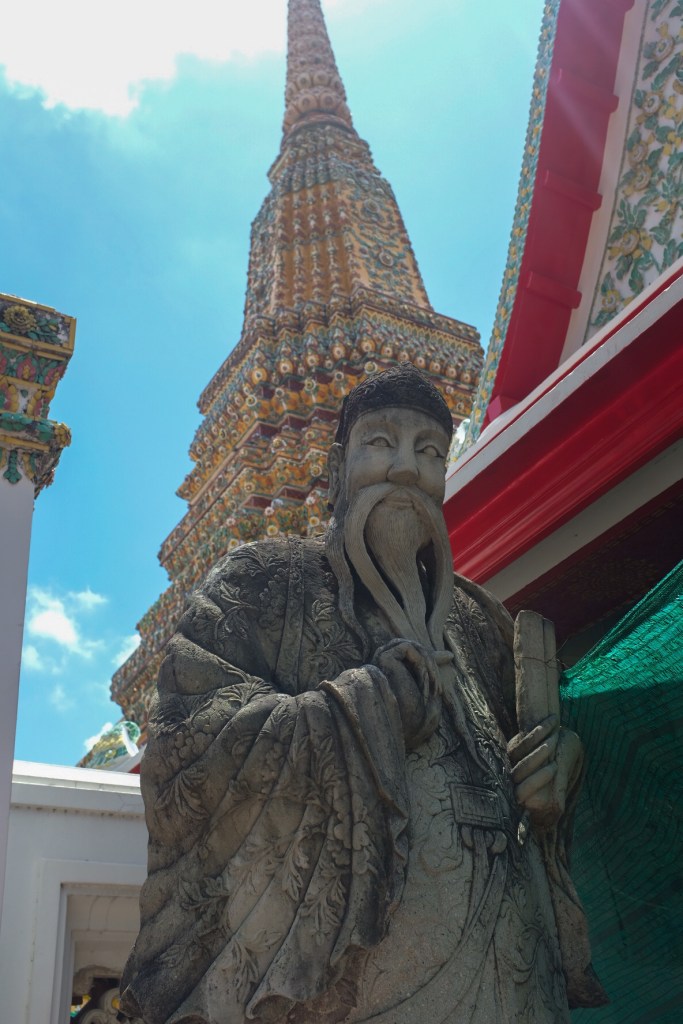
Bangkok, Thailand’s capital, is a large city known for ornate shrines and vibrant street life. The boat-filled Chao Phraya River feeds its network of canals, flowing past the Rattanakosin royal district, home to opulent Grand Palace and its sacred Wat Phra Kaew Temple. Nearby is Wat Pho Temple with an enormous reclining Buddha and, on the opposite shore, Wat Arun Temple with its steep steps and Khmer-style spire.
The city is intense, with an overwhelming amount to offer. With only a few days to explore, I decided to focus on the cafes & restaurants, temples, grand palace, night markets, and the Khlong Lat Mayom floating market.
Fun Fact: Southern Thai food is inspired by Malaysia and Java, where the chilli pepperoni takes the lead in giving dishes a spicy kick. Northern food, on the other hand, has elements of Laos, Burma and China, and the cool climate means that you’ll find a lot of different kinds of vegetables and herbs to elsewhere in the country. Bangkok offers a fusion of both cuisines at its various cafes, restaurants, and night market food stalls.
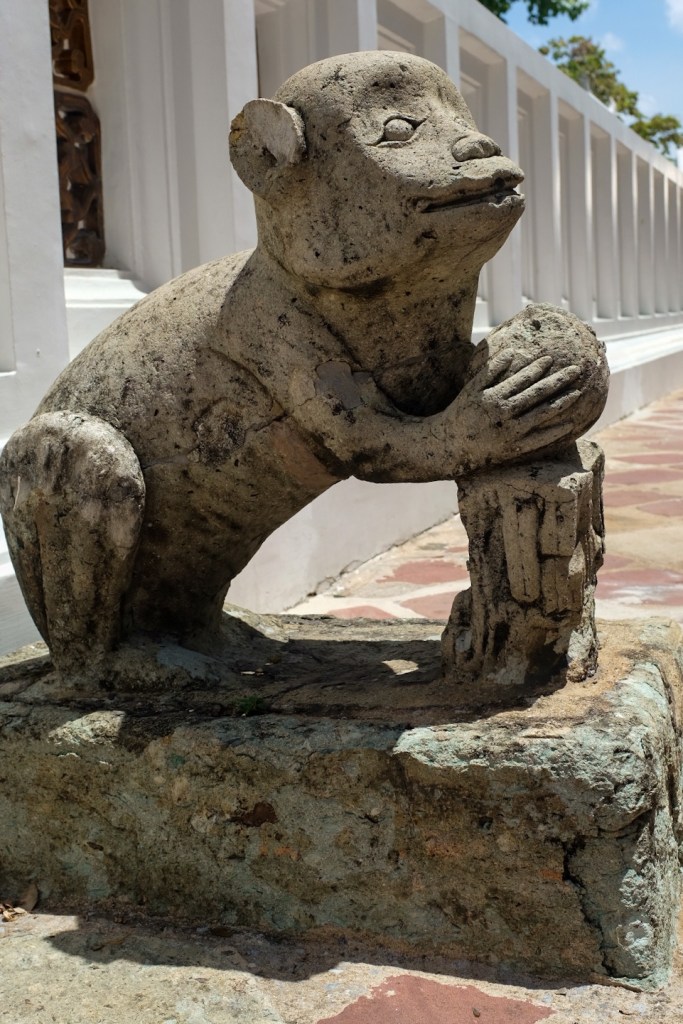
Here is some of what I saw at the temples!






And the floating Markets


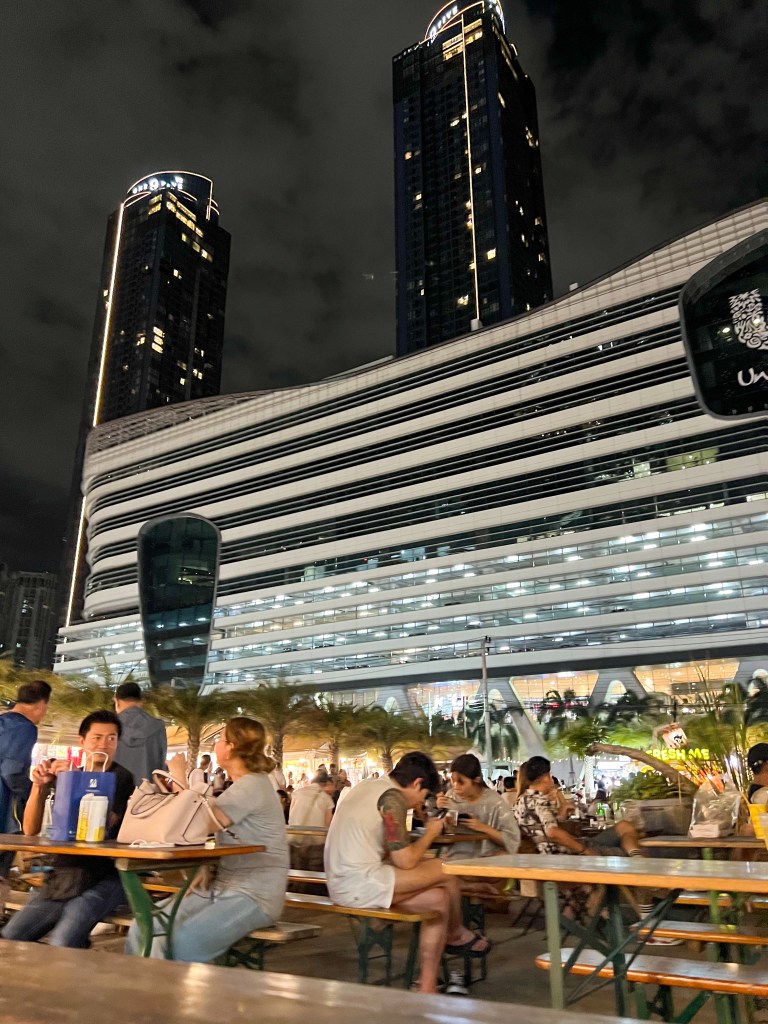
Night Markets-


Conclusion
Thailand is known as a land of smiles, and it certainly does not disappoint.
From the exploding cultural hub of Thailand’s north to the calm, adventure-focused islands in the south, to the bustling chaos of Bangkok, Thailand offers a little bit of everything.
I have more to say but WordPress is overloaded with all the media I just posted so I will need to leave it at that. I will write more on my book post on my experiences in Thailand.
See you next week, as I wrap up my 6 month journey in Japan.
Sam
 Sam on Sabbatical
Sam, I feel like I’m almost there with you! I can’t get over how adventurous you are, from scuba diving to rock climbing.
LikeLike