After my 3 weeks racing around Vietnam, I knew I needed a bit of a rest before I raced to the finish line of my trip. I wanted a place where I could chill out, hang out a cafe, and watch the world go by. Knowing I only had about a week to get a taste of Laos, I also wanted to settle in somewhere I could really get to know (a method I’ve found is the best for getting to know a country). Luang Prabang was that place.
Luang Prabang: Laos’ Golden City
Louangphabang (commonly transliterated into Western languages from the pre-1975 Lao spelling ຫຼວງພຣະບາງ as Luang Prabang, literally meaning “Royal Buddha Image”, is a city in north central Laos, made up of 58 adjacent villages. It is dubbed a UNESCO World Heritage Site, due to its well preserved architectural, religious, and cultural heritage – coupling French colonial influence with its Buddhist core. Luang Prabang is well known for its many Buddhist temples and monasteries – Wat Chom Si, Wat That Luang, and Wat Xiengthong to name a few. Every morning, hundreds of monks from the various monasteries walk through the streets collecting alms, often consisting of sticky rice. More on that later. The area was established around the 6th century CE by the Mon peoples, forming the Dvaravati Kingdoms. The city states, which were different from one another politically, were linked culturally, and around the 8th century CE were introduced to Theravada Buddhism by missionaries from Sri Lanka. In 1707, the Lan Xang dynasty, which ruled the area since 1353, collapsed and Luang Prabang became the capital of the independent Kingdom of Luang Prabang. From 1893-1956, the French annexed Laos and recognized Luang Prabang as the royal residence of Laos. Luang Prabang remained the royal capital until 1975, when the Pathet Lao communist forces seized power with North Vietnamese support and dissolved the monarchy, establishing Vientiane as the new capital.
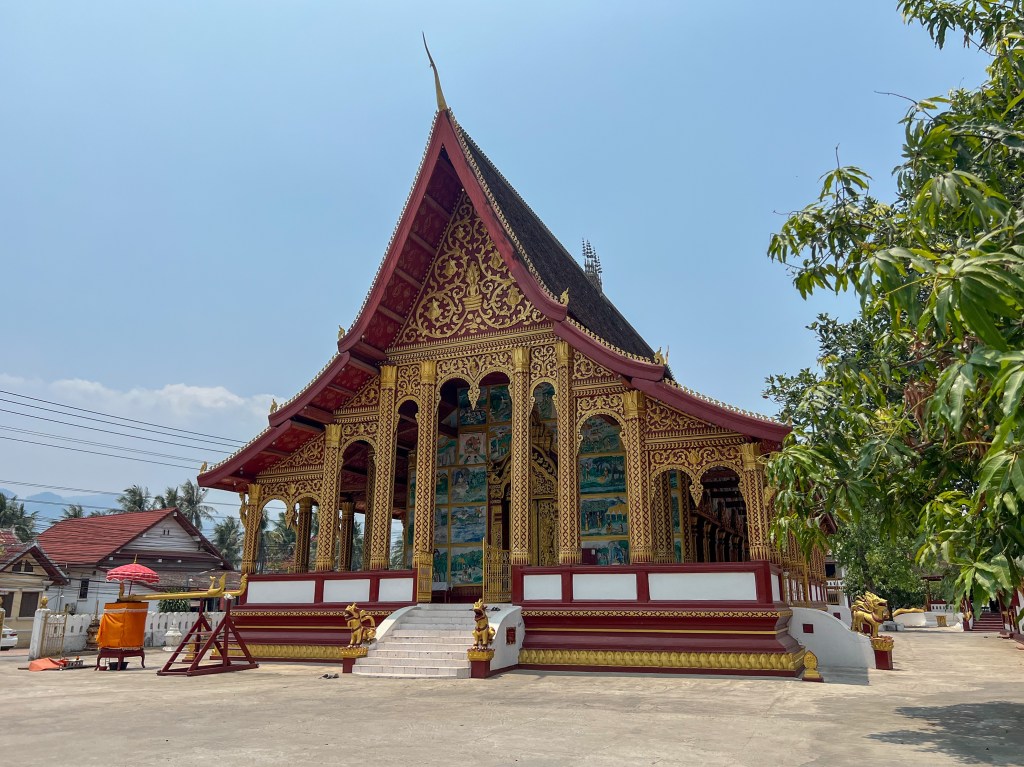
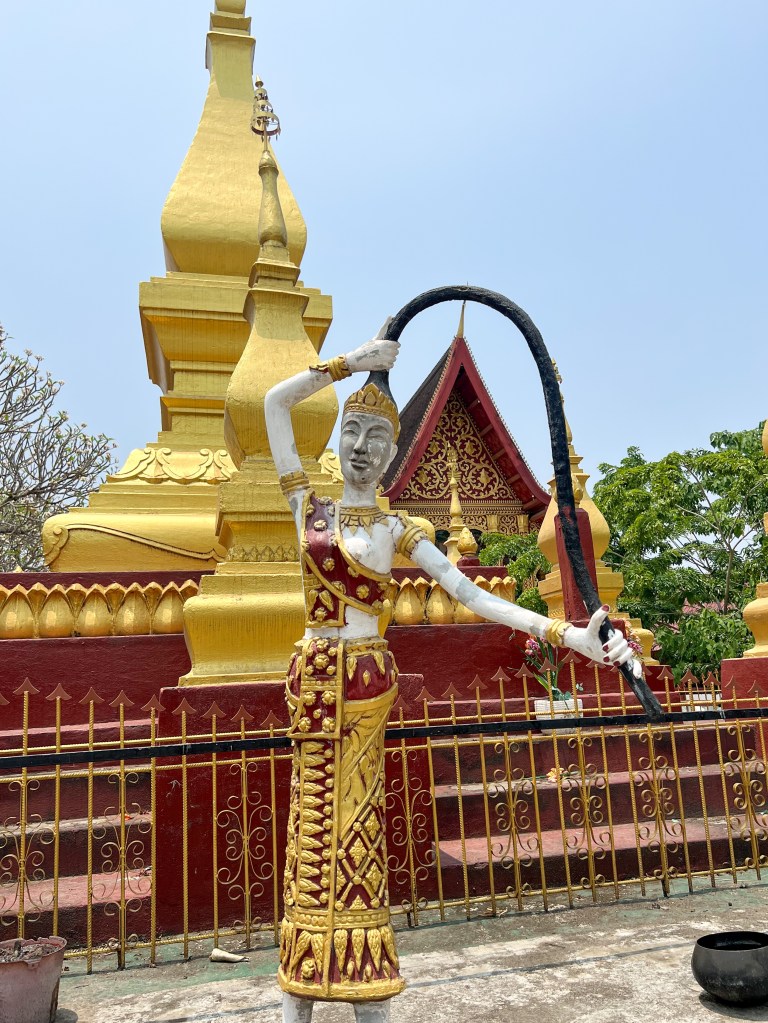
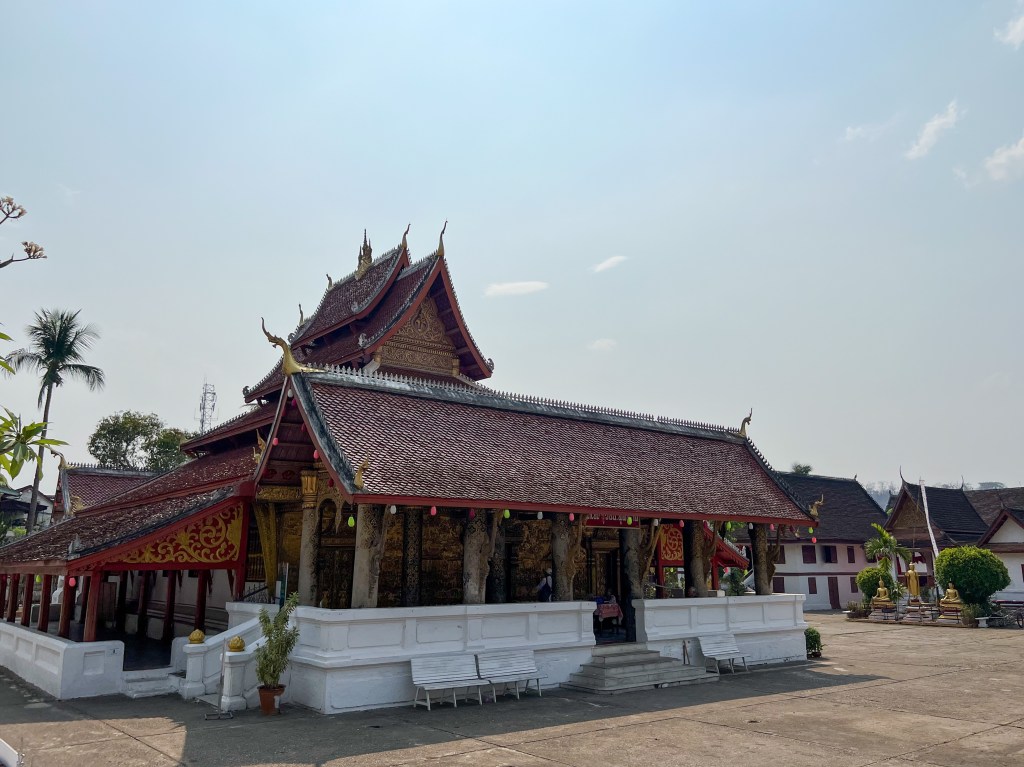
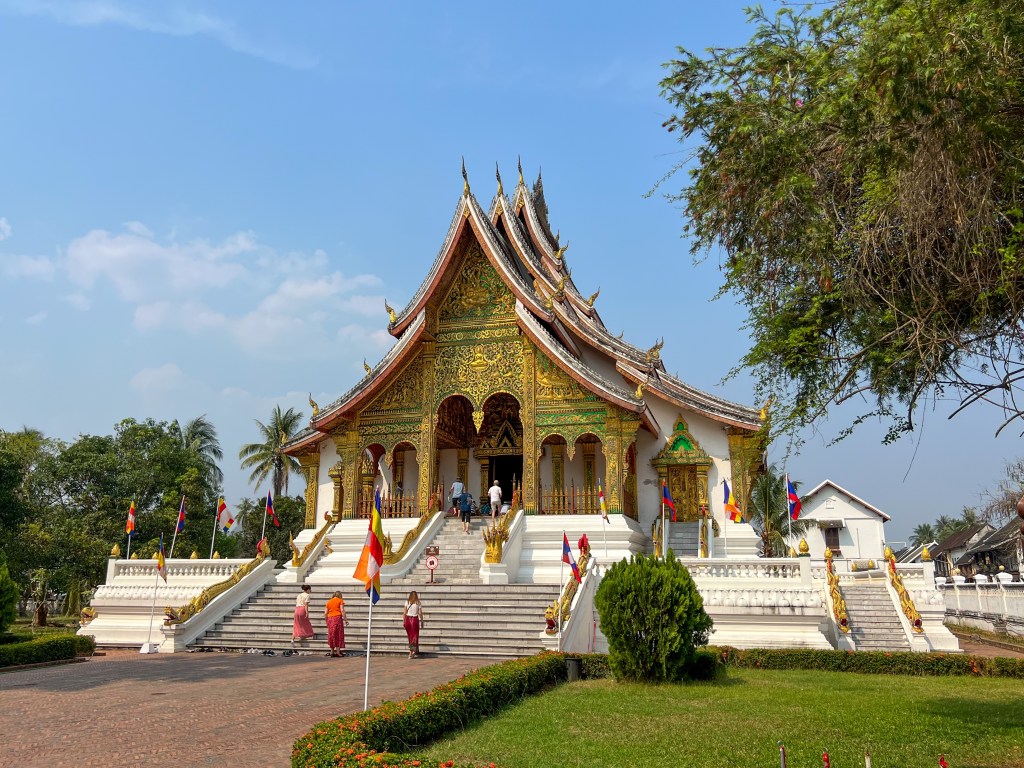
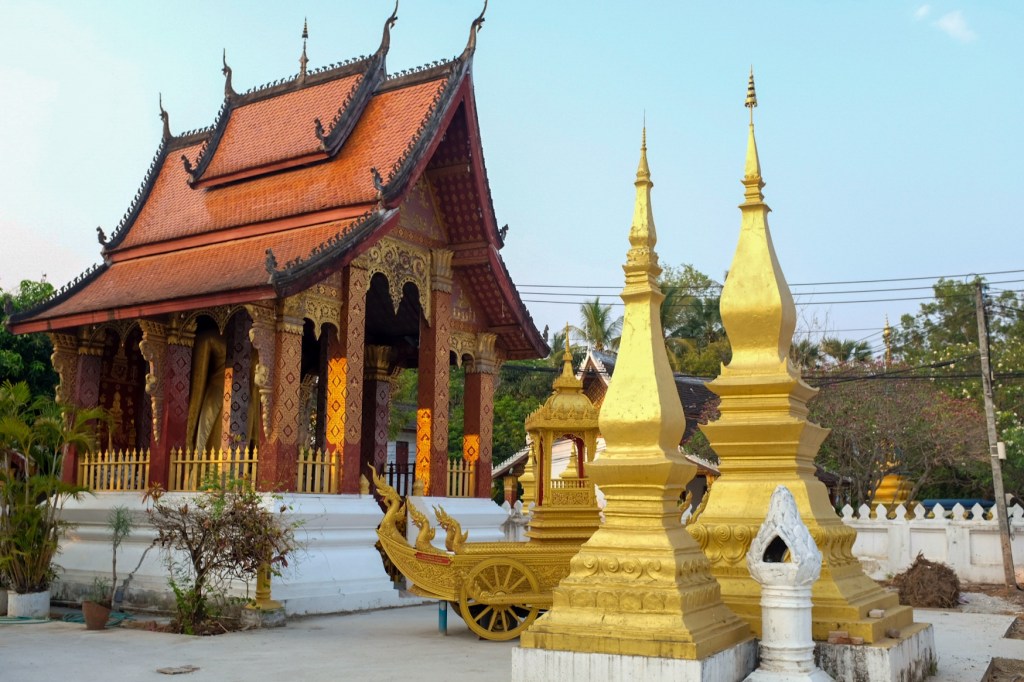
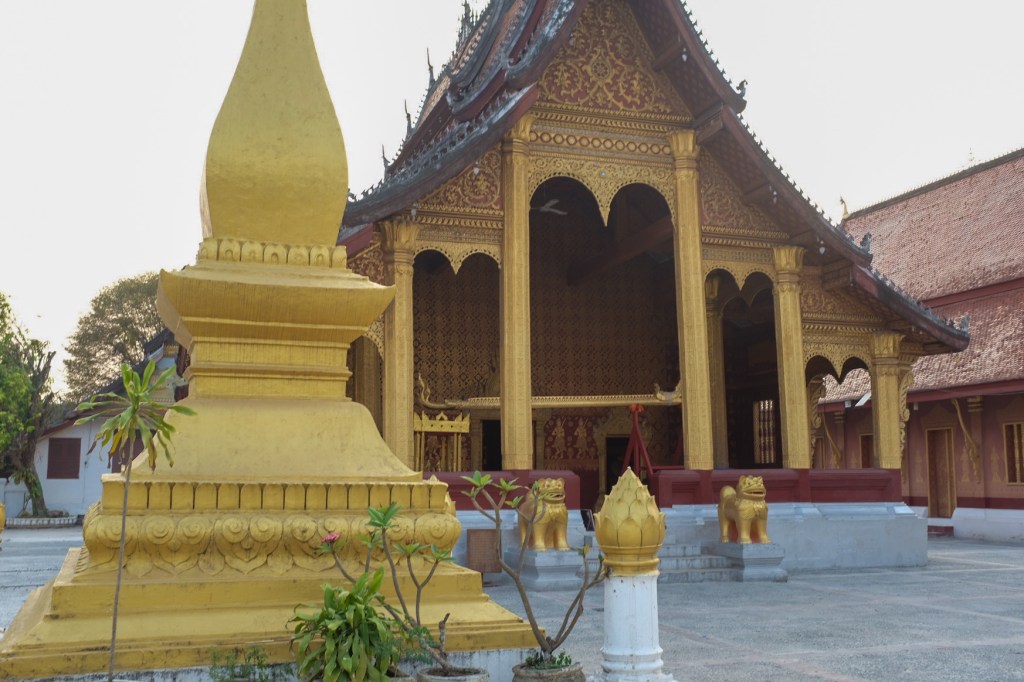
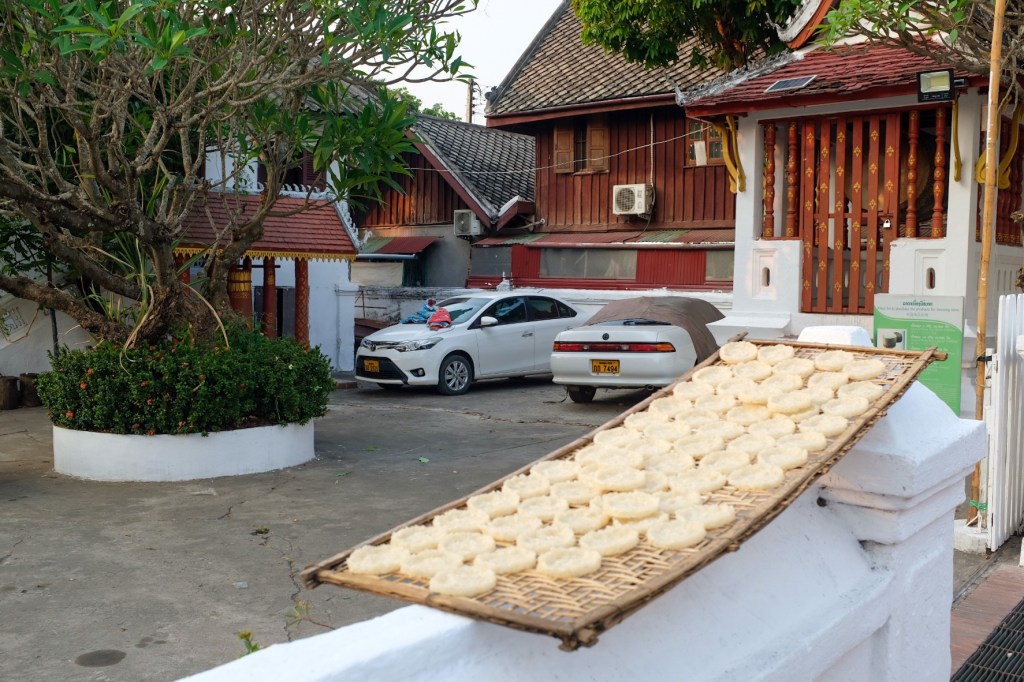
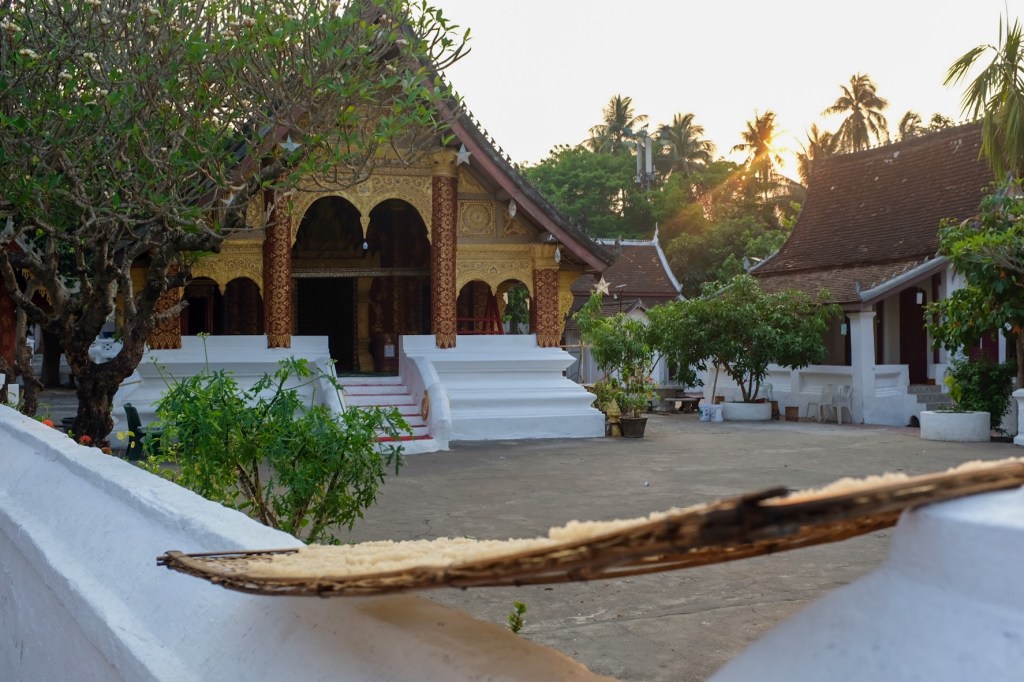
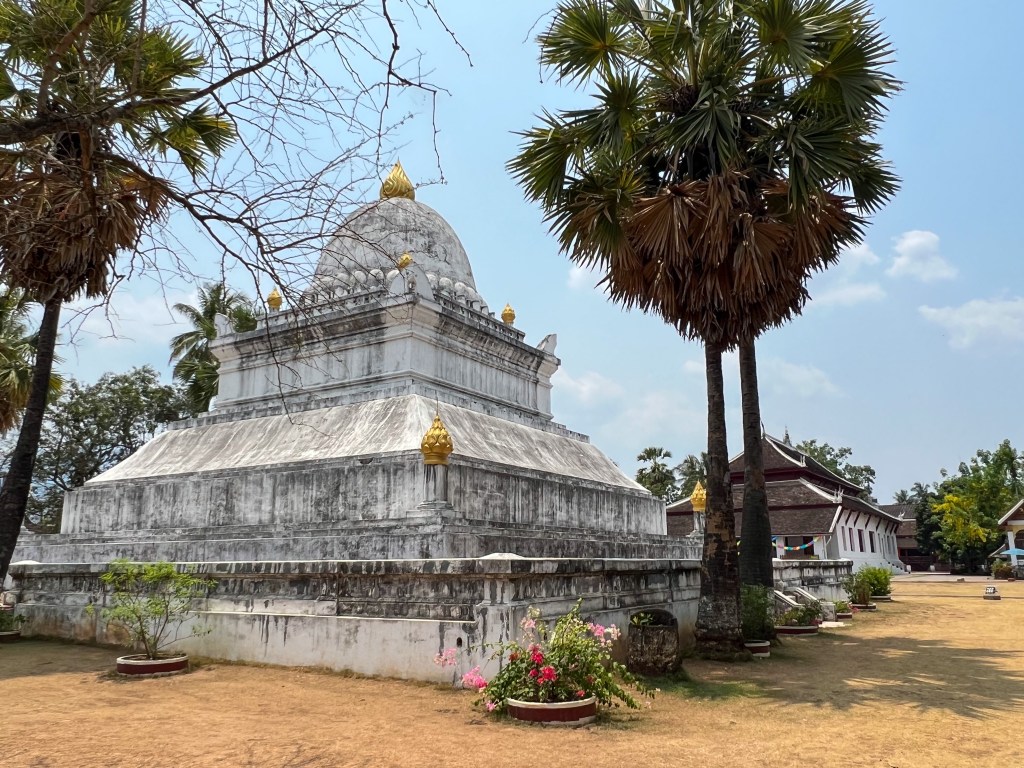
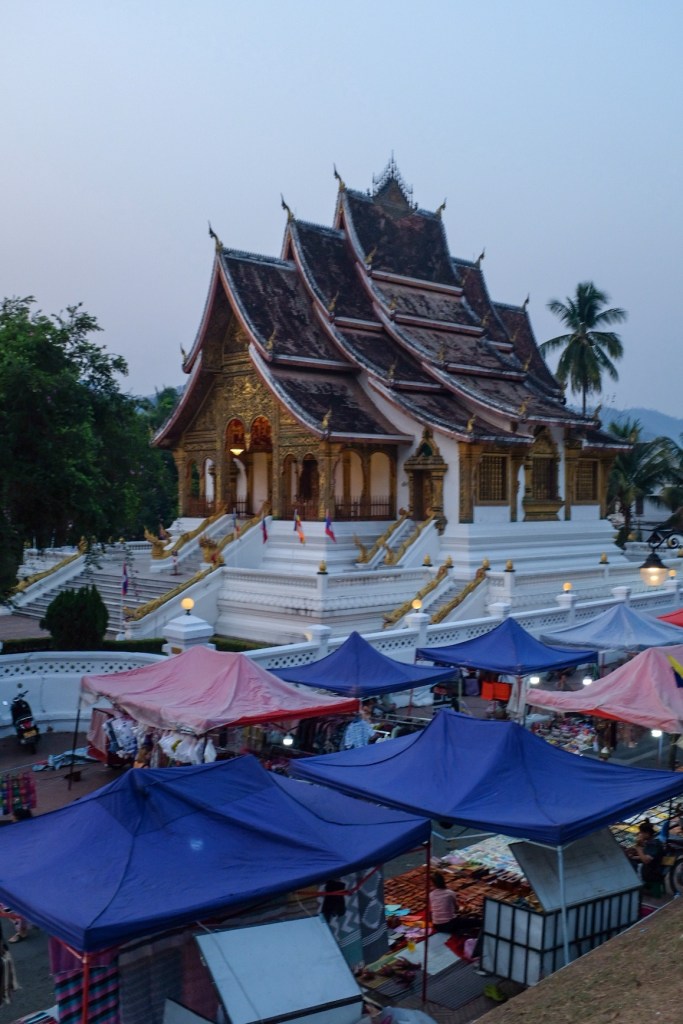
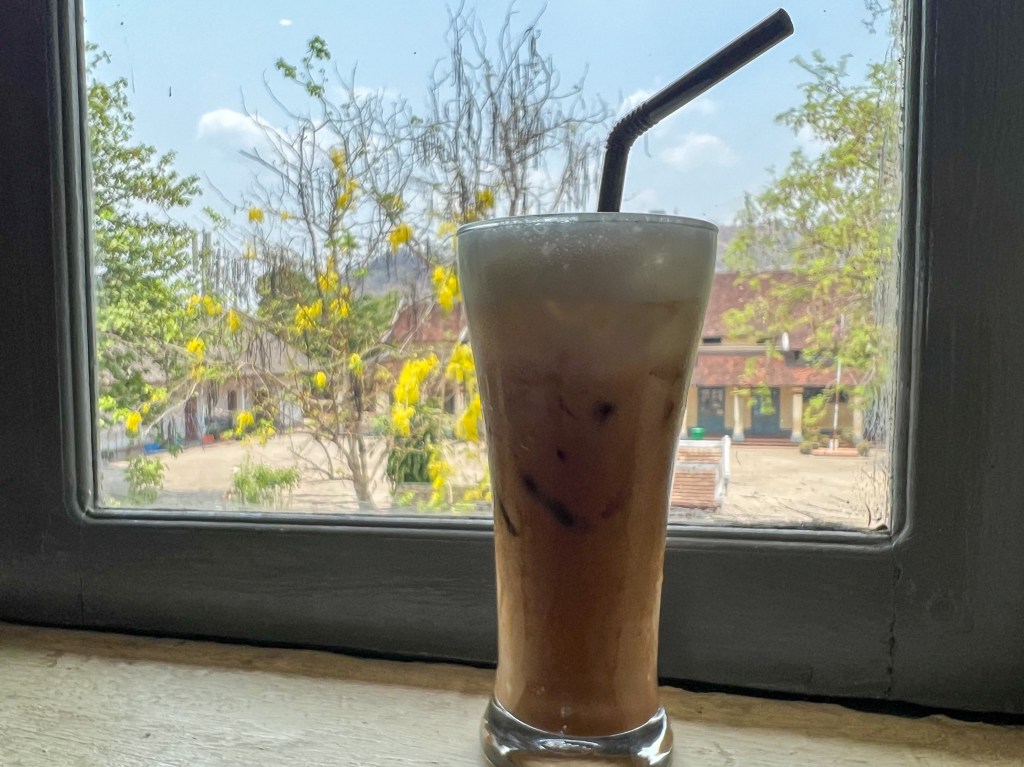
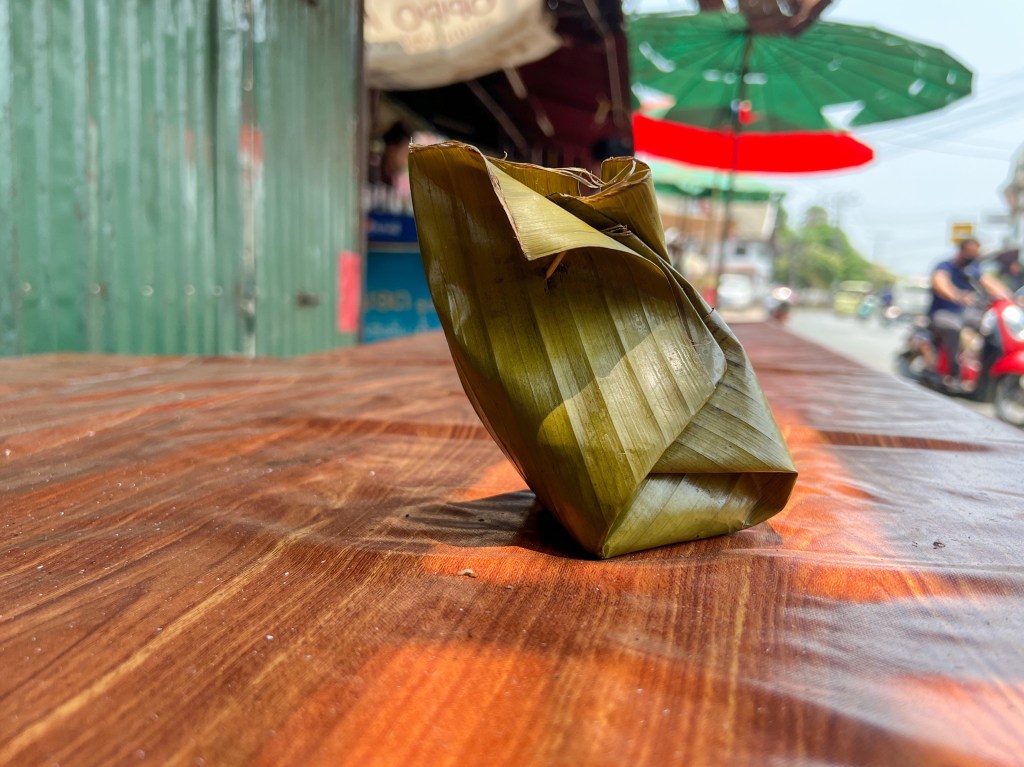
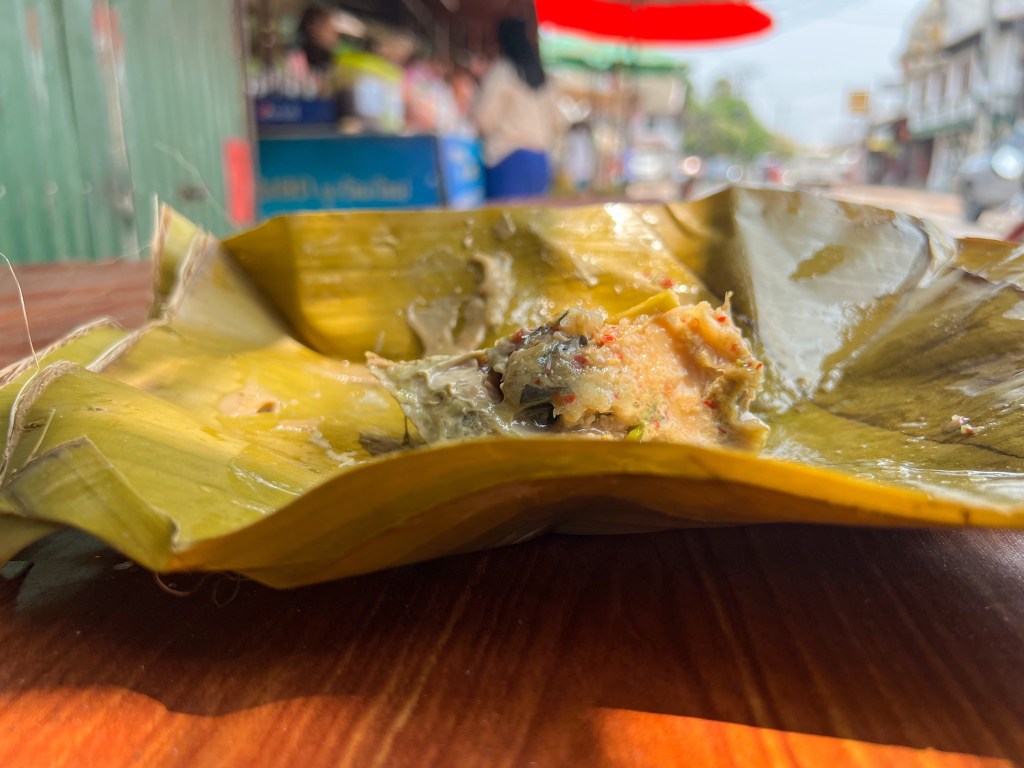
Over my first few days in Luang Prabang, I wat hopped through the town, explored the dozens of coffee shops sprinkled around, and ate lots of food.
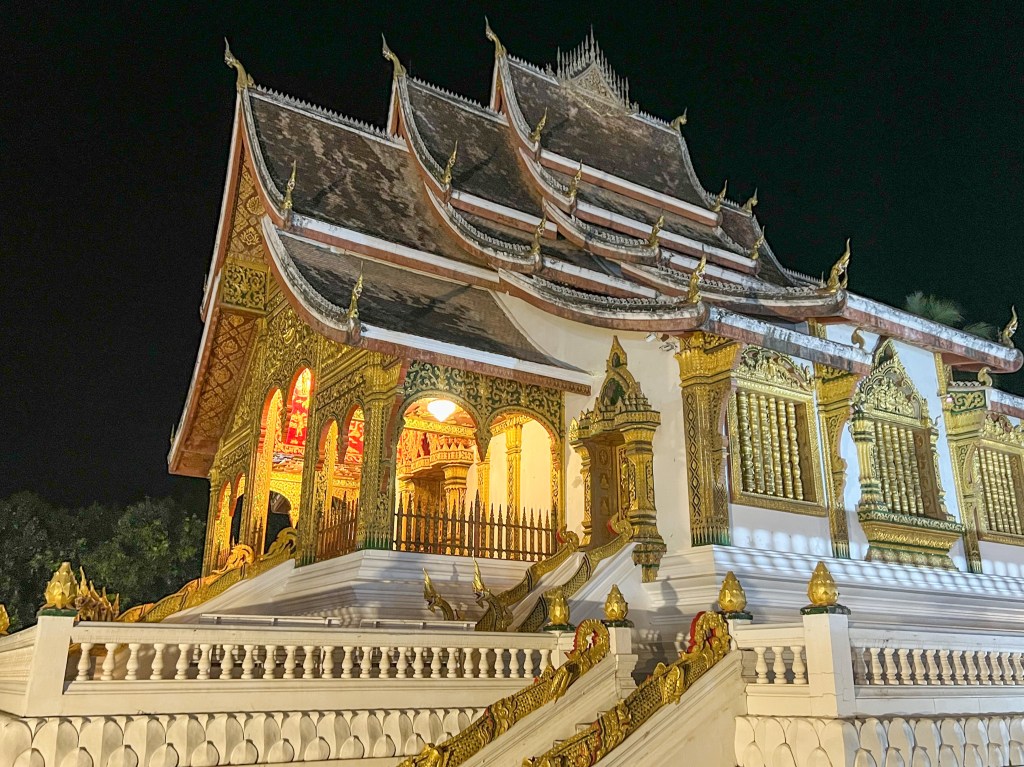
Wats-

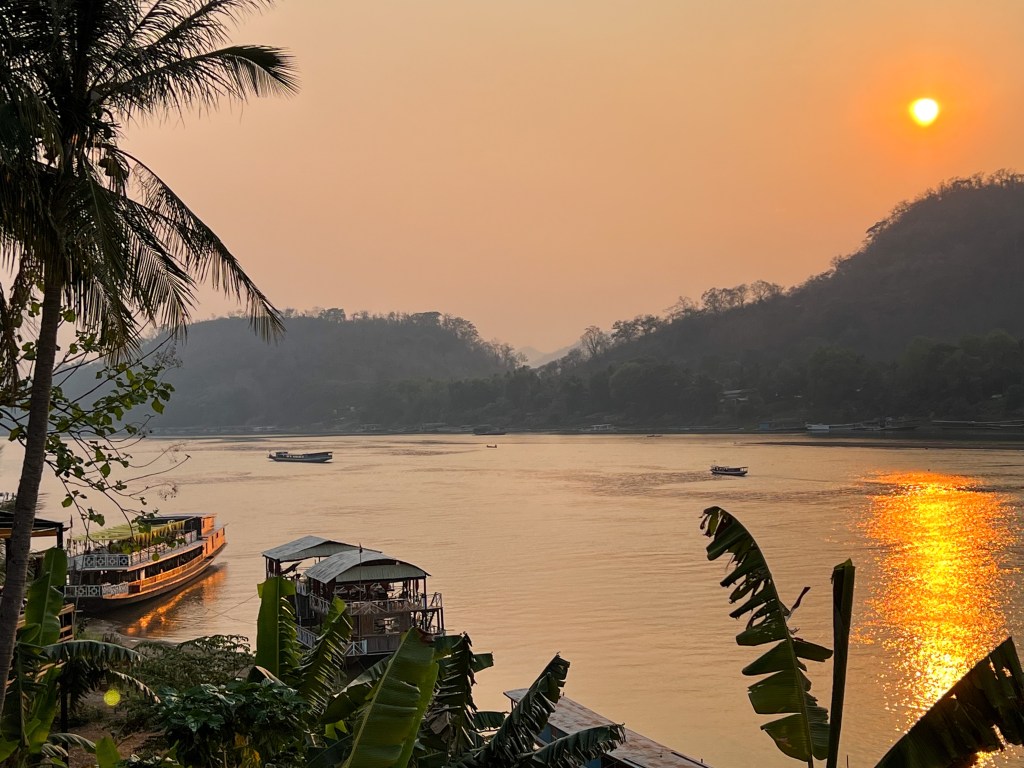
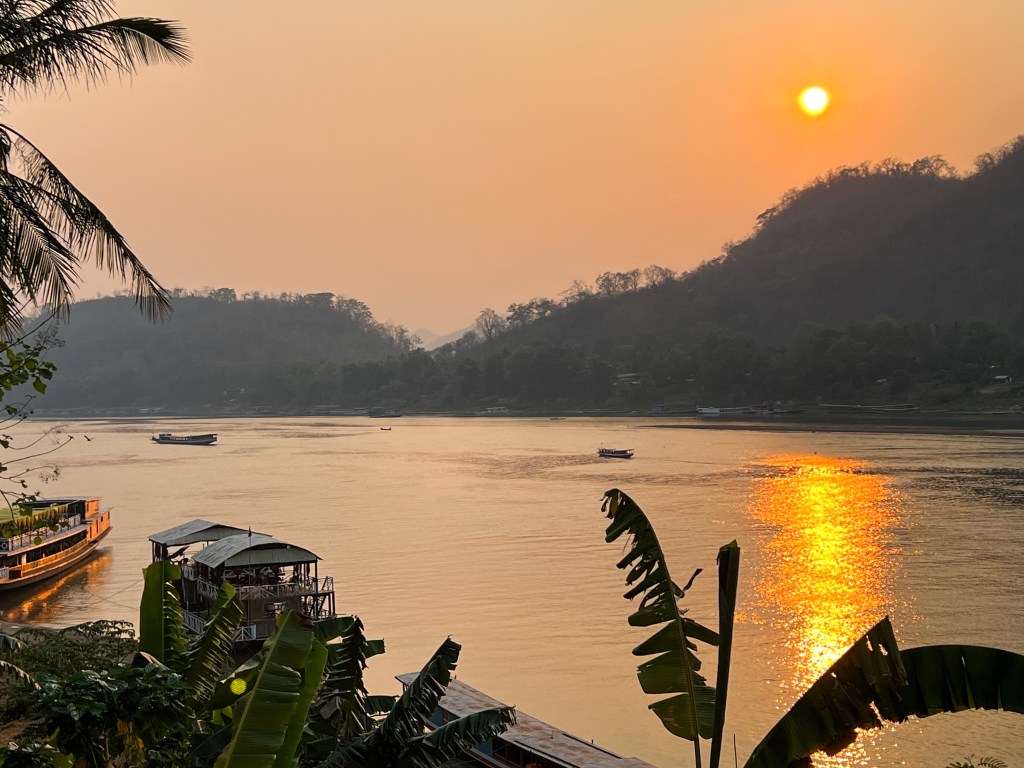
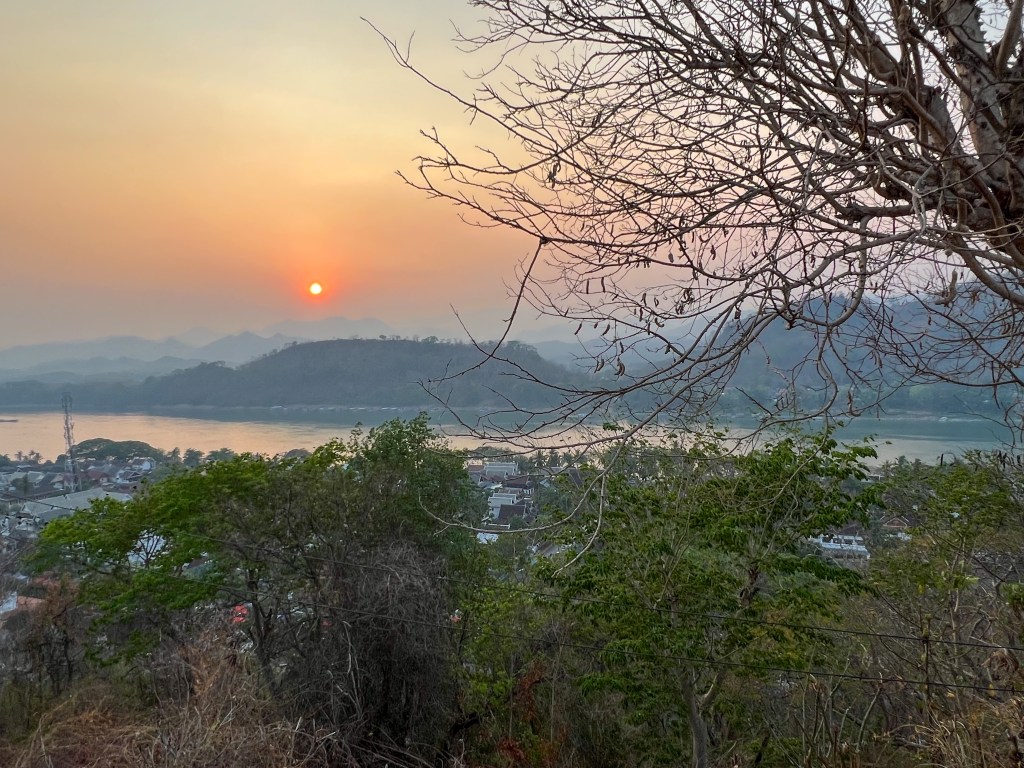
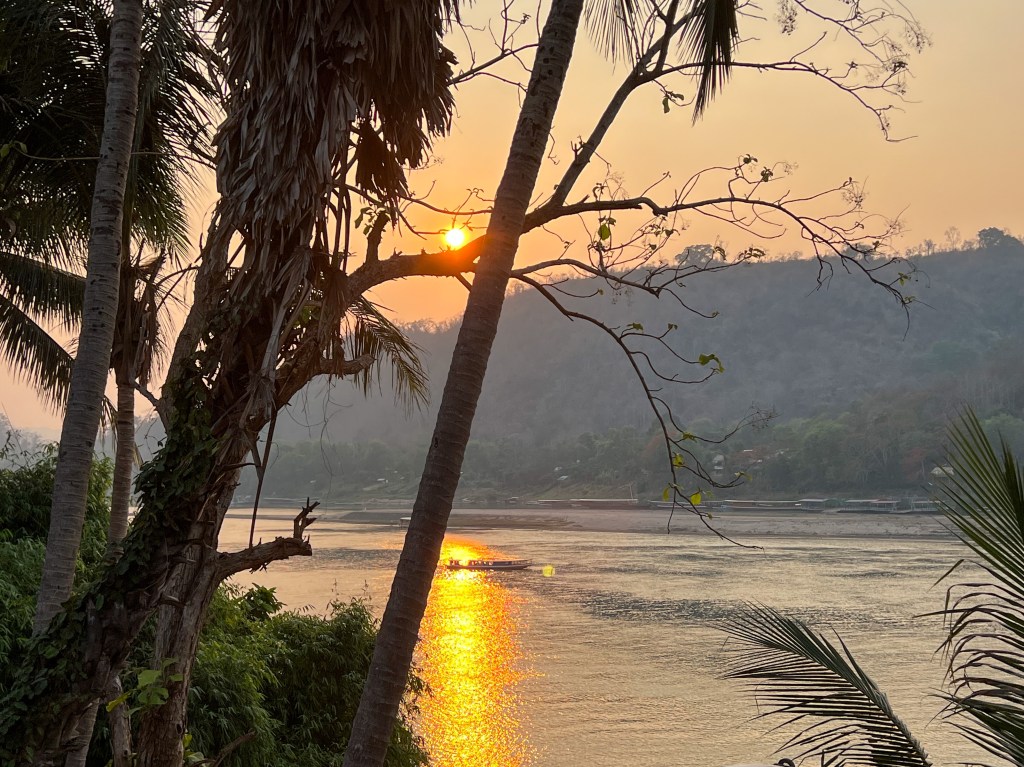
Sunset over the Mekong River.
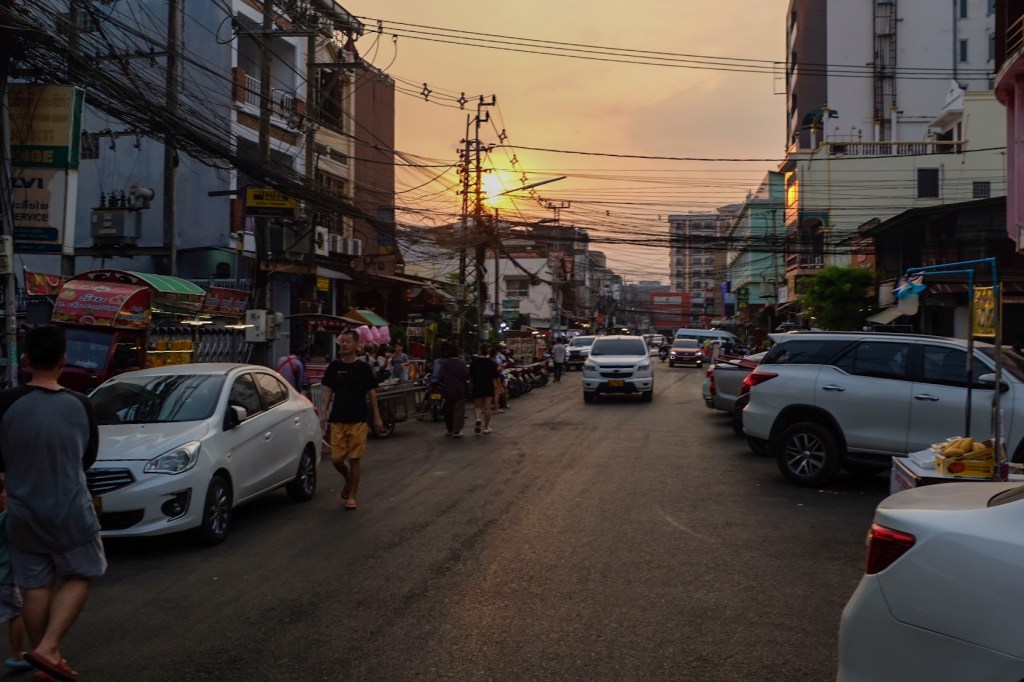
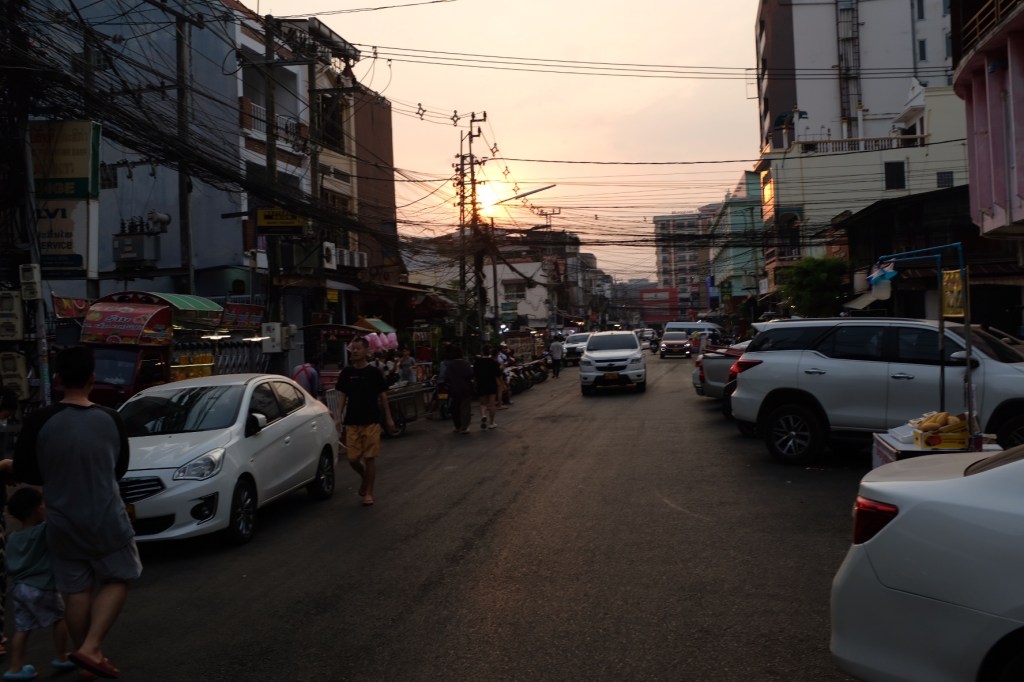
Night market
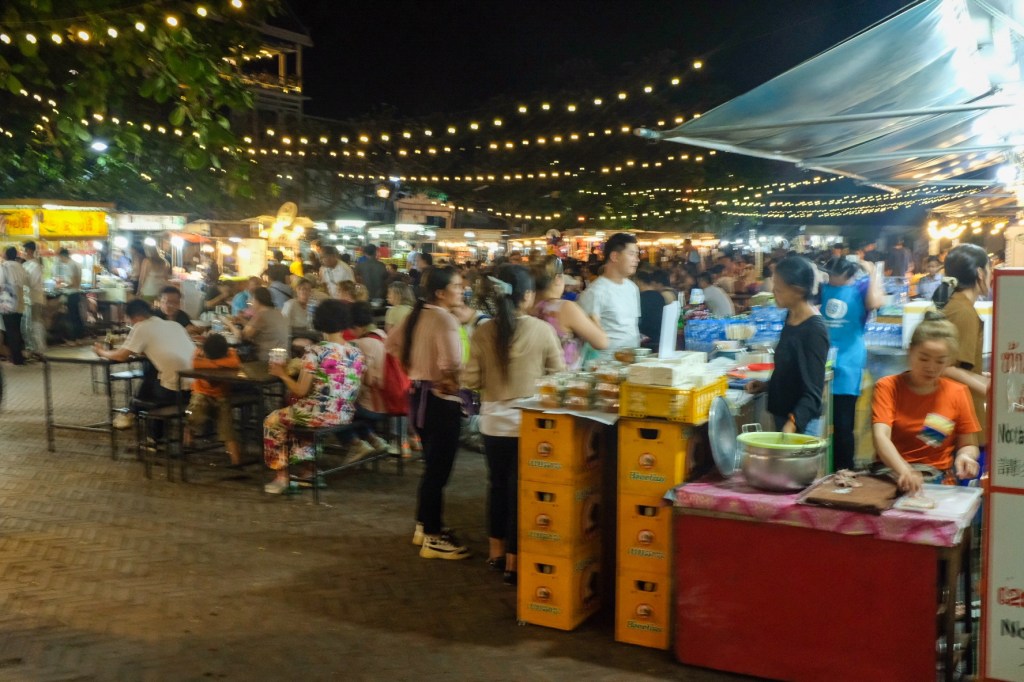

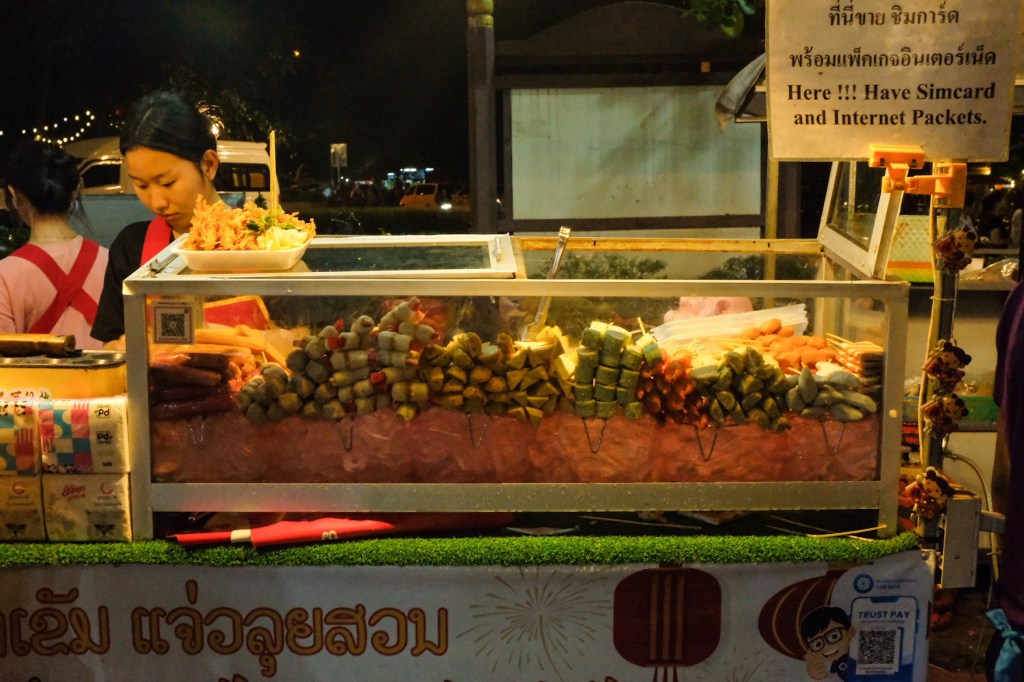
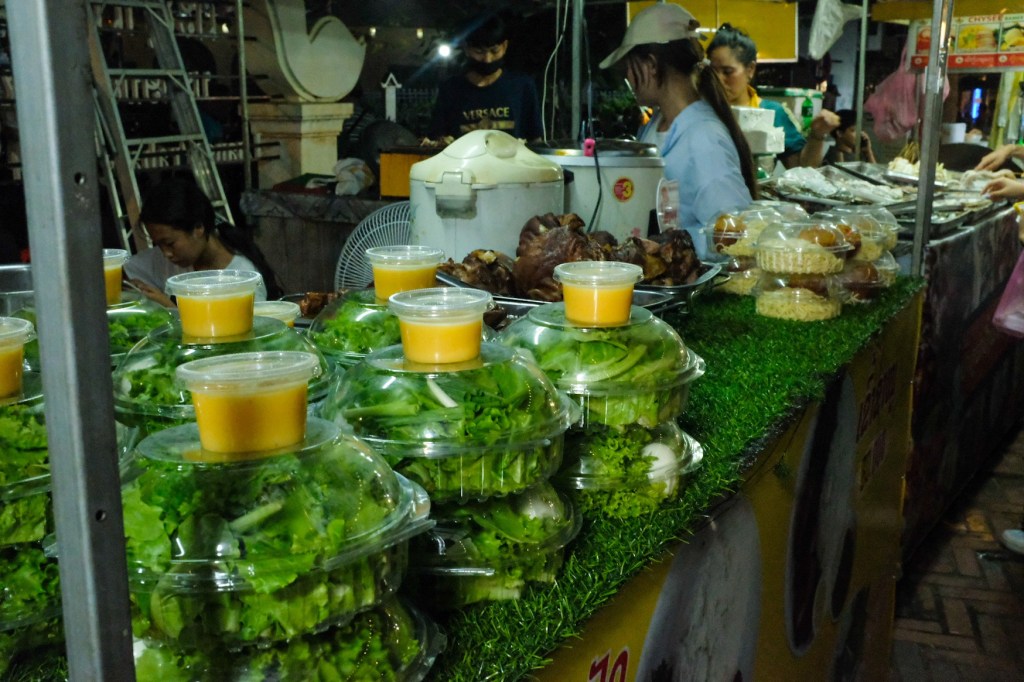
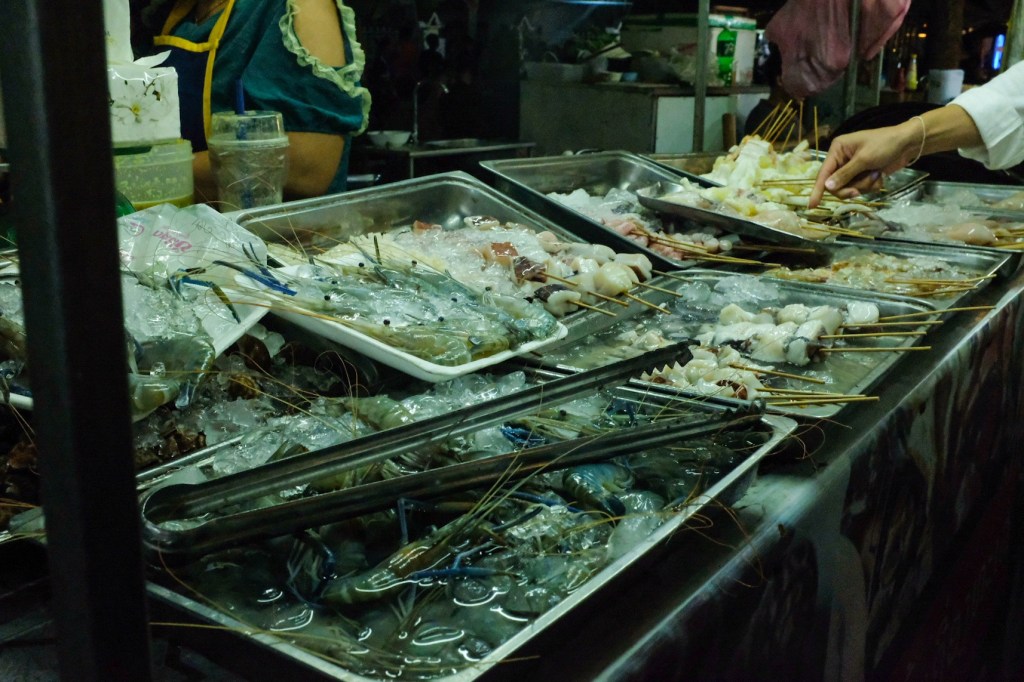
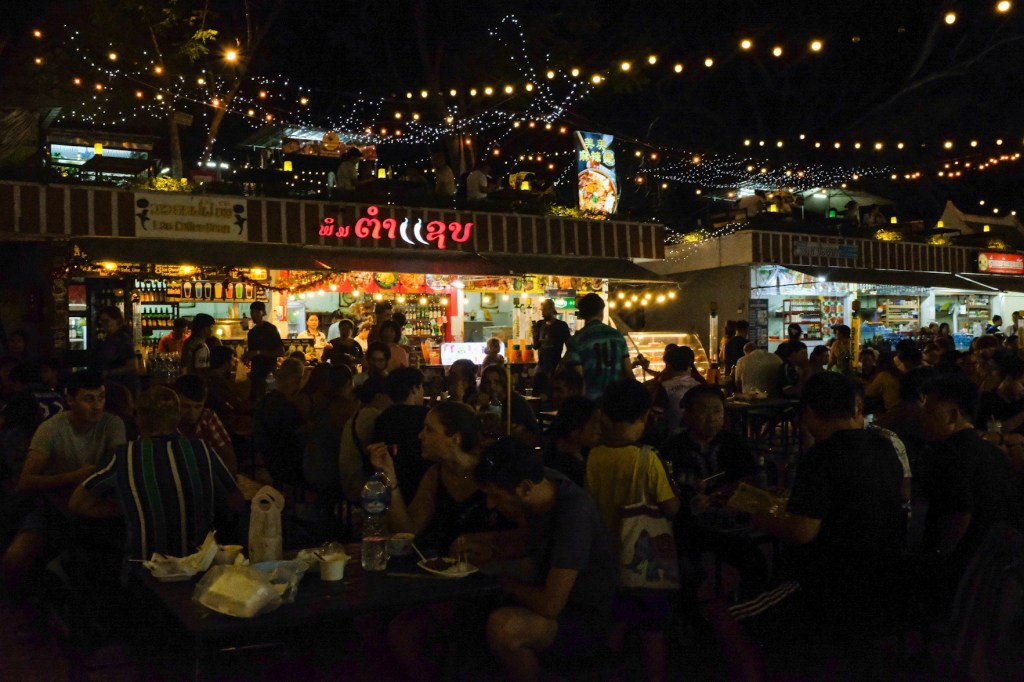
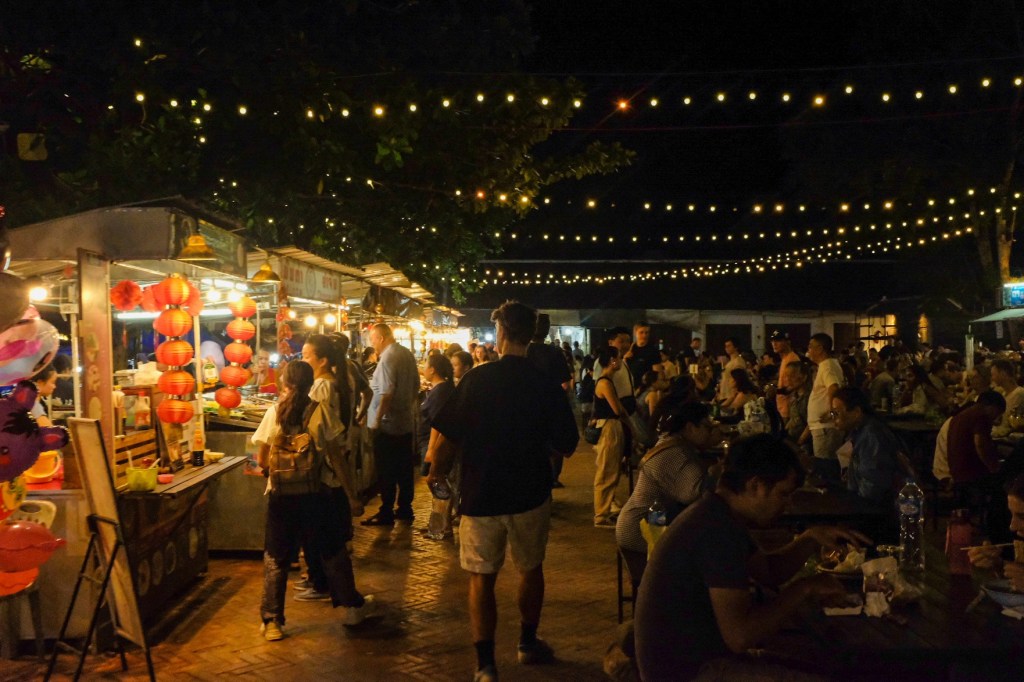
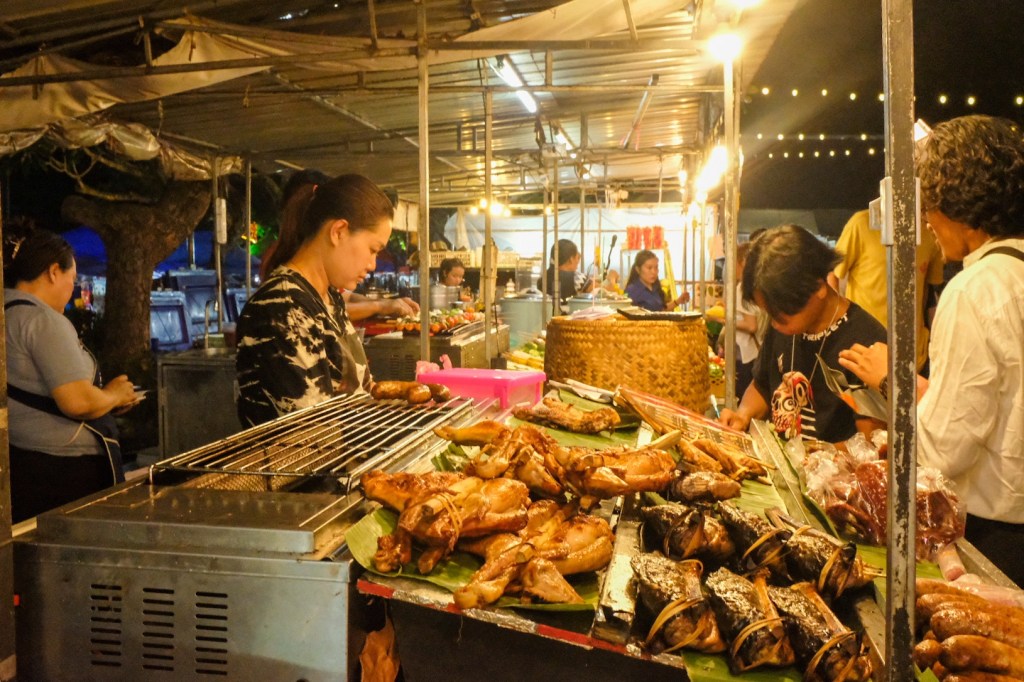
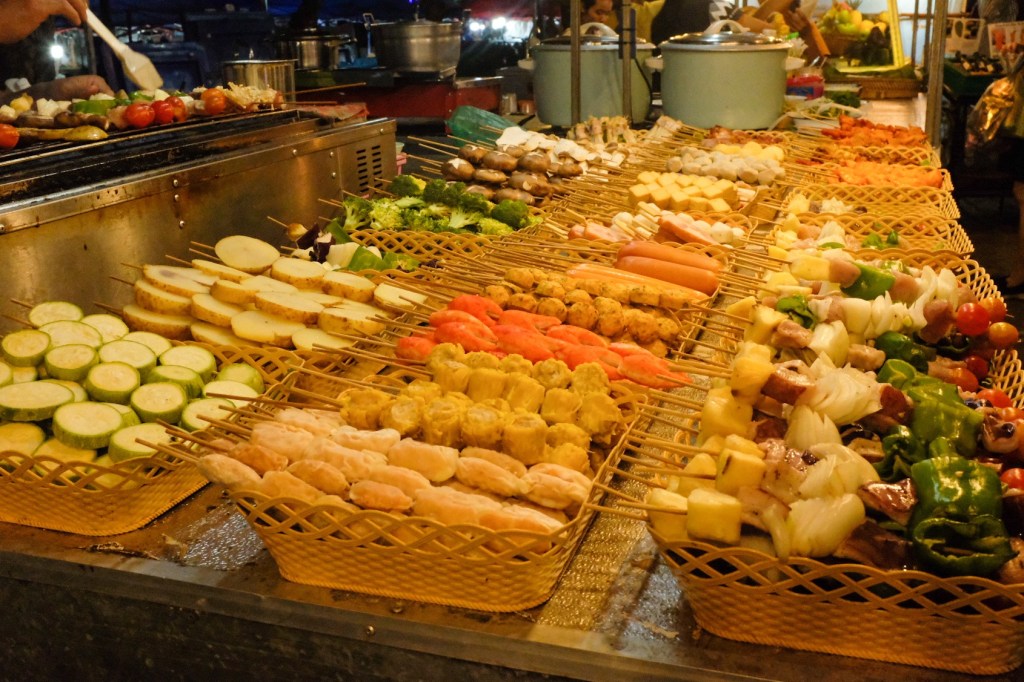

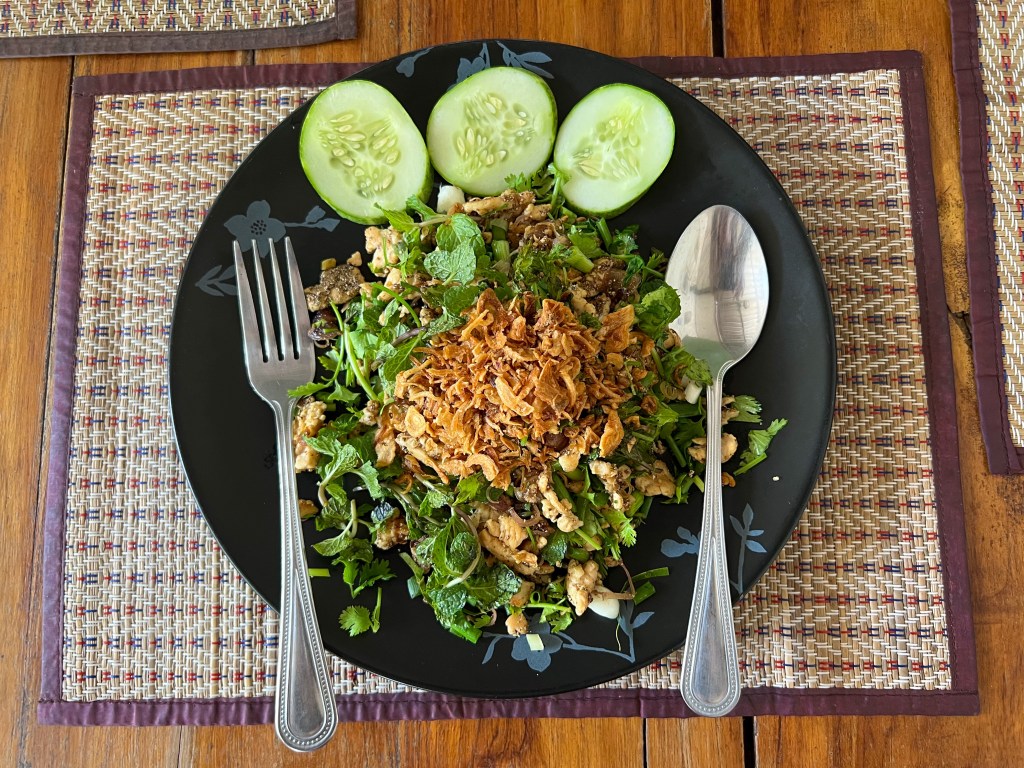
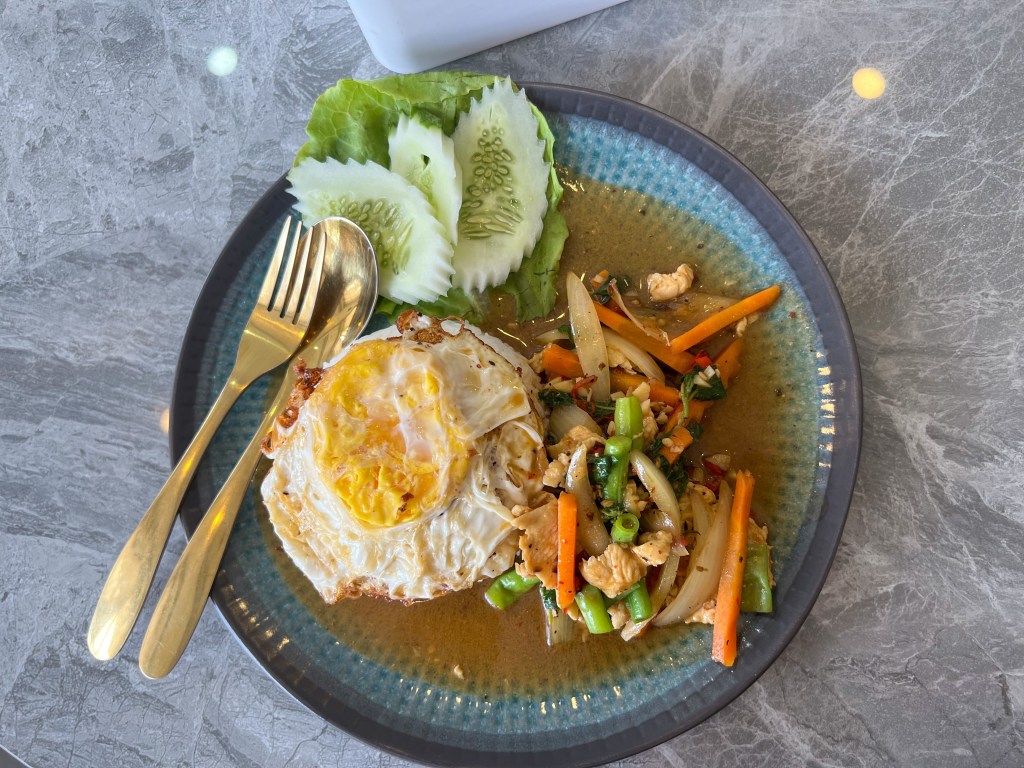
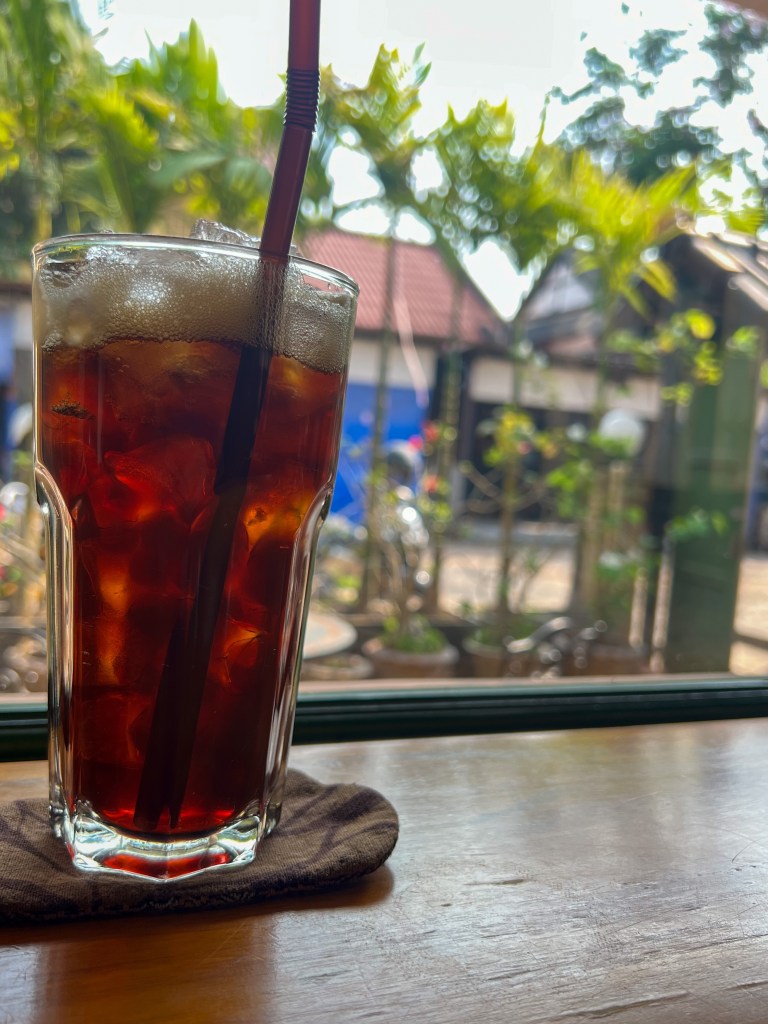
Food & Coffee –
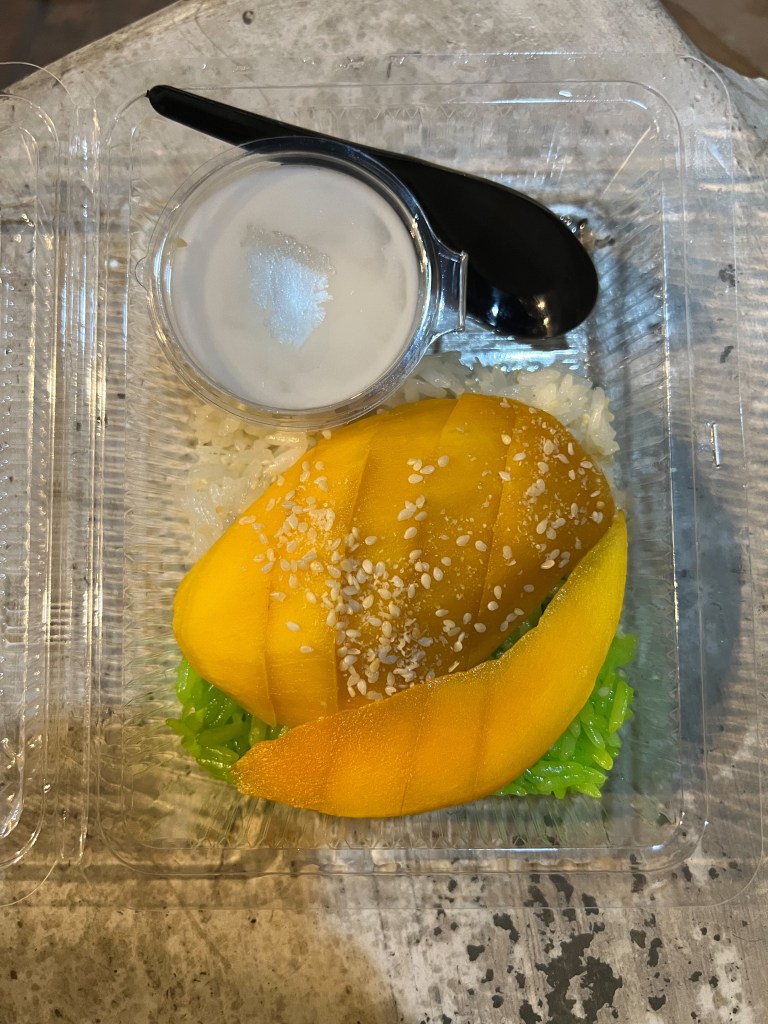
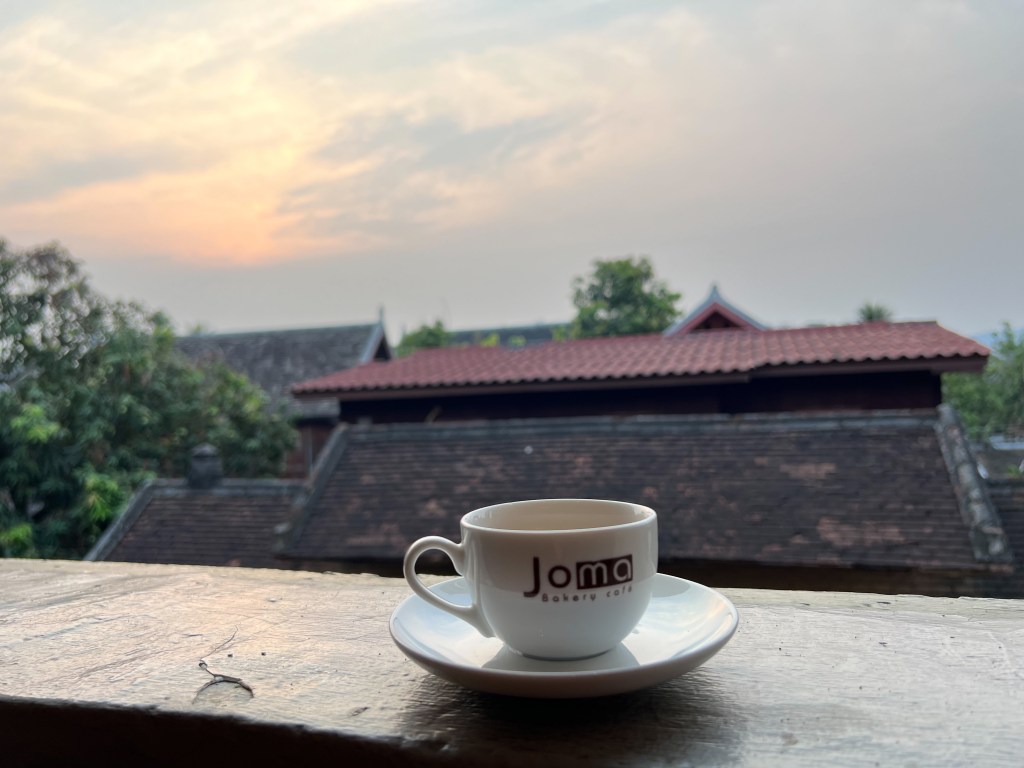
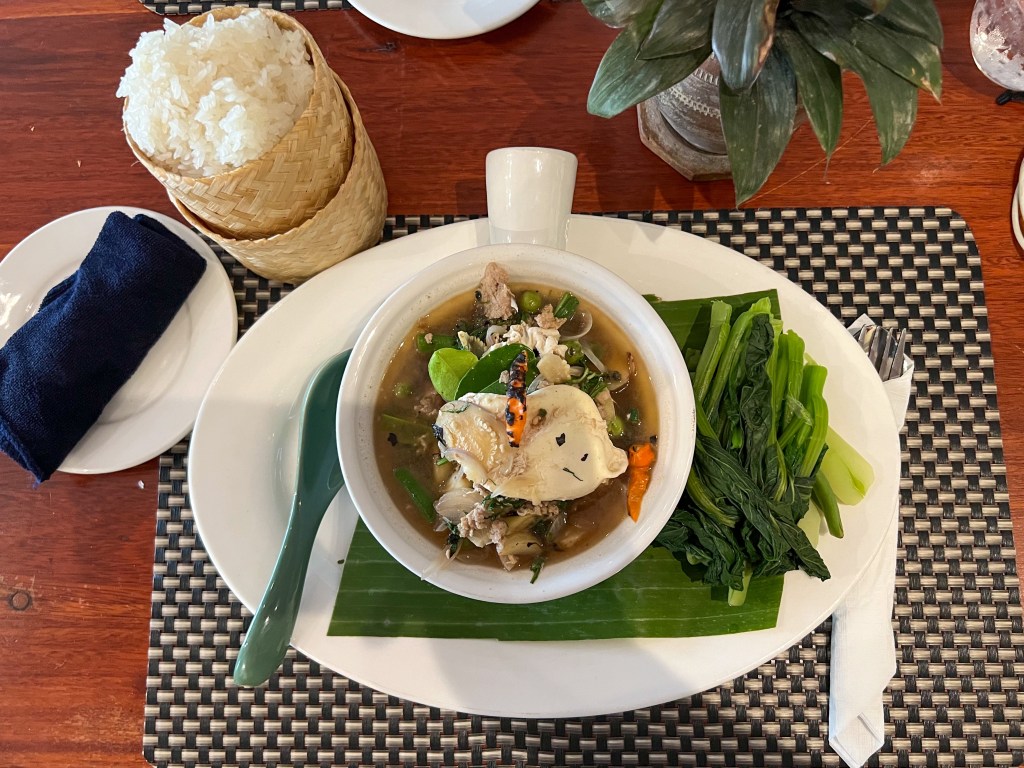
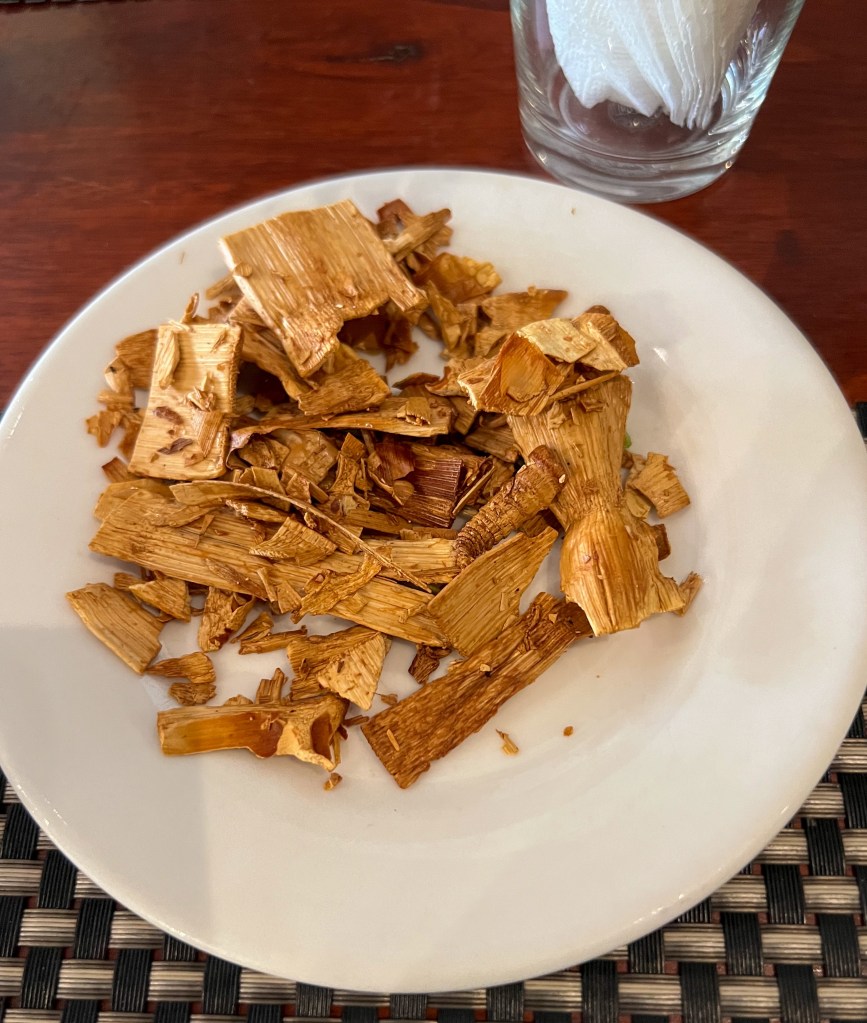
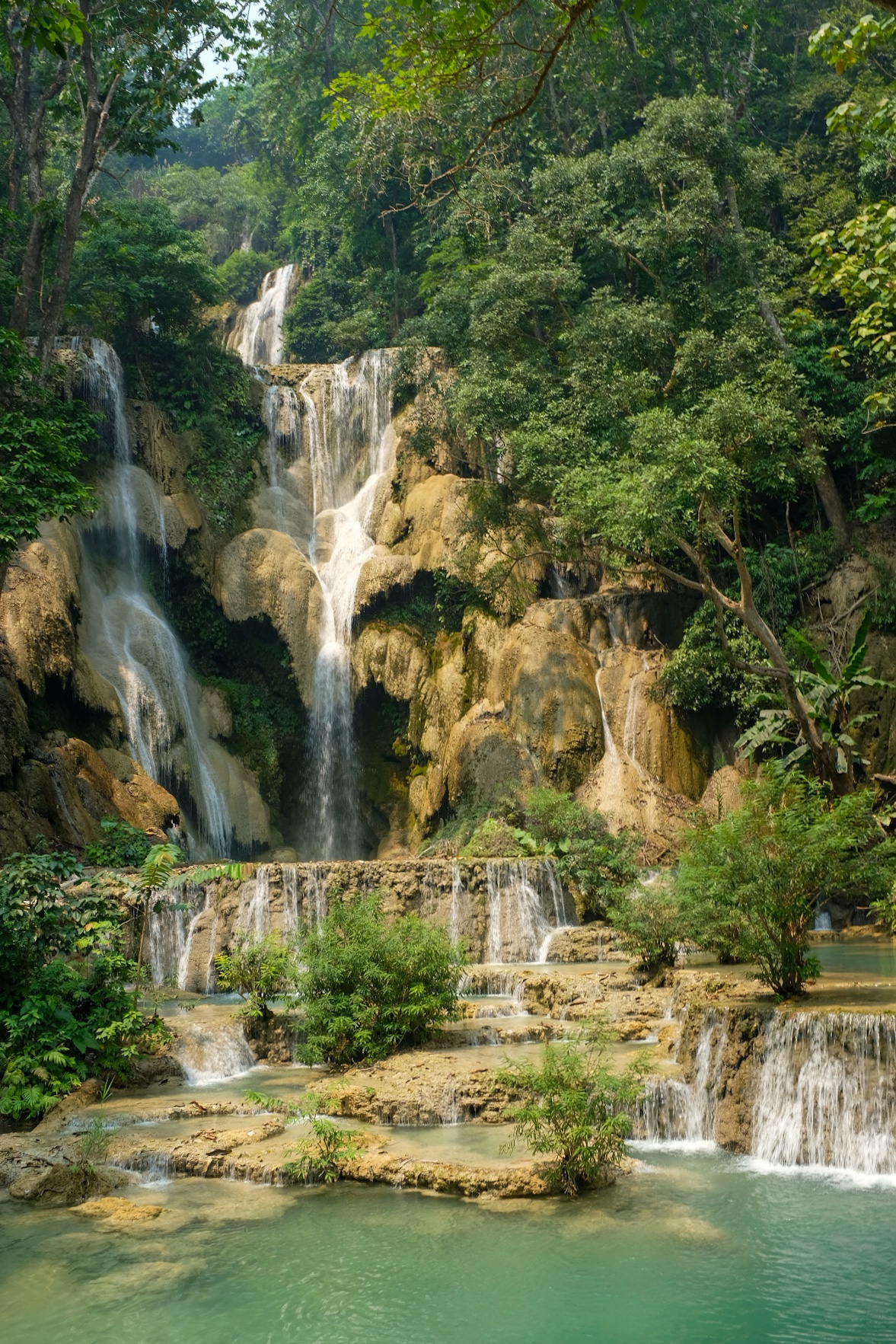
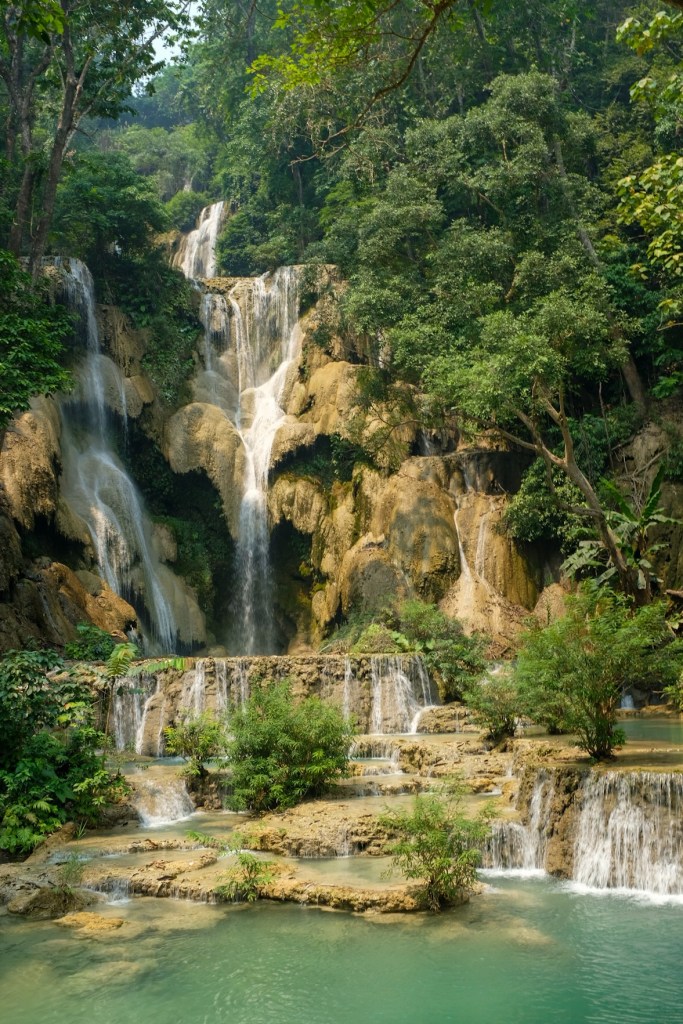
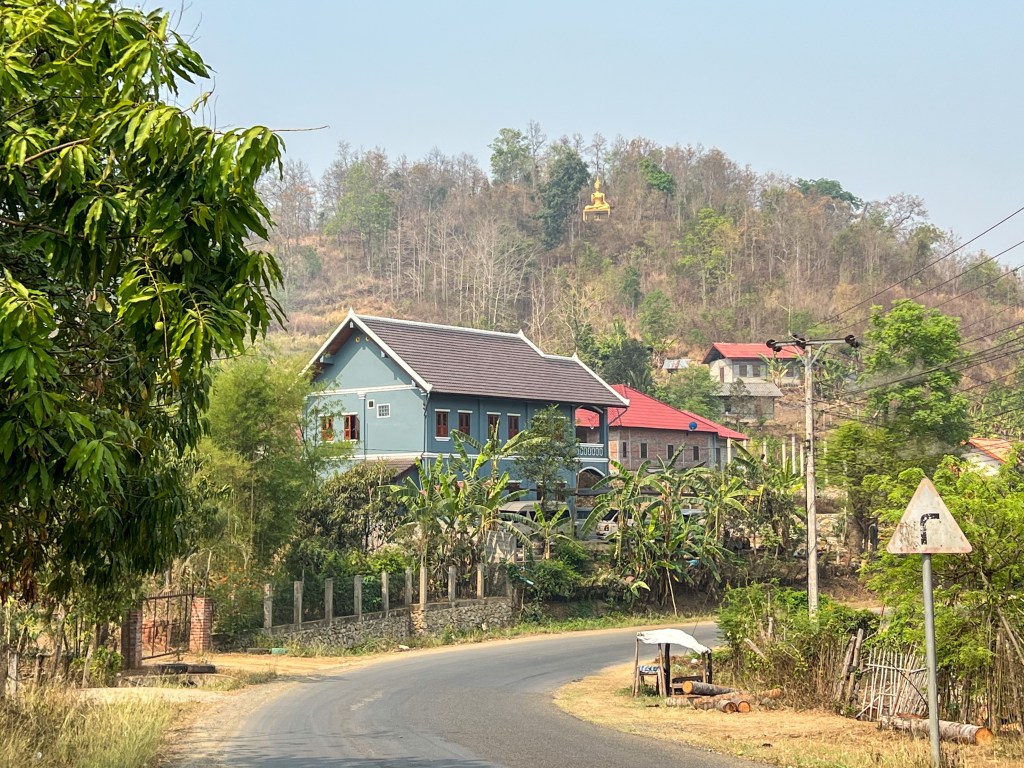
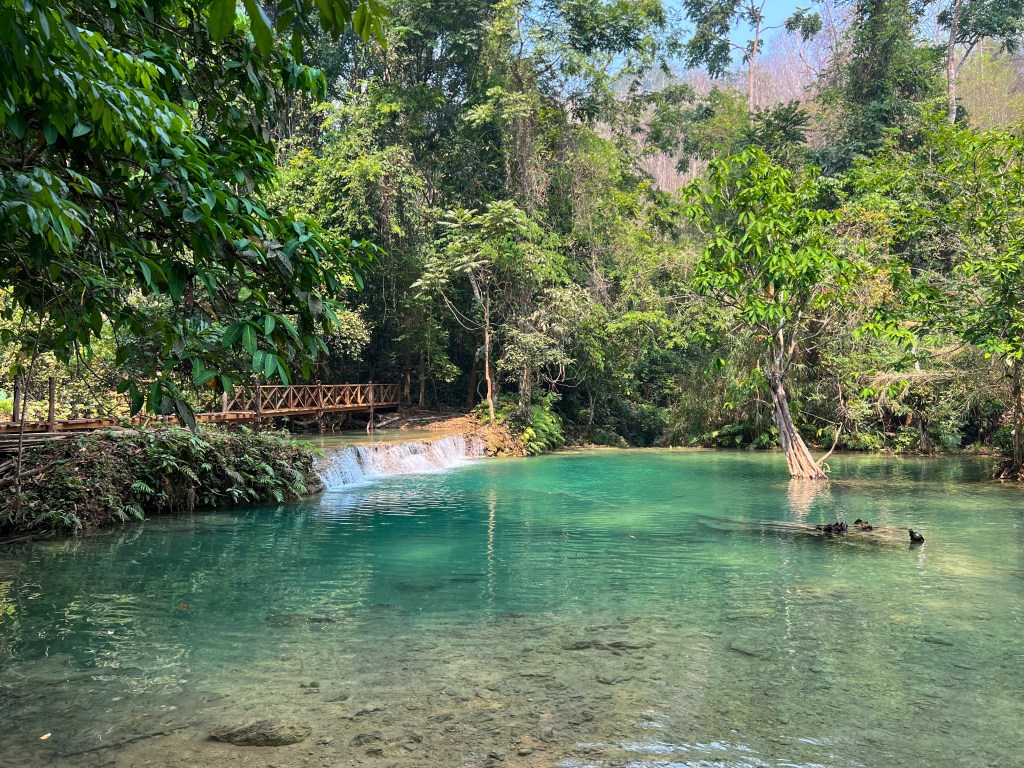
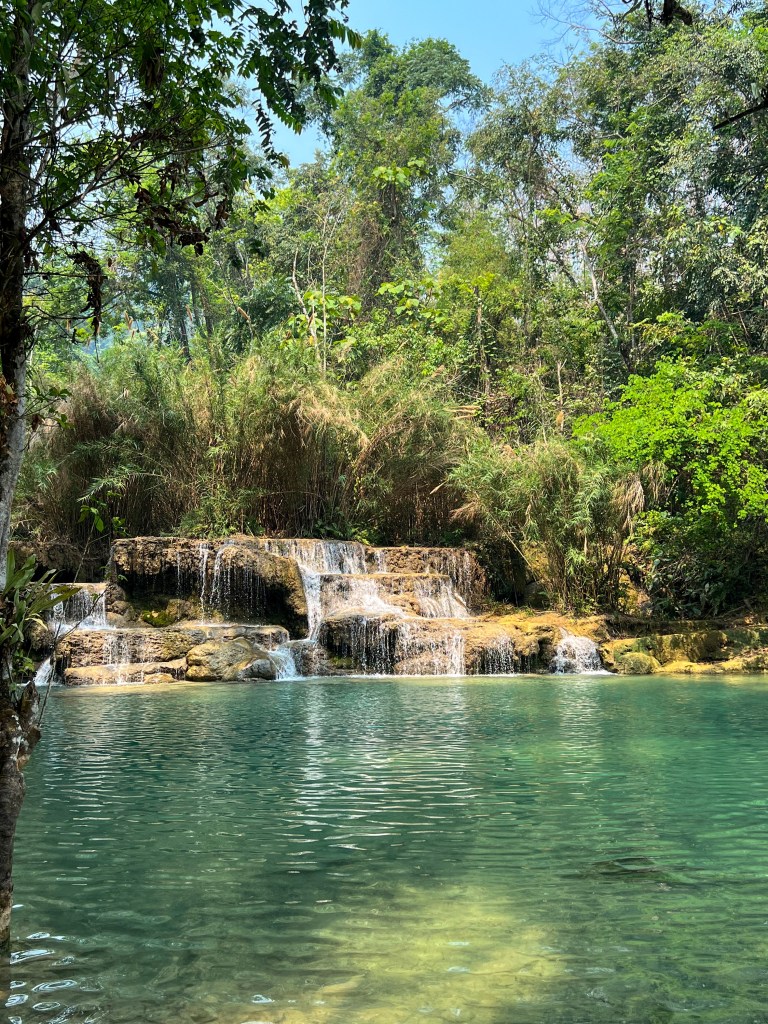
One of my days, I rented a motorbike and explored the countryside, driving along the Mekong to the Kung Si Waterfall, a 45 minute drive Southwest of the town.
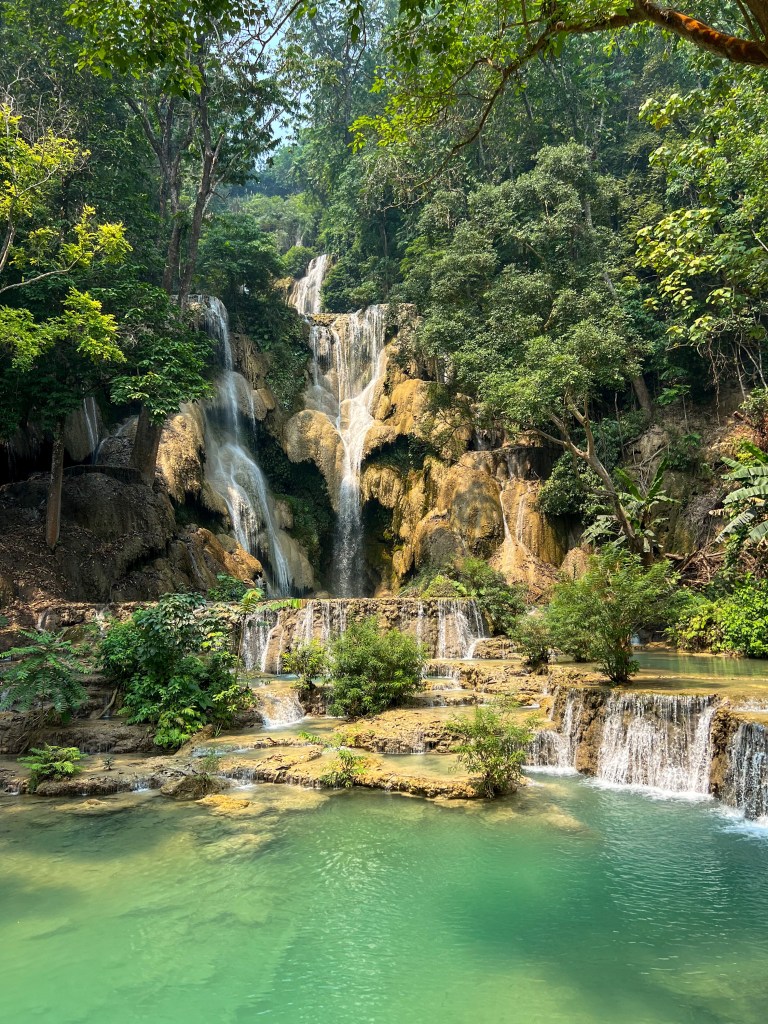
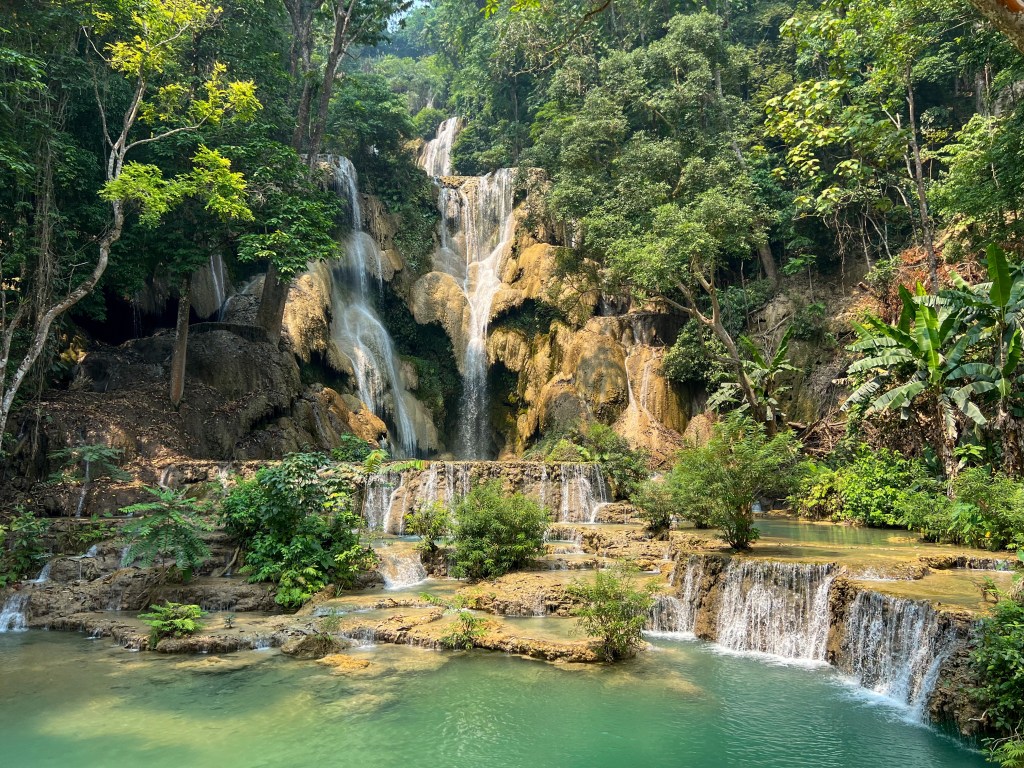
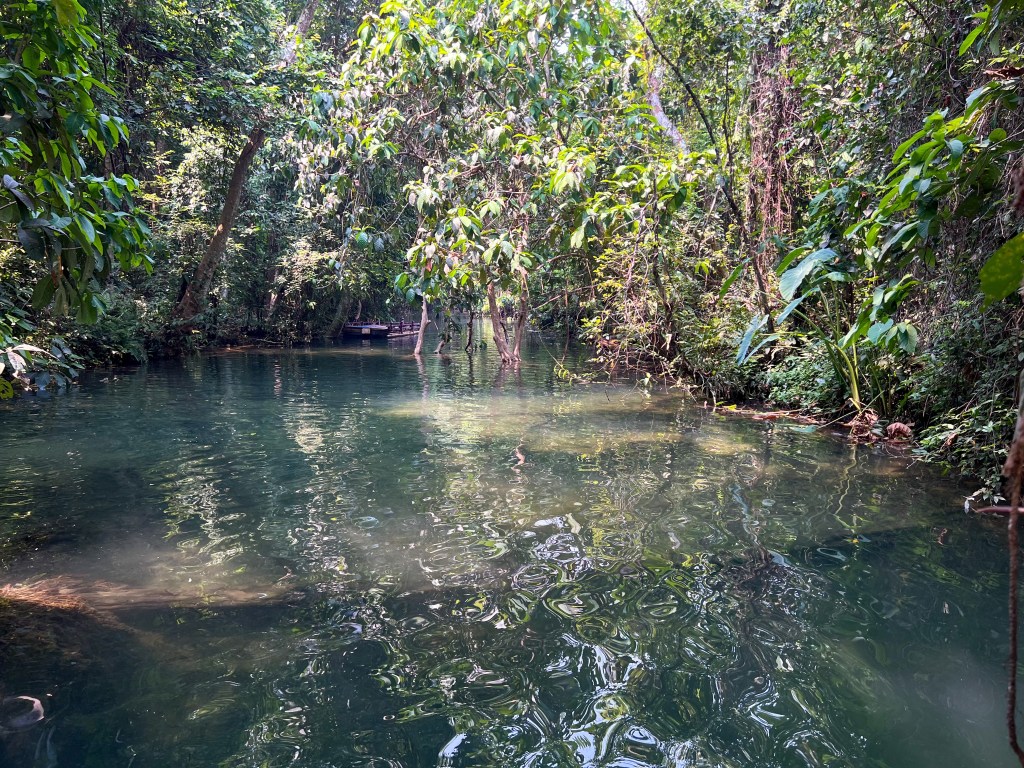
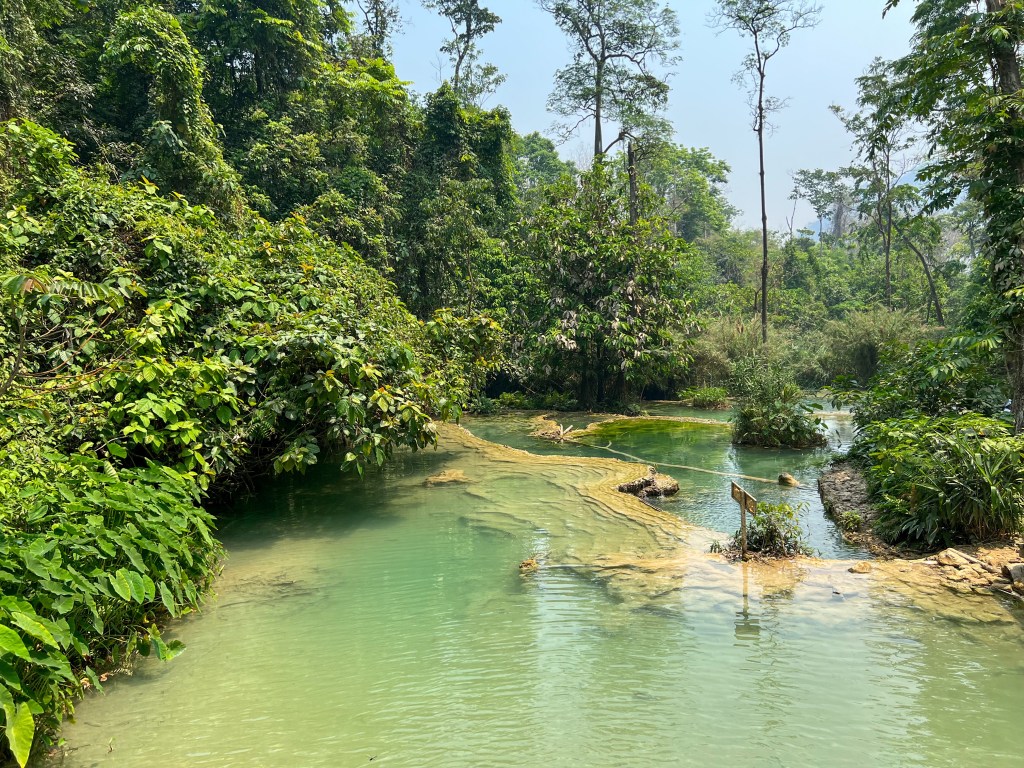
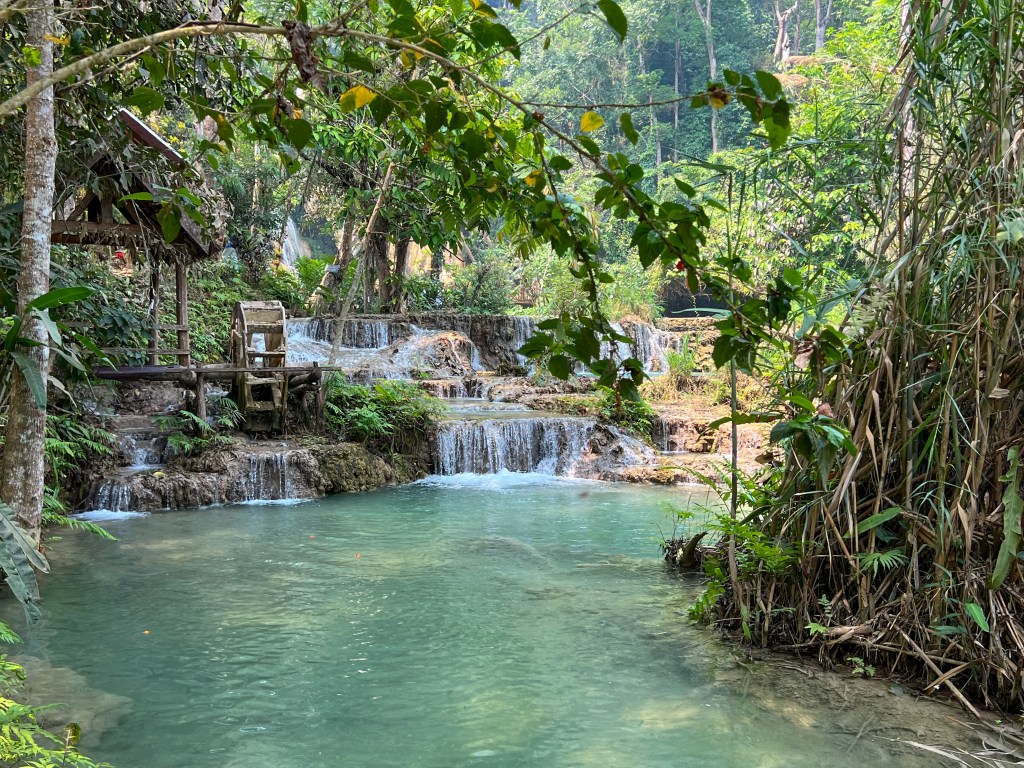
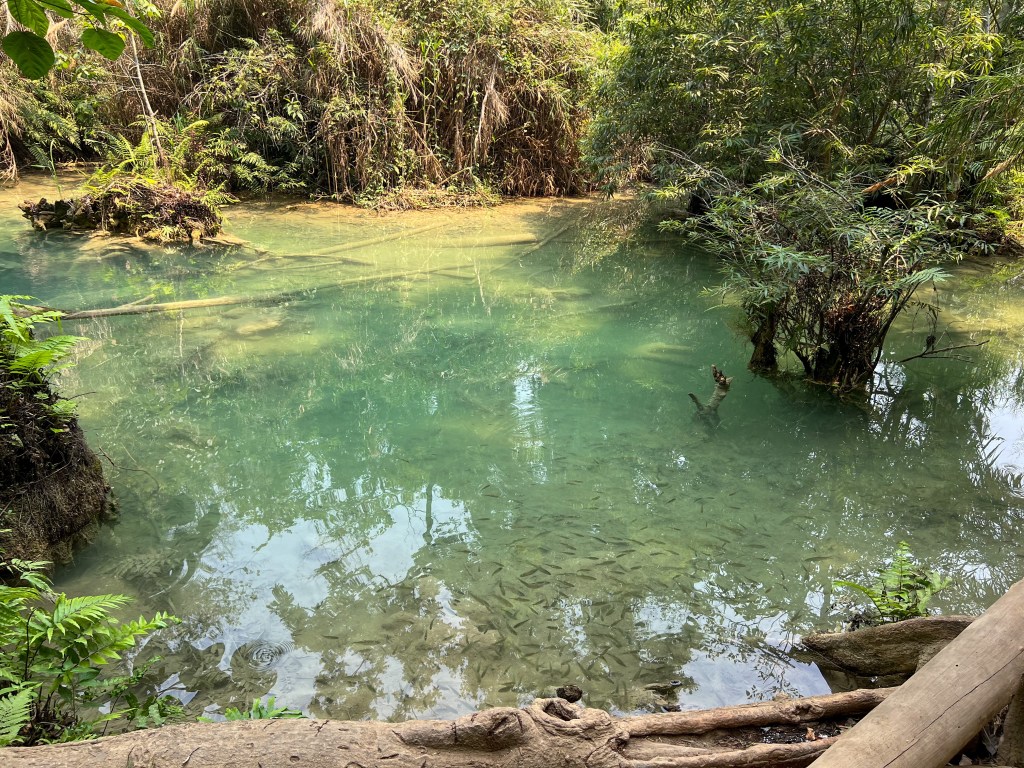
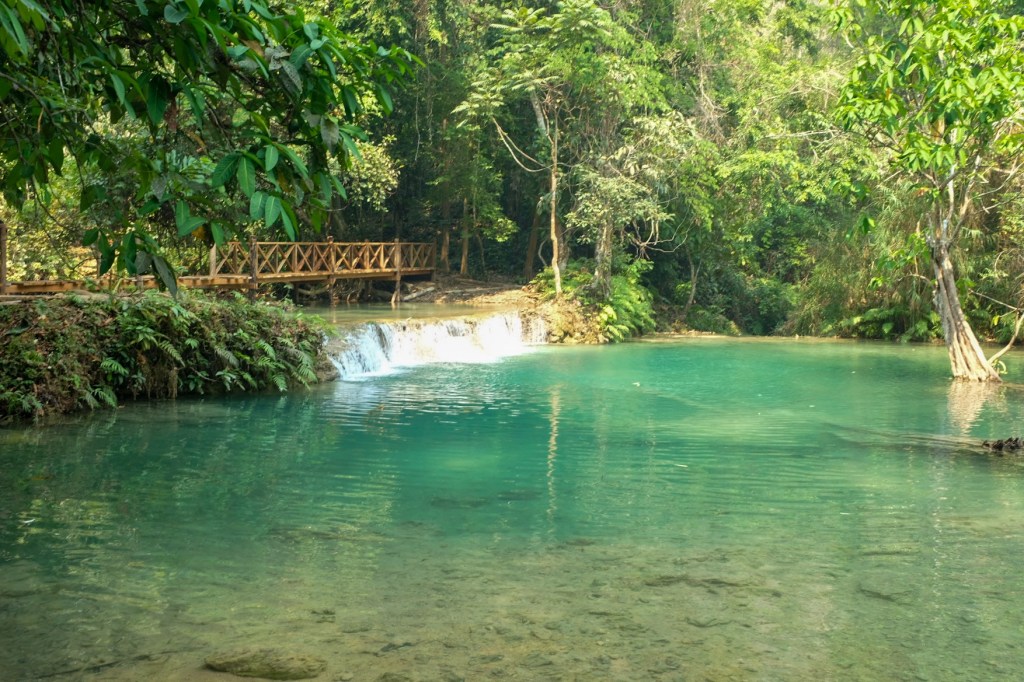
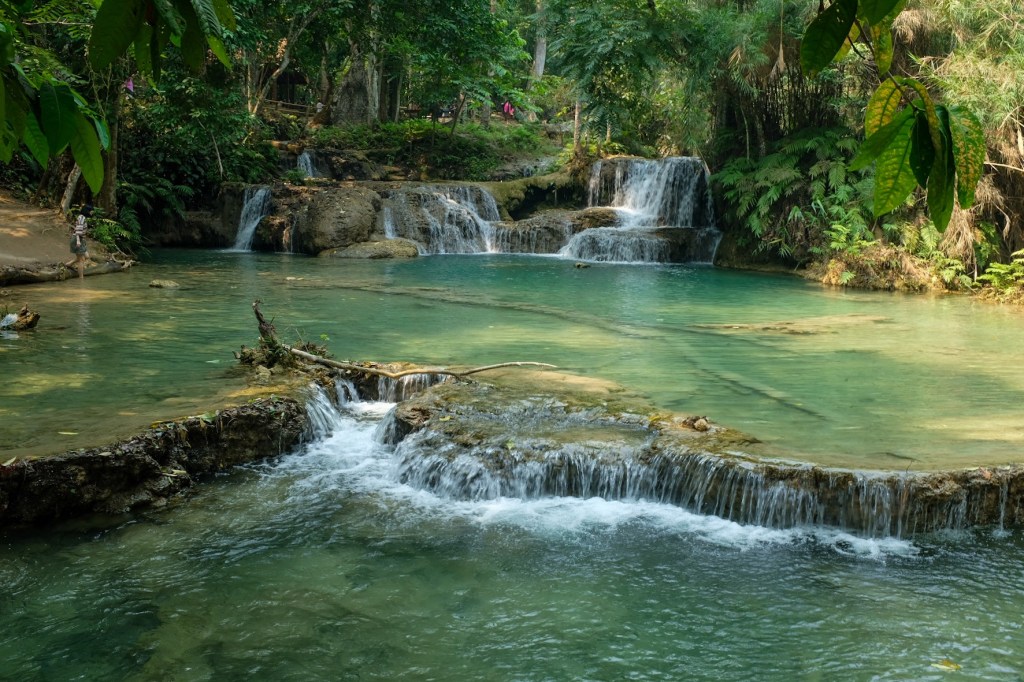
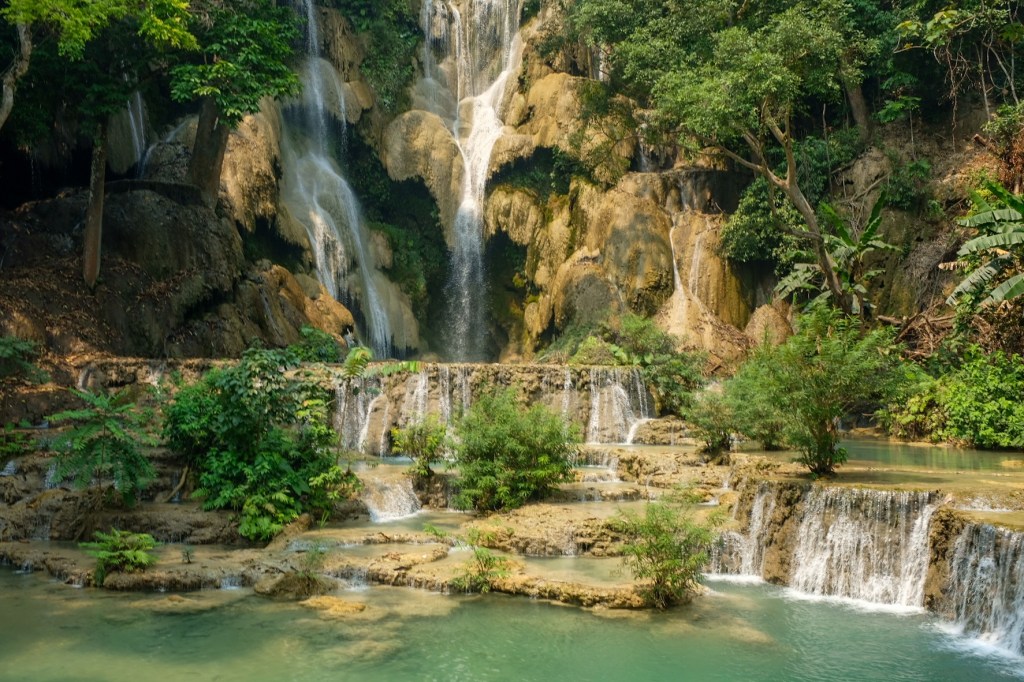
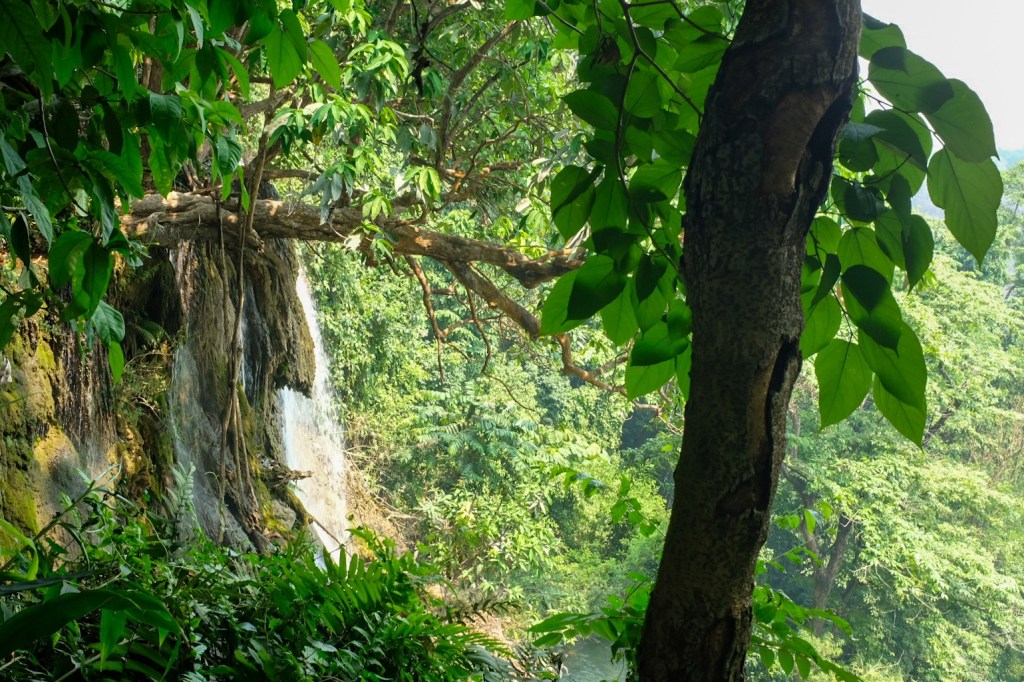
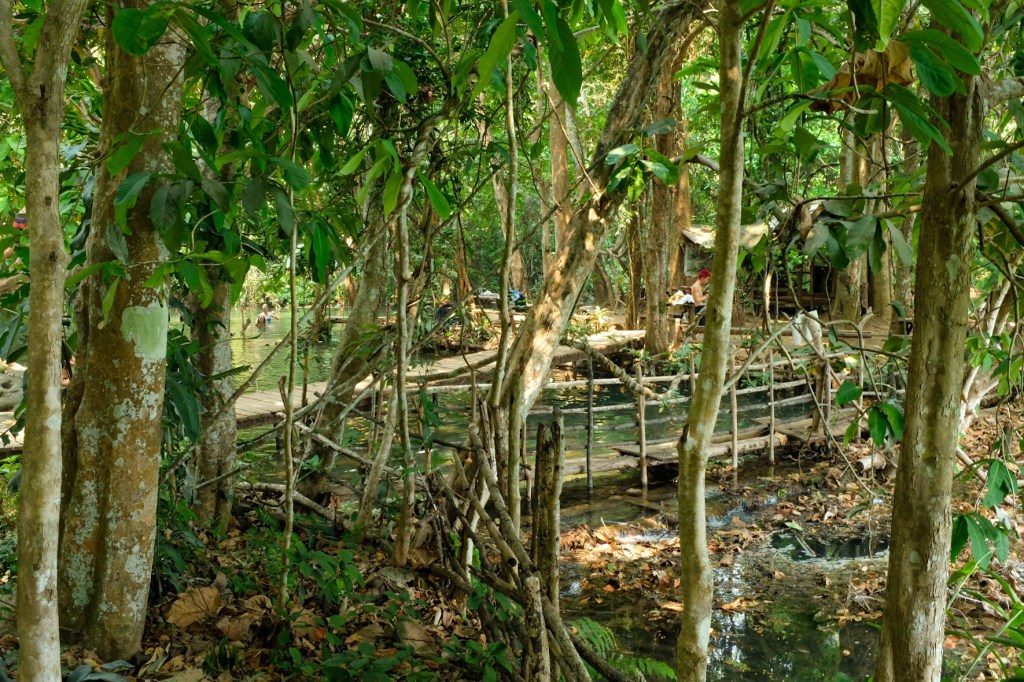
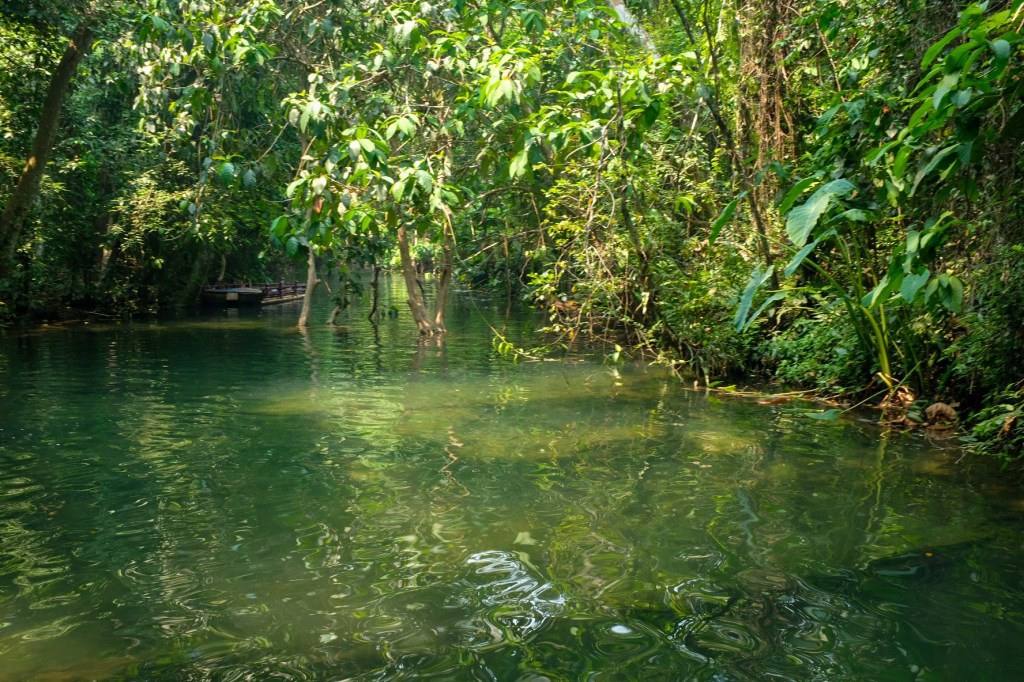
Some of the best time I had in Luang Prabang was just walking around and exploring the different shops – a combination of tourist and local infrastructure in the confines of French-Buddhist architecture.
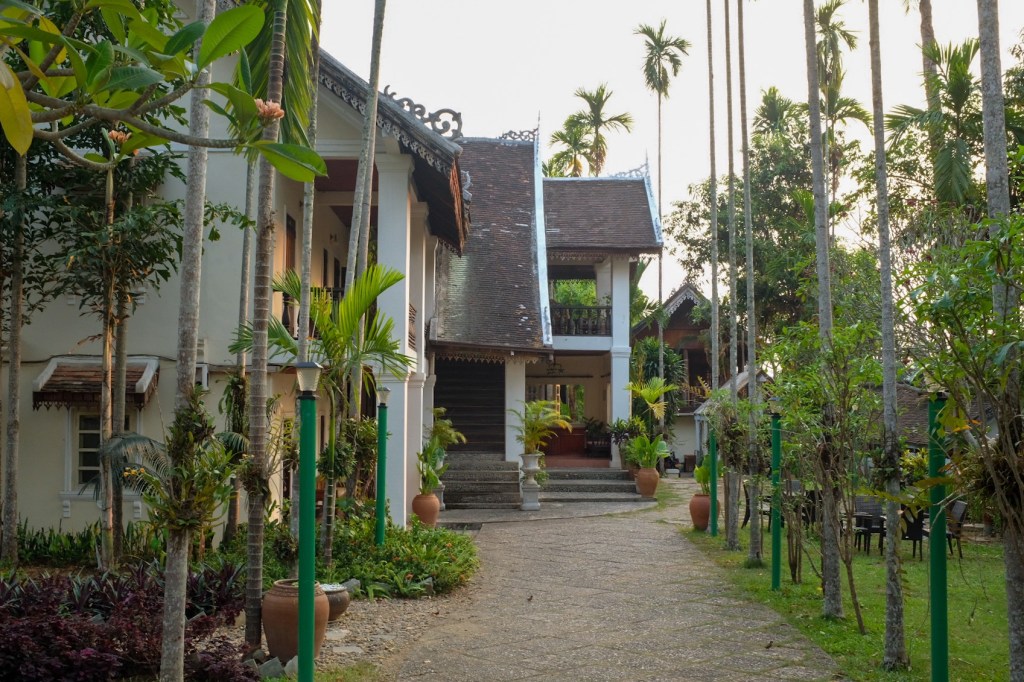
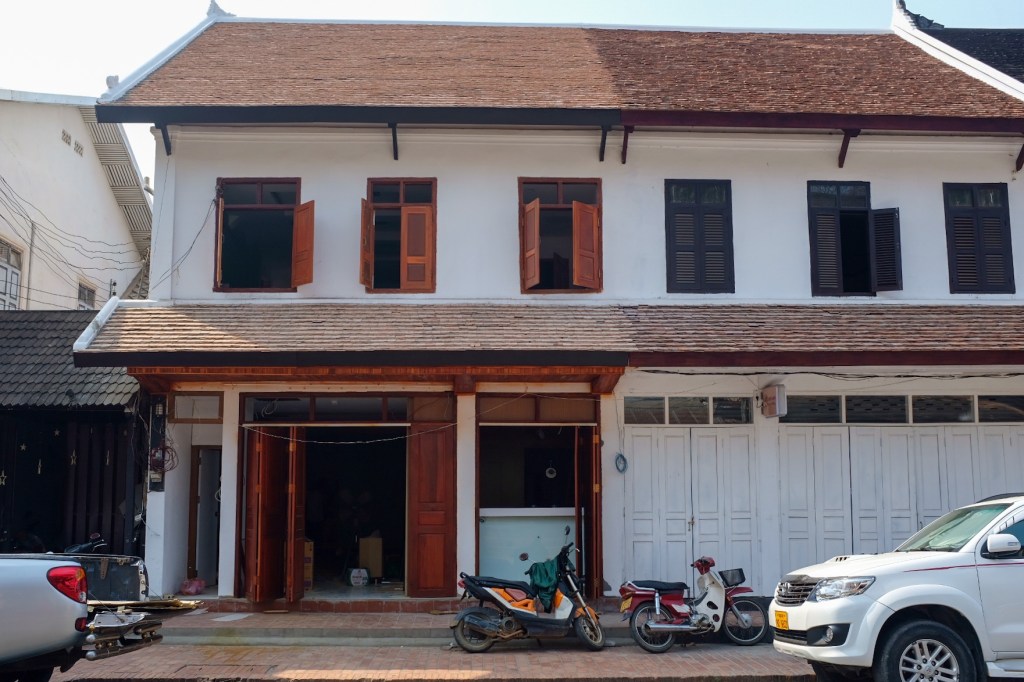

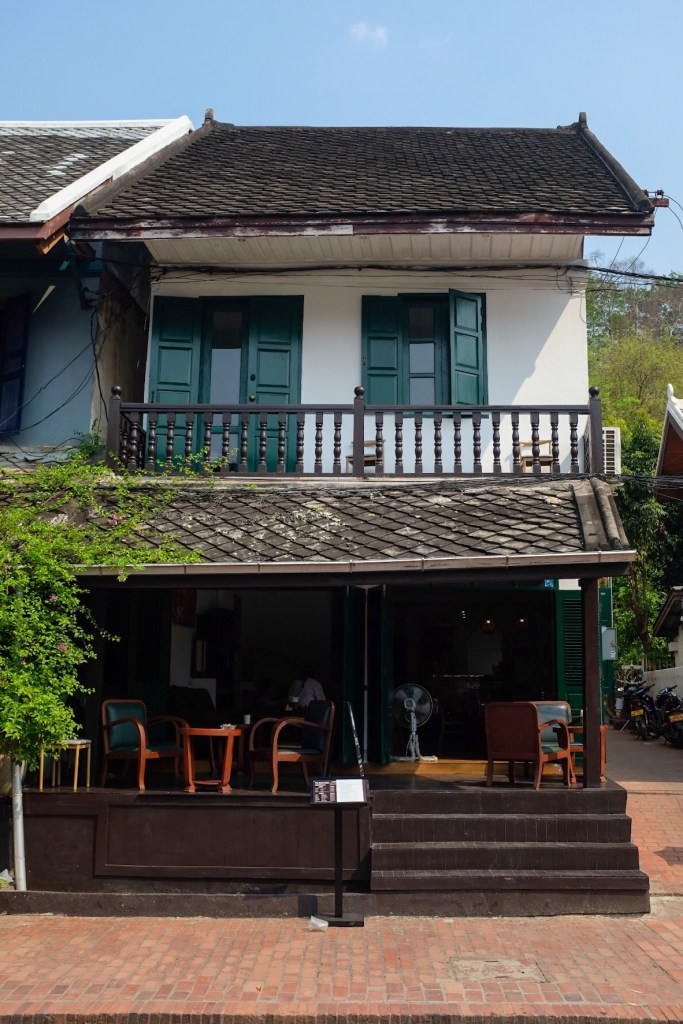

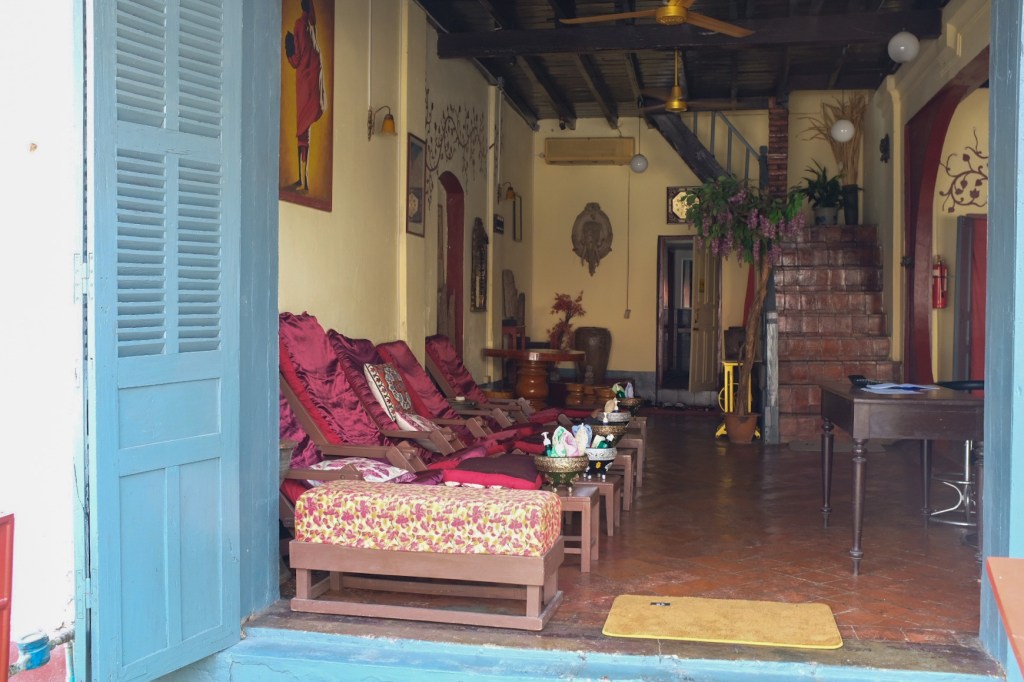
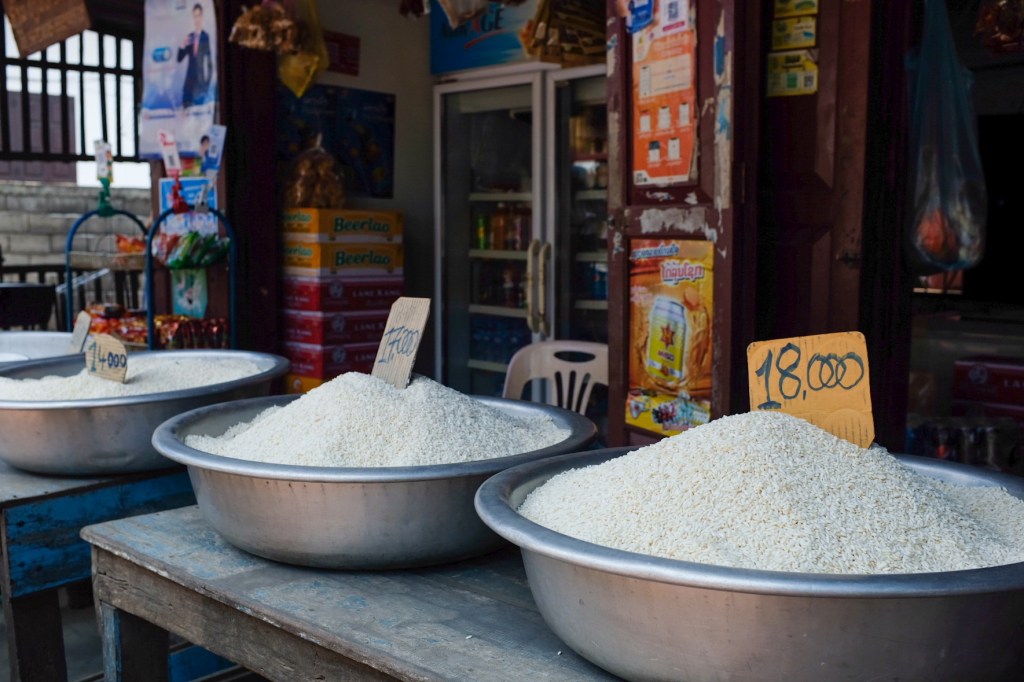
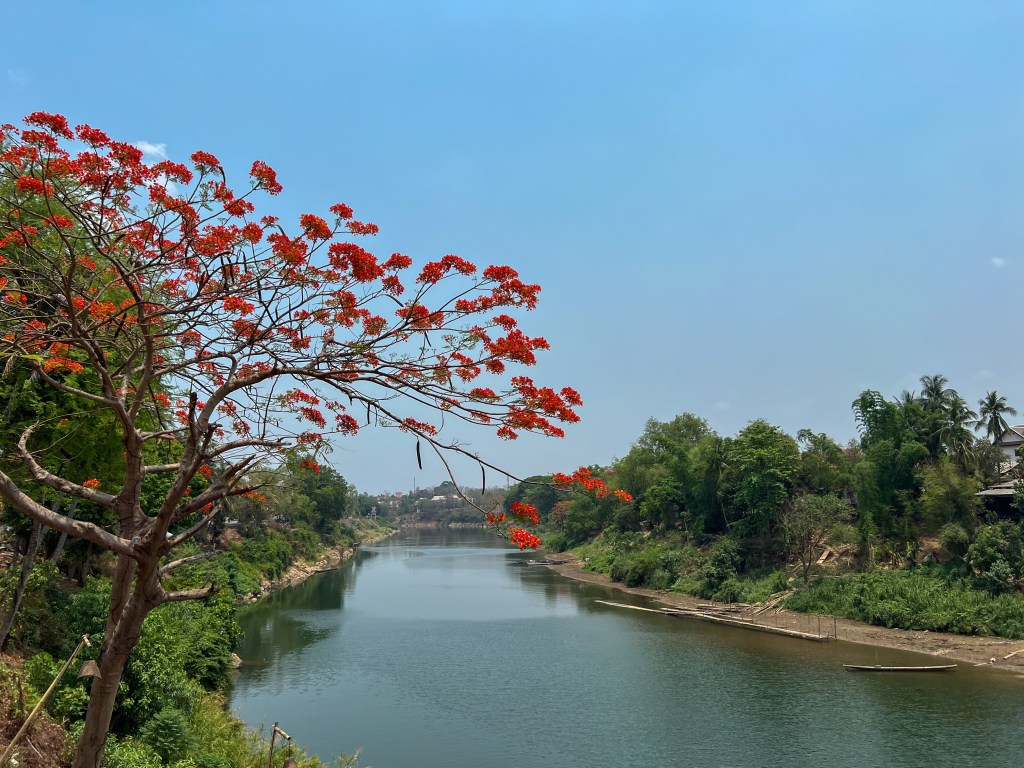
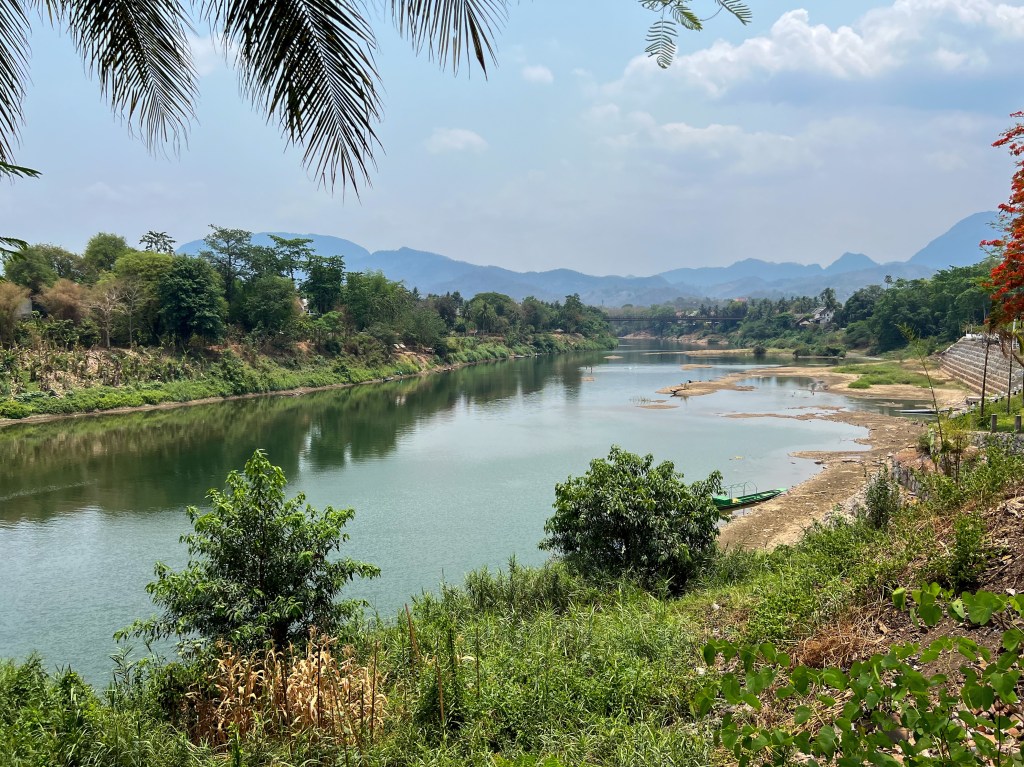
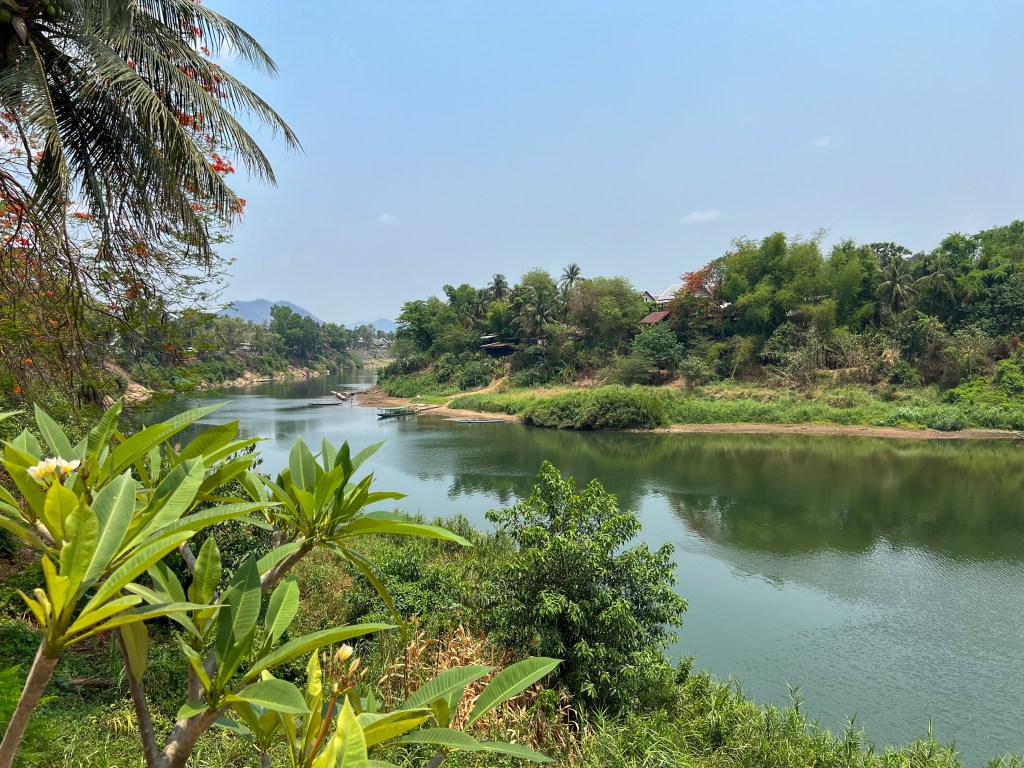
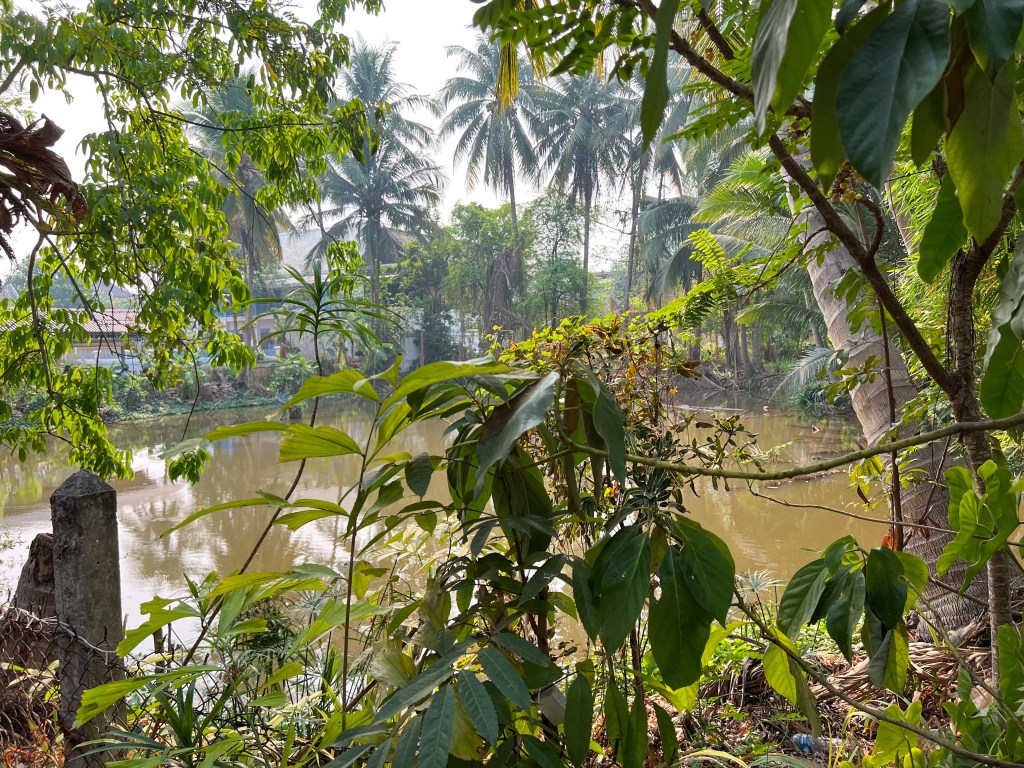
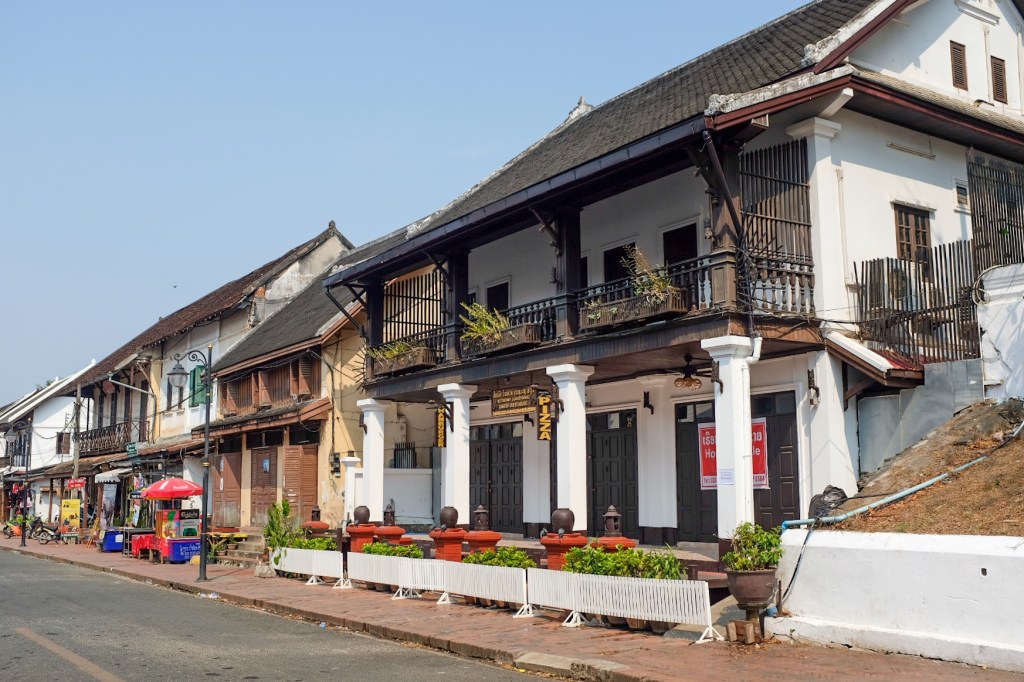
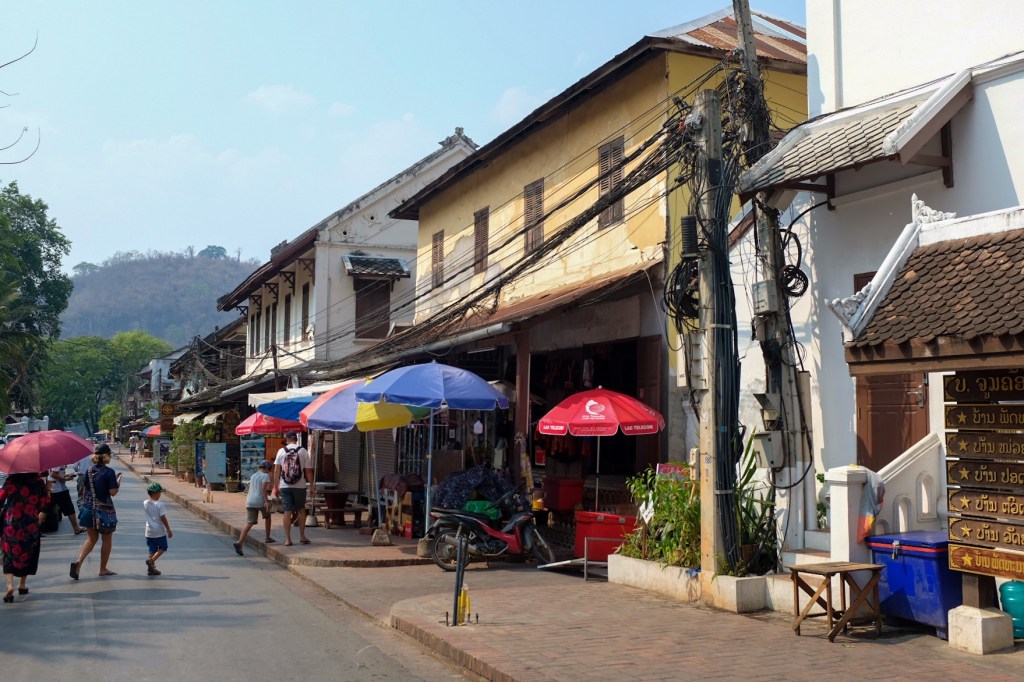
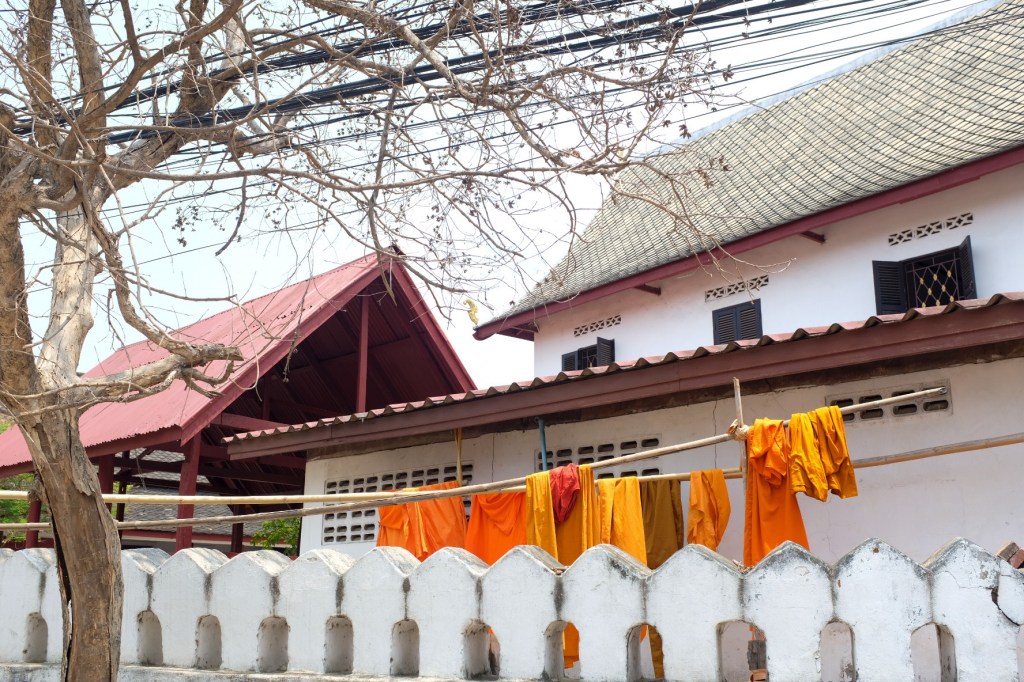
My 5 days in Luang Prabang was a great time to recover and get to know a new culture and community. Recharged, I felt ready to tackle the remaining 3 weeks of my travels.
A quick stopover – Vang Vieng
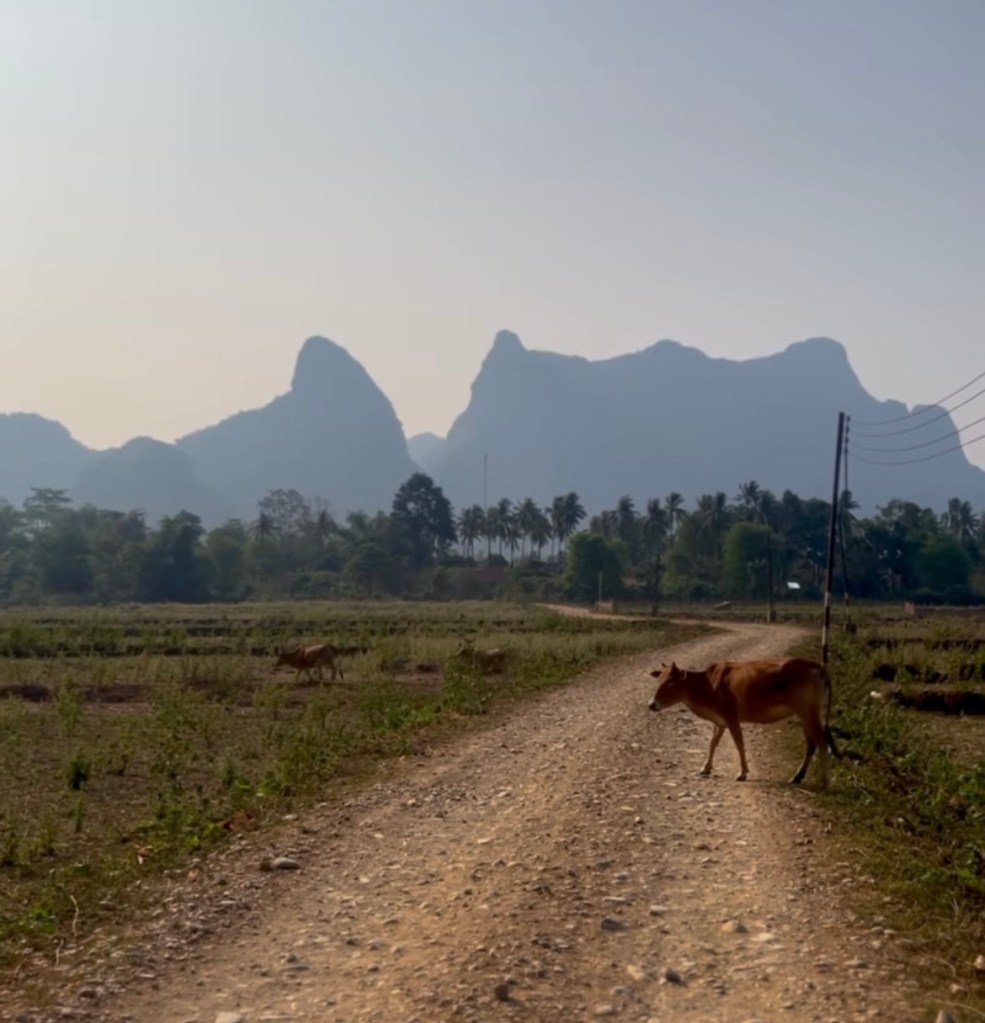
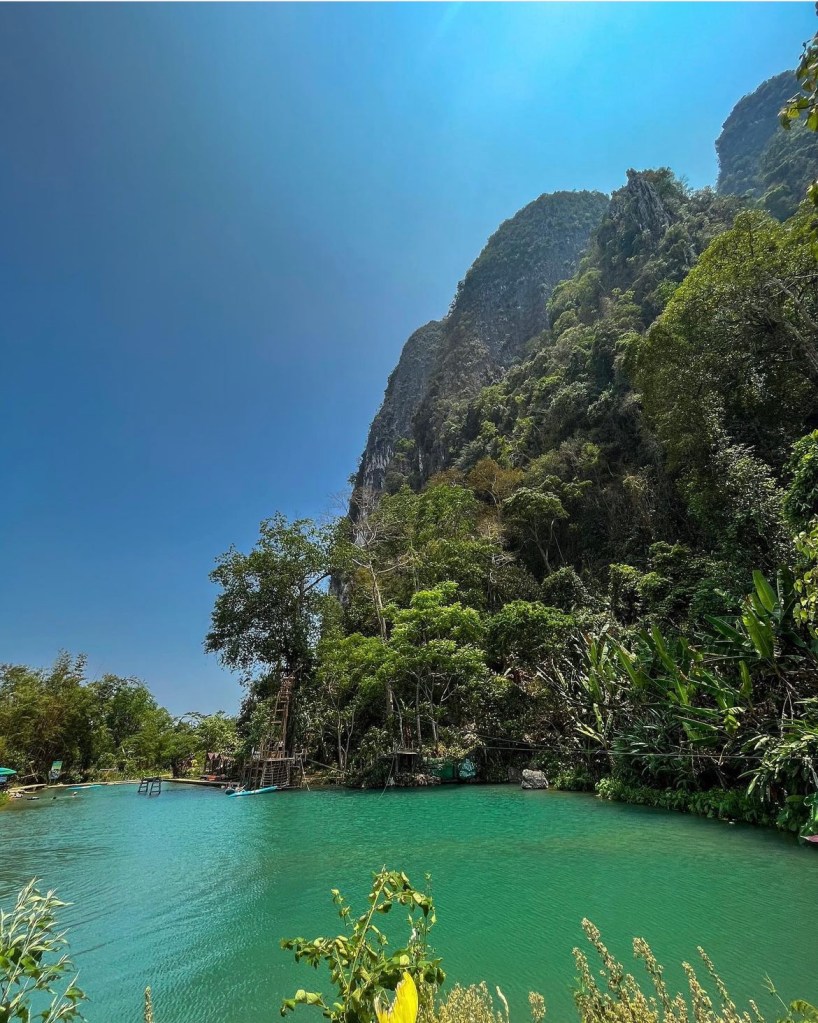
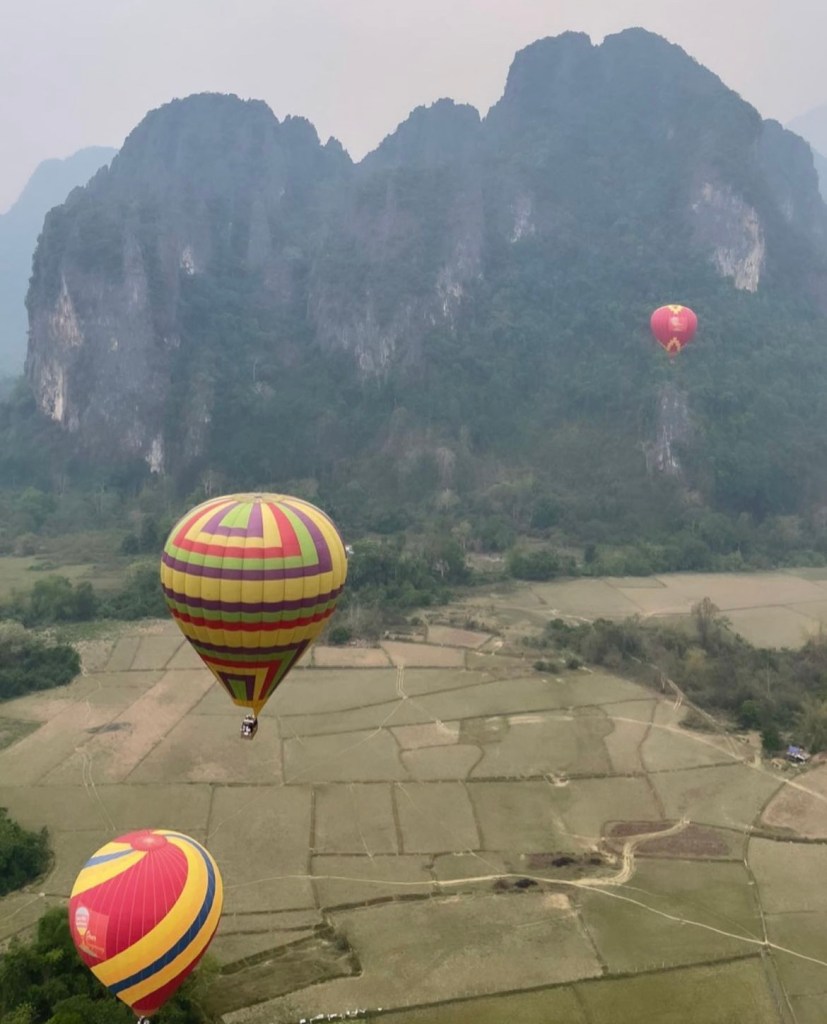
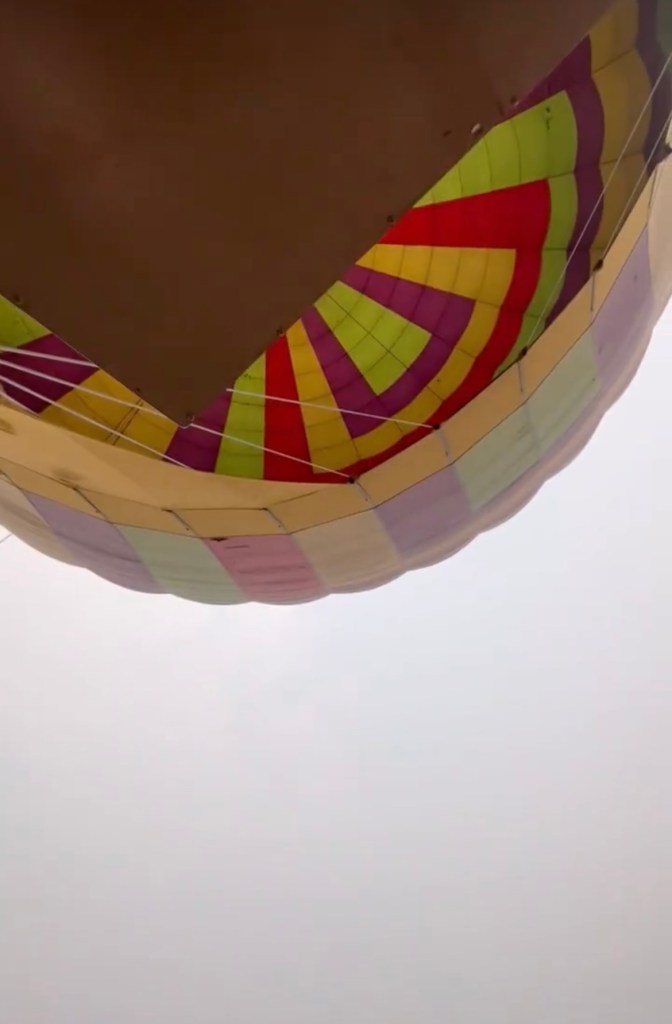
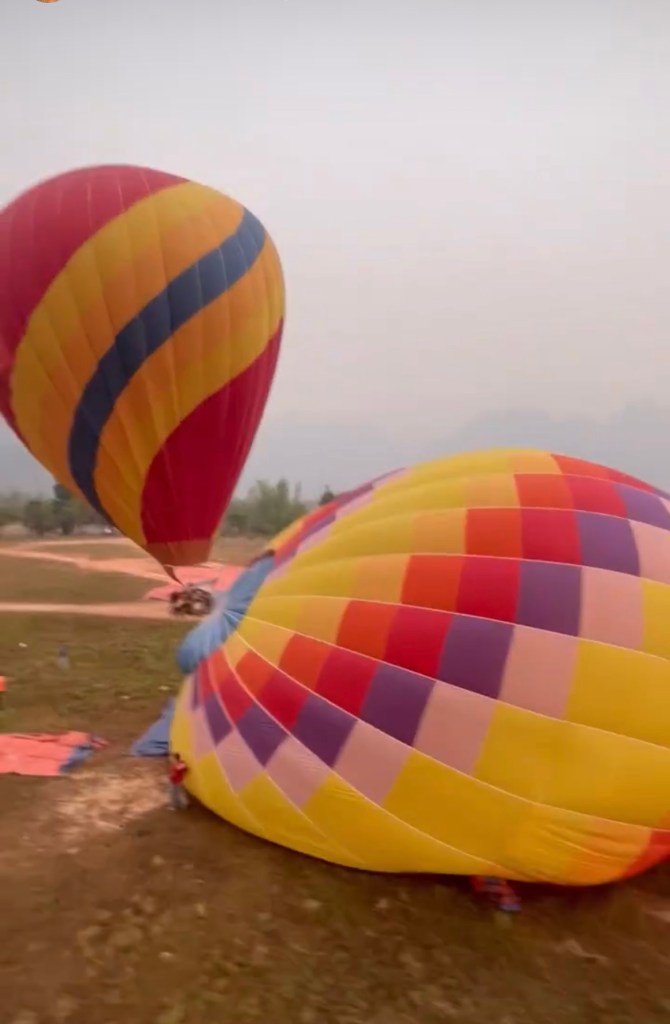
On my way to Vientiane, I made a quick stop at Vang Vien – a small town nestled on the Nam Song River. Many travelers stop here for the lagoons, caves, and limestone mounds that make up the area. Oh, and it has the cheapest hot air balloon rides in the world.


Vientiane: Laos’ Capital
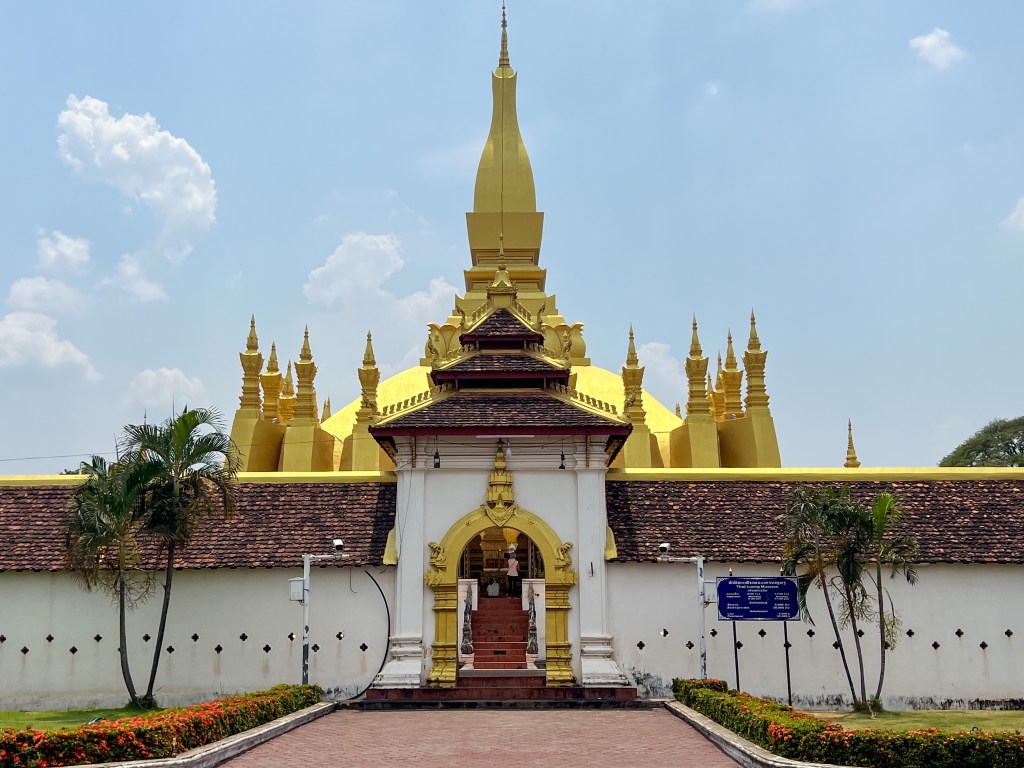
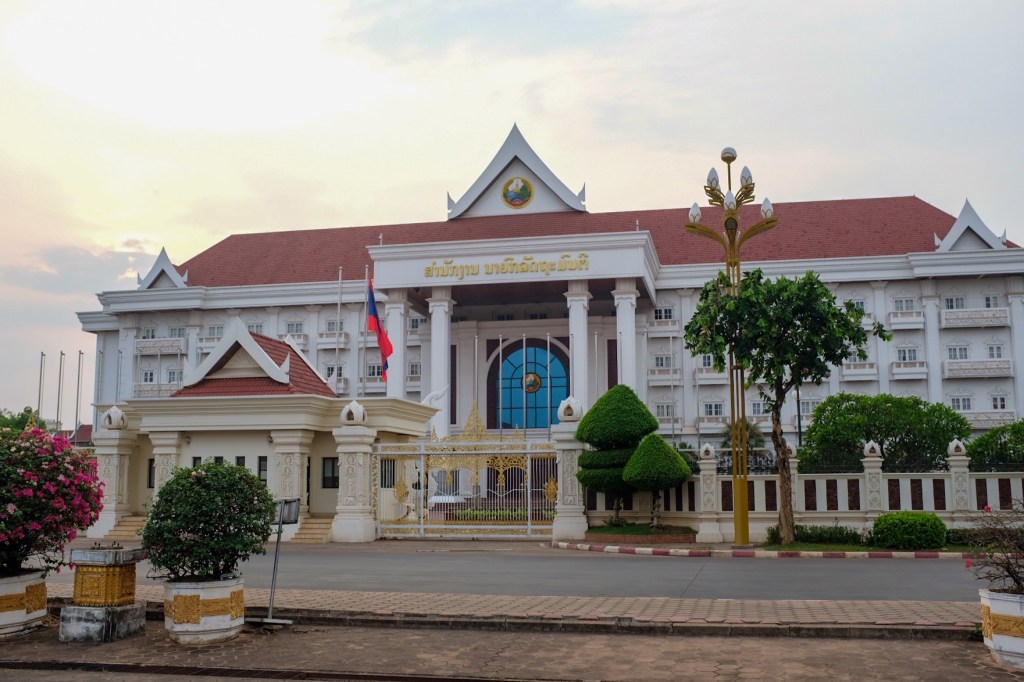
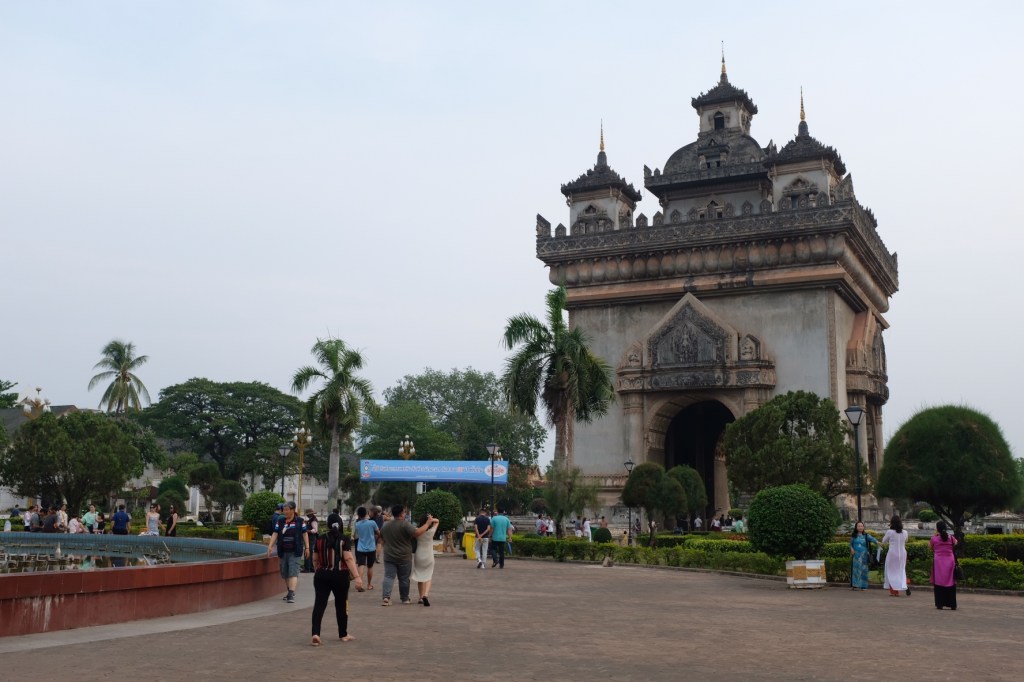
Vientiane, Laos’ national capital and largest city, follows Luang Prabang in mixing French-colonial architecture with Buddhist temples like the golden, 16th-century Pha That Luang. Notable shrines like the Wat Si Saket, Wat Si Muang, and ___ cover the city, alongside broad boulevards and tree-lined streets.
The city became the national capital of the newly independent Lao state in 1953.
Now for a bit of historical context – From 1959-1975, Laos was consumed by a civil war between the Communist Pathet Lao and the Royal Lao Government. It is associated with the Cambodian Civil War and Vietnam War, with both sides receiving heavy external support in a proxy war between the US and Russia. The fighting in Laos involved the North Vietnamese Army, US troops and Thai forces in a struggle for control over the Laotian Panhandle.
In 1975, the communist party of the Pathet Lao took over Vientiane, defeated the Kingdom of Laos, and renamed the country the Lao People’s Democratic Republic, which ended the Laotian Civil War.
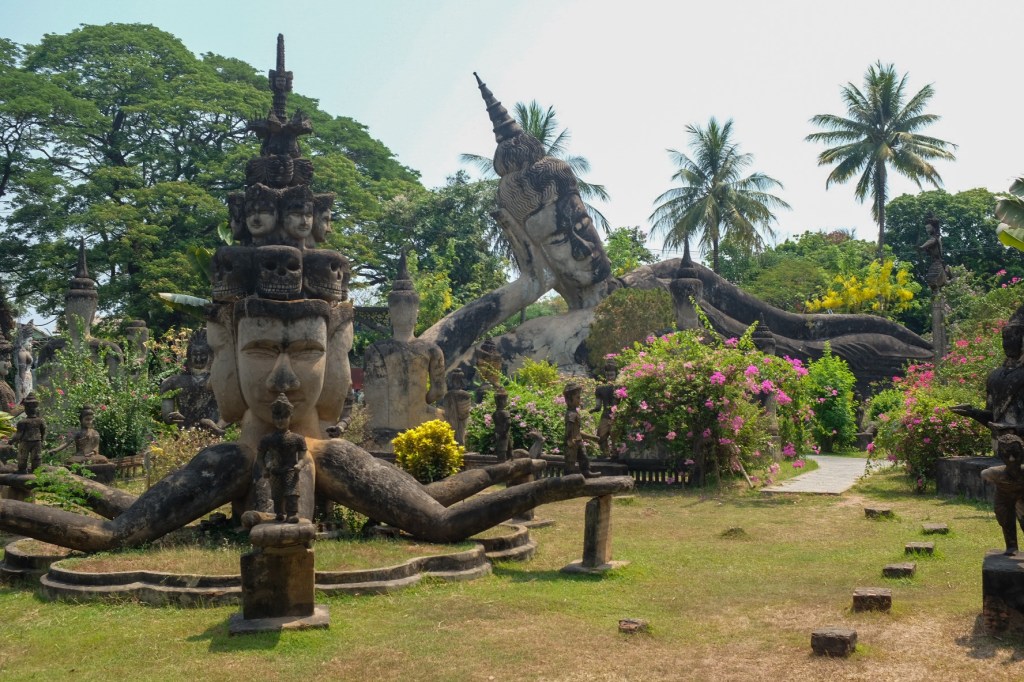
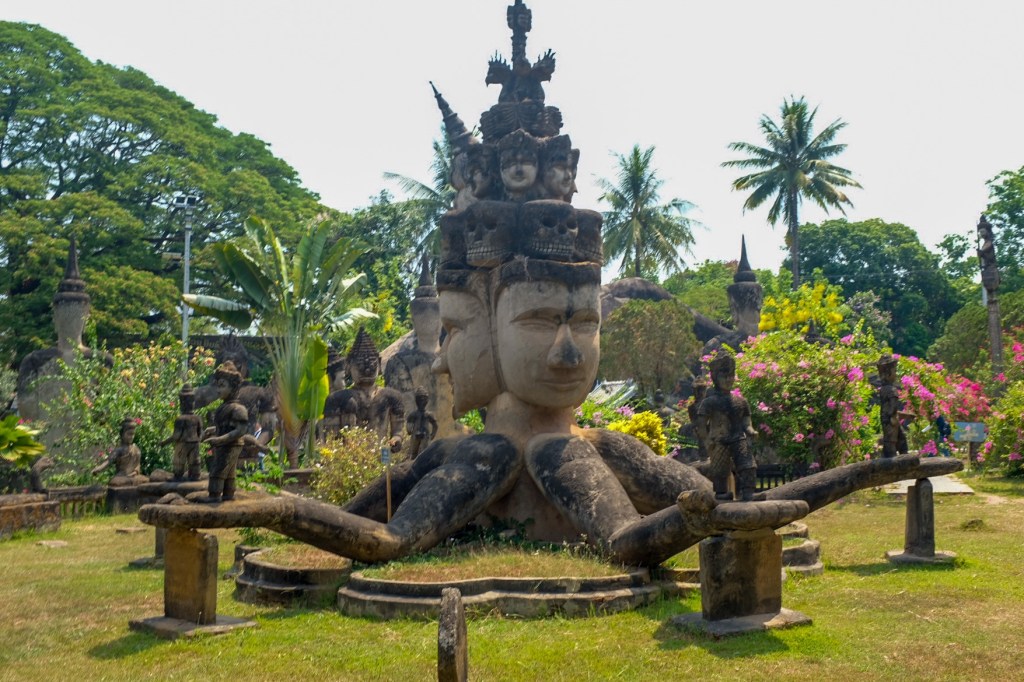
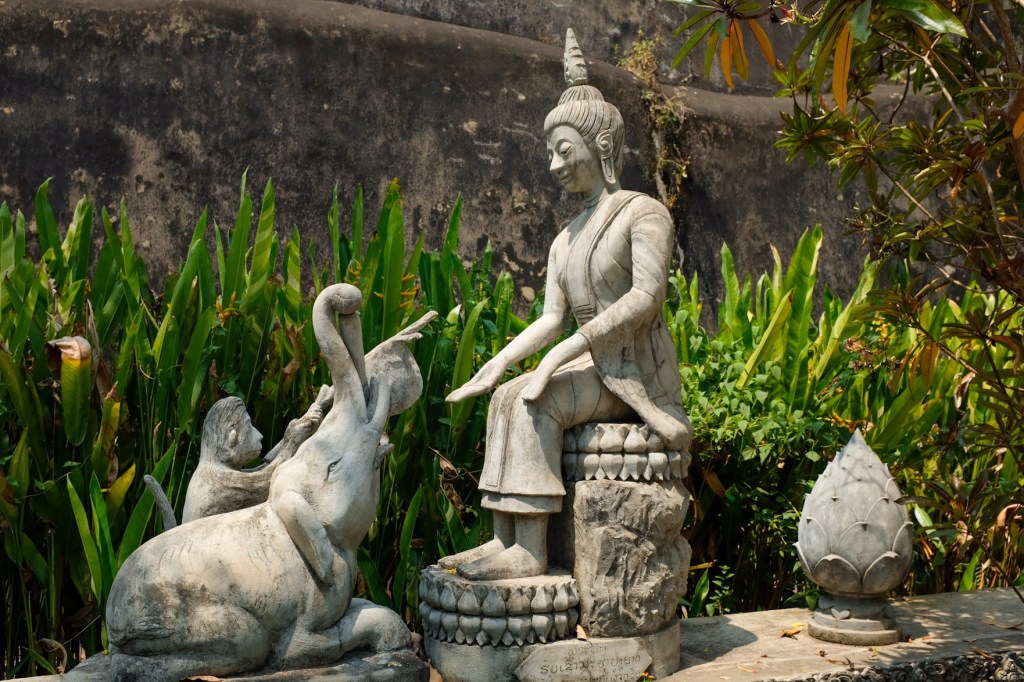
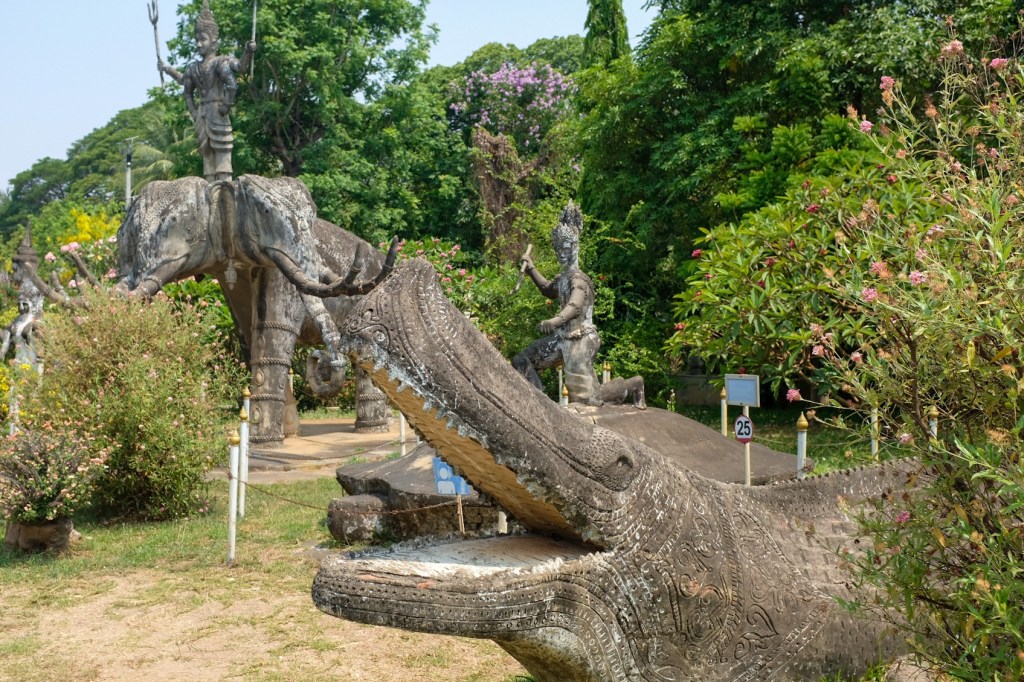
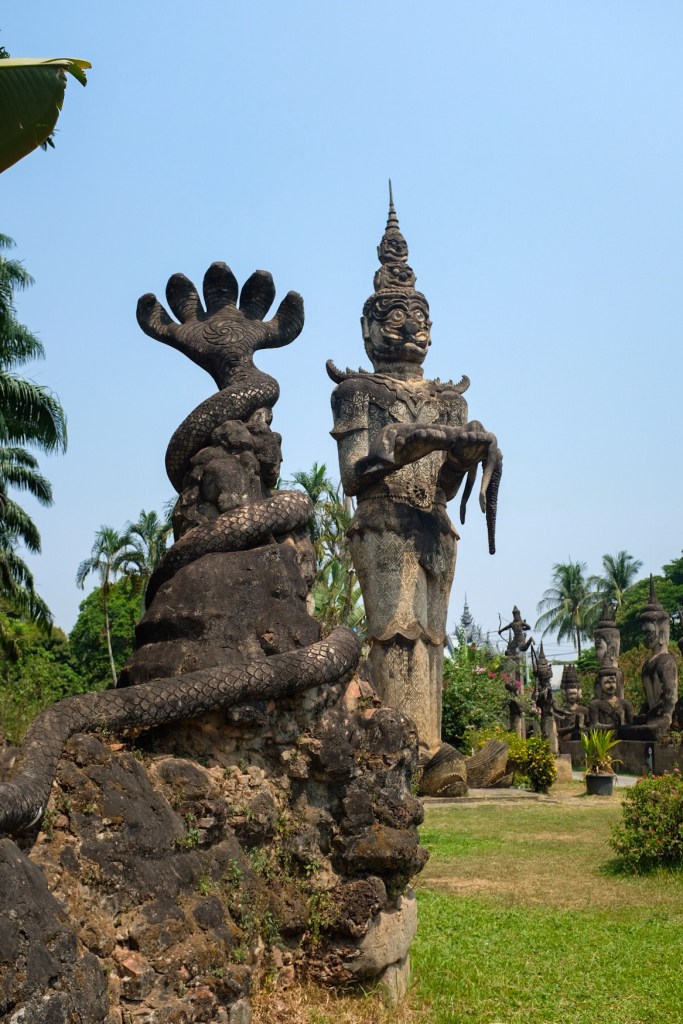
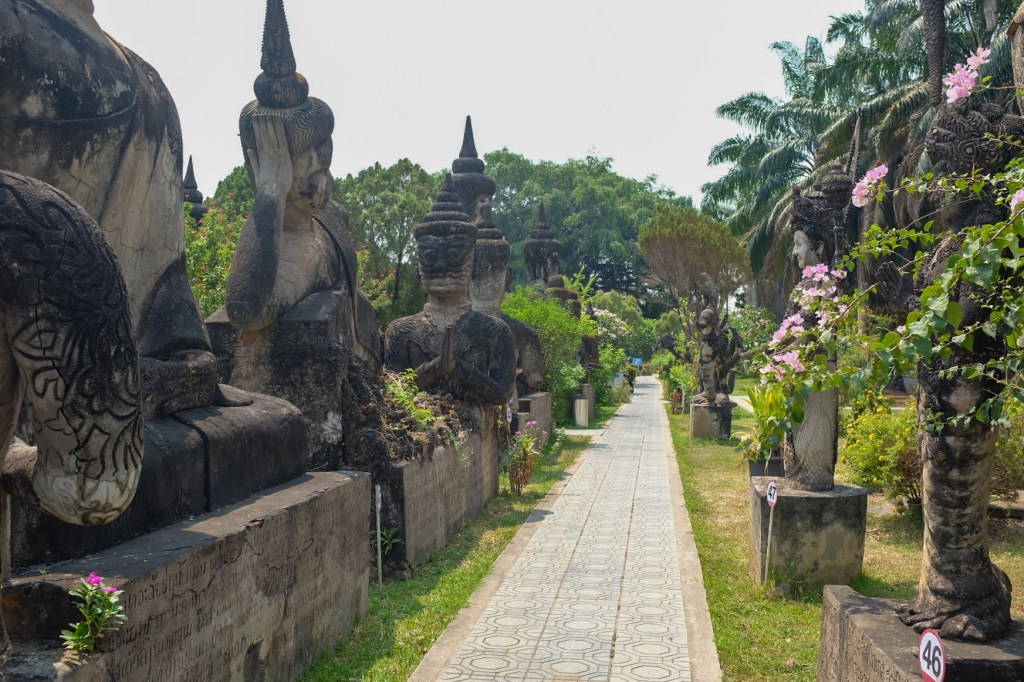
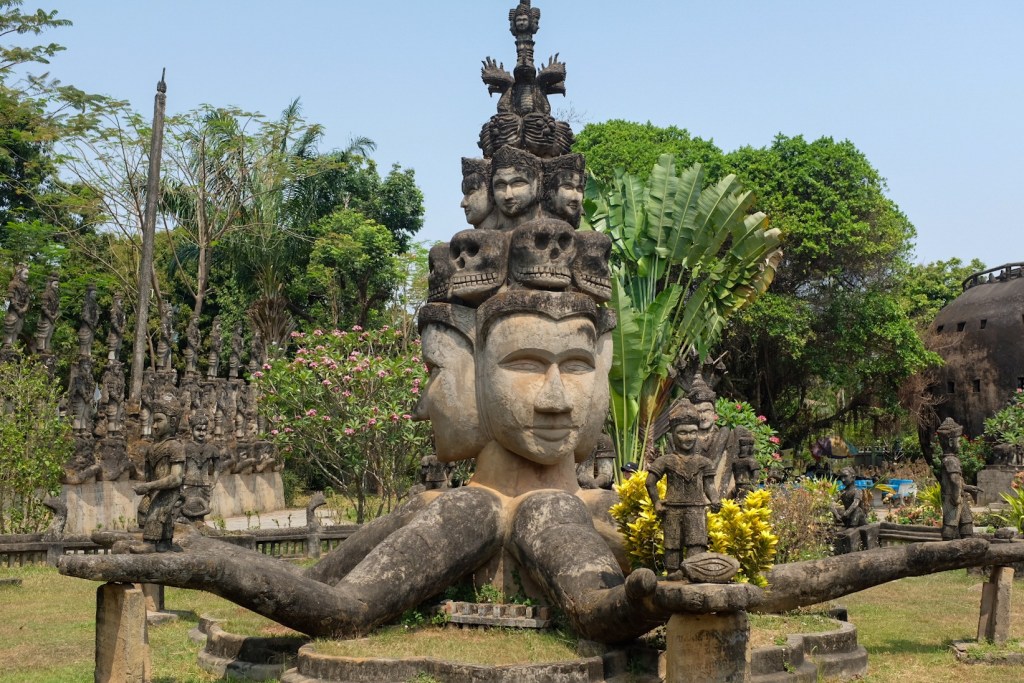
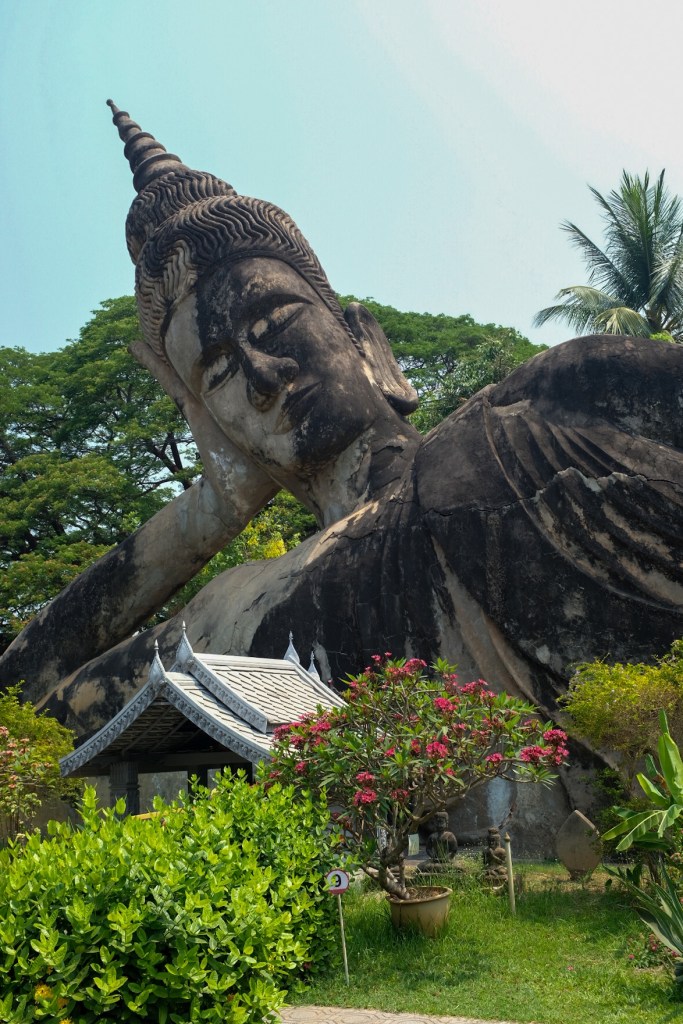
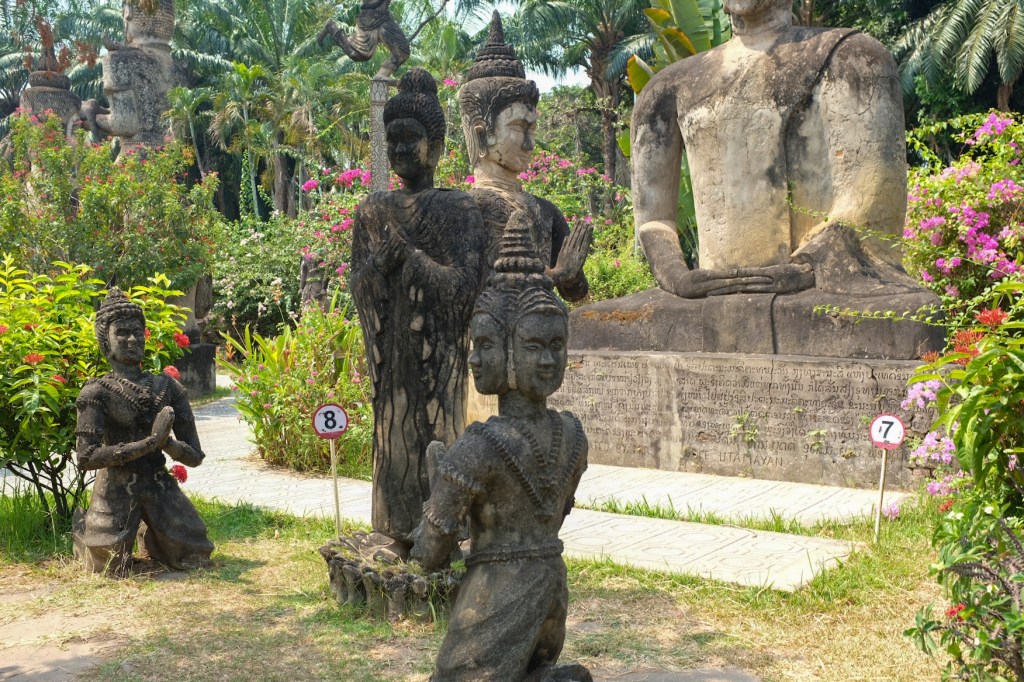
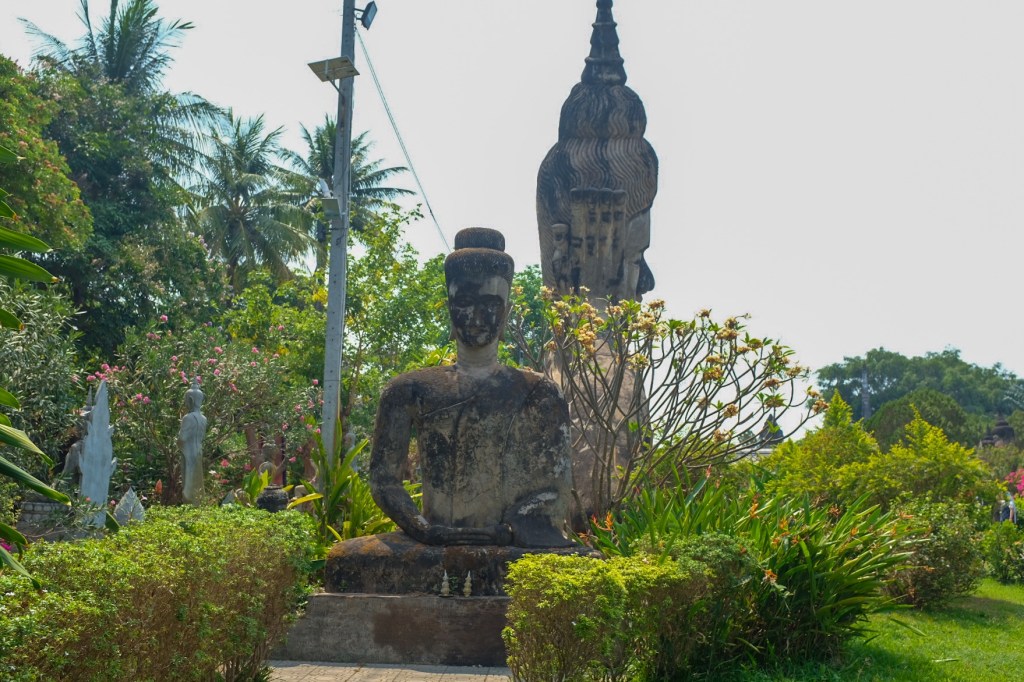
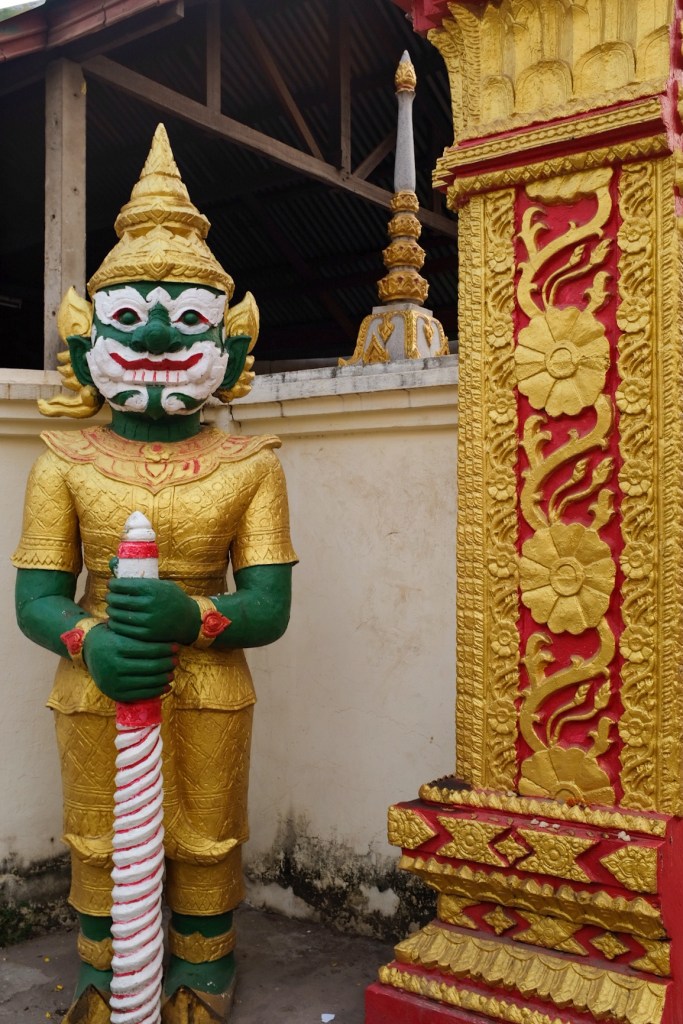
My first stop was to Wat Xieng Khouane Luang (Buddha Park) – a sculpture park in a meadow along the Mekong River. The park contains over 200 Buddhist and Hindu statues.


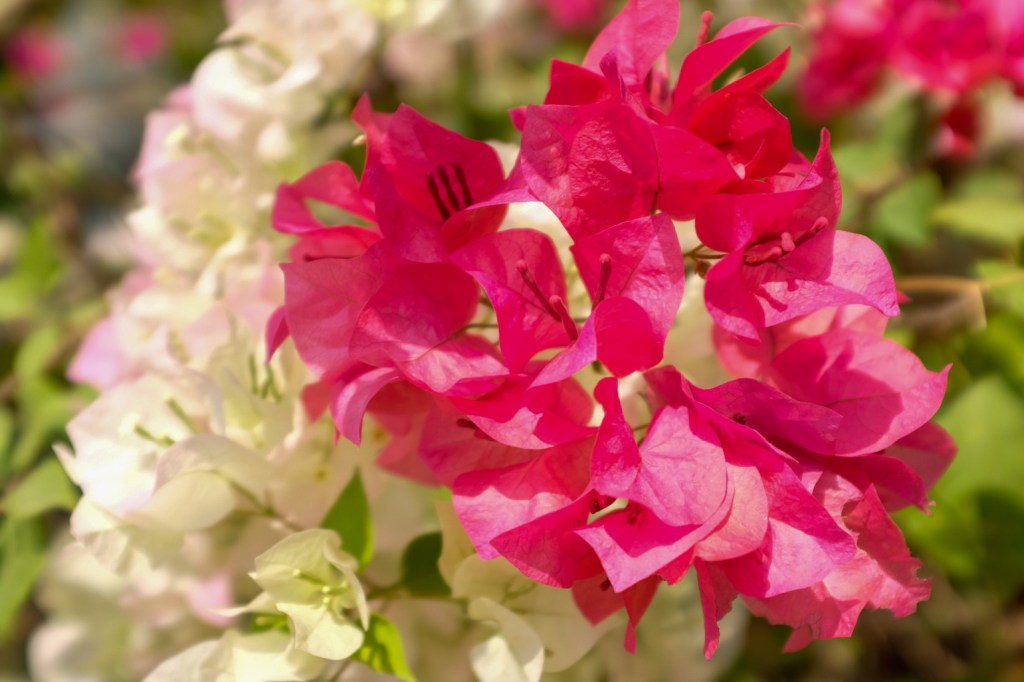
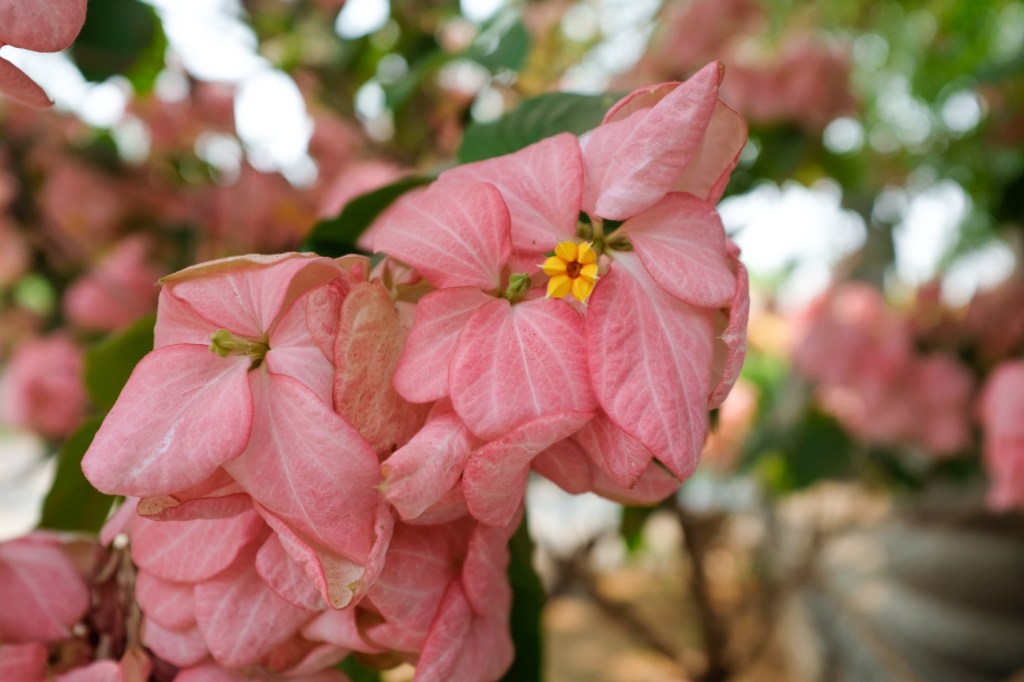
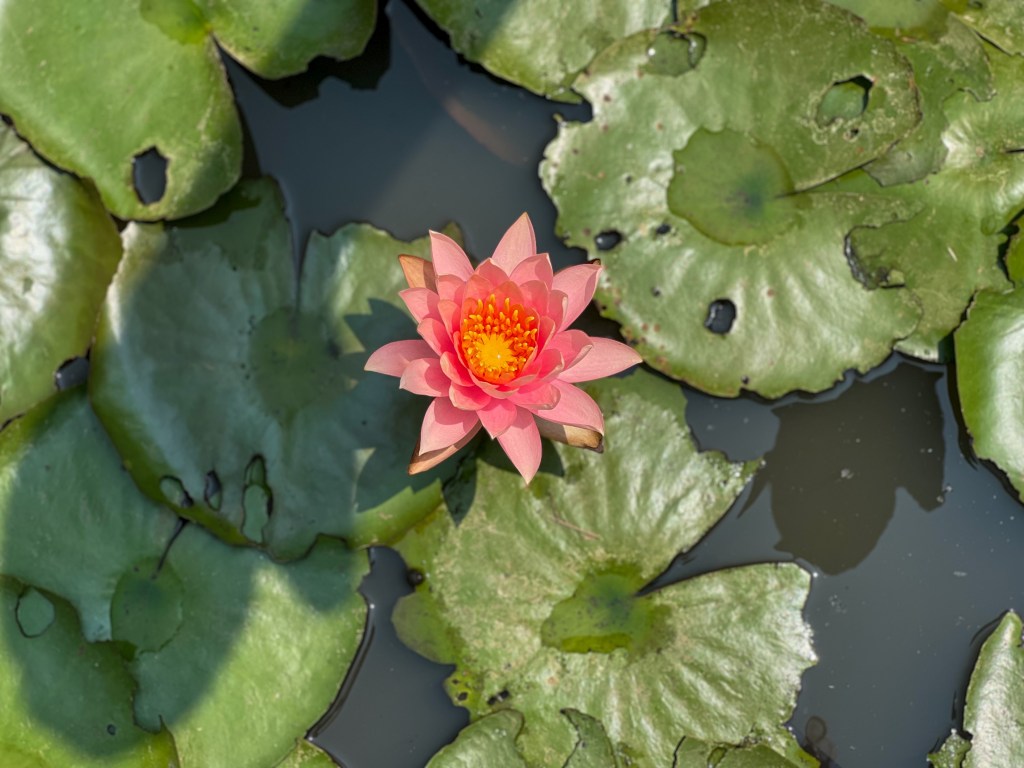
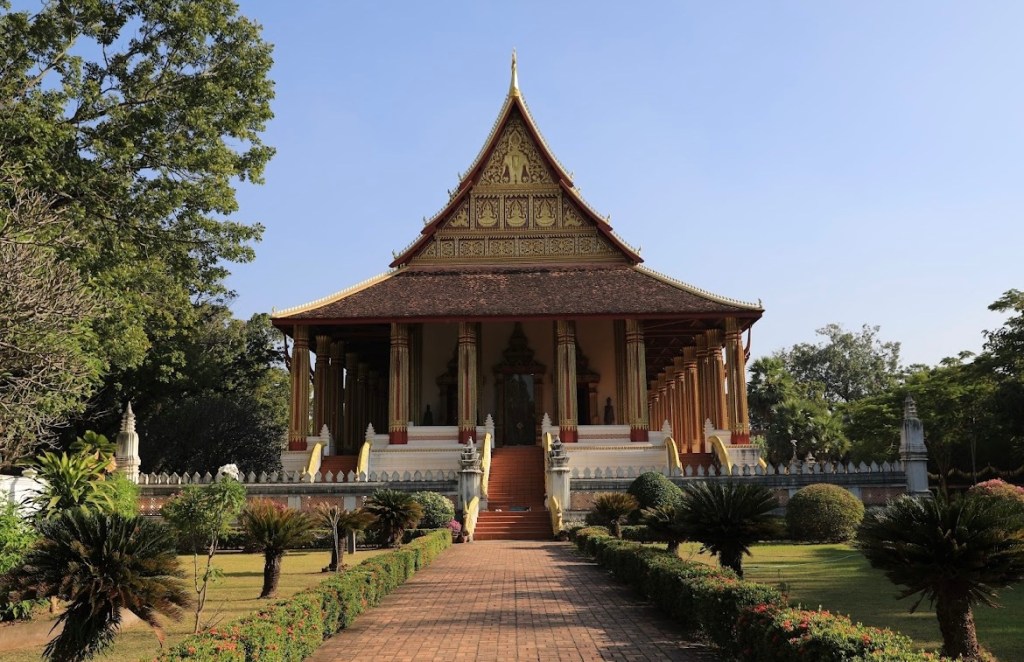
Later, I visited the Pha That Luang Stupa – also called the “Golden Stupa”, it is considered the most important Buddhist monument in Laos. The stupa is believed to enshrine a breast bone of the Buddha.
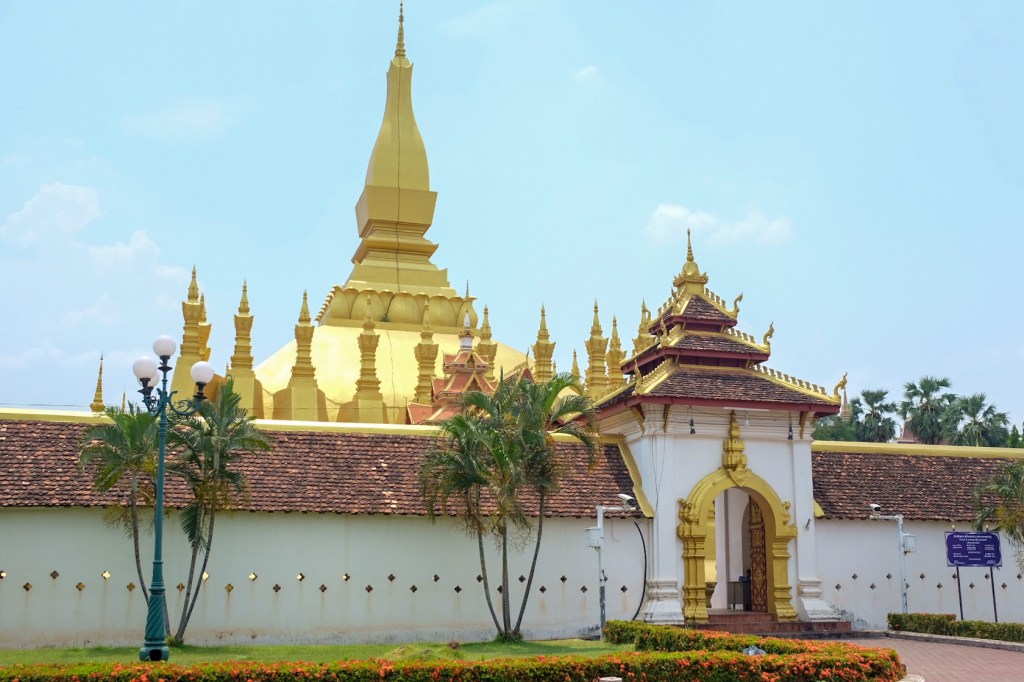
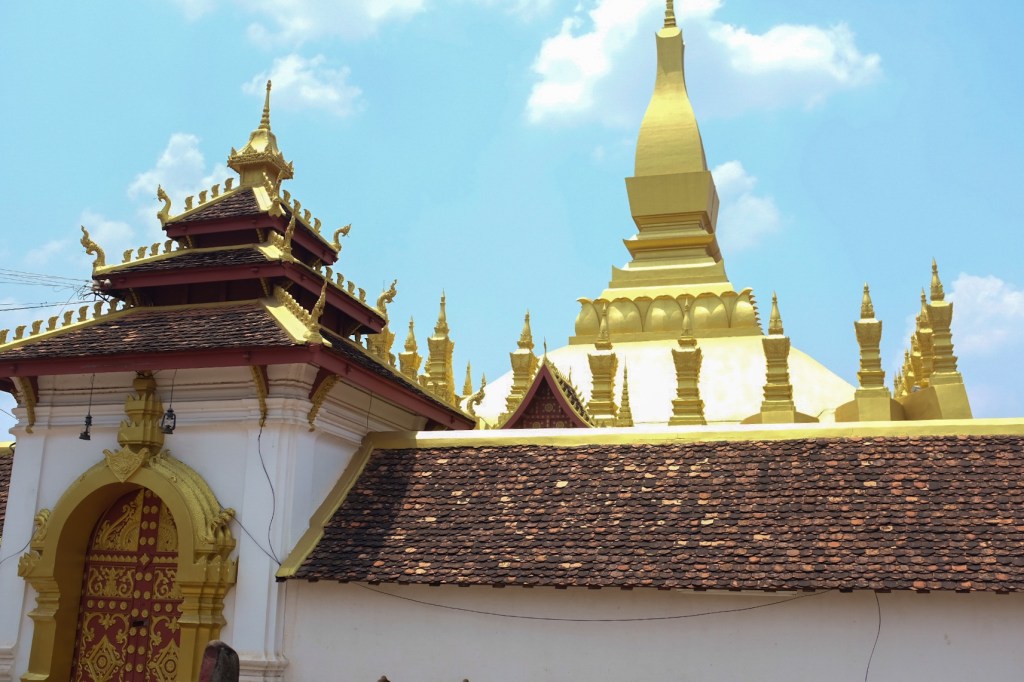
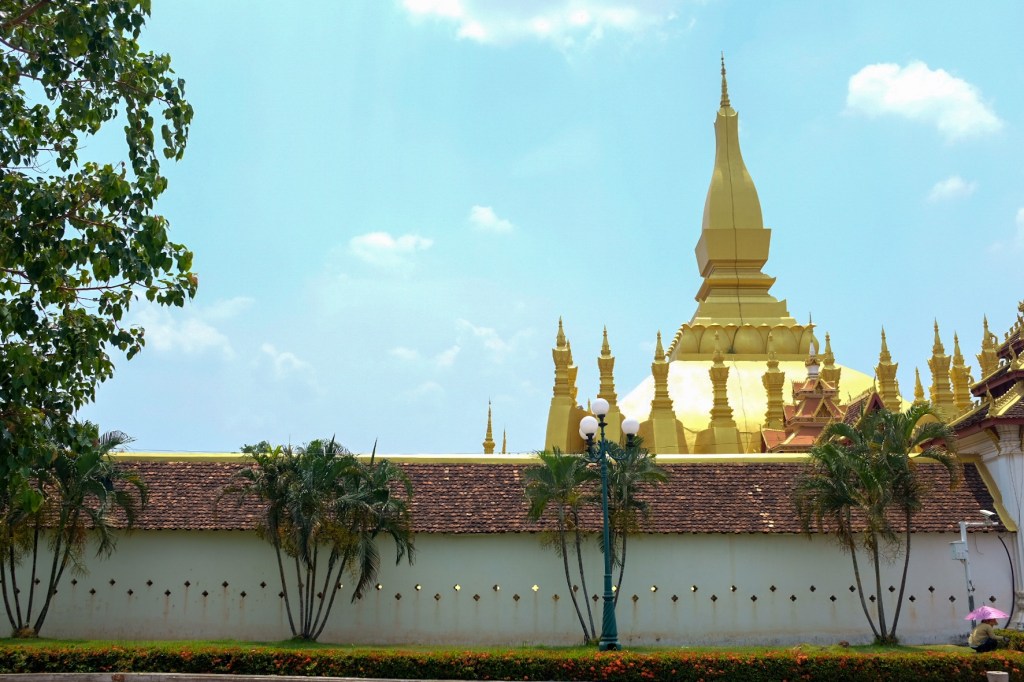
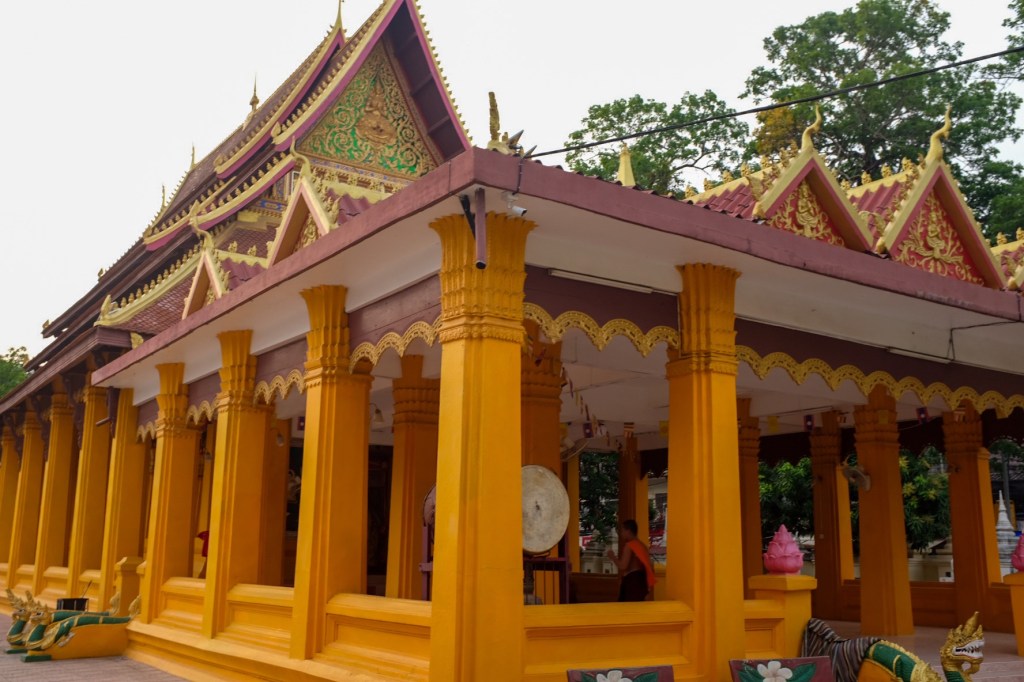
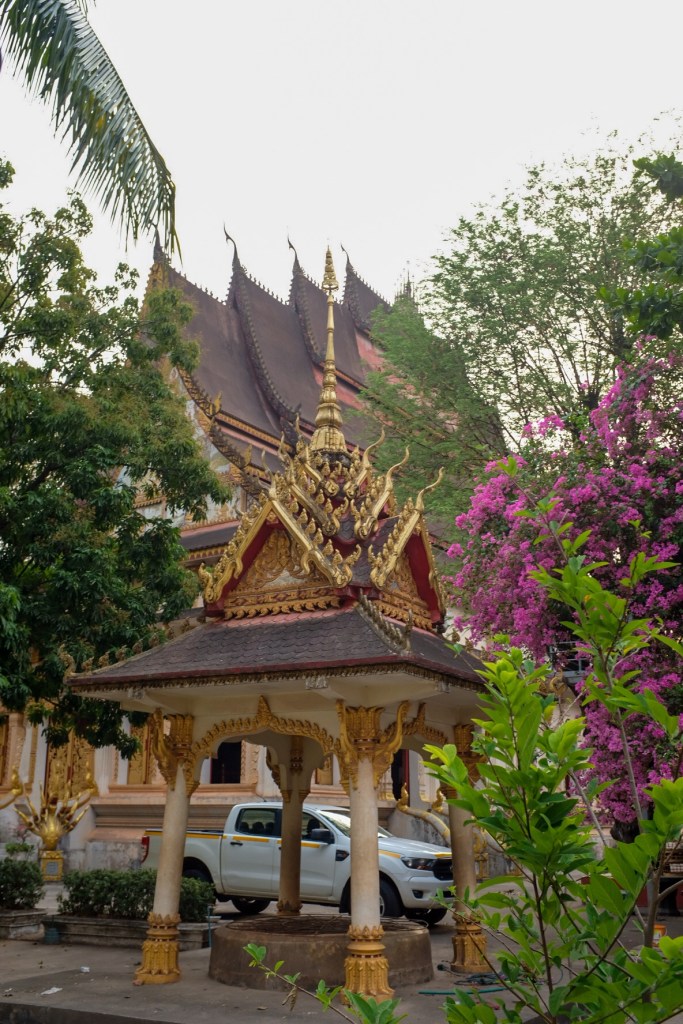
And explored Wat Si Saket and Wat Si Muang –
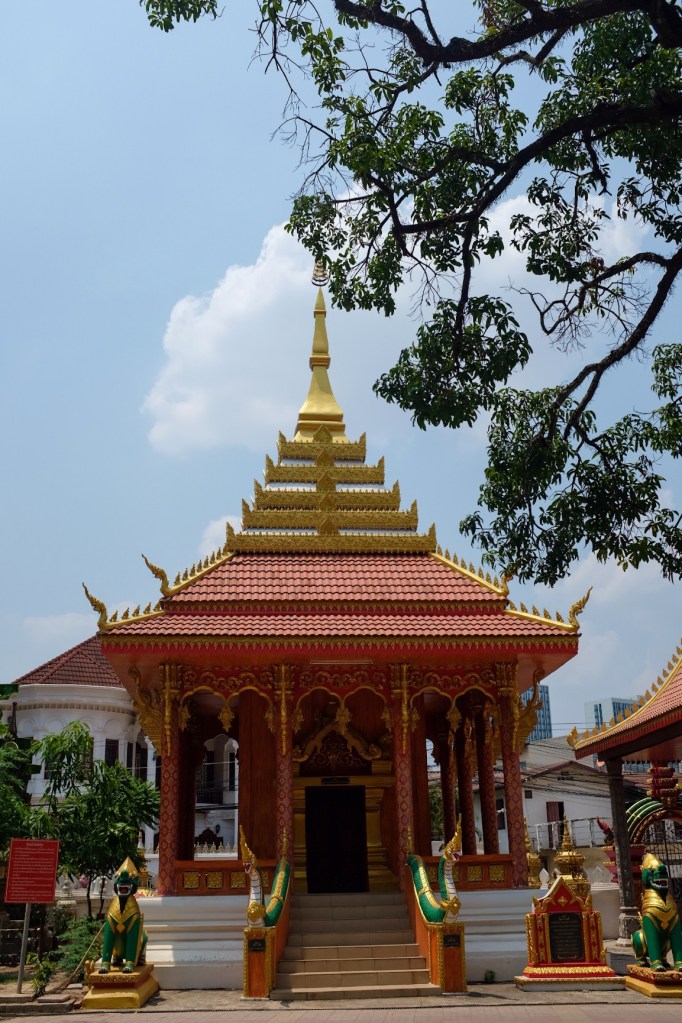
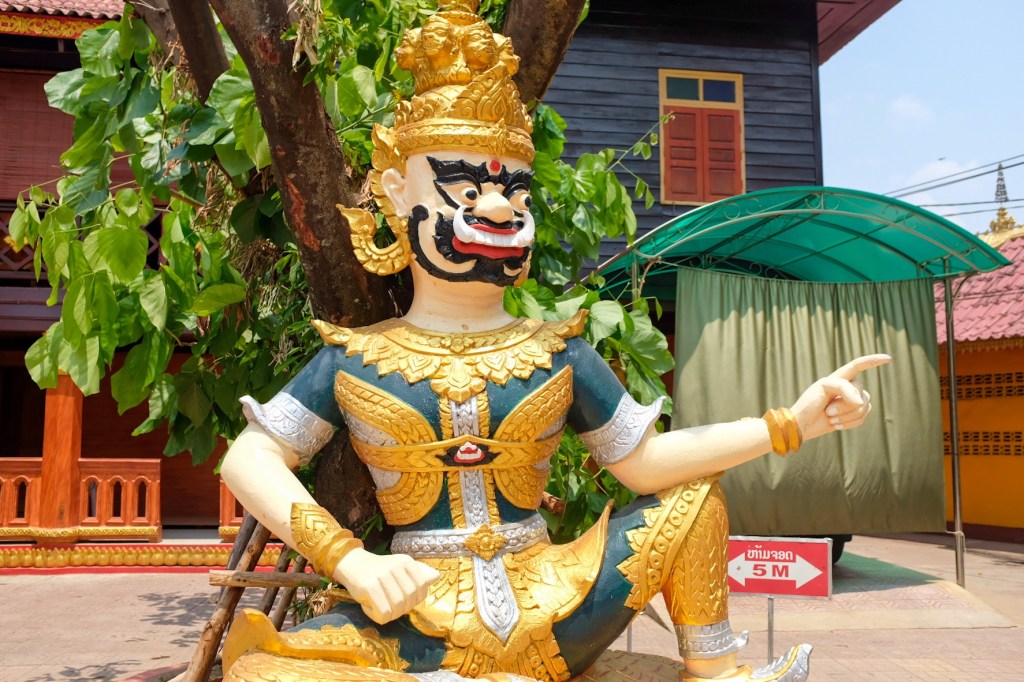
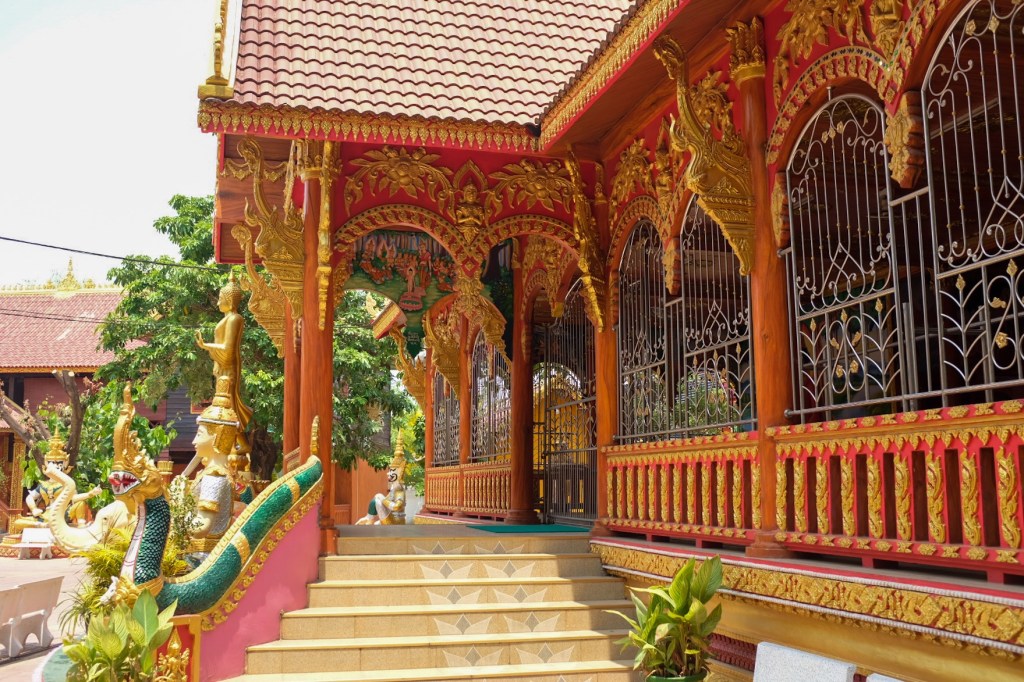
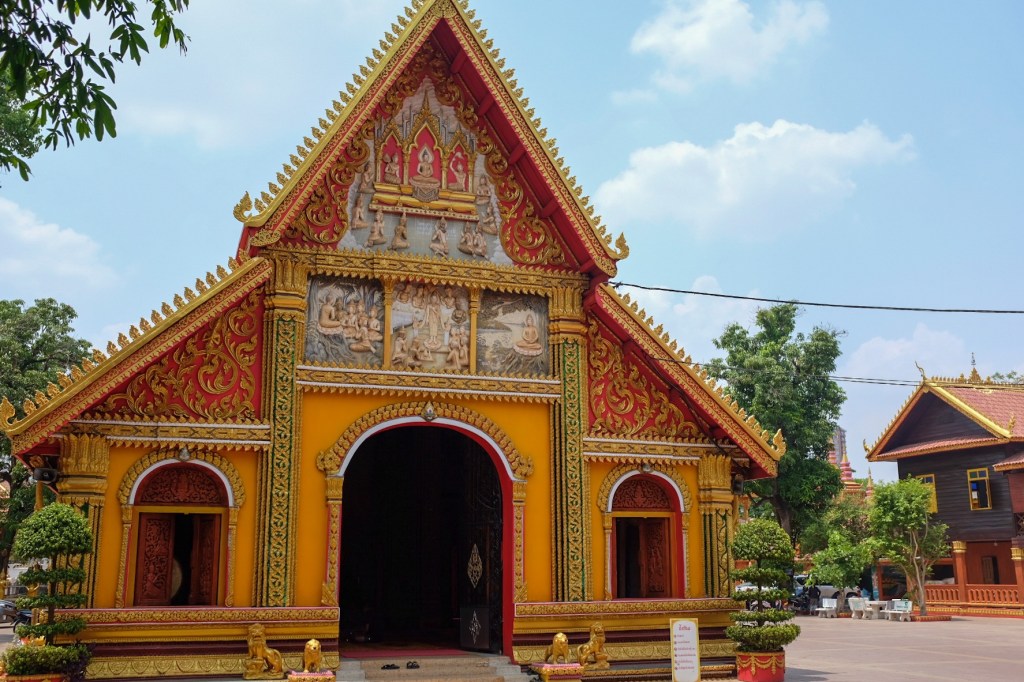
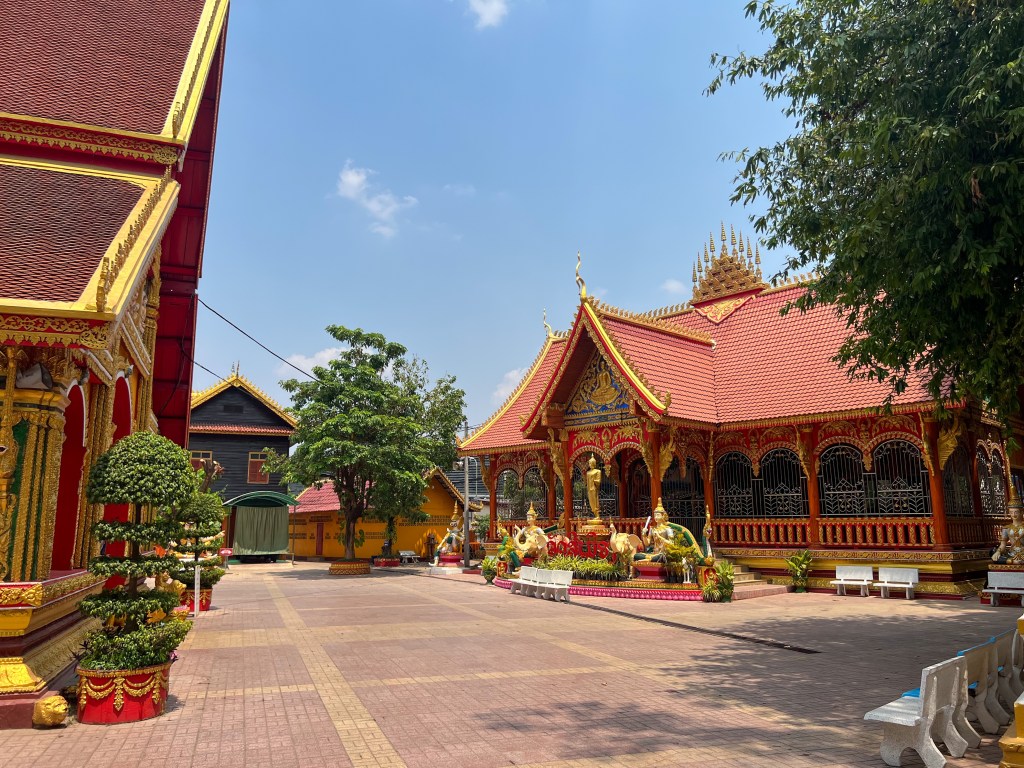
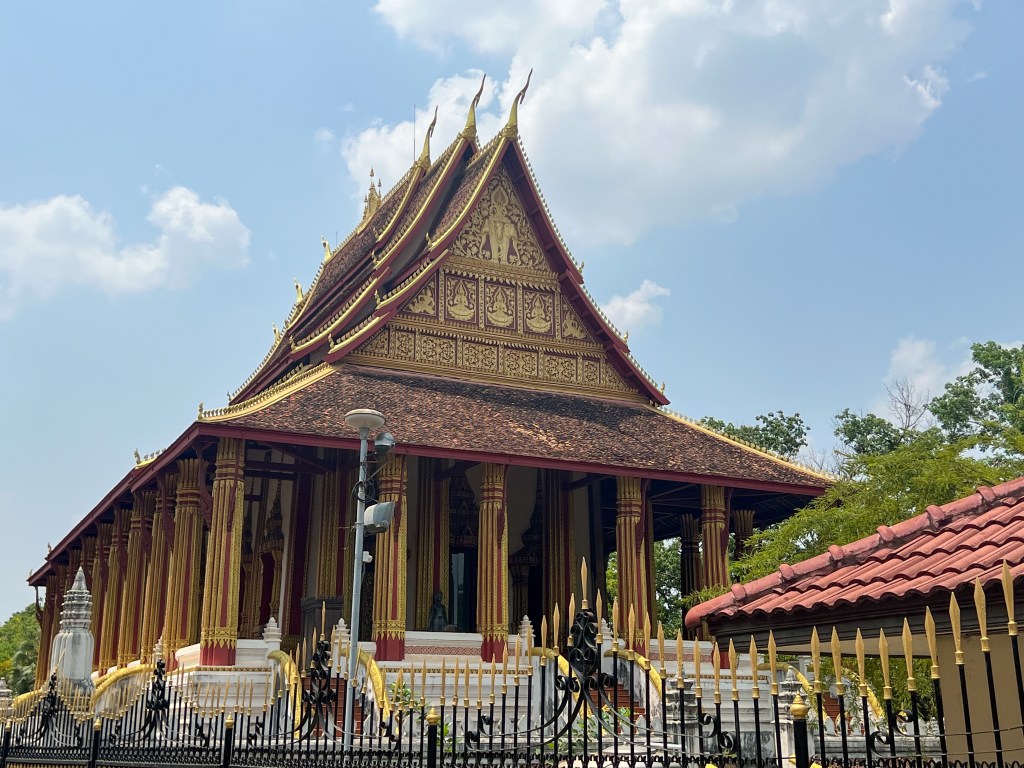
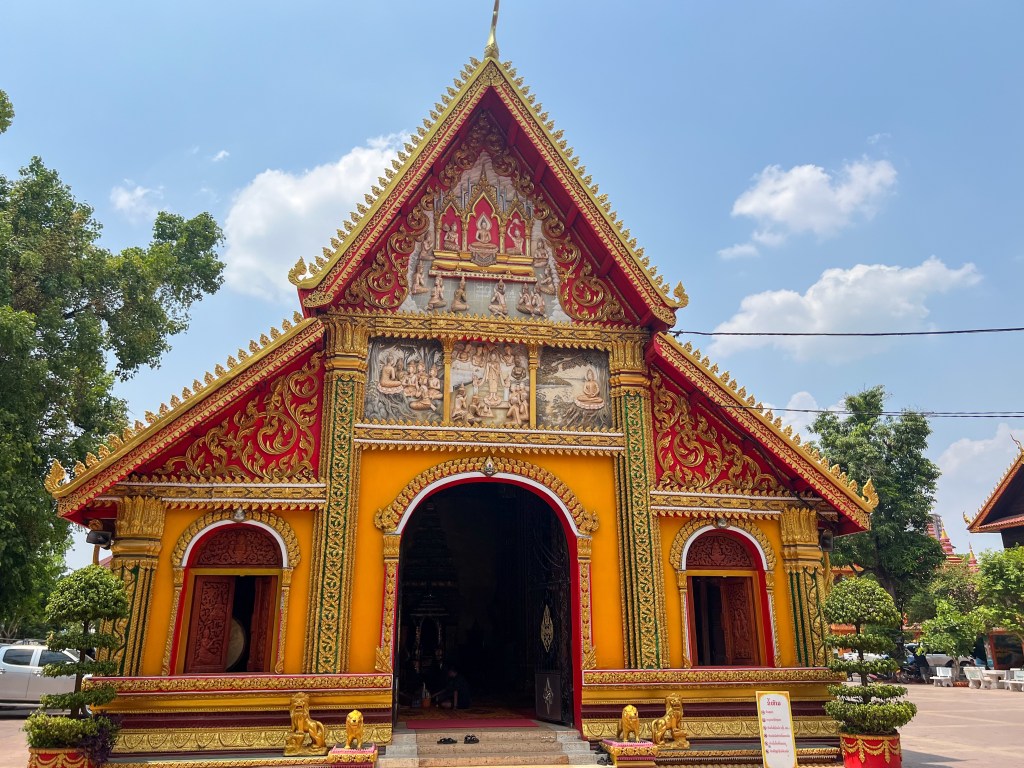
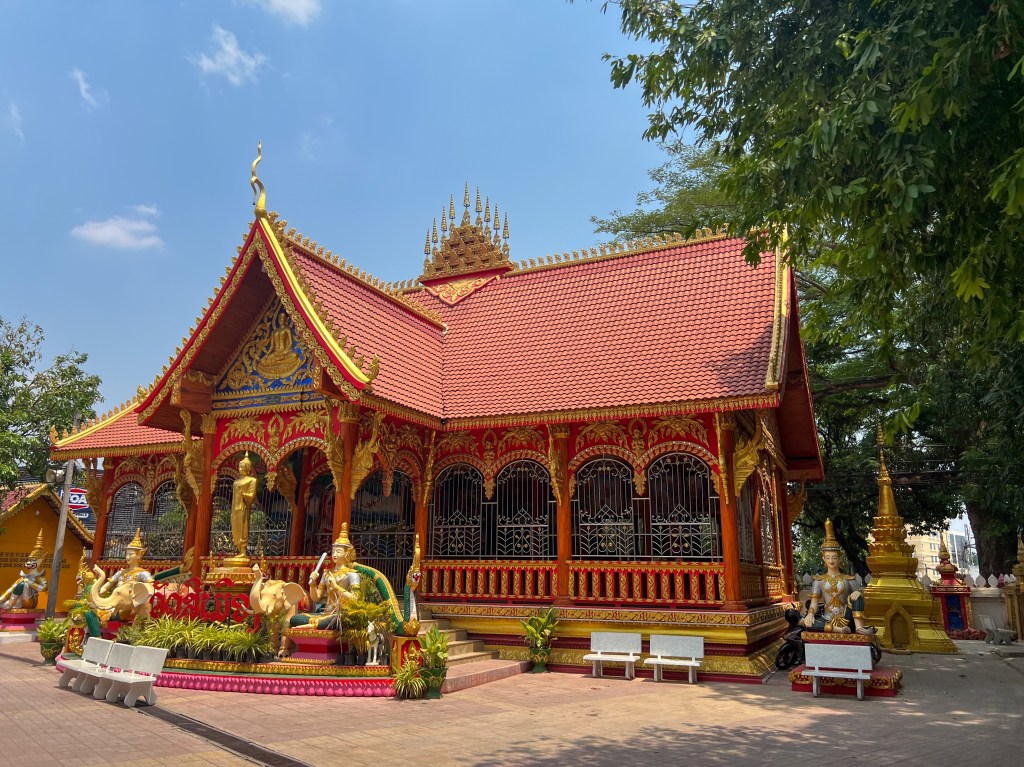


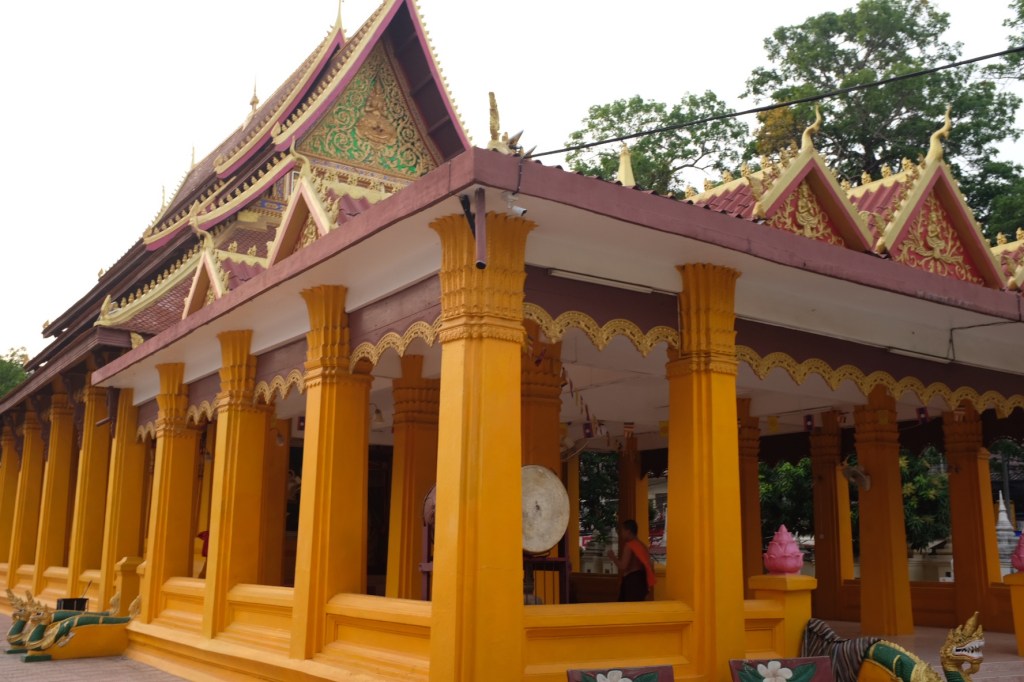



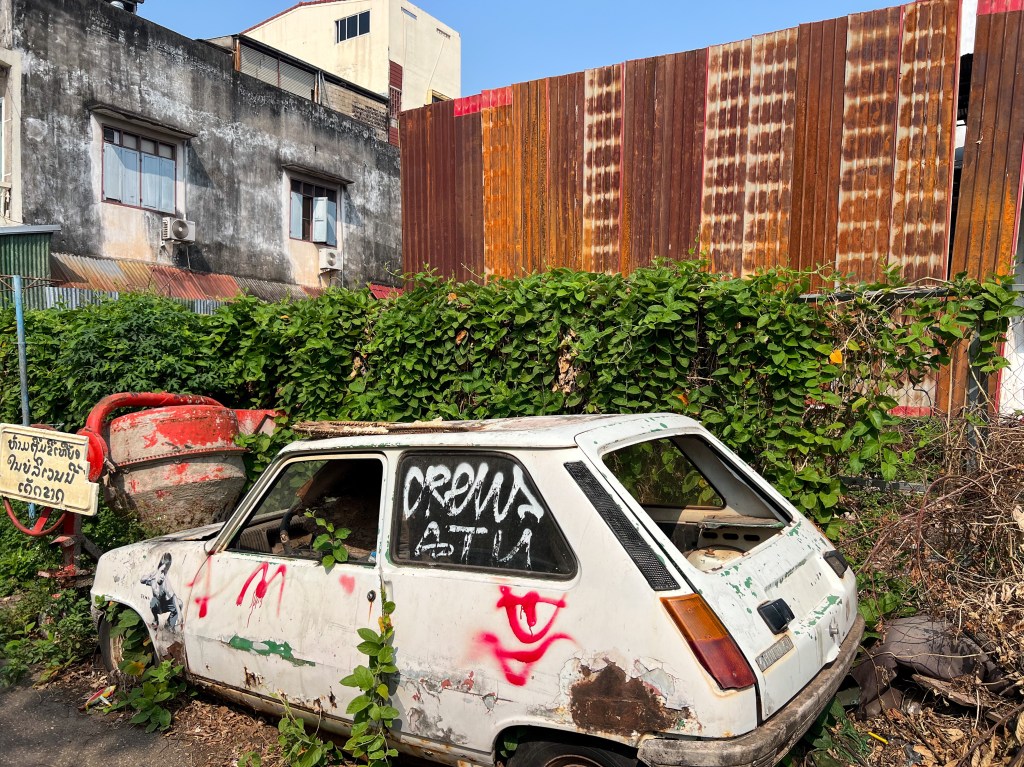
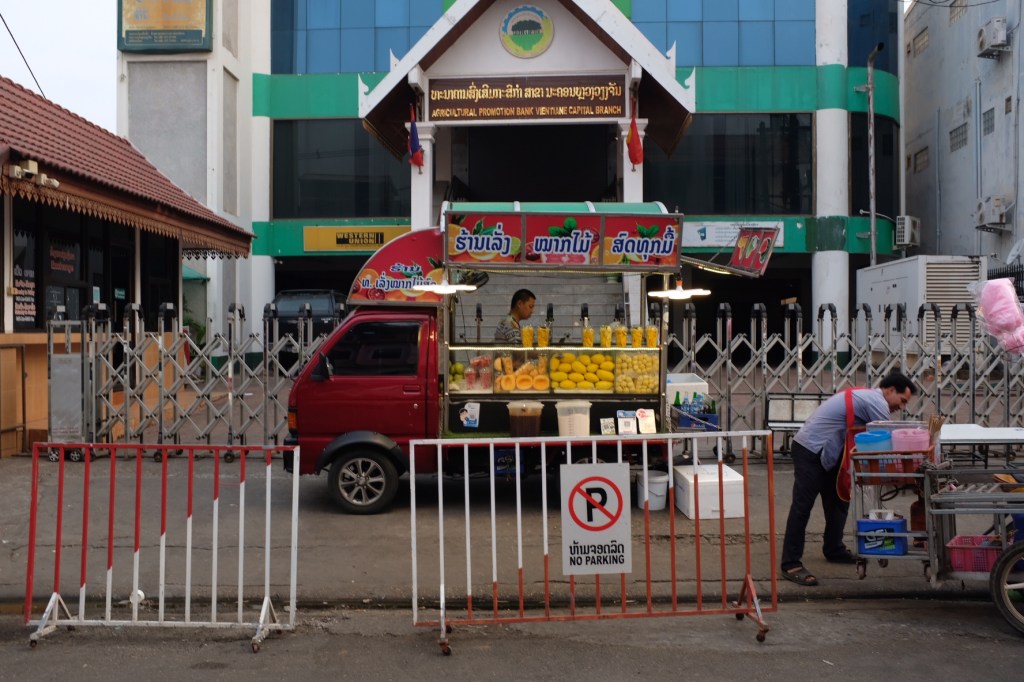
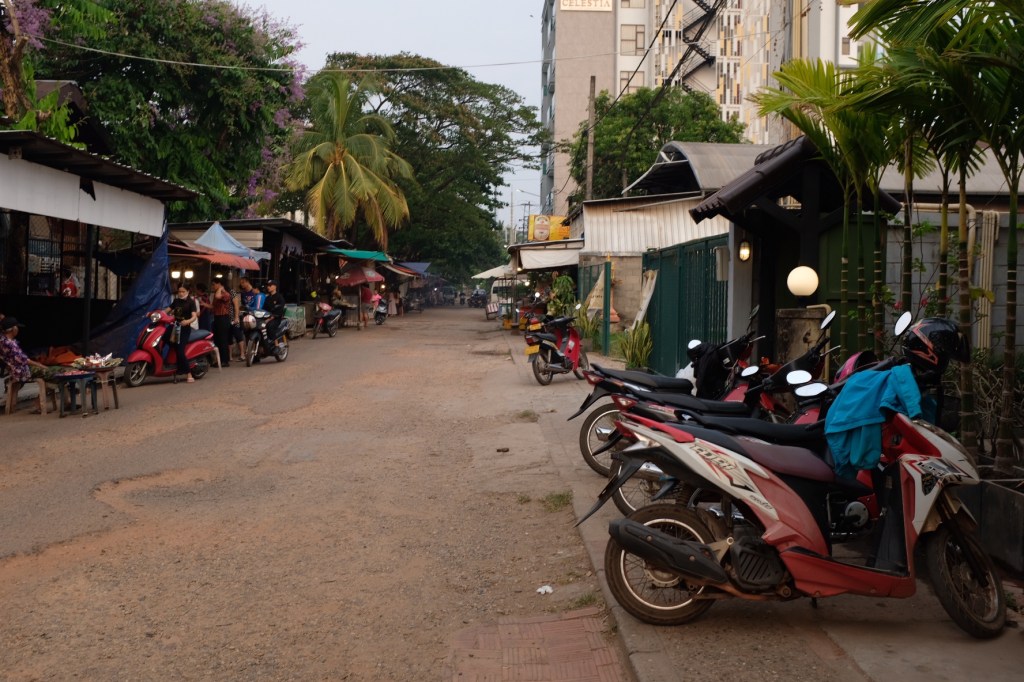
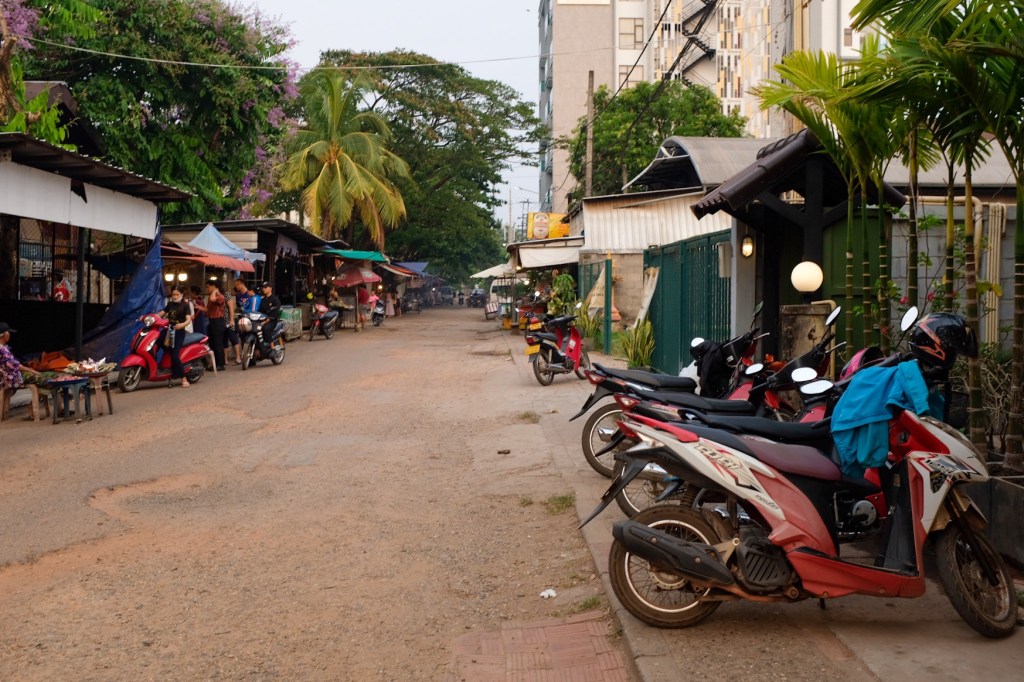
The remainder of my time in Laos I spent walking around the city, drinking good coffee in the dozens of French-Laotian cafes, and shopping through the night market.

Conclusion
After Vietnam, my mind and body needed a rest. Traveling for 5 months does a number on your body, and I knew I needed a place to recuperate and prepare for the final stretch of my trip. Laos was a nice respite from the chaos of travel, giving me a week of waterfalls, lagoons, river rides, coffee shops, and (surprising to me) some of the best food of my trip.
While a week was not enough to see the entire country, it was great to get a sense of Lao culture, history, and tradition.
See you next week as I motorbike and hike my way through northern Thailand.
Sam
 Sam on Sabbatical
Safe travel
And motorbiking
LikeLike
Sam,
Skip med school and become another Rick Steves with a television show on world travel and photography— much more fun career! You have a talent for it.
Ken
LikeLiked by 1 person