Introduction
I write this sitting at a cafe in the Delhi Tibetan colony. I sip a coffee and eat my eggs with aloo khalsa (spicy potato’s), tomato chutney, and tibetan bread, while 4 Tibetan monks sit to my right, drinking tea and watching Tic Tok videos on their phones. I look at them and they look at me, both of us moderately perplexed by the other’s presence. A few minutes later, they smile at me and, as has become custom in my time in India, ask to take a picture with me.
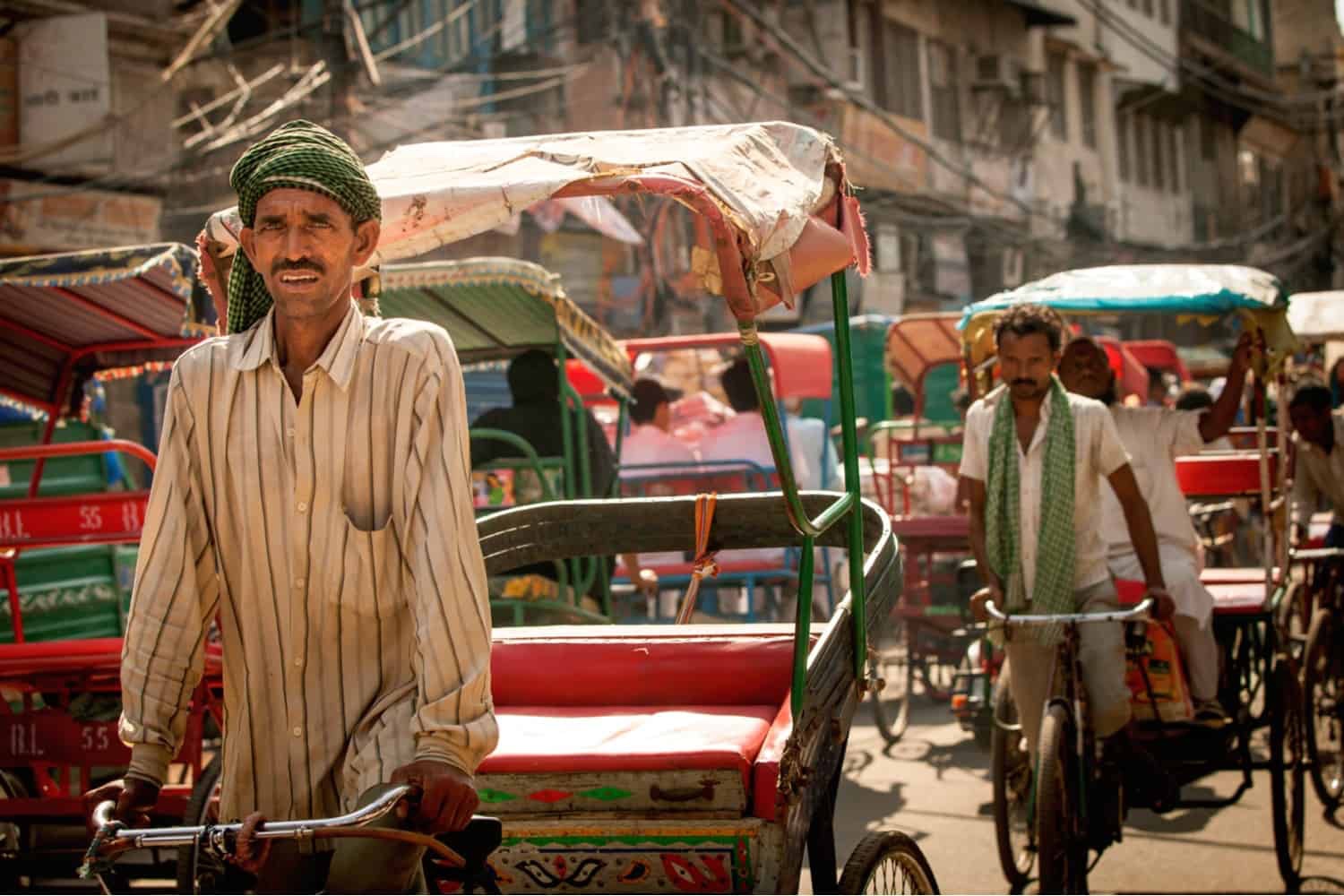
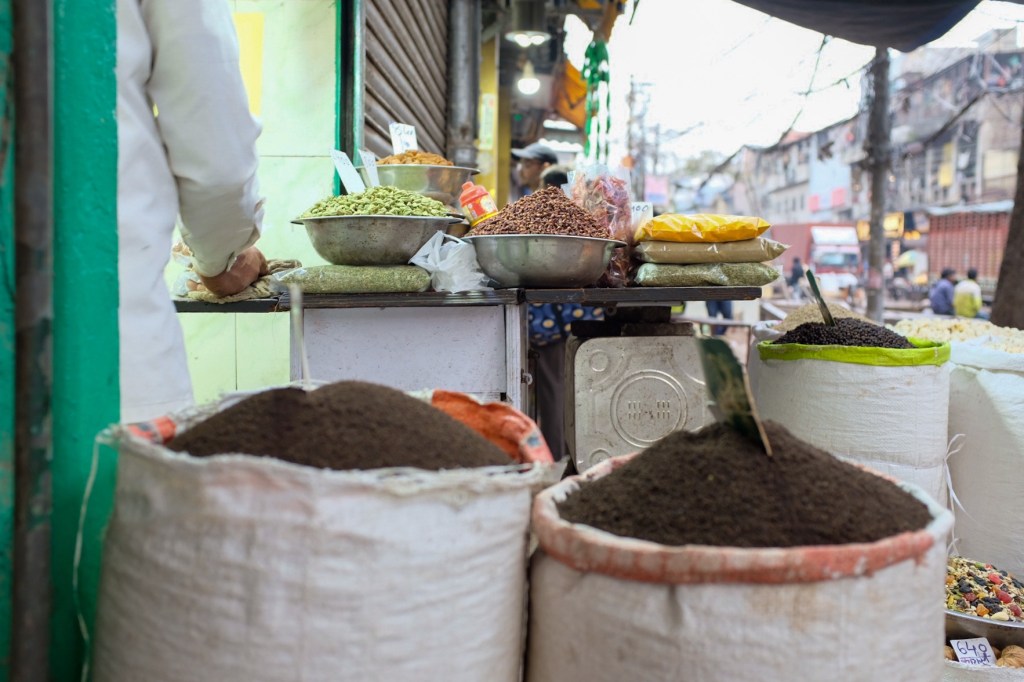
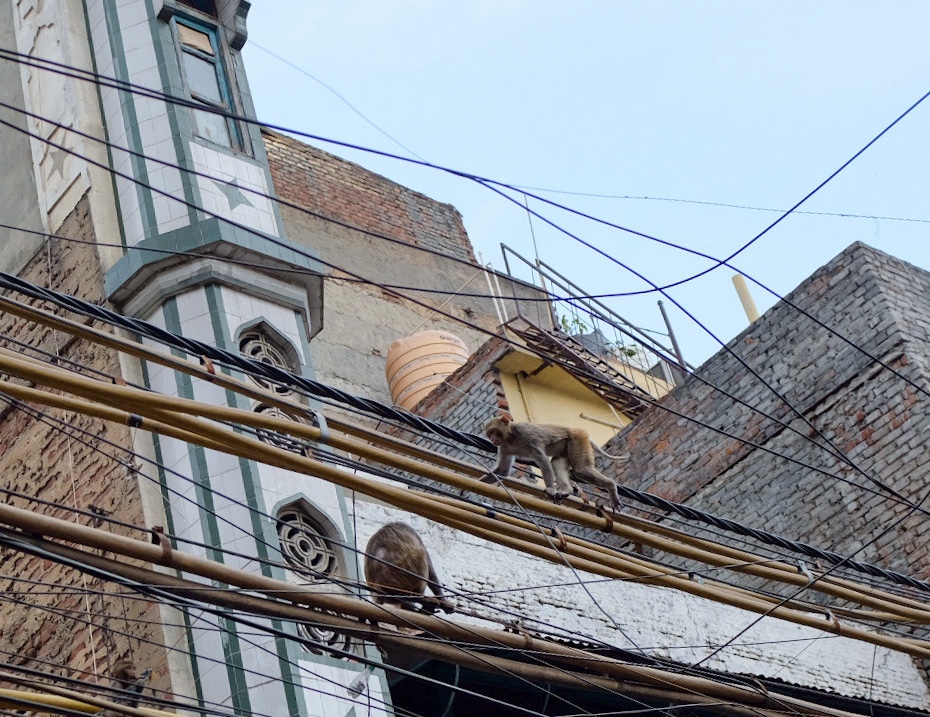
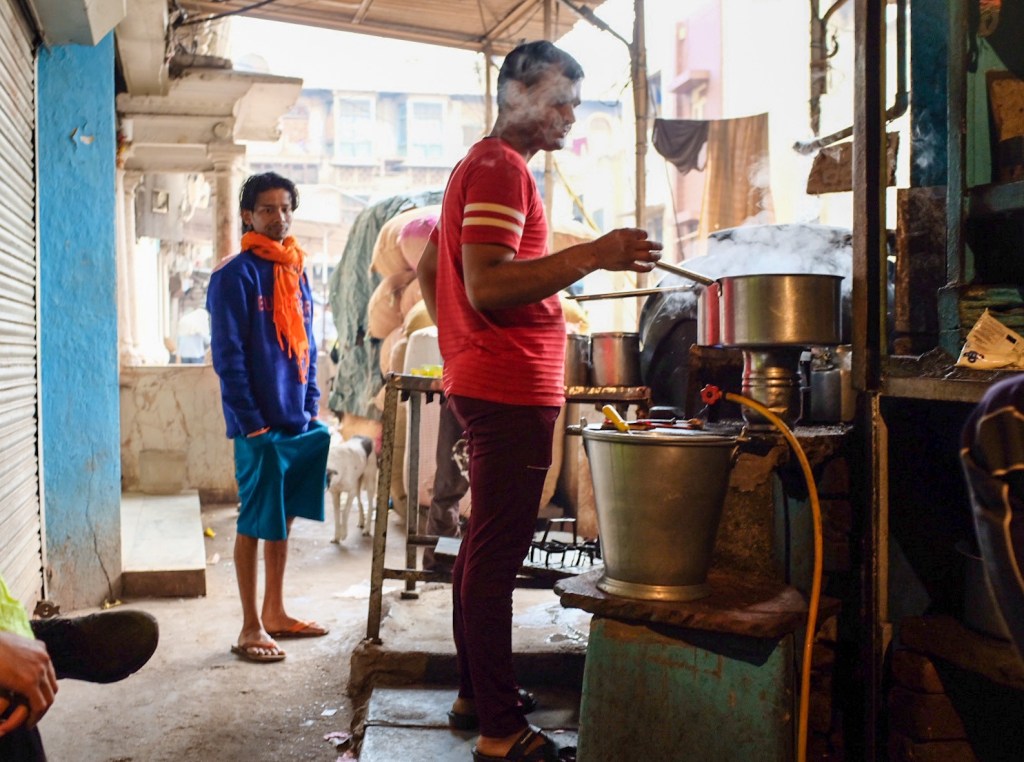
It is this scene – the confluence of modernity and the fantastical images of Asia I made up as a child, that I believe most represents my time in India. A constant bombardment of culture-shock and movie-like scenes: crowded spice markets, monkeys traversing power lines, endless shops offering chai, samosas, and kulfi – and at the center of it all, a Starbucks which would become my “safe space” – an escape from the madness that perpetually threatens my Westernized foundation.
But what was most surprising to me was the immense kindness, intrigue, and respect I received from nearly every person I met in this country – from the rickshaw drivers to restaurant workers and the fellow pedestrians on the street, all of them wanted to share their country with me and offer the best it had to offer. This benevolent kindness, with no expectation or caveat behind it, is nothing like I have ever experienced.
Delhi: New & Old
Day 1 & 2: Welcome to the Chaos
I won’t lie, having never been to Asia, the culture shock was intense – and it took a good 36 hours, full of headaches, itchy eyes, and a troubled stomach to fully acclimate to the Delhi environment. I would say the biggest adjustment was to the air quality, which, unfortunately, coats the entire city. New Delhi is one of the most polluted cities in the world with some parts of the city reporting levels almost five times those considered “unhealthy” by the EPA. Recent measurements taken at the US Embassy in Delhi put the city’s Air Quality Index at 999, off the standard chart, which finishes at the “hazardous” level of 500. By comparison, the highest AQI level recorded in Baoding – China’s most polluted city – is 298.
Because of this, in conjunction with the crowded streets inundated with excessive honking, poor sanitation, and rampant scams, many first-time visitors decide to duck in and out of the city as quickly as possible, or even skip it entirely. I think they’re making a big mistake by doing so – and I want to make clear that the 6 days I spent in Delhi were some of the most unique and eye-opening I have ever witnessed. As someone who appreciates a challenge and the rewards that can come from it, I can assure you, the struggle that first bombards Western tourists is 1000x worth the immense cultural and spiritual beauty that meets you on the other side.
There are three main areas in the city –
Old Delhi (the walled city of shahjahanabad in the 17th century) is where the culture shock hits the hardest – with first-time visitors accosted by vibrant smells, crumbling architecture, and overstimulating sounds of horns, bargaining, and religious prayers. There are two divisions to Old Delhi – the Hindu section, covered in shrines; and the Muslim section, with Arabic translations of Hindi, stalls selling meat (most of the Hindu section is “pure Veg”) and the famous Jamal Mosque. Main attractions here include the Red Fort, Raj Ghat, the Chandni Chowk spice markets, and the aforementioned Jamal Mosque. Along one street in Chandni Chowk, you can find 5 religious buildings all aligned close to each other – Jain, Hindu, Sikh, Muslim, & Christian (the city’s Jewish Synagogue is in New Delhi).
New Delhi was built by the British colonists when they decided to build a new capital in India – full of huge gleaming buildings, historical monuments, parks, and government structures. This is where tourists can find Gurudwara Shri Bangladeshi Sahib (a famous Sihk house of worship), Agrasen Ki Bali (a 10th century step-well), India Gate, Humayun’s Tomb, Safdarjung Tomb, and Lodhi Garden.
South Delhi — an upmarket residential neighbourhood that’s calmer and quieter, full of beautiful homes as well as the Lotus Temple, Qutub Minar, and the PVR Directors Cut Cinama, where visitors can enjoy a Bollywood movie over dinner. I will visit this area on my last day in India.
Bonus Section: North Delhi Tibetan Colony – If you go 25-30 minutes north of Old Delhi, you will arrive at the Tibetan Colony, Manual-ka-tilla, established around the 1950’s. Just as the area was developing, the 1959 Tibetan uprising took place, and many residents of Majnu-ka-tills left Tibet when the Dalai Lama went into exile. Soon, a small Tibetan refugee camp rose across the road and in 1960, the Indian government allotted the land to the refugees. After the Sino-Indian War of 1962, many of the refugees who had previously settled near the Indo-Chinese border moved to the Delhi Tibetan colony. Today, it is home to guest-houses, cafes, restaurants, and two Buddhist temples. If you have the extra time, I highly recommend you come to this area and experience the colony and its wonderful food.
As hinted above, my first 36 hours in Delhi were largely an adjustment period, as I tried to navigate the busy streets in search of cash, a sim card, and some eye drops. A fairly quick errand given the cities endless shops selection, I then moved to the second most important task – finding a good curry & a lassi. It was time to test my gut resiliency.
For the uninitiated, first time Western tourists to India are constantly confronted with the russian roulette of food poisoning – lovingly labeled Delhi Belly. This relatively harmless but immensely uncomfortable condition typically occurs when tourists go anywhere near the street food, which often does not meet the sanitary standards Westerners’ stomaches are accustomed to. I was fortunate enough to enjoy many Indian street treats with limited abdominal upset throughout my time in Delhi, and I believe it was these principles I followed that helped defend me:
- Go vegetarian! (mostly) – India has the lowest amount of meat consumption in the world – so I decided to switch over to a largely meatless lifestyle – except for Chicken biryani, of course.
- Avoid most fruits and vegetables while you are in the country. This unfortunate rule helps to avoid contamination from the water, which is not drinkable for Westerners.
- Hand Sanitizer!! Most of those closest to me know that I am not a fan of excessive use of hand sanitizer outside of the medical system – but here in India, it became my best friend, protecting me from contaminated surfaces, utensils at restaurants, and the occasional face-touch.
- NO TAP WATER – do not drink the water, do not put the water near your mouth, eyes, ears, etc… do not brush your teeth with the water. It is safe to shower with it, but, for the love of god, do NOT open your mouth.
- NO ICE – Unless it is starbucks, you should assume the ice is made from the tap water or shipped to restaurants in unsanitary conditions. Keep an eye out for refrigerated drinks or accept luke warm beverages.
- Antibiotics – I took a 3-day series one day when I started feeling some upset in my stomach after eating some of the best dahl and naan of my life. Whether the antibiotics saved me or I just got lucky, I am not sure – but they are certainly worth bringing.
- Add an extra day to your itinerary so you can take it slow – feel some abdominal issues? Take a rest & don’t push it!
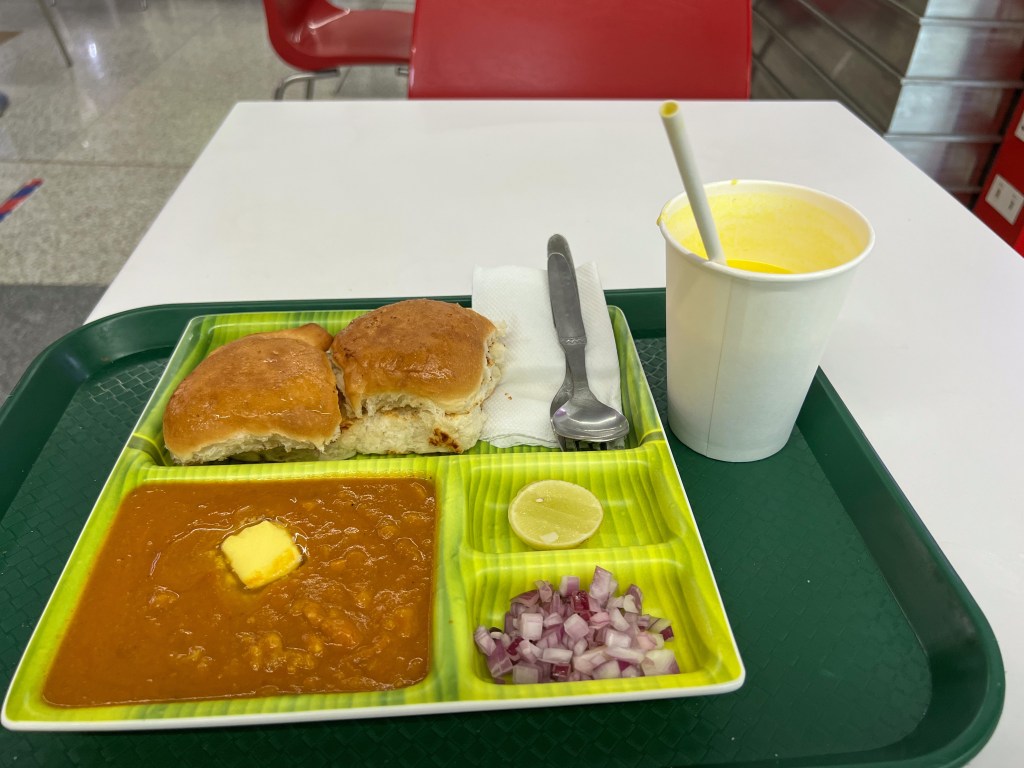
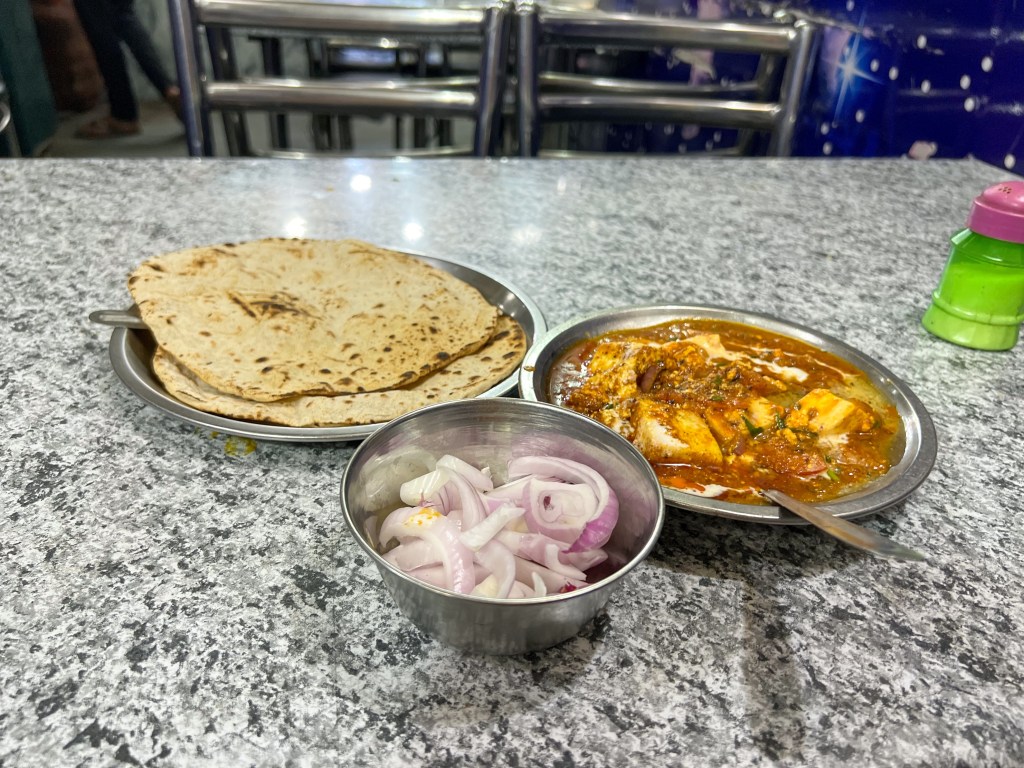

For me, the risk and minor abdominal upset was well-worth the incredible meals I got to enjoy. For me, the mix of street and restaurant food was the optimal way of experiencing the culinary culture and protecting my body – but your risk tolerance may vary!
Day 3: New Delhi
After settling in, I decided to escape Old Delhi (where I was staying) for a day and explore the calmer New Delhi.
My first stop was Agrasen Ki Baoli, which is a step-well from the 10th century, with soaring arched walls and alcoves.
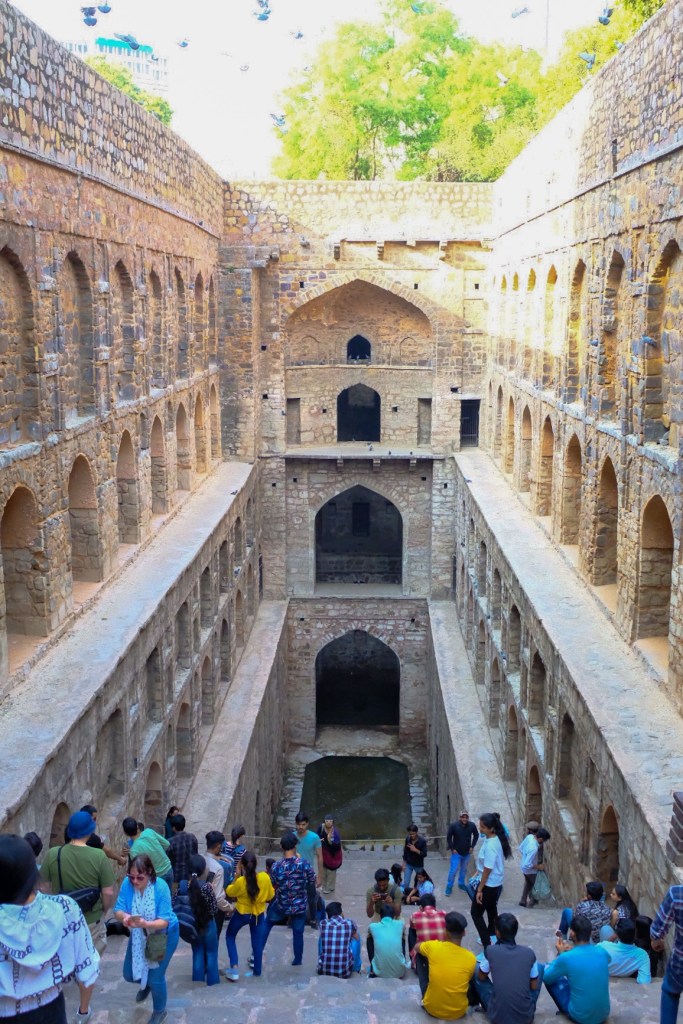
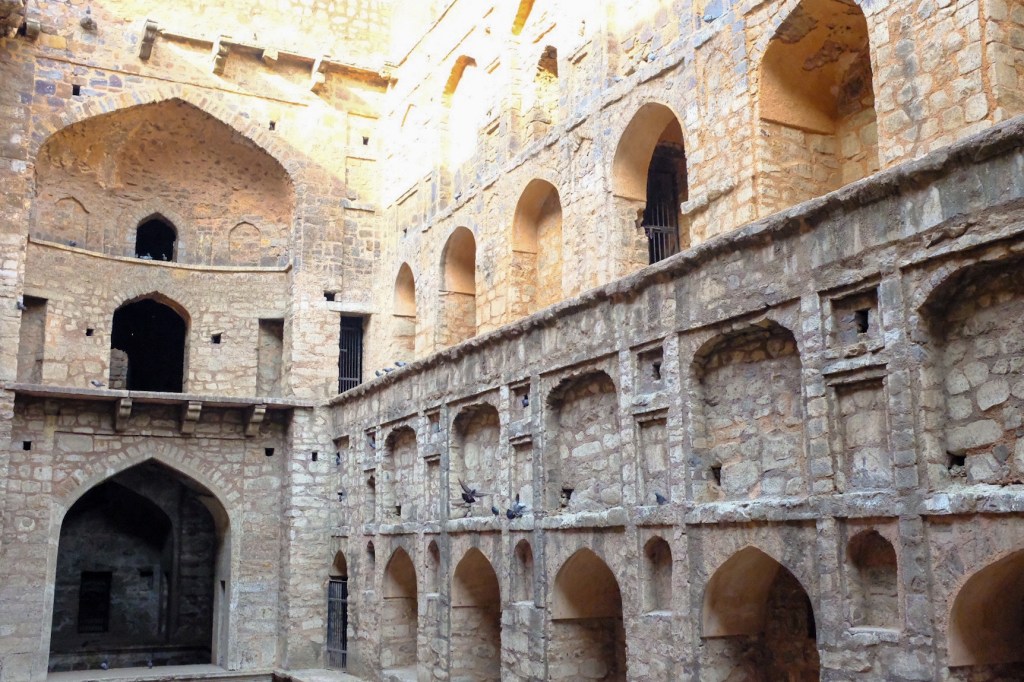
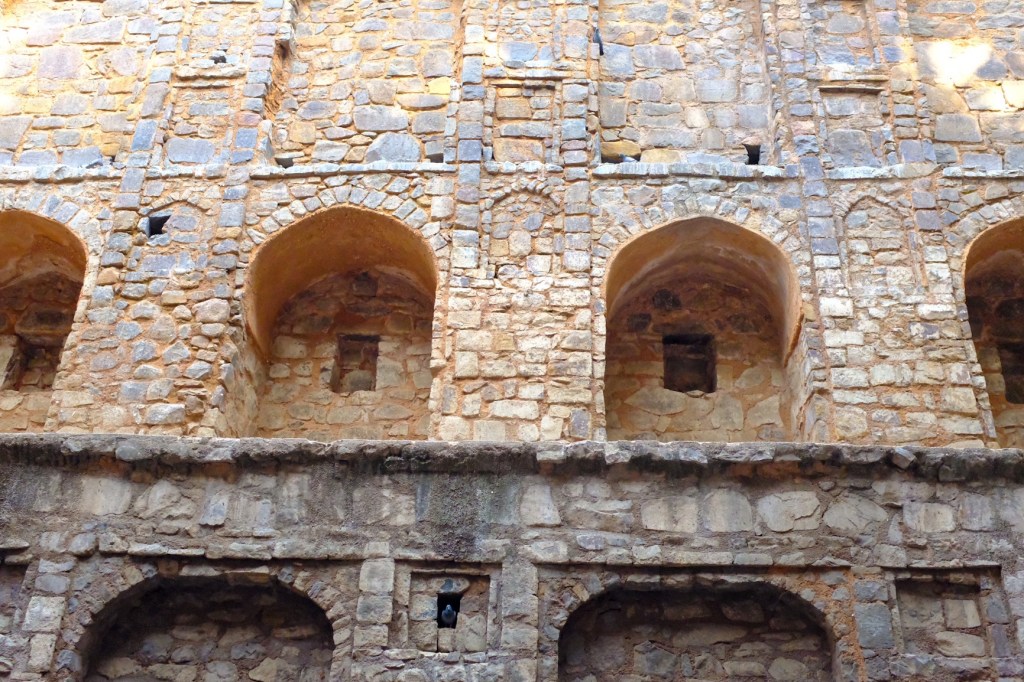
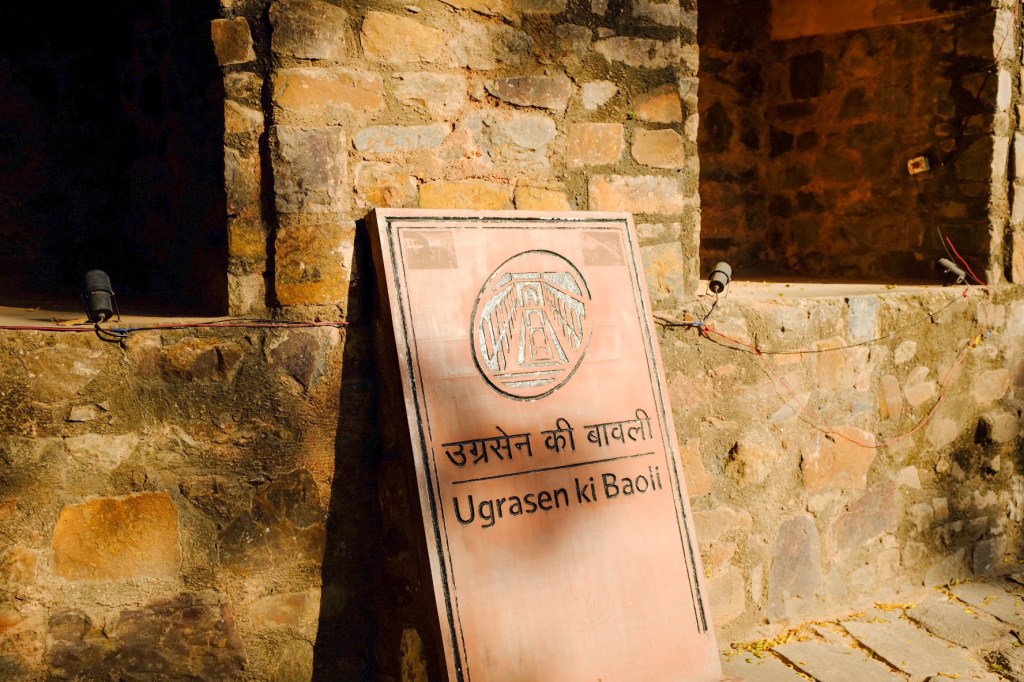
Afterwards, I made my way to India Gate, a war memorial commemorating the 84,000 soldiers of the British Indian Army who died in the First World War. 13,3000 service members’ names are inscribed on the gate.
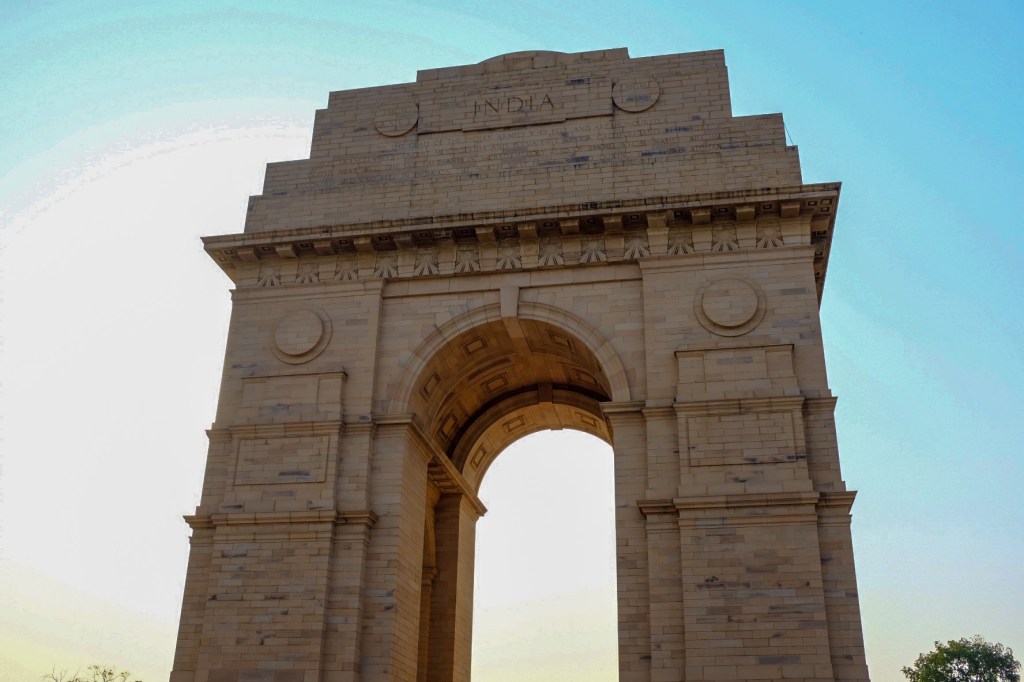
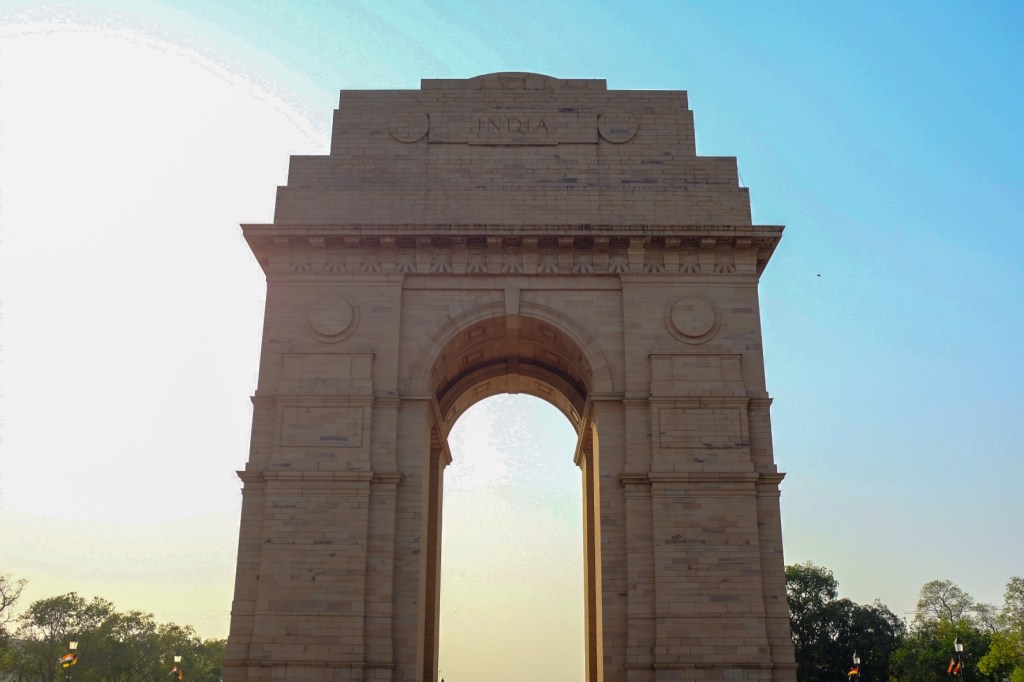
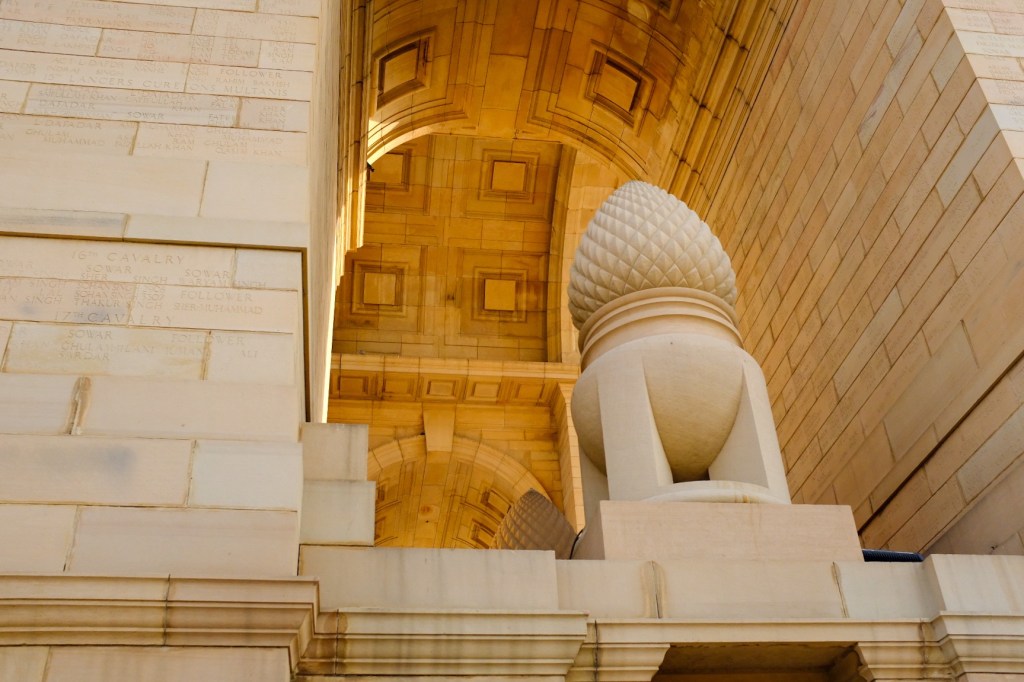
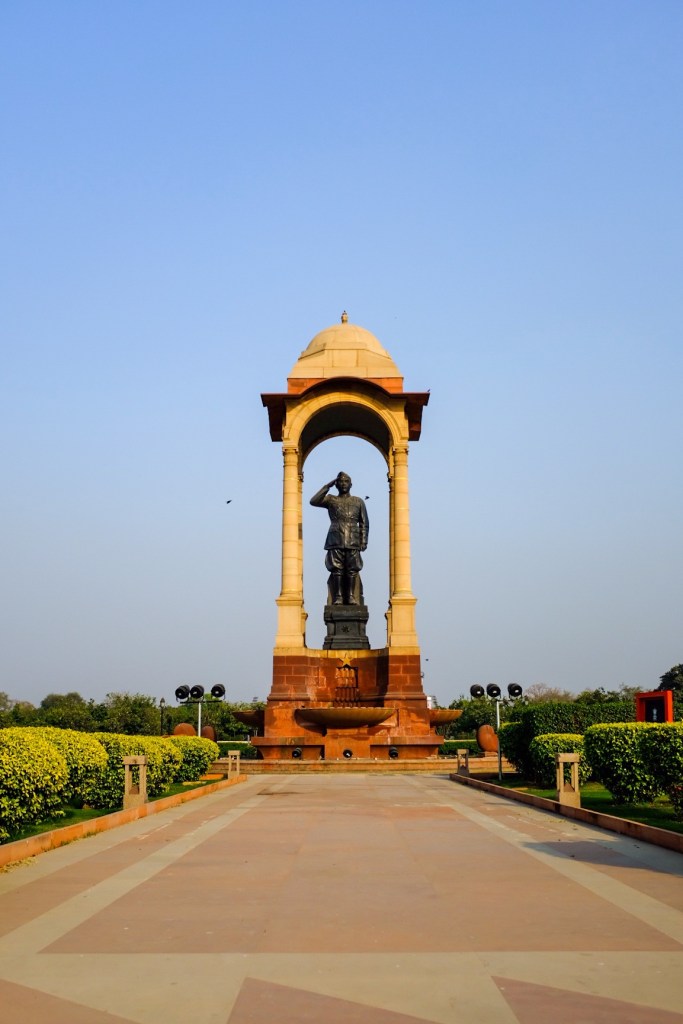
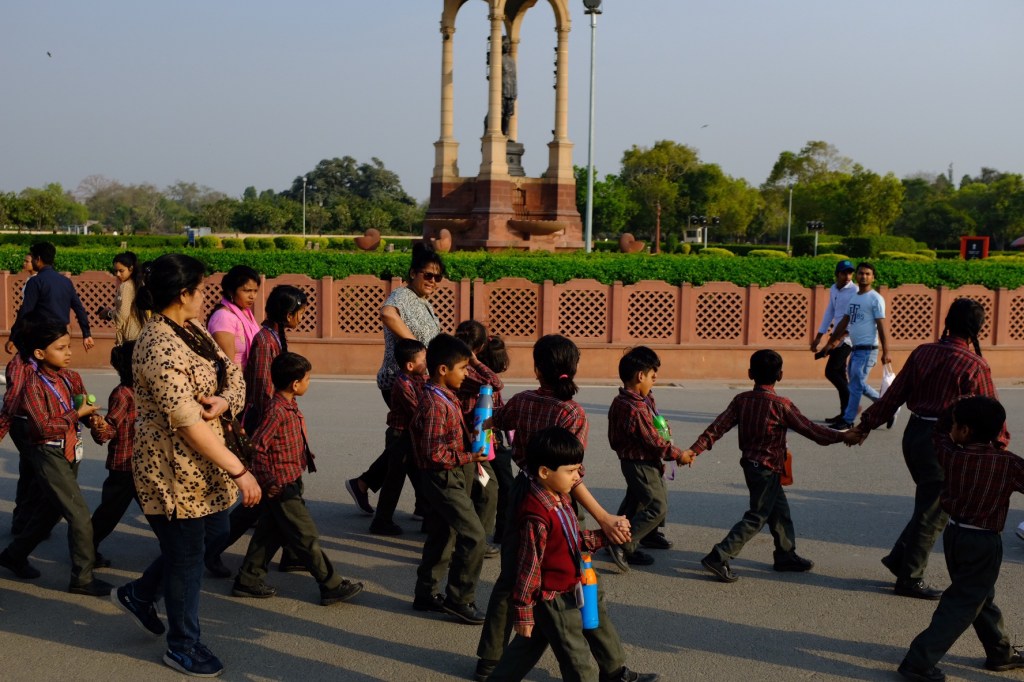
And then took a rick shaw to Humayun’s Tomb. Rickshaws are three wheeled passenger carts. India has about 2.4 million of this little battery-operated, three-wheeled golf carts on its roads, and it is, without a doubt, the best way to get around the city.
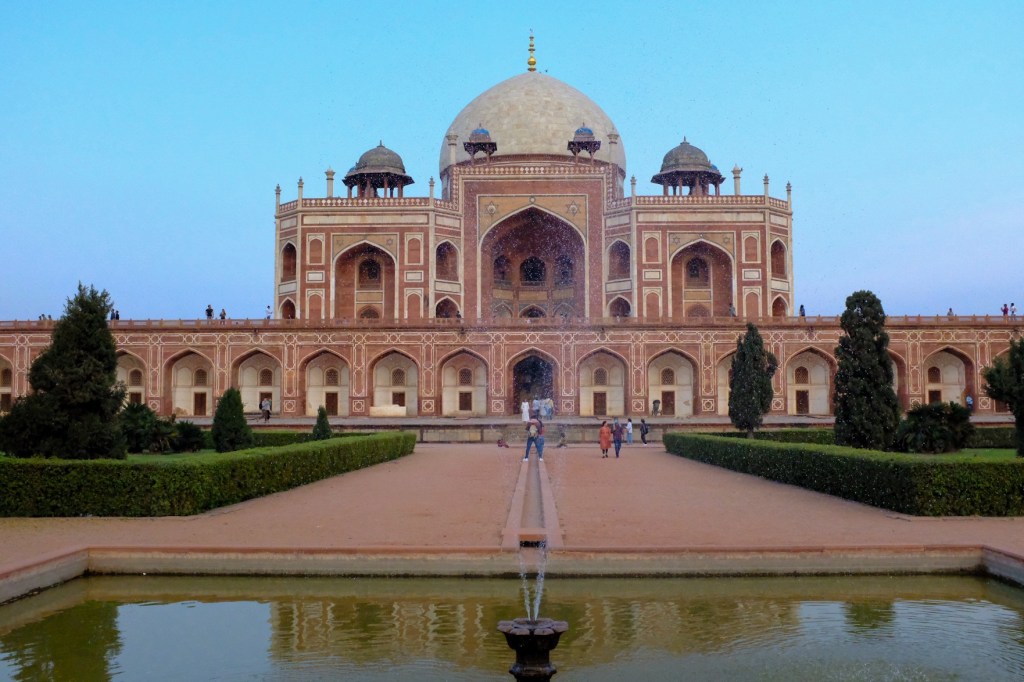
Humayun’s tomb is the tomb of the Mughal Emperor Humayun. The tomb was commissioned by Humayun’s wife, empress Bega Begum in 1558. The tomb established a precedent for future Mughal architecture, reaching its peach with the Taj Mahal in Agra, about a 3 hour train ride east of Delhi.
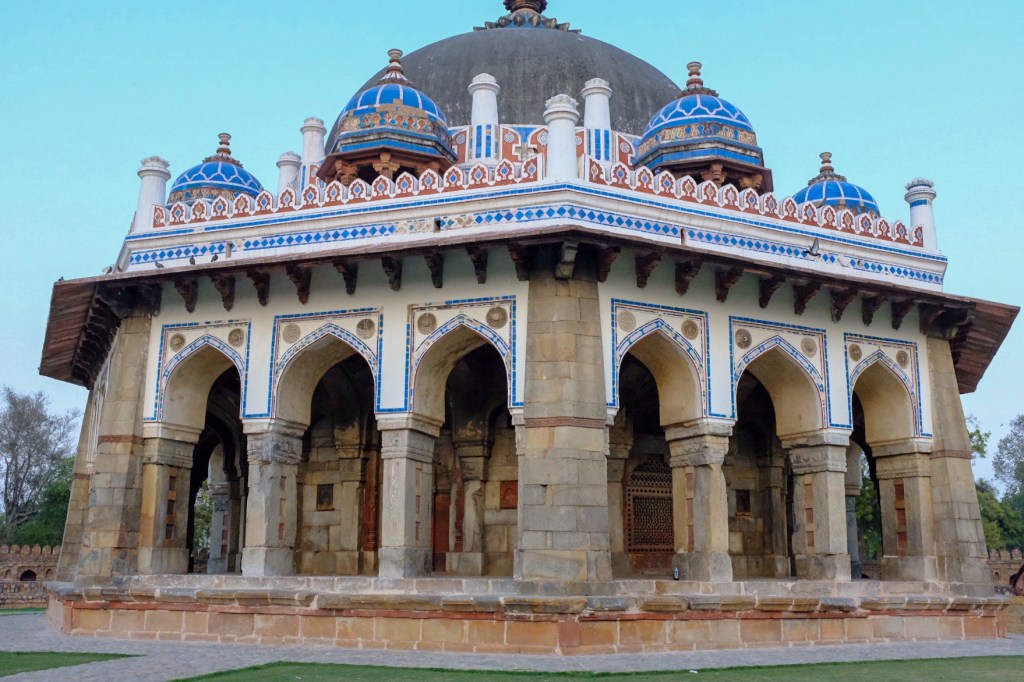
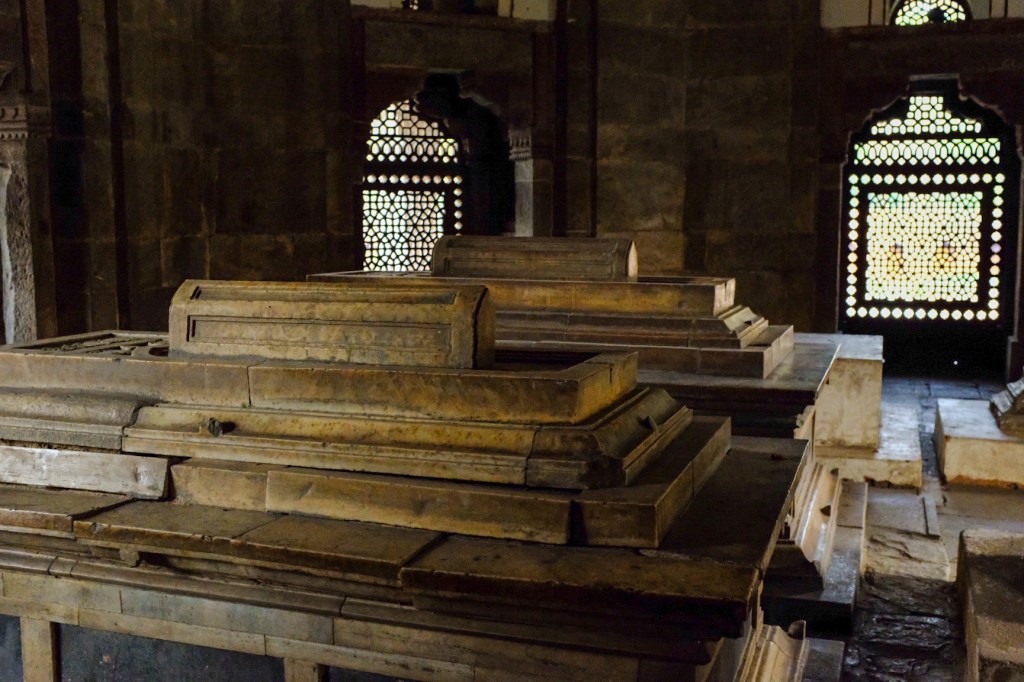

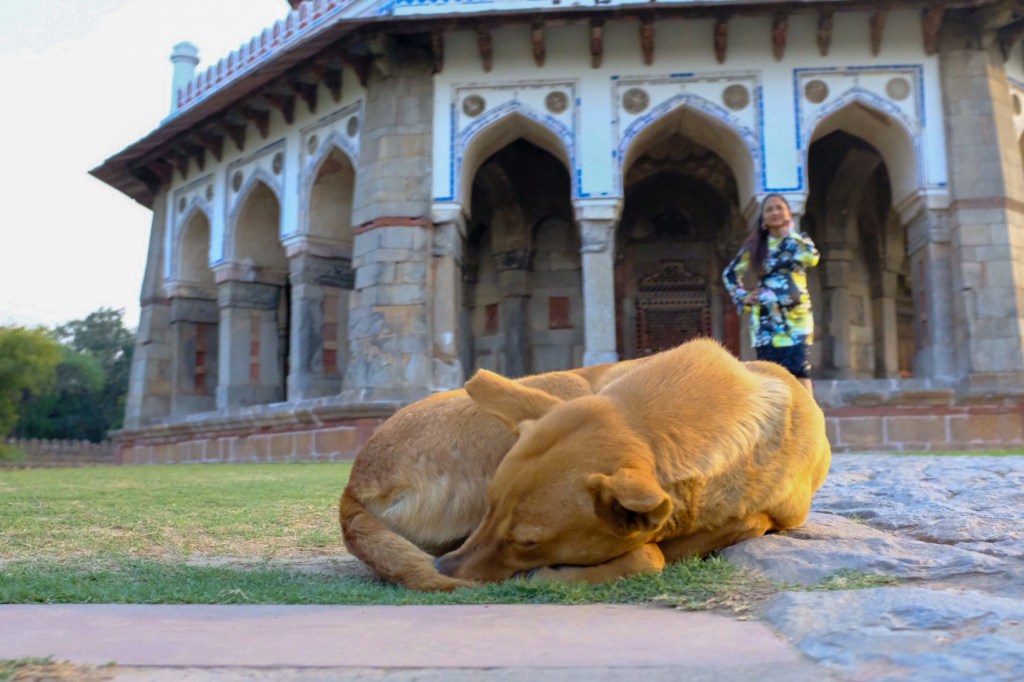
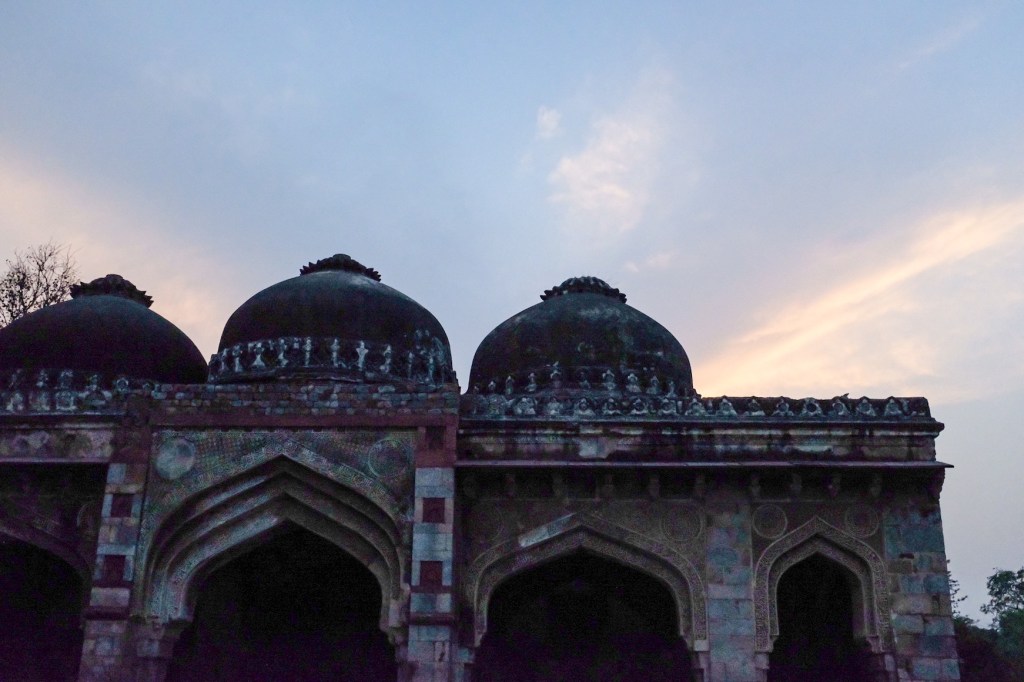
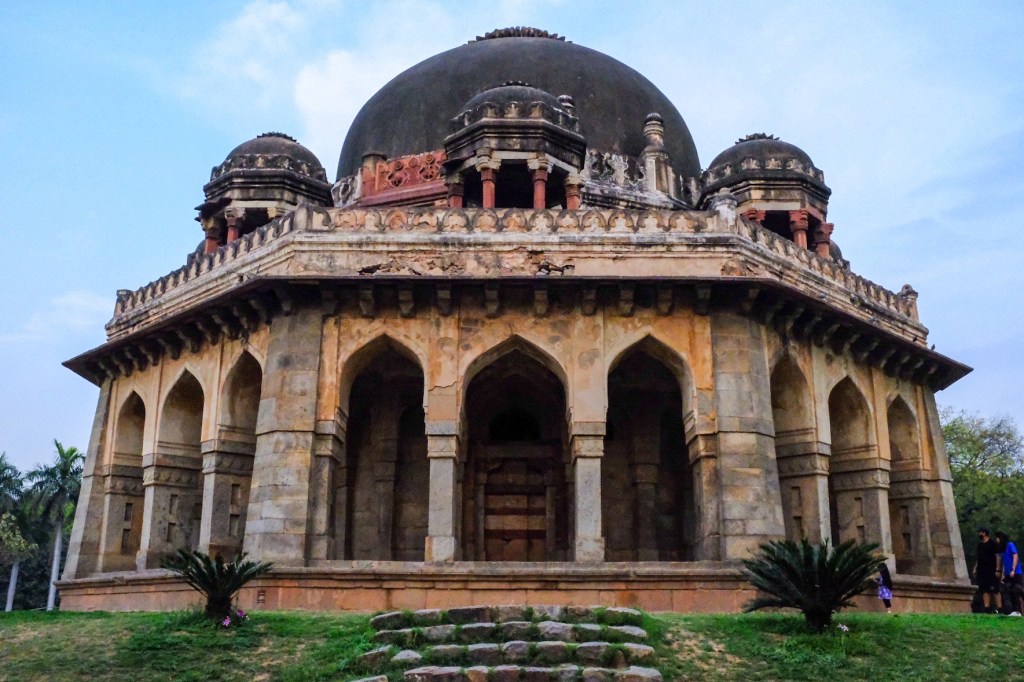
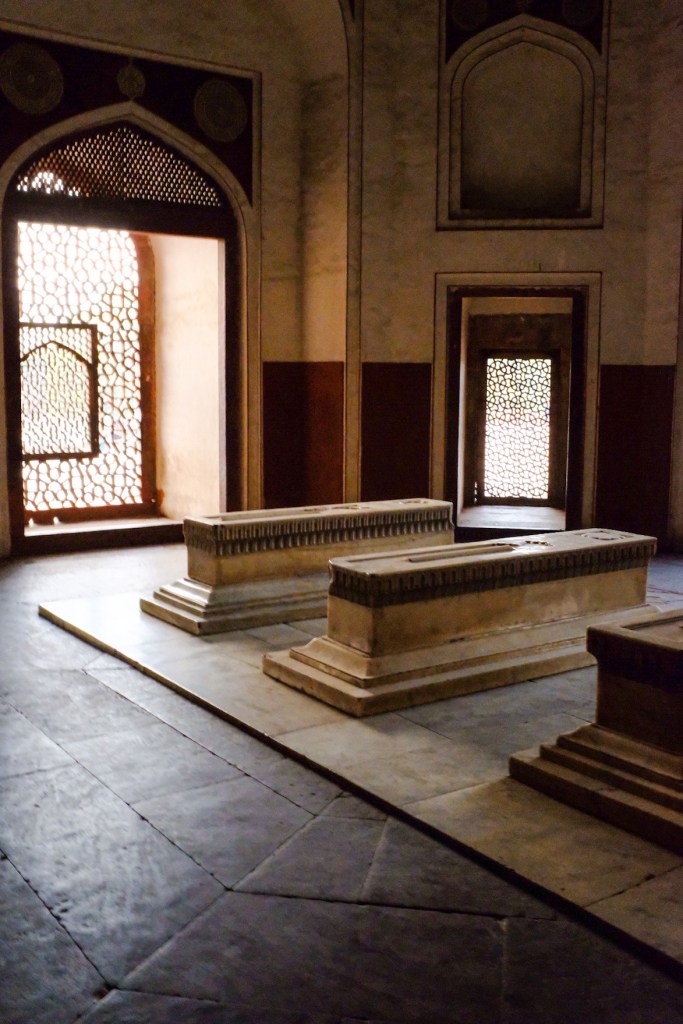
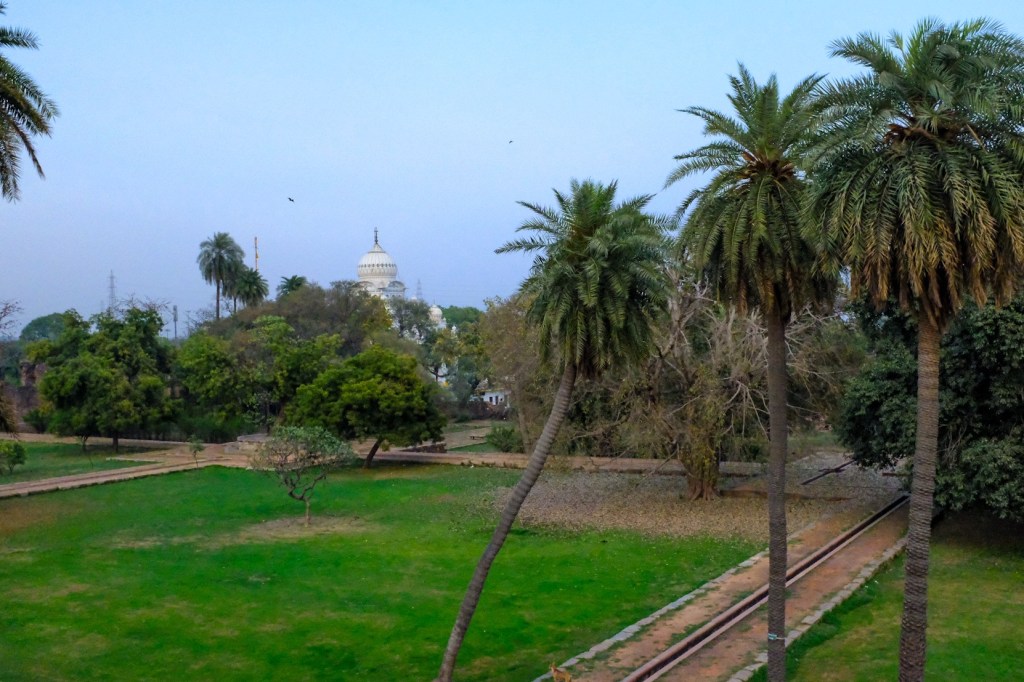
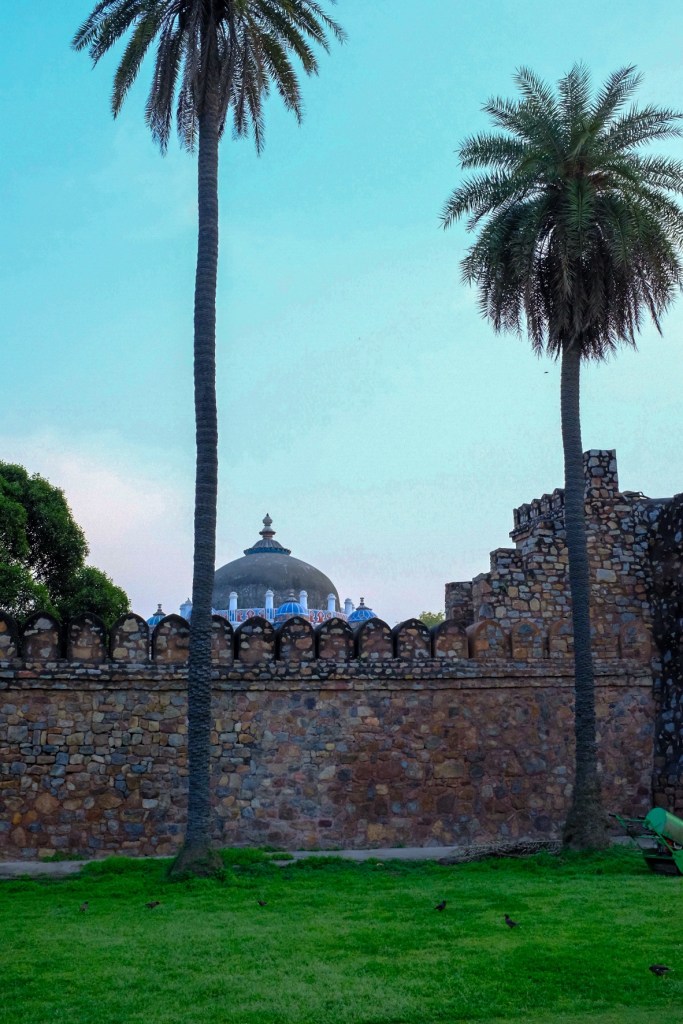
The main complex – was the first garden-tomb on the Indian subcontinent.
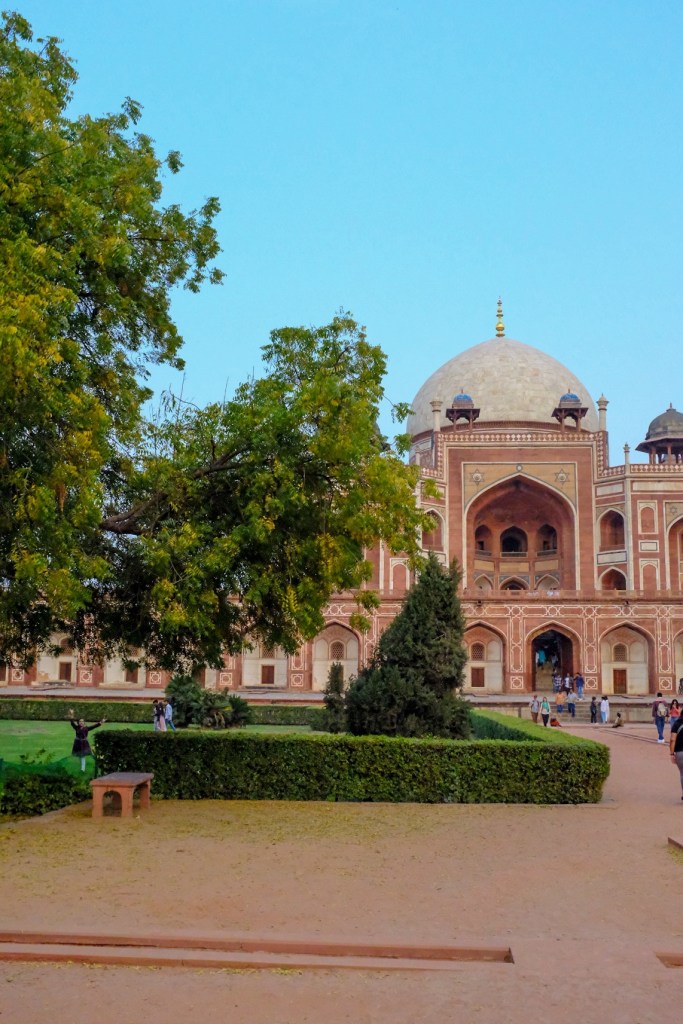
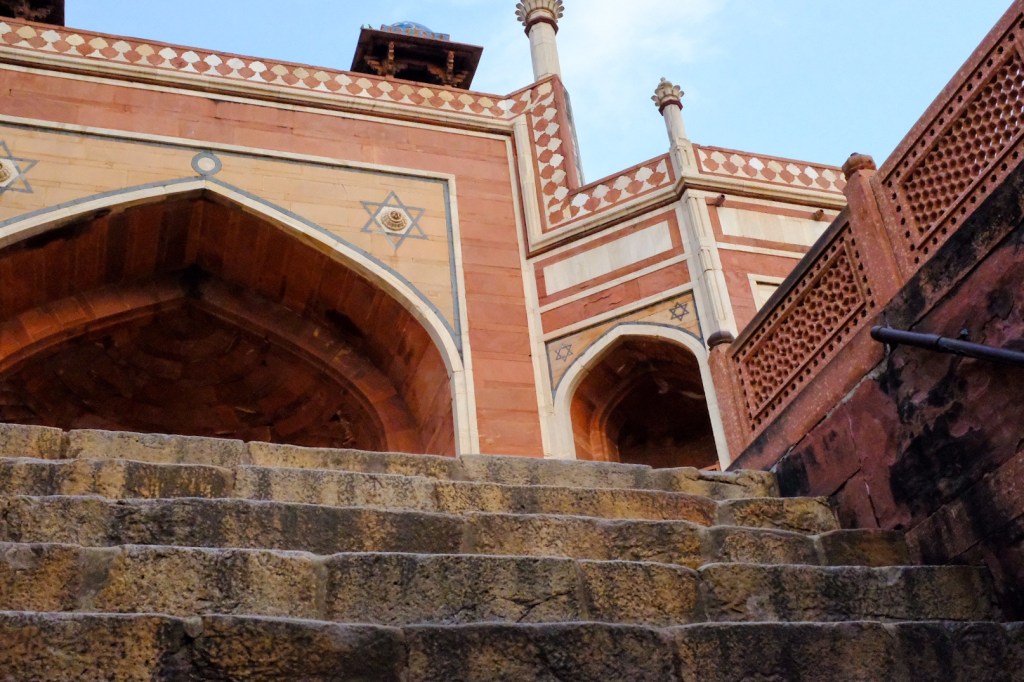
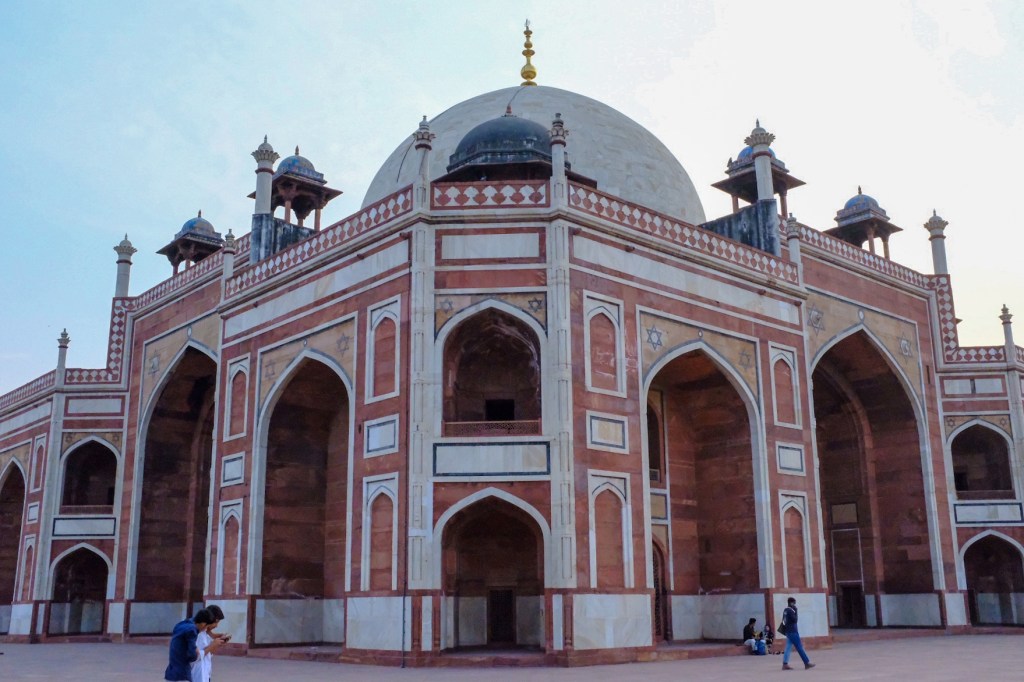
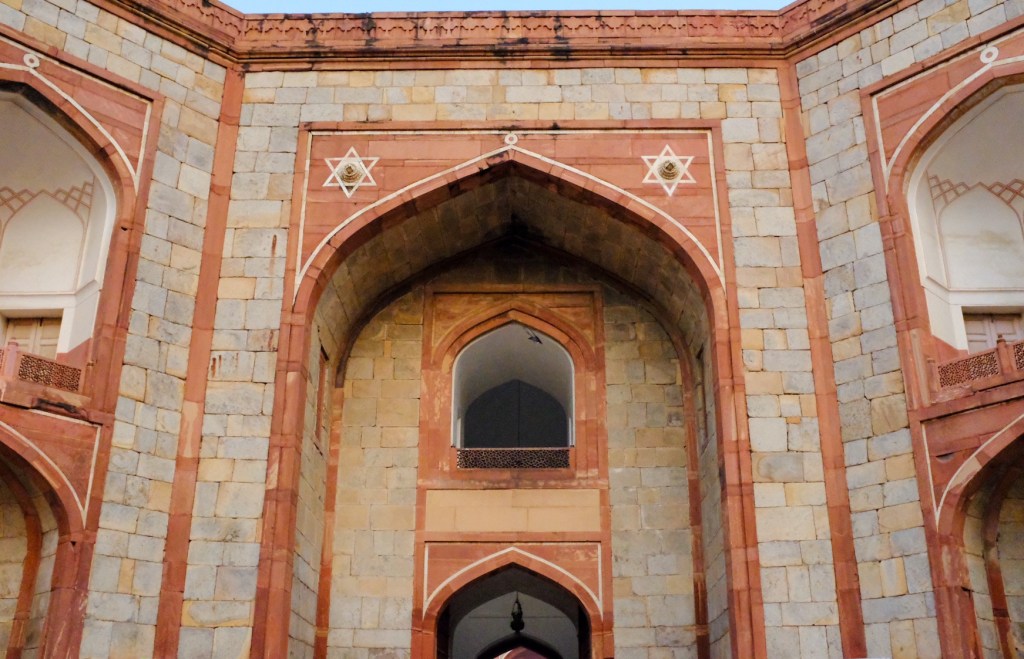

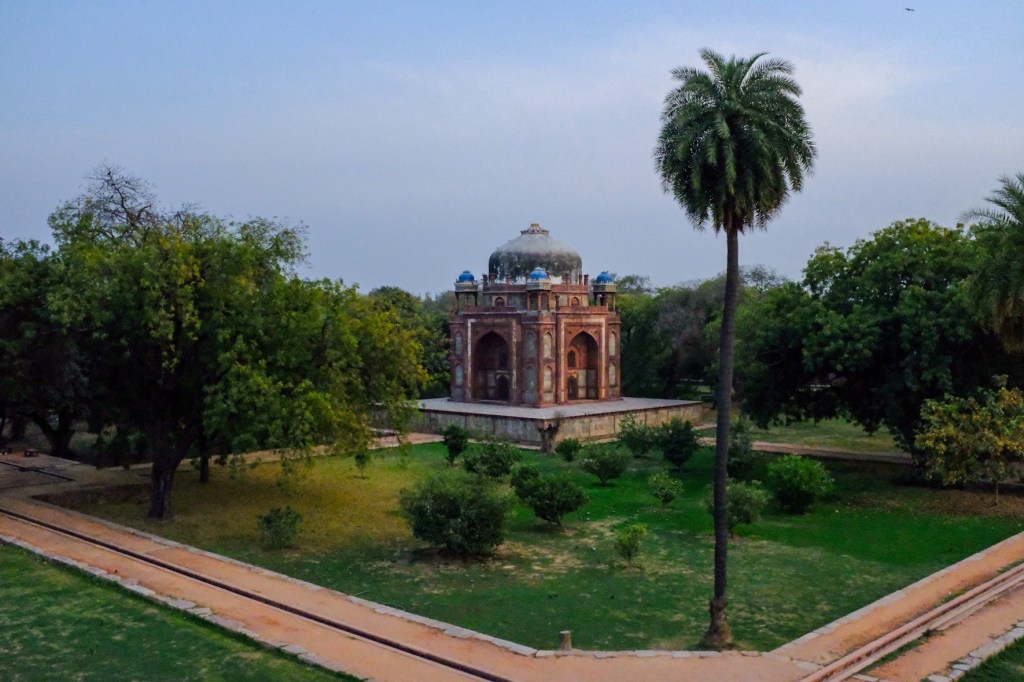
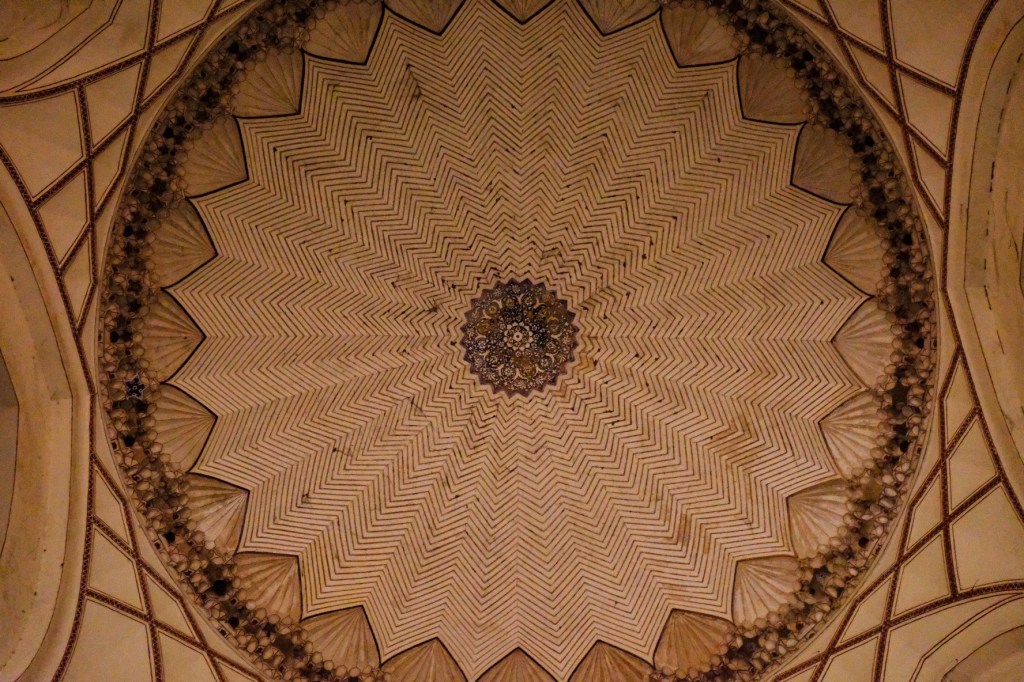
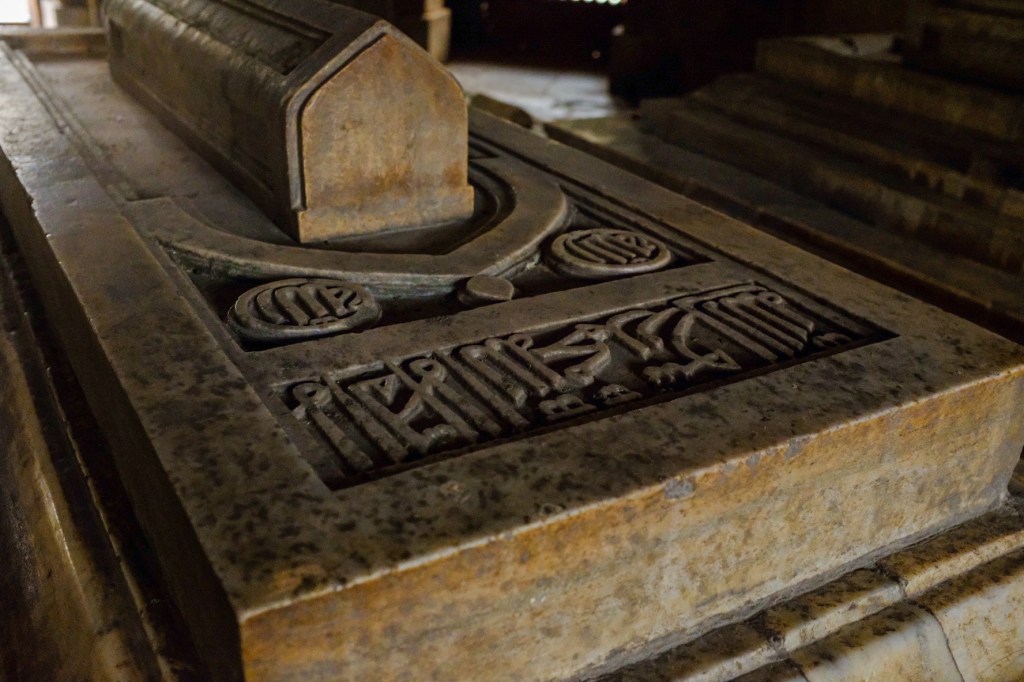
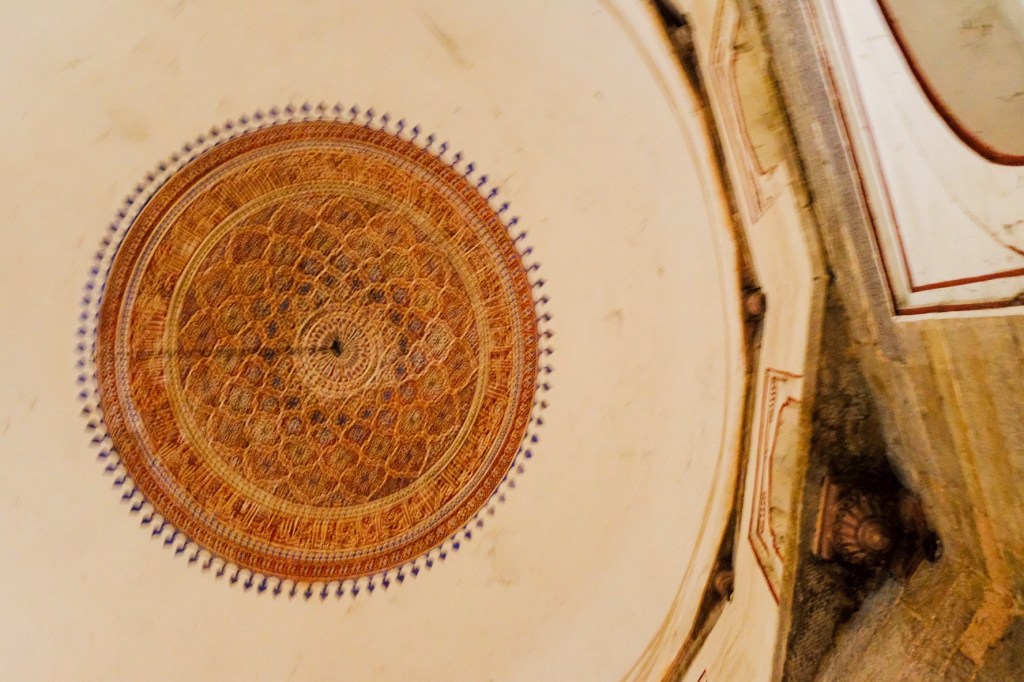
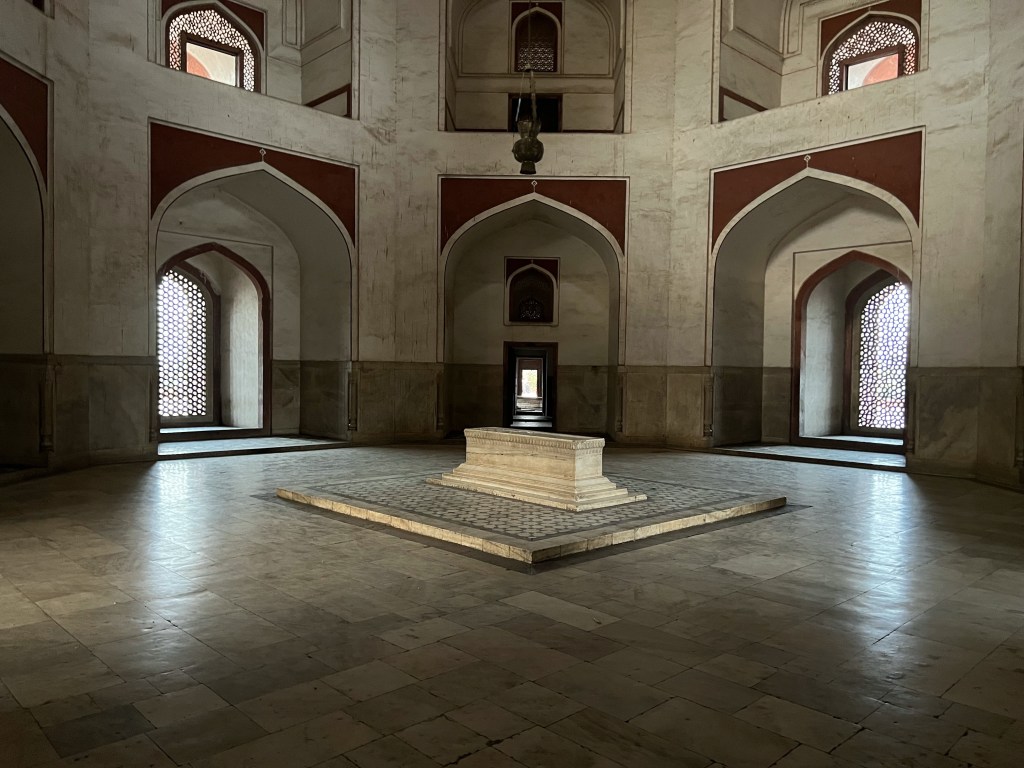
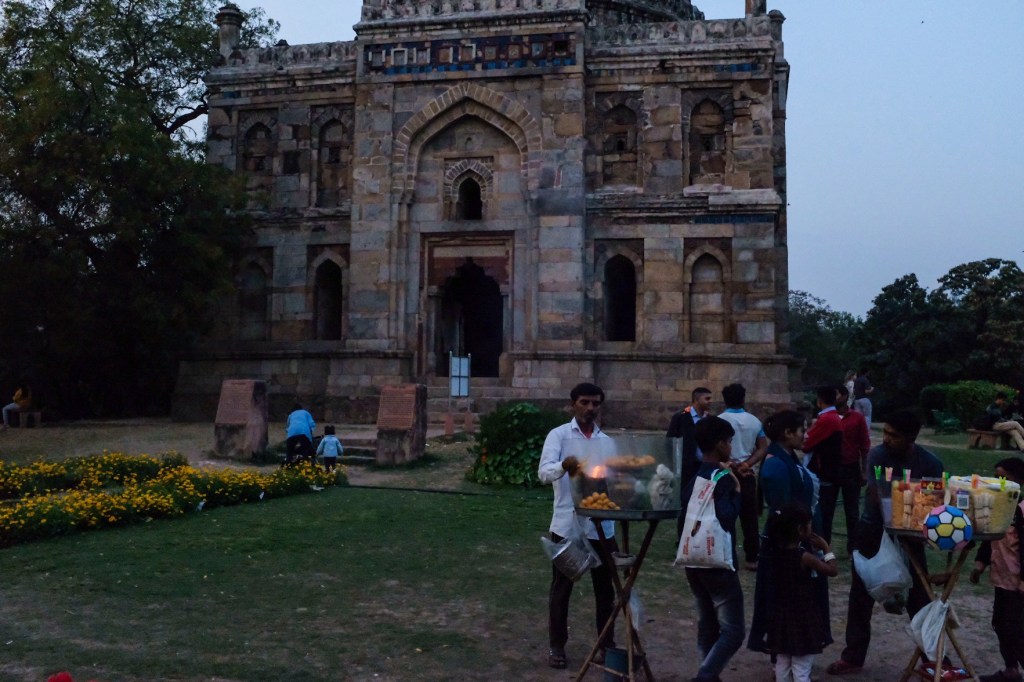
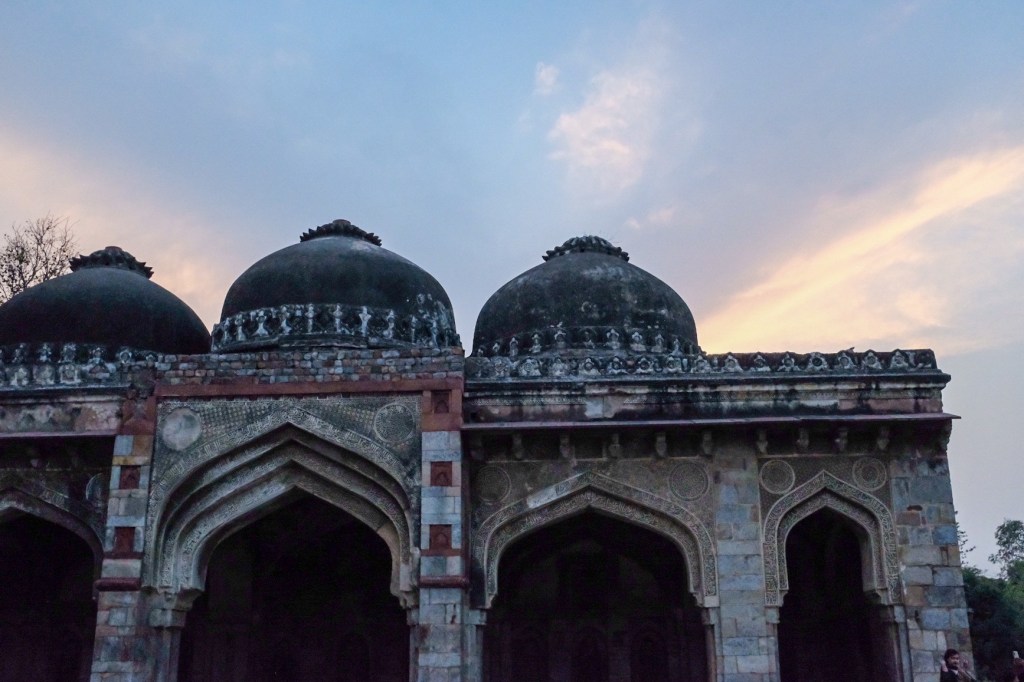
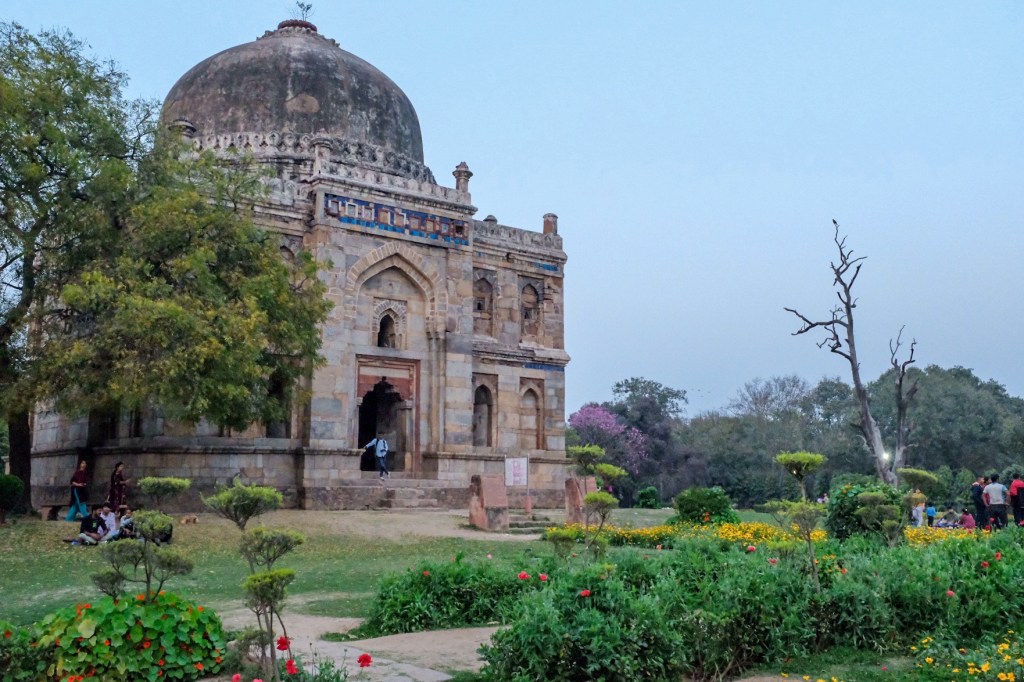
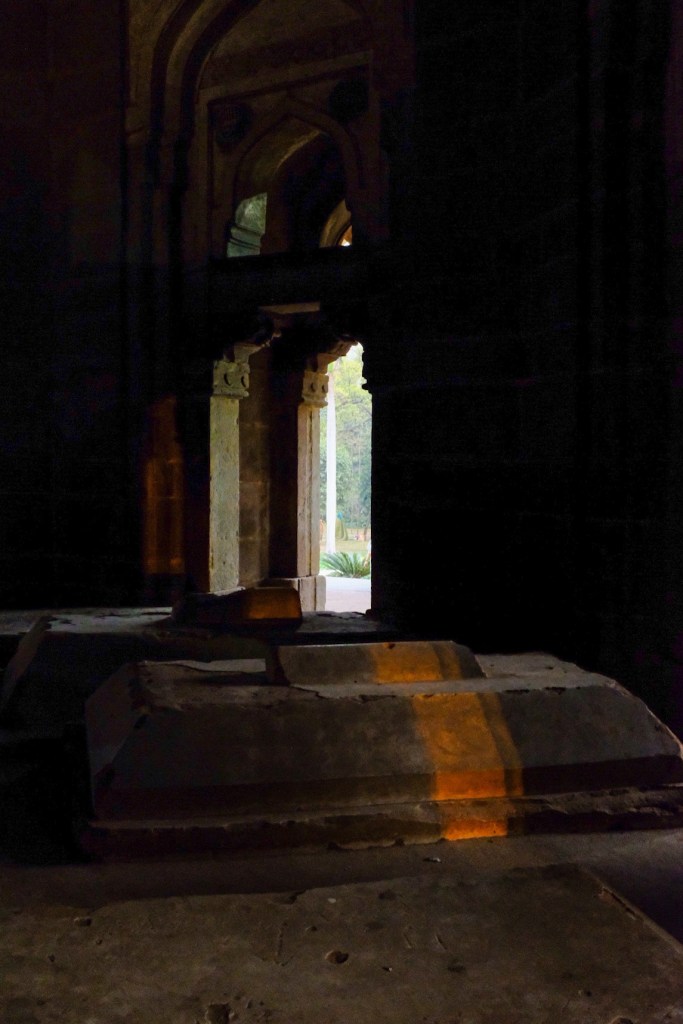
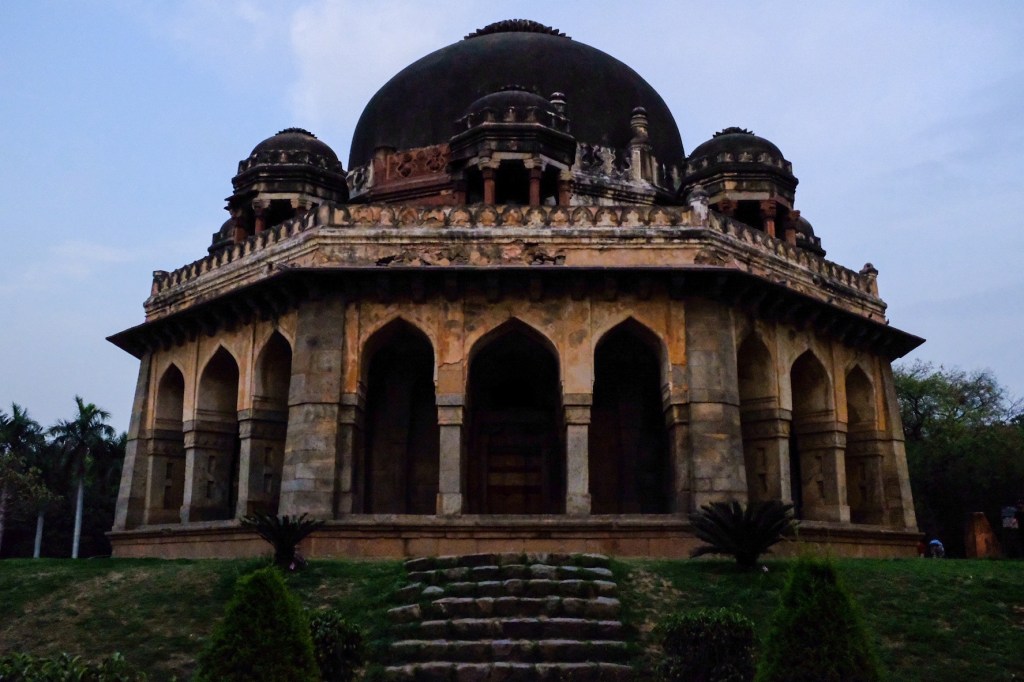
Finally, I headed over to Lodhi Garden and enjoyed a chai (its sold literally everywhere) with the sunset.

My day concludes on a more somber/thought provoking note. While I was walking back to my hostel, I was confronted by 3 little girls on the sidewalk begging for money with their mother. When they saw me, their eyes lit up and they ran towards me with their palms stretched out, asking for money. When they saw that I was not taking out cash, they transitioned to a performance, doing somersaults and cartwheels before quickly returning to me. When that did not work, they moved to plan C, and created a physical blockade on the sidewalk, laughing and smiling as though it was a game of red rover. Unsure what to do, I decided to play their game. I positioned myself as though I was about to run and jogged towards them, pivoting left and right around them as though it was a rugby game. Laughing, they played along, chasing me up and down the sidewalk trying to catch me. As I played with her kids, I saw their mother briefly smiling and laughing along with us. After about 5 minutes, the kids, worn out, smiled and returned to their mother. Admittedly, I had a lot of fun, and as I began to walk away , I found myself returning to the mother, handing her 100 rupees ($1.25).
To be honest, I’m not sure what the right approach was for this situation and it brought up many questions re. begging I had not prepared myself for before beginning this trip. Should I have given more? Should I have not given anything at all? In saving up for this trip, should I have set aside an amount to go towards the house-less I would inevitably encounter – as though it was a tax from each country I visit? Is contributing to their economy as a tourist enough? How do I know when I should give donation and when I should restrain? Who am I to decide who is deserving of my money and who is not?
I think it will take a lot of time, soul searching, and research to come to a conclusion to these questions – but this situation helped me realize how important it is to figure out for myself.
Day 4: Old Delhi
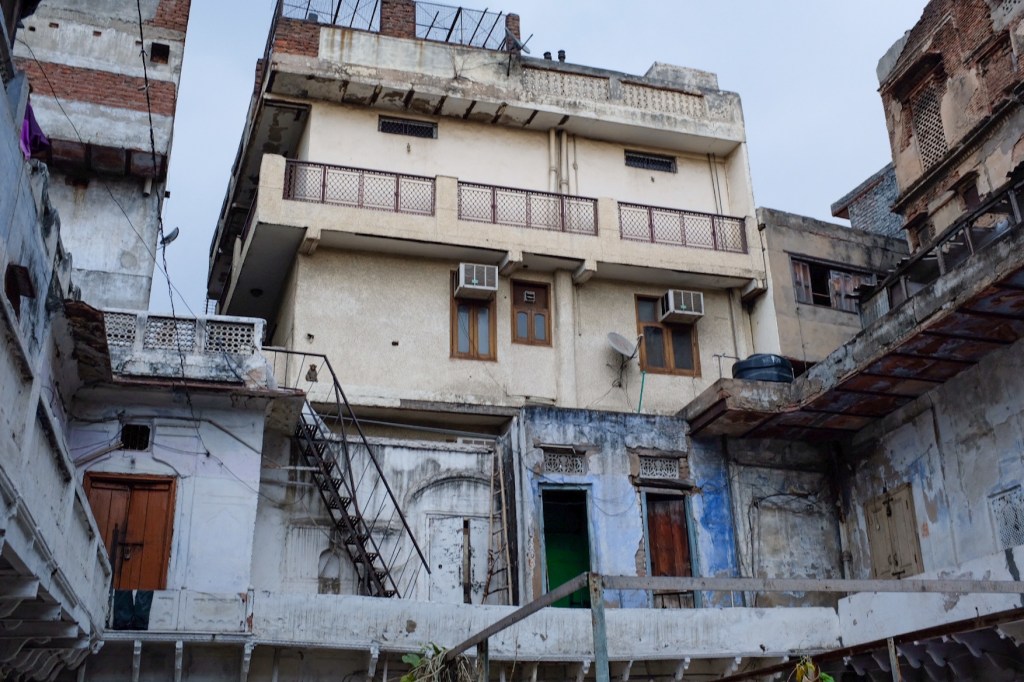
The day started bright and early at 5:30am, when I joined a bike tour of the walled district. Riding through the empty streets, we watched as the city came to life – cafes, restaurants, shops. By 10:00, gliding through empty coordiords turned into dodging tuktuks and swerving past pedestrians, cows, and food stalls.
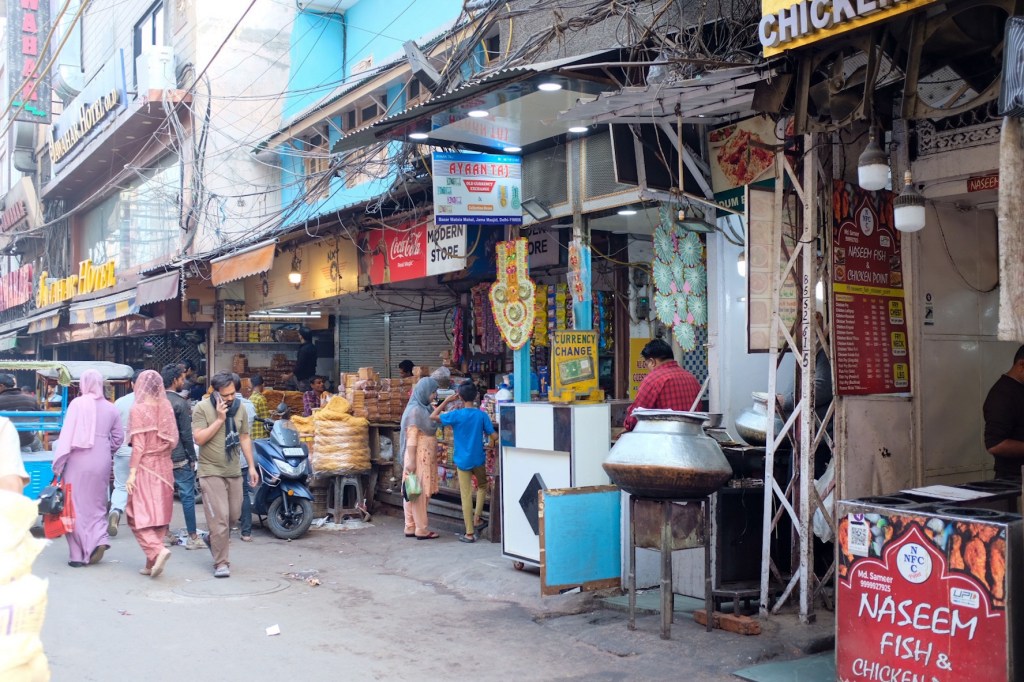
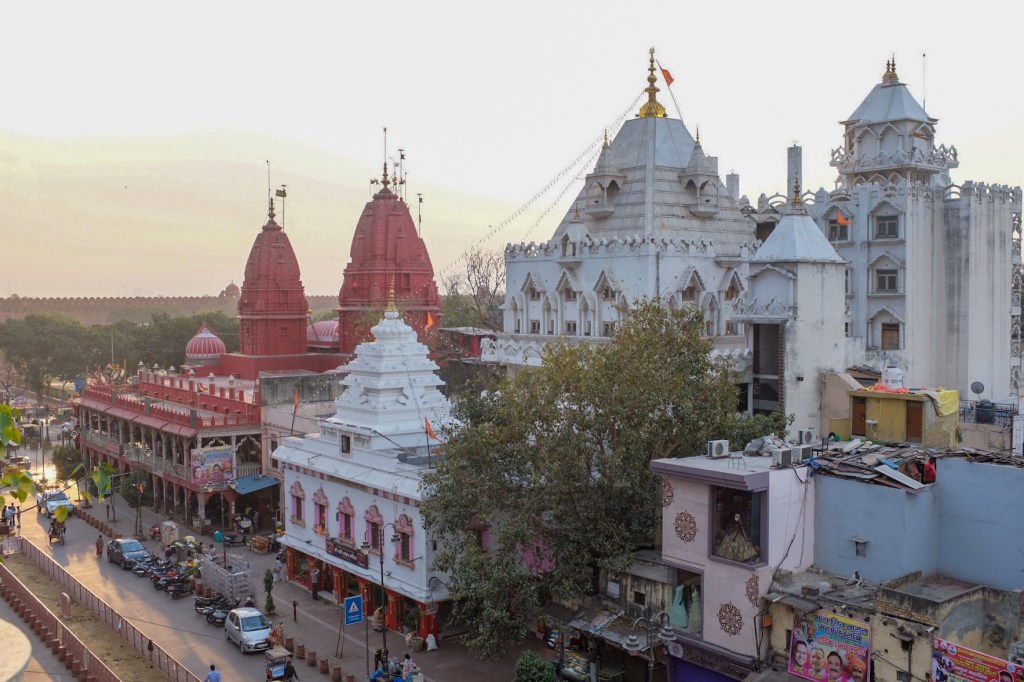
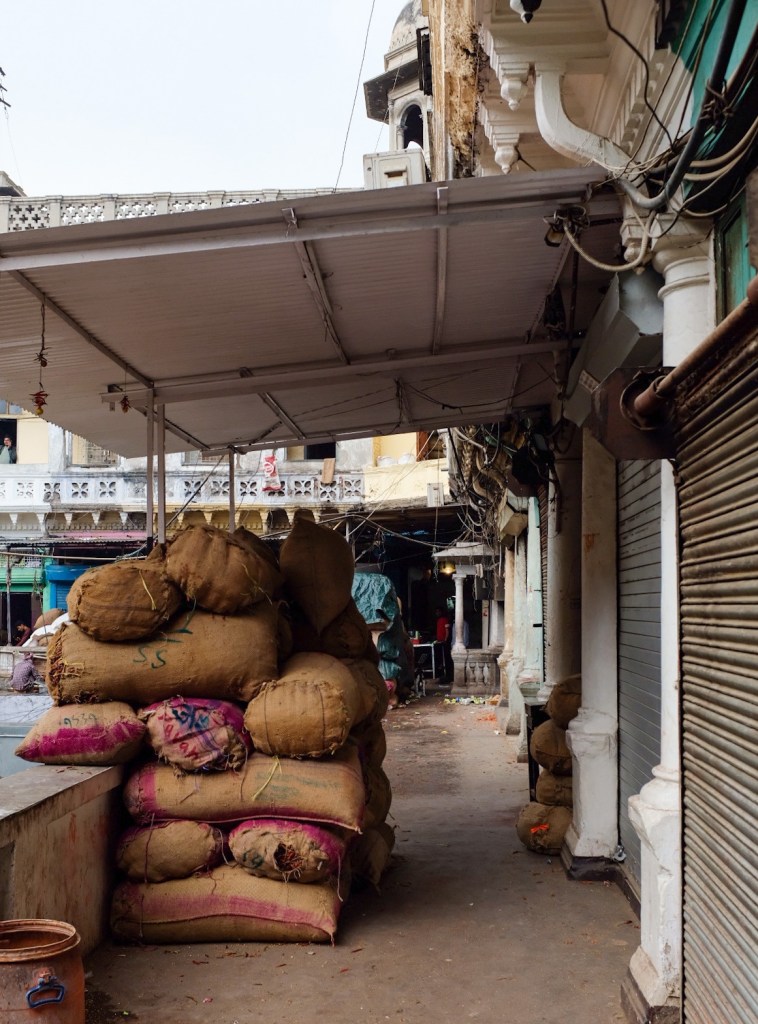

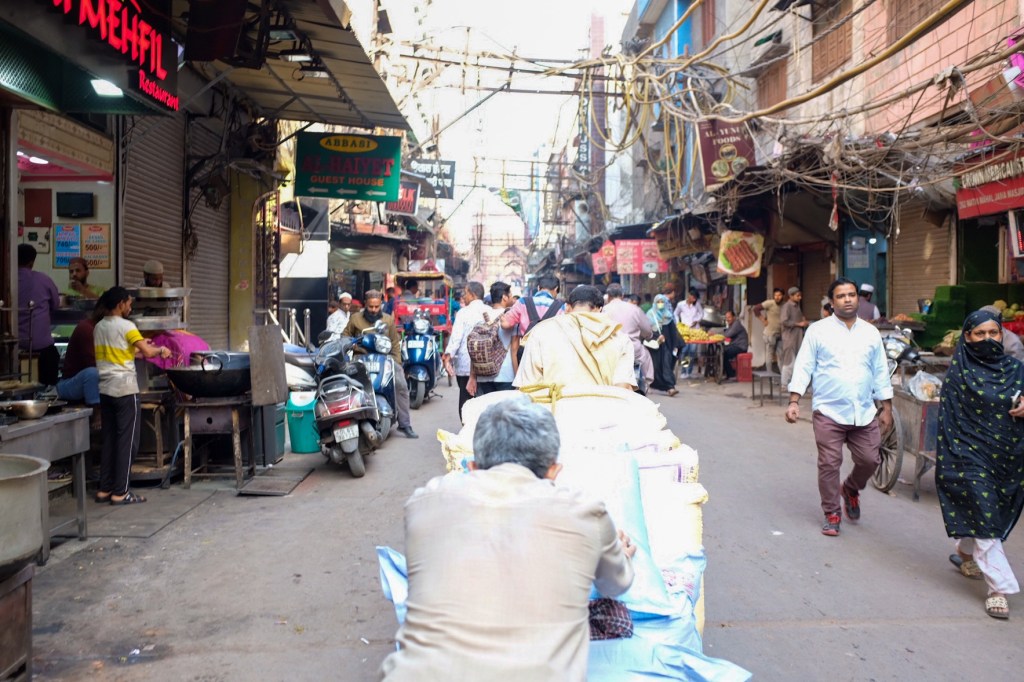
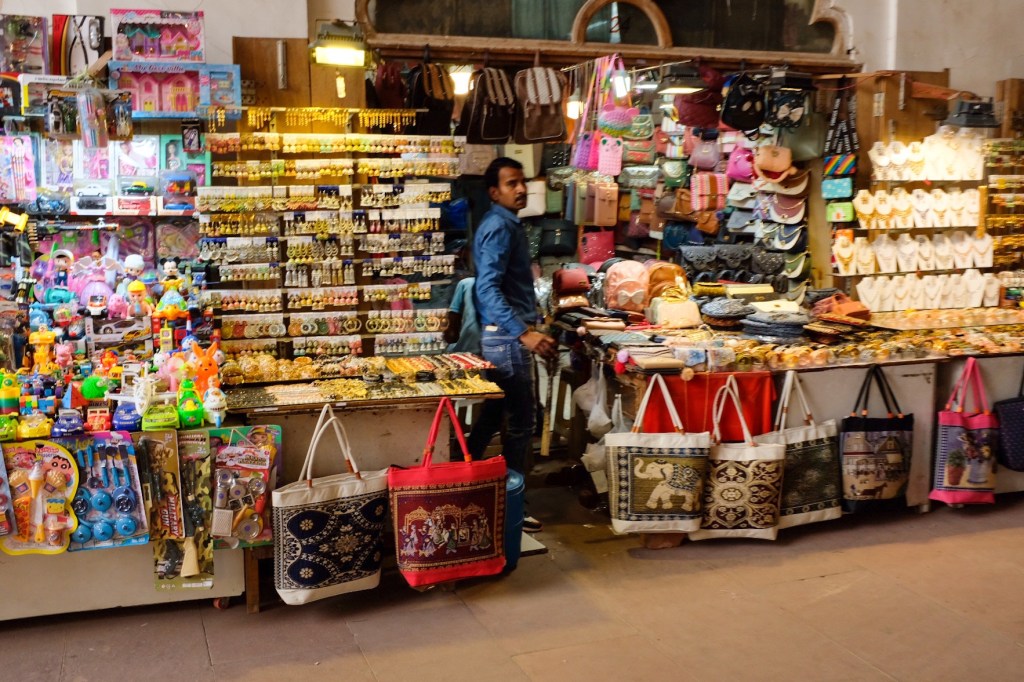
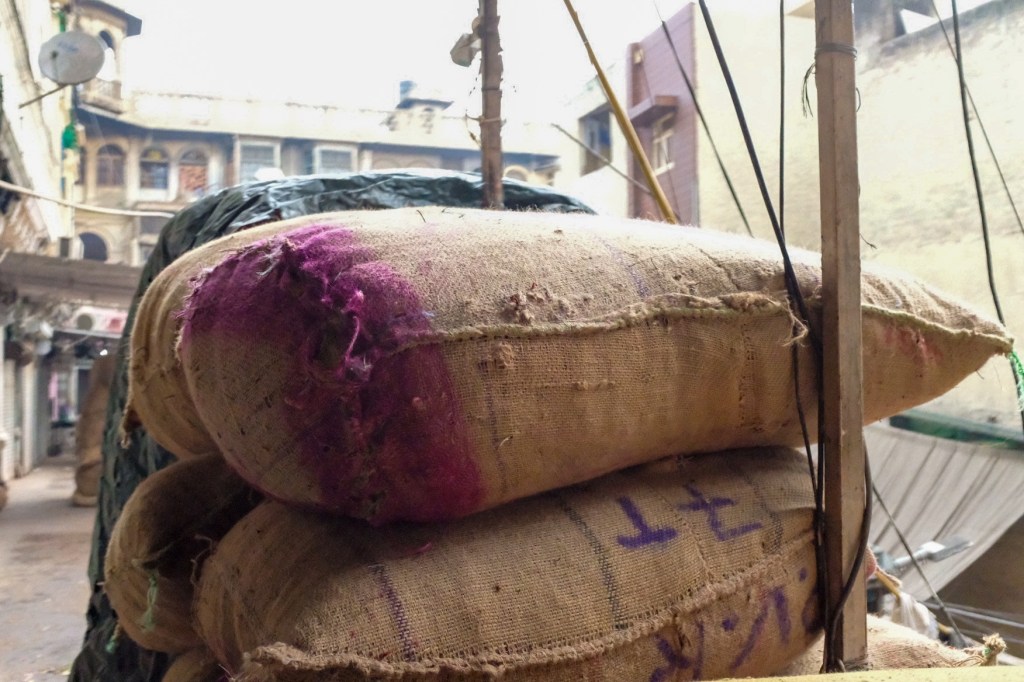
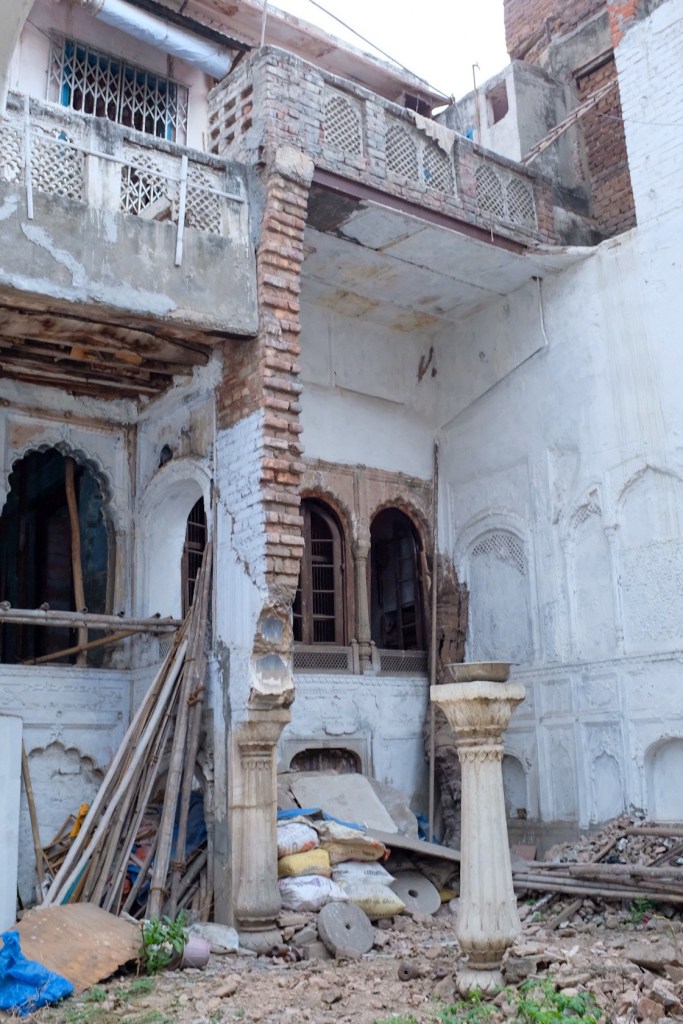
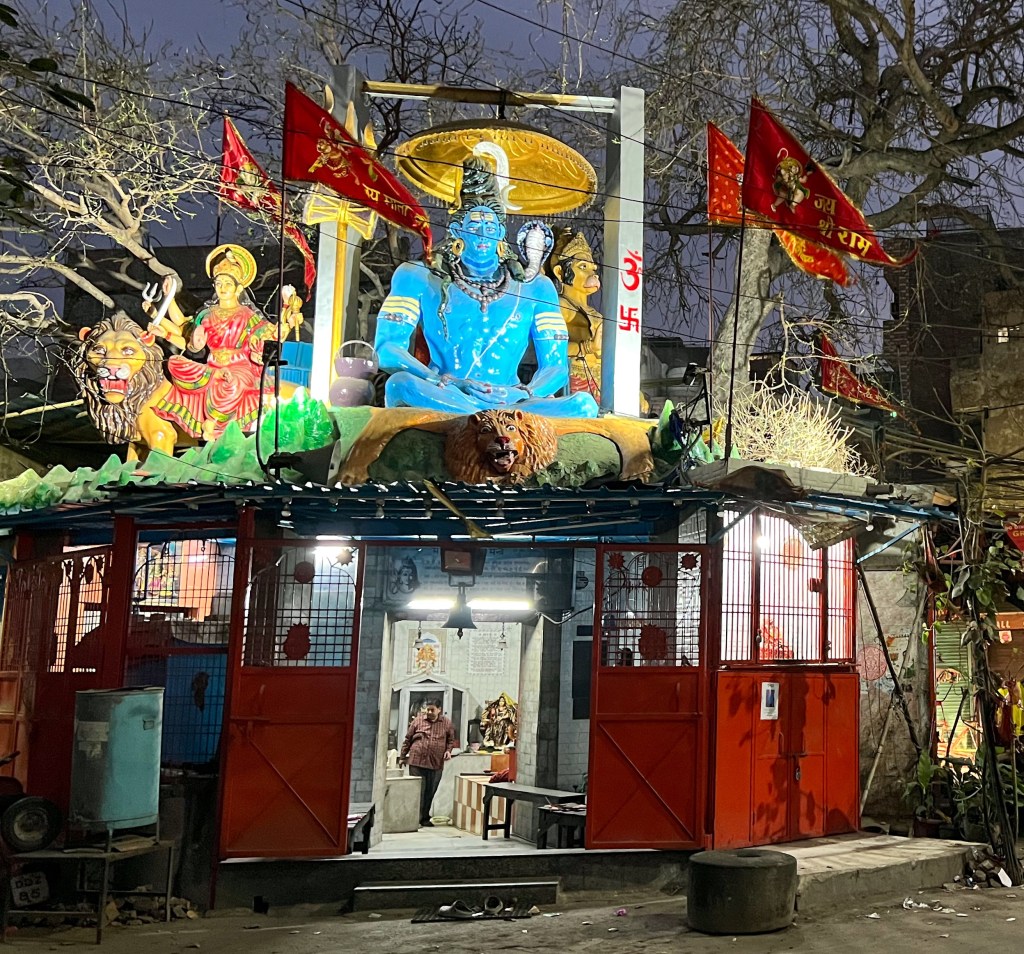
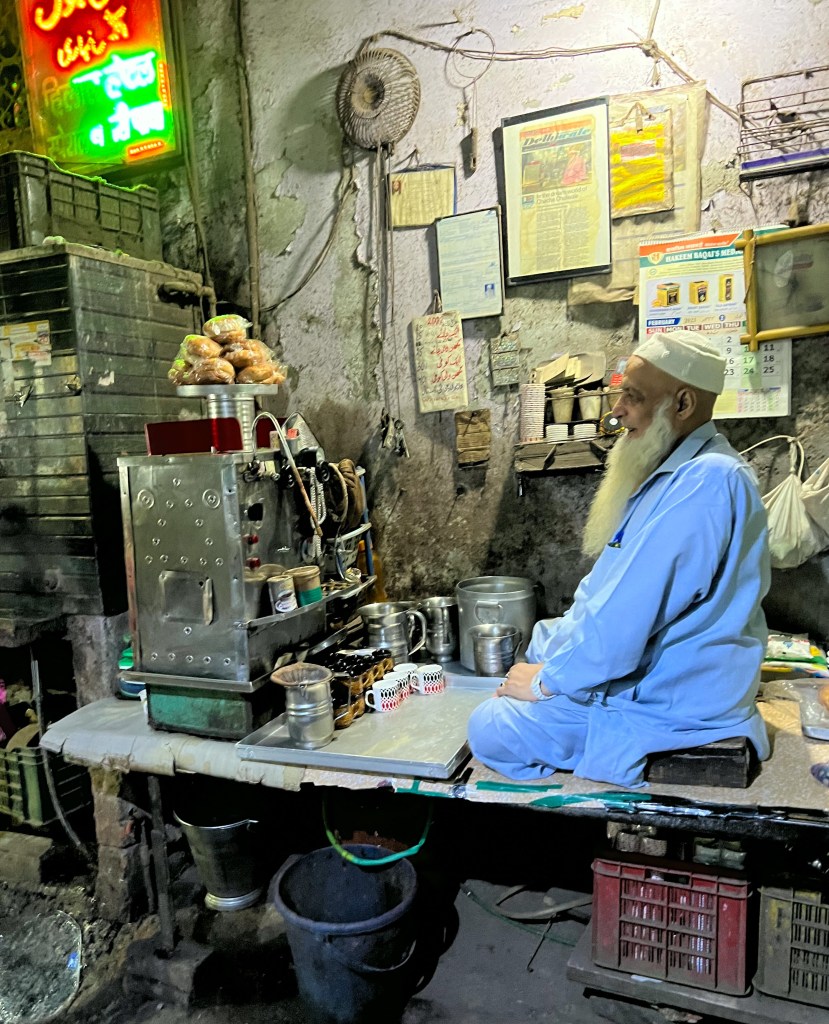
Can you spot the monkey?
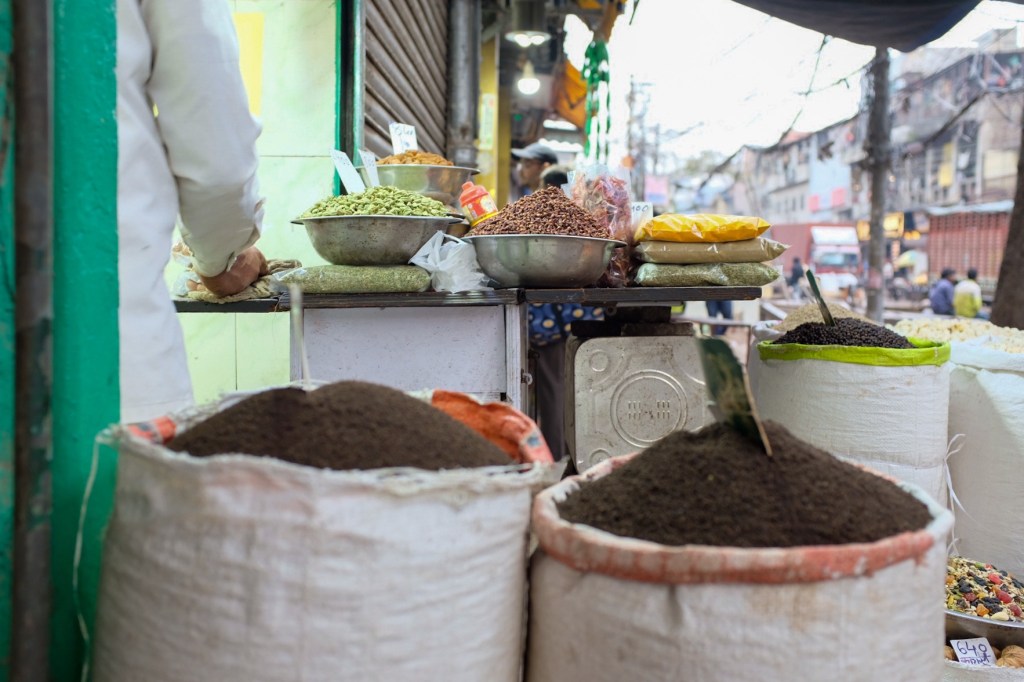
We stopped at the spice market and took a quick detour into where they prepare the spices for shipment – at the heart of it was a shop where a single man was making chai for the crew of workers – fueling their efforts.
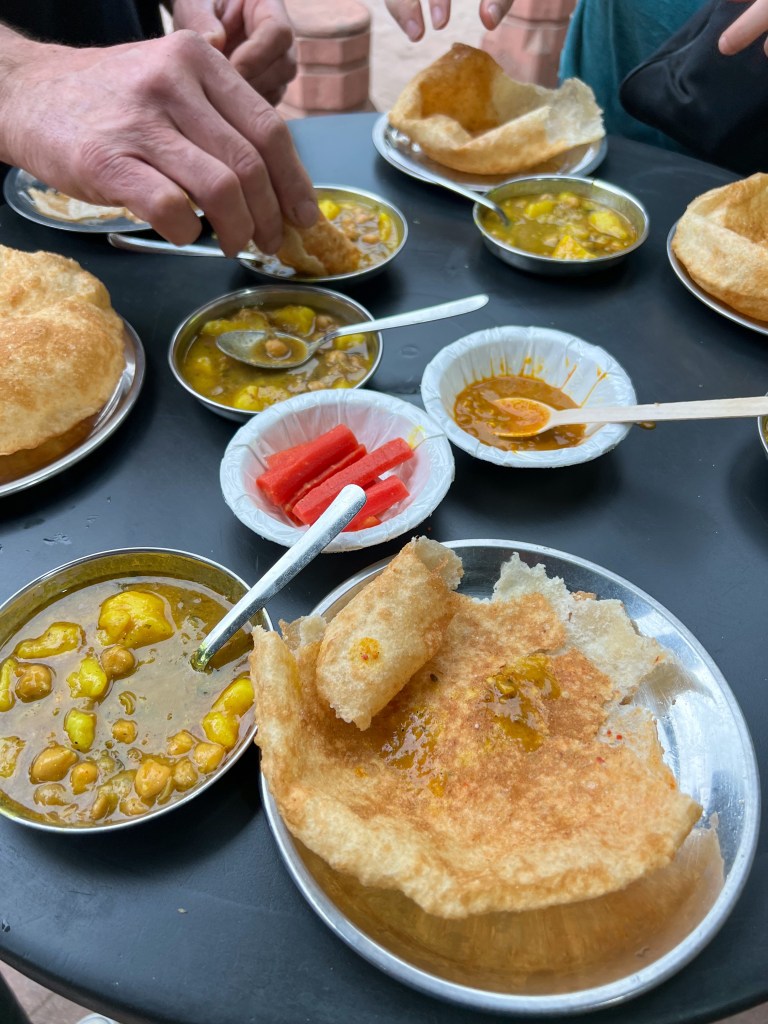
Afterwards, we ate puri and watched the market liven.
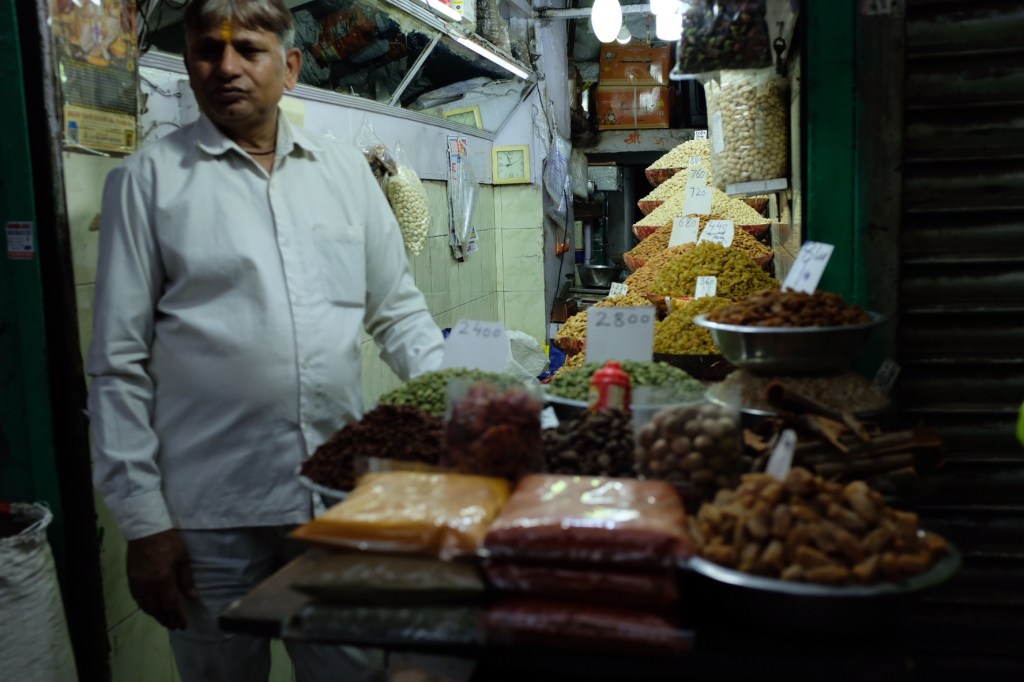
Some of the spice shops
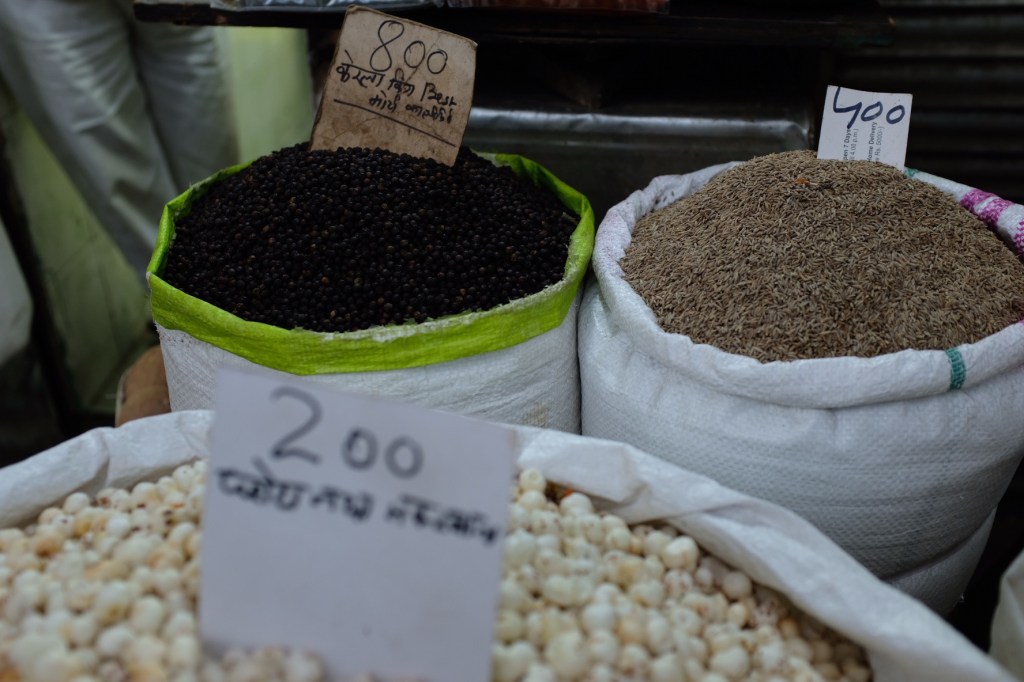
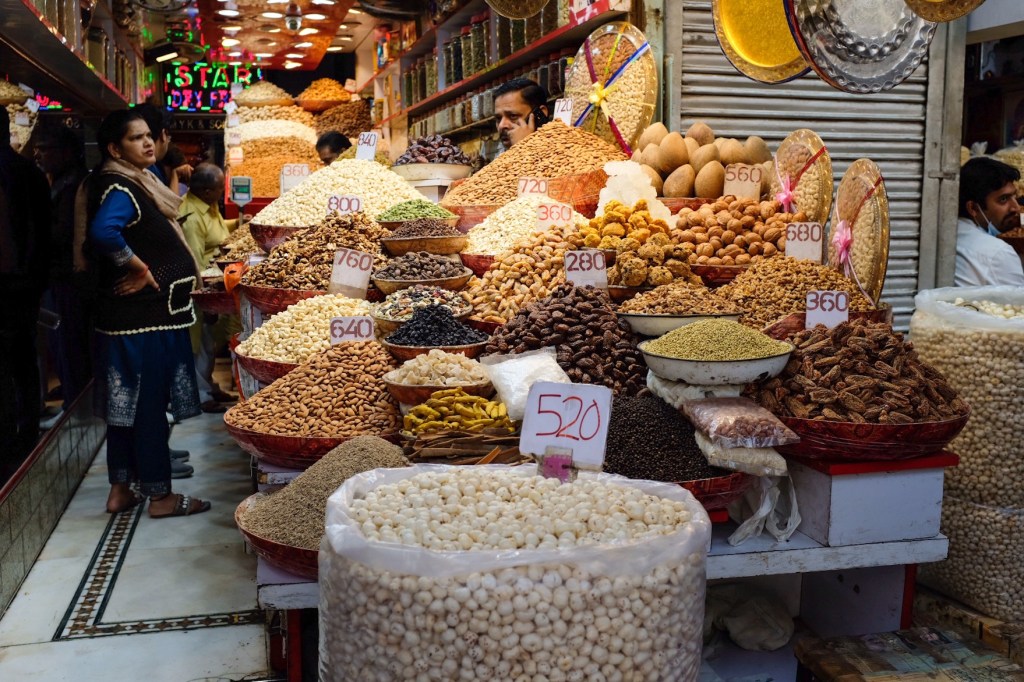
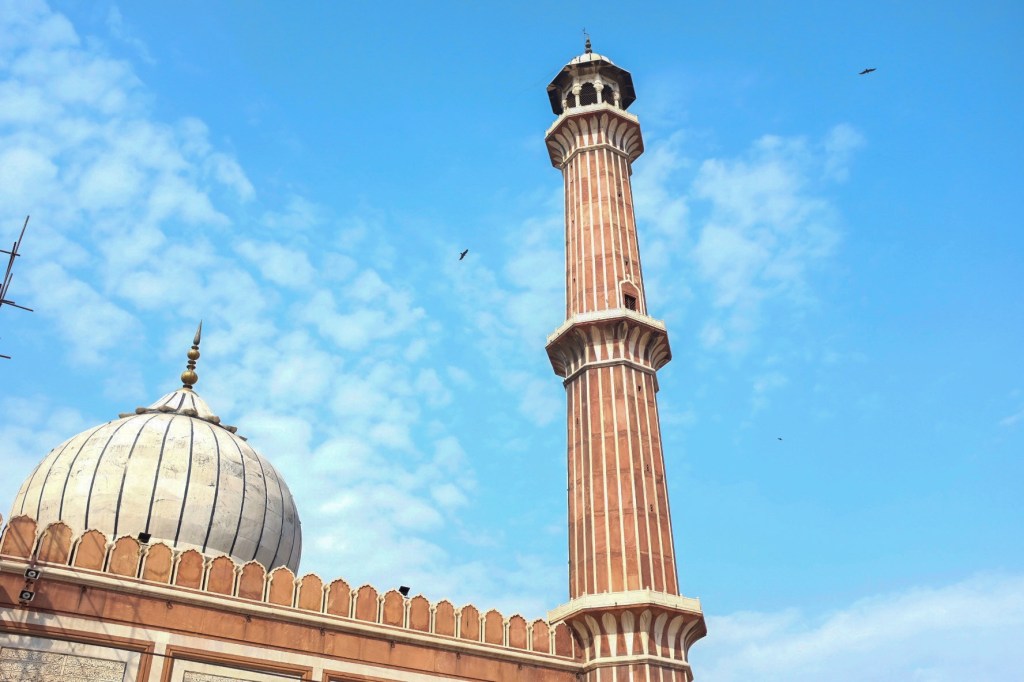
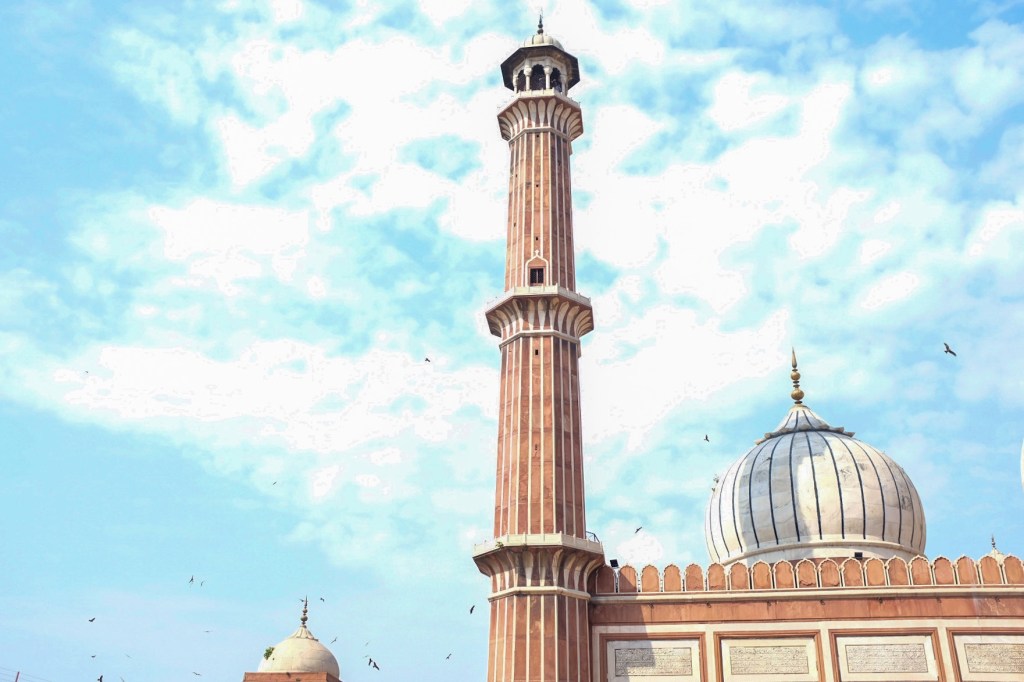
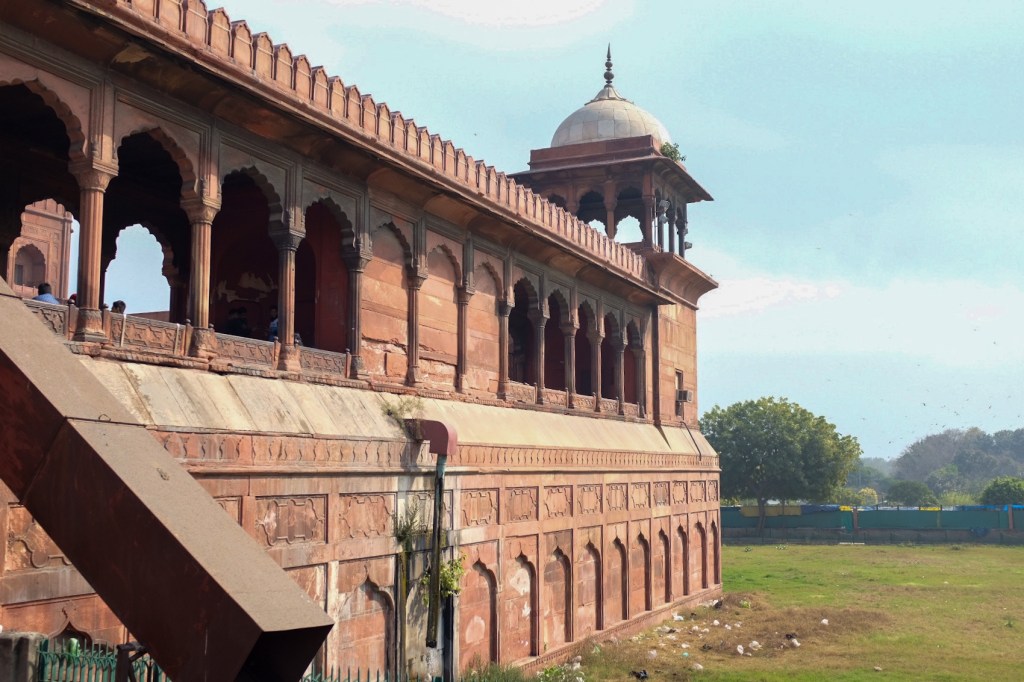
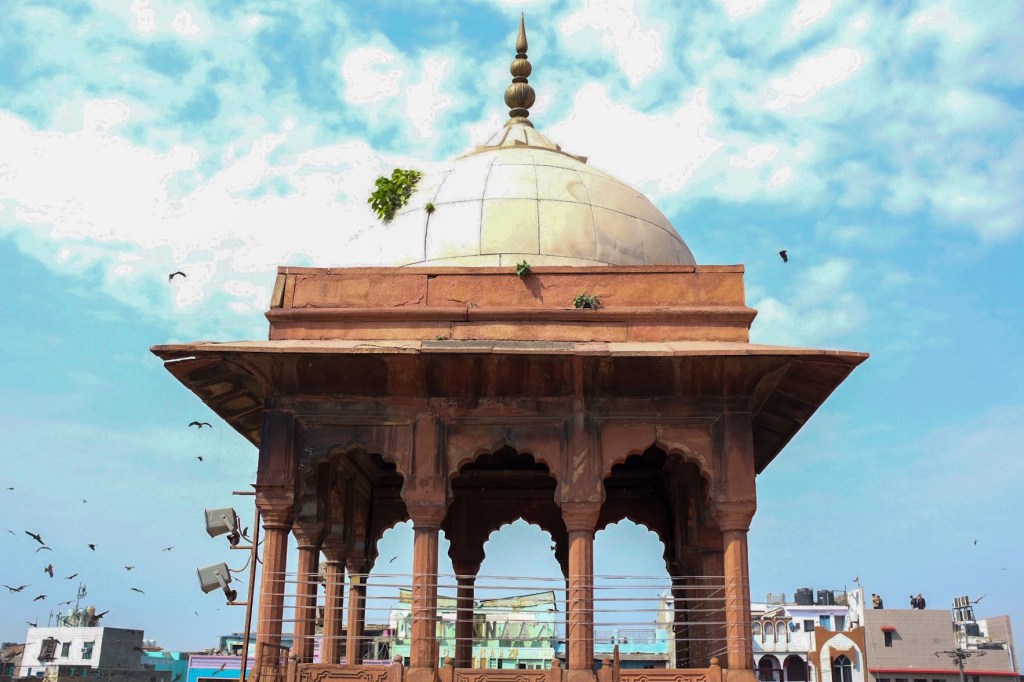
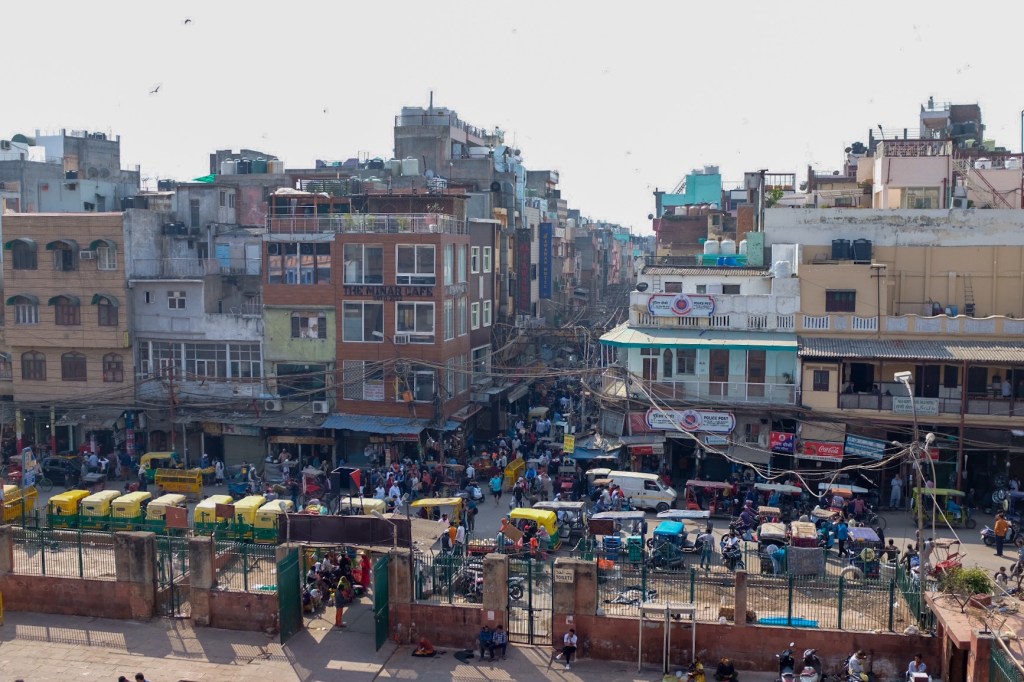
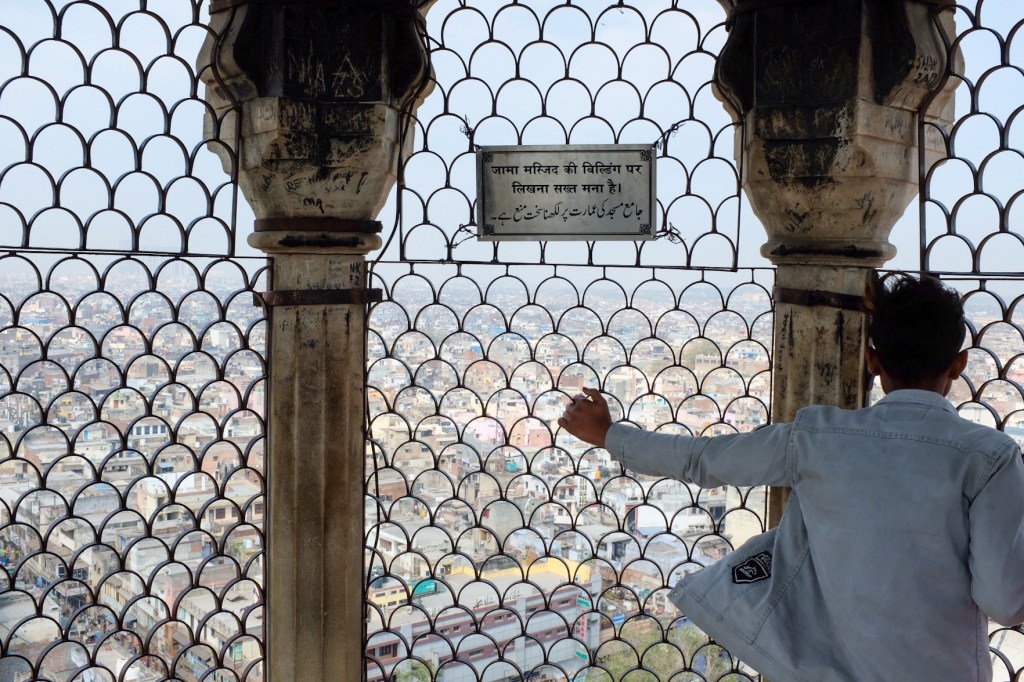
Later in the day, I went to visit the Jamal mosque and walked to the top of one of the minarets to get a view of the city
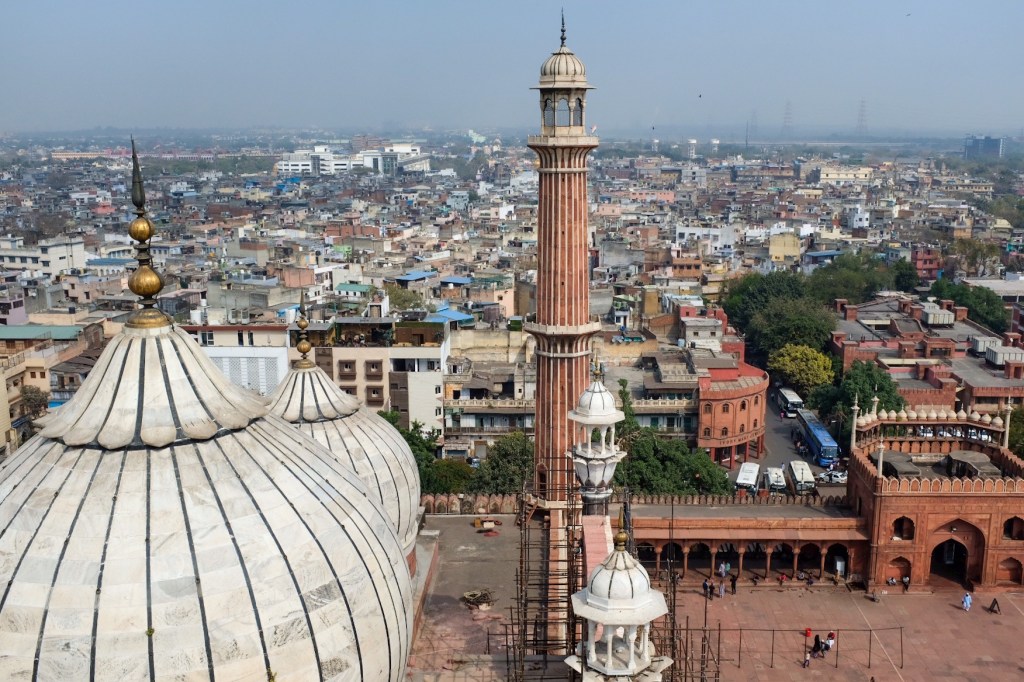
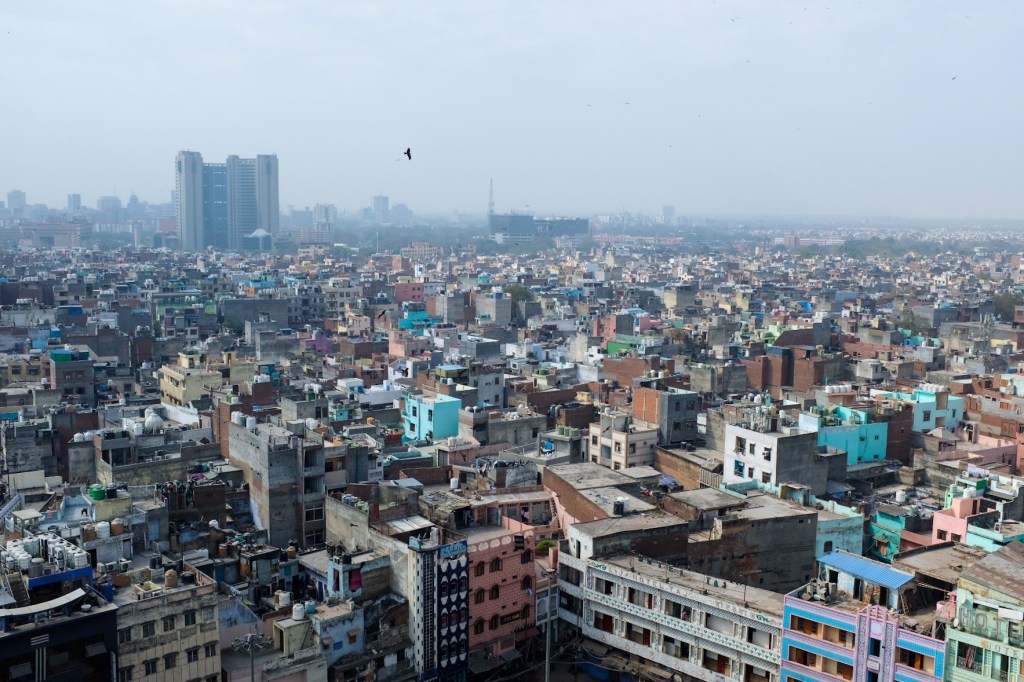
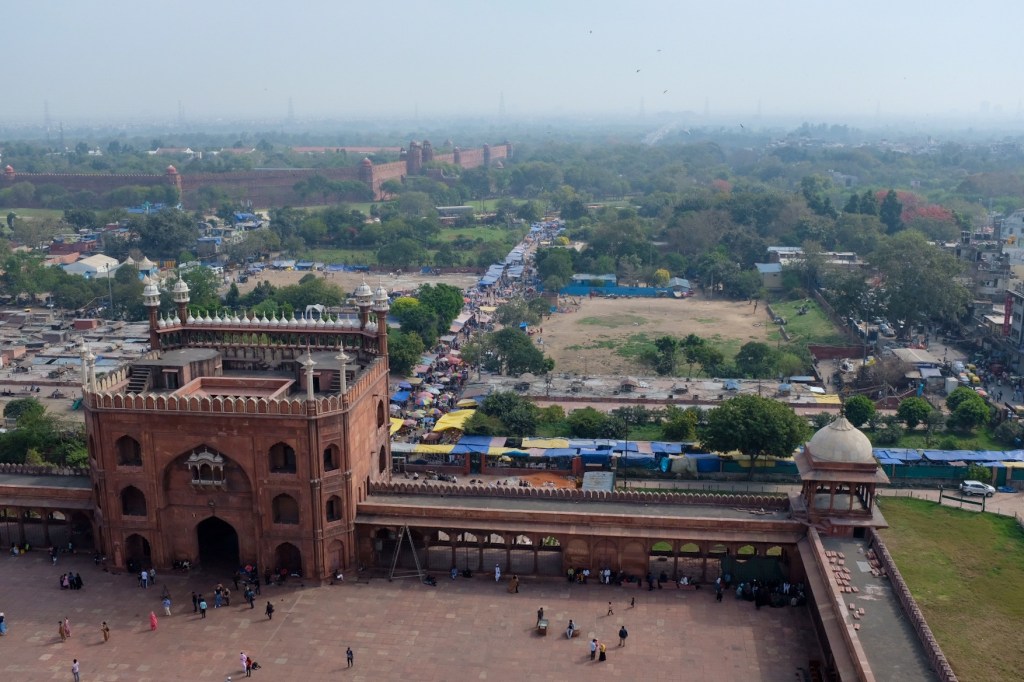
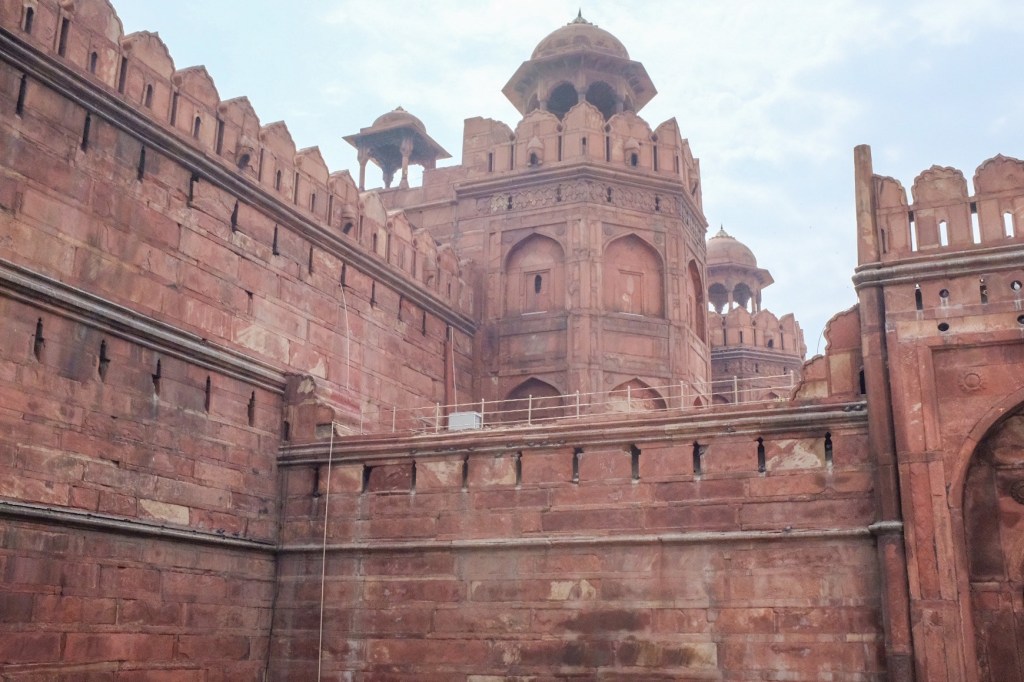
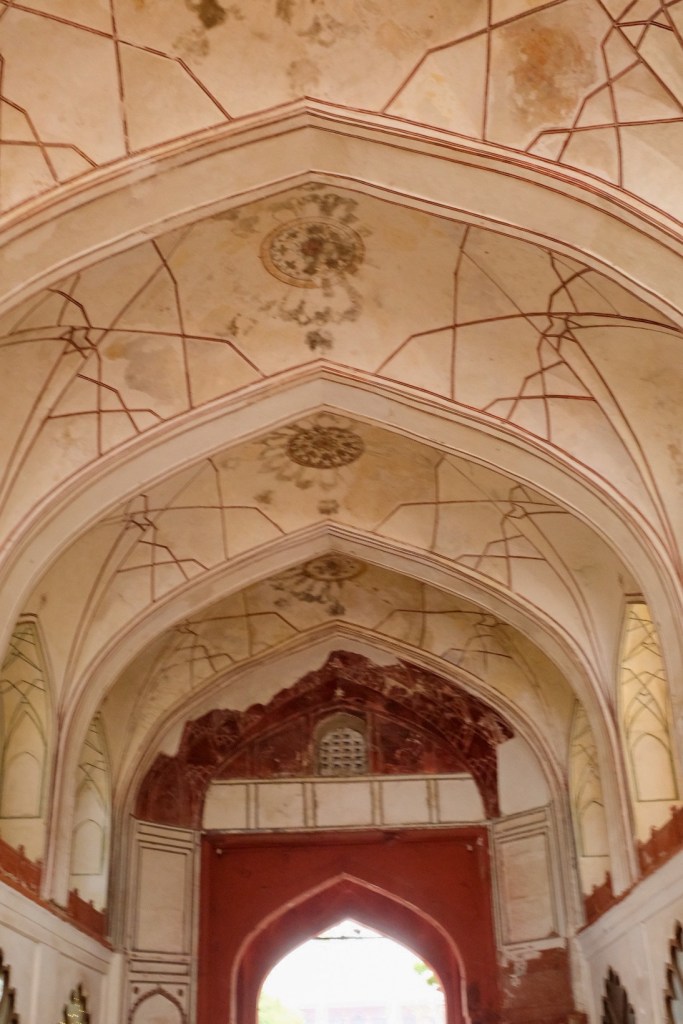
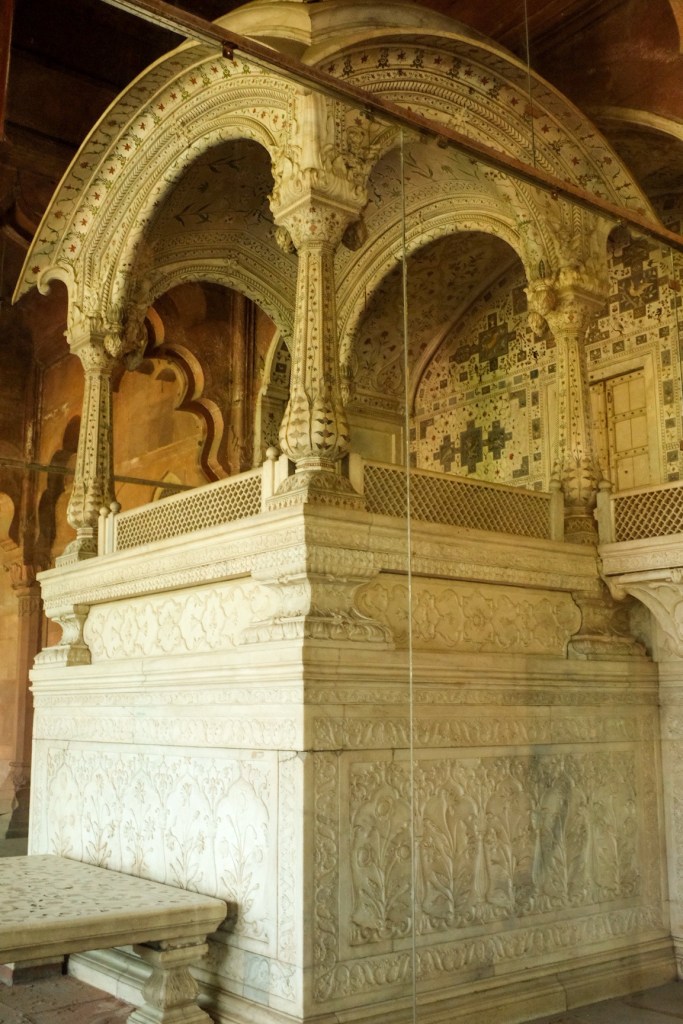
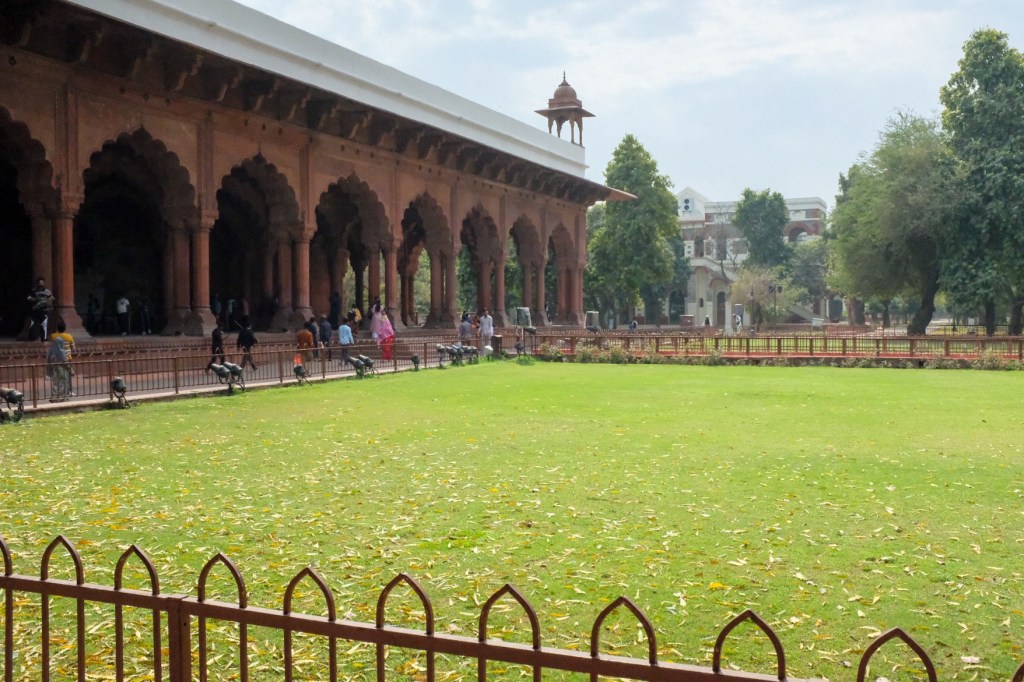
And walked over to the Red Fort.
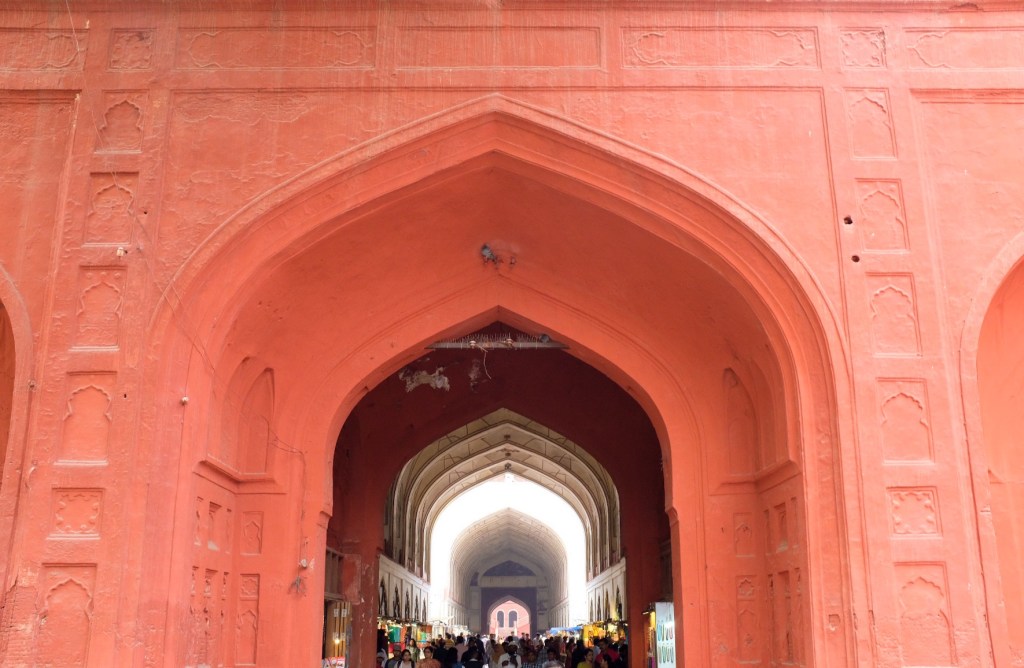
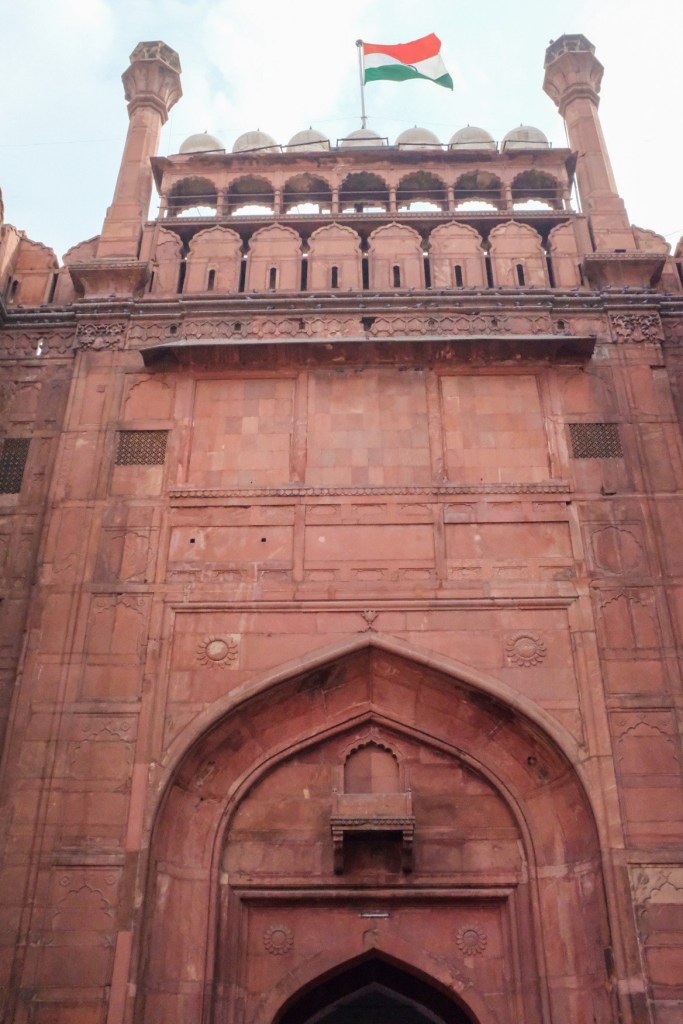
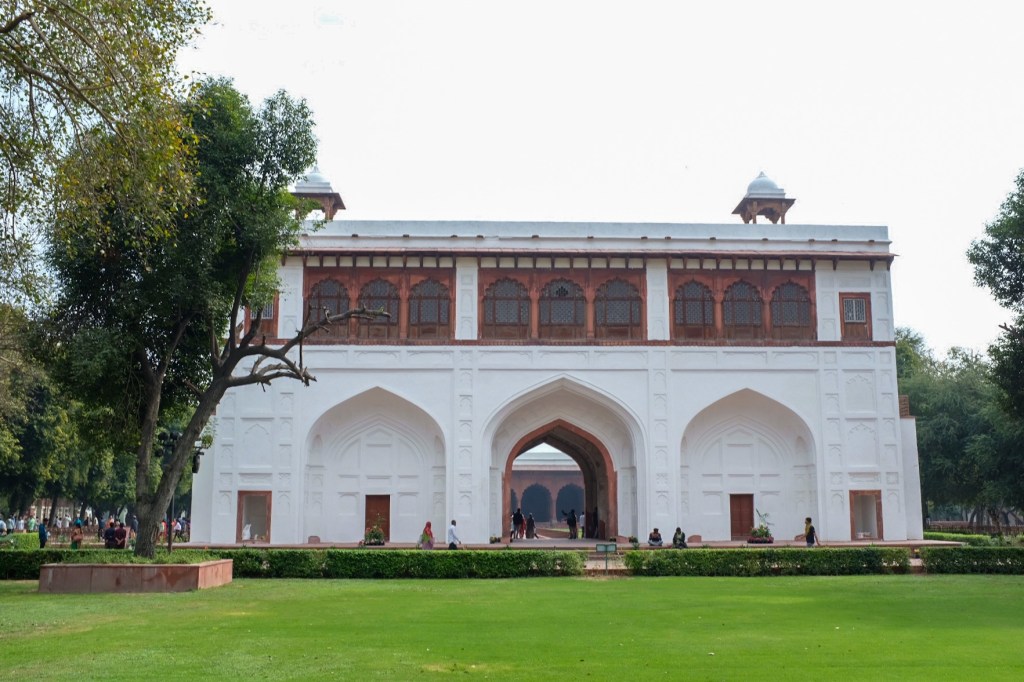
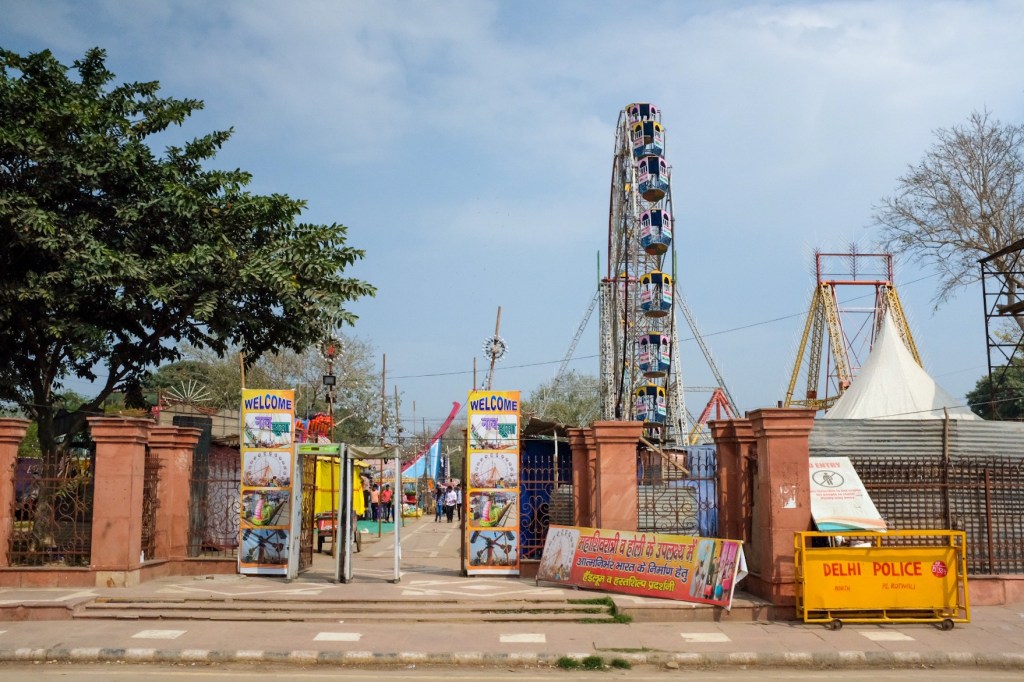
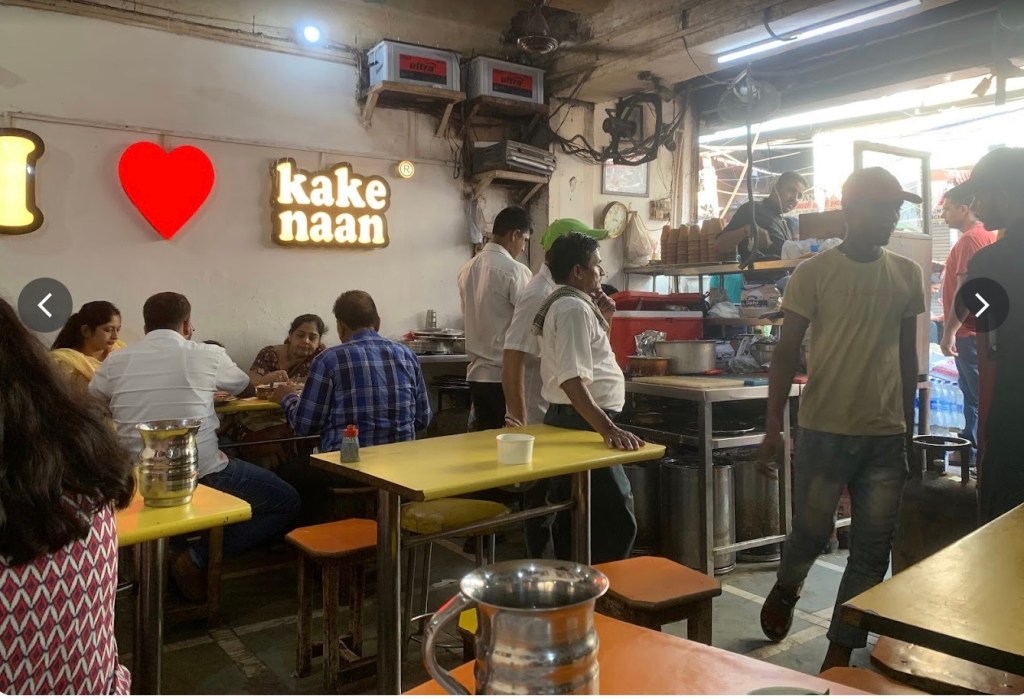
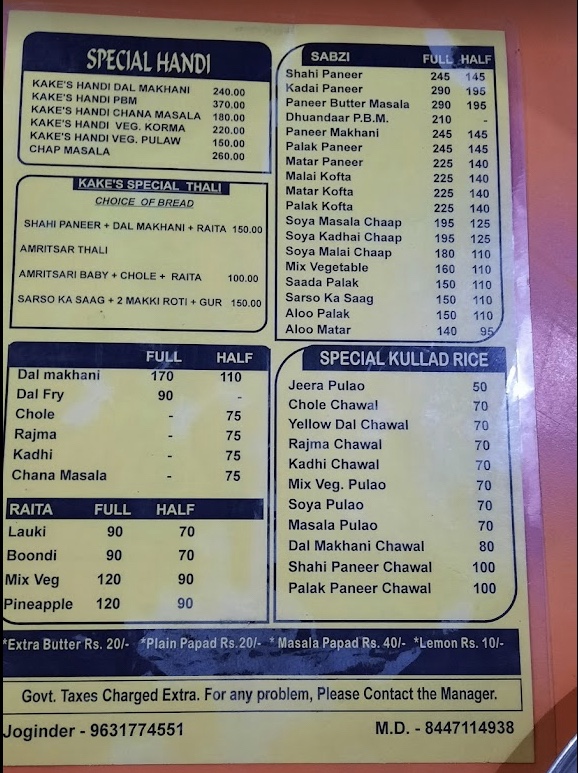
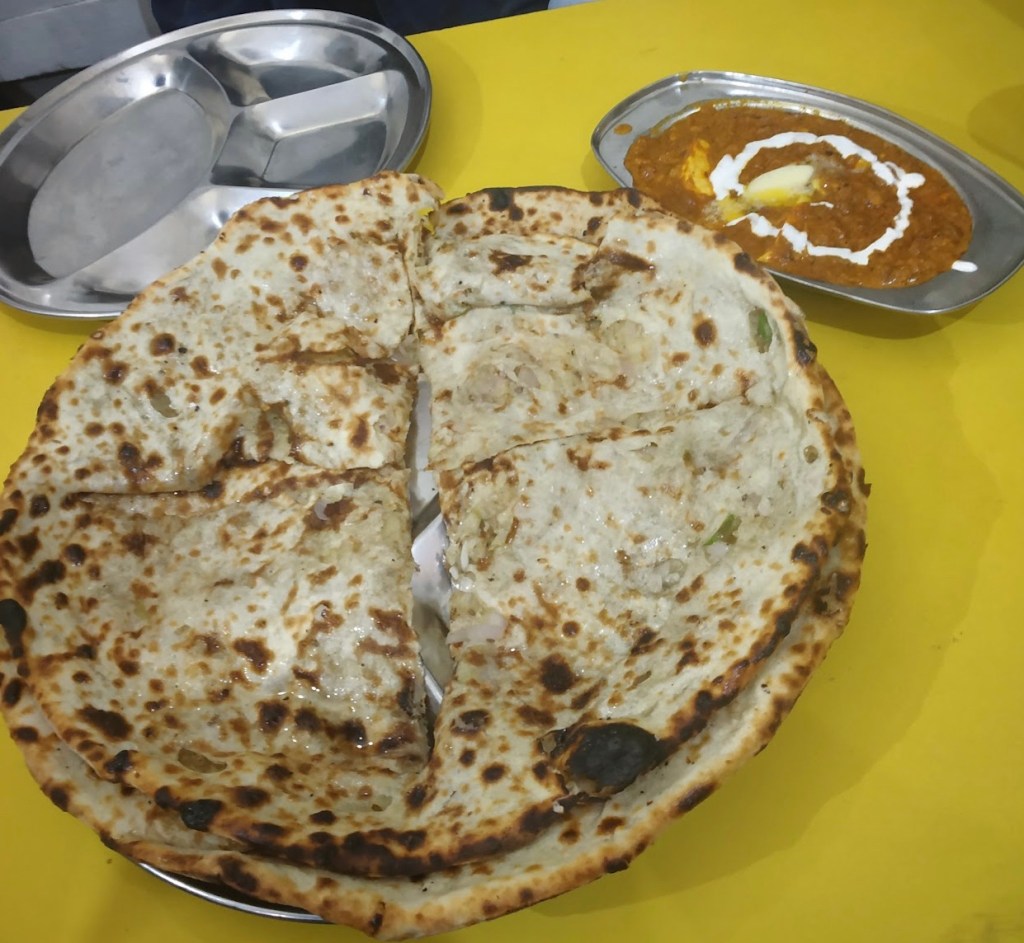
I finished the day at a restaurant recommended to me by a vendor, Kake Di Hatti, in the Chandni Chowk market area. A chaoti food stall with a few tables and chairs, not a Westerner in sight, this was the biggest food risk I took during my time in Delhi – and it paid off in droves. I had the best dahl of my life here – my tastebuds rose to heaven as my mouth was bombarded with an earthy, spicy, savory, umami flavor like no other. The dish came with an enormous naan which I at first thought was too salty – until I dipped it into the thick curry and witnessed the power of a fluffy, salty, buttery, garlicky flatbread mixed with a thick, spicy curry – like pairing wine with a meal, the 2 items elevated each other. Throughout the pandemic, I spent a lot of time attempting my hand at Indian curries – and I would argue I’ve gotten pretty good at them. In the winter, I would regularly make daal and chapati, proud of my culinary prowess. But this daahl humbled me, showing me what a TRUE Indian dish should taste like. It was wonderful – and it only cost me 225 rupees ($2.75) and a minor stomach ache – a fair deal in my opinion.
Day 5: Akshardham, Safdarjung Tomb, & dinner at Jamun
After starting the morning with some chai (every block has a vendor selling them), I headed to Swaminarayan Akshardham, the world’s largest comprehensive hindu temple. Consecrated in 2005, the complex displays thousands of years of Hindu culture, spirituality, and architecture.
Hinduism is the world’s oldest religion, with roots and customs dating back more than 4,000 years. With 900 million followers, Hinduism is the third -largest religion behind Christianity and Islam. About 95% of the world’s Hindus live in India. I found that this overview from Britannia is quite helpful in getting a broad understanding of the religion: https://www.britannica.com/topic/Hinduism.
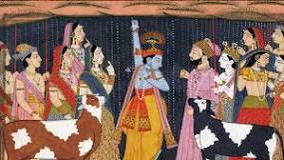
The main hall offers an exhibition about the life and work of Swaminarayan, a yogi and ascetic who is believed by followers to be a manifestation of God Krishna. Swaminarayan was born in 1781 and, during his lifetime, constructed six mandirs to facilitate followers’ devotional worship of God, and encouraged the creation of a scriptural tradition, including the Shikshapatri. The shikshapatri is a religious text of 212 verses and is a key scripture of Swaminarayan Sampradaya followers.
Visitors are not allowed to bring phones or cameras into the complex, so here are some photos from the complex’s website.
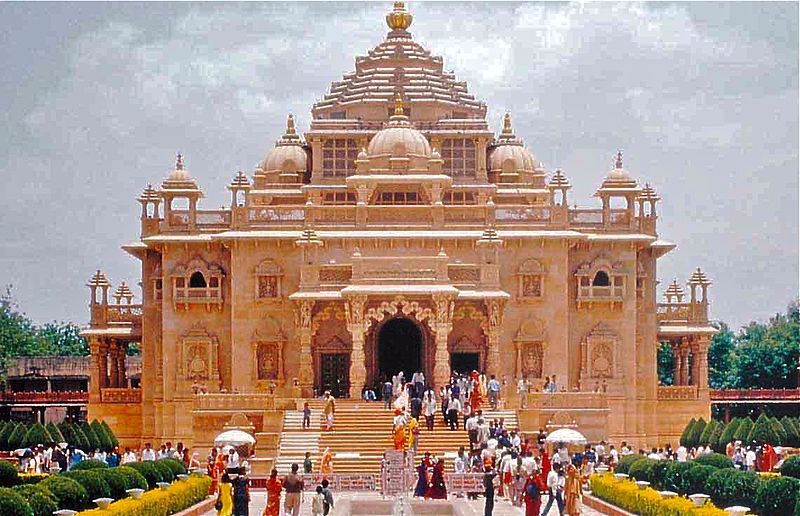
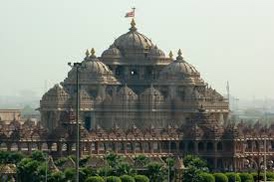
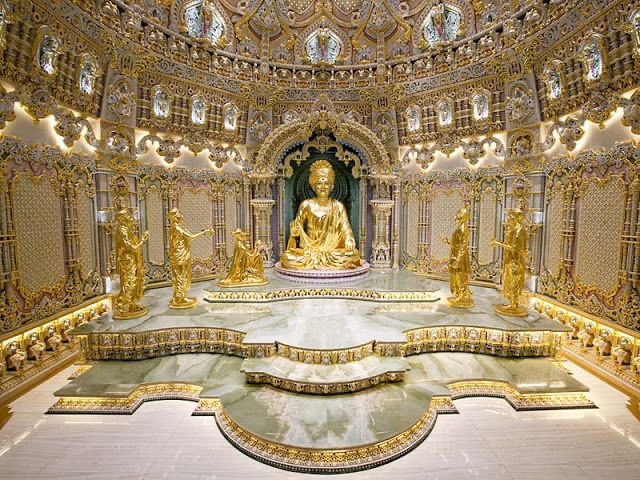
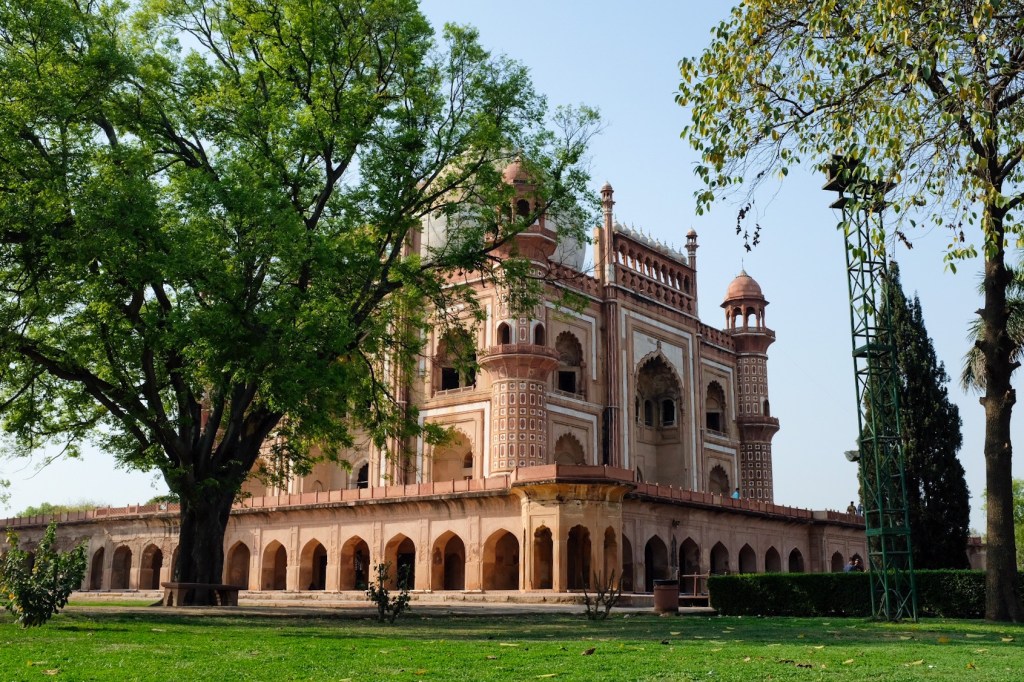
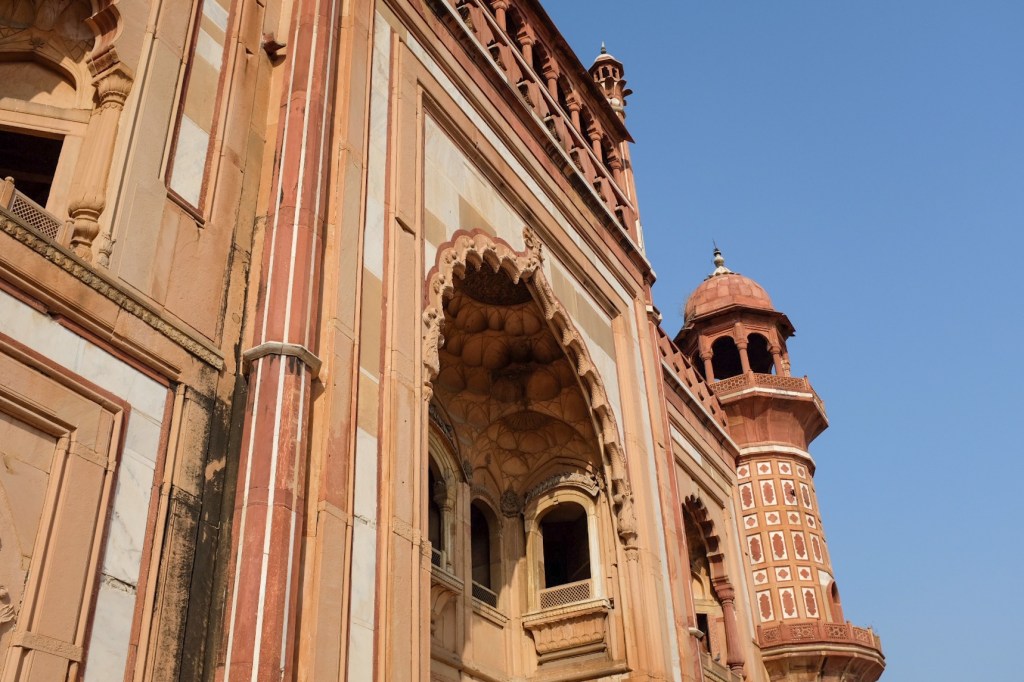
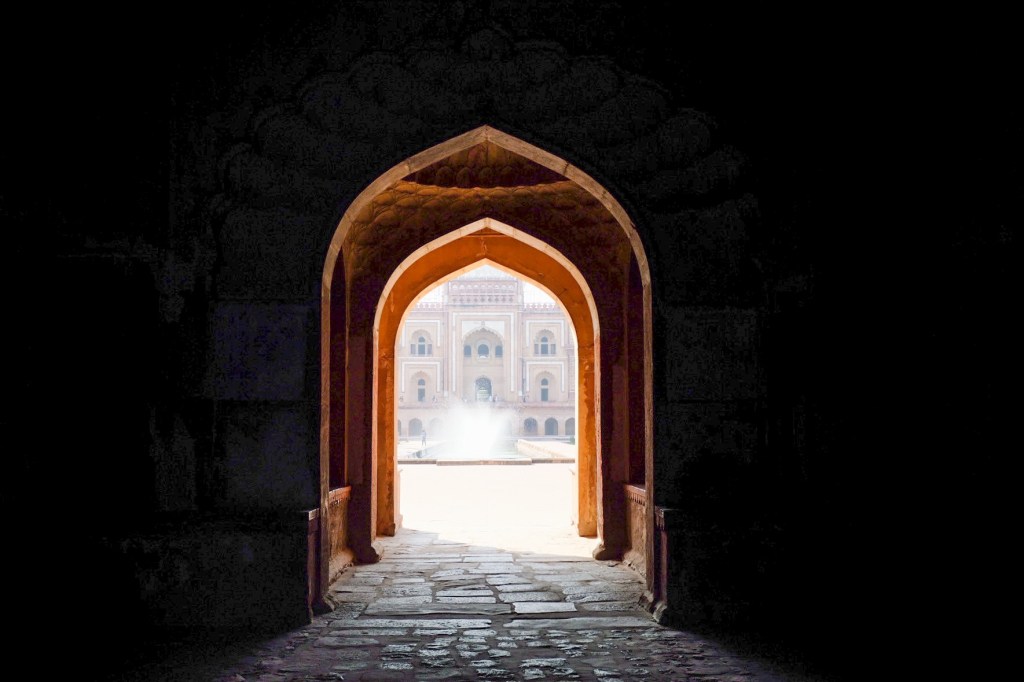
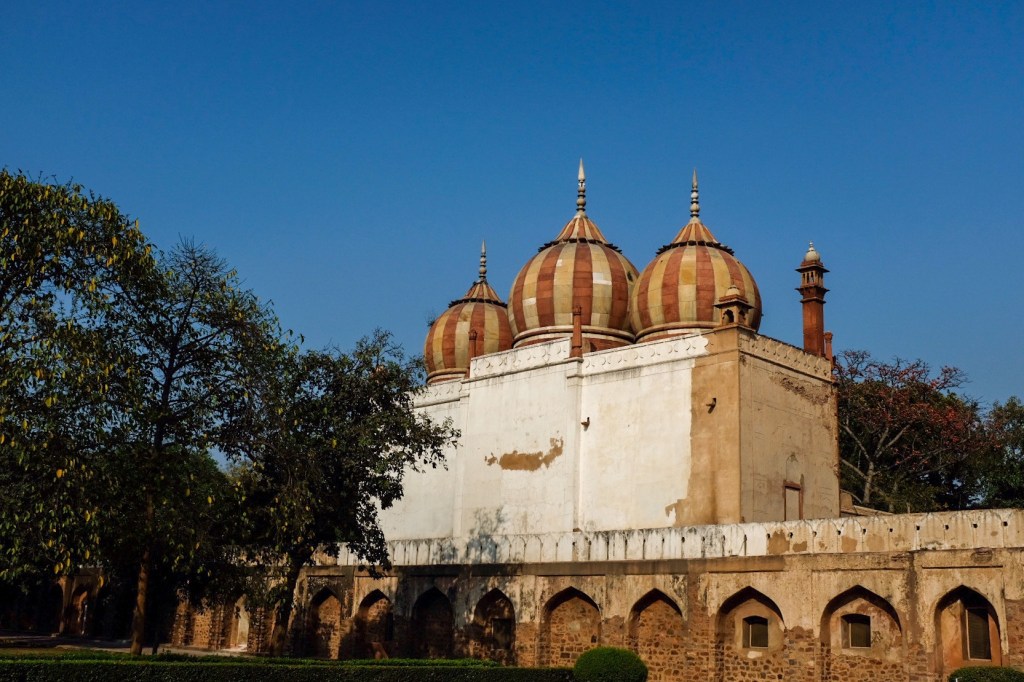
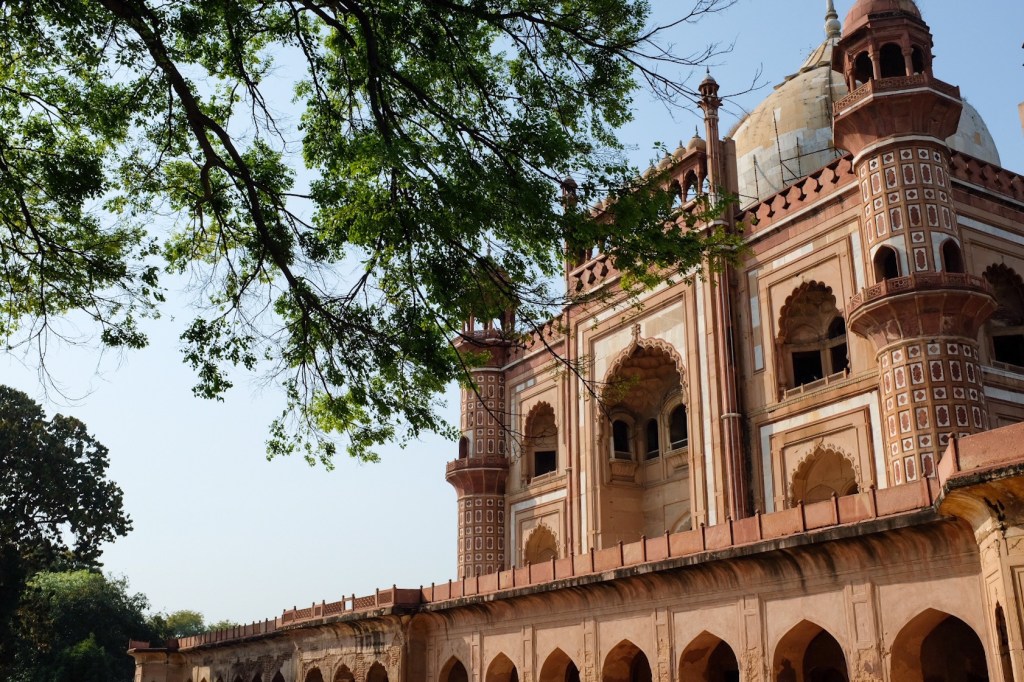
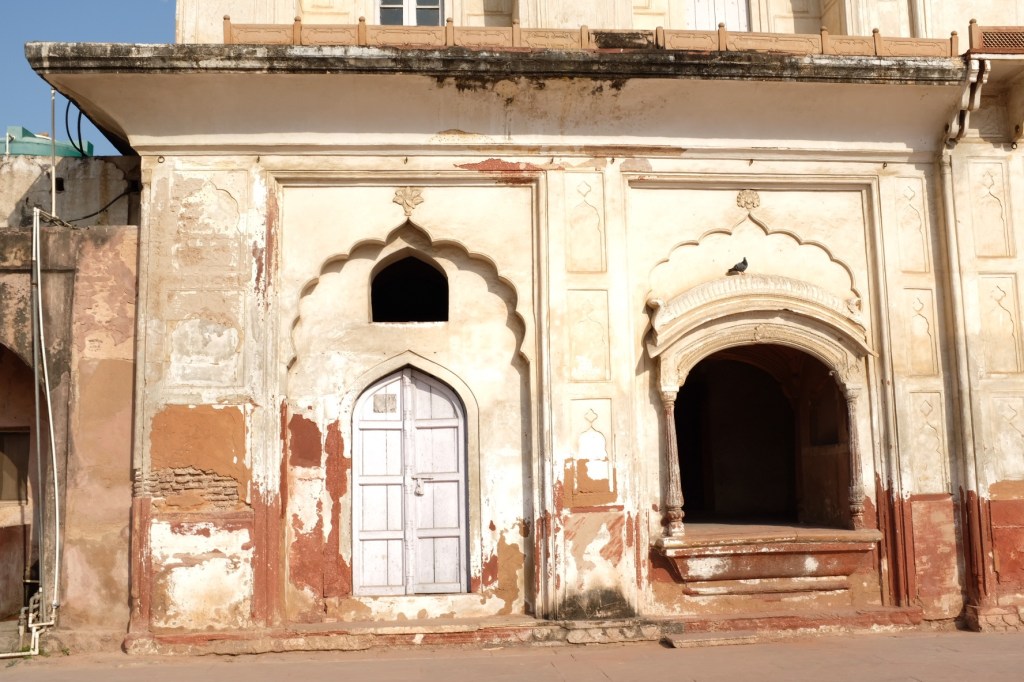
Afterwards, I headed west, deeper into New Delhi and visited the Tomb of Safari Jang, a mausoleum built in 1754 in late Mughal Empire style for Nawab Safdarjung. The Safdarjung tomb, the last monumental tomb garden of the Mughals, was planned and built like an enclosed garden tomb in line with the style of the Humayun tomb.
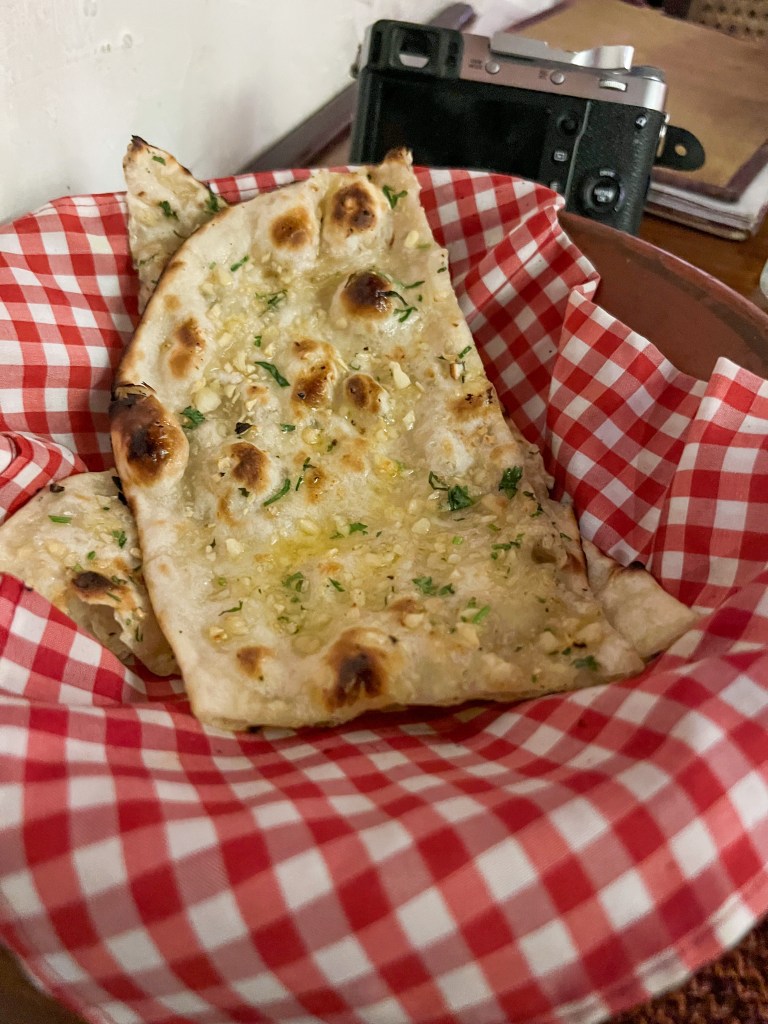
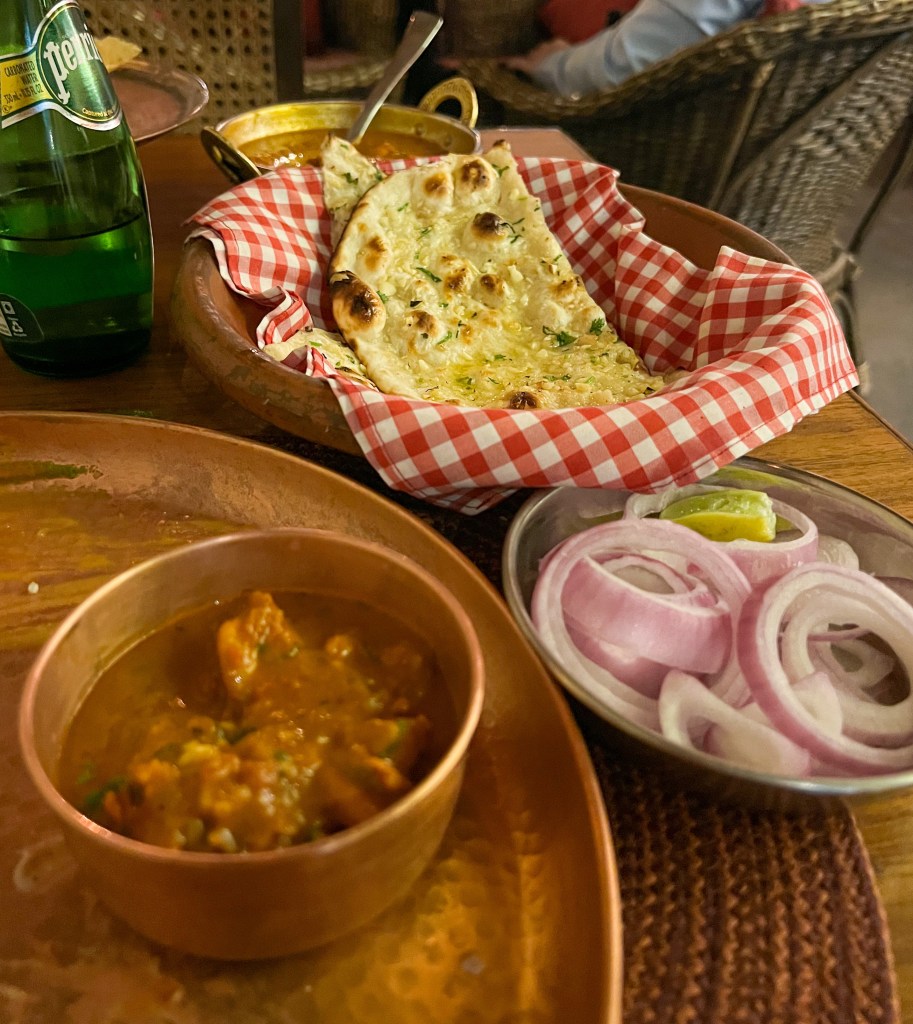
After walking through Lodhi park again, which is right next to the tomb, I finished the day at Jamun, an Indian eatery that offers a mix of popular and lesser known Indian dishes. A wonderful elevated interpretation of the food India has to offer.


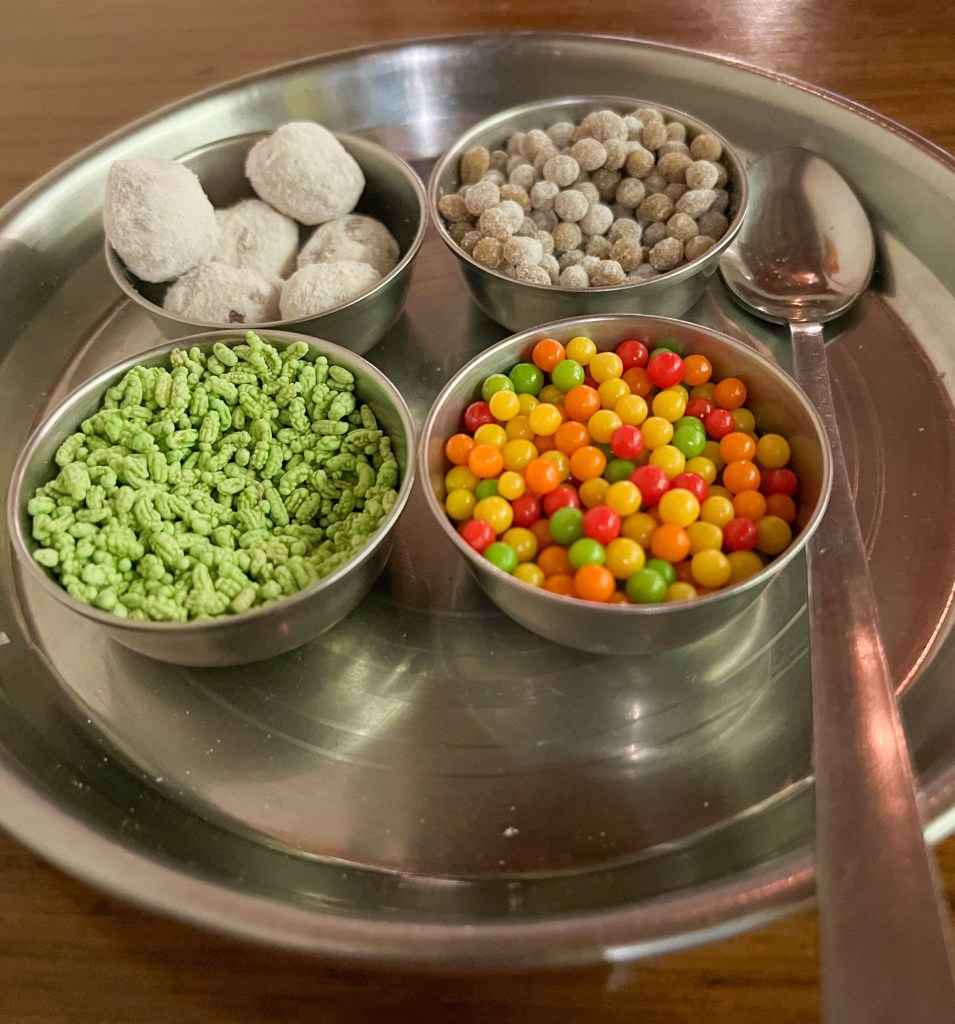
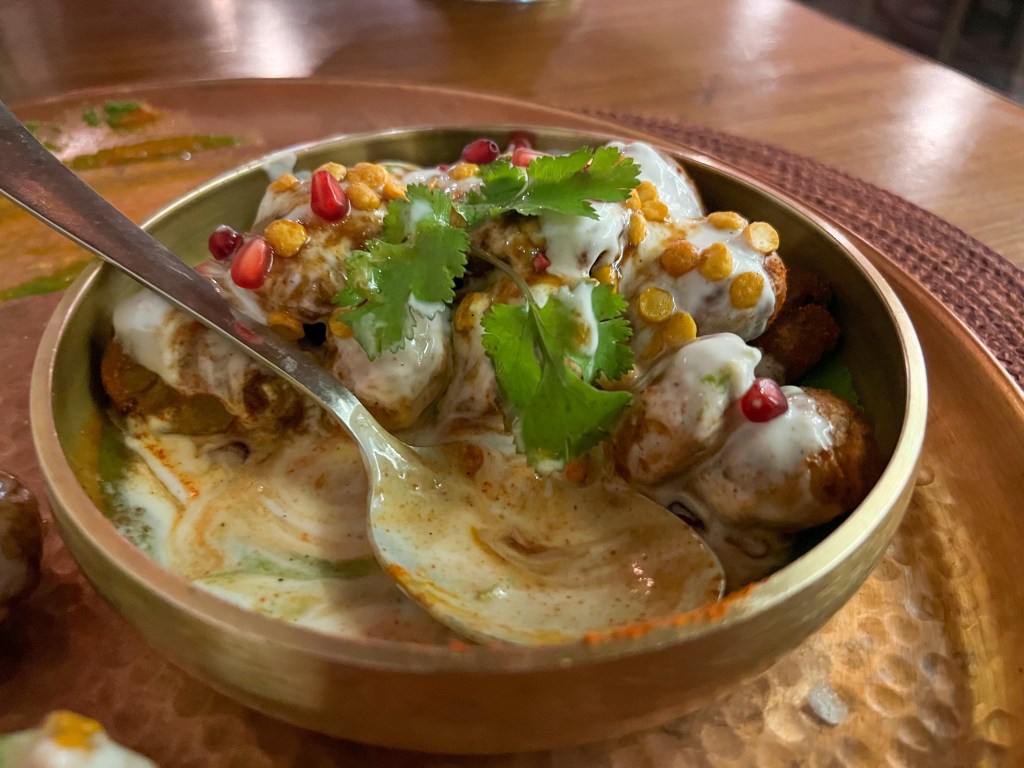
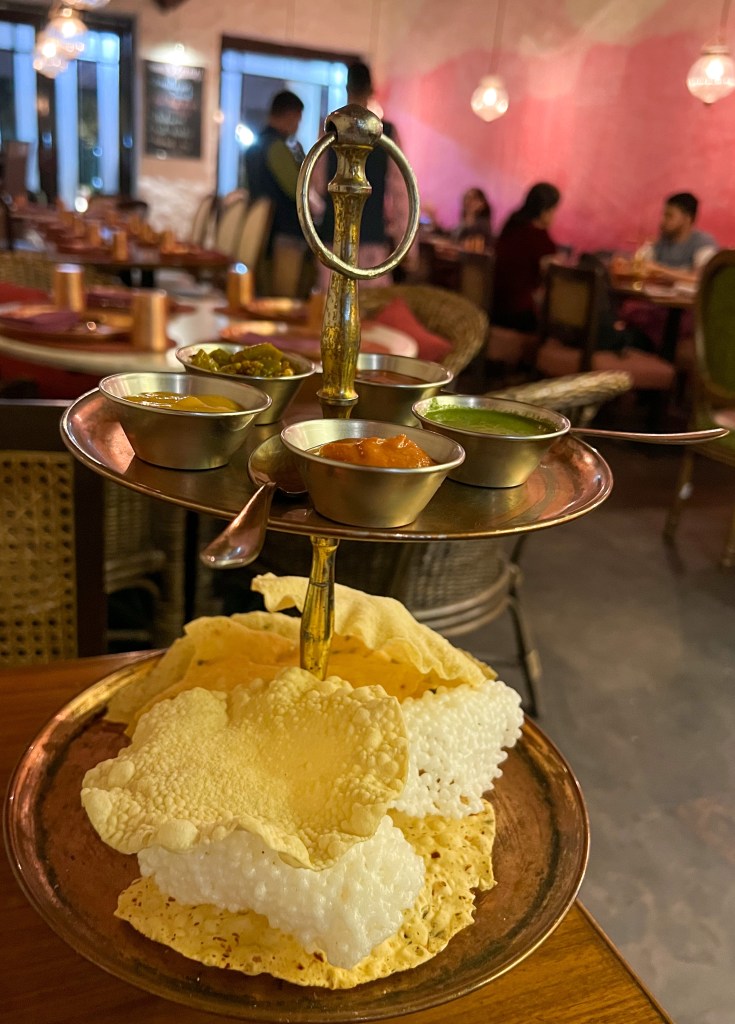
Day 6: The Tibetan Colony, Raj Ghat, & Gurudwara Shri Bangladeshi Sahib
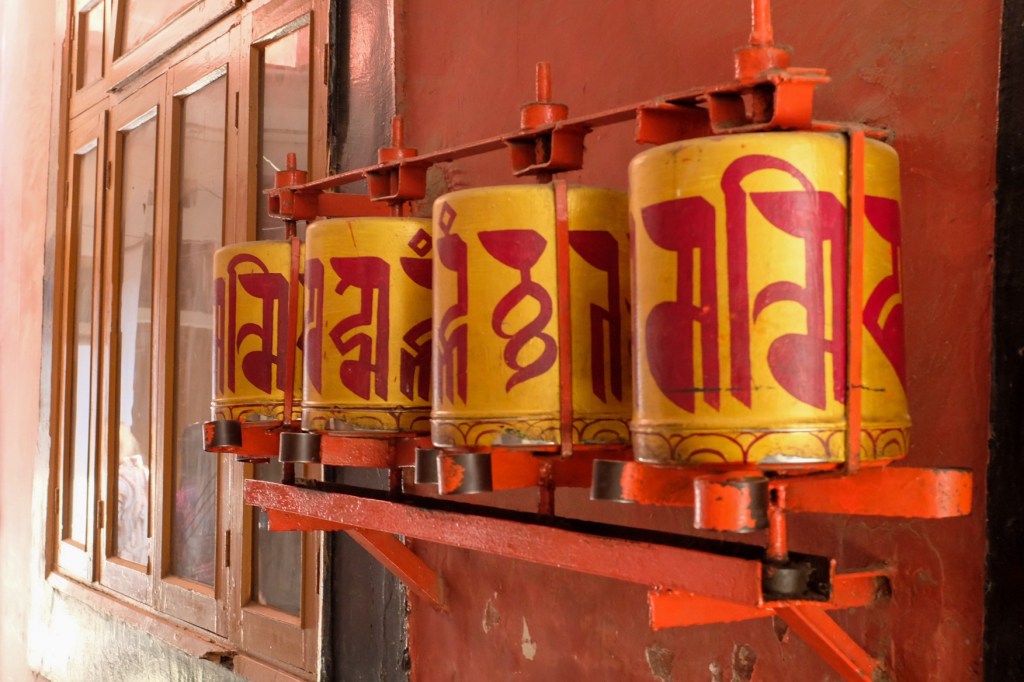
My last full day in Delhi, I got up early and headed 30 minutes north to the Tibetan Colony. As mentioned earlier, Manual-ka-tilla was established in the late 1950’s and many residents of Majnu-ka-tills left Tibet when the Dalai Lama went into exile. This was one of my favorite parts of the city and I highly recommend it to anyone who has the time in Delhi.
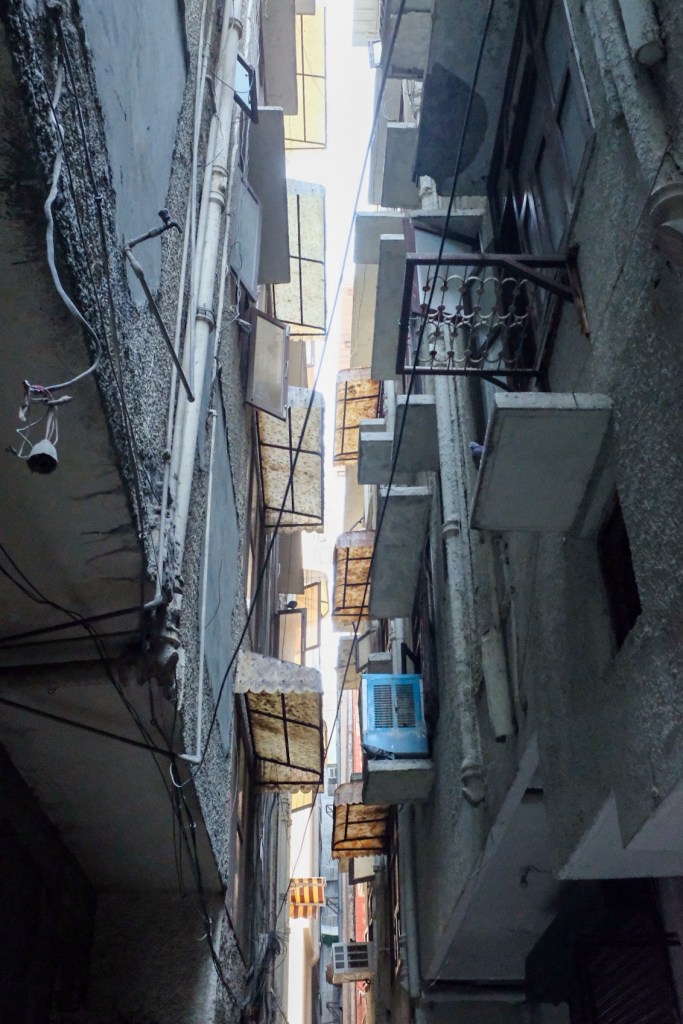
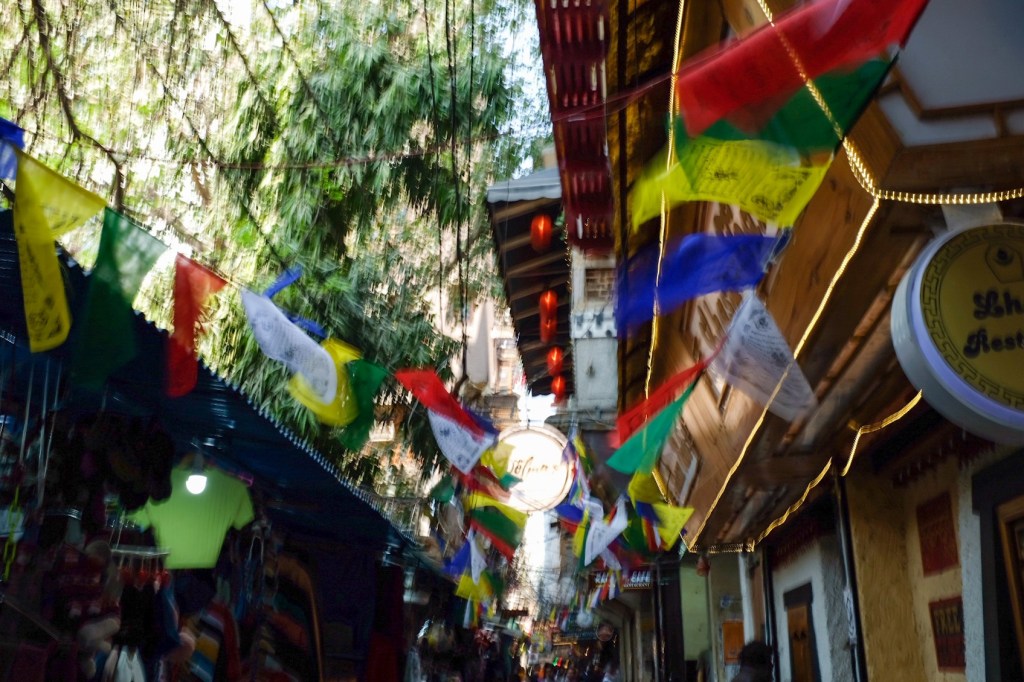
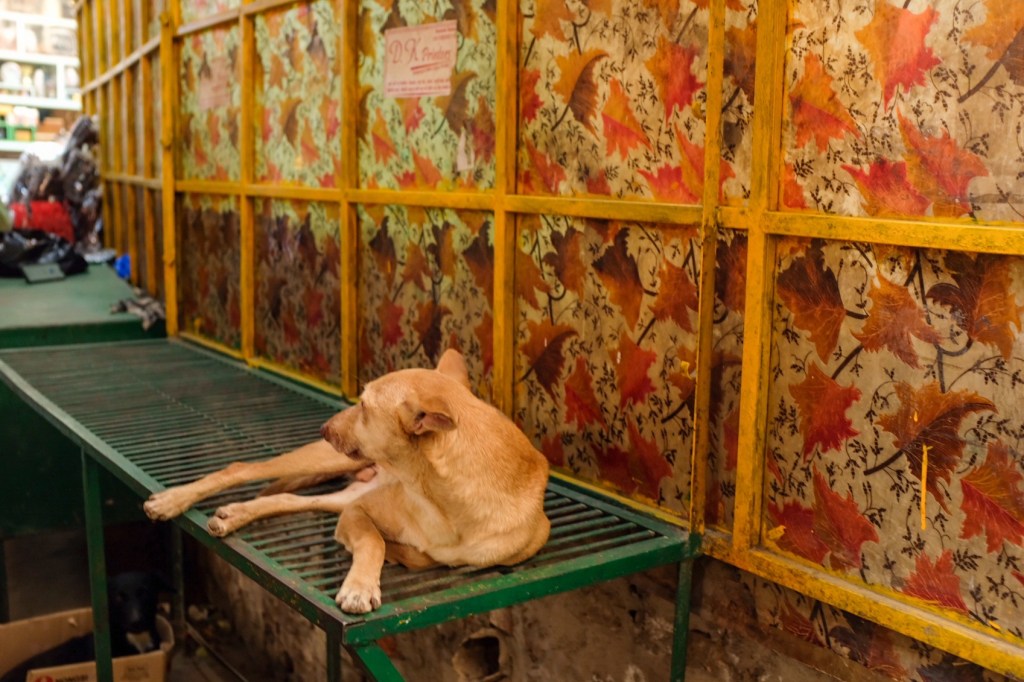
The colony has approximately 3,000 residents in about 400 family groups, with residents having strong ethnic identification with Tibet. Full of tight corridors, clothing stalls, and food vendors selling momo, tea and other traditional tibetan food – its like teleporting to another country. Nestled in the center is Ama, a lovely tibetan cafe that I spent nearly half a day, drinking coffee and people watching. I won’t lie – I came back here a couple times during my time in Delhi.


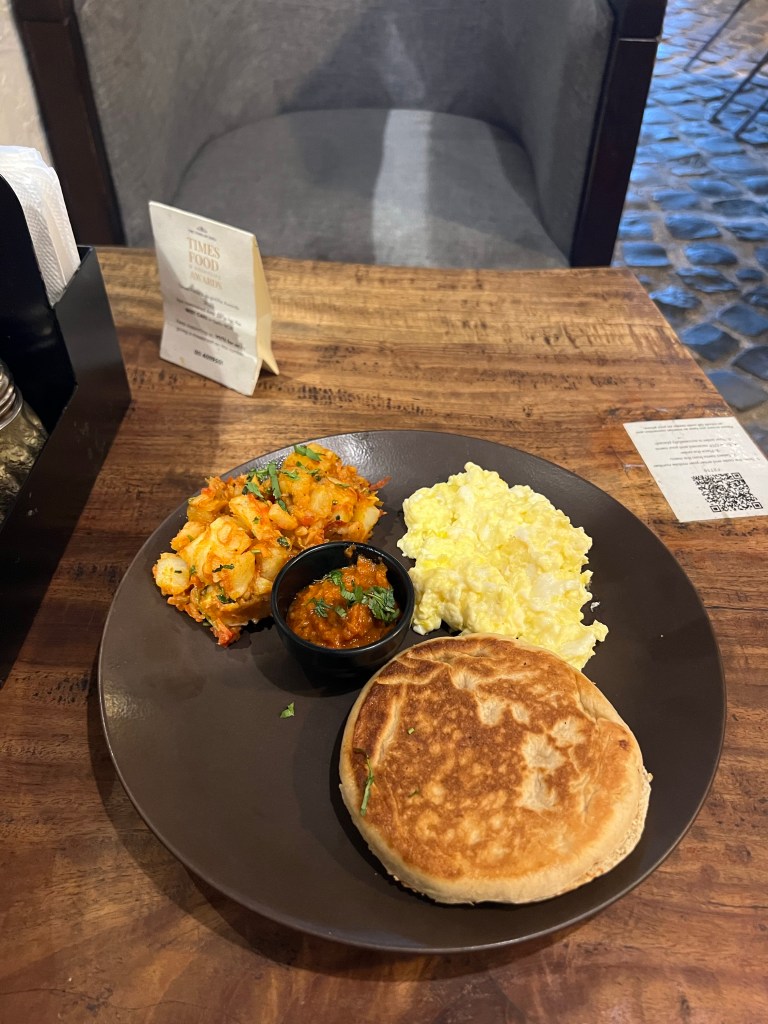
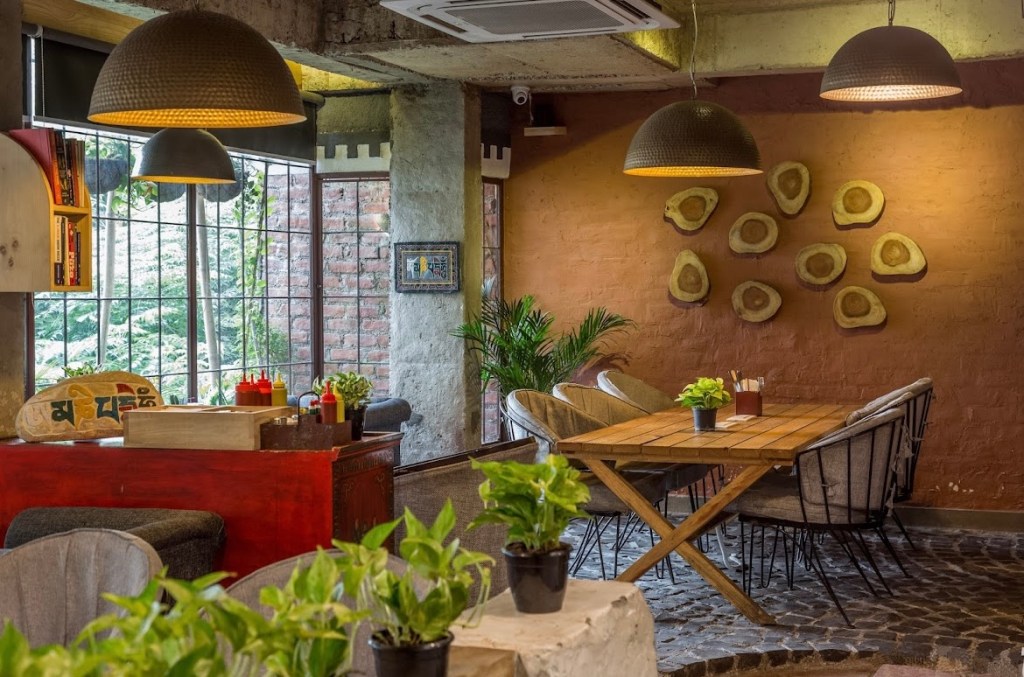
The rest of the morning I spent walking up and down the colony’s corridors, watching as the streets came to life – Indian tourists, foreigners, residents, and Tibetan monks all intermingling.
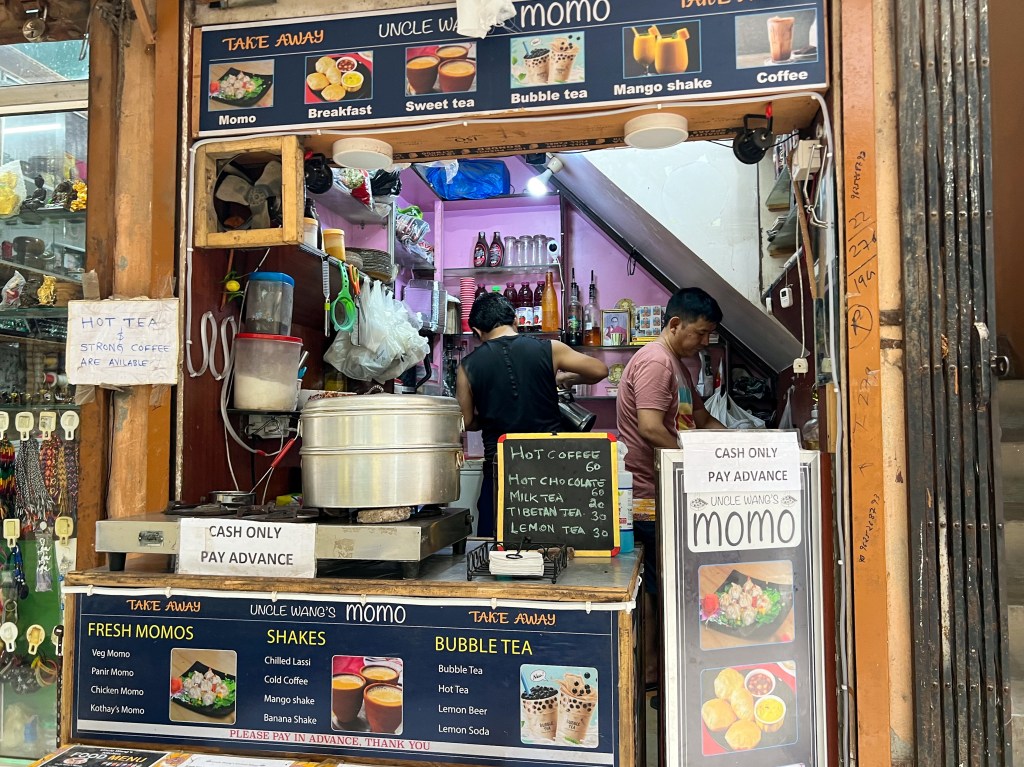
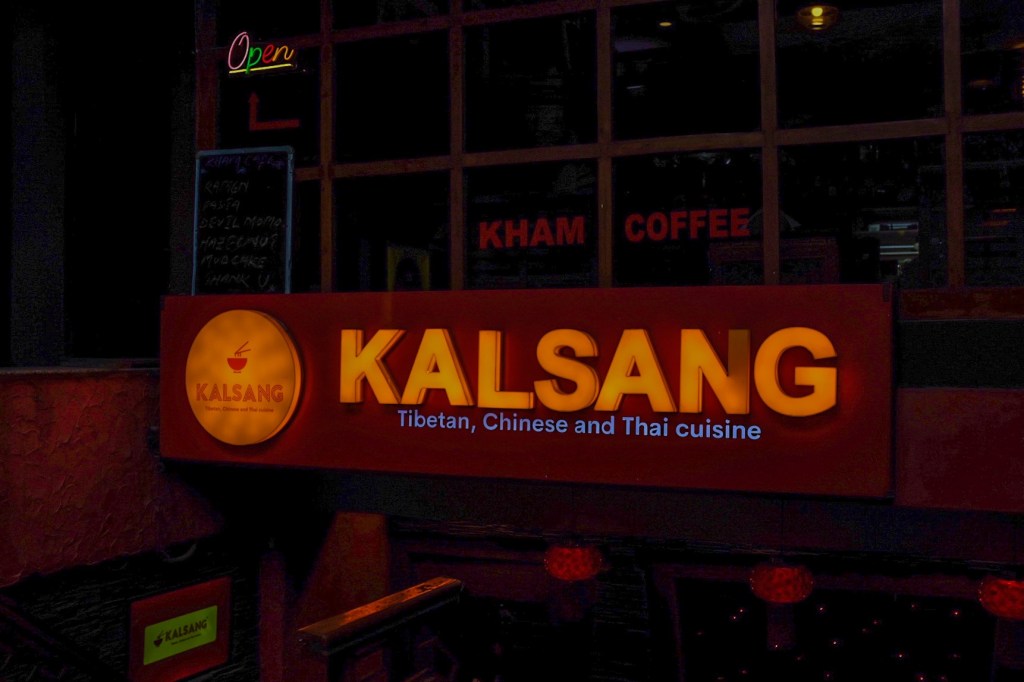
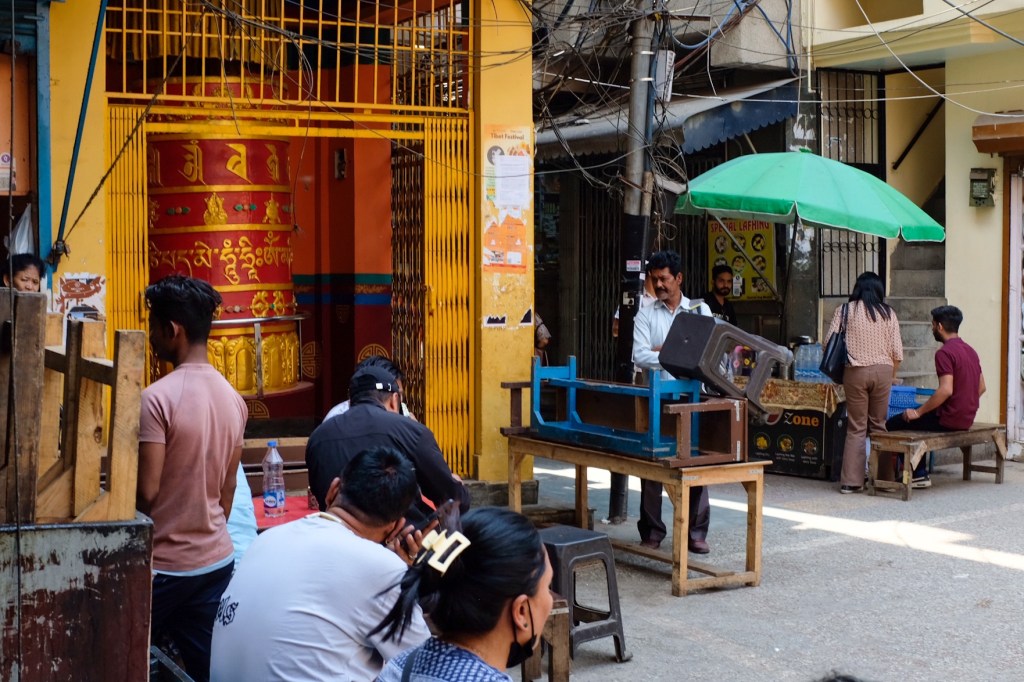

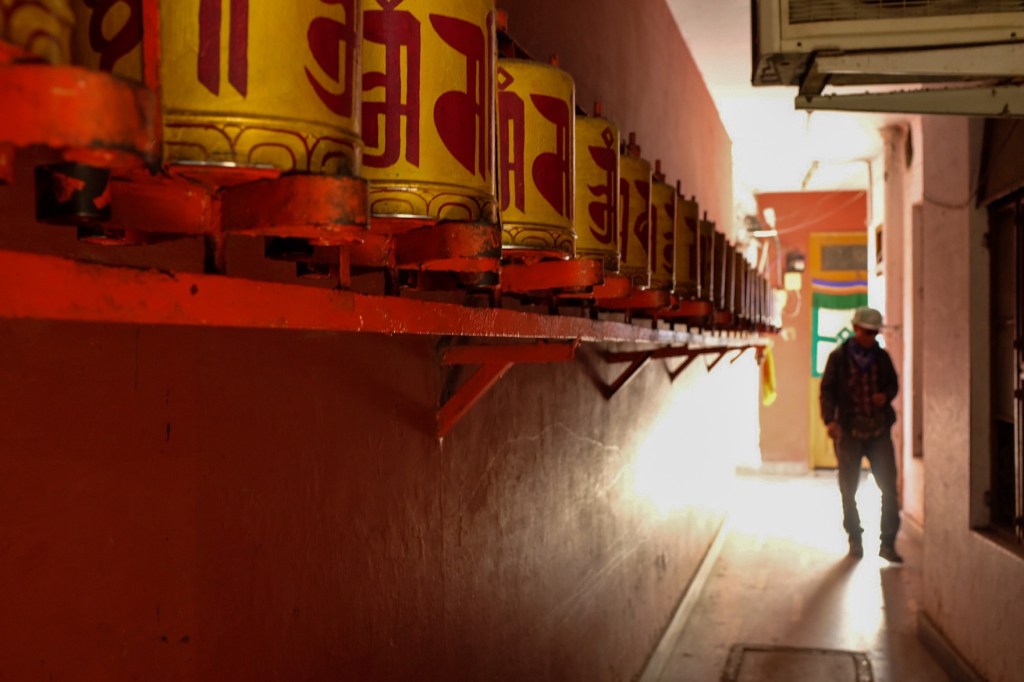
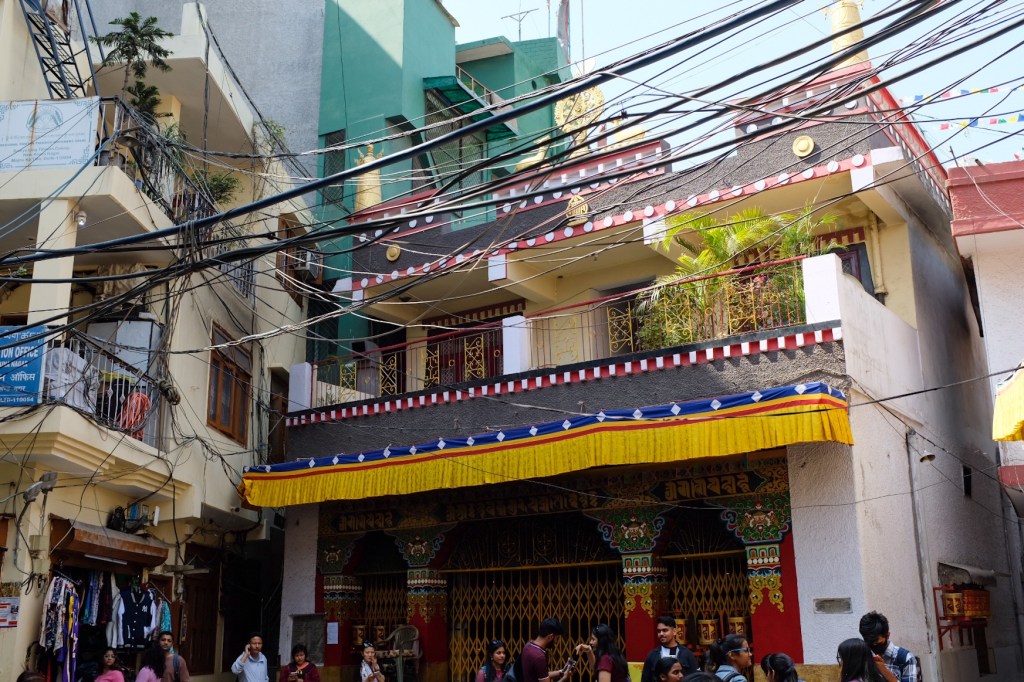
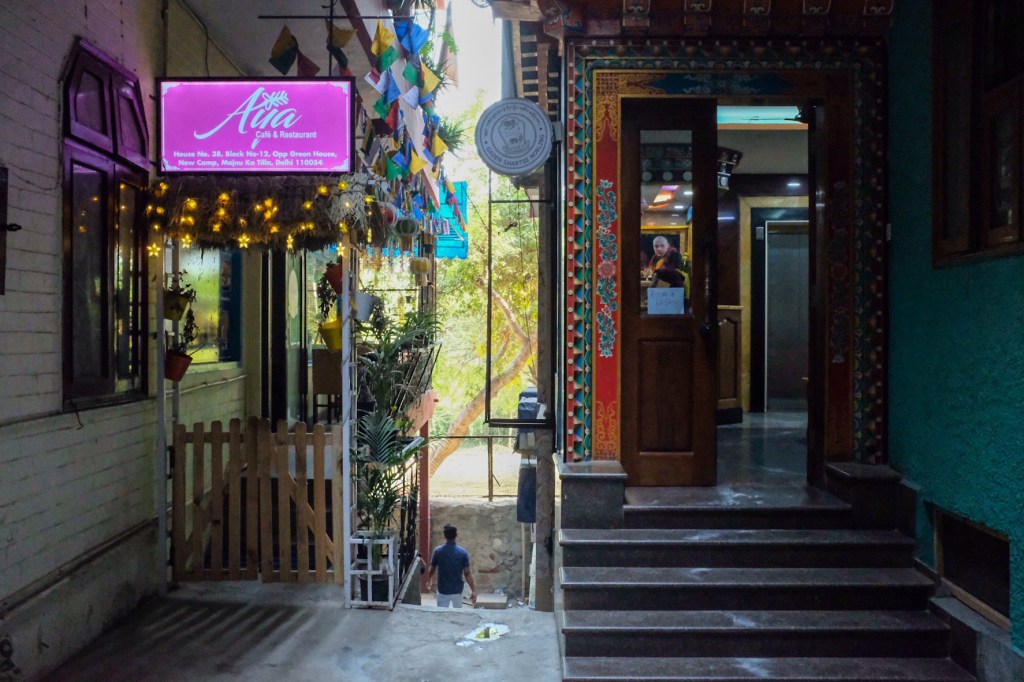
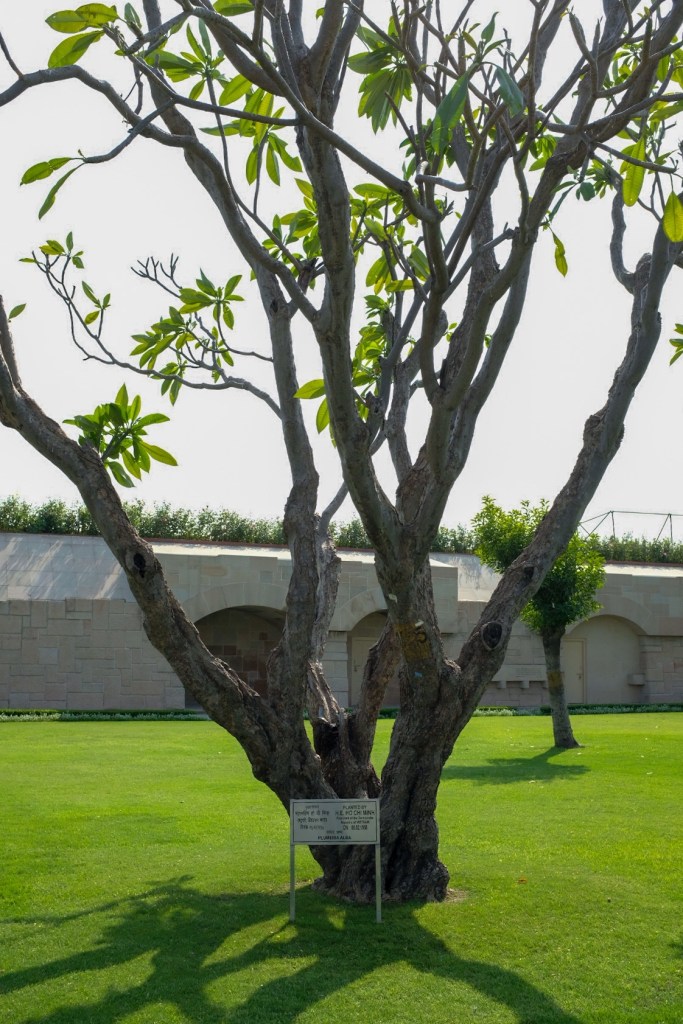
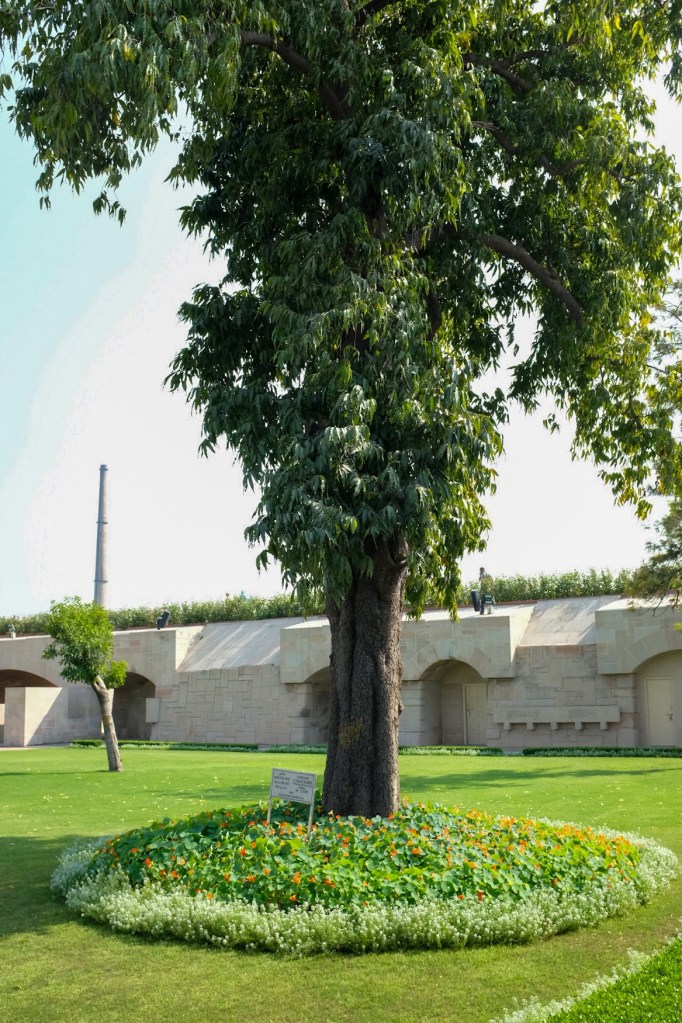
In the afternoon, I headed to Ram Ghat, the memorial dedicated to Mahatma Gandhi.
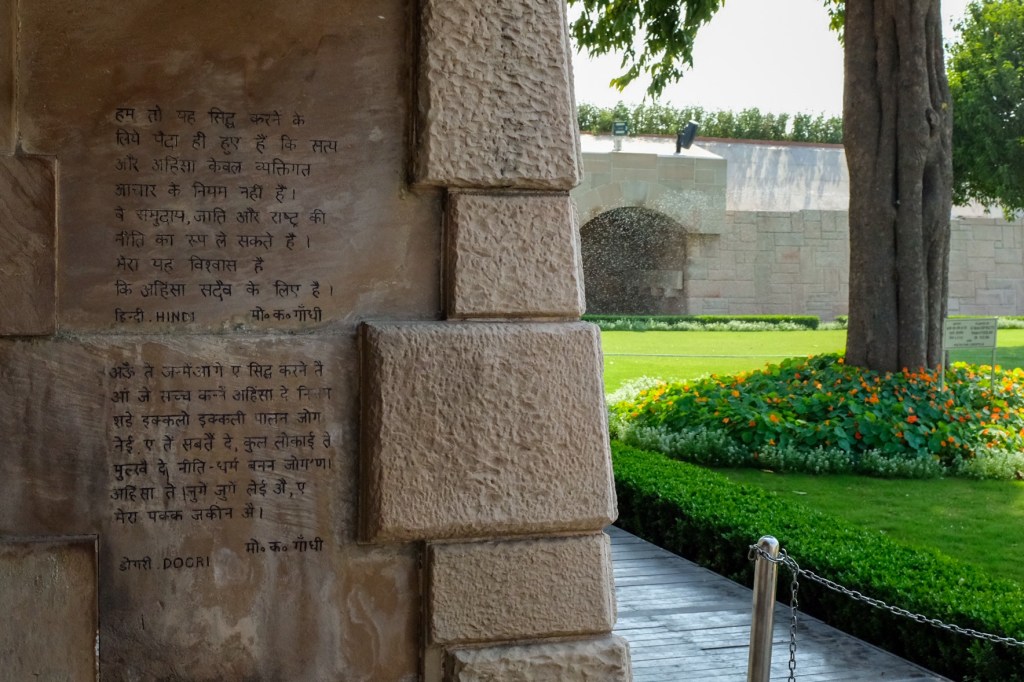
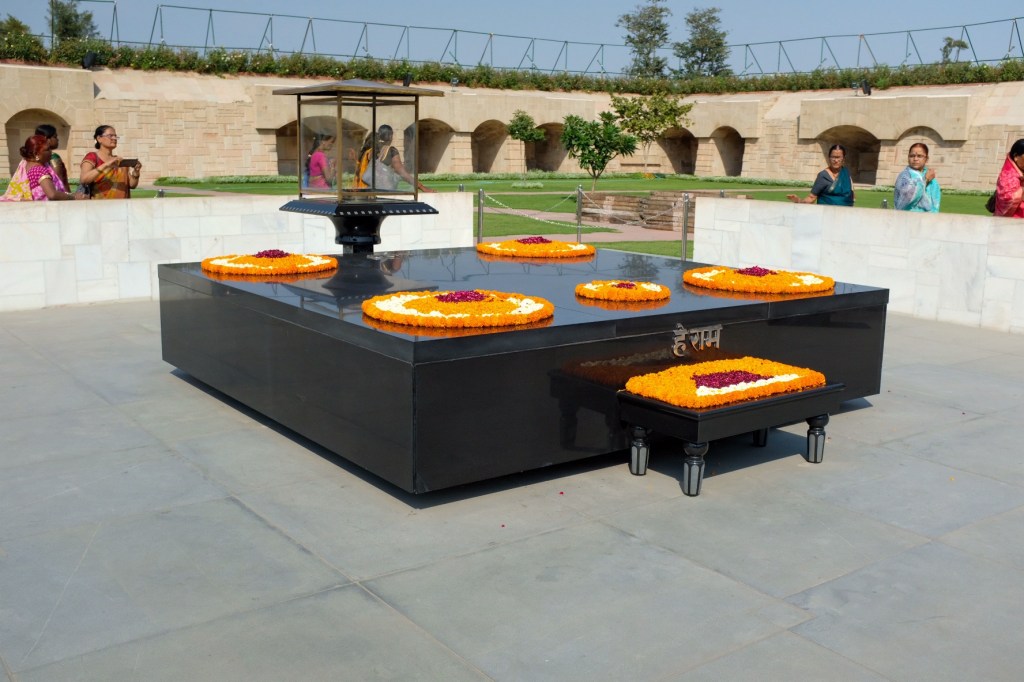
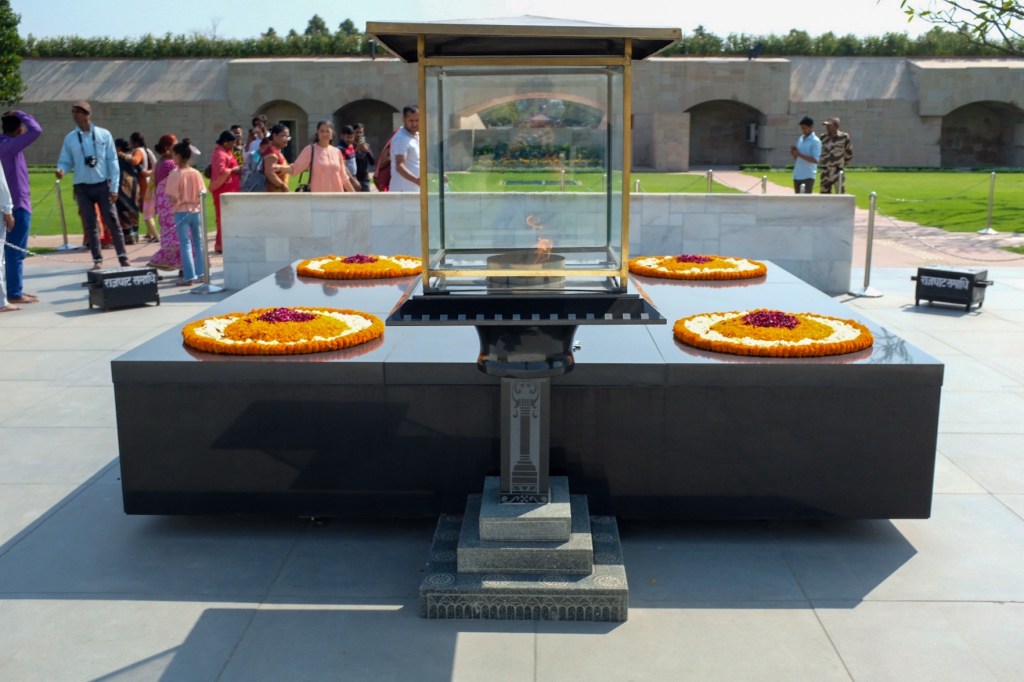
I wrapped up the day at Gurudwara Shri Bangladeshi Sahib, which proved to be a very powerful experience. Gurudwara Bangla Sahib is one of the most prominent Sikh gurdwaras, or Sikh house of worship, and is known for its holy pond inside its complex, known as the “Sarovar.” Growing up, I remember learning a lot about Christianity, Judaism, Islam, Druism, Hinduism, Jainism, and Buddhism – but have no recollection of learning about Sikhism. This is a real shame as Sikhism is the world’s fifth largest religion and is a religion along with Judaism, I found that I connect deeply with. Throughout my time in India, I found myself returning to their gurdwaras, listening to their guru Granth Sahib Ji, their holy scripture, as I sat barefoot on the their carpeted floors.
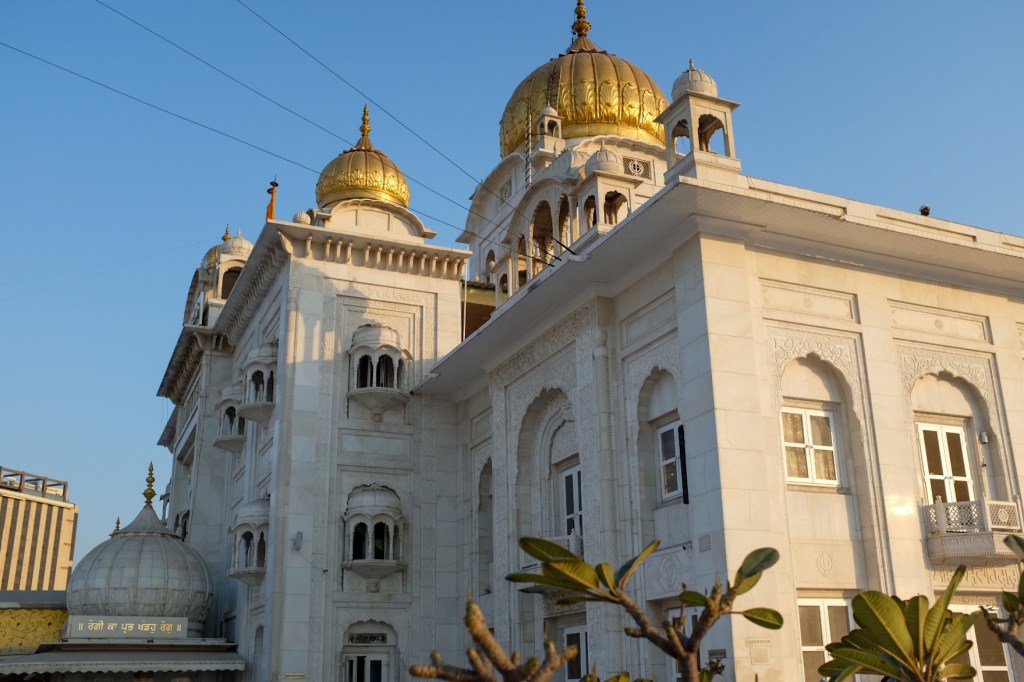
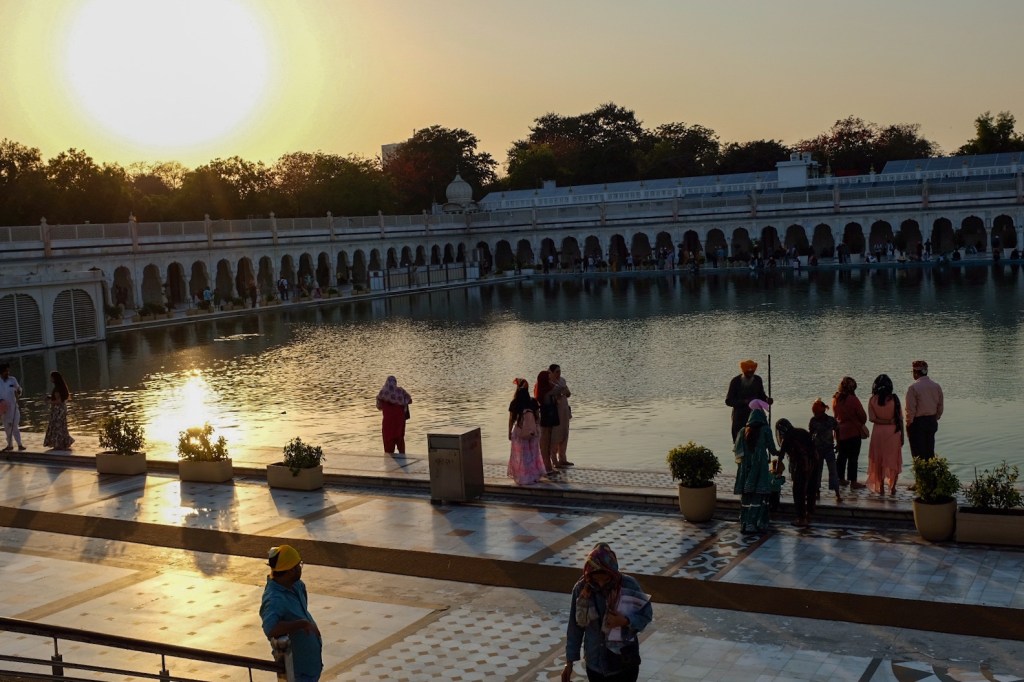
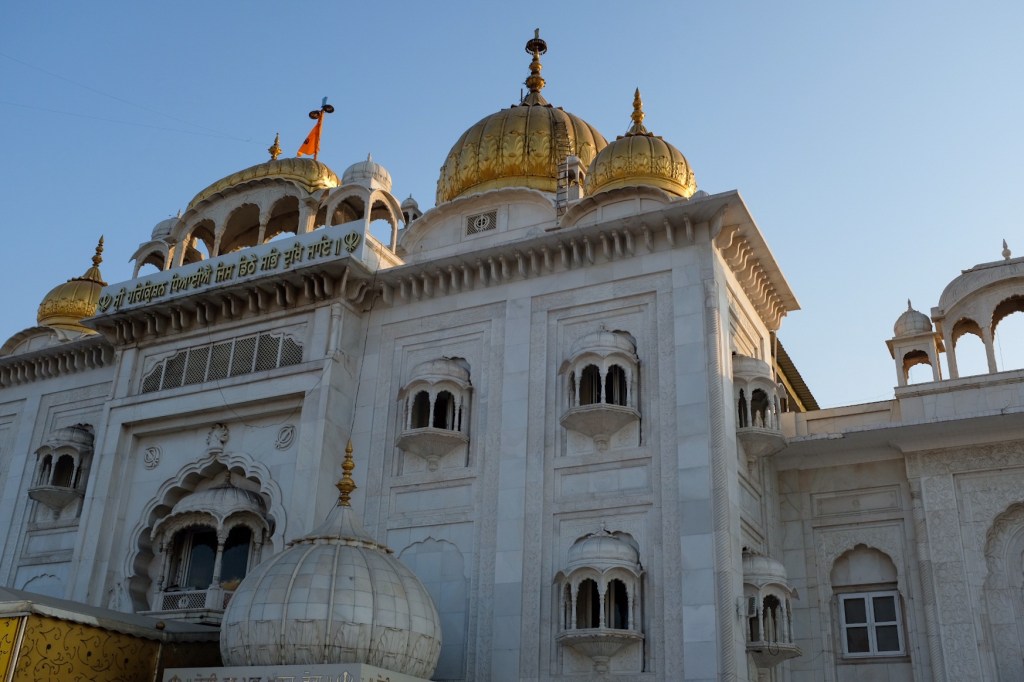
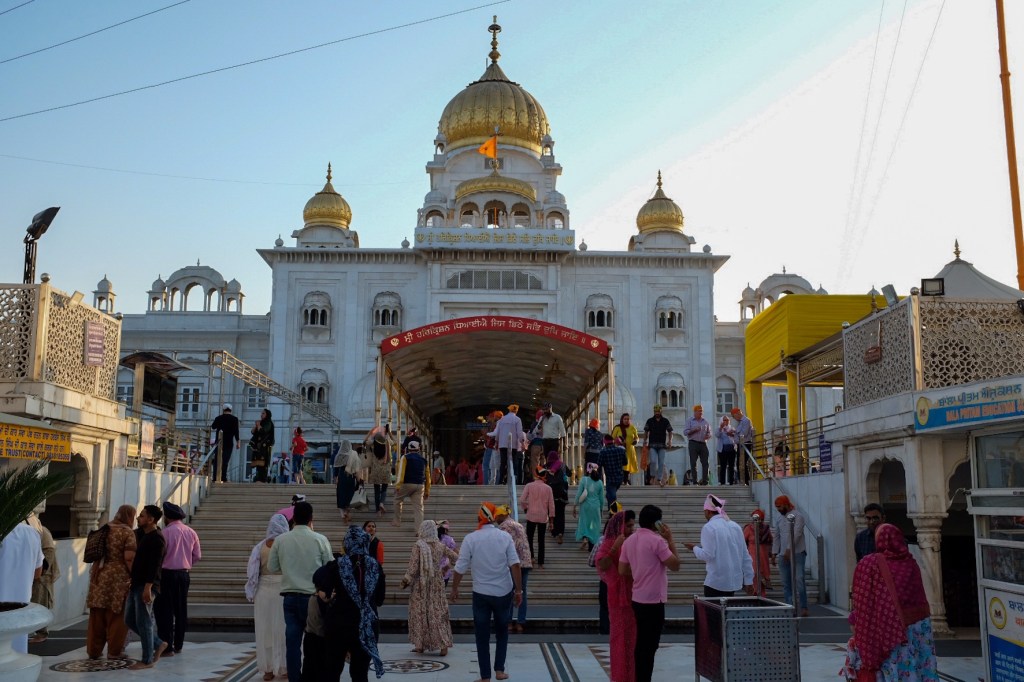
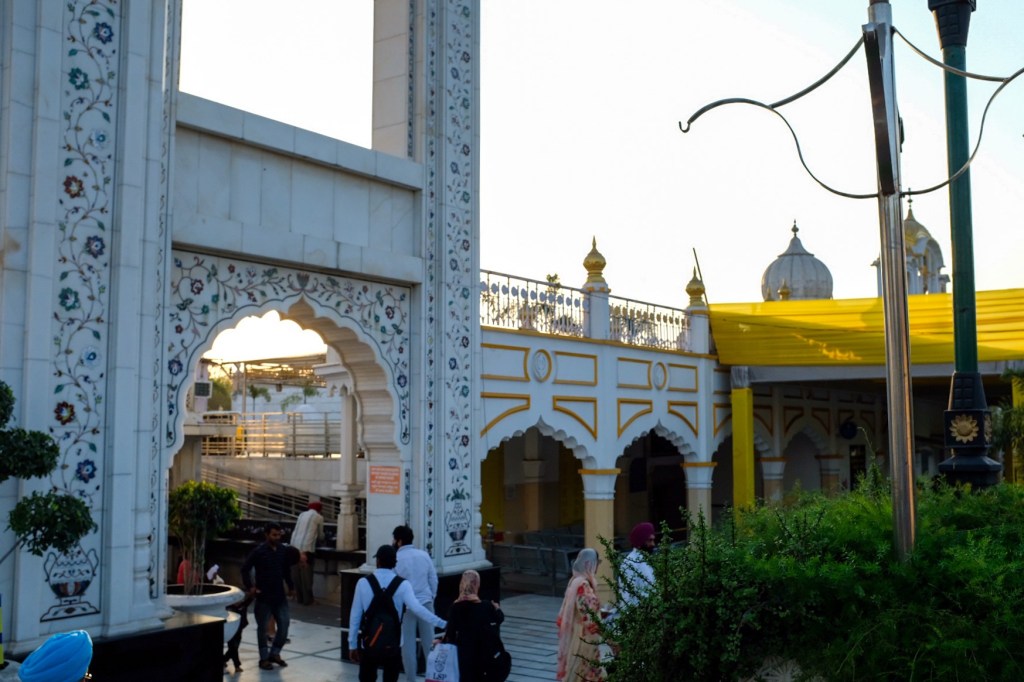
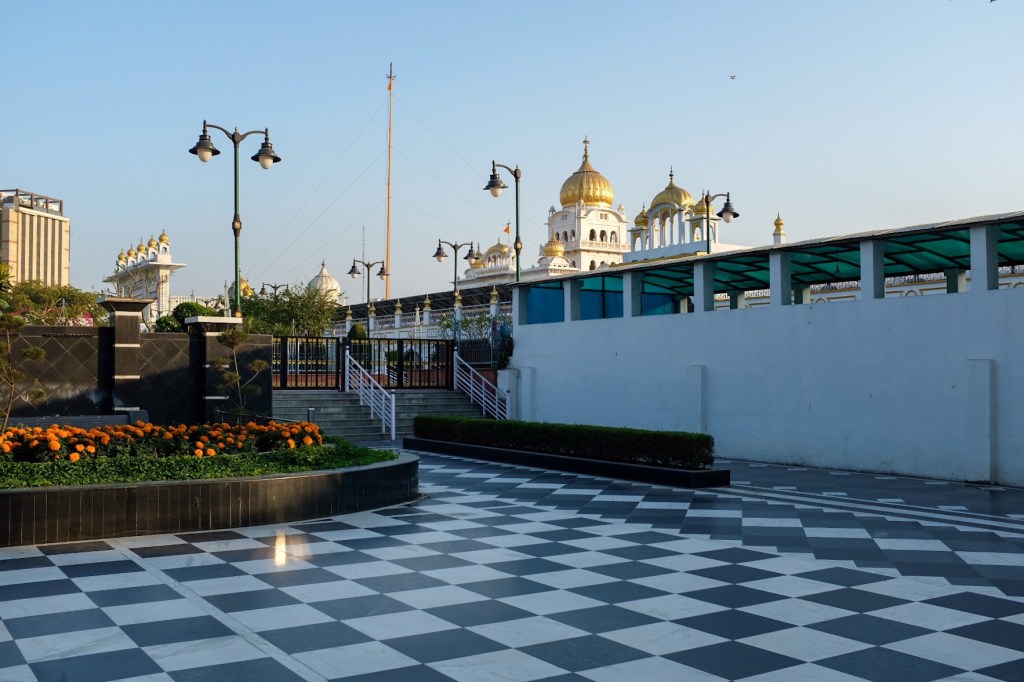
Sikhism is a monotheistic religion that advocates equality, social justice, service to humanity, and tolerance for other religions. The essential message of Sikhism is spiritual devotion and reverence of God at all times while practicing the ideals of honesty, compassion, humility and generosity in everyday life. https://www.britannica.com/topic/Sikhism. Here is a more in-depth description: https://www.britannica.com/topic/Sikhism.
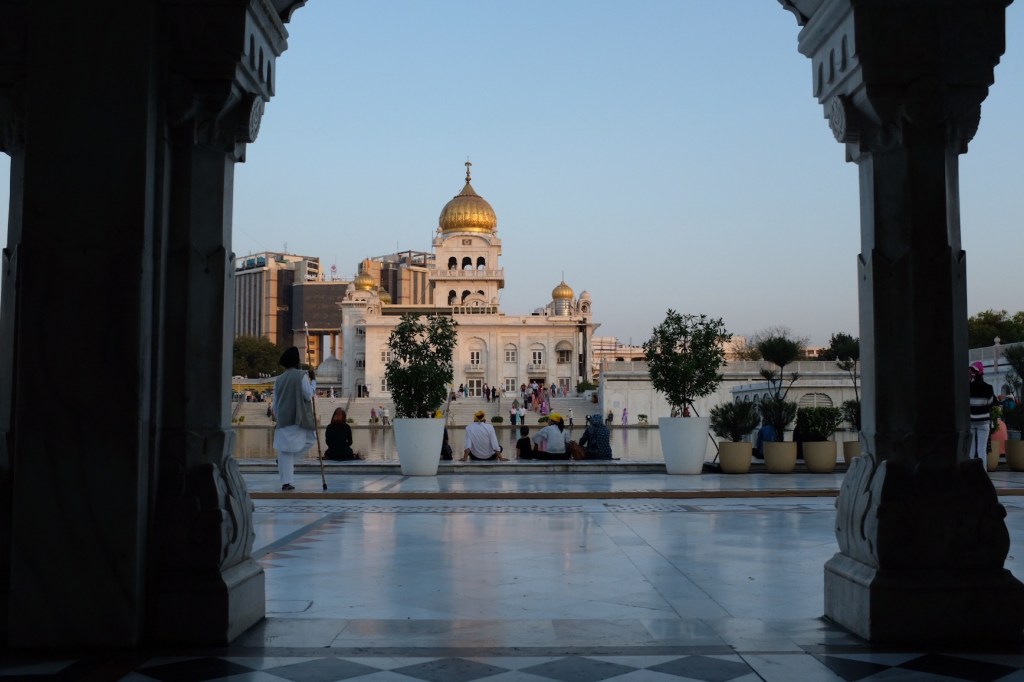
My time in the Sikh gurdwaras really moved me and reminded me a lot of what I was taught in my time with reform Judaism. Furthermore, the openness in which they welcomed me and the compassion they offered me in my ignorance to their regulations and values was like nothing I have seen before. Never did I feel preached to or obligated to accept their belief – instead, I was welcomed with open arms, with respect and courtesy.
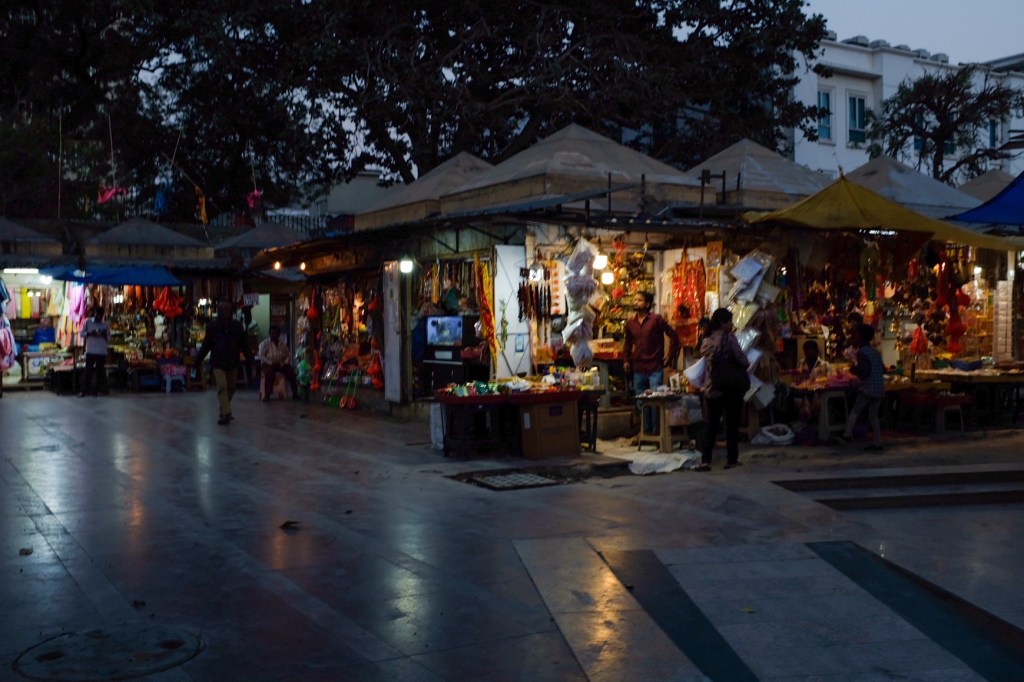
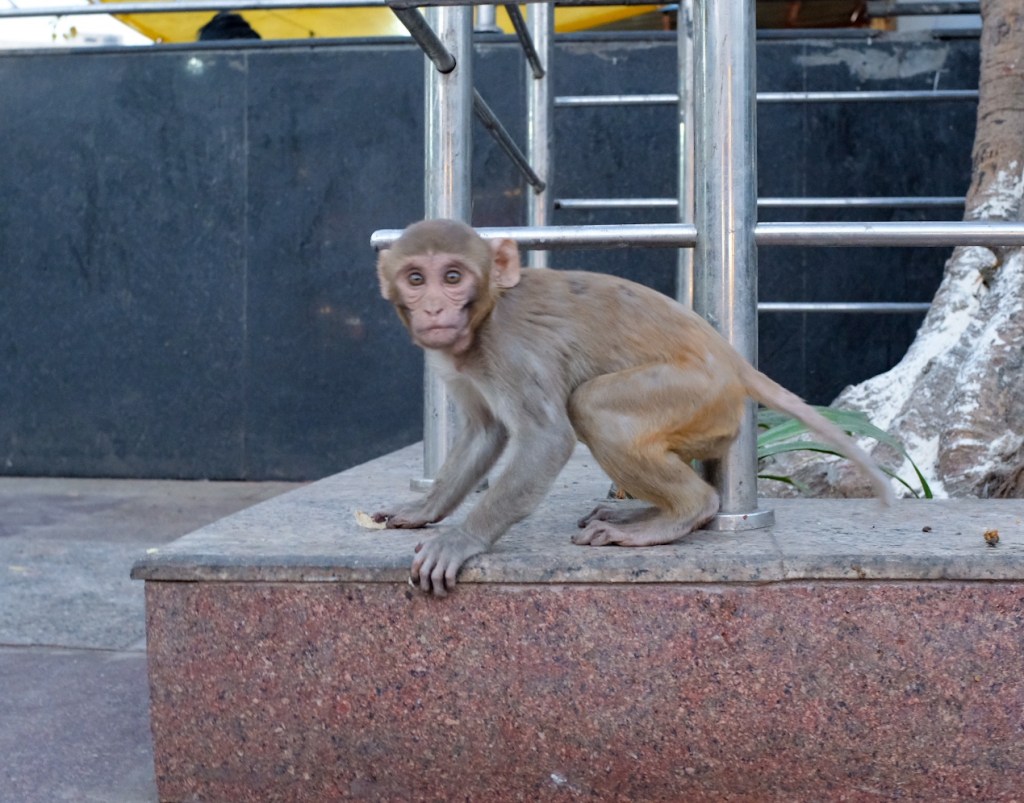
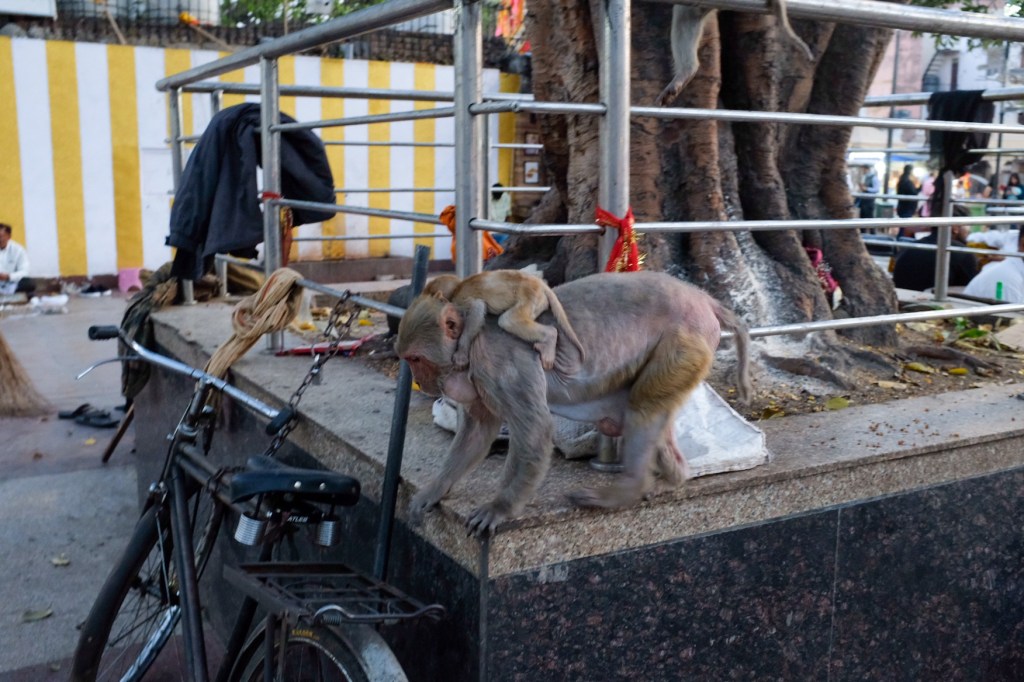
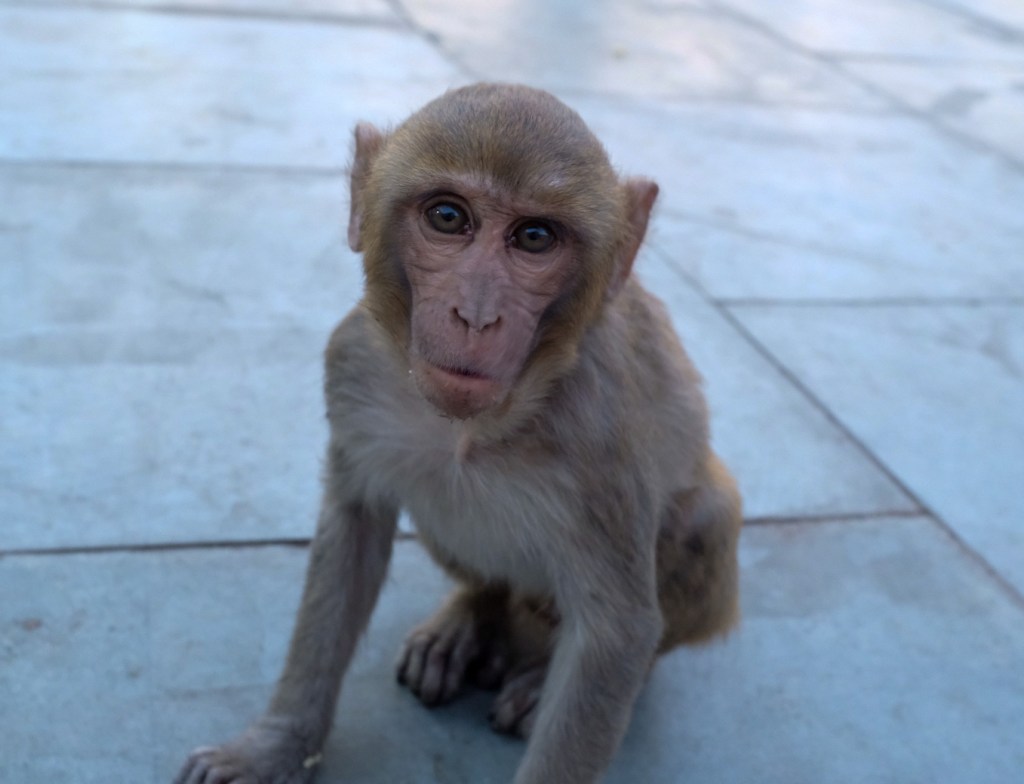
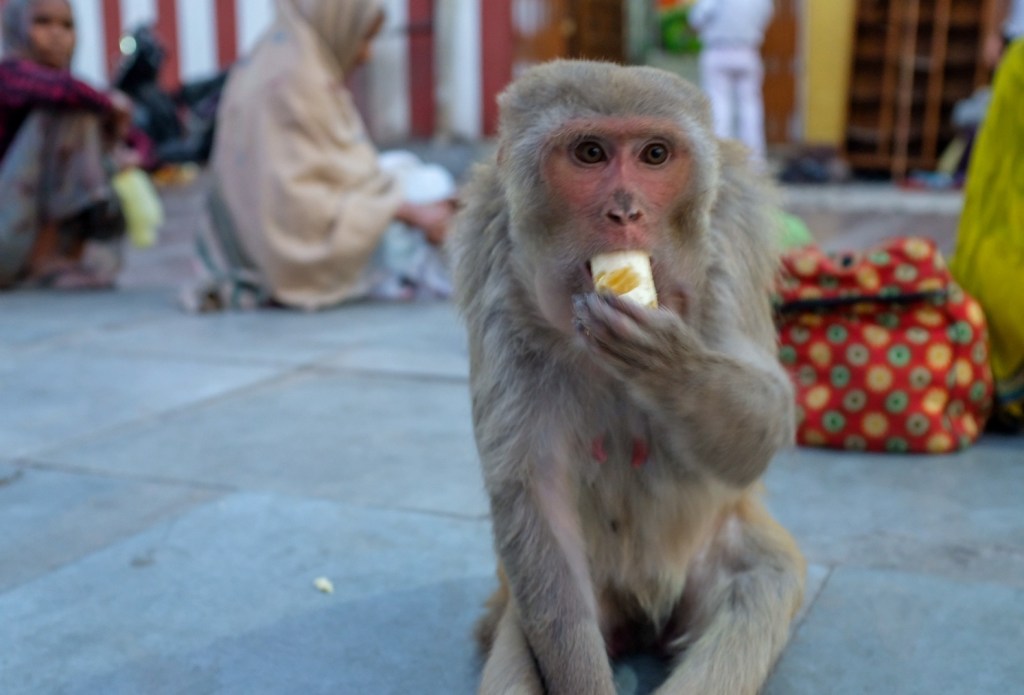
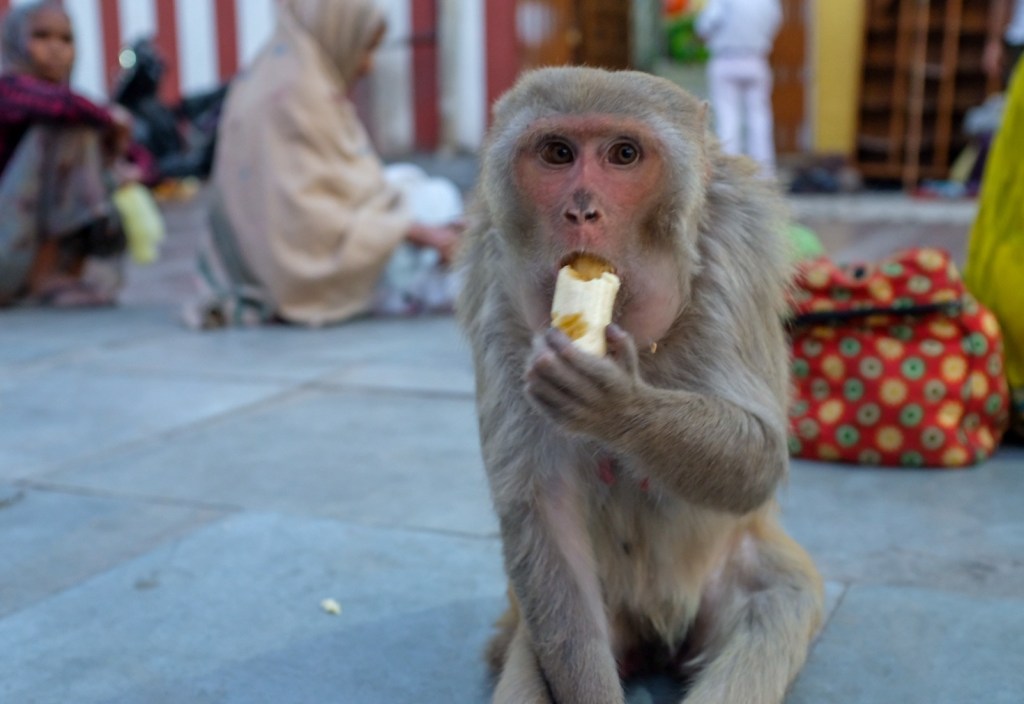
As I was walking back to my hostel past some street vendors, I got my first glimpse into the food-steeling monkeys of Delhi. Noticeably perplexed, a passerby explained to me that around dinner time every day, the monkeys come out to the street vendors, knowing that patrons would offer them bits of their food – voluntarily or with a little nudging on the monkey’s part. Like a tiny furry parade, I watched as families of monkeys fearlessly approached Delhi residents enjoying their meals – begging and steeling chapati, fruit, and various sweets. At one instance, a monkey I was observing 2 feet above me faked me out, rapidly pivoting in my direction as if about to jump on me – I flinched and wobbled backwards a couple steps. It was this moment that I truly felt the incredible intelligence of these animals – and it was oddly powerful to witness similarity in such a small, furry creature. It was a great way to conclude my time in Delhi.

See you next week in Agra & Jairpur,
Sam
 Sam on Sabbatical
Sam
I’m so jealous. I love Indian food too. Glad you managed it without serious stomach upset. What a great experience.
LikeLike