Patagonia, Forever Changing
Growing up, my Mother would often take me to the beach in the summers. It was one of my favorite places to visit. I remember whenever we would arrive to the coast and I got my first view of the ocean, a feeling of euphoric excitement would fill me – and when we parked and began walking on the sand, I would feel a biting urge to plunge myself into the waves.
The Patagonian region reignited this childhood excitement in a way I had not expected and had not experienced since my early childhood. I hope that in this post I can depict a bit of what this region of the world made me feel – rejuvenating at times, demanding at others, but always new, exciting, and inspiring.
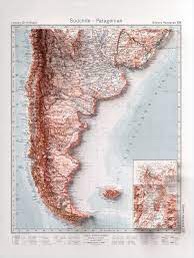
Patagonia – a region encompassing the southernmost tip of South America, shared by Argentina and Chile, bound by the Pacific Ocean to the west and the Atlantic Ocean to the east. The name, Patagonia, comes from the word, Patagon, which was initially used to describe the native tribes of the region, whom explorers in the 1500’s thought to be giants. Famous for its landscapes, vast forest, national parks, glaciers, and wildlife, the massive region offers a diverse wealth of exploration for outdoors enthusiasts.
There are a lot of photos I am hoping to share from this experience so I am going to split Patagonia into 2 separate posts to ensure my ipad’s processor (which I’m writing this blog on) can handle the content’s size! Patagonia I will cover the Chilean side and Patagonia II will cover the Argentinian side.
Chilean Patagonia: Punta Arenas & Puerto Natales
My first 5 hours in Patagonia were…. uneventful. Arriving at 8am in the Punta Arenas airport, I realized that in my planning, I neglected to buy a bus ticket to my final destination of the day, Puenta Natales – a 3 hour bus drive north. After a hectic 2 hours of coordinating a ticket purchase on my phone and the frustrating security protocols of my credit card company, I was finally able to purchase my bus ticket – for 1:00pm…
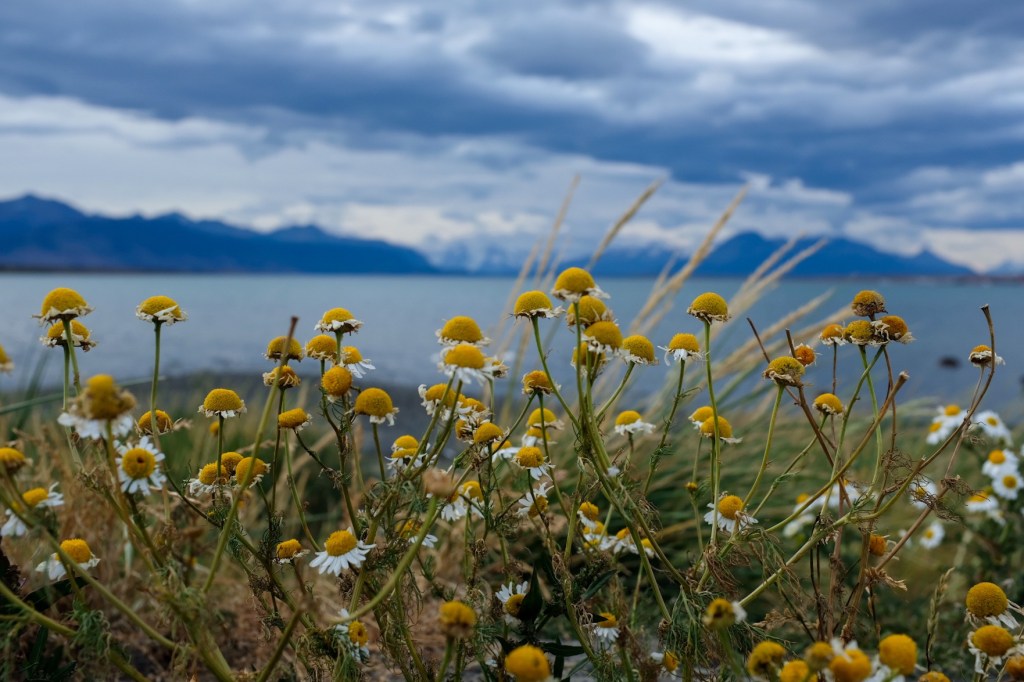
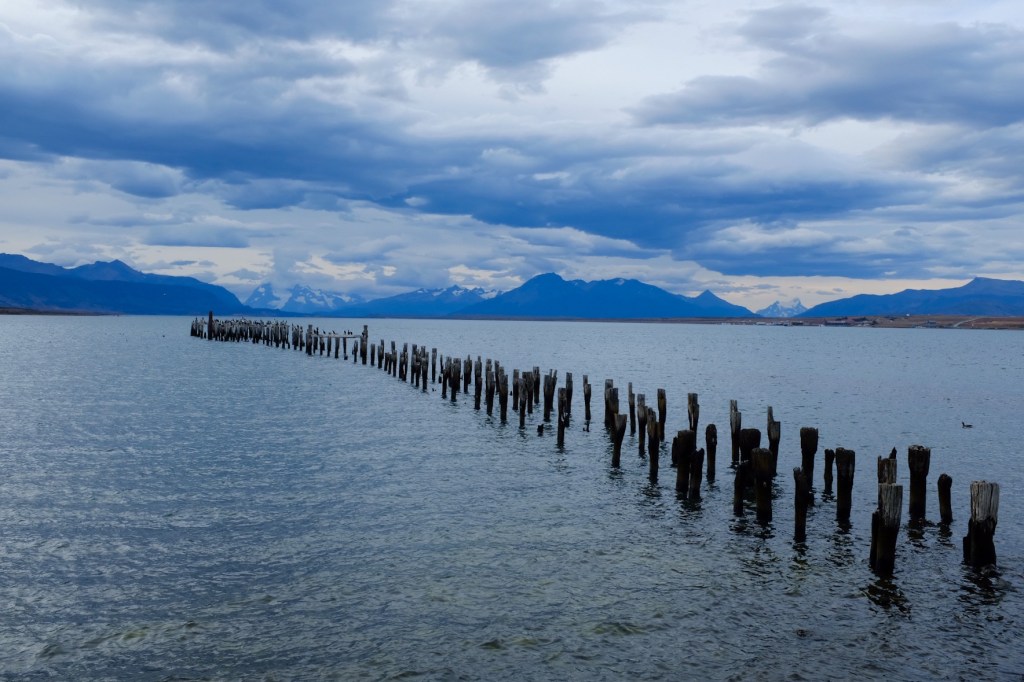
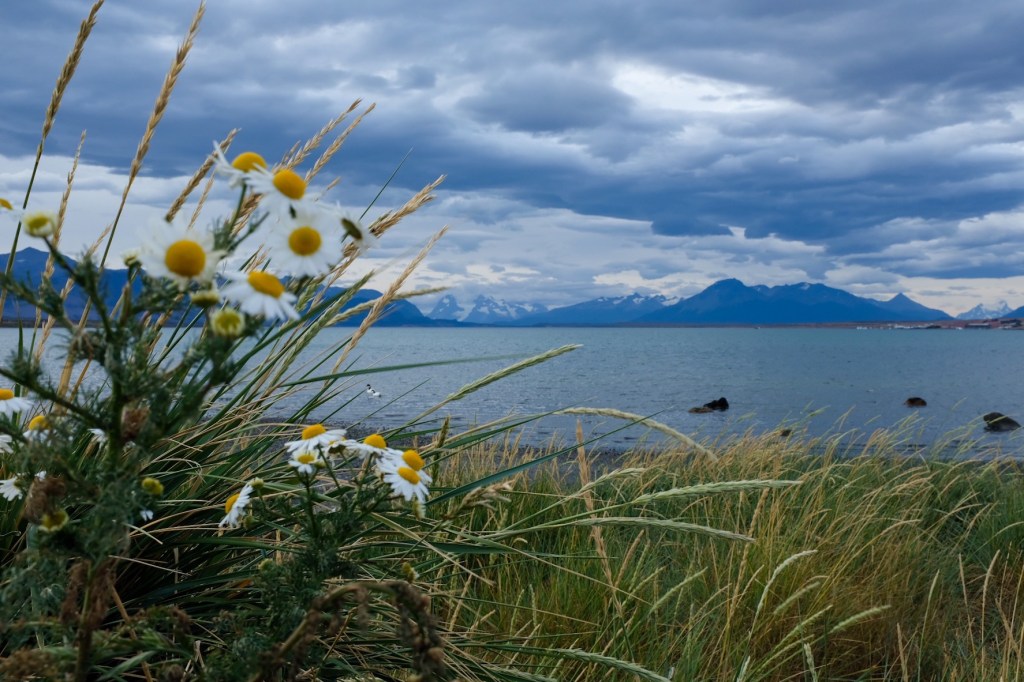
But, as has become a theme throughout my travels, I took advantage of my downtime and explored the town of Punto Arenas. To my surprise, it was quite a lovely town and by far the closest I’ve ever been to the South Pole (2,546 miles to be exact – for reference, the South Pole is 9,016 miles from NYC). A lovely small seaside town – Punto Arenas couples the beauty of colonial architecture with the practicality of Alaskan-style materials. With some nice coffee shops, restaurants, and views of the ocean, it was a great place to start my time in the region.
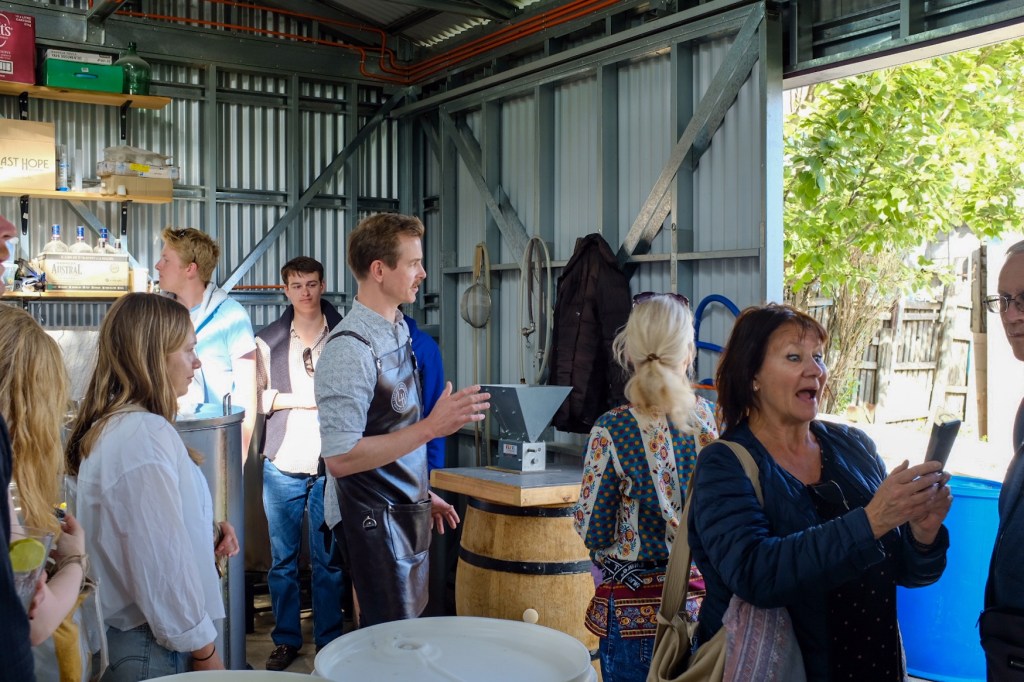
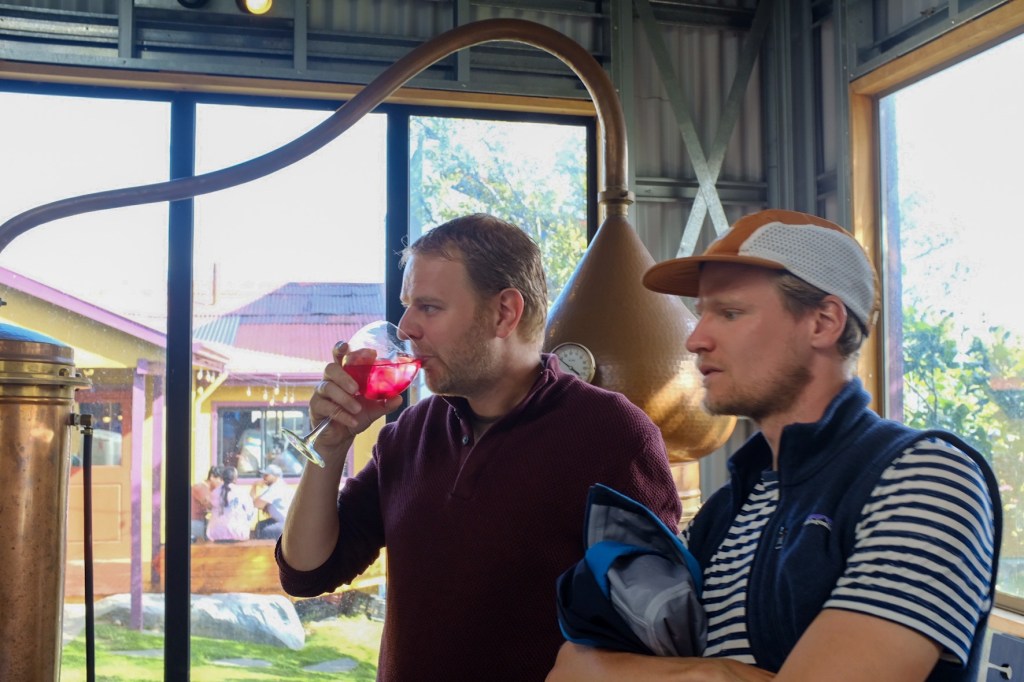
After arriving at my hostel in Puerto Natales, I settled in and adventured 2 blocks into town – searching for a hot meal, a heavier jacket, and some cash for my trip. While I did not find the cash I wanted (my debit card was eaten by an ATM), I did acquire a large used Colombia Jacket (the only one that fit), and a hot meal with some local gin. The gin bar, Last Hope Distillery, was created in 2016 by two Australians who moved to Puerto Natales after quitting their engineering jobs, in search of a more rewarding lifestyle. They certainly found it, offering daily tours of their small-batch distillery, excitedly answering tourist’s questions. Last Hope is one of the first gin distilleries in Chile, and some of their gin uses the region’s calafate berries, which gives the drink a purple color, and a sweet jammy taste that mixes really well with other drier liquors. Surprising to me, the bar was a mix of locals and tourists – meshed together in the tight quarters of the bar.
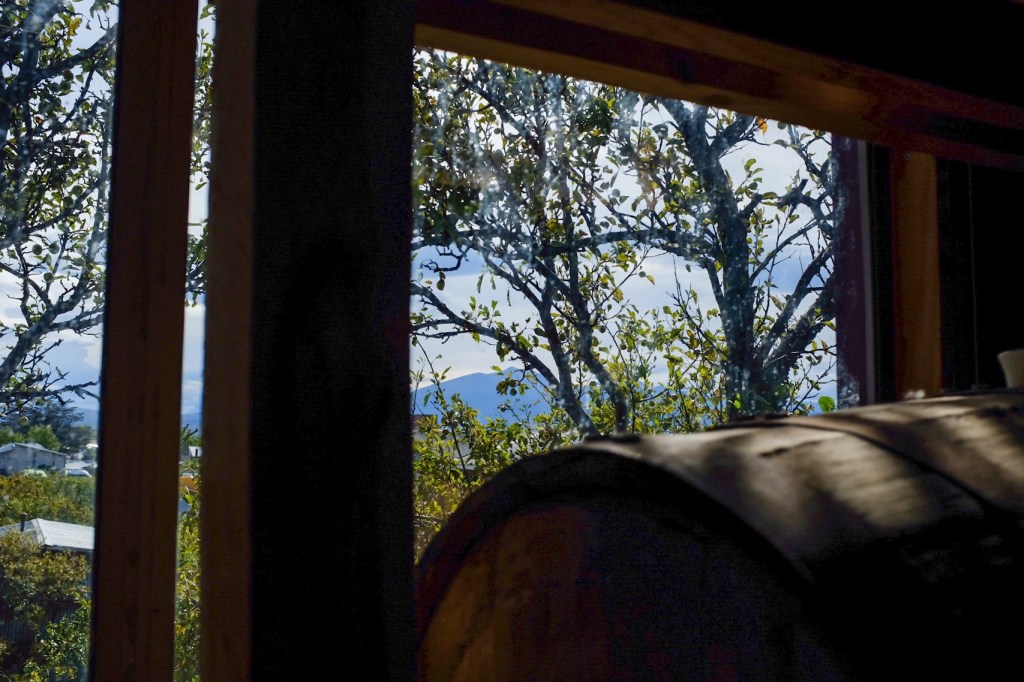
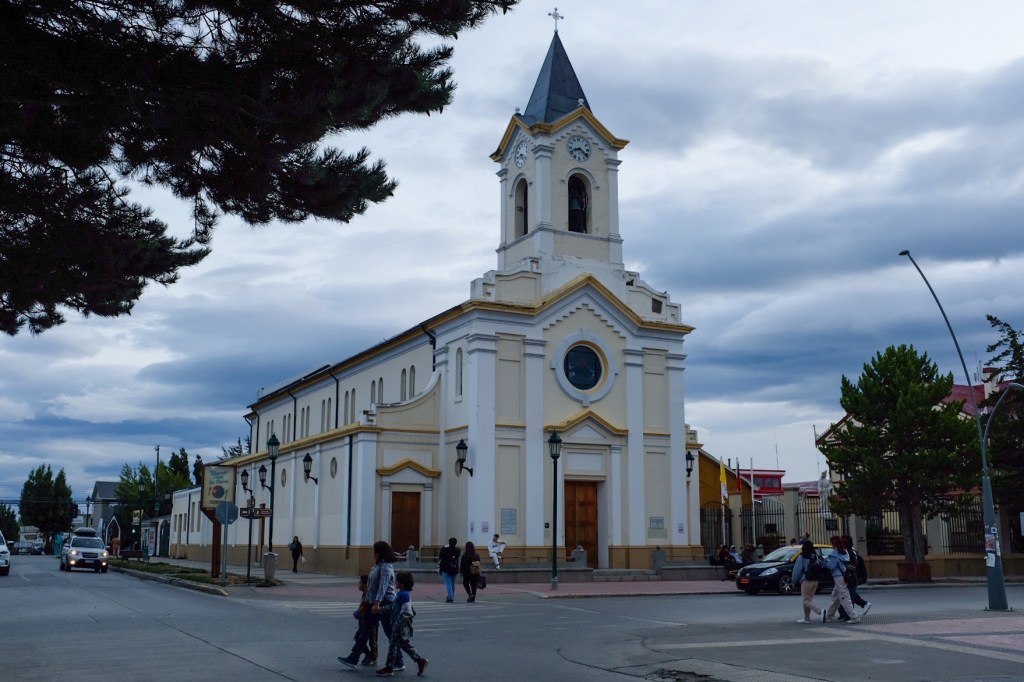
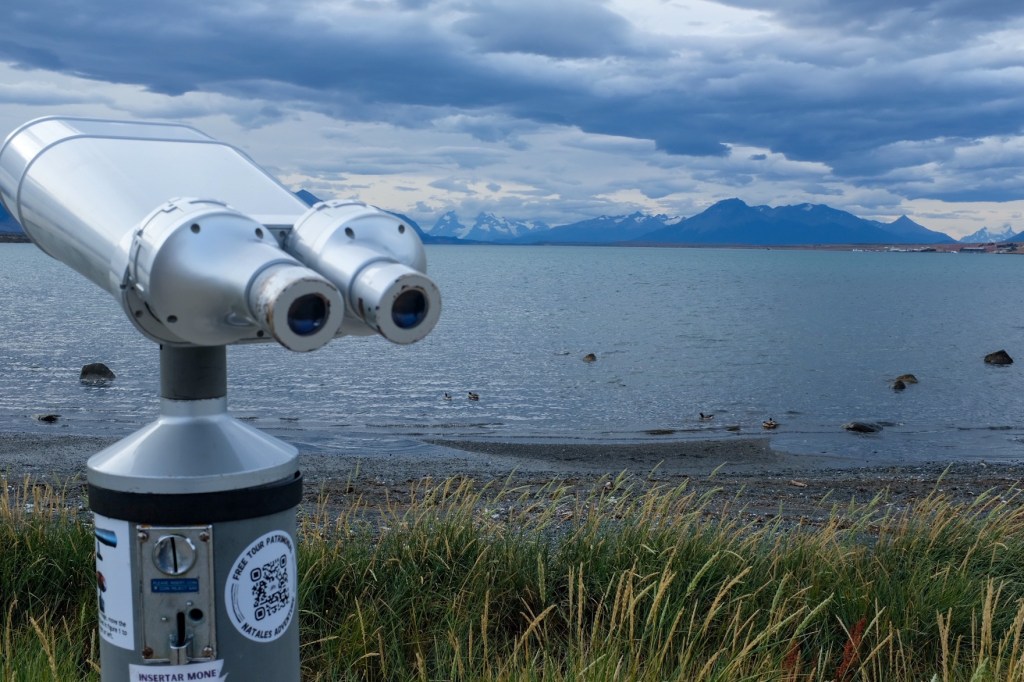
The next day I explored a bit more of the town and prepared for the next 5 days in Torres Del Paine
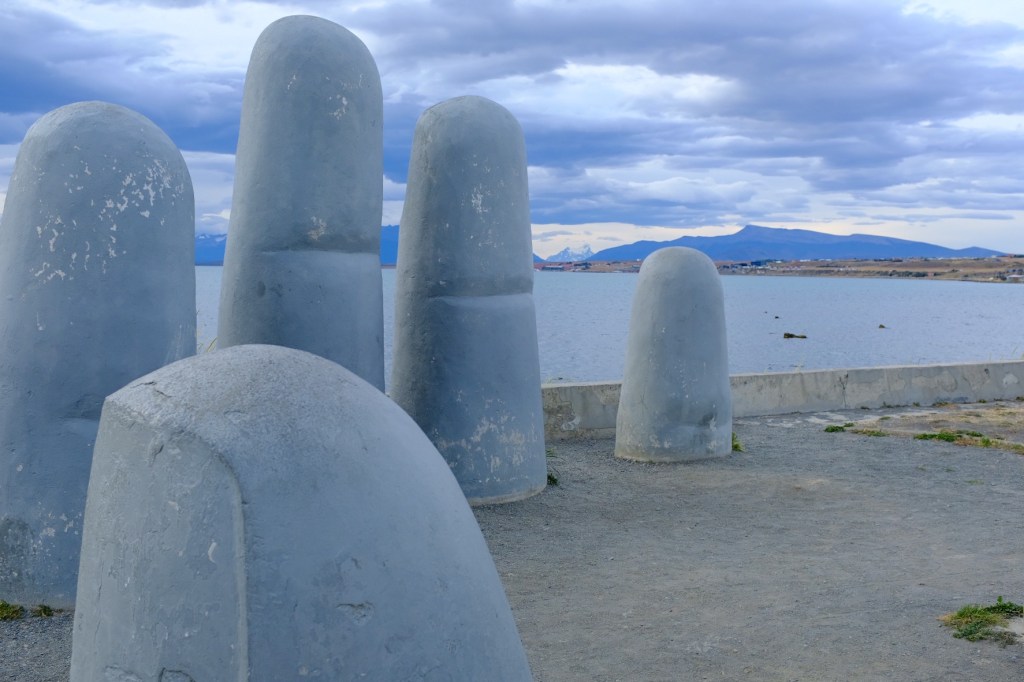
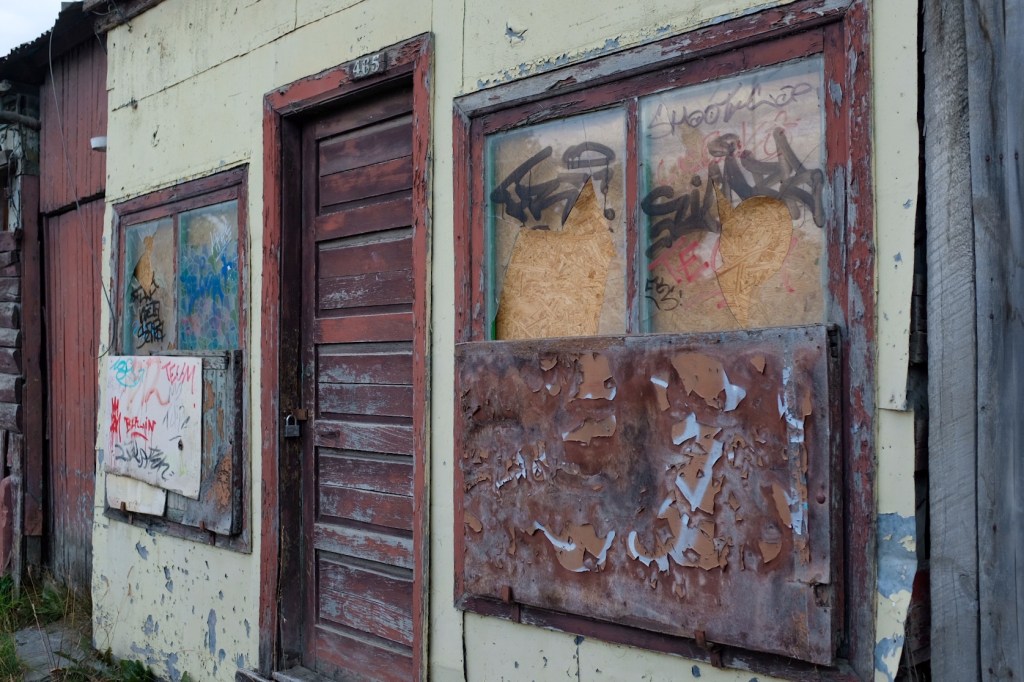
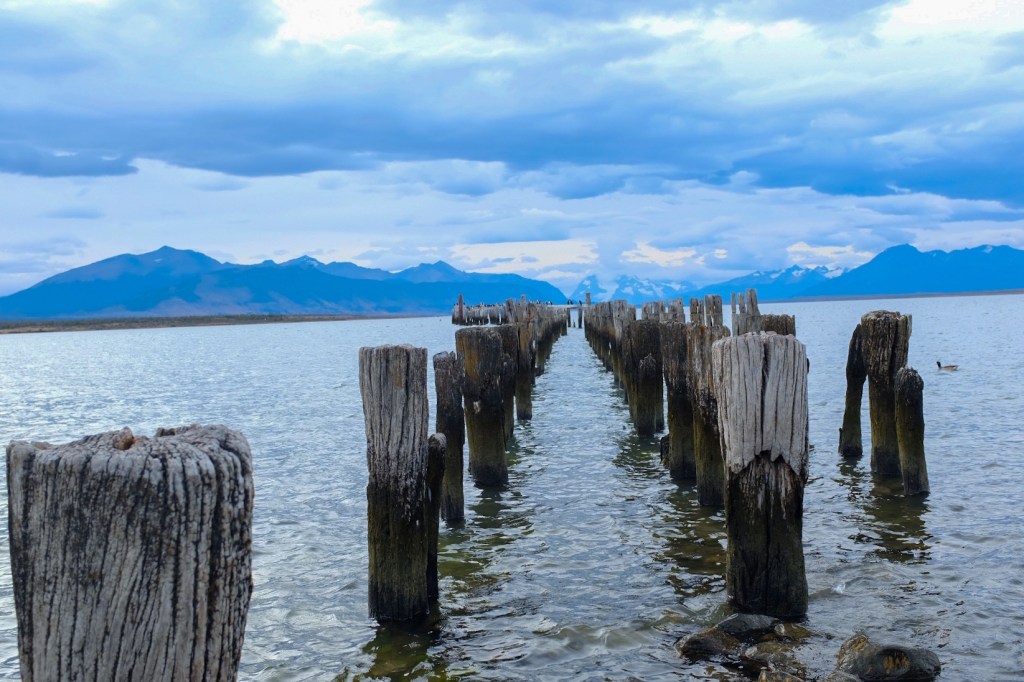
Chilean Patagonia: Torres del Paine
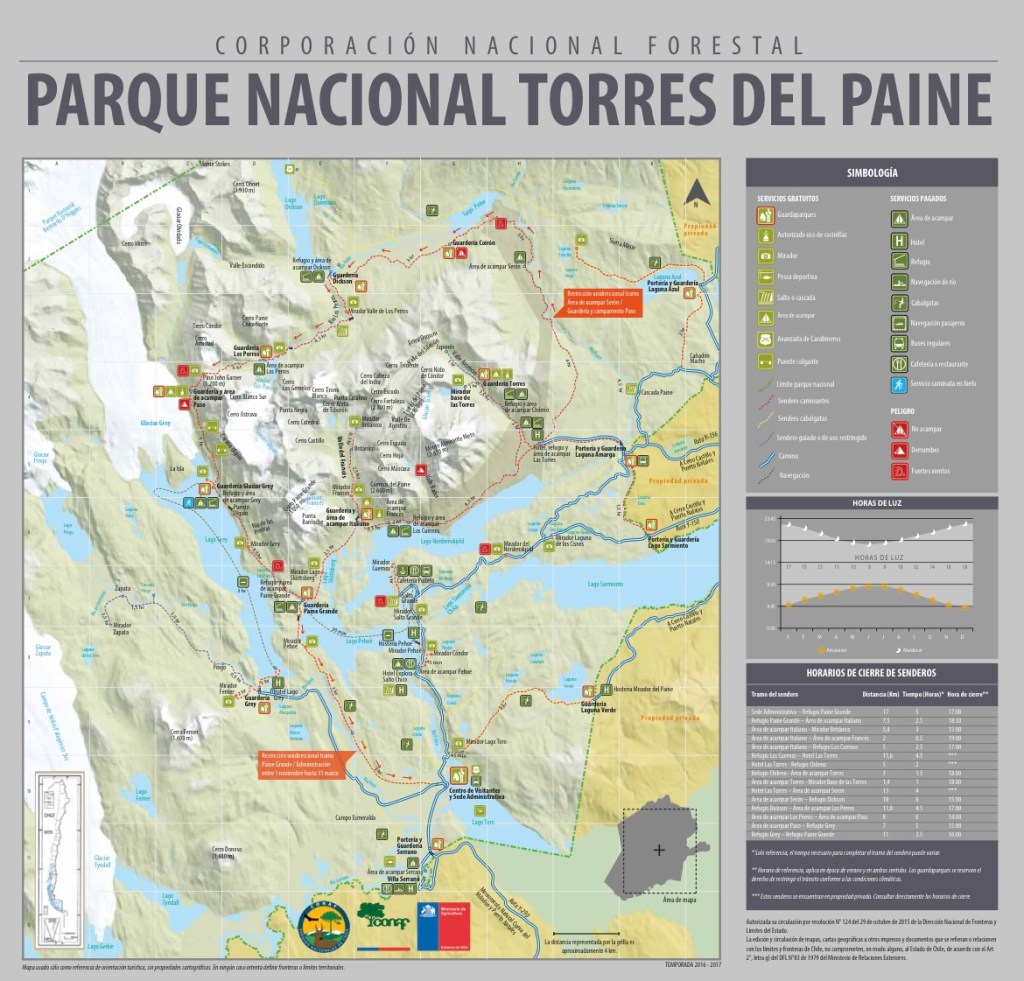
Torres del Paine is a national park encompassing mountains, glaciers, lakes, and rivers of Southern Chilean Patagonia. There are traditionally 2 routes travelers take – (1) the O-trek, an 8 day trek that takes you around the entire circumference of the park, and the W-trek, which I opted for – a 4-5 day “highlights” trek of the park shaped like…. a W! Here is a map to show you what I am talking about:
The next morning, I got the 7:00am bus from Puerto Natales to Torres Del Paine, about a 2 hour drive. After arriving at the park, I went to the first refugio to drop my heavy equipment off. Refugios are large cabins with beds, meal service, and a small shop for food and supplies dotted along the trekking routes of the park.
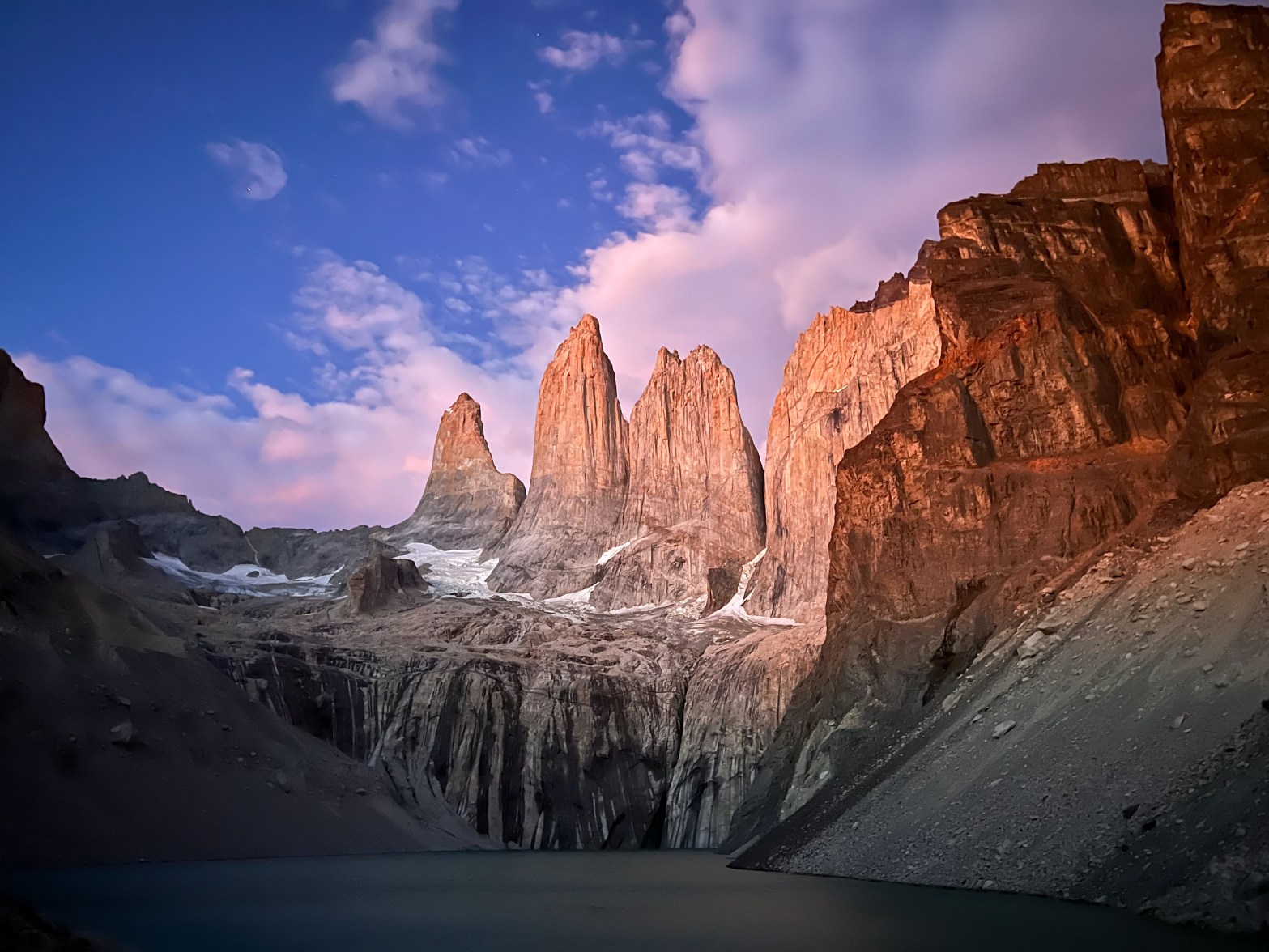
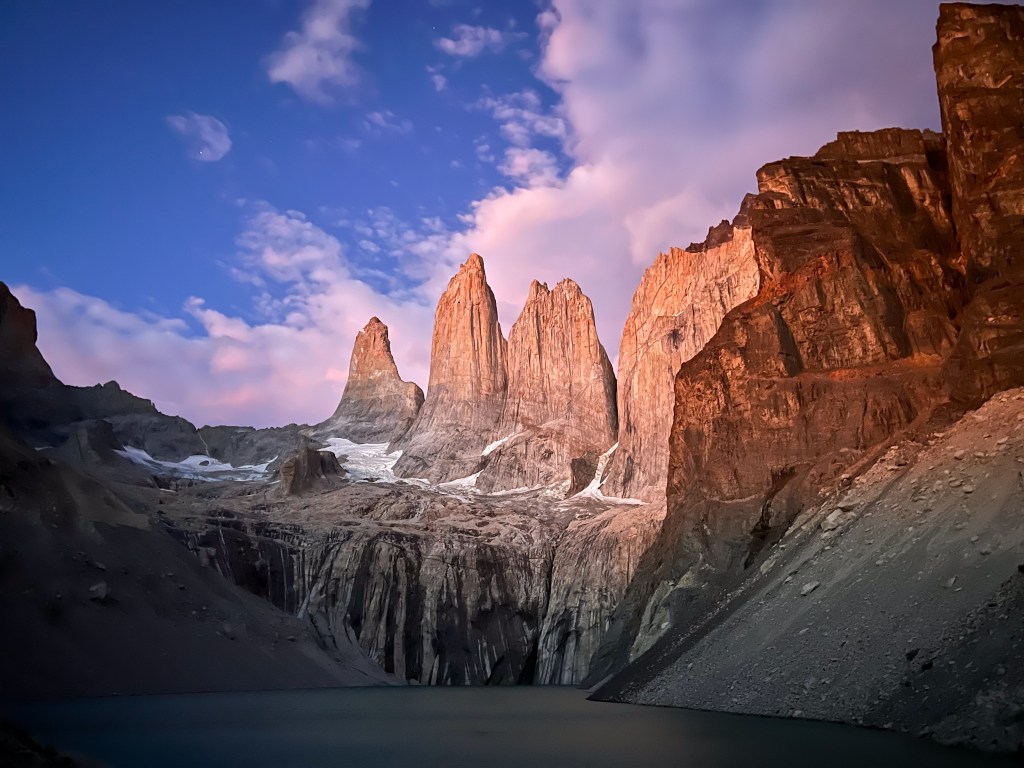
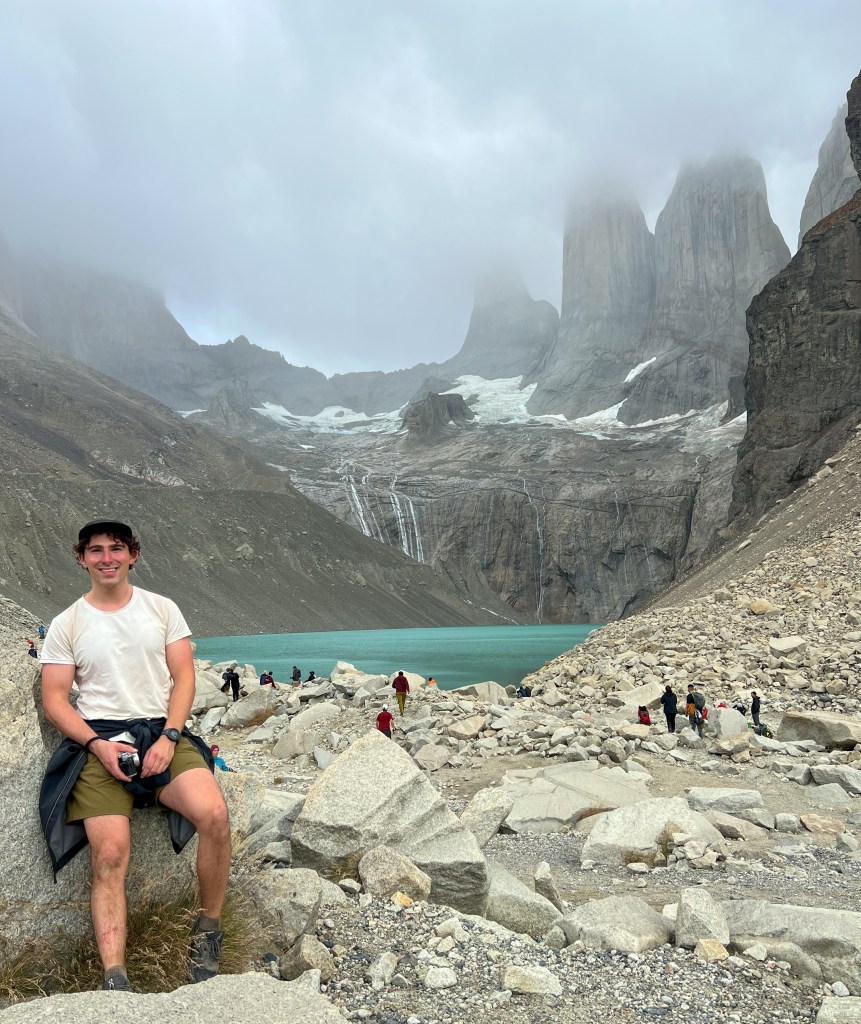
My first hike was to Mirador Base Las Torres, one of the most iconic in Chilean Patagonia and probably the most popular within the Torres del Paine National Park. The 13 mile out-and-back hike offers incredible views of Lake Torre and the three granite peaks that surround it, known as the “blue towers”.
While hiking, I met Beckett from the UK, and Anthony from France, who I would end up hiking the rest of the W-trek with.
The hike up to Mirador Torres was quite beautiful-
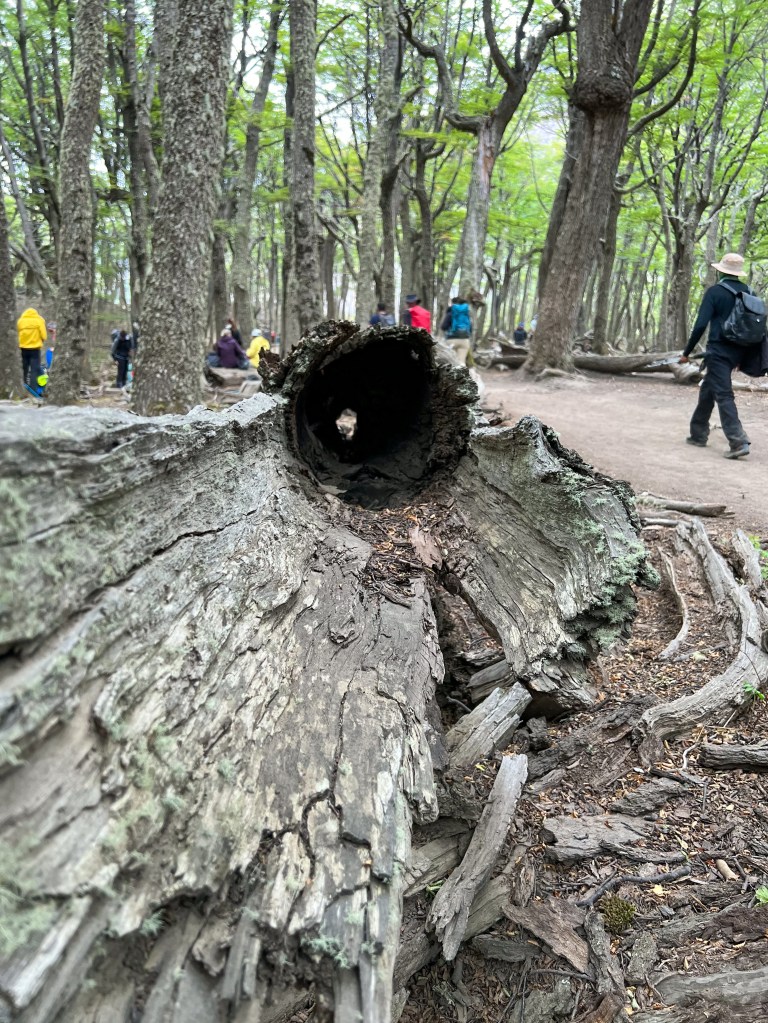
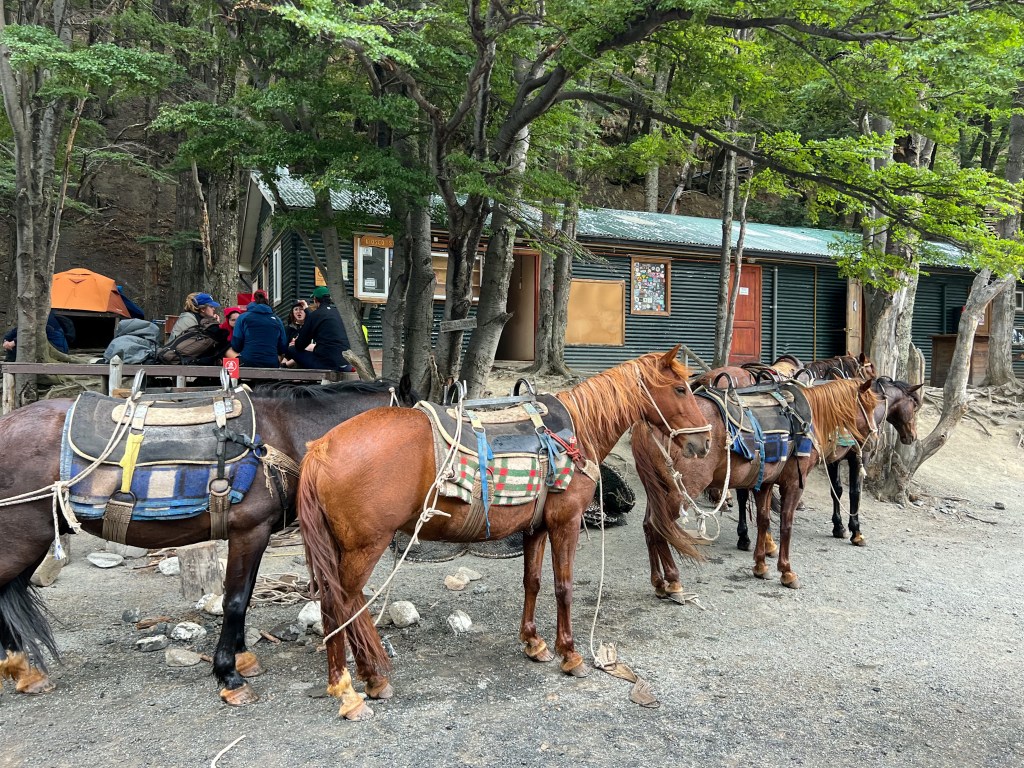
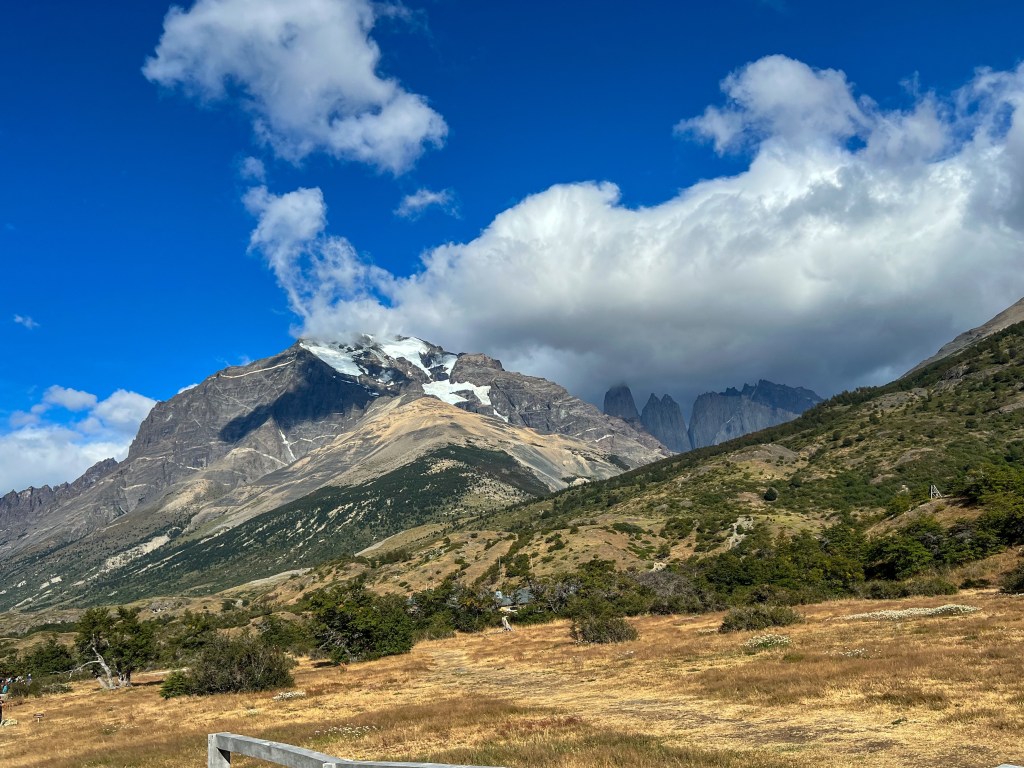
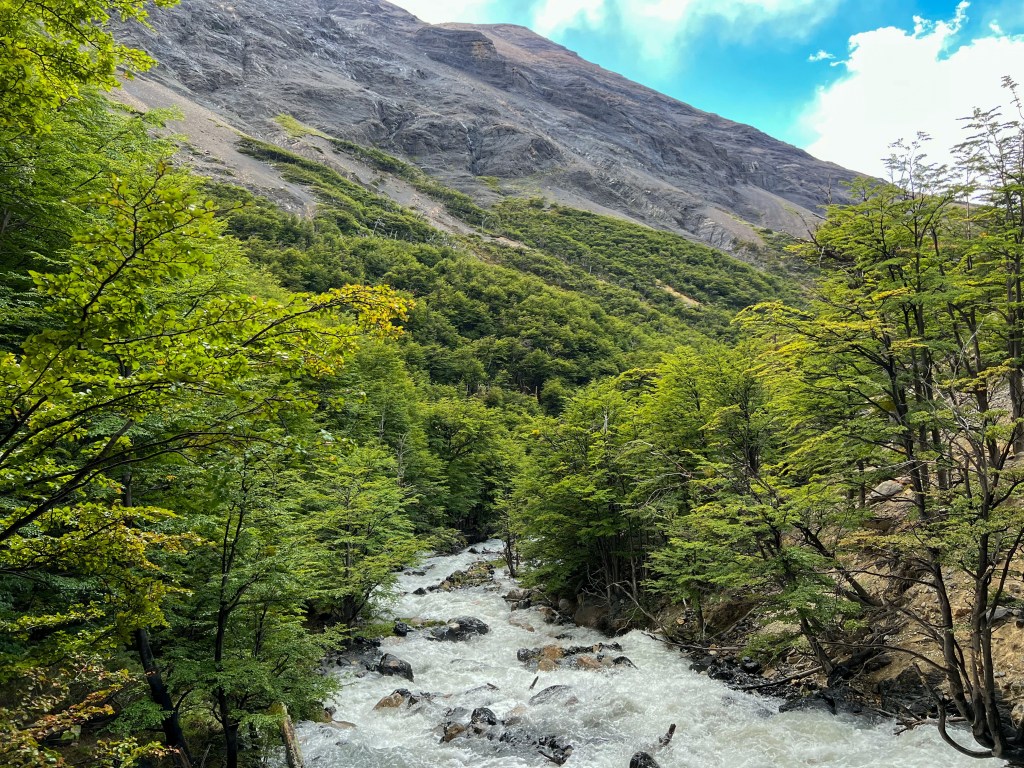
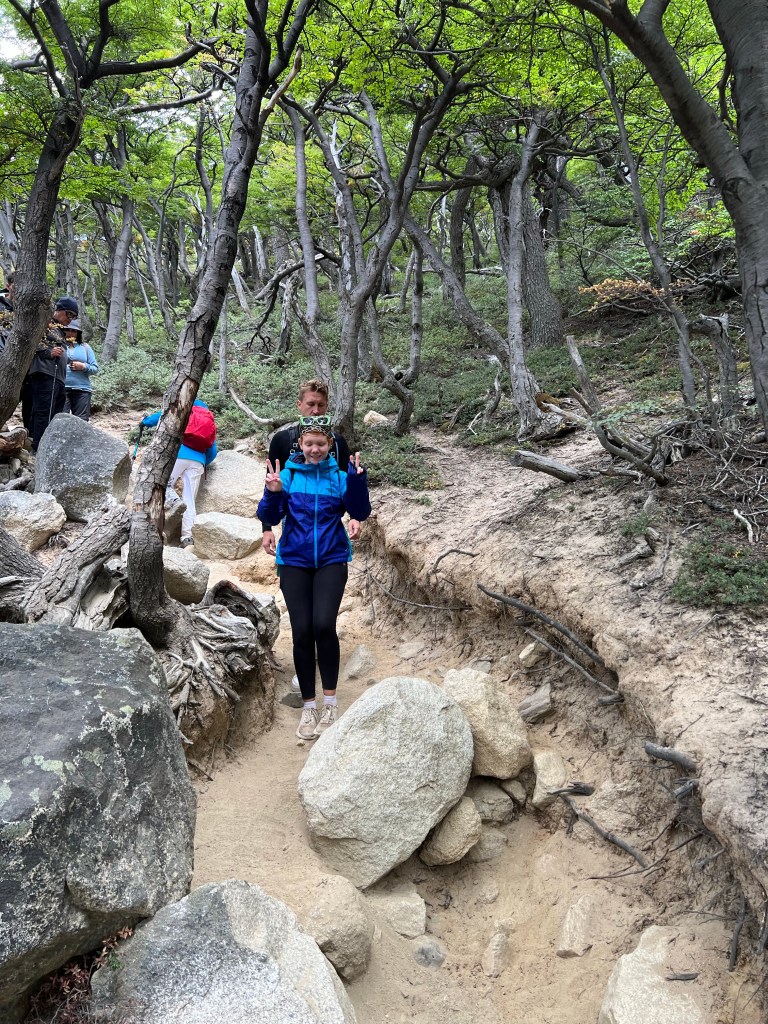
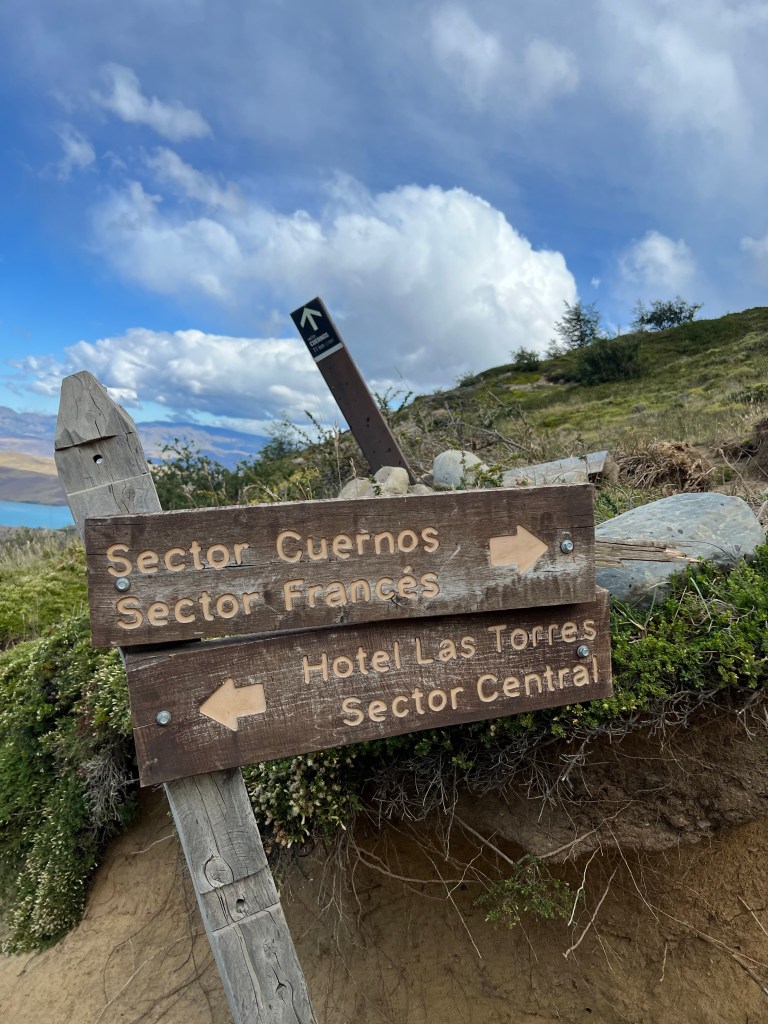
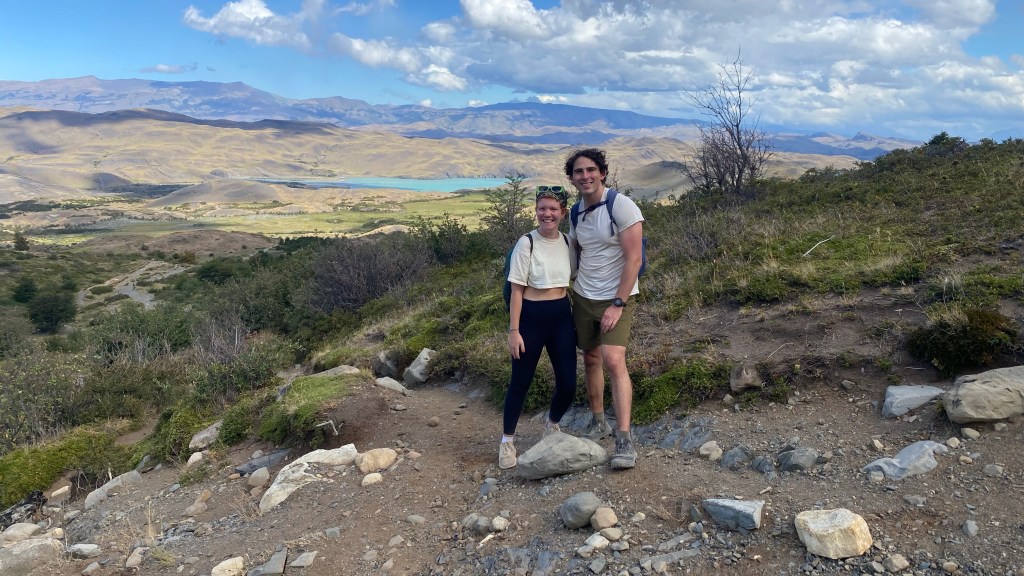
When we finally got to the top, we were rewarded with beautiful, albeit, cloudy, views of the towers and lake.
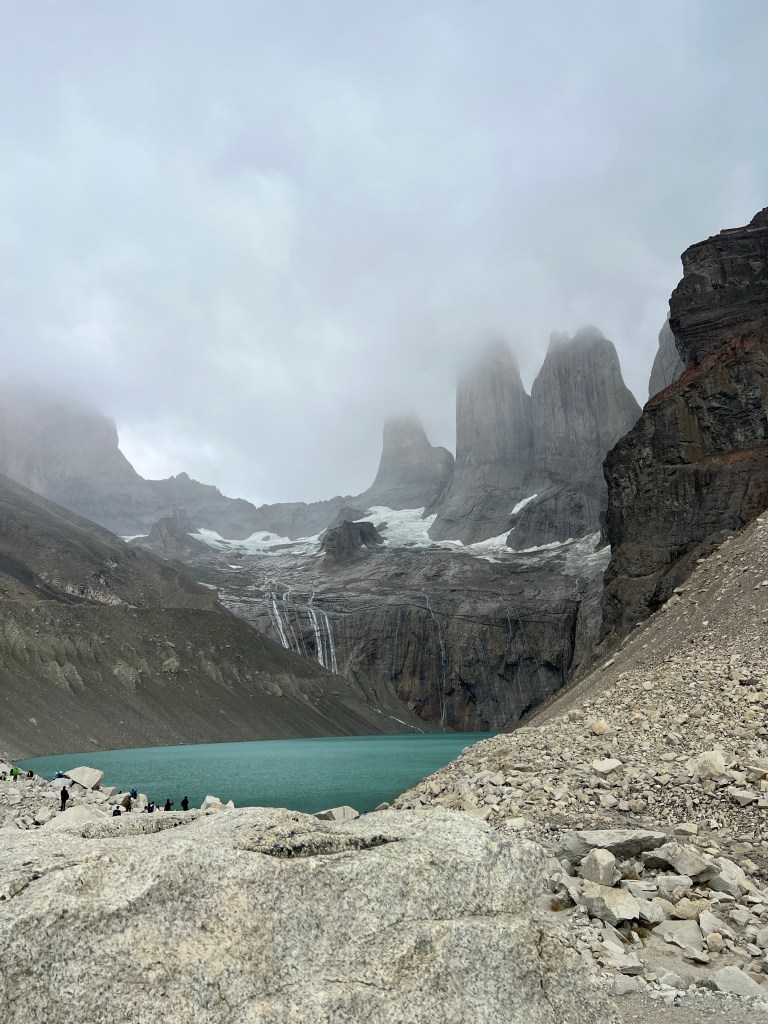
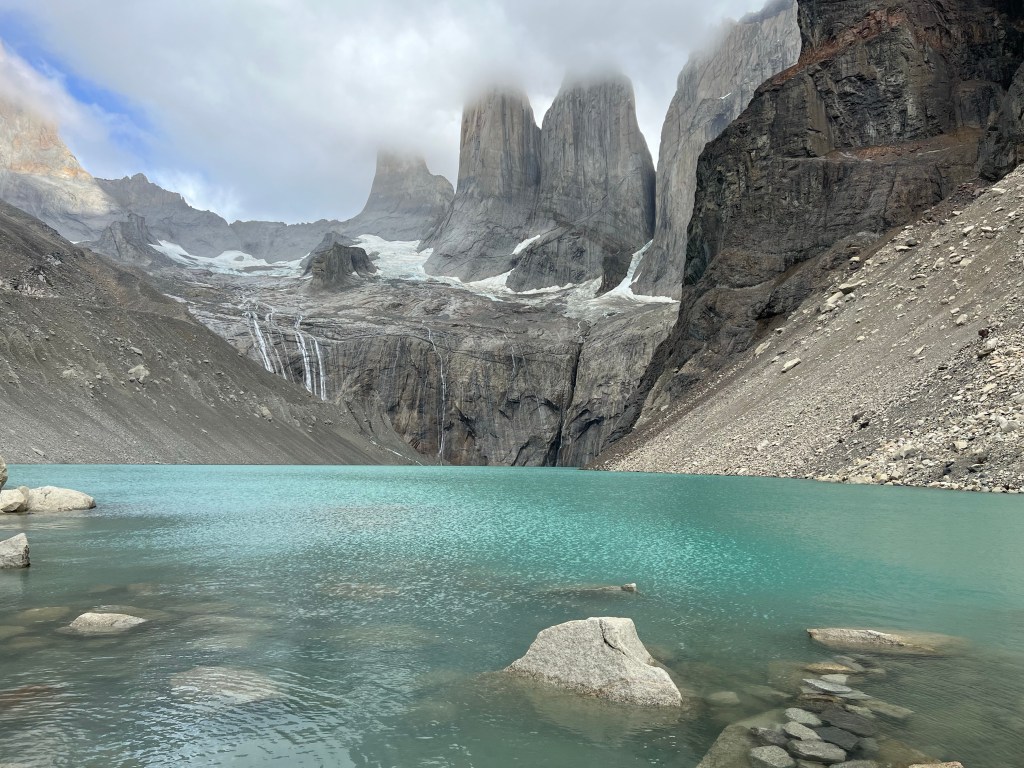
And, coincidentally, I saw my friend, Laura, who was hiking through the park with a tour group!
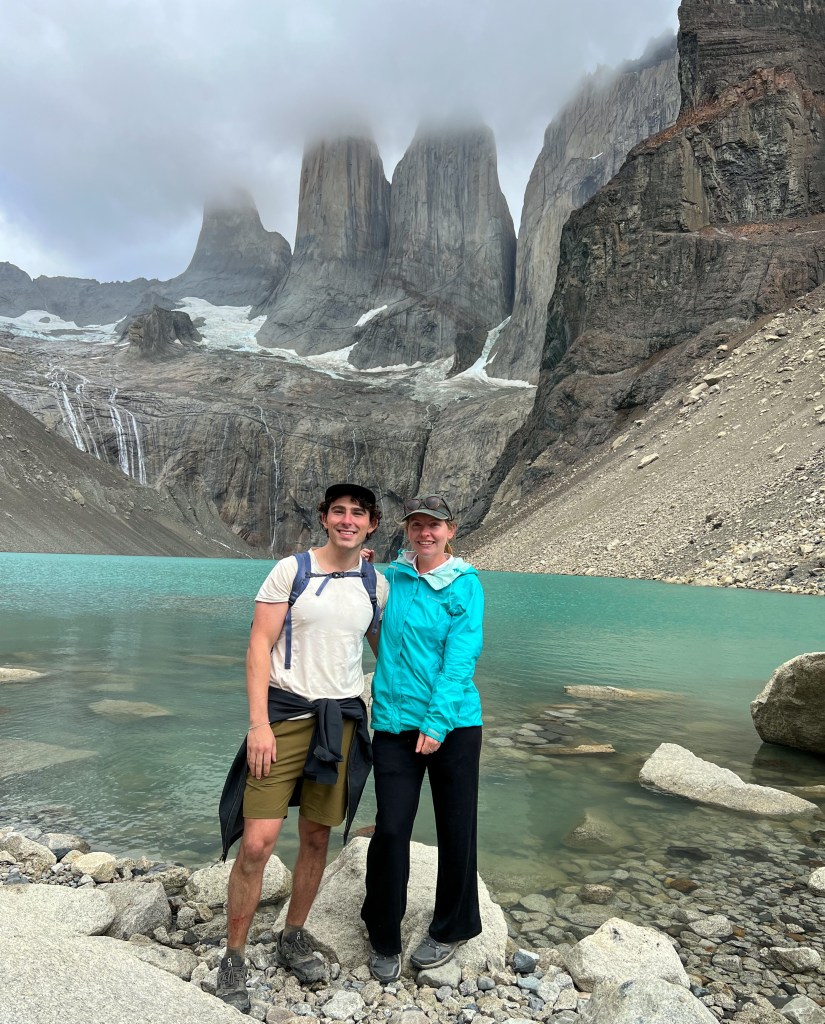
After hiking back, Beckett took the bus back to Puerto Natales and Anthony and I hung out at the refugio, chatting and drinking beers. Later on that night, we met two women from the Netherlands who just arrived. They asked us about our hike up to Mirador Torres and if we had any recommendations. They mentioned they were considering doing a sunrise hike but that they wanted to talk with reception about it first. We went to the reception desk and began chatting with Diego, who I befriended earlier over our shared love for video games. He told us that the next morning was supposed to be incredibly clear and encouraged us to do the sunrise hike. Excited, we asked him what time we should leave – 6am? 5am? 4am? —- and then, our hearts sunk —- to get to the sunrise, he said, which began at 5:30, we would need to leave the refugio at 1:30am….
Feeling somewhat defeated, we went back to our table to discuss our options. Would it really be worth getting 3 hours of sleep? (it was 10:00pm) – what if the weather changes? – can we really do the 3 hour hike in the dark? – and did I really want to hike another 13 miles just to see a sunrise?
Whether it was the beer or our own stubbornness, I am not sure – but by 11:00pm, we decided to do it. We bid each other goodnight and went to our rooms for a 2 hour nap.
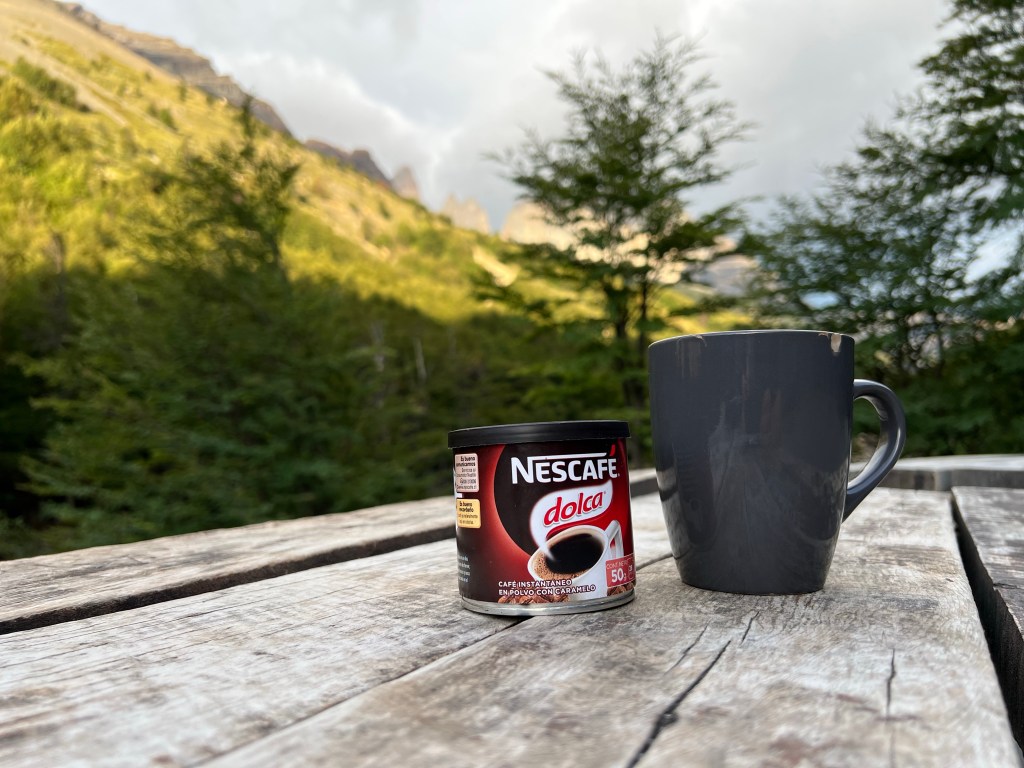
We met at the refugio’s cafeteria at 1:00am, reggaeton music blasting from the kitchen. The night shift who was preparing breakfast for the next morning pitied us and offered some coffee which we gratefully sipped as we mentally prepared for the late night journey.
Leaving the refugio, which had the only lights for miles (aside from the hotel down the road..), we were welcomed by a bowl of stars and the brightest moon I have ever seen.
While the photos don’t do it justice, here are some from our trek
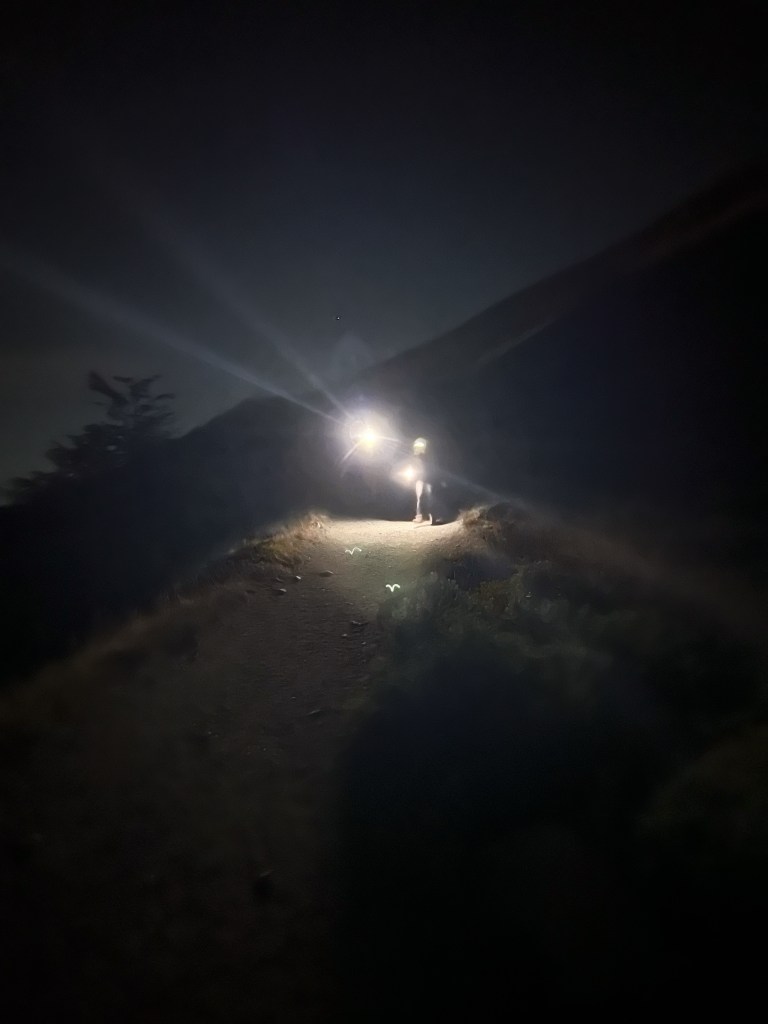
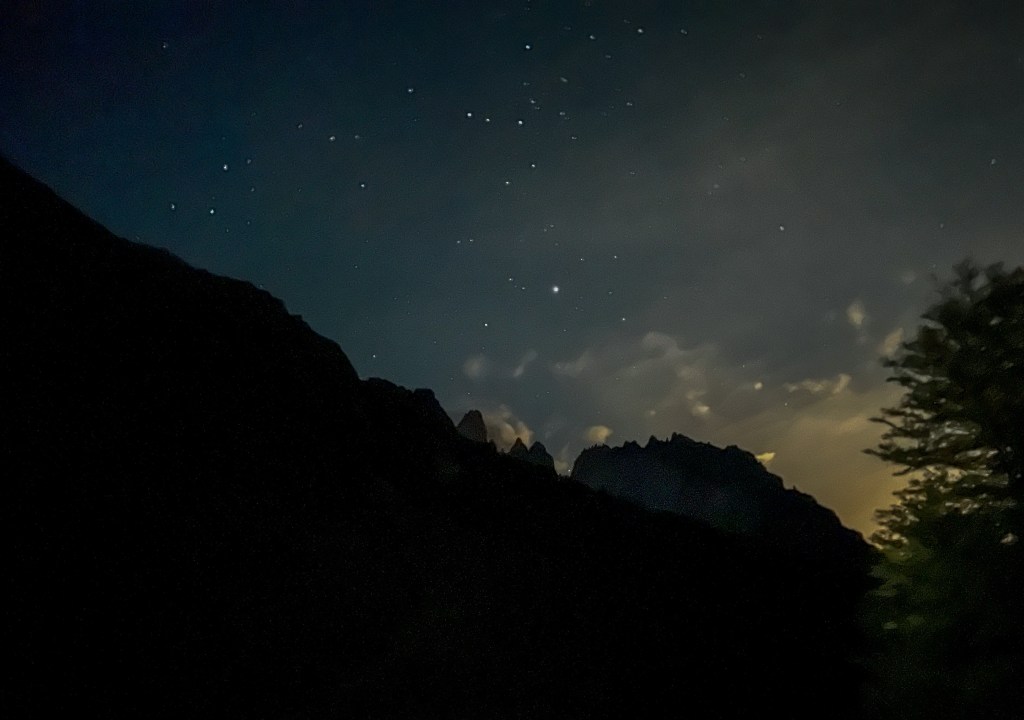
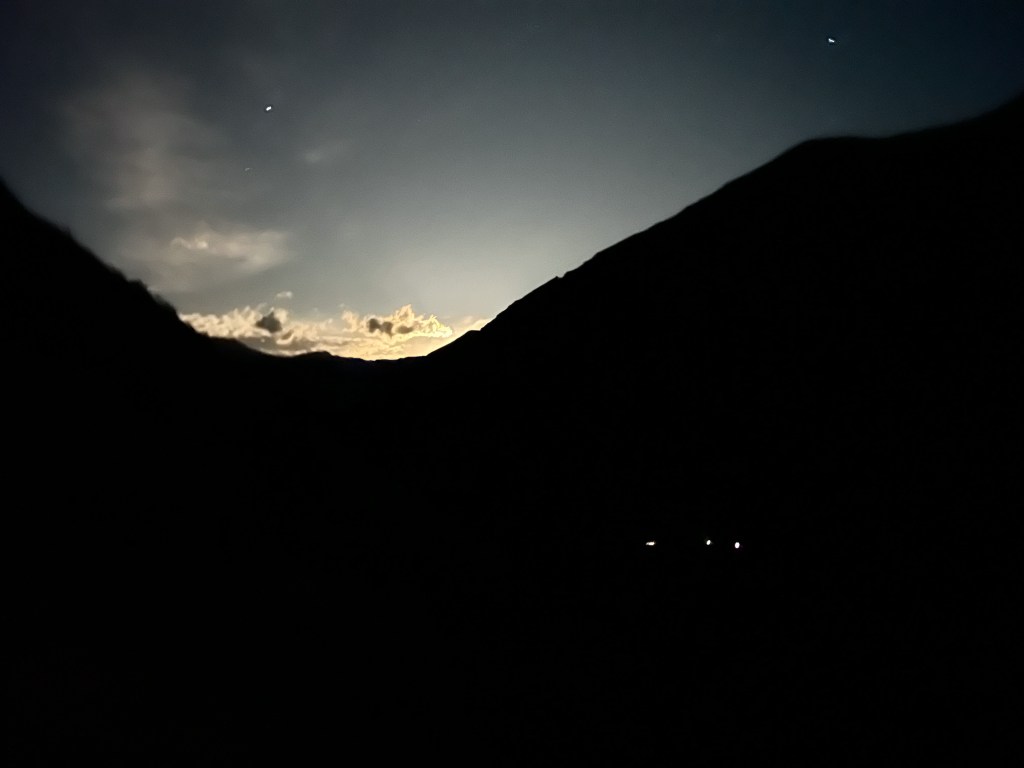
Without a doubt, this nighttime hike, which was the first I had ever done, was one of the best experiences I have had. The only people on the trail, we navigated the bush and rocks with the cool air our backs, chatting our way up the mountains.
By 5:00am, we reached the blue towers, found a comfy nook on the rocks, and ate egg sandwiches while we waited for the sun to come.
By 5:30, we began to see the light of the rising sun shine onto the rocks. By 6:00, we were welcomed with a glowing red like none I have ever seen.
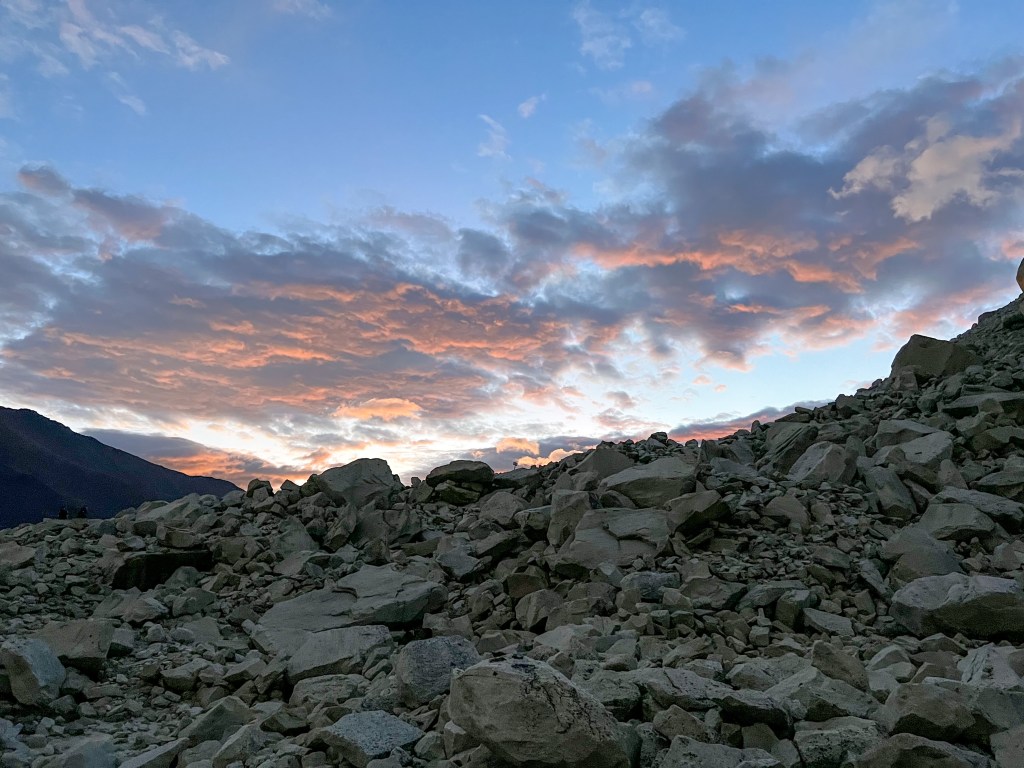
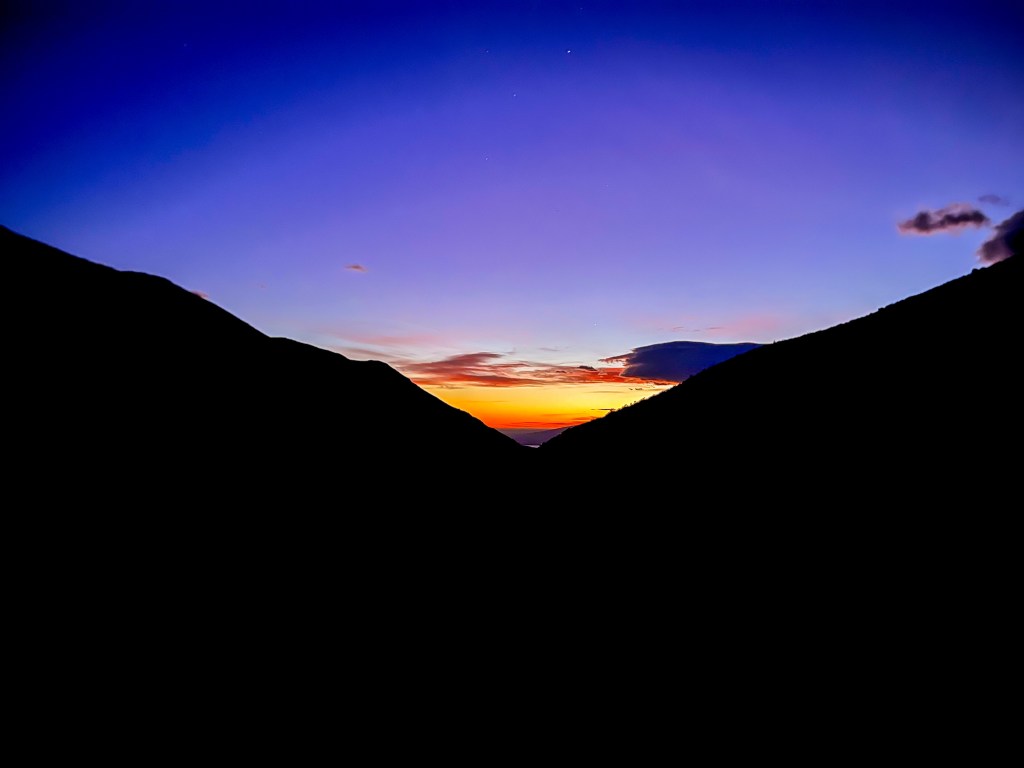
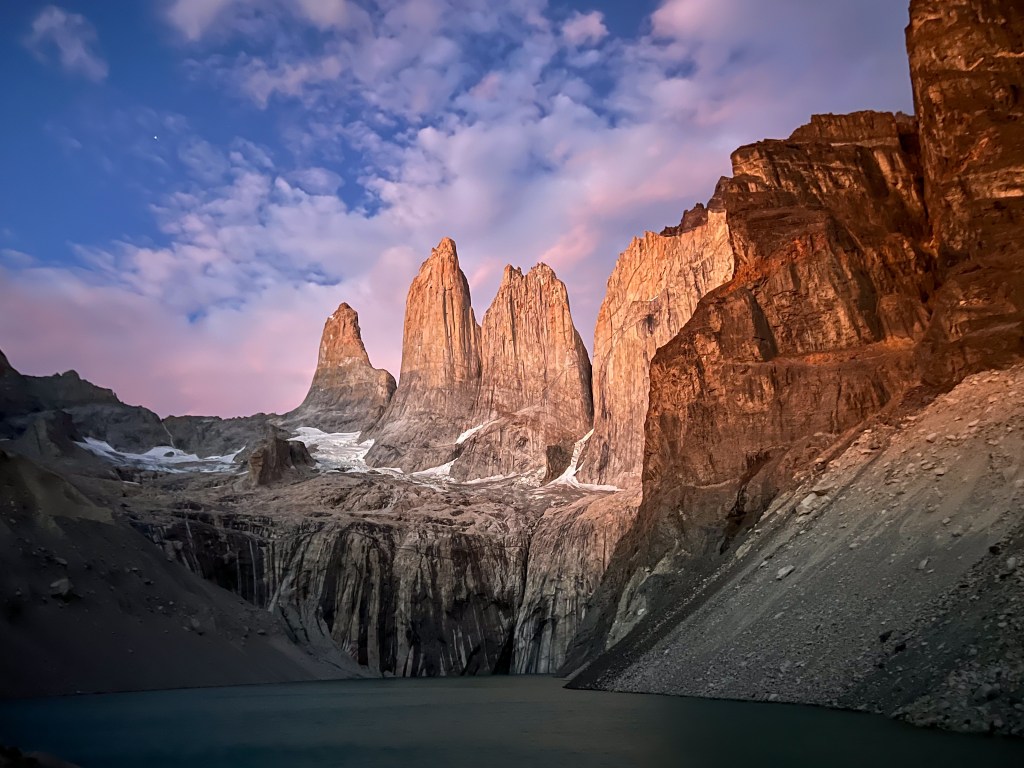
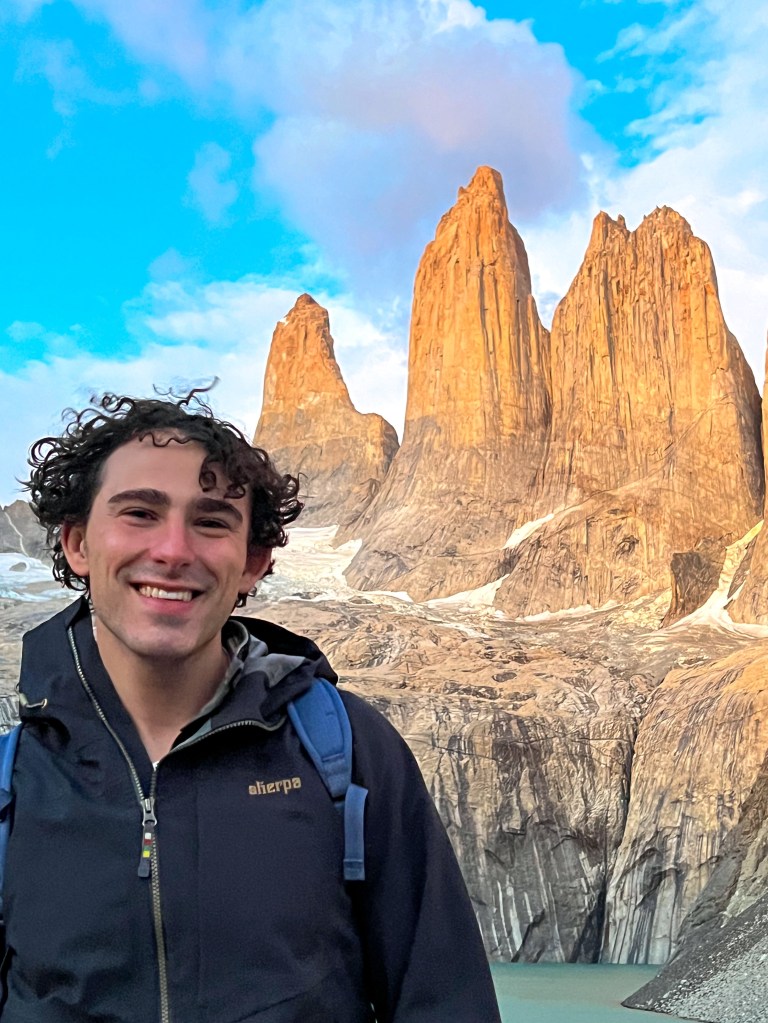
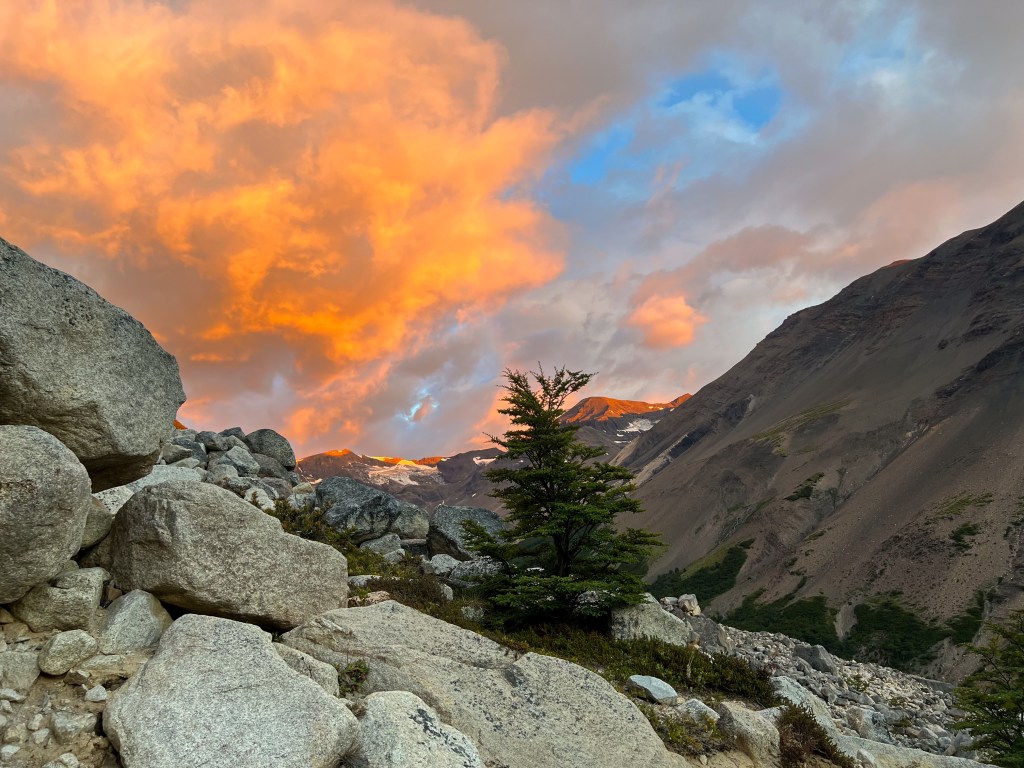
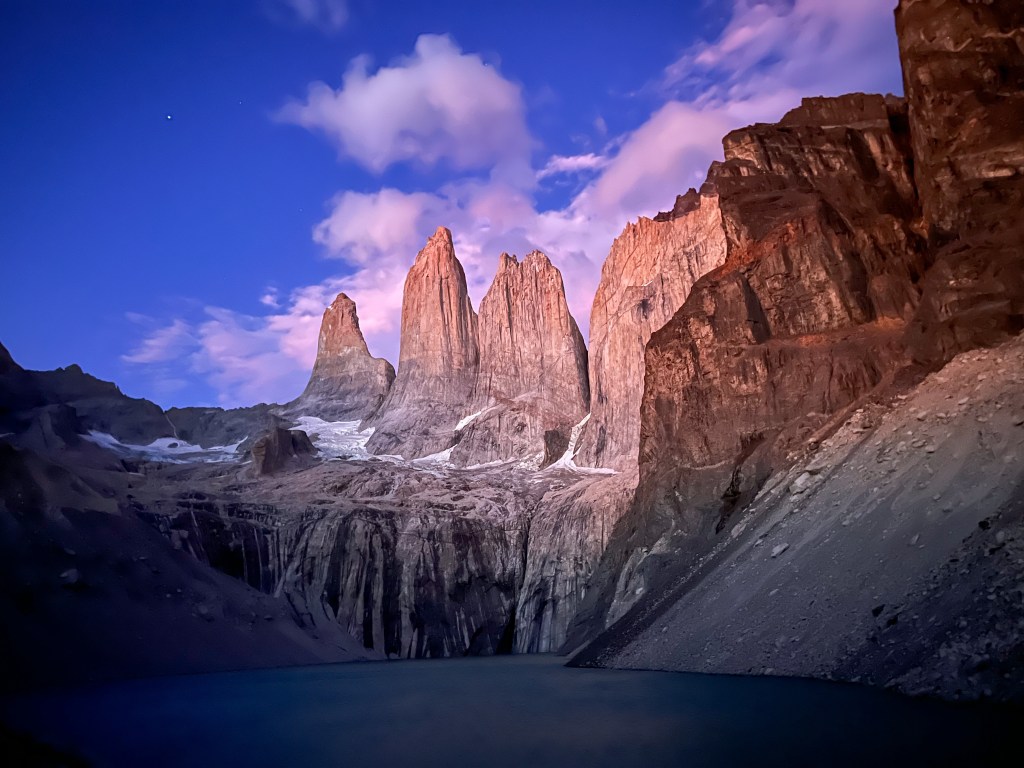
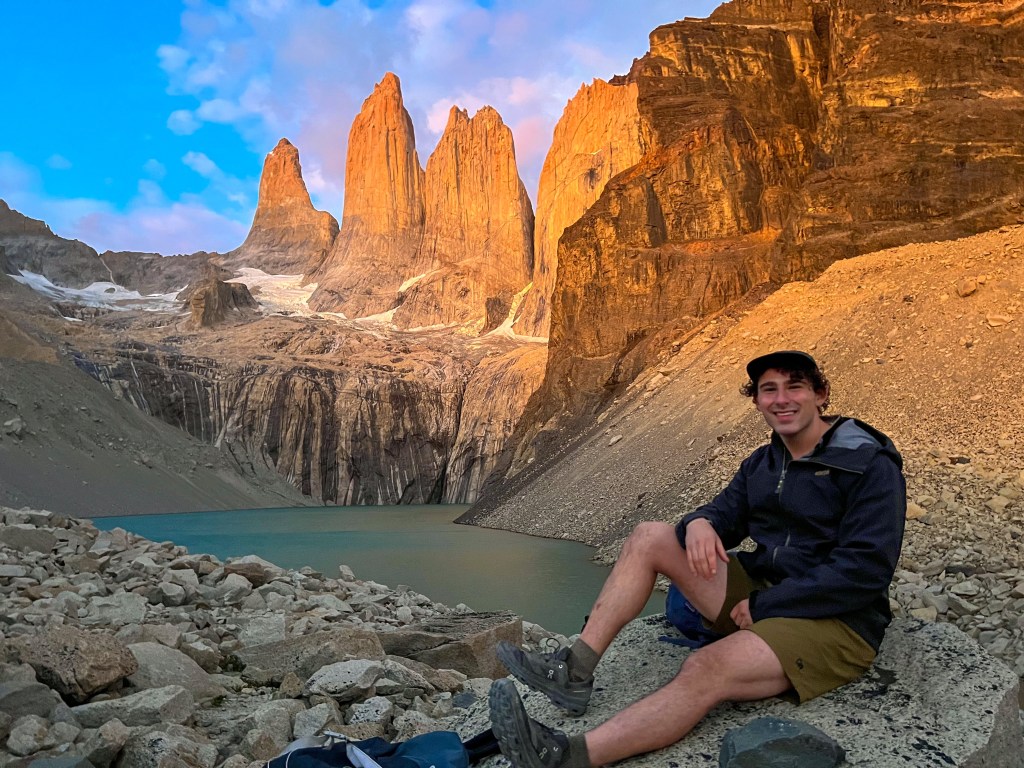
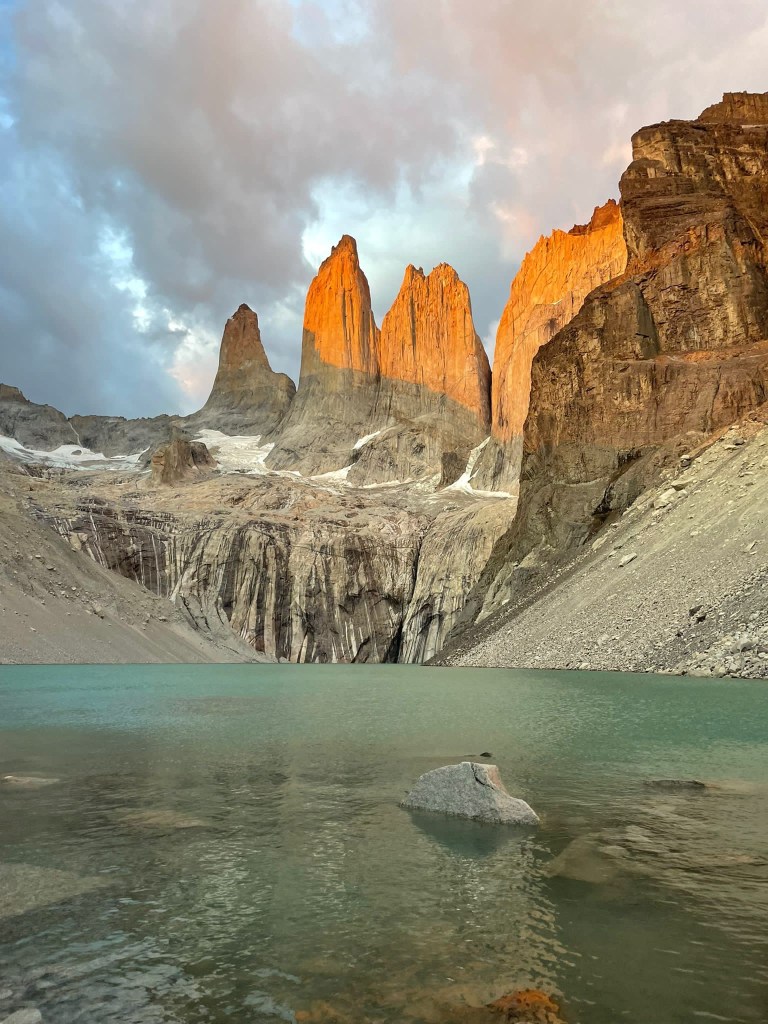
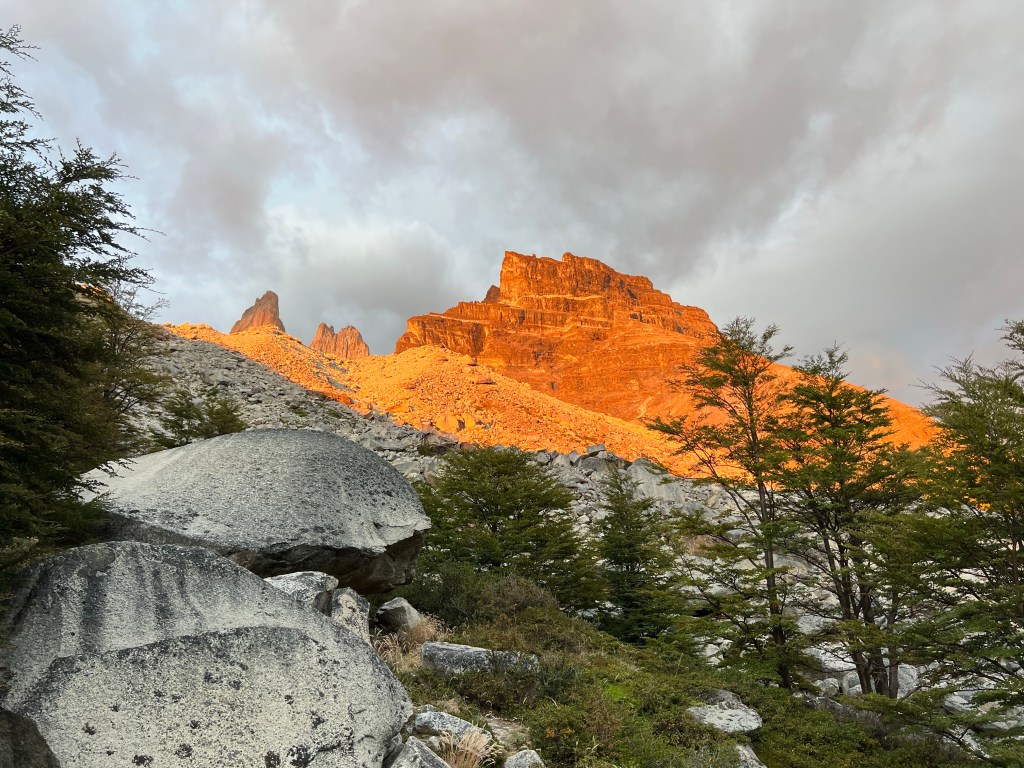
As someone who has only explored a few national parks in the US, and only on the East Coast and New Mexico, this experience was otherworldly – and as I rushed down the mountain to meet Anthony for the next part of the hike – I could not stop thinking how grateful I am for the financial and physical strength that allowed me to have such a powerful experience.
By 9am, and 13 miles in, my day of trekking had just begun. Fueled by adrenaline, caffeine, and self-satisfaction – Anthony and I began the next stretch of our journey, 12 miles to our next refugio.
A saying that stuck with me from my time in Hebrew school was the phrase: “Gam Zeh Ya’avor” —> “this to shall pass”. Originating from King Solomon, who wore these words on a ring as a reminder to himself, the phrase reflects on the temporary nature of the world.
This adage could not be more well applied than for describing the erratic behavior Patagonian weather. You never know when it will change, and you need to be prepared for all four seasons. Unfortunately, the next 6 hours of our hike showed us, loud and clear, the power of Patagonian weather change.
I wish I could say my time in Torres del Paine was a dream, but that would be a lie. The next 12 miles of hiking, Anthony and I trudged through a torrent or relentless wind and rain as we dragged our bodies and gear through muddy paths, teetering bridges, and slippery rocks. How the weather that blessed me at 6am transformed into a torrential downpour only 3 hours later, I don’t know – welcome to Patagonia, I thought.
By around 2:00pm, we arrived at the two-thirds point, at Refugio Cuernos. Fortunately, the weather had cleared (temporarily), so we found some benches outside, took a nap, and played cards with some fellow travelers as our gear dried in the sun.
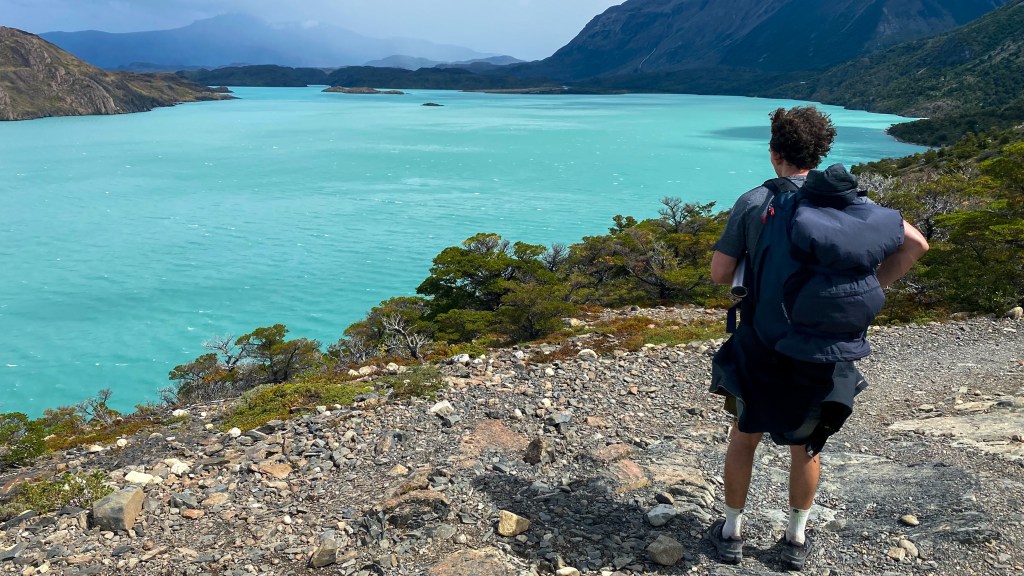
By 4:00pm, the rain and wind threatened its return, so Anthony, our fellow hikers, and me packed up and began the last third of our trek to Refugio Frances, which was based at the bottom of of next day hike through the Valle de Frances. We again fought through rain and wind as the glacial lake on our left thrashed waves against the rocks under our feet.
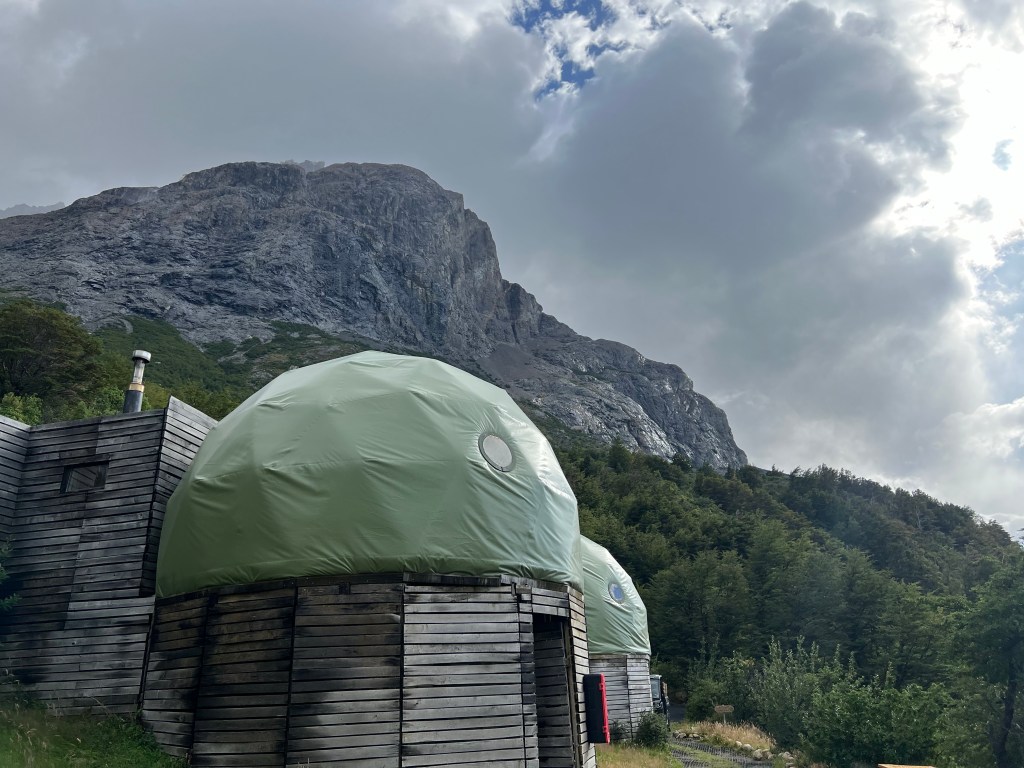
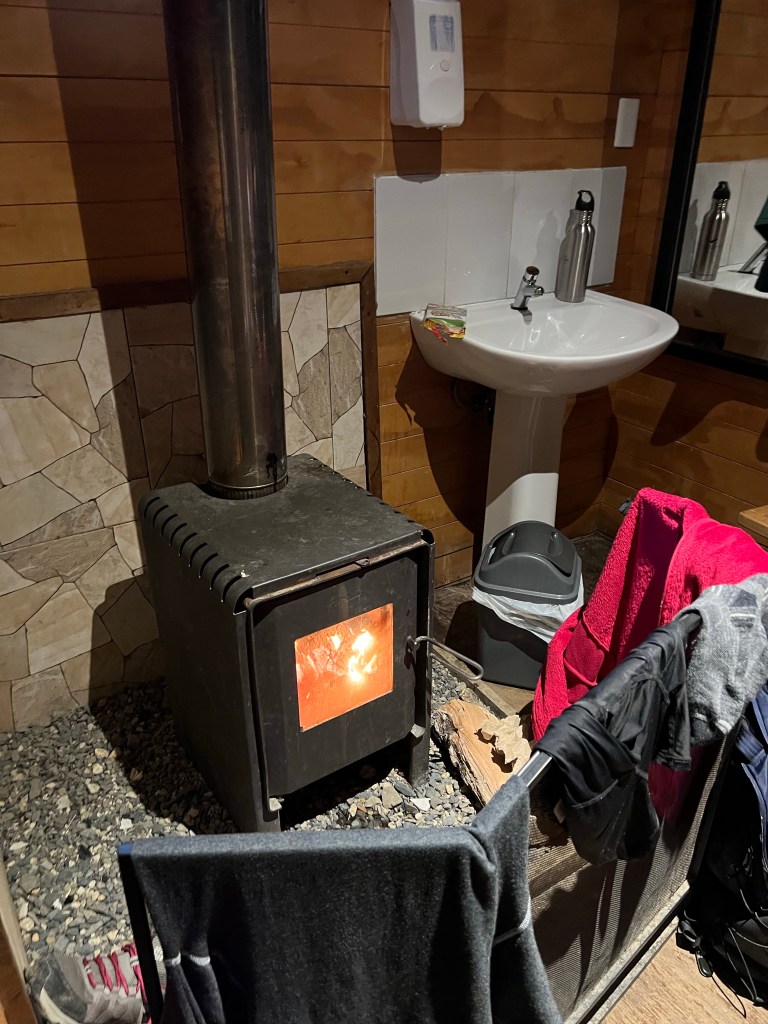
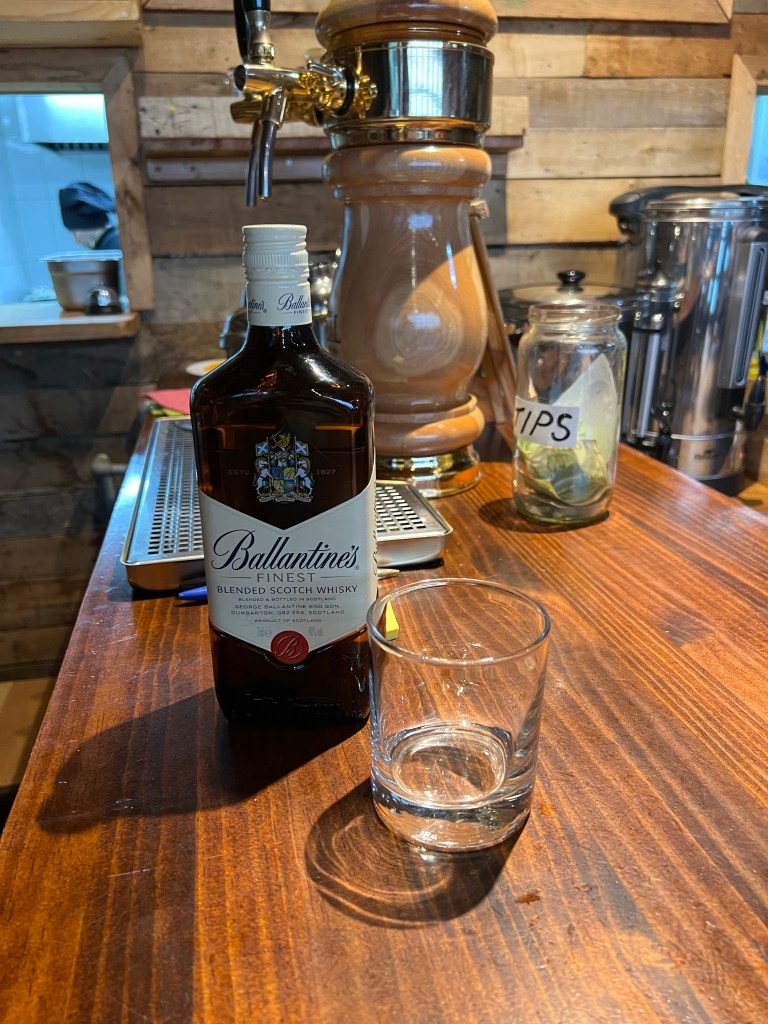
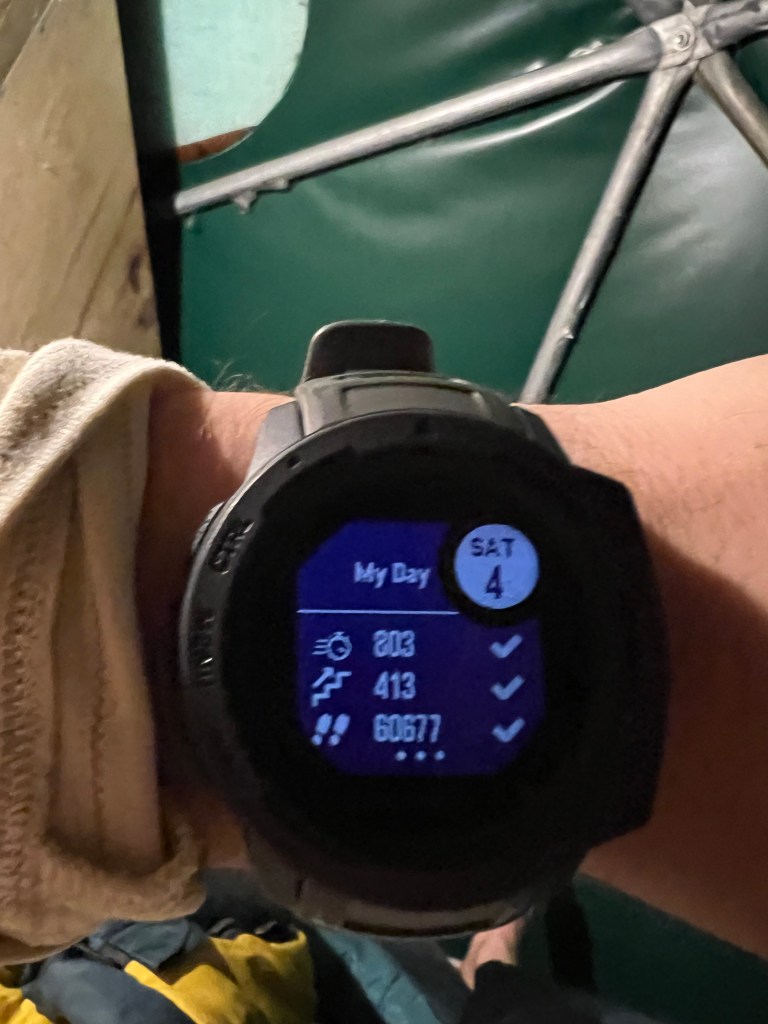
While it is hard to imagine, we were quite fortunate with our timing, as immediately after arriving at Refugio Frances, the true downpour began, continuing late into the night. After strategically placing all of our gear by the fire to dry, we went to the dining hall, a rickety skeleton of sheet metal, plastic, and wood planks. Exhausted but high-spirited, we spent the night drinking coffee and whiskey as we watched the Lago Nordernskjold express its aggressive side as its waves battered the rocks below. When I finally laid down on my bed, I checked my watch to see how far I traversed — 27.8 miles in 14 hours — the most I have ever hiked, let alone with a pack of gear and food.
*Tangent: Laying in bed, I thought about how grateful I am for the physical fitness I worked to achieve over the past 5 years. From an early age, I defined fitness as synonymous with “looking good” and being healthy. Never particularly good at sports (I blame my poor hand-eye coordination), I think failed to learn that fitness is so much more than just being “attractive” or living a long life – it is, most importantly to me, about the quality of the life you can live, both mentally and physically. I would never have been able to do all this hiking, see the wonderful sunrise at Mirador Torres, lug my gear through the rain and wind, and keep a smile on my face while doing it without the hundreds of hours I spent training my body – lifting weights at the gym, running, doing yoga (albeit not well), going to physical therapy, rock climbing, and just walking or riding my bike. This would become a reoccurring thought throughout my time in Patagonia, as I pushed my body and mind to its limits, fighting to experience as much of the region as I could in the 2 short weeks I had.
The next morning, we were greeted with a beautifully clear day – the sun beaming down on the drenched camp we slept in.
Packing up our gear, we prepped for another long day – hiking 18 miles to Mirador Britanica through the Valle de Frances and back to our next stop, Refugio Paine Grande.
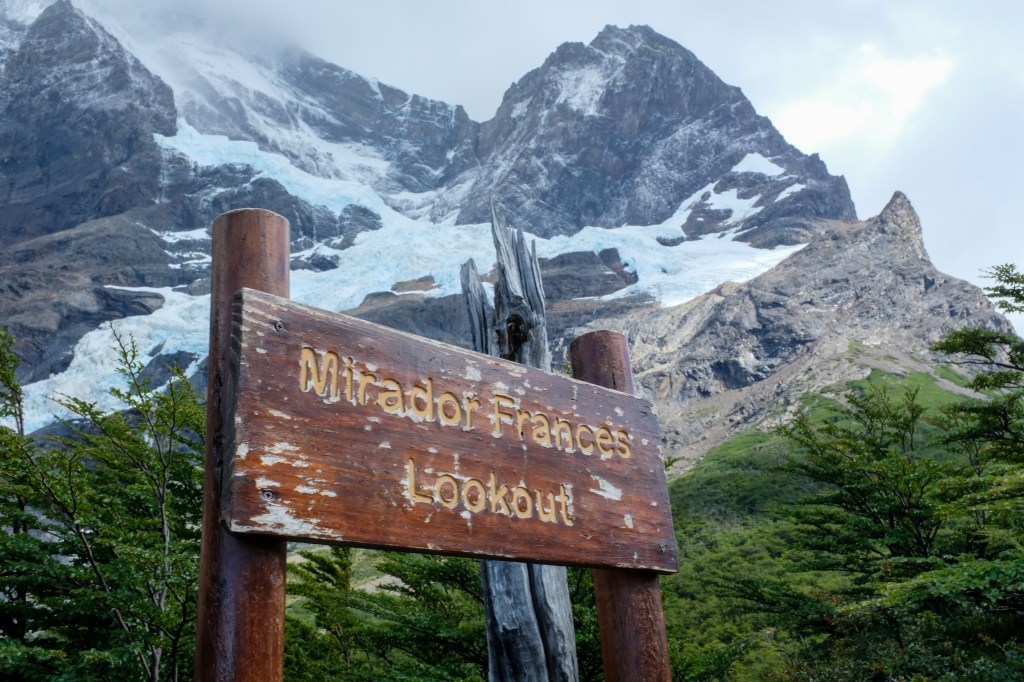
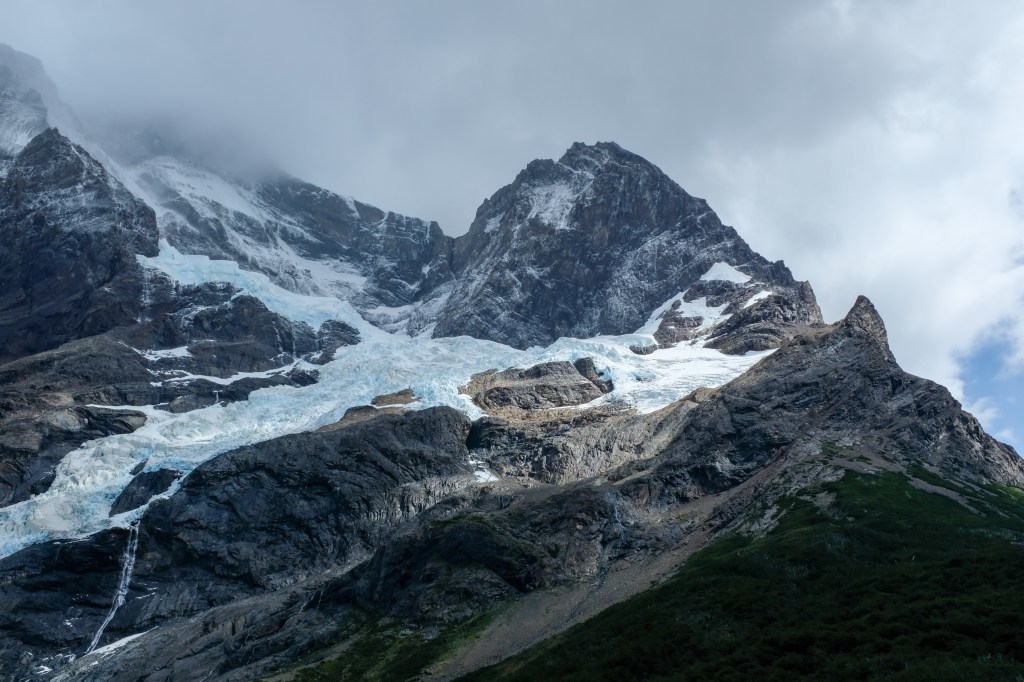
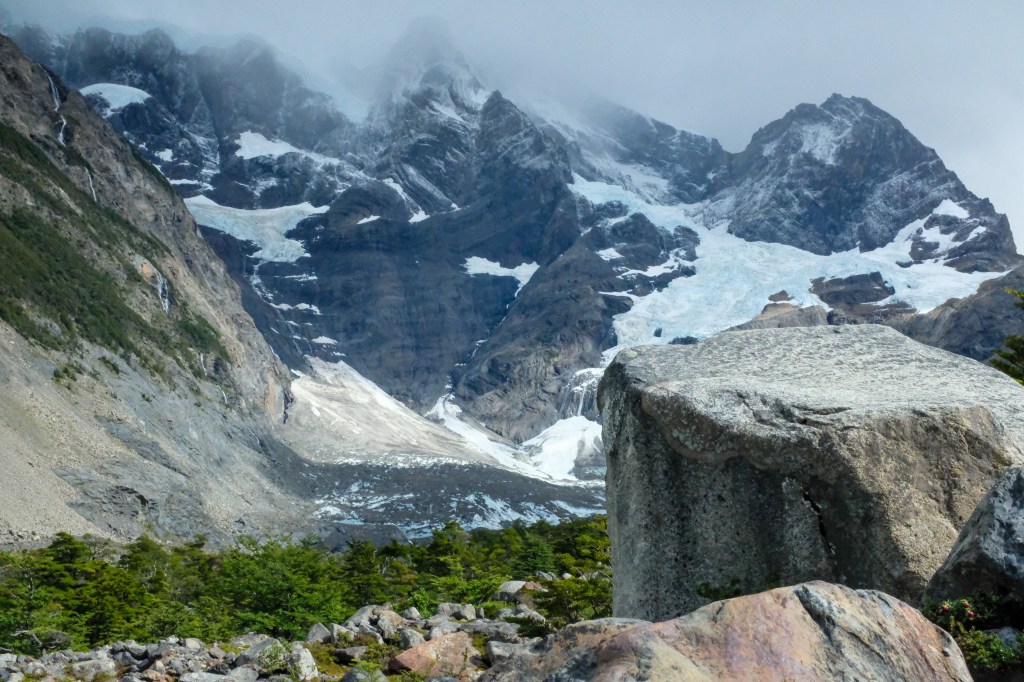
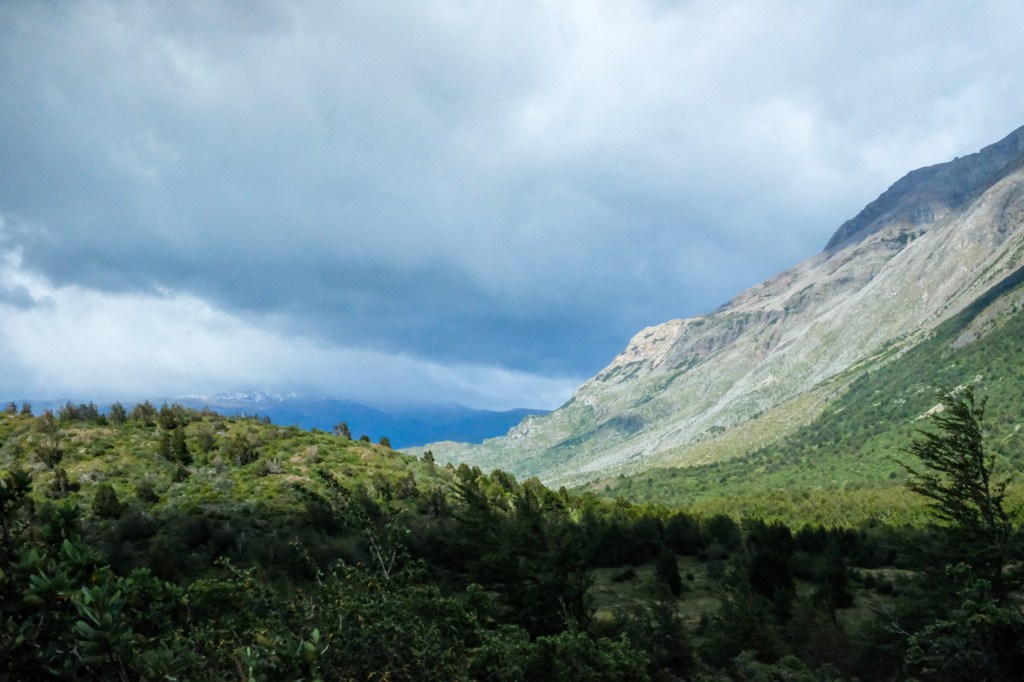
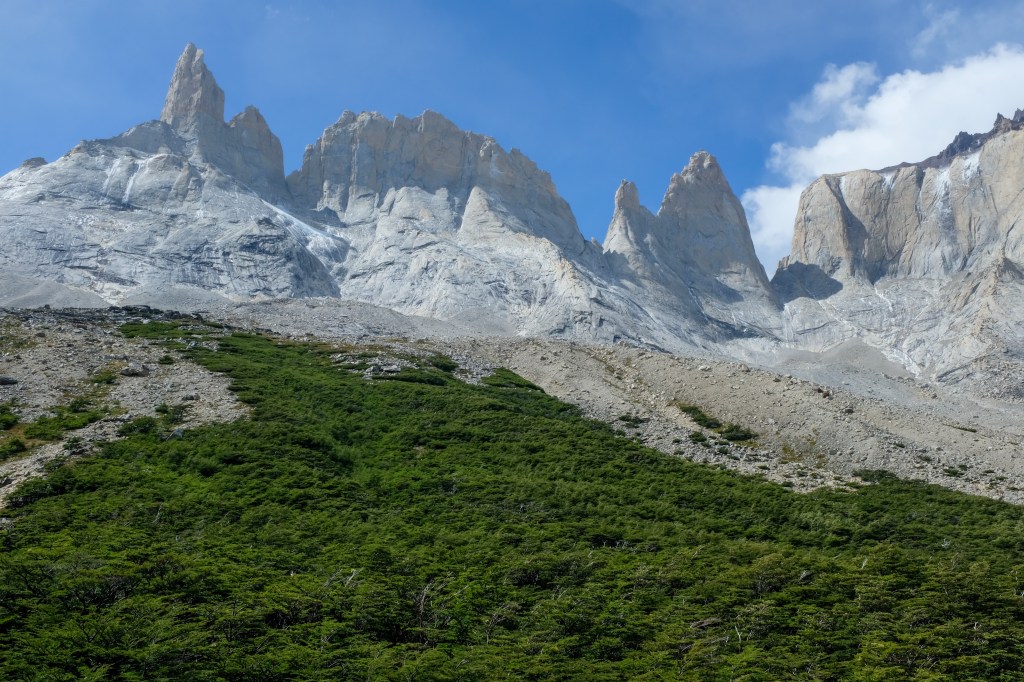
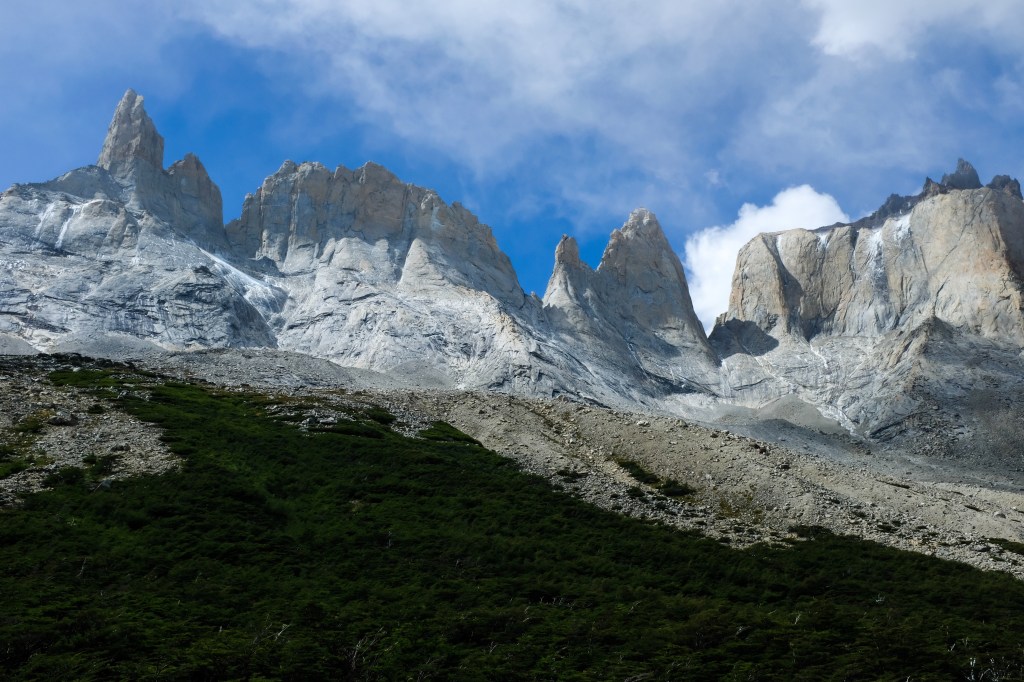
The hike, out-and-back through the Valle de Frances to Mirador Britanica, was beautiful – greeting us with views of glaciers and the backward angle of Mirador Torres.
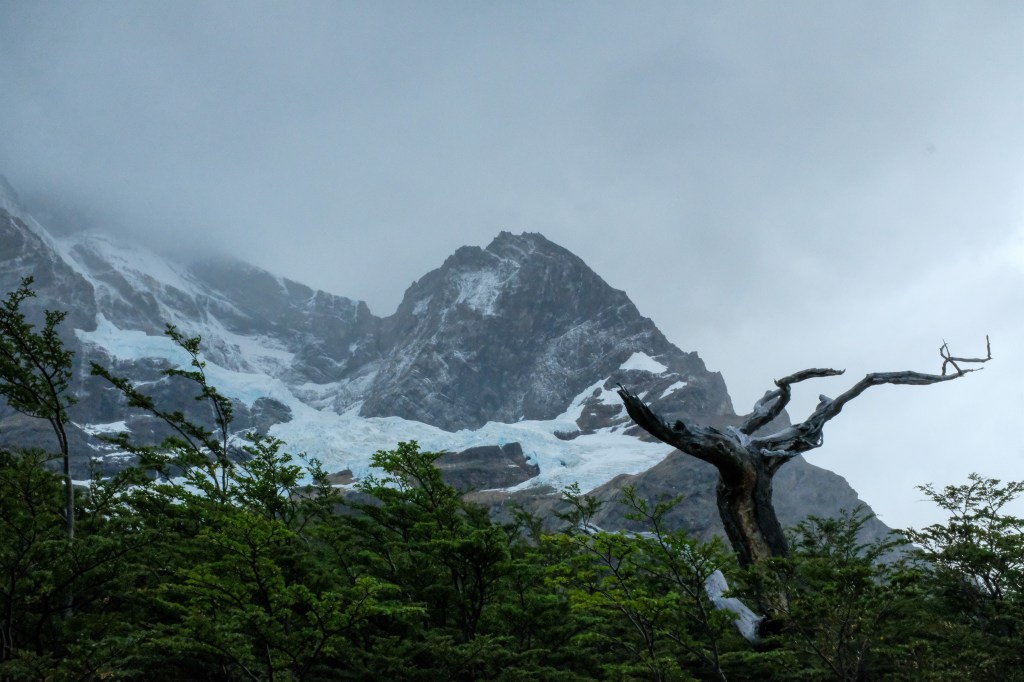
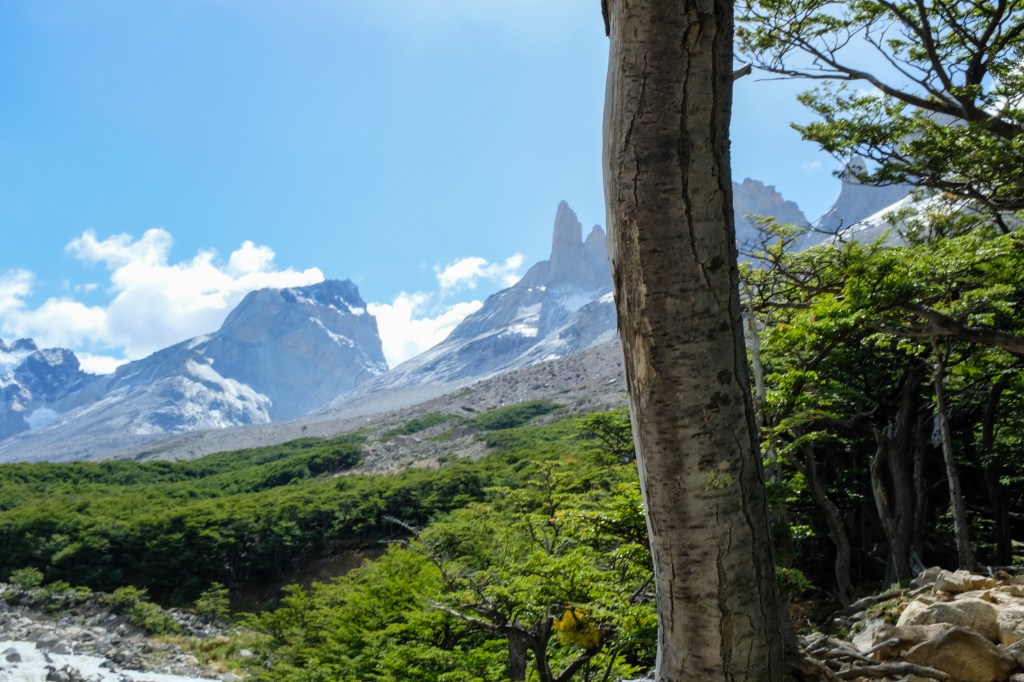
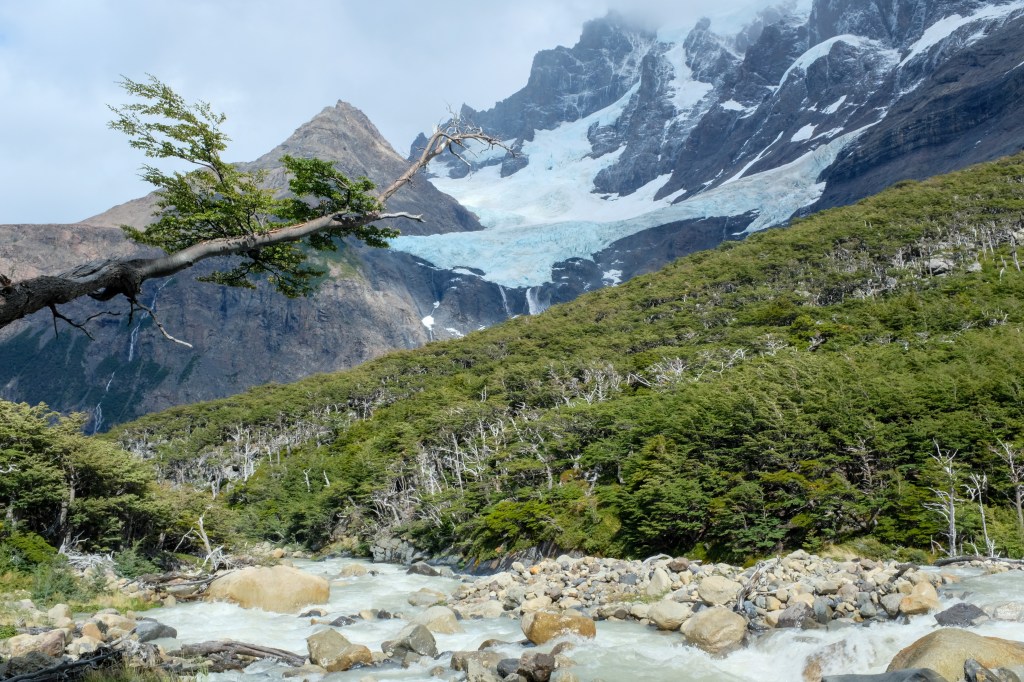
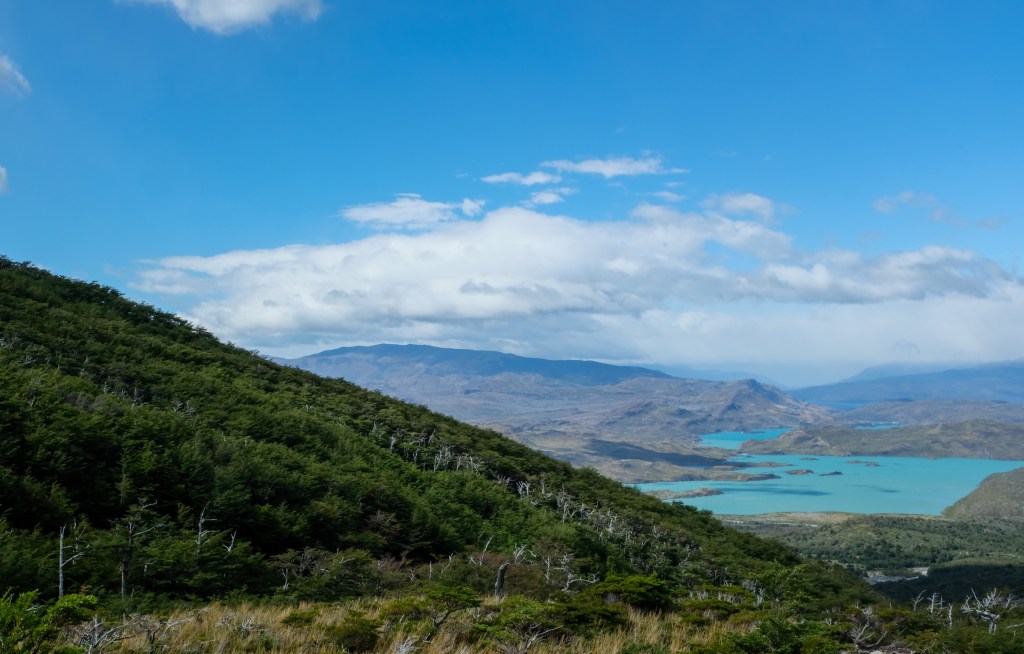
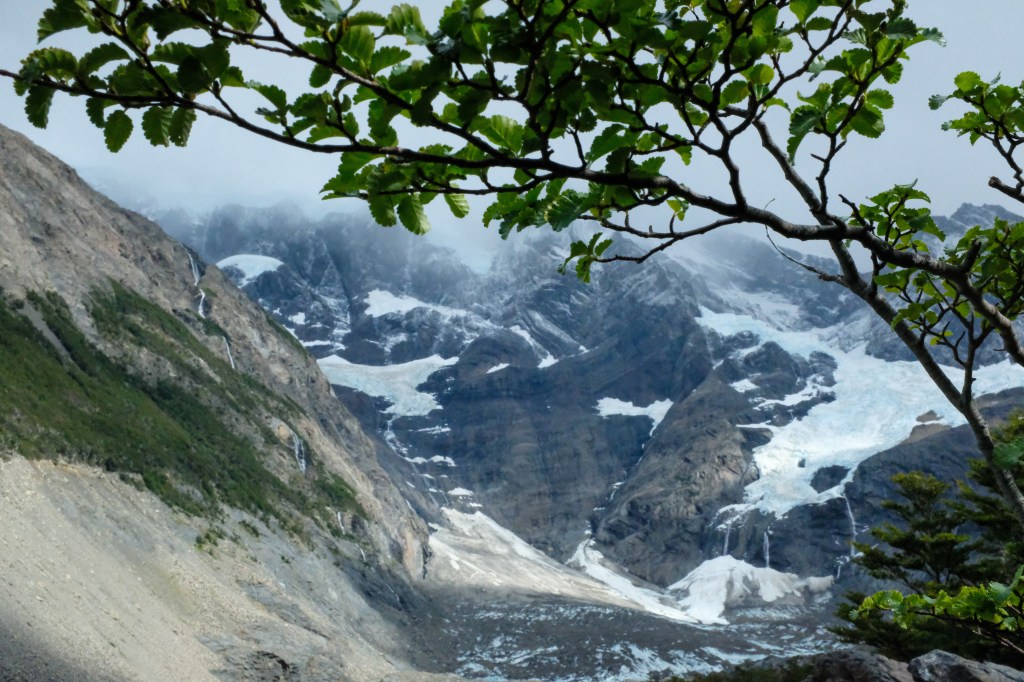
And a few more..
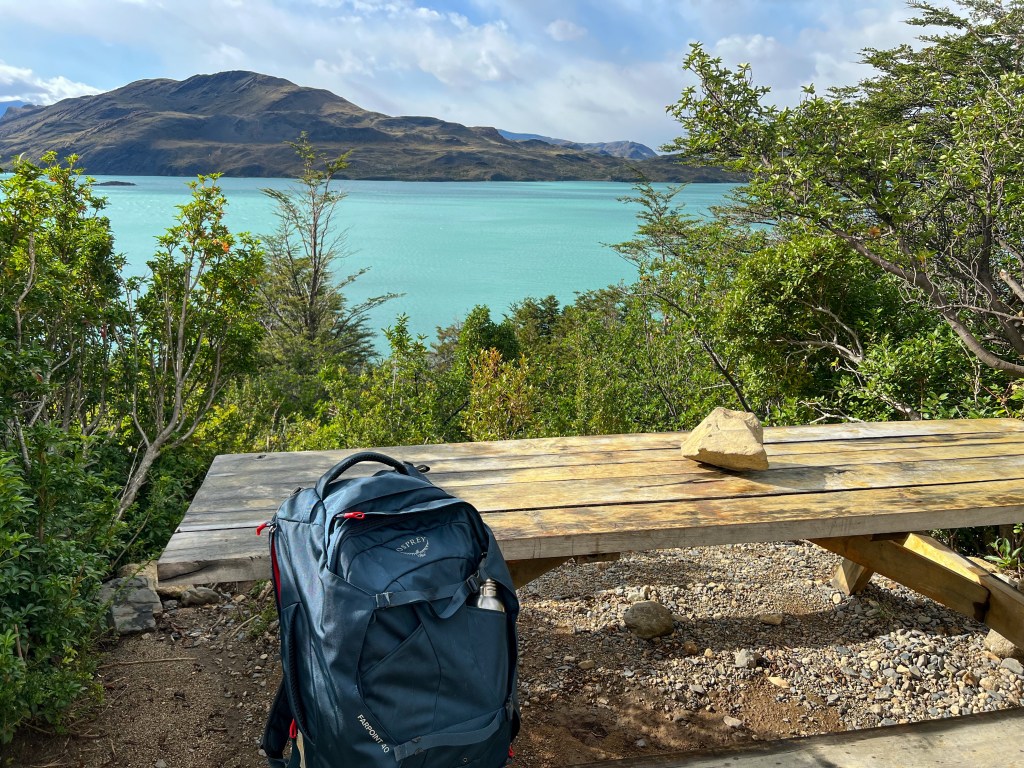
Around 7:00pm I arrived at Refugio Paine Grande – starving and beginning to grow sick of my daily 3 course dinner of carrot sticks, powdered soup, and canned tuna with instant mashed potatoes. The Paine Grande refugio is by far the largest of the refugios – and inside was a luxurious dining hall – with a buffet that can only be described as a fancy Golden Corral (pre-Covid of course). Quick Rant- The food and accommodation at the refugios in Torres Del Paine are absurdly priced – a result of being so far from civilization. When I secured my spot at the refugio (which you must do because they fill up very quickly in high season), I decided against the $200 room and board promo, opting for the more economical $120 bring-your-own-food dorm room option. For anyone considering this trek, I implore you, PLEASE pay the extra $$ for food at Refugio Paine Grande – while its not as worth it at the other refugios in my opinion, it is well-worth the money at Paine Grande, especially after several days of hiking with canned tuna and mashed potatoes… As my nostrils were bombarded with wafts of chicken curry and grilled fish, I begrudgingly wolfed down my canned dinner and stole a couple dinner rolls from the counter.
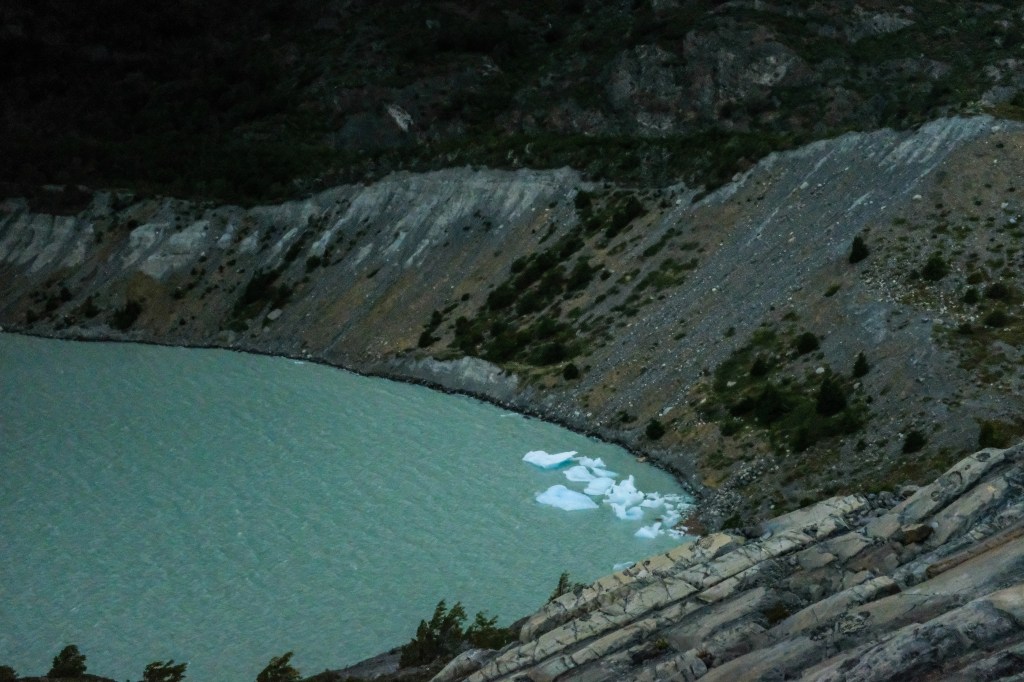
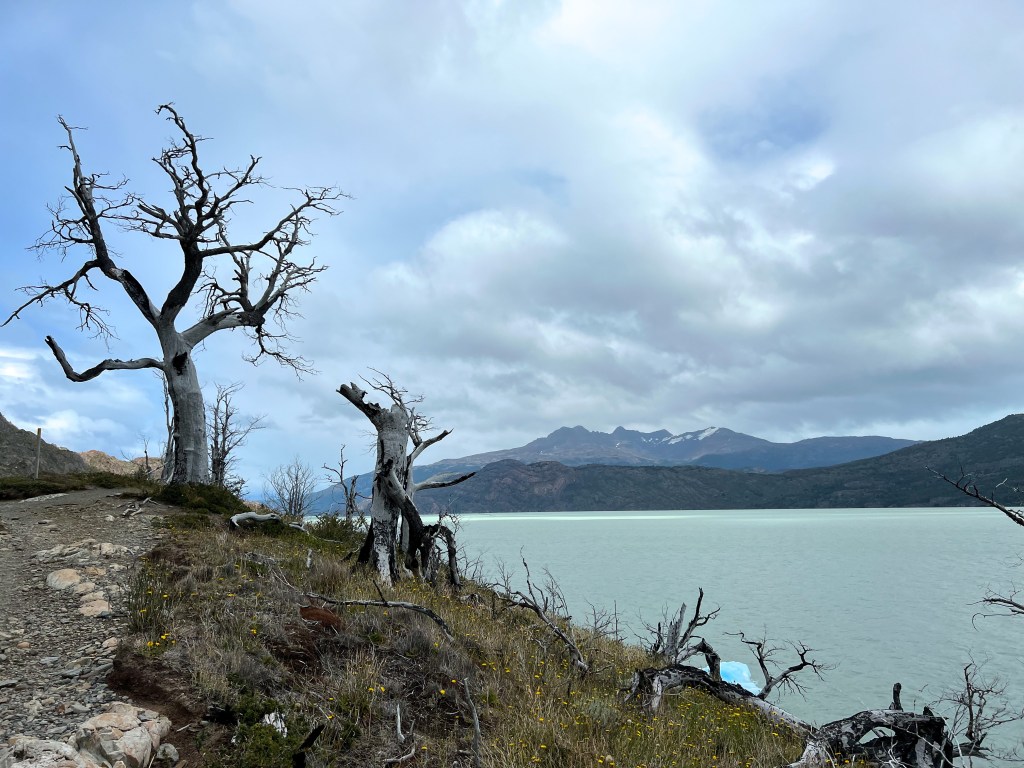
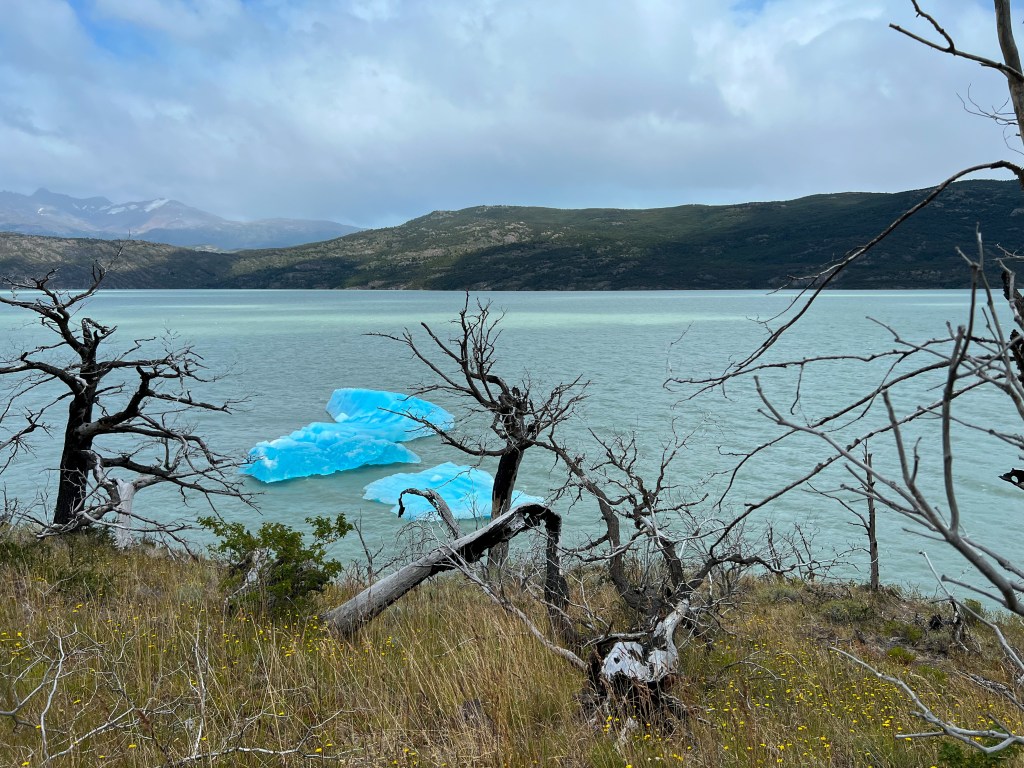
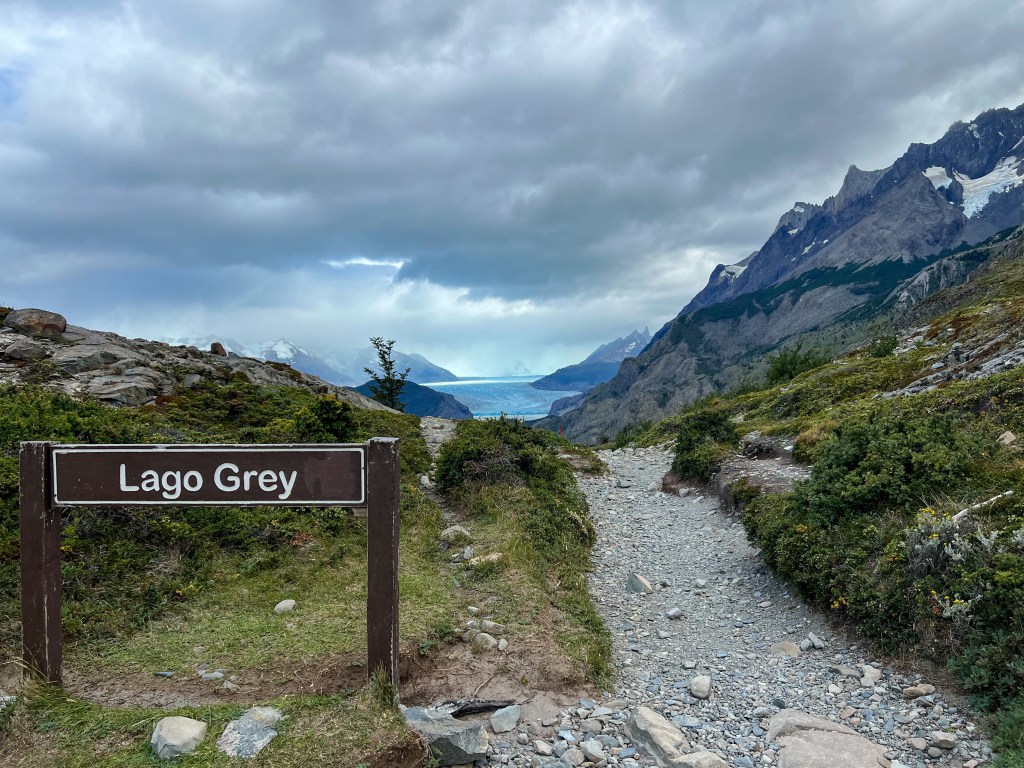
The last and final day, Anthony and I hiked up Largo Grey to the Grey Glacier and took a hiking tour that led us onto the glacier itself.
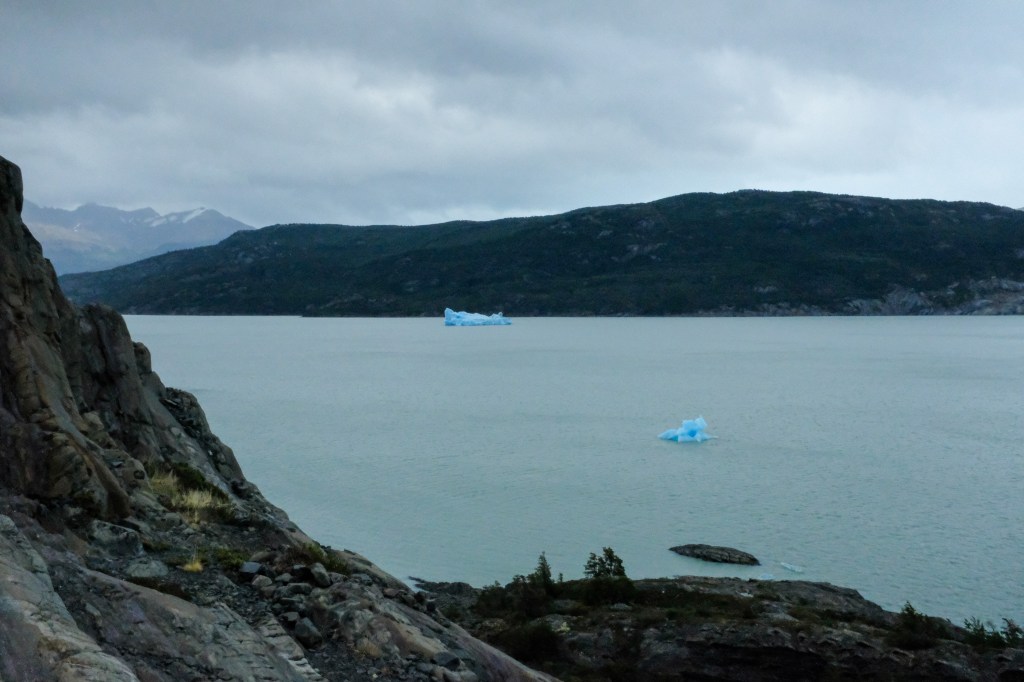
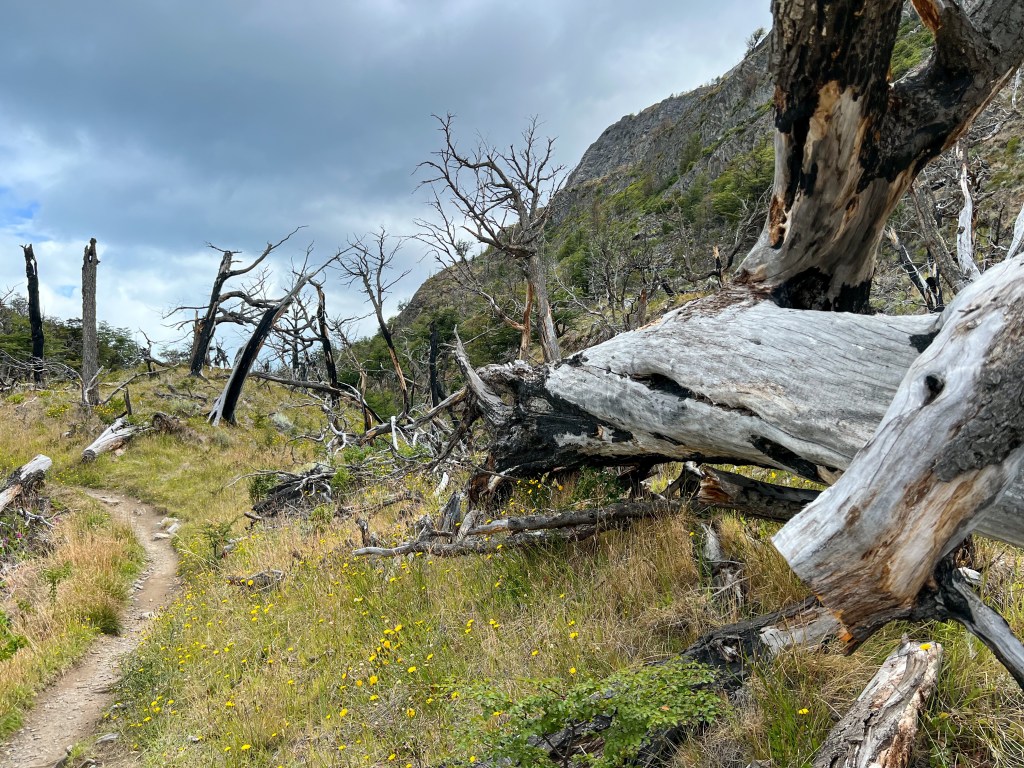
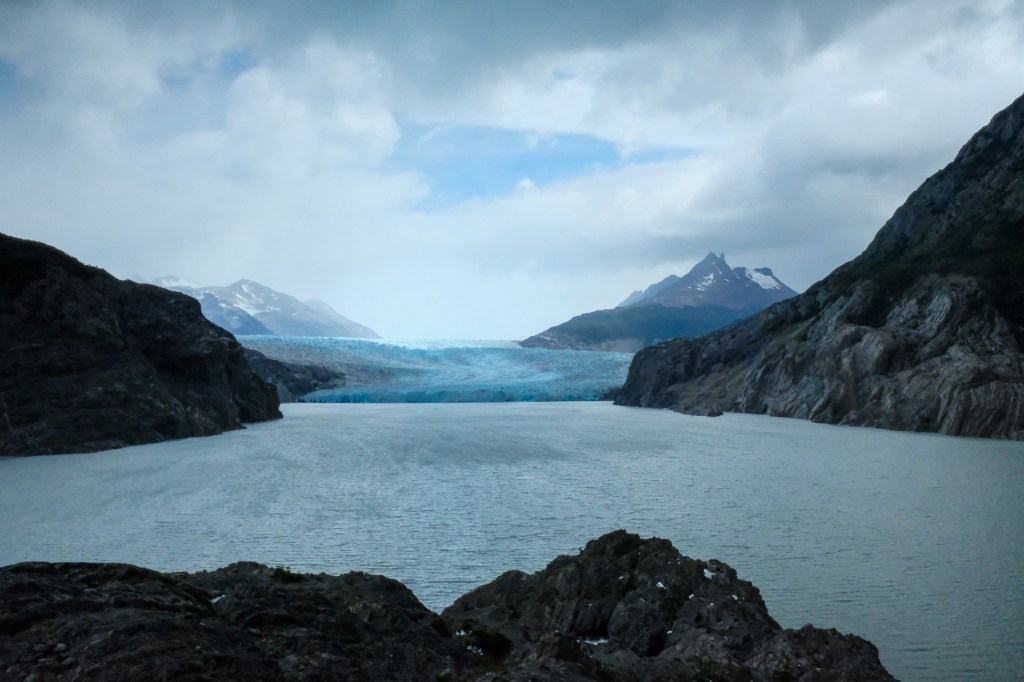
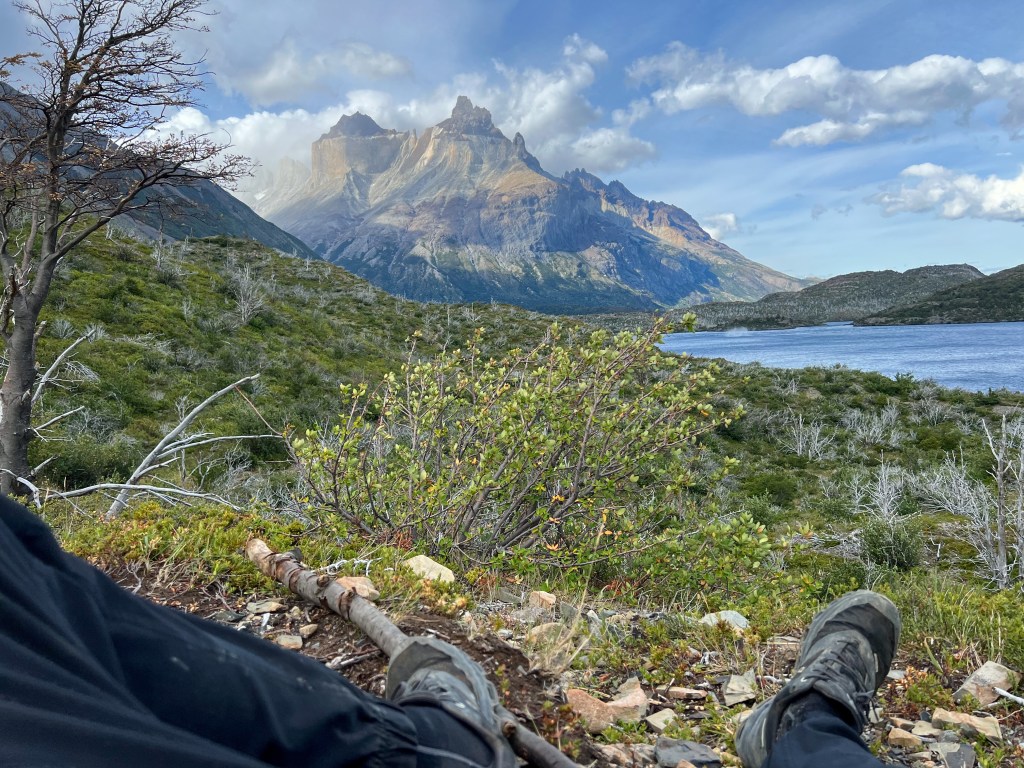
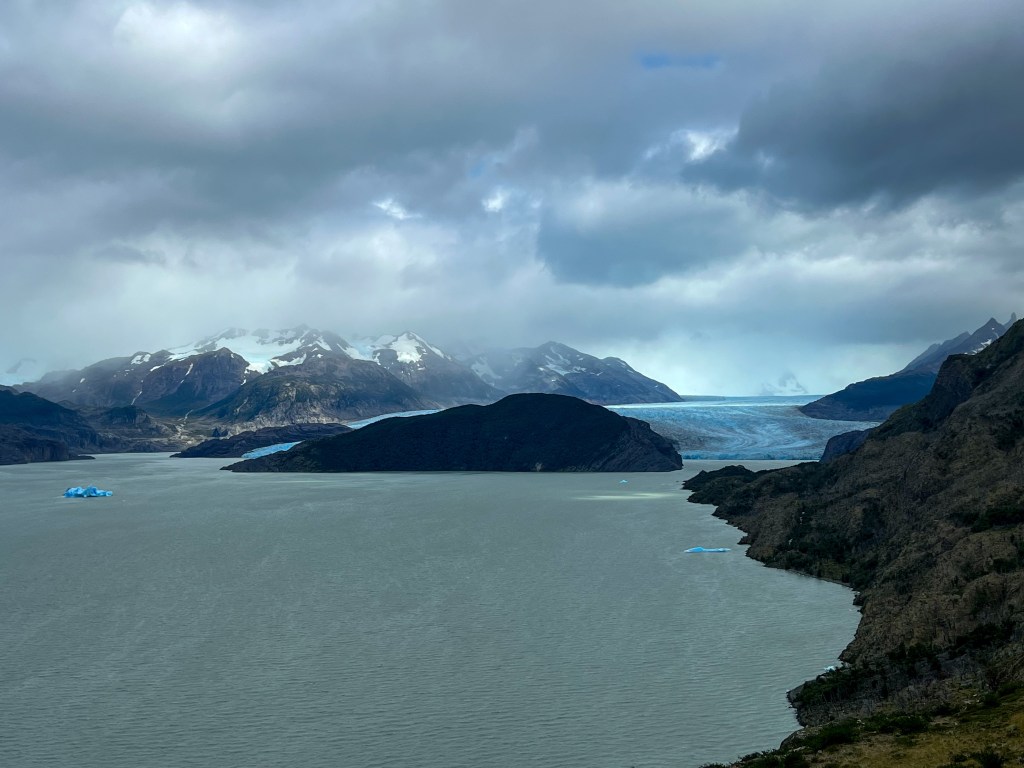
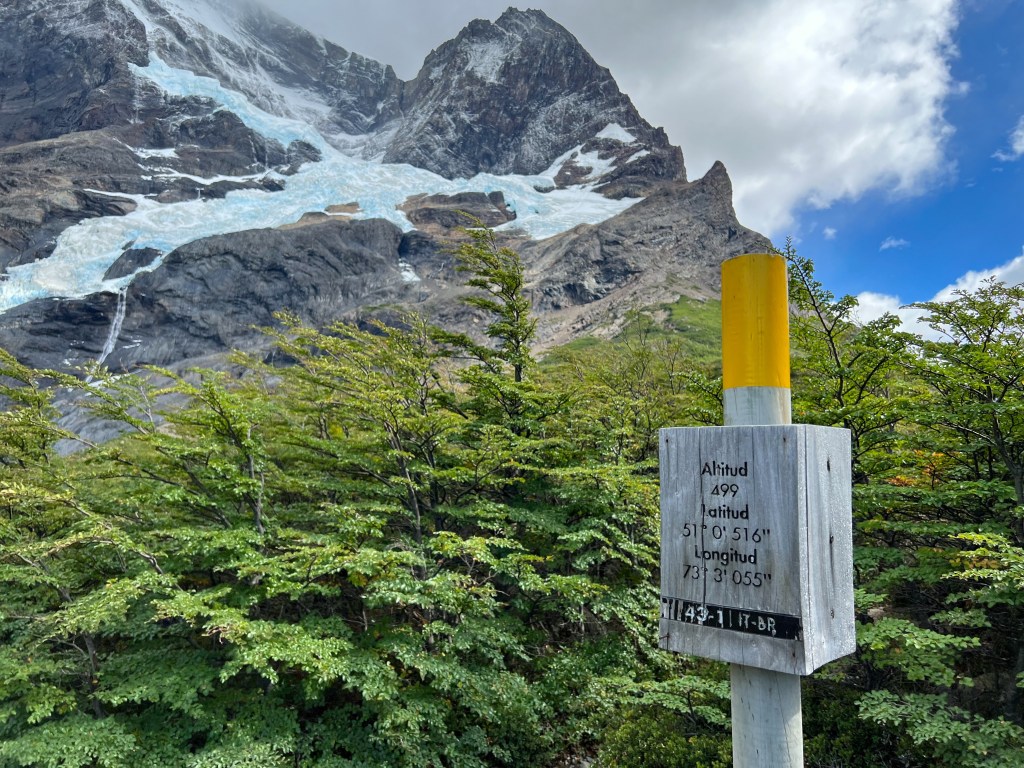
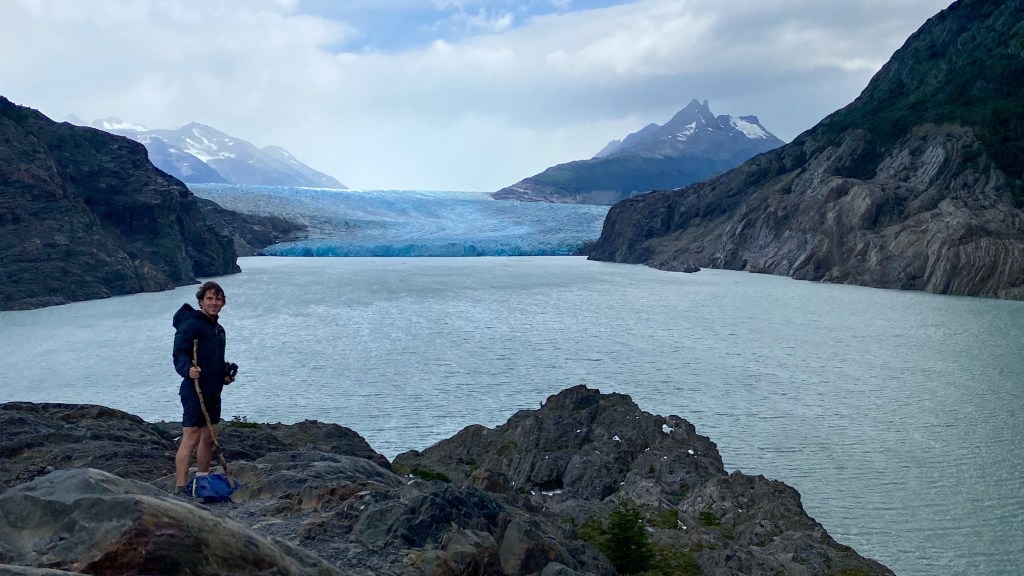
Afterwards, we rushed back to Refugio Paine Grande to catch the 6:00pm catamaran out of the Torres del Paine national park.
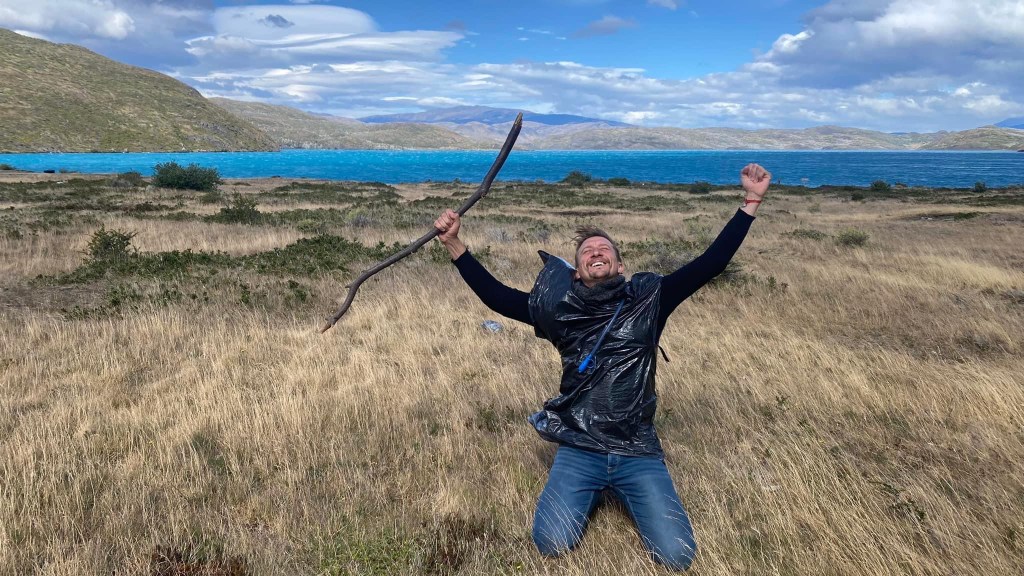
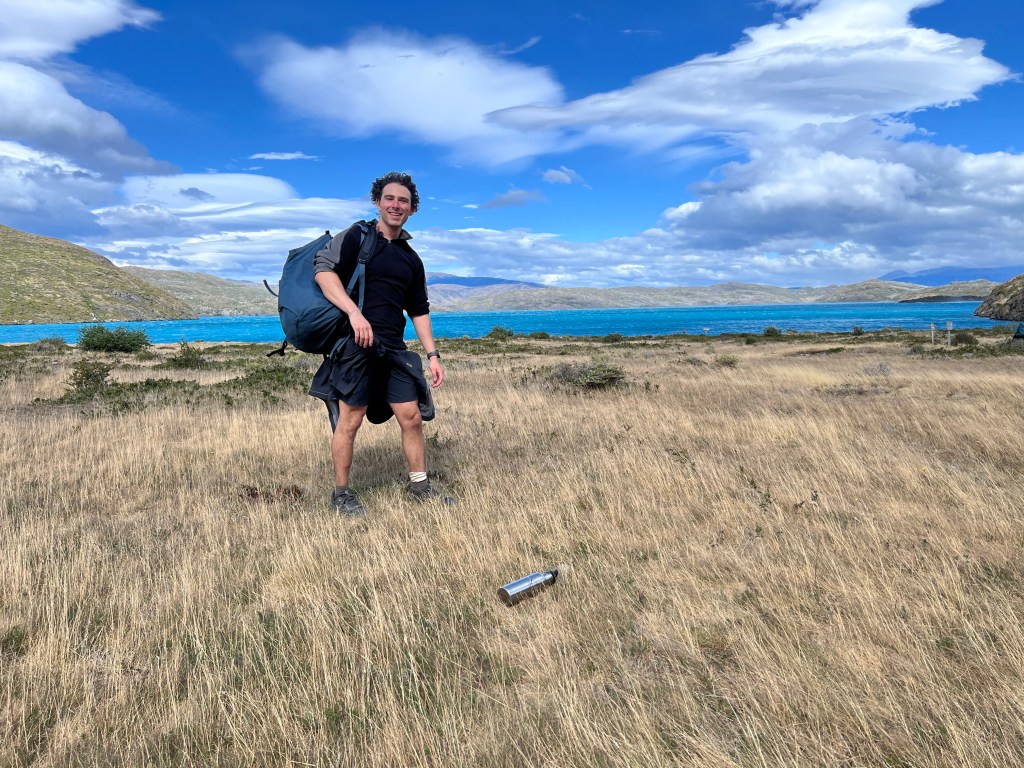
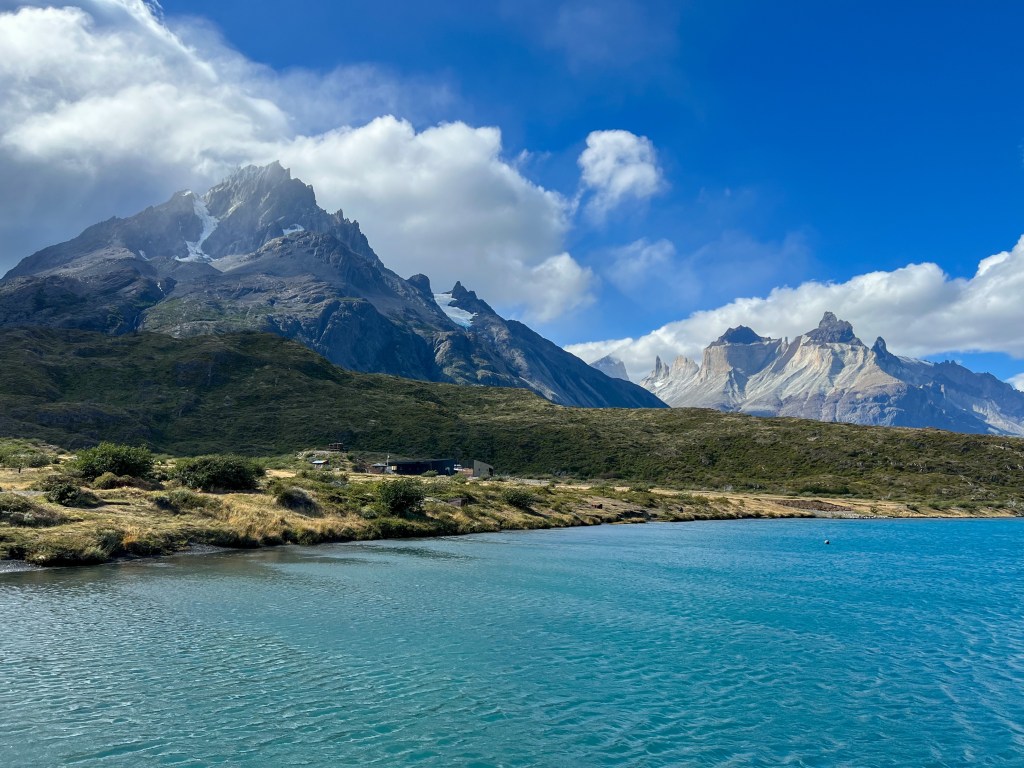
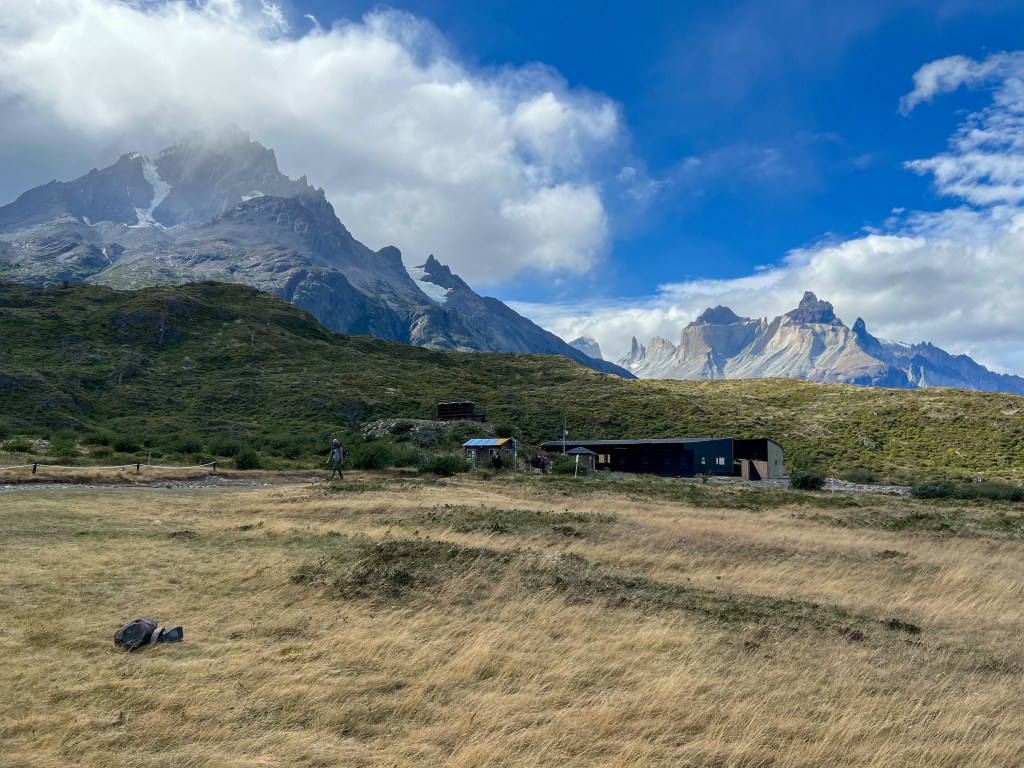
At a bar waiting for our bus to Puerto Natales, we drank beers and relived the past several days.
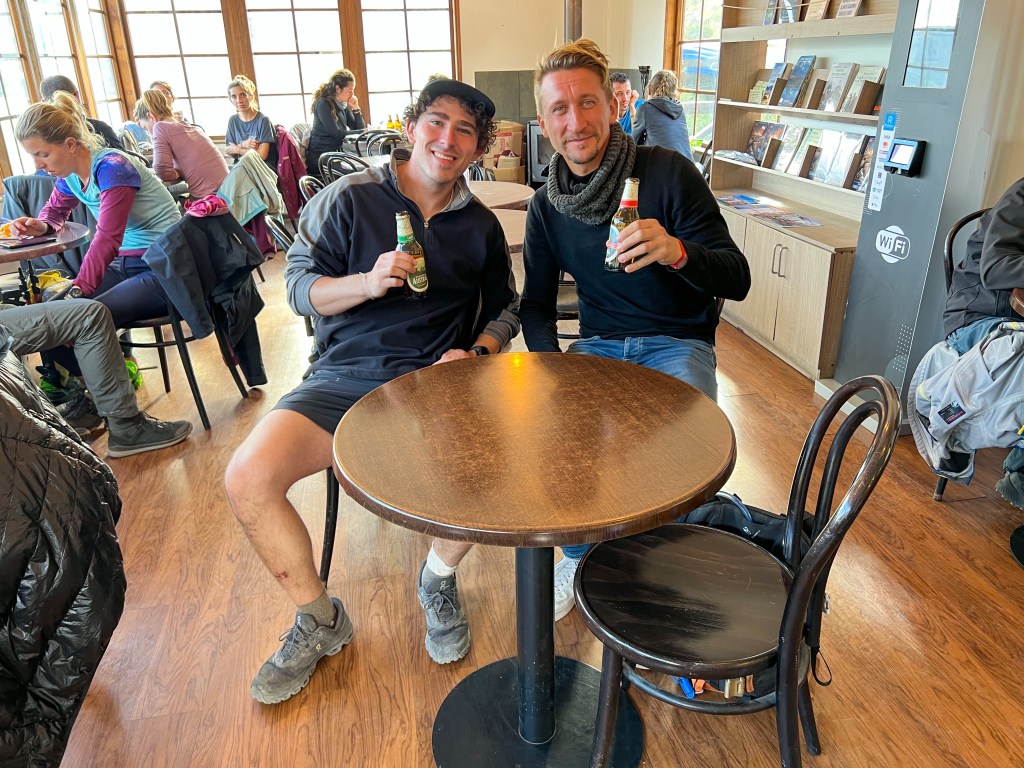
Arriving in Puerto Natales at 10:00pm, Anthony and I said goodbye and went to our hostels.
Over the course of 4 days, we hiked 60 miles (including 2x up and down Mirador Torres). It was a truly incredible experience and I would highly recommend it to anyone who wants to experience Patagonia.
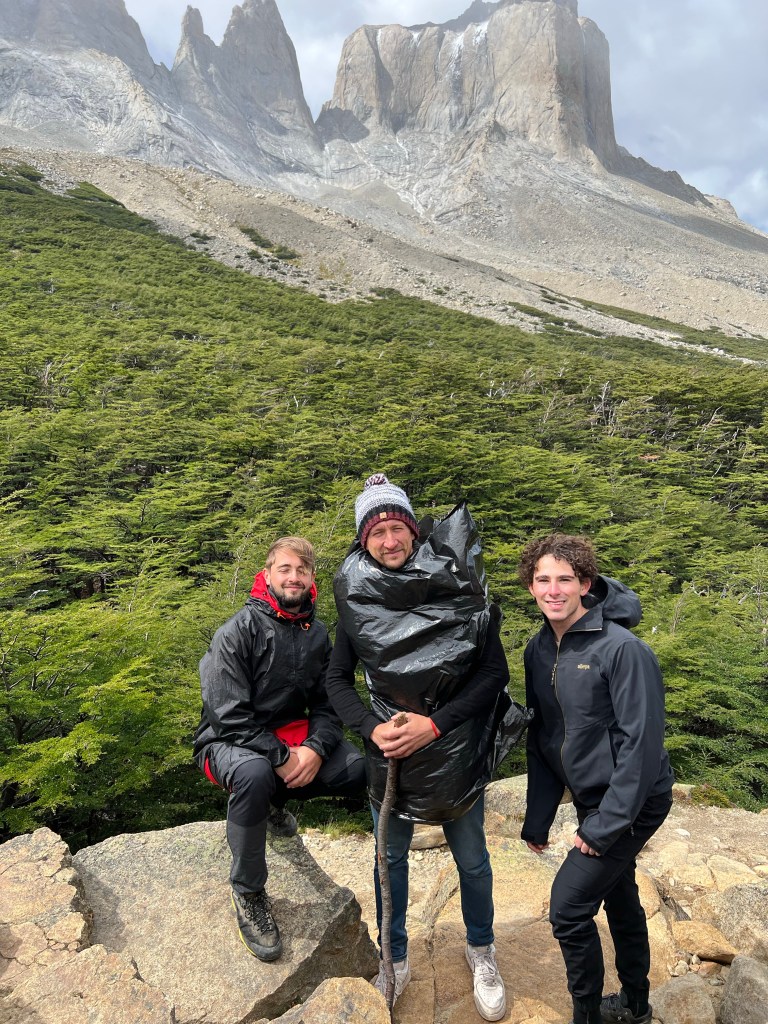
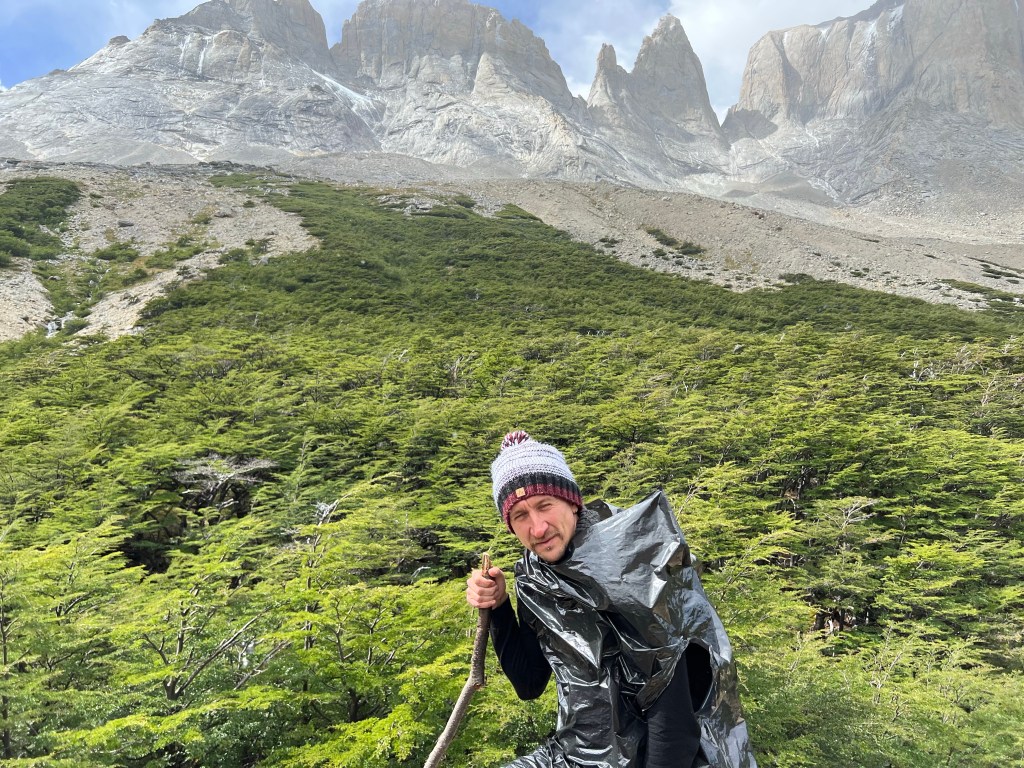
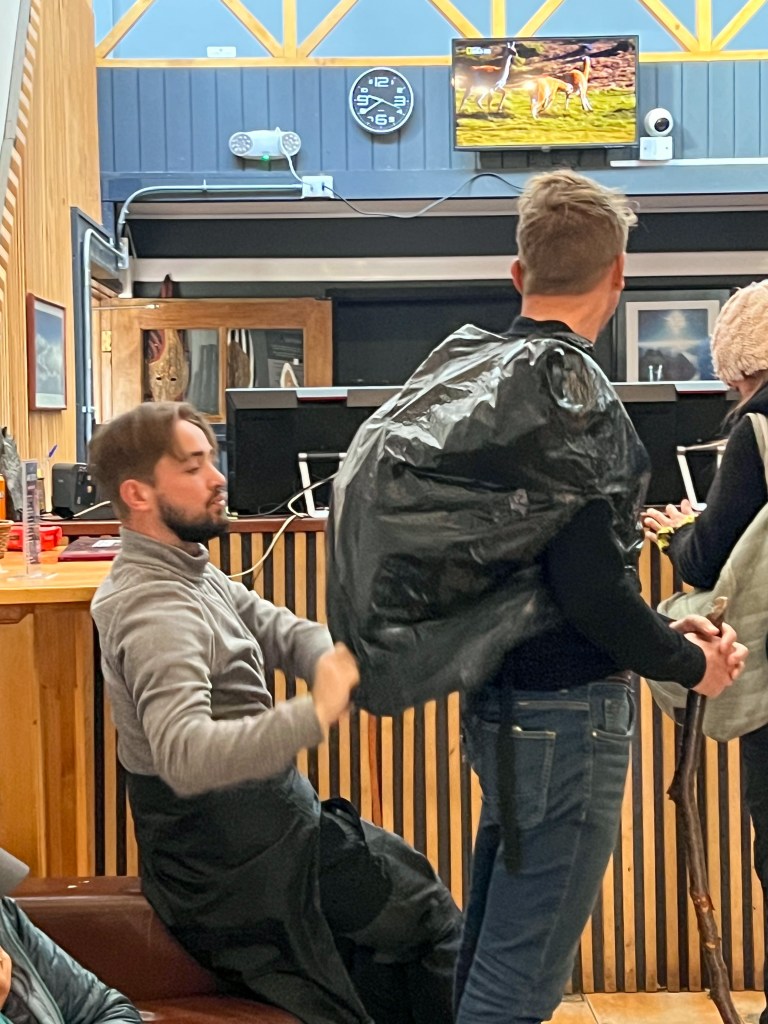
Before I end, I want to give a quick shoutout to Anthony – who hiked the entirety of the W-trek in a turtle-neck, jeans, a pair of nike airs, and a heavy duty trash bag – not once complaining of the discomfort I have no doubt he experienced. He is both a cautionary tale and a shining example of what resiliency can provide.
While I wish I could say I took some time to rest, it was time to go to the Argentinian side of Patagonia – so I went straight to bed for my 8:00am bus the next morning.
See you in the next post, where I’ll describe my time on the Argentinian side of Patagonia.
Sam
 Sam on Sabbatical
Wow. I am exhausted just reading about what you did, Sam!
Ken
LikeLike
Sam,
Patagonia’s high on my list, but even my near daily walking can’t compare with what you did. I’m impressed. On the other hand, I’d lose a lot of weight!
LikeLike