History was one of my favorite subjects in high school. AP US History (admirably called APUSH) was particularly compelling for me – as it guided us from the formation of the US to 9/11 and the first stages of the US’s wars in the Middle East (this was 2012 after all). Any effort to tell the US’s history faces the challenge of depicting our past in all its complexity while also finding within a shared identity. It’s a difficult ask for our history teachers and often, it results in an embrace of US history as a means to creating national identity and pride. I was fortunate to have an APUSH teacher who did not shy away from the US’s dark past – but often the curriculum emphasized the past tense of events. And to make matters more challenging, by the time we reached modern US interventionism in the latter half of the 20th century, the curriculum had to compete for our attention with the SAT, AP exams, and encroaching summer break. It’s a shame, really, that we don’t take the time to focus on the US’s meddling abroad – as I have grown to see it is key to understanding the events of modern history. What I suspect will become a common trend in my travels appeared starkly during my time in Chile – that American internationalism has played a significant, often deleterious, role in international political history.
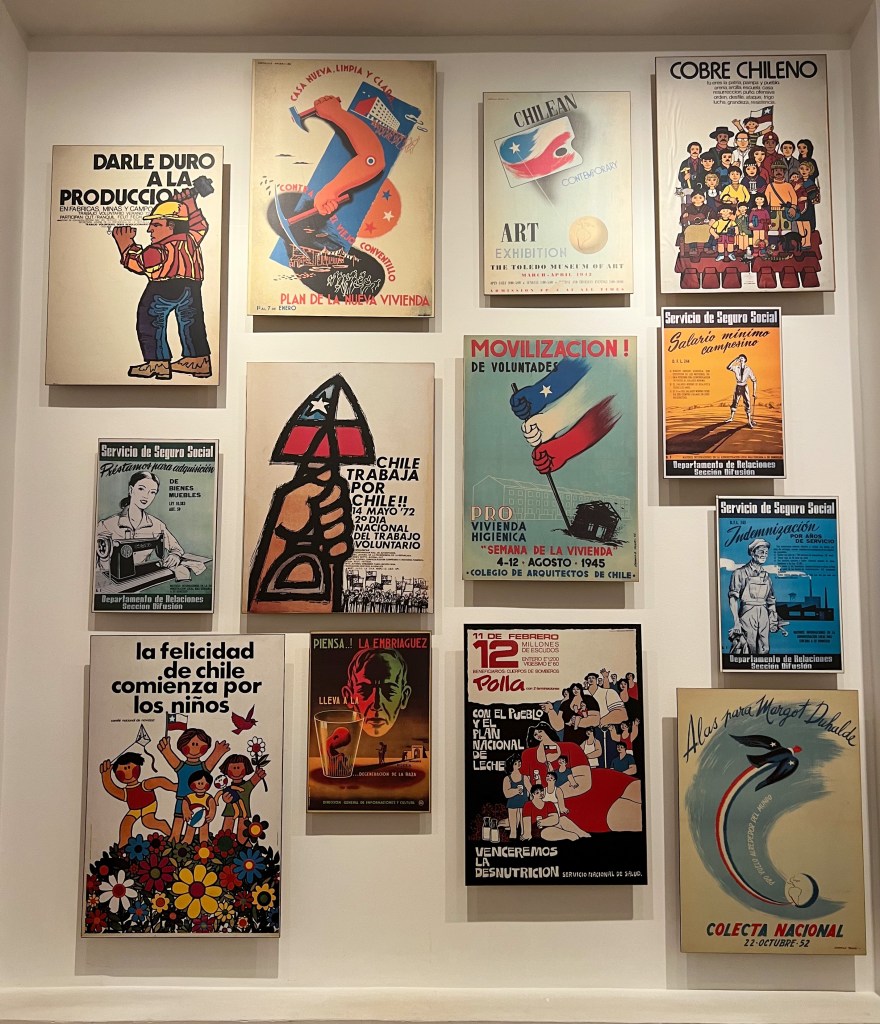
Santiago & the complicated role of US influence
Santiago, the capital and largest city of Chile, is one of the most populous cities in the Americas, the home of nearly 7 million. The city lies in a bowl of the Maipo Valley, surrounded by the Andes Mountain Range that dominates the city’s backdrop.
The area was originally inhabited by the Picunches, who were subject to the Inca Empire throughout the 15th and 16th century. By the mid 1500’s, Spanish conquest reached the valley from Cusco and began to interact with the Picunche people – founding a fledgling town in 1541. While little gold was discovered, the Spanish imperialists found value in the agricultural richness of the land and pledged expansions to the area with the blessing of the Spanish crown. The greatest resistance to Spanish encroachment came from the Mapuche people, who opposed European conquest and colonialism until the 1880’s. During the period of Spanish colonial rule, growth was slow, and Chile was considered the least wealthy realm of the Spanish empire.
Chilean independence from Spain came on the tail of the larger Spanish American independence movement in the 1800’s. Chile won its formal independence following the Battle of Maipú in 1818 – and was recognized by Spain in 1840. The next 80 years of Chilean political history encompasses constitutional organization followed by conservative and liberal eras. By the early 1920’s, emerging middle and working classes transformed the roles and power of both congress and the presidency.
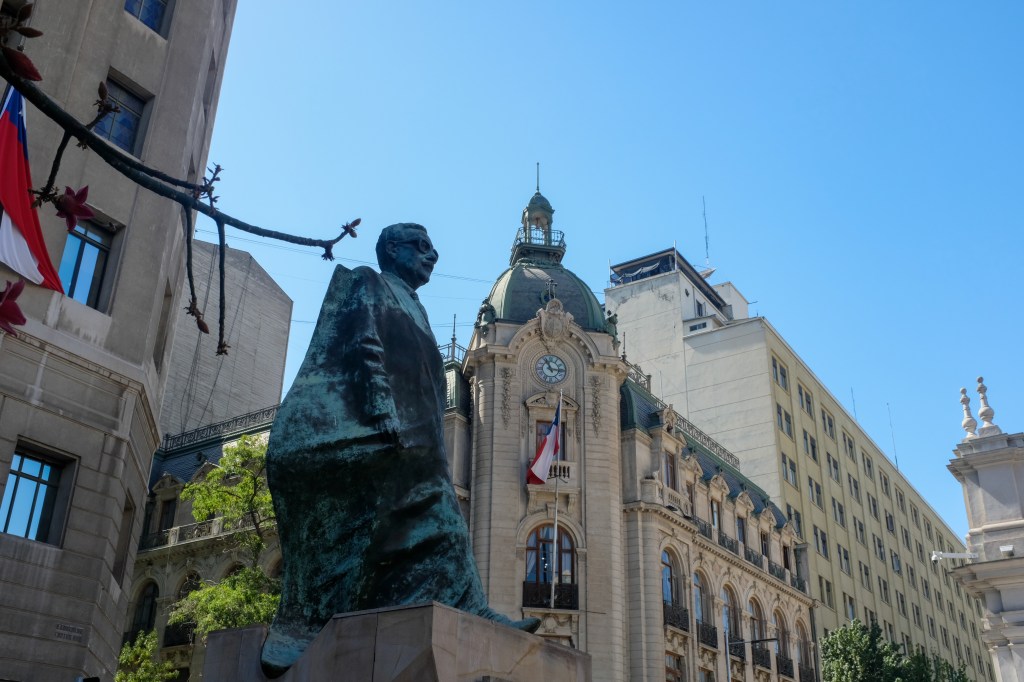
Fast forward to the 1970 presidential election, and Senator Salvador Allende (pictured here), a Marxist physician and member of Chile’s socialist party, won a plurality of votes for his socialist and anti-foreign interventionist politics. This is where the United States comes in.
After WWI, the US replaced Britain as the leading superpower controlling most of Chile’s resources. Throughout much of the 20th century, Chile’s resources, such as copper, were managed and exploited by US capitalist interests. As the Chilean working class demanded improvement to their standard of living, the notion of a leftist government as the solution began to form. Through the 1950’s and 60’s, in an attempt to maintain its control in the region, the US used a variety of strategies such as funding political campaigns and propaganda to deter support for the leftist movement. Opposing Allende’s presidential aspirations, which began in the late 1950’s, the US focused its aim at impeding his success. In 1958, Jorge Alessandri, endorsed by the US for his liaises z-fair policies, won the Presidency. Under pressure from the US, Alessandri reduced tariffs, causing the Chilean market to be overwhelmed by American product. Resulting in poor economic conditions for the country’s working class, Chileans demanded a change, rallying in the 1961 congressional elections that resulted in a significant blow to Alessandri’s US-backed policies.
In 1964, Allende was again a top contender for the Presidency. The US, who feared Allende would revert Chile into Communism, used the CIA to covertly spent $3 million campaigning against him. Clandestine aid to Allende’s top opponent, Eduardo Frei Montalva, was put forward through JFK’s Latin American Alliance for Progress, which promised $20 billion in assistance to Chile over the course of the next decade.
By the 1970 Presidential election, support for Allende had grown significantly in Chile, and he won in a run-off from Congress. For the next 4 years, from Allende’s election to the Presidency in 1970 to Augusto Pinochet’s coup and Allende’s resulting death in 1973, the CIA spent $8 million on political intervention. Fearing Chile could become “another Cuba”, US President Nixon gave the order to overthrow Allende by all means necessary. On September 11, 1973, Pinochet overthrew the democratically elected Allende, purportedly condoned by the CIA as the agency helped fabricate conspiracies against the Allende government, which Pinochet was then portrayed as preventing.
The following 17 years, Chile was controlled by a military dictatorship lead by Pinochet, characterized by the systematic suppression of political dissent. Over the course of its rule, the Pinochet regime left over 3,000 dead or missing, tortured and imprisoned over 40,000, and drove around 200,000 Chileans into exile.
By 1988, another election condoned by the new constitution constructed under Pinochet’s regime, resulted in the denial of a second 8-year term for Pinochet, despite heavy repression by the dictatorship. Since then, Chile has clawed its way out of foreign influence and has worked to move past the oppression that characterized the 1970’s and 80’s in the nation.
While this story has a somewhat positive ending, the consequences of the Pinochet dictatorship is evident in Chilean society today and the US’s influence is undeniable. It is baffling to me that I have no memory of this history being taught to me during my public school education – and it emphasizes the importance of establishing a better understanding the US’s role in the world – particularly during my trip.
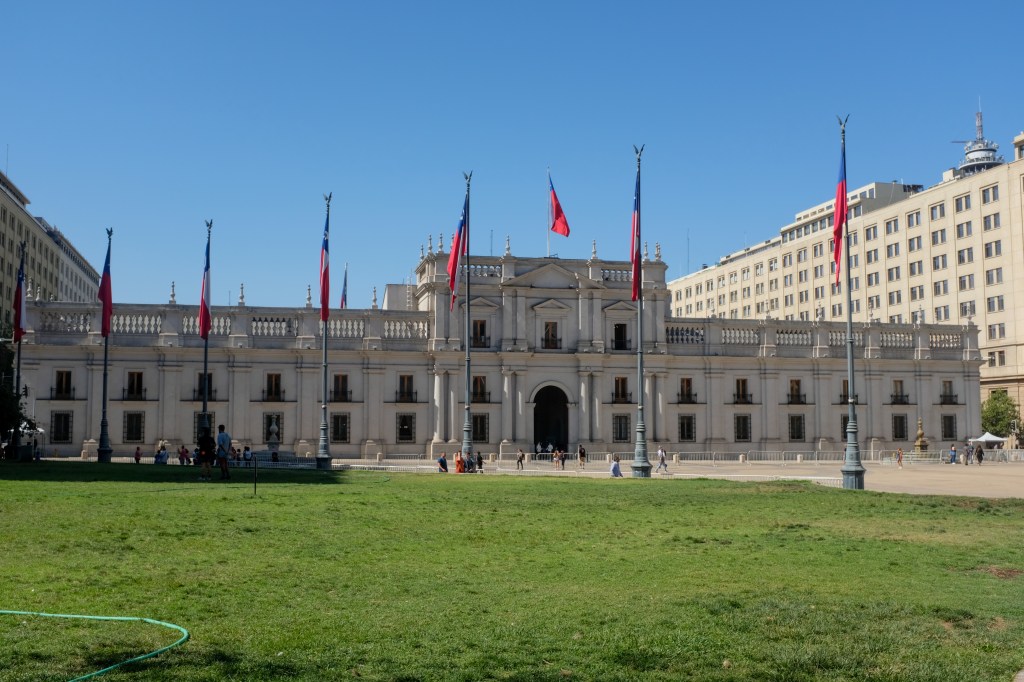
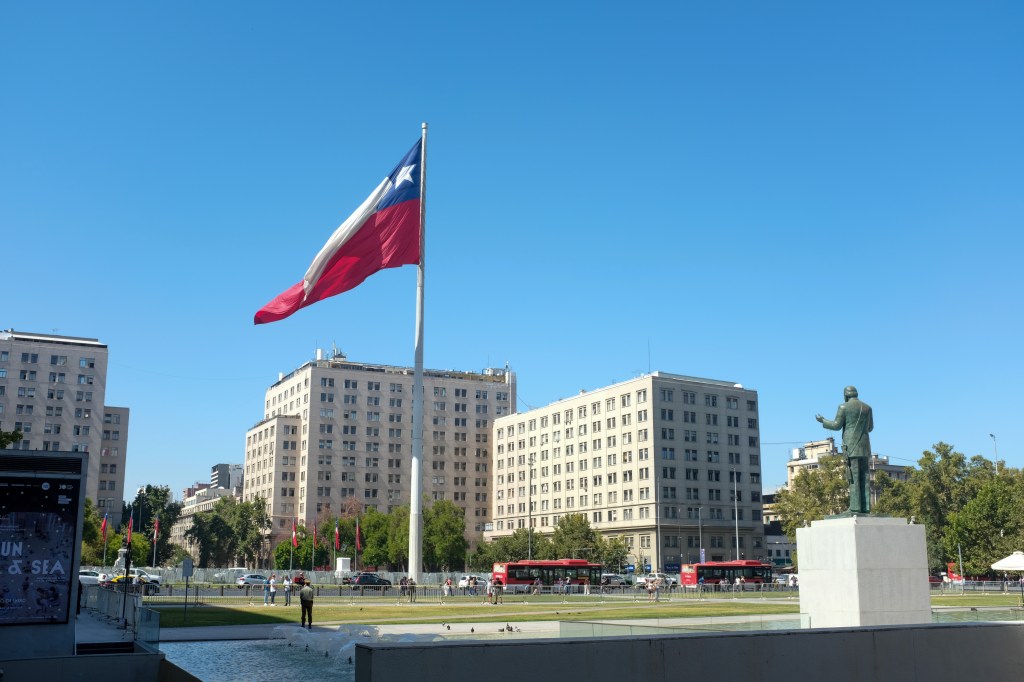
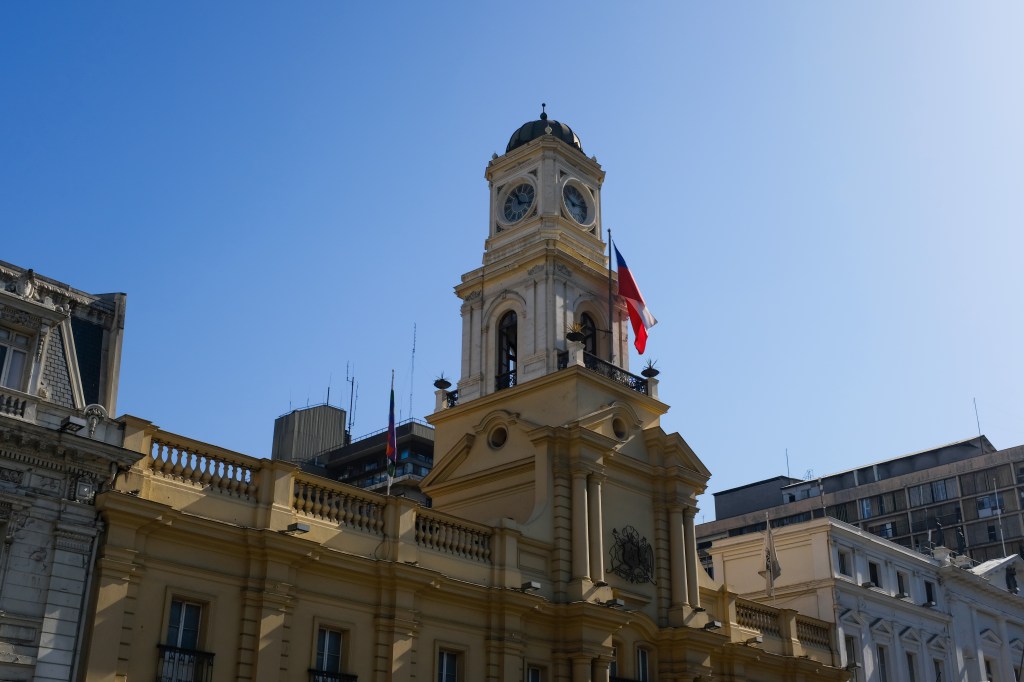
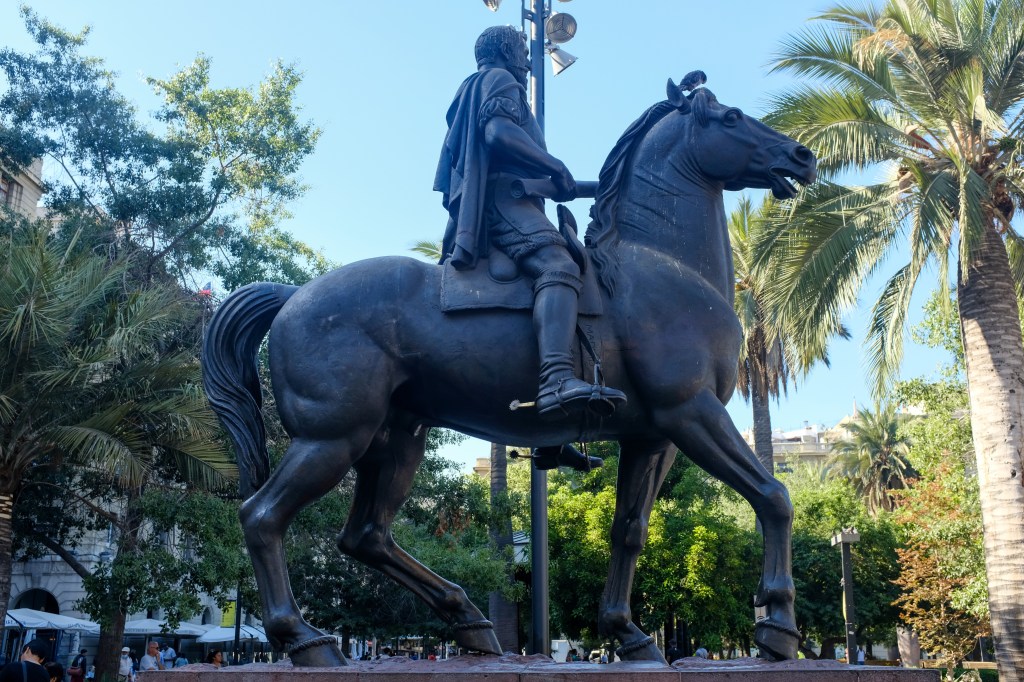
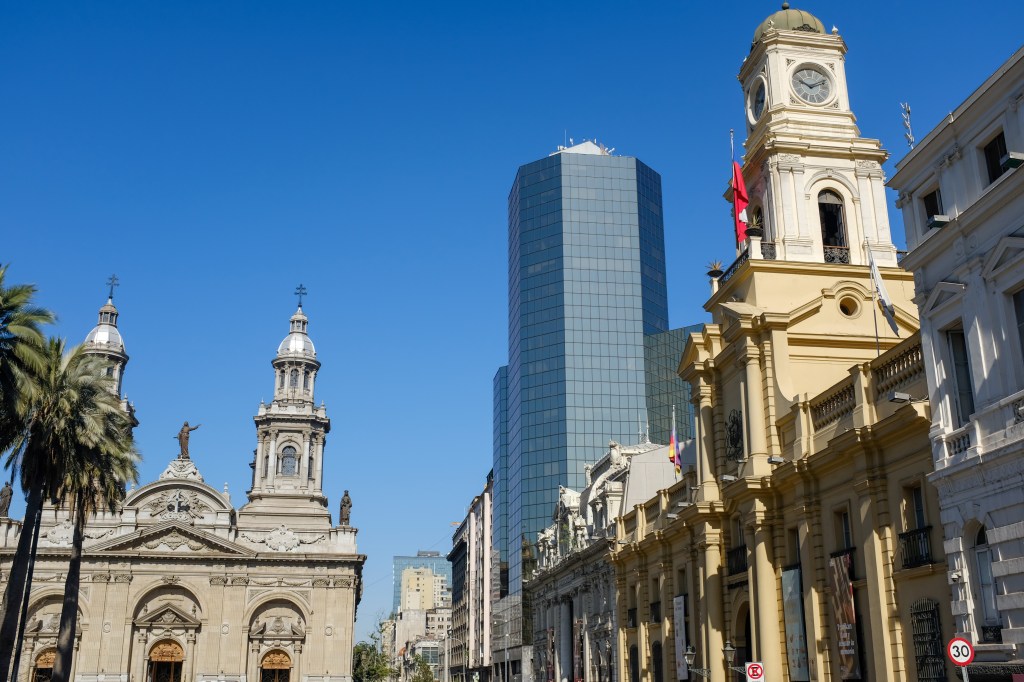
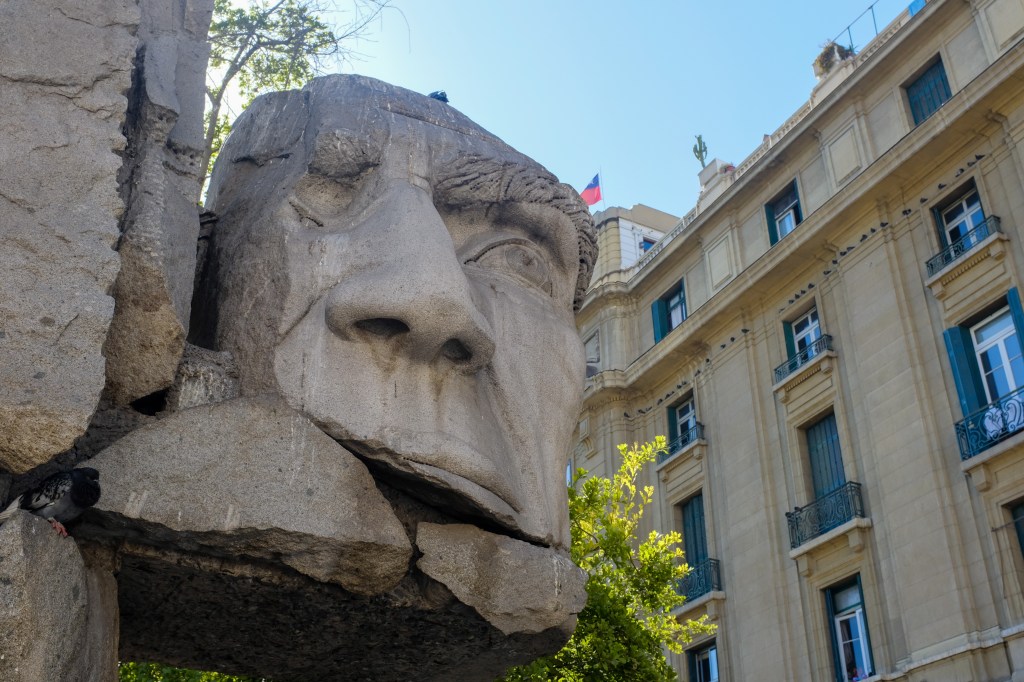
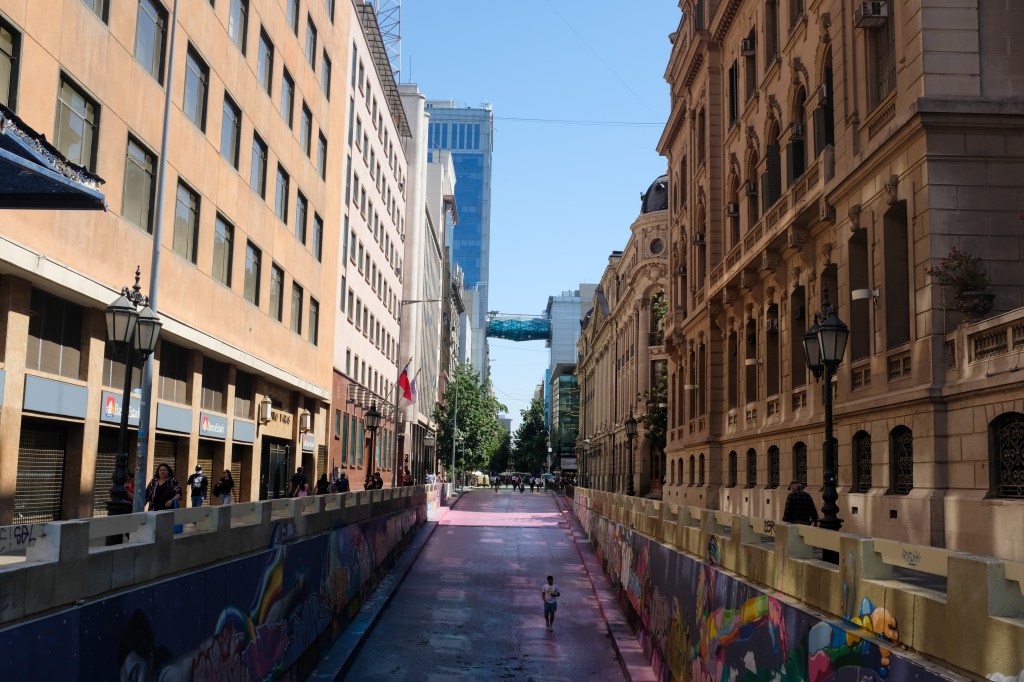
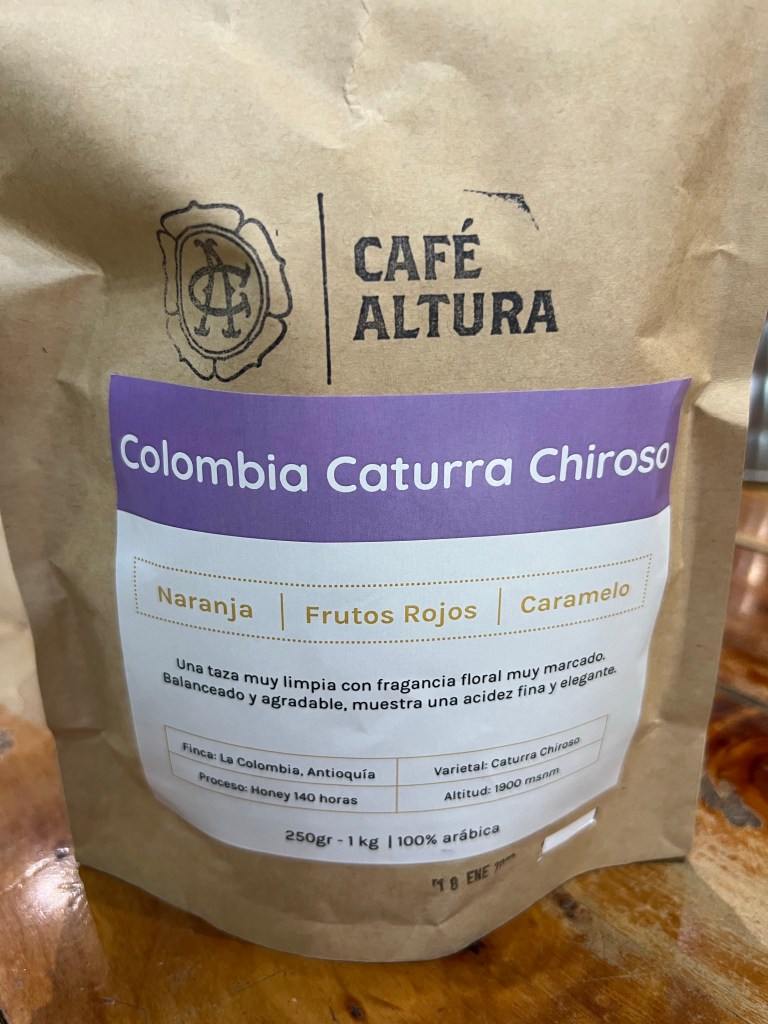
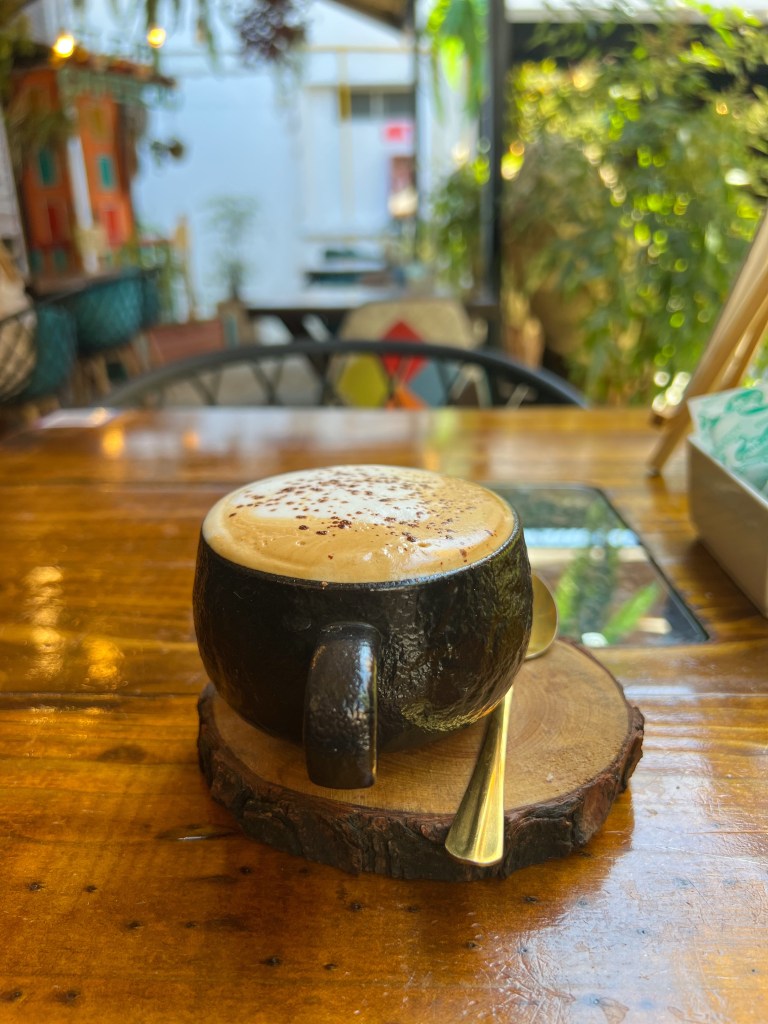
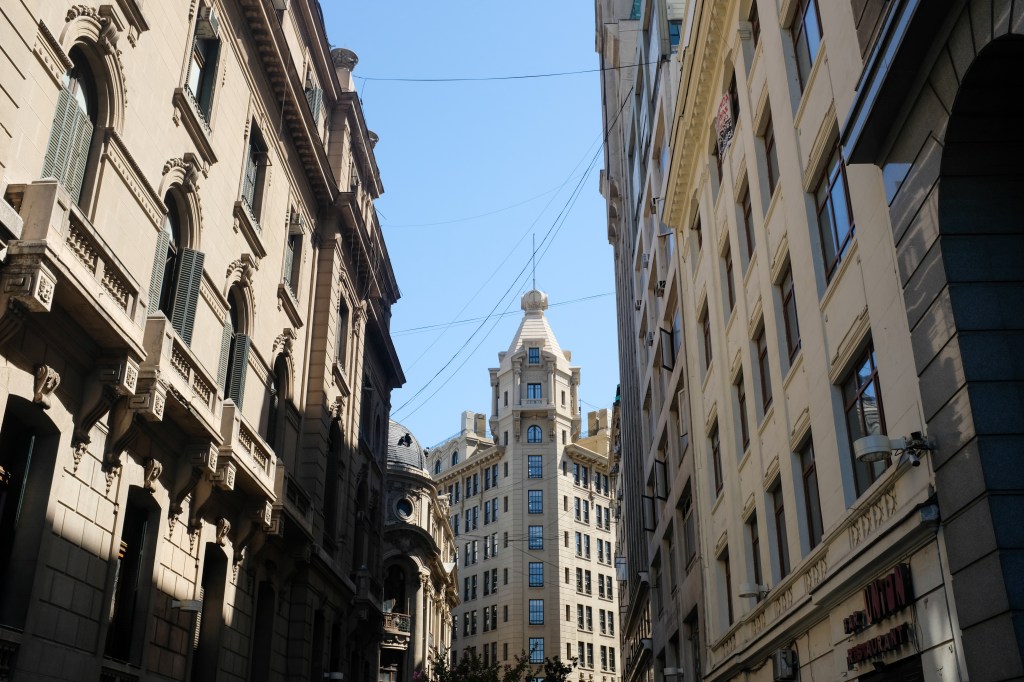
Returning to my time in Chile, I spent my first couple days in Santiago exploring the historical center and emerging myself into the city’s history (and some of the best specialty filter coffee I’ve ever had).
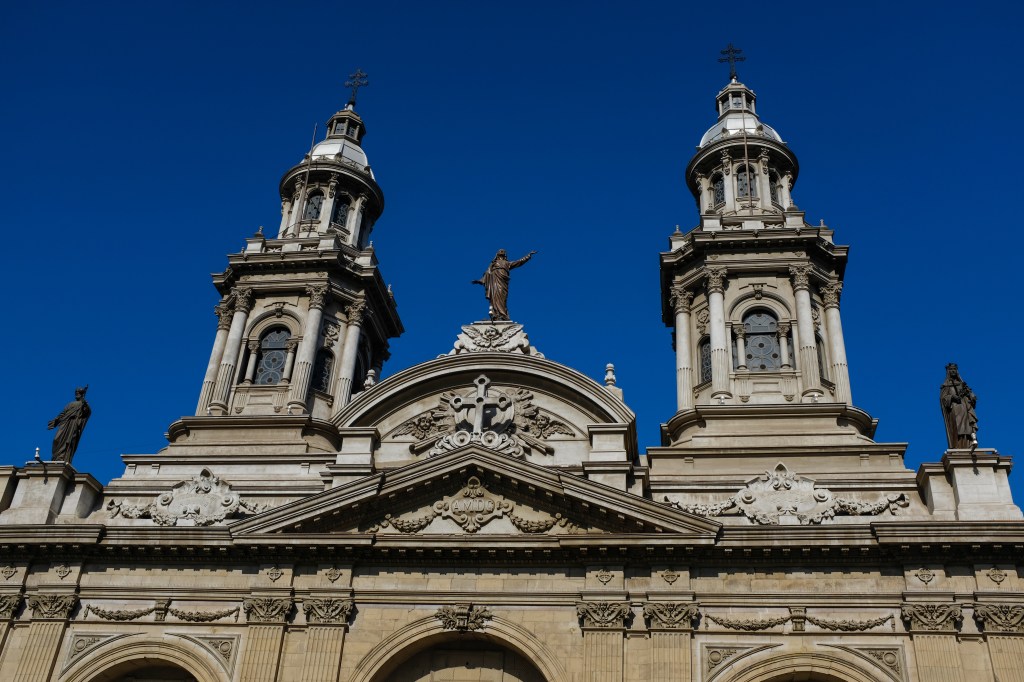
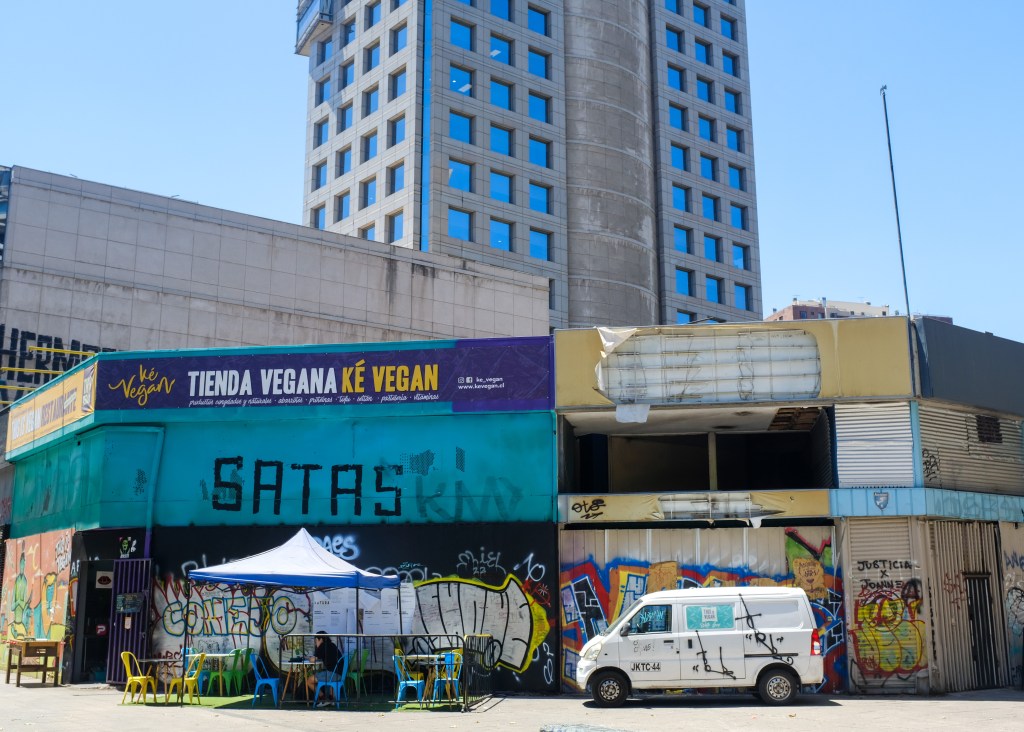
Coffee!
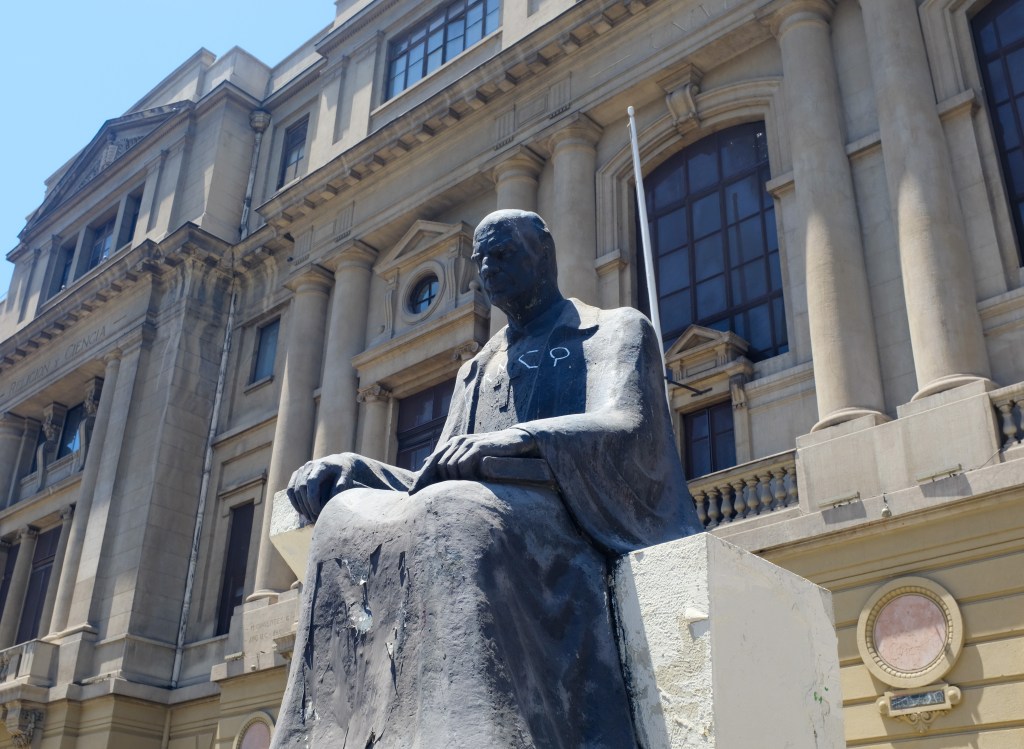
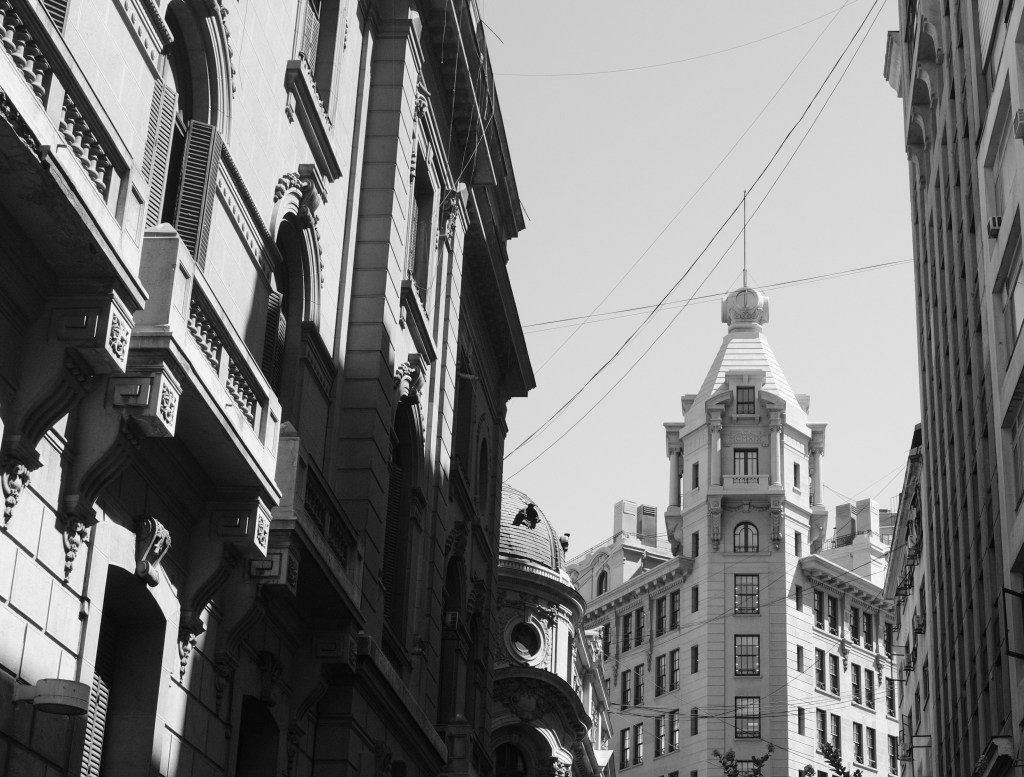
& Santiago’s old financial district!
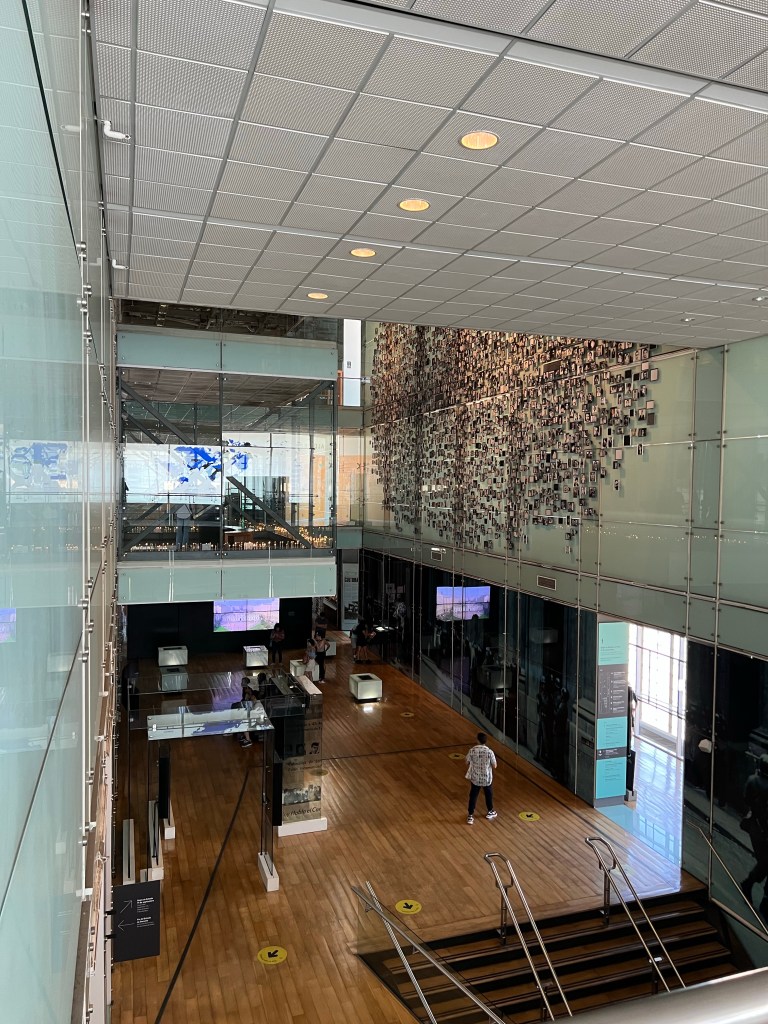
And I visited the Museum of Memory and Human Rights, which tells the story or Chile’s recent history through the Pinochet military dictatorship and commemorates the victims of human rights violations.
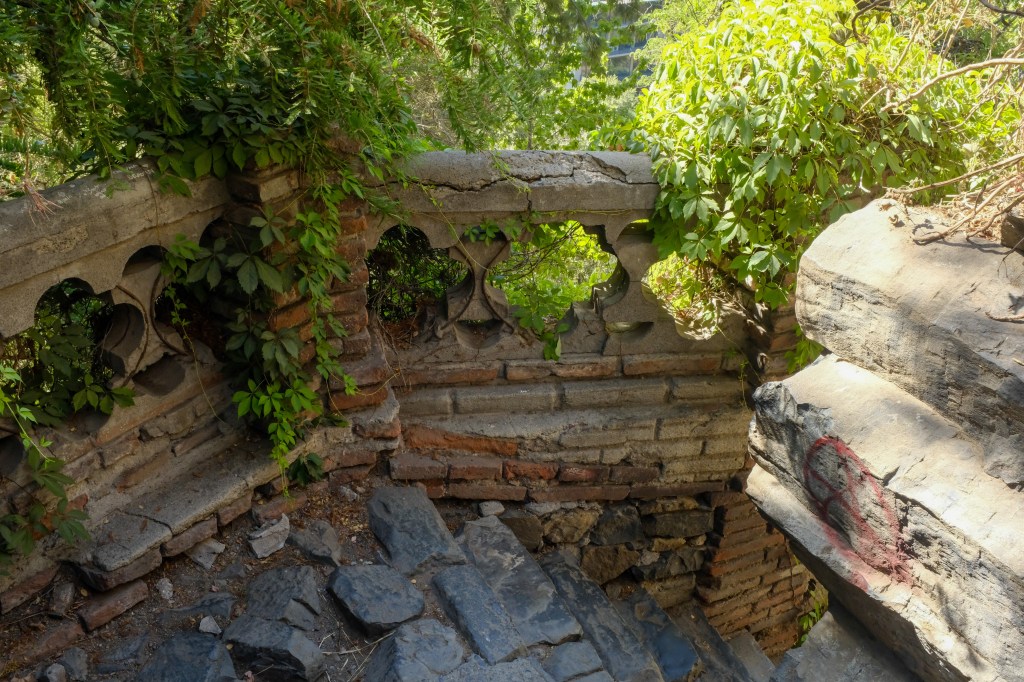
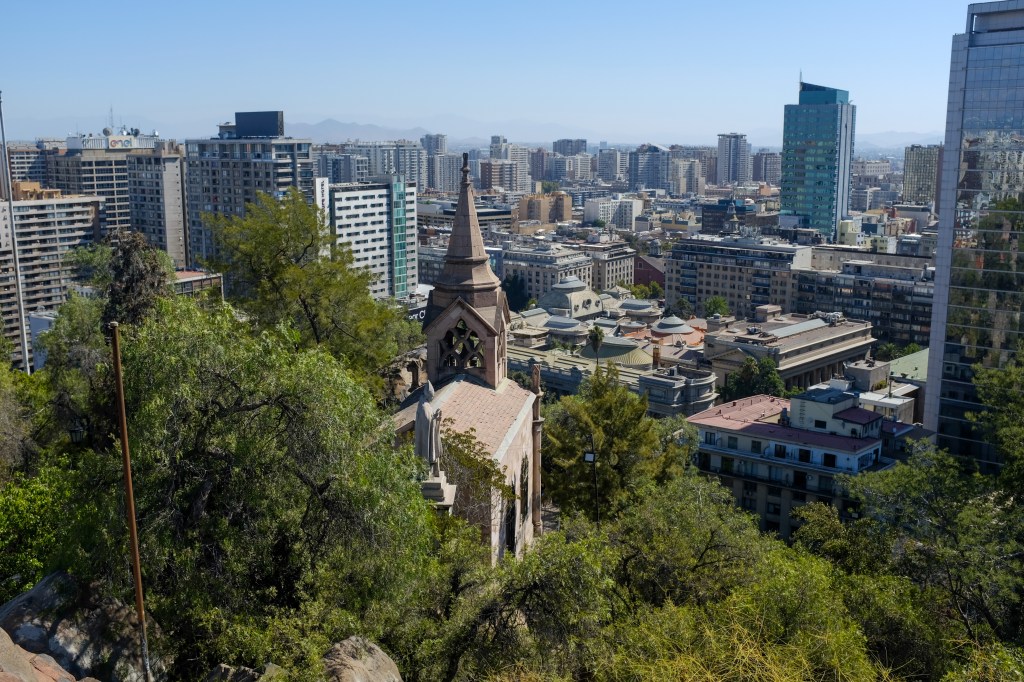
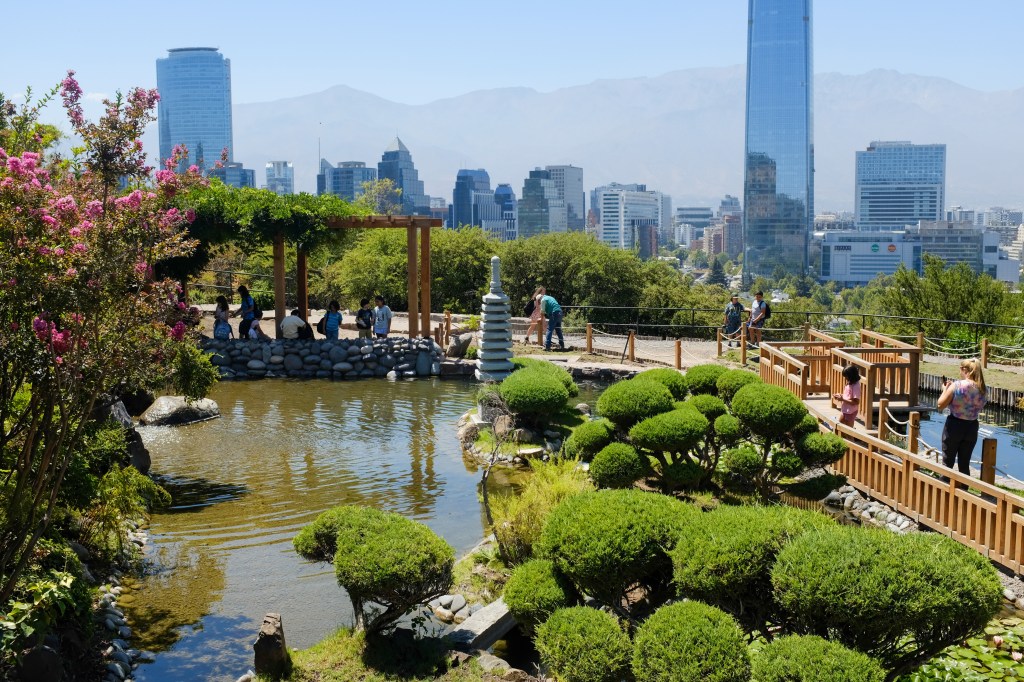
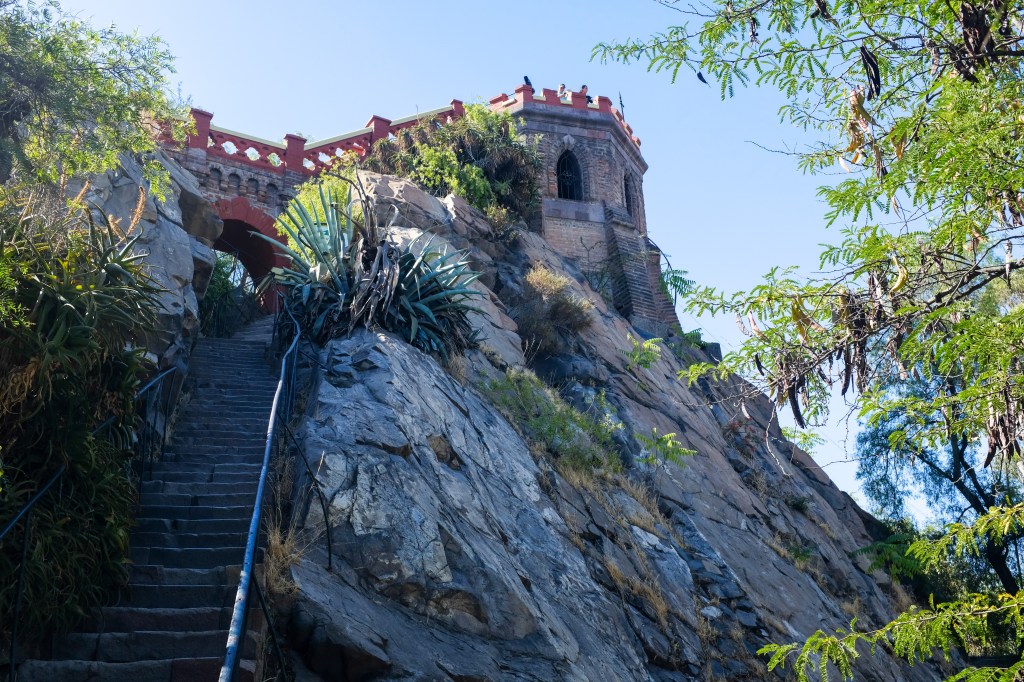
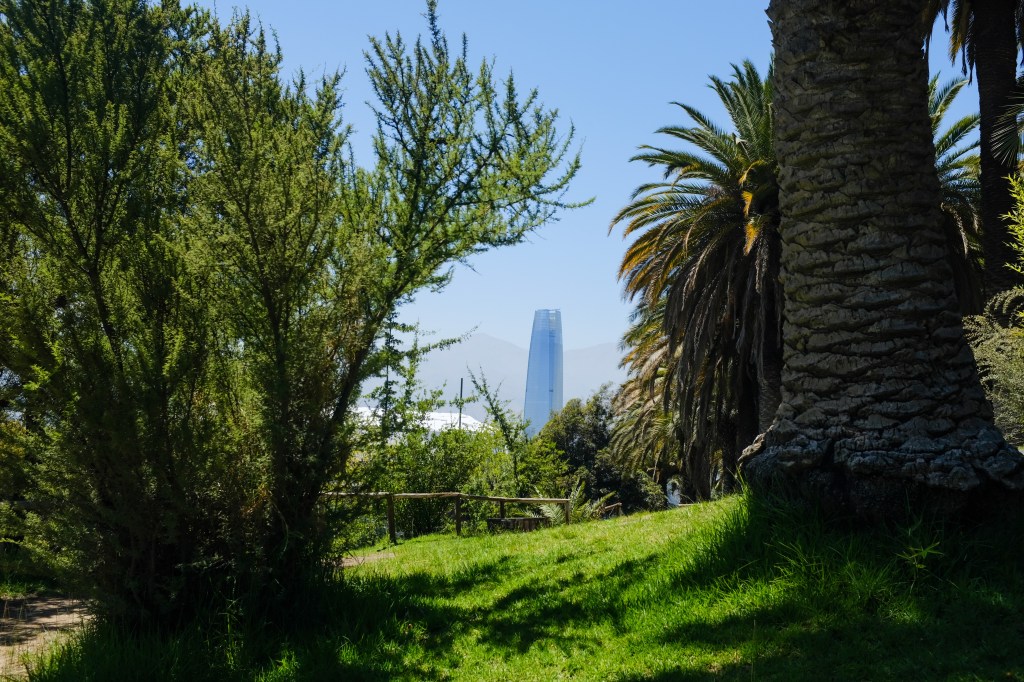
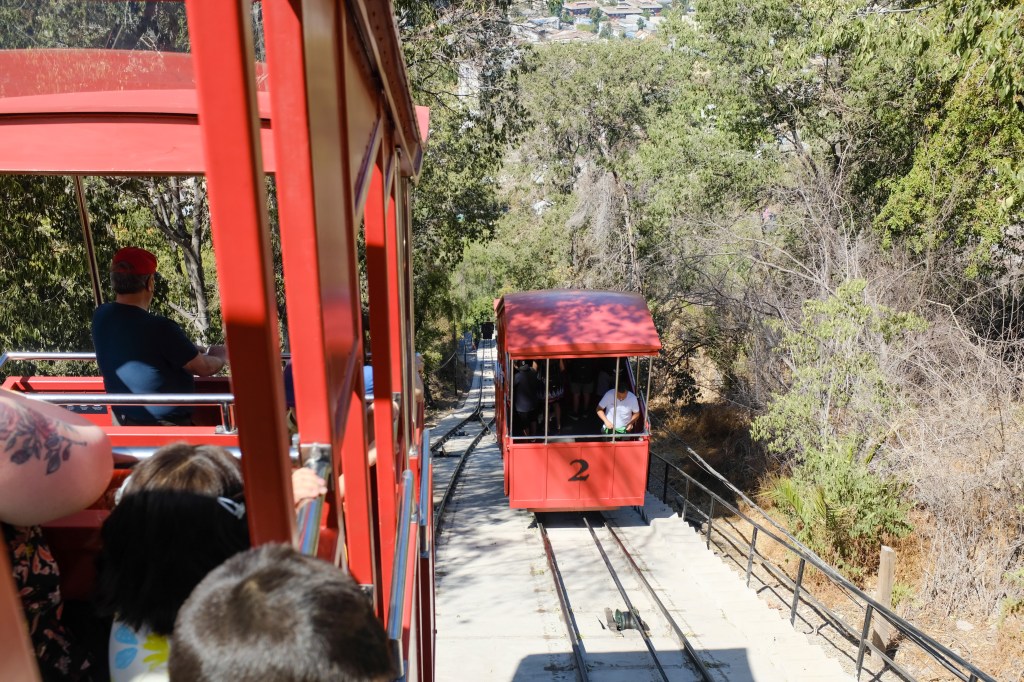
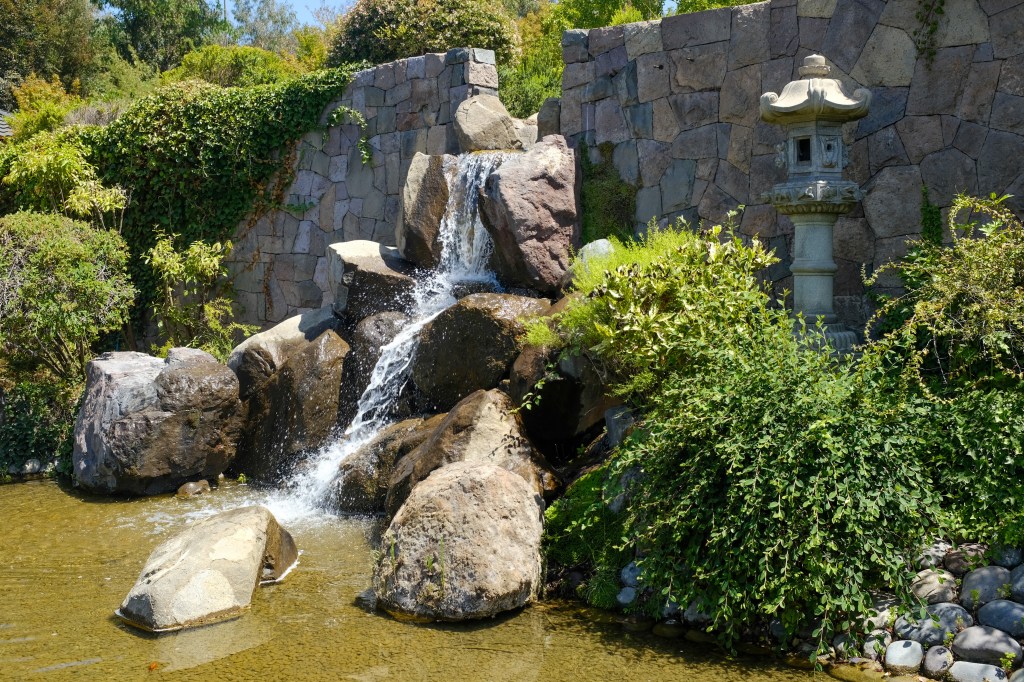
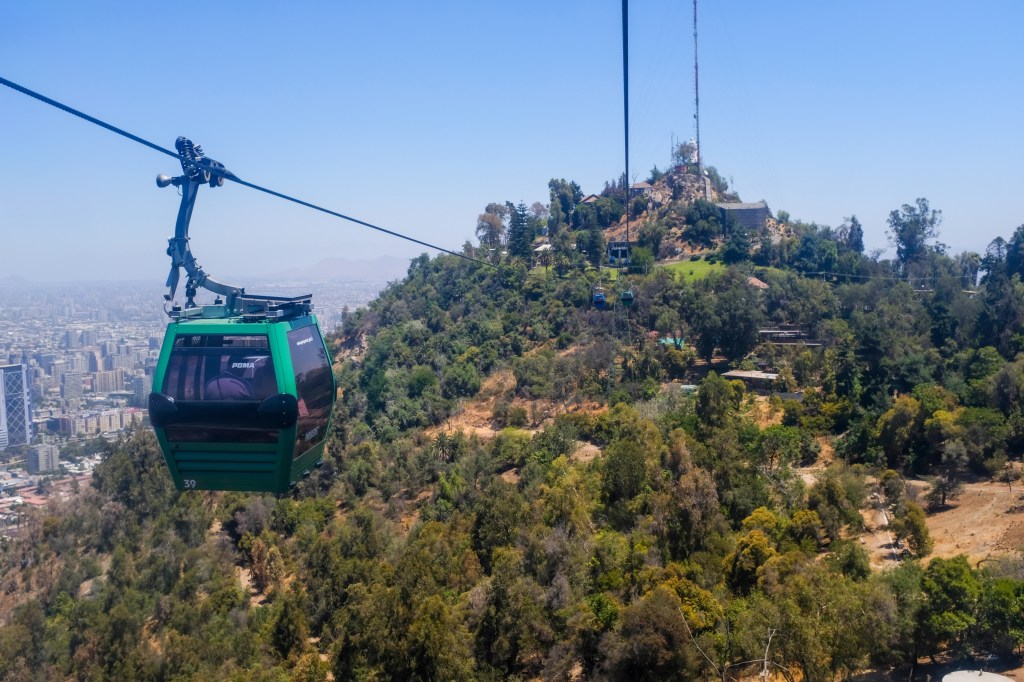
My Australian friend, Laura, and I visited Santa Lucia Park & Cerro San Cristobal
Cajon del Maipo
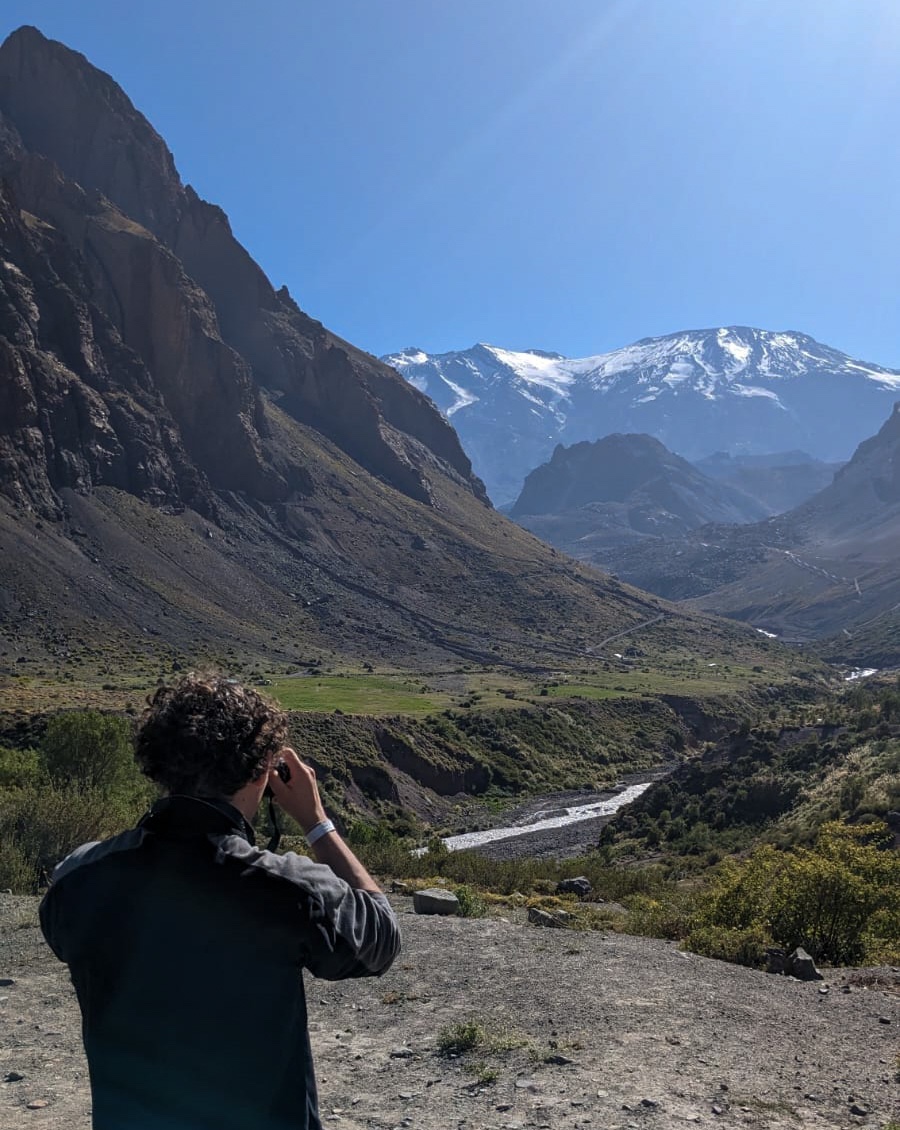
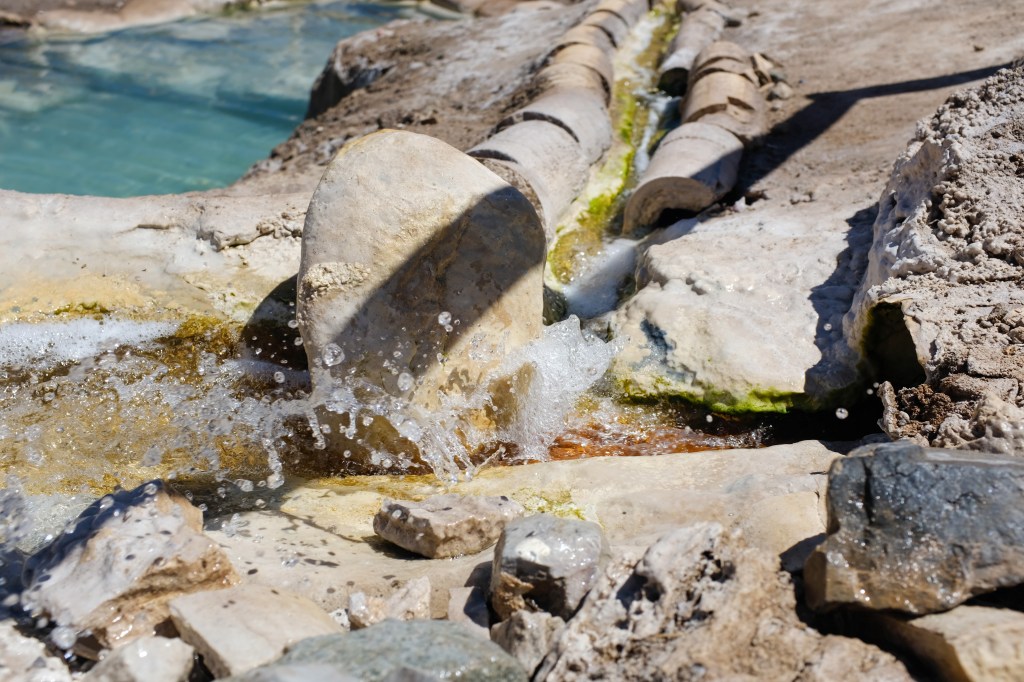
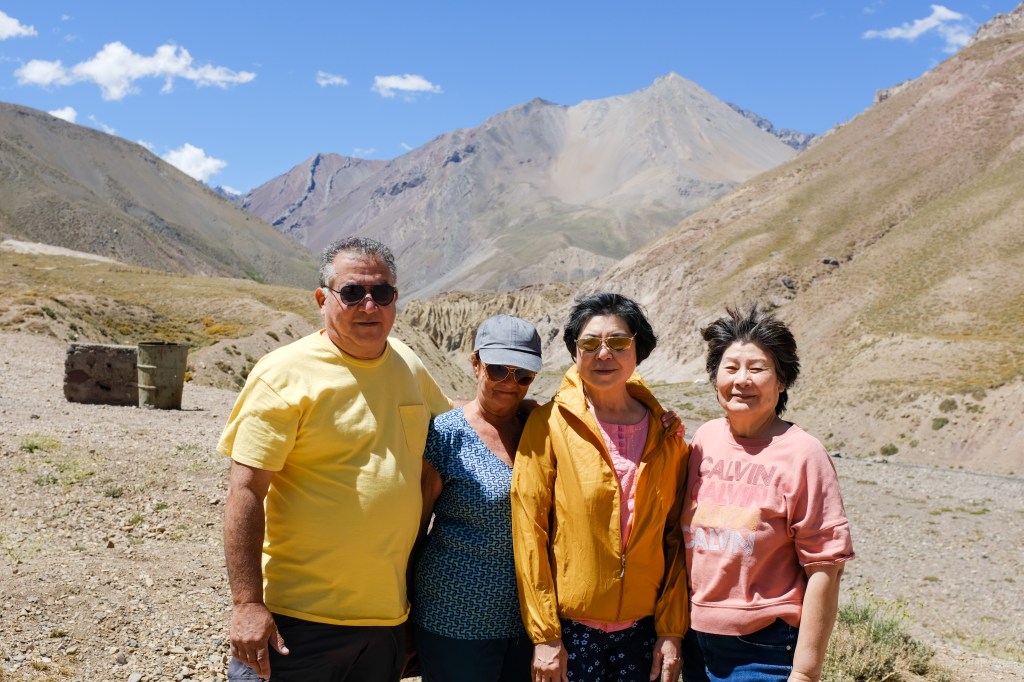
My last day in Santiago, Laura and I took a day trip out to Cajon del Maipo, a gorge southeast of Santiago, home to rich bird life (including the Andreas Condor!) and the Banos Morales thermal springs.
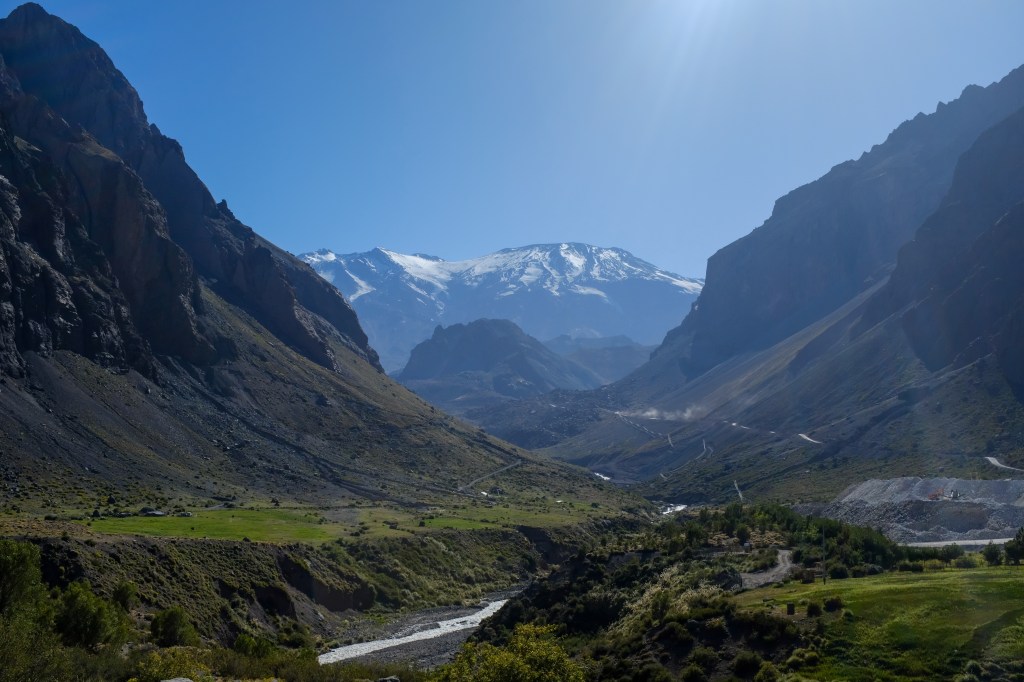
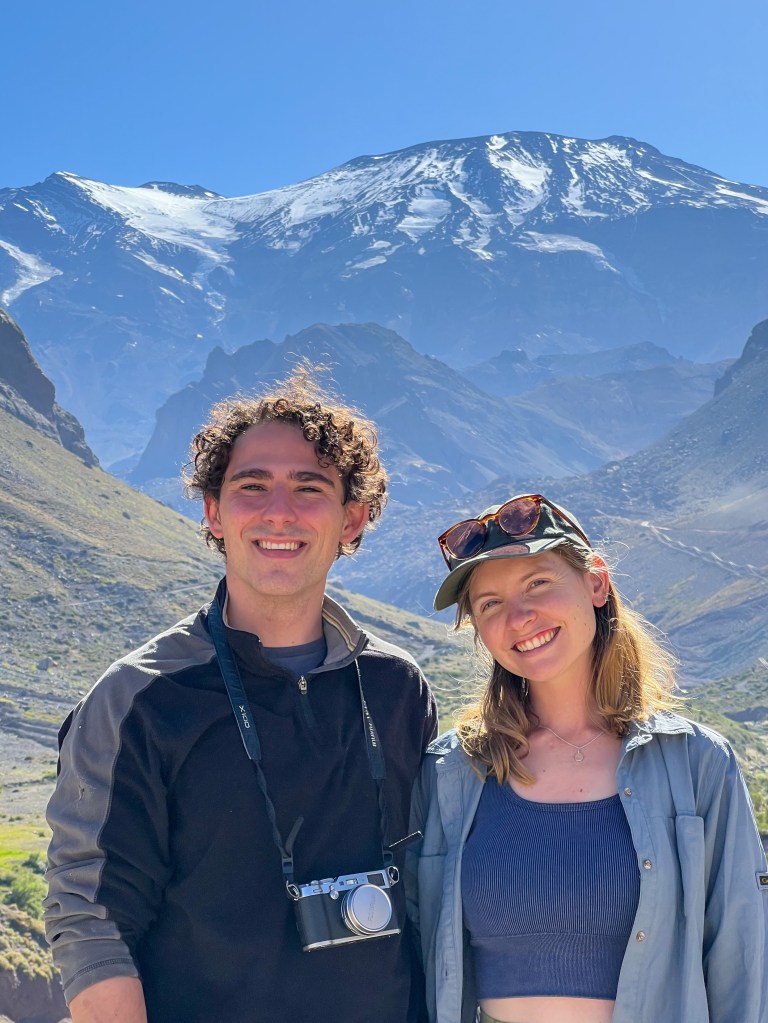
Was the day-trip excursion specifically designed for tourists? Yes. Was it a tourist trap? Maybe… Did we have a ton of fun? Definitely. While not the most authentic experience, this $50 trip was well-worth the 3 hour drive and gave us a taste of what was offered outside of the Santiago.
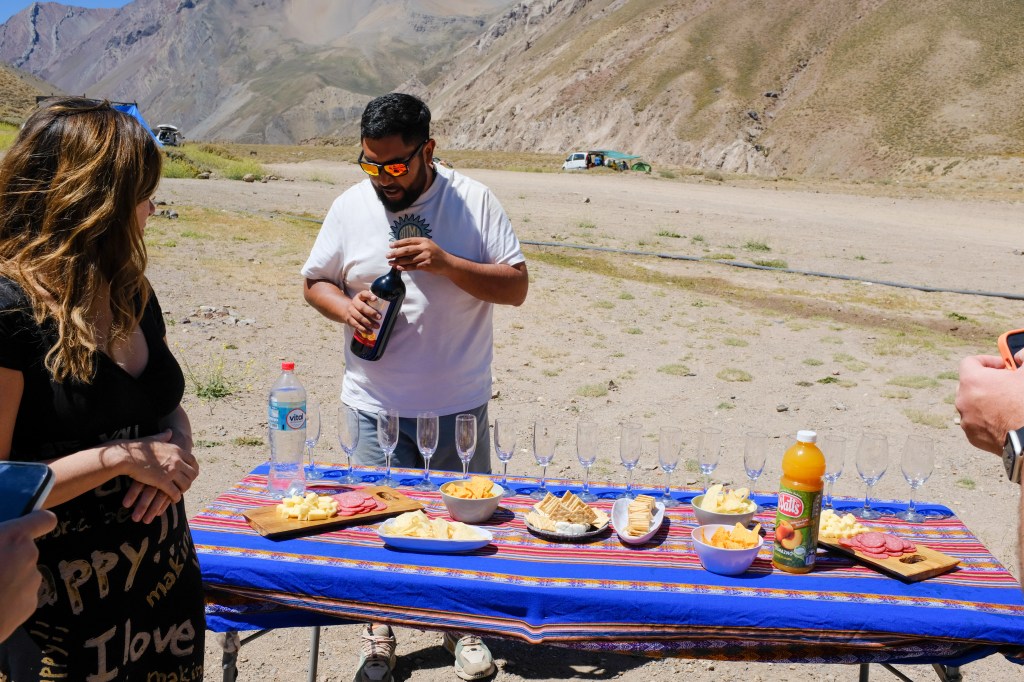

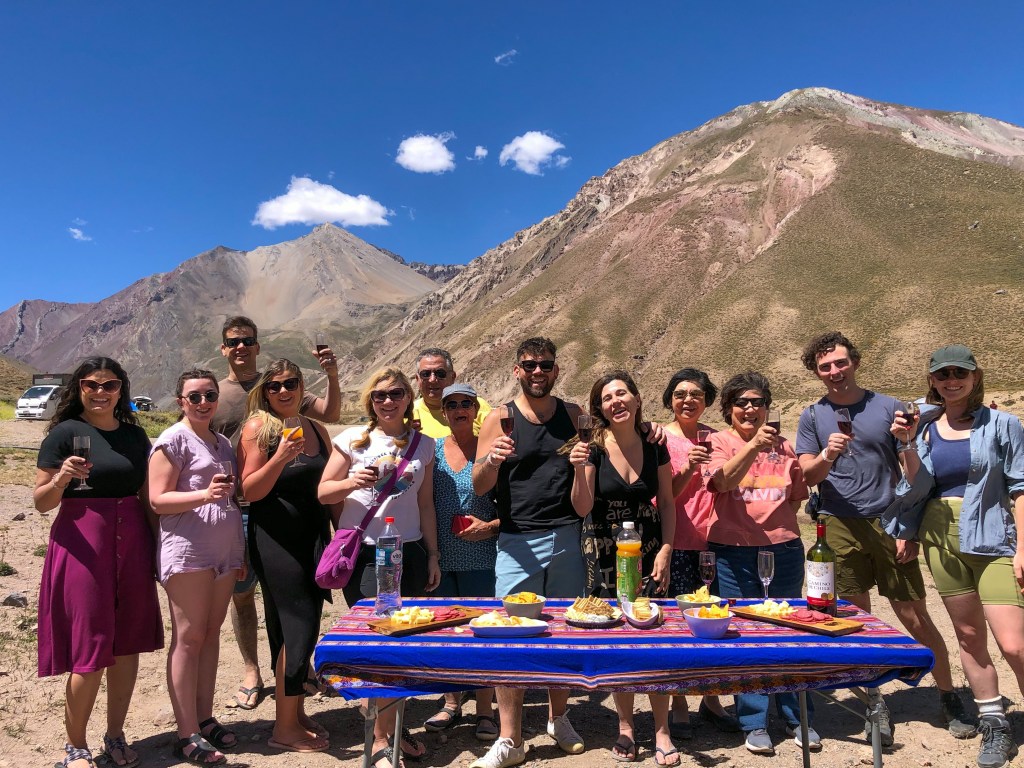
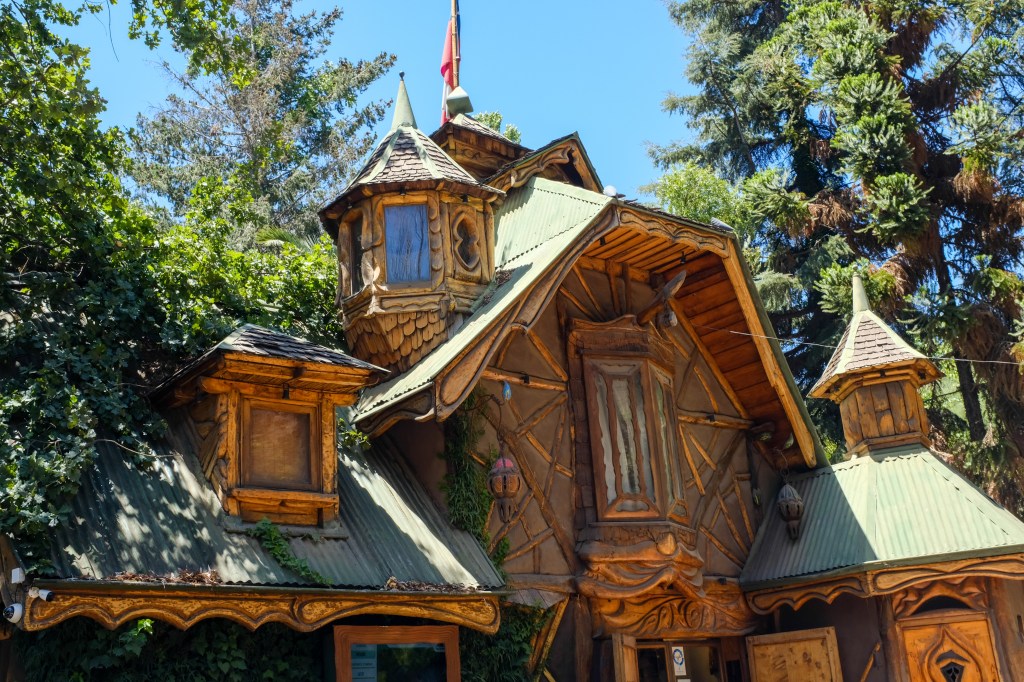
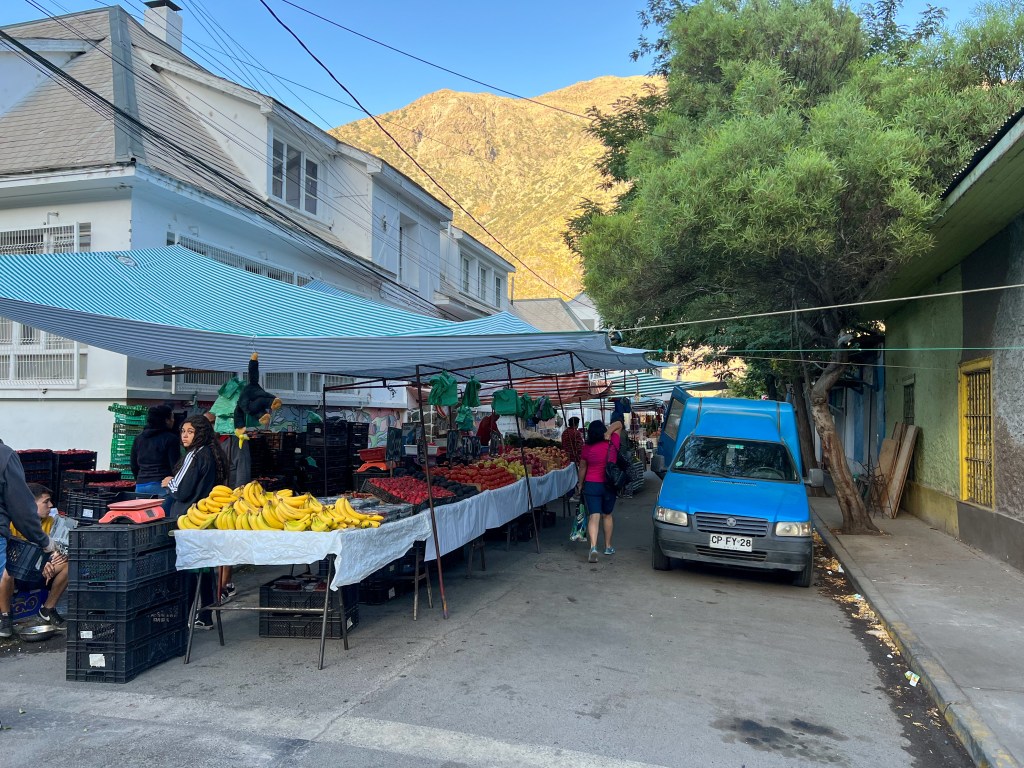
One of the best parts of the tour was when we stopped at a town in San Jose de Maipo where we went to a local farmers market and enjoyed Chilean sopaipillas (pumpkin fried dough), salsa, and french press coffee at a cafe called Jennies’s Cafe Luterario.
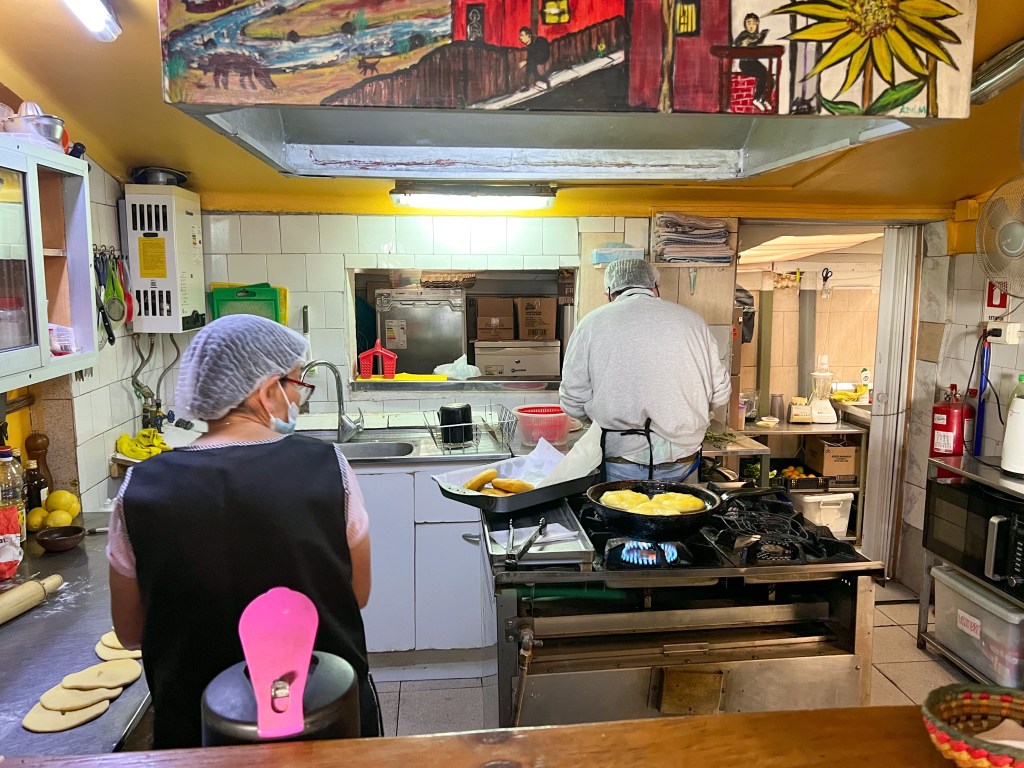
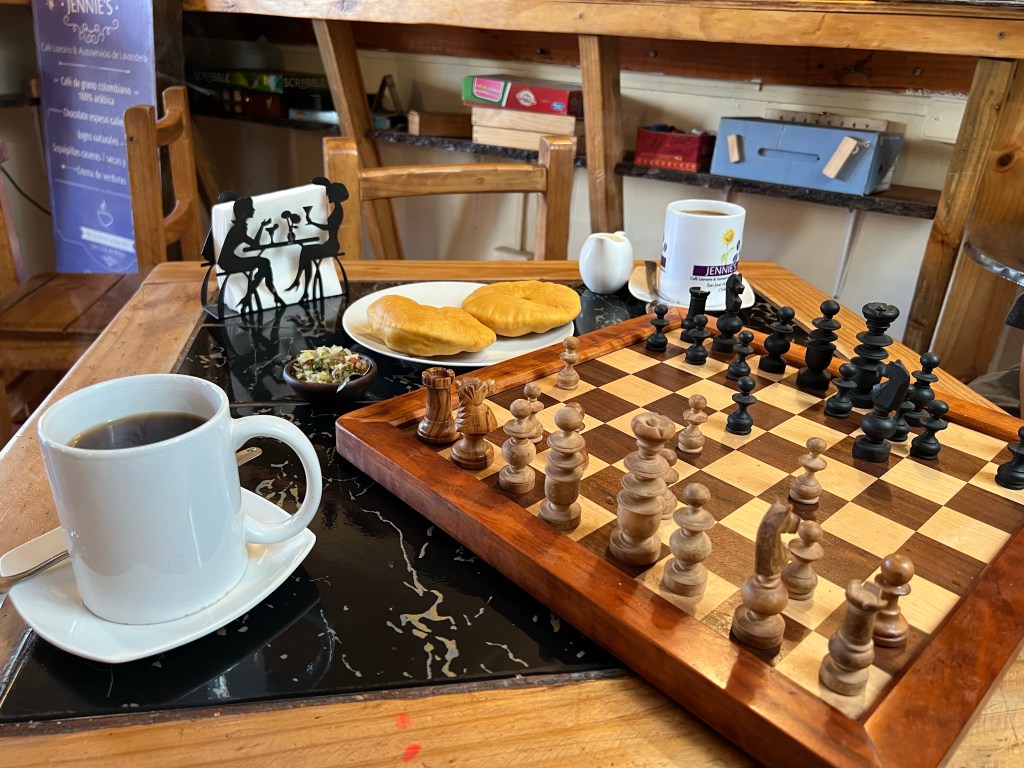
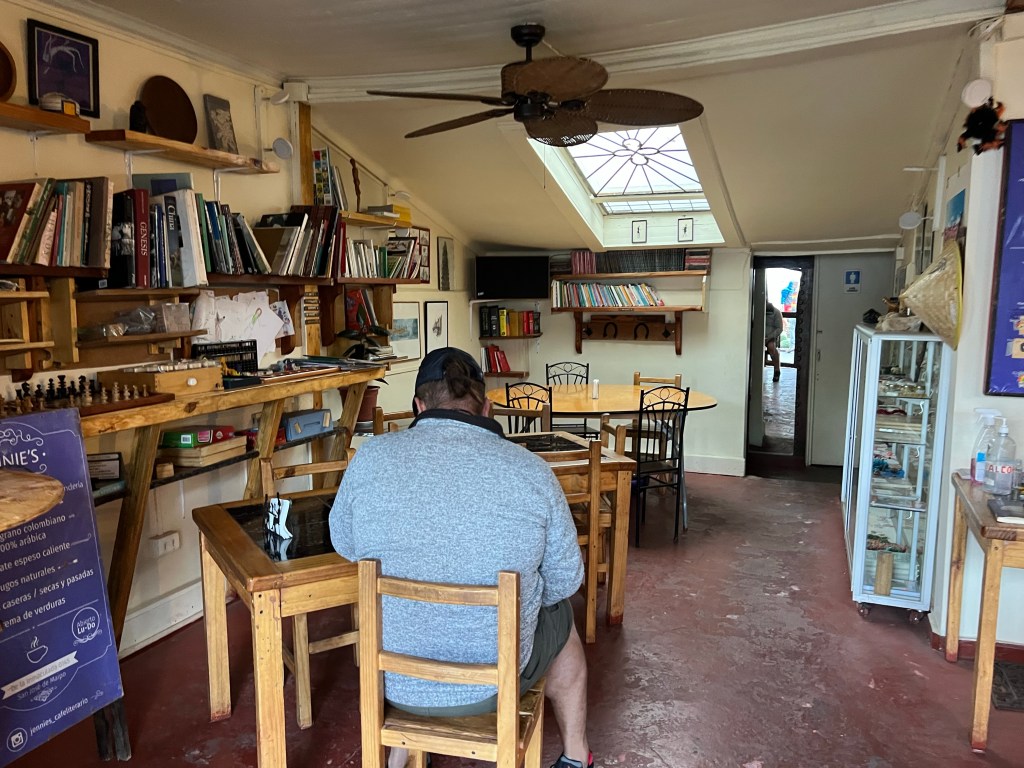
At the cafe, we met one of the owners, Felix Bordallo-Garrido. As we sat and sipped our coffees, we listened as he, unprompted, began to tell us his life story – which he prefaced as long and meandering. While not what I was initially looking for at 8am as I struggled to keep my eyes open following a 5am bus ride, I eventually became quite enthralled by his tale. Whether it was the euphoria produced by the coffee or the power of his storytelling, I am not entirely sure (my guess is it was a mix of both), but over the next hour I was in heaven. Felix told us of his childhood on the outskirts of Santiago, his travels through Europe and Asia – his late marriage to his wife, Jennie (by which his cafe is named after), and her long battle with cancer that eventually led to her passing – he told us of his re-marrying and having kids in the shadow of his loss, and how he balanced moving on and keeping her memory alive. When he finished his story, Felix went to the back of the cafe, only to return and slap a book down in front of me – a book with his name on it. A bolt of fear surged through my body – did I, an obvious tourist, just get swindled into paying for a type of dinner and show that I would get guilted into paying for? Did I let my guard down just to get hit by inflated prices for coffee and doughnuts? Was I going to need to fein Spanish after I had no other choice but to buy his book (we both knew I did not hablo espanol). But fortunately, these biased questions I developed as a traveler (a theme I will discuss another time) – were not accurate. As quickly as he threw the book on my table, he stood up, cheerfully told us he had a flight to Barcelona to catch – and walked out. When I got the bill for my “doughnut and coffee”, it totaled $1.75.
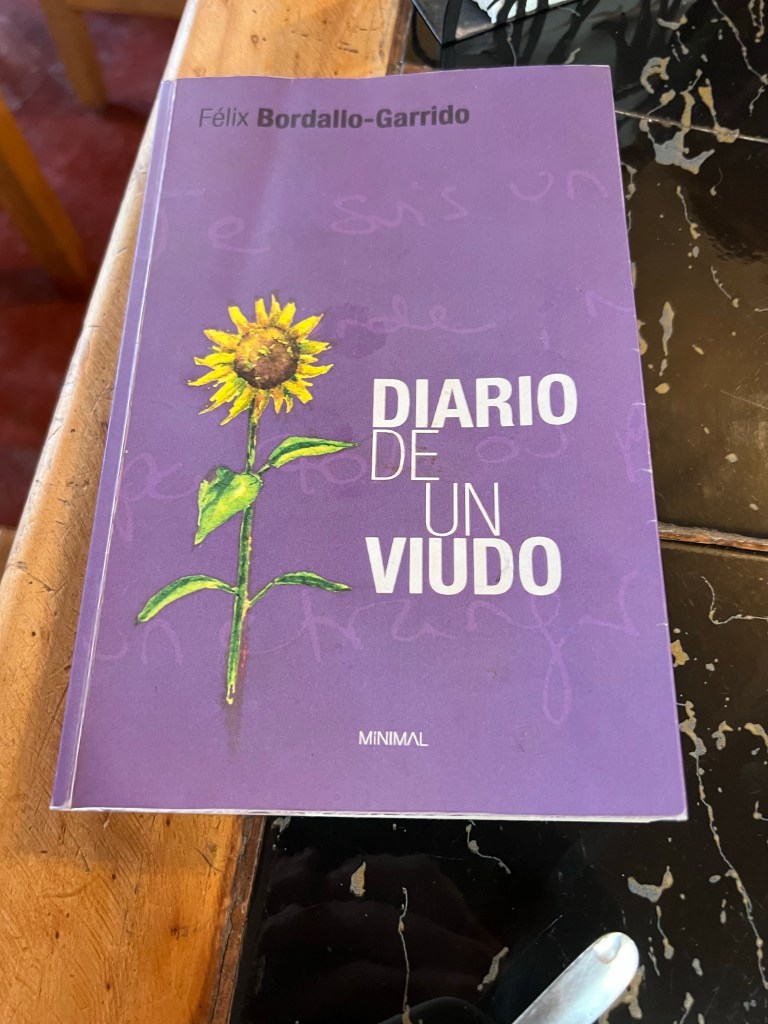
At the end of the day trip, I knew it was time to get out of the hot and chaotic environment of Santiago to a place a bit less stimulating. It was time to go Valparaiso.
Valparaiso – “The Jewel of South America”
Valparaiso – a Chilean coastal city steeped in history; a maze of alleyways full of murals, craft beer, and cafe’s overlooking the ocean. About a 90 minute drive west of Santiago, Valparaiso is a common destination for tourists and Santiaguinos (yes, that’s what they are called) looking to escape the heat.
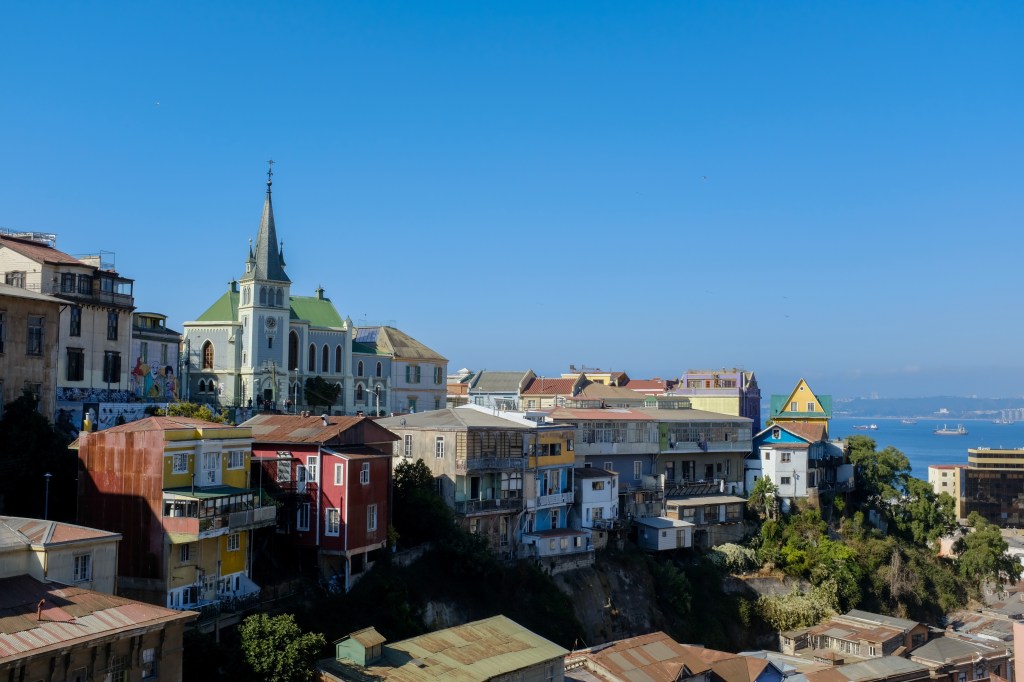
Valparaiso played an important role in the 19th century serving as a major stopover for ships traveling between the Pacific and Atlantic oceans – and it is home to the continent’s first volunteer fire department, the continent’s oldest stock exchange, and Chile’s first public library. In the 20th century, following the opening of the Panama Canal in 1914, the strategic significance of Valparaiso dwindled, diminishing the port city’s economy. Despite nearly 100 years of stagnation, over the last 20 years the city has seen a tremendous revival, attracting tourists, artists, and university students.
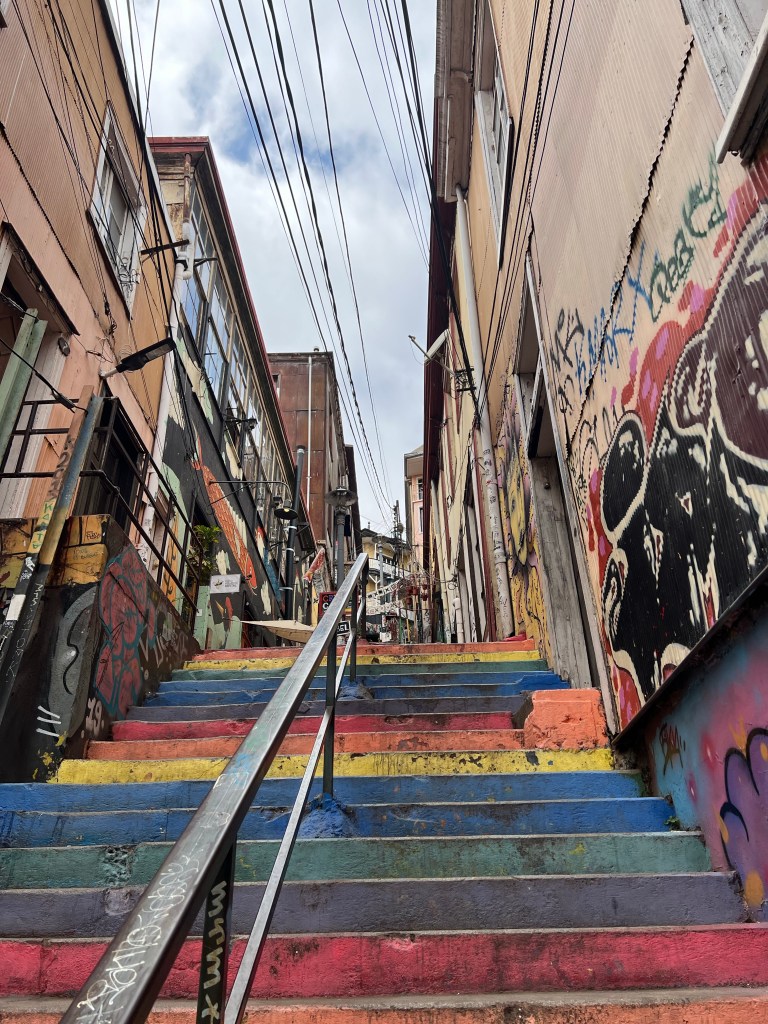
My 2 days in the city began with a walking tour that explored the city’s “tourist” neighborhoods, that offer a labyrinth of cobbled alleys and colorfully-painted buildings.
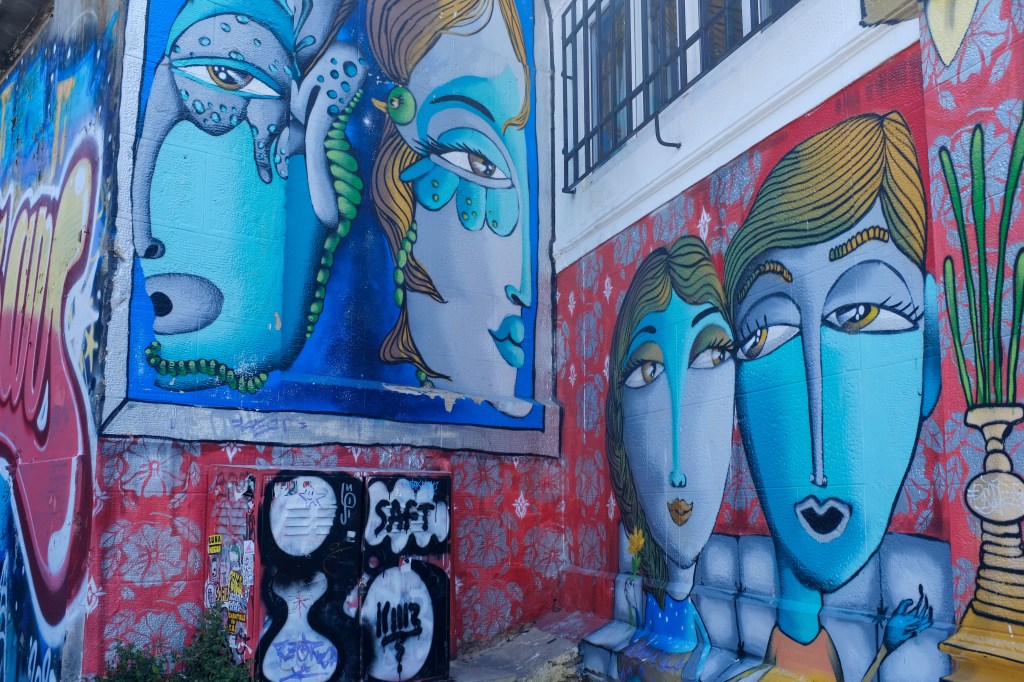
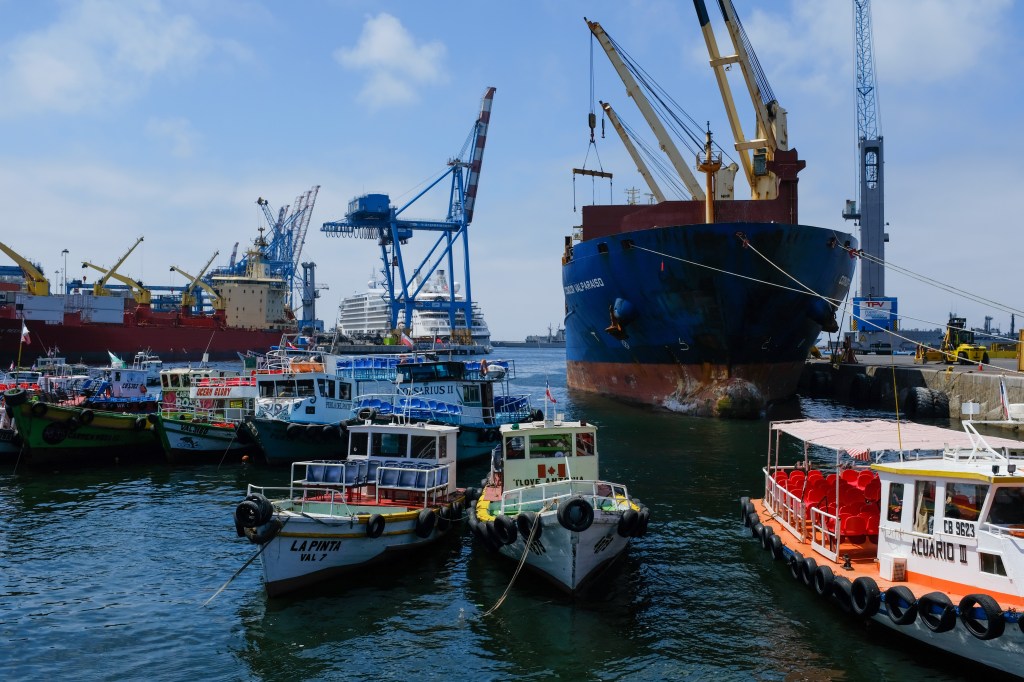
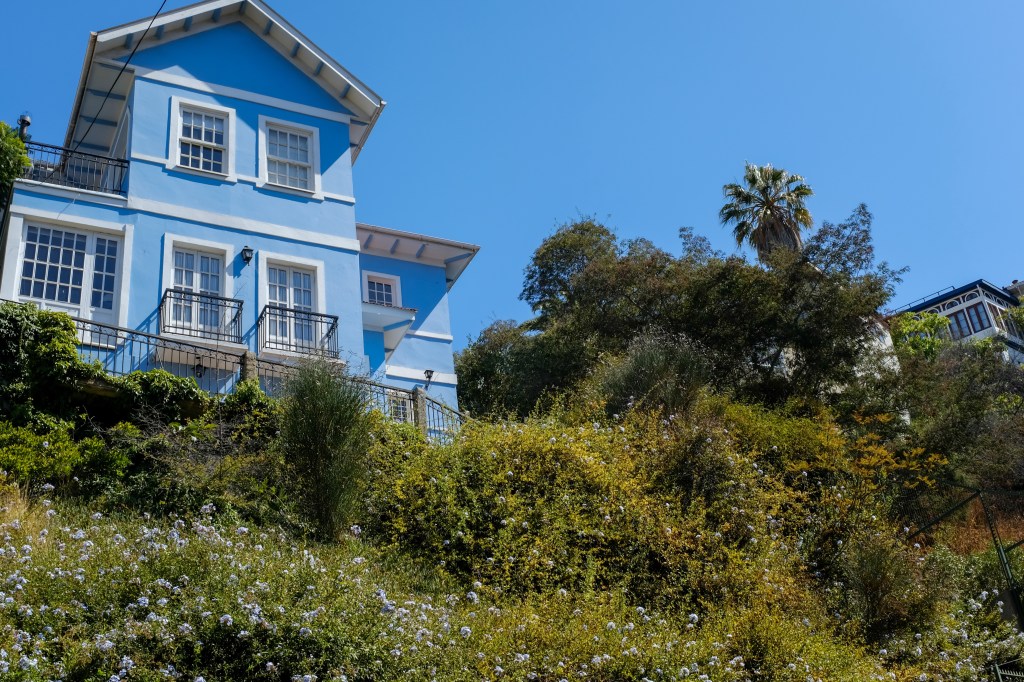
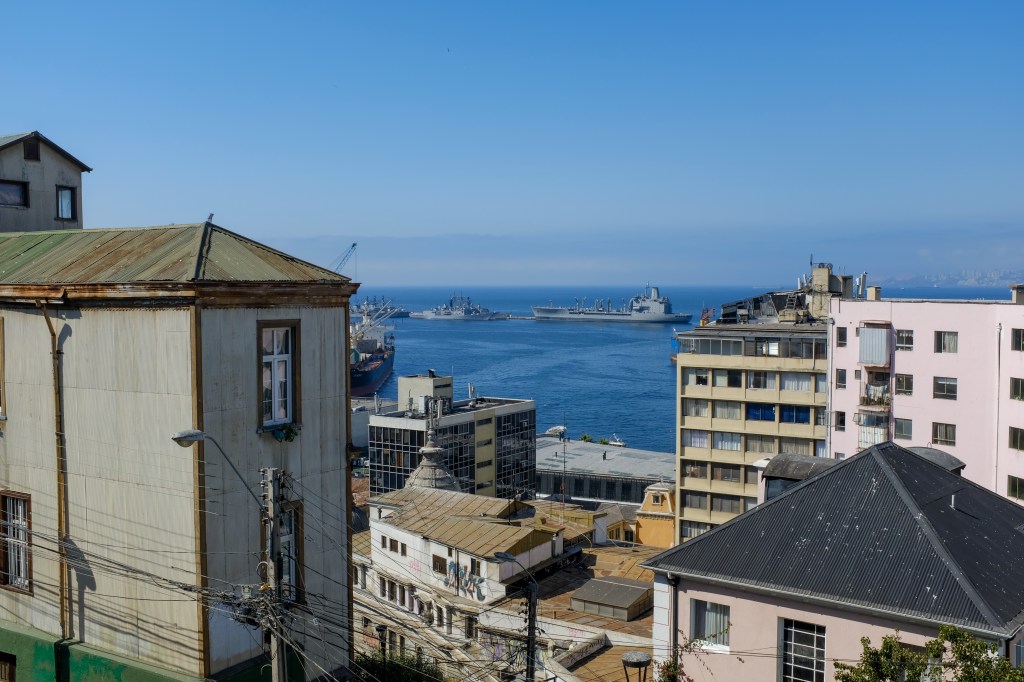
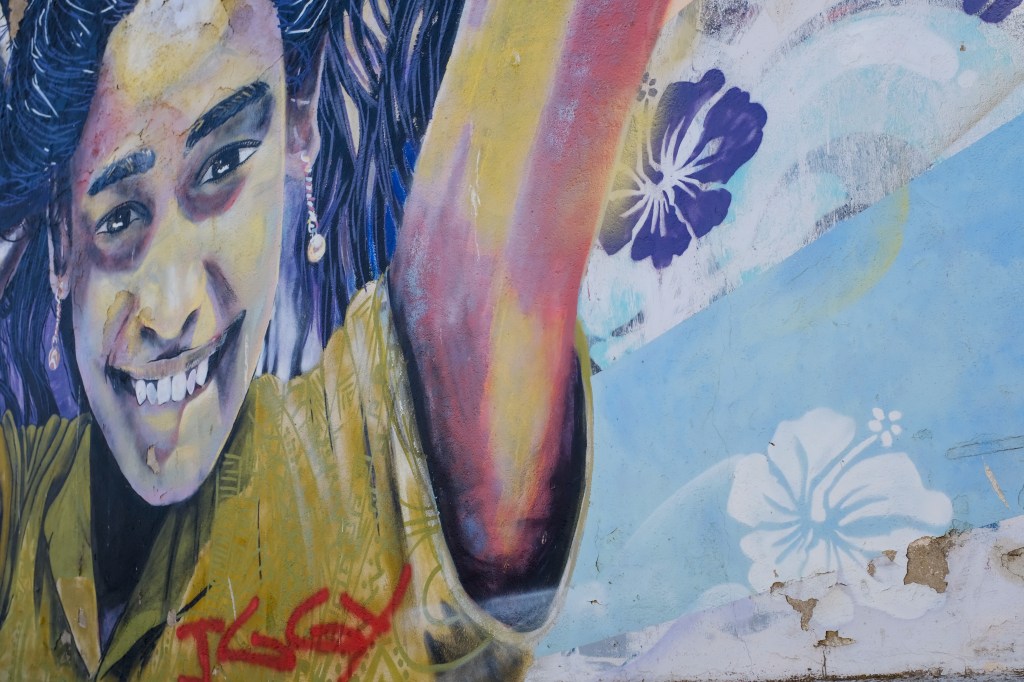
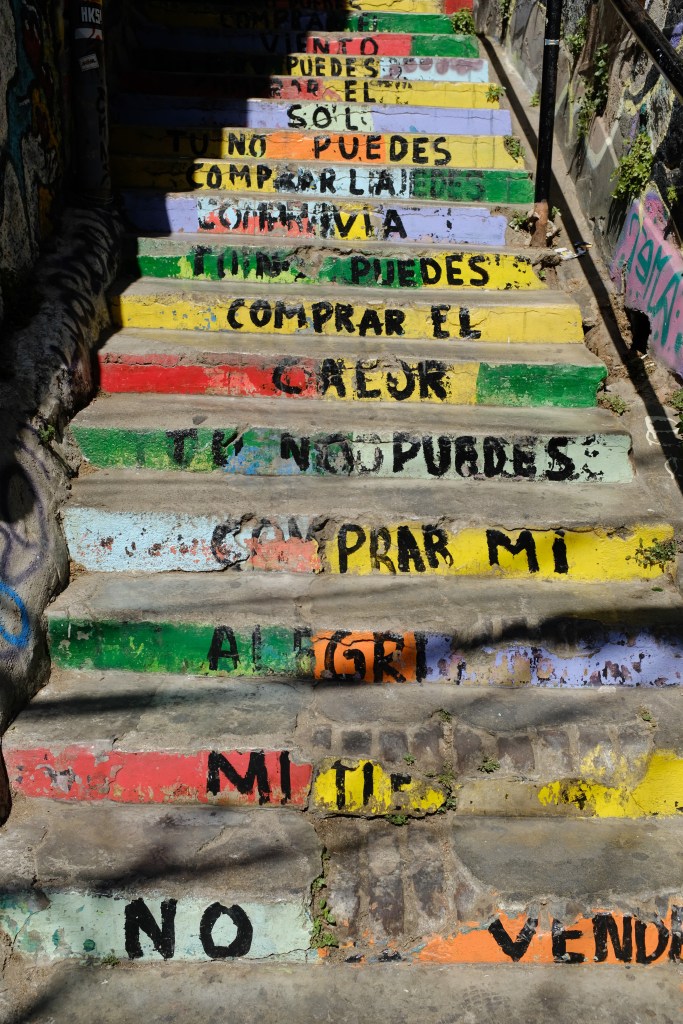
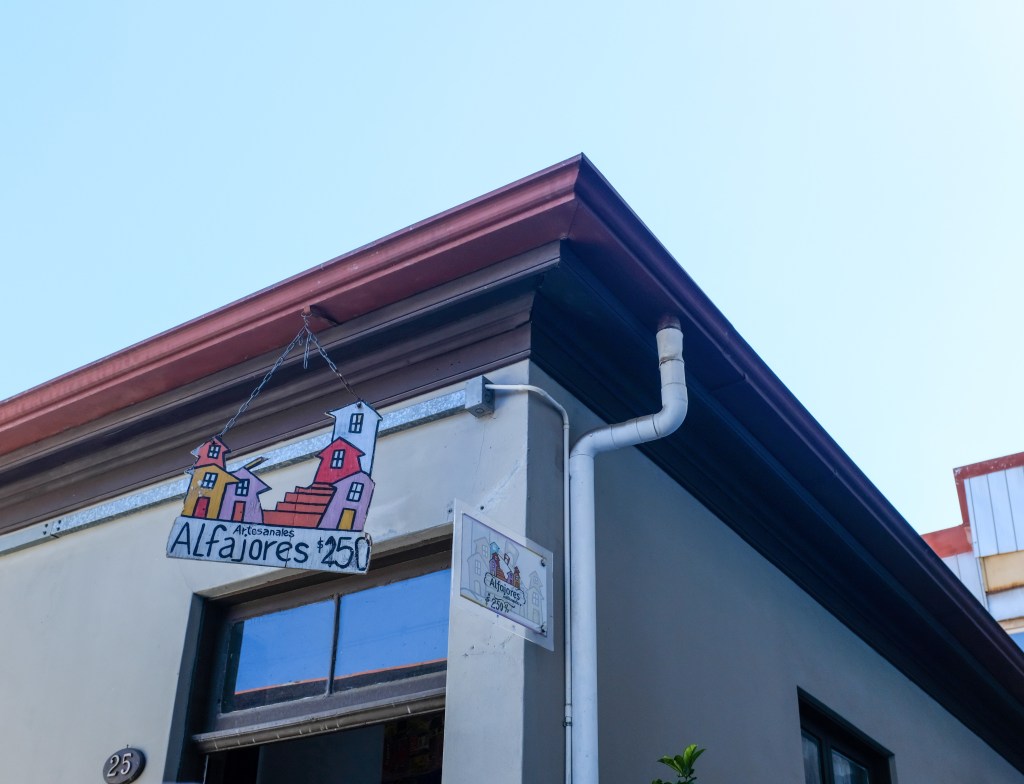
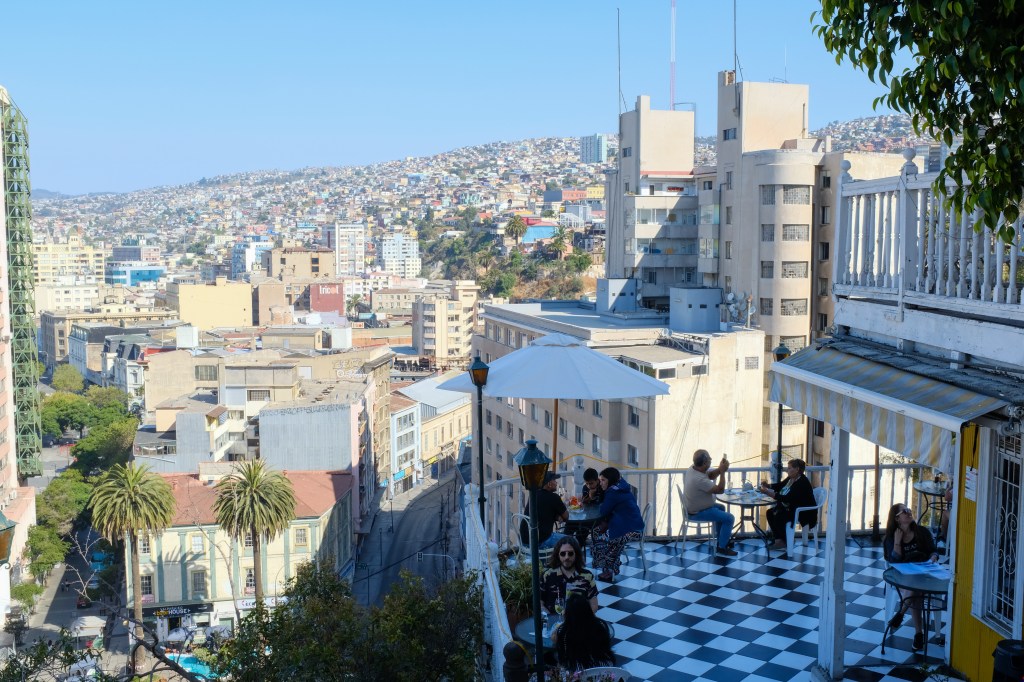
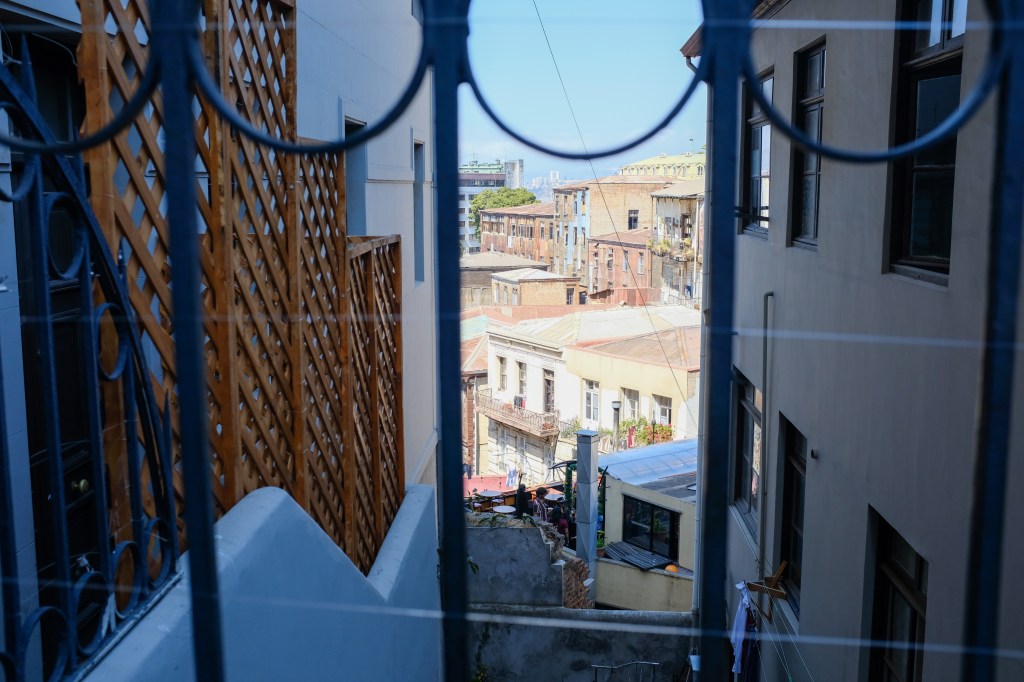
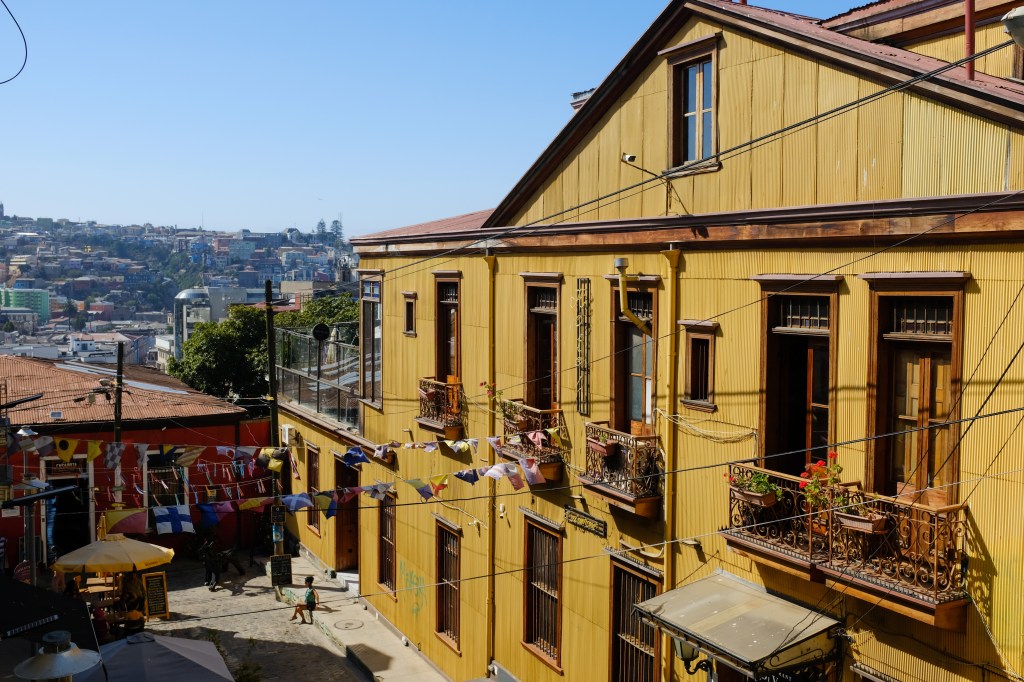
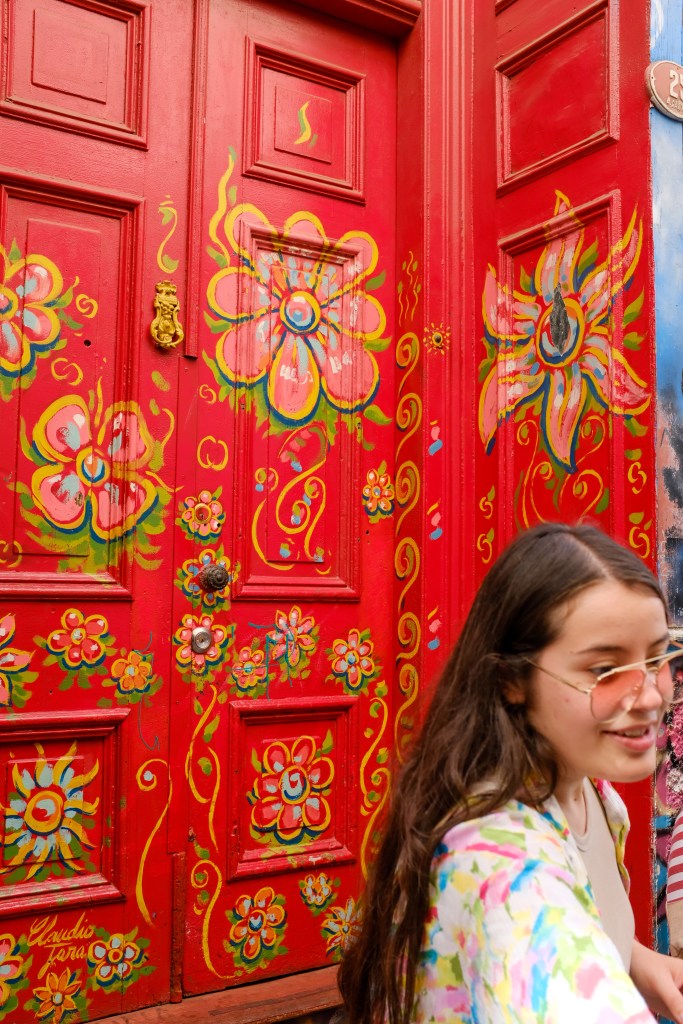
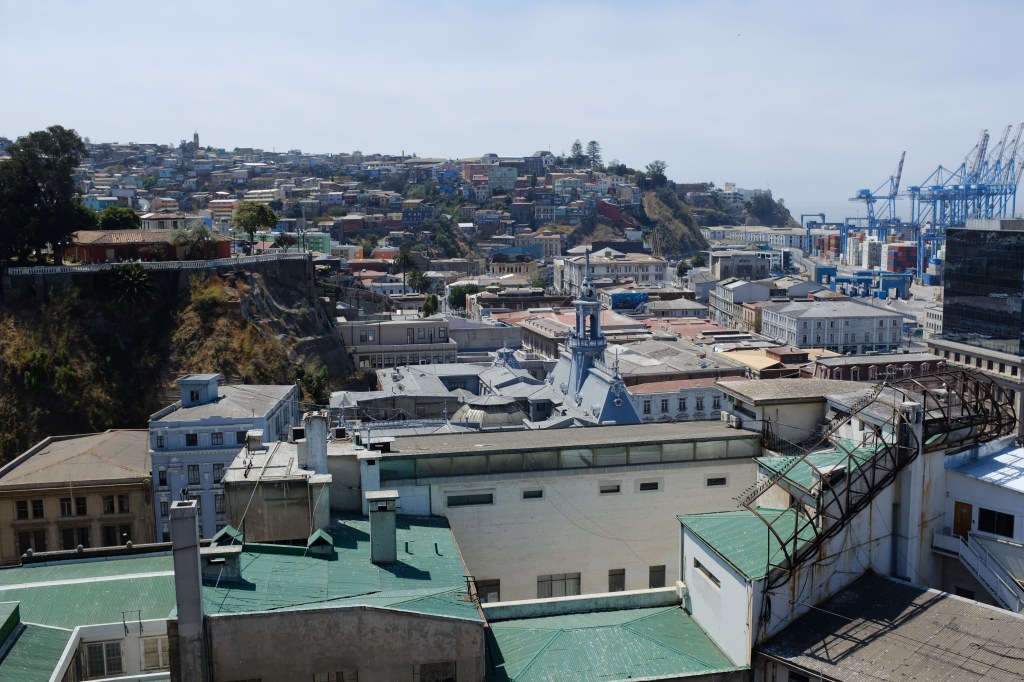
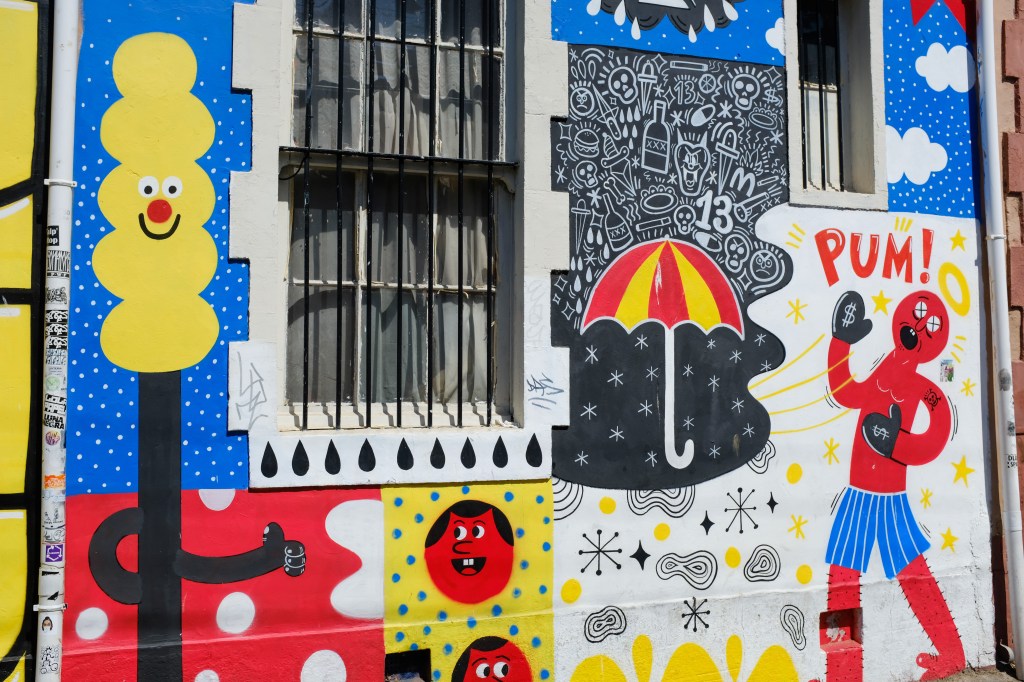
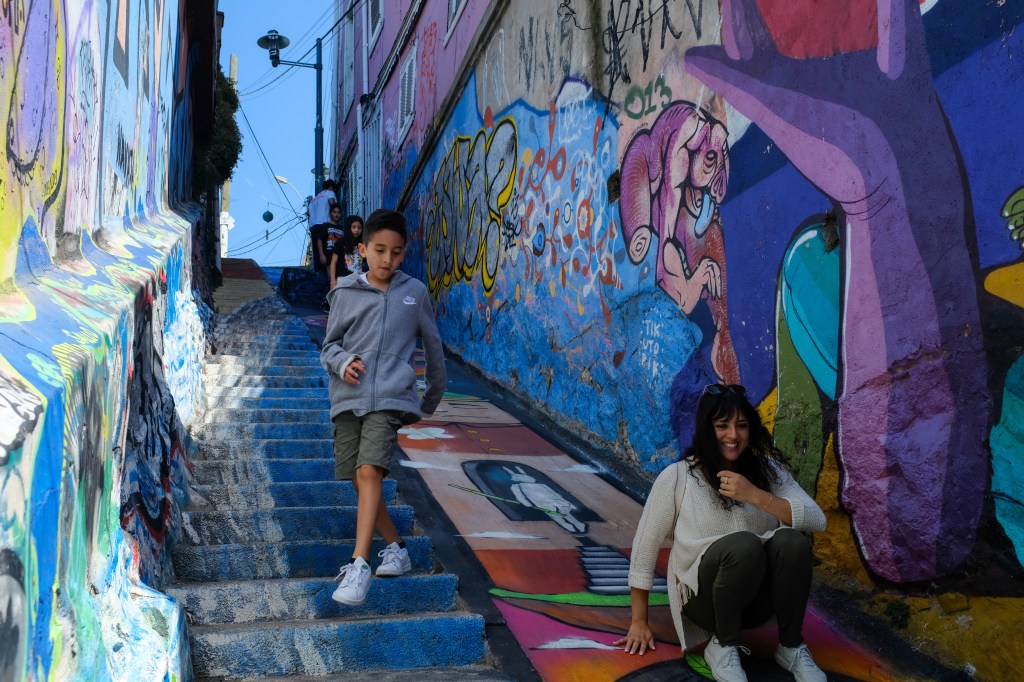

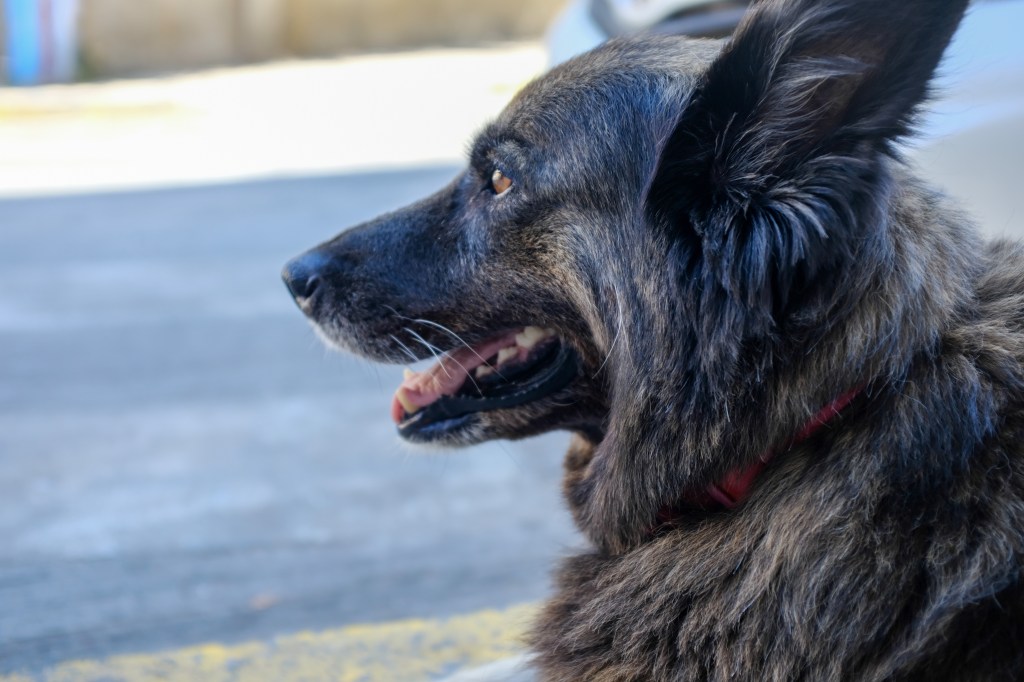
And along the way, I met a couple cute dogs, one of which had a bit too much to eat…
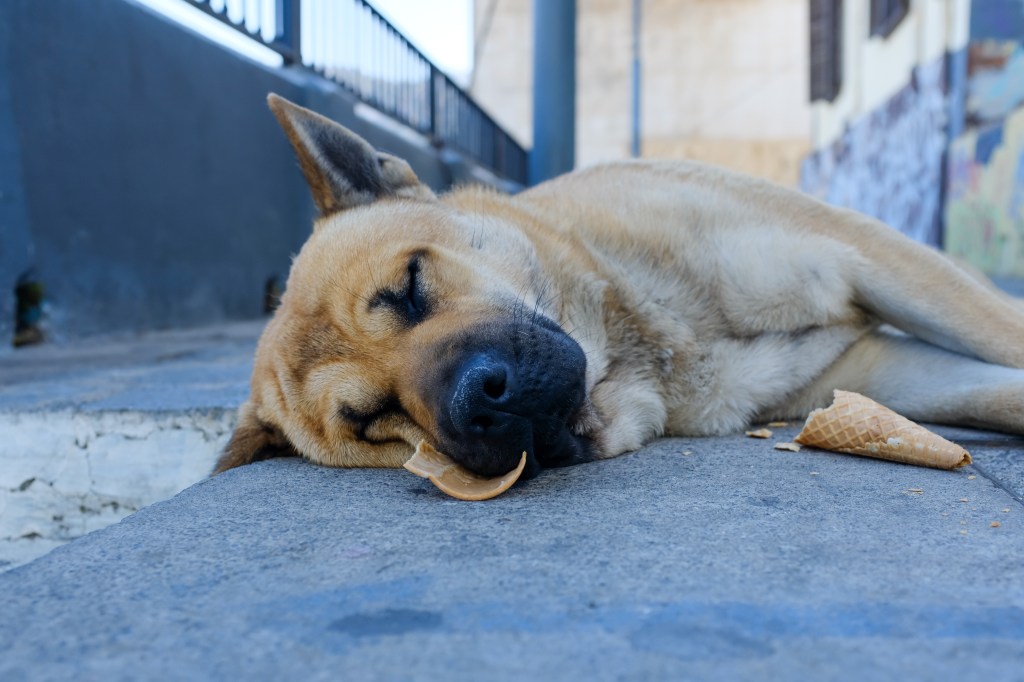
The next day, I took a walking tour that showed me the other – more political – side of the city, offering a far more accurate image of the day to day lives of Valparaiso residents. While I did not take photos of my tour, I will quickly mention that it felt quite powerful – to see the difference between a portion of a city designed for tourism and a portion delegated to the daily lives of Chileans. From the architecture to the people – you could feel the the contrast – an important reminder of the distorted image of reality tourism can create. While I don’t believe “touristy” areas of the places I visit are an entirely inaccurate representation of a space, it must be taken into context as you develop an upstanding of the area.
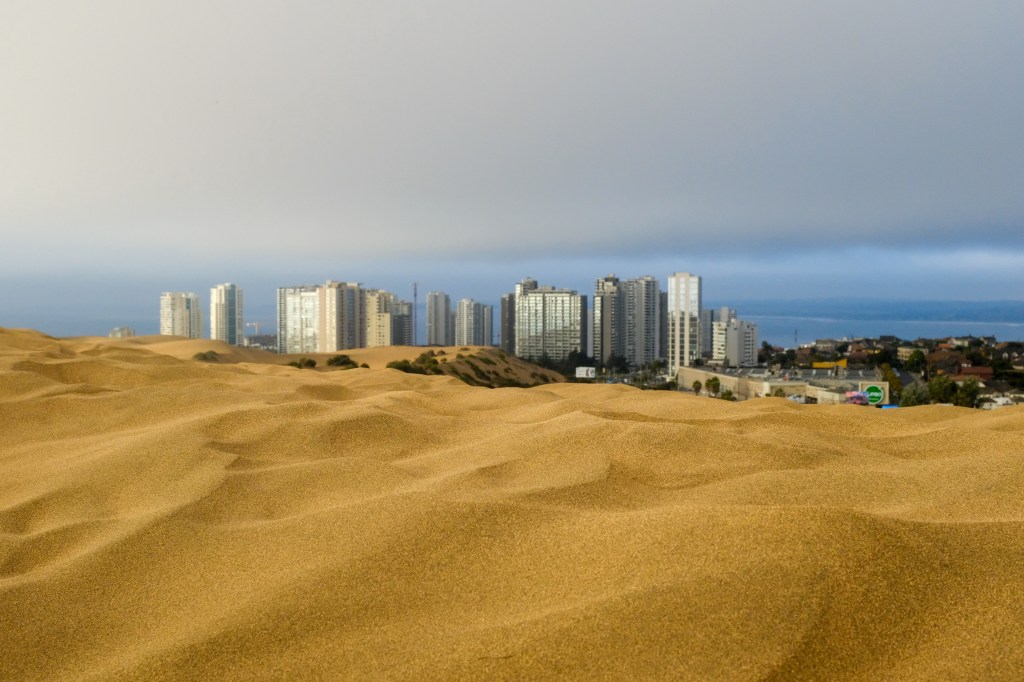
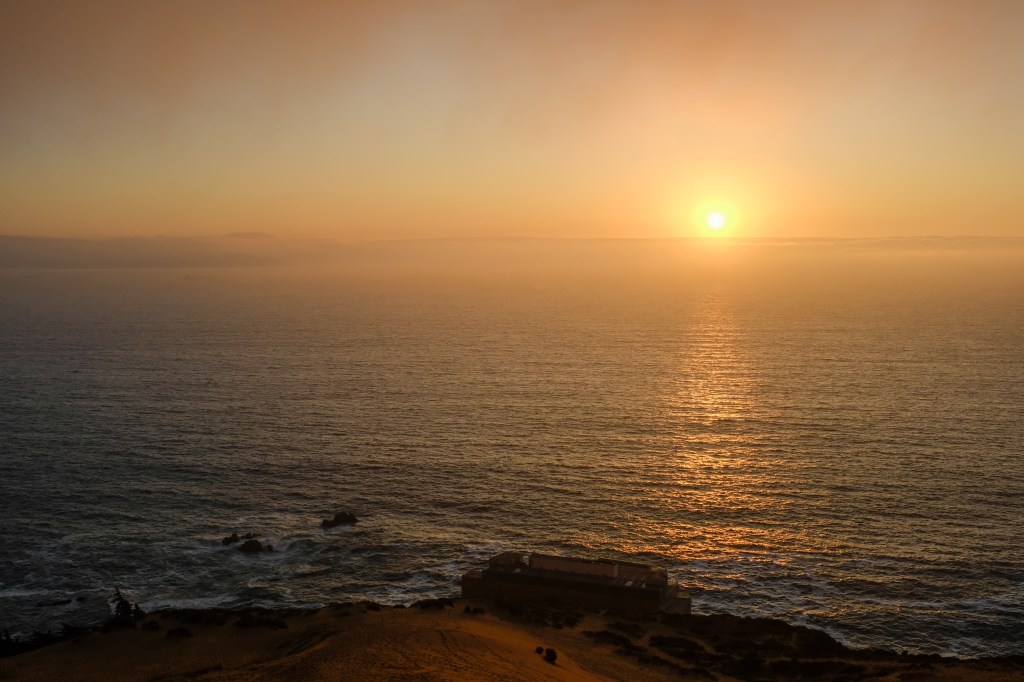
After the tour, I visited an adjacent beach town, Vina del Mar, and watched the sunset on the Dunes around Concon –
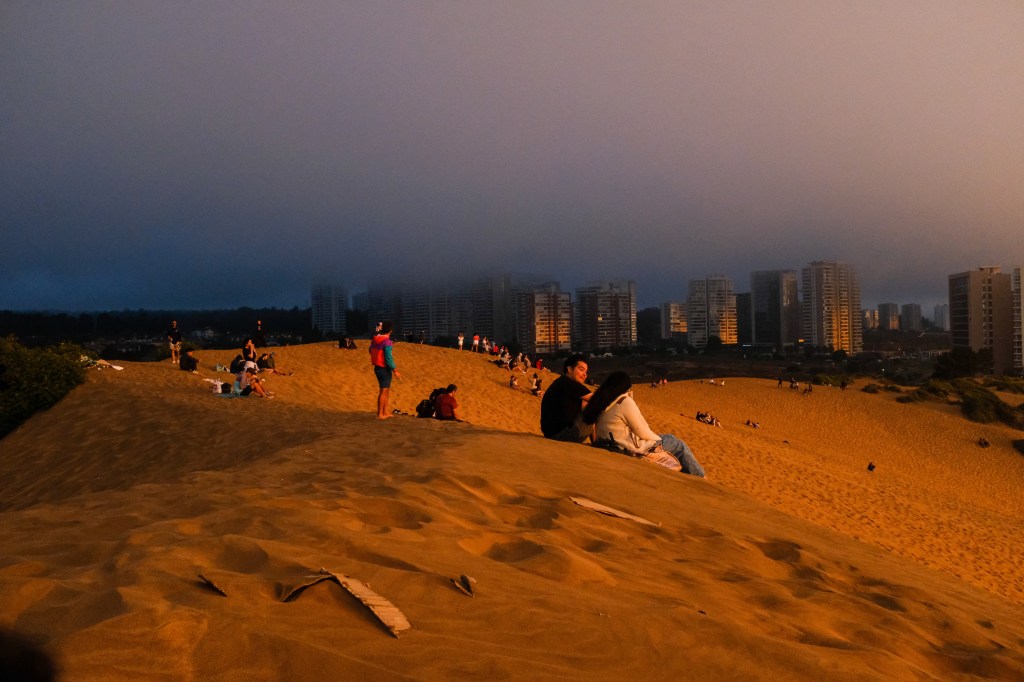
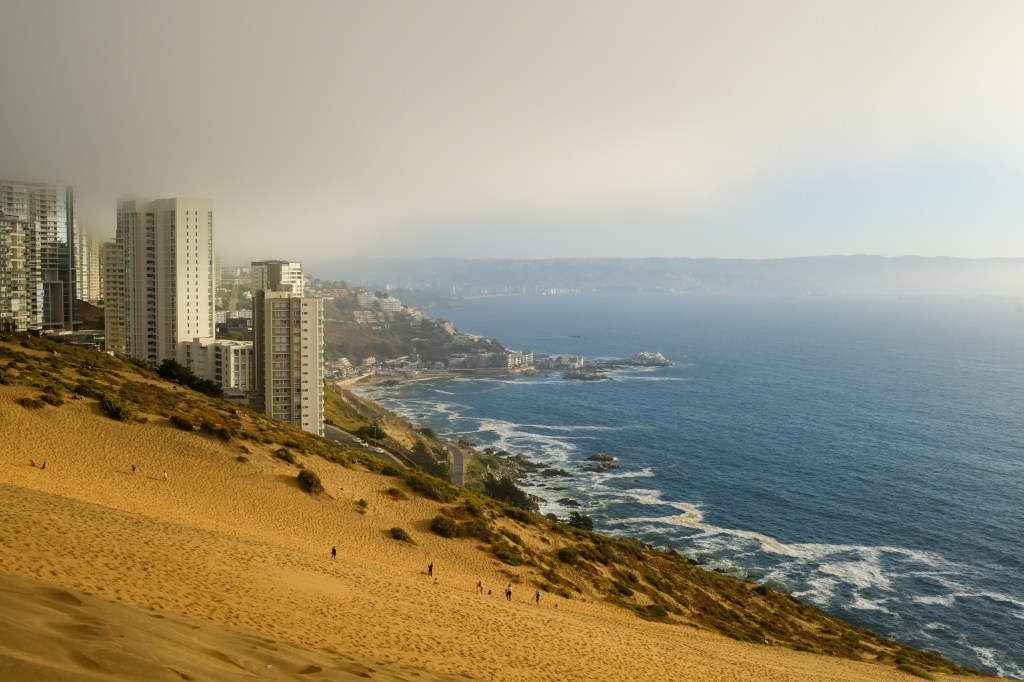
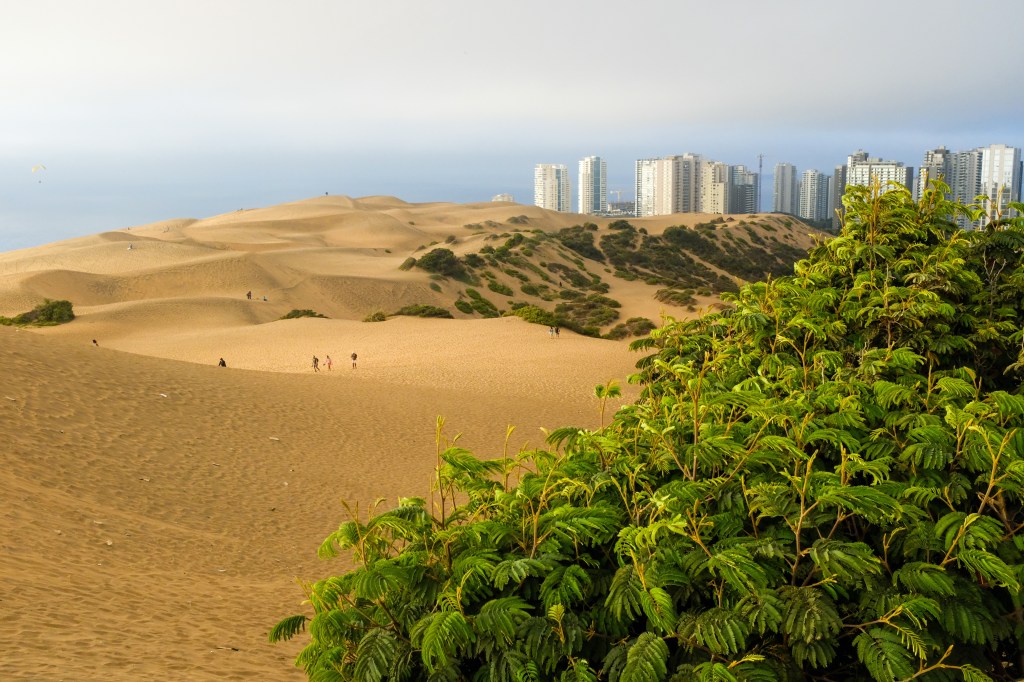
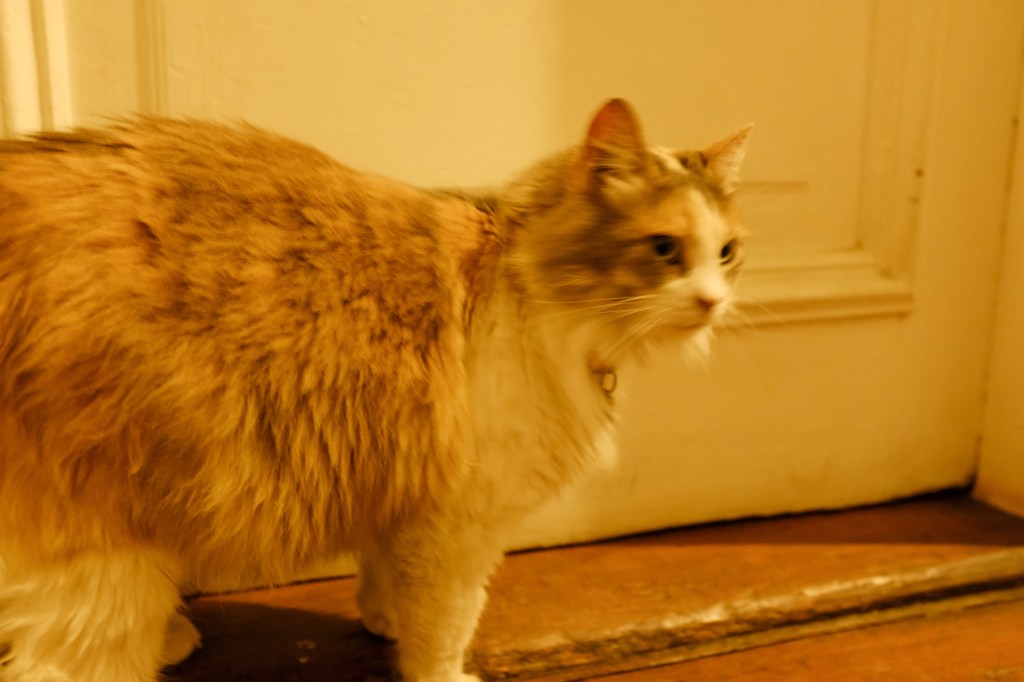
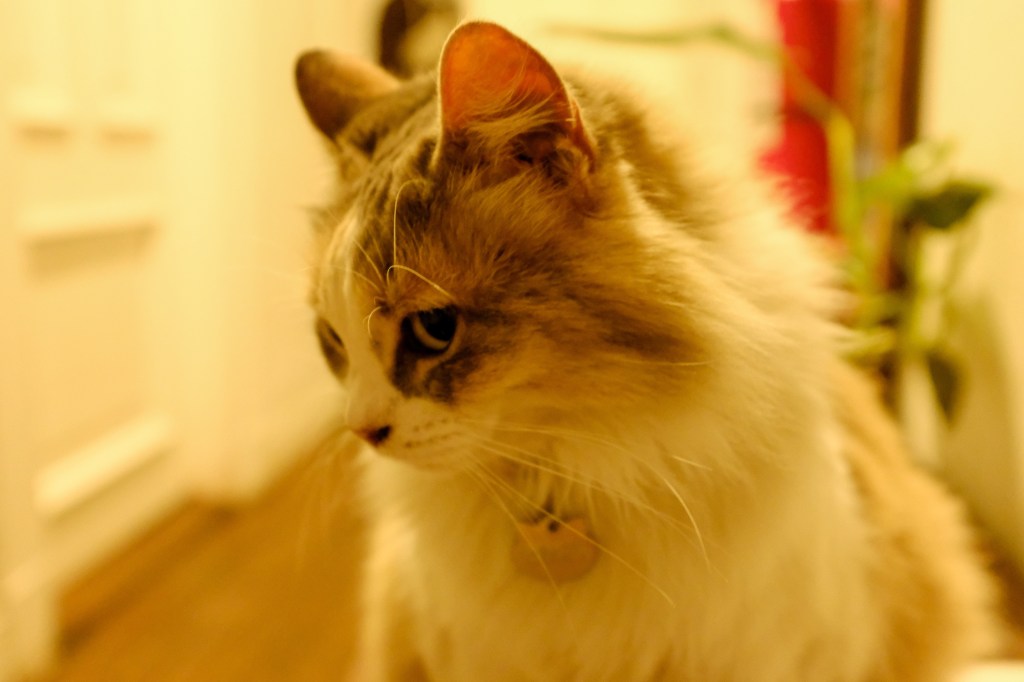
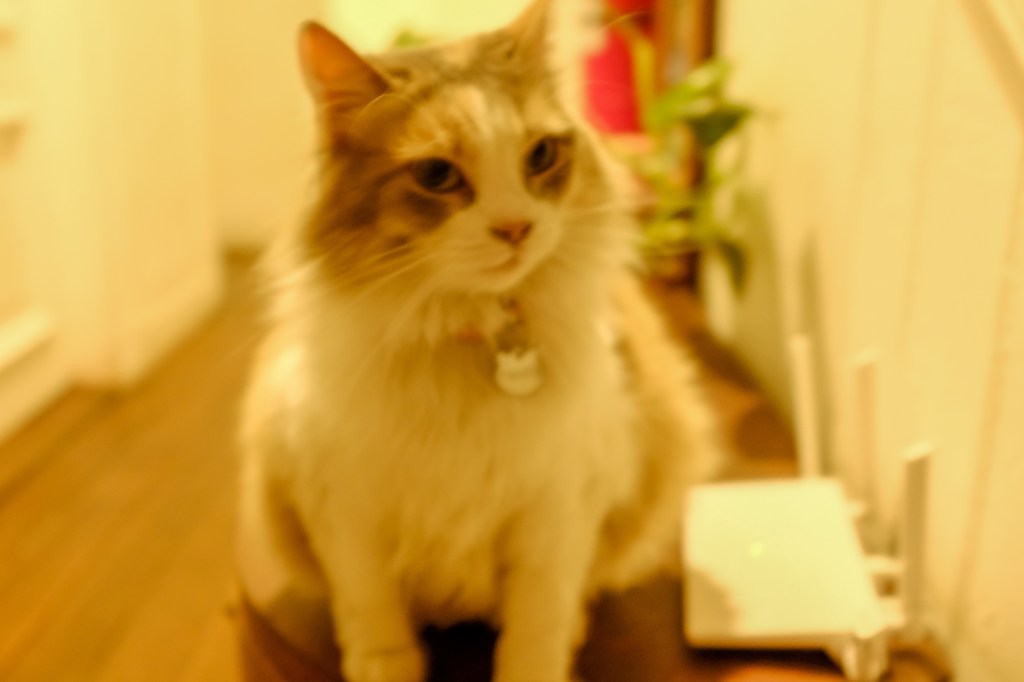
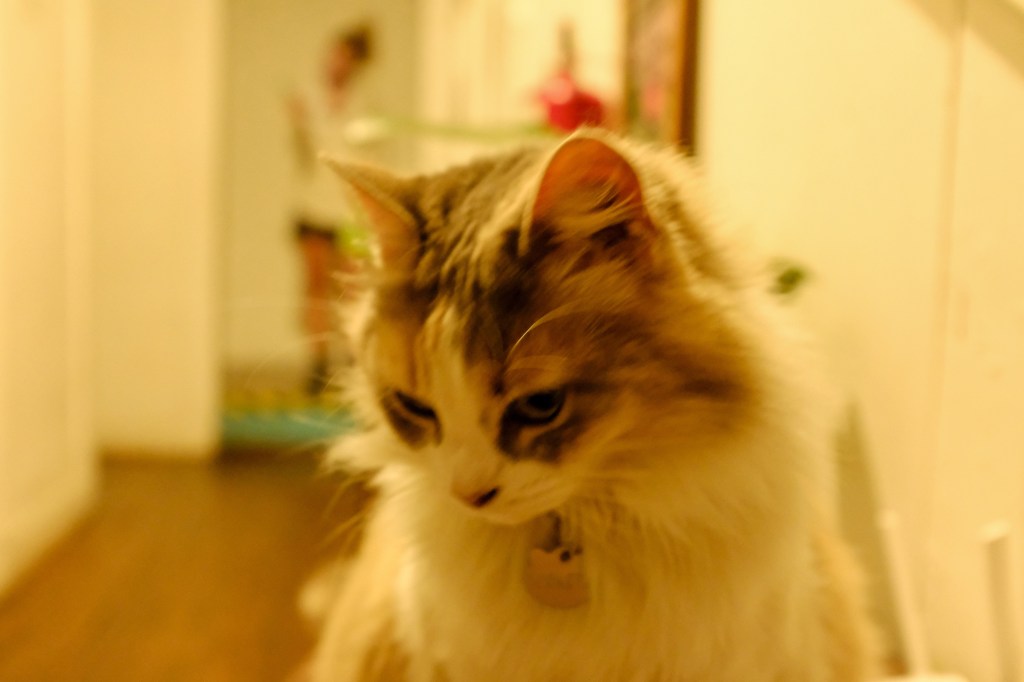
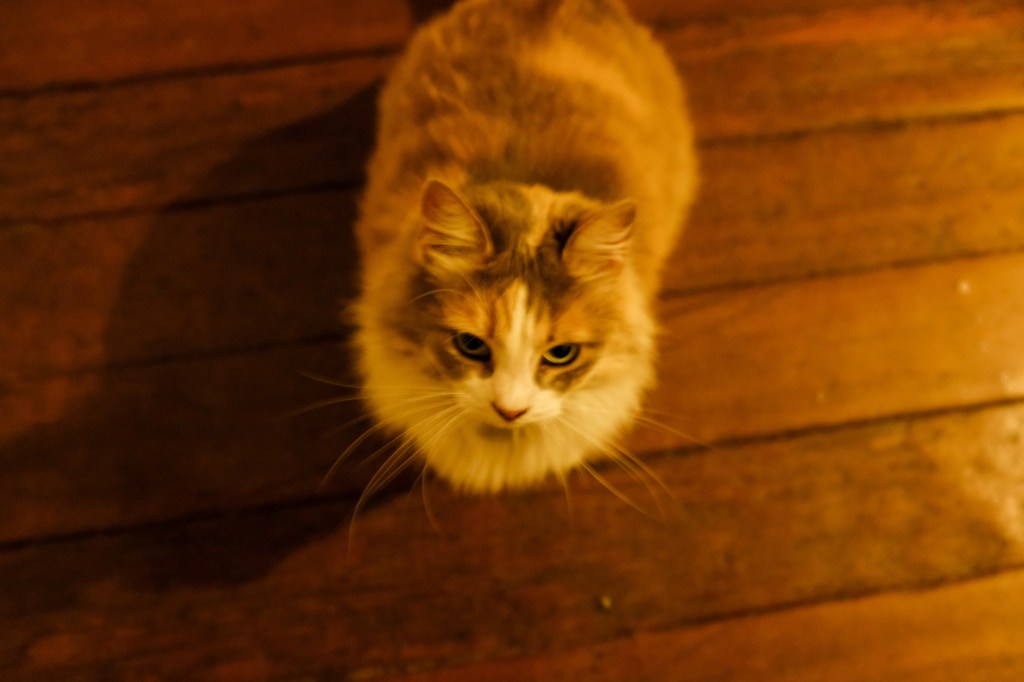
And wrapped up with a photoshoot with our hostel cat
Final Thoughts
I am keeping this part a bit shorter as I am rushing to prepare for my time in Patagonia, but I will have plenty more to say when I return on February 14th!
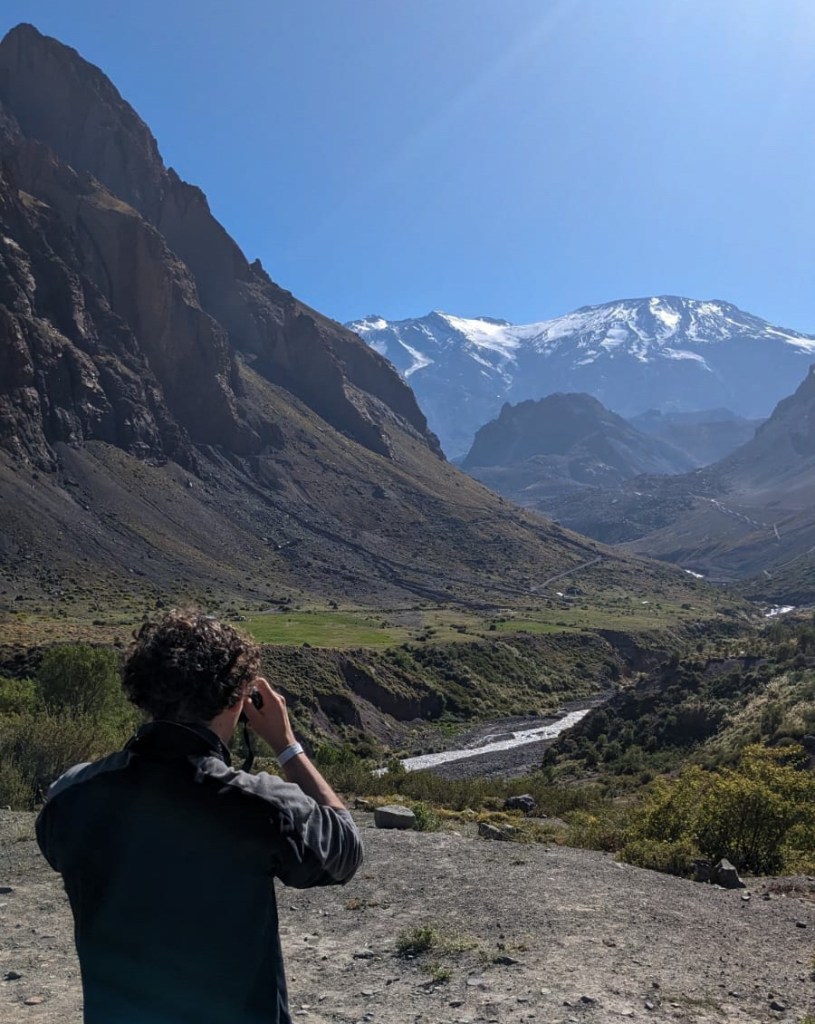
See you in 2 weeks, after I wrap up my time in Patagonia.
Sam
 Sam on Sabbatical
Sam,
What an exciting trip! I love reading about it. I hope it’s not too exhausting.
LikeLiked by 1 person
I love to hear how much you are absorbing already on your trip. While this is certainly a journey of a lifetime, it is a journey that will change your life. Thank you for sharing.
LikeLiked by 1 person