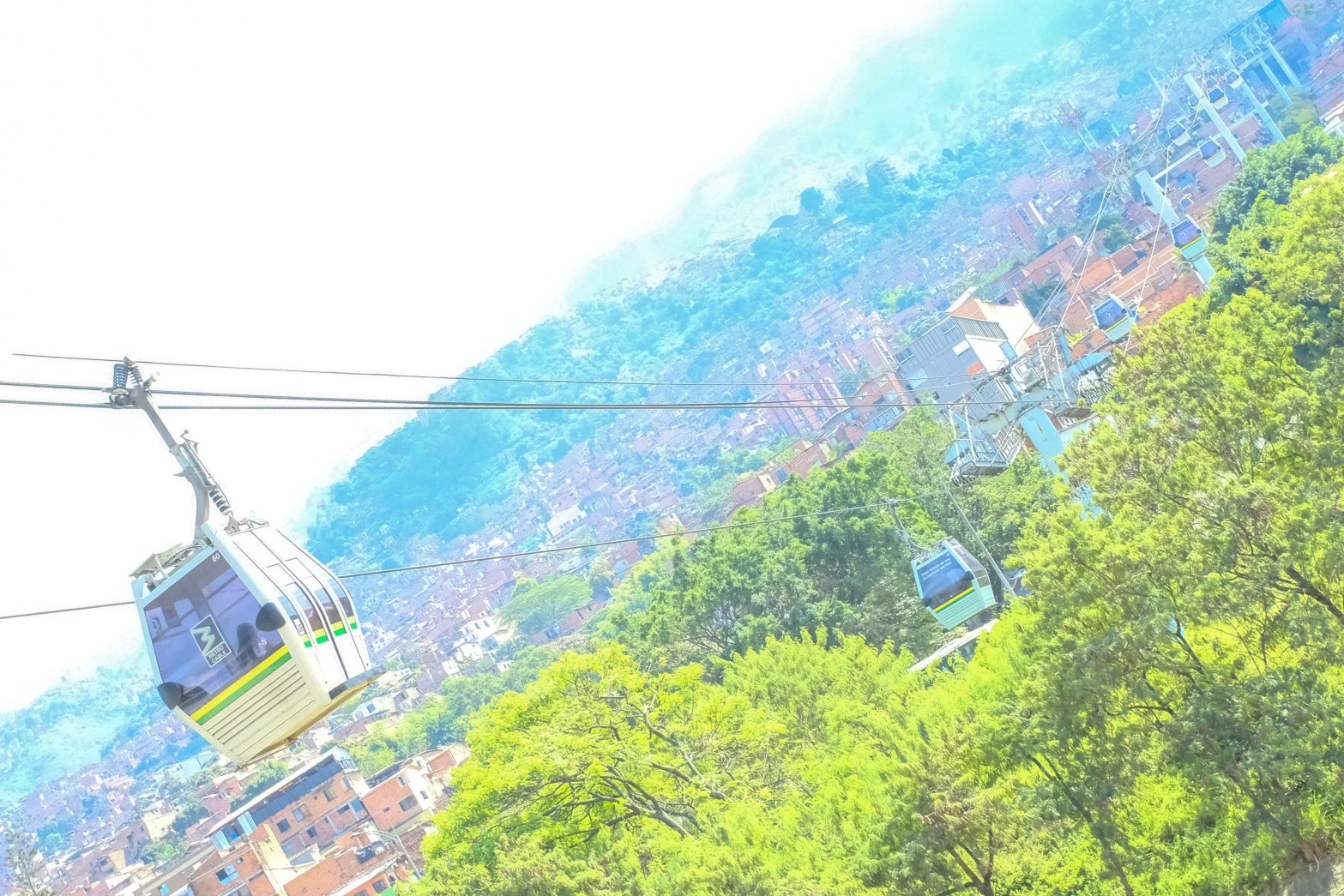
Medellin! Capital of the Flowers and The Land of Eternal Spring
Colombia’s second largest city (after Bogota), Medellin is nestled in the Aburra Valley of the Andres Mountains. Founded in 1616, the city remained largely under the radar until the Colombian coffee boom in the early 1800’s. Later, Colombia became a major hub for a textile industry, which continues to be represented in the 574 ft Coltejer building in the city center.
Full of museums, cultural sites, restaurants, and bars, Medellin was a welcome change from the beautiful (but Mosquito filled…) hills of the Sierra Nevada.
Arriving early Monday morning, I spent the next two hours finding my way to the city center. Unbeknownst to me (and no one’s fault but my own) Medellin’s Jose Maria Cordova international airport is 21 miles east of the city. In the past, travelers would need to traverse an hour of windy mountain roads to get between the city and the airport – but, fortunately for me, the New Tunel de Oriente opened in 2019, cutting the travel time in half. A 5 miles long road tunnel, the Tunel de Oriente connects the Aburra Valley with the adjacent San Nicolas Valley.
During my 30 minute bus ride, I sat next to Jose, a Californian who immigrated to the US from Honduras in the early 90’s. Chatting, he told me about his son, who is a plastic surgeon in San Diego. Learning of my plan to pursue medicine, he eagerly told me about his son’s career, noticeably proud of the life he created. This sense of pride would become a theme of my time in Medellin as I experienced the city.
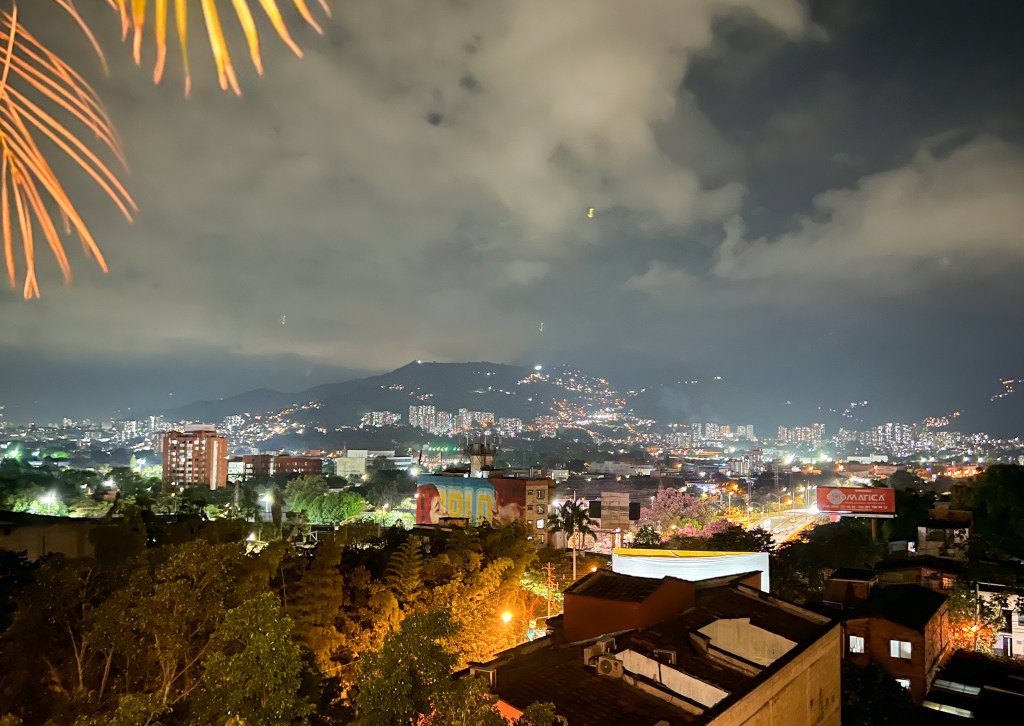
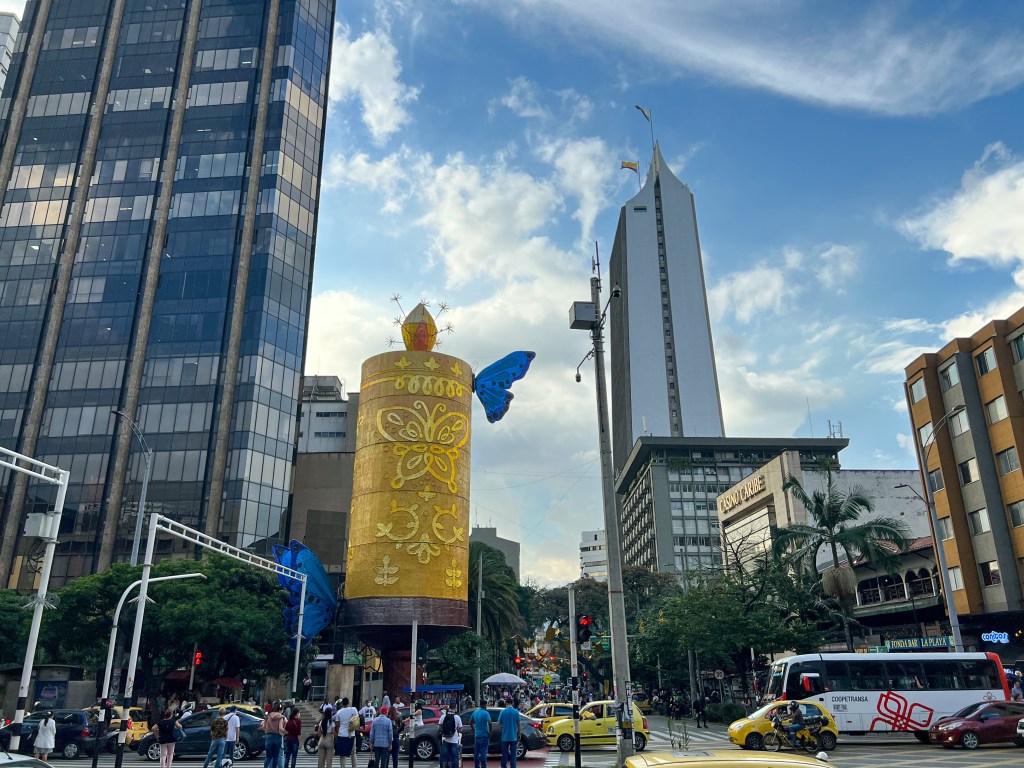
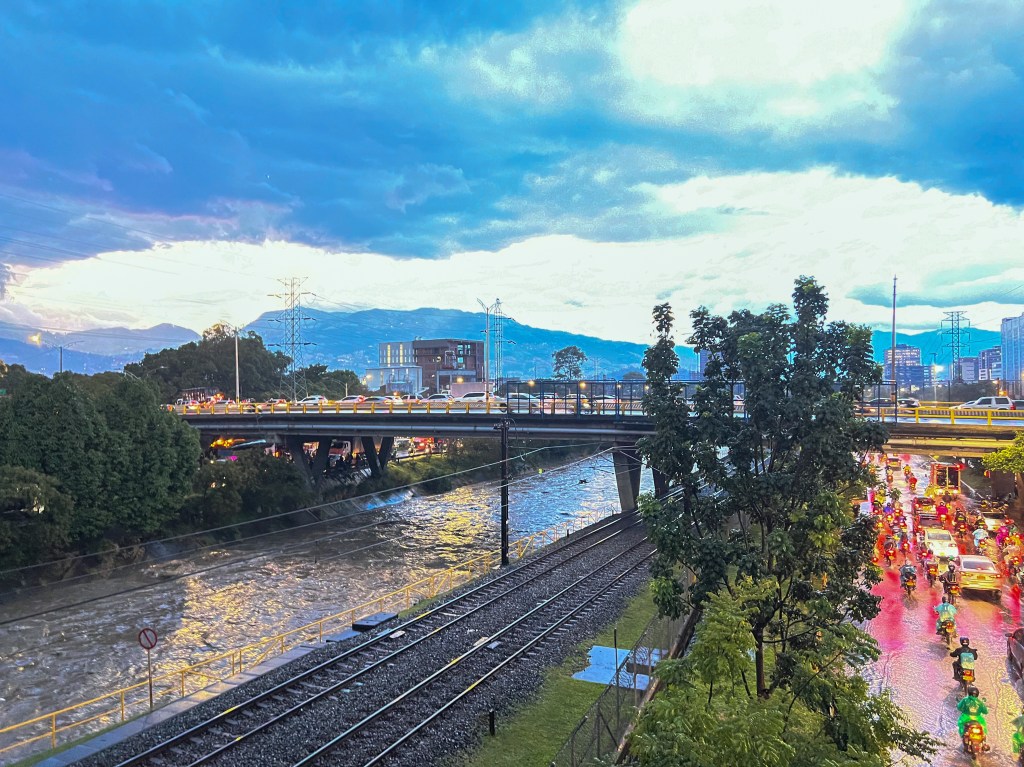
During my time in Medellin….
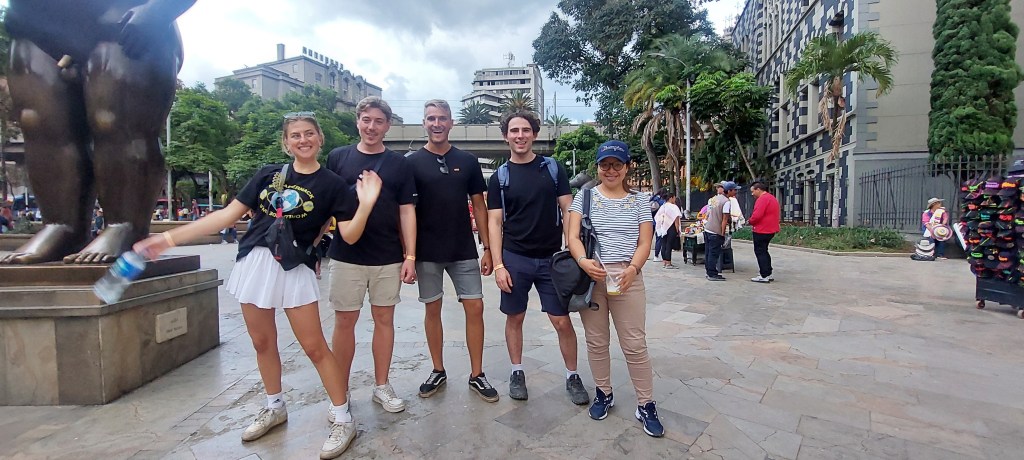
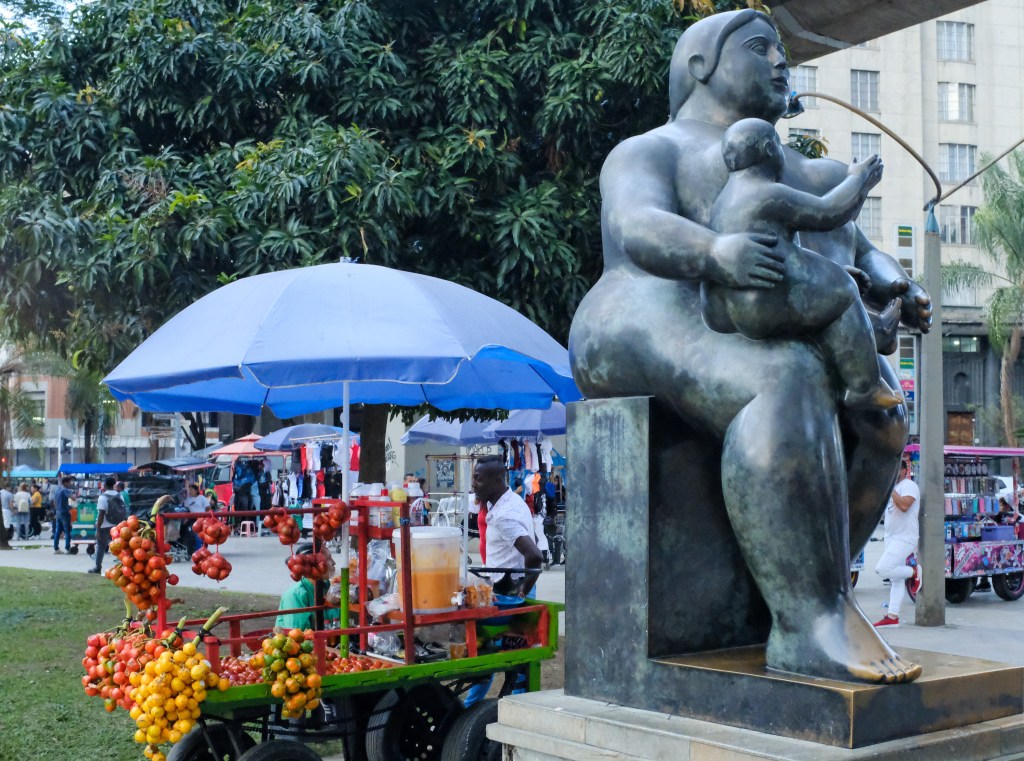
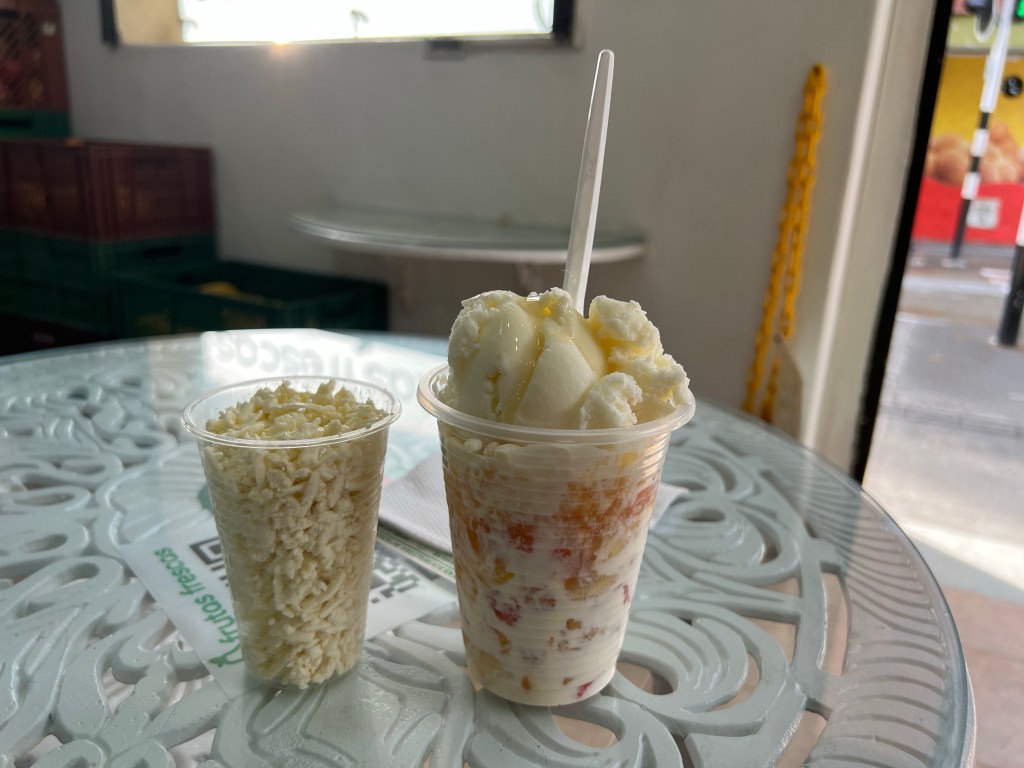
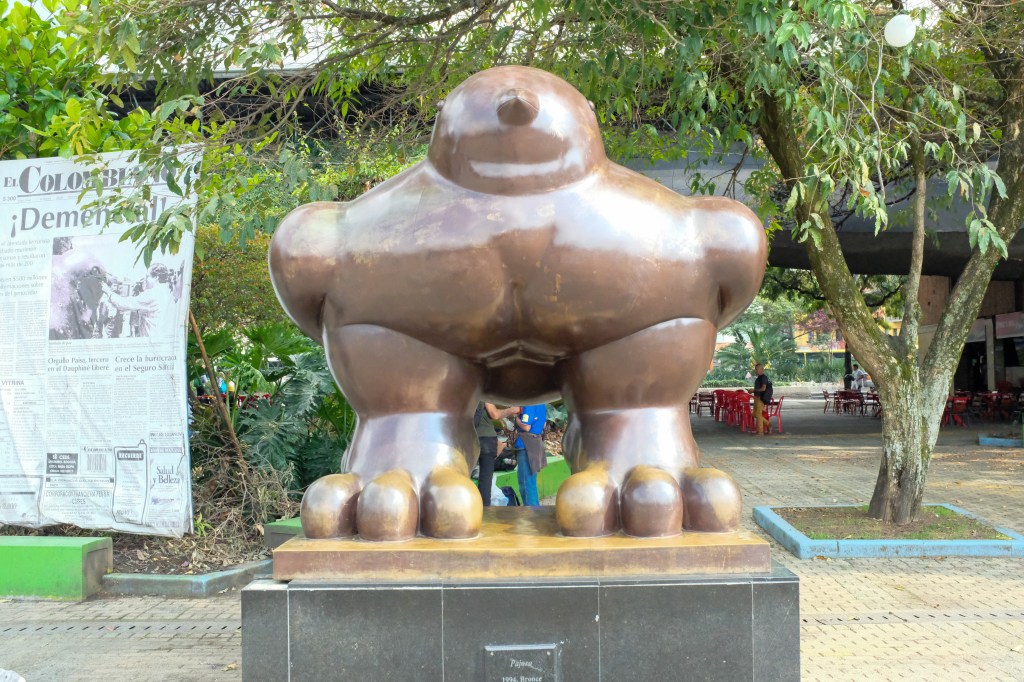
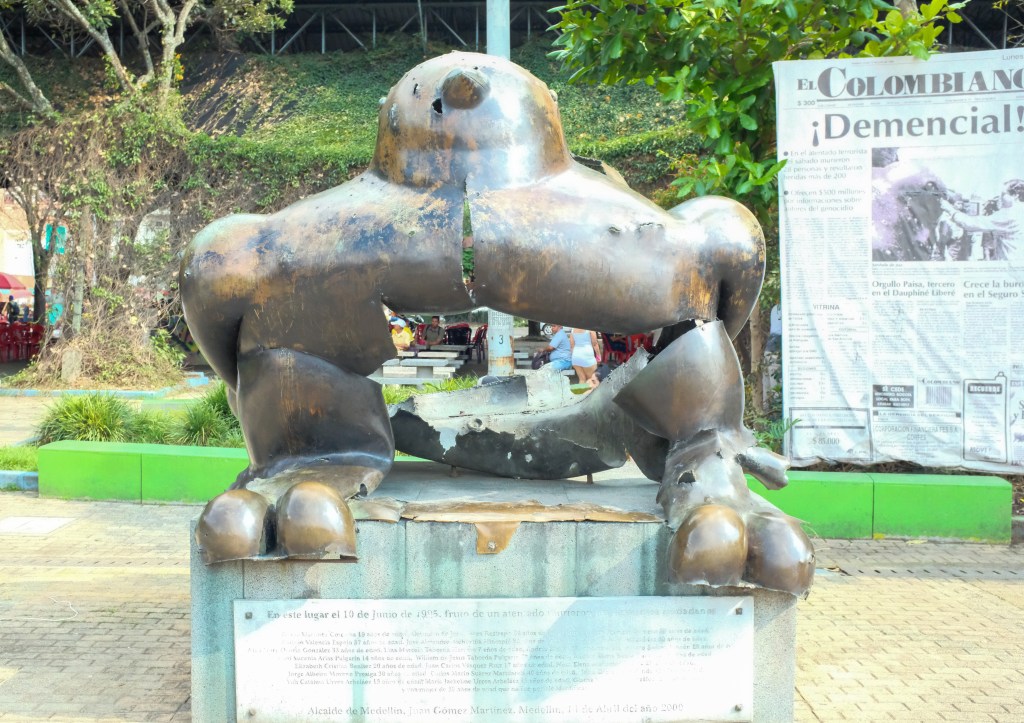
I joined a walking tour of the city, where we saw Botero sculptures, ate salpicrema, and learned about Medellin’s history.
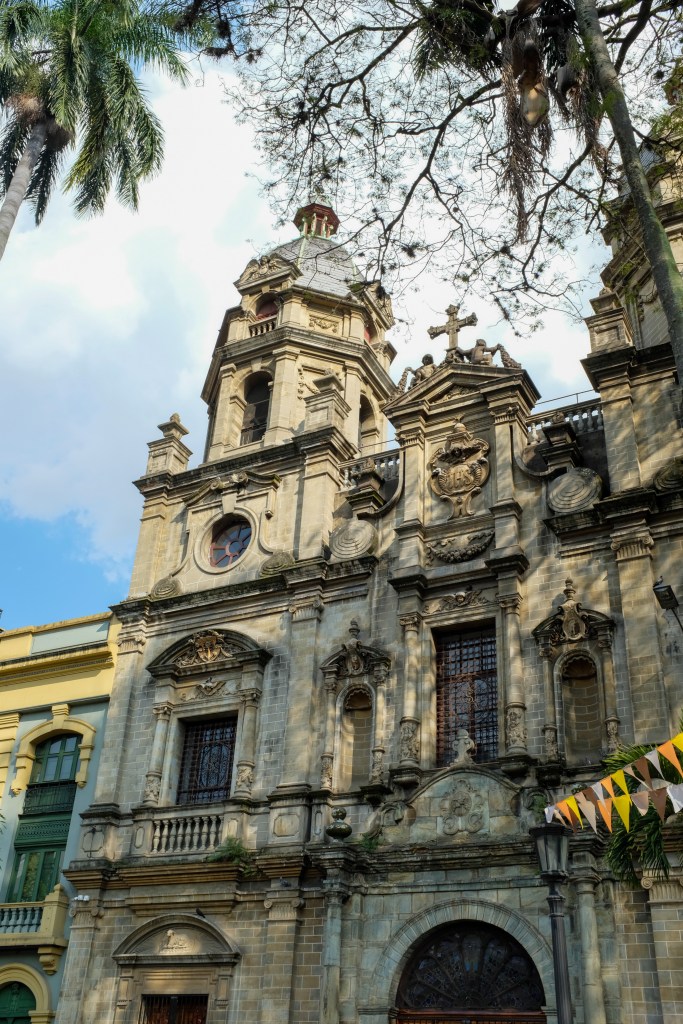
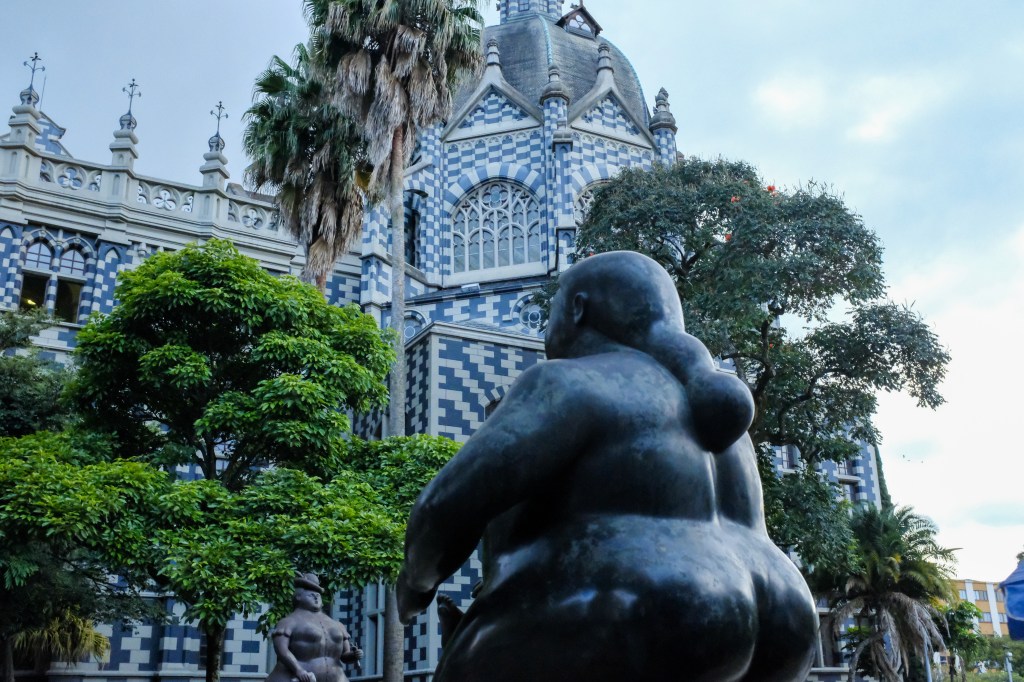
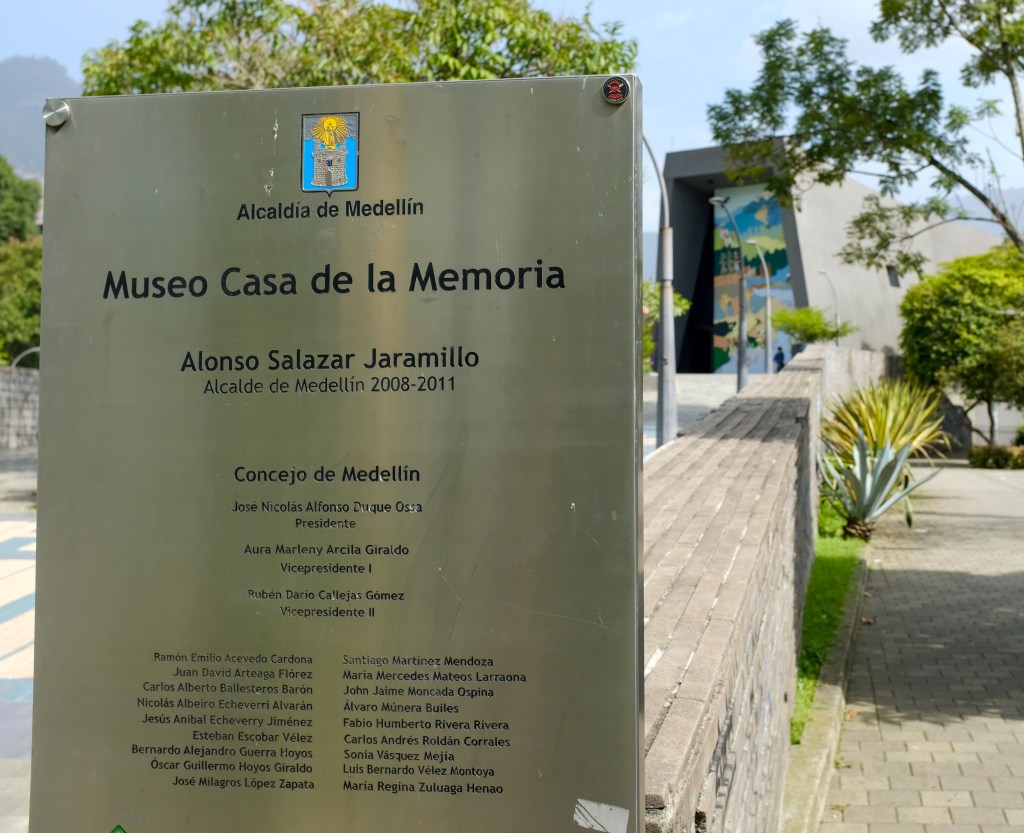

Went to the Museum of Antioquia
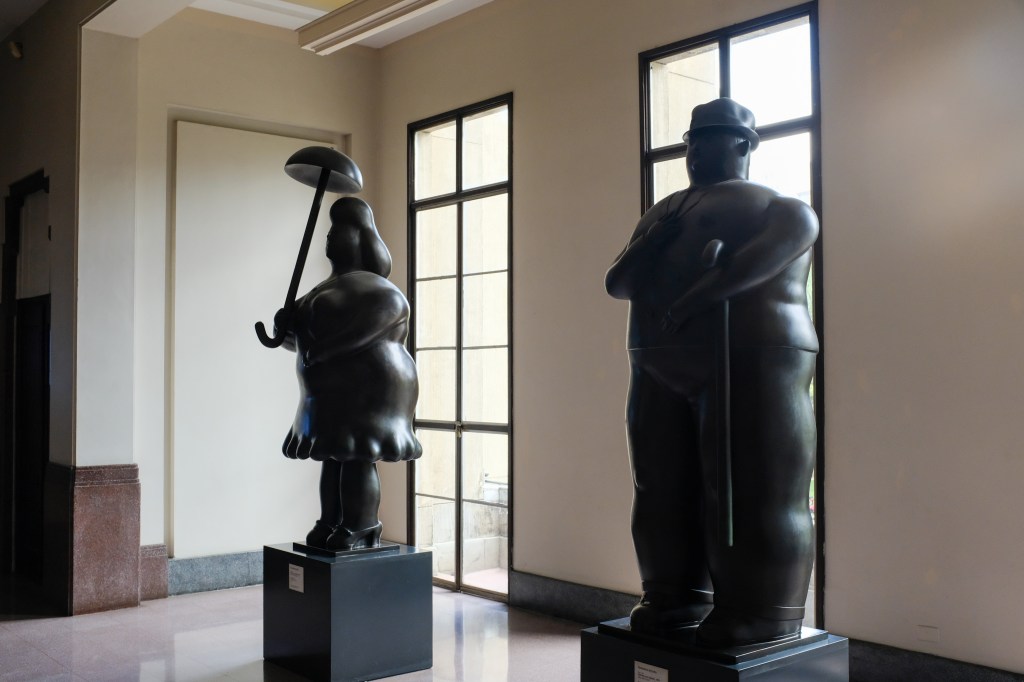
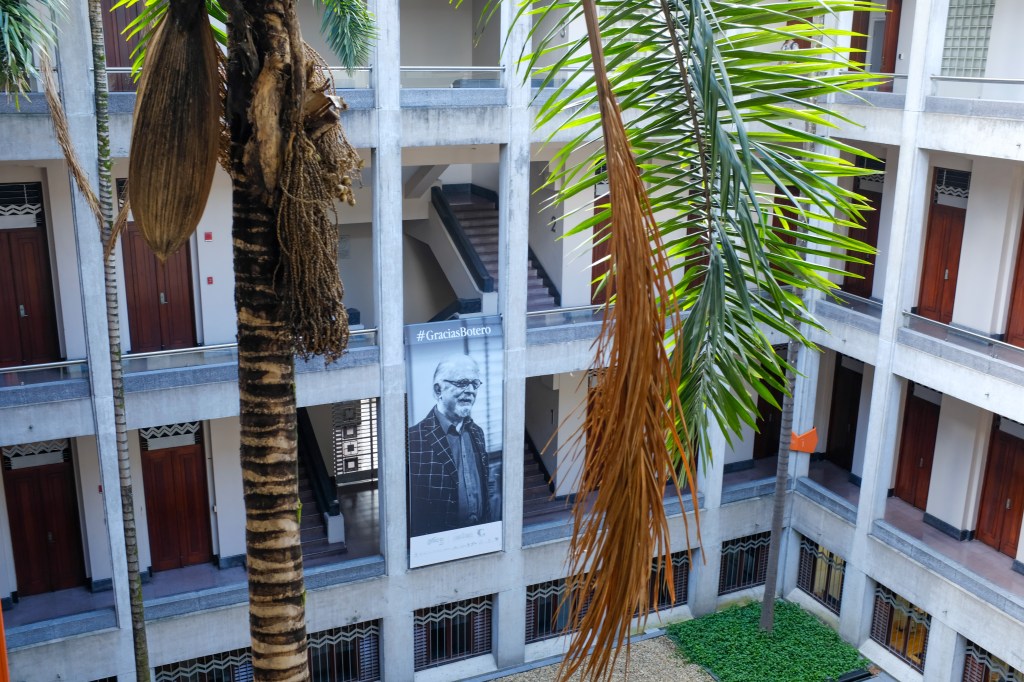
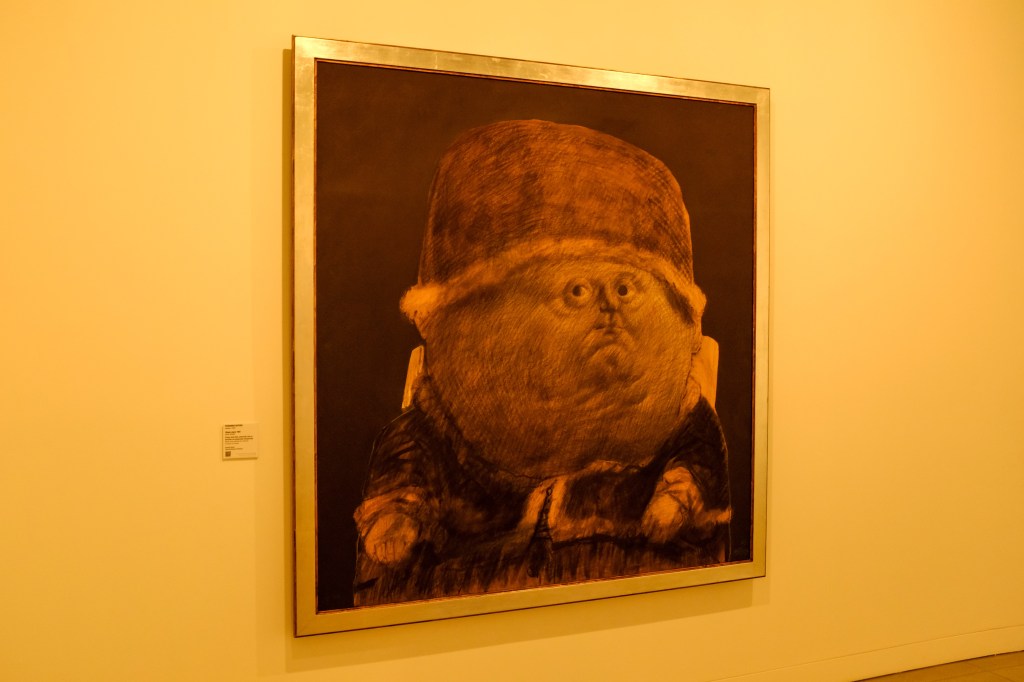
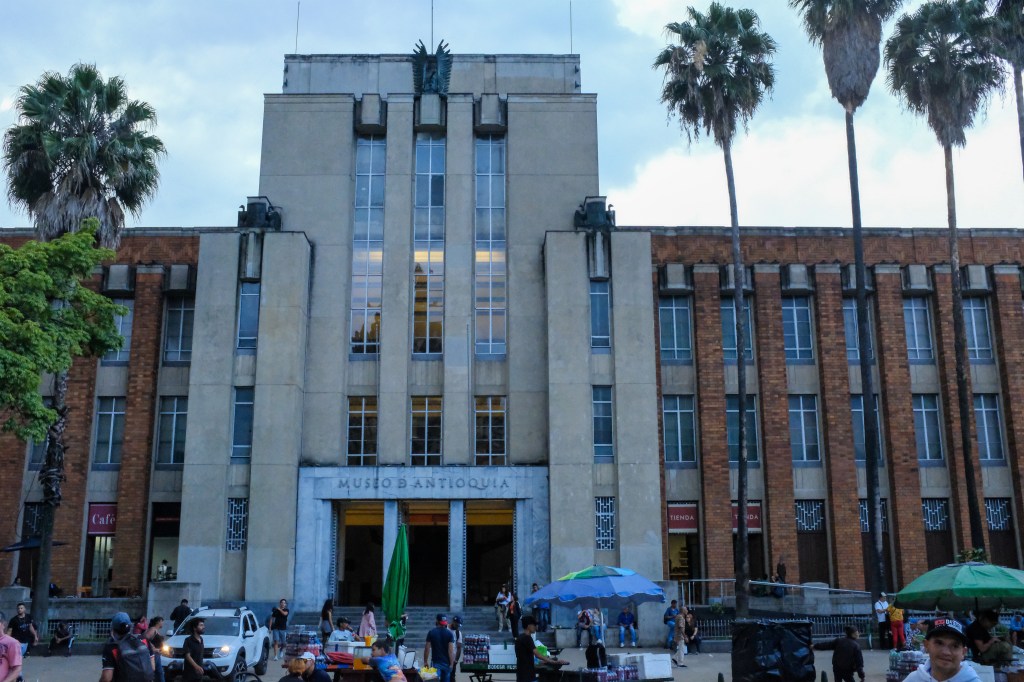
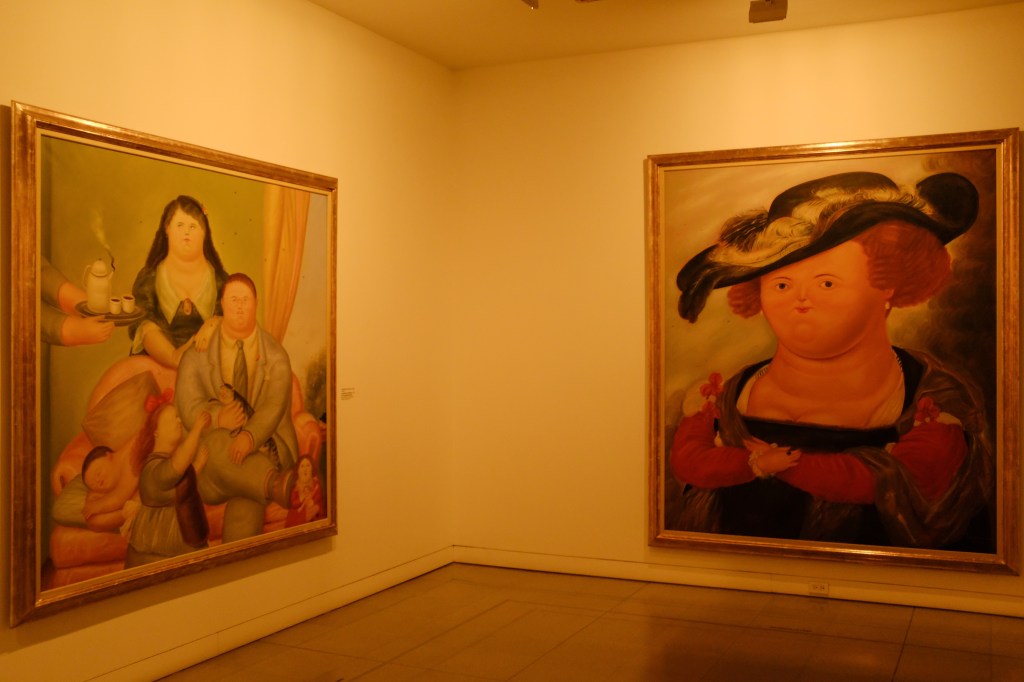
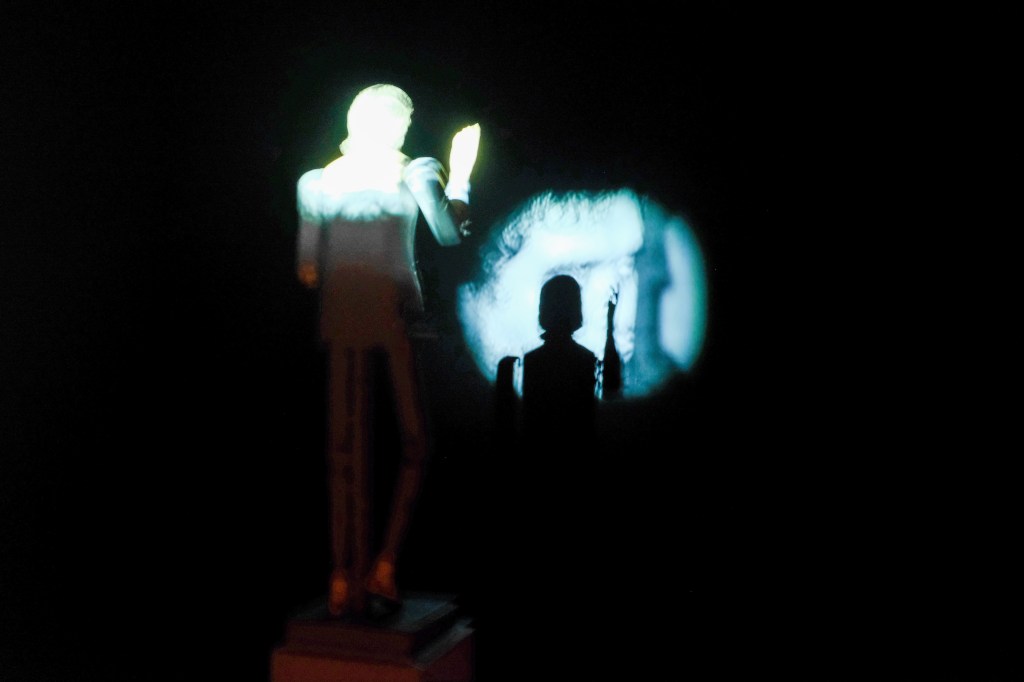
And reconnected with my friend, Sara, from Cartagena!
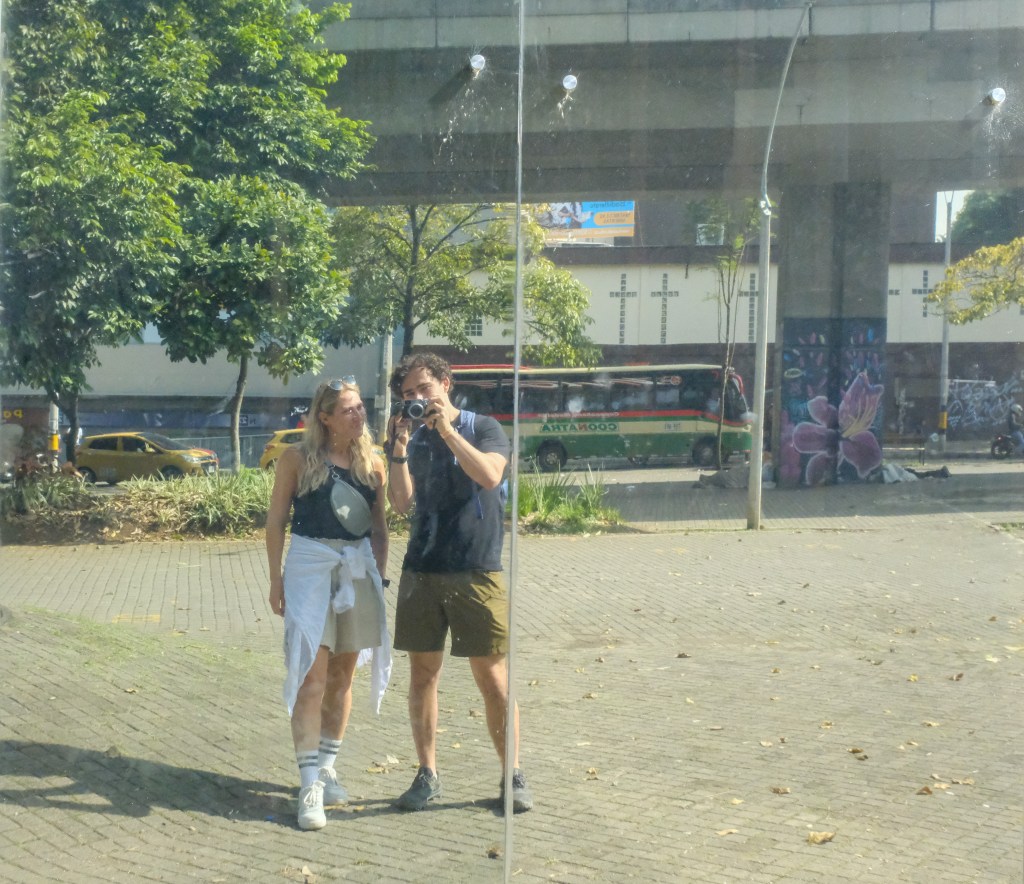
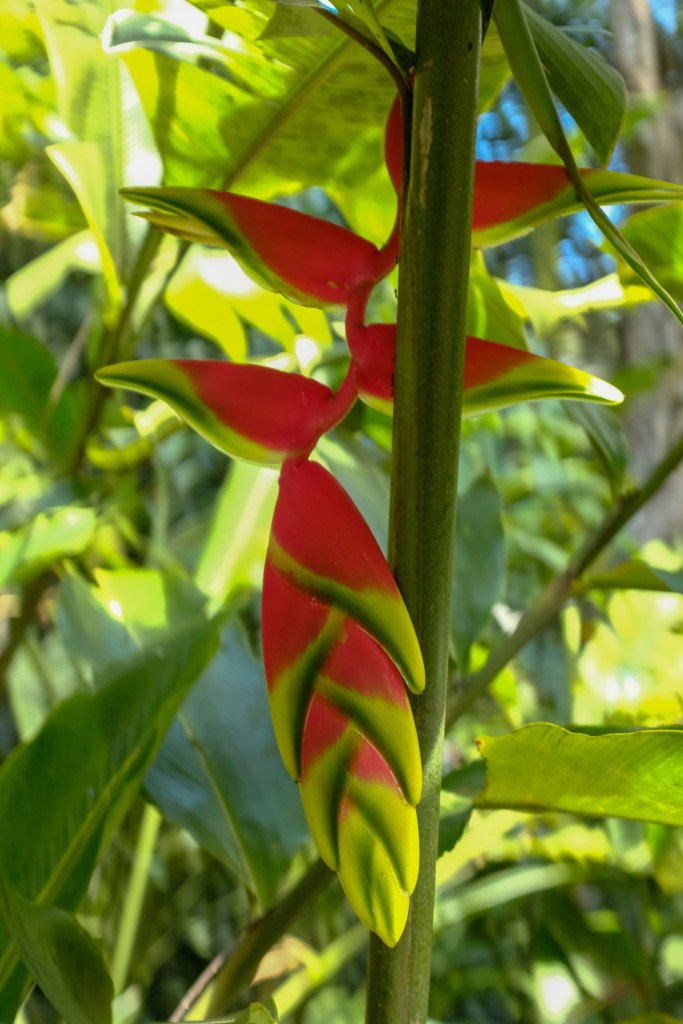
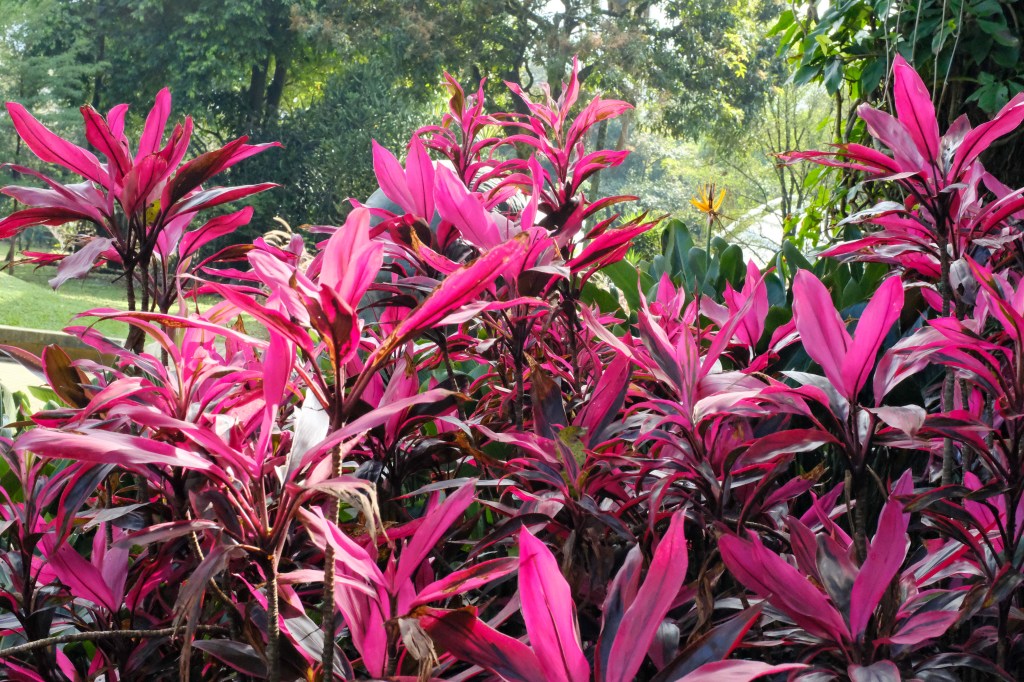
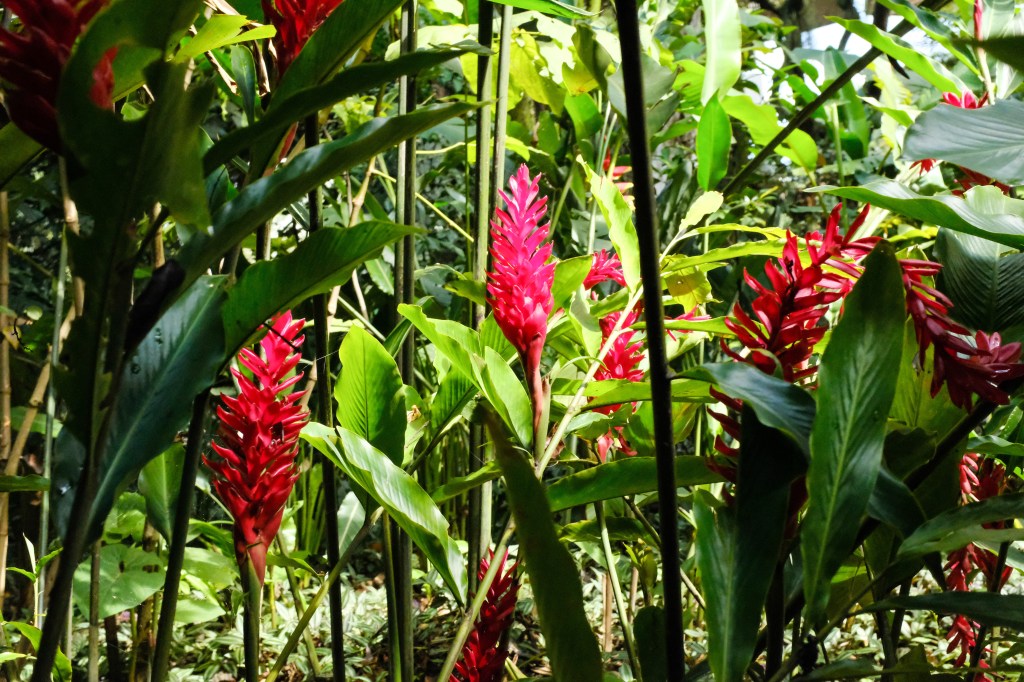
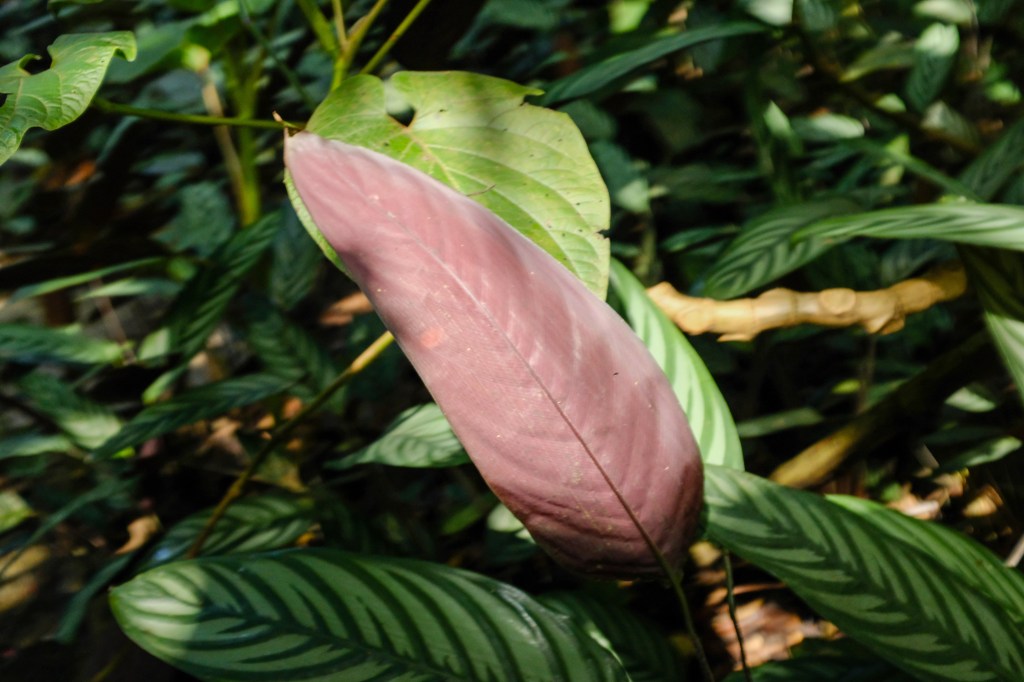
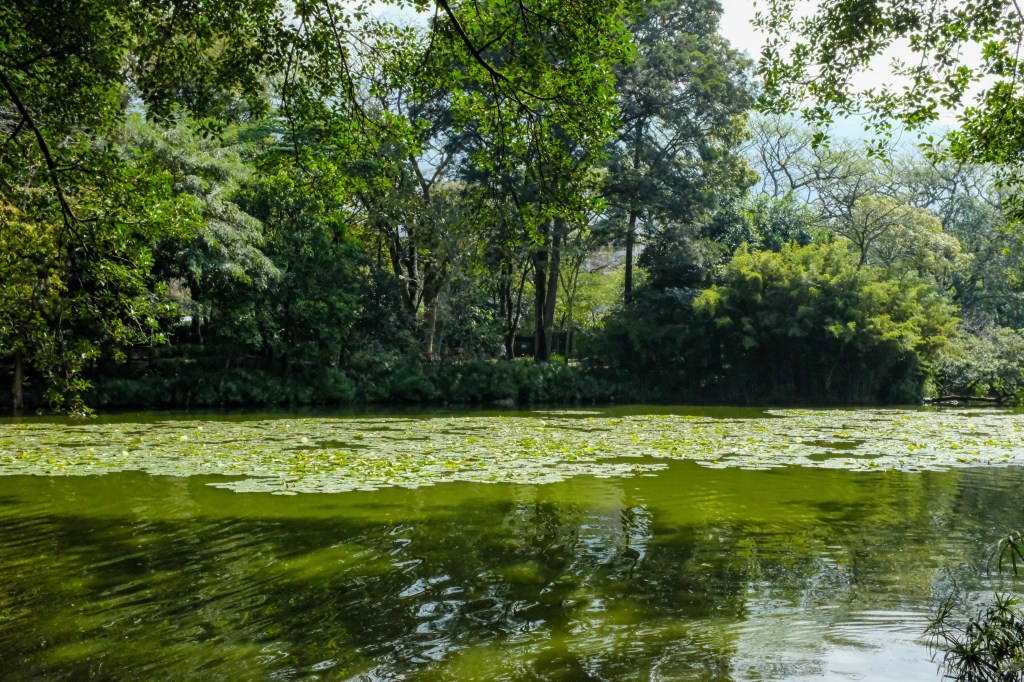
Together we explored Medellin’s Botanical Garden
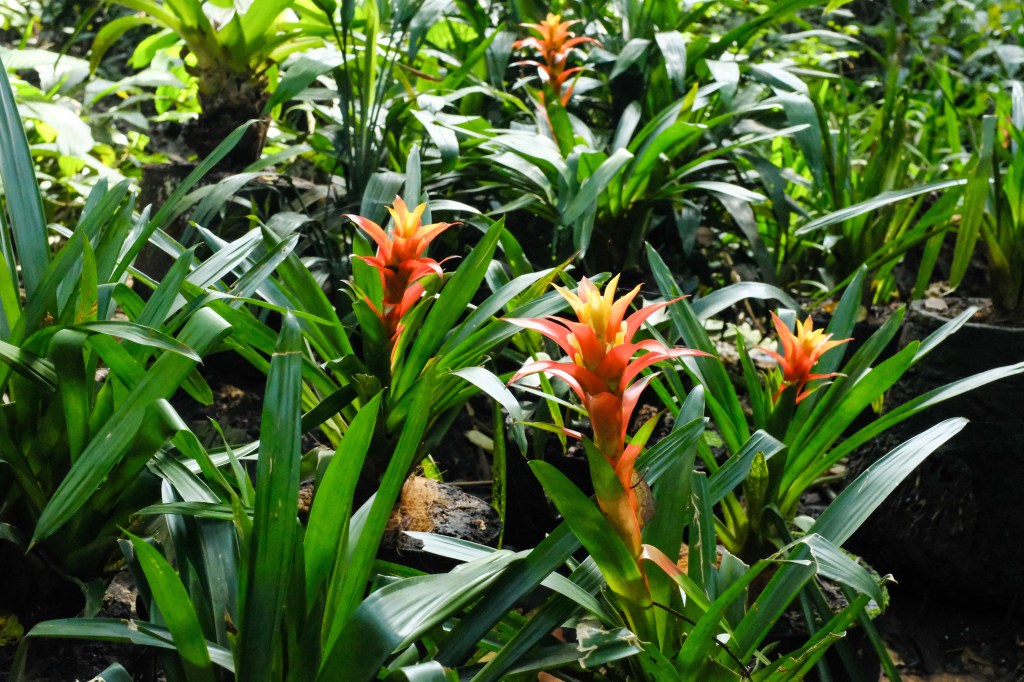
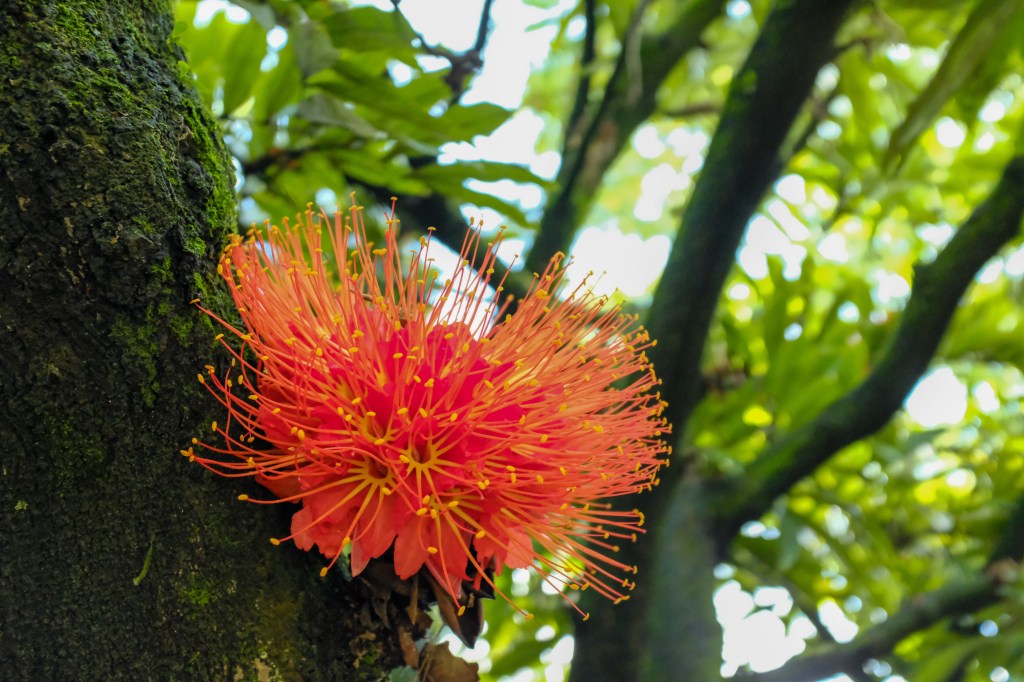
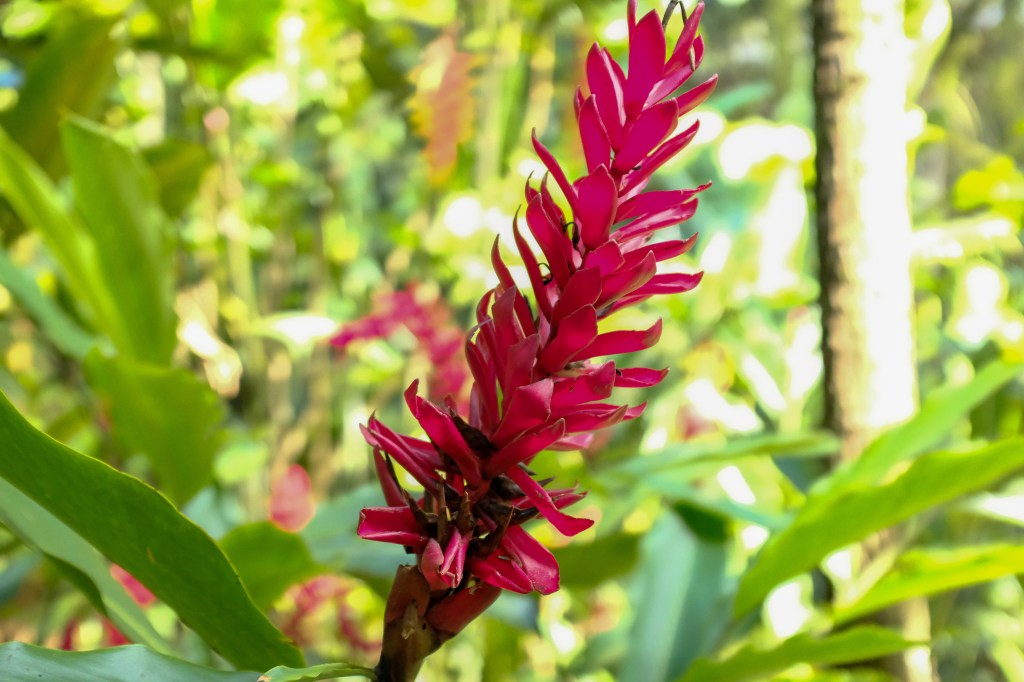
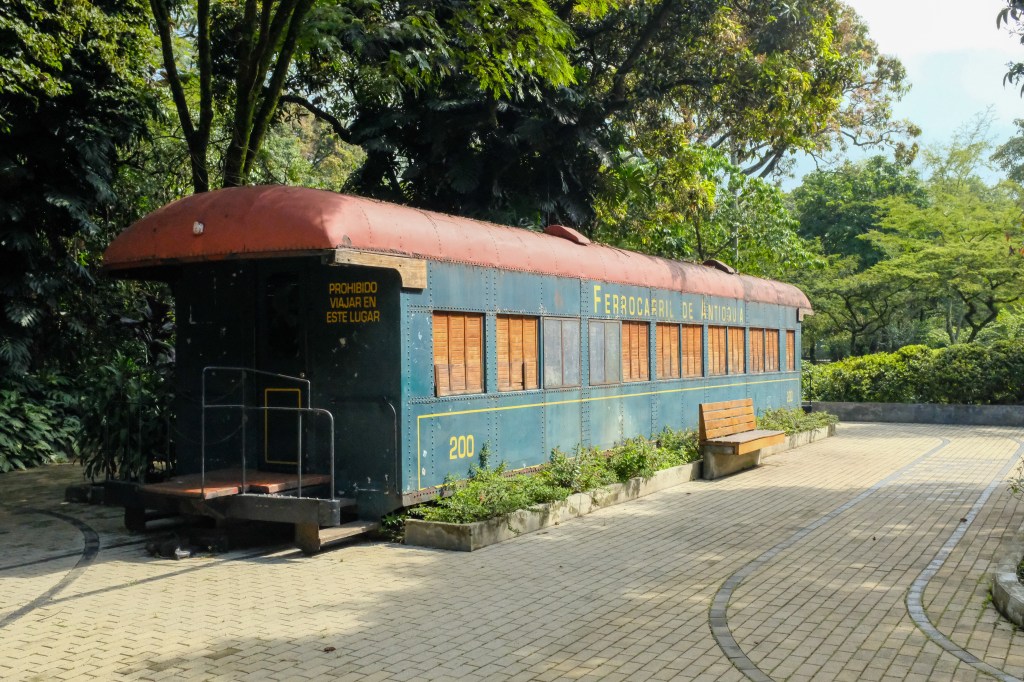
And saw some great birds!
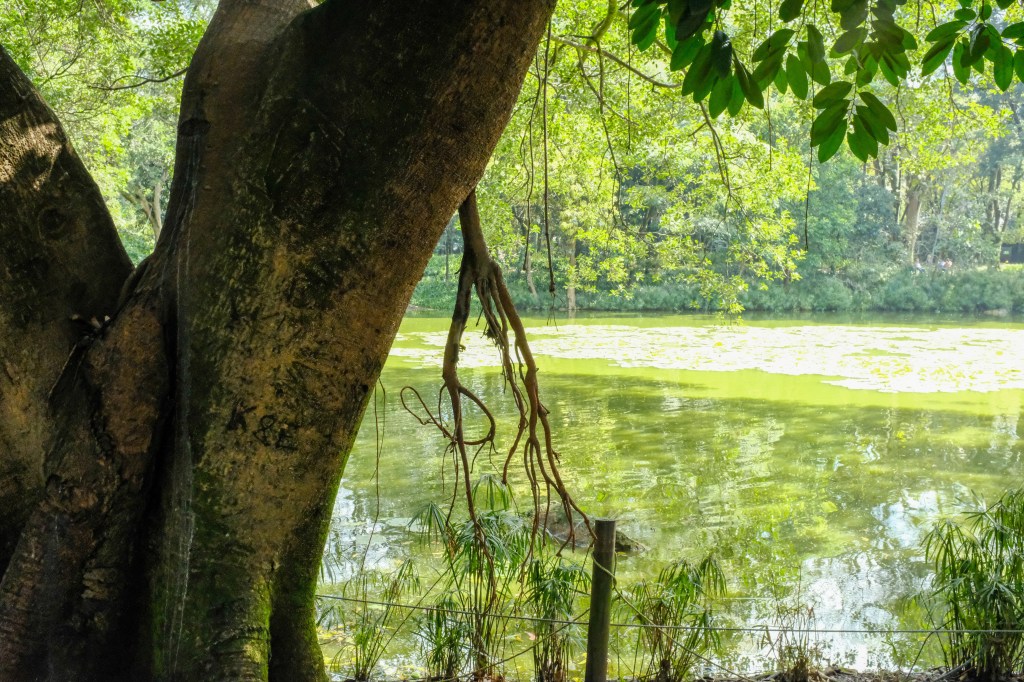
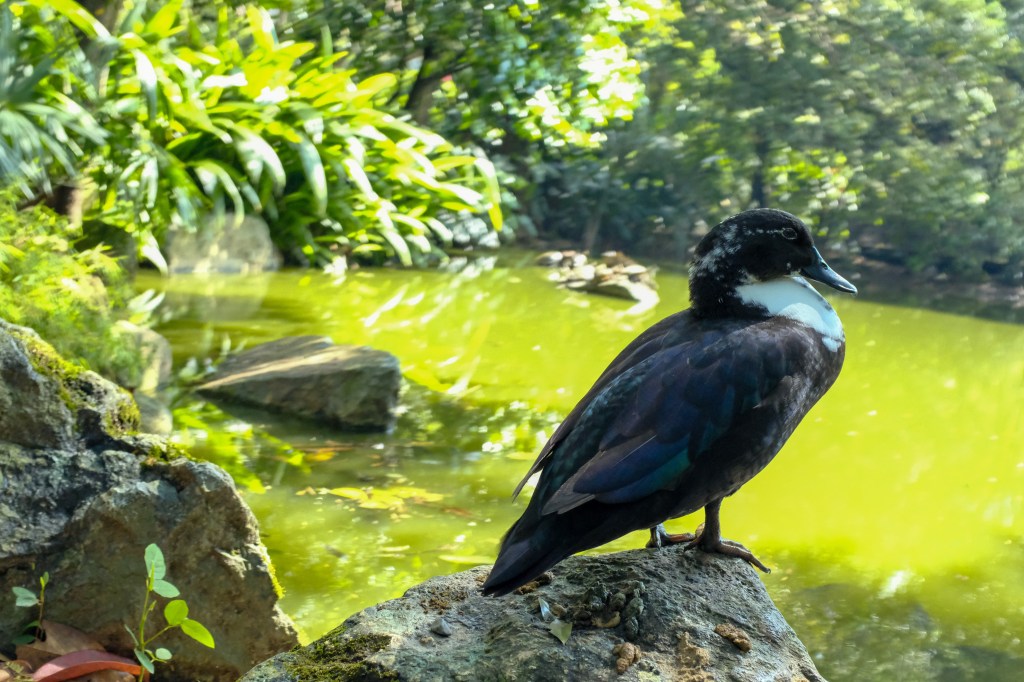
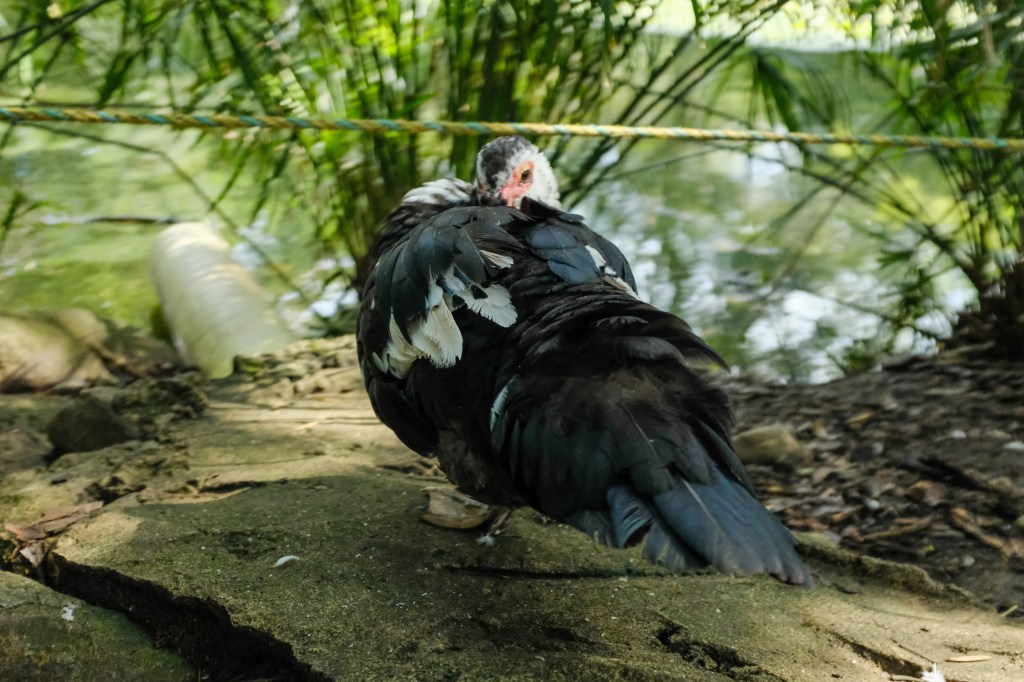
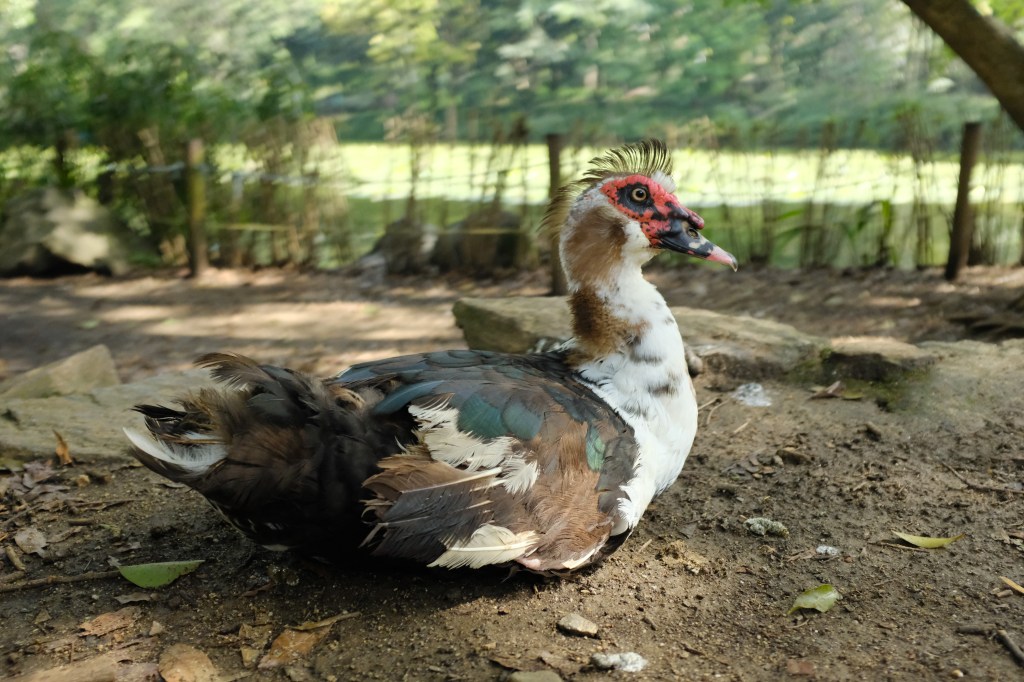
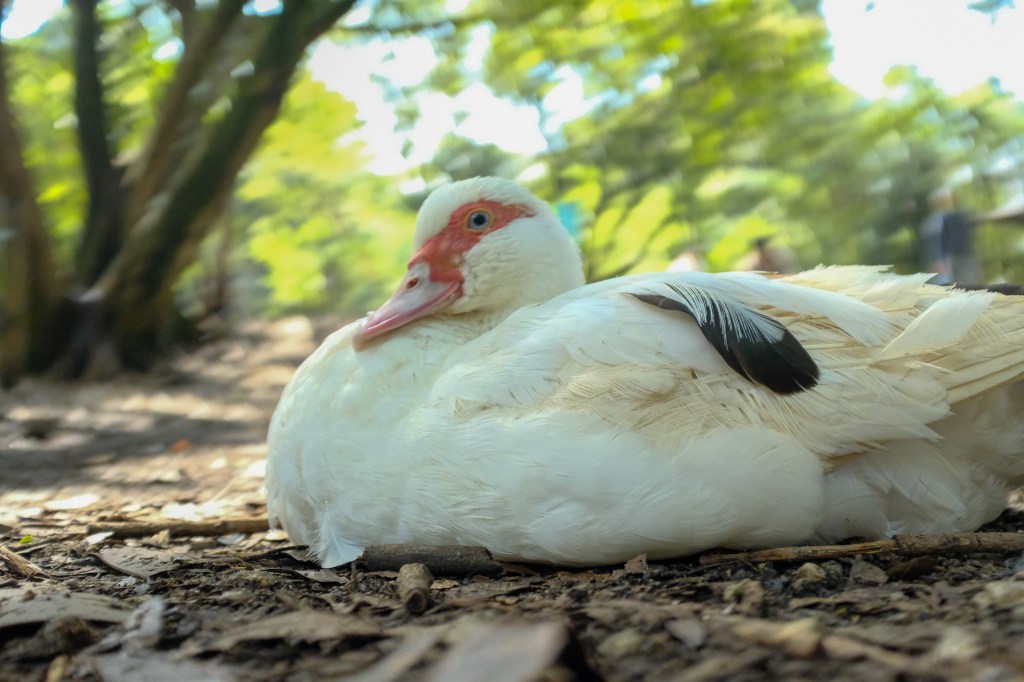
And a few iguanas…
After the Botanical Garden, we took the gondolas up to Parque Arvie!
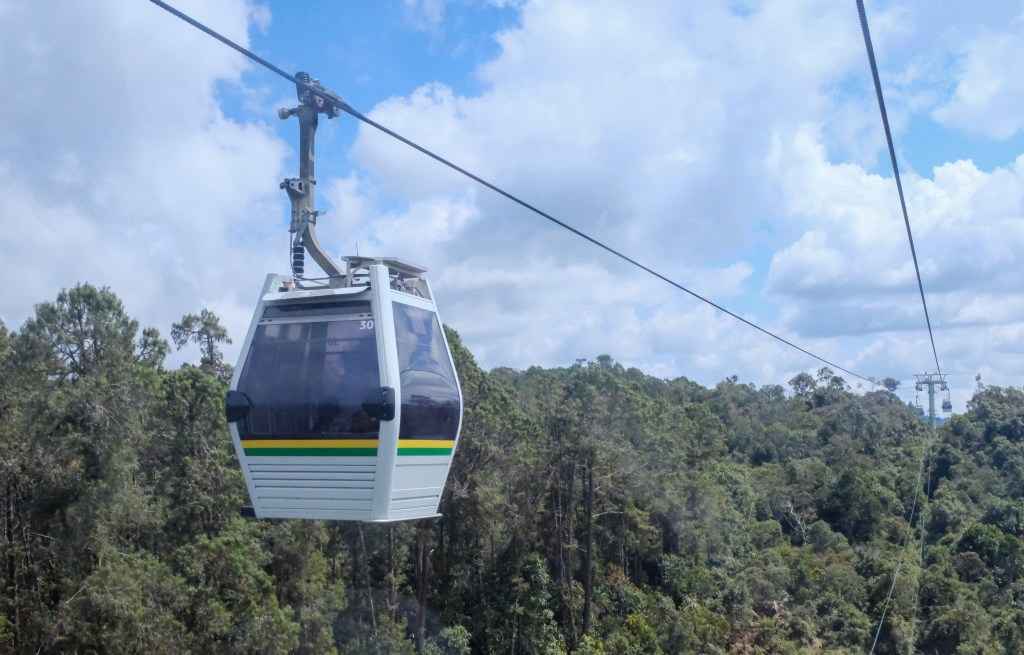
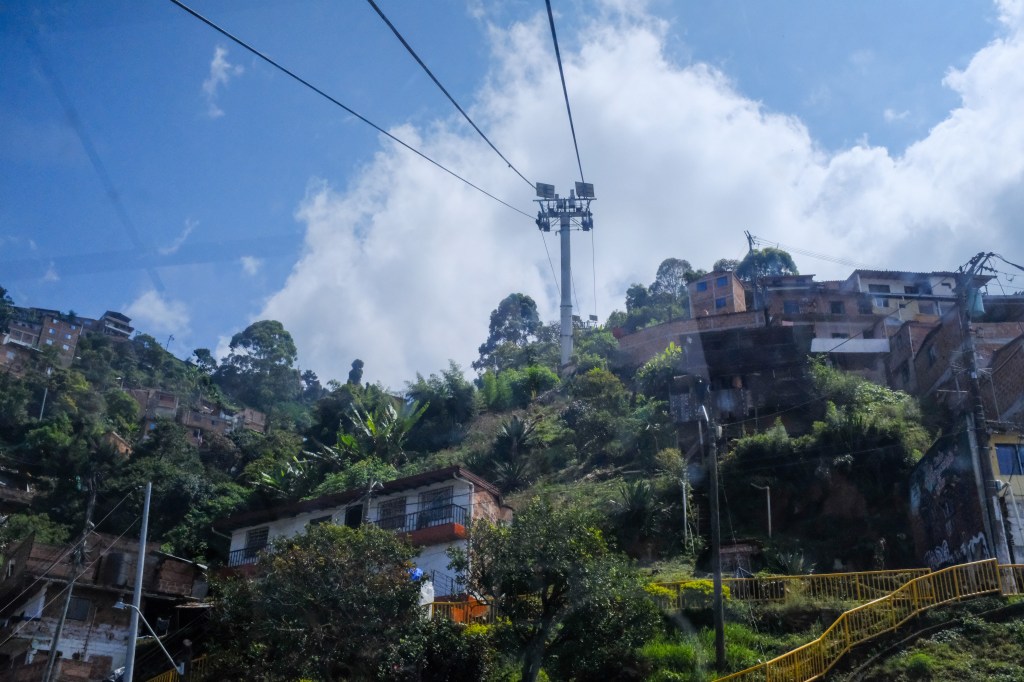
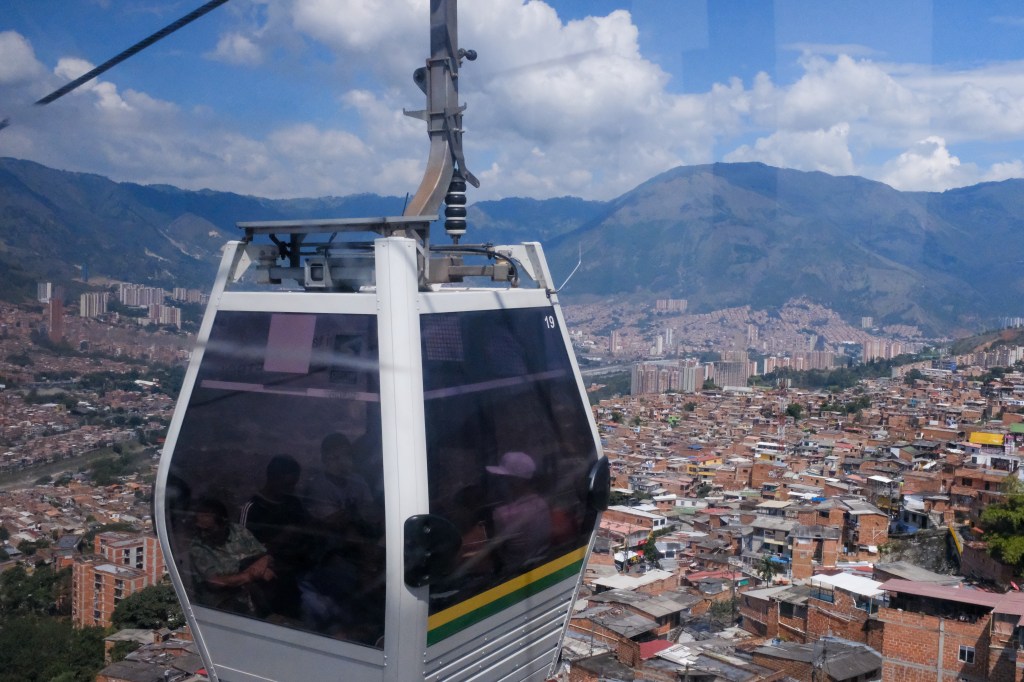

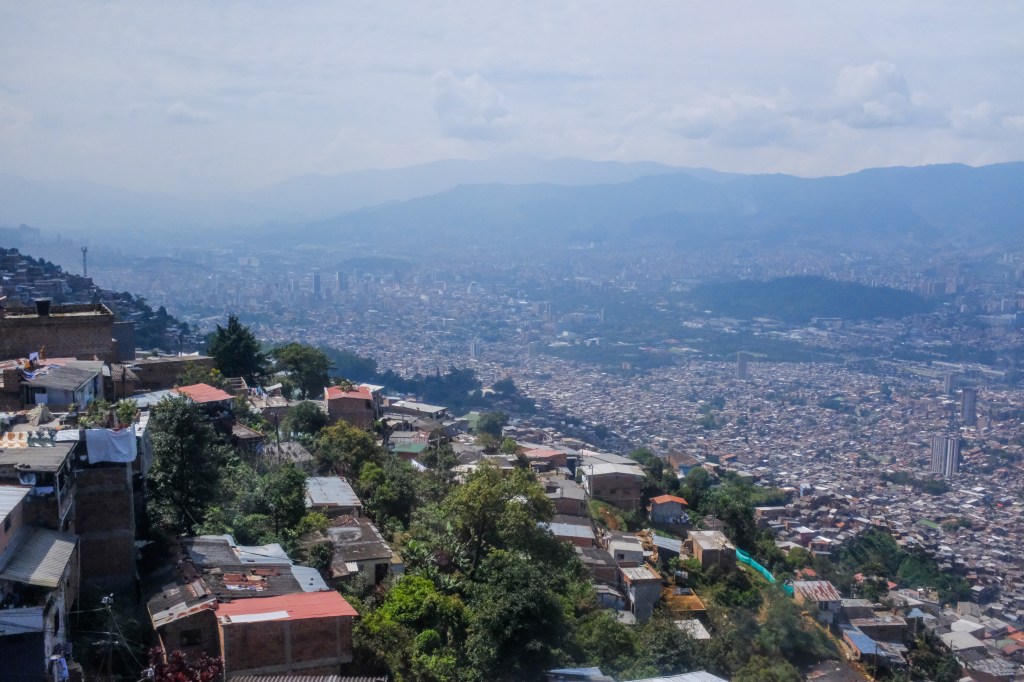
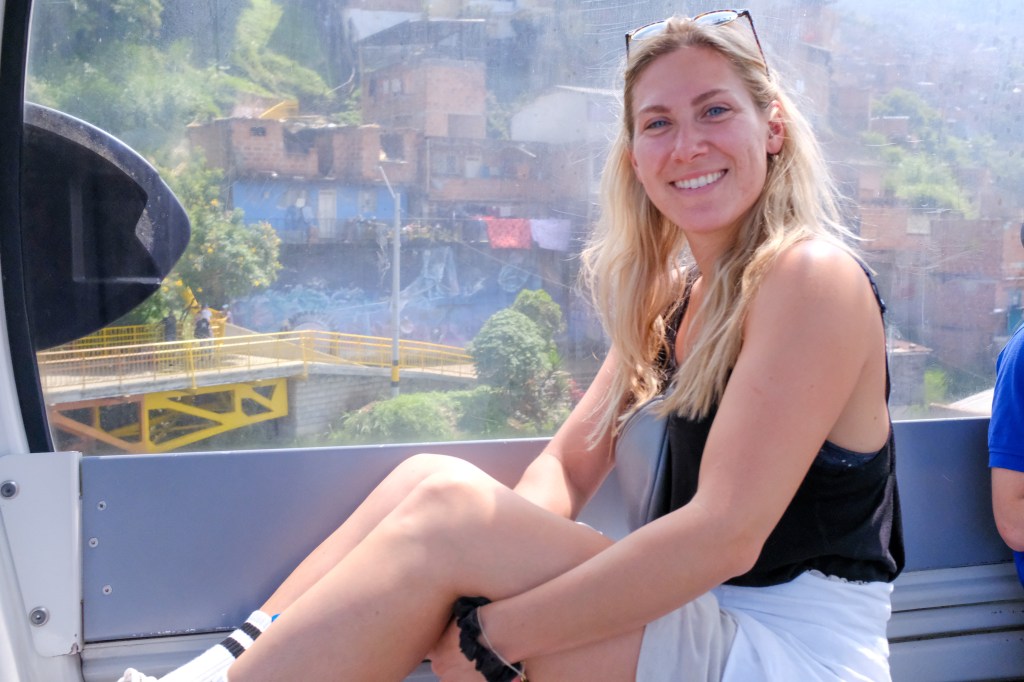
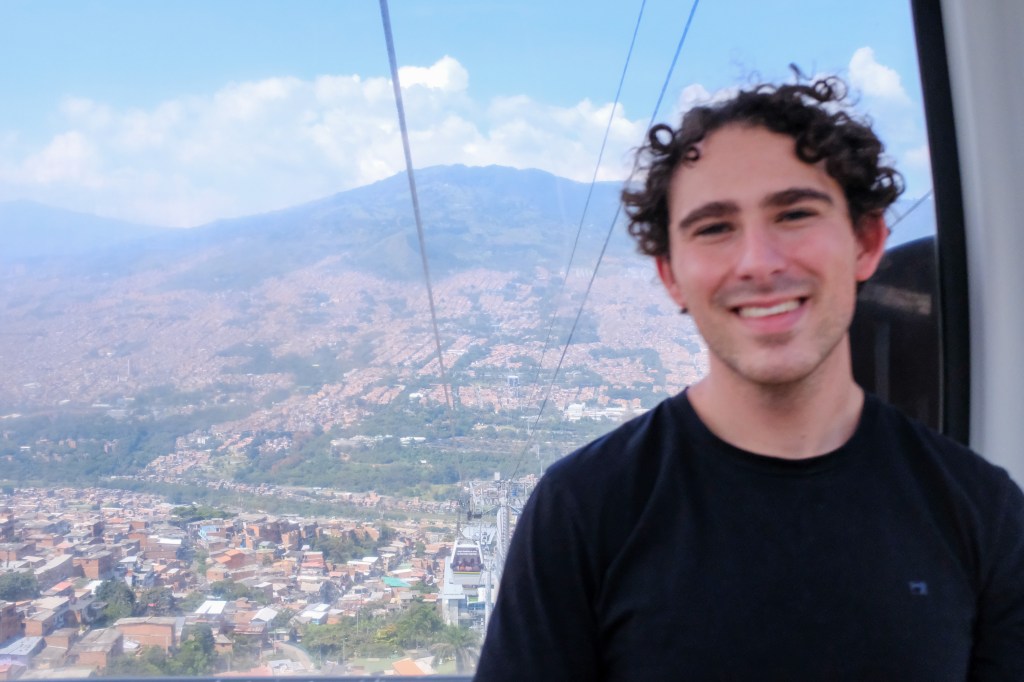
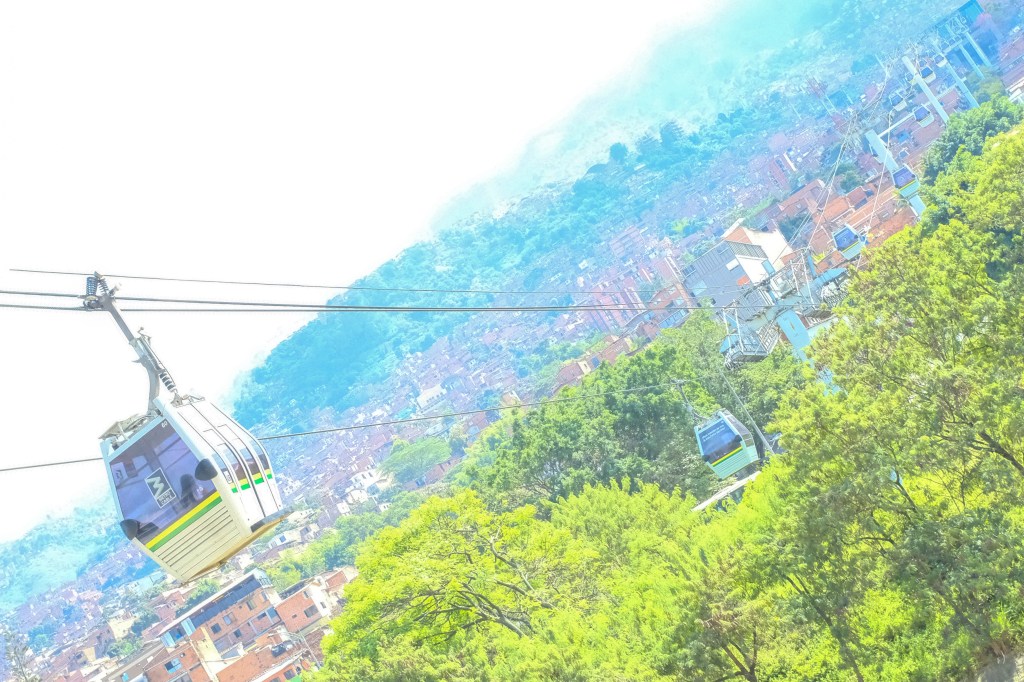
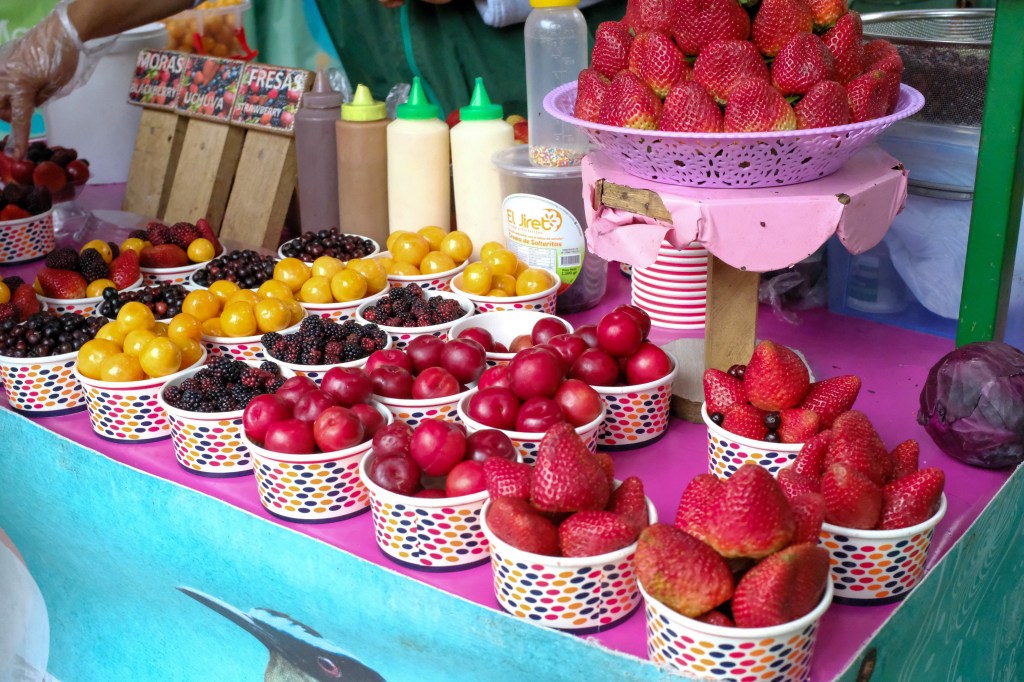
In the park, we stumbled upon a farmers market!
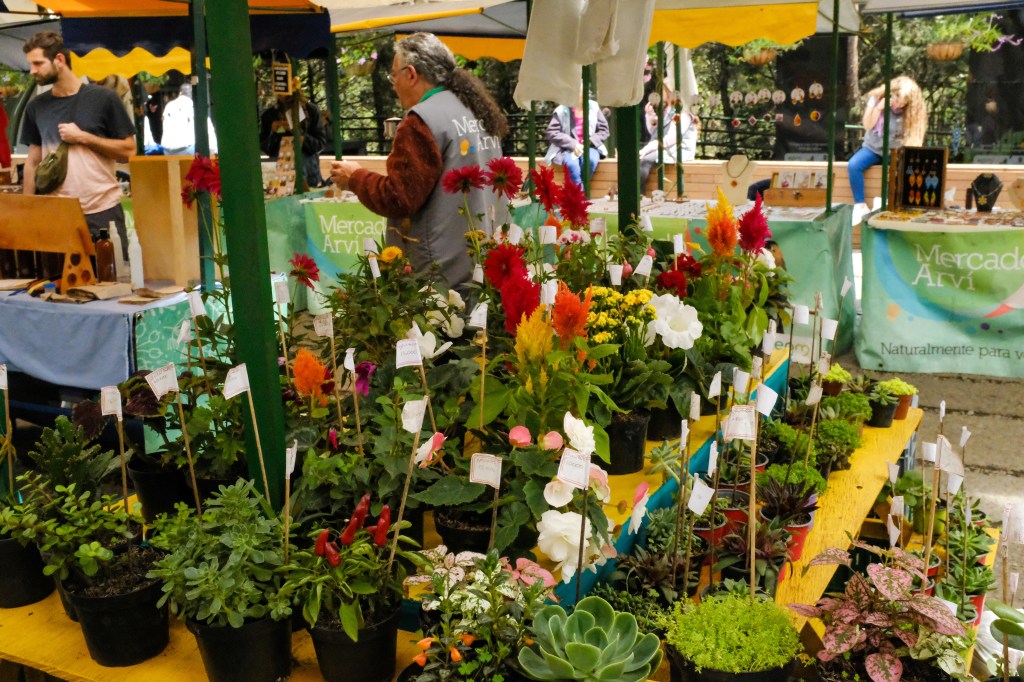
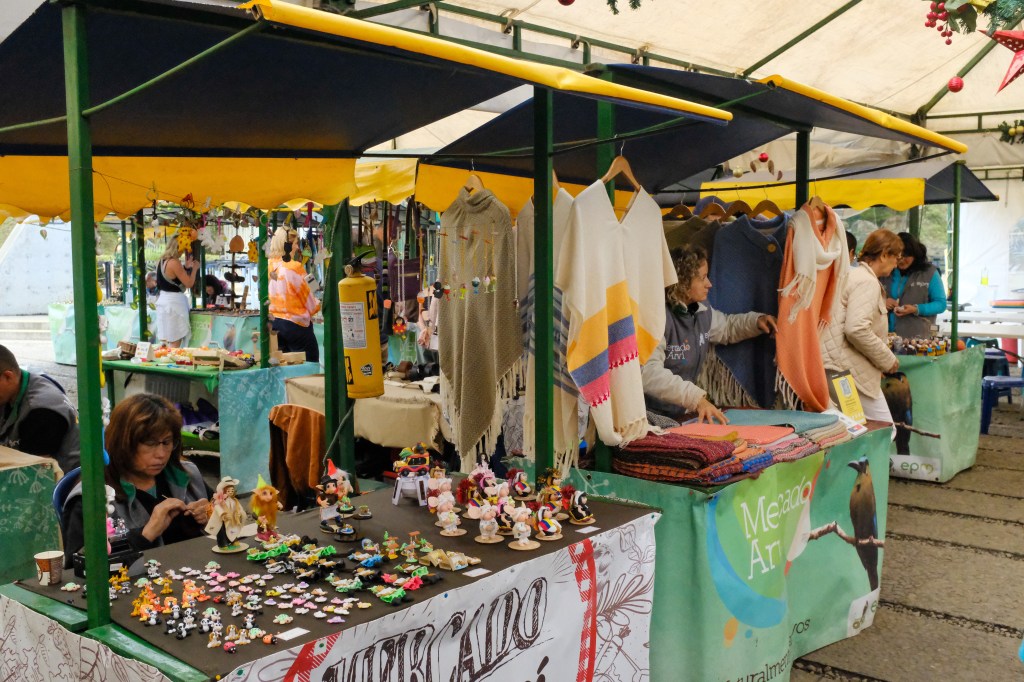
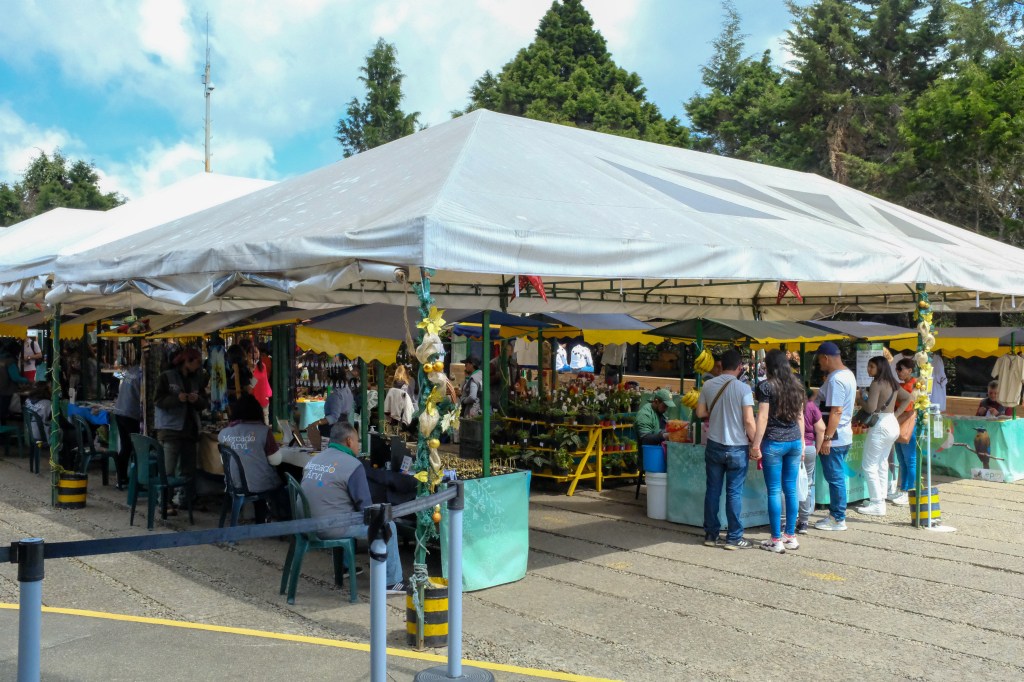
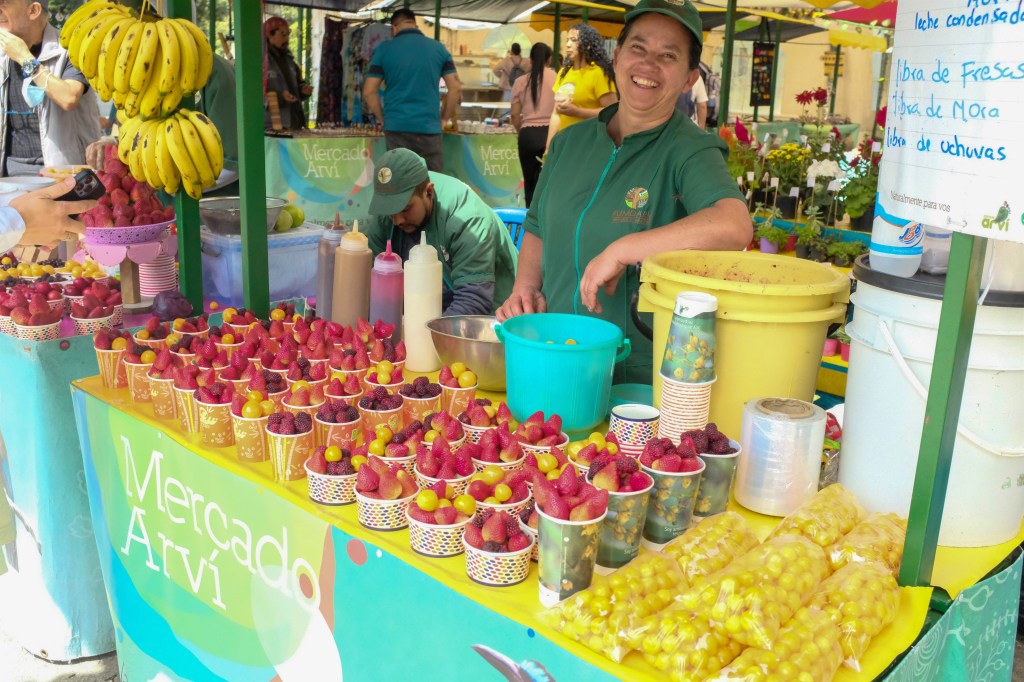
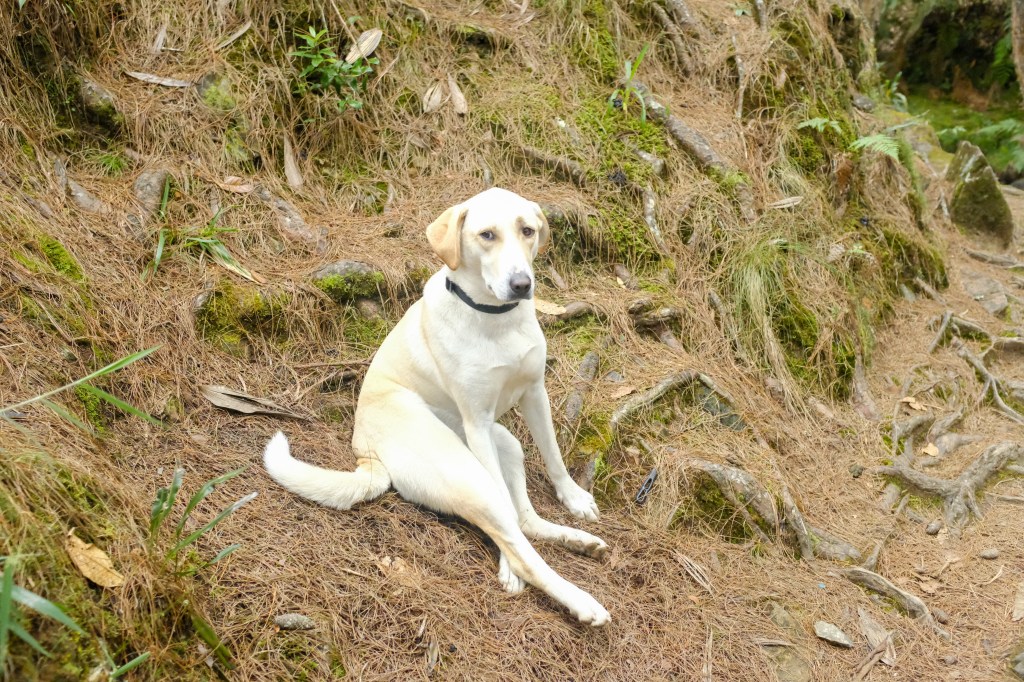
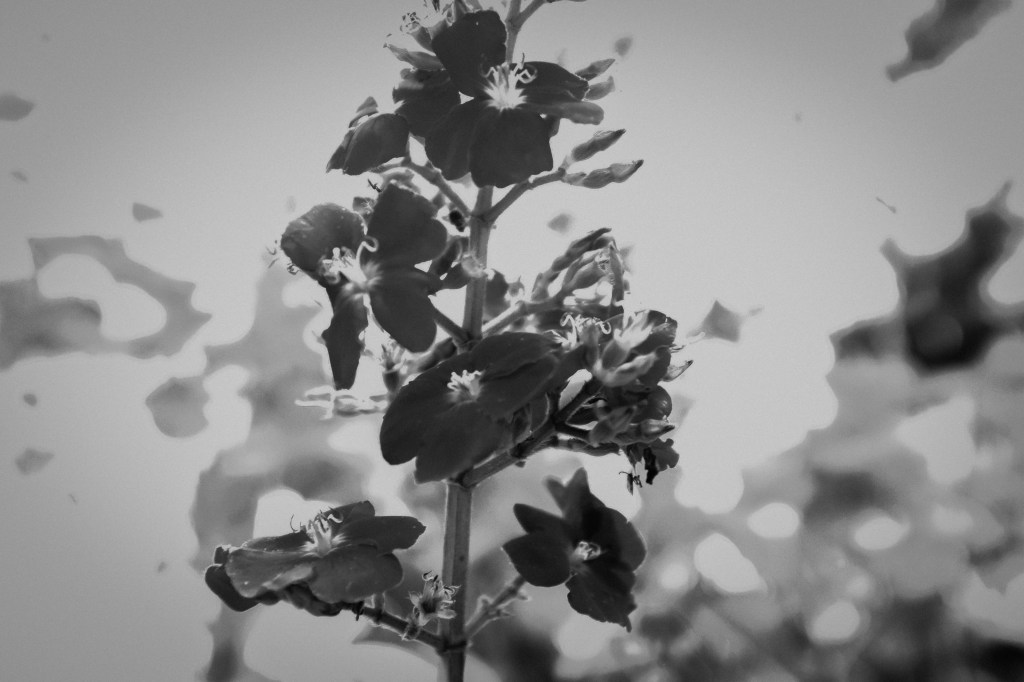
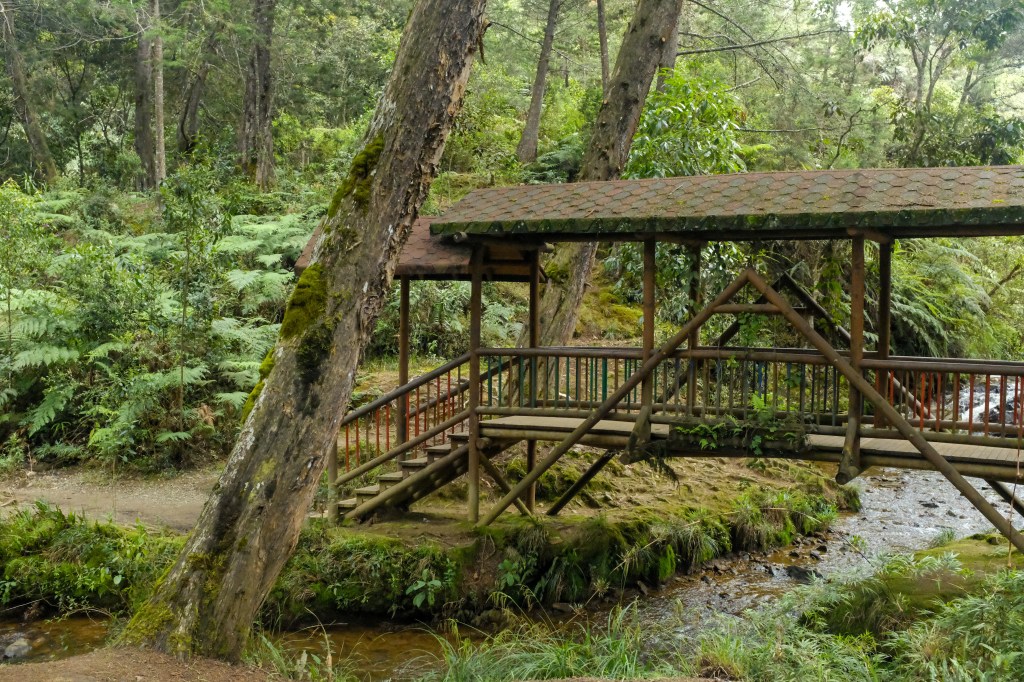
And went on a hike in the park!
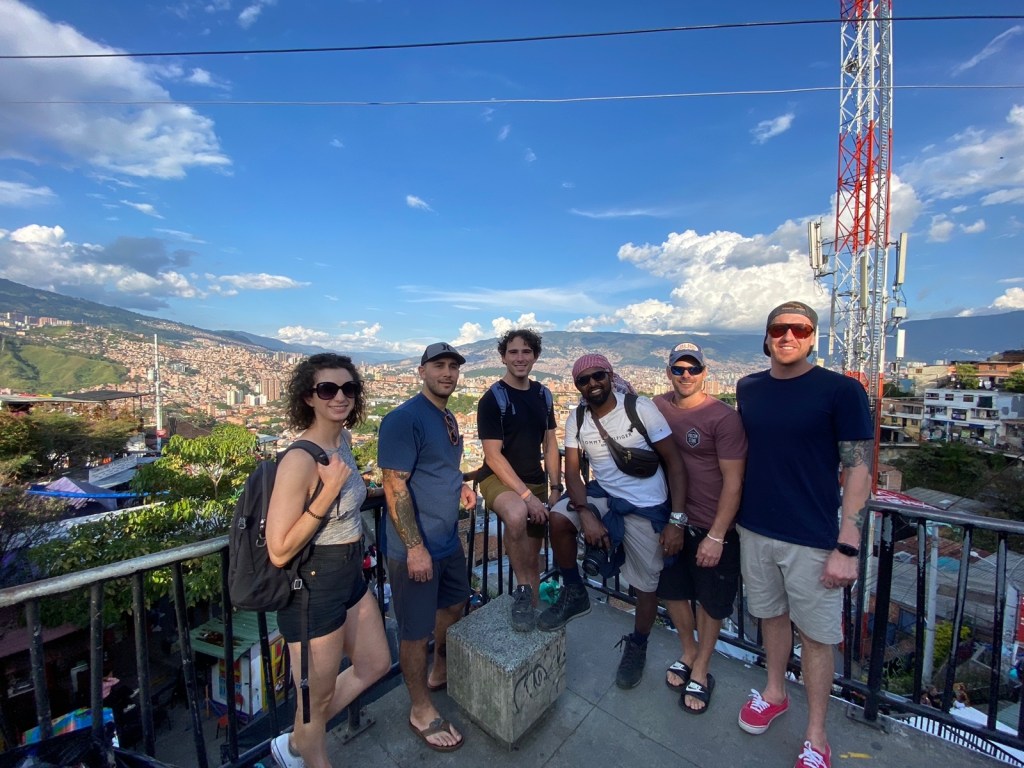
Towards the end of my time in Medellin, I had the chance to take a graffiti walking tour of Comuna 13.
I speak more in depth about my time in the neighborhood in my book club post (see here) but I will give a brief description her as well.
In the 1980’s-1990’s Comuna 13 had such a high murder rates it was considered the most dangerous place in the world.
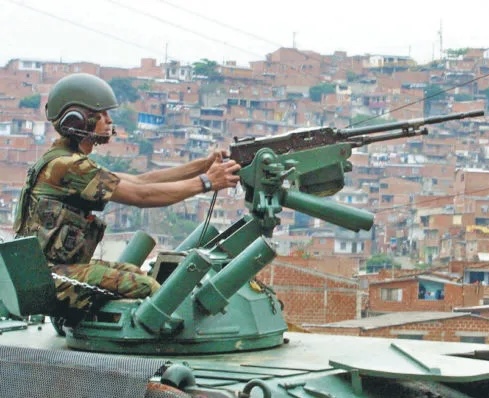
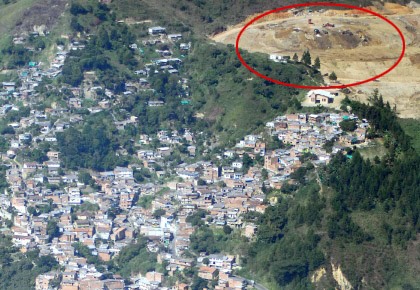
Now, it is now one of the safest and most explored areas in the city. The neighborhood is famous for its powerful graffiti art and murals where people express themselves through depictions of conflict, corruption, and the power of community action which helped bring an end to the violence. On the graffiti tour, I was able to explore the neighborhood just 6 years after the peace deal between FARC and the Colombian government. It is absolutely incredible to see the transformation the neighborhood has gone through in a mere 6 years since the peace agreement, and it has a lot to do with the decades of effort from community leaders.
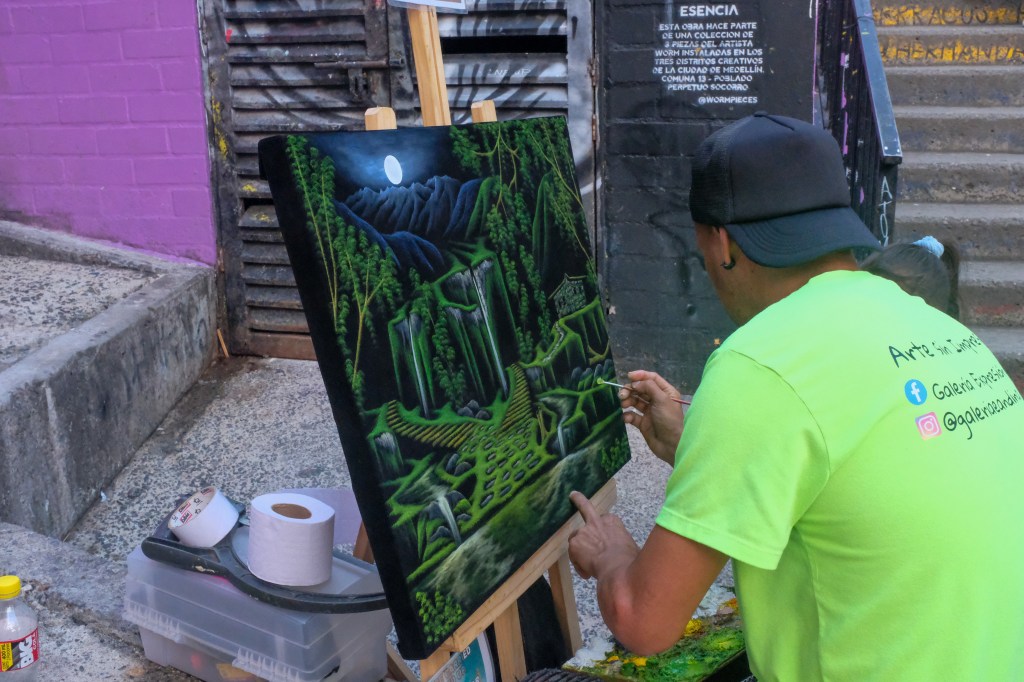
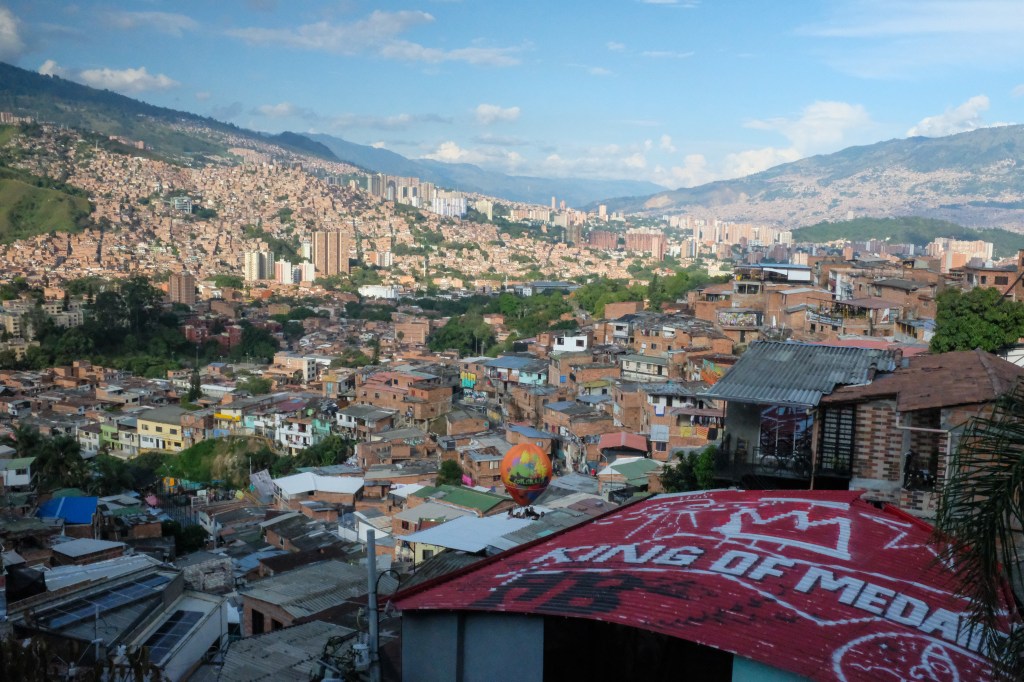
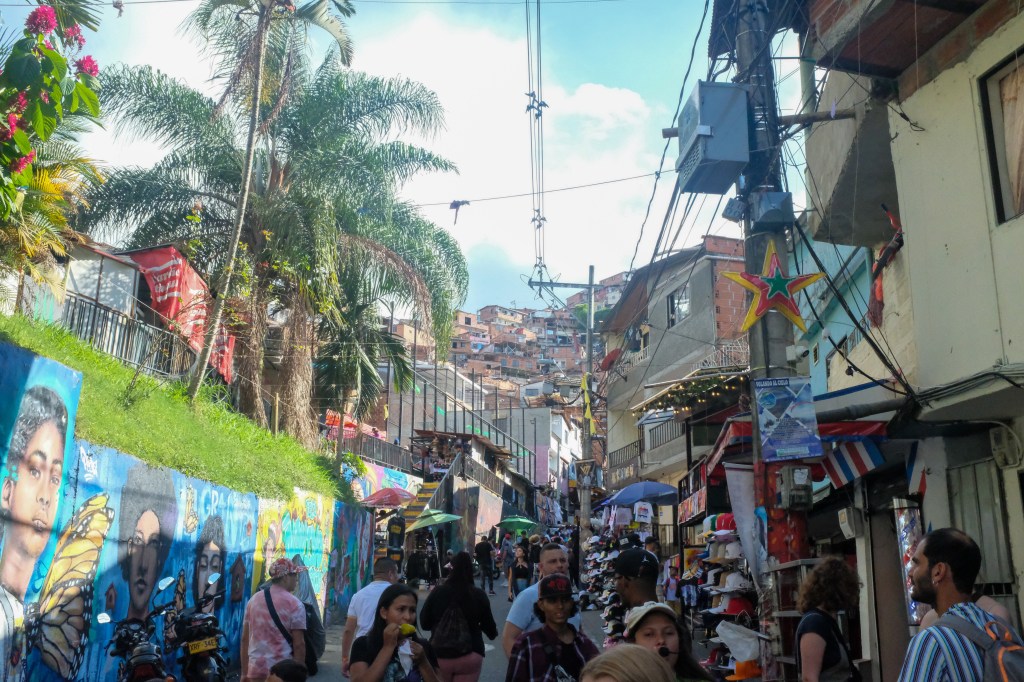
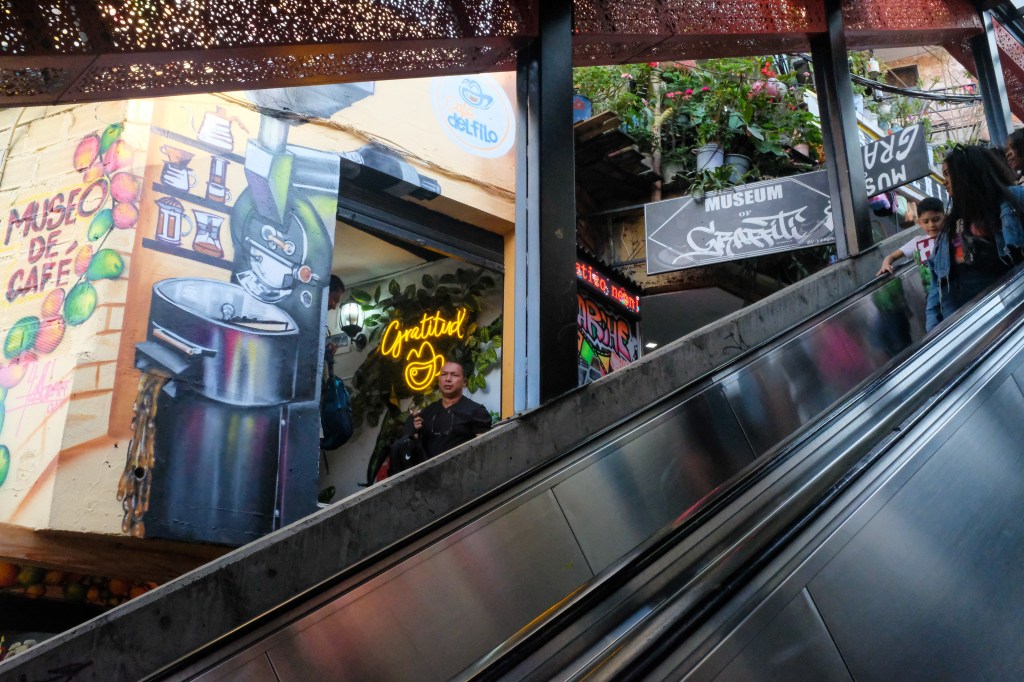
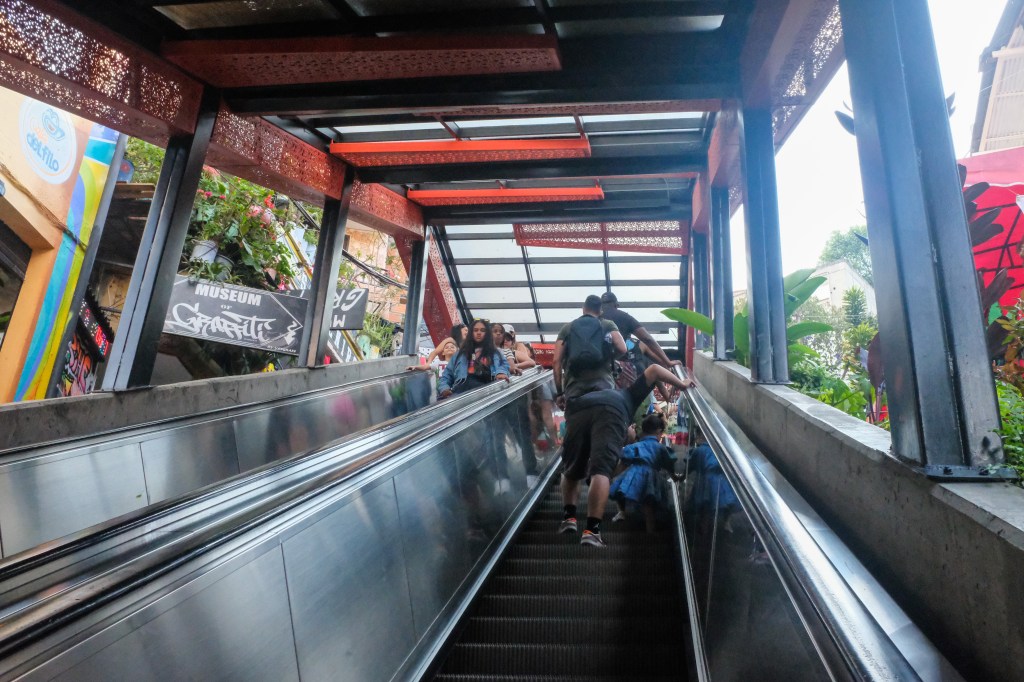
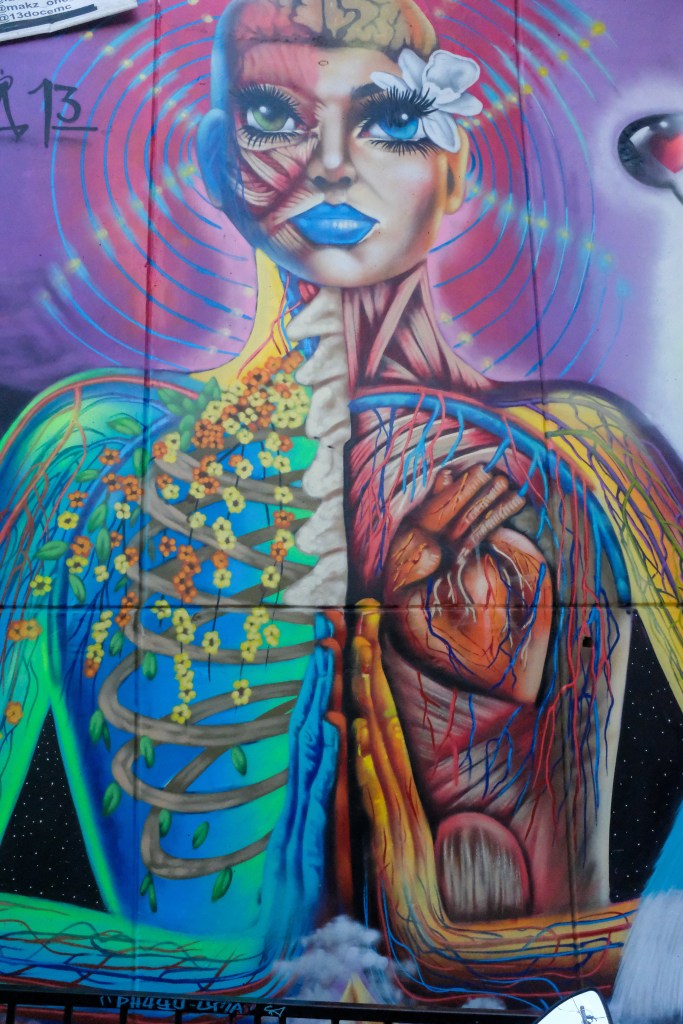
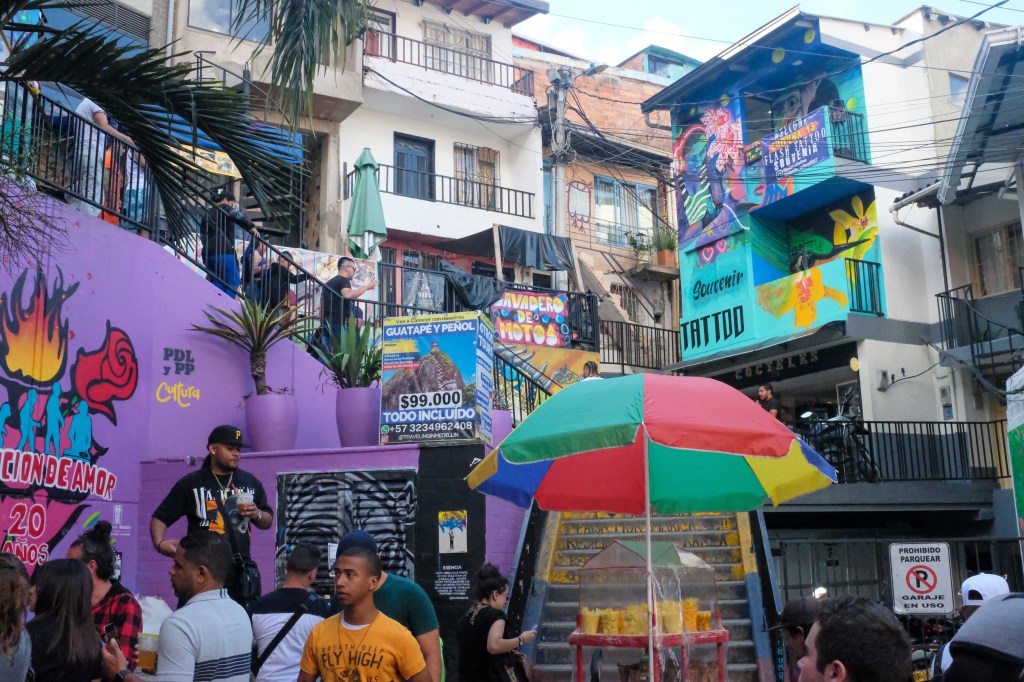
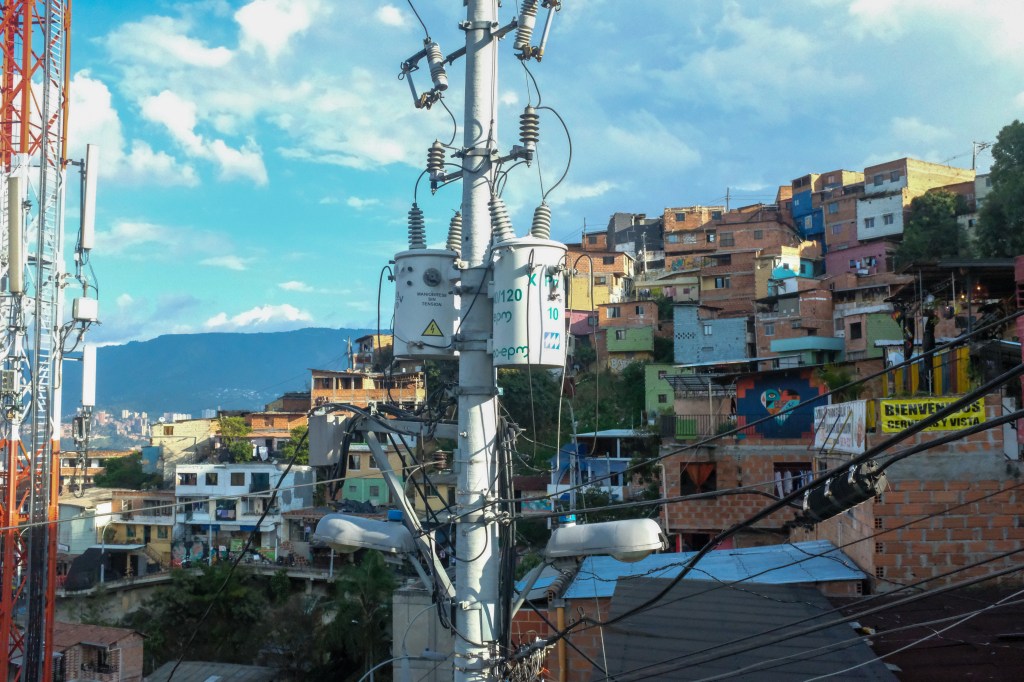
I had the opportunity to meet one of those leaders, Don Angel Ivan Gonzalez, on the graffiti tour. Gonzalez was pivotal in the revitalization of the Vicente de Julio area in Comuna 13, which is now one of the central art hubs of the city.

Gonzalez lived in Comuna 13 most of his life, witnessing the violence that took place in the neighborhood – gang killings, abductions, and the notorious interventions conducted by the Colombian state that resulted in the indiscriminate maiming and killing of hundreds of civilians (you can learn more about the operations HERE). Despite experiencing decades of instability, he maintained a steadfast commitment to supporting his community. Gonzalez helped establish the orange-roofed escalators that cover the neighborhood. Finished in 2011, they allow Comuna 13 residents to scale the mountainous neighborhood in six sections, with a journey taking just six minutes. He also played an integral role in cultivating the art-scene that has made the neighborhood so famous, promoting youth initiatives that encouraged expression through art.
It was incredible to see how much change someone can bear witness to in just one lifetime – and how much of an impact one individual can have on the growth of a community.
Lima & a change of plans
A valuable lesson I learned when I embarked on my first backpacking trip in 2015 was that flexibility is key – plans change and you need to be ready to roll with the punches.
Before leaving for Colombia, I had a plan to travel to Cusco in Peru to complete the 4D/3N hike to Machu Picchu. A bucket-list item, I was quite disappointed when I had to make the decision to cancel my trip due to the ongoing political crisis in Peru. Despite this, the events that disrupted my initial plans offered new opportunities and provided me a glimpse into the complicated political circumstances faced by the people of Peru.
Flying into Lima last Thursday, I found myself in the center of the political crisis. While the protests that had engulfed Peru in December and early January were mostly centered in Cusco and Puno, by the 19th of January, they had moved west to the Peruvian capital, where I would be spending the next 5 days.
I do not feel I have the knowledge or positioning to give a proper opinion of the situation – and so I will only focus on the emotions I felt through my experience, and what I heard from the locals I met.
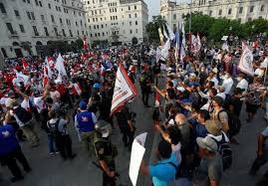
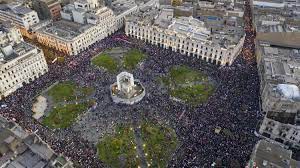
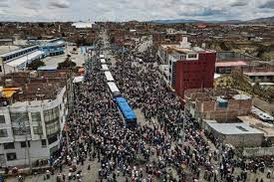
Seeing photos like the ones above on the news, I was quite surprised to see no protests in the immediate vicinity of my hostel.
Staying in Barranco, a neighborhood 7 miles south of where most of the protests were taking place, we were sequestered from the clashes between police and demonstrators – but the solemn feeling of anger and fear could be felt throughout the city.
From the staff of the hostel and other locals I spoke to, I got a sense of deep frustration towards the protesters – for disrupting the lives Lima’s locals had created for themselves in the city. While I don’t want to give my (frankly uneducated) opinion on the situation, I will say I was surprised that I did not hear much support or sympathy for the protesters – many of whom seem to be members of indigenous groups who argue they have been left behind by Peru’s economic system. If I took anything from the conversations I had, it was that fear of instability is an incredibly powerful stimulus for animosity and division. Peru has seen five Presidents in the past five years and that, along with an attempted coup and strong public dissatisfaction for the nation’s Congress, seems to have created a deep need for stability by the folks I spoke to in Lima, leaving little appetite for systemic change. And I can’t help but consider the parallels between the political challenges in Peru and the United States – in the consequences just one person can have on the trajectory of a nation’s future.
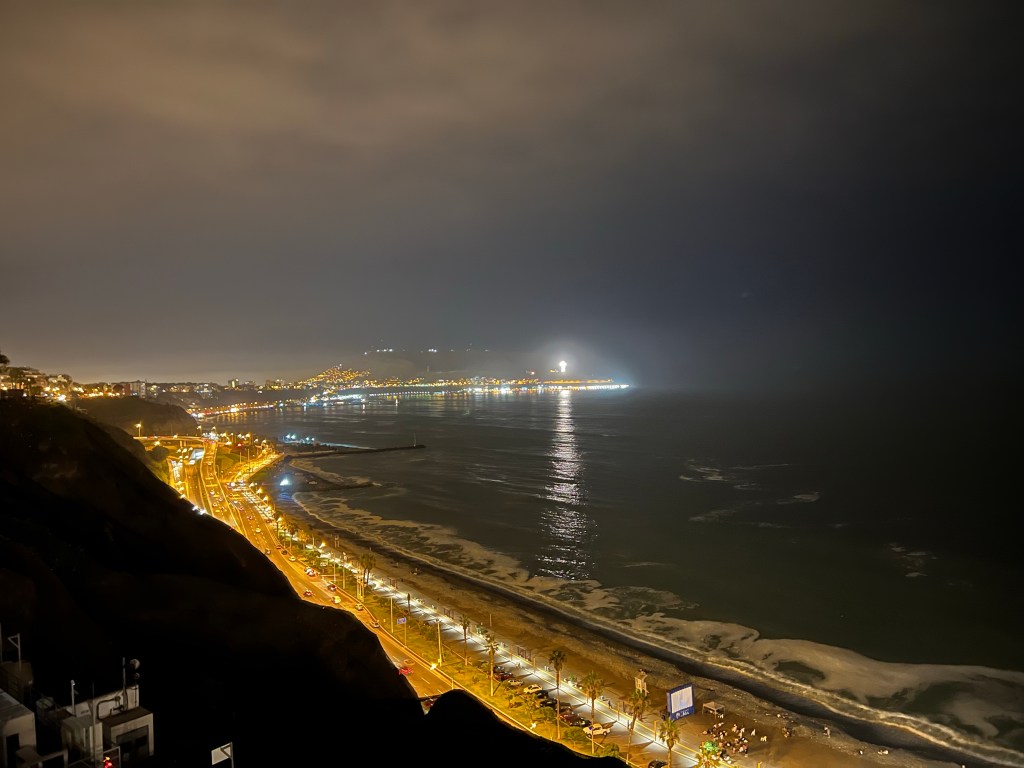
Despite these tensions, the neighborhoods I spent the majority of my time in – Barranco & Miraflores – were quite beautiful
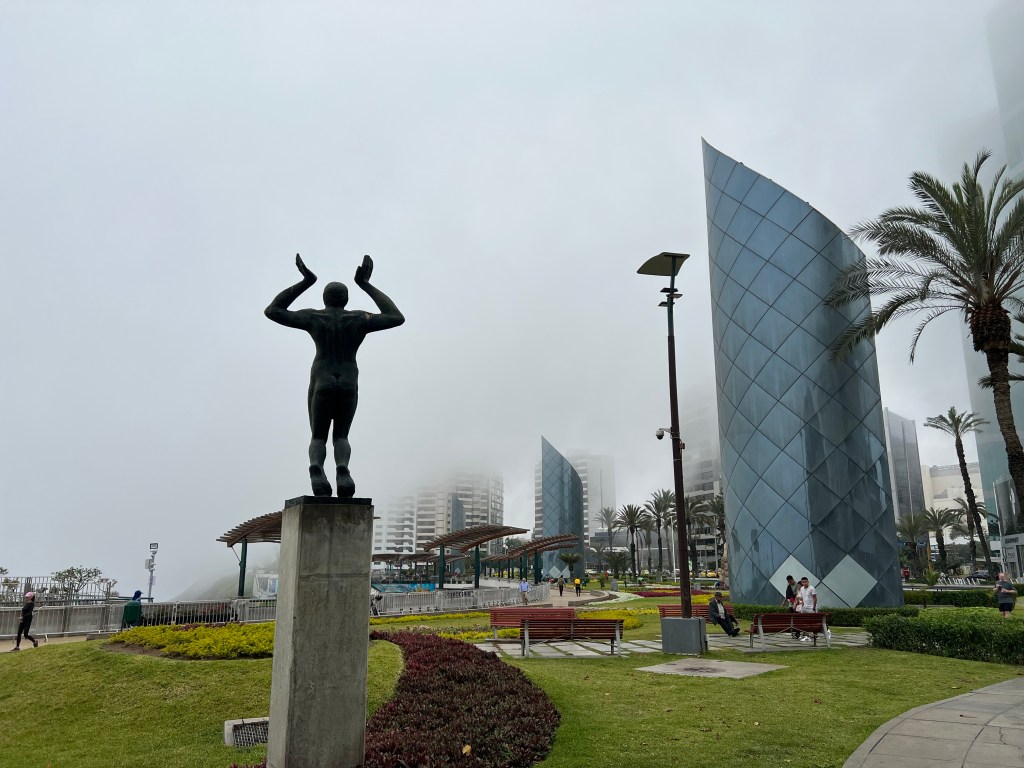
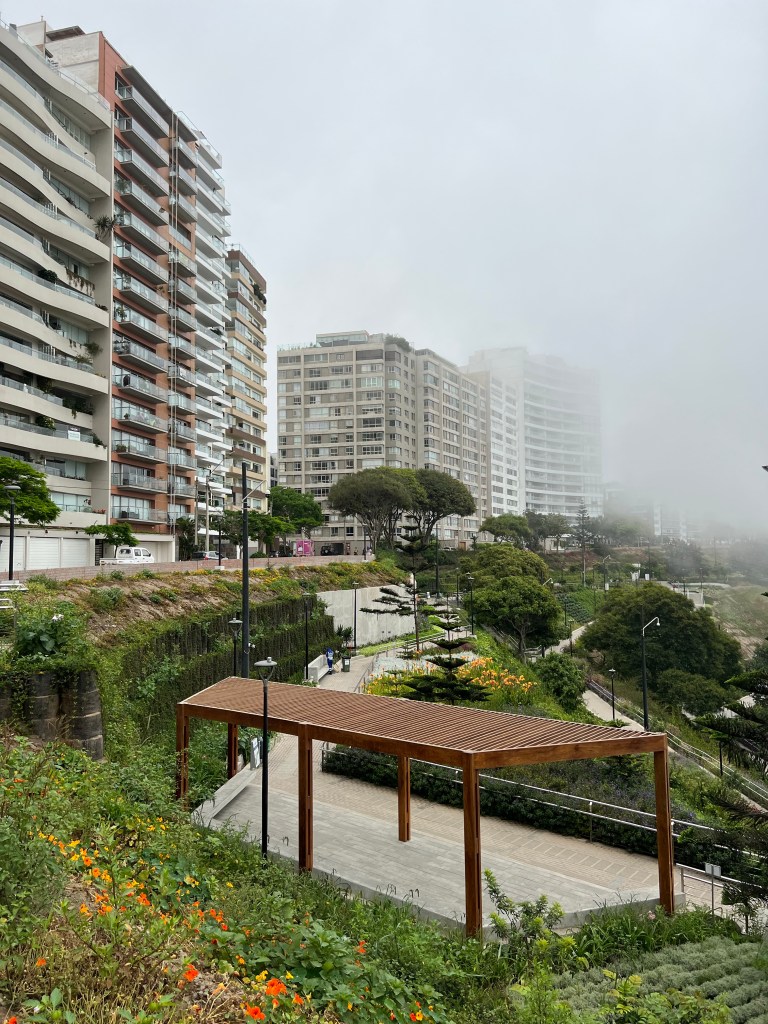
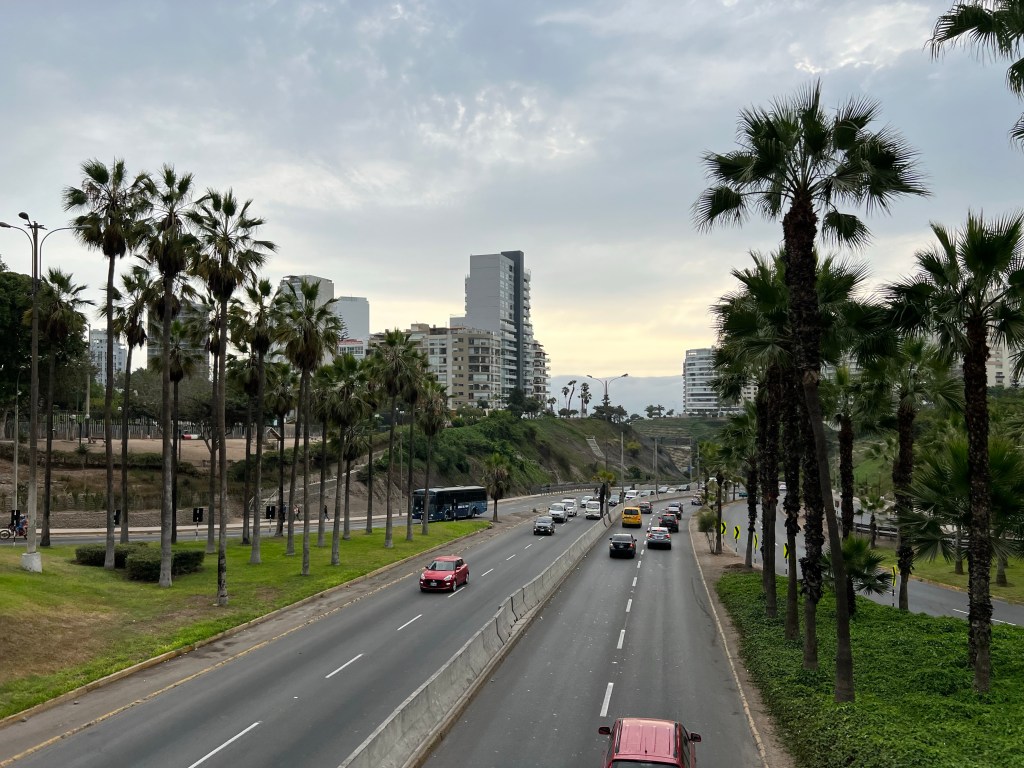
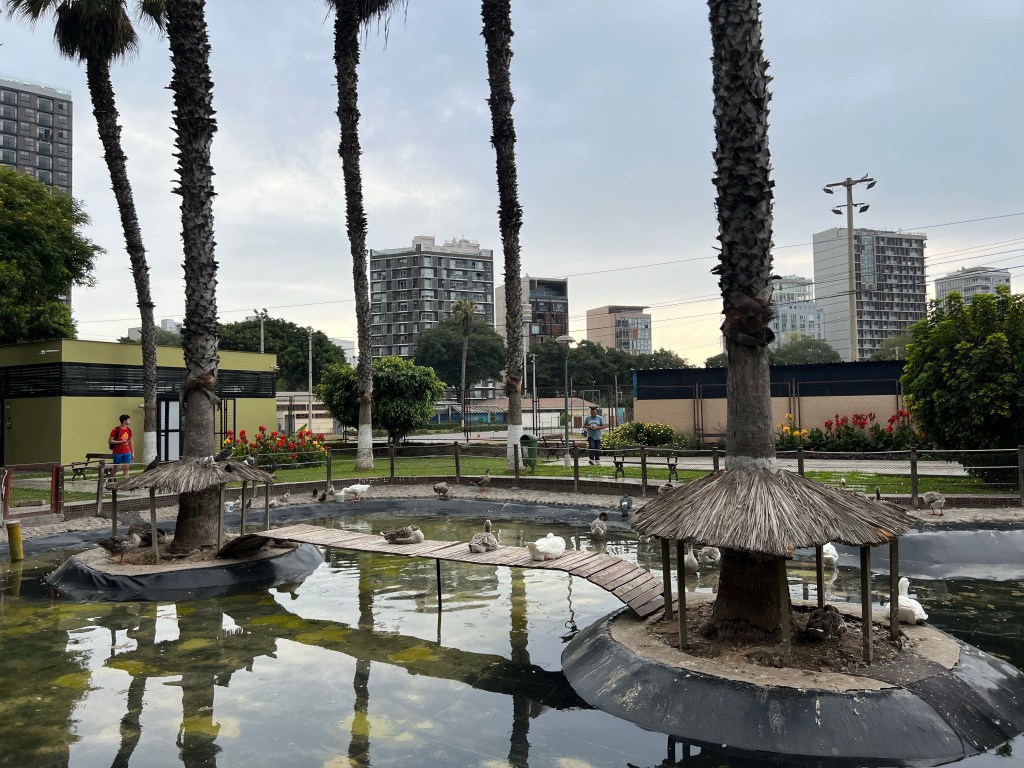
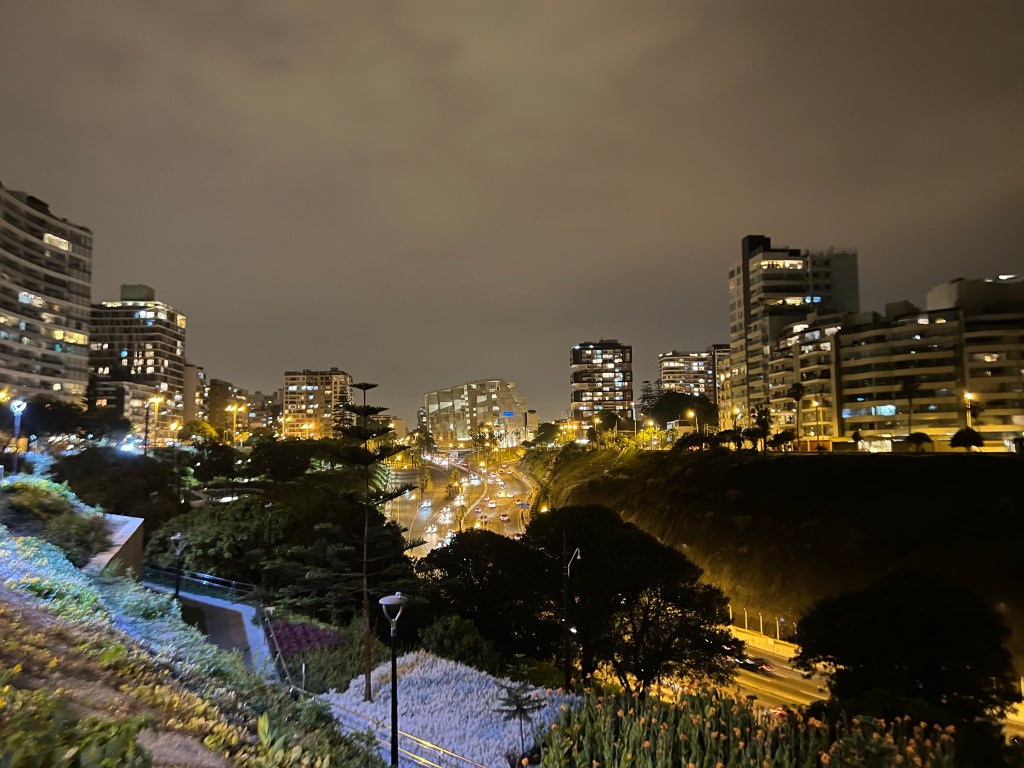
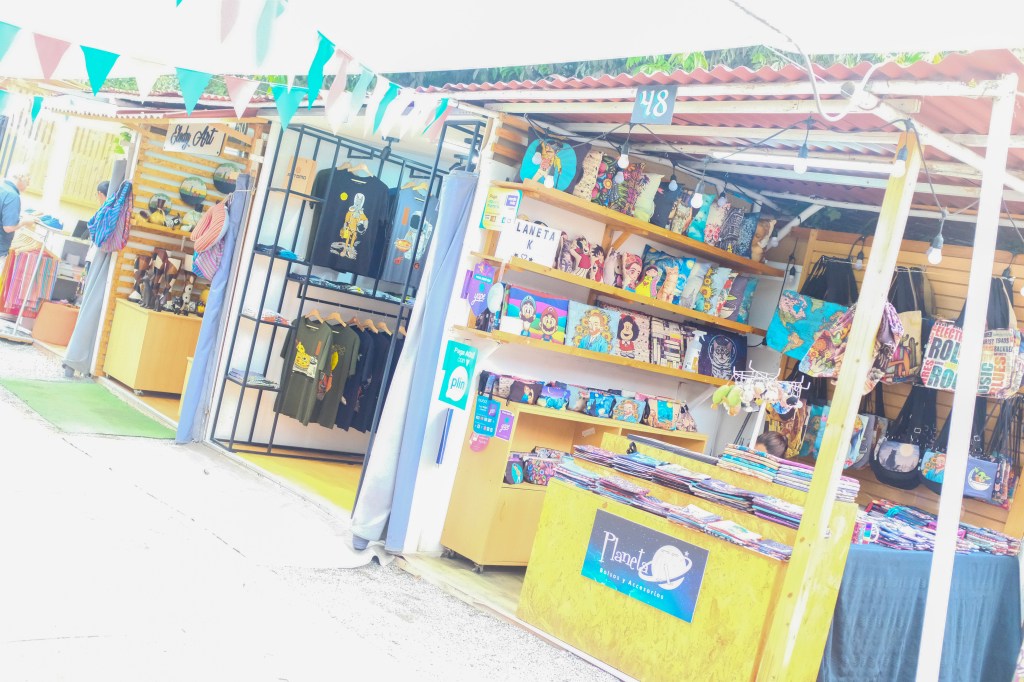
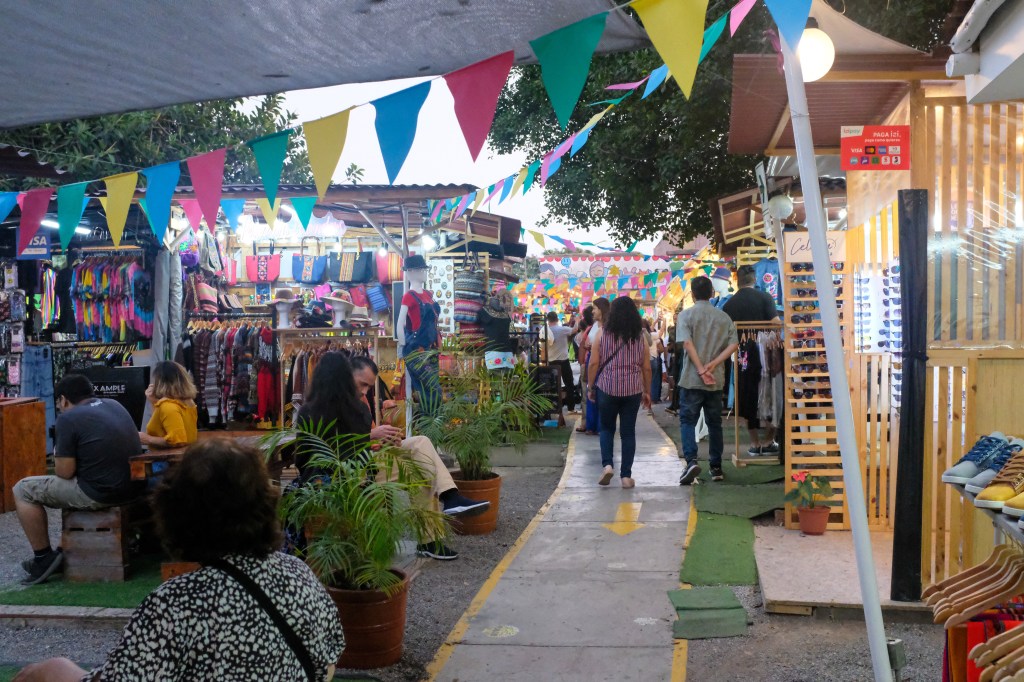
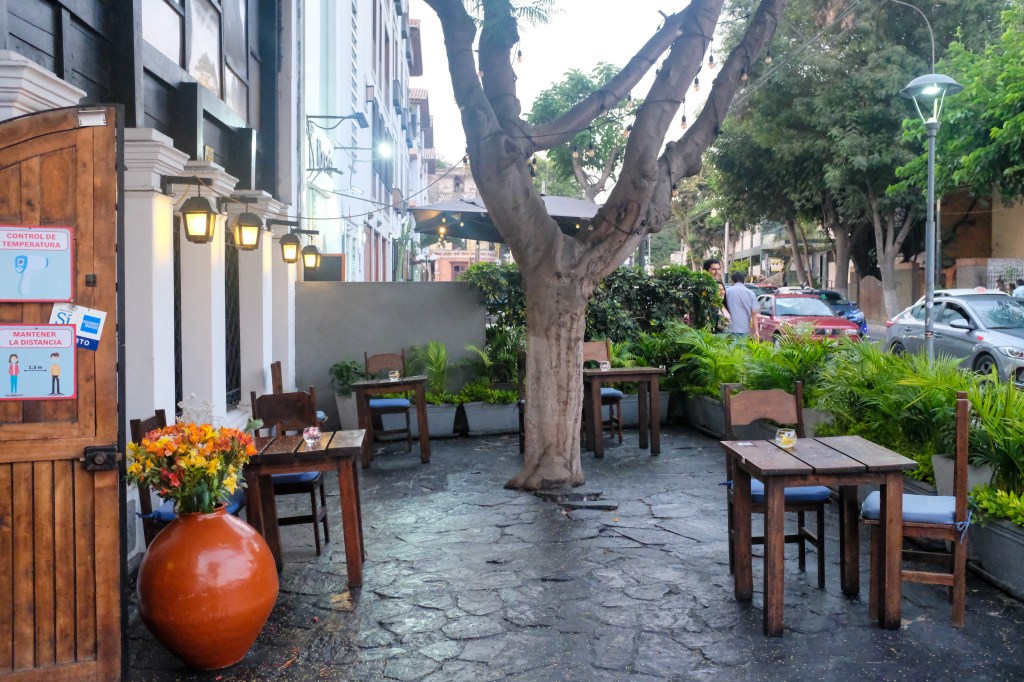
The neighborhoods were full of cute markets,
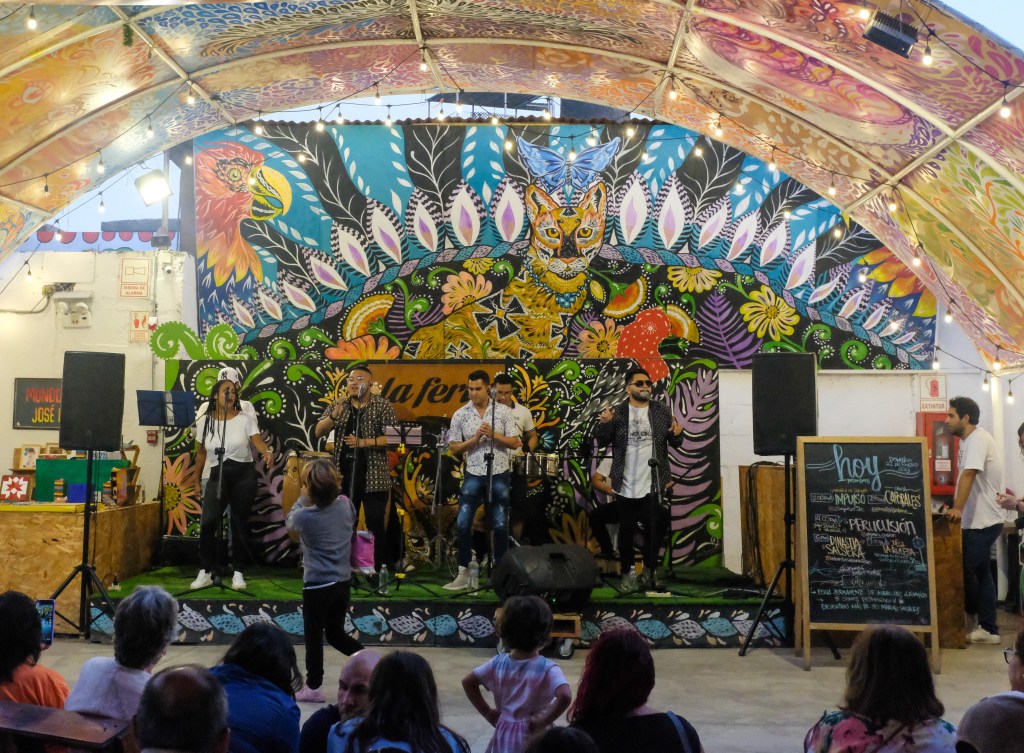
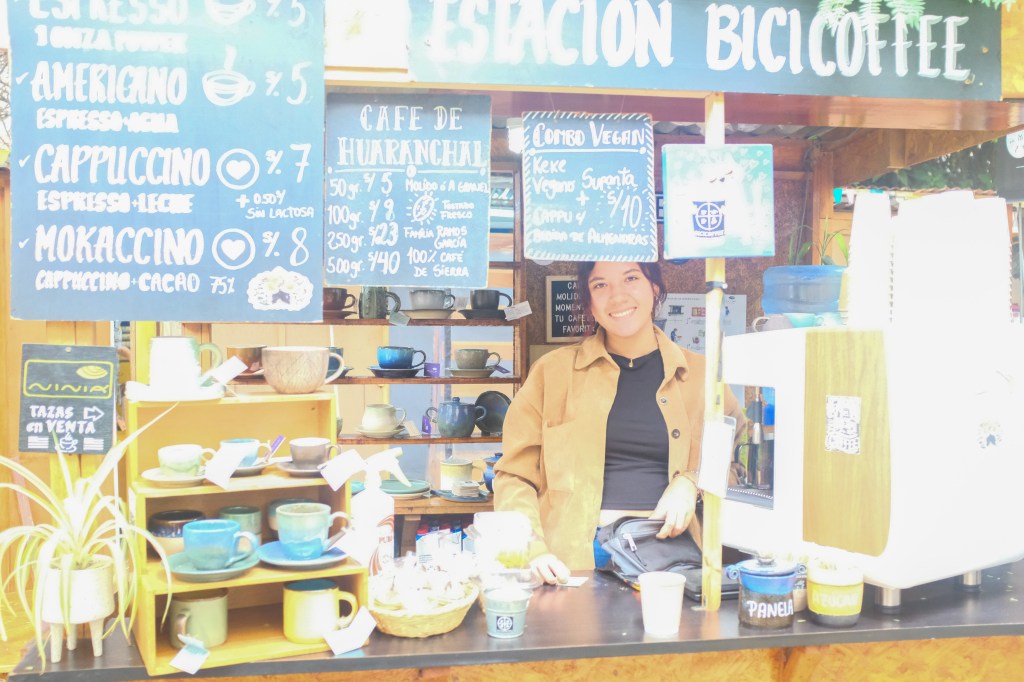
coffee shops,
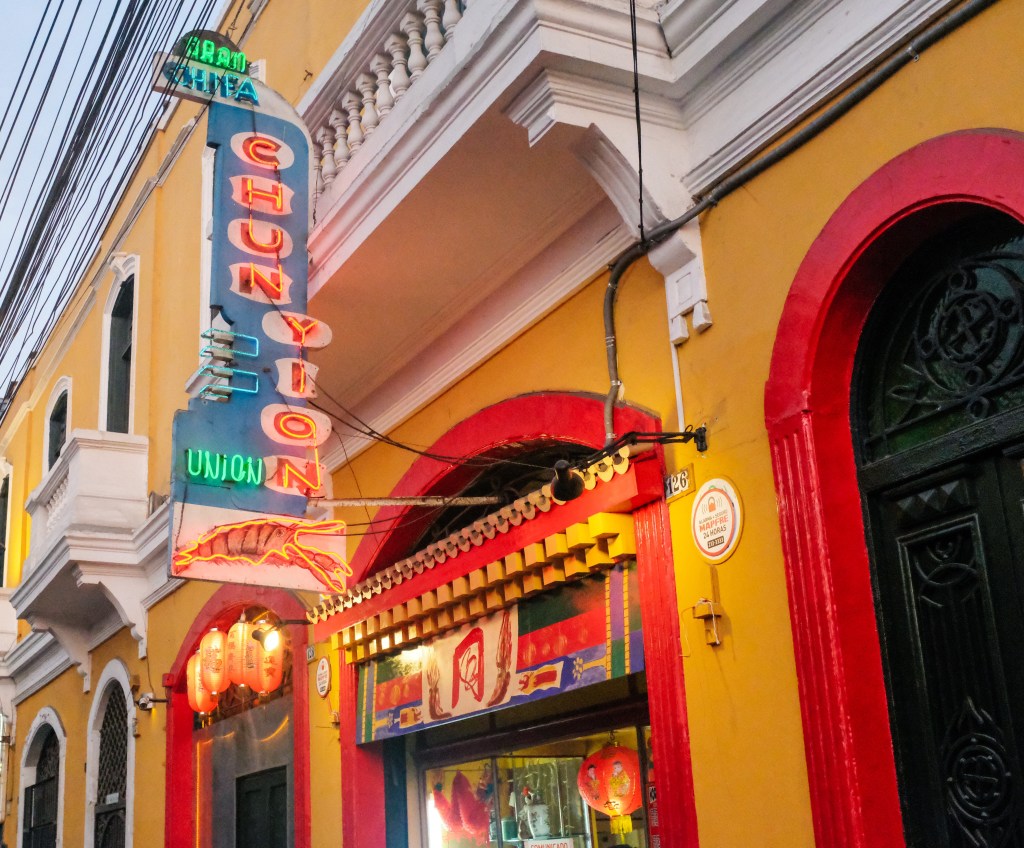
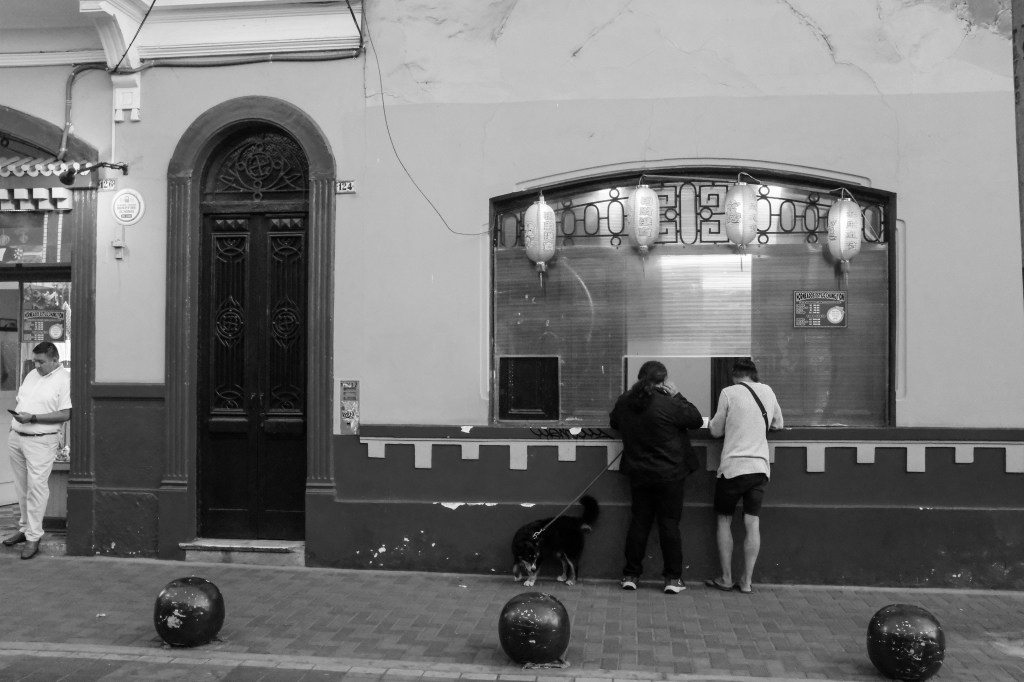
and a diverse array of restaurants from Peruvian influenced Chinese diners (chifas) to hole-in-the-wall Indian joints.
Fun fact: Chifa is a Chinese Peruvian tradition based on Cantonese elements fused with traditional Peruvian ingredients and traditions. The first Chinese-Peruvian fusion restaurants opened in lima around the 1920’s in Lima’s Chinatown (Barrio Chino).
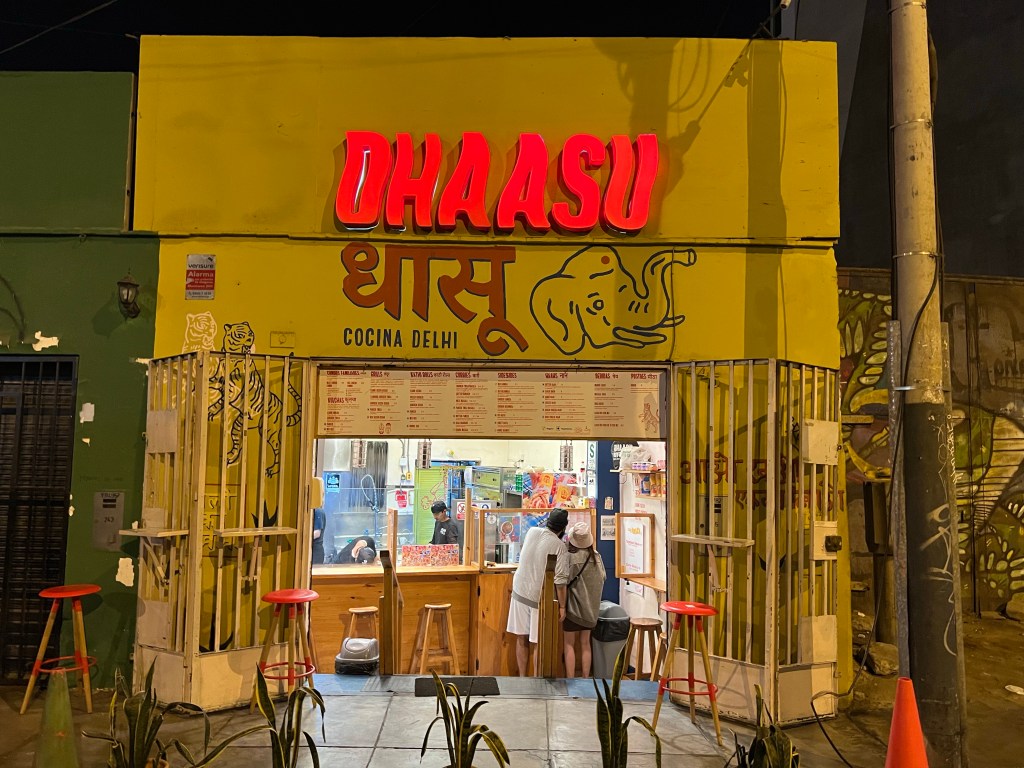
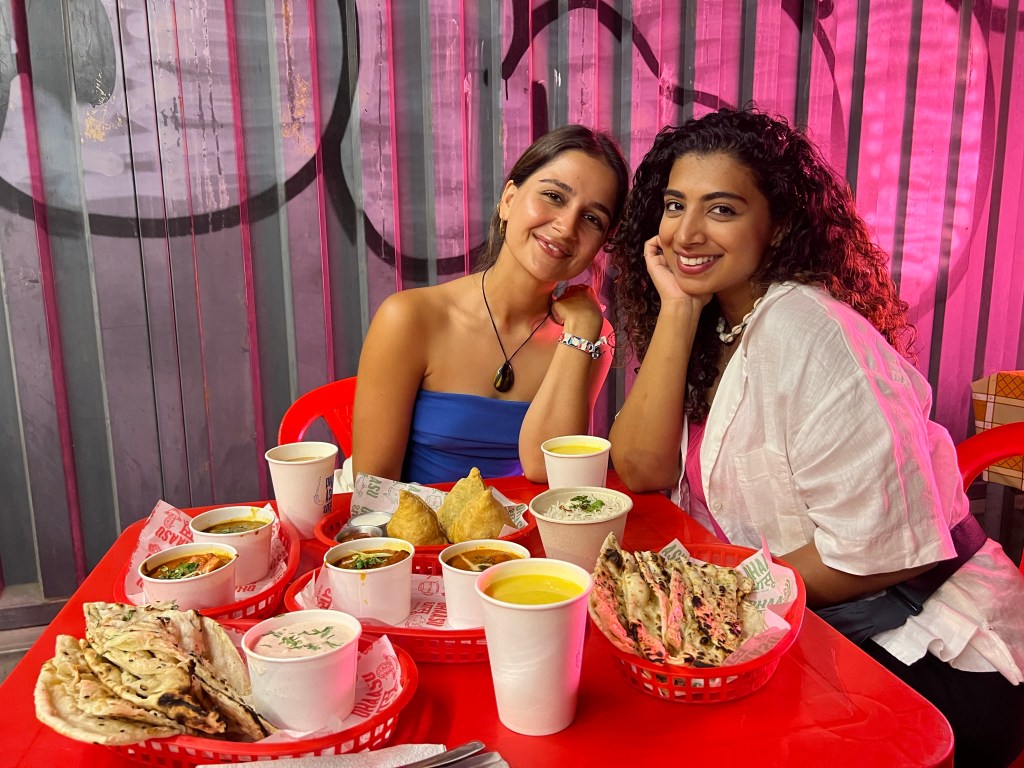
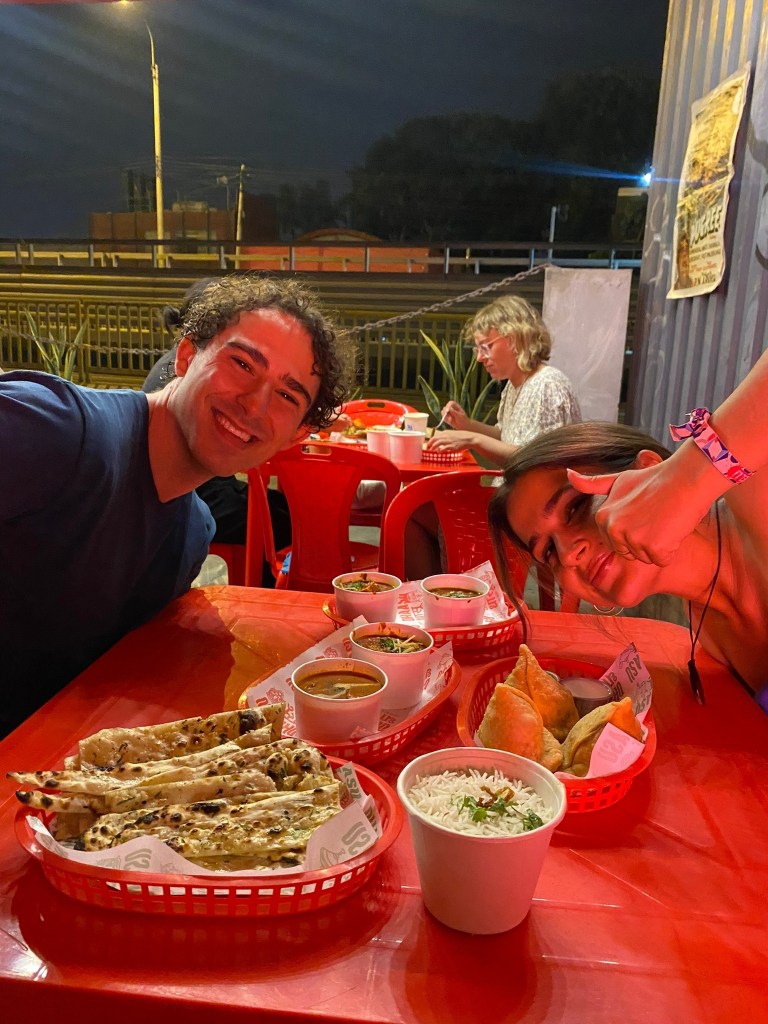
I stayed in a hostel converted from an abandoned mansion!
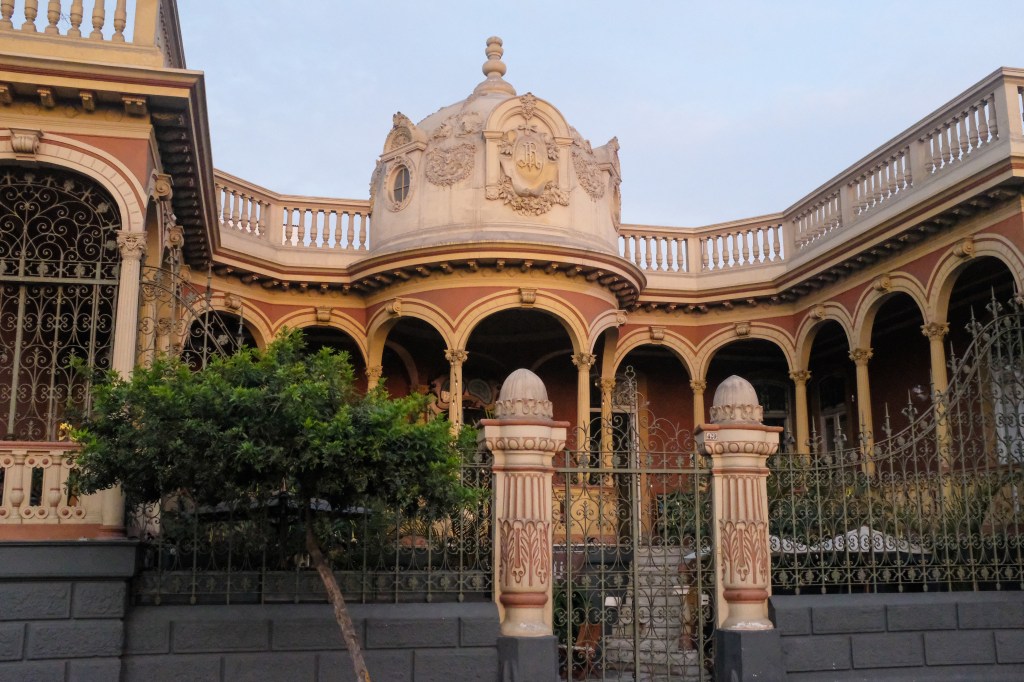
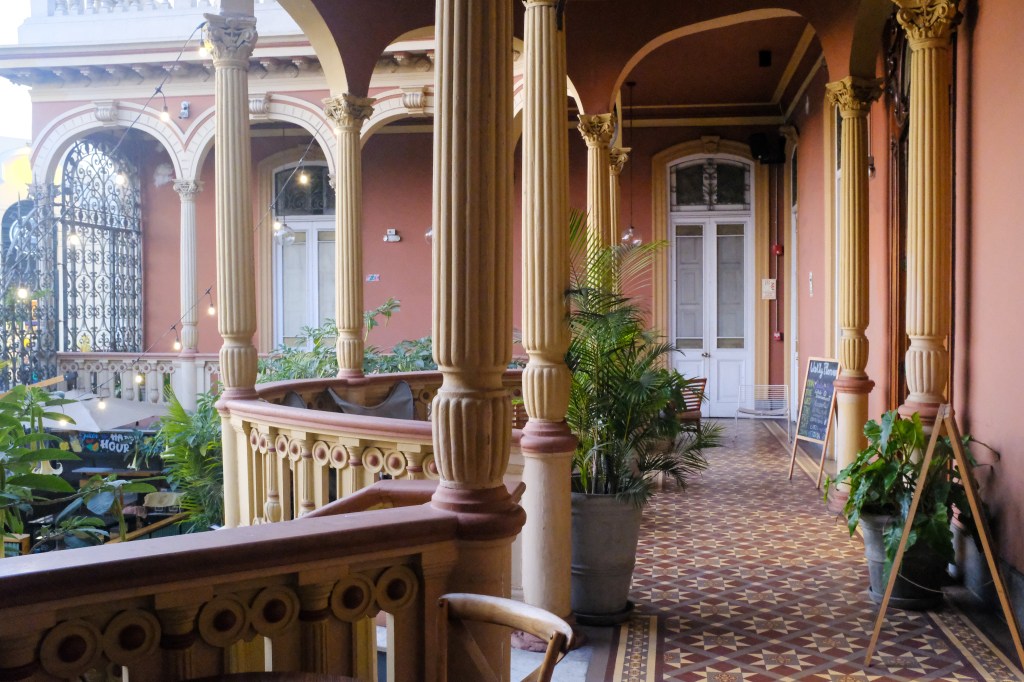
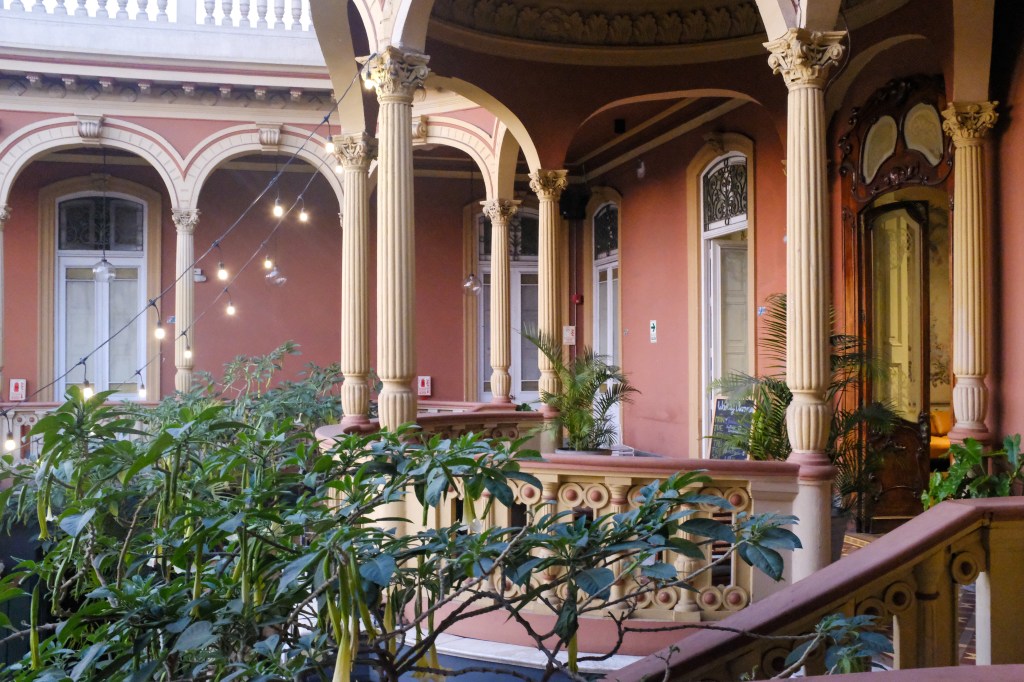
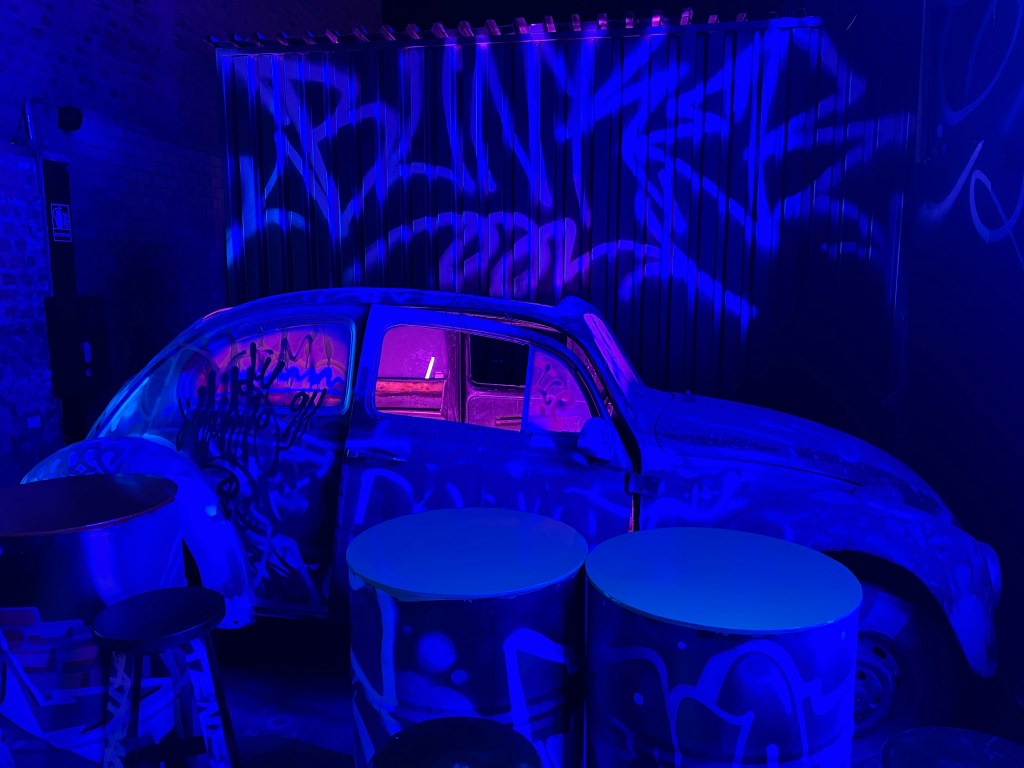
And with the hostel, we went out to some fun bars!
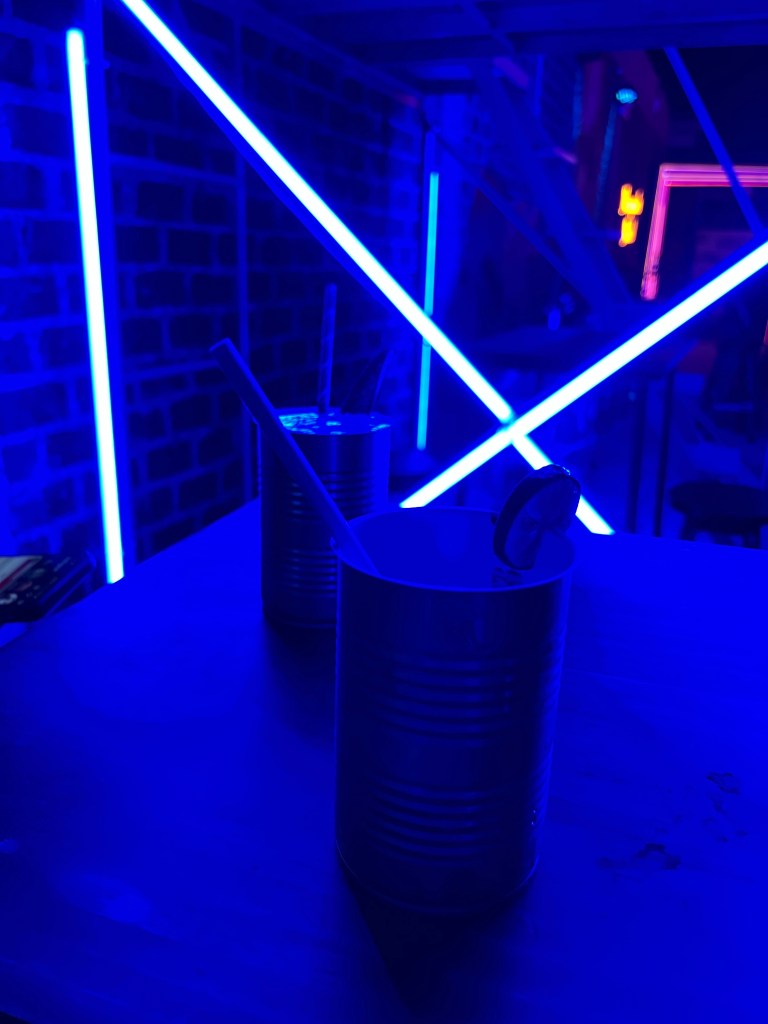
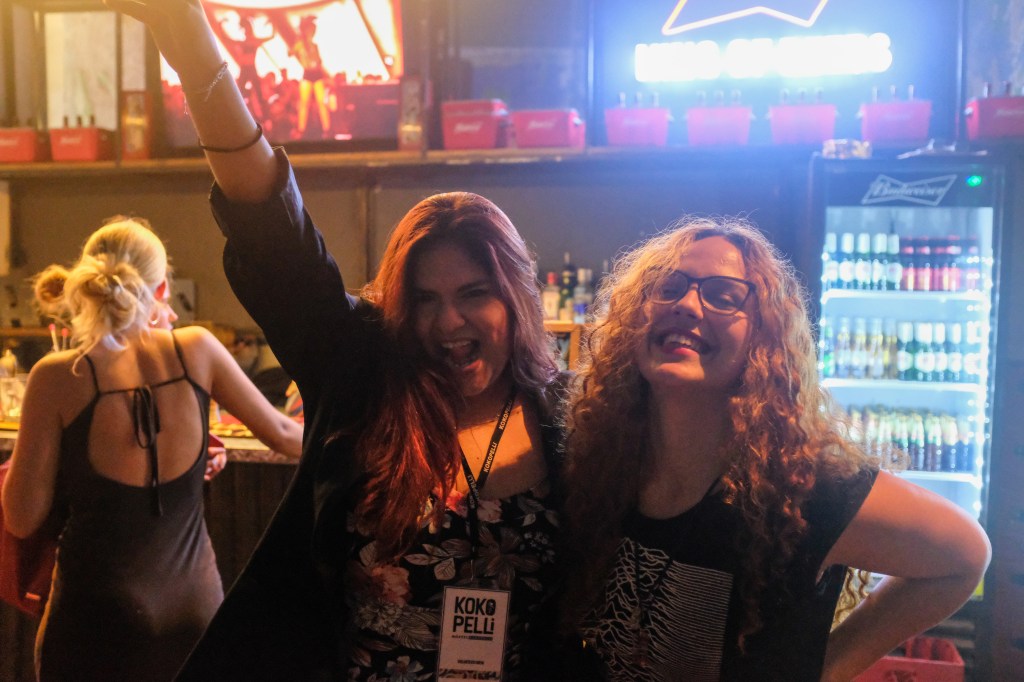
And saw a wonderful sunset!
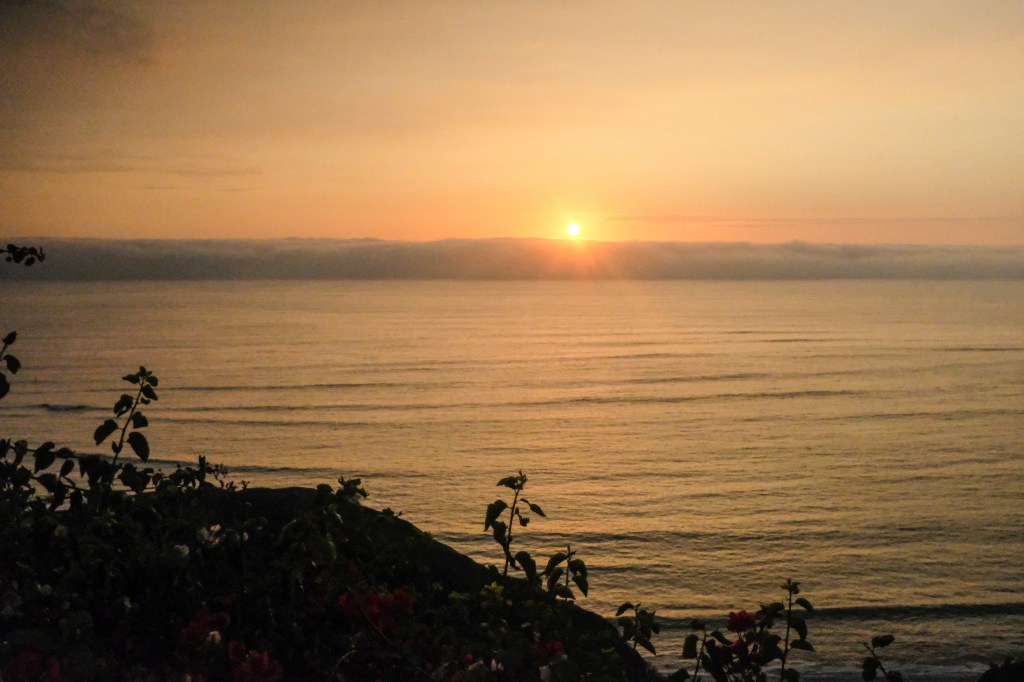
While my time in Peru was quite short, I am really glad that I had an opportunity to get a taste of the country’s wonderful food, culture, and natural landscapes. I hope to come back soon and get a more comprehensive perspective of the nation and its people.
Final Thoughts
As I settle into the routines of travel, I have begun to find the things that bring me the most joy and sustainability are the fellow travels and locals I have met. Even though these relationships can feel quite transient, they form a stability and comfort that is as strong as it is difficult to articulate. Maybe its the comfort of shared experience or the excitement of finding those with similar mindsets as my own – or maybe its the challenge of exploring a life experience other than my own. Regardless, I am a bit surprised to see that what animates me about my traveling is not just the physical spaces I see but also the relationships I develop in those spaces – establishing a shared memory – even if it is in a fleeting companionship.
See you next week in Santiago, as I prepare for my 2 week trek through Patagonia
Sam
 Sam on Sabbatical
Wow, Sam – good job making smart decisions that prioritize your safety. What you wrote about the arts helping to revitalize Comuna 13 reminds me of how North Adams, MA opted to open MASS MoCA before addressing other pressing issues their community was facing ~ 25 years ago. Thanks for the history (and current events) lesson. Stay safe!
LikeLike
I so agree with you that meeting like minded people is one of the great joys of travel and what stays with you the longest in memory. Often the gorgeous scenery blurs a bit, but the experiences you have with fellow travelers remains vivid. I’m sorry about Machu Pichu … i know that must have been very disappointing, but you will get back one day and it was definitely the right choice.
Looking forward to hearing about the next leg of the trip… Patagonia is on my bucket list!
LikeLiked by 1 person