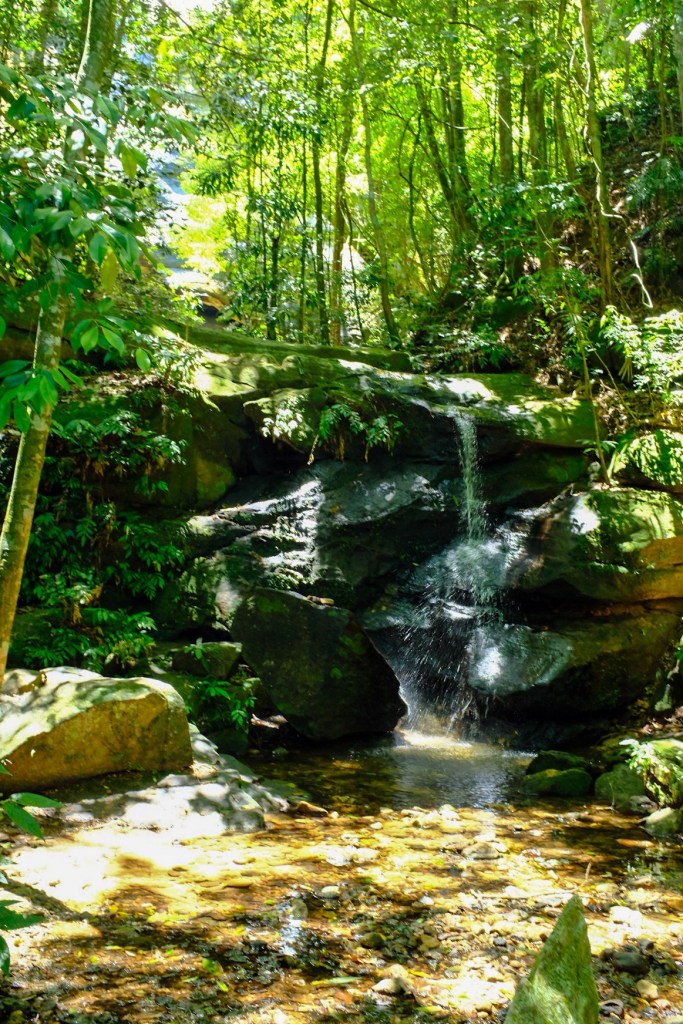
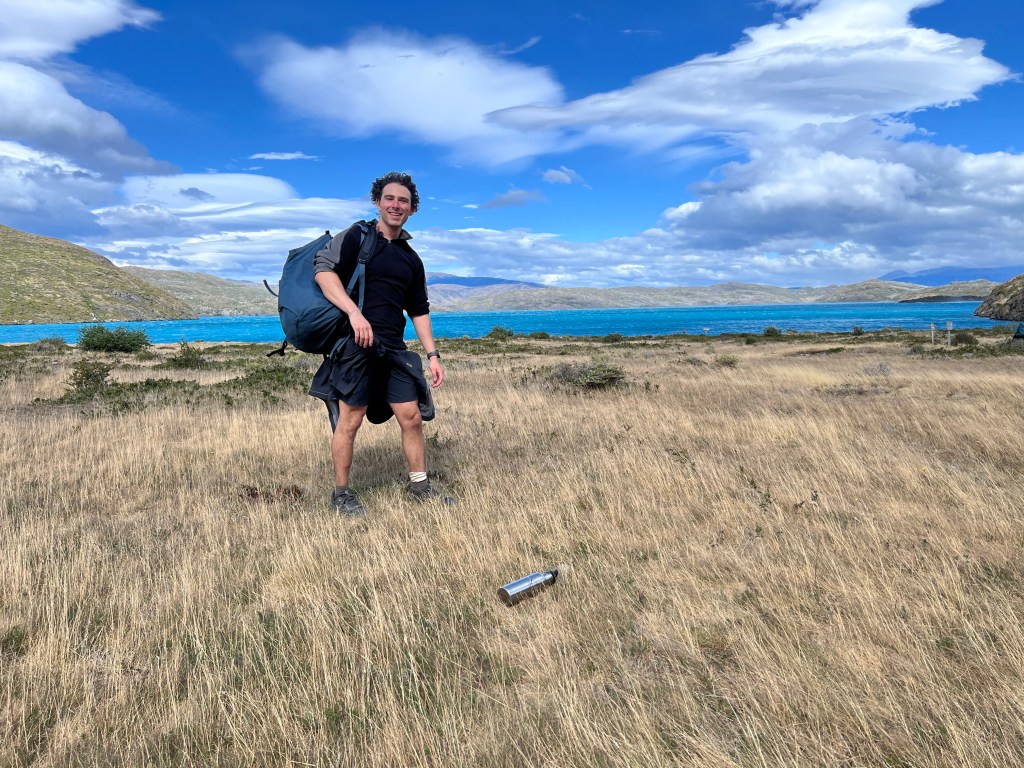
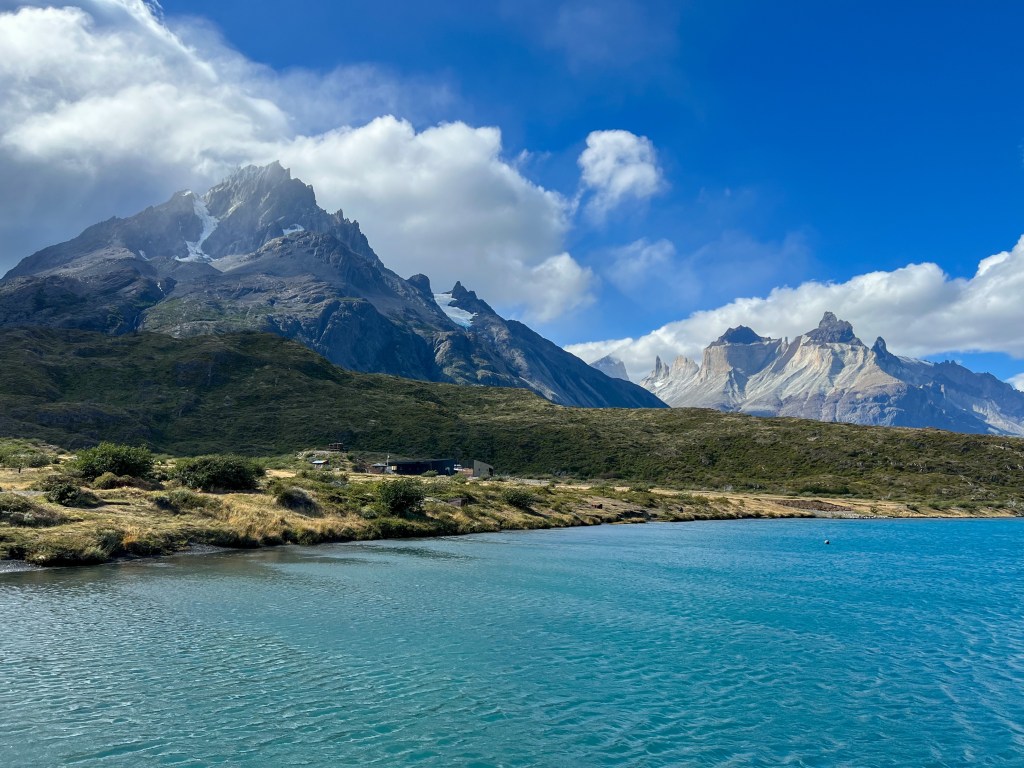
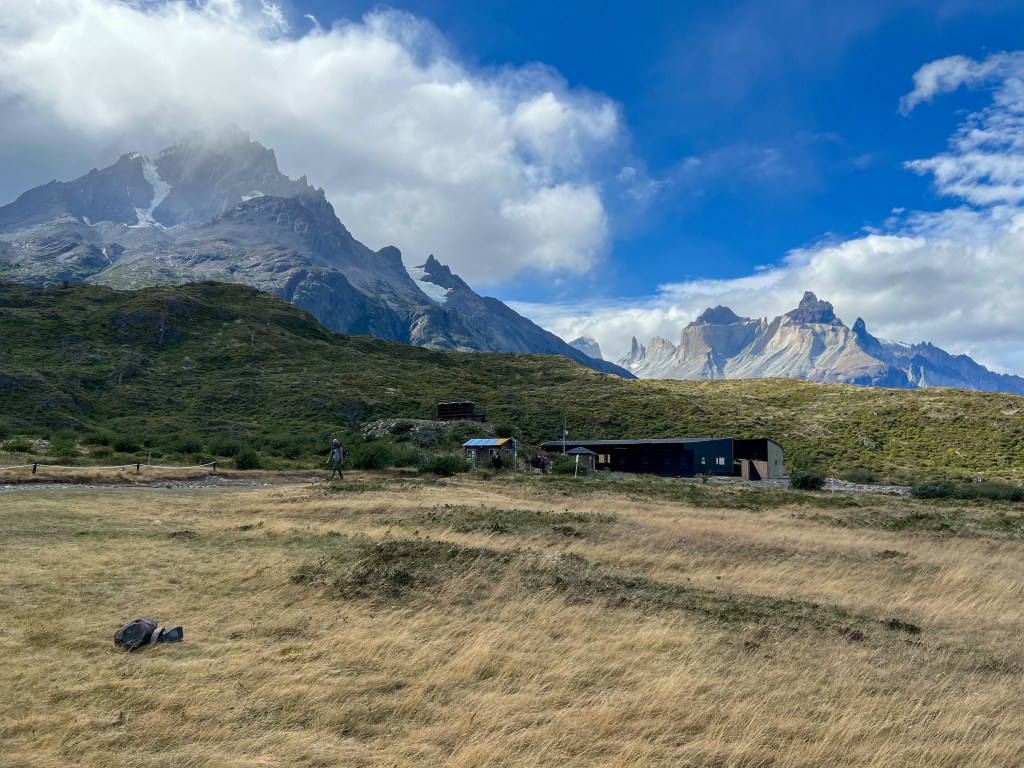
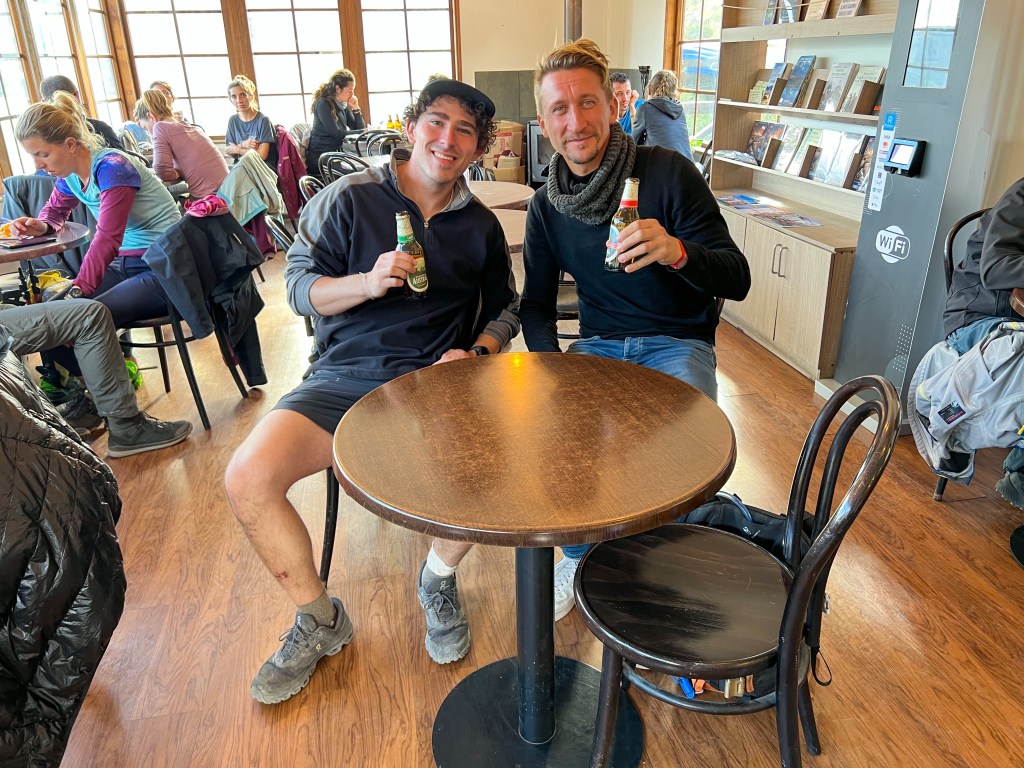
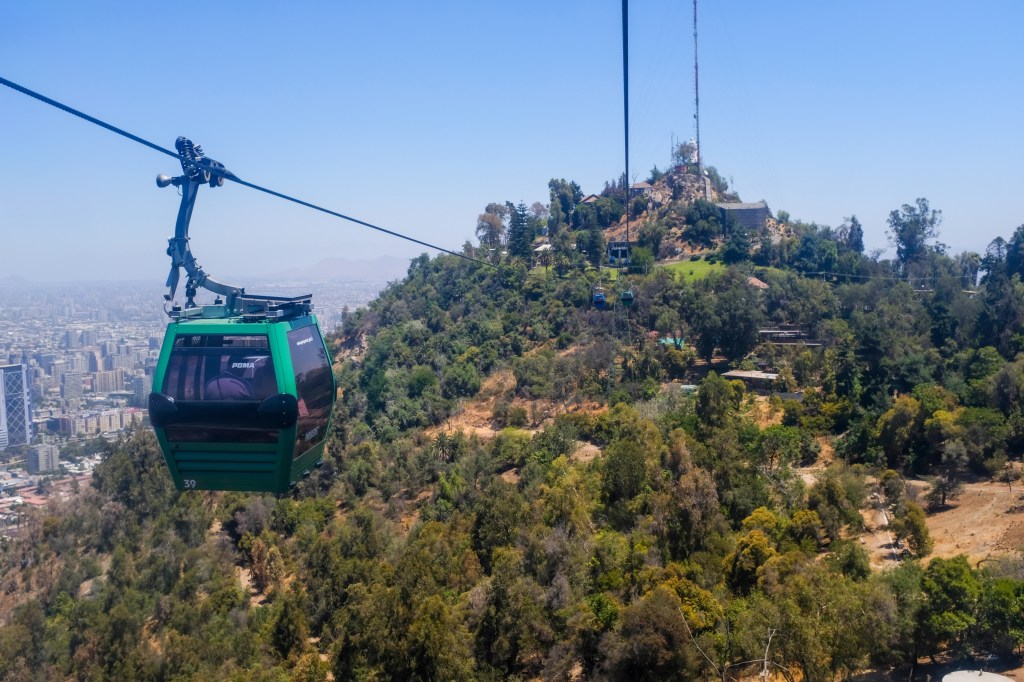
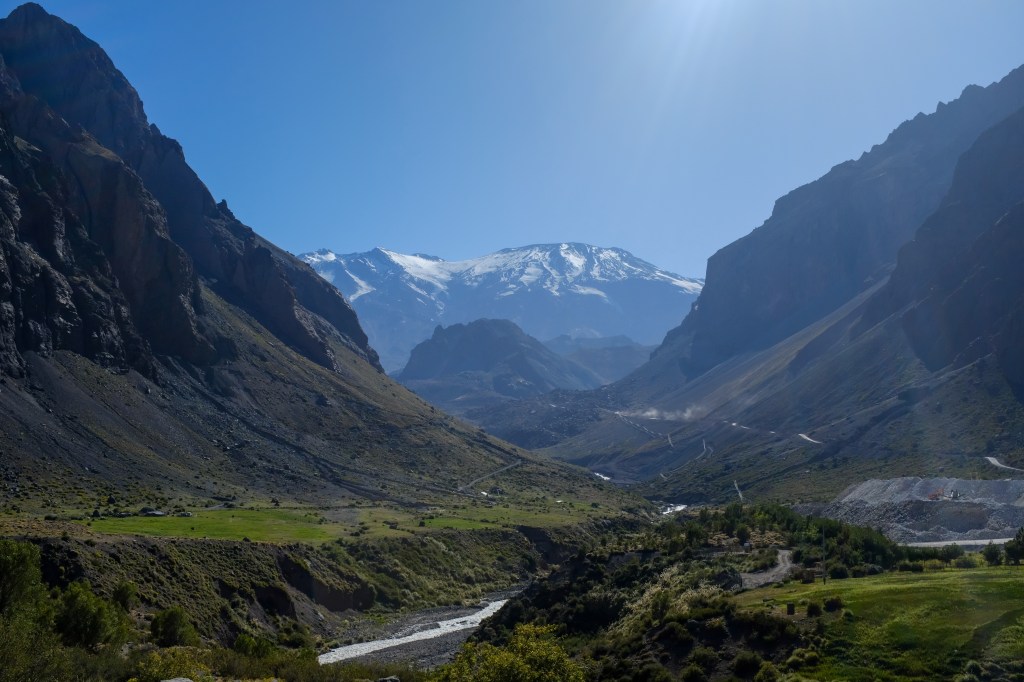
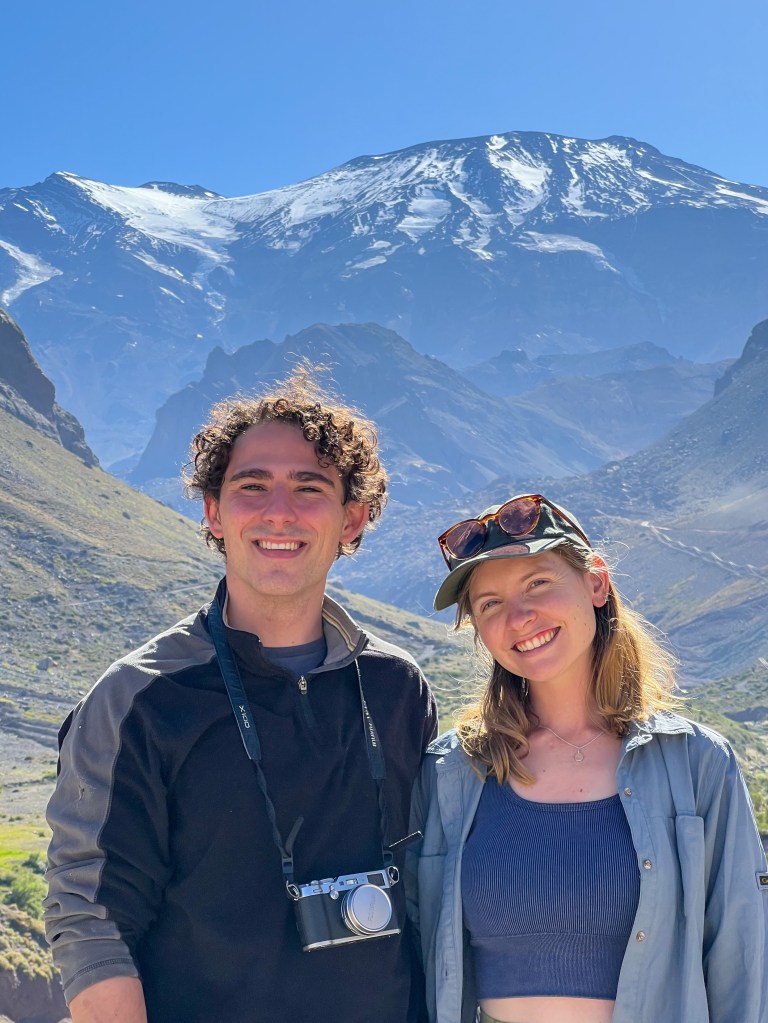
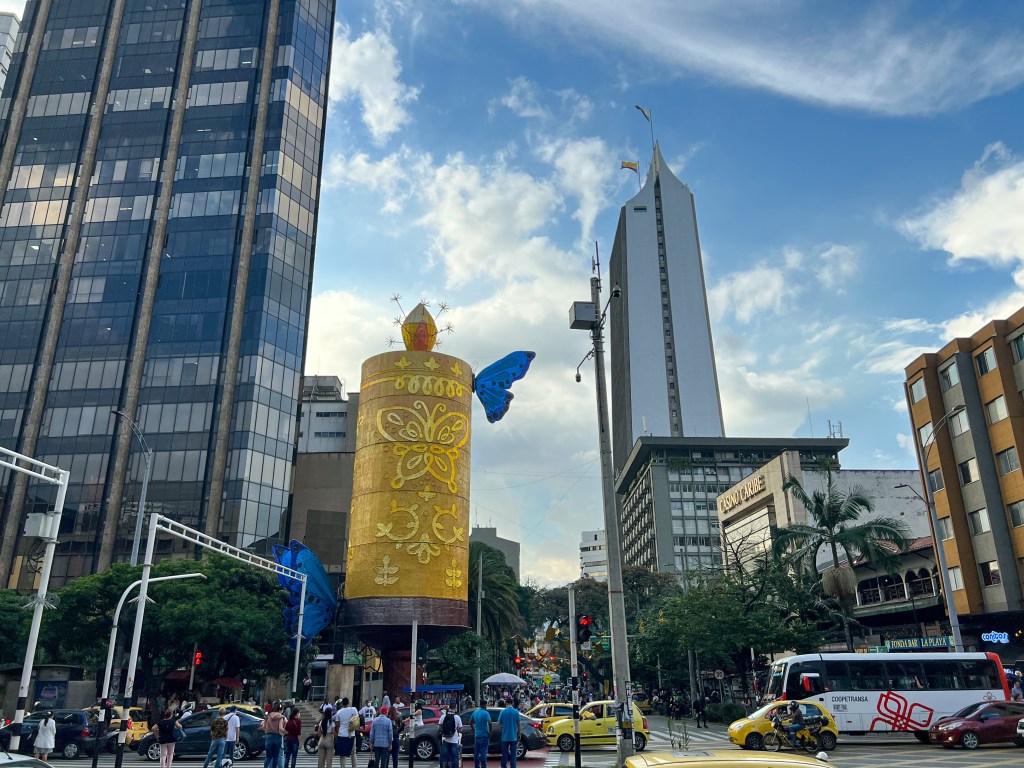
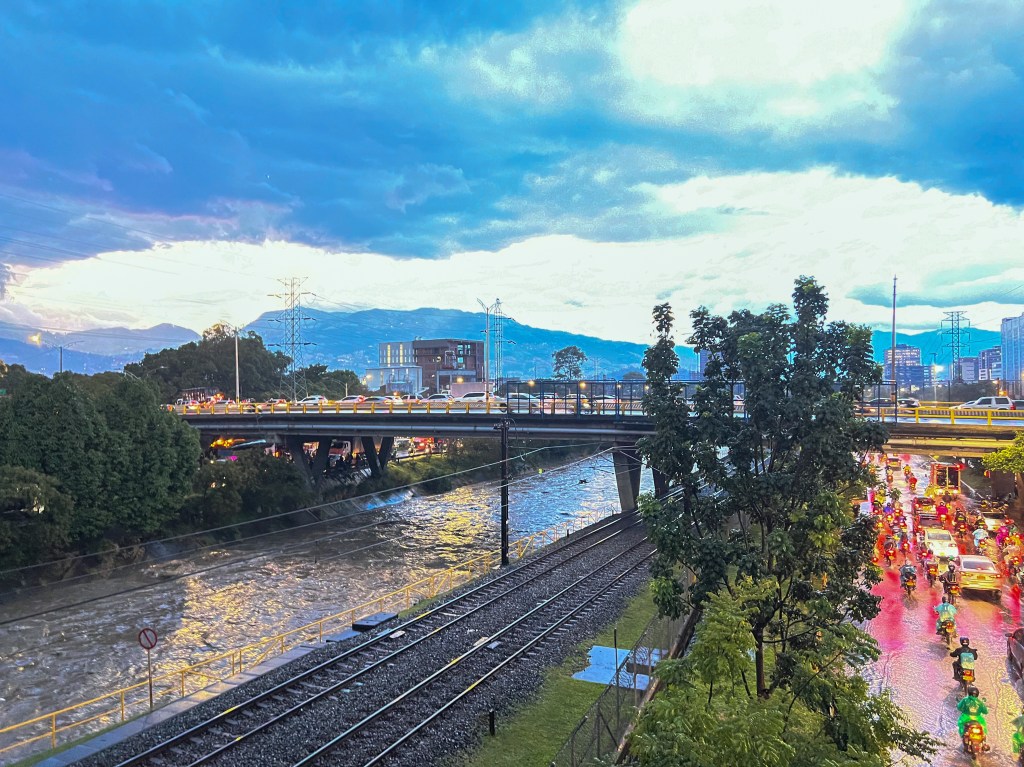
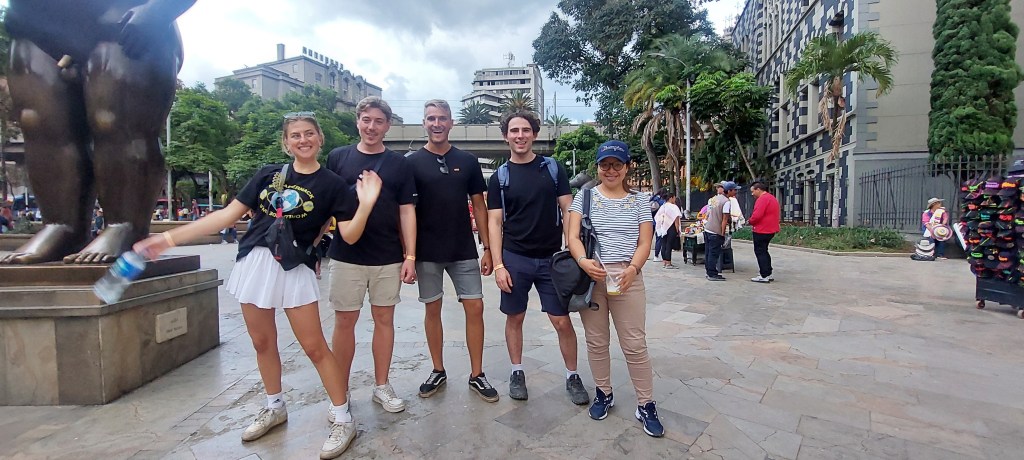
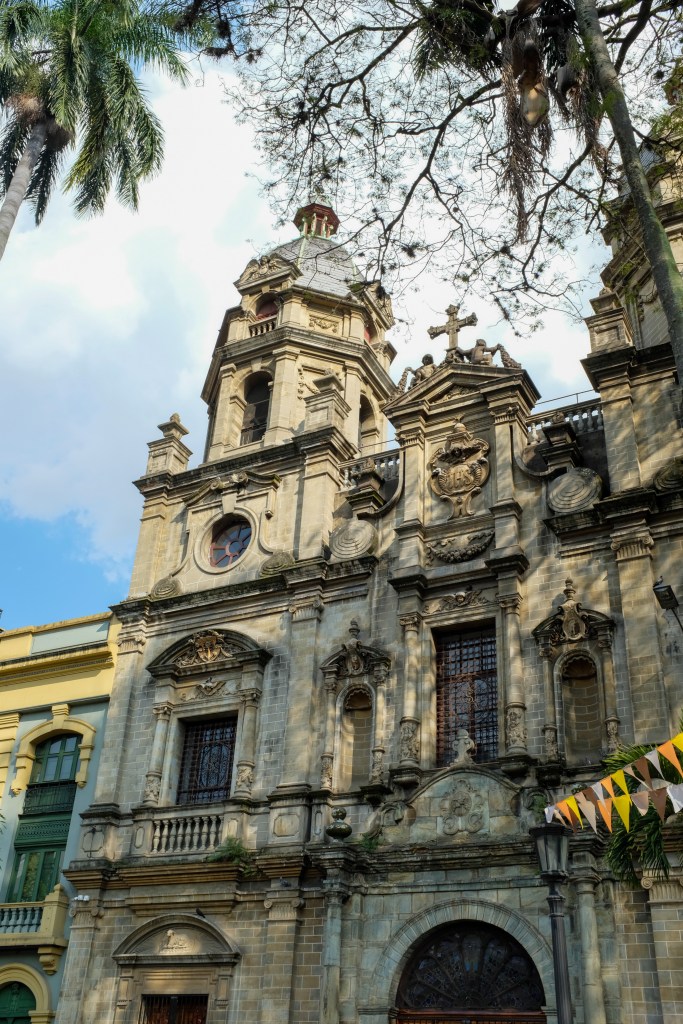
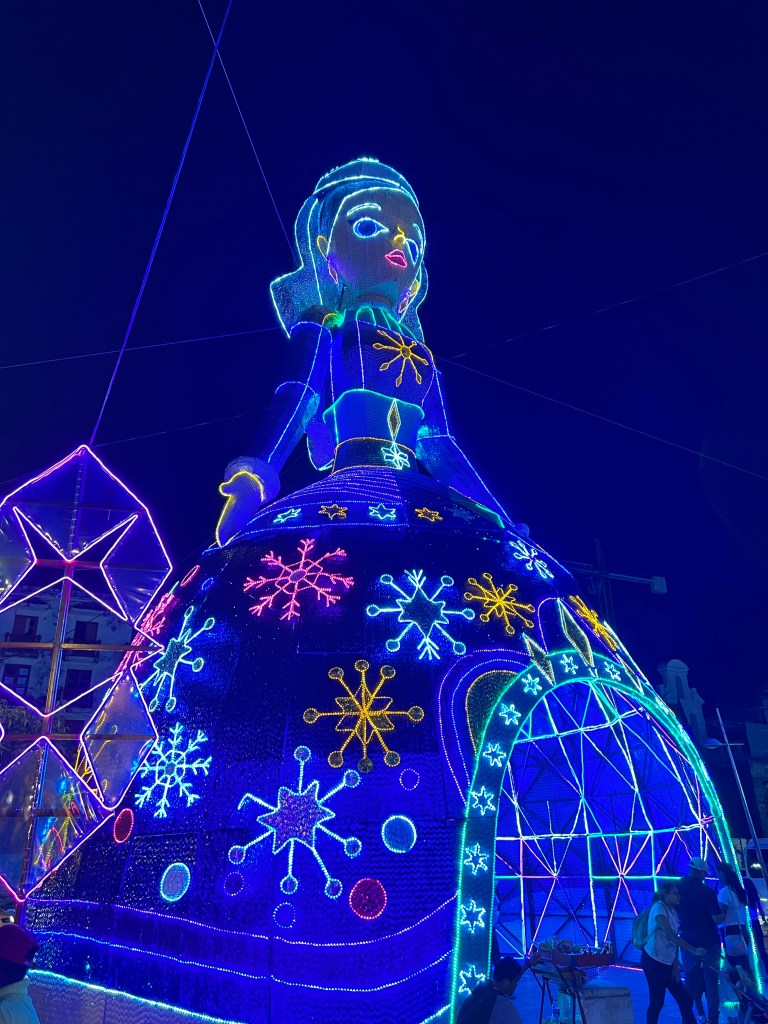
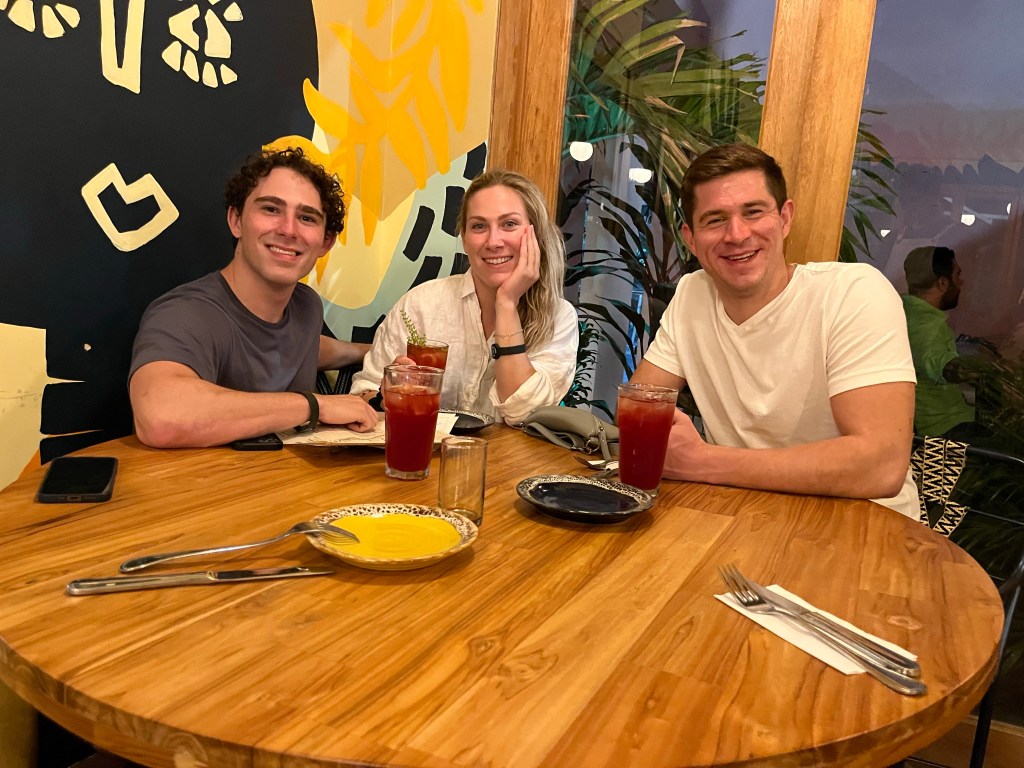
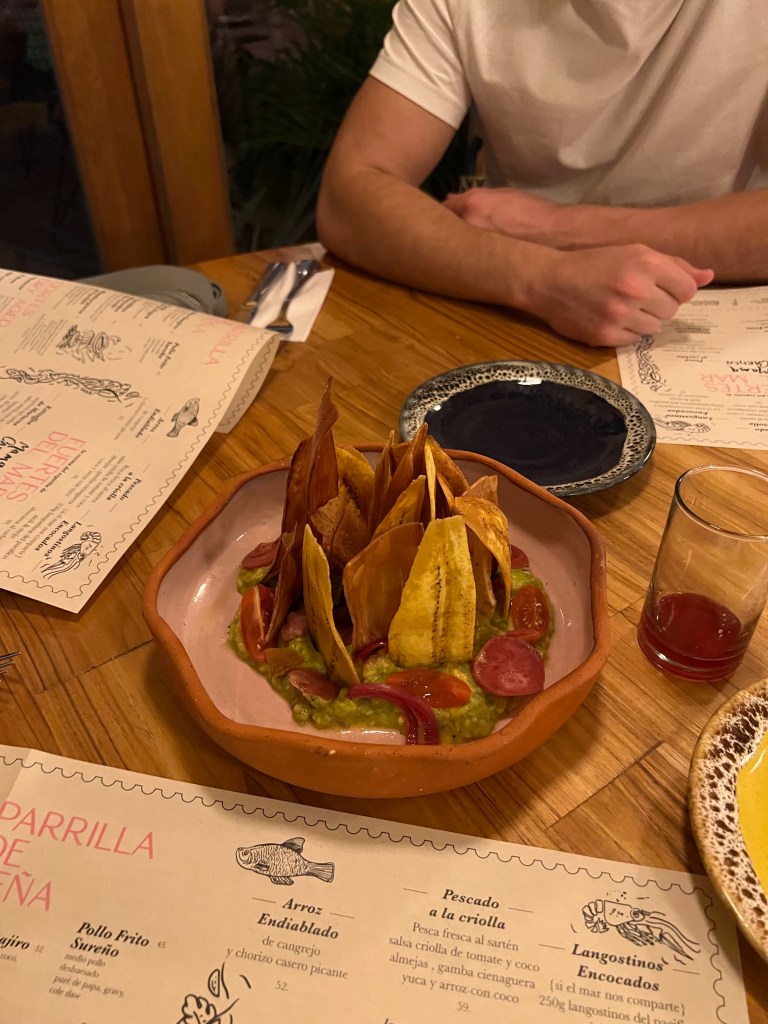
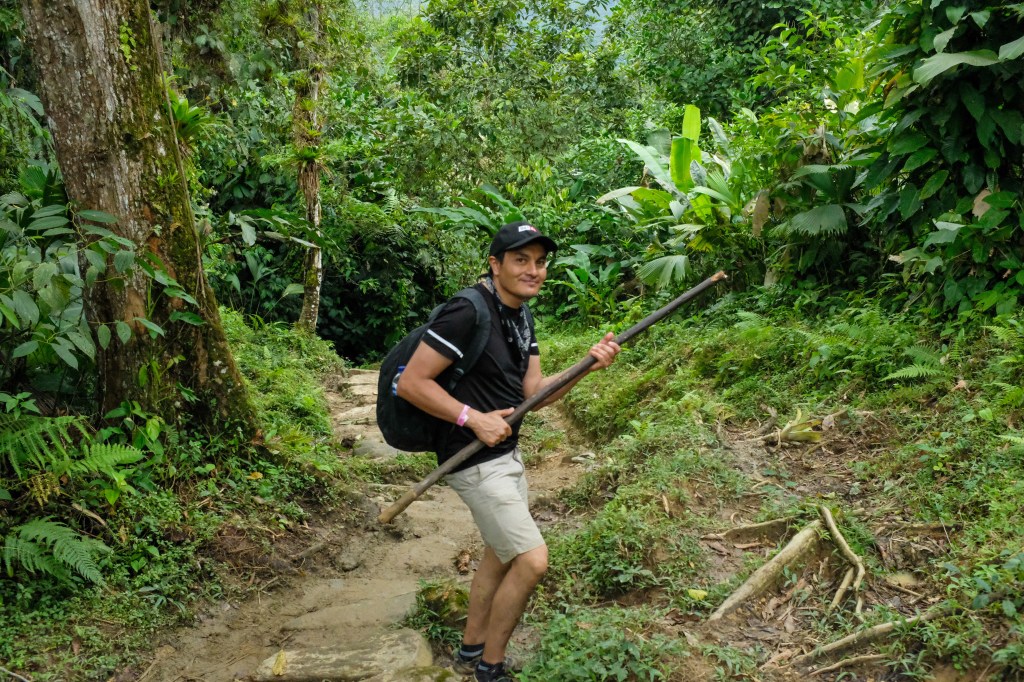
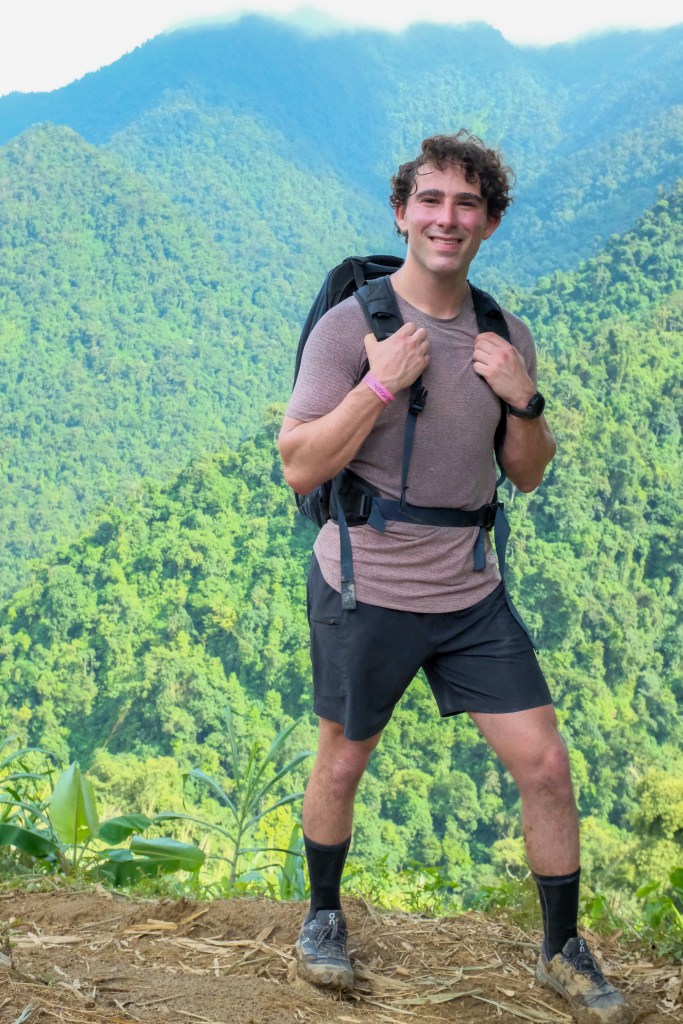
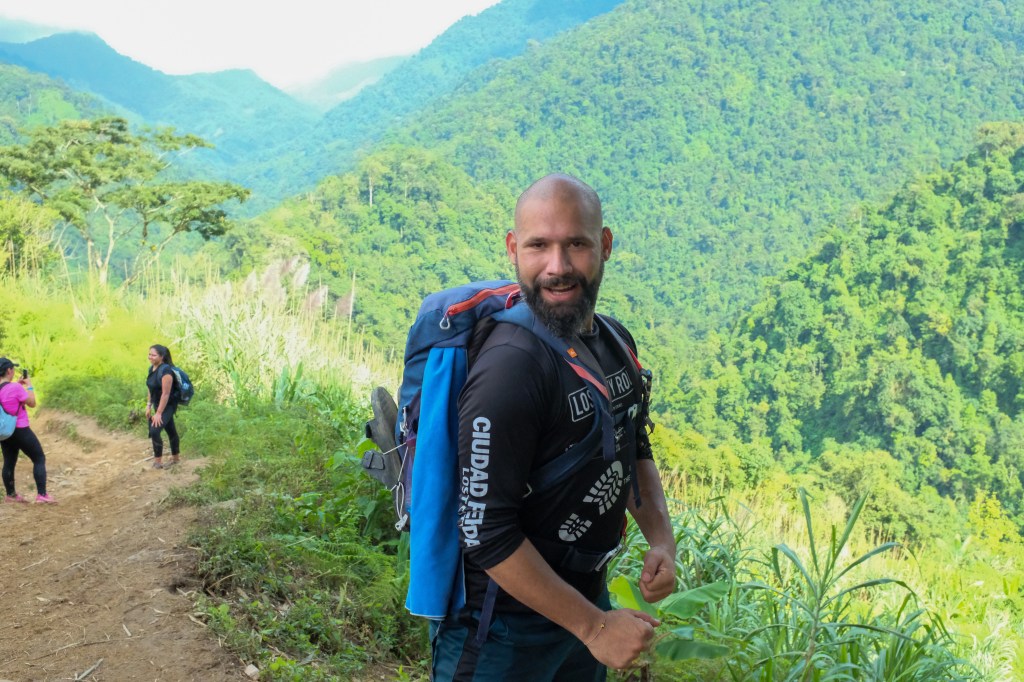
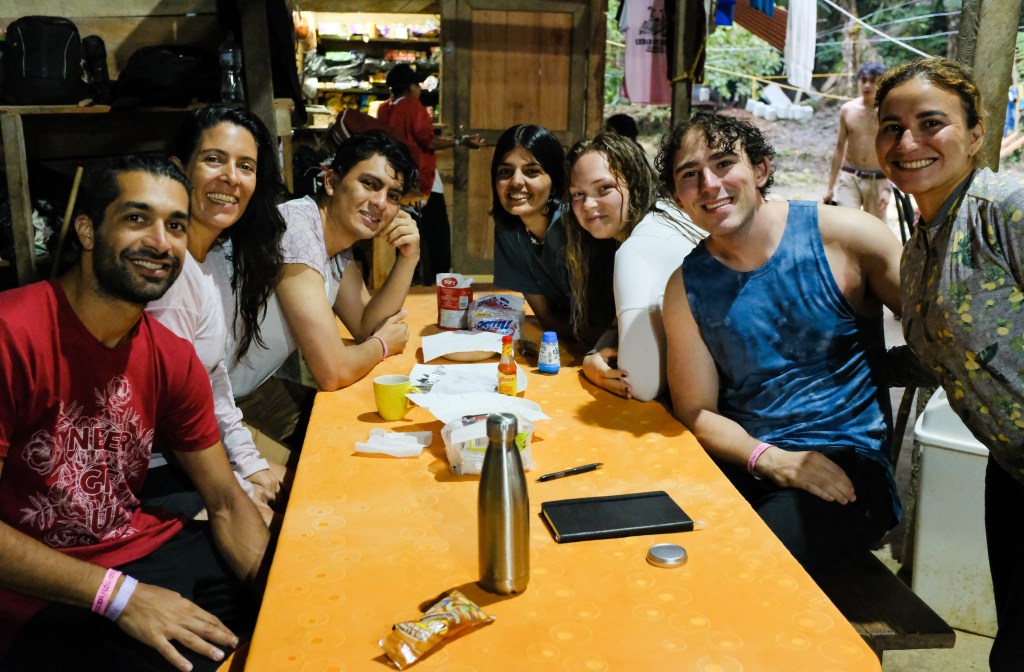
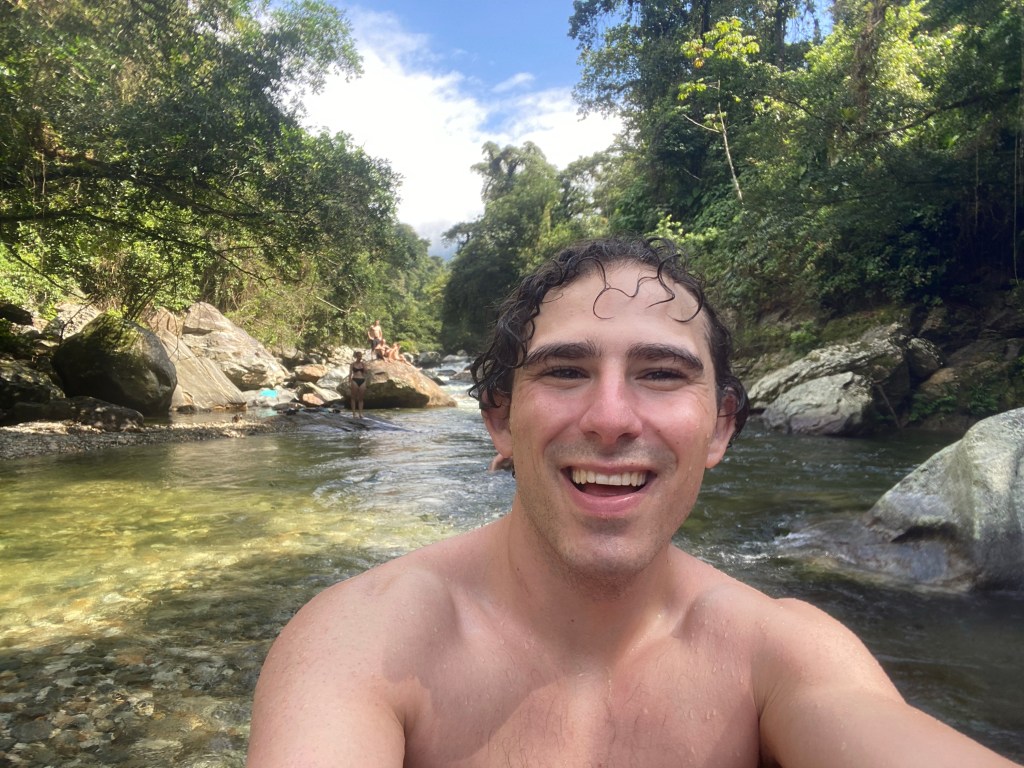
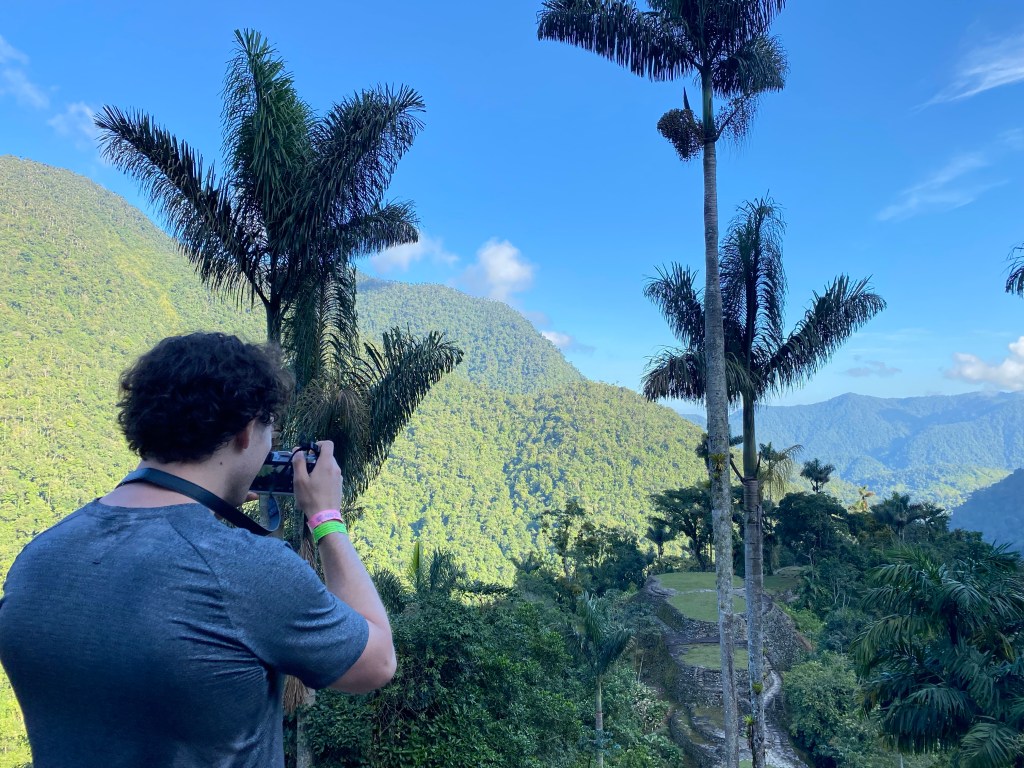
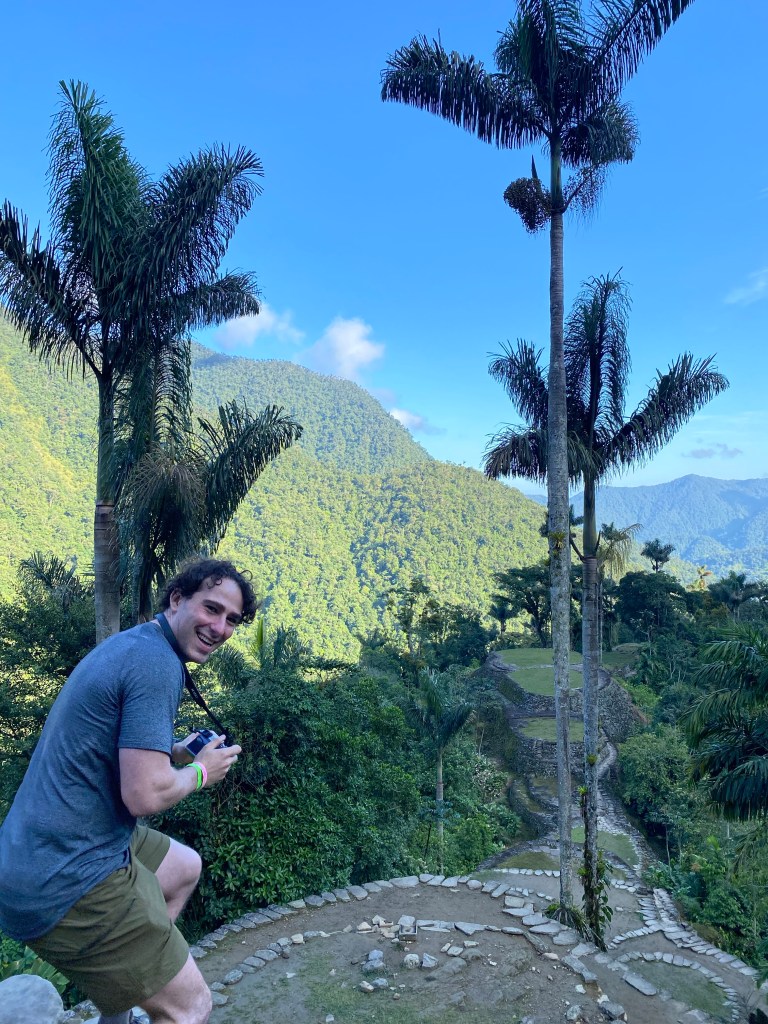
Days 45 to 53: Rio de Janeiro & São Paulo

Brazil – at 3.3 square miles and 217 million people, is the largest country in South America. Bordering all countries and territories in South America except Ecuador and Chile, Brazil is one of the most multicultural and ethnically diverse nations in the world.

It is here that I would spend the next 8 days of my trip, a criminally small amount of time for the vast opportunity this country offers. Nevertheless, my time in Rio and São Paulo – coupled with the Carnival celebrations, was a great way to cap my time in South America.

Rio de Janeiro: “River of January”

Rio was founded in 1565 by the Portuguese colonizers and quickly became a central element of the Portuguese Empire’s reach in South America. In 1763, Rio became the capital of the State of Brazil under the Portuguese Empire, and would remain the capital of the country through the many subsequent transitions – from the 1822 Brazilian War of Independence to the establishment of the Republic of Brazil – until 1960, when the capital was transferred to Brasilia.

Rio is one of the most visited cities in South America, known for its natural parks, balneario beaches, samba, boss’s nova, and… of course… carnival.

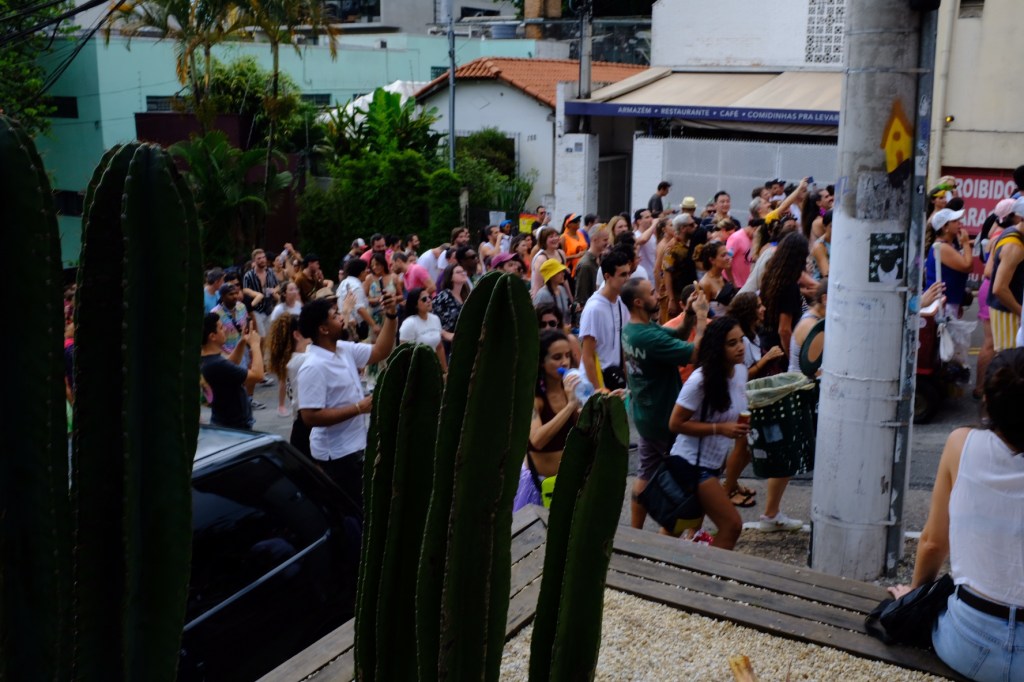
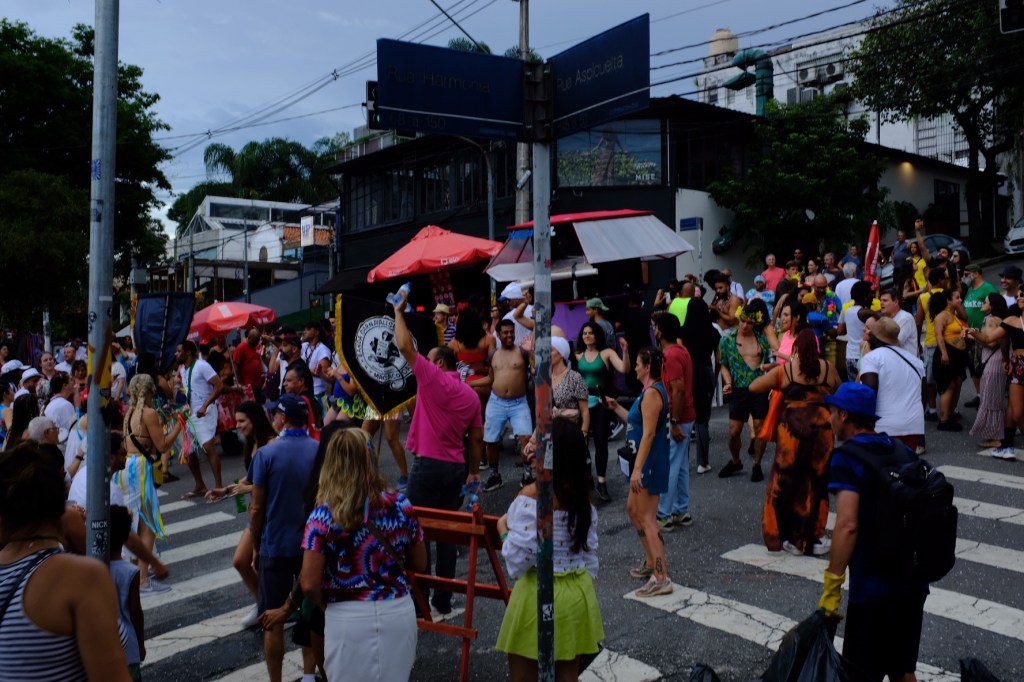
Carnival is an annual Brazilian festival held the Friday afternoon before Ash Wednesday, which marks the beginning of Lent for Roman Catholics. Except for some restaurants and carnival-related businesses, the country unifies in an intense week-long celebration, which goes day and night. It is the synthesis of European, indigenous, and Afro-Brazilian cultural influences, with each playing a vital role in the celebration’s history and identity.
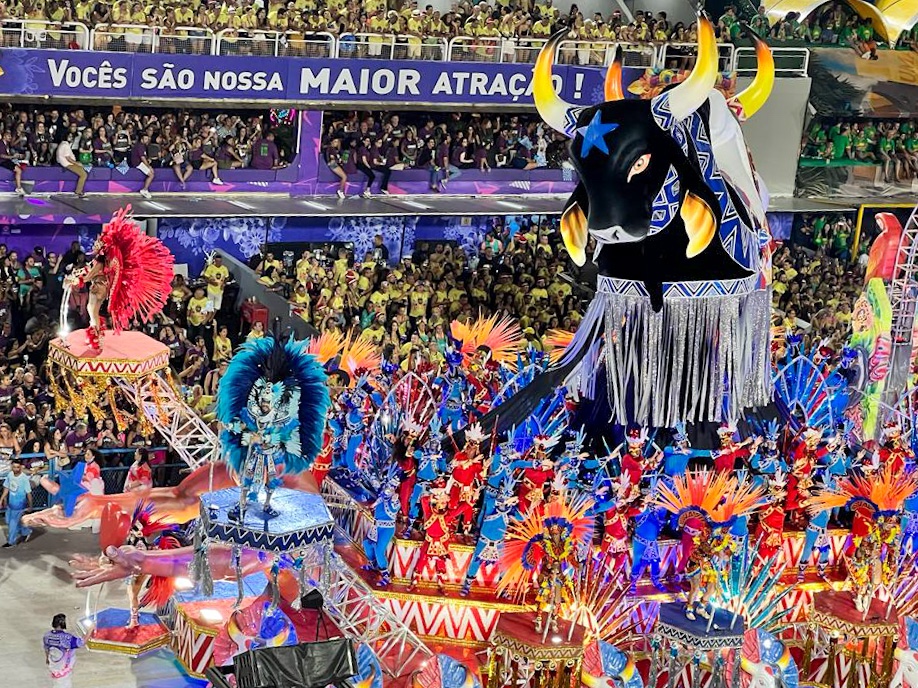
Carnival is the most popular holiday in Brazil and has become a major, world-renowned celebration – Rio’s carnival, the country’s largest, drew 4.9 million with 400,000 foreigners pre-pandemic. After 3 years of lockdowns, there is no doubt that Brazil’s carnival is back in full-force.

The festival can mostly be split into two categories (at least from my experience):

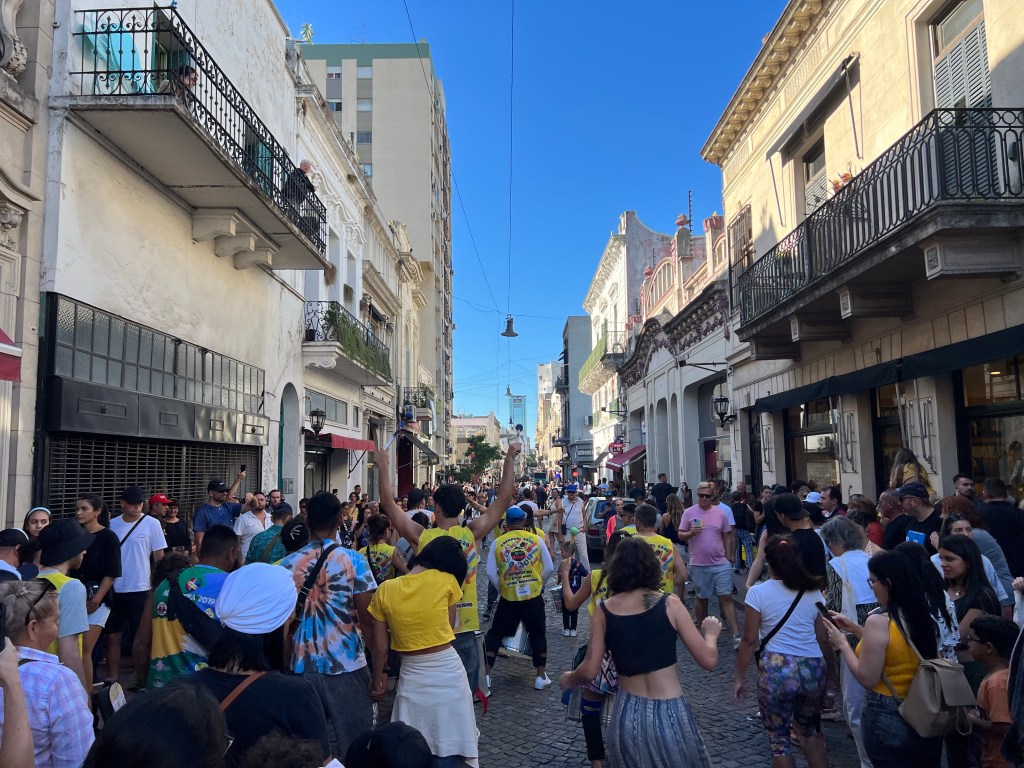
(1) Blocos (block parties) are street bands that mobilize crowds on the streets and are the main expression of Brazilian Carnival. These street parties occur in nearly every neighborhood in Rio, with organizers composing their own music themes and singing classic “marchinhas” and samba songs.

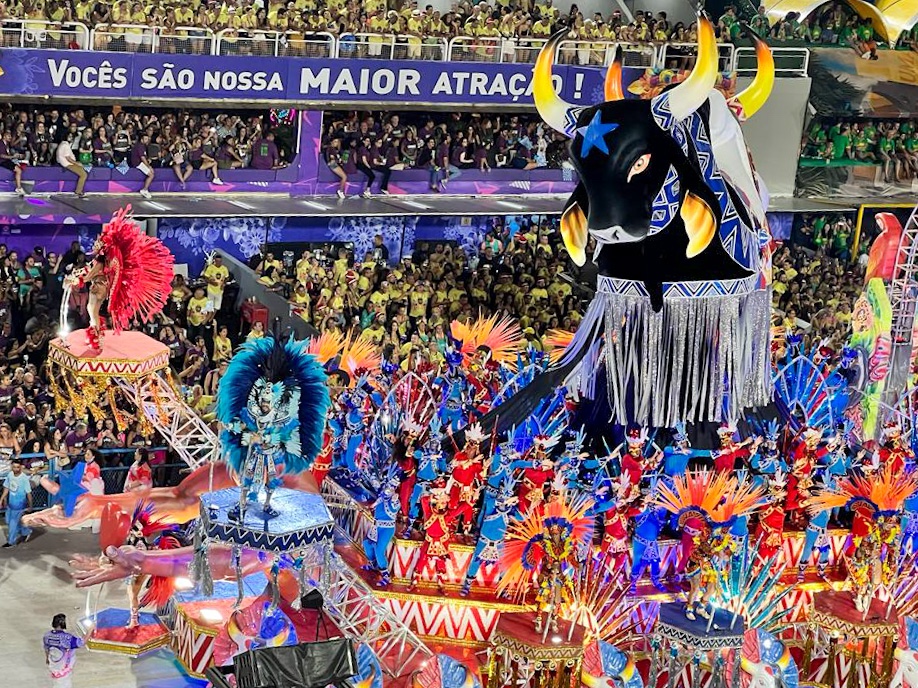
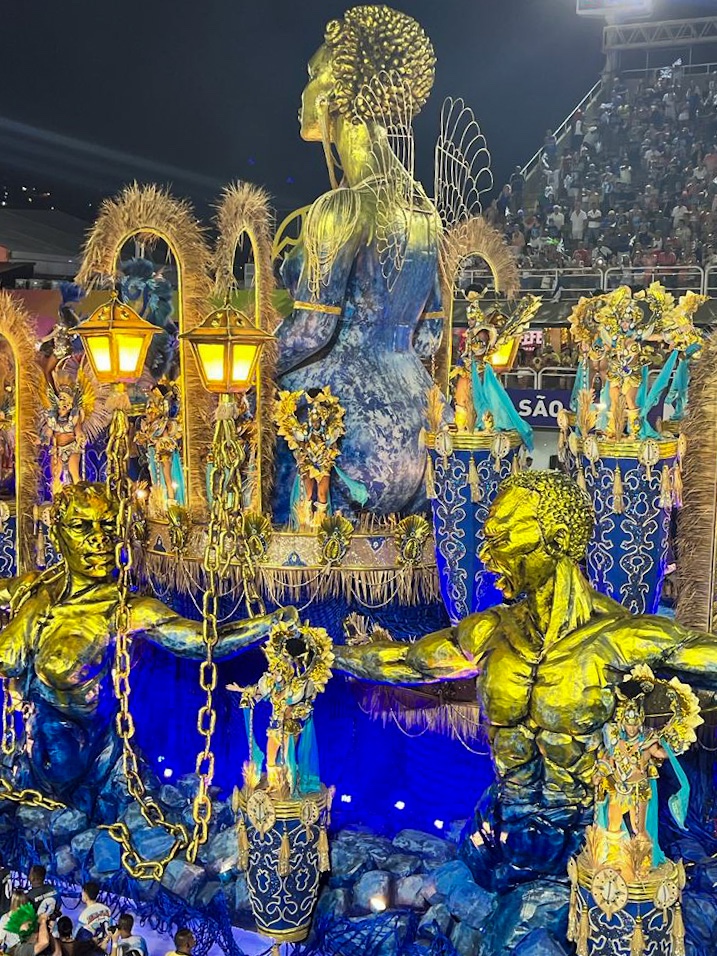
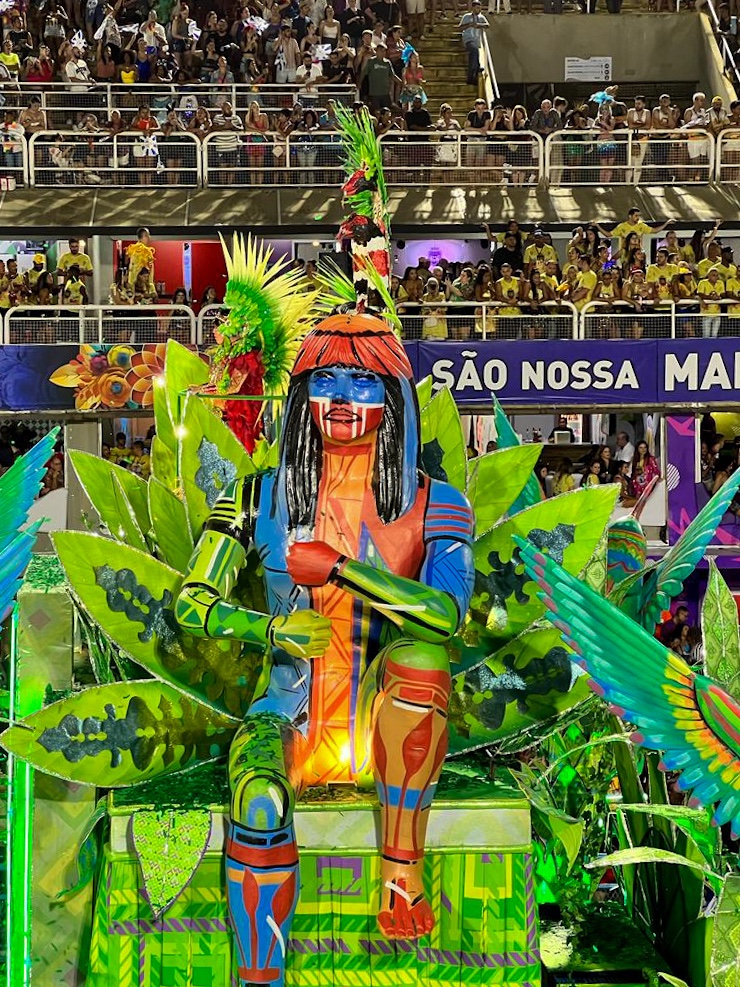
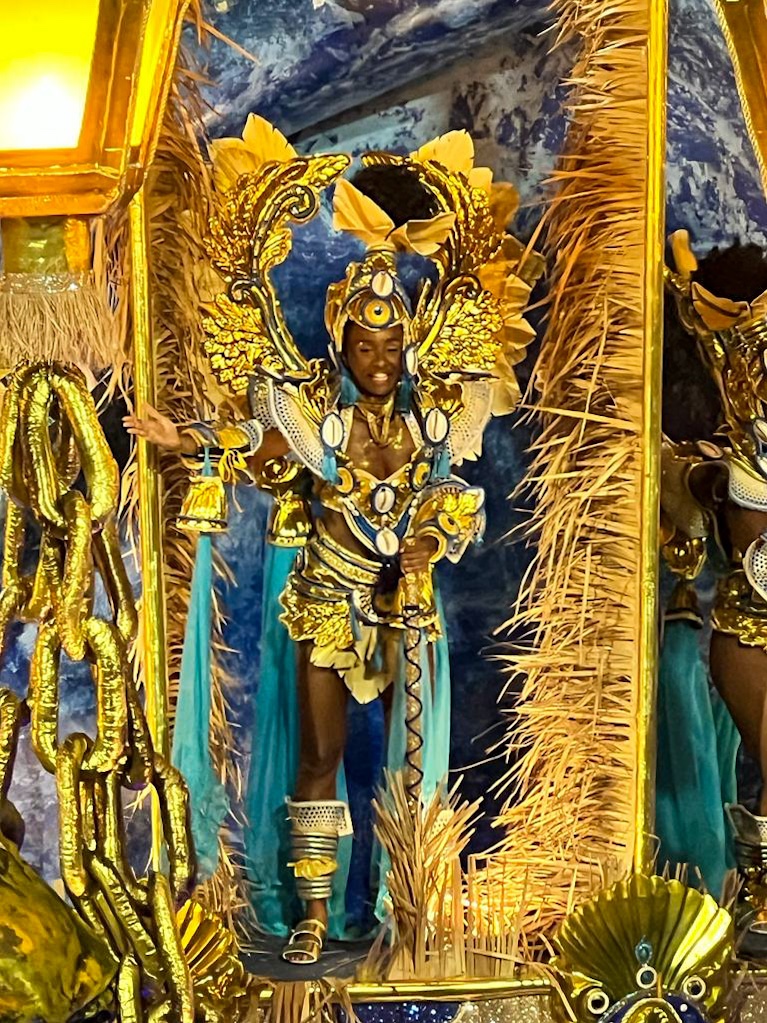
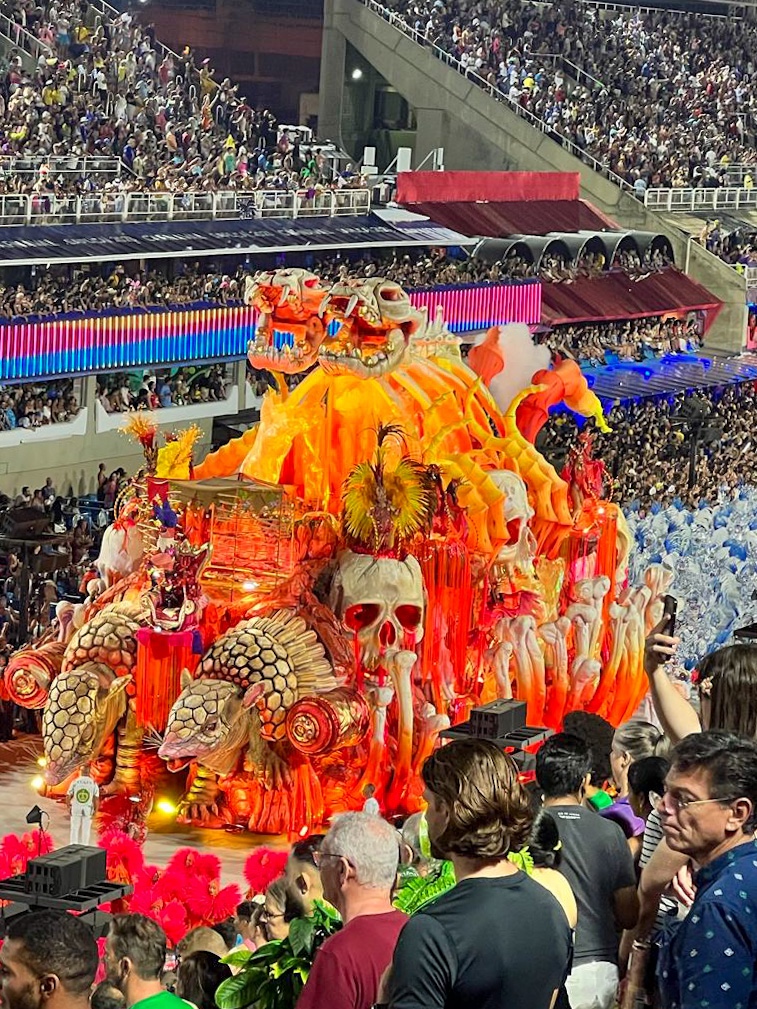
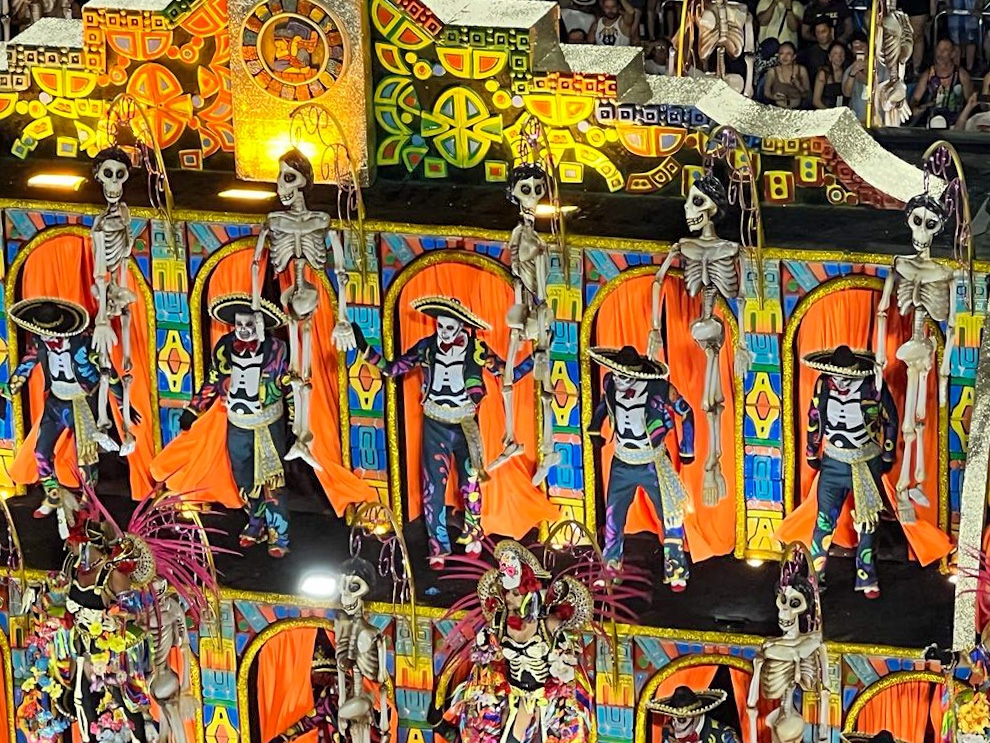
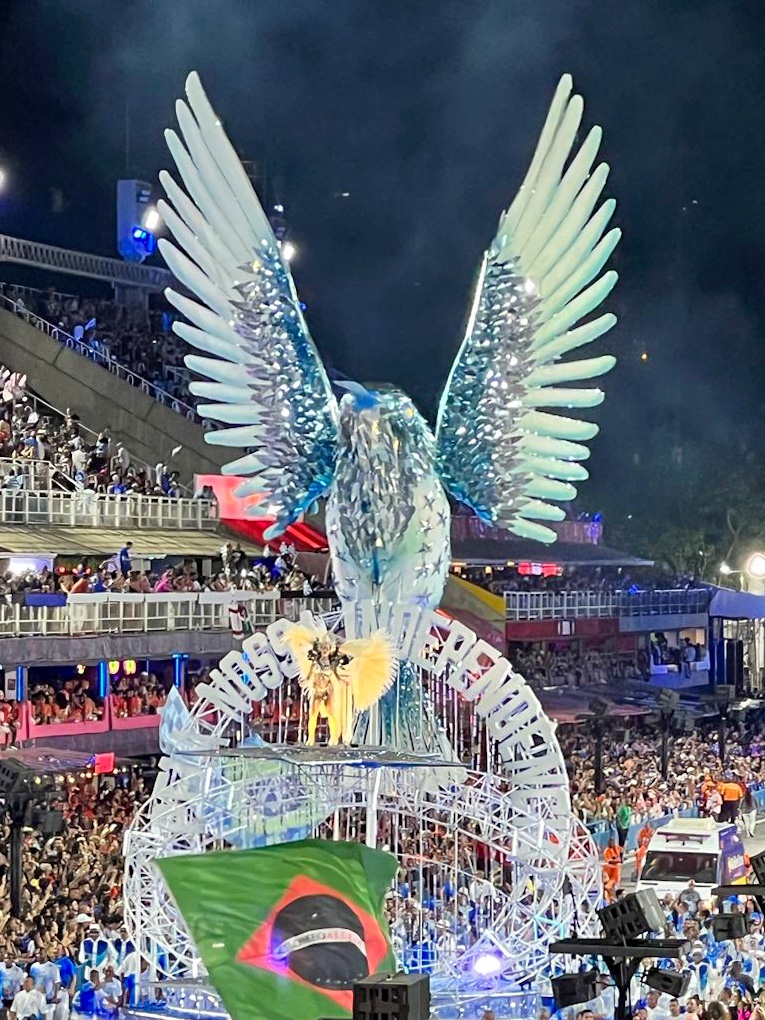
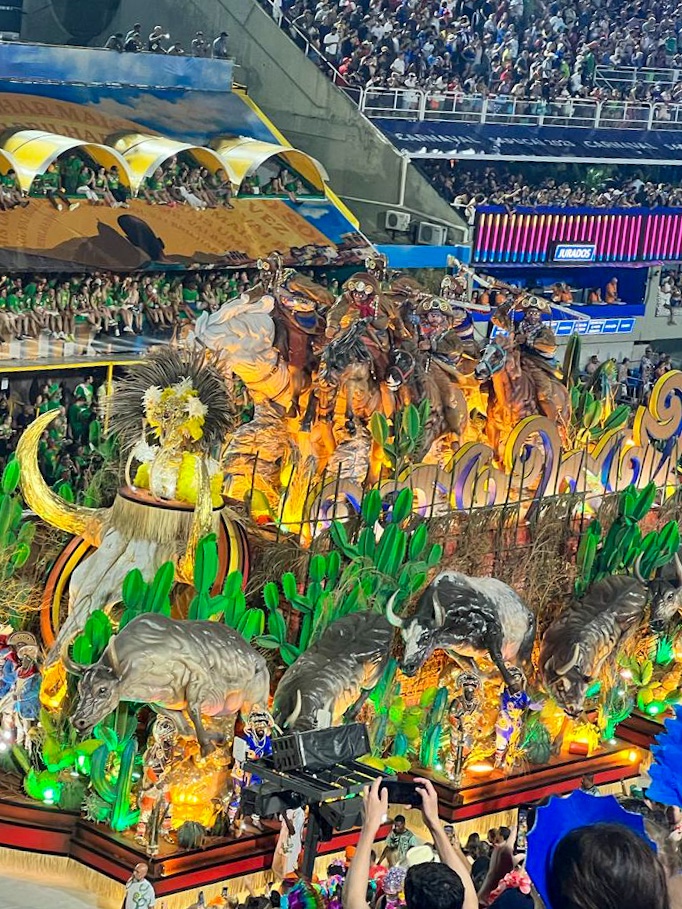
(2) The Sambadrome – located in downtown Rio, is the exhibition place where samba schools parade competitively each year during the Rio Carnival. Samba schools are dancing, marching, and drumming clubs that are devoted to practicing samba, an Afro-Brazilian dance and drumming style. Over the course of 4 days, the schools parade one after another from 8pm until the early hours of the morning (when I went, we didn’t get out until 6:30am..). Each samba school has a preset amount of time (75 minutes) to parade from one end of the Sambadrome to the other, with its dancers, drum section, and floats. Each school has its own unique qualities according to its own traditions. Schools are graded by a jury and at the end of Carnival celebration, one school is declared the winner.

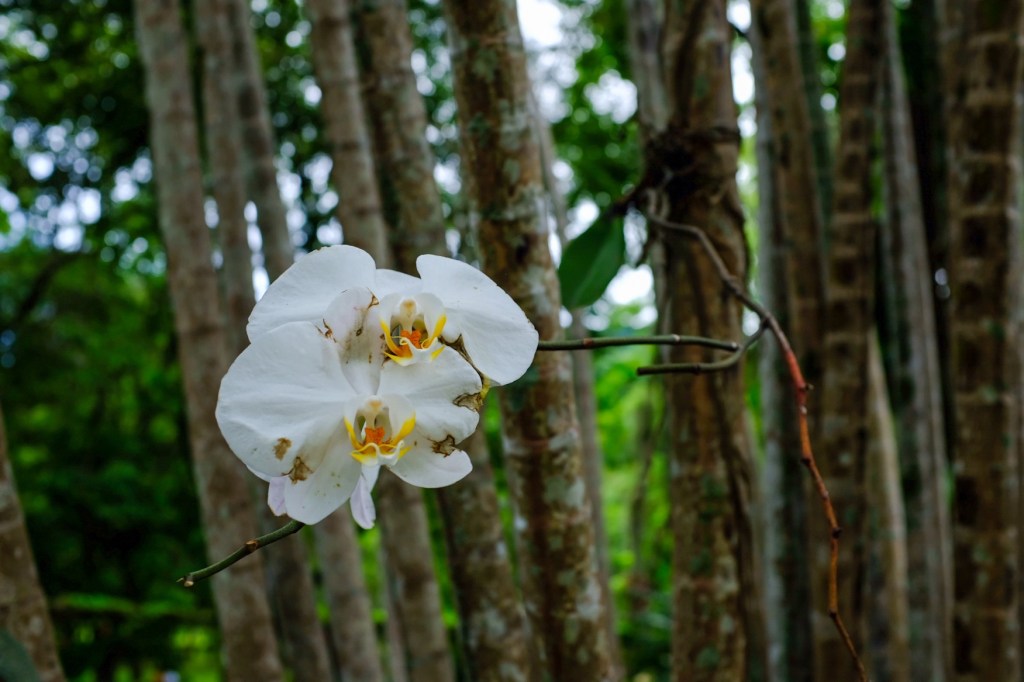
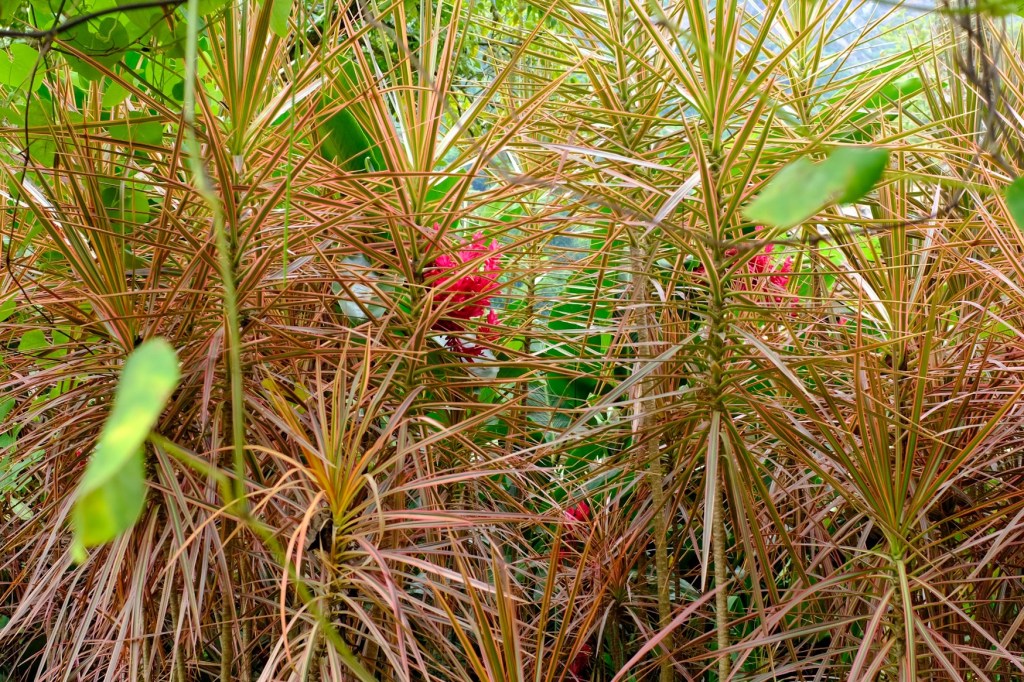
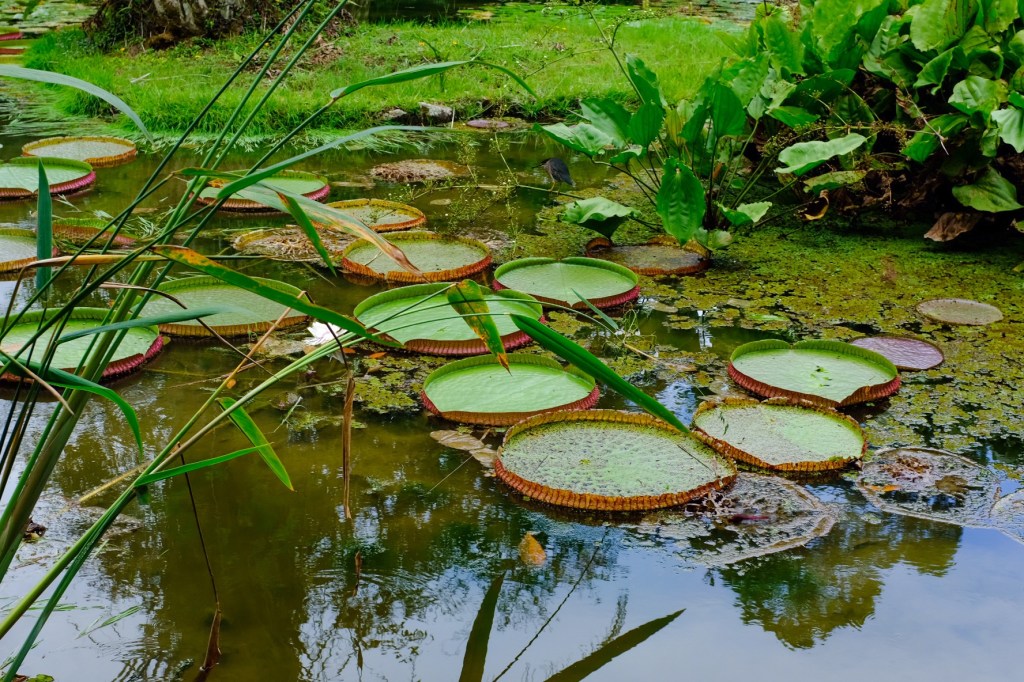
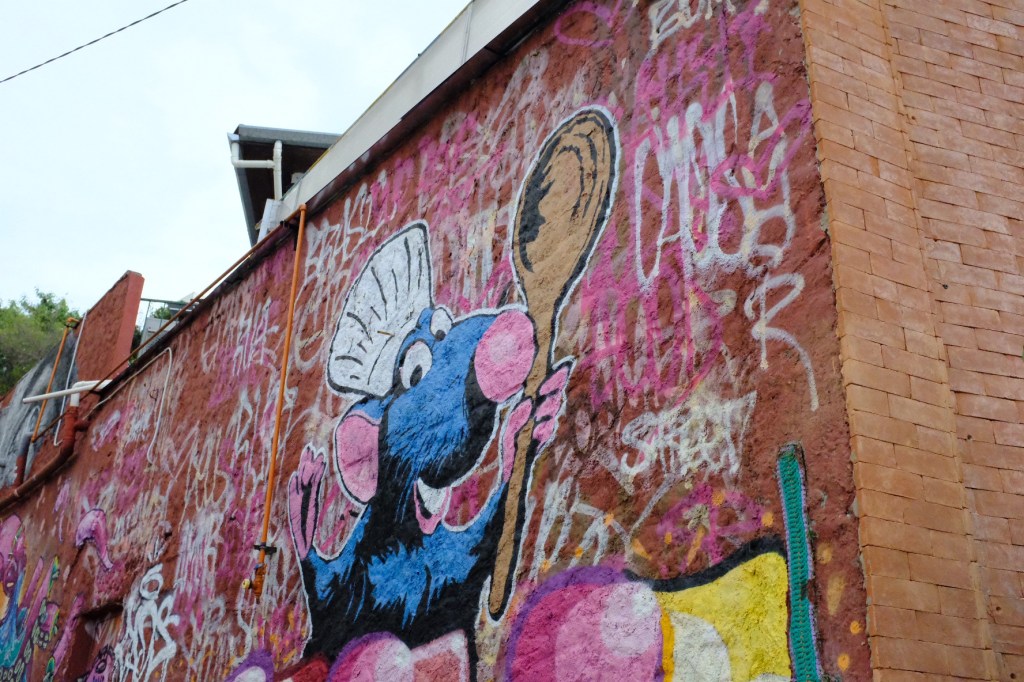
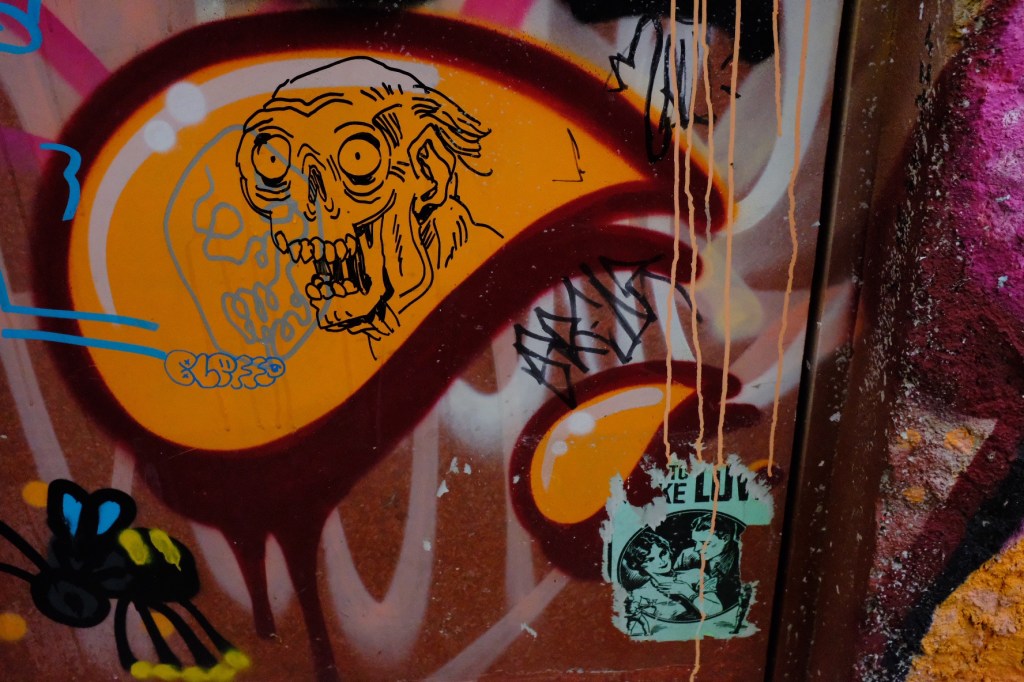
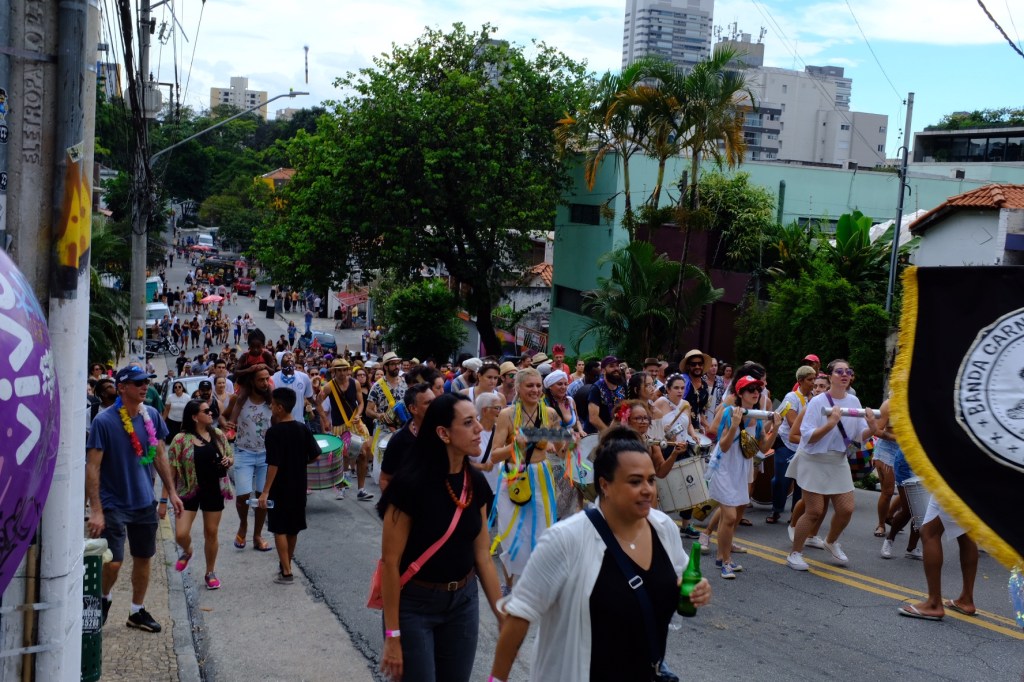
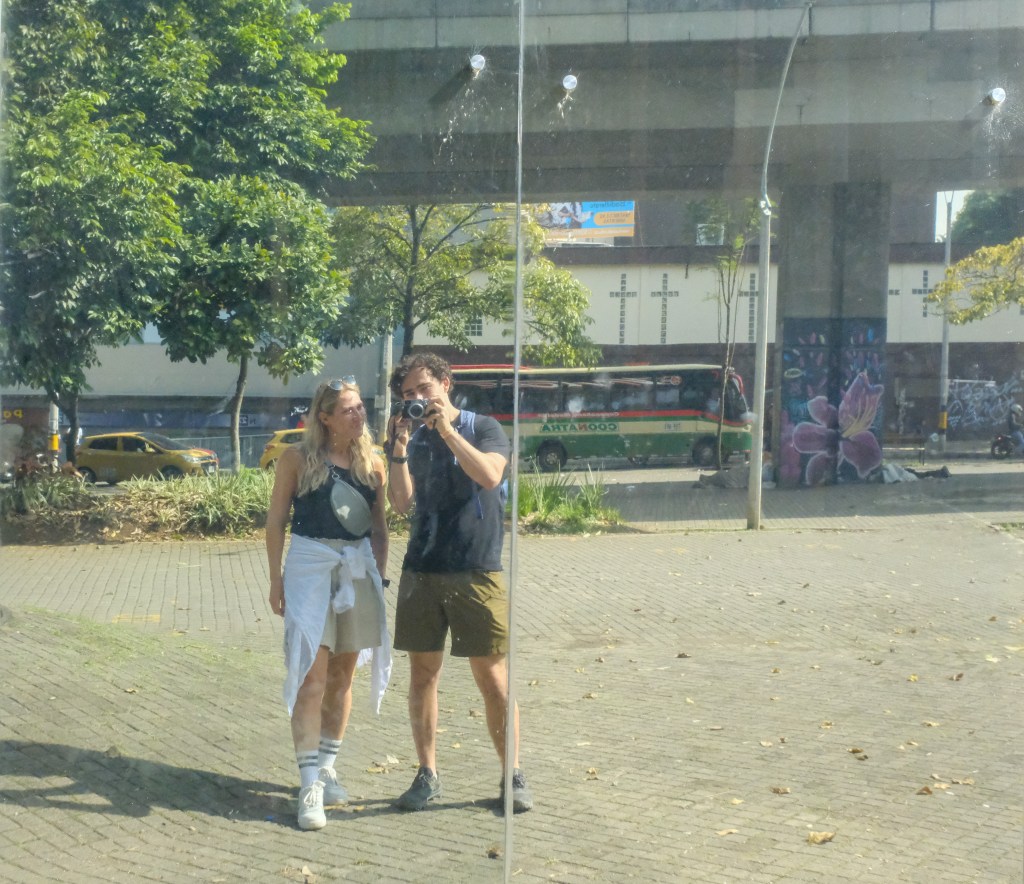
While I did not take too many photos during my time at Rio Carnival (its not wise to be a tourist with your phone out – unless you want to donate it to the greater Rio community) – here are some photos me and my friends took of the celebrations!

As someone who is not the biggest fan of large crowds, a couple days of Carnival was MORE than enough for me – and some friends and I opted to see what else Rio had to offer.

FUN FACT: Rio Carnival is one of the best times to visit the “tourist” attractions. Most parks, sites, museums, etc.. are still open but are incredibly quite since everyone is focused on the Carnival festivities!

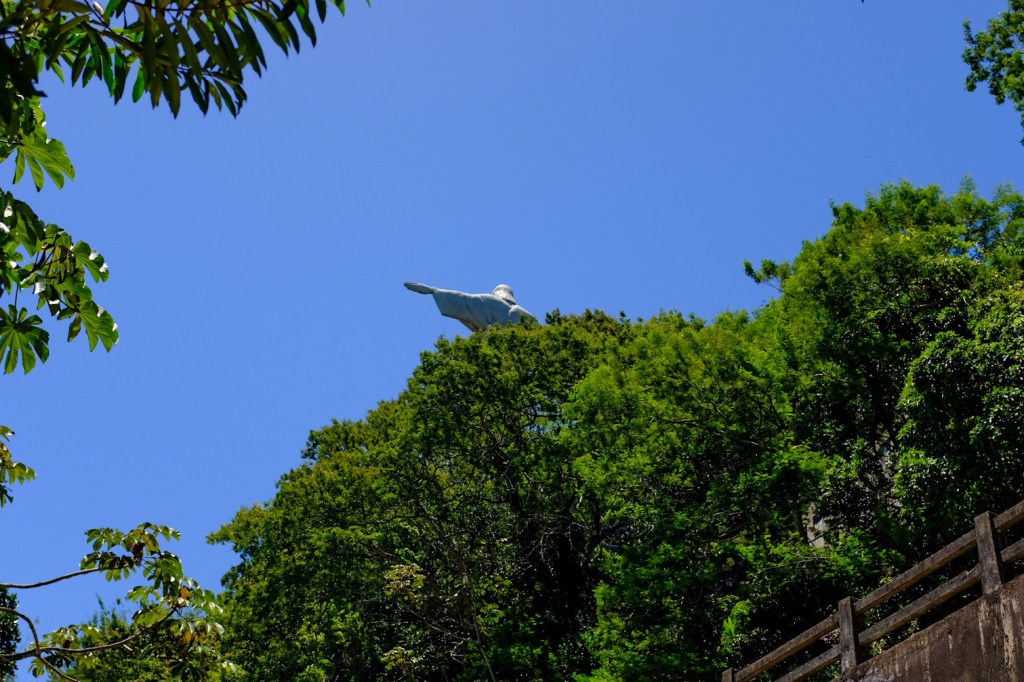
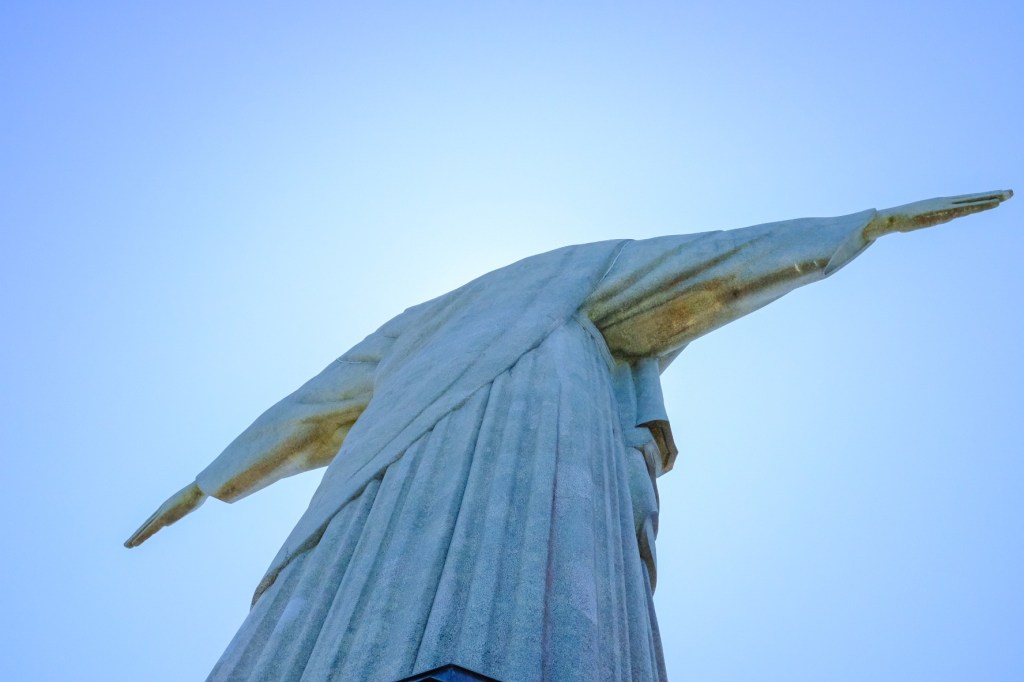
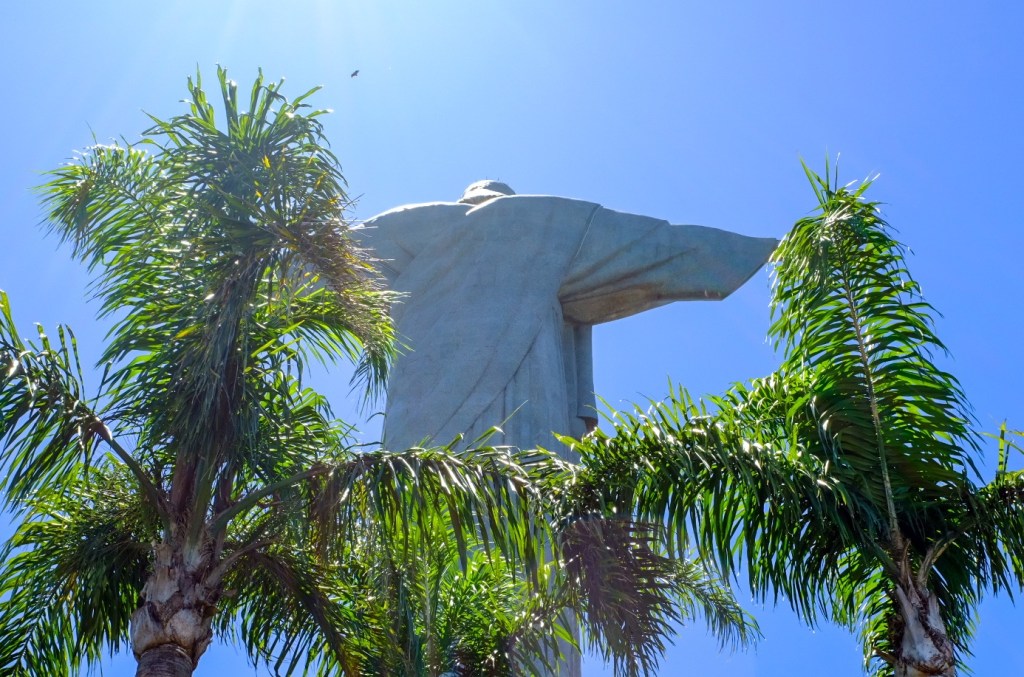
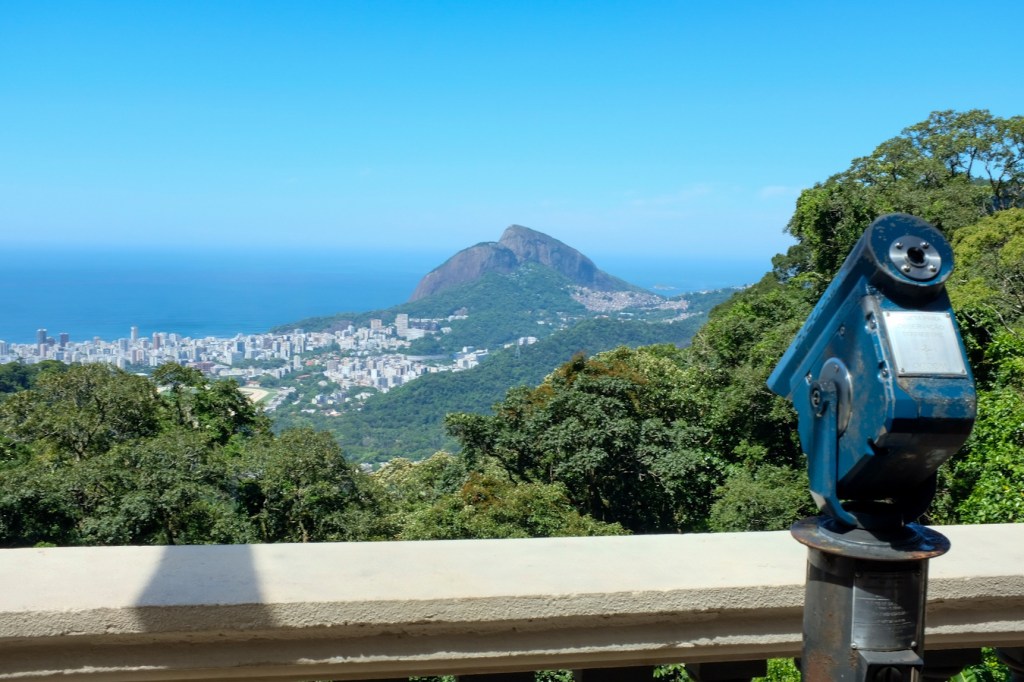
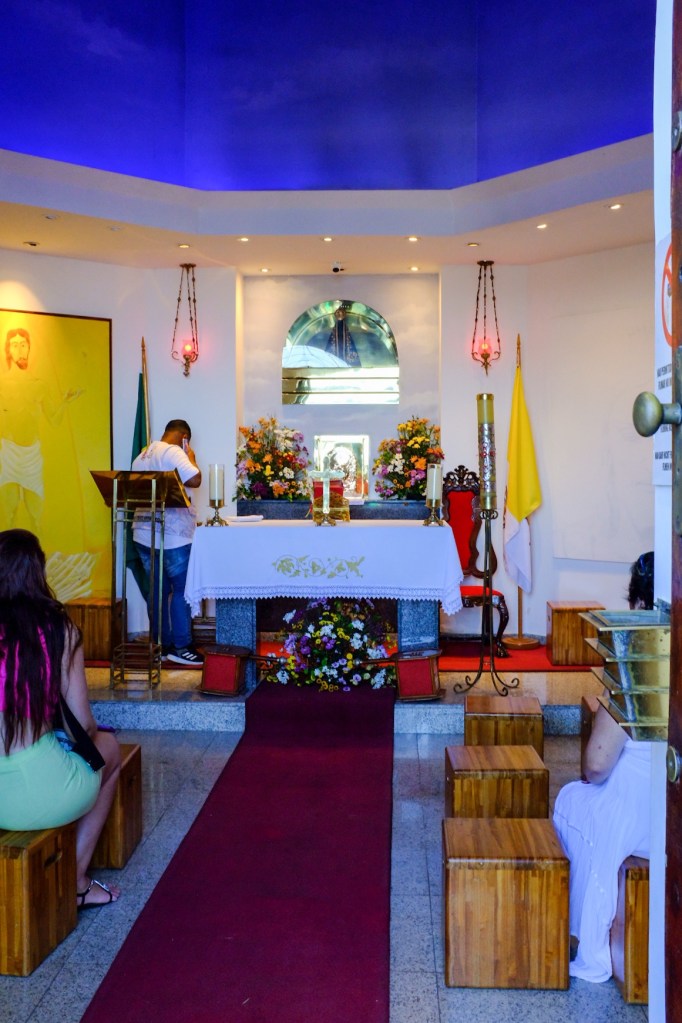
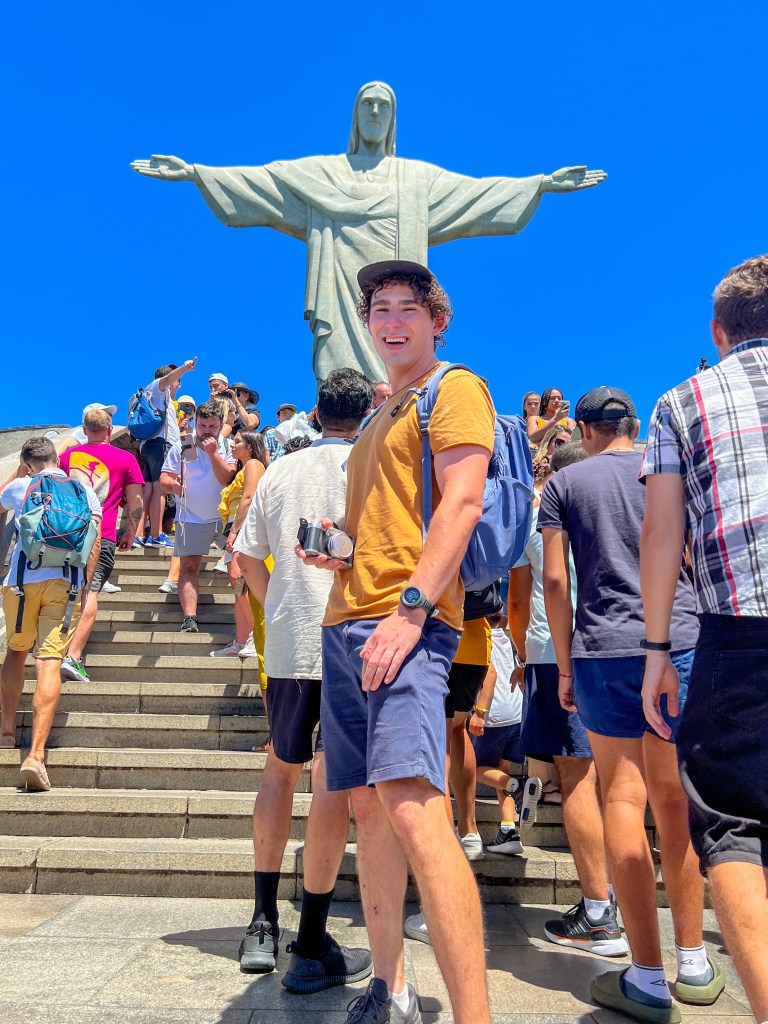
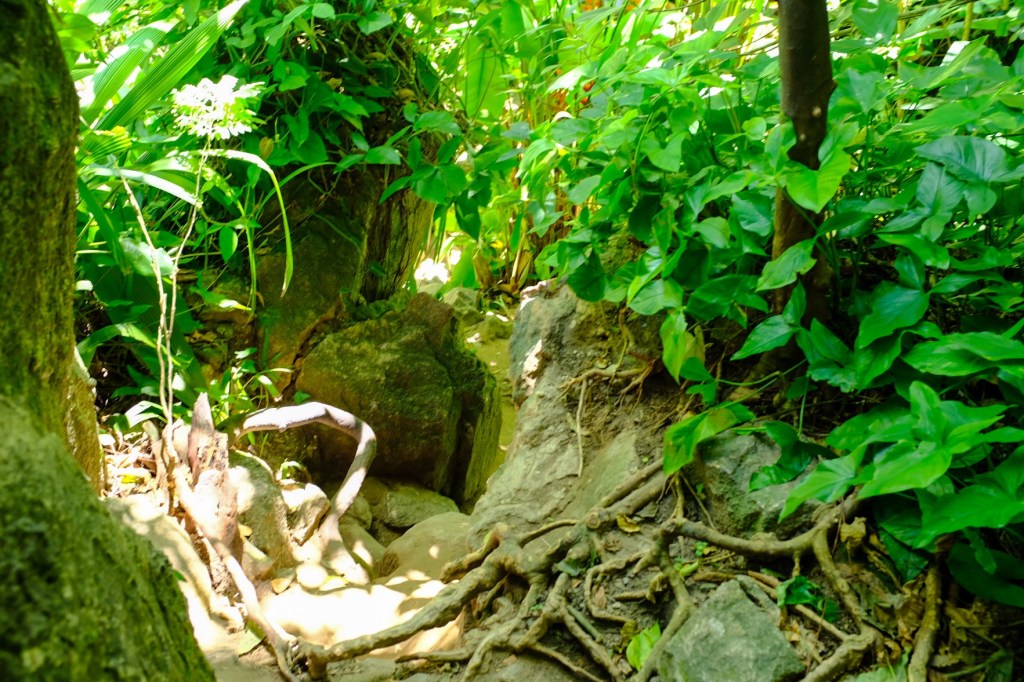
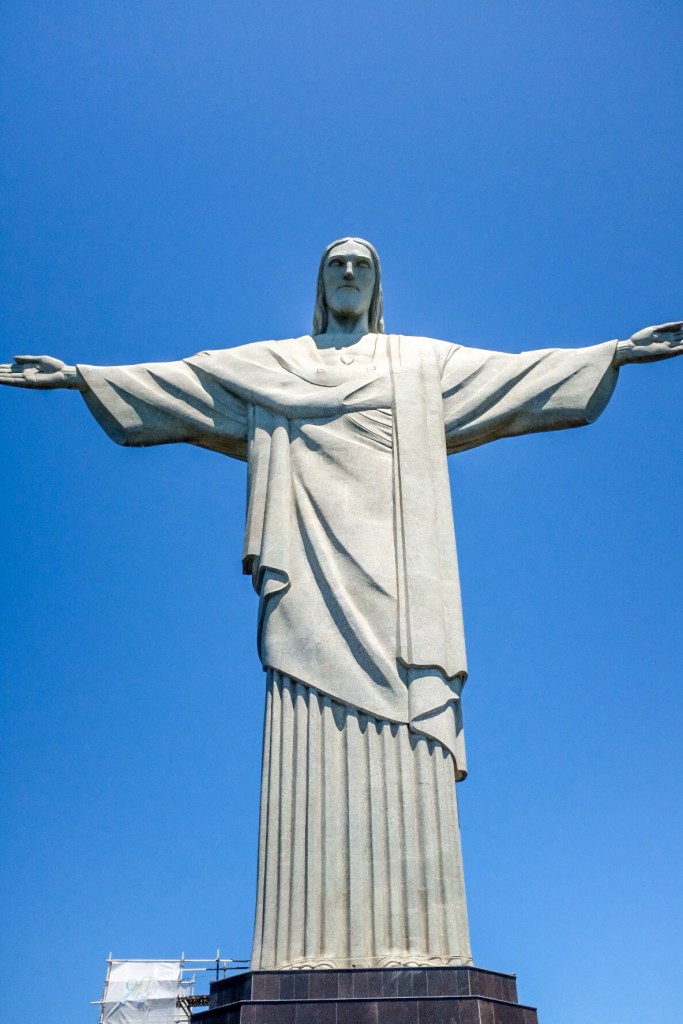
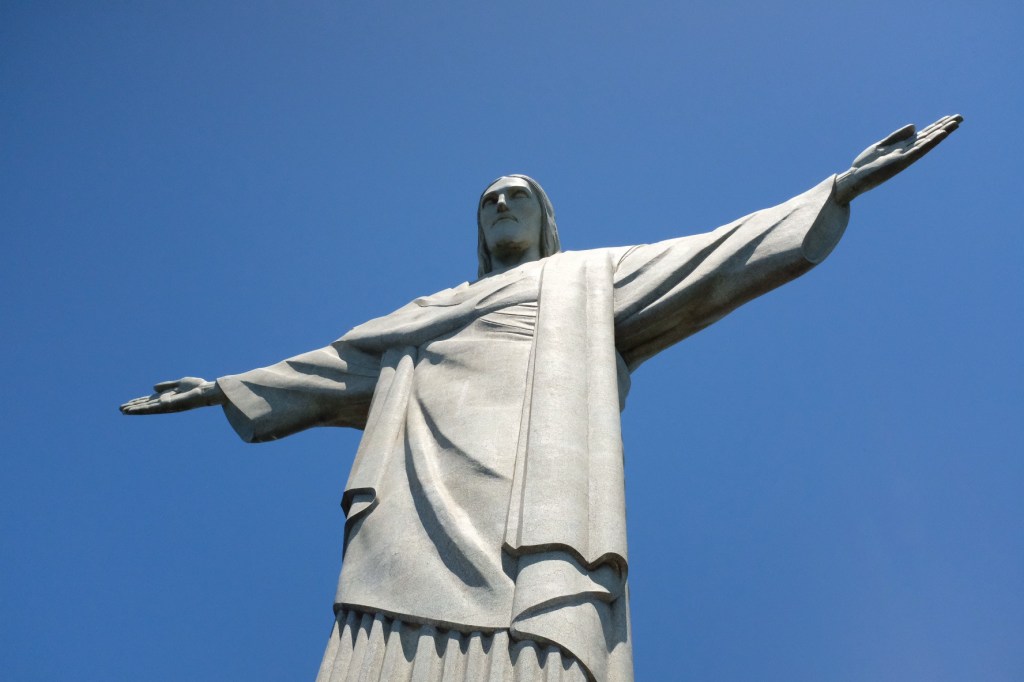
We first hiked up Mount Corcovado to see Christ the Redeemer.
I might not subscribe to the Roman Catholic doctrine, but I have to admit, a giant statue of Jesus overlooking a massive city on the Atlantic coast is pretty cool.
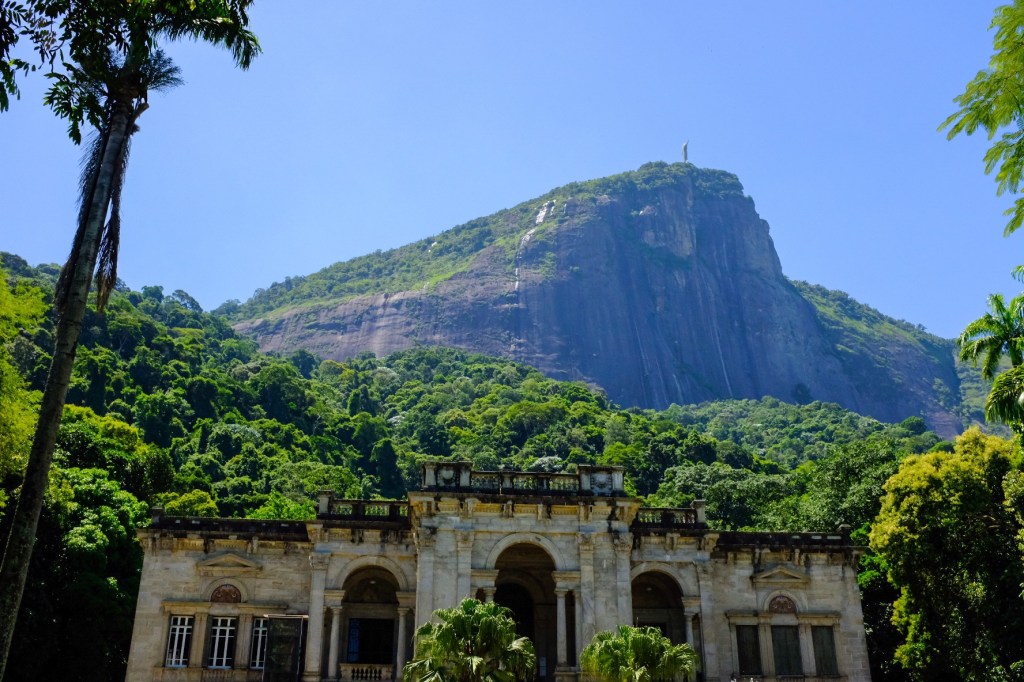
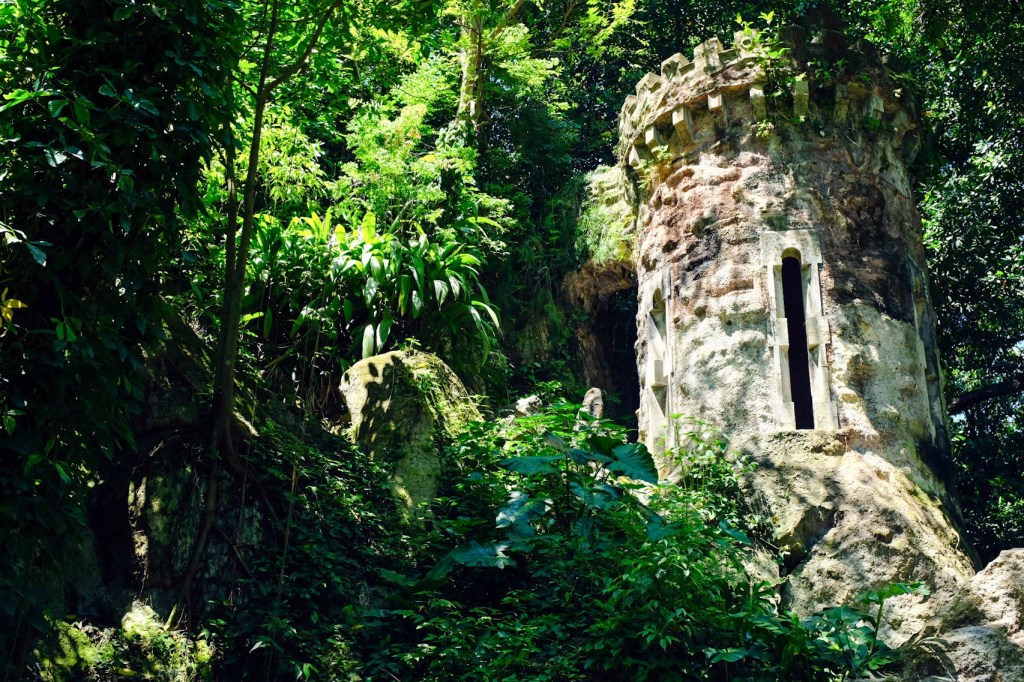
And after we hiked back down, we visited Park Lage
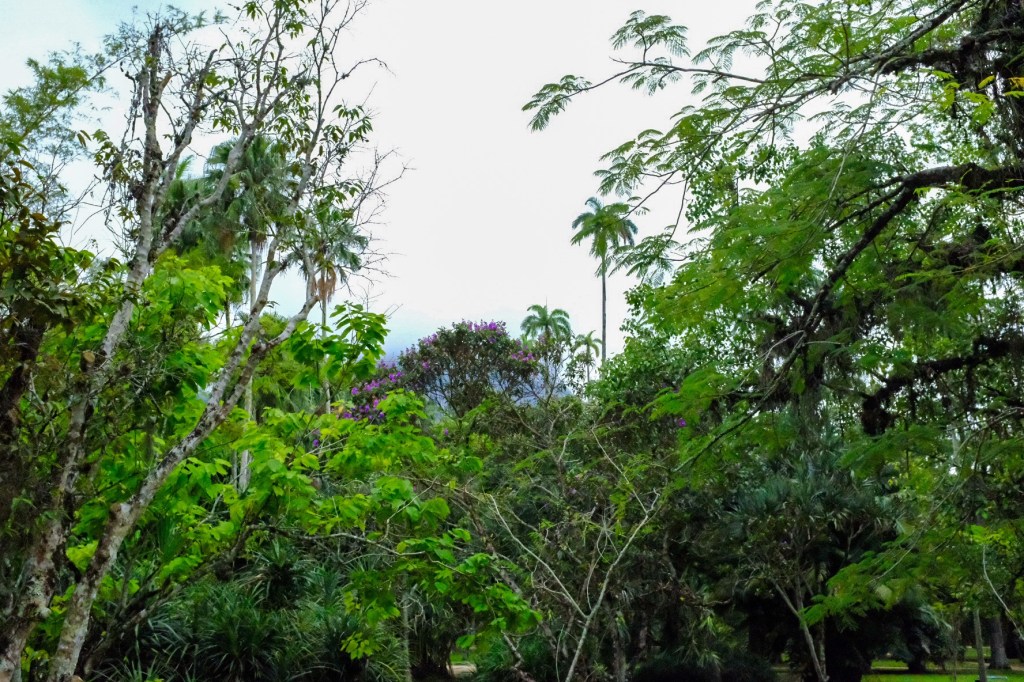
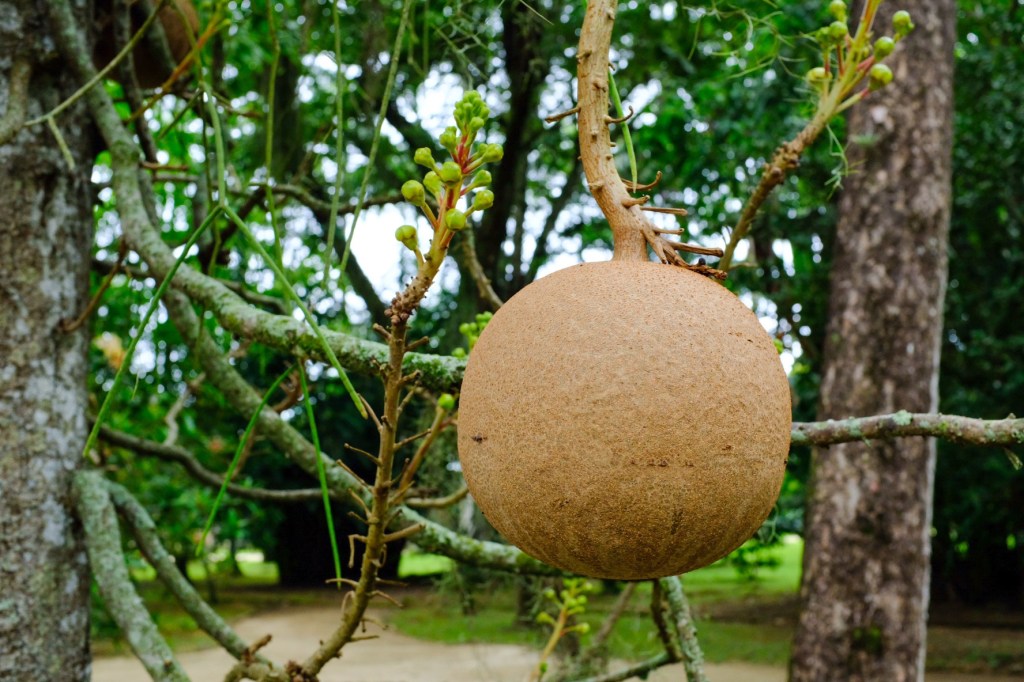
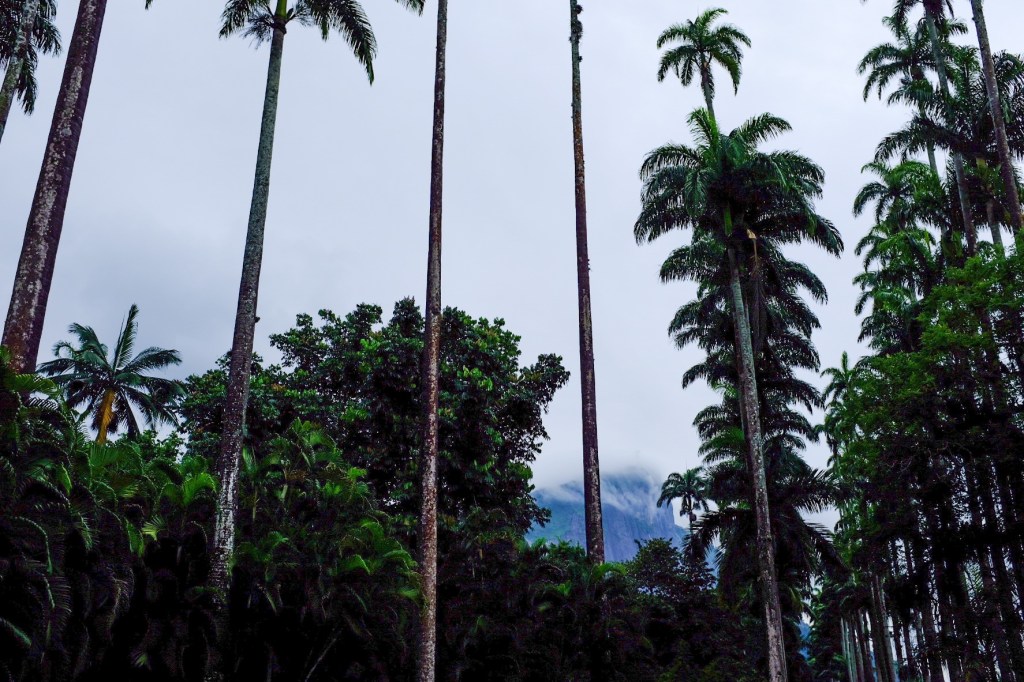
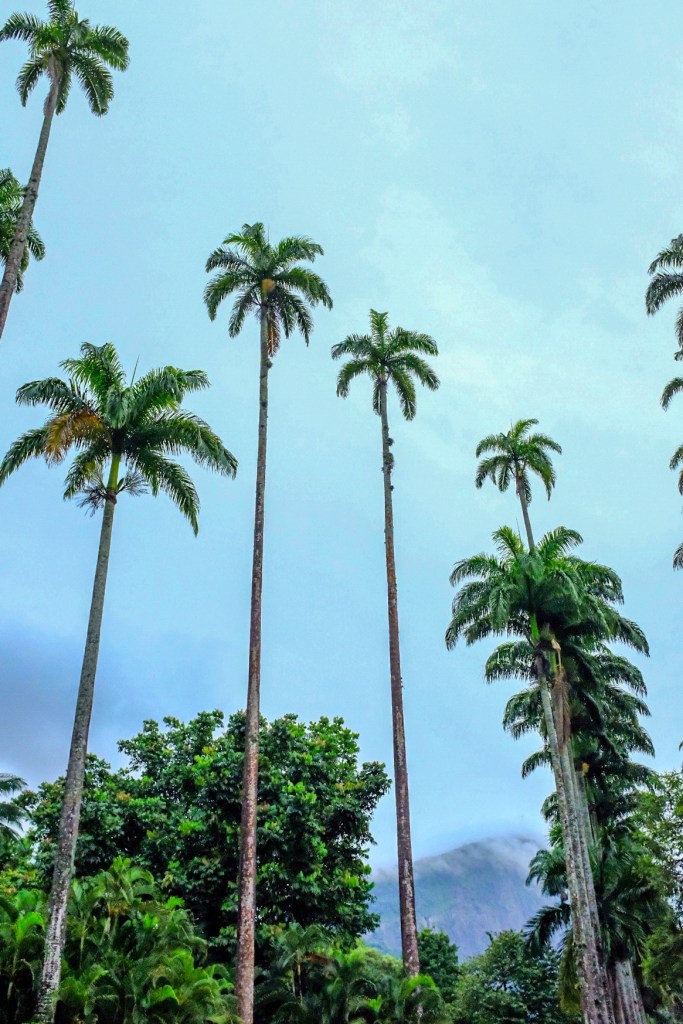
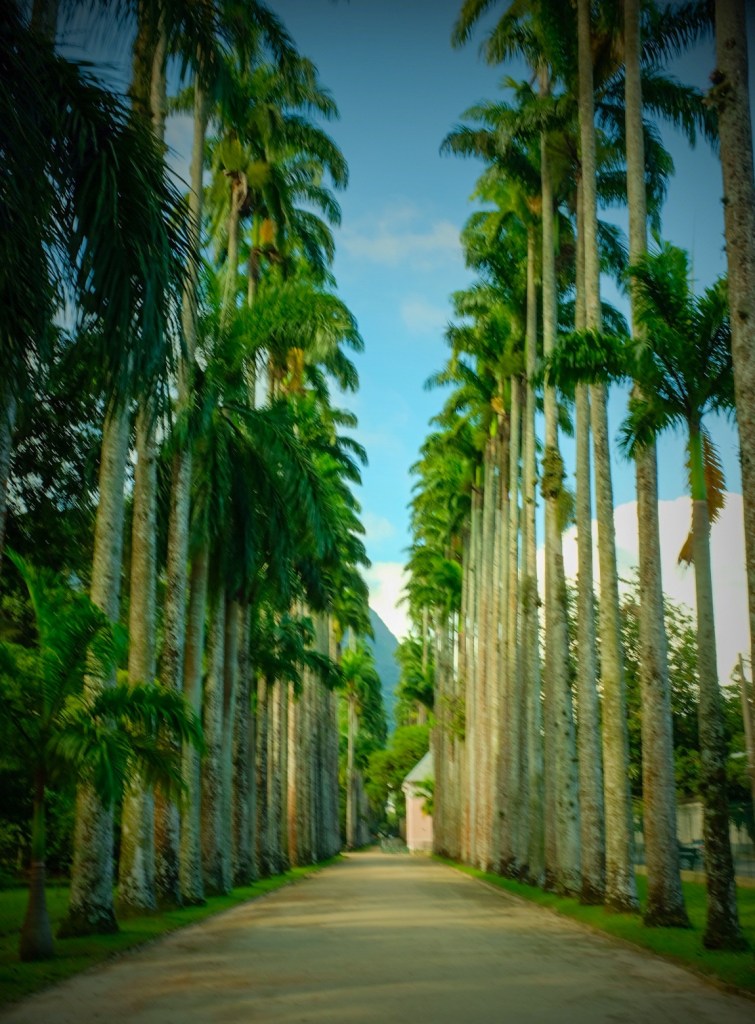
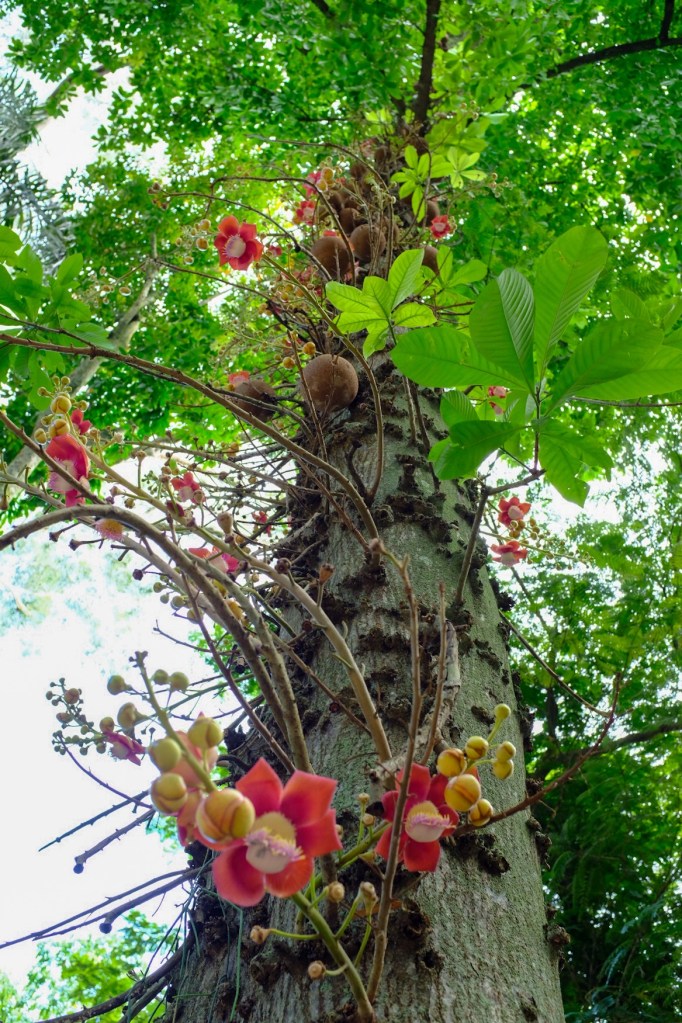
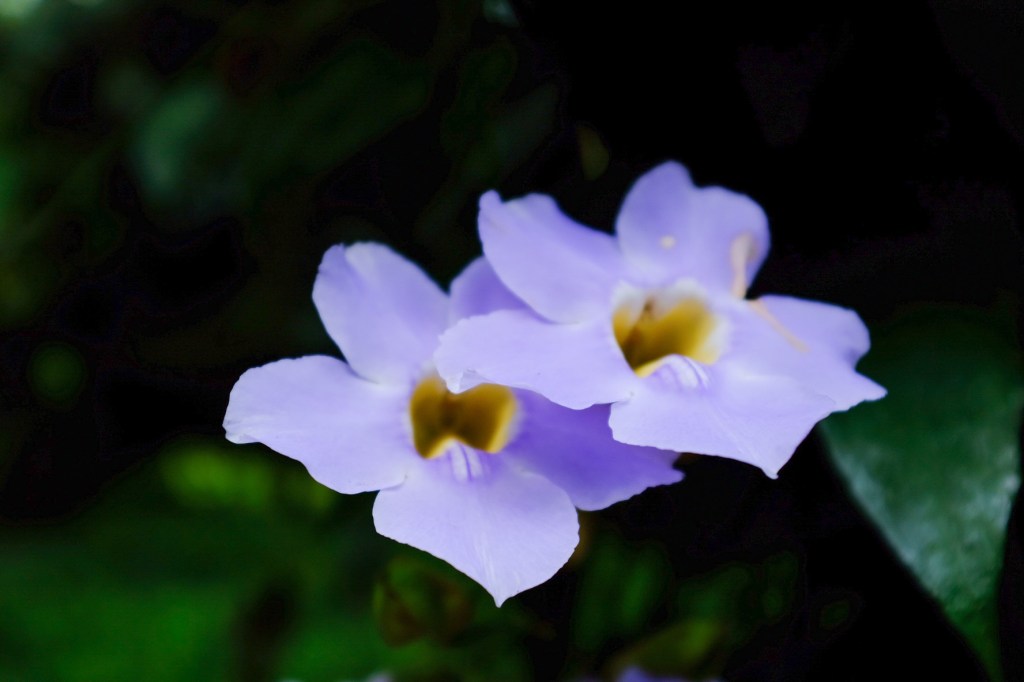
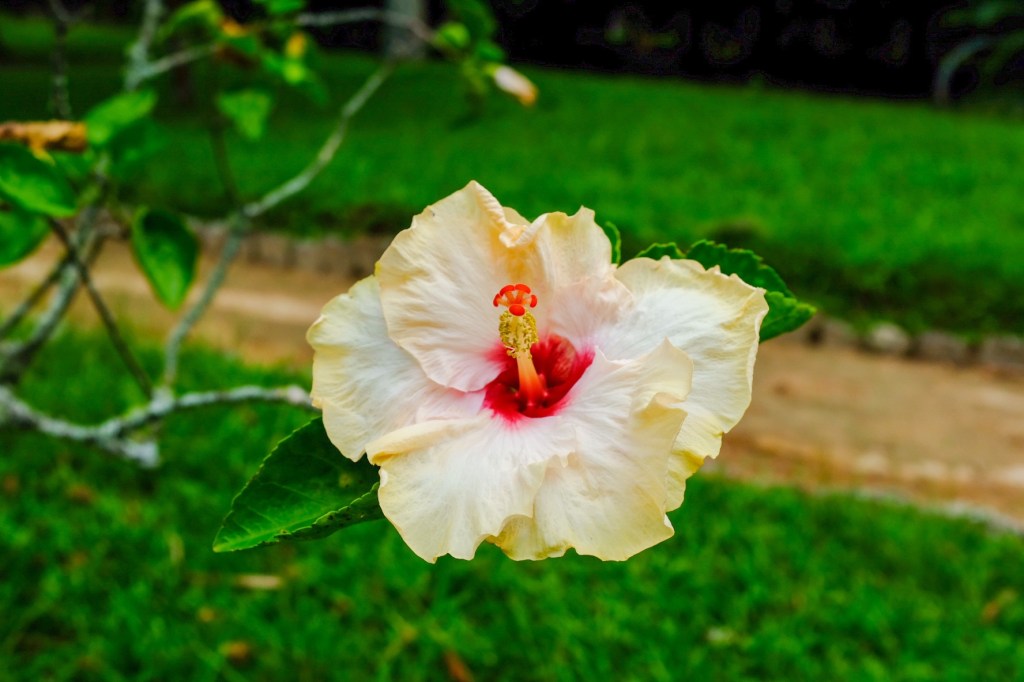
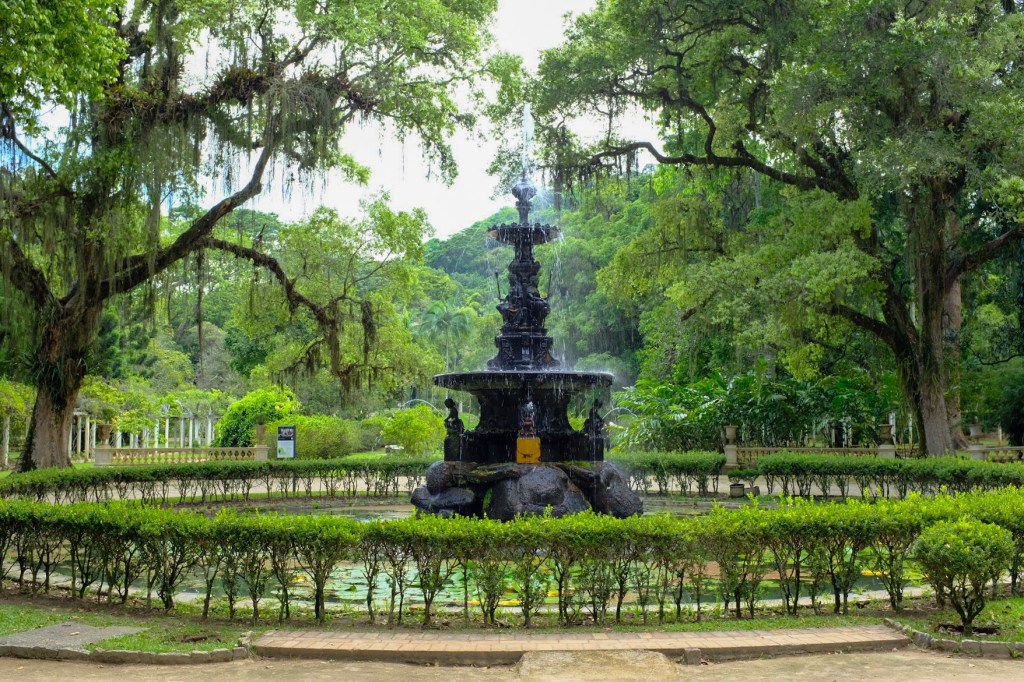
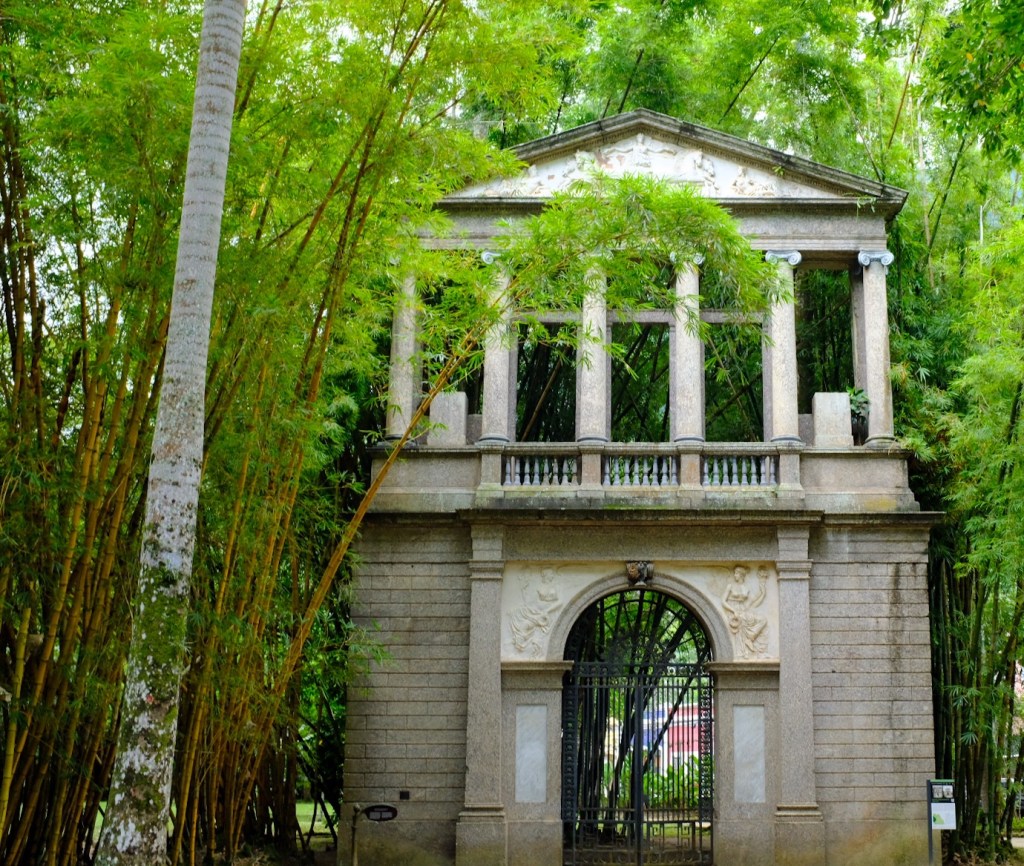
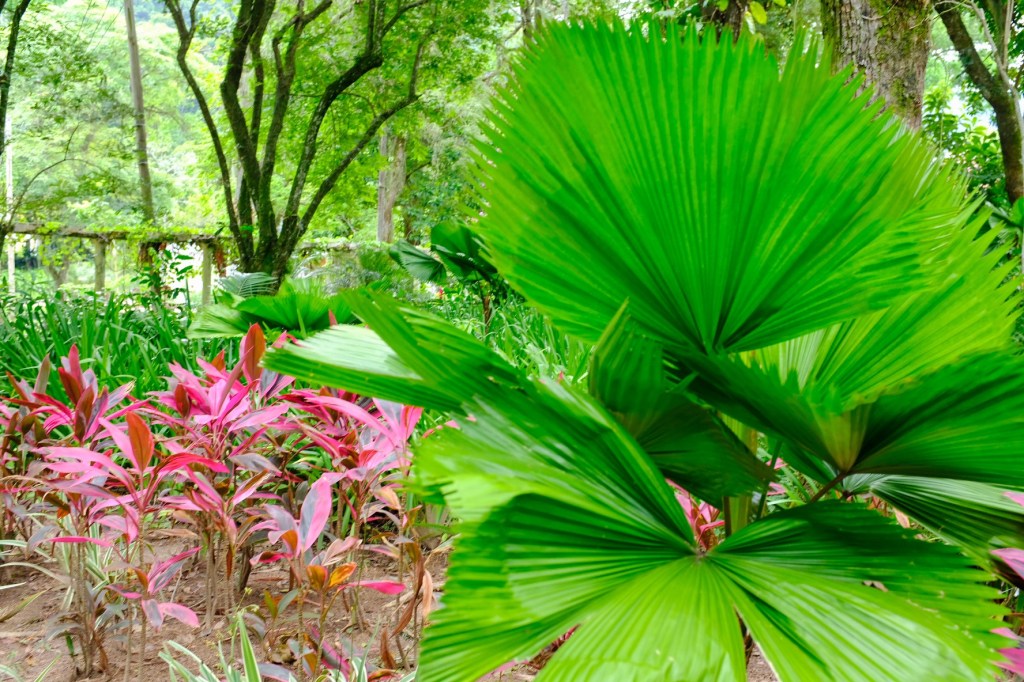
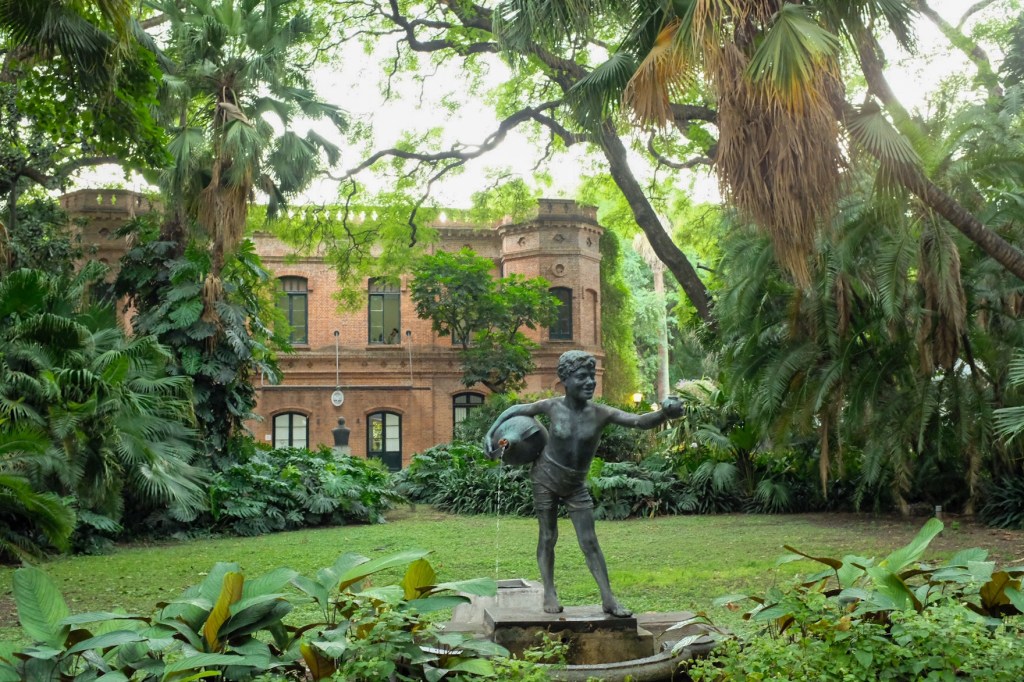
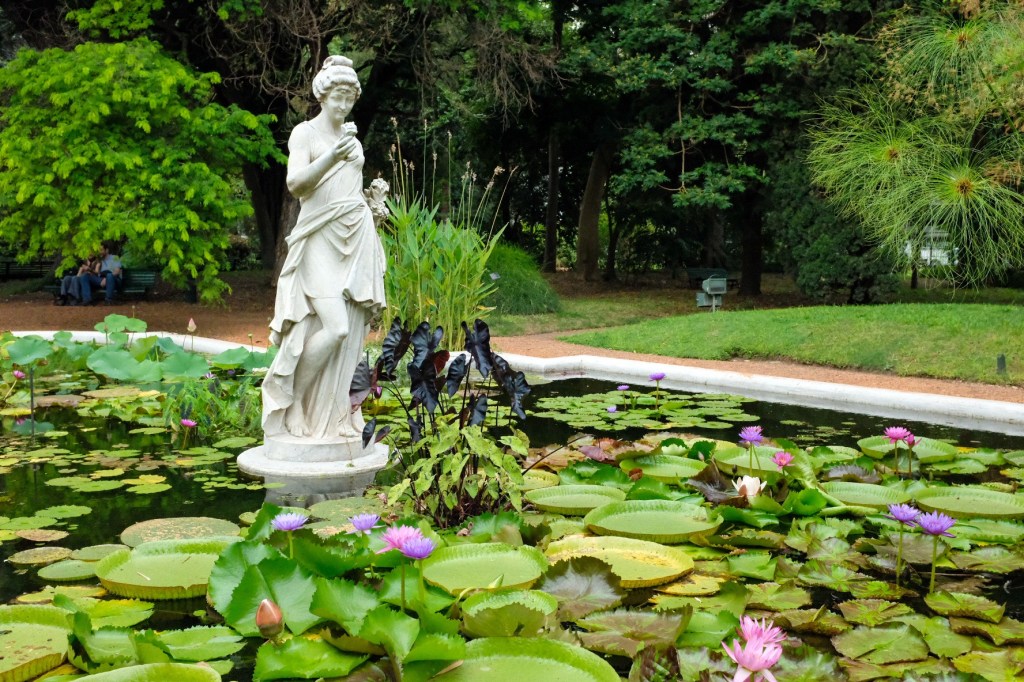
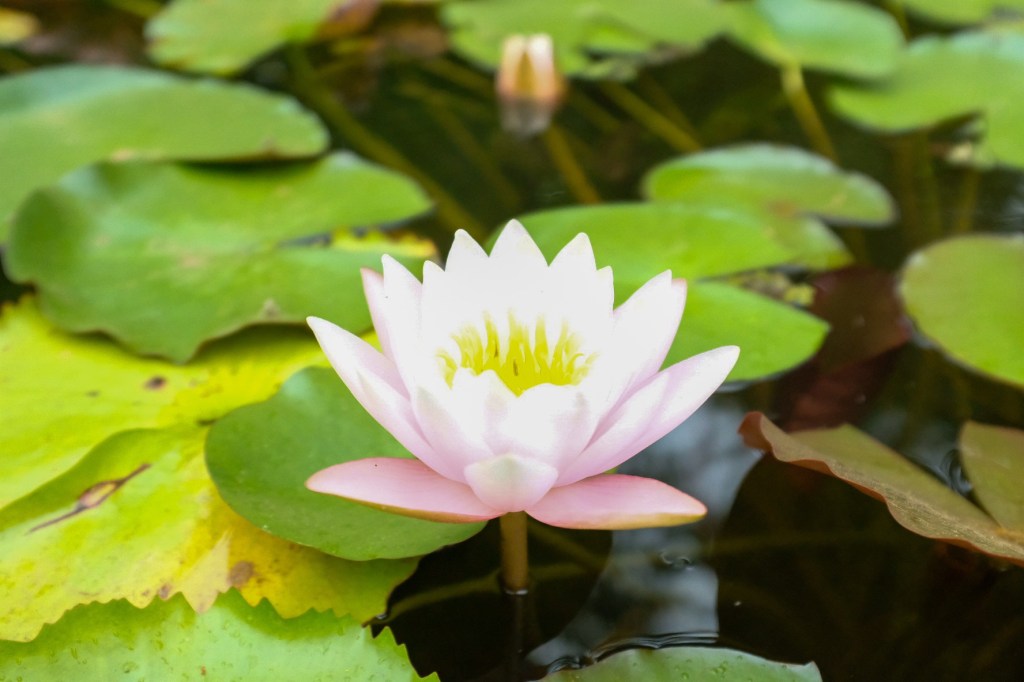
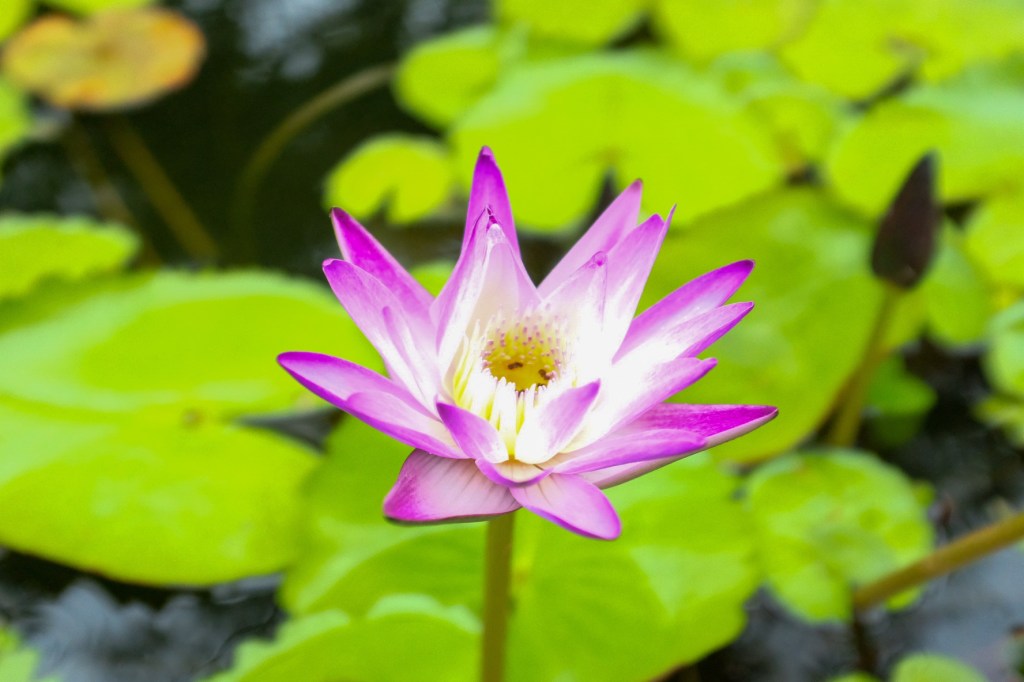
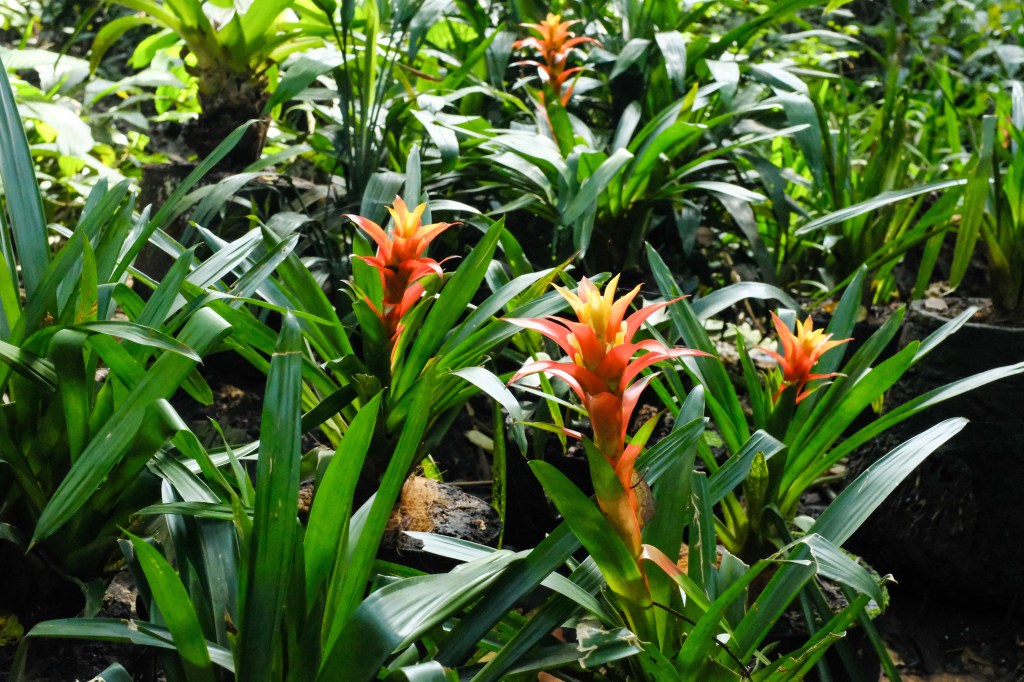
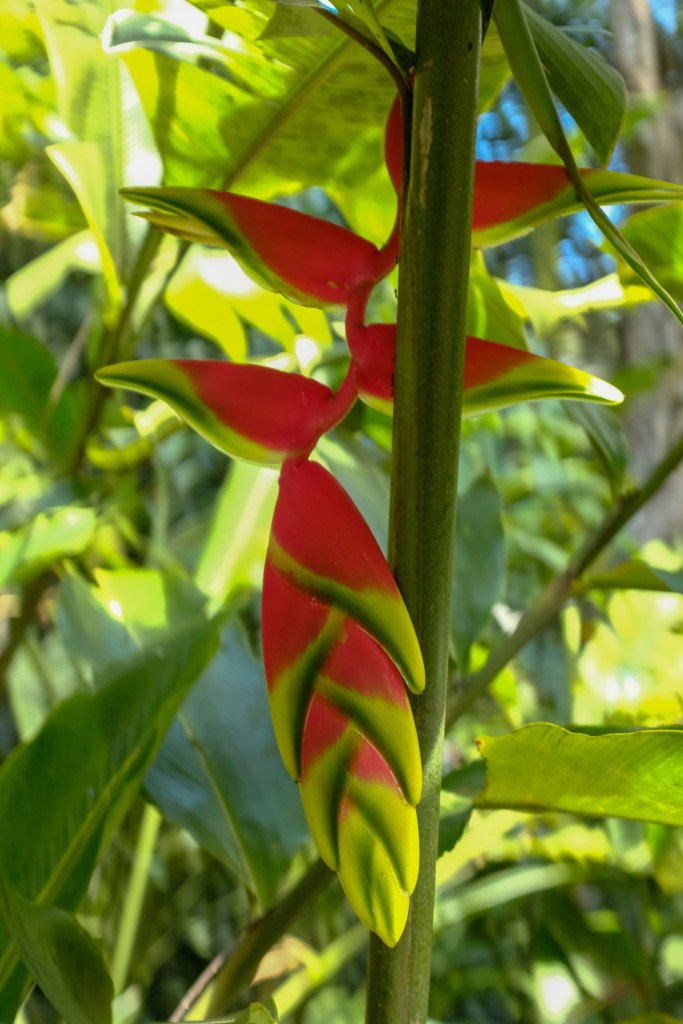
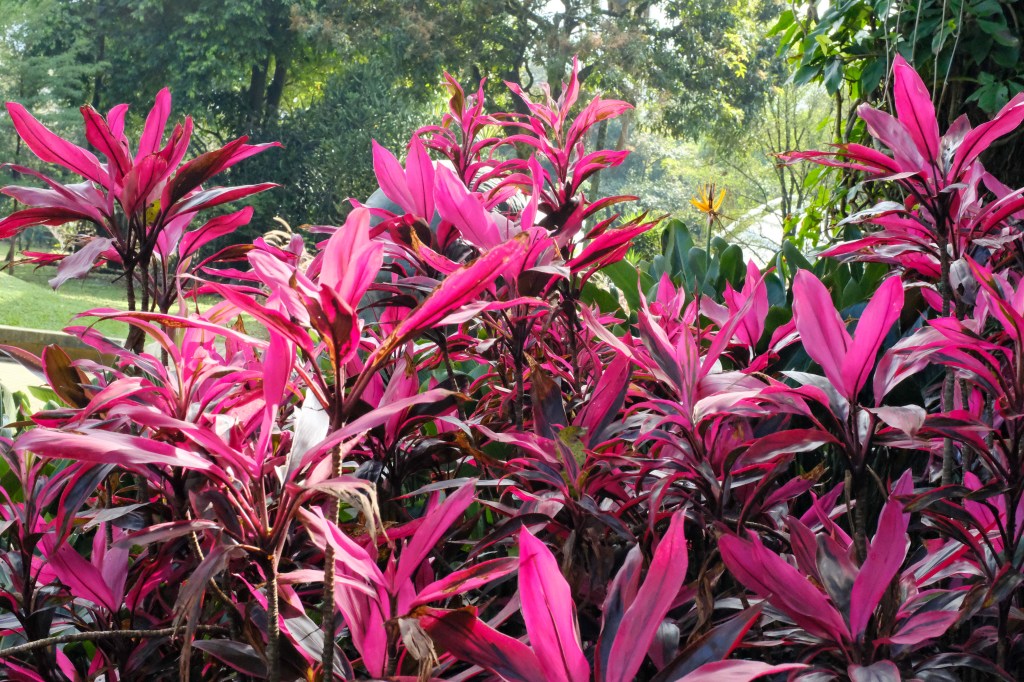
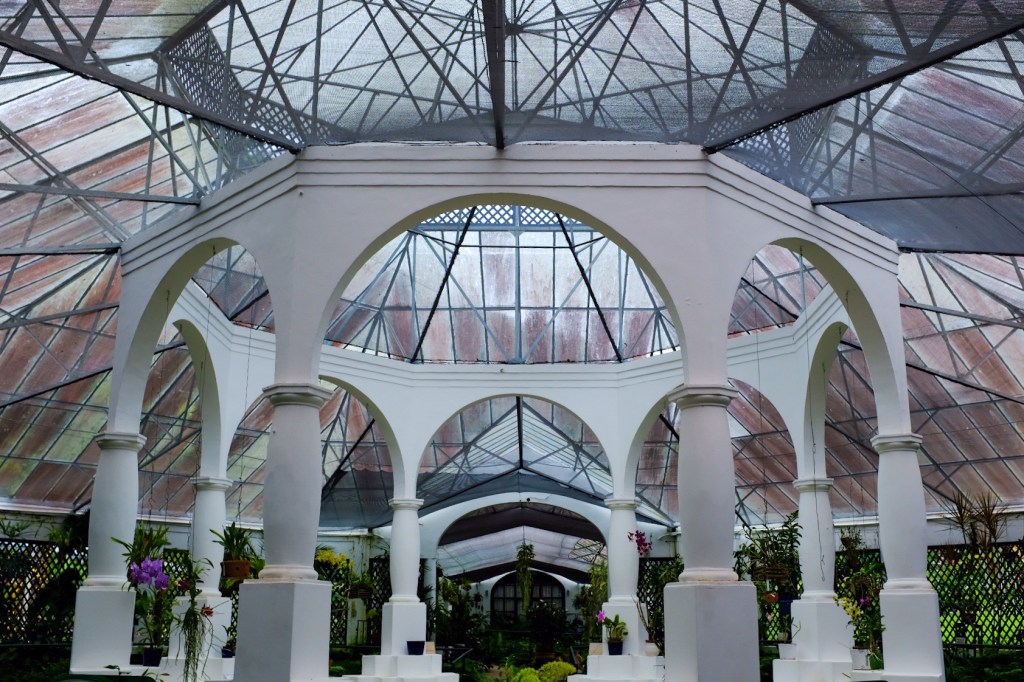
The next day, we headed to the botanical gardens
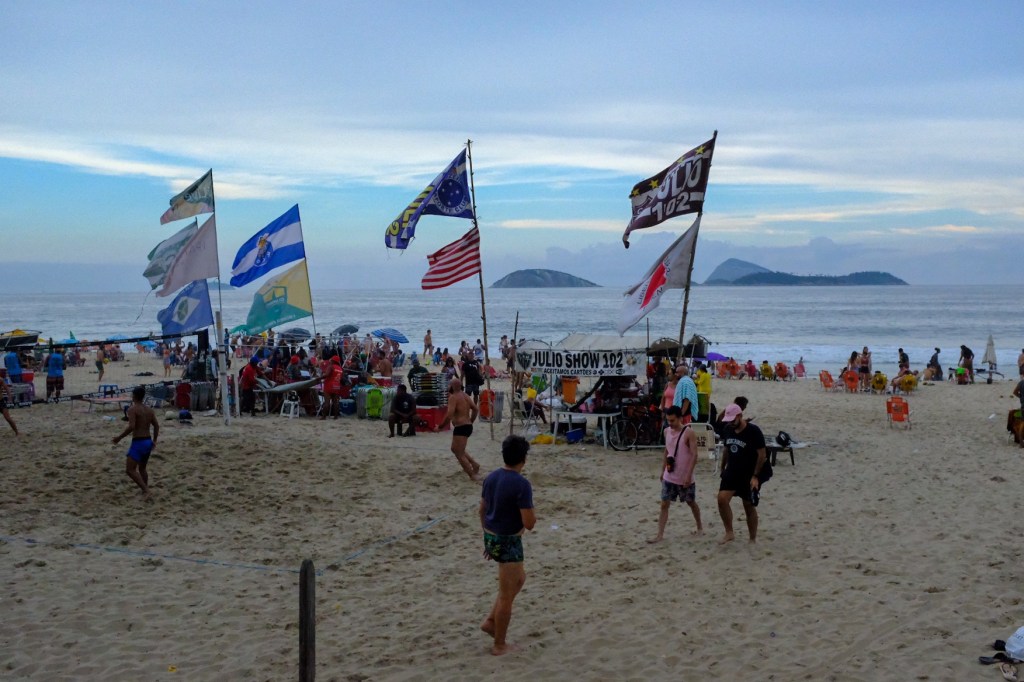
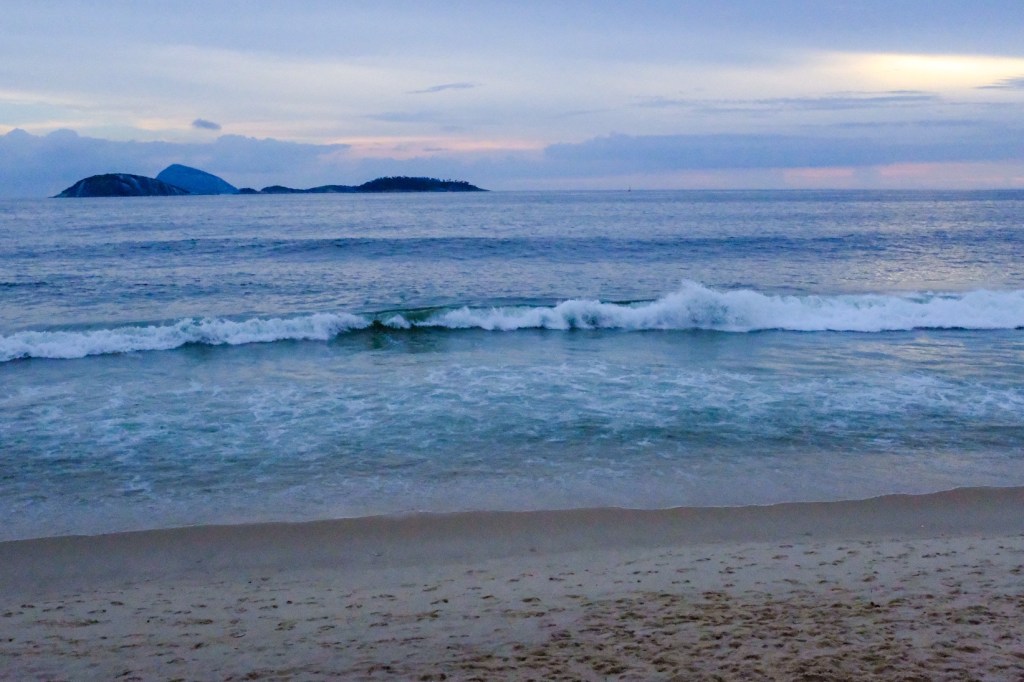
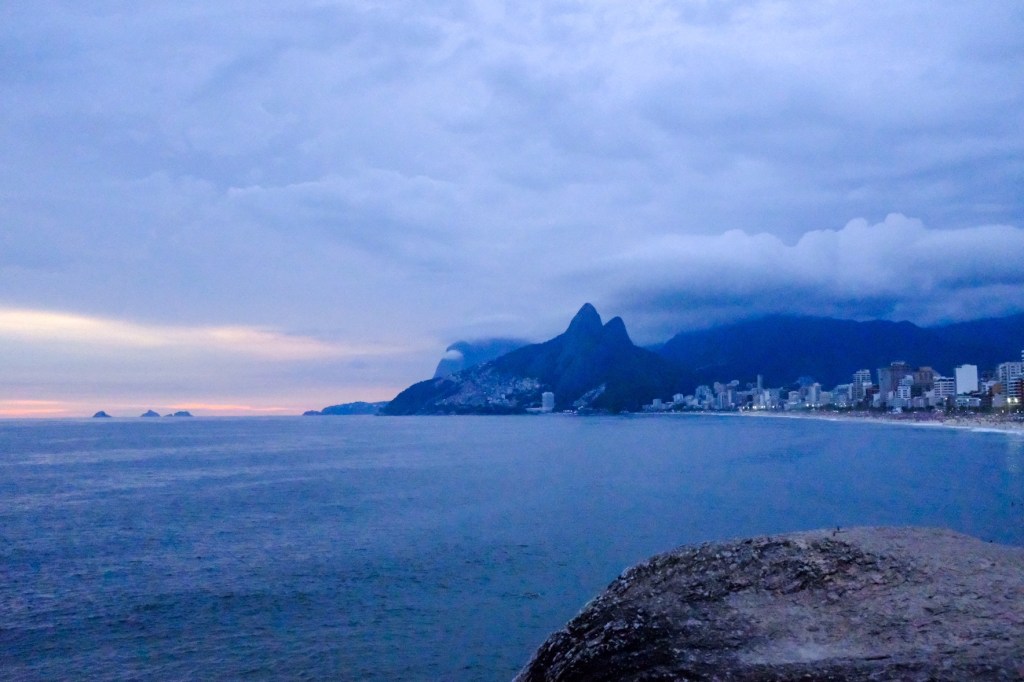
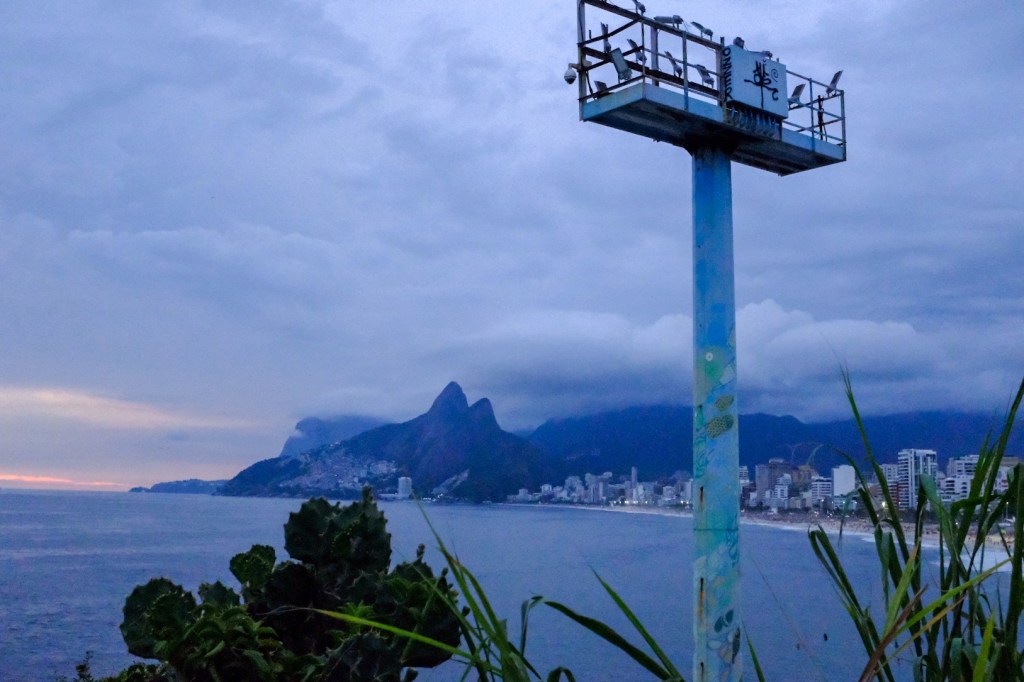
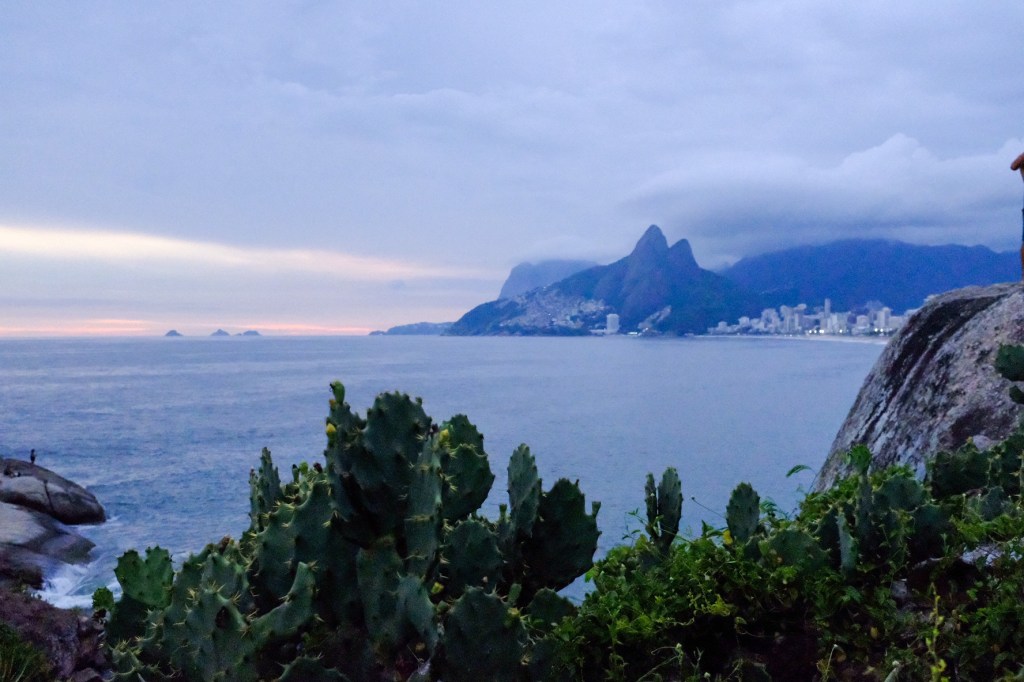
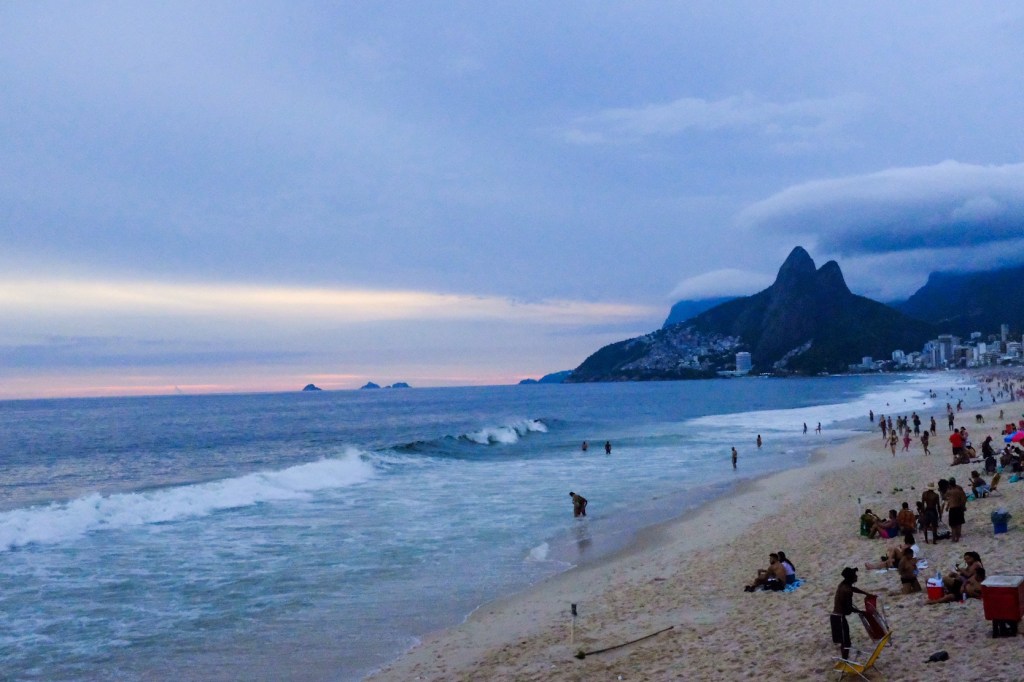
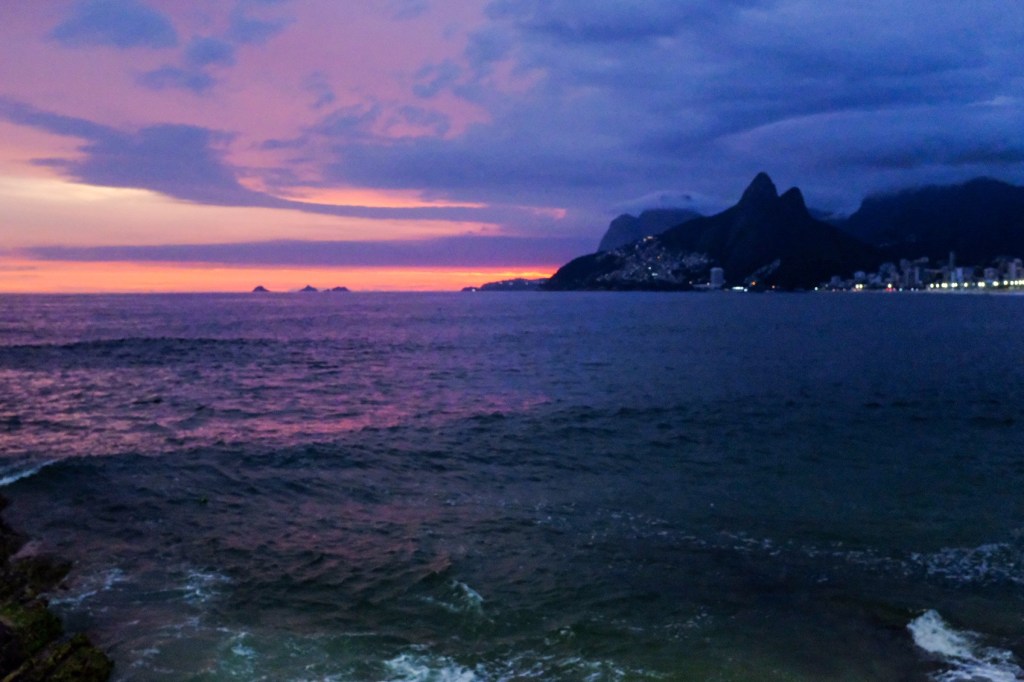
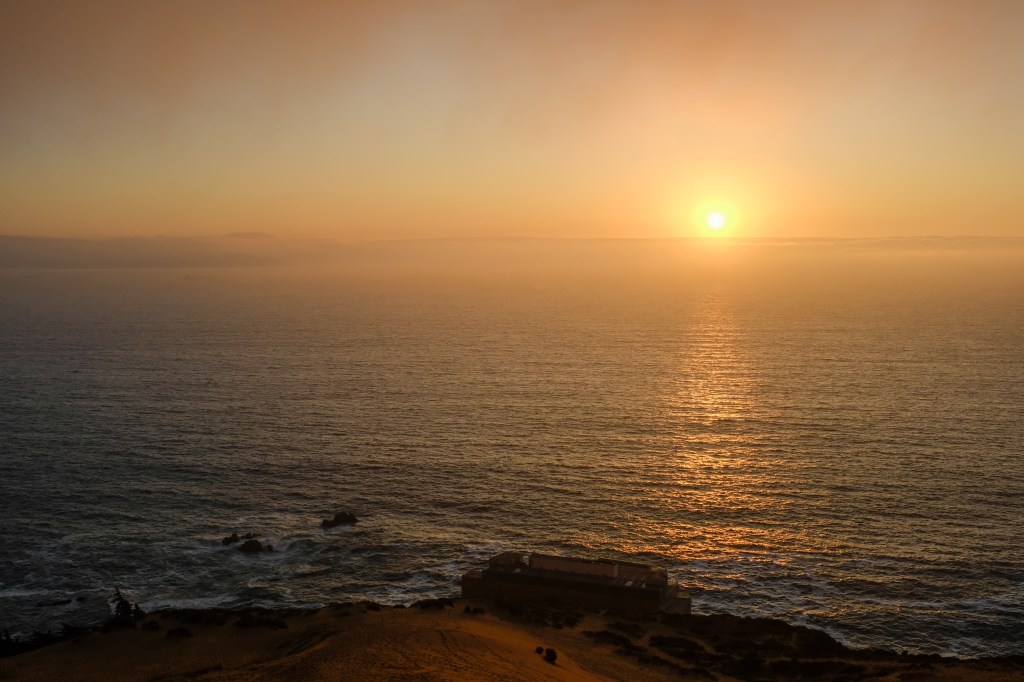
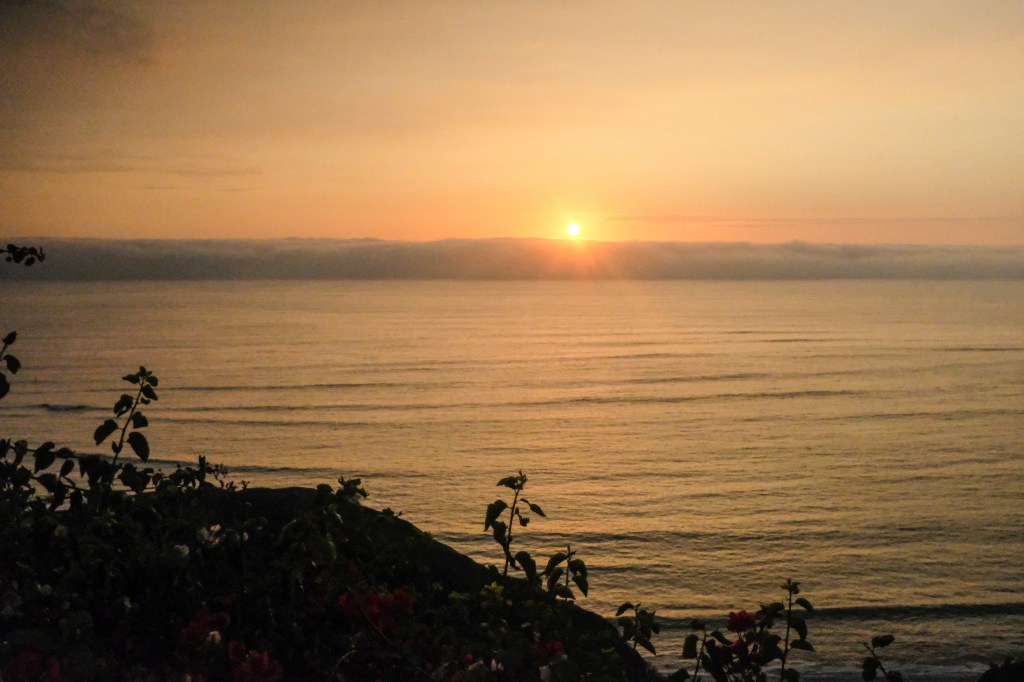
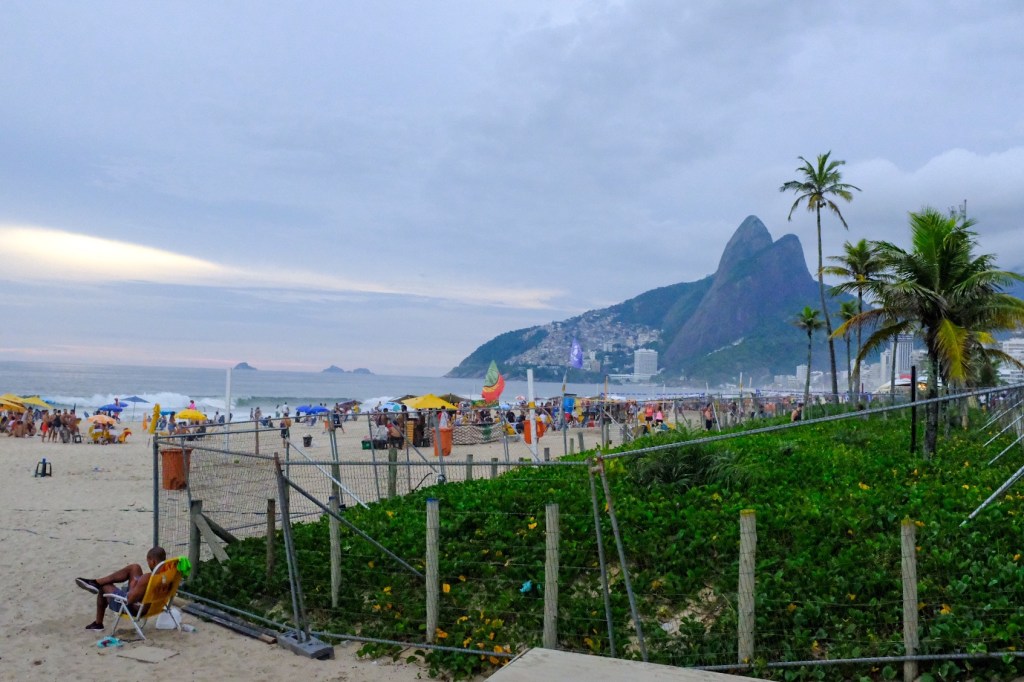
And watched the sunset at Ipanema beach
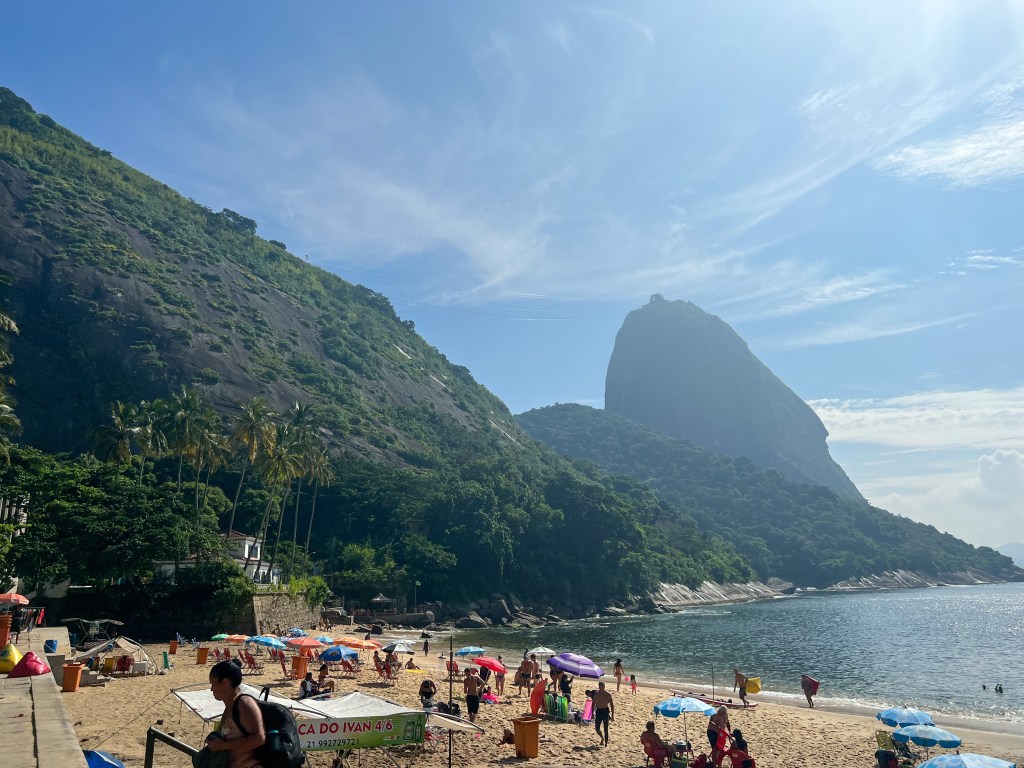
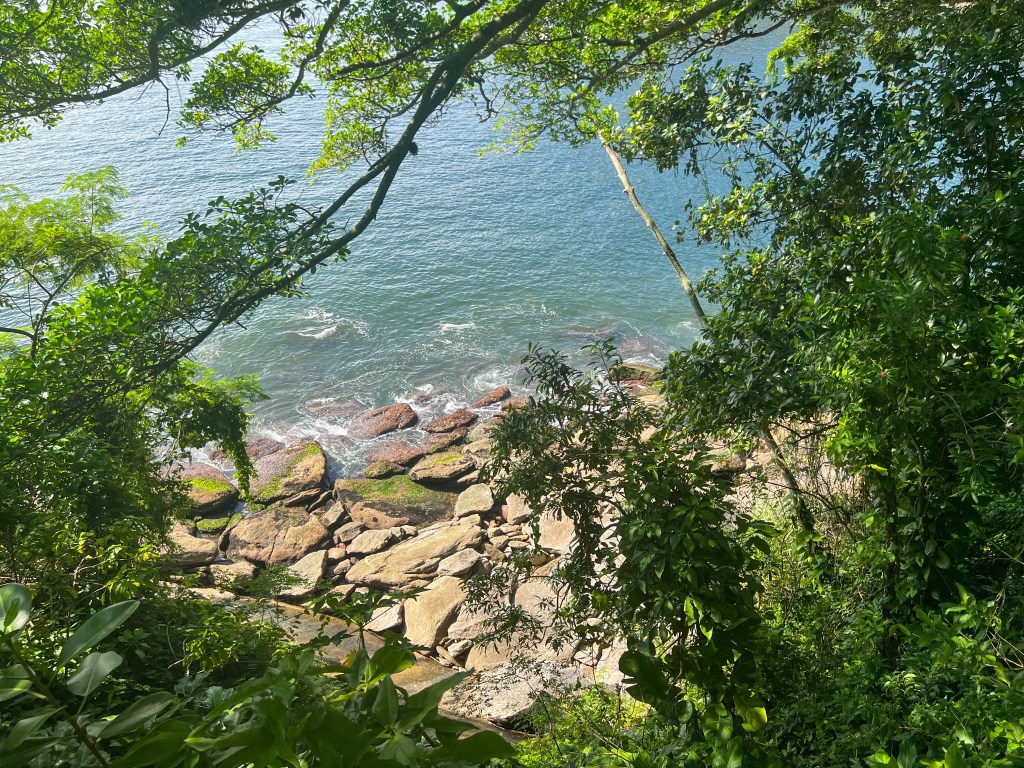
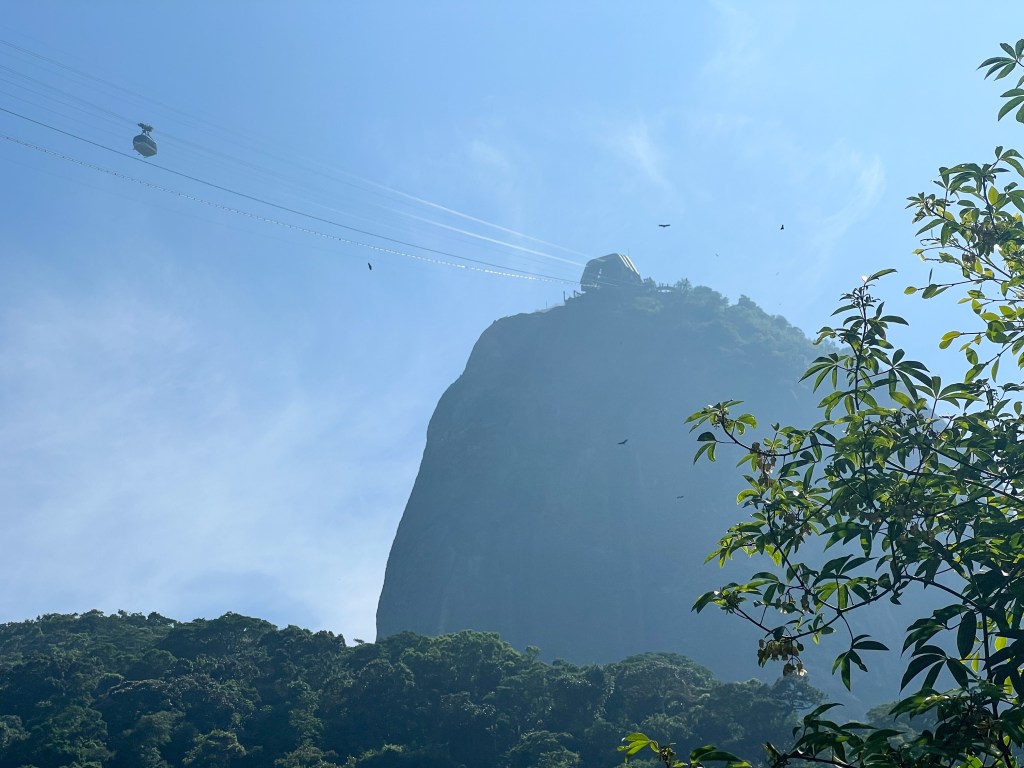
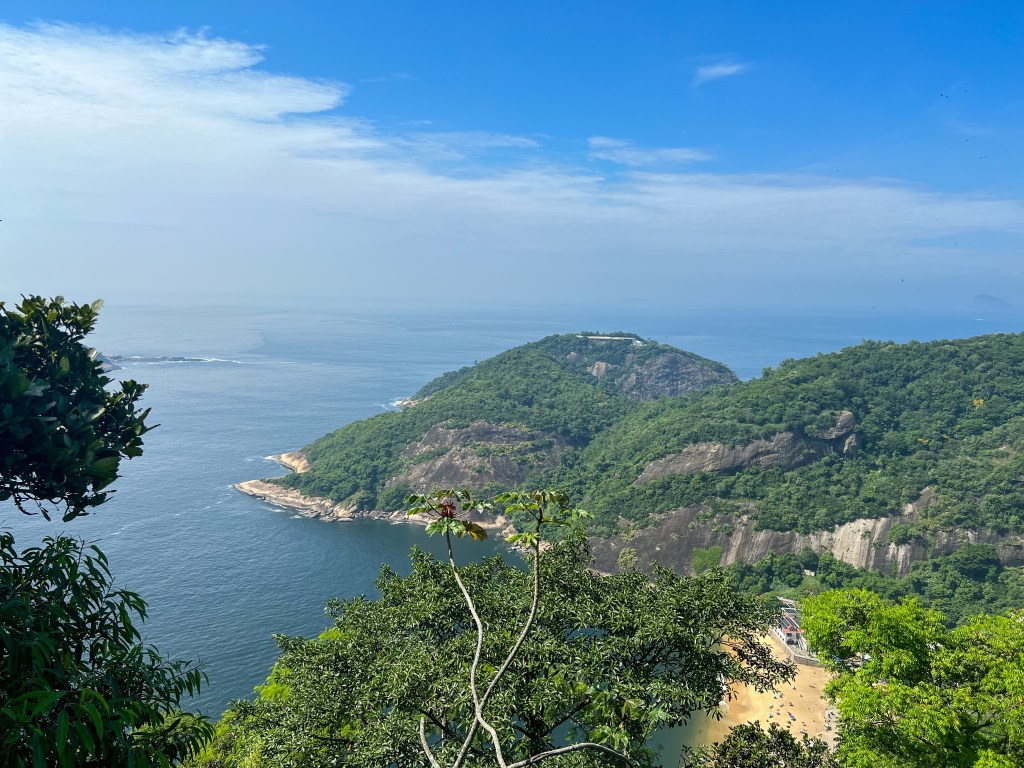
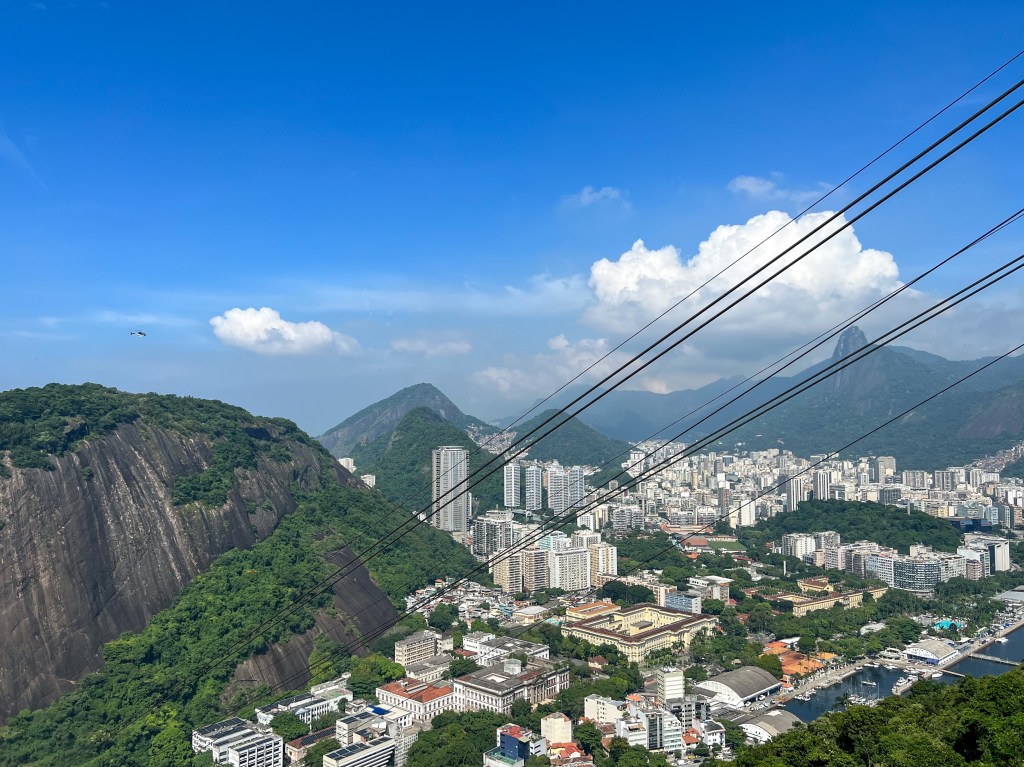
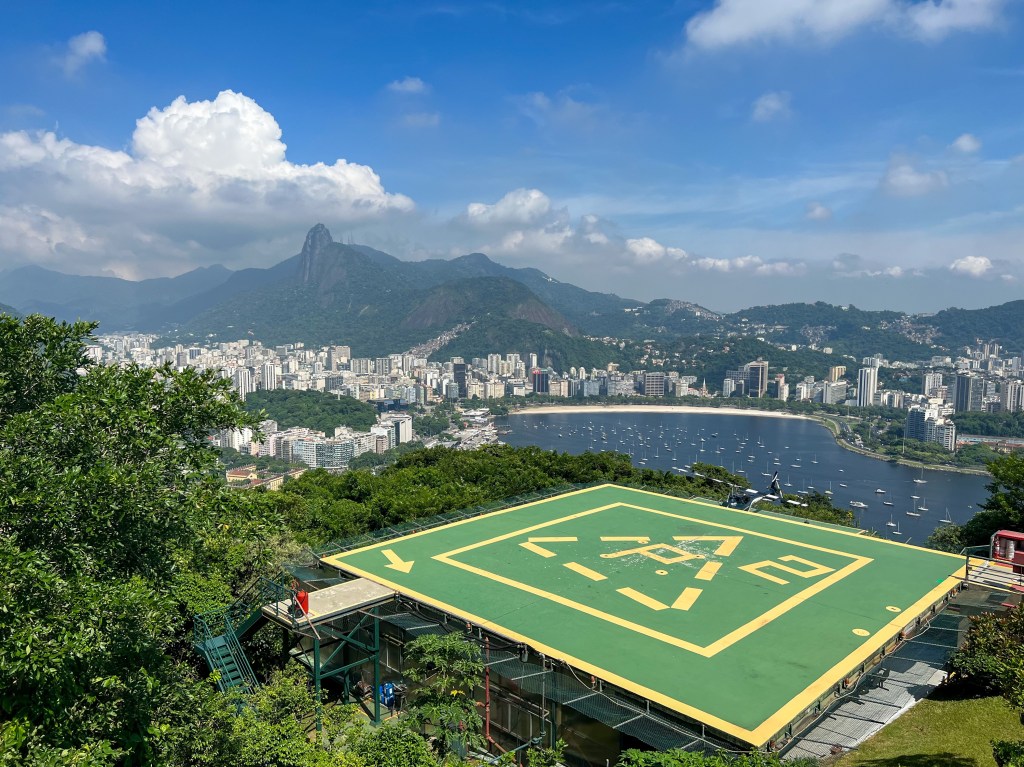
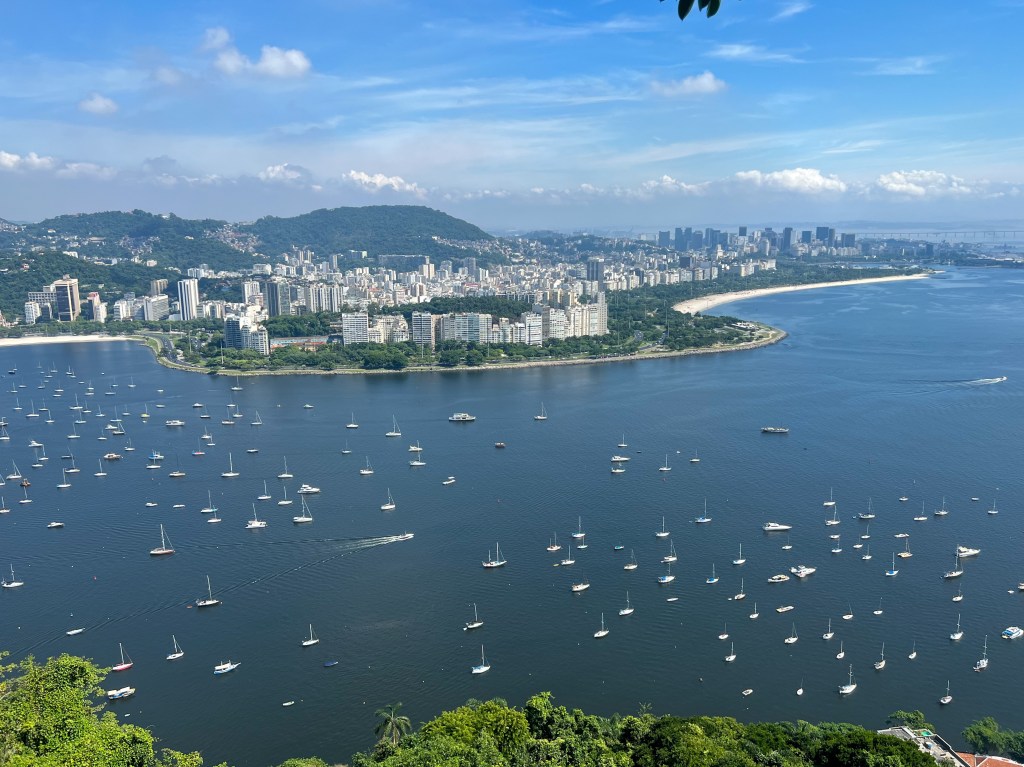
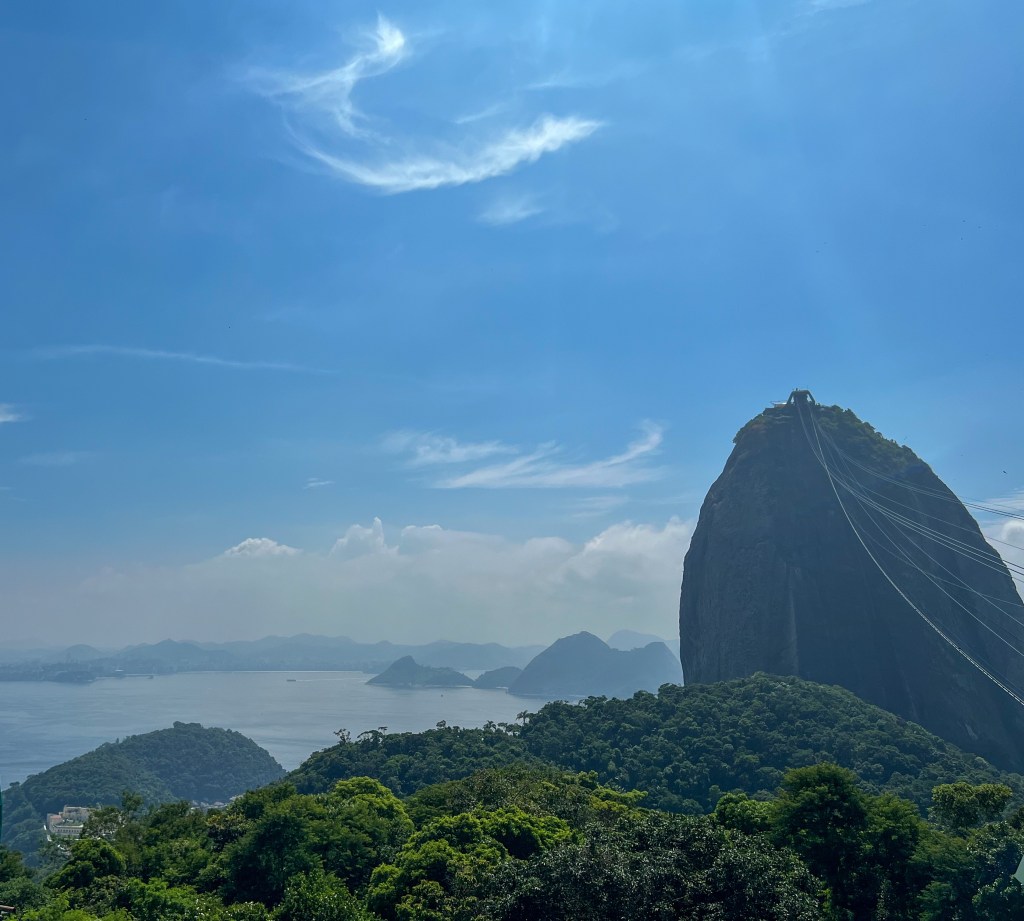
My last day in Rio, I hiked up to Sugarloaf
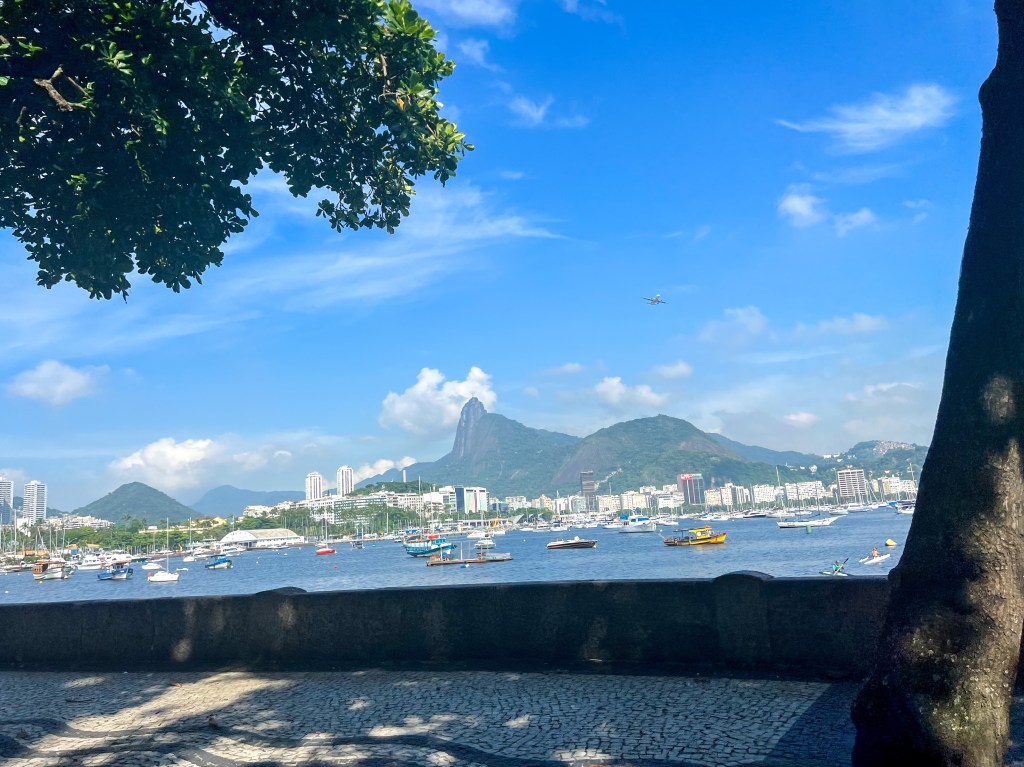
And relaxed watching the planes landing at one of the Rio airports

São Paulo:

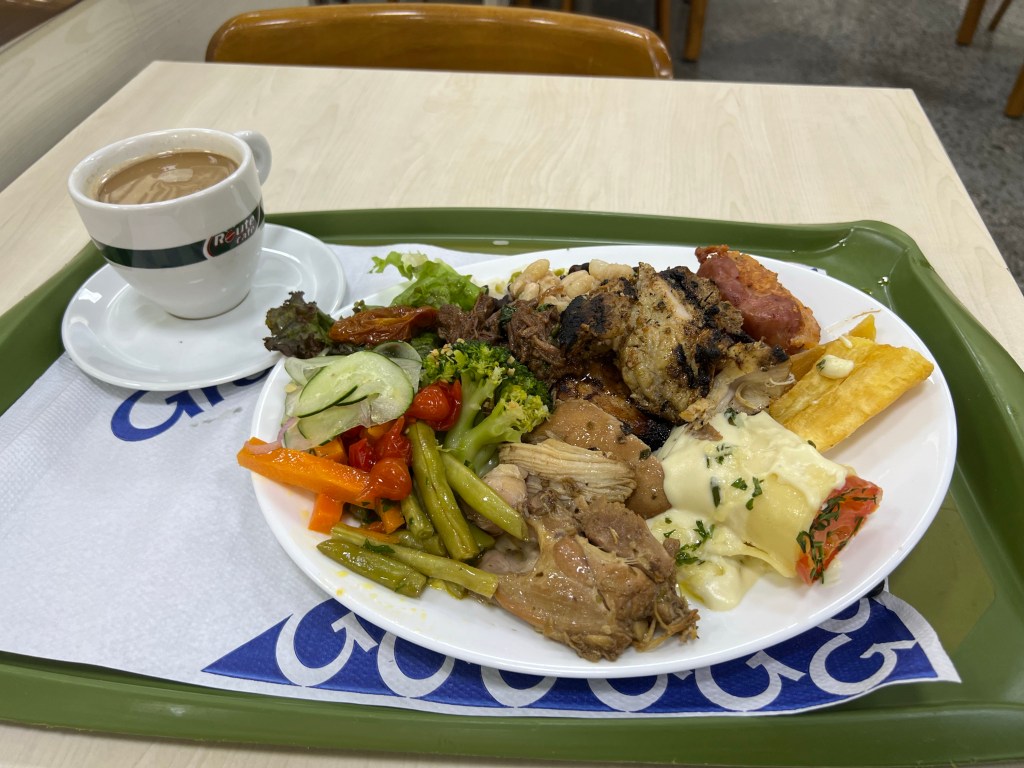
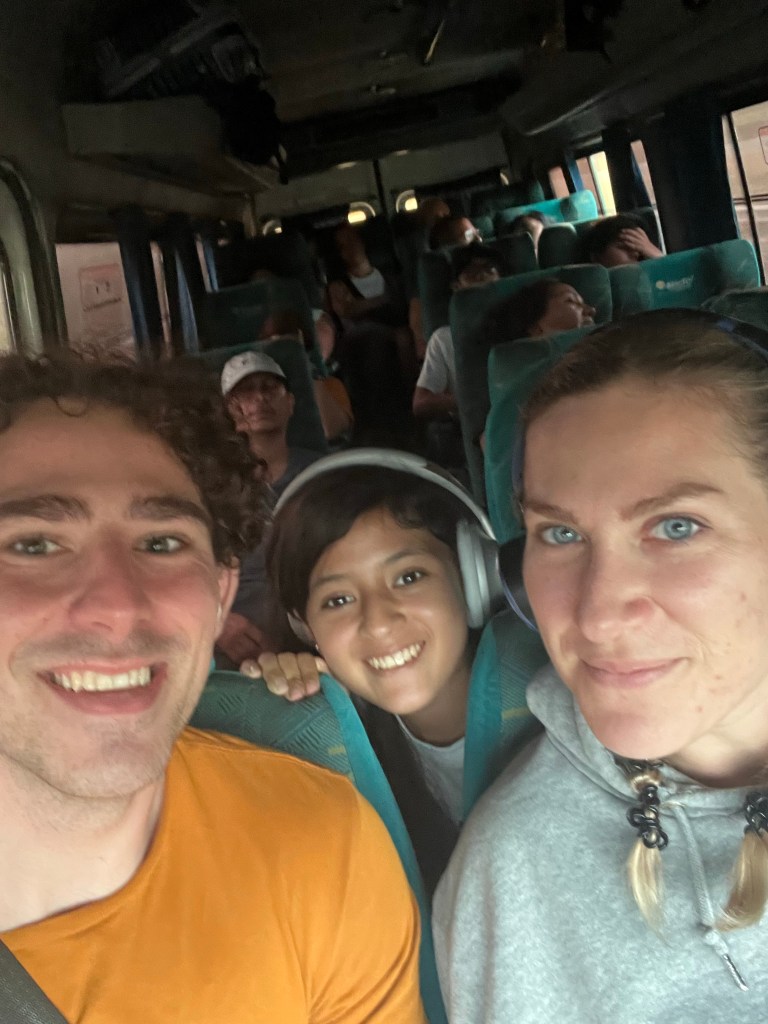
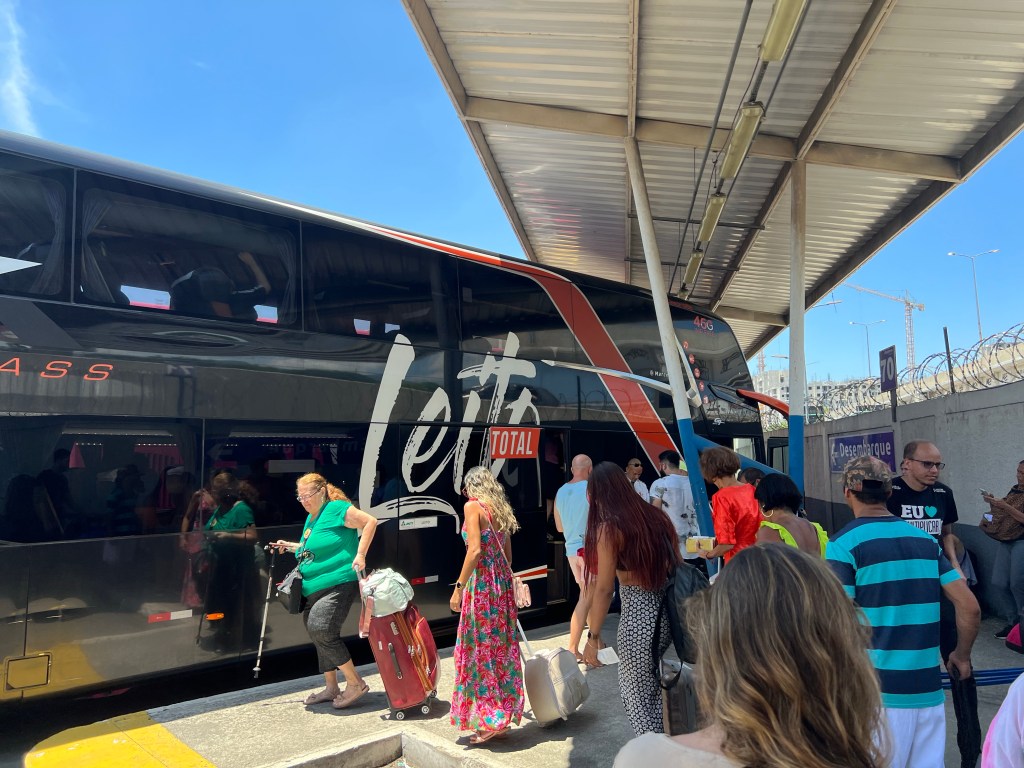
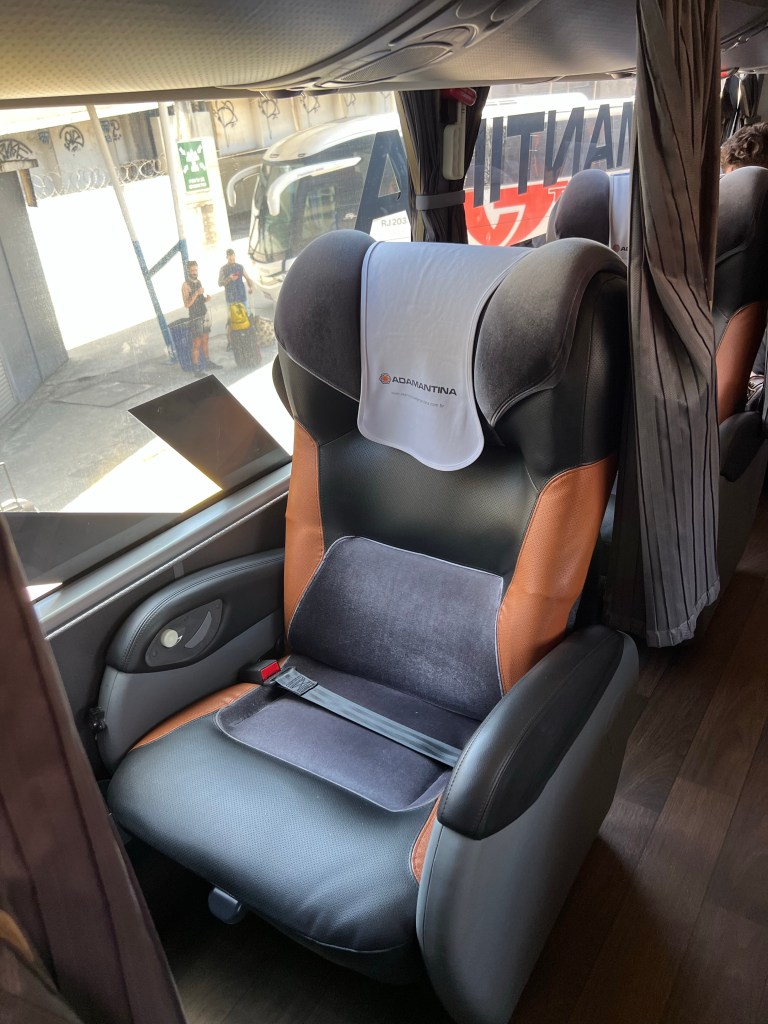
The next day I took a 6 hour bus from Rio to São Paulo in one of the most comfortable bus experiences I have ever had. About half way through we stopped at this sort of buffet diner, where it seems as though all the bus companies bring their patrons to on the drive between Rio & São Paulo.
Arriving in São Paulo, I was ready to take full advantage of the few short days I had in the city. Unfortunately, Air India and my flight to New Delhi had other plans – and this is where I can fully depict the other, less picturesque, side of traveling.

A couple months ago, I found a dirt cheap flight from São Paulo to New Delhi for February 27, which I quickly secured with points from my Chase credit card (wahoo, free flight!). I get the email confirmation, file the ticket away on my phone, and promptly forget about it (my first mistake). Over the next couple months, I do not hear anything from Chase or the airline, but since I purchased it through my credit card, I assume it is fine (mistake # 2). A couple weeks before the flight, I check the flight status on my phone and it says the carrier has changed but my flight is still on, so I think nothing of it (mistake #3). By pure chance, my first day in So Paulo I check the flight on Air India’s website to double check the status, carry-on limit, etc.. – and low and behold the flight doesn’t exist. So I go and double check my flight with Chase – the flight is still on but (duhh!) with another carrier – Ethiopian Air.

Phewff I think, and I rush over to Ethiopian Air’s website to check my flight – but when I put in my information, the system says my ticket does not exist. It is here where I begin to freak out, just a bit.

I frantically call Chase’s “help” line and spend the next 4 and a half hours not being helped by representative after representative from Chase and Air India. My flight with Air India was in fact cancelled, and the airline rebooked my flight, but only for the second leg of the journey (Ethiopia to India), not the crucial first leg from São Paulo to New Delhi. Chase blamed Air India for the mess up and Air India blamed Chase – and neither could decide who needed to put me on another flight (which I have no doubt would cost them dearly given the short turnaround). Finally, at the fifth hour, I gritted my teeth as a lovely representative, Mark, (from India!) flawlessly managed both an intransigent airline and a livid customer to secure me a new flight – the same flight, in fact, only leaving a day early on the 26th instead of the 27th.

My brain fried and my day wasted, I grabbed some beers and went to a bar across the street, listening to the bands playing Samba (its still Carnival in São Paulo). I eased my tensions and planned the last day I had in the city. At least I had my flight.

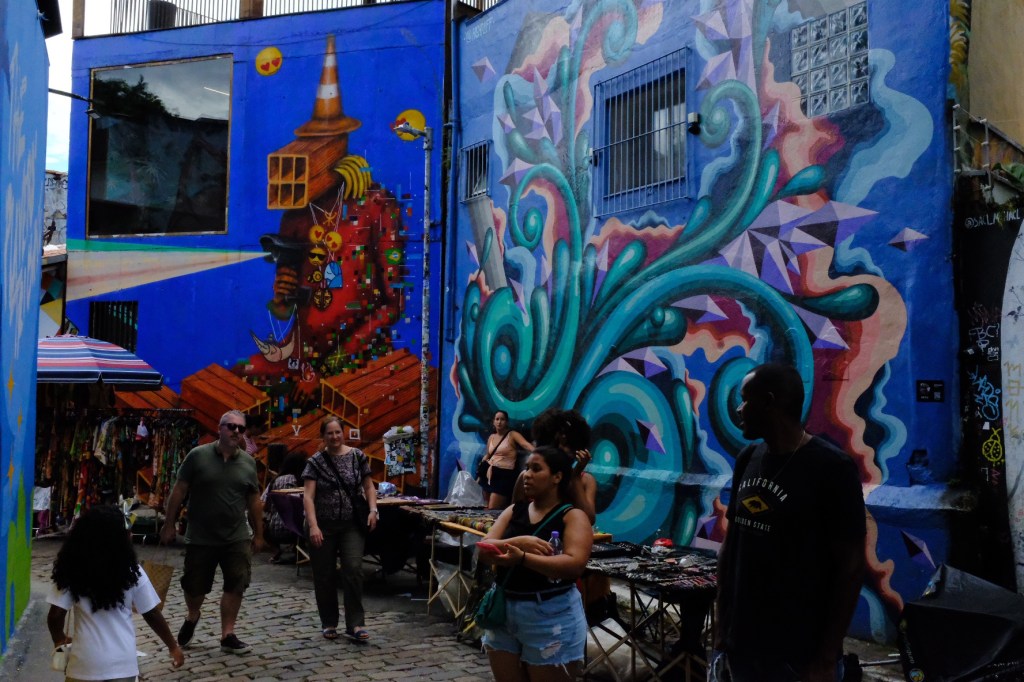
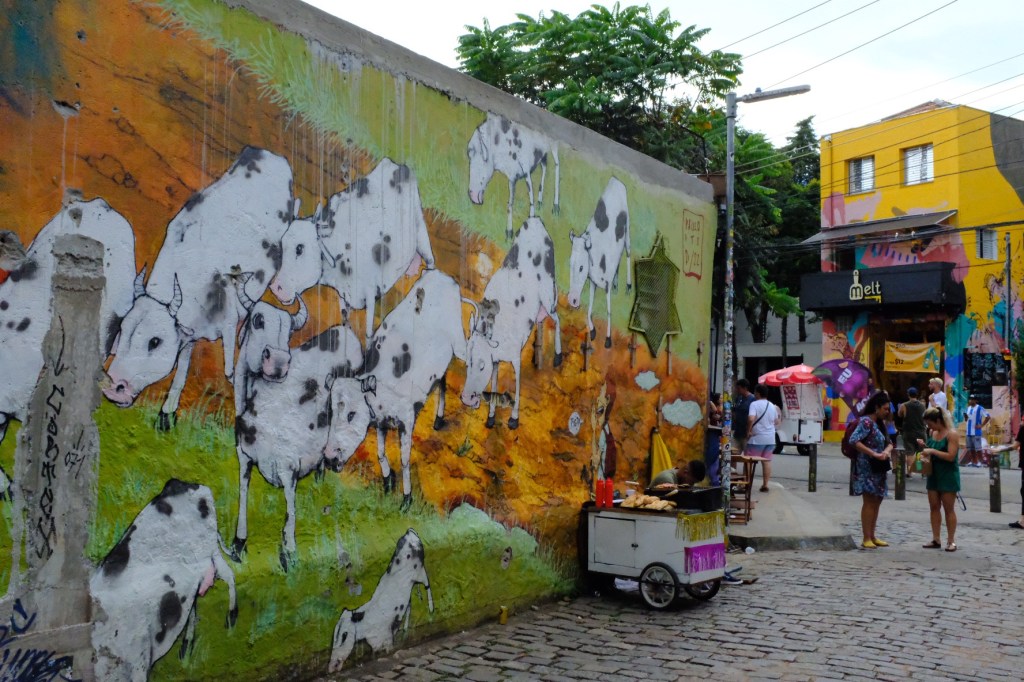
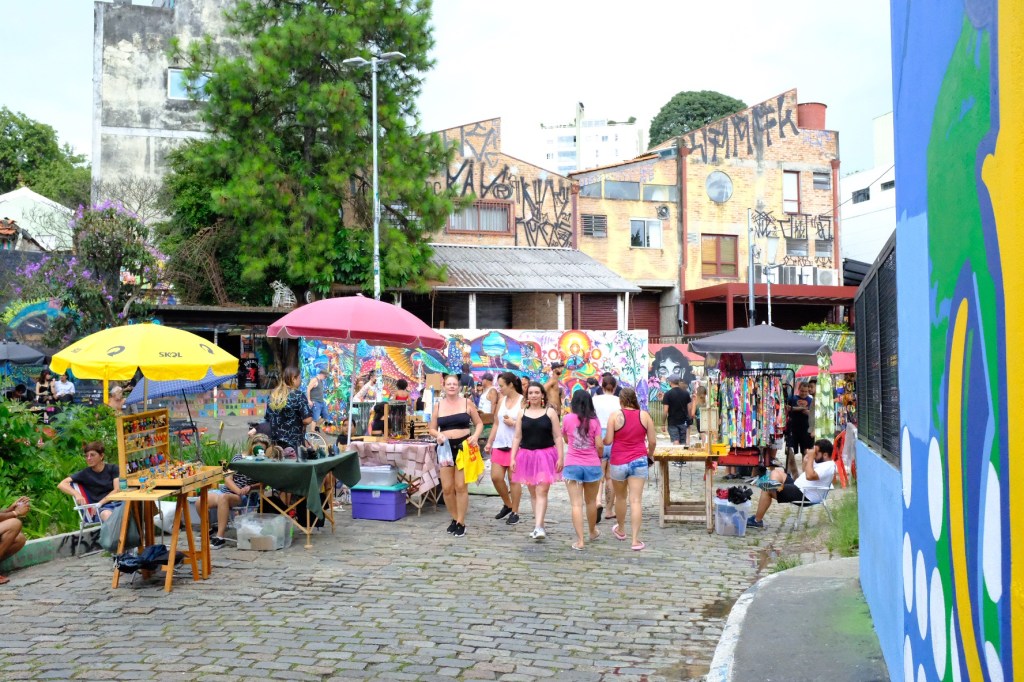
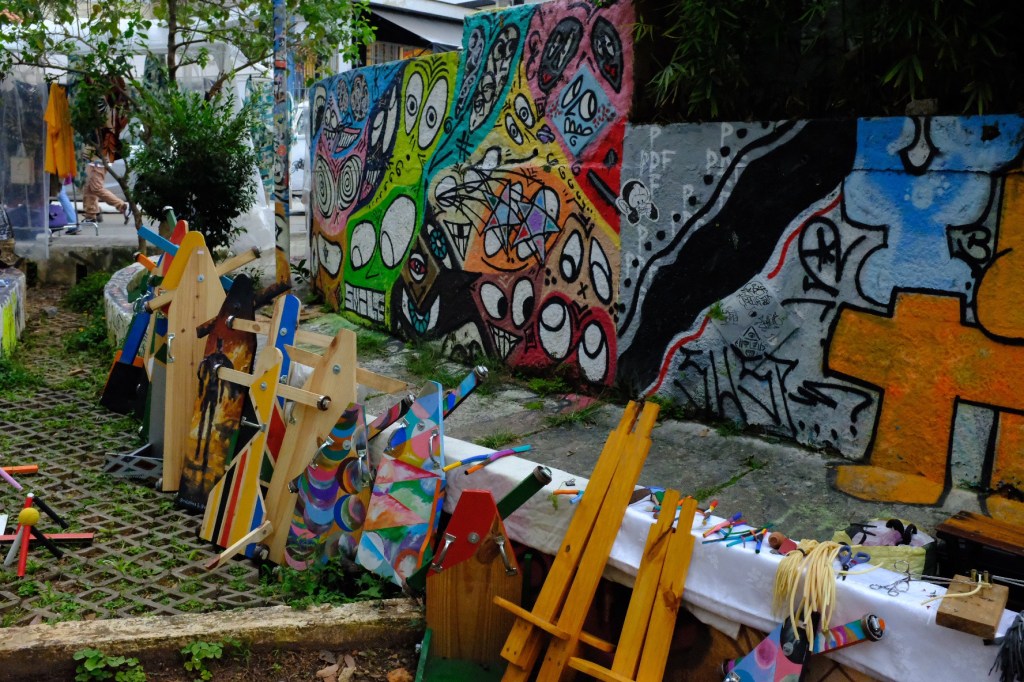
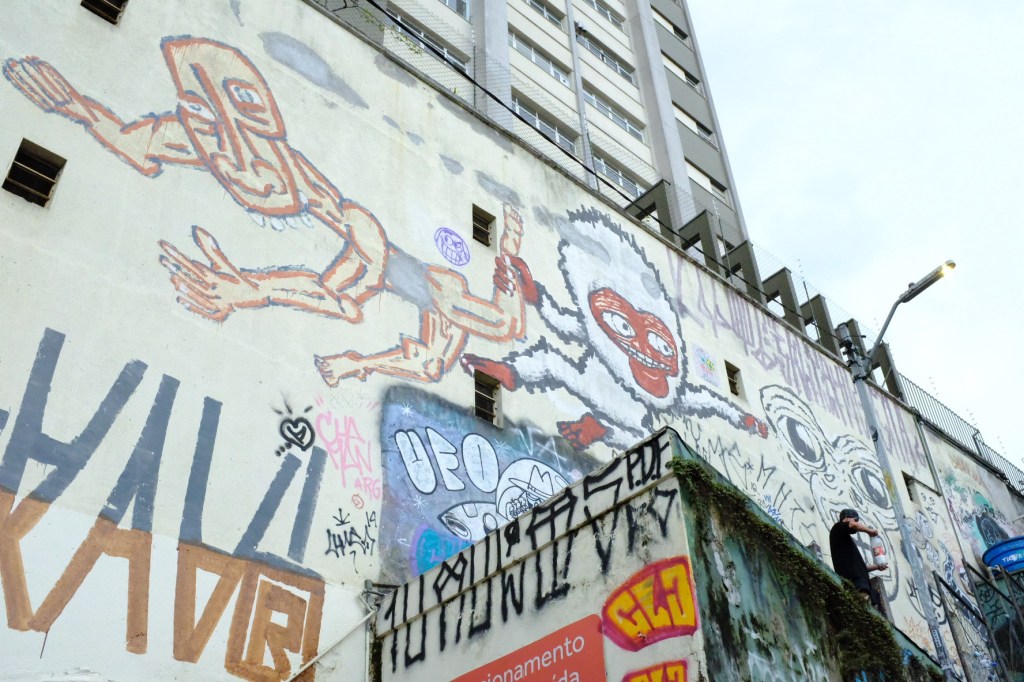
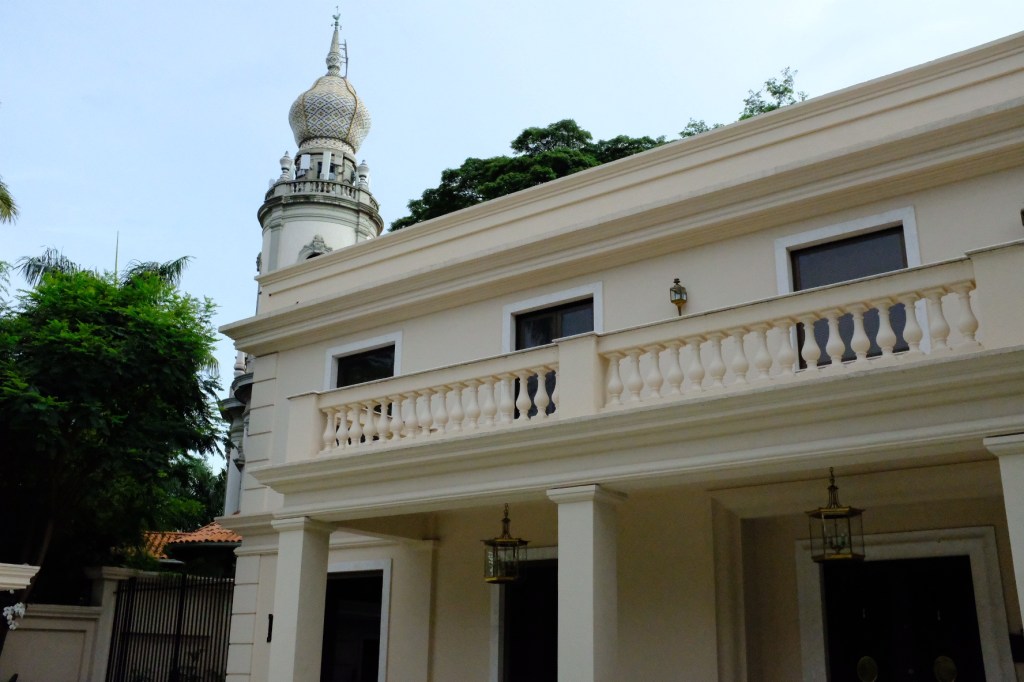
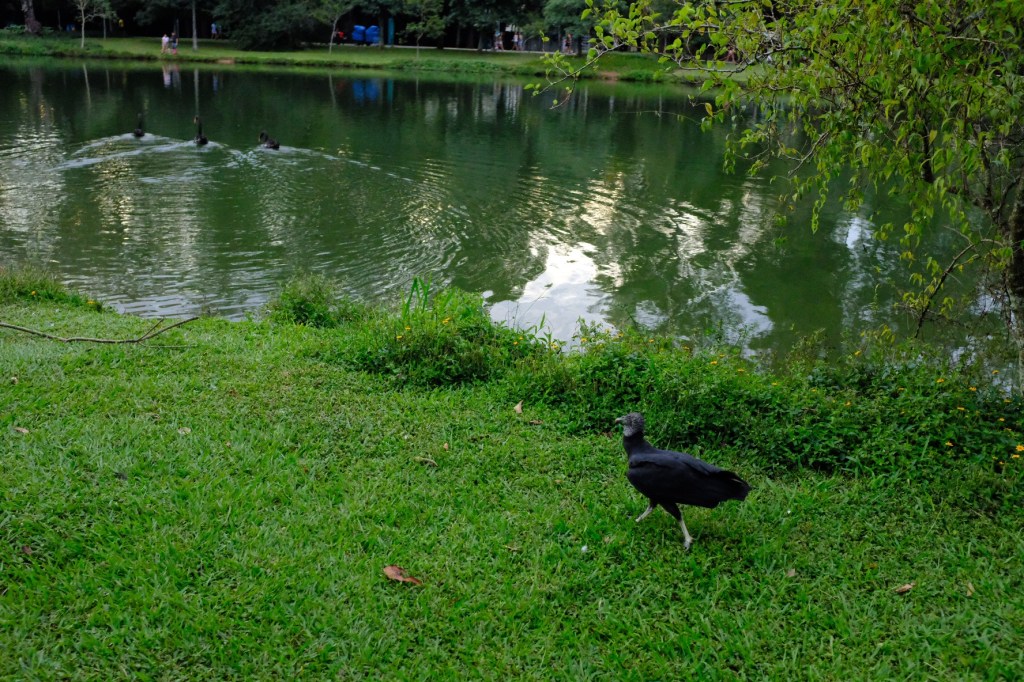
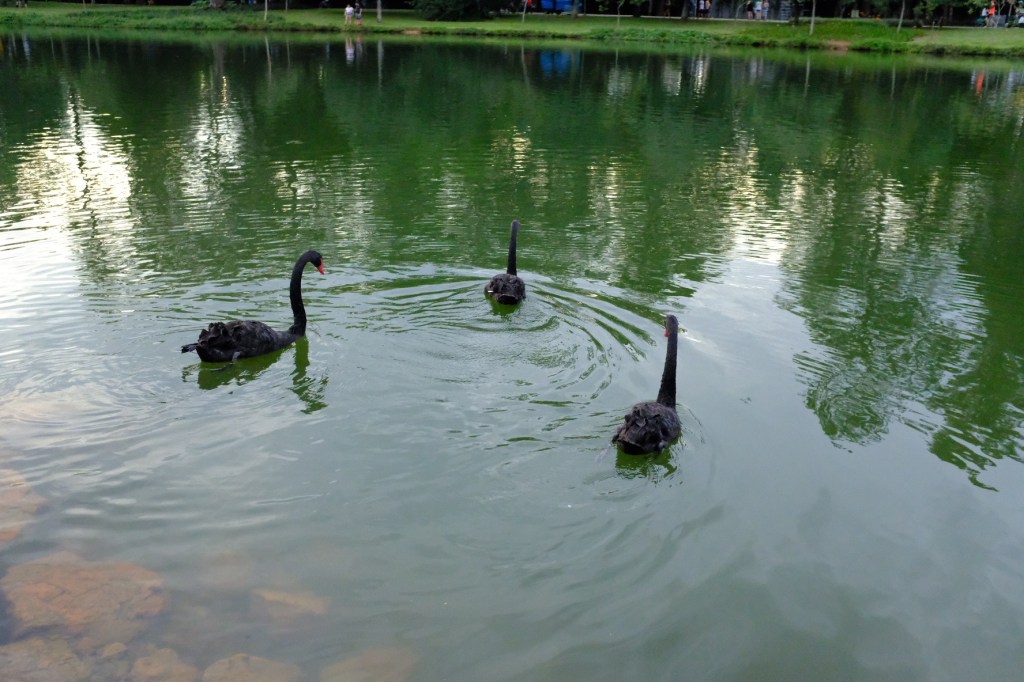
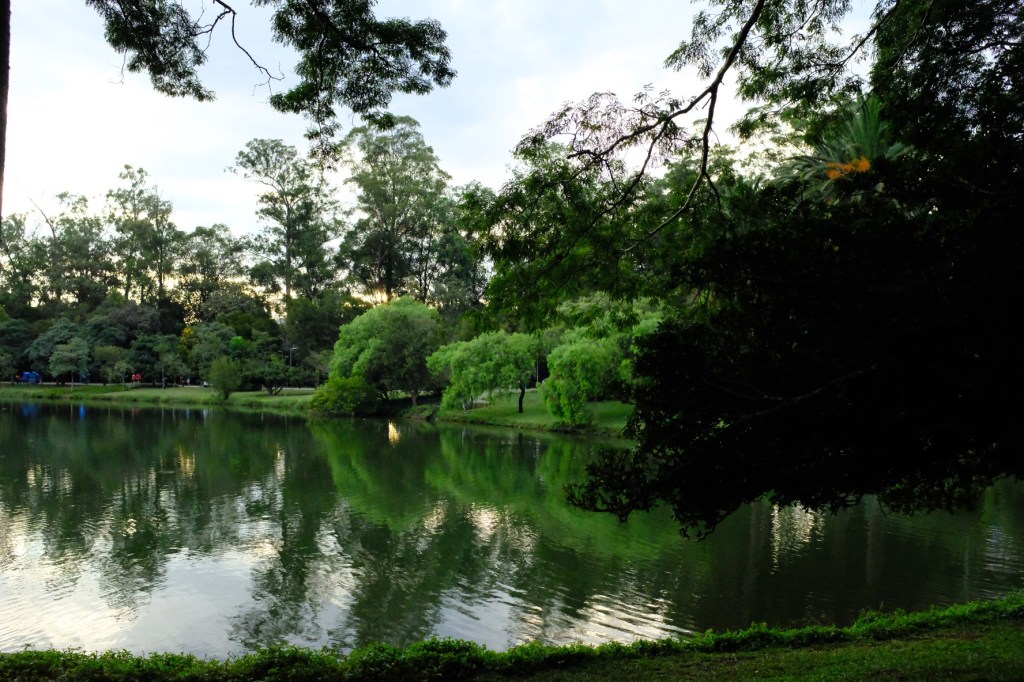
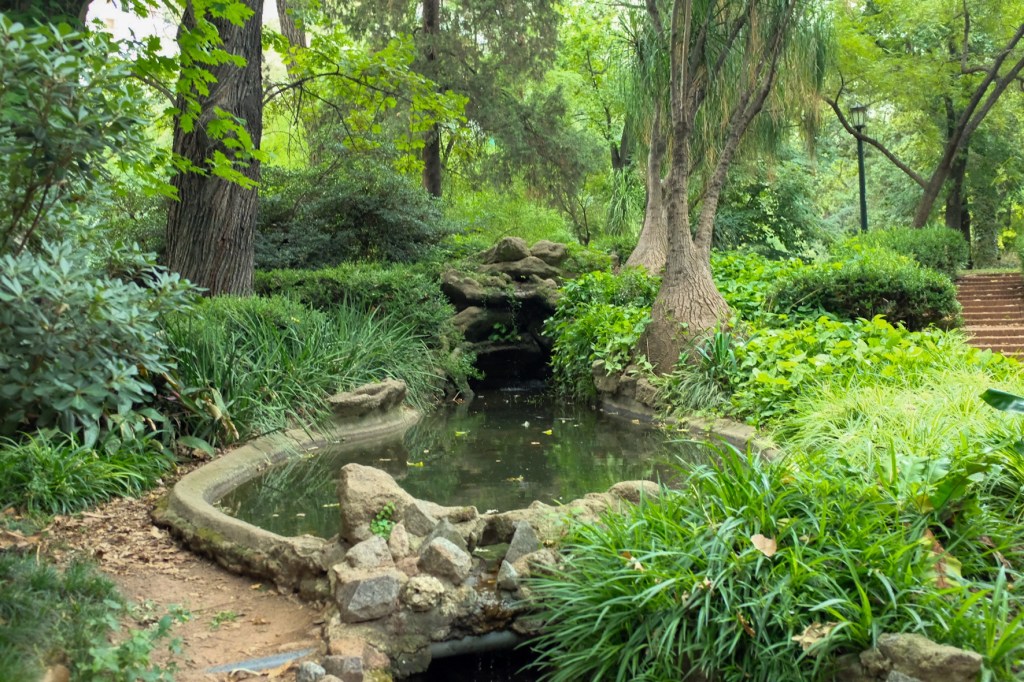
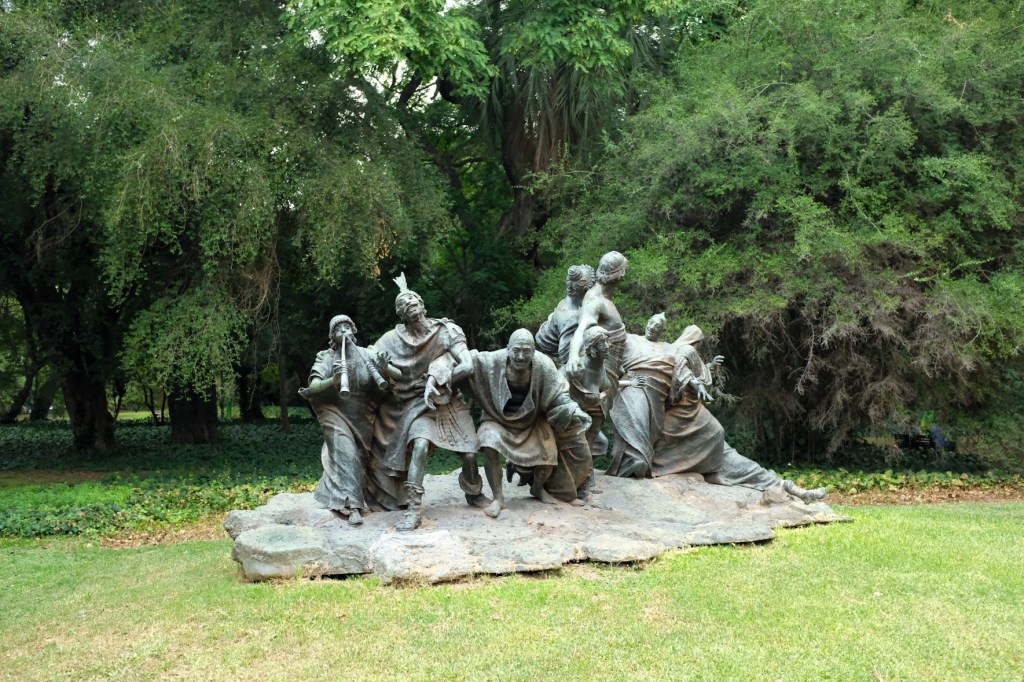
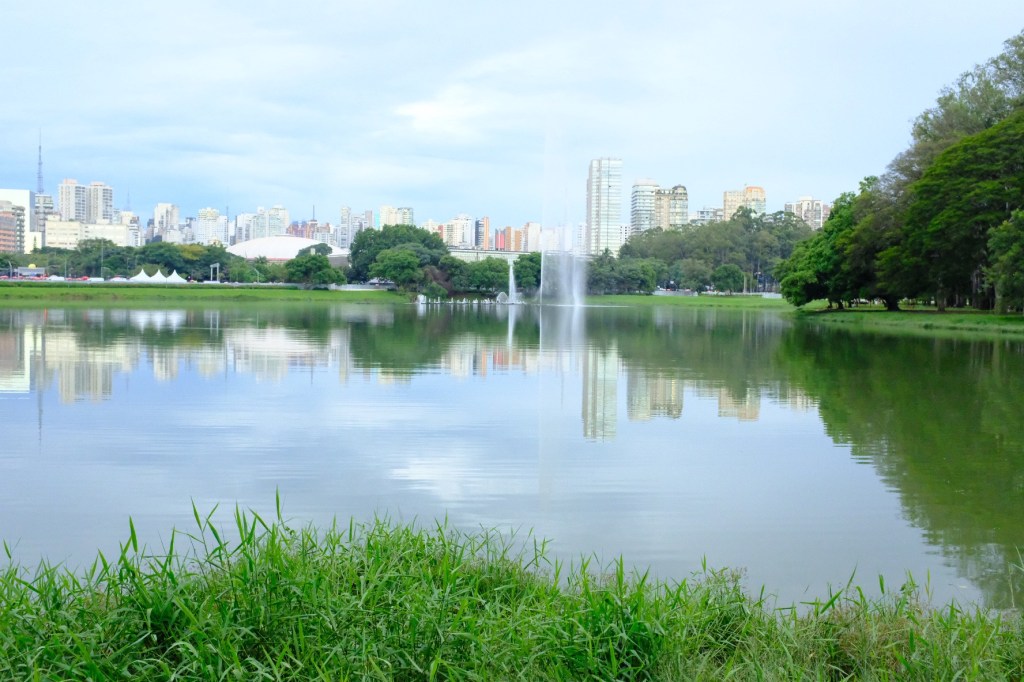
While I did not have time to see everything I wanted to to in São Paulo, I was, fortunately, able to have a great day, exploring a couple neighborhoods and Ibirapuera Park (one of the largest city parks in the world!), all while Carnival celebrations in full swing.

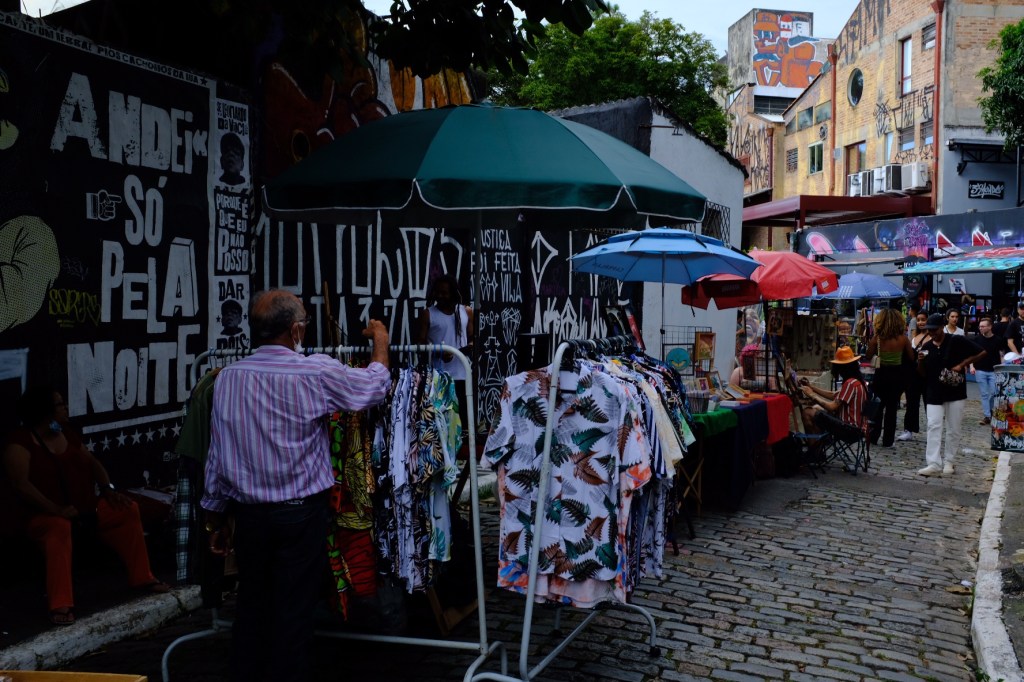
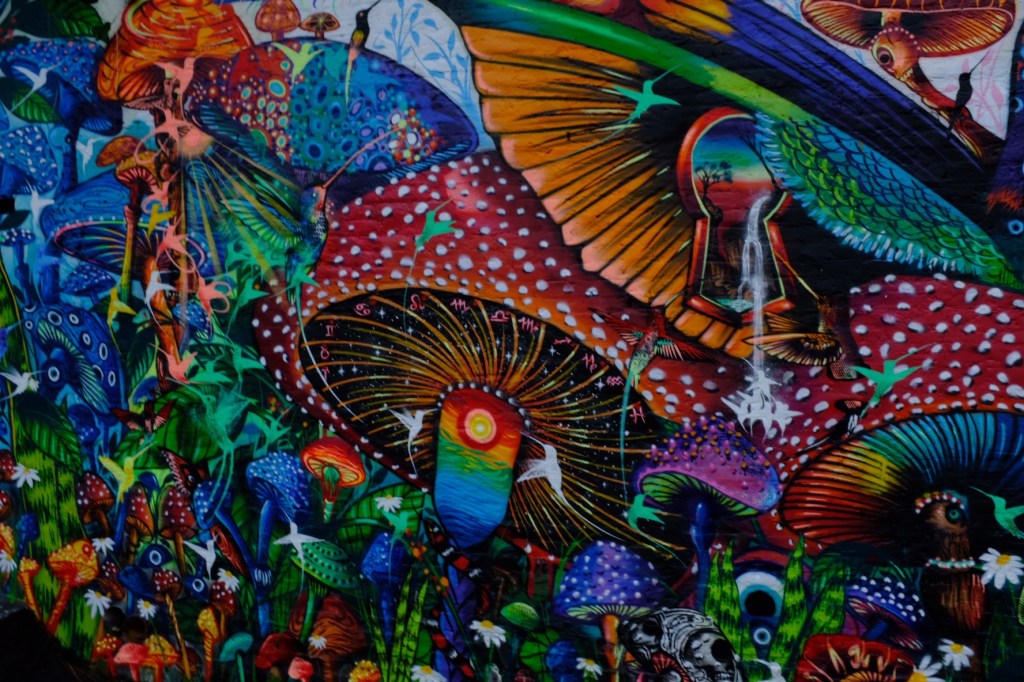
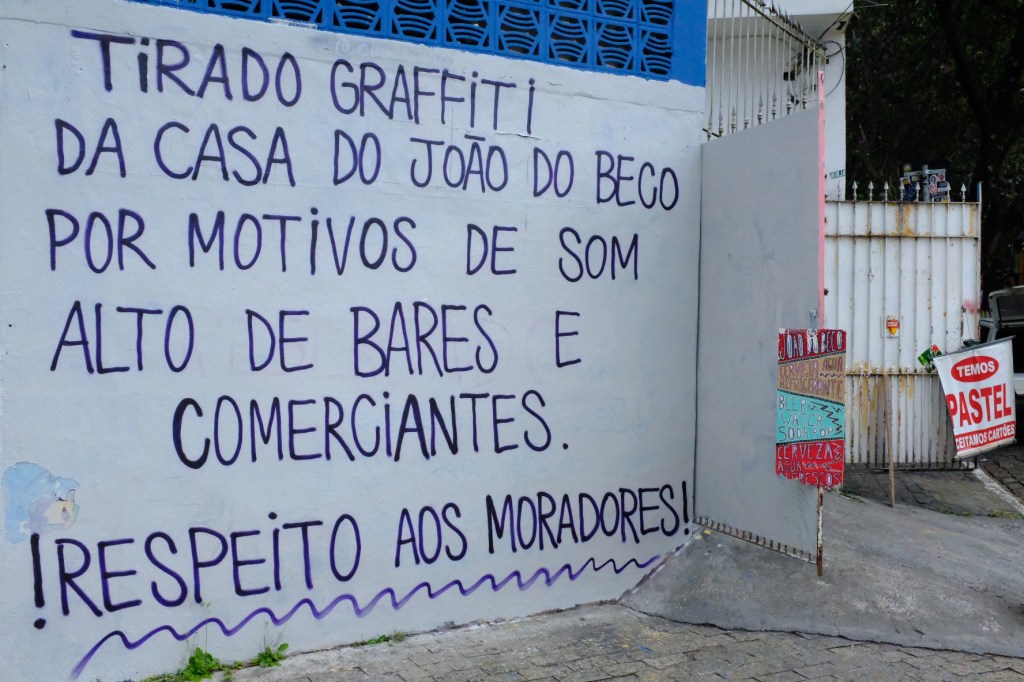
Batman Alley
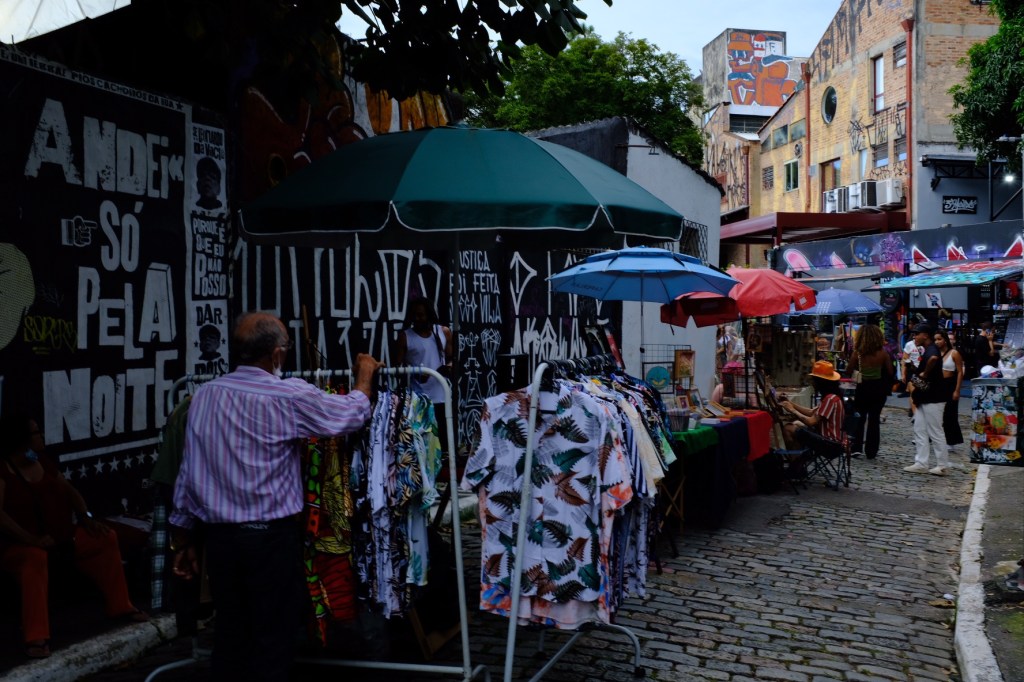
A continuation of Carnival (because I guess I just could not escape it in Brazil)-
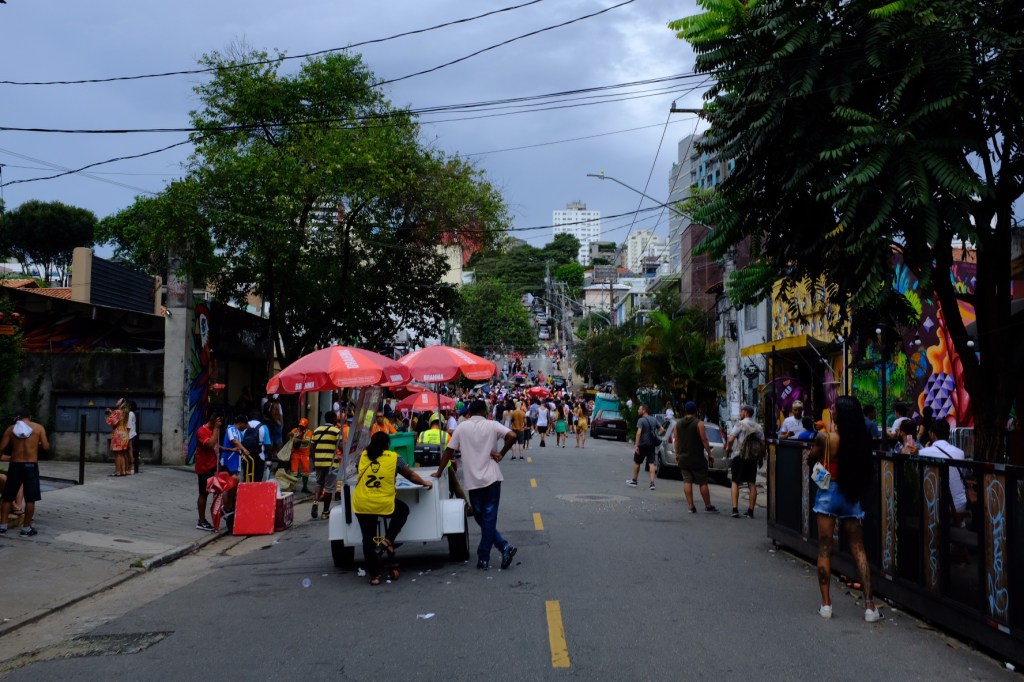
Photos walking Through São Paulo
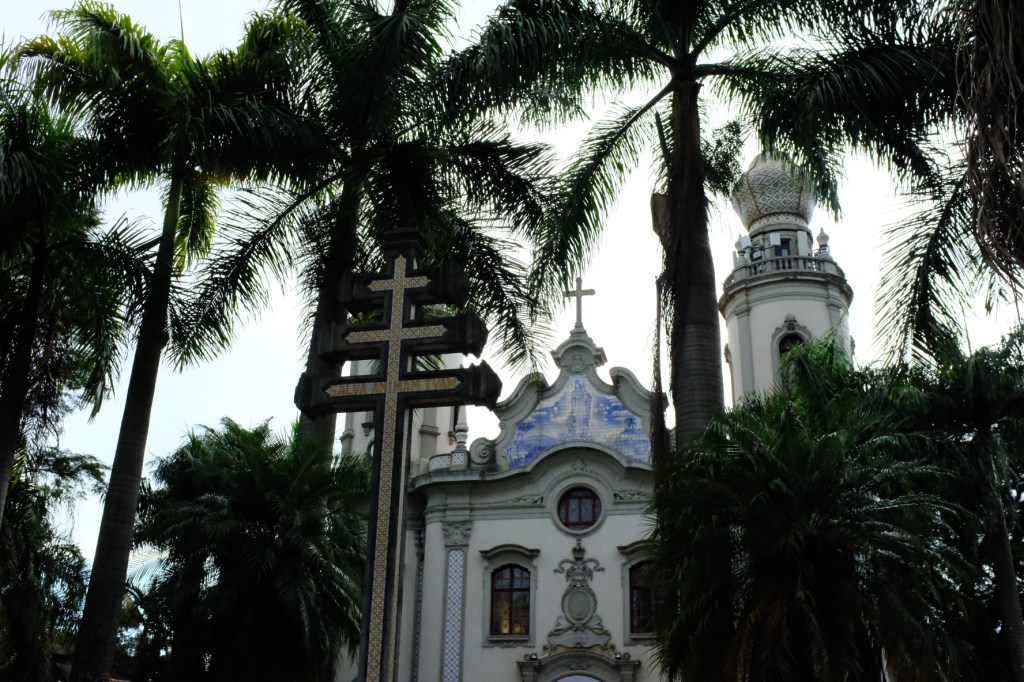
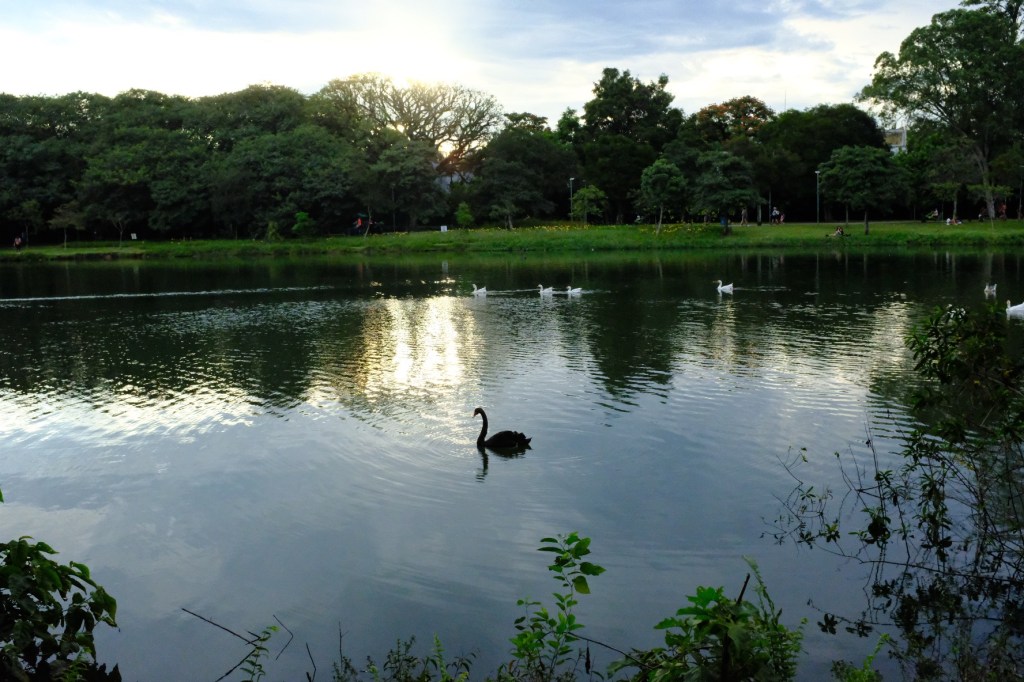
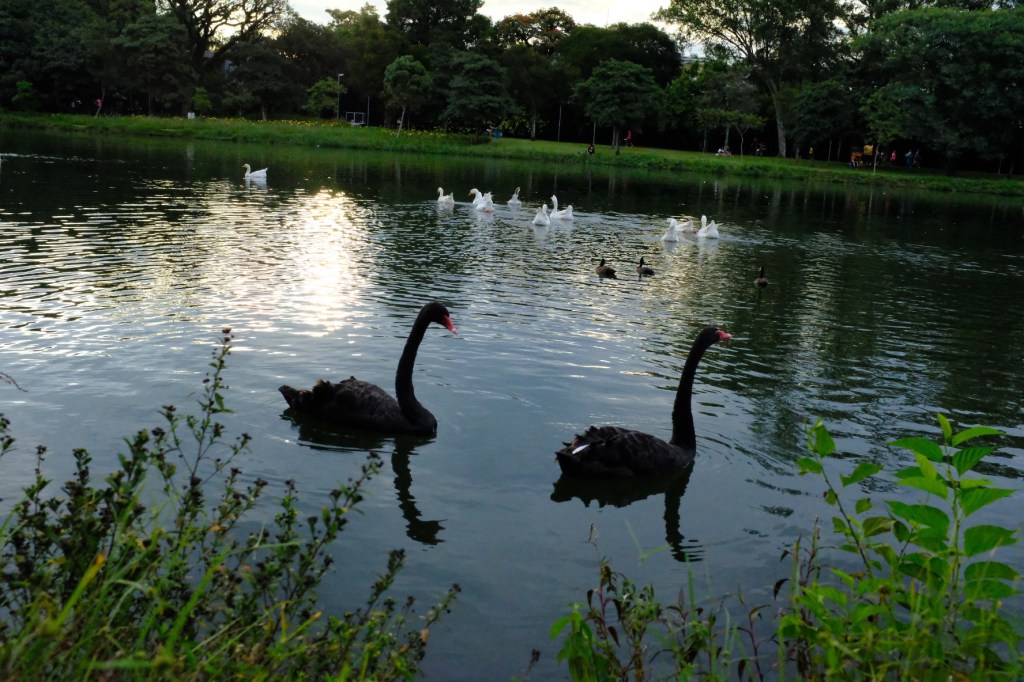
Ibirapuera Park
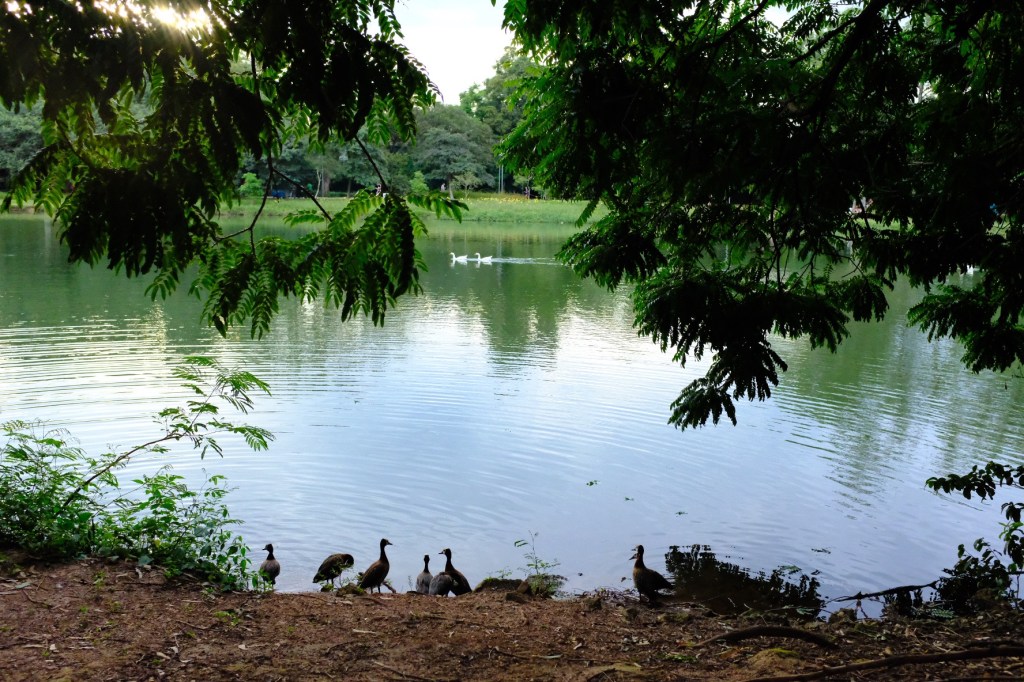
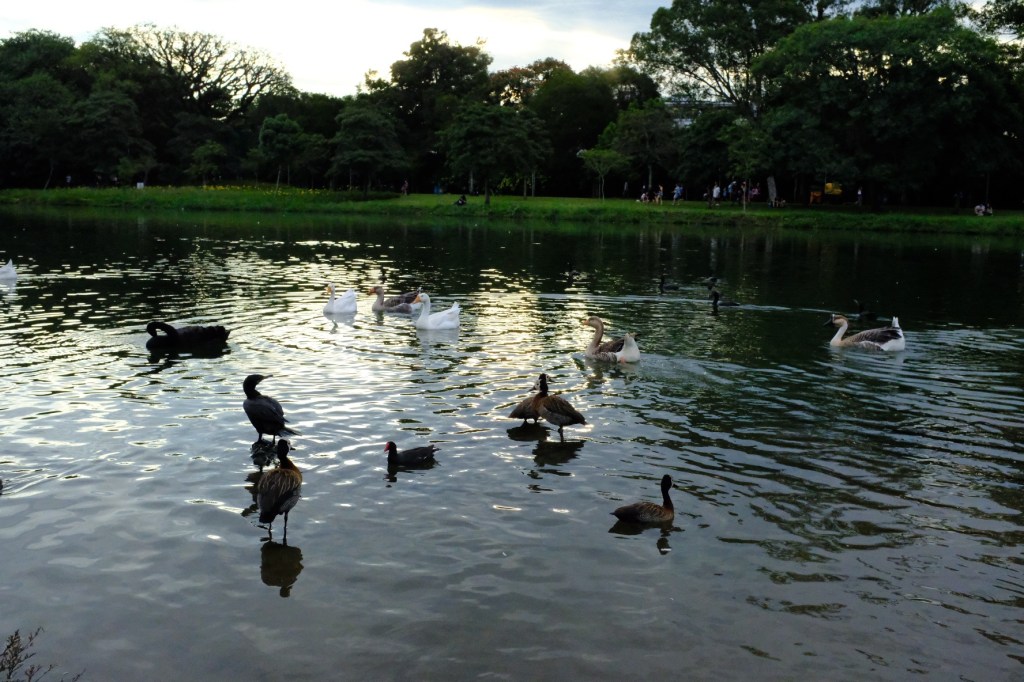
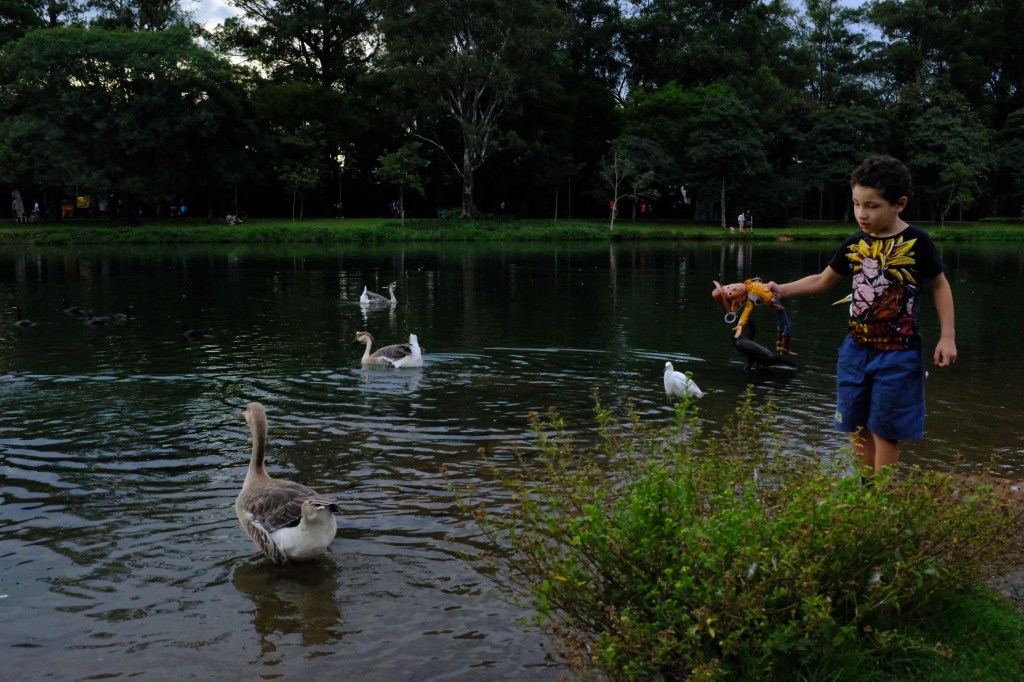
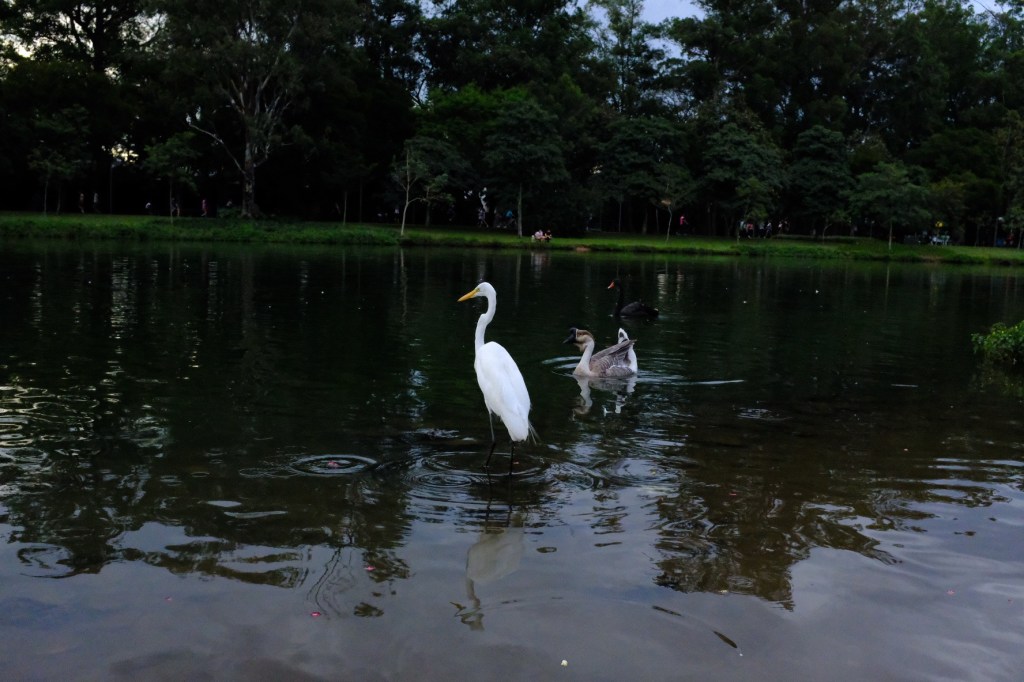
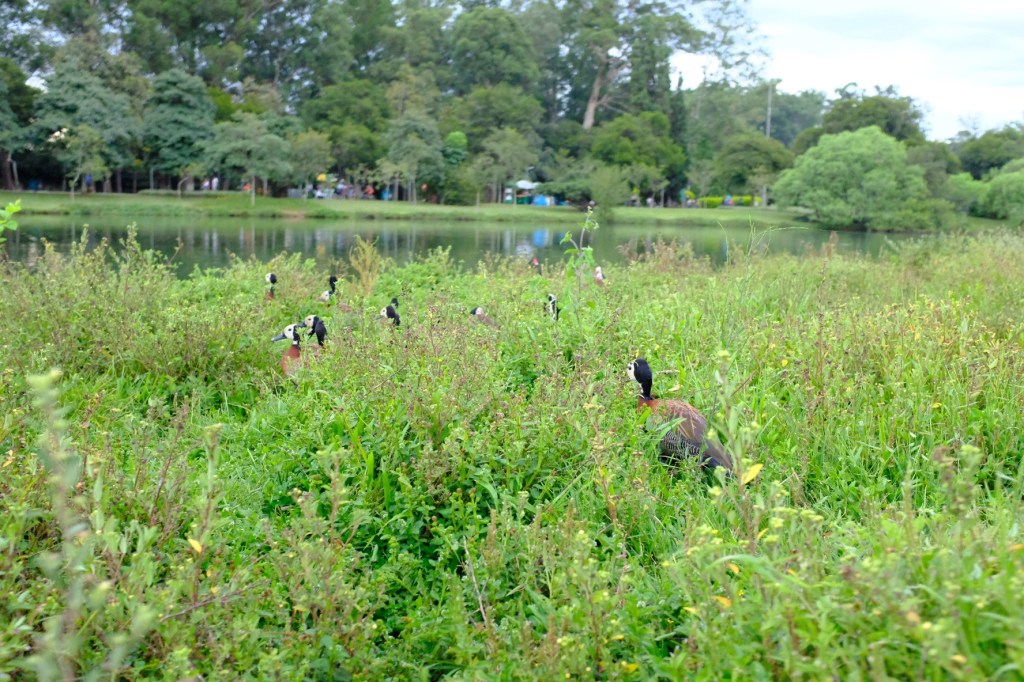
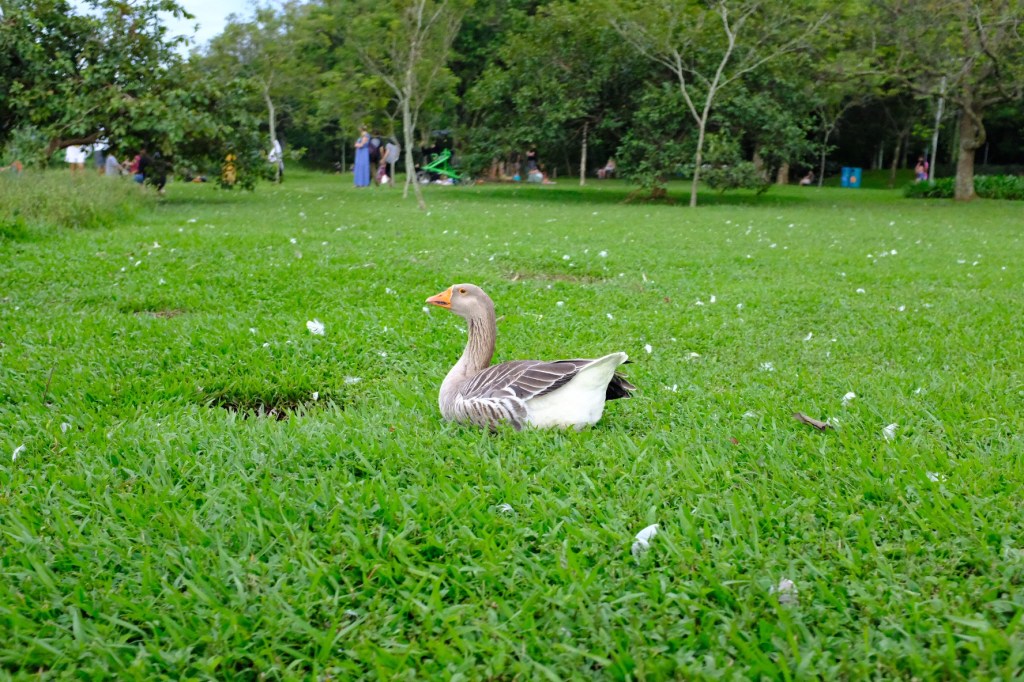
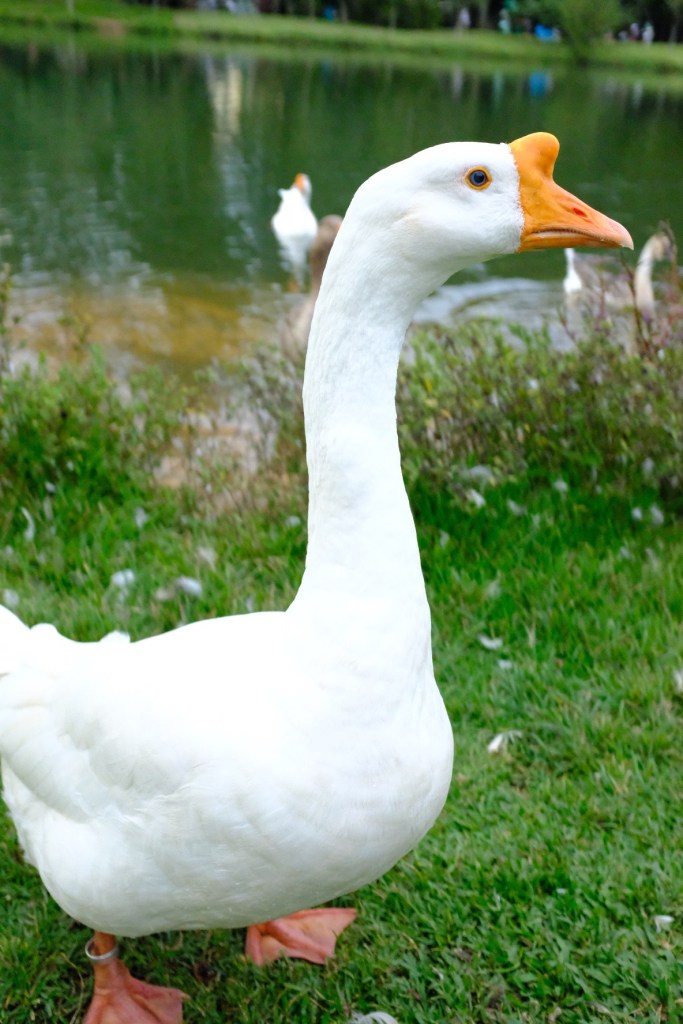
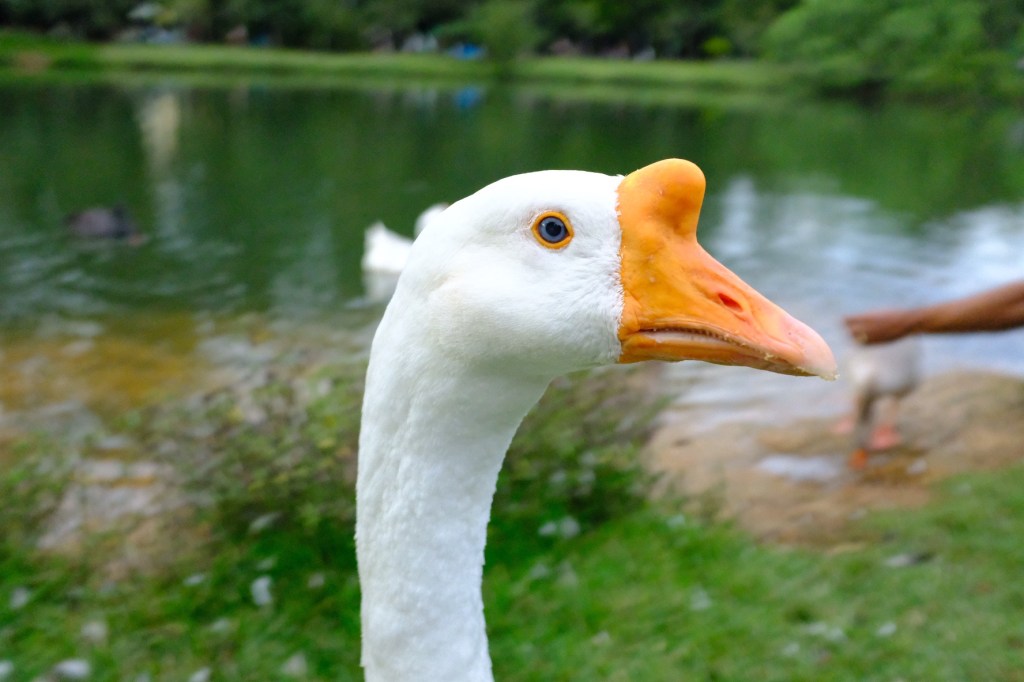
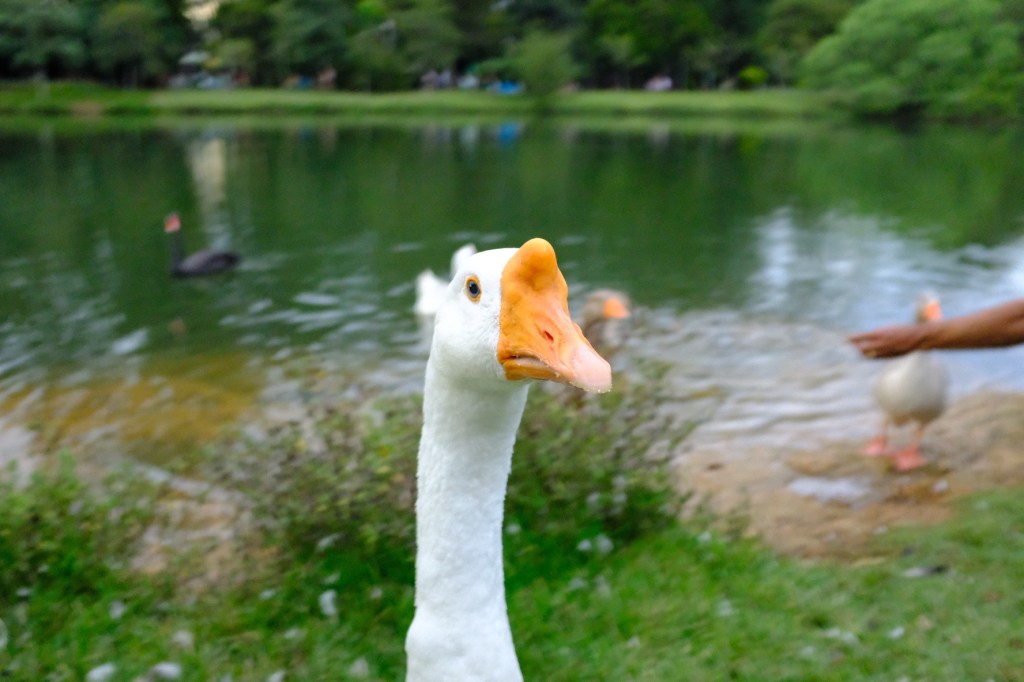
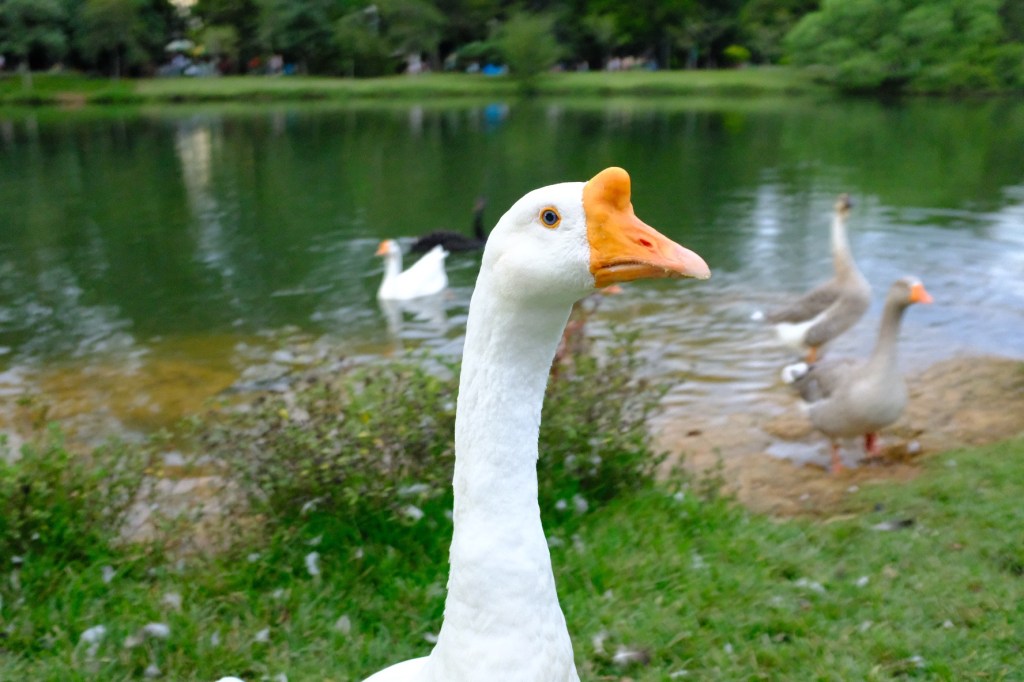
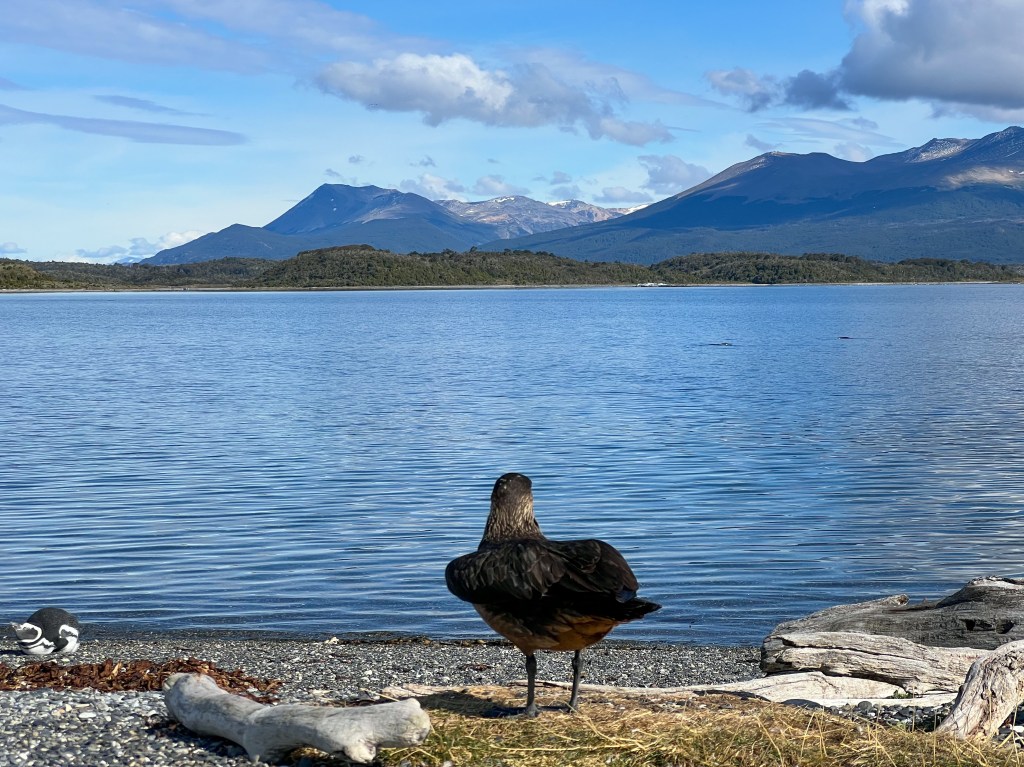
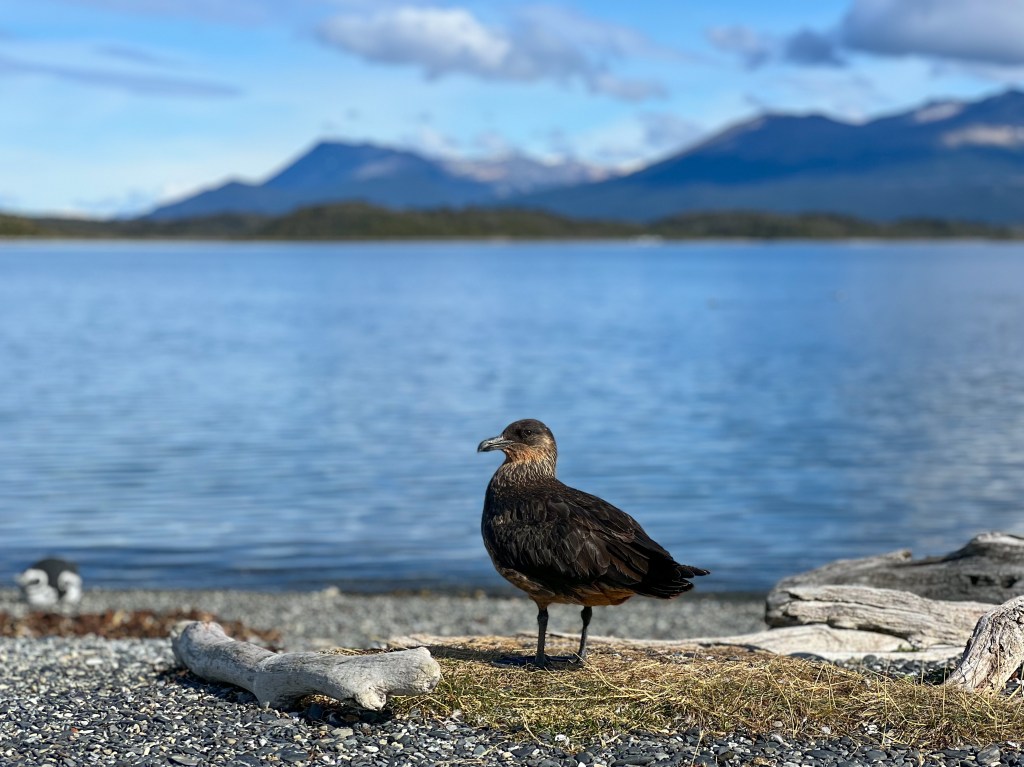
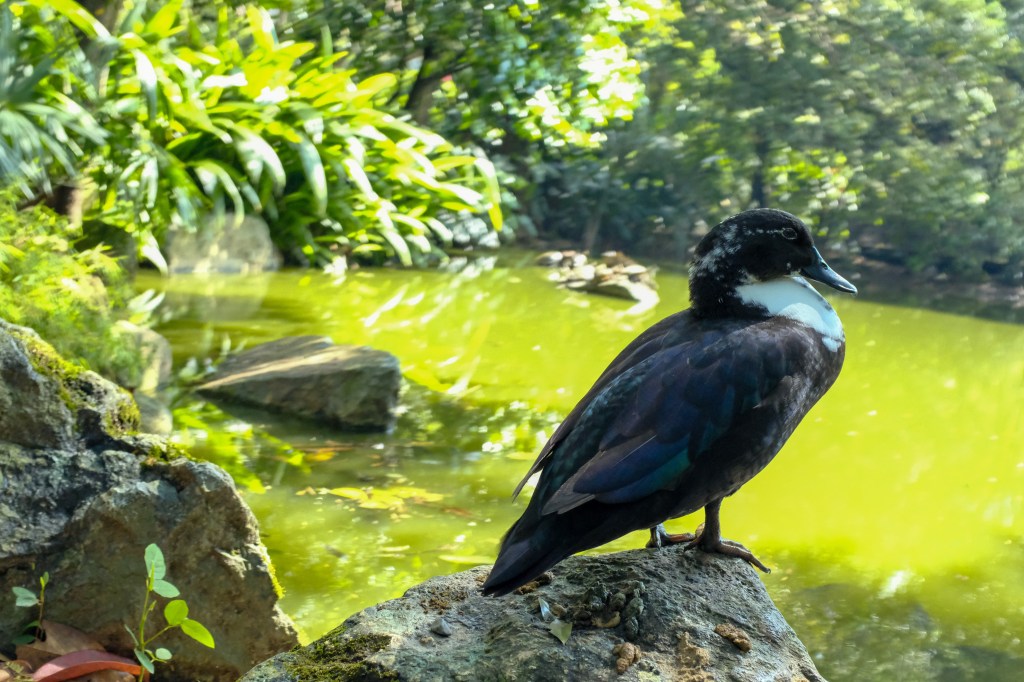
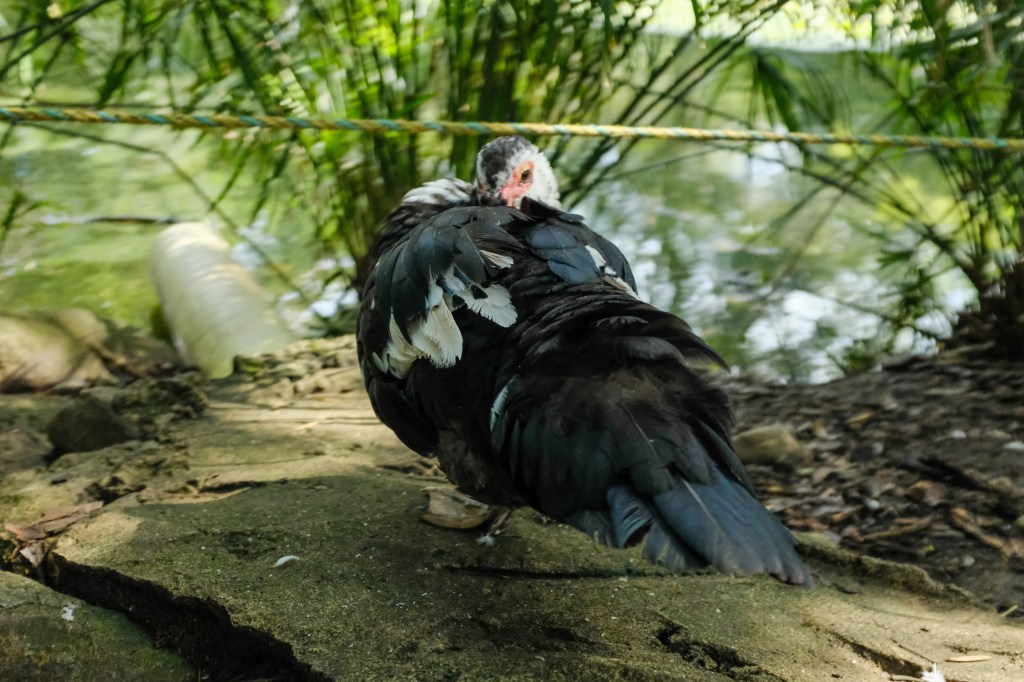
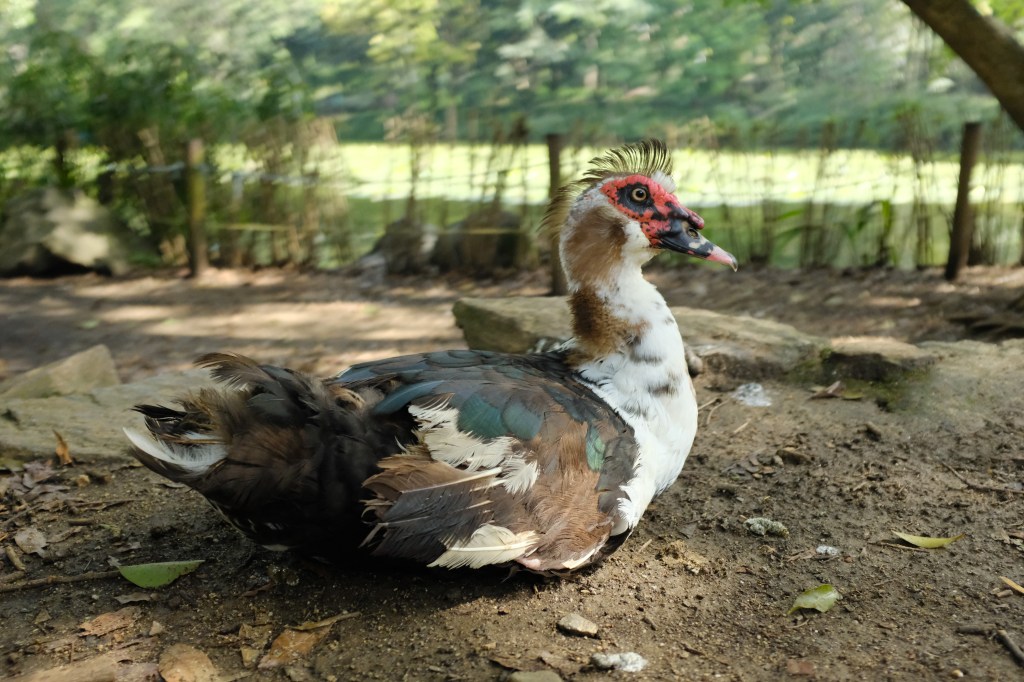
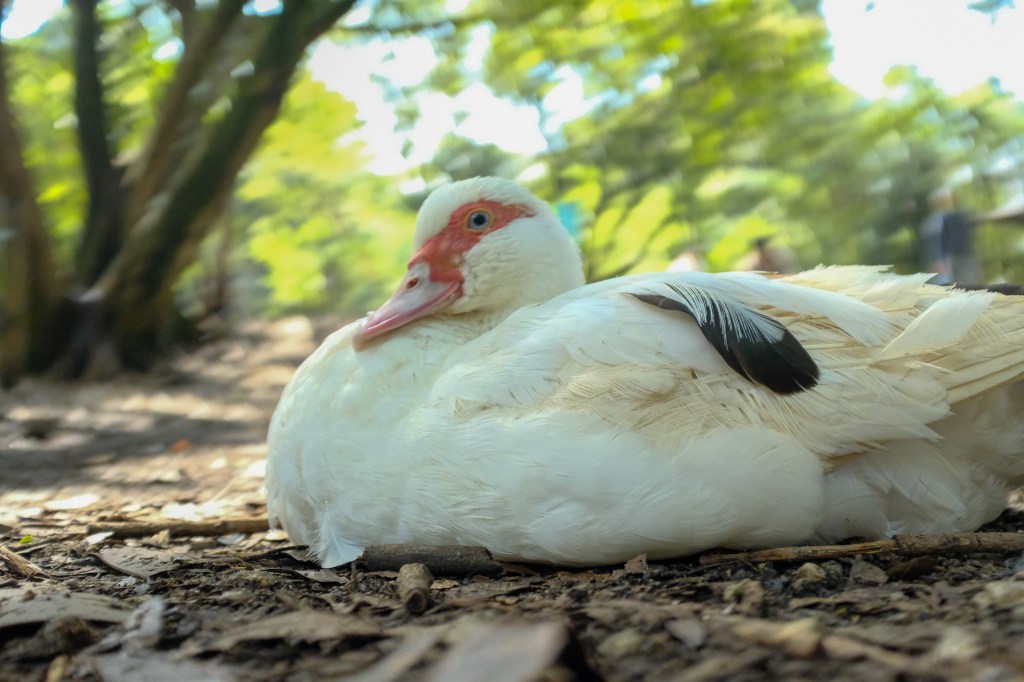
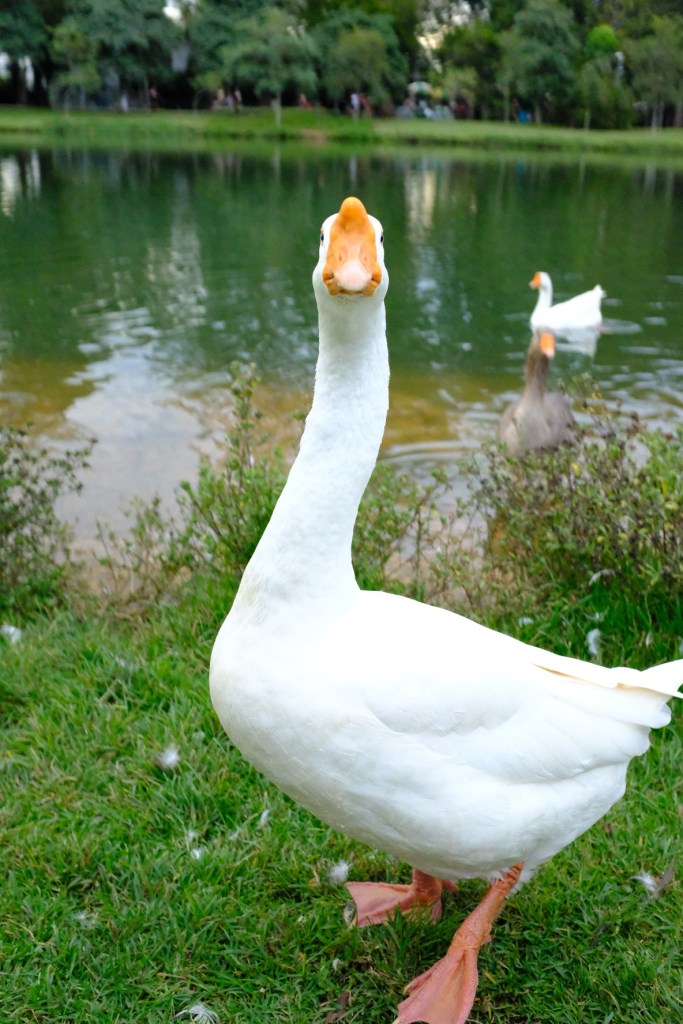
And finally, I had a photoshoot with a goose that was a bit too trusting of my intentions – while I’d like to think the goose’s comfort with me was due to my beneficent personality, it is more likely a result of the numerous children nearby attempting to feed them.

I wrapped up my time in Brazil and South America charging my devises in the common area of my hostel, chatting with a woman from Turkey, and listening/watching to the Samba band that had taken over the hostel – people dancing, singing, and smiling – it was a proper end to my time here.

Conclusion

It didn’t quite dawn on me that I was leaving South America until I was in my uber to the airport. It is hard to imagine that I started traveling two months ago and my time in the earlier portions of my trip (Colombia, Peru, etc..) feel like a lifetime ago.

Colombia, Peru, Chile, Argentina, and Brazil – all of these countries offered me so much in my travels: exposure to Spanish & Portuguese, cultures & religious practices, wonderfully preserved landscapes, exciting food & drink, museums, music, and incredible people. I wish I had more time in these places – to explore them more thoroughly; but, I am satisfied with what I have gained from my limited time. I hope that I can come again in future trips – when I can further refine what I want in each country and see how the places I have visited in my 20’s have changed in my return to them.

If I were to do the South American loop again, there is little I would change. I hope to do Ecuador, Peru, Bolivia, and Paraguay in a future trip so those did not feel essential for me to see now. I had to make some hard choices on where to visit given my tight timeframe and I am happy with the diverse array of environments I chose to see. I think the loop from Colombia down the continent and back up to Brazil offers a great opportunity to see the diversity and similarities among nations and people on the South American continent. The transformation of landscapes is fascinating to observe as you move down and back up the continent – going from lush forests to desert landscapes, to ice capped mountains and glaciers. The small changes in Spanish dialect and slang used in each country is interesting to experience, and a fun challenge to master. These many wonderful experiences in South America will stick with me as I continue to travels now and in my future plans.

I’ll wrap up by reiterating how thankful I feel to have the opportunity to travel – and to do it for this long. The first third of my journey has been incredible – from the new ideas and perspectives it has taught me, to the pure fun it has offered. As I leave South America, I look forward to the journey I have planned going forward.

Some things I am most looking forward to! –

– Consuming dish after dish in India (special thanks to Peter and Nihaarika for all of the great tips and recommendations) – hopefully I can avoid “Delhi belly”

– Hiking the 2 week trek to the Everest Base Camp in Nepal (thanks to my friend, Antony – from Torres del Pain-, who gave me the idea

– A 6 day trek and cave exploration through the in Vietnam

– The Cameron Highlands in Malaysia

– Thai food & Thai beaches

– Tokyo, where I have my flight home on May 22 (yes, purchased with my Chase points – and yes, I will be regularly checking its status until the day of my flight)

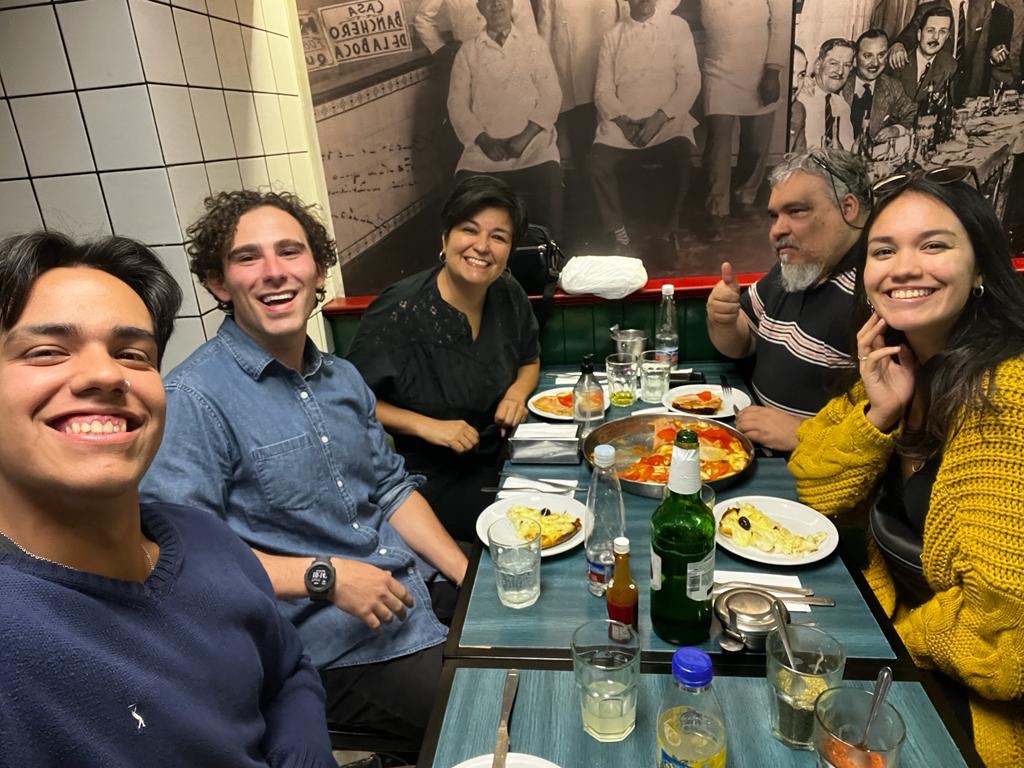
Finally, thank you to everyone who has written to me and supported me throughout this journey. A special thanks to Austin, Steph, Trex, & Ollie who recently took Bren, her family, and me out to dinner in Buenos Aires – virtually, of course.

See you in New Delhi – after 23 hours of travel, a hot shower, some good food, and a long nap.

Sam
Days 40-45: Buenos Aires

Introduction

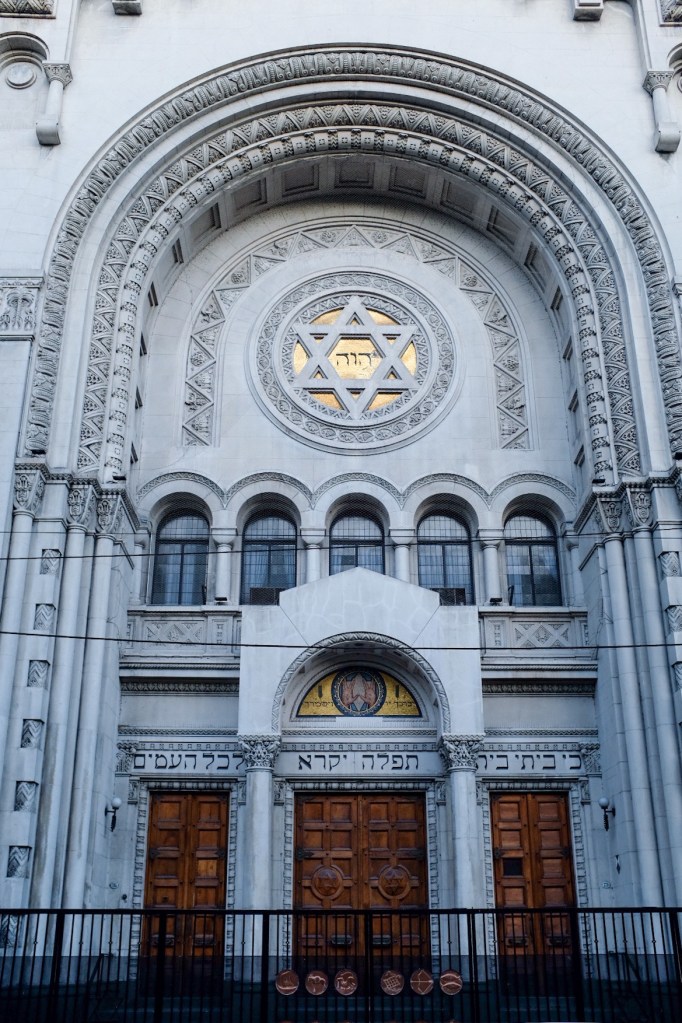
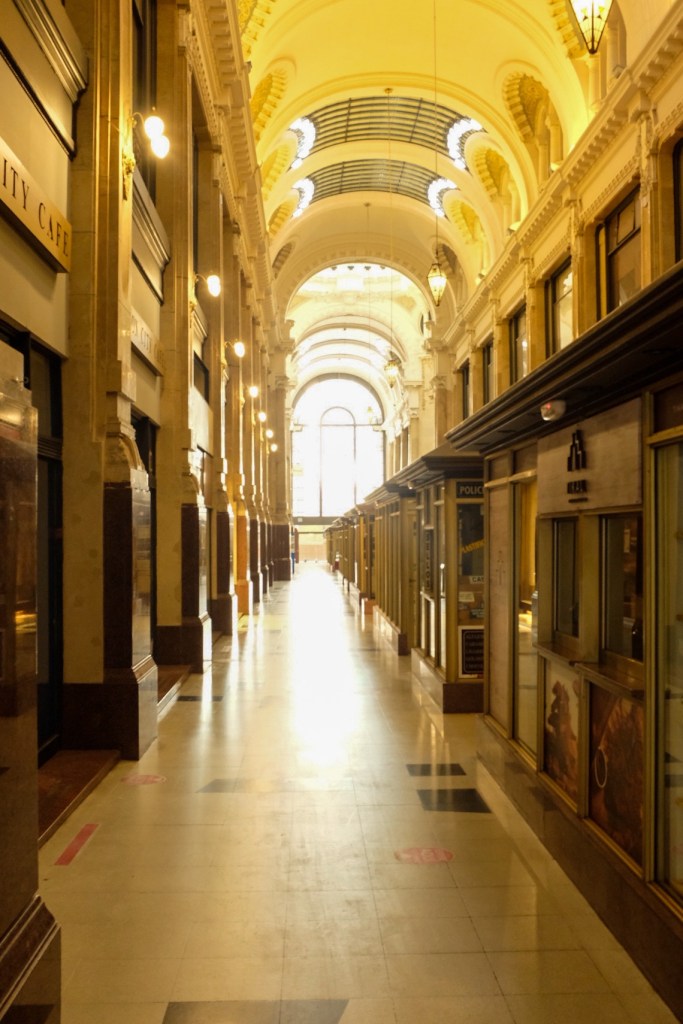
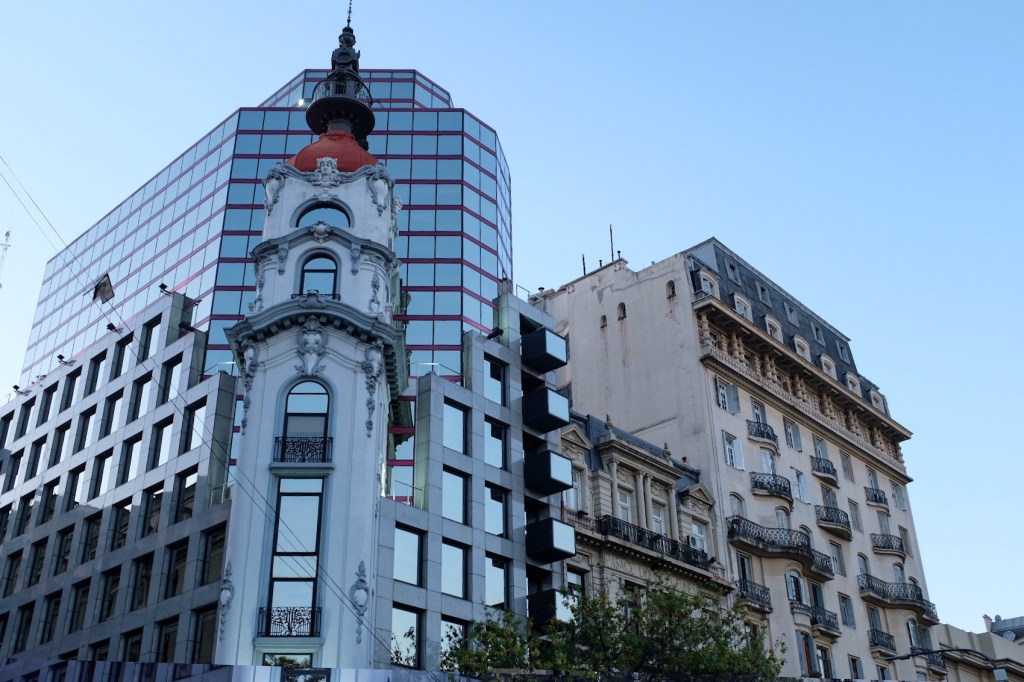
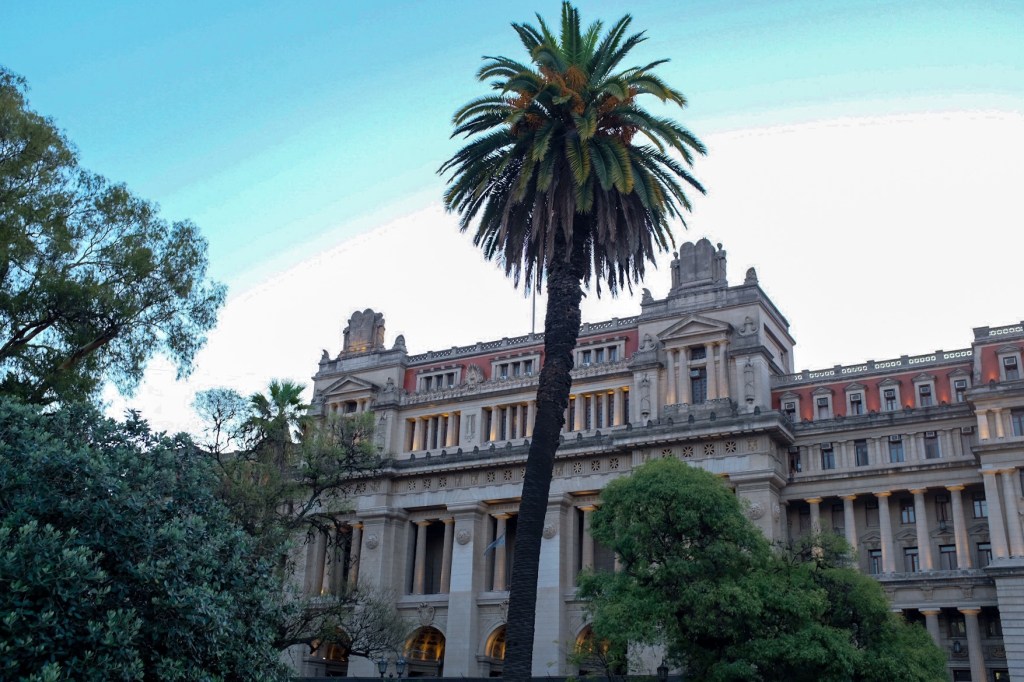
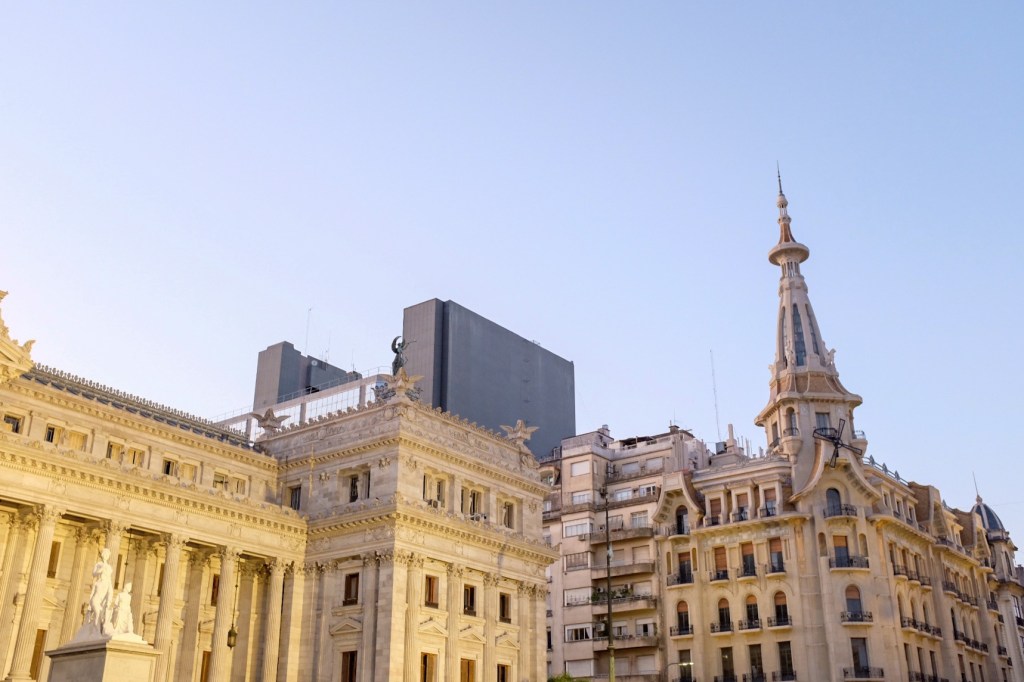
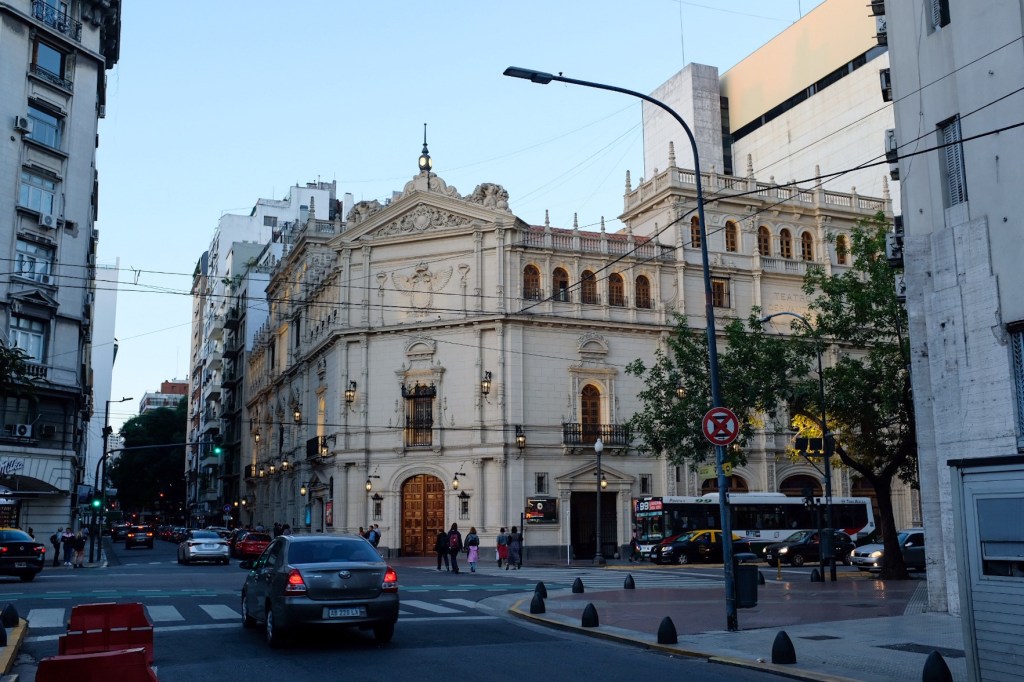
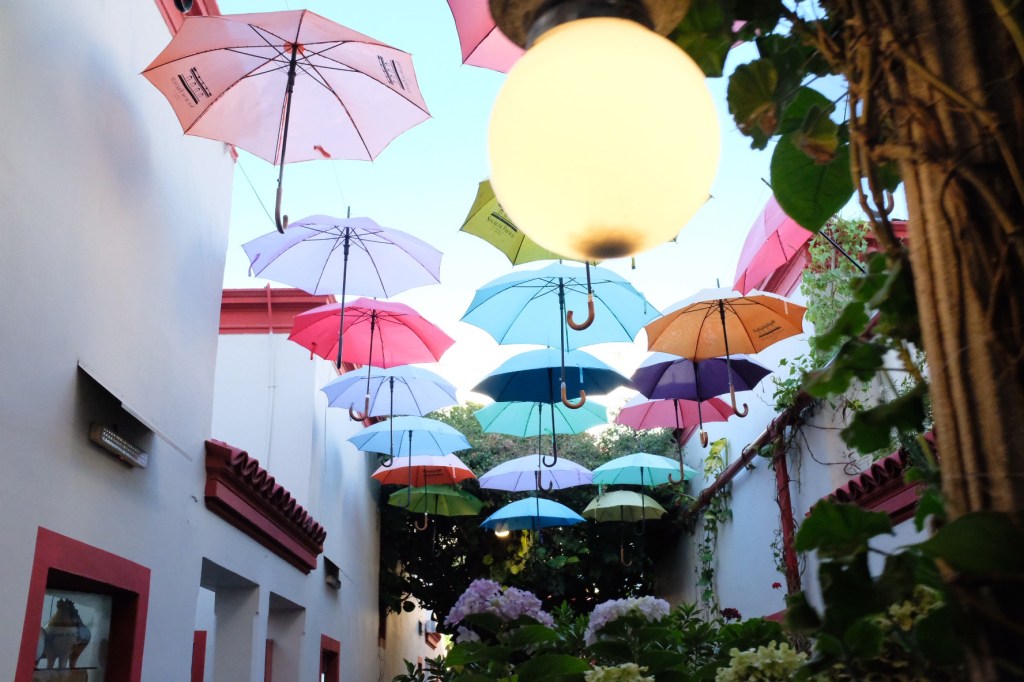
I’ll start by saying that Buenos Aires is, so far, my favorite of the cities I have visited – the stunning architecture, cosmopolitan atmosphere reminiscent of NYC, intimate sidewalk cafes and steakhouse diners, the incredible museums, and beautiful parks – this city really won my heart.

It is quite challenging, then, to express the complexity I experienced while visiting: a wonderful culture and people plagued by a constantly looming cloud of financial difficulty & inflation.

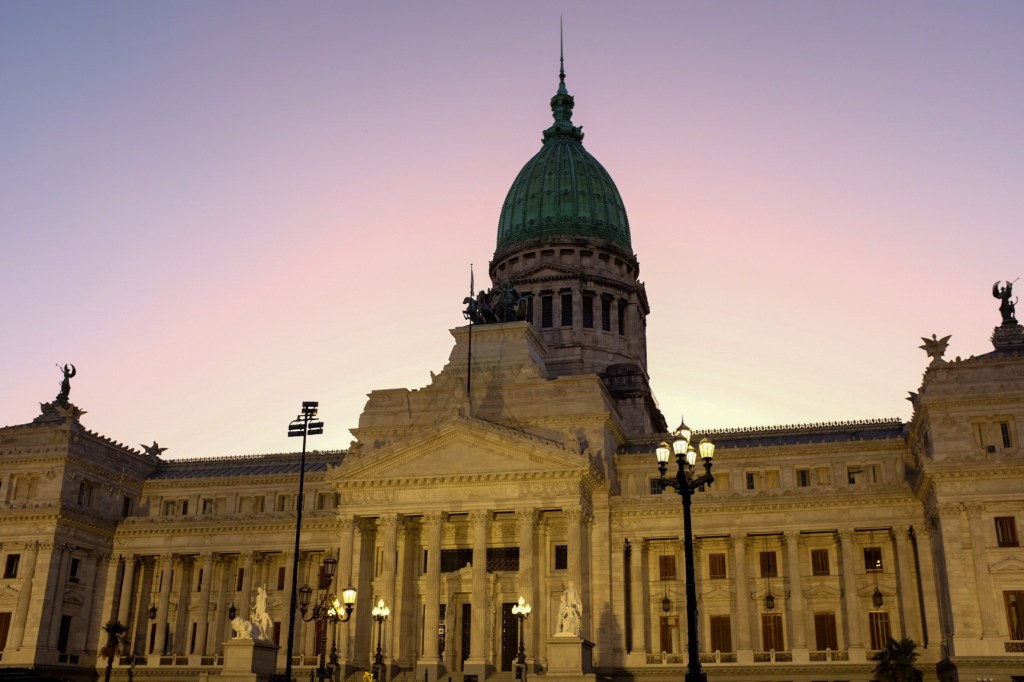
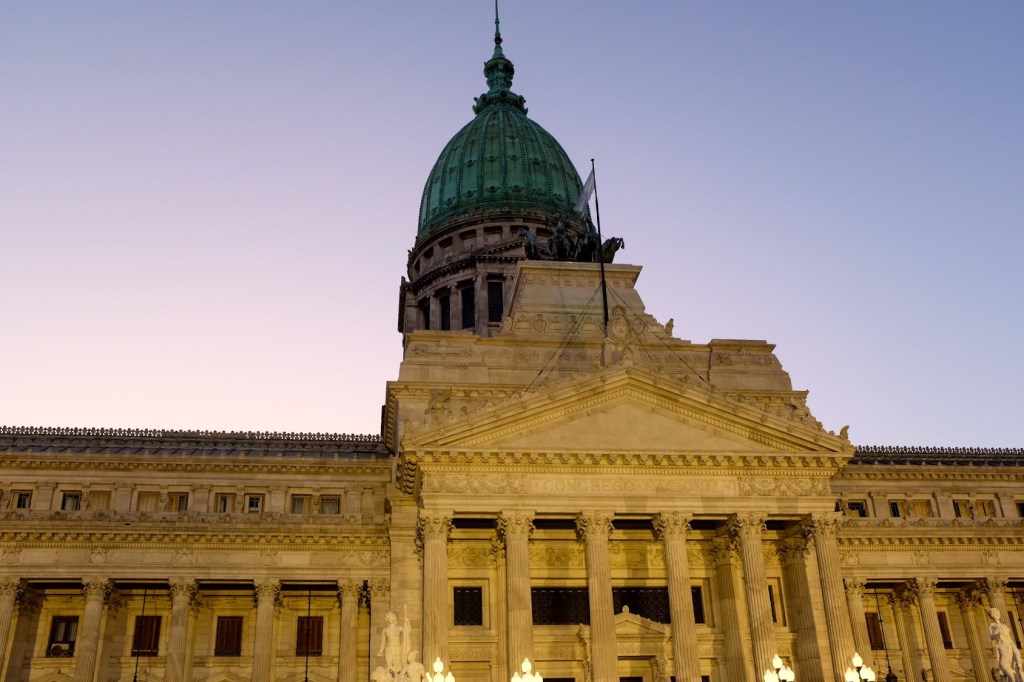
Arriving at Ezeiza Airport, about an hour away from my stay in Palermo, I was immediately confronted with the complexity of the economic conditions plaguing Argentina. In the taxi from the airport to my apartment, our route was derailed after protesters began blocking highway roads around the city. Residents who had been experiencing significant power outages from the power company, Edesur, amid high electricity demand, the protesters were noticeably upset. While fairly small, I could not help but be reminded of the mass protests in Argentina 6 months prior, where demonstrators marched to the National Congress demanding action to solve inflation and the economic crisis.

Over the past year, Argentina has seen prices nearly double, as the country’s annual inflation rate (94.8%) hit its highest level in more than 30 years. Last year, Argentina’s central bank raised its main rate of interest to 75% in an attempt to rein in soaring cost of living.

As a foreigner, the rate of inflation made expenses in Argentina quite reasonable ($6 for a meal, $1-2 for a coffee, etc..) but it was also unsettling to feel like I was unfairly benefitting from these economic difficulties.

In spite of this reality, I have been blown away by the friendliness and hospitality of the Argentinians I have met. I have never met people so open, insightful, and willing to help me experience their country (despite my mediocre foreign language skills). If I were to recommend a country to a first-timer in South America, it would be Argentina. The combined safety, openness to tourists/travelers, and general courtesy and kindness of the people makes this ideal for someone looking to get their feet wet (not to mention enjoy the incredible food…. and Malbec!).

Buenos Aires – “La Reina del Plata”

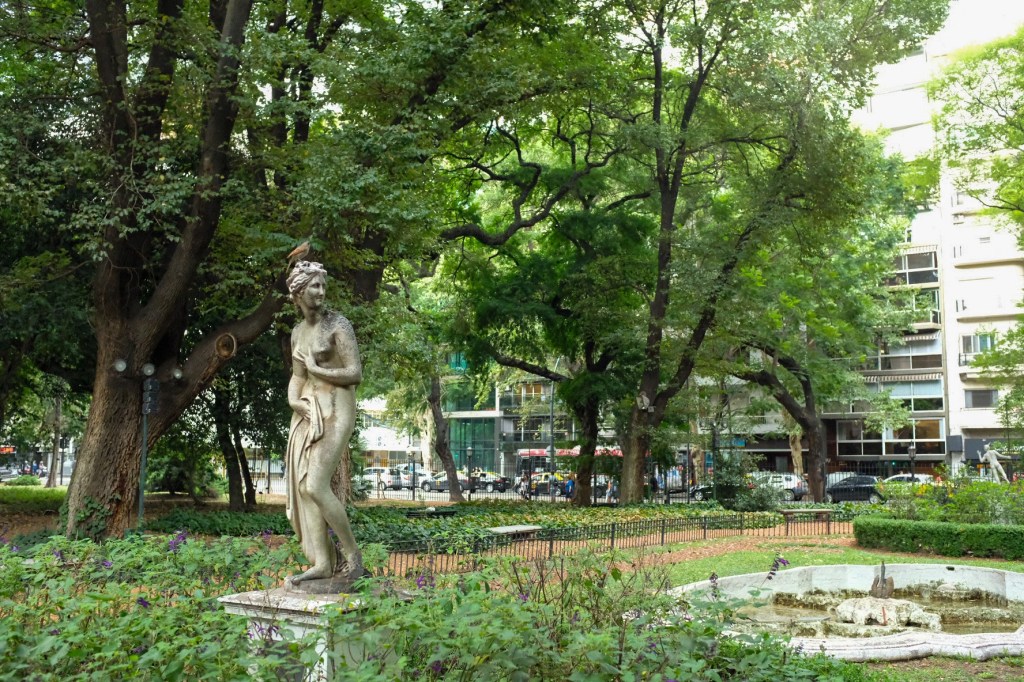
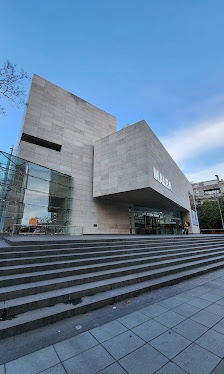
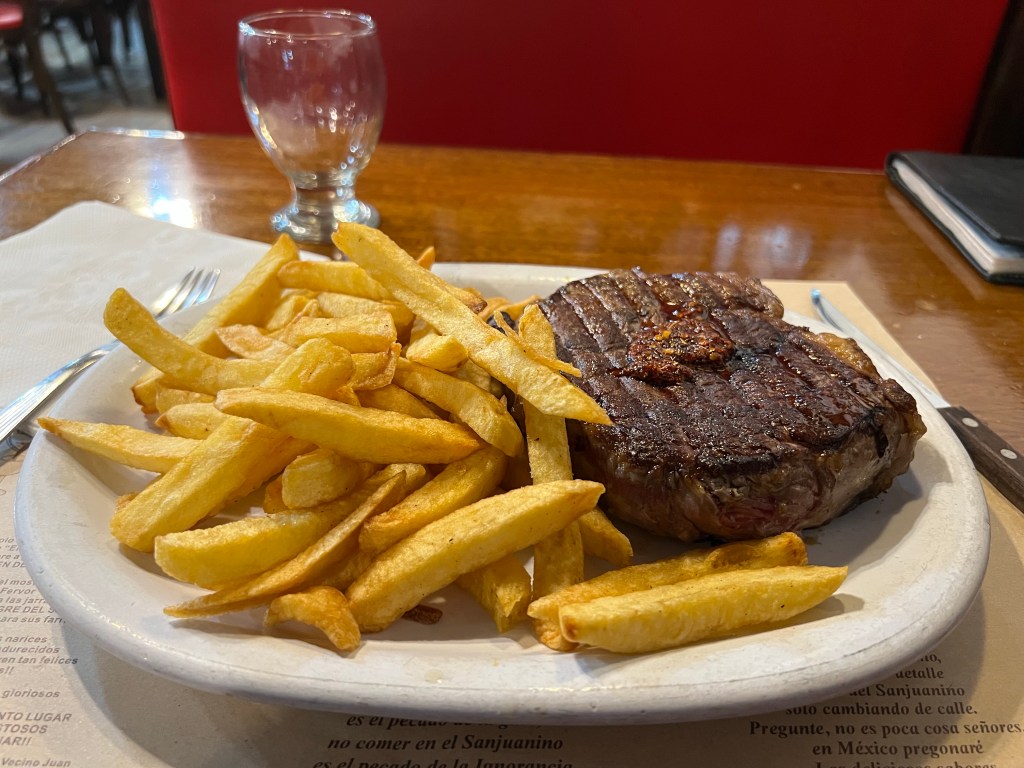
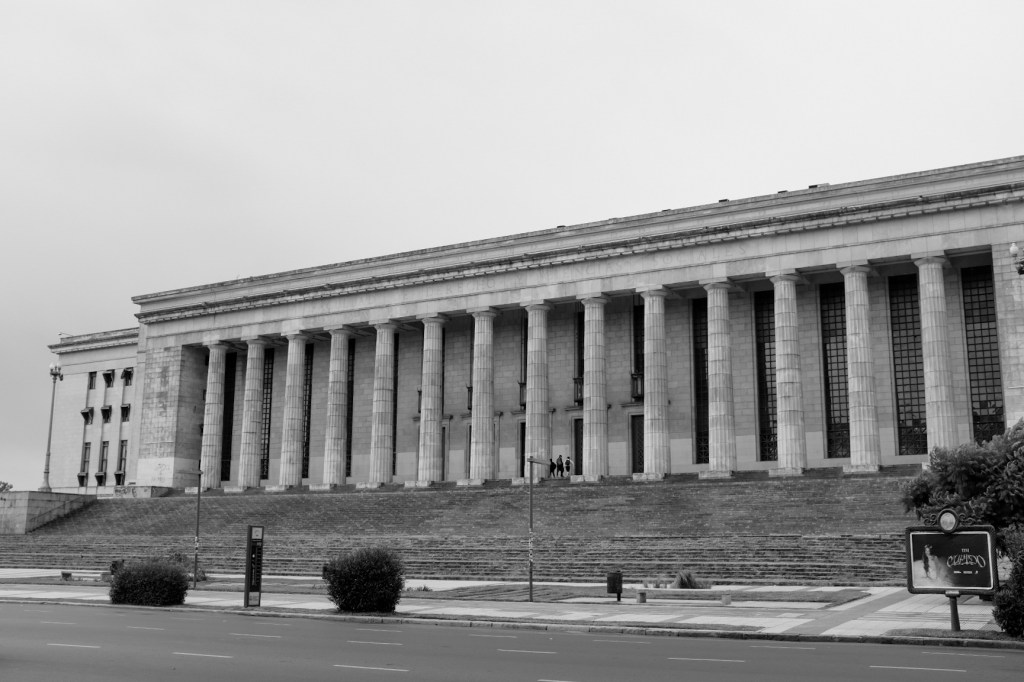
My first day was mostly consumed by recovering from my time in Patagonia, and so I took it easy, exploring the Paseo El Rosedal Garden, visiting the Latin American Museum, and enjoying a steak (sorry to my vegetarians).

Pictures from the Muses de Arte Latinoamericano de Buenos Aires

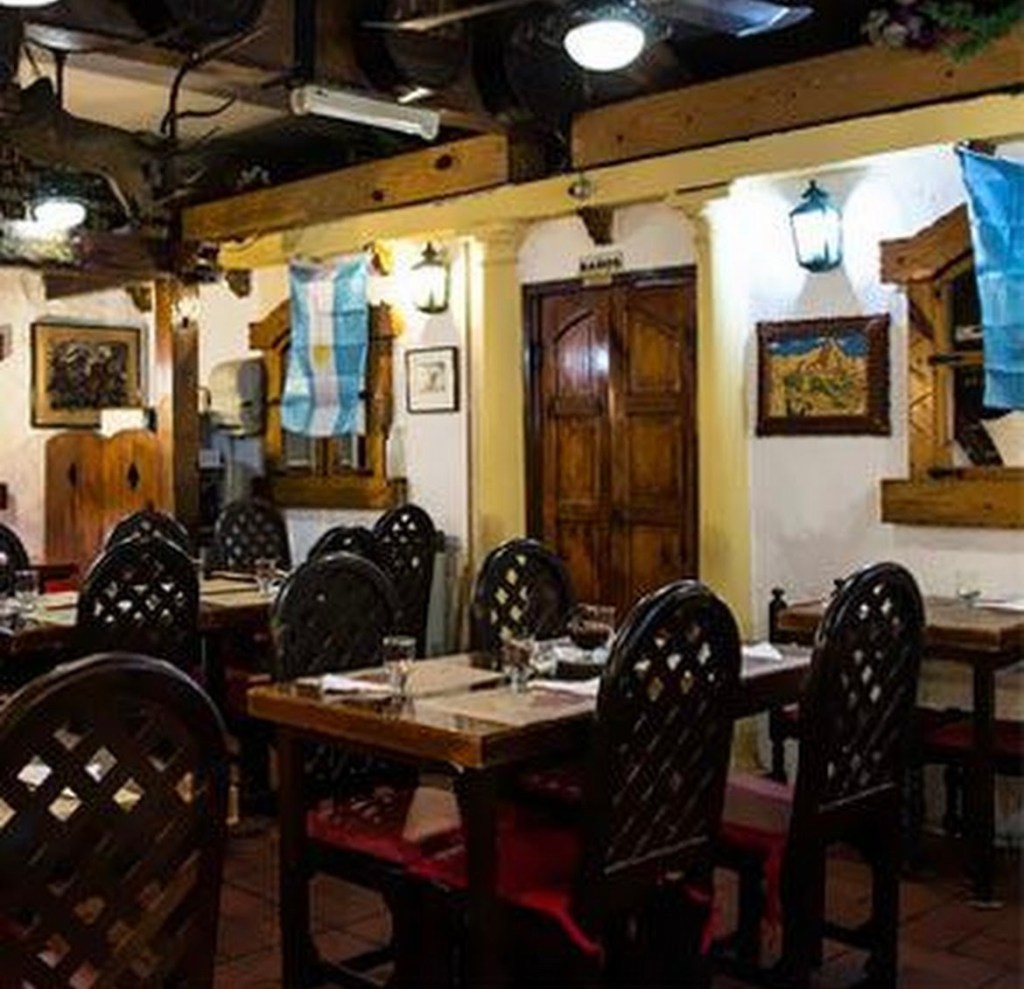
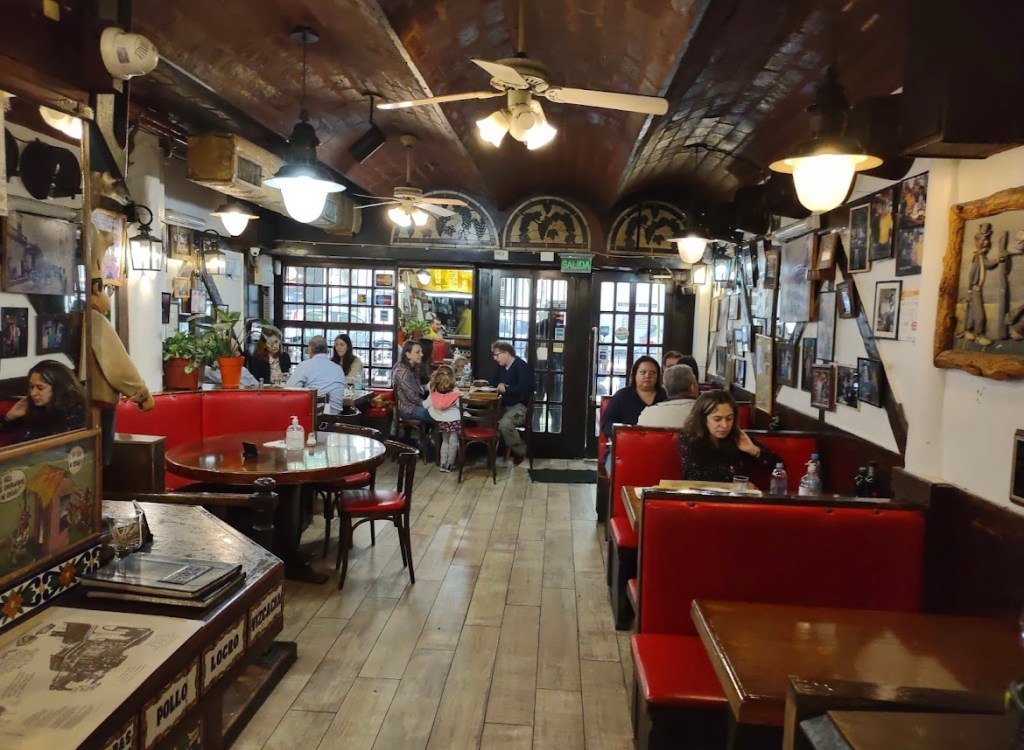
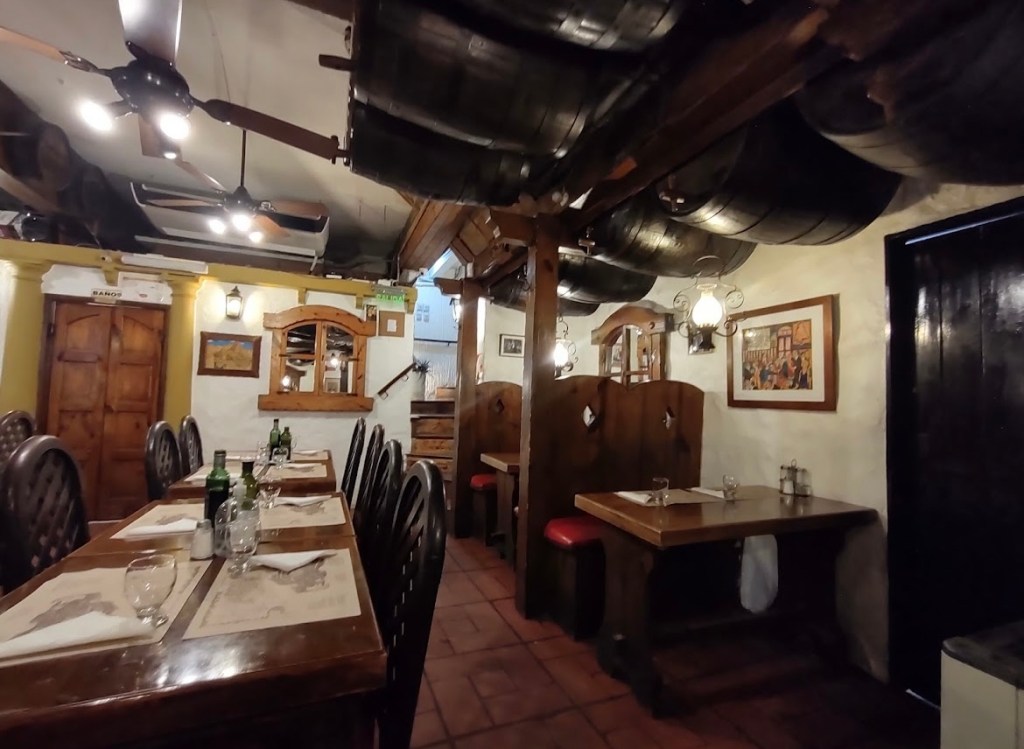
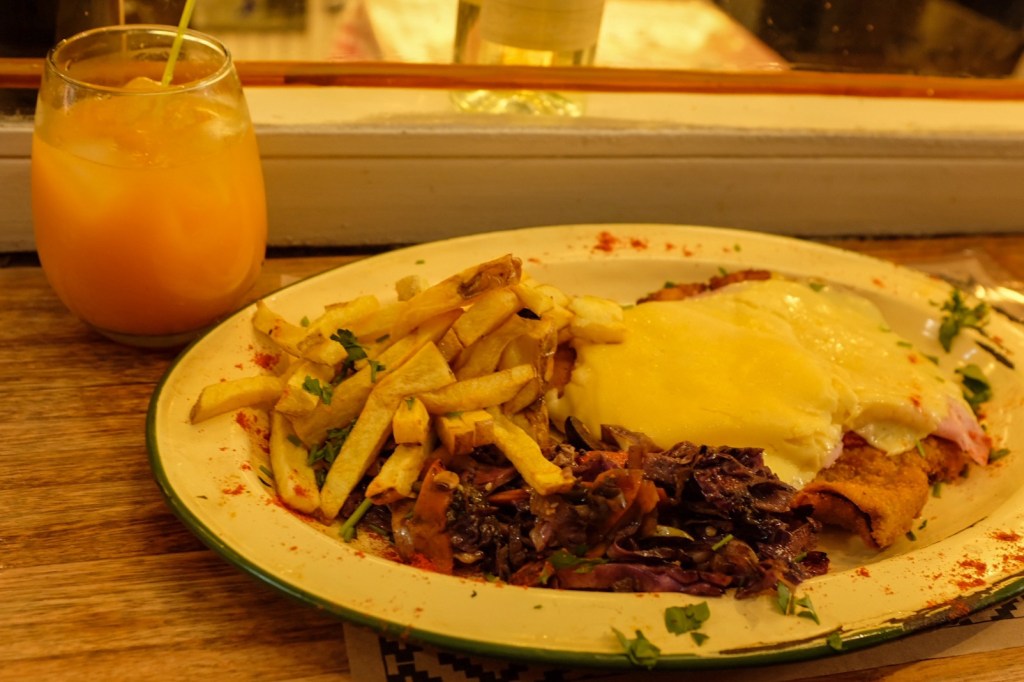
A friend of mine and I had lunch at an Argentinian restaurant, El Sanjuanino. I wouldn’t usually take photos of restaurants but I thought this place was so unlike anything I am used to – coupling what I can only describe as an American diner with Americanized-Italian decor and a steakhouse menu.

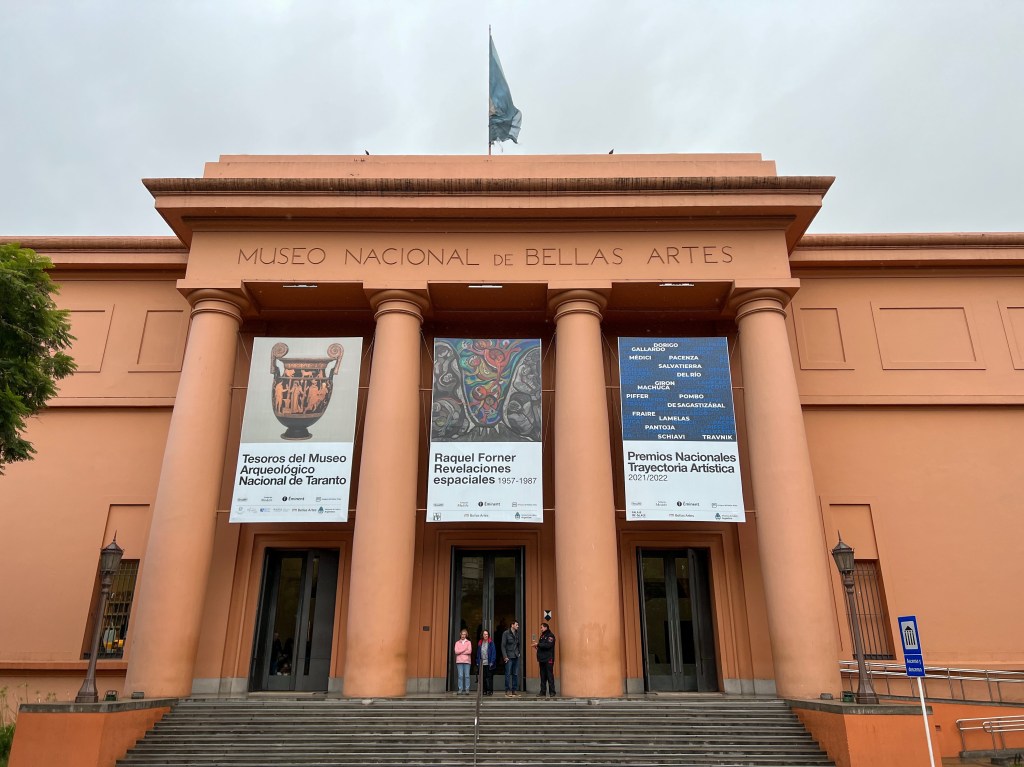
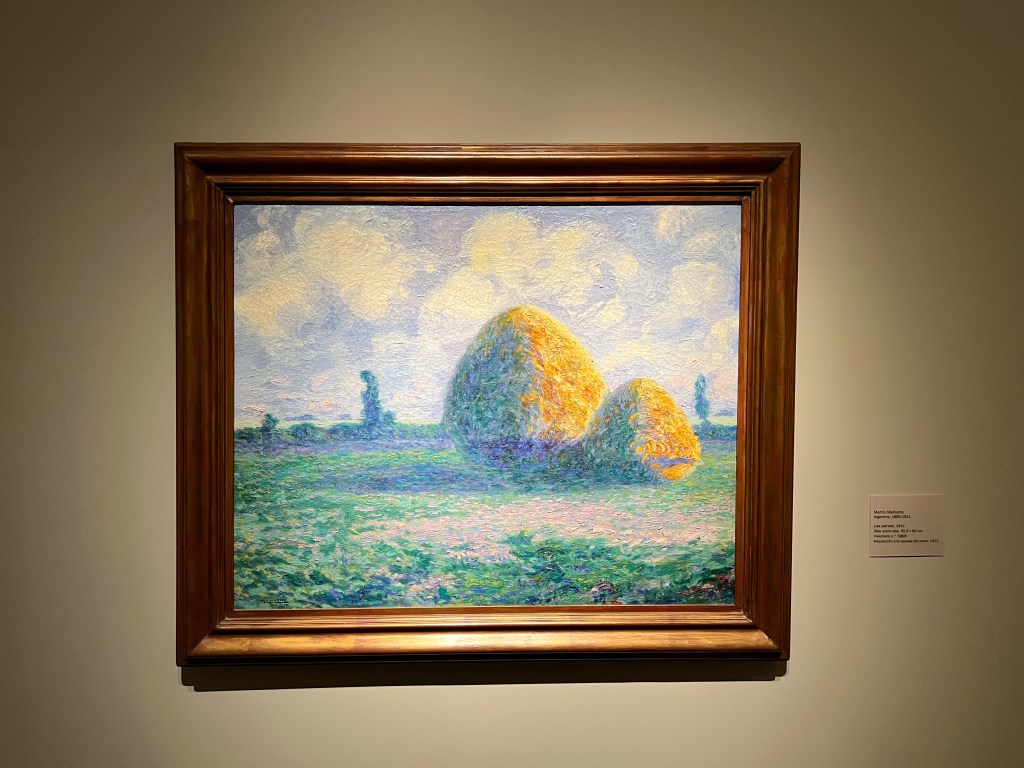
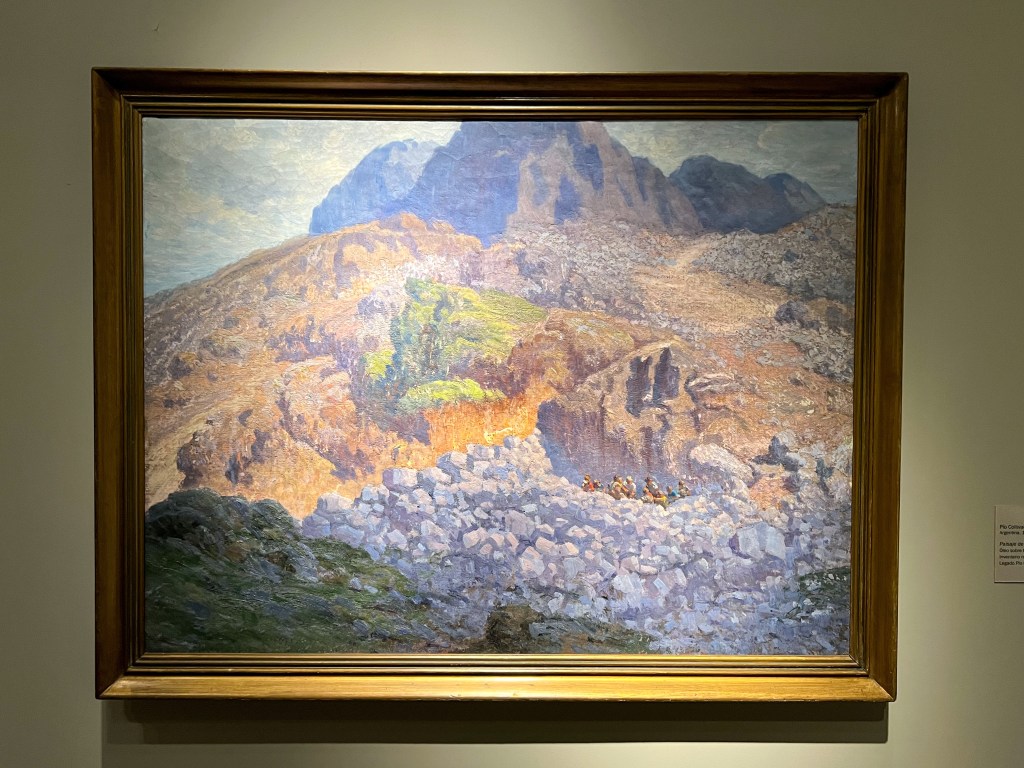
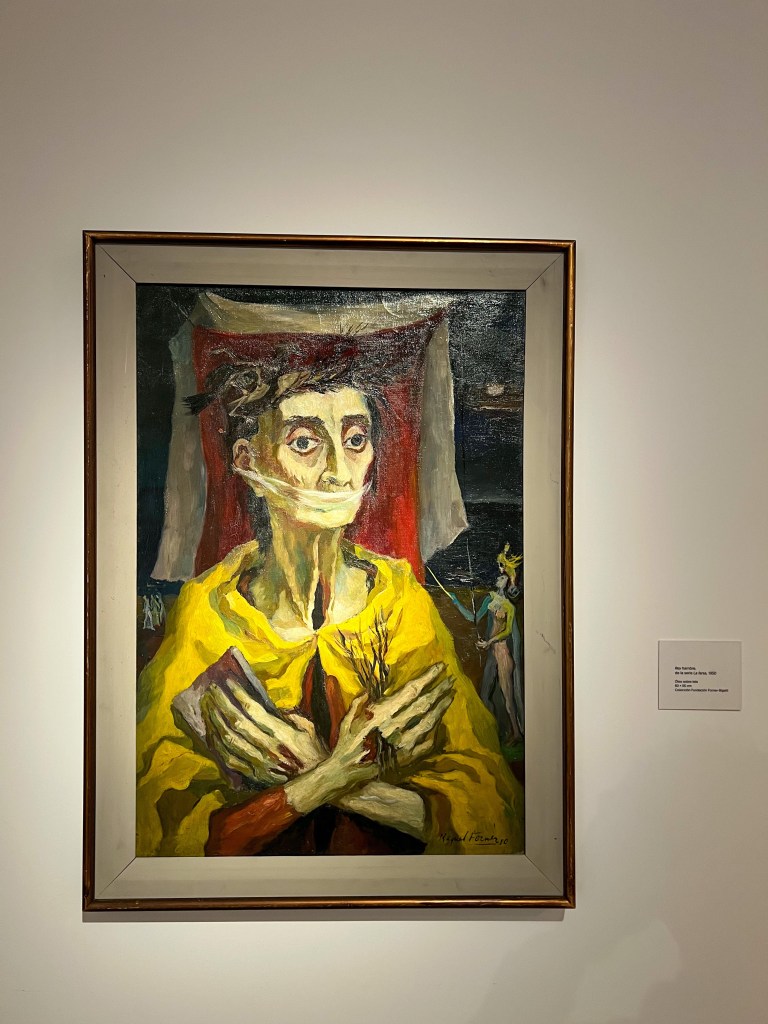
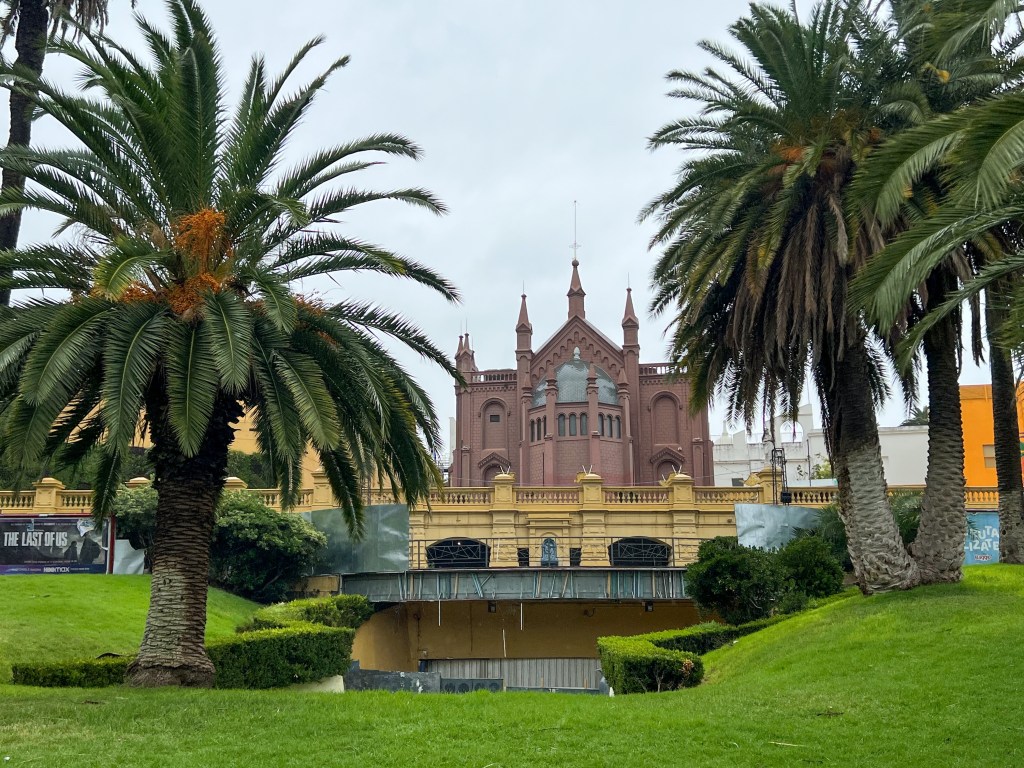
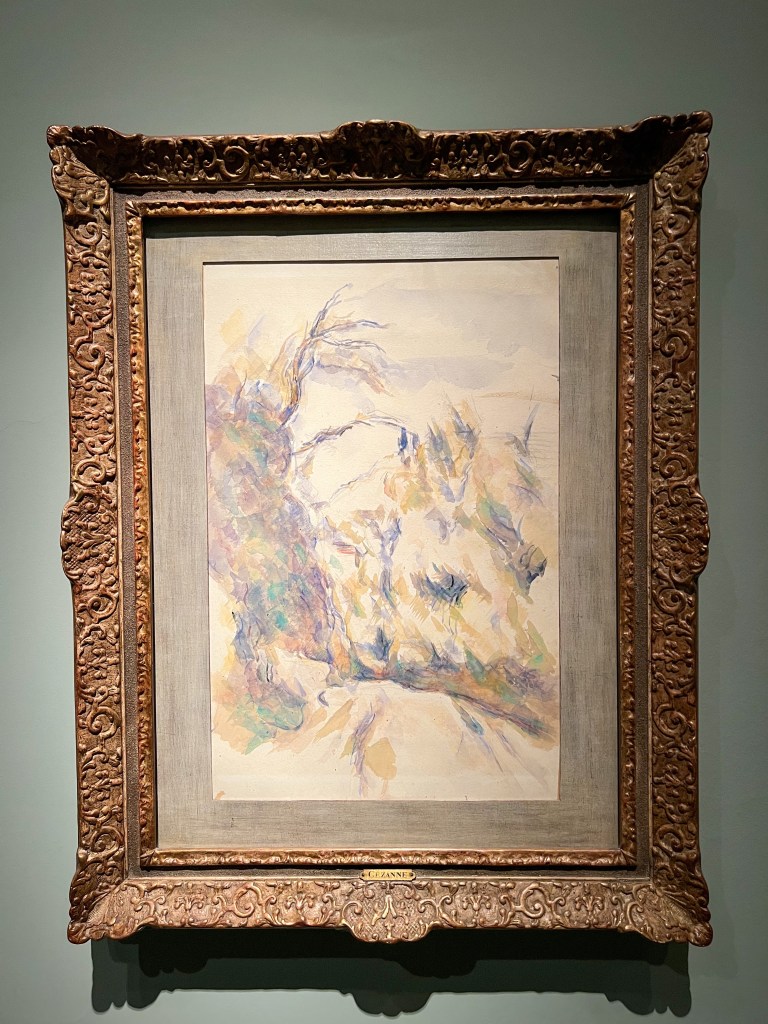
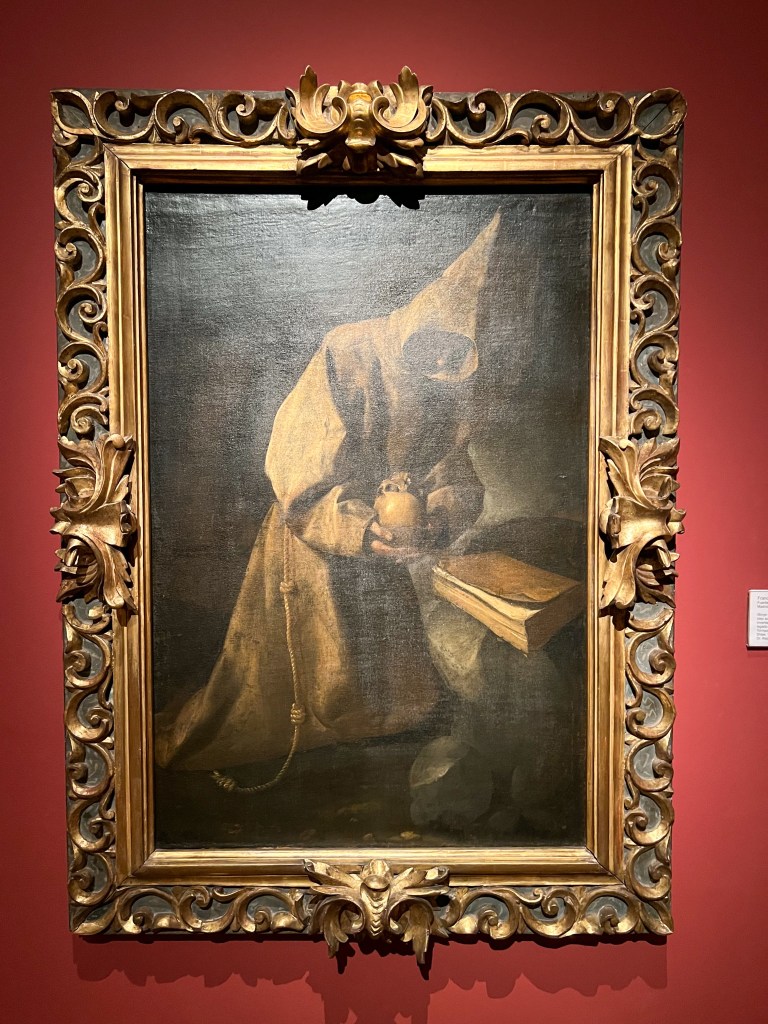
The next day, I visited the Museo National de Bellas Artes

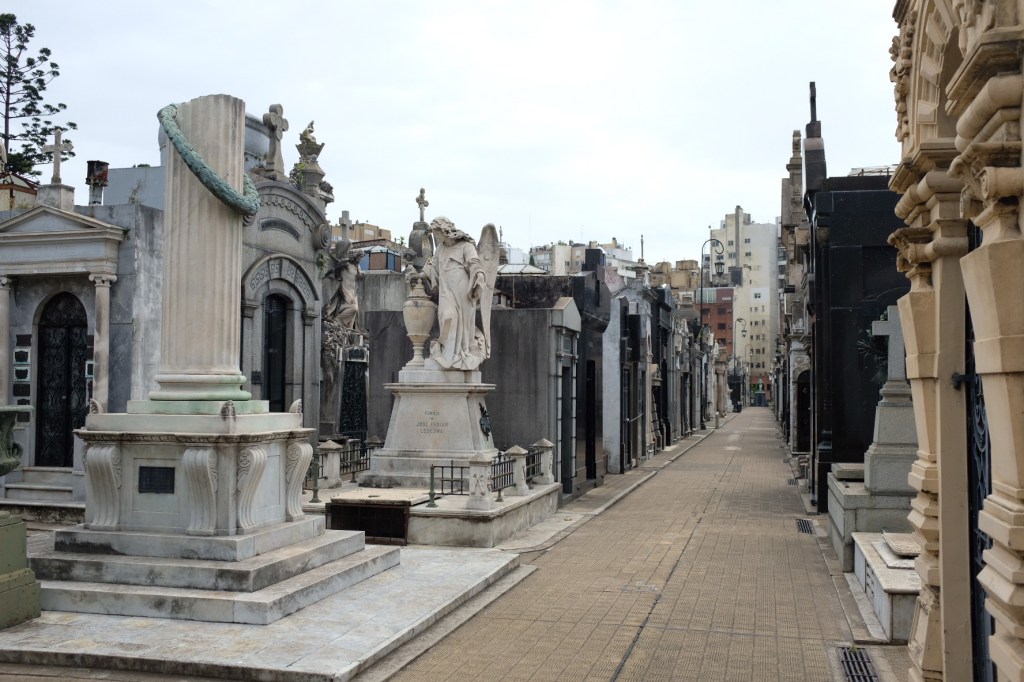
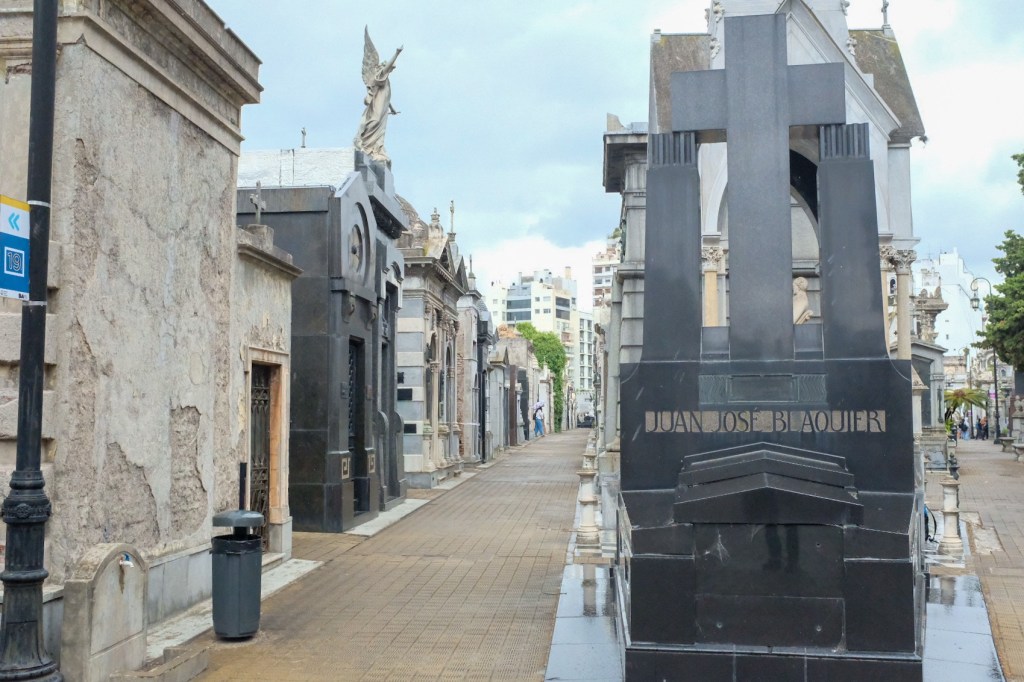
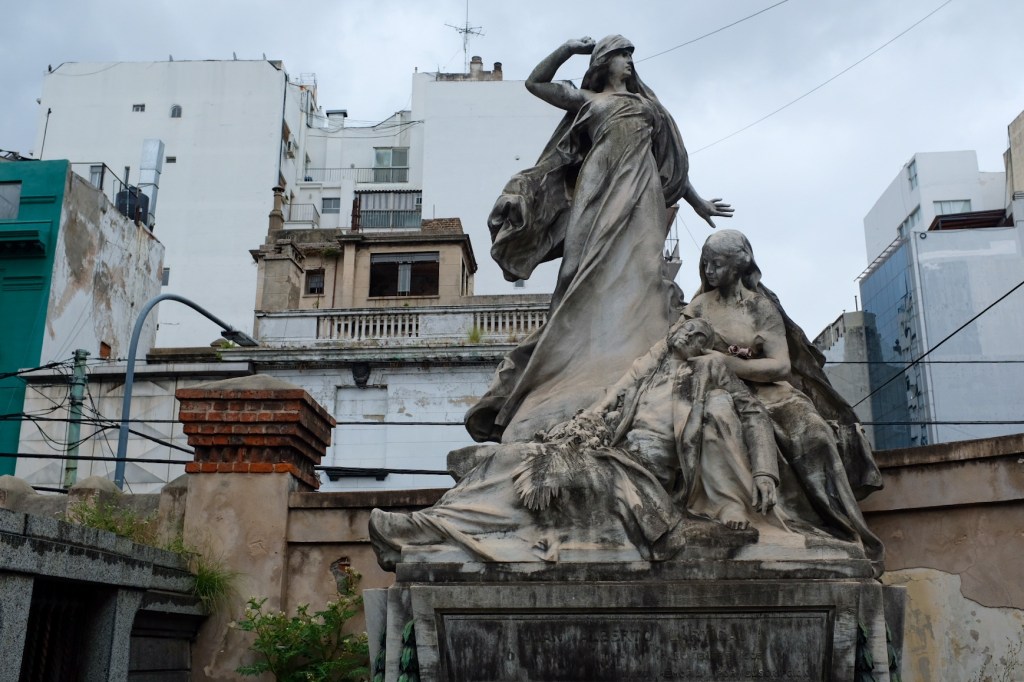
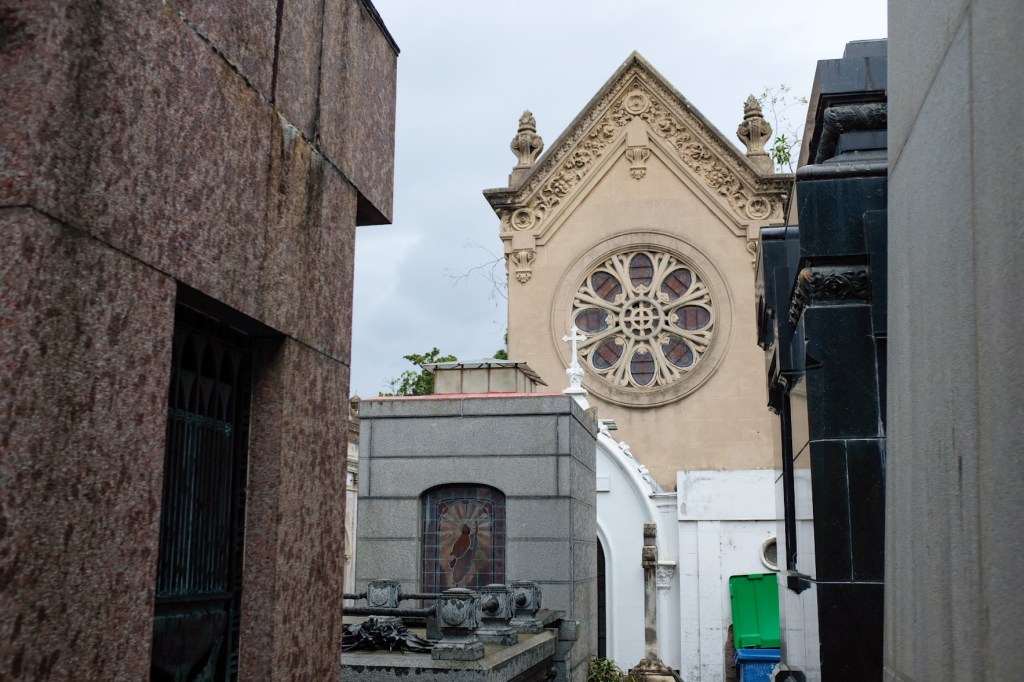
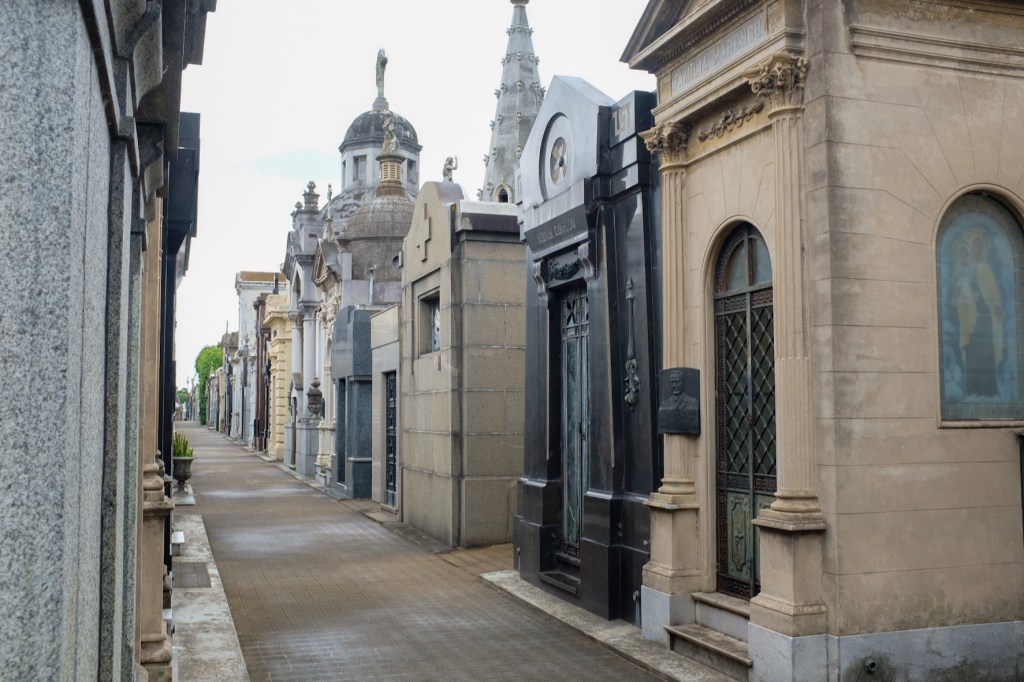
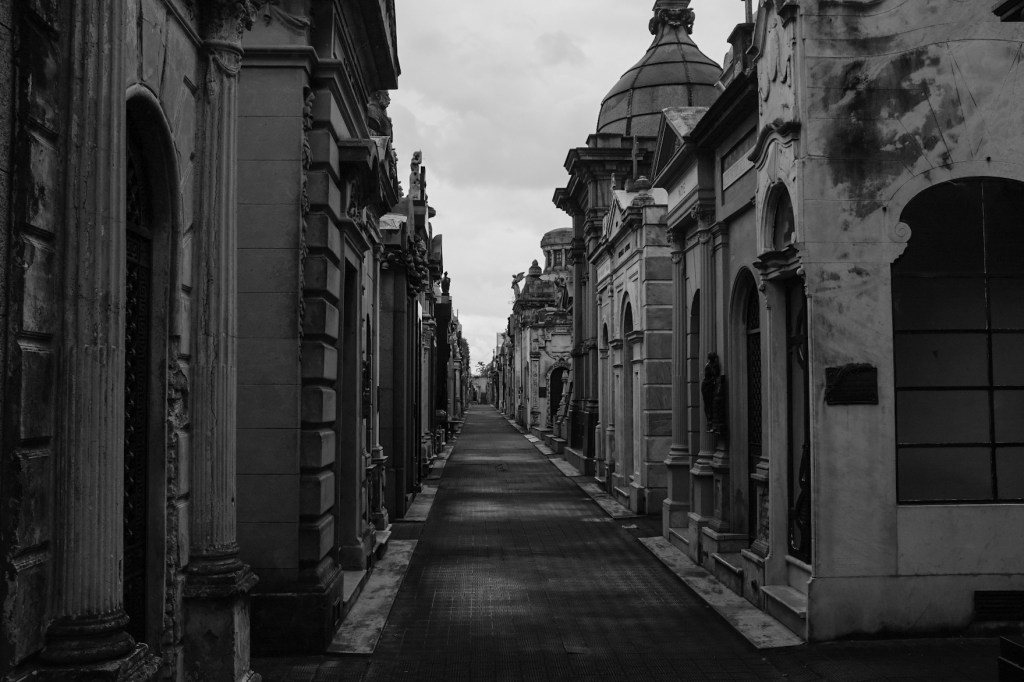
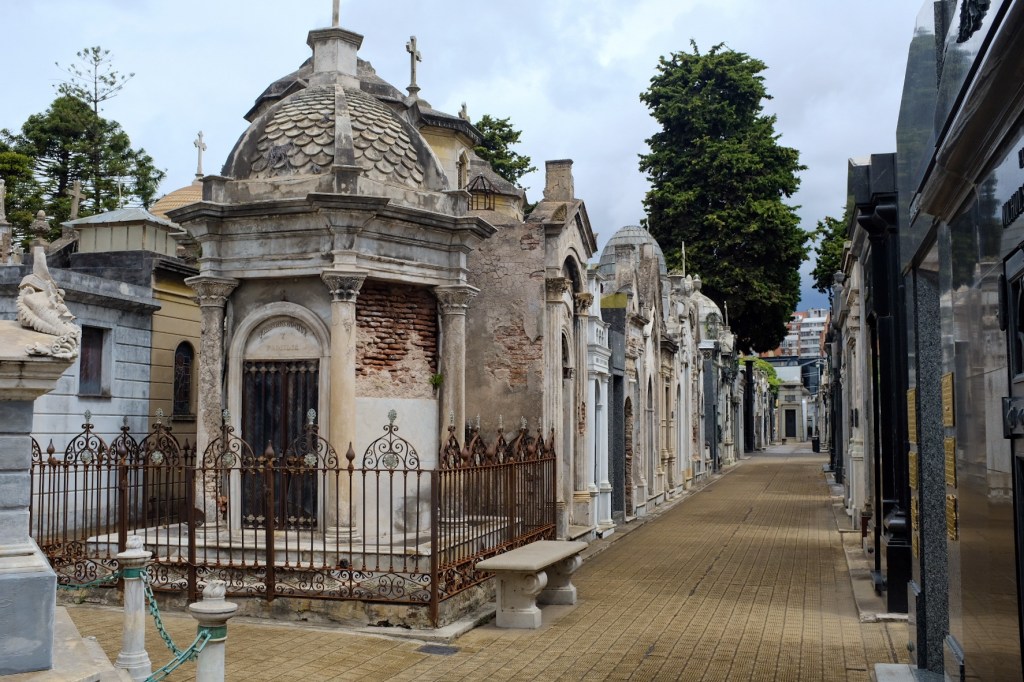
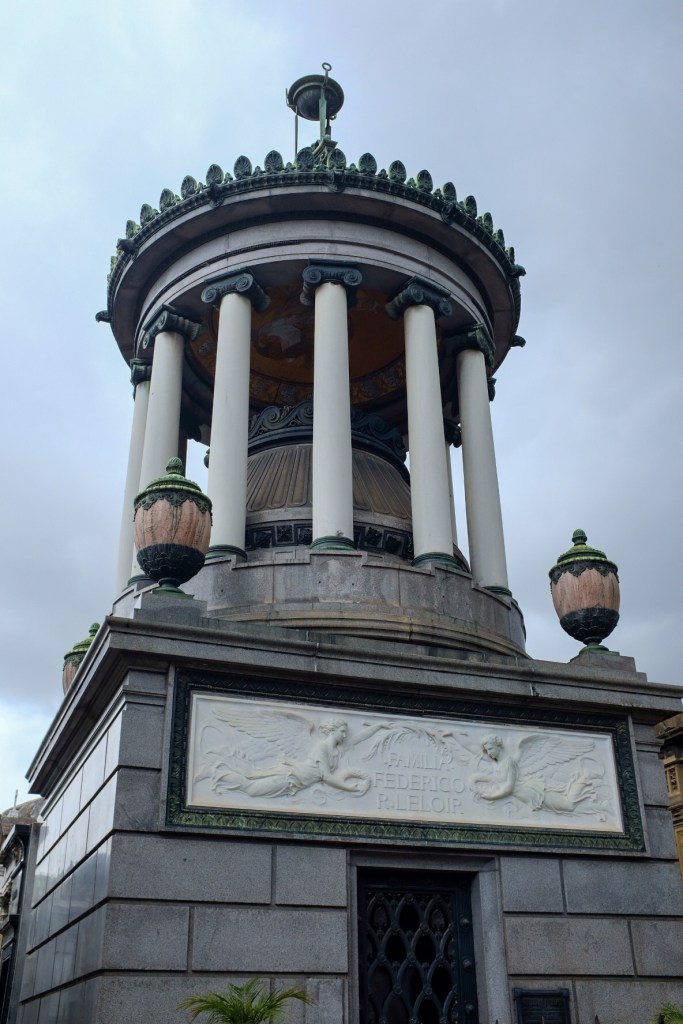
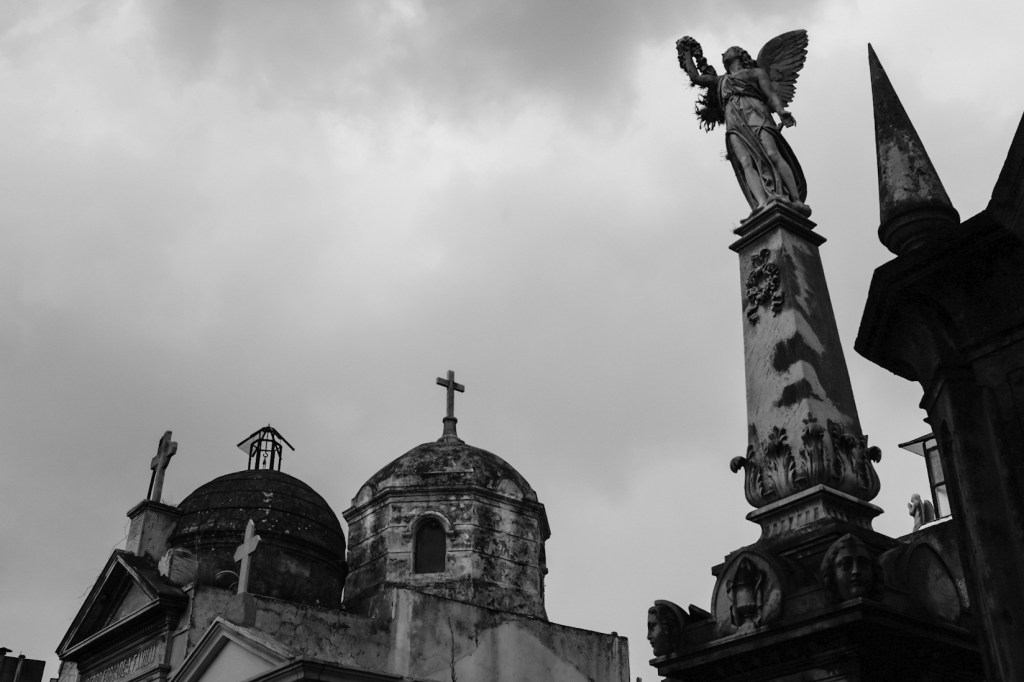
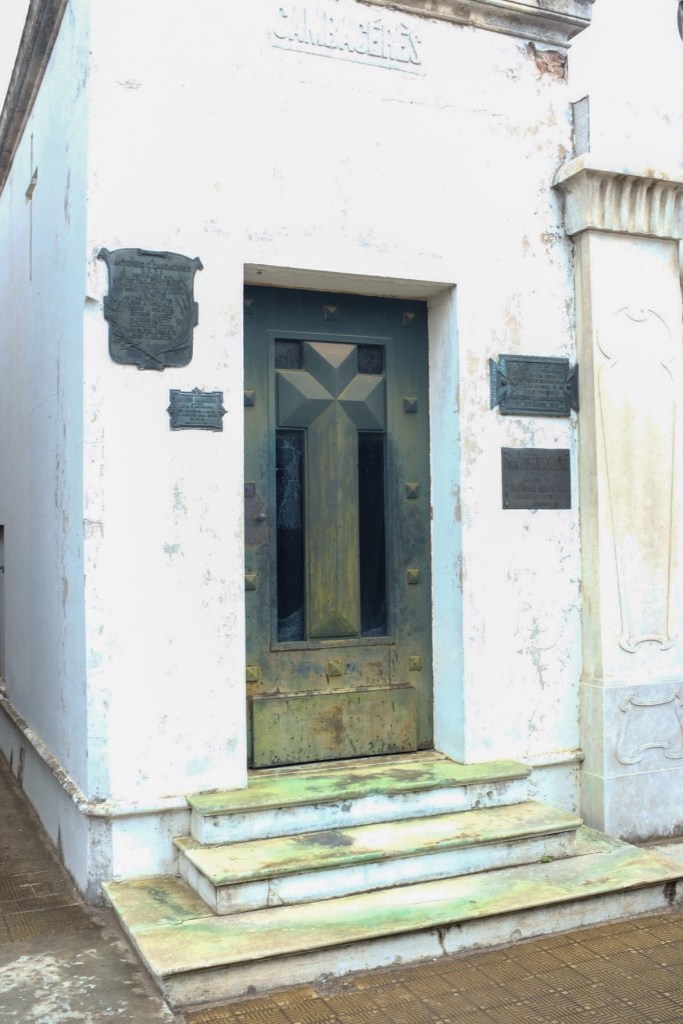
…and Recoleta Cemetery – located in the wealthy Recoleta neighborhood, this huge graveyard contains the graves of notable people including former presidents of Argentina, Nobel Prize Winners, military commanders, and wealthy business owners.

One of my favorites was of Luis Leloir, who was an Argentine physician and biochemist who received the 1970 Nobel Prize in Chemistry for his discovery of the metabolic pathways carbohydrates are synthesized and converted into energy by our bodies!

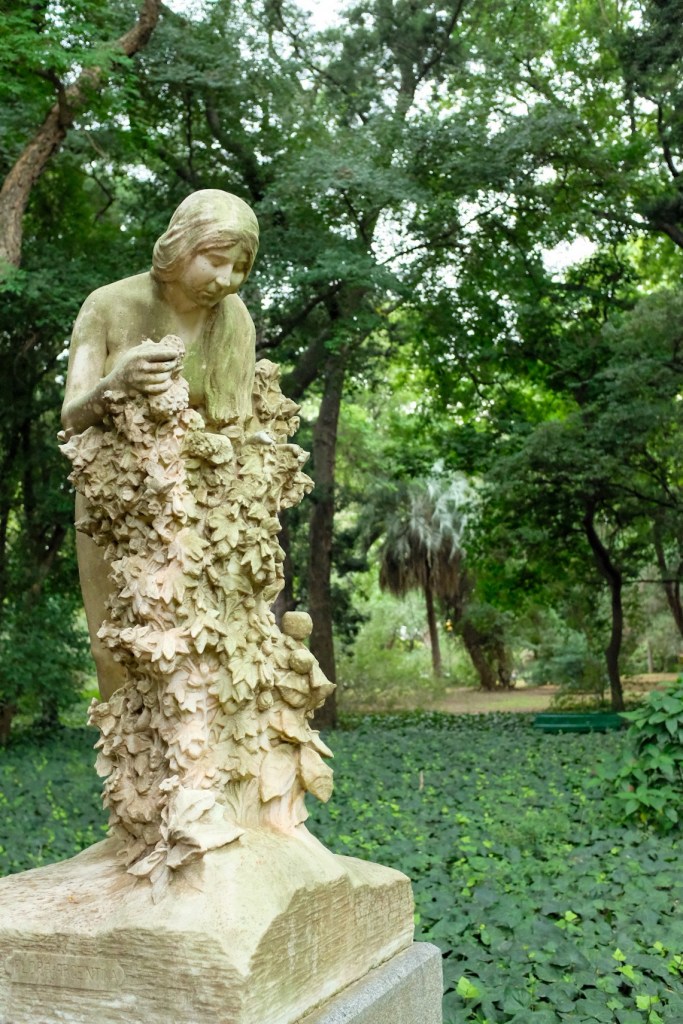
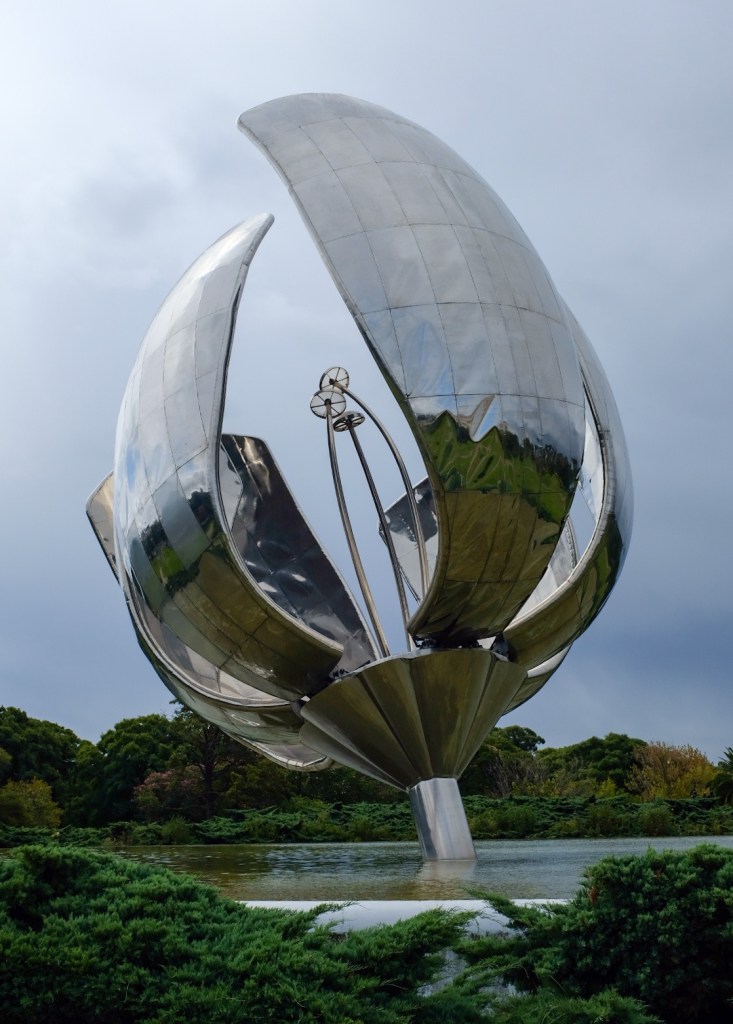
And walked around the Parque Naciones Unidas (there are so many wonderful parks to stroll around in)

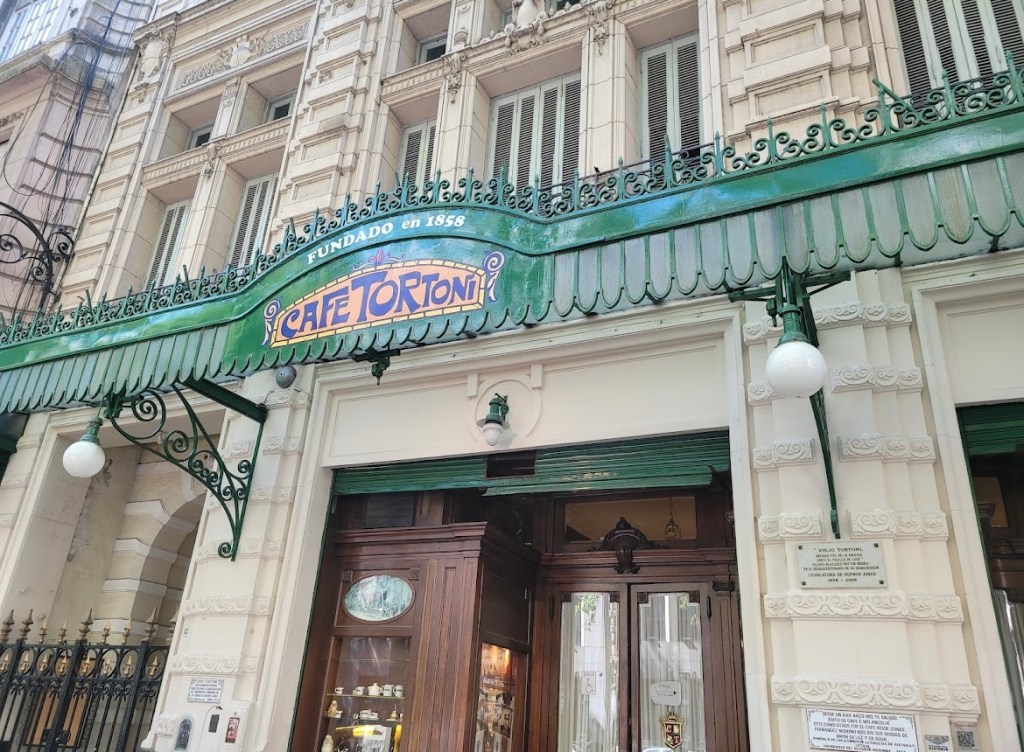
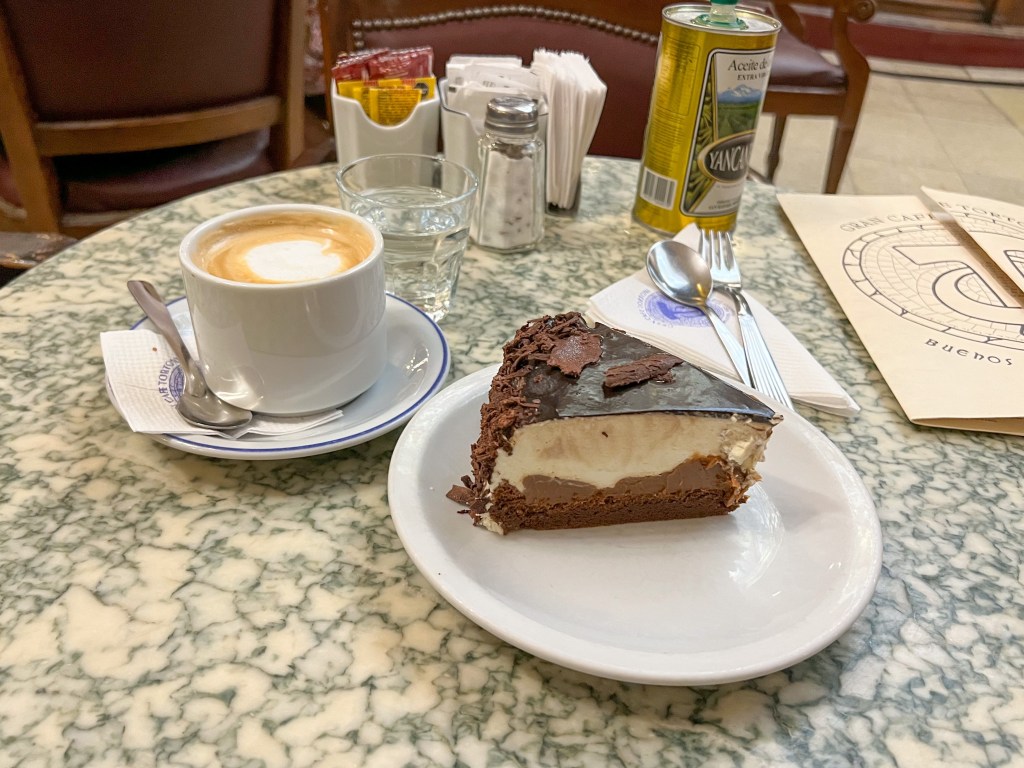
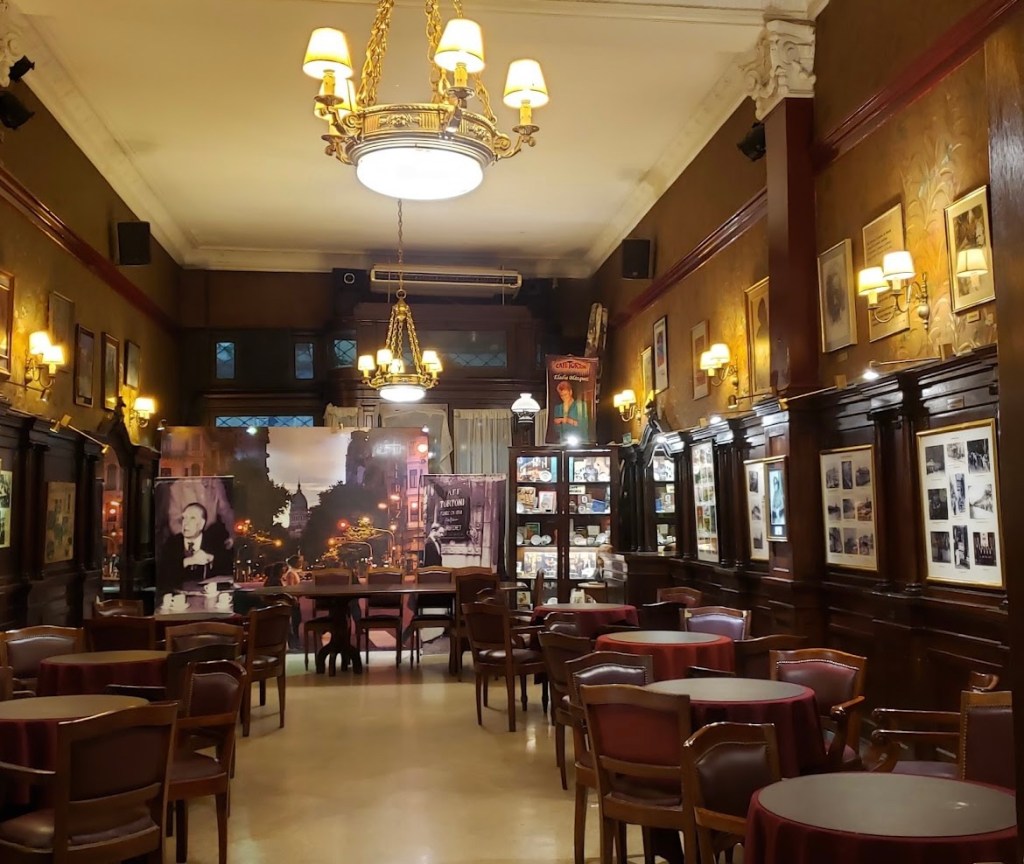
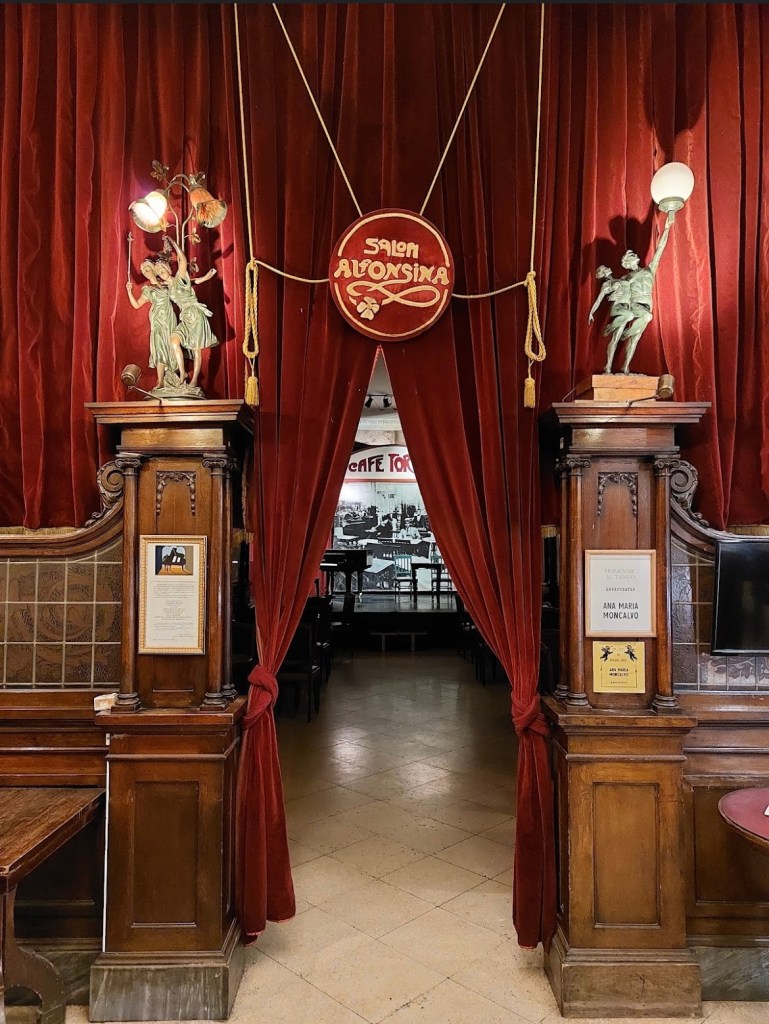
AND! I found a cool – albeit incredibly touristy… – cafe near my hostel, Cafe Tortoni!

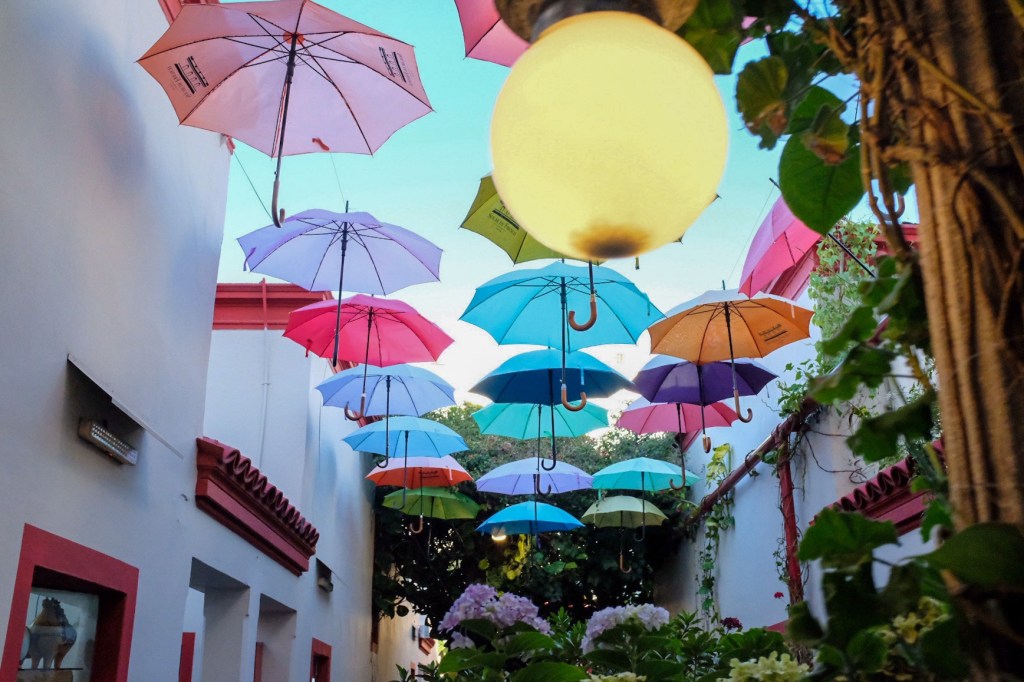
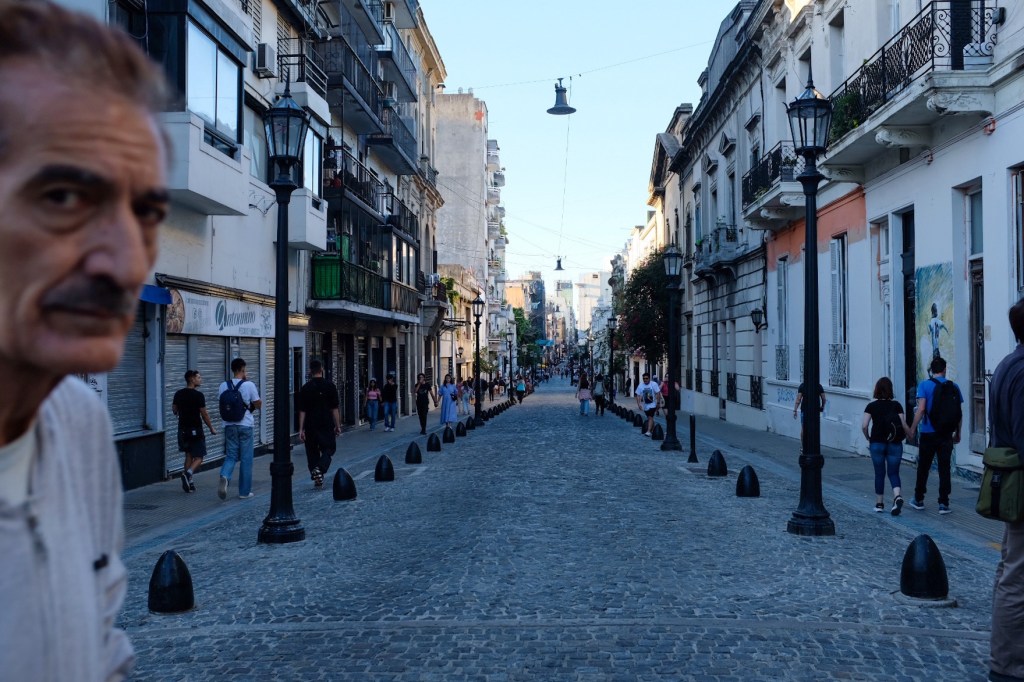
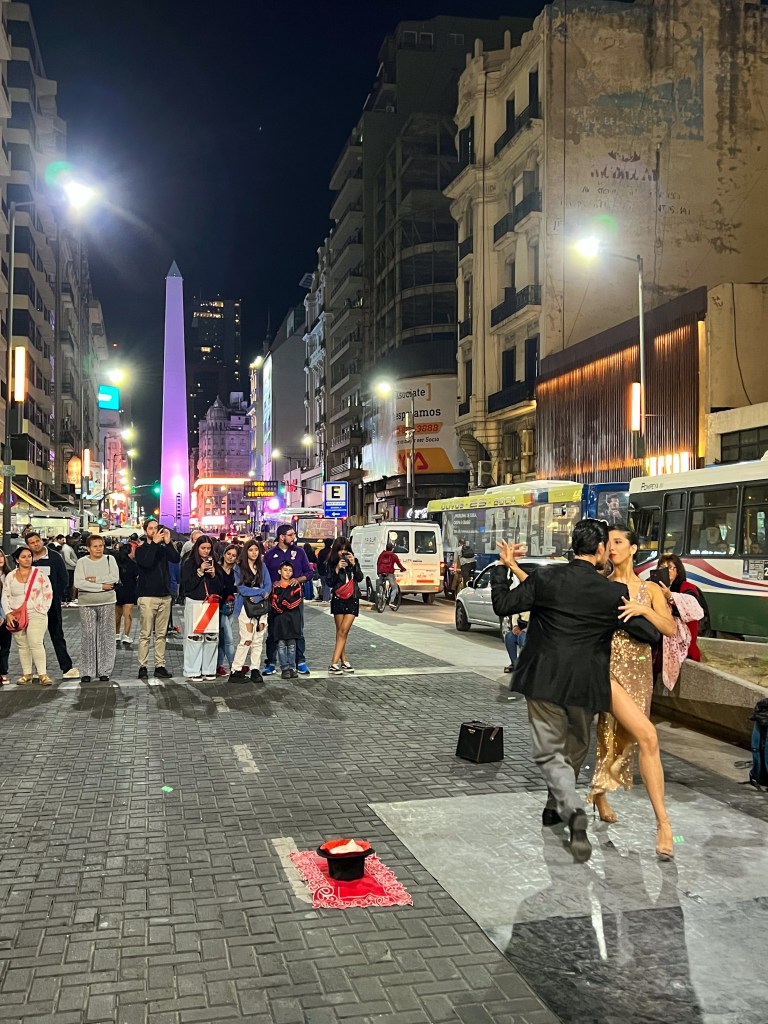
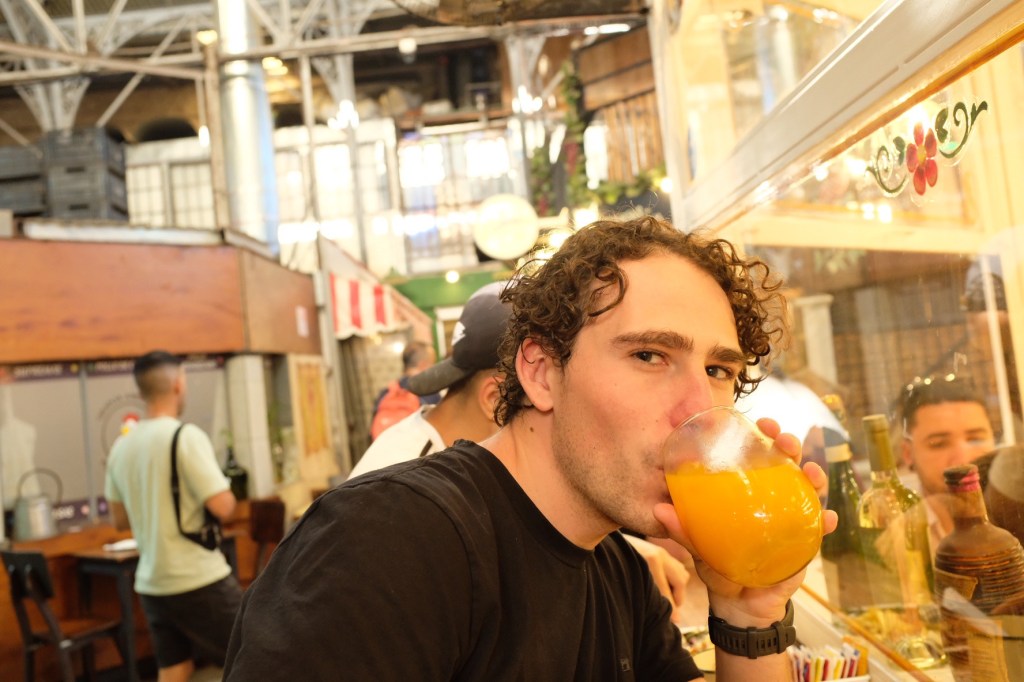
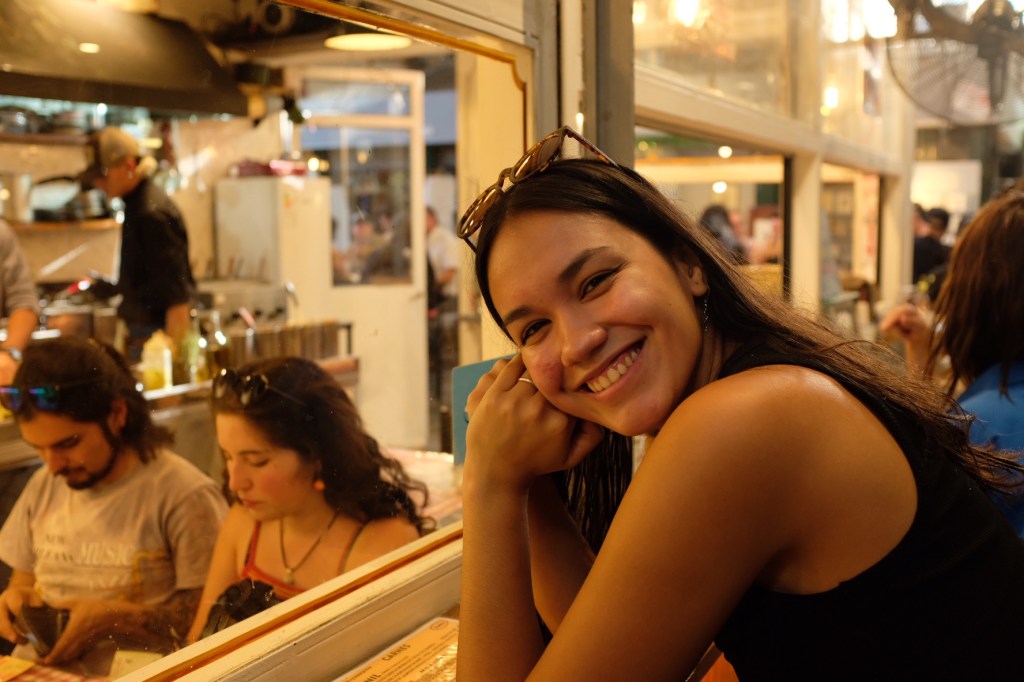
The next few days, my friend, Bren, showed me around her city – here is an assortment of some of my favorite photos!

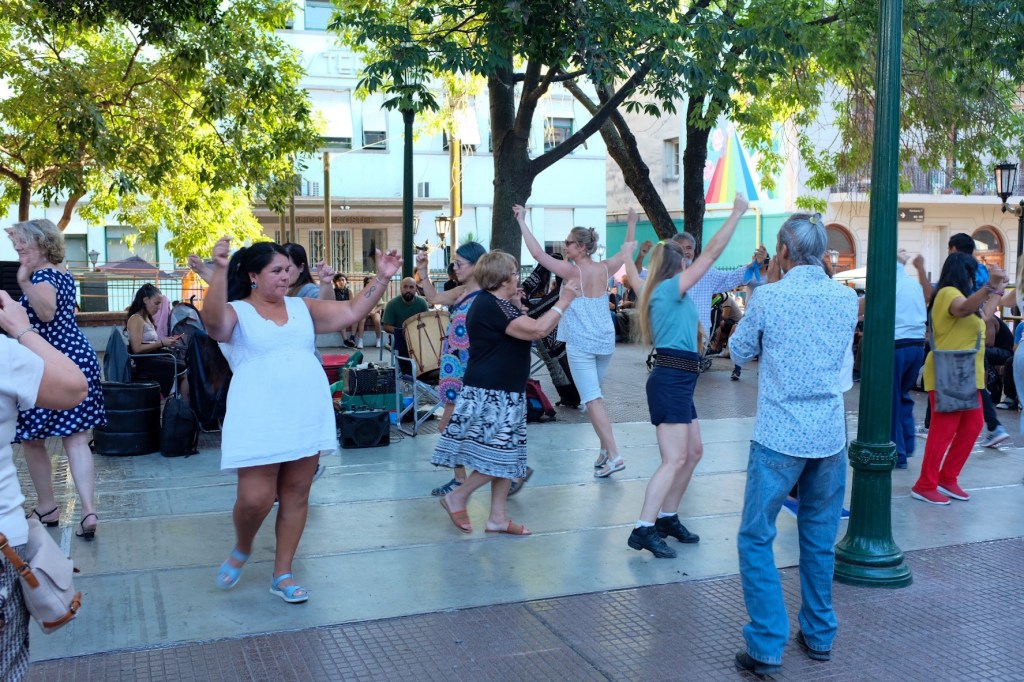
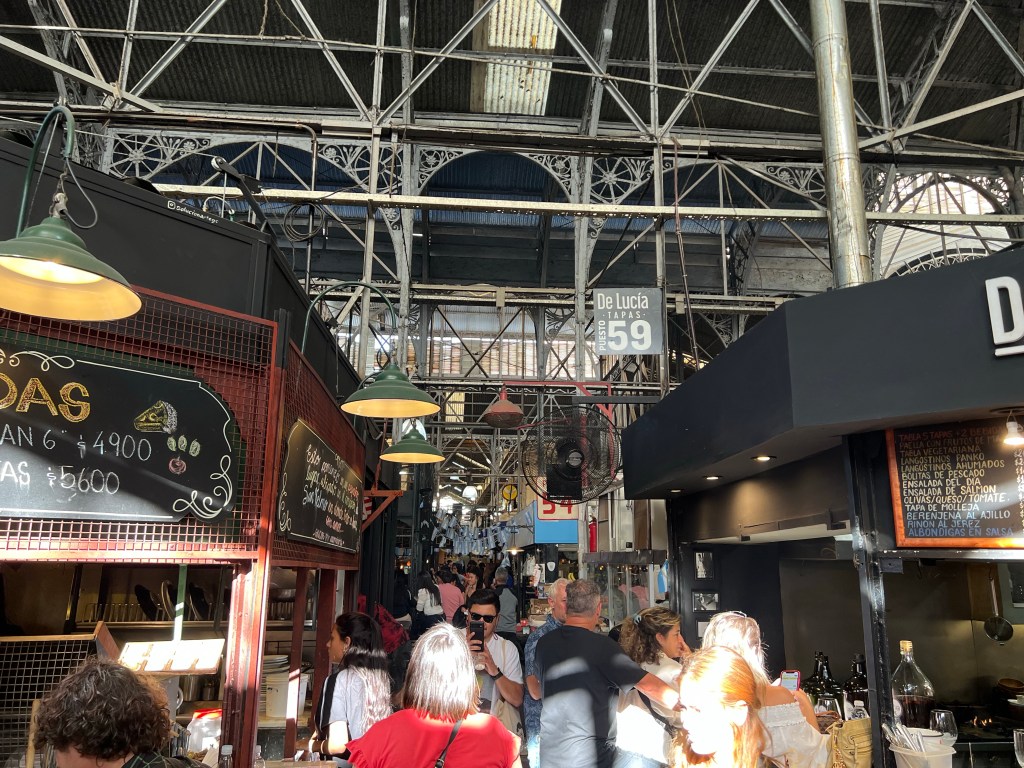
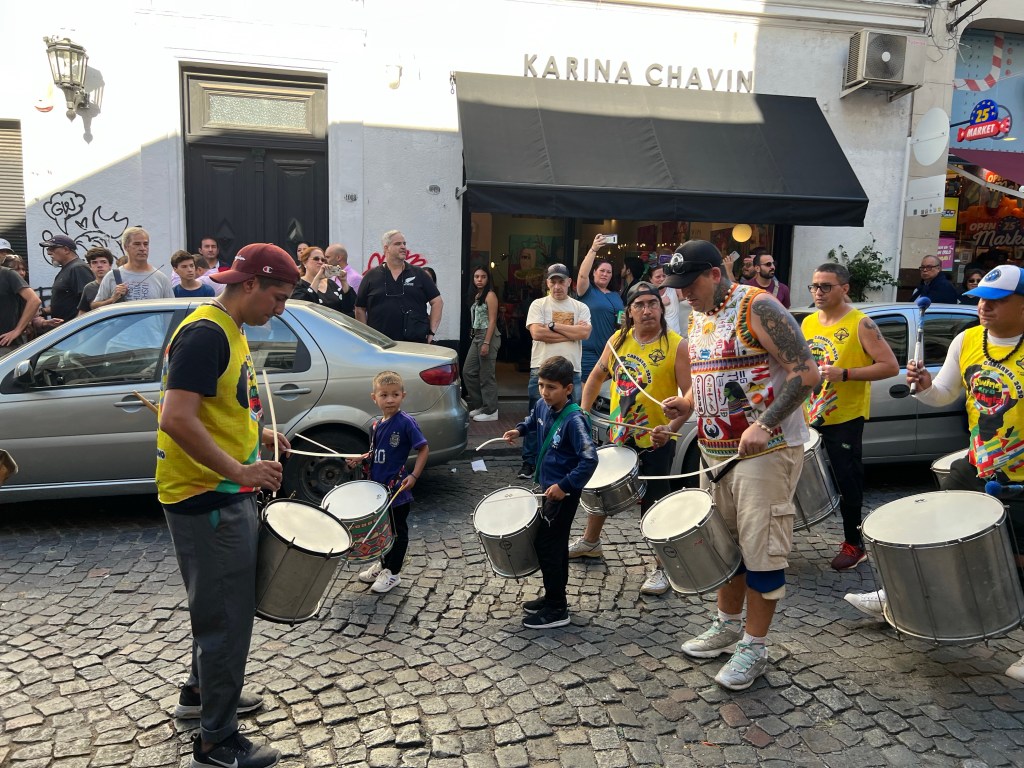
San Telmo Market & The beginning of Carnival-

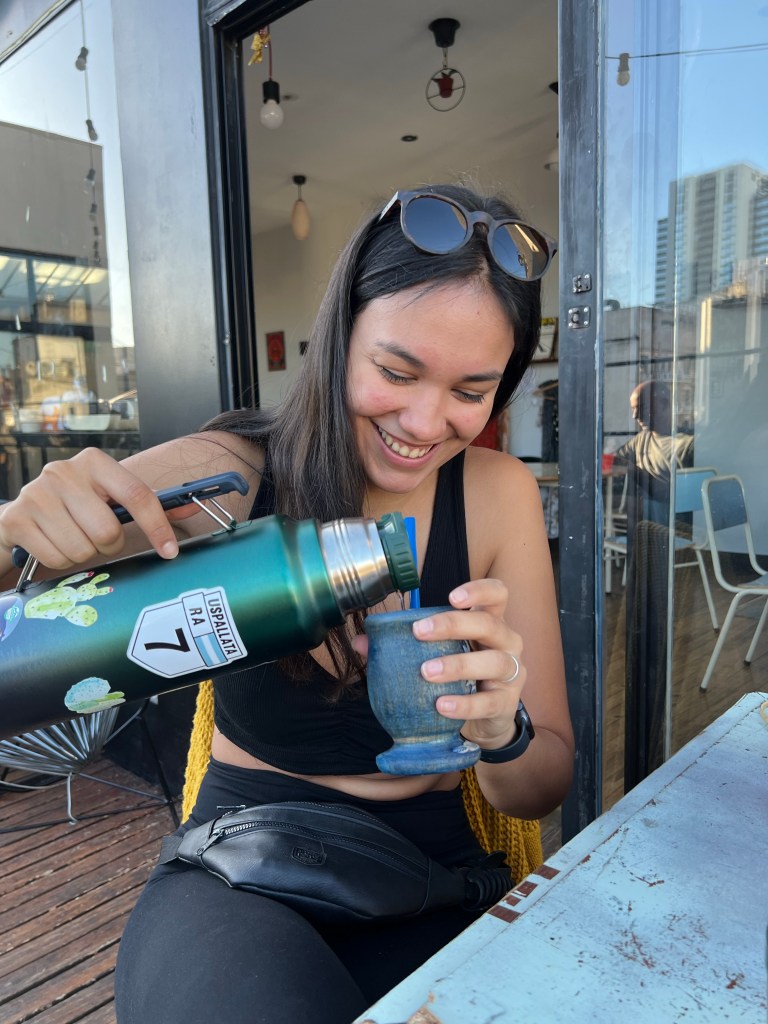
And, of course, she had me try Mate

Before we had dinner with her family 🙂

Conclusion

My goal of this trip is to gather a taste of a lot of different countries and cultures in the short 6 months I have. This makes it particularly challenging when I find a place I love – needing to depart promising to return. Argentina is a country I am certain I want to return to. While I got a sense of the region from my time in Argentine Patagonia and Buenos Aires, there is much more I leave wanting to explore in the future – Mendoza, Bariloche, Cordoba, Iguazu, back to El Chalten for more hikes to name a few! Argentina has sparked a drive to explore more the country has to offer and I hope to be able to do that in the near future. That is the point of this trip, after all!

But for now, I will leave Argentina for Brazil, where I will be for the next week before my flight to India.

See you then.

Sam
Days 25-40: Patagonia II

Argentinian Patagonia encompasses the arid steppes, grasslands, and desserts. Argentina’s famous RN-40 highway passes the pinnacles of Monte Fitz Roy and Perito Moreno Glacier in Los Glaciares National Park. I knew I would only have about a week on this side before heading to Buenos Aires so I had to make some hard choices on what to visit – in the end I decided on spending 4 days in El Chalten and 4 days in Ushuaia, leaving El Calafate (considered the more touristy town) for a day in between flights.

Argentinian Patagonia: El Calafate & El Chalten

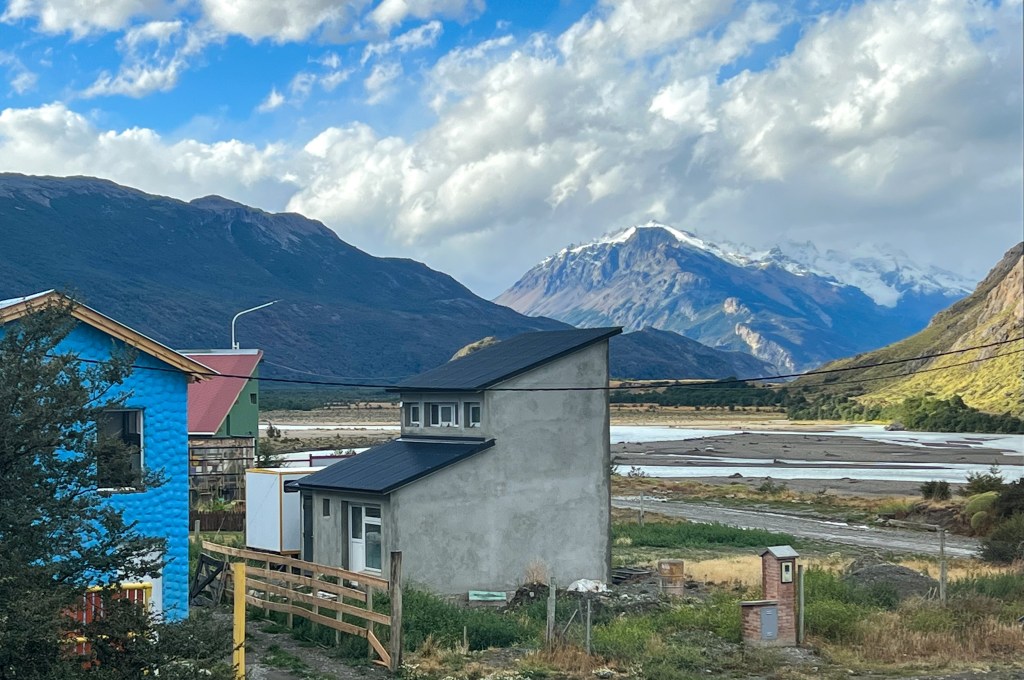
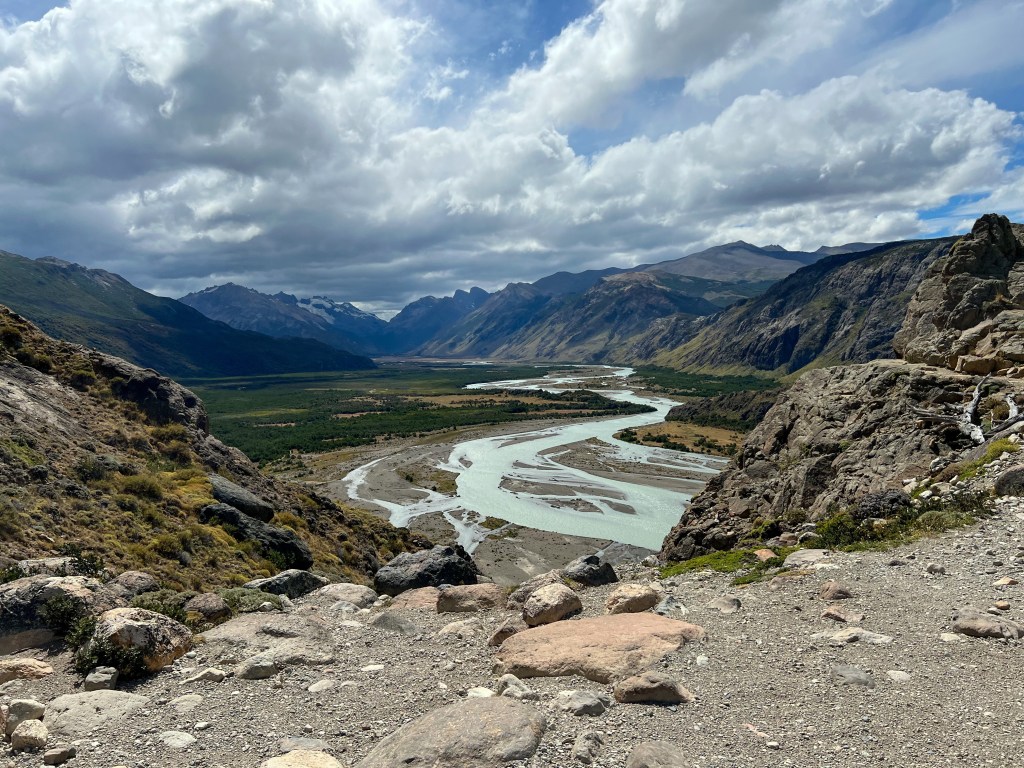
I took a bus 6 hours from Puerto Natales to El Calafate and then another bus 3 hours to El Chalten. Arriving in the evening, I went to my hostel and prepped for the next several days where I would hike and camp through Los Glaciares National Park.

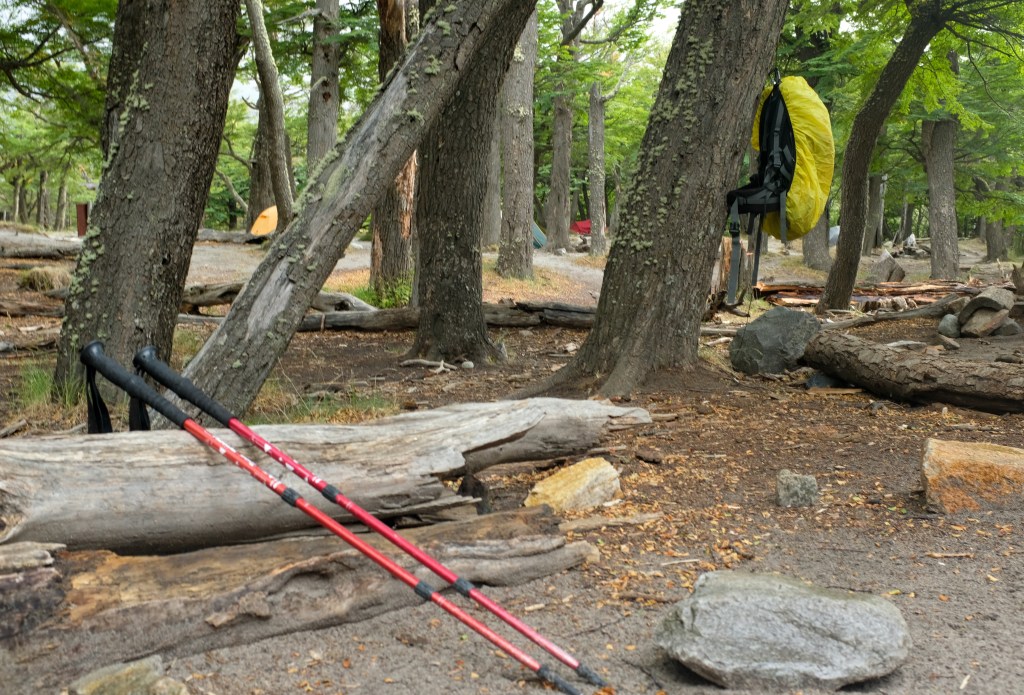
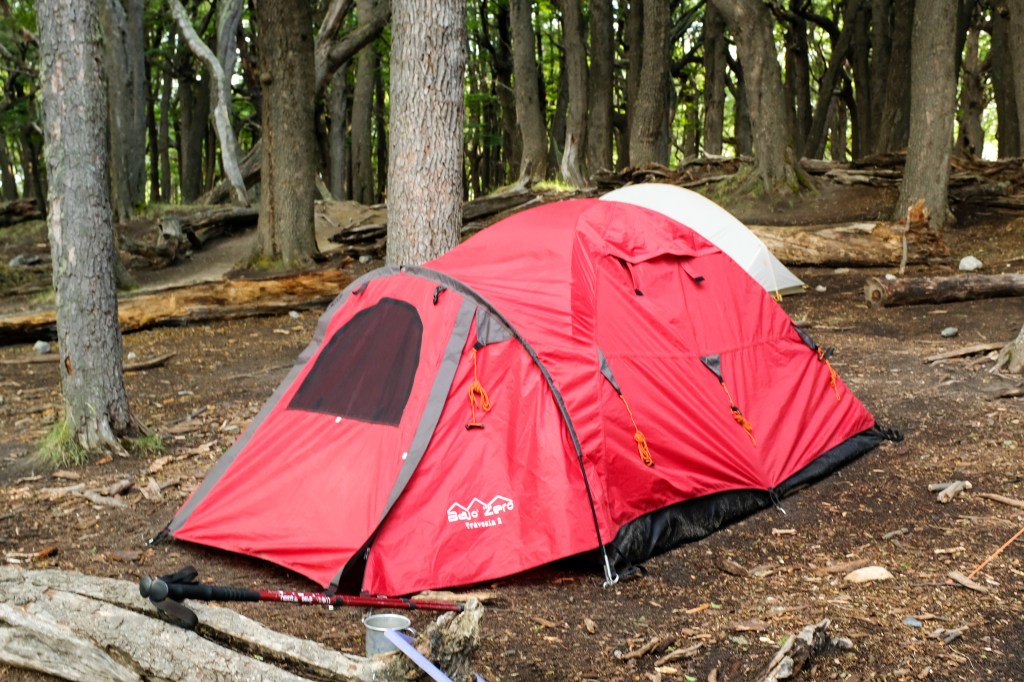
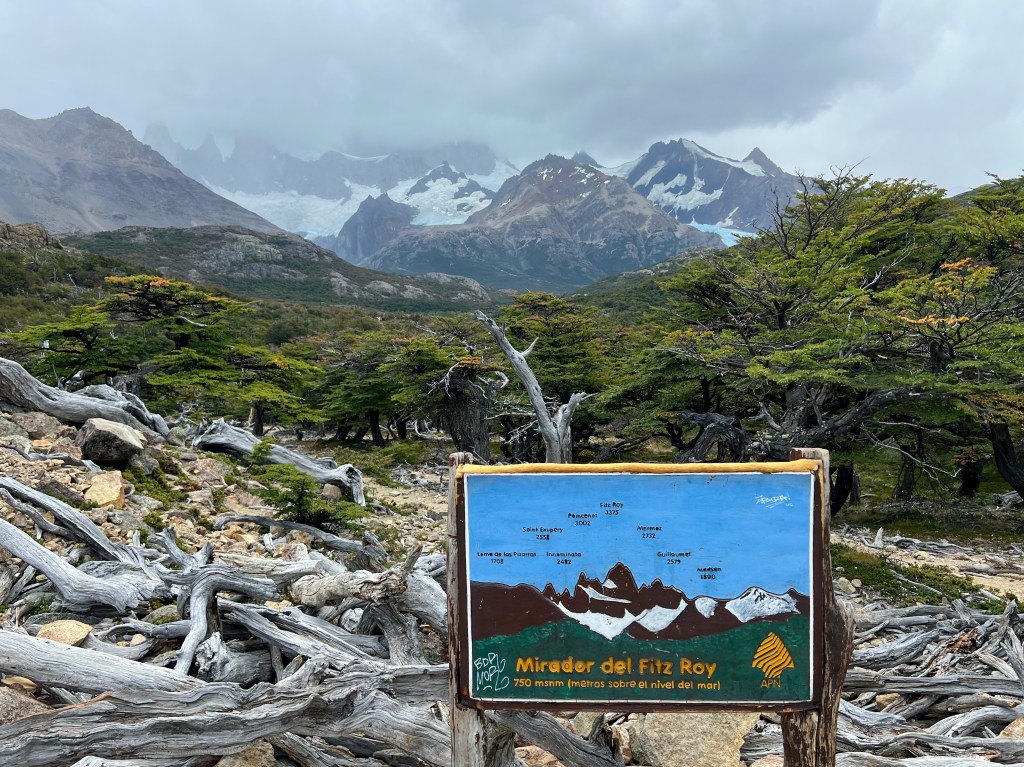
The next day, I went to a local camping gear shop and rented a tent and sleeping bag and began my hike through the national park to a campsite by Fitz Roy, where I hoped to catch another sunrise.

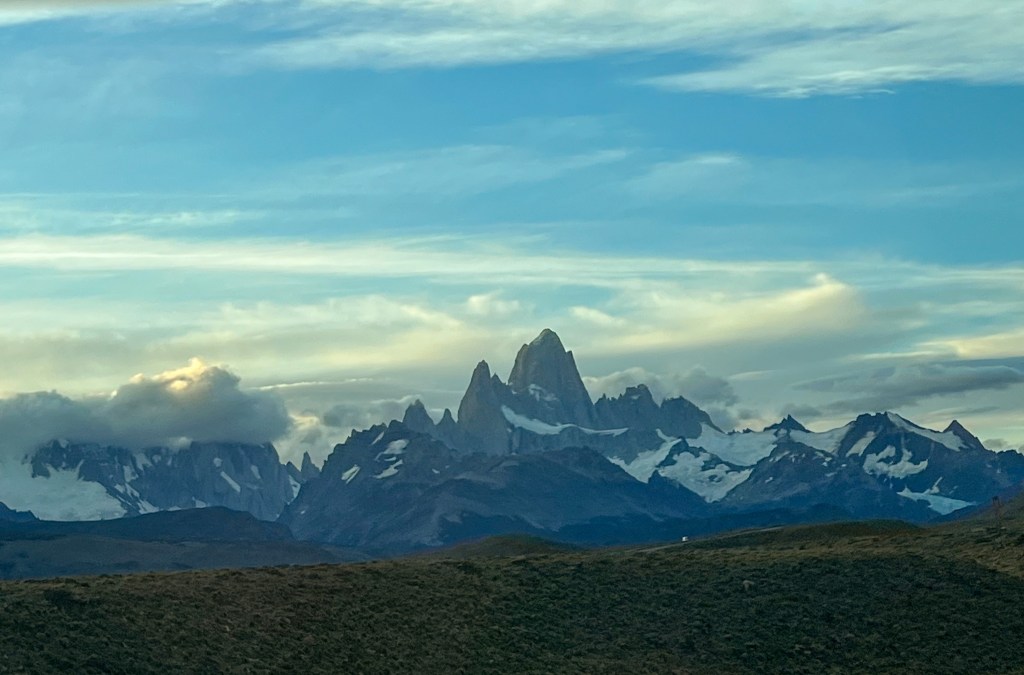
Fun Fact! Yvon Chouinard’s, inspiration for the now-famous Patagonia brand logo is the silhouette of Mount Fitz Roy in Los Glaciares National Park.

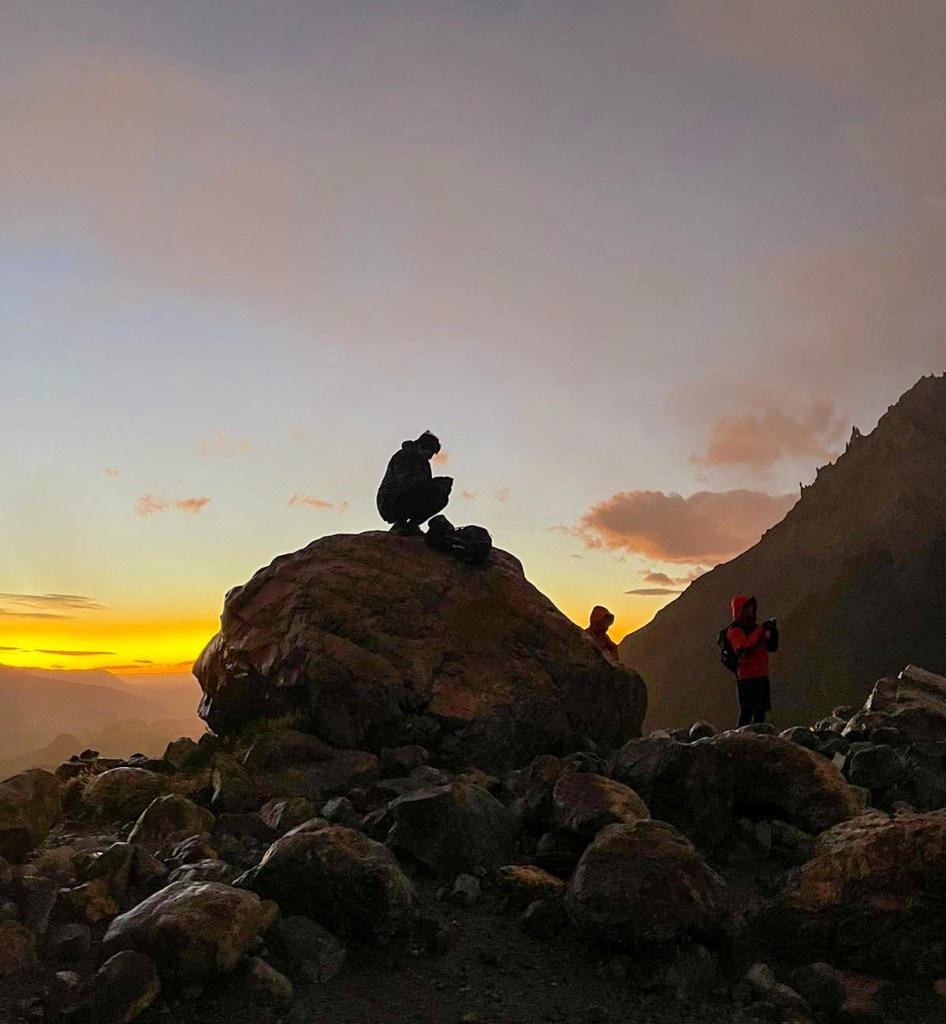
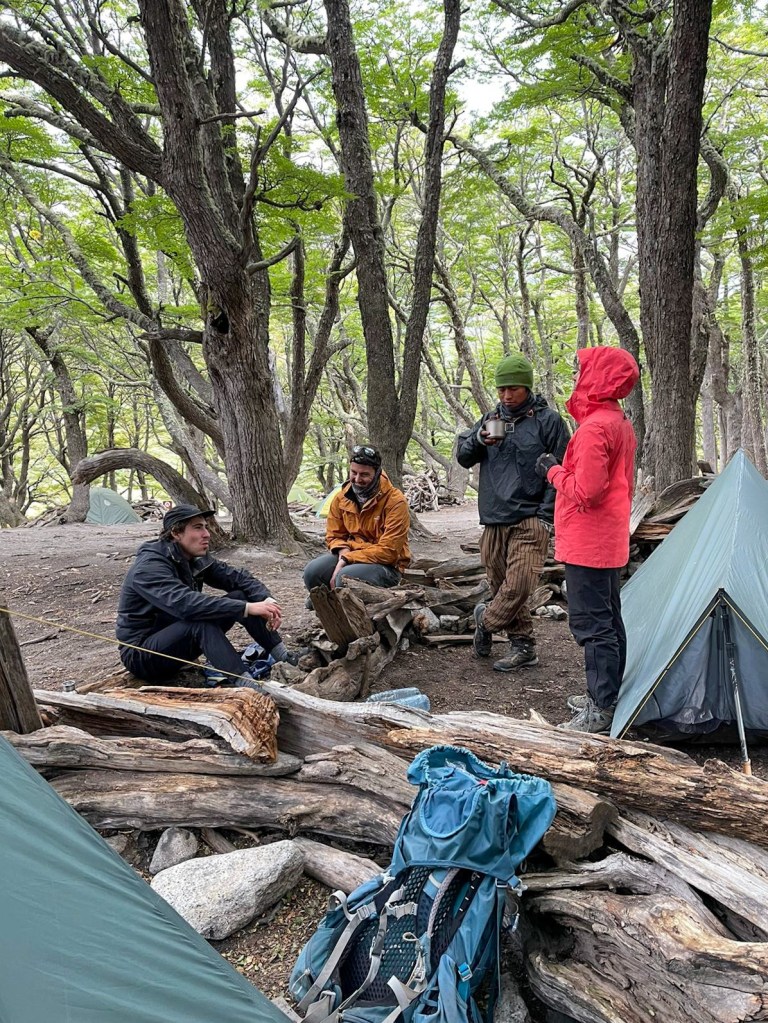
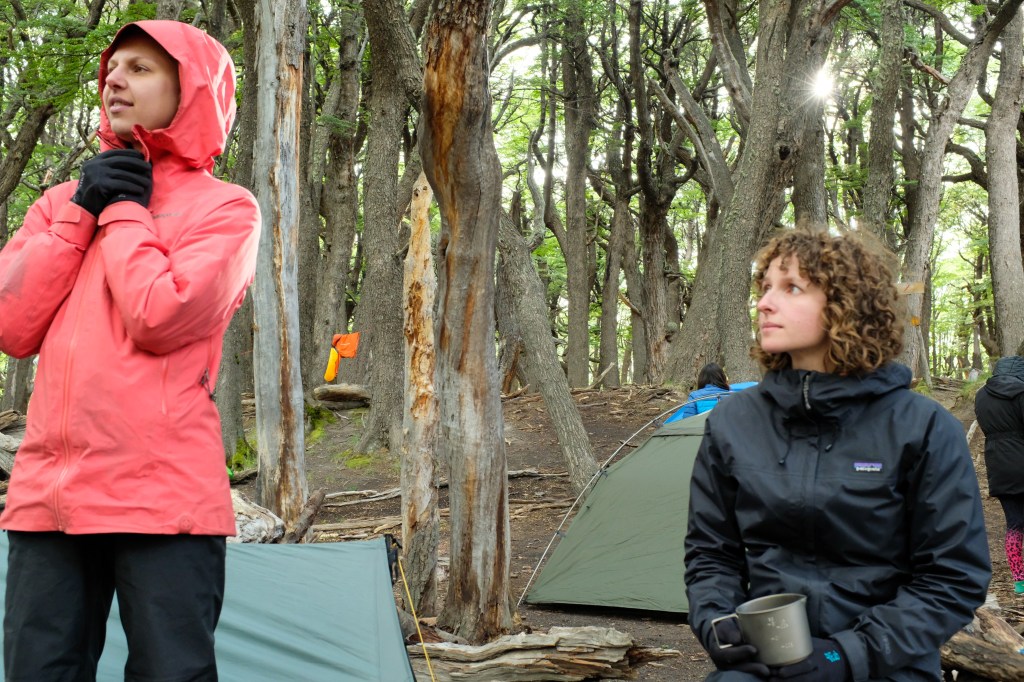
Arriving at the camp, I set up my tent and began chatting with the other campers. We discussed our hiking plans and committed to hiking up to Fitz Roy, hopeful of capturing the sunrise despite the less-than-clear forcast. We set our meeting time at 3:00am and went to our respective tents.

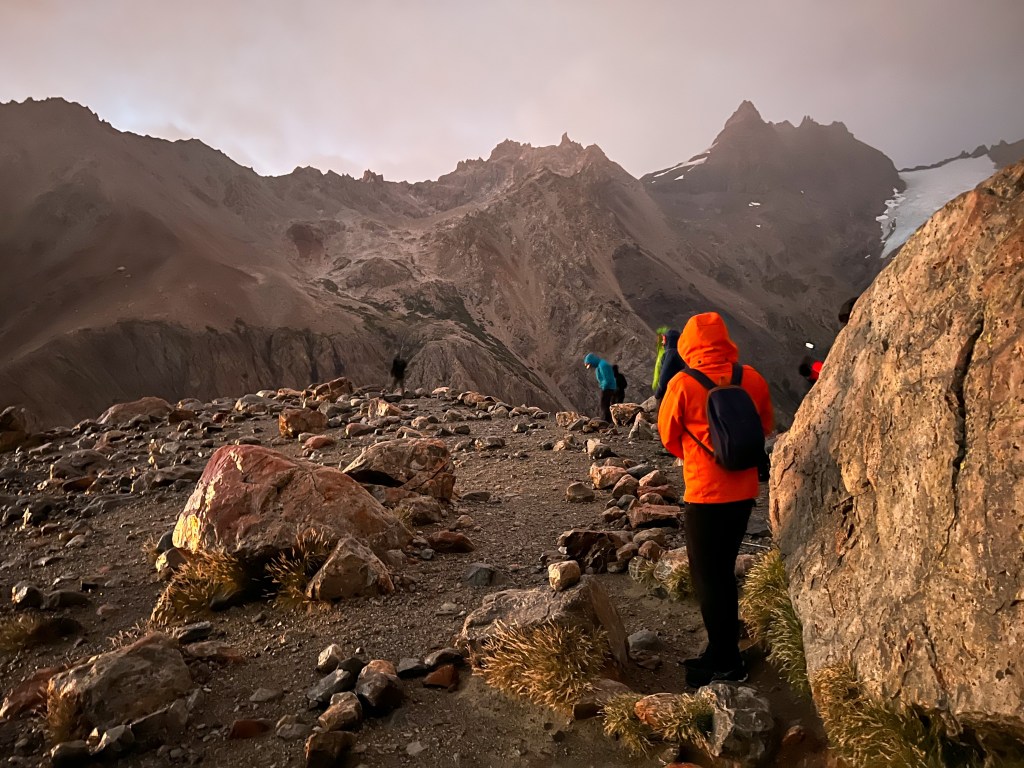
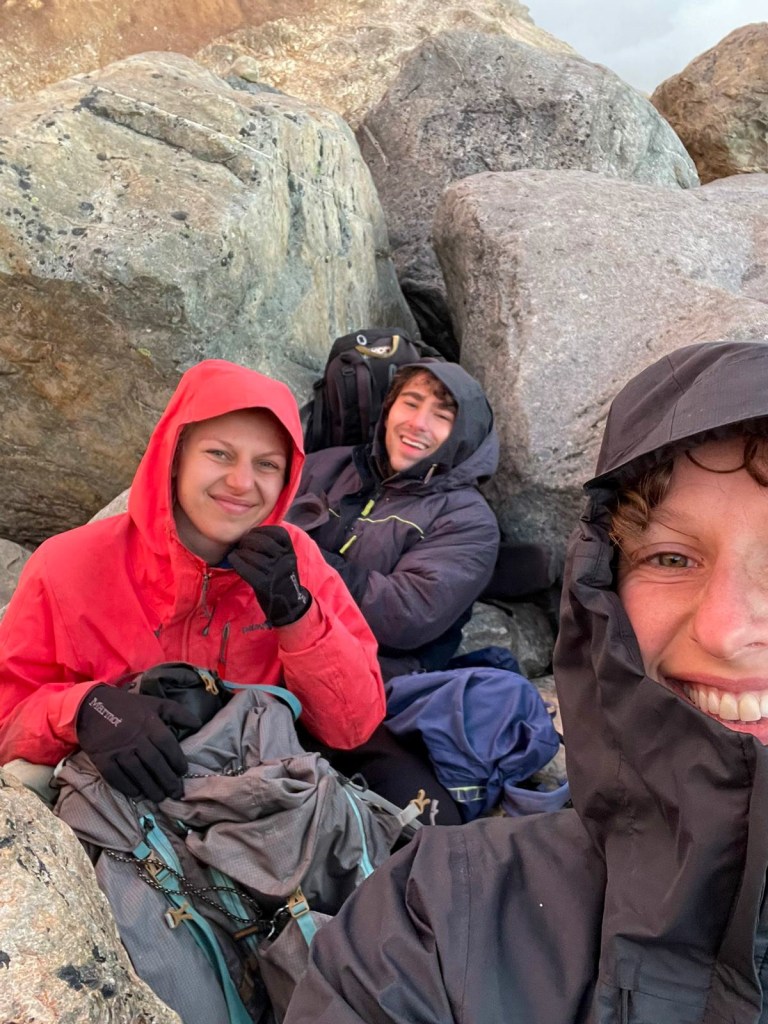
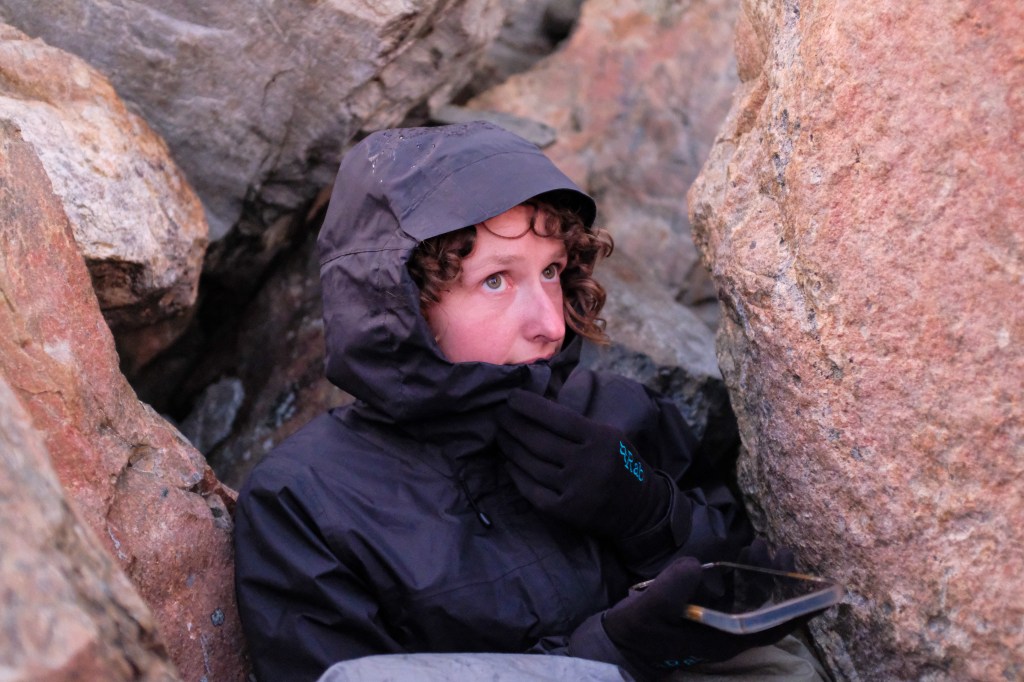
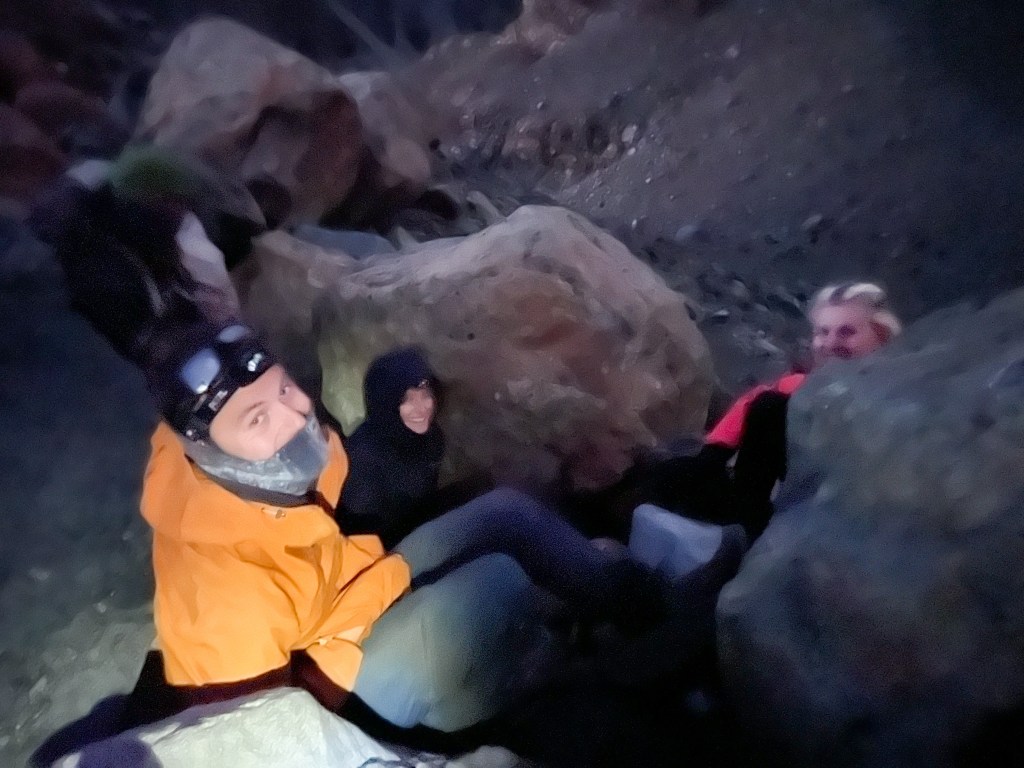
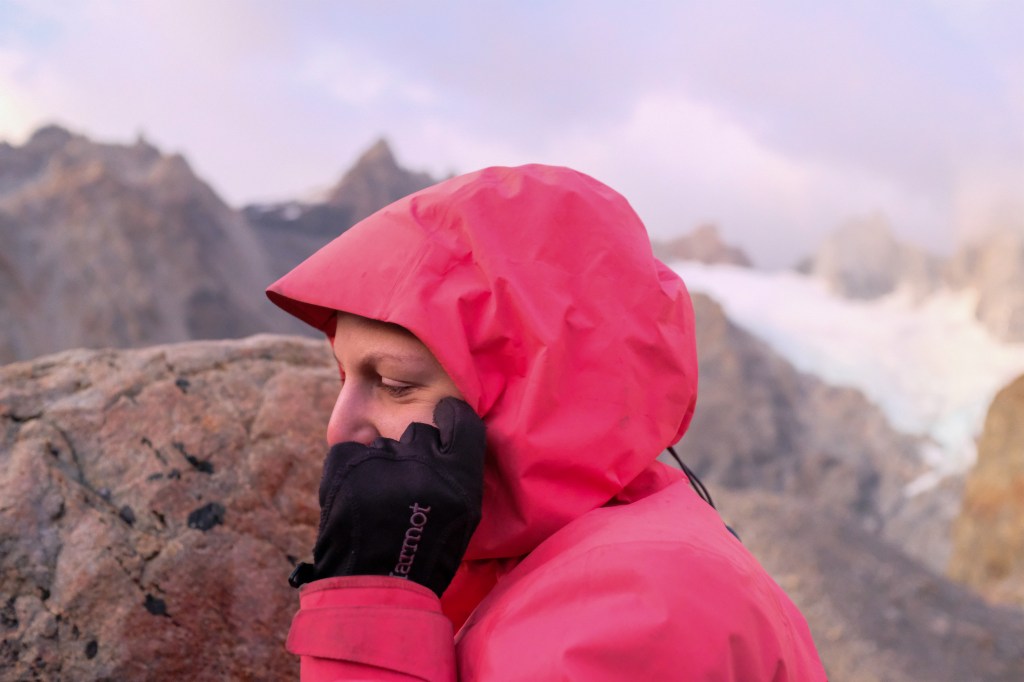
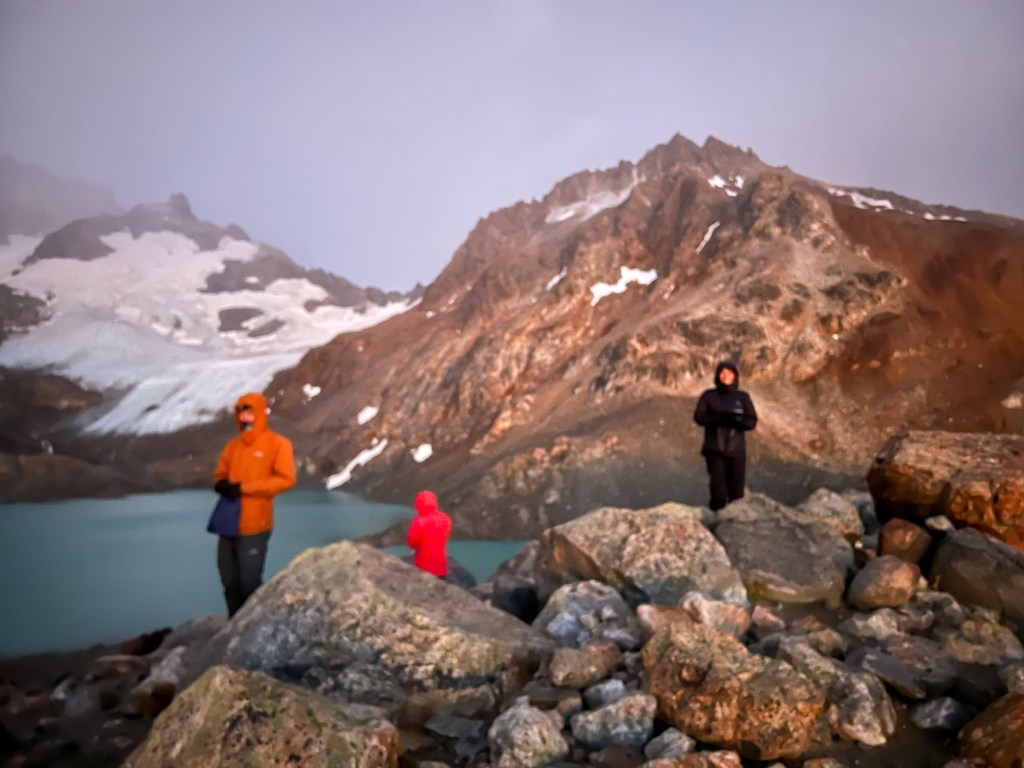
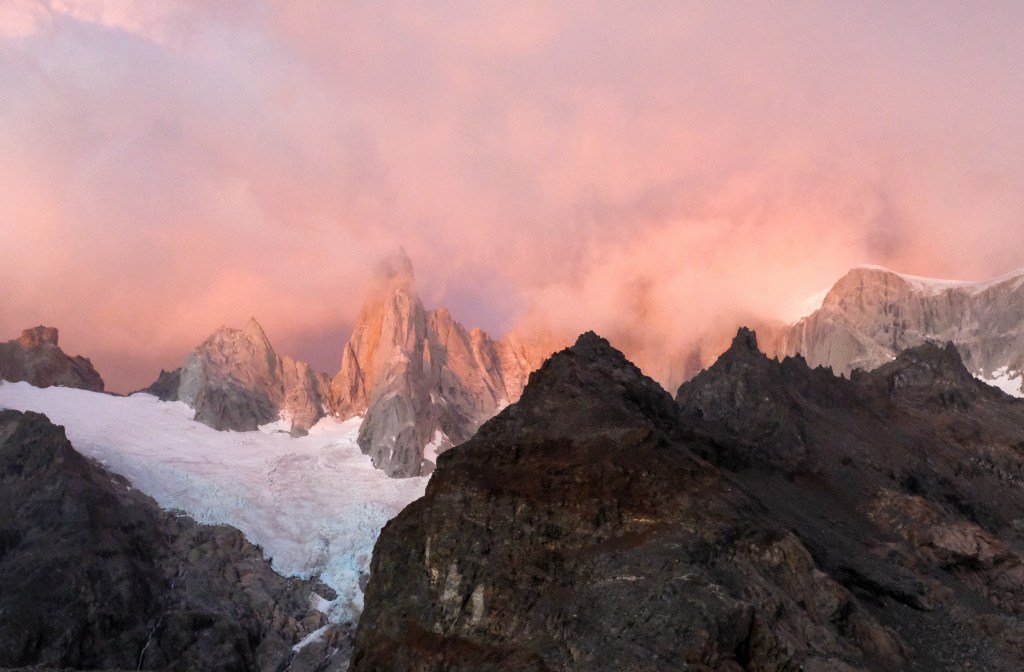
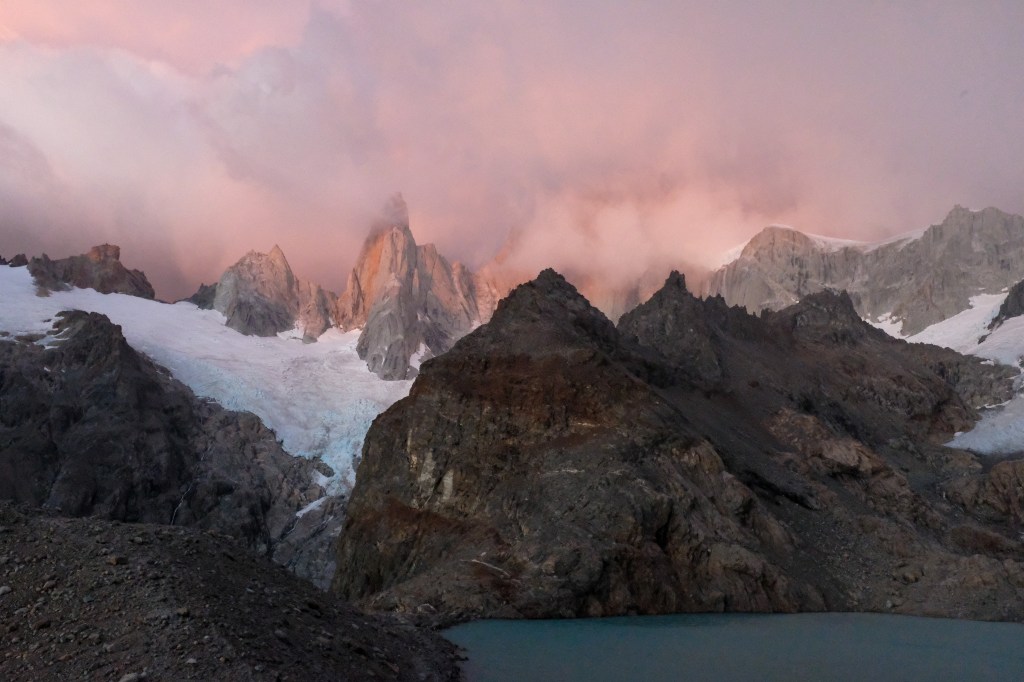
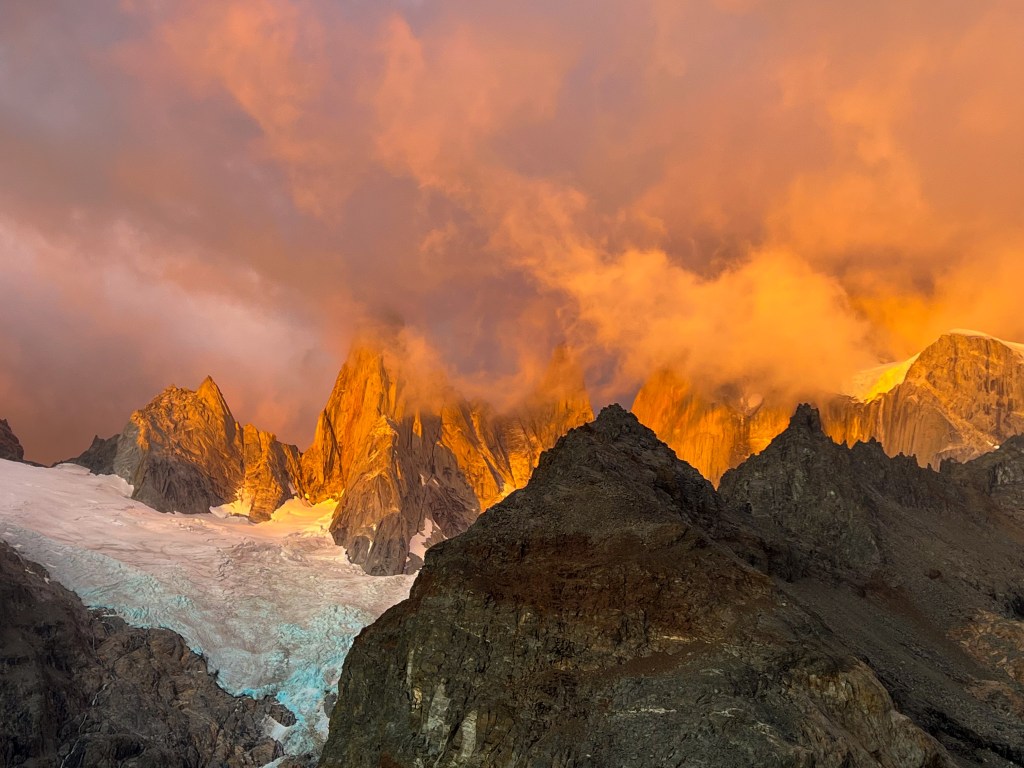
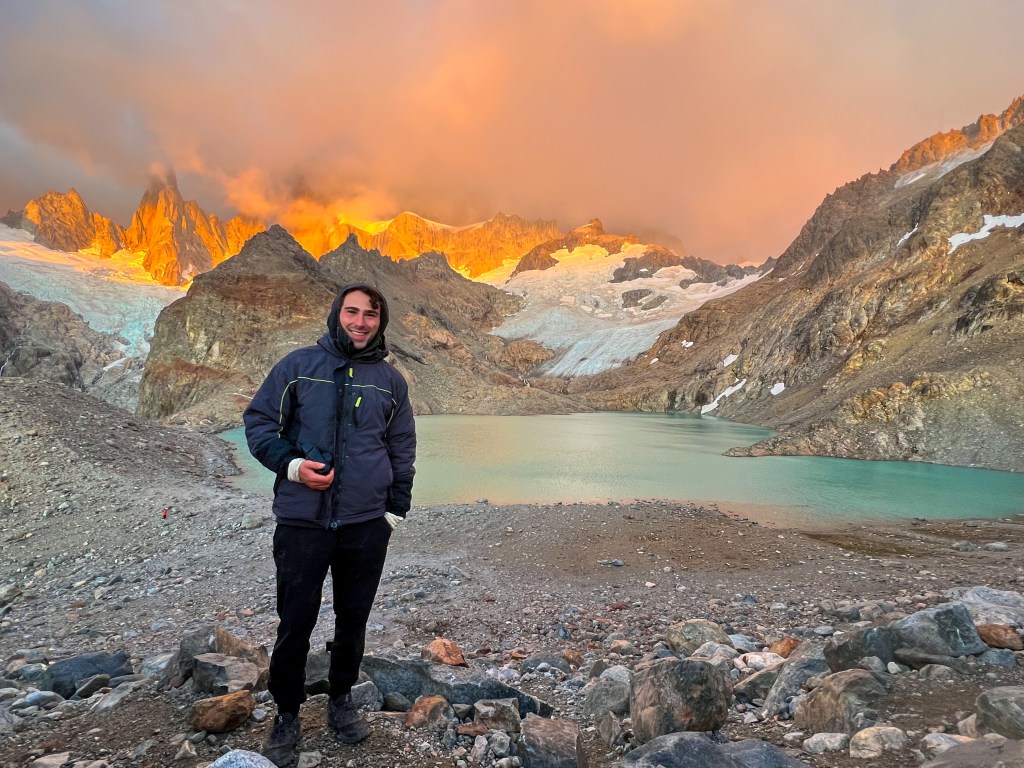
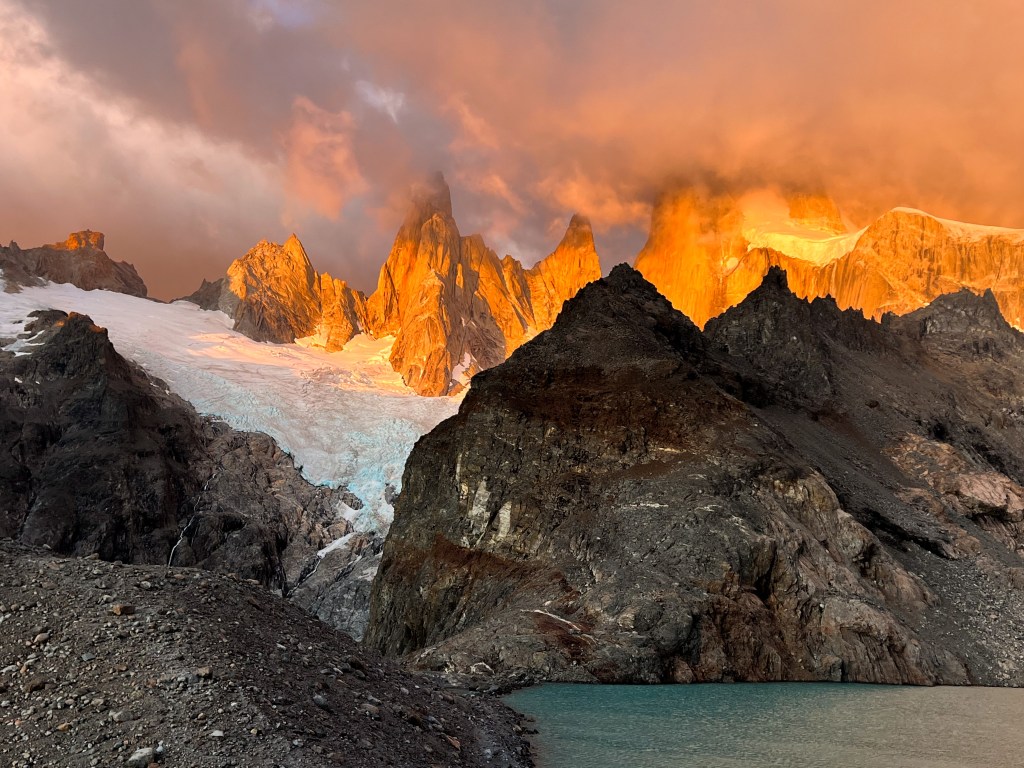
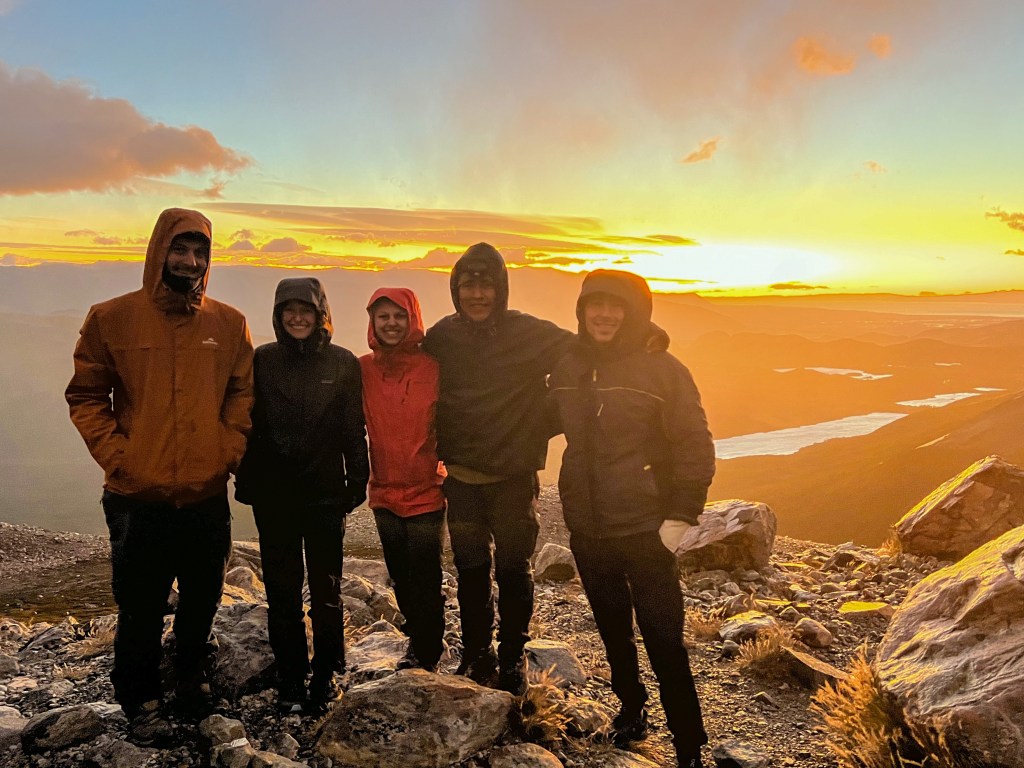
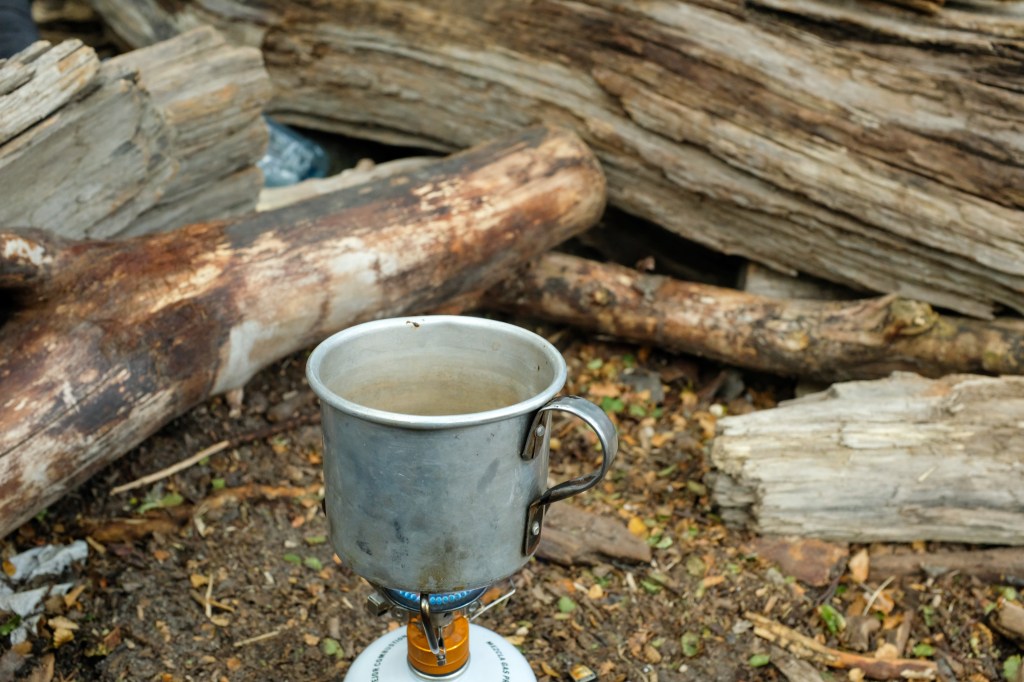
The next morning, we drank coffee by our tents and began our nighttime trek up to Fitz Roy. Encouraged by the mostly clear sky, we rushed up the mountain arriving well before the 5:30am sunrise. Unfortunately, when we reached our staked position, rain clouds began to swoop in, the temperature dropped, and the little drizzle quickly turned to snow and hale. We hunkered down under the rocks, huddled together for warmth as we pleaded for the clouds to go away.

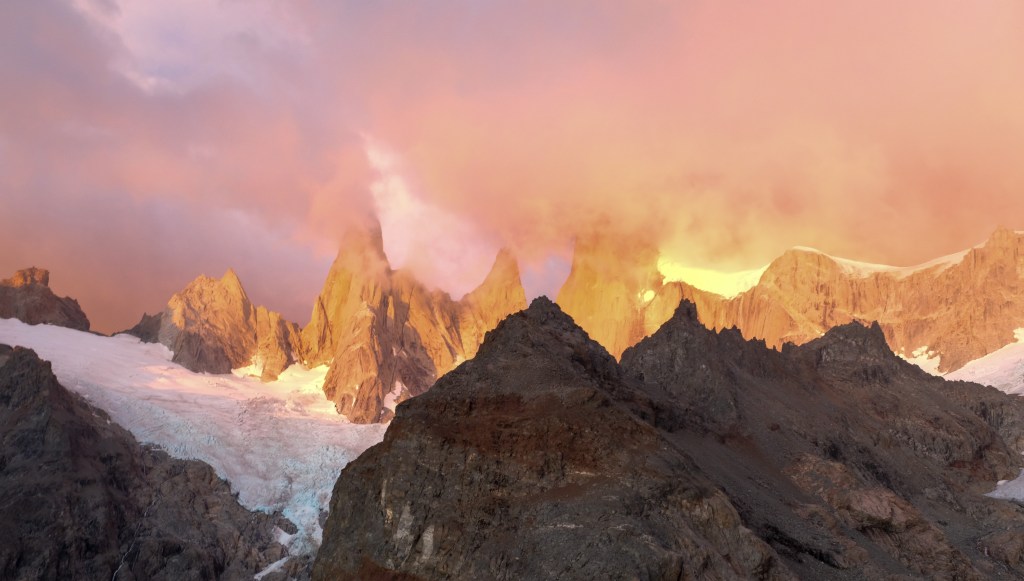
30 grueling minutes later, by the grace of >>whatever you believe in<< the clouds dispersed and we saw Fitz Roy’s peaks glow in the sunrise.

And watched the sunrise

Hiking back, we returned to camp for breakfast and another coffee. By the early afternoon, we said our goodbyes and I began my hike to the next campsite by Laguna Torre.

Unfortunately, similar to my experience in Torres del Paine, I was not destined to be dry in my post-sunrise commute – and I was challenged with rain throughout the course of my 3 hour hike to the next camp. Drenched from top to bottom, I set up my tent and began the hopeless process of attempting to dry my gear in a downpour. Laying down by my burner for warmth (thatI periodically turned on and off to heat the tent), I daydreamed of hamburgers and fries – resolved to survive the night so I could enjoy them when I got back into town.

Forcing a smile after hours of walking in the rain

The next morning, I awoke, again, to a lovely sunny day. Leaving all of my possessions out to dry, I explored Laguna Torre in my sandles, grateful that I splurged on a nice pair, as they were the only thing that was dry…

Damp but satisfied, I opted to return to El Chalten that evening so I could dry my pack, do laundry, and enjoy a hot meal.

I have to say, after lugging 35lbs of damp, heavy, gear through the mountains for 3 days, I have never been more happy to do laundry, east fast food, and take a hot shower.

The next day, I took a bus back to El Calafate and took an afternoon flight to my next and final destination in Patagonia, Ushuaia.

Argentinian Patagonia: Ushuaia

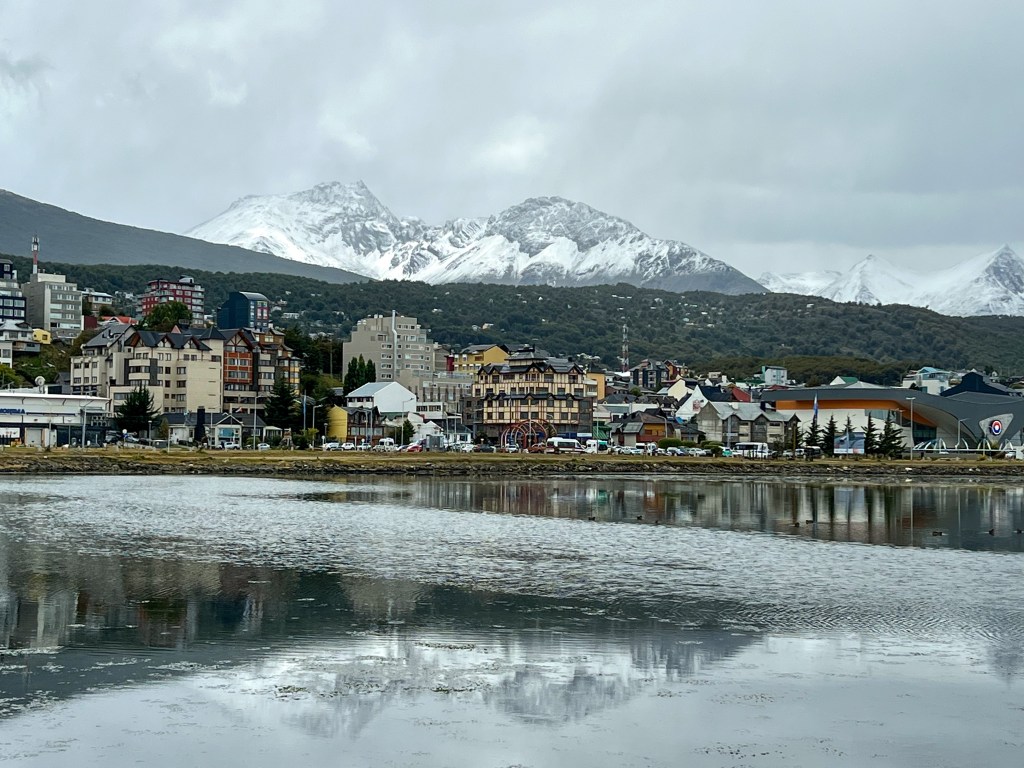
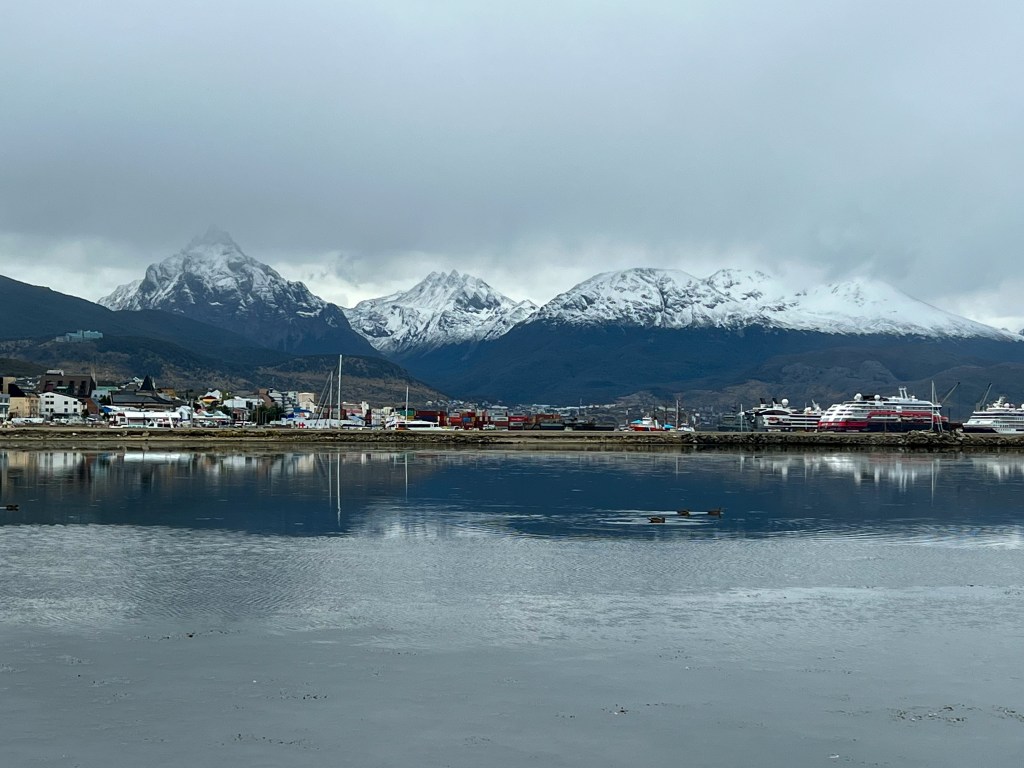
Ushuaia is a small city located on the Tierra del Fuego archipelago, the southernmost tip of South America. Often nicknamed the “End of the World”, Ushuaia is perched on a steep hill surrounded by the Martial Mountains and the Beagle Channel. It is the gateway to Antarctica Cruises and tours to nearby Isla Yecapasela, known as “Penguin Island” for its penguin colonies.

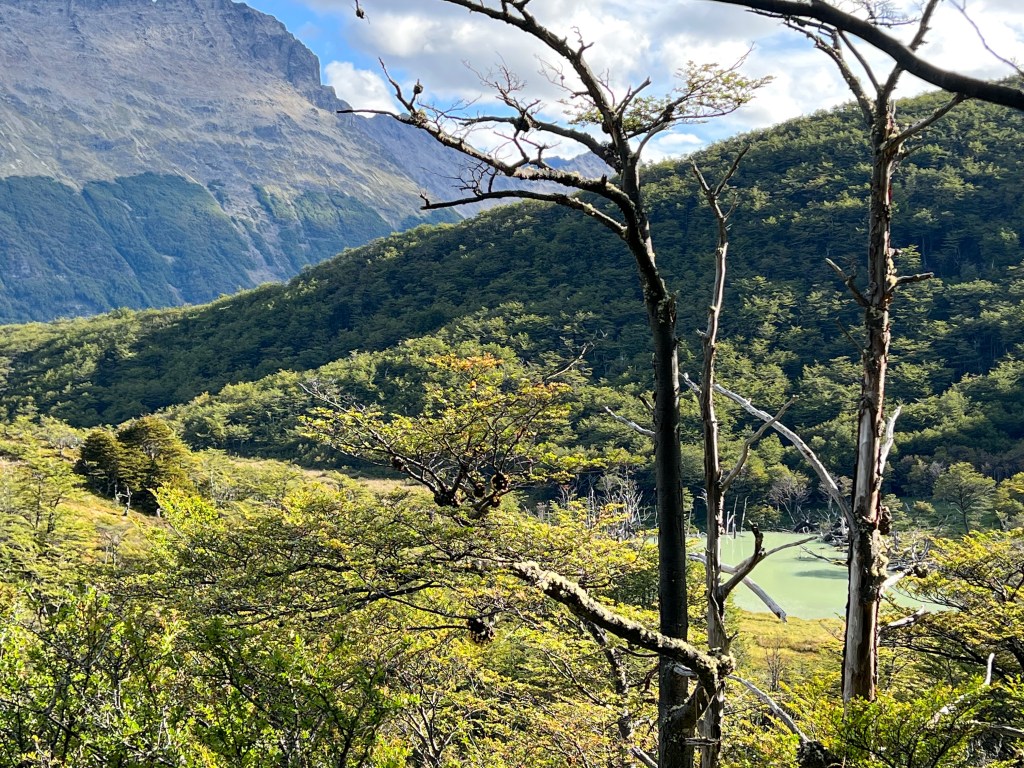
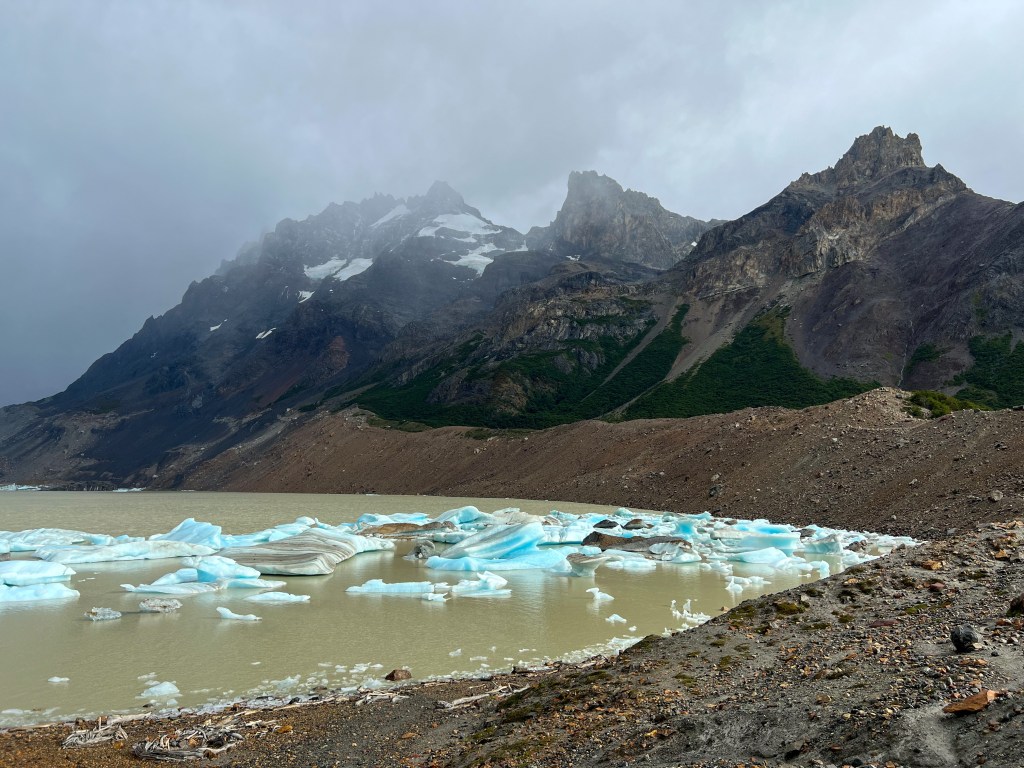
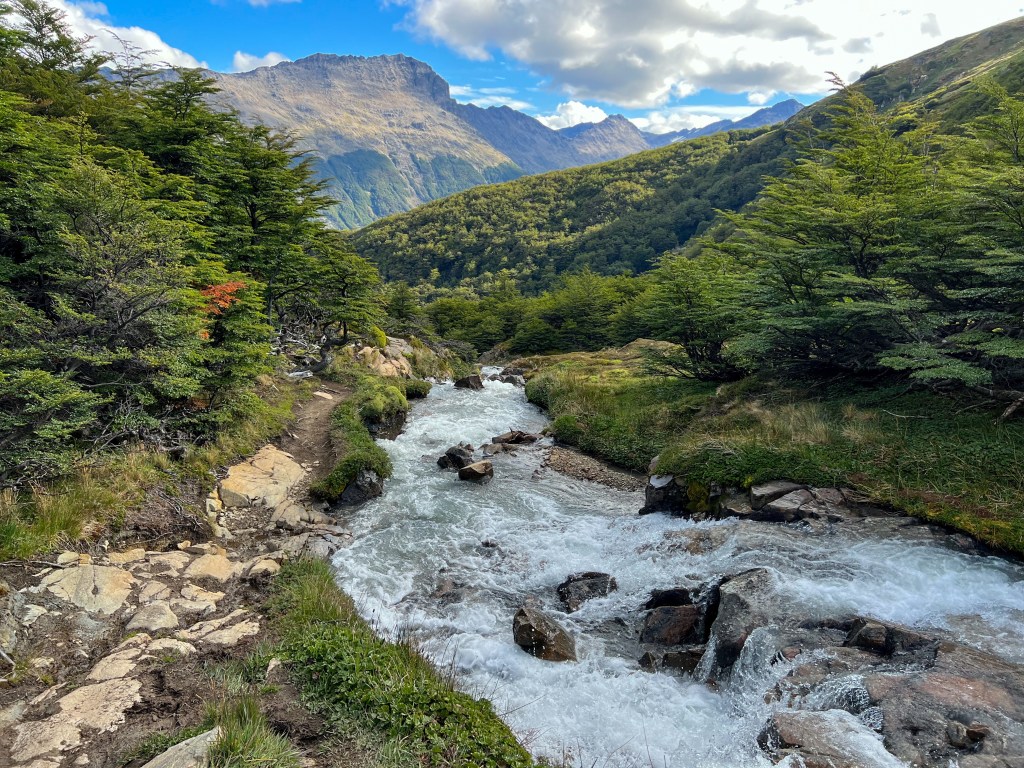
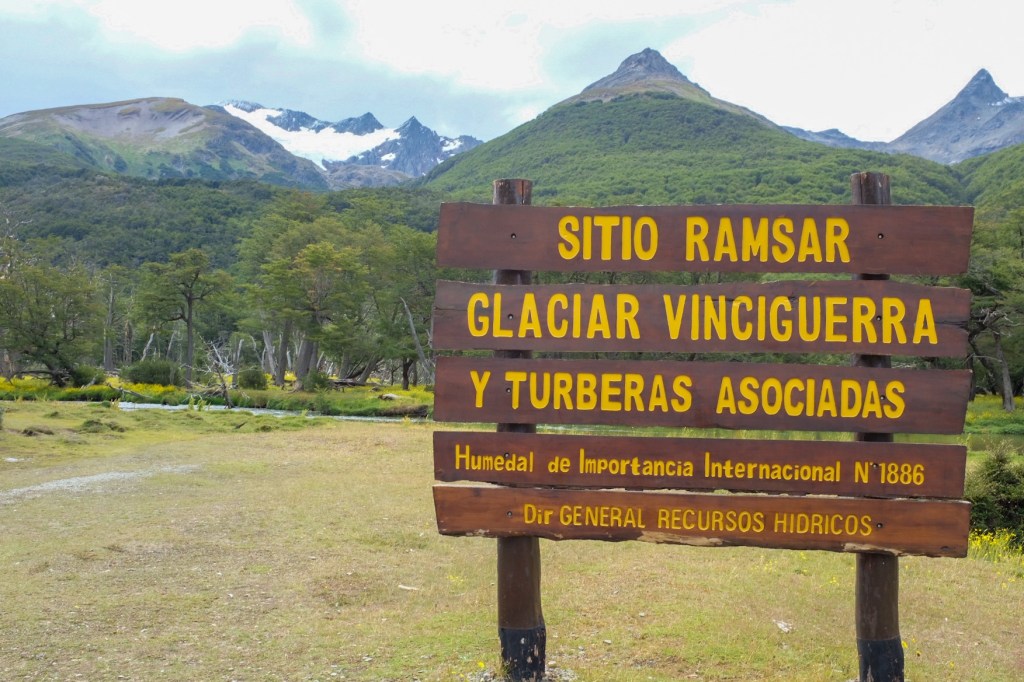
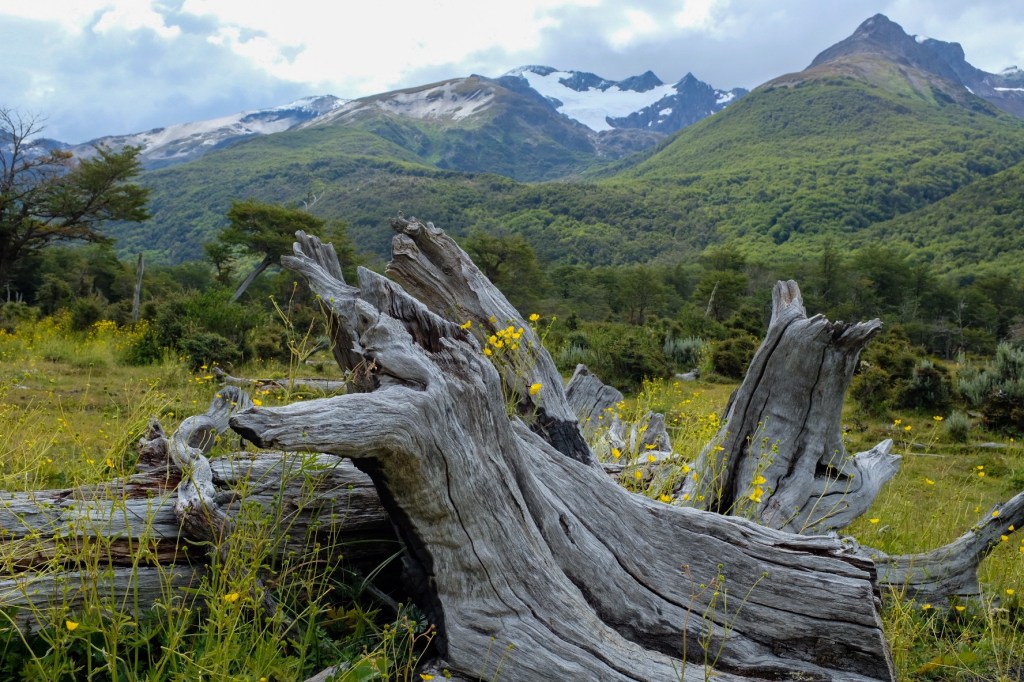
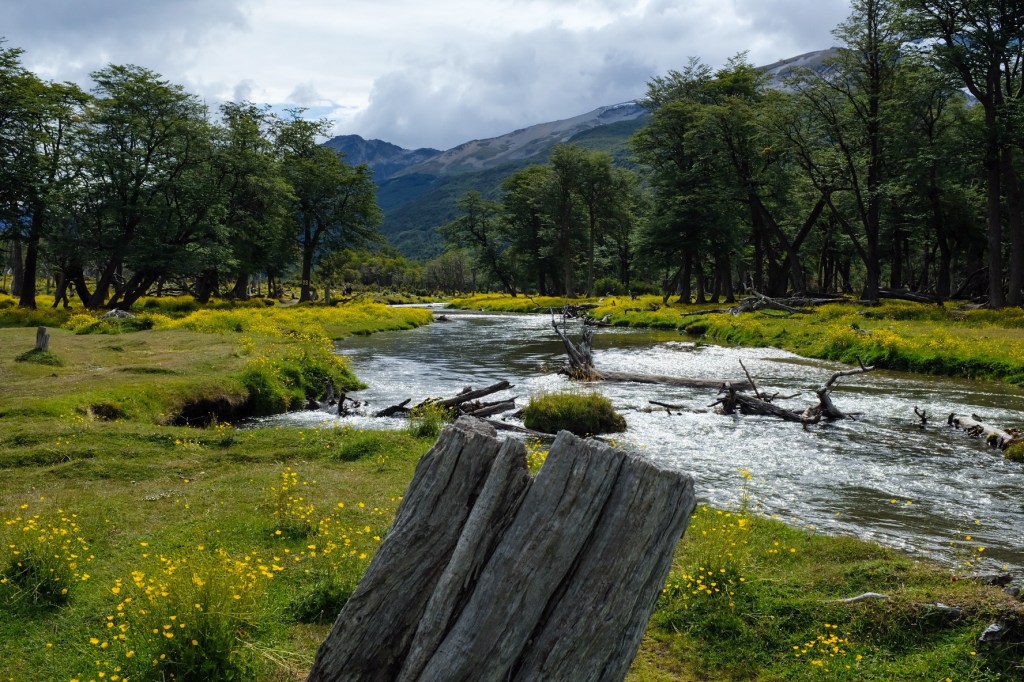
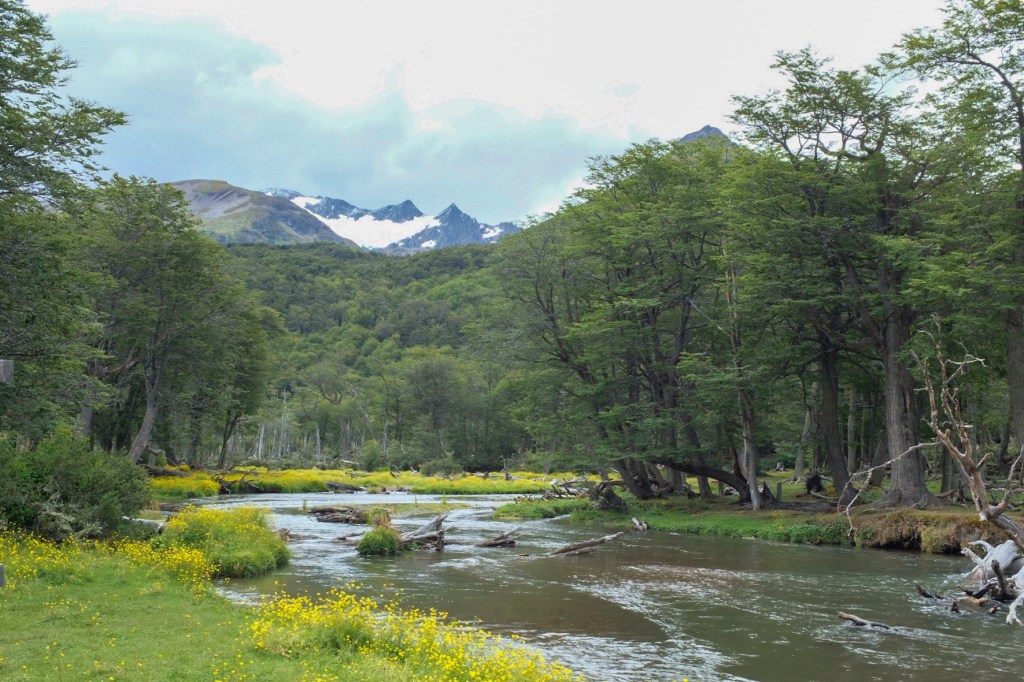
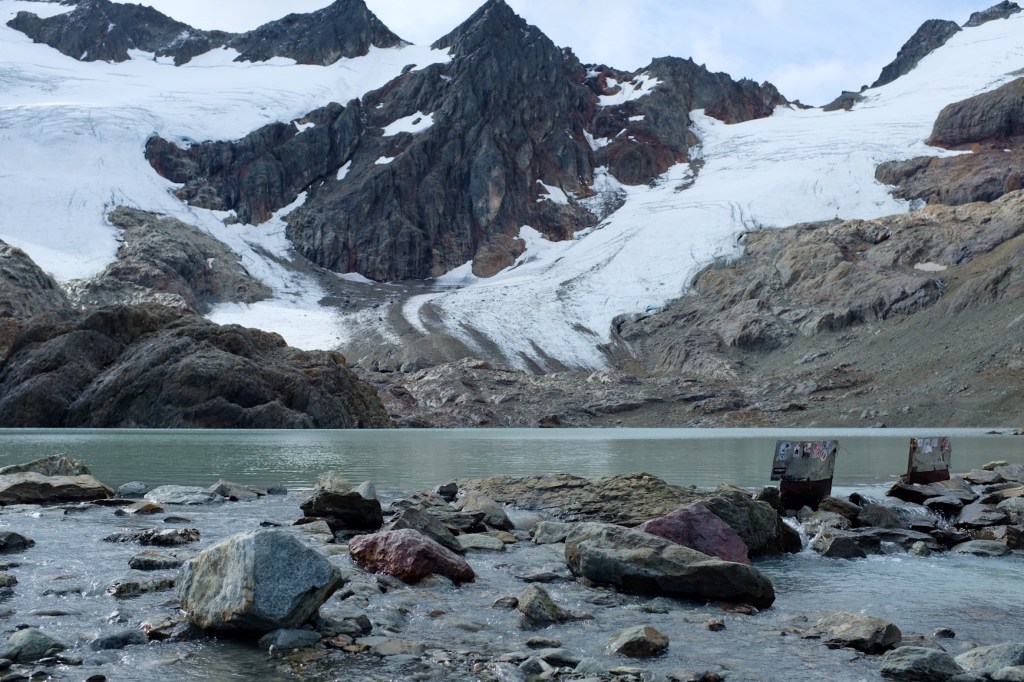
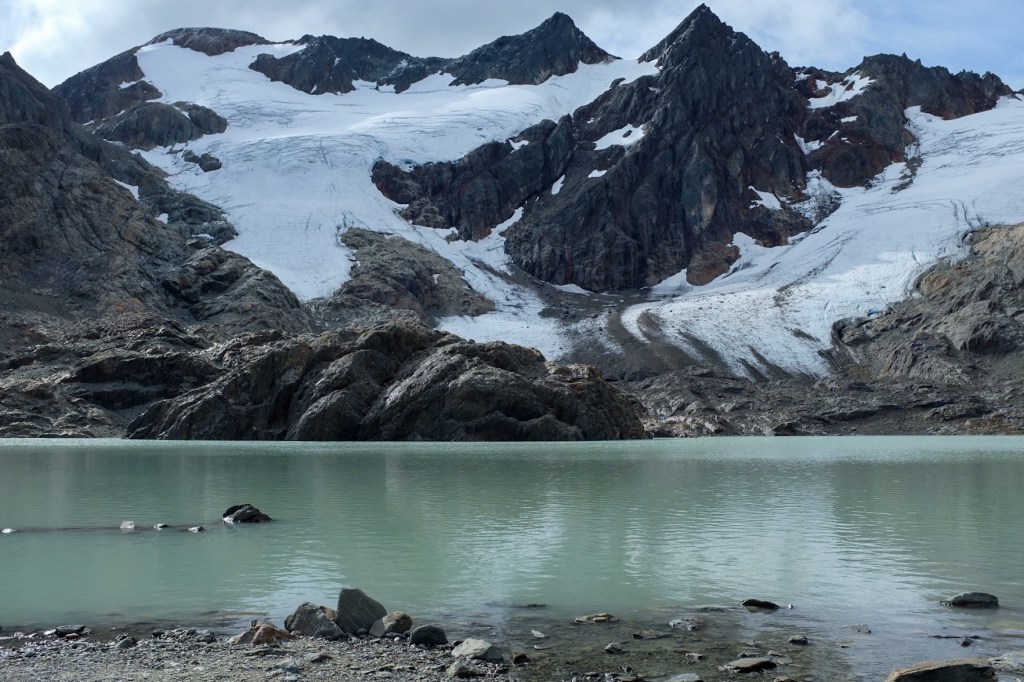
Arriving after an easy hour flight, I left my pack at the hostel and, given the unusually gorgeous weather, opted for yet another hike, this time to Laguna de los Tempanos and Vinciguerra Glacier.

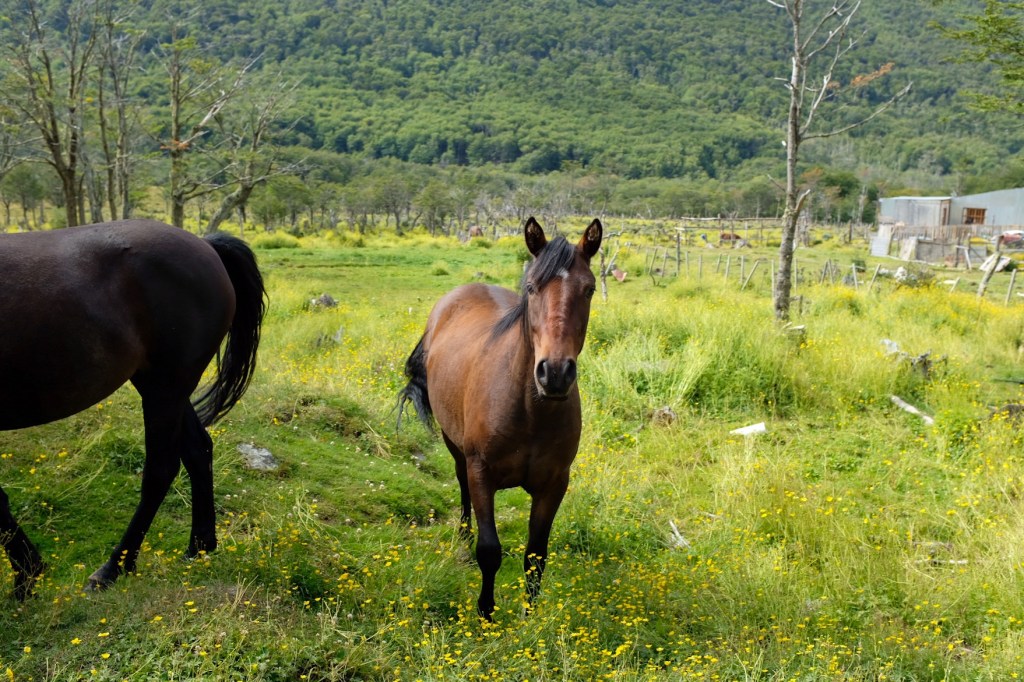
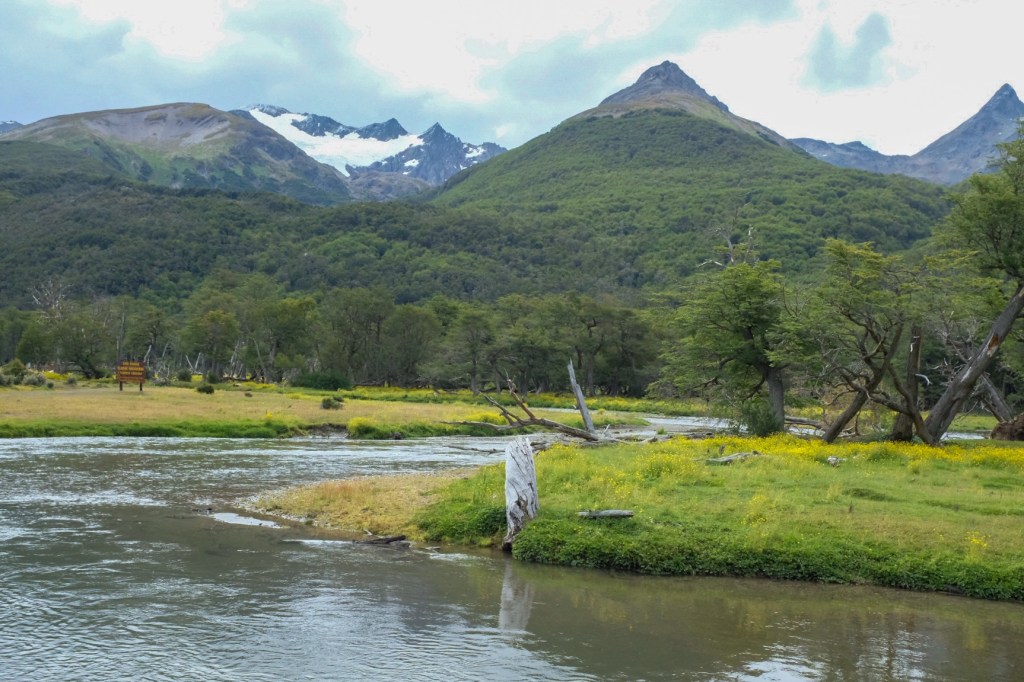
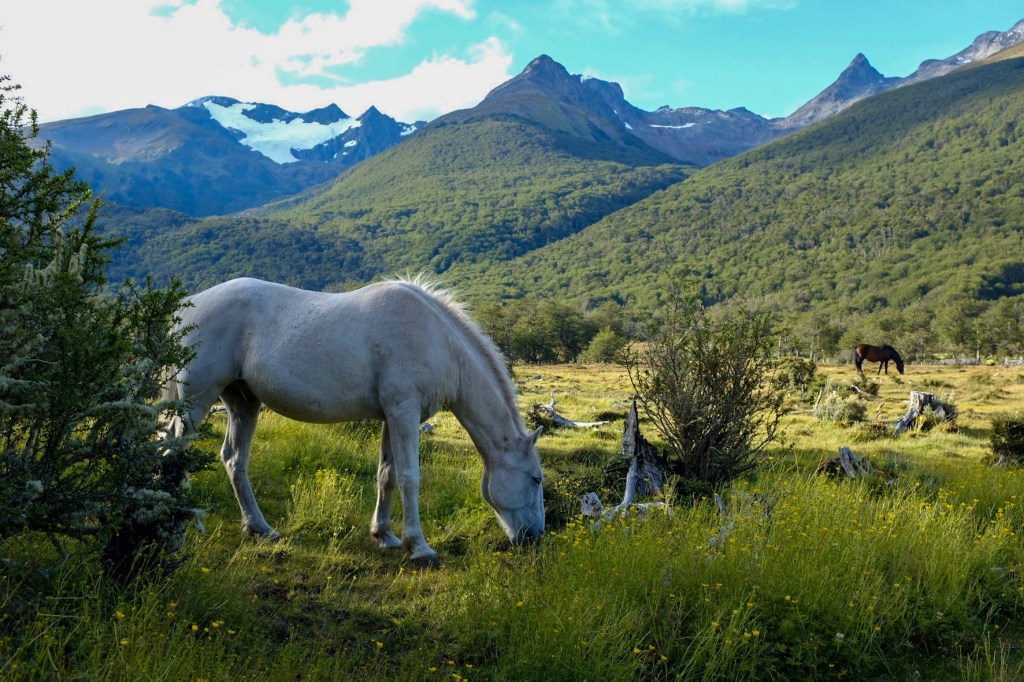
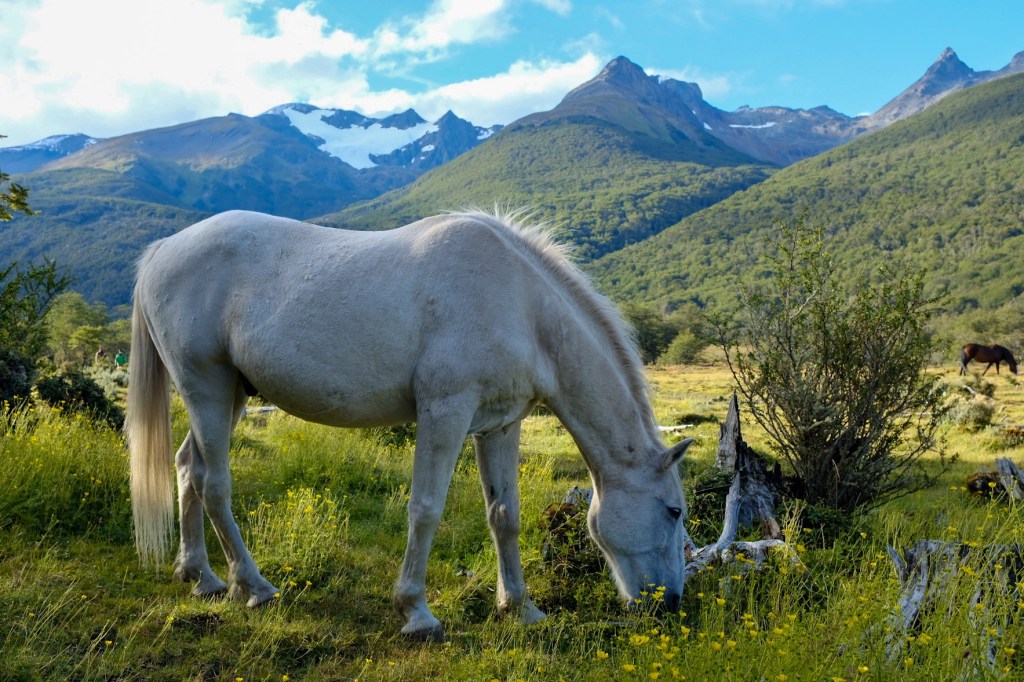
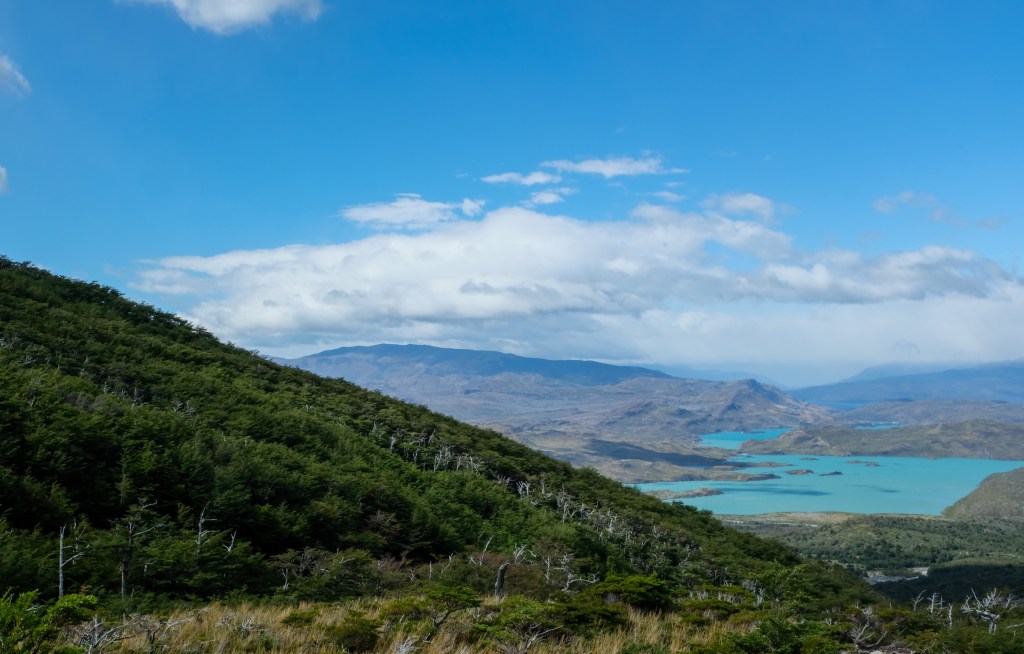
The hike highlighted the diversity in beauty Patagonia has to offer. Vast fields of peat, dense forests, and rocky glaciers with horses roaming throughout – my body, exhausted from the past 2 weeks of hiking, rallied to enjoy yet another beautiful site.

Vinciguerra Glacier

… and another horse!

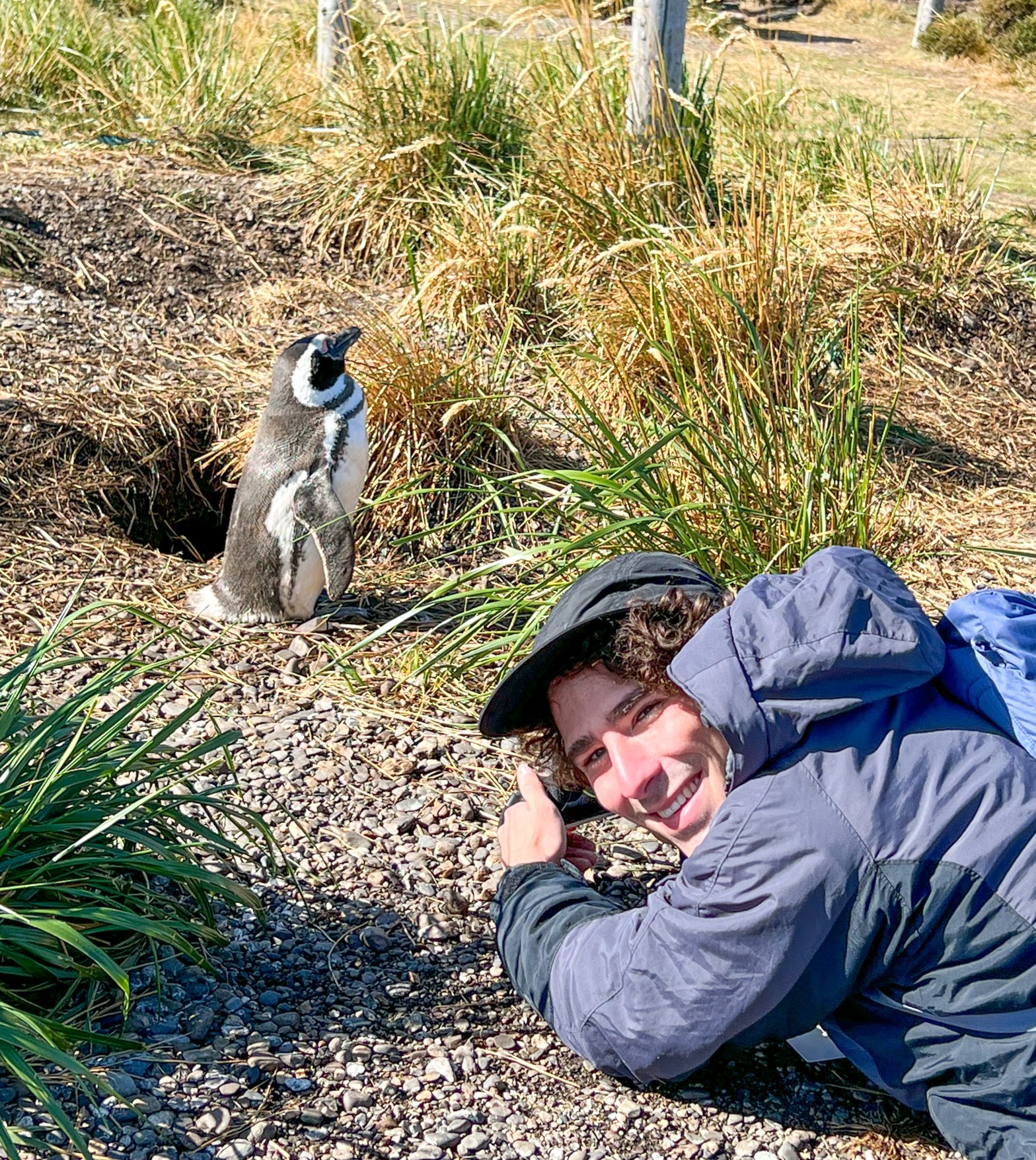
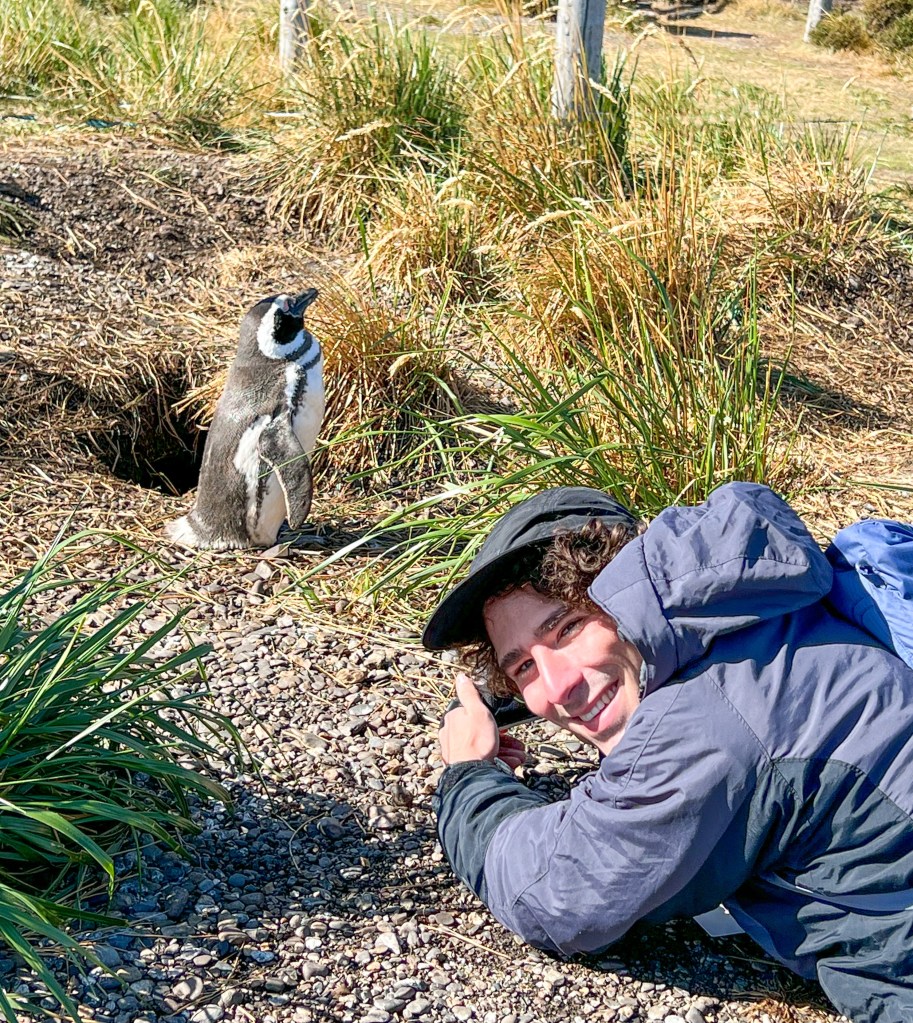
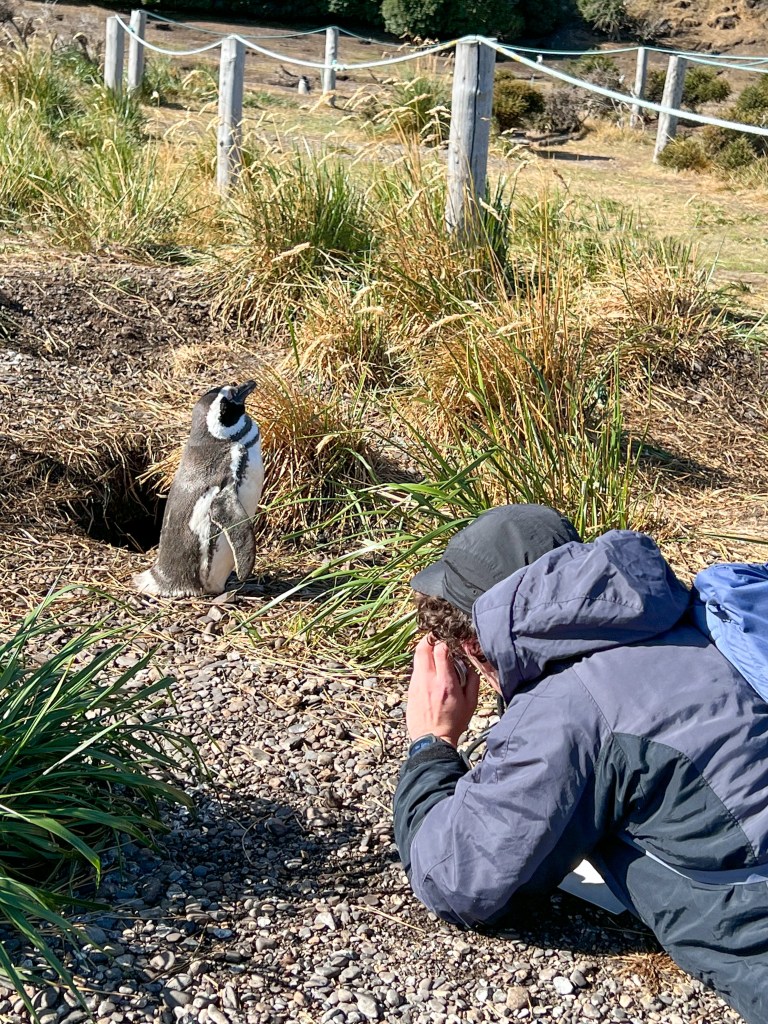
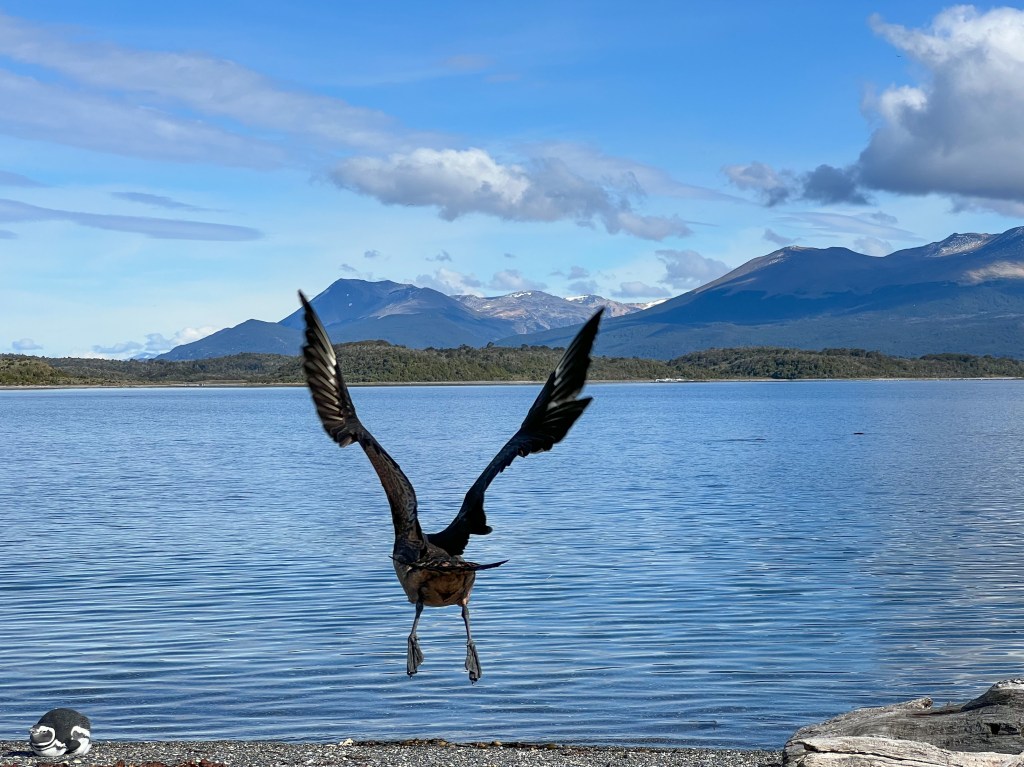
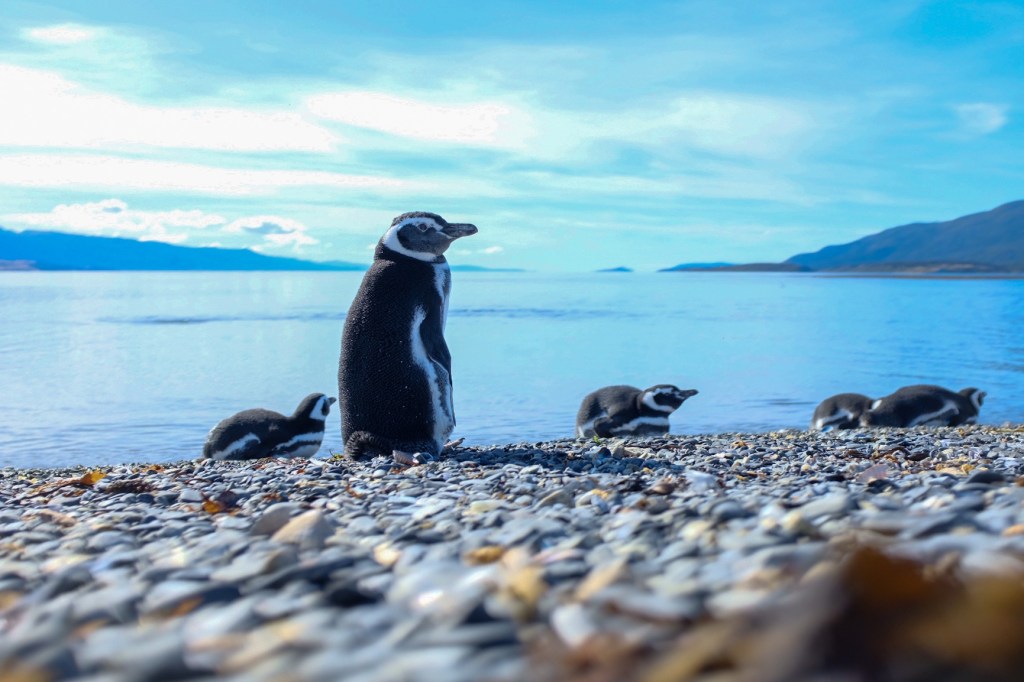
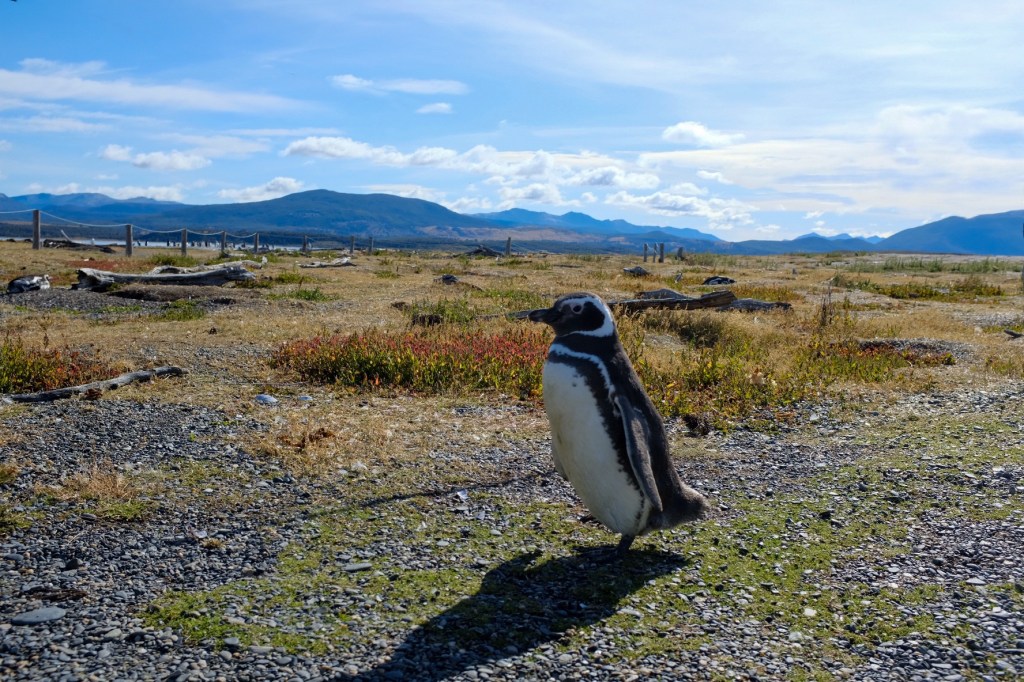
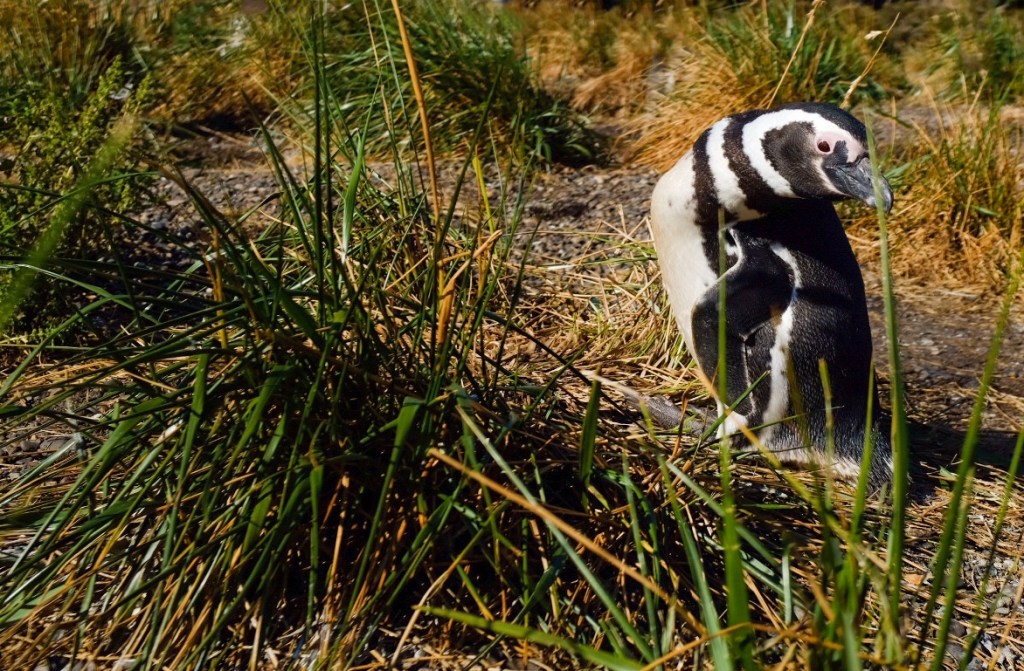
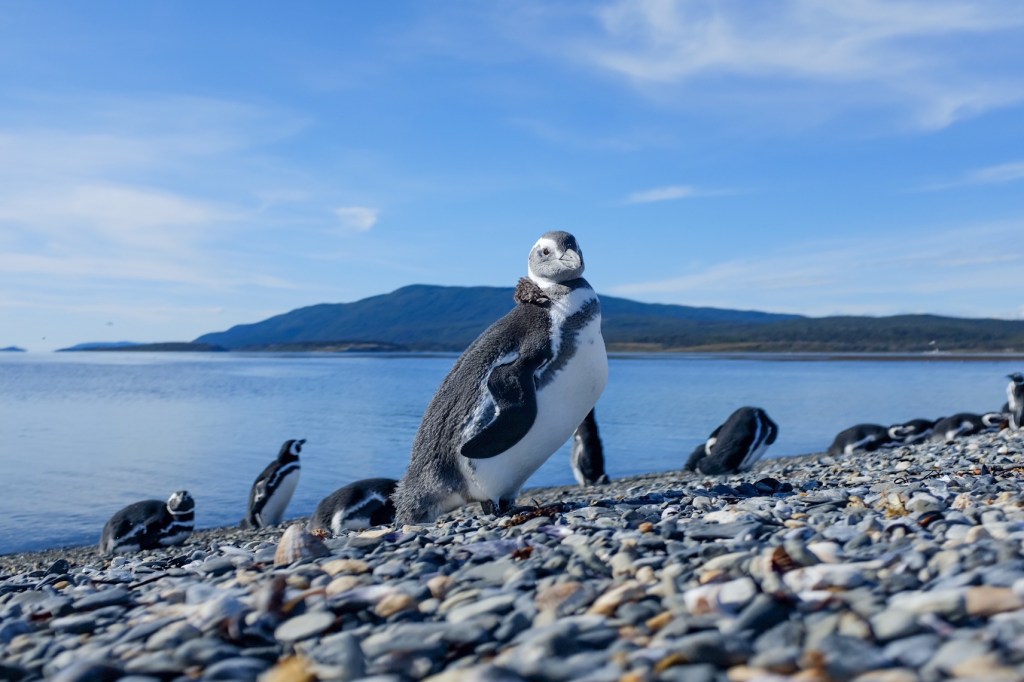
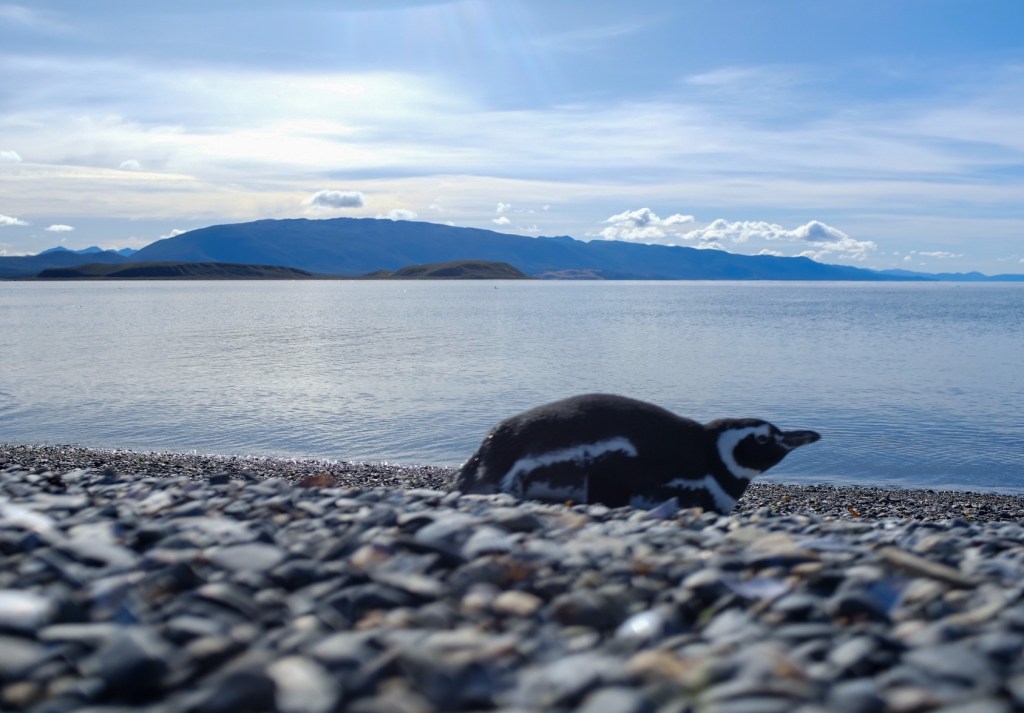
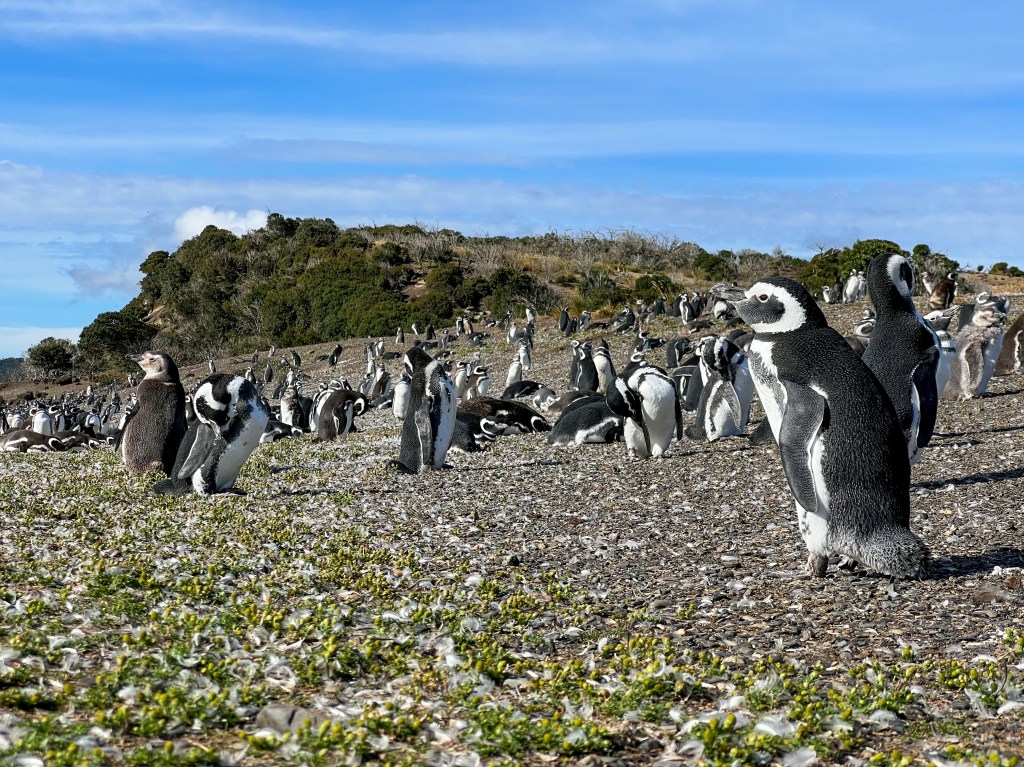
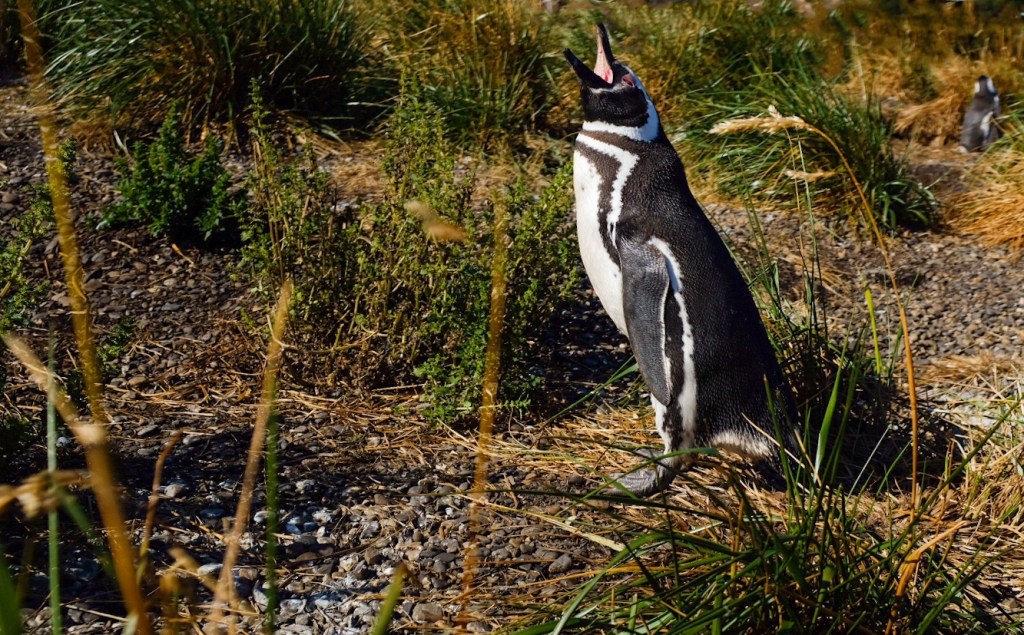
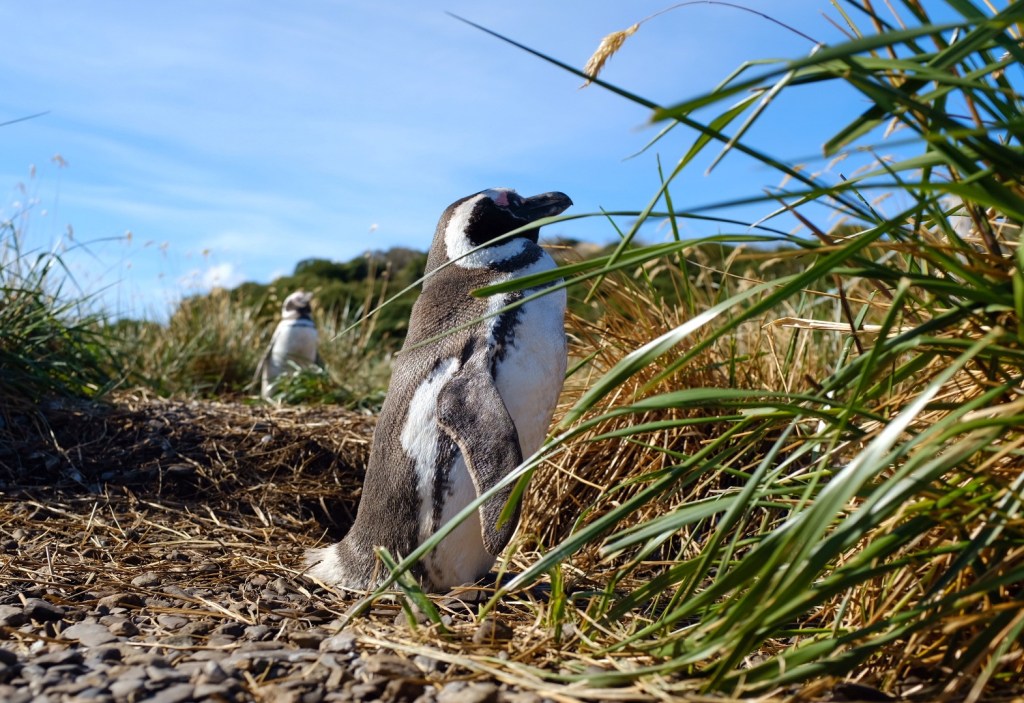
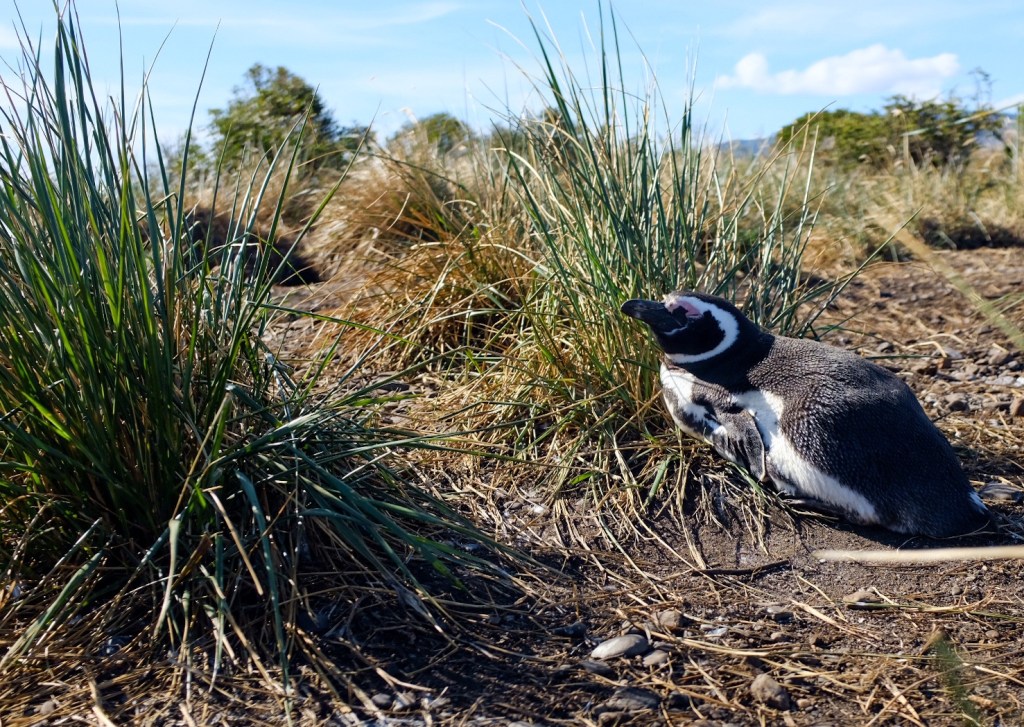
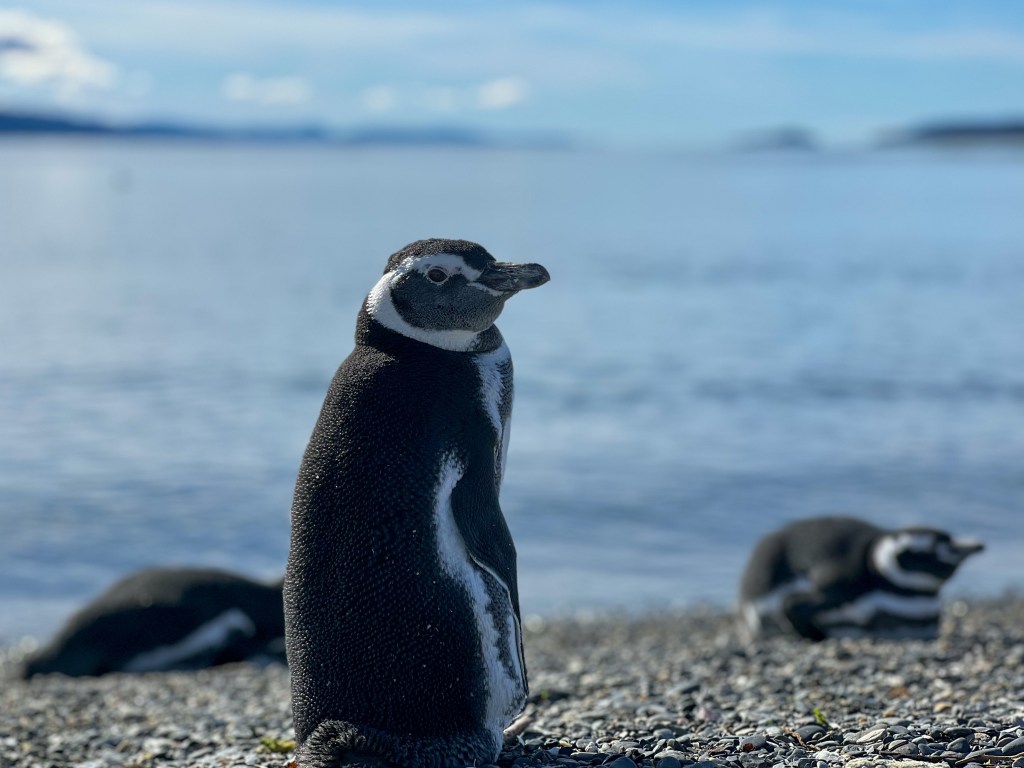
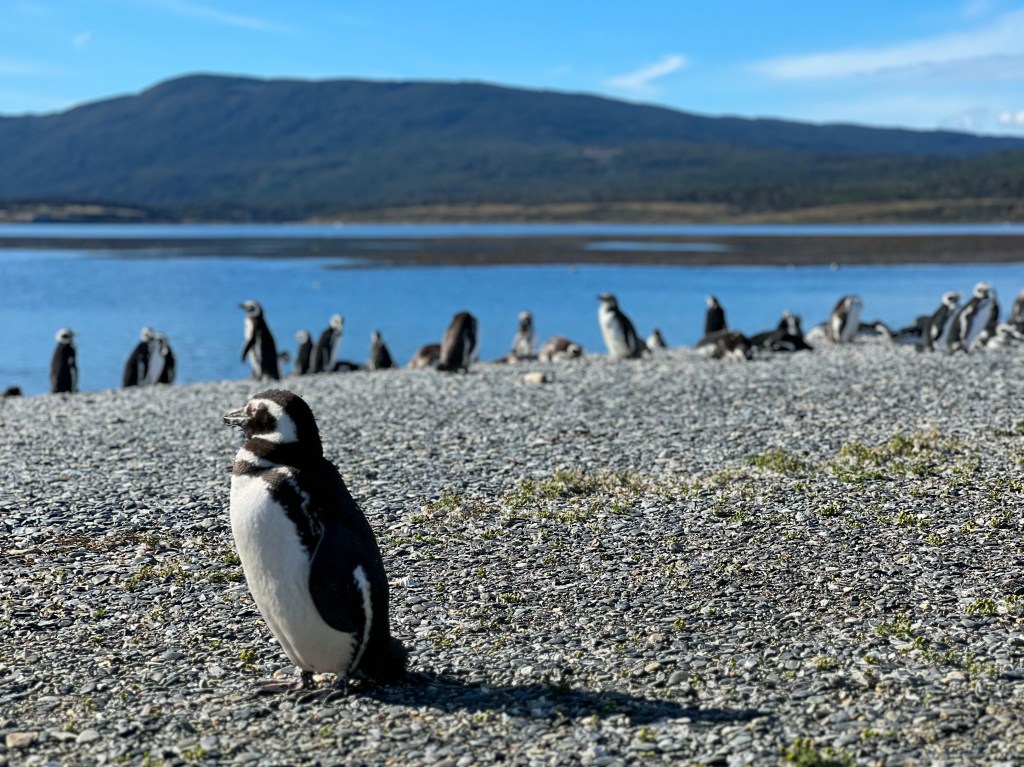
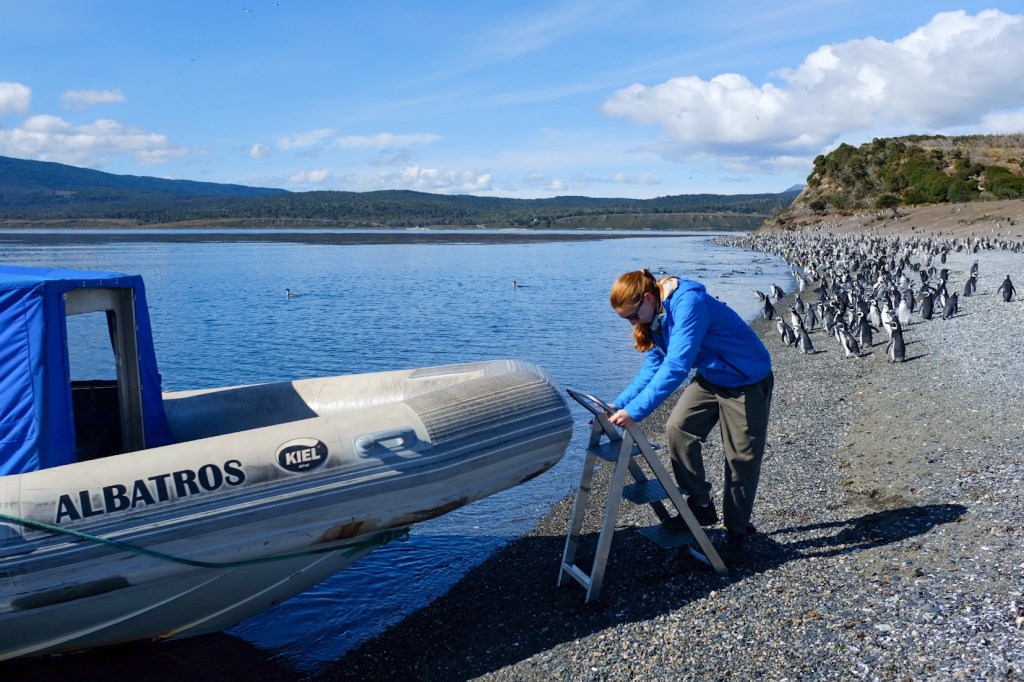
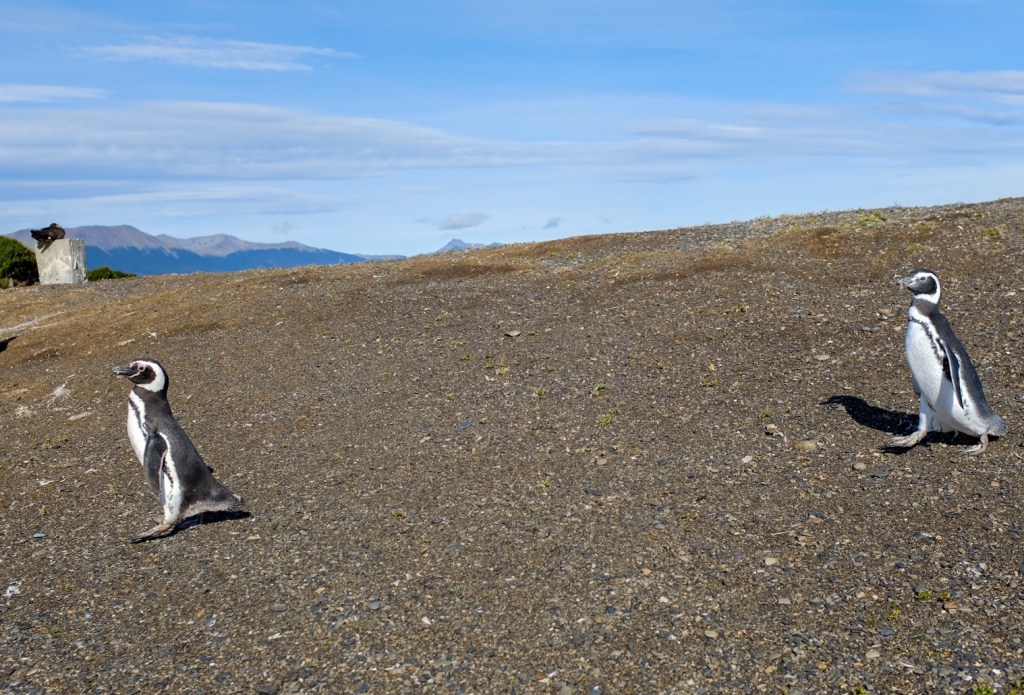
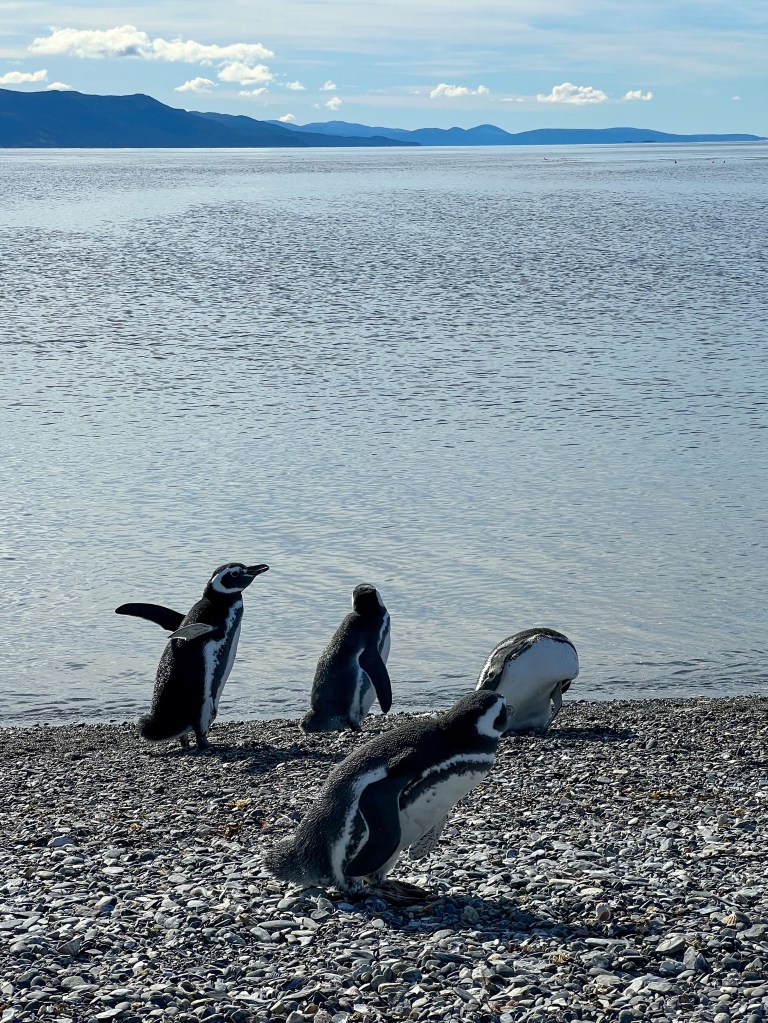
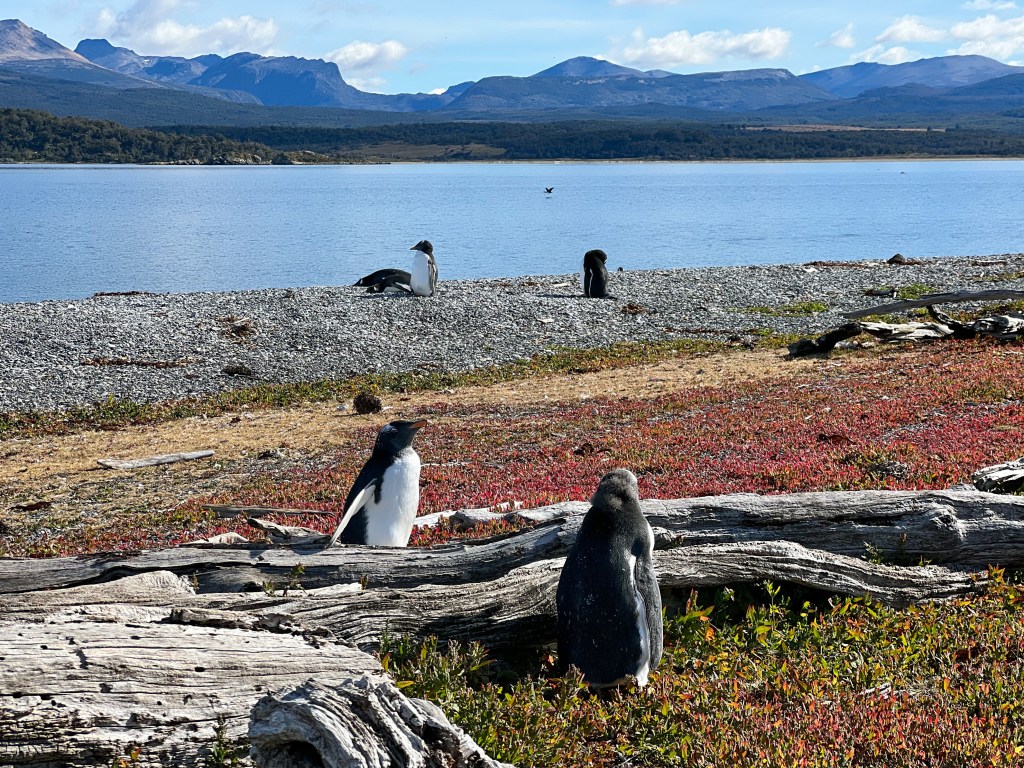
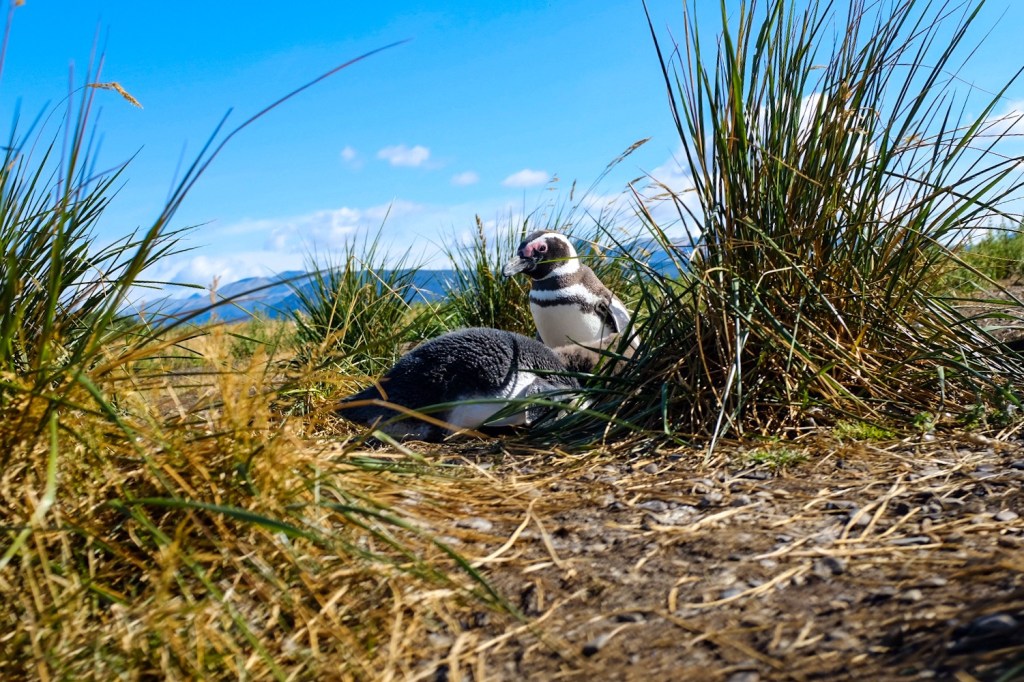
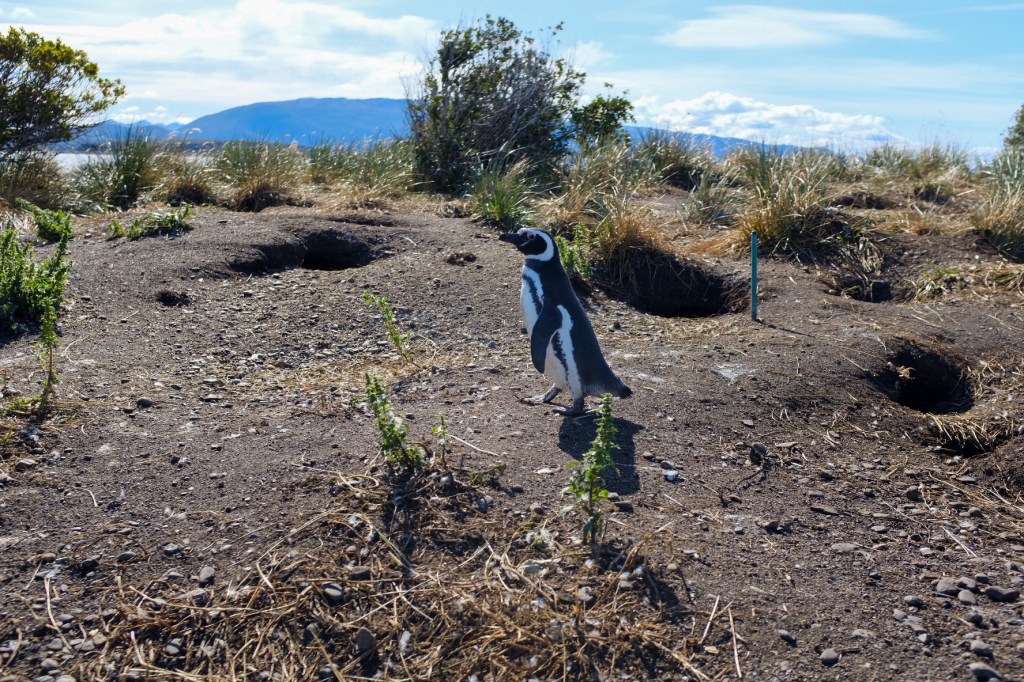
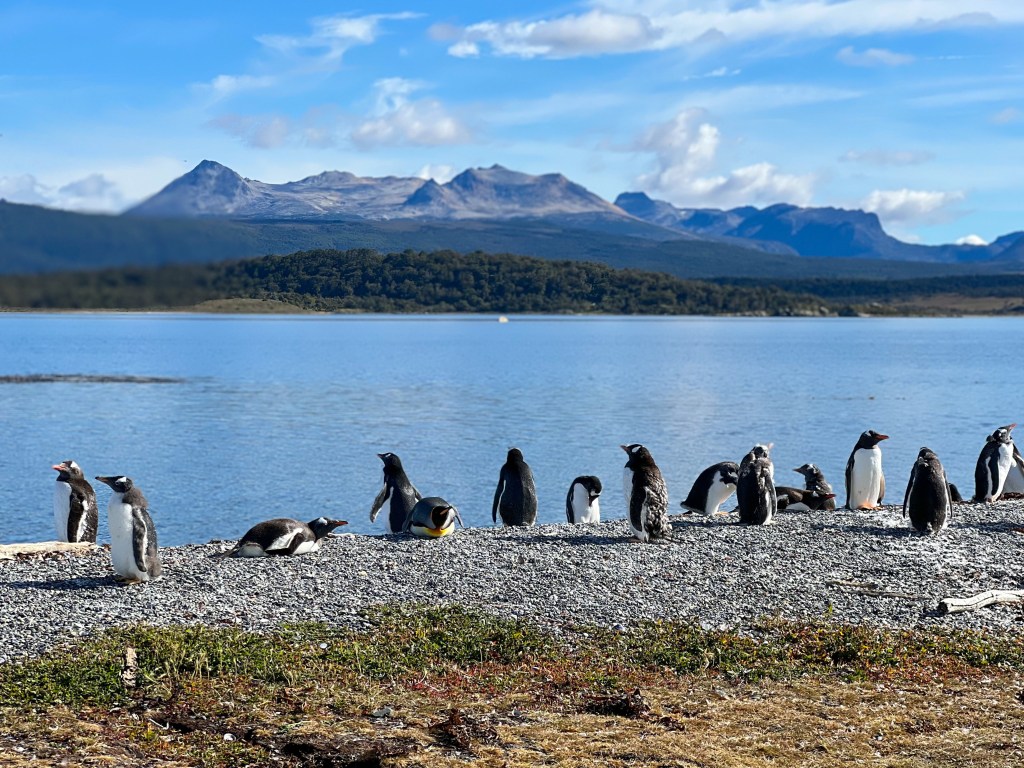
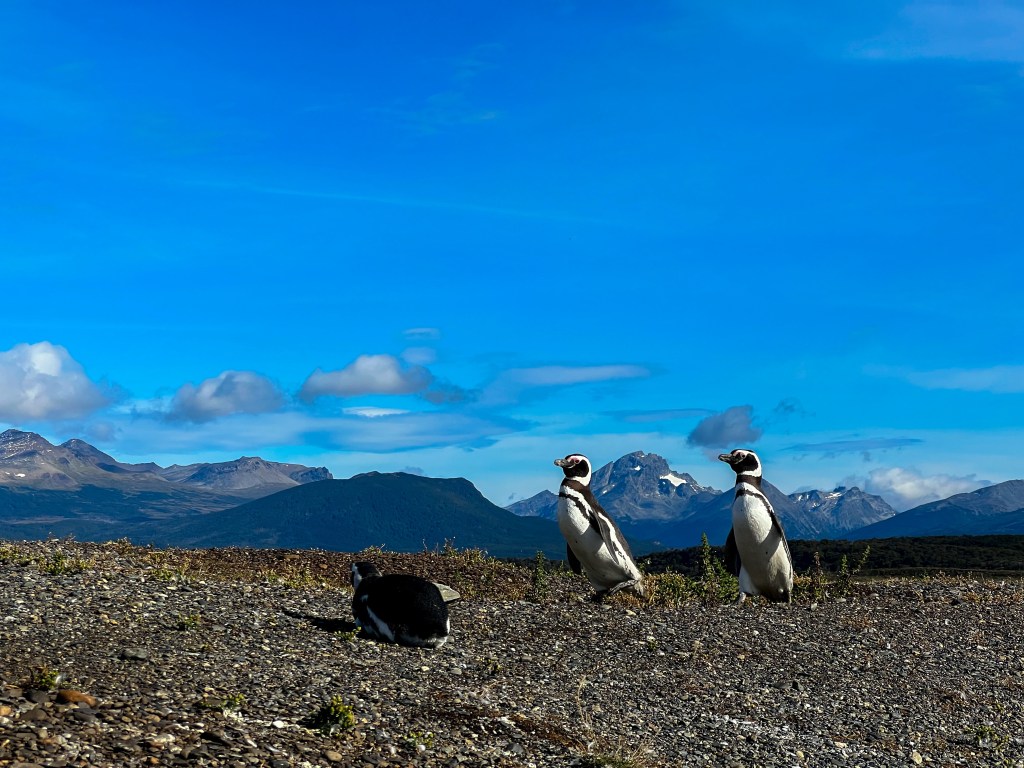
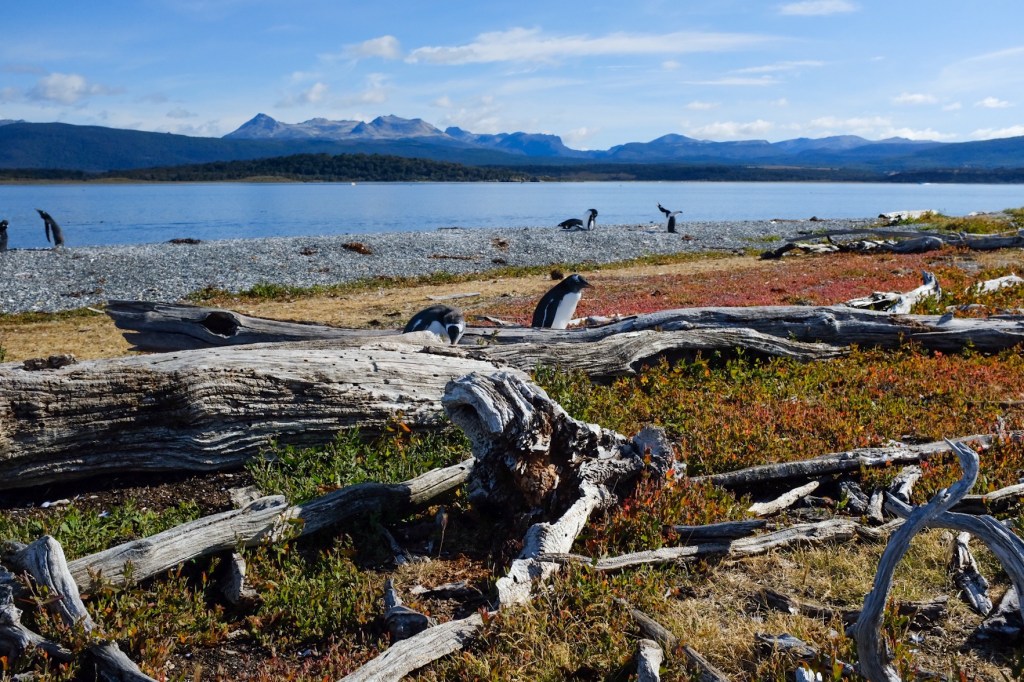
The next day, I woke up early to catch a 6:00am day tour that would take us through the Fuegiuan forest to Isla Martello where we visited the Acatushun Museum of birds and marine mammals and sailed to the Island, where we walked with the magellanic penguins and papuans.

Some close ups!

And some shots from further away!

And I have to include 2 penguins who were dancing with each other!

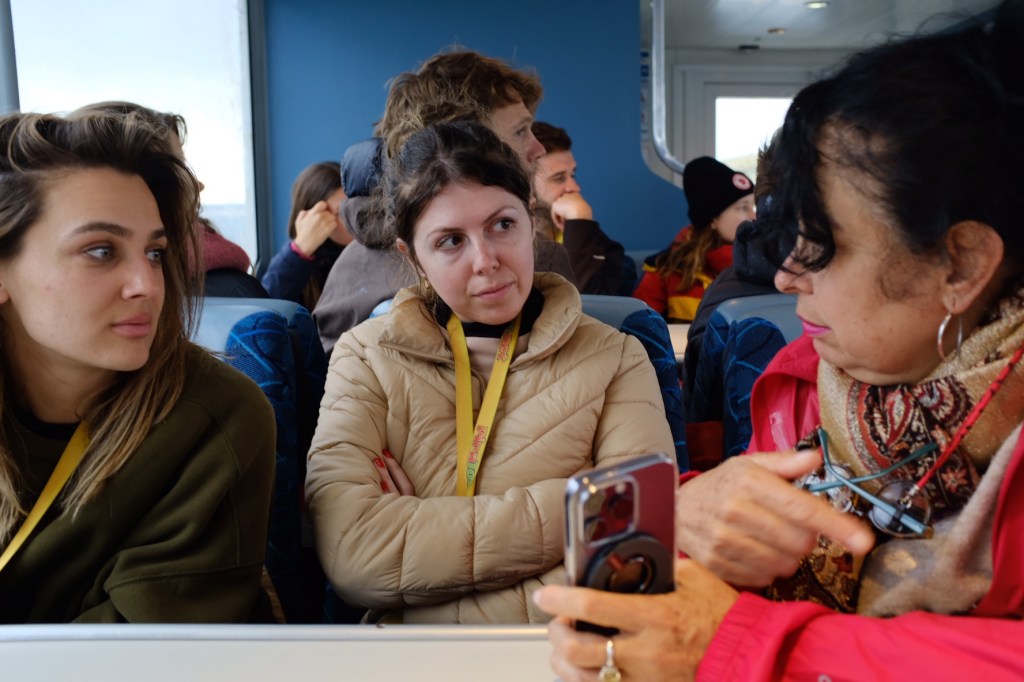
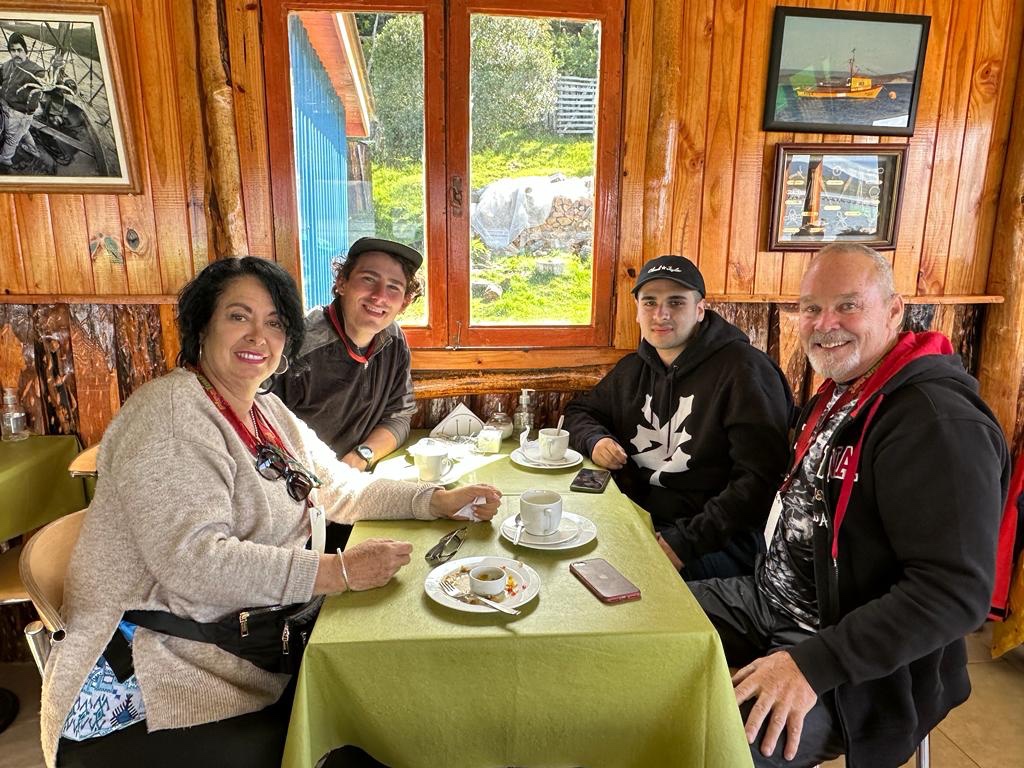
During the trip, I met Gloria and her husband – a lovely couple visiting from Colombia

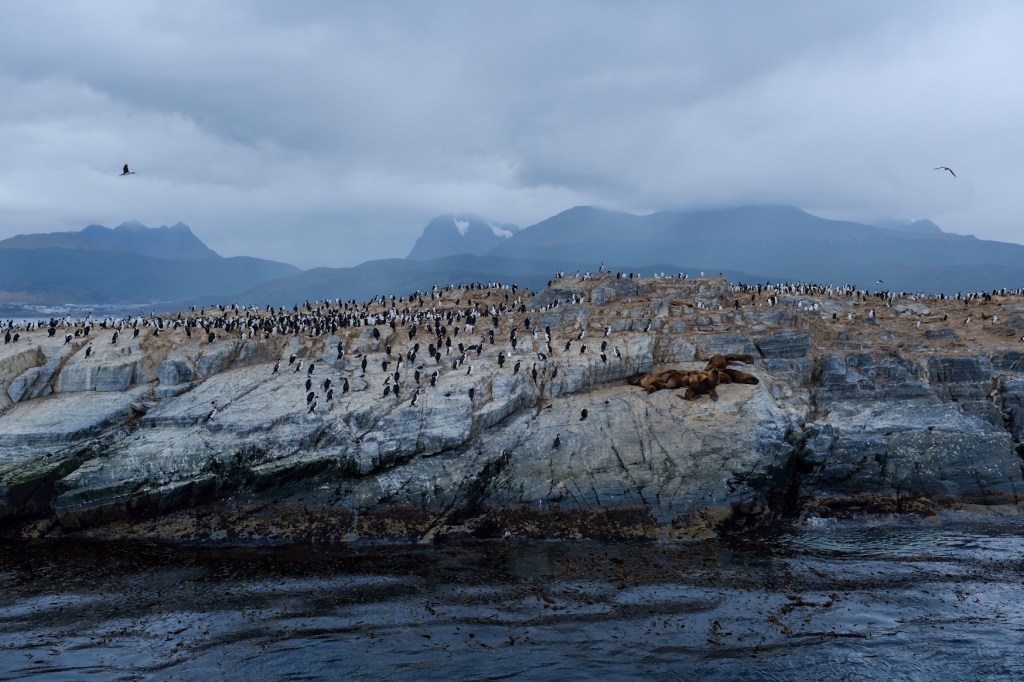
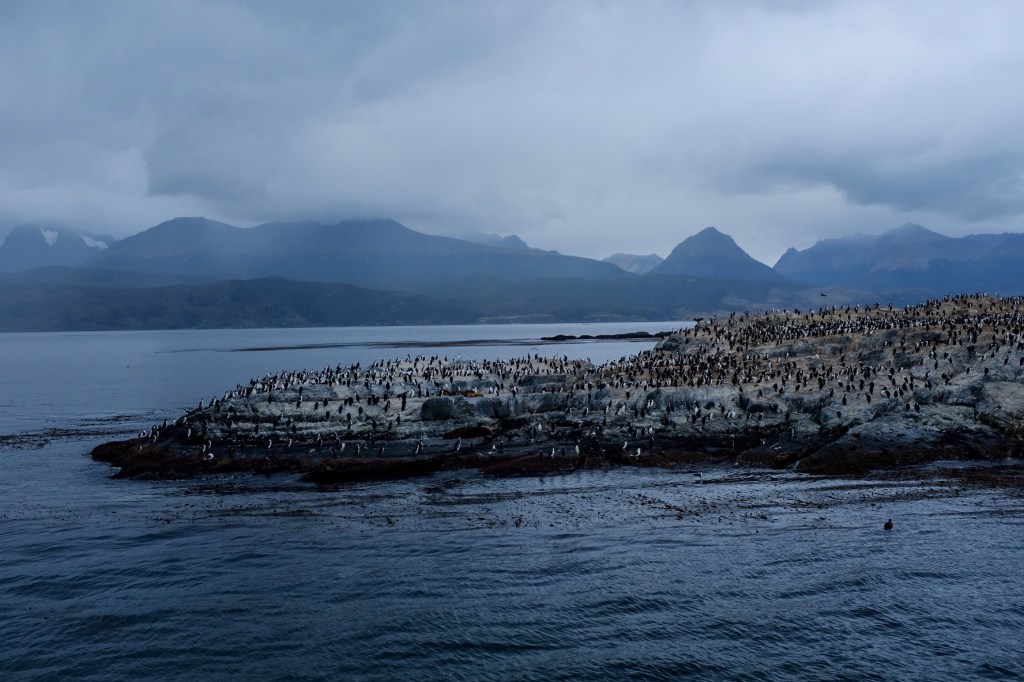
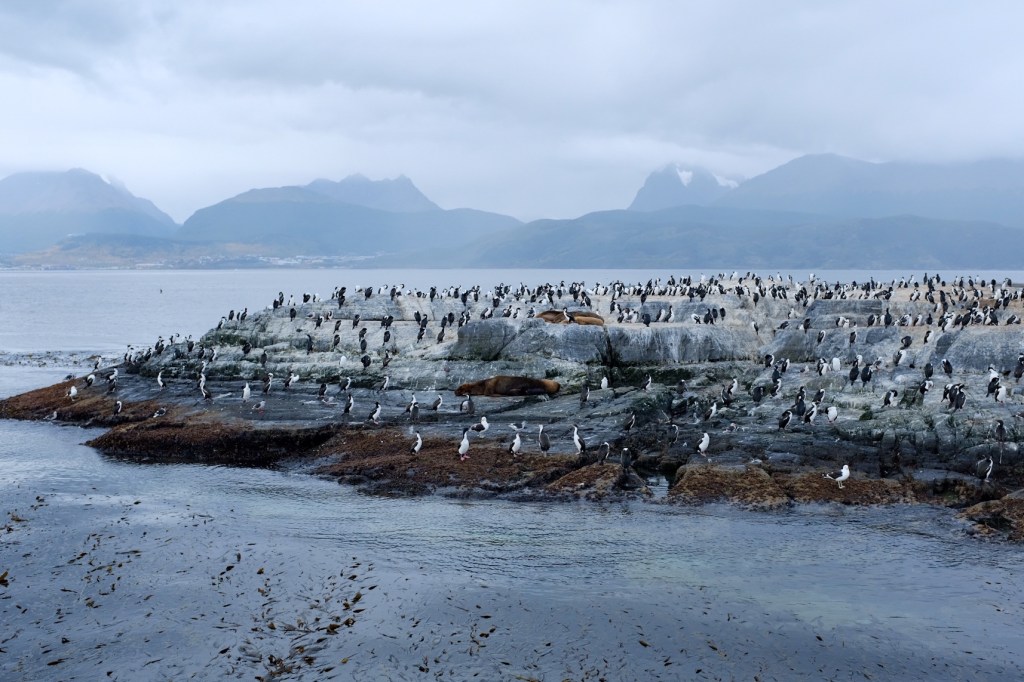
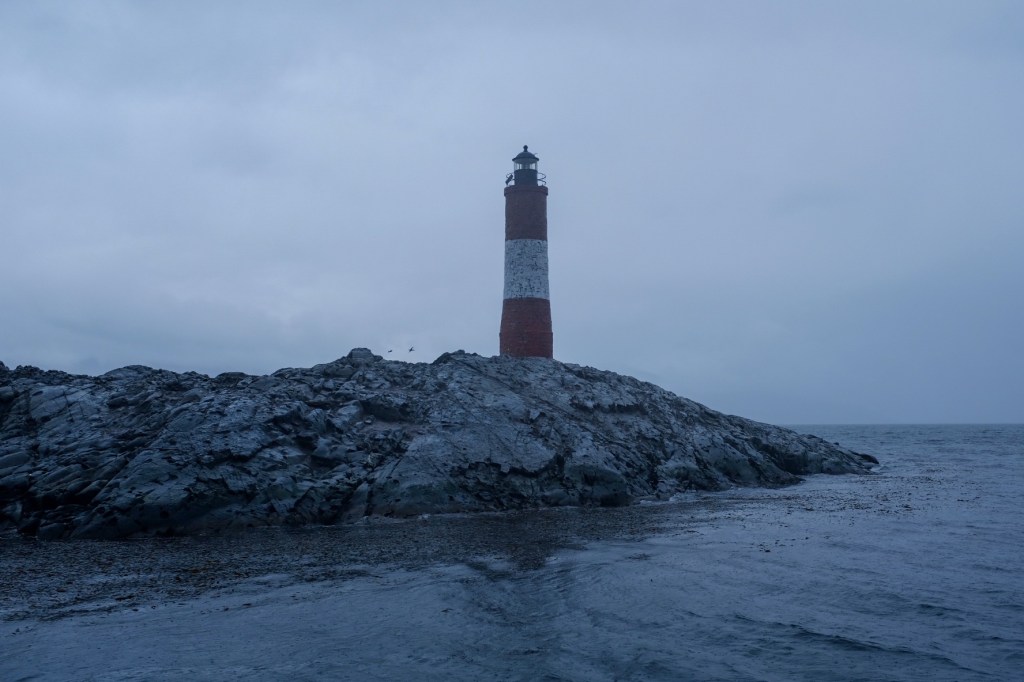
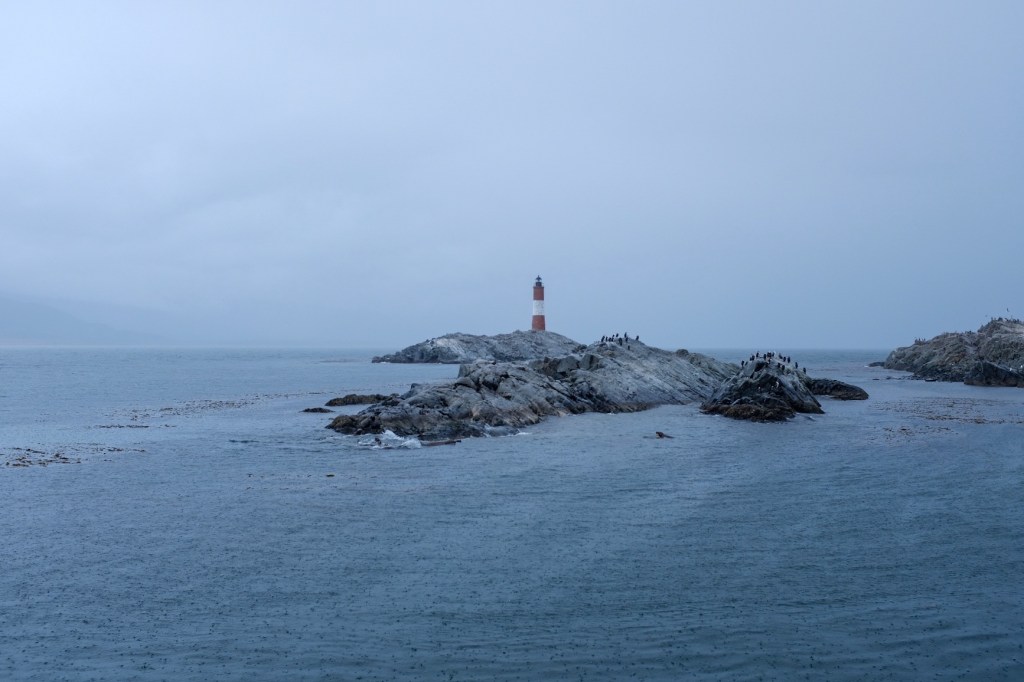
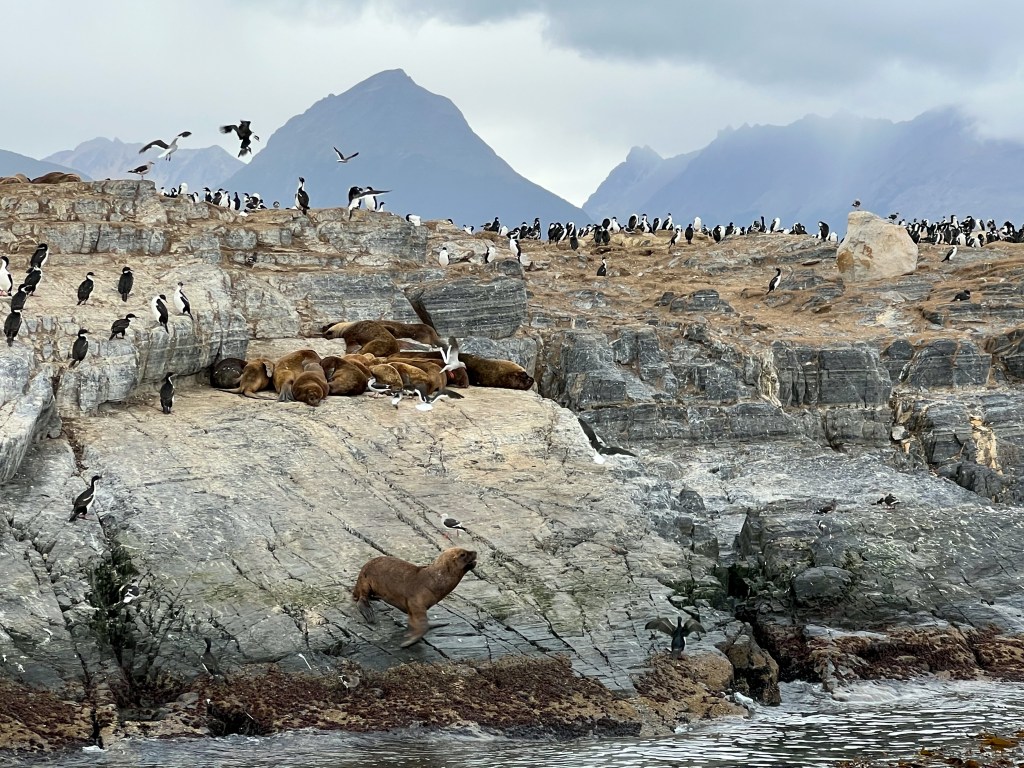
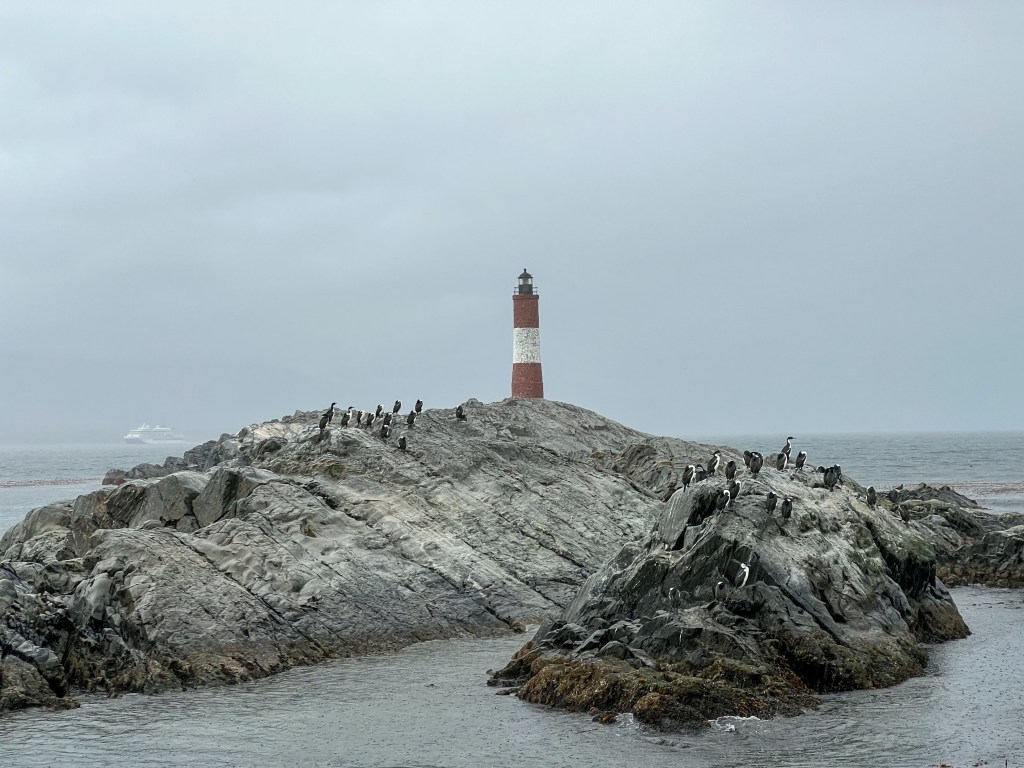
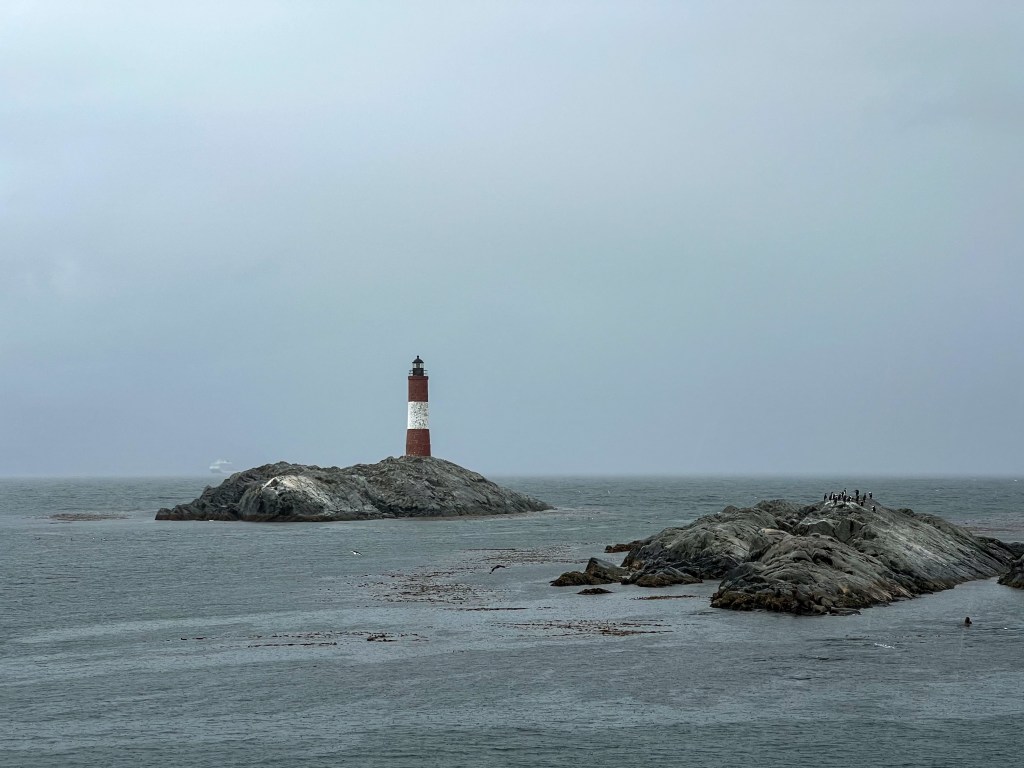
In the afternoon, we took a boat along the Beagle Channel, where we got to see the Bird Island, Sea Lions Island, and the Lighthouse Les Eclaireurs.

My last day in Ushuaia, I spent time in the city, and gave my body a needed rest.

Conclusion

I won’t spend too much time here because I hope my 2 blog posts, photos, and stories say enough – but I will end by saying that I highly recommend visiting Patagonia to anyone who loves exploring the diversity of nature and how the harshness of an environment bends the biology of its inhabitants. And the penguins are pretty cool too 🙂

See you next week in Buenos Aires,

Sam
Days 25-40: Patagonia I

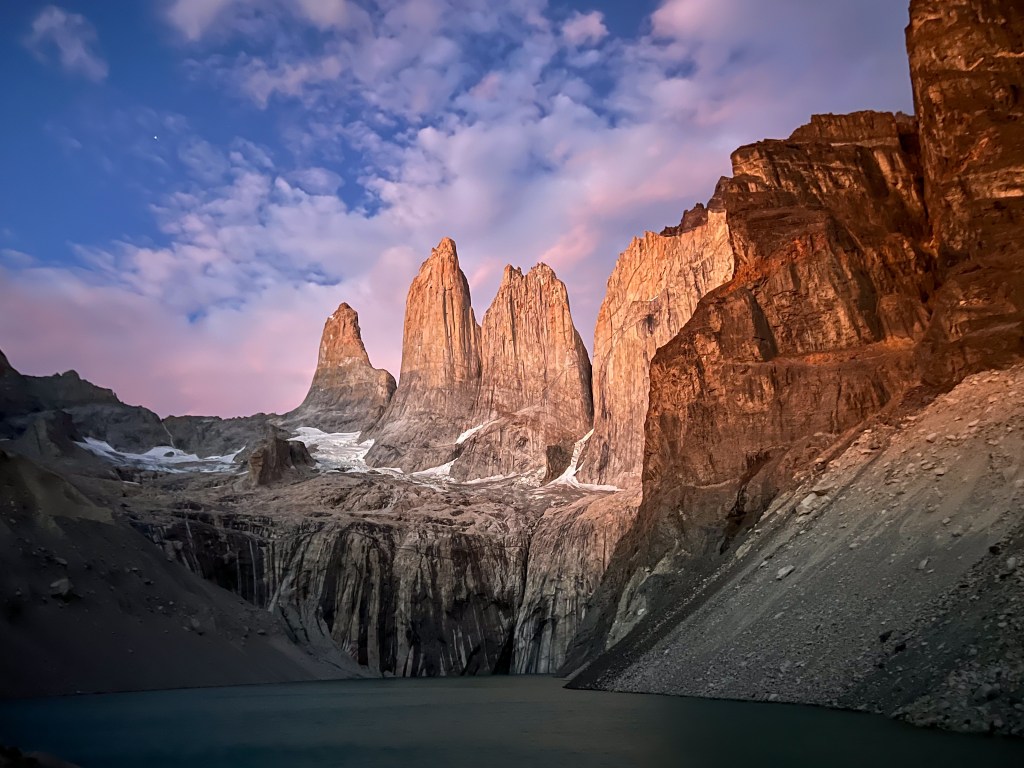
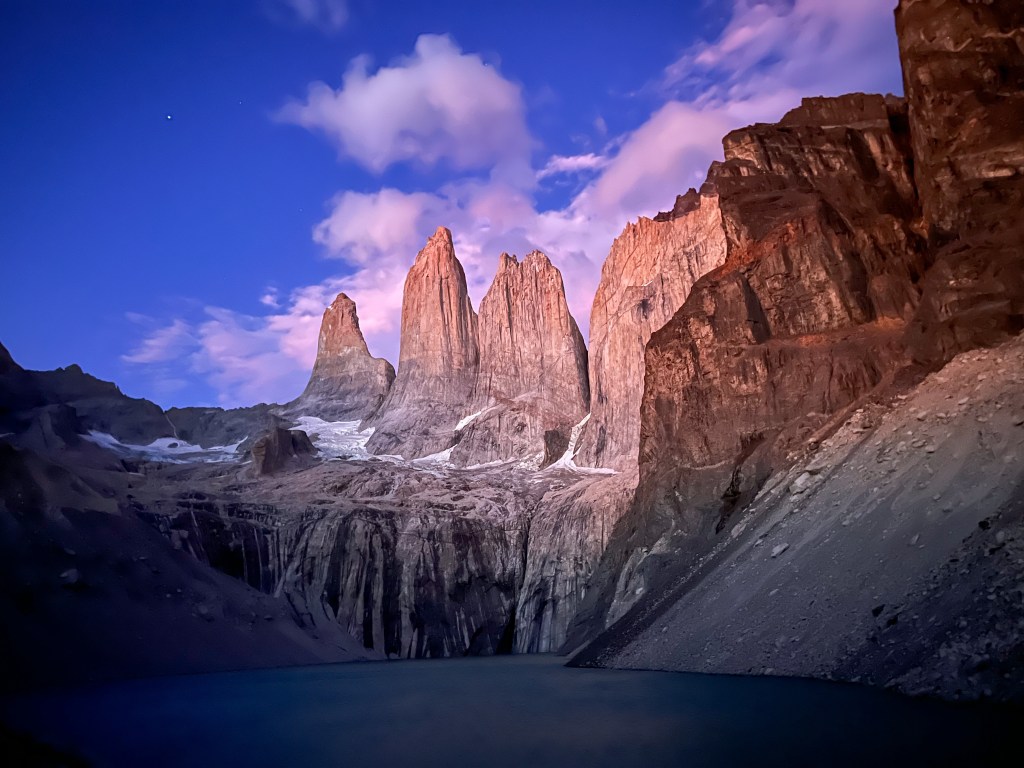
Mirador Torres

Patagonia, Forever Changing

Growing up, my Mother would often take me to the beach in the summers. It was one of my favorite places to visit. I remember whenever we would arrive to the coast and I got my first view of the ocean, a feeling of euphoric excitement would fill me – and when we parked and began walking on the sand, I would feel a biting urge to plunge myself into the waves.

The Patagonian region reignited this childhood excitement in a way I had not expected and had not experienced since my early childhood. I hope that in this post I can depict a bit of what this region of the world made me feel – rejuvenating at times, demanding at others, but always new, exciting, and inspiring.

Patagonia – a region encompassing the southernmost tip of South America, shared by Argentina and Chile, bound by the Pacific Ocean to the west and the Atlantic Ocean to the east. The name, Patagonia, comes from the word, Patagon, which was initially used to describe the native tribes of the region, whom explorers in the 1500’s thought to be giants. Famous for its landscapes, vast forest, national parks, glaciers, and wildlife, the massive region offers a diverse wealth of exploration for outdoors enthusiasts.

There are a lot of photos I am hoping to share from this experience so I am going to split Patagonia into 2 separate posts to ensure my ipad’s processor (which I’m writing this blog on) can handle the content’s size! Patagonia I will cover the Chilean side and Patagonia II will cover the Argentinian side.

Chilean Patagonia: Punta Arenas & Puerto Natales

My first 5 hours in Patagonia were…. uneventful. Arriving at 8am in the Punta Arenas airport, I realized that in my planning, I neglected to buy a bus ticket to my final destination of the day, Puenta Natales – a 3 hour bus drive north. After a hectic 2 hours of coordinating a ticket purchase on my phone and the frustrating security protocols of my credit card company, I was finally able to purchase my bus ticket – for 1:00pm…

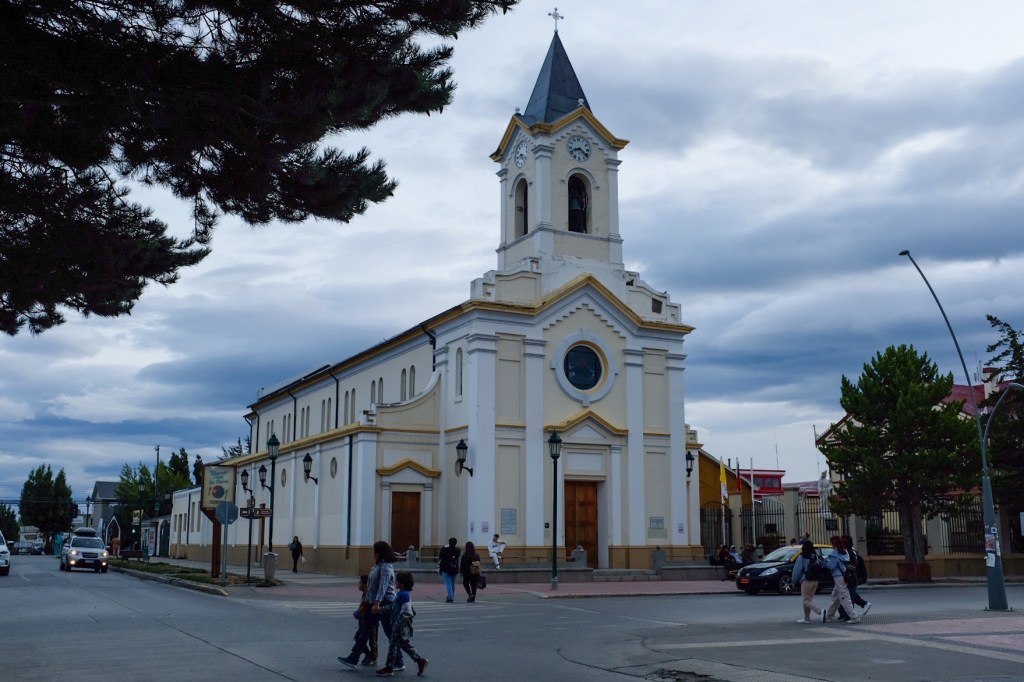
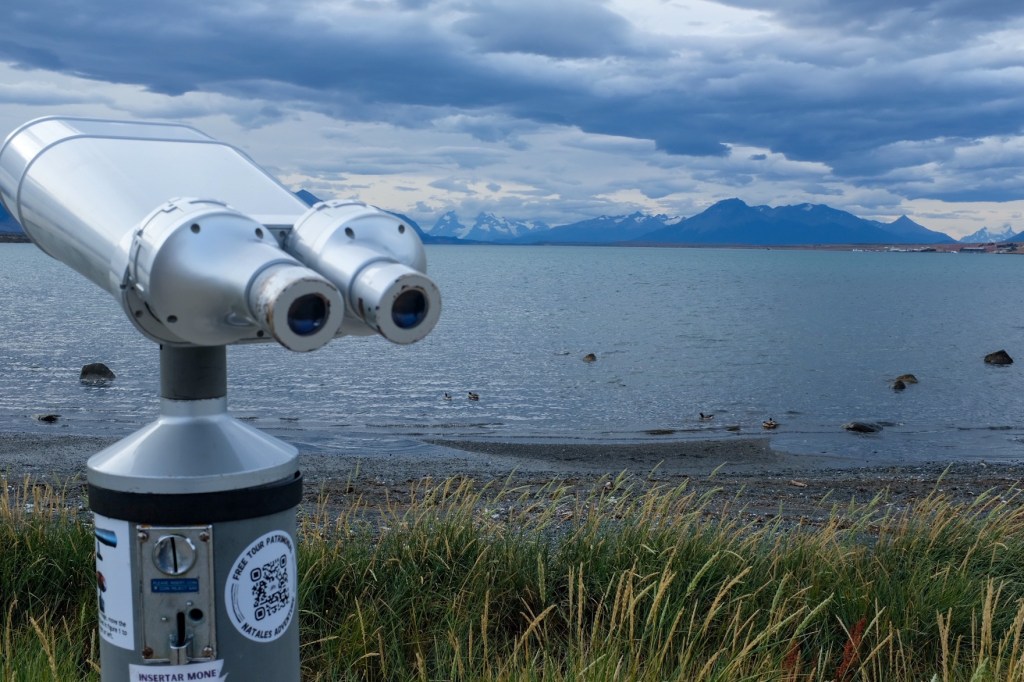
But, as has become a theme throughout my travels, I took advantage of my downtime and explored the town of Punto Arenas. To my surprise, it was quite a lovely town and by far the closest I’ve ever been to the South Pole (2,546 miles to be exact – for reference, the South Pole is 9,016 miles from NYC). A lovely small seaside town – Punto Arenas couples the beauty of colonial architecture with the practicality of Alaskan-style materials. With some nice coffee shops, restaurants, and views of the ocean, it was a great place to start my time in the region.

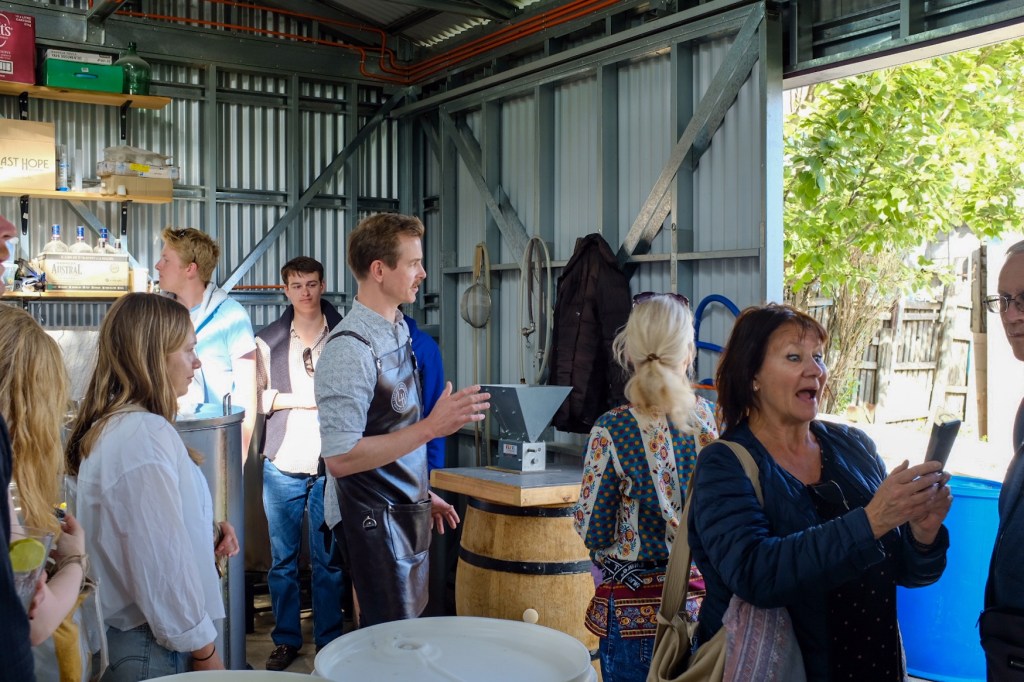
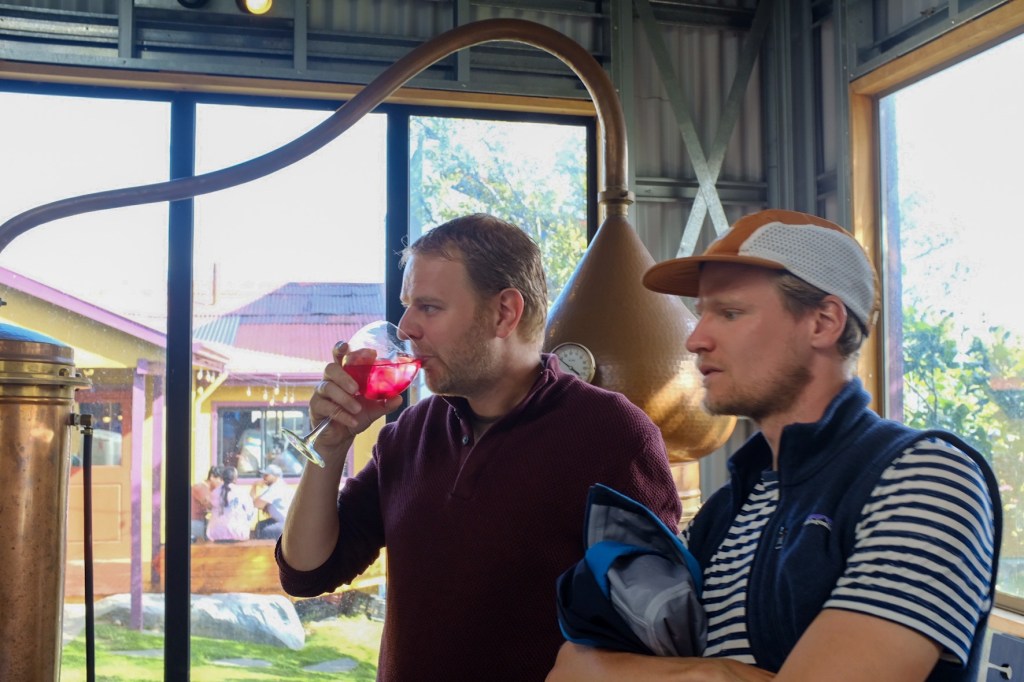
After arriving at my hostel in Puerto Natales, I settled in and adventured 2 blocks into town – searching for a hot meal, a heavier jacket, and some cash for my trip. While I did not find the cash I wanted (my debit card was eaten by an ATM), I did acquire a large used Colombia Jacket (the only one that fit), and a hot meal with some local gin. The gin bar, Last Hope Distillery, was created in 2016 by two Australians who moved to Puerto Natales after quitting their engineering jobs, in search of a more rewarding lifestyle. They certainly found it, offering daily tours of their small-batch distillery, excitedly answering tourist’s questions. Last Hope is one of the first gin distilleries in Chile, and some of their gin uses the region’s calafate berries, which gives the drink a purple color, and a sweet jammy taste that mixes really well with other drier liquors. Surprising to me, the bar was a mix of locals and tourists – meshed together in the tight quarters of the bar.

The next day I explored a bit more of the town and prepared for the next 5 days in Torres Del Paine

Chilean Patagonia: Torres del Paine

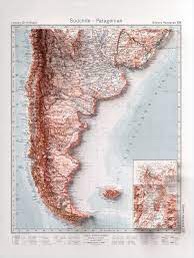
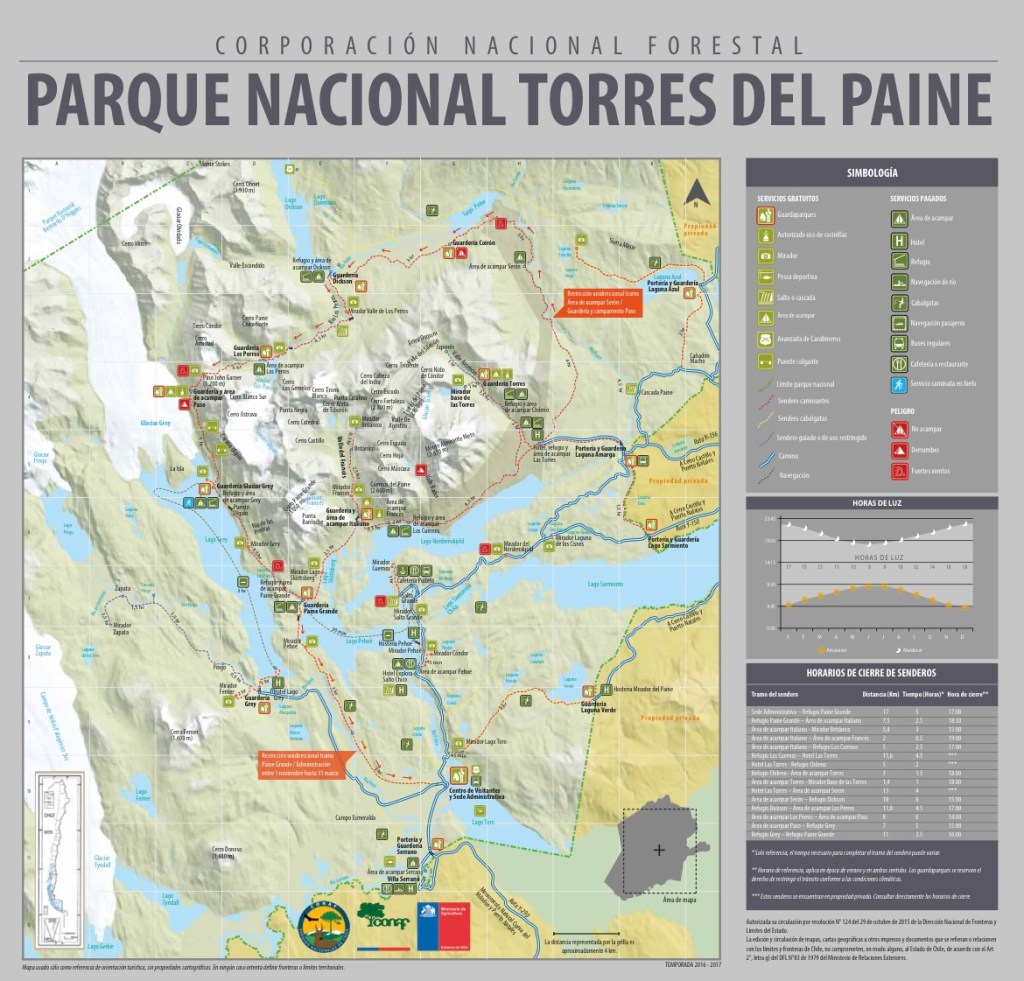
Torres del Paine is a national park encompassing mountains, glaciers, lakes, and rivers of Southern Chilean Patagonia. There are traditionally 2 routes travelers take – (1) the O-trek, an 8 day trek that takes you around the entire circumference of the park, and the W-trek, which I opted for – a 4-5 day “highlights” trek of the park shaped like…. a W! Here is a map to show you what I am talking about:

The next morning, I got the 7:00am bus from Puerto Natales to Torres Del Paine, about a 2 hour drive. After arriving at the park, I went to the first refugio to drop my heavy equipment off. Refugios are large cabins with beds, meal service, and a small shop for food and supplies dotted along the trekking routes of the park.

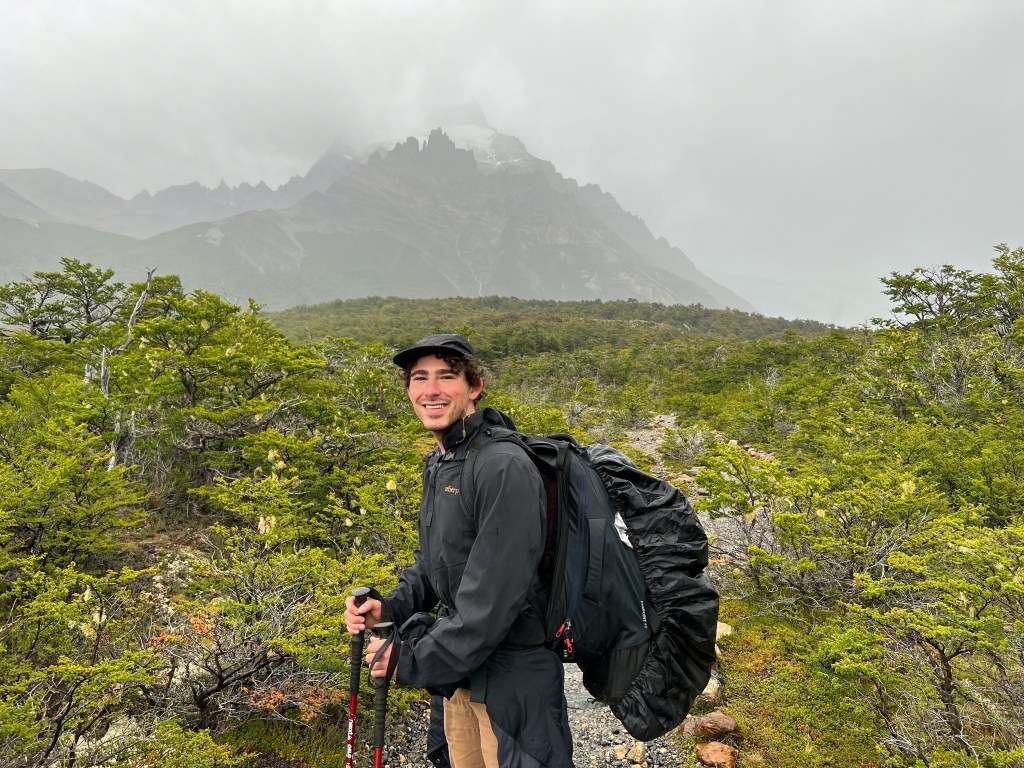
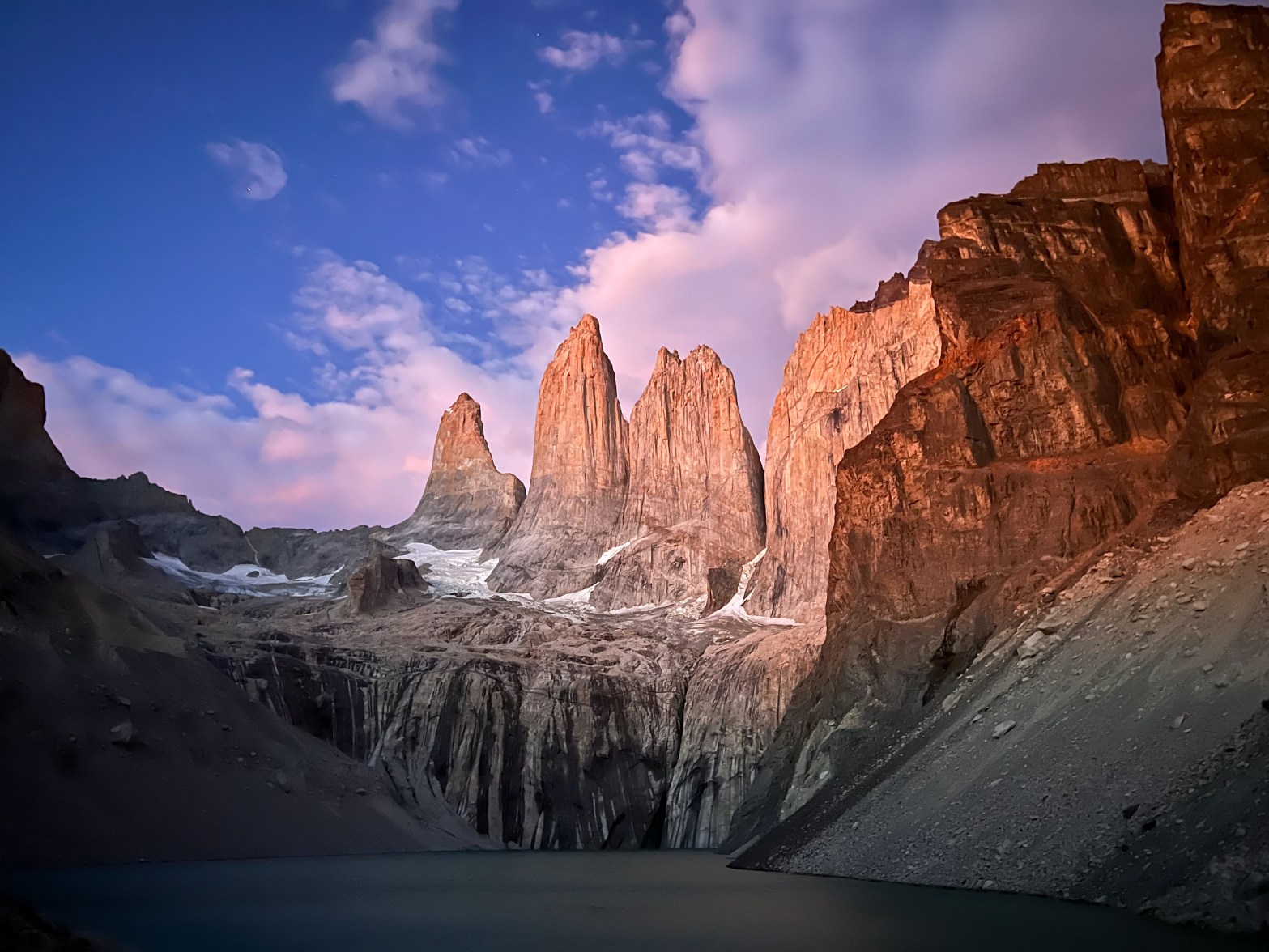
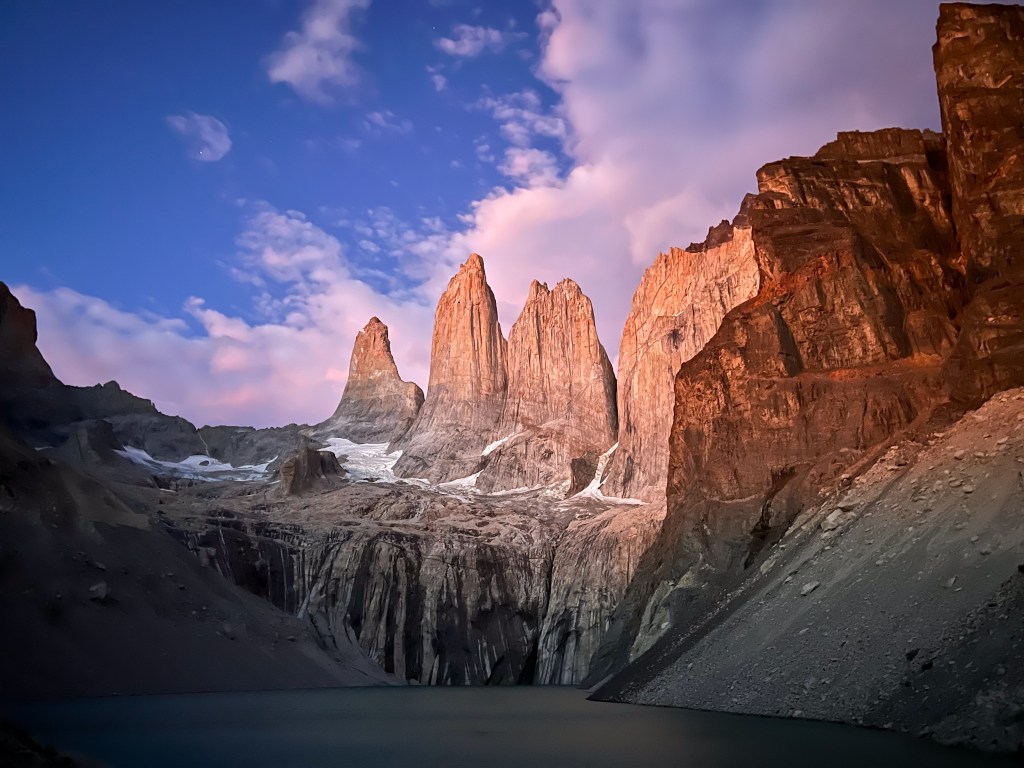
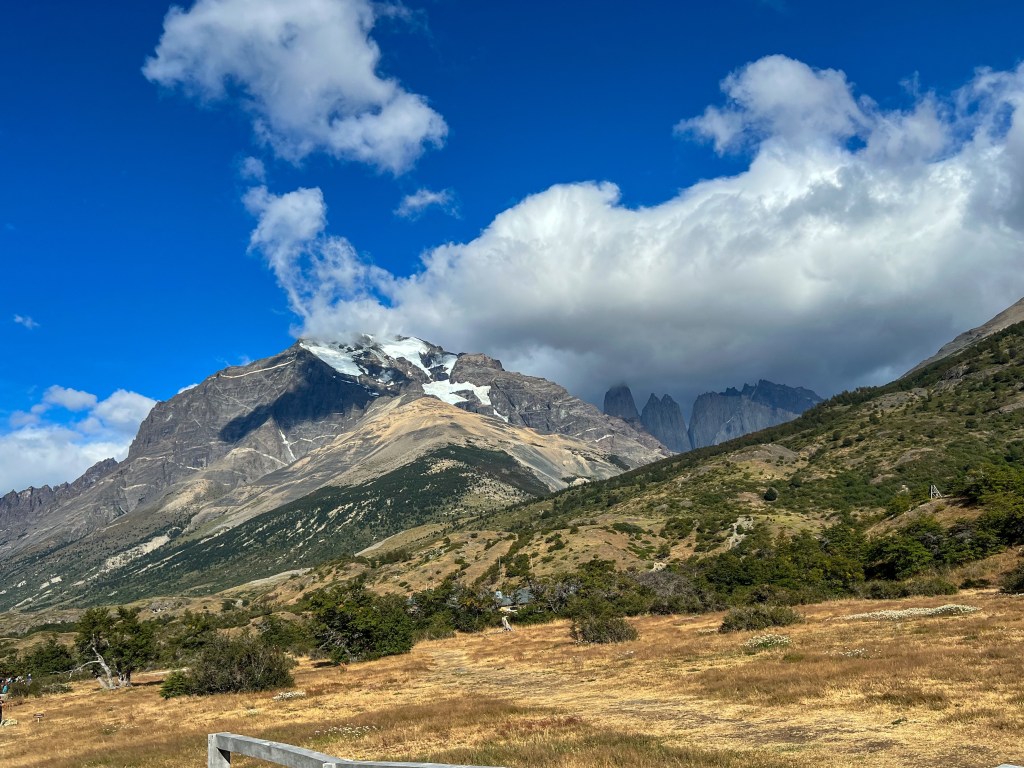
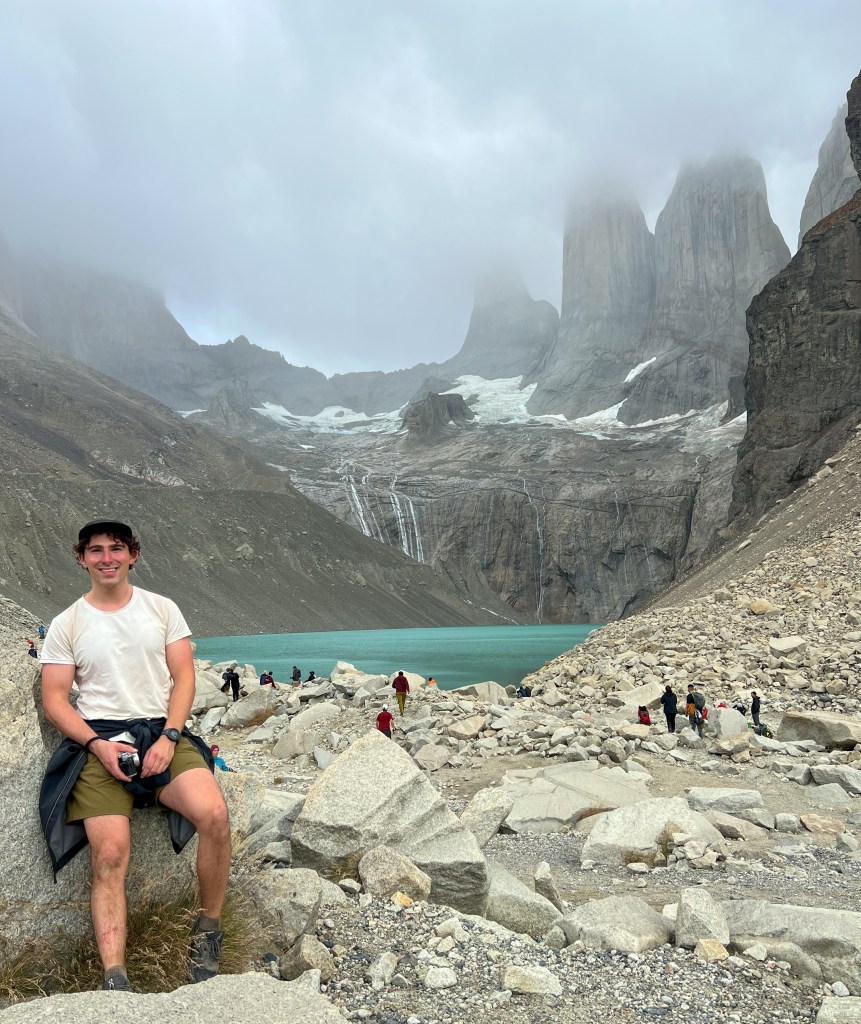
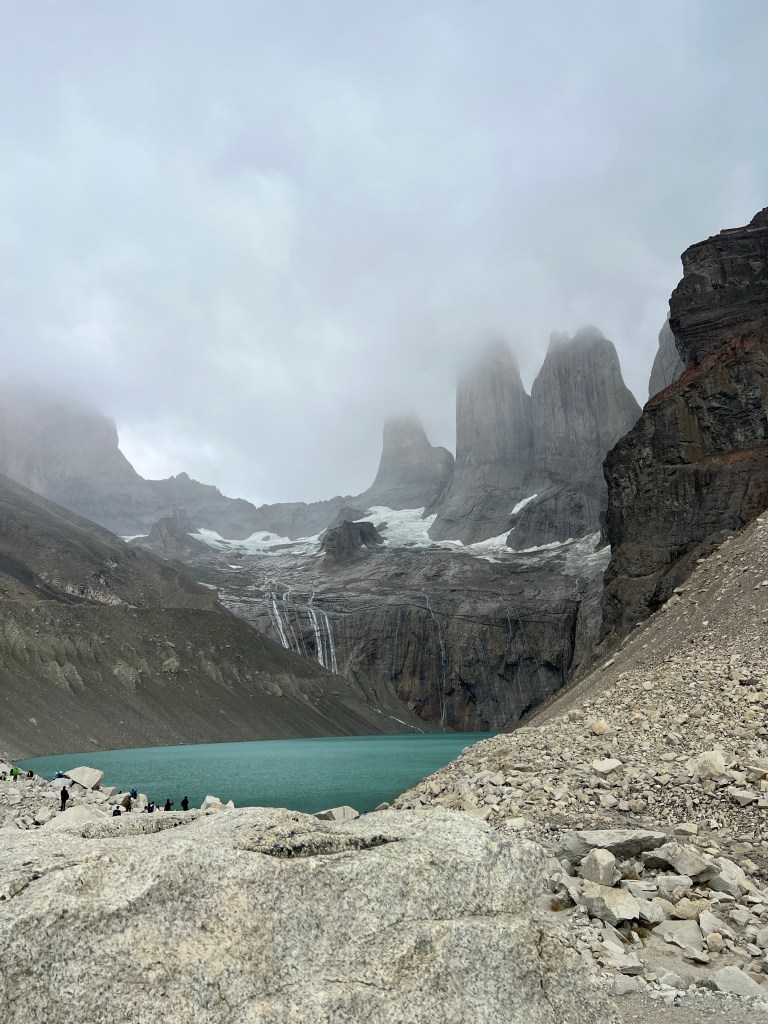
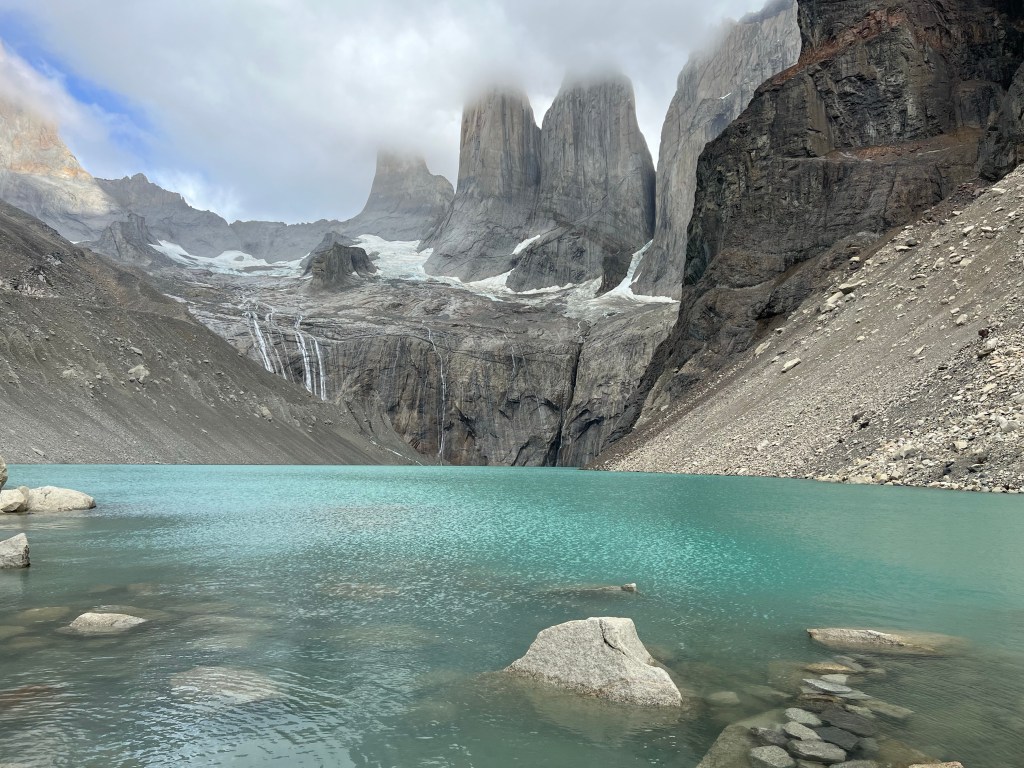
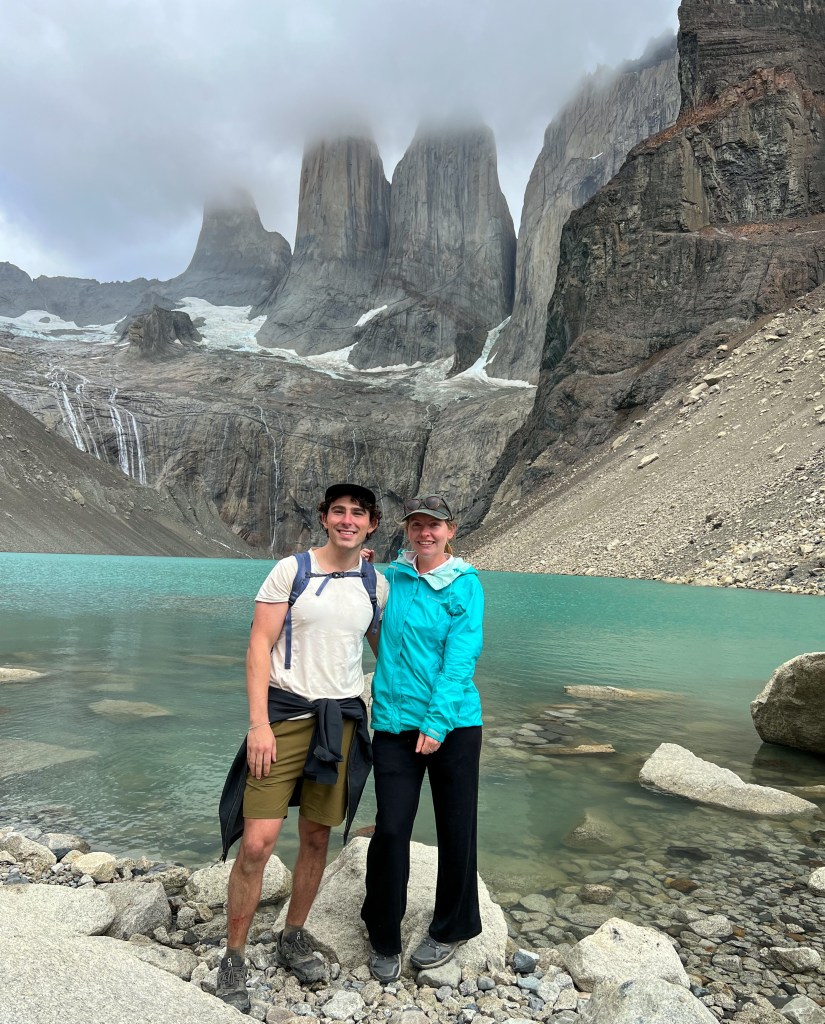
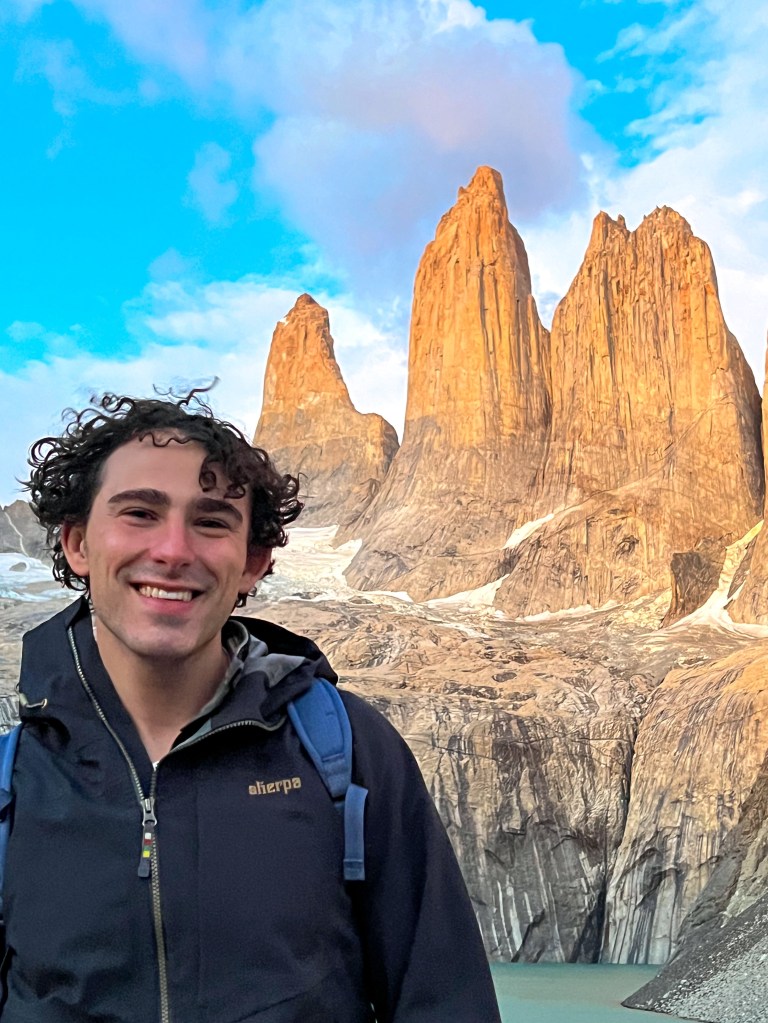
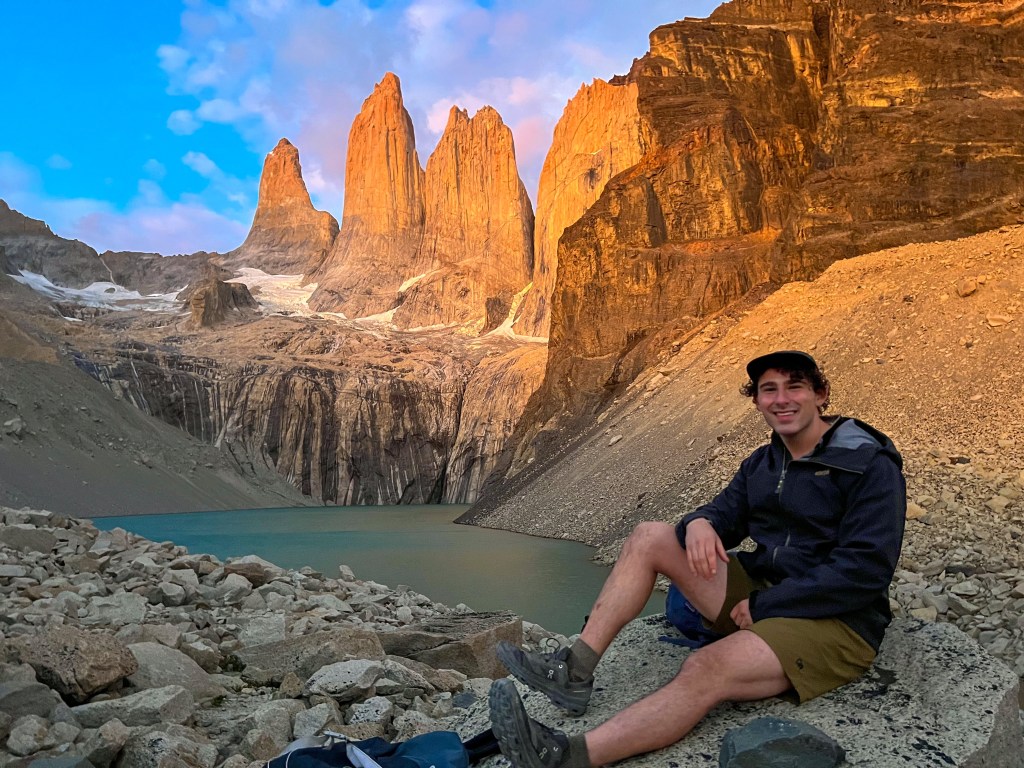
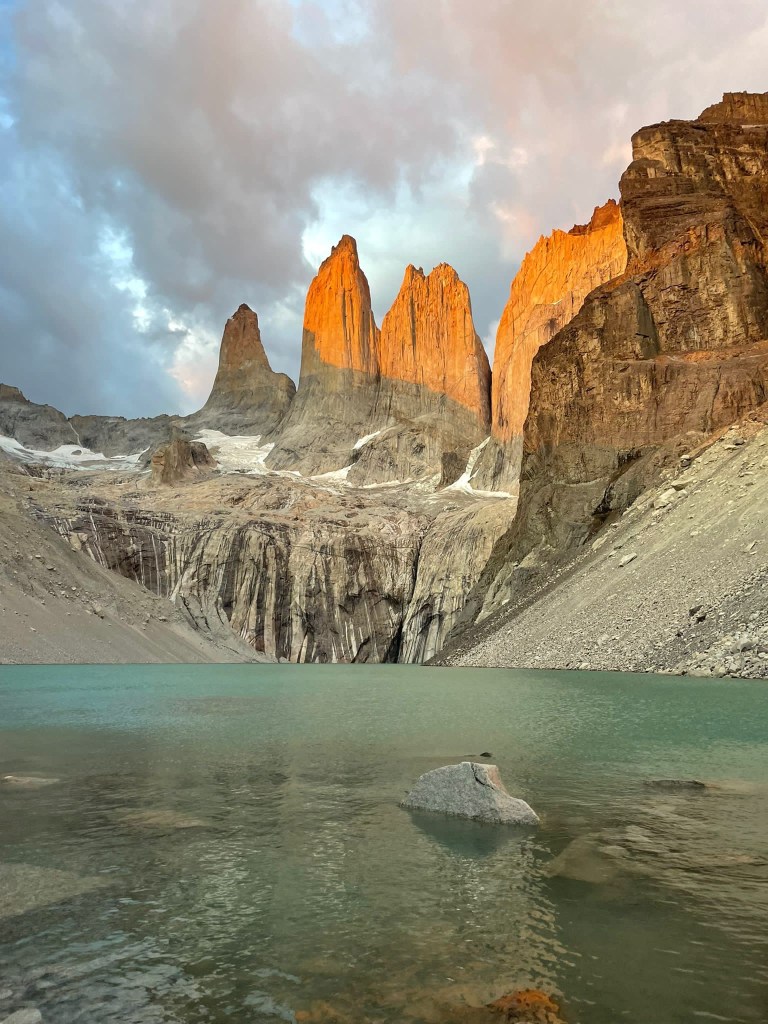
My first hike was to Mirador Base Las Torres, one of the most iconic in Chilean Patagonia and probably the most popular within the Torres del Paine National Park. The 13 mile out-and-back hike offers incredible views of Lake Torre and the three granite peaks that surround it, known as the “blue towers”.

While hiking, I met Beckett from the UK, and Anthony from France, who I would end up hiking the rest of the W-trek with.

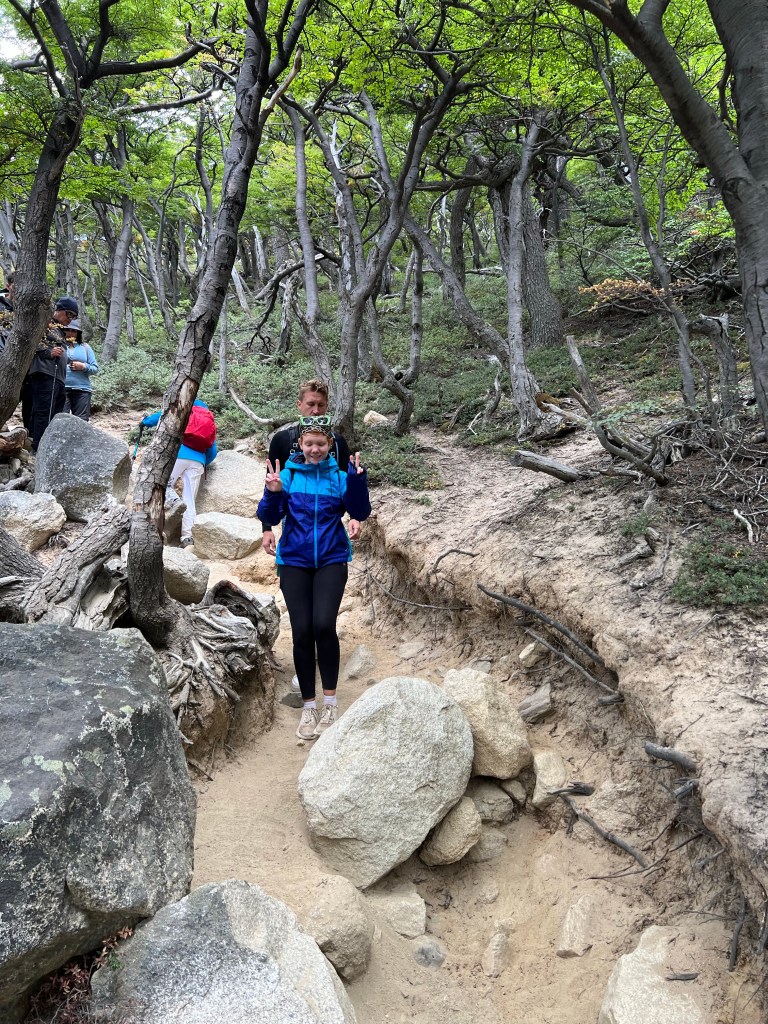
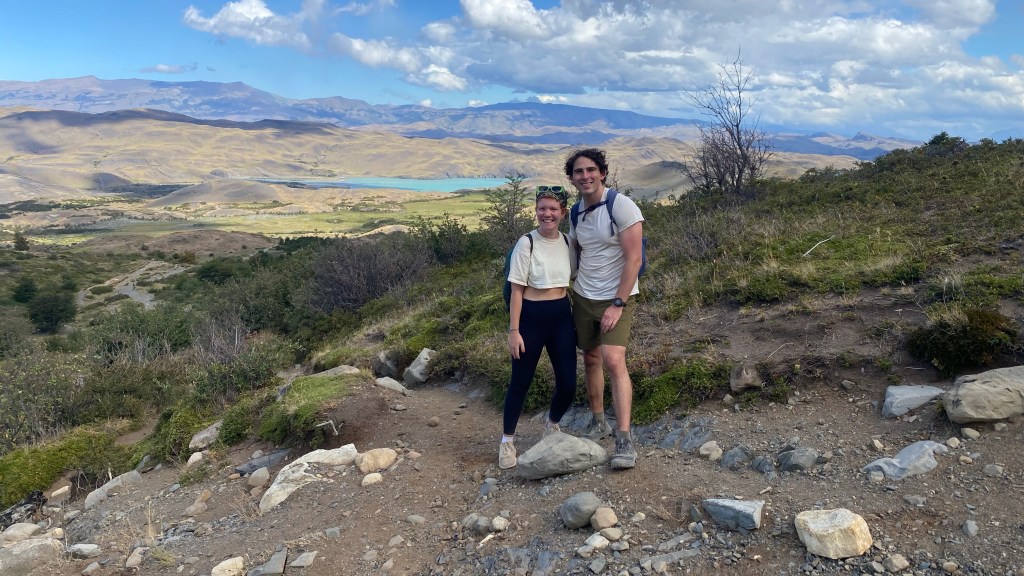
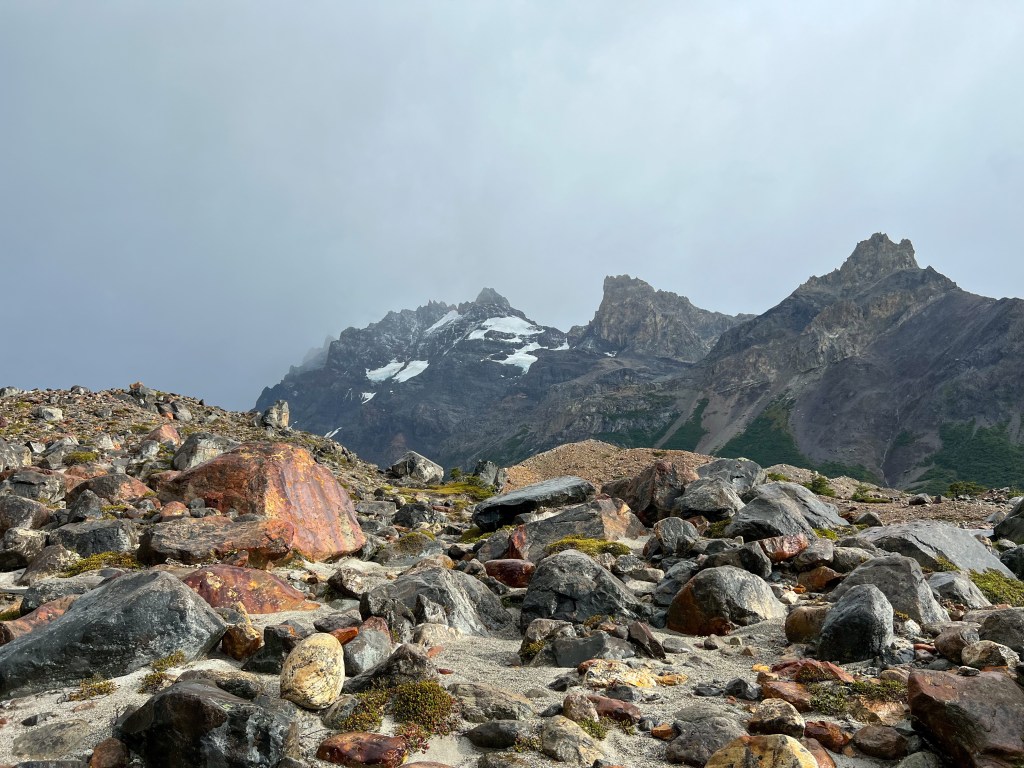
The hike up to Mirador Torres was quite beautiful-

When we finally got to the top, we were rewarded with beautiful, albeit, cloudy, views of the towers and lake.

And, coincidentally, I saw my friend, Laura, who was hiking through the park with a tour group!

After hiking back, Beckett took the bus back to Puerto Natales and Anthony and I hung out at the refugio, chatting and drinking beers. Later on that night, we met two women from the Netherlands who just arrived. They asked us about our hike up to Mirador Torres and if we had any recommendations. They mentioned they were considering doing a sunrise hike but that they wanted to talk with reception about it first. We went to the reception desk and began chatting with Diego, who I befriended earlier over our shared love for video games. He told us that the next morning was supposed to be incredibly clear and encouraged us to do the sunrise hike. Excited, we asked him what time we should leave – 6am? 5am? 4am? —- and then, our hearts sunk —- to get to the sunrise, he said, which began at 5:30, we would need to leave the refugio at 1:30am….

Feeling somewhat defeated, we went back to our table to discuss our options. Would it really be worth getting 3 hours of sleep? (it was 10:00pm) – what if the weather changes? – can we really do the 3 hour hike in the dark? – and did I really want to hike another 13 miles just to see a sunrise?

Whether it was the beer or our own stubbornness, I am not sure – but by 11:00pm, we decided to do it. We bid each other goodnight and went to our rooms for a 2 hour nap.

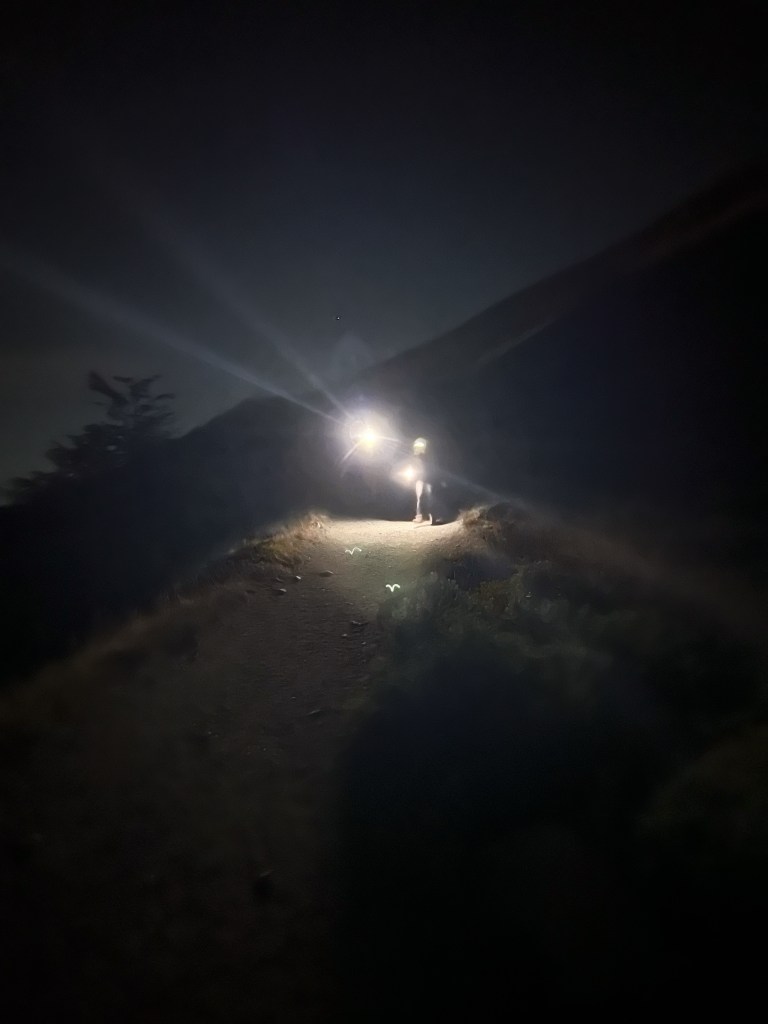
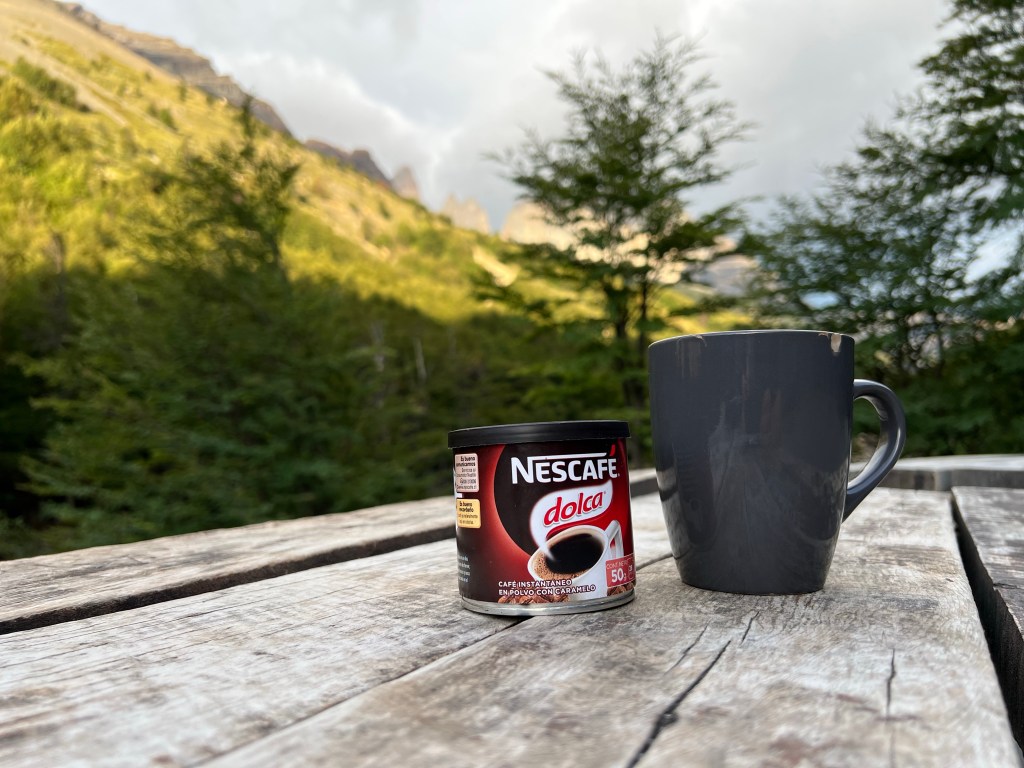
We met at the refugio’s cafeteria at 1:00am, reggaeton music blasting from the kitchen. The night shift who was preparing breakfast for the next morning pitied us and offered some coffee which we gratefully sipped as we mentally prepared for the late night journey.

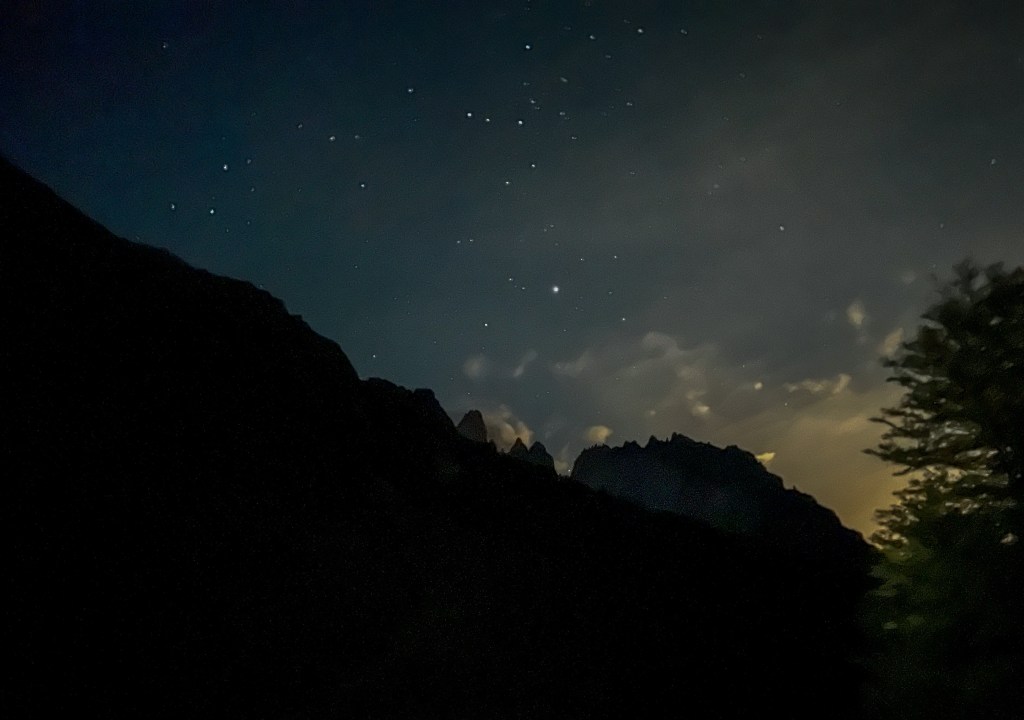
Leaving the refugio, which had the only lights for miles (aside from the hotel down the road..), we were welcomed by a bowl of stars and the brightest moon I have ever seen.

While the photos don’t do it justice, here are some from our trek

Without a doubt, this nighttime hike, which was the first I had ever done, was one of the best experiences I have had. The only people on the trail, we navigated the bush and rocks with the cool air our backs, chatting our way up the mountains.

By 5:00am, we reached the blue towers, found a comfy nook on the rocks, and ate egg sandwiches while we waited for the sun to come.

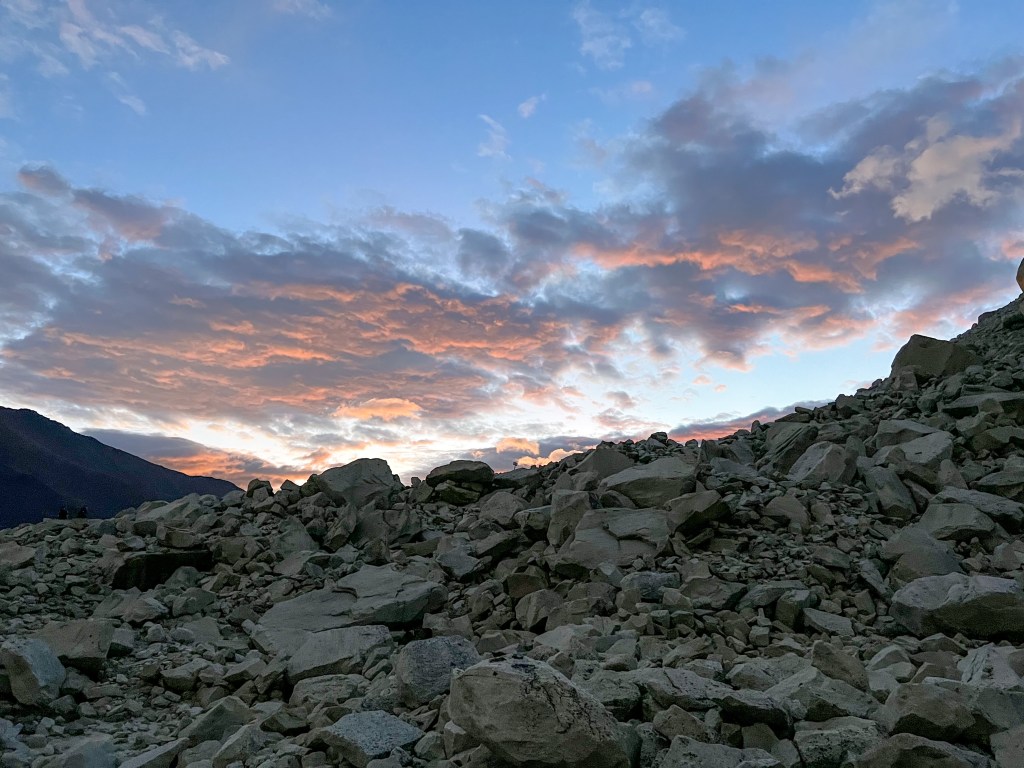
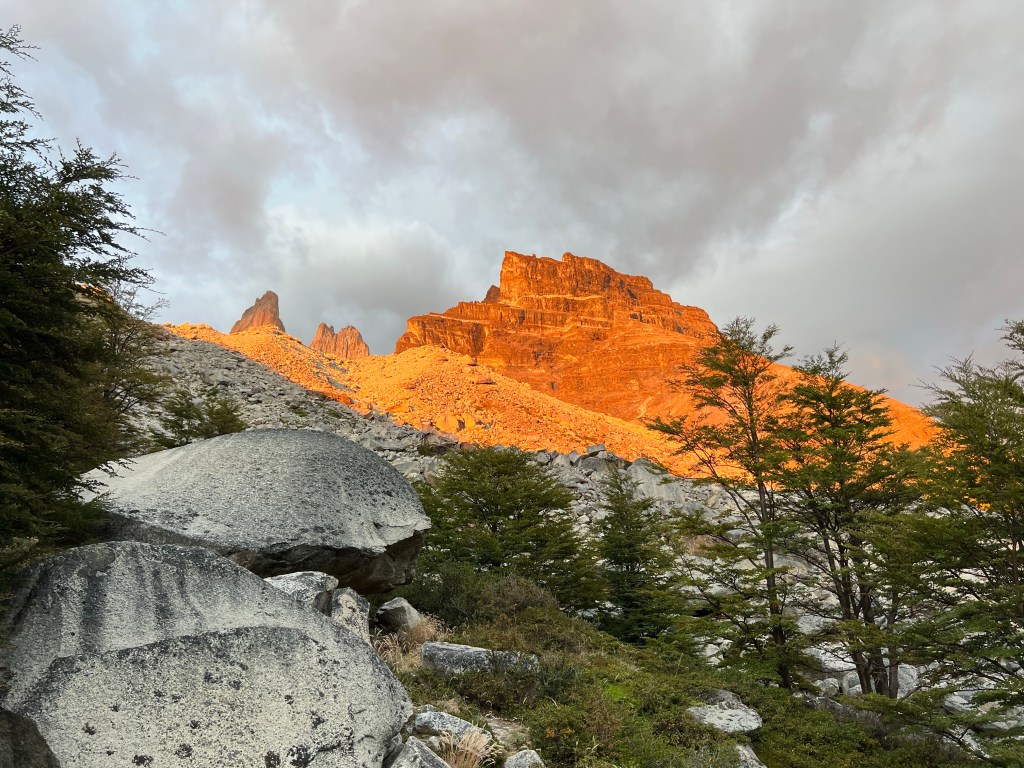
By 5:30, we began to see the light of the rising sun shine onto the rocks. By 6:00, we were welcomed with a glowing red like none I have ever seen.

As someone who has only explored a few national parks in the US, and only on the East Coast and New Mexico, this experience was otherworldly – and as I rushed down the mountain to meet Anthony for the next part of the hike – I could not stop thinking how grateful I am for the financial and physical strength that allowed me to have such a powerful experience.

By 9am, and 13 miles in, my day of trekking had just begun. Fueled by adrenaline, caffeine, and self-satisfaction – Anthony and I began the next stretch of our journey, 12 miles to our next refugio.

A saying that stuck with me from my time in Hebrew school was the phrase: “Gam Zeh Ya’avor” —> “this to shall pass”. Originating from King Solomon, who wore these words on a ring as a reminder to himself, the phrase reflects on the temporary nature of the world.

This adage could not be more well applied than for describing the erratic behavior Patagonian weather. You never know when it will change, and you need to be prepared for all four seasons. Unfortunately, the next 6 hours of our hike showed us, loud and clear, the power of Patagonian weather change.

I wish I could say my time in Torres del Paine was a dream, but that would be a lie. The next 12 miles of hiking, Anthony and I trudged through a torrent or relentless wind and rain as we dragged our bodies and gear through muddy paths, teetering bridges, and slippery rocks. How the weather that blessed me at 6am transformed into a torrential downpour only 3 hours later, I don’t know – welcome to Patagonia, I thought.

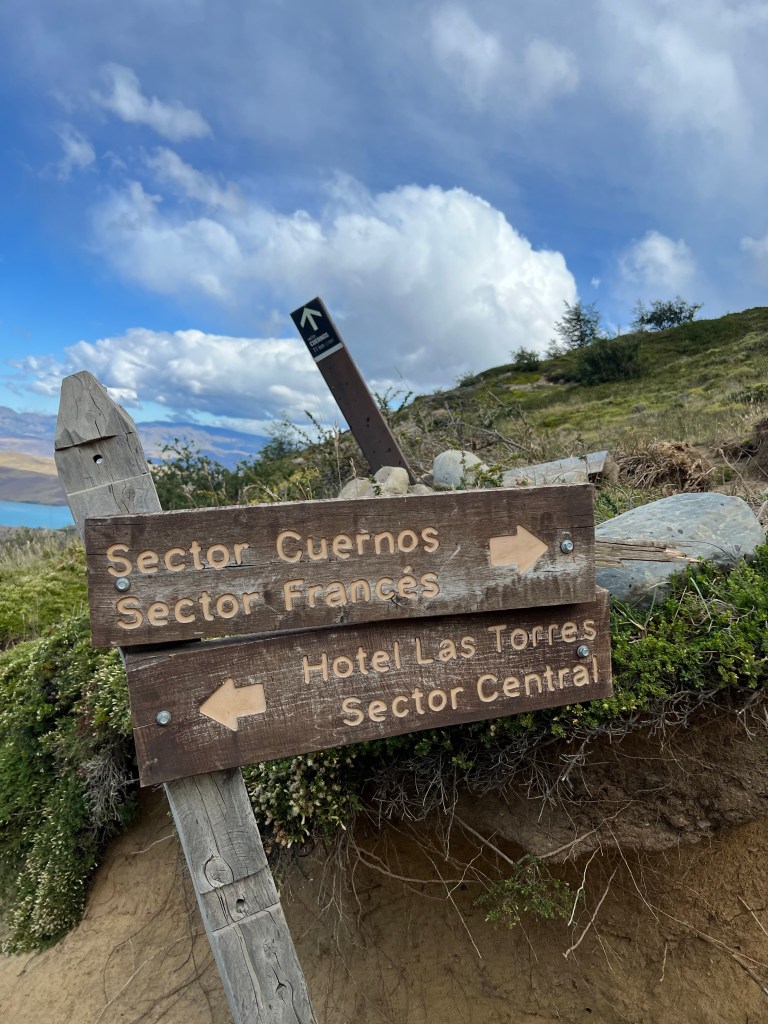
By around 2:00pm, we arrived at the two-thirds point, at Refugio Cuernos. Fortunately, the weather had cleared (temporarily), so we found some benches outside, took a nap, and played cards with some fellow travelers as our gear dried in the sun.

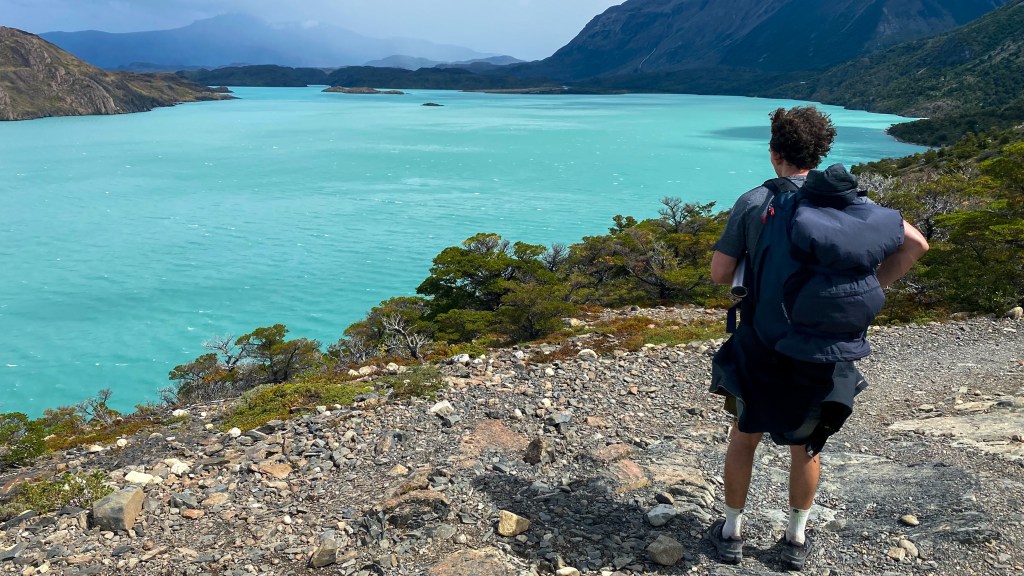
By 4:00pm, the rain and wind threatened its return, so Anthony, our fellow hikers, and me packed up and began the last third of our trek to Refugio Frances, which was based at the bottom of of next day hike through the Valle de Frances. We again fought through rain and wind as the glacial lake on our left thrashed waves against the rocks under our feet.

Refugio Frances

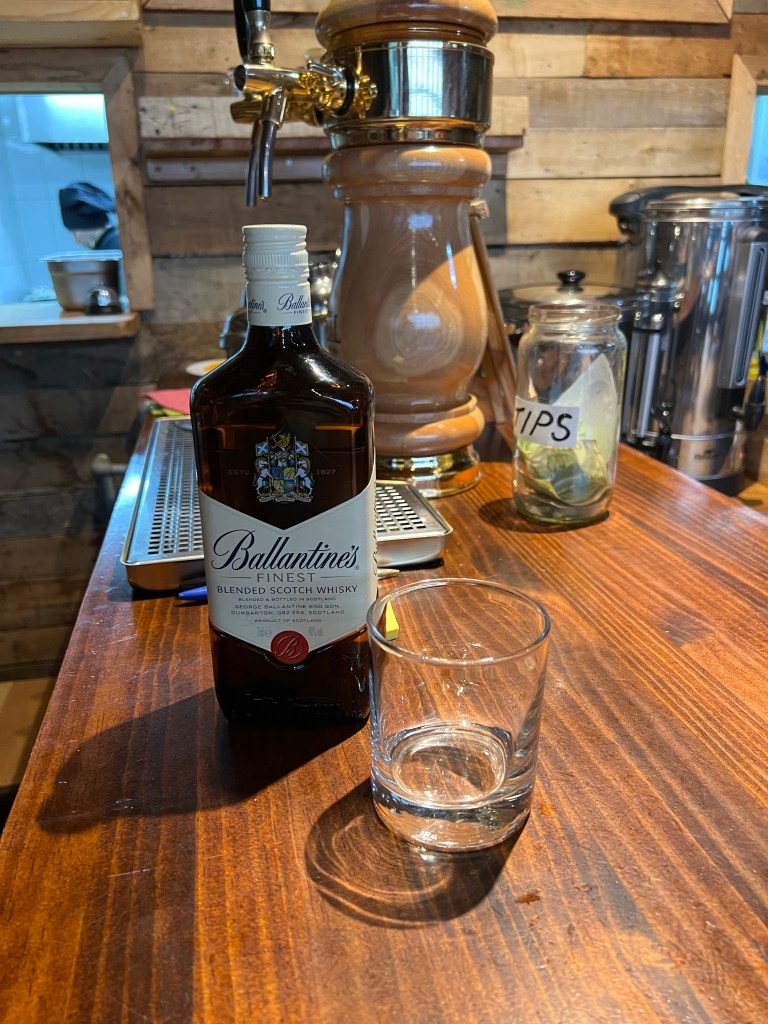
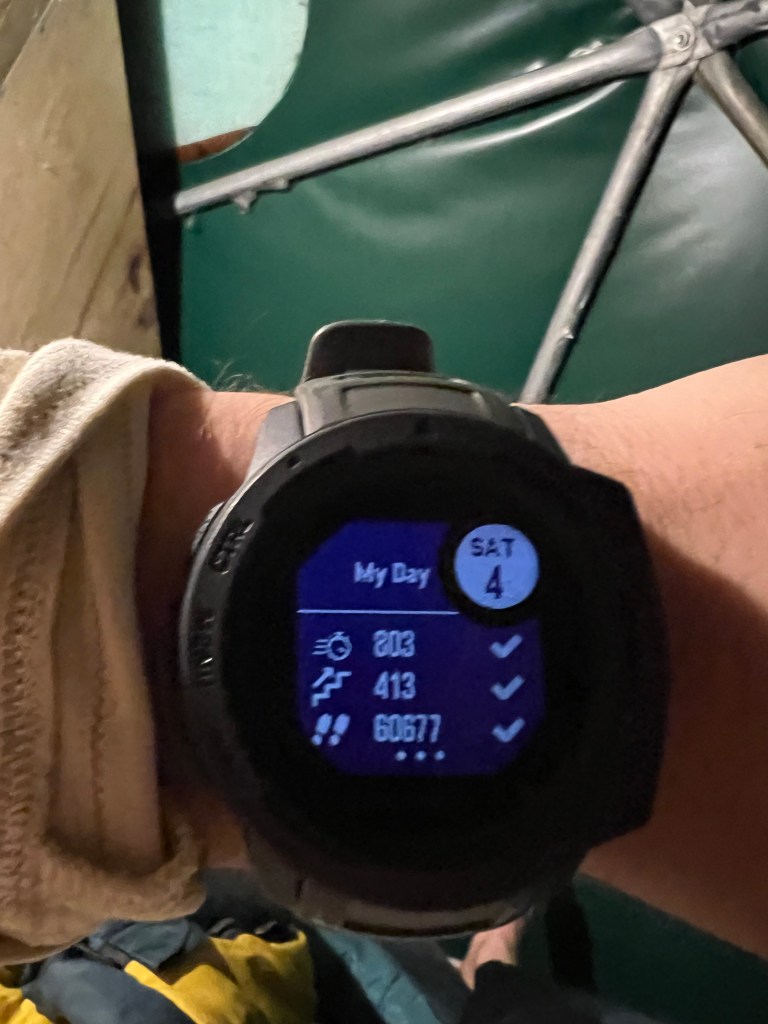
While it is hard to imagine, we were quite fortunate with our timing, as immediately after arriving at Refugio Frances, the true downpour began, continuing late into the night. After strategically placing all of our gear by the fire to dry, we went to the dining hall, a rickety skeleton of sheet metal, plastic, and wood planks. Exhausted but high-spirited, we spent the night drinking coffee and whiskey as we watched the Lago Nordernskjold express its aggressive side as its waves battered the rocks below. When I finally laid down on my bed, I checked my watch to see how far I traversed — 27.8 miles in 14 hours — the most I have ever hiked, let alone with a pack of gear and food.

*Tangent: Laying in bed, I thought about how grateful I am for the physical fitness I worked to achieve over the past 5 years. From an early age, I defined fitness as synonymous with “looking good” and being healthy. Never particularly good at sports (I blame my poor hand-eye coordination), I think failed to learn that fitness is so much more than just being “attractive” or living a long life – it is, most importantly to me, about the quality of the life you can live, both mentally and physically. I would never have been able to do all this hiking, see the wonderful sunrise at Mirador Torres, lug my gear through the rain and wind, and keep a smile on my face while doing it without the hundreds of hours I spent training my body – lifting weights at the gym, running, doing yoga (albeit not well), going to physical therapy, rock climbing, and just walking or riding my bike. This would become a reoccurring thought throughout my time in Patagonia, as I pushed my body and mind to its limits, fighting to experience as much of the region as I could in the 2 short weeks I had.

The next morning, we were greeted with a beautifully clear day – the sun beaming down on the drenched camp we slept in.

Packing up our gear, we prepped for another long day – hiking 18 miles to Mirador Britanica through the Valle de Frances and back to our next stop, Refugio Paine Grande.

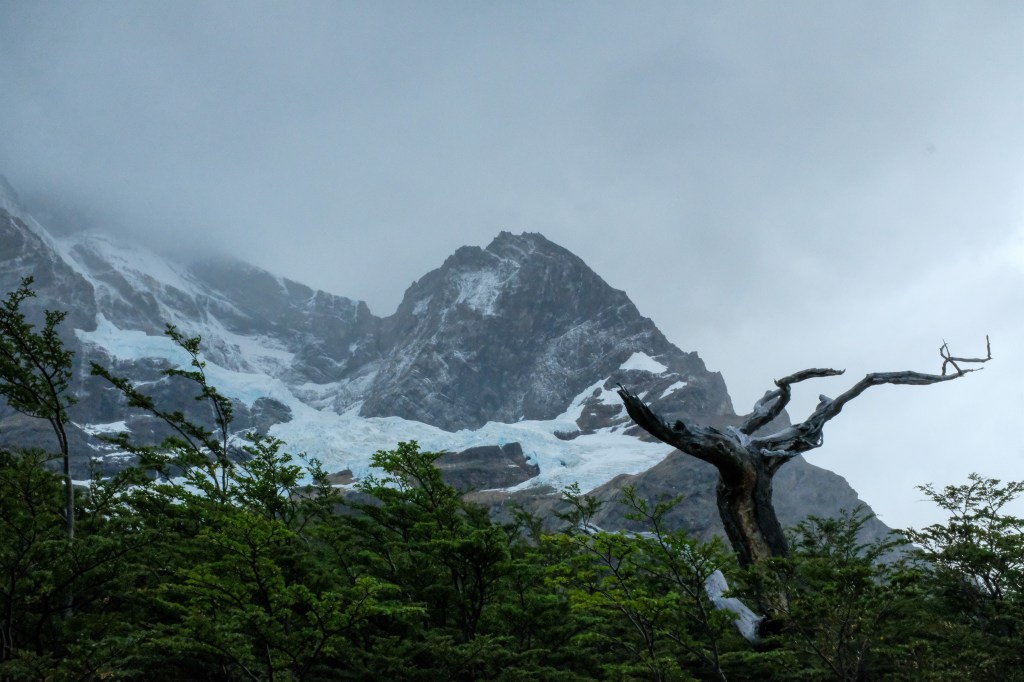
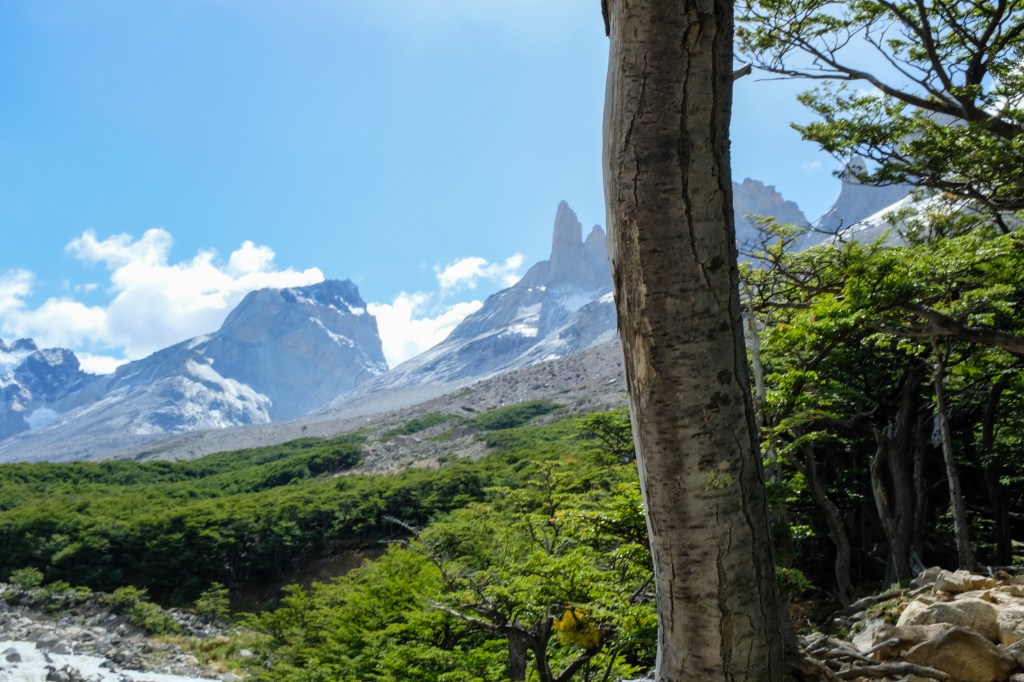
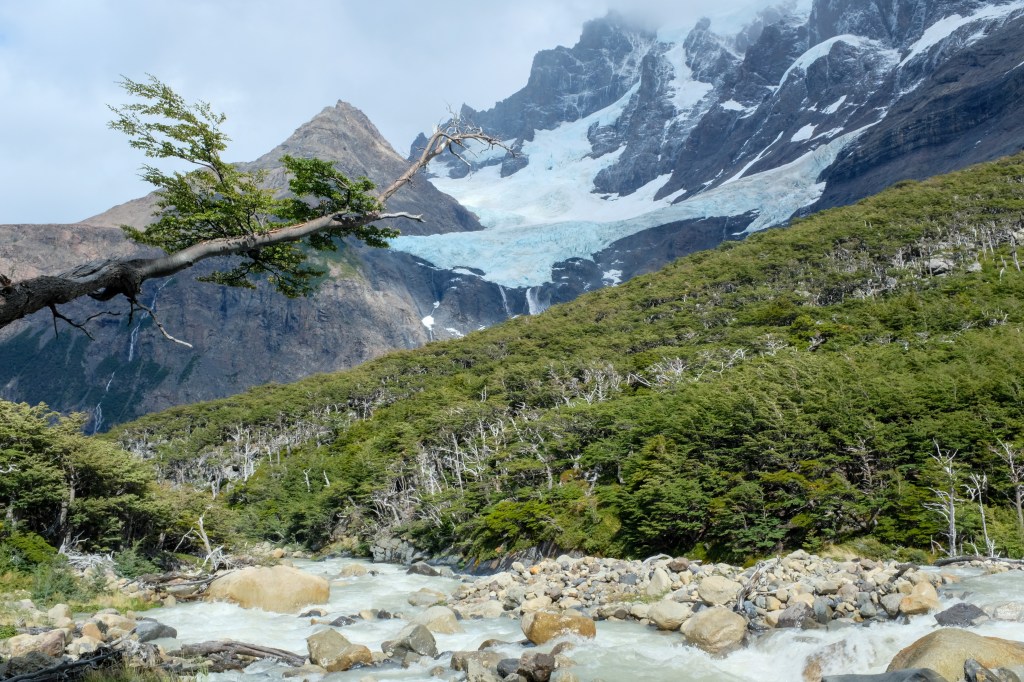
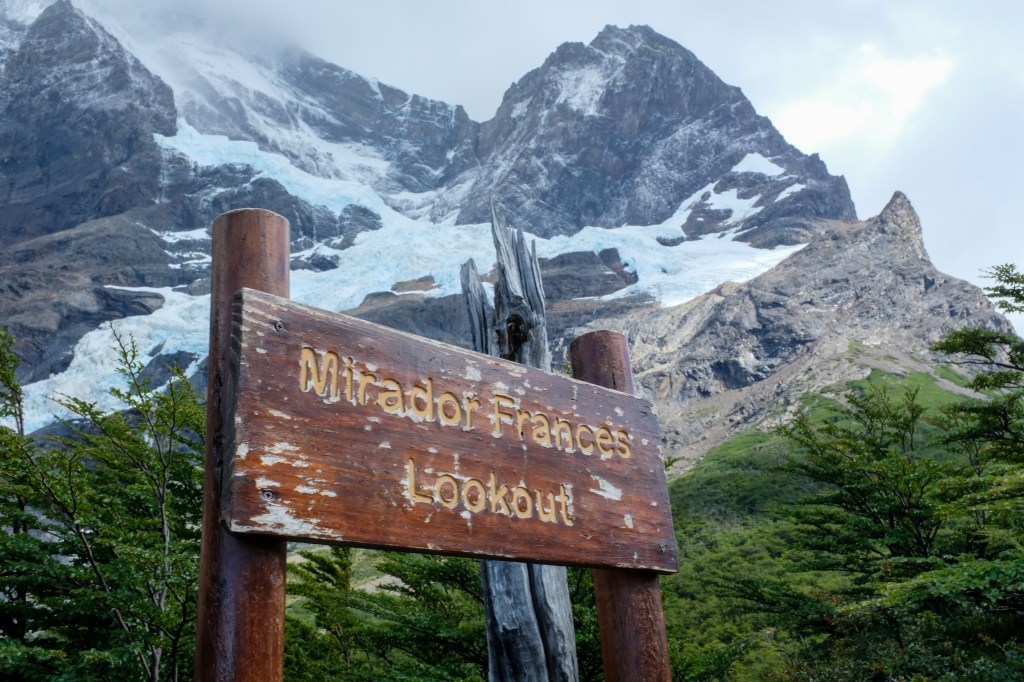
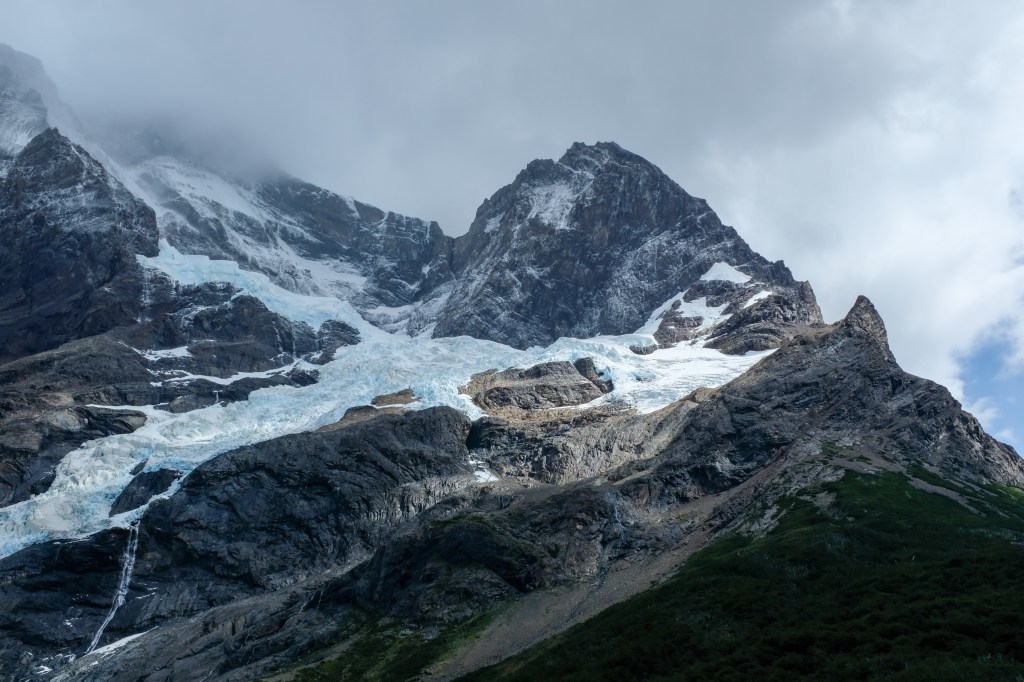
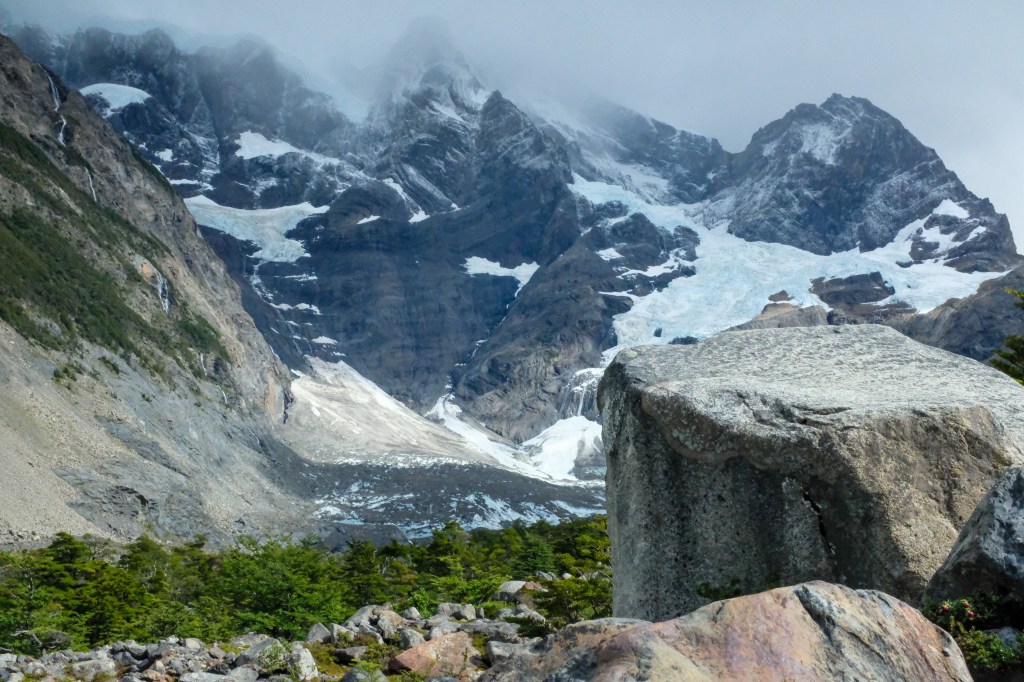
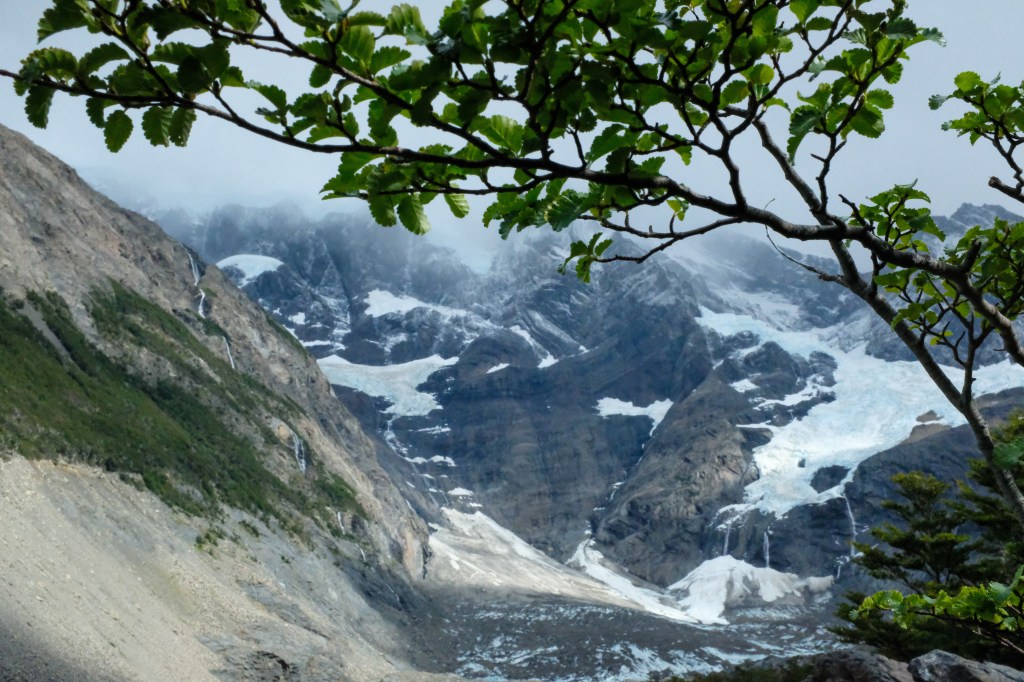
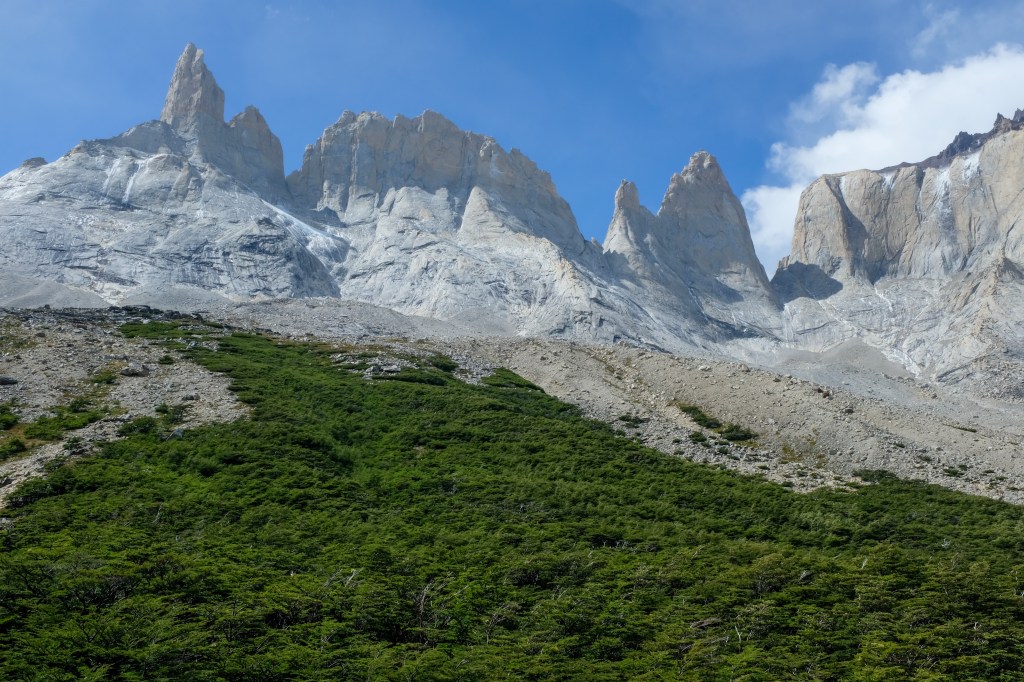
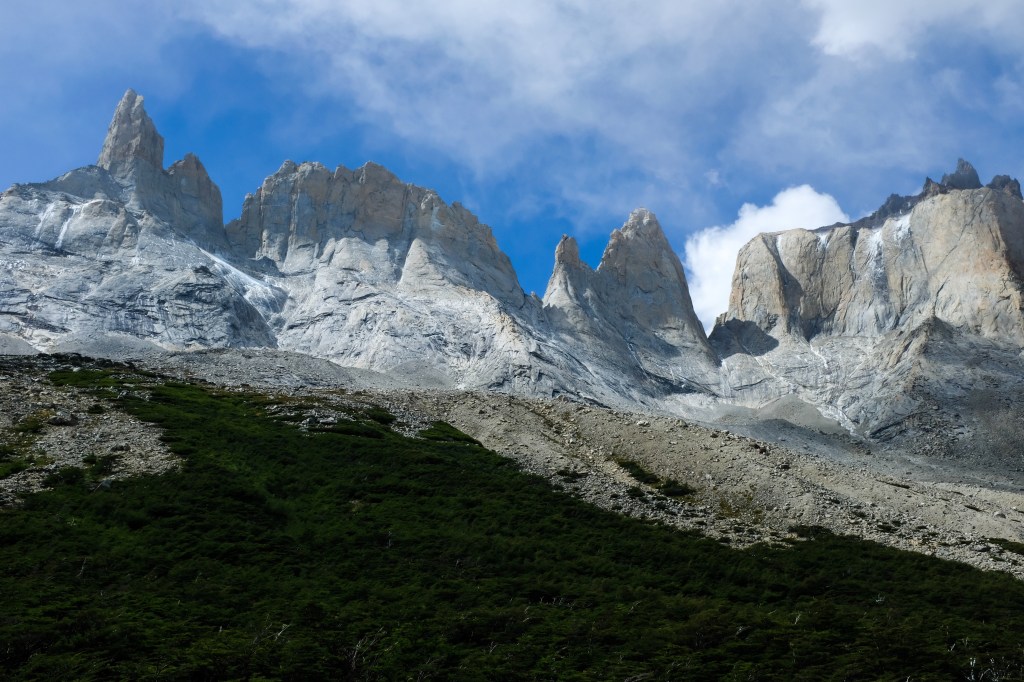
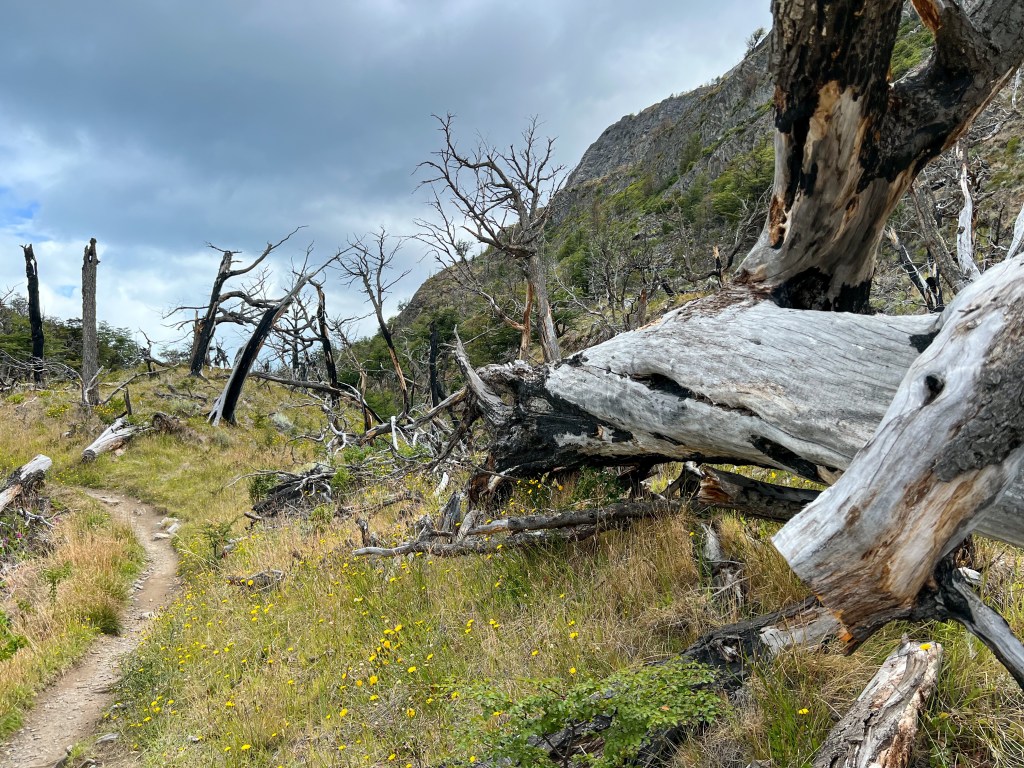
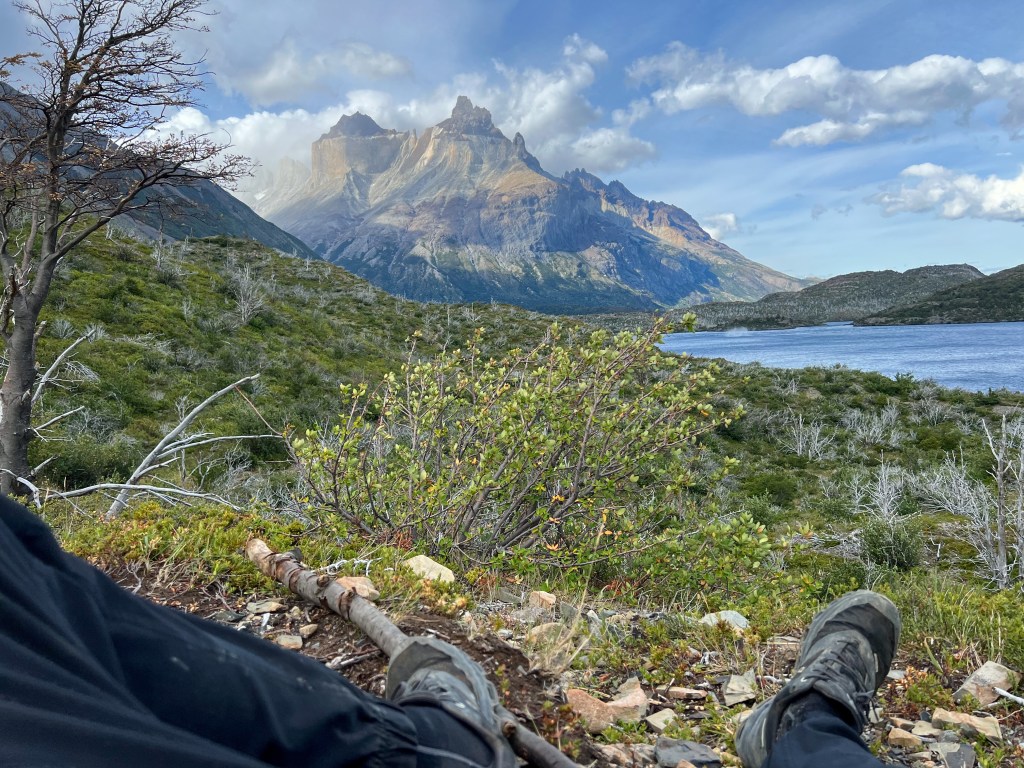
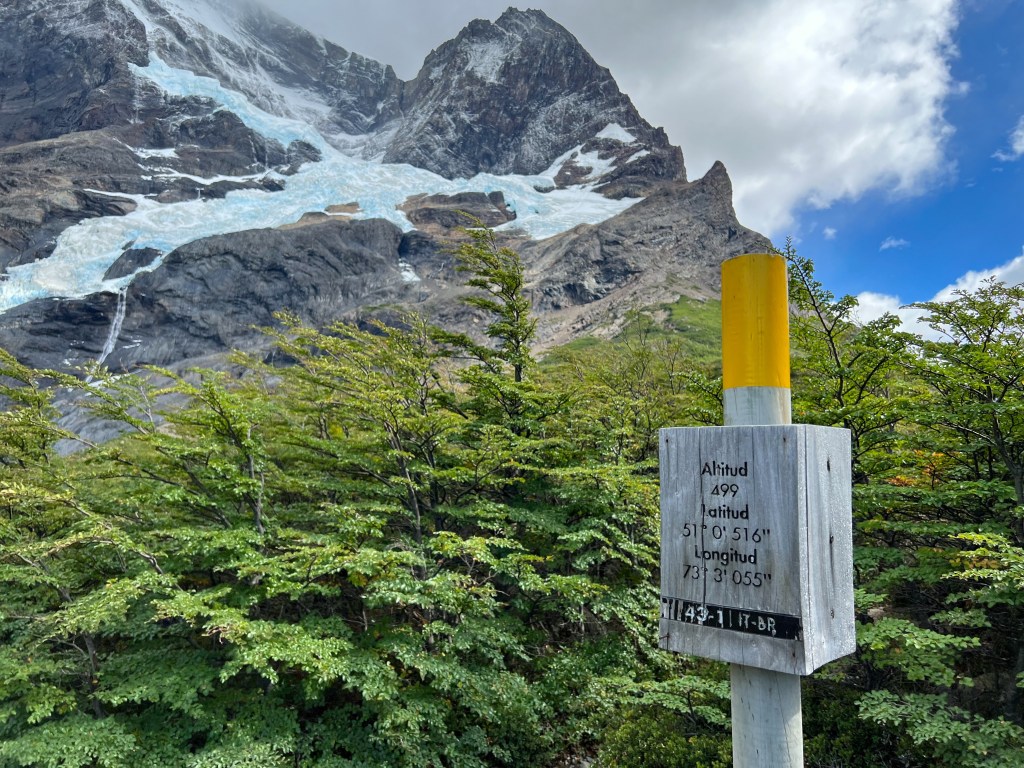
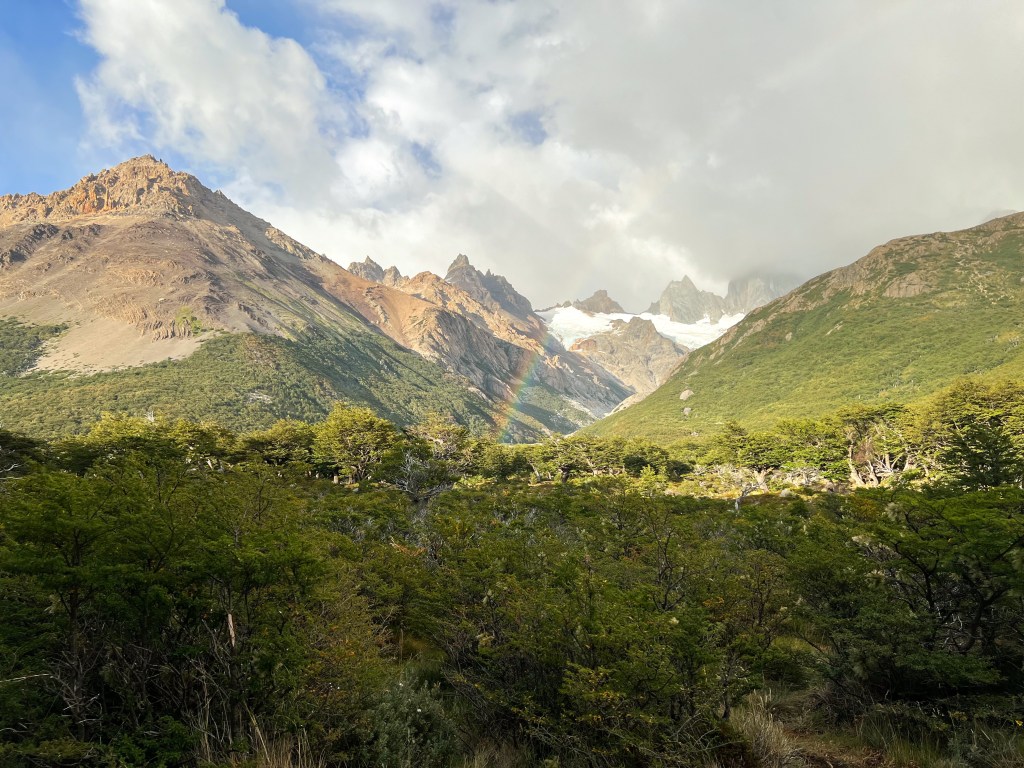
The hike, out-and-back through the Valle de Frances to Mirador Britanica, was beautiful – greeting us with views of glaciers and the backward angle of Mirador Torres.

And a few more..

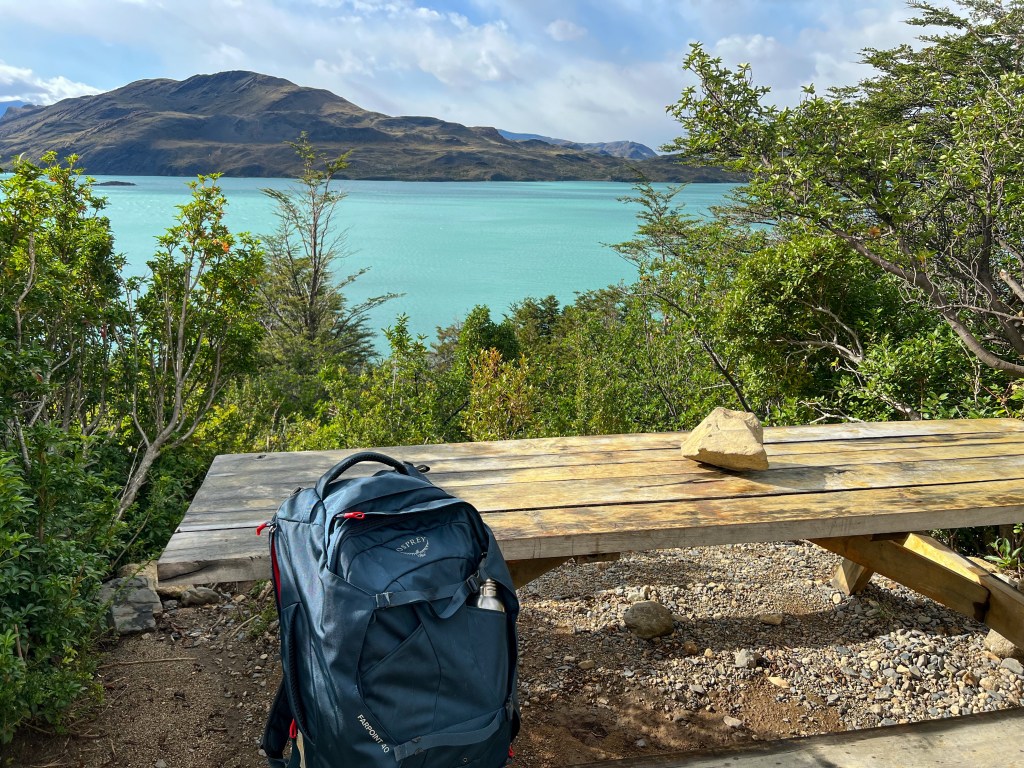
Around 7:00pm I arrived at Refugio Paine Grande – starving and beginning to grow sick of my daily 3 course dinner of carrot sticks, powdered soup, and canned tuna with instant mashed potatoes. The Paine Grande refugio is by far the largest of the refugios – and inside was a luxurious dining hall – with a buffet that can only be described as a fancy Golden Corral (pre-Covid of course). Quick Rant- The food and accommodation at the refugios in Torres Del Paine are absurdly priced – a result of being so far from civilization. When I secured my spot at the refugio (which you must do because they fill up very quickly in high season), I decided against the $200 room and board promo, opting for the more economical $120 bring-your-own-food dorm room option. For anyone considering this trek, I implore you, PLEASE pay the extra $$ for food at Refugio Paine Grande – while its not as worth it at the other refugios in my opinion, it is well-worth the money at Paine Grande, especially after several days of hiking with canned tuna and mashed potatoes… As my nostrils were bombarded with wafts of chicken curry and grilled fish, I begrudgingly wolfed down my canned dinner and stole a couple dinner rolls from the counter.

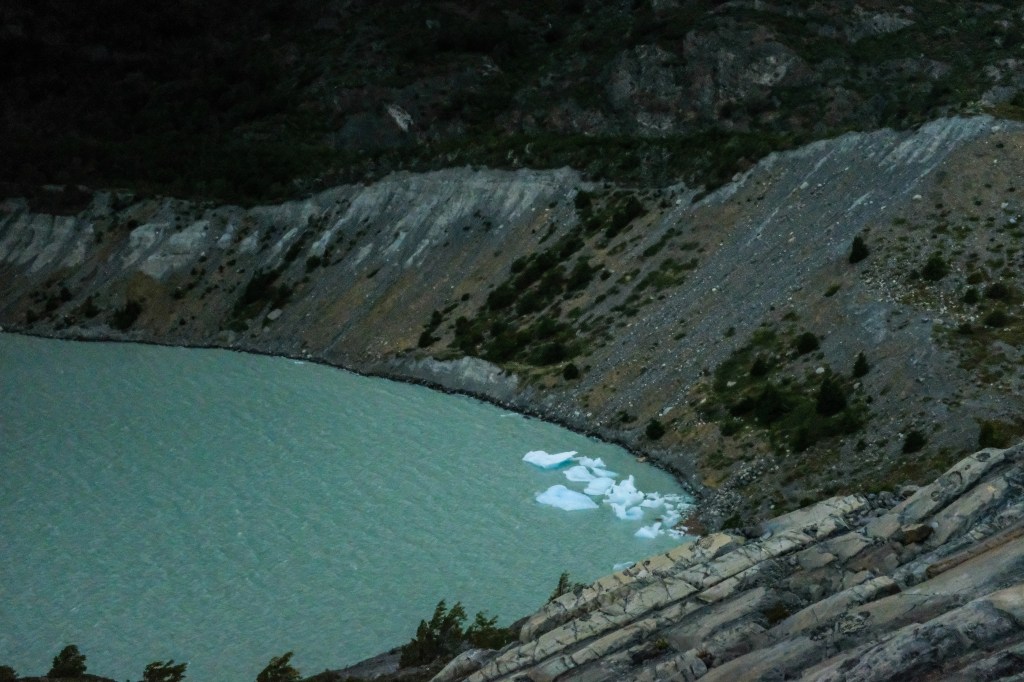
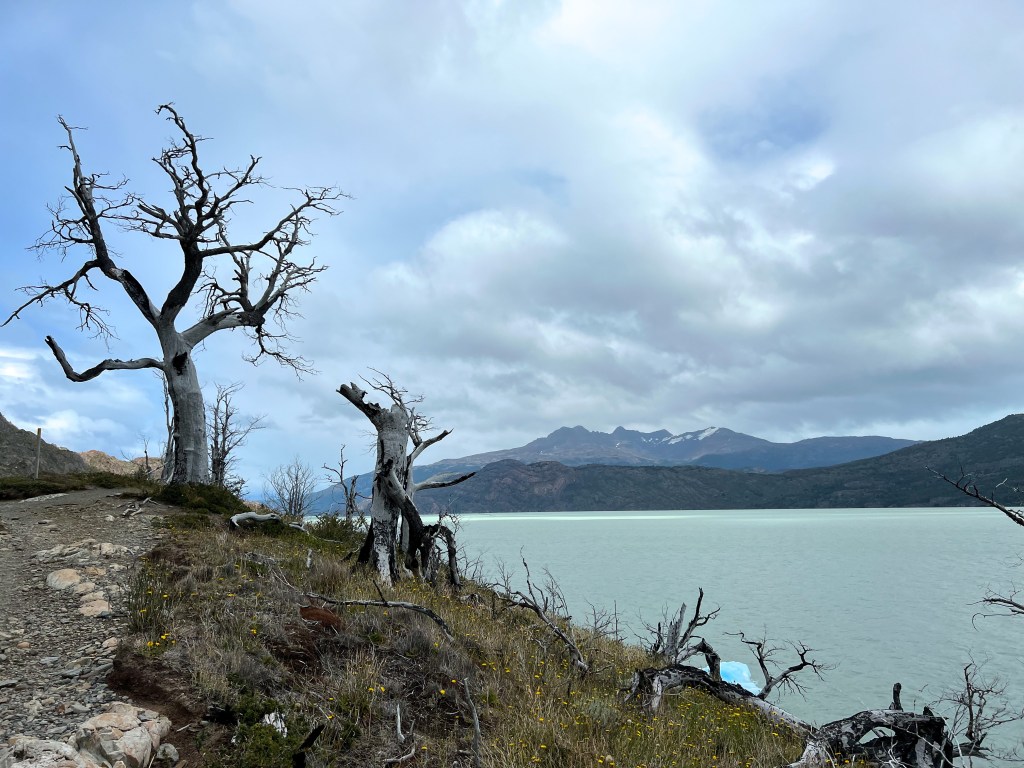
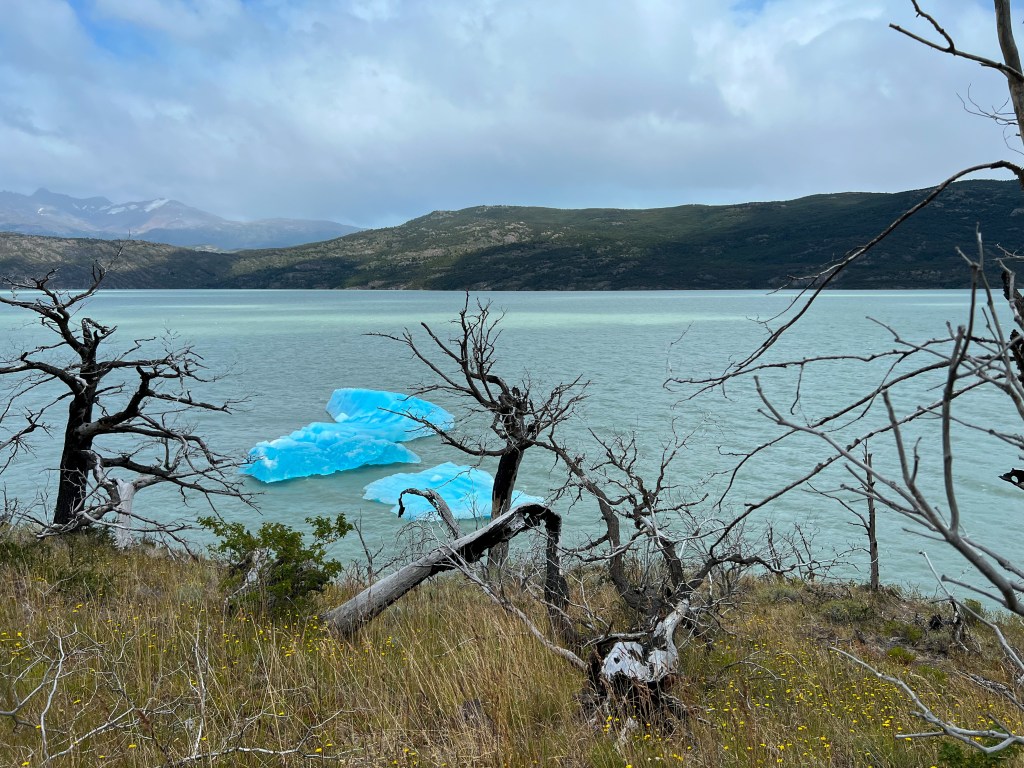
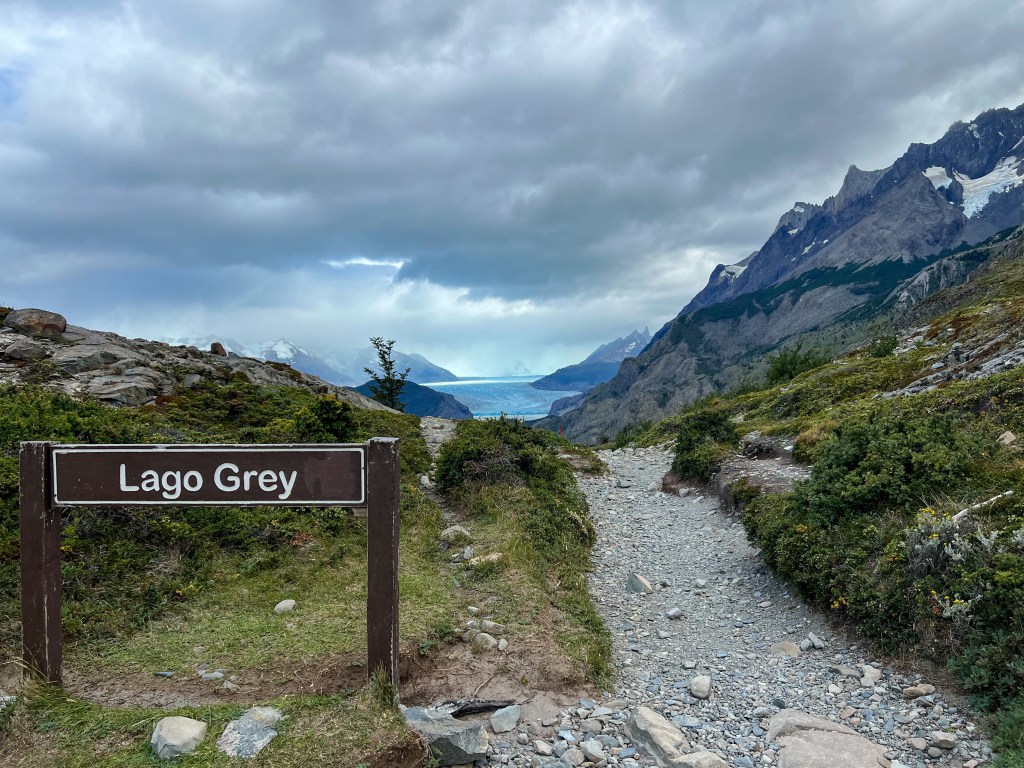
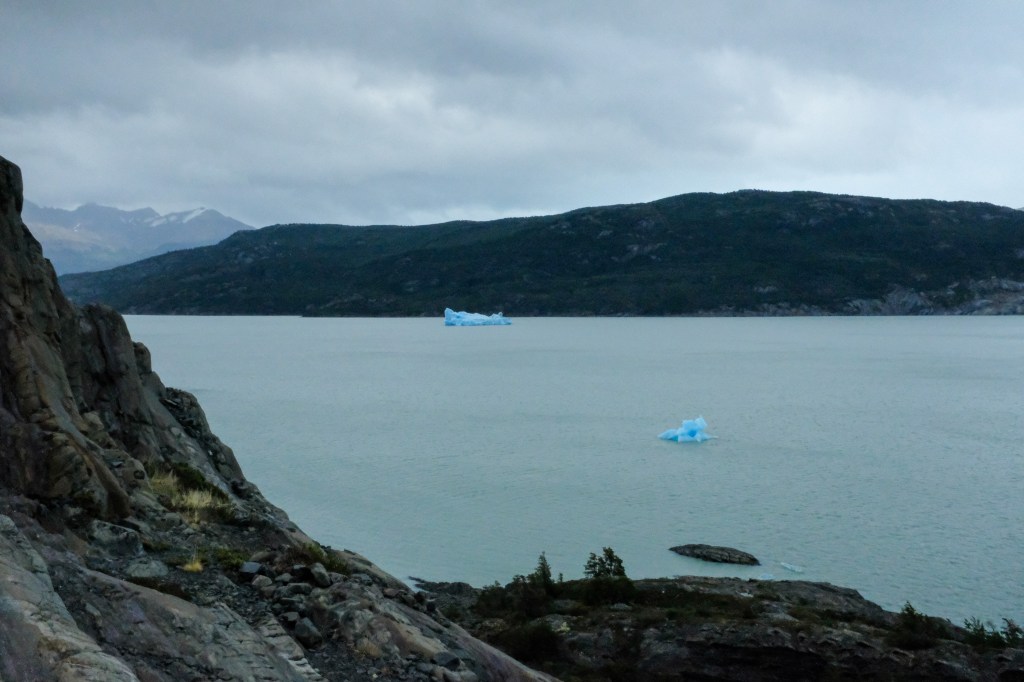
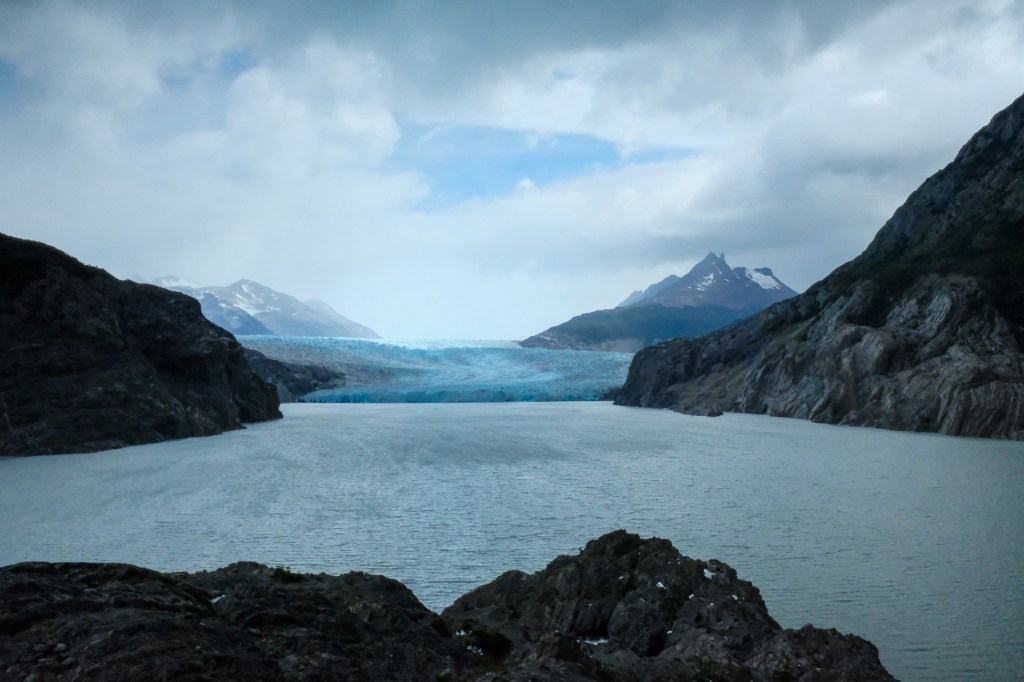
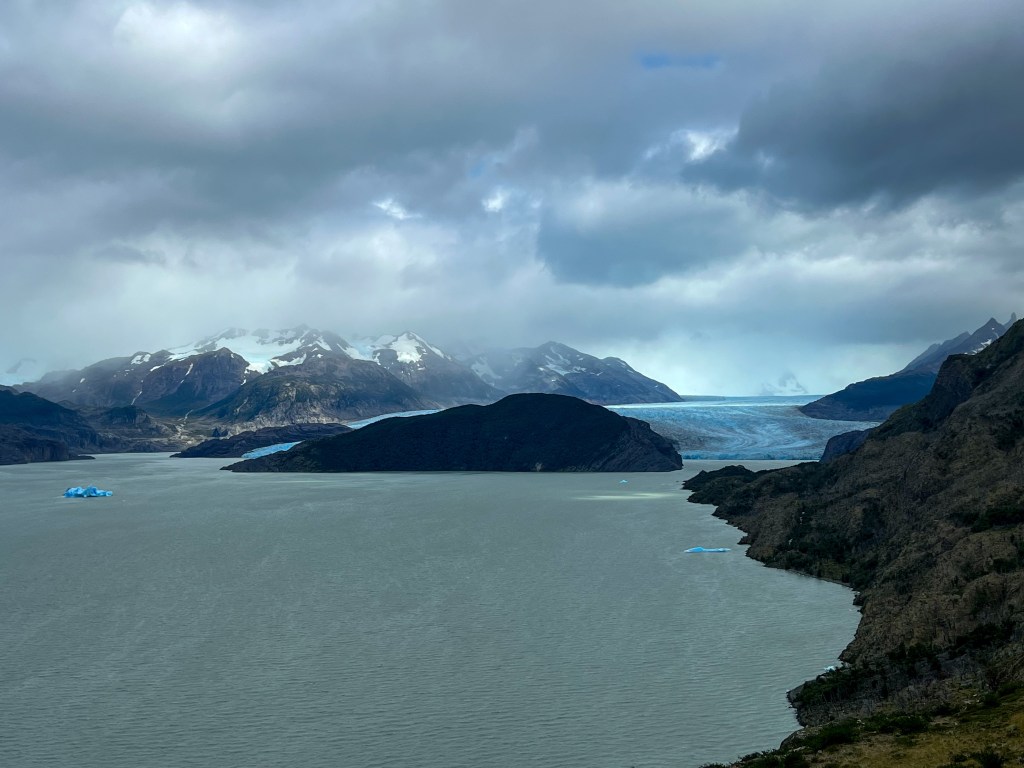
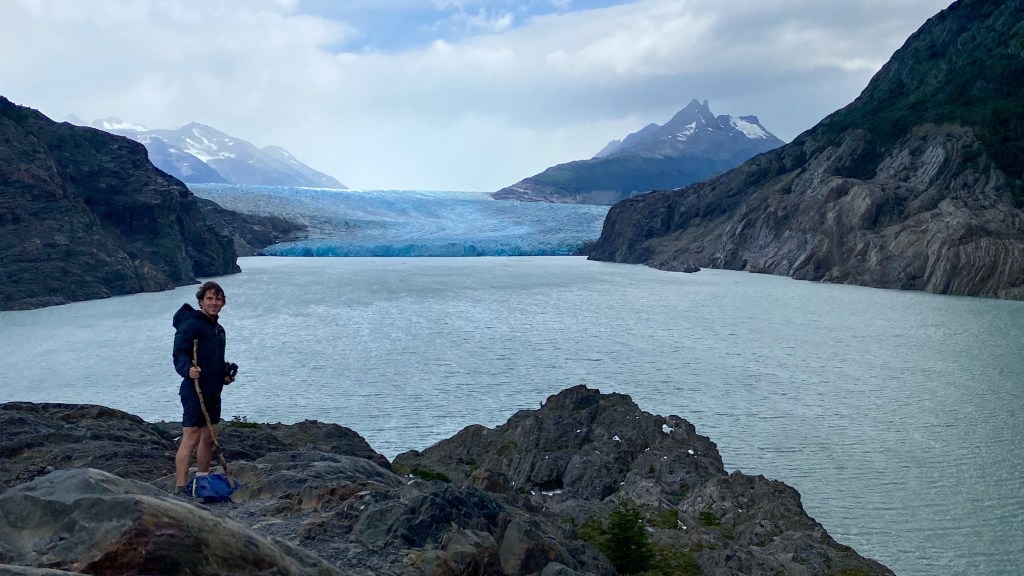
The last and final day, Anthony and I hiked up Largo Grey to the Grey Glacier and took a hiking tour that led us onto the glacier itself.

Afterwards, we rushed back to Refugio Paine Grande to catch the 6:00pm catamaran out of the Torres del Paine national park.

At a bar waiting for our bus to Puerto Natales, we drank beers and relived the past several days.

Arriving in Puerto Natales at 10:00pm, Anthony and I said goodbye and went to our hostels.

Over the course of 4 days, we hiked 60 miles (including 2x up and down Mirador Torres). It was a truly incredible experience and I would highly recommend it to anyone who wants to experience Patagonia.

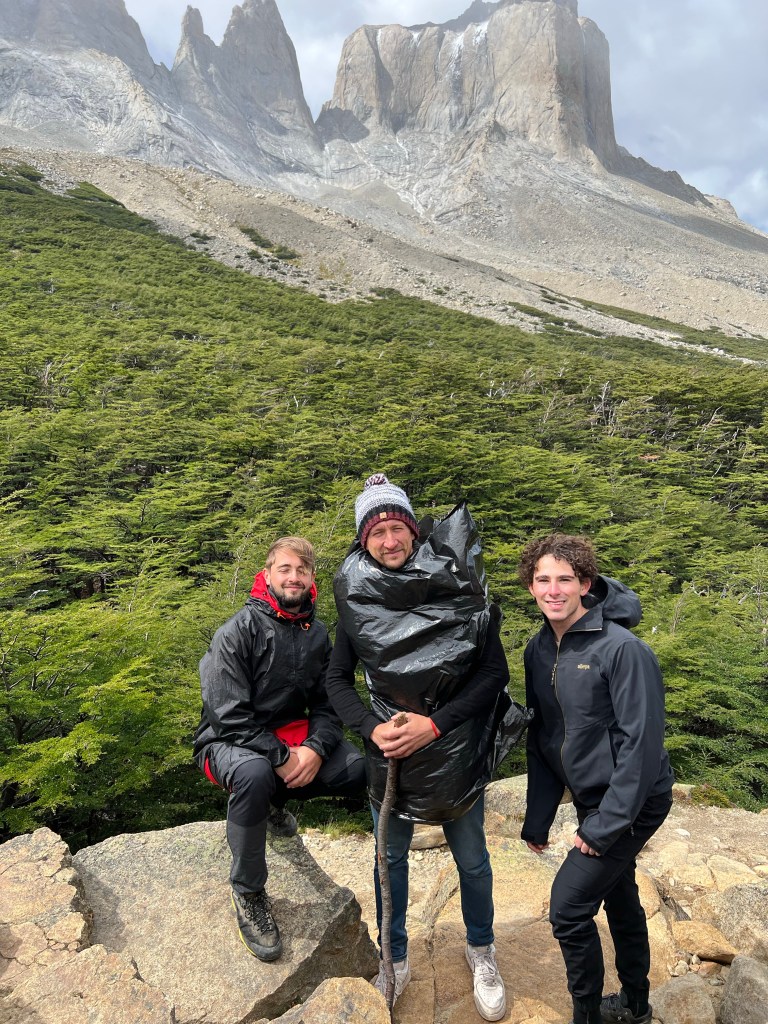
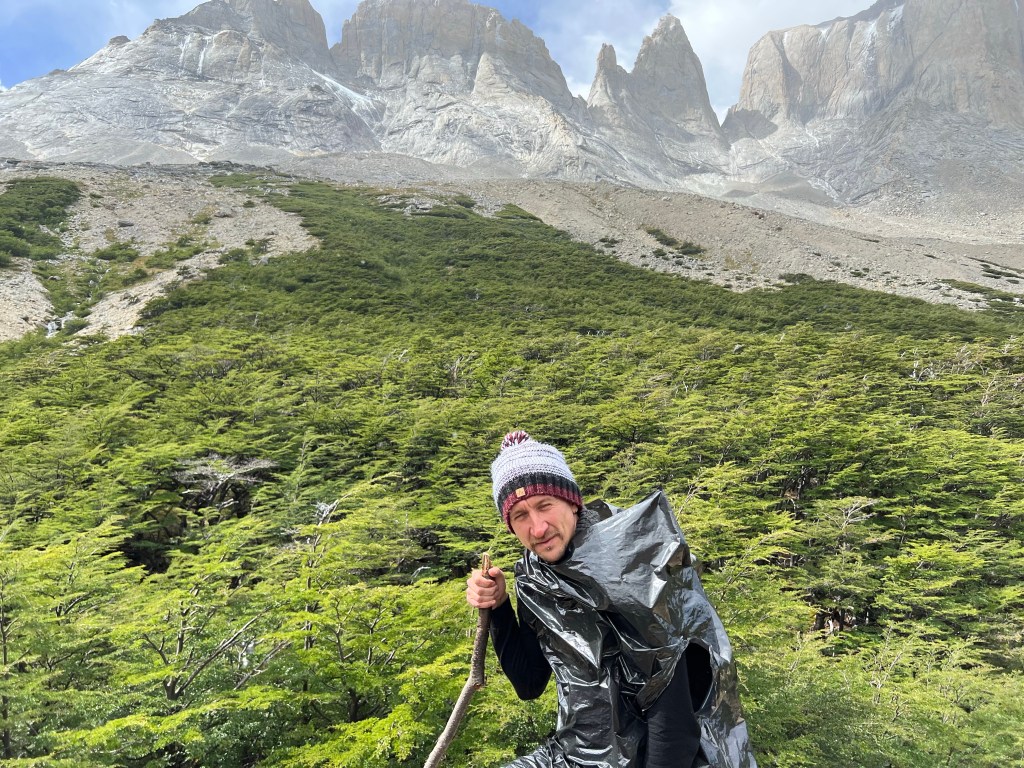
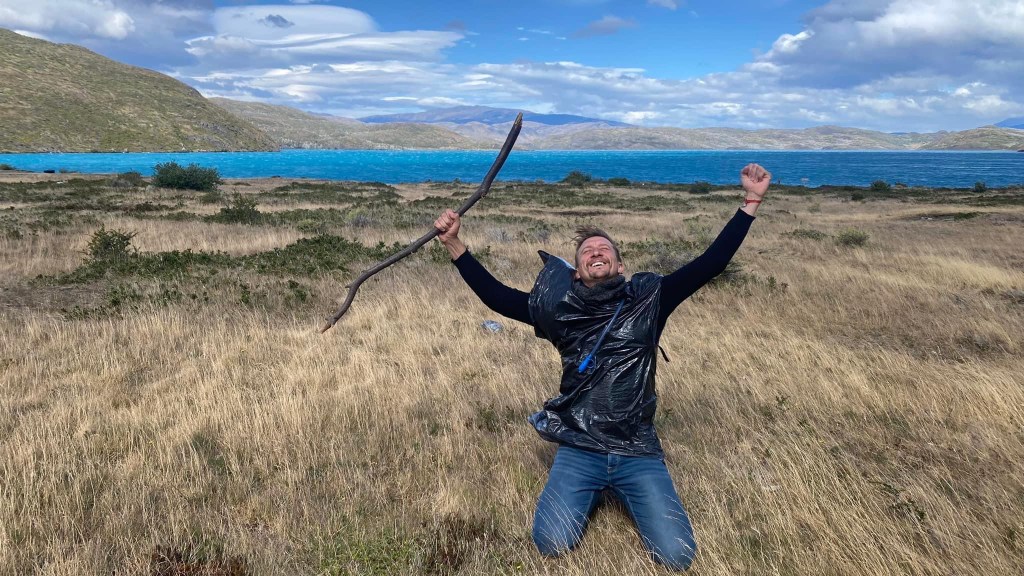
Before I end, I want to give a quick shoutout to Anthony – who hiked the entirety of the W-trek in a turtle-neck, jeans, a pair of nike airs, and a heavy duty trash bag – not once complaining of the discomfort I have no doubt he experienced. He is both a cautionary tale and a shining example of what resiliency can provide.

While I wish I could say I took some time to rest, it was time to go to the Argentinian side of Patagonia – so I went straight to bed for my 8:00am bus the next morning.

See you in the next post, where I’ll describe my time on the Argentinian side of Patagonia.

Sam
Travel Bookclub II: The House of Spirits

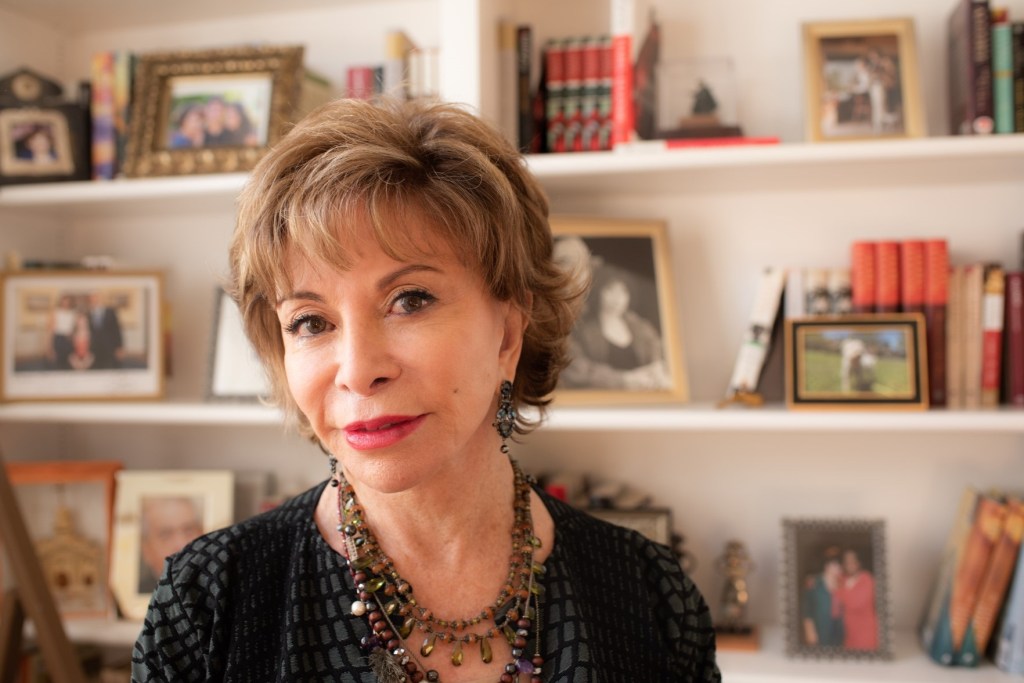
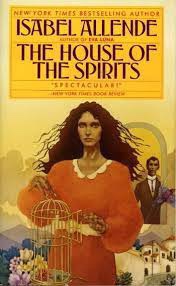
The House of the Spirits is the debut novel of Isabel Allende, published in 1982 after a stream of rejections from Spanish-language publishers. Similar to One Hundred Years of Solitude, Allende’s novel became an instant best-seller, being named ‘Best Novel of the Year in Chile’ the same year it was published in Buenos Aires. The idea for her book came from the death of Allende’s 100-year-old grandfather, in which a letter she began to write to him before his passing became the manuscript of her novel.
Allende was born in Lima, Peru, in 1942, moving to Chile in 1953. She is the daughter of a first cousin of Salvador Allende, President of Chile from 1970 until his death following the 1973 military coup.

In 1973, after the overthrow of President Salvador Allende in a coup led by General Augusto Pinochet, Allende began arranging safe passage for people on the ‘wanted lists’. When she was added to the list herself, Allende fled to Venezuela, where she lived for 13 years and wrote The House of the Spirits. Allende moved to California in 1988 and became an American citizen in 1993.

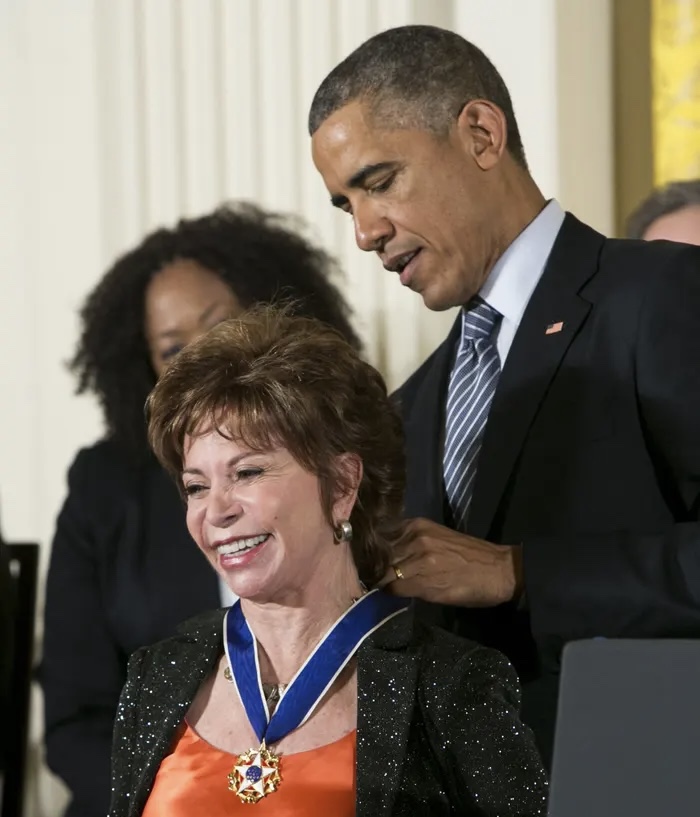
Fun Fact! In 2014, President Obama awarded her the presidential medal of freedom

Funnily enough, Allende’s novel was heavily influenced by Gabriel Marquez’s One Hundred Years of Solitude, something I did not plan when I chose the two books for the book club. As a sort of homage to Marquez, Allende’s story depicts the timeline of four generations of the Trueba family, navigating post-colonial society in Chile (from around 1910 through the early 1970’s). Similar to Marquez, Allende uses hers childhood and personal experiences (particularly under the Pinochet dictatorship from 1973 to 1990) as a historical basis for her novel.

Through elements of magical realism – Allende weaves a story narrated by Esteban Trueba, and his granddaughter, Alba, who organize the journals of Esteban’s wife (Alba’s grandmother), Clara del Valle, into a history of the family.

Over the course of four generations, The House of the Spirits navigates the social divide between the “civilized” and the “barbarians” (peasants), the clash between social classes, and the influence of women in society.

I was particularly compelled by the character of Estaban, and how Allende chooses to portray his complexity and his eventual passing at the end of the novel. An obsessive, violent, and materialist conservative, Esteban spends much of the novel focused on becoming rich and powerful. He owes most of his success to his family name and the labor of the peasants at Tres Marias, but he never treats them with respect or equality. Quite the opposite – Estaban actively oppresses them – preventing them gaining an education, and, eventually, denying them workers rights and political representation. He goes as far as to advocate for the military coup of the unnamed socialist Chilean President to protect democracy and conservative values. As he ages, Esteban begins to see the consequences of his selfishness and violence, becoming more and more isolated from his family and friends. At the end of his life, Estaban only has his granddaughter, Alba, as a companion – void of the many family and friends that surrounded him at the beginning of the novel.

Despite this, Allende chooses to have Estaban die happy, his granddaughter, Elba, by his side as he hallucinates love and forgiveness from his estranged and long-dead wife, Clara (it is possible this is her spirit and not a hallucination, but it is not clear one way or the other).

I have mixed feelings with this conclusion to Esteban: on the one hand, I appreciate the idea of a hateful man at the end of his life finding redemption; on the other hand, it’s hard for me as the reader to forgive Esteban after all the violence I witnessed him commit. Further complicating things – Alba, the narrator of a majority of the family history, is presumed to know of all of the violence and abuse Esteban has committed – and yet she chooses to love and care for him anyway.

In this conclusion, the story forces the reader to decide: is Estaban the classic villain we are meant to reproach or (more interestingly) a victim of the experiences that lead him to who he is. Furthermore, we must decide where we, ourselves, fall on the spectrum of forgiveness after mistreatment/abuse. Do we villainize and ostracize in order to protect ourselves or do we forgive and feel sorry for the perpetrator – as they also harm themselves when they hurt others. It reminds me of the psychology of bullying – harming and humiliating others who are vulnerable – a result of unresolved past trauma, cowardice, and a desire for revenge. Of course, it is important to stop bullying, but I also think there is room for sympathy for the pain that fuels a bully’s actions.

I think I fall somewhere in the middle of this spectrum. While I think it is unproductive to “forgive and forget”, I think there can be a balance between protecting yourself and providing for the perpetrator, who is a victim in their own right. I will caveat this statement by saying that I don’t think forgiveness is always the right path. There are many cases in which its not fair to place that responsibility onto the perpetrated; but, I think it can work in cases where the perpetrated is in a strong enough position to be both the victim and the healer.

While I think there is a lot more to say – particularly in class struggle, historical context, and the role of women, I will leave it there because I am out of time! Please let me know what you thought of the book!

Day 18-25: Santiago & Variparaso

History was one of my favorite subjects in high school. AP US History (admirably called APUSH) was particularly compelling for me – as it guided us from the formation of the US to 9/11 and the first stages of the US’s wars in the Middle East (this was 2012 after all). Any effort to tell the US’s history faces the challenge of depicting our past in all its complexity while also finding within a shared identity. It’s a difficult ask for our history teachers and often, it results in an embrace of US history as a means to creating national identity and pride. I was fortunate to have an APUSH teacher who did not shy away from the US’s dark past – but often the curriculum emphasized the past tense of events. And to make matters more challenging, by the time we reached modern US interventionism in the latter half of the 20th century, the curriculum had to compete for our attention with the SAT, AP exams, and encroaching summer break. It’s a shame, really, that we don’t take the time to focus on the US’s meddling abroad – as I have grown to see it is key to understanding the events of modern history. What I suspect will become a common trend in my travels appeared starkly during my time in Chile – that American internationalism has played a significant, often deleterious, role in international political history.

Santiago & the complicated role of US influence

Santiago, the capital and largest city of Chile, is one of the most populous cities in the Americas, the home of nearly 7 million. The city lies in a bowl of the Maipo Valley, surrounded by the Andes Mountain Range that dominates the city’s backdrop.

The area was originally inhabited by the Picunches, who were subject to the Inca Empire throughout the 15th and 16th century. By the mid 1500’s, Spanish conquest reached the valley from Cusco and began to interact with the Picunche people – founding a fledgling town in 1541. While little gold was discovered, the Spanish imperialists found value in the agricultural richness of the land and pledged expansions to the area with the blessing of the Spanish crown. The greatest resistance to Spanish encroachment came from the Mapuche people, who opposed European conquest and colonialism until the 1880’s. During the period of Spanish colonial rule, growth was slow, and Chile was considered the least wealthy realm of the Spanish empire.

Chilean independence from Spain came on the tail of the larger Spanish American independence movement in the 1800’s. Chile won its formal independence following the Battle of Maipú in 1818 – and was recognized by Spain in 1840. The next 80 years of Chilean political history encompasses constitutional organization followed by conservative and liberal eras. By the early 1920’s, emerging middle and working classes transformed the roles and power of both congress and the presidency.

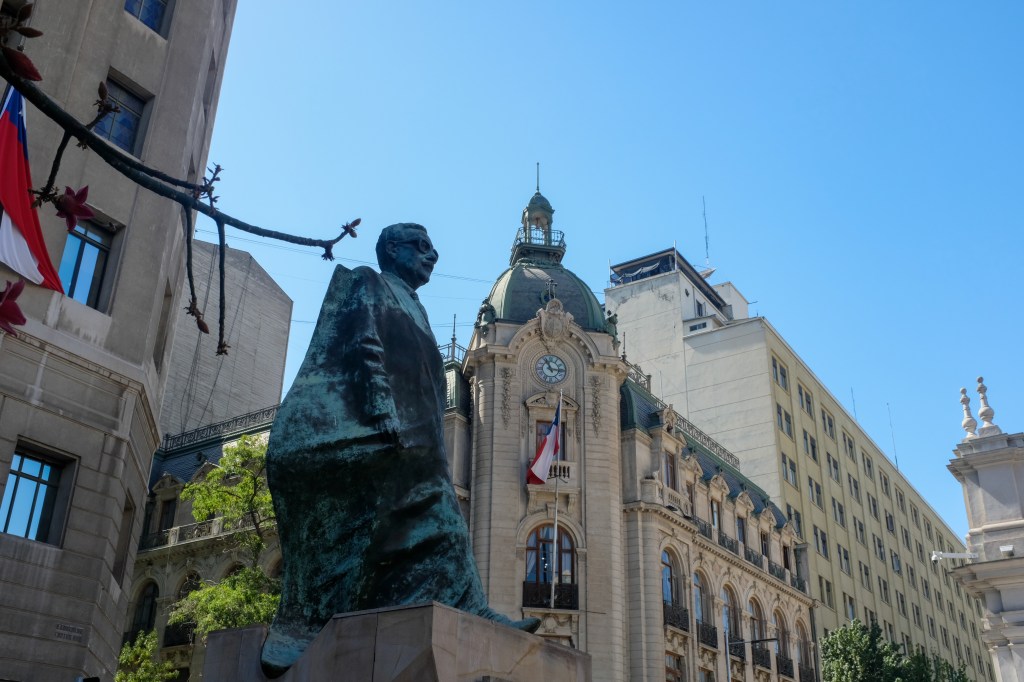
Fast forward to the 1970 presidential election, and Senator Salvador Allende (pictured here), a Marxist physician and member of Chile’s socialist party, won a plurality of votes for his socialist and anti-foreign interventionist politics. This is where the United States comes in.

After WWI, the US replaced Britain as the leading superpower controlling most of Chile’s resources. Throughout much of the 20th century, Chile’s resources, such as copper, were managed and exploited by US capitalist interests. As the Chilean working class demanded improvement to their standard of living, the notion of a leftist government as the solution began to form. Through the 1950’s and 60’s, in an attempt to maintain its control in the region, the US used a variety of strategies such as funding political campaigns and propaganda to deter support for the leftist movement. Opposing Allende’s presidential aspirations, which began in the late 1950’s, the US focused its aim at impeding his success. In 1958, Jorge Alessandri, endorsed by the US for his liaises z-fair policies, won the Presidency. Under pressure from the US, Alessandri reduced tariffs, causing the Chilean market to be overwhelmed by American product. Resulting in poor economic conditions for the country’s working class, Chileans demanded a change, rallying in the 1961 congressional elections that resulted in a significant blow to Alessandri’s US-backed policies.

In 1964, Allende was again a top contender for the Presidency. The US, who feared Allende would revert Chile into Communism, used the CIA to covertly spent $3 million campaigning against him. Clandestine aid to Allende’s top opponent, Eduardo Frei Montalva, was put forward through JFK’s Latin American Alliance for Progress, which promised $20 billion in assistance to Chile over the course of the next decade.

By the 1970 Presidential election, support for Allende had grown significantly in Chile, and he won in a run-off from Congress. For the next 4 years, from Allende’s election to the Presidency in 1970 to Augusto Pinochet’s coup and Allende’s resulting death in 1973, the CIA spent $8 million on political intervention. Fearing Chile could become “another Cuba”, US President Nixon gave the order to overthrow Allende by all means necessary. On September 11, 1973, Pinochet overthrew the democratically elected Allende, purportedly condoned by the CIA as the agency helped fabricate conspiracies against the Allende government, which Pinochet was then portrayed as preventing.

The following 17 years, Chile was controlled by a military dictatorship lead by Pinochet, characterized by the systematic suppression of political dissent. Over the course of its rule, the Pinochet regime left over 3,000 dead or missing, tortured and imprisoned over 40,000, and drove around 200,000 Chileans into exile.

By 1988, another election condoned by the new constitution constructed under Pinochet’s regime, resulted in the denial of a second 8-year term for Pinochet, despite heavy repression by the dictatorship. Since then, Chile has clawed its way out of foreign influence and has worked to move past the oppression that characterized the 1970’s and 80’s in the nation.

While this story has a somewhat positive ending, the consequences of the Pinochet dictatorship is evident in Chilean society today and the US’s influence is undeniable. It is baffling to me that I have no memory of this history being taught to me during my public school education – and it emphasizes the importance of establishing a better understanding the US’s role in the world – particularly during my trip.

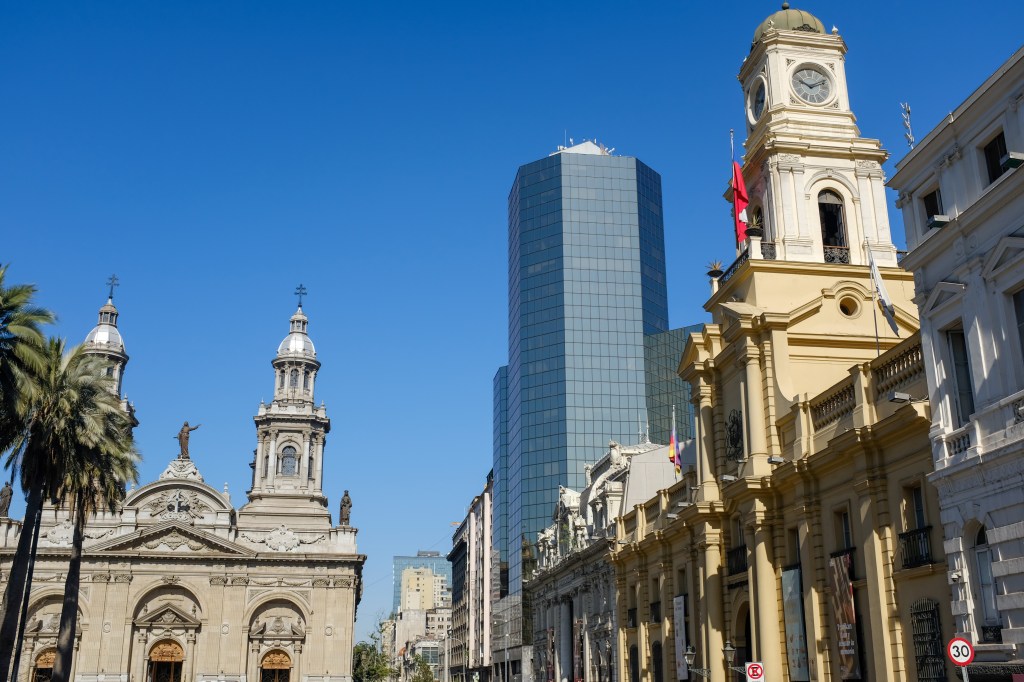
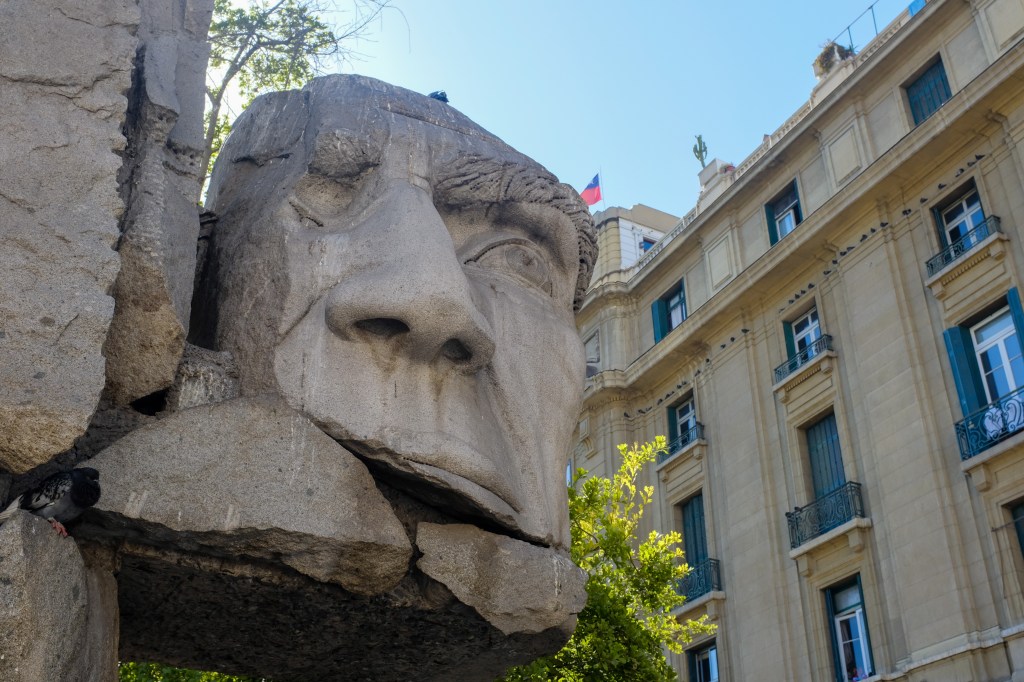
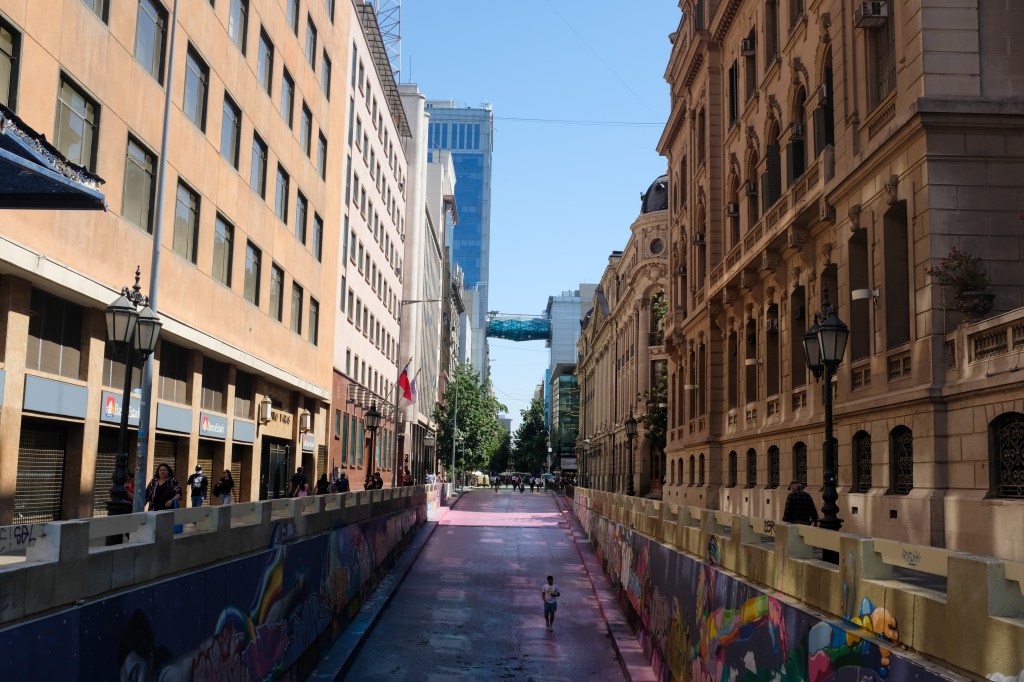
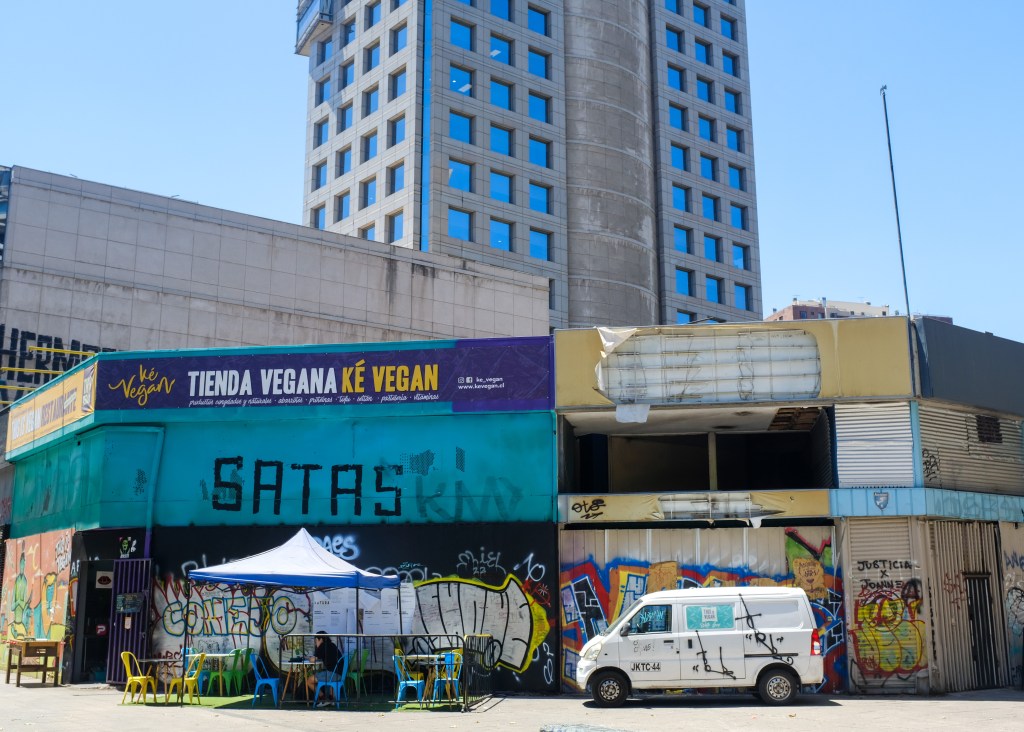
Returning to my time in Chile, I spent my first couple days in Santiago exploring the historical center and emerging myself into the city’s history (and some of the best specialty filter coffee I’ve ever had).

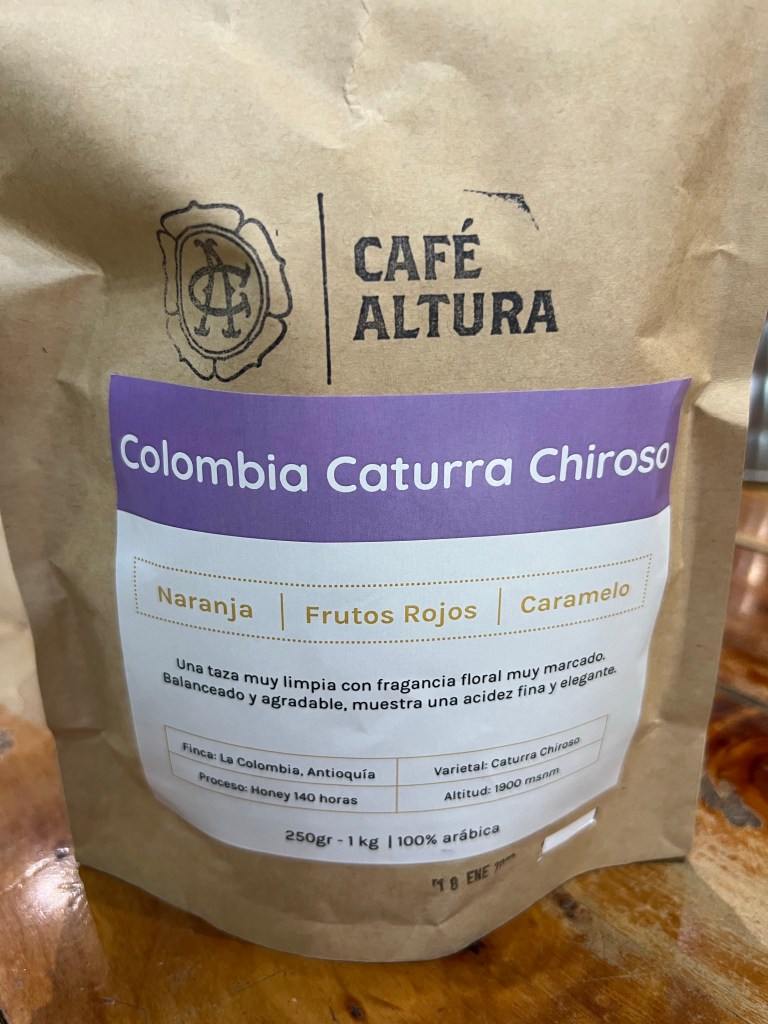
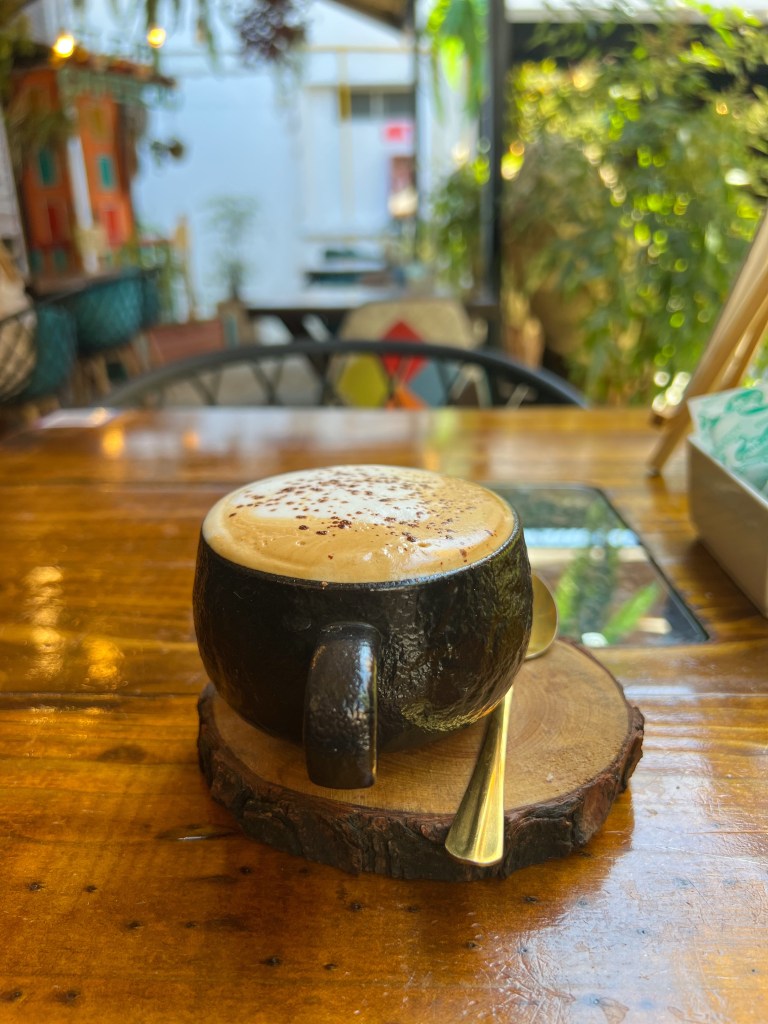
Coffee!

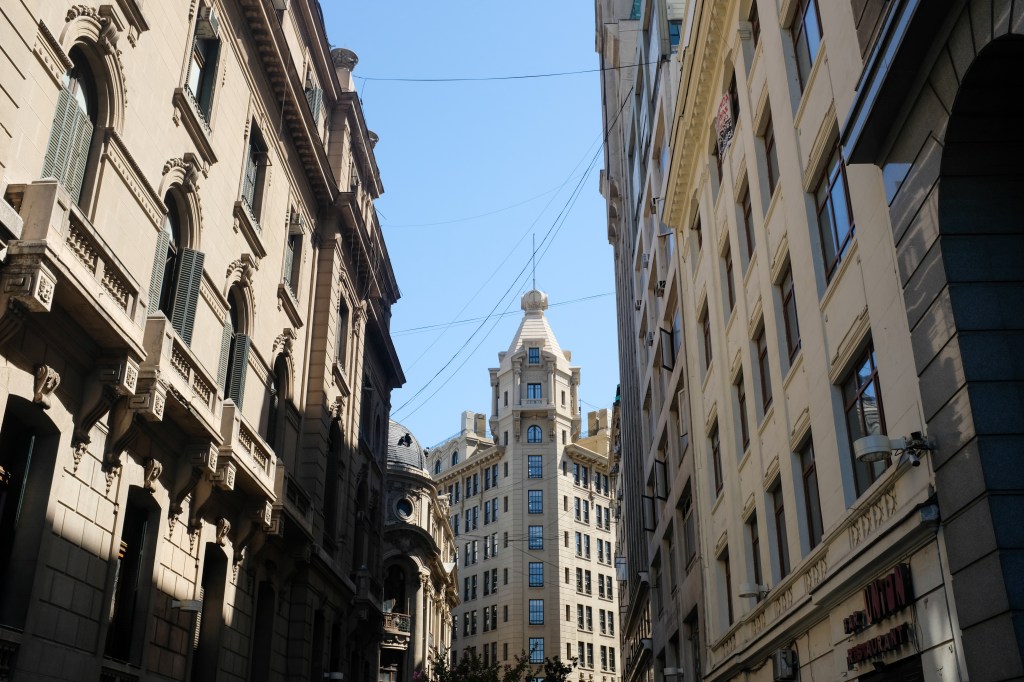
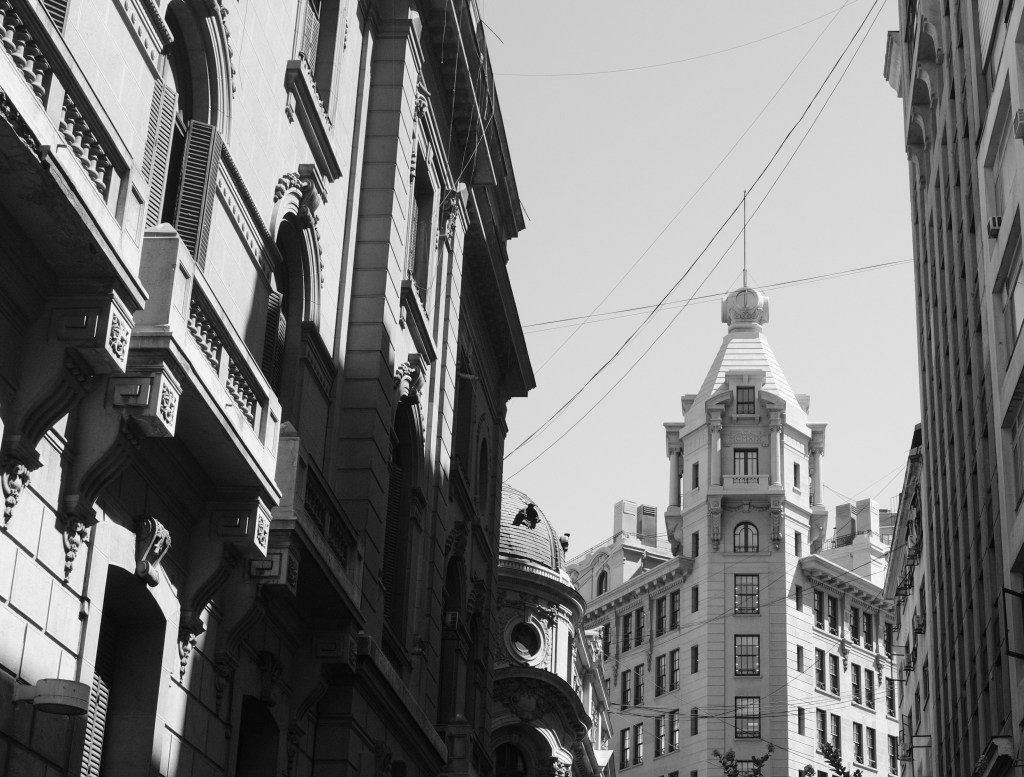
& Santiago’s old financial district!

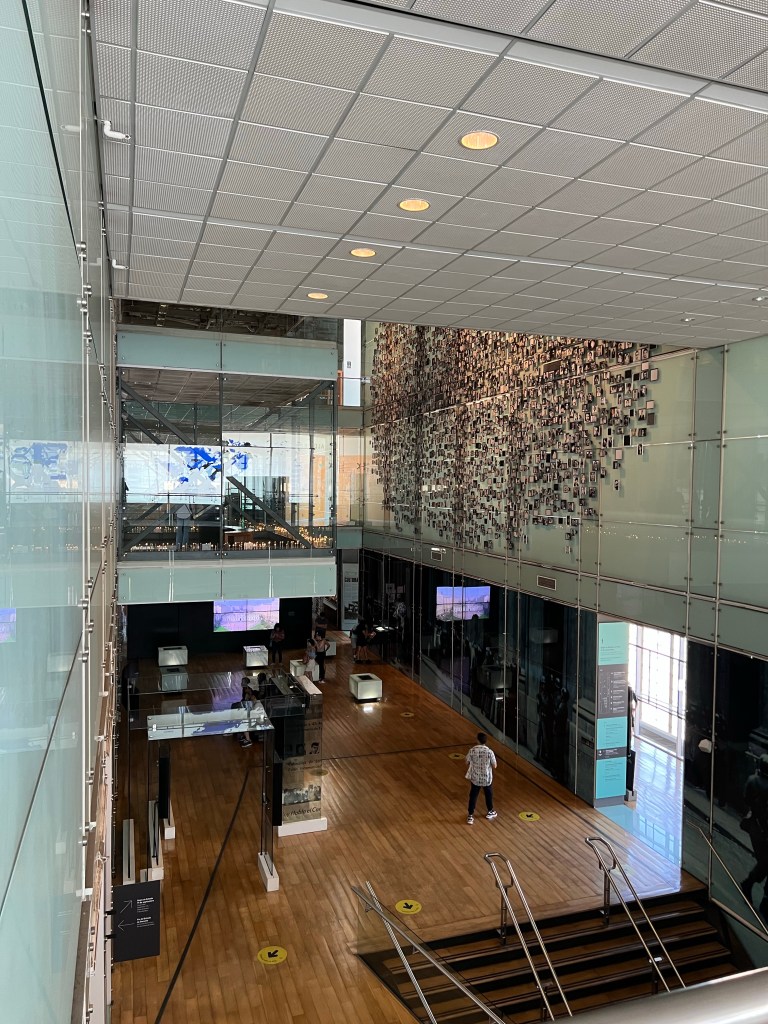
And I visited the Museum of Memory and Human Rights, which tells the story or Chile’s recent history through the Pinochet military dictatorship and commemorates the victims of human rights violations.

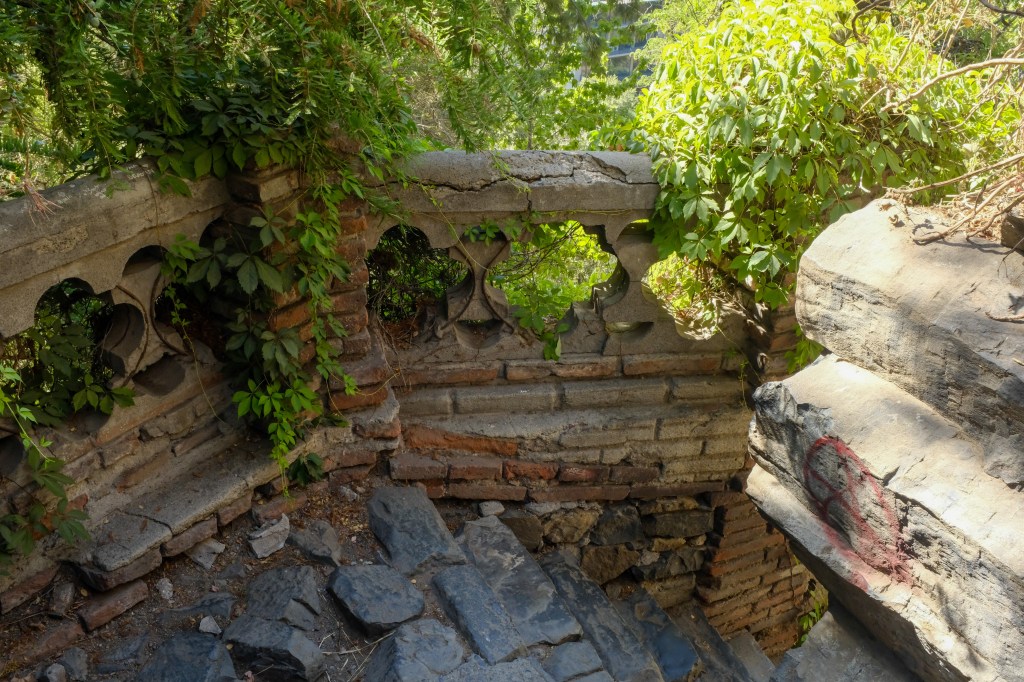
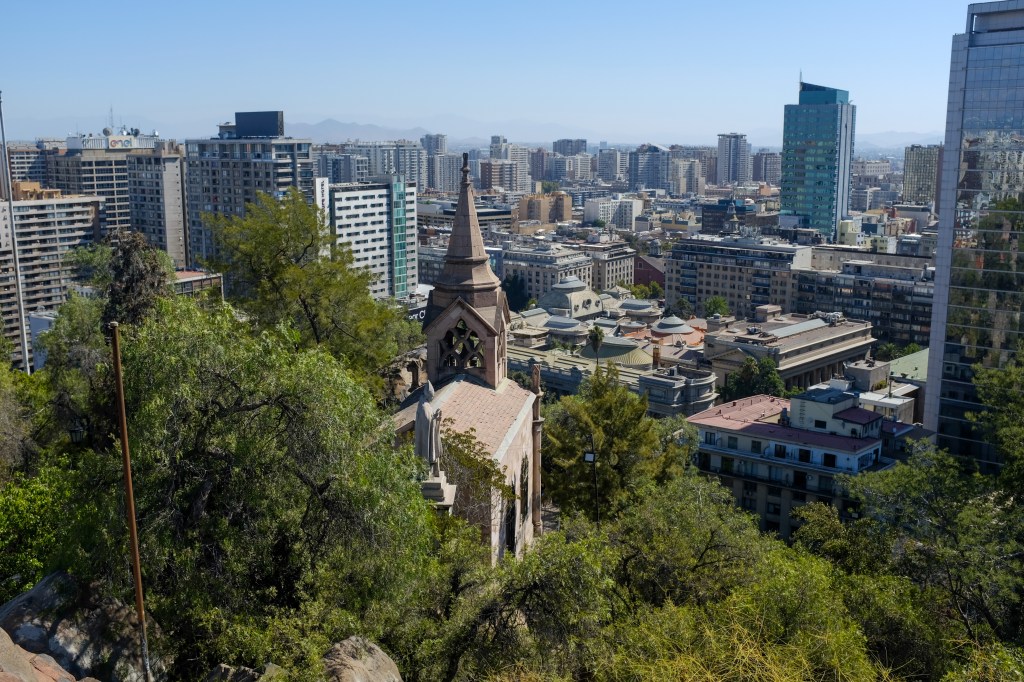
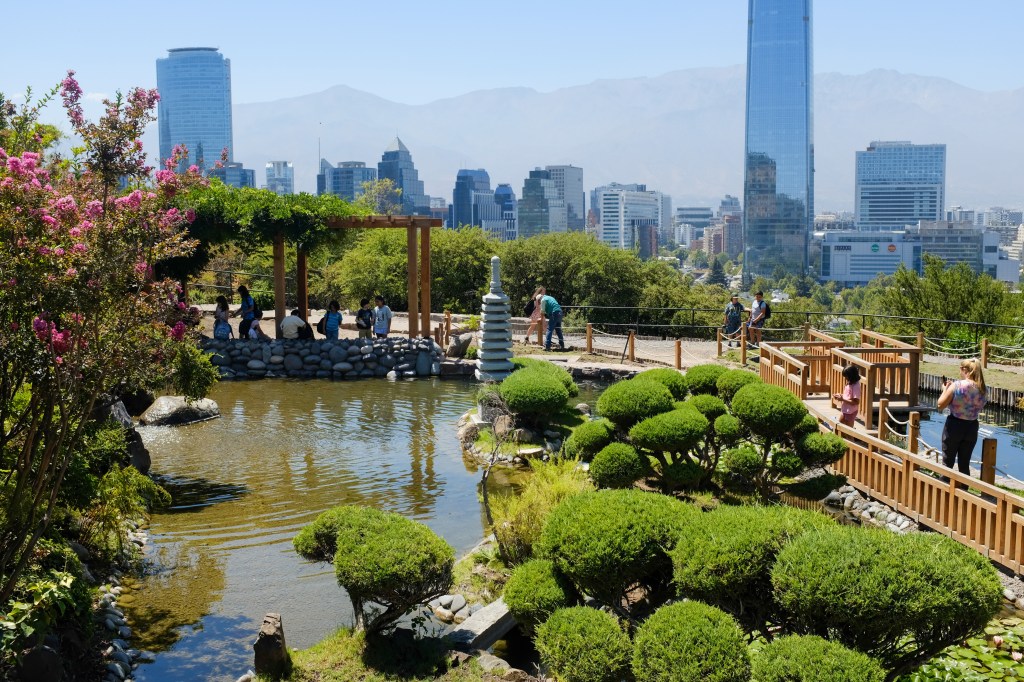
My Australian friend, Laura, and I visited Santa Lucia Park & Cerro San Cristobal

Cajon del Maipo

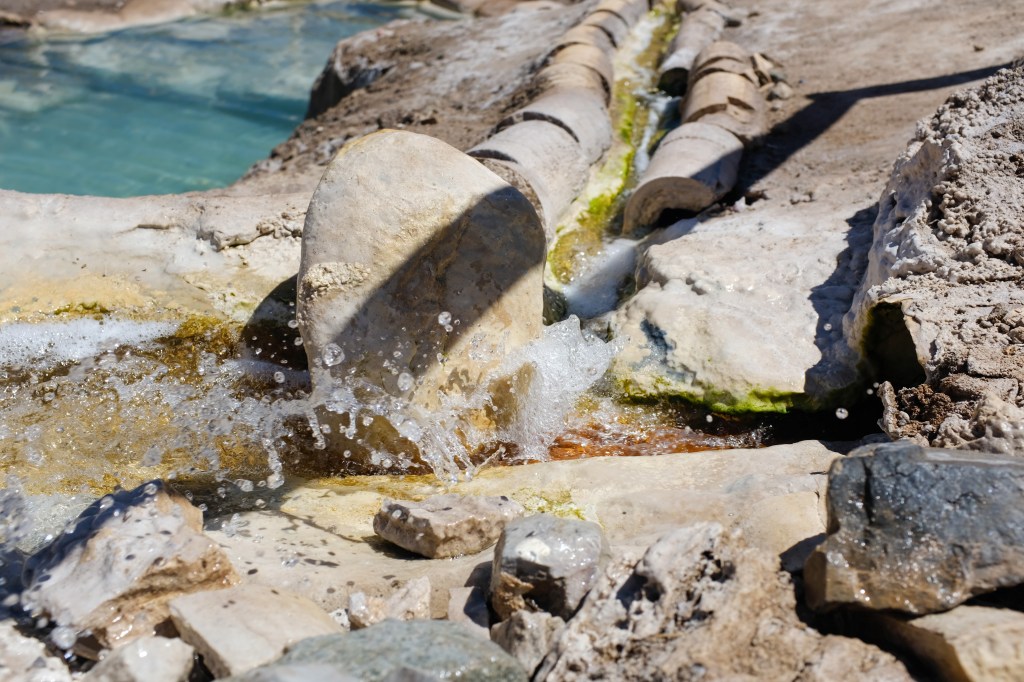
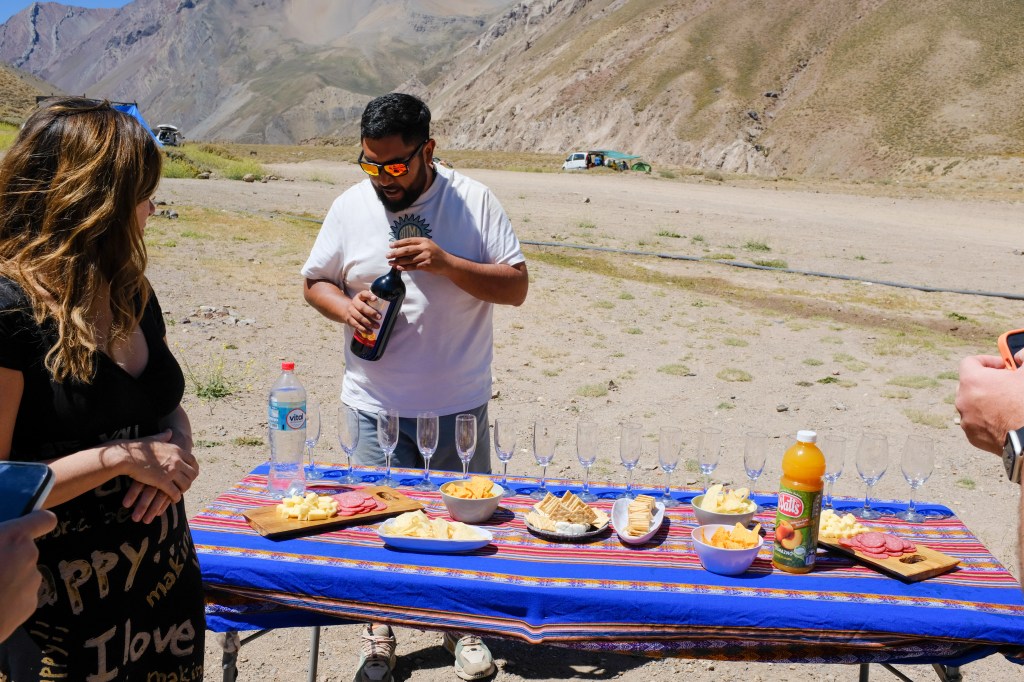
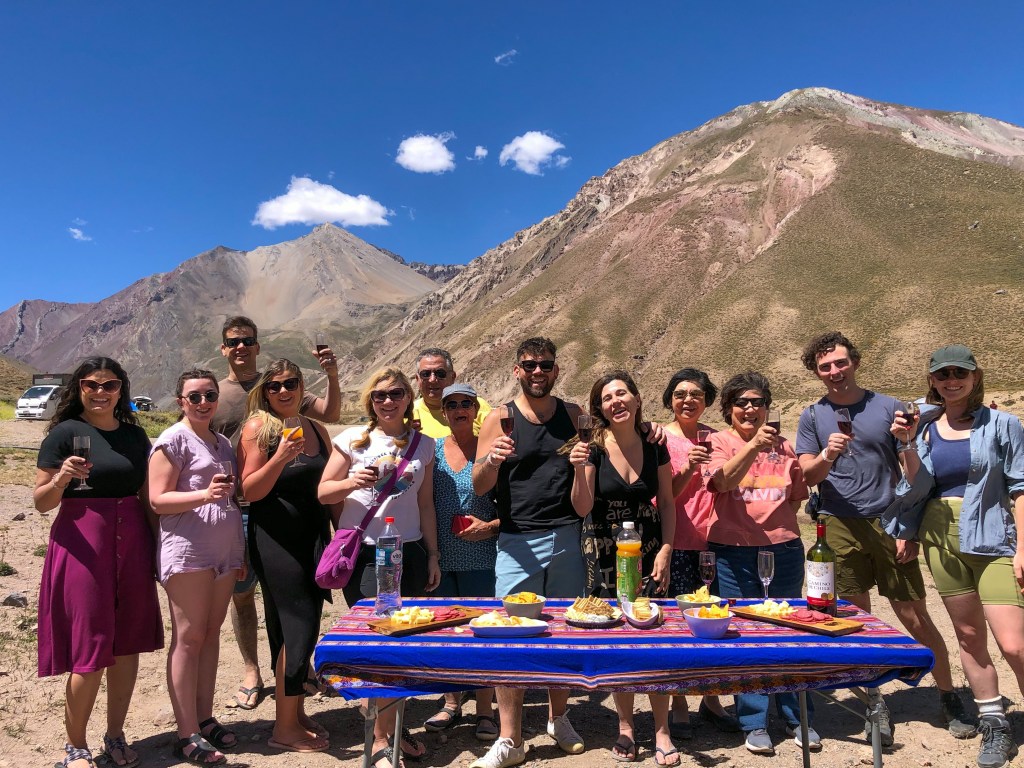
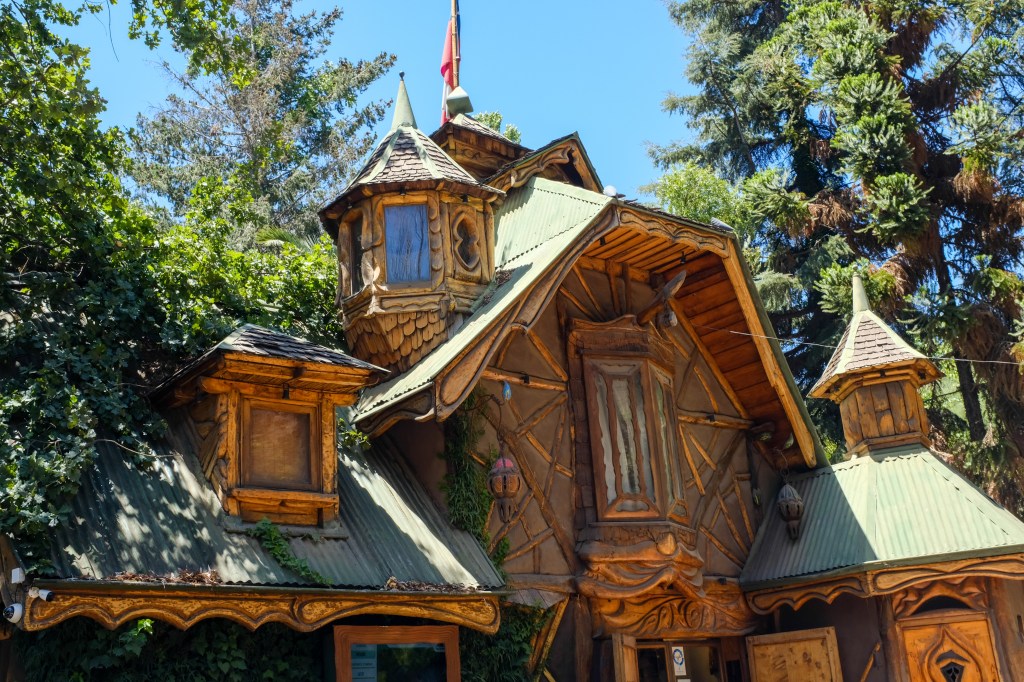
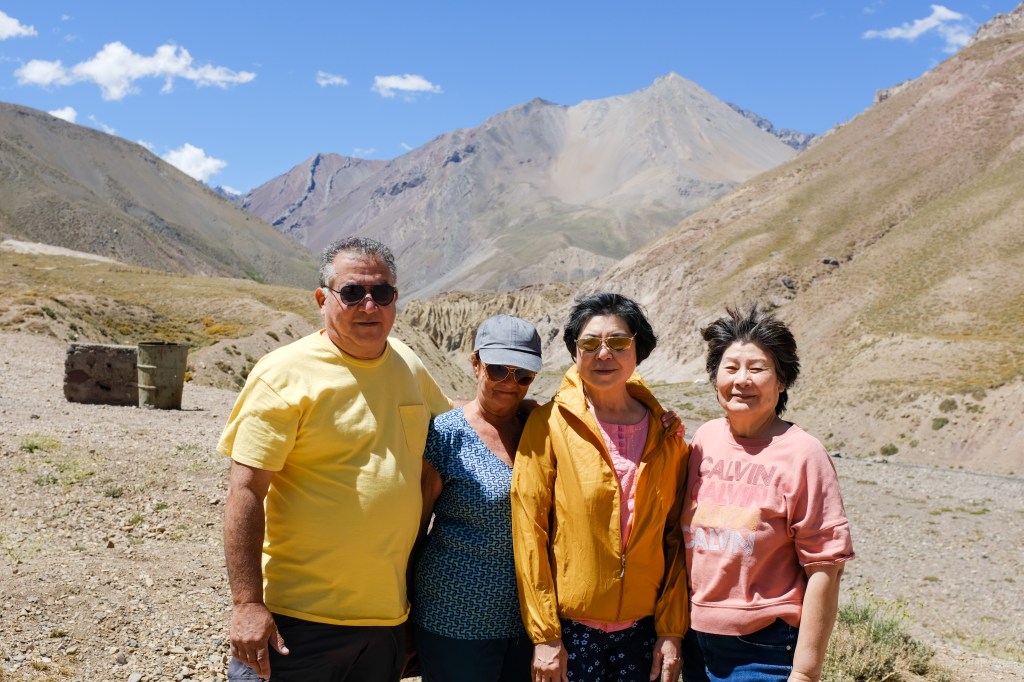
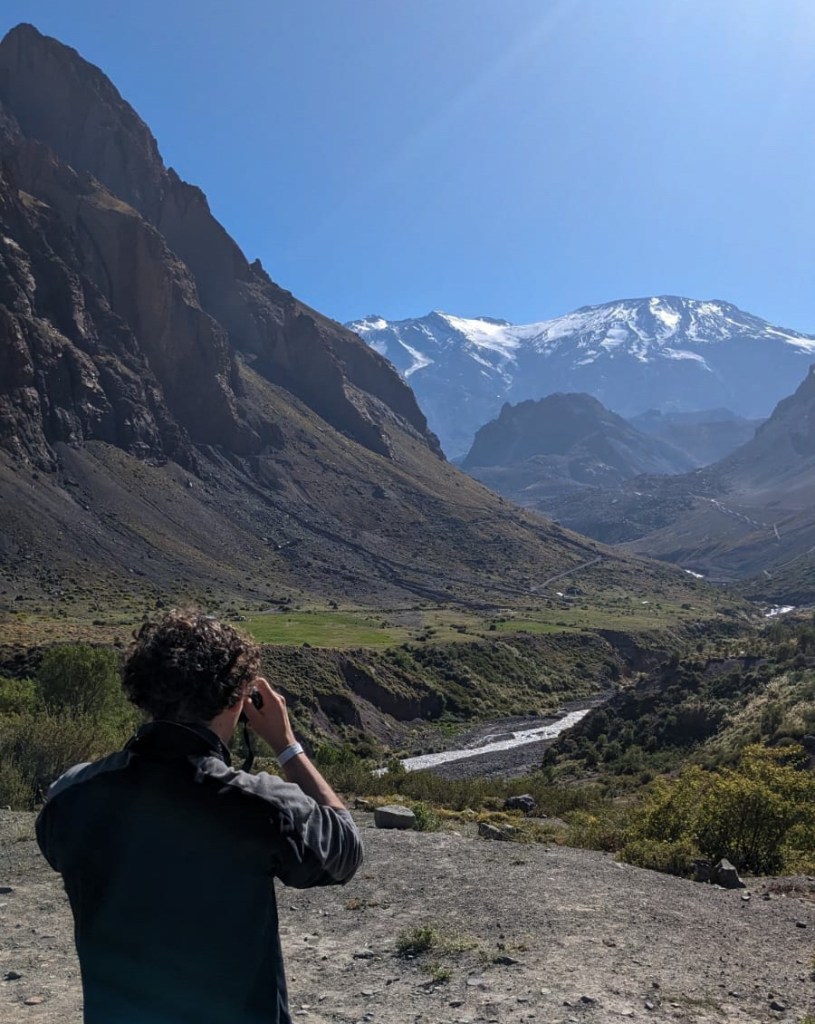
My last day in Santiago, Laura and I took a day trip out to Cajon del Maipo, a gorge southeast of Santiago, home to rich bird life (including the Andreas Condor!) and the Banos Morales thermal springs.

Was the day-trip excursion specifically designed for tourists? Yes. Was it a tourist trap? Maybe… Did we have a ton of fun? Definitely. While not the most authentic experience, this $50 trip was well-worth the 3 hour drive and gave us a taste of what was offered outside of the Santiago.

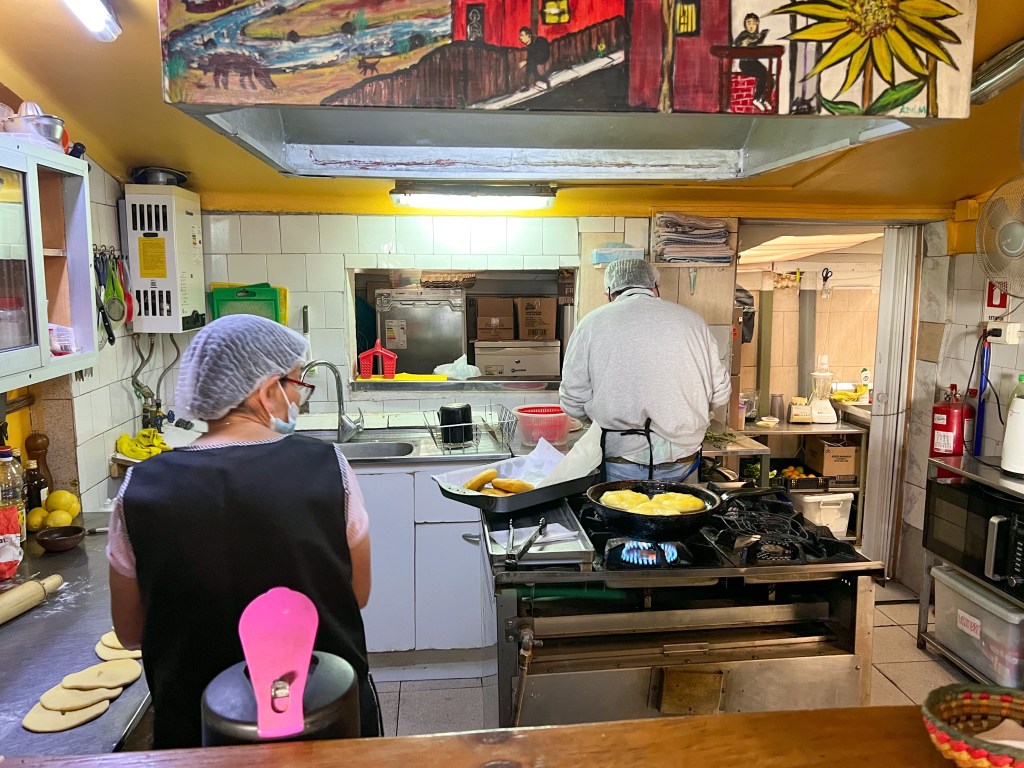
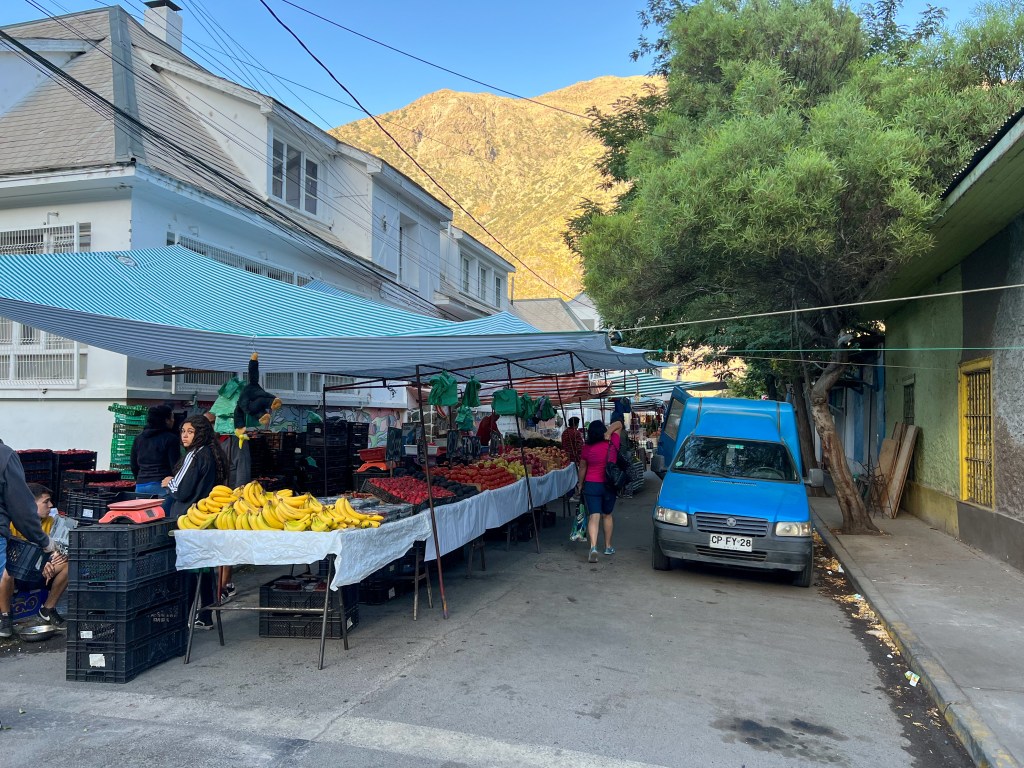
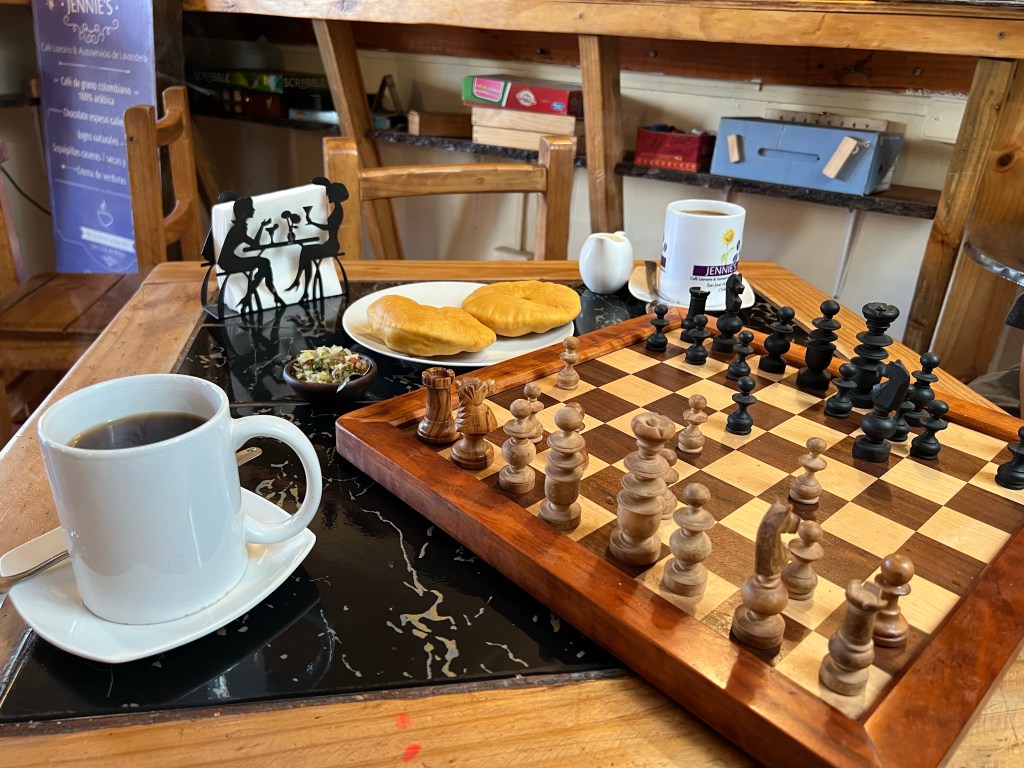
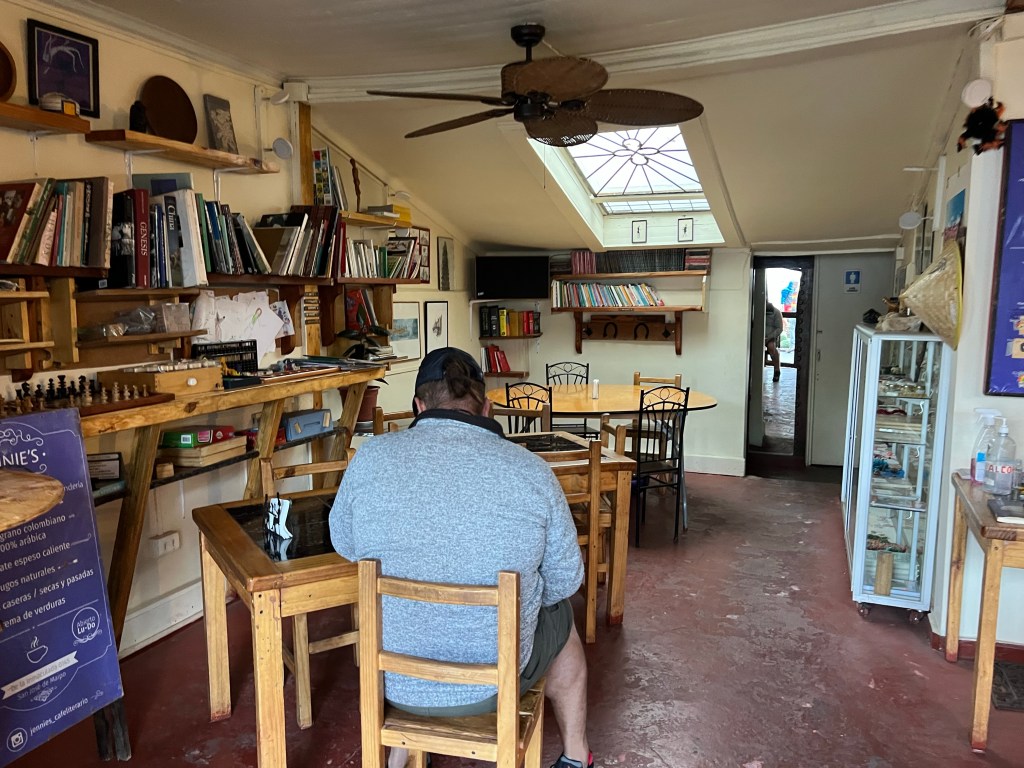
One of the best parts of the tour was when we stopped at a town in San Jose de Maipo where we went to a local farmers market and enjoyed Chilean sopaipillas (pumpkin fried dough), salsa, and french press coffee at a cafe called Jennies’s Cafe Luterario.

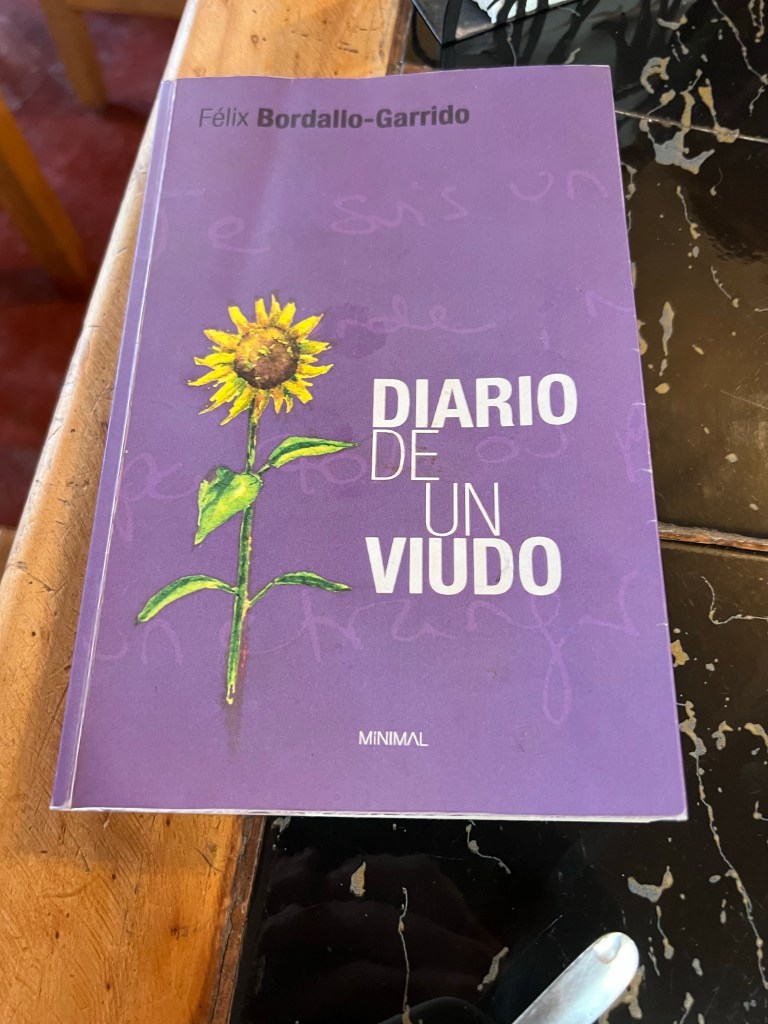
At the cafe, we met one of the owners, Felix Bordallo-Garrido. As we sat and sipped our coffees, we listened as he, unprompted, began to tell us his life story – which he prefaced as long and meandering. While not what I was initially looking for at 8am as I struggled to keep my eyes open following a 5am bus ride, I eventually became quite enthralled by his tale. Whether it was the euphoria produced by the coffee or the power of his storytelling, I am not entirely sure (my guess is it was a mix of both), but over the next hour I was in heaven. Felix told us of his childhood on the outskirts of Santiago, his travels through Europe and Asia – his late marriage to his wife, Jennie (by which his cafe is named after), and her long battle with cancer that eventually led to her passing – he told us of his re-marrying and having kids in the shadow of his loss, and how he balanced moving on and keeping her memory alive. When he finished his story, Felix went to the back of the cafe, only to return and slap a book down in front of me – a book with his name on it. A bolt of fear surged through my body – did I, an obvious tourist, just get swindled into paying for a type of dinner and show that I would get guilted into paying for? Did I let my guard down just to get hit by inflated prices for coffee and doughnuts? Was I going to need to fein Spanish after I had no other choice but to buy his book (we both knew I did not hablo espanol). But fortunately, these biased questions I developed as a traveler (a theme I will discuss another time) – were not accurate. As quickly as he threw the book on my table, he stood up, cheerfully told us he had a flight to Barcelona to catch – and walked out. When I got the bill for my “doughnut and coffee”, it totaled $1.75.

At the end of the day trip, I knew it was time to get out of the hot and chaotic environment of Santiago to a place a bit less stimulating. It was time to go Valparaiso.

Valparaiso – “The Jewel of South America”

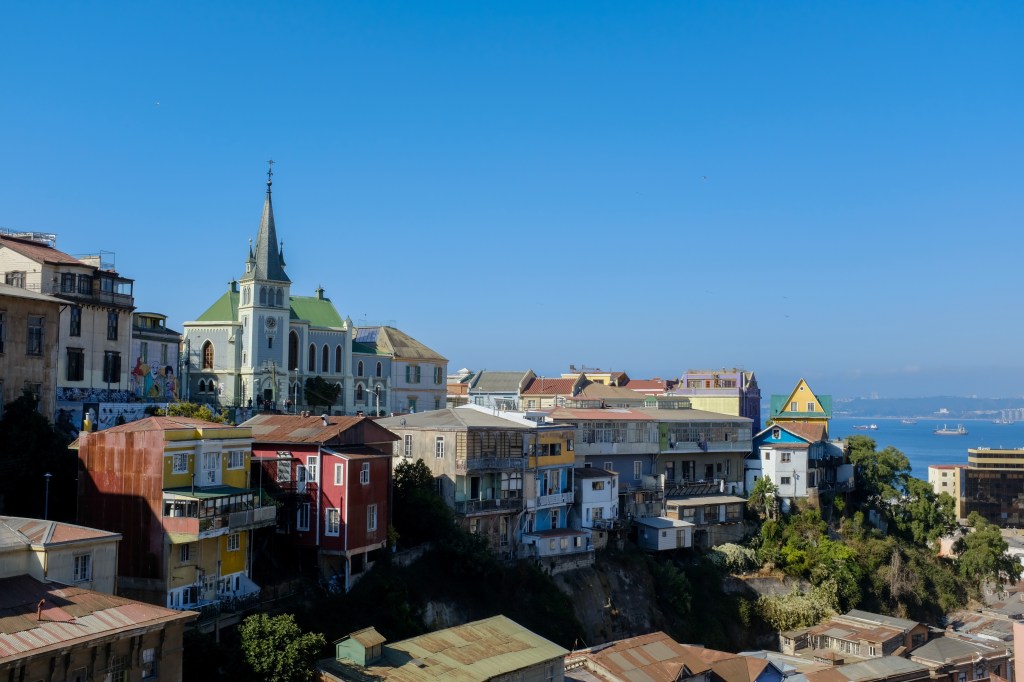
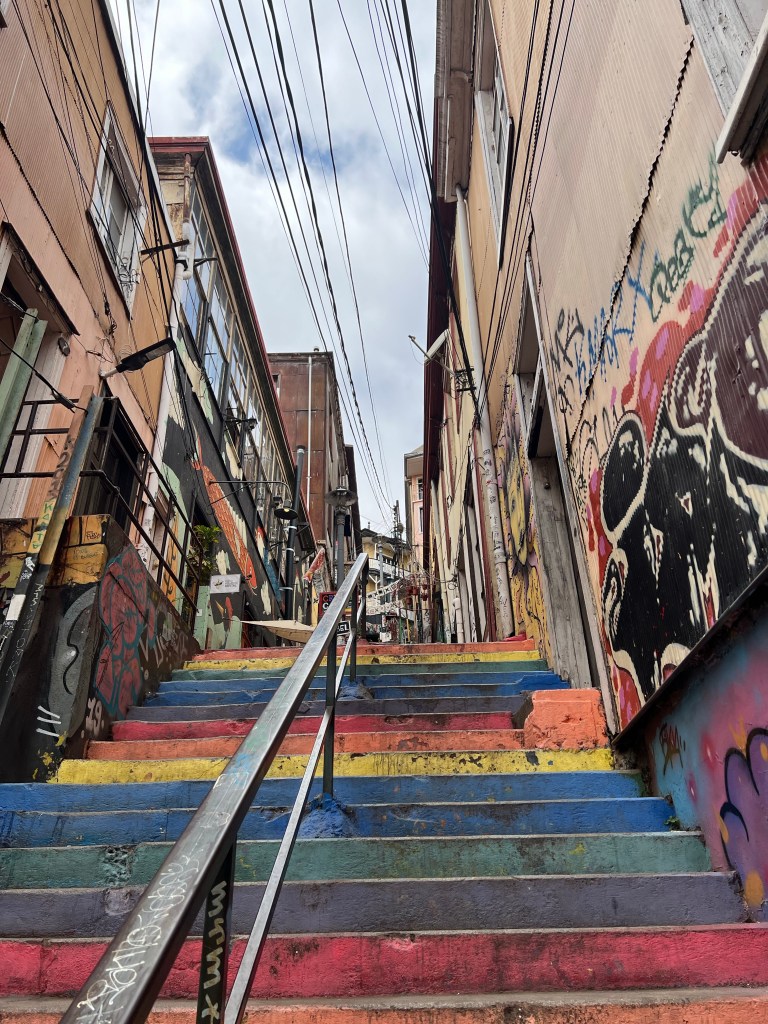
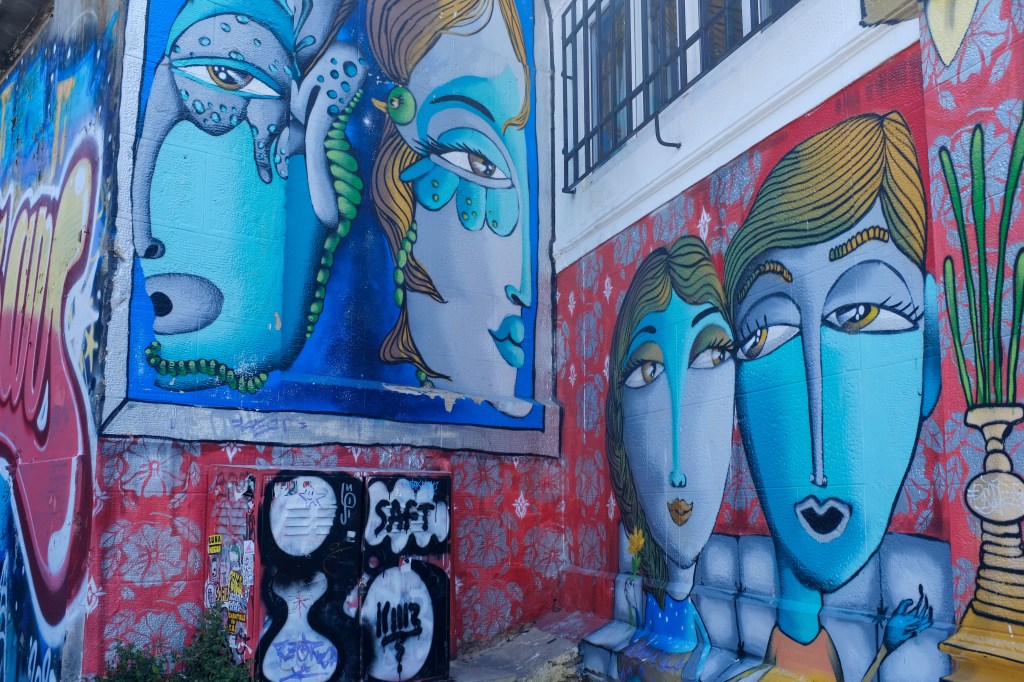
Valparaiso – a Chilean coastal city steeped in history; a maze of alleyways full of murals, craft beer, and cafe’s overlooking the ocean. About a 90 minute drive west of Santiago, Valparaiso is a common destination for tourists and Santiaguinos (yes, that’s what they are called) looking to escape the heat.

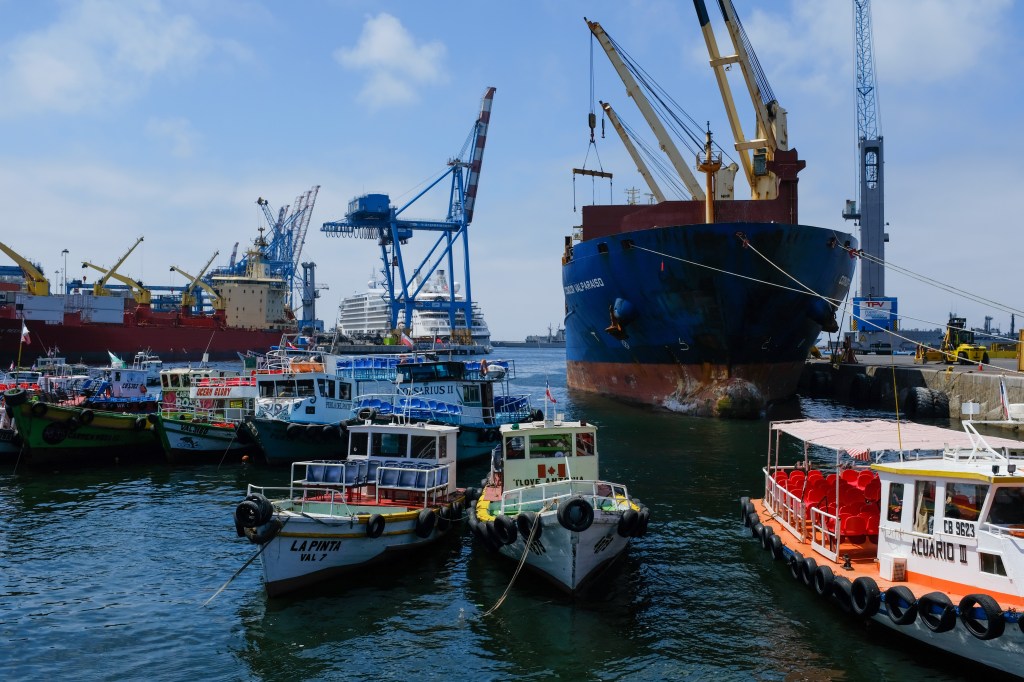
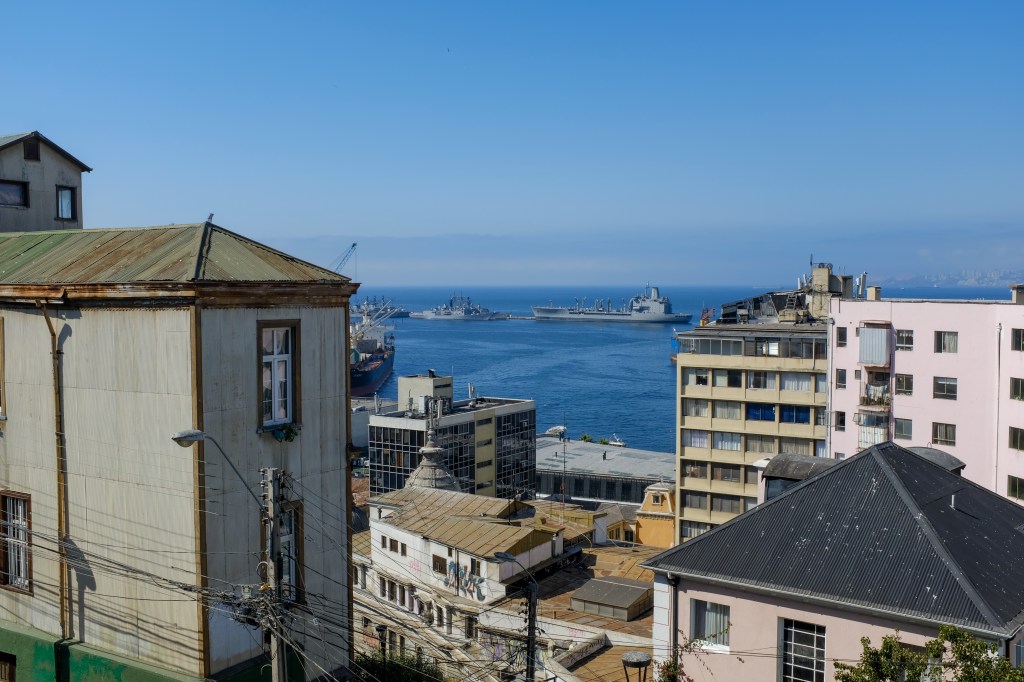
Valparaiso played an important role in the 19th century serving as a major stopover for ships traveling between the Pacific and Atlantic oceans – and it is home to the continent’s first volunteer fire department, the continent’s oldest stock exchange, and Chile’s first public library. In the 20th century, following the opening of the Panama Canal in 1914, the strategic significance of Valparaiso dwindled, diminishing the port city’s economy. Despite nearly 100 years of stagnation, over the last 20 years the city has seen a tremendous revival, attracting tourists, artists, and university students.

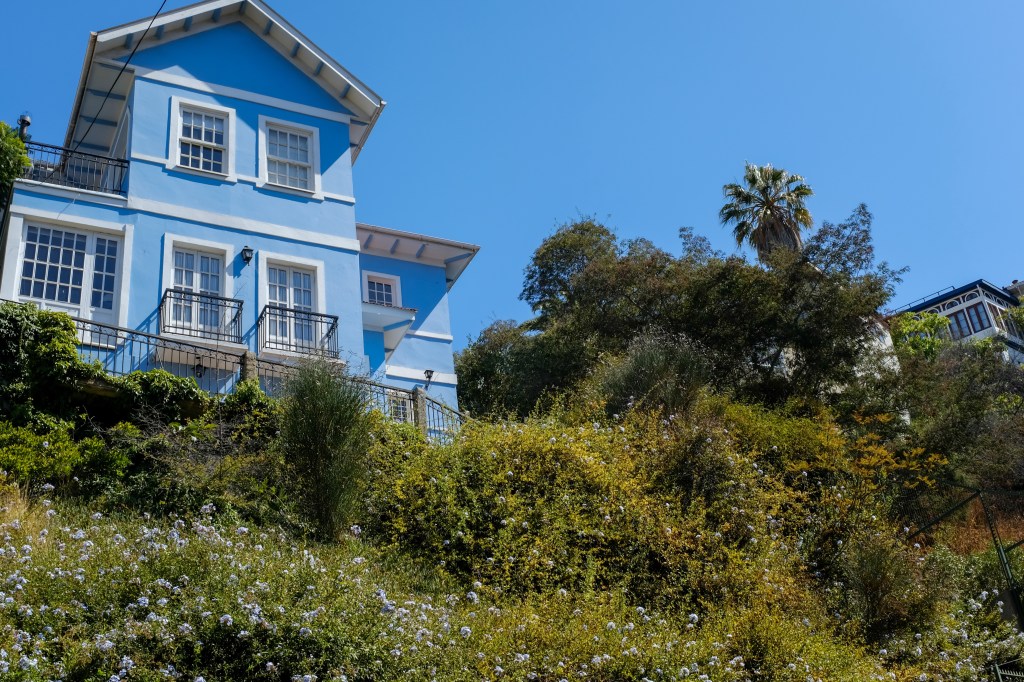
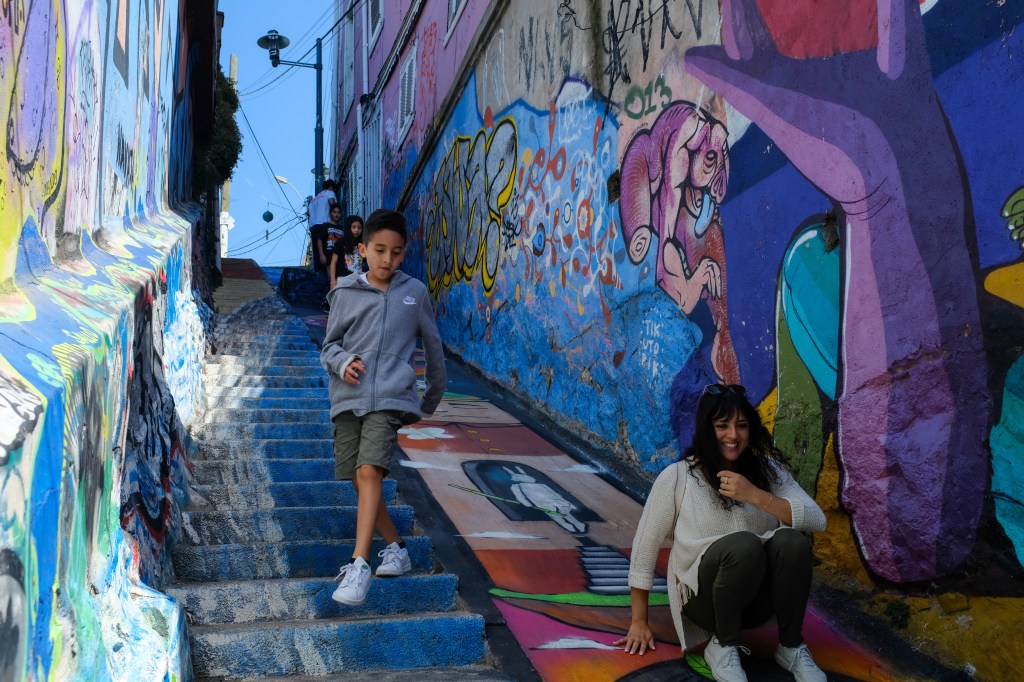
My 2 days in the city began with a walking tour that explored the city’s “tourist” neighborhoods, that offer a labyrinth of cobbled alleys and colorfully-painted buildings.

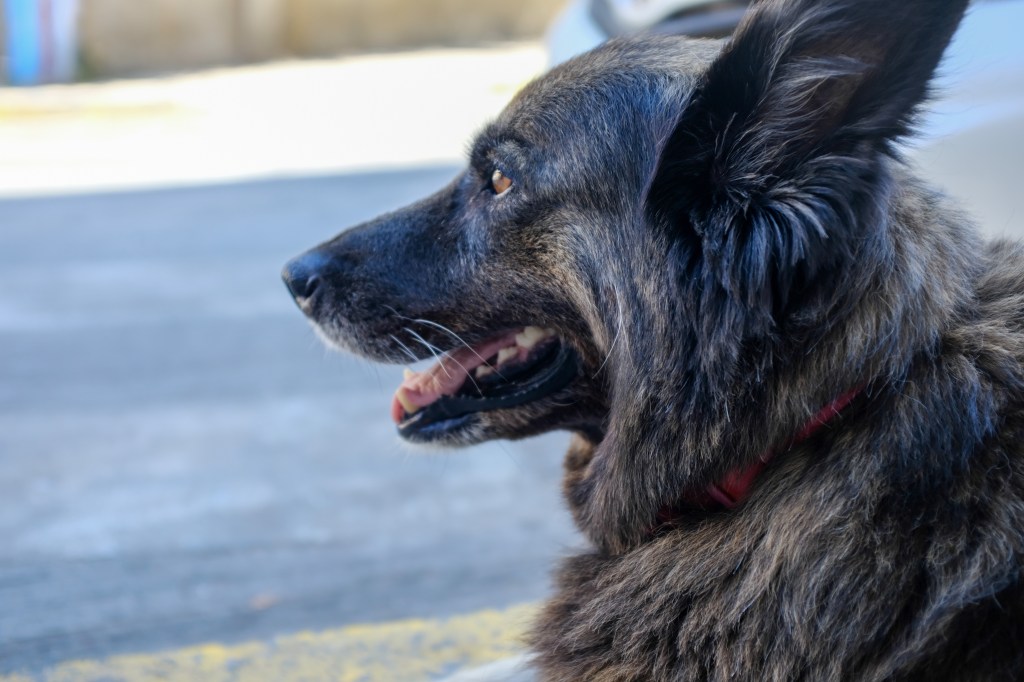
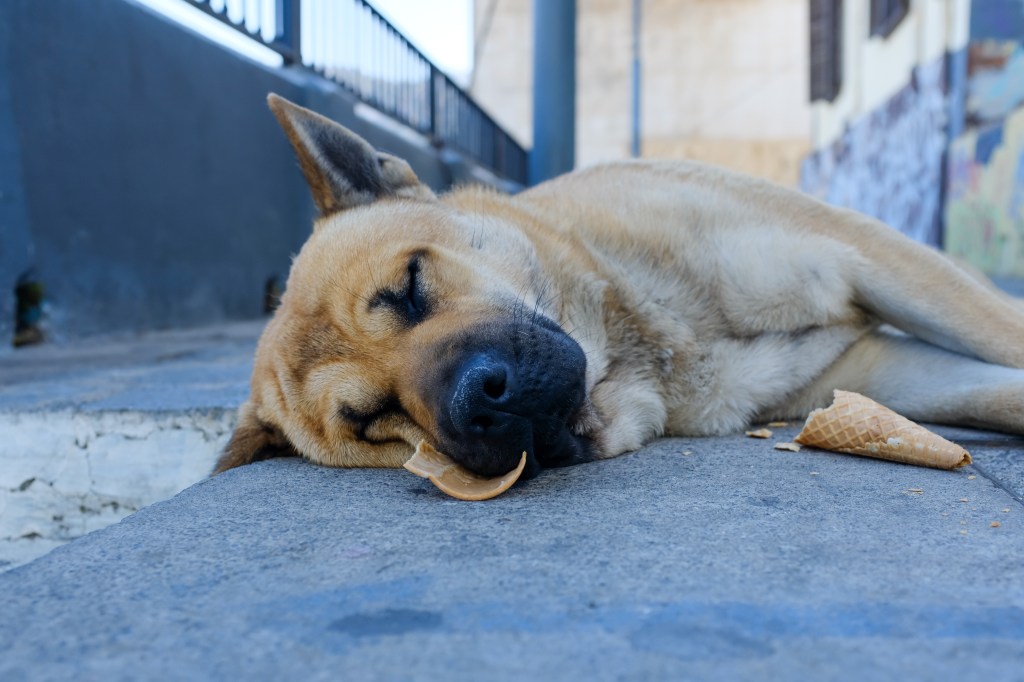
And along the way, I met a couple cute dogs, one of which had a bit too much to eat…

The next day, I took a walking tour that showed me the other – more political – side of the city, offering a far more accurate image of the day to day lives of Valparaiso residents. While I did not take photos of my tour, I will quickly mention that it felt quite powerful – to see the difference between a portion of a city designed for tourism and a portion delegated to the daily lives of Chileans. From the architecture to the people – you could feel the the contrast – an important reminder of the distorted image of reality tourism can create. While I don’t believe “touristy” areas of the places I visit are an entirely inaccurate representation of a space, it must be taken into context as you develop an upstanding of the area.

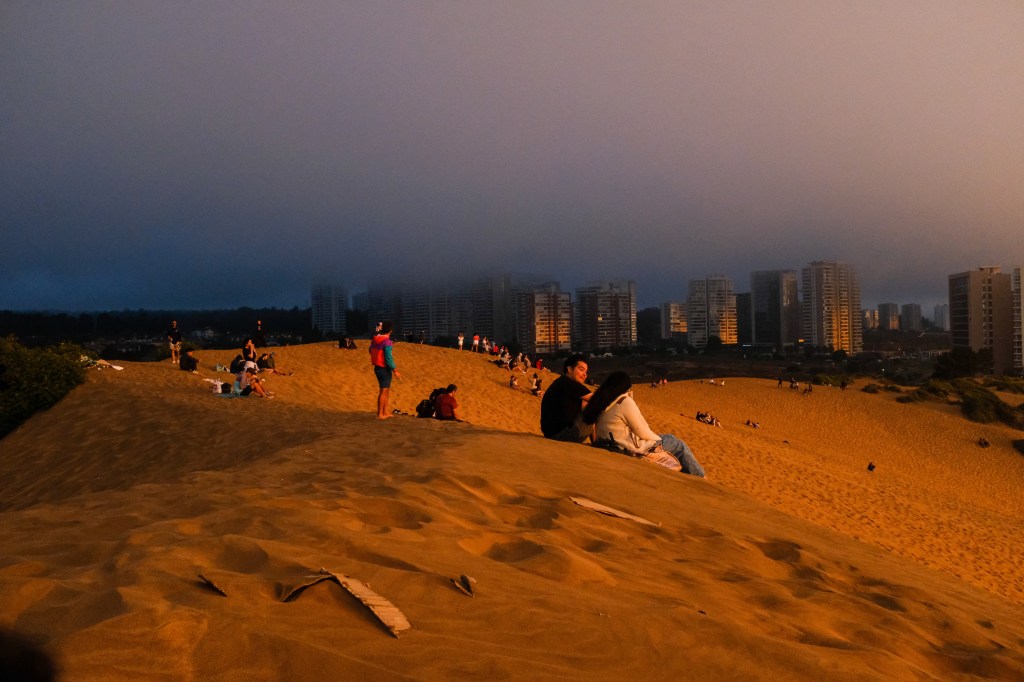
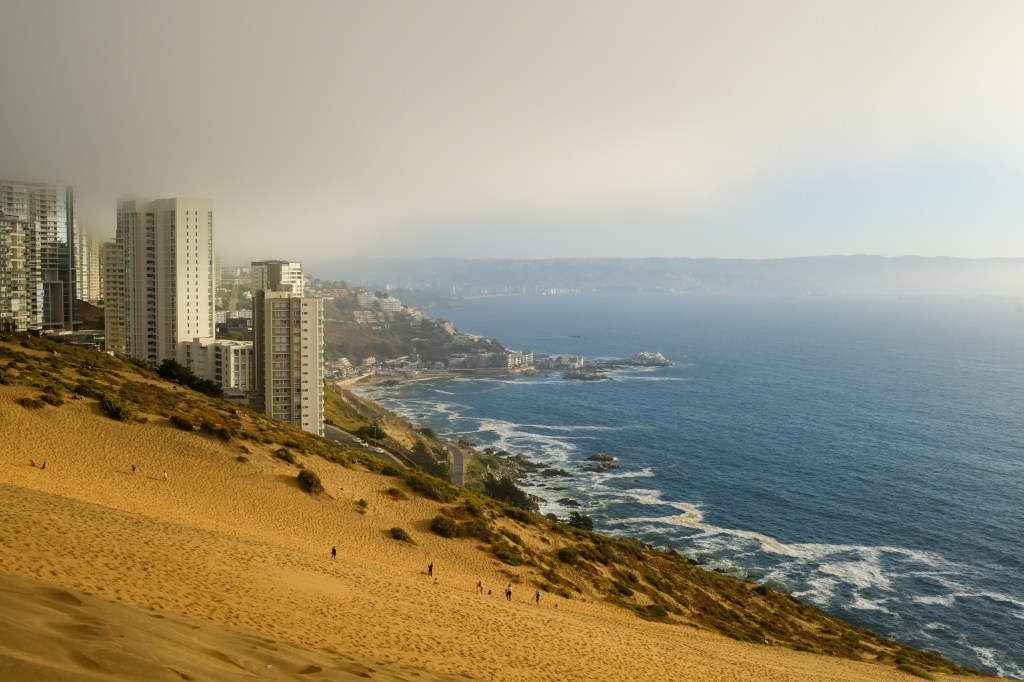
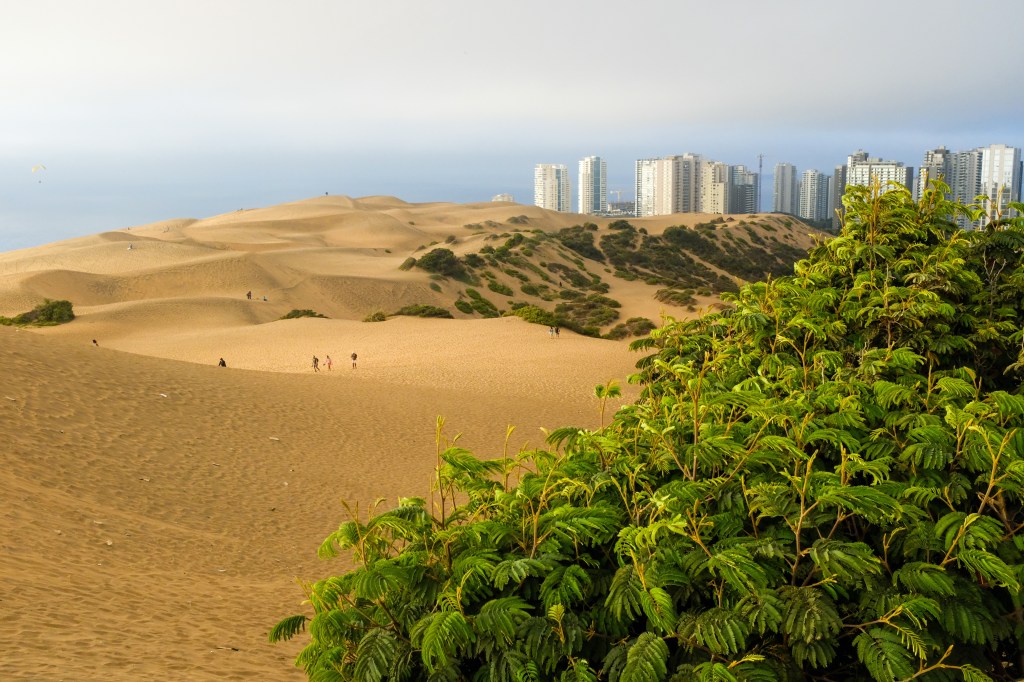
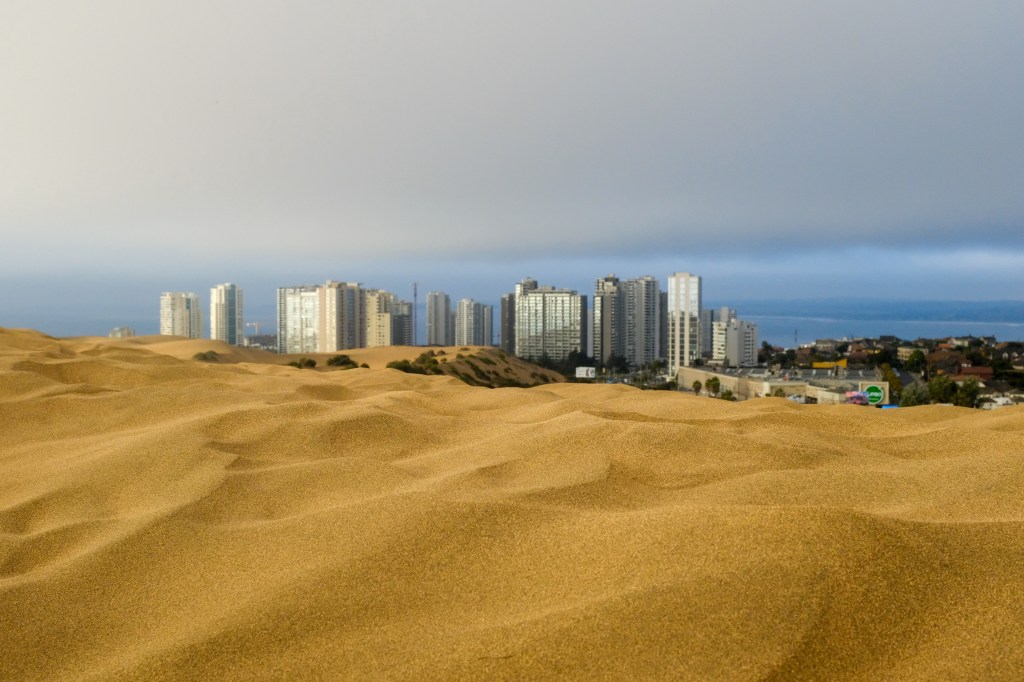
After the tour, I visited an adjacent beach town, Vina del Mar, and watched the sunset on the Dunes around Concon –

And wrapped up with a photoshoot with our hostel cat

Final Thoughts

I am keeping this part a bit shorter as I am rushing to prepare for my time in Patagonia, but I will have plenty more to say when I return on February 14th!

See you in 2 weeks, after I wrap up my time in Patagonia.

Sam
Day 8-16: Medellin & Lima

Medellin! Capital of the Flowers and The Land of Eternal Spring

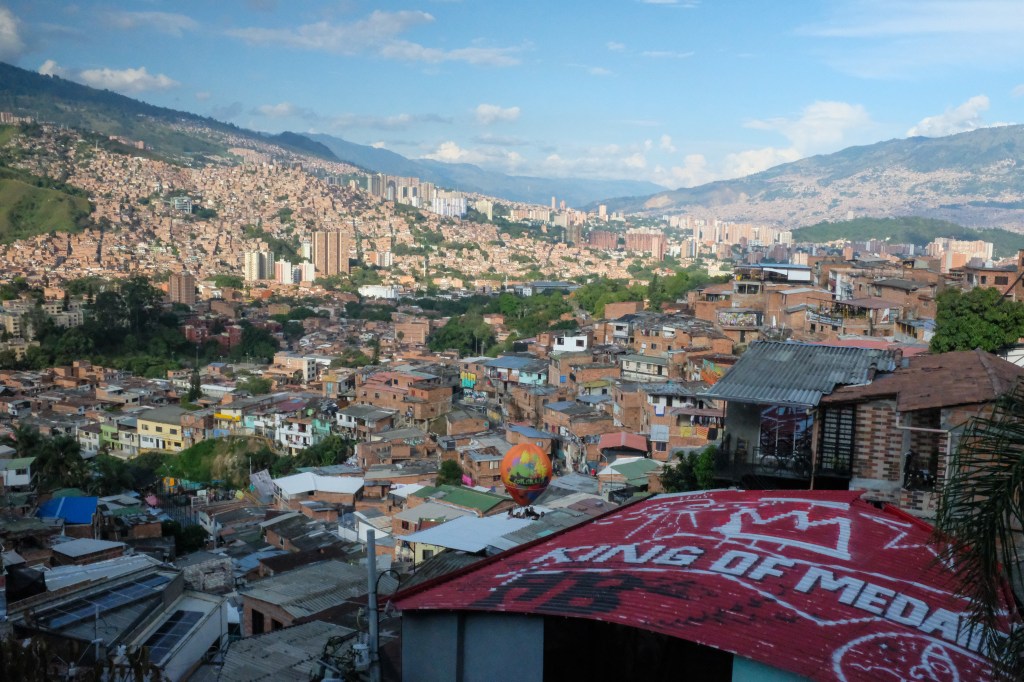
Colombia’s second largest city (after Bogota), Medellin is nestled in the Aburra Valley of the Andres Mountains. Founded in 1616, the city remained largely under the radar until the Colombian coffee boom in the early 1800’s. Later, Colombia became a major hub for a textile industry, which continues to be represented in the 574 ft Coltejer building in the city center.

Full of museums, cultural sites, restaurants, and bars, Medellin was a welcome change from the beautiful (but Mosquito filled…) hills of the Sierra Nevada.

Arriving early Monday morning, I spent the next two hours finding my way to the city center. Unbeknownst to me (and no one’s fault but my own) Medellin’s Jose Maria Cordova international airport is 21 miles east of the city. In the past, travelers would need to traverse an hour of windy mountain roads to get between the city and the airport – but, fortunately for me, the New Tunel de Oriente opened in 2019, cutting the travel time in half. A 5 miles long road tunnel, the Tunel de Oriente connects the Aburra Valley with the adjacent San Nicolas Valley.

During my 30 minute bus ride, I sat next to Jose, a Californian who immigrated to the US from Honduras in the early 90’s. Chatting, he told me about his son, who is a plastic surgeon in San Diego. Learning of my plan to pursue medicine, he eagerly told me about his son’s career, noticeably proud of the life he created. This sense of pride would become a theme of my time in Medellin as I experienced the city.

During my time in Medellin….

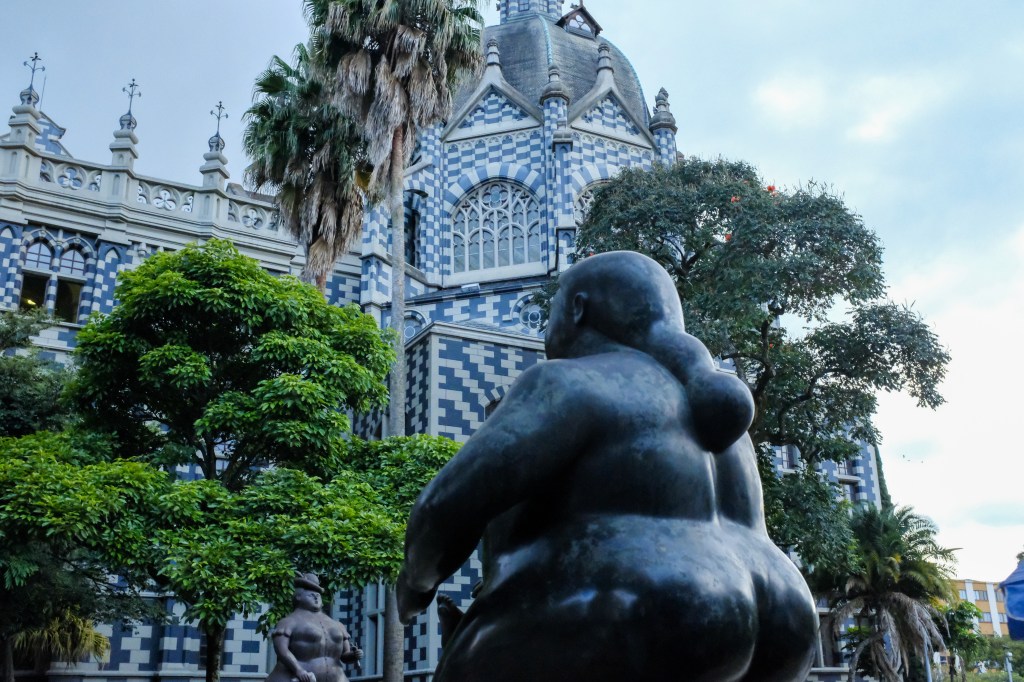
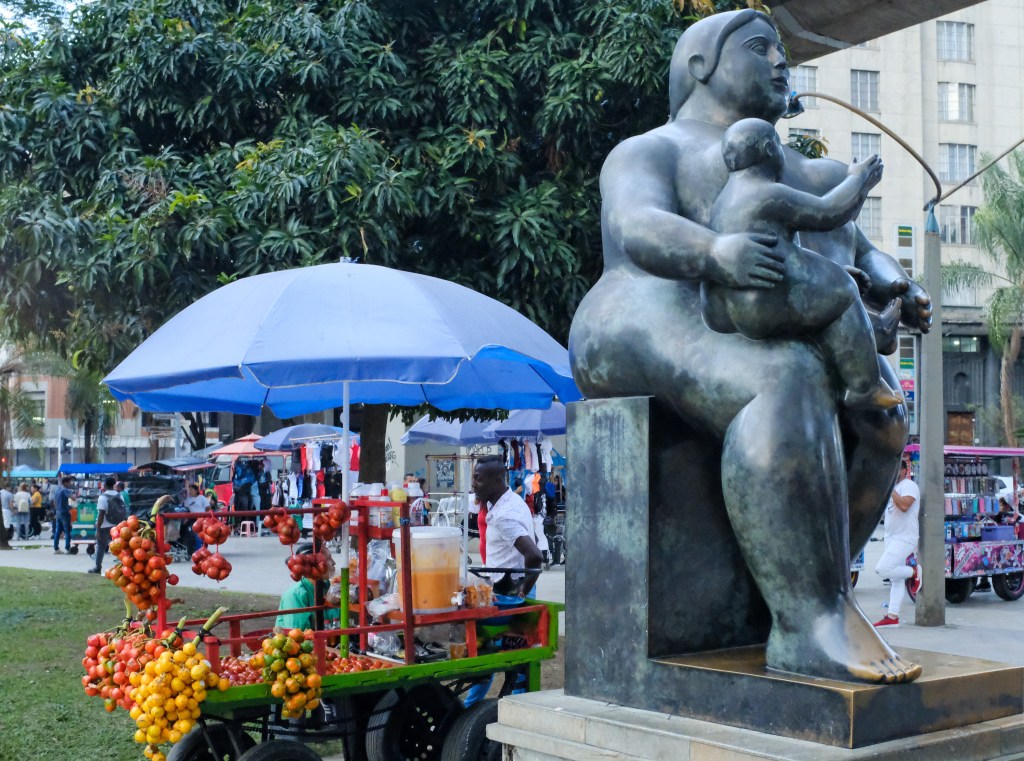
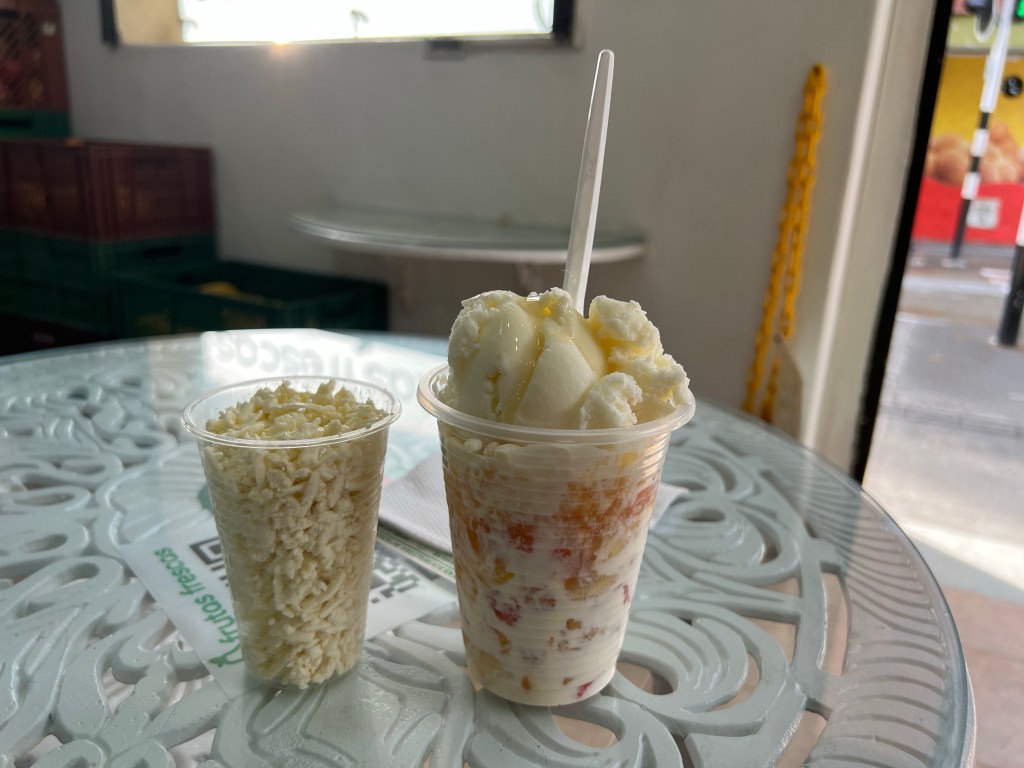
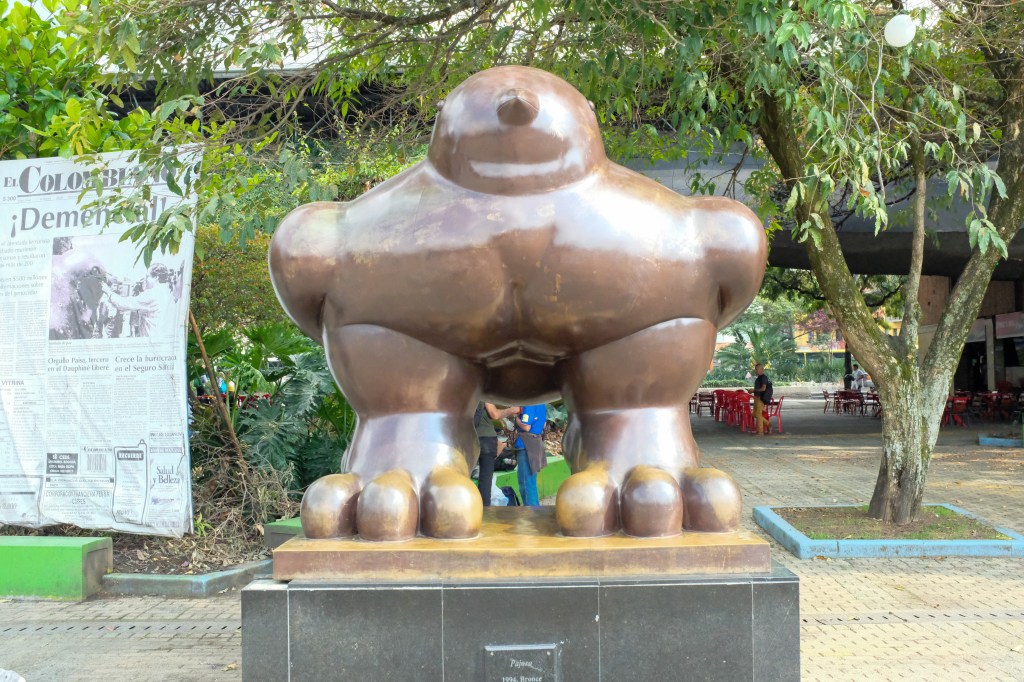
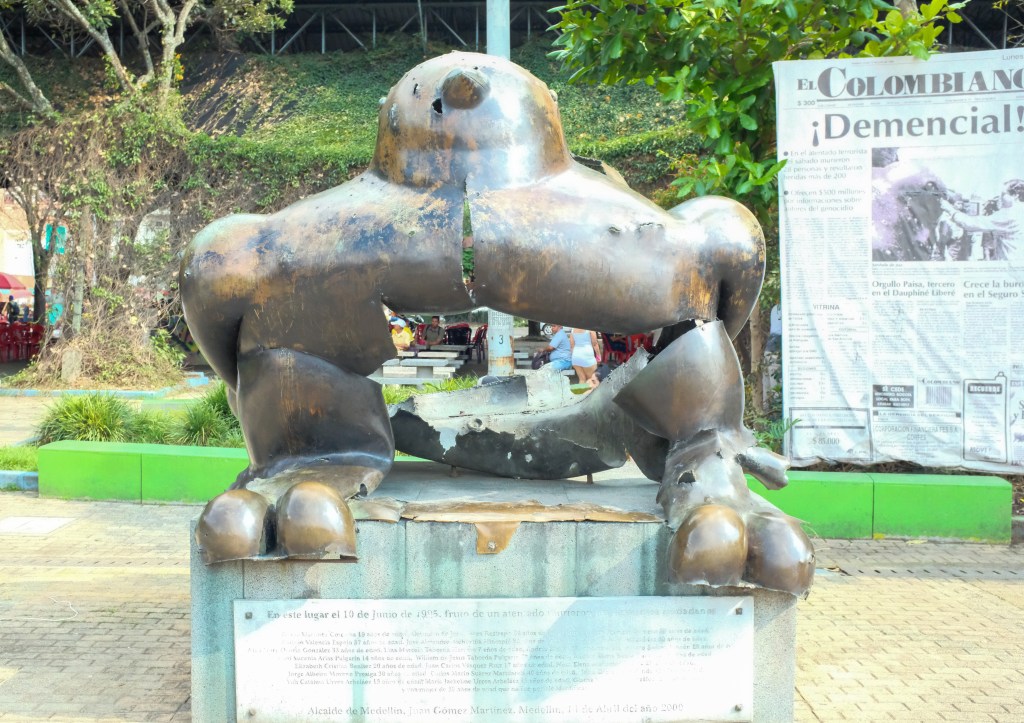
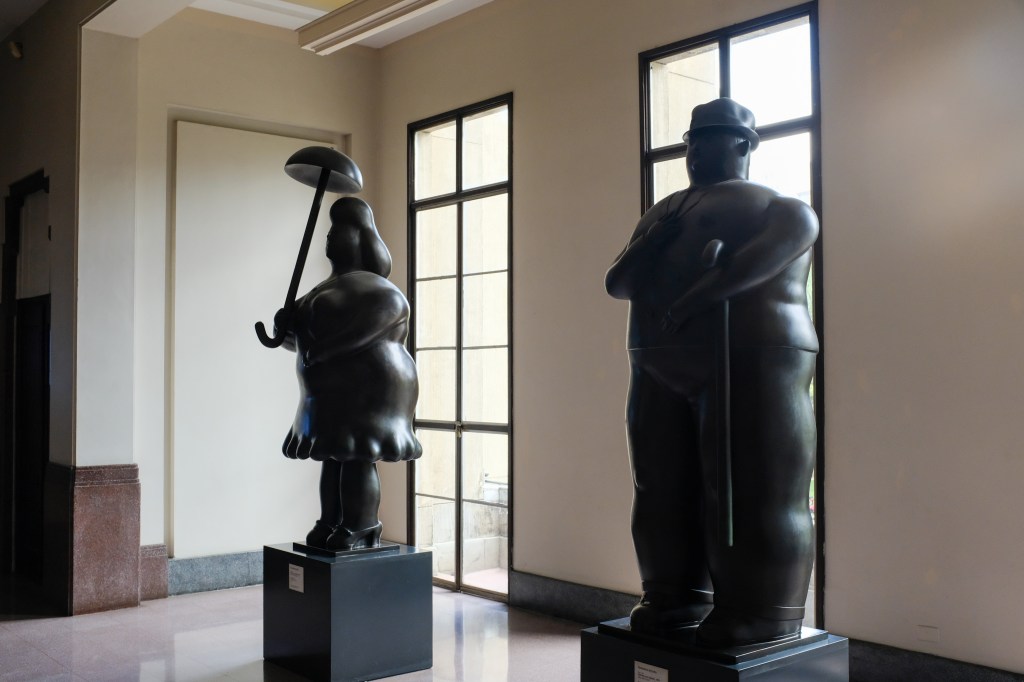
I joined a walking tour of the city, where we saw Botero sculptures, ate salpicrema, and learned about Medellin’s history.

Medellin Walking Tour group, Plaza Botero

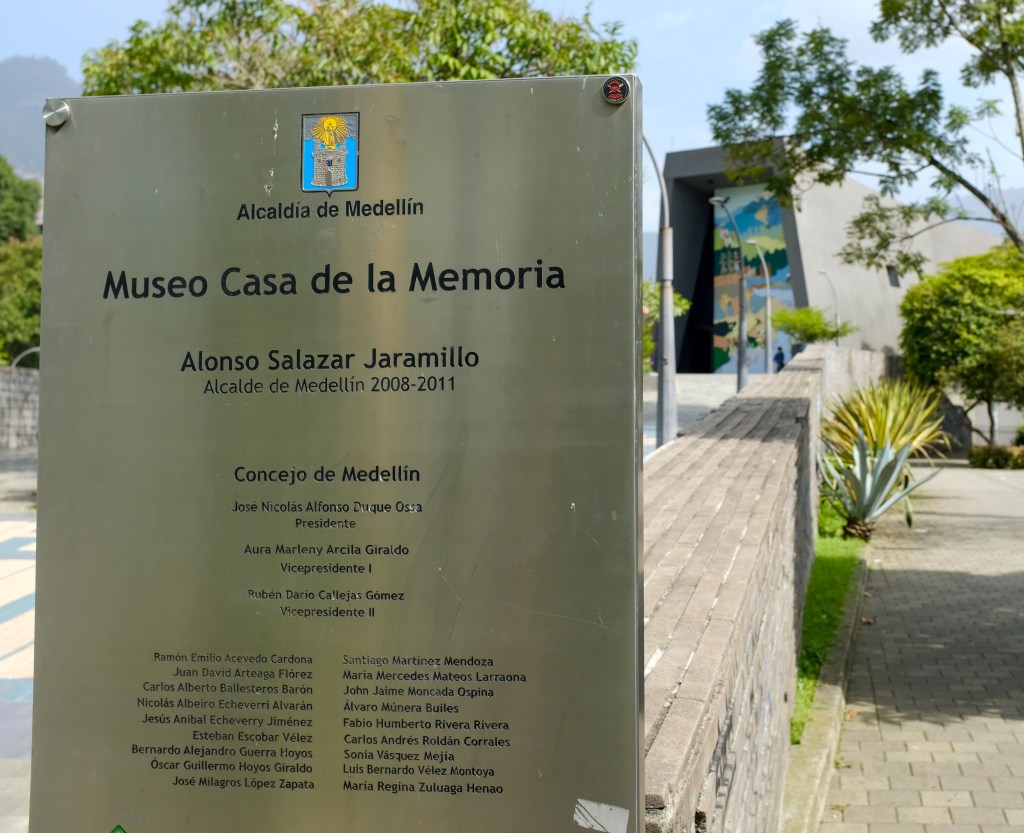
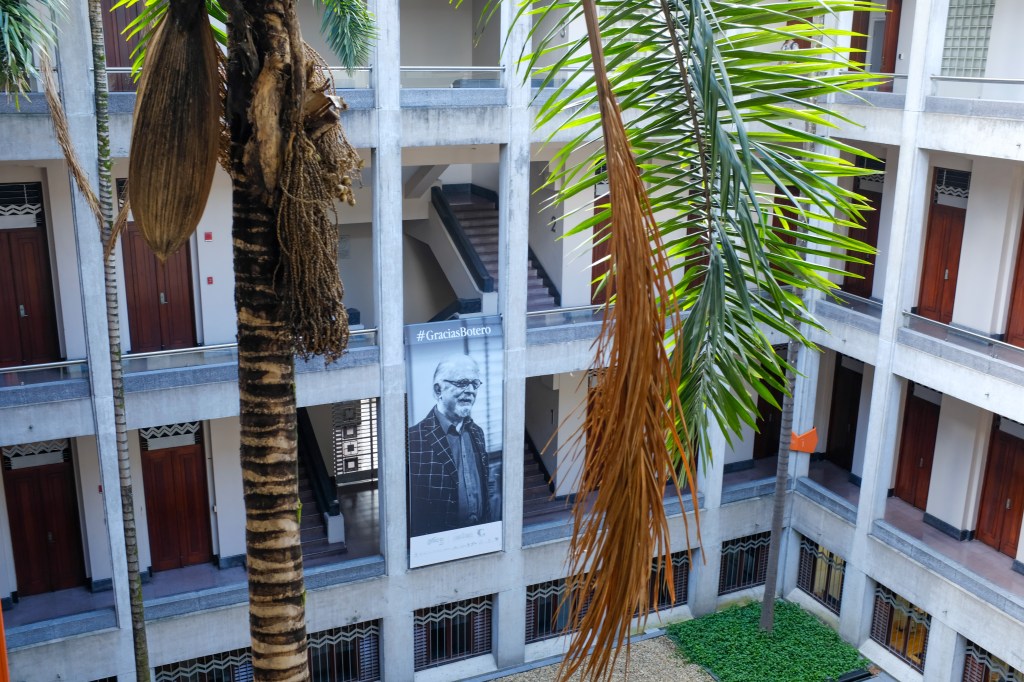
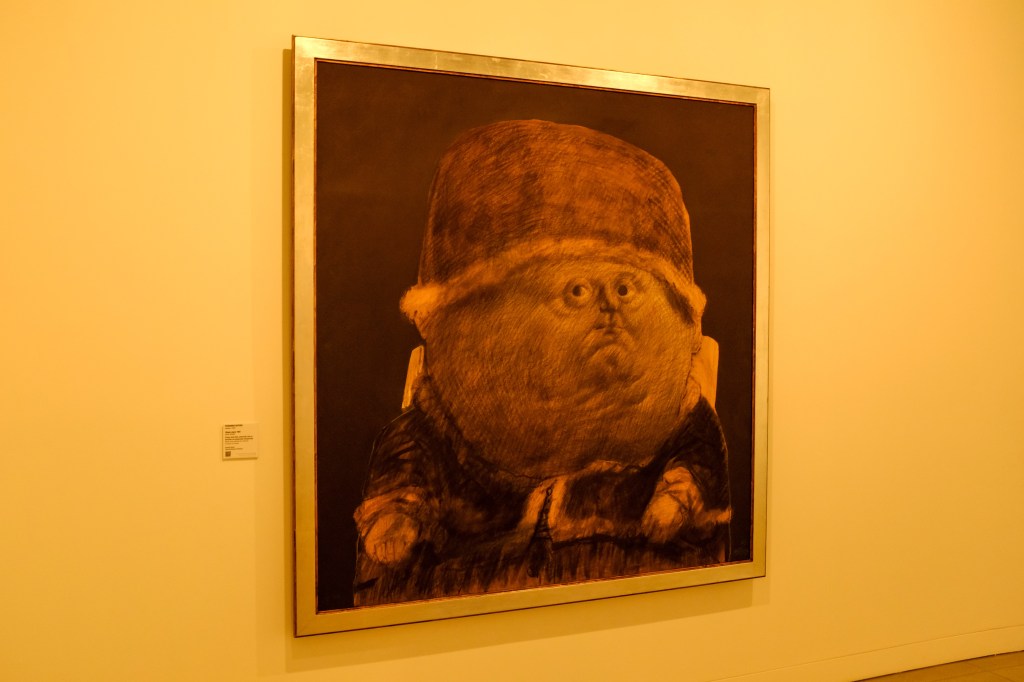
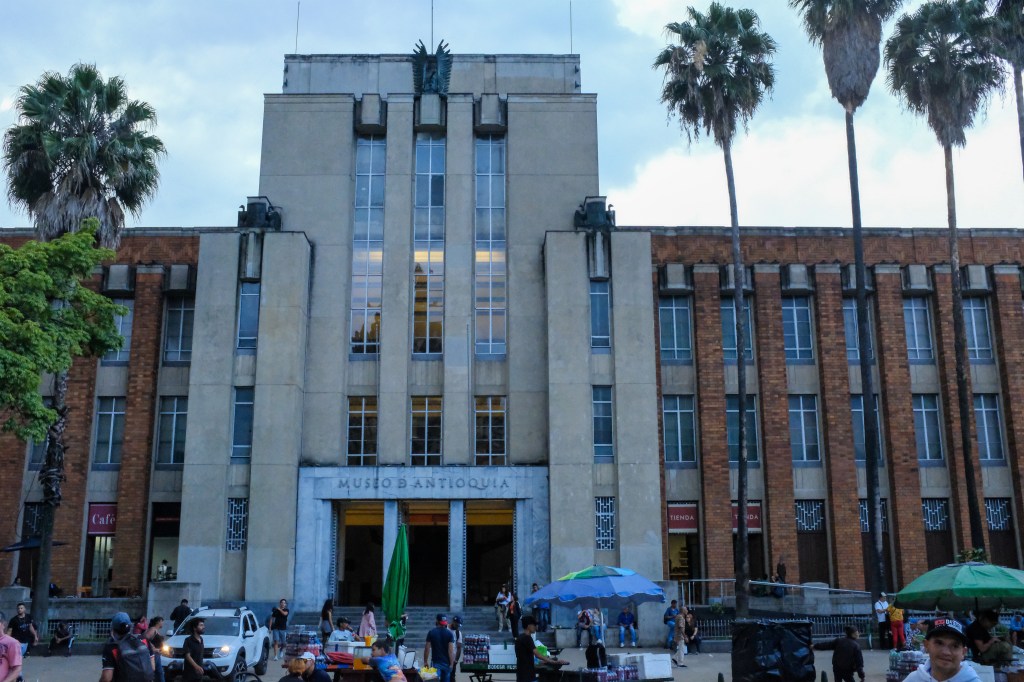
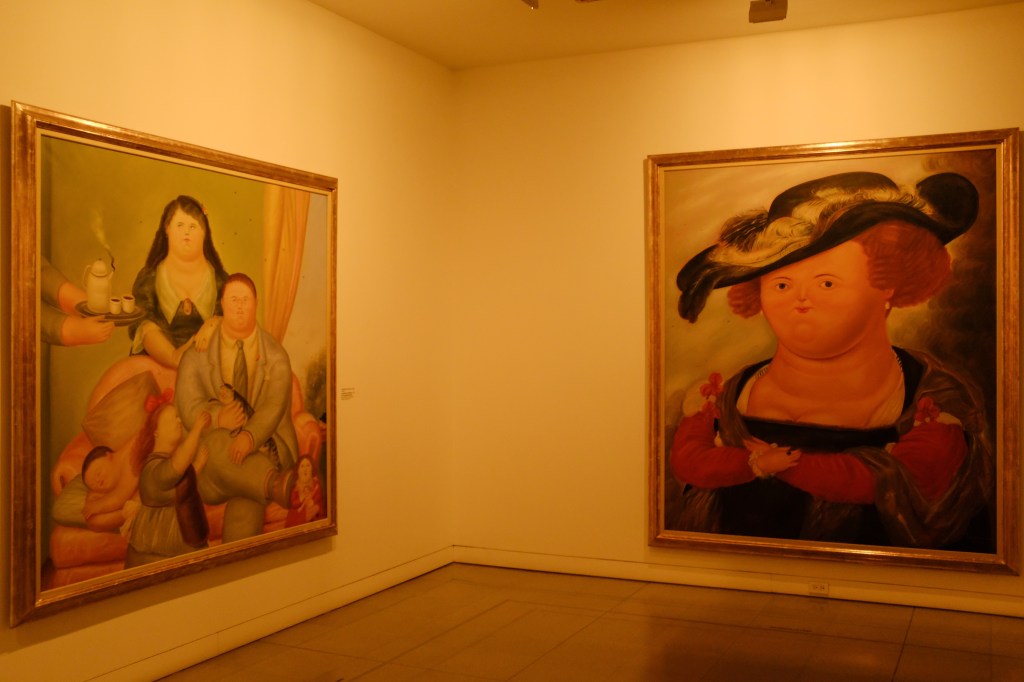
Went to the Museum of Antioquia

And reconnected with my friend, Sara, from Cartagena!

Sarah & me, Botanical Gardens

Together we explored Medellin’s Botanical Garden

And saw some great birds!

And a few iguanas…

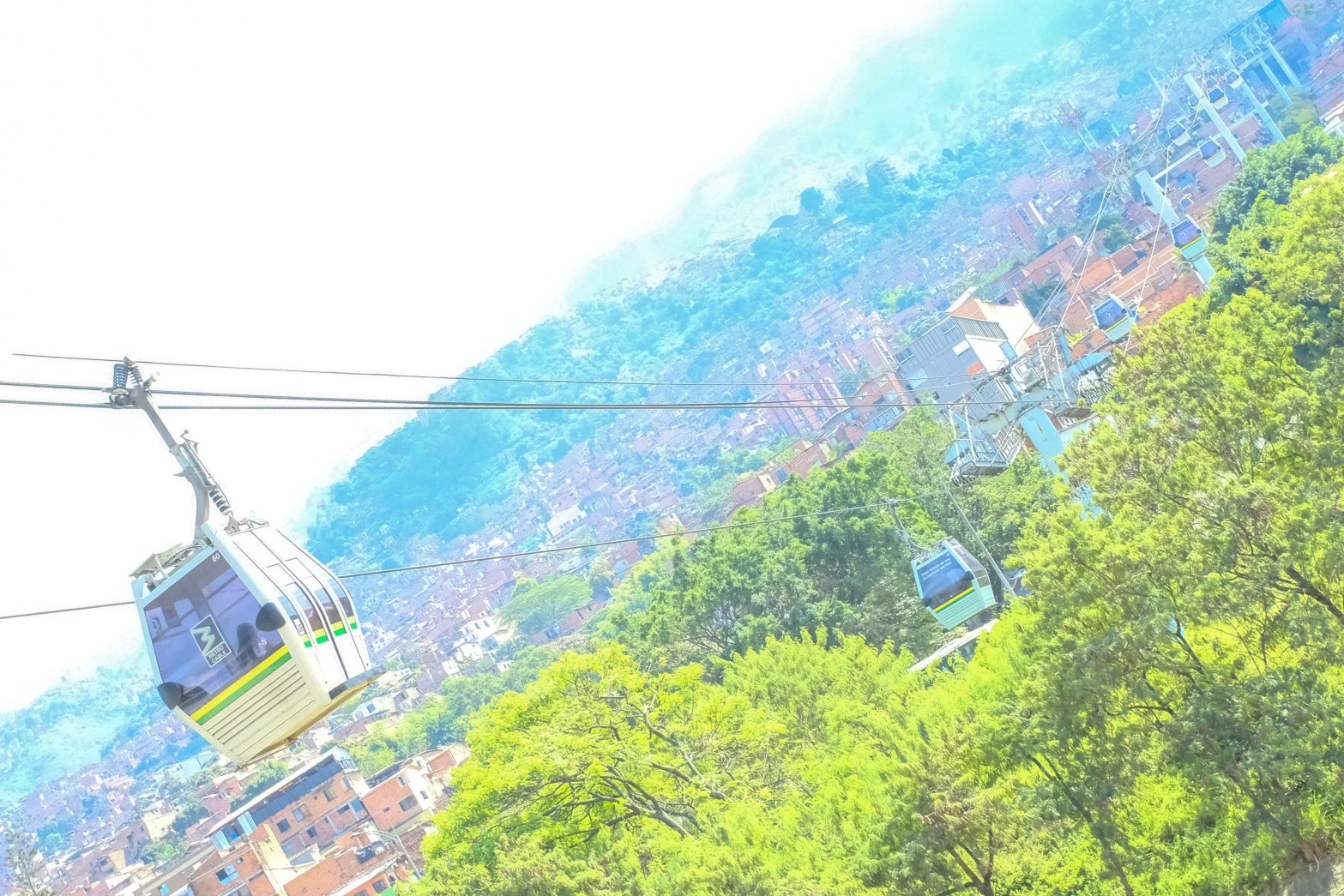
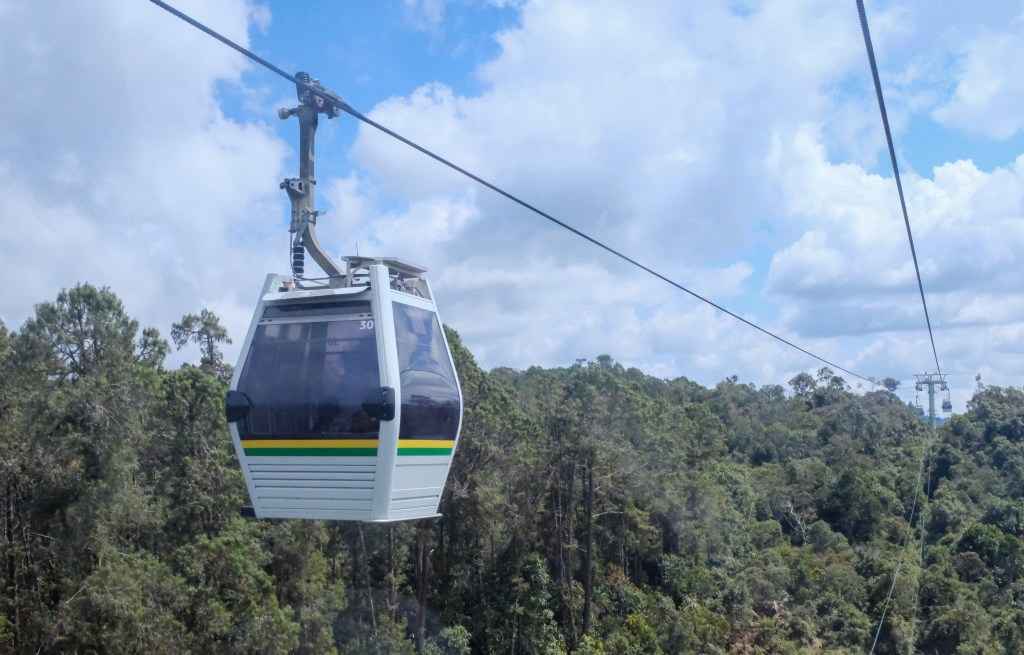
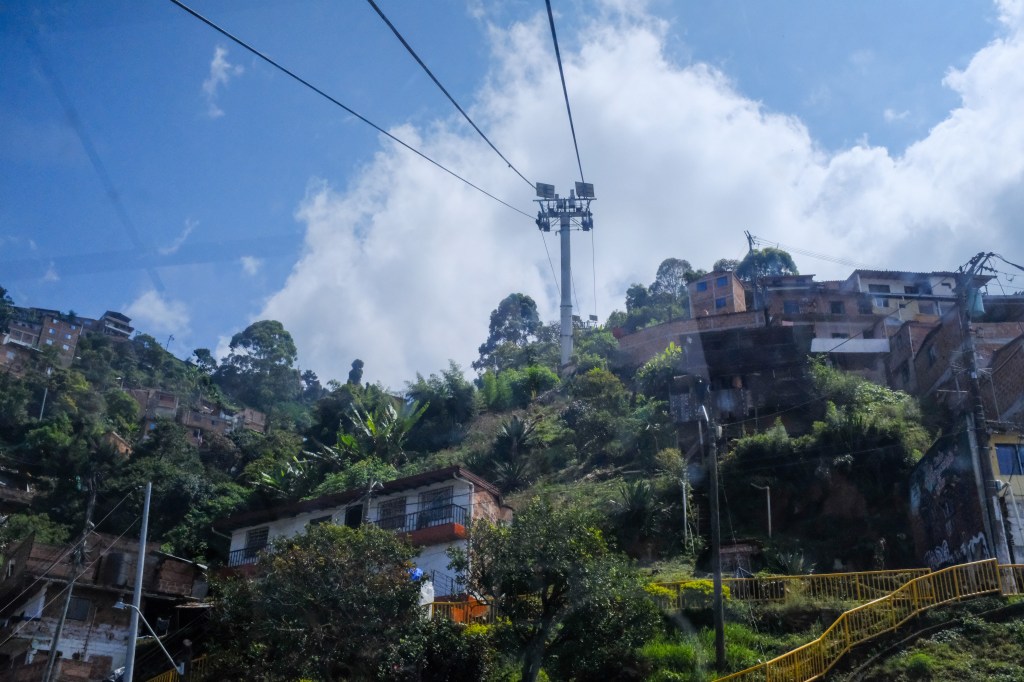
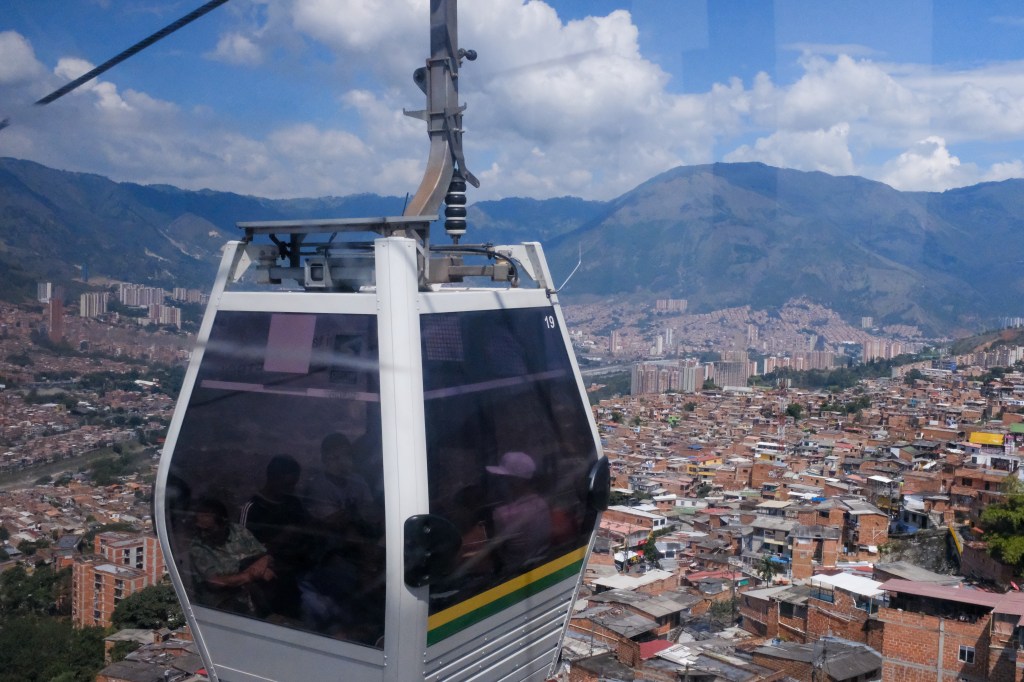
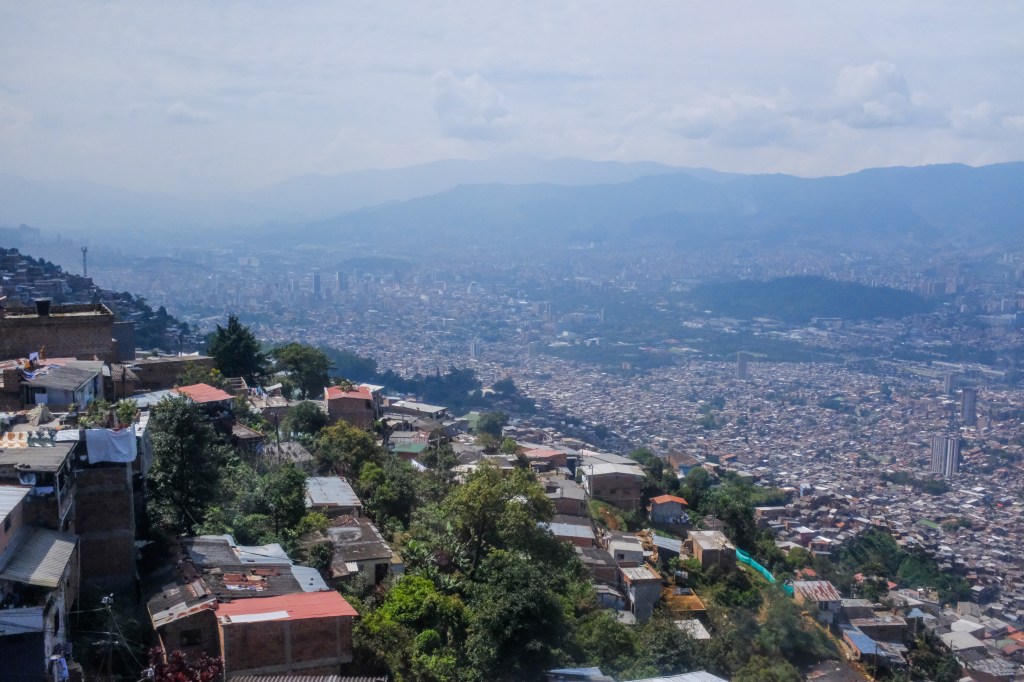
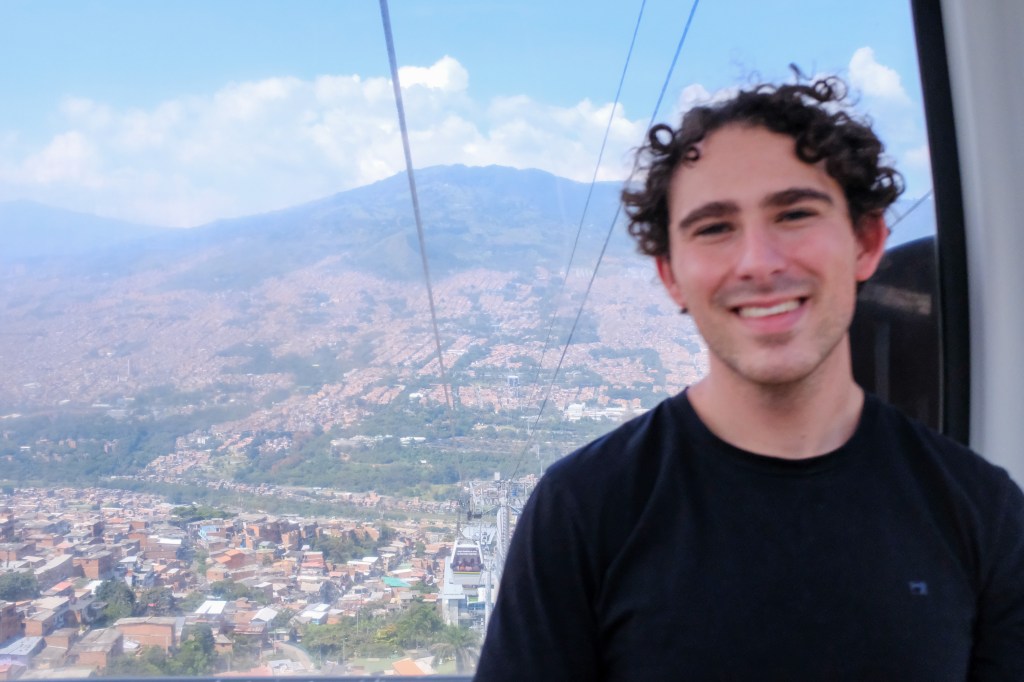
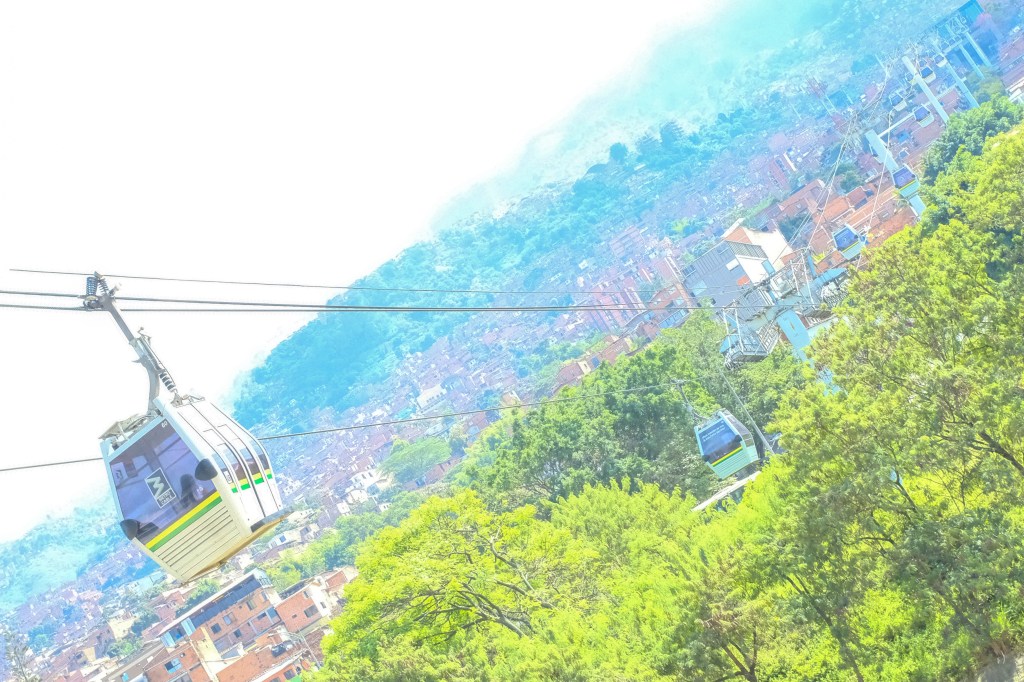
After the Botanical Garden, we took the gondolas up to Parque Arvie!

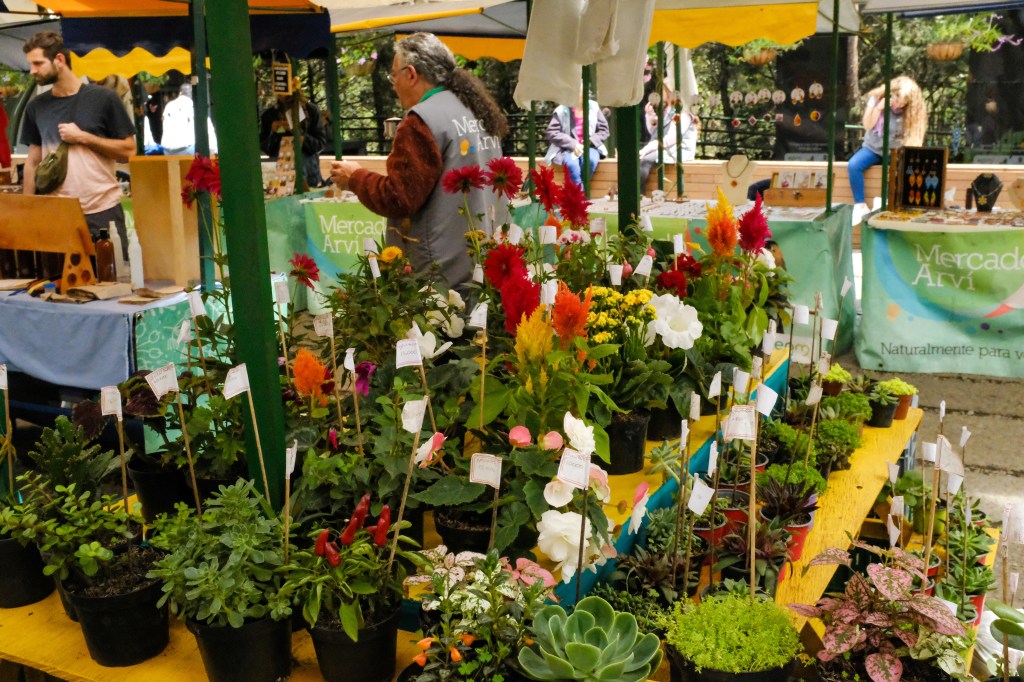
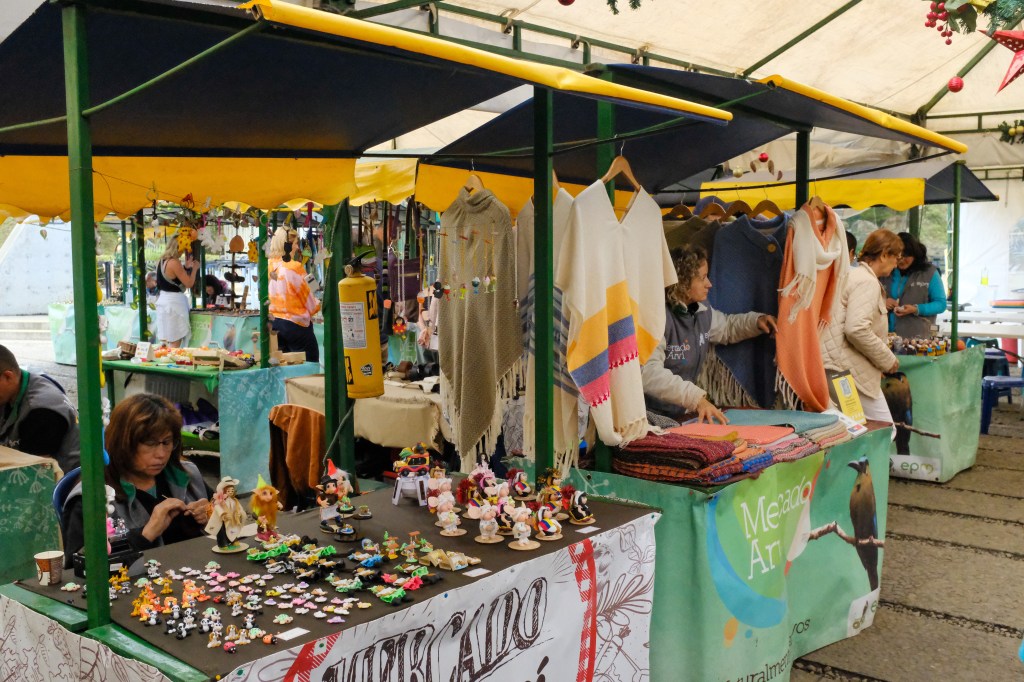
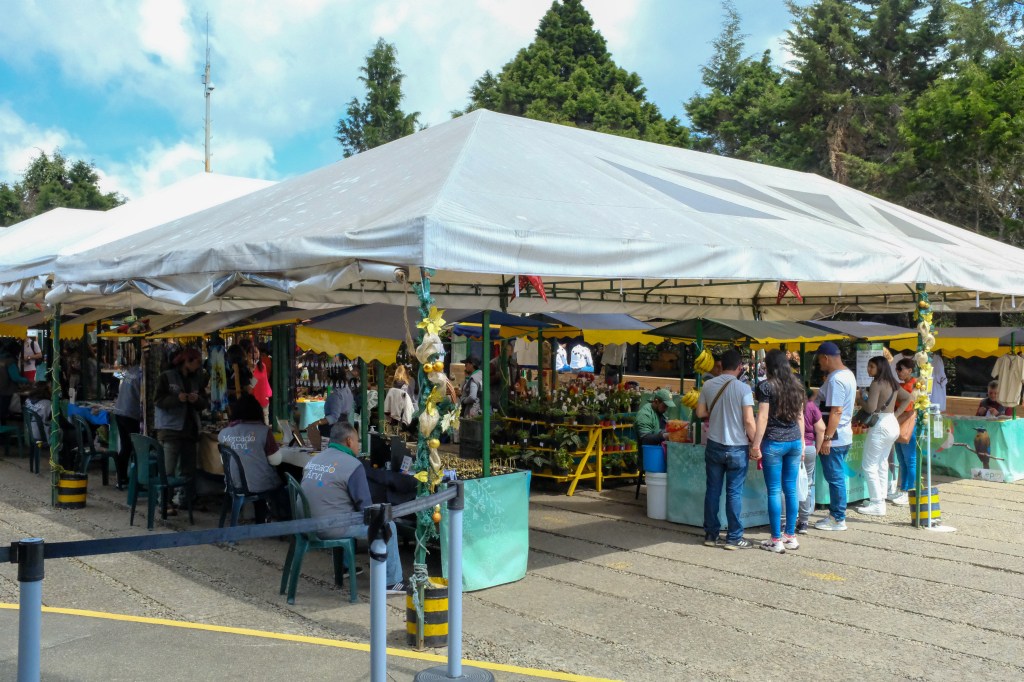
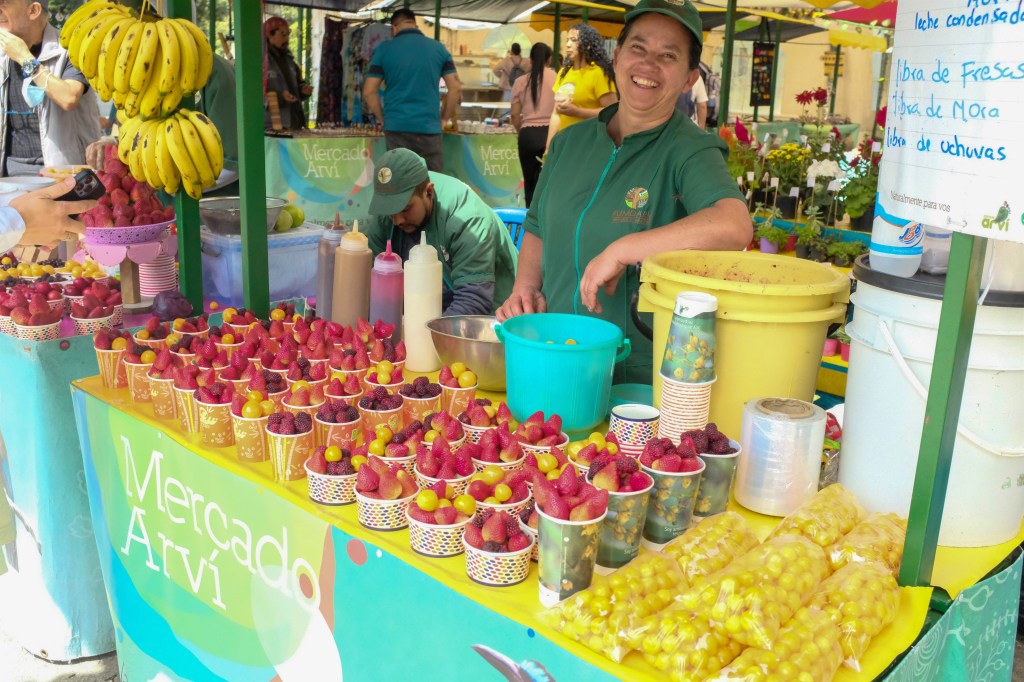
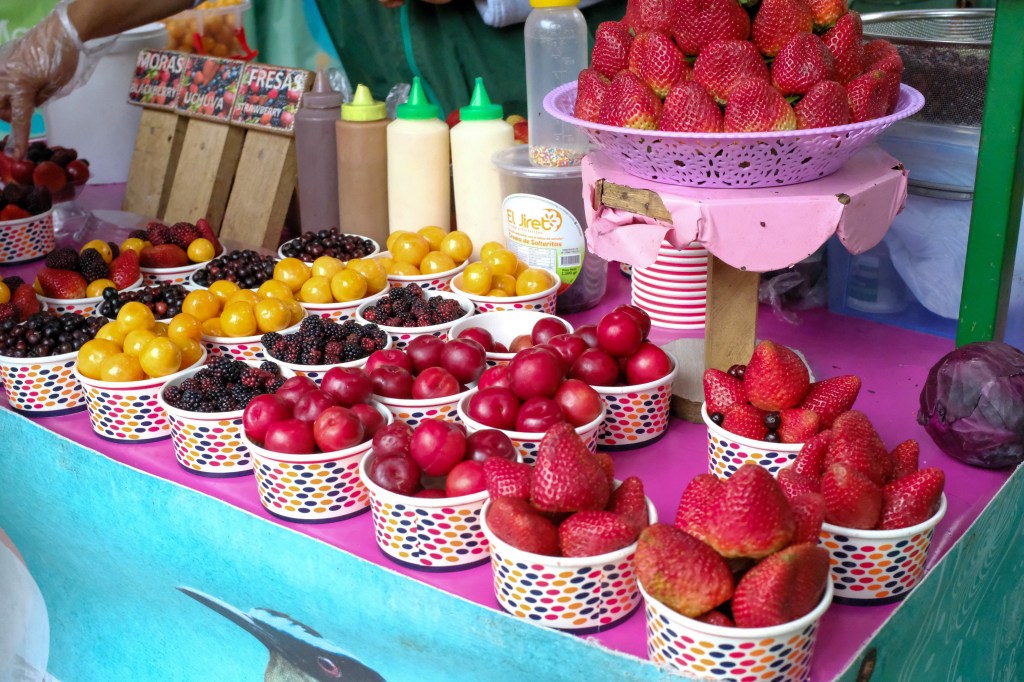
In the park, we stumbled upon a farmers market!

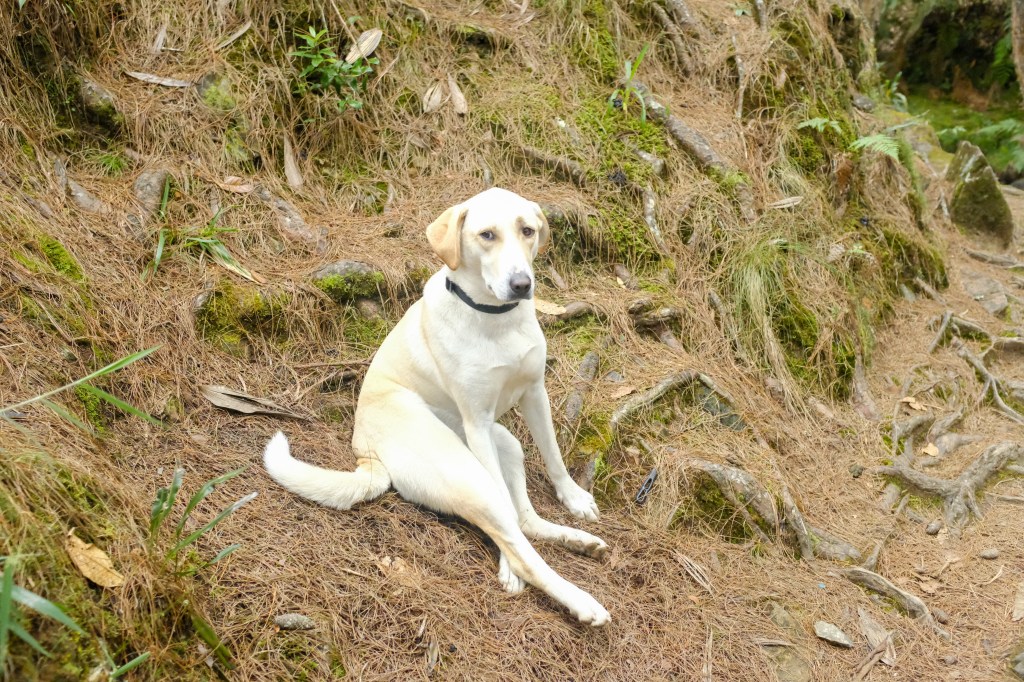
And went on a hike in the park!

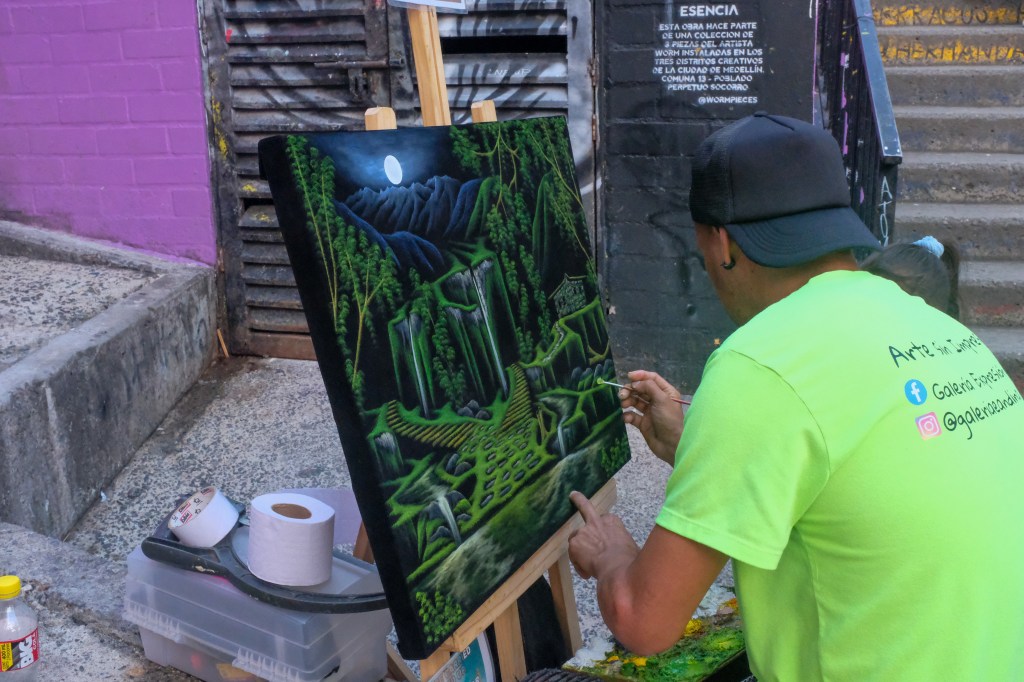
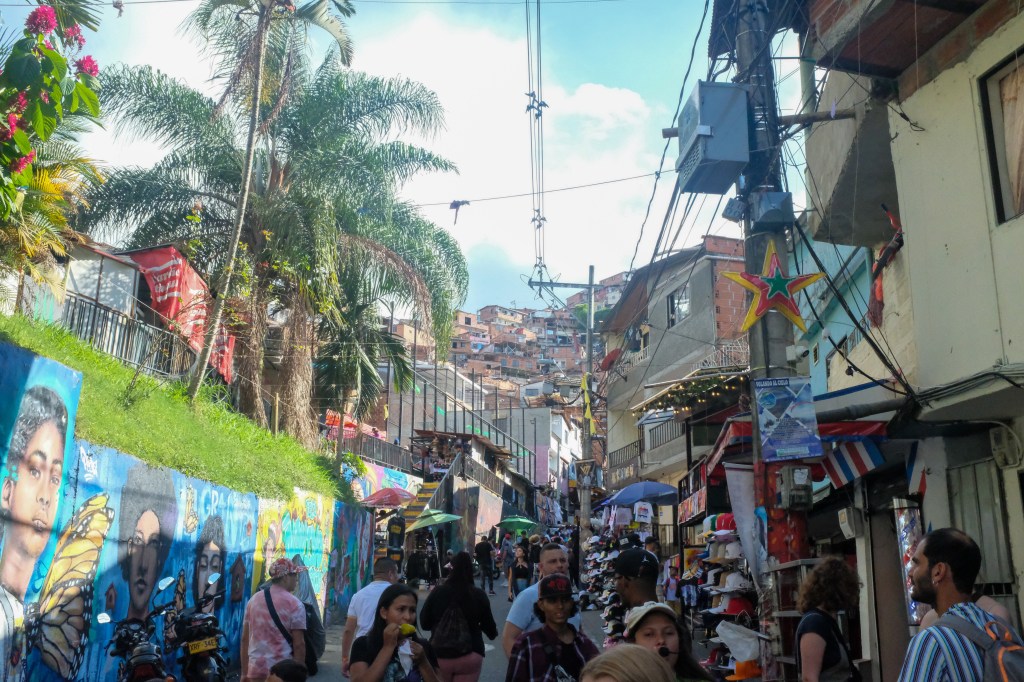
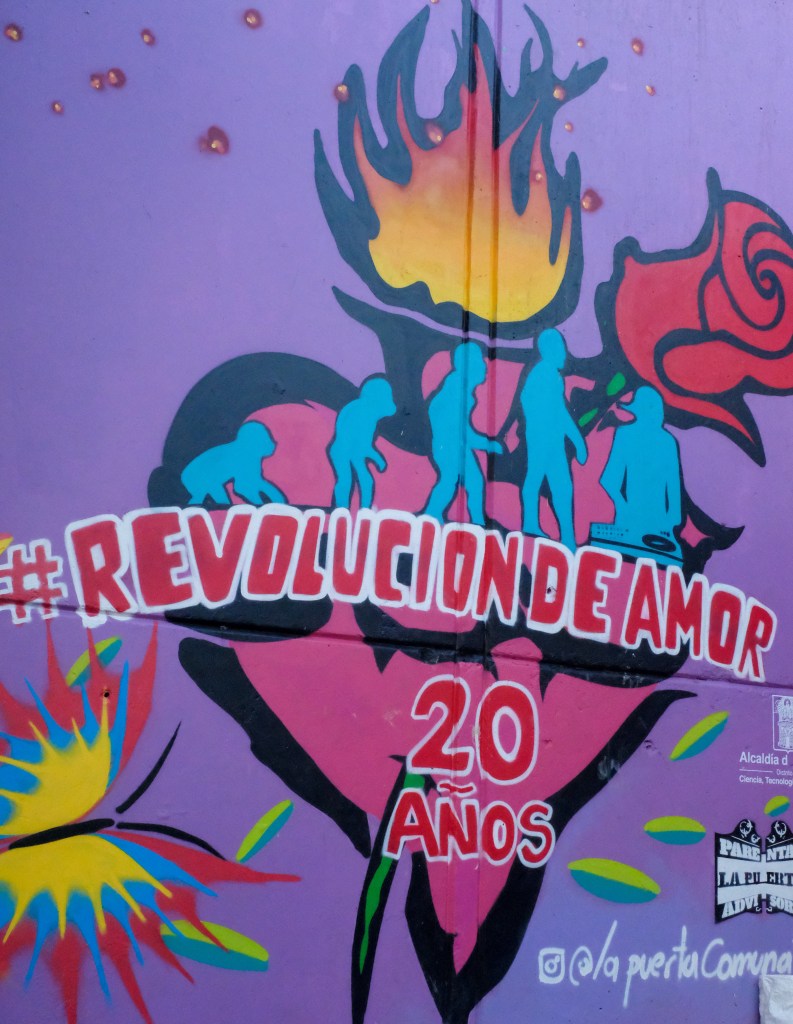
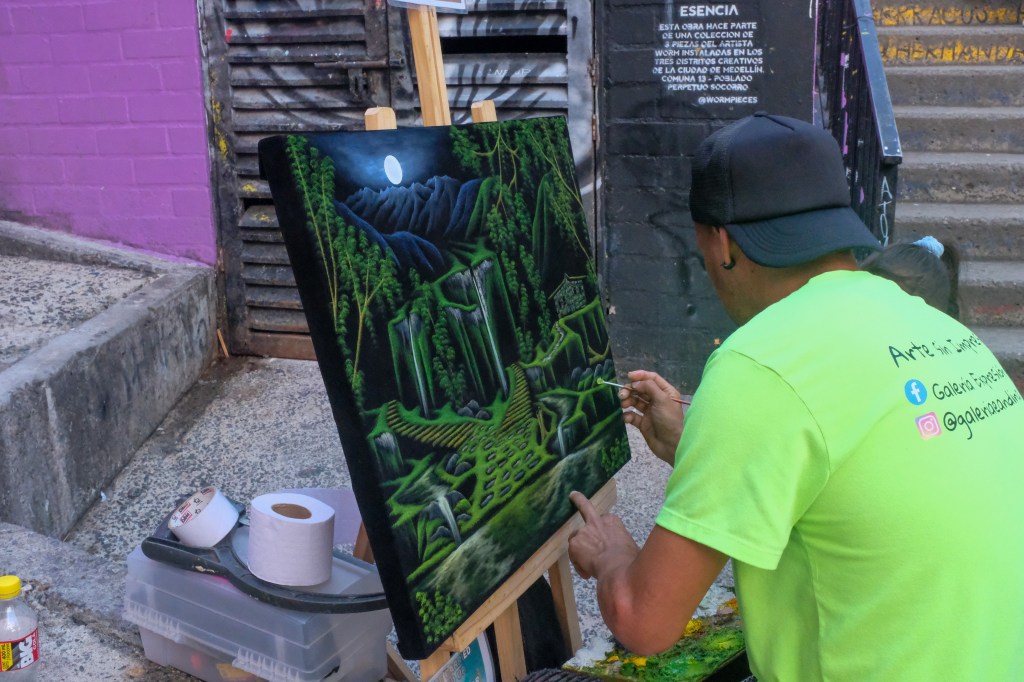
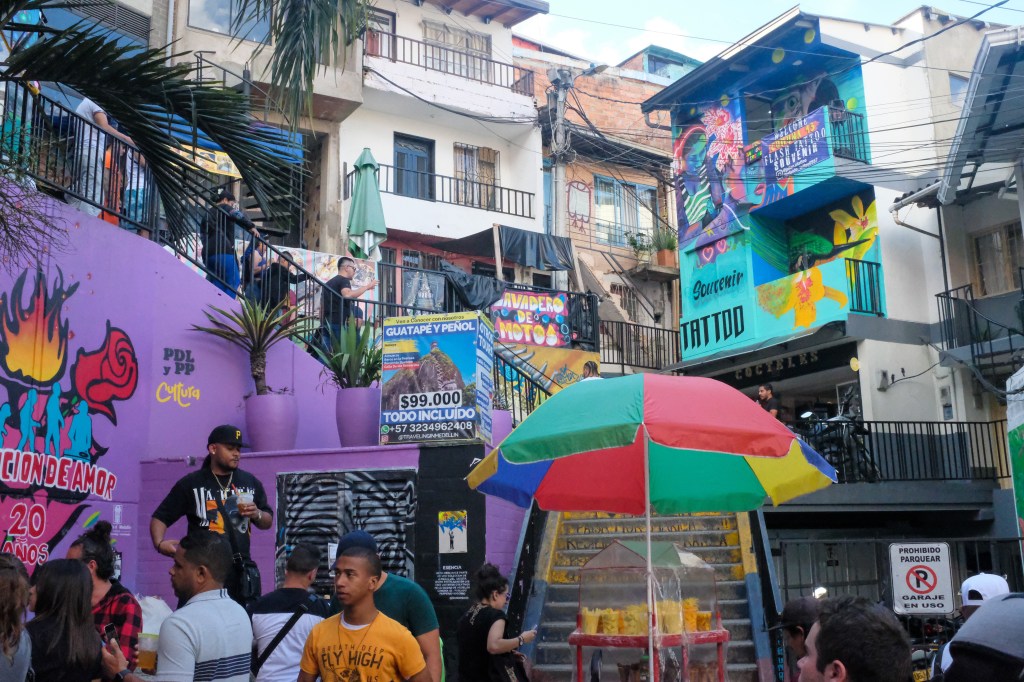
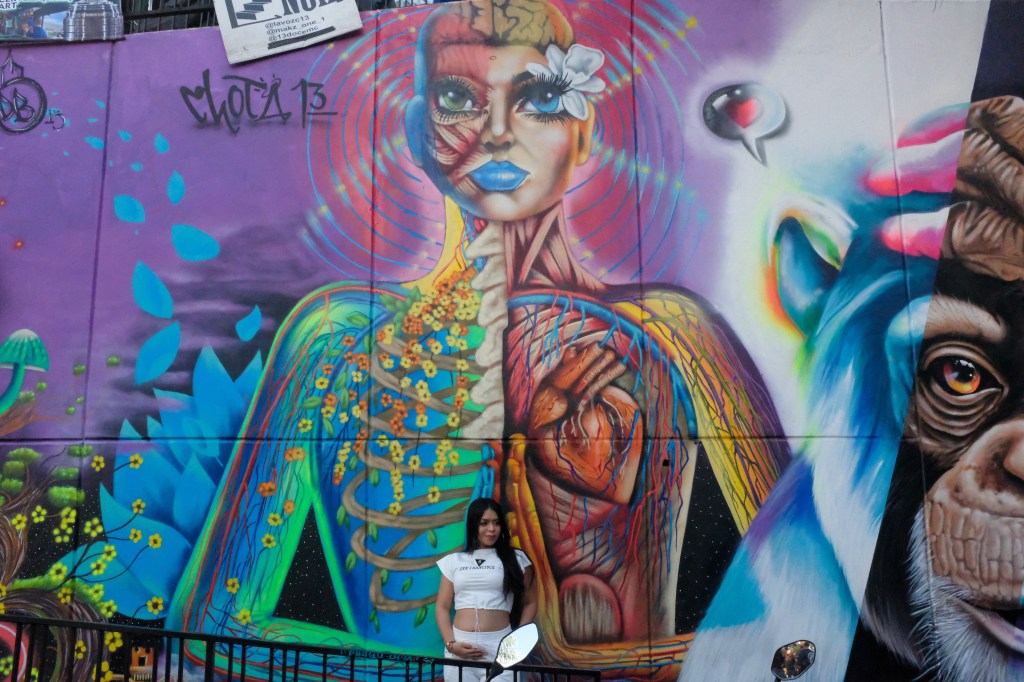
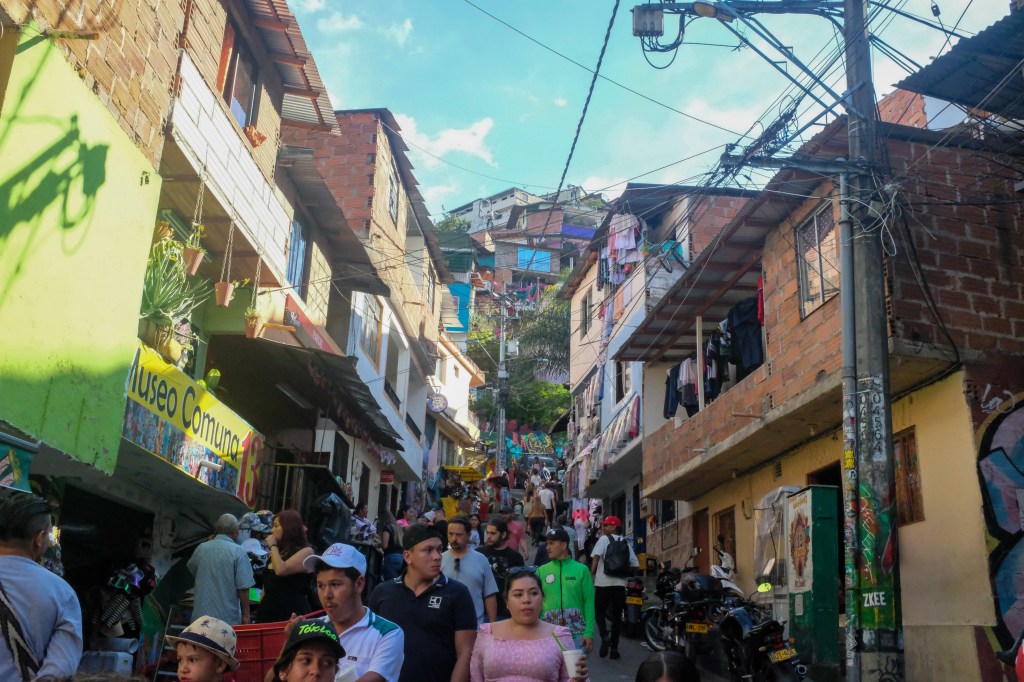
Towards the end of my time in Medellin, I had the chance to take a graffiti walking tour of Comuna 13.

I speak more in depth about my time in the neighborhood in my book club post (see here) but I will give a brief description her as well.

In the 1980’s-1990’s Comuna 13 had such a high murder rates it was considered the most dangerous place in the world.

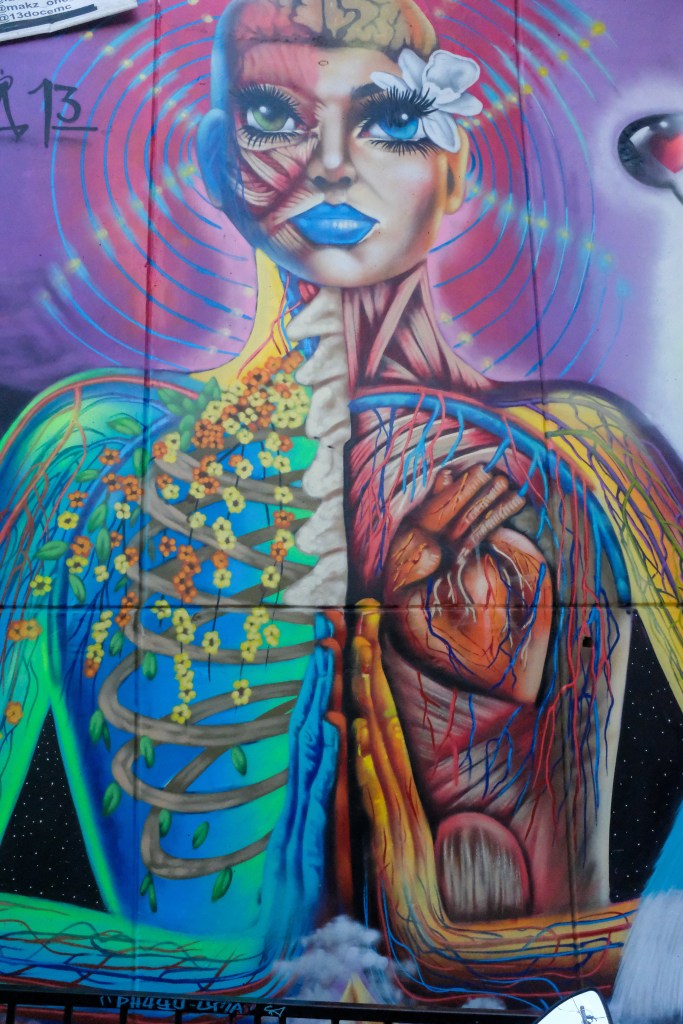
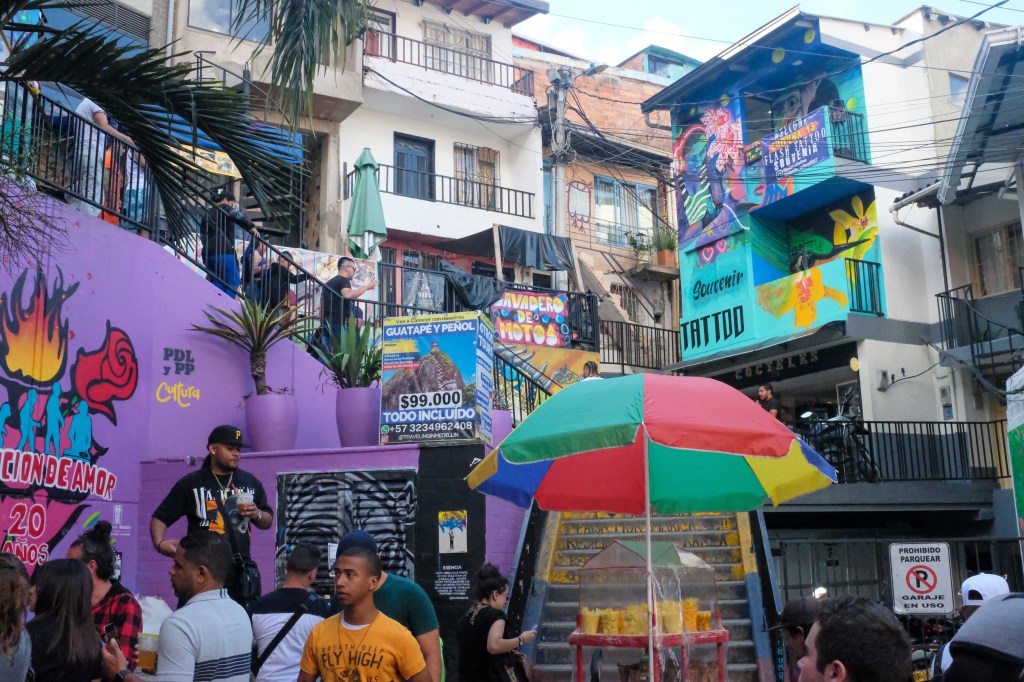
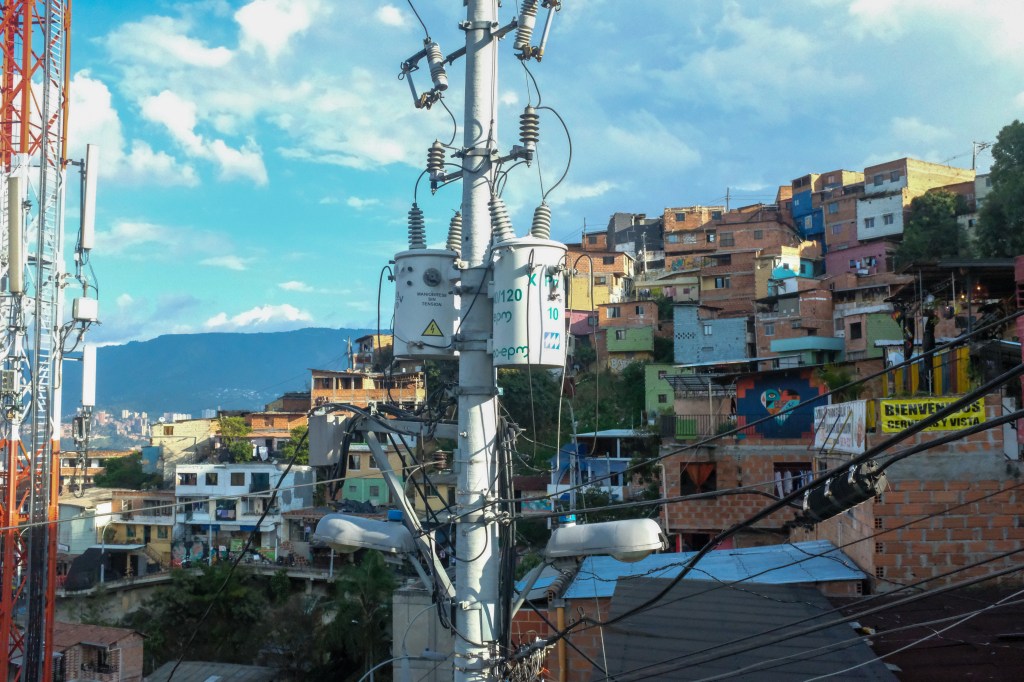
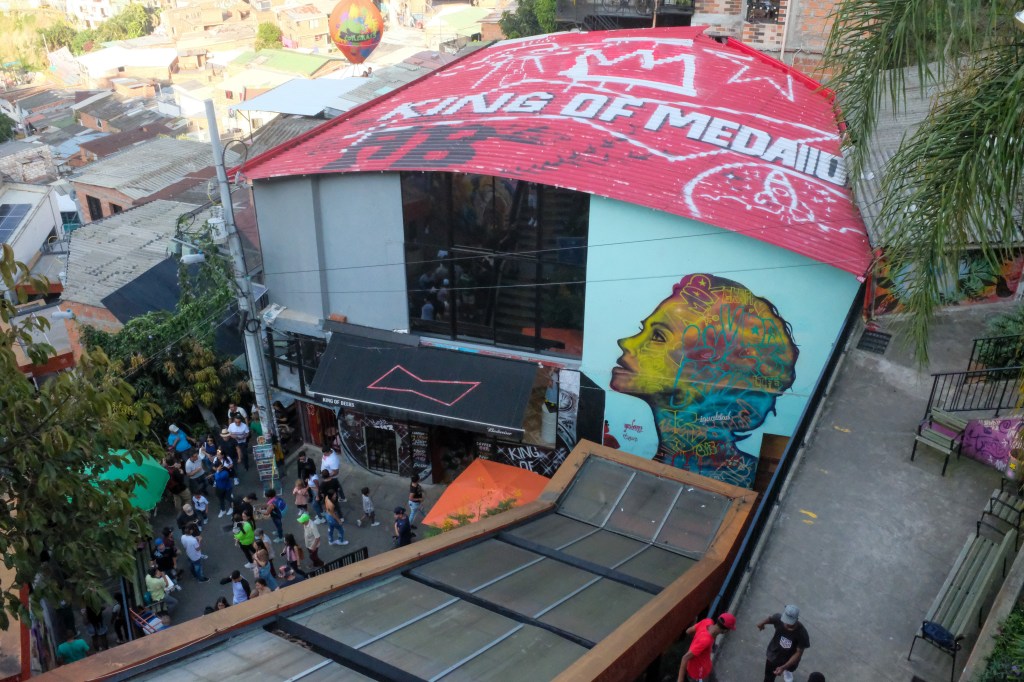
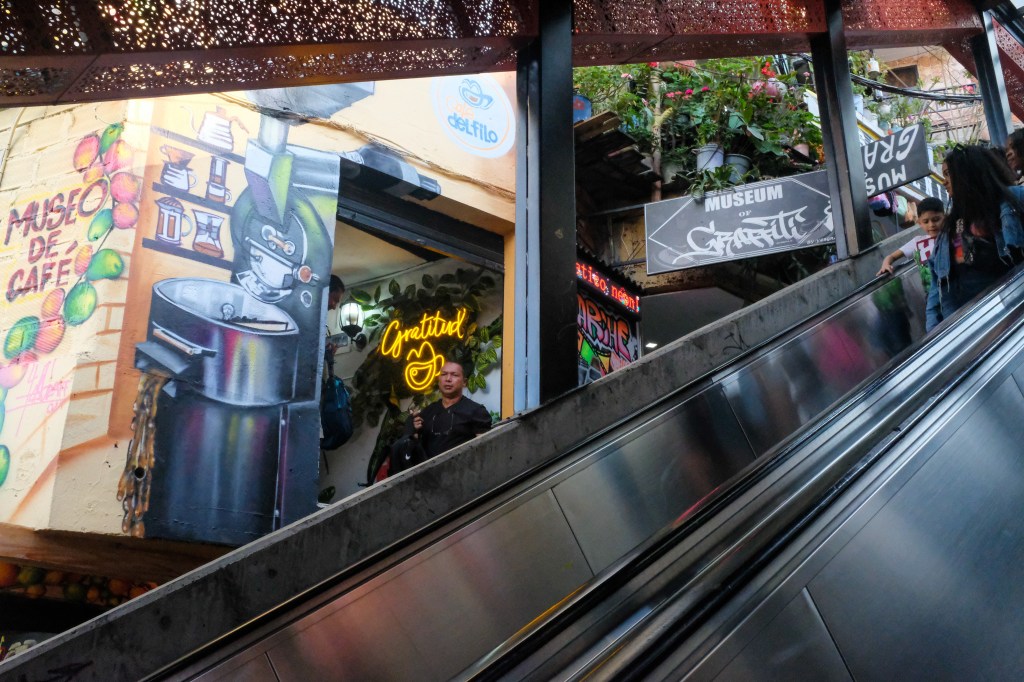
Now, it is now one of the safest and most explored areas in the city. The neighborhood is famous for its powerful graffiti art and murals where people express themselves through depictions of conflict, corruption, and the power of community action which helped bring an end to the violence. On the graffiti tour, I was able to explore the neighborhood just 6 years after the peace deal between FARC and the Colombian government. It is absolutely incredible to see the transformation the neighborhood has gone through in a mere 6 years since the peace agreement, and it has a lot to do with the decades of effort from community leaders.

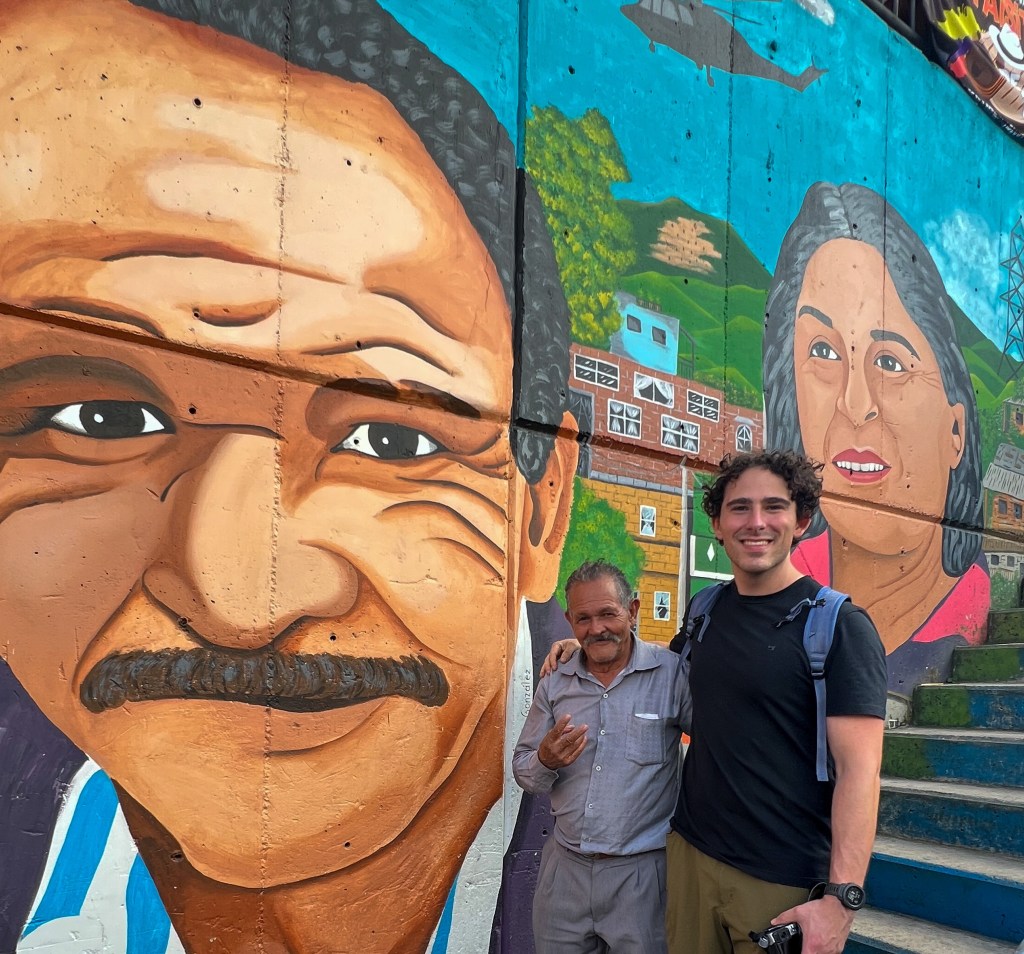
I had the opportunity to meet one of those leaders, Don Angel Ivan Gonzalez, on the graffiti tour. Gonzalez was pivotal in the revitalization of the Vicente de Julio area in Comuna 13, which is now one of the central art hubs of the city.

Gonzalez and me in front of a mural of him

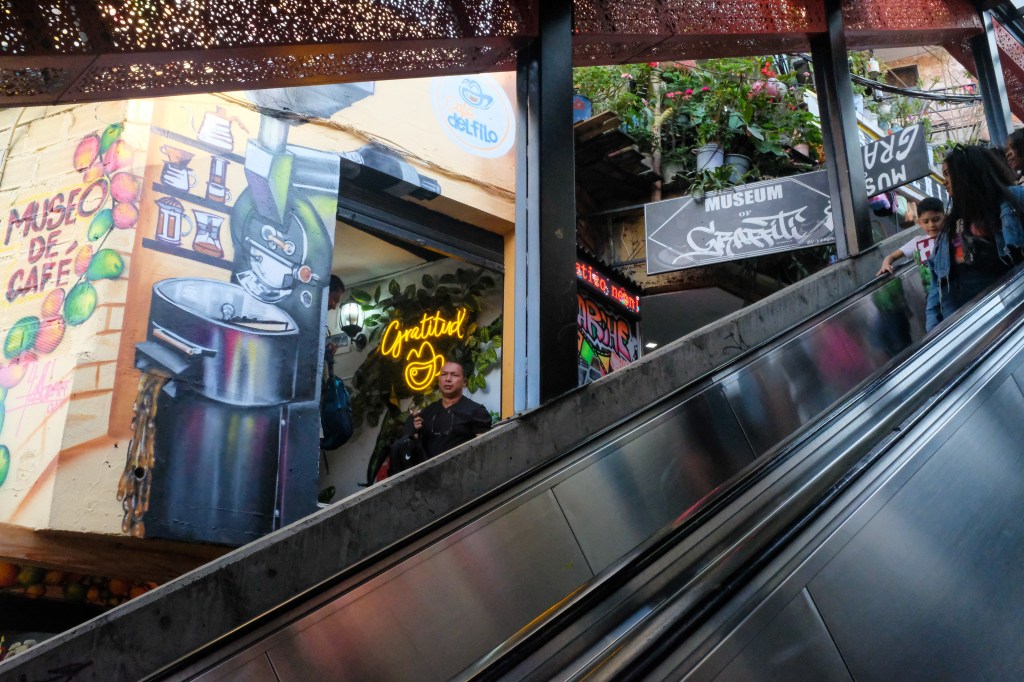
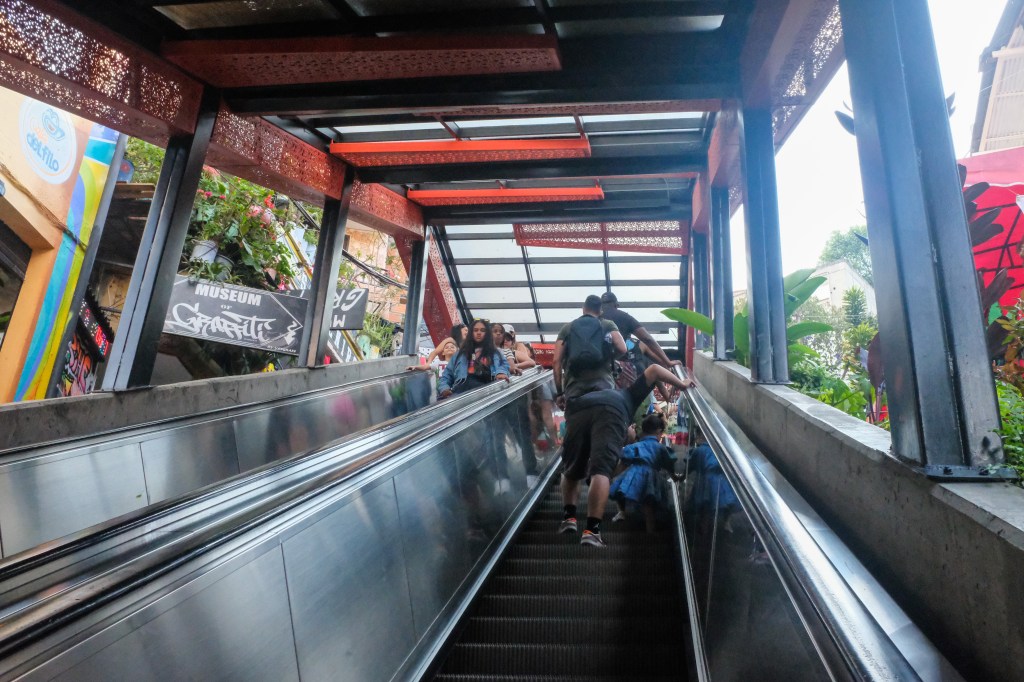
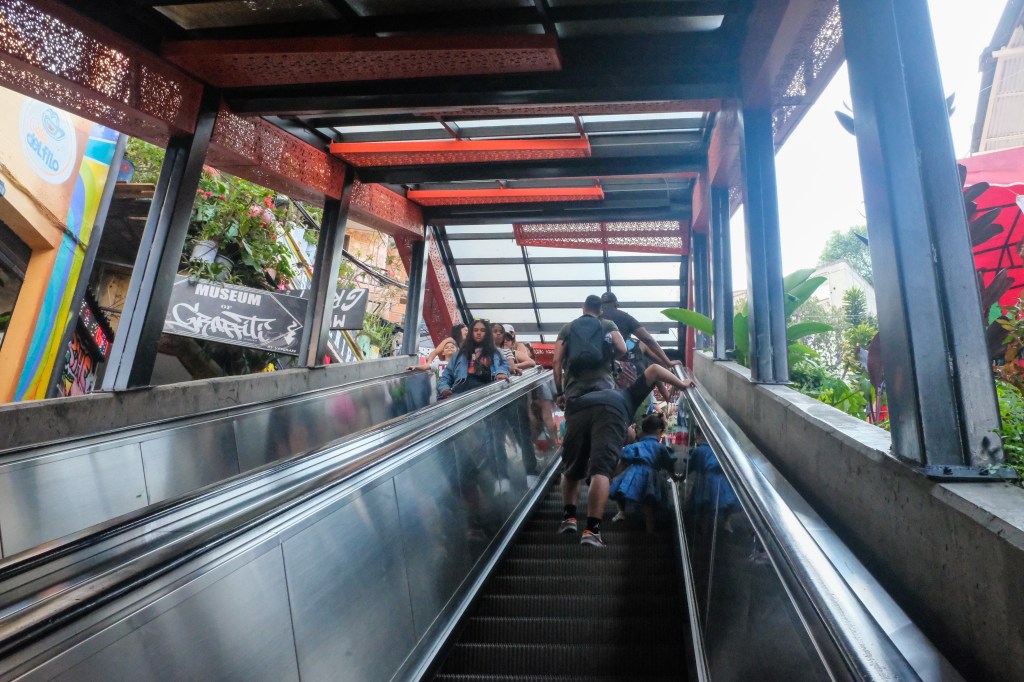
Gonzalez lived in Comuna 13 most of his life, witnessing the violence that took place in the neighborhood – gang killings, abductions, and the notorious interventions conducted by the Colombian state that resulted in the indiscriminate maiming and killing of hundreds of civilians (you can learn more about the operations HERE). Despite experiencing decades of instability, he maintained a steadfast commitment to supporting his community. Gonzalez helped establish the orange-roofed escalators that cover the neighborhood. Finished in 2011, they allow Comuna 13 residents to scale the mountainous neighborhood in six sections, with a journey taking just six minutes. He also played an integral role in cultivating the art-scene that has made the neighborhood so famous, promoting youth initiatives that encouraged expression through art.

It was incredible to see how much change someone can bear witness to in just one lifetime – and how much of an impact one individual can have on the growth of a community.

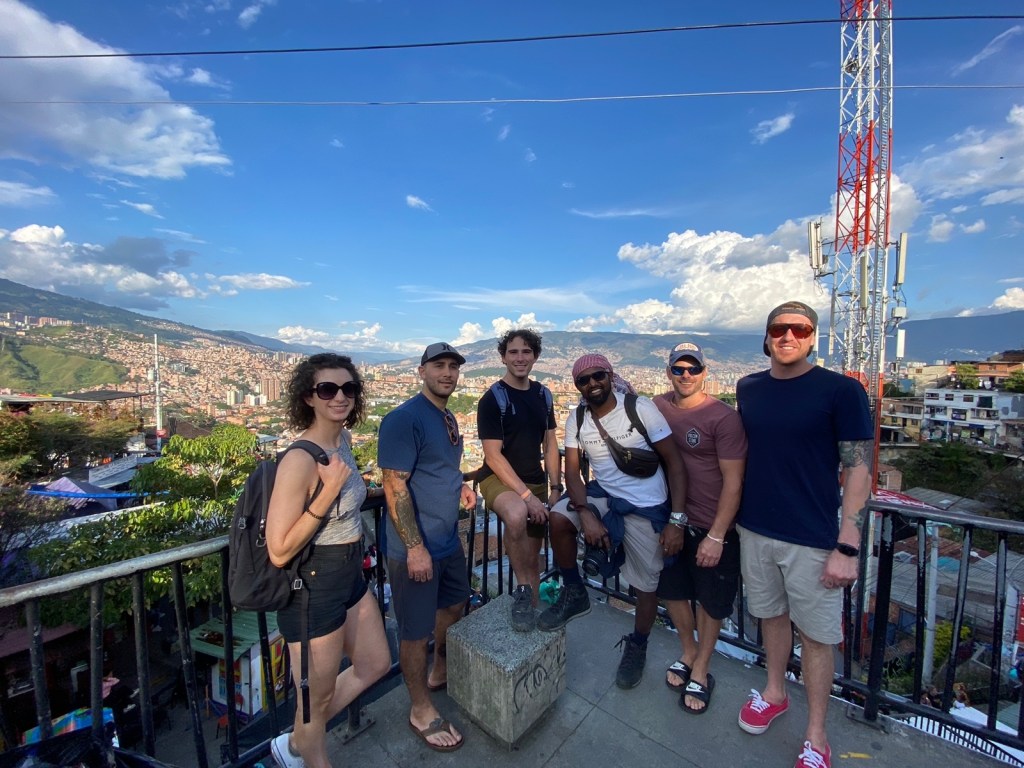
Our Graffiti Tour Group, Comuna 13

Lima & a change of plans

A valuable lesson I learned when I embarked on my first backpacking trip in 2015 was that flexibility is key – plans change and you need to be ready to roll with the punches.

Before leaving for Colombia, I had a plan to travel to Cusco in Peru to complete the 4D/3N hike to Machu Picchu. A bucket-list item, I was quite disappointed when I had to make the decision to cancel my trip due to the ongoing political crisis in Peru. Despite this, the events that disrupted my initial plans offered new opportunities and provided me a glimpse into the complicated political circumstances faced by the people of Peru.

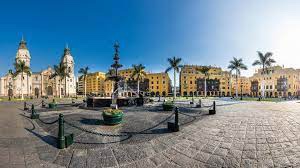
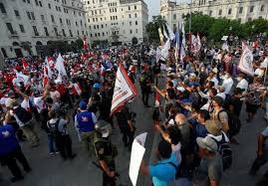
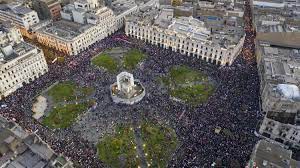
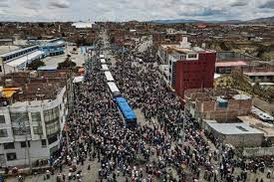
Flying into Lima last Thursday, I found myself in the center of the political crisis. While the protests that had engulfed Peru in December and early January were mostly centered in Cusco and Puno, by the 19th of January, they had moved west to the Peruvian capital, where I would be spending the next 5 days.

I do not feel I have the knowledge or positioning to give a proper opinion of the situation – and so I will only focus on the emotions I felt through my experience, and what I heard from the locals I met.

Seeing photos like the ones above on the news, I was quite surprised to see no protests in the immediate vicinity of my hostel.

Staying in Barranco, a neighborhood 7 miles south of where most of the protests were taking place, we were sequestered from the clashes between police and demonstrators – but the solemn feeling of anger and fear could be felt throughout the city.

From the staff of the hostel and other locals I spoke to, I got a sense of deep frustration towards the protesters – for disrupting the lives Lima’s locals had created for themselves in the city. While I don’t want to give my (frankly uneducated) opinion on the situation, I will say I was surprised that I did not hear much support or sympathy for the protesters – many of whom seem to be members of indigenous groups who argue they have been left behind by Peru’s economic system. If I took anything from the conversations I had, it was that fear of instability is an incredibly powerful stimulus for animosity and division. Peru has seen five Presidents in the past five years and that, along with an attempted coup and strong public dissatisfaction for the nation’s Congress, seems to have created a deep need for stability by the folks I spoke to in Lima, leaving little appetite for systemic change. And I can’t help but consider the parallels between the political challenges in Peru and the United States – in the consequences just one person can have on the trajectory of a nation’s future.

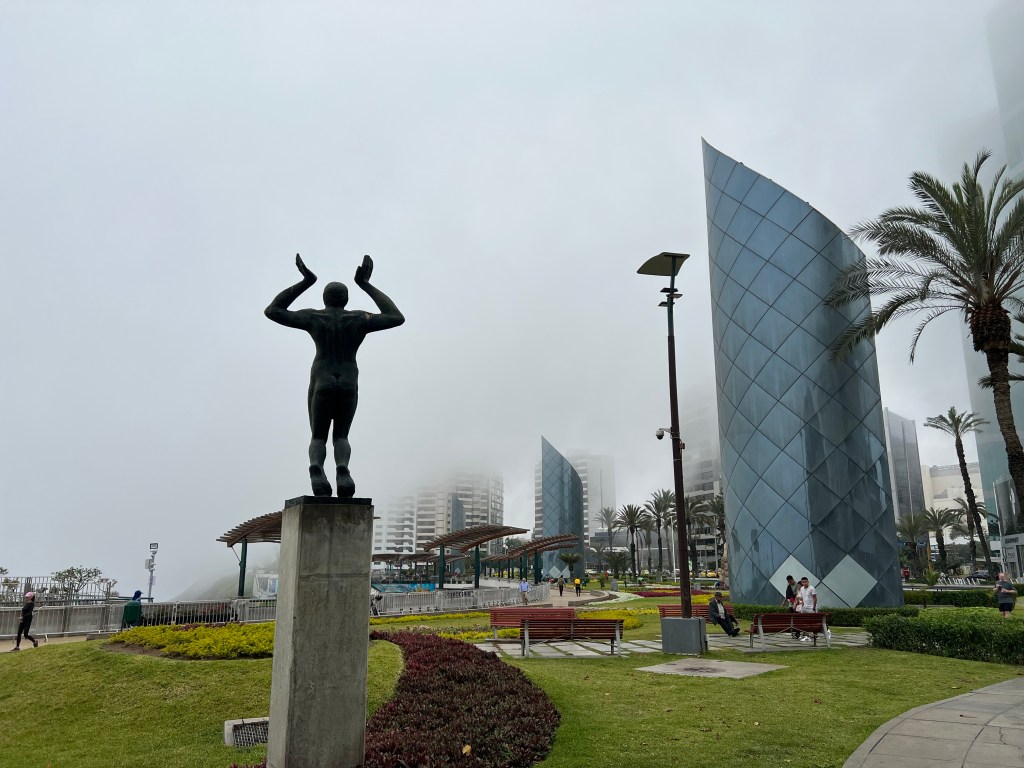
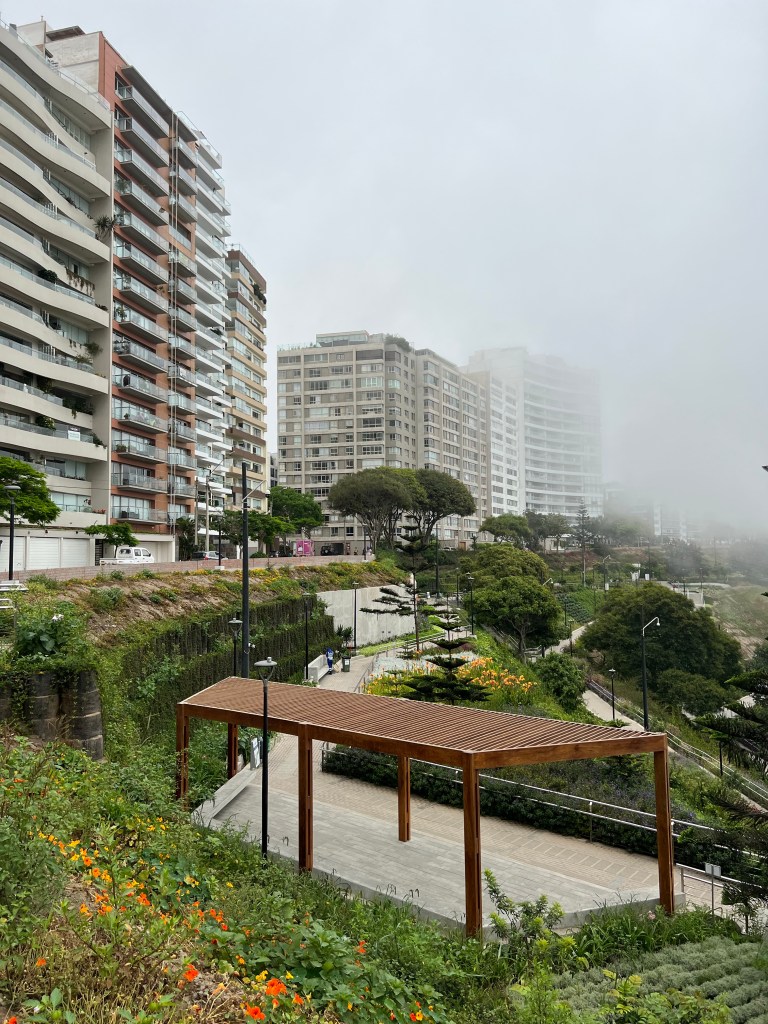
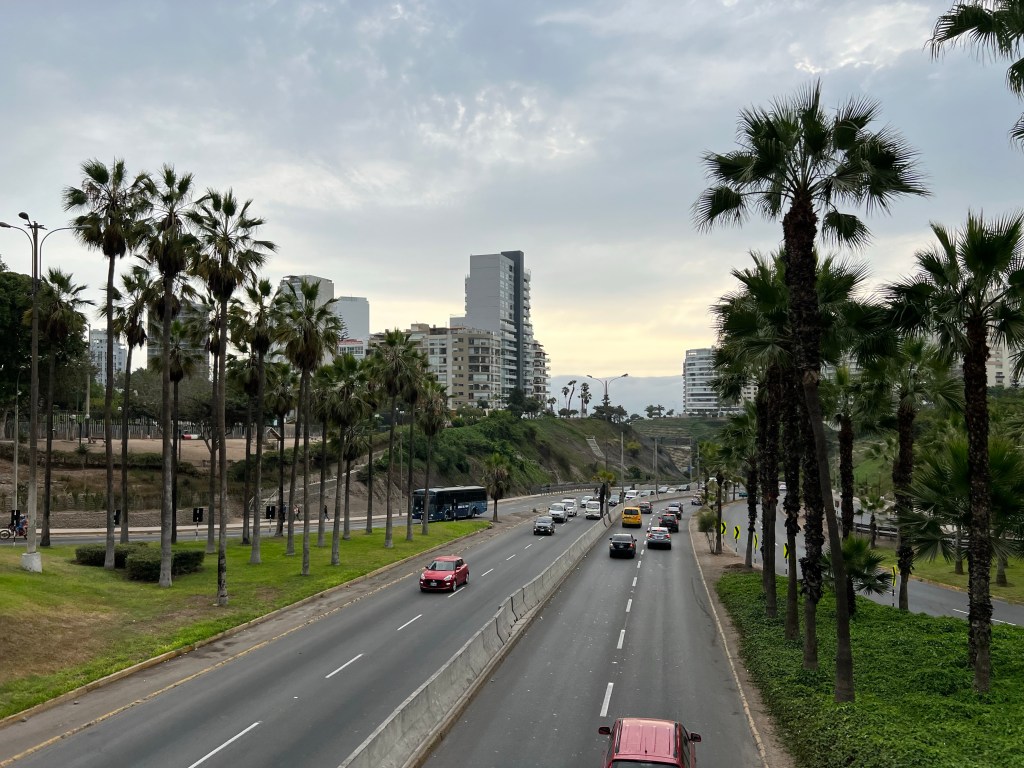
Despite these tensions, the neighborhoods I spent the majority of my time in – Barranco & Miraflores – were quite beautiful

The neighborhoods were full of cute markets,

coffee shops,

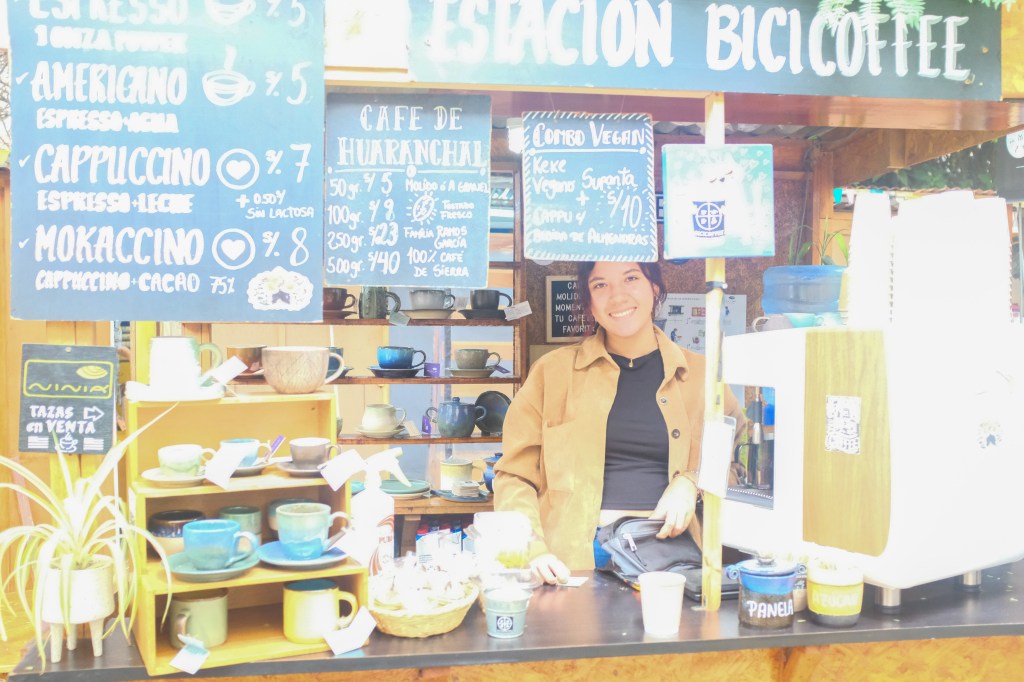
Valery at her coffee stall; Barranco

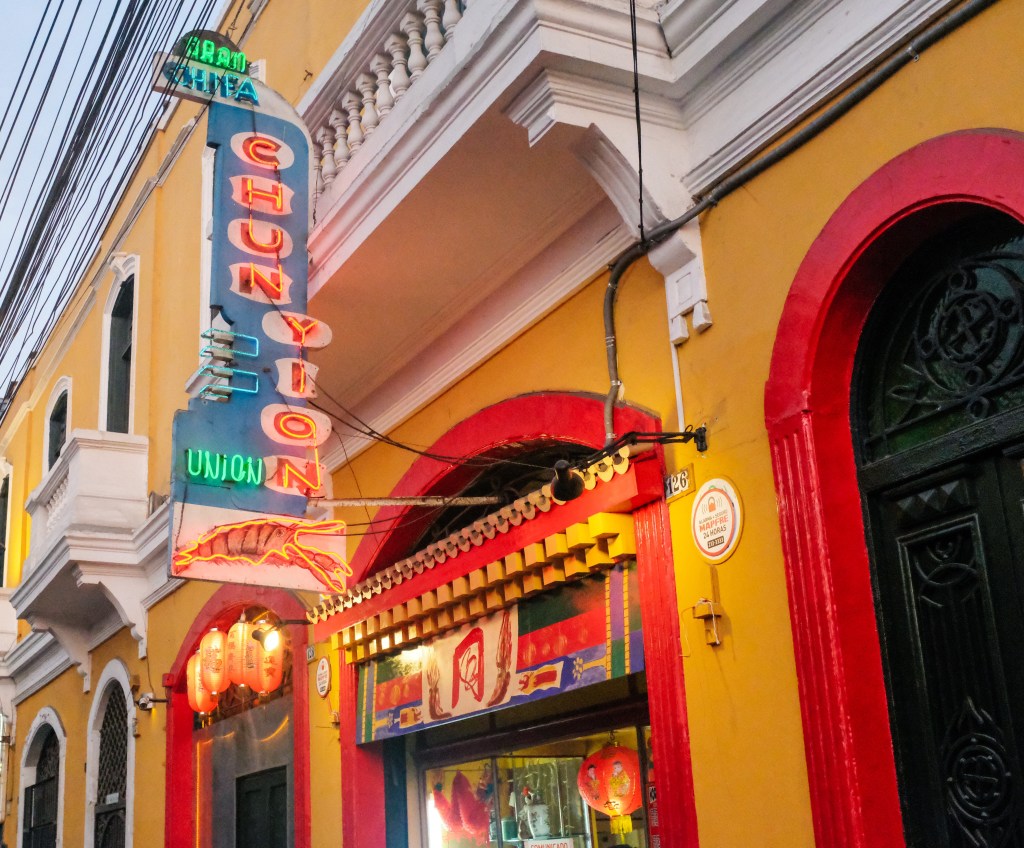
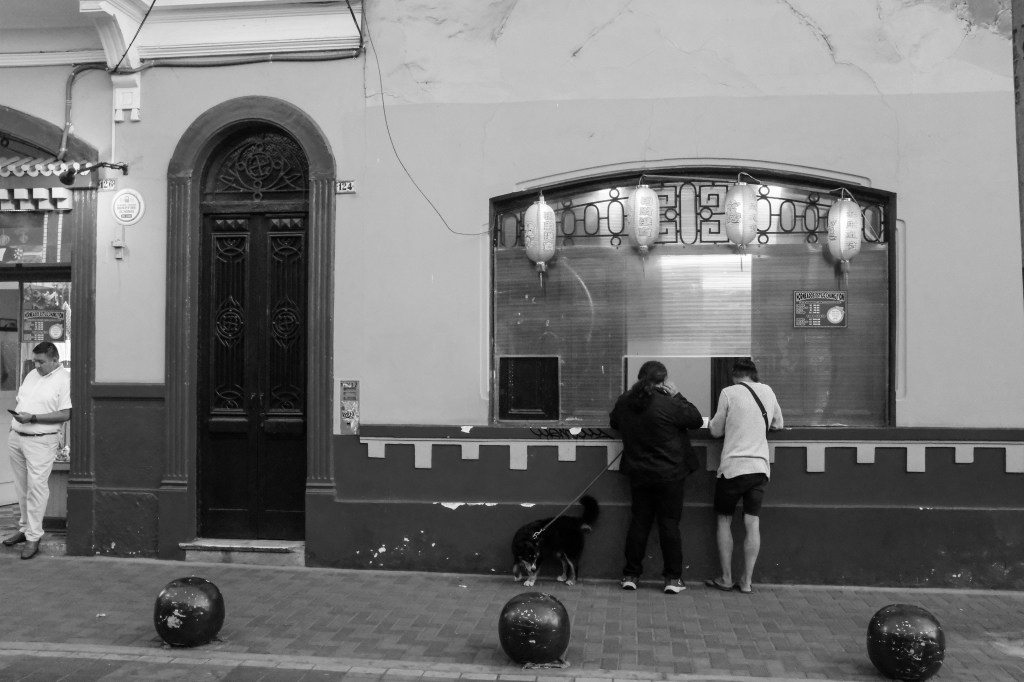
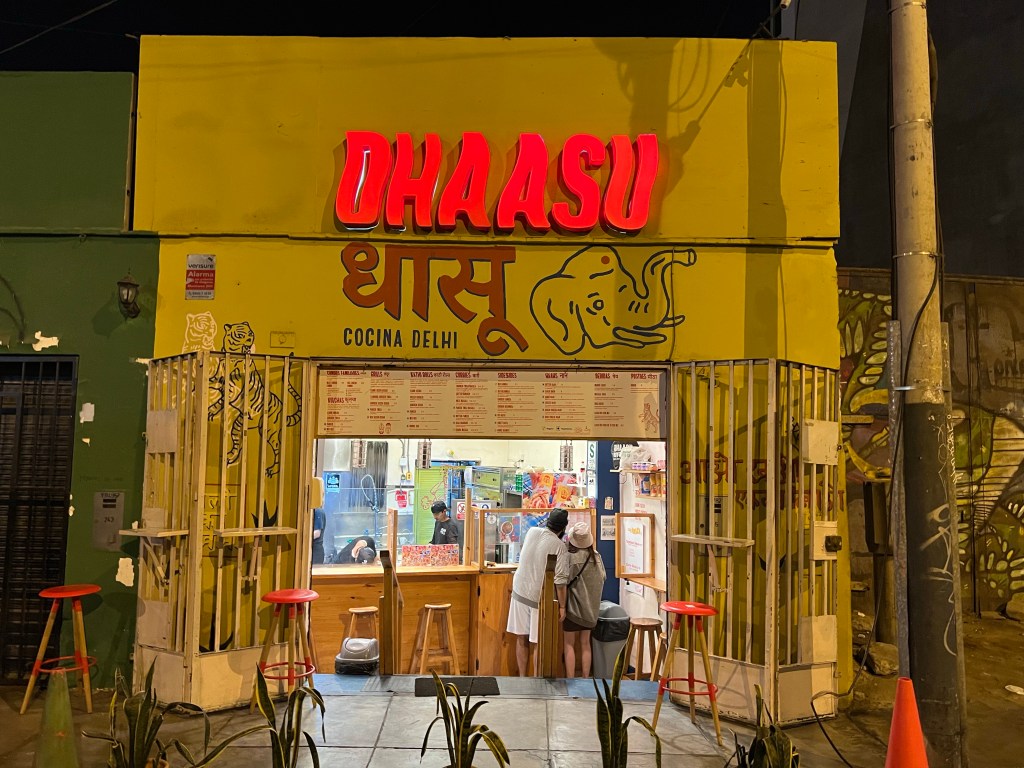
and a diverse array of restaurants from Peruvian influenced Chinese diners (chifas) to hole-in-the-wall Indian joints.

Fun fact: Chifa is a Chinese Peruvian tradition based on Cantonese elements fused with traditional Peruvian ingredients and traditions. The first Chinese-Peruvian fusion restaurants opened in lima around the 1920’s in Lima’s Chinatown (Barrio Chino).

I stayed in a hostel converted from an abandoned mansion!

And with the hostel, we went out to some fun bars!

And saw a wonderful sunset!

While my time in Peru was quite short, I am really glad that I had an opportunity to get a taste of the country’s wonderful food, culture, and natural landscapes. I hope to come back soon and get a more comprehensive perspective of the nation and its people.

Final Thoughts

As I settle into the routines of travel, I have begun to find the things that bring me the most joy and sustainability are the fellow travels and locals I have met. Even though these relationships can feel quite transient, they form a stability and comfort that is as strong as it is difficult to articulate. Maybe its the comfort of shared experience or the excitement of finding those with similar mindsets as my own – or maybe its the challenge of exploring a life experience other than my own. Regardless, I am a bit surprised to see that what animates me about my traveling is not just the physical spaces I see but also the relationships I develop in those spaces – establishing a shared memory – even if it is in a fleeting companionship.

See you next week in Santiago, as I prepare for my 2 week trek through Patagonia

Sam
Travel Bookclub I: One Hundred Years of Solitude

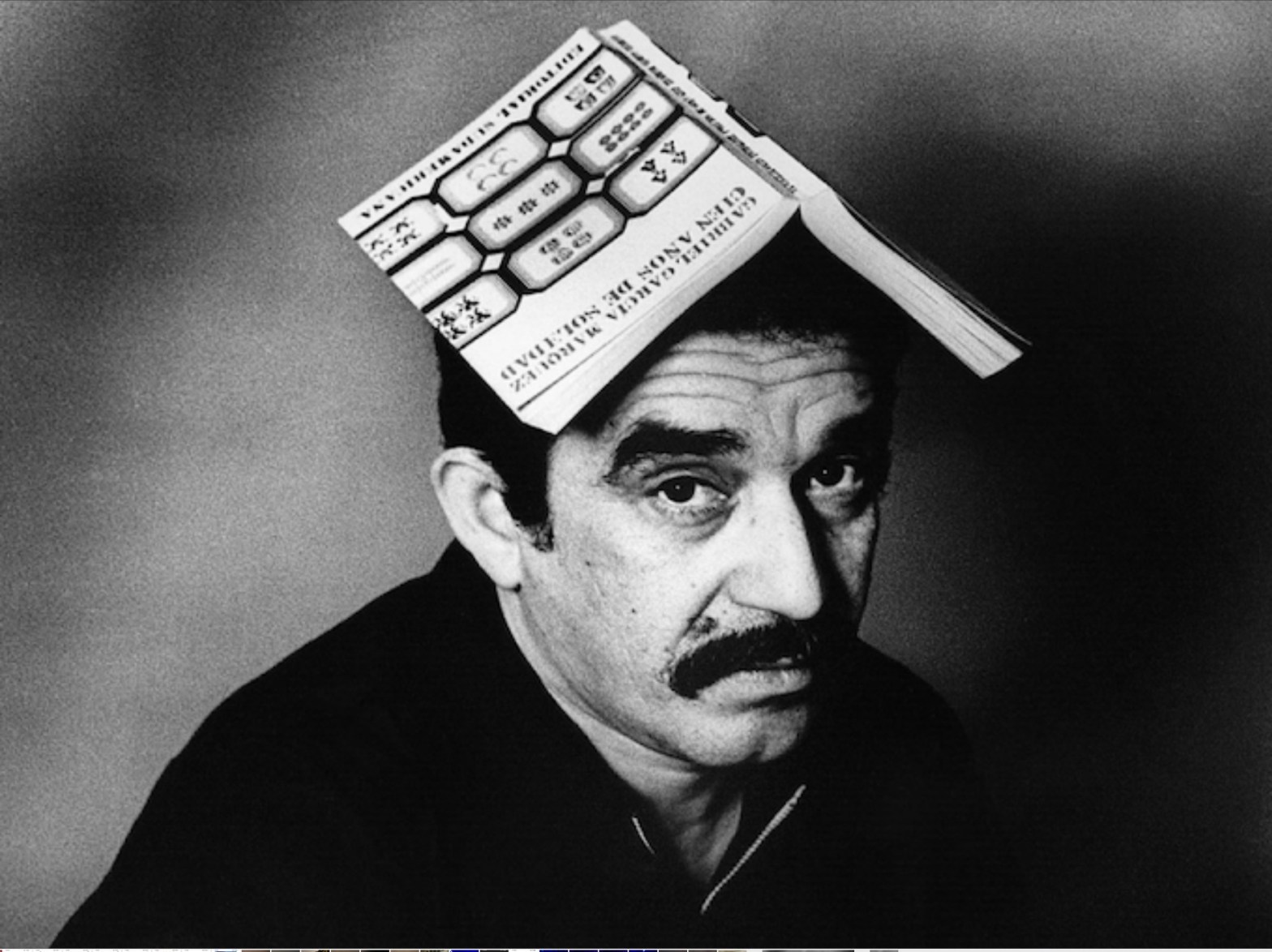
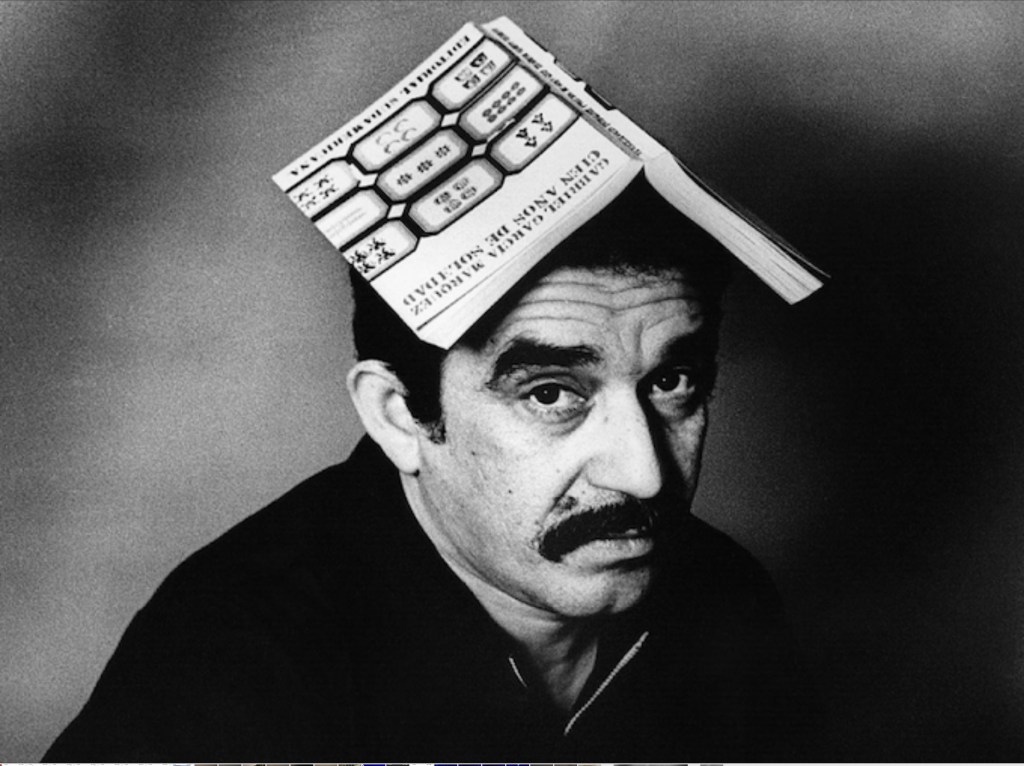
First published in Buenos Aires in 1967, Gabriel Garcia Marquez’s One Hundred Years of Solitude follows the lineage and events of the Buendia Family through the founding, transformation, and eventual collapse of the mythical village-city of Macando. Written in just 18 months while Marquez was in his early 40’s, One Hundred Years of Solitude became an immediate best seller in spanish with nearly half a million copies sold in its first 3 years. In 1970, Marquez’s novel was selected as one of the best 12 books of the year by Time magazine and since then has sold over 50 million copies in 46 languages.

Throughout this fictional account, Marquez emphasizes the significance of the repetitiveness in human existence and the eventual becoming and ending of things. Taking place in a region of Colombia roughly between 1820-1927, the story integrates historical elements of political violence, the effects of dictatorship, and colonization – influenced heavily by Marquez’s own experience growing up in the 1930-40’s. Through the Buendia family (who’s lineage is the main story of the narrative), Marquez shows the personal impact of these historical elements, and how human nature – passion & love, eroticism, power-yearning, and irrationality – further complicate human existence.

Through the voice of an omniscient narrator, the reader is told about the life of six generations of the Buendia family, as they witness the founding of Macondo and participate in its rise, fall, and eventual destruction through civil wars, foreign capitalist ventures, and personal strife.

While there are, of course, many possible take-aways from this story, I was most moved by the subtle sense of mourning I felt throughout the fictional history, as I observed the birth, growth, and eventual death of most of the characters. I felt dichotomy of emotion – on the one hand, saddened by the eventual loss of each character (which I began to predict as the story progressed); on the other, moved and heartened by the rapidity of change presented in the story – much of which was positive. From my vantage point as the reader of this ~100 year history, it was powerful to observe the significance of time in the creation and destruction of people and place.

I believe the concept of change with time was quite applicable to my time in Colombia these past 2 weeks – in the way it informs some of modern Colombian history and the power of time in societal transformation.

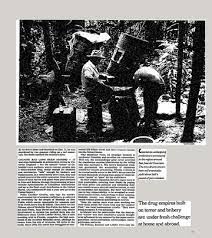
Last year, as I began to create my travel itinerary, whenever I mentioned Colombia I was confronted by 2 starkly different reactions. It seemed that many of those born before the 1980’s had an understanding that Colombia was a very dangerous place, full of gangs, drugs, and poverty. While I believe that, as with any country, concern is valid, I found it interesting that the Colombia Americans knew of in the 70’s 80’s, 90’s, and early 2000’s is far from the reality of the Colombia I witnessed during my trip. Through the course of my travels, I saw a booming coffee industry (one of the most highly respected in the world), safe and compelling urban centers, and a robust tourism industry. And from what I learned in the tours and conversations I had with locals, Colombians have transformed their cities and neighborhoods into bustling metropolises, full of growing opportunity and national pride.

Image from 1987 NYT article

One neighborhood in Medellin, Comuna 13, demonstrated this brilliantly to me. In the 1980’s-1990’s Comuna 13 had such a high murder rates it was considered the most dangerous place in the world. Now, it is now one of the safest and most explored areas in the city, famous for its powerful graffiti art and murals where young people express themselves through depictions of conflict, corruption, and the power of community action which helped bring an end to the violence. On a graffiti tour, I was able to explore the neighborhood, just 6 years after the peace deal between FARC and the Colombian government. While on the tour, I had the opportunity to meet Don Angel Ivan Gonzalez, who was pivotal in the revitalization of the Vicente de Julio area in Comuna 13, which is now one of the central art hubs of the city.

Ivan Gonzalez and I posing in front of his mural

Ivan lived in Comuna 13 most of his life, witnessing the violence that took place in the neighborhood – gang killings, abductions, and the notorious interventions conducted by the Colombian state that resulted in the indiscriminate maiming and killing of hundreds of civilians (you can learn more about the operations HERE). Despite experiencing decades of strife, Ivan maintained a steadfast commitment to supporting his community. Ivan helped establish the orange-roofed escalator, finished in 2011, that allows Comuna 13 residents to scale the mountainous neighborhood in six sections, with a journey taking just six minutes. He also played an integral role in cultivating the art-scene that has made the neighborhood so famous, promoting youth initiatives that encouraged expression through art.

It was incredible to see how much change someone can bear witness to in just one lifetime – and how much of an impact one individual can have on the growth of a community.

Of course, progress is not linear – just 2 months ago, 6 Colombian soldiers were killed in a FARC dissident attack. Violence is still an element of Colombian life and economic opportunity continues to be a challenge for many. But the improvement of the lives of Colombians is obvious – in the tourist-centered experiences I had and the candid conversations I had with locals – and it is incredible that this momentous transformation took place in such a short period of time.

One Hundred Years of Solitude and the mythical town of Macando are, in part, a depiction of the reality of Marque’s own experiences, in which he witnessed the consequences of neo-colonialism and state sponsored violence as he grew up in Aracataca. The fictional town of Macando and Marquez’s hometown hold many parallels – both experienced foreign fruit companies that brought prosperous plantations to nearby locations – both towns faced long, slow declines into poverty and obscurity. Both Macando and the Colombian port city of Santa Marta faced a massacre of plantation workers striking against unfair working conditions – and both regions face a war between conservative and liberal ideologues.

While Marquez’s experiences with political strife, poverty, and violence culminated in the perceived decline that he represents in Macondo, Ivan represents to me a reversal of such experience. He demonstrated the next generation of societal change – from the decline Marquez witnessed, to the powerful rejuvenation Ivan helped usher in. For both Marquez and Ivan, time played a significant role in the transformation of space – but unlike Marquez, Ivan has the opportunity to represent progression through the conjunction of time and strong public will.

Graffiti Tour in Comuna 13

To anyone who has an interest in experiencing a nation full of community & pride, wonderful coffee & fried food, great music & dance, and perpetually clean bathrooms, I strongly recommend you consider visiting Colombia.

Day 1-8: Cartagena & The Lost City

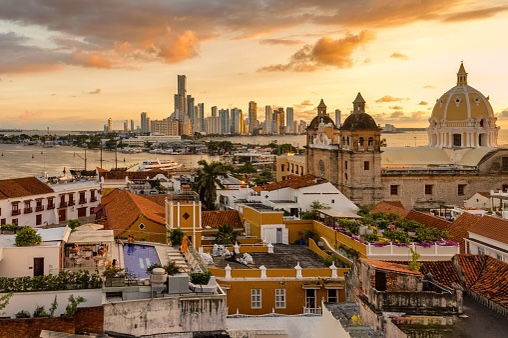
Cartagena – one of the major ports on the northern coast of Colombia and once a significant link in the route to West Indies. A former Spanish colony, it was an important port for the export of Bolivian silver & gold to Spain, and for the import of enslaved Africans. The city’s history dates back to around 4000 BC, when it was first established with the Puerto Hormiga Culture. Over the course of the next 5000 years, many communities arose in modern-day Cartagena and its surrounding neighborhoods, including the Tayrona people in the Sierra Nevada of Santa Marta, who established the Ciudad Peridada (“Lost City”) over 1000 years ago.

By around 1500 AD, the people living around Cartagena belonged to the umbrella group known as Caribes. From 1500-1533, the Spanish attempted to establish a settlement in modern-day Cartagena, eventually succeeding in 1533. The Spanish colonists primarily used the city for the export of gold stolen from indigenous peoples or mined by enslaved peoples. In order to protect the wealth stored in Cartagena by the colonists, the Spanish began constructing the now-iconic fortifications that surround the city. The project lasted nearly two centuries and ended in 1796, consisting of nearly 7 miles of stone walls.

Today, the walls that once represented the oppressive colonial embrace of Spanish capitalism, have become engulfed by modern-day Colombian enterprise – overgrown with bars and restaurants, vendors, and tourists searching for the best sunset view. This is where my journey began.

Day 1 in Cartagena

I arrived in Cartagena eager to start my journey but anxious of the encroaching loneliness that often accompanies solo-traveling. Fortunately, this fear quickly evaporated when I arrived at my first hostel. Entering my dorm, I was immediately welcomed by Derrick, a happy-go-lucky backpacker from Ontario. I have never been disappointed by the warmth of Canadian travelers and this was no exception. Derrick, who had been staying in Cartagena for 2 weeks by the time I arrived, wasted no time integrating me into his hostel family. After settling in, we went out to explore the Cartagenean nightlife –

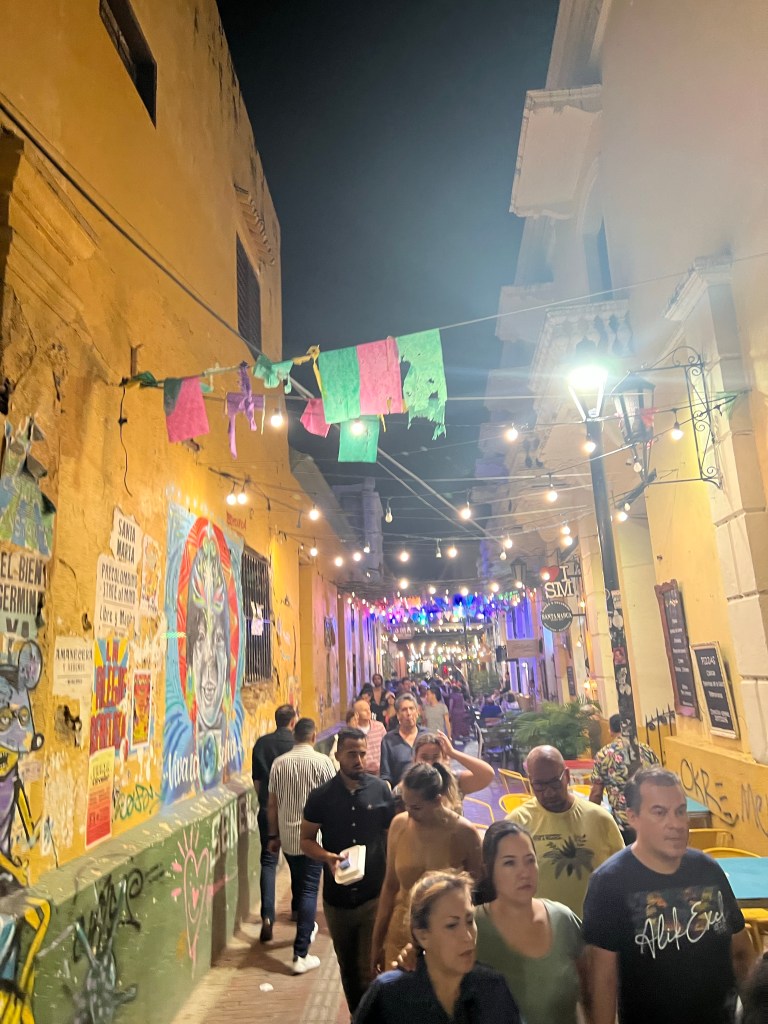
It was incredible to see the empty corridor-ed streets I drove past a few hours earlier covered in sporadically placed tables and chairs, Colombians and tourists eating pizza, drinking mojitos, and enjoying the cool evening air. Colombian pop, salsa, and rock music engulfed every corner, crowded street vendors surrounded by hungry patrons, and street performers parodying Michael Jackson and other icons.

Cartagena By Bike

The next day, after a late night full of sweet drinks and fried food, I was ready for some exercise – and so my 2 friends, Sarah from Munich, and Marit, from Amsterdam, and I went on a biking tour of the city. The tour took us through the 3 major neighborhoods of the historical city. Throughout the tour, our guide explained the history of the areas as well as the impact increased costs of living & high unemployment have had on its long-time residents.

Over the next few days, Derrick, Sarah, Marit, Rocio and I walked, biked, and ate our way through the city

Santa Marta

By Wednesday, it was time to leave Cartagena for Santa Marta for the 4-day trek to the Lost City, found deep within the Sierra Nevada.

A 5 hour drive from Cartagena, Sarah and I took an afternoon bus on Wednesday evening to Santa Marta

After checking into our hostel, Sarah and I went out to dinner with Stephan, another backpacker from Germany, and explored Santa Marta’s downtown

The Lost City Trek

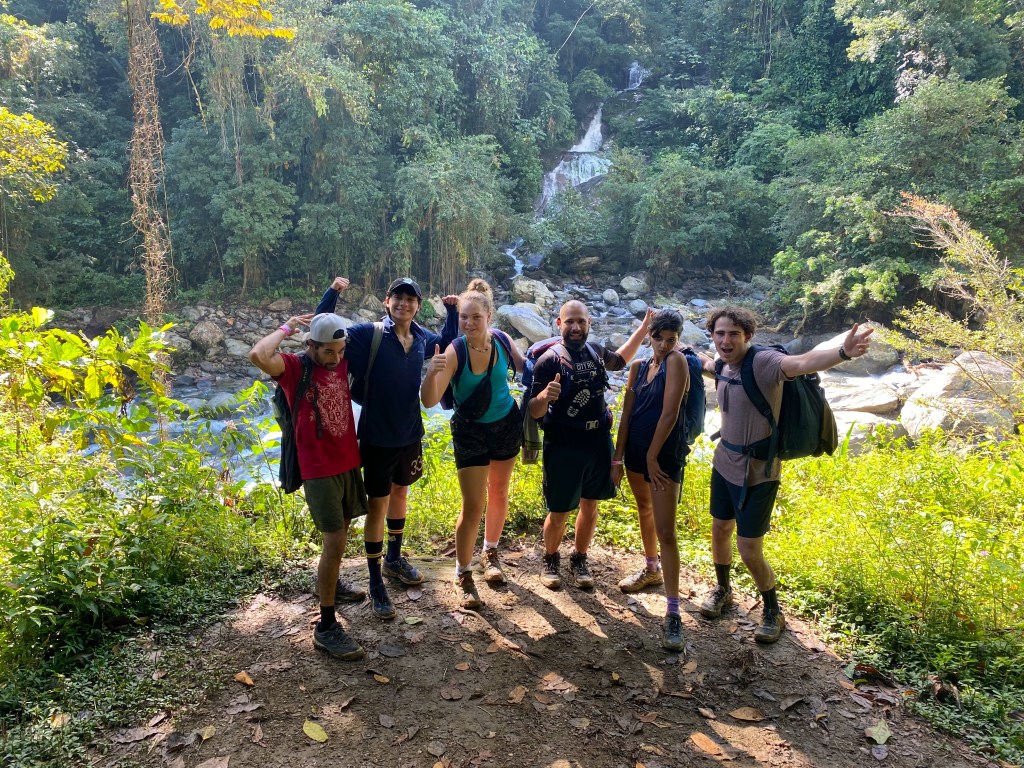
Early the next morning, I traveled to Minca to join the group I would hike to the Lost City with. The group of 9 included 2 travelers from the UK, Jade & Katie; a Colombian family from Bogota, Frank, Helena, Andreas, & Paris, a backpacker from Montreal, Hassan, and a woman from Chile, Javiera. The 4-day trek would take us through the mountains of the Sierra Nevada to the Lost City and back, led by our guide, Janet, and English translator, Victor.

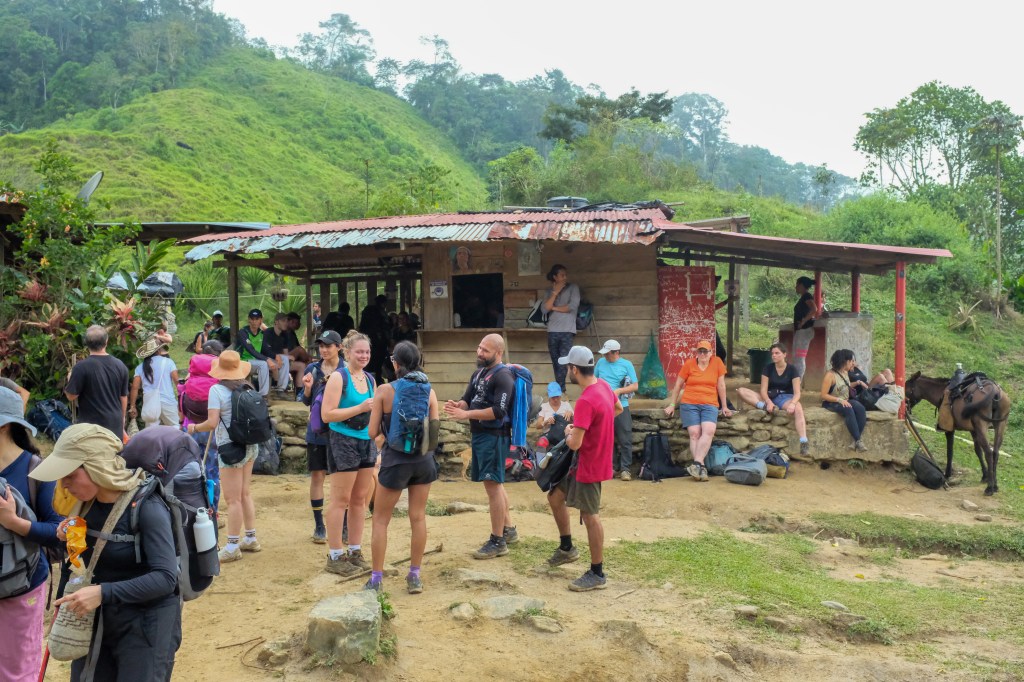
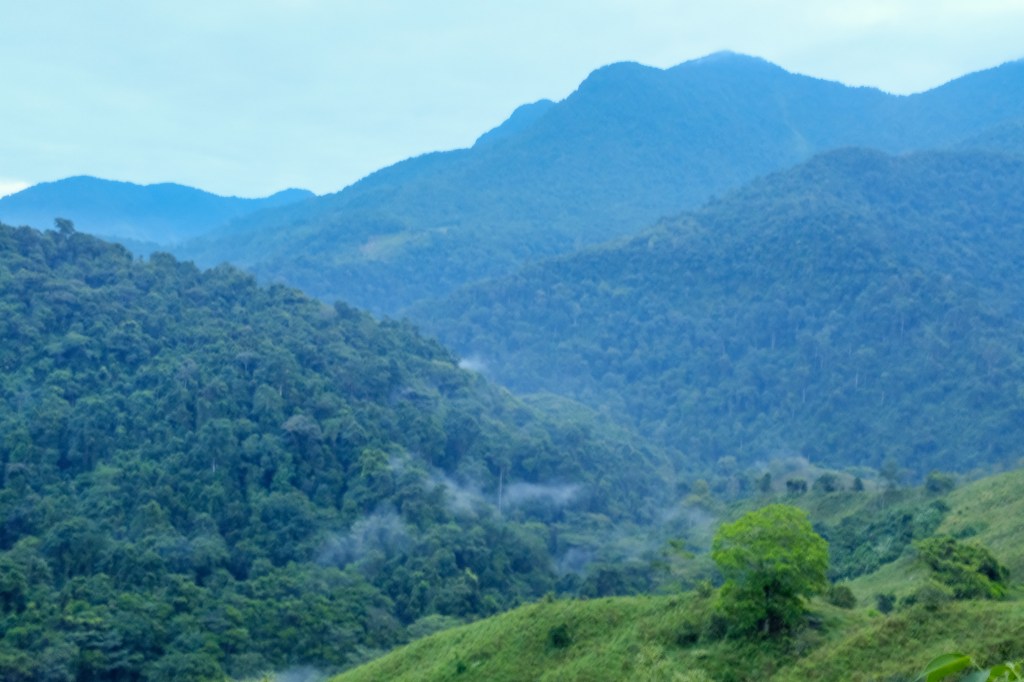
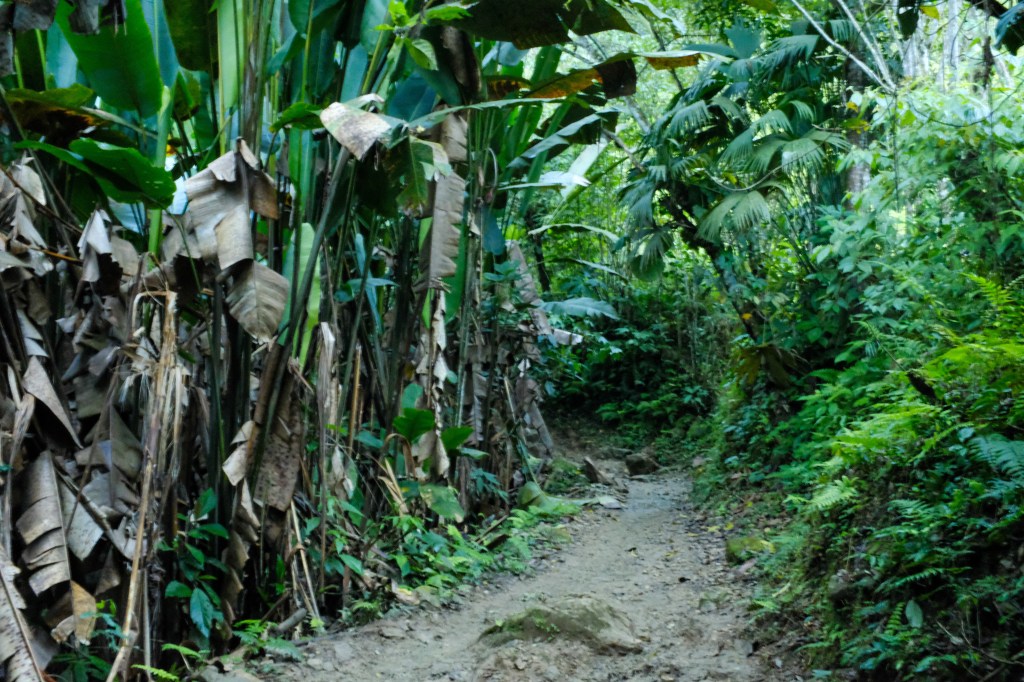
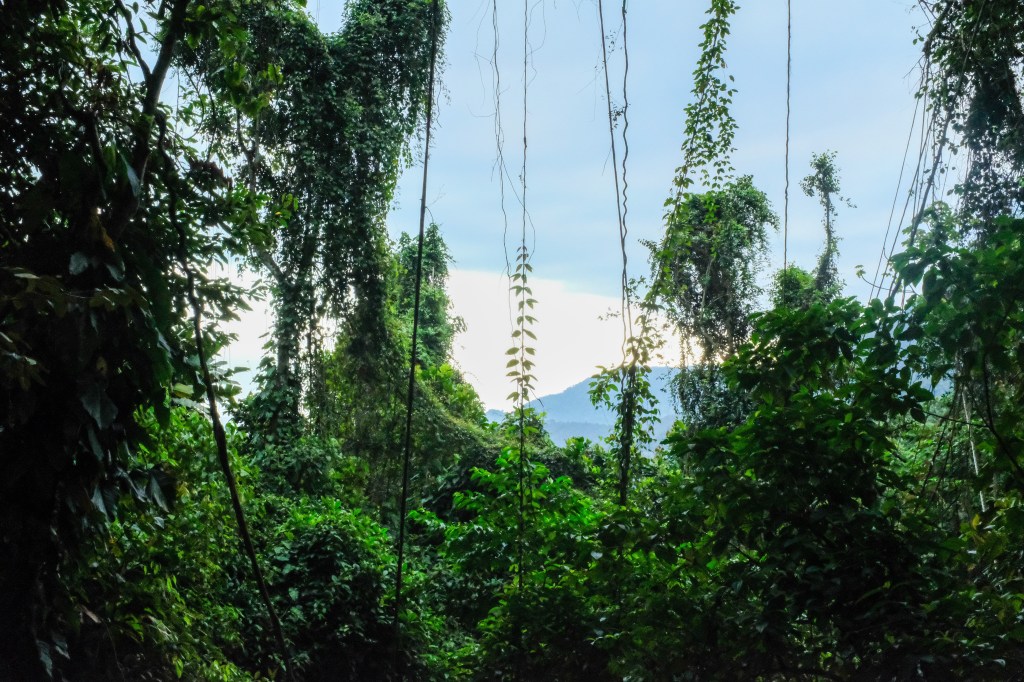
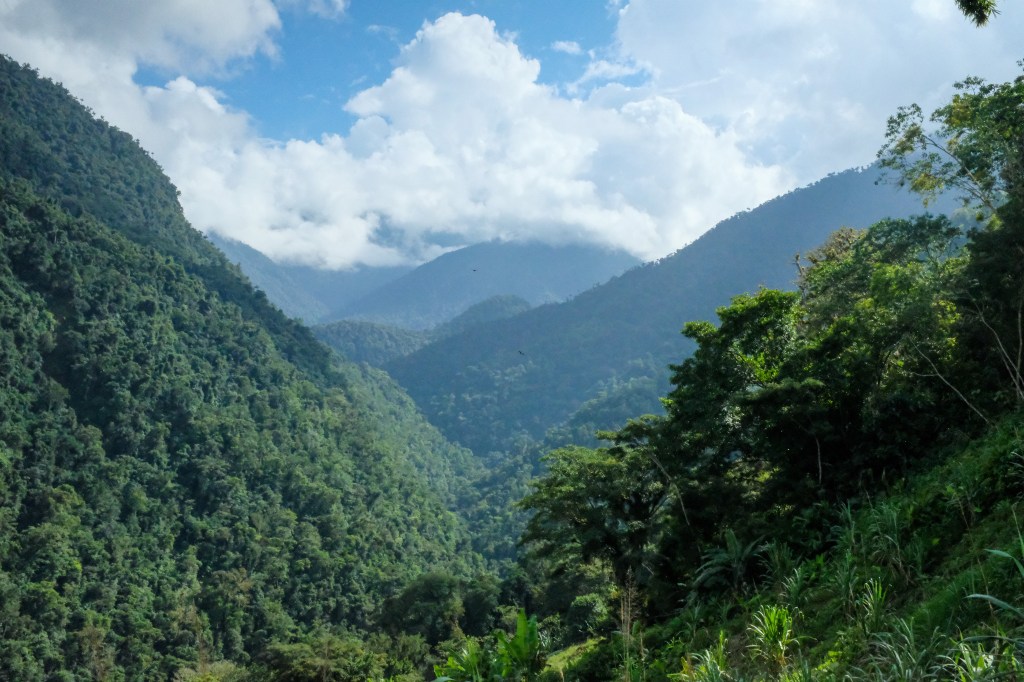
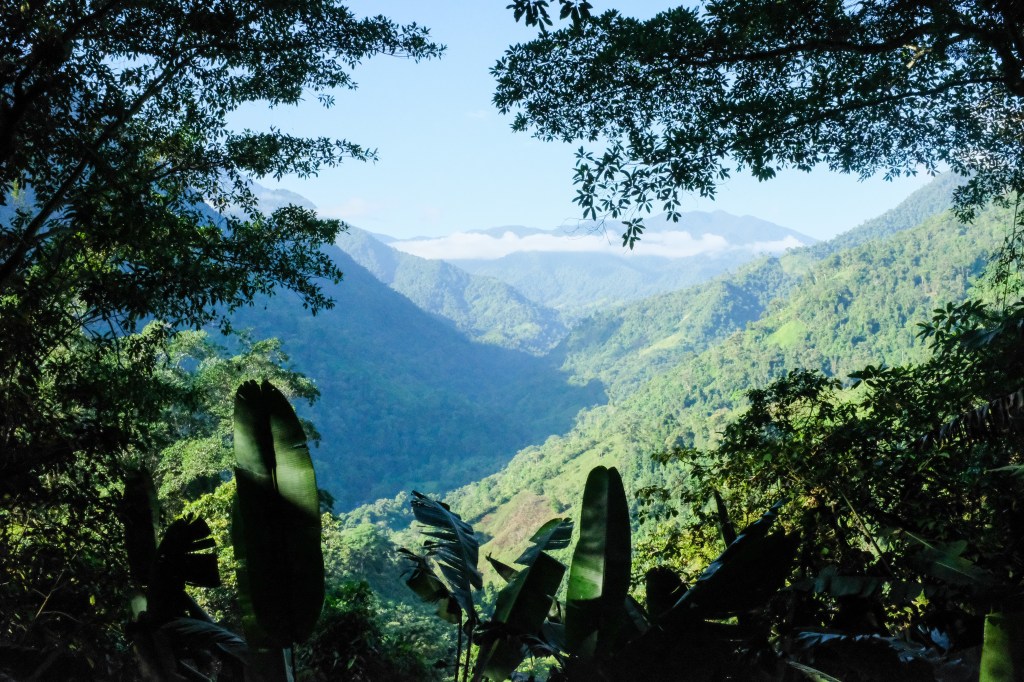
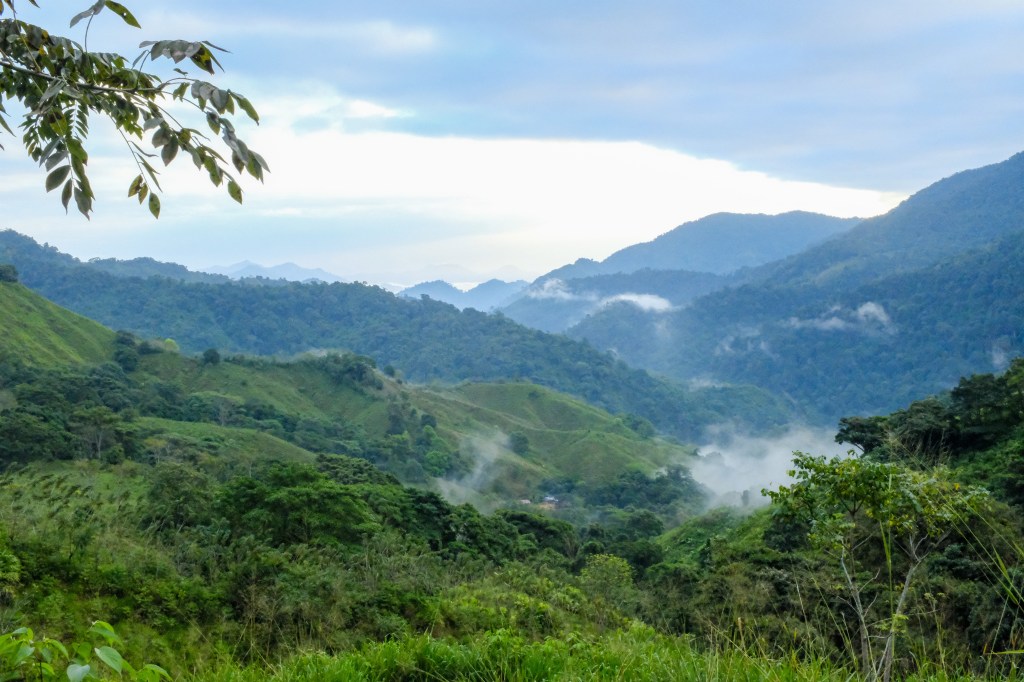
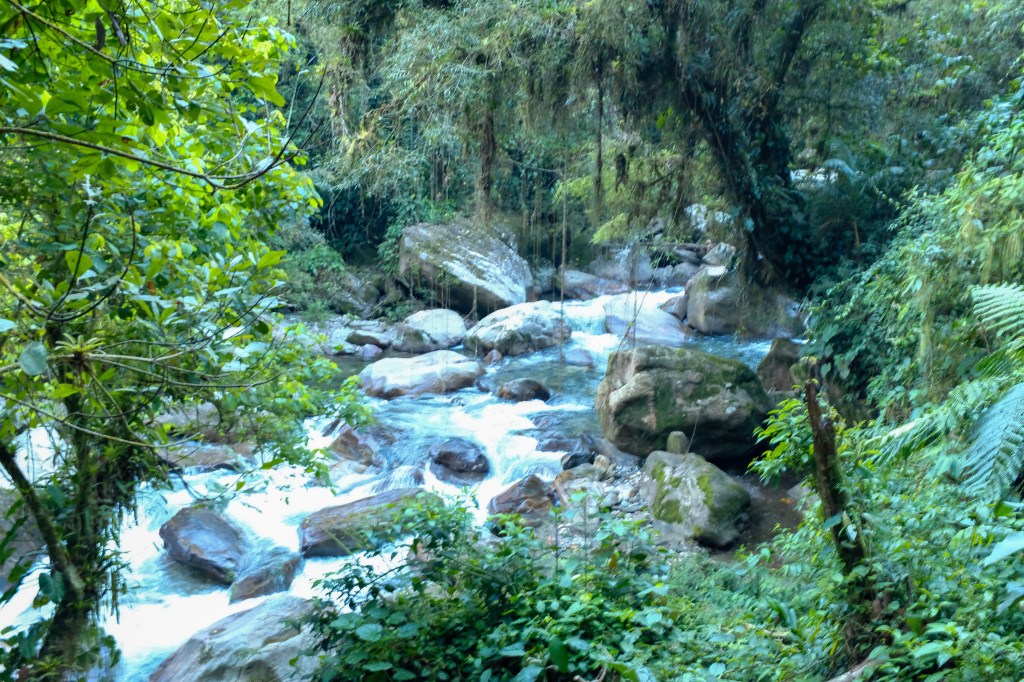
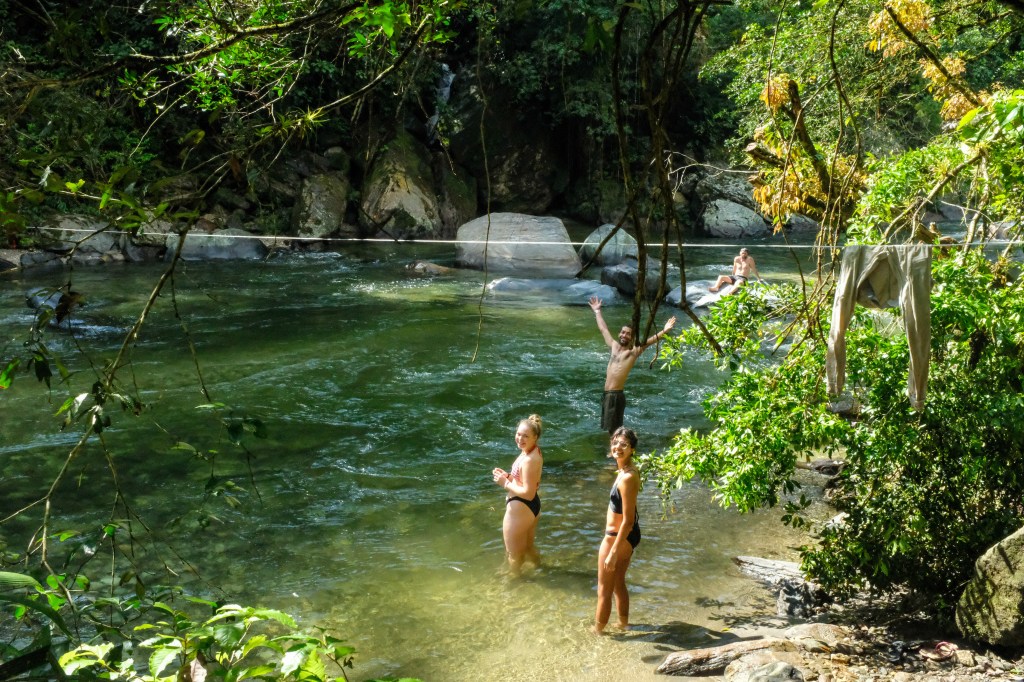
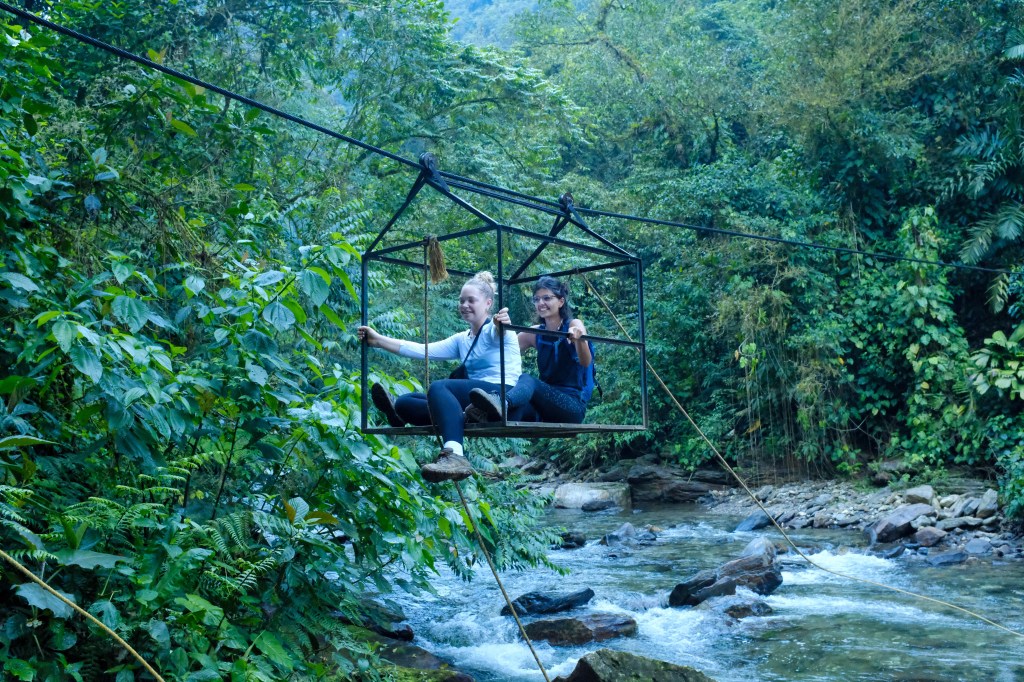
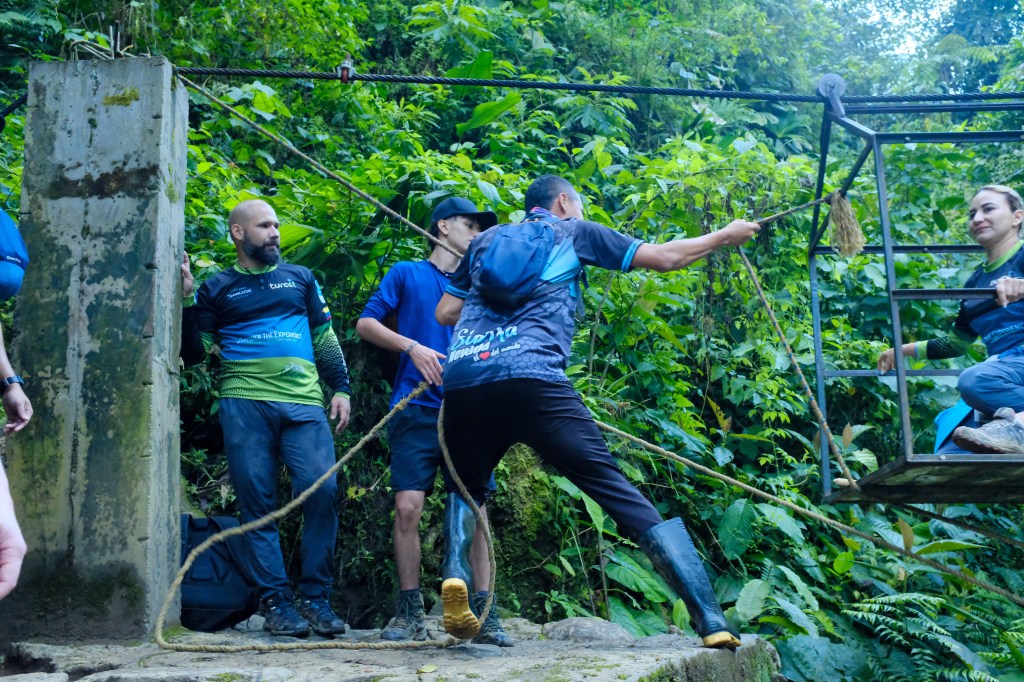
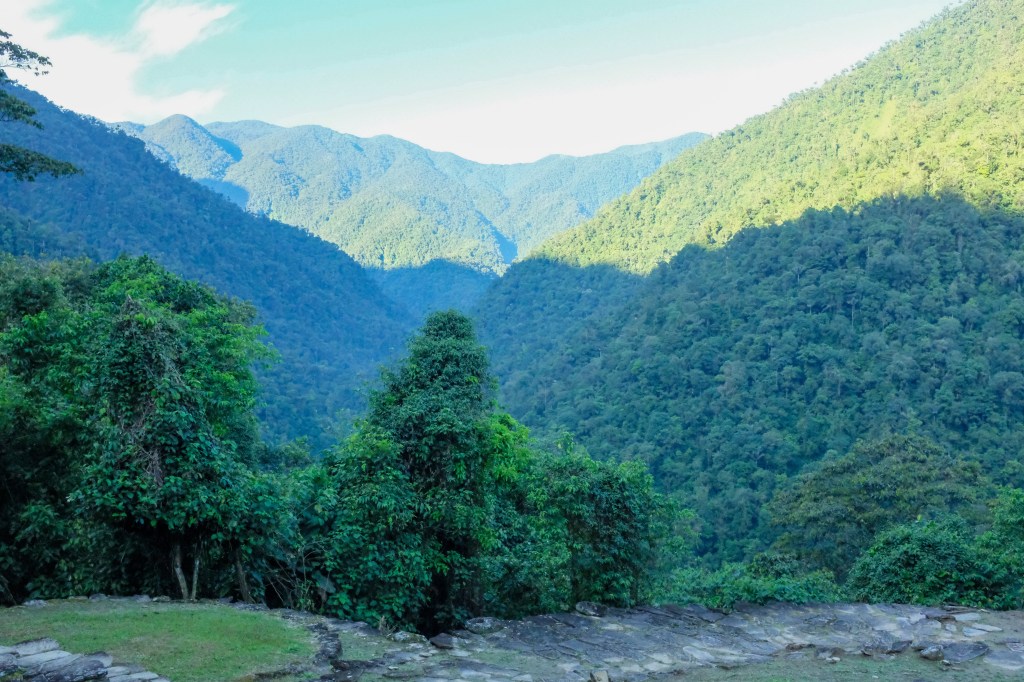
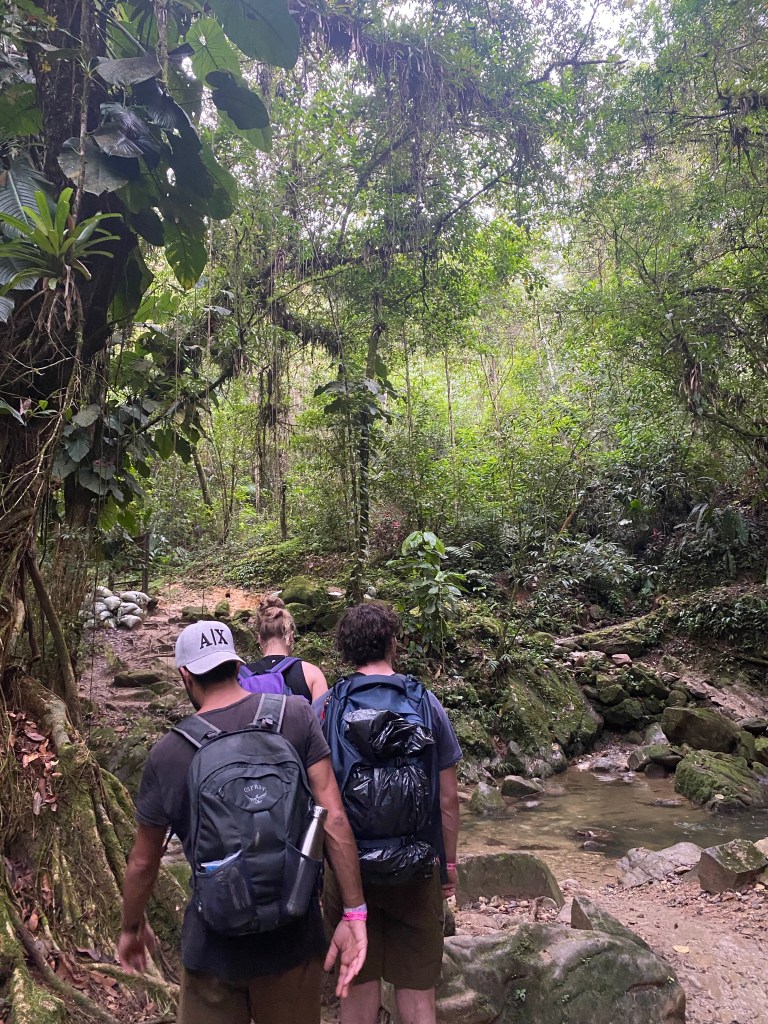
Over the 28 mile journey, we traversed muddy paths, waded through streaming rivers, climbed up rocky inclines, and shuffled down steep clay ridges, accompanied by gorgeous views of the Sierra Nevada mountain ranges.

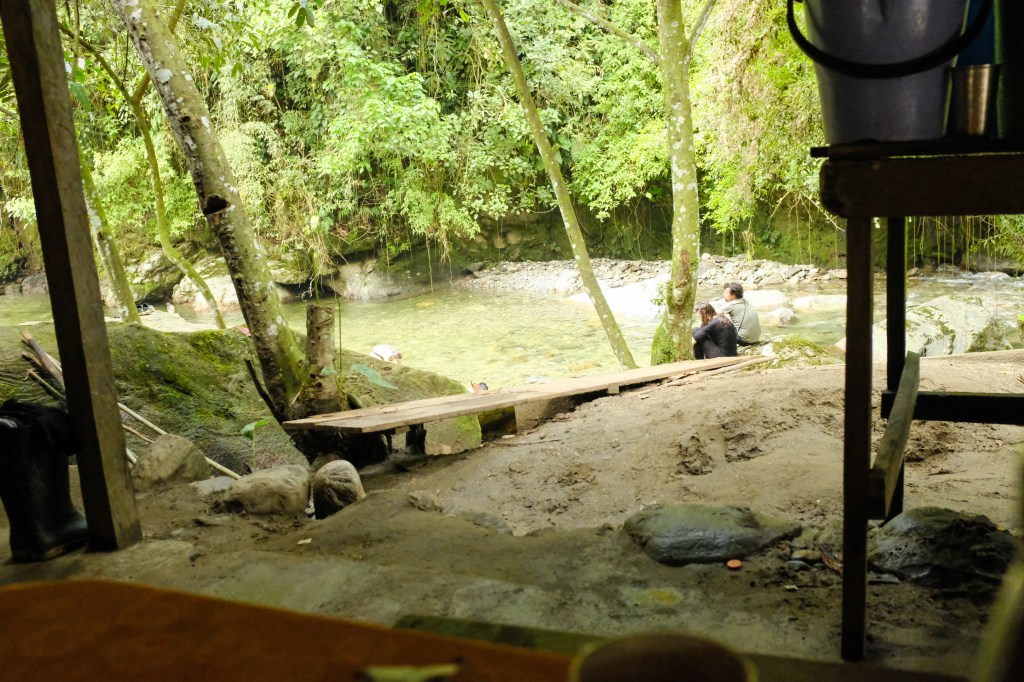
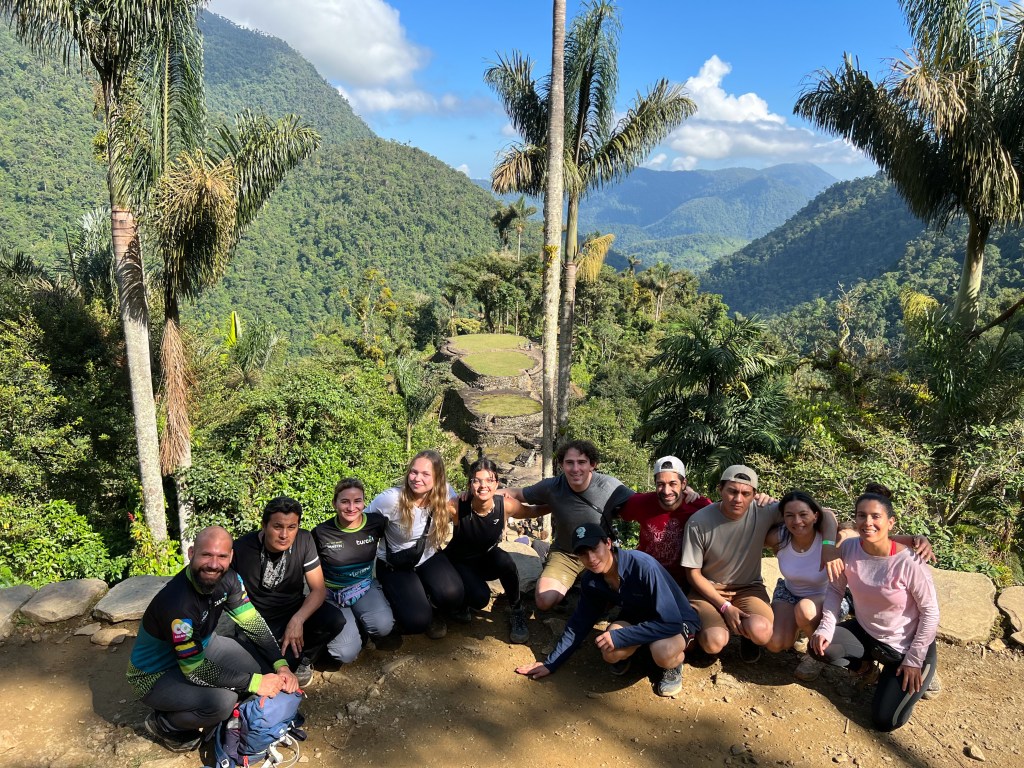
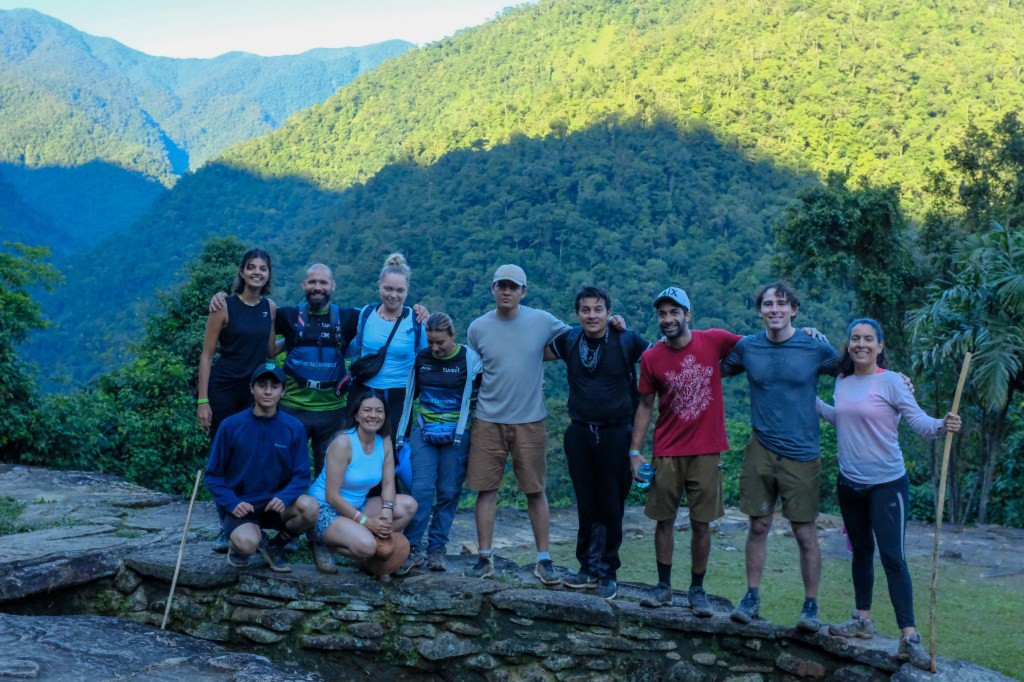
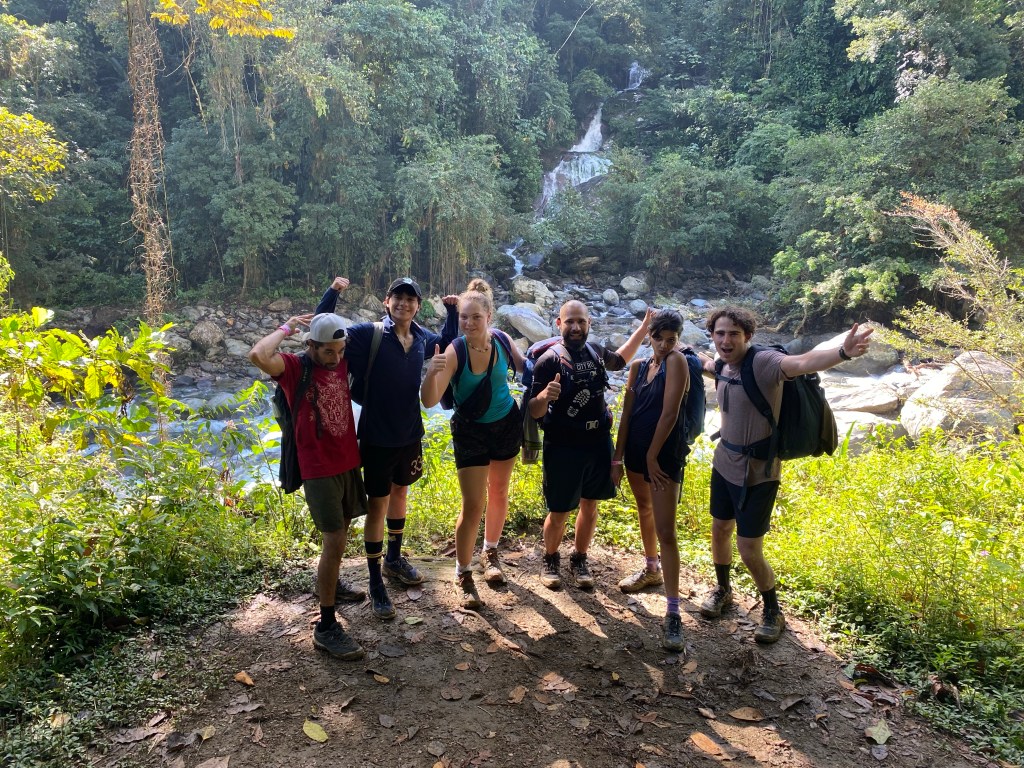
Over the course of the journey, we all became quite close through our shared hardship

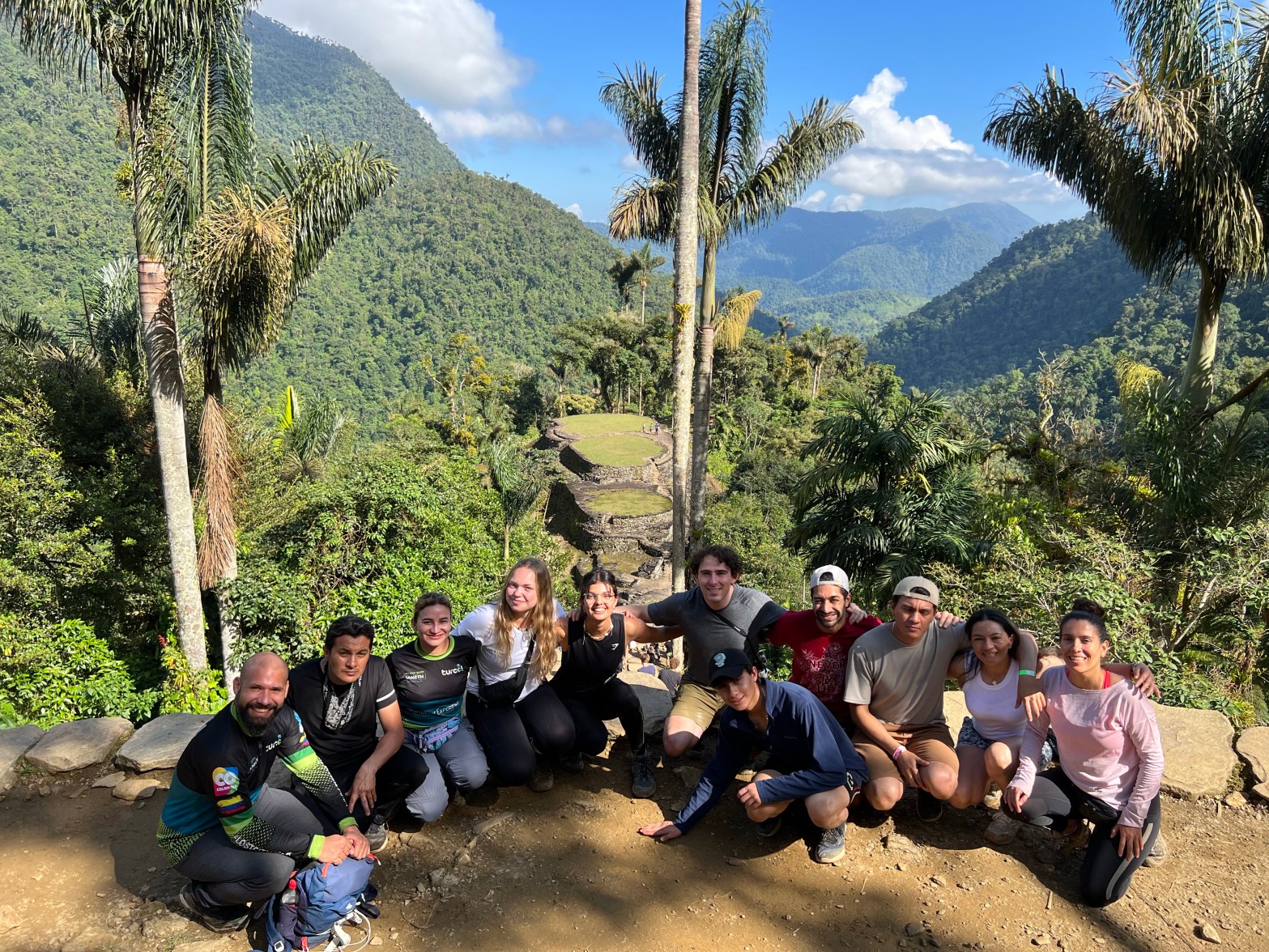
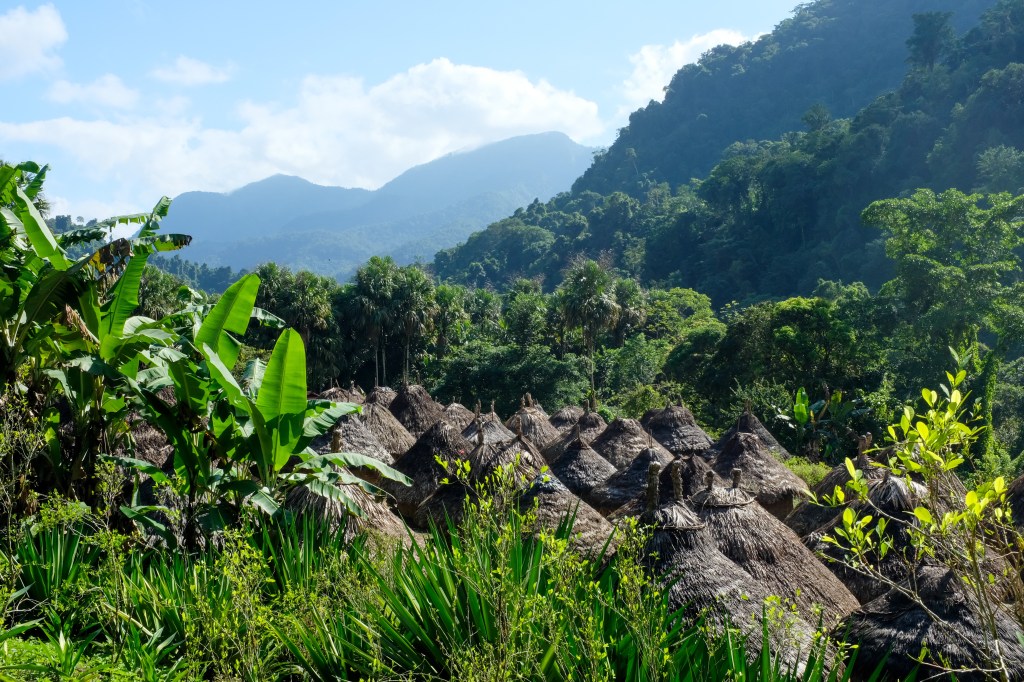
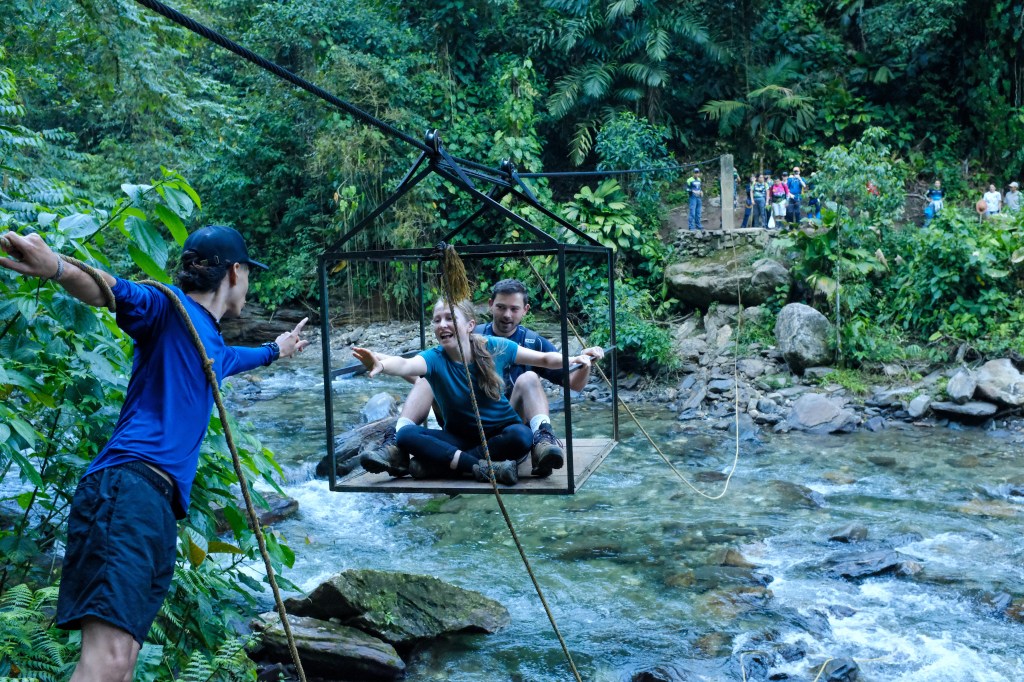
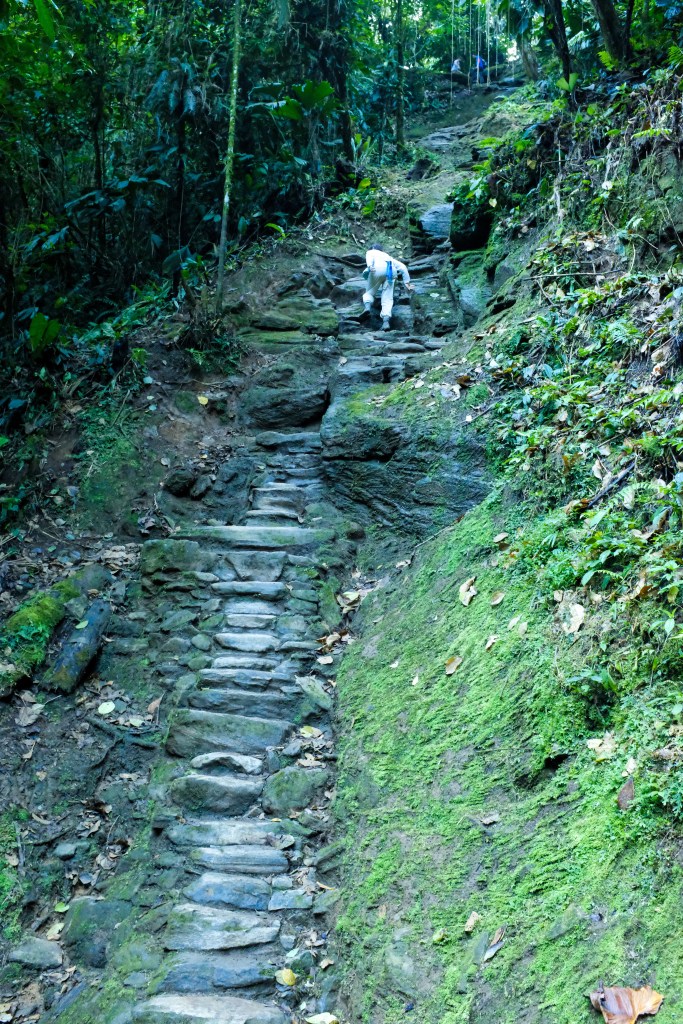
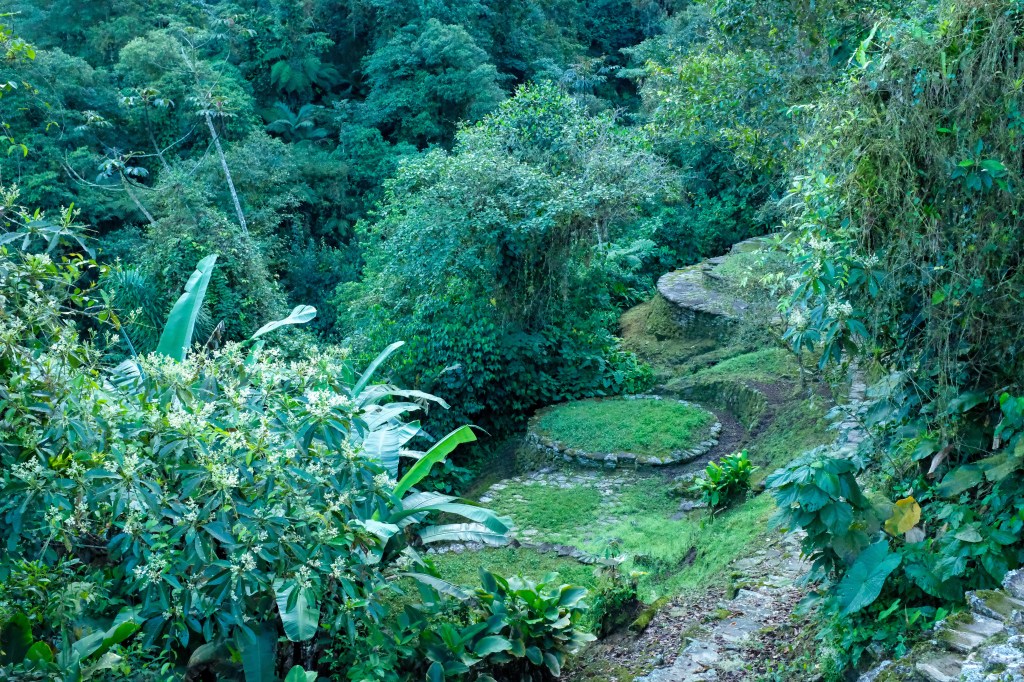
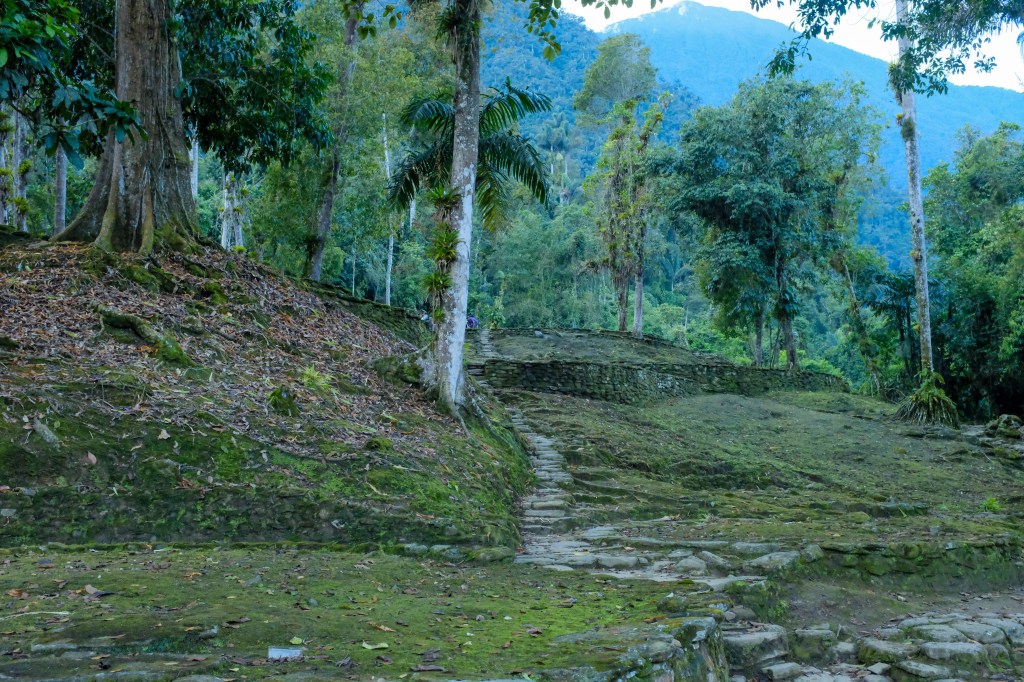
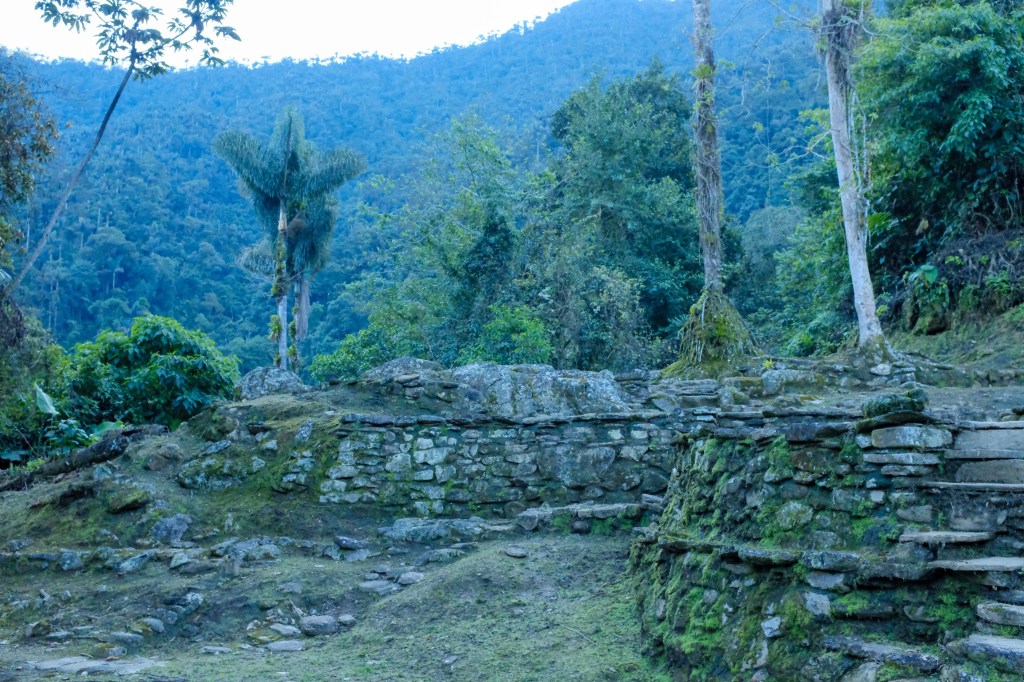
And on the 3rd day, we made the final 2 hour journey up the steps to the Lost City

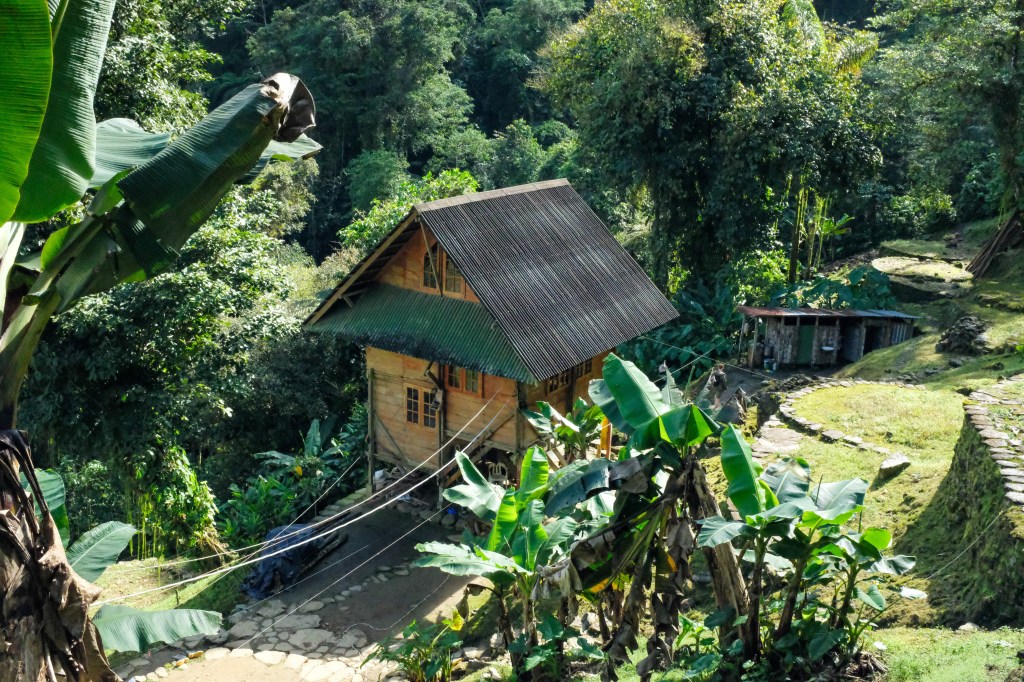
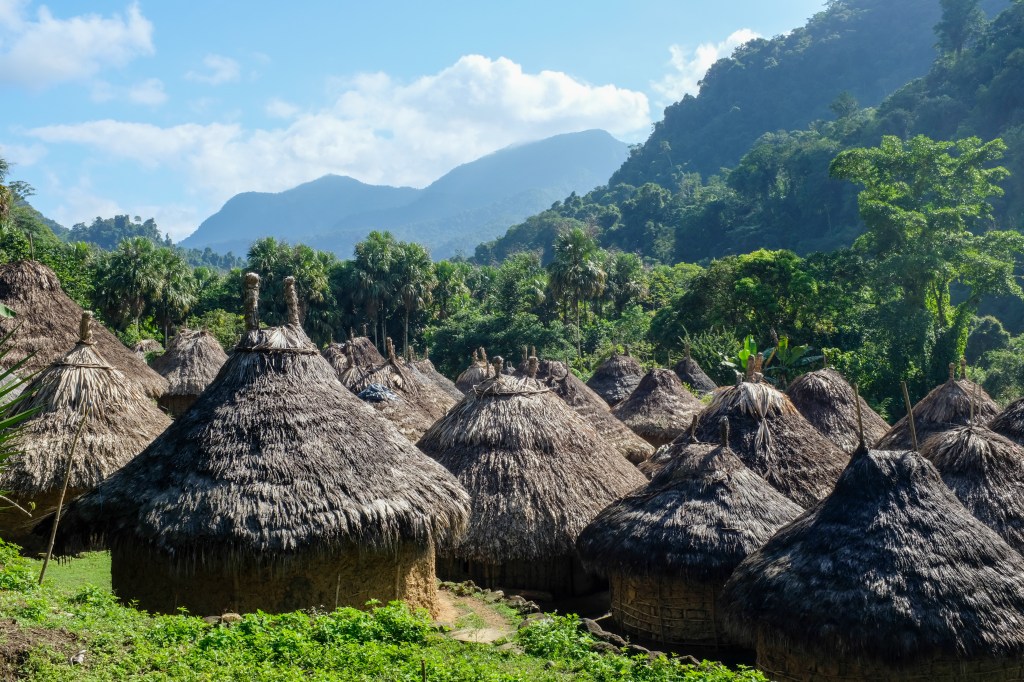
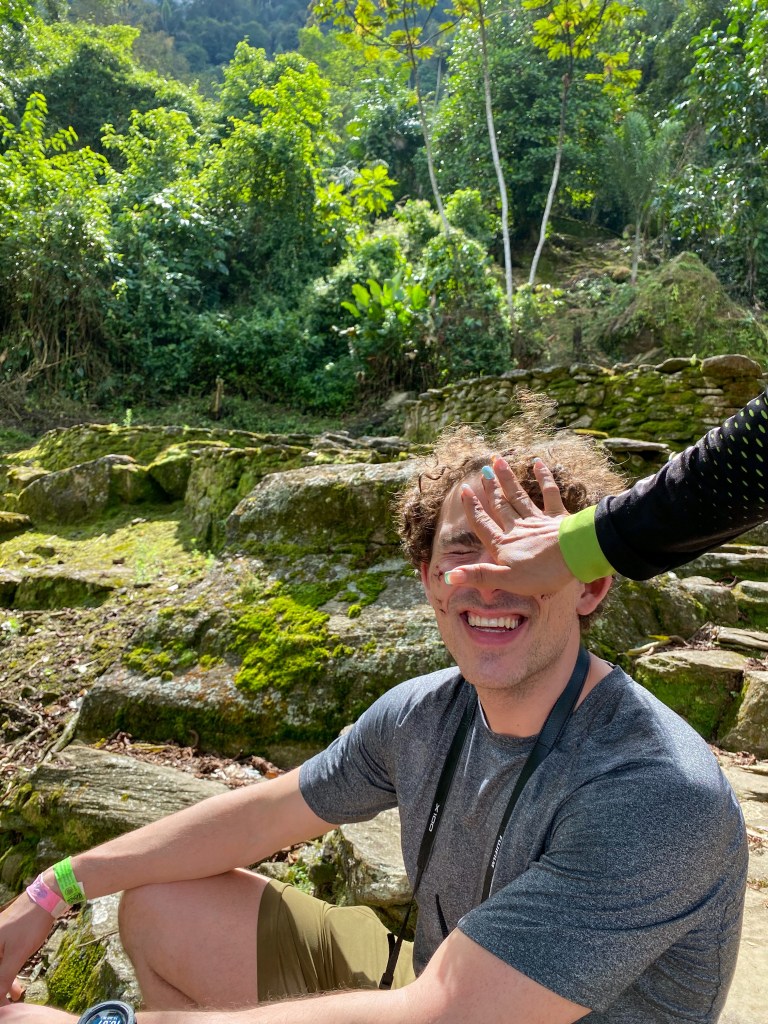
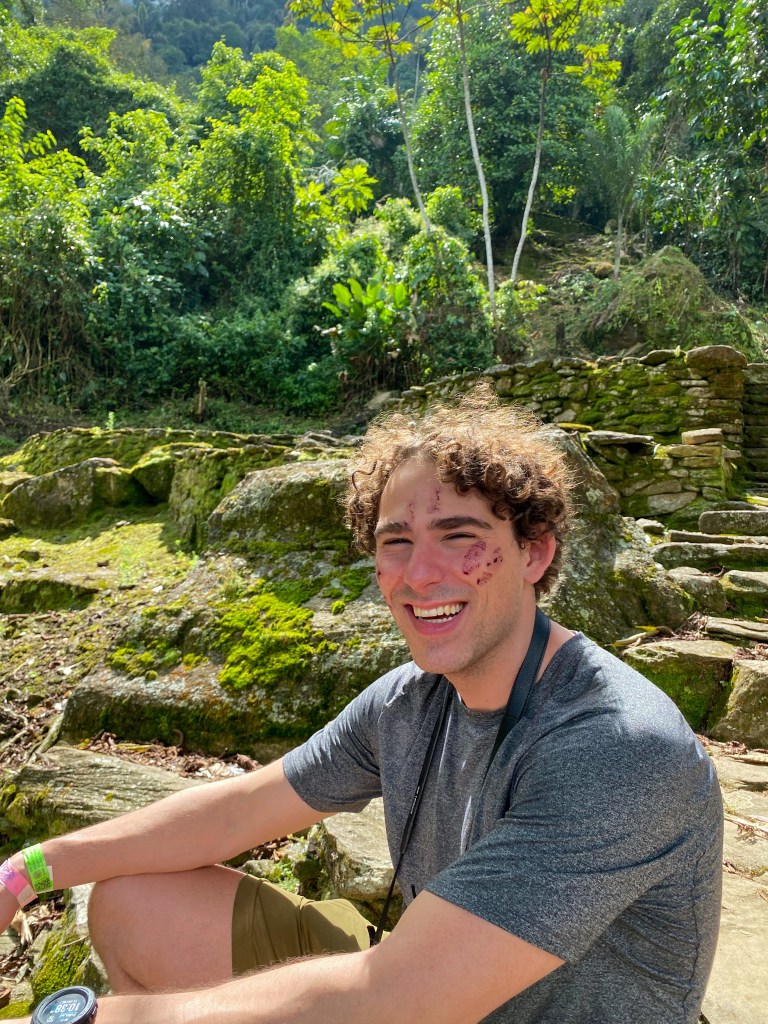
After climbing the 1200 stone steps, we finally reached the Lost City

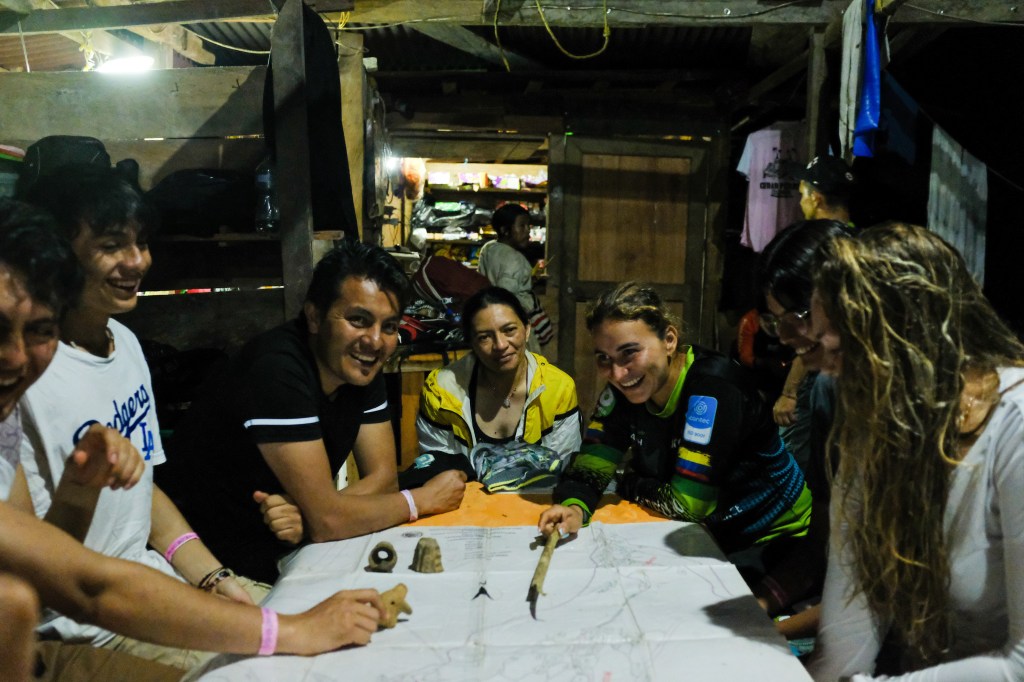
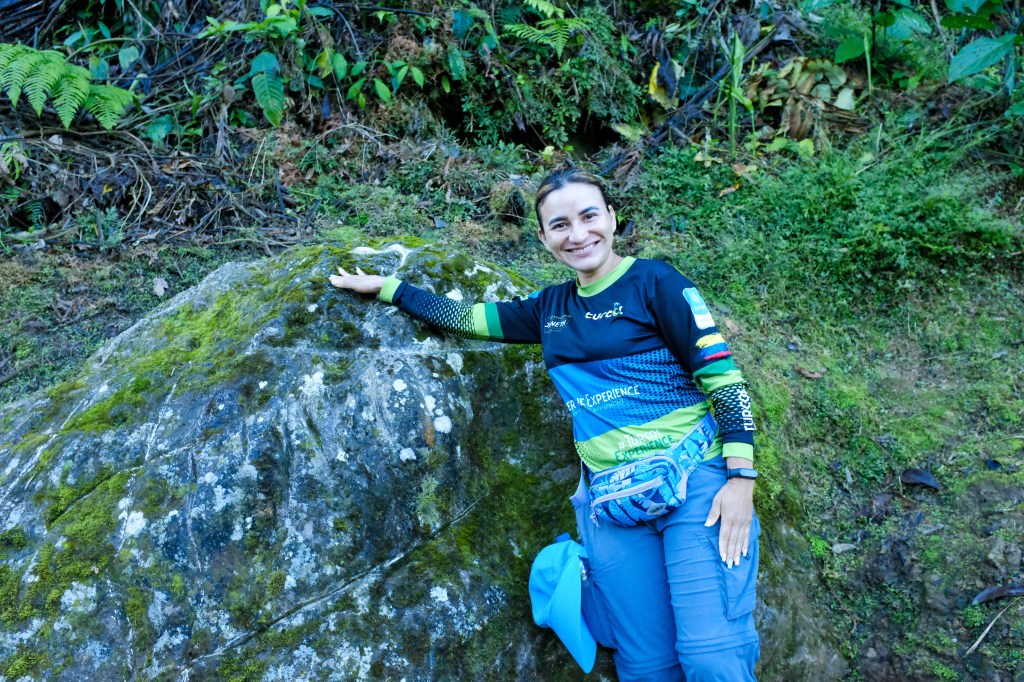
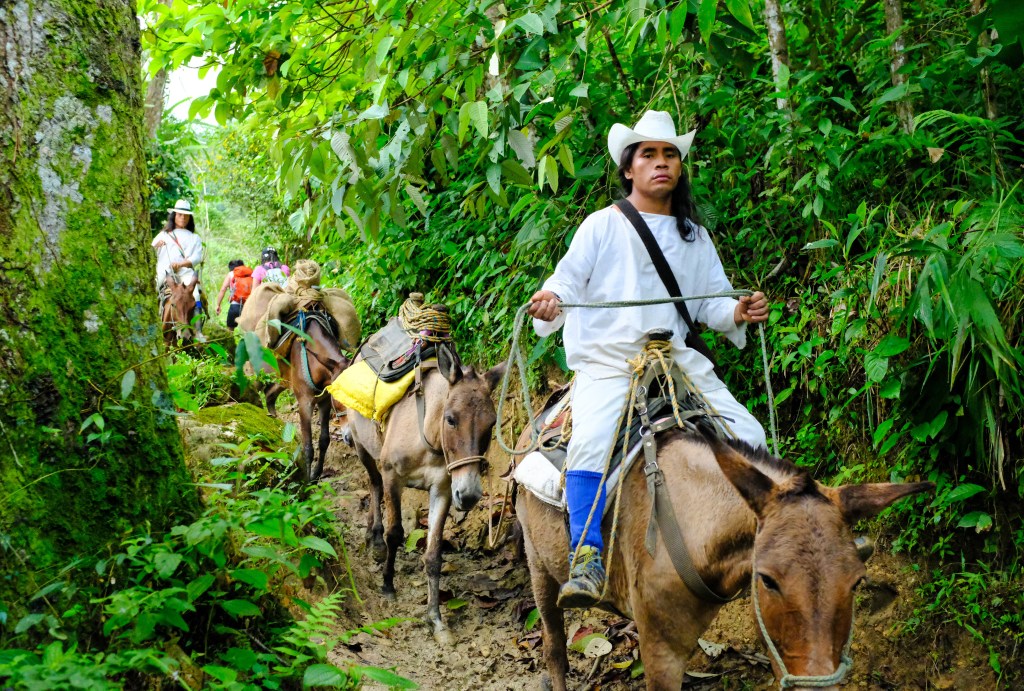
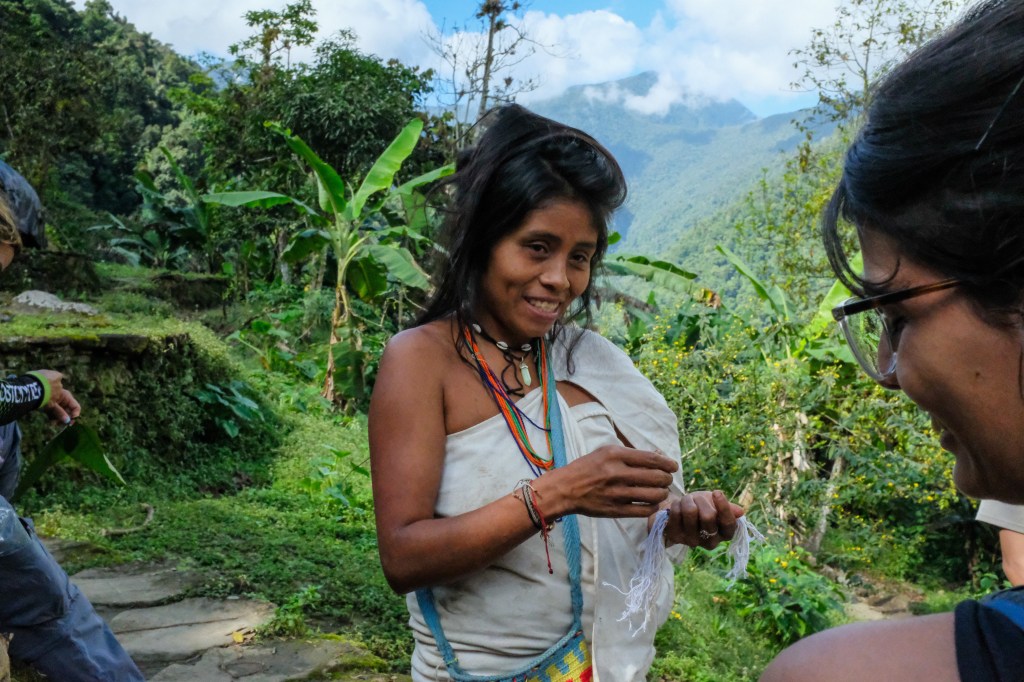
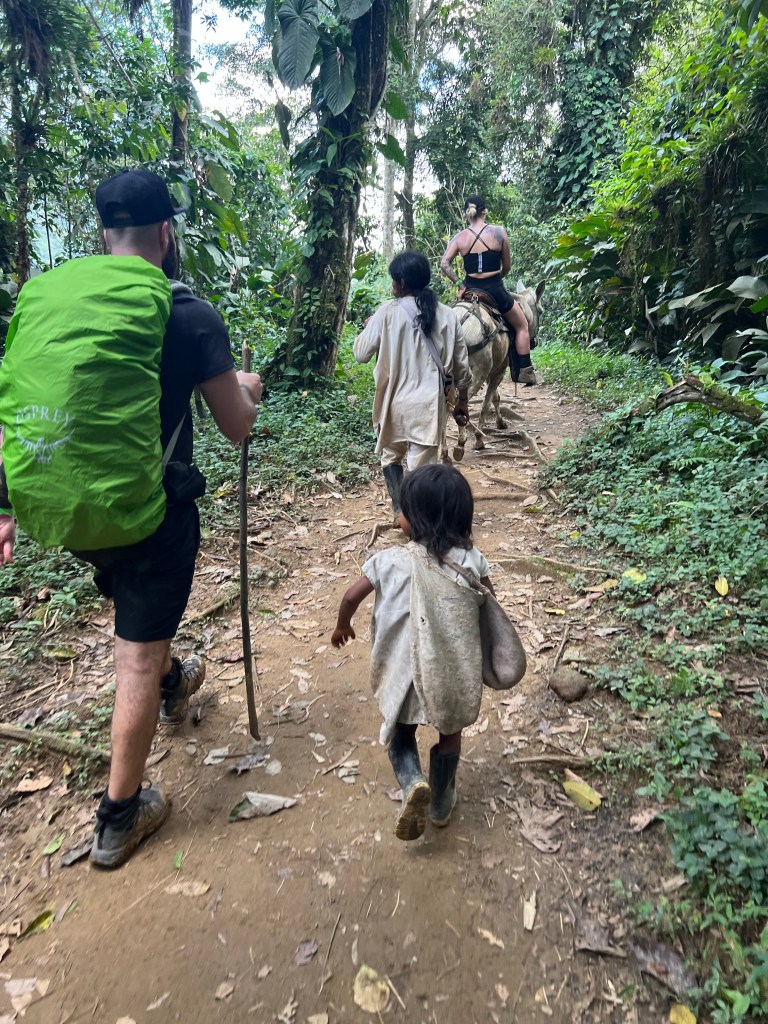
While we were there, we met the Shaman’s family who still live in the valley community

And we learned about how the community uses nature to make to make different colors…

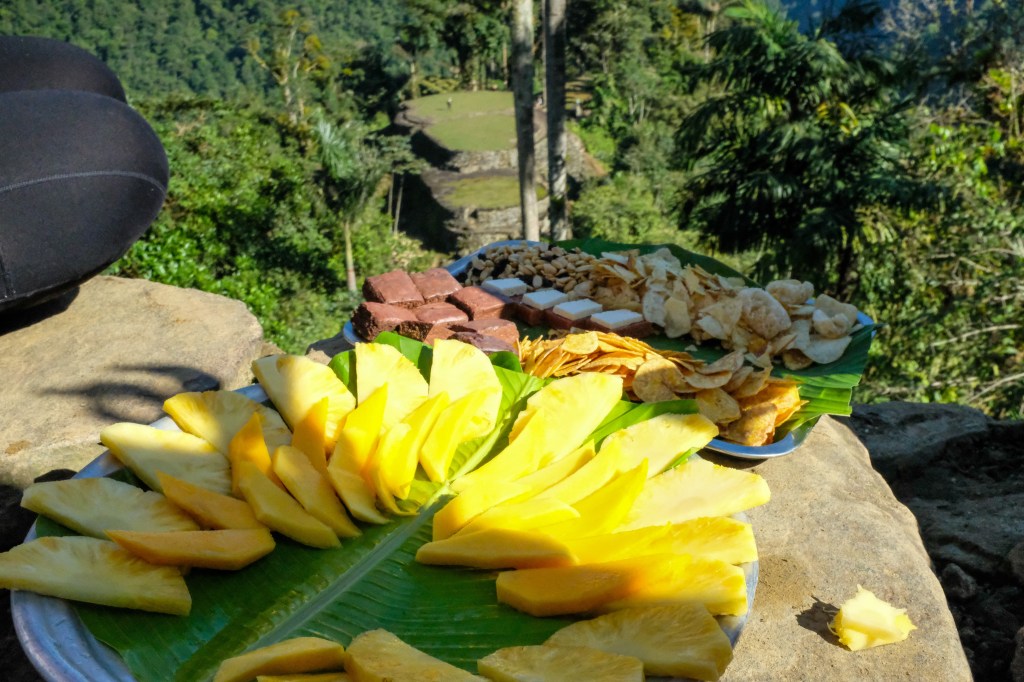
And after a day of exploring the ruins, we began the journey home. While the purpose of our trek was done, we prepared for the experiences we had yet to discover on our way home.

And on the last night we celebrated with some music

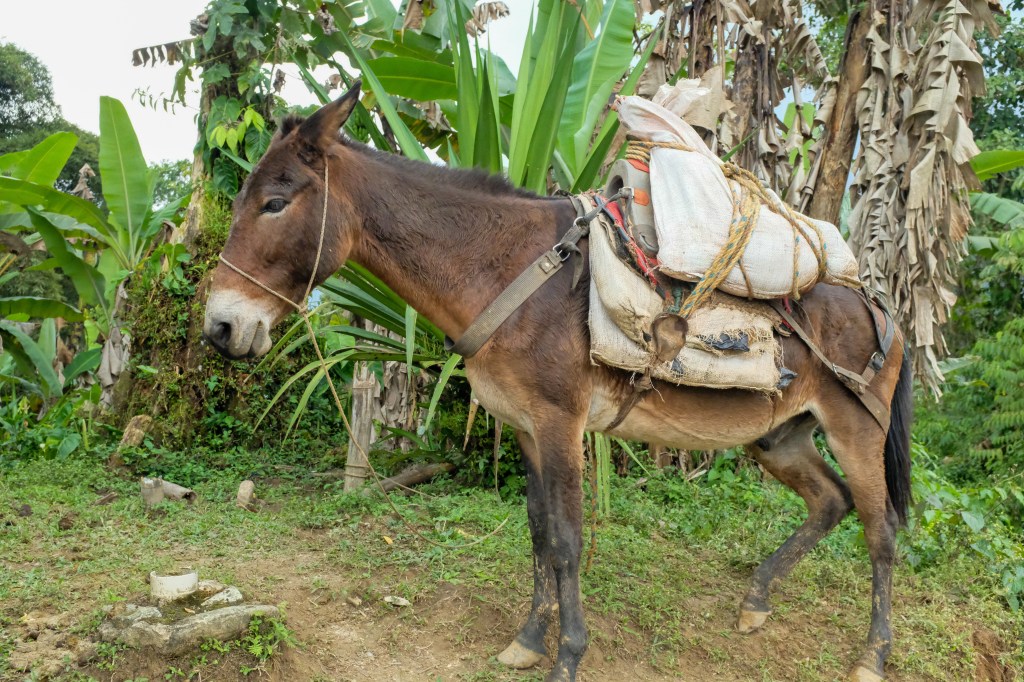
I have done a number of challenging treks in the past, but this one felt quite special to me. Often, adventures I go on are tempered by tourism “guardrails”. This infrastructure, which is designed to protect visitors from potential danger often takes away from the reality of the experience when done in excess. While safety is very important, I believe there is a balance between protecting visitors and maintaining the genuine qualities of the experience – and the Lost City trek does this incredibly well. There are no easy ways to get to the lost city – there is no train that will take you to the entrance like with Macchu Picchu or a highway that takes you through the highlights like Shenandoah – everyone, from the wealthy 70-year-old to the typical backpacker must hike the 28 miles and walk up the 1200 steps. While there are mules that can carry you if you get sick (and some do), you must complete the journey on your own – with your own mental stamina and determination. And yet, despite these barriers to entry – thousands of people complete the trek each year – people in their 70’s and 80’s, individuals with physical disabilities, and families with little children – many of whom passed me while I was huffing and puffing part way up a hill. The hike is challenging but it is very accessible due to the wonderful support of the guides, chefs, and translators – as long as you are determined to complete it. This develops a unique sense of pride and community and I would highly recommend it to anyone who appreciates the satisfaction that comes with completing a challenge – and the community you can build along the way.

Final Thoughts

This first stretch of my trip ends with a lesson that I hope to bring along with me in the rest of my 6 month trip. In the van drive back to my hostel, I was talking with our translator. Victor, 41, immigrated to Colombia from Venezuela in his twenties to escape the tenuous political system. Now, supporting his wife and and 2 daughters, Victor talked about the financial challenges he faced working in Colombia. While he felt as though he could meet all of the necessities, it was challenging to acquire the luxuries he so often saw in the tourists groups he led. While he expressed nothing but gratitude for the life he created for himself and his family, the disparity and unfairness of the dynamic between him and tourists like me was clear. While I do not believe it would be productive to feel guilty for the wonderful gift my personal circumstances have allowed me – my ability to travel is a privilege, not a right – and I want to be sure to fully appreciate and be grateful for the incredible experiences I have the opportunity to discover.

See you next week in Peru,

Sam Lehn
The Traveling Bookclub

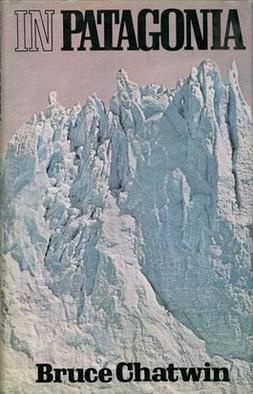
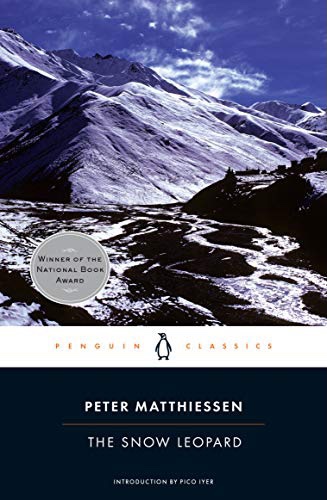
Come travel with me as I read a book in each country I visit! Here is the tentative list of books I plan to read! I will be making a blog post at the end of each country where I discuss the book, and how I found it connected with my travels in that country!

(January 1 – January 22)

ColombiaOne Hundred Years of Solitude by Gabriel Garcia Marquez

A fan of magical realism, I immediately gravitated towards 100 Years of Solitude, which tells the story of the >>fictional<< Buendía family through multiple generations from the postcolonial 1820’s to the 1920’s. Born in Aracataca, Colombia, Gabriel García Márquez is one of the best-known Latin American writers. He won a Nobel Prize for Literature in 1982.

(January 22 – February 8)

ChileThe House of the Spirits by Isabel Allende

The House of Spirits details the life of the >>Trueba<< family, spanning four generations, and tracing the post-colonial social and political upheavals of Chile. It is the debut novel of Isabel Allende and was rejected by several Spanish-language publishers before being published in Buenos Aires in 1982. Isabel Allende Llona is a Chilean-American novelist who writes in the “magic realism” tradition, and is considered one of the first successful women novelists in Latin America. She has written novels based in part on her own experiences, often focusing on the experiences of women, weaving myth and realism together.

(February 8 – February 27)

ArgentinaThe Motorcycle Diaries by Che Guevara

The Motorcycle Diaries is a posthumously published memoir of the Marxist revolutionary Ernesto “Che” Guevara. It traces his early travels, as a 23-year-old medical student, with his friend Alberto Granado, a 29-year-old biochemist. “Che” Guevara, commonly known as El Che or simply Che, was a Marxist revolutionary, physician, author, intellectual, guerrilla leader, diplomat, and military theorist. A major figure of the Cuban Revolution, since his death Guevara’s stylized visage has become an ubiquitous countercultural symbol and global icon within popular culture.

(March 3 – March 13)

IndiaThe God of Small Things by Arundhati Roy

Arundhati Roy’s debut novel, The God of Small Things is a story about the childhood experiences of fraternal twins whose lives are destroyed by the “Love Laws” prevalent in 1960s Kerala, India. Roy is an Indian writer who is also an activist who focuses on issues related to social justice and economic inequality. She won the Booker Prize in 1997 for The God of Small Things.

(March 13 – March 31)

Nepal – Arresting God in Kathmandu by Samrat Upadhyay

Upadhyay was born and raised in Kathmandu and one of the first Nepali authors to write in English and be published in the West. His collection of nine short stories, published in 2001, offers an insight into the domesticity of Nepali life – depicting where personal experience, desire, and spirituality define identity.

(April 1 – April 24)

VietnamThe Sorrow of War by Bảo Ninh

The Sorrow of War is a 1991 novel by the Vietnamese writer Bảo Ninh. Ninh, a former North Vietnamese soldier, provides a strikingly honest look at how the Vietnam War forever changed his life, his country, and the people who live there.
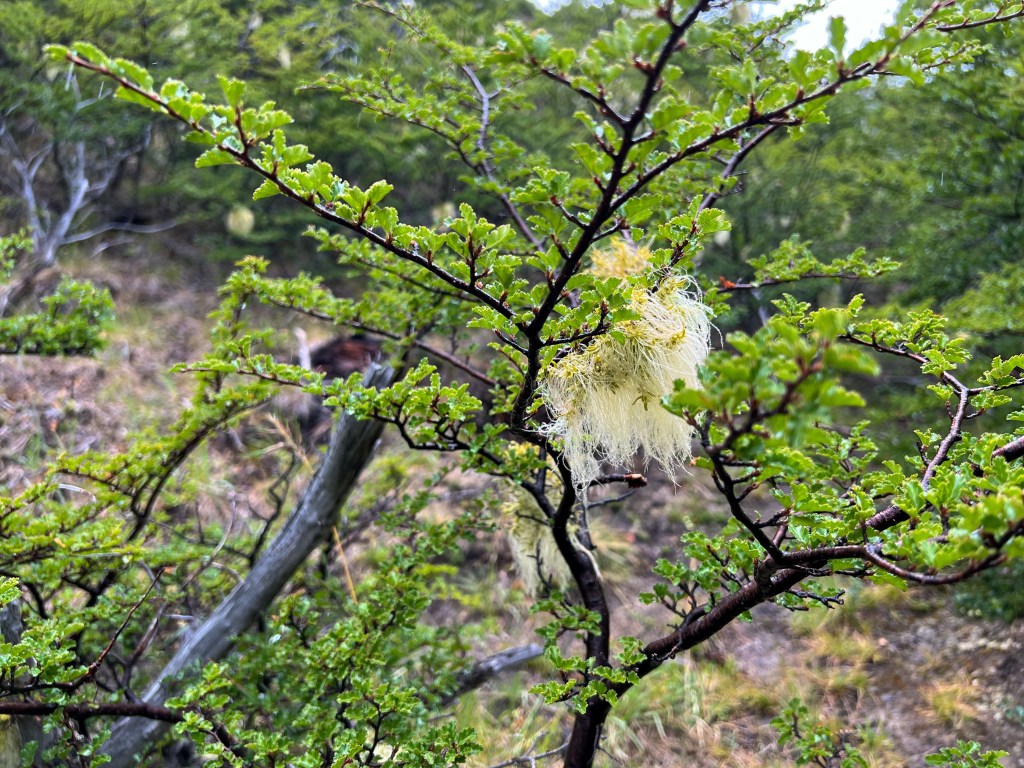
(April 20 – April 27)

LaosThe Coroner’s Lunch by Colin Cotterill

The Coroner’s Lunch is a crime novel by British author Colin Cotterill first published in 2004. It is the first instalment in the Dr. Siri Paiboun series, set in the Lao People’s Democratic Republic during the 1970s.

(April 27 – May 7)

ThailandSightseeing by Rattawut Lapcharoensap

Sightseeing is a debut written by a young, award-winning Thai-American writer. Set in contemporary Thailand, these stories are generous, radiant tales of family bonds, youthful romance, generational conflicts, and cultural shiftings beneath the glossy surface of a warm, Edenic setting. The stories in Sightseeing present a nation far removed from its exoticized stereotypes. Rattawut Lapcharoensap was born in Chicago in 1979 and raised in Bangkok.
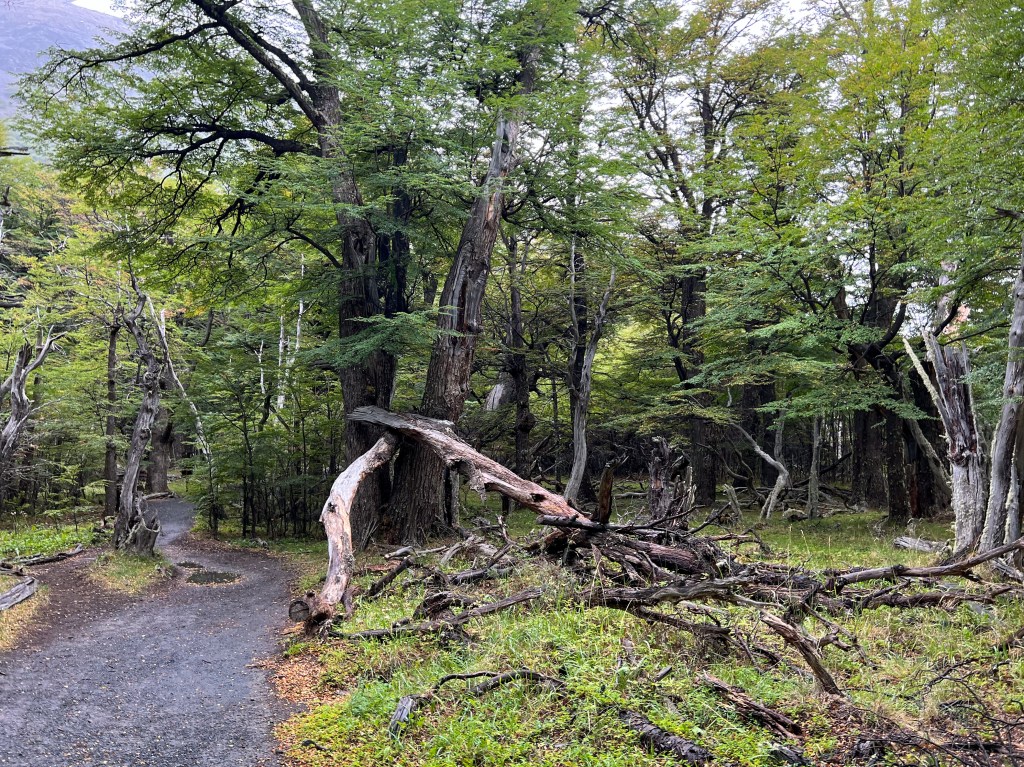
(May 7 – May 12)

CambodiaThey Killed my Father by Loung Ung

First They Killed my Father is a 2000 non-fiction book written by Loung Ung, a Cambodian-American author and childhood survivor of Democratic Kampuchea. It is her personal account of her experiences during the Khmer Rouge regime. An author, lecturer, and activist, Loung Ung has advocated for equality, human rights, and justice in her native land and worldwide for more than fifteen years. 

(May 12 – May 22)

JapanNorwegian Wood by Haruki Murakami

Norwegian Wood is a 1987 novel with a nostalgic story of loss and burgeoning sexuality. It is told from the first-person perspective of Toru Watanabe, who looks back on his days as a college student living in Tokyo. Haruki Murakami is a popular contemporary Japanese writer and translator.

BONUS BOOKS

Please find some books I have read/plan to read on my travels but will not have the chance to write about. Enjoy!

In Patagonia by Bruce Chatwin

This book tells the tale of English journalist, Bruce Chatwin, as he travels through the Southern part of South America in 1977.

The Ministry of Panic by Lee Koe – Singapore

In Amanda Lee Koe’s debut collection from, The ministry of Panic, she navigates the depths of Singaporean memory to present stories about sex, morality and human connection. Amanda Lee Koe is the winner of the 2014 Singapore Literature Prize for English Fiction, and the 2016 Singapore Book Award for Best Fiction Title, for her debut short story collection Ministry of Moral Panic

The Snow Leopard by Peter Matthiessen – Nepali Himalayas

This book tells the journey of writer and naturalist Gorge Scaller, who came to Nepal to study Himalayan blue sheep and snow leopards in the Dolpo region. They travel on foot from Pokhara to Shen Gompa.

The Plotters by Un-Su Kim – South Korea

The Plotters is a fantastical crime novel set in an alternate Seoul where assassination guilds compete for market dominance. Un-su Kim was born in 1972 in Busan and is the author of several highly praised novels. He has won the Munhakdongne Novel Prize, Korea’s most prestigious literary prize, and was nominated for the 2016 Grand Prix de la Littéraire Policière. He lives in Jinhae-gu, South Korea.