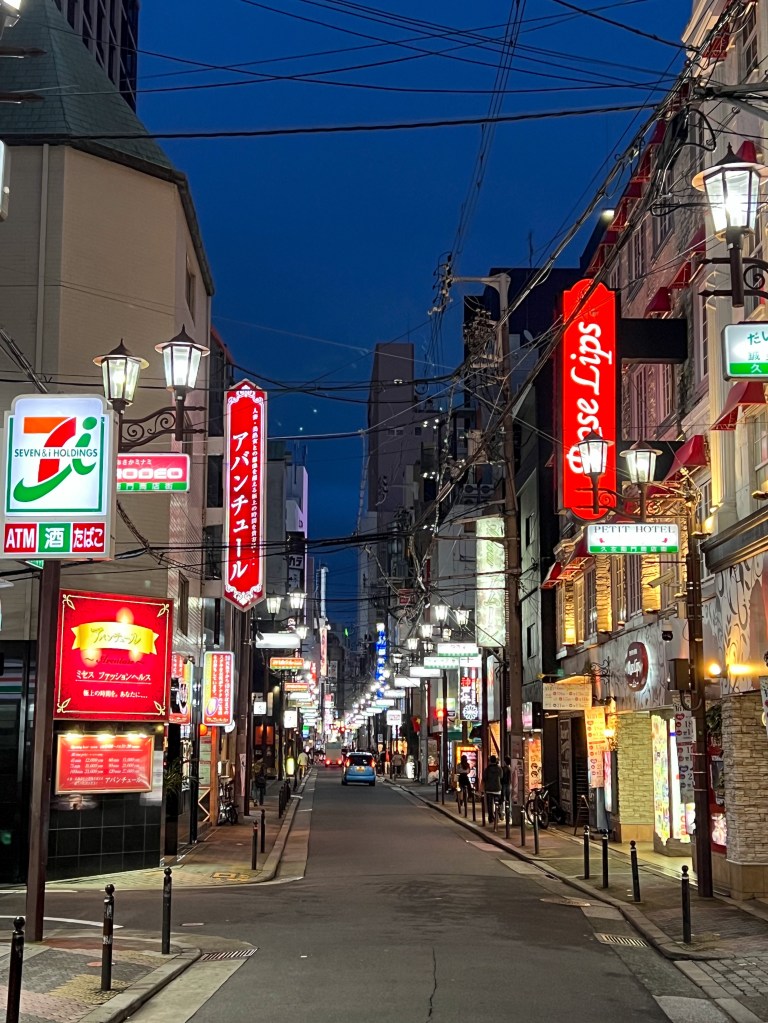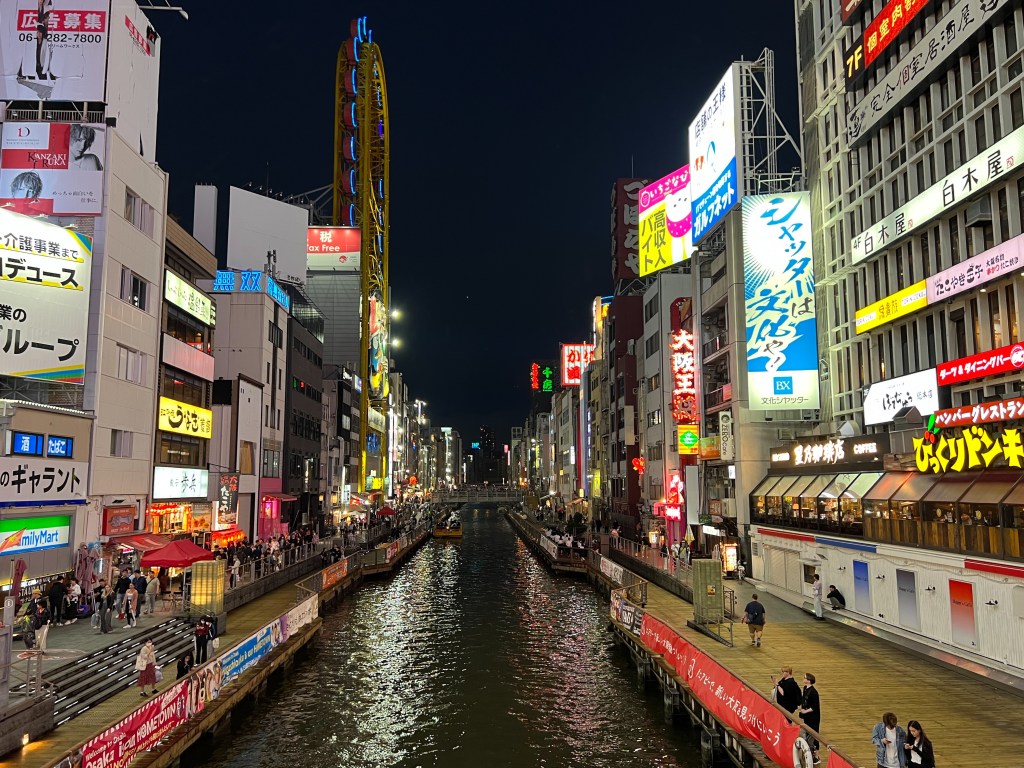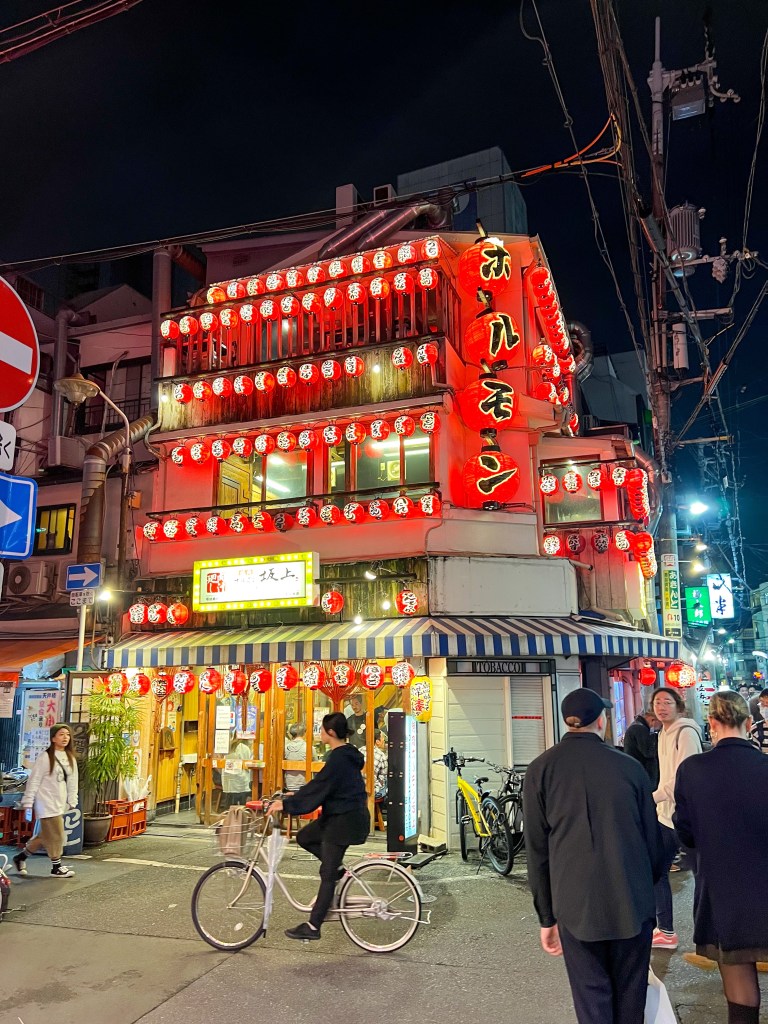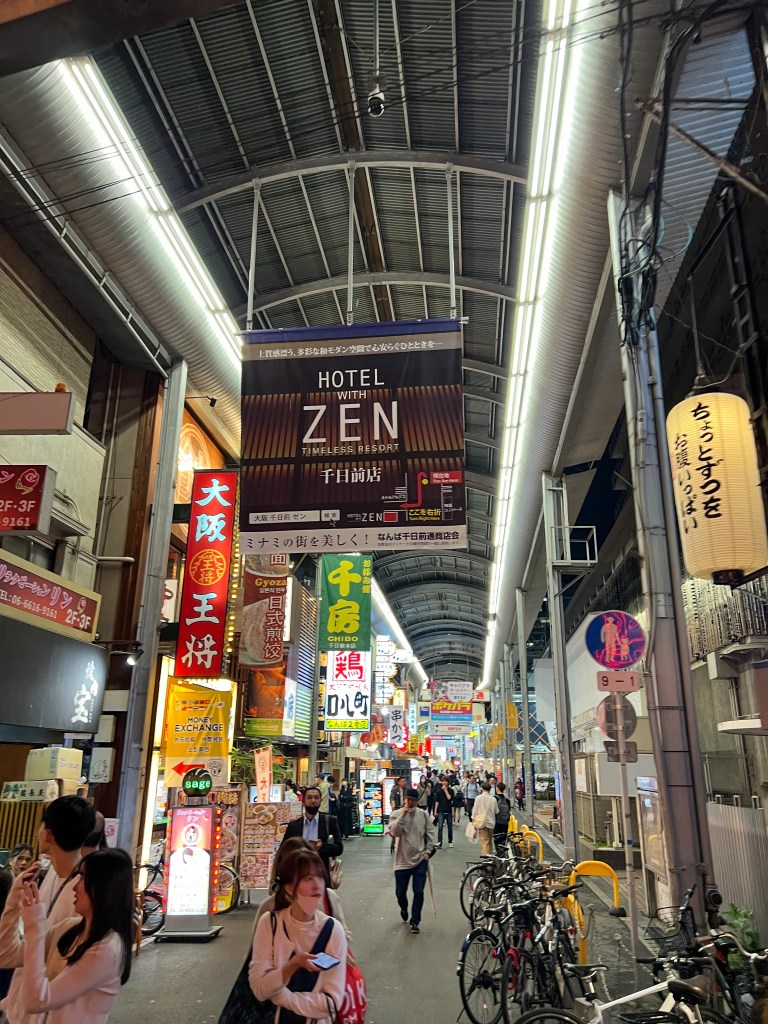
Conclusion

The past 5 months have been a whirlwind of new places, thrilling experiences, and wonderful people. It will take me quite some time to fully digest this journey (not to mention all of the photos…) but I hope I can bring a bit of closure to my trip here as I transition from backpacker to student.

Backpacking the world has been a dream of mine ever since I was a kid. I don’t know for sure where the wanderlust came from, but I think a good guess, in part, was my mom. Growing up, she told me of her travels in Europe and how important they were to her. While I’ve gone to different places than her, I feel a similar significance to what she expressed to me. These past 5 months have not only been a time of transition, but a chance to reimagine myself into the person I want to be. I don’t mean that I have changed from this trip, but rather that I feel like I know myself better than I ever have, and I am incredibly excited to bring this more-whole self through my future endeavors.

I’ll start off with some stats: Over the past 5 months, I have….

  • Walked/hiked/ran 1058.5 miles (2,084,540 steps).
  • Flew/drove/metro-ed/ferried over 30,000 miles.
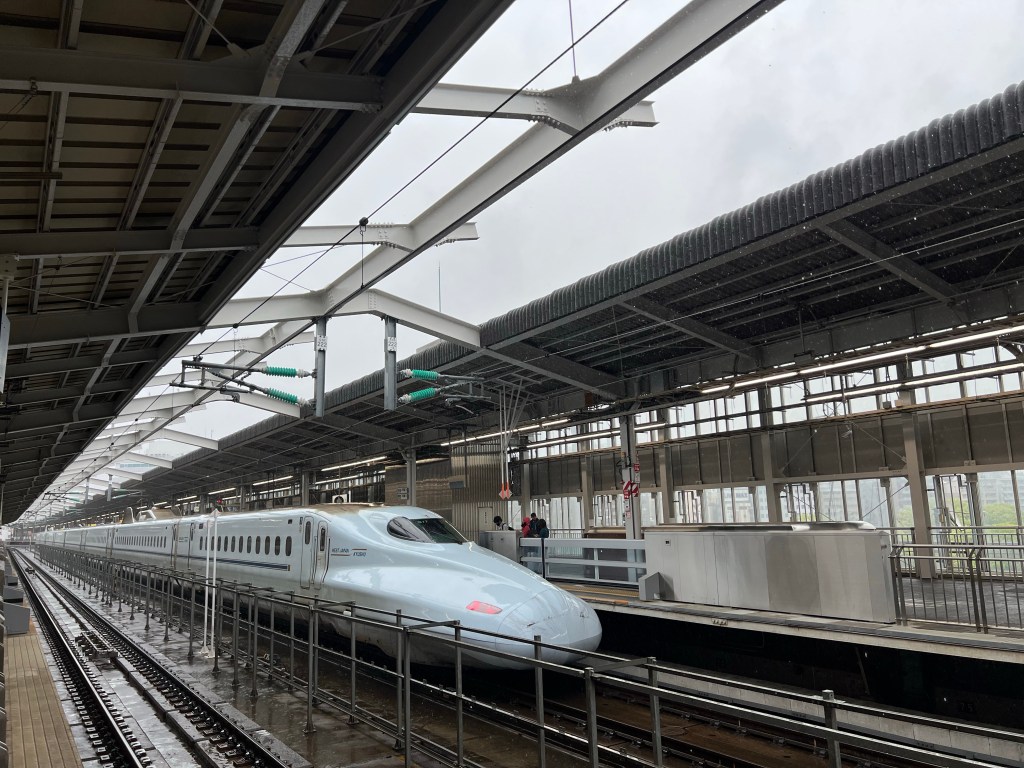
  • Took 17 flights, 24 buses, 4 ferries, and 3 train rides (the Japanese bullet train was the coolest).
  • Lost 13lbs (most of it muscle from the Himalayas).
  • Explored 12 countries.
  • Visited 47 towns/cities.
  • Took over 3,200 photos.
  • Stayed in over 40 hostels.
  • Met over 200 people!
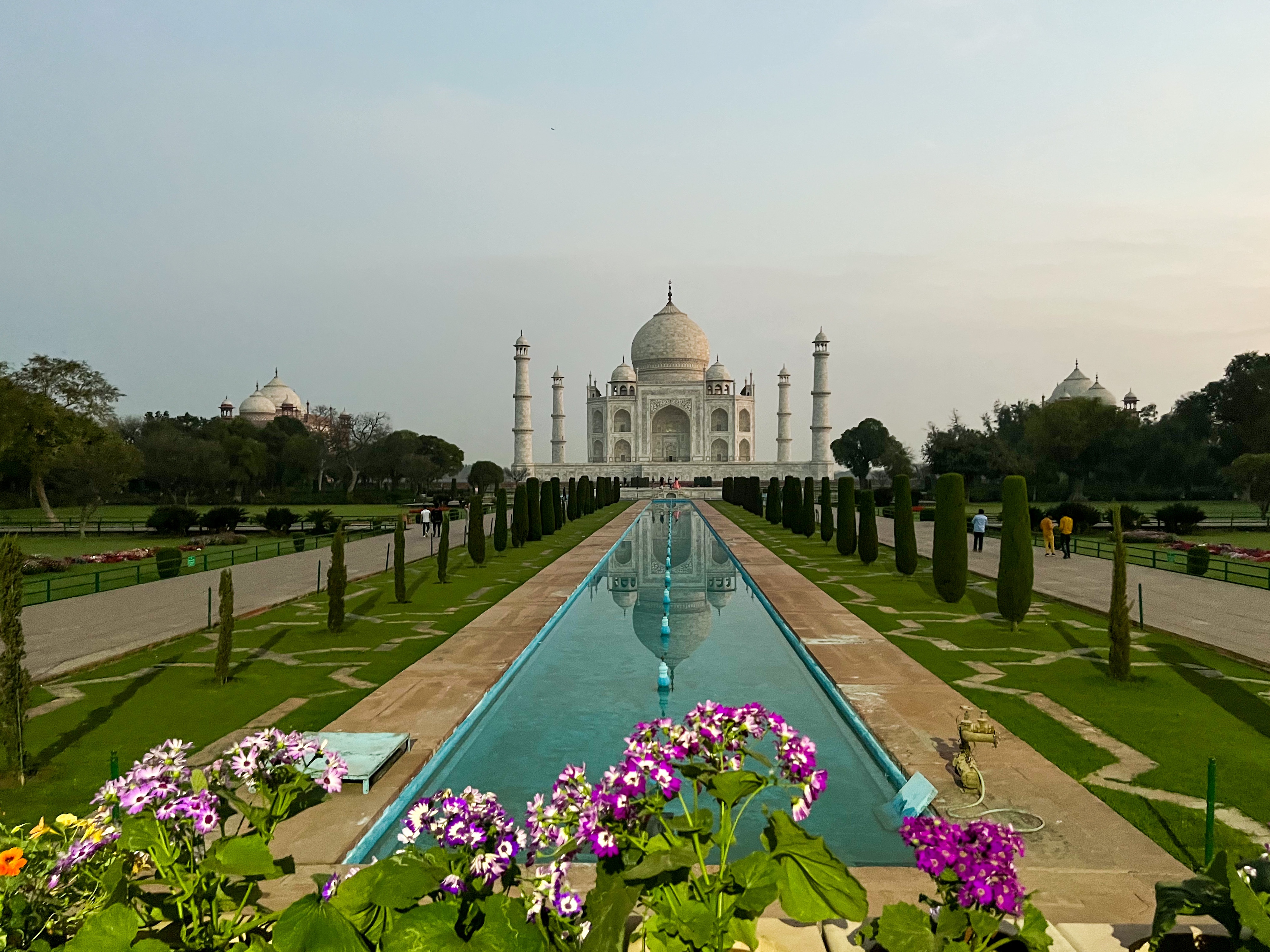
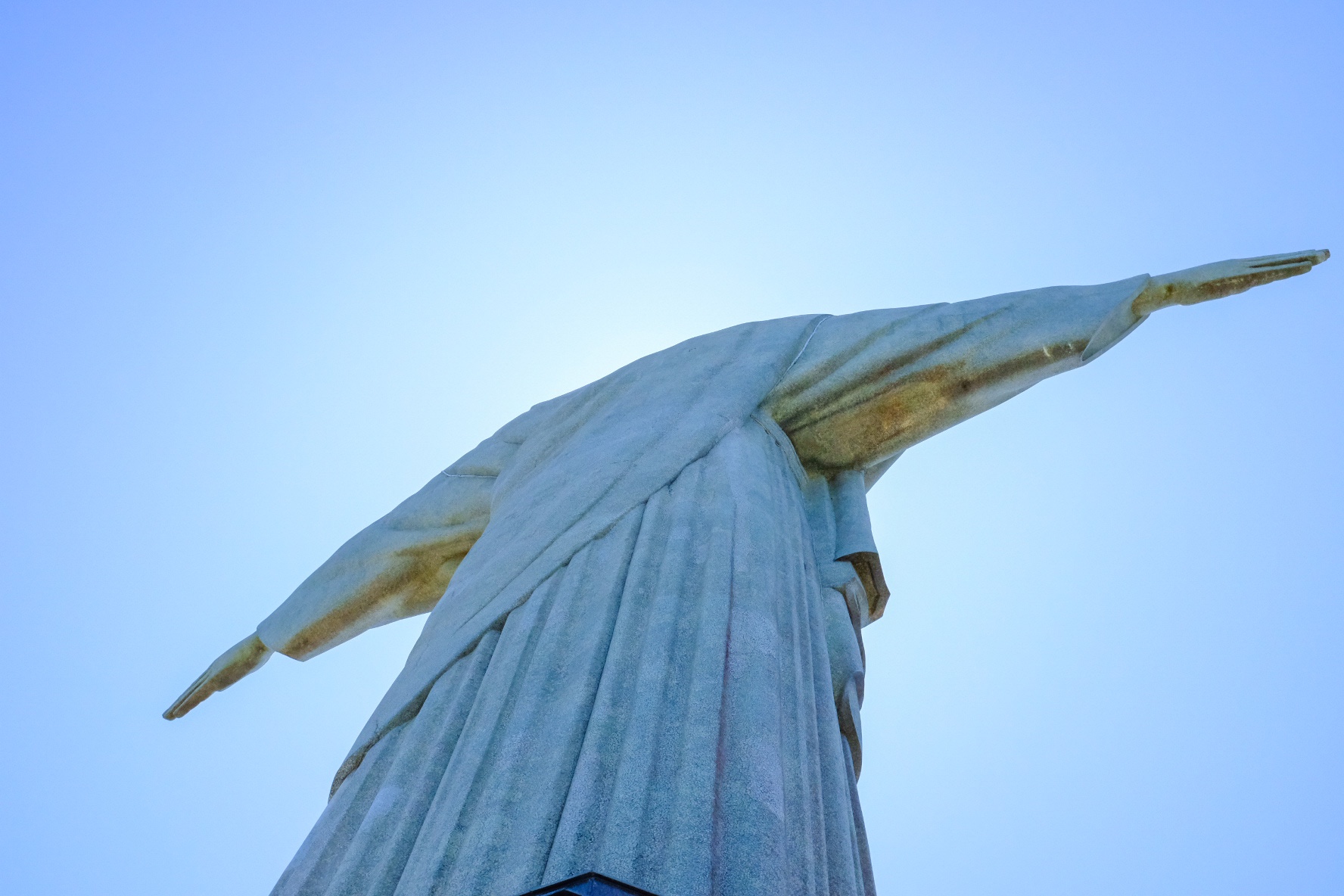
  • Saw 2 of the 7 Wonders of the World (Taj Mahal & Christ the Redeemer).
  • Traveled from -25 meters below sea level in Thailand to 5,650 meters above in the Himalayas.
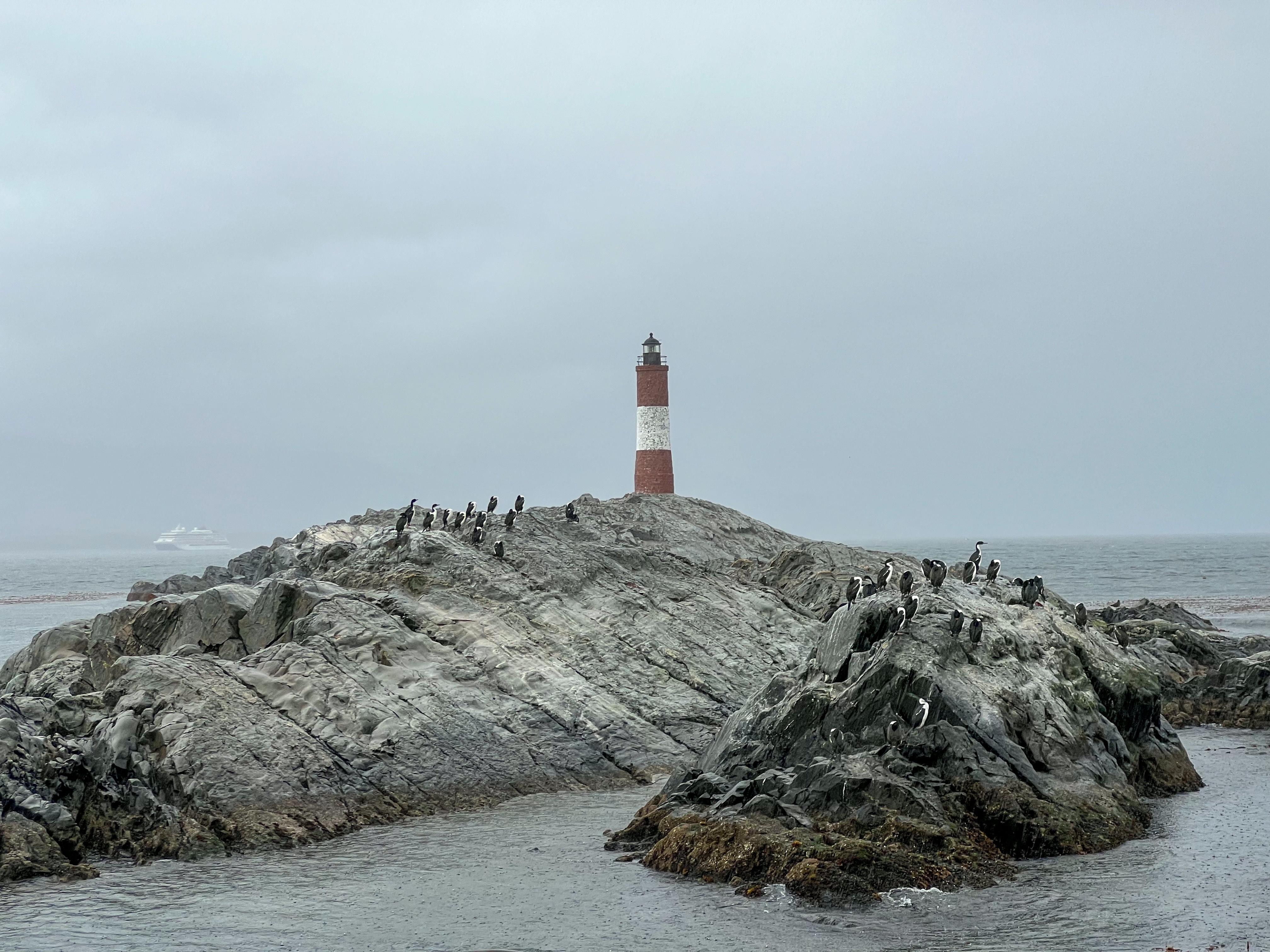
  • Visited the southernmost town in the world (3,785.74 mi south of the Equator) in Ushuaia, Argentina.
  • Went on 5 extended treks in Colombia, Patagonia, the Himalayas, Vietnam, and Thailand.
  • Changed out 11 different sim cards on my phone (I’m going to turn them into a collage).
  • Got scammed once ($90 bucks in Thailand!) – but don’t worry, I wrote them a negative review on google…

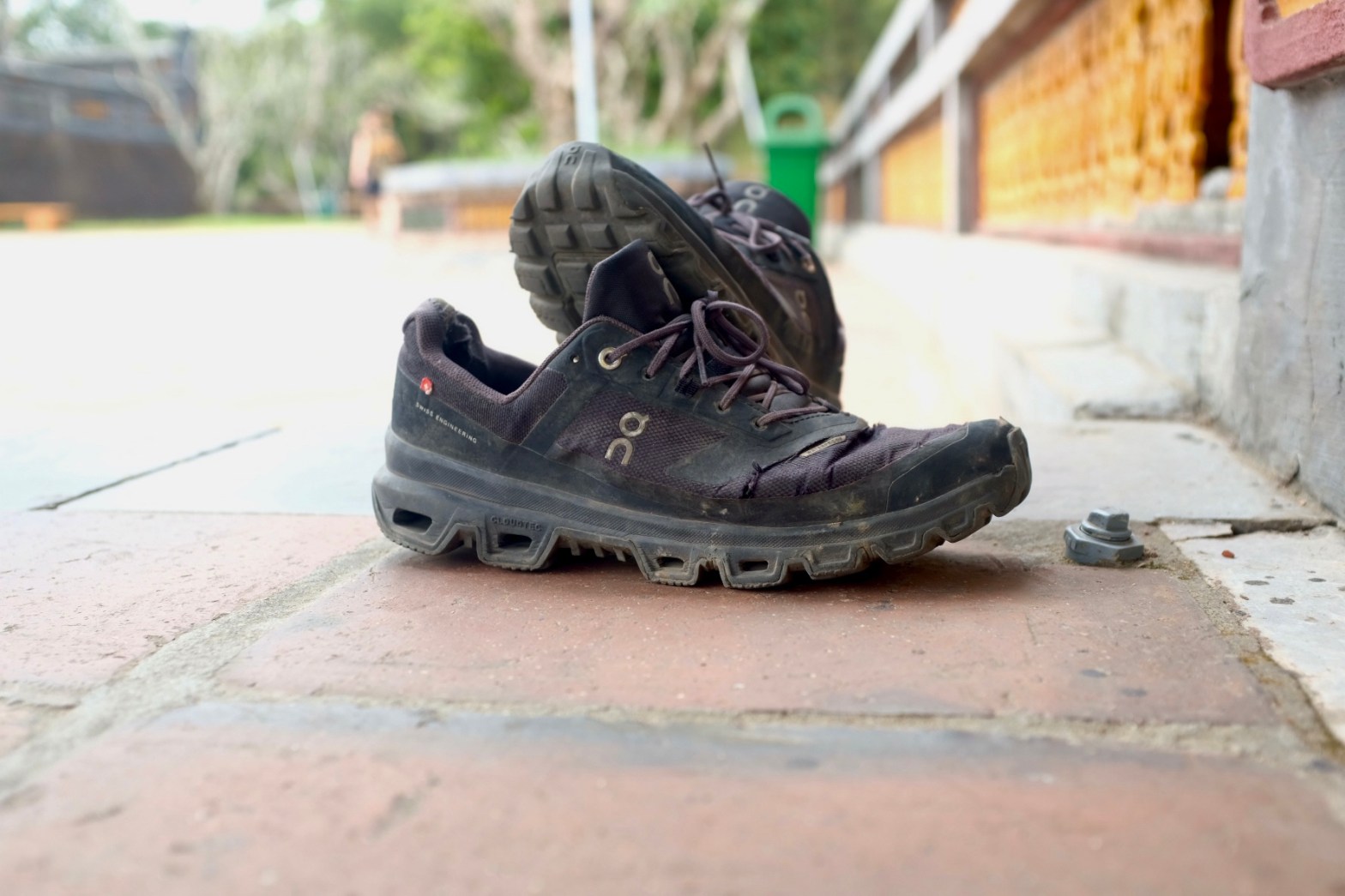
My shoes have definitely seen quite the beating…
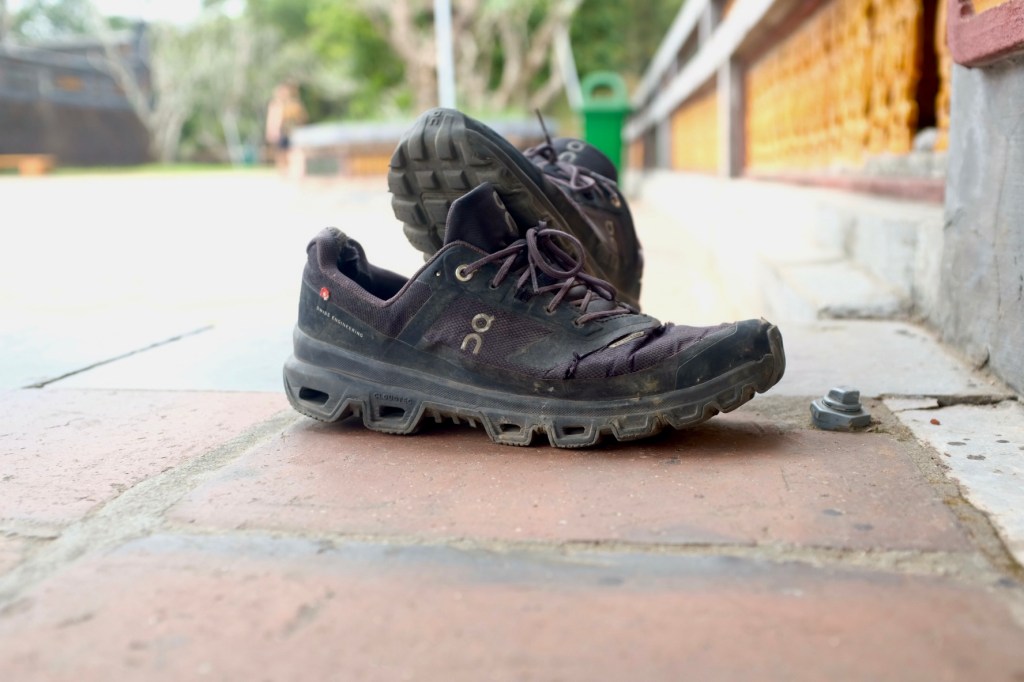
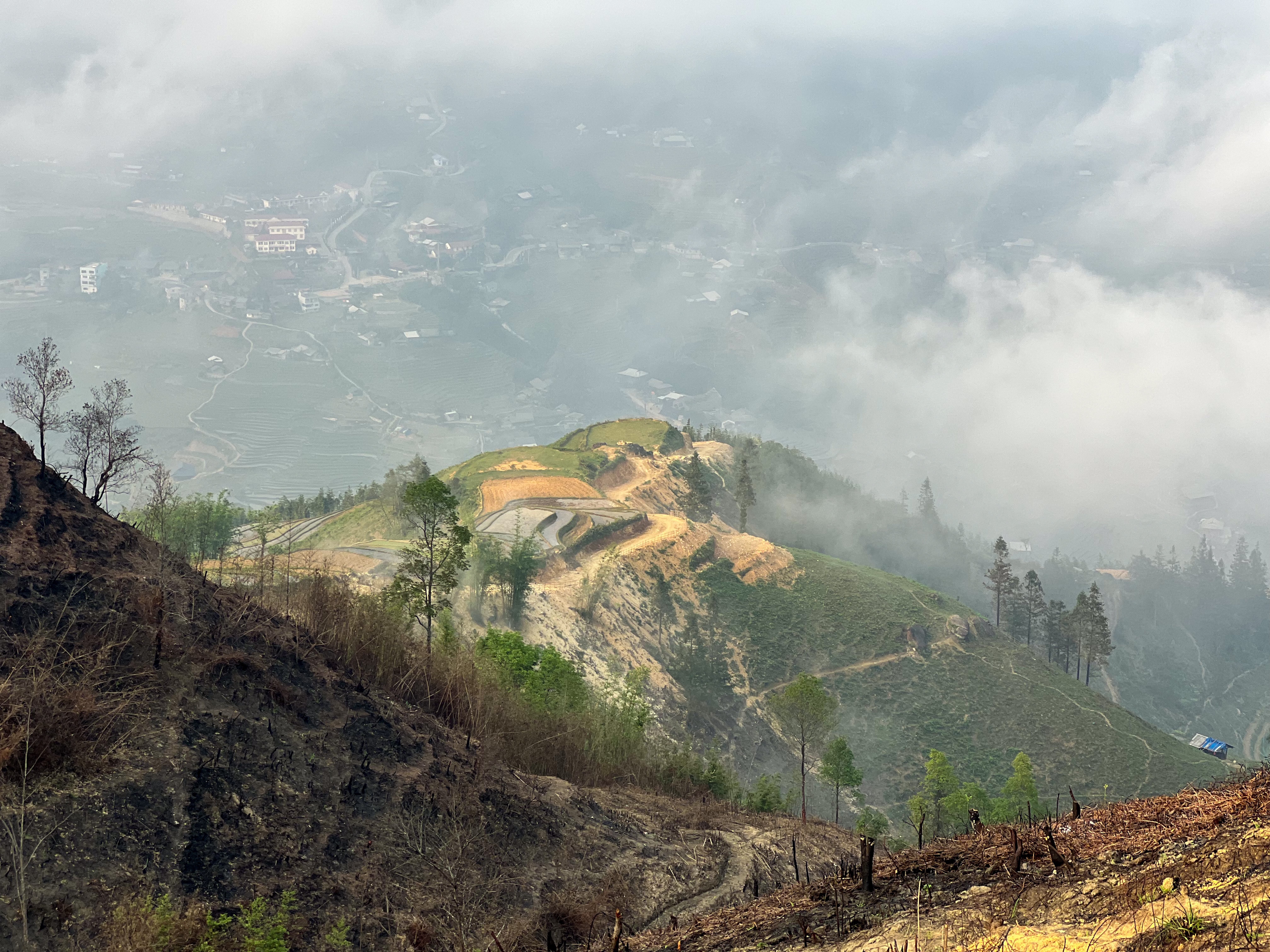
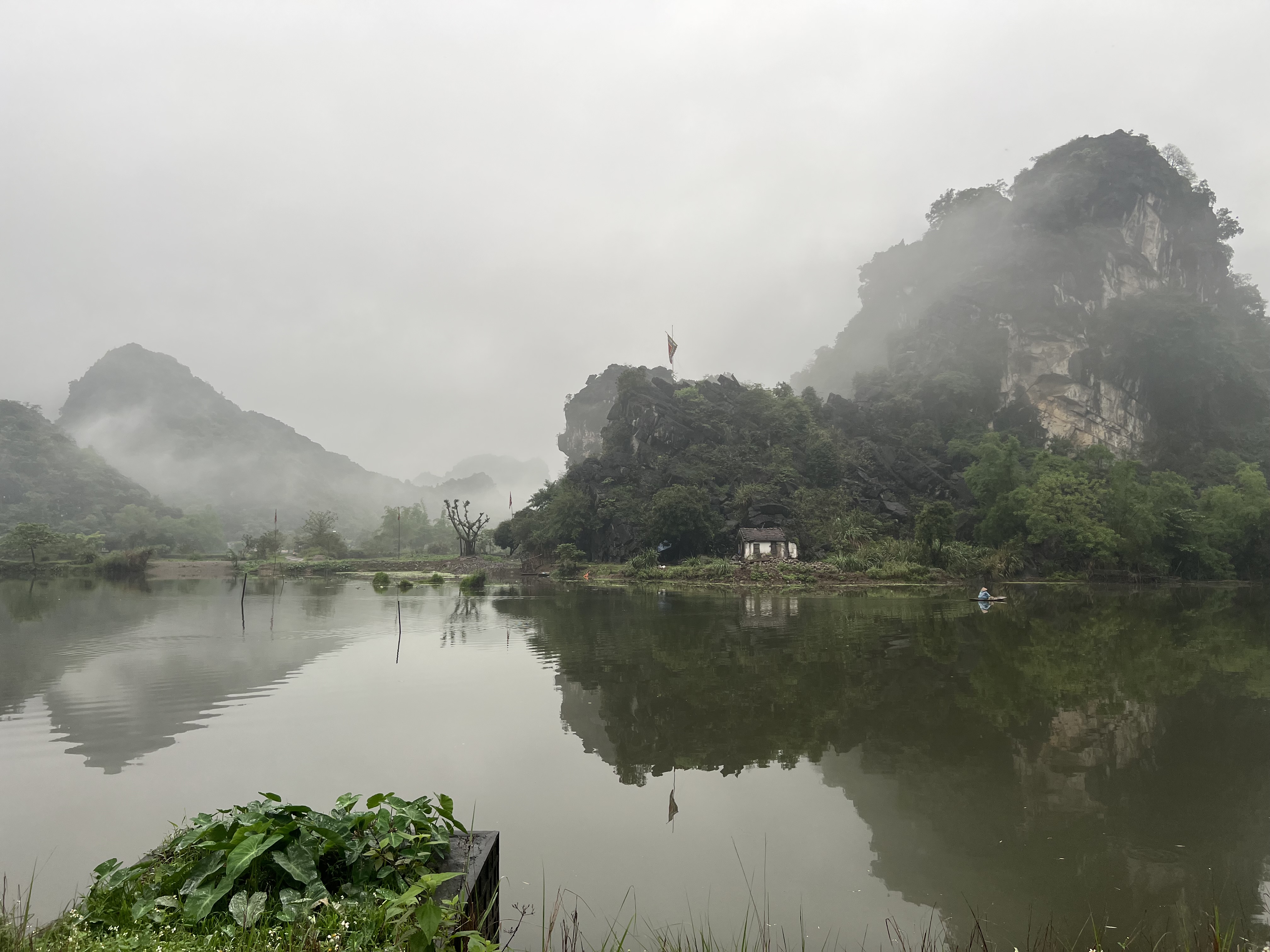
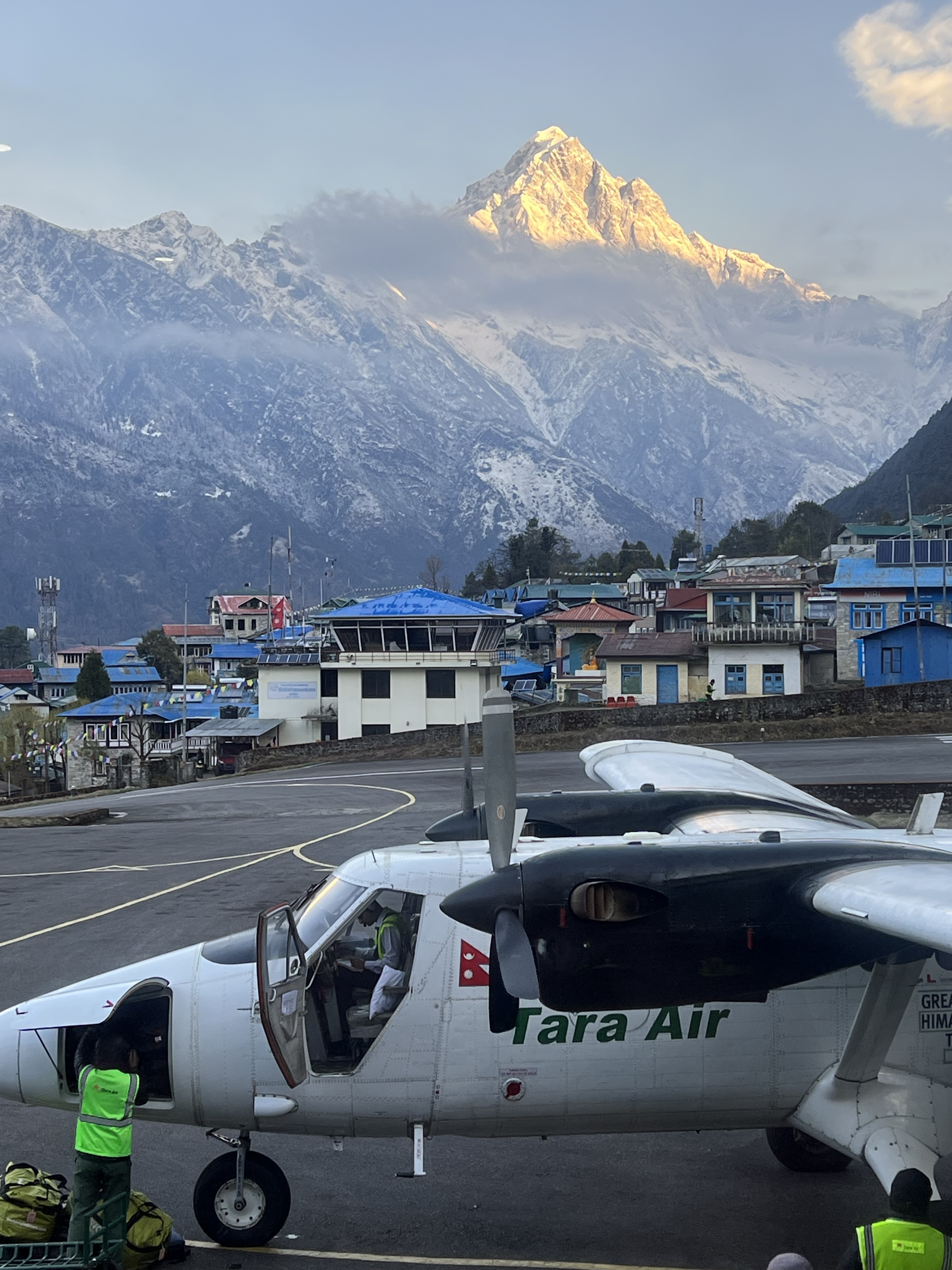
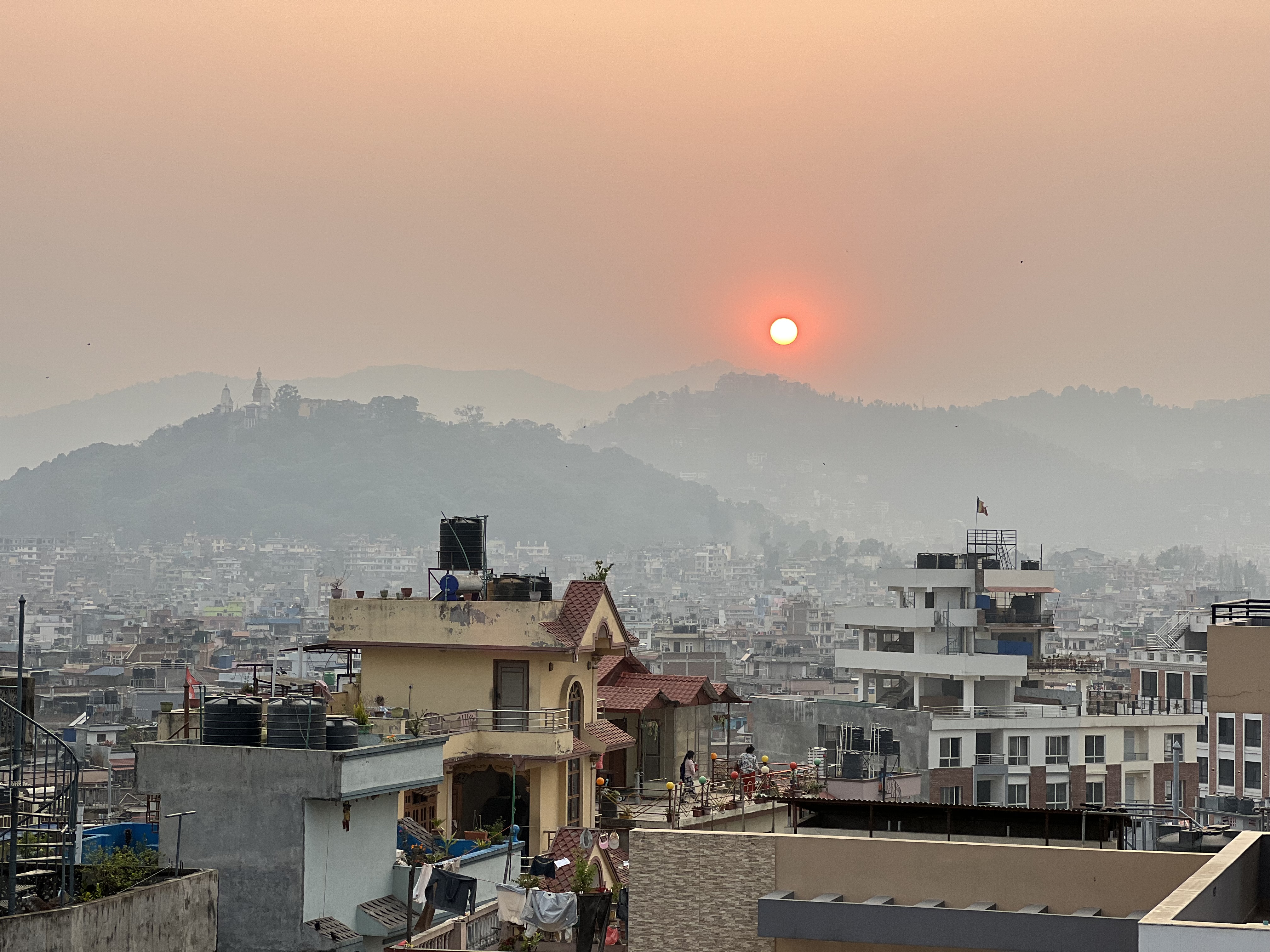
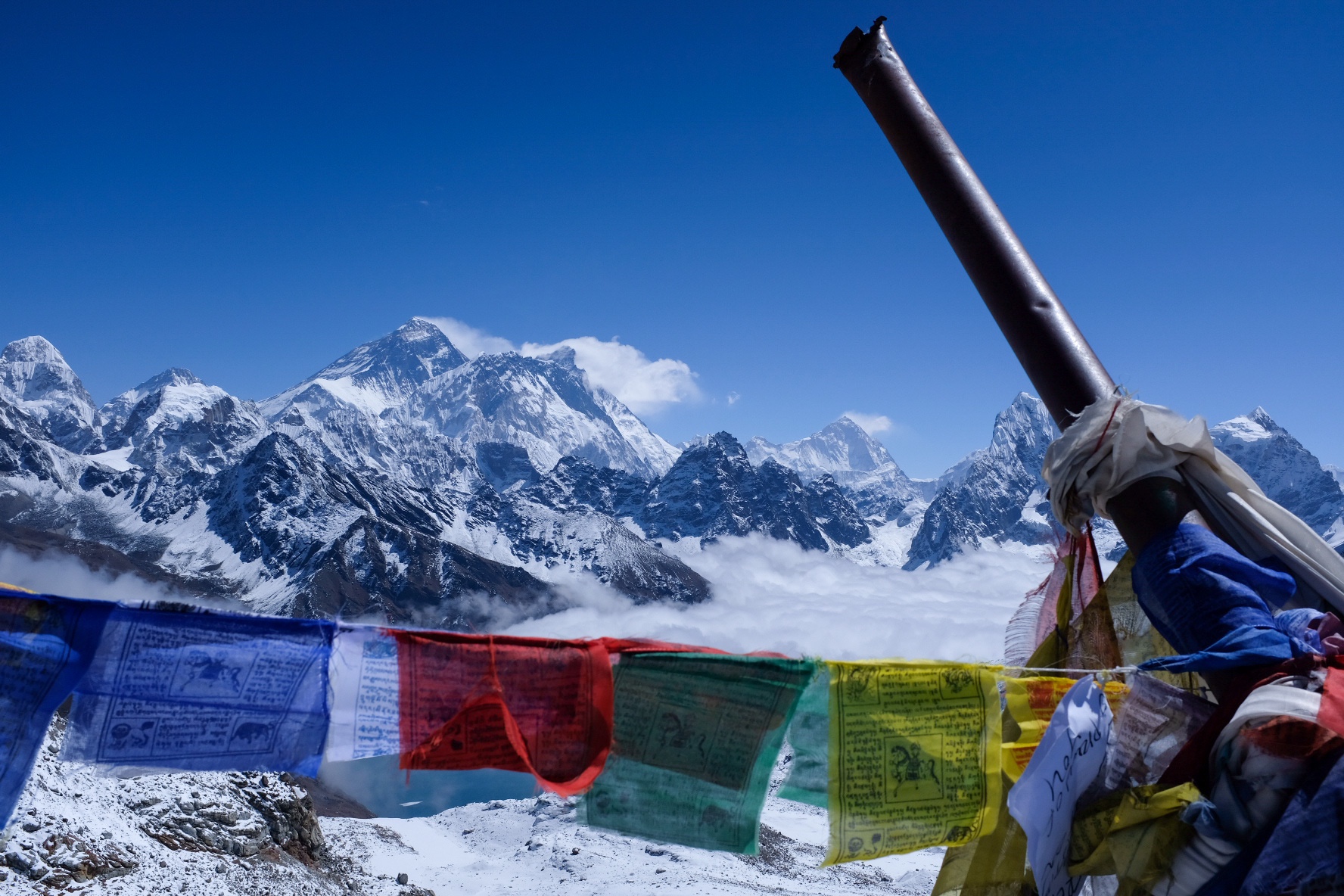
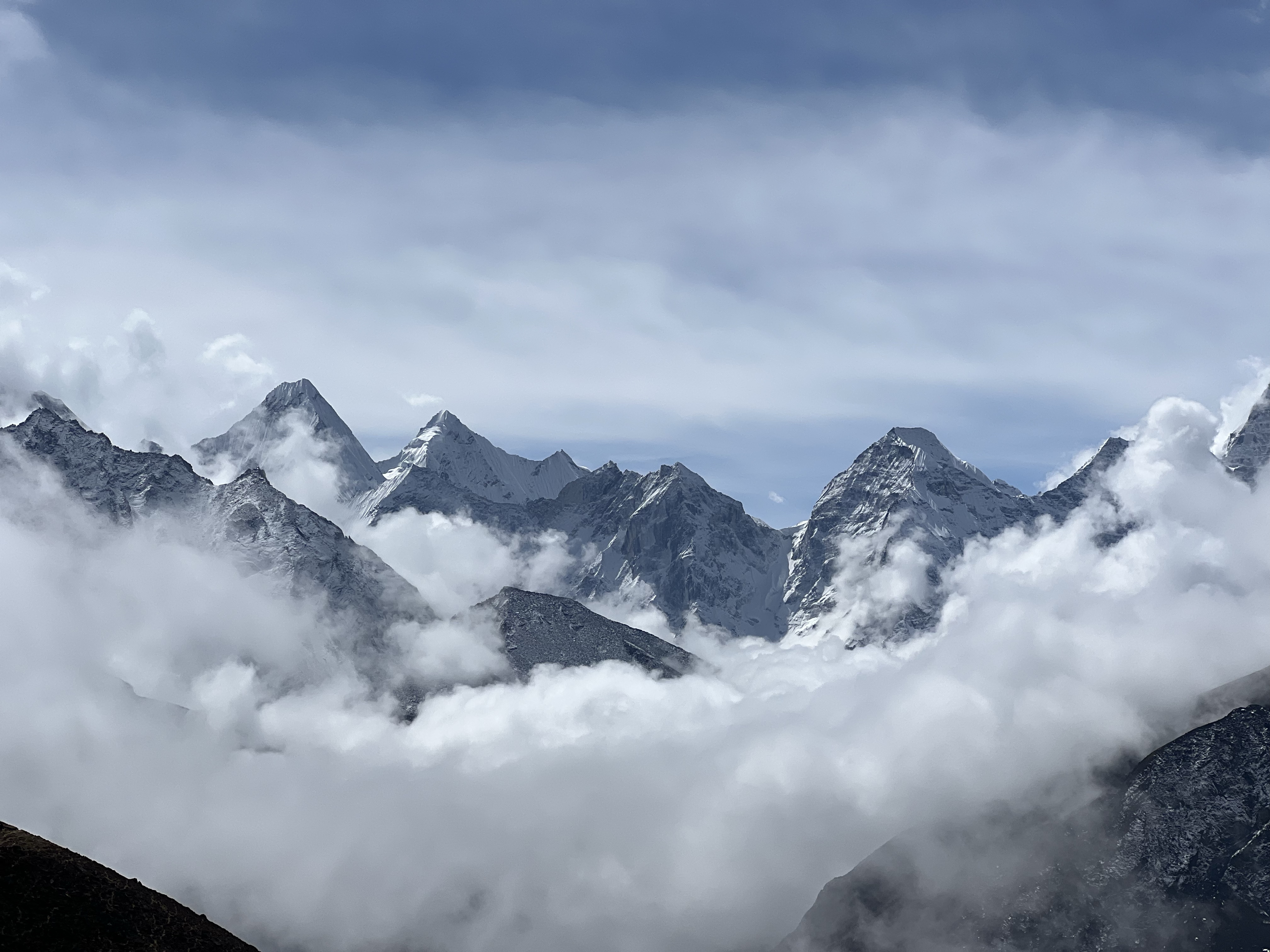
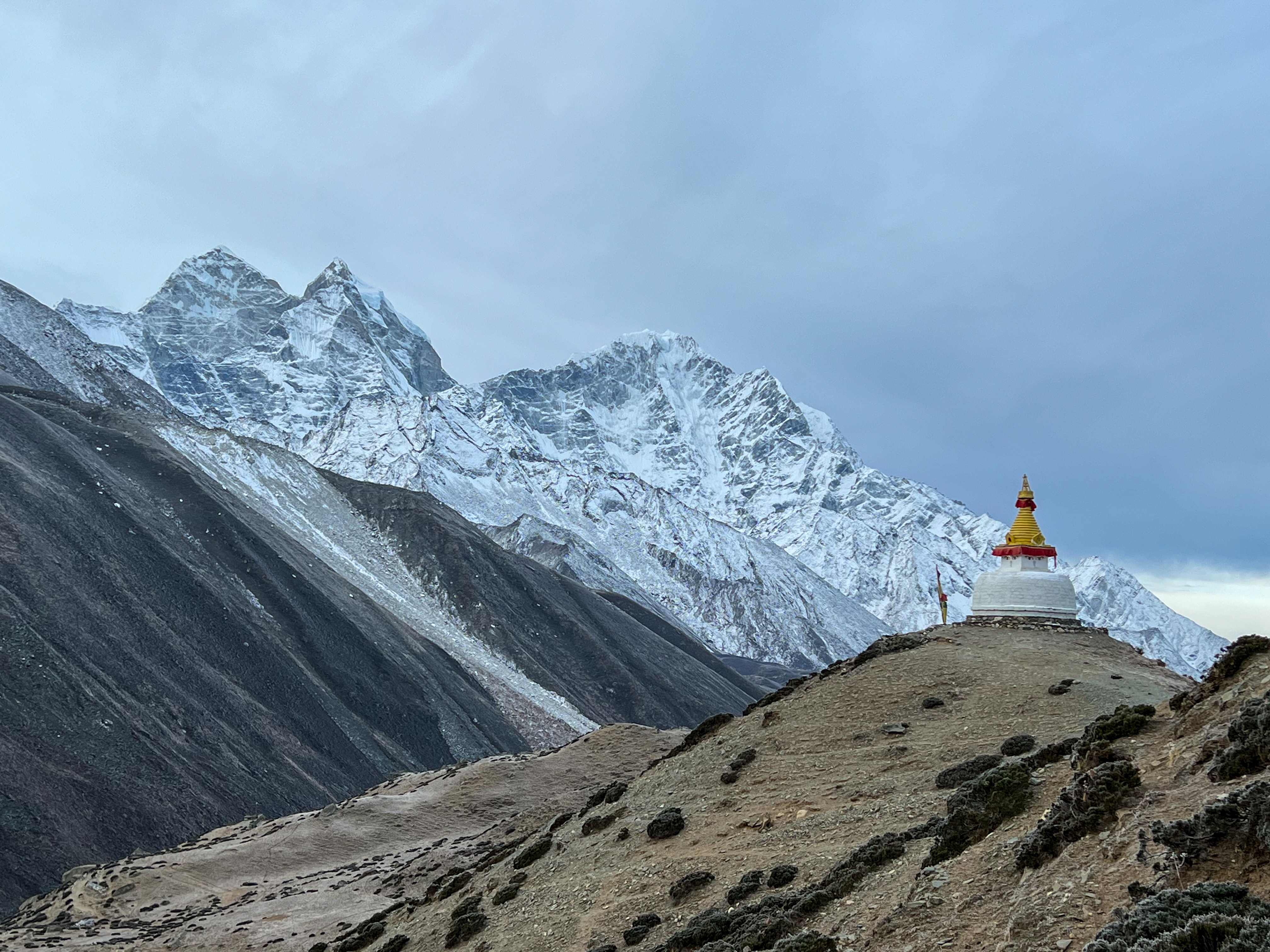
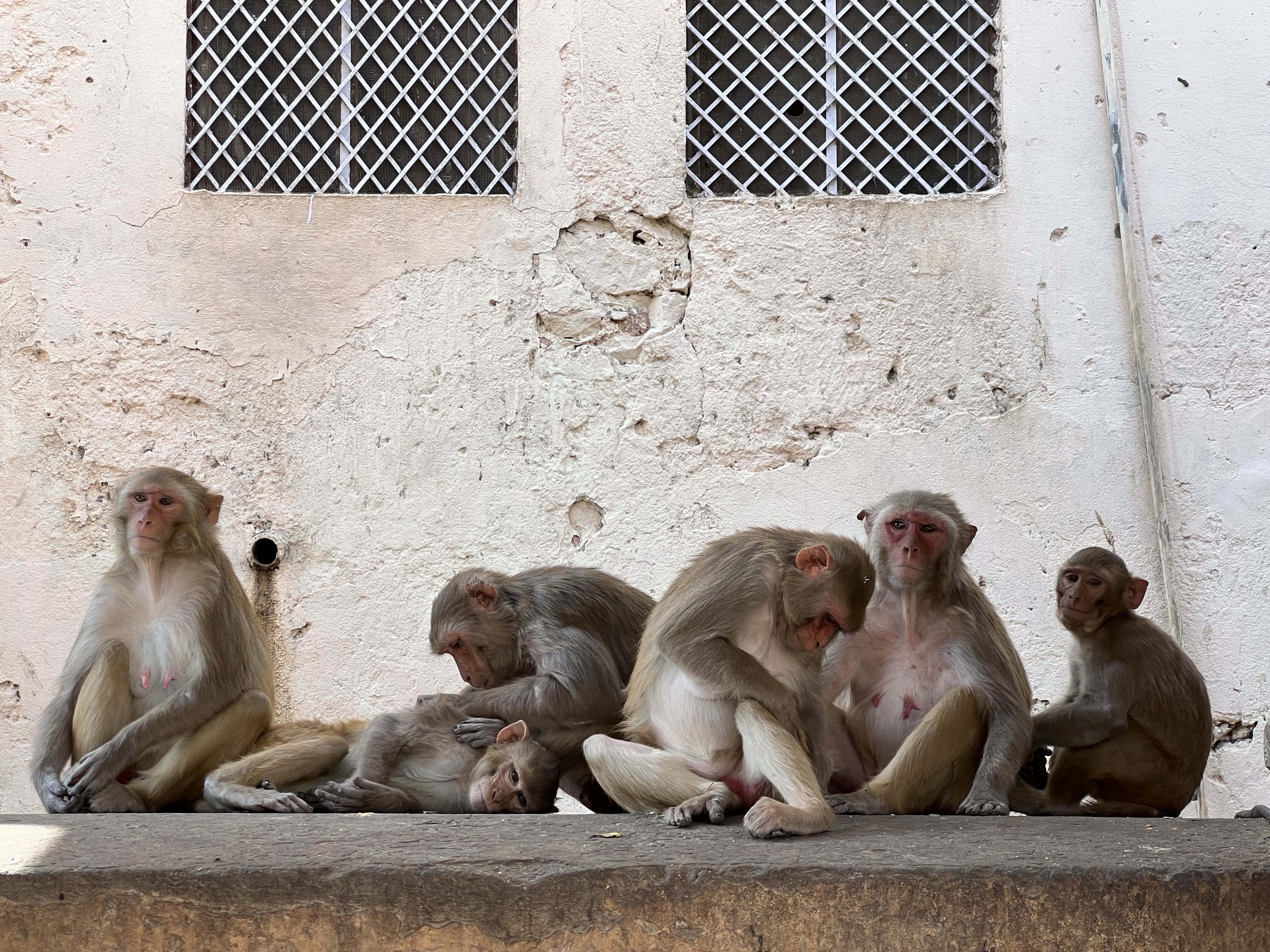
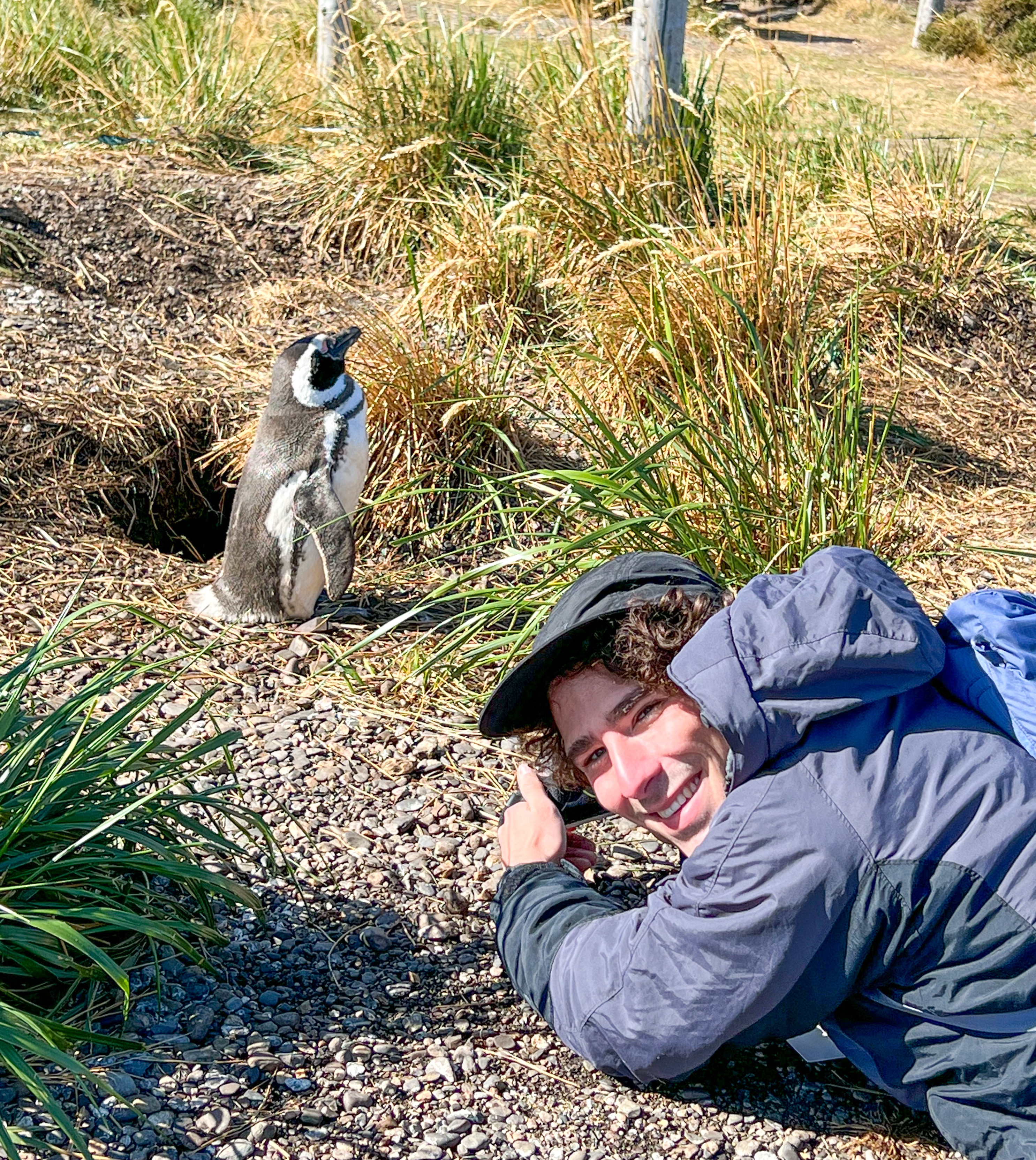
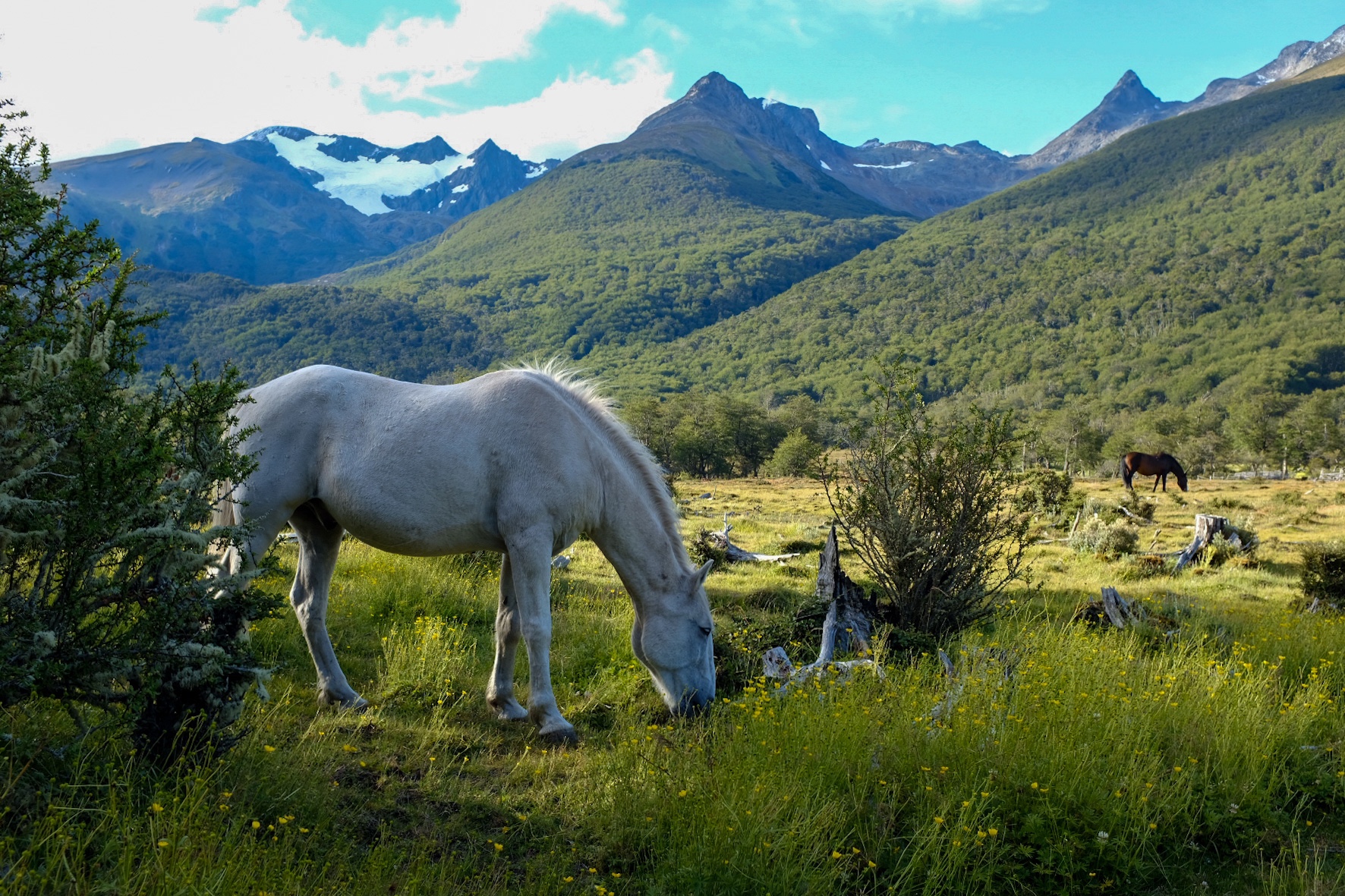
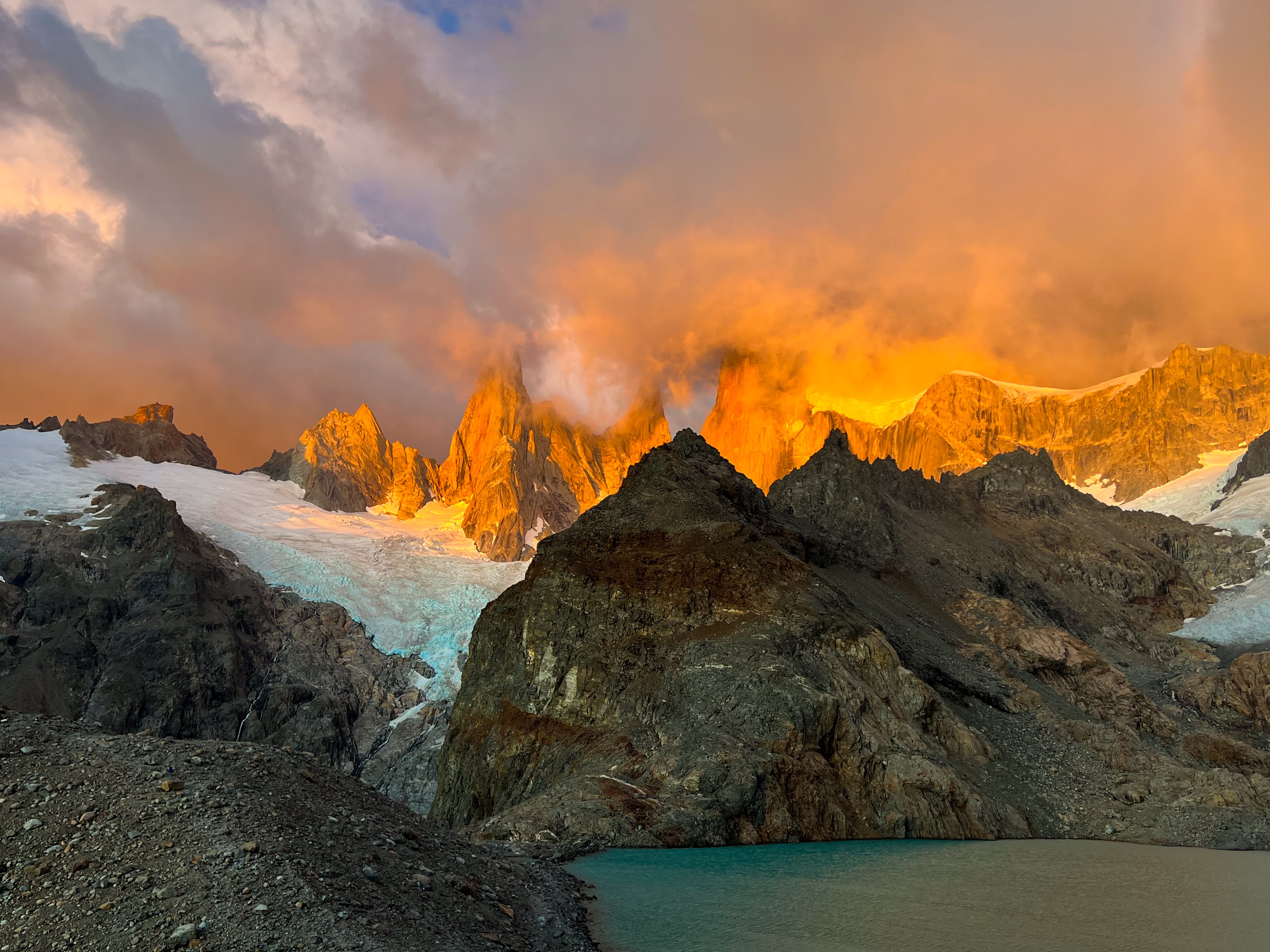
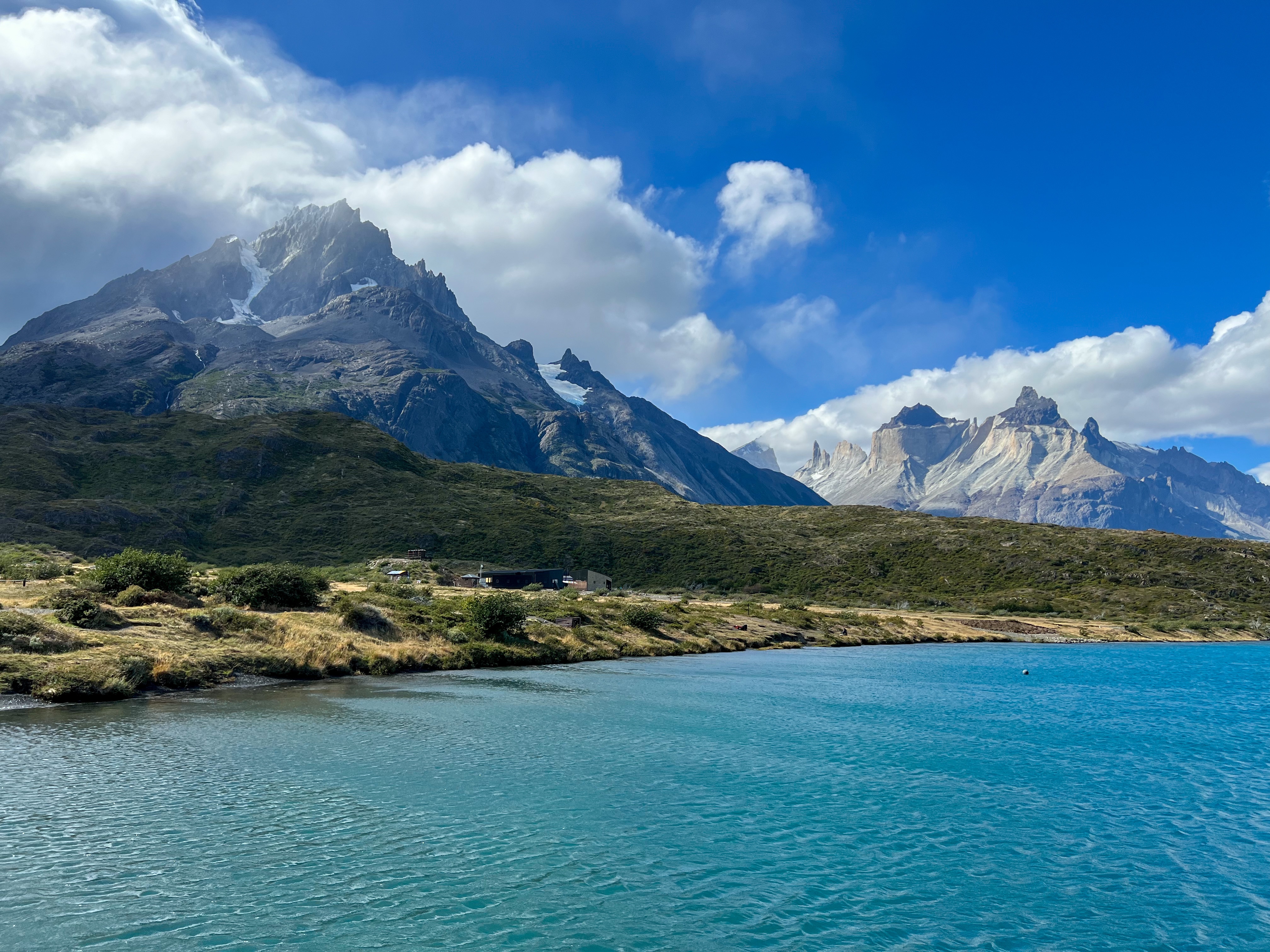
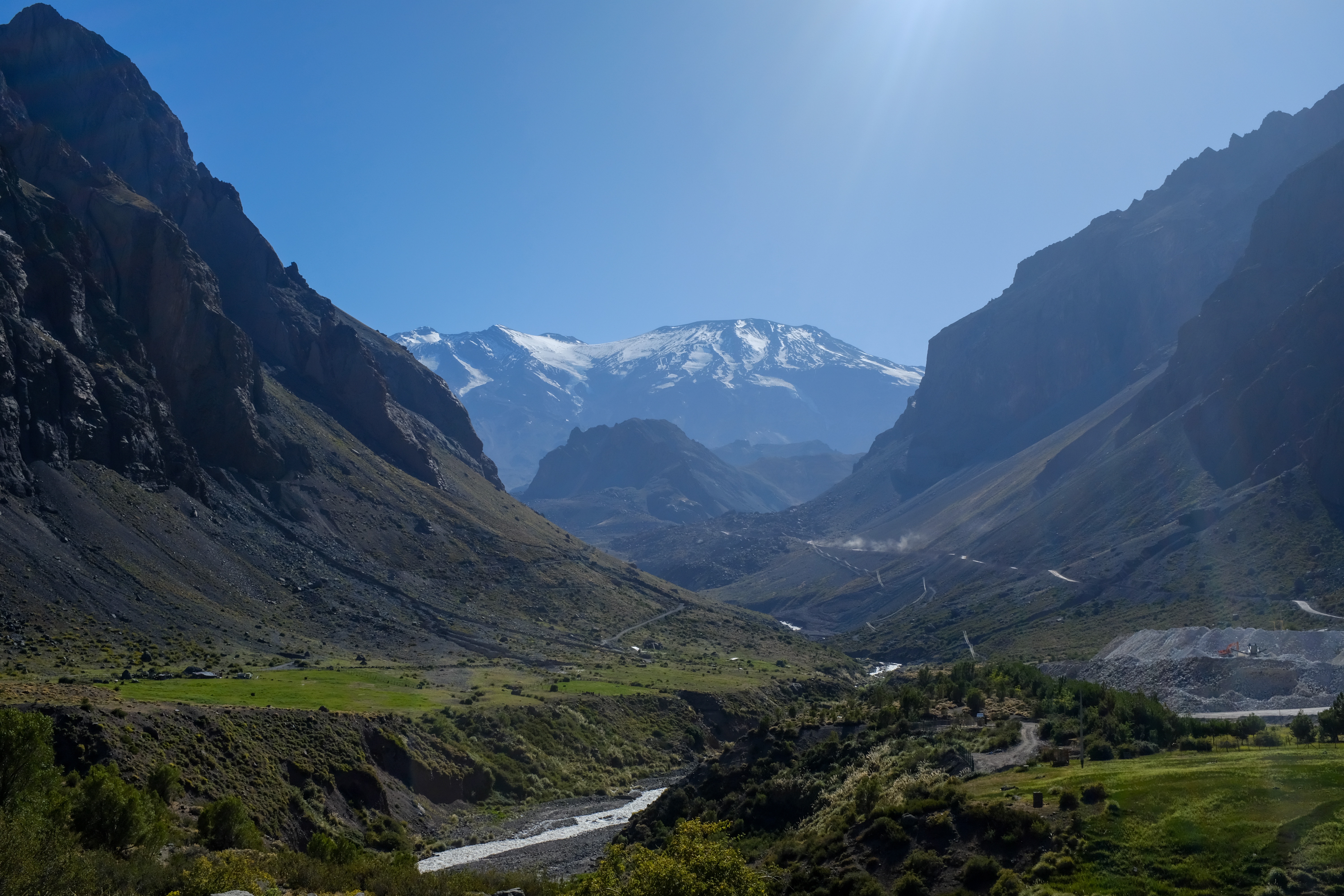
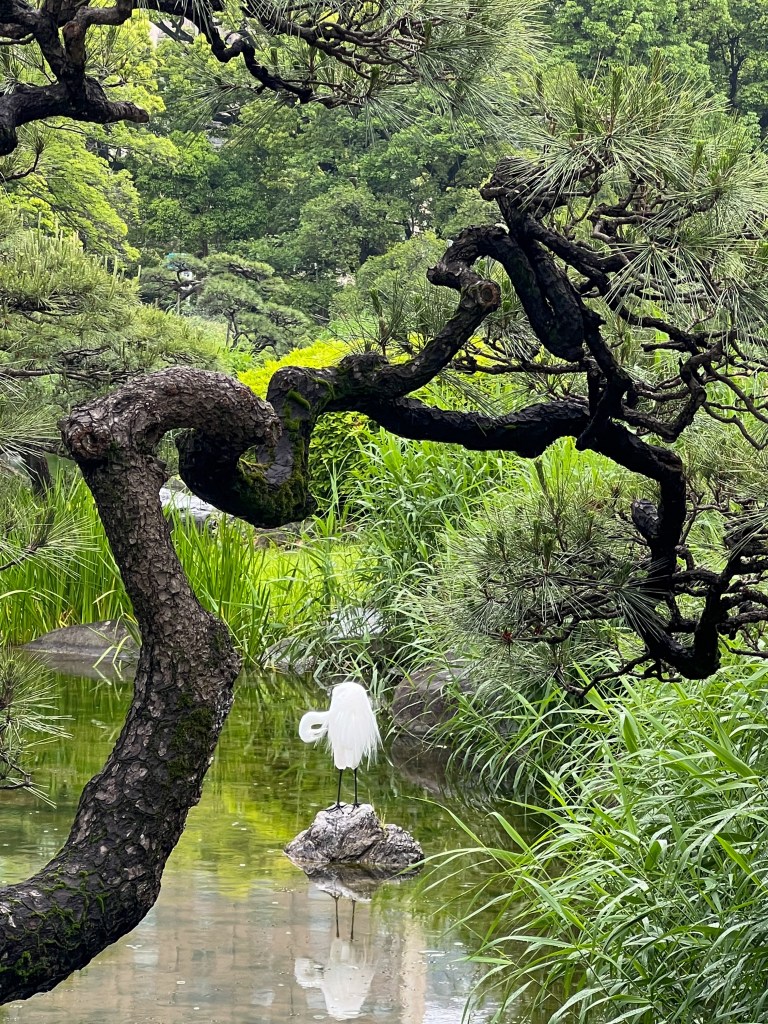
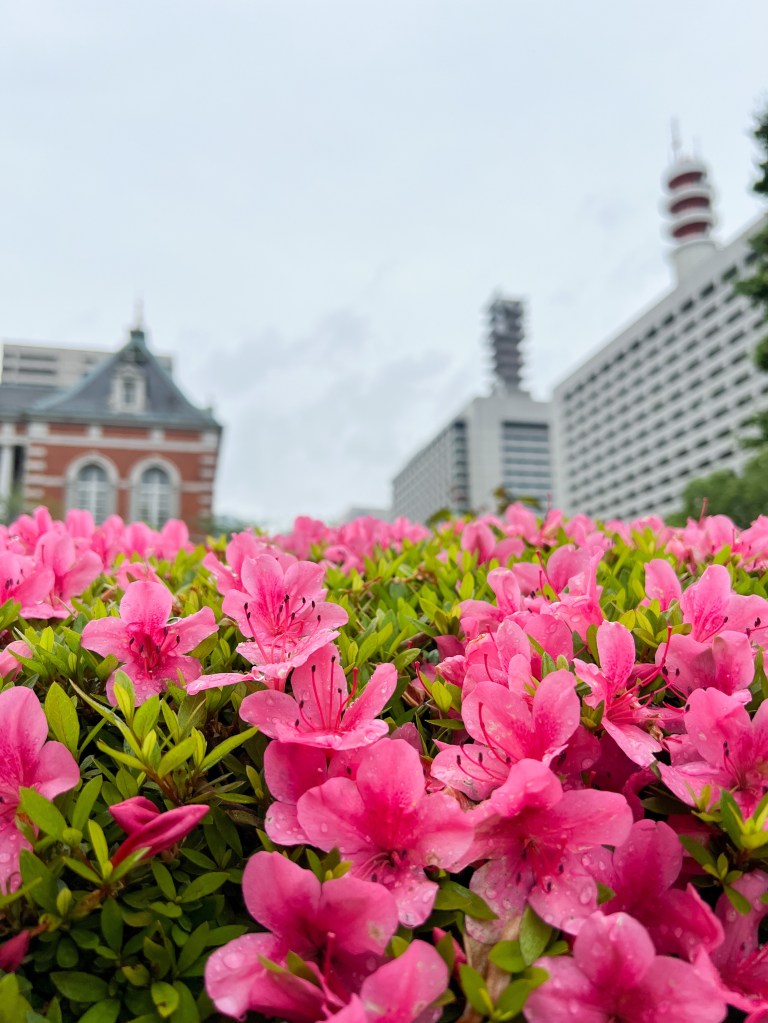
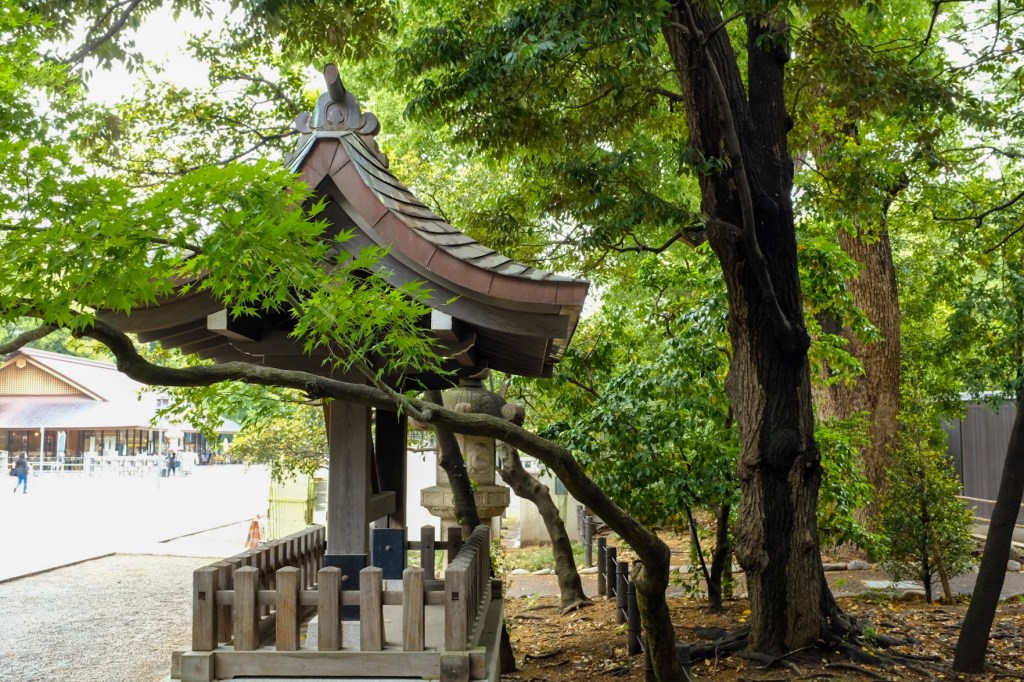
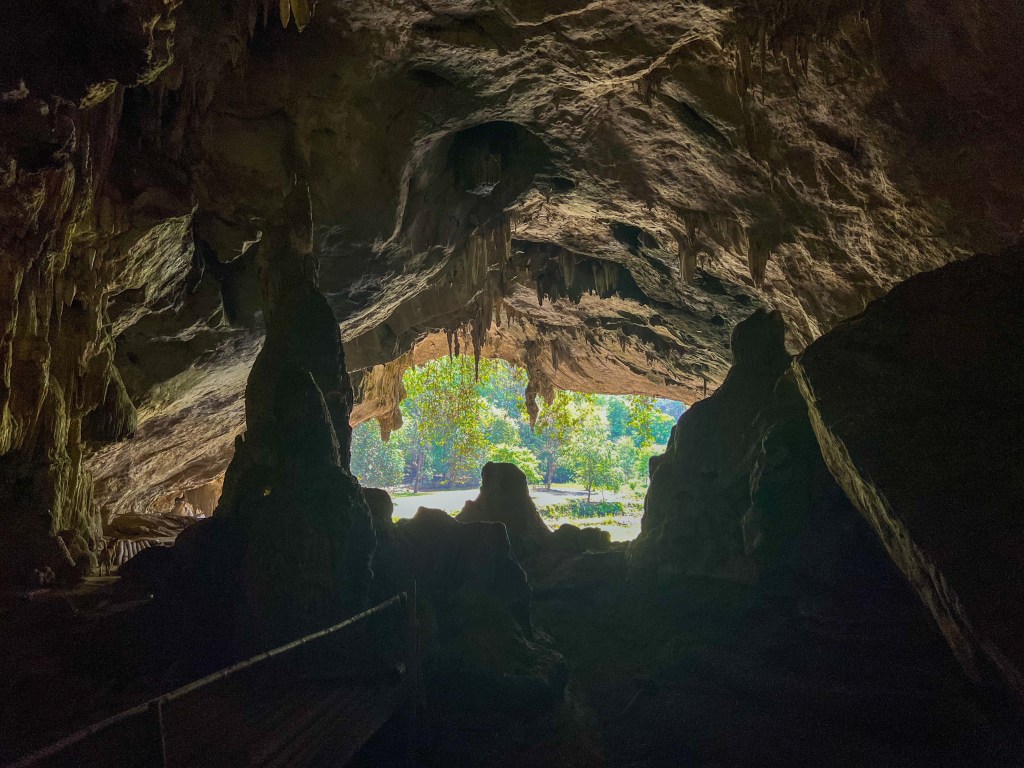
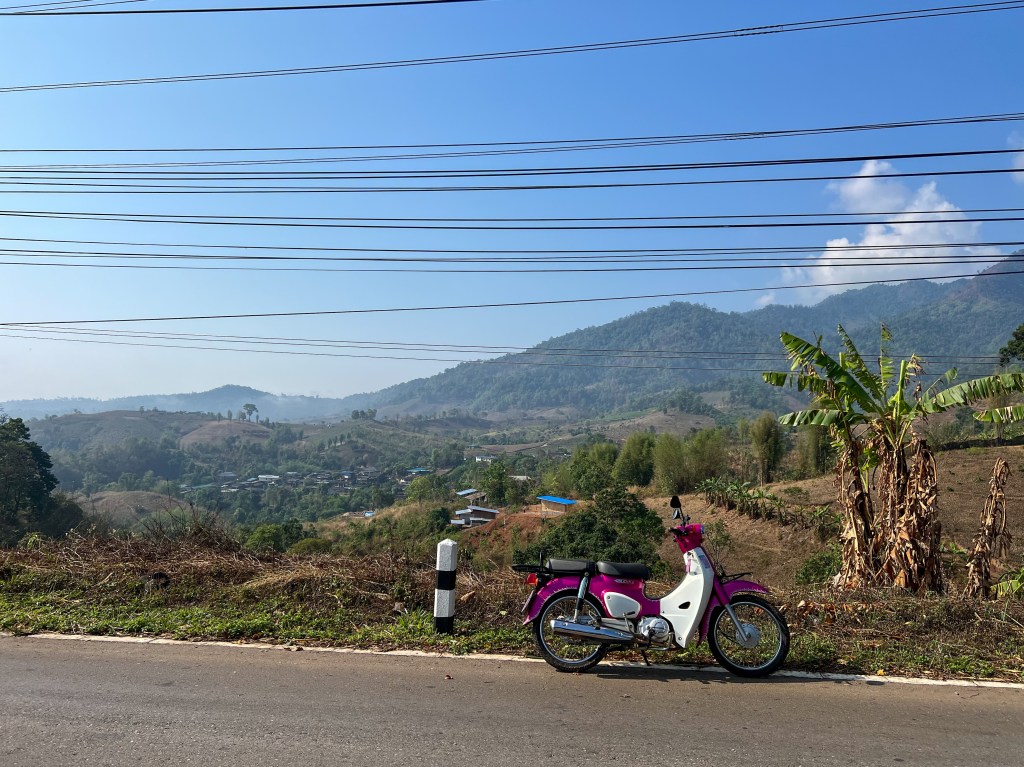
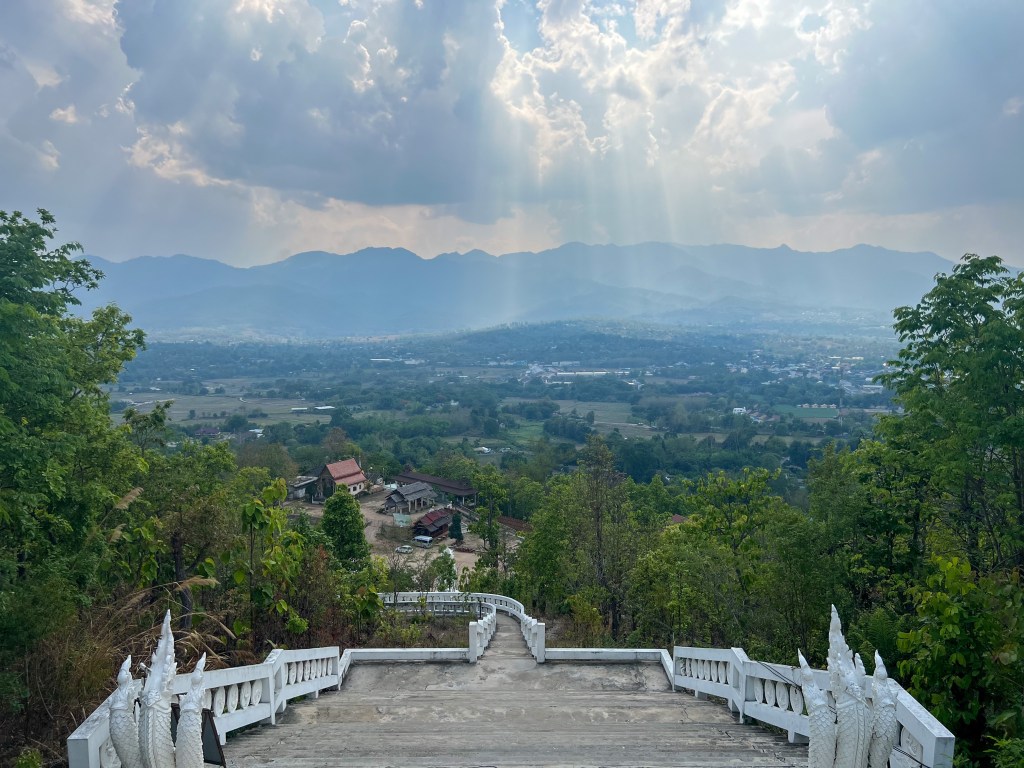
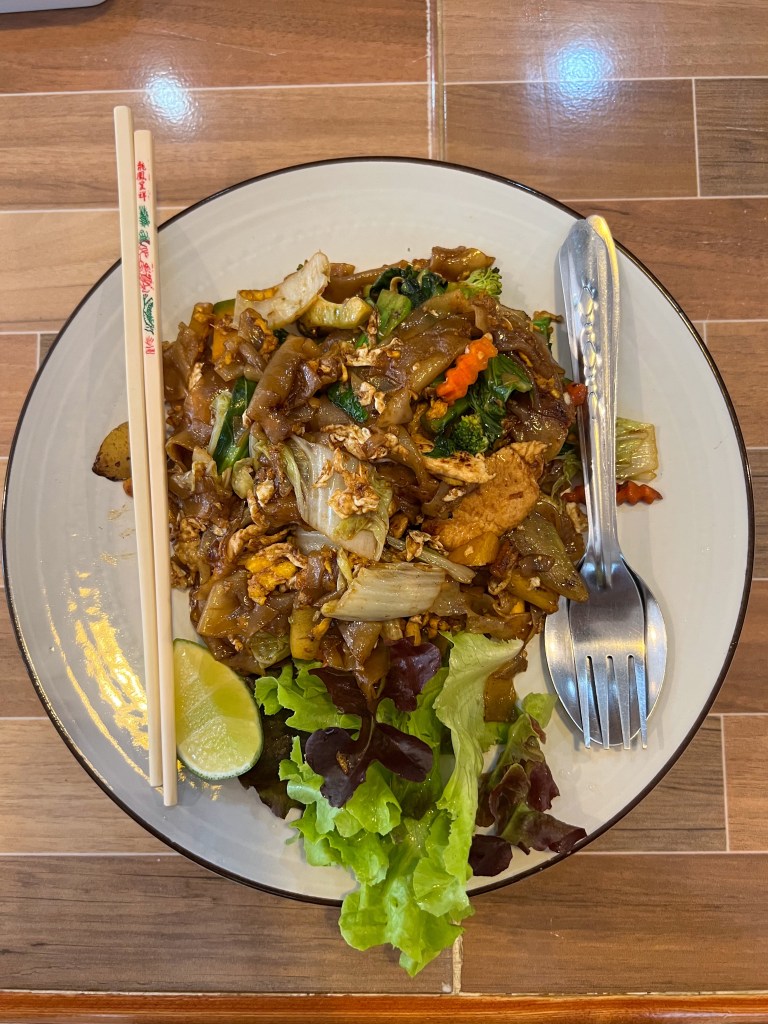
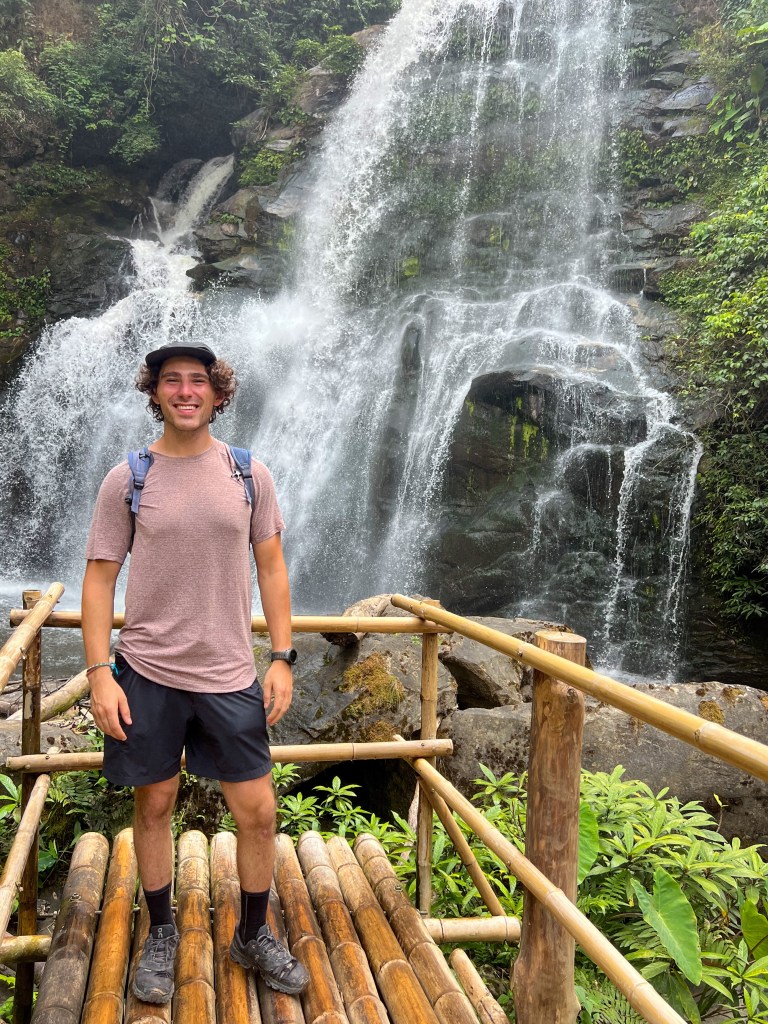
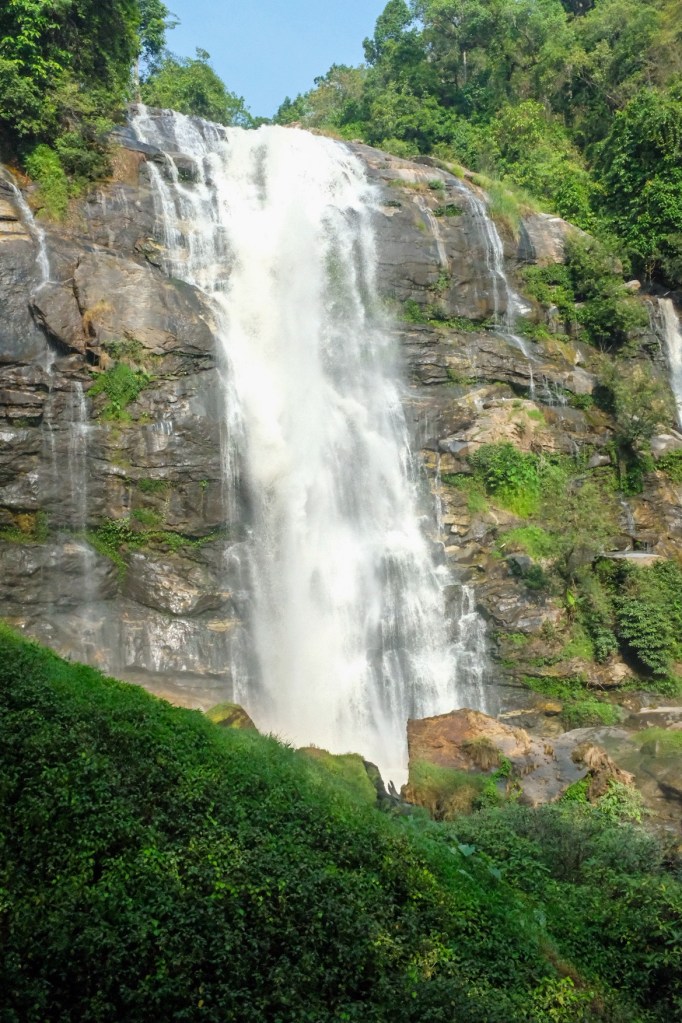
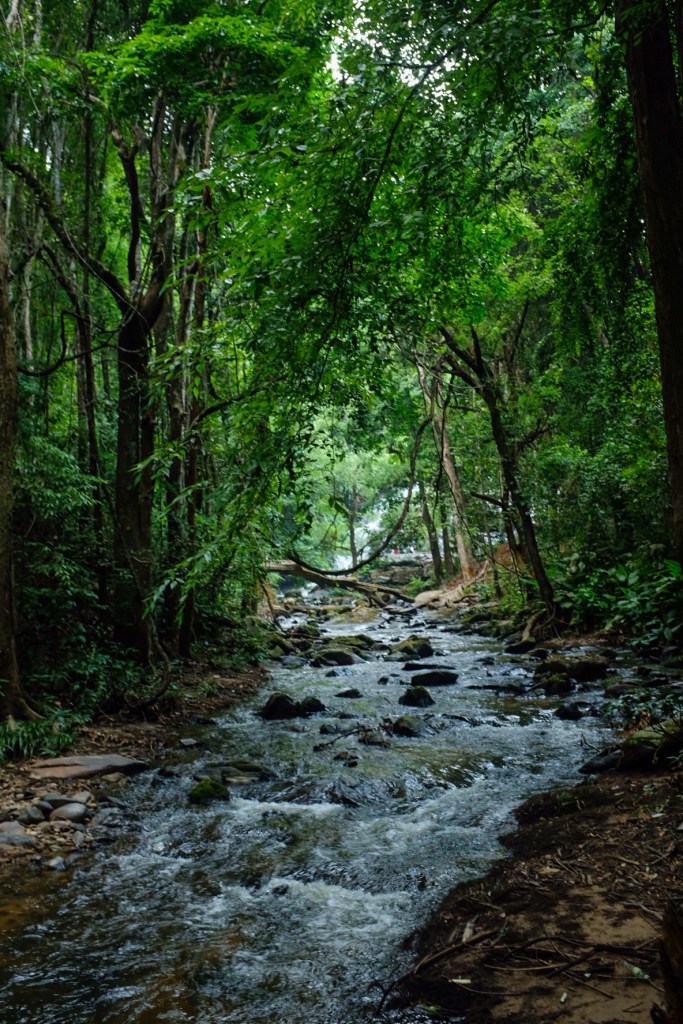
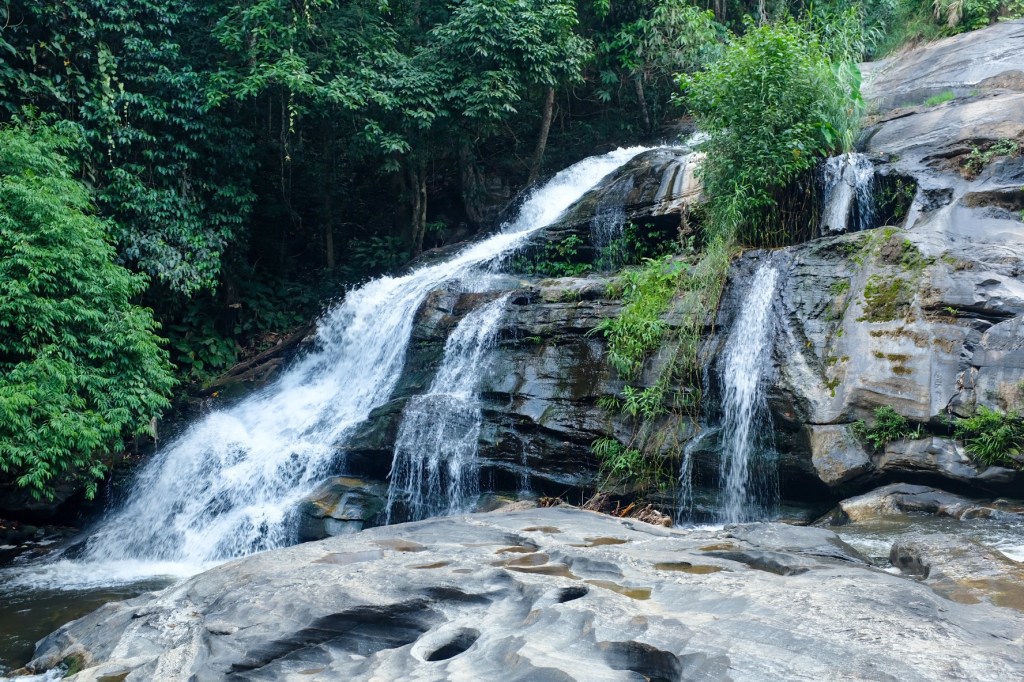
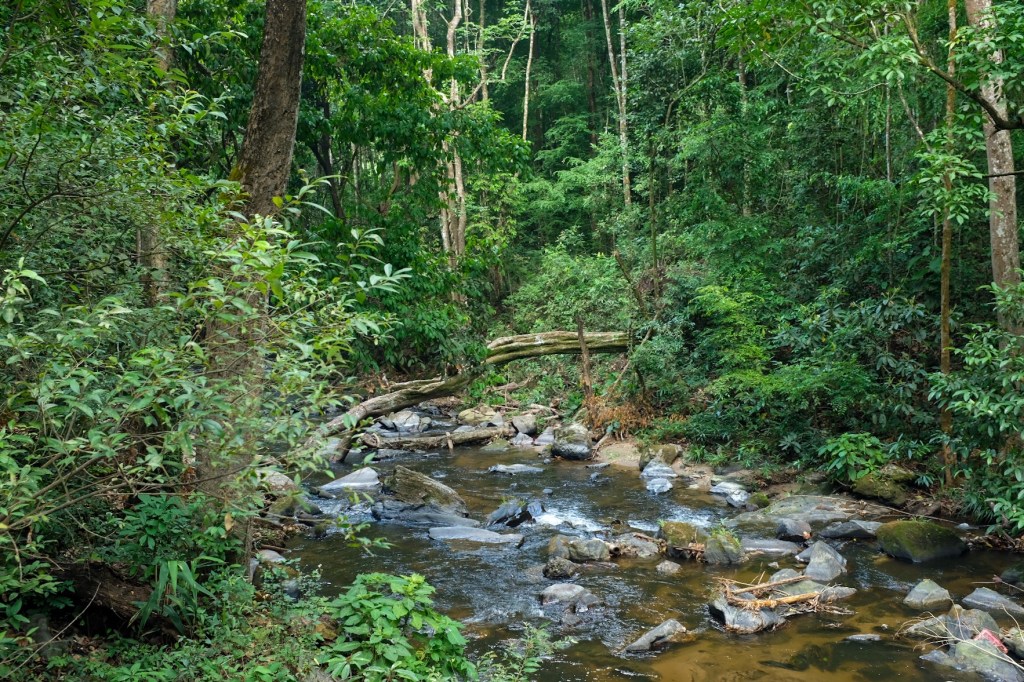
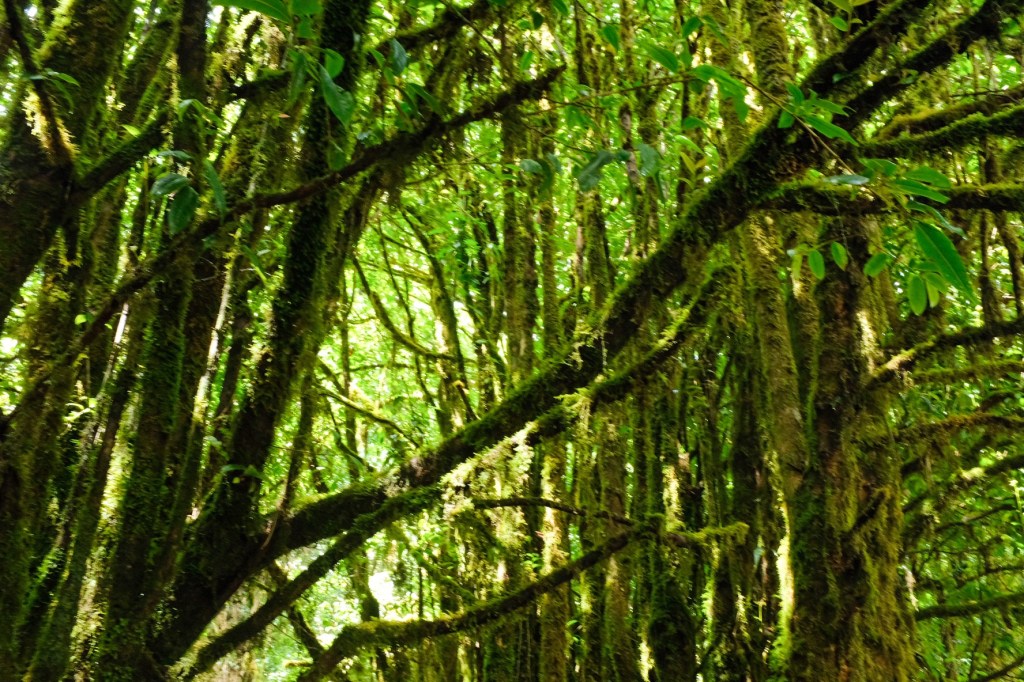
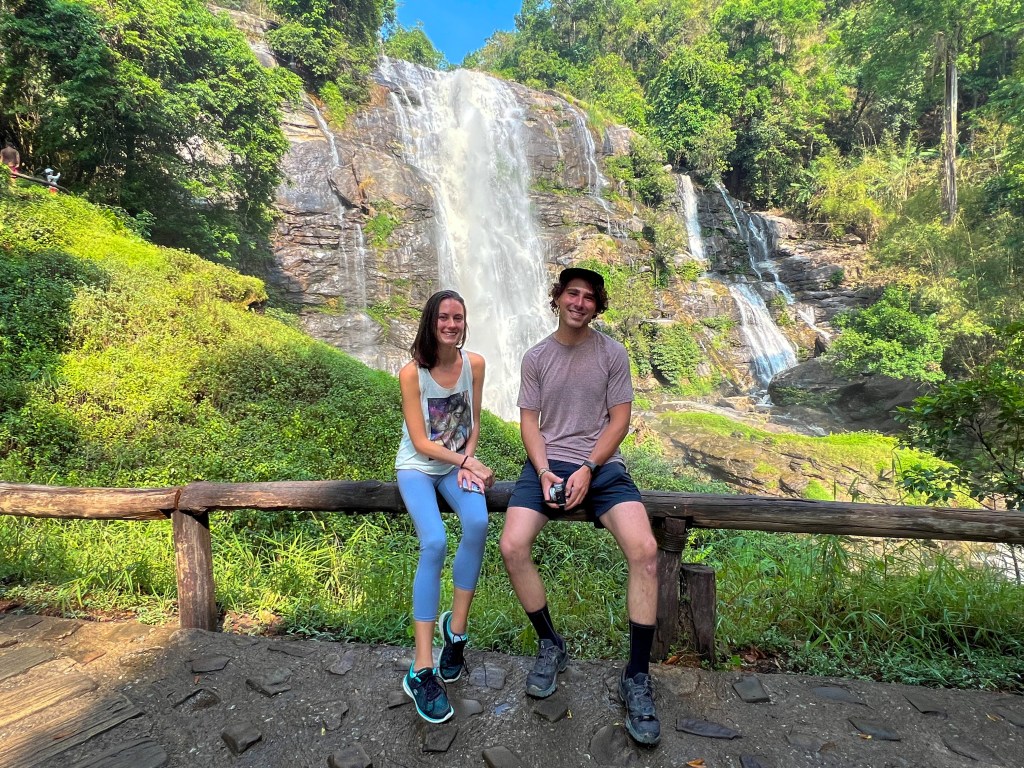
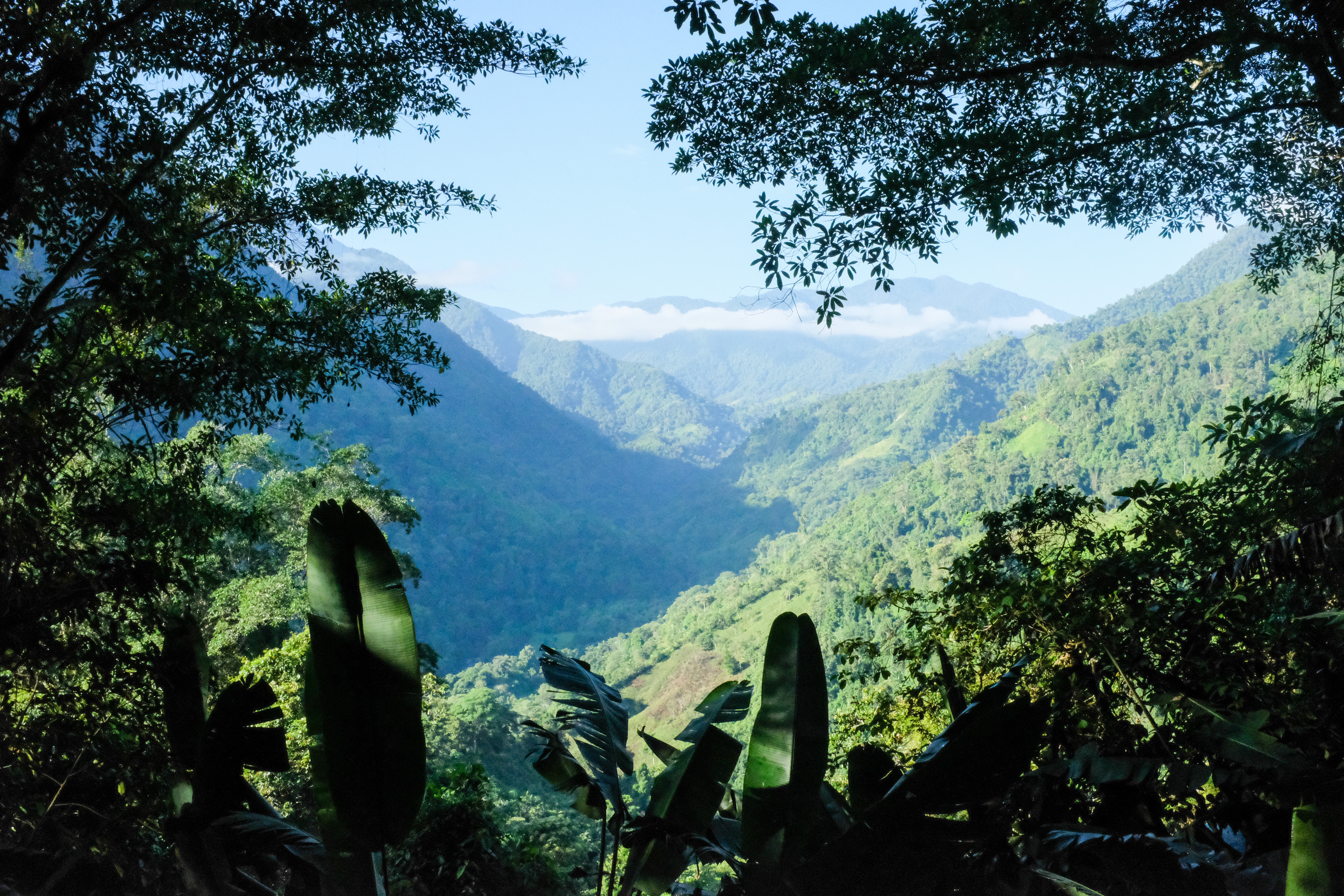
But they brought me to some incredible places. Here are a few (but certainly not all!) of my favorite photos-
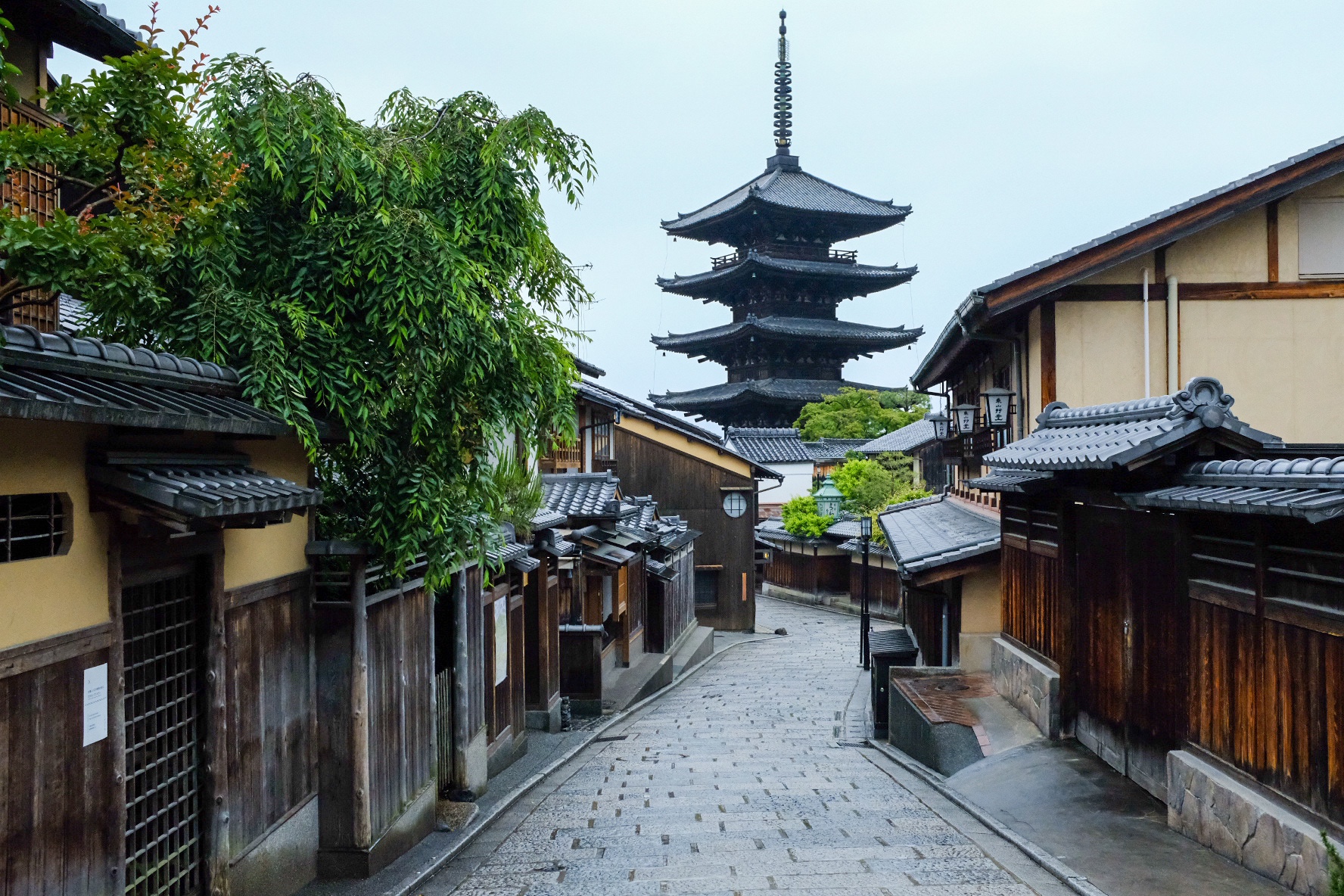
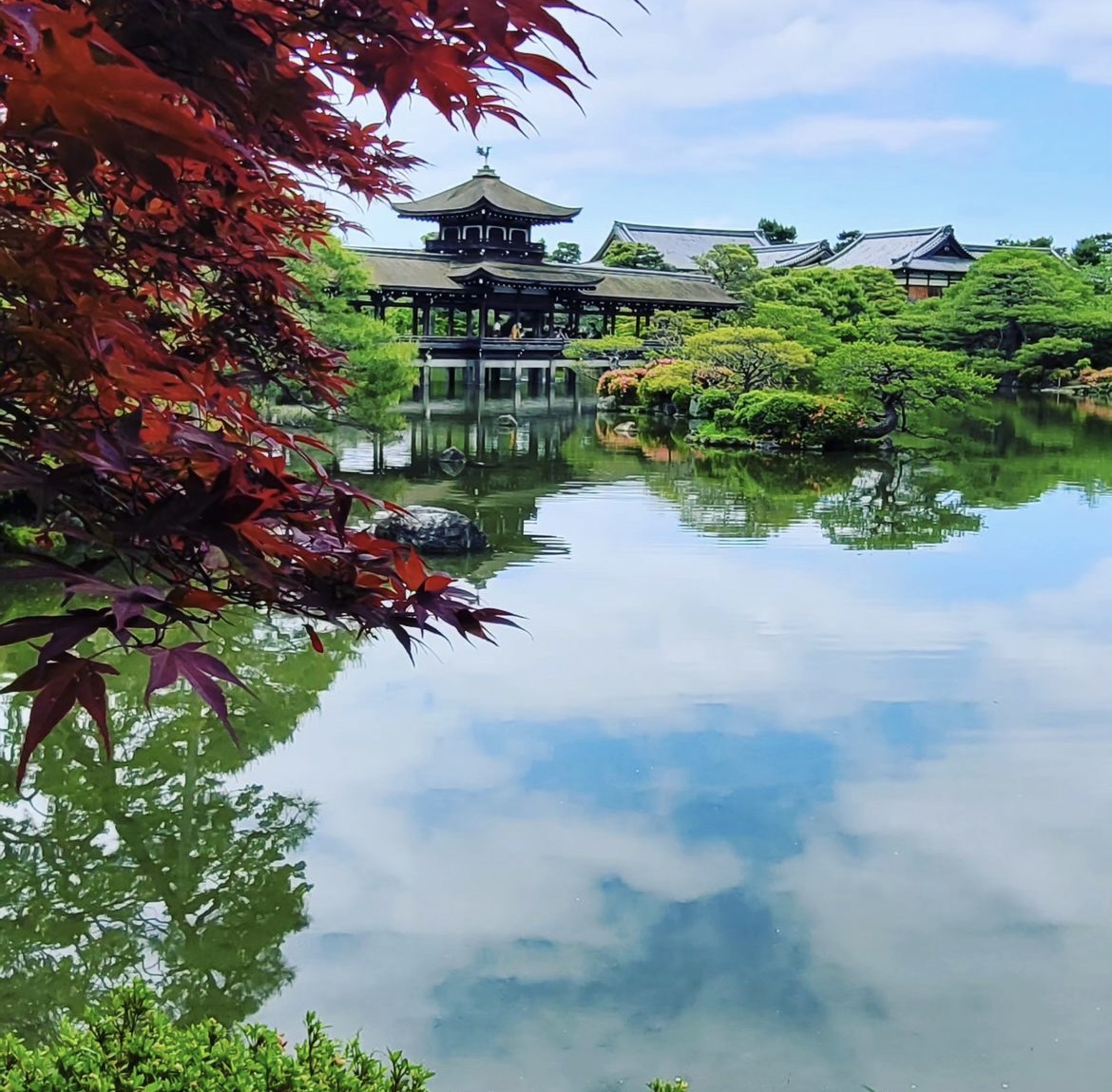
Here are some thoughts I had throughout my travels (in no particular order) –

  • Shared experience enhances one’s perception of things.
  • Healthy food options are a gift.
  • Speak up if someone is talking too loud in a dorm room – not saying anything generates unnecessary animosity.
  • Money is a tool – use it, and don’t be afraid of its power. But be generous and share in your wealth.
  • It is a gift to be able to provide for someone in need – take advantage of it always. It brings joy and self confidence. 
  • Always wear a mask on public transport, especially when its crowded.
  • So many people across in the world have died for causes that were eventually meaningless.
  • If you feel depressed/sad/angry/anxious, first consider the basics – proper nutrition, hydration, and sleep. Then consider the needs of your mind – rest&relaxation, humor, companionship, safety&security, privacy. Finally, look at how you view the present and your future – are you being true to yourself?
  • It’s okay not to see everything in a destination – choose the best you can, and be happy with what you saw.
  • The experience of travel is not exclusively what you do or see, but also simply living and being in a new environment
  • Don’t overthink things too often- if you find yourself having unnecessary repetitive thoughts, do something else.
  • Call a friend or family member when you’re lonely.
  • Guilt can be a helpful guide for action – but it can also be a gateway into self oppression. Be mindful of your guilt and be always critical of it 
  • Spend more time with cats – their curiosity, independence, and individuality help you see the world differently.
  • There are few better feelings than walking into a street market with an empty stomach and a wallet full of cash.
  • Smile. Make others feel good about themselves- it will make you feel better about yourself.
  • Proceed with respect to others.
  • Limit use of alcohol – it takes away from life/experience more than it offers.
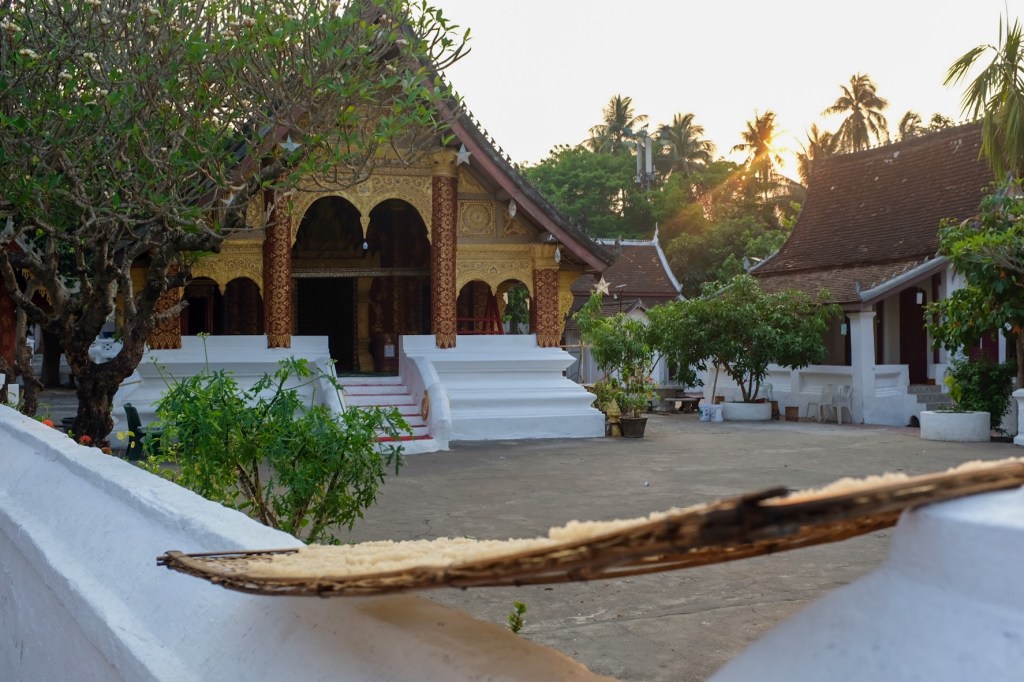
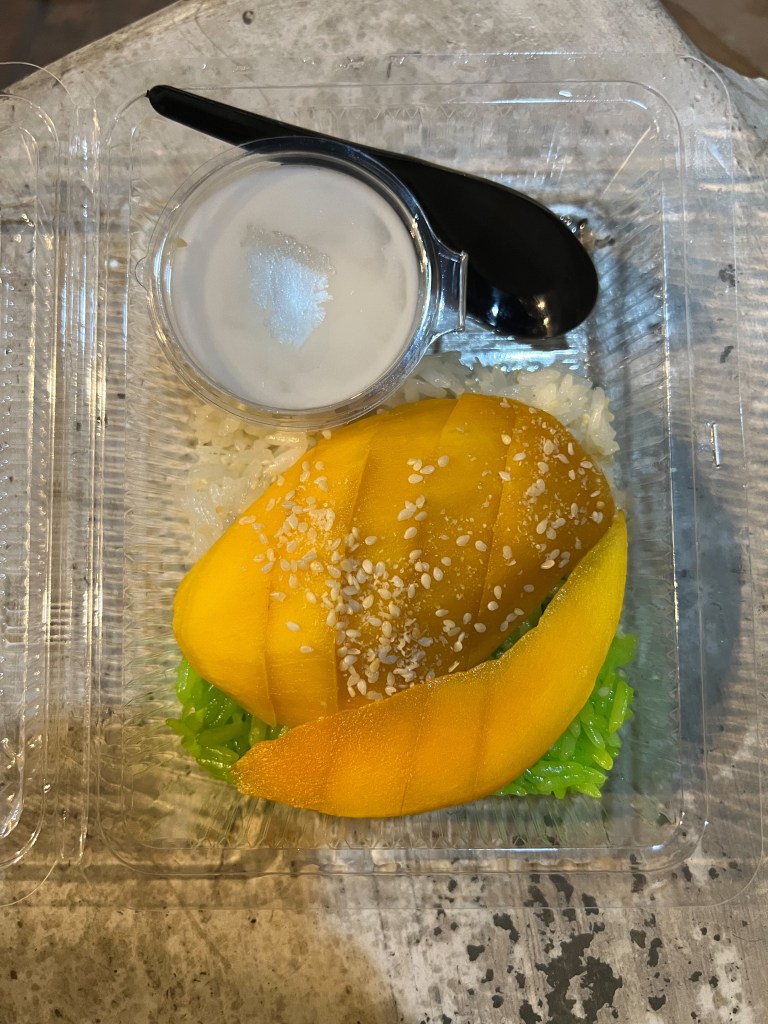
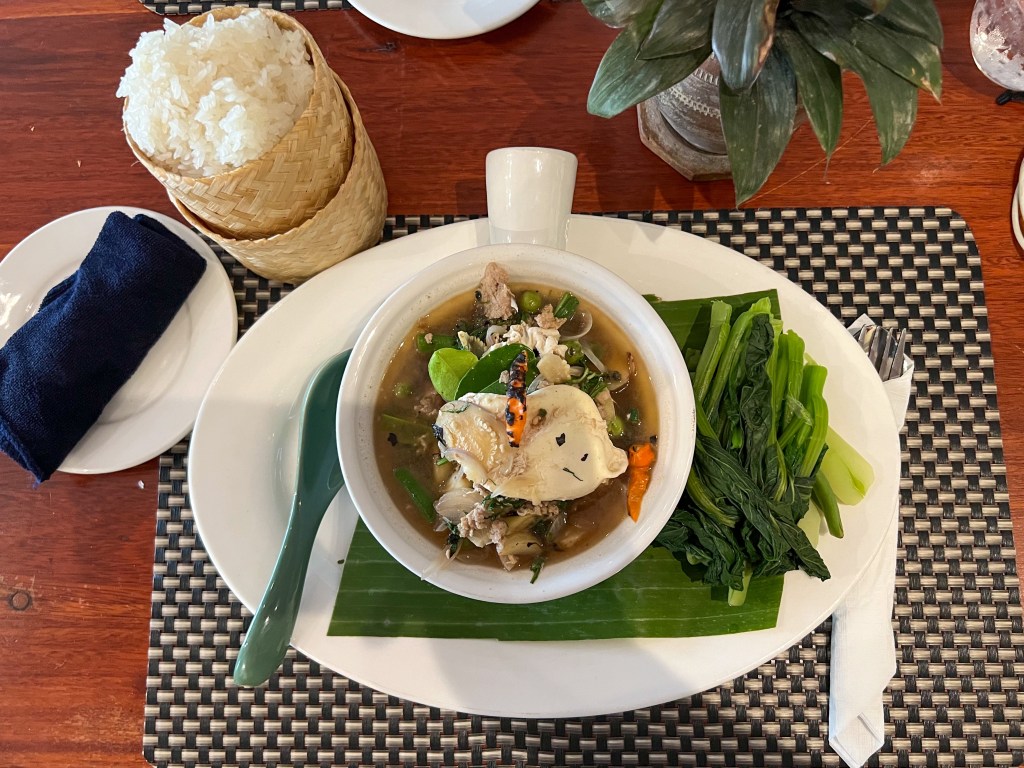
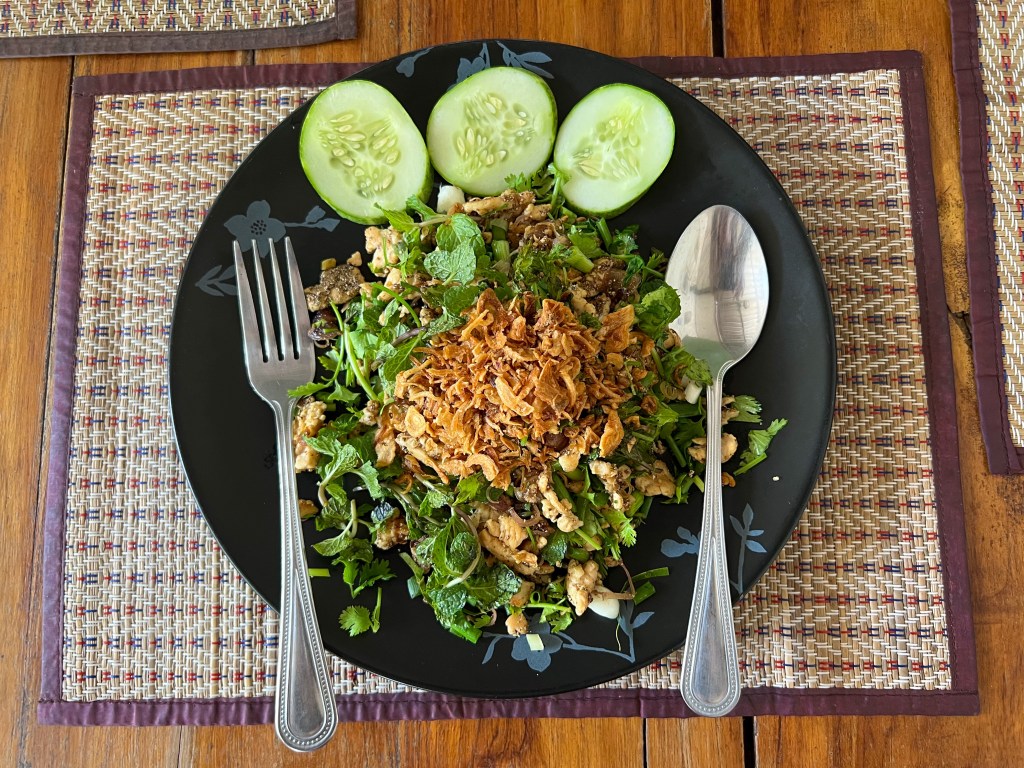
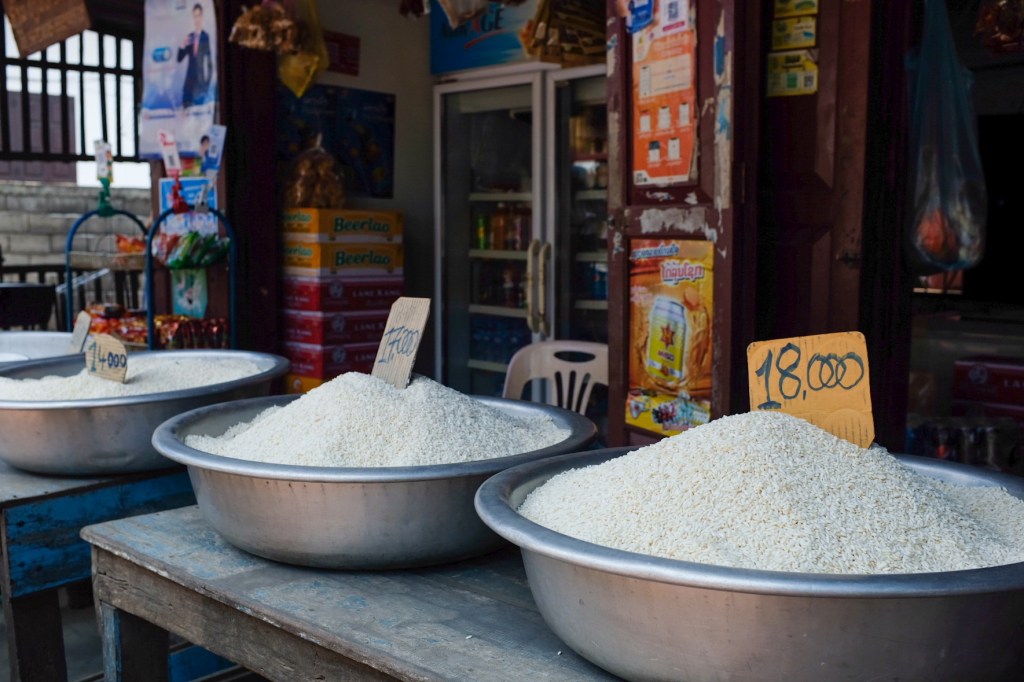
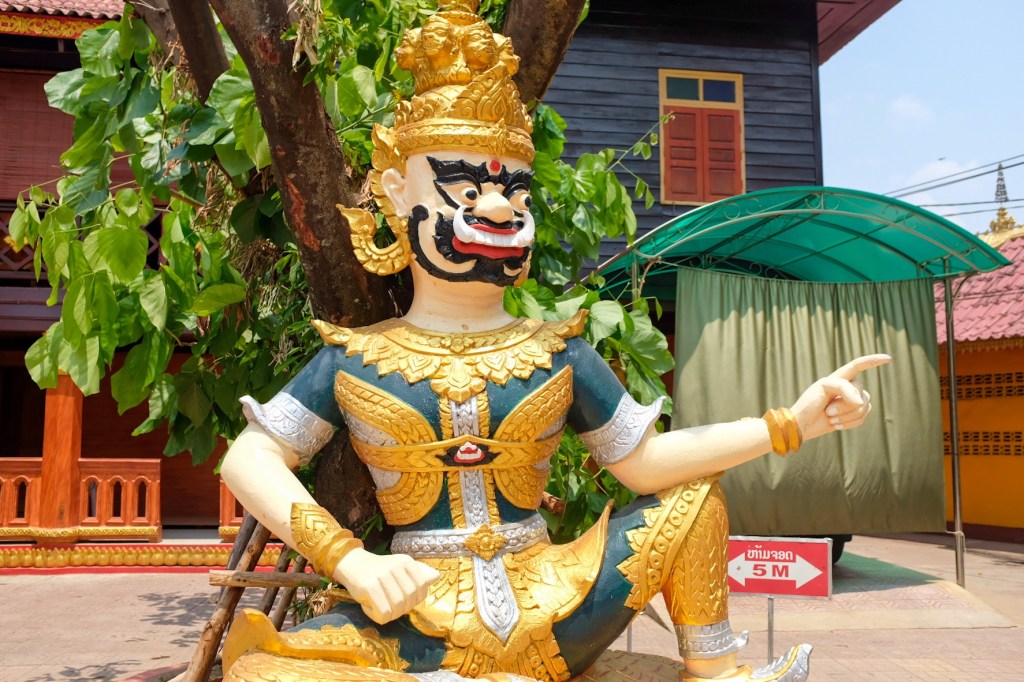
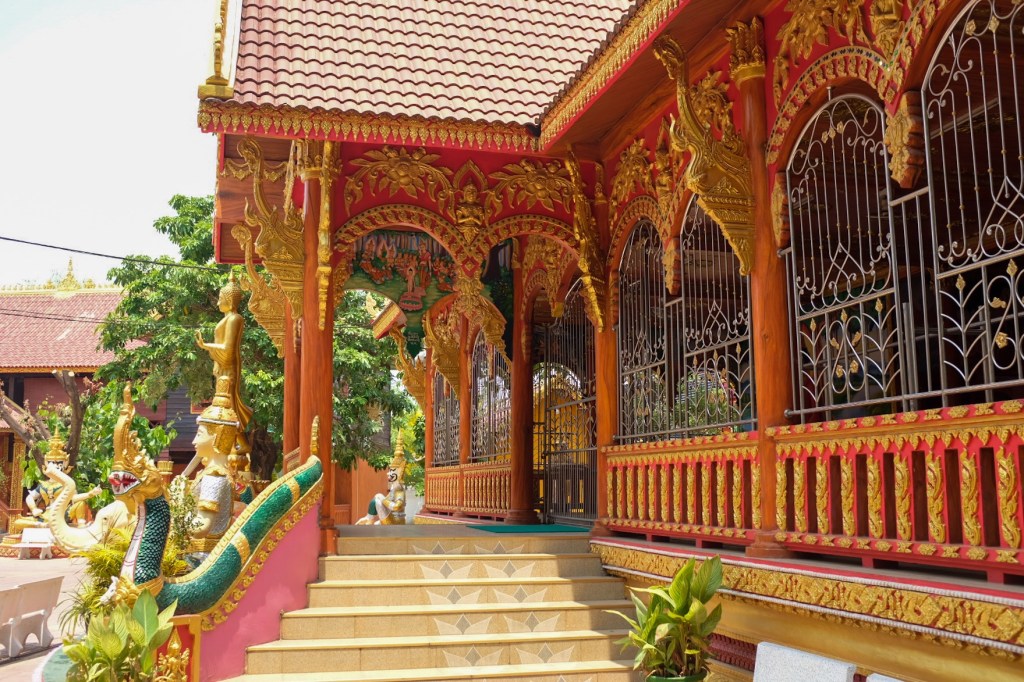
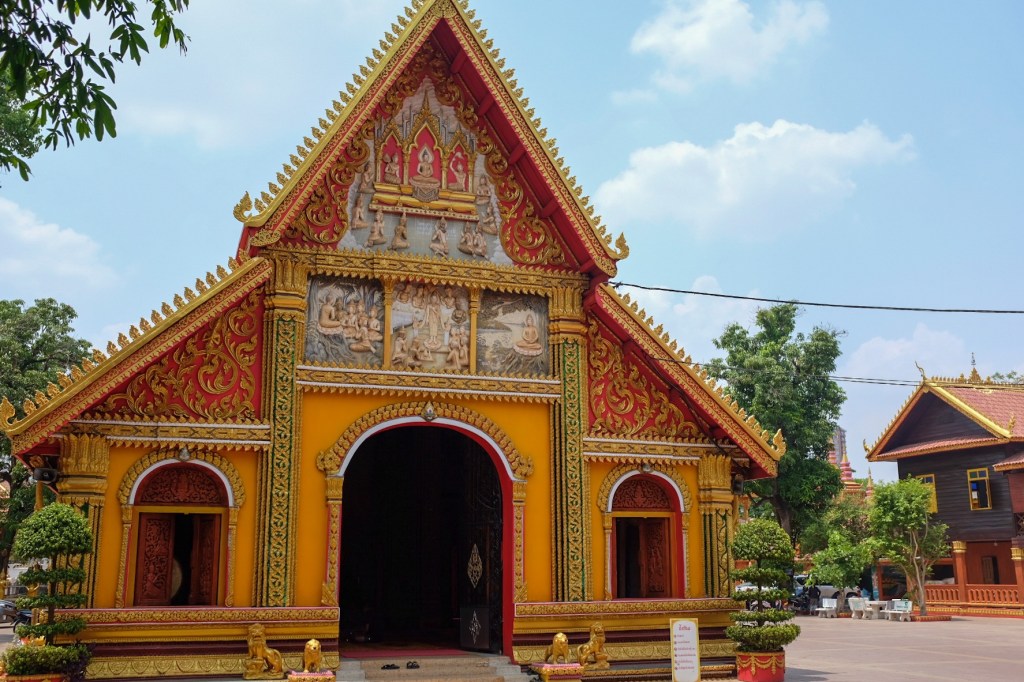
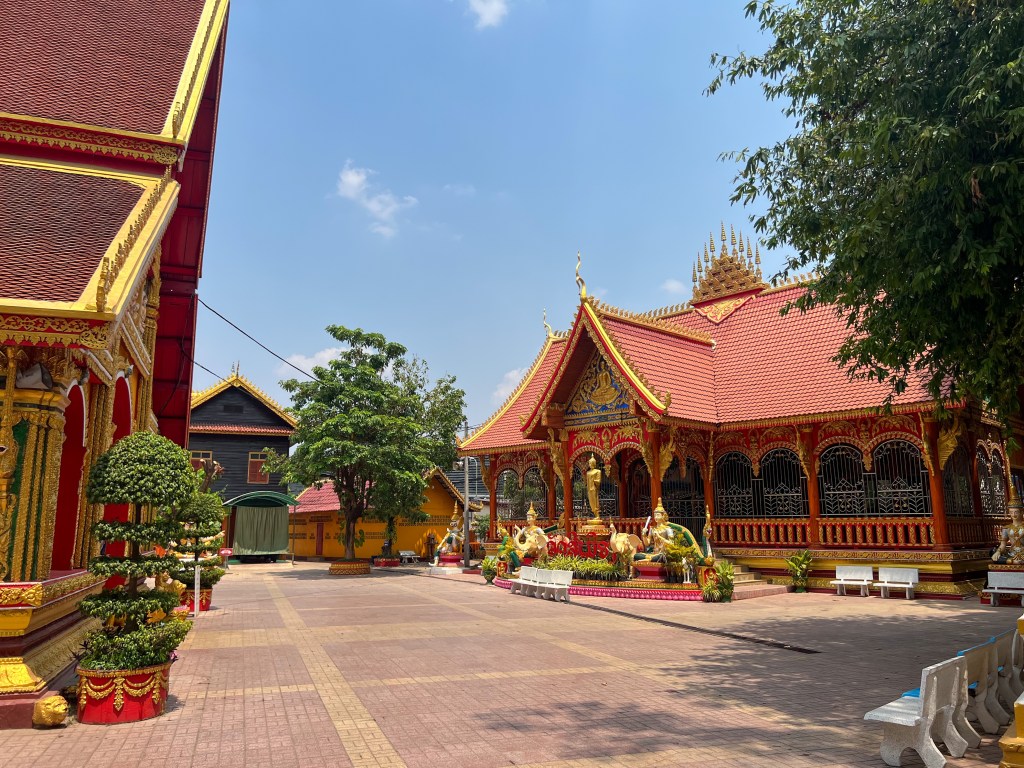
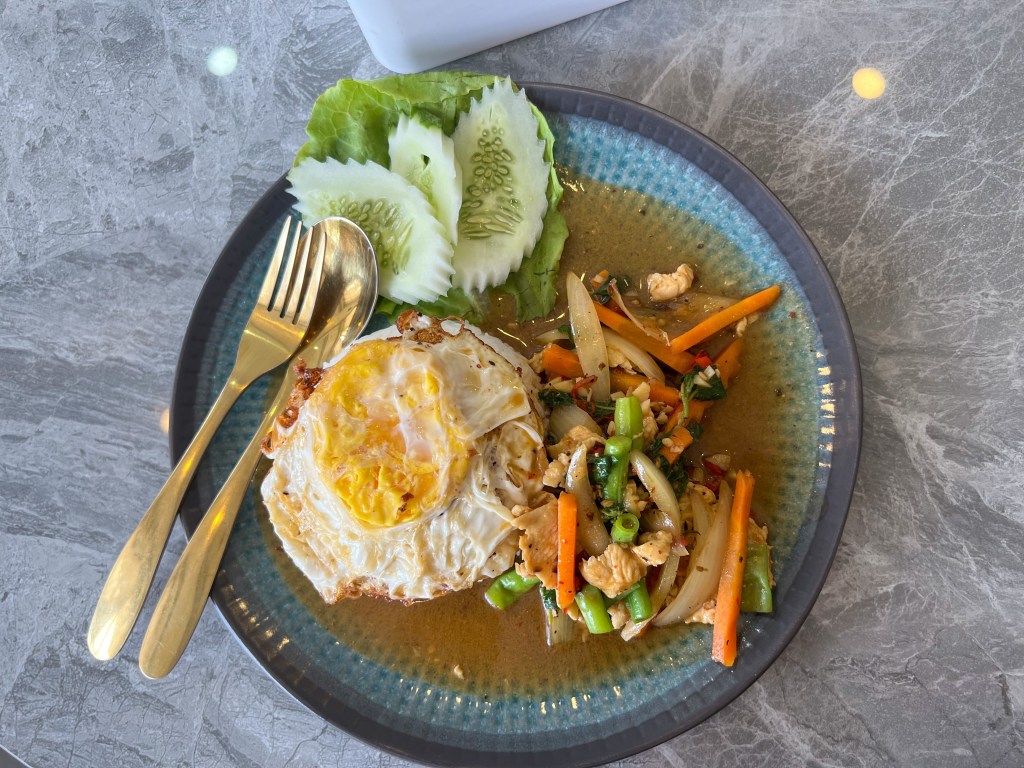
  • Laotian food is underrated. 
  • Short-term friendships/relationships have tremendous value, particularly while traveling.
  • Listen to people’s stories – they have so much to offer.
  • Try new foods – even if it makes you uncomfortable.
  • Learn at least a few basic words of the language of the country you are visiting – its enough to offer respect to the people hosting you. Understand the political dynamics of a country – know what is appropriate and what is disrespectful.
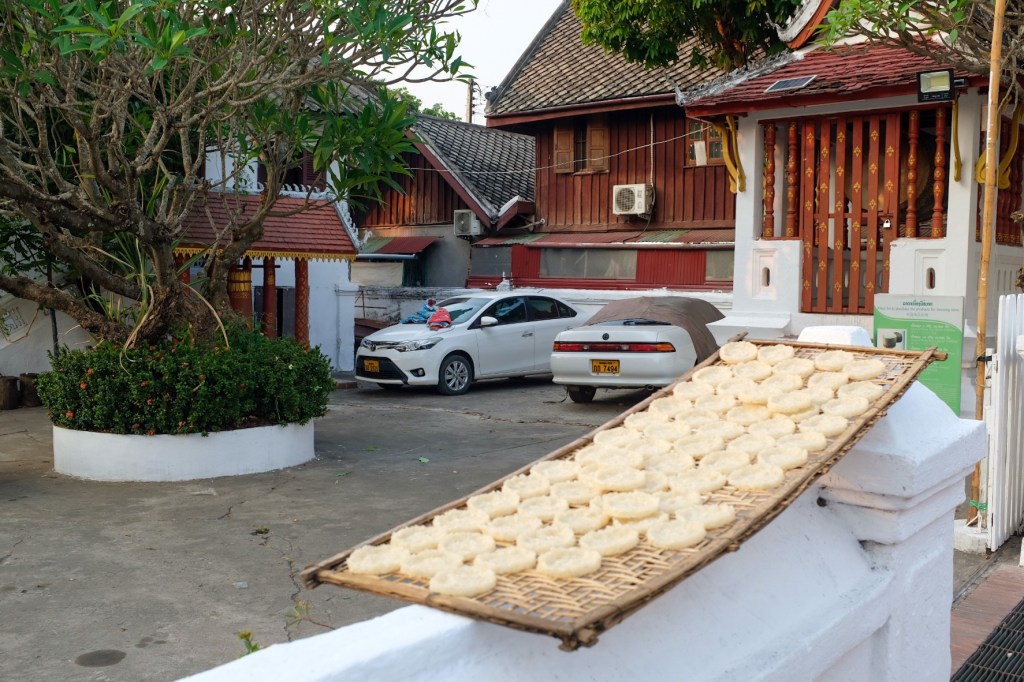
  • Eat more rice.
  • Look forward. Pursue the present.
  • Enjoy the one life you have.

To wrap up, I would like to thank everyone who has followed me and this blog through this journey. It was a dream of mine to accomplish this, and I am so glad that I could share it with all of you. Now, onto Baltimore and starting my program.

With much love,

Sam

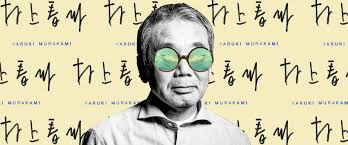
Traveling Bookclub IX: Norwegian Wood by Haruki Murakami

My final book, Norwegian Wood, is a 1987 novel by Japanese author Haruki Murakami. The novel is a nostalgic story of loss, PTSD, and searching for love, written from the first-person perspective of Toru Watanabe, who looks back on his days as a college student living in Tokyo.

The title of the book is based on the Beatle’s song, Norwegian Wood, which is often described in the novel, and is the favorite song of the character Naoko. 

Interestingly, Mori in the Japanese title translates into English as “wood” in the sense of “forest” not the material “wood”, even though the song lyrics refer to the latter. This is important as forest settings and imagery are significant in the novel.

I am a pretty big fan of Murakami and his meditative train-of-thought writing style. While this book did not end up being one of my favorites of his, I liked how the intimacy of the story offered me an insight into Japanese individuality. A culture worlds apart from my own, it was helpful to have Murakami as a guide through my temporary assimilation and understanding.

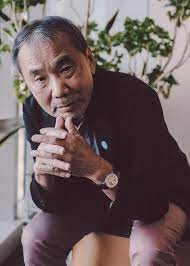
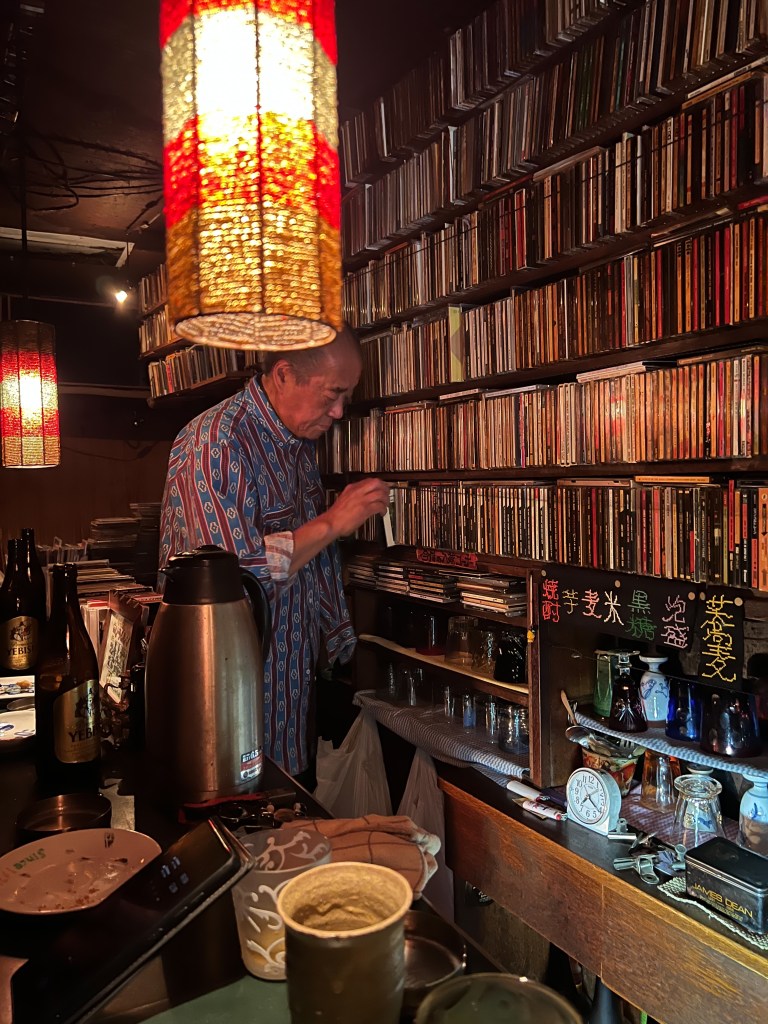
Murakami was born on January 12 (my birthday!), 1949, in Kyoto during the post-World War II baby boom and grew up in Kobe. His father was involved in the Second Sino-Japanese War, and was deeply traumatized by it, which, in turn, had an affect Murakami. In 1970, Murakami moved to Tokyo to study drama and literature at Waseda University. He published his first novel, Hear the Wind Sing, in 1979, after working as the owner of a small jazz bar for several years. Murakami’s writing has often polarized readers, and he has often been criticized by Japan’s literary establishment as un-Japanese, leading to Murakami deeming himself the “black sheep in the Japanese literary world”.

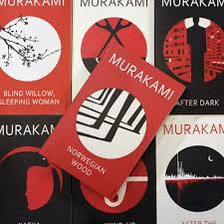
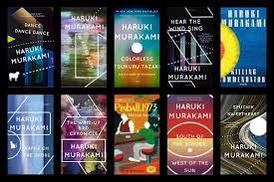
Here are a few of my favorite other books by him:

Norwegian Wood is set in late-1960s Japan, and details the journey of its main character, Watanabe, through a variety of romantic relationships, particularly with two women, Naoko and Midori. Each of the three characters has experienced intense loss and grief, and each have their own methods of coping. Watanabe and Naoko share a childhood trauma when Kizuki, Watanabe’s best friend and Naoko’s long-term boyfriend/soulmate, commits suicide on his 17th birthday. Separately, Midori is forced to navigate an absent father in the backdrop of her mother’s death from brain cancer. Each character manages their youthful losses in different ways – detachment, estrangement, self-harm – while also navigating their burgeoning adulthood.

I found myself really connecting with this journey It made me feel more justified with my own meandering in the wake of my mother’s death. In a lot of ways, this 6-month trip has been the culmination of 8 years of trying to recenter myself – to define who I am in the deluge of my past and the identity I wish to cultivate in the future.

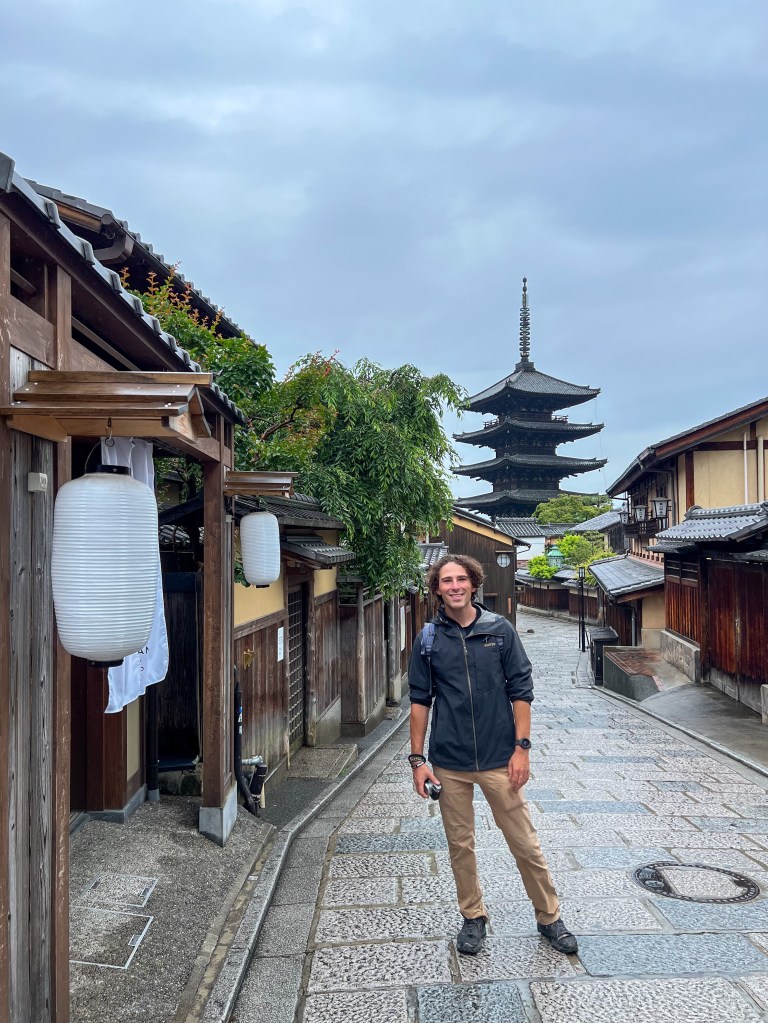
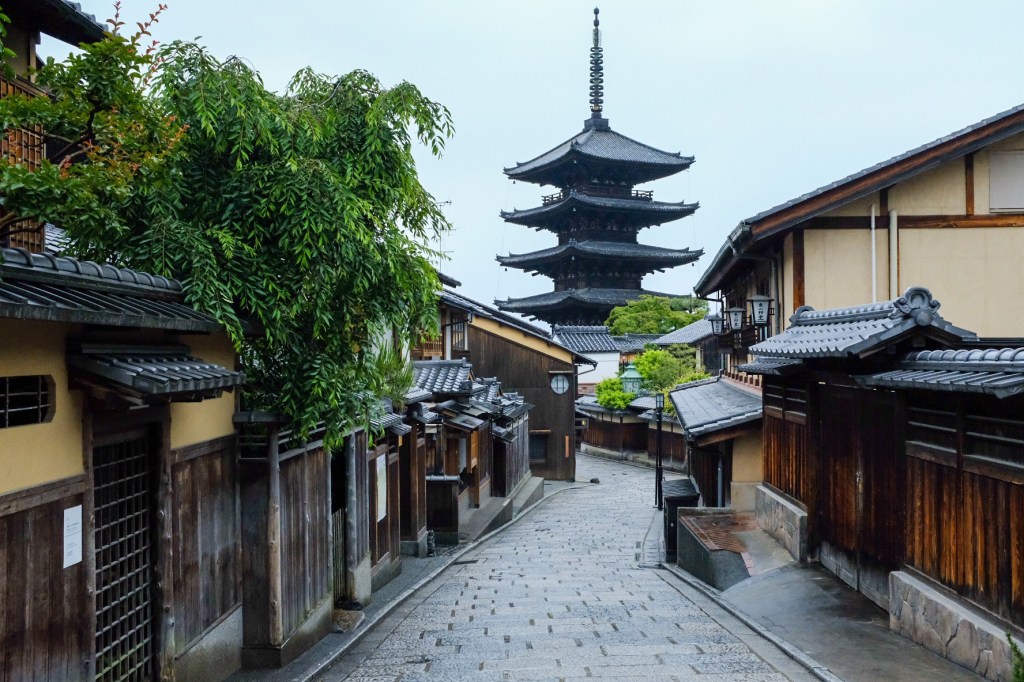
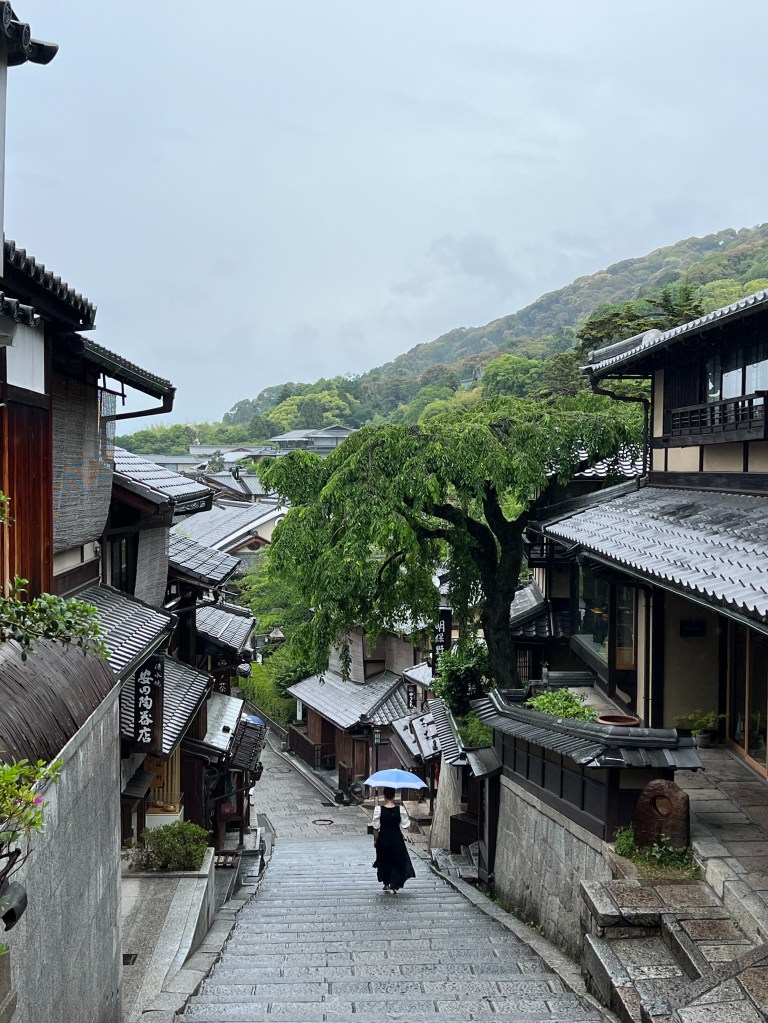
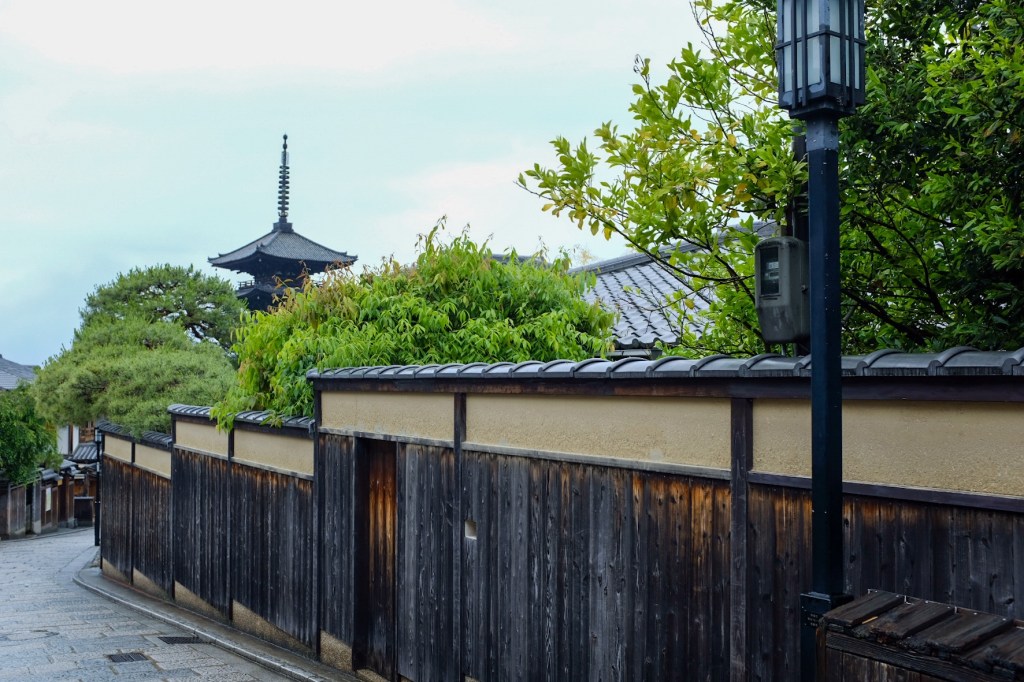
The most significant element of Japanese culture I took away from my time there was the high level of respect they offer people, places, and things. Everywhere in Japan people bow to show respect to all people. The lower they bow the more respect they have for the person – bowing upon greeting and upon leaving. Form a very young age, Japanese people are taught to value family members and strangers with huge respect. They are taught to behave respectively in the presence of adults. Japanese culture is a great model a hierarchic society based on mutual respect. It emphasizes the respect of privacy and allows those who are distinguished elders to influence the youth through teaching them how to respect each other. 

As I wrap up this 6-month transition, and begin the next stage of my journey, I hope to bring with me that foundation of respect for myself that I cultivated over the past 8 years and firmly solidified jaunting around the world these last 20 weeks.

Thanks for following along,

Sam

Days 131 to 140: Japan – Tokyo, Kyoto, Osaka, Nara, & Kobe

Japan – “The Land of the Rising Sun”, my last destination. An archipelago on the eastern edge of Asia with Siberian Russia to the North, Korea & China to its East. Thousands of years as an isolated island country, Japan underwent many of its cultural evolutions in solitude, creating a truly unique traditional culture. As connections with the world grew, Japanese tradition was influenced and altered to create the identity of modern Japan – influenced by its Asian neighbors and Western colonialists.

I have loved my time in Asia – from India & Nepal to Vietnam, Laos, & Thailand, the variety of cultures, religions, customs, politics, food, and people have culminated into the highlight of my trip. Japan, on the opposite end of my entry into Asia (3600 miles to be exact) was a perfect conclusion to my 3 months in the region (the Japanese archipelago separated from the Asian continent 15 million years ago but for the sake of simplicity, it is part of the continent).

Tokyo: The “Eastern Capital”

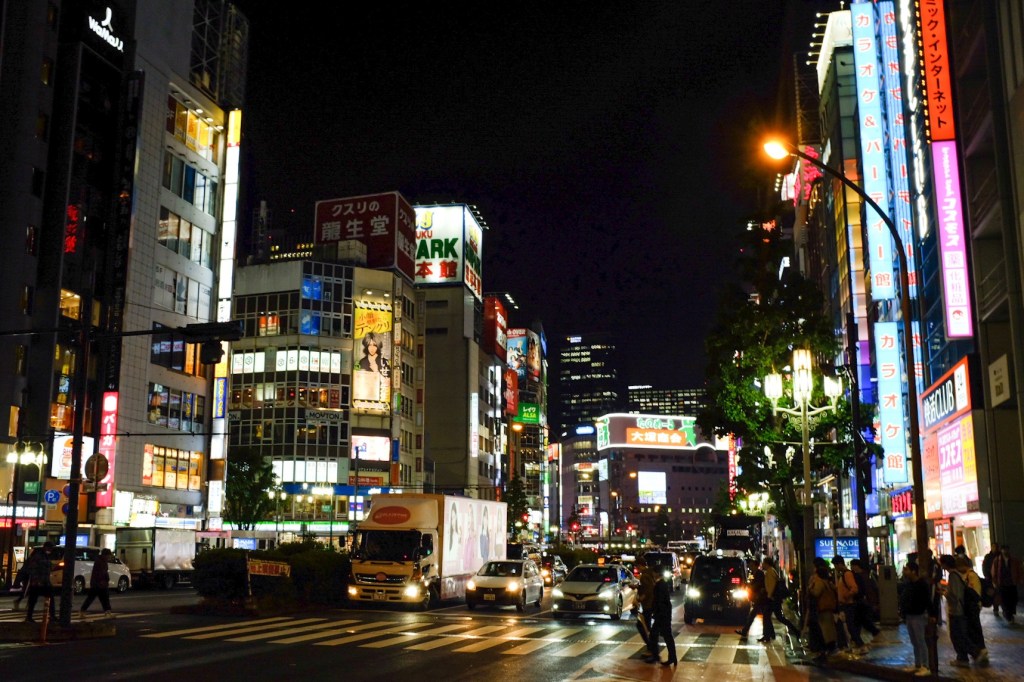
Tokyo is a massive metropolis with a never-ending list of things to do. Japan’s capital, it is the world’s largest city with an urban population of over 38.5 million people. It’s one of Japan’s 47 prefectures and is part of the Kanto region on the southeastern side of Honshu, Japan’s main island.

Tokyo started off as a small fishing village called Edo before becoming a prominent political center and castle town in the 17th century. In 1868, Empreror Meiji moved the imperial seat from Kyoto to Edo, renaming the city Tokyo (‘the Eastern Capital”).

Today, Tokyo is a major financial, technological, and cultural hub – an amalgamation of museums, temples, gardens, and an extensive (and quite complicated) rail system.

But perhaps best of all, is its food.

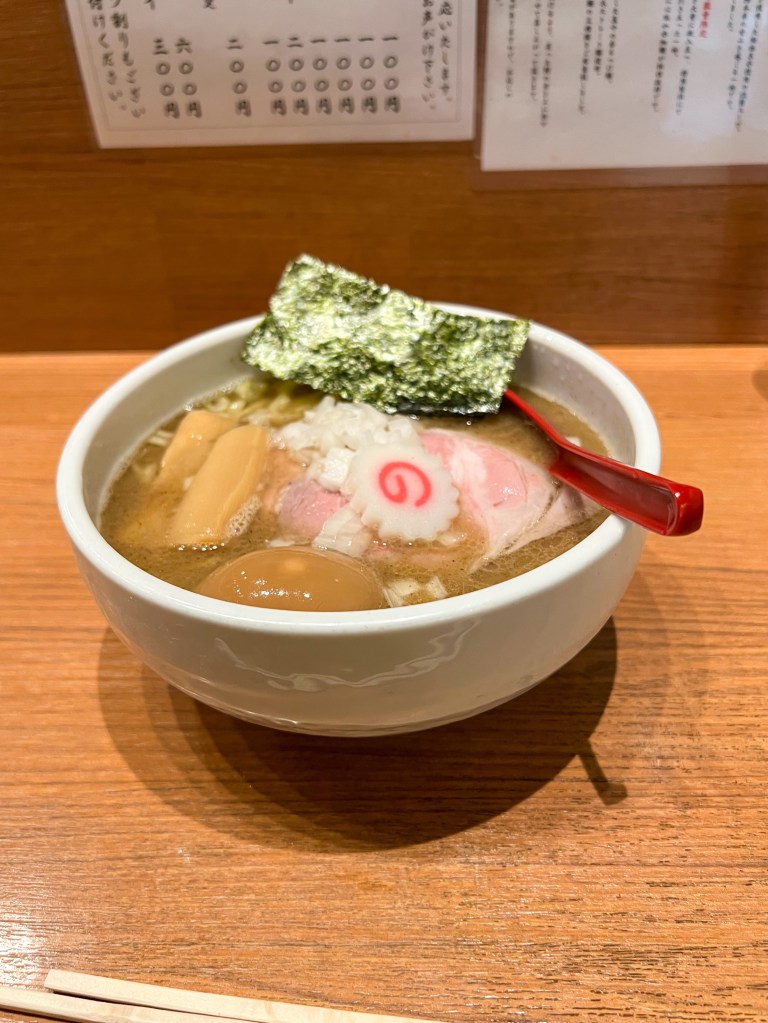
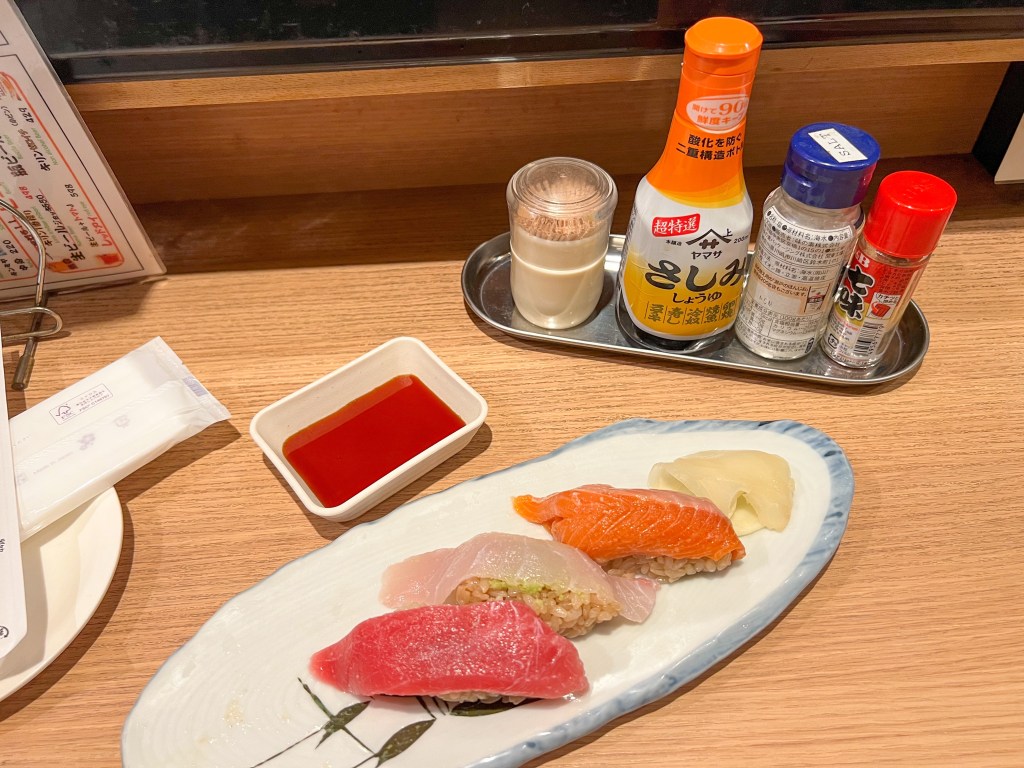
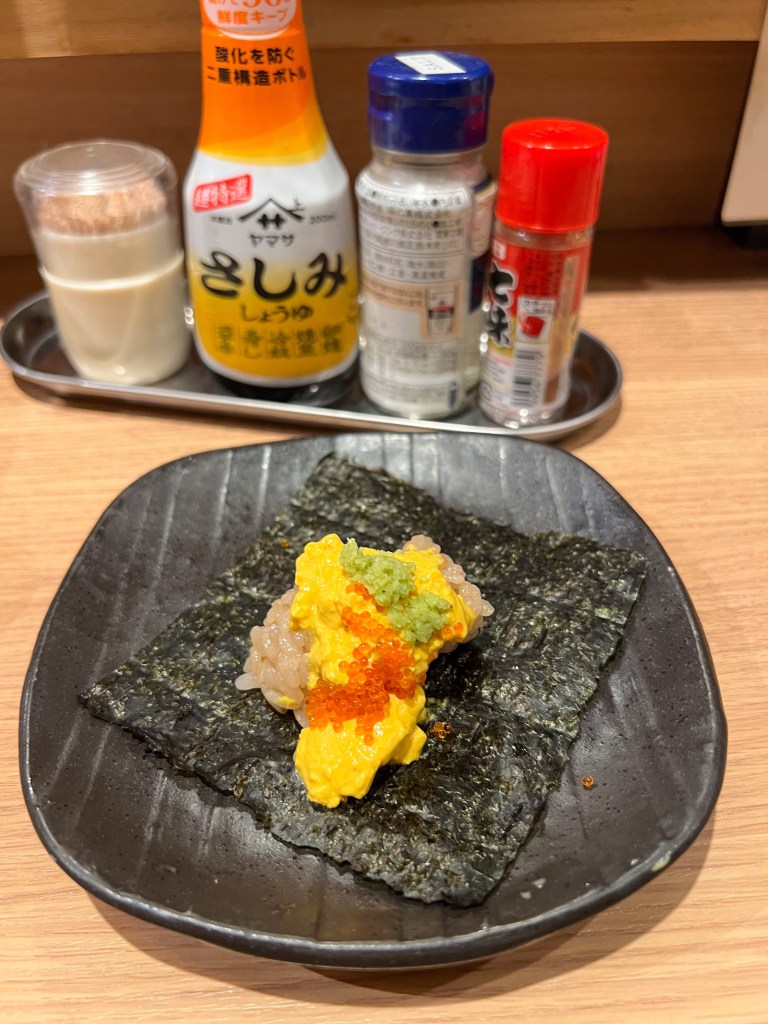
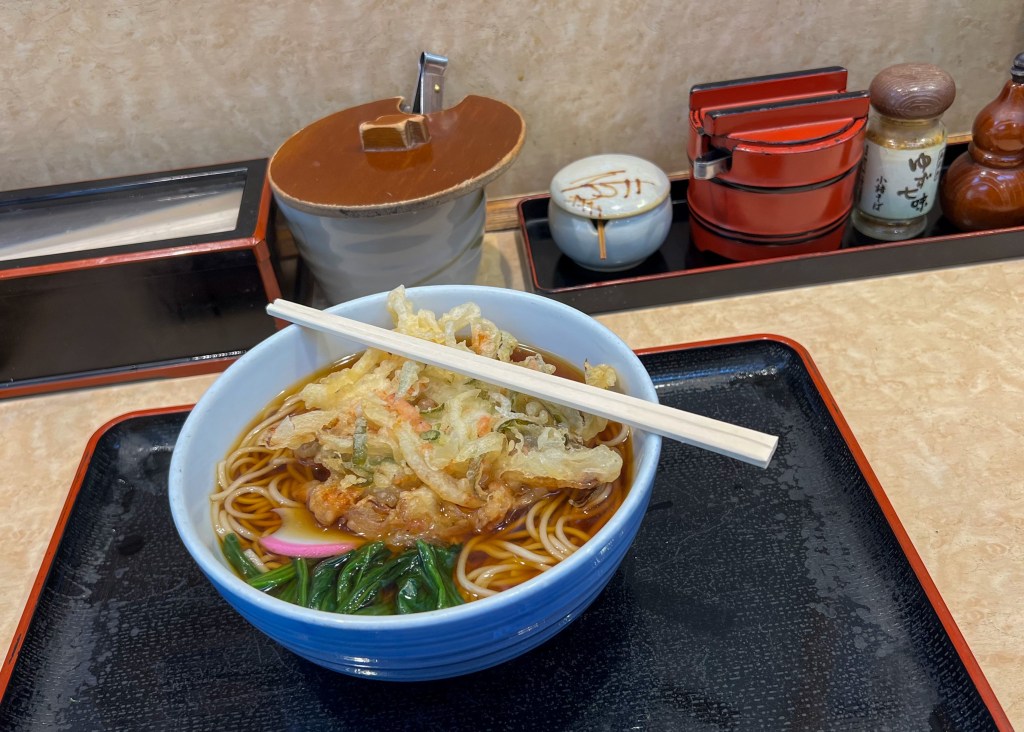
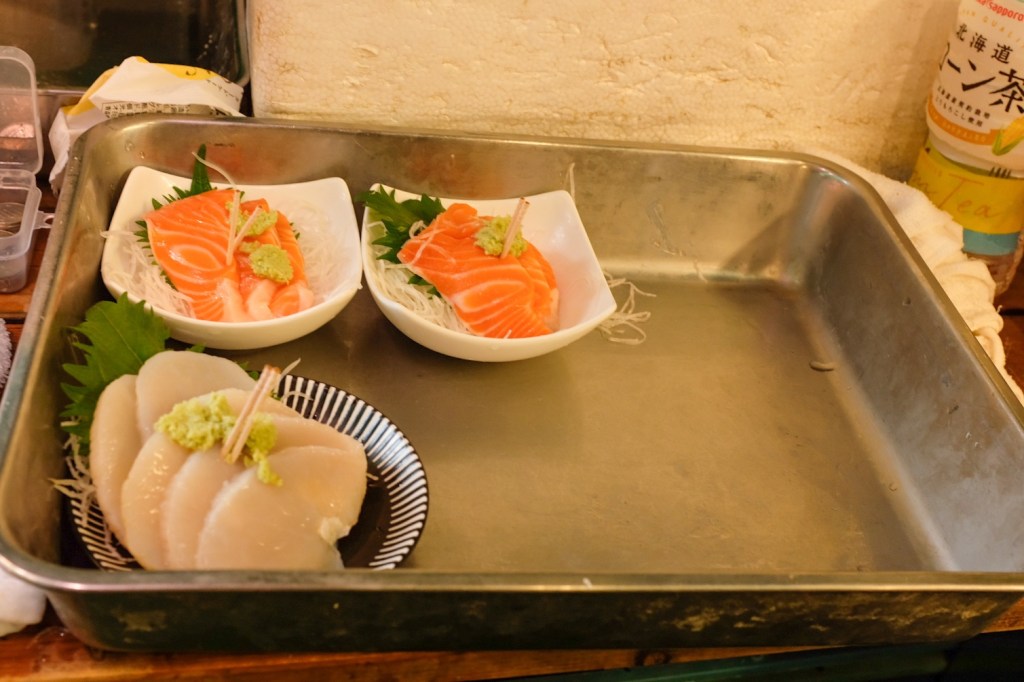
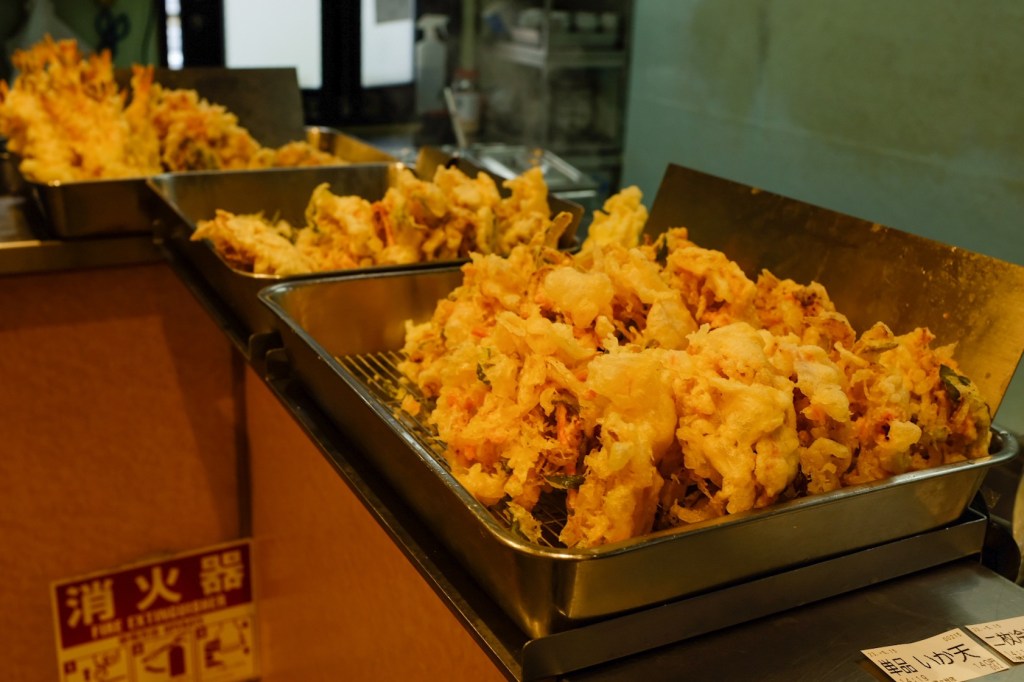
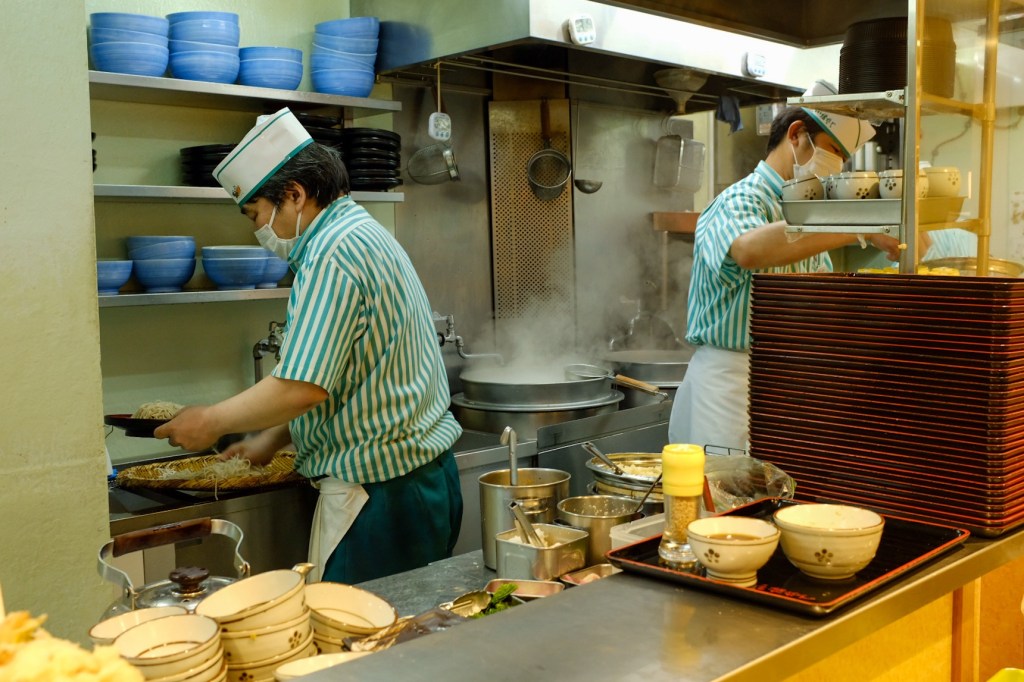
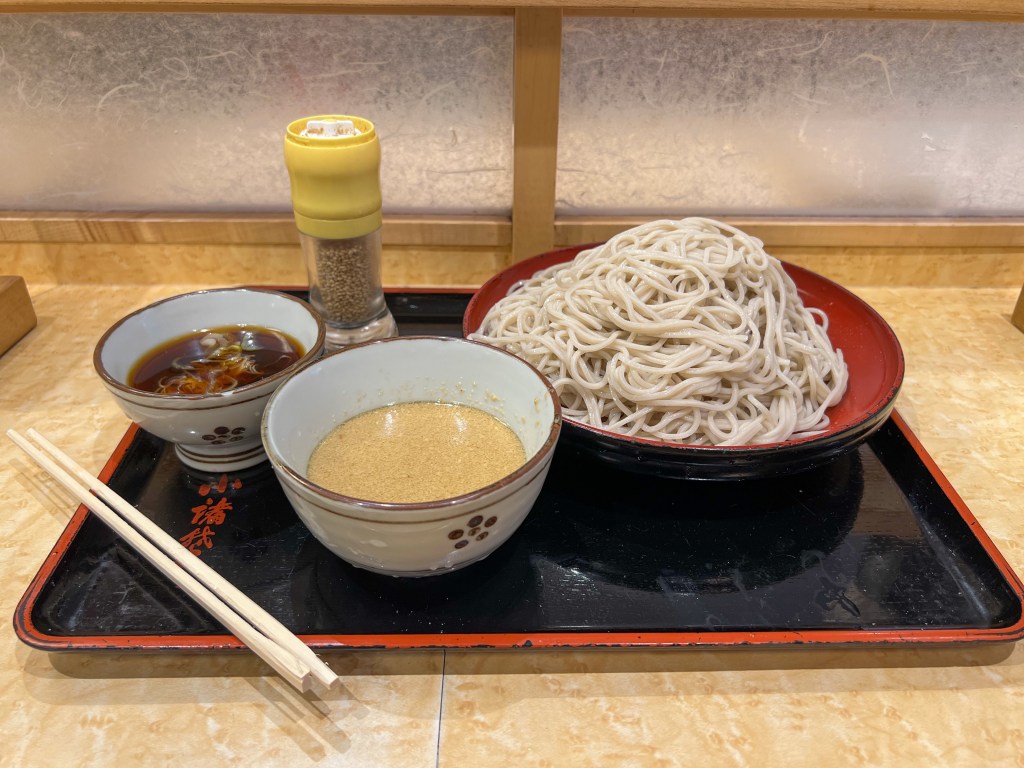
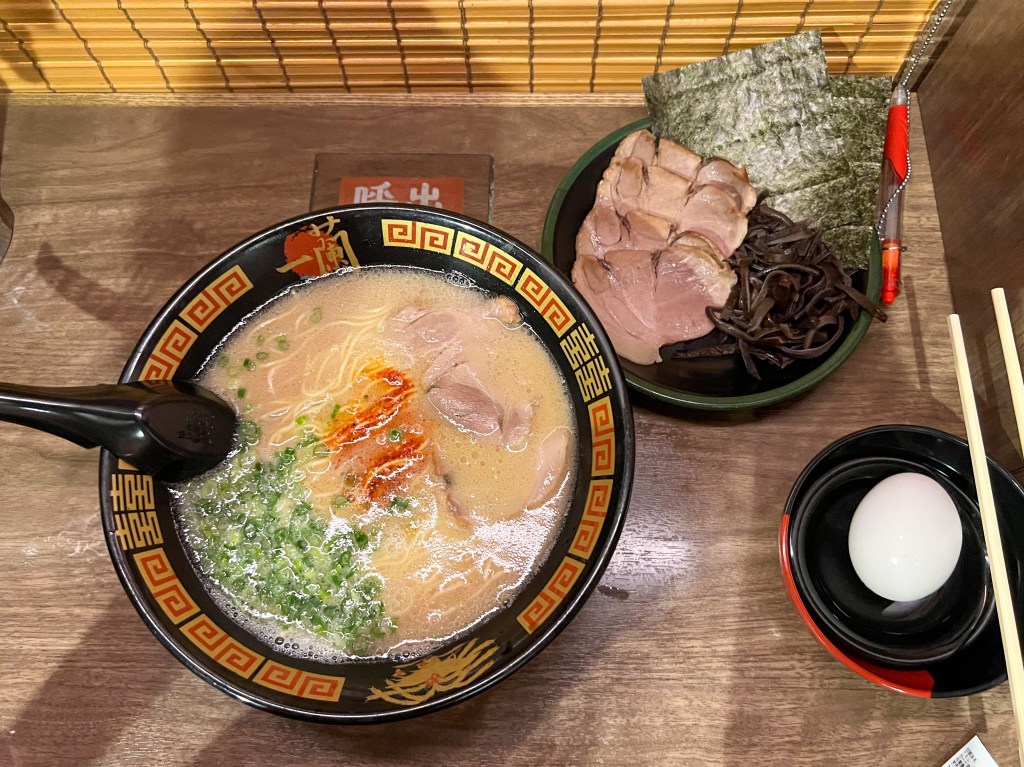
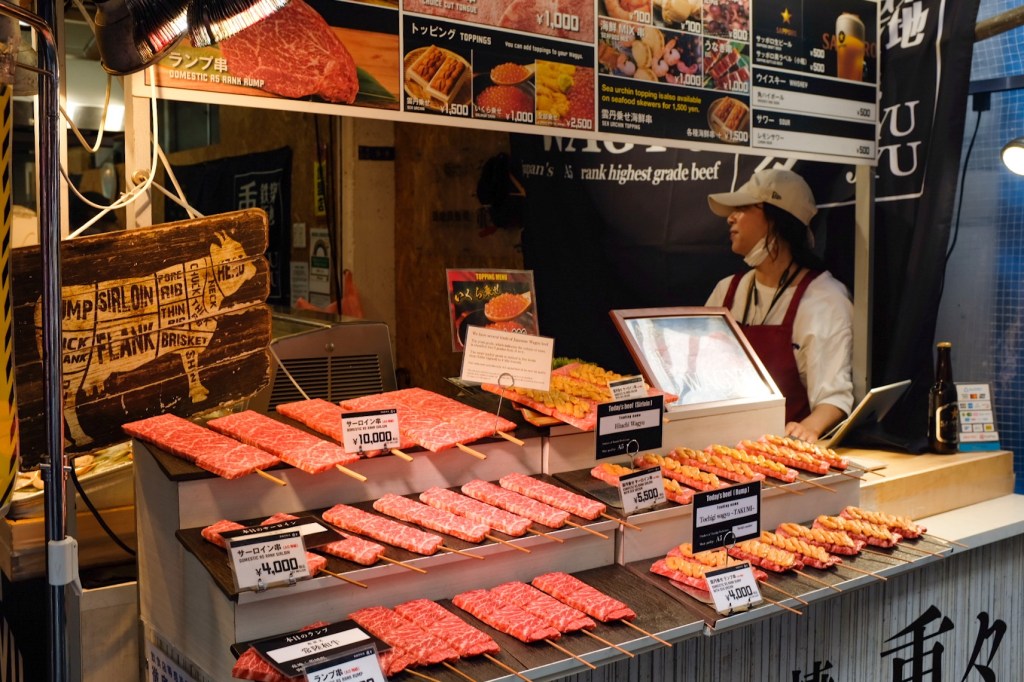
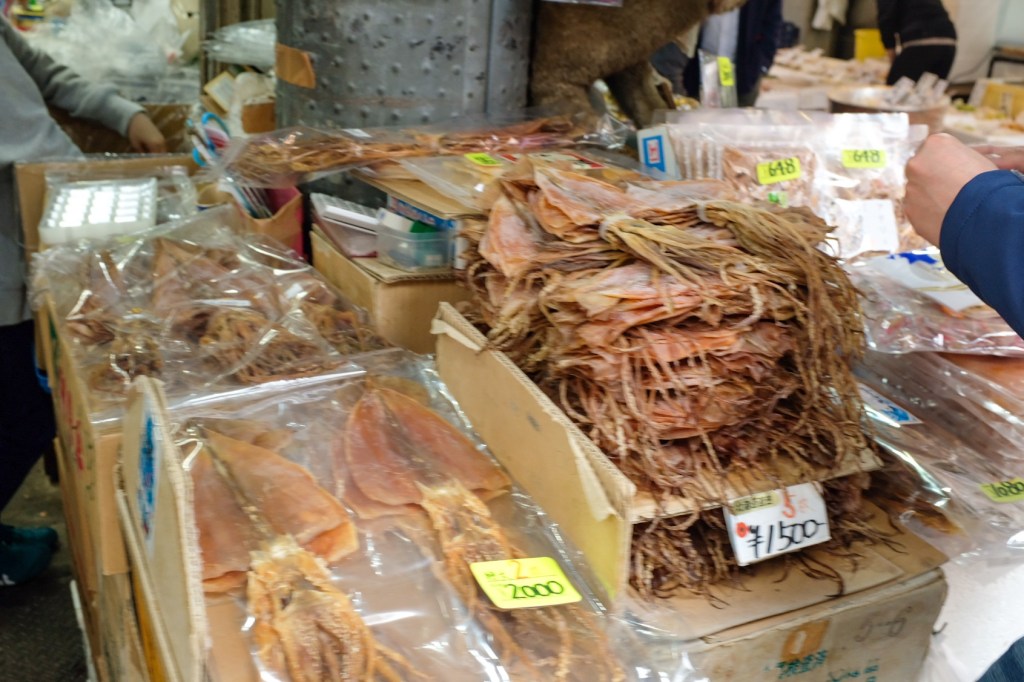
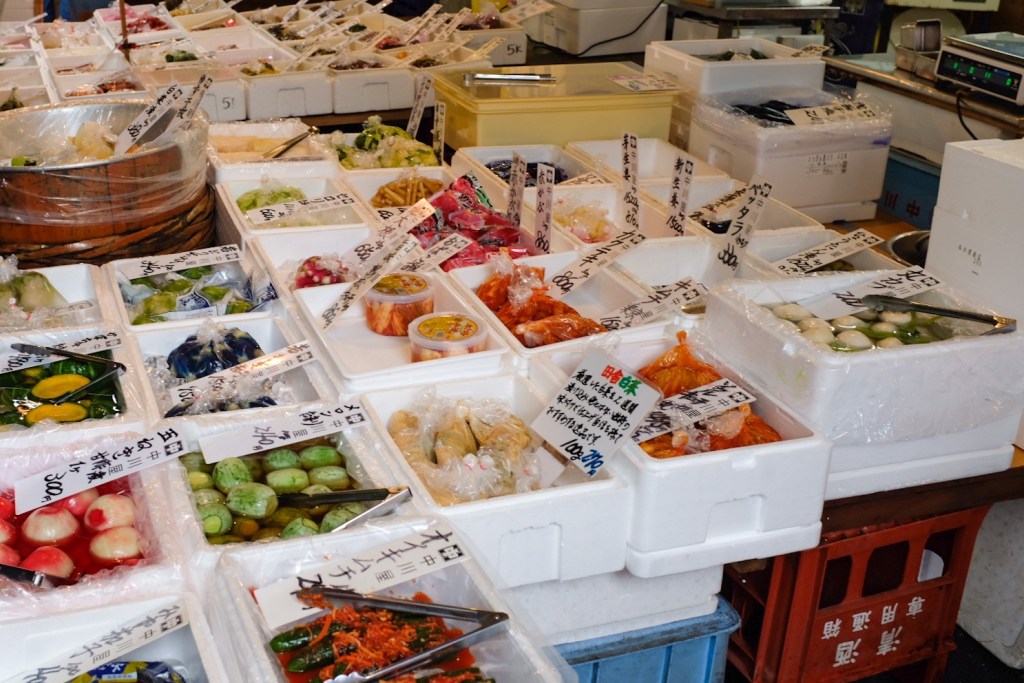
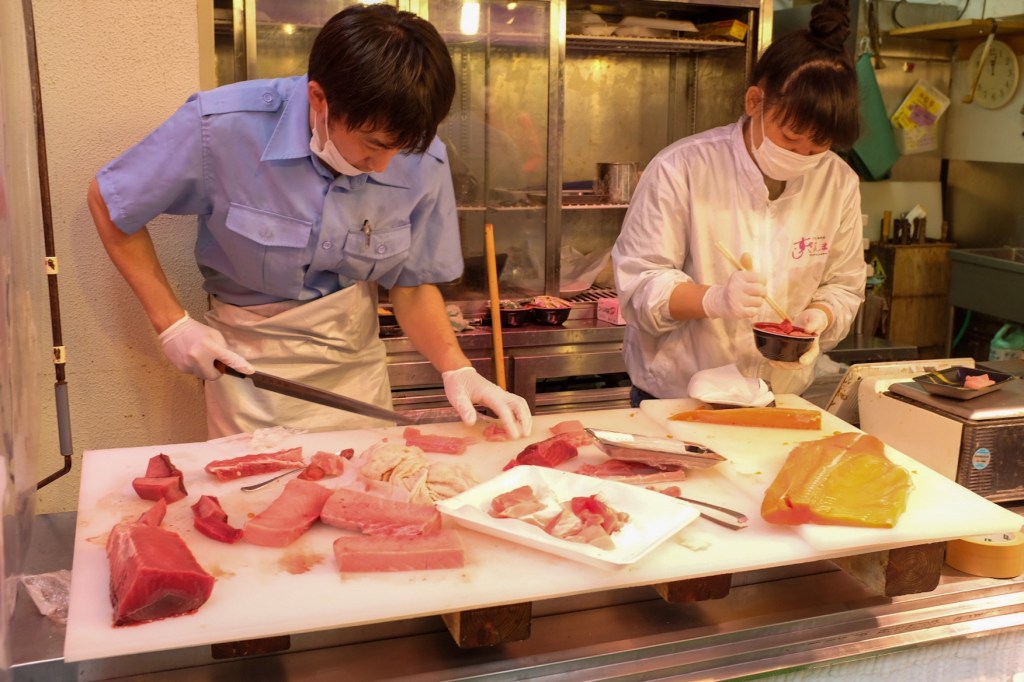
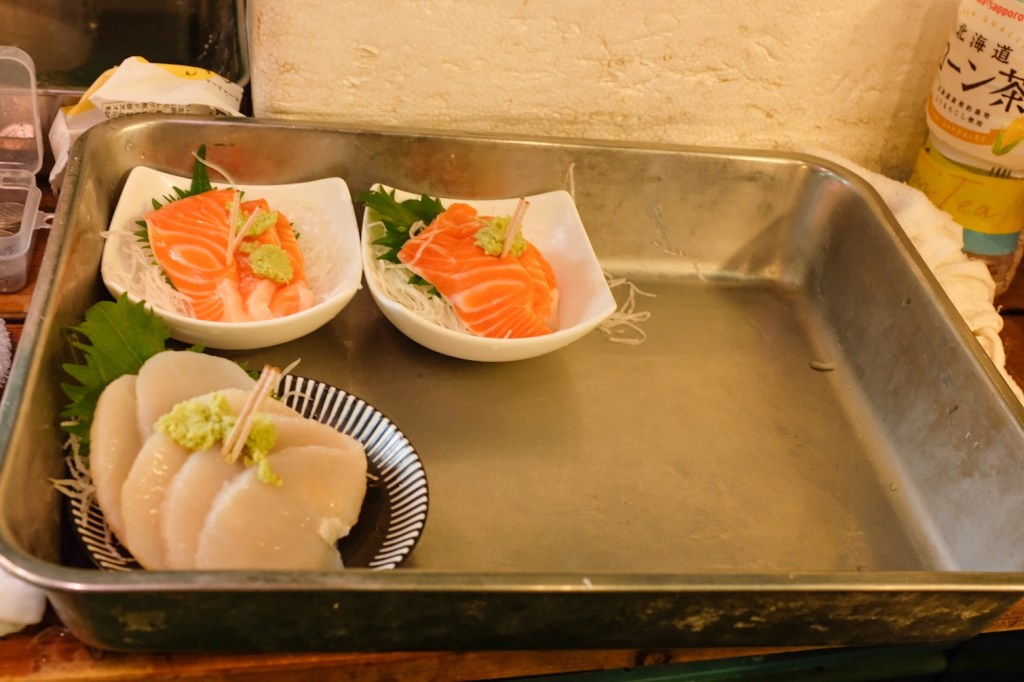
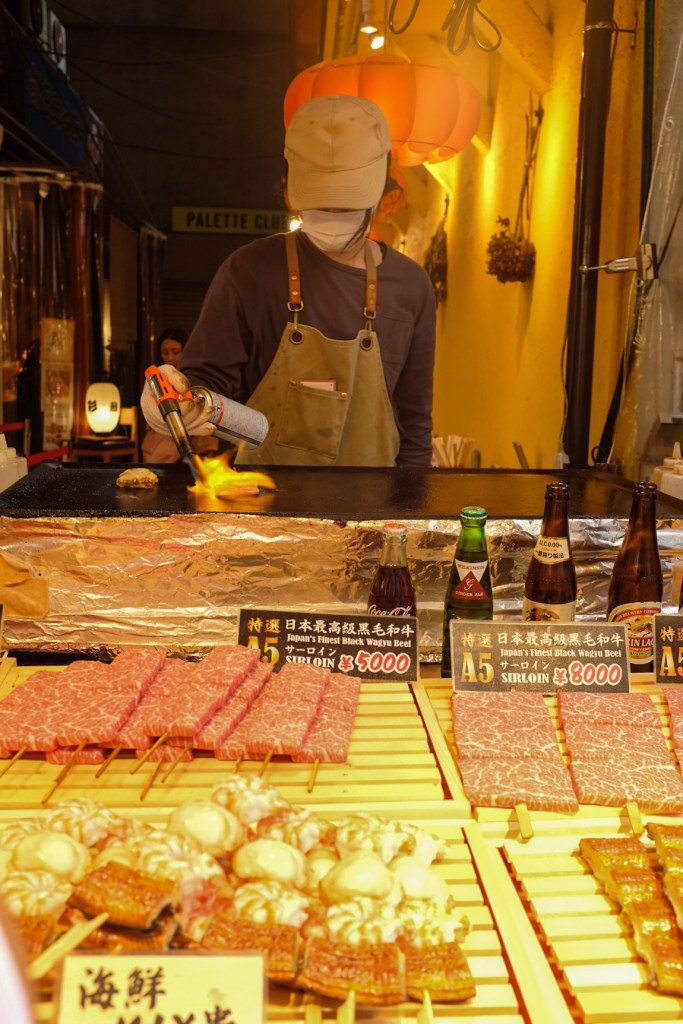
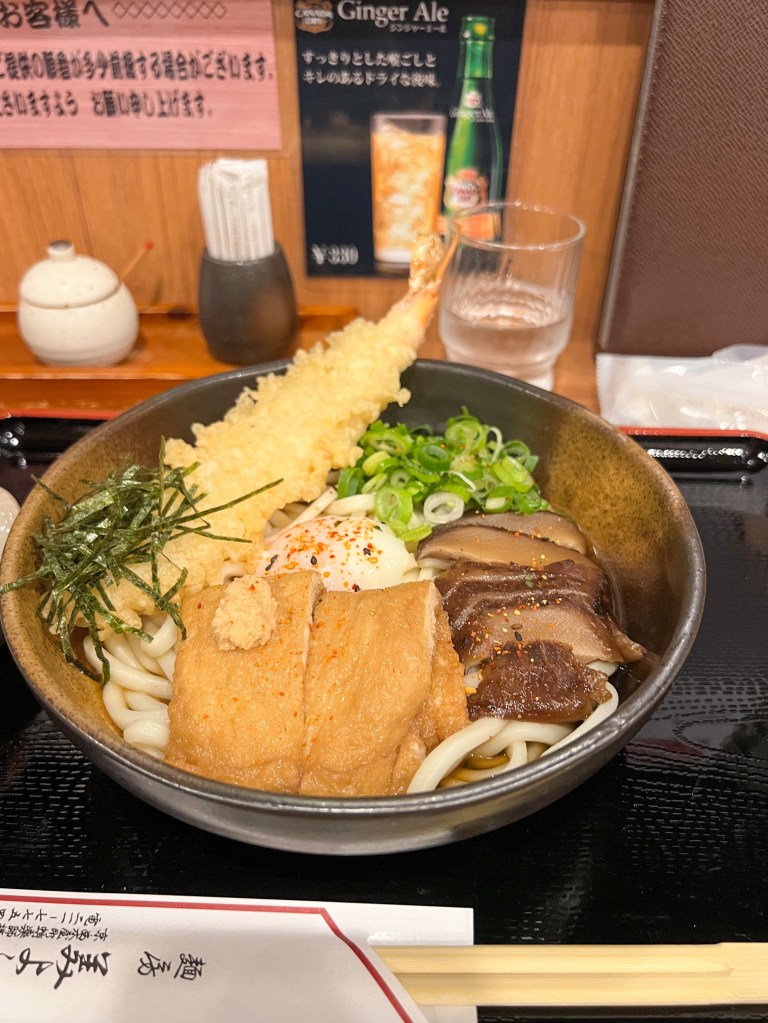
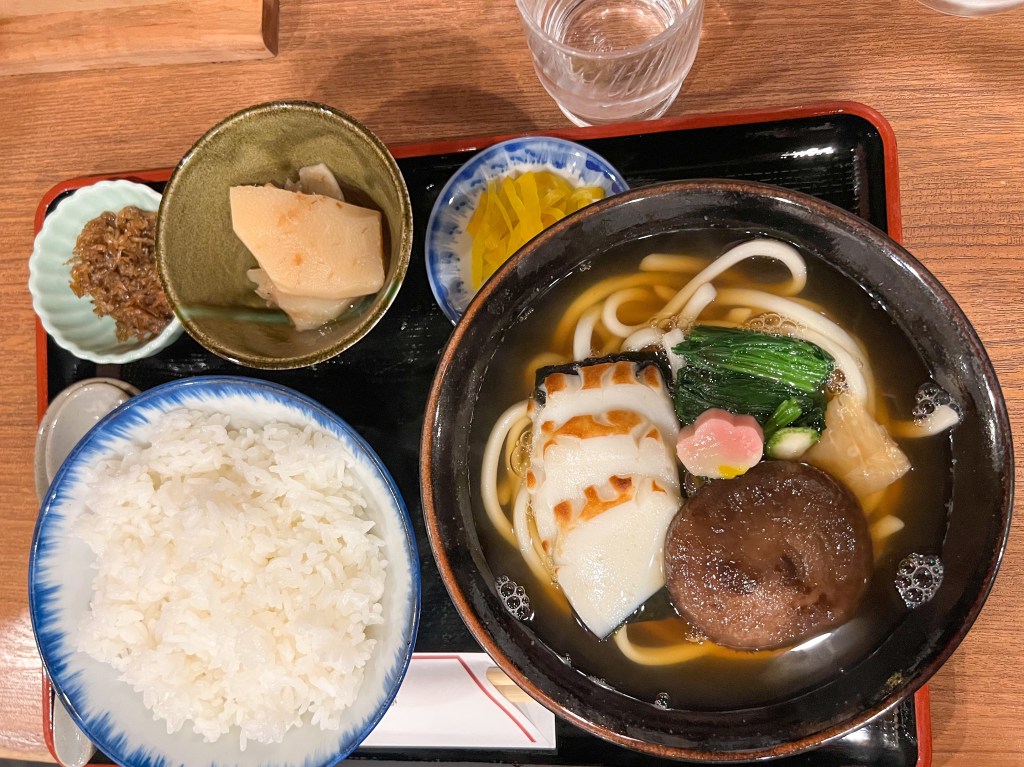
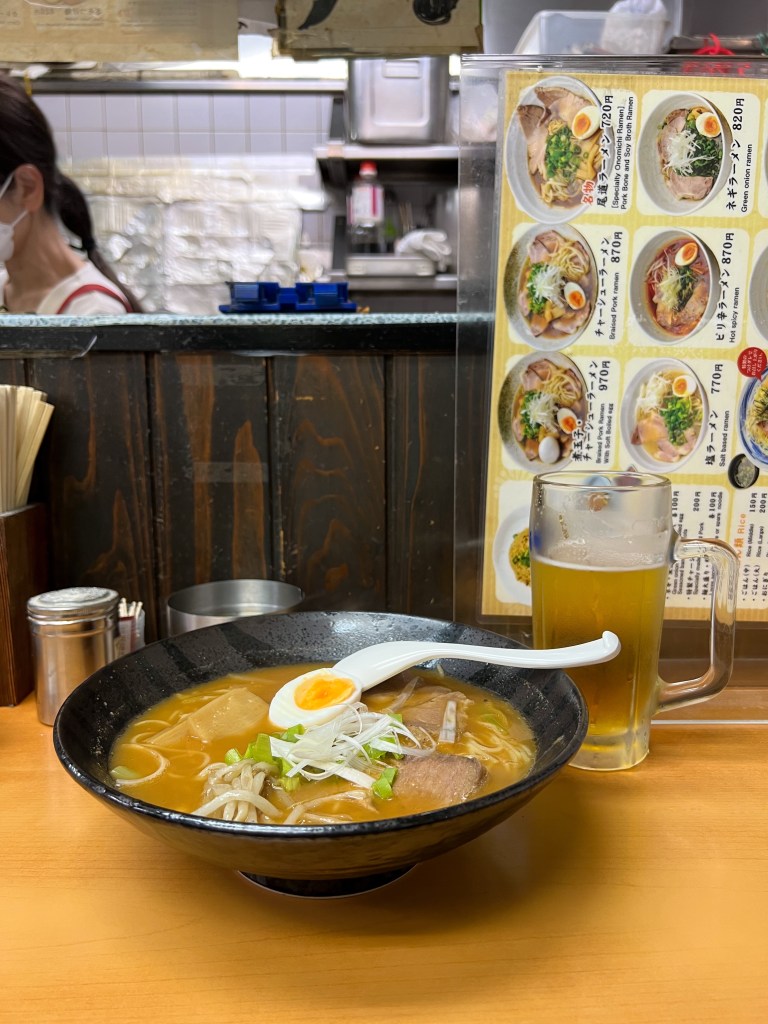
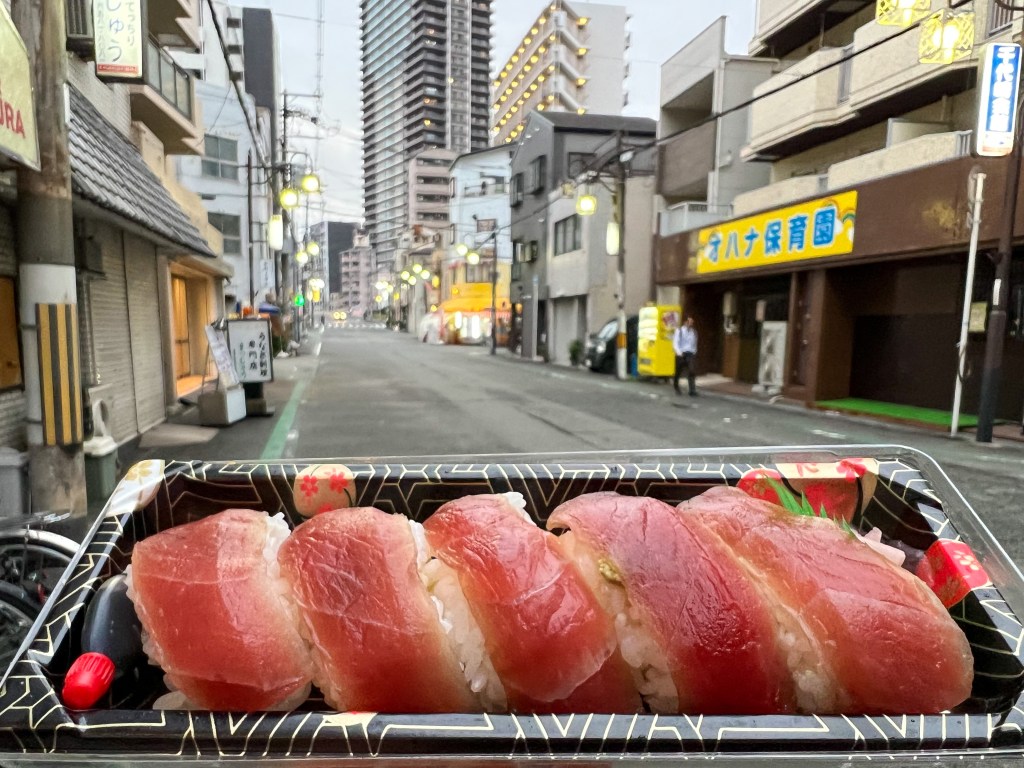
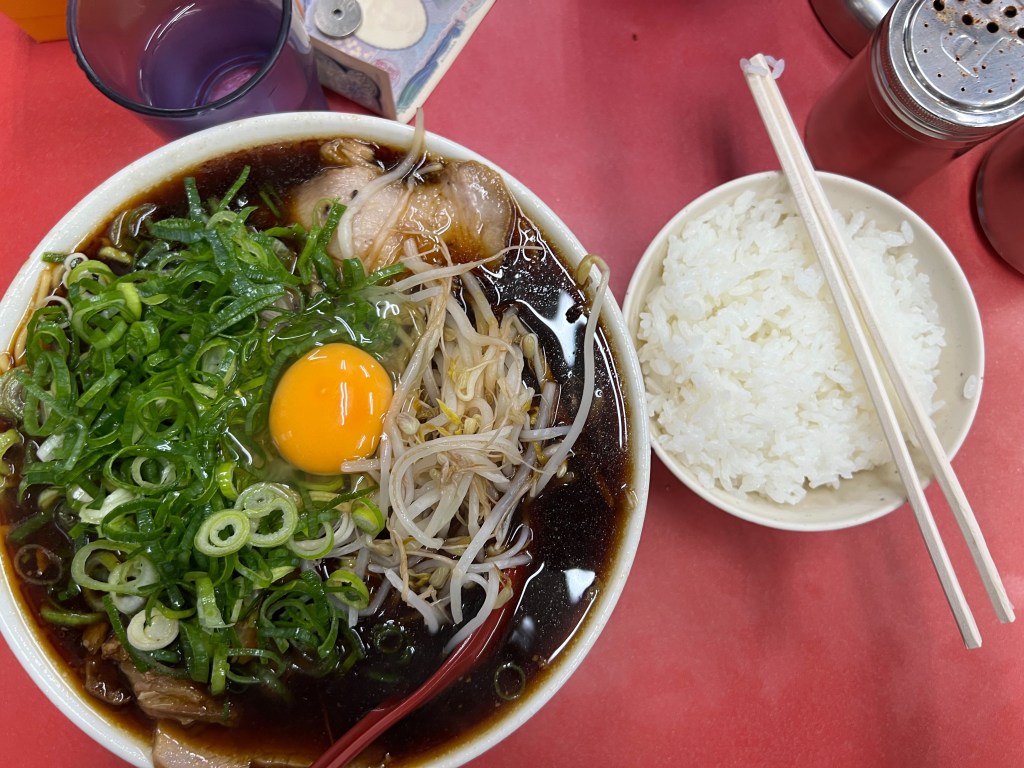
Known for its many delicious dishes: sushi, ramen, soba, udon, tempura, kobe beef, miso, grilled fish & squid, shellfish, umuri rice, nori, etc.. the food opportunities are endless. Here’s a sample:

The first couple days I spent just walking around, taking in the city. I visited the Tsukiji Fish Market. Tsukiji is one of the biggest fish markets in Japan. It is located in central Tokyo, and there are about 400 shops lining the streets. A mix of wholesale and retail shops, along with numerous restaurants the market is packed with locals and tourists, looking for a bite to eat.

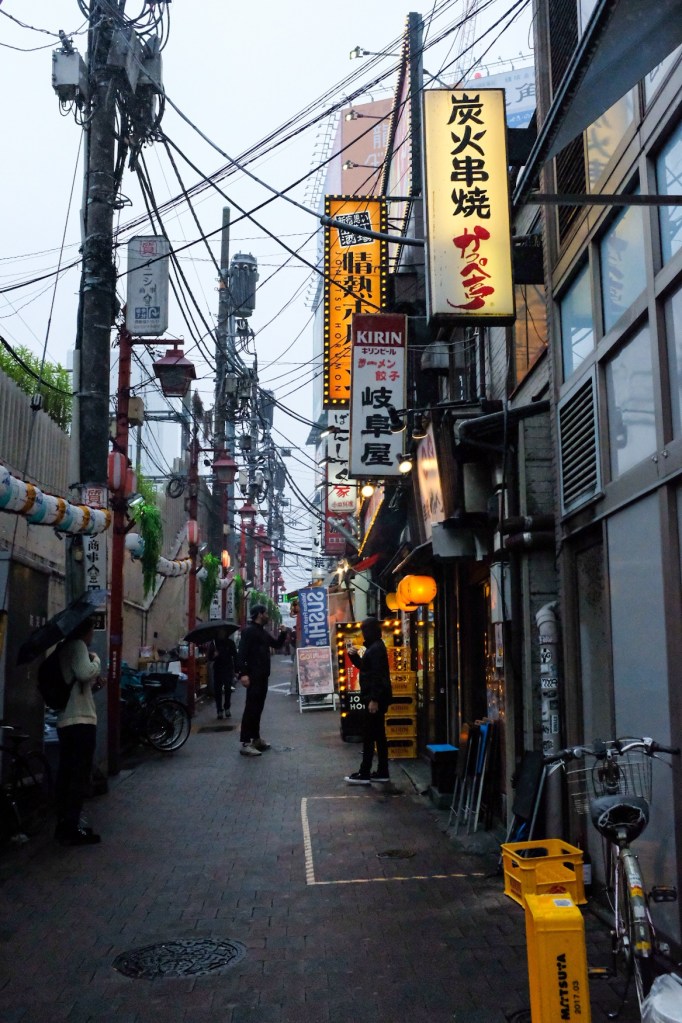
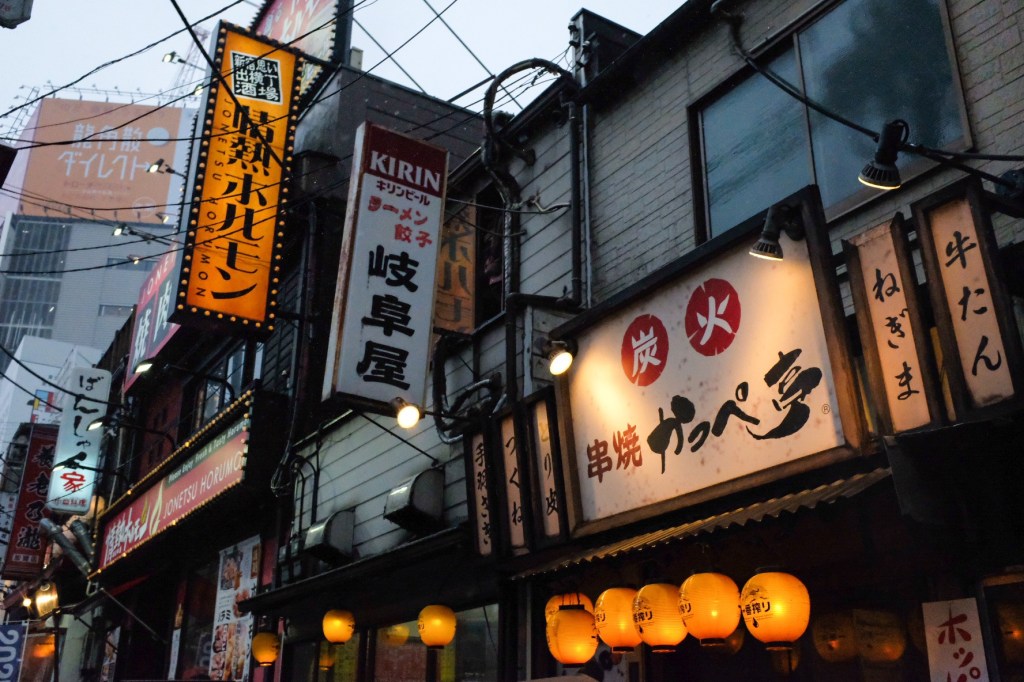
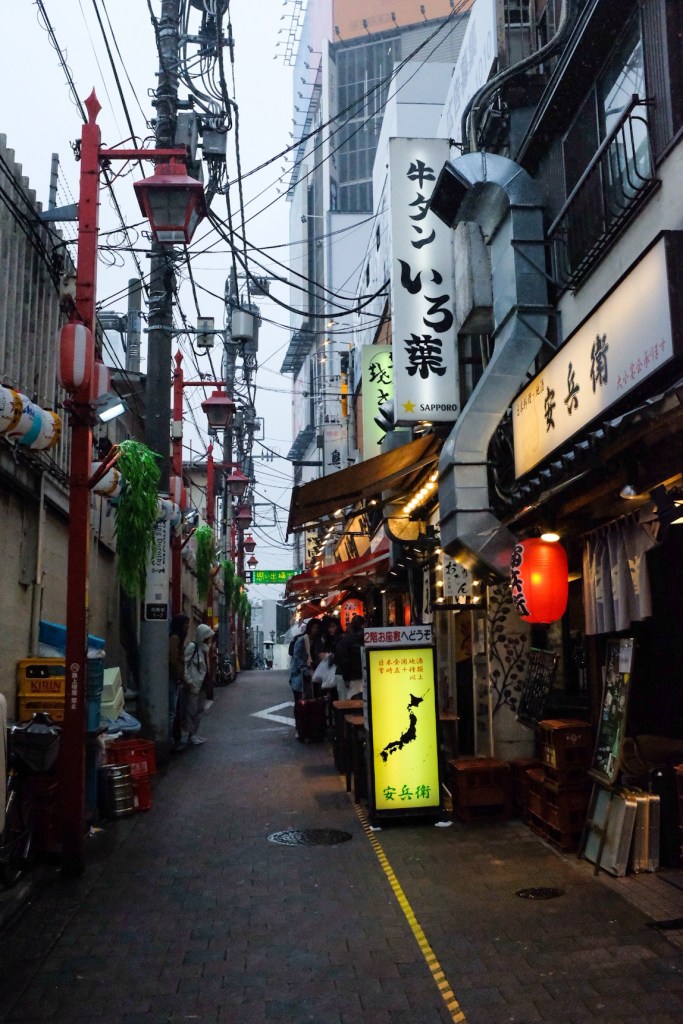
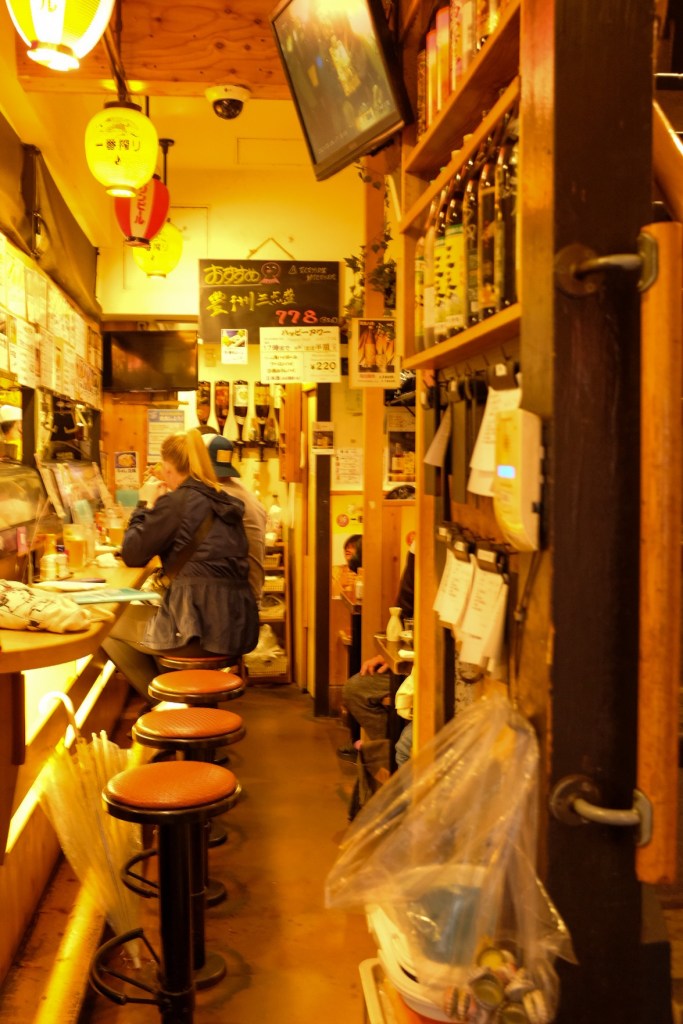
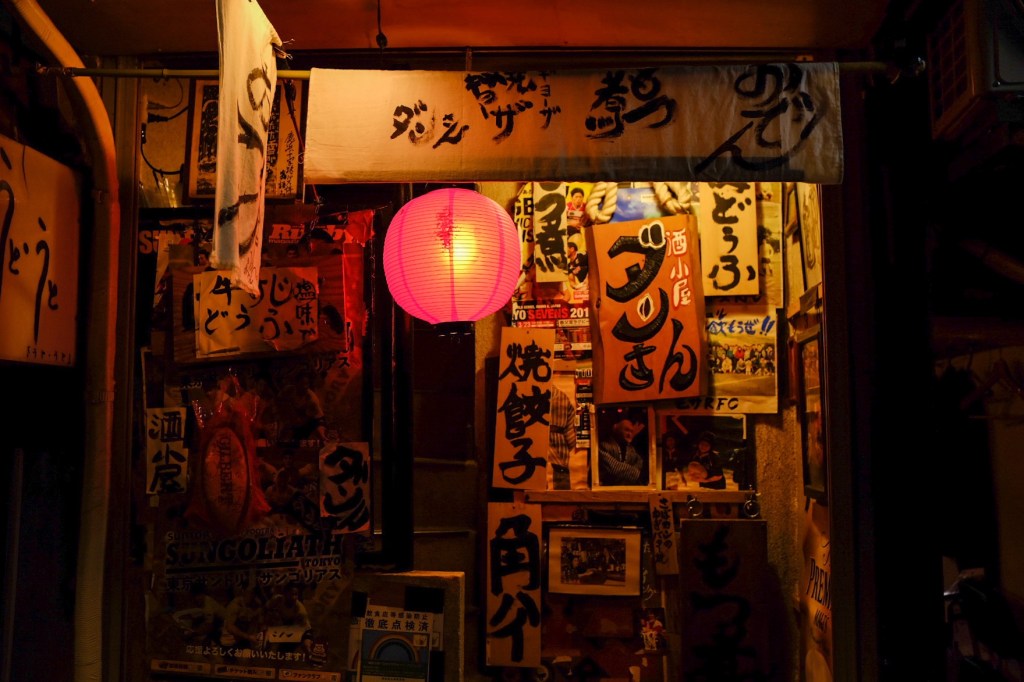
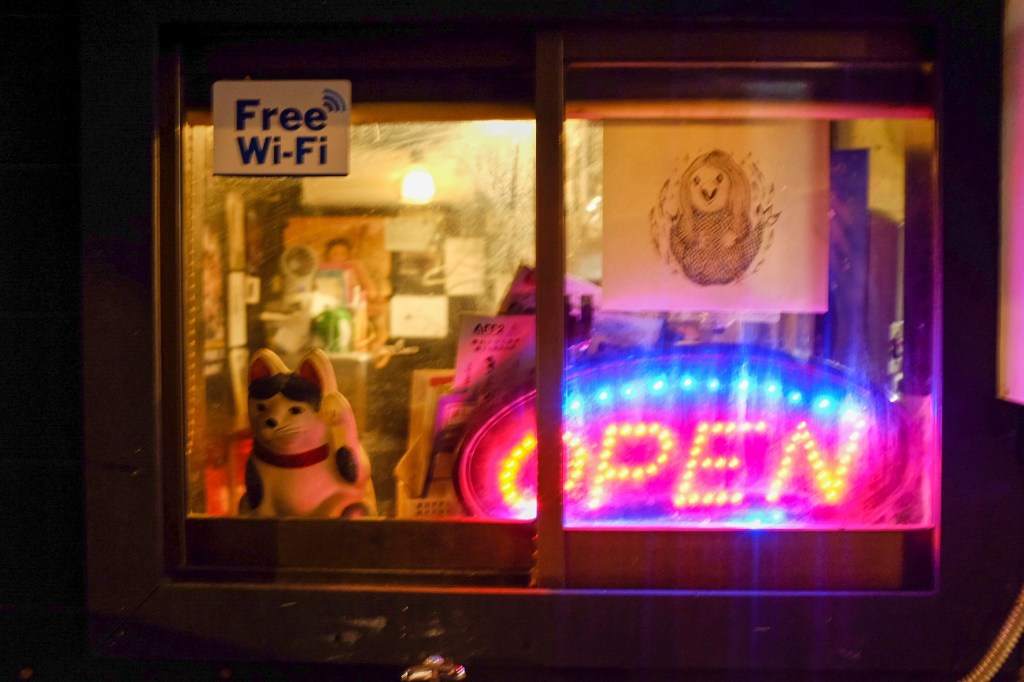
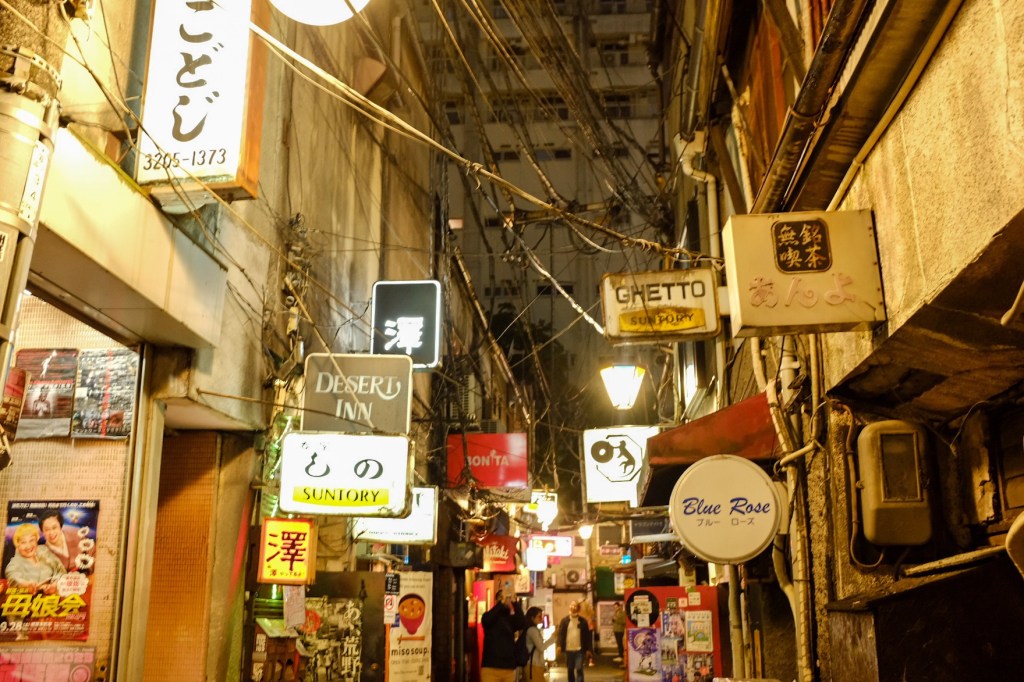
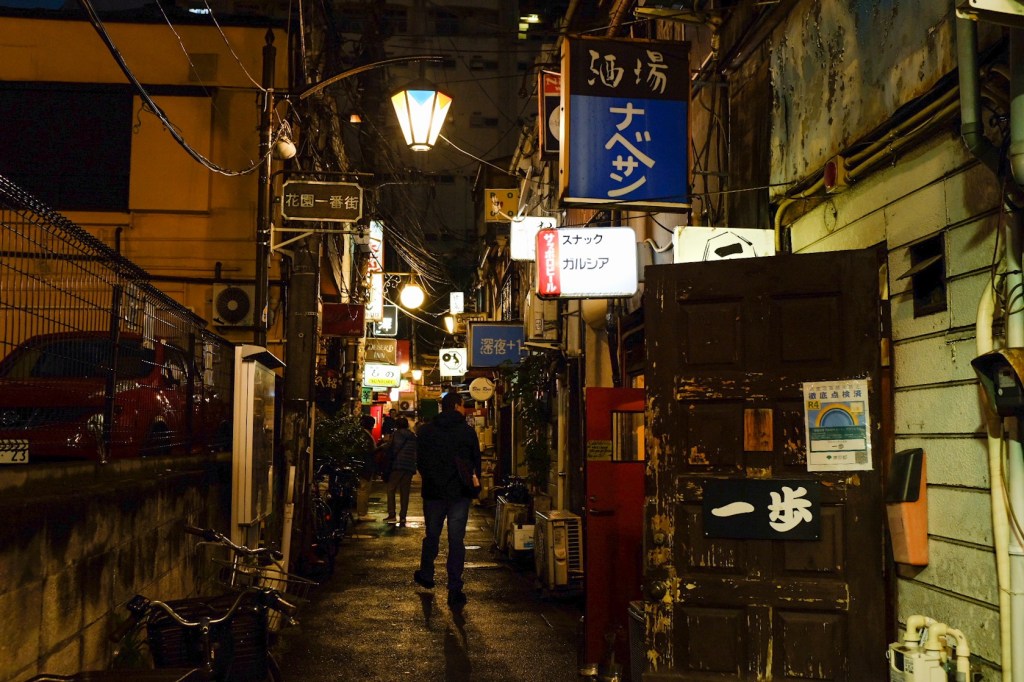
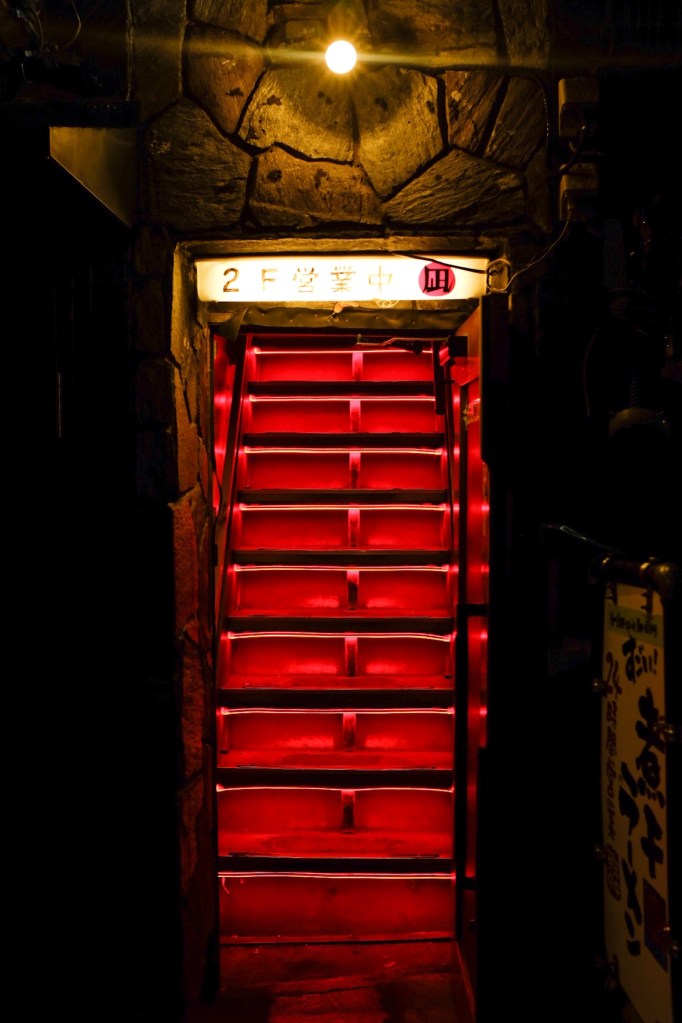
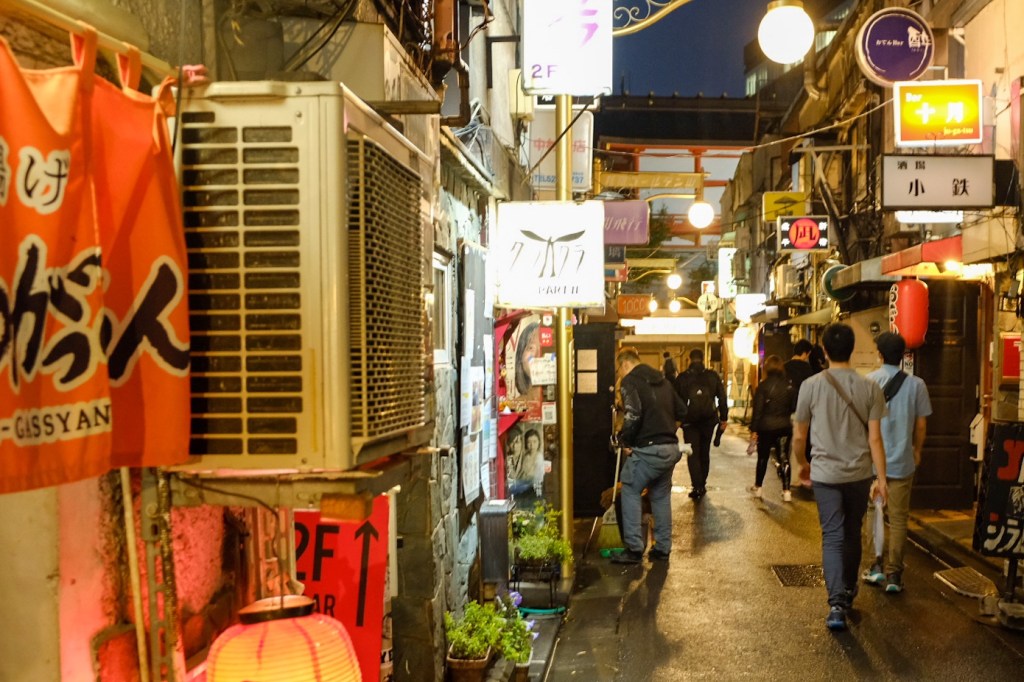
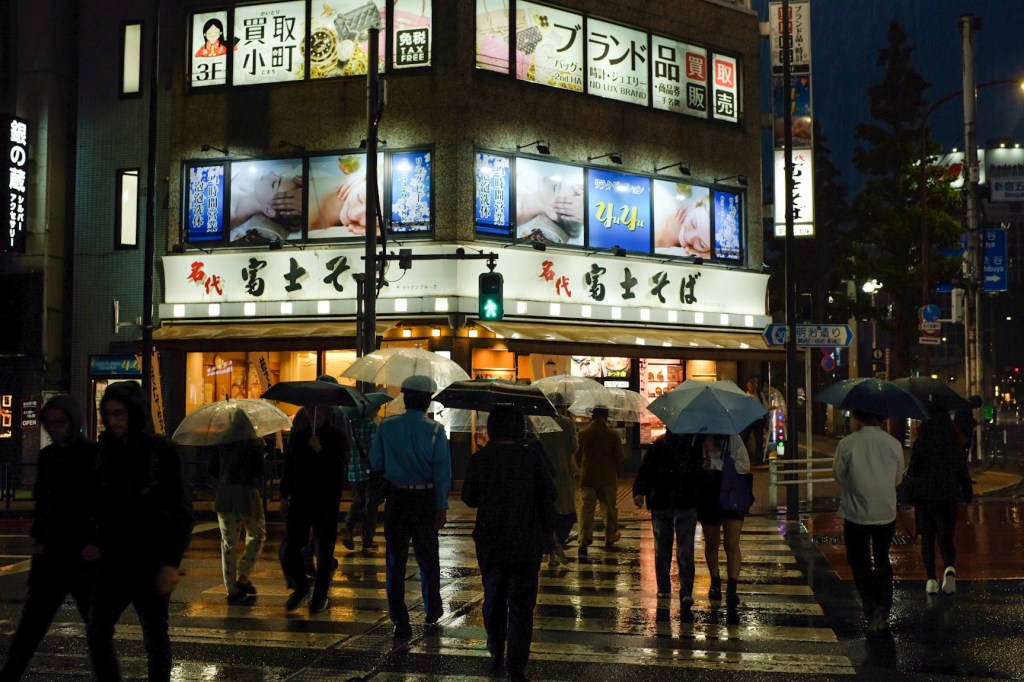
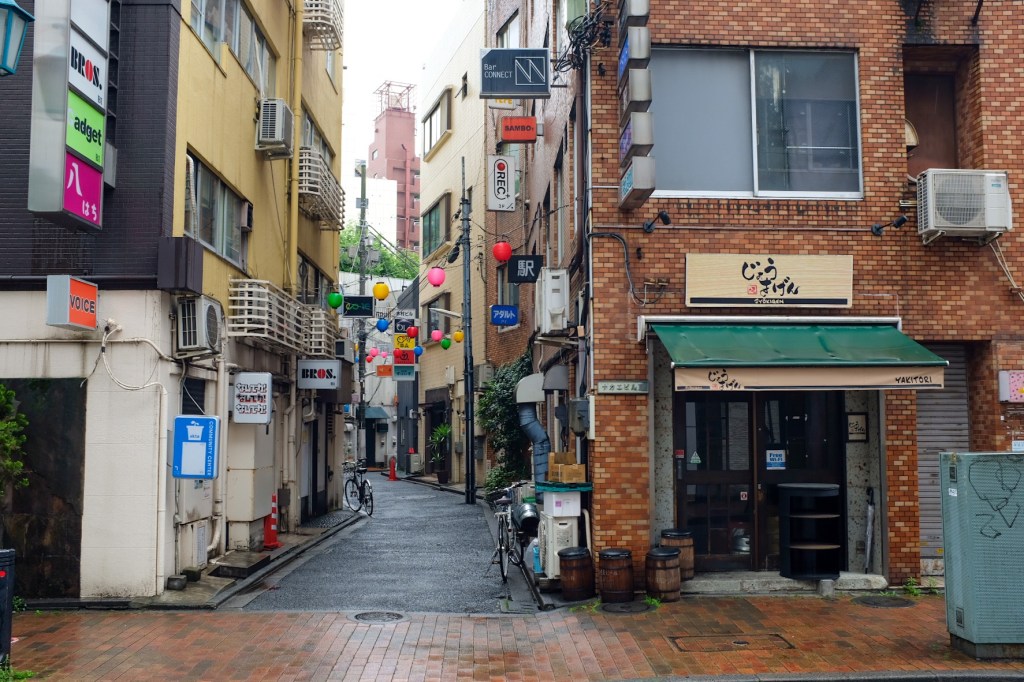
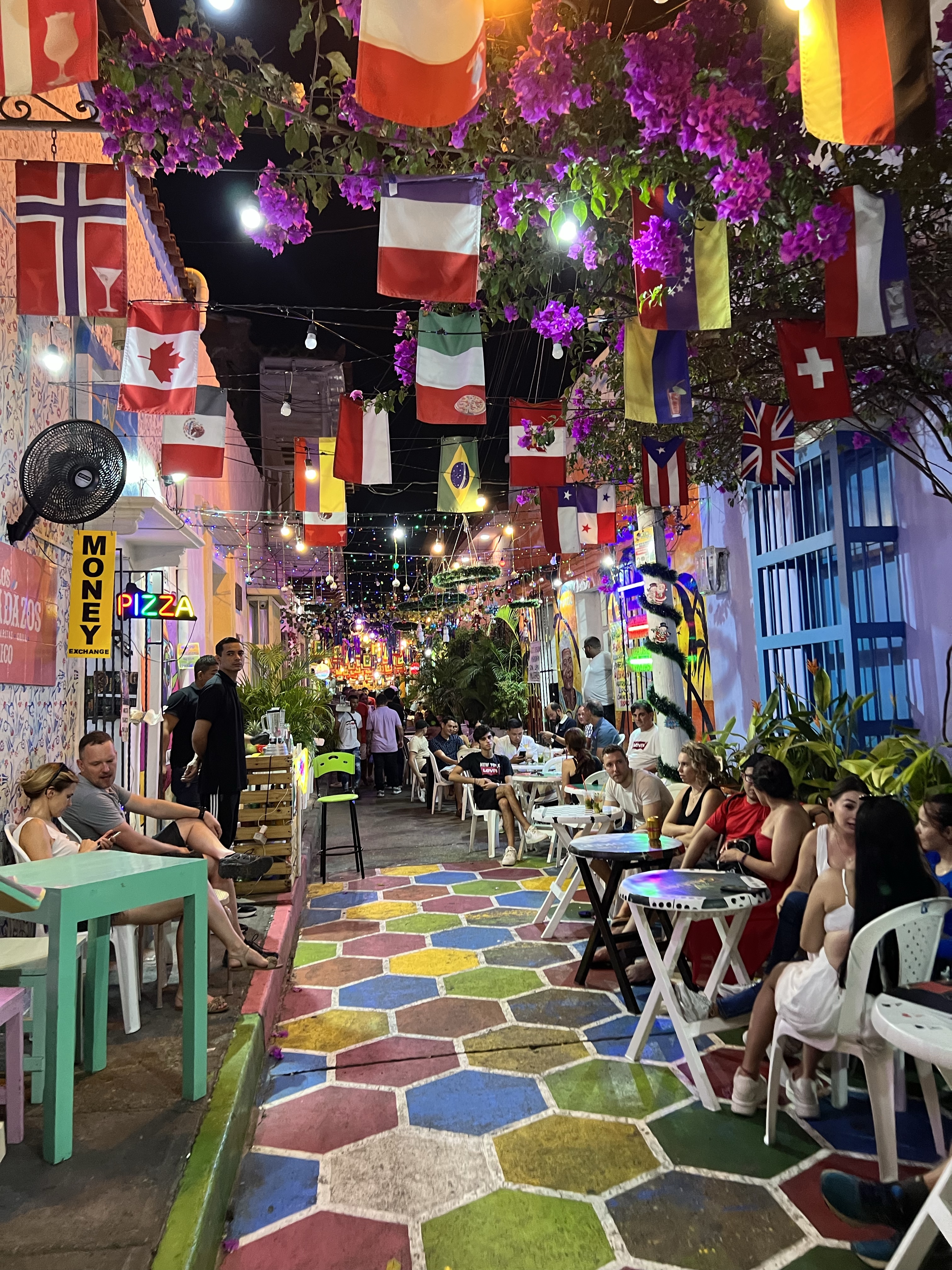
For dinner, I would often I head back towards my hostel in Shinjuku neighborhood and hit up Omoide Yokocho for a bite to eat and some Japanese whiskey. Right by Shinjuku Station in Tokyo. Omoide Yokocho is a bar district reminiscent of the good old days, still retaining a nostalgic 1970’s Japan atmosphere. It has its roots in the open-air market that formed in the burnt-out ruins of Tokyo in the immediate aftermath of the Second World War. Today, it is lined with ticket shops and some 60 bars and restaurants, mostly motsuyakiya (broiled offal restaurants) and yakitoriya (chicken skewer restaurants).

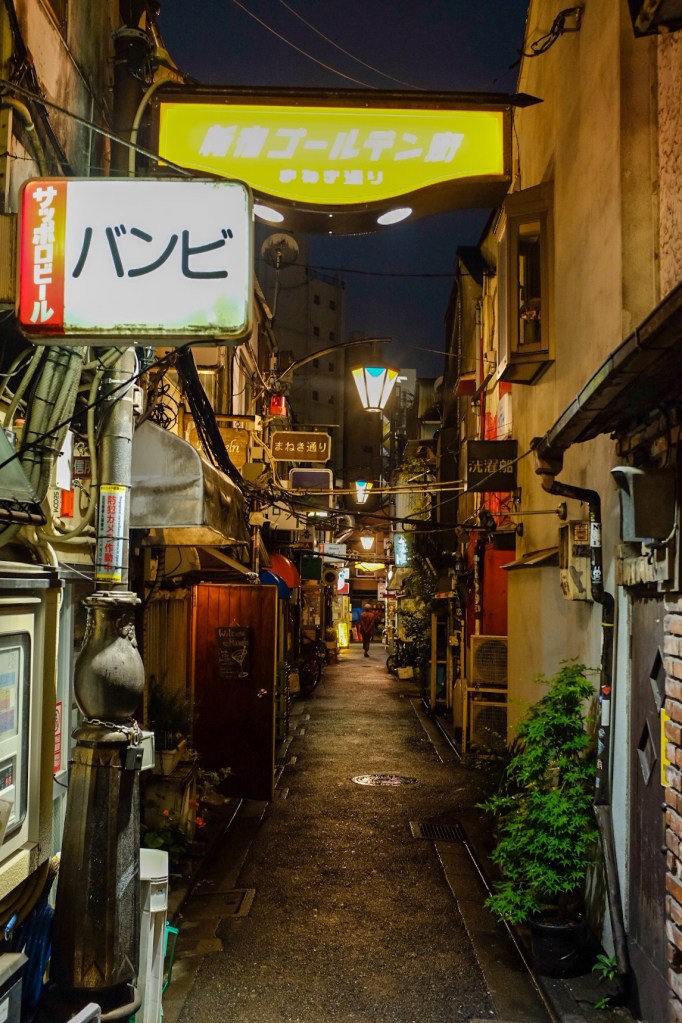
Another great spot for drinks is Golden Gai, a popular city district famed for its narrow, winding alleys, and numerous snug taverns.

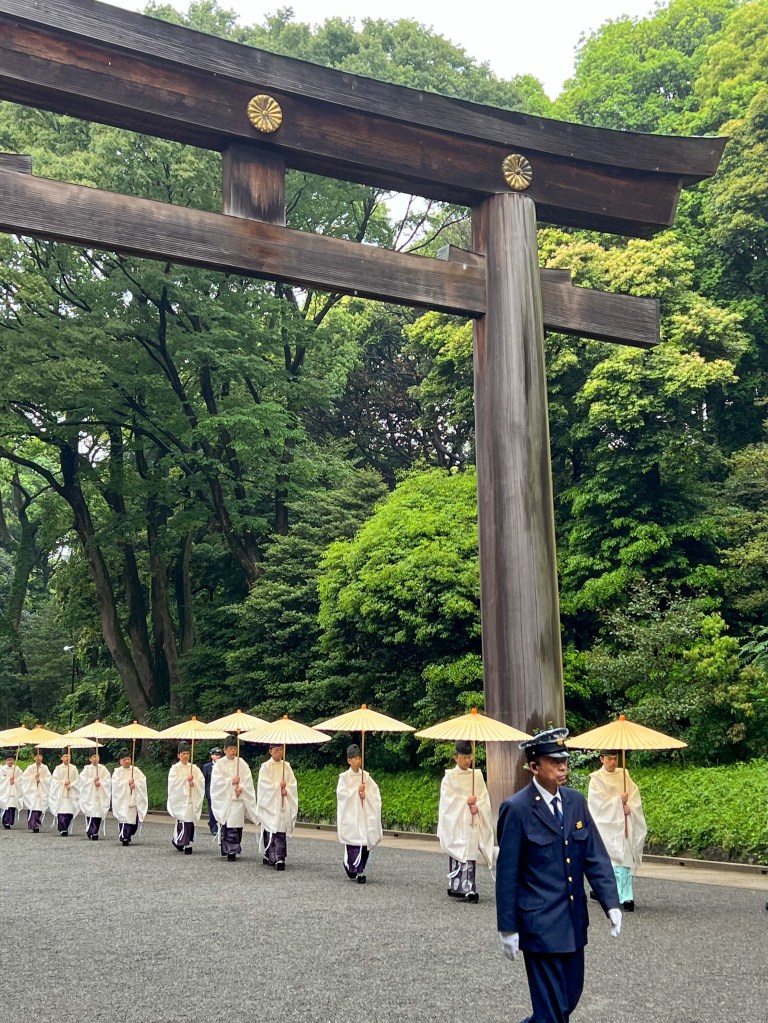
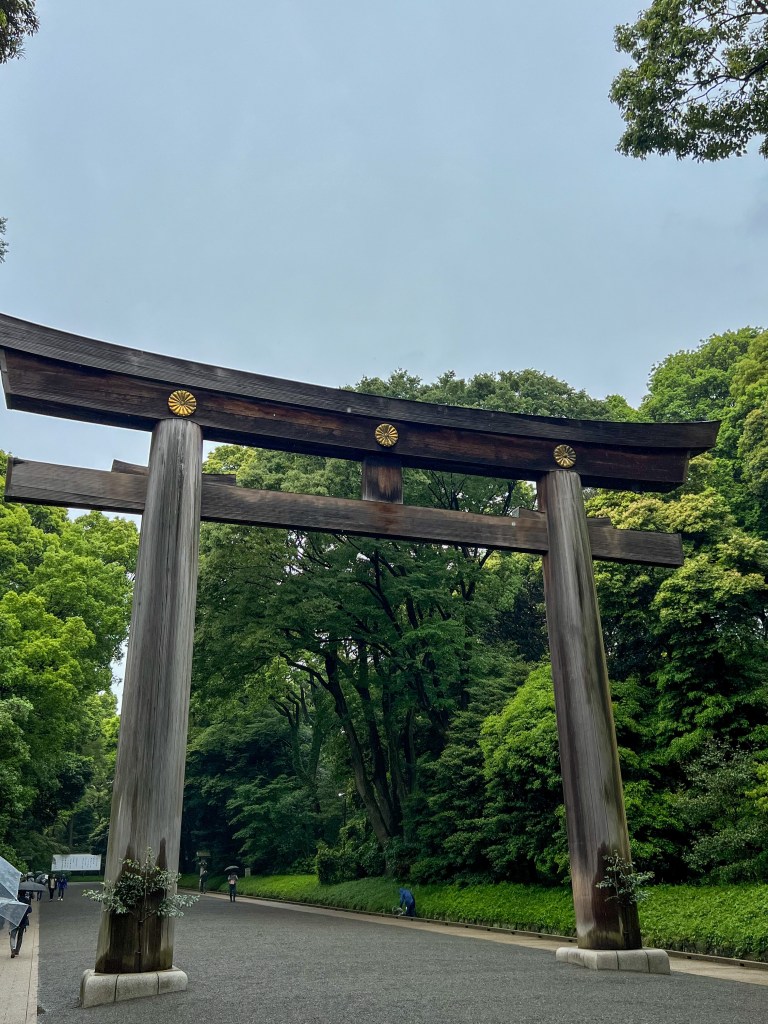
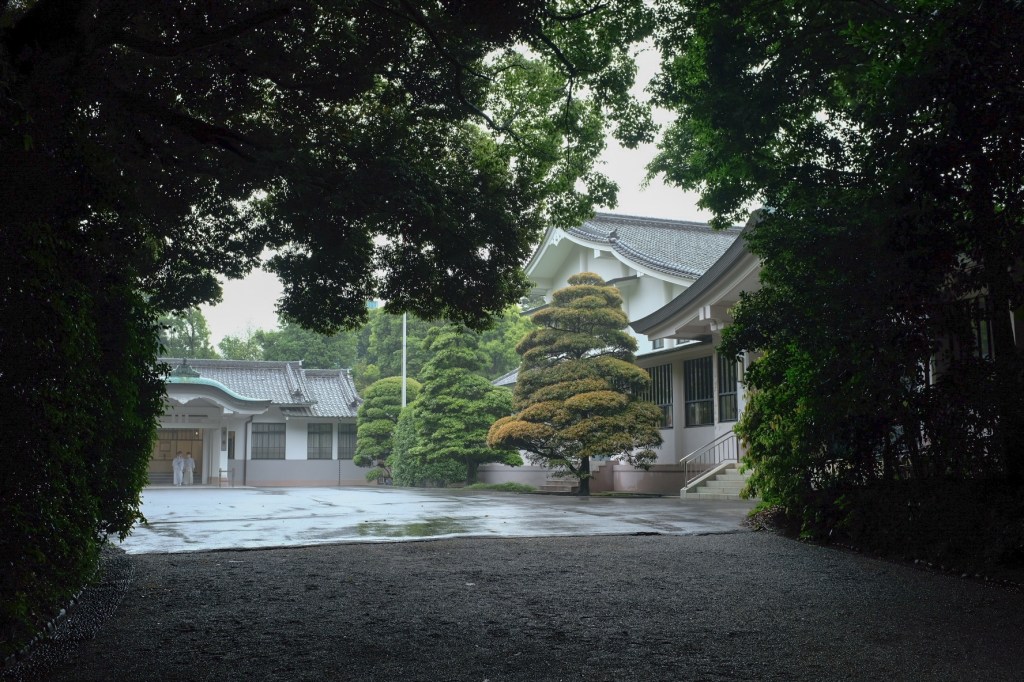
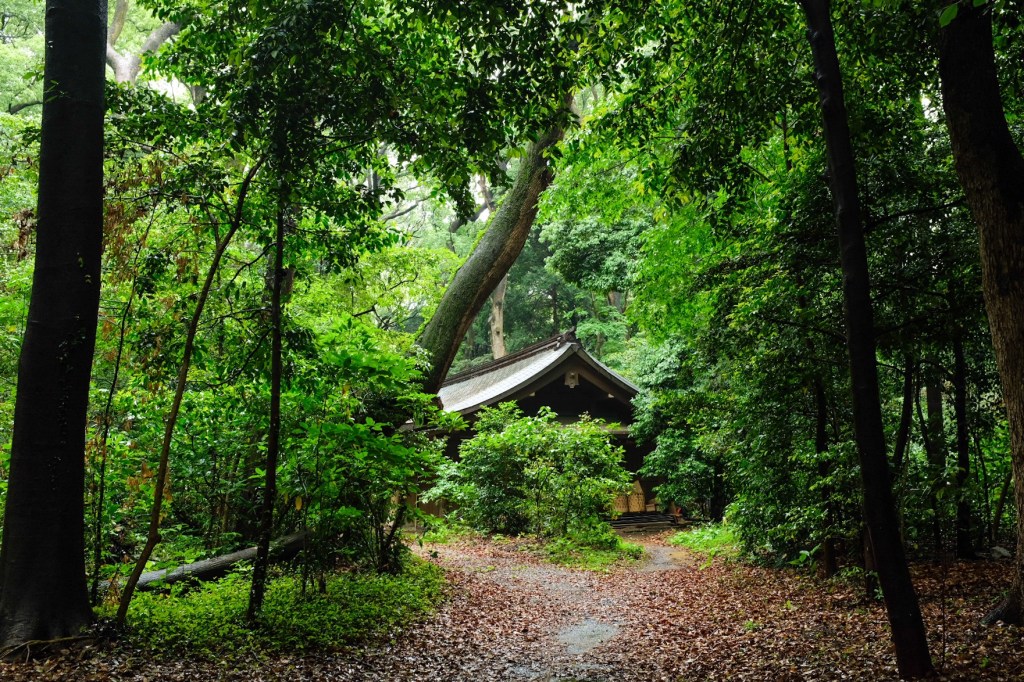
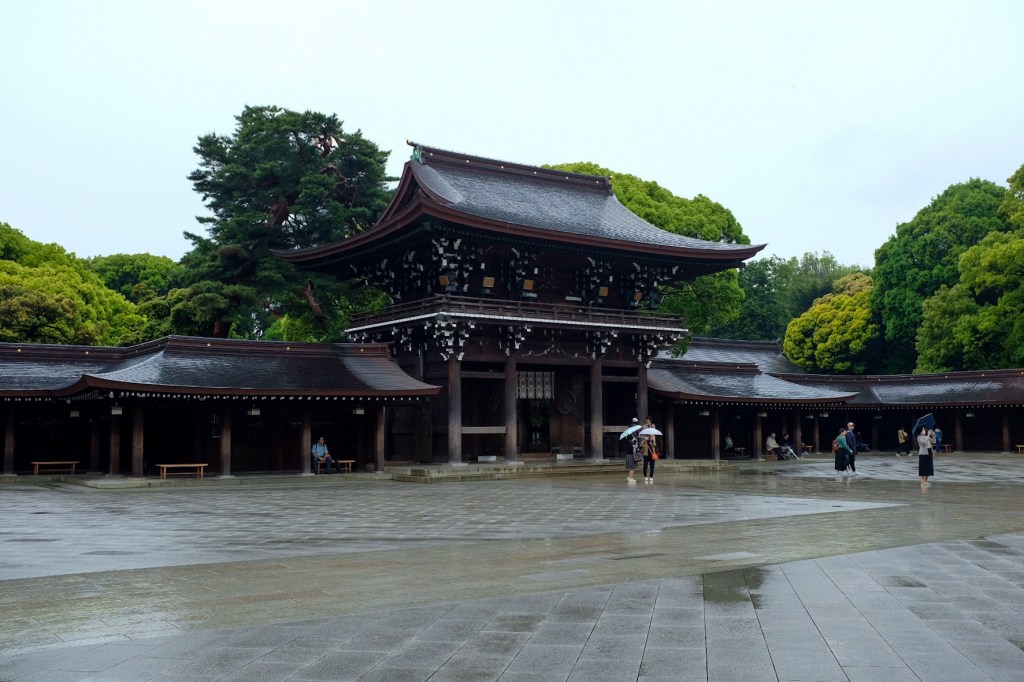
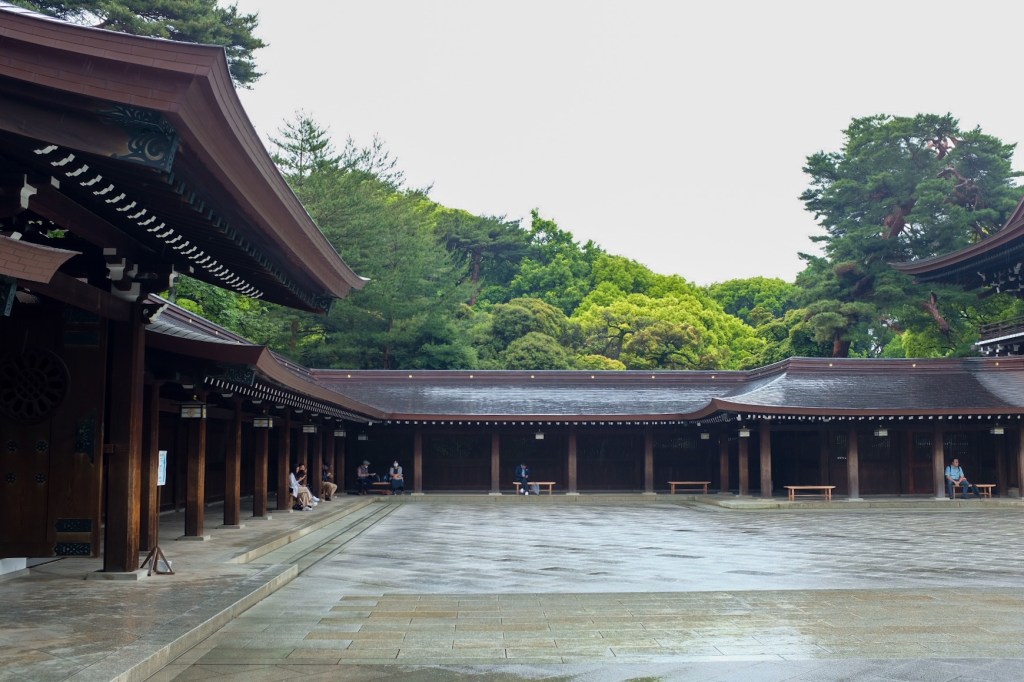
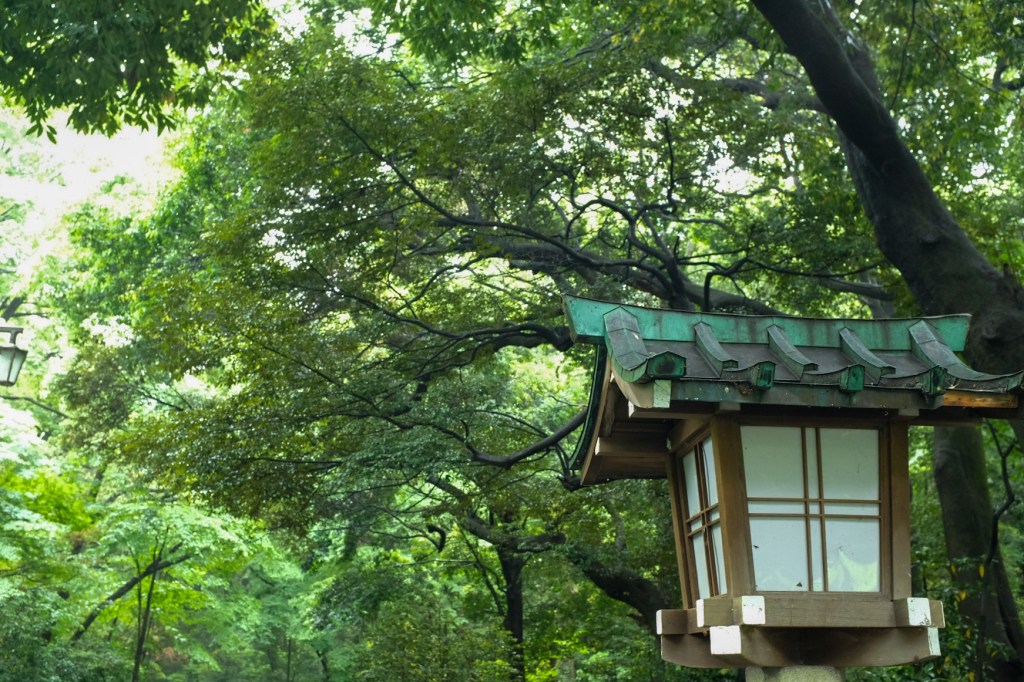
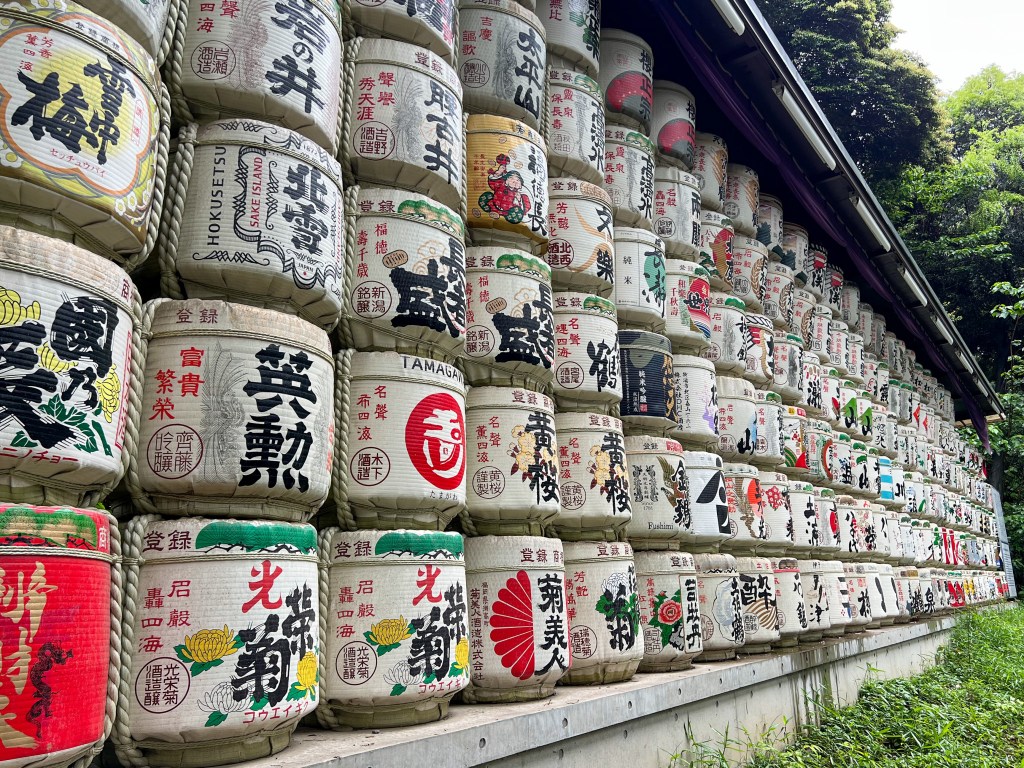
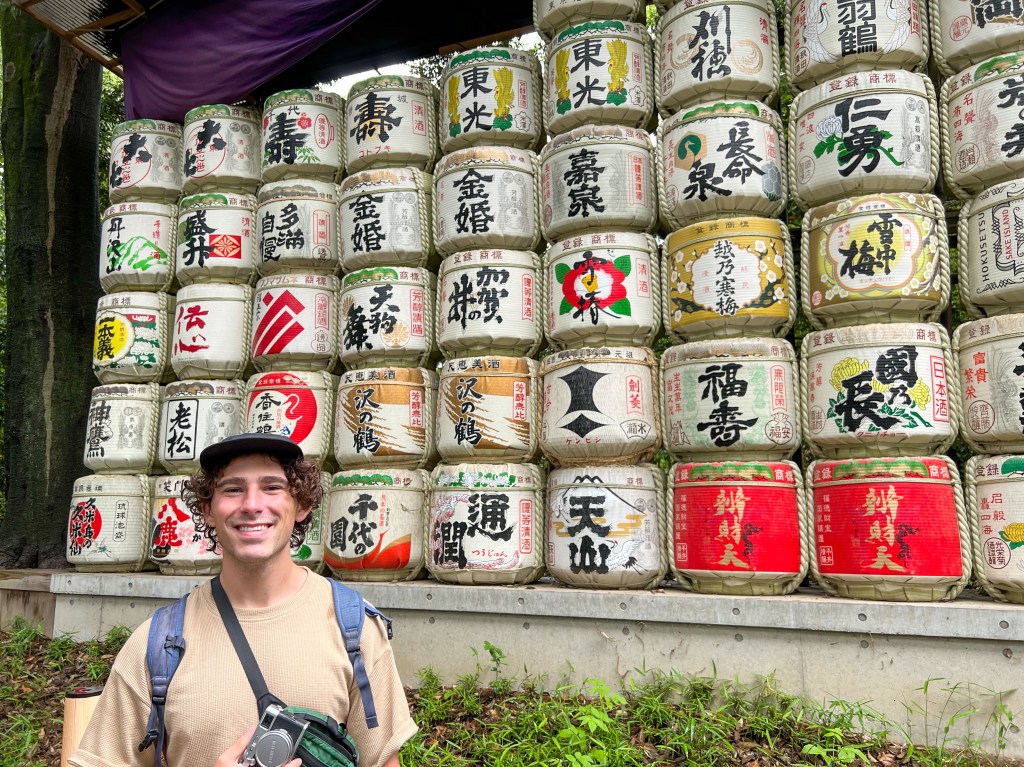
On my 3rd day, I visited the Meiji Jingu Shinto Shrine in Shibuya neighborhood. It is dedicated to the deified spirits of Emperor Meiji and his wife, Empress Shōken, who ruled from 1867 until his death in 1912. Meiji was the first monarch of the Empire of Japan, and presided over the Meiji Restoration, a series of rapid changes that moved Japan from an isolationist, feudal state, to an industrialized world power.

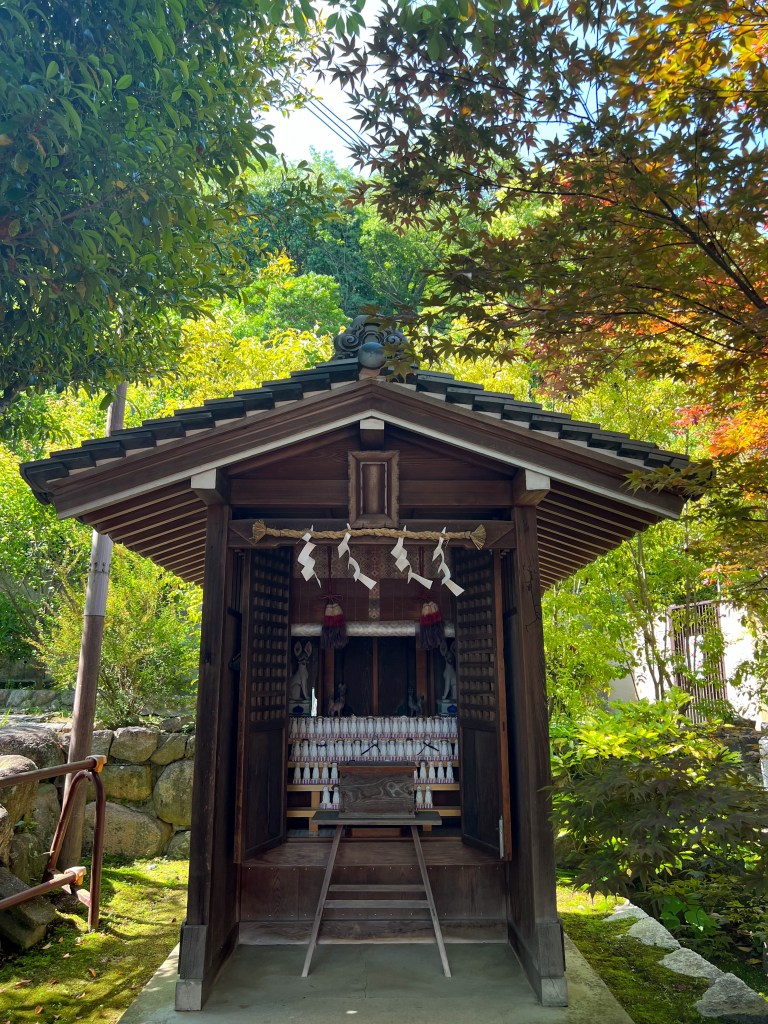
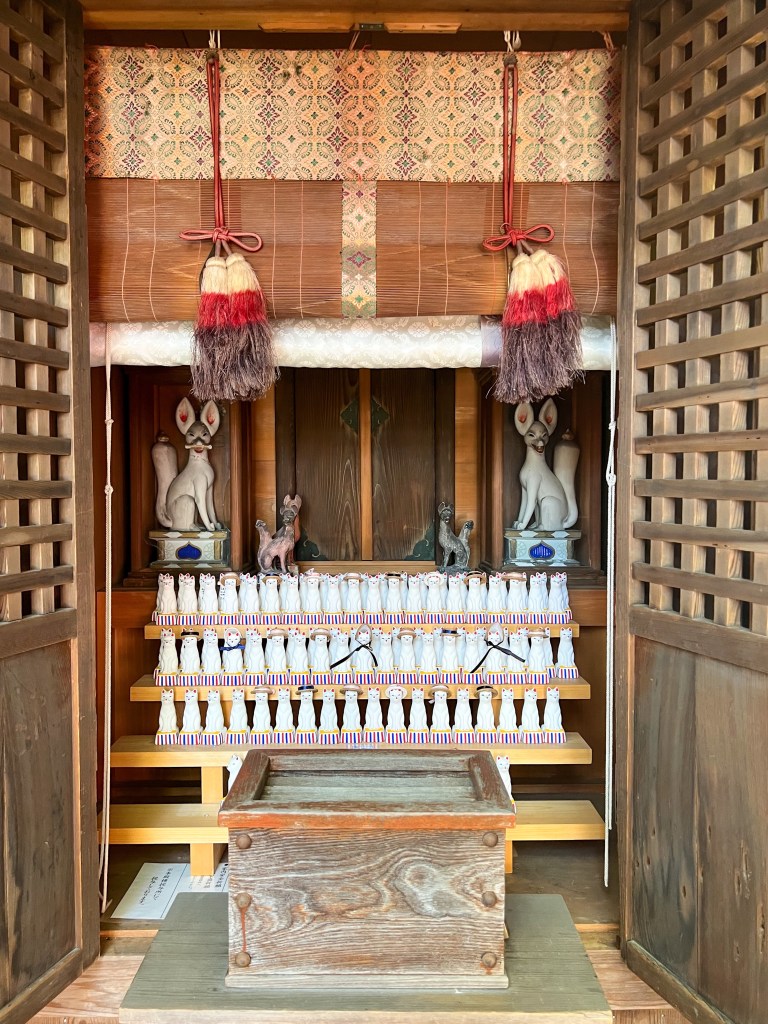
Shinto shrines are structures whose main purpose is to house (“enshrine”) one or more kami, the deities of the Shinto religion.

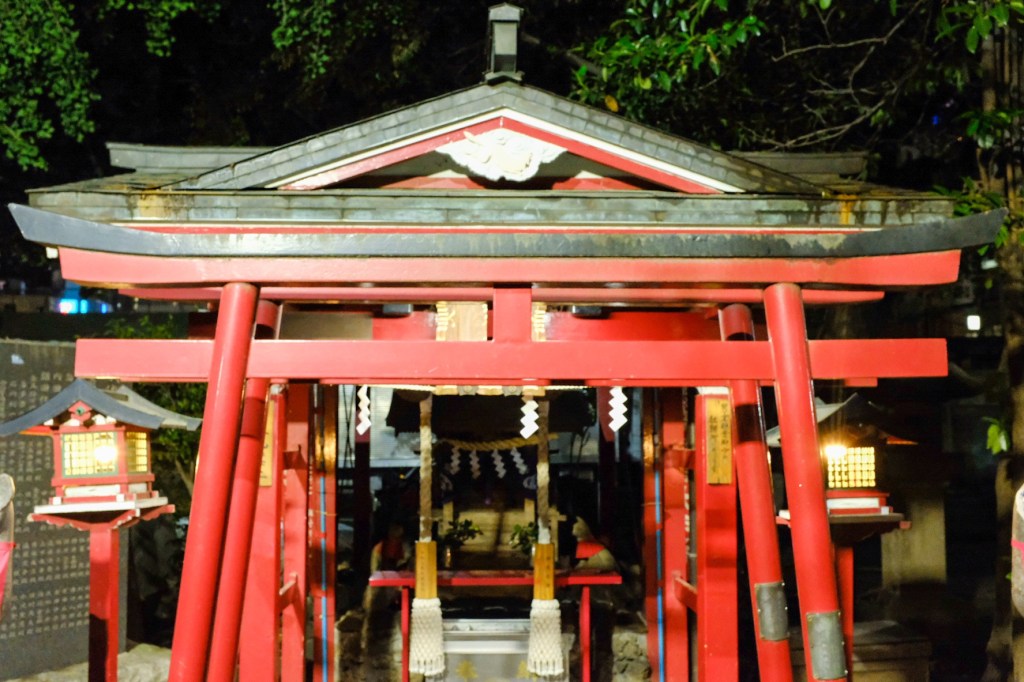
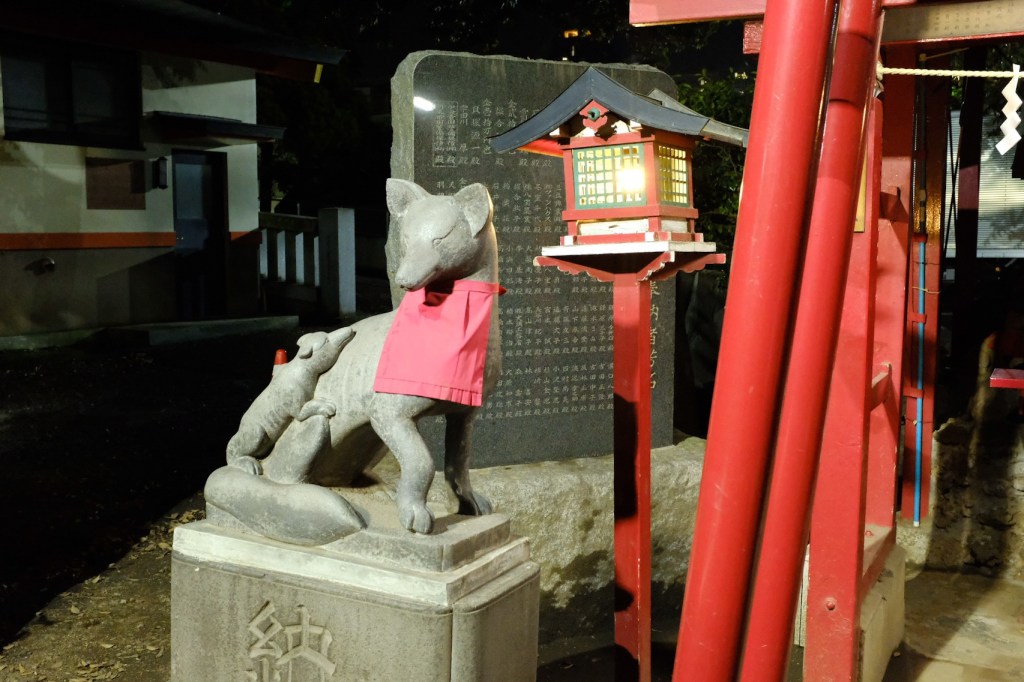
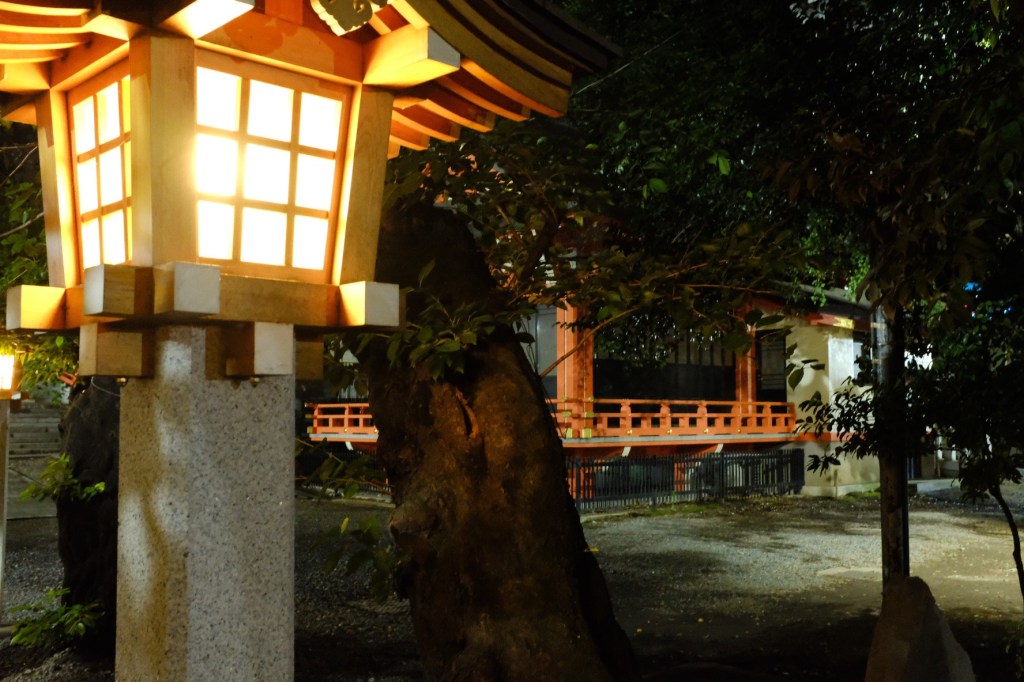
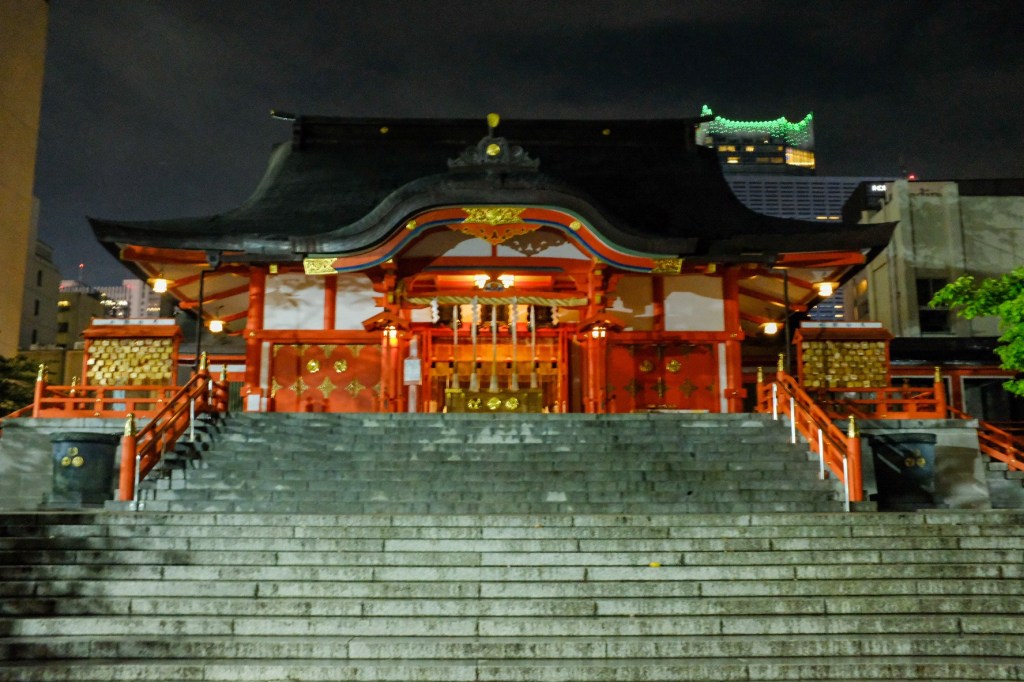
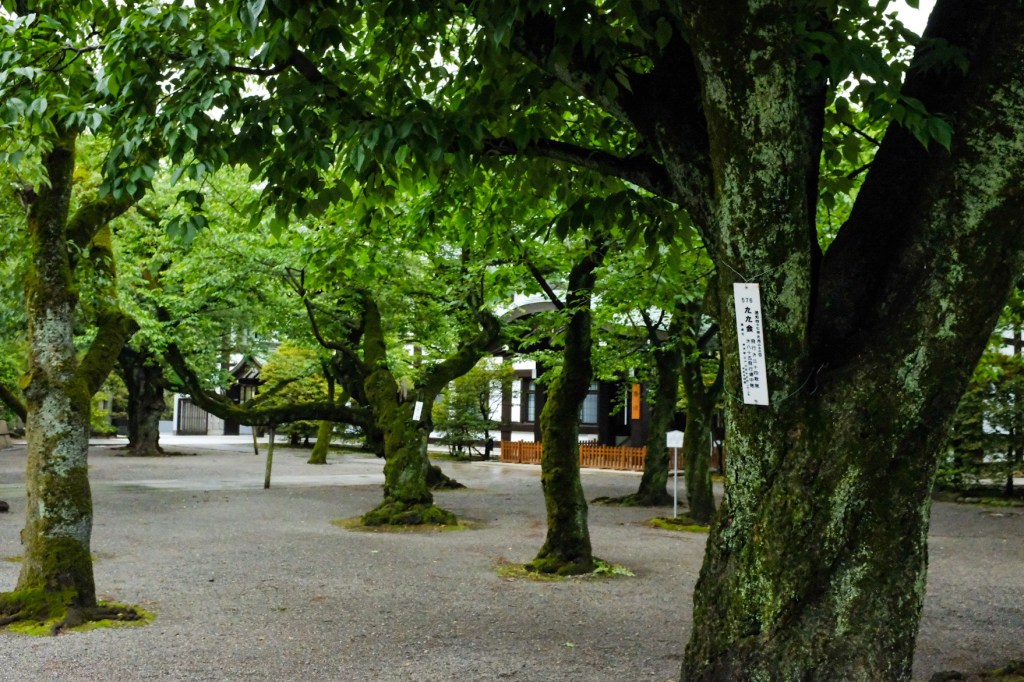
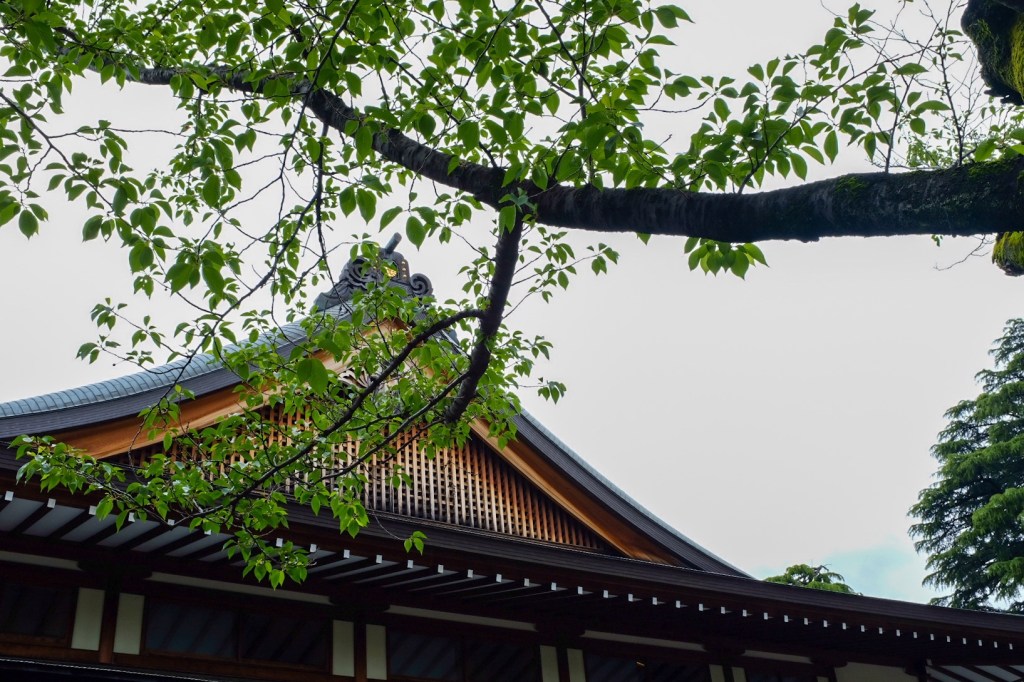
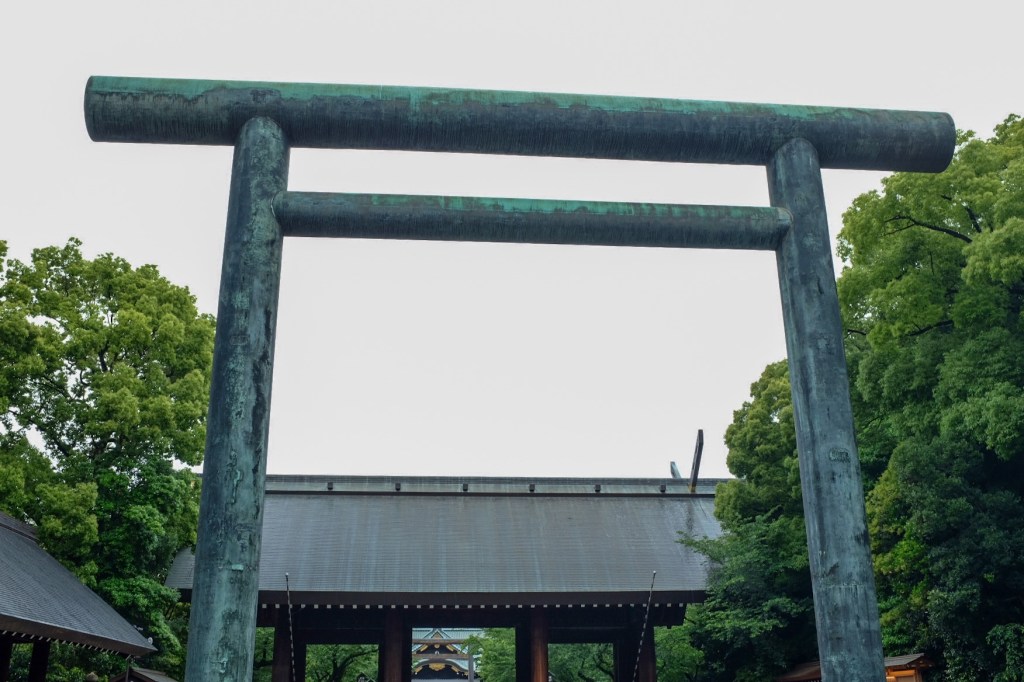
During my time in Tokyo, I also visited the Yasukuni Shrine, which commemorates Japanese war dead, and the Hanazono Shrine, most known for its serene atmosphere in the center of the city.

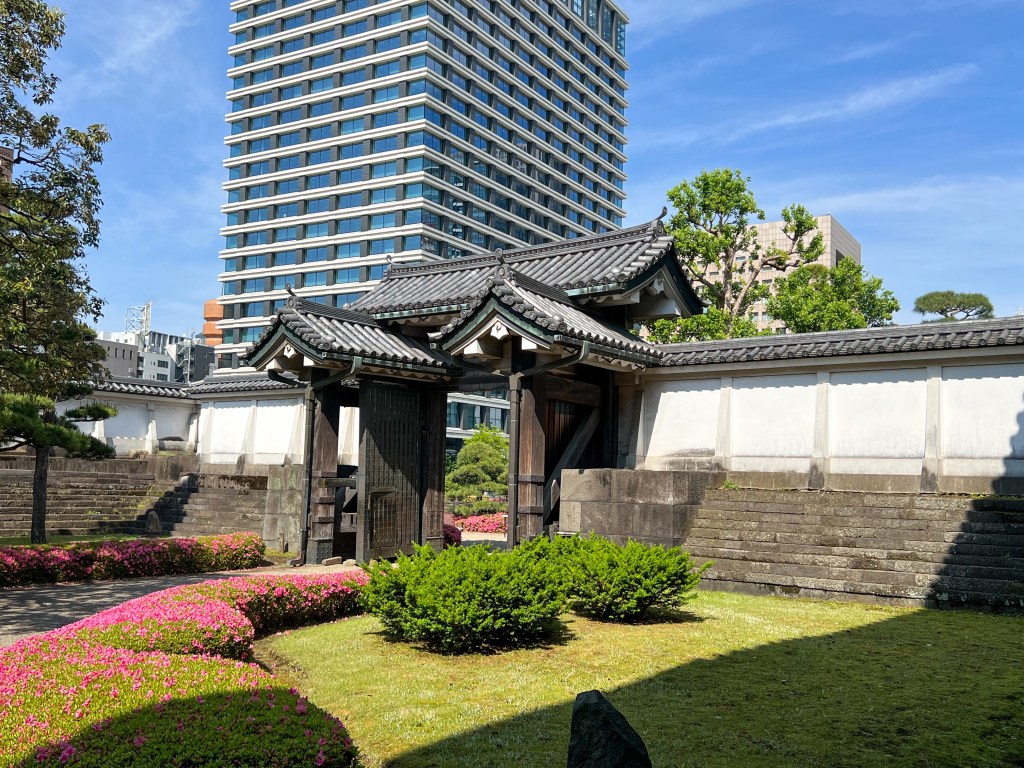
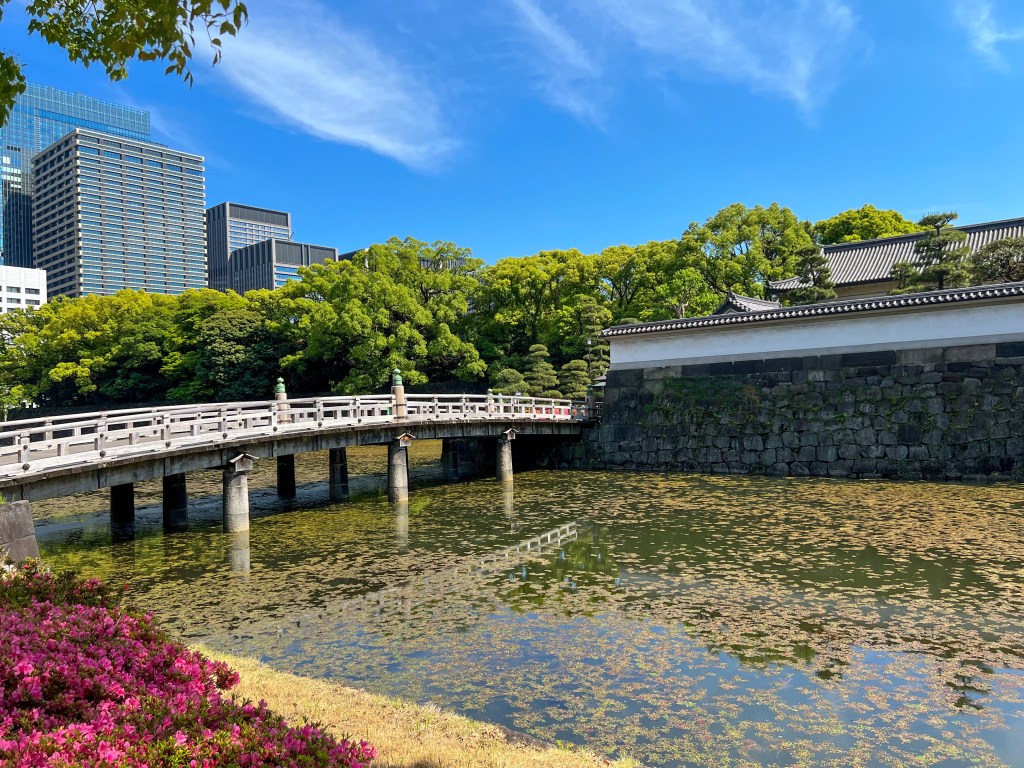
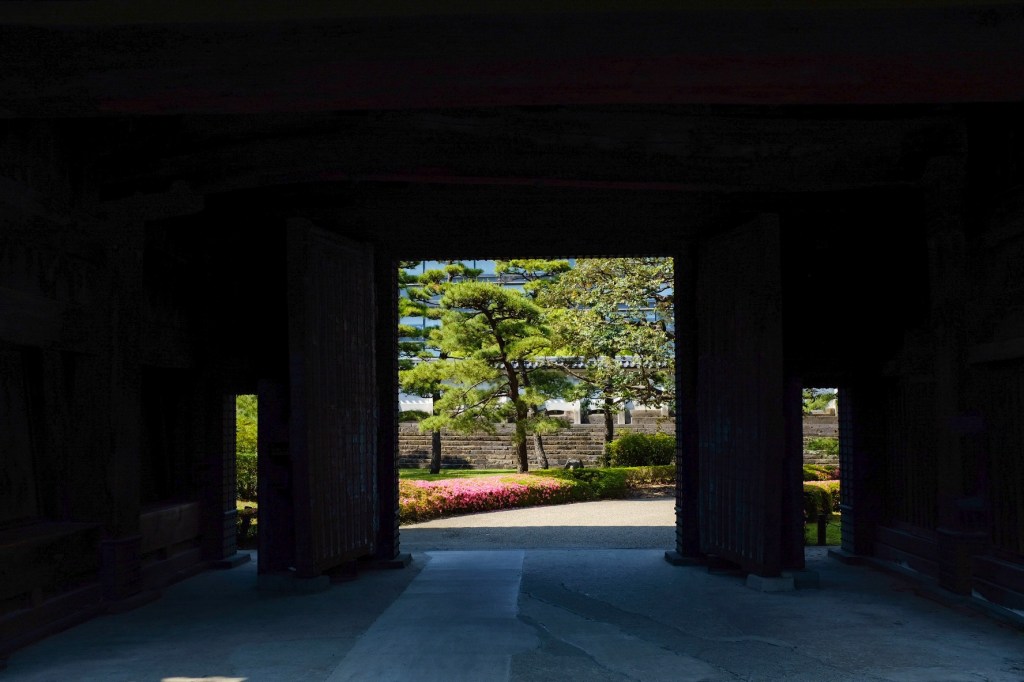
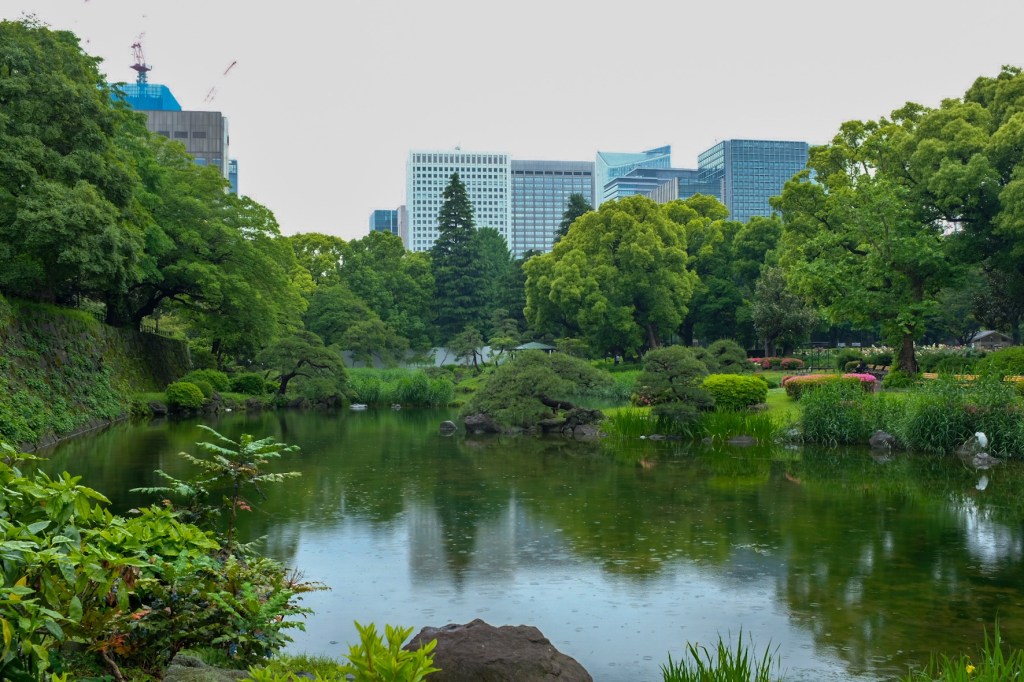
On my last day in Tokyo, I visited the Imperial Palace, which has served as the residential place of successive Emperors since 1868.

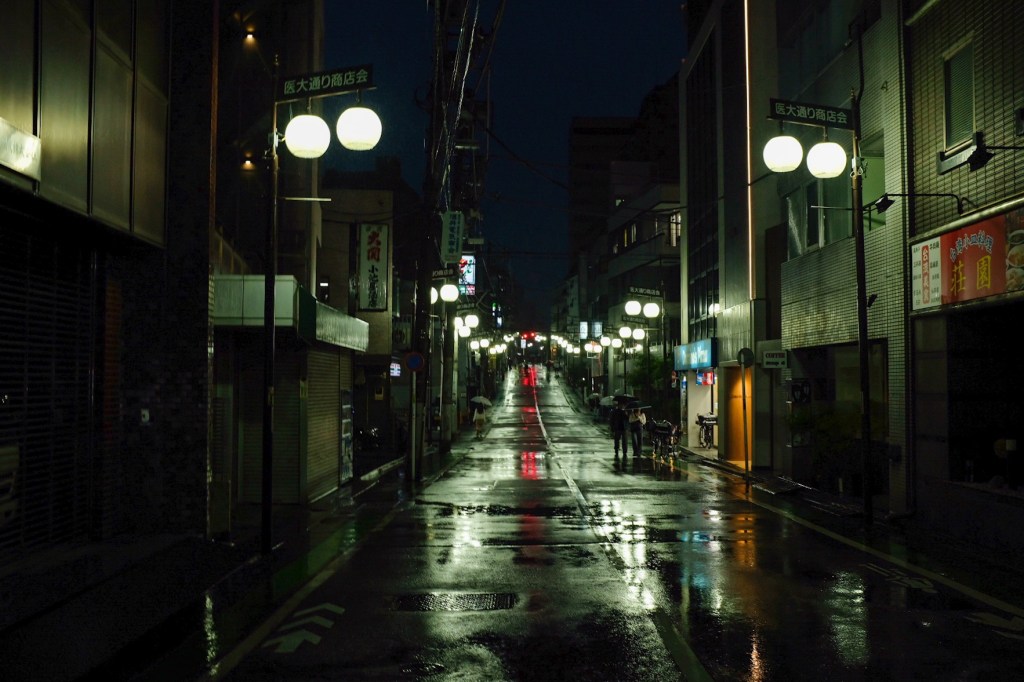
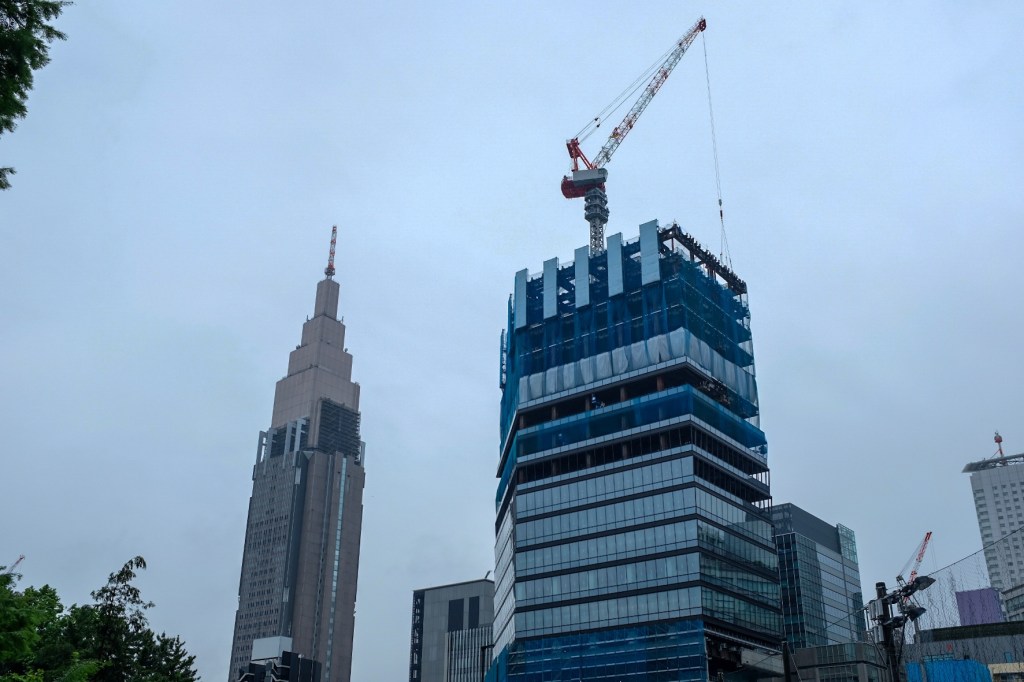
Some other photos of Tokyo-
Kyoto: The Cultural Capital

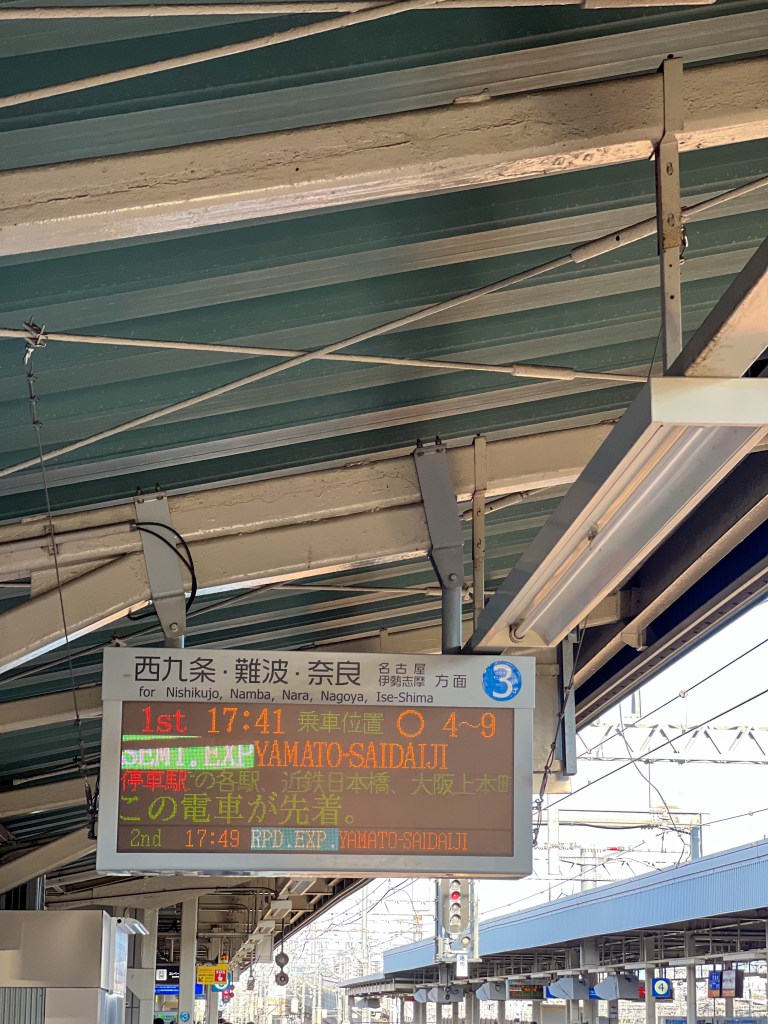
That evening, I caught a 7-hour southbound bus from Tokyo to Kyoto.

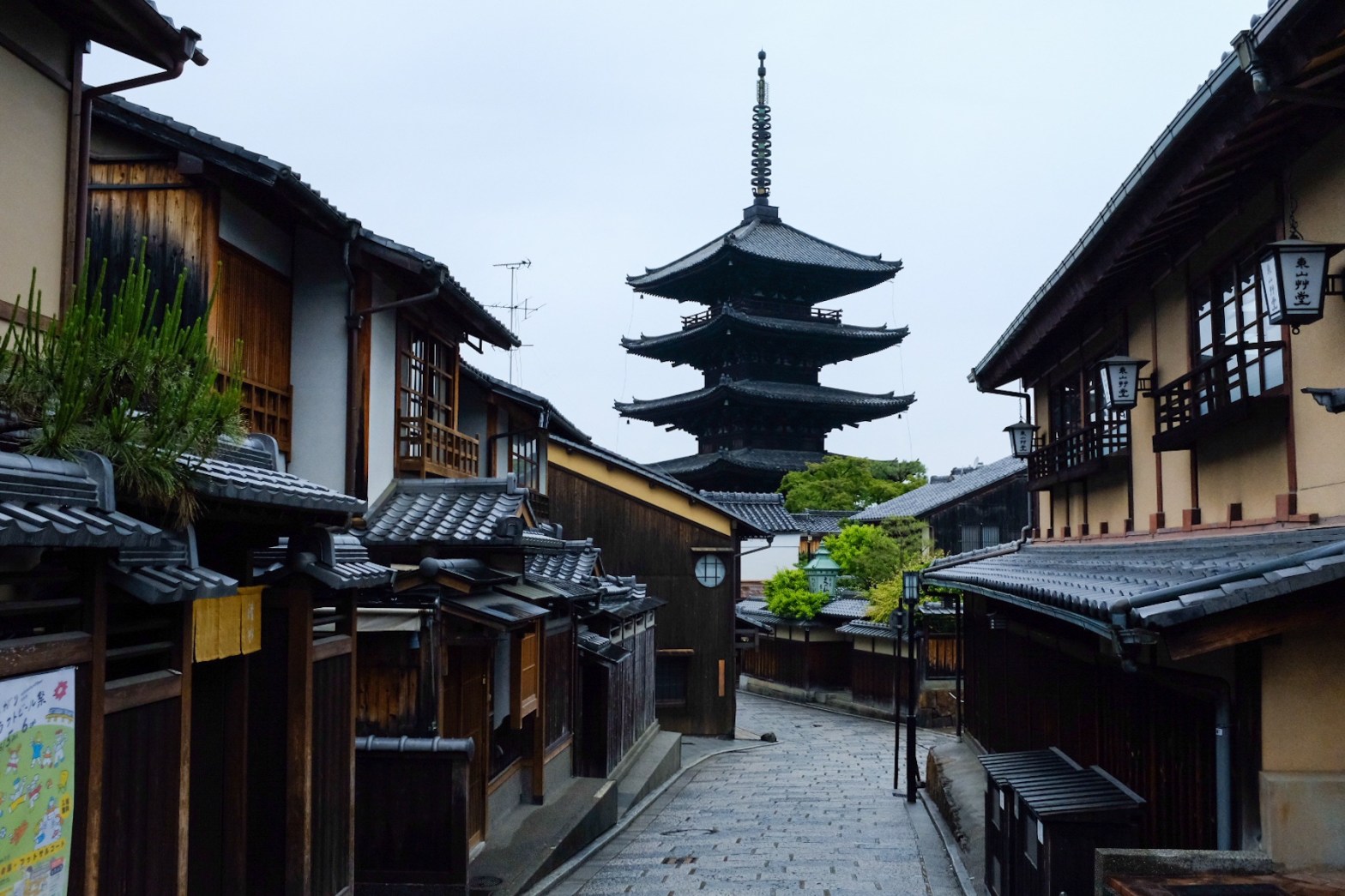
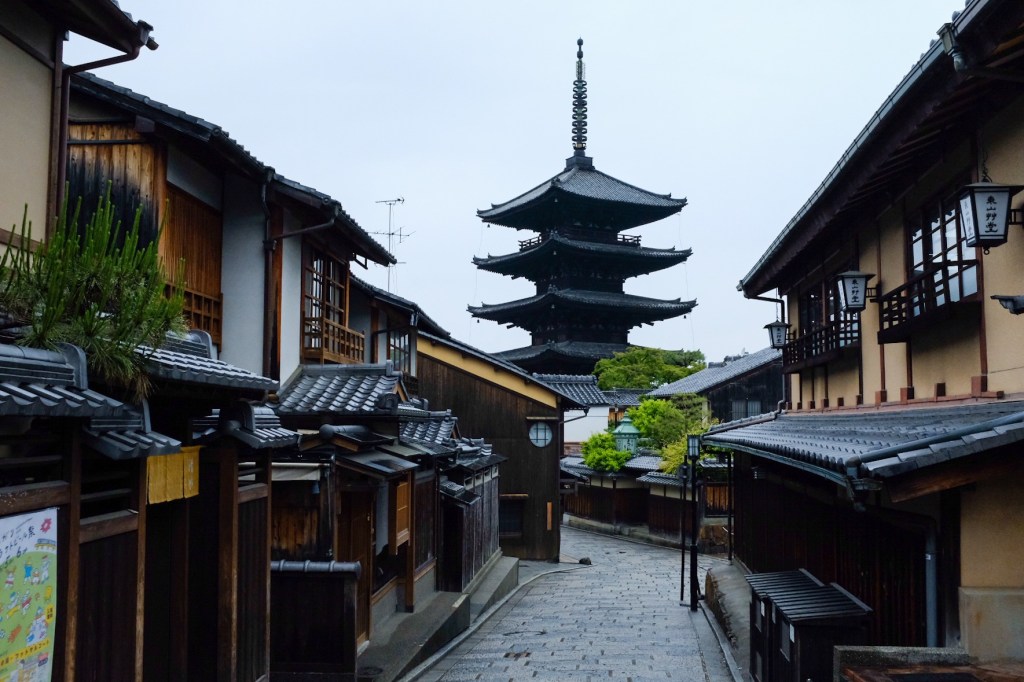
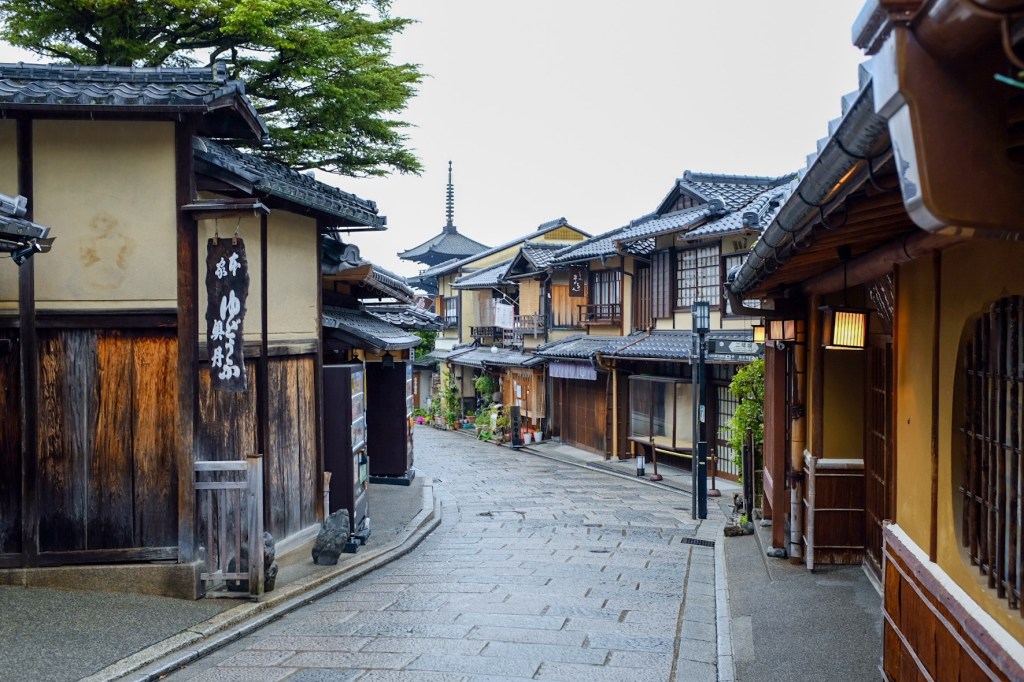
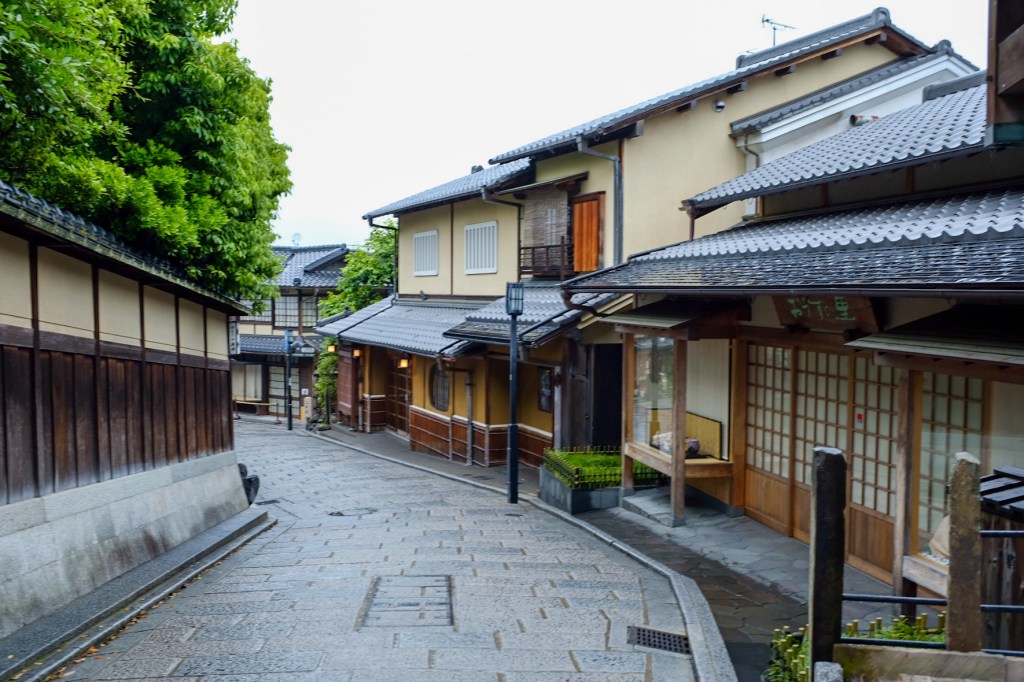
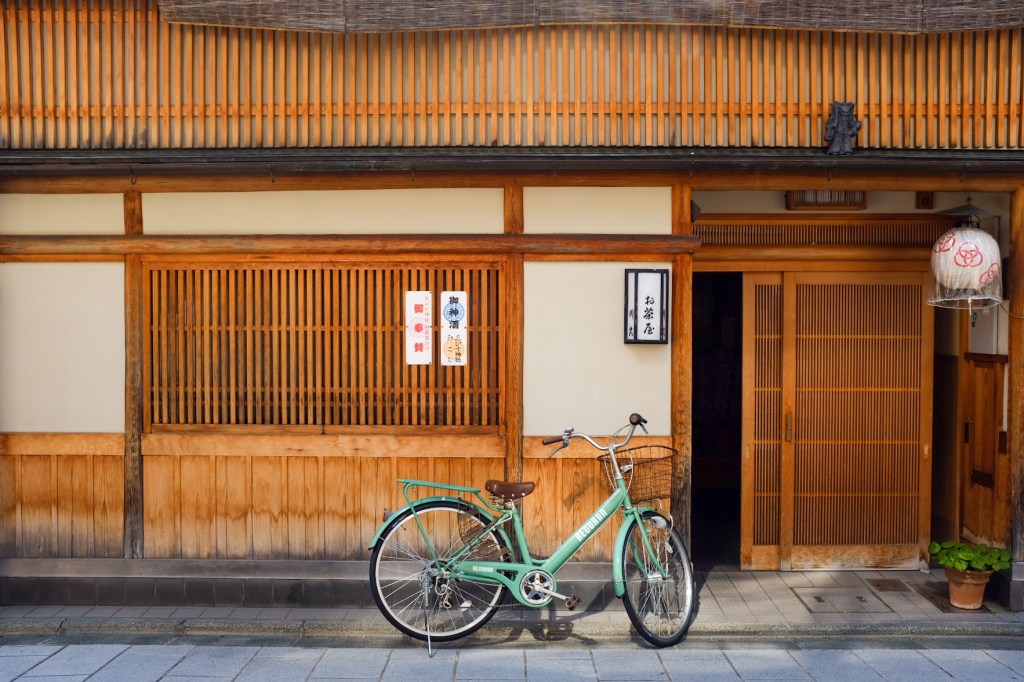
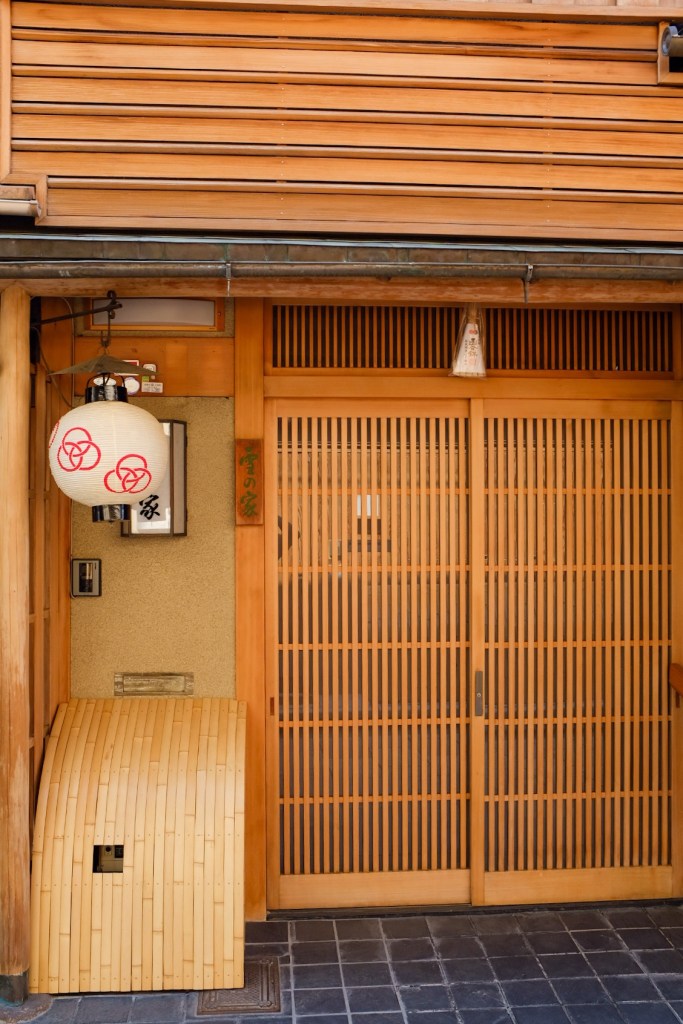
Kyoto is one of the oldest municipalities in Japan, having been chosen in 794 as the new seat of Japan’s imperial court by Emperor Kanmu. The emperors of Japan ruled from Kyoto in the following eleven centuries until 1869. The city was spared from large-scale destruction during World War II and as a result, its prewar cultural heritage has mostly been preserved. It is home to numerous Buddhist temples, Shinto shrines, palaces, and gardens. With over 2000 temples and shrines, I certainly had my work cut out for me as I rushed to visit as much as I could in my 3 day stay.

There’s a lot here to see! So, to make it easy, I am going to lay out each of the major sites I saw with a bit of a description.

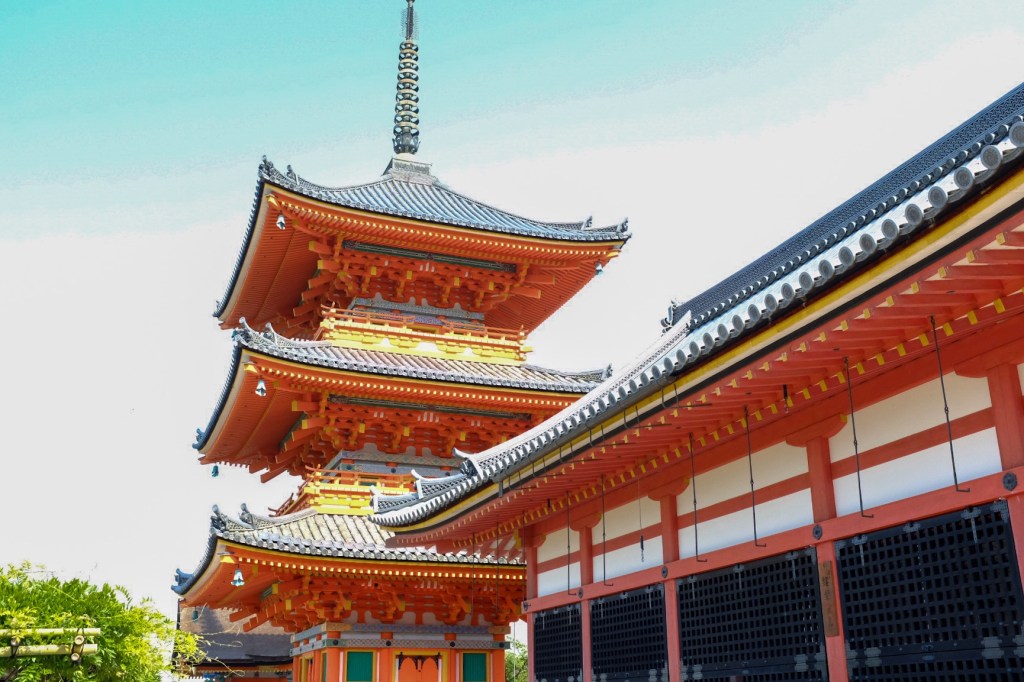
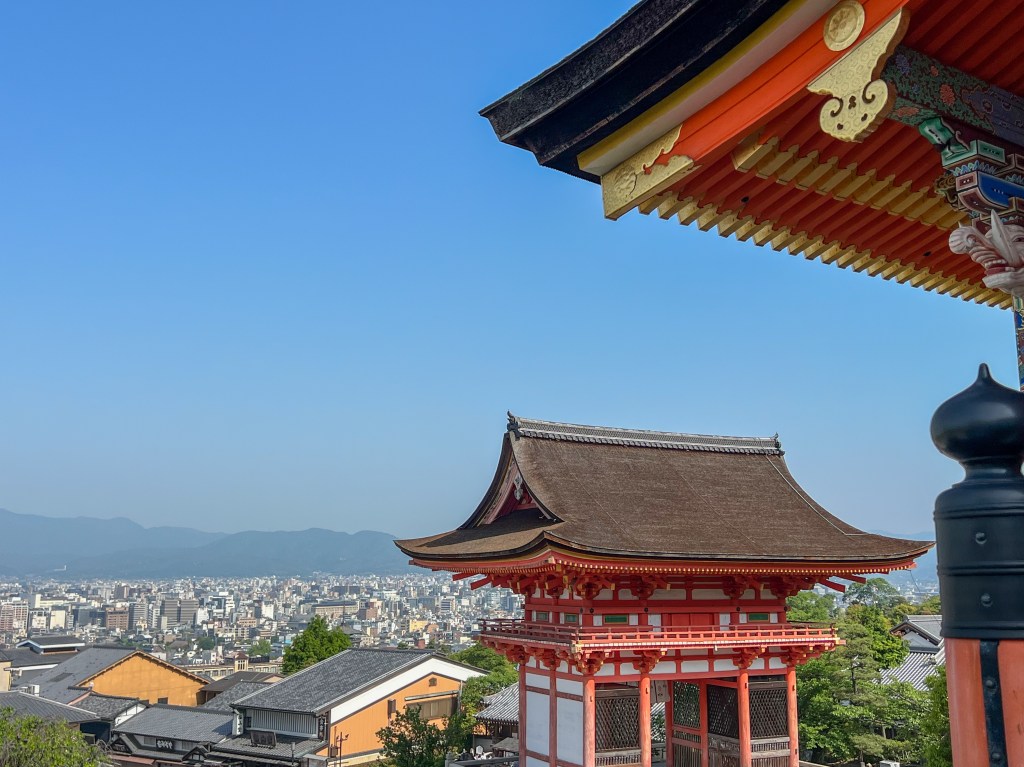
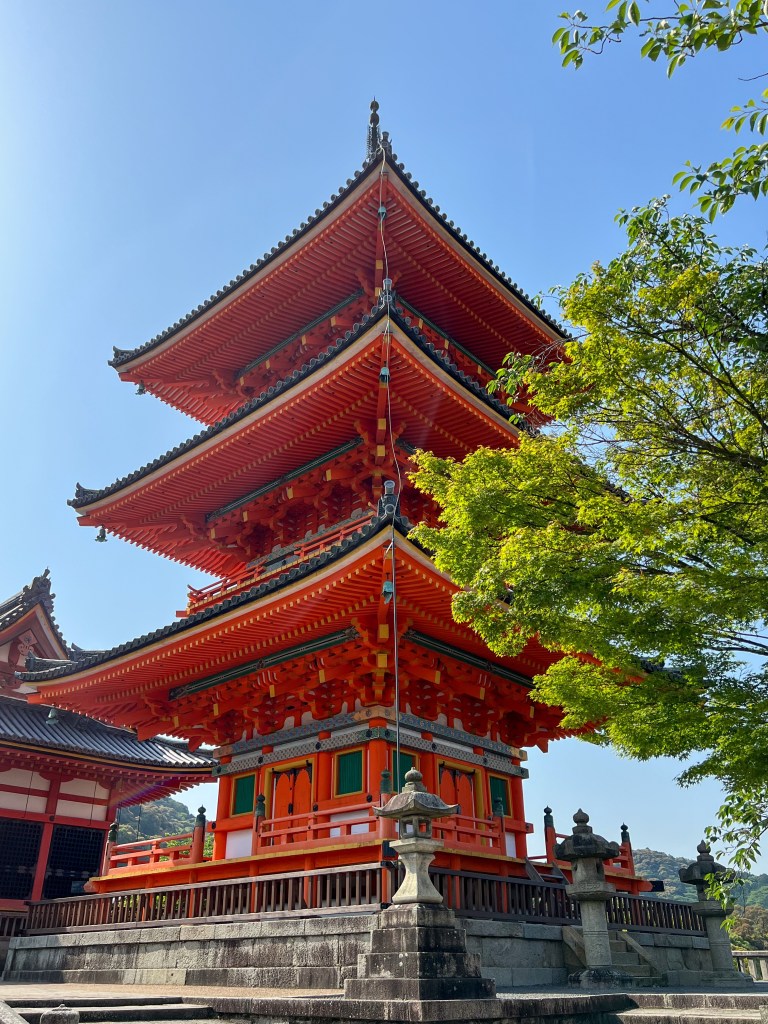
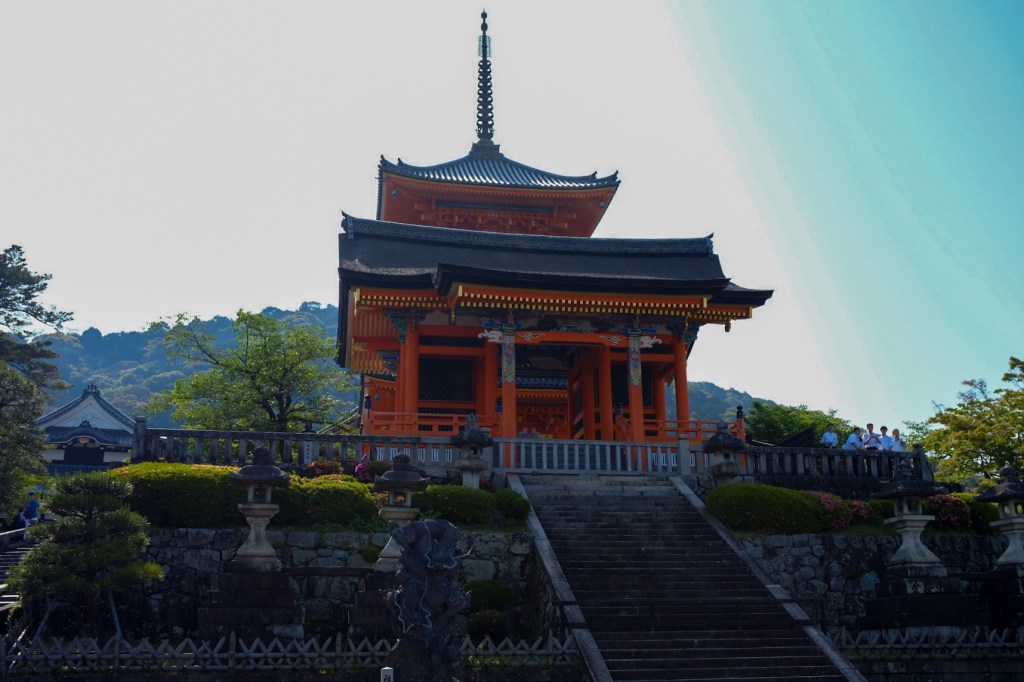
Kiyomizu-dera – a sacred Buddhist temple which was founded in 778.

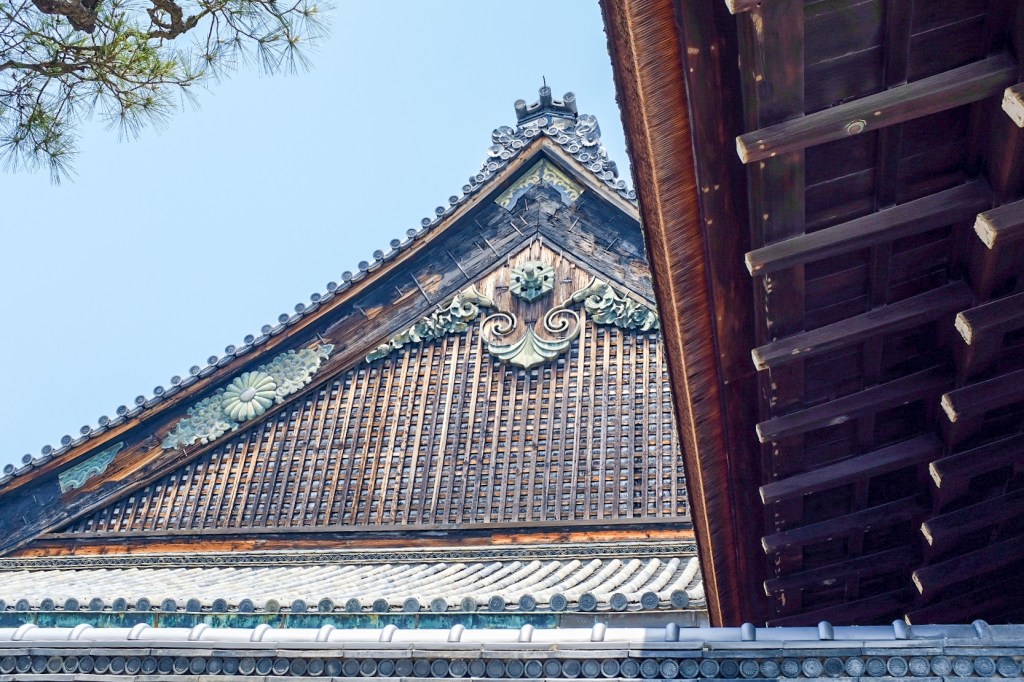
Kyoto Sento Imperial Palace – The present Kyoto Imperial Palace had been used as the residence of Emperors for 500 years, from 1331 until the capital moved to Tokyo in 1869.

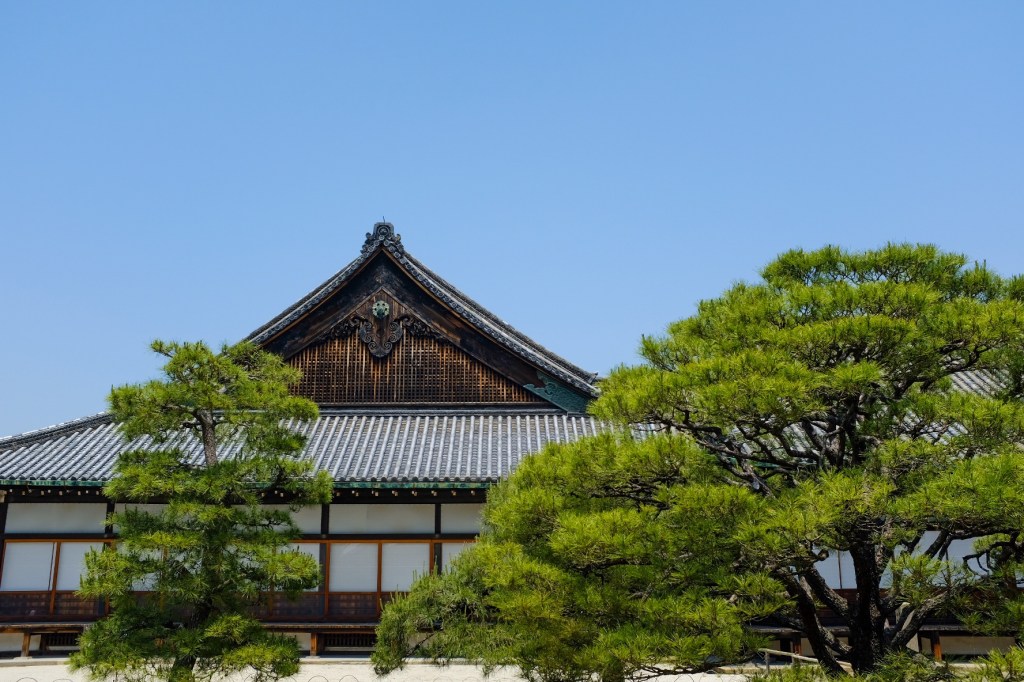
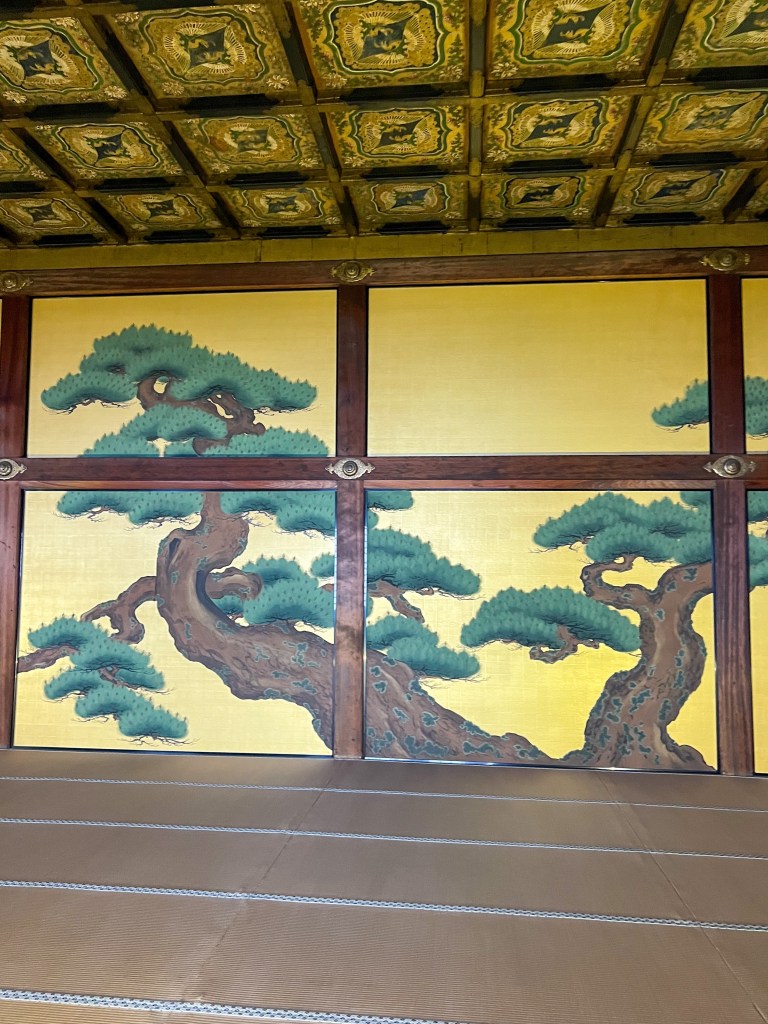
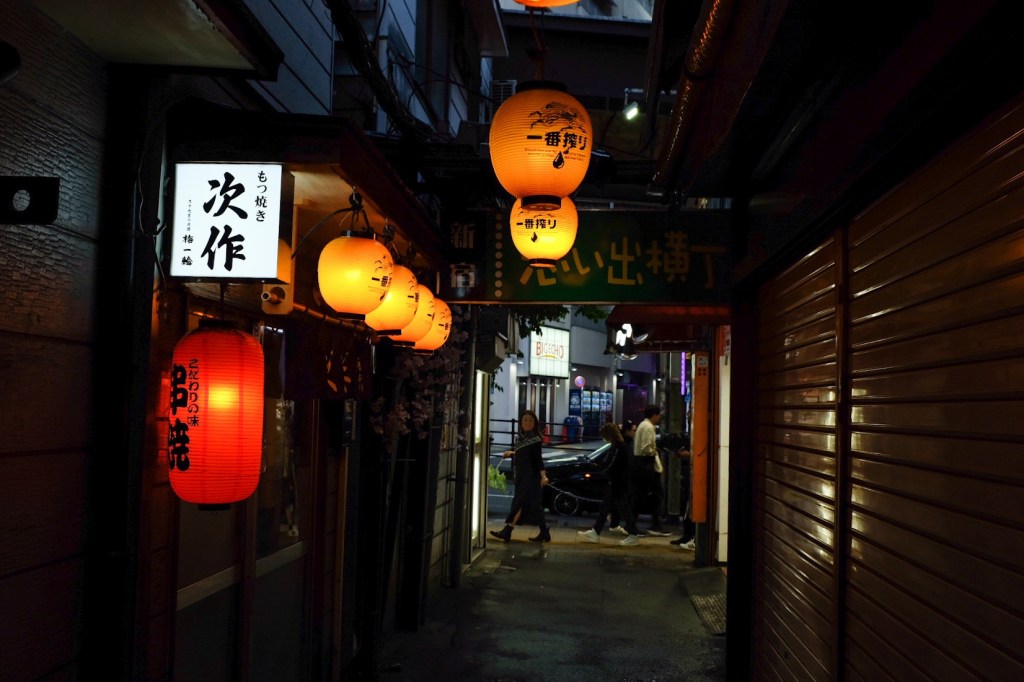
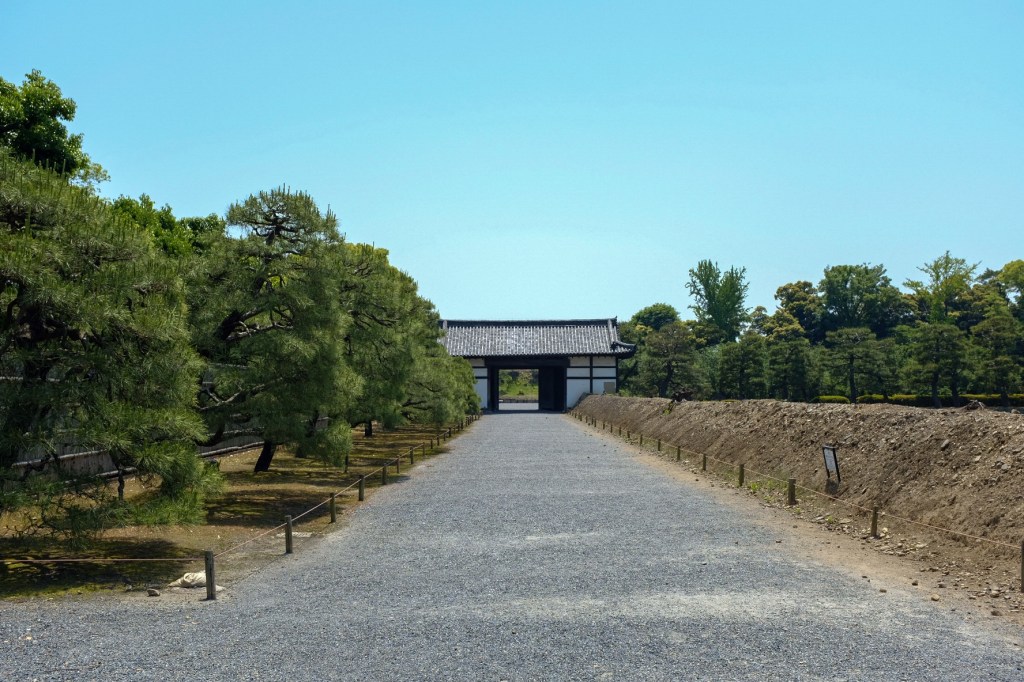
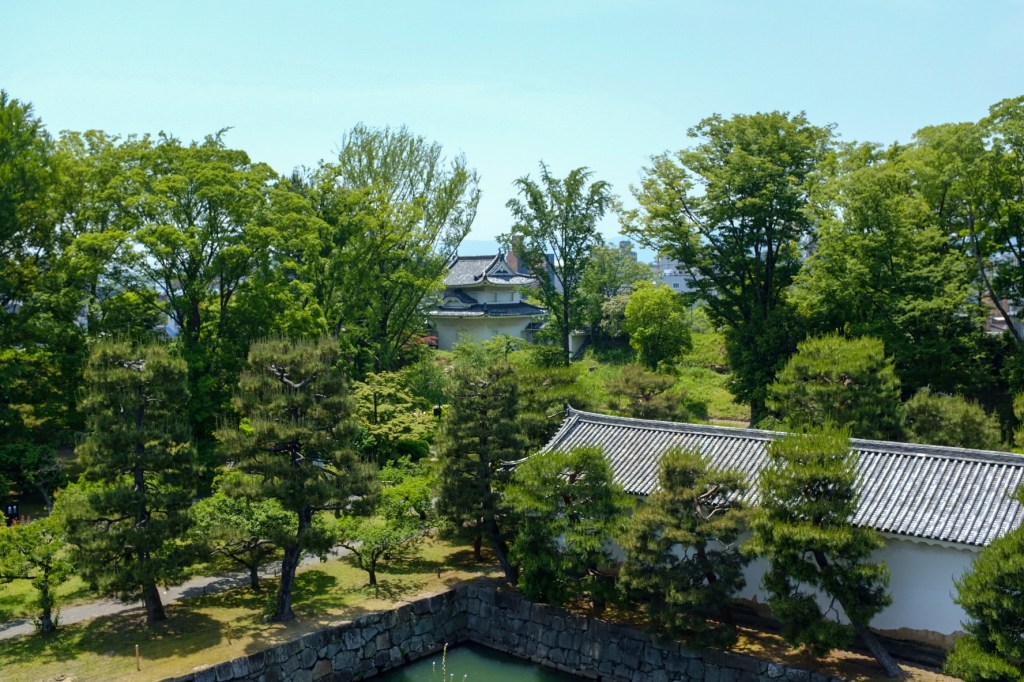
Nijo Castle – was built in 1603 as the Kyoto residence of Tokugawa Ieyasu, the first shogun of the Edo Period (1603-1867).

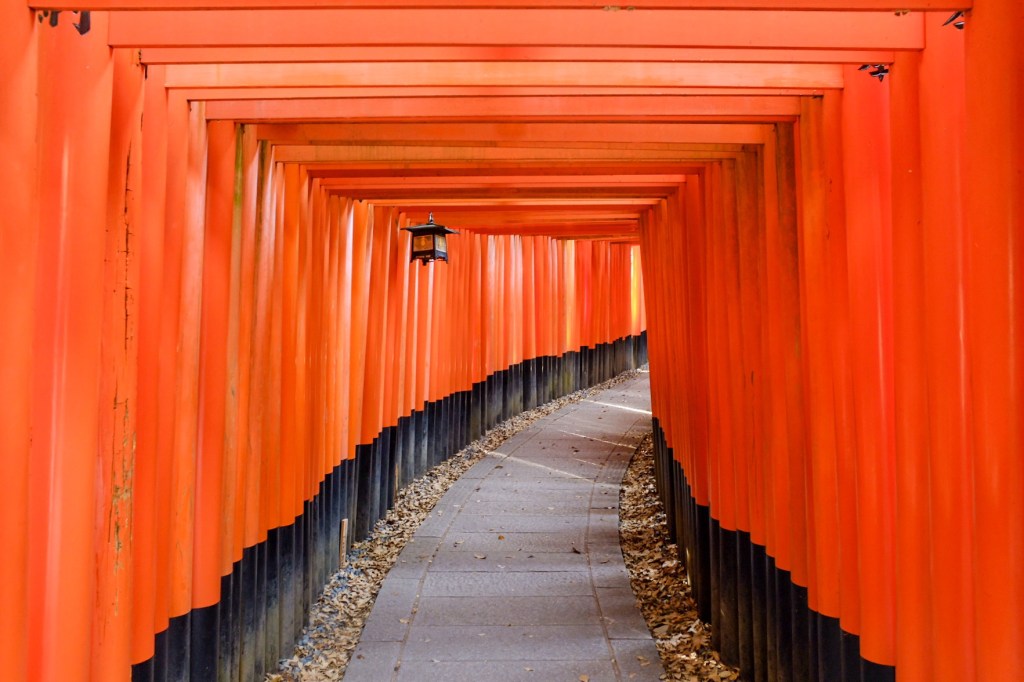
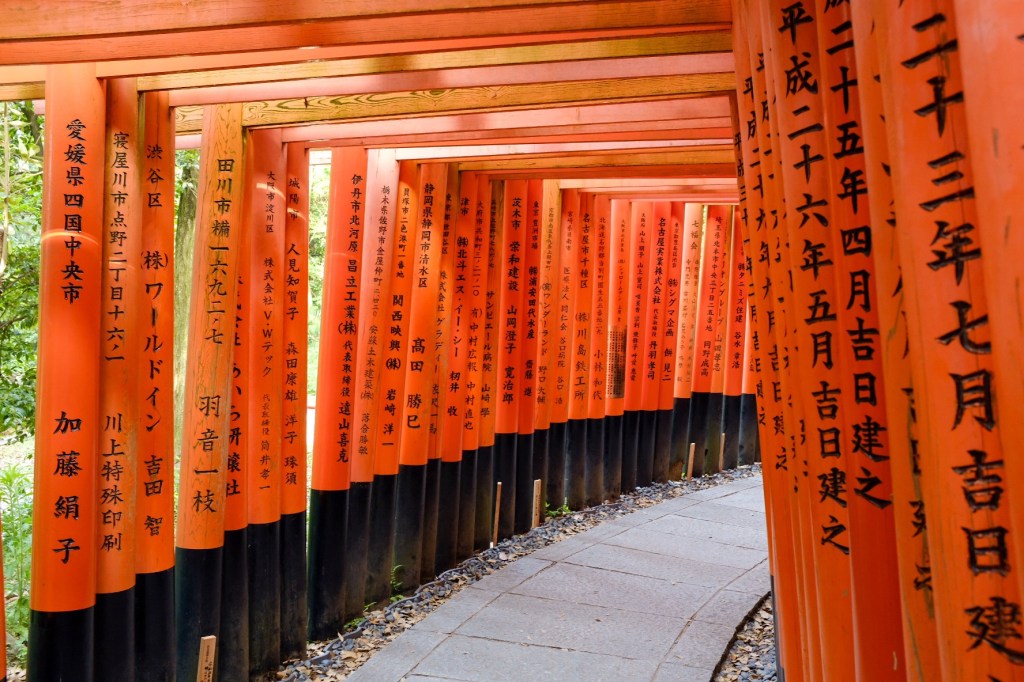
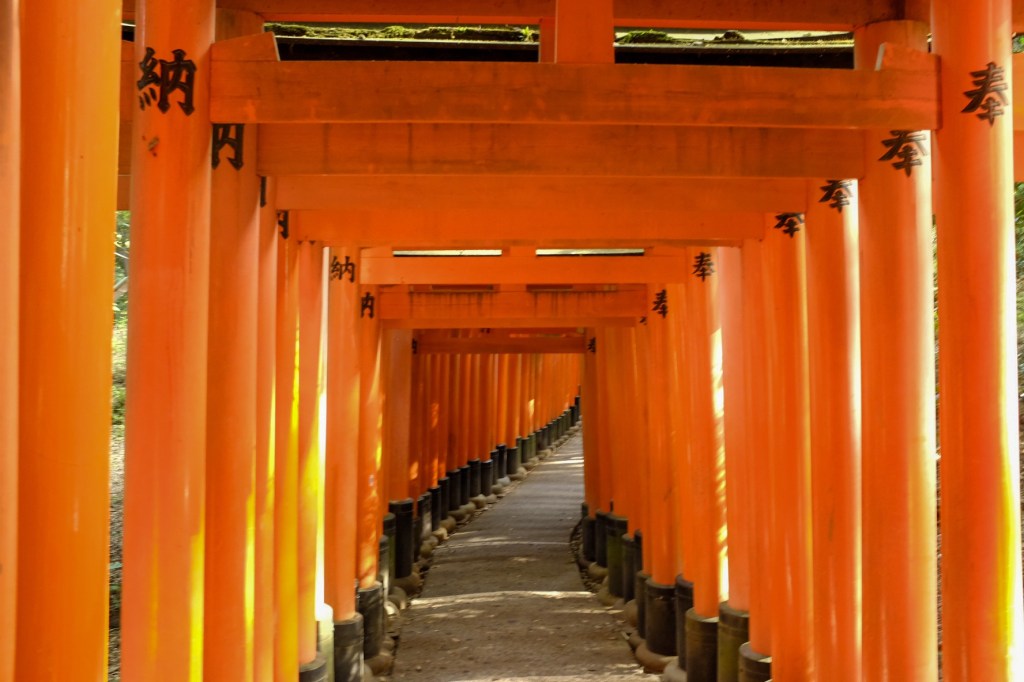
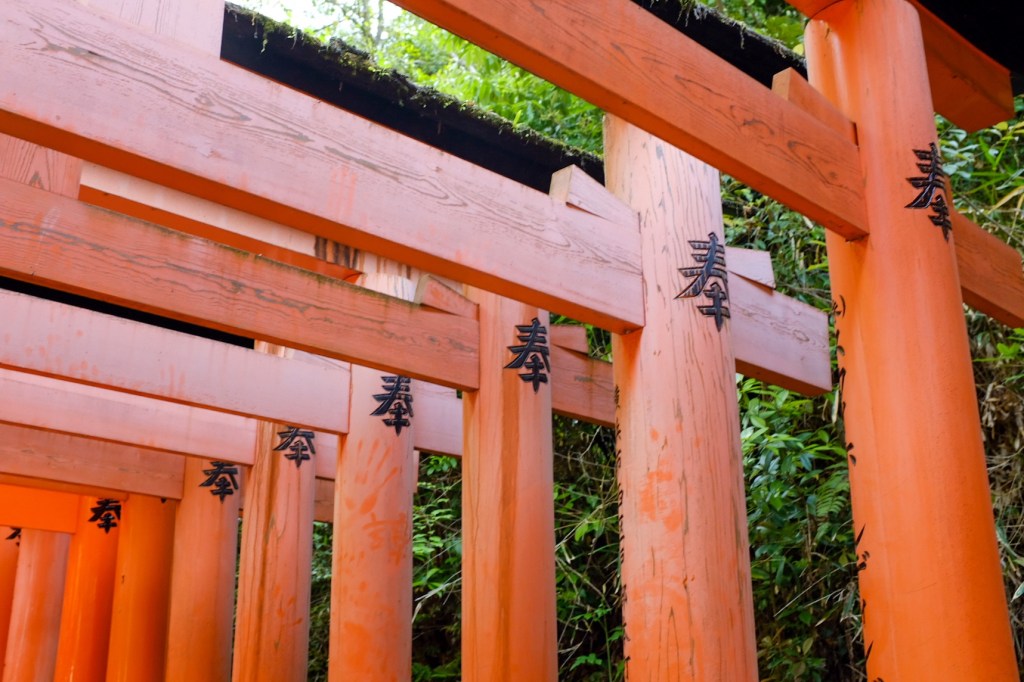
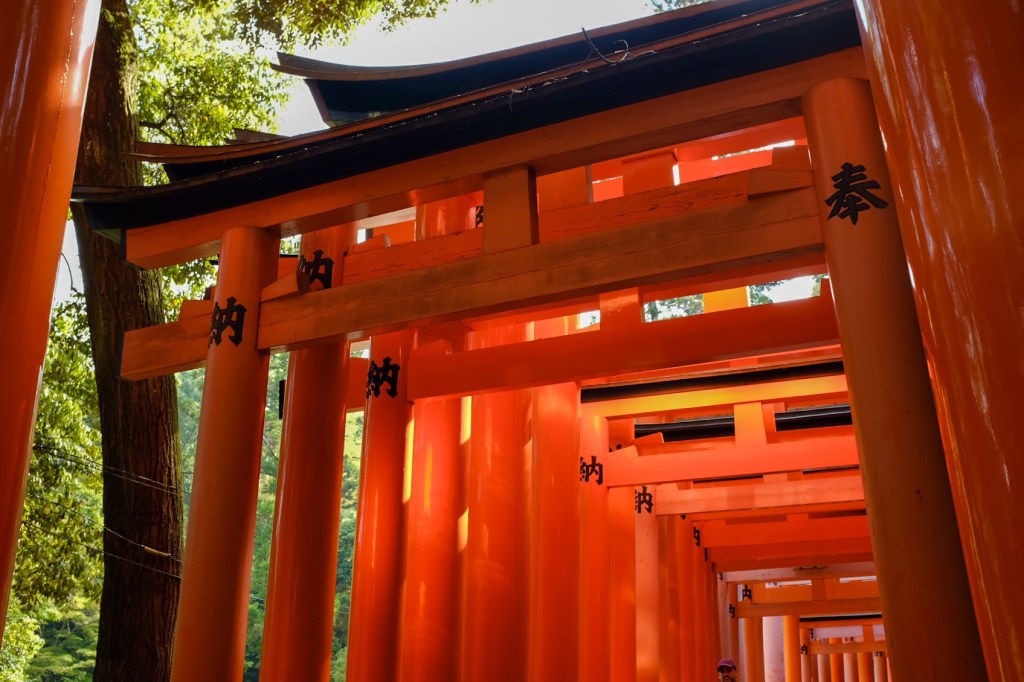
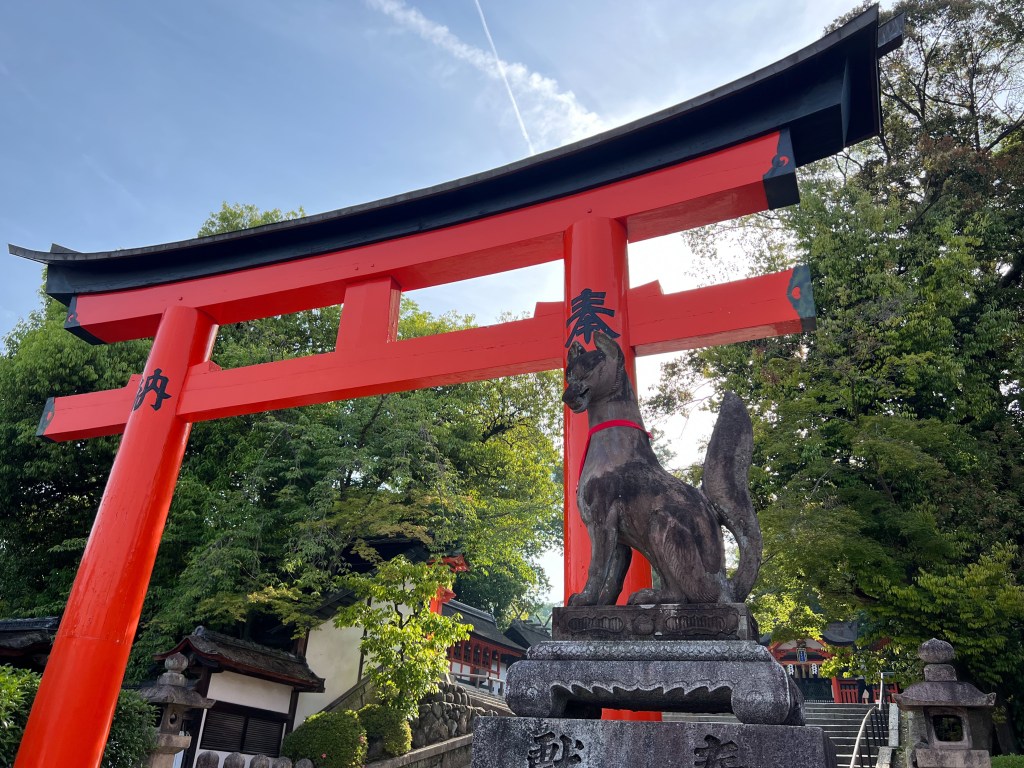
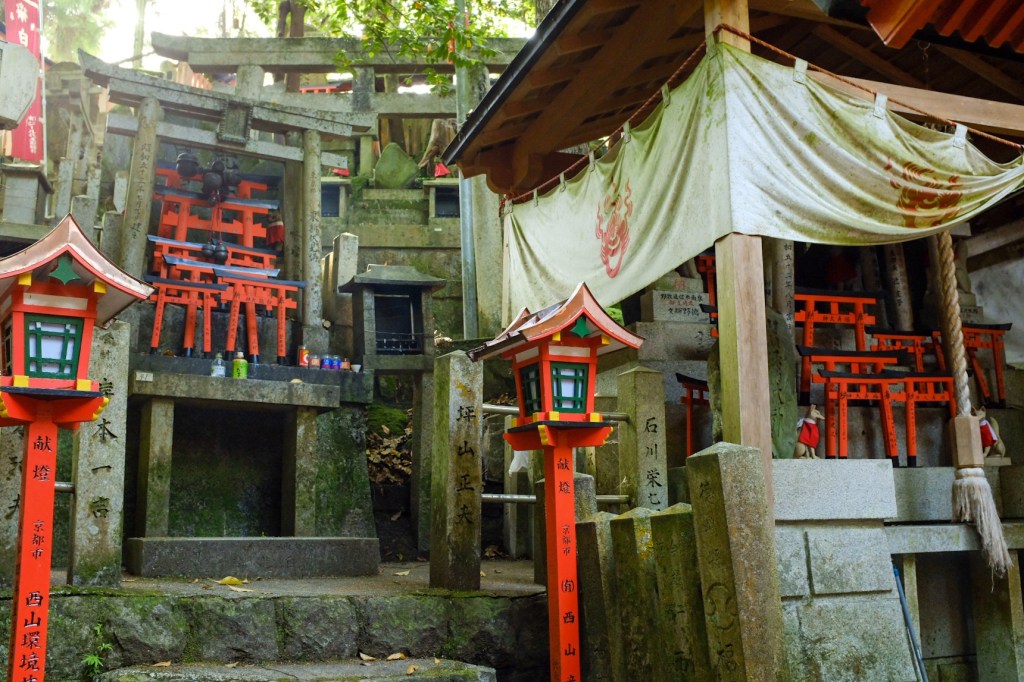
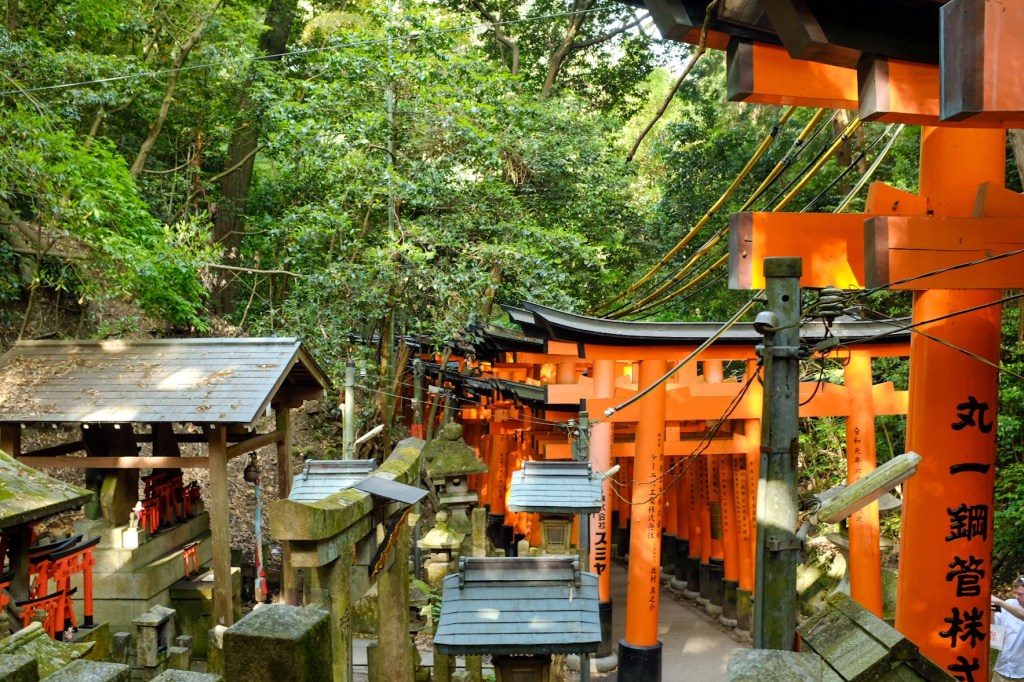
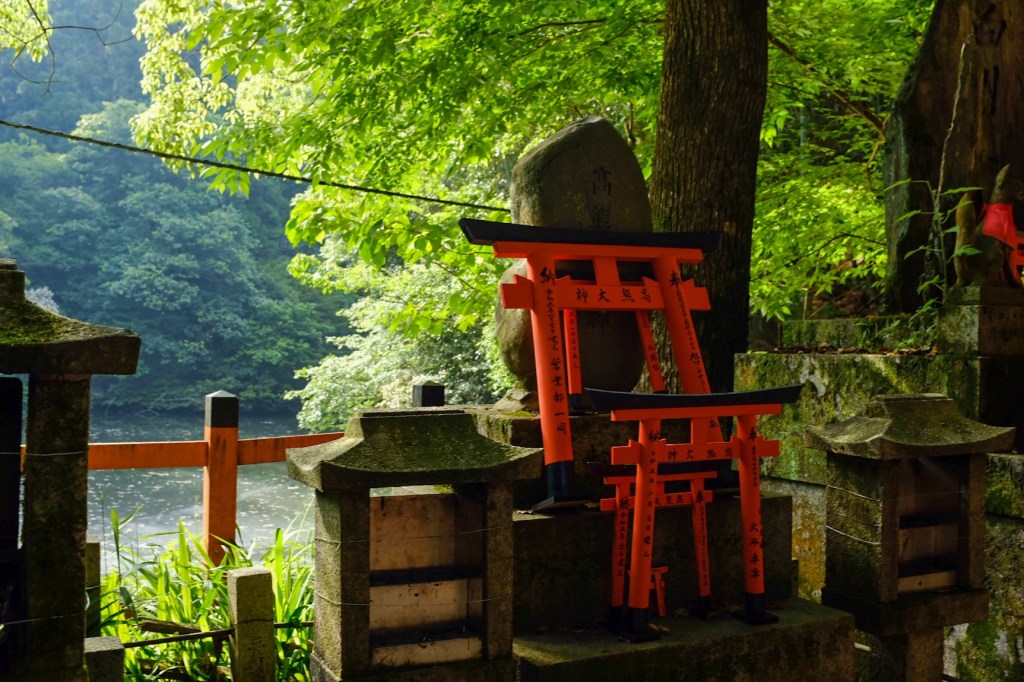
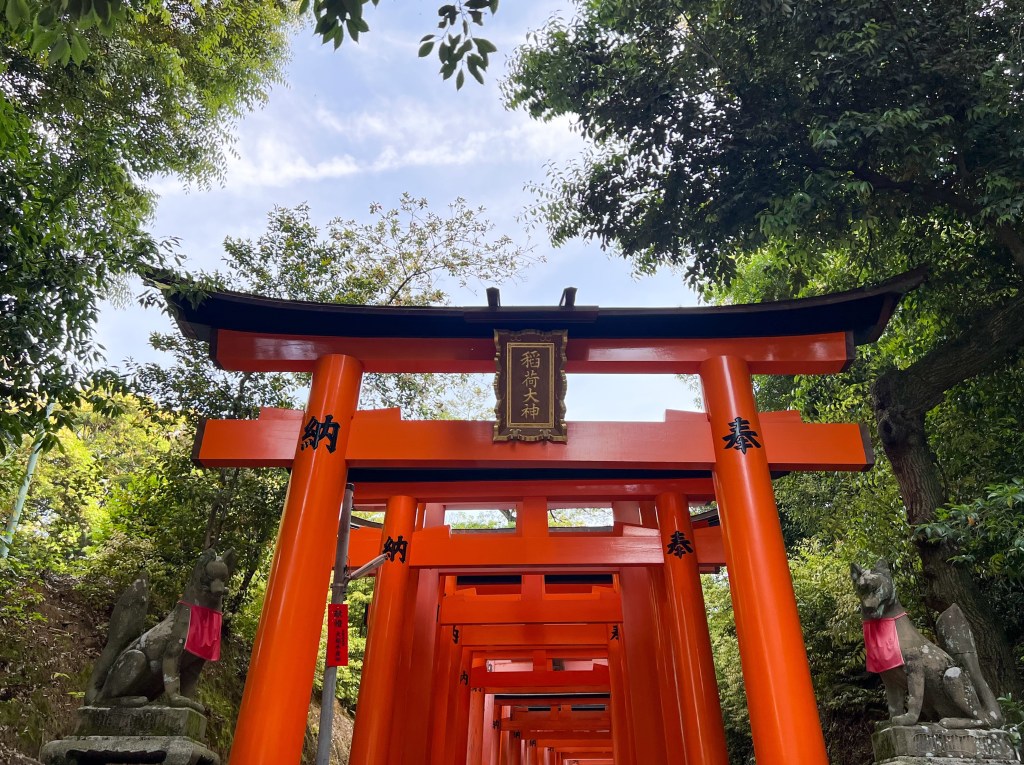
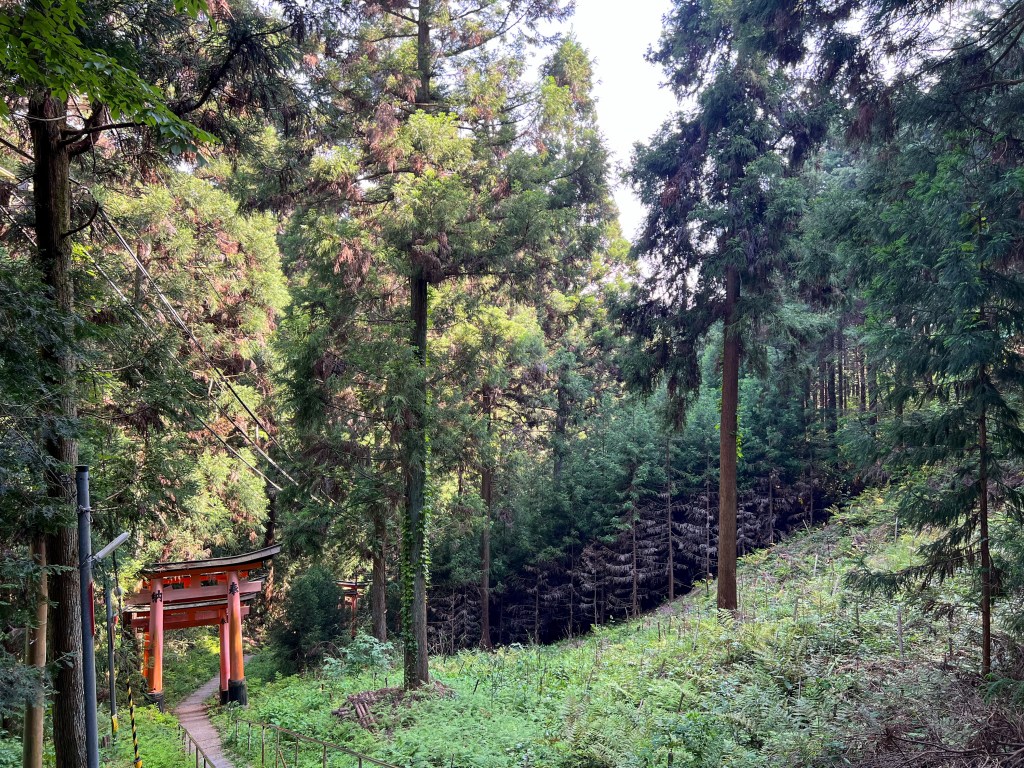
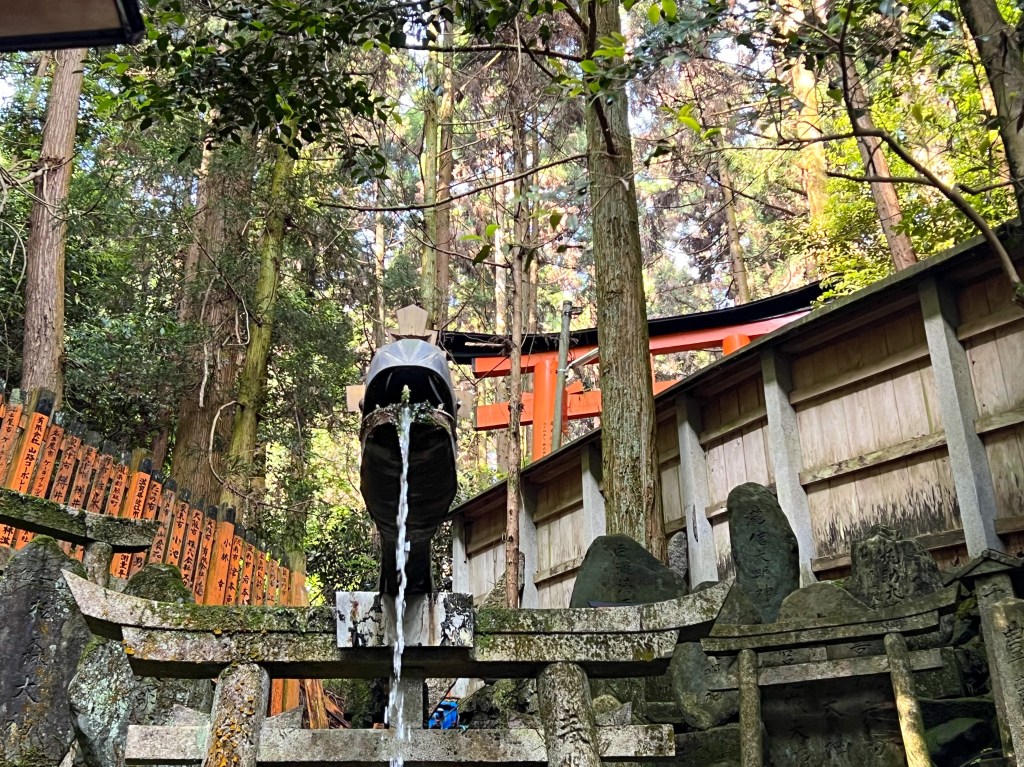
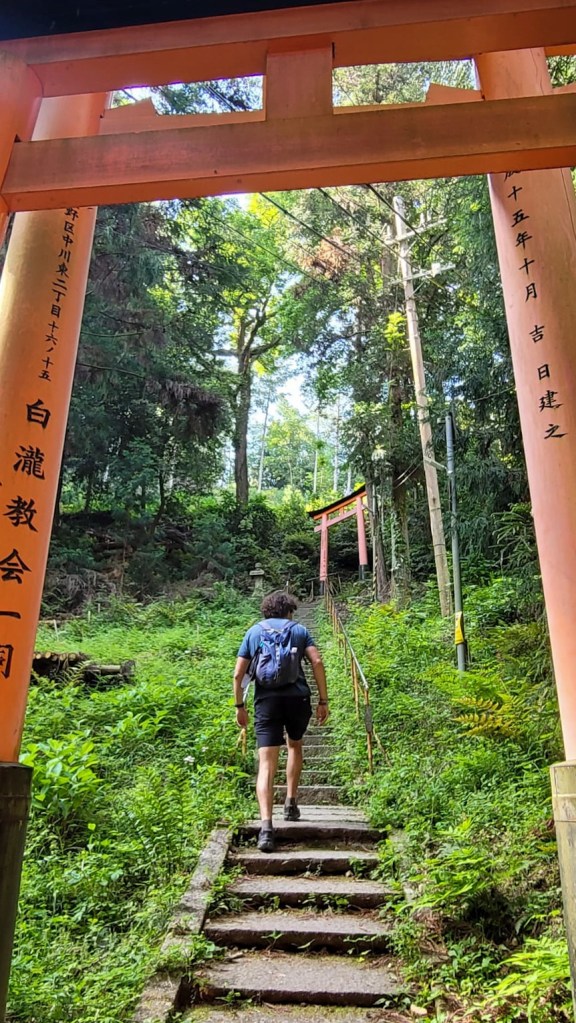
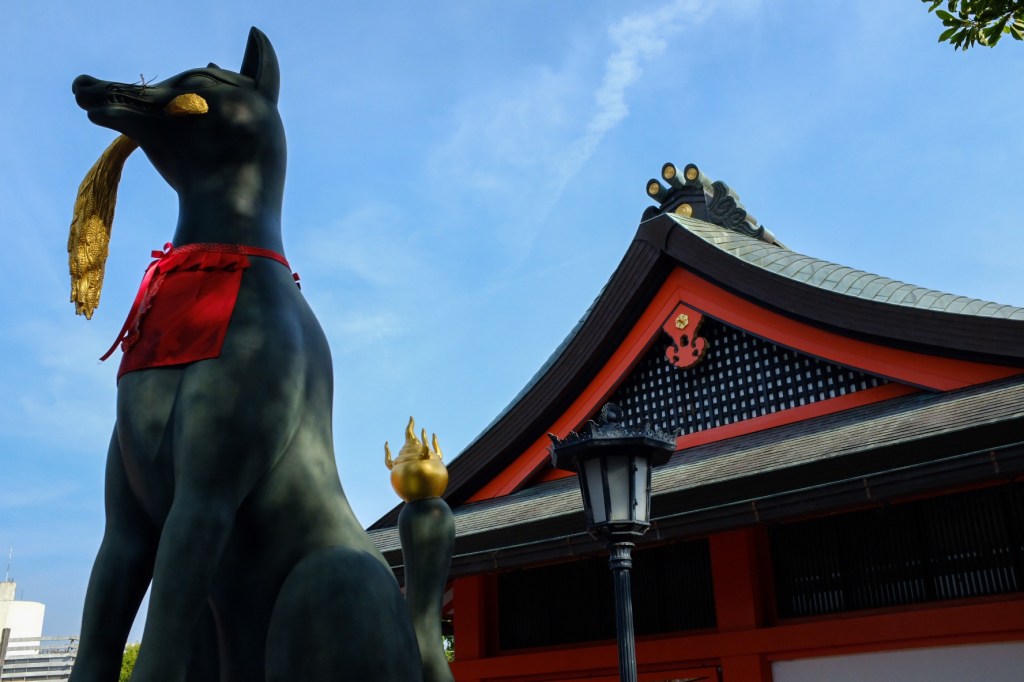
Fushimi Inari Taisha – is an important Shinto shrine, famous for its thousands of vermilion torii gates, which straddle a network of trails behind its main buildings. The trails lead into the wooded forest of the sacred Mount Inari.

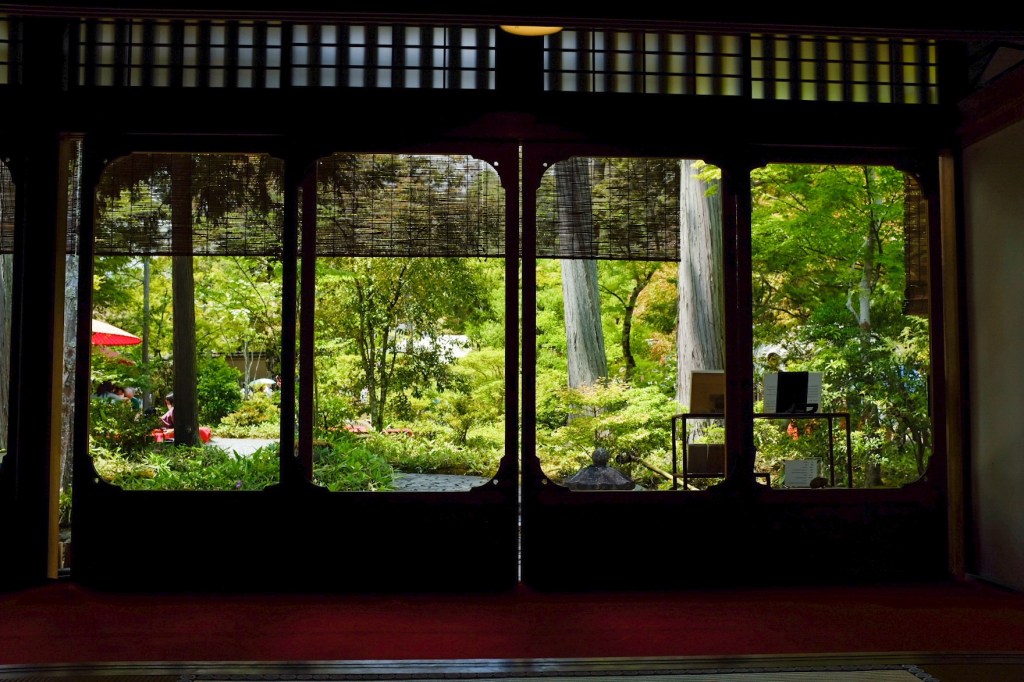
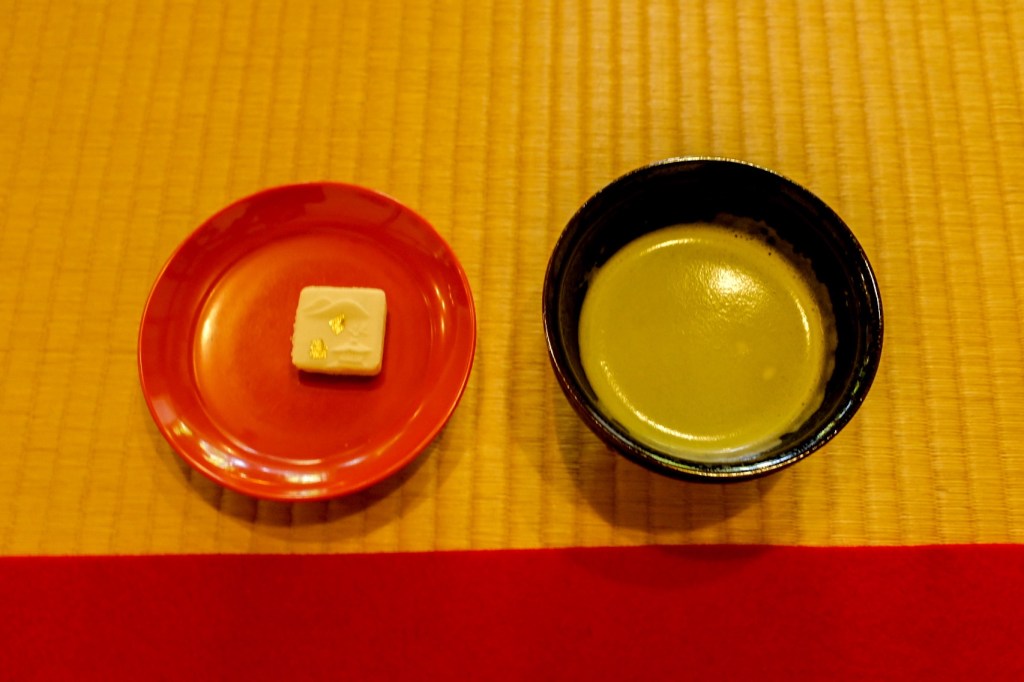
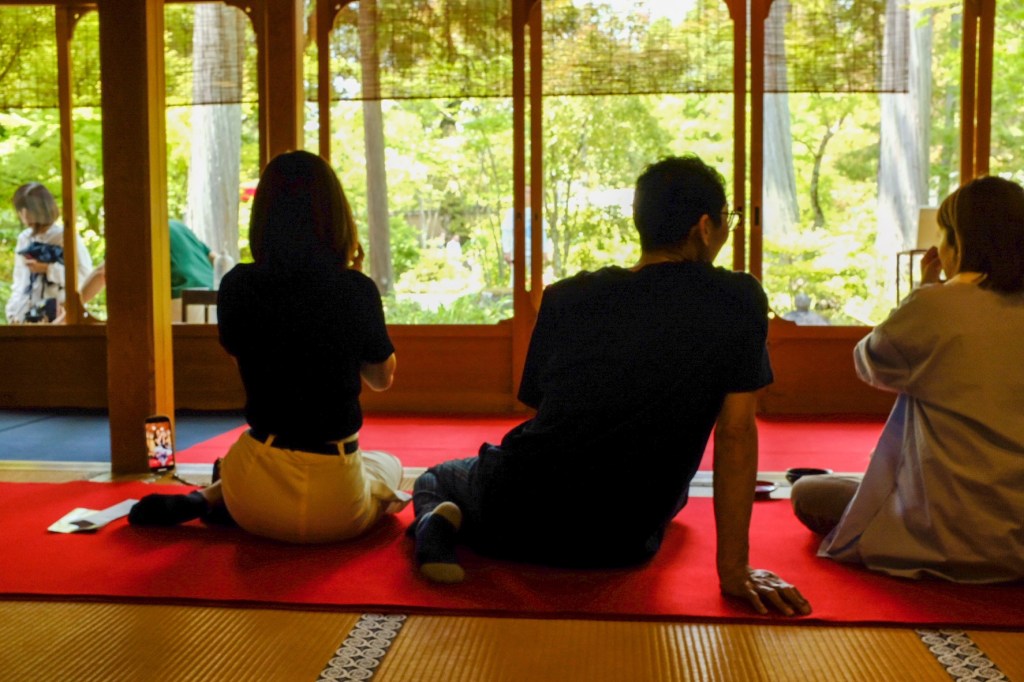
Hokan-ji Temple

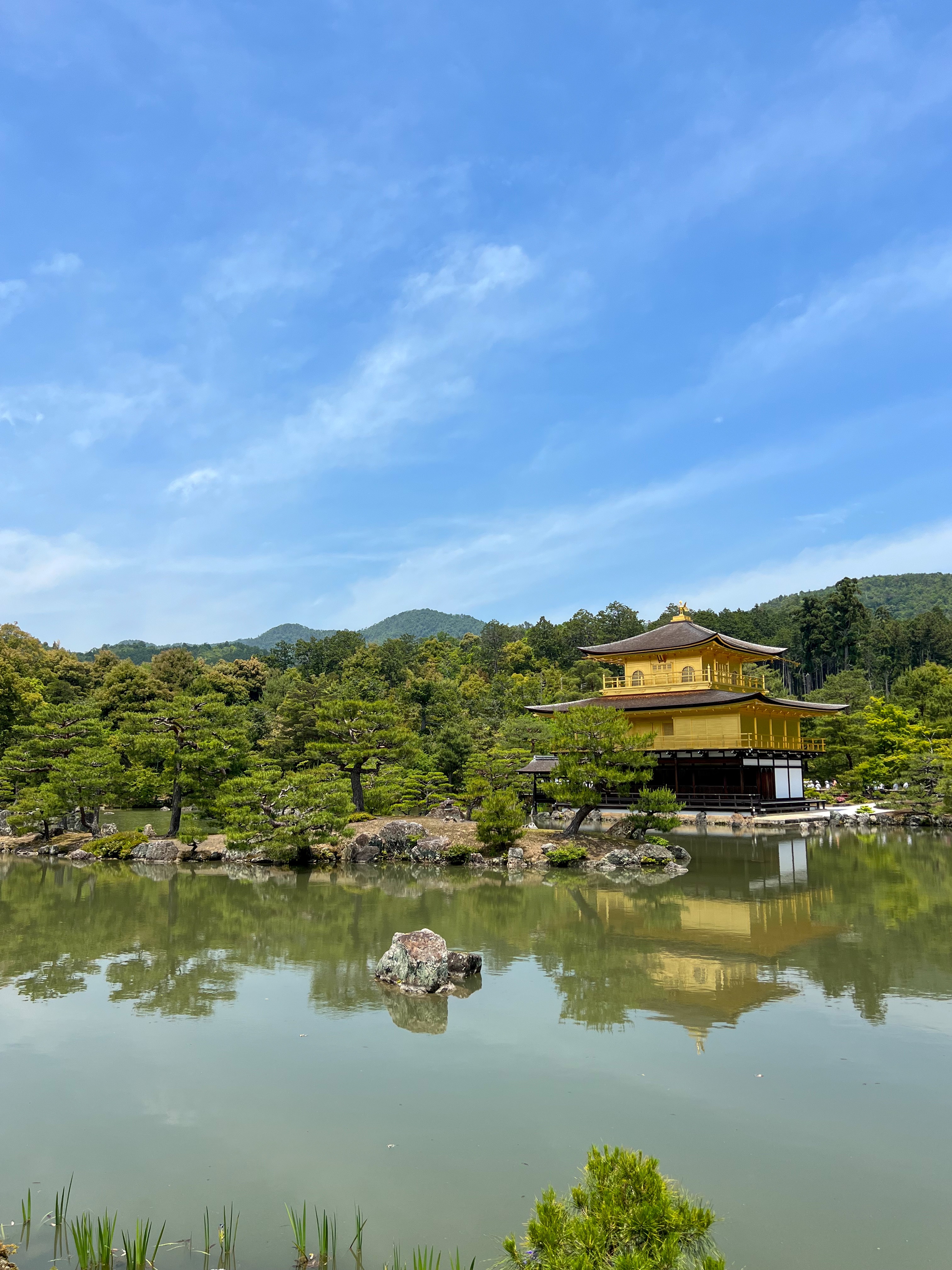
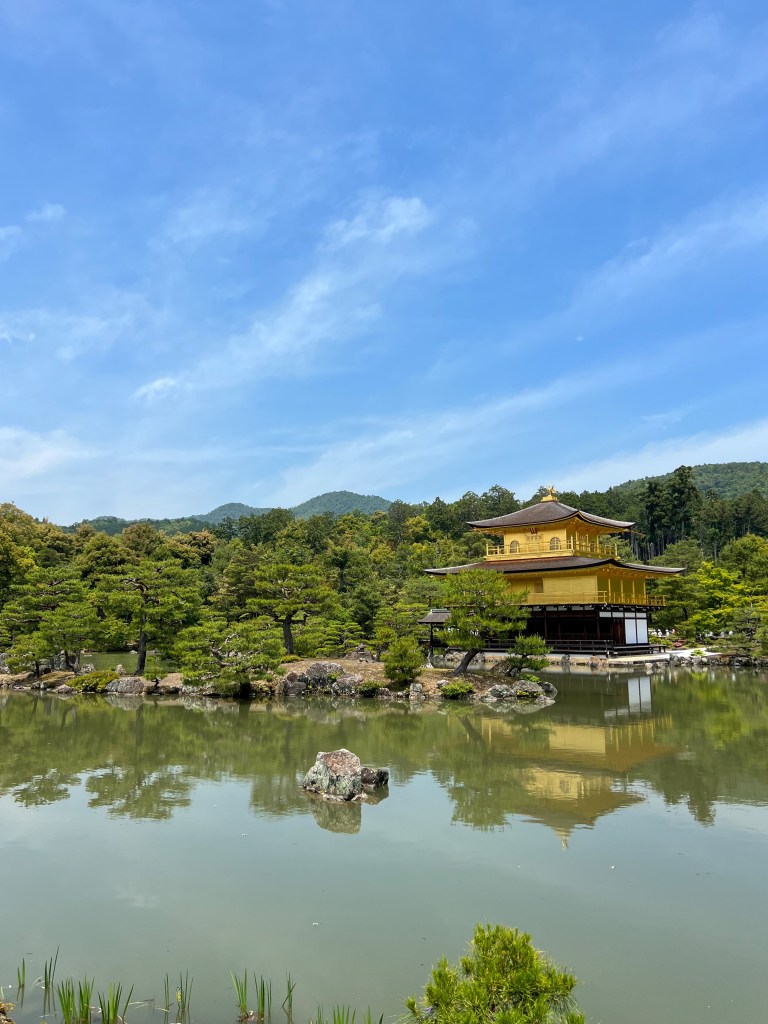
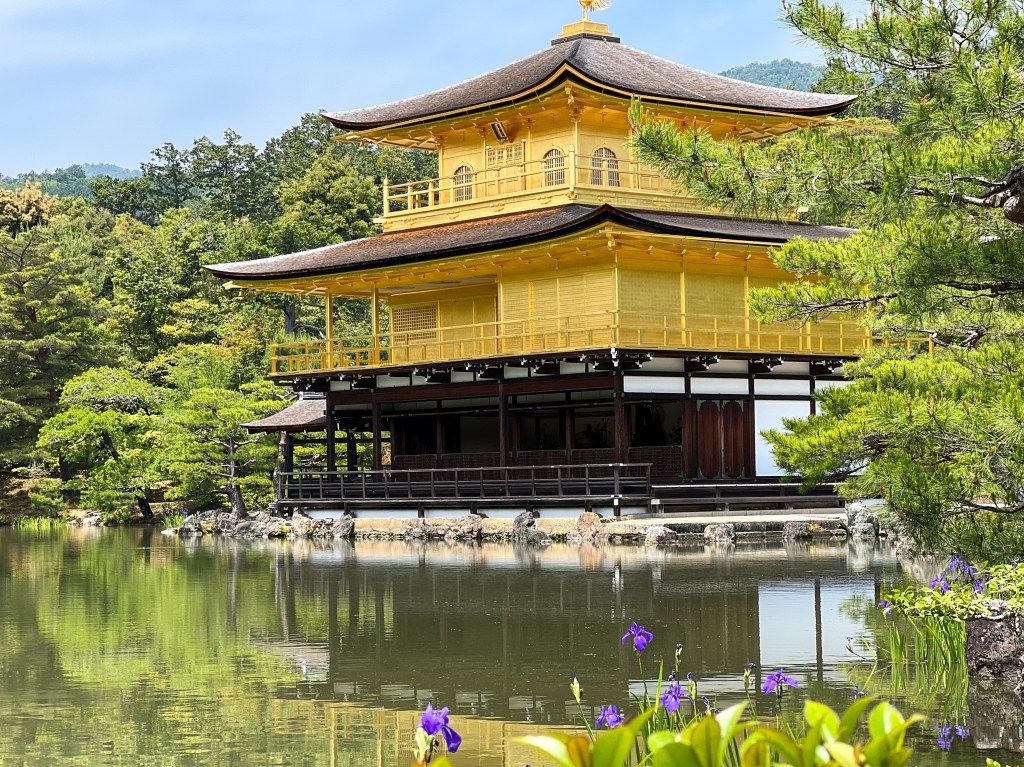
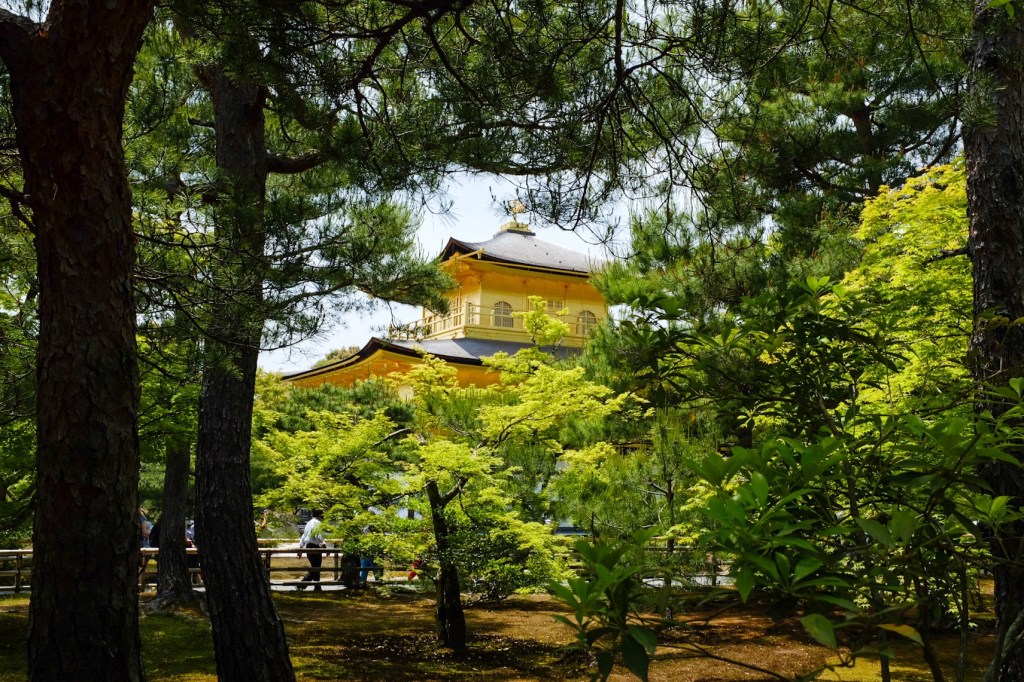
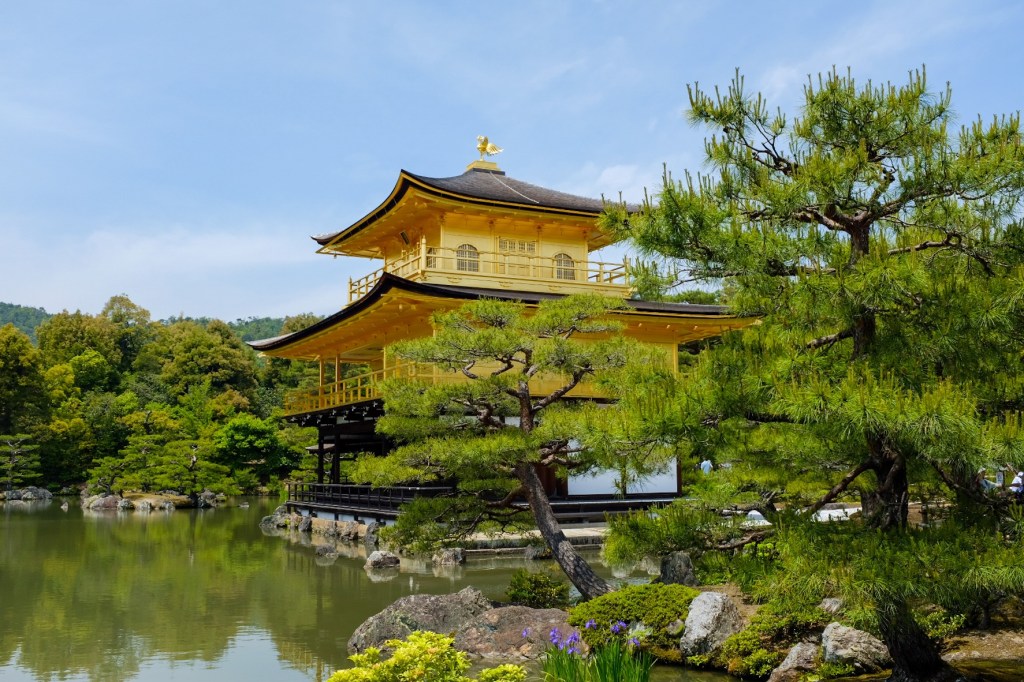
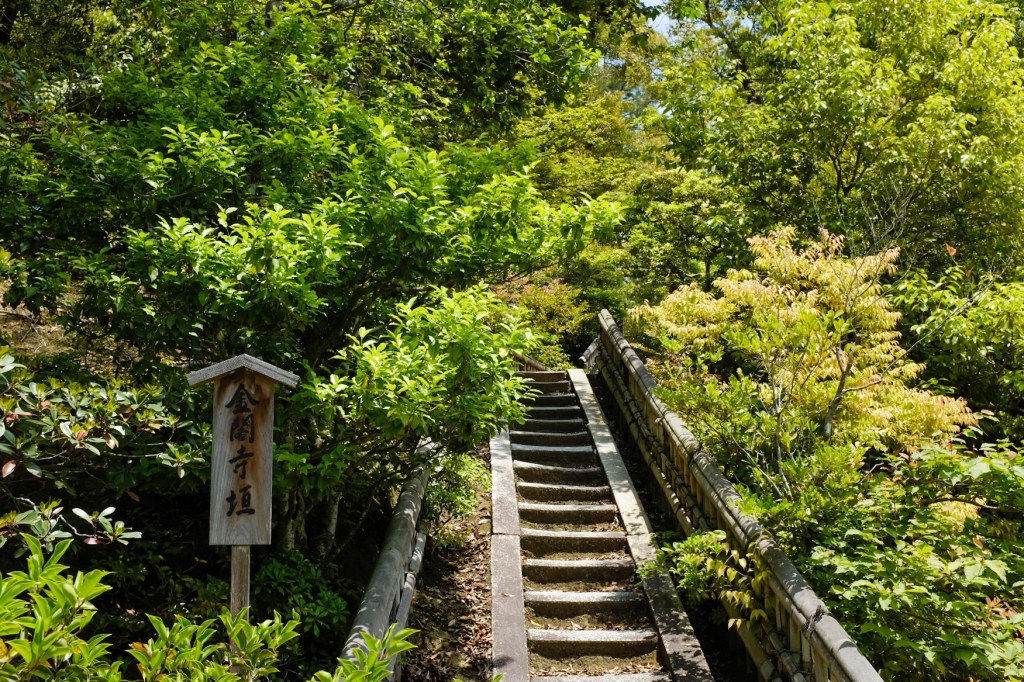
Kinkaku-ji (Golden Pavilion)

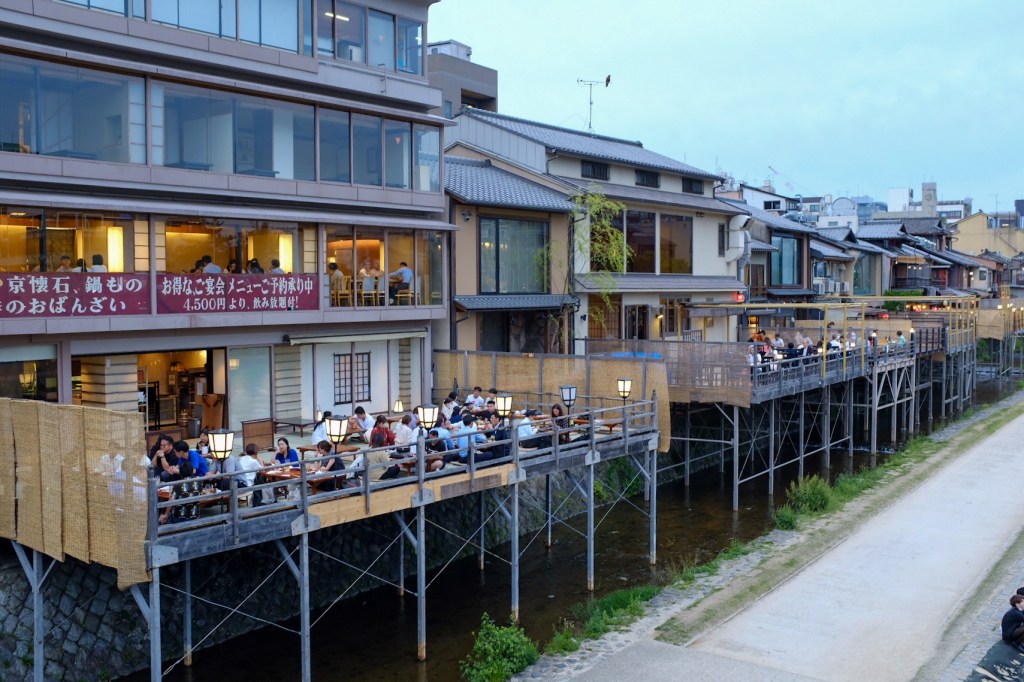
In addition to its incredible temples, shrines, and palaces, Kyoto has an abundance of bars, restaurants, and cafes dotted throughout and along the Kamo river that runs through the city.

Osaka: The Multicultural Hub for Streetfood

The next day I caught a 14-minute bullet train from Kyoto to Osaka.

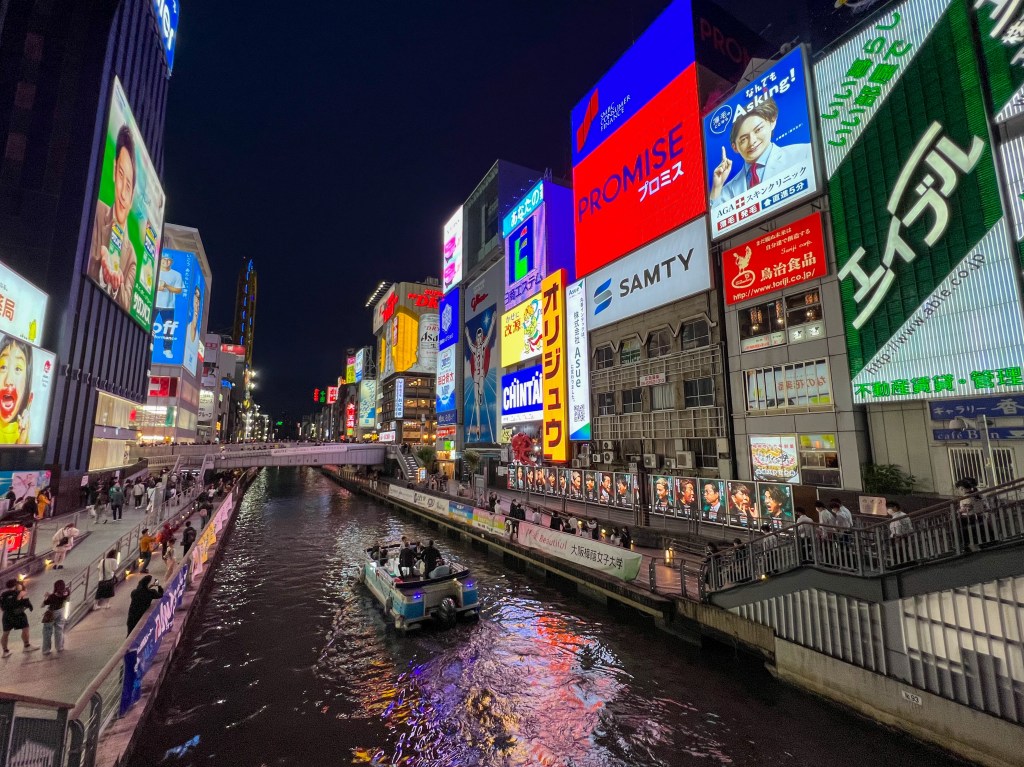
A large port city and commercial center Osaka is known for its modern architecture, nightlife and hearty street food.

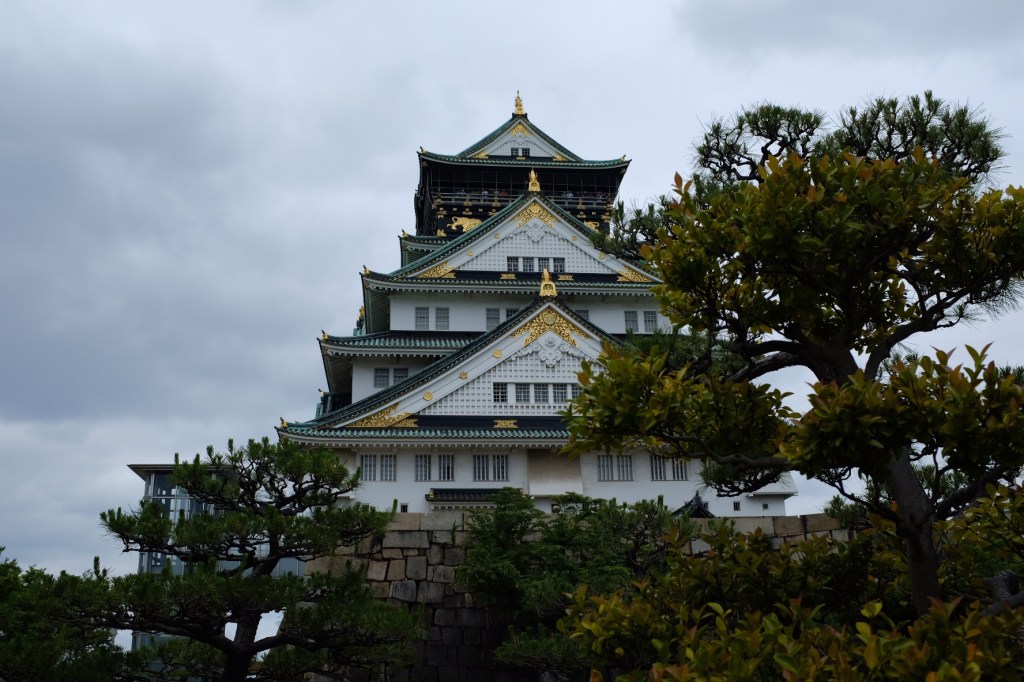
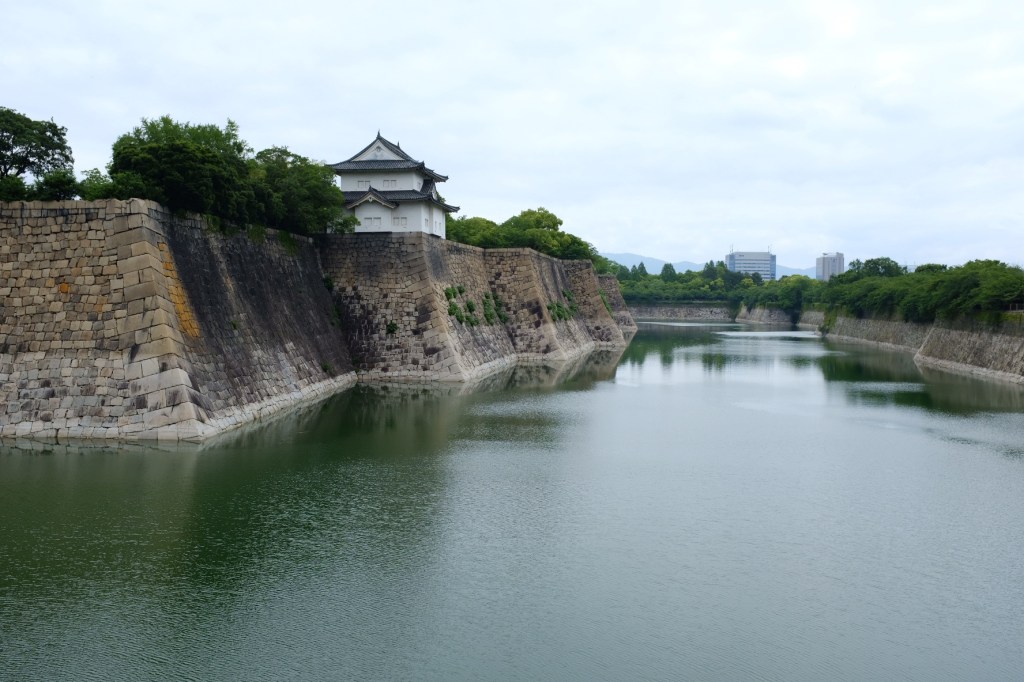
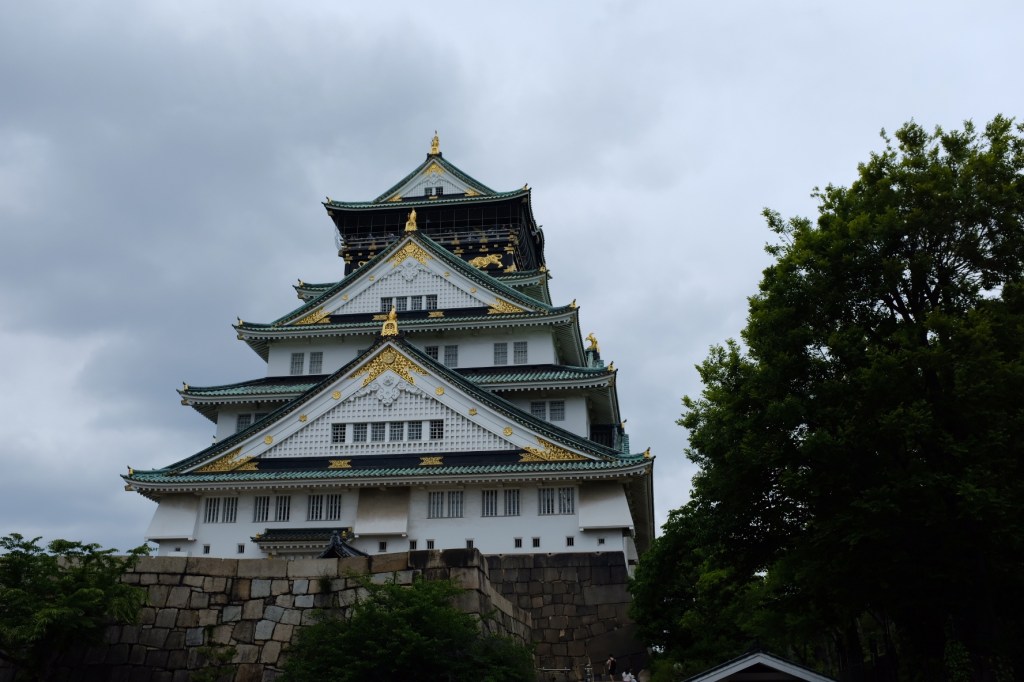
The 16th-century shogunate Osaka Castle, is its main historical landmark, surrounded by a moat and park with plum, peach and cherry-blossom trees.

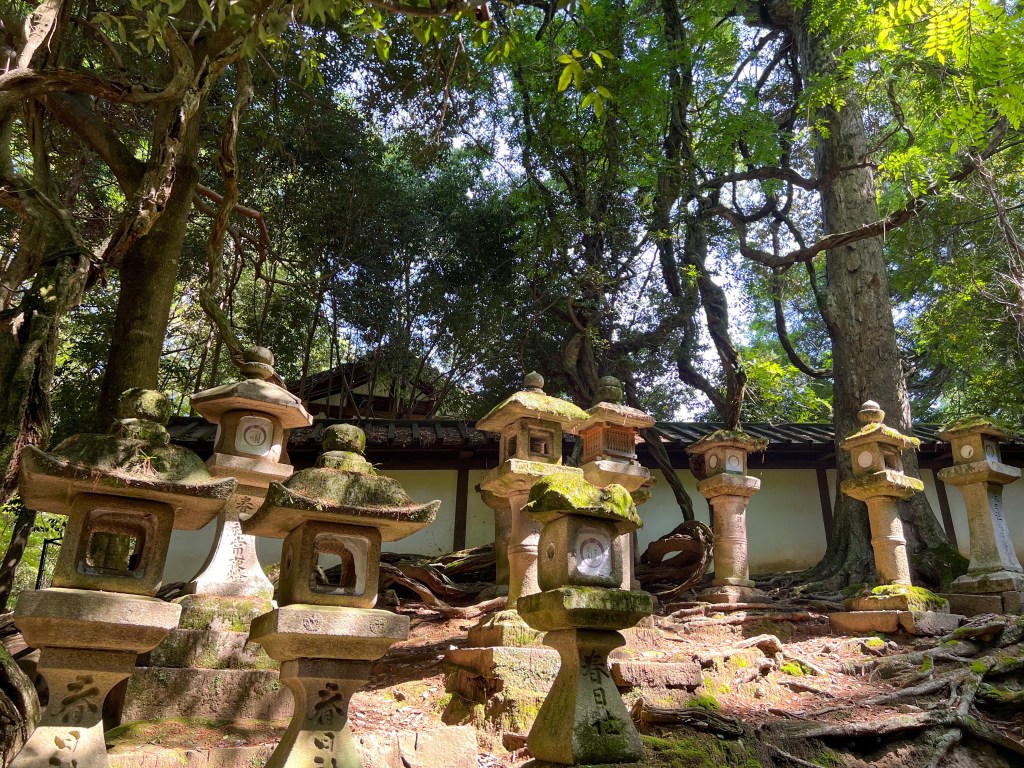
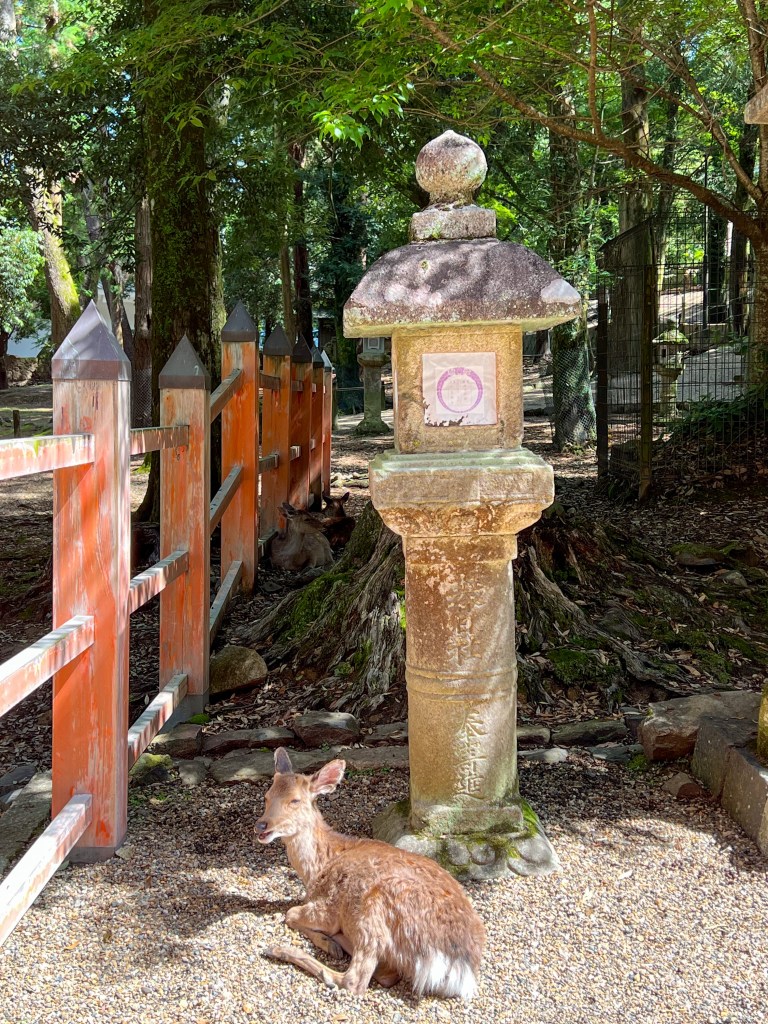
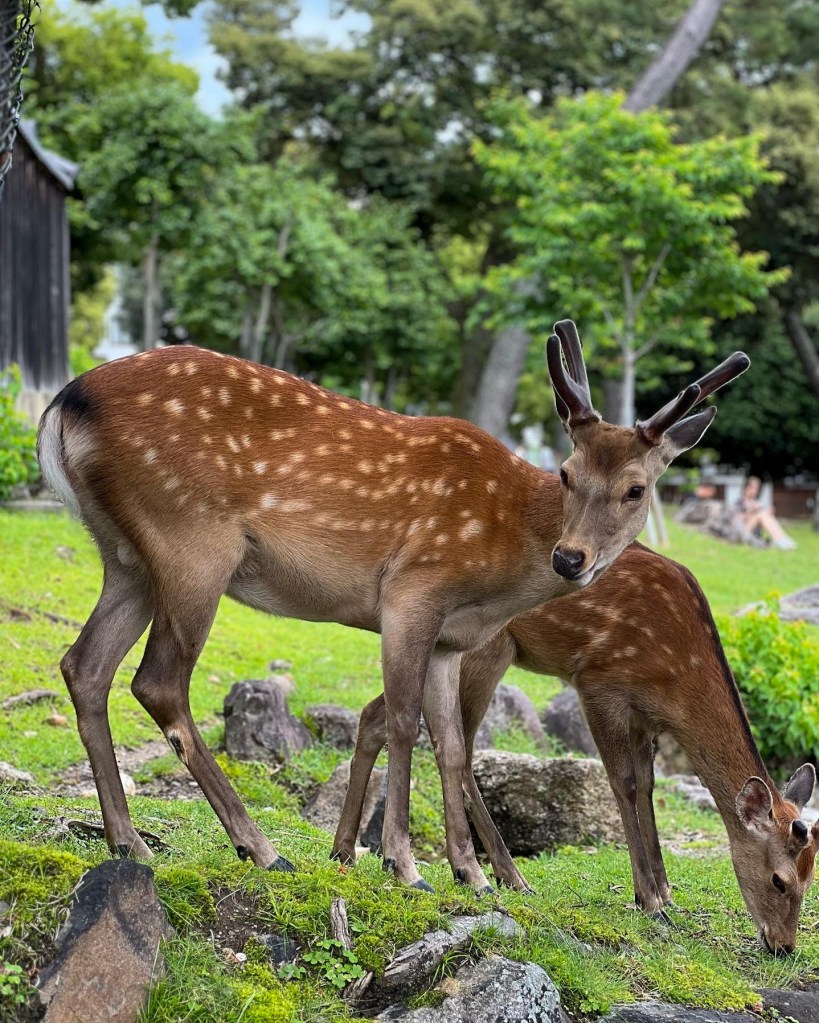
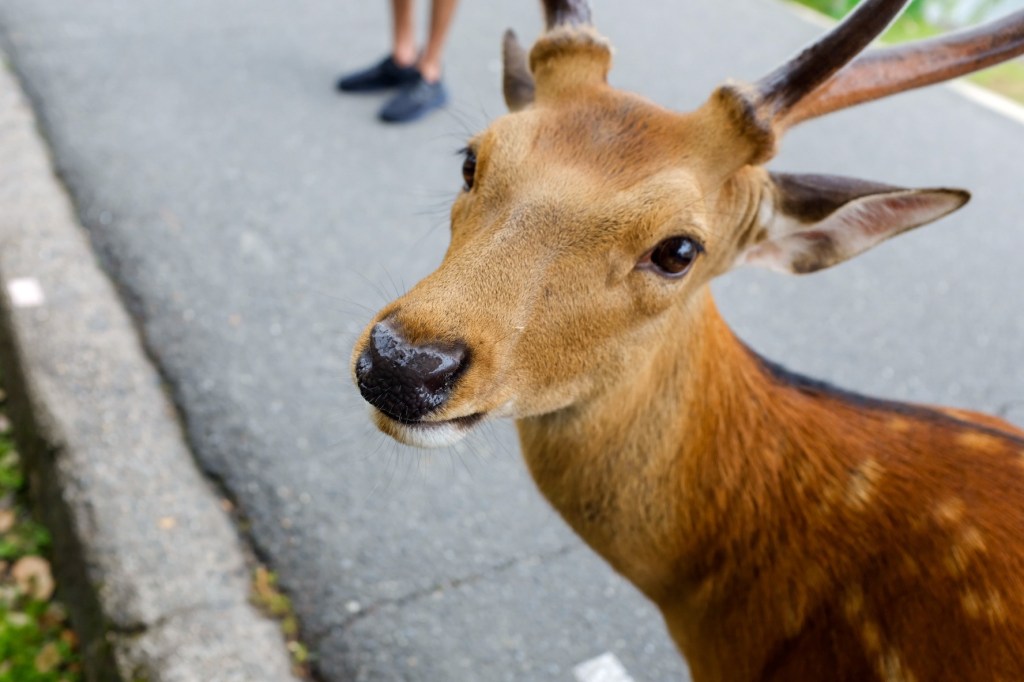
Osaka is in close proximity to a couple well-known towns – Nara (famous for its deer park) & Kobe (famous for… well… kobe beef). While in the area, I took a couple days to visit the two towns before catching an overnight bus back to Tokyo.

Nara: Emperor Palaces, Shinto Shrines, & an Abundance of Wild Deer

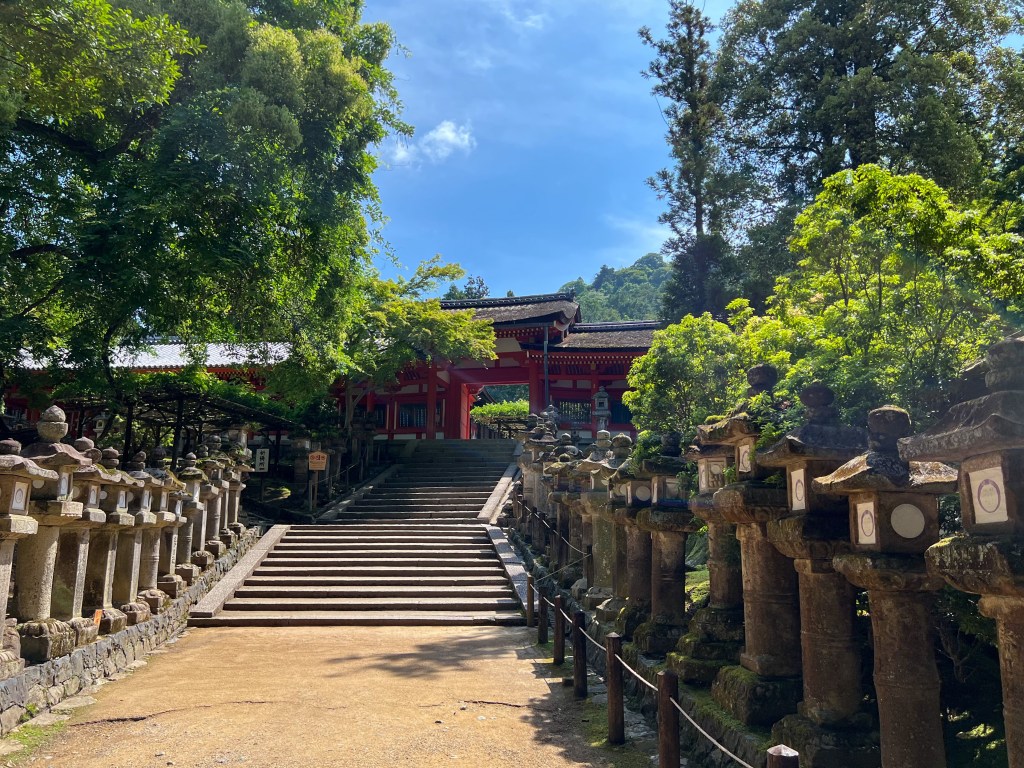
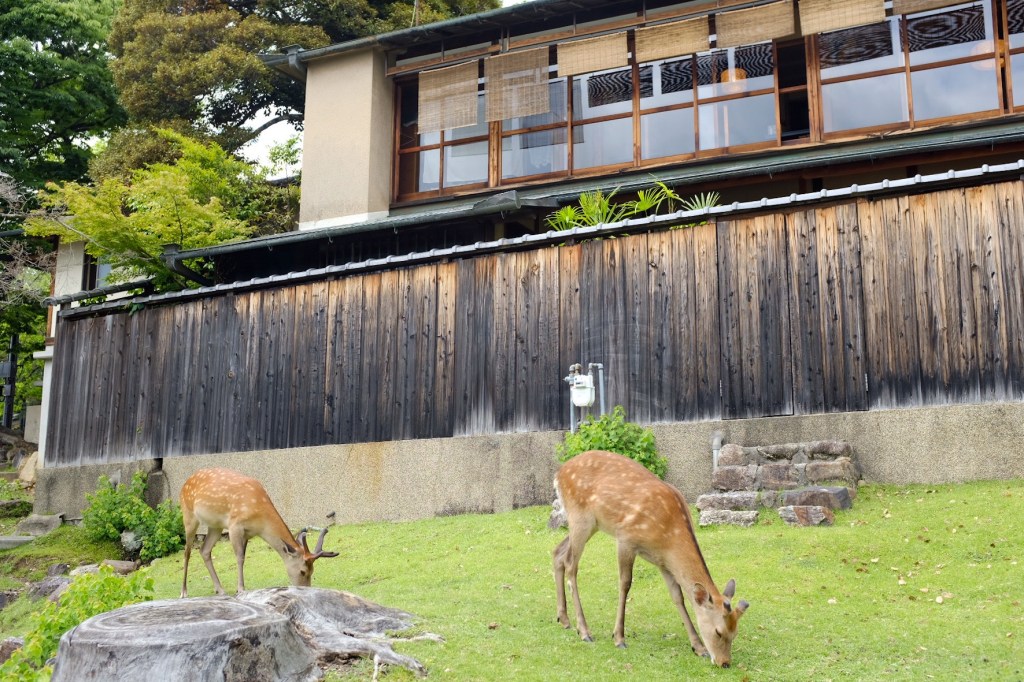
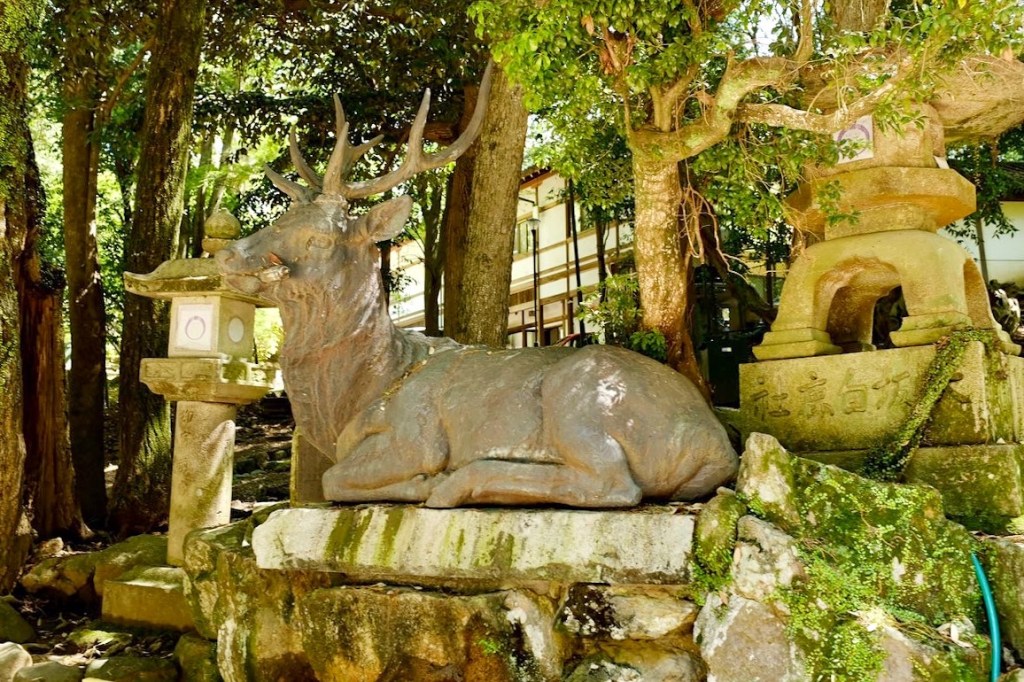
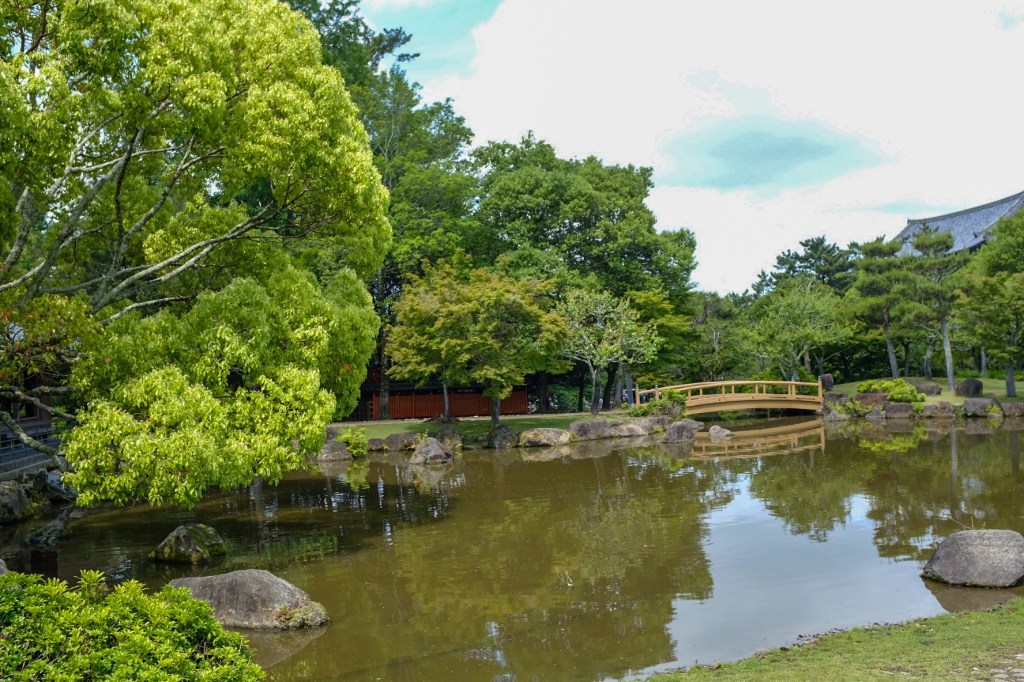
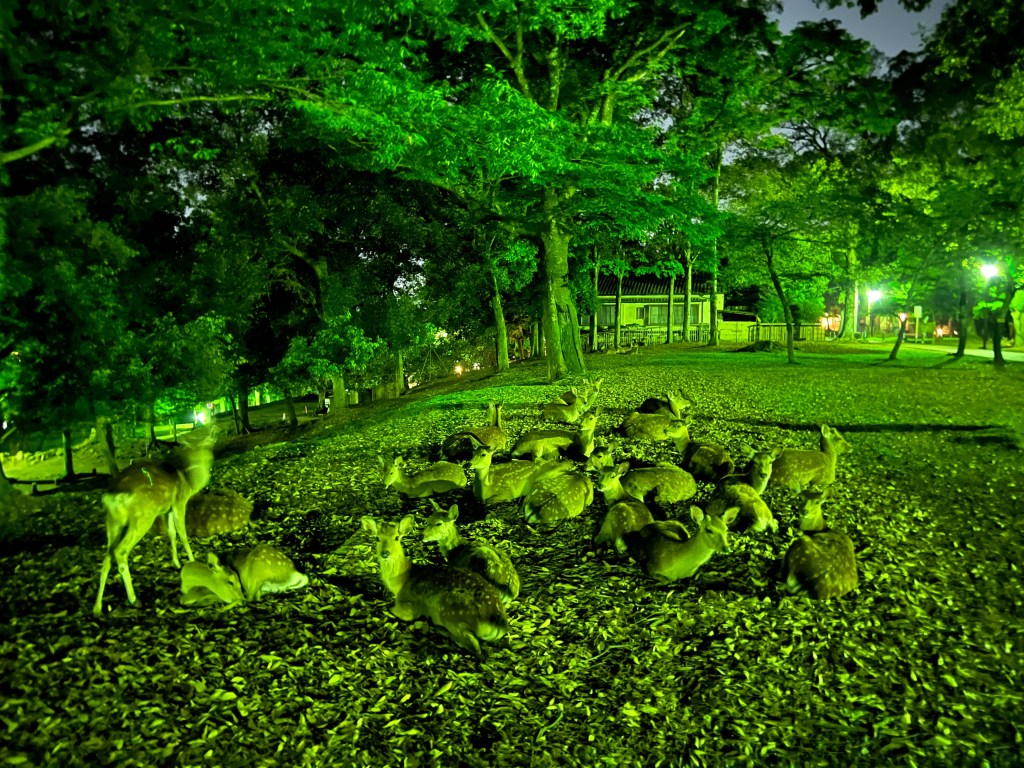
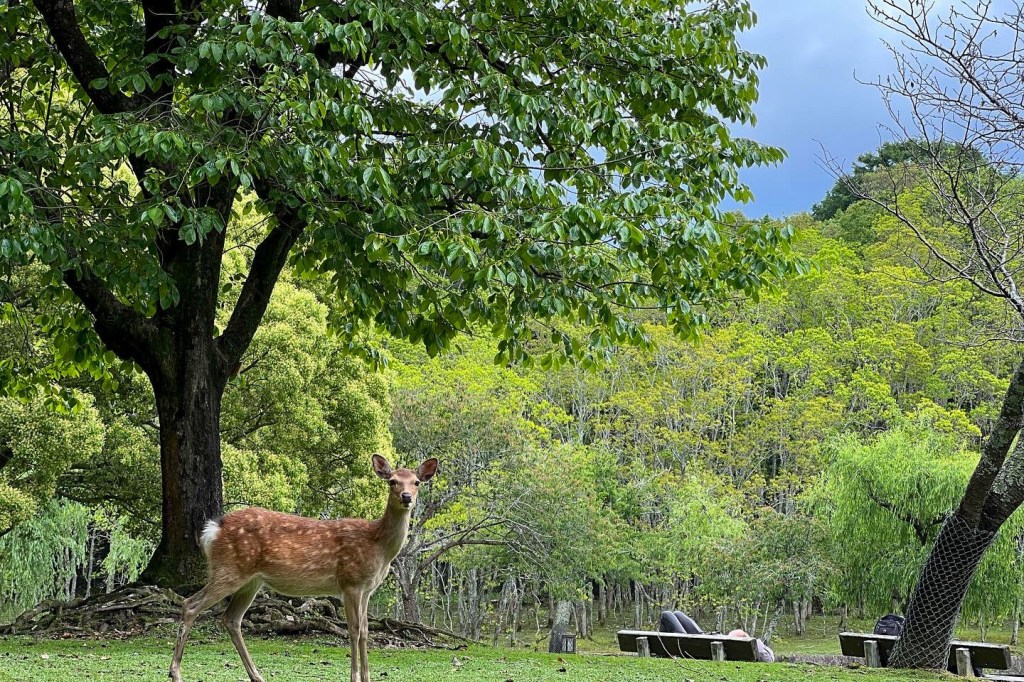
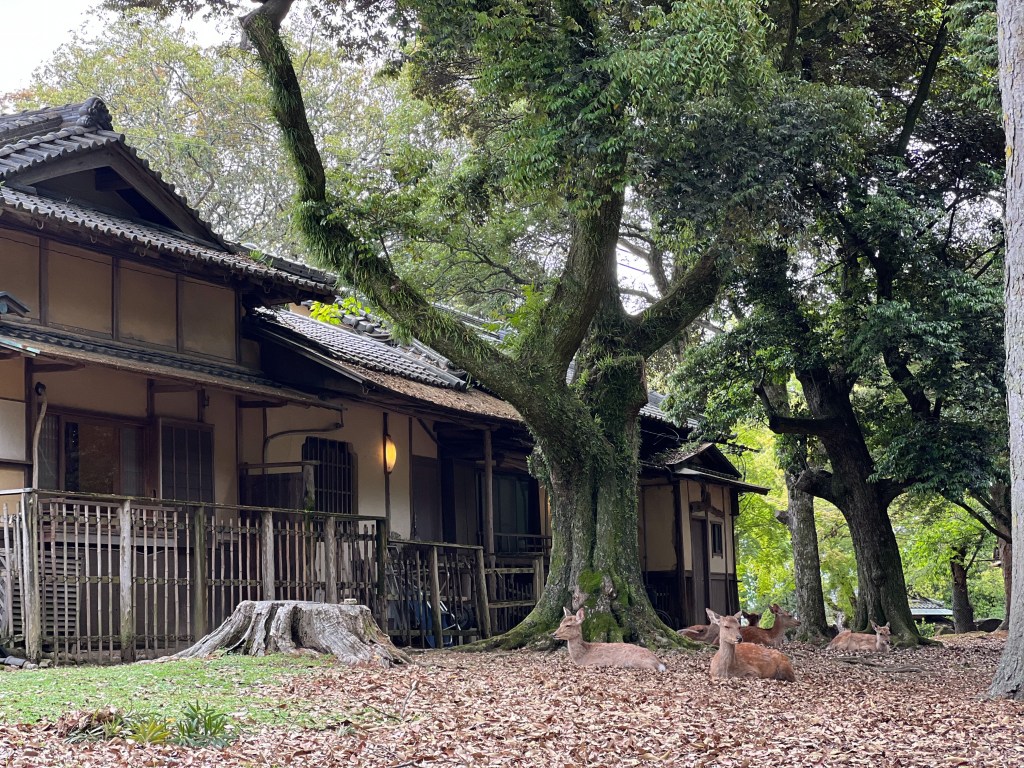
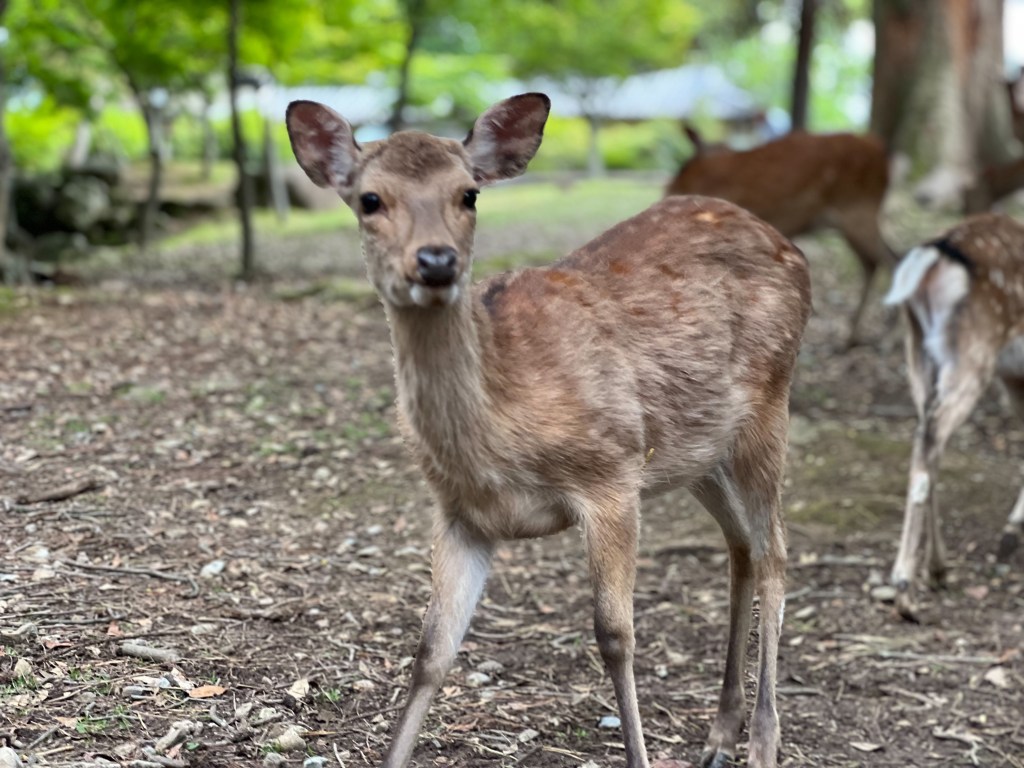
Nara is falls about an hour from Osaka, hosting some of the Japan’s oldest and largest temples, and the famous Nara Deer Park. Established in 1880, the park is the location of many of Nara’s main attractions including Todaiji, Kasuga Taisha, & Kofukuji, and is home to hundreds of freely roaming deer.

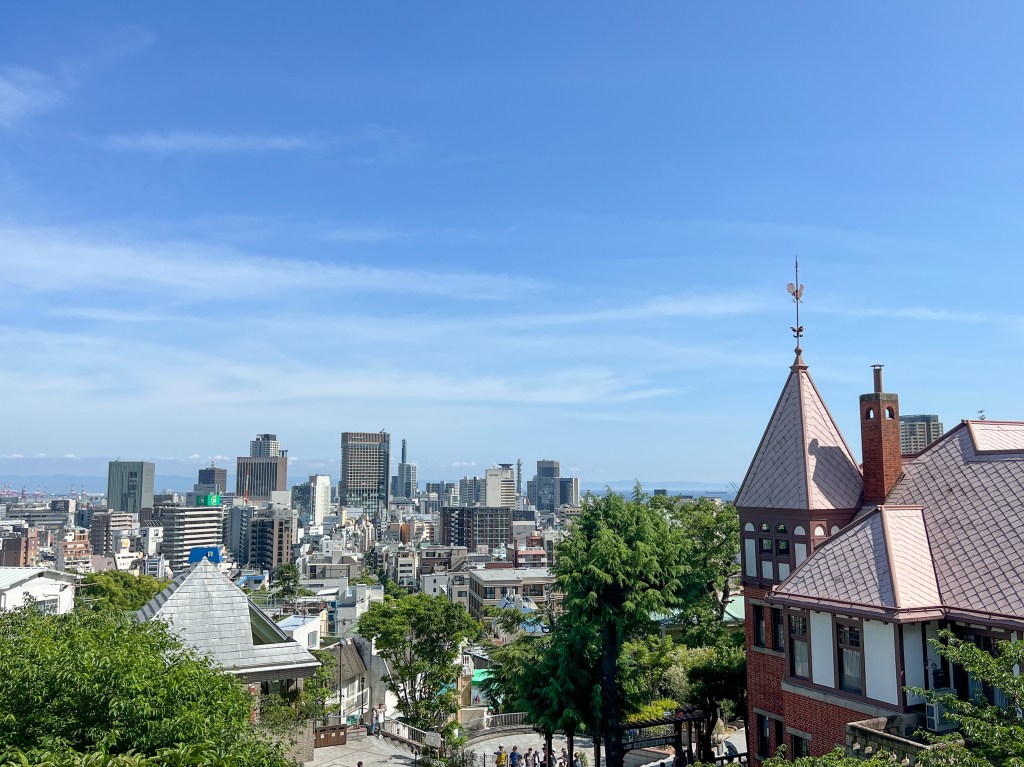
Kobe: My Last Stop

Kobe is a city on Osaka Bay, best known for its signature marbled beef and scenic setting of mountains framing the harbor. Most breeds of Japanese Wagyu beef are associated with the area in which the cattle are raised (Kobe beef is the breed of Wagyu from Kobe).

Conclusion

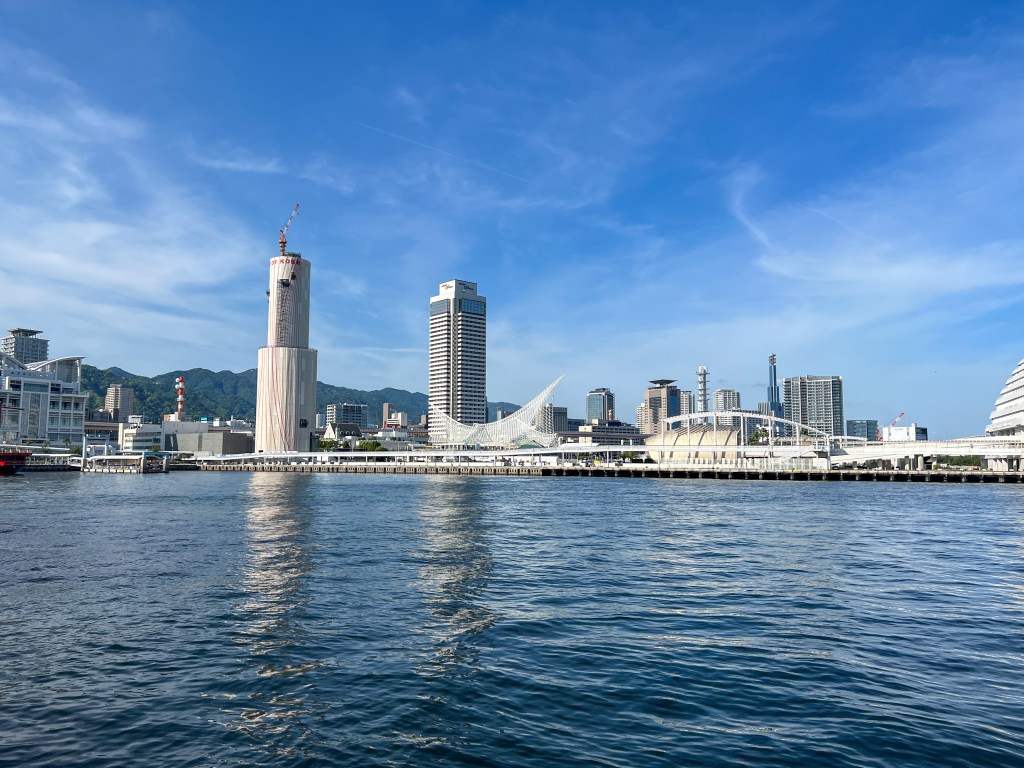
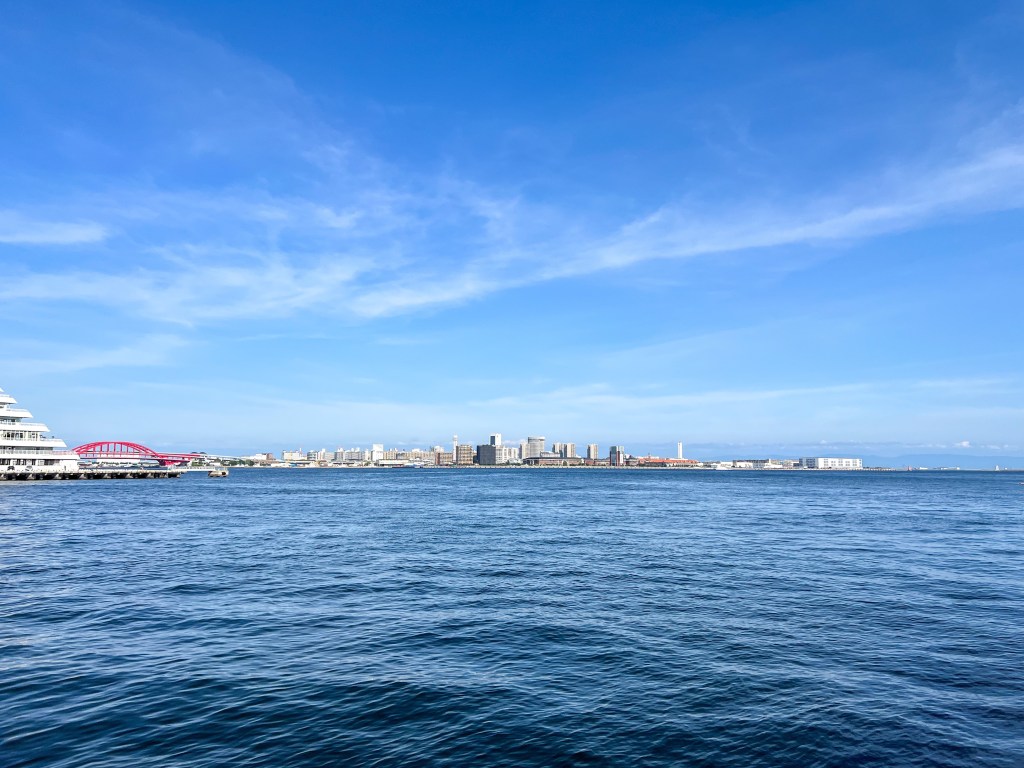
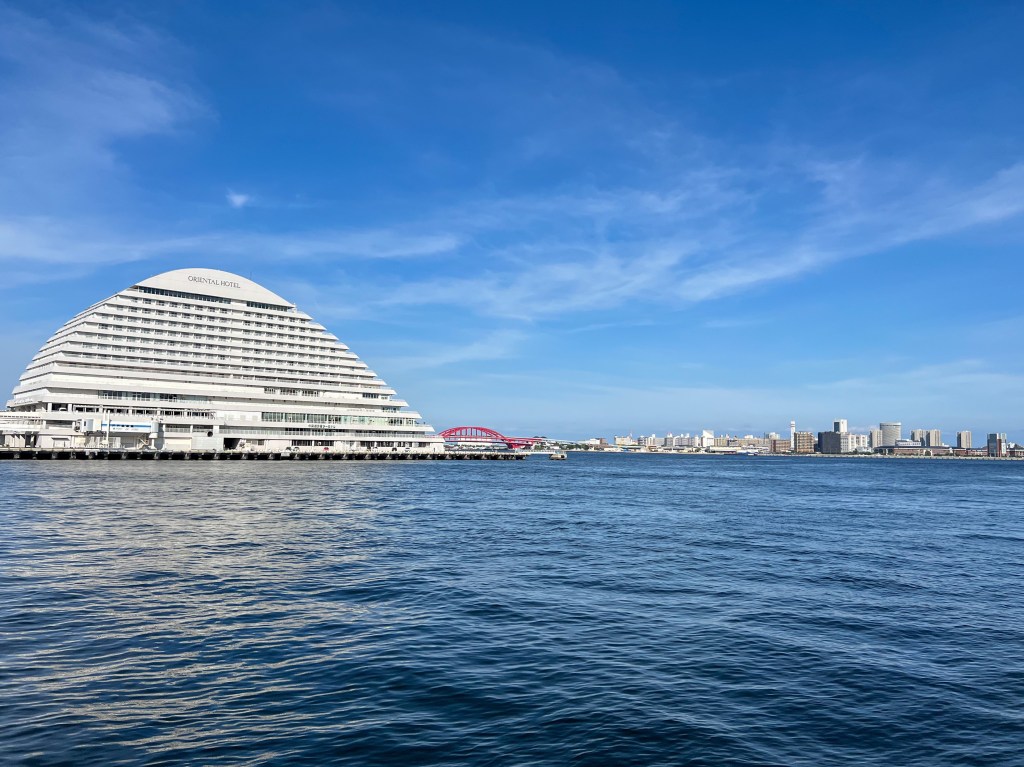
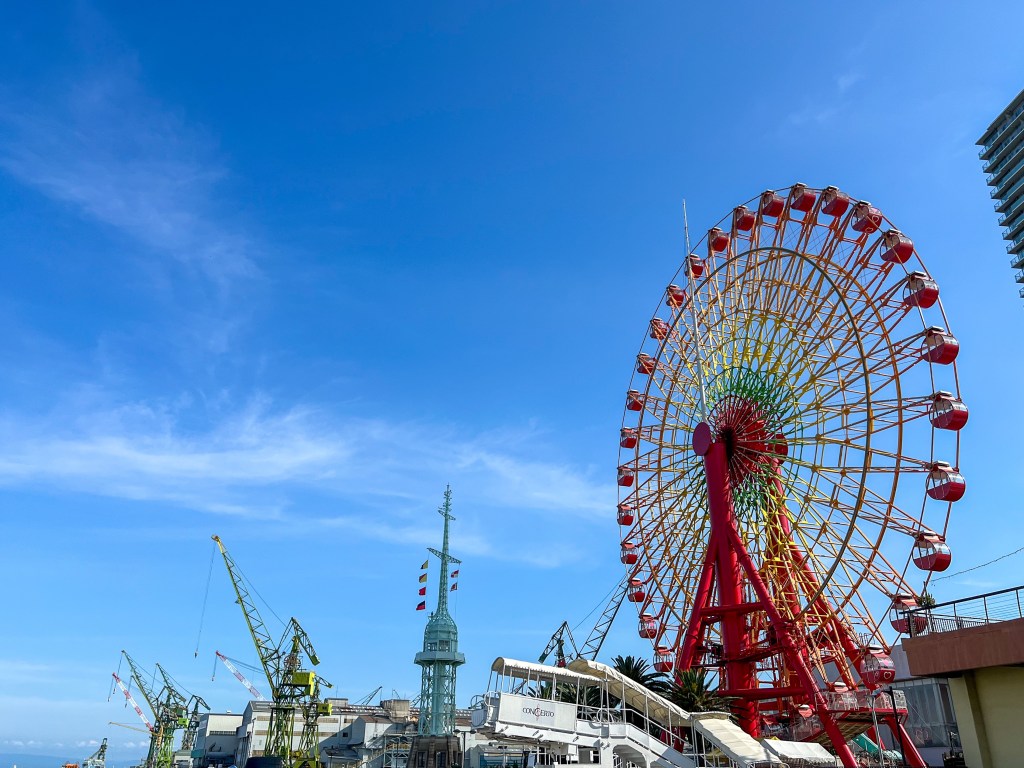
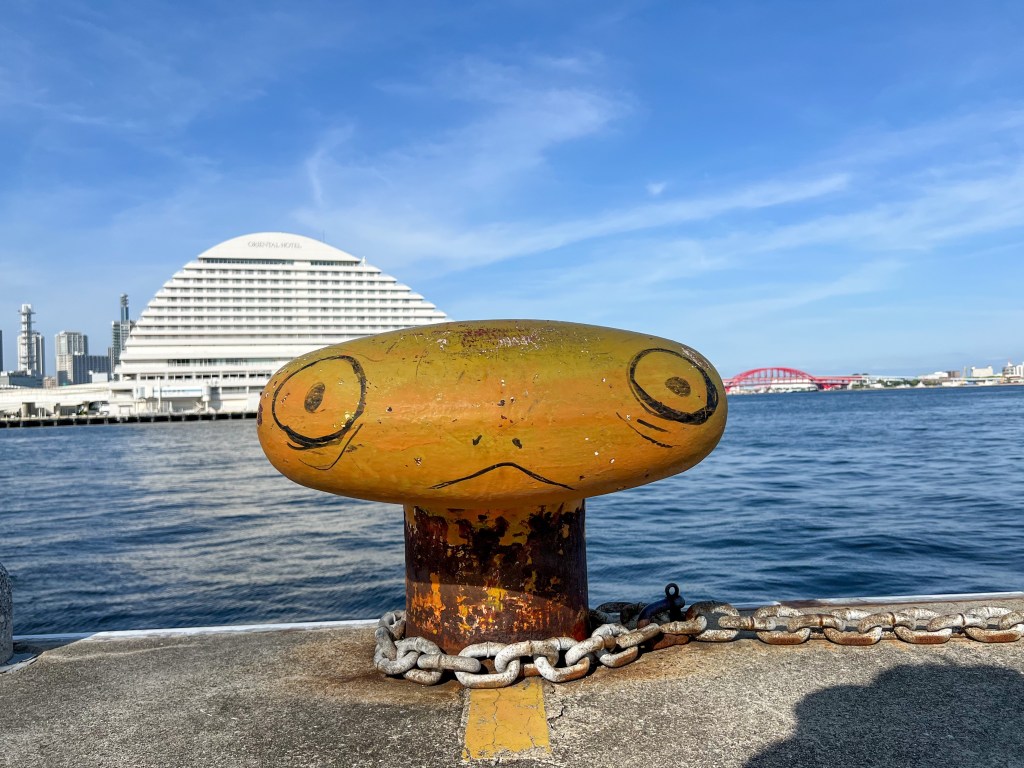
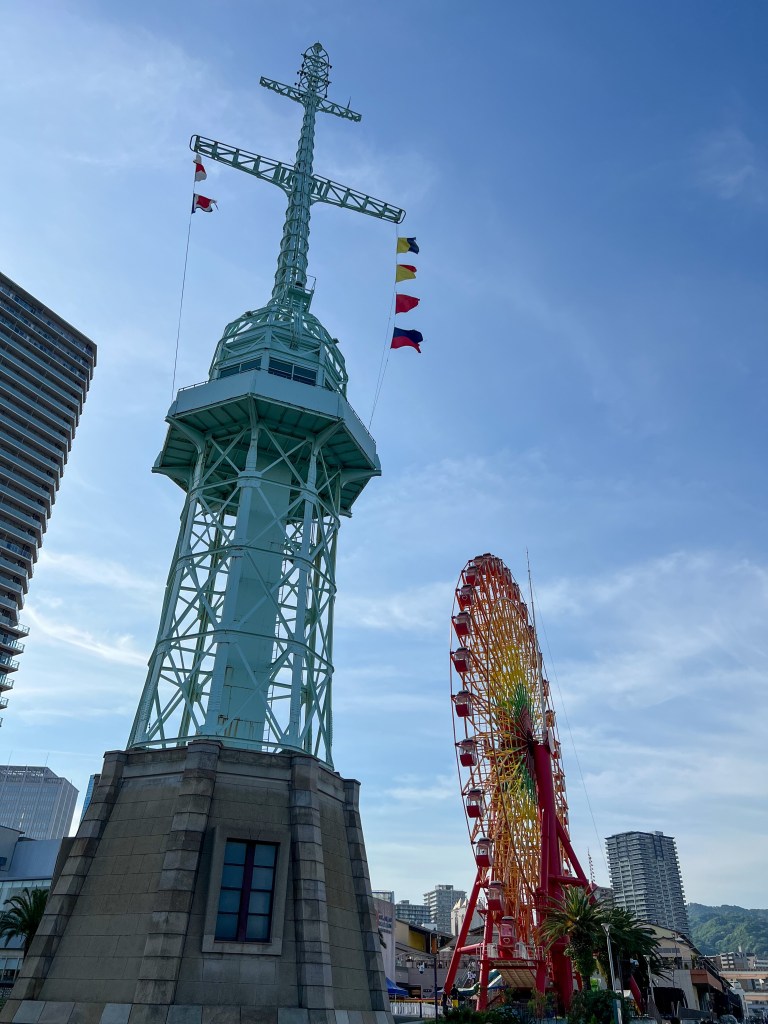
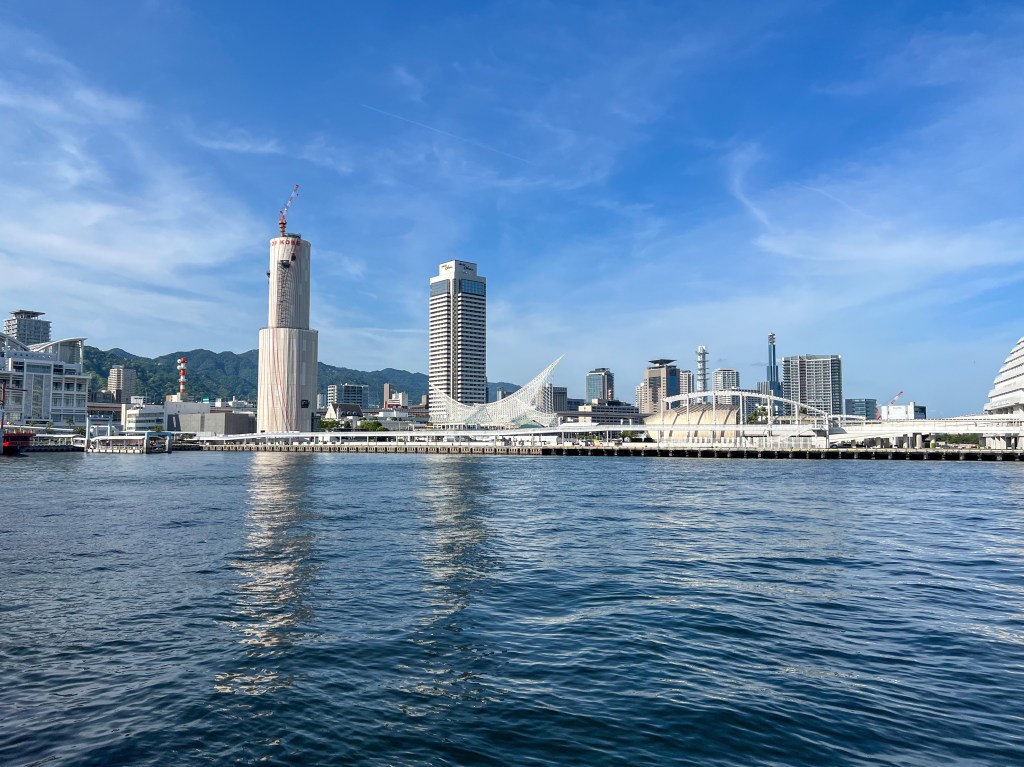
After exploring the rolling city hills of Kobe’s north, I began walking the 40 minutes south to Kobe’s port. This would be my last destination – to get a view of the picturesque Kobe Port Tower – my final site before heading back to Tokyo to fly home. A beautifully sunny day, I was prepared for the best – overlooking the shimmering water – reflections of the red tower piecing through the harbor. It didn’t occur to me that I should look out for the tower while I was walking to the harbor – I thought I would just wait until I arrived to enjoy its magnitude. When I did arrive. at the viewpoint, I discovered that the once brightly colored tower was now undergoing construction – a tarp hundreds of feet long covering its exterior. I burst out laughing – THIS was my final stop. THIS was how I would end my trip that took me to the southernmost tip of South America to the Himalayas in Nepal. And yet, as I sat down, and looked out to the harbor – kids playing and seagulls cawing – the water splashing against the dock, I was flooded with emotion.

These past 6 months have been some of the best of my life and they have fulfilled a lifelong dream of mine to explore the world. I feel so fortunate that I have been able to experience all of this – to travel the world, and grow as a person along the way.

As I return home to begin my journey towards medical school, I plan to keep my travel experiences with me – and hope to explore again soon.

I will have one more post next week regarding the conclusion my trip – with some reflections, numbers, and a few other things.

See you then,

Sam

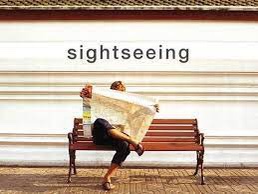
Traveling Bookclub VIII: Sightseeing by Rattawut Lapcharoensap

A quick google search for top vacation destinations will frequently turn up Thailand. The mountainous cultural hub in the north, the relaxed picturesque islands in the South, the bustling chaos of Bangkok – the country has it all. Head over to your local bookstore and you will inevitably discover numerous guidebooks and works of fiction written about Thailand by Westerners who have either moved or vacationed to the country. Unfortunately, there is not much fiction written in English by a Thai author – which is why I was excited to find Sightseeing by Rattawut Lapcharoensap. A collection of short stories about Thailand, Sightseeing tackles the dichotomy between Thailand the Tourist Destination and Thailand the country.

While Lapcharoensap was born in Chicago, he was raised in Bangkok. His first book, “Sightseeing” was published in 2005 and was selected for the National Book Foundation’s “5 Under 35” program and won the Asian American Literary Award.

The first story, “Farangs,” is about a young adult who works with his mother at a beach motel and is always falling for the Western women tourists who pass through the area.

The next story is about a set of brothers whose father has died and their mother has sunk into a depression and is called “At the Cafe Lovely.” The older brother self-medicates through rather destructive behavior and the younger brother, the narrator, wants to tag along and get out of the house that their mother’s depression looms over.

In “Draft Day”, particularly relevant today given the May 14 election, the military government trumpets its efforts at rooting out corruption.

In “Sightseeing,” a young woman and her mother take a trip to see a famous island before the mother loses her eyesight.

“Priscilla the Cambodia” offers a very frank picture of the xenophobia that is endemic in Thai culture. Two young boys start off by throwing rocks at the shanties occupied by Cambodia refugees. Eventually they befriend a young girl who lives there and it opens the young boys eyes, even just slightly, to their shared humanity.

“Please Don’t Let Me Die in This Place” is told from the perspective of an older man, whose health is failing, who has moved to Thailand because his son had married a Thai woman. He ruminates on why his son had to marry someone from a different culture, gets upset that his grandkids and daughter-in-law don’t understand him.

The final story, “Cockfighter,” is told from the perspective of a girl as her father, once the best cock fighter in the village, falls from prominence and into debt at the hands of the village headman’s son who feels personally slighted when he loses.

Each of these stories offers a view at the intersection between Thai culture and Thai tourism. For someone who was introduced to thailand as a paradise and the Land of Smiles, this collection offers a darker side of the country, while also bringing to light the role of humor and self-resiliency.

This is how we count the days. June: the Germans come to the islands — football cleats, big T-shirts, thick tongues — speaking like spitting. July: the Italians, the French, the British, the Americans. The Italians like pad thai, its affinity with spaghetti. They like fabrics, sun glasses, leather sandals. The French like plump girls, rambutans, disco music, baring their breasts. The British are here to work on their pasty complexions, their penchant for hashish. Americans are the fattest, the stingiest of the bunch.

Rattawut Lapcharoensap

The stories are a mix of stereotypes of foreigners and the complicated relationship between the tourist and the local; loss, nihilism, drug use, and fast food. In many ways, its a larger representation of my perspective vs. the local perspective over the past 6 months. It brings up the question – how do I be a good tourist?

It’s a tough question for me. Is it enough to have a broad understanding of the country’s history, language culture, religion, etc..? How do I know what is a traditional experience and what is exploitative? How to I balance my excitement for new opportunity with an appreciation for my privilege in experiencing them? And what do I do when I, inevitability, screw it up (I am only human!).

I think the most powerful pieces of advice I heard on how to navigate visiting a foreign country was this: “travelers must keep in mind that they are only borrowing places from local residents”.

I like this because it doesn’t threaten or accuse – but simply reminds me, as a traveler, of my role in a foreign country. The opportunity to travel is a privilege, not a right, and it must be treated with respect and gratitude. It isn’t enough that I saved up money for a trip or took time off of work or stuck myself on a godawful 12 hour plane ride – the simple fact that I can travel and have the means to do so is a venerable opportunity.

Of course, throughout a trip, I am bound to make mistakes – forgetting to wear conservative clothing at a religious sight, buying something at a tourist shop rather than a local market, etc… we all do it – and its not worth beating myself up over. But I believe it is something I should actively strive against, and something I should learn from as I strive to be a better traveler.

Over the past 6 months, I’ve come along some approaches that have helped me:

  • Respect the people who live there
  • Do your research. Have a broad understanding of a nation’s culture, religion, language, and history.
  • Learn basic words in the local language – yes, “hello”, “thank you”, and “I’m sorry” can be enough. A few words go a long way.
  • Eat, shop, and sleep at local places whenever possible.
  • Save time to visit the less touristy locations, even if they’re a bit less instagram-worthy or more difficult to find.
  • Follow the rules – this includes no jaywalking (unfortunately…)
  • Keep the environment in mind – when possible, choose buses, ferries, and trains over planes or private cars.
  • Treat other travelers with respect
  • Reflect, adapt, and grow.

Overall, I think the most important rule – and the one I fall back on when all else fails – is to simply lead with respect. Respect to locals, respect to fellow travelers, respect to the environment. Respect and good intention goes a long way in telling a foreign community of people that you are grateful to be here. It’s not a get-out-of-jail-free card or an excuse for error, but rather a mindset that exudes cultural competence and courtesy. And when you do screw up, embrace it, own it, learn from it, and move on. More often than not, this puts locals and fellow travelers at ease.

For Thailand, in particular, I think it was important for me, as a tourist, to remember that the country is both a magical wonderland of adventure and an amalgamation of cultural heft and political uncertainty.

Until 22 May 2014, the government of Thailand was conducted within the framework of a constitutional monarchy, where the prime minister was the head of government the monarch was the head of state, similar to in the UK. In 2014, Thailand faced a coup d’etat by the military organization, the National Council for Peace and Order (NCPO), who revoked the constitution, abolished the national assembly, and assumed the legislative branch. From then on, much of the legal system was run under martial law in the military courts. The NCPO was formally dissolved following the swearing-in of the new cabinet in July, 2019. To date Thailand has had 20 charters and constitutions, reflecting a high degree of political instability. Just today, following the 2023 election cycle, Thailand’s opposition leader, Pita Limjaroenrat, said he was ready to become the next prime minister, after his Move Forward Party finished first in an election that crushed parties allied with the military-backed establishment.

Knowing this further reinforced my appreciation and respect for the Thai people, in continuing to both maintain their livelihoods and share it with others. It helped me better understand what norms to expect in the country and why it was the case. For example, it is incredibly inappropriate to ask anyone (including tour guides) about their opinion of the monarchy. Why? you may ask? Well because Section 112 of Thai Criminal Code currently reads: Whoever defames, insults or threatens the King, the Queen, the Heir-apparent or the Regent, shall be punished with imprisonment of three to fifteen year.

Basically, don’t talk about the monarchy.

It’s these sorts of things that I believe are essential to understand as a tourist – it helps you better respect the space you spend time in and helps you understand how to approach a foreign region.

It’s so fascinating to see how different countries operate – how one thing on one side of a border has an entirely different cultural/political interpretation on the other side. I guess its in part what fascinates me so much about travel – and why I wanted to experience so many different places on my trip. I love to watch the transition & intermingling of culture/politics/religion/language/customs as I move from region to region. I love finding the differences in each of these identities – and I love finding the similarities that make us all people.

Maybe that’s what truly makes a good traveler – looking, not touching – observing, absorbing… growing an identity that encompasses what is different from myself. Becoming more – not better, not worse – just more.

Next week, I will be reading my last book, Norwegian Wood, by Hanukkah Murakami.

See you then,

Sam

Days 117 to 131: Thailand – North, South, & Bangkok

The North: Chiang Mai, Chiang Rai, Pai, & Doi Inthanon

Coming from Vientiane, the first part of my journey in Thailand began in the North, exploring the city of Chiang Mai and its surrounding towns/villages/national parks.

While Bangkok is Thailand’s bustling capital, the north is the heart of culture and creativity, and many visitors of the area use Chiang Mai as their home base as they home around the various highlights of the region. With 5 days, I decided to spend a couple days exploring Chiang Mai, one day in Chiang Rai, a couple days visiting Pai, and one day hiking in Doi Inthanon National Park.

Chiang Mai

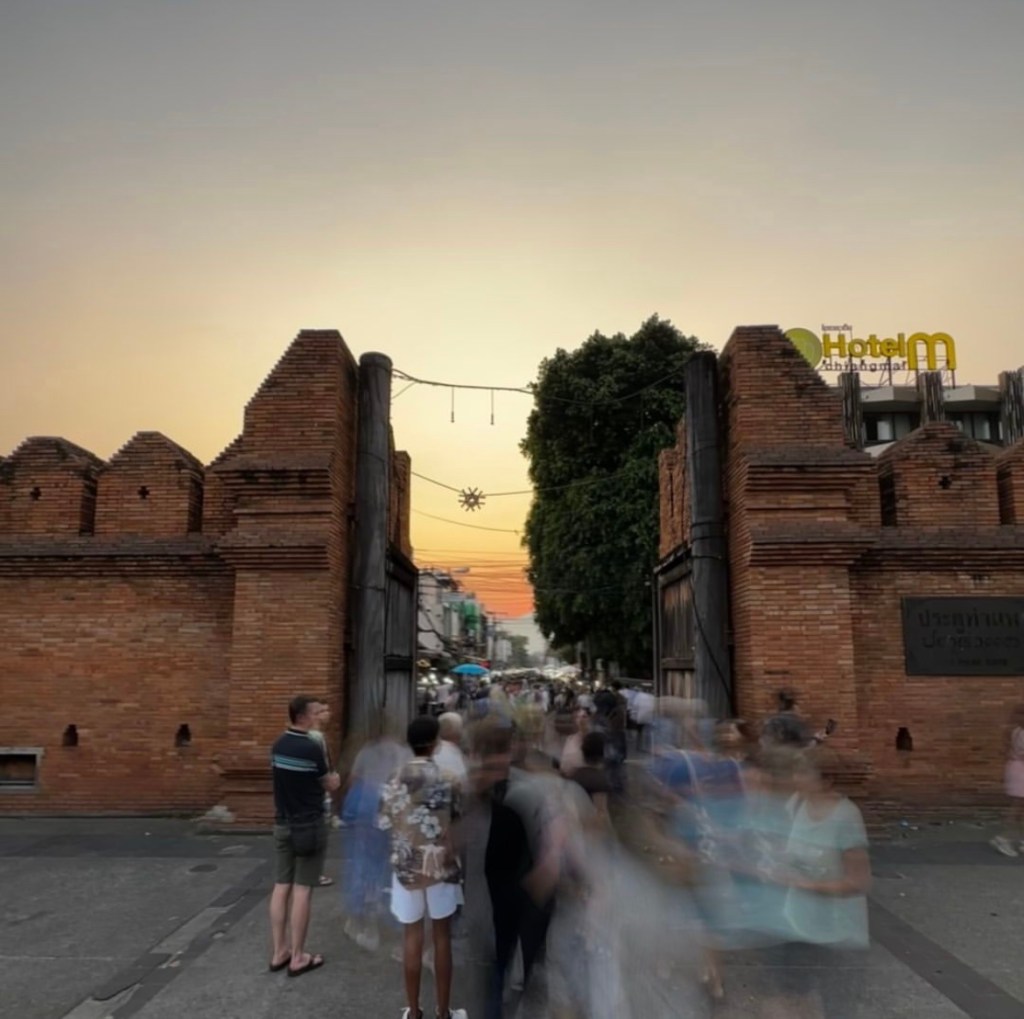
The largest city in northern Thailand, Chiang Mai sits 400 miles north of Bangkok in a mountainous region called the Thai highlands. Founded in 1296, it was the capital of the Lana Kingdom until 1558. Its Old City area still retains the walls and moats from its history as a central and religious center. It is also home to dozens of elaborate temples, including 14th century Wat Phra Singh and 15th century Wat Chedi Luang.

It offers some of the best temples of Southeast Asia.

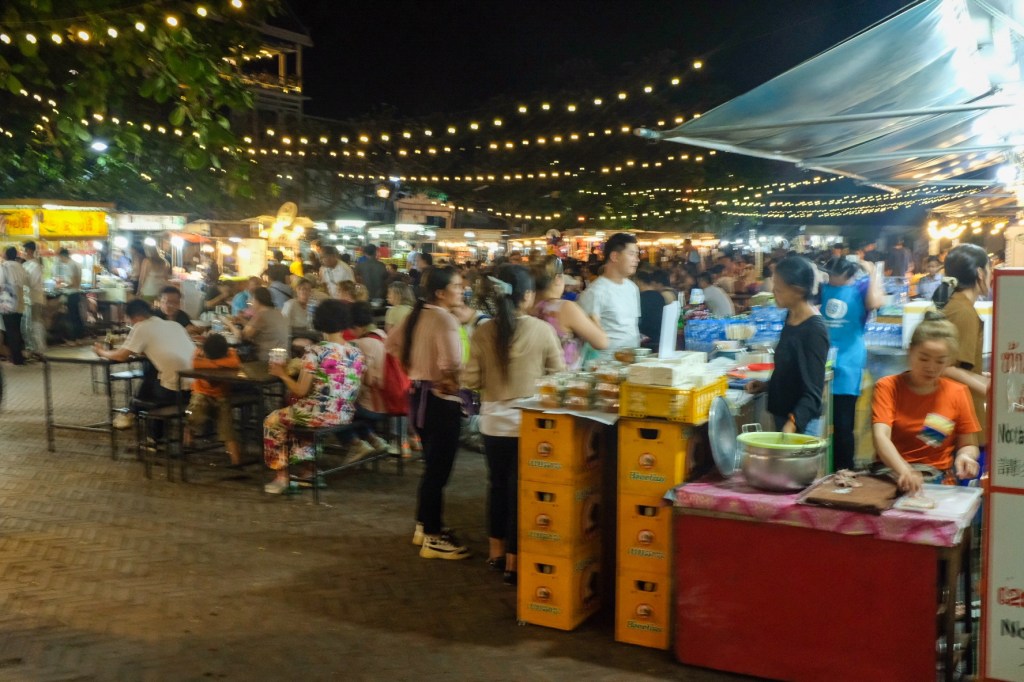
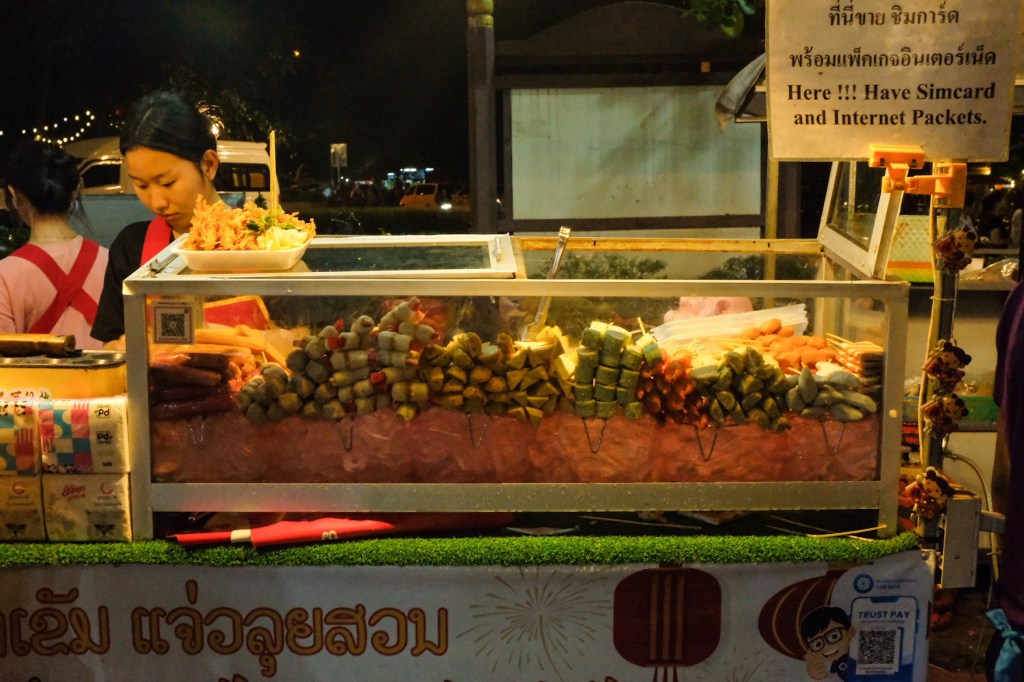
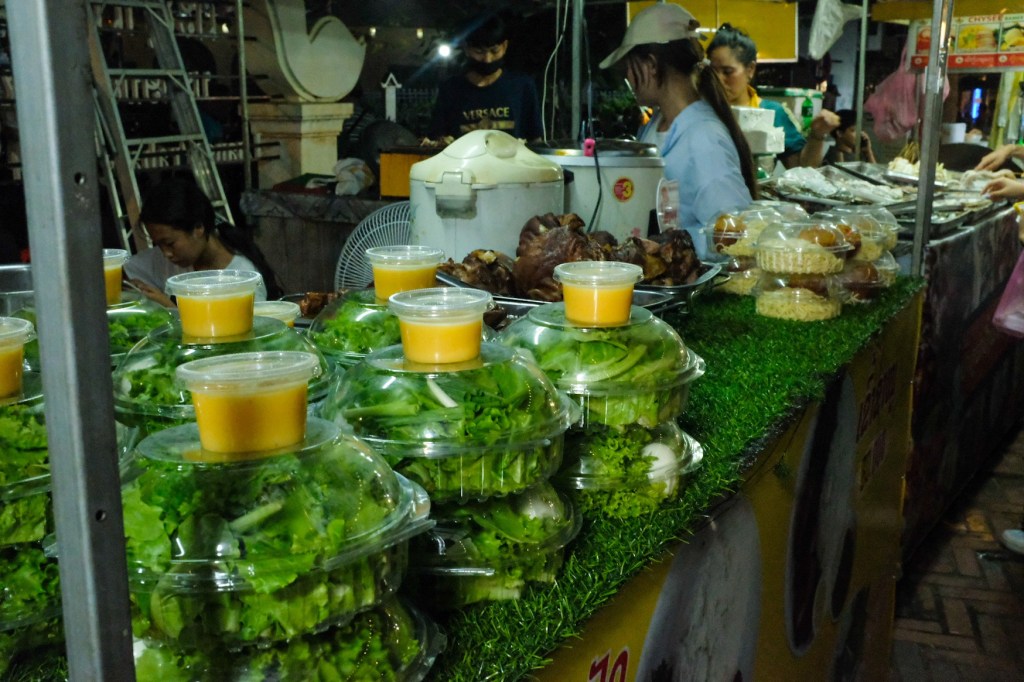
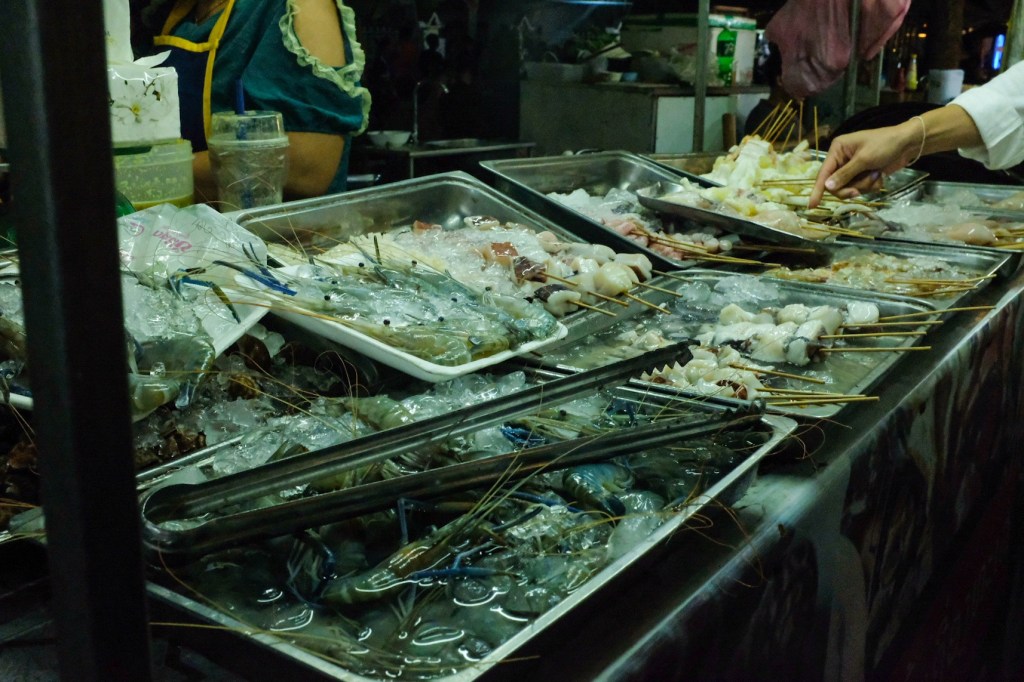
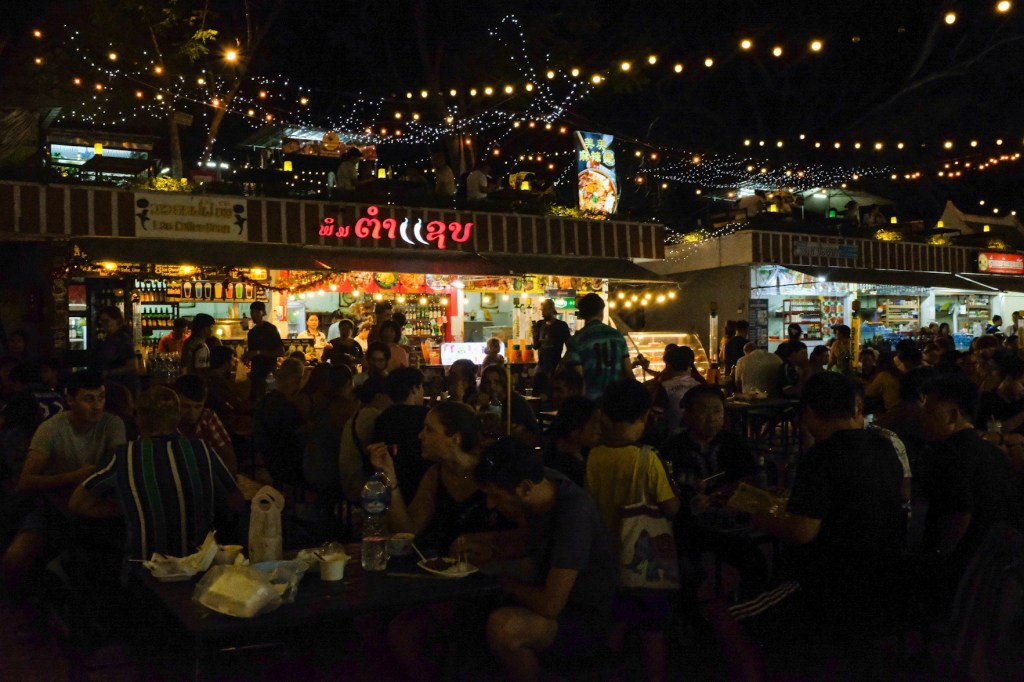
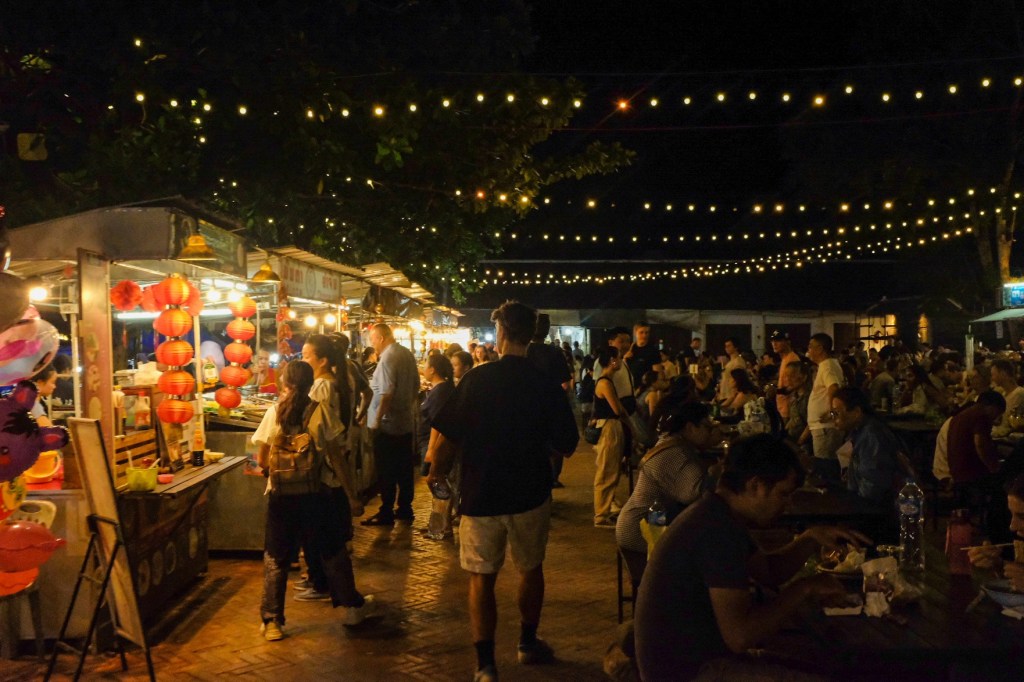
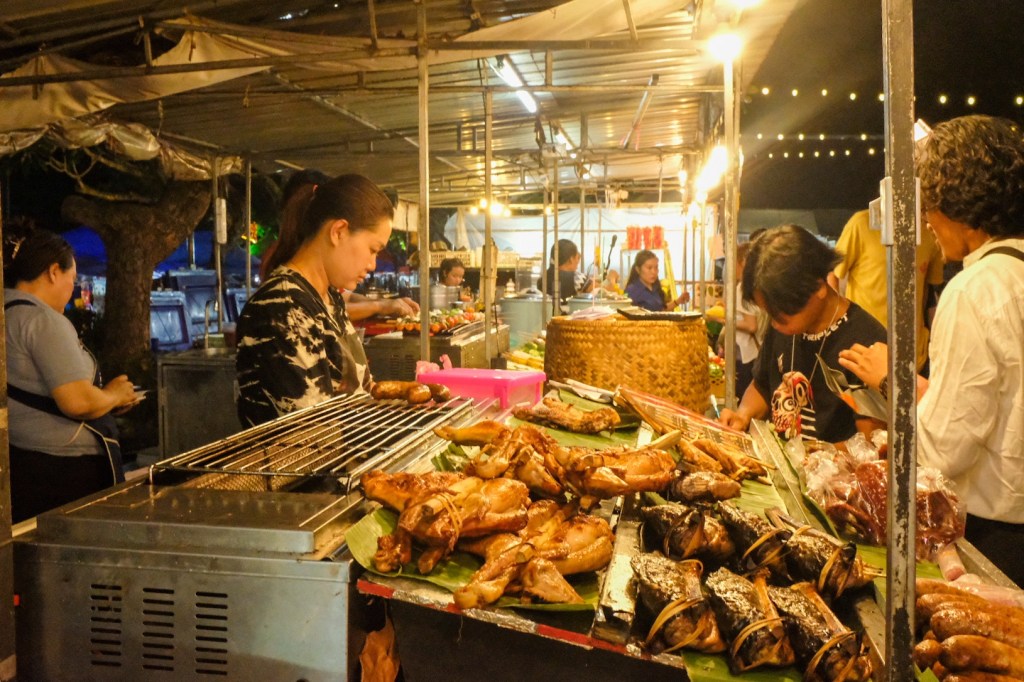
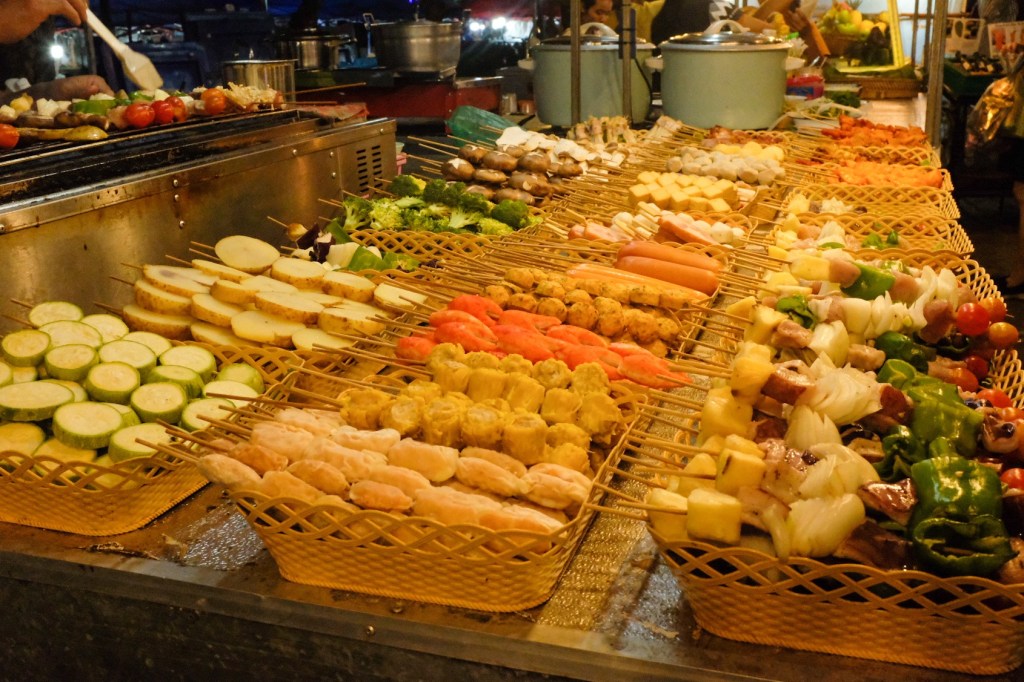
One of the best things to do in Chiang Mai is exploring the local street markets, particularly at night.

In the evening, the temples that start the day as environments of peace and quiet transform into carnival grounds, covered in food stalls and hungry patrons.

I will tell you, there are few things better than walking into a night market with an empty stomach and a wallet full of cash.

For many visitors to Thailand one of the main highlights is Southeast Asia, so this is a great place to hang out on a Sunday evening, the busiest time for this night market. With hundreds of stalls dotted along the main (and side) roads, the Sunday Walking Street night market offers some of the best crafts, arts and food that the Northern Thailand region has to offer.

The Sunday night market offered a wonderful combination of local food and cultural flair.

Chiang Rai

The next day, I headed 3 hours north to Chiang Rai. This lovely city is also home to flower gardens, tea plantations and mountains. It falls on the intersection of borders of Thailand, Laos, and Myanmar and is particularly famous for Wat Rong Khun (The White Temple), and the Rong Suea Ten (The Blue Temple). You’ll see why below-

Pai

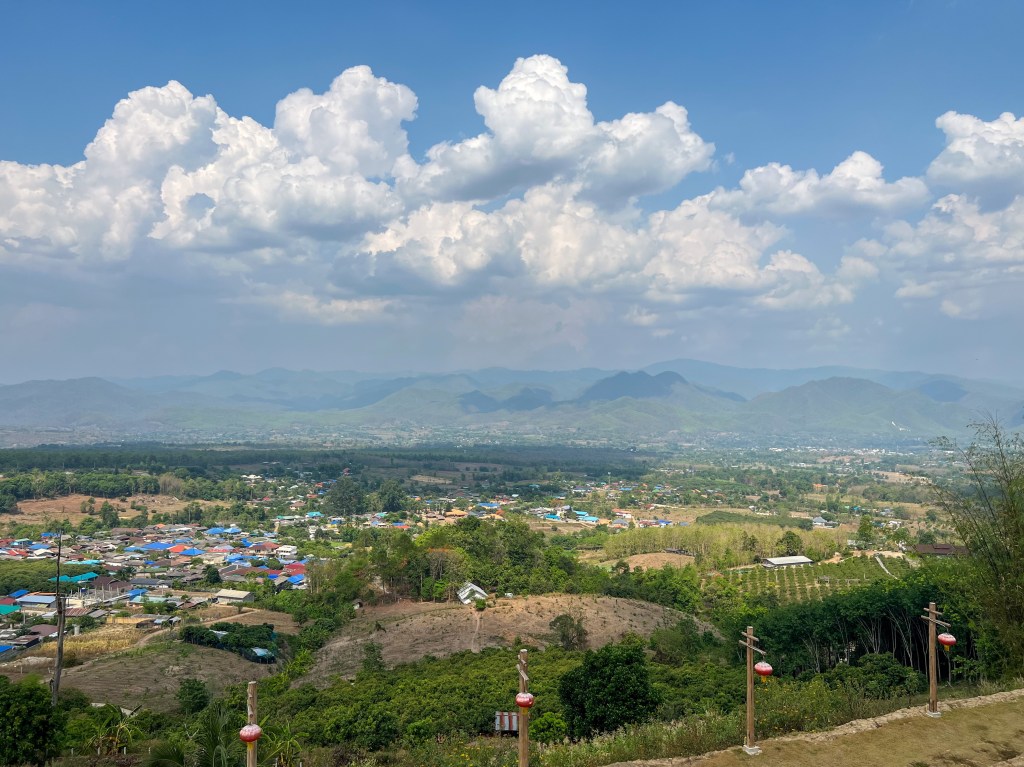
After a long day exploring Chiang Rai, I needed a place to relax a bit – this is where Pai comes in. Thailand’s “hippy” town , Pai lies about 100 miles Northwest of Chiang Mai along the Pai River. Pai was once a quiet market village inhabited by Shan people whose culture is heavily influenced by Myanmar. Known among backpackers for its relaxed atmosphere, the town is full of cheap guesthouses, cute cafes, and restaurants. It is also home to several waterfalls, hot springs, canyons, and some of Thailand’s largest cave systems.

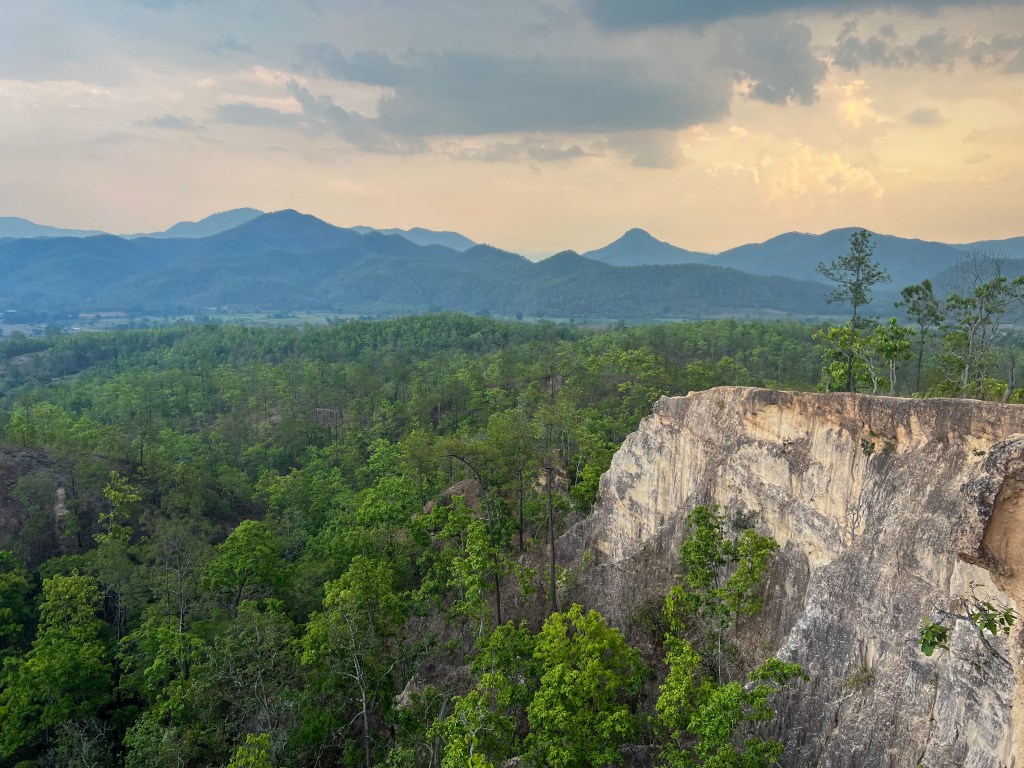
I decided to spend 2 days here, exploring the town, climbing around Pai Canyon, biking to the various viewpoints, and exploring some of the area’s caves.

Doi Inthanon National Park

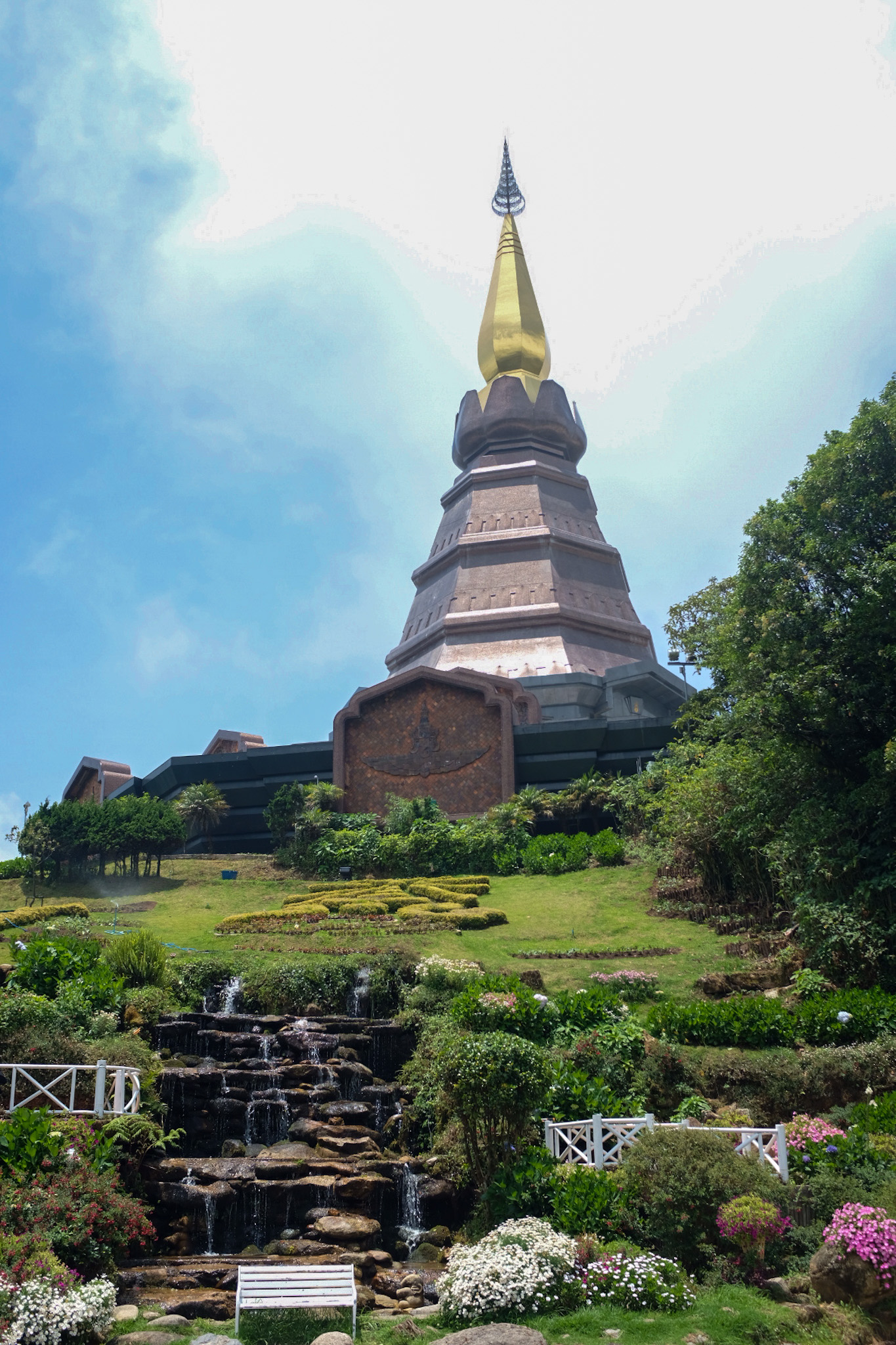
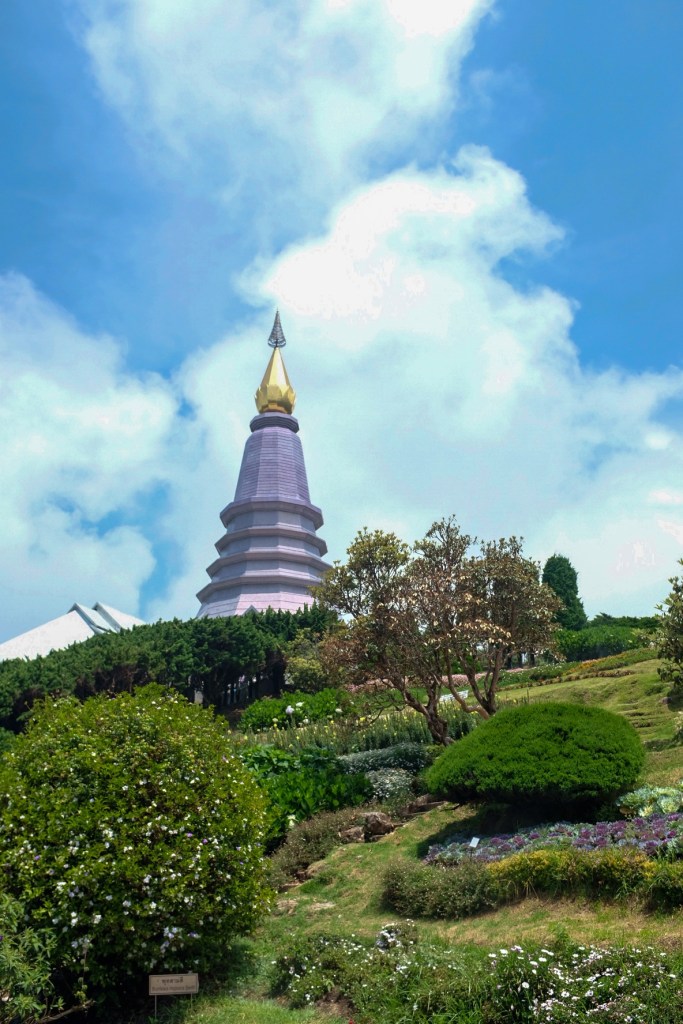
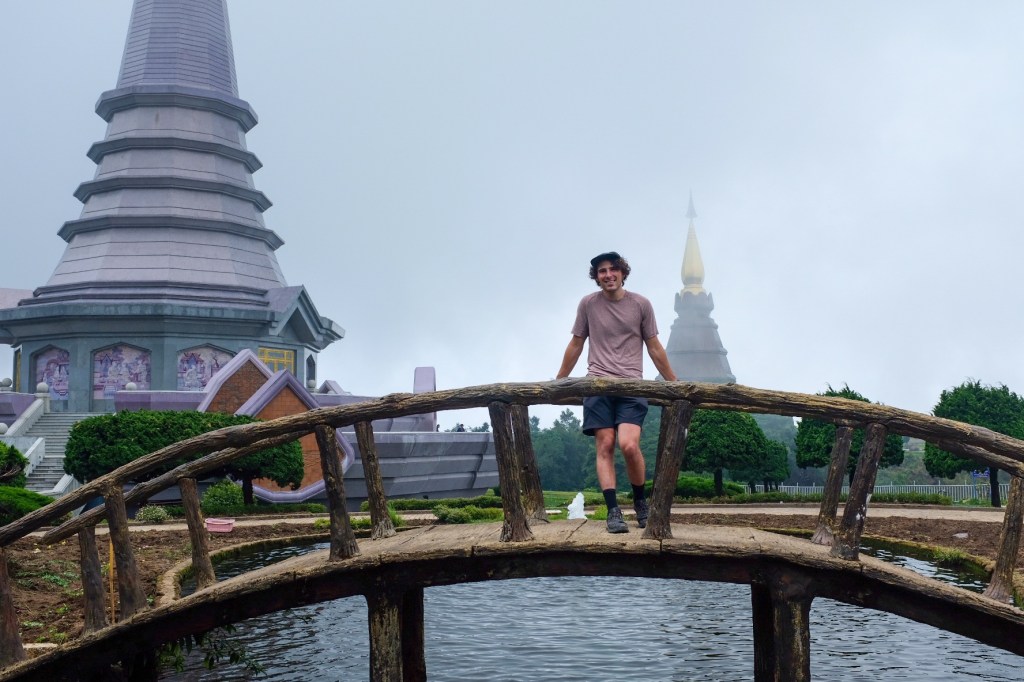
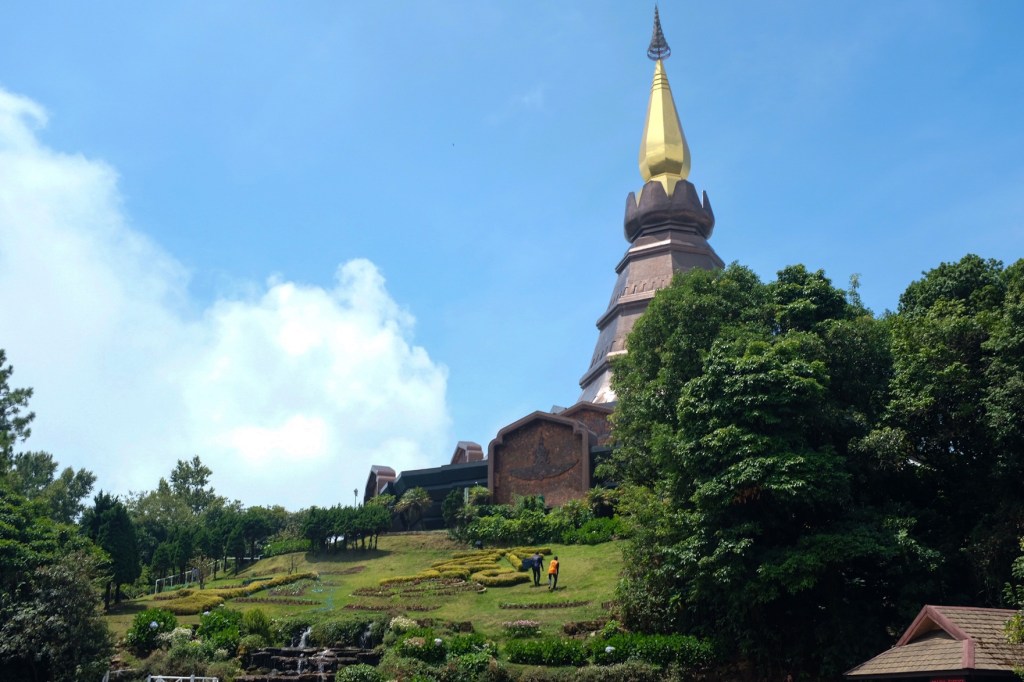
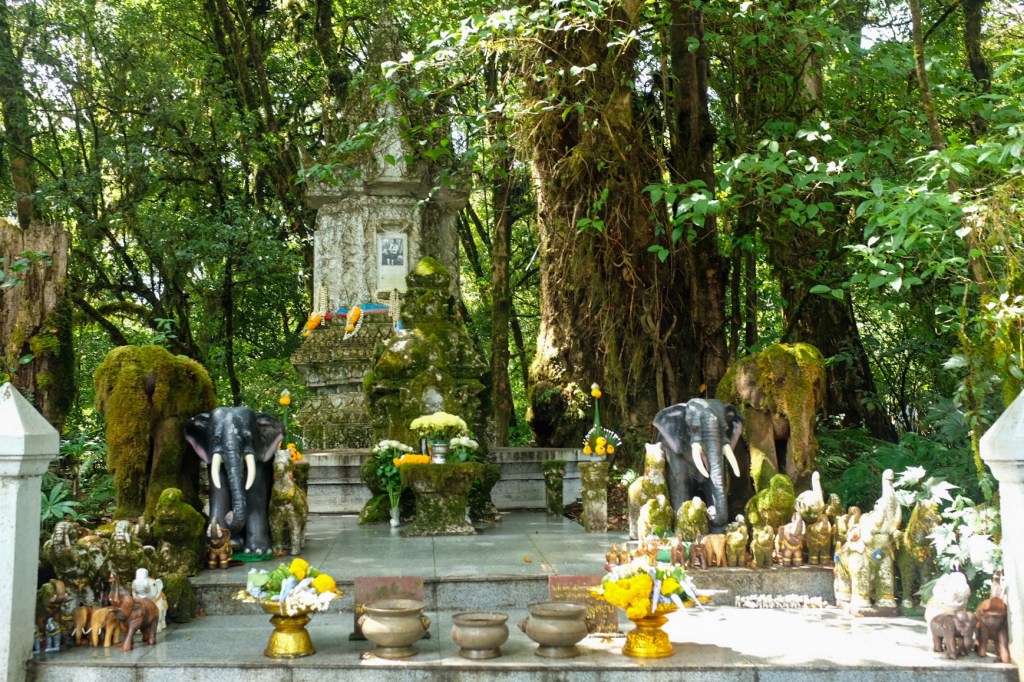
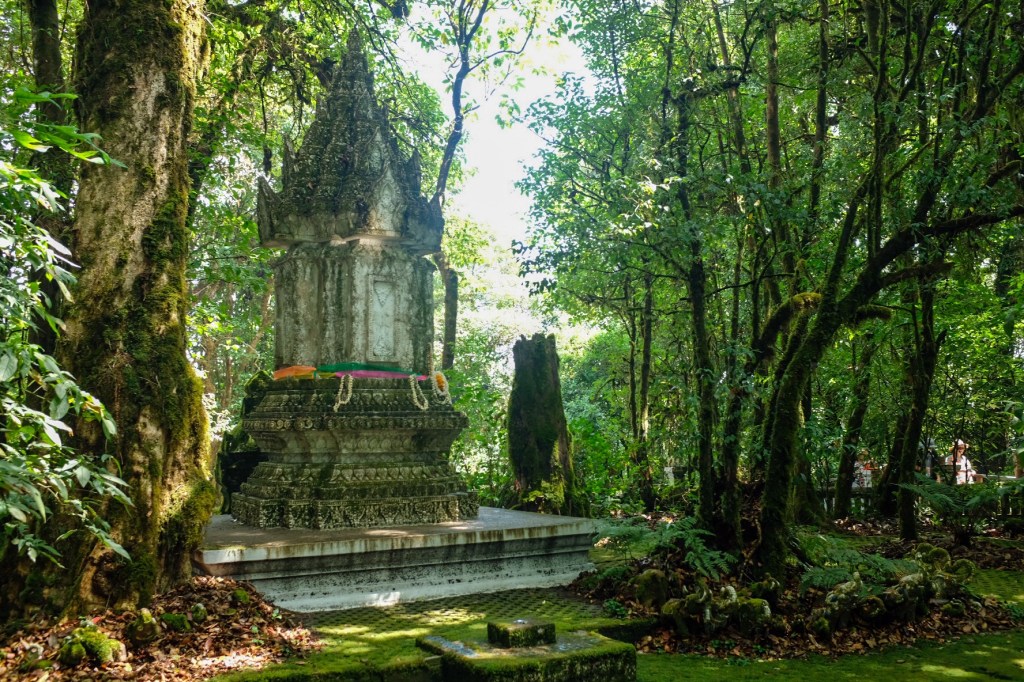
Recharged, I pushed through to my last destination in the North: Doi Inthanon National Park. The highest mountain in Thailand (2,565 meters), Doi Inthanon is home to waterfalls, hiking trails, remote villages, viewpoints, and the Twin Pagodas (Phra Mahathat Naphamethanidon and Naphaphone Phumi Siri) at the summit.

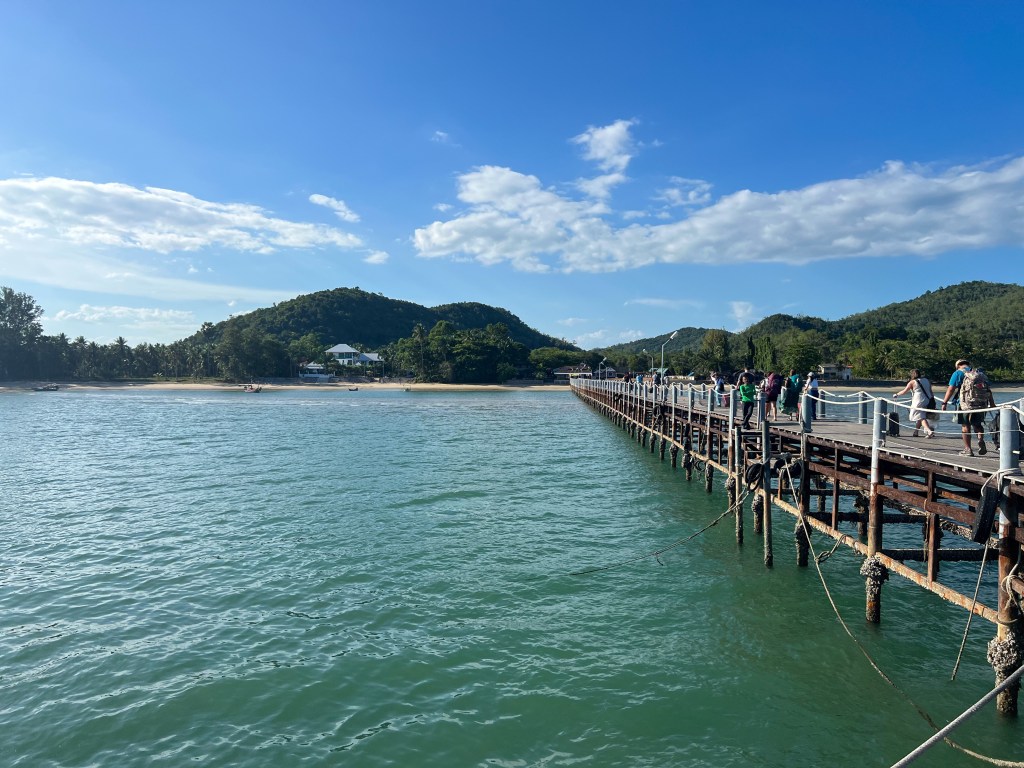
The next morning, I packed my bags and caught a flight to the city of Krabi in the south of Thailand. From there, I caught a 3 hour bus to the coast and a 3 hour ferry to the island of Koh Tao.

The South: Krabi & Koh Tao

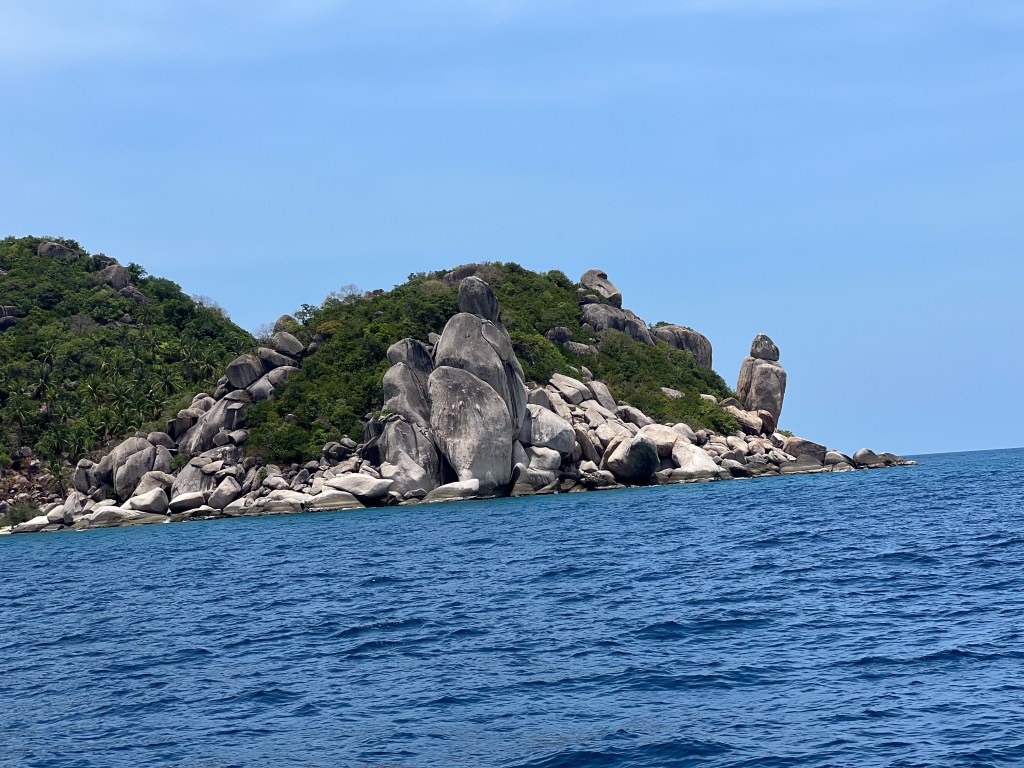
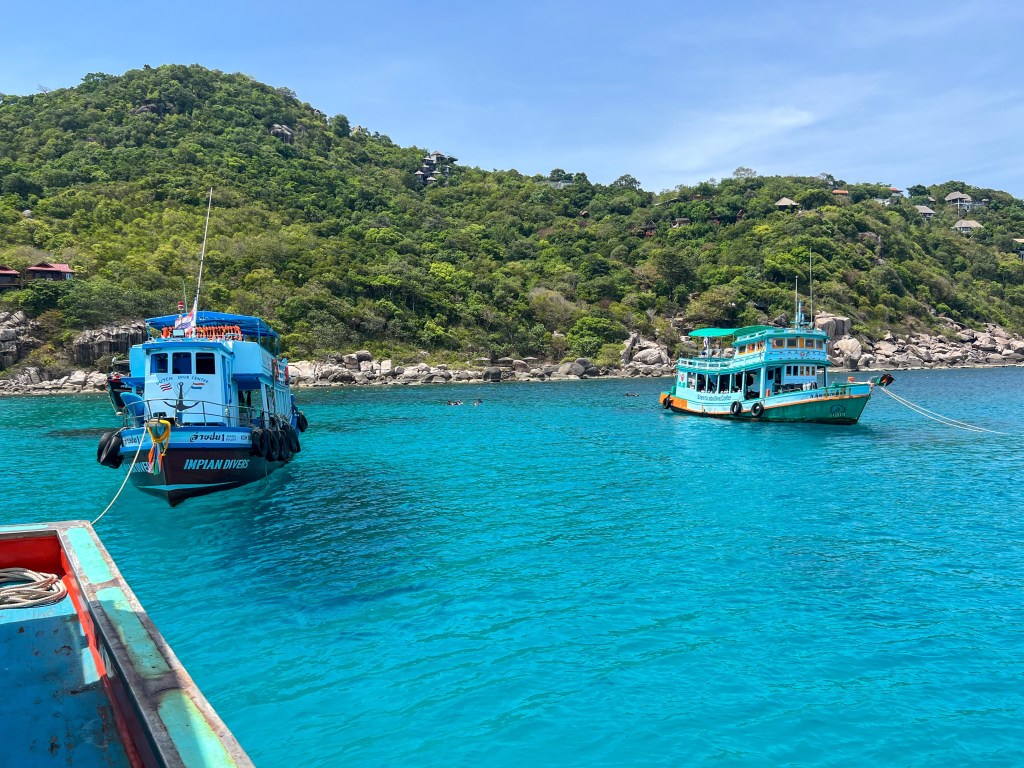
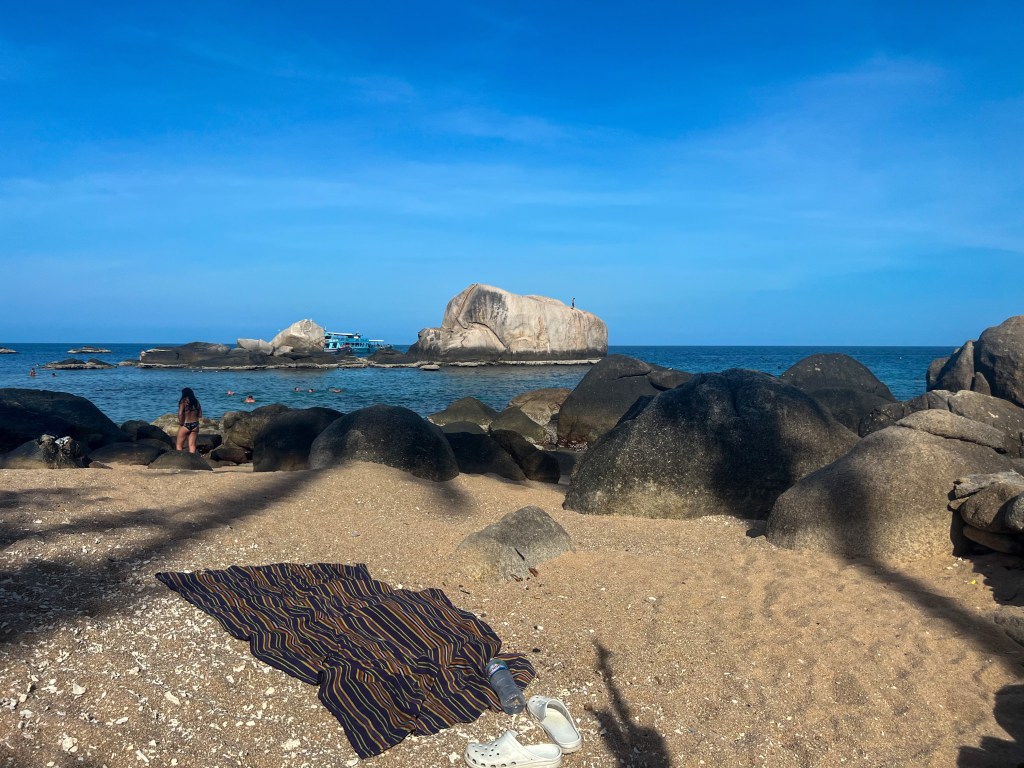
Koh Tao (“Turtle Island”) is an island part of the Chumphon Archipelago on the western shore of the Gulf of thailand, covering just 8 square miles. It is famous for its granite rock structures and some of the lowest-priced scuba diving in the world, aired with quality standards of instruction, and incredible marine life to boot. Travelers tend to plan on staying on the island for just a few days and end up extending to weeks or even months – at the end of my stay, I understood why. A small community environment with incredible food and endless activities from snorkeling, freediving, SCUBA diving, rock climbing, hiking, or just spending time at the beach, its a place you could stay in for a long time.

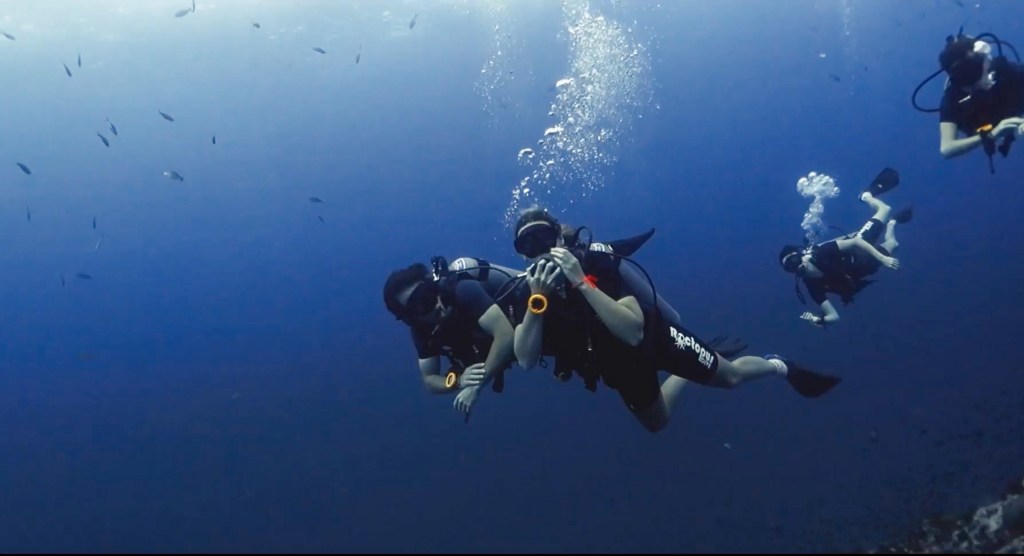
My first 4 days on the island, I took a SCUBA certification course (open water 20 for those who are divers).

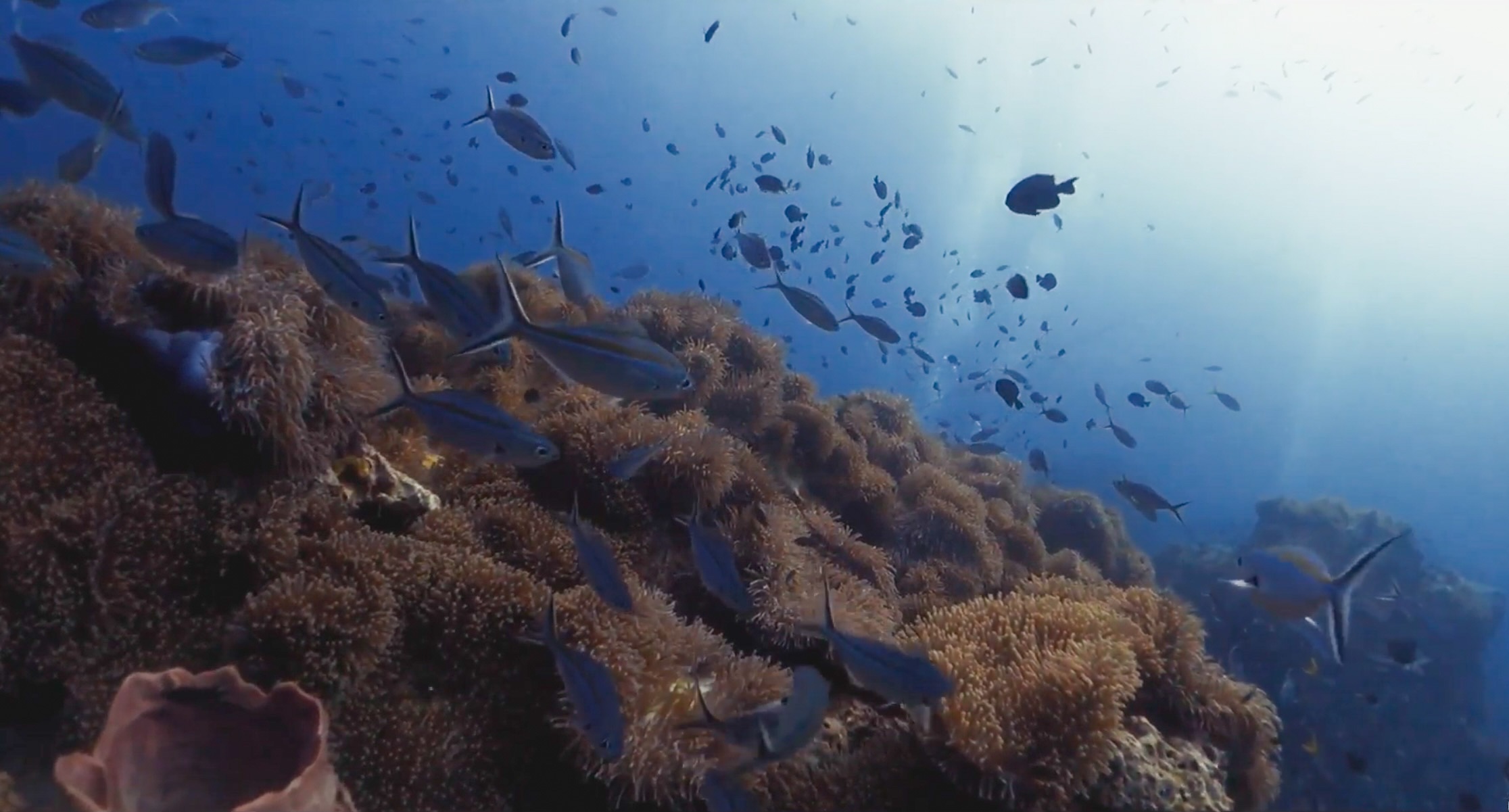
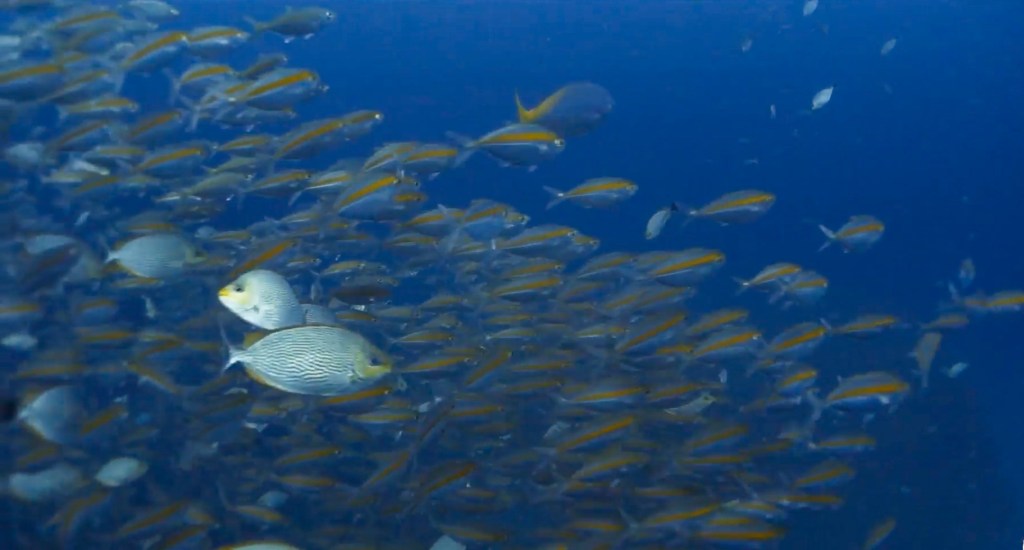
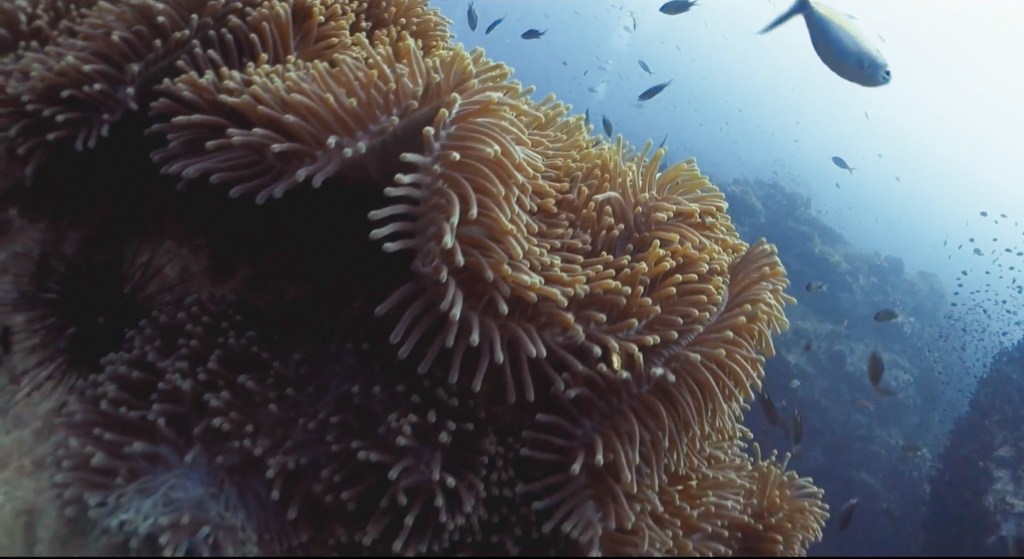
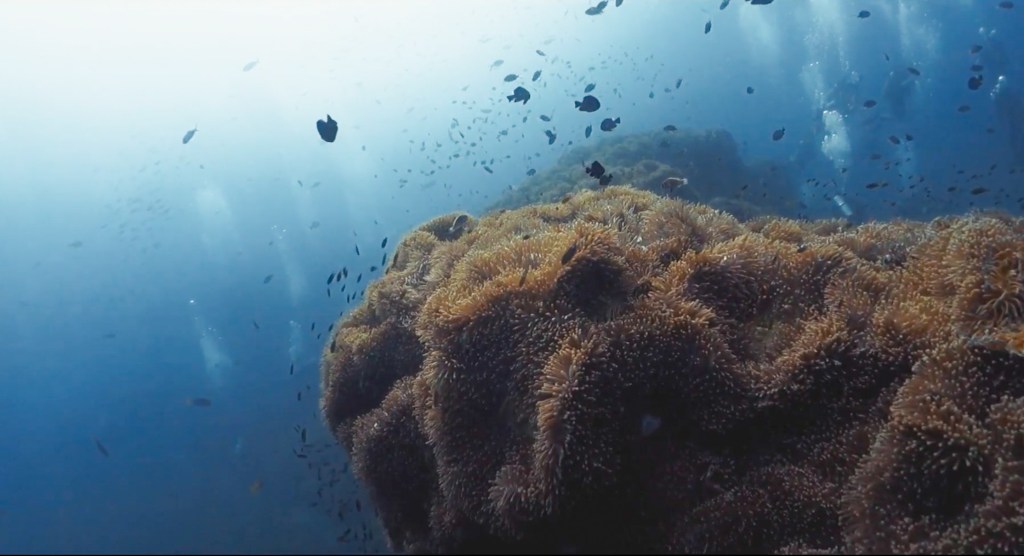
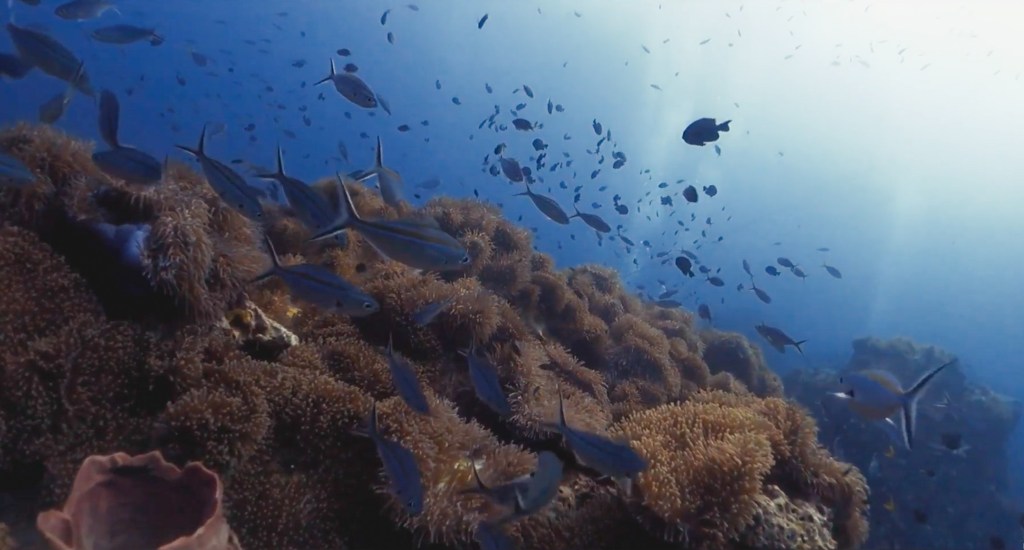
Photos from a couple of our dives!

Blacktip shark!

The course focuses on prepping new divers to be able to prepare, use, and take care of the SCUBA equipment, and how to respectfully interact with the marine life underwater. The dive shop I did it with, called Roctopus, was particularly compelling for me as it doubles as a conservation group. Roctopus is very involved with conservation and recycling and they are one of the most active centers when it comes to beach clean ups and clean-up dives working hard to get rubbish out of the water around Koh Tao. They go beyond this by offering conservation training with one, two, and five-week marine conservation programs as well as 8 week Eco trust marine conservation internships and 3 month Eco dive master internships. It was a really wonderful group of people to get my training with, and it made me really want to pursue further training in the future.

As someone who has always felt at home in the ocean, this was a really special experience for me and I hope to continue progressing my diving qualifications so I can continue to explore the ocean more.

After getting my certification, I decided to do some rock climbing and signed up for a lead climbing course. I had a decent amount of experience with bouldering and top-rope climbing, but never lead climbing, and certainly not outdoors.

Some terminology clarification:

Bouldering: A form of free climbing that is performed on small rock formations or artificial rock walls without the use of ropes or harnesses.

Top Rope: A type of rock climbing where the climber is securely attached to a rope that runs through a fixed anchor at the top of the climbing route, and back down to the belayer at the base of the climb. This is what most people picture when they think of gym climbing.

Lead Climbing: A technique in rock climbing where the lead climber clips their rope to the climbing protection as they ascend the climbing route, while their belayer remains at the base of the route belaying the rope to protect the lead climber in the event that they fall.

The majority of rock was granite, which was an entirely new type of rock for me. With a lot of jagged edges, there was a lot of room for friction, which was essential as there were next to no good handholds! Learning to trust the friction of the granite on my feat was a challenge in and of itself, but it was incredibly rewarding once I got the hang of it, particularly when we were welcomed by incredible views from the top of our climbs.

It was a ton of fun to learn a new form of climbing and get some more experience outdoors that I can bring back to my climbing in the States.

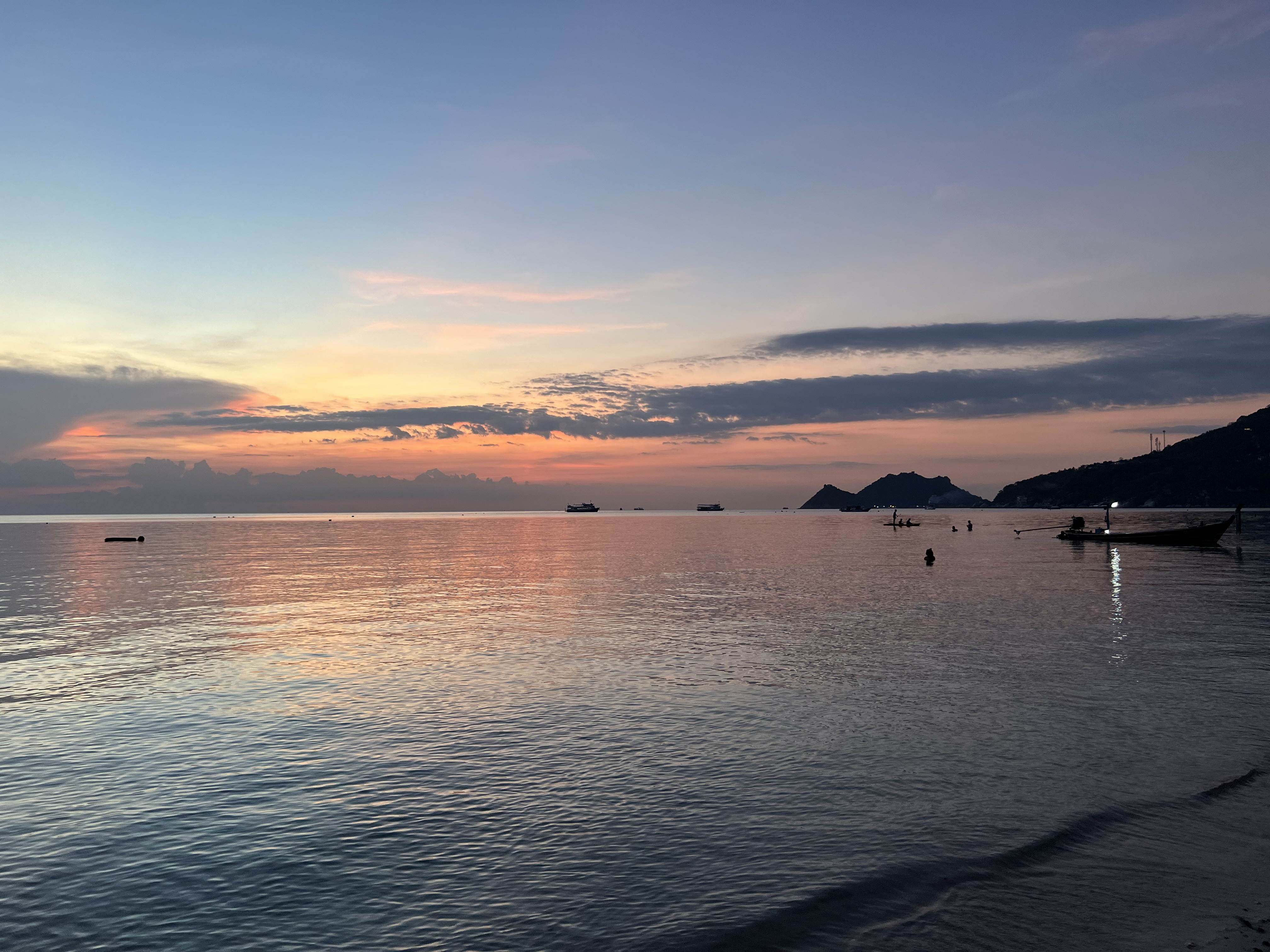
I spent the rest of my time on the island snorkeling at the beach and enjoying the scenery and sunsets.

After a week on the island, I begrudgingly left Koh Tao for Bangkok, where I would wrap up my time in Thailand before flying to Japan.

Bangkok

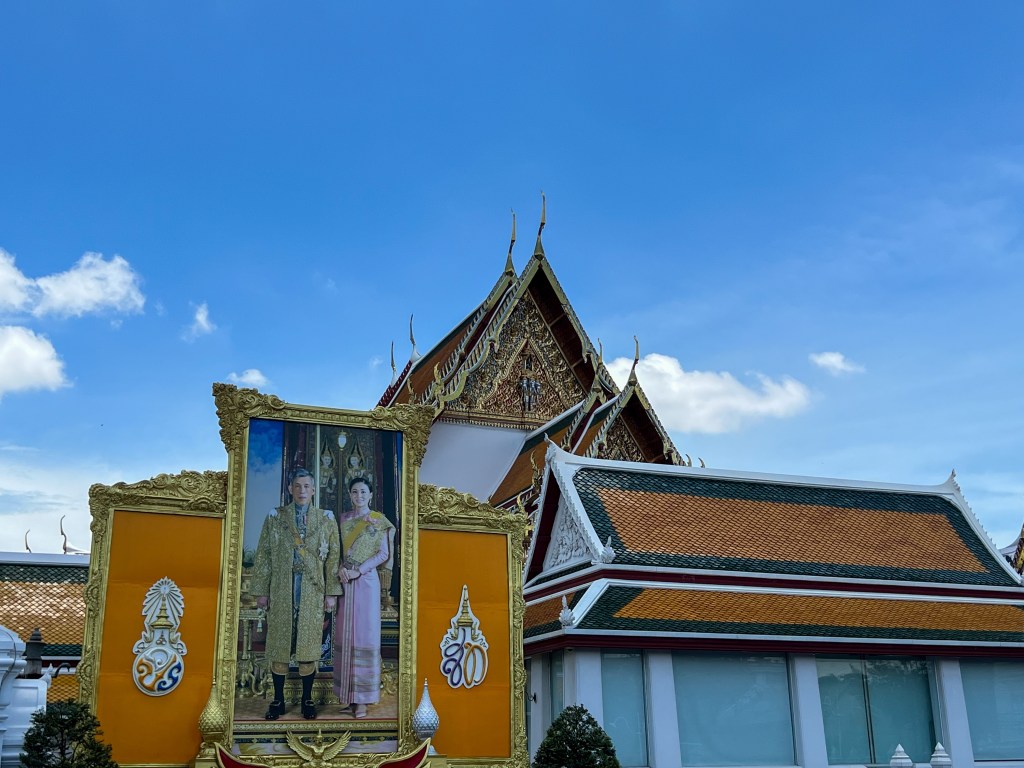
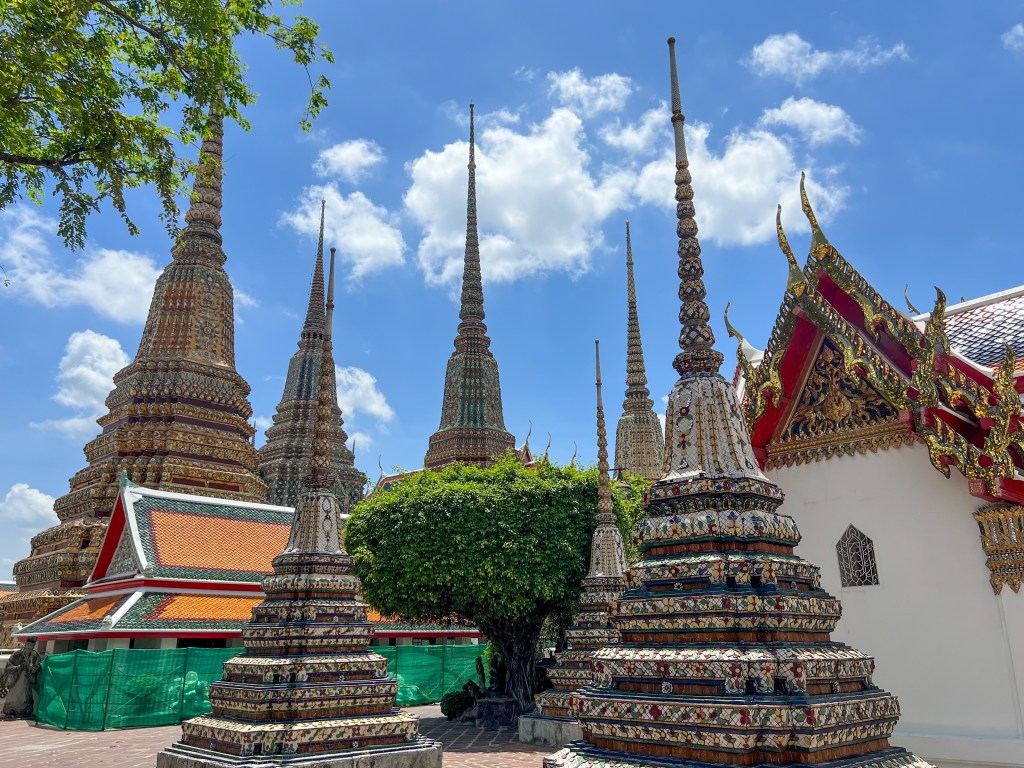
Bangkok, Thailand’s capital, is a large city known for ornate shrines and vibrant street life. The boat-filled Chao Phraya River feeds its network of canals, flowing past the Rattanakosin royal district, home to opulent Grand Palace and its sacred Wat Phra Kaew Temple. Nearby is Wat Pho Temple with an enormous reclining Buddha and, on the opposite shore, Wat Arun Temple with its steep steps and Khmer-style spire.

The city is intense, with an overwhelming amount to offer. With only a few days to explore, I decided to focus on the cafes & restaurants, temples, grand palace, night markets, and the Khlong Lat Mayom floating market.

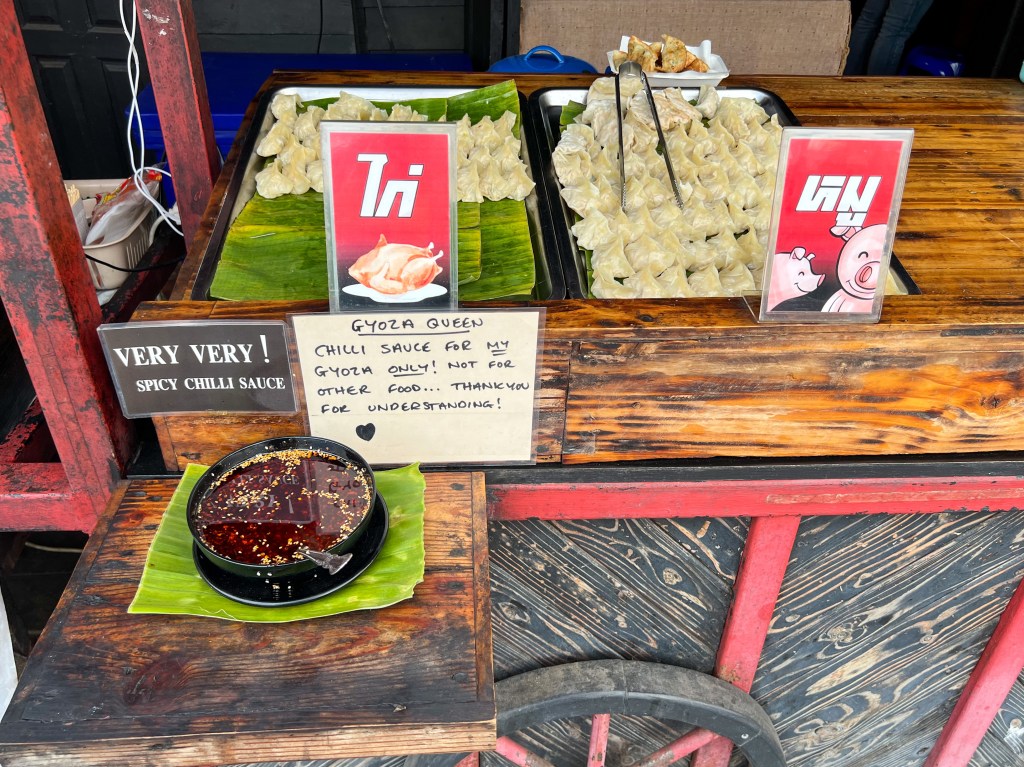
Fun Fact: Southern Thai food is inspired by Malaysia and Java, where the chilli pepperoni takes the lead in giving dishes a spicy kick. Northern food, on the other hand, has elements of Laos, Burma and China, and the cool climate means that you’ll find a lot of different kinds of vegetables and herbs to elsewhere in the country. Bangkok offers a fusion of both cuisines at its various cafes, restaurants, and night market food stalls.

Here is some of what I saw at the temples!

And the floating Markets

Night Markets-

Conclusion

Thailand is known as a land of smiles, and it certainly does not disappoint.

From the exploding cultural hub of Thailand’s north to the calm, adventure-focused islands in the south, to the bustling chaos of Bangkok, Thailand offers a little bit of everything.

I have more to say but WordPress is overloaded with all the media I just posted so I will need to leave it at that. I will write more on my book post on my experiences in Thailand.

See you next week, as I wrap up my 6 month journey in Japan.

Sam

Traveling Bookclub VII: The Coroner’s Lunch by Colin Cotterill

The Coroner’s Lunch is a crime novel by British author, Colin Cotterill, and is the first installment in the Dr. Siri Paiboun series, set in the Lao People’s Democratic Republic during the 1970’s.

The novel surrounds Dr. Siri Paiboun, who is appointed state coroner for the Lao People’s Democratic Republic. It’s 1976, the royal family has been deposed, the professional classes have fled and the communists have taken over. 72-year-old Siri – a communist out of convenience – has got the coroner’s job because he’s the only doctor left in Laos.

As the story progresses, bodies of tortured Vietnamese soldiers start bobbing to the surface of a Laotian lake, and Dr. Siri is faced with uncovering the truth of the crisis.

Colin Cotterill was born in London after studying education, began traveling the world, picking up odd-jobs as he went. He worked as a physical education instructor in Israel, a primary school teacher in Australia, a counselor for educationally handicapped adults in the US, and a university lecturer in Japan. The latter part of his career was spent in Southeast Asia, where Cotterill taught and trained teachers in Thailand and on the Burmese borde worked for several years in Laos, initially with UNESCO.

Ten years ago, Colin became involved in child protection in the region and set up an NGO in Phuket which he ran for the first two years. After two more years of study in child abuse issues, and one more stint in Phuket, he moved on to ECPAT, an international organization combating child prostitution and pornography. He established their training program for caregivers. When his books based in Laos gained in popularity in the 2010’s, Cotterill set up a project to send books to Lao children and sponsor trainee teachers.
I would say that this book ended up being more of a beach read, but it did still teach me a bit about Laos under the Lao People’s Democratic Republic. In particular, I thought it was interesting to see Dr. Siri’s irreverent thoughts about his political party and the regime ruling Laos throughout the novel.

“If the truth were to be told, he was a heathen of a communist.”

The Coroners Lunch by Colin Cotterill

It left me craving more in terms of the political dynamics of the era. Laos, like Vietnam and Cambodia, have a deeply complex history that will take a lot of study and experience to really understand. I hope to return here someday to continue that education.

Sam

Days 108 to 117: Laos: Luang Prabang, Vang Vieng, & Vientiane

After my 3 weeks racing around Vietnam, I knew I needed a bit of a rest before I raced to the finish line of my trip. I wanted a place where I could chill out, hang out a cafe, and watch the world go by. Knowing I only had about a week to get a taste of Laos, I also wanted to settle in somewhere I could really get to know (a method I’ve found is the best for getting to know a country). Luang Prabang was that place.

Luang Prabang: Laos’ Golden City

Louangphabang (commonly transliterated into Western languages from the pre-1975 Lao spelling ຫຼວງພຣະບາງ as Luang Prabang, literally meaning “Royal Buddha Image”, is a city in north central Laos, made up of 58 adjacent villages. It is dubbed a UNESCO World Heritage Site, due to its well preserved architectural, religious, and cultural heritage – coupling French colonial influence with its Buddhist core. Luang Prabang is well known for its many Buddhist temples and monasteries – Wat Chom Si, Wat That Luang, and Wat Xiengthong to name a few. Every morning, hundreds of monks from the various monasteries walk through the streets collecting alms, often consisting of sticky rice. More on that later. The area was established around the 6th century CE by the Mon peoples, forming the Dvaravati Kingdoms. The city states, which were different from one another politically, were linked culturally, and around the 8th century CE were introduced to Theravada Buddhism by missionaries from Sri Lanka. In 1707, the Lan Xang dynasty, which ruled the area since 1353, collapsed and Luang Prabang became the capital of the independent Kingdom of Luang Prabang. From 1893-1956, the French annexed Laos and recognized Luang Prabang as the royal residence of Laos. Luang Prabang remained the royal capital until 1975, when the Pathet Lao communist forces seized power with North Vietnamese support and dissolved the monarchy, establishing Vientiane as the new capital.

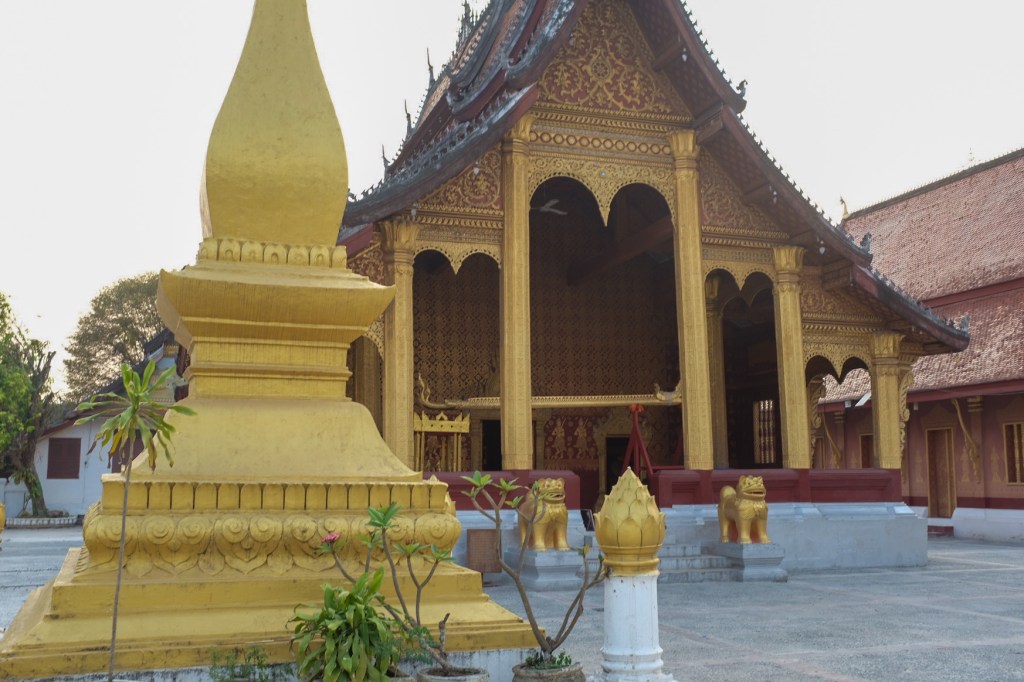
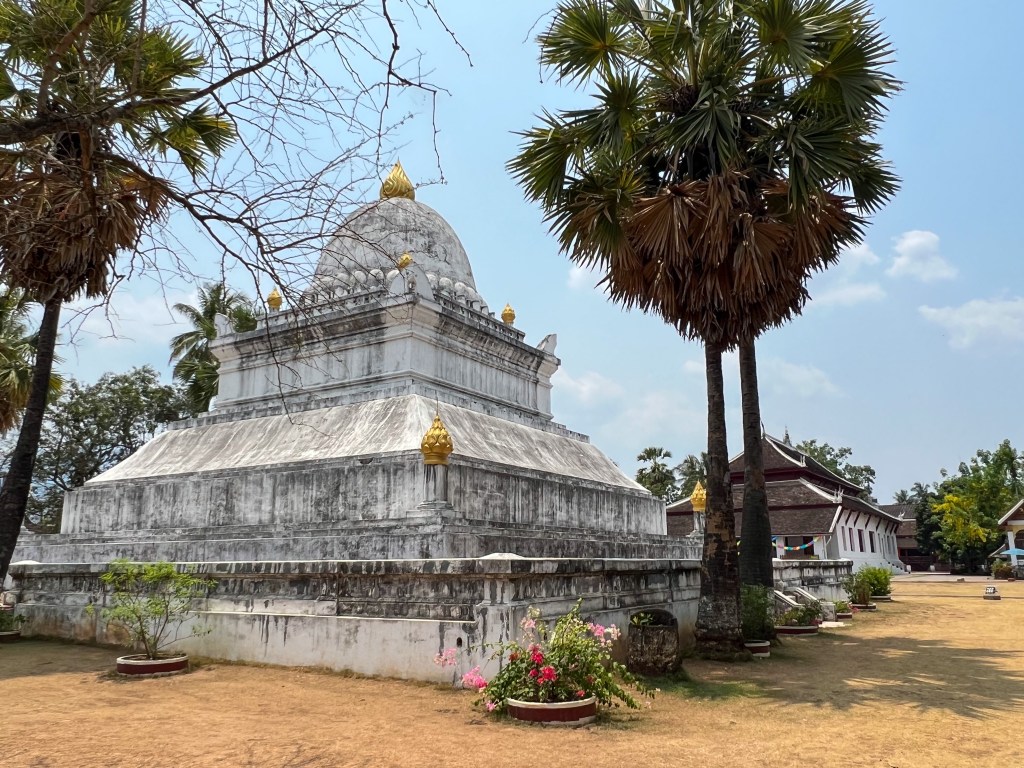
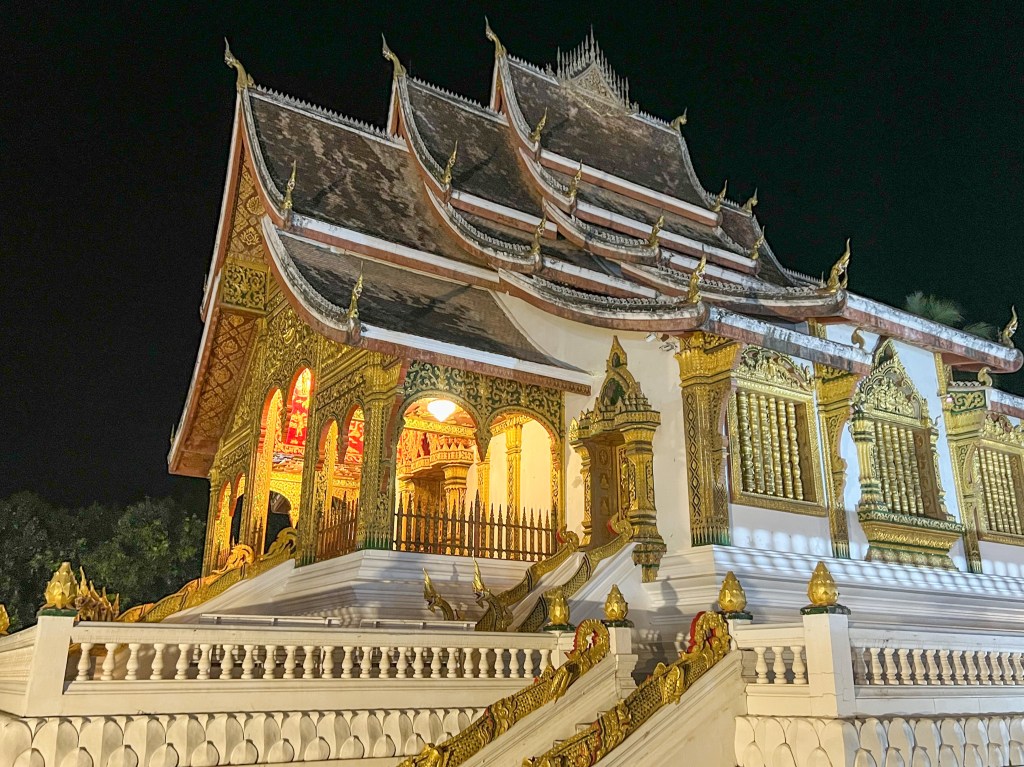
Over my first few days in Luang Prabang, I wat hopped through the town, explored the dozens of coffee shops sprinkled around, and ate lots of food.

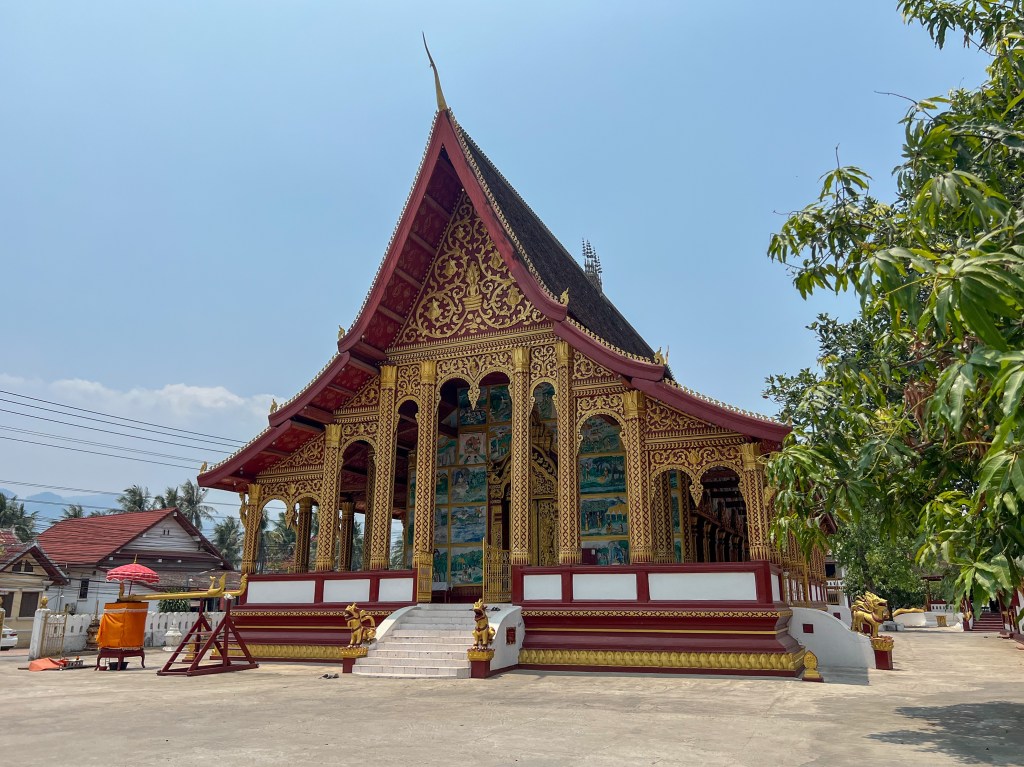
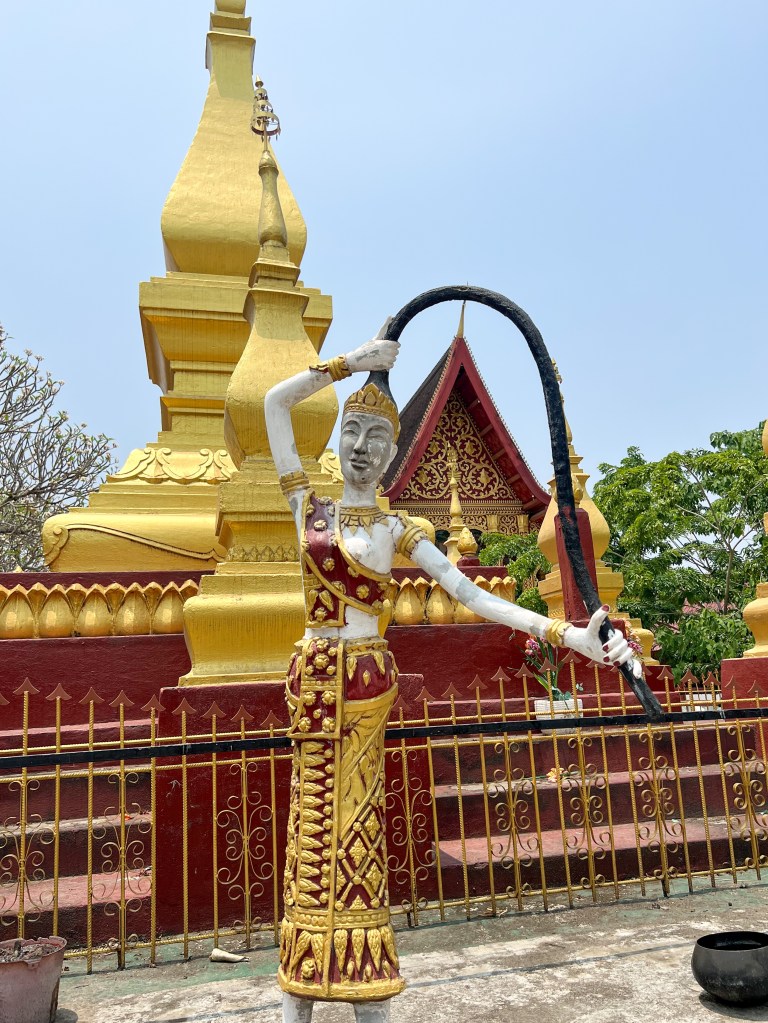
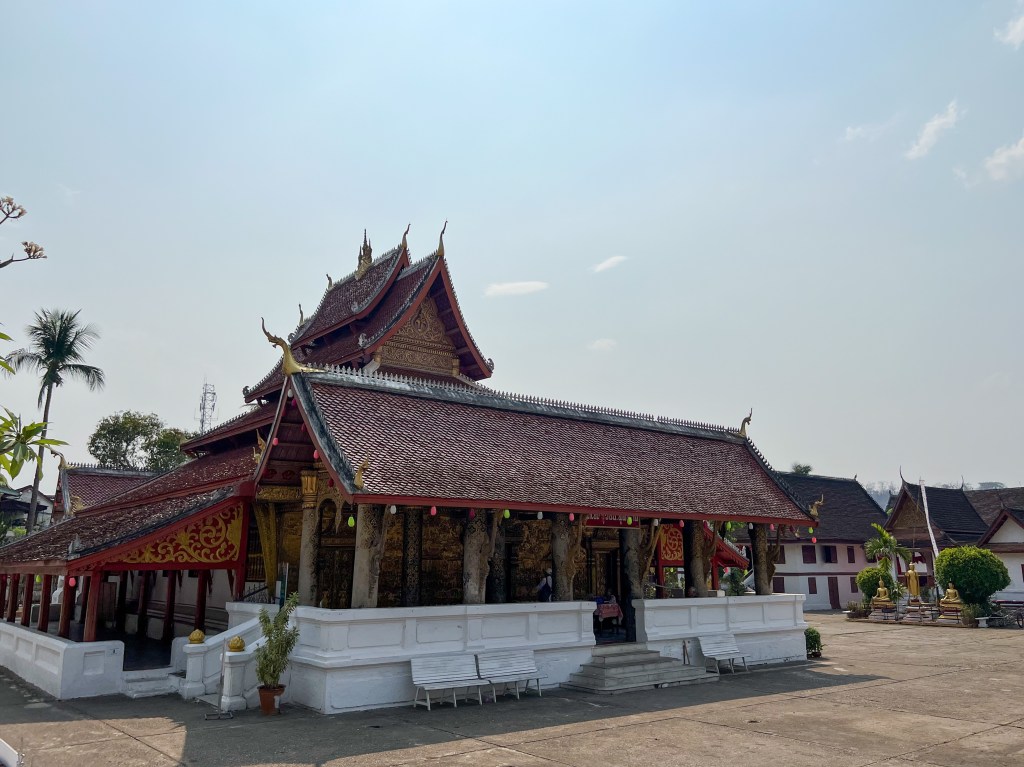
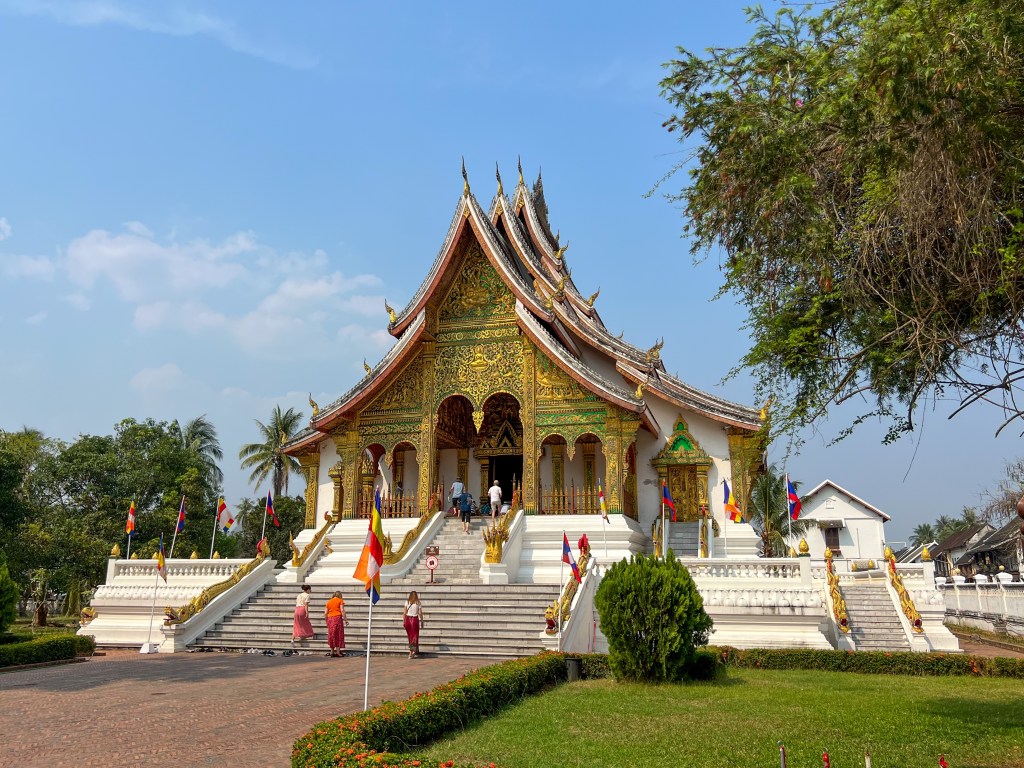
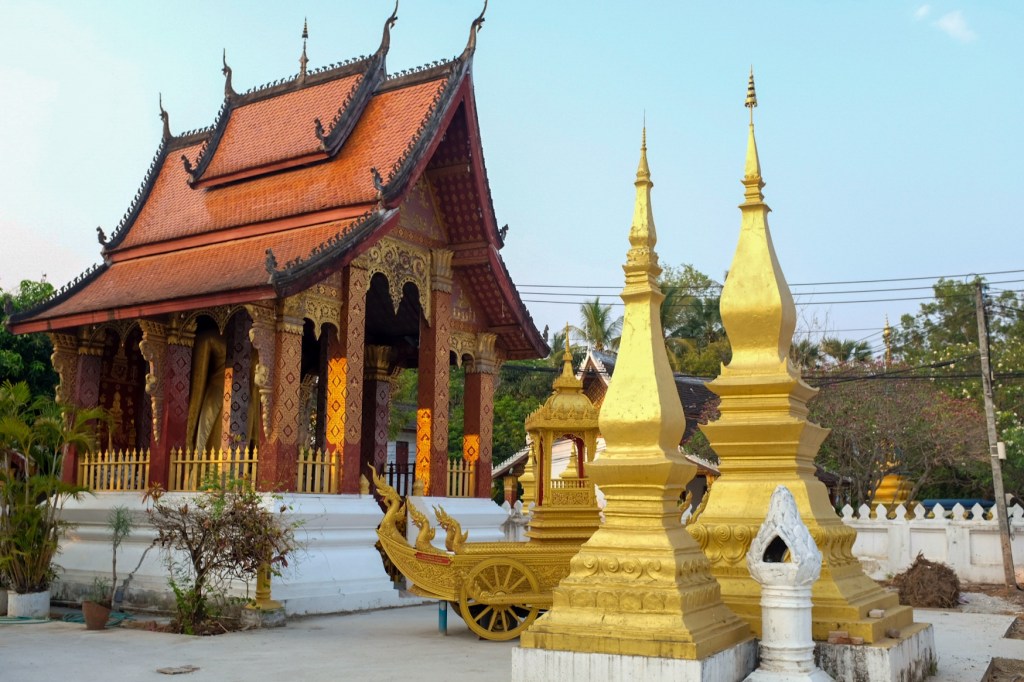
Wats-

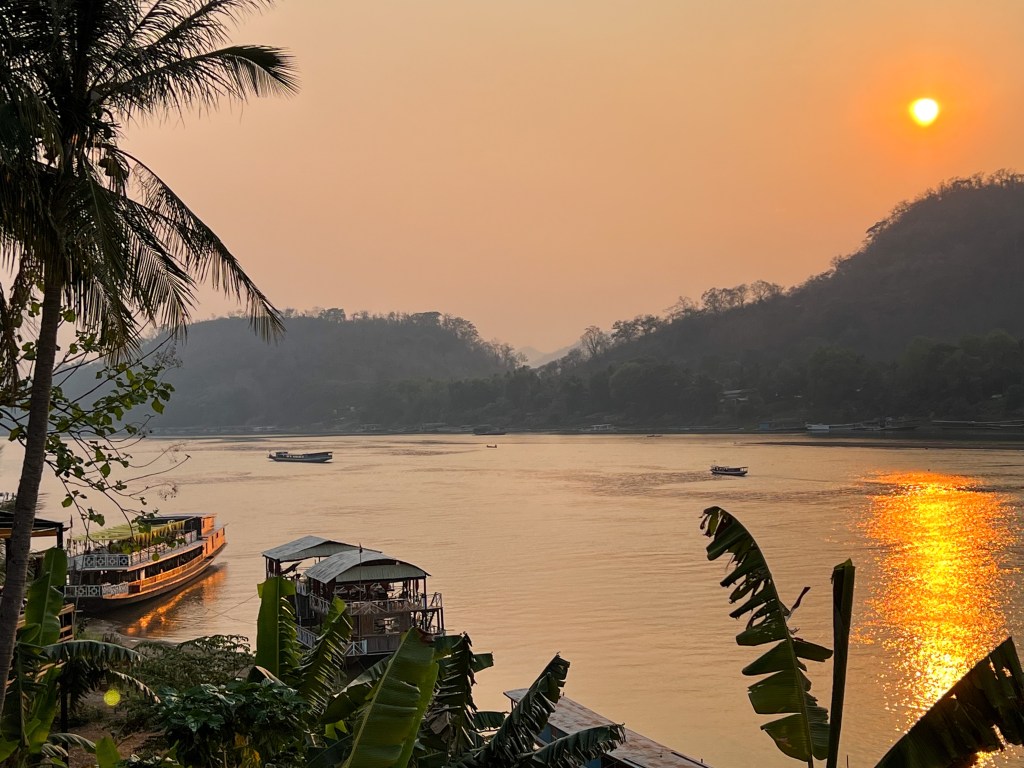
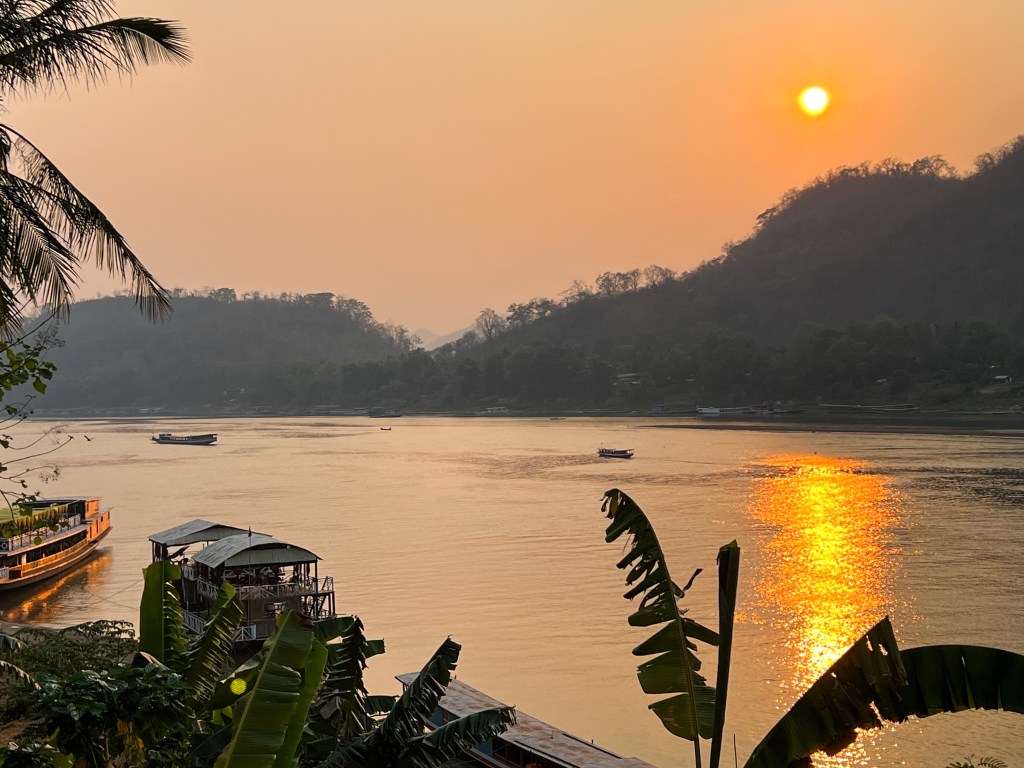
Sunset over the Mekong River.

Night market

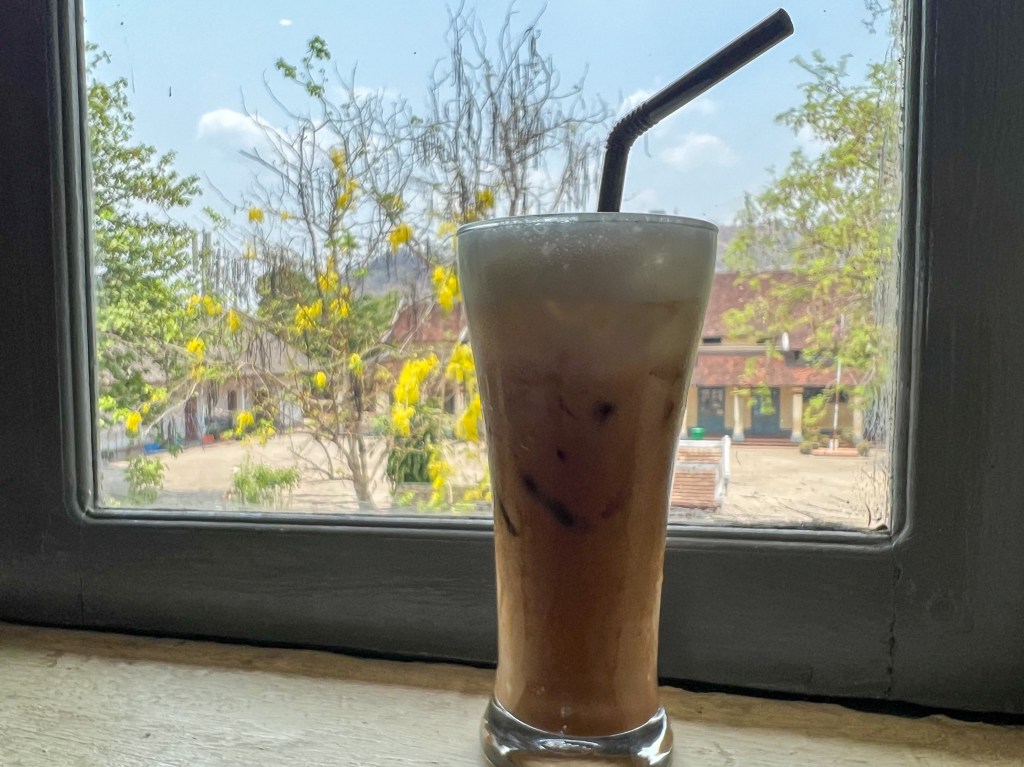
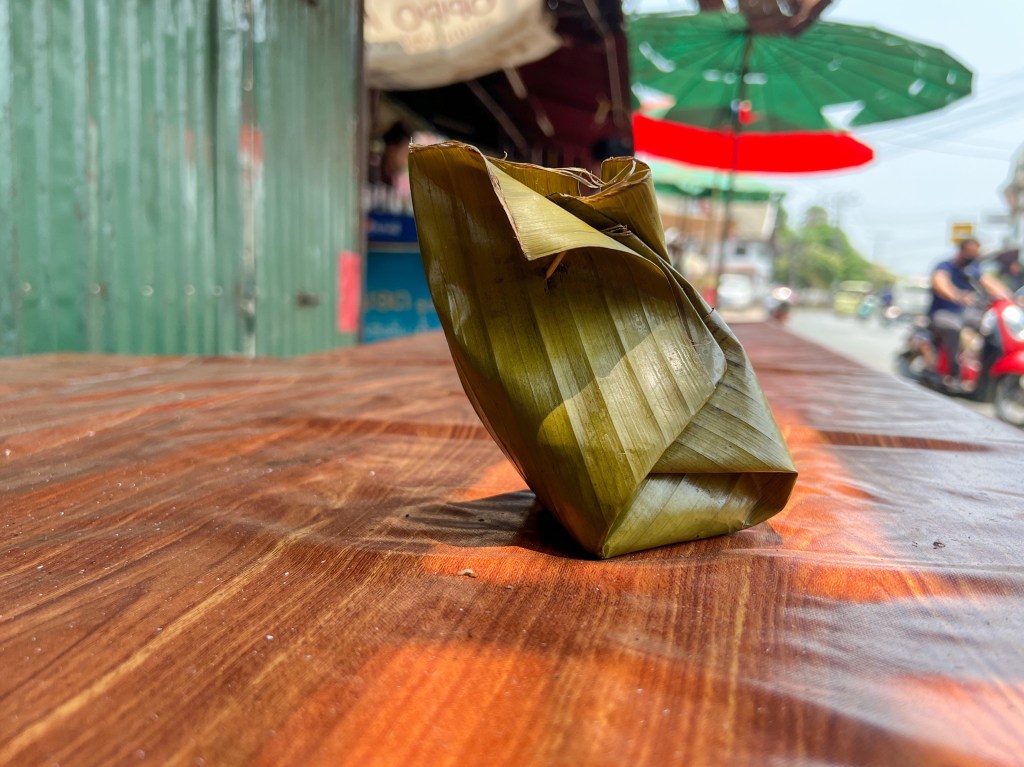
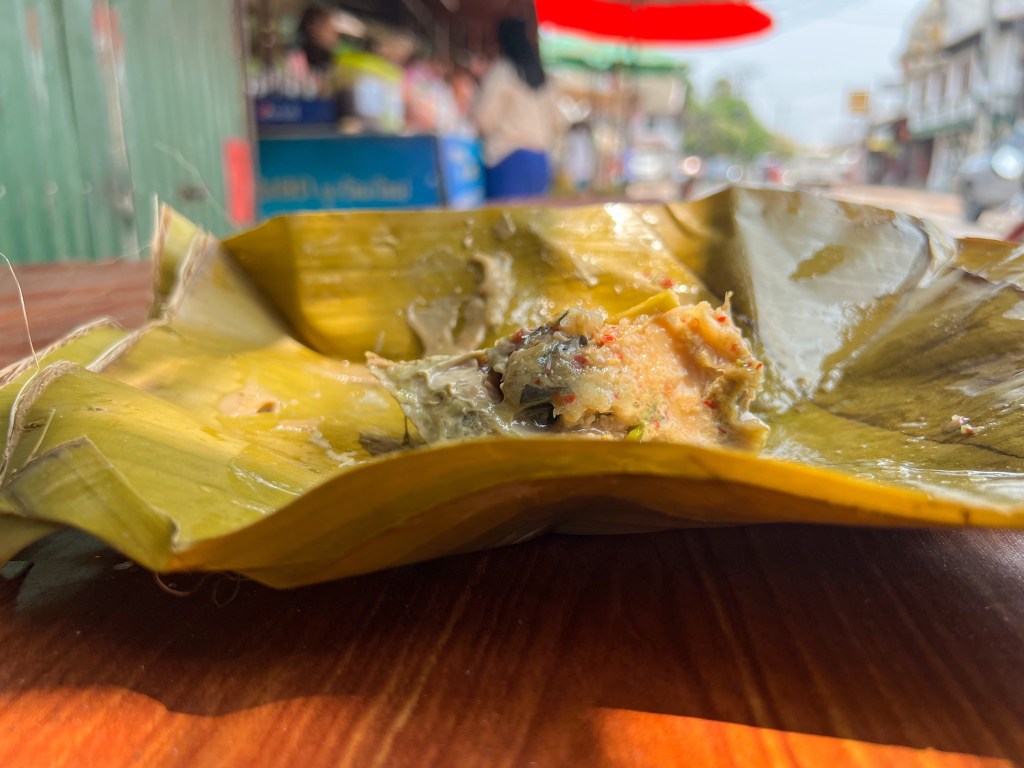
Food & Coffee –

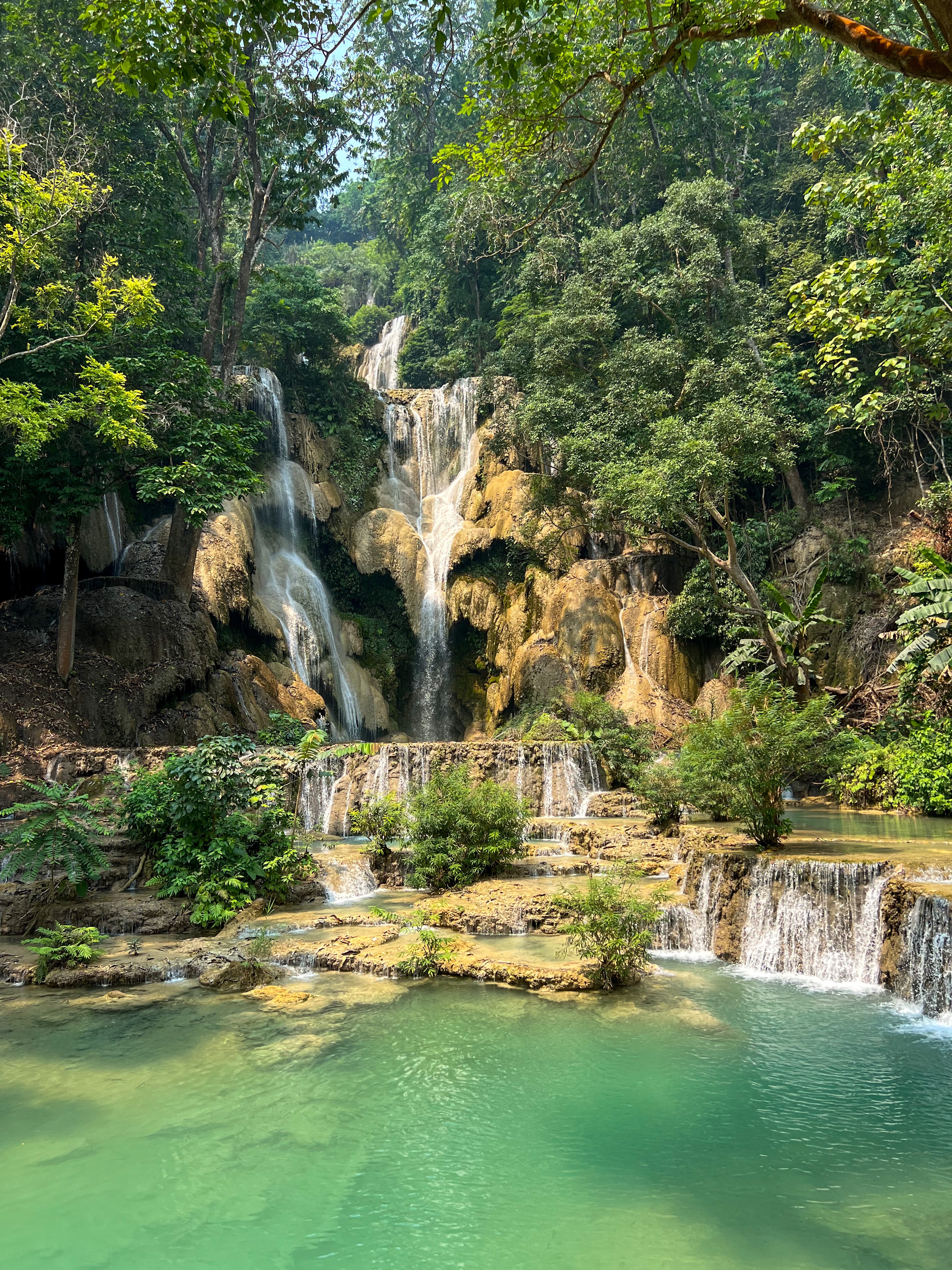
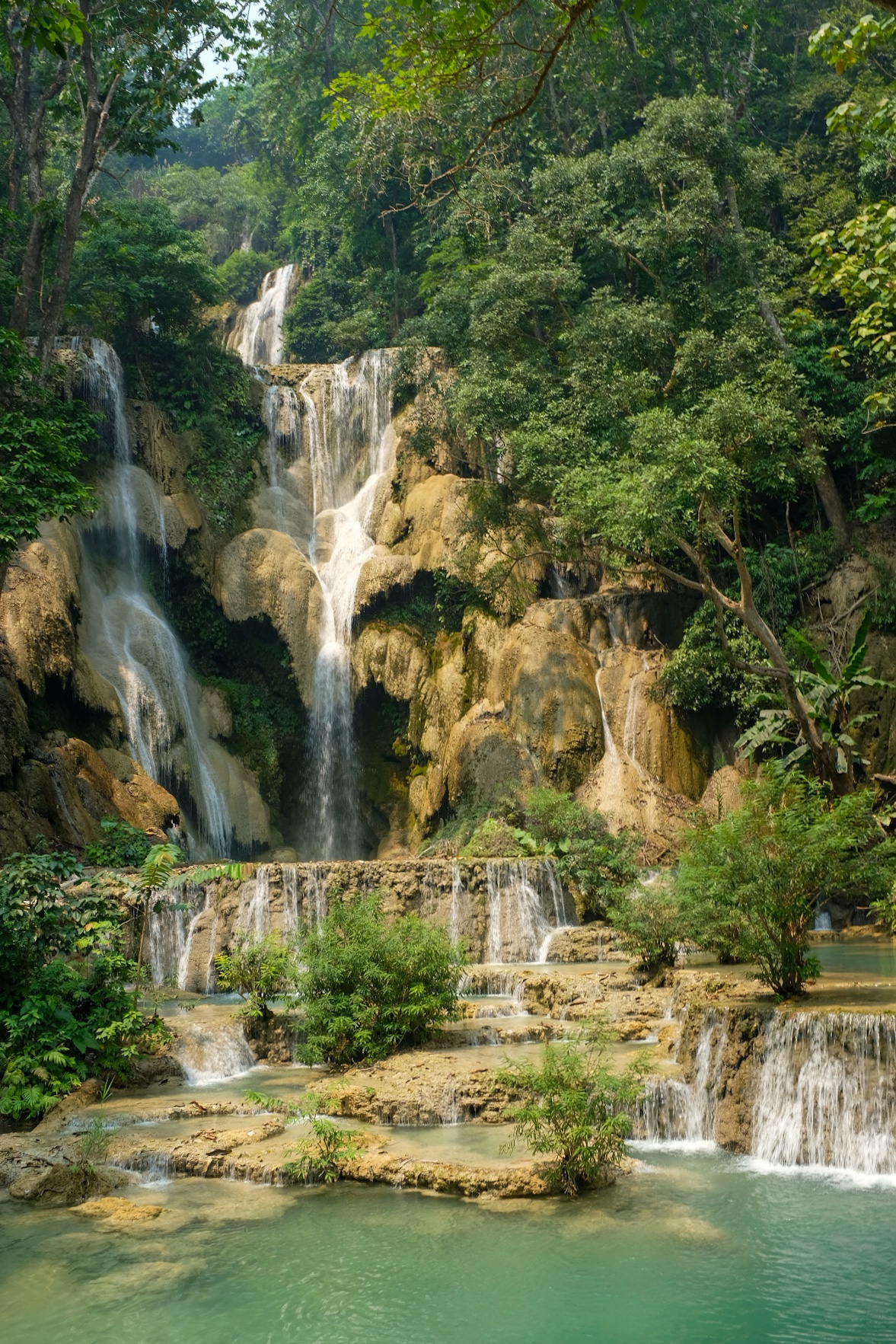
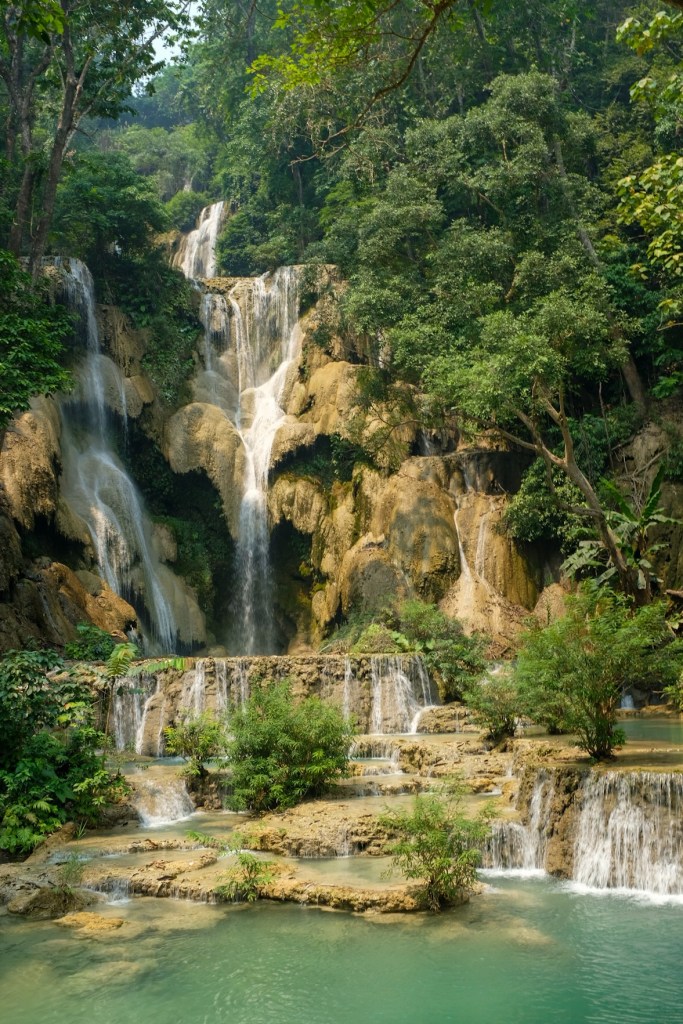
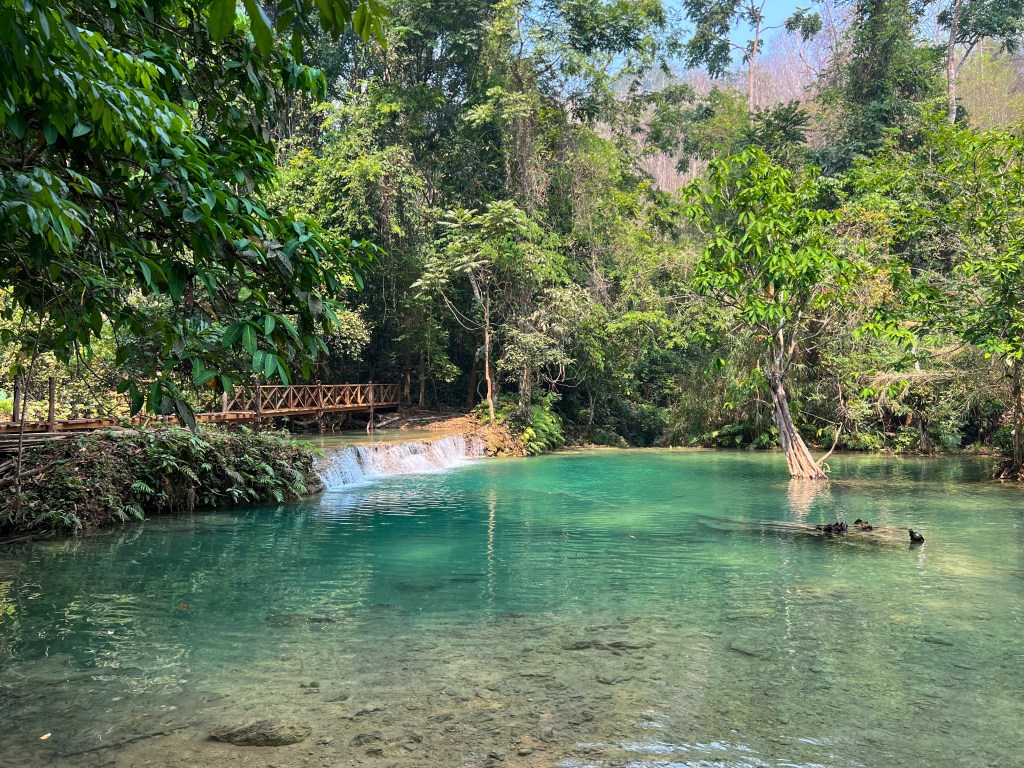
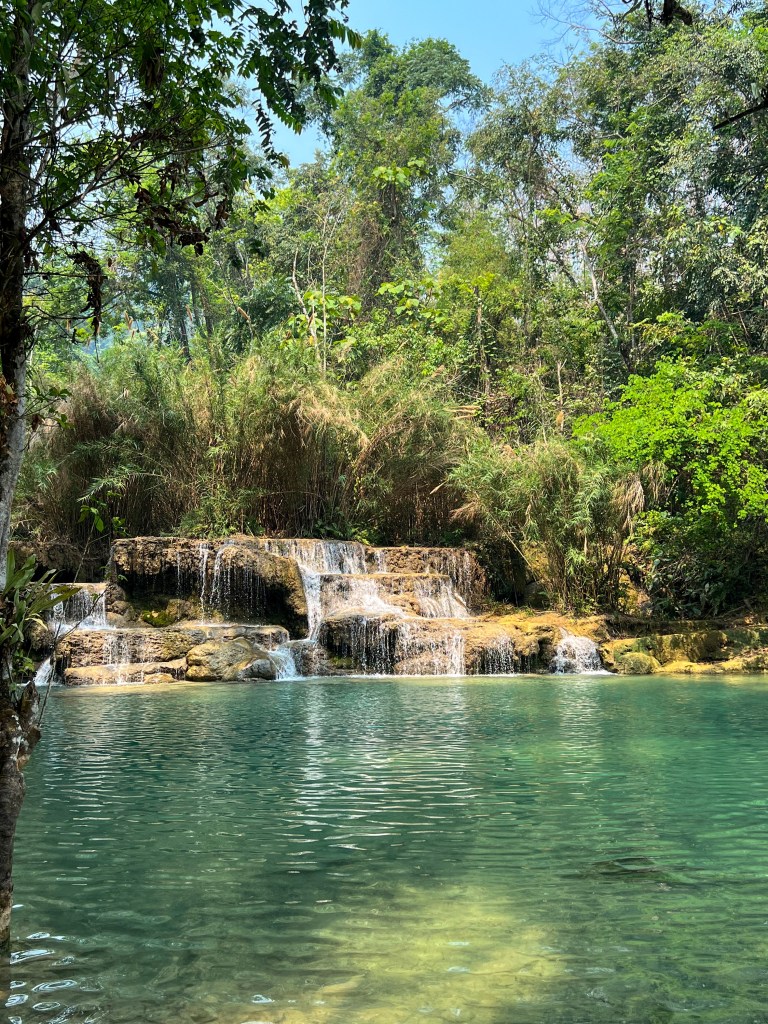
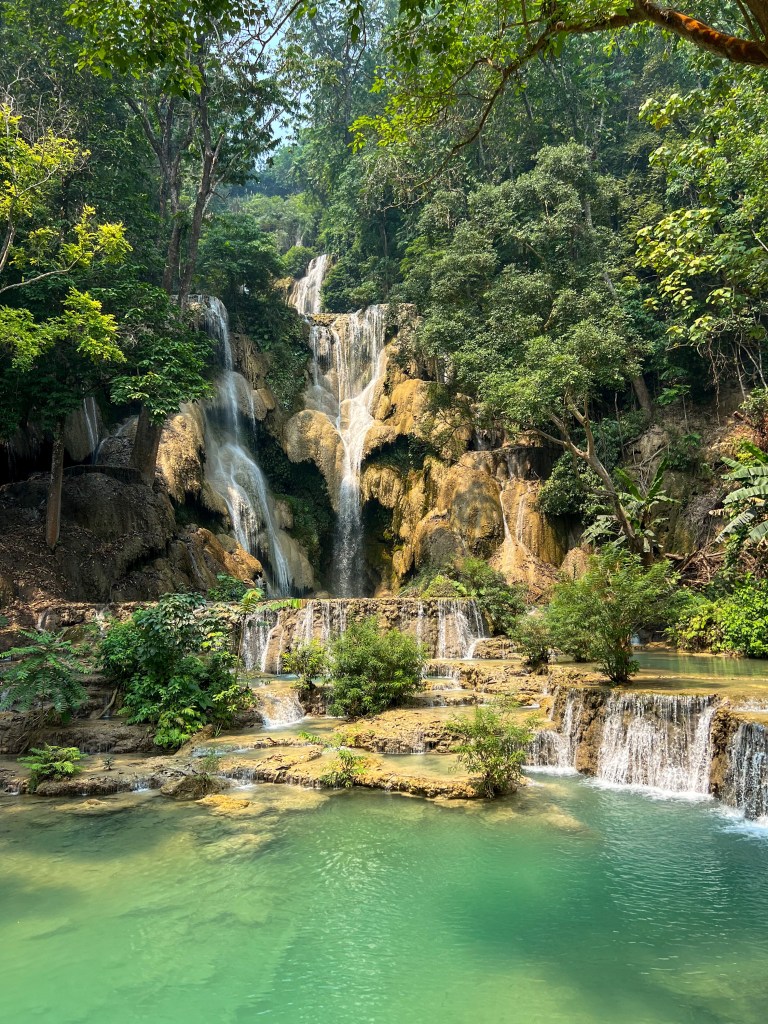
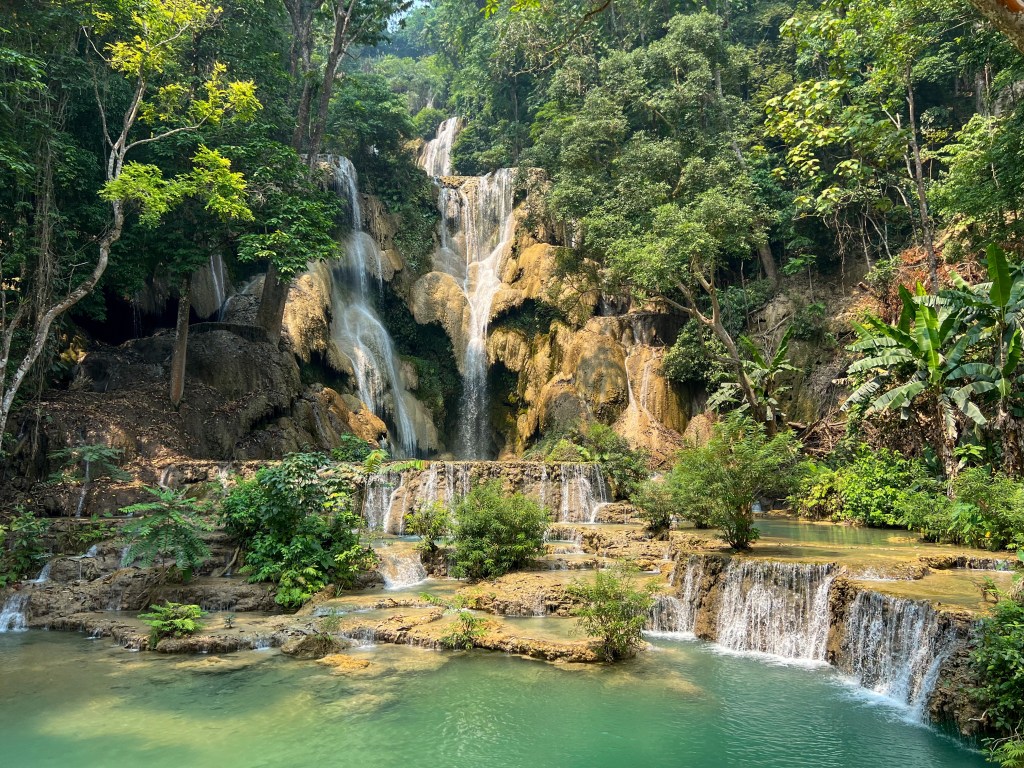
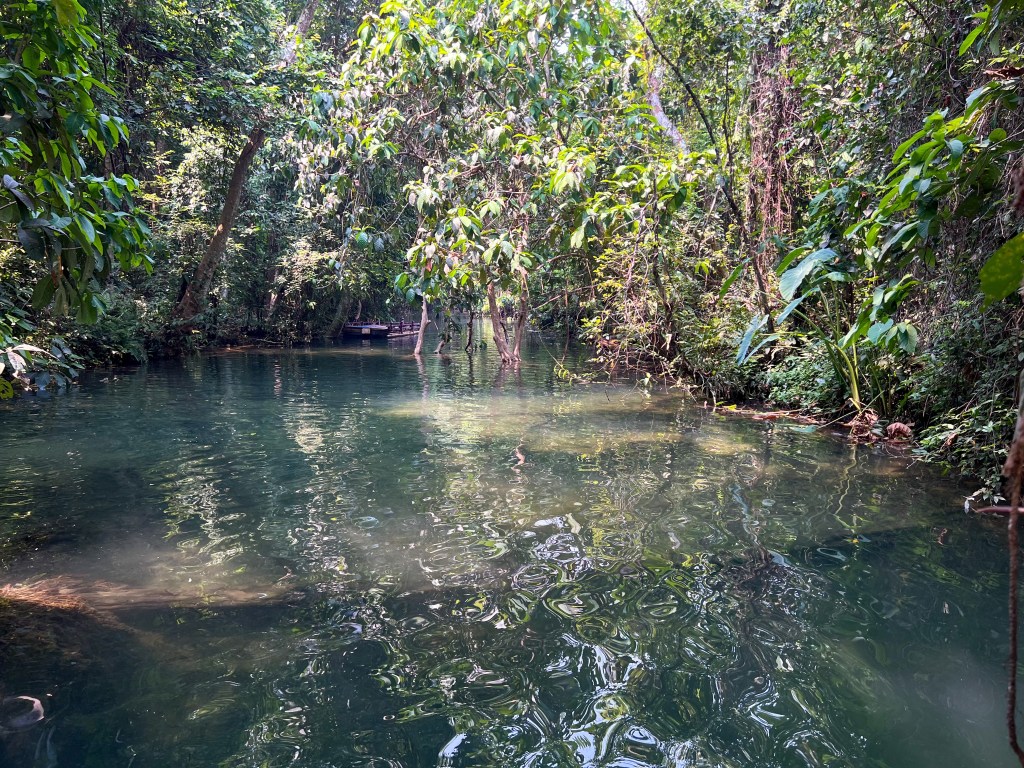
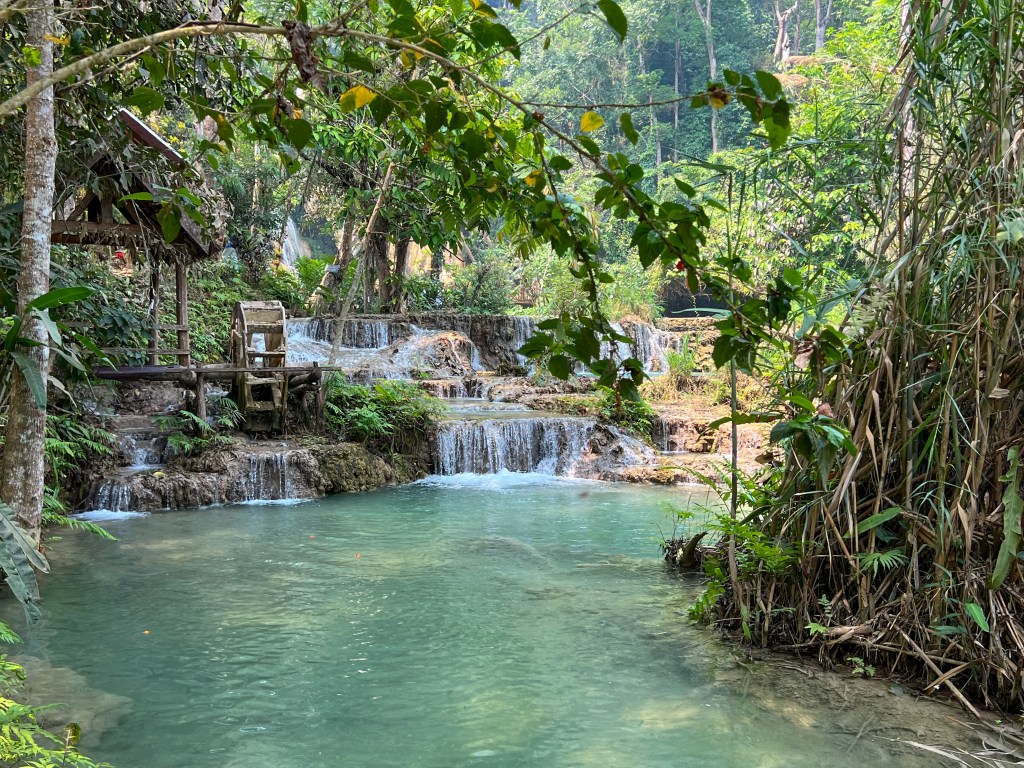
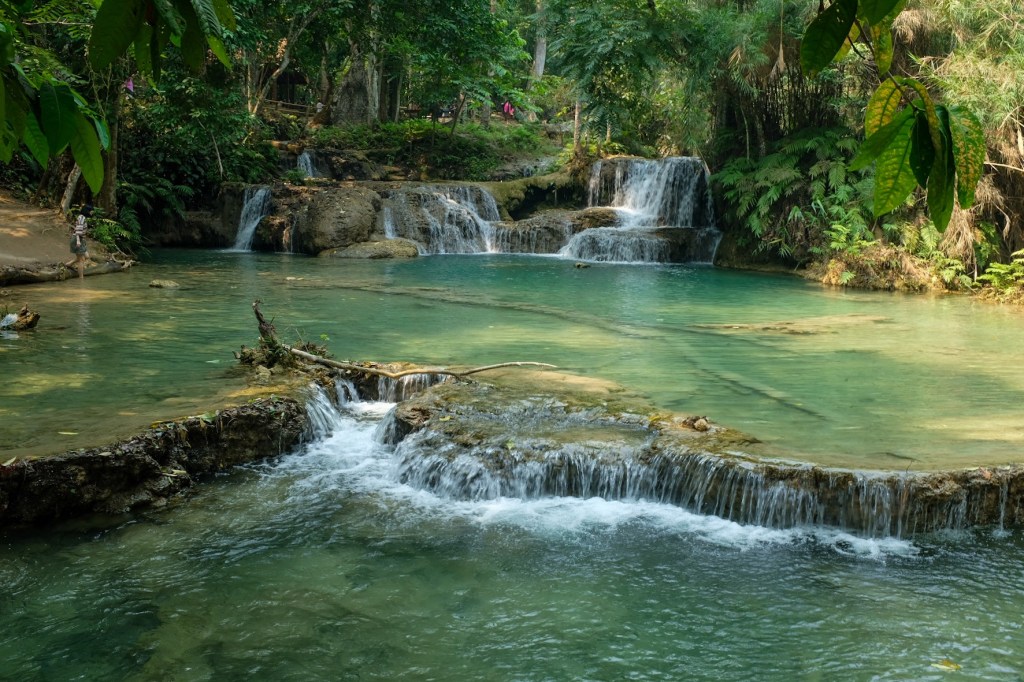
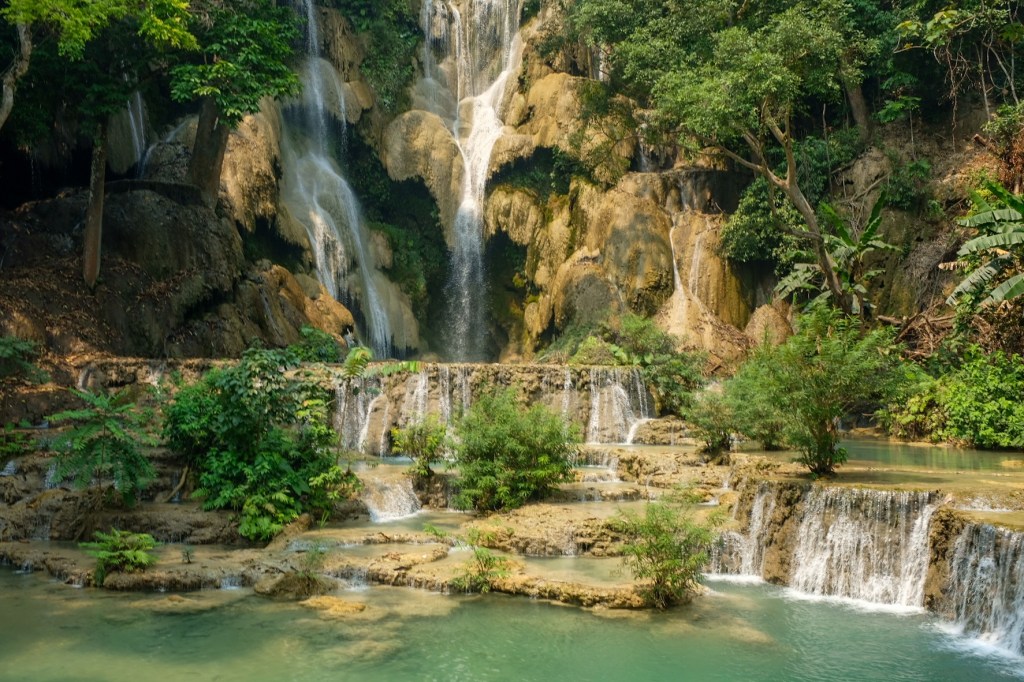
One of my days, I rented a motorbike and explored the countryside, driving along the Mekong to the Kung Si Waterfall, a 45 minute drive Southwest of the town.

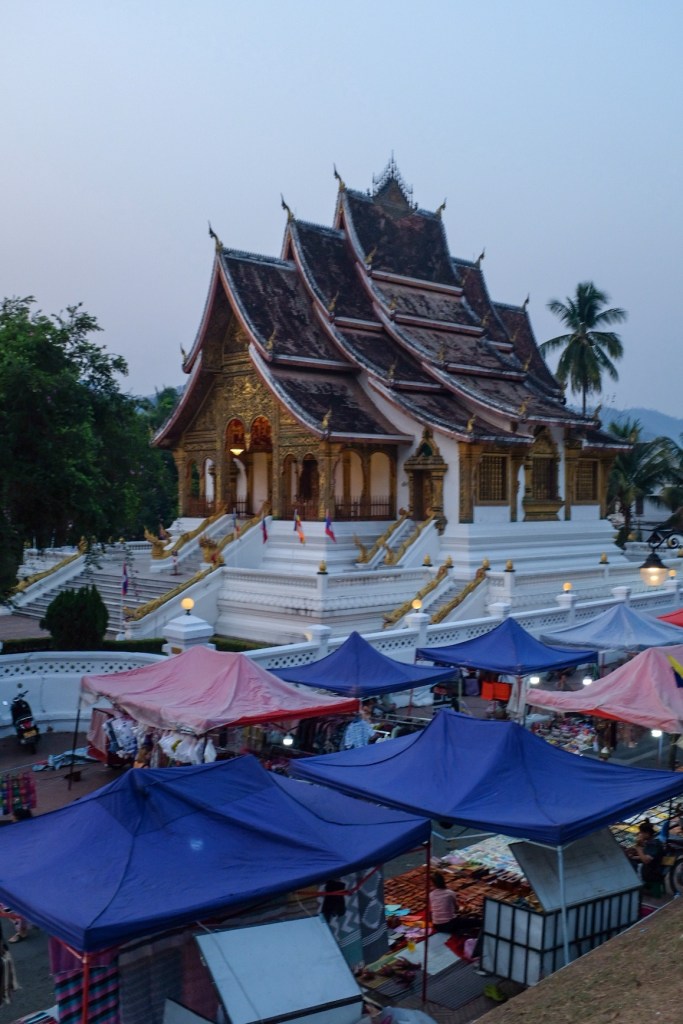
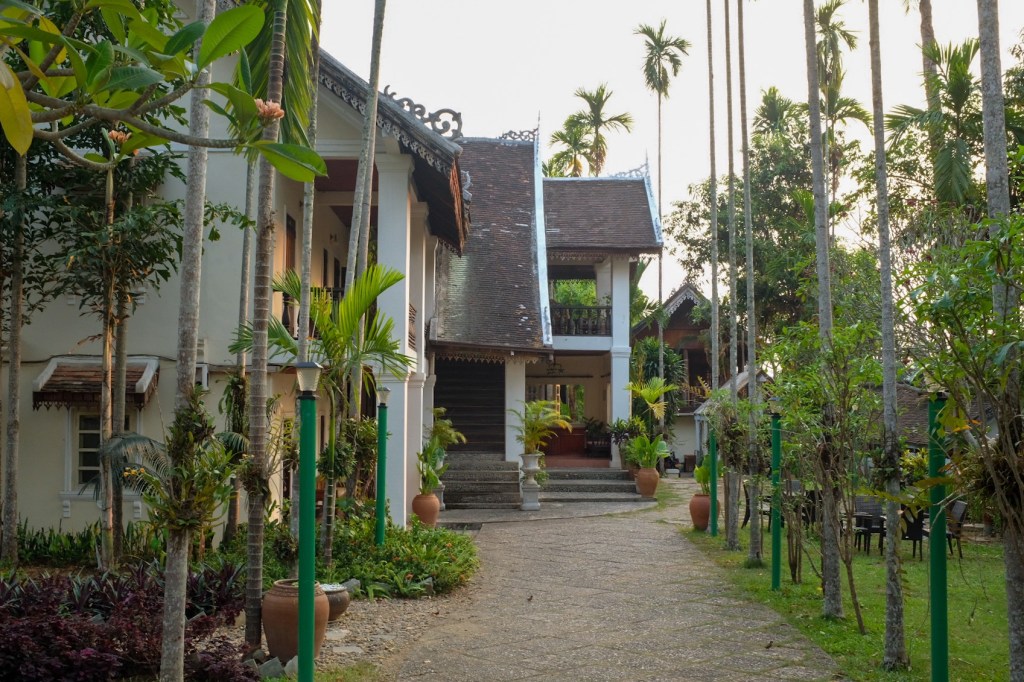
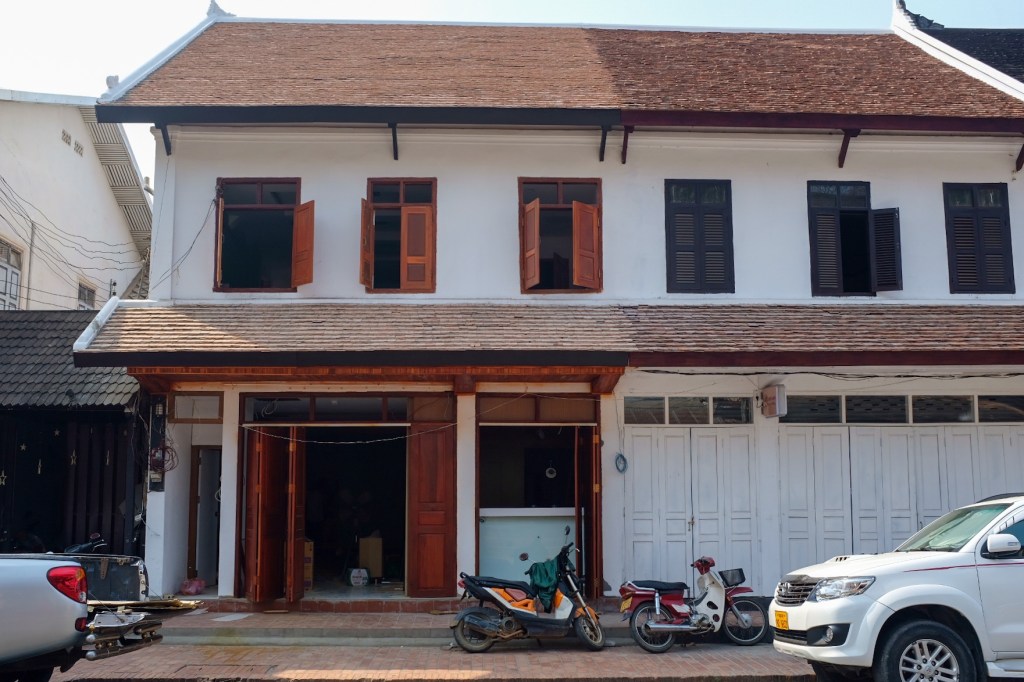
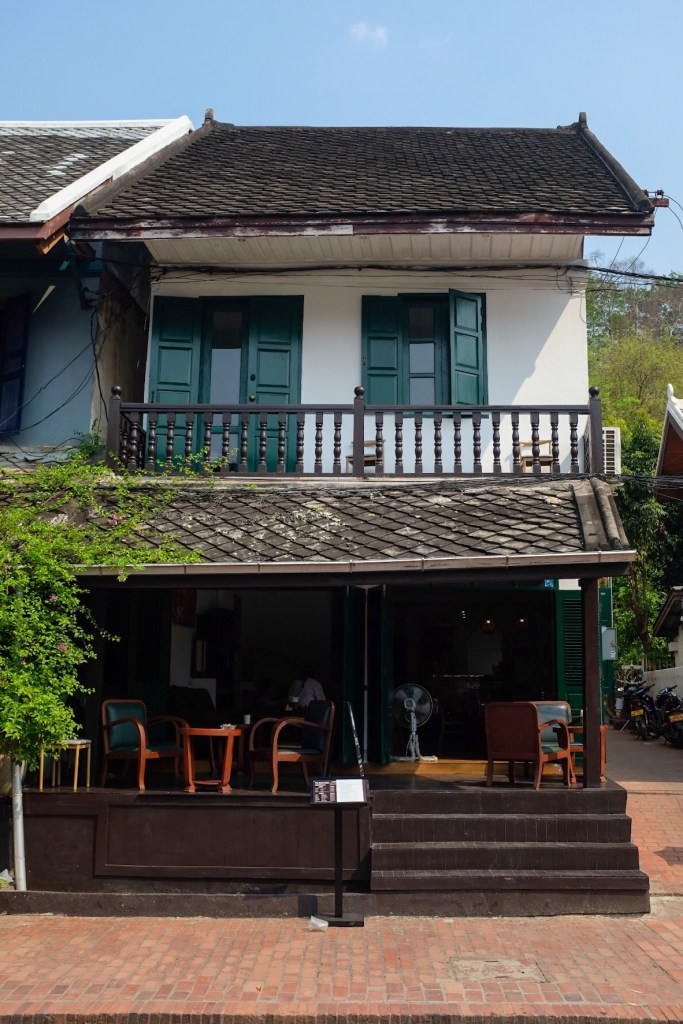
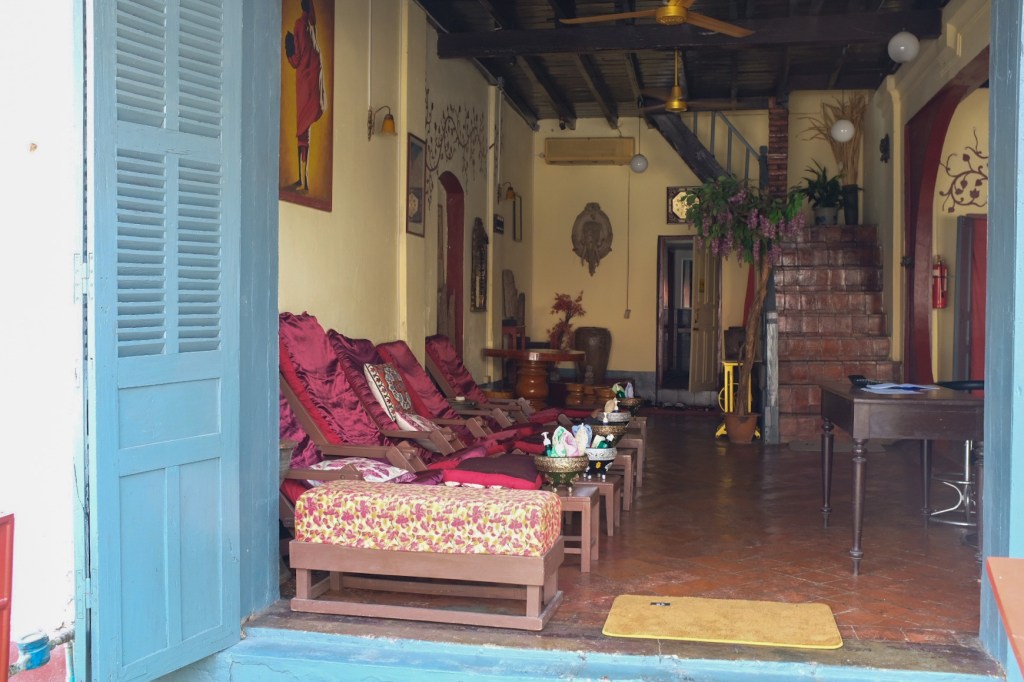
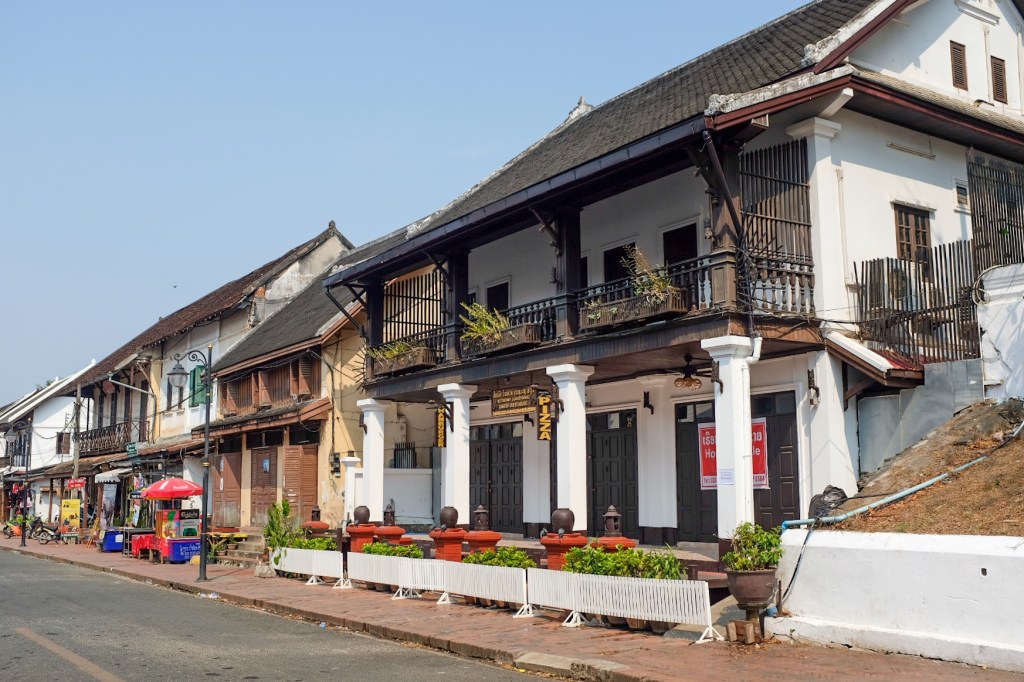
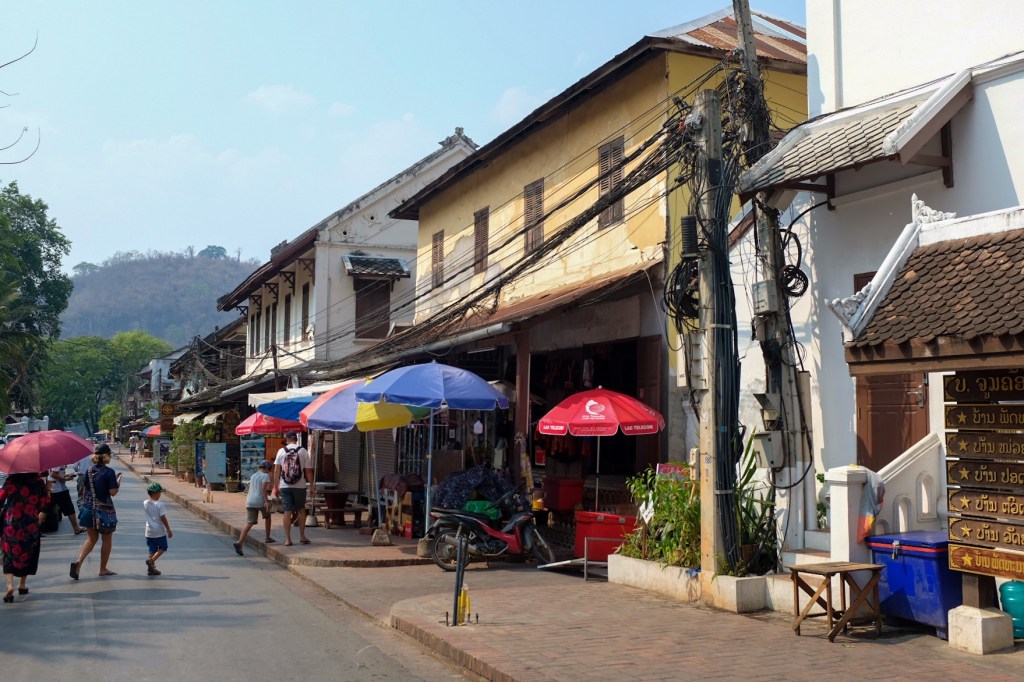
Some of the best time I had in Luang Prabang was just walking around and exploring the different shops – a combination of tourist and local infrastructure in the confines of French-Buddhist architecture.

My 5 days in Luang Prabang was a great time to recover and get to know a new culture and community. Recharged, I felt ready to tackle the remaining 3 weeks of my travels.

A quick stopover – Vang Vieng

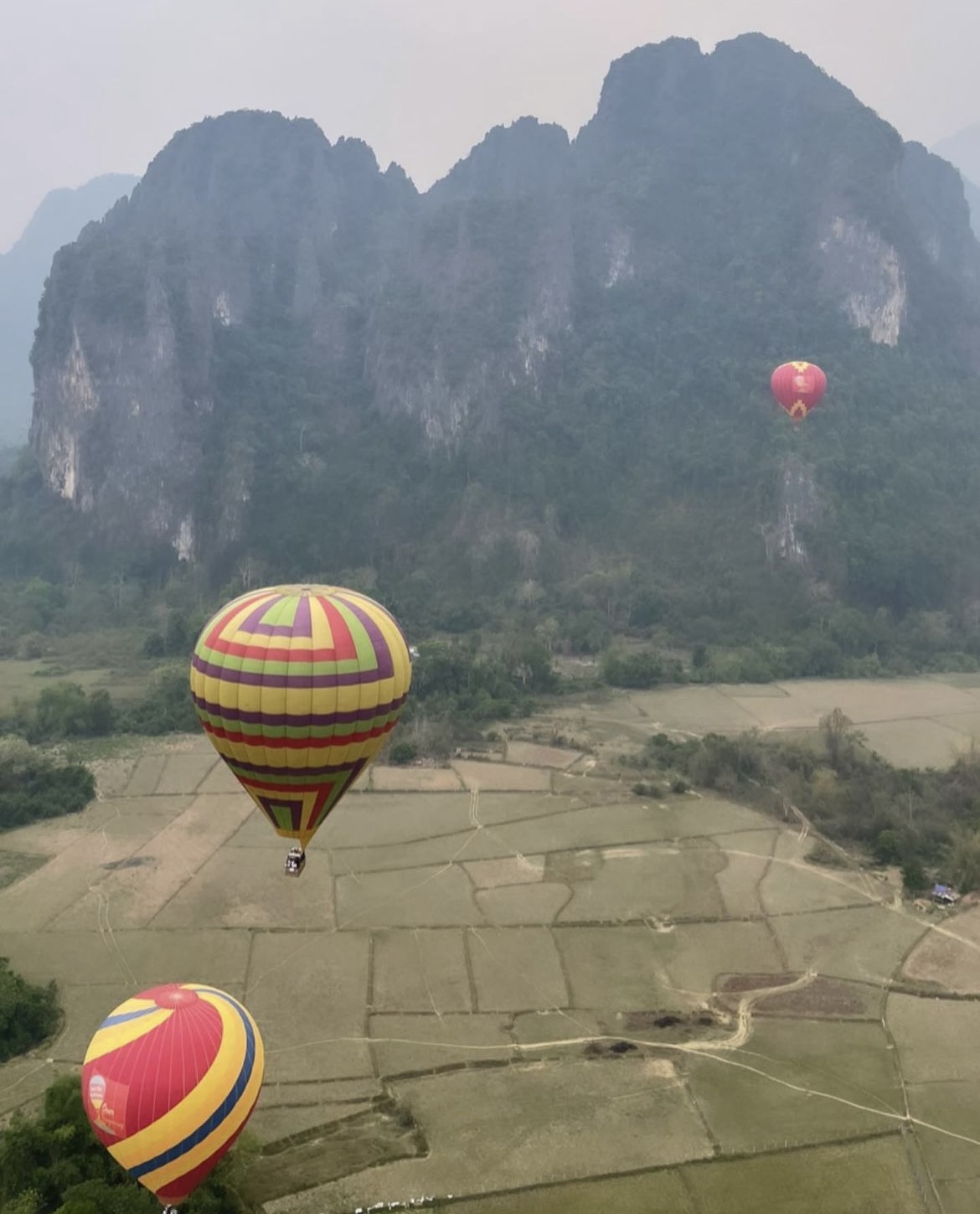
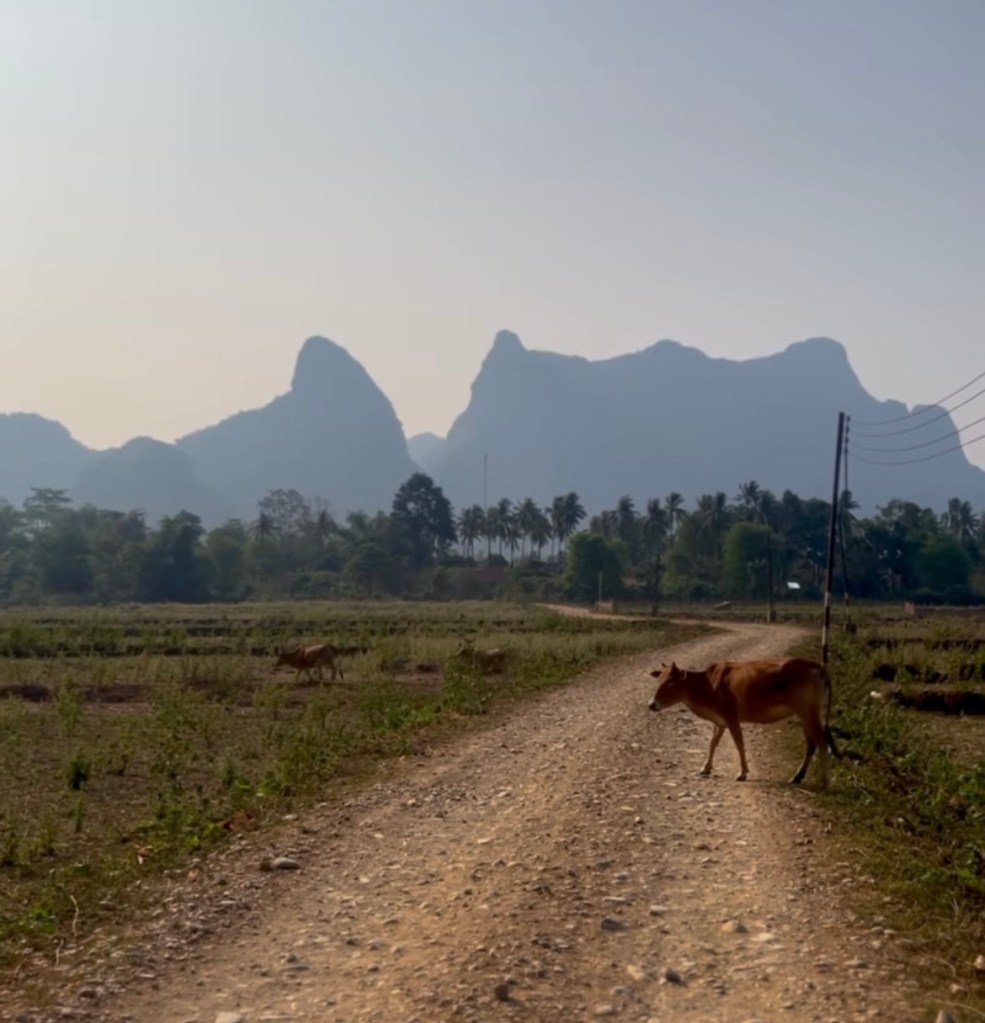
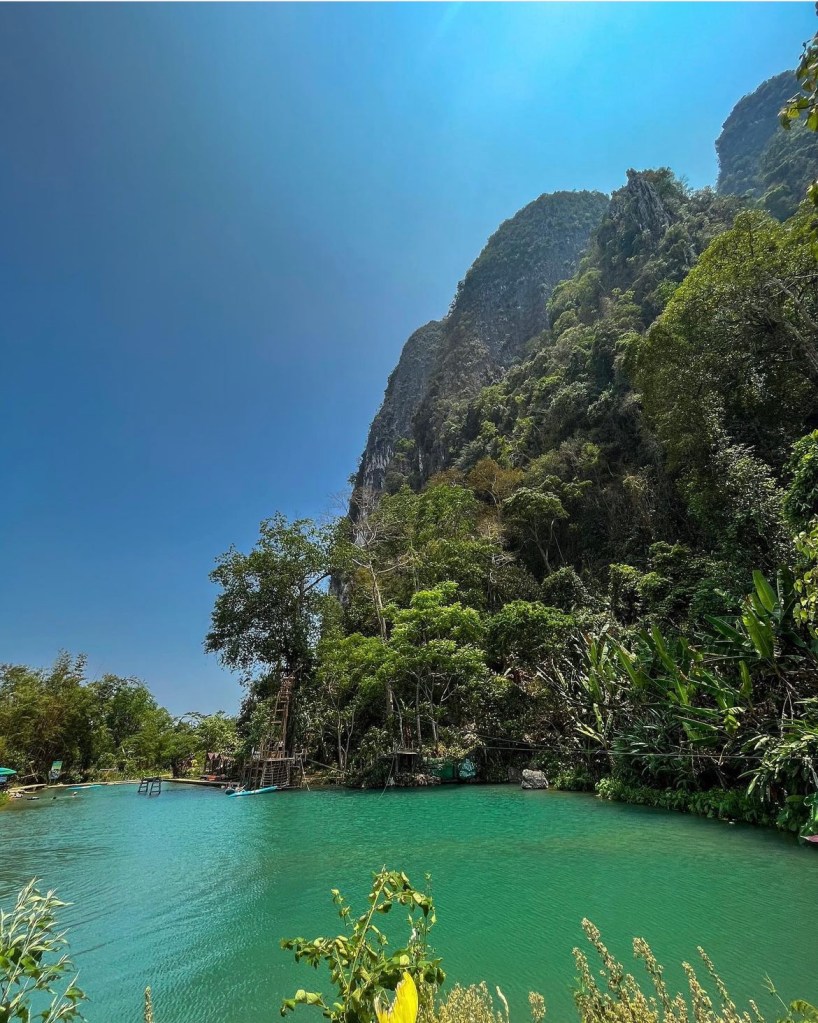
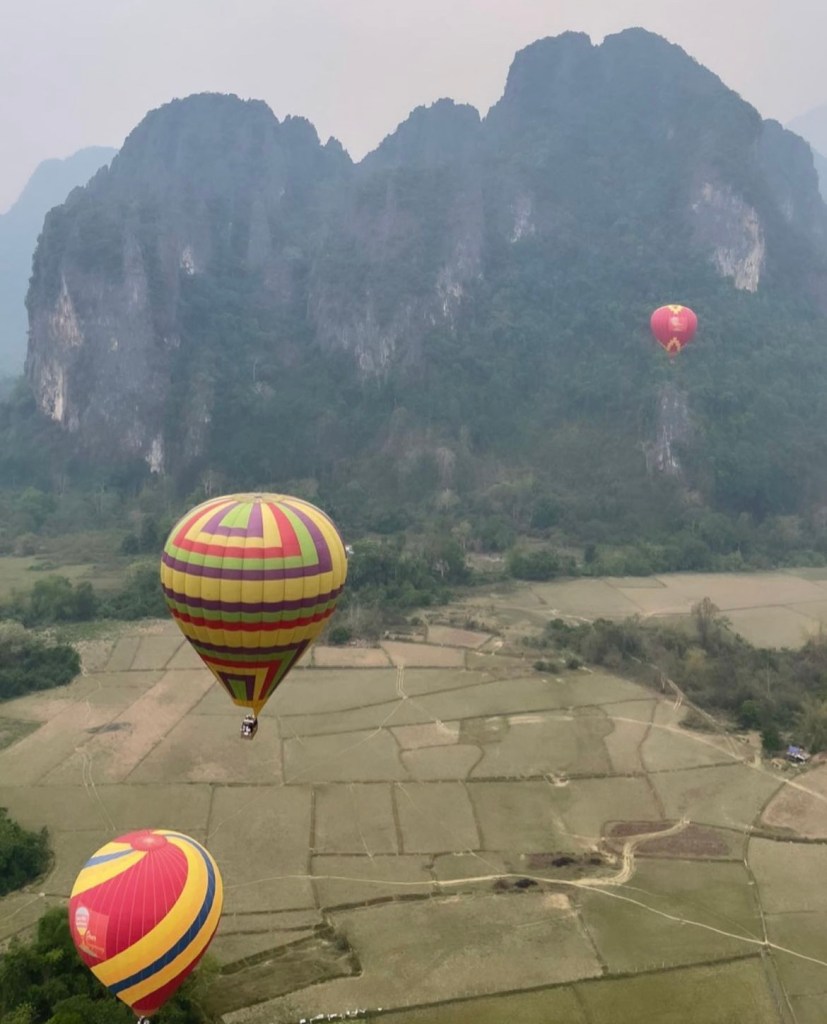
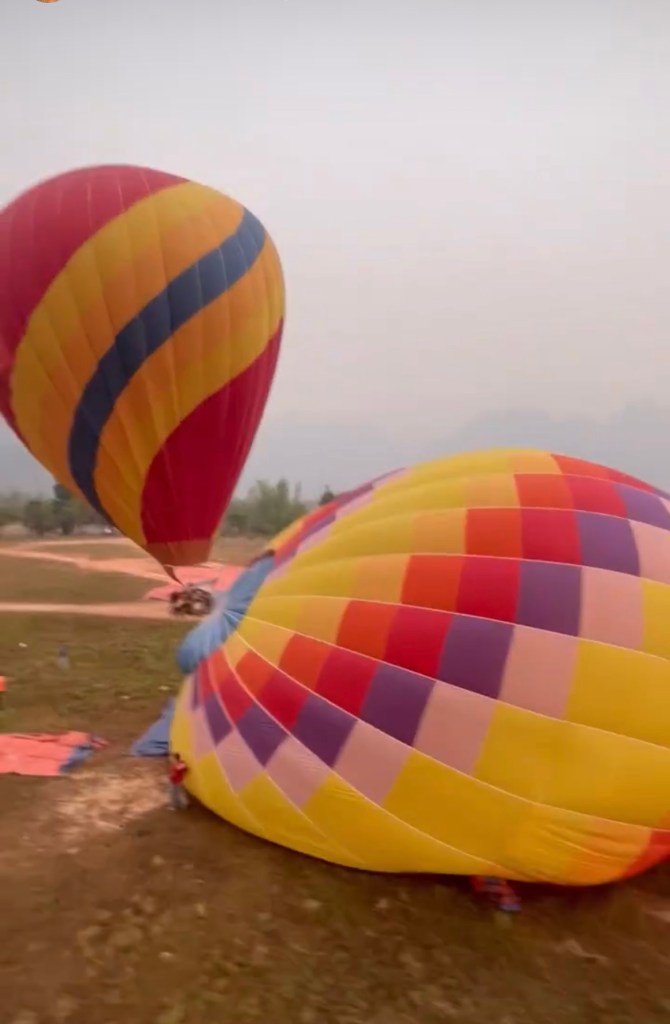
On my way to Vientiane, I made a quick stop at Vang Vien – a small town nestled on the Nam Song River. Many travelers stop here for the lagoons, caves, and limestone mounds that make up the area. Oh, and it has the cheapest hot air balloon rides in the world.

Vientiane: Laos’ Capital

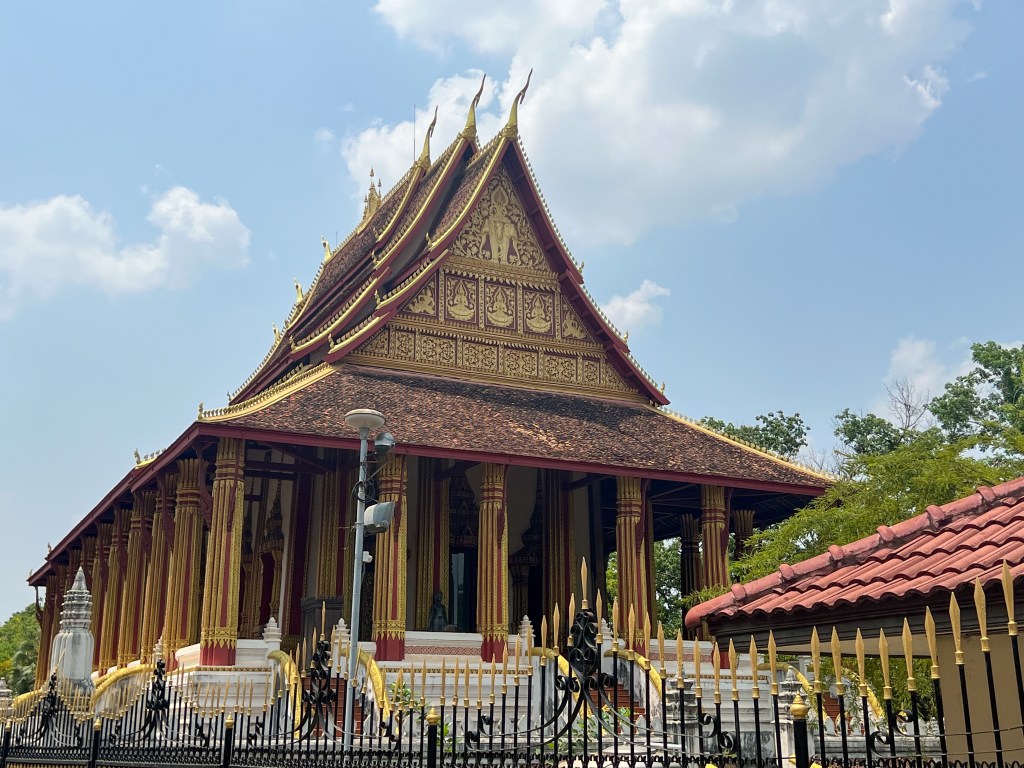
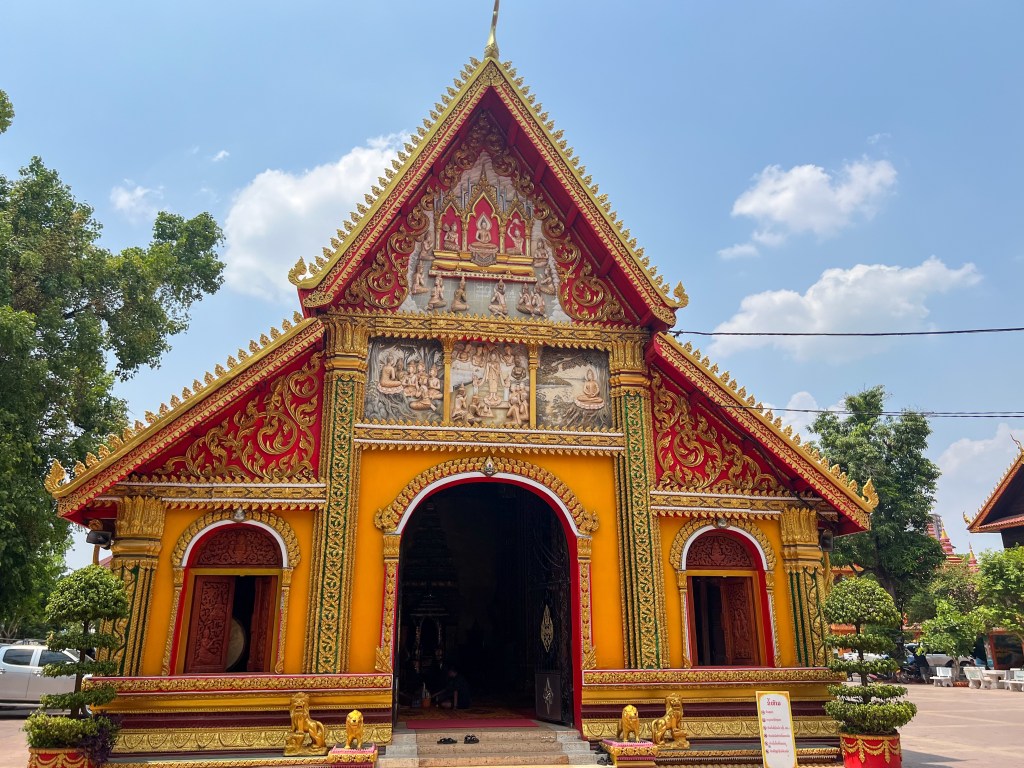
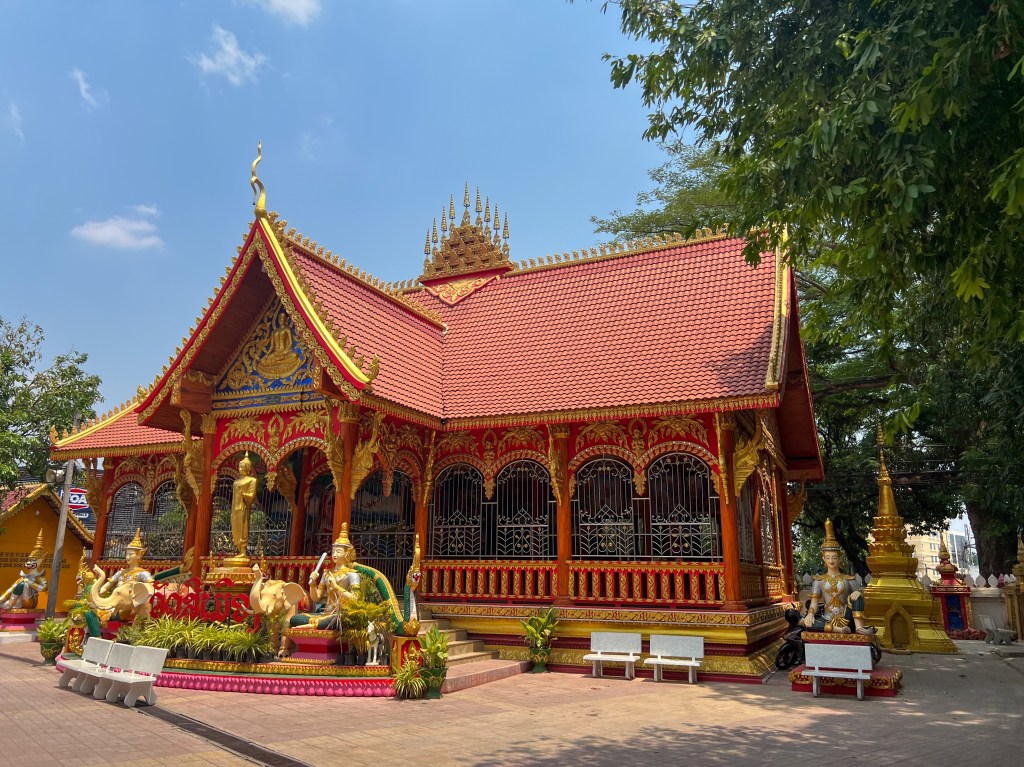
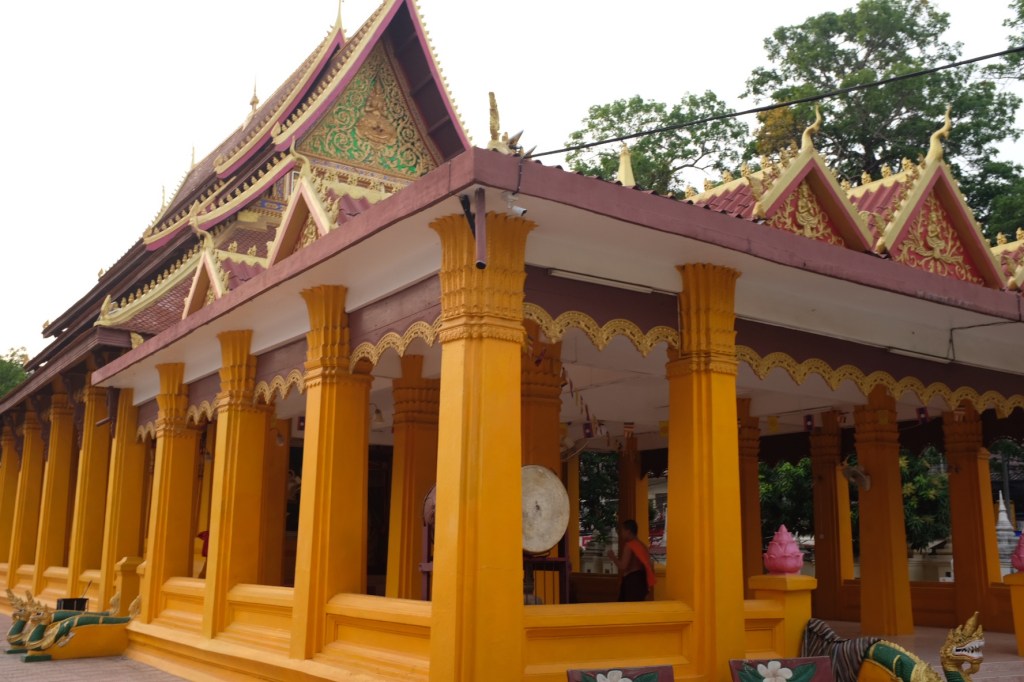
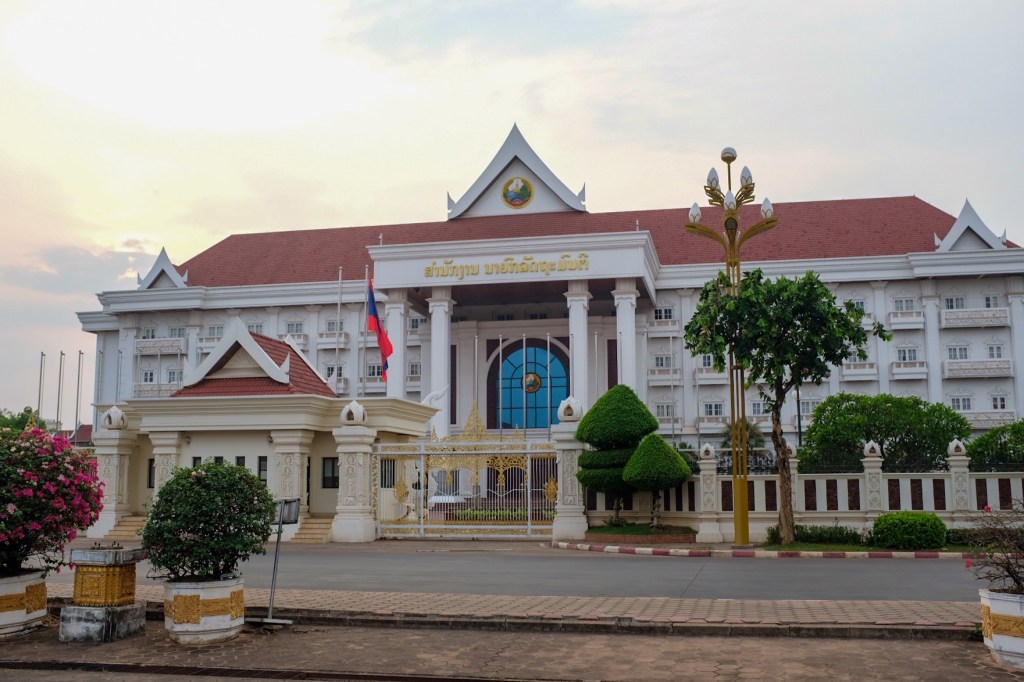
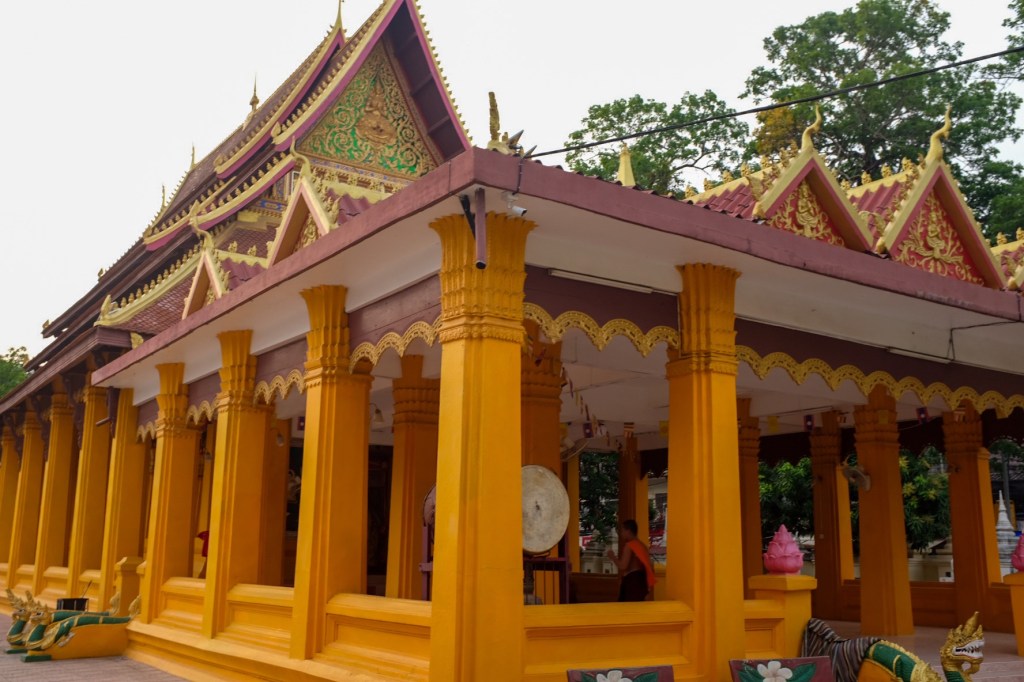
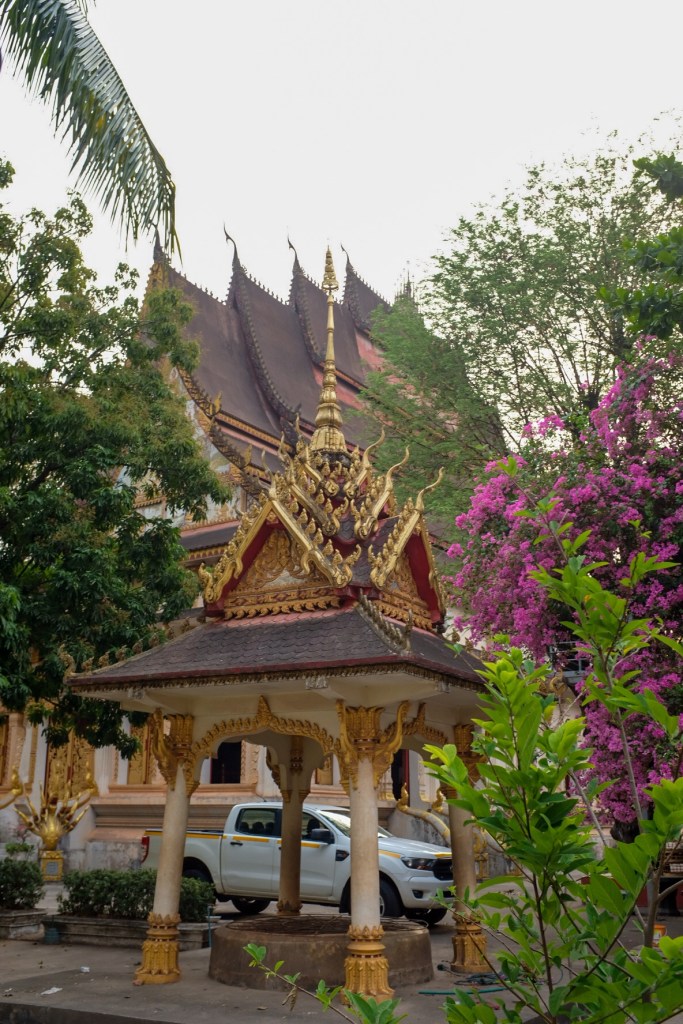
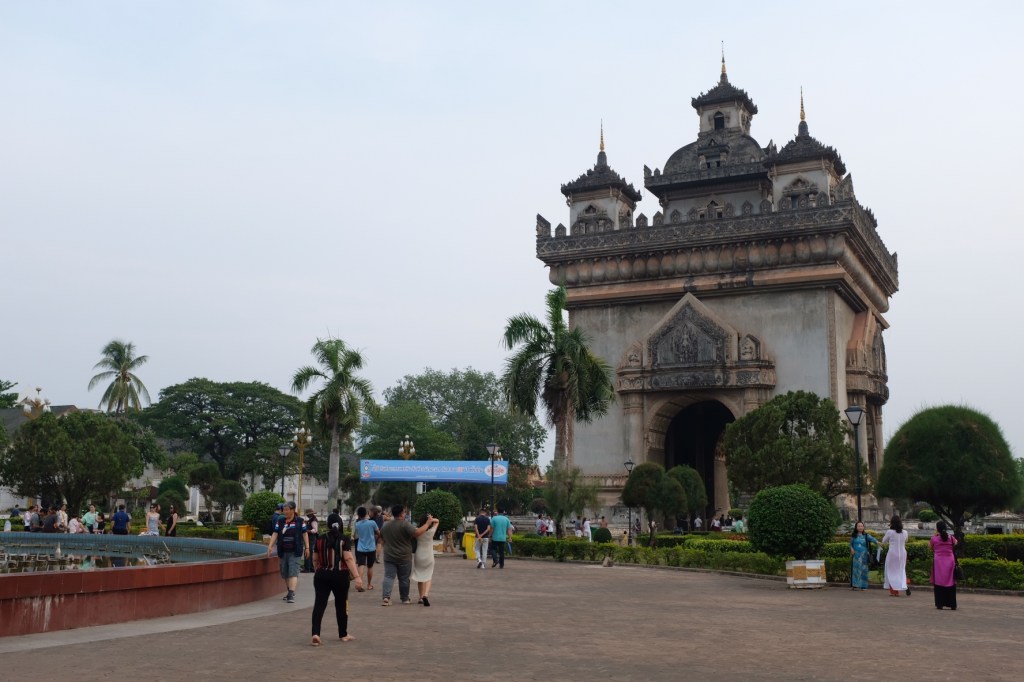
Vientiane, Laos’ national capital and largest city, follows Luang Prabang in mixing French-colonial architecture with Buddhist temples like the golden, 16th-century Pha That Luang. Notable shrines like the Wat Si Saket, Wat Si Muang, and ___ cover the city, alongside broad boulevards and tree-lined streets.

The city became the national capital of the newly independent Lao state in 1953.

Now for a bit of historical context – From 1959-1975, Laos was consumed by a civil war between the Communist Pathet Lao and the Royal Lao Government. It is associated with the Cambodian Civil War and Vietnam War, with both sides receiving heavy external support in a proxy war between the US and Russia. The fighting in Laos involved the North Vietnamese Army, US troops and Thai forces in a struggle for control over the Laotian Panhandle.

In 1975, the communist party of the Pathet Lao took over Vientiane, defeated the Kingdom of Laos, and renamed the country the Lao People’s Democratic Republic, which ended the Laotian Civil War.

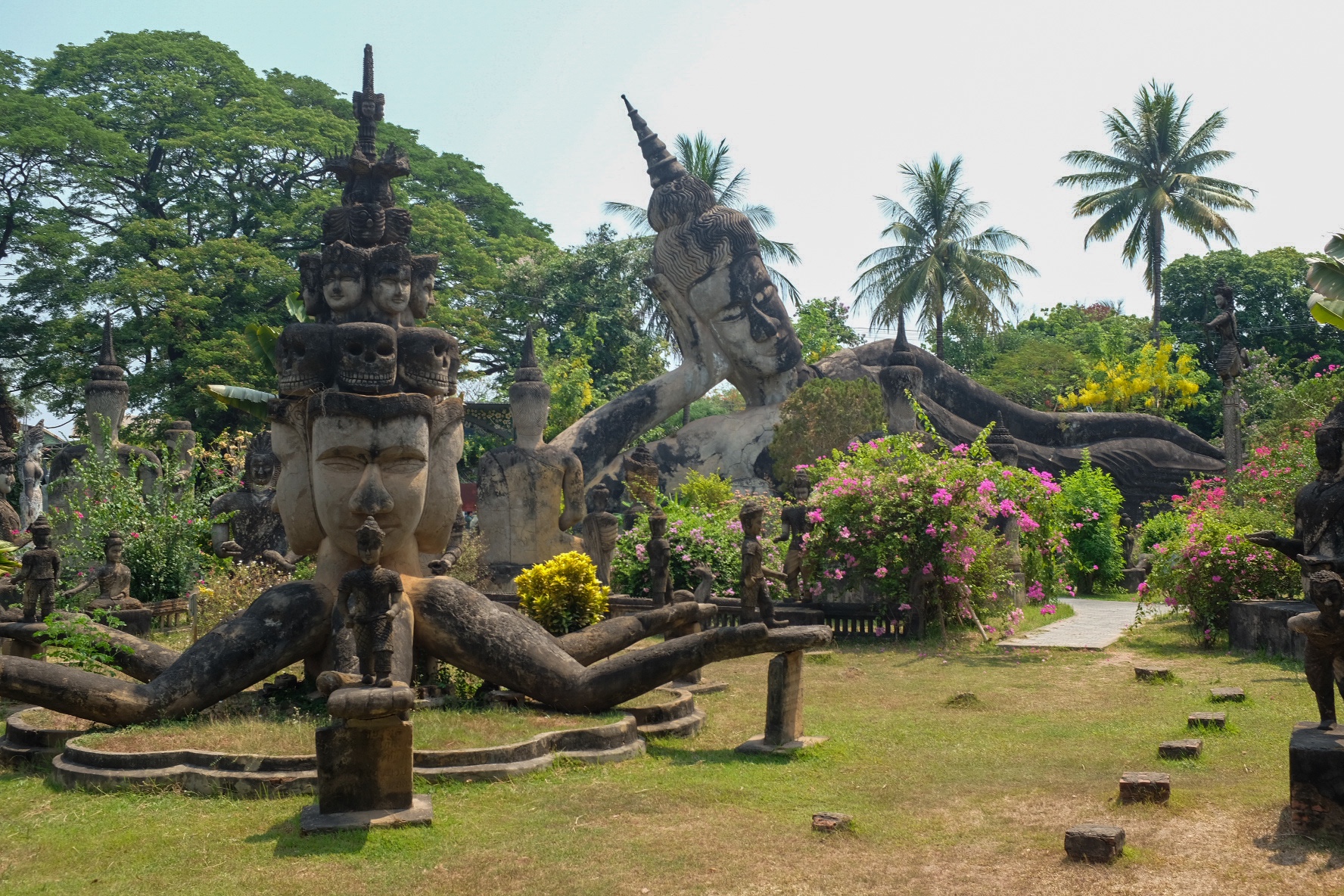
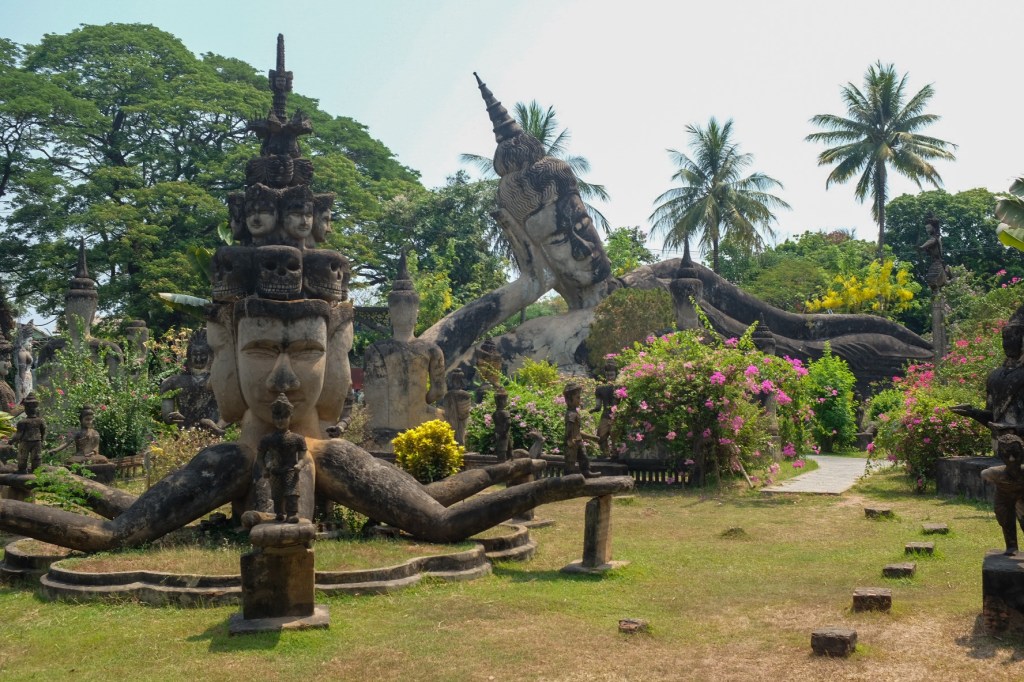
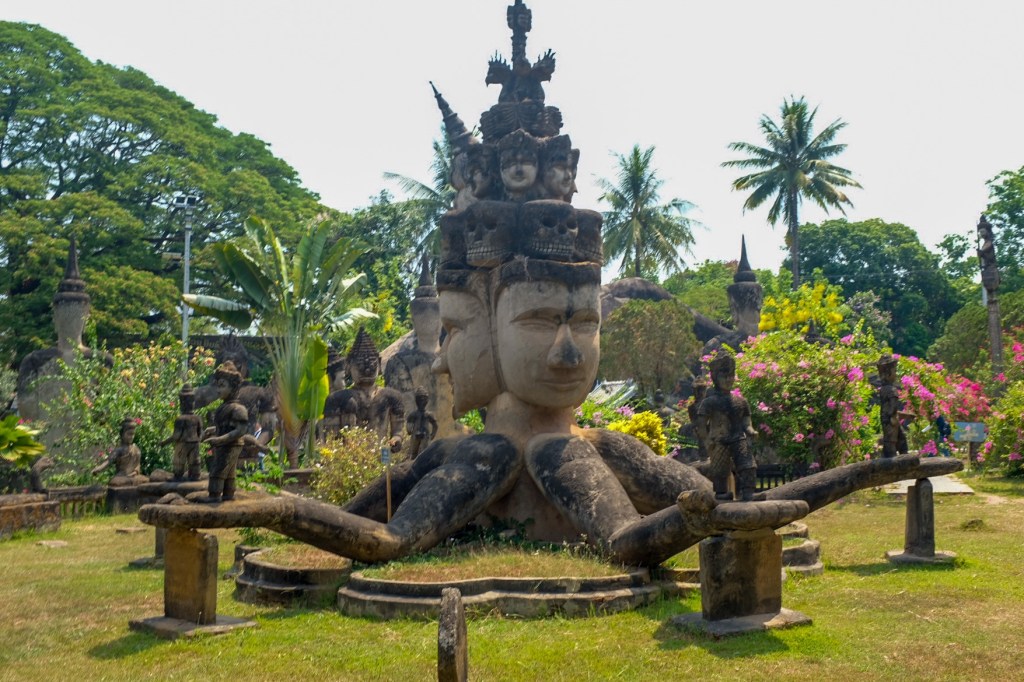
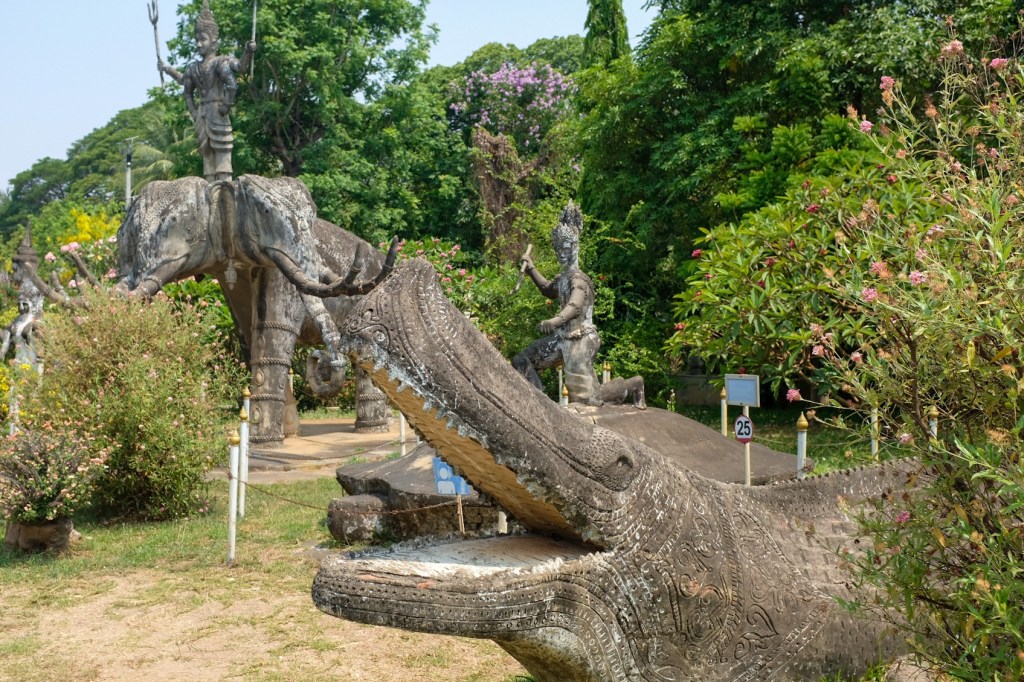
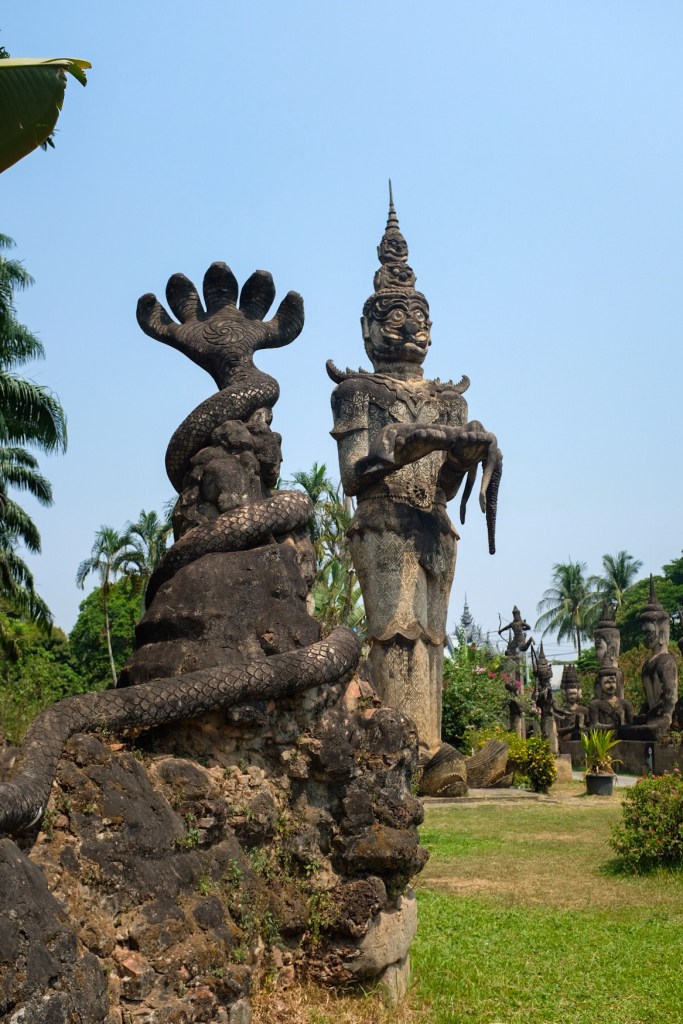
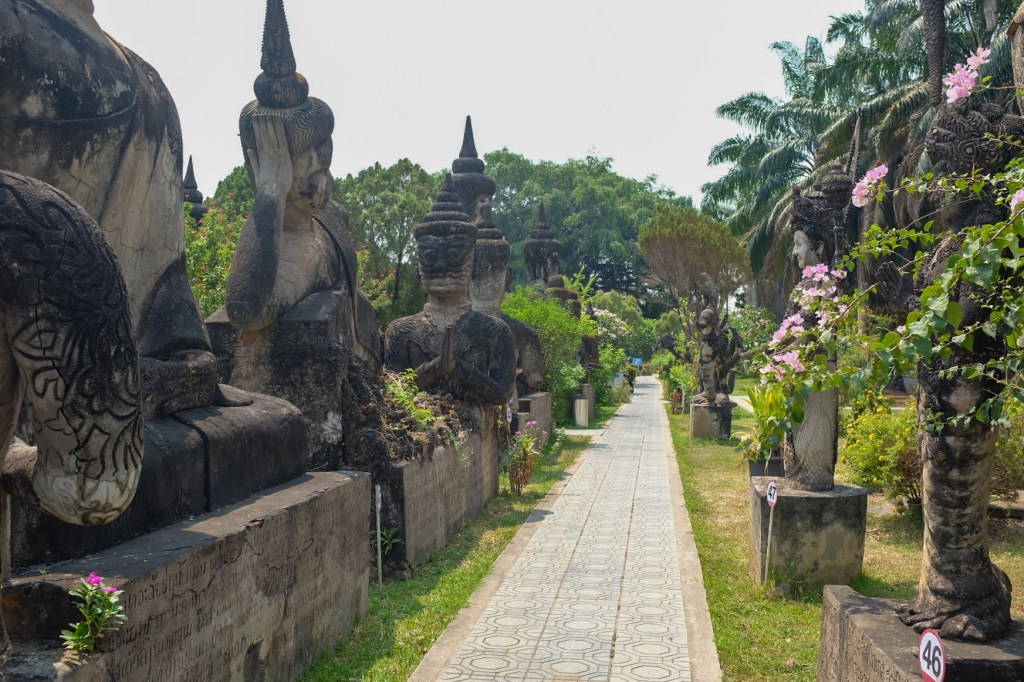
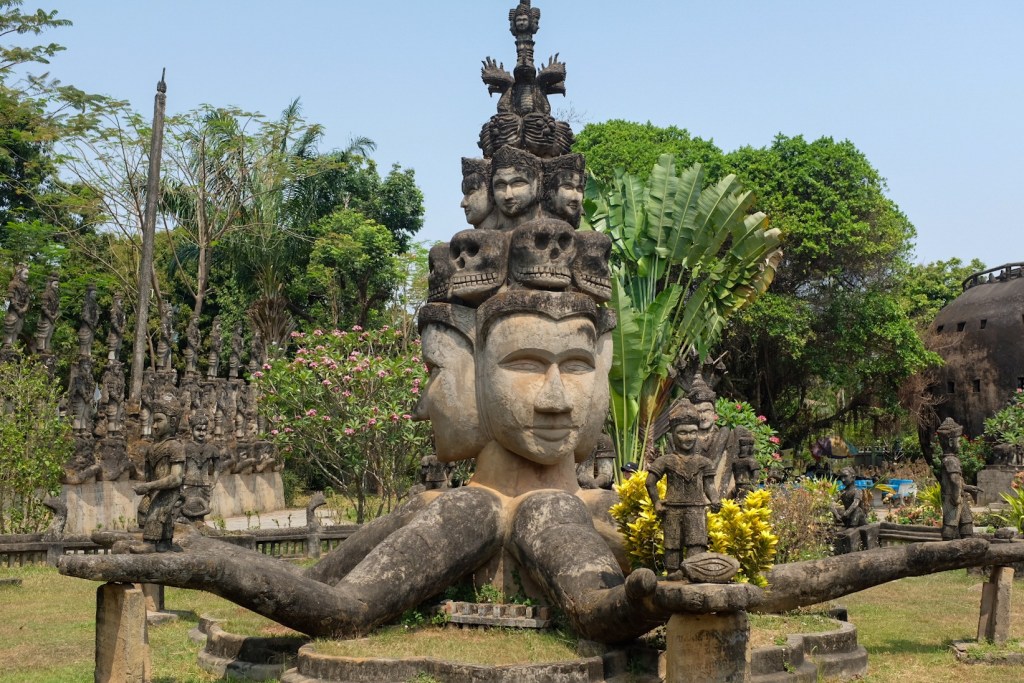
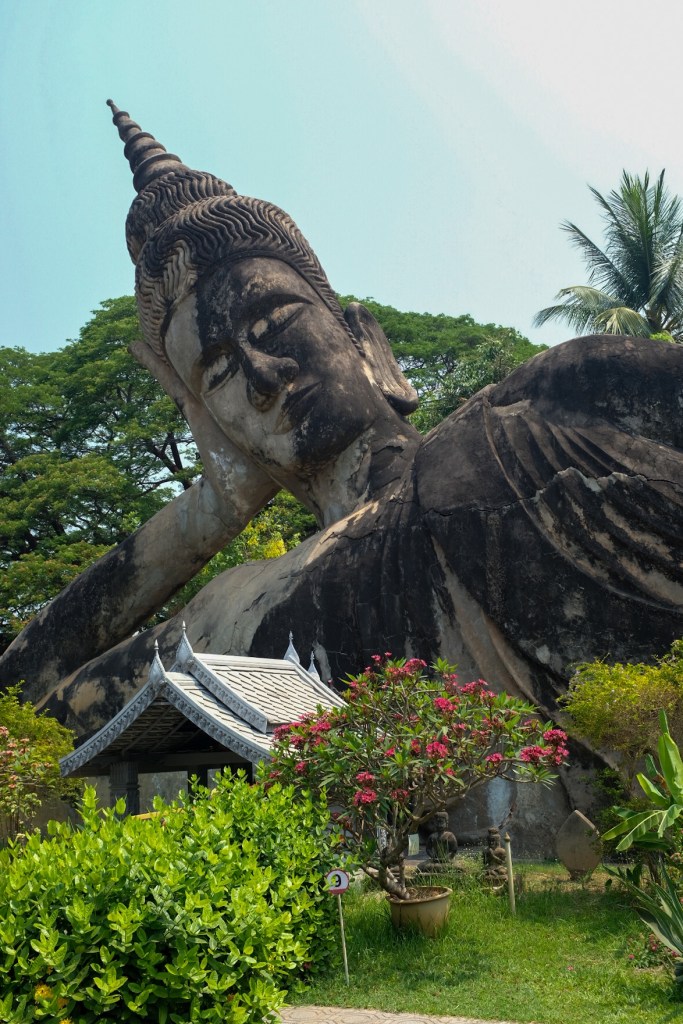
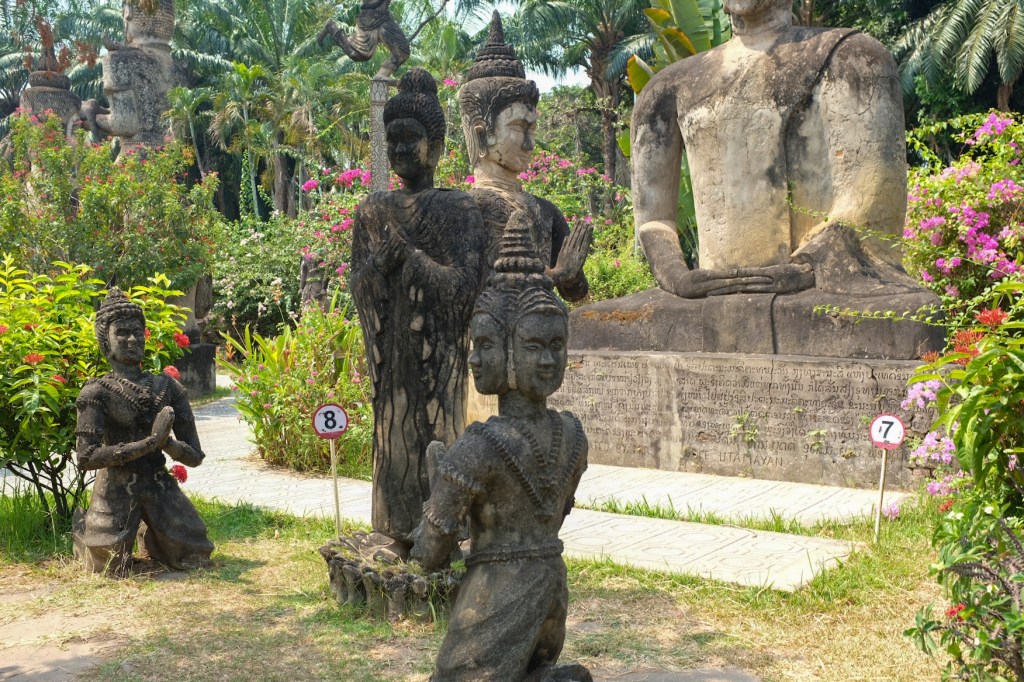
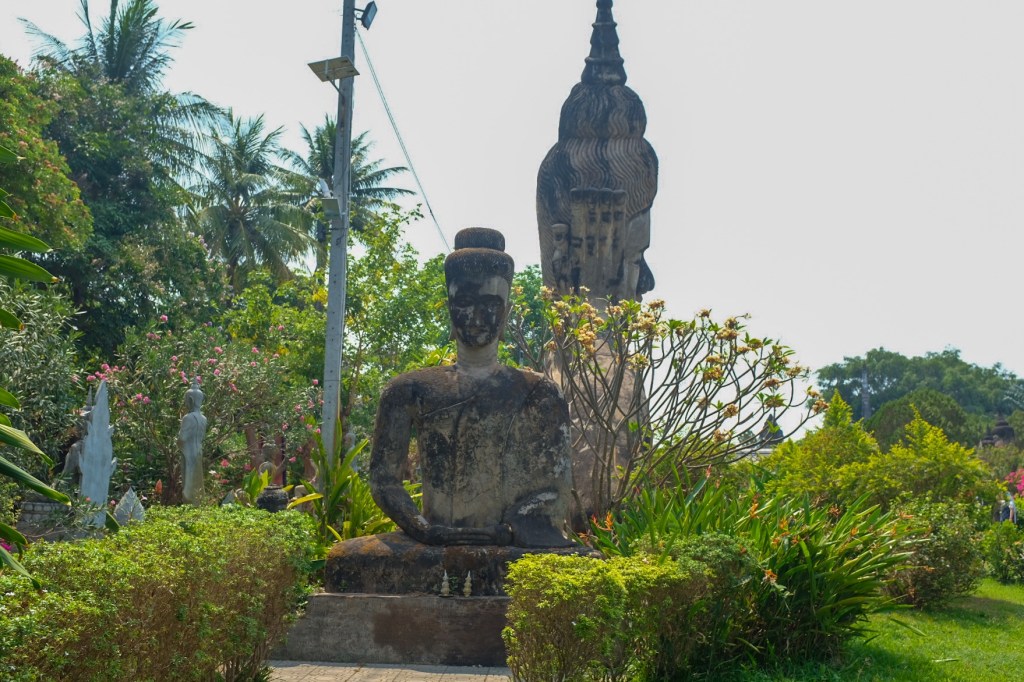
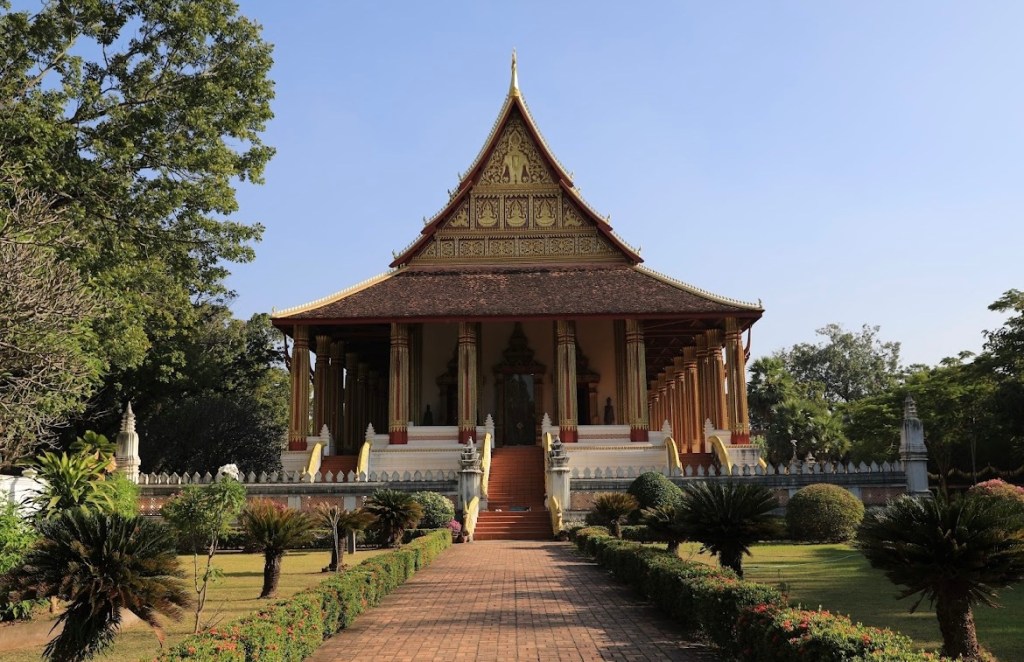
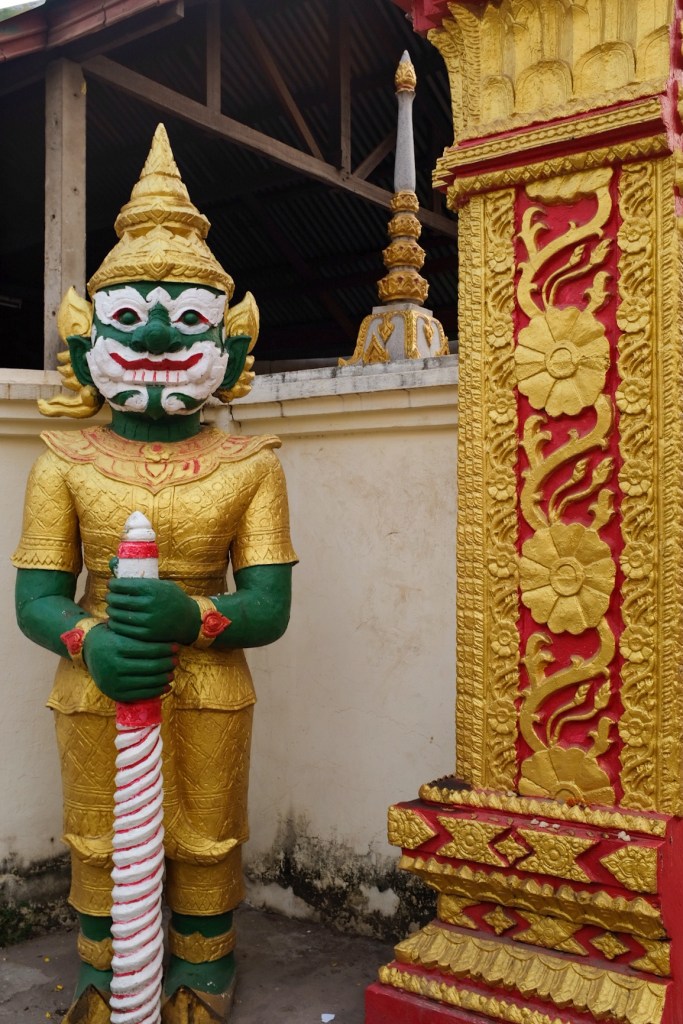
My first stop was to Wat Xieng Khouane Luang (Buddha Park) – a sculpture park in a meadow along the Mekong River. The park contains over 200 Buddhist and Hindu statues.

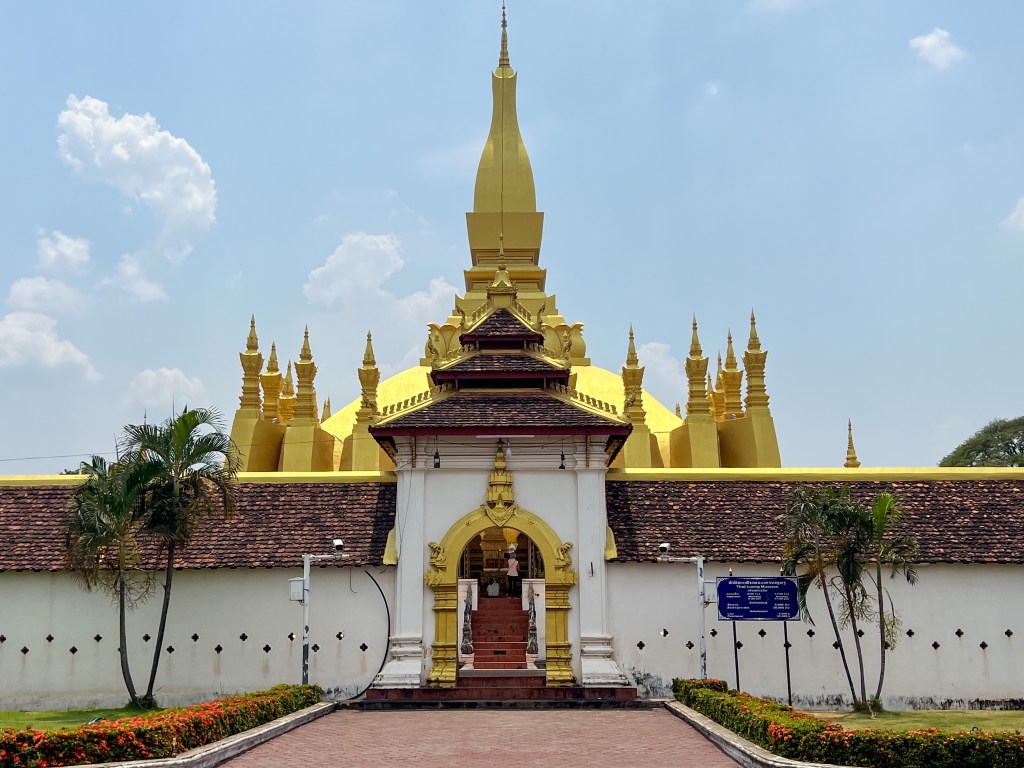
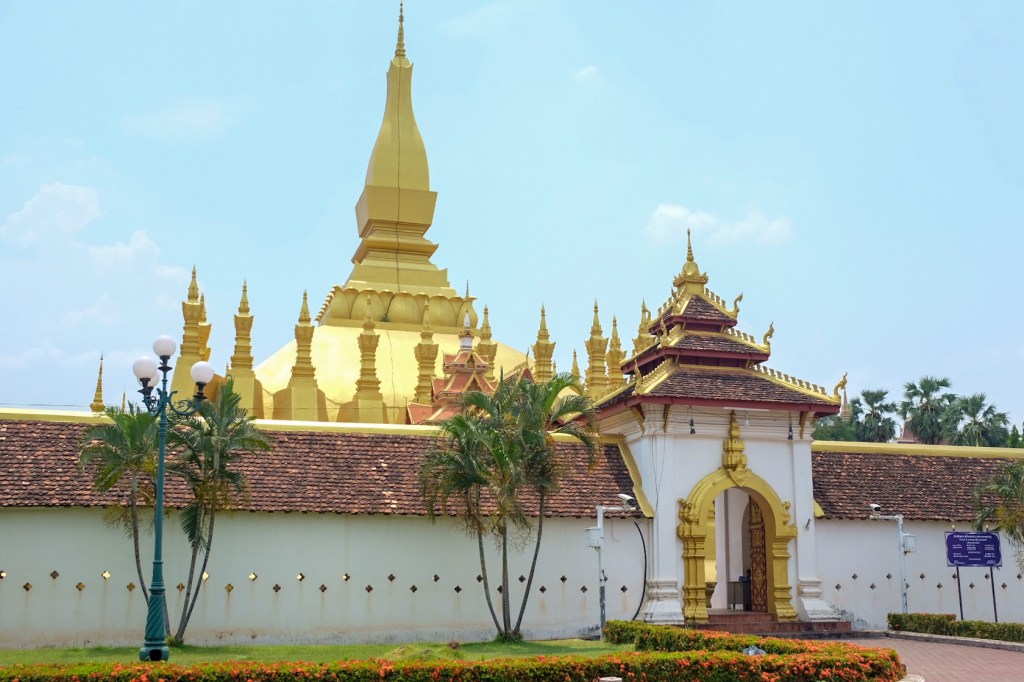
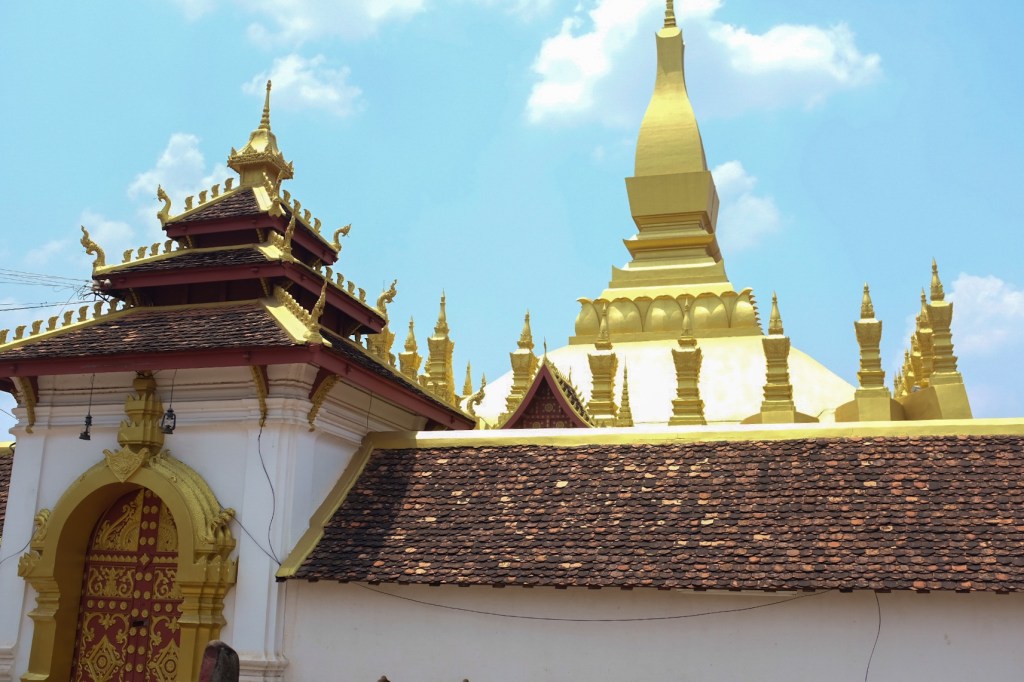
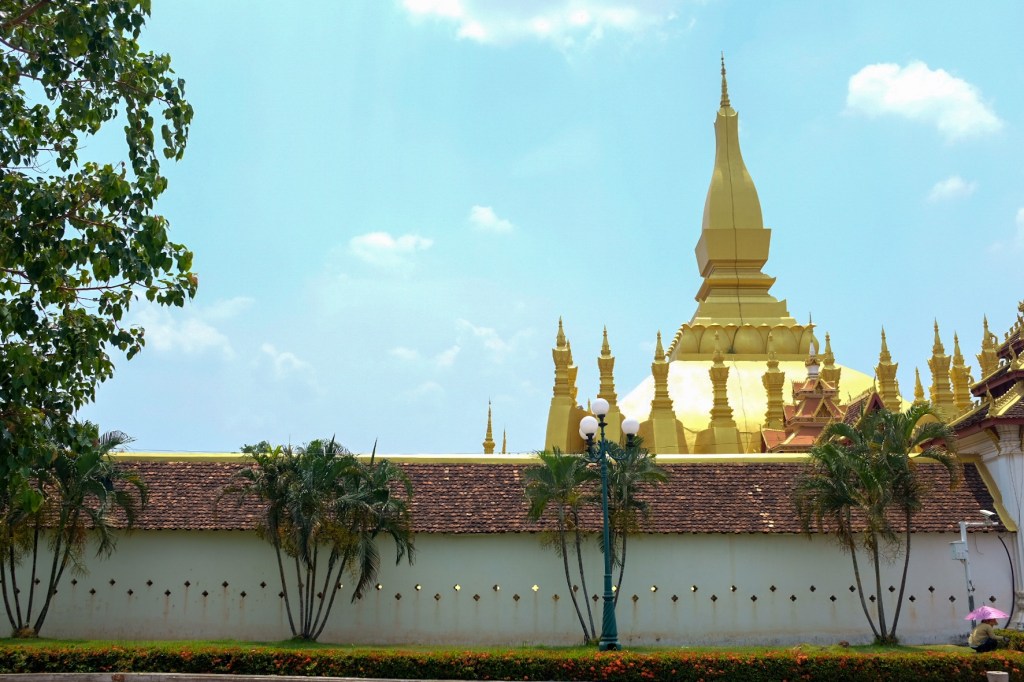
Later, I visited the Pha That Luang Stupa – also called the “Golden Stupa”, it is considered the most important Buddhist monument in Laos. The stupa is believed to enshrine a breast bone of the Buddha.

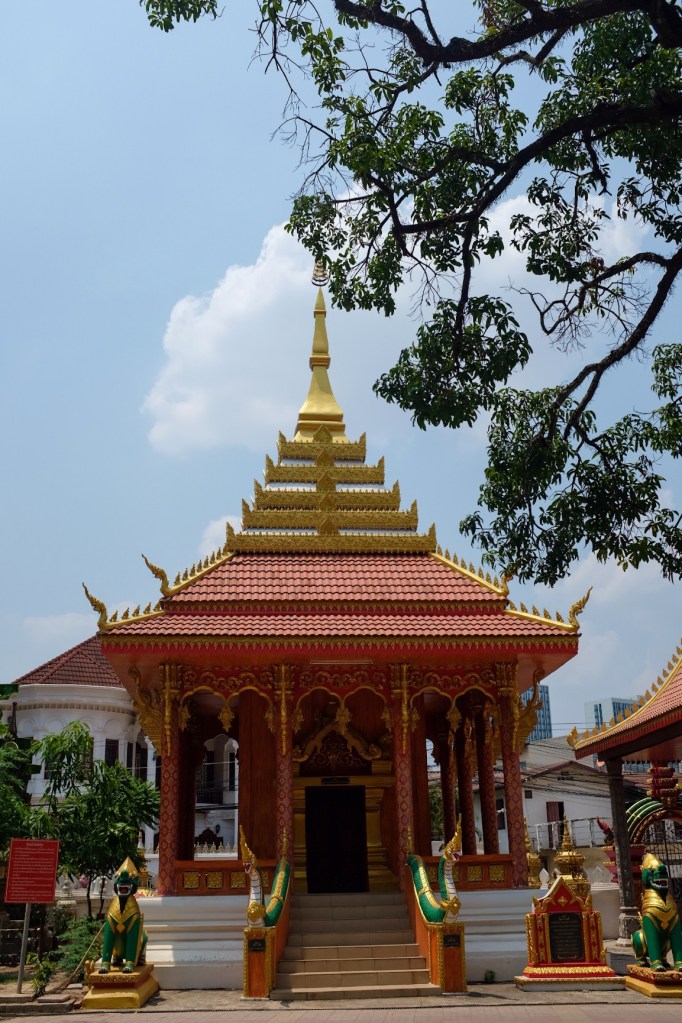
And explored Wat Si Saket and Wat Si Muang –

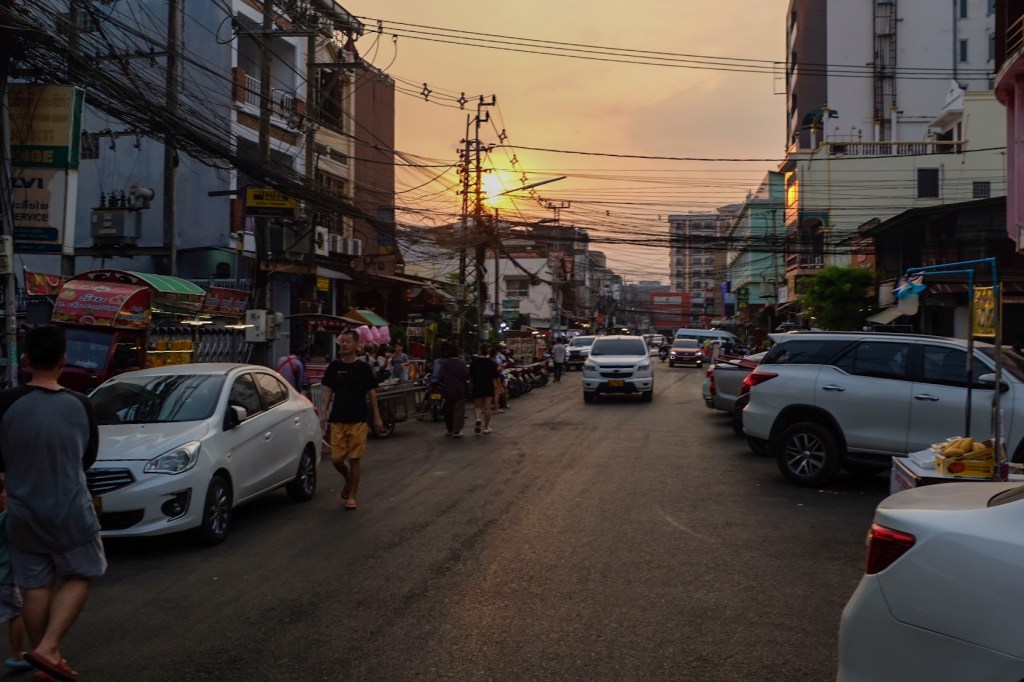
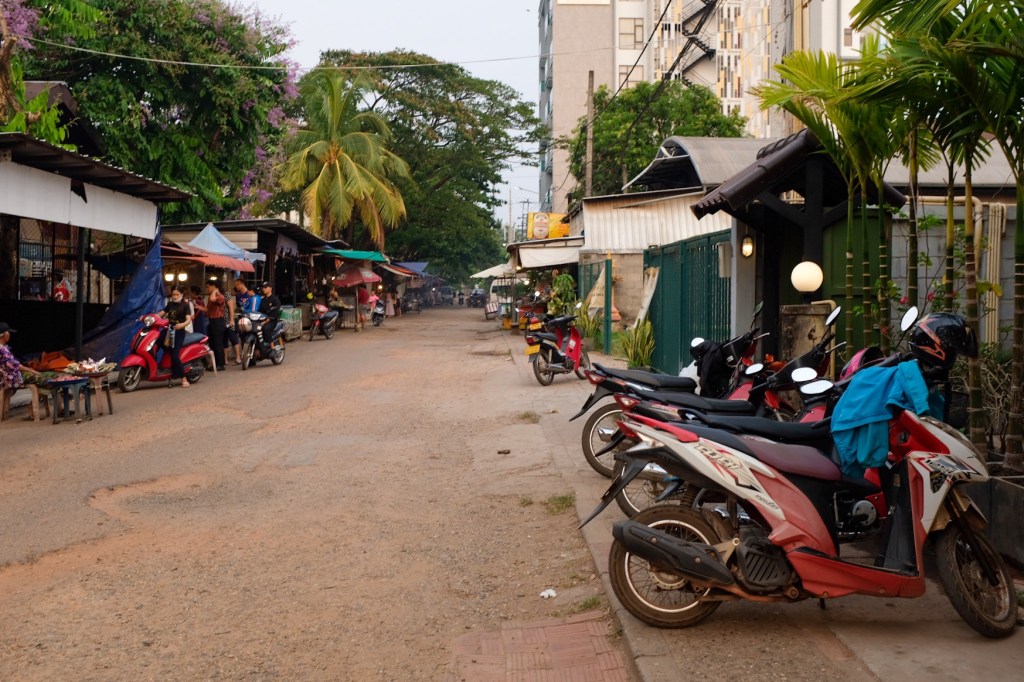
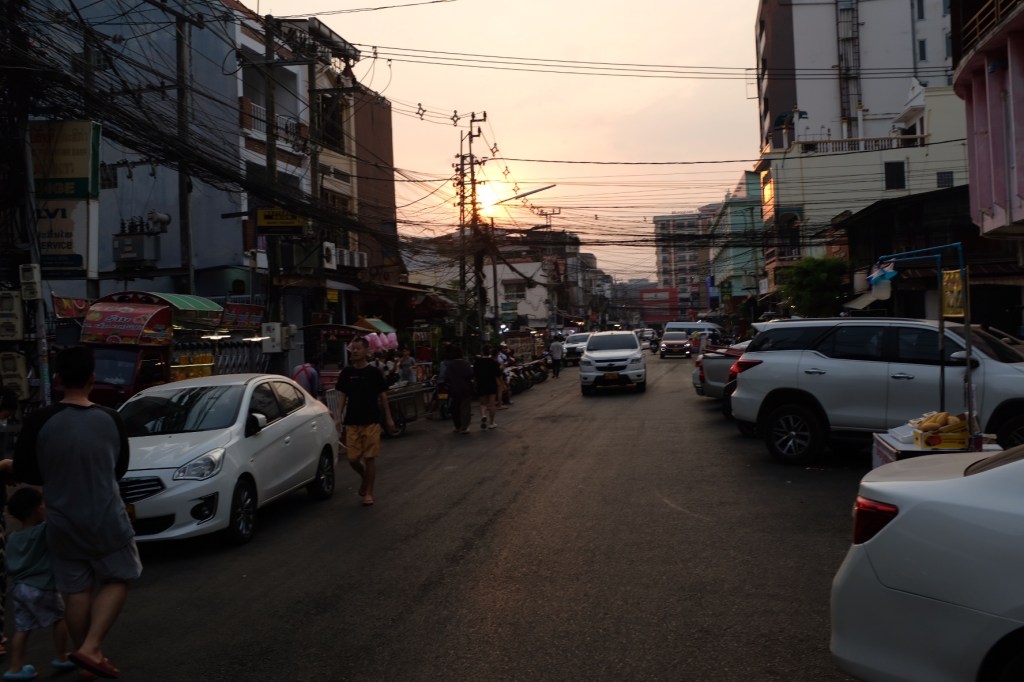
The remainder of my time in Laos I spent walking around the city, drinking good coffee in the dozens of French-Laotian cafes, and shopping through the night market.

Conclusion

After Vietnam, my mind and body needed a rest. Traveling for 5 months does a number on your body, and I knew I needed a place to recuperate and prepare for the final stretch of my trip. Laos was a nice respite from the chaos of travel, giving me a week of waterfalls, lagoons, river rides, coffee shops, and (surprising to me) some of the best food of my trip.

While a week was not enough to see the entire country, it was great to get a sense of Lao culture, history, and tradition.

See you next week as I motorbike and hike my way through northern Thailand.

Sam

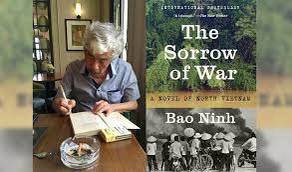
Traveling Bookclub VI: The Sorrow of War by Boa Ninh

Bao Ninh

I have a memory from when I was around 8 of my mother and me going to Dairy Queen on the Cape. After we grabbed our cones of vanilla soft serve, we walked out into the hot afternoon air and, as if a coming-of-age ceremony, my mother proceeded to teach me how to properly eat the treat. Under an umbrella, she told me to take my ice cream and let it sit in the sunlight for a few moments. In the sun, I watched as the ice cream’s exterior quickly soften and begin to glisten. When it looked like the soft serve was about to melt out of the cone, my mother told me to take a taste. Circumventing around the melting soft serve, I was in heaven, reveling in the magic of the sweet velvety ice cream on my toung. When i finished my first lap around the cone, revealing its cold interior again, I understood the lesson- melt & enjoy – rinse and repeat.

While I practiced the newfound skill, my Mother told me that when she was a kid, her and her friends would go to Dairy Queen every once in a while, and pay 5-10 cents for a cone. “One nickel!!” I exclaimed, “why did you not get an ice cream every day – or multiple times a day!” I thought out loud, “if ice cream cost a nickel now, I would get a cone every hour!”.

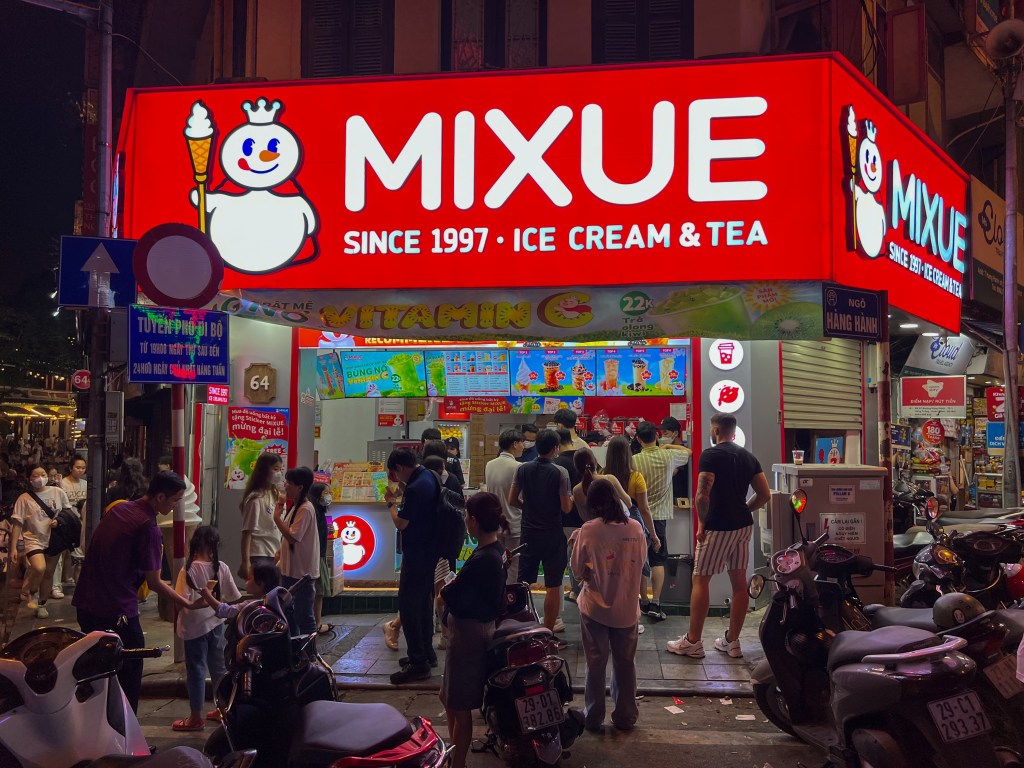
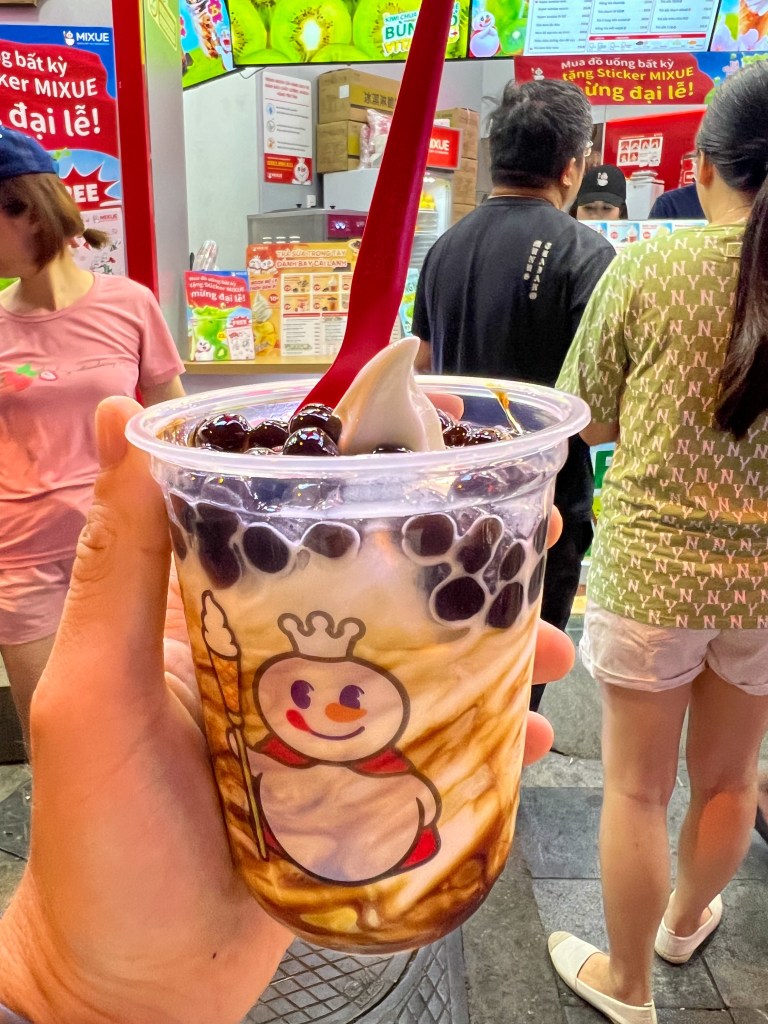
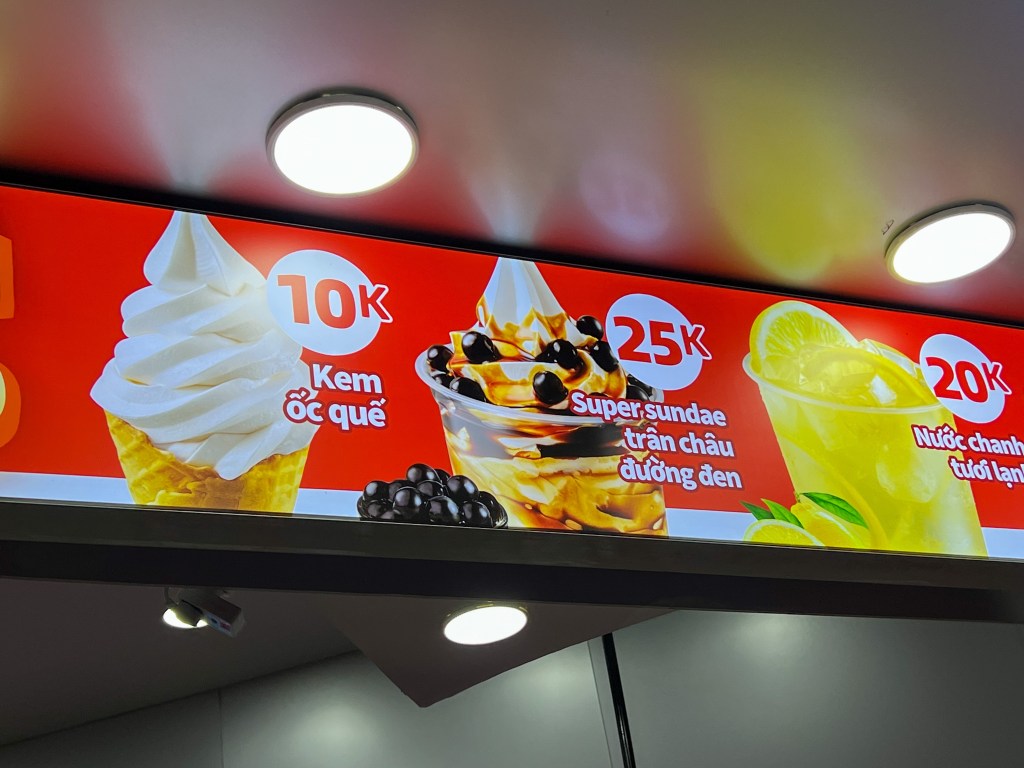
Fast forward 20 years, and I find myself in Hanoi, riding around the city on my motorbike, hopping from one ice cream shop to the next. There’s an chain called Mixue, and and it sells ice cream 10,000 Dong ($0.42) a cone. Its all over the city, and I eagerly rush from one Mixue to the next, picking up 42-cent cone after 42-cent cone, exhilaration coursing through my veins. I have the feeling of getting away with something – as though this wonder shouldn’t be so easy to get – and for so cheap. “

“Its just like Dairy Queen with Mom”, I think.

Joking, I say to myself, “Its just like America here, having a fast food joint every other block” “the TRUE American dream, right here, across the world – at the heart of The Socialist Republic of Vietnam.”

And in that moment, I was forced to contend with the complexity of the Communism, what it really meant to be in a socialist state in 2023, and how it differed from what I was taught throughout my life in the US.

What does it really means to be in a communist state?

How is a world under a communist regime truly different from what I experience at home?

Why did we, as Americans, waste so many lives trying to prevent this?

It certainly isn’t because Kissinger was afraid of the rise of Mixue, (although I will admit that in my research I found out Mixue is a Chinese franchise – so maybe the fight would still be worth it to him now)

I found that coupling my time in Vietnam with Bao Ninh’s book, The Sorrow of War, which criticizes each party involved in the Vietnam War – the US military, the People’s Army of Vietnam (North), and the Army of the Republic of Vietnam (South) – I established an understanding (albeit incomplete) of the conflict that balances the immense complexity of the conflict.

The Sorrow of War is a 1991 novel written by Bao Ninh as his graduation project at the Nguyen Du Writing School in Hanoi. The novel tells the fictional story of a soldier who is collecting dead bodies of fallen comrades for reburial after the anti-American Vietnam War. Throughout the novel, the soldier begins to consider his past time in the army during the war. The novel won the Independent Foreign Fiction Prize and was banned until 2006 by the Communist Party of Vietnam.

The novel depicts his sympathy for his comrades who died in the war and those who parted from their loved ones in the conflict. It also offers Ninh’s thoughts on the psychology of young people who were born during the war.

There wasn’t much I could find on Ninh, but the introduction says that Ninh himself was born in Hanoi in 1952 and served with the 27th Youth Brigade. Of the 500 who served with the brigade in 1969, he was one of 10 who survived. In Ken Burns’ 2019 documentary on the Vietnam War, Burns had the opportunity to interview Ninh, who argued that the Vietnamese people who fought against the Americans were not specifically fighting for Marxism, but rather fighting to bring peace for their country. Nonetheless, in his novel, Ninh offers a complex understanding of the conflict – offering an illustration of American aggression, as well as atrocities committed by both the North and South Vietnamese armies to their fellow people.

One of my favorite quotes from the novel-

“A human being’s duty on this earth is to live, not to kill – taste all manner of life – try everything. Be curious and inquire for yourself. Don’t turn your back on life”

Sorrow of War, Bao Ninh

It would take months to write out a history of the war and how colonialism, US interventionism, and internal strife led to the Vietnam War, and I do not claim to have a comprehensive understanding of the conflict – so here I will just share the perspectives I was offered during my time in the country.

Interestingly enough, my first perspective of the Vietnam War came from a firmly pro-American Vietnam War veteran of the South Vietnamese Army, who was my tour guide for the Cu Chi Tunnels. While he did not speak much about the North Vietnamese soldiers themselves, he spoke out against the current Vietnamese government and made a point, multiple times, to thank me for the US soldiers who sacrificed their lives in the Vietnam War.

To be honest, hearing his perspective initially had my head spinning. Prepared for a tale of resistance to American aggression, I struggled to wrap my head around his pro-American sentiments. It wasn’t until I spoke to him privately after the tour that I was able to get a fleshed out understanding of his perspective. After the Americans withdrew and the North took over Saigon, our tour guide was arrested and imprisoned for 5 years by the North Vietnamese Army. For decades, he struggled to get freedom from the state, and felt as though he was heavily censored. His saving grace was a business autonomous from the state, who took him in as an employee, protecting him from harassment and persecution. While I cannot corroborate his perspective, I could tell from the way he spoke to me that he was still struggling with what happened in the 1960’s and 70’s – and his honesty was profound.

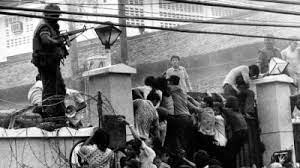
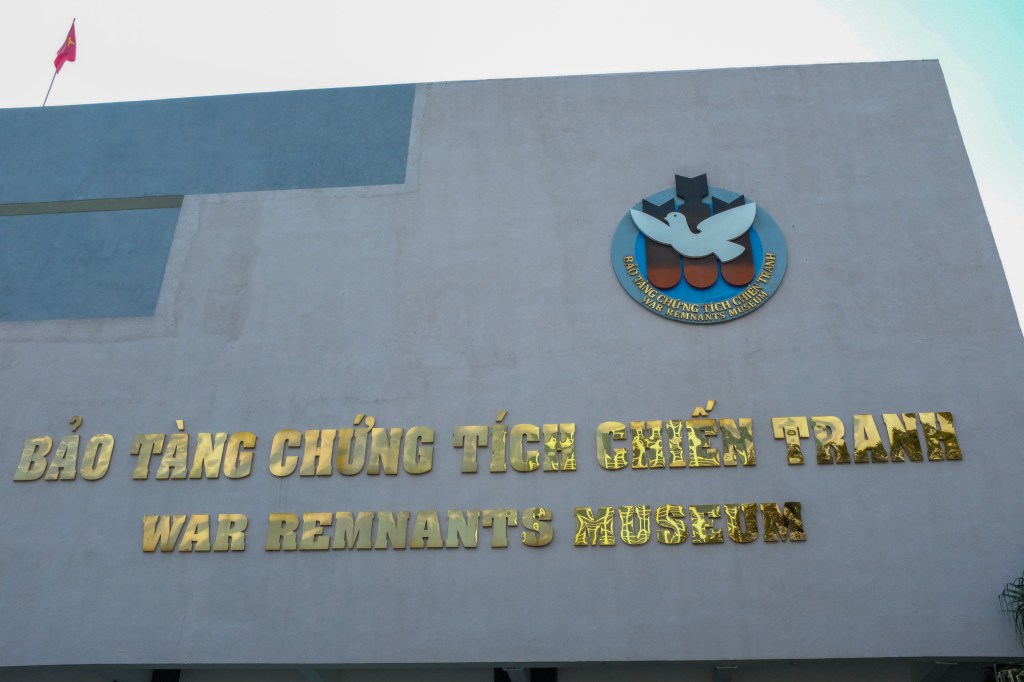
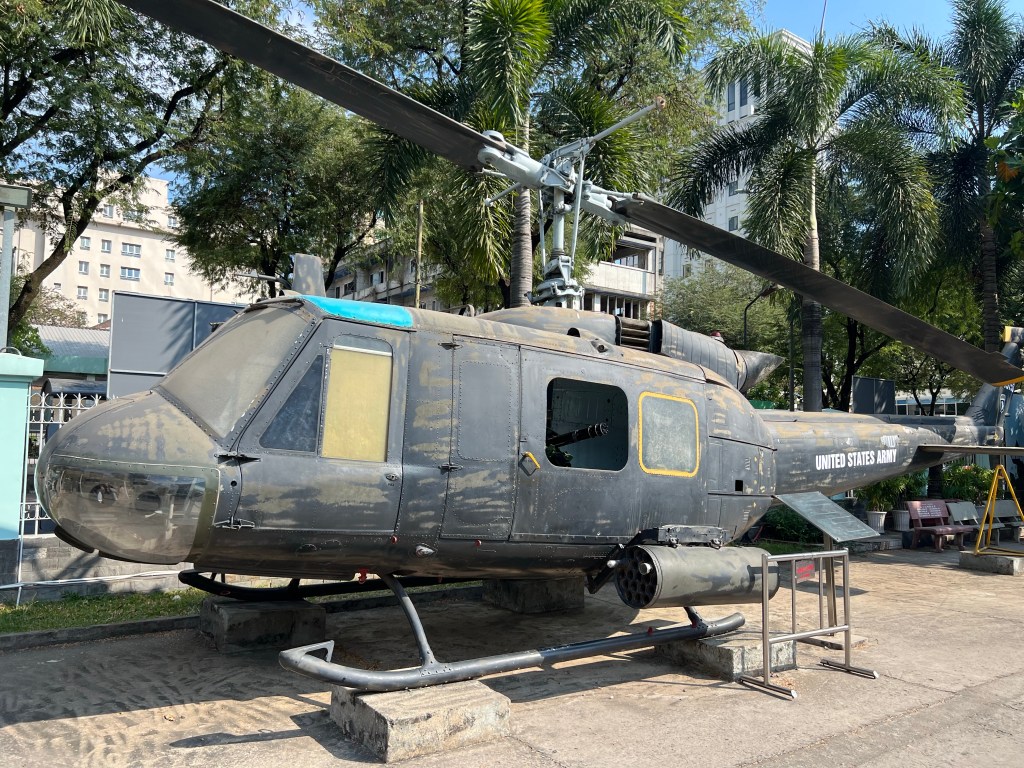
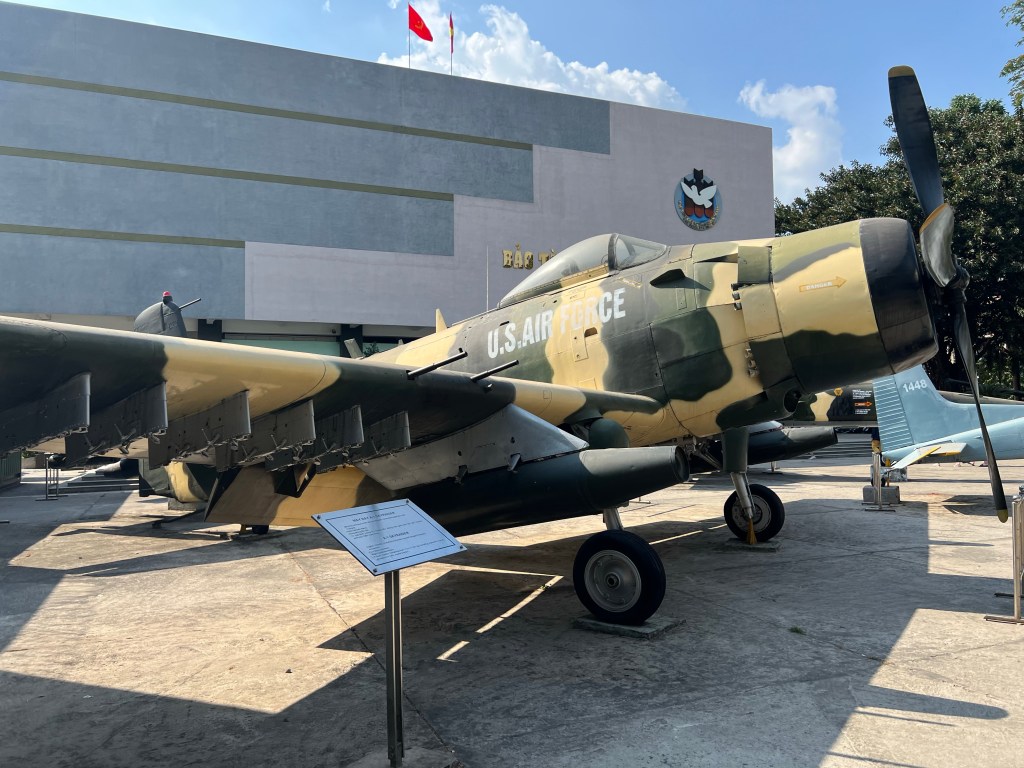
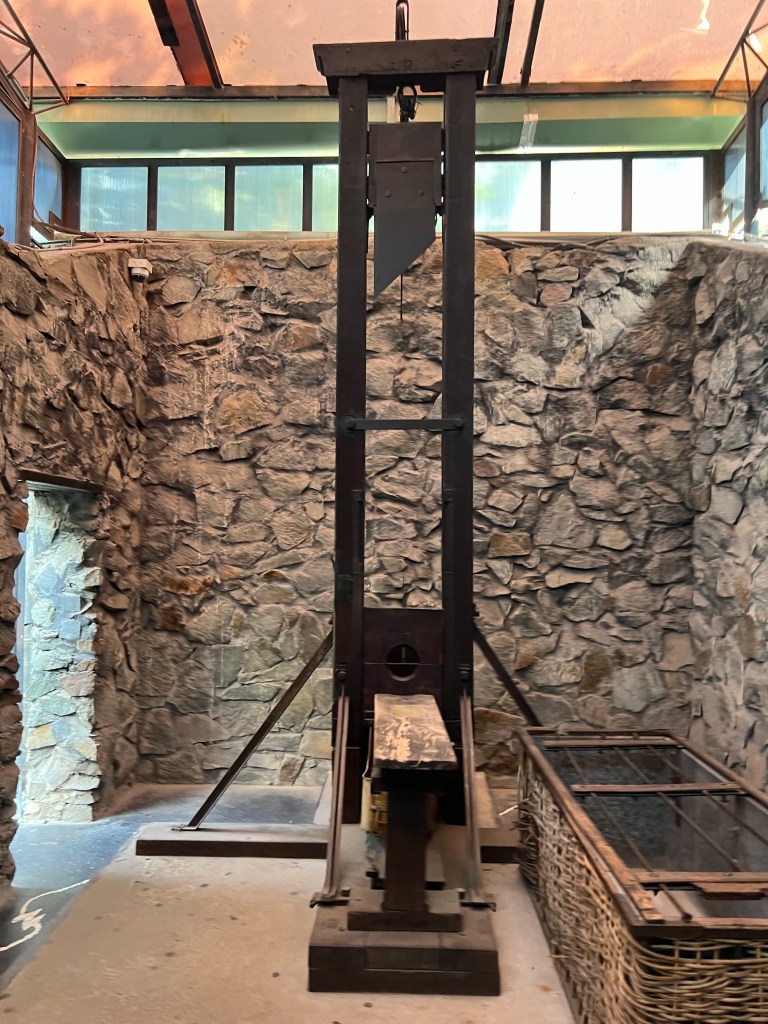
A few hours later, I headed to the War Remnants Museum, and was given another perspective of the conflict from the North’s perspective. It told a history of American-Saigon prison camps designed to torture, humiliate, and murder pro-liberation forces. It spoke of Saigon’s murder and kidnapping of pro-socialist patriots and the atrocities committed by the US military.

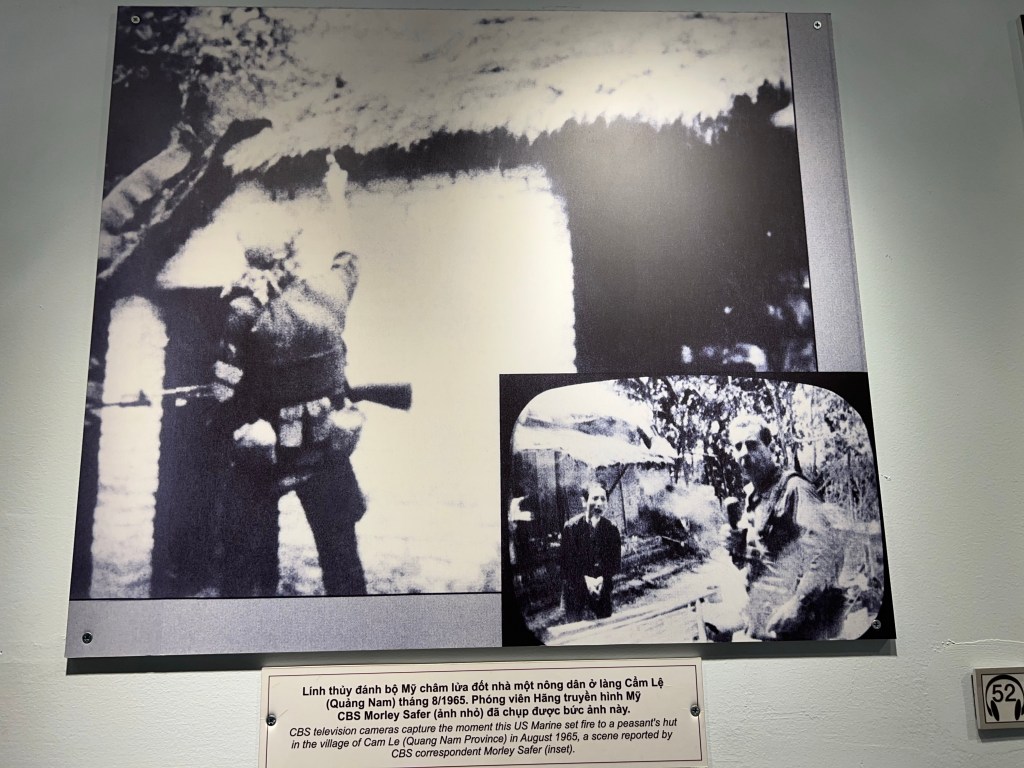
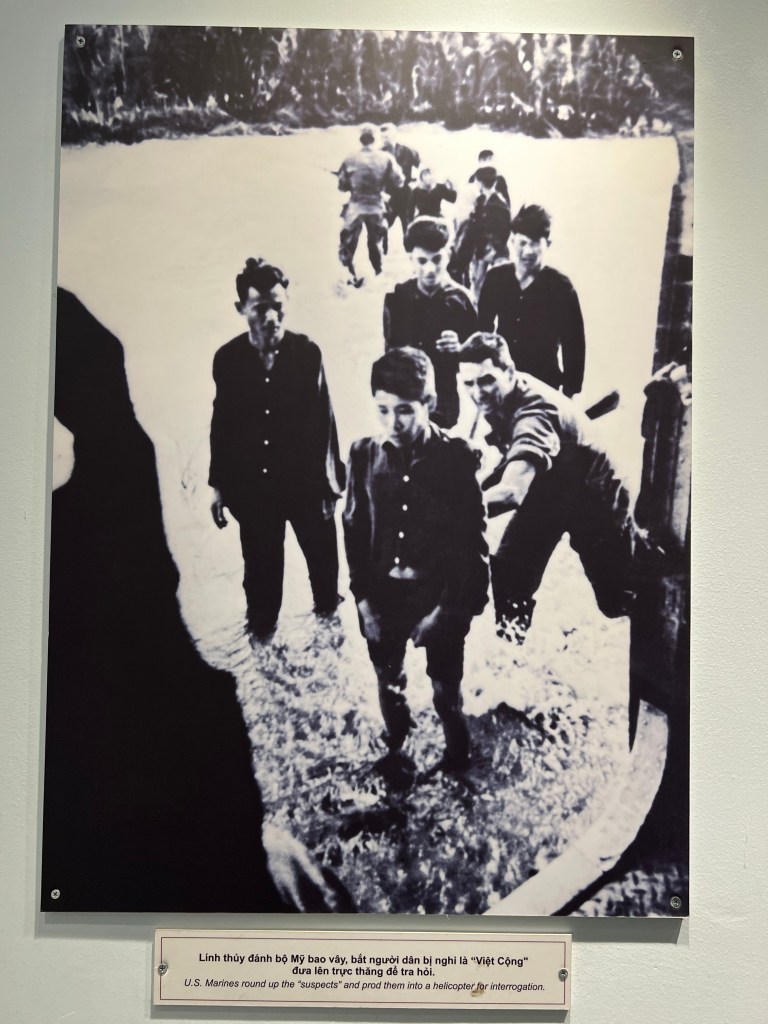
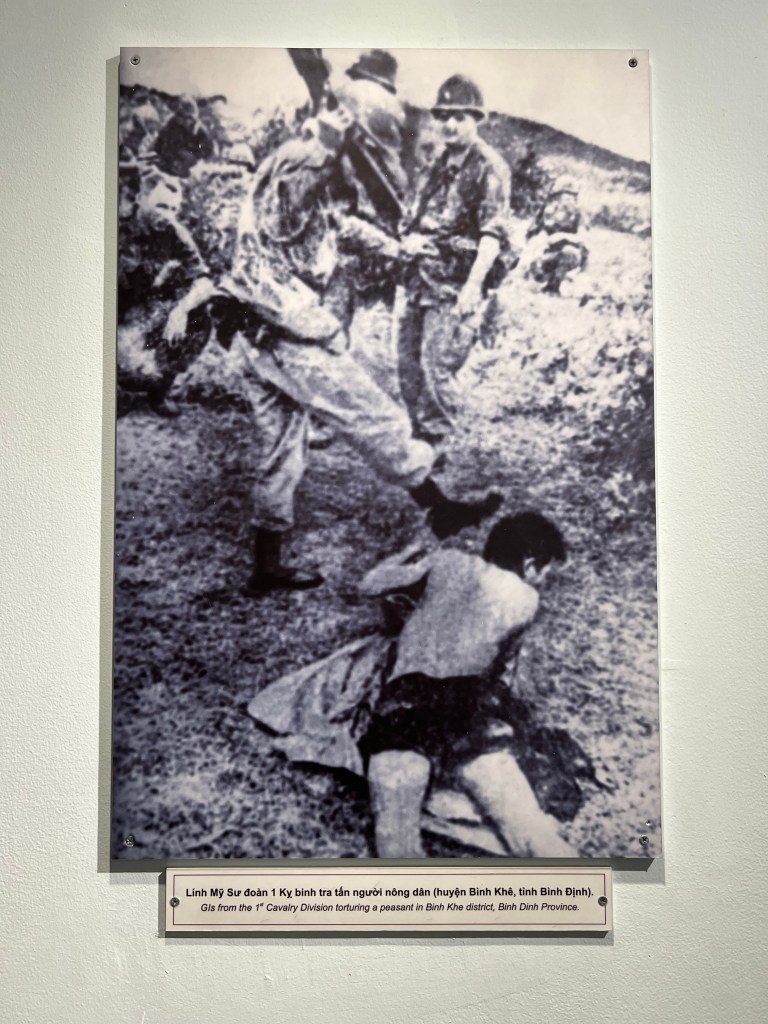
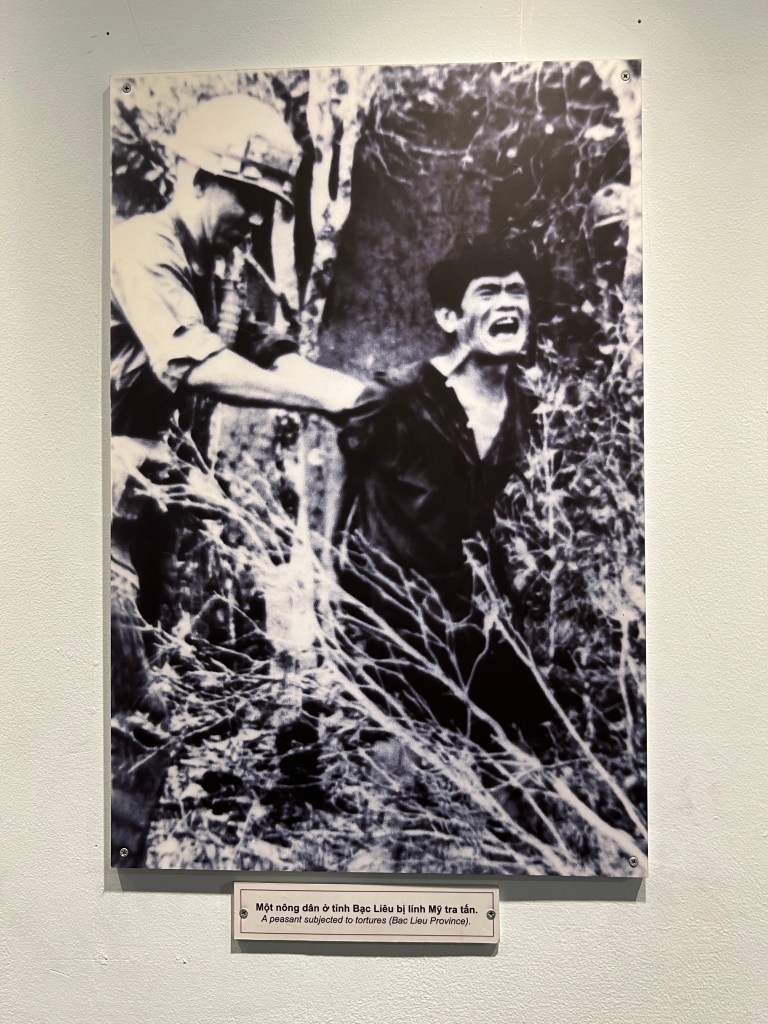
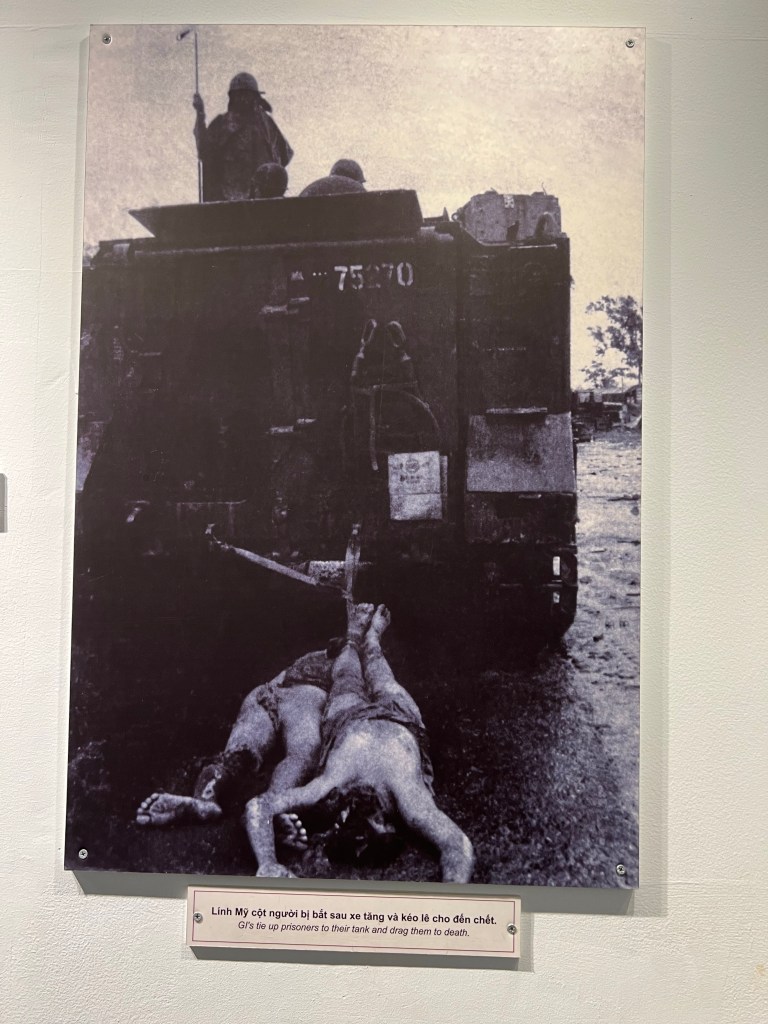
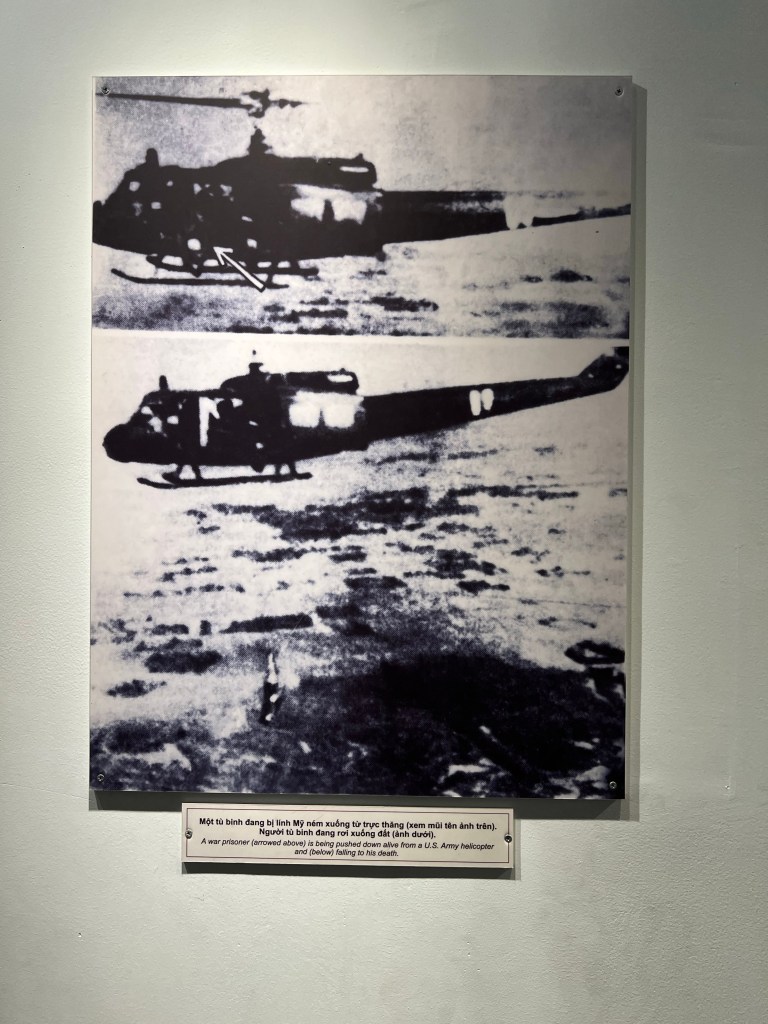
At one exhibit, there was a large ceramic vase. To the left, a placard told a story – A Vietnamese family was found by a group of US soldiers, and the three children hid in the vase while the rest of the family pleaded with the Americans to let them be. Instead, the soldiers went to the vase, shot the three kids, and burned down the family’s home. Another exhibit told the history of the My Lai massacre, the mass murder of unarmed South Vietnamese civilians by US troops in 1968. Photo evidence of US military violence covered the walls – soldiers pushing prisoners out of flying helicopters, dragging North Vietnamese soldiers to death with trucks, burning civilians and their homes with napalm – it was all very hard to look at. Yet another exhibit showed the effects of Agent Orange used by the US government as a way to starve out VC – resulting in generations of physical and mental defects in future children. It told the perspective of Ho Chi Minh and his government, as they navigated a civil war and American aggression.

The museum did an incredible job of documenting the horrors of the war and American aggression in the region – but it did seem to feel one-sided and left out the violence committed by the Ho Chi Minh government, such as with the “class struggle campaign” – however some may argue this was in reaction to French and later Japanese colonial occupation.

The conflict is quite complex and I think it will take me a long time to really grasp it; however, what is clear to me is that the United States should have never been involved – and its choice to support the South Vietnamese government, particularly through military support, led to the needless destruction of thousands of lives. It is a shame, really, that this is part of my nation’s history – but I am grateful for how Vietnam accepted me despite it.

After I finished the War Remnants Museum, I went to a cafe to decompress. There, I saw a 20-something year old Vietnamese engineering student, Son, who I met earlier in the Museum ticket line. Son asked if he could sit with me and we started discussing the museum. Out of the blue, he asked where I was from, and I, uneasy and shaken, said I was an American. Son sensed my discomfort and quickly offered me a life raft. He said he didn’t blame me or the American citizens for what happened – rather the government officials that authorized it and the soldiers who took advantage of the situation. He went on to say that he was quite fascinated by the US and hoped to visit its famous state parks one day. We ebbed and flowed between talking about the museum and our lives but what stuck with me most about our conversation was how determined Son was to look forward- to balance both the burdens of the past with an eagerness for a better future. He didn’t want to forget what happened in his country, but he didn’t want to let it control him either.

It is immensely inspiring to see how the Vietnamese people have navigated their lives and the world despite the atrocities we committed in their country. My trip has shown me a nation of vibrant people determined to create a better life for themselves and their families – and no one, not even the US military, is going to stop them.

Sam

Days 101 to 108: Sa Pa & the Ha Giang Loop

My last week in Vietnam was a whirlwind of trekking and motor-biking through the mountains of Northern Vietnam – from the rice fields of Sa Pa, to the winding roads of Ha Giang, up to the Chinese border, and back east to Hanoi to catch my flight to Luang Prabang. An exhausting week, I am looking forward to taking a few rest days in Laos – but this was a wonderful conclusion to my time in Vietnam, and I’m excited to share it with you!

Sa Pa: The Hoàng Liên Son Mountains

A 6 hour drive from Hanoi, Sa Pa sits in the Northwest of Vietnam in Lào Cai Province. A popular trekking base, the township overlooks the vast rice fields of the Muong Hoa Valley, including the 3,143m Fansipan peak, dubbed the “Roof of Indochina”.

A quiet mountain town, Sa Pa is home to a great diversity of ethnic minority peoples. The total population of 36,000 consists mostly of minority groups. Besides the Vietnamese people (15%) there are mainly five ethnic groups in Sa Pa: Hmong (52%), Dao (25%), Tay (5%), Giay (2%), and a small number of Xa Pho. Each ethnic group speaks their own language as well as Vietnamese and a few even speak a third language.

With 4 days in Sa Pa, I had the opportunity to do a bit of everything – hiking in the mountains, trekking through the rice patty fields, and visiting some of the local villages and homestays.

My first two days consisted of exploring the very touristy town of Sa Pa, and doing the 12 hour out-and-back hike to Fansipan peak. The 14-mile hike spans an elevation gain of about 1,600 meters and offers great views of the rice paddies and rolling hills Sa Pa is known for.

Fun Fact! The peak is the highest mountain in the Indochinese Peninsula (comprising of Laos, Vietnam, and Cambodia).

While a beautiful hike through the mountains of Lao Cai Province, I found the top of the mountain to be quite unsatisfying due to the immensely touristy amusement park and cable car system installed a couple years ago. While I would have a hard time recommending the hike, it was still a fun addition to my trip and it was nice to meet some other trekkers on the trail.

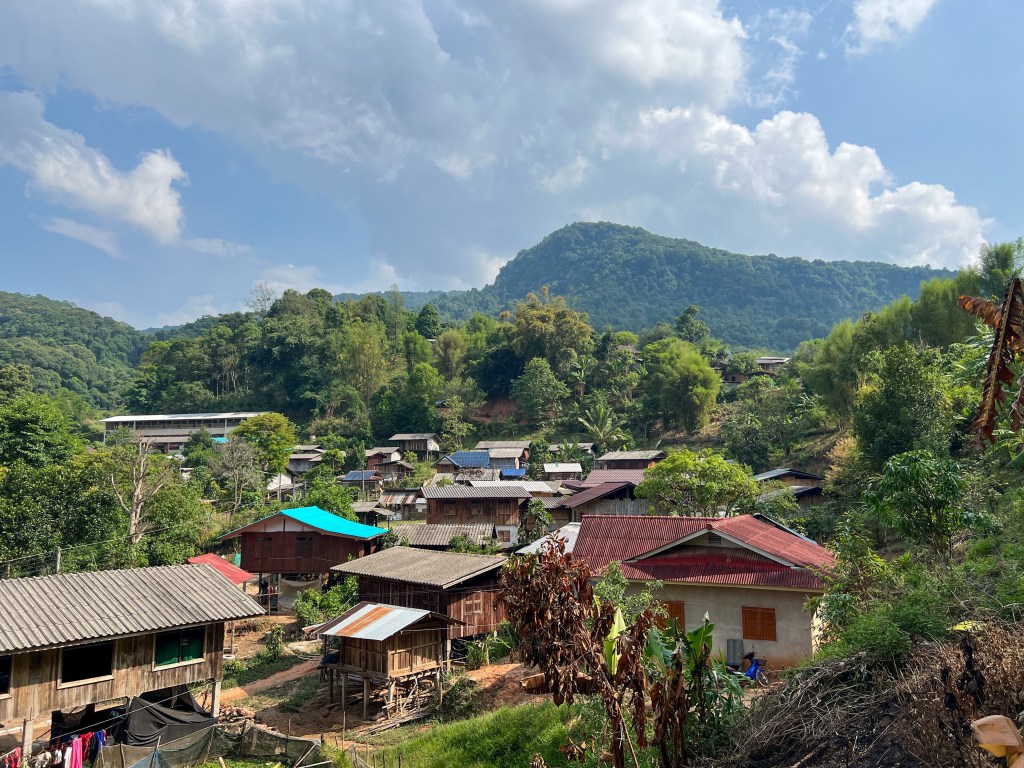
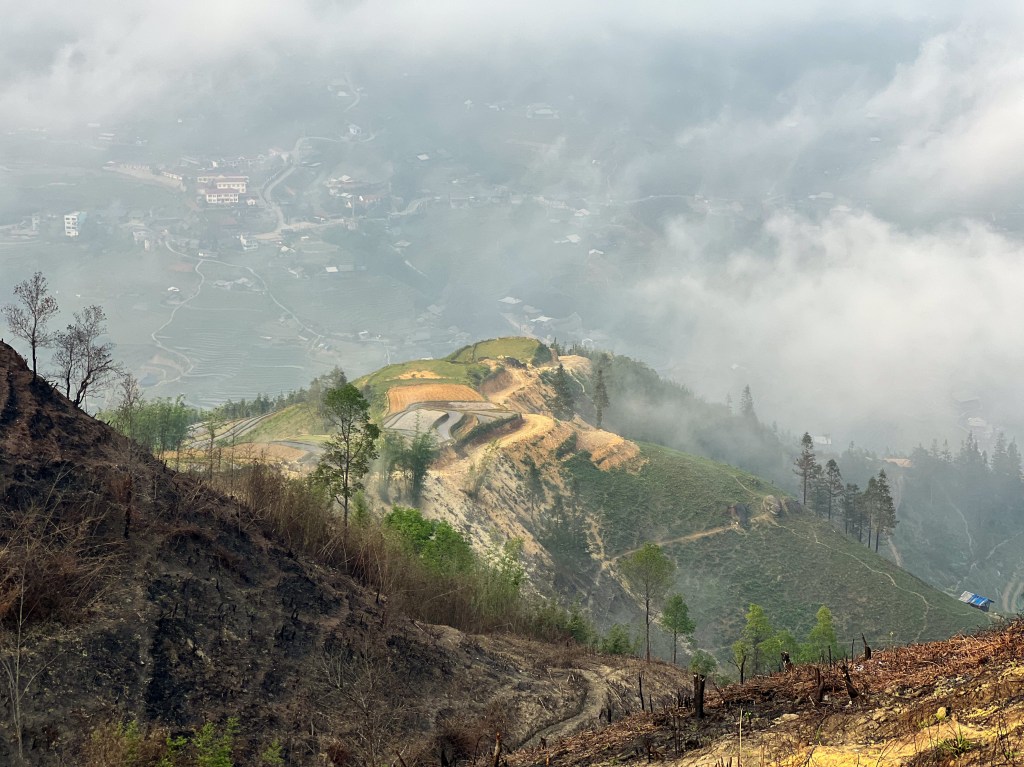
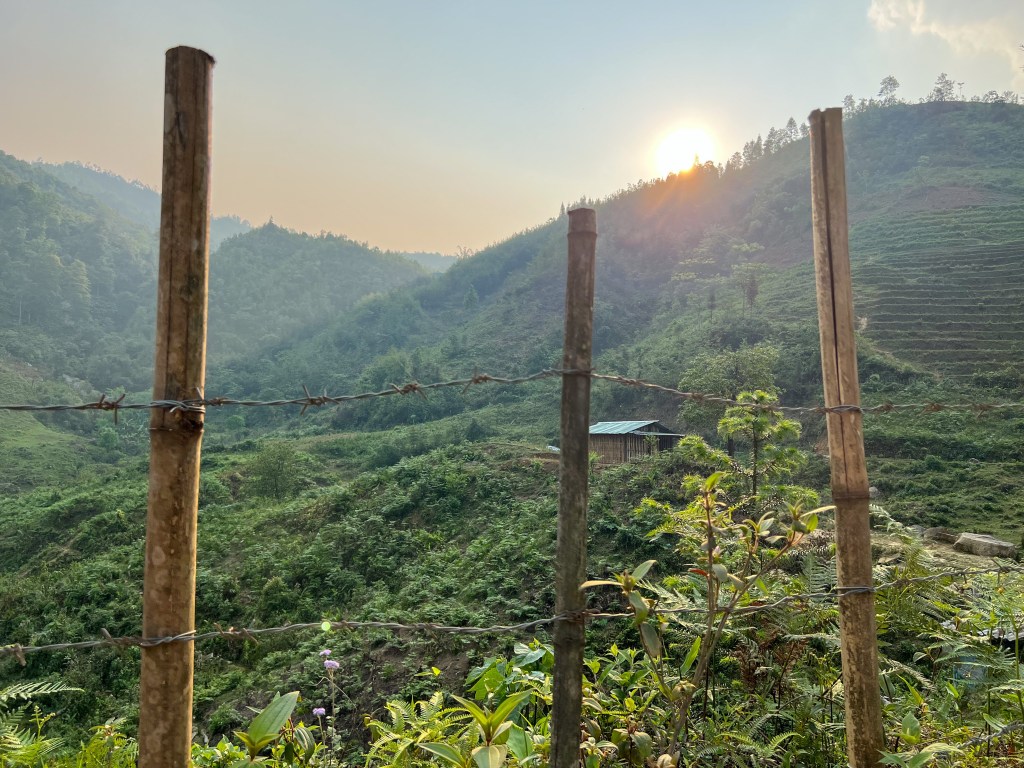
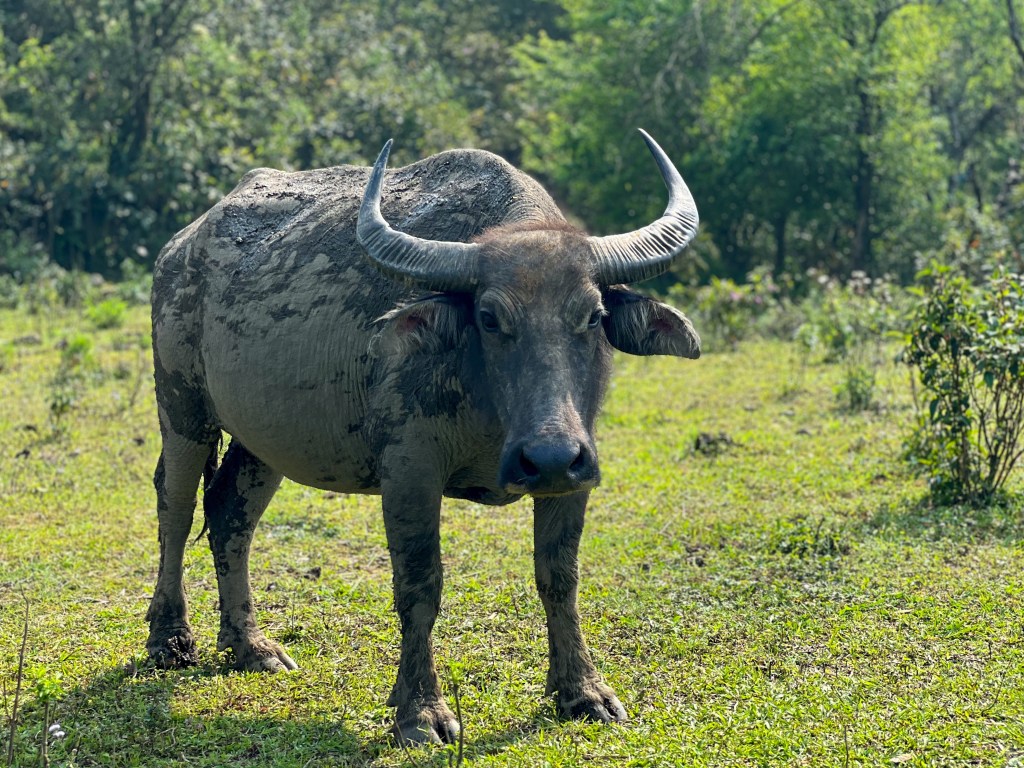
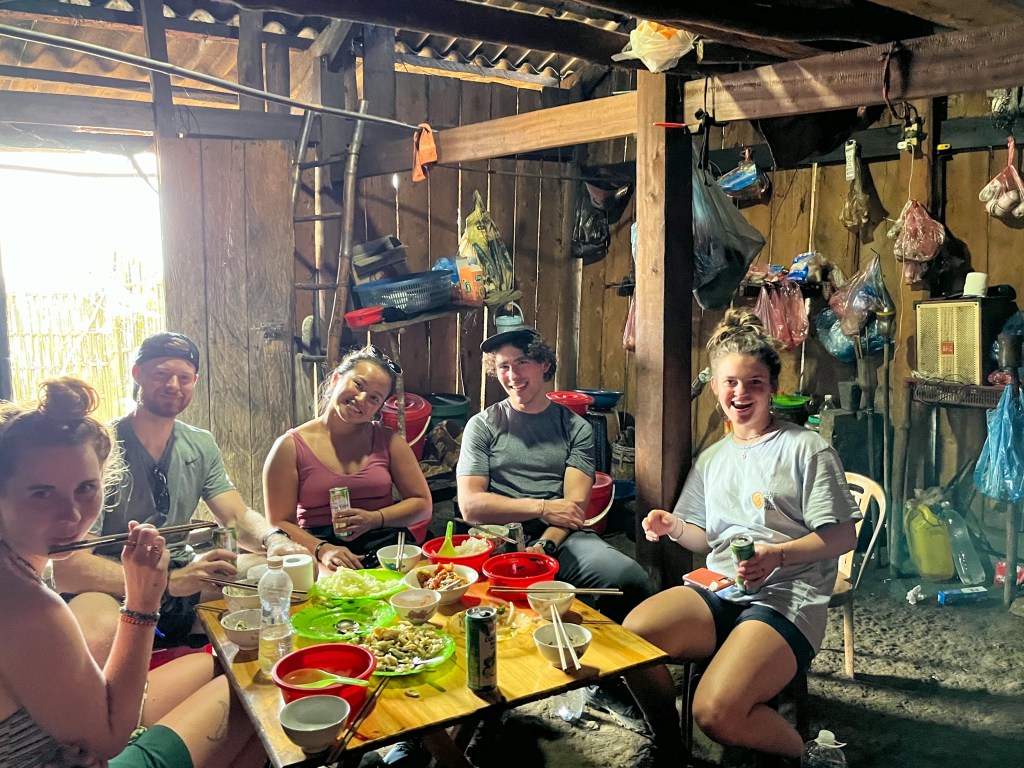
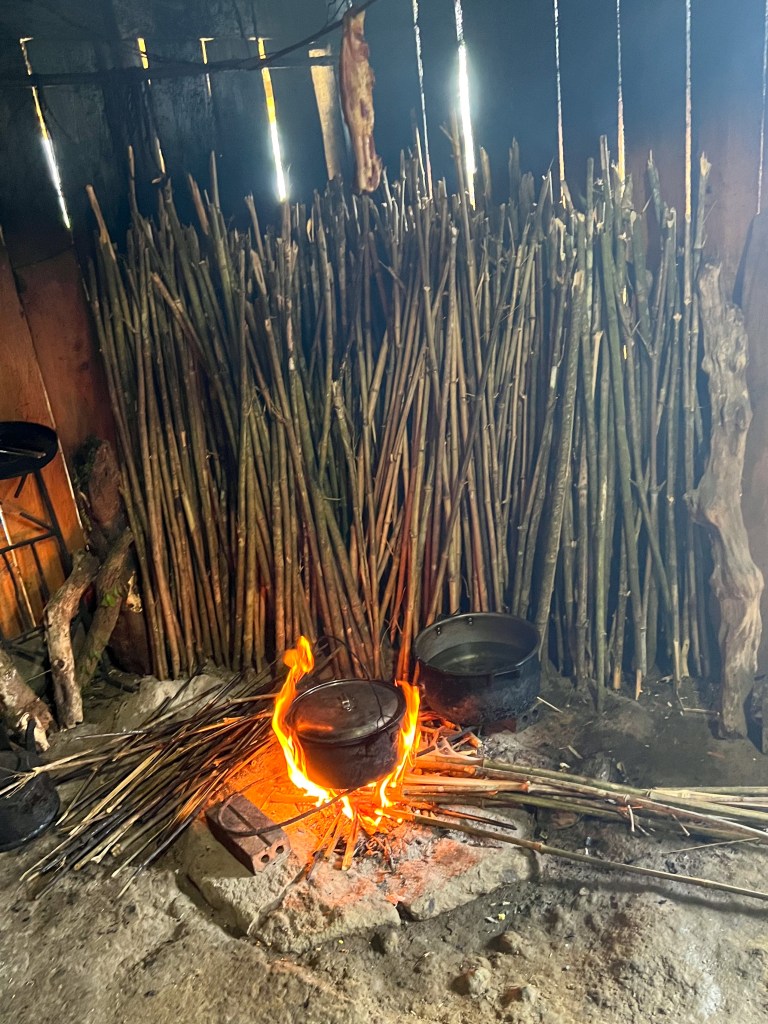
The latter two days of my time in Sa Pa were definitely the highlight. Dubbed the “Buffalo Trek”, the 2 day/1 night trek took our group of 6 through the Sa Pa mountains, following the H’mong’s people’s trails used to take care of their livestock. The path went through villages, rice paddies and a forest high in the mountains. For the two nights, we paid some local villagers to stay in their homes, where we got to spend some time with them and their families. We were fortunate enough on our trek to have a wonderful local English speaking H’mong guide, who took the time to tell us about the traditional way of life in the villages and give us an account of how tourism has changed the villages in Sa Pa.

On the trek, we saw a lot of rice patties-

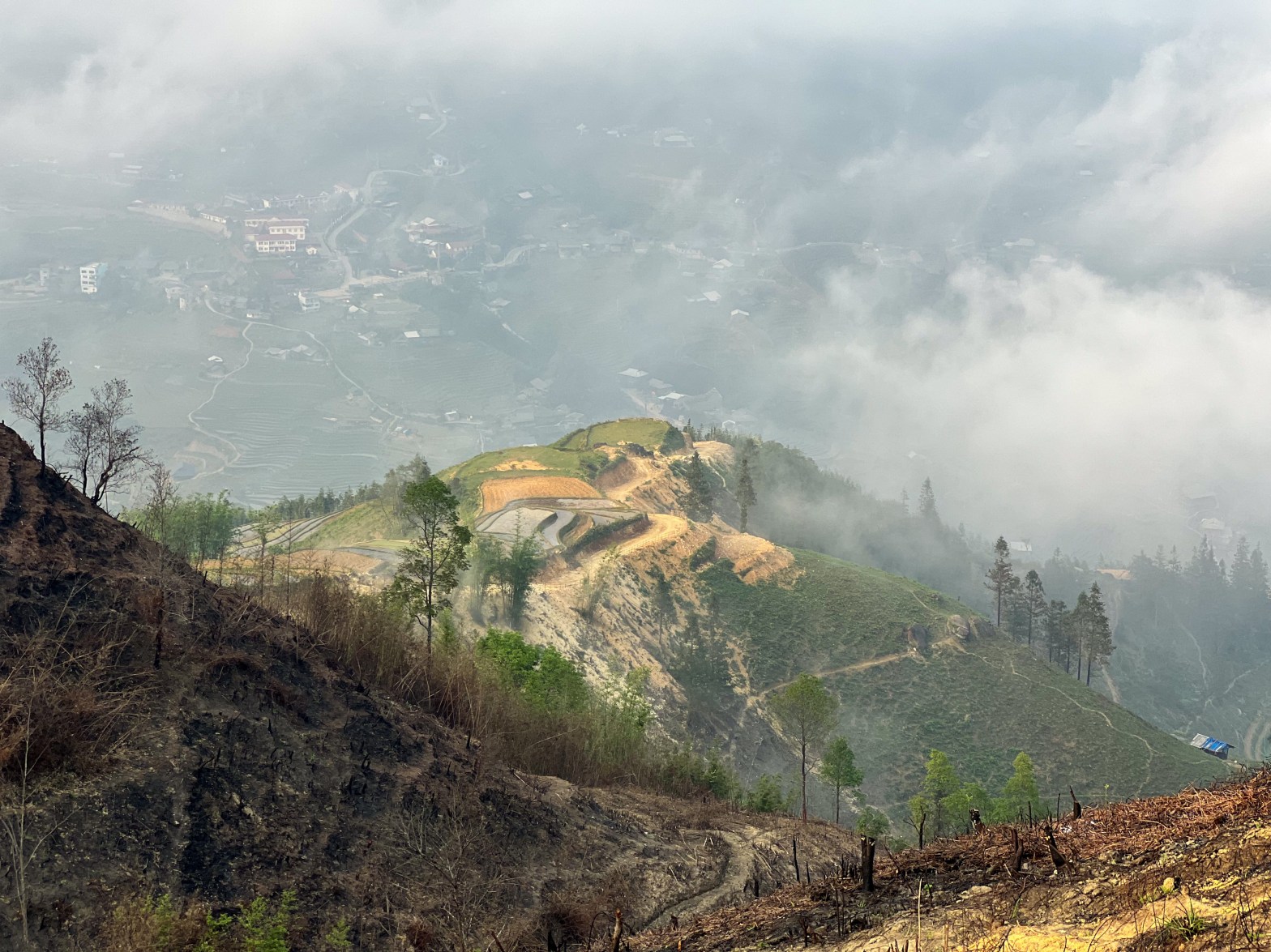
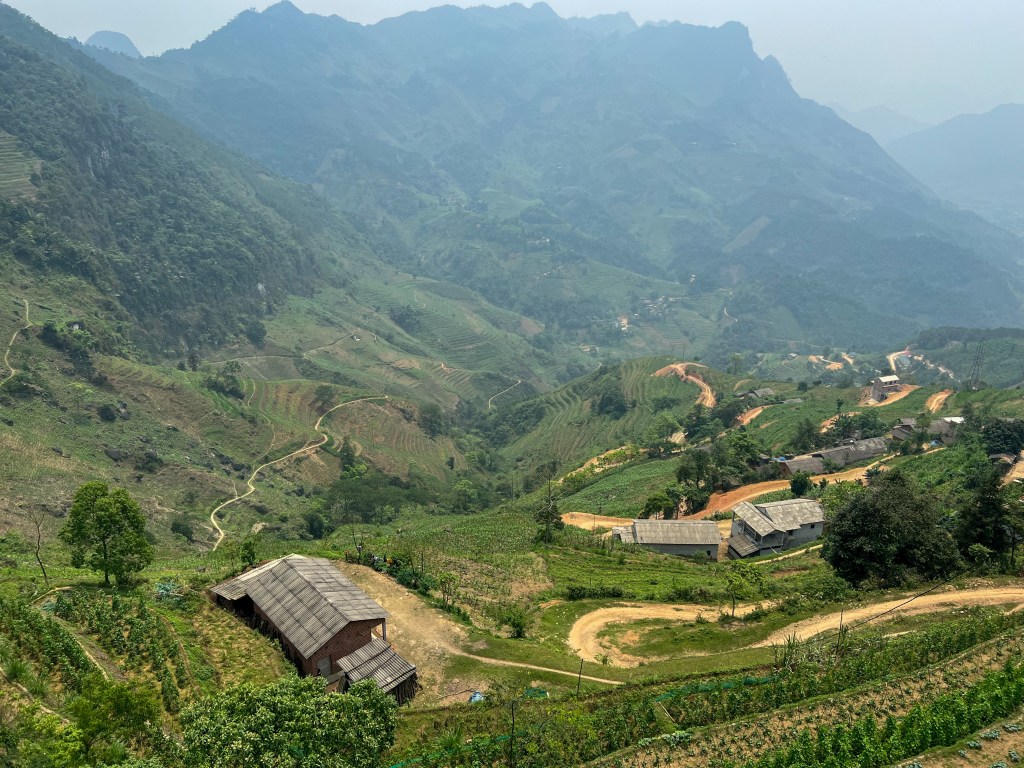
And saw some great mountain view’s –

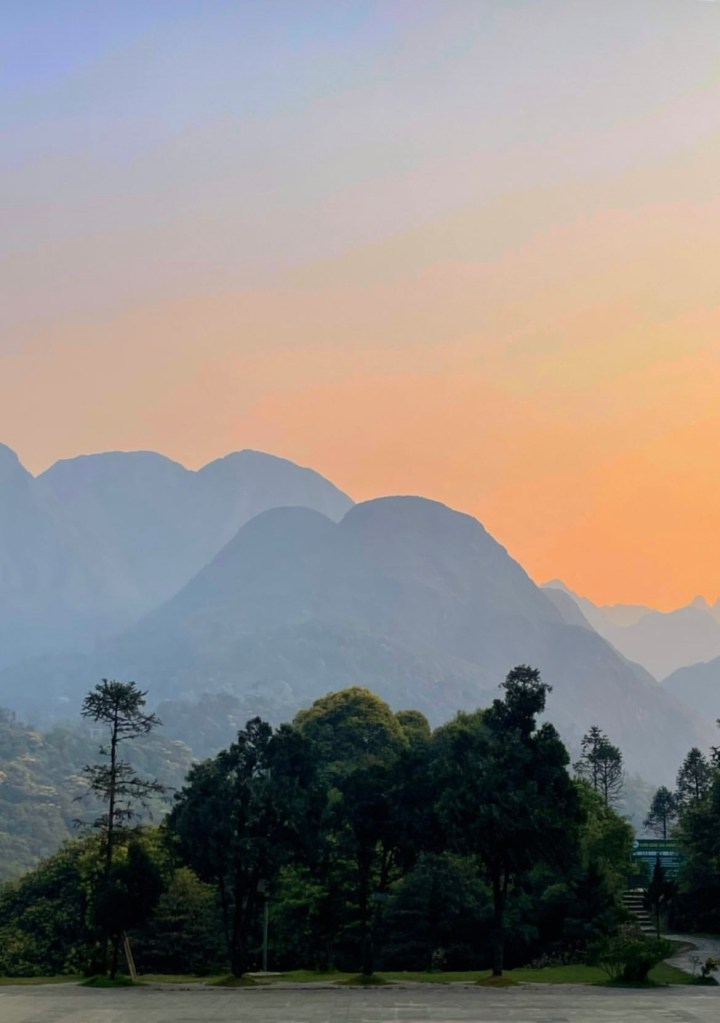
As well as a great sunrise –

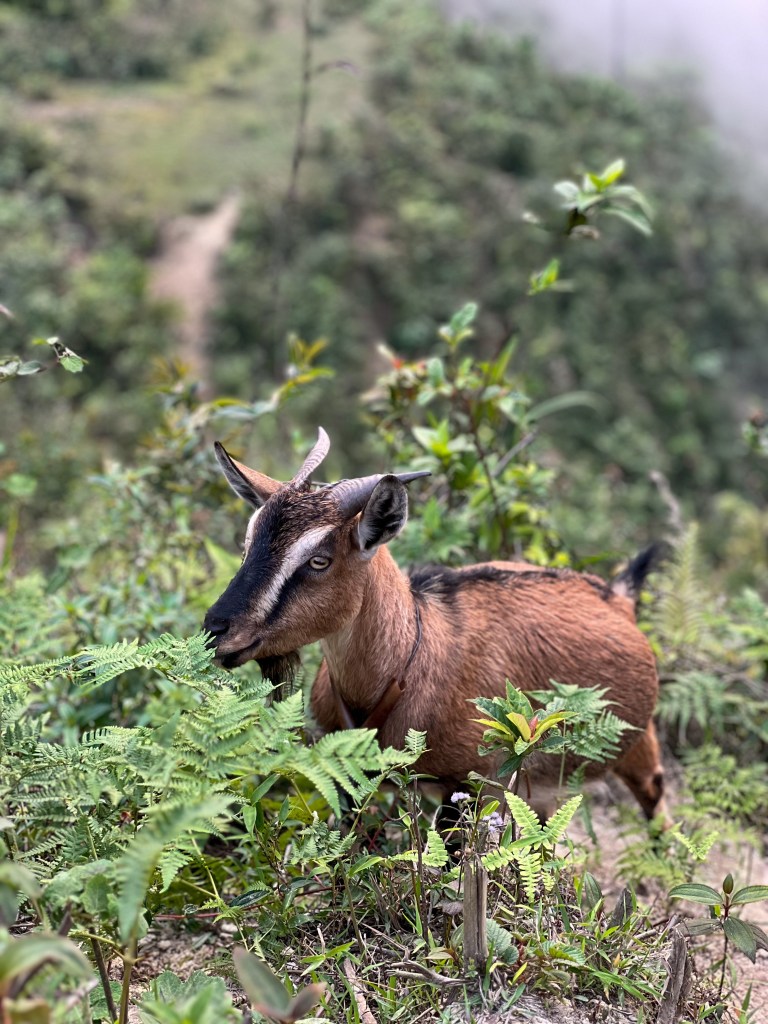
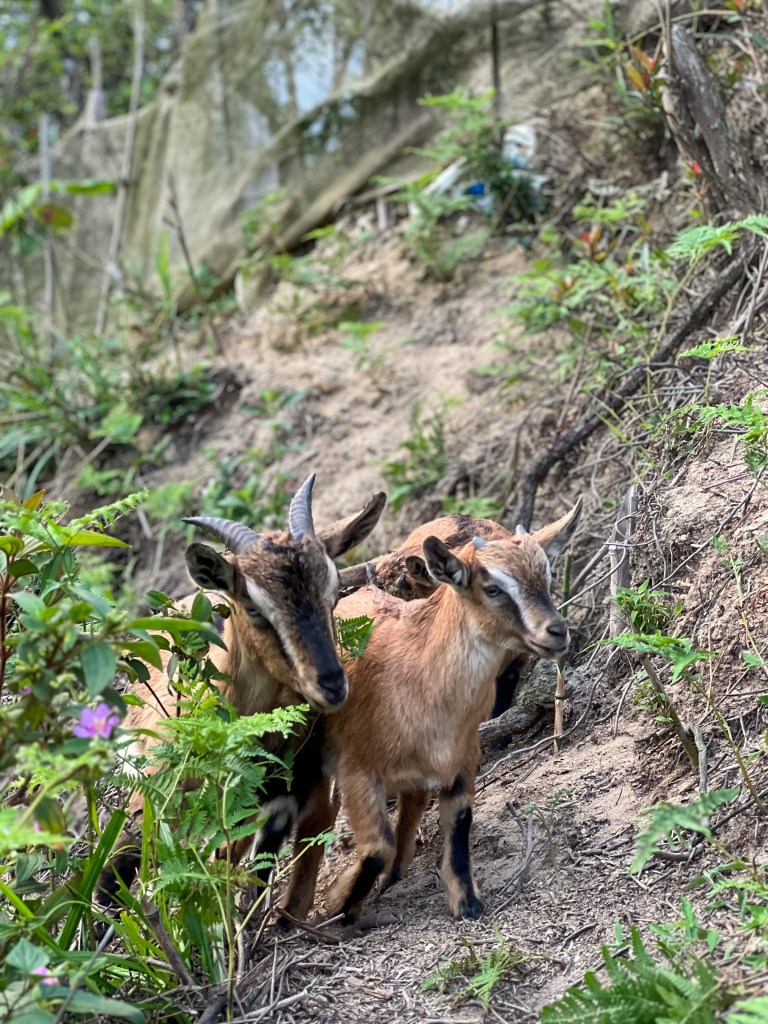
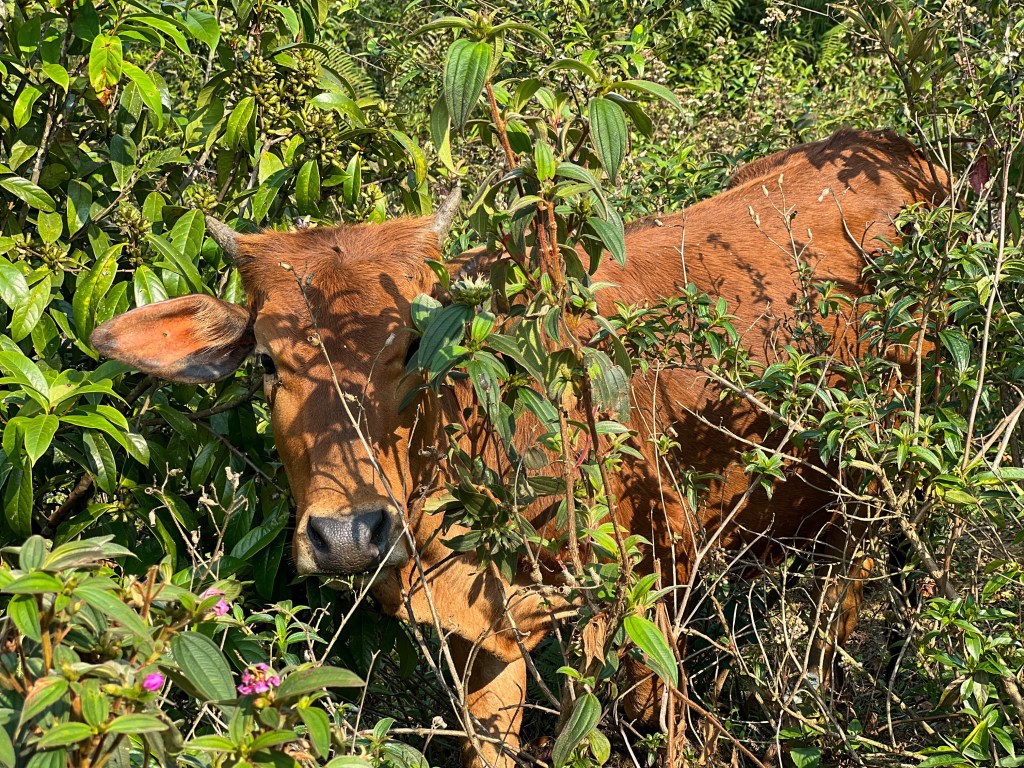
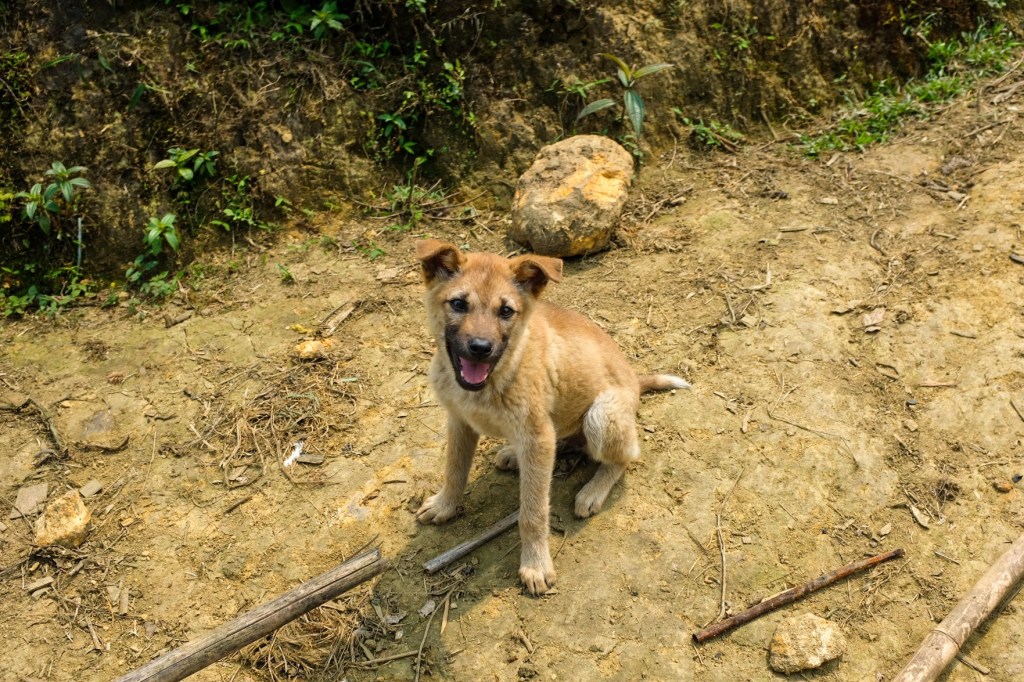
Some cute (and less cute) animals –

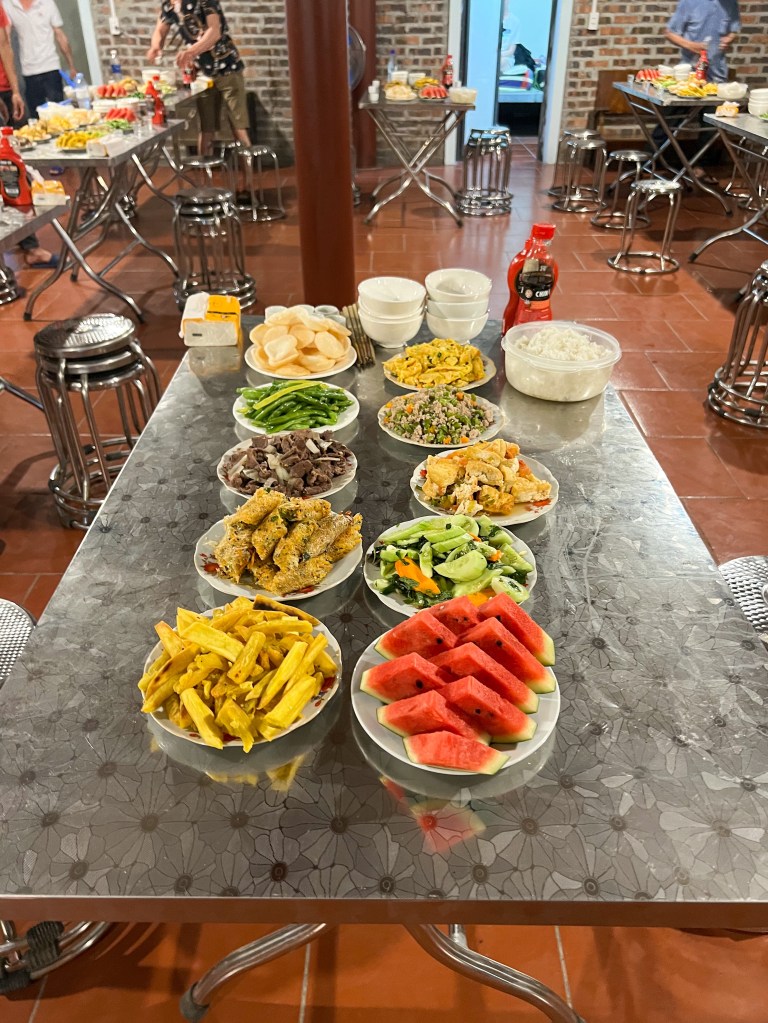
And a lot of great food

Sa Pa was a great introduction to the ethnic and cultural diversity in Vietnam, and the views were some of the best I’ve seen in the country.

Ha Giang Loop

After returning to Sa Pa from the Buffalo Trek, I caught an evening bus to Ha Giang, about 6 hours from the mountain town.

Ha Giang is a city located on the banks of the Lo River in the Northeast region of Vietnam on the border with China. It is the home of a good number of ethnic groups living throughout the rocky plateaus. Every ethnic village of Ha Giang has their own traditions and customs, and most residents in the region work in agriculture.

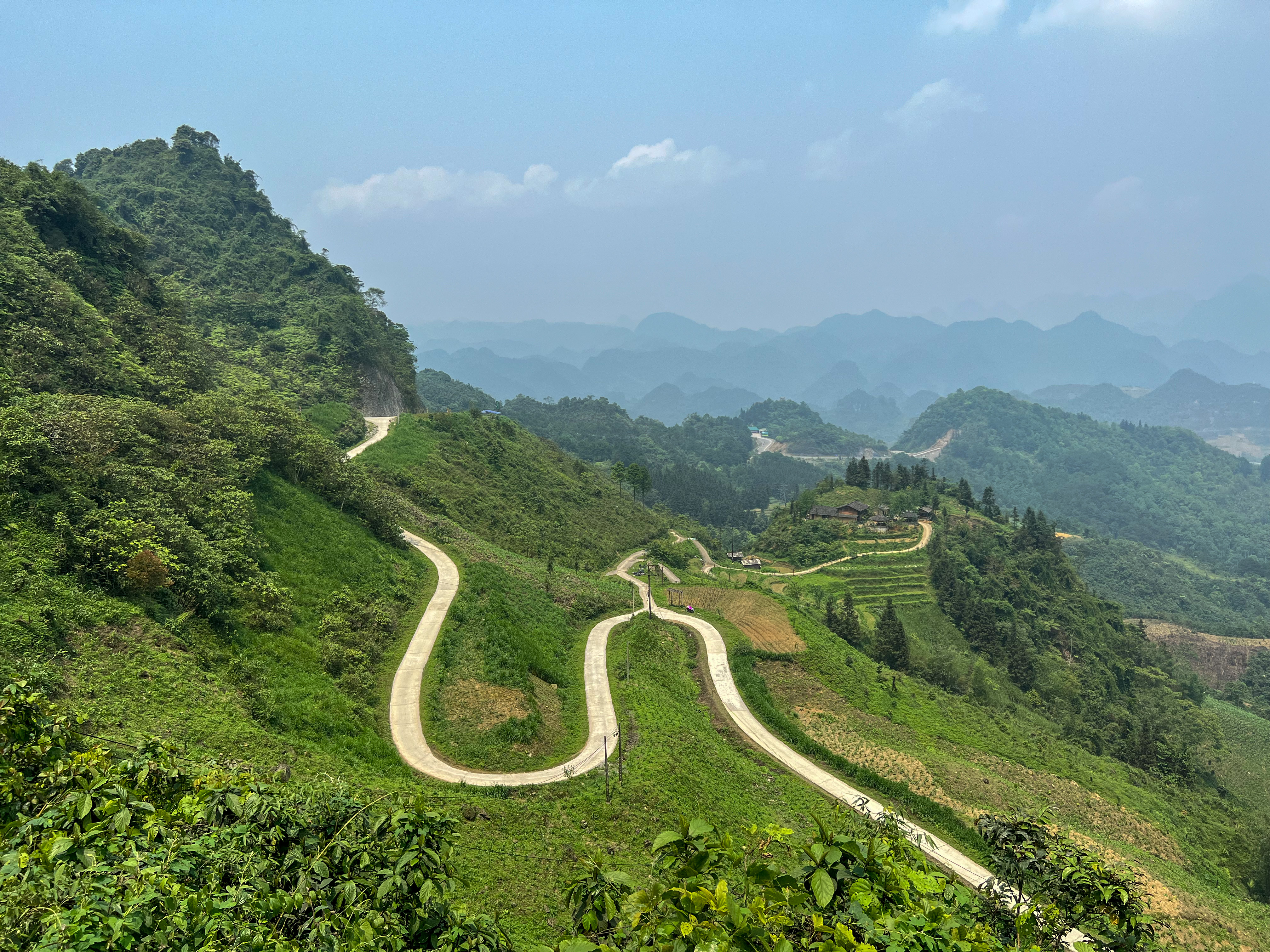
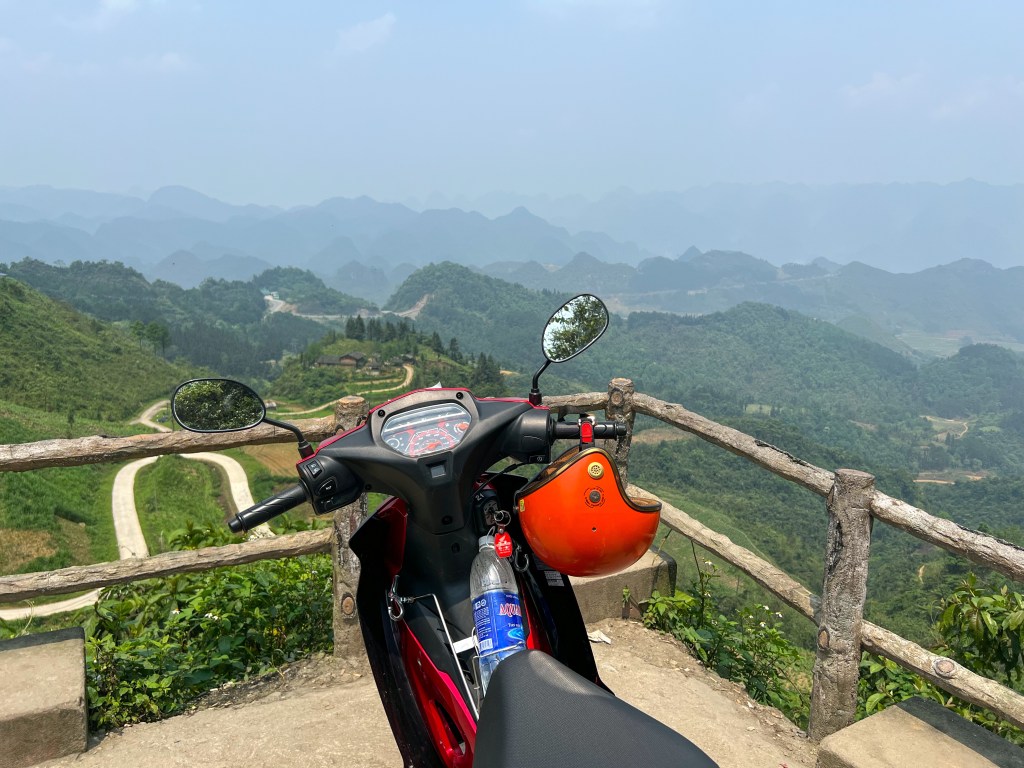
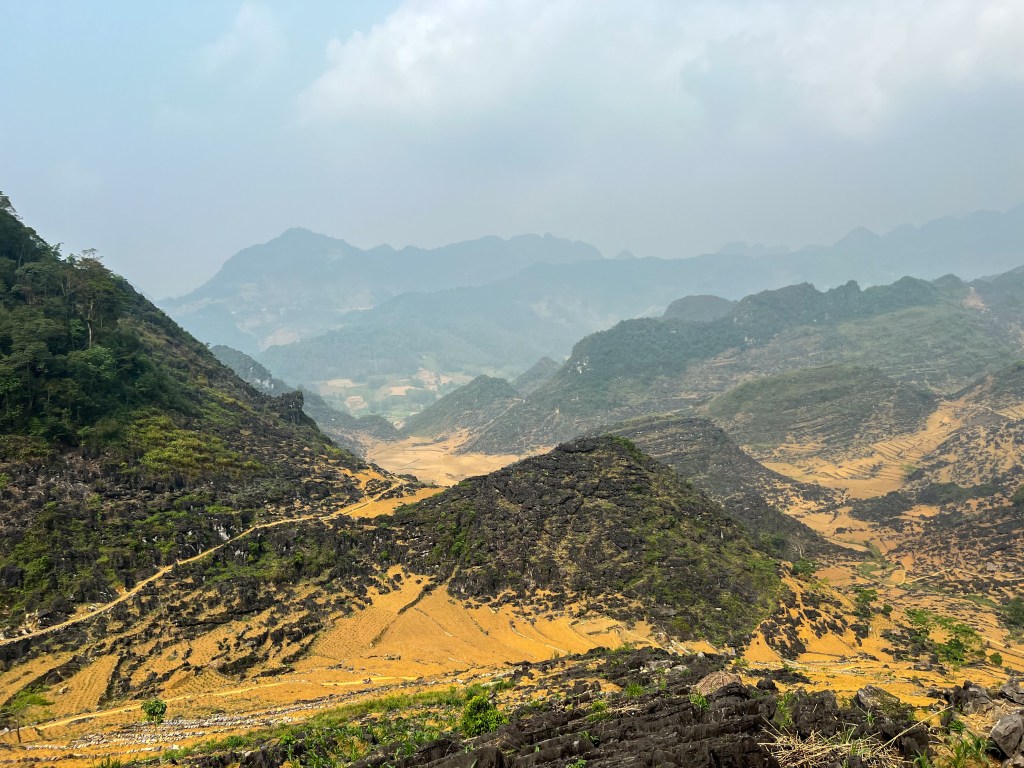
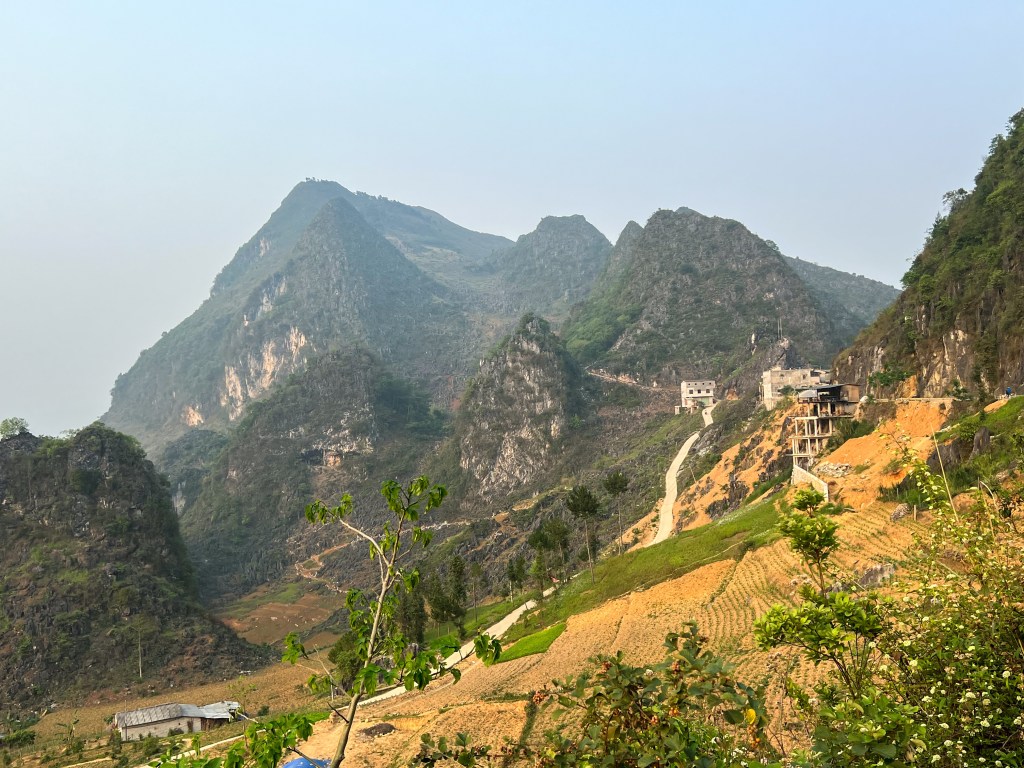
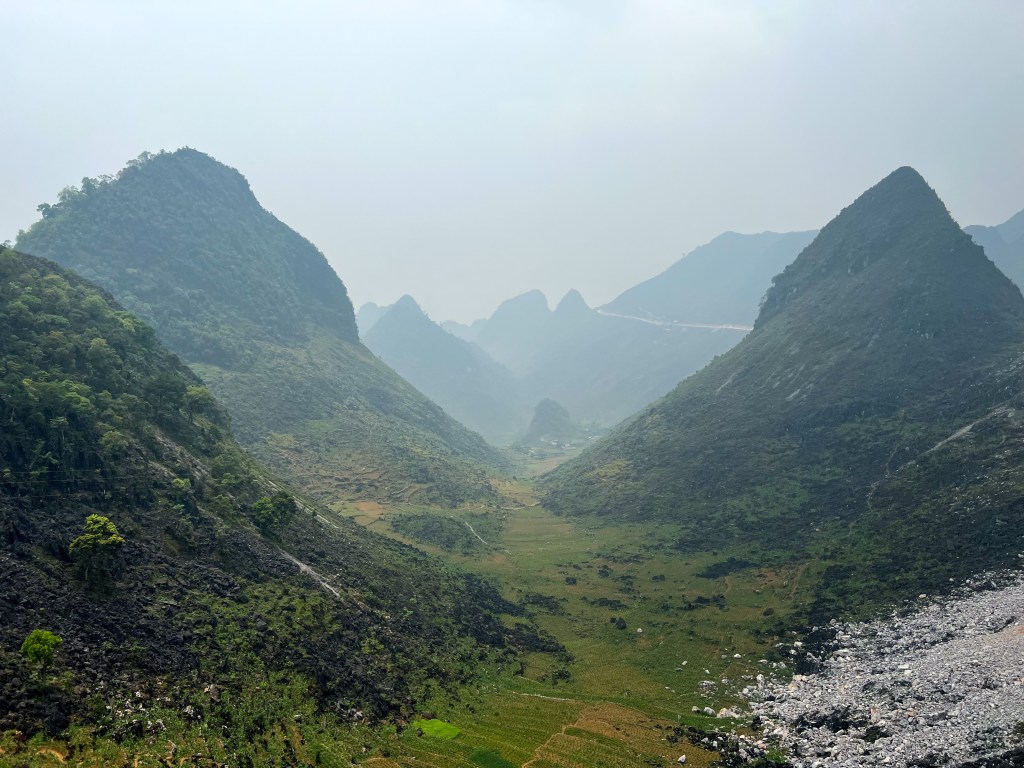
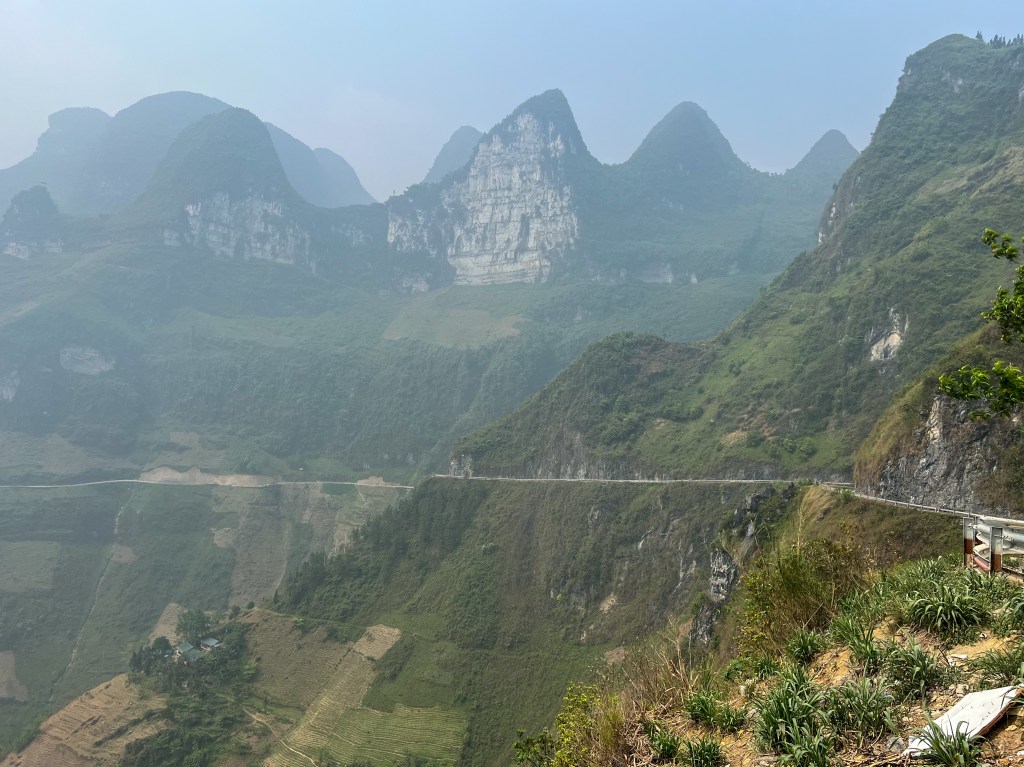
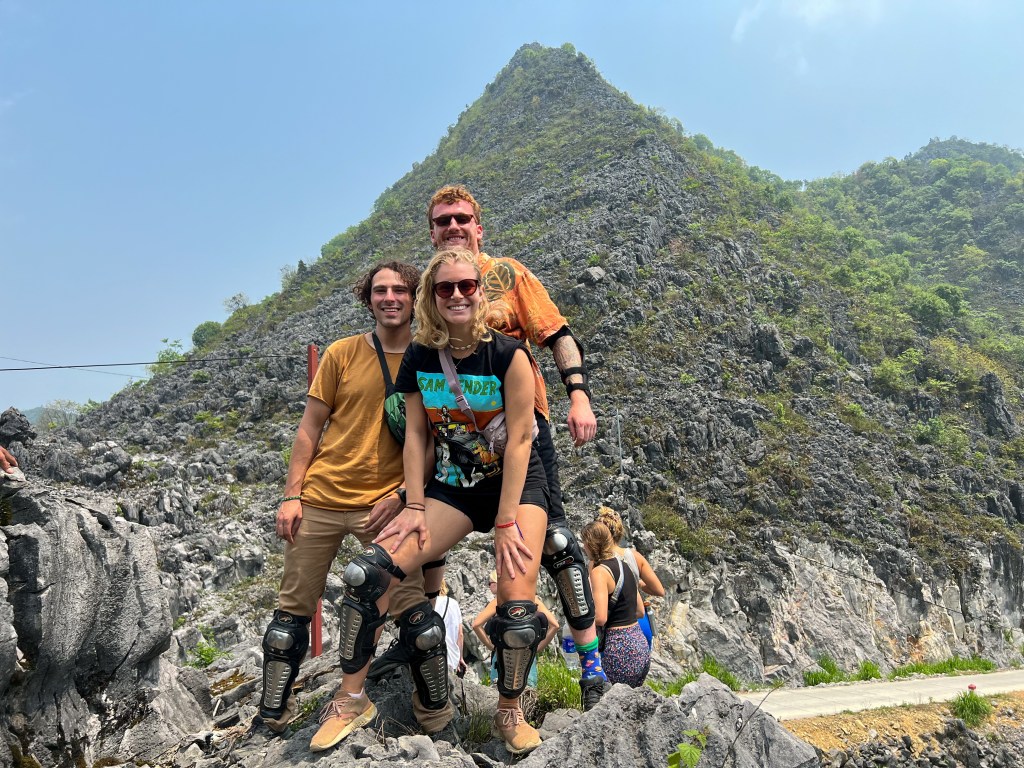
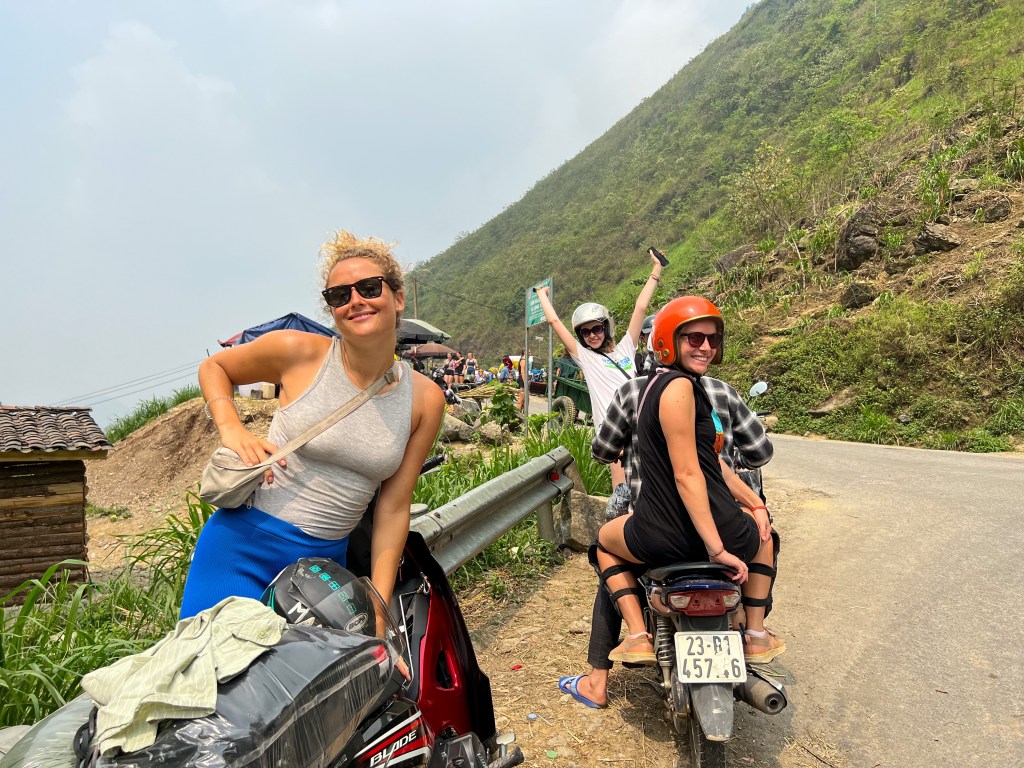
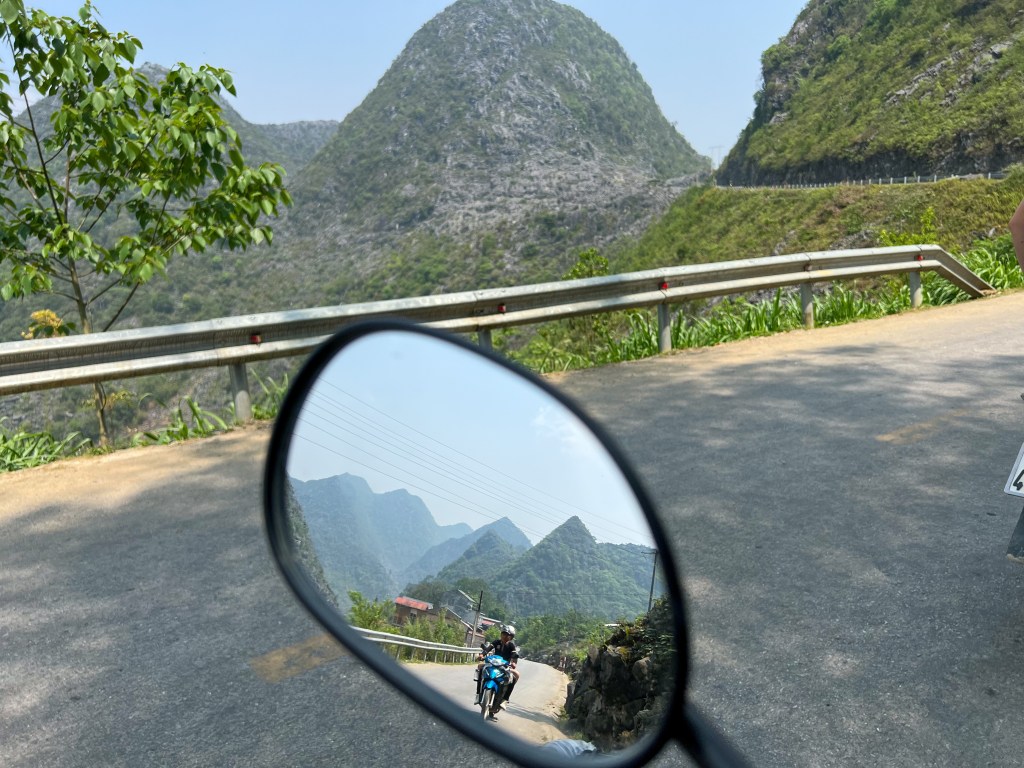
The Ha Giang loop is a circular route renowned for being a motorcycle ride – the best way to experience the region due to the tight and winding roads that encompass the mountainous region. Full of stunning landscapes and roads that climb through the clouds before plunging into valleys, every corner offers a photogenic view of the region’s raw nature.

While some travelers choose to do the loop solo, I opted for a 3-day tour with a guide who knew the loop and its best views like the back of his hand. It also avoids some other challenges the loop presents regarding corruption and police. I’ll start by saying that I, personally, did not have any issues with police in Vietnam – many of whom were quite kind and helpful towards me; however, I have heard several stories of illegitimate arrests/fines and mandatory paying-off of the cops by foreigners. The Ha Giang loop, as a fairly new tourist destination, is particularly susceptible to this. Throughout the main town of Ha Giang and parts of the loop, there are police checkpoints. While the cops tend to leave riders alone, they will occasionally stop and search travelers, after which they make up a crime and require a payment to make it disappear.

This is not my first time dealing with corrupt law enforcement – Tanzania, Mexico, Colombia, and now… here. Most of the time, they leave you alone after you offer a donation with your license; but, I’ve found the best tactic is to position yourself with a local. When you are with someone from the area, the cops usually ignore you, and if they choose to still harass you, the local can usually strike a deal for you, reducing the payment to a couple bucks or a warning.

While not my favorite part of traveling, it is something everyone has to navigate. Joining a group with a guide, I could enjoy the ride without worrying if I had enough cash donations on me to get me through.

The main Ha Giang Loop is: Ha Giang – Yen Minh – Dong Van – Meo Vac – Du Gia – Ha Giang. It’s approximately 150-200 miles and is typically ridden in three to four days with some route variations. Here’s a map of the loop:

The scenery was unlike anything I’ve ever seen – a combination of the jungles in Jurassic Park and King Kong maybe?

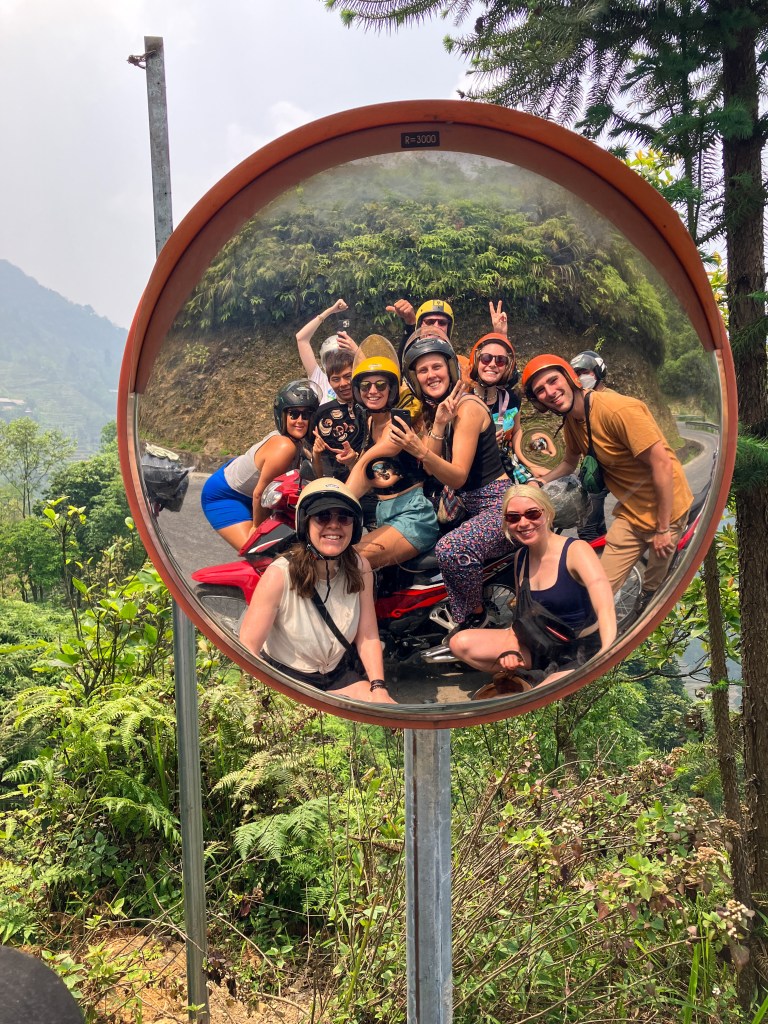
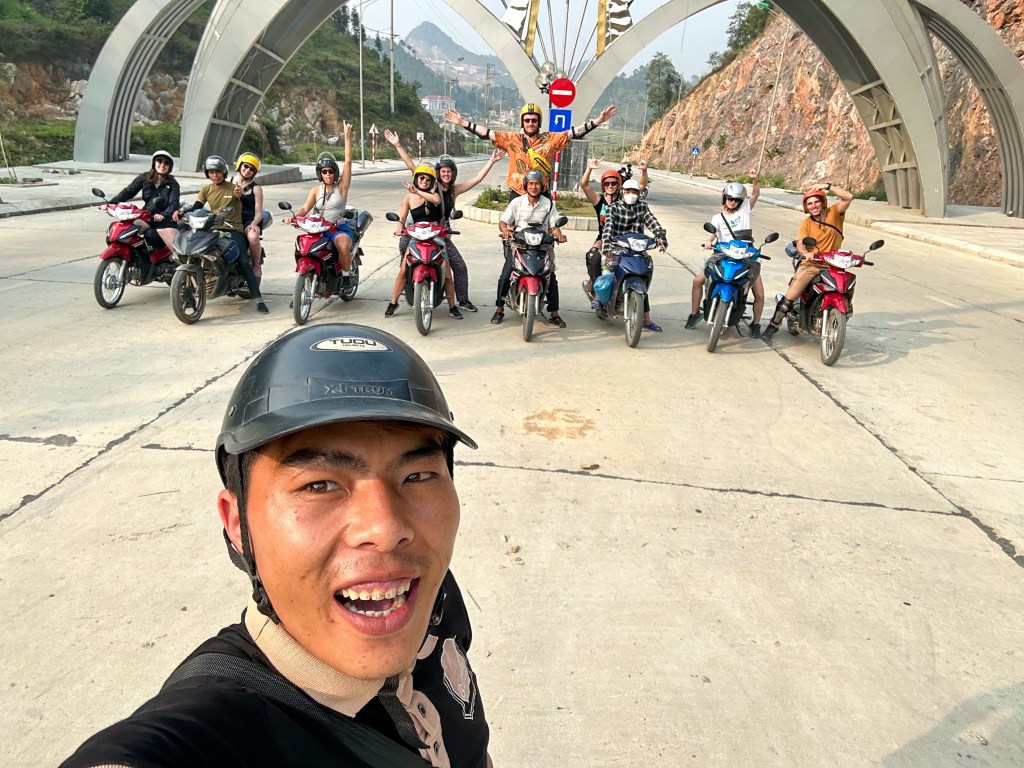
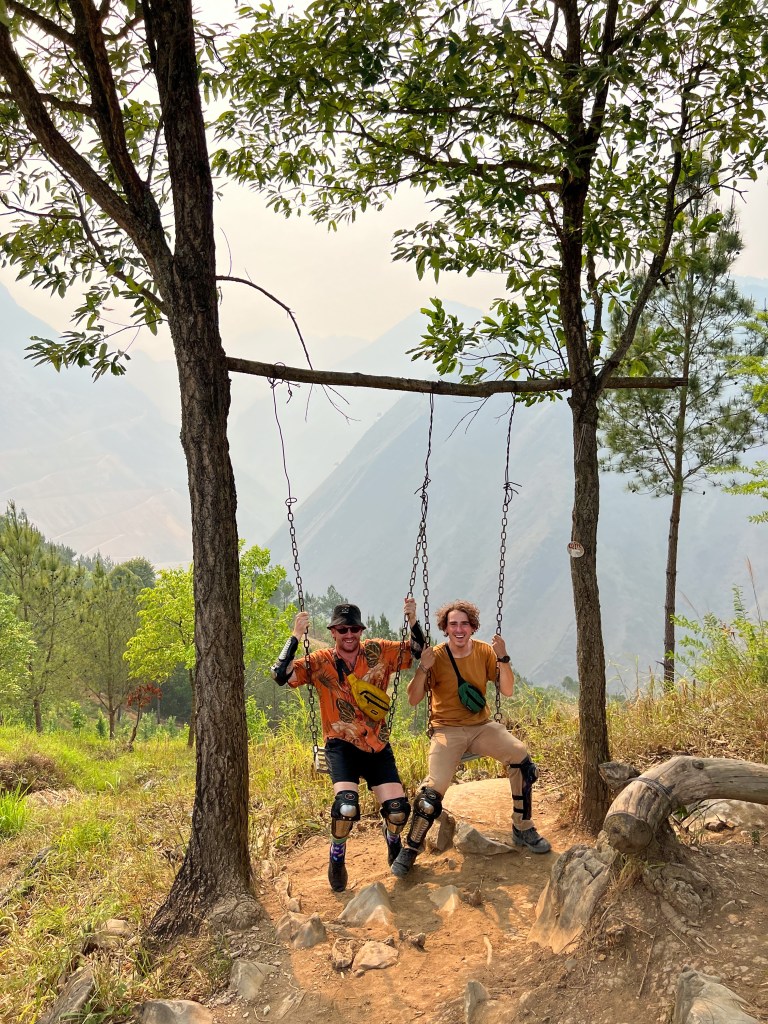
In a group of about 10, we all rode together during the day – traversing the winding mountain roads – and hung out in the evenings – playing cards and singing karaoke with our guides and drivers.

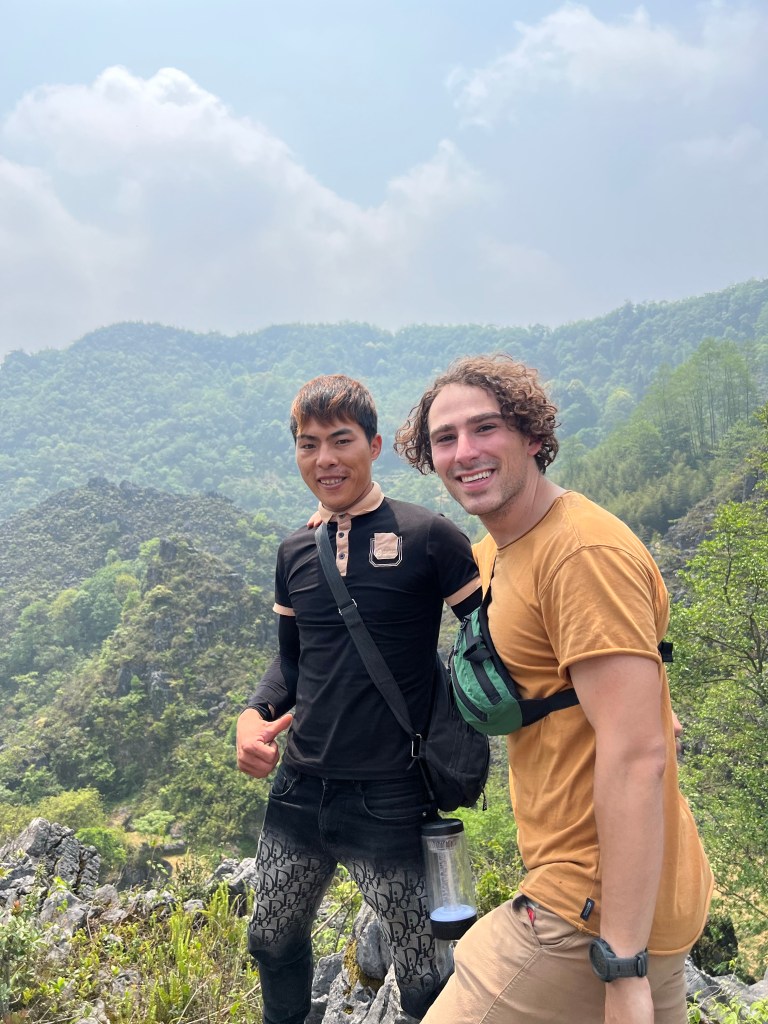
Wind blowing in your face, a combination of exhilaration, fear, relaxation, and joy – riding the Ha Giang Loop was an emotional and physical pleasure unlike anything I’ve experienced before. While I don’t think I’ll be buying a motorcycle anytime soon (I’ve seen too many broken bones//road burns in the ER), the few days of adrenaline & nature were a wonderful way to wrap up my time in Vietnam.

Conclusion

My last evening in Vietnam, I sat by the Ho Hoan Kiem lake, boba ice cream in my hands, watching the night market’s of Hanoi go by.

I remember the first time I heard of Vietnam. In Elementary school, after reading a book about a US Army solider in WWII Germany, I eagerly picked up a book by the same author about a US Marine in Vietnam. My eagerness quickly dissolved into terror as the fantastical tales of WWII were traded for a nightmarish journey of jungle warfare and loss. I can’t remember the name of the book or the author, but the story has stuck with me over 15 years later.

After that experience, Vietnam was a place of mystery to me – a world that felt so different and far away from my own. As I got older and was able to better grasp the Vietnam War, I knew I would want to one day experience and deepen my understanding of the country. I will speak more about what I’ve learned re. the American involvement/occupation in Vietnam in my bookclub blog post on the Sorrow of War. But I will briefly say here how grateful I am to be welcomed so warmly by this country, and to learn so much the unique spaces it has to offer.

One of the best parts of traveling is the way in which it bridges the gap between various lifestyles and perspectives. It forces you to search for similarities or broaden your understanding to that of those around you. My 3 weeks in Vietnam offered me this – a chance to better grasp a world that had always been shrouded in mystery from my American upbringing – a chance to reeducate myself on a world that is so different, and yet so similar to my own.

See you next week in Laos,

Sam
Days 96 – 101: Hanoi, Ninh Binh, & Ha Long Bay

Hanoi – “Inside of the Rivers”

Hanoi is the capital and second-largest city in the Vietnam, located within the Red River Delta. The city’s history dates back to 200 BCE, when a portion of the area served as the capital of the Au Lac civilization before being taken over by China’s Han Dynasty. The city celebrated its 1000-year anniversary in 2010 when Vietnamese emperor Ly Thai To founded the capital of the imperial Dai Viet nation.

The city was first named Hanoi in 1831, and served as the capital of French colonial Indochina from 1902 to 1945. The Democratic Republic of Vietnam established Hanoi as its capital, which would last during the First Indochina War (1946–1954) and the Vietnam War (1955–1975). Hanoi has been the capital of the Socialist Republic of Vietnam since 1976.
Packed with history, the city boasts a powerful fusion of identities that offer a great diversity of architecture, culture, and, of course, food!

Catching a night bus from Hue, I arrived in Hanoi in the early morning. Eager to get started, I dropped my gear off at the hostel and headed into the city.

I first visited the Hoan Kiem Lake and the Ngoc Son Temple, which were just a few minutes from my hostel in the Old Quarter.

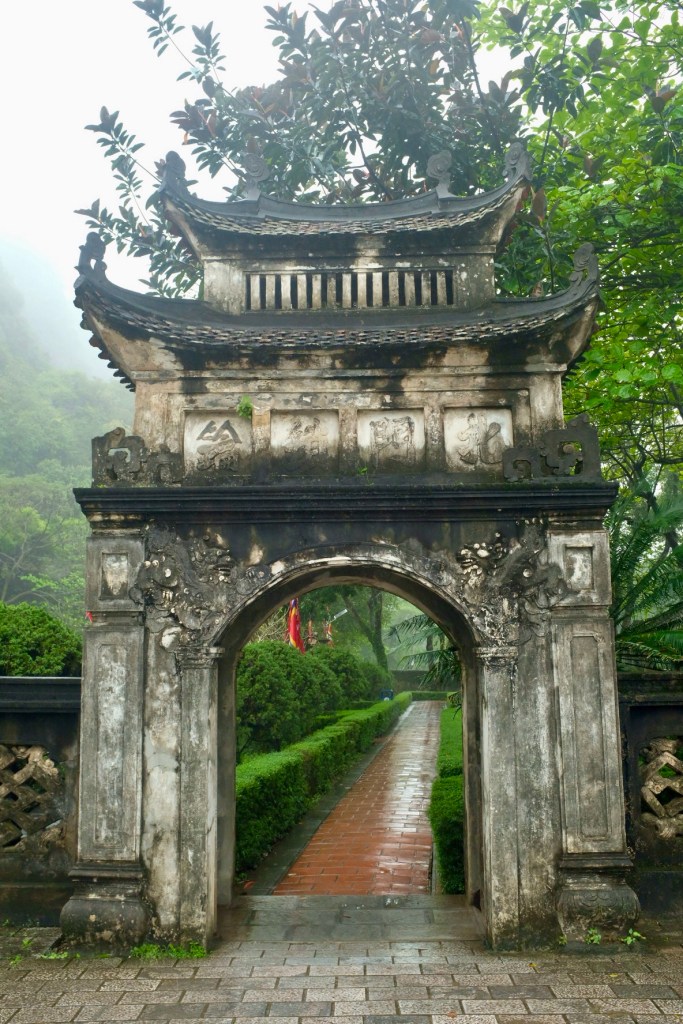
After I got my fill of the scenic lake-temple-bridge combo, I headed to the Temple of Literature. Built in 1070, the temple hosts Vietnam’s first national university, the Imperial Academy. It is one of a few temples in Vietnam dedicated to Confucius, sages and scholars. The temple is also featured on the back of the 100,000 Dong banknote!

Feeling a bit tired from the bus ride, I searched for a coffee shop and came across one of the best cafe’s I’ve ever been to. A “pay what you feel” coffee-bar, “Phin Bar”, offered me a proper introduction into the wonderful world of Vietnamese specialty coffee. A cafe with a couple locations, I would return here multiple times for my caffeine fix.

After re-caffeinating, I visited Ho Chi Minh’s Mausoleum. Reminiscent of the Tomb of the Unknown Soldier in Arlington Cemetery, the monument serves as the resting place of former-Vietnamese revolutionary leader and President. I spent some time here to learn more about Ho Chi Minh and his history. Born in 1890, he left French Indochina at 21 and spent the next 30 years living abroad in France, Britain, the U.S., the Soviet Union, and China. From 1919 to 1923, he began to show an interest in politics while living in France – and his political convictions continued to grow and develop over the course of the next 2 decades. In 1941, Ho Chi Minh returned to Vietnam to lead the Viet Minh independence movement against the Japanese occupation. Following a successful revolution in 1945, Ho Chi Minh became the Chairman of the Provisional Government of the Democratic Republic of Vietnam.

Fast forward to the conclusion of the 1954 Geneva Accords, Communist forces led by Ho Chi Minh regrouped in the North while the anti-Communist groups settled in the South. This is where Ho Chi Minh would serve until his death from heart failure in 1969, in the midst of the Vietnam War. I’ll have more to say about Ho Chi Minh when I discuss the Vietnam War but that’s enough for now.

Fun Fact: In 1946, future Israeli Prime Minister David Ben-Gurion and Ho Chi Minh met when they stayed at the same hotel in Paris. He offered Ben-Gurion a Jewish home-in-exile in Vietnam, but Ben-Gurion declined, telling him “I am certain we shall be able to establish a Jewish Government in Palestine”.

The next day I spent the day exploring the other main landmarks, hanging out at cafes, and eating a lot of food.

Ninh Binh

After a couple days in Hanoi, I caught an afternoon bus to Ninh Binh, a small town in the Red River Delta about 2 hours south of Hanoi.

When I was initially planning my Northern Vietnam trip, a lot of people said I should skip Ninh Binh – that it was nothing special/worth the drive south. After spending a couple days there, I would say it is VERY MUCH worth it for anyone in the area – even if just for a day or two. A mesmerizing area known locally as ‘Ha Long Bay on Land’ thanks to the sheer limestone mountains looming over rivers and paddy-fields. The best way to explore the UNESCO world heritage site is taking a paddleboat tour along its rivers, and motor biking around its ancient city ruins and temples.

The first day I rode around, taking in the scenery and exploring the temples and ruins.

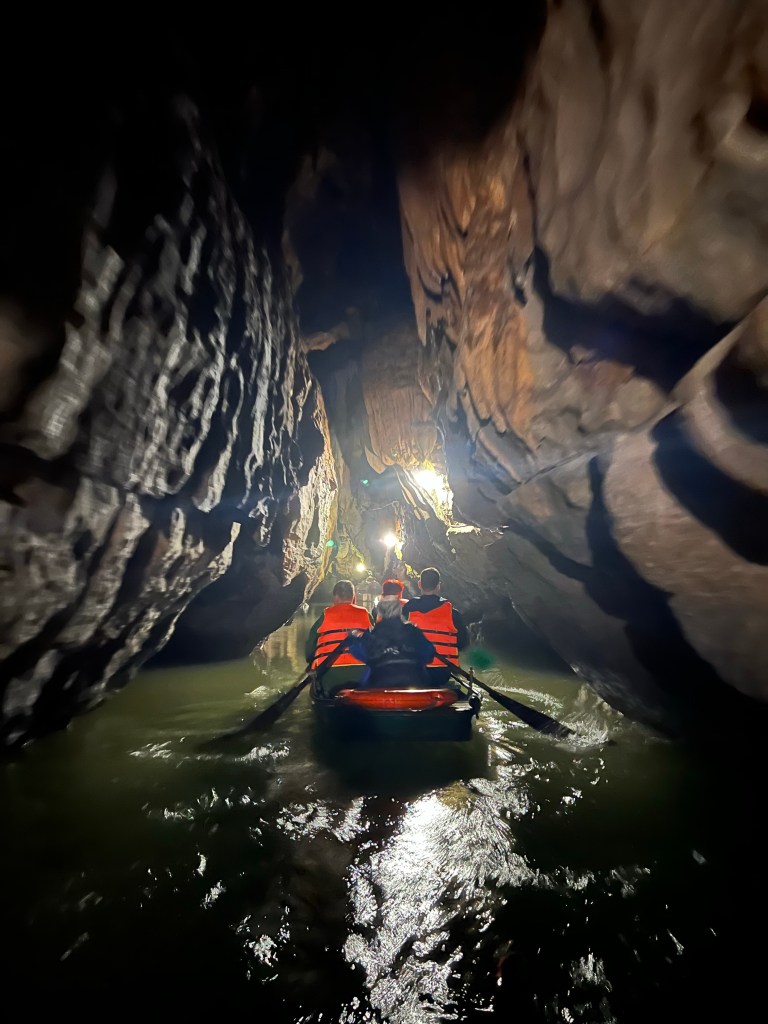
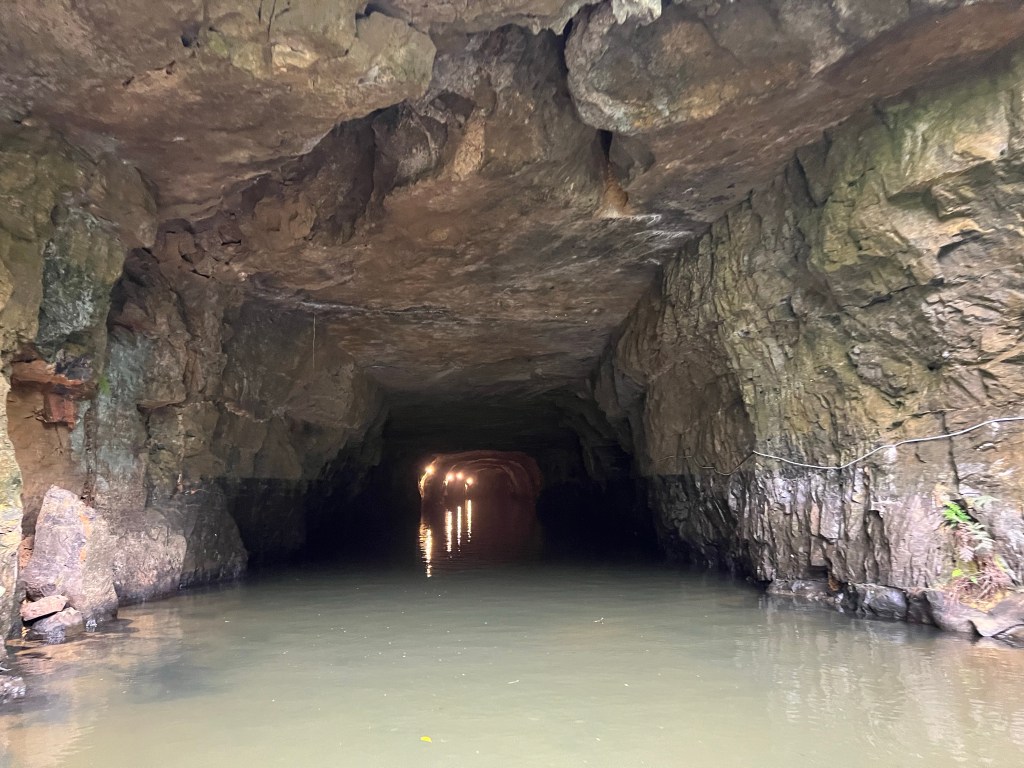
The next day, a friend and I took a boat tour around the rivers, temples, and caves in the area.

The second night, I drove around looking for a place to eat. Stumbling upon this small outdoor cafe, I ordered some soup, stir fry, and rice and sat around sipping ginger lemon tea. The food was, to my surprise, some of the best I’d had in Vietnam – so when I saw the restaurant-owner’s family sitting down to eat, I went over to compliment the mother who made my food. They quickly invited me to join them, having me try their meal – prawns, pork belly, bamboo shoots and rice – clementines for dessert, all washed down with rice wine and beer. I wasn’t really drinking since I left São Paul but this felt like a special occasion, and so we drank, ate, and talked. I was already very full, but I had such a great time trying their food and chatting with them. A farming family, they’d lived in Tam Coc (the town next to Ninh Binh) their entire lives. The son, 27, was my age and worked at the family restaurant running its day-to-day management. The mother was the chef, and the father farmed and shopped for the food. While I didn’t ask, I couldn’t help but look at the mother and father, who seemed to be in their 60’s, and think to myself, “where were you during the war?”. It’s a common thought that has come to mind while I have been traveling in Vietnam. Often, I find myself quite moved by how successful and positive this country feels despite everything – and how I feel no animosity towards me as an American. It’s very powerful to witness after all I learned about the violence we committed here.

Back to traveling. Ninh Binh is a wonderful area and a nice respite from the busy city-journeying that took up a majority of my time in Vietnam thus far.

Now, back to Hanoi for Ha Long Bay.

Ha Long Bay

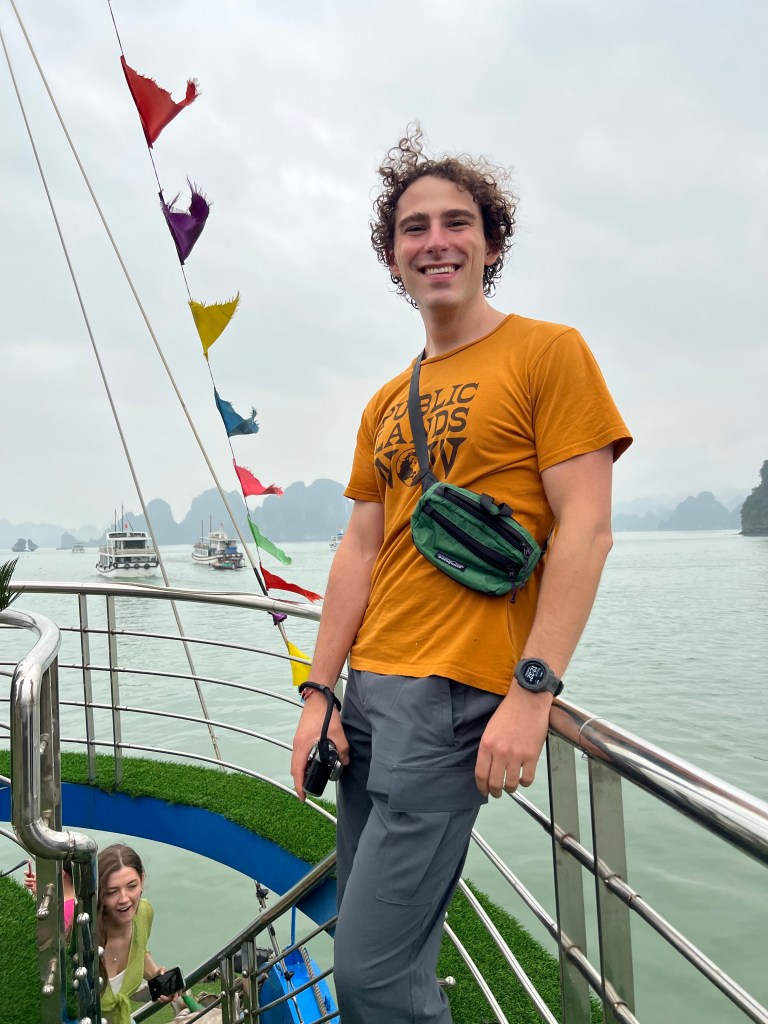
After returning to Hanoi from Ninh Binh, I splurged on a day cruise of Ha Long Bay, translated to “Descending Dragon”. A UNESCO world heritage site, the 600 square mile bay includes nearly 2,000 islets, most of which are made of limestone. The rock in the bay has gone through 500 million years of formation in different conditions and environments.

Here is a cool legend I found about the bay:

According to local legend, when Vietnam had just started to develop into a country, they had to fight against invaders. To assist the Vietnamese in defending their country, the gods sent a family of dragons as protectors. This family of dragons began spitting out jewels and jade. These jewels turned into the islands and islets dotting the bay, linking together to form a great wall against the invaders. Under magics, numerous rock mountains abruptly appeared on the sea, ahead of invaders’ ships; the forward ships struck the rocks and each other. After winning the battle, the dragons were interested in peaceful sightseeing of the Earth, and then decided to live in this bay. The place where the mother dragon descended was named Hạ Long, the place where the dragon’s children attended upon their mother was called Bái Tử Long island (Bái: attend upon, Tử: children, Long: dragon), and the place where the dragon’s children wriggled their tails violently was called Bach Long Vi Island (Bạch: white-color of the foam made when Dragon’s children wriggled, Long: dragon, Vĩ: tail), present-day Tra Co peninsula, Mong Cai.

While on the bay, we also made a stop at the Hang Dau Go (Wooden Stakes cave), the largest grotto in the Ha Long area.

We were fortunate to have a great group on the boat, and we spent the day chatting about our travels, kayaking through the bay’s cave tunnels, and playing volleyball on Titat beach.

While quite touristy, the boat tour was a great chance to see the bay and its endless arena of monolithic limestone islands. It was well worth it.

Conclusion

Feeling much better, I’m looking forward to really taking advantage of all Northern Vietnam has to offer – and there is a lot.

See you next week, as I trek through Sapa and motorbike along the Ha Giang loop.

Sam