Ho Chi Minh
After 18 hours of travel time (with a 12-hour layover in Bangkok), I was eager to settle in to my hostel and stretch my legs in Ho Chi Minh.

Formally (and still commonly known as) Saigon, Ho Chi Minh is the largest city in Vietnam, surrounding the Saigon River. Saigon was the capital of French Indochina from 1887 to 1902, and again from 1945 until its cessation in 1954. Following the partition, it became the capital of South Vietnam until the fall of Saigon in 1975, when the city was renamed Ho Chi Minh by the North Vietnamese. The city is well-known to many Americans for the 1968 Tet Offensive, when the People’s Army of Vietnam attempted to capture the city from the South Vietnamese Army and the United States Armed Forces.
Coming from India and Nepal, I entered Ho Chi Minh sufficiently adjusted to the culture shock that is typically associated with the chaos of Asian cities – crowded streets overflowing with food stalls, motorbikes, and pedestrians. I spent the first day navigating this world, which was admittedly a stark change from the desolate (and cold) Himalayan environment.
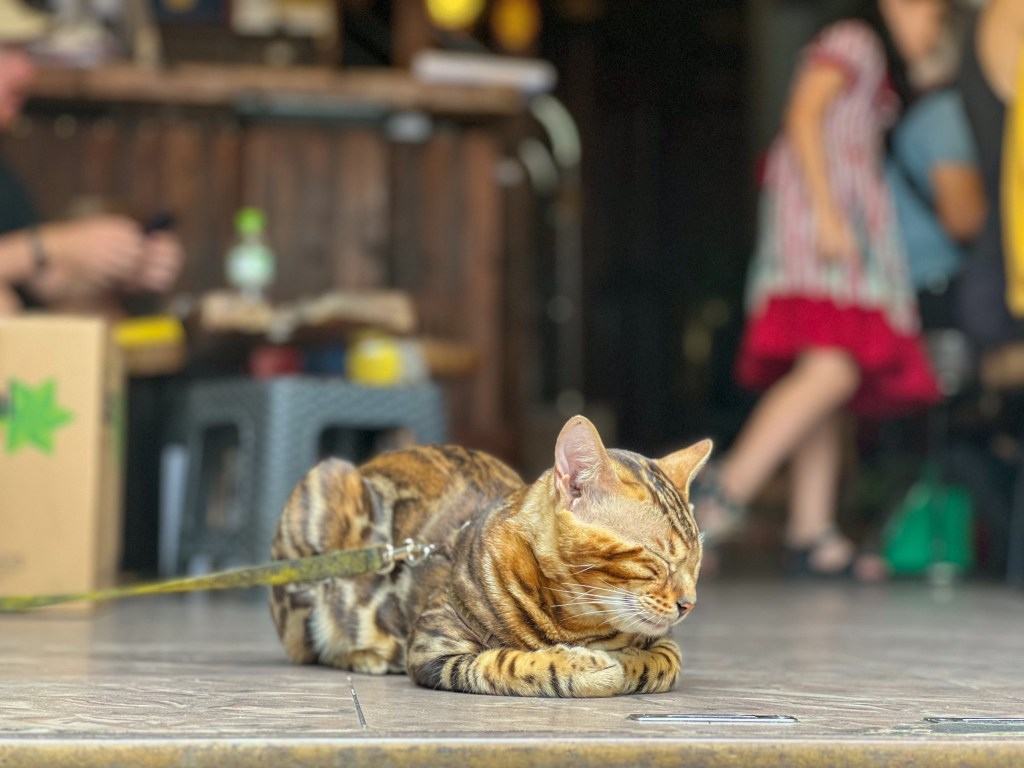
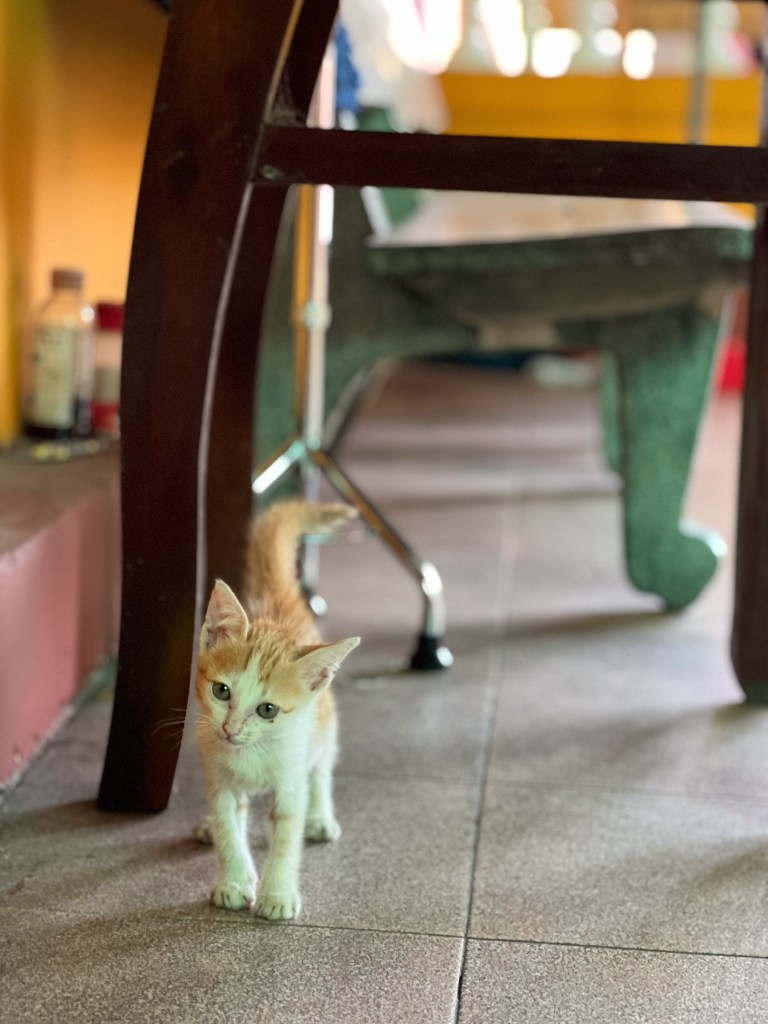
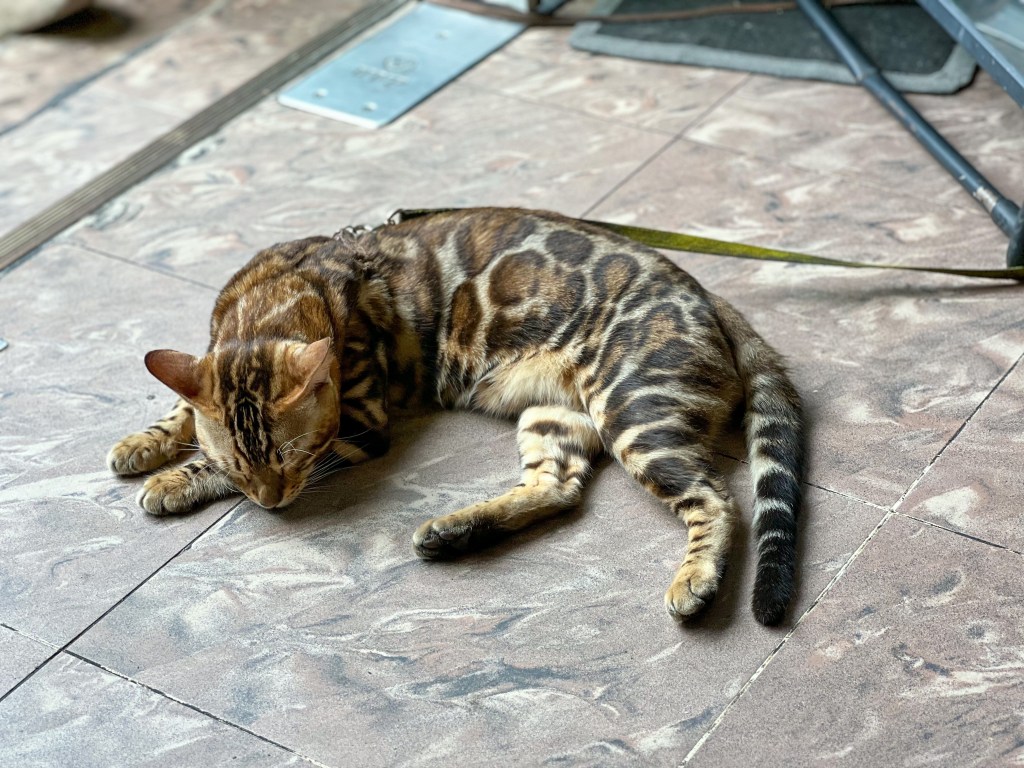
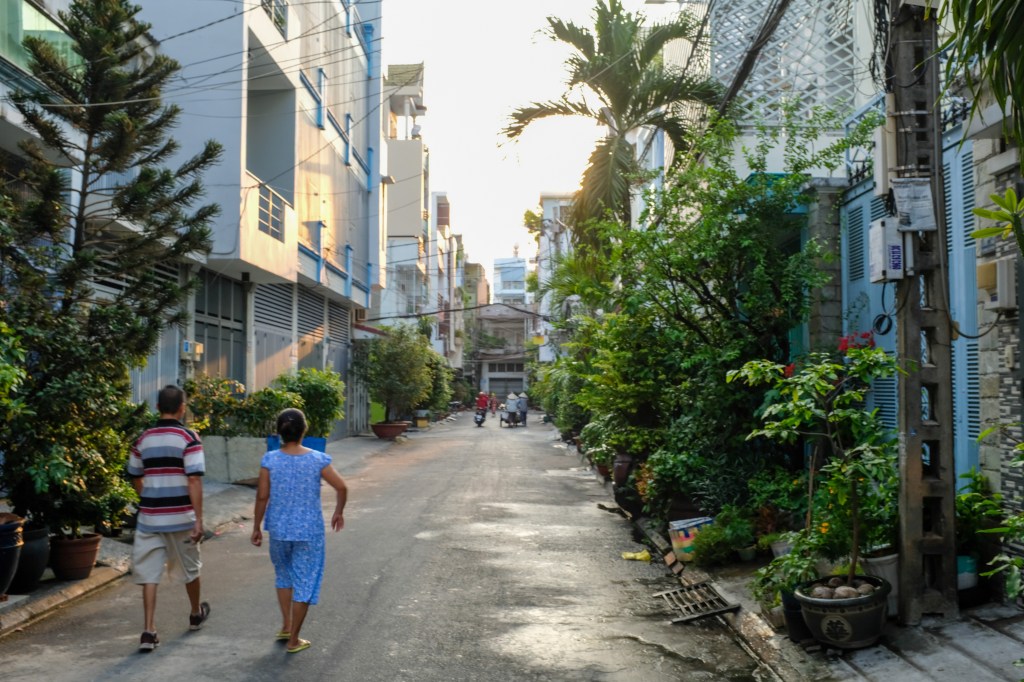
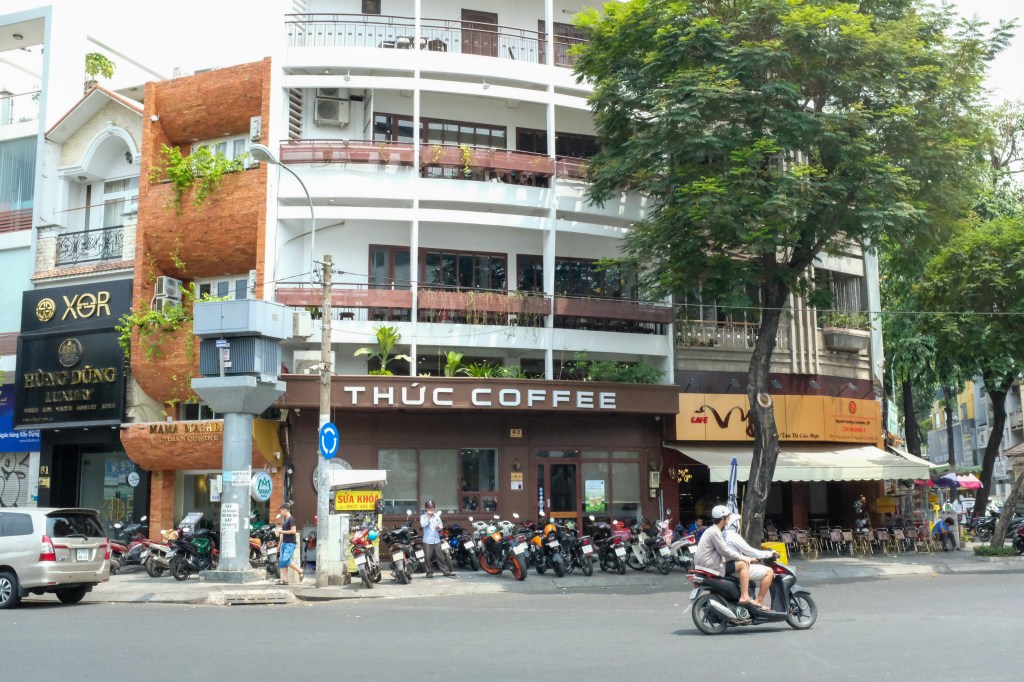
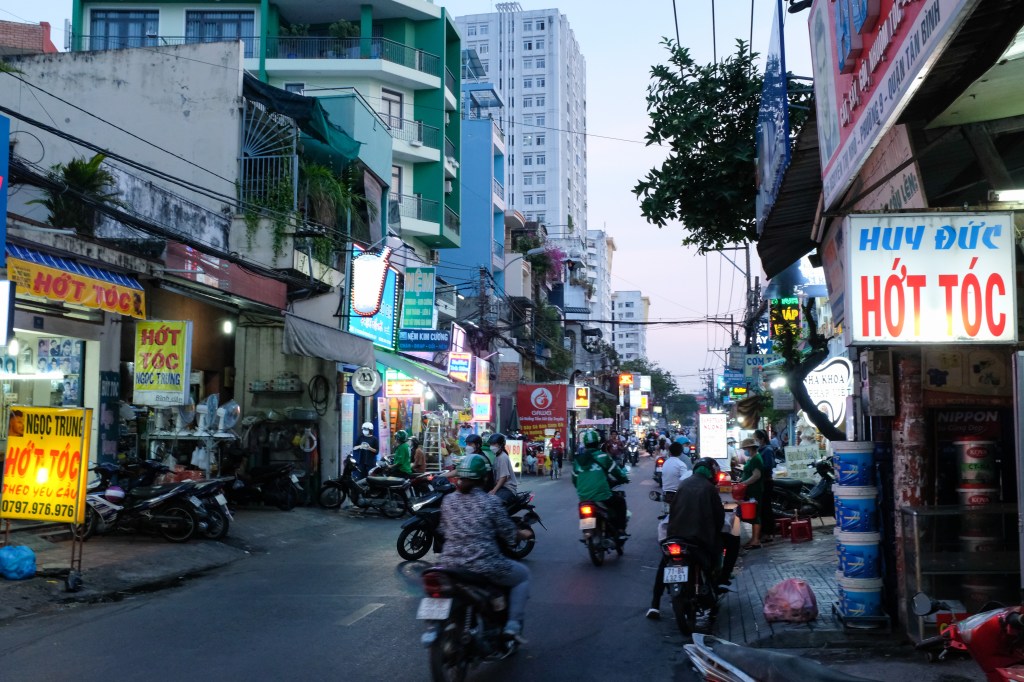
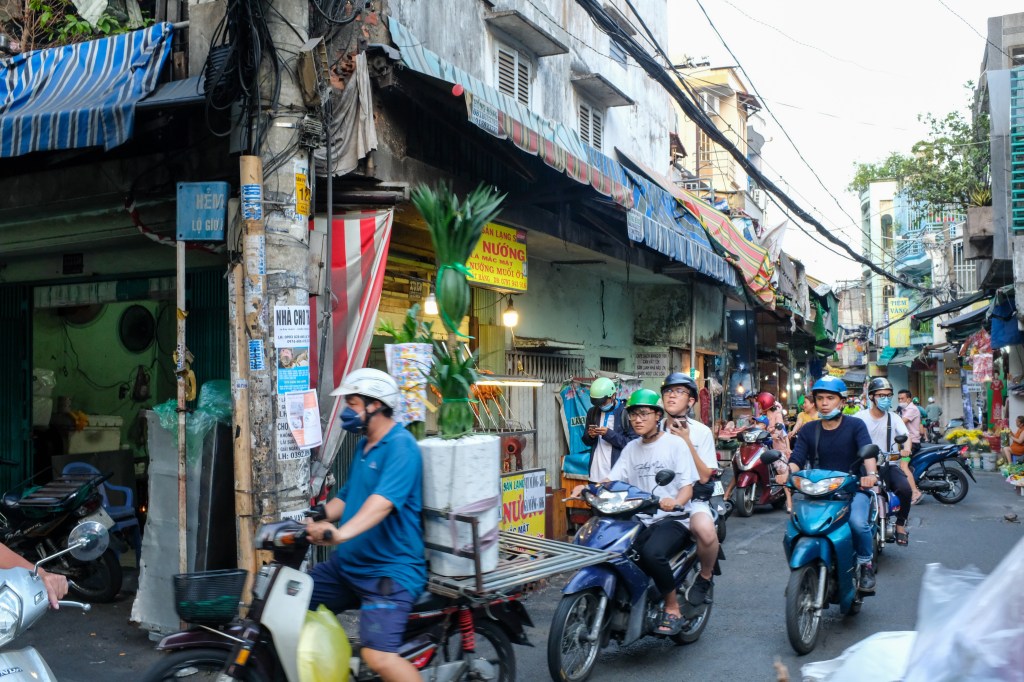
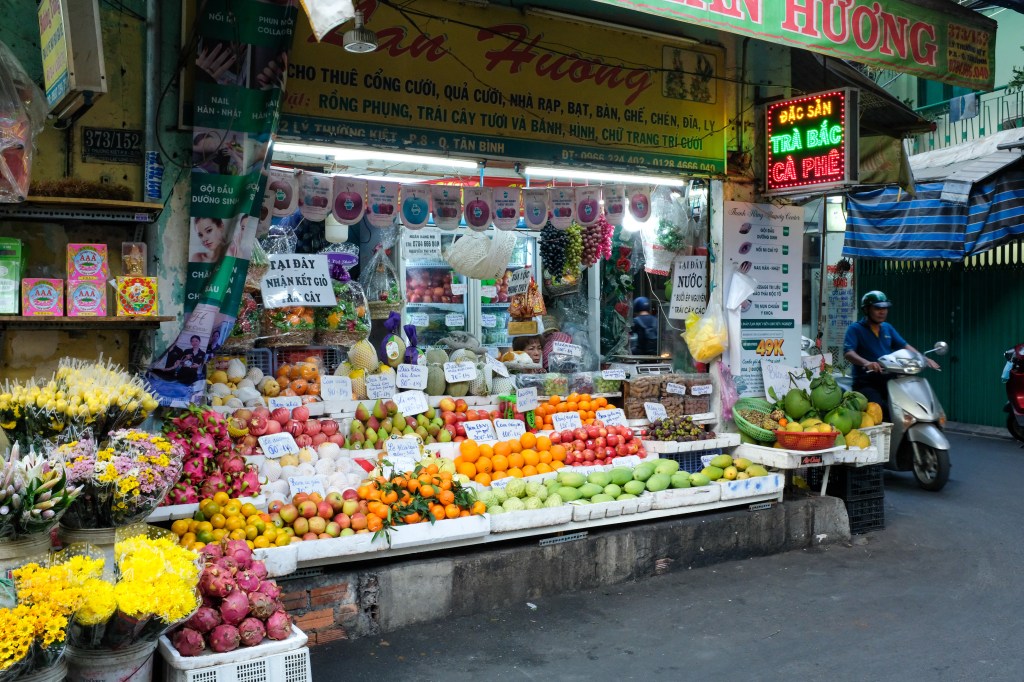
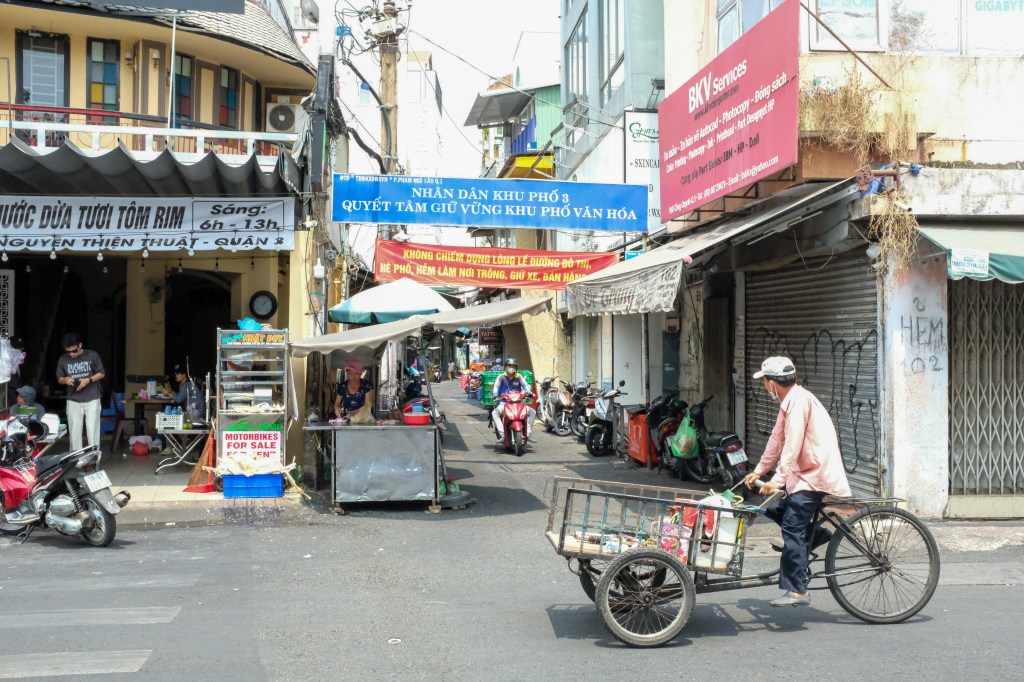

Apparently, this is how you cross the street in Ho Chi Minh…
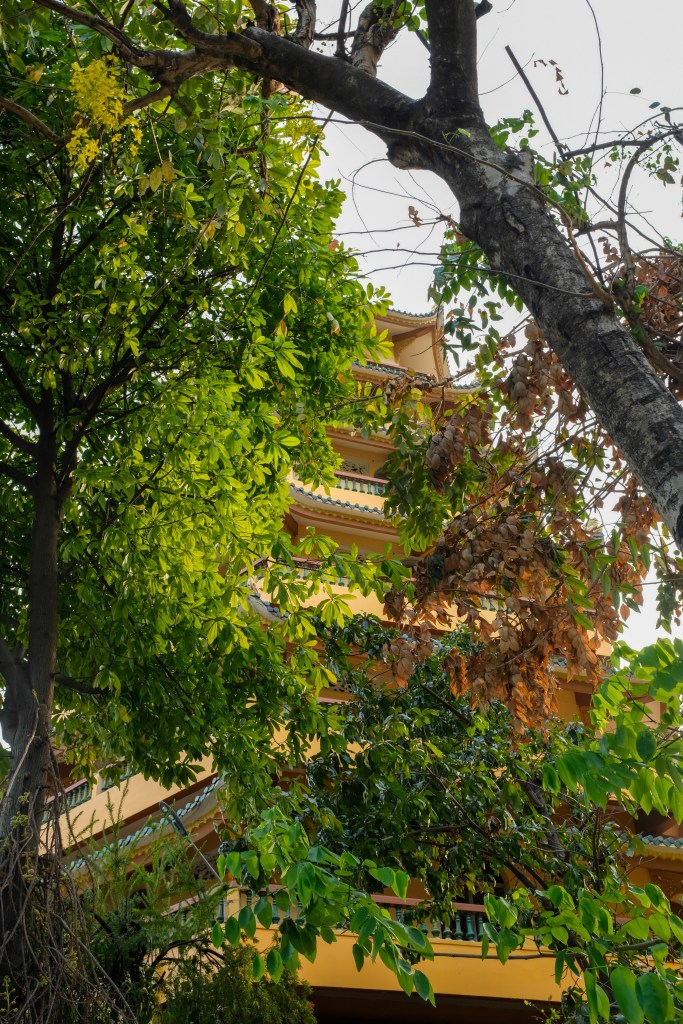
In the afternoon, I visited the Giac Lam Pagoda, a historic Buddhist temple in the center of the city. The Pagoda was built in 1744 and is surrounded by flower gardens and tombs of members of the temple. It was quite interesting to see how Vietnamese Buddhism differed from the Buddhism I experienced in Nepal and India – not just in terms of Mahayana vs. Theravada Buddhism, but also in the way the religions are expressed: in architecture, dress, shrines, and general feel.
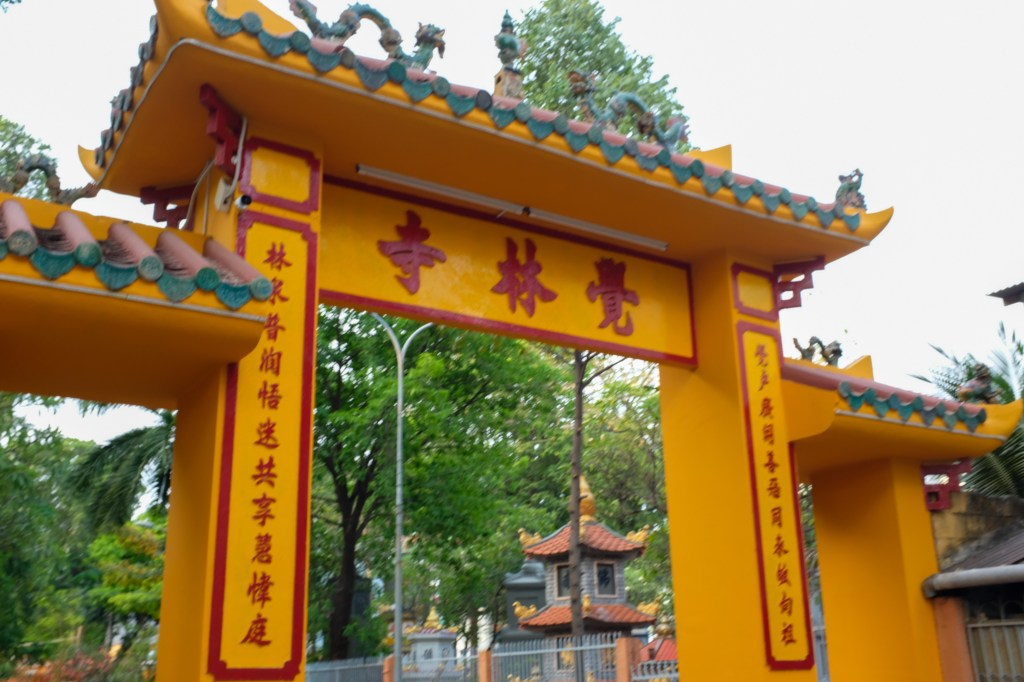
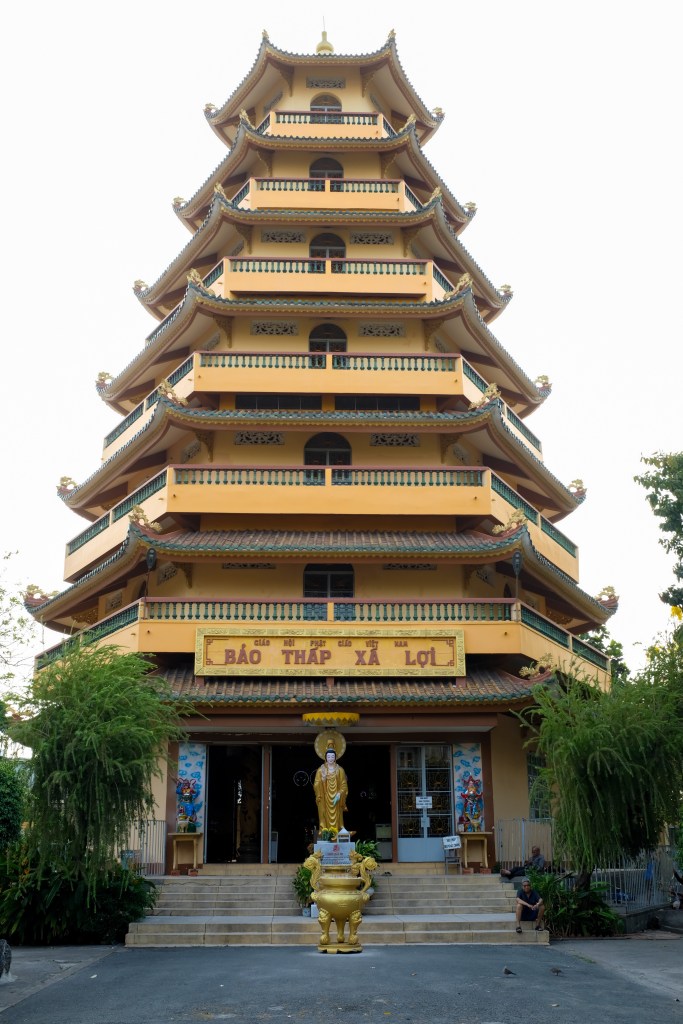

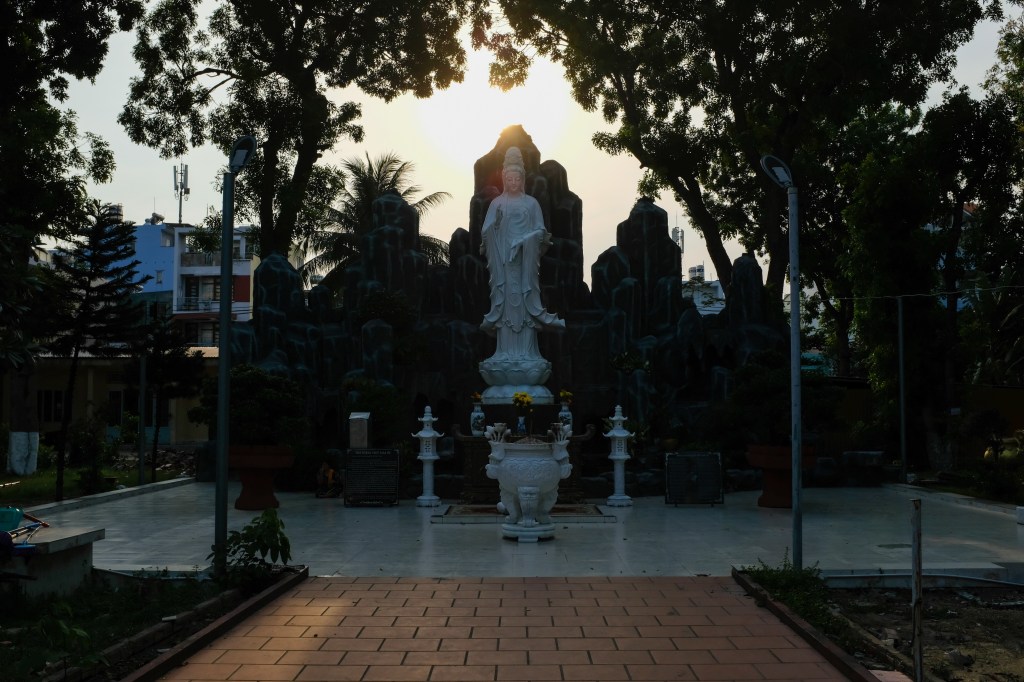


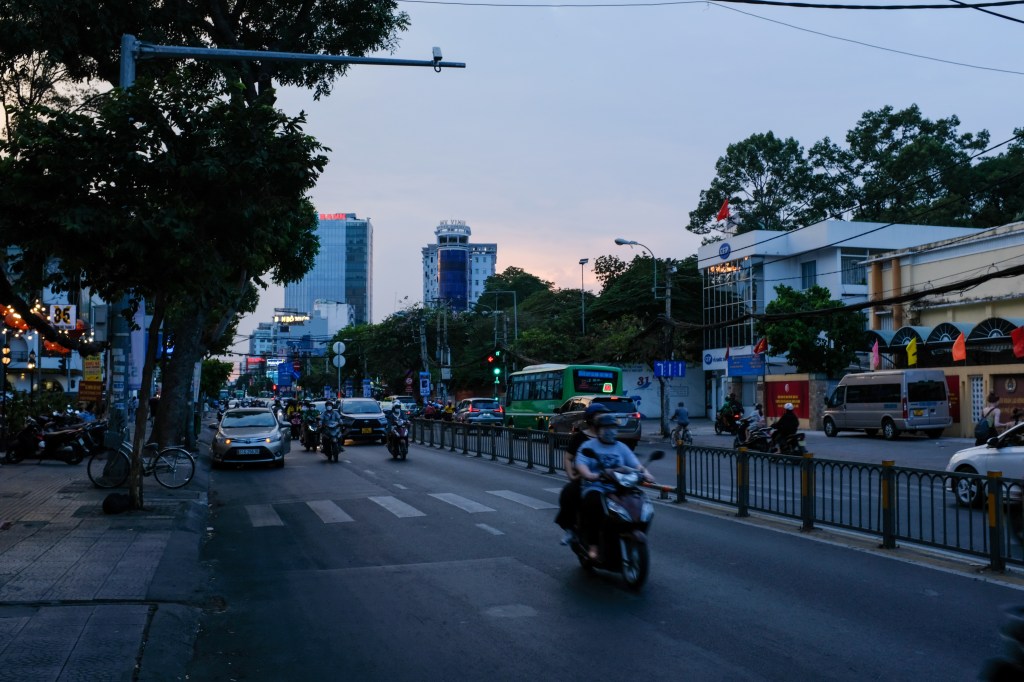
Heading back to my hostel, I saw the city transform as it approached dark – bars spilling out into the streets, karaoke on every block, and women on bikes wandering the alleys selling dried fish and squid.


Cu Chi Tunnels & The War Remnants Museum
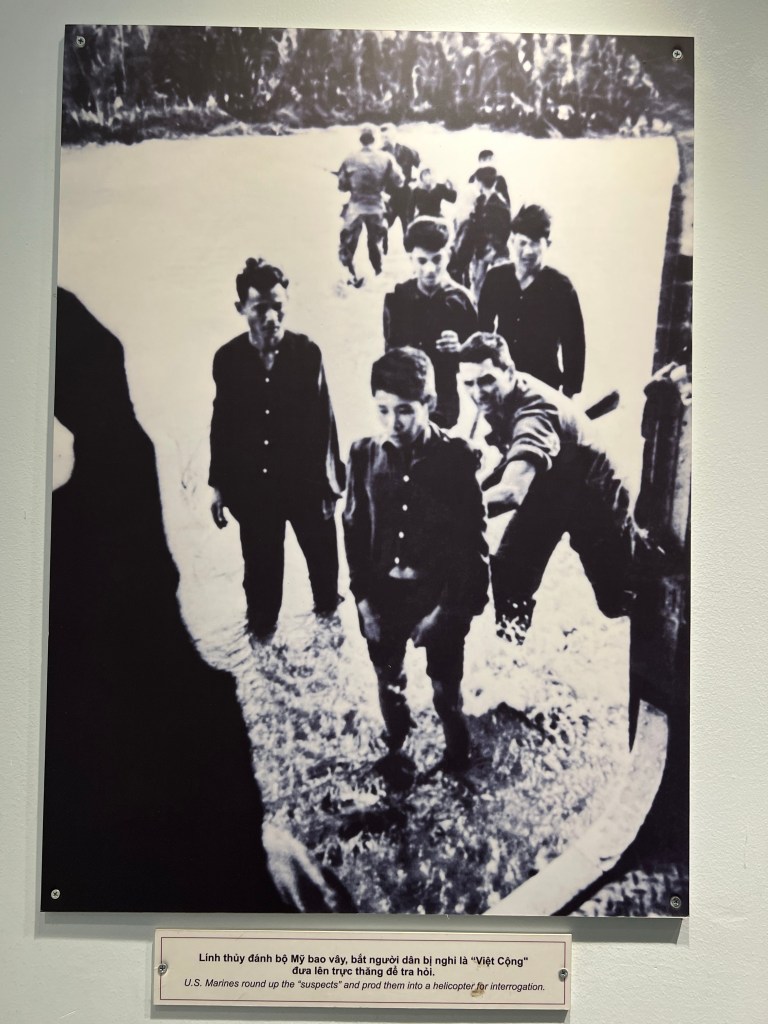
When I first planned to come to Vietnam, I knew it would be very important for me to actively engage with and better understand Vietnam War, but I was unprepared for how immensely complicate the conflict truly was – and truly how horrific some of the US Armed Force’s actions were. While there is a lot I want to discuss, I will save my engagement with the remnants of the Vietnam War for the next post after I wrap up my time in Vietnam and get more of a perspective from the North. For now, I will just briefly mention 2 of the main sites I experienced in South Vietnam: The Cu Chi Tunnels & the War Remnants Museum (previously known as the “Museum of Chinese and American War Crimes”.
The next day, I took a tour to the Cu Chi Tunnels, which are a network of connecting tunnels underlying the Cu Chi District of Ho Chi Minh. They were the location of several military campaigns during the Vietnam war, and were the Viet Cong’s base of operations for the 1968 Tet Offensive. The tunnels were used by soldiers as hiding spots during combat, and served as supply/communication routes, hospitals, food and weapon caches, and living quarters. The tunnels were key to the Viet Cong’s resistance of American force presence in the region.
Demonstration of the tunnels-


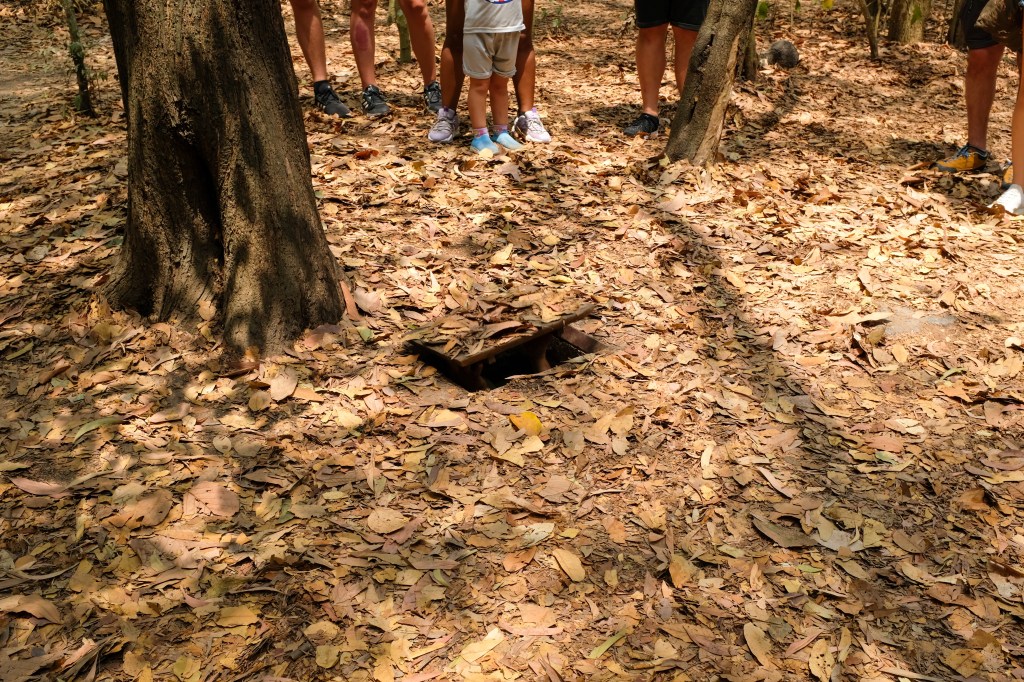

Pictures from the tunnels-
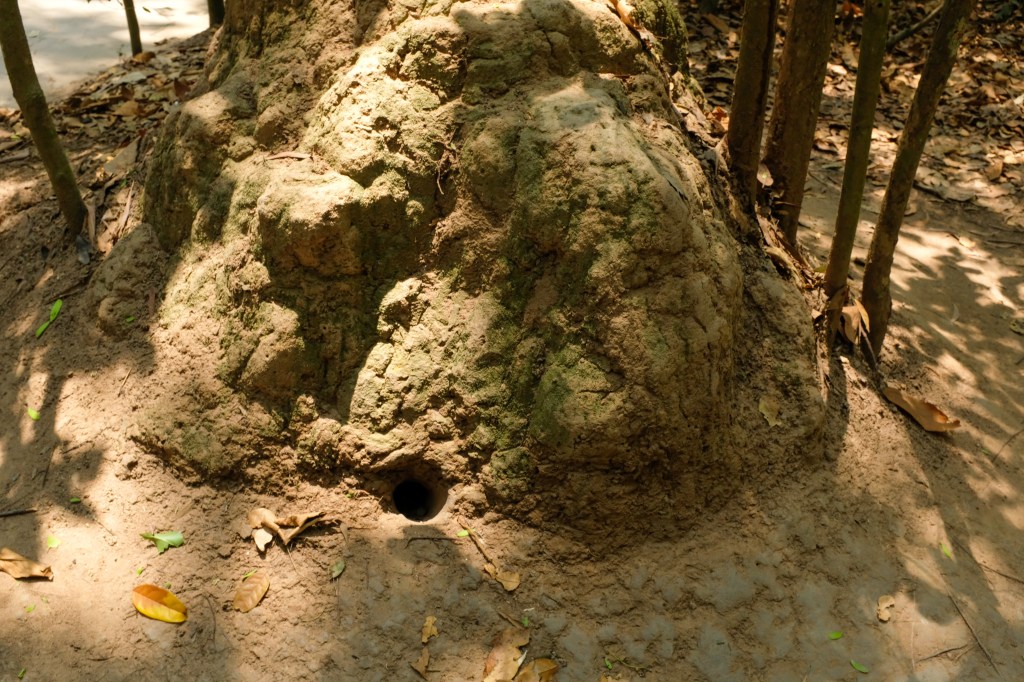
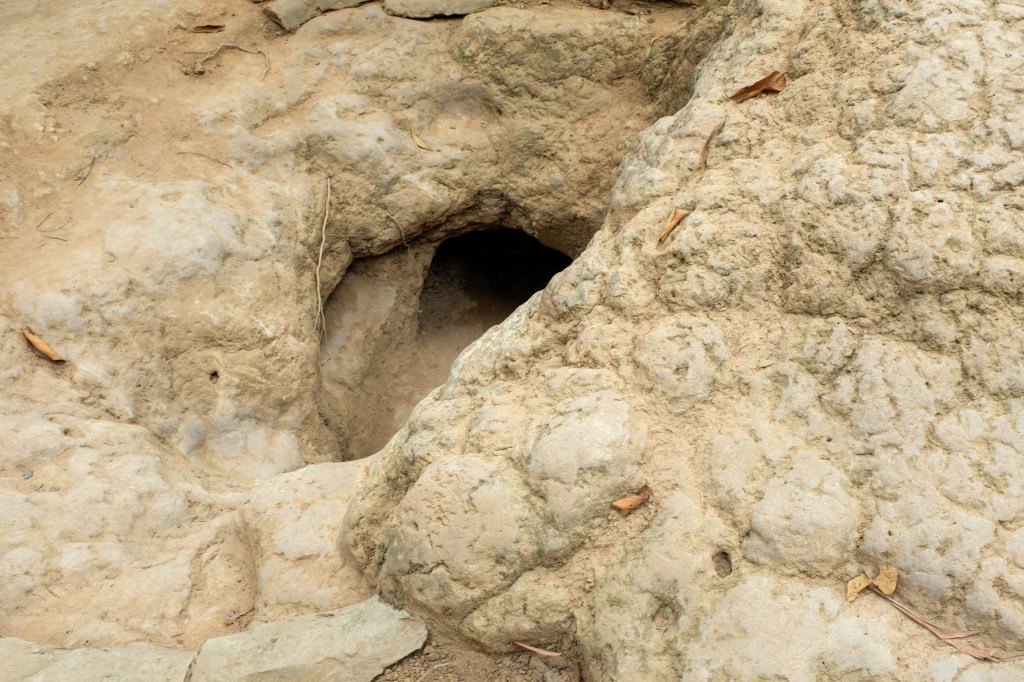
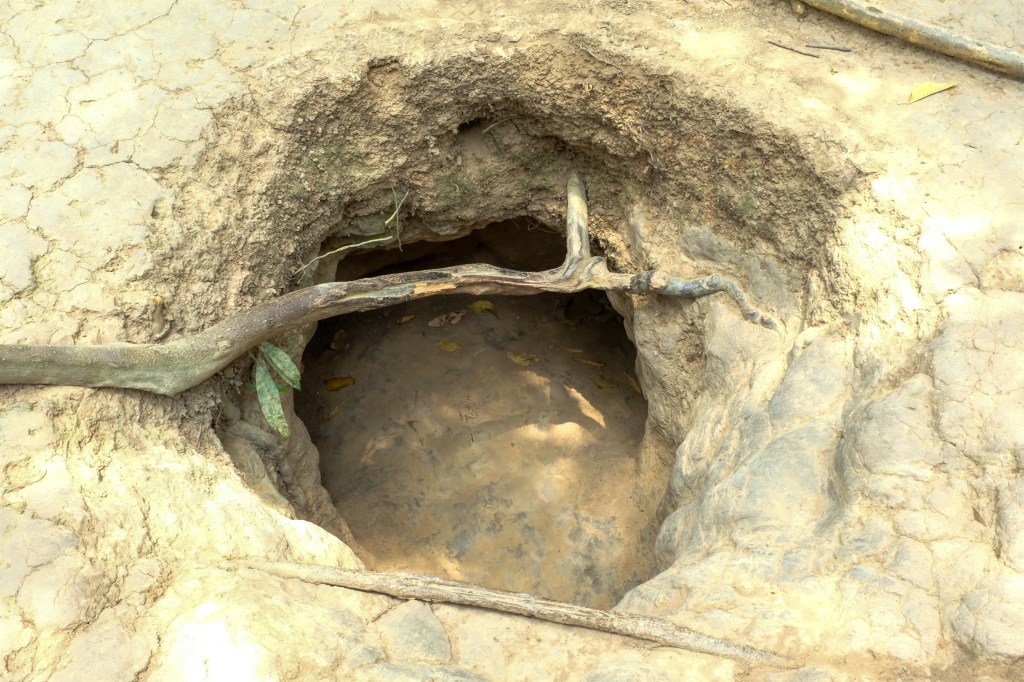

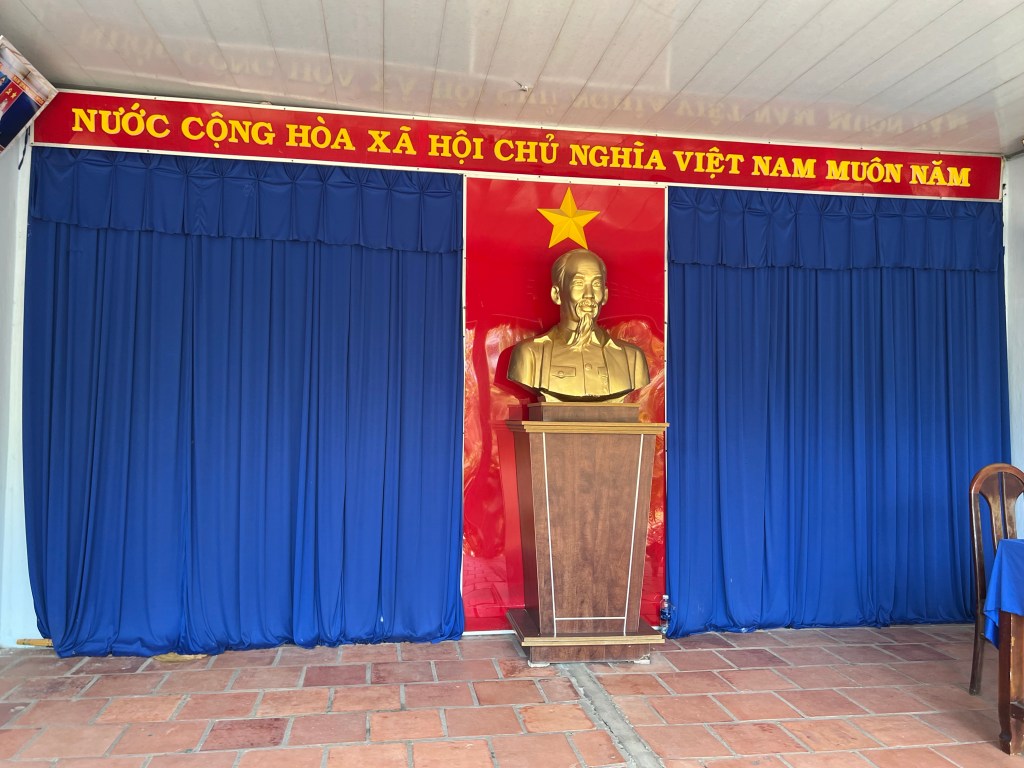


As an American, it was quite eye-opening to see the other side of the conflict, and the way in which the North Vietnamese took advantage of their knowledge of the environment to repel US troop presence. It reminded me of a training course we had to do in Marine Office Candidate School, where we had to make our way through tight tunnels and muddy rivers – an attempt to prepare soldiers for combat in Jungle environments similar to that in Vietnam.
Later in the day, I went to the War Remnants Museum. As I mentioned before, I am going to save a majority of my thoughts for the next post, but I’ll say that this was a quite powerful and eye opening experience. With such a heavy, I saw a lot of evidence and narratives that deeply contrasted that which I was told in school and when I initially strove to join the Marine Crops – all i will say now is how grateful I am that I chose a different path from that of the US military and found other ways to challenge myself, physically, emotionally, and intellectually.


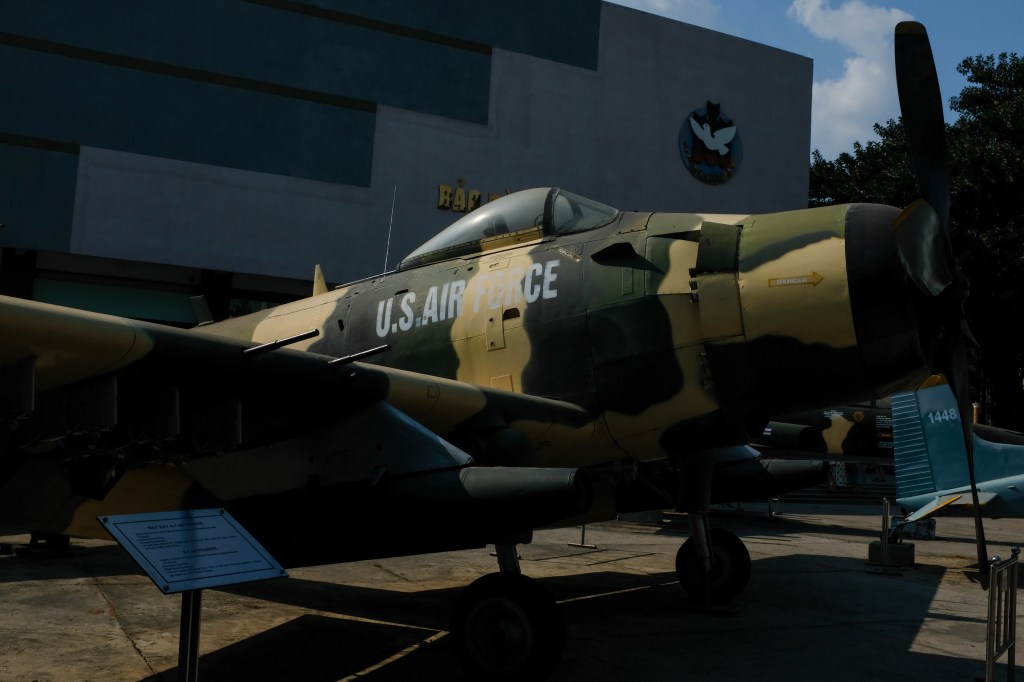


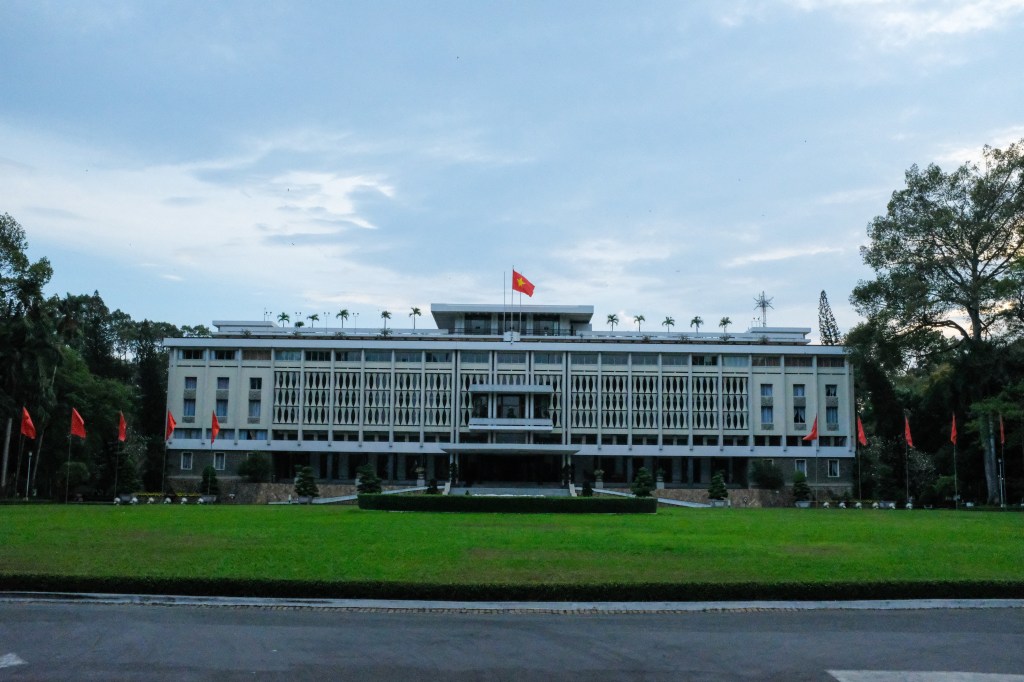
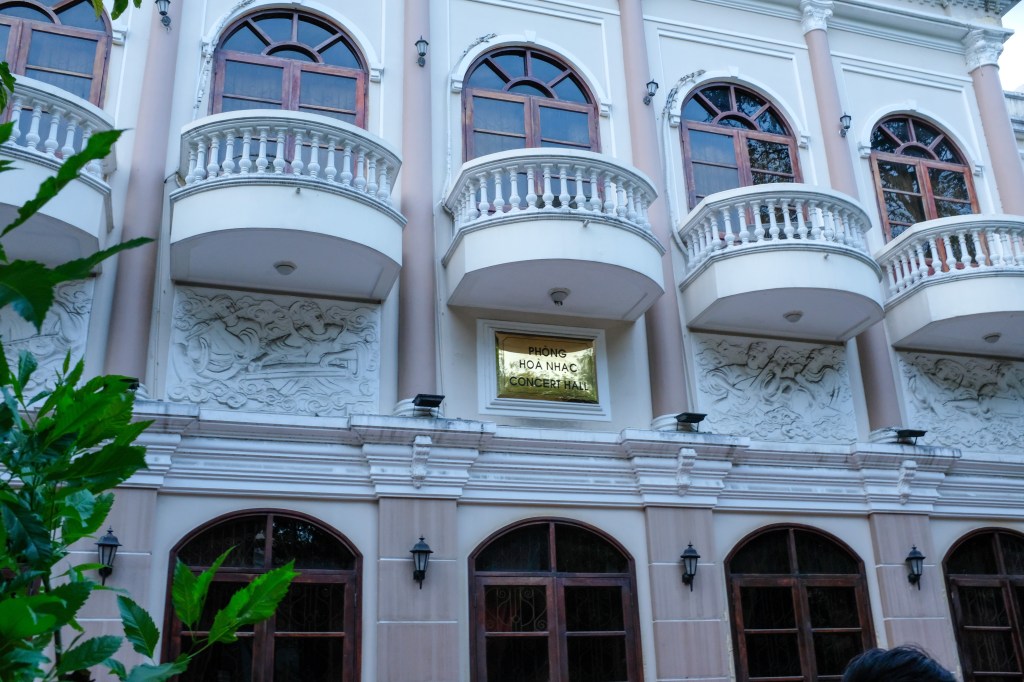
At the end of the day, I visited the Independence Palace, which was the home and workplace of the president of the Republic of Vietnam. It was the site for the Fall of Saigon in 1975 that officially ended the Vietnam War.


Mekong Delta
The next day, I headed a couple hours out of the city to visit a small portion of the Mekong Delta, a vast maze of rivers, swamps and islands that encompass the Eastern side of Southern Vietnam
We started off visiting the Vinh Trang Pagoda, a Buddhist temple build in. the 19th century. Some history – between 1859 and 1862, French colonial forces battled the army of the Nguyen Dynasty of Emperor Tu Duc (who’s tomb I would visit later in Hue). During the fighting, Vinh Trang was seriously damaged and it wasn’t until 30 years later that the temple was restored.

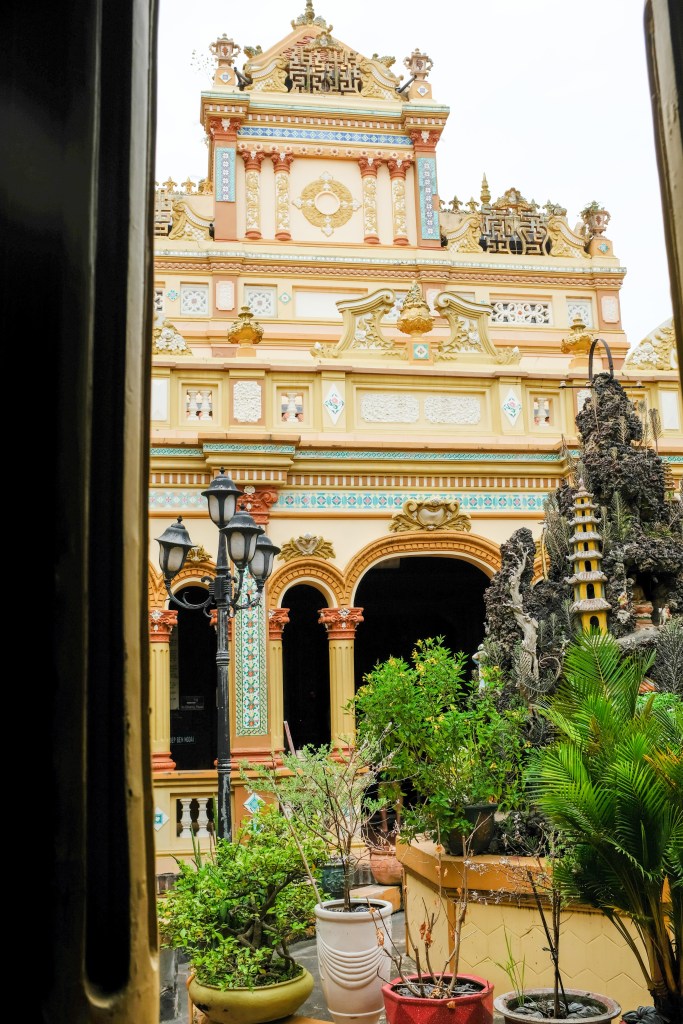
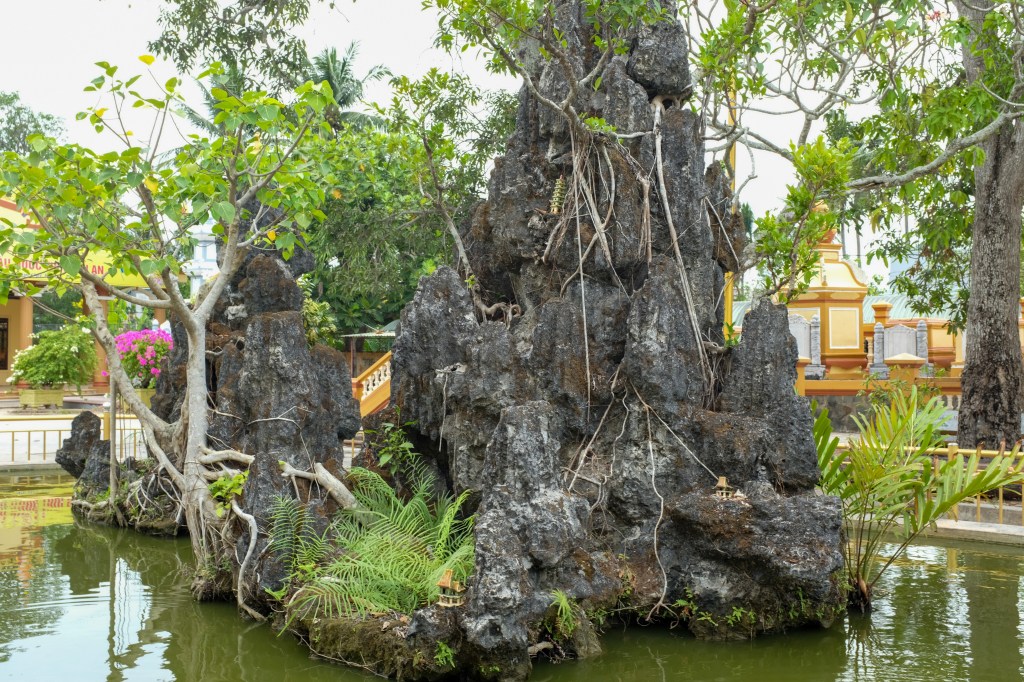
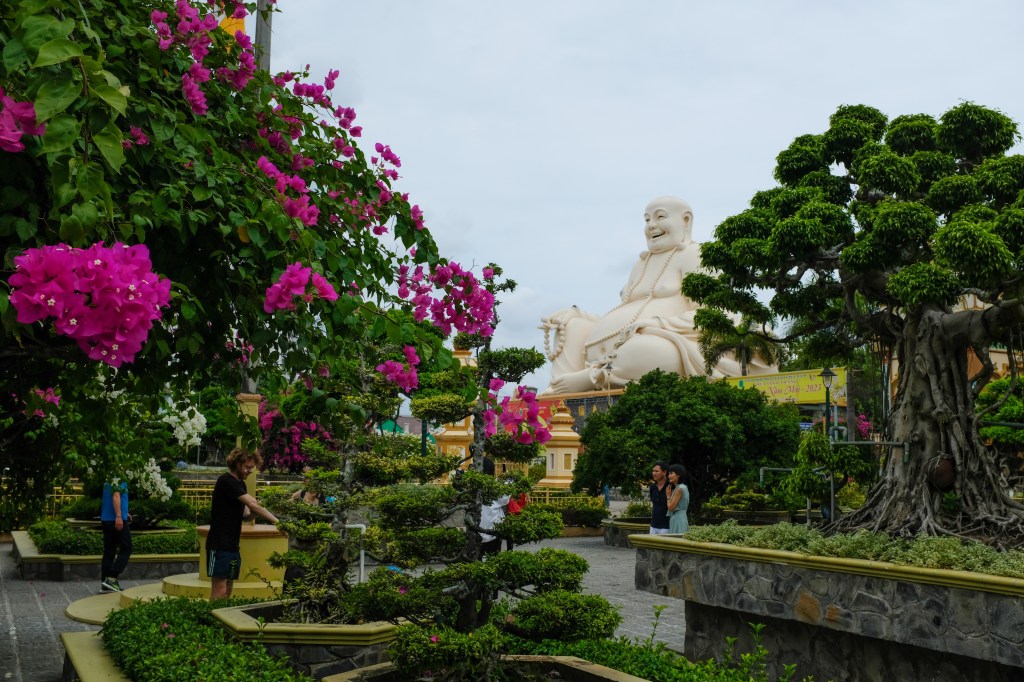

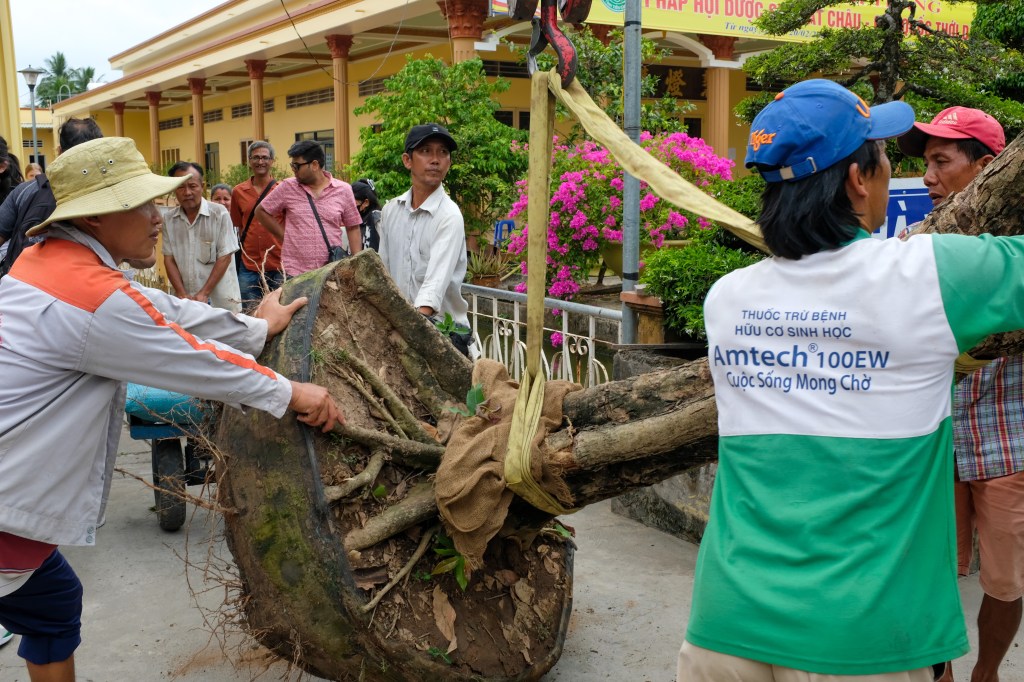
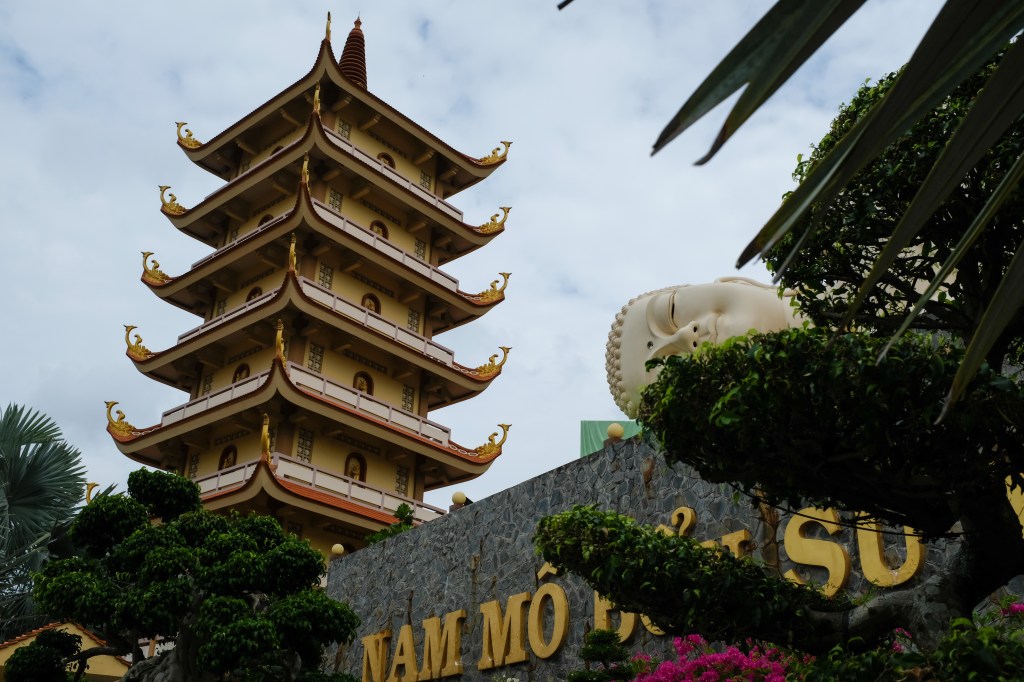


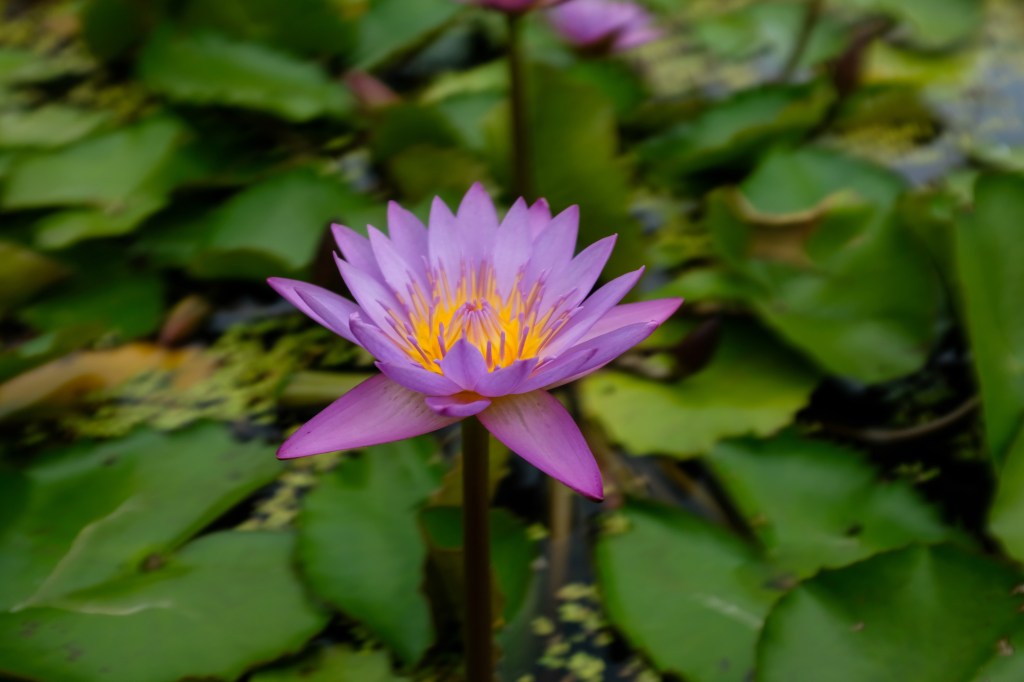
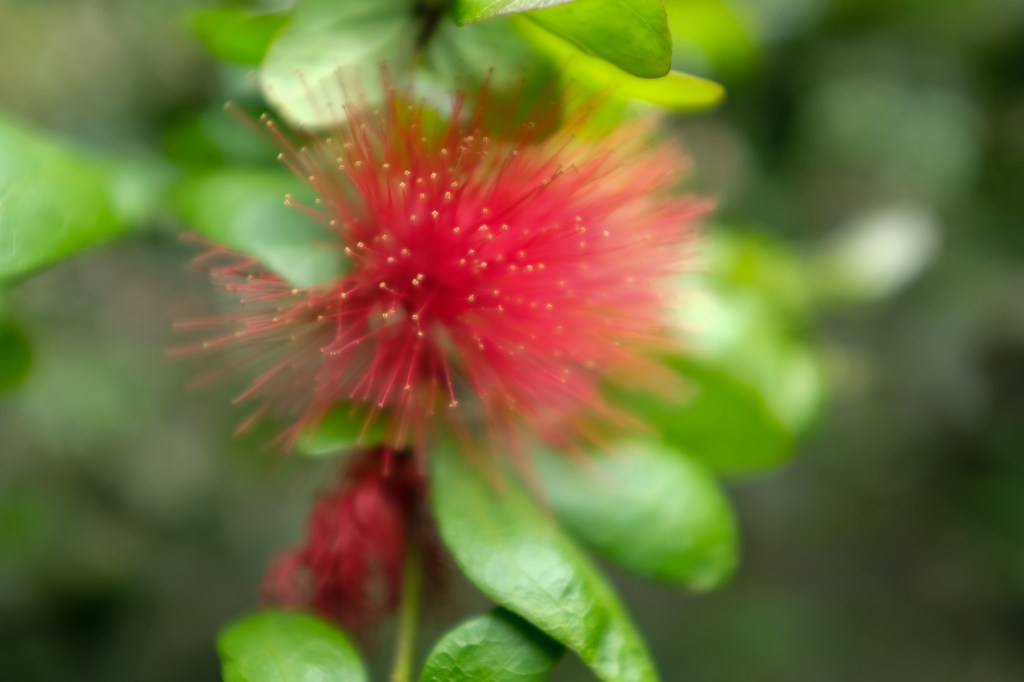
Afterwards, we headed to a couple of the Islands: My Tho and Ben Tre. We visited a bee farm and had some lunch and tea.
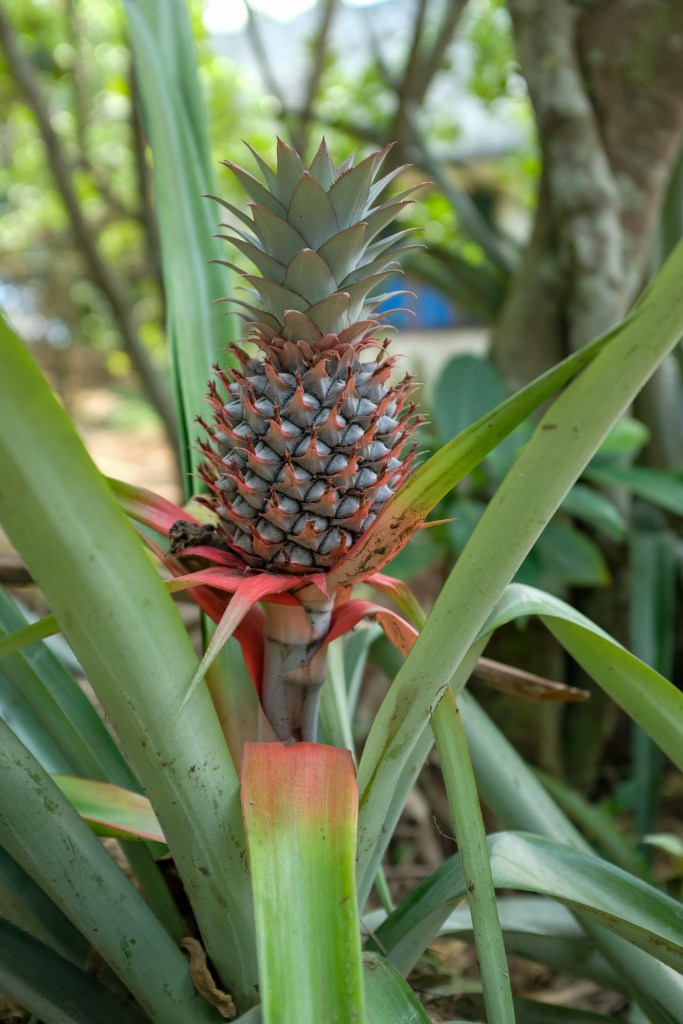

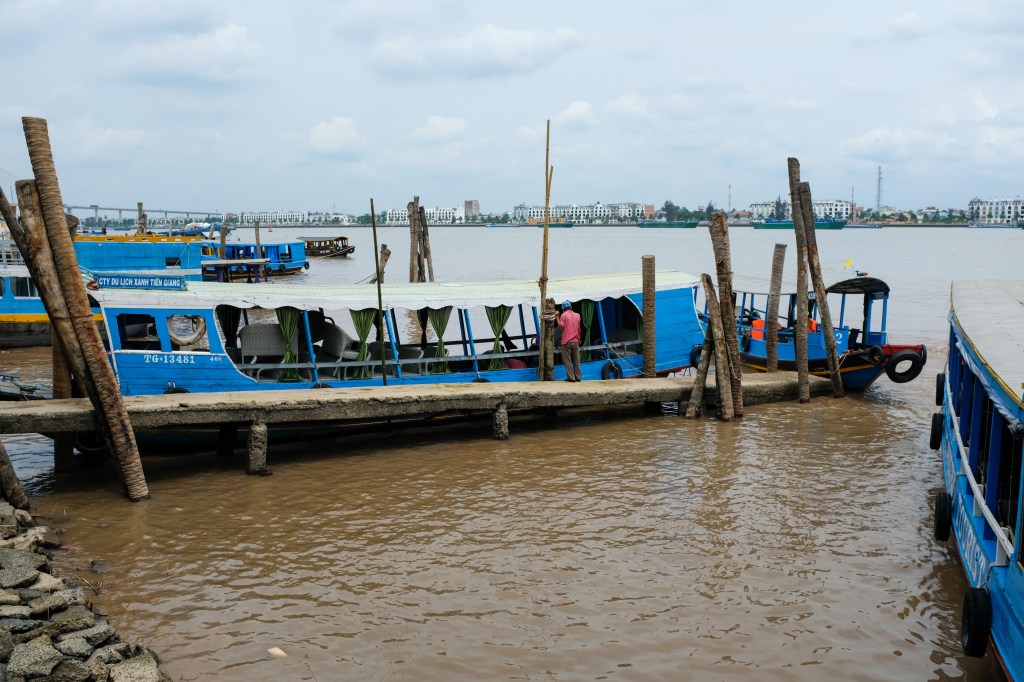


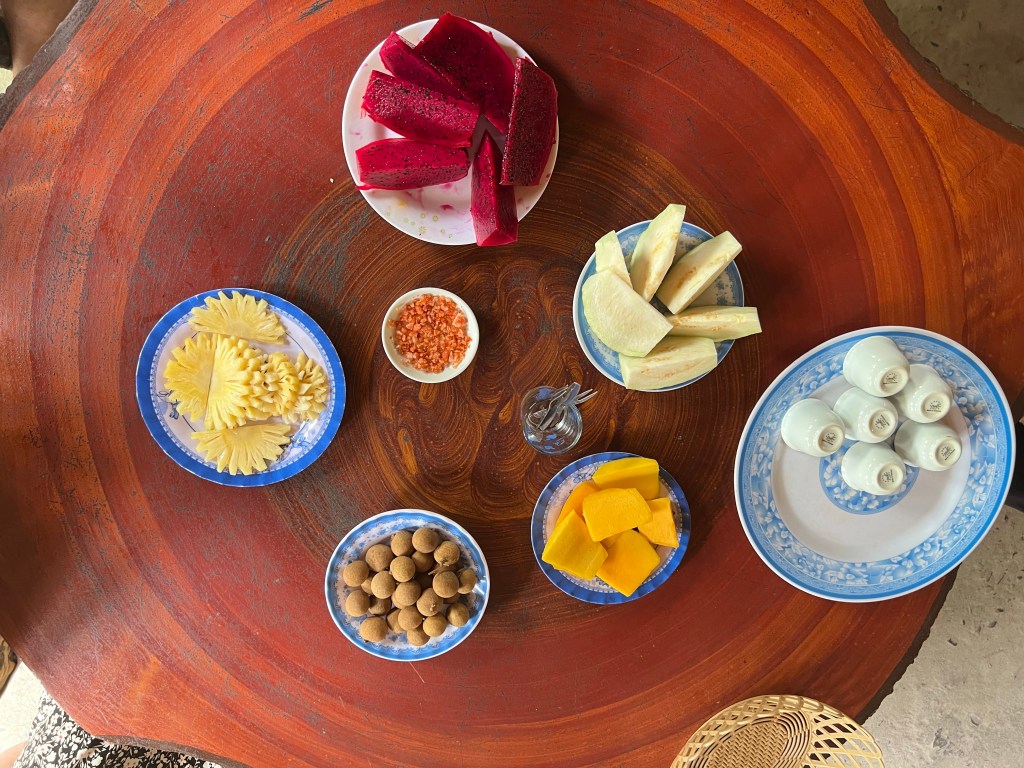

And caught a couple boats back to the mainland


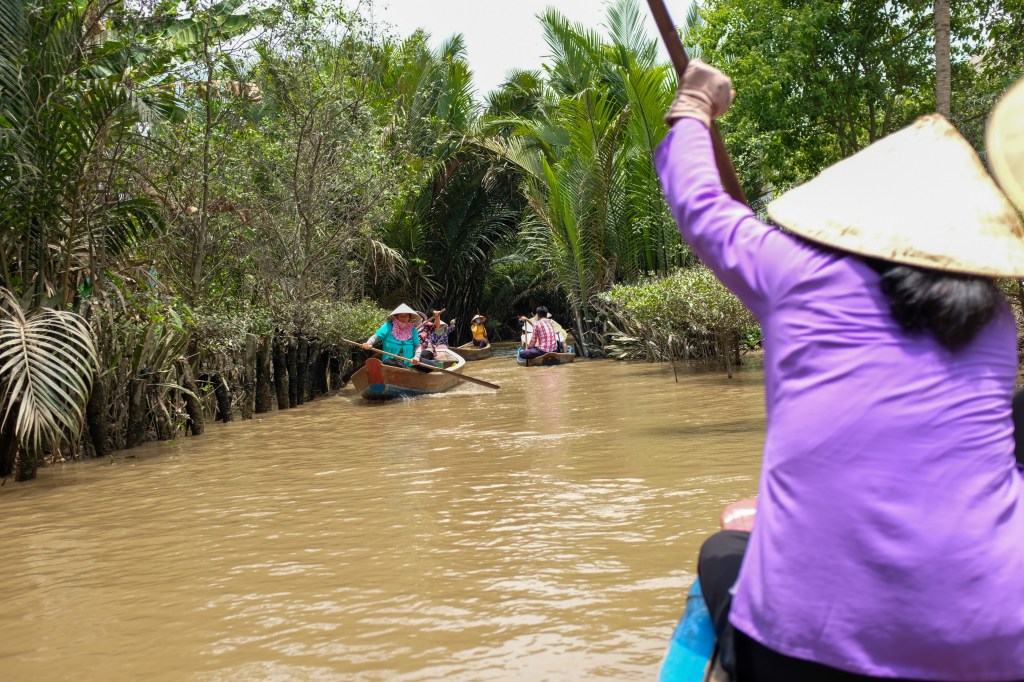

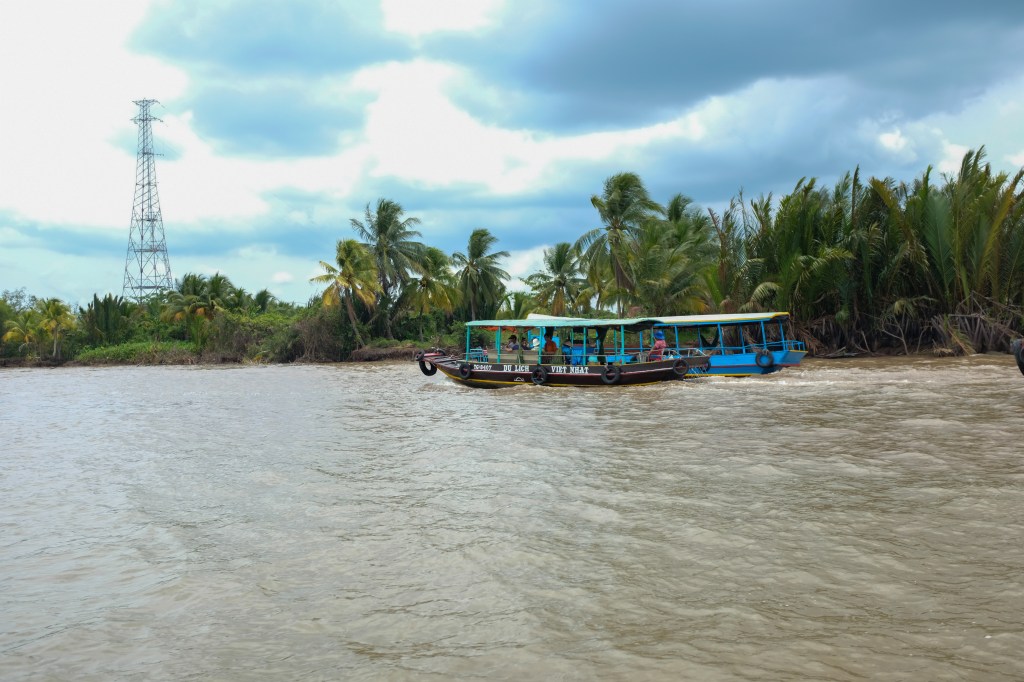
While a pretty touristy experience, it was nice to get a taste of the region and see a bit of what life is like south of the city.
The next day, I hung out in the city as a prepped for my afternoon train – an 18 hour ride from Ho Chi Minh to Hue.


Hue & another change of plans
Hue was where my plans took a bit of a turn. I initially planned to spend 2 nights in the once-capital of the Nguyen Dynasty, before heading to Dong Hoi to begin a week of trekking in the Tu Lan cave system. Unfortunately, after about a day in the city, I got quite sick and needed to go to the hospital. While it was not serious, I made the difficult decision to cancel my caving plans in Dong Hoi and spend a few extra nights in Hue to rest up before heading up North. I was lucky enough to be staying at a hostel at the time that was incredibly supportive of me while I was unwell. When the hostel owner, who’s sister works at the local ER I stayed overnight in, heard that I was sick (Vietnam doesn’t have patient confidentiality laws like in the US!), she immediately went out of her way to help. She visited me at the hospital, offered to let me stay at her hostel for as long as I needed (for free), and gave me food as I recovered (Lemon tea, Bun Bo Hue & Goi Cuon Tom Thit – a beef noddle soup & spring rolls). Her generosity and kindness meant so much to me as I healed and reorganized my plans.
Views and food from her hostel-


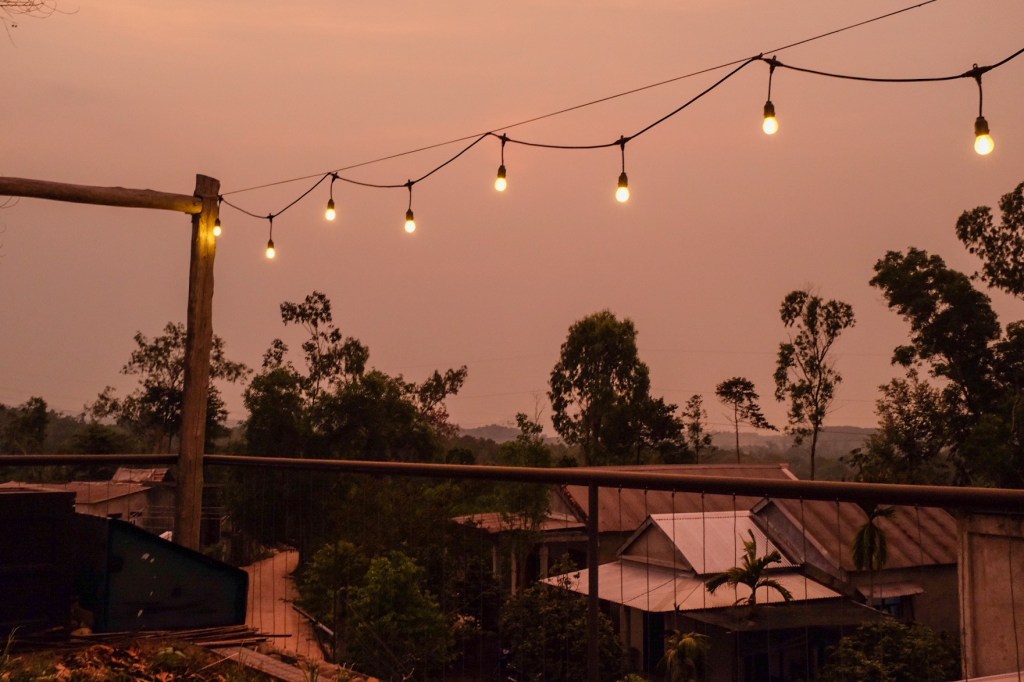
While disappointing, this is a good situation to reemphasize the important of flexibility while traveling – you won’t be able to do everything, and that is okay! It also allotted me some time to rest and reflect on all that I have been so fortunate to be able to do over the past 3.5 months.
After recovering a bit more, I took some time to explore Hue. With a rented motorbike at hand, I shuffled around the city trying to take in as. much as I could before catching my night bus to Hanoi.
I first visited the Imperial City of Hue, a walled enclosure which once housed the imperial capital during the Nguyen dynasty. Constructed in 1803, the citadel was mostly ceremonial during the French colonial period. Unfortunately, after the end of the monarchy in 1945, the space suffered heavy damage during the Indochina Wars through the 1980’s, but it has seen significant restoration over the past couple decades.


I then walked down the Perfume River to the Thien Mu Pagoda. Built in 1601, the Buddhist temple continues to house monks today.


I then headed to the Dong Ba Market for lunch, a giant open air market Anthony Bourdain once visited on his traveling show escapades.


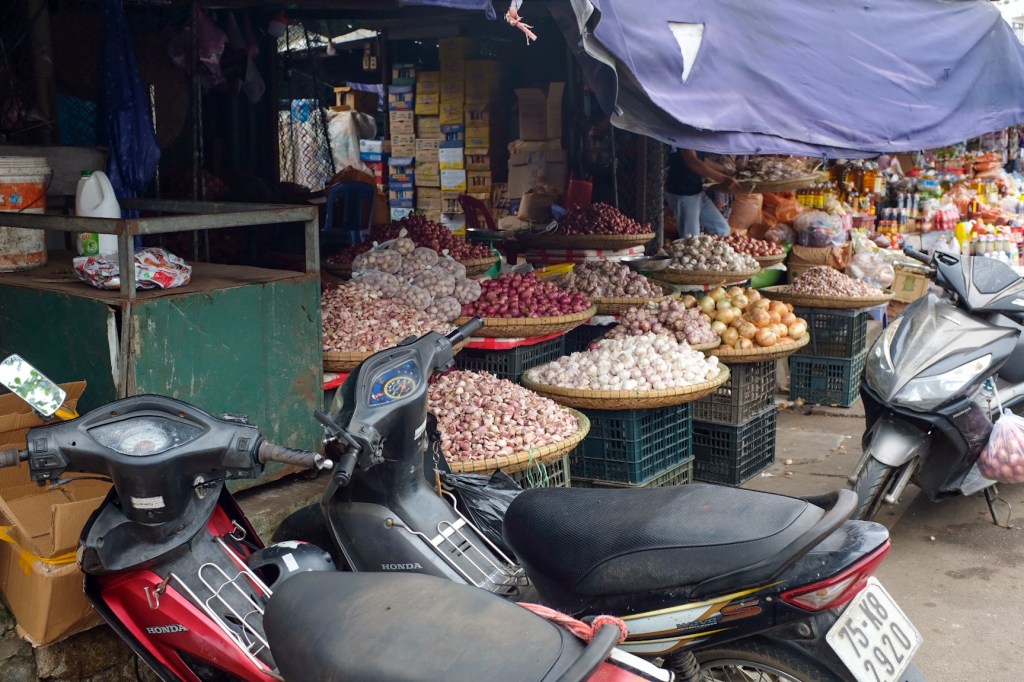

From the market I headed across the river to the Tomb of Tu Duc – who was the Emperor of the Nguyen dynasty from 1848-1883.


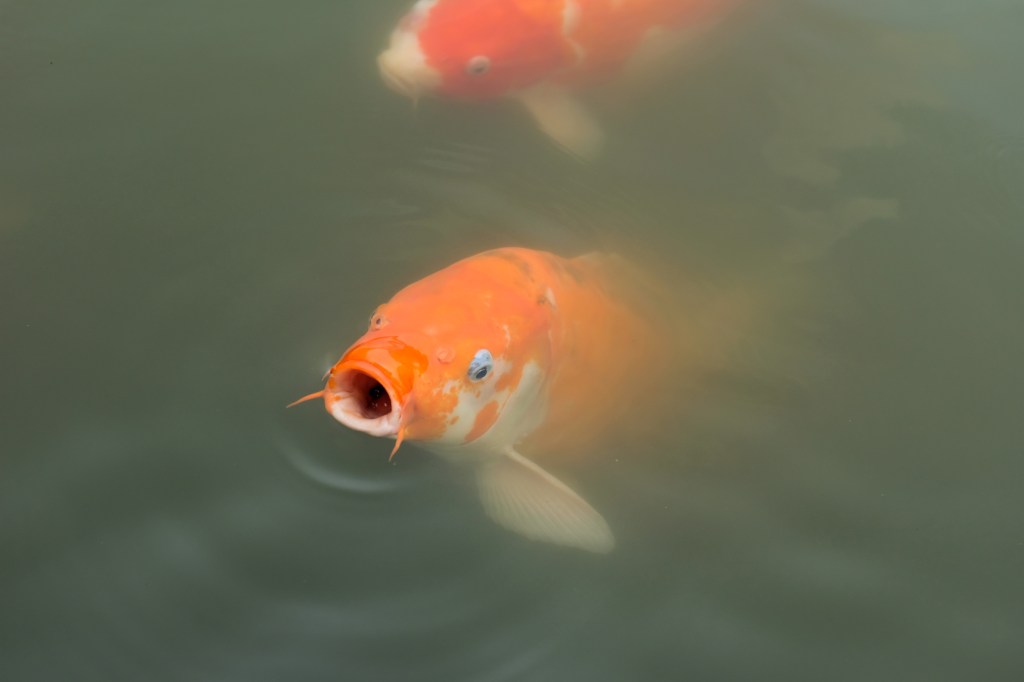
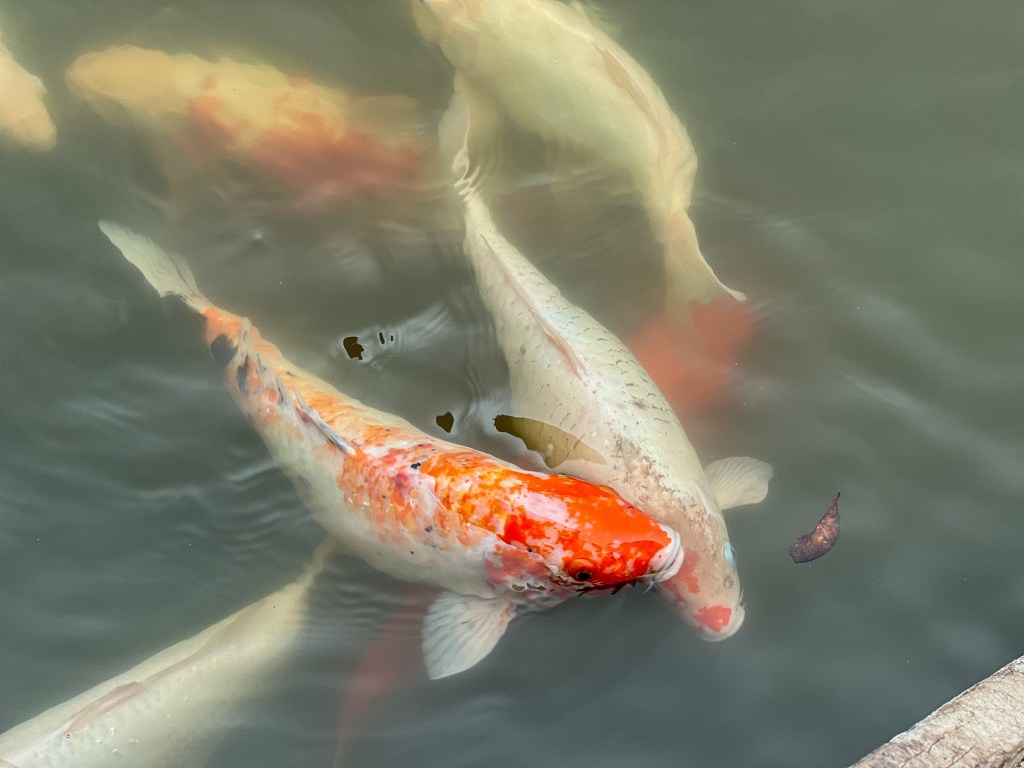
And visited the Koi pond!



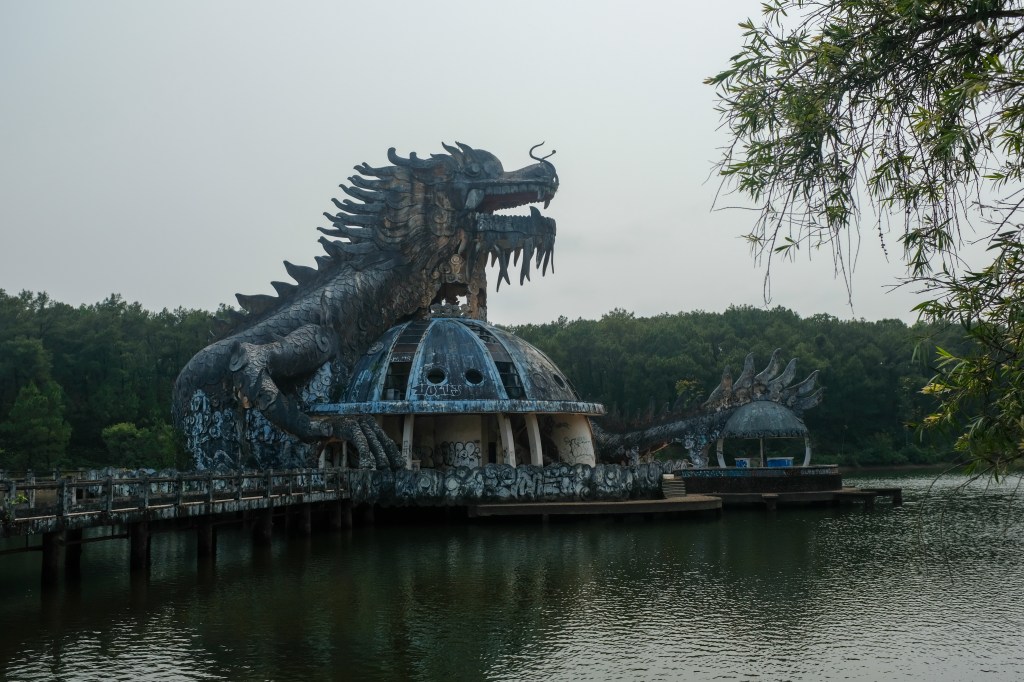
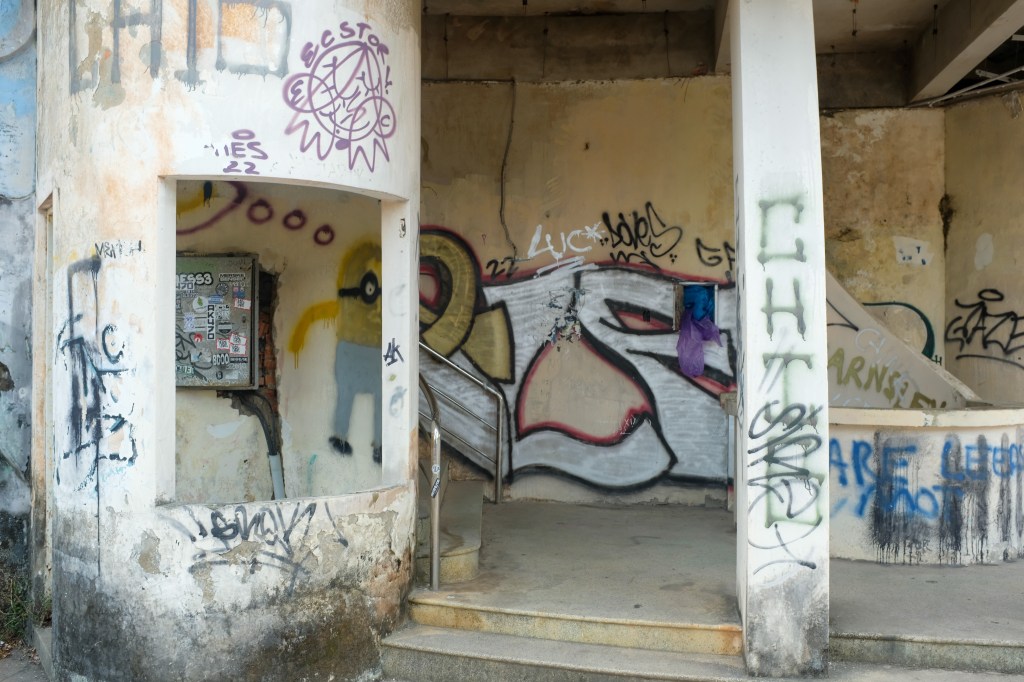
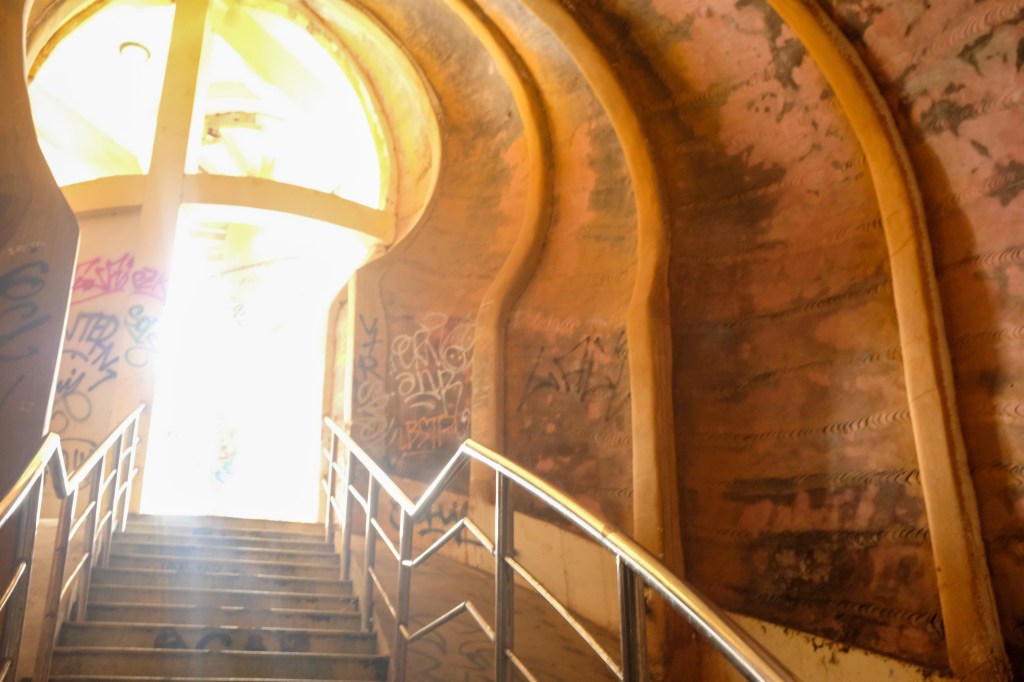
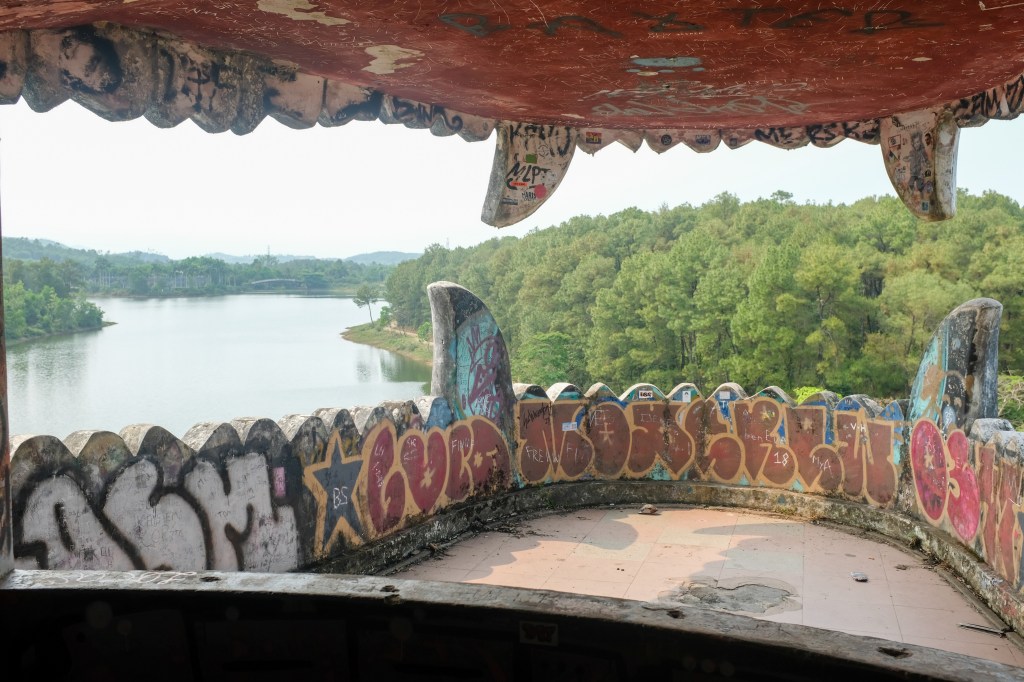
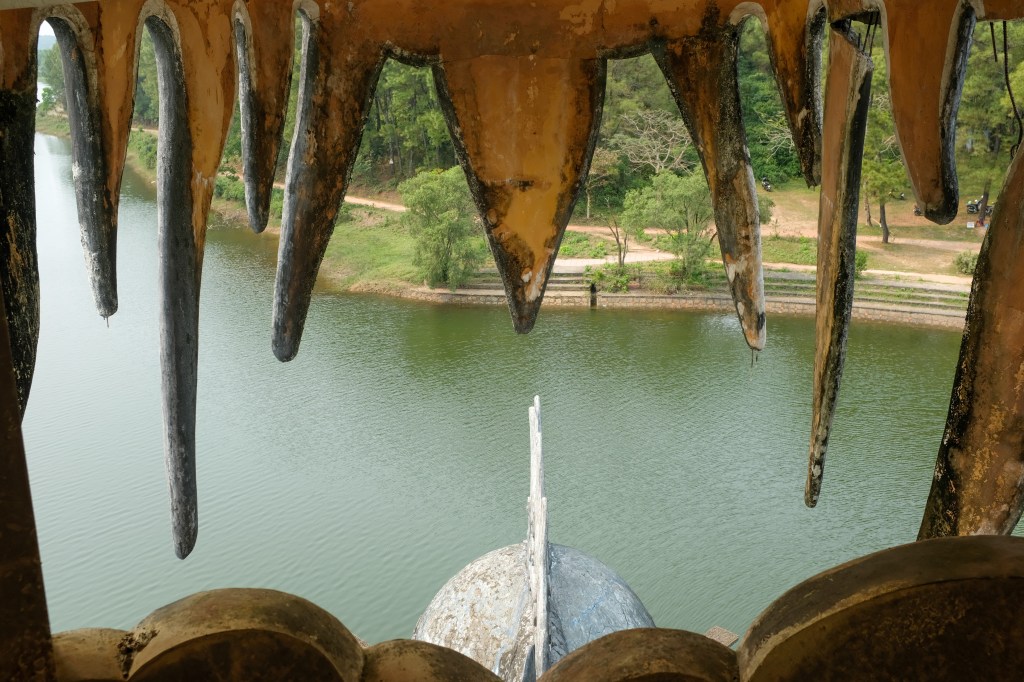
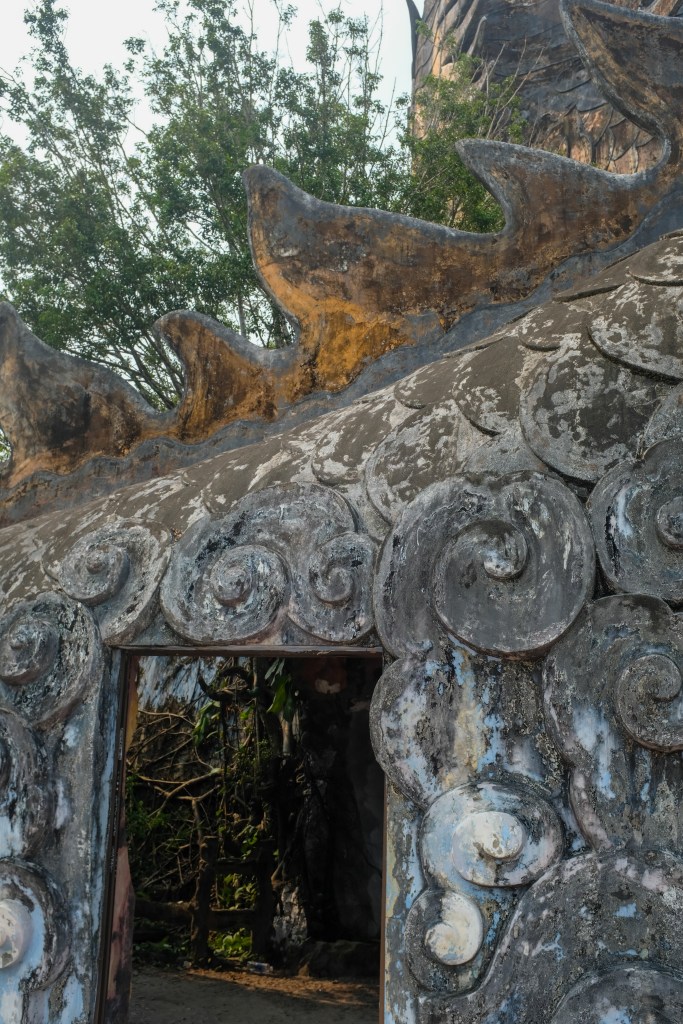
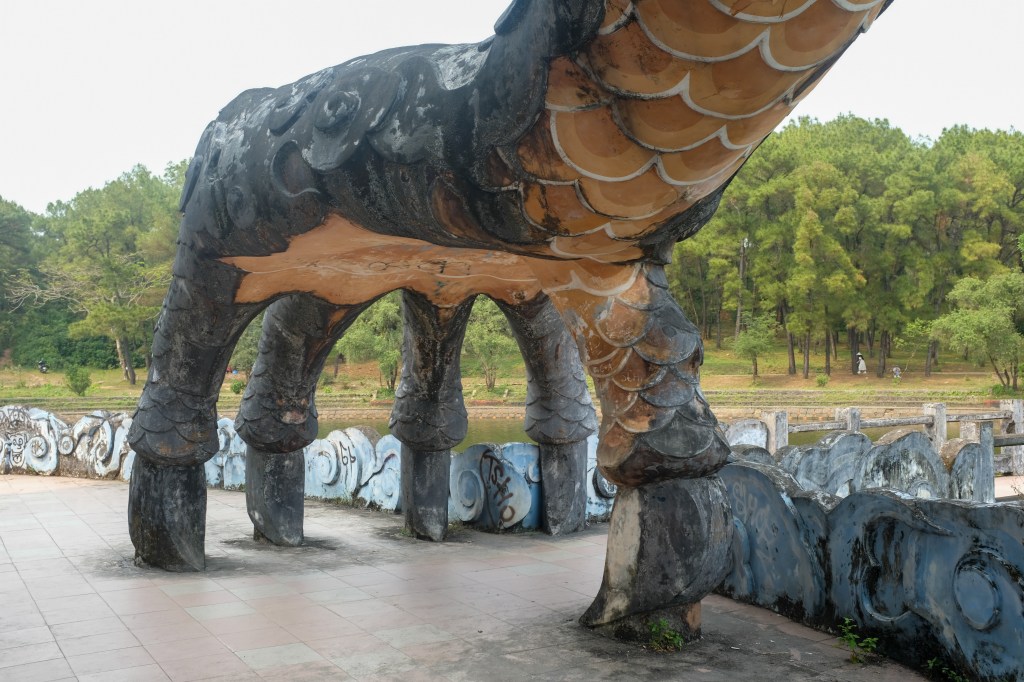
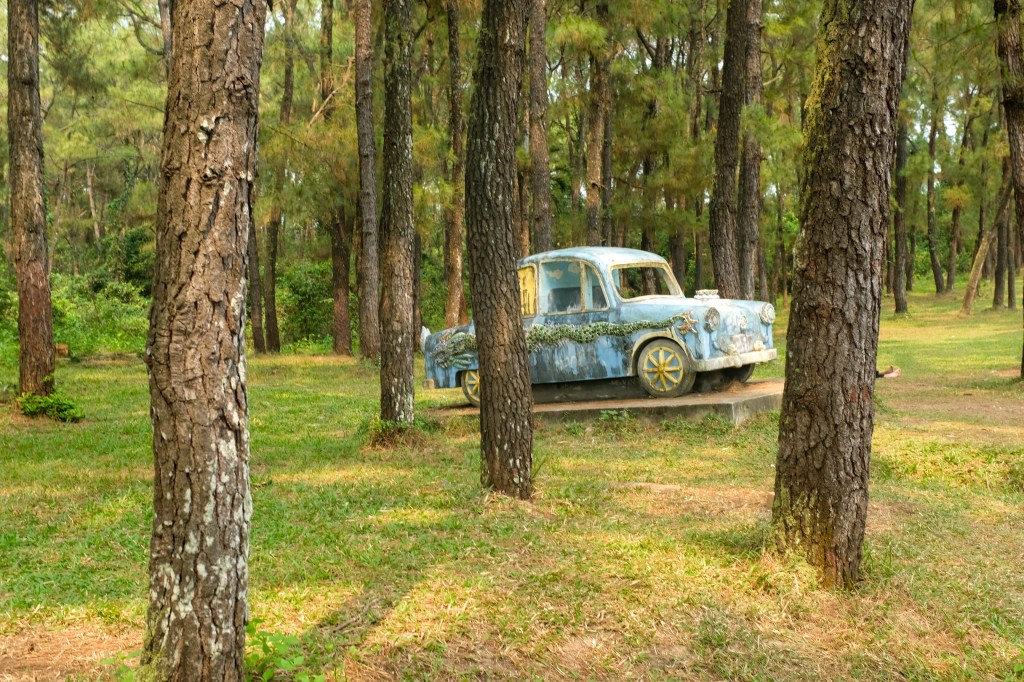
Then I headed over to the Thua Tien lake Abandoned Water Park. On the outskirts of Hue, its become a common destination for urban explorers due to its dilapidated state.
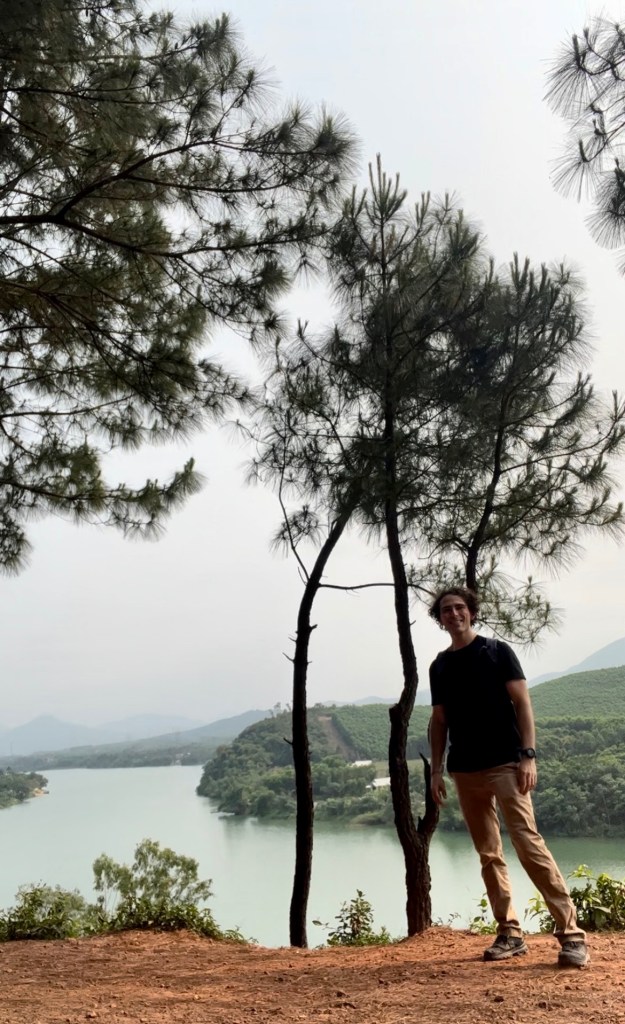
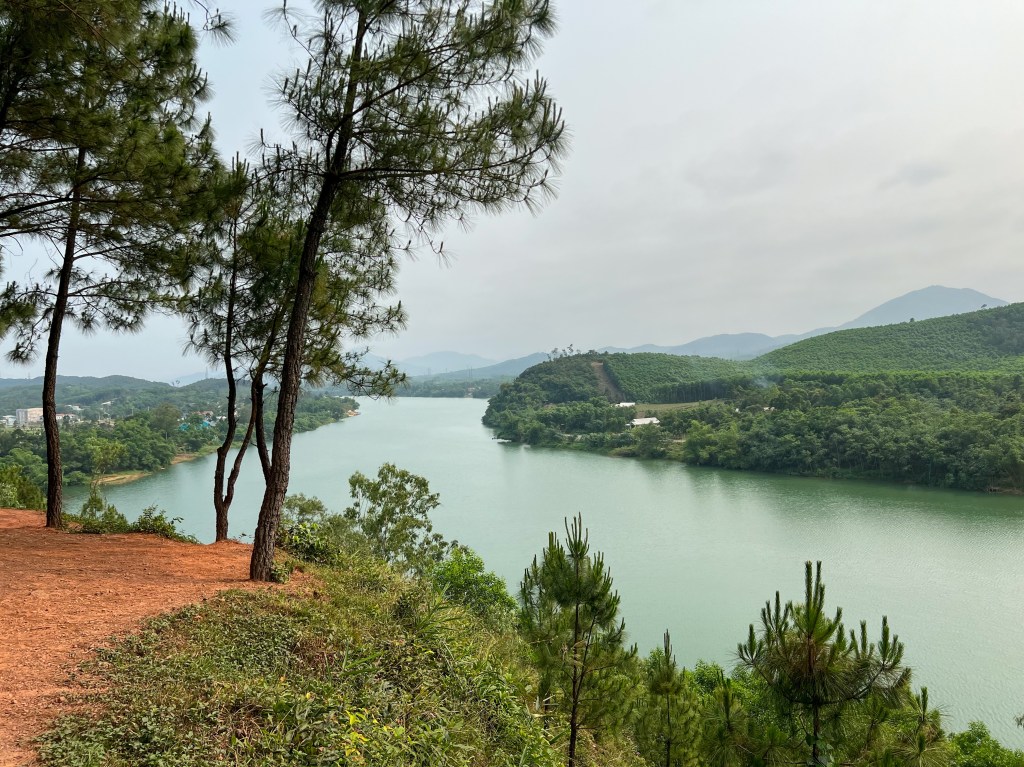
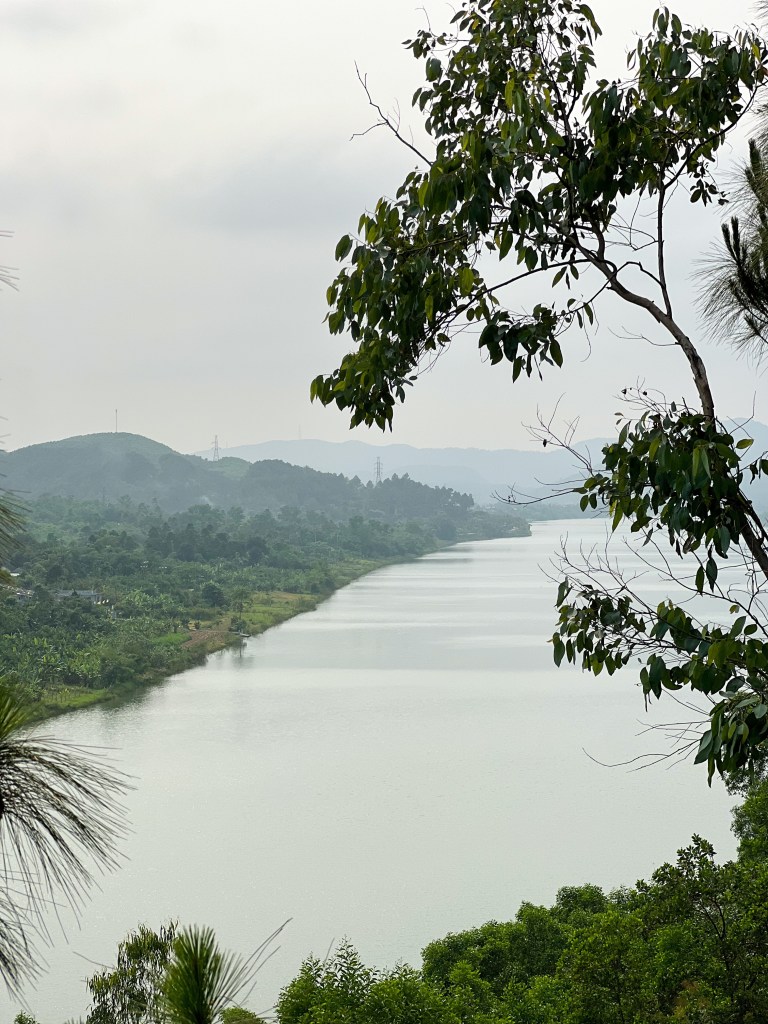
I wrapped up the afternoon visiting the incense village and taking in the views of the Perfume river on the top of the Doi Vong Canh hill.

Conclusion
While things didn’t go according to plan, it gave me some time to be reminded of how fortunate I am to be able to do all this traveling. It feels like my trip is rapidly coming to its conclusion – with only 6 weeks left. But I’m looking forward to making the most of the time that I have! And yes, I have begun apartment hunting for June – and yes – it IS, IN FACT, challenging to do with an 11 hour time difference – but that’s what the internet is for, I guess?
See you in a couple weeks as I explore the North of Vietnam: Hanoi, Halong Bay, Ninh Binh, Sapa, and the Ha Giang loop.
Sam
 Sam on Sabbatical