The next day, I catch a train from Delhi to Agra, about 150 miles Southeast.
Agra & the Taj Mahal
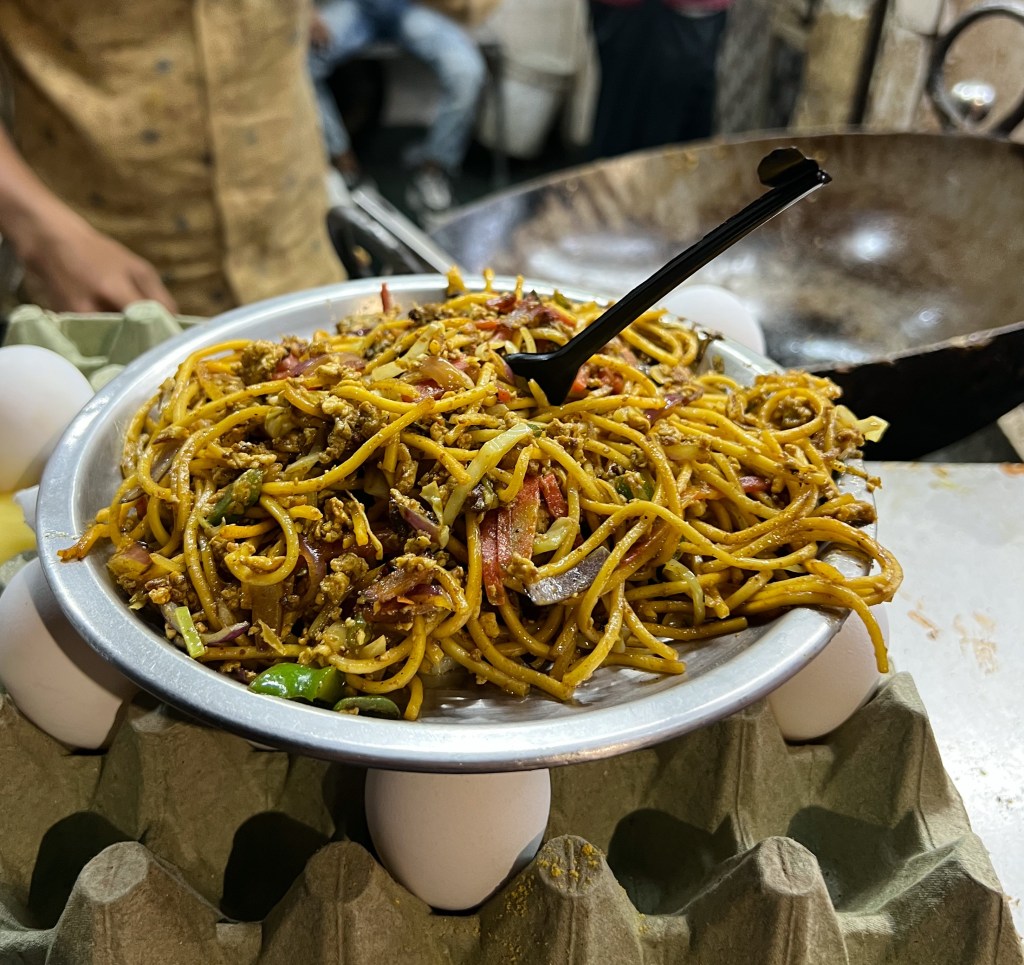
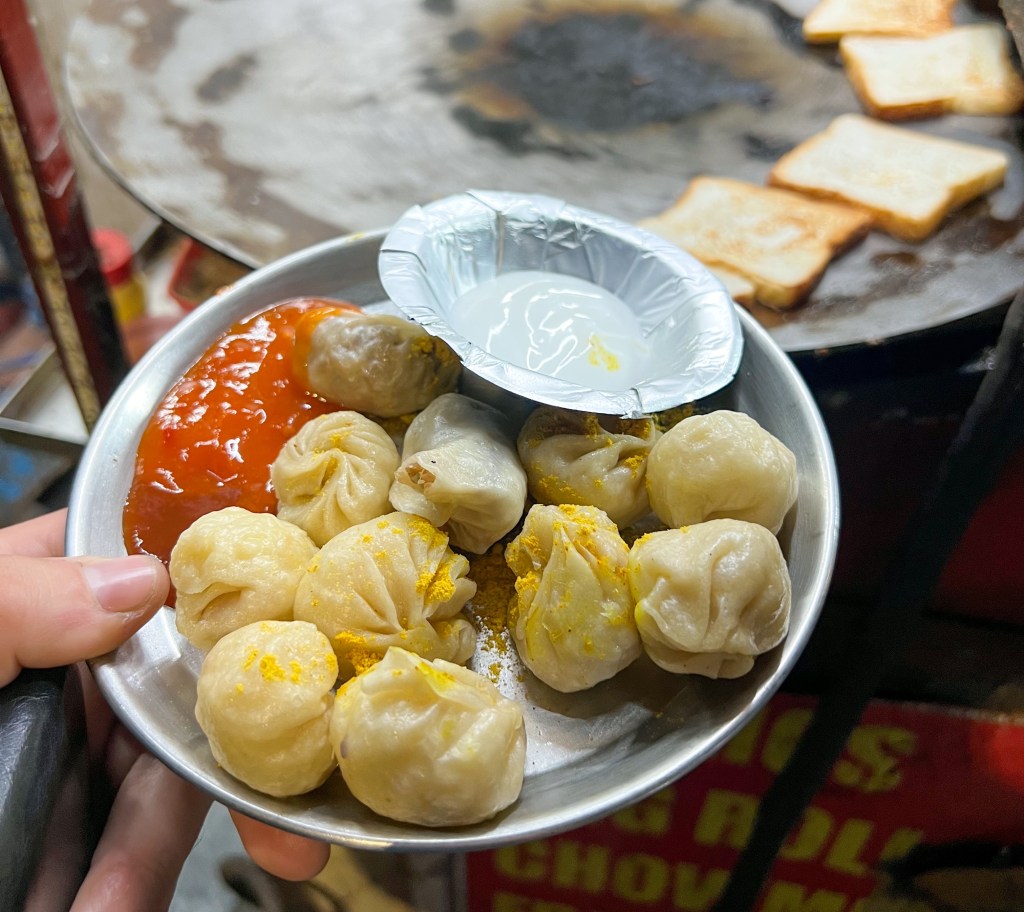
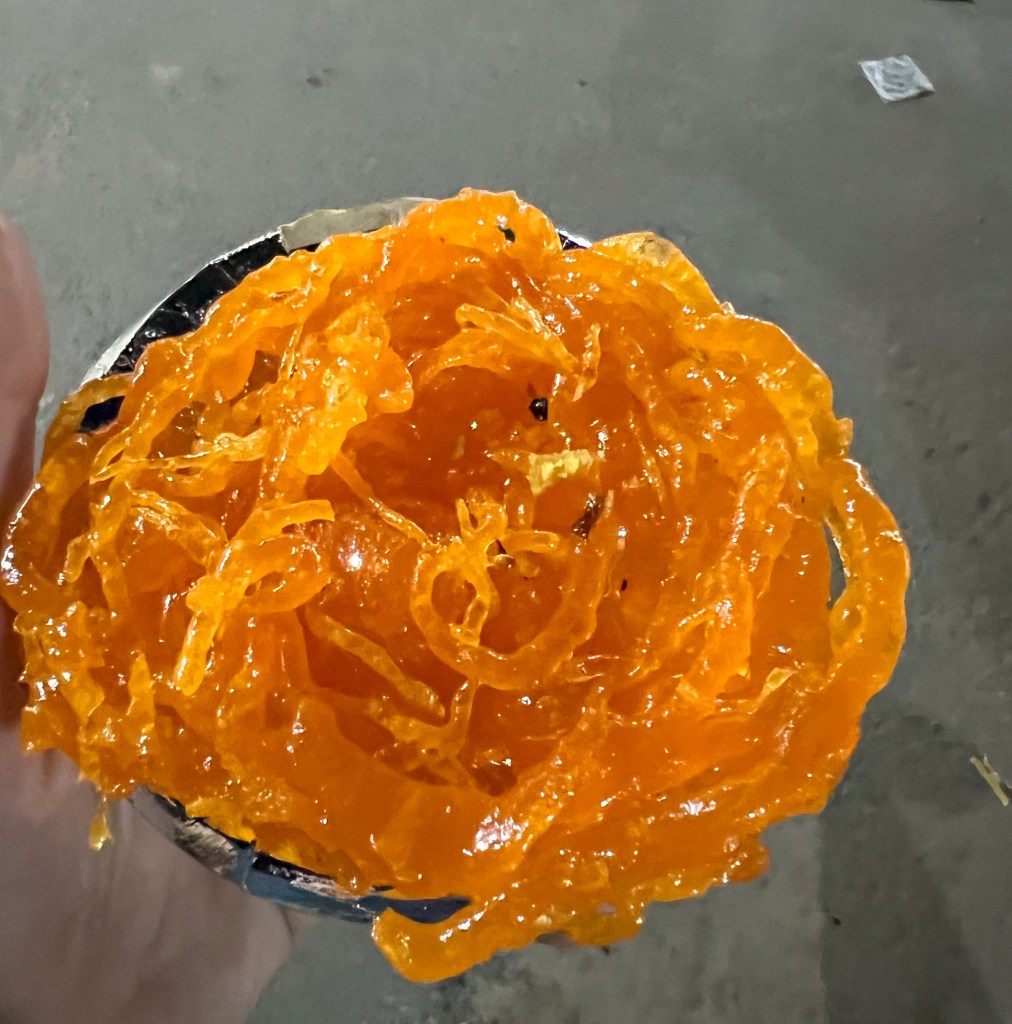
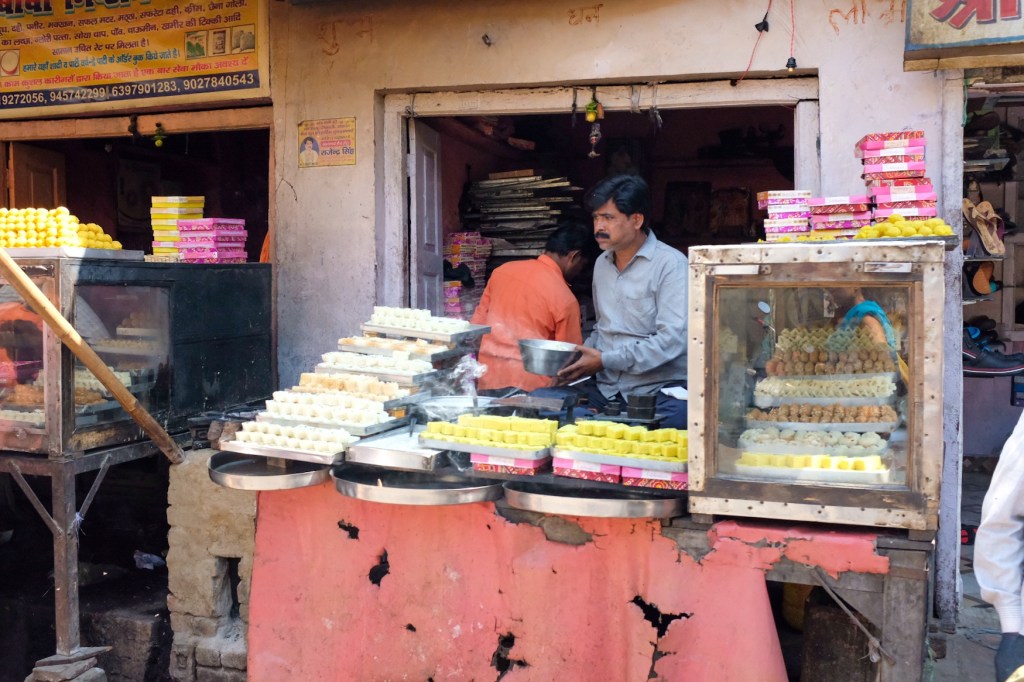
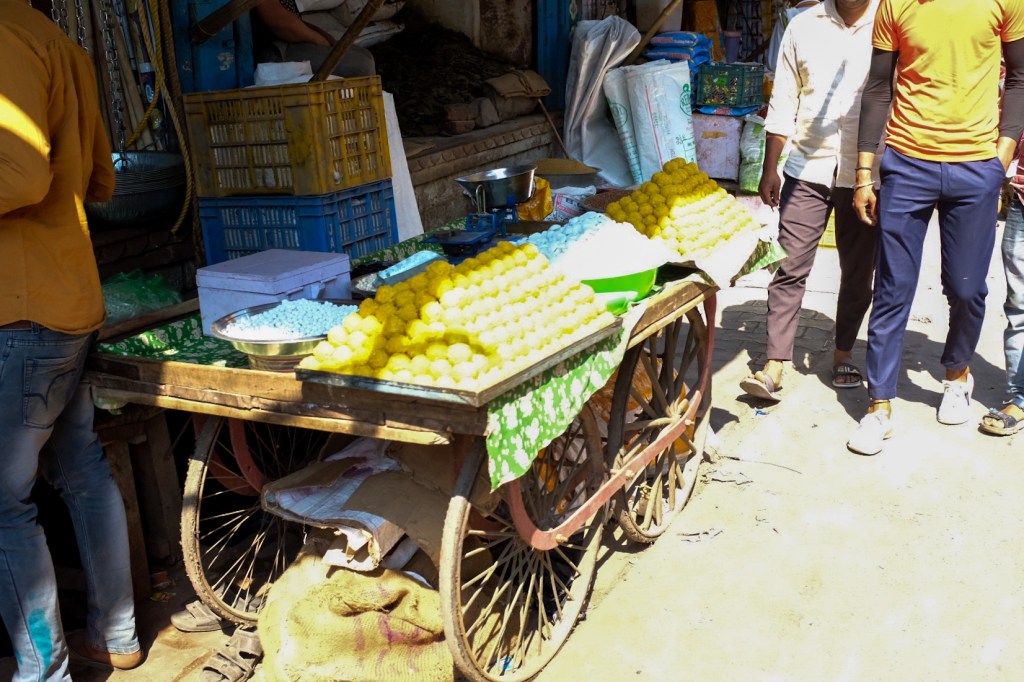
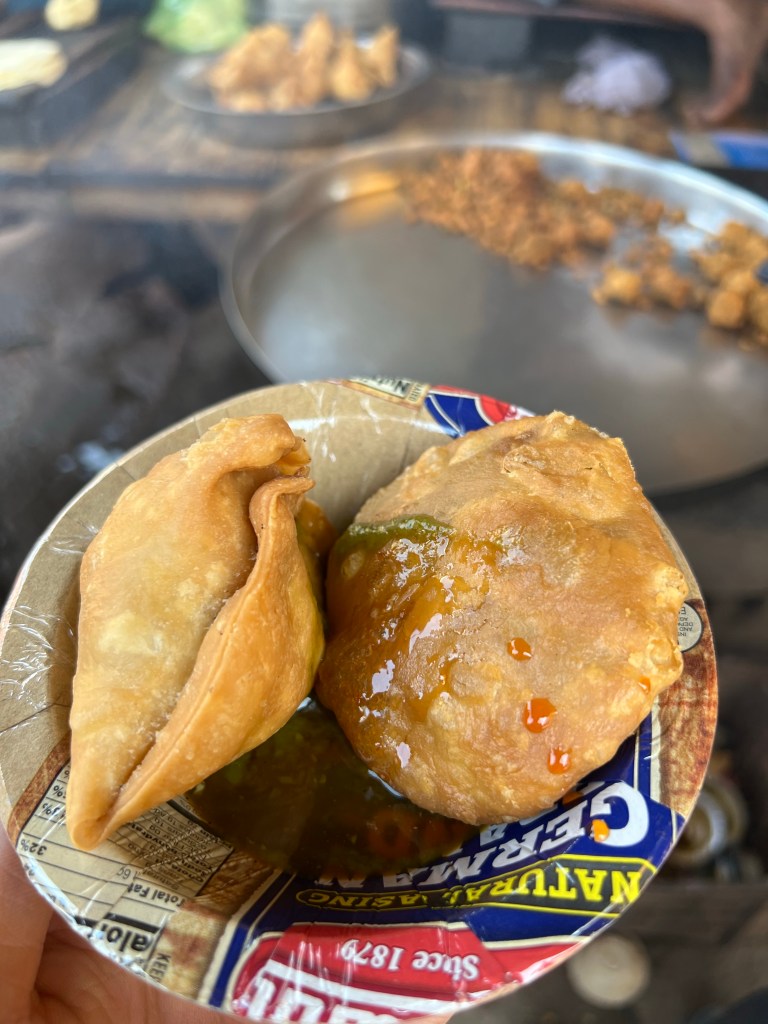
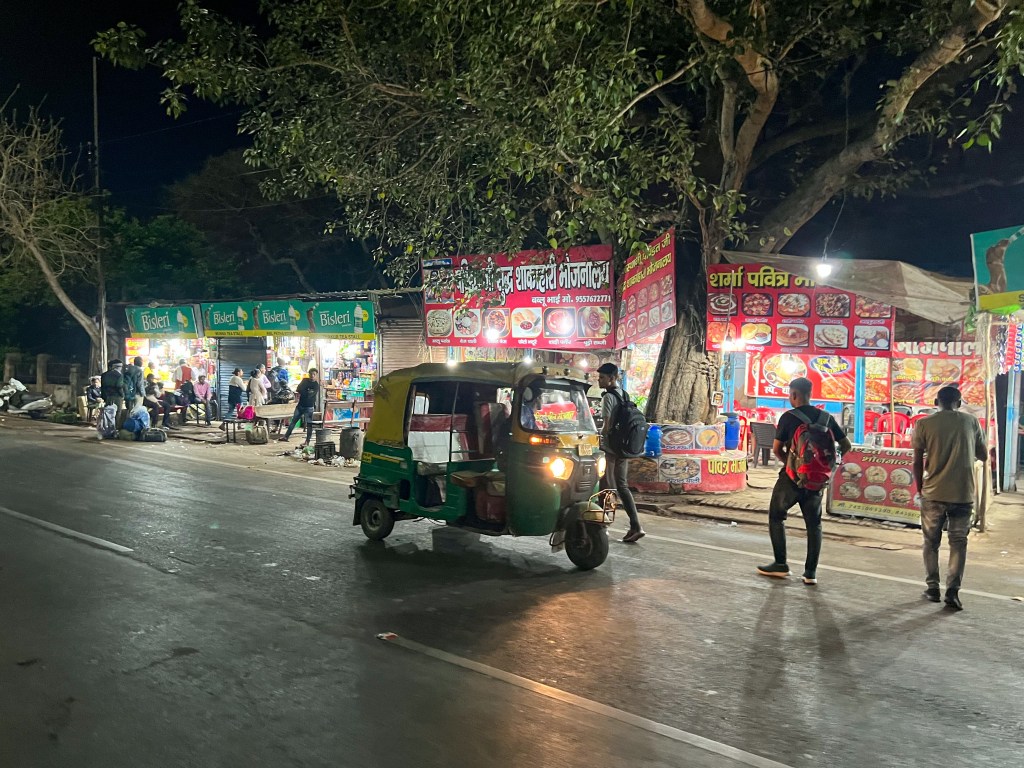
Arriving in the evening, I met up with a few travelers I befriended at the previous hostel in Delhi (almost all backpackers on the Golden Triangle do the same route). Hungry, we all went out to try some of the city’s street food. It doesn’t look like much, but these momo, noodles, and Jalebi were packed with flavor, and cost just 70 rupees in total ($0.85).
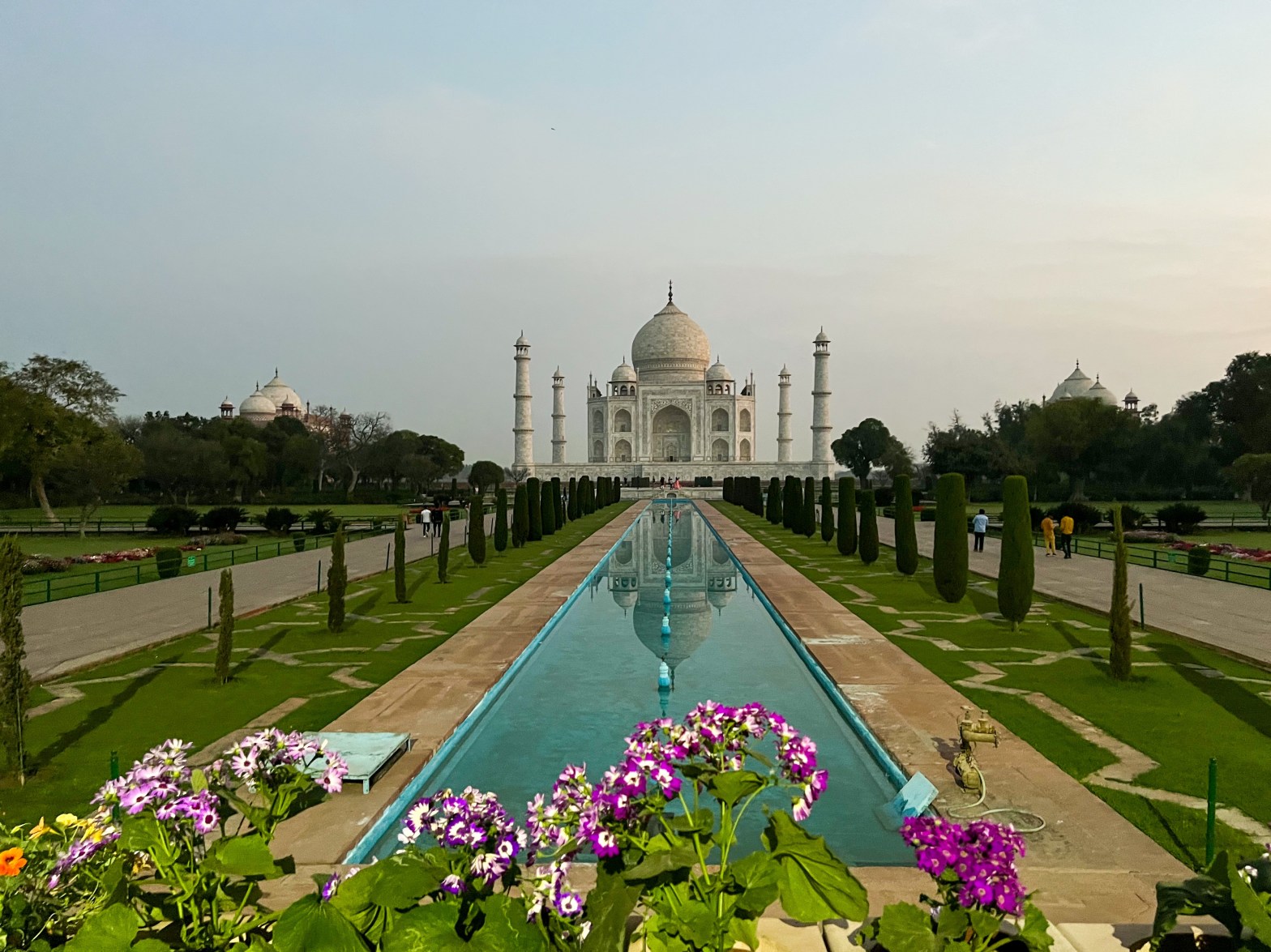
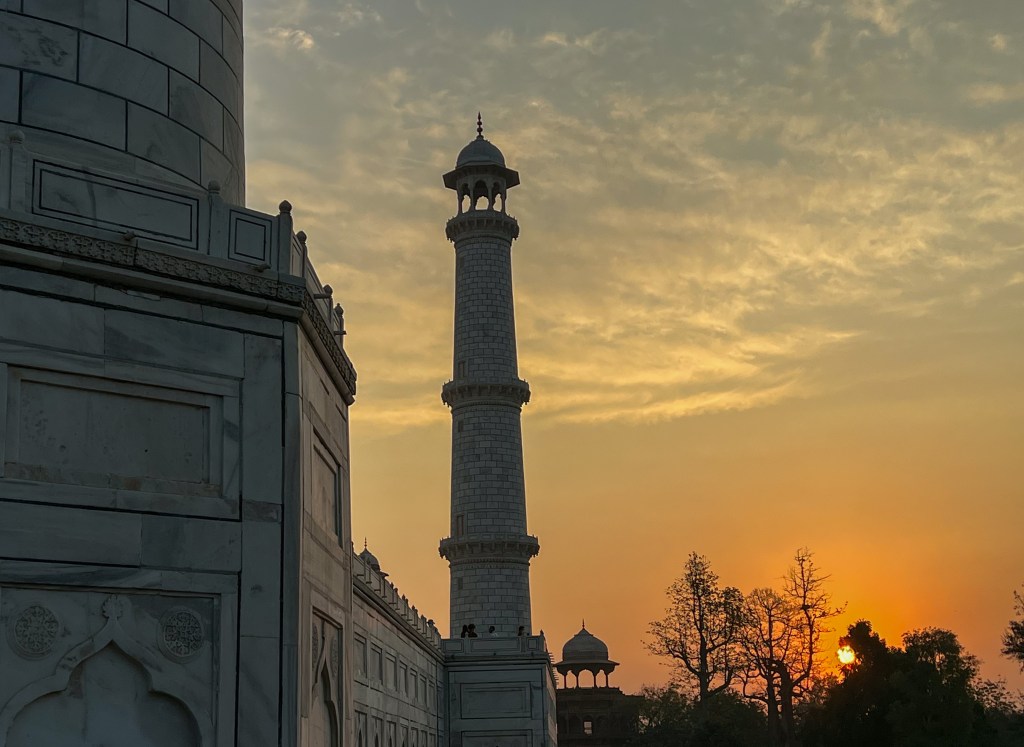
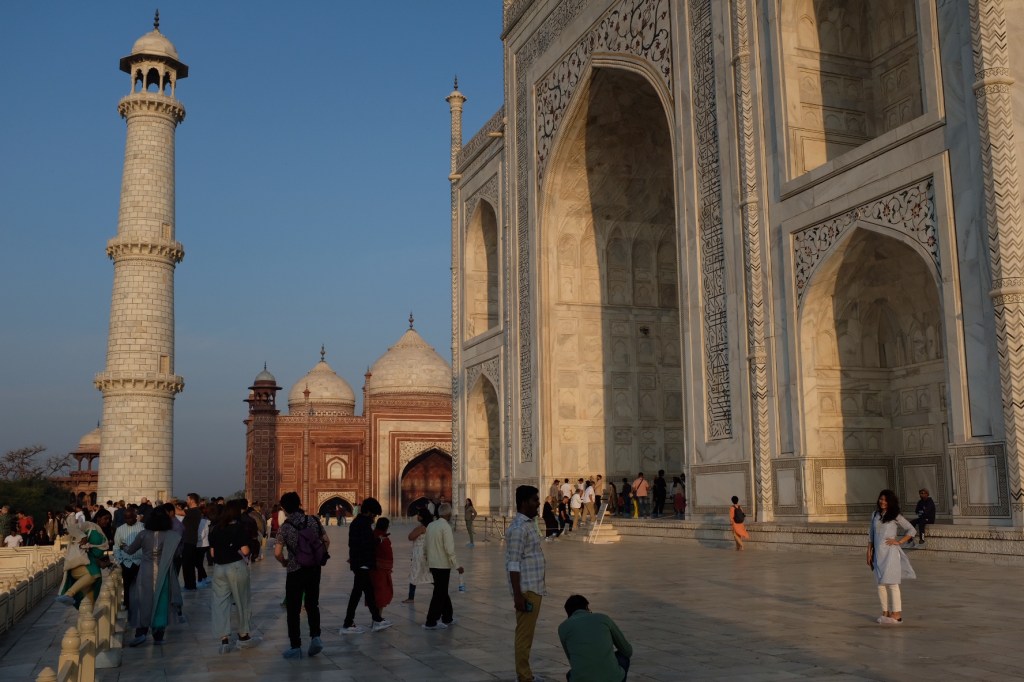
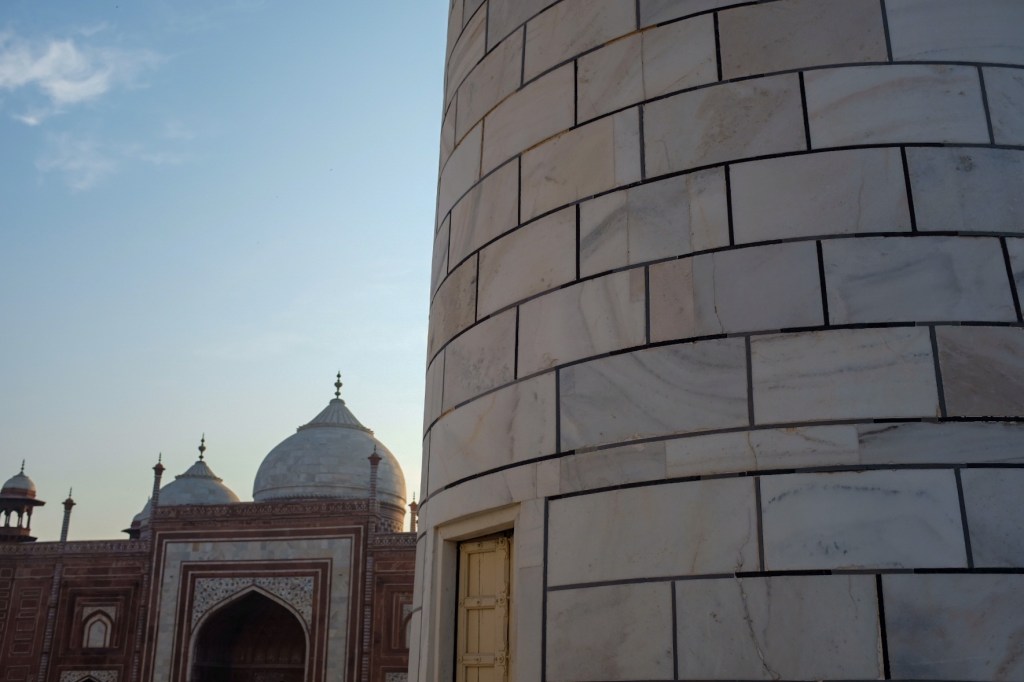
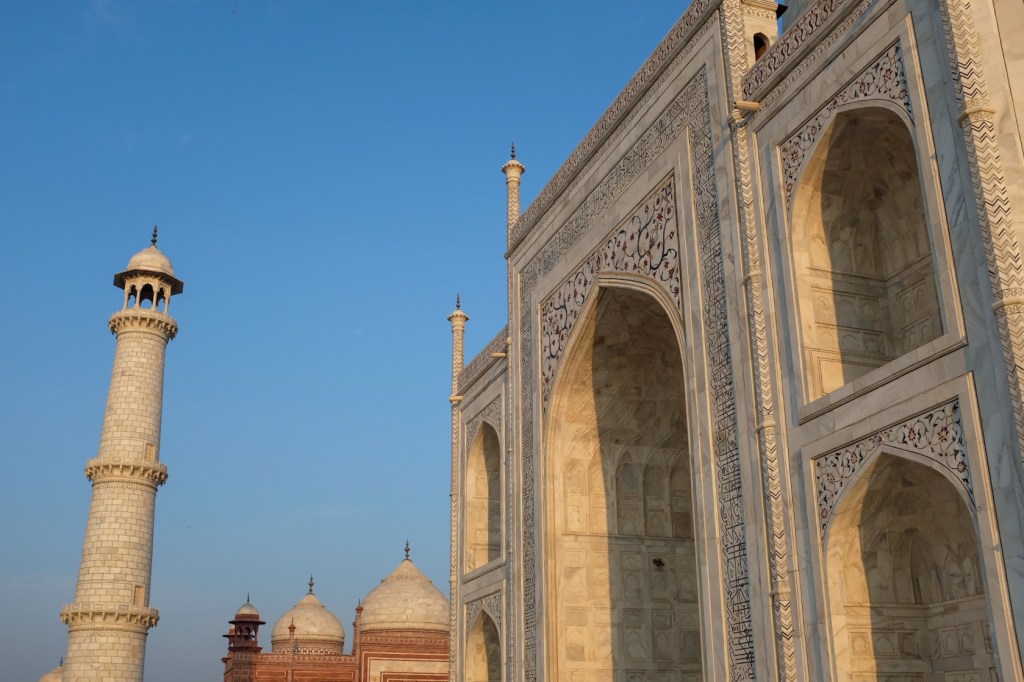
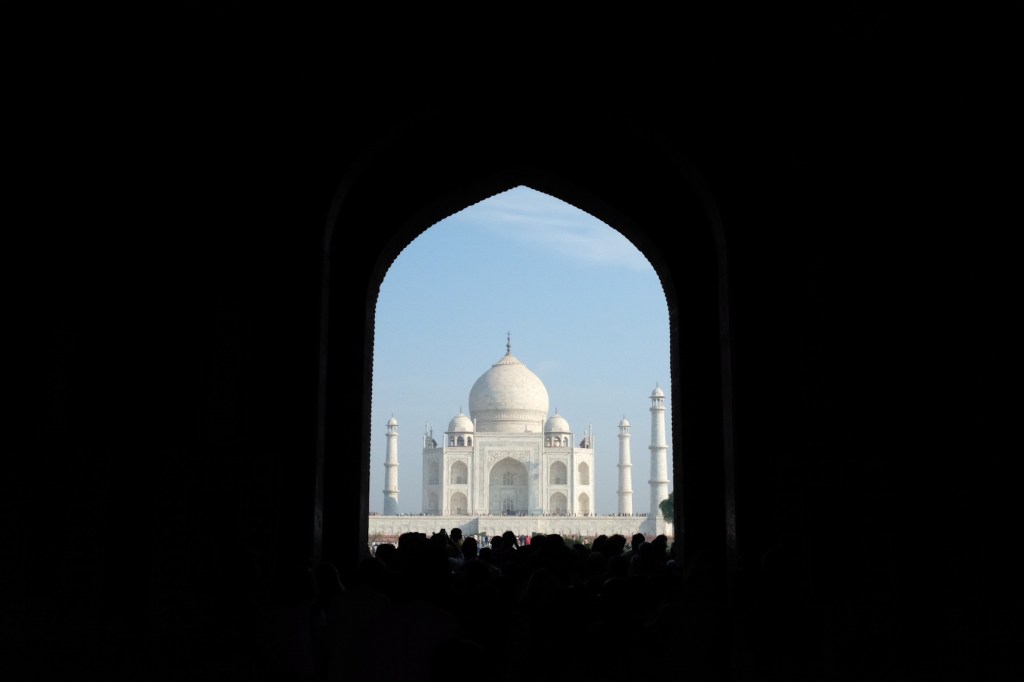
The next day, we got up bright and early to beat the crowds and watch the sunrise at the Taj Mahal – and the sinking mausoleum did not disappoint.
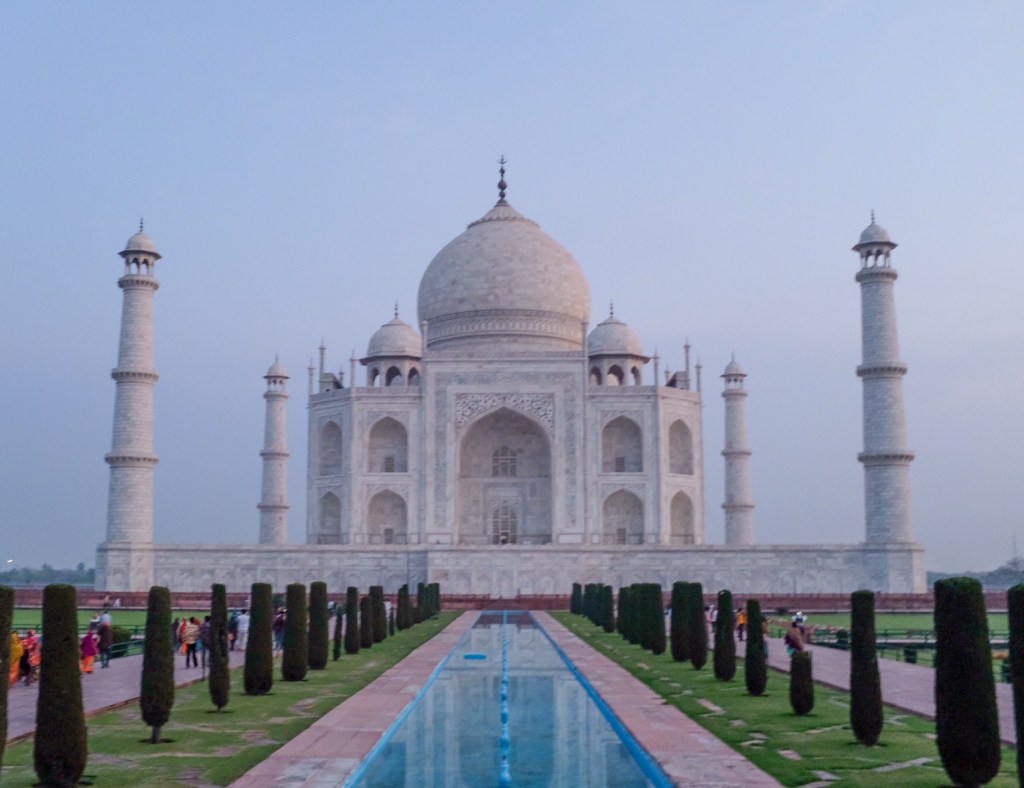
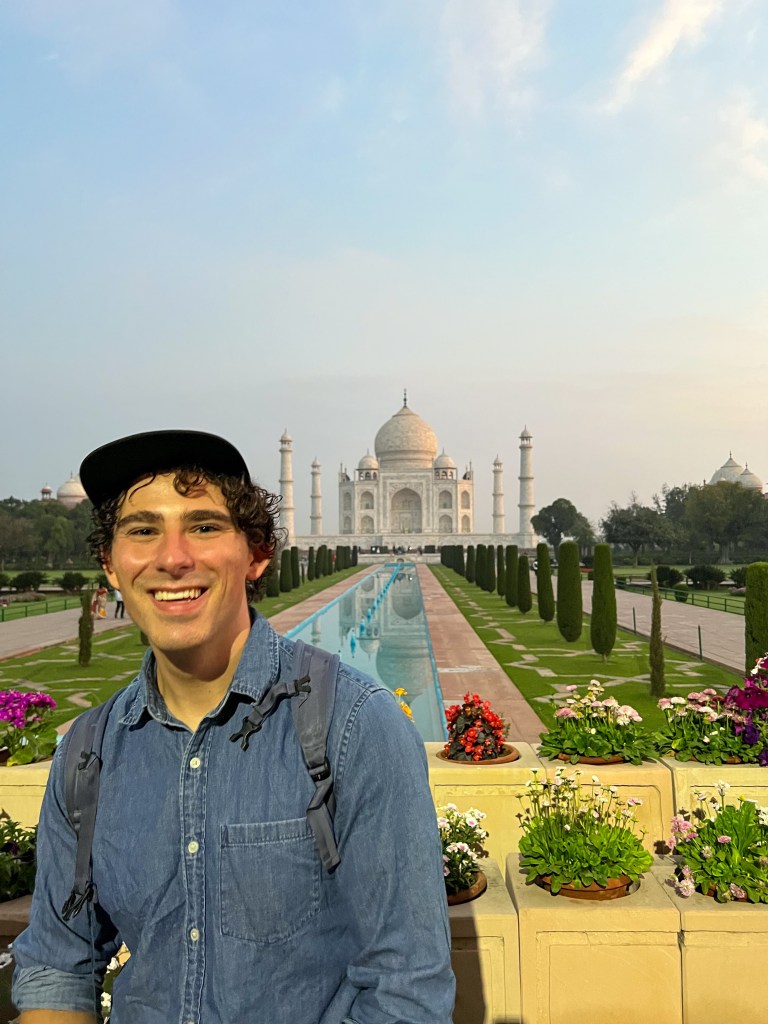
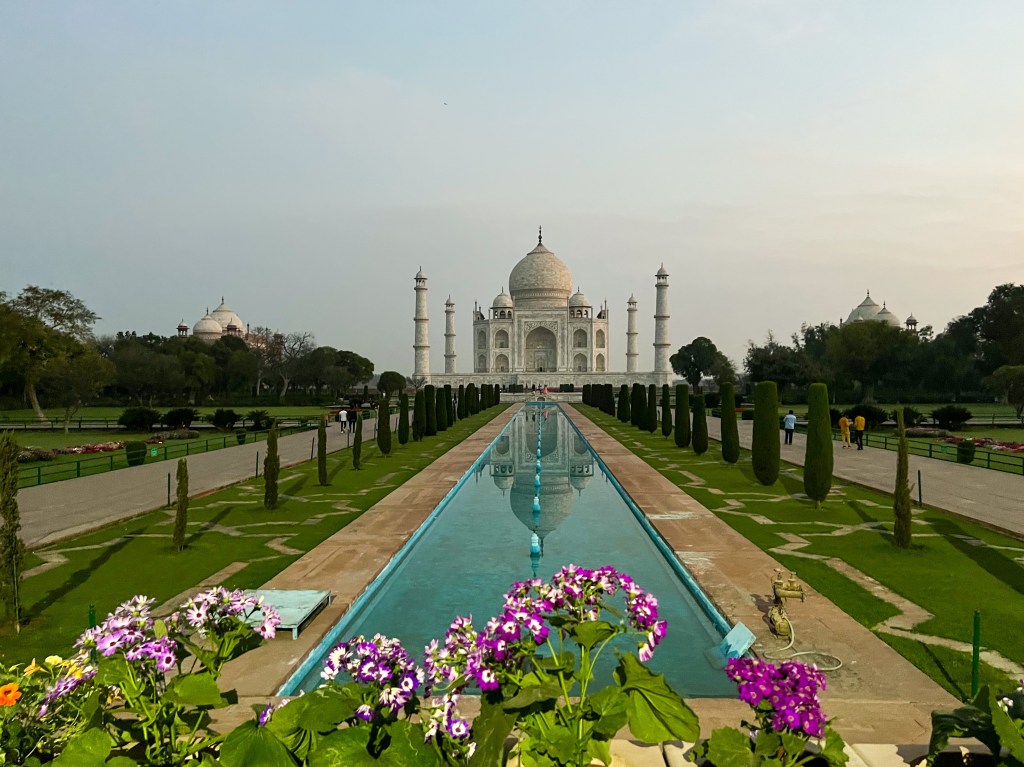
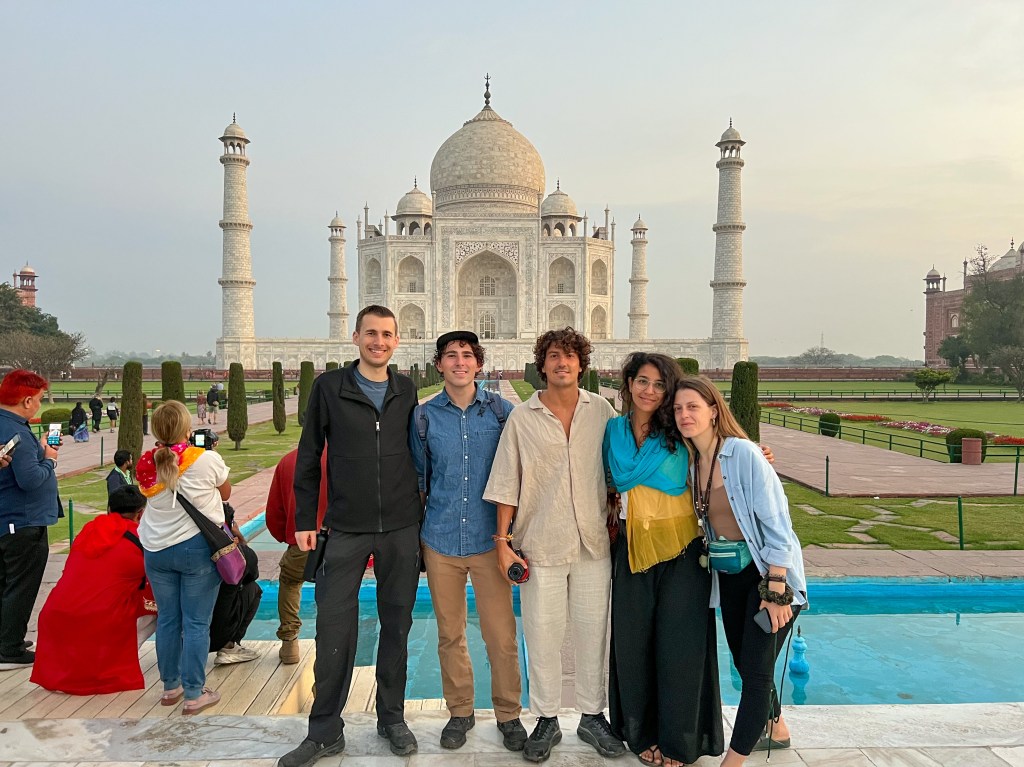
The Taj Mahal was commissioned in 1632 by the Mughal emperor, Shah Jahan, who ruled from 1628 until his death in 1658. He built the ivory-white marble mausoleum on the south bank of the Yamuna river to house the tomb of his favorite wife, Mumtaz Mahal, who died during childbirth. The story goes that Shah Jahan planned a mausoleum to be built in black marble across the Yamuna river, with the two structures connected by a bridge, but that he died before it could be built after being dethroned by his son.
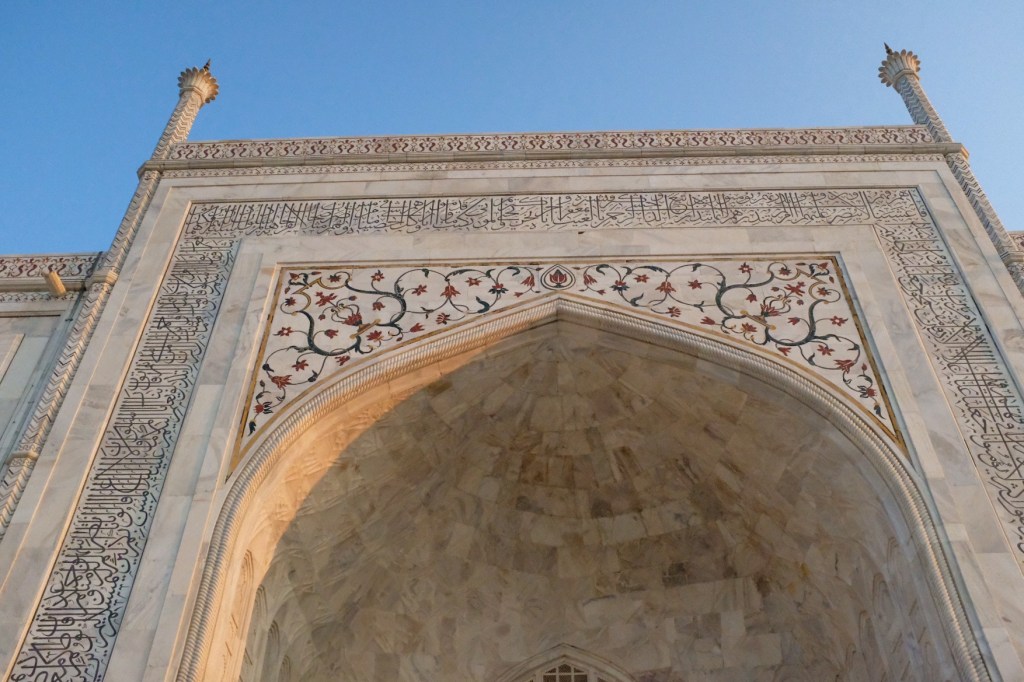
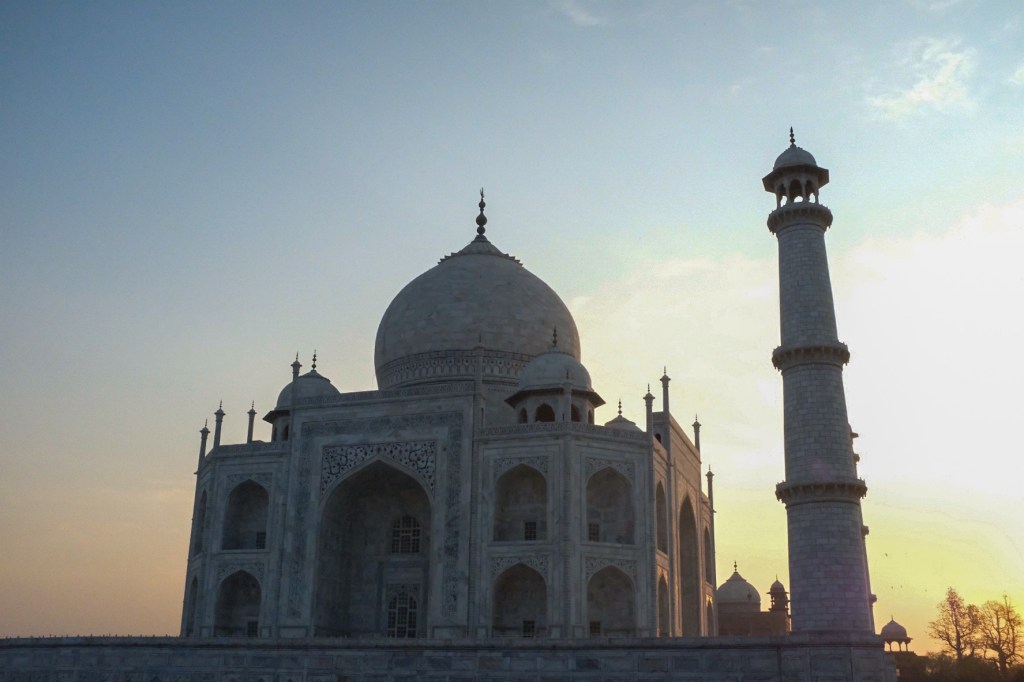
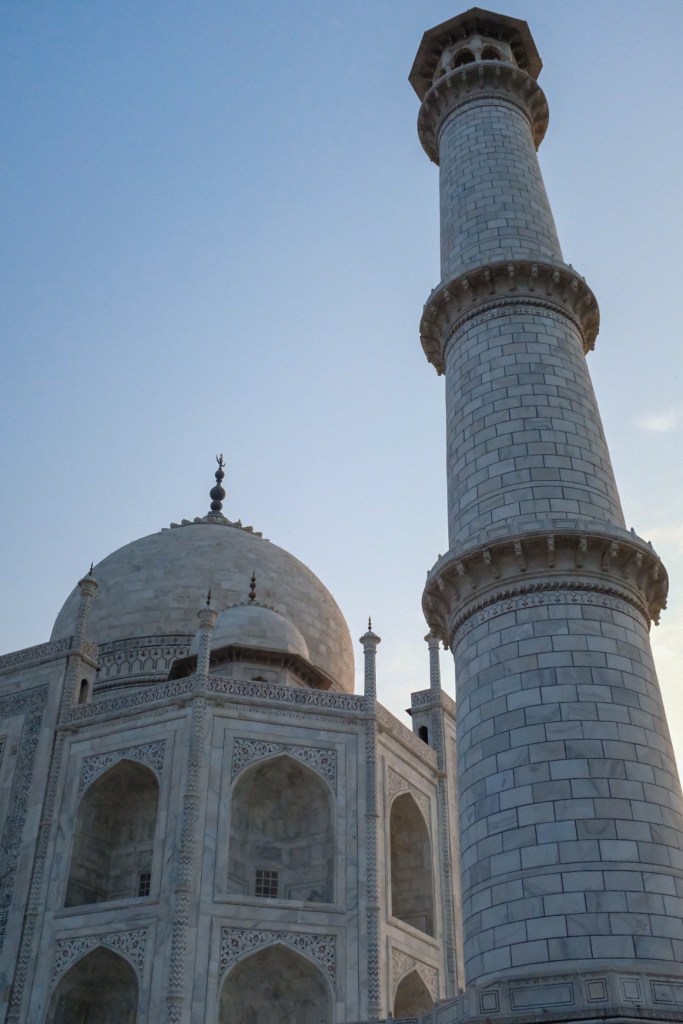
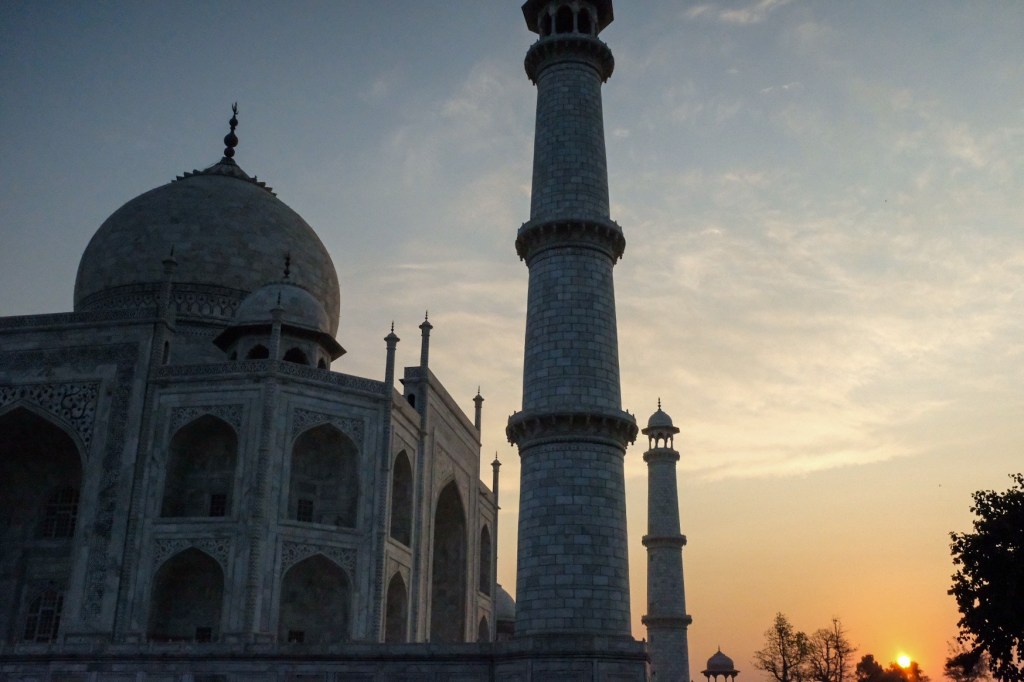
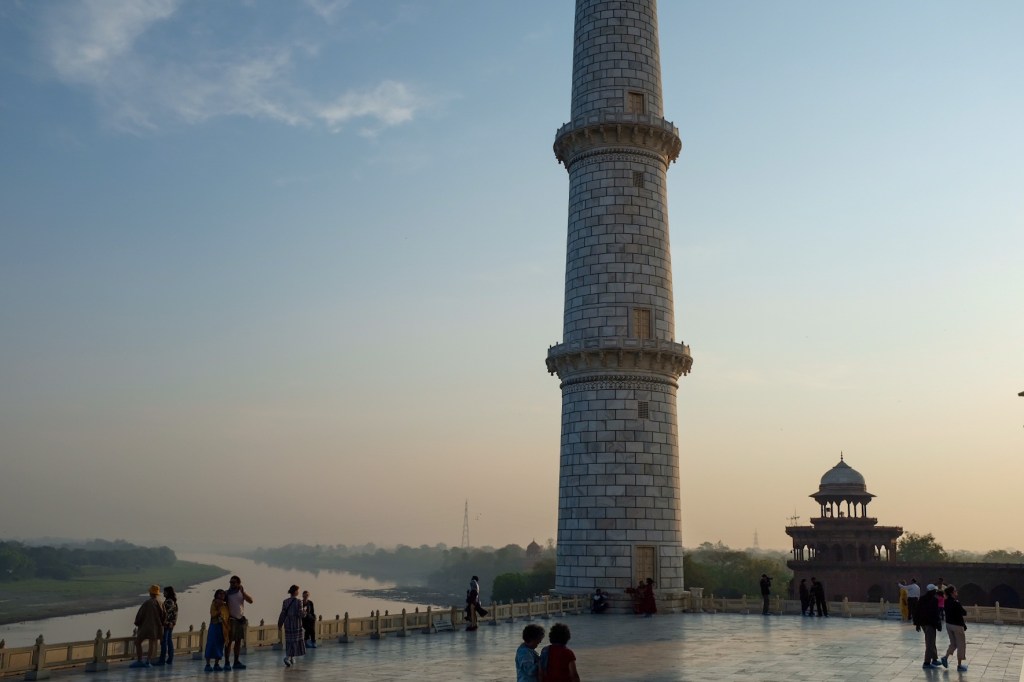
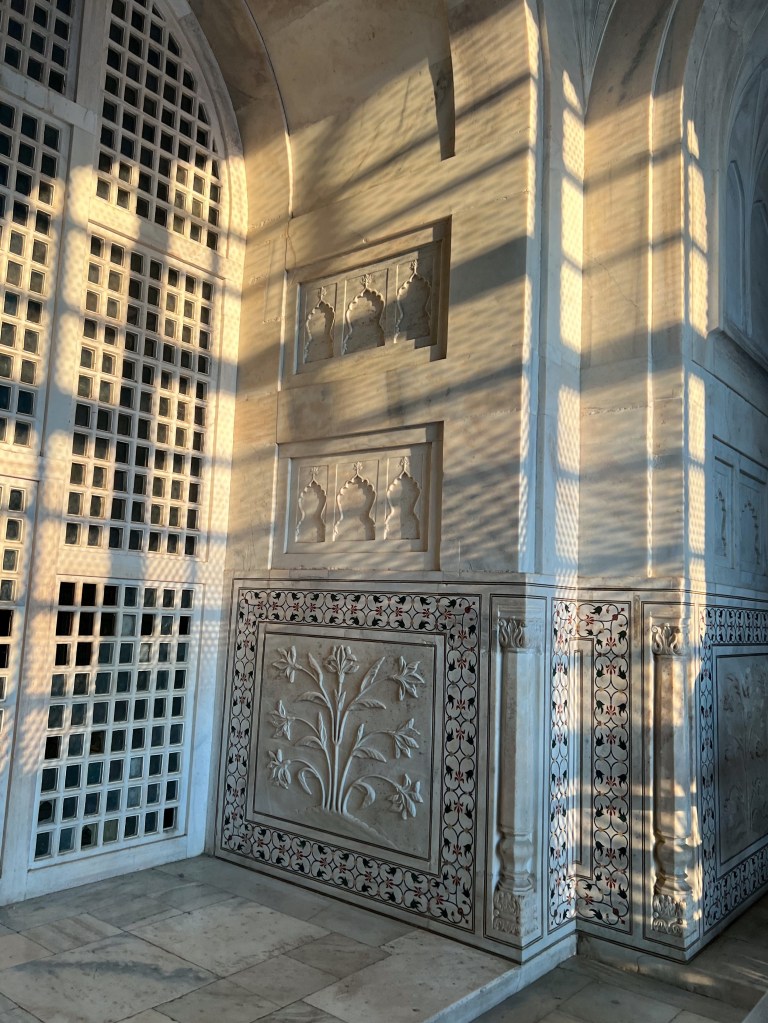
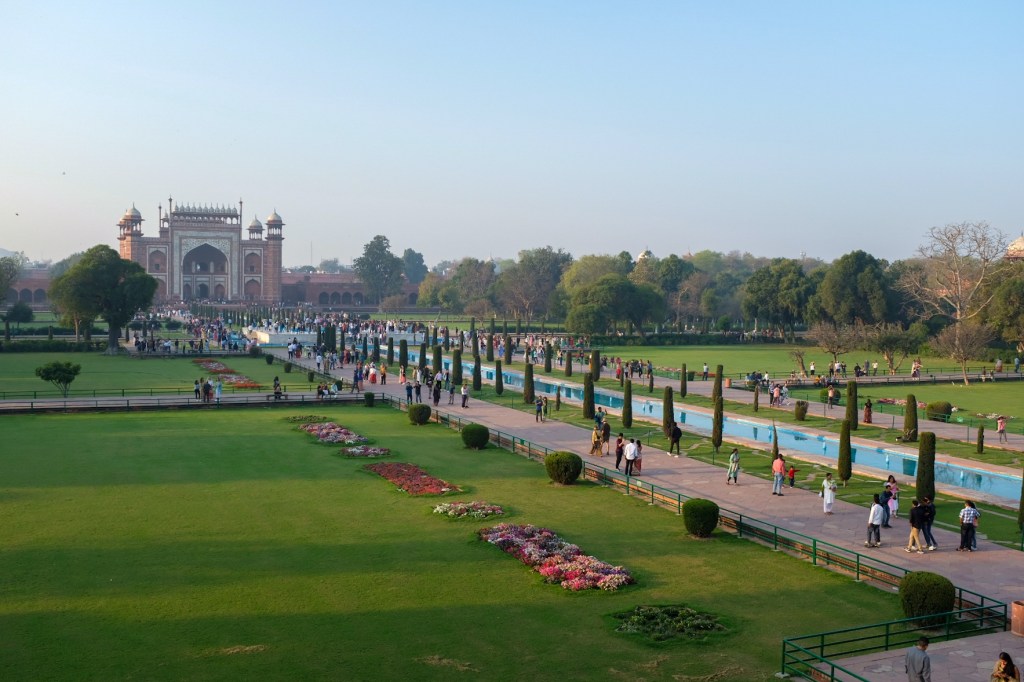
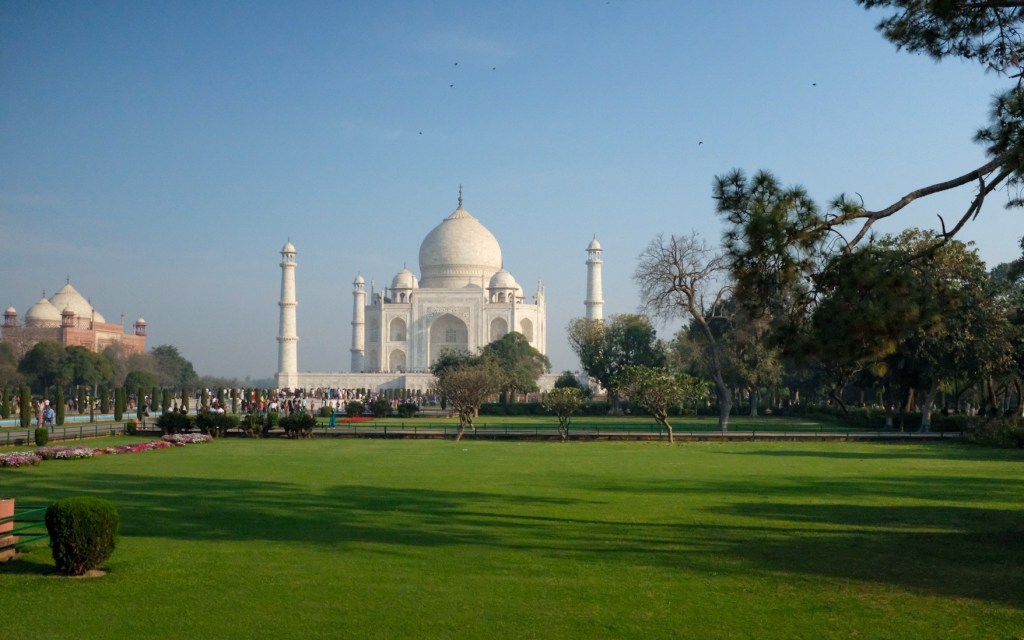
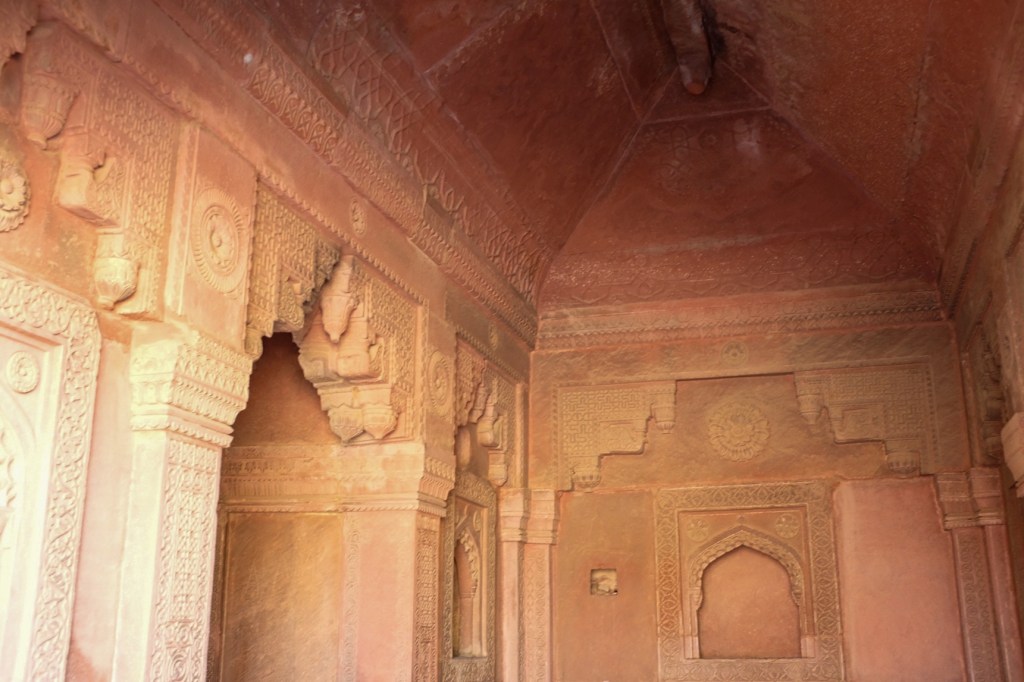
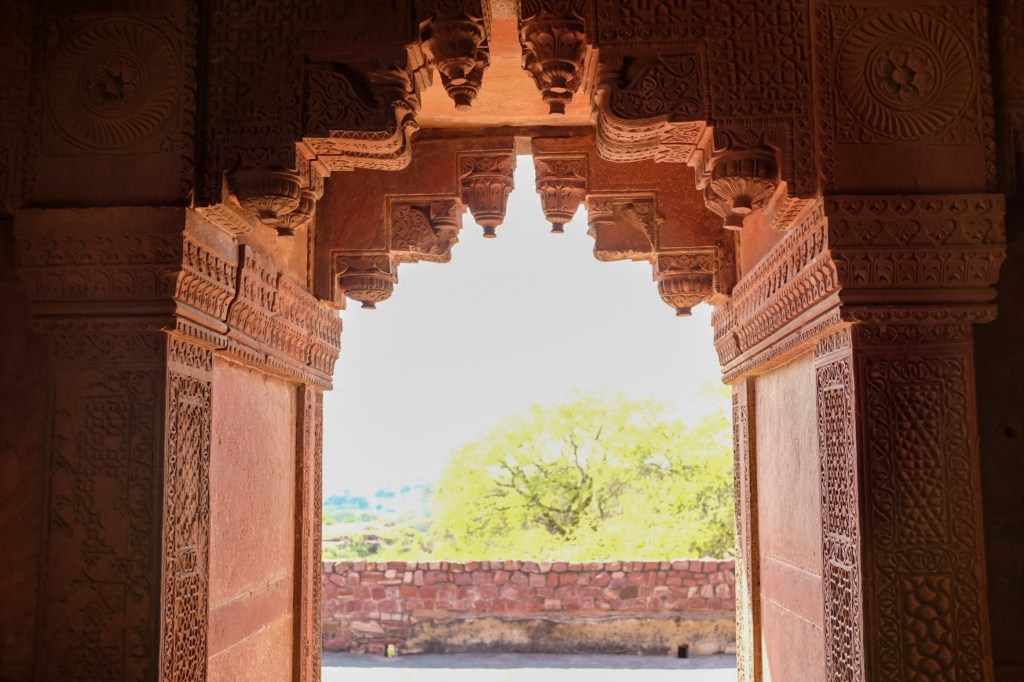
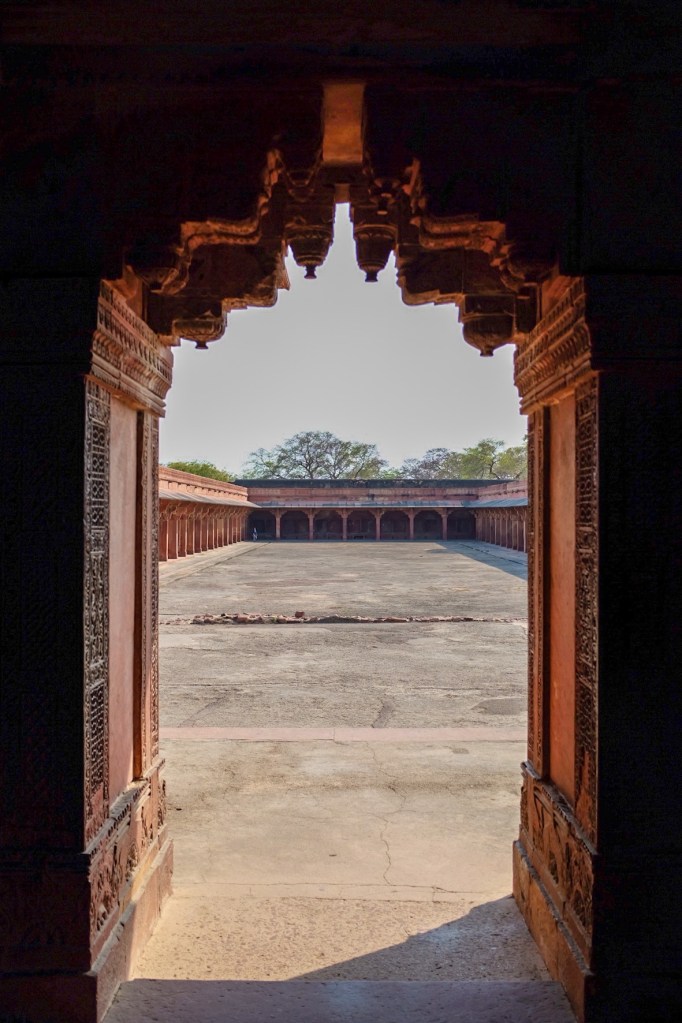
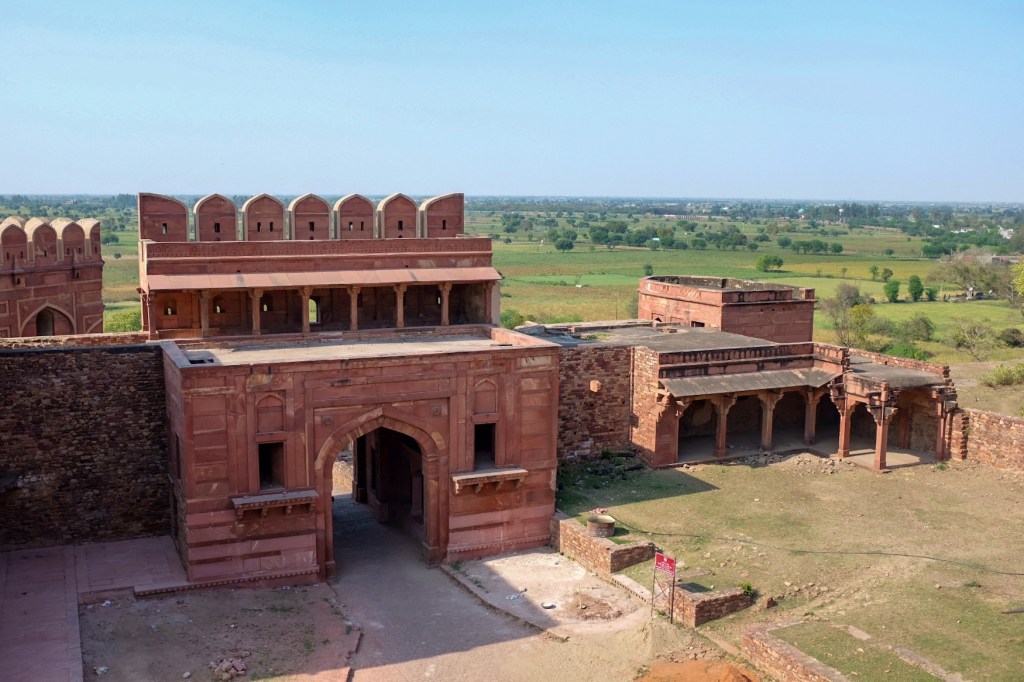
In the afternoon, we headed 20 miles West of Agra to a small city called Fatepur Sikri.

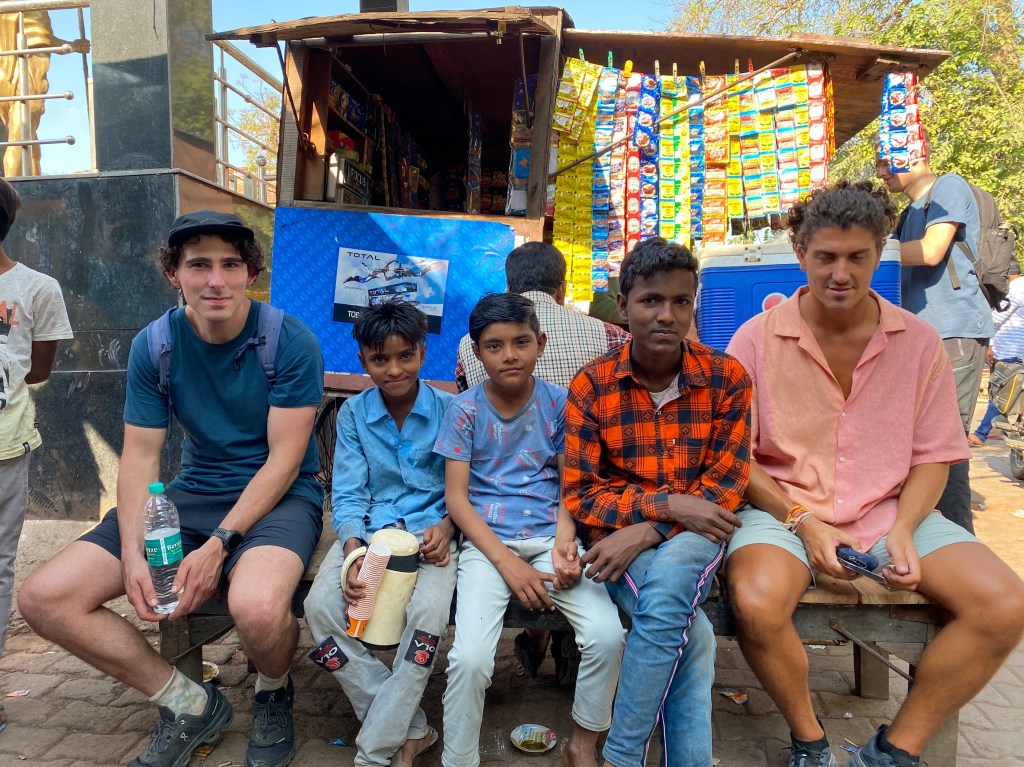
The city was founded as the capital of the Mughal Empire in 1571 by Emperor Akbar the Great. His palace and the surrounding city served this role for just 14 years, when Akbar abandoned it due to a campaign in Punjab. It is said that the palace was built for Akbar’s wife, Jodha Akbar, who was Hindu (the Mughals were largely Muslim). She was allowed to practice her religion and there is a small temple of Lord Krishna in the complex.
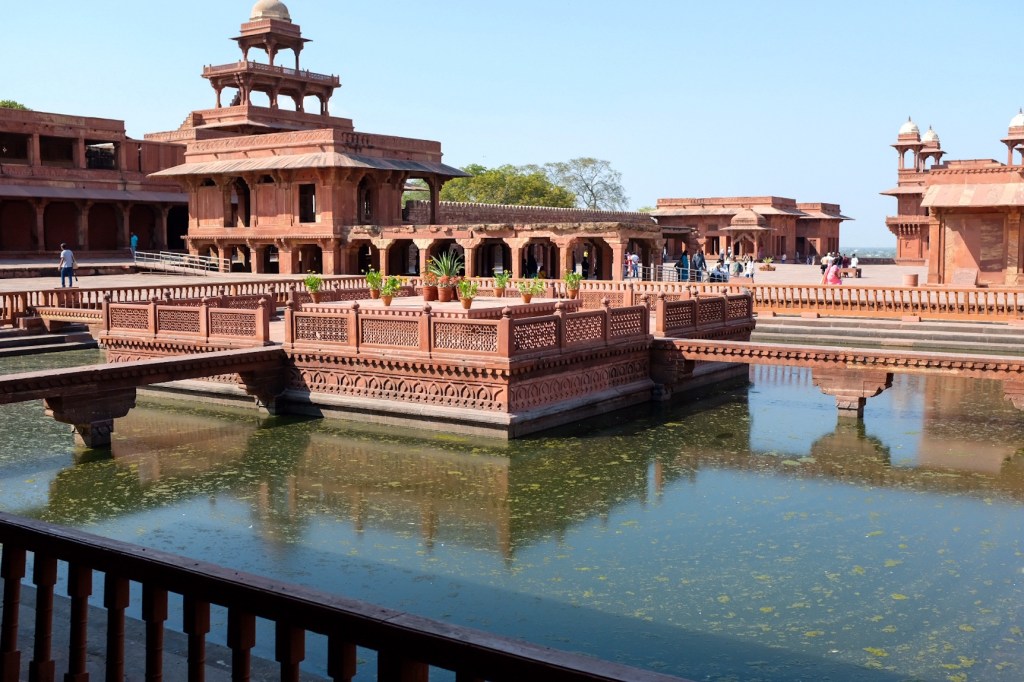
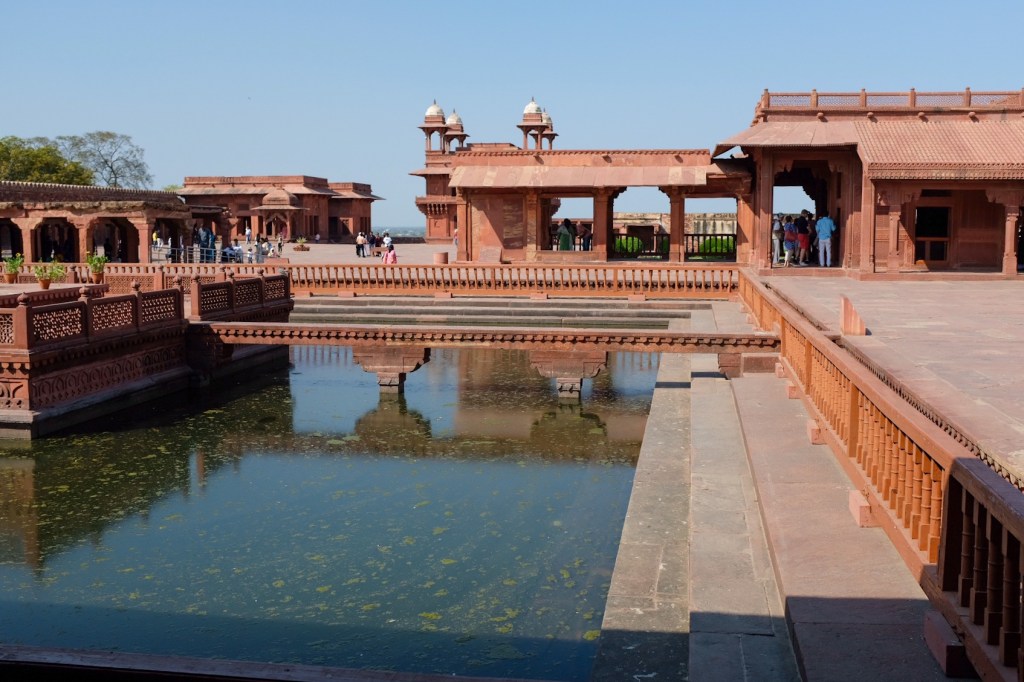
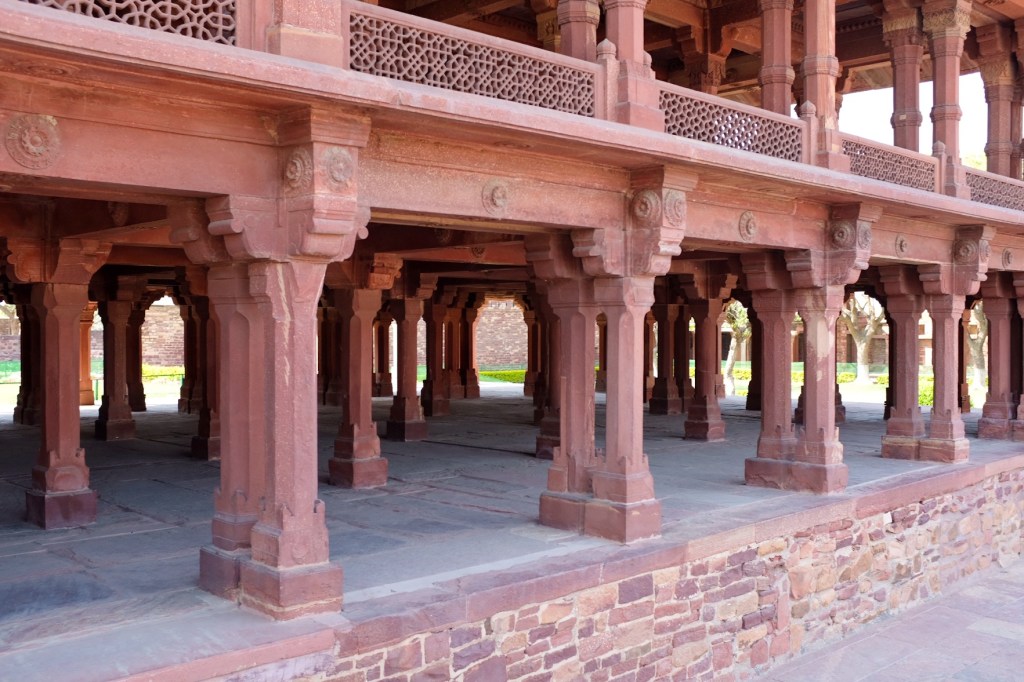
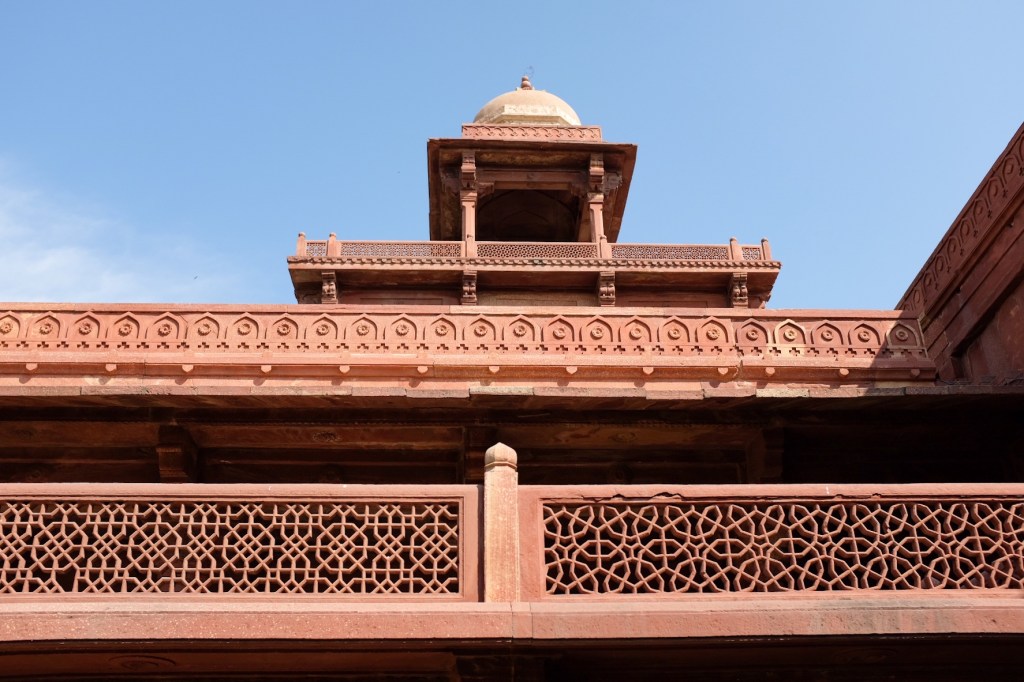
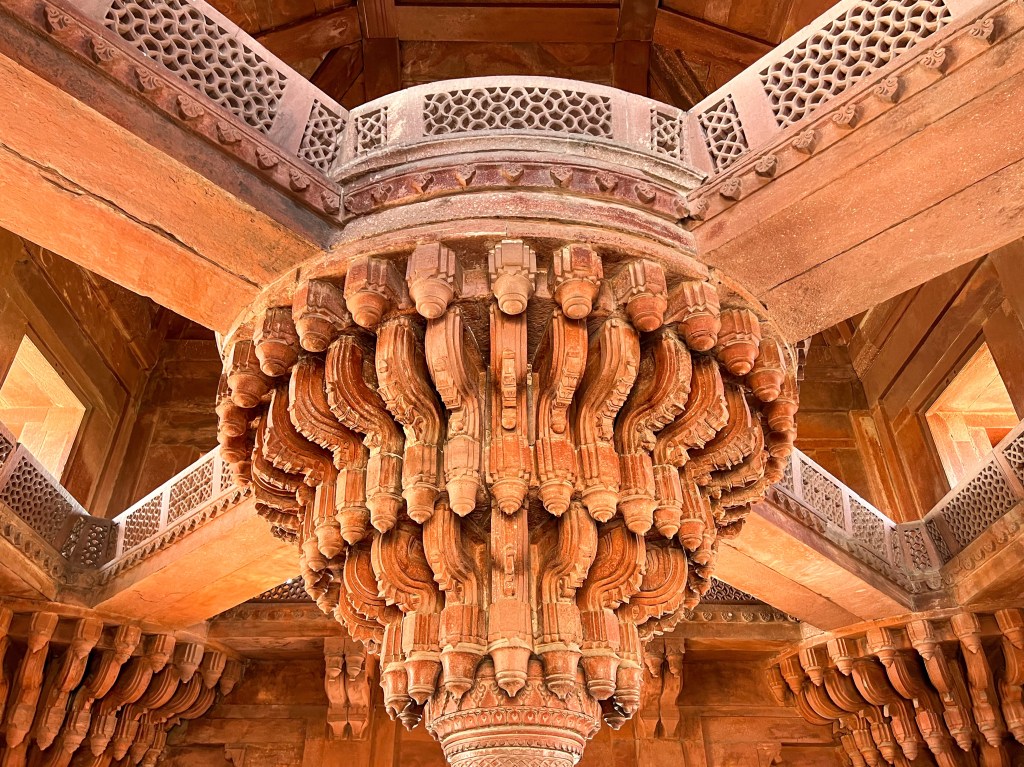
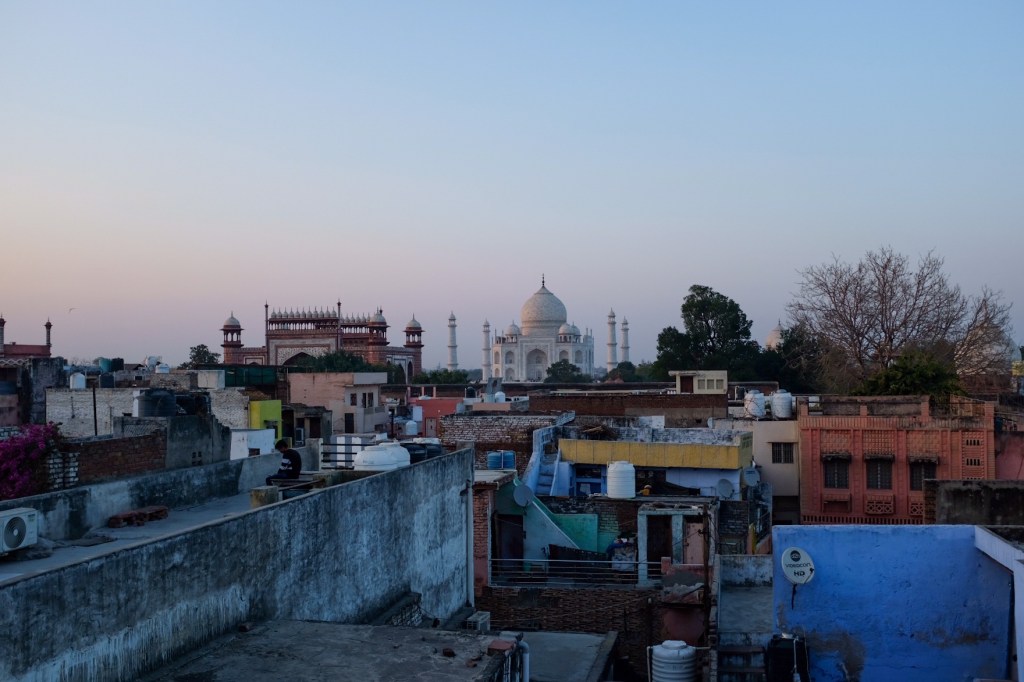
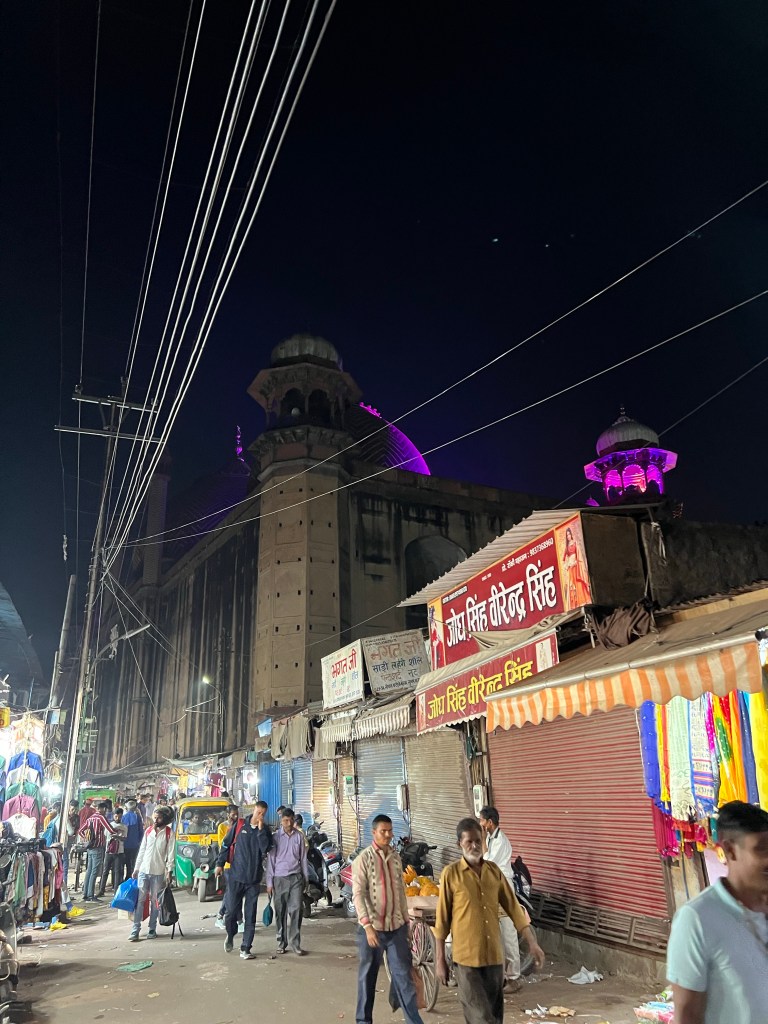
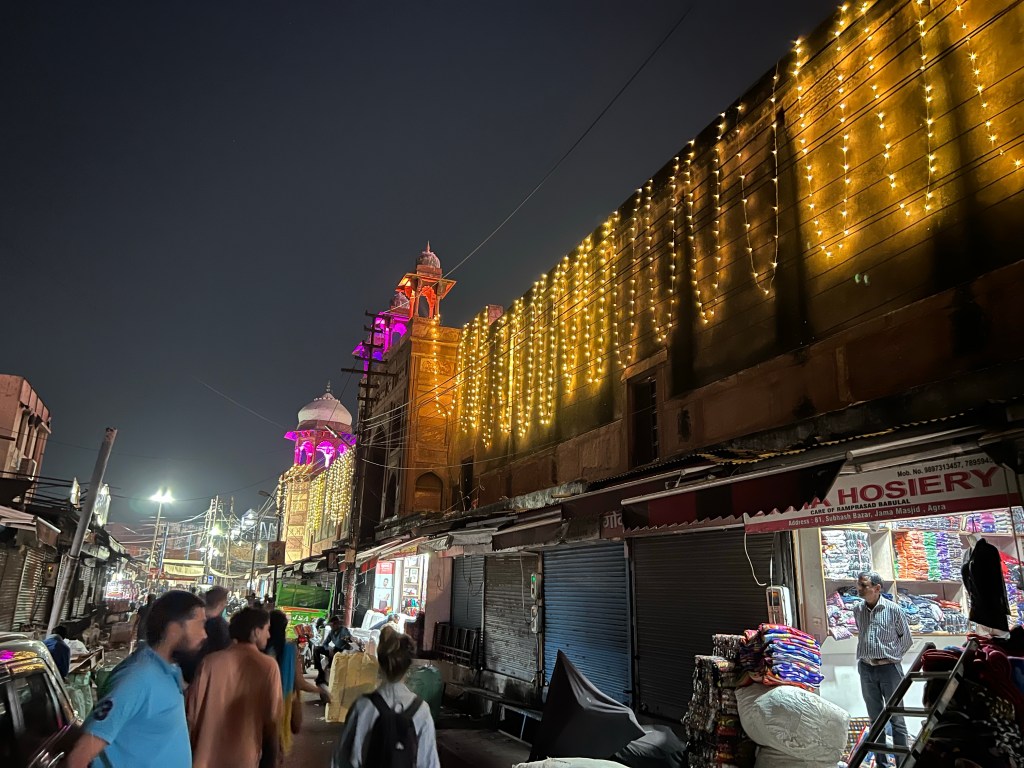
We finished the day in the watching the sunset over the Taj Mahal at a rooftop bar and exploring to the Subhash Bazaar, a famous shopping center best phone for the huge variety of silk products.
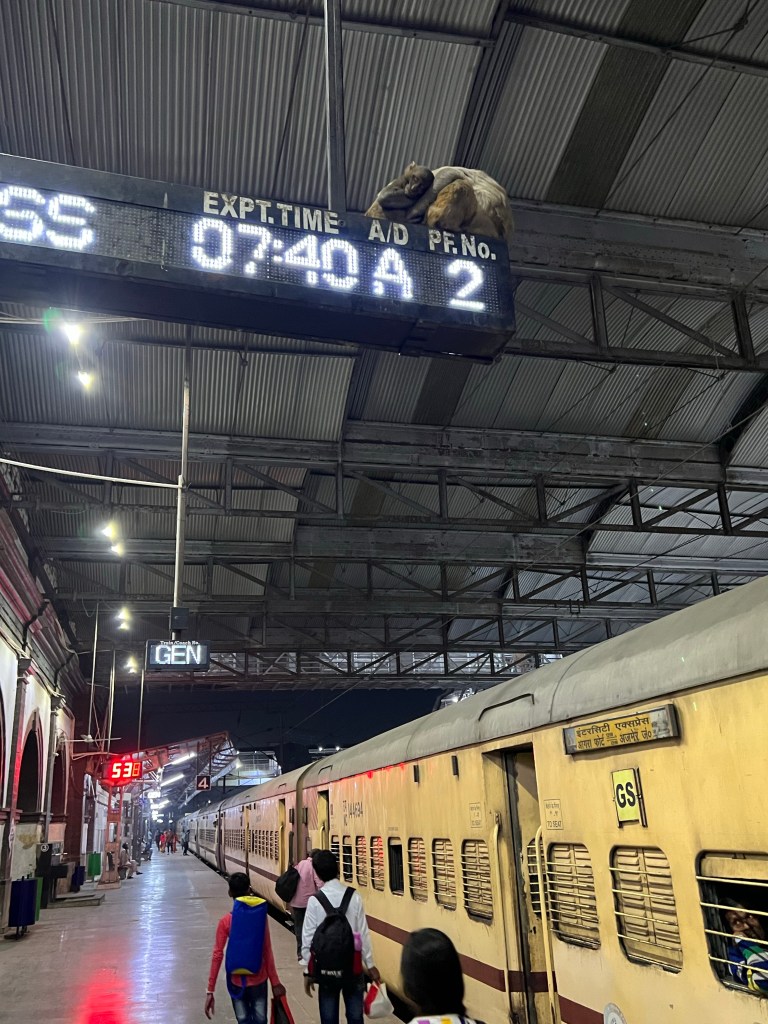
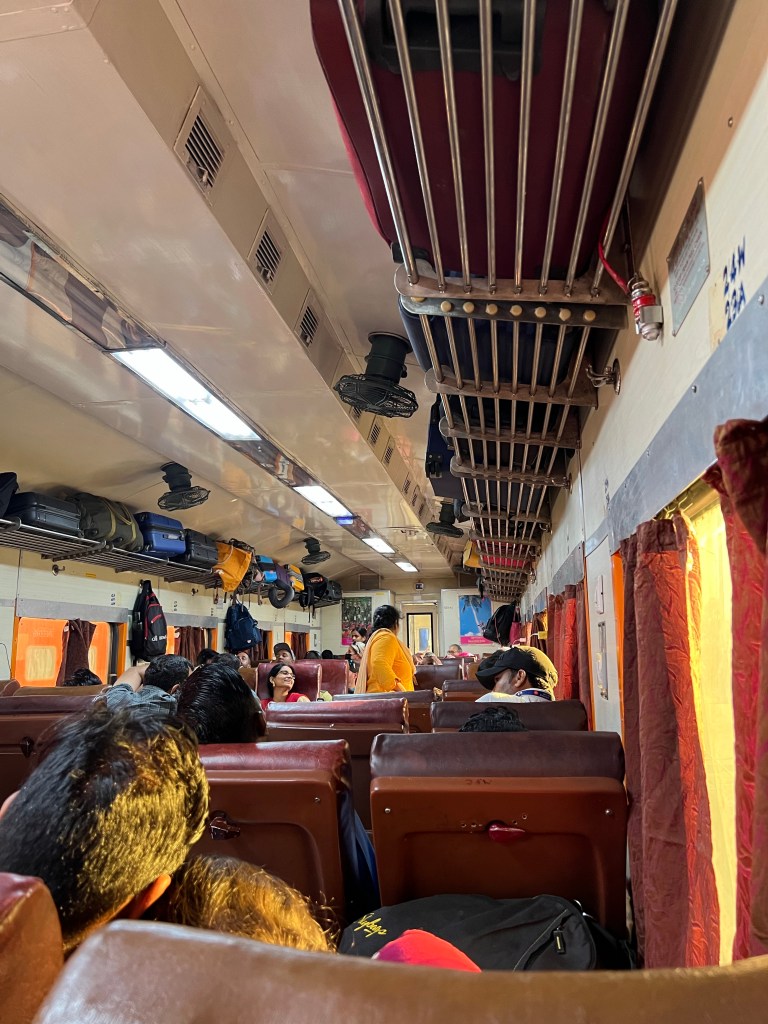
The next day, I said goodbye to the group and caught a train to Jaipur, about 150 miles west of Agra.
Quickly, before I wrap up Agra, I’d like to talk a bit about the poverty we witnessed in Agra, just a few hundred feet from the Taj Mahal. I didn’t think it appropriate to take photos of people’s homes, but I did take a video of this river we passed by – the most filth I’ve ever seen in a congested city.
It’s really quite sad, especially when you consider the wealth the Taj Mahal generates (it is the highest revenue generating monument in India, even after maintenance costs). The contrast between the immensely well-maintained structure and grounds of the Taj Mahal and the dilapidated city that surrounds it really demonstrated to me the deceptive imagine tourism can offer if you don’t go beyond the designated lines set by the industry. I’m not quite sure what the solution to this could be – should a portion of the ticket price (around $15 for foreigners) go to the city itself? Should the admission cost be increased to supplement support for the community? I can’t speak on how public policy in India operates and the immense challenges it faces but I feel as though there is something that can be done here.
Jaipur & Holi
Jaipur, the “Pink City” for its trademark building color, is the capital of India’s Rajasthan state. The city holds the distinction of being the first planned city in India, renounced for its colorful gems.
It is also where I celebrated Holi!
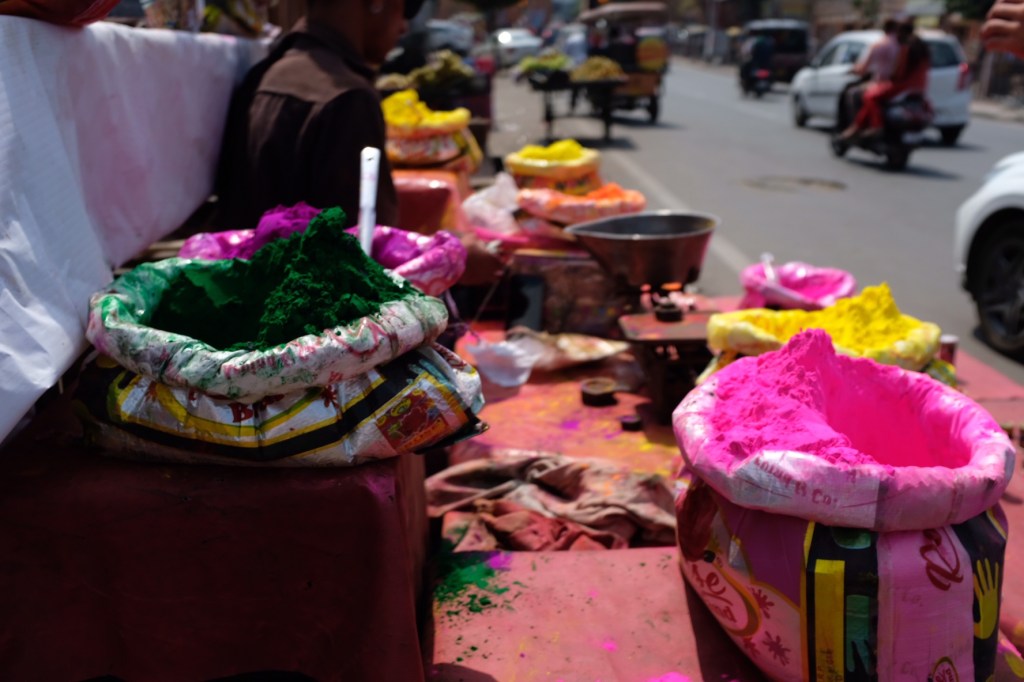
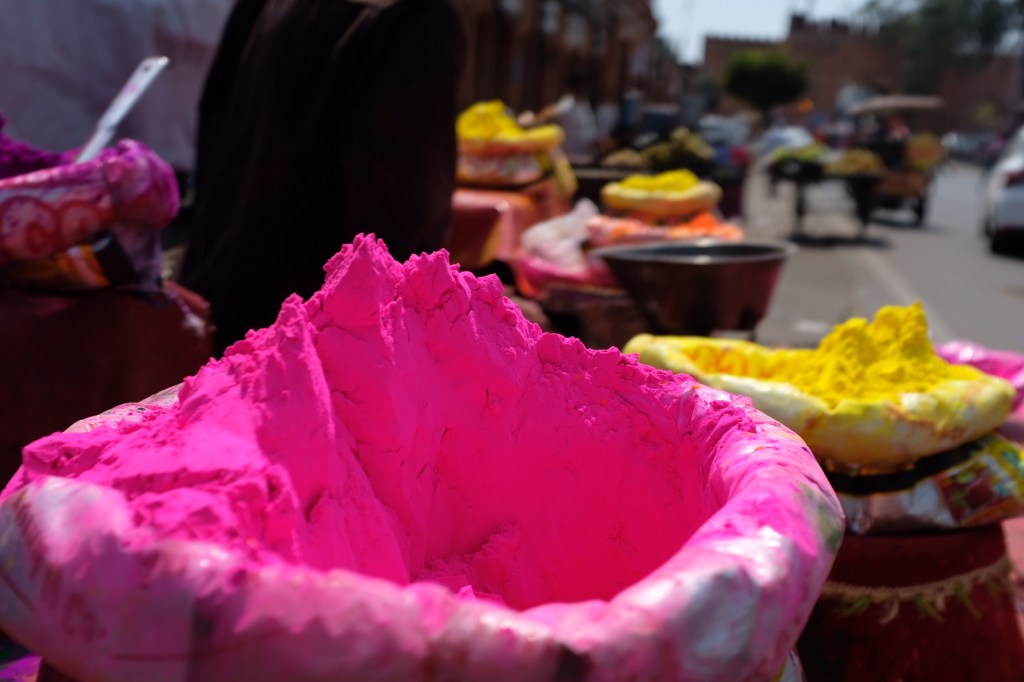
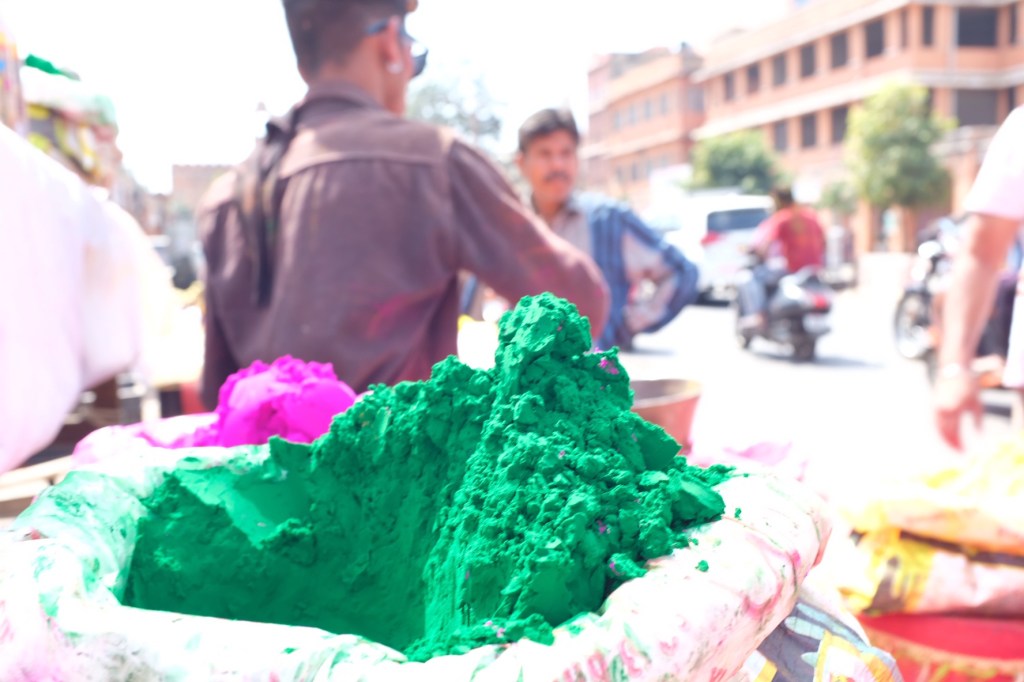
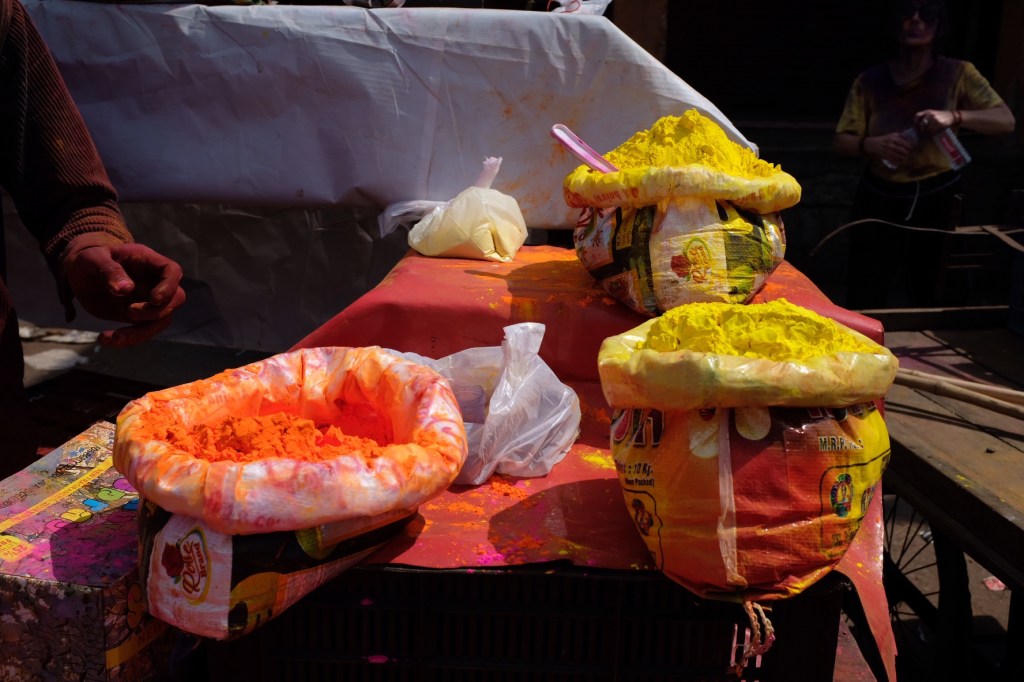

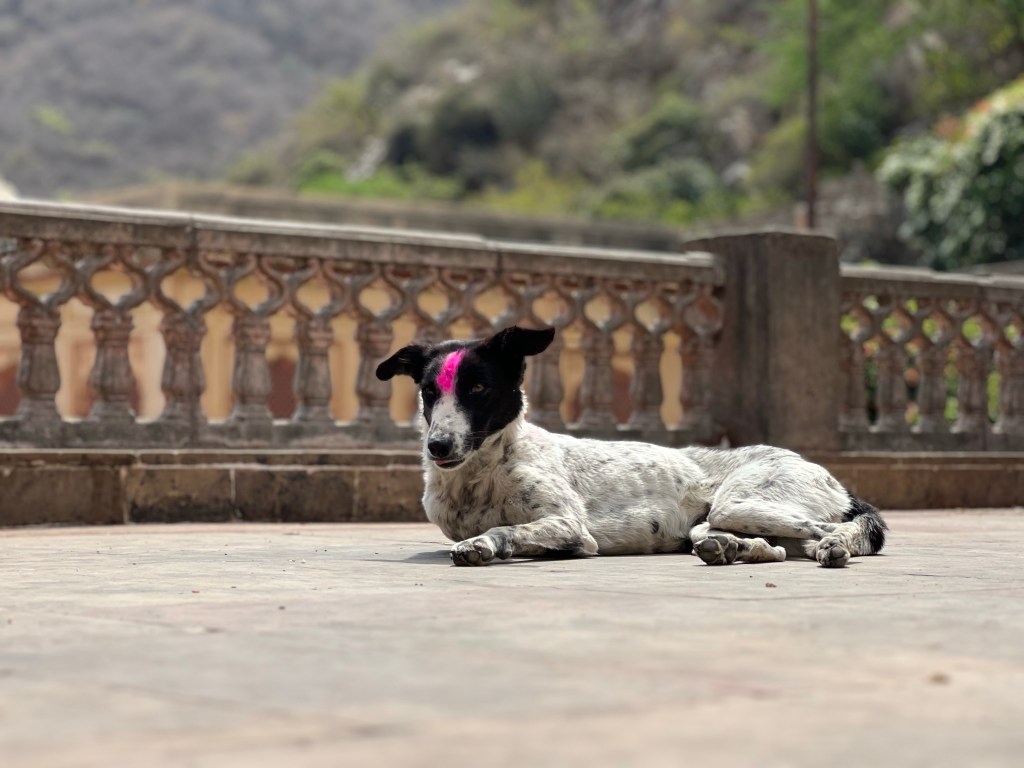
By 9:00am, the streets were filled with pedestrians, people on motorcycles and in cars, all throwing dyed powders onto each other – and me.
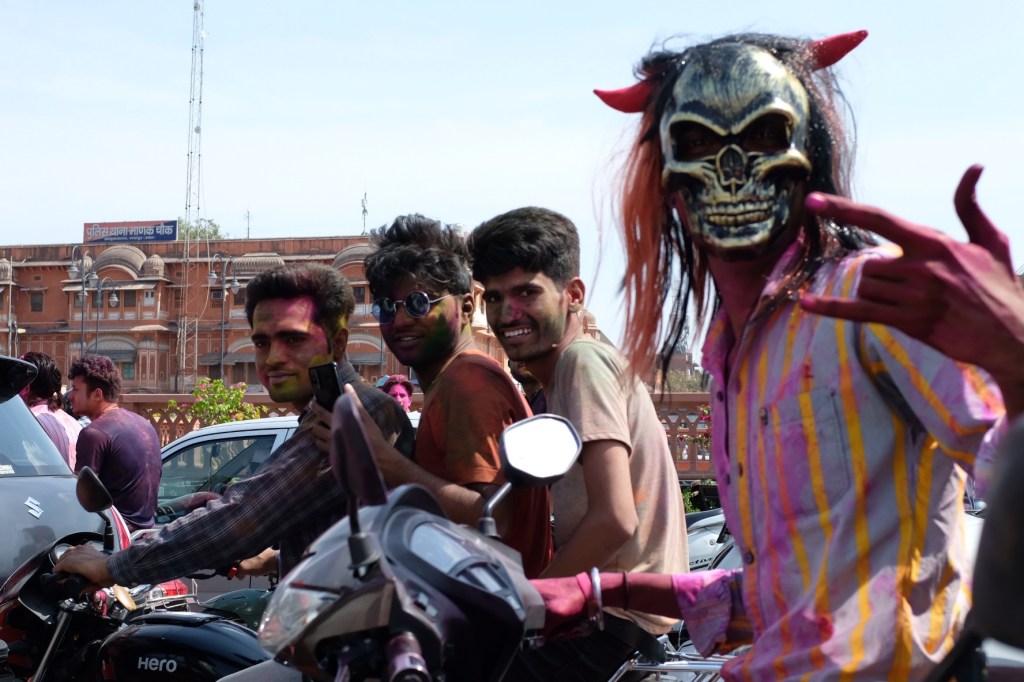
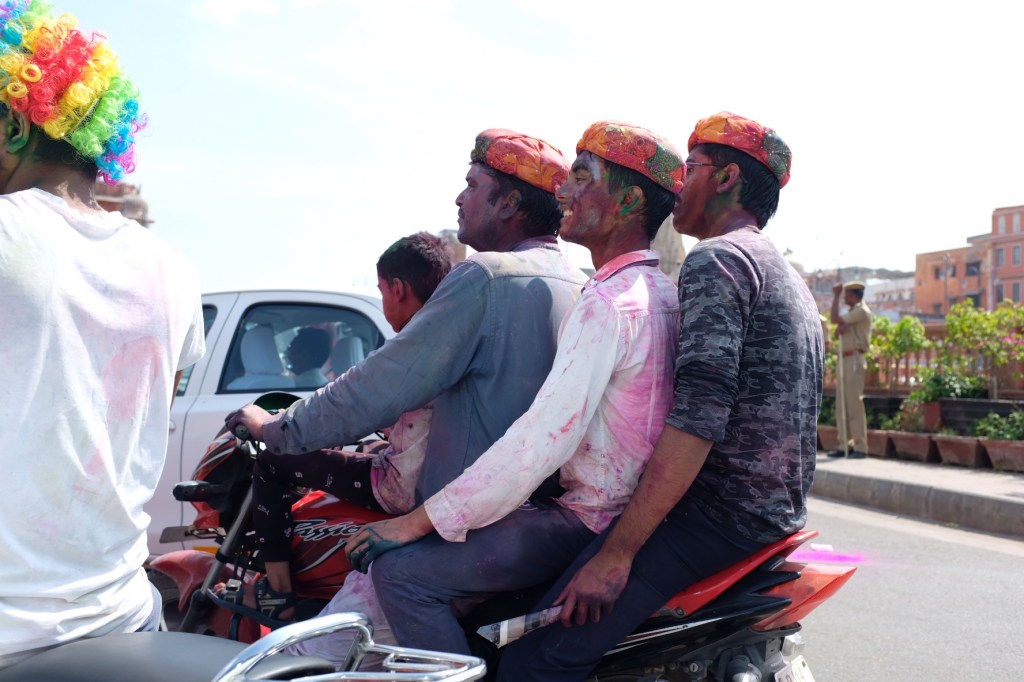
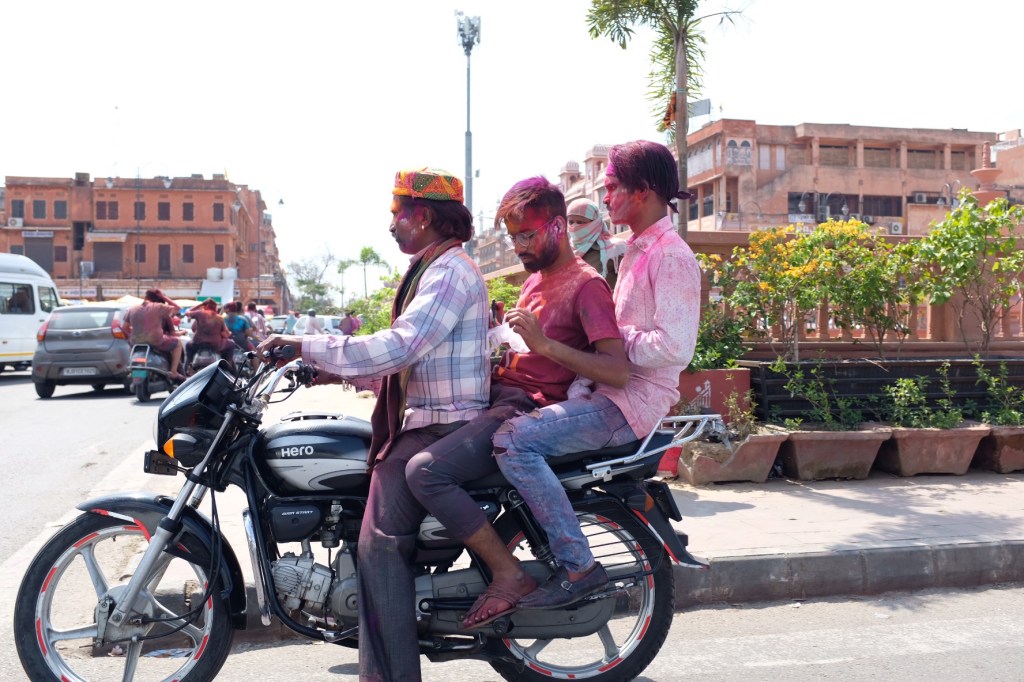
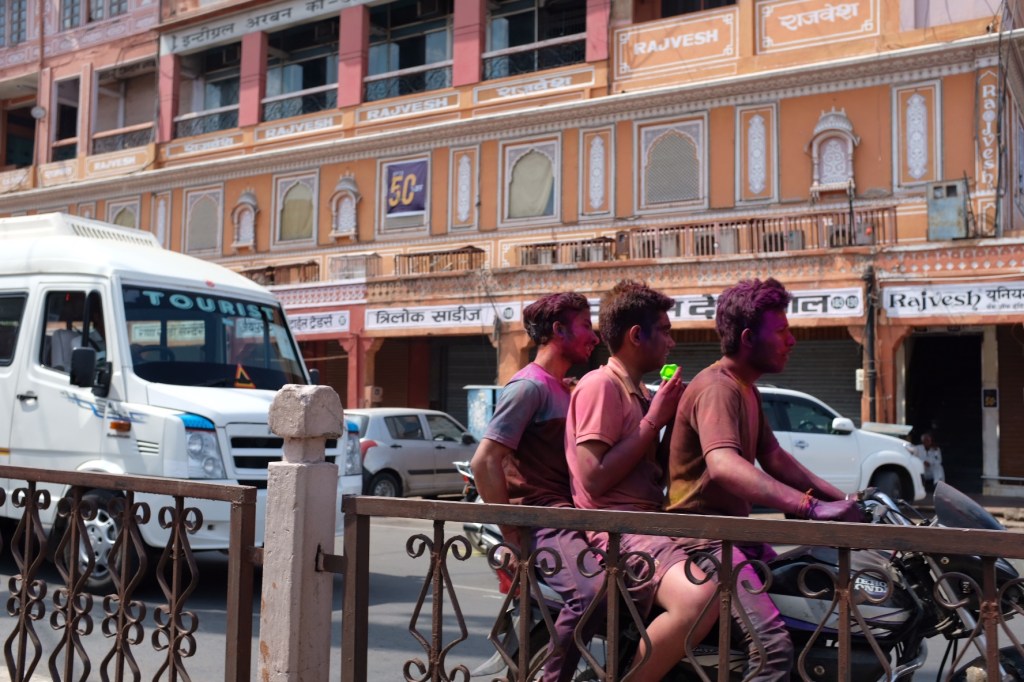
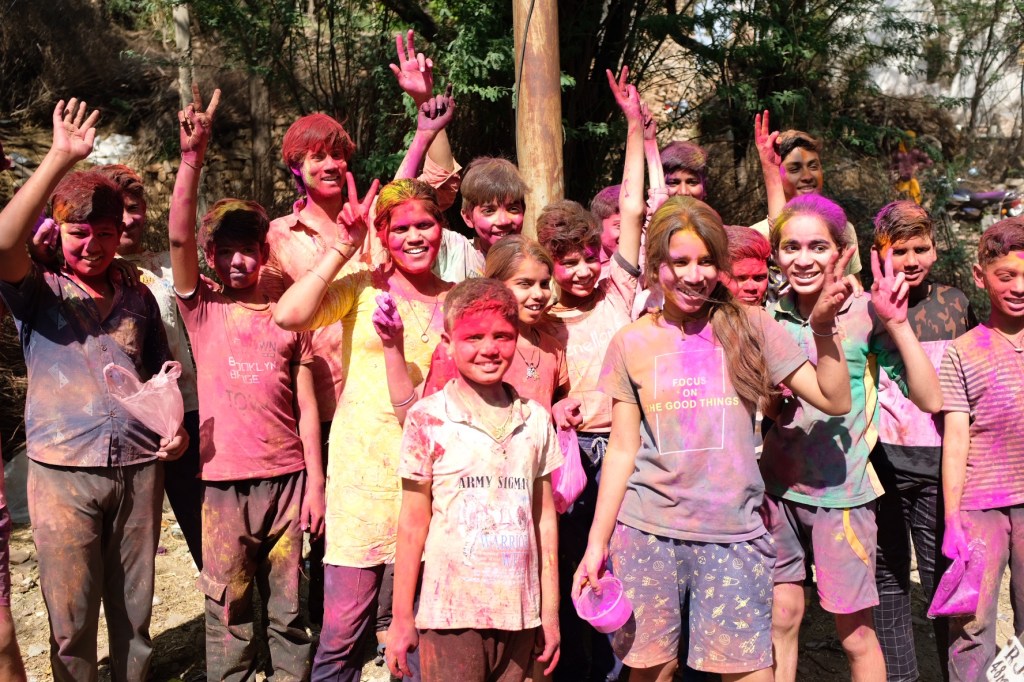
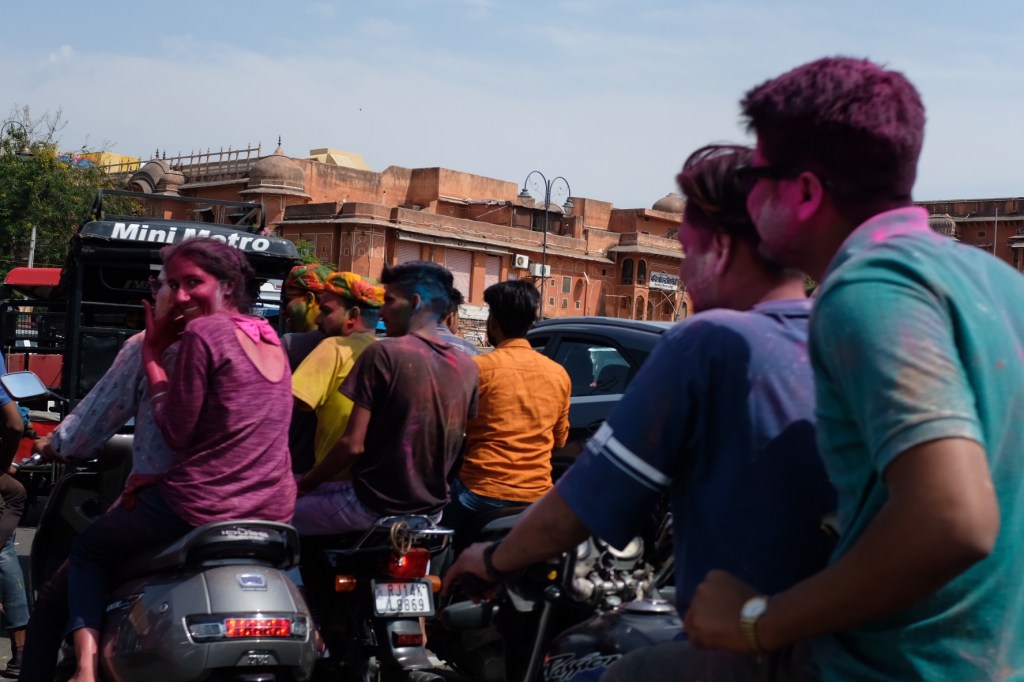
In the afternoon, we grabbed some food in our chalked skin.
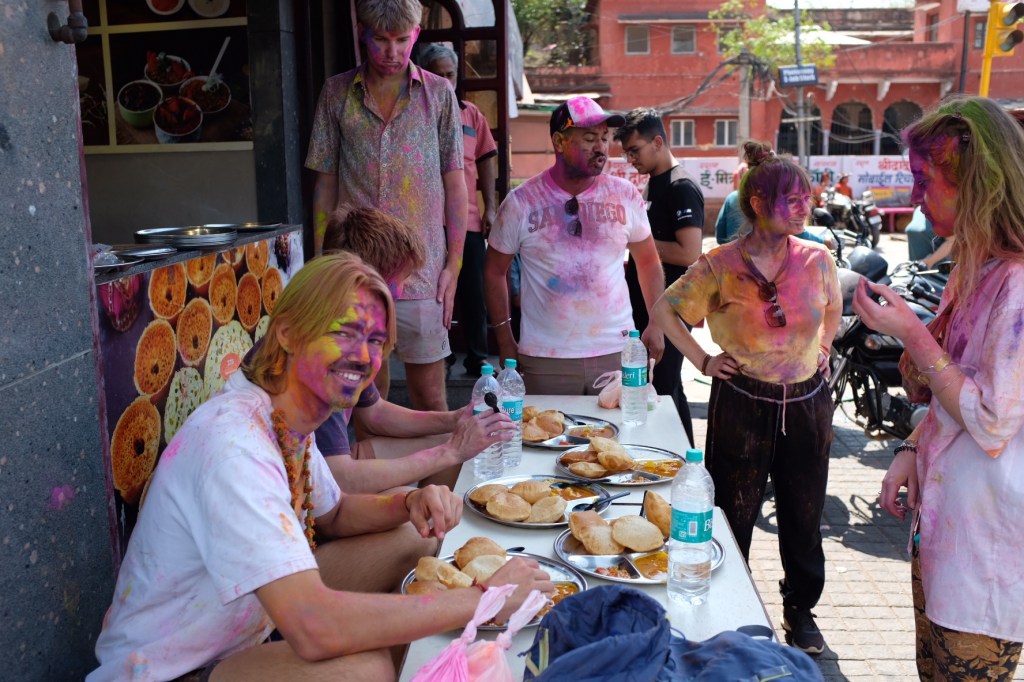
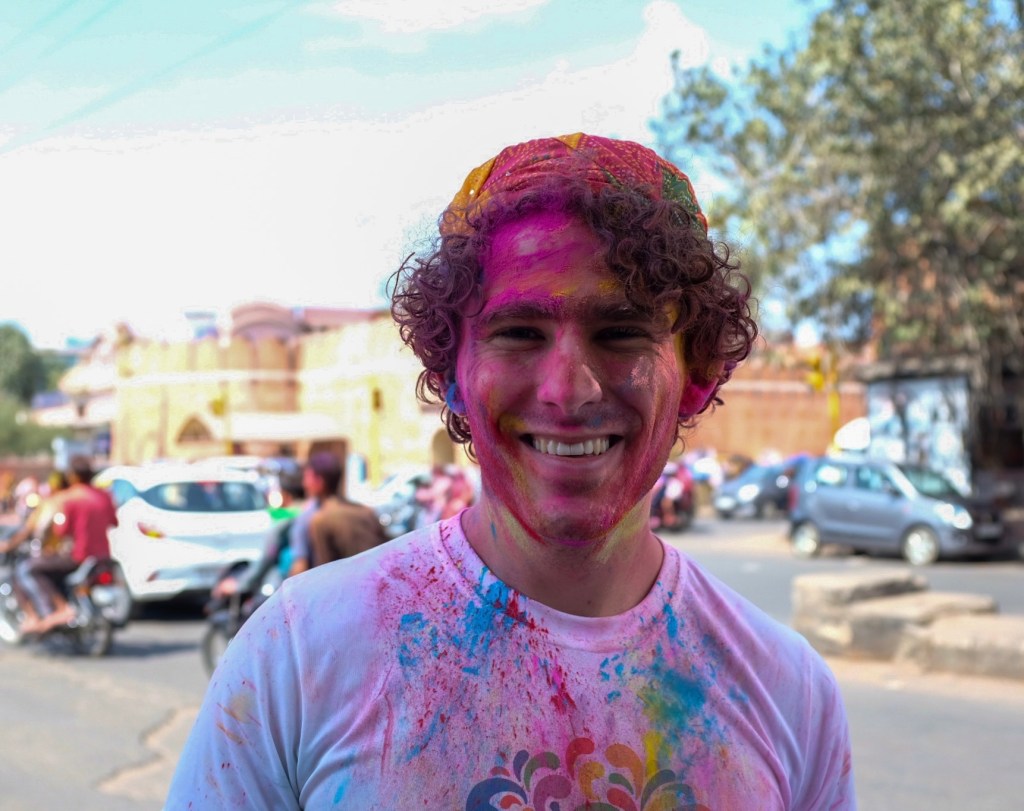
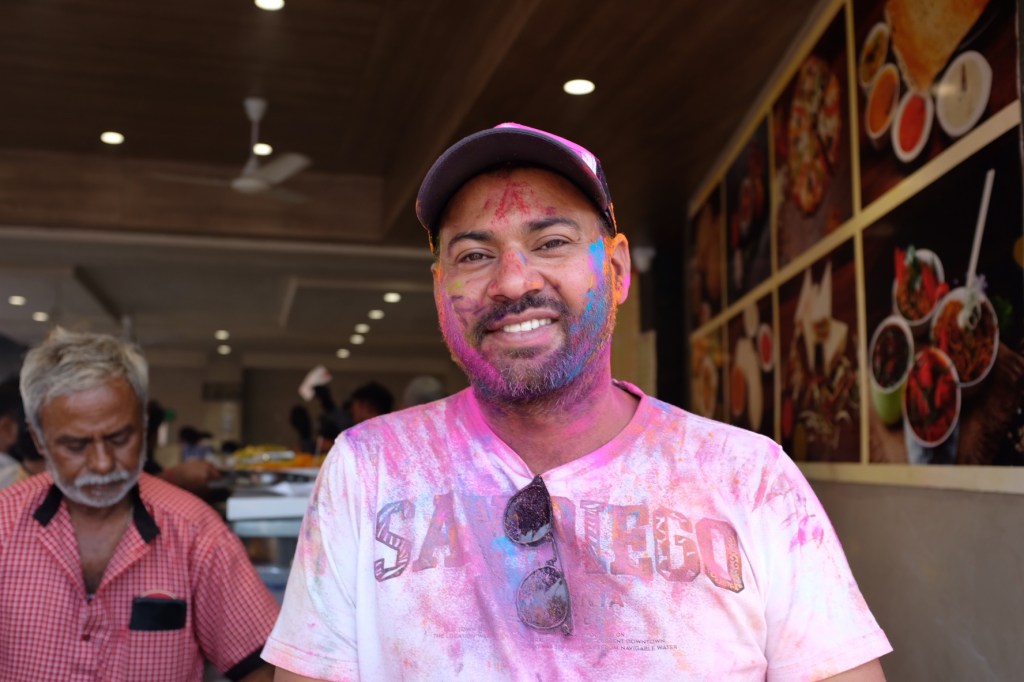
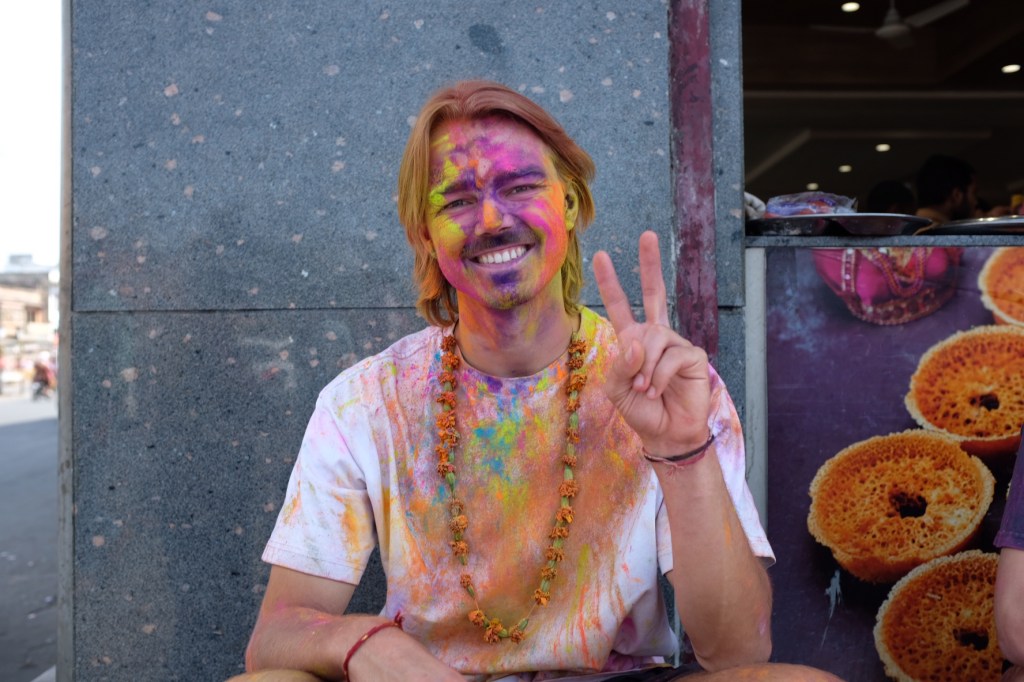
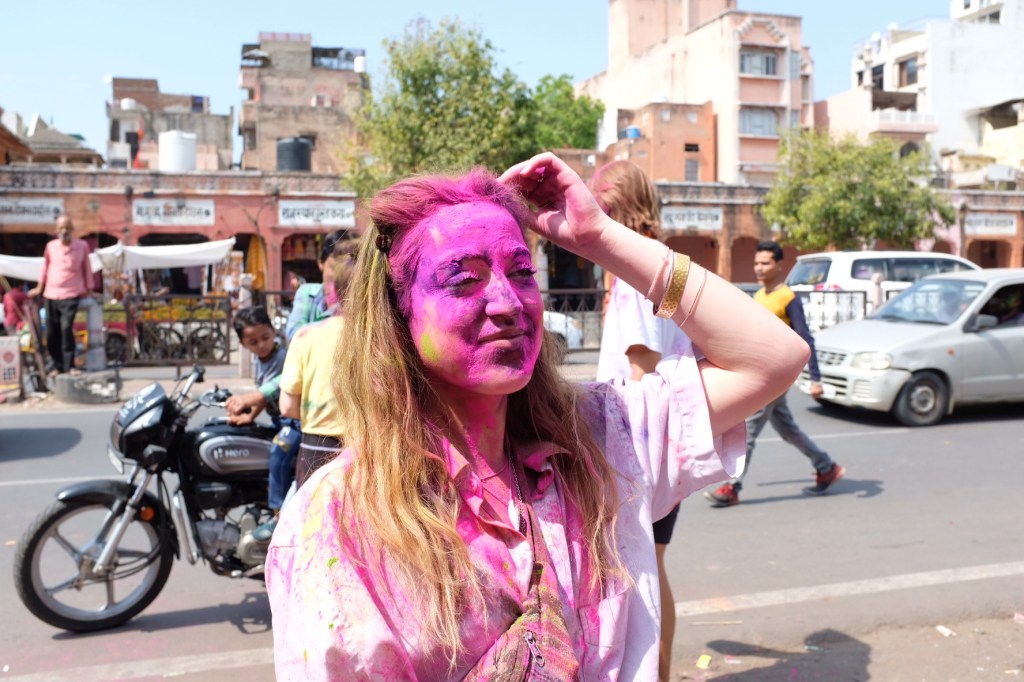
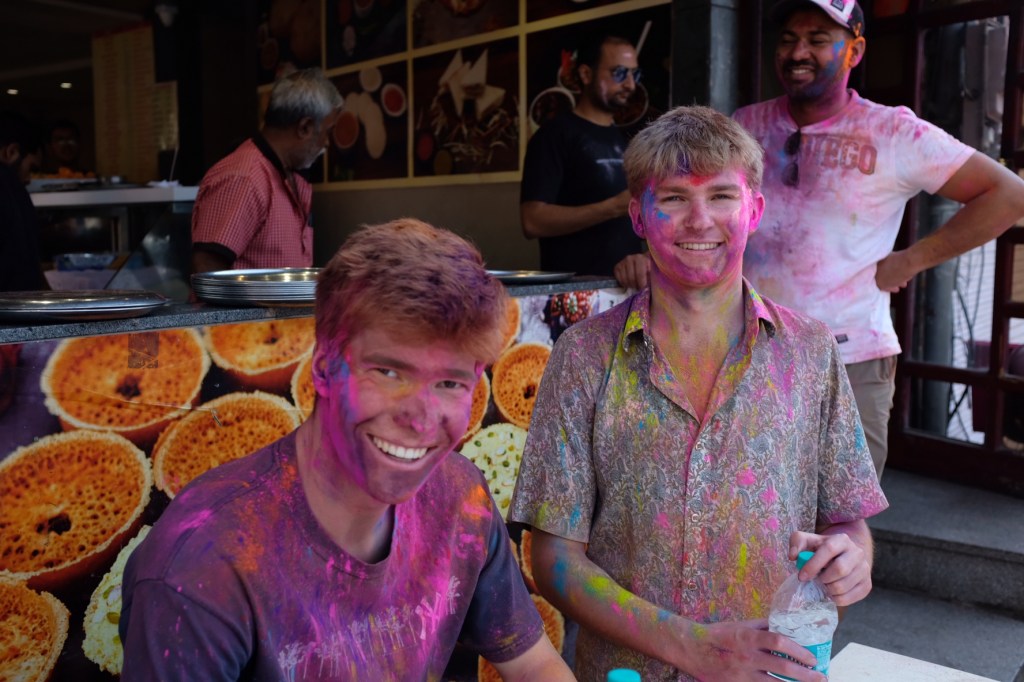
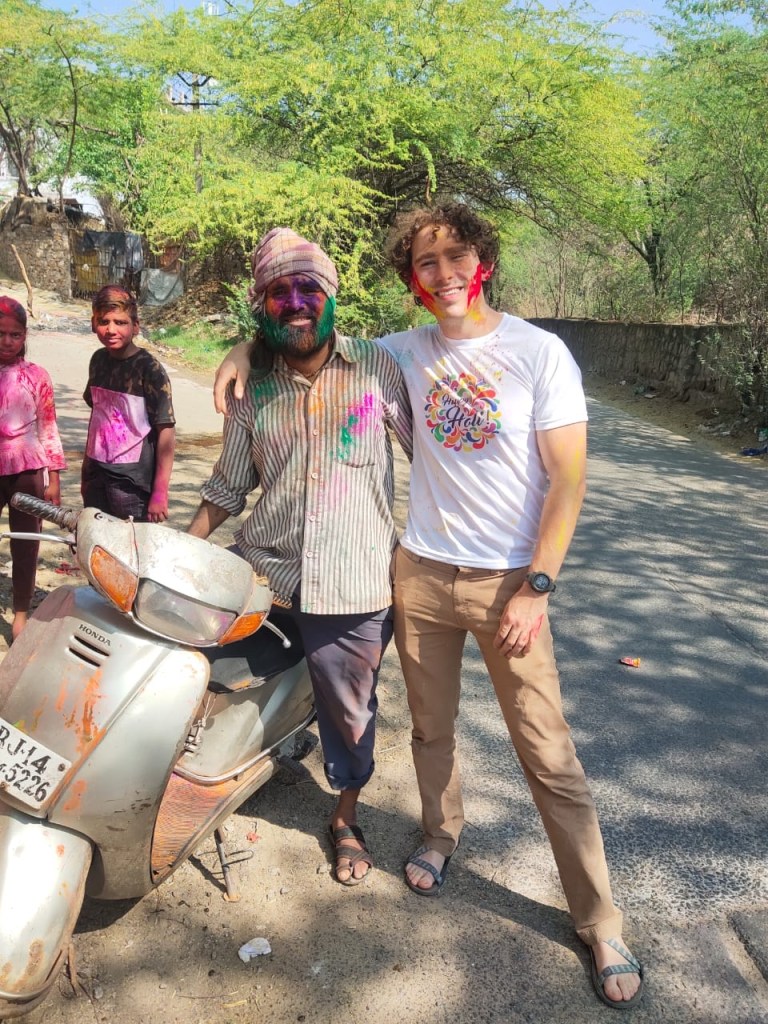
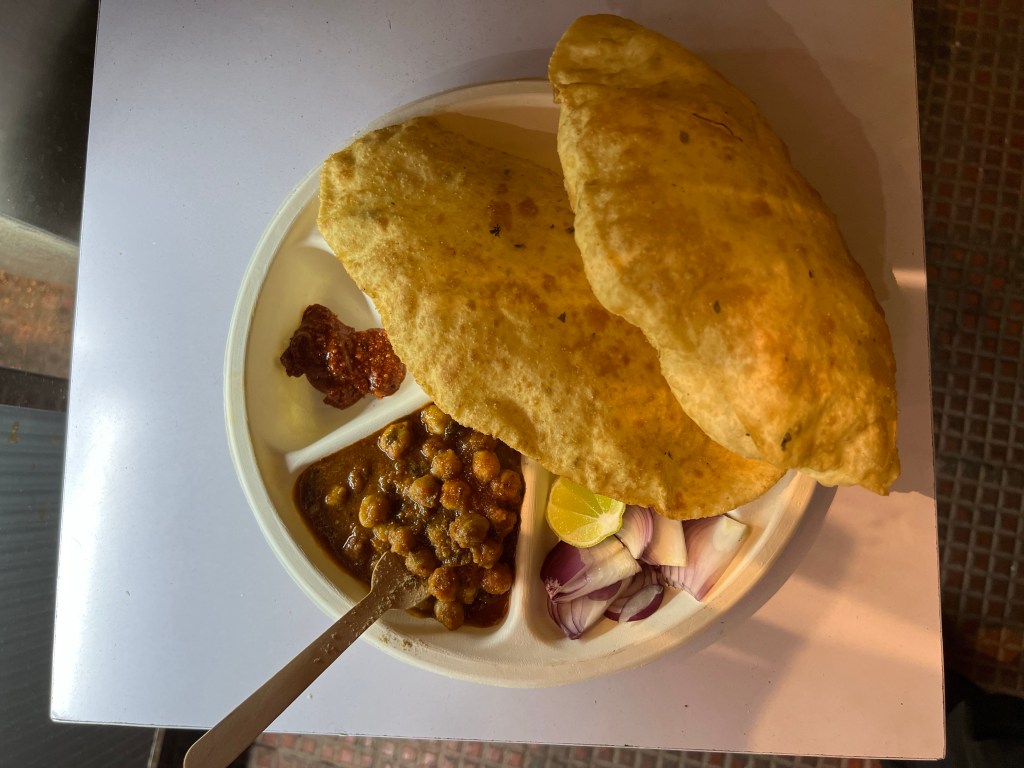
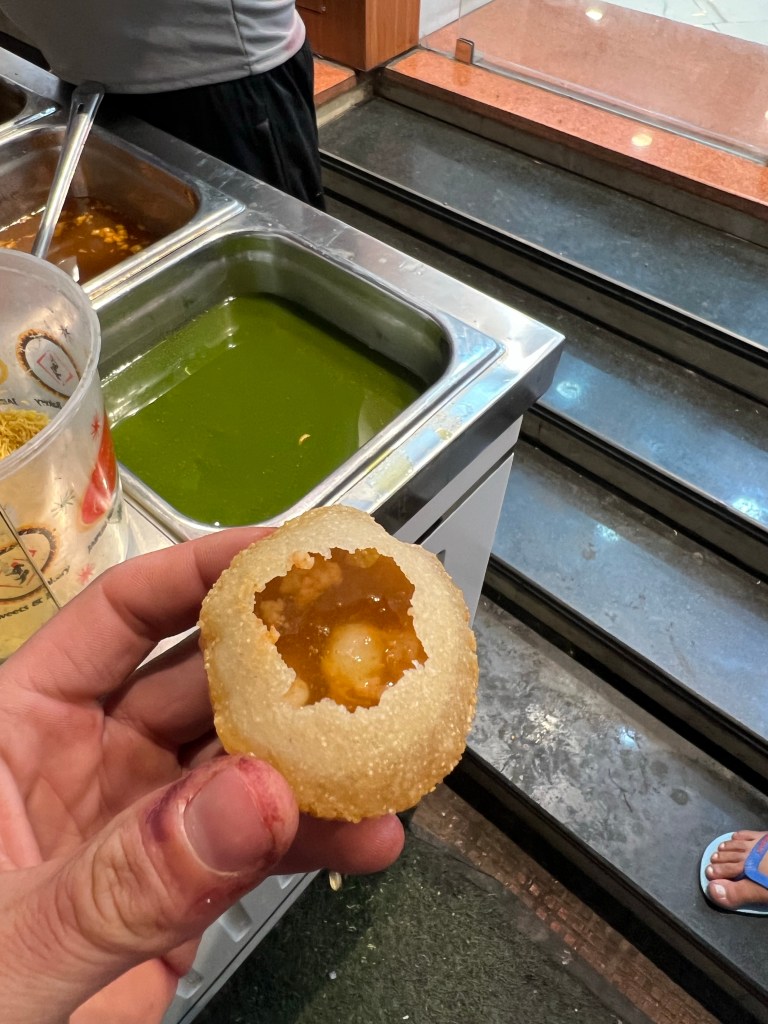
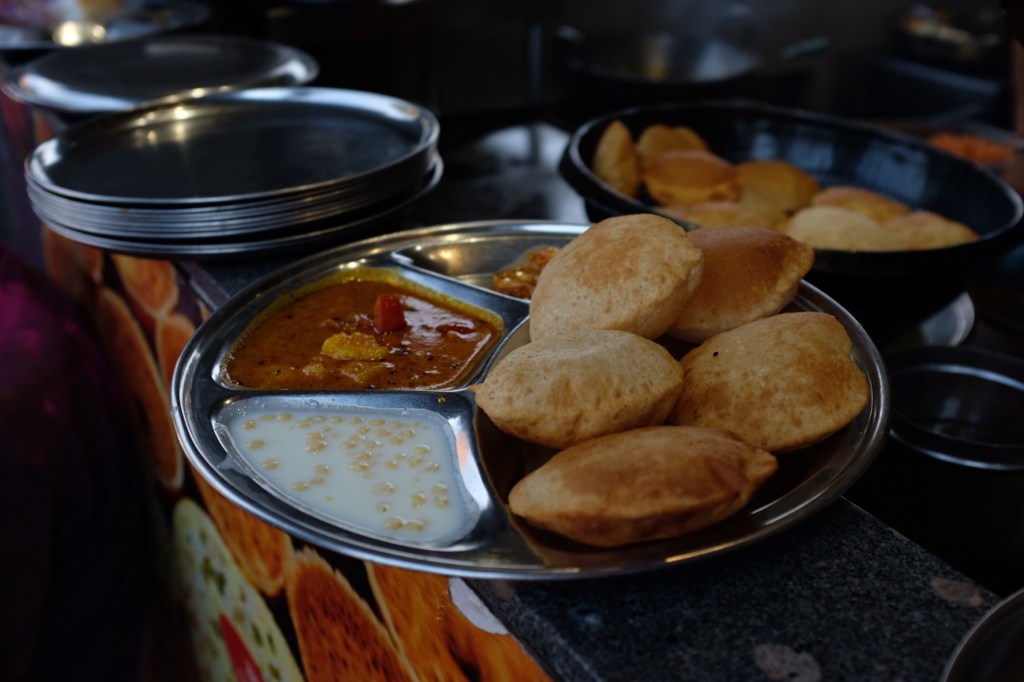
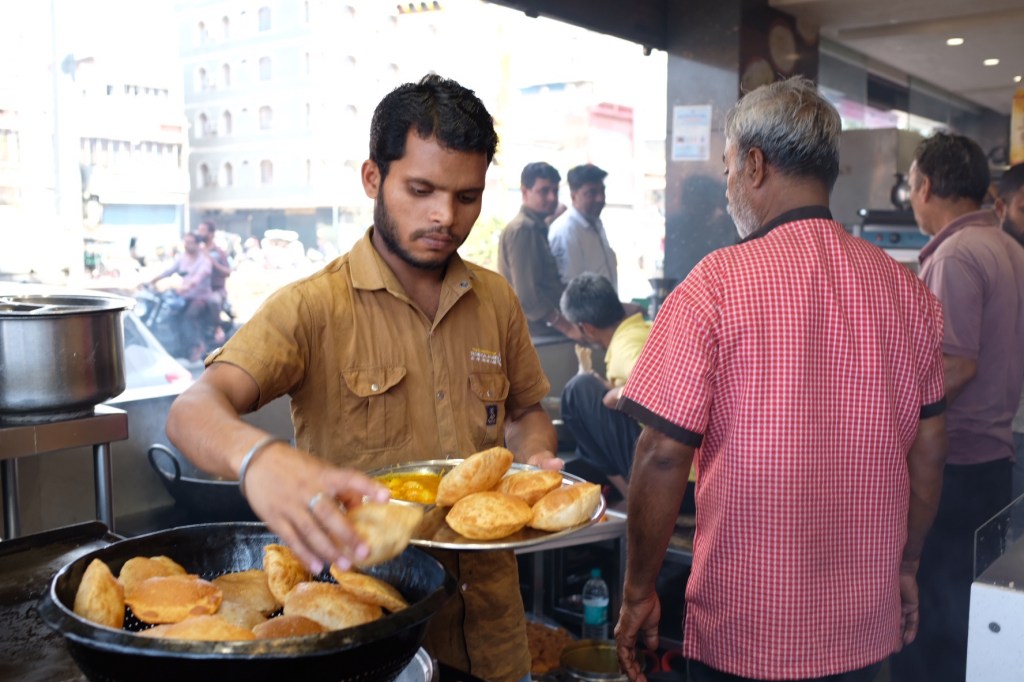
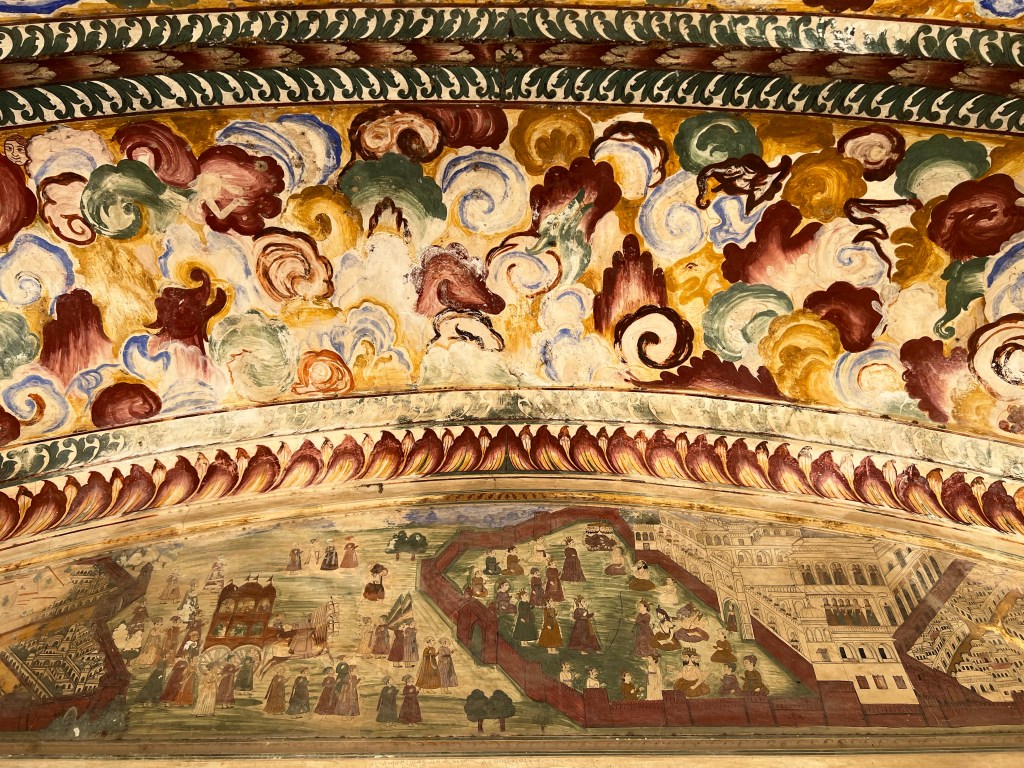
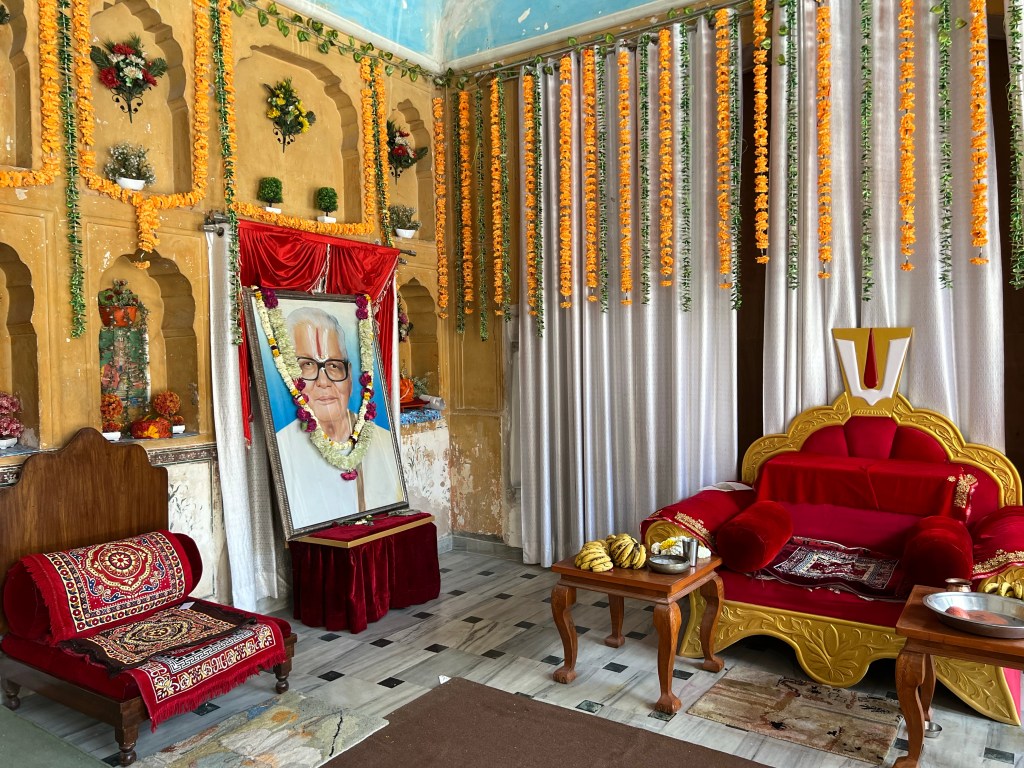
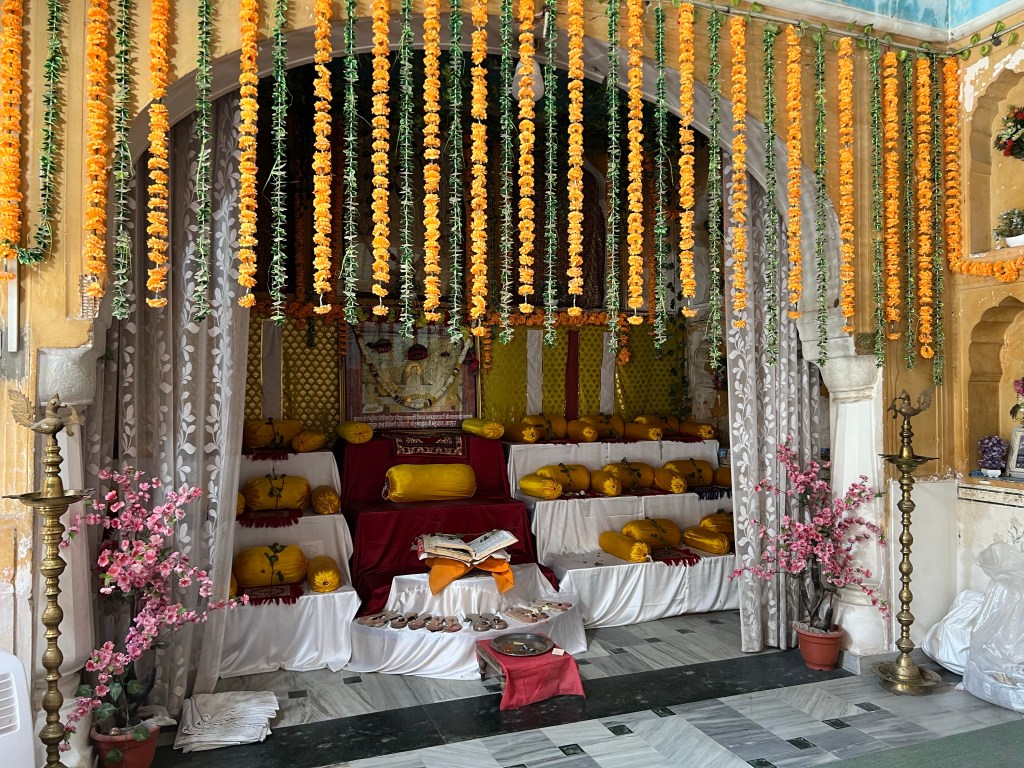
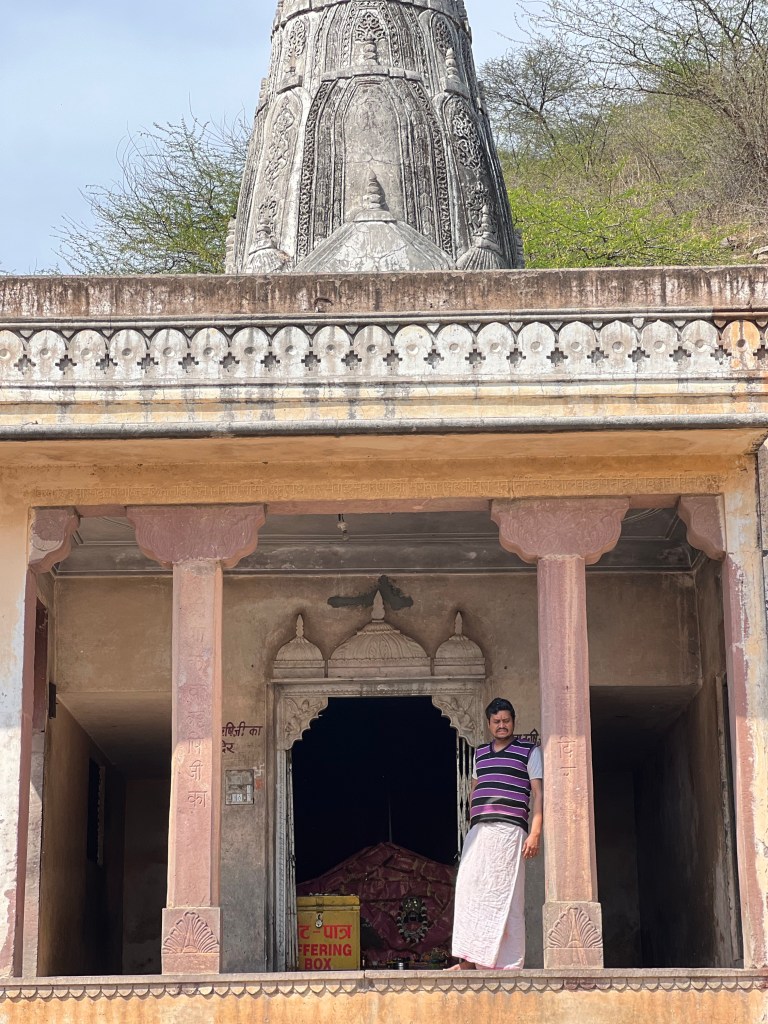
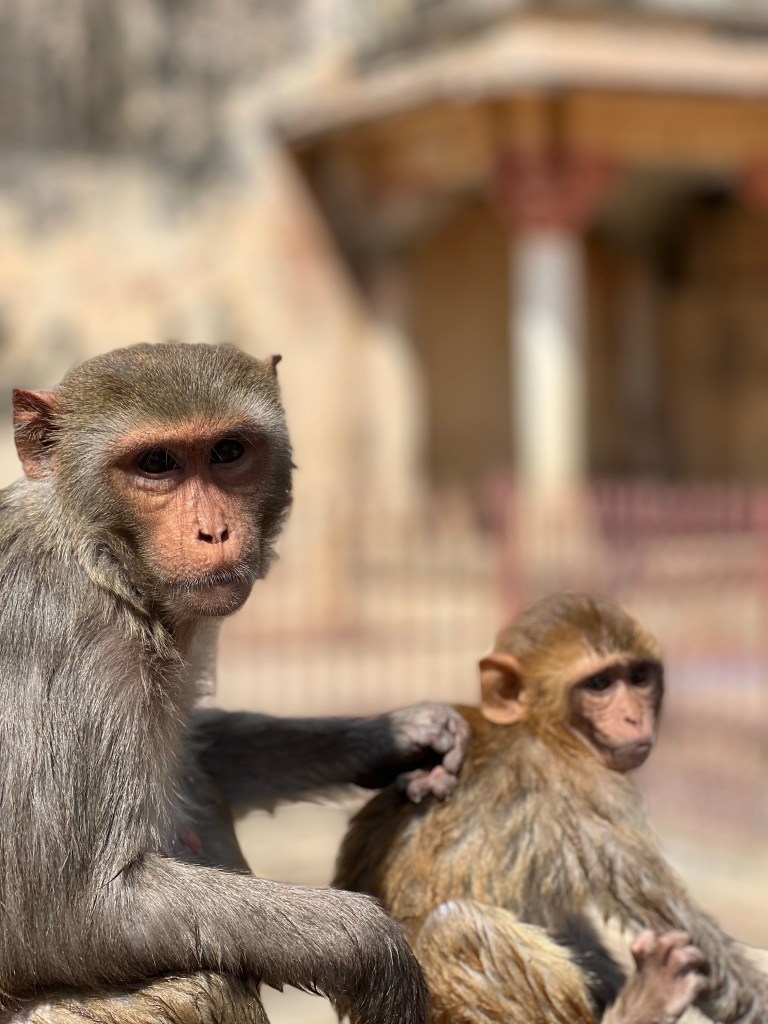
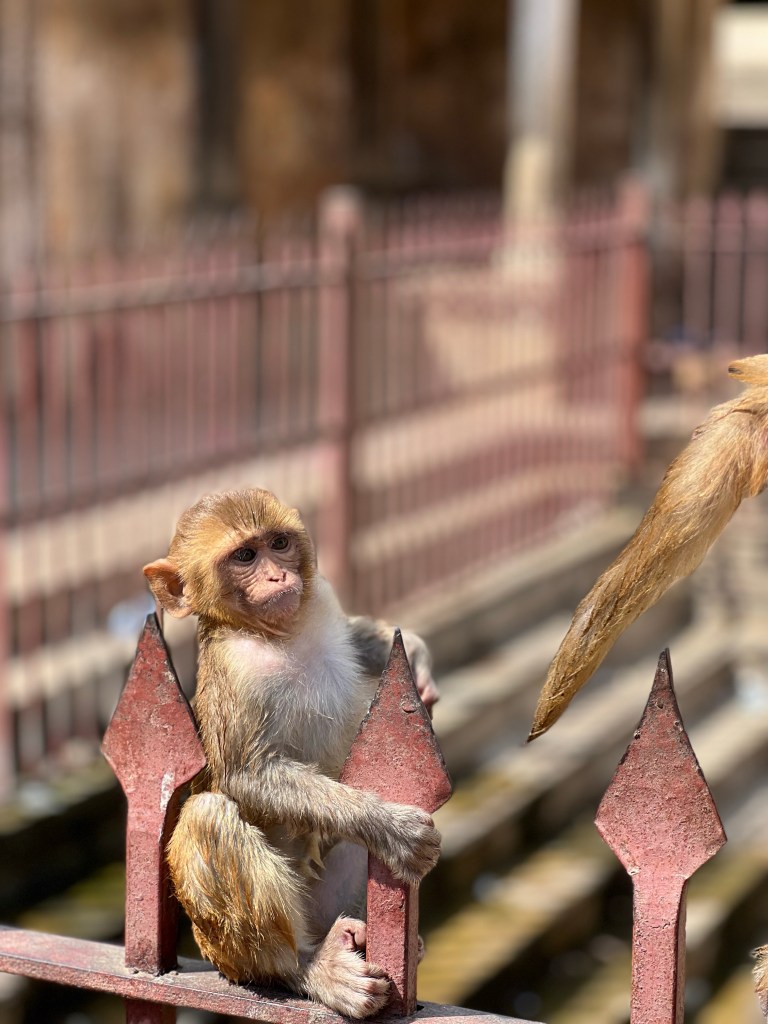
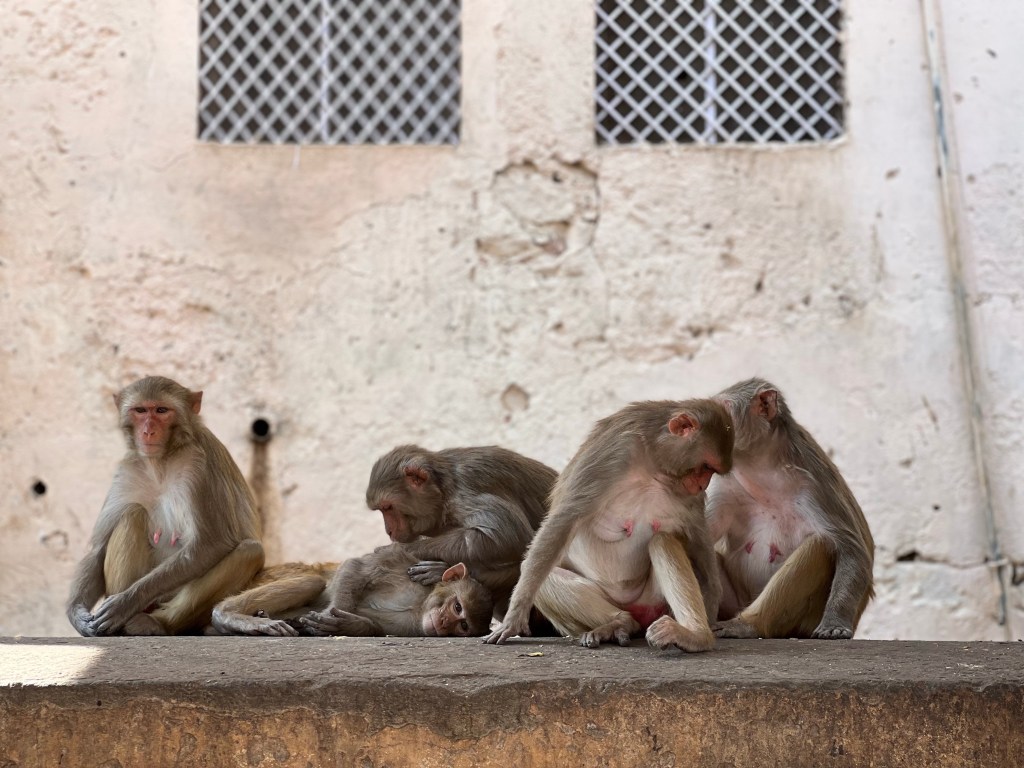
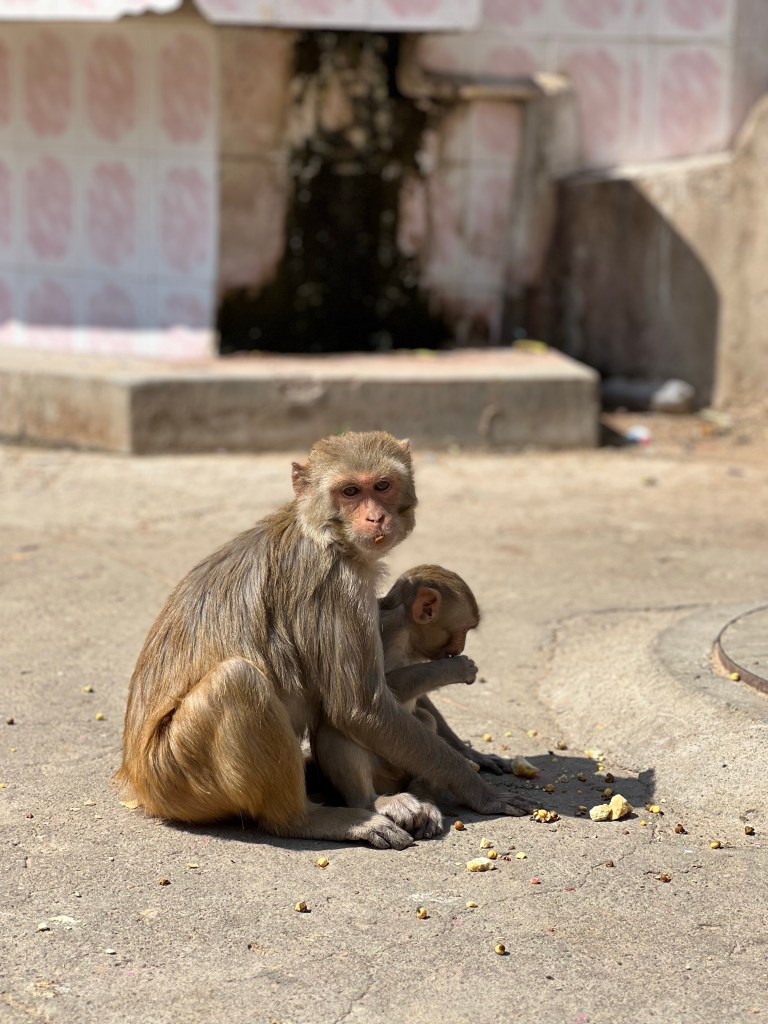
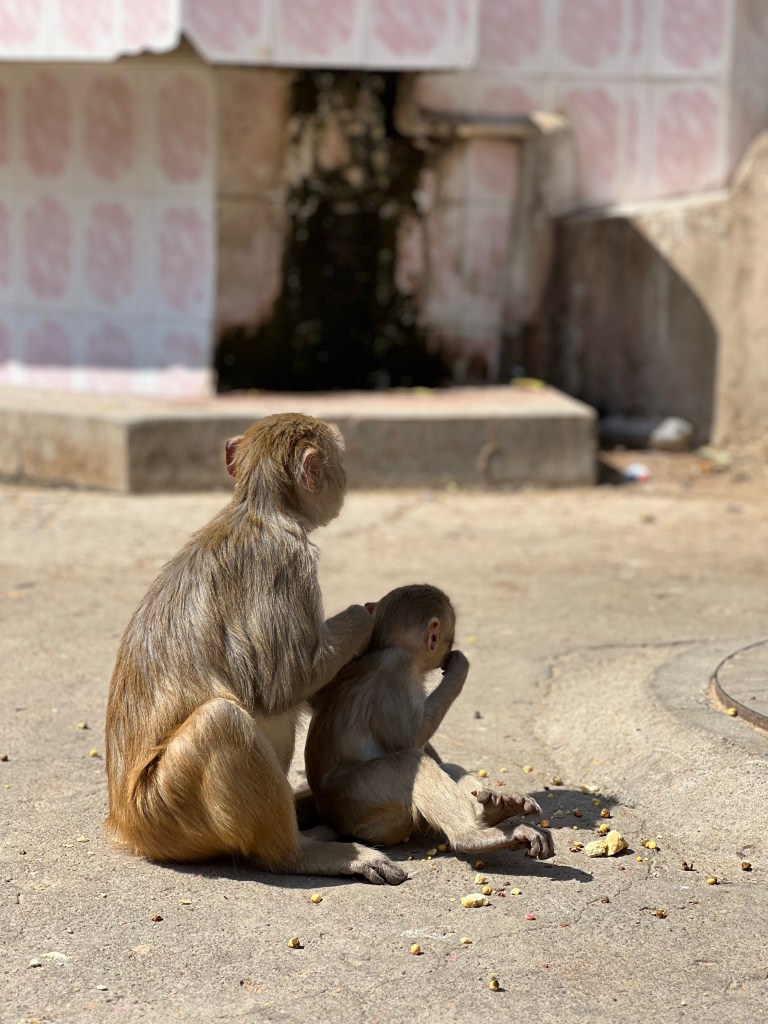
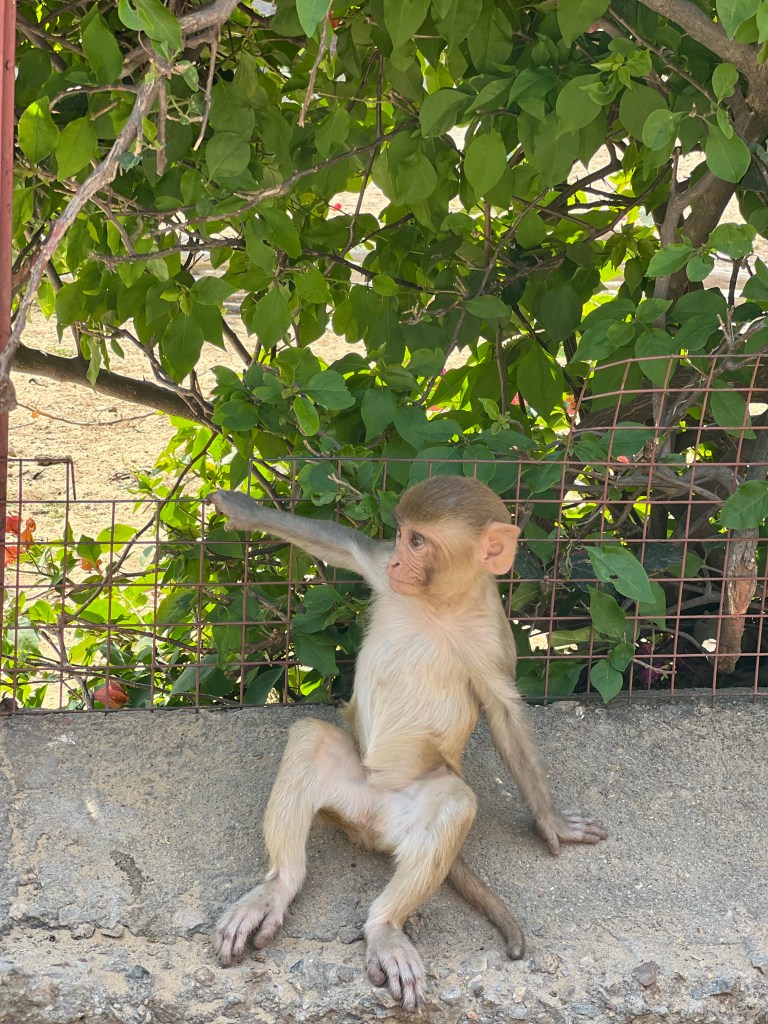
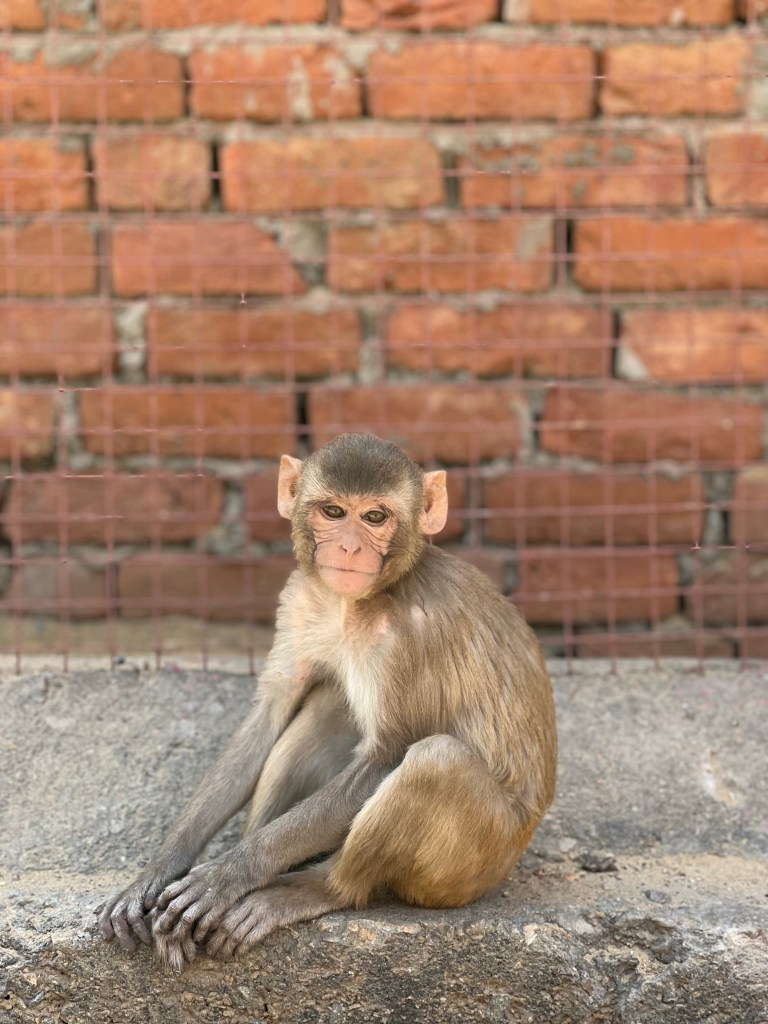
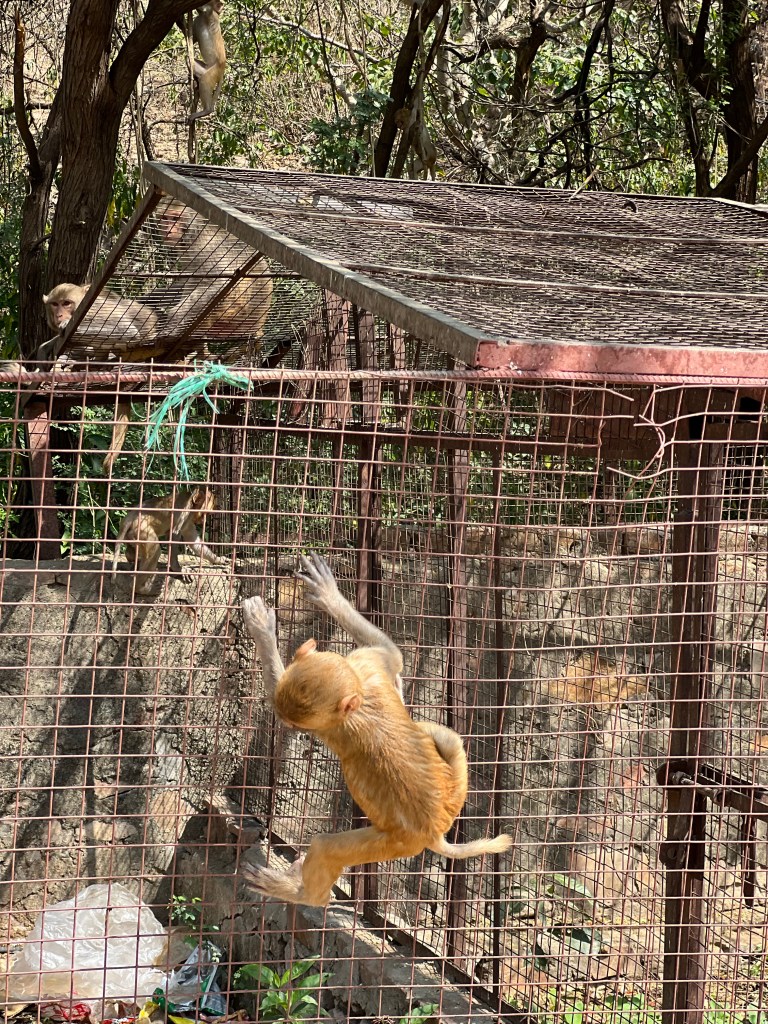
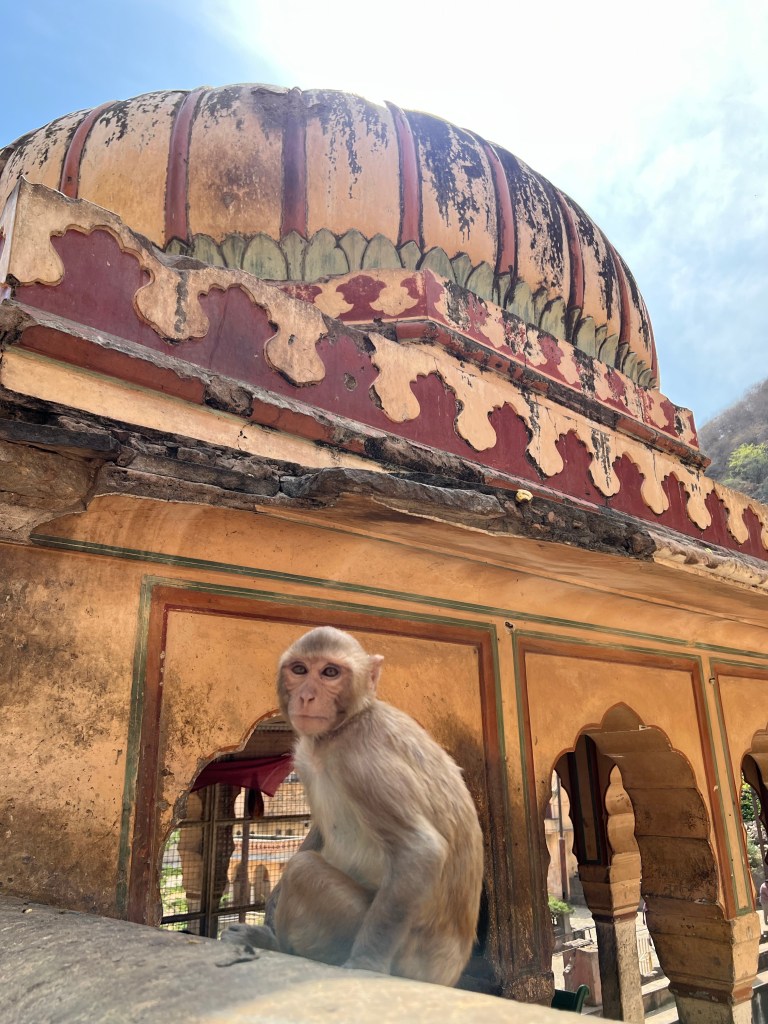
And we visited the Hanuman Temple in Japipur, also known as “Monkey Temple”, a historic Hindu temple that… surprise surprise… has a lot of monkeys in its secluded setting.
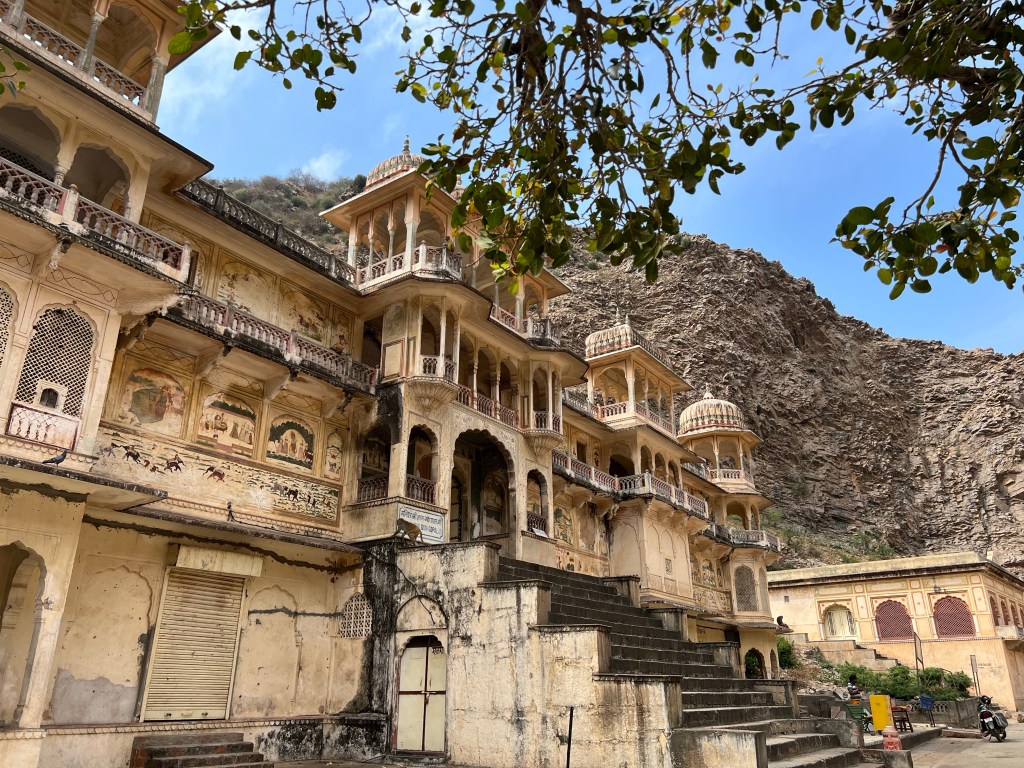
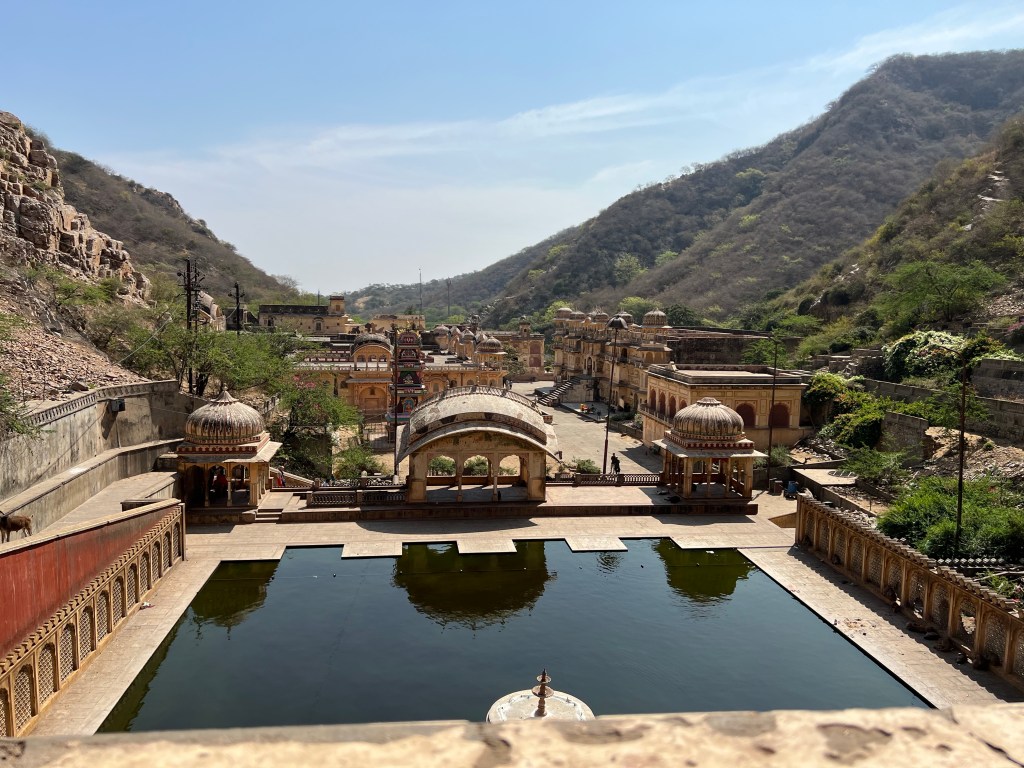
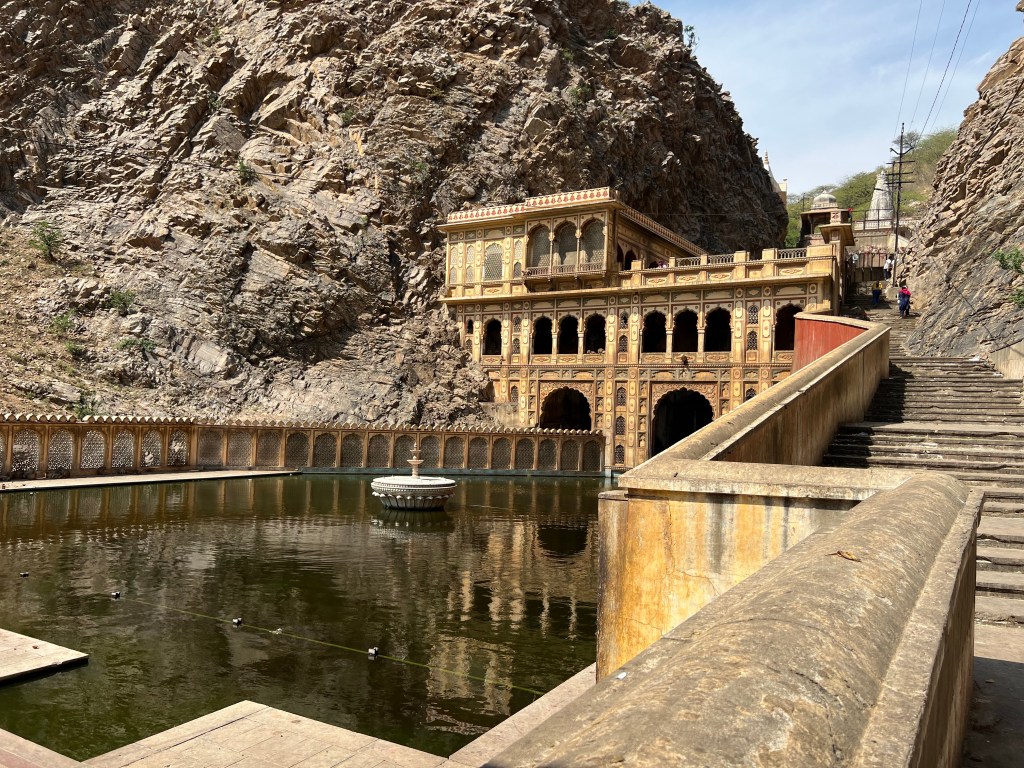
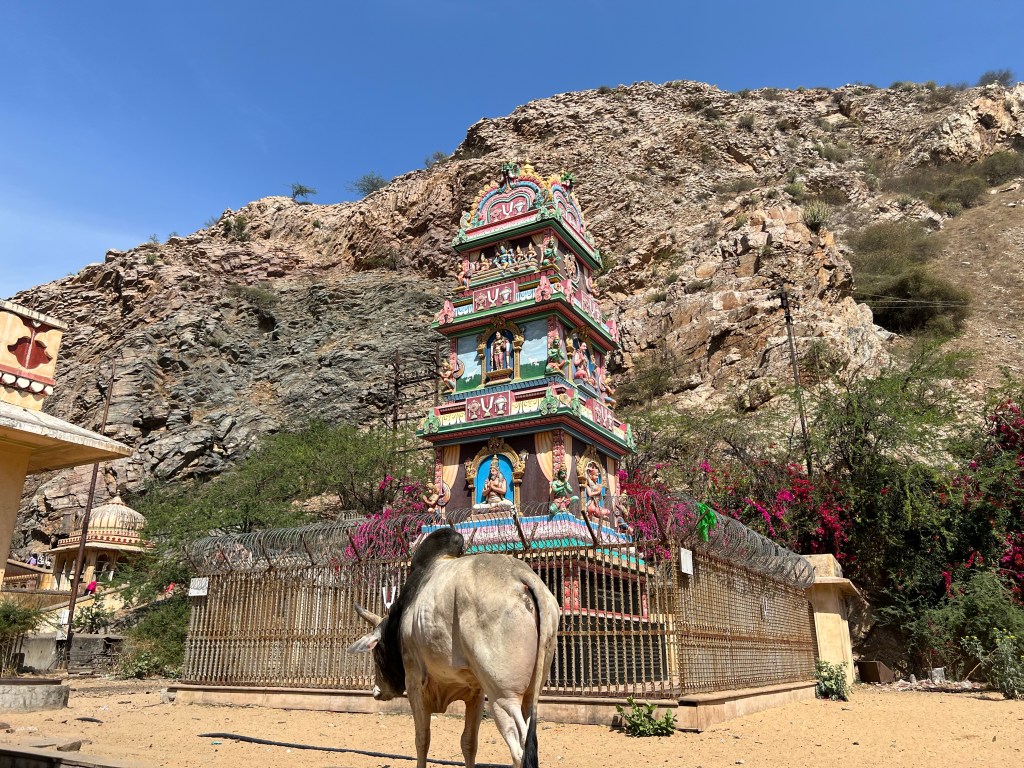
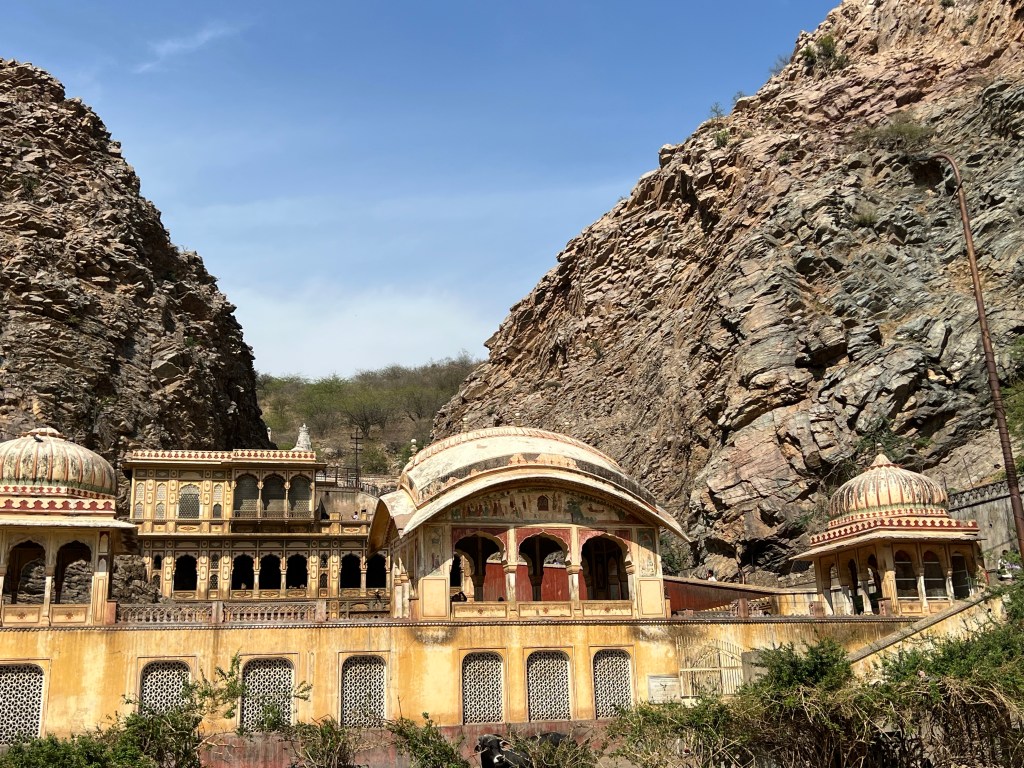
The aforementioned monkeys
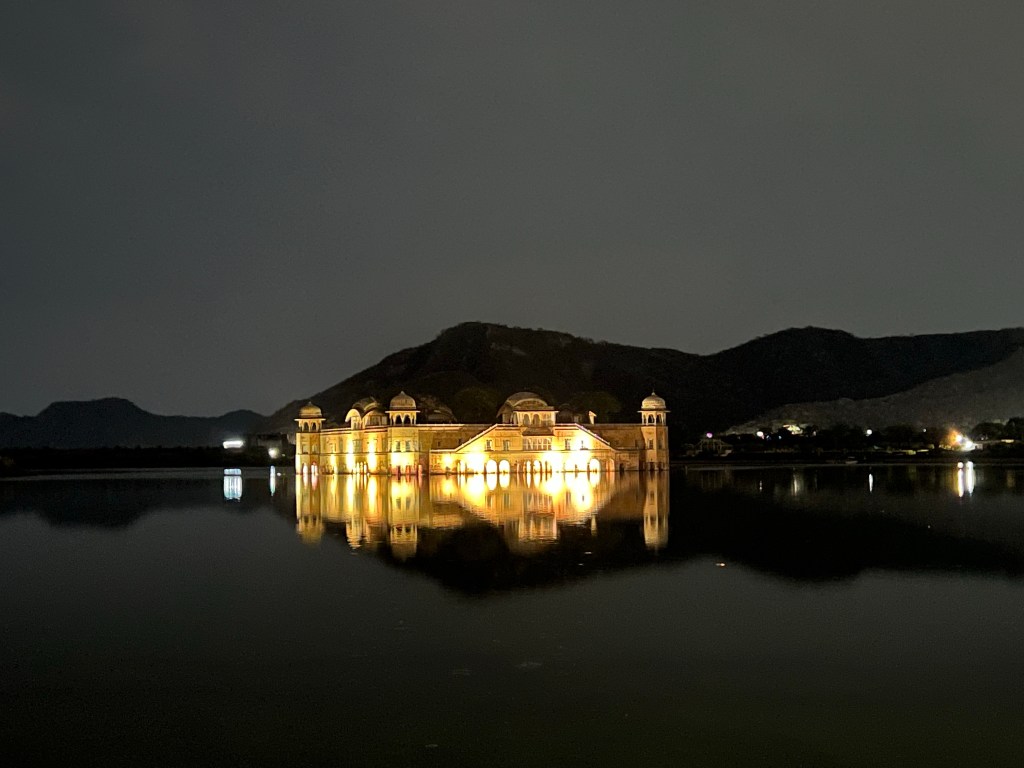
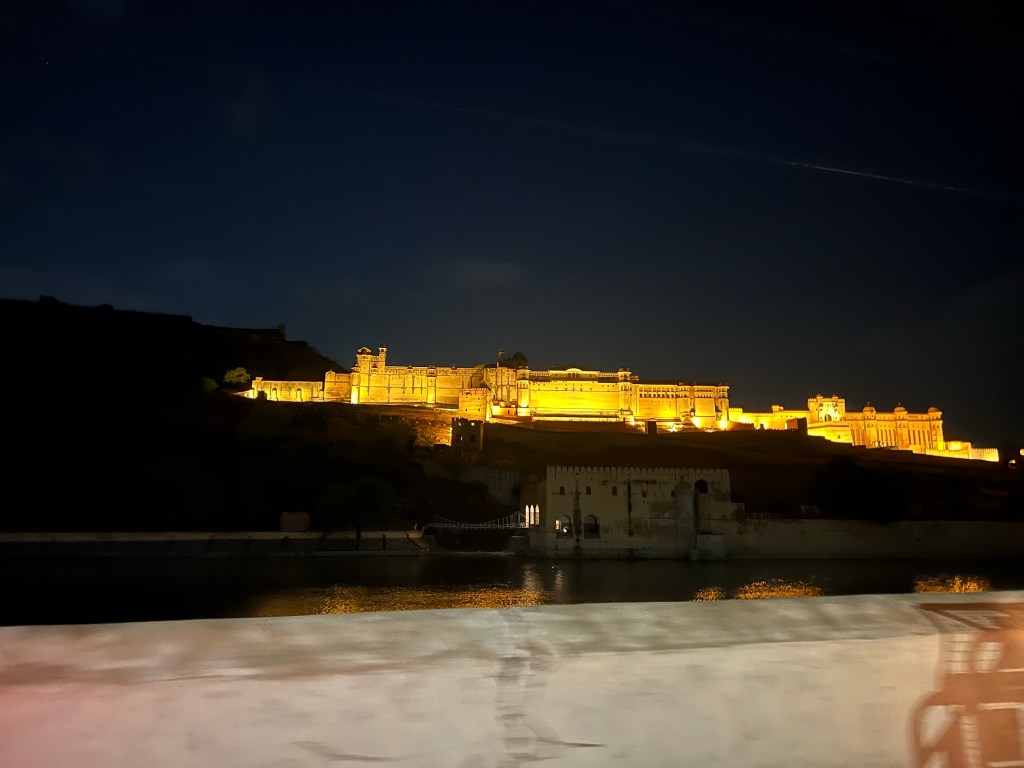
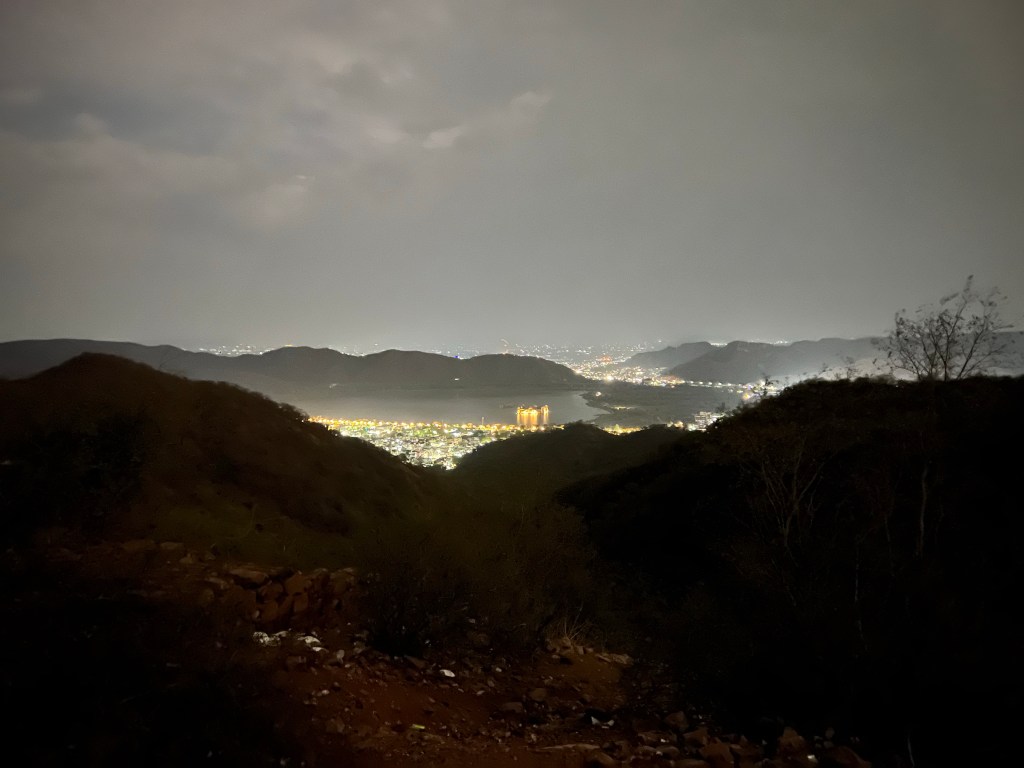
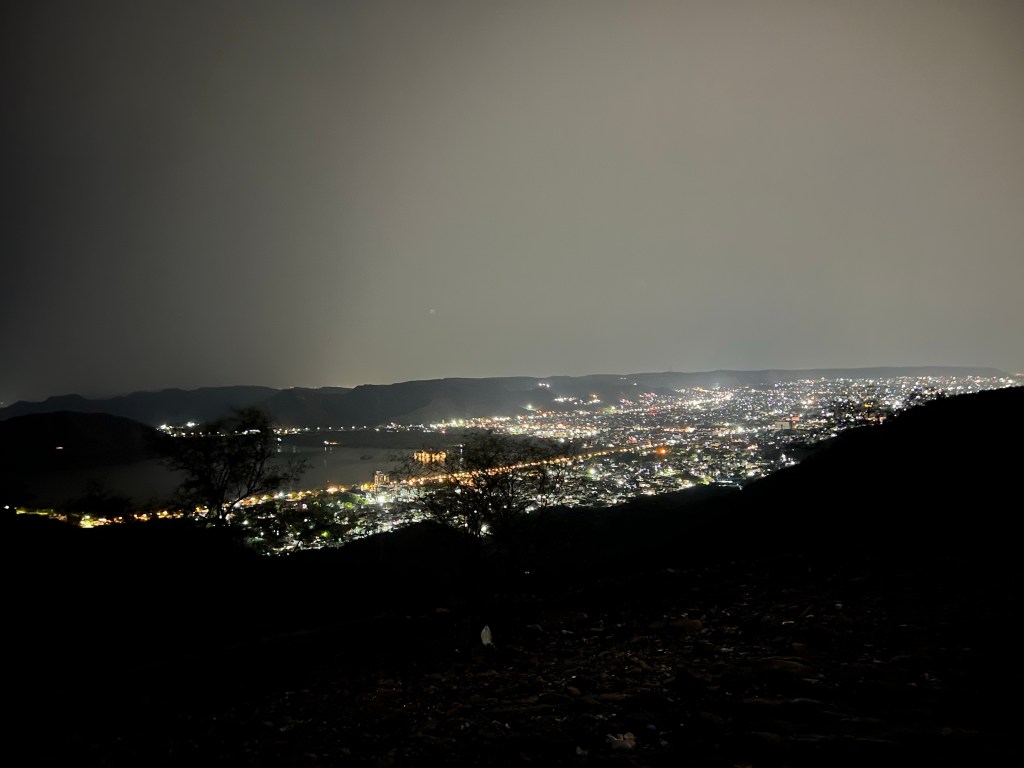
The rest of my time in Jaipur was spent with my friend, Romey, a delhi native visiting Jaipur for the holiday. A man with the kindest heart (and emblematic of many of the Indian locals I met), he was determined to show me and my Western companions all of what India had to offer in Jaipur. Over 3 days, Romey offered to let us join him as we all explored the city, stuffed together in his SUV. He never once asked for something in return — Romey was simply happy to help us and experience Jaipur through our uninitiated eyes. He is a testament to what national hospitality and treatment of foreigners can be. While I did not take a lot of photos on these days as I really wanted to focus on enjoying my time, here are a few from an evening view of the city we got on one of our last nights.
Conclusion
About 2 years ago, I attended a 10-day silent medication retreat through a practice called Vipassana. Among the many lessons I learned, one of them that stuck with me most was the distinction between intelligence and wisdom. Intelligence was desceribed as the faculty of understanding something objectively. Wisdom, on the other hand, was described as direct, personal experience, and the knowledge from listening to others. Vipassana explained that someone can have any number of intellectual pursuits, but unless they experience it, and develop an understanding from their personal experience, they will not fully appreciate it. To me, travel is “personally experienced” wisdom. You can read or watch videos, but I believe a deeper, more transformative, understanding of different countries and their cultures must come from the physical experience of travel.
My time in India was emblematic of the “wisdom” I hoped to be able to gain in my time traveling. Never in my life have I experienced an environment and culture so different from my own – so challenging to understand and accept. “This can’t be real” and “I must be dreaming” were regular thoughts that ran through my mind as my head spun trying to comprehend the foreign environment I was in. I guess that’s what I get for spending the first quarter-century of my life cradled in the West.
This is the type of challenge and wisdom I’ve been searching for, and I look forward to seeing what the rest of Asia has coming for me, my mind, and my stomach.
See you in two weeks in Nepal as I attempt Everest Base Camp.
Sam
 Sam on Sabbatical