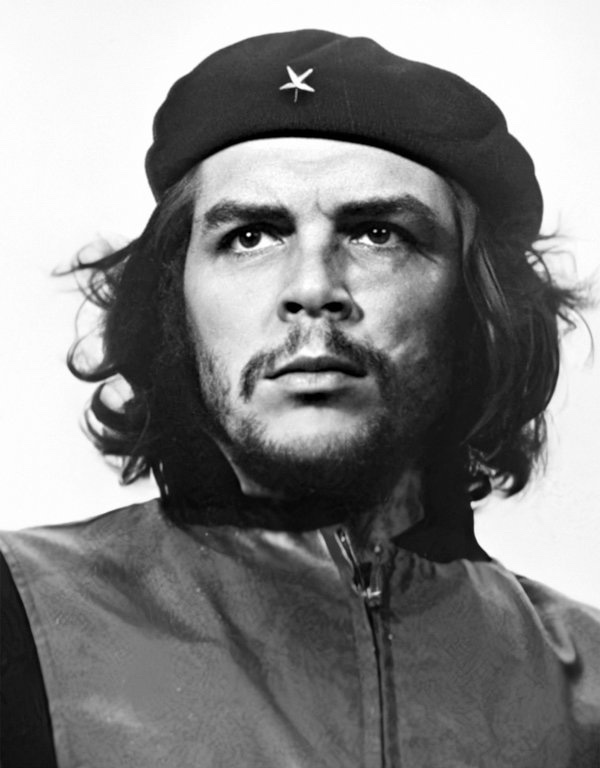

The Motorcycle Diaries felt like the right literary choice to conclude my time in South America – coupling an ‘Argentinian’ author with the larger socialist pan-American revolutions that took place over the course of the 20th and 21st centuries. In many ways, the book loops back to the start of my travels – when I began to learn about US interventionism throughout region and the significant consequences it had on the economic wellbeing of the general populous. Marxist revolutionary Ernesto “Che” Guevara refers to much of this in his memoir, from poverty in Valparaiso to ethnic discrimination in Cusco.
The memoir of Guevara, The Motorcycle Diaries traces his travels as a 23-year old medical student from Buenos Aires throughout the continent. Throughout his journey, Che witnesses the social injustices of exploited mine workers, ostracized lepers, and remains of the Inca.
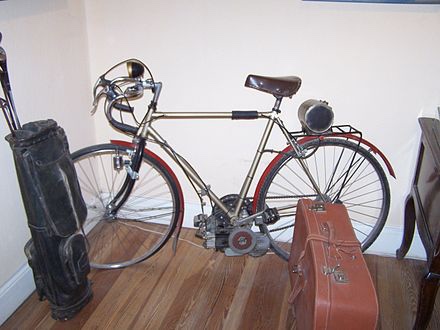
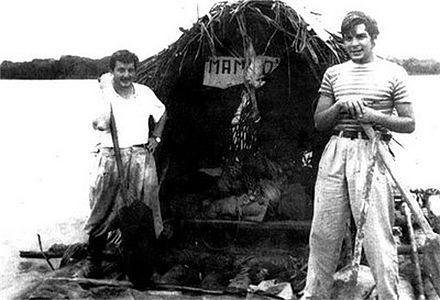
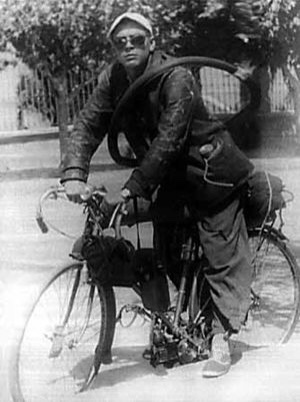
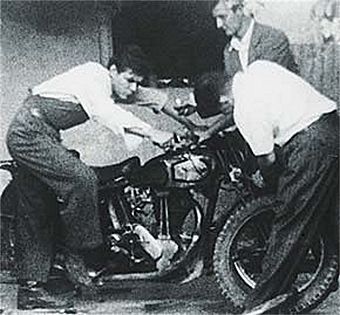
To understand the Motorcycle Diaries, its important to have an understanding of Guevara – who has a quite complicated history, and a very devastating end. Born in 1928, Guevara would eventually become a major figure of the Cuban Revolution. As a young medical student, Guevara traveled throughout South America and was inspired/radicalized (depending on who you ask) by the poverty, hunger, and disease he witnessed. Guevara saw capitalist exploitation of Latin America by the United States as the primary cause of this suffering. This prompted his involvement in Guatemala’s social reforms through President Jacobo Arbenz, who’s eventual CIA-backed overthrow solidified Guevara’s political ideology. Guevara would later meet Raul and Fidel Castro in Mexico city and joined their 26th of July Movement with the intention of overthrowing US-backed Cuban dictator Fulgencio Batista. Guevara played a pivotal role in the Cuban Revolution that deposed the Batista regime and following the conflict, Guevara played key roles in the Cuban Communist government.
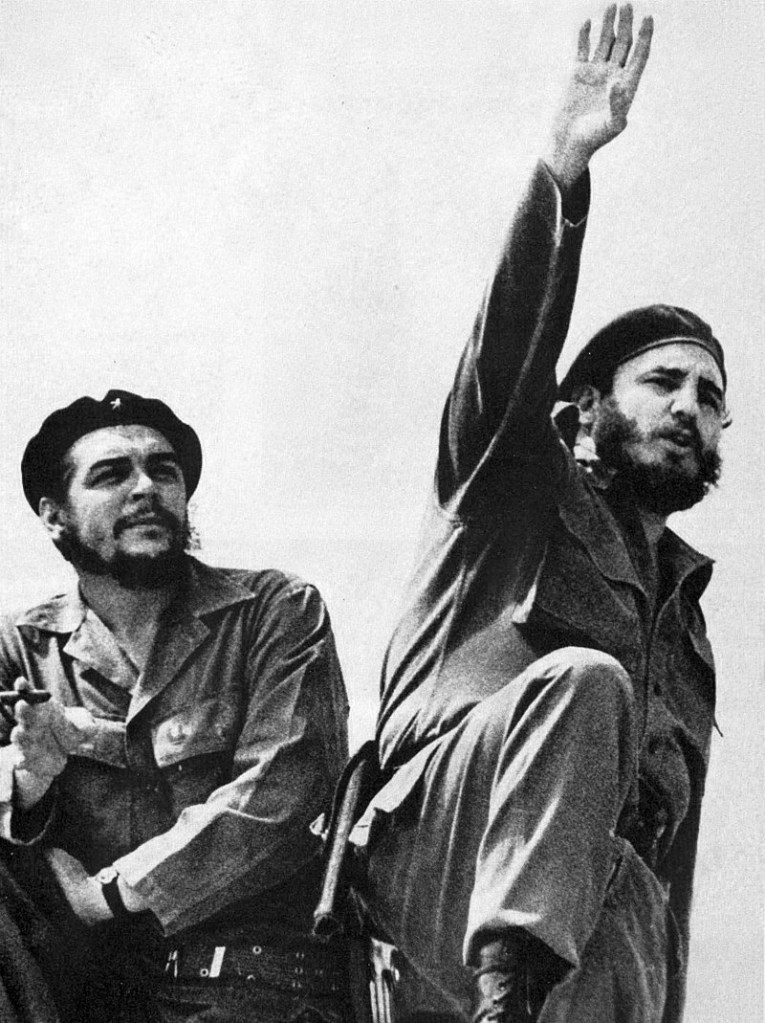
Guevara left Cuba in 1965 to support continental revolutions across both Africa and South America. In 1967, at the age of 39, Guevara was captured by CIA-backed Bolivian forces and was summarily executed.
CONTENT WARNING: GRAPHIC IMAGE BELOW – scroll past the red block if you do not wish to see.

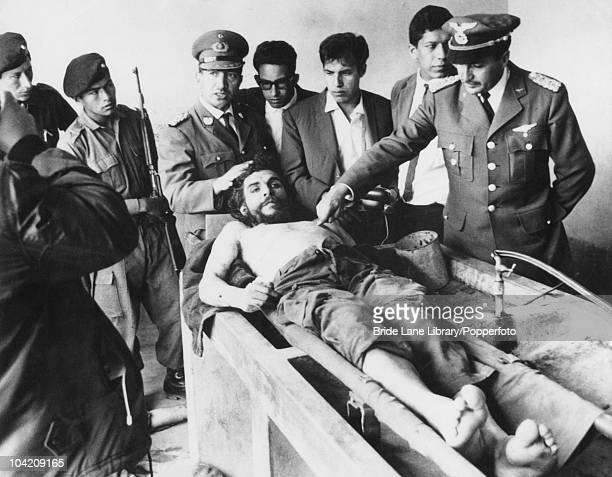

Guevara continues, to this day, to be a controversial historical figure. Critics accuse him of promoting authoritarianism and endorsing violence against his political opponents – while commander of the La Cabana Fortress prison, Guevara was responsible for the jurisdictional death of 55-105 political dissidents – although many of these individuals were responsible for government-led executions during the Batista regime…
Check out this article from Fox News: https://www.foxnews.com/politics/5-inconvenient-truths-about-che-guevara
Supporters argue that Guevara’s work has a profound political impact around the globe, particularly in the development world, where revolutionary organizing and anti-colonial struggles were inspired by his example.
This is a great PBS piece on him: https://www.pbs.org/wgbh/americanexperience/features/castro-che-guevara-1928-1967/
Returning to the book, many now agree that the experiences Guevara had on his 1952 trip through South America played a central role in his political and social outlook. Furthermore, I can’t help but see the anti-parallel nature of my journey and his – despite being rooted in a similar aspiration to serve others and coming from quite privileged economic backgrounds. While Guevara’s experiences with poverty led him away from the narrow, people-centered work of primary care to a broader focus in political change; my experiences led me in the opposite direction. I think this demonstrates the immense interconnection between healthcare and the political system.
One of the most pivotal moments in my transition from public policy to my pursuit of medicine occurred when I was first starting out on the Hill. I’d like to share a bit of that story here. Since it would not be appropriate for me to give the exact situation that took place (in respect to the constituent and the Senator’s office, I have decided to turn it into a bit of a story – and I took the liberty of changing several elements of the situation in order to obscure the event. While it is fictional, the experience and feelings behind this story are true and I hope it shows both the seed that led me to medicine and the intermingling I see between politics and people’s physical and mental wellbeing.
***This does not represent the views of the Senator’s Office***
Shoes click-clack on newly waxed marble flooring as I escort Ms. B, a 48-year old constituent, from the entrance of the US Capital to a small conference room. As we traverse through the maze of steep stairwells and long hallways, we stop a few times so she can catch her breath. “I used to be a professional walker!”, she boldly proclaimed, “It’s only since I had COVID that I can barely walk 20 feet without feeling my heart race”. We enter the conference room and I close the door behind us. Pencil and notebook in hand, I sit across the table from her and settle in for our session. An outspoken and strong-willed mother of two I was delighted to hear her story. As we moved beyond formalities, however, Ms. B pivoted from our meeting’s set agenda and began describing her current challenges. She lost her restaurant job at the start of the pandemic and was unable to return when the restaurant reopened due to ongoing health issues. Struggling to pay for bare essentials and lacking other resources, she didn’t know what to do. As Ms. B continued, I shifted roles from interviewer to advocate. As I listened to her story, I dug through my knowledge of government services, searching for the missing link that would help her get back on track. Before I could offer a concrete solution, our meeting was approaching its end. So I offered what I could, assuring Ms. B that I would guide her through the bureaucratic maze of social services. Over the next several months, I pivoted from my typical role as a legislative staffer as Ms. B and I had regular check-ins to discuss various services and her progress applying for them. I reveled in the opportunity to develop a more intimate understanding of her history and construct a personalized solution to tackle the challenges she faced. We continued to work together until, six months later, Ms. B informed me that she was approved to receive social security disability benefits. “WAHOO!” I exclaimed over the phone as we celebrated a major milestone on her path to financial security. While my regular chats with Ms. B did not magically cure her financial obstacles, it was deeply rewarding to both walk alongside her as she pursued a path of self-advocacy and to witness her achievements. Step by step, Ms. B allowed me to humanize my work in public policy. Still, experiences like this are not common in my work, and often, the intimate meetings I have with constituents contribute to letters, initiatives, and legislation that are unrecognizable from the human experiences they are meant to represent. Craving the knowledge and ability to more intimately impact the lives of those I engage with, I found medicine is the best path to fulfill this yearning.
Now, I want to make clear that I still see politics and public policy as deeply important in my life, and even if I do not pursue it as a full-time career, I hope to find a way to integrate policy & advocacy work into my career as a physician. I think my time on the Hill has been vital to my personal and professional development and I know that my experience in policy will help me be a better provider for my patients. Returning to Guevara, while there are many elements of his political outlook that I disagree with, I identify intimately with the roots of his drive depicted in The Motorcycle Diaries – that personal wellbeing is a human right worth fighting for.
See you in India, where we will read The God of Small Things by Arundhati Roy.
Sam
 Sam on Sabbatical